Tyler Berl: How Commitment and Compassion Define
the Character of Medical Professionals
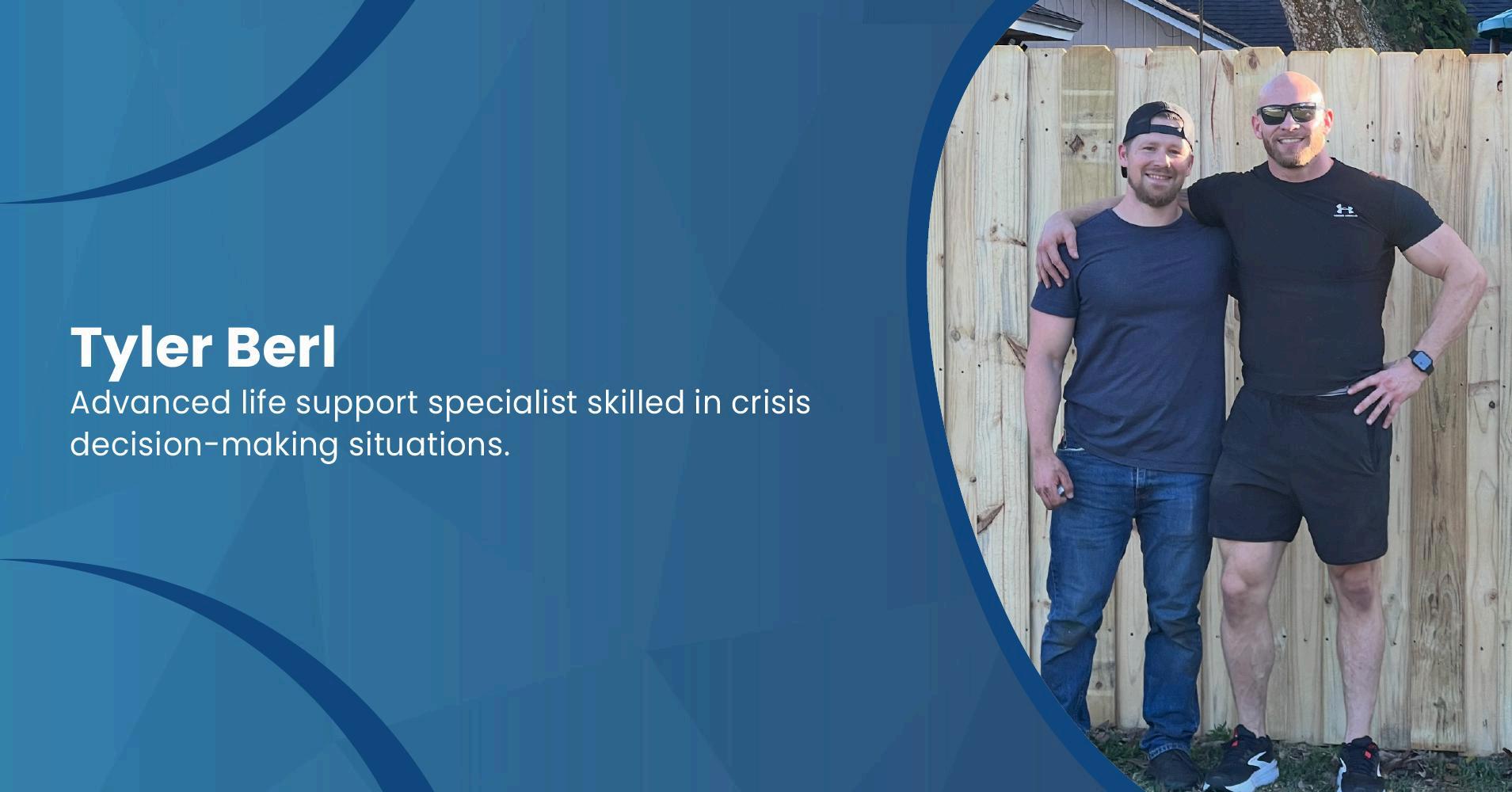
Based in St Johns, Florida, in healthcare, technical expertise is only part of what makes a great medical professional Knowledge, clinical skills, and years of study form the foundation, yet it is service and loyalty that truly shape the character of those who dedicate their lives to healing others These values influence how doctors, nurses, and healthcare workers interact with patients, approach challenges, and uphold their responsibilities under pressure, as Tyler Berl explained.
Service in medicine is not simply about performing tasks or following procedures. It reflects a deep commitment to others' well-being Medical professionals often work long hours, sacrifice personal time, and make difficult decisions under stress Their motivation extends beyond financial reward or career advancement. It is rooted in a desire to reduce suffering and restore health This mindset fosters empathy, patience, and a willingness to go the extra mile for patients who may feel vulnerable or afraid
Loyalty plays an equally important role in shaping medical professionals Loyalty to patients ensures that care remains consistent, ethical, and patient-centered. It builds trust, which is essential in healthcare When patients believe their provider is genuinely committed to their best interests, they are more open about symptoms, more willing to follow treatment plans, and more
confident in the care they receive This trust improves outcomes and strengthens the therapeutic relationship.
Loyalty also extends to colleagues and the broader healthcare system. Medicine is a collaborative field. Doctors rely on nurses, technicians, pharmacists, and support staff to deliver comprehensive care A loyal and dedicated team supports one another, communicates clearly, and shares responsibility. This sense of unity enhances efficiency and reduces errors. In high-pressure situations, such as emergencies or complex surgeries, loyalty to the team can mean the difference between chaos and coordinated action
Moreover, service and loyalty help medical professionals maintain integrity Healthcare often presents ethical dilemmas, competing interests, and emotional strain Professionals guided by service prioritize patient welfare over convenience. Those guided by loyalty remain steadfast in their ethical obligations, even under external pressure These qualities protect patients' dignity and uphold the profession's reputation.
Over time, consistent acts of service and loyalty shape identity A medical professional is known not only for competence but also for compassion and reliability. Communities respect and depend on individuals who demonstrate genuine care and steadfast commitment In turn, these values reinforce a sense of purpose among professionals, sustaining them through demanding careers.
Ultimately, service and loyalty transform medicine from a technical occupation into a noble calling. They remind healthcare providers that, behind every diagnosis, there is a human being. By embracing these values, medical professionals build trust, strengthen teams, and leave a lasting impact on the lives they touch in St. Johns, Florida.