
Bethany






Bethany
By HELENA O’NEILL
Arecent sighting of redeared slider turtles in a paddock at Aka Aka has renewed calls for residents to be vigilant.
Awaroa Ki Karioitahi Landcare chair Willy Muir said the turtles were spotted in Aka Aka about 300 metres away from the nearest water source.
“These turtles will cause considerable damage to freshwater ecosystems if left in the natural environment. Please be vigilant and let us know of any sightings.
“If possible, capture with care, and contact the regional council.”
Waikato Regional Council pest animals lead Kathryn O’Toole said the council receives reports of red-eared slider turtles in the wild across the region periodically, and they are widespread in
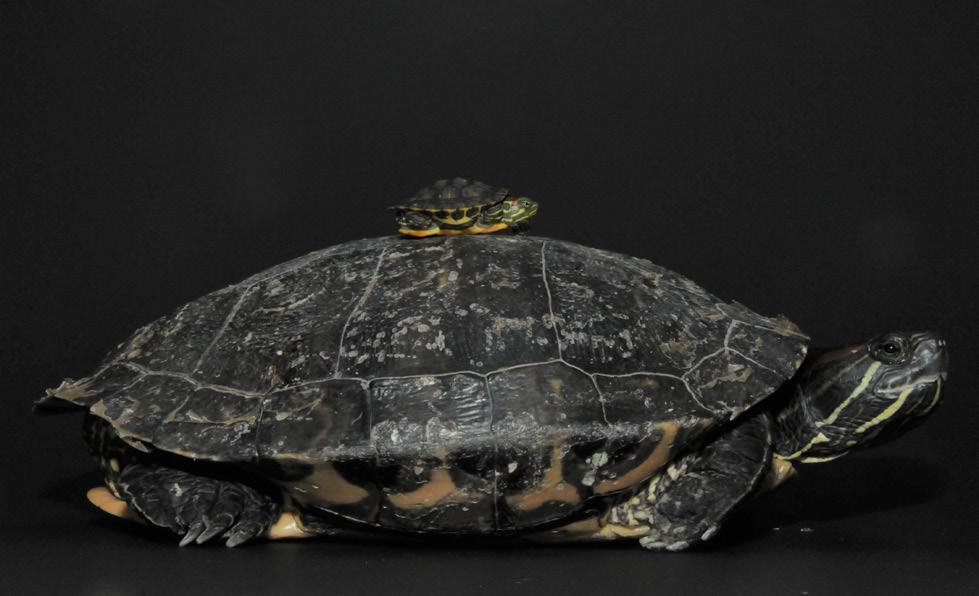
some parts of the Waikato.
“Unfortunately, red-eared slider turtles originally bought as pets are sometimes deliberately released, which is illegal and comes with a substantial fine of up to $5,000. Many of these former pets are now established and breeding in the wild.
“One of the world’s 100
worst invasive species, redeared slider turtles are omnivorous, long lived and tolerate a range of environmental conditions. If anyone sees a red-eared slider turtle in the wild, they should report it to the Waikato Regional Council on 0800 800 401.”
Meanwhile across the border, Auckland Council head
Talk to us today – to talk through your options
of natural specialist services Dr Imogen Bassett said redeared sliders are the most popular pet turtles; however, they can grow very quickly and outgrow home aquariums.
“Some owners think they’re doing their pet a favour by setting it free outdoors. Unfortunately, this can be dangerous for the turtle as well as the environment. As omnivores, turtles eat a wide variety of aquatic plants as well as fish, baby birds, insects, lizards and frogs, putting more strain on an already stressed ecosystem.”
Red-eared sliders can no longer be bred or sold in the Auckland region, Bassett said.
“Anecdotally, we know that the number of red-eared sliders are increasing in many of our natural waterbodies around the region, because of the dumping of unwanted pets.”

NEWS ROOM
Editor Helena O’Neill 027 341 2883
editor@franklintimes.co.nz
ADVERTISING 09 271 8000 advertising@times.co.nz
www.facebook.com/ franklintimesnz

Local news, sports, events competitions & classifieds to your inbox
Welcome back! I hope you all had an excellent festive break, finding some time to recover from 2025.
For me, the few weeks off went by far too quickly, but we’re back and here to bring your stories to life.
One of the cool features we run in (almost) every edition is the My Local Community Hall. This has been a fantastic way to showcase some of the wonderful community facilities we have here across Franklin and North Waikato. Many of these halls are often overlooked, so I hope you have been enjoying learning
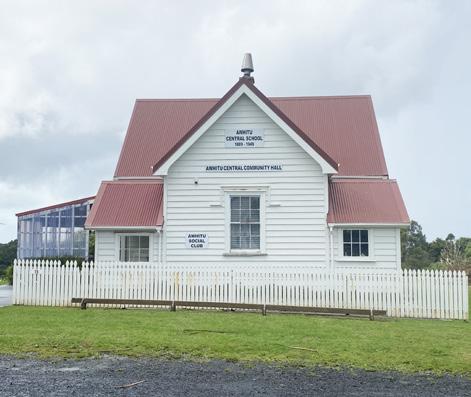
a little more about them.
My own local hall isn’t new or fancy, but it’s a solid asset for my semi-rural area when so many other buildings have faded away.
A huge thank you to all those volunteers on our hall committees and those in the community who care for these assets. Many of these halls were created through the hard work of our communities, so now is the time for us to rally around them and keep these facilities alive. As I spoke to different hall committees, I often heard about the same issue – a lack of vol-
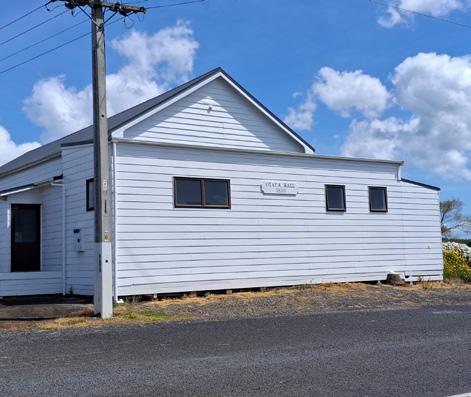
unteers. So, if you haven’t been inside your local hall yet, perhaps that needs to change. Each year community-run halls have an annual general meeting (AGM), so make sure you keep an eye out for the AGM this year.
Let’s keep these important community assets for future generations.
Helena O’Neill


Our junior journalist programme trial last year was successful, so we’re now on the hunt for our 2026 writers.
We’re looking for 10 students to be part of our junior journalist programme. So, if you have a budding writer in your school or family, please get in touch.
We have lined up some fantastic mentors from across
our community, thank you to those who have agreed to mentor our young writers.
Junior journalists will learn tips and tricks and be given guidance from our news team and experience what it’s like to be a journalist.
They will get their stories shared on our website and published in our Franklin Times. With our sister news-

paper’s programme out east, the children’s stories have a
huge following and readership.
They can write about anything local in the wider Franklin community.
We take junior journalists from Year 6 to Year 13. Returning programme participants are welcome to take part, this time with the fulllength duration.
Please email editor@ franklintimes.co.nz to apply.

By HELENA O’NEILL
Aucklanders are being urged to take care of what they put in their recycling bins following a recycling truck fire on SH20/ Lambie Drive in Auckland on January 13.
State Highway 20 was down to one open lane due to a rubbish fire in the left westbound lane near the Lambie Drive off-ramp at Manukau. The off-ramp was also closed for over an hour.
The fire was reported to police at 2.17pm on January 13, after a rubbish truck spilled its load, which was on fire.
Auckland Council said the SH20/Lambie Drive incident was the first recorded waste truck fire in Auckland this year. There was a total of 16 truck fires in 2025, down from 20 the previous year. From October to December, there were no fires in trucks.
A council spokesper-

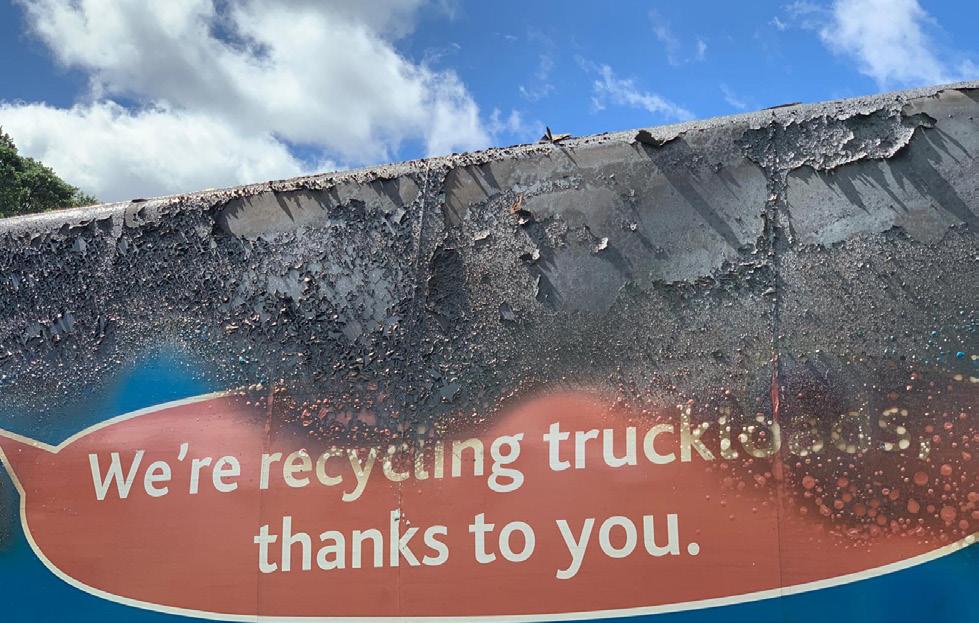
son said an ever-increasing number of battery-powered devices and batteries in household bins are the most likely cause of these fires. Lithium-ion batteries can ignite if damaged or crushed as part of the waste collection process.
Auckland Council has issued a reminder about the correct disposal of hazardous waste.
“While the exact cause of the fire is currently unknown, it’s suspected that hazardous
materials placed in a residential recycling bin may have been the cause. To help prevent incidents like this, please refer to the following safe disposal methods for hazardous waste,” the spokesperson said.
• To dispose of a still-working laptop, contact the Recycle A Device (RAD) programme, a non-profit organisation that refurbishes laptops for those in most need, while giving school students skills to repair them.
• TechCollect NZ and Noel Leeming accept laptops and accessories, even if they weren’t purchased there.
• Community E-waste Collection Days hosted by Echo (formerly known as Computer Recycling). Check the Echo website for their calendar of collection days.
• Some community recycling centres accept e-waste for a small fee.
• Mitre 10 and Bunnings have battery drop-off schemes. Check their websites for more information.
• Gas bottles and canisters can be taken to a community recycling centre or to a MataGas outlet, provided they are empty of gas. Some New Zealand camping stores sell a tool that enables canisters to be fully emptied prior to drop off at a recycling centre.
> Visit aucklandcouncil.govt. nz/whereitgoes to search for places to recycle or get rid of specific items.
By HELENA O’NEILL
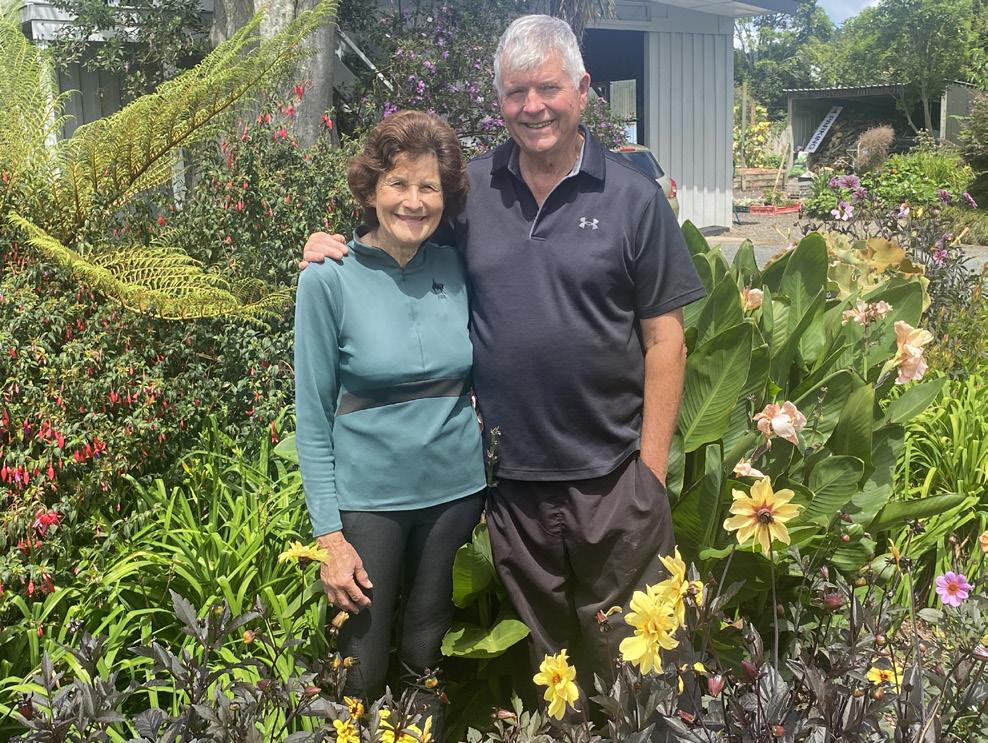
Franklin’s Jack Hobbs has been appointed a Member of the New Zealand Order of Merit (MNZM) for services to horticulture.
Hobbs is an award-winning horticulturalist and plant breeder who worked at the Auckland Botanic Gardens from 1977 to 2025.
Hobbs began his working life as an accountant, before going back to university to do an arts degree with the intention of becoming a teacher like a lot of his family members.
He then took a holiday job working in a Fisher & Paykel factory, lasting about two weeks before asking to work in their gardens instead.
“I had no formal training or experience, but my parents and grandparents were very keen gardeners. The whole family were keen gardeners, and I enjoyed working in our vegetable garden.”
Hobbs didn’t take up a fulltime horticulture role until 1977. “A friend of mine spotted a job on a landscape crew for the Auckland Regional Council. You went around
regional parks and did work in the garden, whatever they needed you to do, so I applied for a job there. The manager of parks, a legendary parks man called Phil Jew, asked if I’d like to work at these new botanic gardens they were starting.
“And so I started there.”
Auckland Council chief executive Phil Wilson said few staff have offered up nearly five decades of their working life in the way that Jack Hobbs has.
“Our gardens have evolved from farmland to an internationally renowned and award-winning collection of horticultural and scientific significance under Jack’s watch. Jack’s legacy includes the hundreds of horticultural staff who have been mentored by him; thousands of community volunteers who have been inspired by him; and the strength and support of the Friends of the Auckland Botanic Gardens, which has grown alongside
him and the gardens.”
Some might recognise Hobbs from his role as a presenter on Maggie’s Garden Show from 1991 to 2003. He enjoyed his time on the show, even travelling to Canada with Maggie Barry.
His work in horticulture has offered Hobbs many opportunities to travel all around the country and across the world in his role at the Auckland Botanic Gardens and later as a travel escort for Pukekohe Travel.
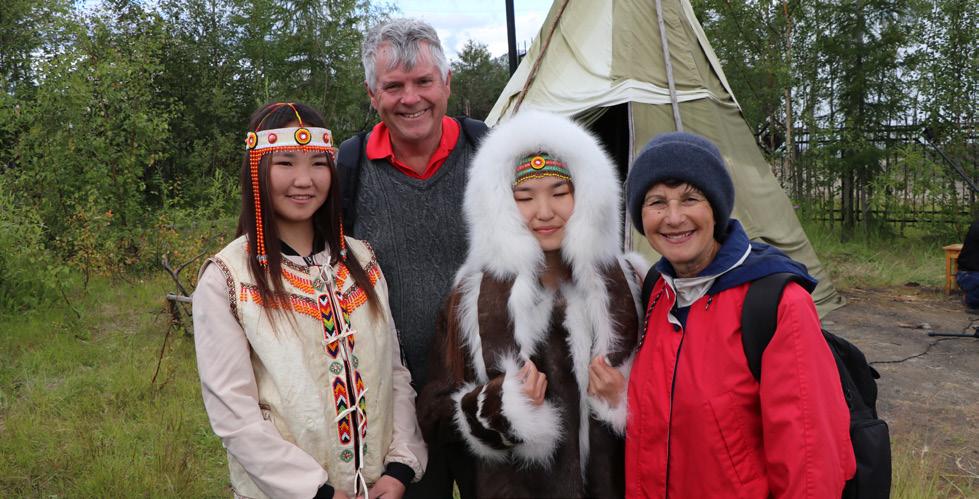
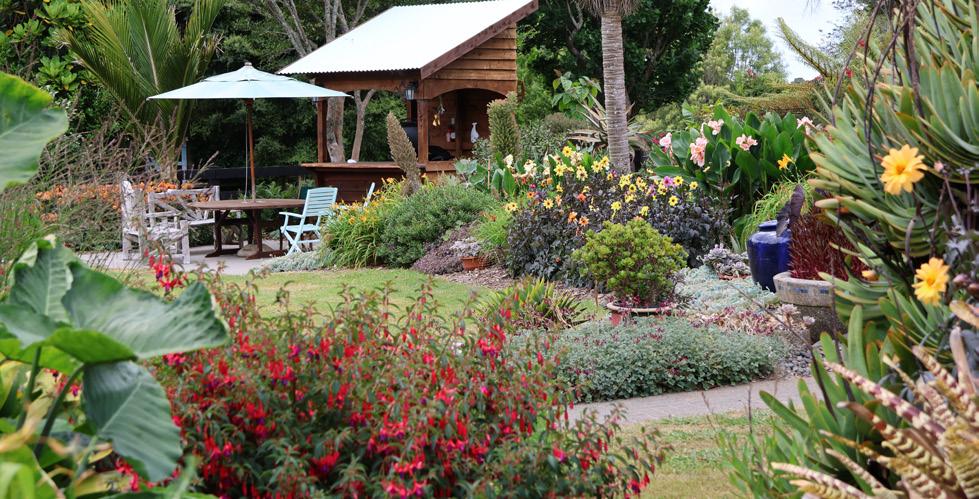
“I’ve been to some amazing places; Siberia has to be one of my favourites. I’ve also seen some fantastic gardens around New Zealand. But Ayrlies Garden and Wetlands in Whitford is one of the best.”
Hobbs has been a member of the Royal NZ Institute of Horticulture since 1977; was made a fellow in 1991 and an associate of honour in 1996; as well as holding the role of president between 2003 and 2011. He received the Royal NZ Institute of Horticulture Plant Raisers’ Award in 1990 and has been a contributor to NZ Gardener magazine since 1989.

By HELENA O’NEILL
Build, race, and represent your neighbourhood in an exciting downhill challenge this March.
Hosted by Papakura Franklin Blue Light, the Papakura Trolley Derby will be held on March 21 on Elliot Street. Every competitor will get at least two races and have the chance to get photographed on the police speed camera, without the fine.
Registrations are open, and classes are limited to 20 entries each, so school com-

munity officer Senior Constable Lisa Ross encourages people to sign up early. The entry fee is $20, with registrations closing on March 6.

To help prepare for the event, Mitre 10 Trolley Building Workshops will be held at the Blue Light Youth Centre at 159 Dominion Road, Papak-

ura from 1pm to 4pm on February 1, and 5pm to 8pm on February 2. “Stan from Mitre 10 will be at both workshops to help guide you in answering questions and assist with all your trolley-building needs. Whether you’re just getting started or fine-tuning your design, these workshops are a great opportunity to get expert advice and hands-on support,” Ross said.
“We can’t wait to see what you create — let’s build some epic trolleys!”
To register or find out more info, check out www. bluelight.co.nz.




By HELENA O’NEILL
Work on the Ngākōroa Train Station near Drury broke ground last month, with the project expected to be completed next year.
The new station and interim upgrade of the State Highway 22 (SH22)/Jesmond Road intersection are part of the SH22 Drury Upgrade project. “This is an important milestone as the last of a series of major Government funded rail projects in Auckland to get underway,” Rail Minister Winston Peters said.
“To help get people out of their cars and trucks and off our congested roads we’re making rail a better option for the people of Auckland and for freight.

“The new Drury and Paerātā stations are underway and due to open in 2026, electric trains began travelling to Pukekohe early this year thanks to the extension of overhead cables from Papakura, and the new Third Main line in South Auckland is creating more flexibility and helping better separate rail freight from passenger services – all funded by us in
2020,” Peters said.
Ngākōroa Station is expected to open in 2027.
Transport Minister Chris Bishop said the SH22 Drury upgrade will widen a 2km section of SH22 between Jes-
mond Road and Mercer Street from two lanes to four to provide better connections to and from Drury Interchange.
“The highway upgrade will support housing growth in the area, giving growing communities access to multiple transport options and address existing safety issues on this section of the highway,” Bishop said.
“To support the 2027 opening, the NZ Transport Agency (NZTA) is staging the SH22 Drury Upgrade project, with interim works starting now to provide access to the new Ngākōroa Station being built by KiwiRail before it opens.”
The interim upgrade will involve adding a fourth leg to the intersection opposite Jesmond Road and will take six months to complete. The full SH22 Drury upgrade is expected to begin in 2027, once the required land has been purchased and full construction funding has been confirmed.




Summer means fresh energy fills the air, promoting fresh starts, clutter-free spaces, and a bit of a seasonal reset within your home. From simple home improvements that embrace mindful design, creating smart storage zones or implementing tidyas-you-go practices, this guide will help you refresh your space – whether you’re getting ready to sell or simply to enjoy a more organised, inviting home more.
It’s time to clear out the clutter in your home, and freshen up in the warmer, longer days. Before you jump the gun and buy a warehouse to store all your extra bits and pieces, a good spring clean, declutter, and some storage tweaks could be just what you need. Whether you’re nesting, planning to get your home on the market, or simply craving a calmer space, this easy guide will help you prep your home (and your mind) for a more organised, refreshed space. Here’s how.
START WITH DECLUTTERING
Out of sight, out of mind is not the vibe we are going for. This means orderly storing clutter in cupboards or drawers won’t cut it – you need to work on letting go of things you don’t need, use, or love. We get it, saying goodbye is never easy, and who knows, maybe you will need that ancient fondue set one day? Here are our top tips to help you approach decluttering:
Use the five-pile method: tried and tested, this involves creating five separate piles (keep, donate, sell, recycle and bin) to help you categorise your clutter. From old, unloved clothes to shoes, or retired hair straighteners, remember that one man’s trash is another man’s treasure –so donate, upcycle, sell, or recycle to minimise landfill and promote sustainability.

a
“maybe” pile: decluttering can get emotional – there are keepsakes and nostalgic items that often don’t fit into the five-pile method. Place any of these items in a sixth pile that you’ll put aside for three to six months. If you haven’t needed it or missed it after this time, you know what to do!
Go digital: paperwork, receipts and documents quickly stack up, adding to clutter and making it difficult (and stressful) to find things when you need them. Dust off your trusty scanner, or pull out your phone and snap photos of important documents, kids’ artworks, or receipts. This will free up space and help you get organised

Declutter in bursts: often getting started is the hardest part, so break it down into smaller, more manageable chunks. You can tackle a room at a time and set a timer for 10 minutes a day to avoid becoming overwhelmed. Starting with an easy room can give you the momentum to keep going. Don’t want to wait to next month for Part Two then Give JoAnn or Victoria a call and they will send you the full Guide.
Finding it hard to say goodbye? Add
Thinking of selling in 2026 then give them a callthey will tell you what you need to do to be ready to make the next move

By STAFF REPORTER
Apolice officer on route to a robbery job got more than he bargained for after a vehicle travelling in front of him took off, driving dangerously to evade the red and blue lights.
At about 5.50pm on January 8, the officer who was approaching the Bombay off-ramp, saw a blue hatchback take off and overtake a number of vehicles along the shoulder of the road.
Senior Sergeant Anton Maisey, of Counties Manukau Police, said the unit called in the Police Eagle helicopter to assist in tracking the vehicle while he continued on to
the other job. “Eagle has then observed the vehicle exit at Pokeno, where it has driven through the area at speed and into Tuakau.
“An attempt was made to spike the vehicle, before it eventually pulled over in Alexandra Redoubt Road.
“The driver has then got out of the vehicle carrying a black rubbish bag.”
Maisey said police blocked the vehicle in and took the driver into custody without incident.
“The black rubbish bag was seized and found to be filled with cannabis.
“This find should put a sizeable dent into the local underground cannabis mar-

ket. “Offenders are making huge profits from the illegal drug trade, and any catch on this scale should send a warning to people buying or sell-
ing, that they will be held to account.” A 16-year-old was referred to Youth Aid Services and the vehicle impounded for six months

By STAFF REPORTER
Police urge anyone going near the water, no matter how strong a swimmer they are, to take basic precautions to keep themselves safe.
Inspector Andrea McBeth said that each year police see tragic outcomes in and around water.
“If you’re heading out to enjoy the water, be prepared. Water can be unforgiving.
“We want to have everyone come home safe and well to their whānau.
“Waters around our country have strong and deep currents that are changeable and unpredictable,” McBeth said.
“If you’re not a strong swimmer with a life jacket, stay where your feet touch the ground and take extra precautions.
“Be aware of your capabilities in the water and understand it might not be the same as your mate’s.
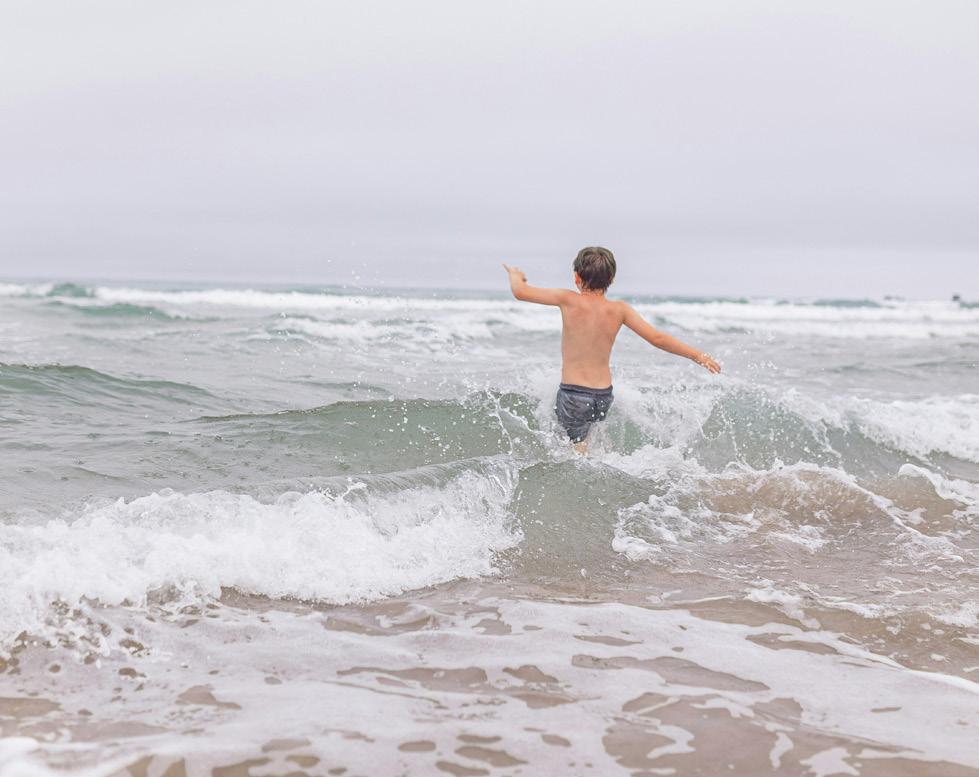
“Don’t go in the water if you’re not comfortable.”
McBeth also highlighted the importance of safety if you’re going boating or fishing.
Nearly half of water fatalities are from accidental falls into the water, highlighting the importance of life jackets, and swimming and floating skills.
“When on a boat, always
wear a life jacket and have a waterproof bag to put your phone into to put inside your life jacket, so it’s always with you.
“Everyone needs a plan in place for how they’re going to stay safe in case things go wrong.
Police remind people when heading out to the water:
• Actively supervise tamariki in and around the water.
Things can change in an instant.
• Know what your capabilities are. Even if you’re a strong swimmer, that might not help you if you are swimming in a dangerous spot.
• Know the environment. Is it safe to swim? Dangers exist in every river and at the beach and it’s important to know where they are.
• If swimming at the beach, swim between the flags, they’re there to keep you safe. Watch out for rips and strong currents in the water.
• Always check weather and tide conditions before heading out. When swimming, diving or boating, avoid alcohol and drugs. Alcohol, drugs and water can be a dangerous mix.
• Tell someone where you’re going and when you will come back – this can be crucial information for police to locate you. If there is a water-related emergency, always call 111 immediately.

Are you after clever design ideas for your build? Or simply a chat about what’s possible for your next home? Visit our award-winning Karaka show home this week.
By STAFF REPORTER
Associate Transport Minister James Meager is calling on Kiwis to do their part to celebrate those who risk their lives to bring people home safely, by nominating them for the 2025 New Zealand Search and Rescue (NZSAR) Awards.
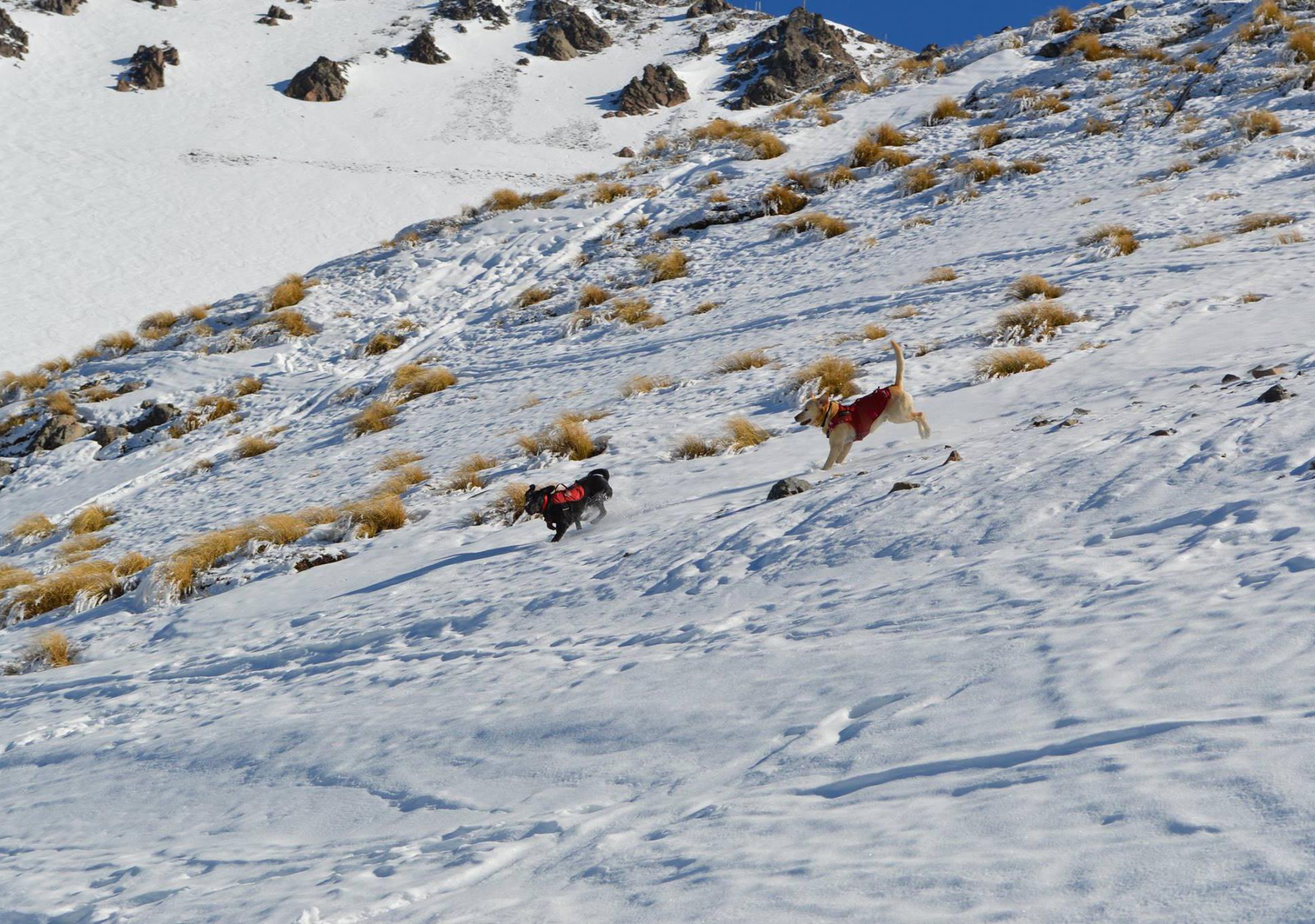
“Search and rescue is more than dramatic rescues. It’s about the tireless work of volunteers, trainers, coordinators, and support teams who make a difference every day. New Zealand has one of the largest and most challenging search and rescue regions in the world, making the sector’s work even more dangerous and treacherous,” Meager said. “I experienced this firsthand, during a recent visit to the Search and Rescue Dogs Association (SARDA) in Methven. I played the role of ‘trapped explorer’ and witnessed the skill, focus, and teamwork of avalanche dog teams and their handlers.
“Seeing the team in action was inspiring. Our canine teams and their handlers are just one example of the skill and dedication that goes into every lifesaving operation.
“The sector’s mission is
simple: bring people in distress safely home to their loved ones, wherever they are in the country. The NZSAR Awards are an opportunity for us all to be pay shine a light on the courage, skill, and commitment shown by those keep us safe.”
The NZSAR Awards honour outstanding contributions across two categories:
Operational activity: Exceptional performance in
specific search and rescue missions during the year.
Support activity: Significant impact through training, prevention, long service, or other vital support roles.
Each category offers two levels of recognition: Gold Awards for truly exceptional contributions to search and rescue in New Zealand, and Certificates of Achievement for notable efforts over the year or a sustained period.

“Whether it’s a rescue in challenging conditions or years of dedicated service, these awards honour those who go above and beyond. Every person plays a part, and every contribution truly matters,” Meager said.
“If you know a deserving individual, team, or dog-handler partnership, submit a nomination and share their story. Nominations close on January 31.”
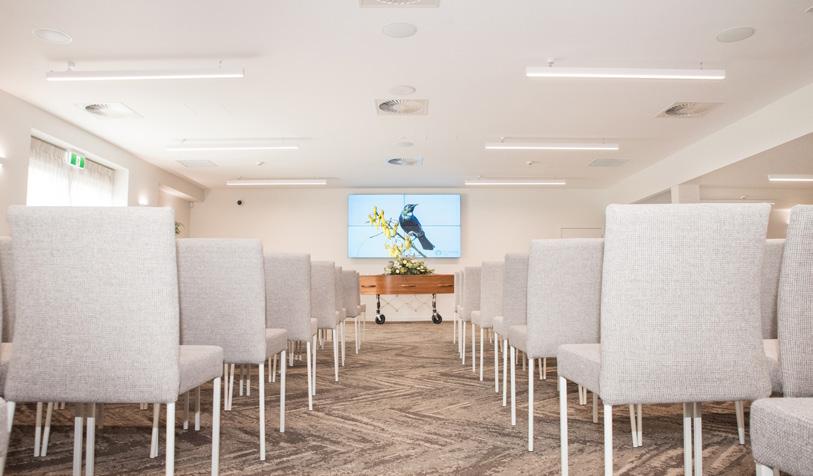
planning a large funeral, an intimate farewell, or a simple cremation, we are here to walk beside you with dignity, compassion,
clarity, and support every step of the way.
Talk to us today about pre-planning and pre-paid options.
A Pukekohe man has been fined $7200 for seriously injuring two passengers in a boating incident near the Alderman Islands on Christmas Eve 2022.
Last month Travis Vernon Whiteman, 25, was convicted in the Thames District Court on two charges of careless operation of a vessel under
the Maritime Transport Act 1994. He was also ordered to pay $8000 in reparation to the two women.
Waikato Regional Council, through its harbour master functions, brought the charges after an investigation found the skipper failed to ensure the vessel’s propeller was stopped while

recovering swimmers from the water.
The two women, visiting from Sydney, sustained serious leg injuries requiring surgery and have permanent scarring. Both women have name suppression.
The court heard the skipper had been drinking alcohol during the day and believed the engine was in neutral when reversing toward the swimmers. He initially pleaded not guilty but changed his plea to guilty before trial.
Waikato Regional Council’s regional compliance manager Patrick Lynch said the incident was “entirely avoidable”.
“What should have been a fantastic day out has turned to near tragedy. This incident shows how dangerous it is to leave an engine running

when there are people in the water.
“Skippers must realise they bear full responsibility for passenger safety, and alcohol can severely impair judgement.”
The Waikato Regional Council urged all skippers to follow safe boating practices, avoid alcohol while operating vessels, and ensure engines are off when swimmers are in the water.


By KERRY LEE
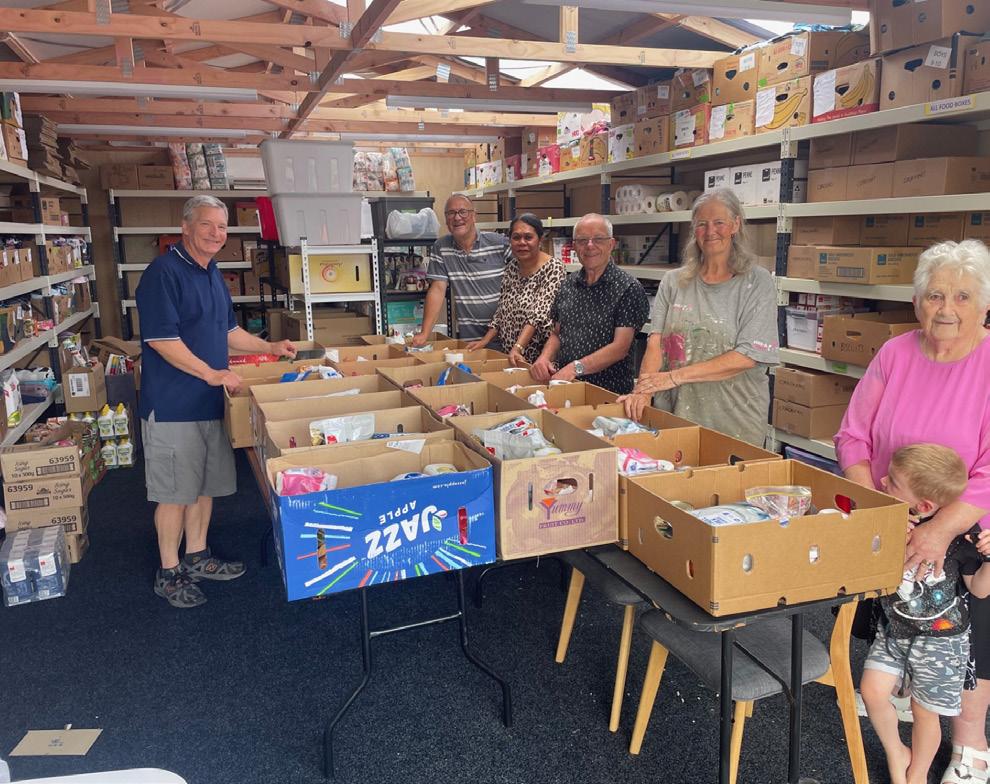
Throughout the summer, charities are still working hard for families in need.
One of these charities, the Pukekohe Community Action runs programmes offering practical and emotional support, that helps people at all stages of life. These include parents, children, seniors who may be grieving or lessons for first time parents.
Pukekohe Community Action Group director Jan Wallace said that the group runs some programmes designed to meet the social changes that people come across during their lives.
One of these programmes,

aimed at first time parents called Space, gives first time parents a chance to meet people in similar situations. It gives them a chance to talk about shared issues and dis-
cuss problems they may be having.
“They are learning in that time that to give your time to your child is really important and it’s when you do that, that the child had good relationships and good communication skills with their parents that carries them through the teenage years,” Wallace said.
The second programme is called Seasons for Growth that is run for people facing significant changes in their lives. They run this programme in schools, and have an afterschool programme, as well as a parent’s group, which helps parents support their children.
The changes they are going through can be anything: a deceased friend or
relative, a new community or country, or perhaps trouble at home.
“There’s a lot that young people must adapt to, and children talk freely and share their stories being in a group situation.
“We also have two play groups (named Oasis) which runs Mondays and Fridays that are different from the other groups. It covers children doing crats and activities as well as stories, music movement and free play.
“This is a good way of helping people settle into the community. Pukekohe is a very generous community, and we are well supported, in the food bank that we run, through the local growers, and food providers in the area.”

Open Electricity will help New Zealand homes and businesses plug in to the best power plan for their needs and drive better competition in our electricity market, Energy Minister Simon Watts and Commerce and Consumer Affairs Minister Scott Simpson say.
The Government has designated the retail electricity sector as the next cab off the rank under the Customer and Product Data Act.
This follows the implementation of Open Banking, of which the regulations came into force on December 1.
“Right now, there are more than 15,000 power plans for residential users alone, making it nearly impossible to compare and find the best plan to suit people’s needs,” Watts said.
“Open Electricity will make it simple to quickly compare the electricity needs of your household or small businesses against every power plan on the market, saving time and money.
“Recent energy savings campaigns show that consumers who switched power plans saved an average of $358 a year – a huge win at a time when cost of living is top of mind for many.
“New Zealanders can also expect lower costs through more efficient and reduced

electricity consumption, and there are opportunities for network cost savings through reducing energy use at peak times.
“Open Electricity will mean customers can access data around their electricity consumption and product options quickly, clearly, and securely – and be able to share that information securely with others who can help them get the most out of their data. This will help them optimise their energy use and make important household decisions, like whether to install solar or buy an electric vehicle.
“I have been clear that ensuring Kiwis have access to abundant and affordable
energy is my top priority. We are moving as quickly as practical to ensure Open Electricity can make these savings a reality for many. Consumers will start to see changes from September this year with all changes completed by mid-2027.”
Approximately two million households and 165,000 small business customers will benefit from greater choice through improved transparency and better access to their data.
Simpson said the changes will drive competition and offer access to new innovative products in the electricity market.
“Currently, accessing information about your elec-
tricity usage is slow, costly, and inconsistent. It restricts your choices and your ability to get a better deal for your usage,” Simpson said.
“Current electricity price comparison tools base usage on averages. While this can be helpful, it is not enough to support the high levels of cost reduction and innovation that we would like to see in our energy market. Secure and ready access to your individual data will ensure you get the best price.
“Open Electricity allows customers to get the best value for their money. I am very pleased to see this roll out and I look forward to Kiwis making the most of this exciting initiative.”
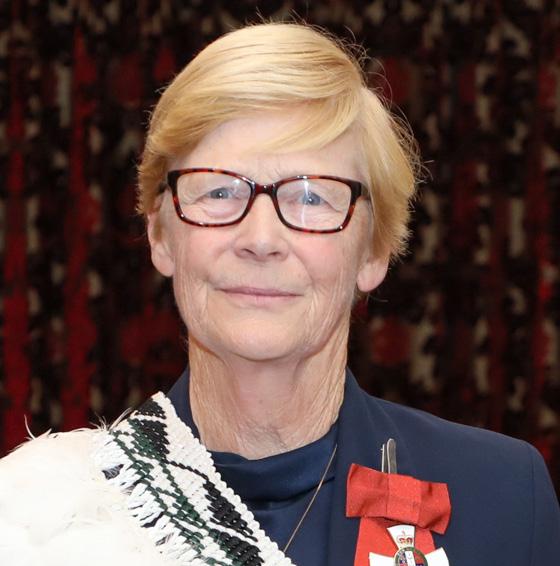
Health Minister Simeon Brown has acknowledged Dame Karen Poutasi and her extensive service to the New Zealand health system and the public sector more broadly. She died on January 1, aged 76.
“With a professional background in public health medicine, Dame Karen had a deep understanding of the health sector.
“She had senior roles in Dunedin and Middlemore Hospi-
tal before being appointed Chief Health Officer at the Department of Health. In that role she headed the work required to implement the recommendations of the Cartright Inquiry on cervical cancer.
“Dame Karen served as Director-General of Health for 11 years, and subsequently Chief Executive of the New Zealand Qualifications Authority (NZQA) for 14 years.” In 2019 she was seconded to serve as Commissioner of
the Waikato District Health Board, before joining the Health New Zealand Board, later becoming its chair.
“In all her various roles, Dame Karen brought a wealth of public health expertise.
“She leaves a strong legacy of work to improve health outcomes for all New Zealanders.”
Poutasi was made a Dame Companion of the New Zealand Order of Merit in 2020 for her services to education and the state. She was made a Companion of the New Zealand Order of Merit in 2006 for her services to health administration.
Motorists travelling through Drury and along State Highway 22 (SH22) are being advised to prepare for significant disruption ahead of the SH22 and Jesmond Road intersection upgrade early this year. The project, led by NZ Transport Agency Waka Kotahi, has reached a critical milestone, with the interim intersection upgrade now fully designed.
Final “Issued for Construction” drawings were provided to the appointed contractor last month, marking the transition from planning to on-the ground works.
Construction is expected to commence shortly after regulatory approvals are finalised this month and is scheduled to run through until June 2026. During this period, road users can expect lane restrictions, traffic management, delays, and periods of congestion, particularly during peak travel times.
Transport officials say the temporary disruption is unavoidable, as the intersection currently operates
beyond its original capacity and sits at the centre of several major transport projects reshaping the wider Drury–Paerātā area.
The interim upgrade is a stepping stone toward a much larger long-term transformation. Plans are already underway for a full intersection rebuild, which will include four-laning of SH22, upgraded stormwater treatment, and a shared path for walking and cycling. Property acquisition for this stage
is ongoing and will continue throughout 2026.
Subject to funding approvals, detailed design for the full upgrade is expected to be completed by mid-2026, with construction potentially starting in early 2027.
Local leaders acknowledge the works will be disruptive but say they are necessary to support the rapid growth occurring across Franklin and the Drury growth area.
“This is the hard part of

growth,” one transport stakeholder noted. “Short-term inconvenience in exchange for a safer, more reliable transport network that can cope with what’s coming.”
Commuters are being encouraged to plan ahead, allow extra travel time, and stay informed as traffic management arrangements are confirmed closer to the start of works. Further updates will be shared as construction timelines and detour plans are finalised.
• Merritt Watson is a member of the Franklin Local Board but is not writing on behalf of the board.
Hello and welcome to 2026. I hope you managed to enjoy a great Christmas and New Year, surrounded by family and friends.
I got to enjoy spending some time off in Auckland over the break, enjoying the weather and planning ahead for the year.
National will keep working hard this year on fixing the basics and building the
future – and a key part of that is ensuring our economy keeps growing.
We’ve made great progress in just over two years –inflation is back within the band and the economy is growing, and successive cuts to the OCR mean Kiwis are saving thousands of dollars a year on mortgage repayments.
Just before Christmas I announced we’ve secured a

free trade agreement with India – that will be a mammoth boost to our economy.
It’s a landmark deal with the world’s fastest growing big economy that will create opportunities for jobs, exports and growth for all New Zealanders.
A growing economy means more opportunities right here at home.
It means more jobs and higher wages. It means we can deliver more roads, schools and hospitals and have better, more responsive, public services.
Trade is the engine room of our economy.
The more we sell overseas, the better that Kiwi exporters can support more jobs and higher wages. One in four New Zealand jobs are linked to trade, and we know exporting firms pay their workers higher

incomes than non-exporting firms, and that’s why my Government set an ambitious goal to double exports in 10 years. Because the better our exporters do, the better New Zealand’s economy does. We’ll continue to pull every lever and work every relationship to continue growing this economy – and I look forward to keeping you updated throughout the year.
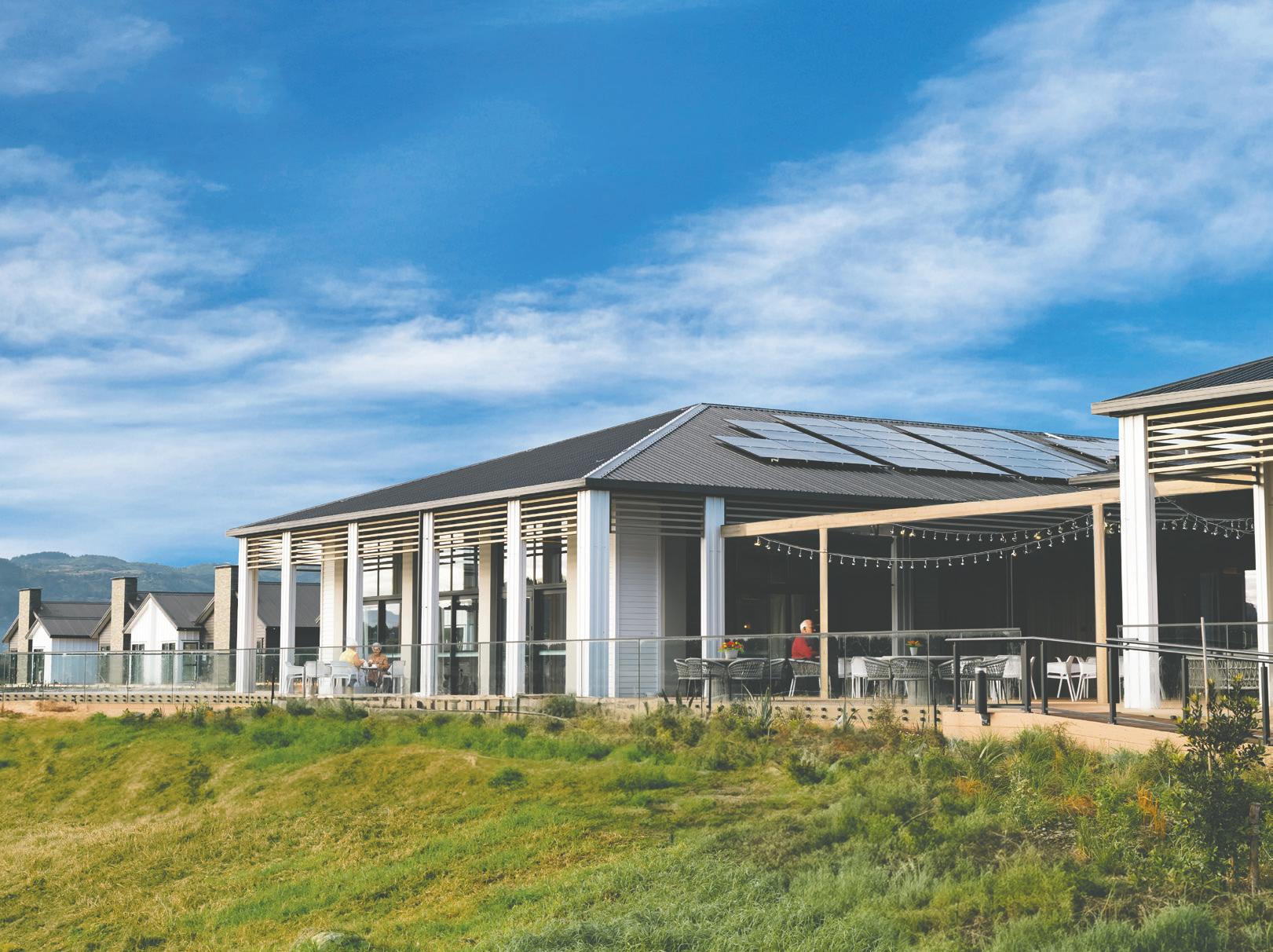
At Ōtau Ridge, enjoy easy country living with Clevedon village right on your doorstep. Retirement here is about lifestyle, not life stage — a place where you’re not just buying a home, but embracing the lifestyle you’ve earned. Villas from $950,000^ — call Siobhan on 09 222 2833. Ask us about our ultra-premium villa offering.
2 Kumekume Way, Clevedon | otauridge.co.nz
By KERRY LEE
After 40 deaths in a fire in the Swiss ski resort of Crans-Montana, is it time to ban fireworks in New Zealand?
The blaze at Le Constellation bar in Crans-Montana left 116 people injured. The fire is believed to have been started by sparklers in champagne bottles raised too close to the ceiling during celebrations. New Zealand has grappled with the idea of banning fireworks for years but has never been committed to an outright ban. Now, with the tragedy in Switzerland, that may now change.
On November 4, New Zealand First introduced a bill to ban the sale and use of fireworks in New Zealand.
While the proposed Fireworks Prohibition Legislation Bill will stop the retail sale, manufacture, and importation of fireworks for public
use, approved public displays will continue, New Zealand First says. A spokesperson for Fire and Emergency New Zealand urges people not to let off fireworks throughout summer due to hot, dry, and windy conditions, which increase wildfire risk.
“Fireworks have caused large vegetation fires in recent years, resulting in evacuations and environmental damage. Every year, our crews are called to several fireworks-related fires over the summer.
“There may also be restrictions on the use of fireworks in some areas during summer, so it’s essential to head to www.checkitsalright.nz to check current bans, the fire season, and the fire danger.

» Fireworks should never be let off inside, or close to, a building.
» Fireworks should not be used in windy conditions.
» You can use a wide-open space away from anything flammable.
» Have a hose or bucket of water ready.
» Point fireworks safely away from people, animals, buildings, and vegetation.
» Let neighbours know and consider pets and vulnerable people nearby.
» Dispose of used fireworks safely by soaking them in water before disposal.
“In areas in a restricted or prohibited fire season, or areas with higher fire danger levels, there will be an elevated level of fire risk, and fireworks should not be set off. “Fire and Emergency’s preference is that fireworks should only be used by professionals. If people want to celebrate with fireworks, we ask that they attend public displays where possible.
“If fireworks are used where permitted, there are a few steps people can take to minimise the risk of harm from fire.”












By HELENA O’NEILL
Final preparations are underway Australasia’s longest running and most prestigious polo tournament.
Now in its 49th year, the Milford New Zealand Polo Open continues to capture the thrill, athleticism, and sophistication that defines the sport of kings.
From the galloping hooves on the Clevedon fields to the fashion, hospitality, and high performance that surround the event, the open remains a highlight on New Zealand’s summer social and sporting calendar.
Auckland Polo Club president Tony van den Brink said the club was pleased to announce Milford as its naming rights partner for 2026.

talent.
The event continues to blend sport and style in equal measure.
The much-loved Fashion Quarterly Fashion at the Polo competition returns with FQ editor Sarah Murray and celebrated designer Caitlin Crisp once again on the judging panel, scouting the runway for Best Dressed Lady, Best Dressed Gentleman, and Best Accessory.
Meanwhile, the Giltrap Group’s Horsepower vs Horse Power spectacle will test speed and style in one of the day’s most talked-about moments.
“Their commitment to excellence and innovation makes them the perfect partner as we continue to elevate this iconic event.
“Together, we’re shaping an experience that celebrates not just sport, but connection, precision, and passion.”

The 2026 lineup includes two international patrons flying in to play, alongside top teams representing the South Island and Lower North Island, in a thrilling display of national and international
The event will be held on Sunday, February 15, at the Auckland Polo Club in Clevedon with gates opening at 11am. For more information and to purchase tickets, visit www. nzpoloopen.com



By KERRY LEE
Calling all fishing enthusiasts, the Orere Community & Boating Club (OCBC) is once again holding its annual Auckland Anniversary weekend fishing competition.
The fundraiser starts on Sunday, January 25 at 6am, with weigh ins at 2pm at Orere Point Beach Point Reserve.
Prizes will be awarded for the heaviest and average snapper, as well as the heaviest Kingfish, Trevally, John Dory, Gurnard, and Kahawai.
There will be raffles where people have a chance to win amazing prizes that have been generously donated by this year’s major sponsors Burnsco Manukau, and Bunnings Takanini. Prizes include a barbeque and a Brass Monkey chiller freezer chilli bin.
There will also be food and a kids’ tent.
Over the years the competitions have proven to be very popular with an average 60 to 80 entrants trying their luck. Normally the club raises between $1000 to $1300 dollars for the community.
The club organises many fundraisers throughout the year including Labour Weekend, Easter, and of course Auckland Anniversary Day.
The OCBC is a non-profit organisation that distributes $12,000 per annum from events to assist similar organisations that service the Orere Point community.
Club event organiser Jas


Fisher said recipients include the local Orere School, Orere Point Volunteer Fire Brigade, Auckland Rescue Helicopter Trust, and Coastguard.
“All of our other fundraisers have different recipients throughout the year we just love to support our little com-
munity.”
After the weigh-in, the fish that have been caught will be auctioned off with all profits from the auction going straight back to the club’s recipient (community), who this year will be the OCBC members only ramp
that is in extreme disarray and in need in of structural repairs.
Tickets go on sale online from January 23, or on the day at the Orere Beach Point Reserve from 6am. Tickets are $15 for club members, and $20 for non-members.

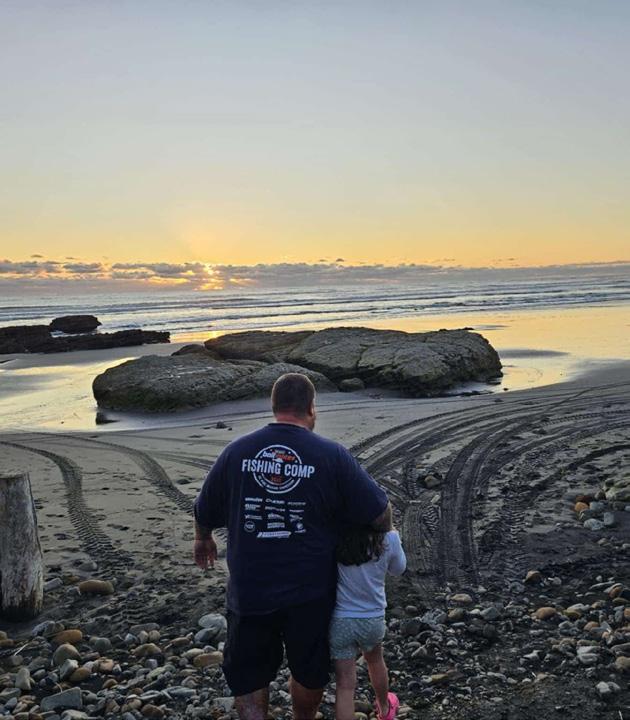
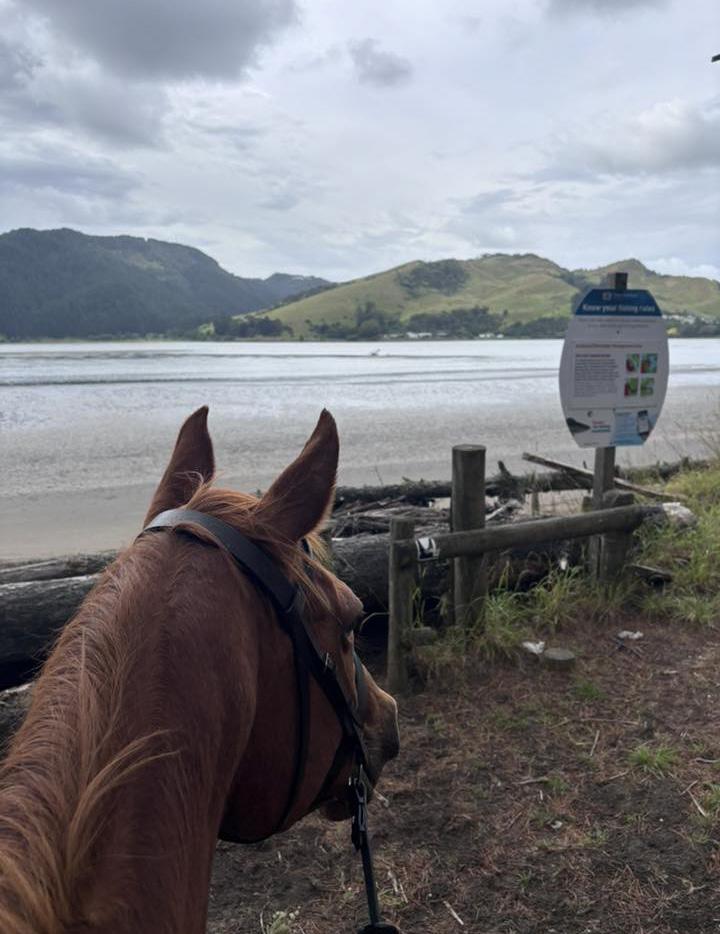
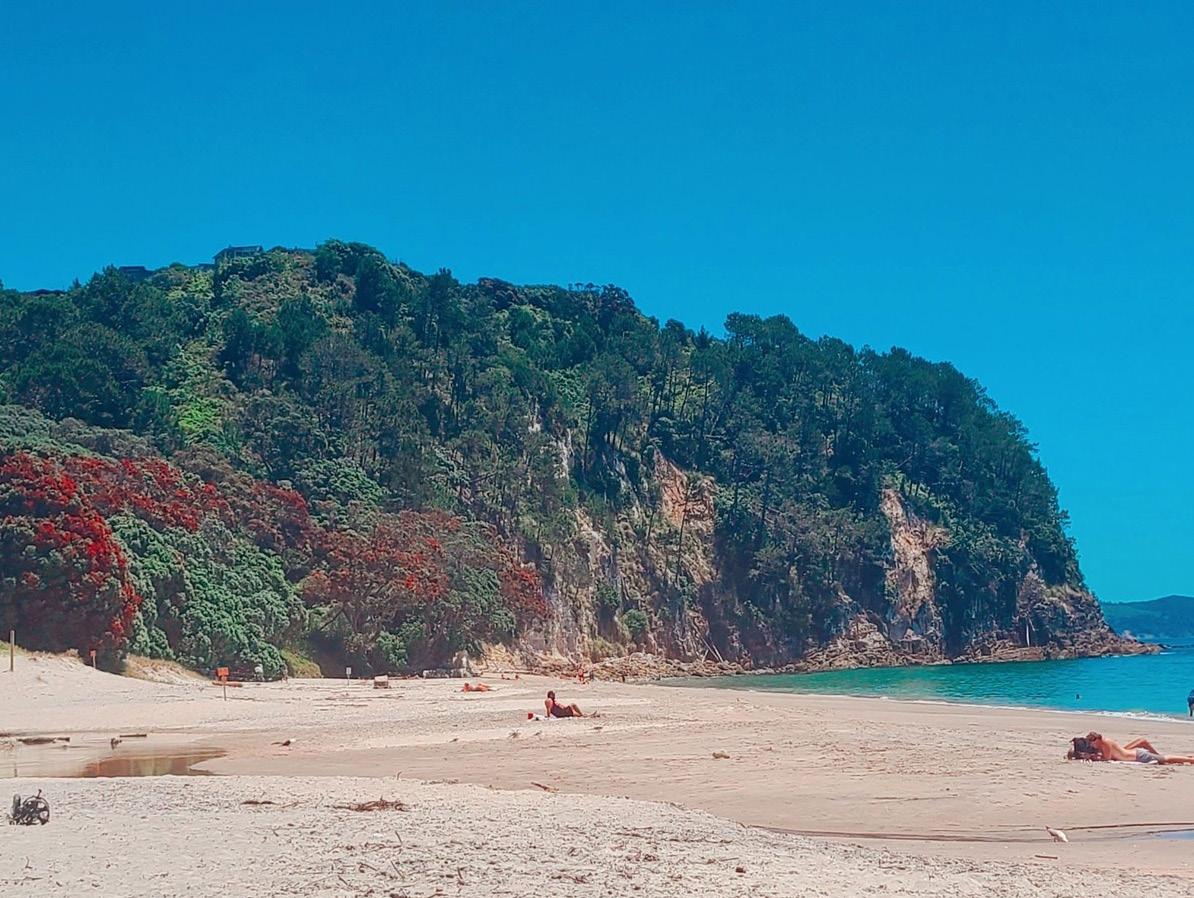
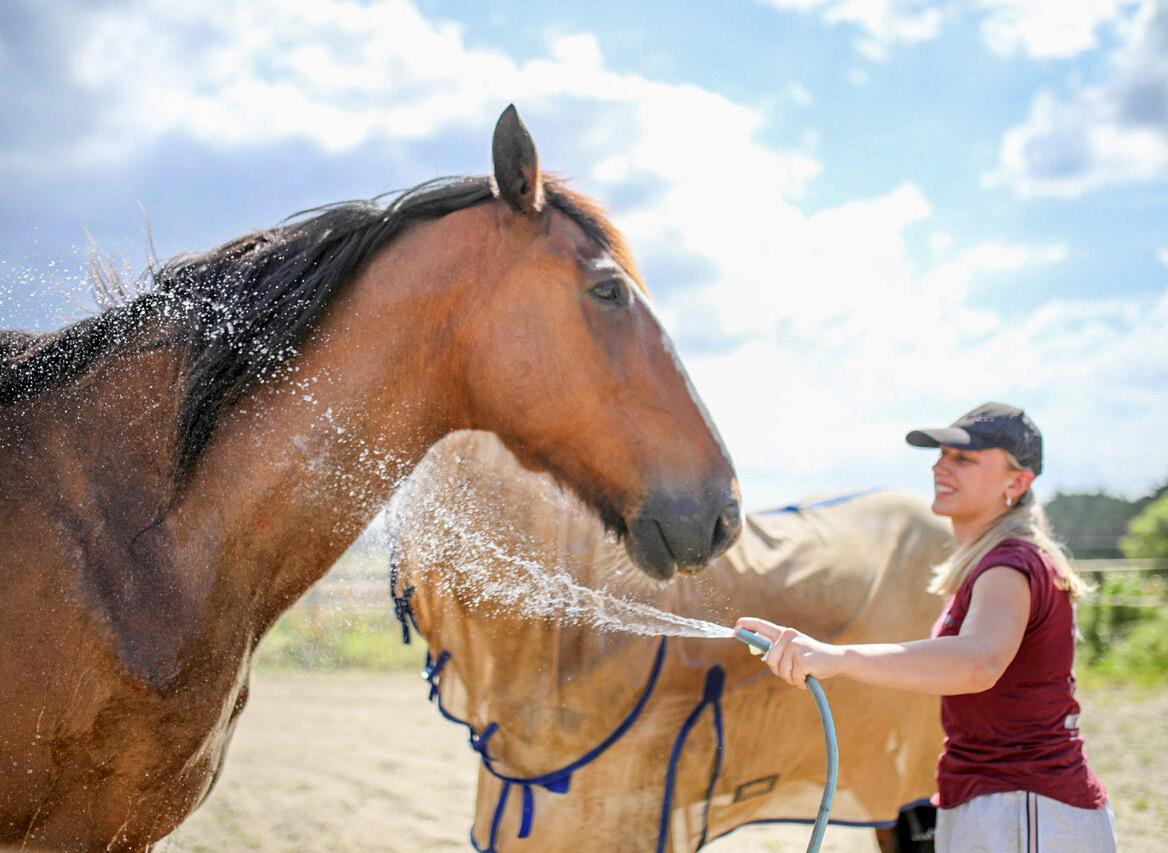
Here’s a small sample of the amazing photos entered in the Franklin Times’ summer photo competition.






Five Out of School Care and Recreation (OSCAR) providers joined forces to take part in a day of sports and fun facilitated by Counties Manukau Sports. Kids After School business development manager Kim Angle estimated more than 300 children attended the event at Pukekohe High School on January 14. She thanked Manukau Toyota Group, Bakers Delight, and Green Valley Dairies for sponsoring the event. Helena O’Neill stopped by to capture a few snaps of the action. The holiday programmes taking part were: CLM, Bizzy Bods, Kids After School, sKids, and Dunkirk Road Activity Centre.







By HELENA O’NEILL
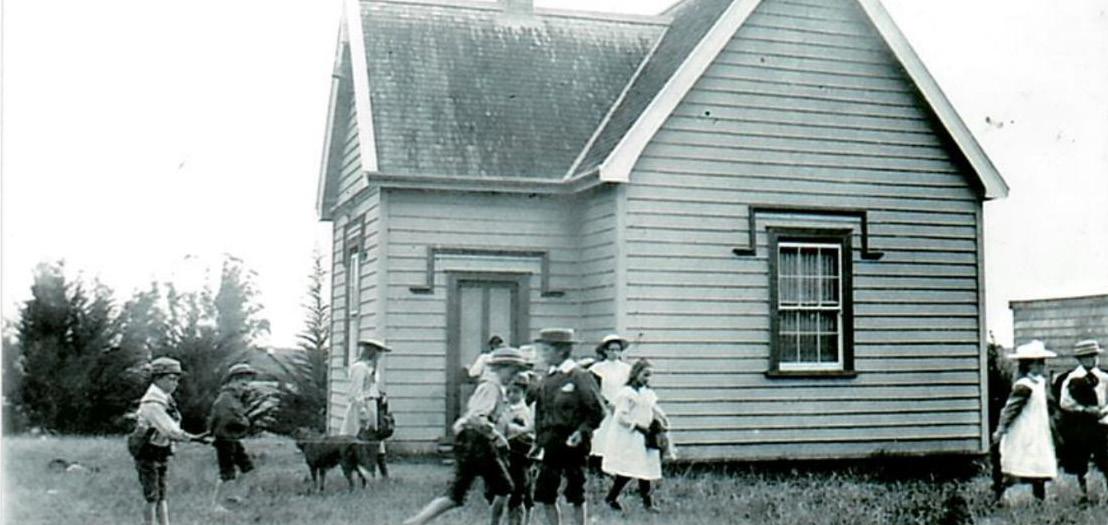
Preparations are in full swing ahead of Admore School’s 150th jubilee this March.
Jubilee committee chair Ruth Dangen said organisers were hard at work putting the final touches on the twoday event.
Celebrations include a powhiri and welcome ceremony, followed by a meet and greet evening on March 6. The bulk of festivities will be held on March 7 and include cake cutting, tree planting, a time capsule display, and decade photographs. The event will wrap up with a dinner in Takanini, she said.
“We’ve got some great resources that people have preserved and kept safe here for a very long time. We’ve actually got some really very cool old movies we’ve discovered in our archives, so we’re just having those all digitised
at the moment. It’s a big job.”
Ardmore School is a full primary school near Papakura. It opened with a roll of 21 students and one teacher in 1876. Building extensions in the 1920s allowed the school to hire a second teacher, and by the 1930s and 1940s, folk dancing, sewing, and sport enhanced the basics of reading, writing, and arithmetic.
In the wartime, American

soldiers were billeted around Ardmore and trenches were dug at the school. Air raid drills were conducted at regular intervals, and children were required to wear identity bracelets.
Dangen said the biggest change has come from the Ardmore community as farms were sold and lifestyle blocks became more popular.
Many other changes have
come through over the years, and we’ll dive a little deeper into Ardmore School’s history when the Franklin Times covers the jubilee celebrations.
In the meantime, Dangen says to keep sending though photos and other memories from you or your family’s time at the school. Jubilee updates will be shared on the Ardmore School 150th Jubilee Celebrations Facebook page.


By KERRY LEE
Putting down an animal is never pleasant, but how do zoos know when it’s time to let them go?
This is the situation the Hamilton Zoo found themselves in earlier last month when they had to euthanised three of their animals within a week.
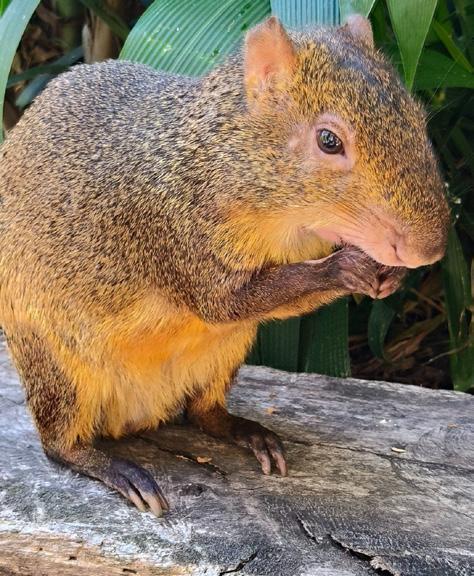
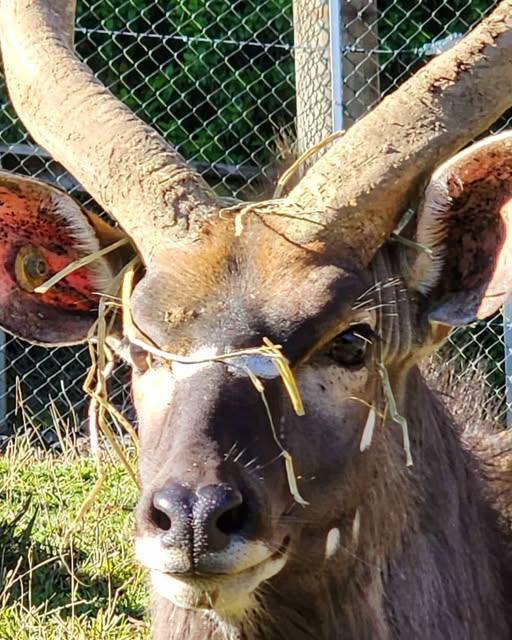
They were Masamba the giraffe for severe foot problems, Chica the agouti for a
persistent jaw infection, and Barry the nyala who had to be put down after an ongoing foot injury he sustained in November 2024.
While it was a heartbreaking decision, it was ultimately a case of quality-of-life versus spending hundreds, maybe thousands of dollars to keep them alive, and prolong their suffering.
Likewise, Auckland Zoo had to euthanise Southern white rhino Zambezi on
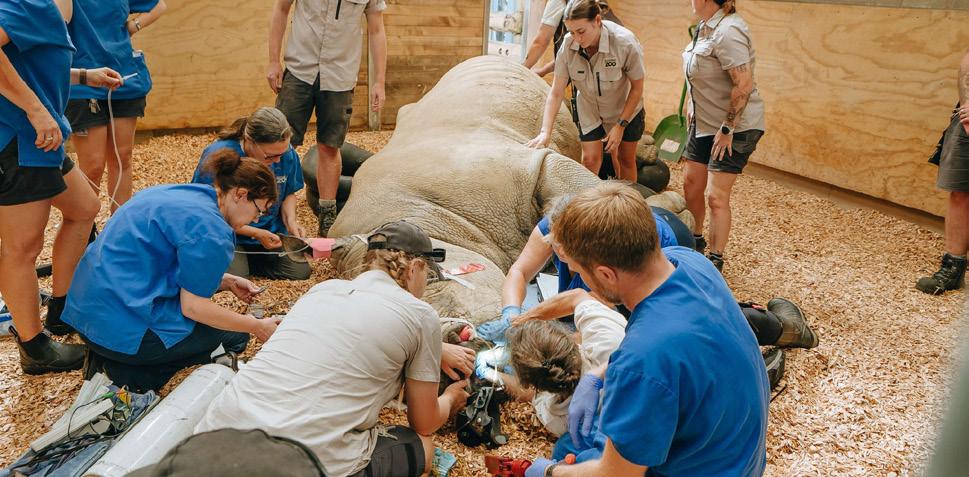

December 16 due to deteriorating age-related health conditions, vet Dr Adam Naylor said.
“As an older animal approaching the end of his natural lifespan, our vet and keeper teams have monitored him very closely in recent years. As part of his care, he has received regular health assessments with the support of veterinary dental specialists.
“Dental disease is a common age-related health issue in rhinos; a result of continuous chewing and years of cumulative wear, particularly in long lived individuals,” Naylor said.
“We’ve been able to maintain Zambezi’s welfare through a combination of dental procedures, medication, husbandry, and dietary support. However, over a number of months, we have seen a deterioration in his dental health, he has had




this, and one we never take lightly but, by acting now we have been able to give him a peaceful and dignified end to his life.”
Auckland Zoo head of animal care and conservation, Richard Gibson, has 30 years’ experience as a herpetologist (reptile and amphibian specialist). He said euthanasia was always done in the animal’s best interest.
“Animal euthanasia is used both reactively and proactively to end or prevent negative welfare situations. Most often, it is when an indi-

vidual’s welfare, as assessed across the 5 Domains of Animal Welfare model, is no longer demonstrably positive.
“This might be owing to disease or injury, age-related deterioration, or sometimes social circumstances which lead to adverse behavioural consequences.”
Gibson said euthanasia decisions involved a comprehensive and complex process, including veterinarians, specialist animal managers, and keepers, sometimes specialists from outside the immediate zoo/organisation, and
often a welfare committee.
“They take into consideration all aspects of the individual’s current circumstances and condition, sometimes those of the family/ wider group where relevant and consider the viability of all options available to resolve/prevent the actual or predicted welfare compromise. “In different circumstances, these might include medical intervention, castration, splitting groups, moving animals to new locations, and, of course, euthanasia where the former options are not viable.”
Elderly animals were subject to continuous health and welfare assessment to ensure that, wherever possible, vets and keepers work in a timely fashion to prevent undue suffering.
“In such cases, the decision is effectively made weeks/months/years in advance, and clear triggers are agreed upon regarding at which time the decision will be implemented.
“More complex cases

where a group’s welfare is impacted, or individual behavioural/psychological welfare is a concern, might not always be so clear and straightforward.
“Sometimes complex cases require detailed data collection, external consultation, trialling of alternatives to euthanasia, and continuous assessment, and therefore might be a dynamic decision-making process over several weeks or even months, said Gibson.
A spokesperson for an Auckland animal sanctuary, who spoke on the condition of anonymity, said the decision to euthanise the animals they look after was never easy. “For me, it’s not black and white, and as a charity, I’m sure for the (Hamilton) Zoo as well, you must weigh up so many factors. How much quality of life is this animal going to have and sadly, you must weigh that up against the cost of providing that quality of life.
“If it’s going to cost the entire budget for the year to
give an animal three more weeks, then that’s not fair to the other animals, who are then not going to have the resources they need to have happy lives.
“So, all of that must be weighed up, how much time are they going get, is the time they get going to be worth having? I think a lot of people in (animal) rescue are aware there is a fate worse than death, and living a life that’s riddled with pain, lack of community, all of those issues I think are worse for animals.”



By PUKEKOHE BUSINESS ASSOCIATION
Roughly six months in, Brenda and Jack have well and truly become familiar faces in the Pukekohe town centre as our very own Pukekohe Good Guys!
You’ll spot them out and about most days in their bright green shirts and PBA vests, carrying out their roles as Town Centre Ambassadors and helping keep Pukekohe safe, connected, and welcoming.
“The Good Guys programme is all about being a friendly, visible presence in the town centre,” says Shawna Coleman, general manager of the Pukekohe Business Association.
“Brenda and Jack spend their days checking in with local businesses, reporting maintenance and graffiti issues, supporting events, and being a helpful point of contact on the ground.”
They patrol the Pukekohe Business Improvement District (BID) area daily and are trained in reporting tools such as Snap Send Solve and Auror, while staying in regular contact with the PBA office and local police to support town centre safety.
While you’ll see them around often, Brenda and Jack aren’t security guards. Their role is to observe, report, and connect - focusing on relationships rather than intervention.
From stopping in for a quick chat with retailers to lending a hand at events, their presence is part of a wider initiative to enhance safety and wellbeing in the town centre and create a place people feel comfortable spending time in.
The programme is inspired by successful ambassador initiatives in places like Papakura, Manurewa, and Manukau - and it’s great to see that same energy now firmly embedded here in Pukekohe.
So, if you see Brenda and Jack out and about, give them a smile or stop for a yarn!


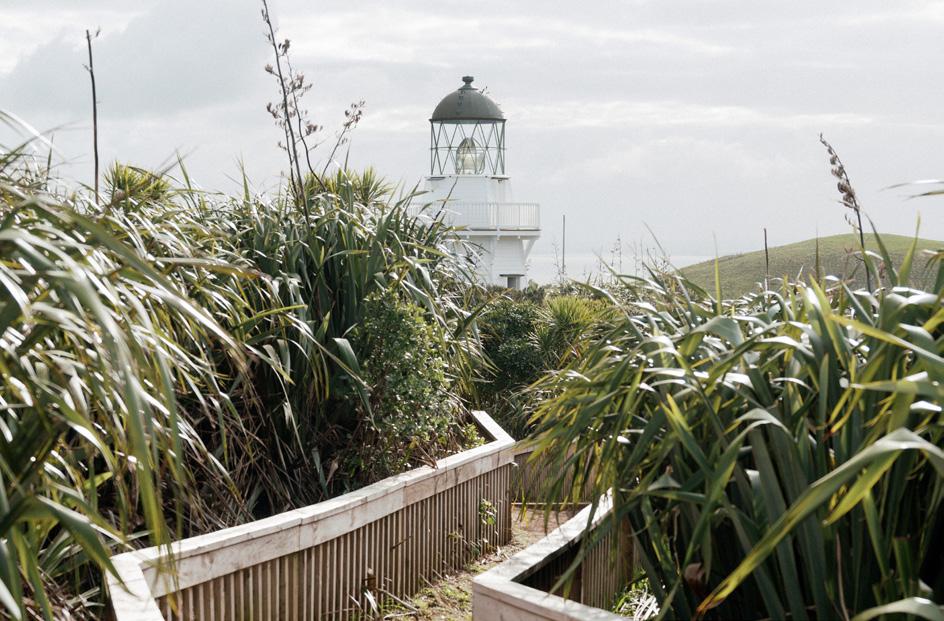
In the heart of Pukekohe, Mai Lighthouse stands as a steady beacon for our Franklin and North Waikato communities. Formerly Franklin Family Support Services, for more than 40 years we’ve been walking alongside whānau with compassion, integrity and a deep commitment to strengthening community wellbeing.
Today, our kaupapa (principles) remains the same: strong individuals, healthy whānau, happy communities. We offer a wide range of free or low-cost supports that help people navigate life’s challenges with dignity. Whether someone is facing financial strain, family stress, or simply needs someone to talk to, our team is here to wrap around them with practical guidance and genuine care.
Our mahi spans social work, counselling, kai support, financial mentoring, family violence prevention, parenting support and youth wellbeing. But at its core, Mai Lighthouse is about guiding each person to take the next step forward in their own journey. We meet people where they’re at, acknowledging their strengths and giving them the tools, skills and knowledge to truly thrive!
While the challenges facing our community are real - rising living costs, isolation, and pressure on whānau - we also see incredible resilience. With the right support at the right time, people can rebuild confidence, strengthen relationships and find new stability. Our role is simply to illuminate the next step and walk alongside them as they take it.
Over the next six months, this column will shine a light on the stories, challenges, people and partnerships that shape our work. We’ll share insights from the frontline, practical tips, and ways you can stay connected or get involved. W elcome to everyone’s lighthouse. We’re glad to have you with us.
In New Zealand today, many young people view property ownership as an increasingly distant goal, particularly as home prices remain high and the housing market continues to be competitive.
As a result, more parents are stepping in to help their children secure their first homes, offering financial support for deposits or even becoming co-owners. However, such assistance comes with important considerations, especially around tax implications and relationship property issues.
While some lucky young buyers may receive a deposit as a gift from their parents, the more common arrangement is for parents to lend the money, either interest-free or with interest. This approach can help ensure fairness between siblings and avoid potential complications

down the track. However, when parents offer loans, banks often require these amounts to be included in the child’s statement of financial position as a liability, sometimes resulting in loan applications being declined.
To circumvent this, parents may provide banks with “gift certificates” but also enter into side agreements with the help of solicitors to classify the gift as a loan. This practice, while sometimes tempting, can create ethical and legal issues. The
good news is that New Zealand’s major banks generally accept loans from parents, provided the repayment obligations are postponed until the mortgage has been fully repaid. This method avoids the need for misleading documentation and ensures that the loan is legally recognised.
Another common route for parents helping their children purchase property is co-ownership. In this case, parents buy a share of the home alongside their child. It’s crucial to have a co-ownership agreement in place to outline each party’s responsibilities, including property maintenance, and what happens if either party wants to sell or make significant changes. If the parents’ share is sold or transferred back to the child during the bright-line test period, tax may apply on any capital gain, so careful planning
is essential to avoid unexpected tax liabilities.
Parents often want to treat their children equally when making gifts or loans, and it’s common for loans to be documented in a will. If the loan is repayable “on demand” and not expected to be repaid during the parents’ lifetime, it’s important to note that the loan may be deducted from the child’s inheritance.
If you’re considering helping your child purchase their first home, it’s wise to seek legal advice to ensure the assistance is structured properly. This can help protect both your financial interests and your relationship with your child.
For more information, contact Glen Low at Franklin Law on (09) 552 0854 or glenl@franklinlaw.co.nz.
By KERRY LEE
Hustle with Heart was formed to give families a hand when times get tough and things seem impossible.
Jamie-Leigh Watene founded the business last July after deciding she wanted to do something that meant something to her, rather than simply work for the sake of working.
“There was a time when I could relate to feeling stretched, tired, and just needing a bit of help without any judgment. I wanted to create something that felt safe, supported, and genuinely caring – a service that helps people feel less alone.”
Besides offering help with curriculum vitaes (CVs), Hustle with Heart provides laundry services and home help for busy families. The busi-

Jamie-Leigh Watene formed Hustle with Heart after experiencing some of life’s hurdles.
ness offers moving support by helping people to organise and sort through their things, and also provides routine charts to help people add
more structure in their day.
“These services are essential because they help take the pressure off, bring a sense of calm, and give people space
to breathe and reset,” Watene said. The majority of clients are parents of young children and families who find themselves juggling a lot of things and needing a little help.
“They’re doing their best, but sometimes they just need an extra set of hands or a bit of support to make things feel more manageable.”
While Hustle with Heart is not a free service, Watene does her best to keep things fair and affordable.
“For me, it’s never just about the money; it’s about knowing someone feels lighter, calmer, and more supported by the time I leave,” said Watene.
“Hustle with Heart is built on kindness, understanding, and recognising that everyone’s situation is different — especially when it comes to mental health and the challenges life can throw at us.”

1/180 Park Estate Road Hingaia/Papakura 09 2948172 alchemyhair.co.nz






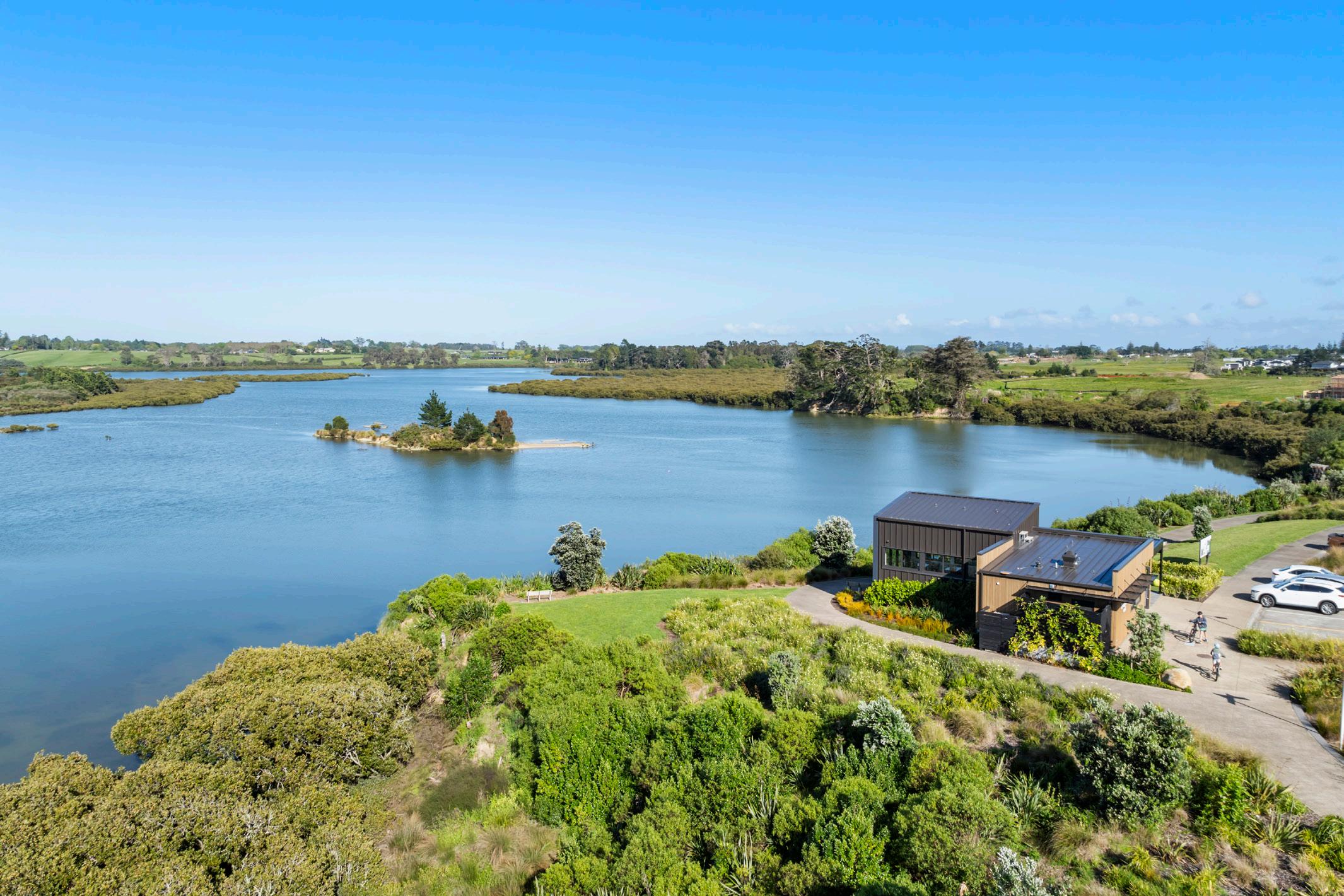
Discover coastal living on the shores of the Hingaia Peninsula. Park Green o ers green spaces, walkways, and a vibrant, connected community.
Spanning 97 hectares with retained wetlands and stunning coastal views, Park Green brings together nature, convenience, and modern living on your doorstep.
Choose from quality new homes, design-and-build options, or secure a section today.

By KERRY LEE
Technology has made verbal communication almost redundant; we see this in how we order food or products online, or even in how we find a holiday via an app.
A survey of American millennials found that 65 per cent do not feel comfortable engaging with someone face-to-face, while 80 per cent prefer conversing digitally. This can lead them not even to know the basics of starting simple face-to-face conversations.
Division Manukau Toastmasters, District 112 director Derek Hiscoke, has been the toastmaster of the Karaka and Pokeno groups for eight years. He said that public speaking was critical because people needed to understand you and see where you were coming from.
“Whether you’re asking for a raise, pitching an idea,

or explaining to your kids why the dishes do in fact need doing. Good communication never goes out of style.
“Public speaking is really about clear communication, and communication sits underneath almost everything we do — work, relationships, leadership, problem-solving, etc. Even with all the technology in the world, we still need to express ideas, influence others, and
build trust. Those skills don’t expire.”
People who speak well face-to-face tend to stand out more, which can give them a real boost when it comes to making friends and succeeding at work. This may have something to do with the fact that so many people are afraid to speak publicly.
For a lot of people, the fear of speaking in public, or glossophobia, comes down
to never being taught to speak confidently. Speaking publicly puts us on the spot, where many people begin worrying about others judging or criticising them, or about making a mistake.
Hiscoke said that for most people, speaking at a job interview, a wedding, or another high-pressure event would be the only chance to practise speaking publicly.
At Toastmaster sessions, people are taught how to overcome their nerves in a well-structured, supportive environment where they received feedback on how to improve.
“Most people know what they want to say — they just don’t trust themselves to say it confidently. They worry about shaking, forgetting their words, being judged, or looking silly. Toastmasters helps them manage those fears and gives them tools and practice to overcome them.”

Aoki Homes is proud to be a trusted build partner at Park Green. Whether you’re looking for a house and land package or want to bring your dream design to life, our experienced team will guide you every step of the way With a strong focus on attention to detail and personal service, Aoki Homes creates spaces that families truly love to live in Contact us today about building your future at Park Green | info@aokihomes



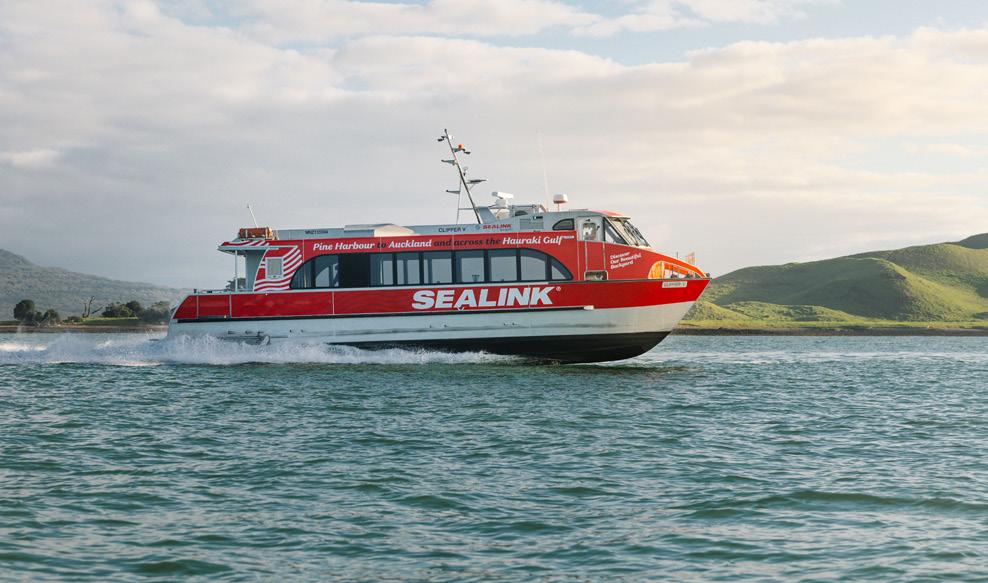
Travelling between Auckland’s mainland and Waiheke Island is set to become quicker this summer with the trial of SeaLink’s new ferry service, cutting the journey time to just 15 minutes.
The trial service will operate from Pine Harbour in Beachlands on selected dates throughout January and February, offering a fast and convenient option for people heading to Waiheke Island.
Free parking is available around Pine Harbour Marina, with easy onward connections by bus or taxi from Kennedy Point on Waiheke. Passengers will disembark at the Waiheke Island Marina.
“The trial of the new Pine Harbour to Waiheke service is all about making island travel easier and faster for
our customers,” chief executive Grady Cameron says.
“A 15-minute crossing on our fast ferry Clippers, free parking, and simple connections at Kennedy Point mean people can focus on enjoying Waiheke, especially during the busiest summer weekends.”
The service will benefit east and south Auckland, including Maraetai, Whitford, Clevedon, and further afield, making it an easy day trip or a long weekend on the island. Trial sailings will run on January 17-18 and 23-26,












including services leading into Auckland Anniversary Weekend, January 31 to February 1, and February 6-8 over Waitangi Day weekend. Adult return fares are $59 and children aged five to 15 are $29.50 return with tickets available by calling 09 300 5900 or by walking up on the day. With five return sailings per day leaving Pine Harbour from 9am, passengers are encouraged to book ahead due to limited trial capacity.
The service is the fastest ferry connection to Waiheke Island this summer and aims to provide a more accessible travel option during peak holiday periods.
For a full timetable and more information go online to www.sealink.co.nz. The use of AT Hop Cards and Gold Cards is not available on the service.



By STAFF REPORTER
Aucklanders who enjoy heading to the beach to gather pāua need to be aware that Fishery Officer patrols will be stepped up over the summer months to help reduce the illegal gathering and illicit trade of the shellfish.
“While our pāua stocks are in good shape overall, poaching is a growing problem,” Oceans and Fishers Minister Shane Jones said.
“Summer is always the worst time of year for it. Poaching and black-market trade, some of it connected to gangs, is a significant threat.
“People in and around the ocean can expect to see more Fishery Officers this summer

with patrols being stepped up, including in some of our more remote areas.”
While overall fisheries compliance rates sit at around 94 per cent, compliance in some regions has fallen to around 74 per cent, Jones said.
This means that, in those areas, around one in five inspections reveal some illegal activity.
“People can do their part to help break up the illegal trade in pāua by reporting those who break the rules to Fisheries New Zealand
through the 0800 4 POACHER line,” Jones said.
Legally caught pāua usually sells for about $100 per kilogram. If people are offered prices that seem too good to be true, they should reconsider, he said.
“Fishery Officers have seen an increase in social media pāua sales over recent years. This is extremely prevalent during December/January each year and people should not be tempted.
“There are no excuses for not doing the right thing. Pāua poachers are thieves that take from all of us and cut across the legitimate catch of recreational, customary and commercial fishers. Let’s work together this summer to put a stop to them.”
By KERRY LEE
According to statistics, vaping for young New Zealanders has dropped, but why and how can we keep improving?
Action on Smoking and Health (ASH) chair Emeritus Professor Robert Beaglehole said legislation introduced in 2021 was finally starting to have an effect.
“The legislation to regulate vaping has ‘bedded in’. Vaping was unregulated for about 5 years in New Zealand and, before the regulations took effect in 2021, vaping took off.
“The regulations are having an impact and, according to the ASH Year 10 data for 2025, vaping rates in youth are falling steadily. The daily vaping rate by Year 10 students is now seven per cent down from a peak in 2022 of 10 per cent.”
The rapid decline since 2019 is considered world leading with Māori rates falling by 50 per cent in five years. Beaglehole said the challenge now is to help the older generation quit. These people have not taken up vaping but continue to smoke increasing their chances of disease and death caused by tobacco smoke.
“We need to fix the imbalance that makes smoked tobacco less regulated and easier to access than less harmful forms of nicotine; to do this we need a strict licensing system for the sale of tobacco and the rules need to be enforced.
“We need to increase tar-

geted investment in regional and national campaigns and, especially those directed at priority populations – Māori, Pacifika and poor people generally.
“The government needs to expand subsidised quit smoking initiatives and technology, for example, vouchers to use at approved vape suppliers. Cytisine, a very cheap plant-based cessation product has huge potential.
“All health providers need to recognise that vaping is a much less harmful alternative to smoking and focus on helping middle-aged people smokers to quit,” said Beaglehole.
While New Zealand is headed in the right direction, Beaglehole said that Labour’s Smokefree Amendment
Act, introduced in 2023 and withdrawn by the National-led coalition would not have helped much in the short term. “The modelling on which the 2023 legislation was based, made many heroic and unlikely assumptions. The ongoing mistake is that some people mistakenly credited measures that were yet to be introduced as already having an out-sized impact on smoking rates.
“Future generations are already smoke-free. The latest ASH Year 10 figures have daily smoking at a miniscule one per cent. The Smokefree Generation aspect of the legislation would have had no impact on death rates for at least 30 years.
“The proposed dramatic reduction in sales outlets
overnight from 9,000 or so to 600 would have been chaotic and an added burden on people who smoke. Further, we have no solid evidence that it would have reduced smoking rates.
“The introduction of compulsory denic cigarettes, or de-nicotinised cigarettes, in 2027 may have had some positive effects but may also have fuelled illicit trade.
“Further it would have been a punitive measure when we should be approaching the 300,000 people who smoke in New Zealand with compassion and support,” Beaglehole.
If you or someone you know would like to quit smoking call the Quitline on 0800 778 778 or visit their website at www.quit.org.nz.




By STAFF REPORTER
The biosecurity response to the find of a single male Queensland fruit fly in Auckland’s Mt Roskill suburb continues.
Biosecurity New Zealand’s north commissioner Mike Inglis said extra traps were in place, fruit testing was under way, and there has been great engagement from the community.
No further fruit flies have been found as the stepped-up surveillance continues, including regular trap checking and inspecting fruit grown in the area.

Bupa Erin Park Retirement Village
Ingils said the team has been busy installing signs, additional traps, and fruit disposal bins, and sharing information with the community at local markets.
“Special bins are in place in the controlled area for fruit and vegetable waste disposal.
“There is one for each household in Zone A and bins are publicly available right across Zone B.
The map and full information about the Biosecurity NZ response is at www.biosecurity.govt.nz/queensland-fruitfly.
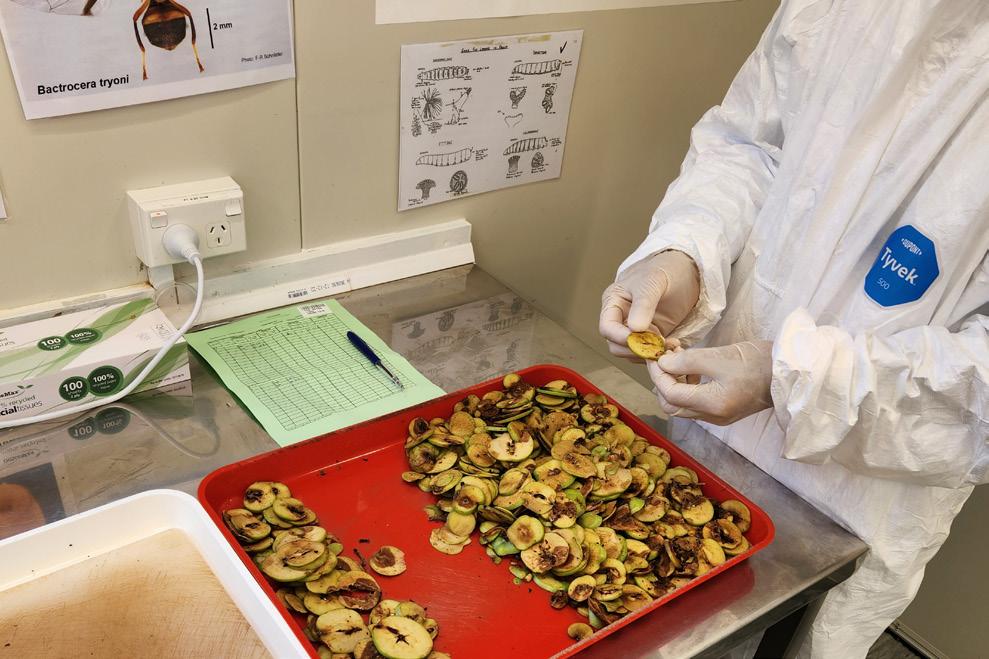
“We have a specialist team working in a mobile laboratory in the area, collecting and inspecting fruit for evidence of Queensland fruit fly,” he said.
“Since Friday, they have sliced and examined nearly 55kg of fruit, and it’s pleasing we still have no indication of an established breeding population.”
On January 8, Biosecurity
NZ introduced legal controls to restrict the movement of fruit and vegetables around the location where the fruit fly was found to stop the spread of any other Queensland fruit flies that may be out there.
Signs have been installed at every road entrance and exit to the controlled area,
reminding people of the restrictions.
“In the previous 14 occasions we’ve found fruit flies in New Zealand, we’ve successfully eradicated them with the help of our horticulture sector partners and local communities, so it’s important everyone plays their part.”
$20,000 cashback PLUS free weekly fees for 12 months!*

Enquiries from $525,000^


If you’re looking for a retirement village that feels like a village, not a retirement city, come and visit us at Bupa Erin Park. Our affordable apartments are modern and light, creating a comfortable, functional home that looks great and is a pleasure to live in.
Contact Jesika on 09 940 0279 or visit bupa.co.nz/erinpark
Bupa Erin Park Retirement Village | 62 Russell Road, Manurewa
*Bupa’s standard application T&C apply. The offer is available to all new prospective residents entering an application for an ORA at Bupa Erin Park Retirement Village between 01 Dec 2025 – 31 Mar 2026. Settlement of the ORA must occur before 30 June 2026. For full T&C visit bupa.co.nz/promotions
^Price is for a licence to occupy under an Occupation Right Agreement.
By CHARLES MILLER
I was amused when thieves used a furniture removal cherry picker to steal from the Louvre art museum in Paris, France, in broad daylight last October.
Then Böcker, the lift manufacturer, seized the moment and posted an ad with the perfect tongue-in-cheek tagline: “When you need to move fast”.
Hilarious. The company playfully noted their Agilo lift “transports your treasures … quiet as a whisper”. The thieves had even stolen the lift by attending a rental demonstration and simply driving away.

This humour highlights a sobering reality. Wearing high-visibility vests and posing as workers, during museum hours, they looked ise on our systemic failures, sometimes from within. But here’s the deeper lesson. Thomas Edison declared genius is one per cent inspiration and 99 per cent perspiration. The Louvre heist
to set it alight as planned because Louvre staff intervened. Most remarkably, as they fled the building, they dropped the single most valuable item, the crown of Empress Eugénie. appalling. The business lessons are clear. Sustainable success demands fanatical discipline, meticulous planning, and exhausting effort and energy, leaving no stone un-turned,








Hot weather poses serious risks to horses in New Zealand, with heat-related illness common in summer and largely preventable.
High humidity, strong sun, limited airflow, and exercise or transport in warm conditions can all impair a horse’s ability to regulate body temperature.
Horses generate significant heat during work and rely on
sweating and increased respiration to cool themselves.
When cooling fails, body temperature rises, leading to heat stress. Early signs include rapid breathing, elevated heart rate, excessive sweating, dullness, and slow recovery.
Severe cases may show weakness, incoordination, dark gums, or collapse.
Heat stroke is a medical emergency and can be fatal without prompt intervention. Prevention includes exercising during cooler hours, pro-



viding shade and ventilation, allowing recovery time, and actively cooling with water after work or travel.
Sweating during summer exercise or travel can lead to significant fluid and electrolyte losses.
Without replacement, dehydration can impair performance, trigger muscle problems, colic, and slow recovery.
Subtle signs include reduced appetite, dry gums, or decreased manure output. Prevention requires constant access to clean water and encouragement to drink. Electrolytes can replace sweat losses, while adding salt to feed stimulates thirst and supports hydration.
Horses, especially those with pink skin or white markings, are vulnerable to sunburn. Protection includes shade, limiting exposure during peak UV hours, and applying sunscreen to sensitive areas such as the nose, eyelids, and ears. UV-protective fly masks also help shield the face and eyes.
Hot, dry conditions increase the risk of colic. Dehydration
Dr Izzy Oakley
BVSc MRCVS
slows gut motility, while dry forage can cause impactions. Prevention involves ensuring water availability, encouraging intake, feeding soaked or moist feeds, and maintaining consistent routines. Monitoring faecal output for changes in frequency or consistency can provide early warning.
Summary Managing horses in hot weather requires planning and observation.
With ample water, thoughtful adjustments to routines, and close attention to small details, most horses cope well with summer. Keeping them cool and hydrated ensures comfort, faster recovery, and fewer health risks - making the season safer and more enjoyable for horses and their owners.


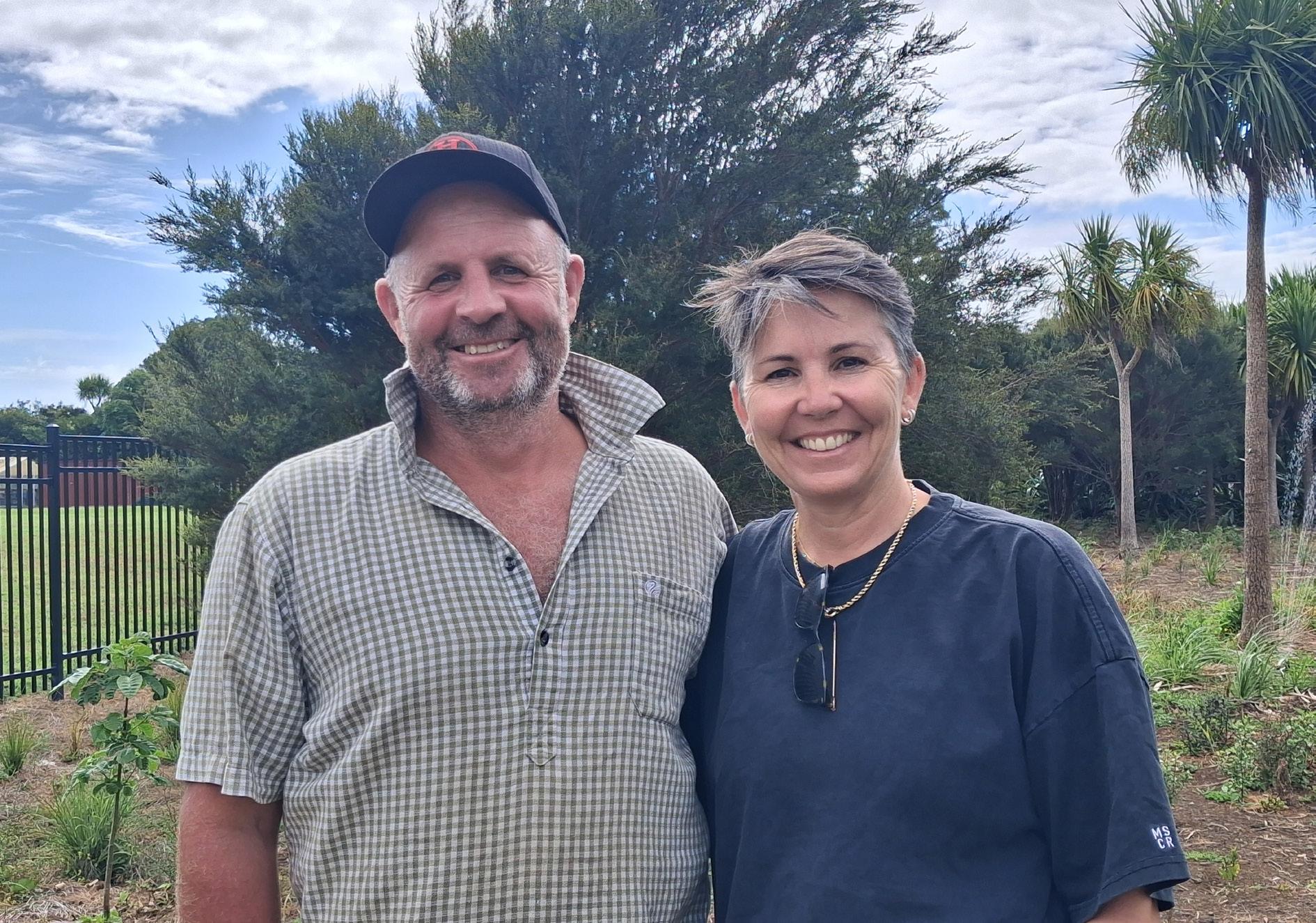
Willy Muir is the chair of Awaroa Ki Karioitahi Landcare and talks to Helena O’Neill what the community group is all about.
So what does Awaroa Ki Karioitahi Landcare do?
We’re a group set up for the benefit and betterment of the environment and the community. But we also work with our neighbours or other groups who have similar interests. By having an official group, we can help the community by going back to governing bodies and support groups and unlocking that funding that has been missing for so long.
What area do you cover?
Karioitahi, Whiriwhiri, Maioro, Otaua and Aka Aka. We’re in the Lower
Waikato North rateable zone. It’s a tricky area because we’re so far north away from the main council areas. We’re dealing with the Waikato Regional Council and Waikato District Council as our local government.
Boundary-wise, it’s quite complicated, and this area is often missing out on resources.
How long has the group been around for?
Officially, about a year. But we spent a good three years or so working toward the creation of Awaroa Ki Karioitahi Landcare. But we’ve been an
incorporated society for about a year. What regular things do you run?
We’ve been running hub days alongside Pest Free Whiriwhiri every first and third Friday of the month at Otaua Bowling Club. We’ve taken a break for the holidays, but check out our Facebook page for the next events.
What are some of the projects you’ve been working on?
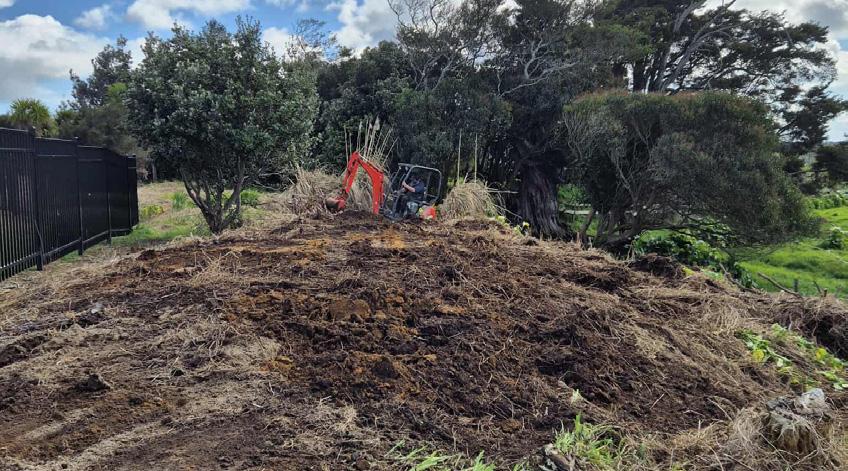
We’ve been working hard to create a native forest and wetland area behind the back field of Otaua School. Our volunteers pulled out tyres, concrete,
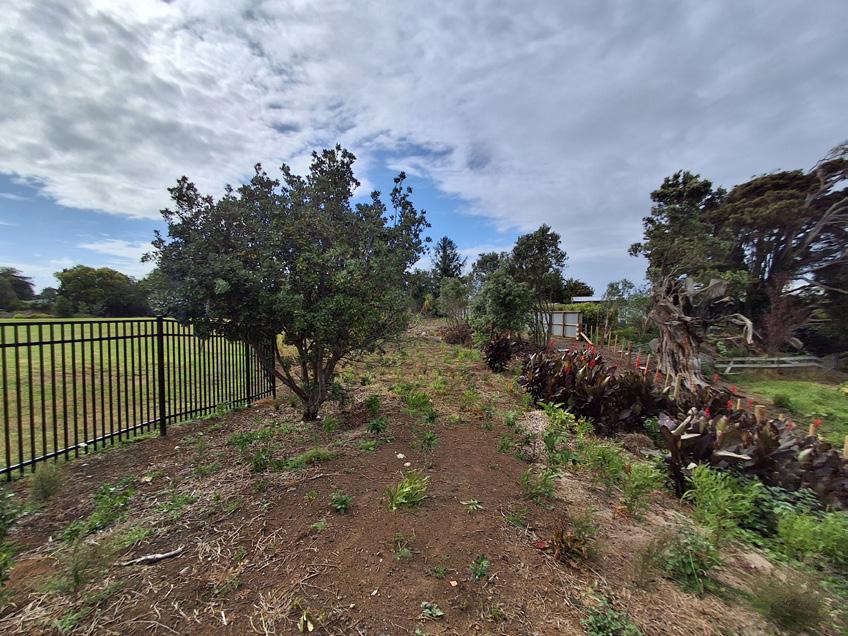

general rubbish, wire, posts, stumps and pampas from the waste area. We’ve cleared and fenced the area and are planting natives there.
We still have a way to go, but it’s looking so much better already.
You held a mental health event with Shane Cameron last year, how did that go?
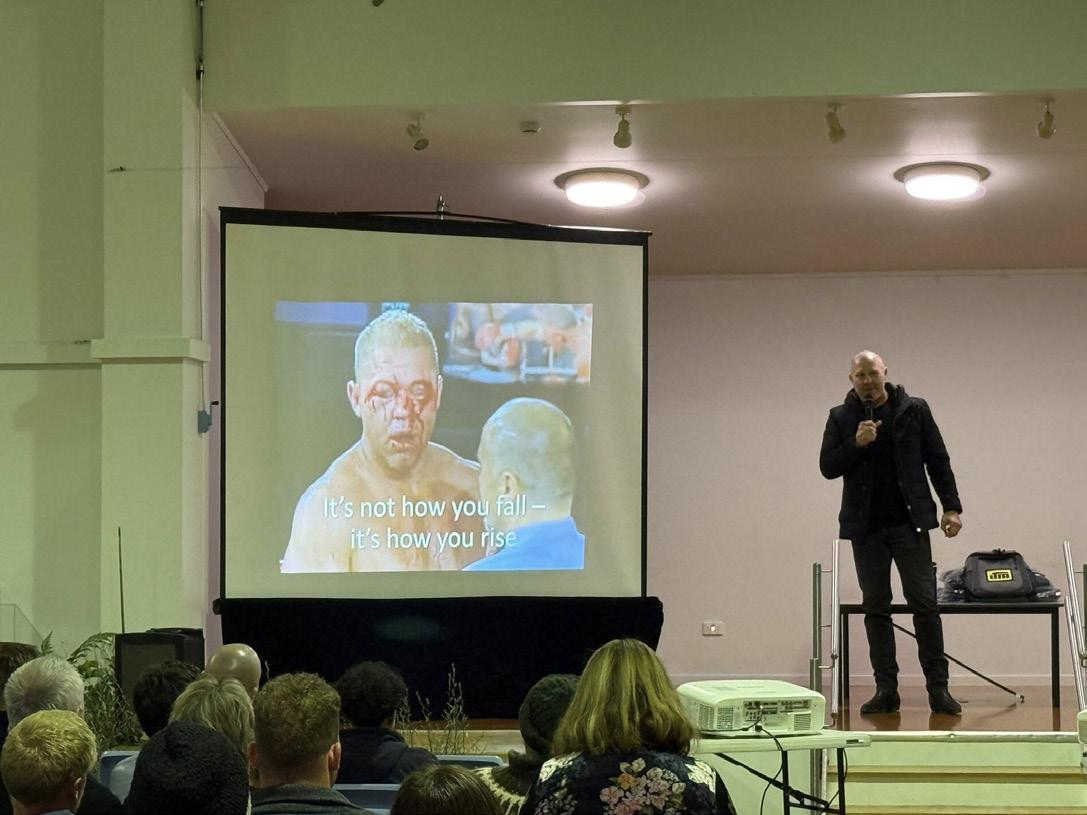
We worked with the Waikato Rural Support Trust on that event and had about 270 people attend Mental Health, Mental Wealth - An Evening with Shane Cameron back in August. It was held at Aka Aka Hall, and we were wellsupported by other groups like the local rapid response team.
It’s an example of how wide the scope is of what we’re doing. Yes, we’re a landcare group, but we’re here to facilitate our community and part of that is working with other groups to help provide what our community needs.
We don’t want to interfere with the sovereignty of other groups, but we do want to work together for our community. We have good relations with local iwi from the very beginning too.
What’s next for Awaroa Ki Karioitahi Landcare?
We’ll be doing a lot of education, and growing on what we’ve done over the
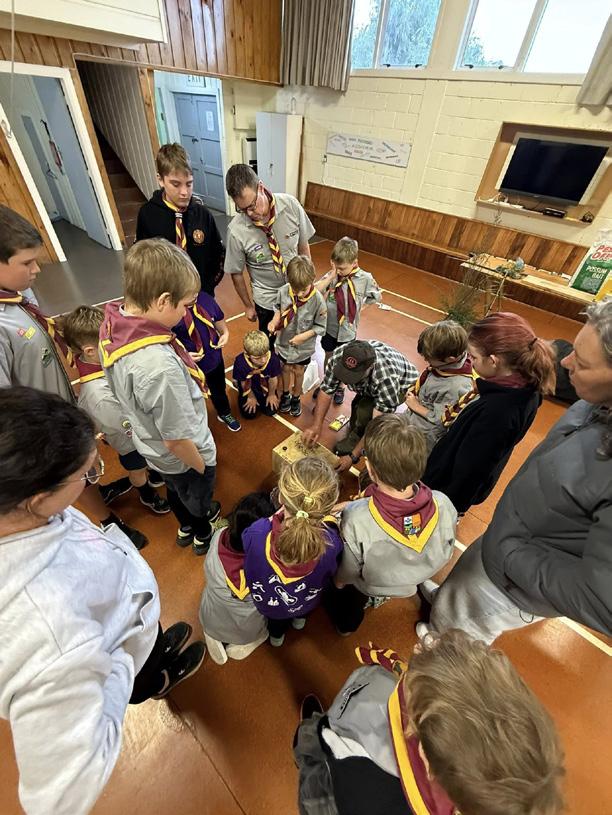
past year. We will do more biodiversity days too.
How can people learn more about the group?
Come along to our hub days, education events, and social events. We held an end of year event for the community in December, and it went really well. We no longer have a tavern here which used to be a social hub, so we’re keen to help people get to know others in their local community, to reconnect with people.
We’re always looking for volunteers, people who want to be a part of what we’re doing. The regular hub days are a great place to start.
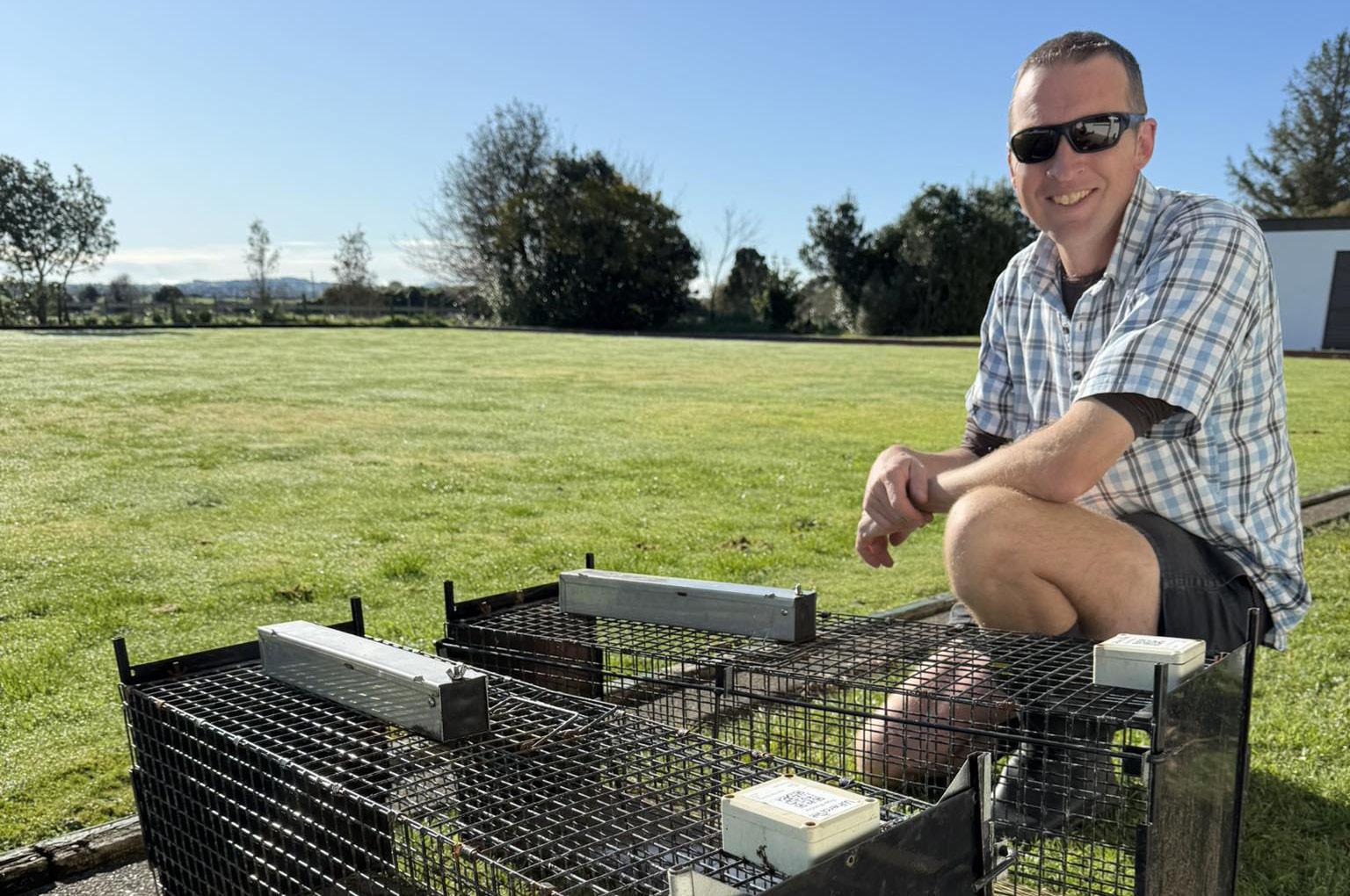
The group has joined forces with Otaua School and its neighbours to turn a waste area back into native forest and wetland. Photo supplied

halliwellshoes.co.nz

The Bespoke Living Room in Karaka has a great selection of Wooden barrel trays, with leather handles and trim
THE BESPOKE LIVING ROOM www.facebook.com/The-Bespoke-


F A R M E R S A N D A R T I S A N S M A R K E T
Sunday 1 February st Pukekohe Town Square 9am to 12:30pm



Learn more here






MICHELLE KEENAN empowers people and organisations to achieve optimal wellbeing by providing customised wellness coaching programmes tailored to their unique goals.

As we enjoy our summer holiday, many of us enjoy spending time outdoors – walking, swimming, boating, picnicking – and then when we’re back to work, those long leisurely days are a distant memory, and we seem to have less time to get out.
But being outside is more than just a “nice to have”. Growing evidence shows connecting with our environment plays a meaningful role in supporting mental and emotional wellbeing, so it’s well worth prioritising getting out for some fresh air in our beautiful surroundings!
Spending time in nature has been linked to reduced stress, improved mood, better focus, and lower symptoms of anxiety and depression. Even short periods outdoors can calm your nervous system, lowering cortisol levels and helping your brain shift out of constant “doing” mode. Natural environments give our attention a rest – we don’t have to concentrate in the same effortful way we do indoors or online.
There’s also something grounding about connecting to place. Whether it’s walking along the beach, sitting under trees, or getting stuck into the gardening, being outdoors reminds us we’re part of something larger than our to-do list. And just because there are studies being done on it now, don’t think this is some new or groundbreaking discovery – in many cultures, including te ao Māori, there’s a recognition our environment and health are closely intertwined.
The benefits don’t require epic adventures. A walk around the block, lunch outside, swimming at the beach, or doing some stretching in the back yard all count. Getting fresh air and a bit of sunshine a few times a week, for even five or 10 minutes, is a great start.
Of course, enjoying the outdoors also means looking after yourself. Staying hydrated is essential in the heat – keep water handy, even for short outings. Being sun-smart is non-negotiable in a Kiwi summer: wear sunscreen, a hat, sunglasses, and seek shade during peak UV hours.

Do you have any of the following symptoms?
Heavy, achy or tired legs • Night cramps • Leg ulcers • Poor leg wound healing • Darkening leg and calf skin • Leg discomfort after sitting or standing for a long time • Itchy legs • Spider veins • Ankle


Delphi Clinic has two clinic locations: Pukekohe (Seddon Medical Building, 13 Hall Street) and Remuera. We are covered by all major insurance companies including Southern Cross, AIA, NIB, Partners Life, Accuro, Unimed and more.
CONTACT US FOR UPCOMING PUKEKOHE CLINIC DATES
You may be su ering from varicose vein disease For referrals/enquiries email

Wear light, breathable clothing, and listen to your body – if you’re feeling dizzy or fatigued, (especially if you’re exercising outdoors), take a break. As we move into the year ahead, try to get outside regularly as part of your wellbeing foundation. It’s one of the simplest, most accessible ways to support your mental and emotional health.

By SARAI BONITA, Bonita Artistry
For decades, professional beauty followed a familiar formula: a signature look, a set routine, a universal idea of what was considered “flattering”. It was efficient, recognisable, and easy to replicate. But as women’s lives, identities, and expectations have evolved, that model is quietly (and deliberately) being left behind.
Today, one-size-fits-all glam is no longer aspirational. Customisation is.
Modern clients are no longer asking to look like someone else. They’re asking to look like themselves – rested, confident, and fully seen. This shift reflects a broader cultural movement: individuality over imitation, experience over excess, and intention over trend.
Skin is no longer treated as a blank canvas. Professional artists now work with a wide spectrum of textures, tones, sensitivities, and ages. Each requiring a nuanced approach. Mature skin responds differently to products than younger skin. Melanin-rich complexions demand a deeper understanding of undertones and finish. Acne-prone or sensitised skin calls for restraint, not layers. Beauty today is less about covering and more about collaborating with what already exists.
Age, too, has redefined beauty standards. Women are no longer chasing a singular,

youthful ideal. Instead, they’re seeking enhancement that reflects where they are in life. Whether that’s polished minimalism, soft definition, or refined glamour that moves with them, not against them. The idea that beauty peaks at a certain age feels increasingly outdated in a world where confidence and self-knowledge deepen over time.
This is where experience becomes invaluable. With over 20 years in the professional beauty industry and more than a decade in retail beauty, our seasoned artists bring a deep understanding of how products perform across different complexions and lifestyles. Just as important is a commitment to co-creation. The most effective beauty experiences begin with listening – hearing what clients love about their complexion, what they know works for them, and how they want to express themselves.
From there, professional make-up artists step in not to overpower, but to refine. Instead of defaulting to heavier coverage, artists increasingly reach for thoughtfully-formulated products that offer translucent coverage, smoothing properties, and light-reflecting radiance. The aim is not to mask, but to interrupt outdated habits and reveal a look that feels modern, intentional, and personal.
Lifestyle now plays an equally important role. A corporate professional, a bride, a creative entrepreneur, and a busy parent all require different outcomes from their make-up routines and purchasing choices. The question is no longer simply, “What look do I want to create?” but “Where and when will I apply my make-up?” “Do I have the time and skill to recreate this?” and “How will I feel wearing it throughout my day?”
As consumers, we’re waking up to making more informed decisions based on who we are and how we live. We’re linking our desires, wants, and needs with realism. Beauty becomes less about aspiration and more about alignment.
This year, our beauty columns are guided by that same philosophy. We’re here to empower you, to connect you with the most aligned beauty products, and to explore how outer expression can reflect inner beauty. The gateway to feeling your most radiant, confident self.
As one-size-fits-all glam fades, a more thoughtful approach takes its place. Because the future of beauty isn’t about following the latest hyped product or brand. It’s about honouring yourself.








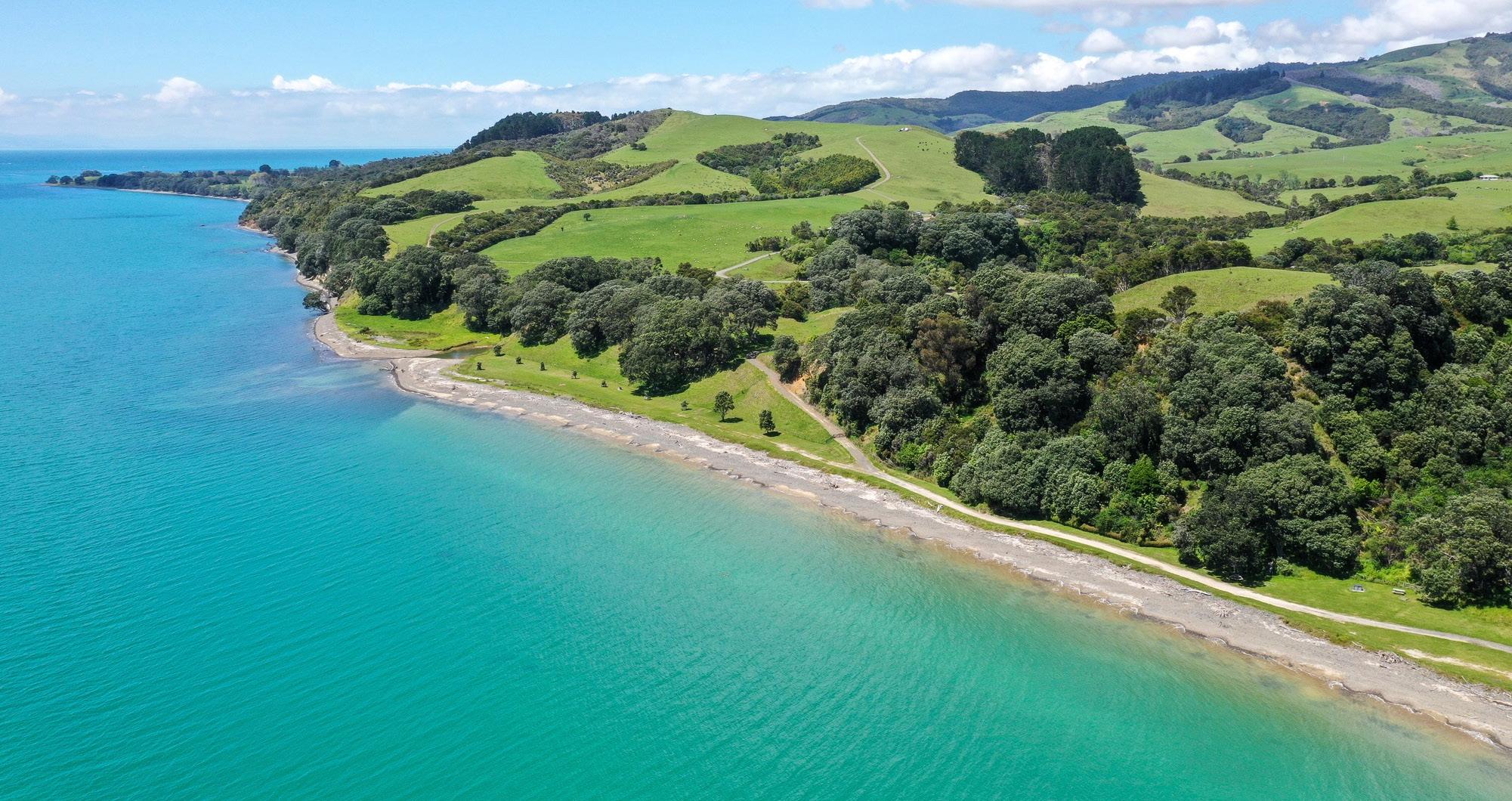
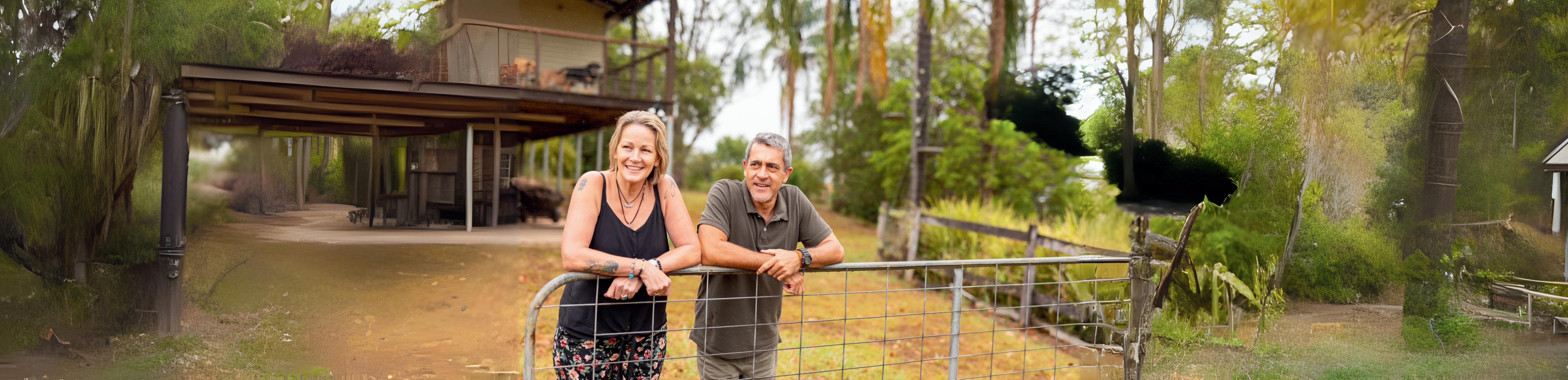


By HELENA O’NEILL
In the North Waikato area of Te Kohanga there remain two main buildings — the hall and the local school. Te Kohanga Community Hall committee member Denise Ewe said the land around the hall was purchased in 1926. In 1929 there was an agreement to build the hall, with the project completed in 1931.
“The total cost to build the hall was 418 pounds, six shillings and tuppence. What a bargain! It was built in the community and
by the community, both Maori and Pakeha. We had dances, socials, and people played table tennis. They had fundraising, bowls, and card games. When I was growing up there also was a youth club based there.”
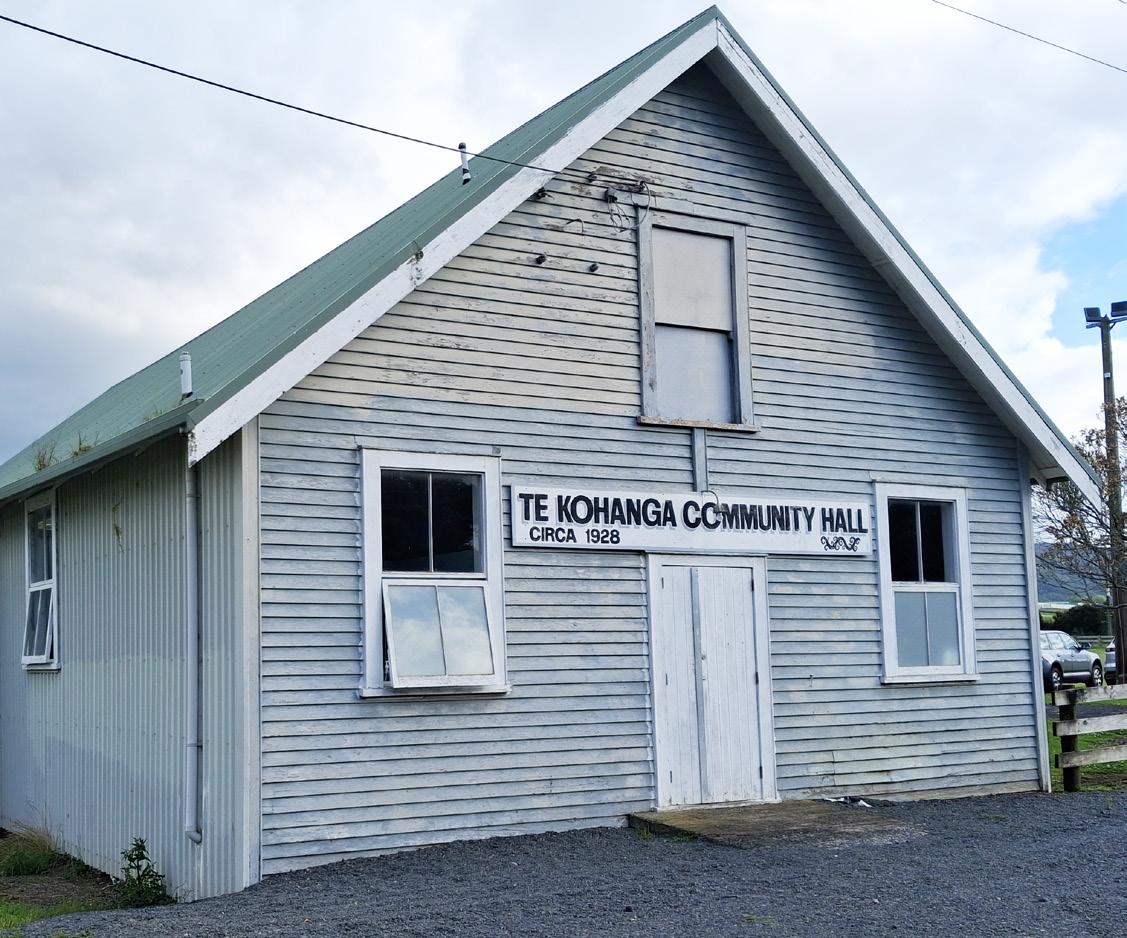
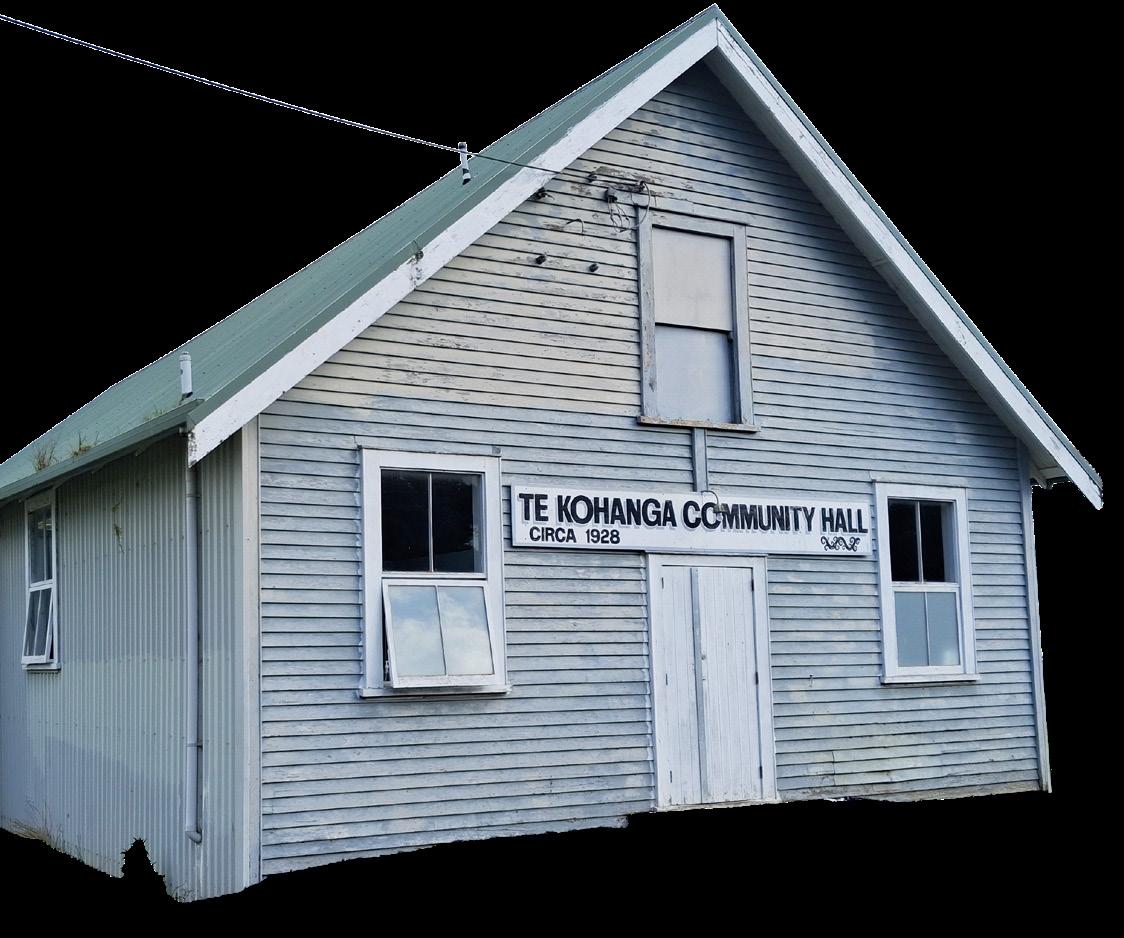
Te Kohanga Community Hall today. Times photo Helena O’Neill
Te Kohanga Community Hall used to fall under the Raglan County Council, then the Franklin County Council in 1991, before coming under the Waikato District Council, Ewe said.
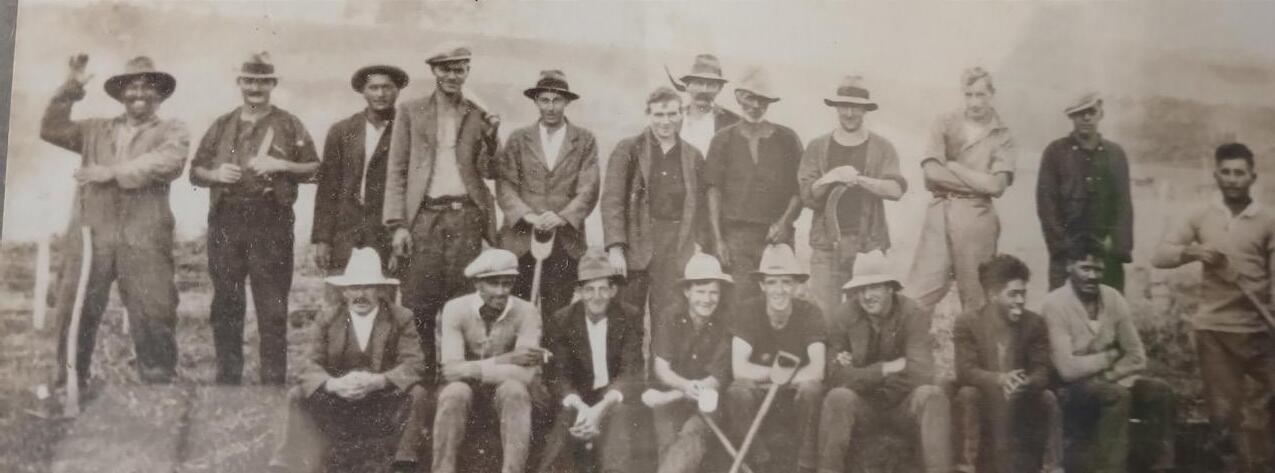
Surrounded by lovely gardens just minutes from town, Palms Village is Pukekohe’s friendliest retirement community. Our modern villas and apartments combine great value with a special “just like home” feel.
To see how good life can be at Palms, come along to one of our Open Days or call Kellie for a tour. We can’t wait to show you around!

Apartments and Villas available now. Call Kellie on 027 725 6786 for a personal tour.
“Today we use the hall for weddings, wedding receptions, birthdays, and the school sometimes will use it because of the stage in the hall. The acoustics in the hall are just fabulous.
“The hall is still very much as I remember when I was growing up, and so myself and my husband were along with some of the locals we look after the hall because it has great significance for us. We grew up there and the hall, and now there’s only the hall and the school left.”
To book the hall, contact Denise Ewe via email denise.ewe32@gmail.com or her mobile 027 298 9563.



He was nominated by Steve Brace who writes:
“I am nominating Peter Logan for his service to Pukekohe Community Patrol.
“He does a lot of volunteer work as a chairman for this, and as a patroller.





“There is a lot of organisation involved, and he has done this for a number of years.
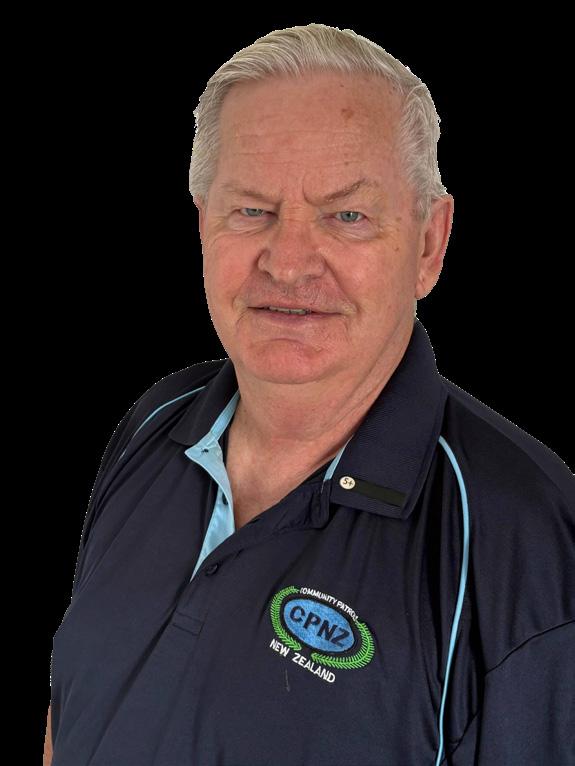
“In this time he has devoted a lot of his time to organising the patrol rosters, fundraising, along with the week-to-week running of the Pukekohe Community Patrol. He also helps man the cameras at the police station.
“Pete is retired and lives with his wife and I think he deserves some recognition for his service.”
The Franklin Times is recognising the many wonderful people in our community who go out of their way to help others with our regular Community Hero award.
If you know someone who’s doing amazing things in our community, please email 80 to 100 words describing why they deserve this recognition, highlighting specific actions they’ve taken to benefit our community, with your and their contact details and a high-resolution photo of them, if possible, to editor@franklintimes.co.nz.
Be sure to include details about what they’ve been doing, the impact they’ve made, and how long they’ve been involved in these efforts.
The award is sponsored by Little Ed Pukekohe. Recipients will receive a $50 Little Ed voucher and will be featured in our newspaper and on our website. As we are moving to publishing fortnightly, we will have a Community Hero in each edition of the newspaper.



Saturday, January 17, 10am to 12pm, Franklin Arts Centre, 12 Massey Avenue, Pukekohe
Create something beautiful and sustainable at this hands-on workshop where you’ll build and decorate your own DIY flower press using salvaged materials. Perfect for crafty people, nature lovers, and anyone keen to learn a new skill. Tickets via Humanitix. Recommended for ages 14+. Wear closed-toe shoes, clothes you don’t mind getting paint on, and bring any flowers you’d like to press.

Saturday, January 31, 5:00 pm to 7:00 pm, Auckland Botanic Gardens, Hill Road, Manurewa
Enjoy a free, family-friendly outdoor opera concert performed by the NZ Opera Company as part of the Music in Parks summer programme. Bring a picnic and settle into the beautiful garden setting for classical music under the early evening sky.





Sunday, January 18, 11am to 1pm, Keri Downs Park, Dominion Road, Papakura
Bubble soccer is a hilarious mash-up of your favourite sports, played inside giant inflatable bubble suits. You’ll be bumping into friends, flipping over, and laughing the whole time – no skills required, just a sense of fun and adventure! This event is sponsored by Papakura Local Board and is free.

Sunday, February 1, 9am to 3pm, St John Pukekohe, 21 Roulston Street, Pukekohe
The course covers 23 different situations and it is hands on for all attendees. You will learn CPR and rescue breathing. You will practice your bandaging skills on live animals. Learn to recognise everyday poisons, the symptoms and how to help stabilise your animal. The course runs for 6 hours and costs $189.00 per person / $160 per student. More info: www.petfat.co.nz.








PLEASE NOTE: information regarding times & dates of these events was correct at the time this issue went to print. However, readers are advised to check events online for updates.

Saturday, January 24, 8am to 5.30pm, Hampton Downs Motorsport Park, Hampton Downs Road, Te Kauwhata
Featuring track cruising (with passengers), roll racing and high power shootout, grip sessions, Hitch-A-Ride passenger rides, wet skid pan, hard park, exhibitors, and entertainment. Open to all makes and models. Your track entry gives you access to all sessions. Spectators are $30 for adults, kids 10 and under are free. More info: www.downtimenz.com

Wednesday, February 4, 11am to 12.45pm, Hawkins Theatre, 13 Ray Small Drive, Papakura
This unforgettable concert will feature a dazzling lineup of artists led by Westend star Russell Dixon, performing iconic songs from The Sound of Music, Oklahoma!, South Pacific, Carousel, The King and I, and more. Our concert promises to be a glorious tribute to the golden age of musical theatre. Ph: 0508 266 237 Email: bookings@operatunity.co.nz





Ed Street Sunday Music in the Garden Bar
Sunday, January 25, 1pm to 4pm, Garden Bar at Ed Street
Unwind this Sunday with live music in the garden as solo artist Mitch French performs in the relaxed outdoor setting. The caravan will be open serving beverages, making it the perfect way to ease into the afternoon. Your relaxing Sunday just got even better — see you in the garden.

Pukekohe Farmers and Artisans Market
Sunday, February 8, 9am, Pukekohe Town Square
Discover fresh produce and flowers, handcrafted goodies, NZ-made crafts and gifts, gourmet treats, and more. A great way to spend your Sunday morning supporting local growers and makers.





By CHARLES MILLER
Sue and I had long dreamed of visiting the Amazon jungle. Last year, we finally made it happen, backpacker style.
We booked through Project Expedition, an experience aggregator (where you commit your money and your faith to a website and hope for the best). Our instructions? Join a bus at 11pm at the Blue Door Hostel in downtown Quito, the capital of Ecuador. Simple enough, except for the nagging question: Does this hostel actually exist?
Landing in Quito around lunchtime, our first order of business was to confirm the hostel and bus did exist. At the appointed hour, we boarded and began our nine-hour overnight journey over the Andes. Sleeping came fitfully as gears ground and we swung from side to side through mountain darkness.
Our next waypoint was the Cuyabena Bridge, where a motorised canoe awaited, and we

began our four-hour journey down the Cuyabena River. The water level was very low after a harsh dry season. A spotter draped himself over the bow, helping the helmsman navigate to the deep water, but even still we often had to climb out, barefoot, helping lift the vessel over obstacles and fallen trees.
Macaws flashed yellow and blue in the foliage as we glided past. Large groups of over 50 spider monkeys swarmed through the branches then launched themselves from tree to tree, flying right across the river in great arcing leaps. A sloth hung inverted
in the canopy, and we could hear howler monkeys in the distance.
We swam in the muddy cayman-infested river, visited a village of the indigenous forest people and learned about the rhythm of Amazonian life.
The entire expedition – bus journeys, canoe trips, accommodation, and meals – cost NZD$1,500 for both of us. You can get to Quito through Santiago or Miami/Fort Worth.
Sometimes the best journeys begin with a leap of faith and an 11pm bus.

The much-loved Care Bears High Tea is returning to Cordis Auckland for a limited time only, just in time to wrap up the school holidays. This playful and indulgent experience invites families, friends and Care Bears fans of all ages to enjoy a whimsical twist on the classic afternoon tea.
Held in the elegant Chandelier Lounge, the Care Bears High Tea transforms the space into a joyful world inspired by the iconic characters known for sharing, caring and positivity. Guests can enjoy a thoughtfully
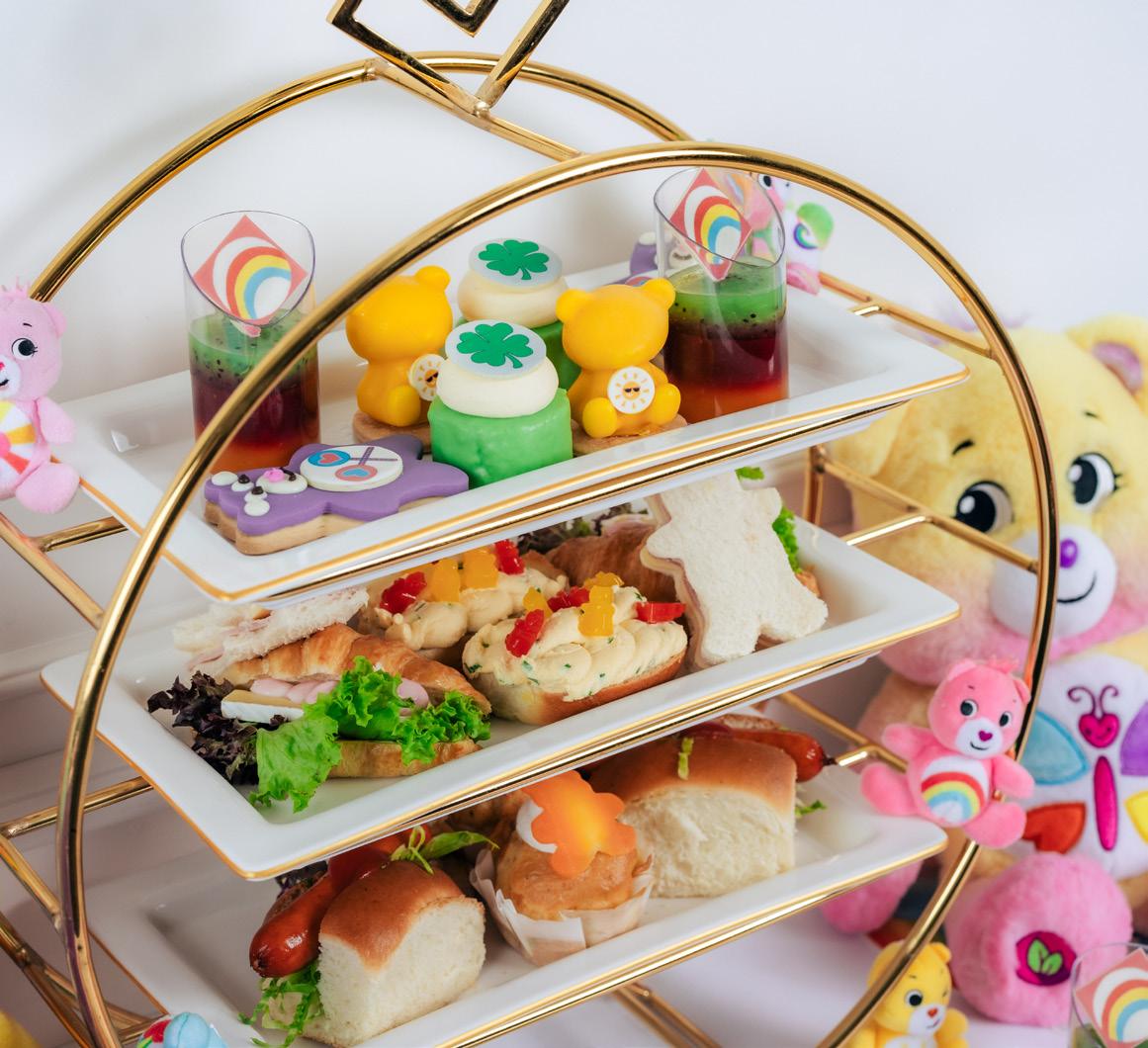
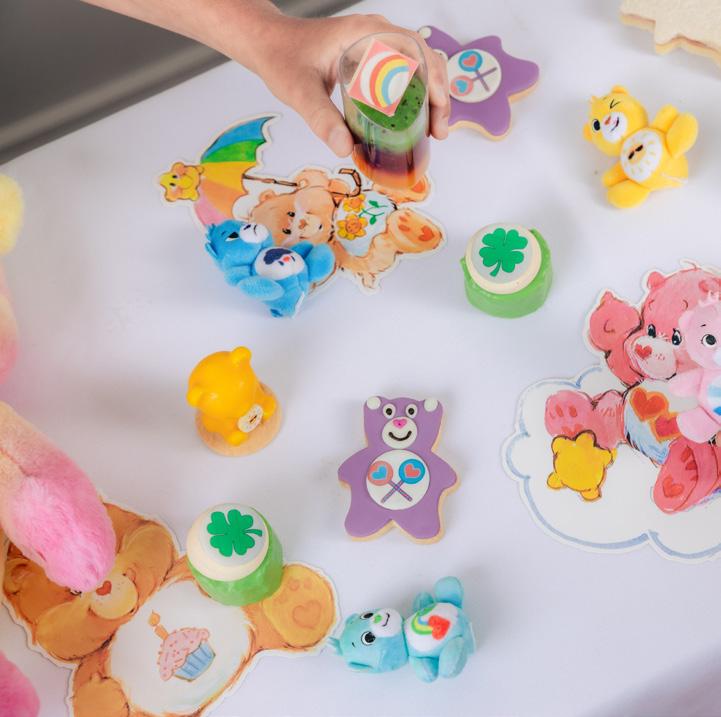
Bears, all presented with Cordis Auckland’s

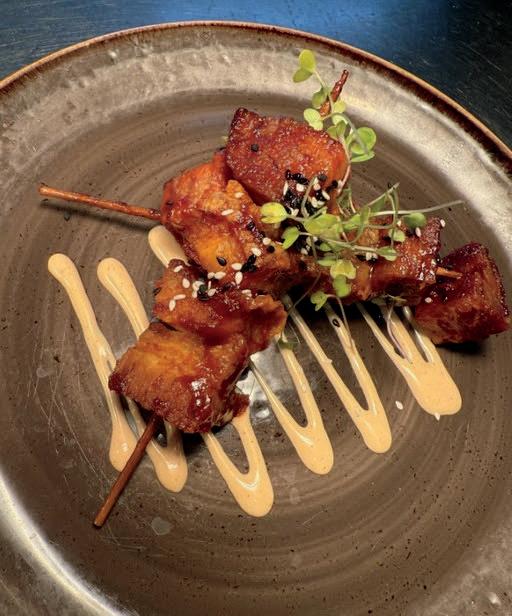
school holiday treats, or a nostalgic catch-up with friends. Children are welcomed with a special drink on arrival, while adults can enjoy a glass of mimosa included as part of the experience, adding an extra touch of indulgence.
The Care Bears High Tea relaunched on January 16, with the final sessions on January 25. Priced at $75, there are two-hour sittings available at 11.30am and 2pm on weekdays, with additional sessions at
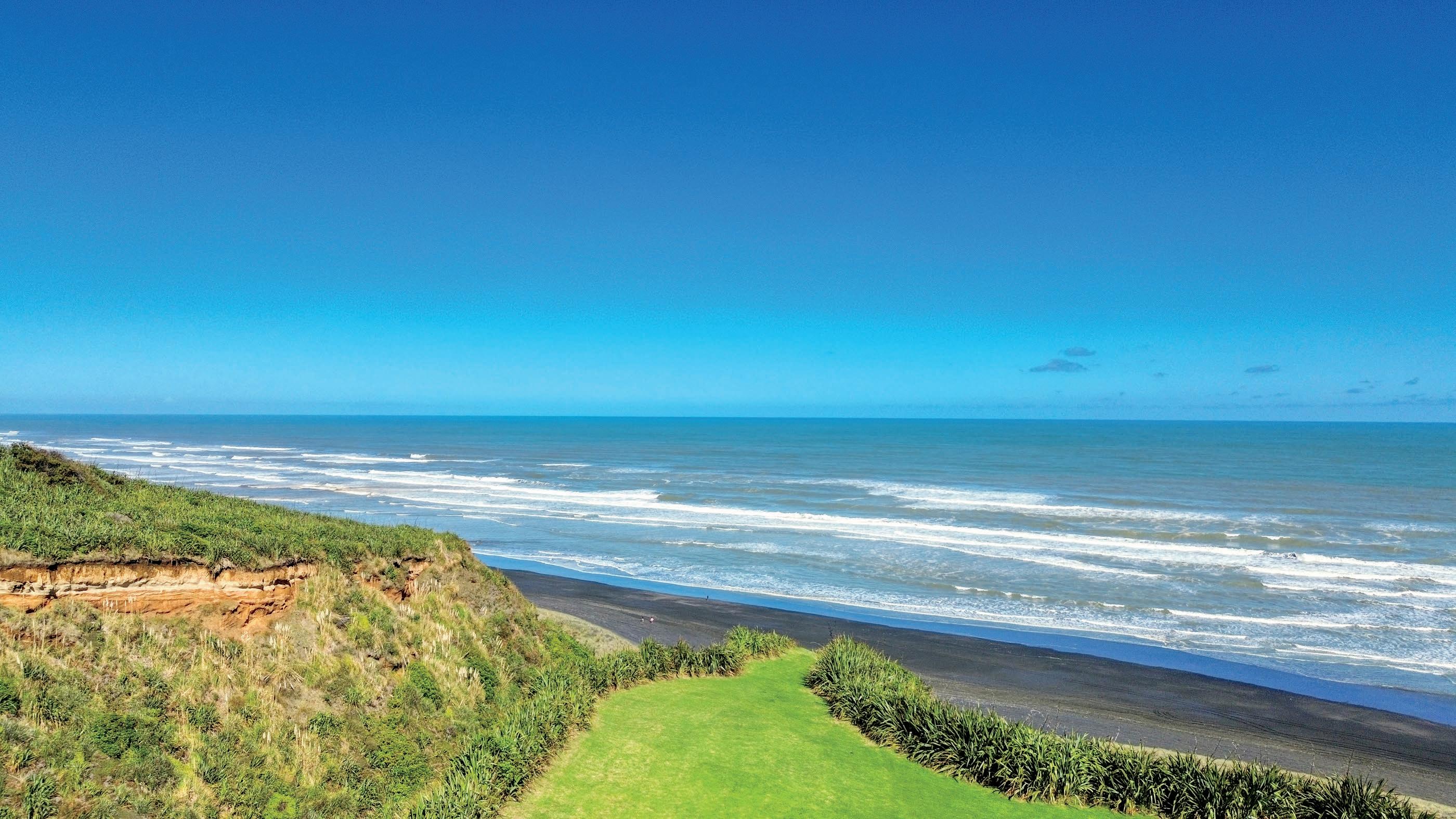
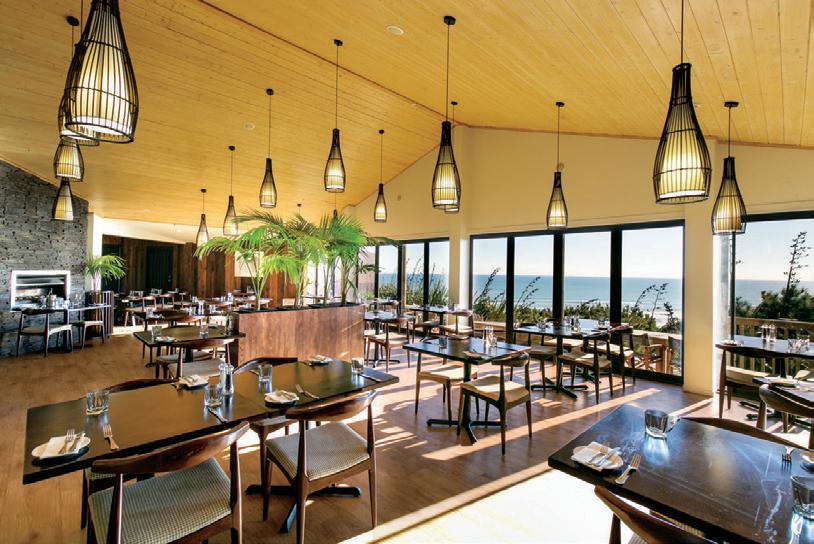
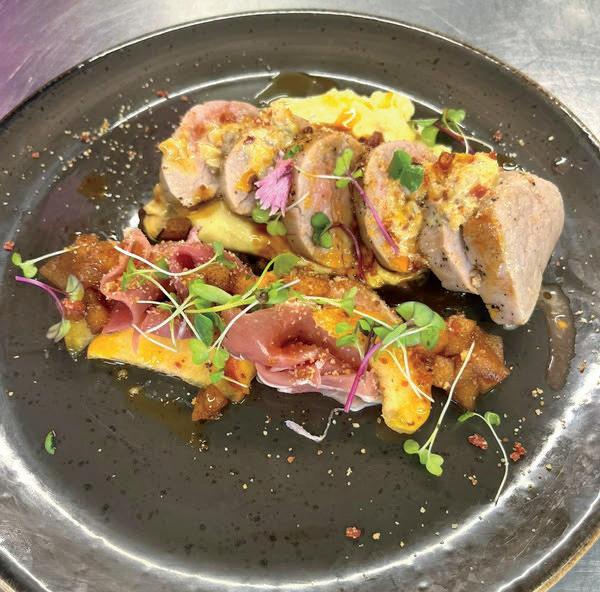
By KERRY LEE
Tino Arcari, aged 23, has only been DJing for a few years, but is already making waves.
He got into DJing when he moved into a flat, where two of his flatmates just so happened to be DJs themselves.
“They (the flatmates) were really into DJing a lot, they had DJ controllers, we always had house parties, and they would show me how to use the controller, and I just fell in love with it.”
These days, he goes by the stage name ONIT (his first name spelt backwards) and combines DJing with drums and bass (DnB), a genre of music he uses to create his own unique sound.
Unlike other genres like house, which runs at a slow 128 beats per minute, DnB usually runs at 174 beats per minute.
“I thought it was a super sick and cool skill to learn. I’m someone who loves learning, so I picked it up pretty quickly. I started playing at little house parties and 21st birthdays, and it kind of stepped up from there.
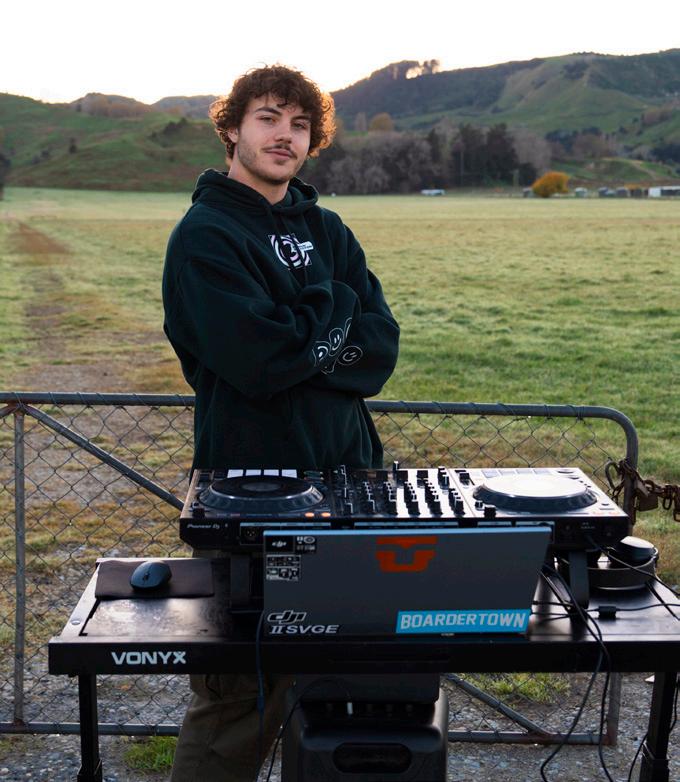
“I play drum and bass, and I really love to bring the energy. I’m really high-energy and love getting the crowd pumped. I feel like I bring a different kind of style, and people become engaged not just with the music but also with the performance.
“They kind of get immersed in the music
because of the energy.” A major inspiration for Arcari is Wilkinson, a fellow DJ hailing from the United Kingdom known for his high-energy musical style.
“I kind of envision myself as him because he plays a really euphoric, in your feel’s kind of music. I think that’s why I fell in love with the music, because of that certain feeling you get when you’re in the rave or when you’re in the crowd, that’s something I want to be pushing out to everyone else in that crowd.
“I want to be the person making them feel the highs and the lows…it’s a different kind of feeling, you know,”
Social media has also played a big part in his journey as a DJ, because, as he says, these days everything’s online, where he has to build his own personal brand. “If you want to go international or be seen across the world, you have to break this barrier called social media.
“You don’t want to be like a sheep following what everyone’s else is doing, you’ve got to do something to stand out and be the purple cow in the herd,” said Arcari.






dumplings, black pepper chicken lemongrass beef summer rolls, crispy and char shu pork and pineapple (gf & vg options available)


Bottomless Love You Long Time lager, Mimosas and soft drinks for $59.90 PER PERSON

OPEN 7 DAYS FROM 12PM

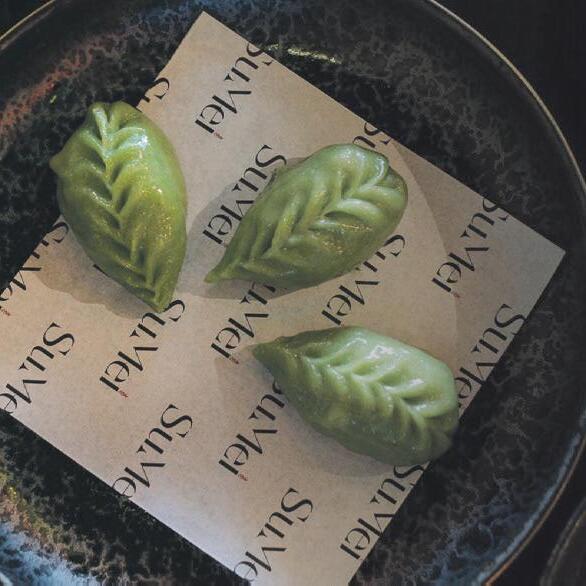

Bottomless dumplings, black pepper chicken nibbles, lemongrass beef summer rolls, crispy prawn bao, and char shu pork and pineapple friend rice (gf & vg options available)
Bottomless Love You Long Time lager, Prosecco, Mimosas and soft drinks for $59.90 PER PERSON

OPEN 7 DAYS FROM 12PM
By KERRY LEE
Avatar: Fire and Ash has made over a billion dollars at the box office, but is it any good?
That’s a question that you will have to ask yourself after seeing the movie, and while it does have some downsides, the upsides almost overwhelmingly overshadow them.
Avatar: Fire and Ash is the spectacle that we have all come to expect from an Avatar movie. The visuals are so photorealistic I honestly thought that I could reach out and touch the water the characters were swimming in.
Character performances varied but they looked so real you would swear that the Navi were a real people – there that good.
While the movie does hit the same notes as the first two movies, it introduces the Ash Clan, a group of evil Navi that have turned against their god, Eywi.
Led by Varang who oozes terrifying charm,
she and the Ash Clans inclusion has given the franchise a much-needed shot in the arm and gives it a fresh new angle on who we thought were the good guys.
Played by Oona Chapman (granddaughter of Charlie Chapman) Varang is equal parts insane and seductive.

The rest of the characters led by Jake Sully (Sam Worthington) and Neytiri (Zoe Saldaña) do a fine job, but I found myself more interested in what Varang was doing and wanting to spend more time with her character.
Varang, the latest antagonist, and a welcome addition in the Avatar world.
felt bulky and uncomfortable over my regular glasses.
The emotional stakes are even higher now, and while yes it does hit the same beats as the first two instalments in the Avatar world, it hits harder this time.
I wanted the full experience so I saw the movie in 3D, but if you wear glasses like I do I would not recommend it as the 3D glasses

One big negative for me is that the movie is over three hours long, and it impossible to watch the entire film without having to go for a toilet break at least once. While this might sound like a funny, silly complaint, it is not when you pay $30+ only to miss a whole scene of the movie because nature calls.
But overall, I would recommend seeing it, if only to keep any little ones you might have entertained for a few hours.
Open Wednesday to Sunday: Morning Session: 10:00 AM - 11:30 AM
Twilight Session: 6:00 PM - 7:30 PM
And don’t miss our new attraction - Ninja Splash! - the ultimate water adventure!






YouTube
This entertaining YouTube channel is run by North American twins Ryan and River Rees and their best friend Wyatt. They post fresh content regularly that sees them conduct investigations of spooky locations across the United States. Their YouTube channel has 1.23 million subscribers who enjoy watching the brave and inquisitive trio on their latest paranormal adventure.
Netflix
This isn’t a film for anyone who’s afraid of heights. It’s a psychological thriller and stars Grace Caroline Currey and Virginia Gardner as two women who climb a 610-metre-tall television broadcasting tower in the middle of nowhere and become stuck on top of it with no water or way of communicating with people on the ground. While they’re in the precarious situation they realise they’d both been in relationships with the same man and there’s also a major plot twist near the end.
Based on the iconic science fiction novel by Frank Herbert and directed by David Lynch, this 1984 film features a cast including Kyle MacLachlan, Patrick Stewart, Brad Dourif and Sean Young. It’s set in the distant future and centres on the conflict between rival noble families as they fight to control a desert planet called Arrakis, which is also known as Dune. The film underperformed expectations at the box office, but has since become a cult classic.

Matt Lewis hosts this podcast about what’s considered one of the world’s most mysterious texts. The infamous Voynich Manuscript is named for Polish antiquarian book dealer Wilfrid Voynich, who bought it in 1912. The one-of-a-kind text, which is about 240 pages in length, has been carbondated by experts to the early 15th century and is filled with writing in a so far unidentified language and handdrawn illustrations of unidentified plants.
This enthralling podcast series tells stories of ordinary people who survived extraordinary situations. It includes episodes focusing on people who were stranded in a desert, lost in a jungle, marooned in a mountain, shipwrecked on the high seas, and more. The people involved tell their own harrowing stories about how they had the odds stacked against them but refused to give up.
Pronounced “Nexiam”, NXIVM began as a self-help group founded by charismatic and manipulative United States man Keith Raniere but soon turned into a violent cult. At its height the group had about 700 active members and operated in several countries. As members became unhappy with their treatment and began leaving, the news media started covering it and law enforcement got involved, with Raniere and some other leaders and members charged with sex trafficking, forced labour and visa and wire fraud.
RRP $37.99

In her new fiction book, New Zealand author and journalist Jenny Lynch delves into subject matter such as “a fed-up housewife plans the perfect murder; a woman scorned seeks revenge; a callous nurse breaks a deathbed promise; a domestic tyrant makes a shocking discovery; and a knitting needle becomes a lethal weapon”. Lynch brings sly humour, sharp observation and a sting in the tail to every story. From quiet desperation to outrageous rebellion, this is a collection rich in wit, tension and brilliantly offbeat turns.
RRP $14
Author Robert Mads Anderson is an elite mountaineer with a solitary goal – to conquer Mount Everest, the world’s tallest mountain. After nearly getting killed on his first expedition, he led a team up a new route on the Kangshung Face without oxygen or Sherpa support, climbed solo on the remote North Face, and finally guided a team to the top of the world. Incorporating a who’s who of internationally recognised climbers, including Stephen Venables, Reinhold Messner and Chris Bonington, this book tells the story of Mount Everest.

Enduring hardship is the foundation for success

Being resolved and in contemplation is the sublimation of life



As 2026 gets under way, healthy eating is less about strict diets and more about balance, flexibility, and making choices that fit everyday life. Nutrition advice continues to evolve, but the core message remains the same: small, sustainable habits matter more than short-term food trends.
One of the biggest shifts in recent years is the focus on whole foods. Fresh fruit and vegetables, whole grains, lean proteins, and healthy fats form the foundation of a nutritious diet. Many experts now encourage aiming for “variety over perfection” – eating a wide range of foods to ensure your body gets the nutrients it needs, rather than cutting out entire food groups.
Plant-forward eating is also gaining momentum in 2026. This doesn’t mean everyone needs to become vegetarian, but adding more plantbased meals each week can benefit both health and the environment. Beans, lentils, nuts, seeds, and seasonal vegetables are affordable, filling, and versatile options.
Another growing focus is gut health. Foods rich in fibre, such as oats, vegetables, and legumes, along with fermented foods like yoghurt, kefir, and sauerkraut, can support digestion and overall wellbeing. A healthy gut has been linked to better immunity, mood, and energy levels.
Busy lifestyles mean convenience still matters, but there’s greater awareness around ultra-processed foods. While they can be handy at times, relying on them too often may contribute to poor health. Simple meal planning, cooking extra portions, and keeping healthy snacks on hand can make nutritious choices easier.
Finally, healthy eating in 2026 recognises the importance of enjoyment. Food is social, cultural, and comforting. Allowing room for treats, shared meals, and cultural favourites helps create a positive relationship with food. Rather than chasing the latest trend, the healthiest approach this year is one that’s realistic, enjoyable, and sustainable – supporting not just physical health, but overall well-being too.


Servings: 4 | Prep: 15 mins
• 300g fish fillets (tuna, trevally, tarakihi, snapper)
• 3 large limes, juiced
• 5 g salt flakes
• 250ml coconut cream
• 1 green chilli, finely chopped
• 8 lettuce leaves
• ¼ onion, very finely chopped or minced
• 1 red chilli, sliced
• 1 small bunch fresh coriander, to garnish
Cut fish in small bite-sized pieces and place in a glass or plastic bowl. Add lime juice, salt, coconut cream, onion and green chilli. Mix well, cover and place in the fridge to marinate for 1 hour.
To serve, arrange lettuce leaves on a platter. Divide marinated fish evenly between lettuce leaves and garnish with red chilli slices and

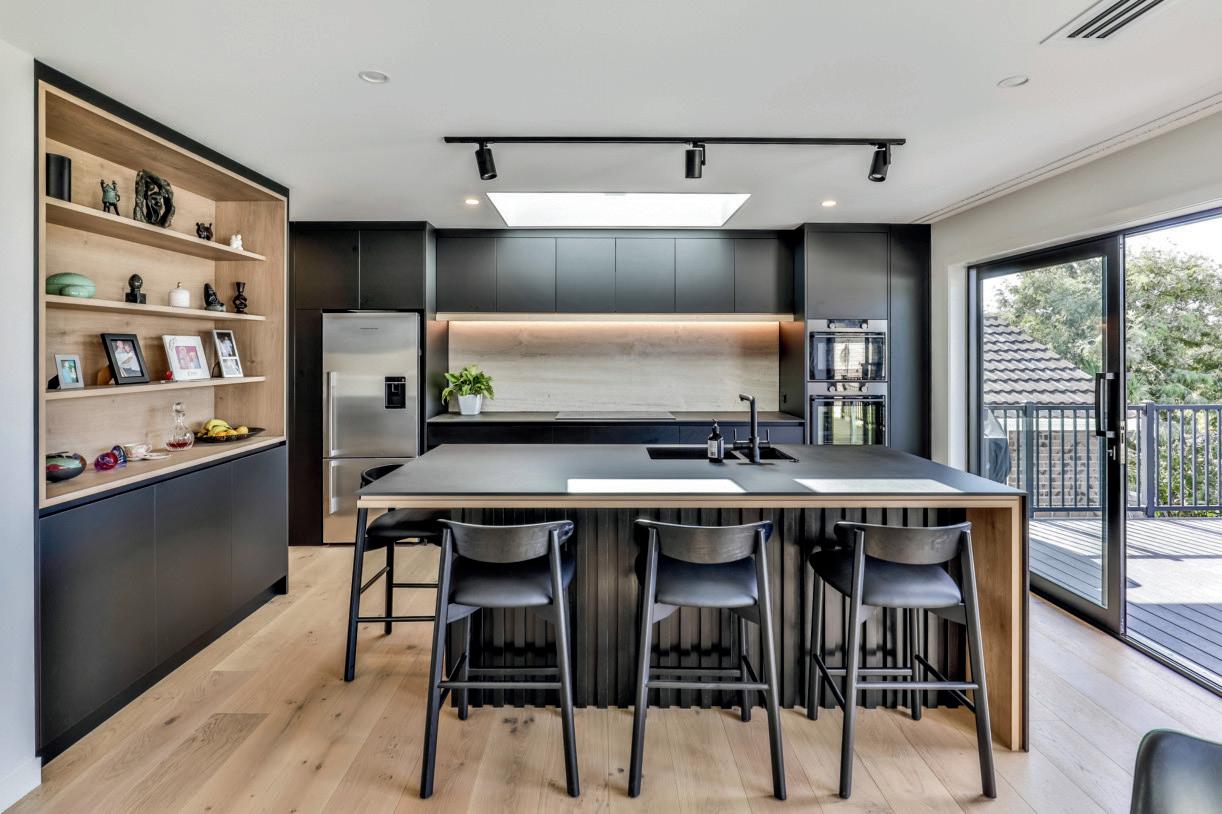

Scan to discover Simon’s Secret Pantry Weapons
TASTE WITH GAULT simongault.com


Transform Your Space into a Masterpiece At Cutting Edge Cabinetr y, we design and craft custom kitchens, laundries, and cabinetr y that bring your vision to life. Our personalised approach ensures ever y space is functional, beautiful, and built with lasting quality
Email: enquiries@cuttingedge.net.nz
Phone: 09 238 5090
Website: www.cuttingedge.net.nz


Keen walker David Mallowes offers suggestions about fun and interesting routes people can take to get some exercise and enjoy the area in his latest column.
To the northeast of Franklin, we are fortunate to have many easily accessed regional parks at our doorstep – Omana, Duder, Waitawa, Tawhitokino, Orere Point, Tapapakanga, the Hunua Ranges. Nearby also are Waharau Regional Park and Whakatiwai Regional Park.
So how about a school holiday or a personal challenge exploring regional park coastal forests, discovering hidden beaches, or walking to trig points for superb views? Visit all in a month, or in a year?
OMANA: Family-friendly, many camp sites, barbecues, safe swimming beaches, farm park.
DUDER: Rolling farmland, breathtaking views from a significant pa site, salt marshes.
WAITAWA: Mult-iuse park, an extraordinary pa site with commanding views, fishing, bush walks, farmland.
TAWHITOKINO: A stunningly beautiful and secluded safe swimming 1km long white sand beach.
ORERE POINT: A small bush park with tracks to sand and pebble beaches.
TAPAPAKANGA: Native forest, farmland and beach, many campsites, peaceful.
HUNUA RANGES: Native forest, rugged hills
and river valleys, tramping and mountain biking.
To extend the challenge, consider:

CLEVEDON SCENIC RESERVE (TE NIKAU PA) – 998 steps up, many kauri trees, great views.
Duder Regional Park and its rolling hills are located in Clevedon. Photo supplied David Mallowes
WAHARAU – uphill track through awesome mature native forest, 829 steps, many campsites.
WHAKATIWAI – unusual geology, quiet, shelly sand foreshore, bird watching.
Motukorea – Browns Island; Whakanewha – Waiheke Island, and 18 other Auckland
regional parks.
Most of these regional parks have significant pa sites, Waitawa has three! Another challenge, visit as many pa sites as possible, or volcanoes. Children may learn to identify kauri, rimu, totara and other native trees.
Enjoy, spread the word. Remember to stay well hydrated over summer, pack spare food, sunscreen, and rubbish bags. Visit the Auckland Council website for information on where you can walk dogs.


By NATALIE PITFIELD
Summer is a joyful time on a lifestyle block. While our own goats are older now, we loved watching our neighbour’s goats have babies. We coined a term for when they’re springing around madly – “boinging”. You can’t help but smile when a baby goat is going boing, boing around a paddock.
One day I went to walk my dogs and found a baby goat huddled beside our house. I knew
he had to have come from next door, so I took the dogs back inside and when I came back out, he was gone. Luckily my parents had seen him trot off into our forest.
I had a French traveller named Leo on board, so he and I set off to find baby goat. The forest is extremely steep and slippery with fallen leaves. We clambered around for almost an hour and were about to give up when Leo spotted the brown baby tucked beside a brown log. He tried to herd him up
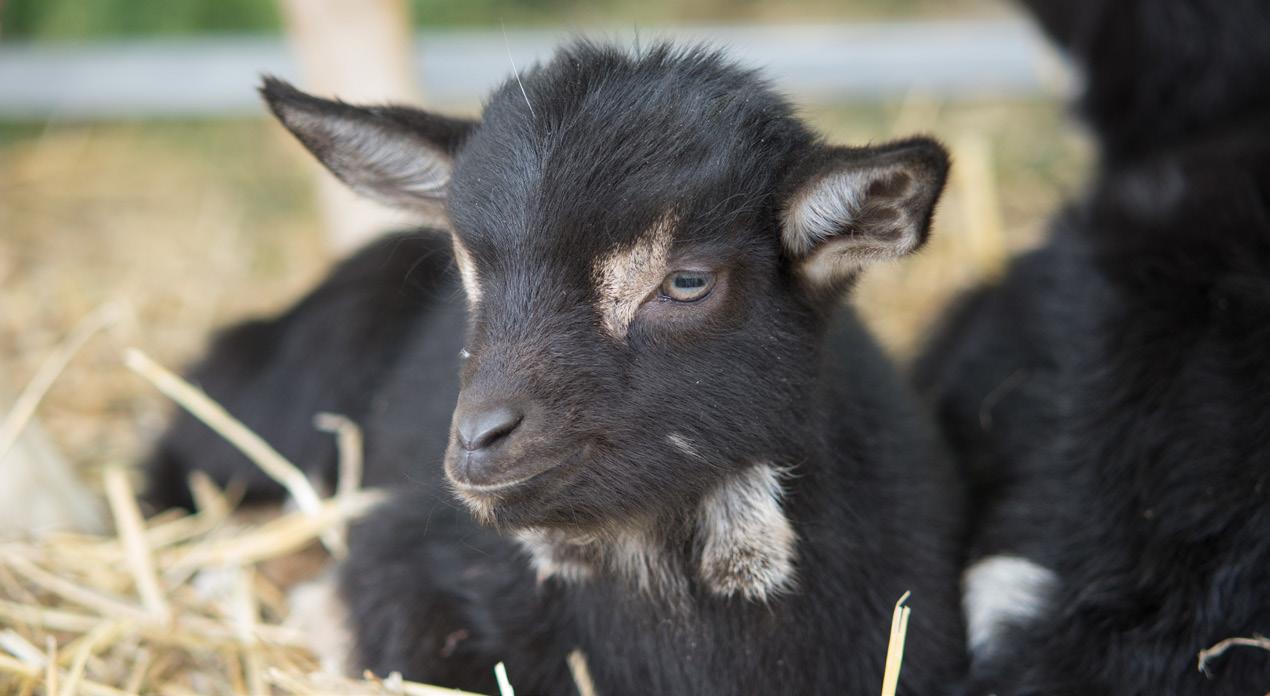
BACON SALAD WITH CITRUS HONEY DRESSING
INGREDIENTS:
• 1 tbsp oil
• 4 rashers bacon, cut into pieces
• 130g packet baby spinach
• 1 pawpaw, flesh cut into chunks (can substitute mango, papaya or rock melon)
• 2 spring onions, finely chopped
• ½ cup crispy noodles
• ¼ cup roasted macadamia nuts
• Mint leaves to garnish
DRESSING:
• 3 tbsp orange juice
• 3 tbsp lemon juice
• 2 tbsp olive oil
• 1 tsp honey
• 1 tsp grainy mustard
• Salt and pepper to taste
toward me and I was able to grab him.
The next challenge was climbing the fence over to my neighbour’s property whilst holding a baby goat. I took him as close to the herd as possible and let him go. He bounded over to his mum, but she promptly rejected him because he smelled like me from being tucked into my chest while I carried him. I waited a while to see if she’d change her mind, but she kept moving away from him.
I was worried as he was obviously hungry after being away from mum for so long. I sent my neighbour a message and told him that if mum permanently rejected the baby, we could help with bottle feeding if need be.
You can imagine my relief when a few hours later my neighbour sent a picture of the baby feeding happily alongside his sibling.
I congratulated Leo on a job well done. I wonder how many other travellers who do a bit of work on farms can say they’ve had to hunt for a baby goat? There’s never a dull moment at our place.
METHOD:

Heat oil in a frying pan. Add the bacon and cook until crispy. Remove and drain
Place the bacon, baby spinach, pawpaw chunks, spring onions, crispy noodles and macadamia nuts in a salad bowl.
To make the dressing combine all ingredients. Drizzle the salad with the dressing, garnish with mint leaves and serve. Serves 4.
» Gut Health
» Immune Support
» Hormone Balance
» Family Wellness
Stress & Anxiety
Sleep

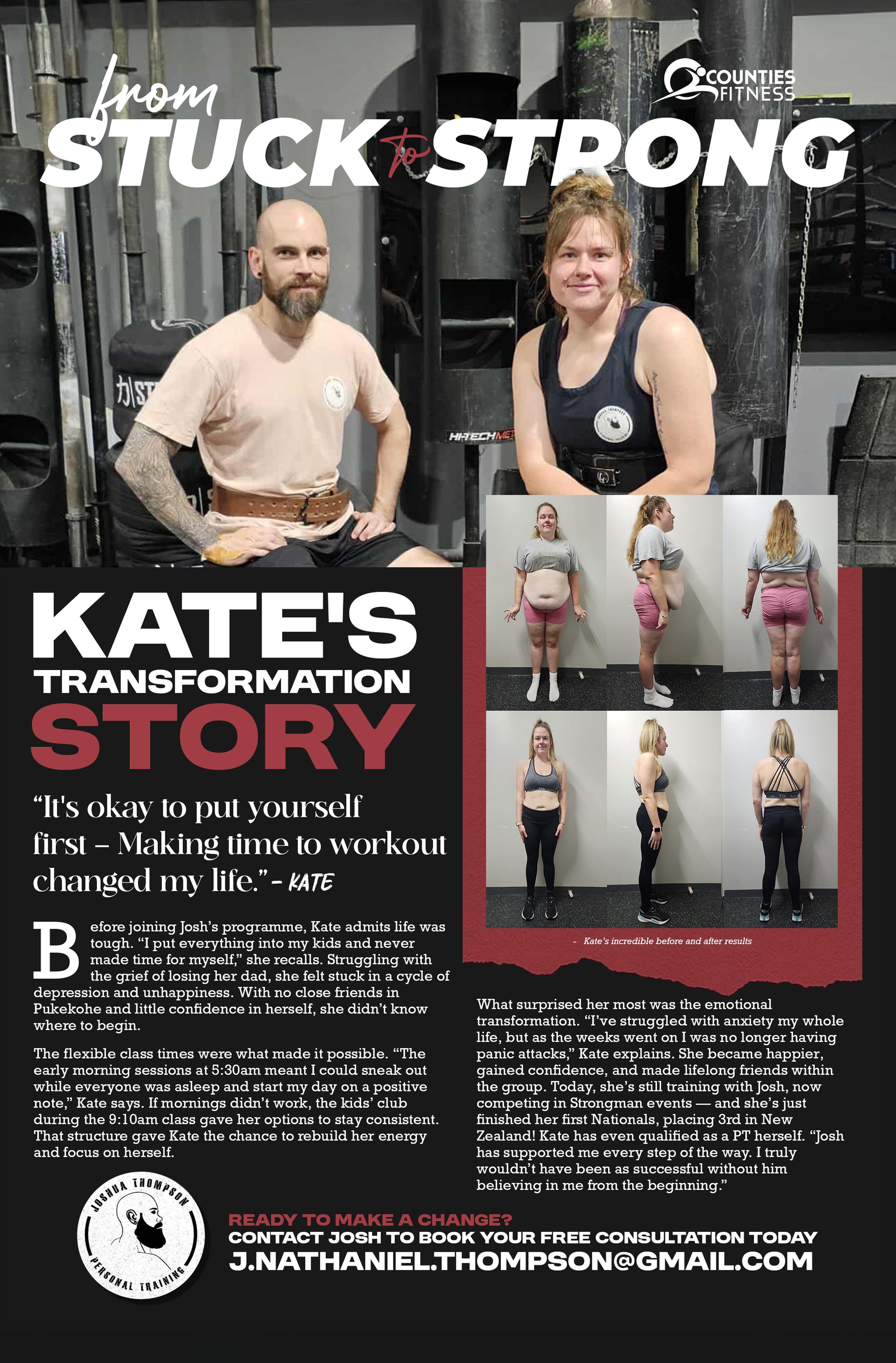
Susie Hare Pukekohe Franklin Camera Club caught some of the action at the Counties Polocrosse Fast 3 at Glenbrook on December 13. Pictured are competitors from Counties (stripes), Te Mata (green) and Kaikohe (grey). Polocrosse is a great fun team sport that is both exciting to play and spectacular to watch. It is played outside, on a field (the pitch), on horseback. Each rider uses a racket with a loose, thread net, in which the ball is carried. The ball is made of sponge rubber and is approximately four inches across. The objective is to score goals by throwing the ball between the opposing team’s goal posts. The first polocrosse club in New Zealand was formed in 1967 in the King Country and has since spread and developed extensively over the North Island.




We operate a modern processing plant in South Auckland, handling Prime Steer & Heifer, Cows, and Lamb year-round. Contact one of our local Livestock Representatives below to discuss the options and benefits of processing with us.
M: 0274 981 272
By KERRY LEE
Next month will see the D1NZ competitive Drifting Competition come to Pukekohe for the final time.
This is due to the decision of Auckland Thoroughbred Racing (who owns Pukekohe Park) to step away from motor sport and focus on thoroughbred racing and tries to establish the park with a racing ‘footprint.’
Pukekohe Raceway was opened in 1963 as a permanent track, replacing Ardmore Aedrorome as the host circuit of the New Zealand Grand Prix. The car Raceway was designed around the horse racing track that has been hosting thoroughbred races since 1920.
The New Zealand Grand Prix was held at Pukekohe
Park Raceway on 29 occasions, the first being in 1963, and the last in 2000.
The D1NZ has been an event for both beginners and seasoned veterans and has been seen as the country’s top drifting championship.
The Pukekohe track includes what some dubbed the world’s fastest drift corner.
The corner was considered incredibly high-risk that required drivers to approach at incredible speeds, sometimes going as fast as 200 kilometres an hour.
This and the skill needed to drift meant that drivers needed expert control over their car requiring them to hold their nerve to complete the turn.
The event runs at Pukekohe Park from February 13 to 15, with gates opening at

11am. The draft programme schedules practice and qualifying sessions for pro and pro-sport classes, and prosport top 32 battles on Friday, February 13, followed by pro-sport top 16 battles, pro
championship, car shows, live music and entertainment on Saturday, February 14.
The event wraps up with Drift GP on Sunday, February 15.

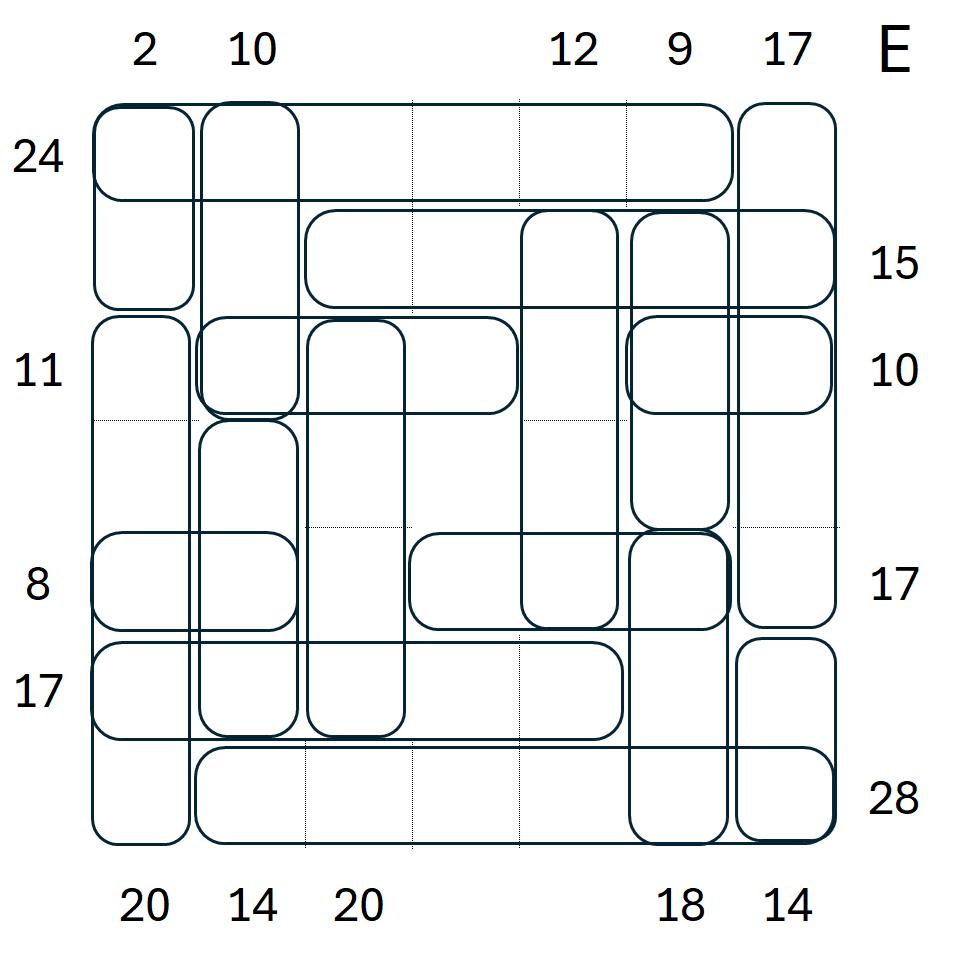

• Use only the numbers 1-7, with each number appearing exactly seven times.
• Fill each outlined rectangle with a palindrome (the same number forwards and backwards i.e. 52425 or 1441).
• The numbers in each rectangle must add up to the total shown on the edge of the grid.
• No palindrome may be used more than once.
• Each main diagonal must contain all seven numbers (1-7) once. The centre square is shared by both diagonals and must be the same number.
• Solution on page 70
PUZUP palindrome puzzle books are available online (scan QR code). PUZUP is suitable for all ages, comes in three sizes, and three difficulty levels.






ACROSS
6. What the low blow got the boxer into? (4,6).
8. Land one has a right to occupy (4).
9. Stop to give support (4).
10. In the vernacular, one stupid and taking nothing in (5).
11. Waste wood (4).
12. Made sure you’d know it had been given (9).
16. Keeps, to study, the nonsense verses (9).
20. Injection for a tot (4).
22. The man with the big limousine (5).
23. Bit the gentleman (4).
24. Backing the car up, the sound of its engine? (4).
25. The forte of the maunufacturer of working clothes? (6,4).
1. He’s going off, the cad! (6).
2. The films he produced are not English (7).
3. Area the man took one over (6).
4. Taking trips out East requires spirit (6).
5. A bum-boat? (5).
7. Rub out the number and name (5).
13. Not standing up to the heavyweight (3).
14. Intend to nominate (7).
15. Make a gesture and rush off to get the key (5).
17. Turned sour when a small quantity was injected, as it happens (6).
18. Well in a few months (6).
19. For a silly wager, caught one insect (6).
21. By the end of August, or so, the trunk is found (5).
1. Herb (6)
2. Reptile (7)
3. Slave (6)
4. Muscle (6)
5. Unsuitable (5)
7. Perfume (5)
13. Tree (3)
14. Mischievous (7)
15. Should (5)
17. Sagging (6)
18. Aim (6)
21. Custom (5) 43 61 4 12 8 62 18 38 54 9 6 8145 6 2 9 2
19. Concealed (6)



































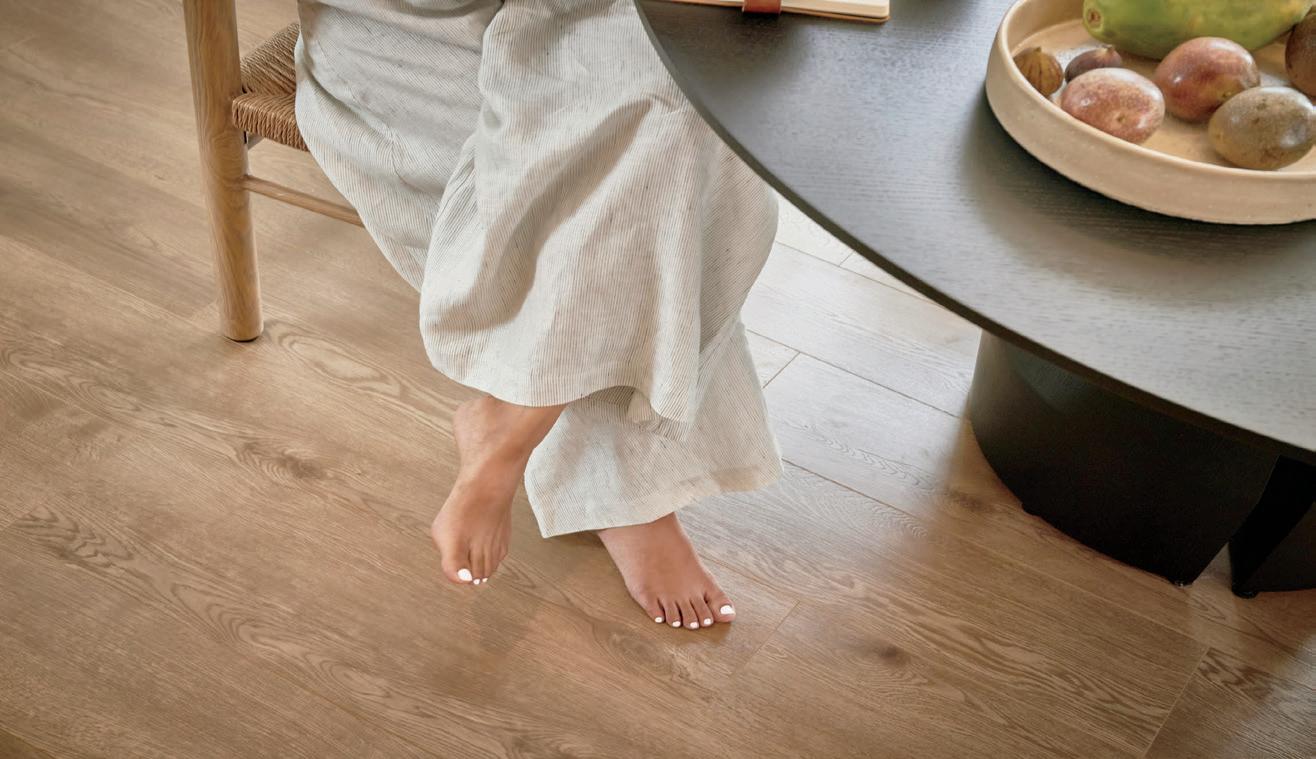





















































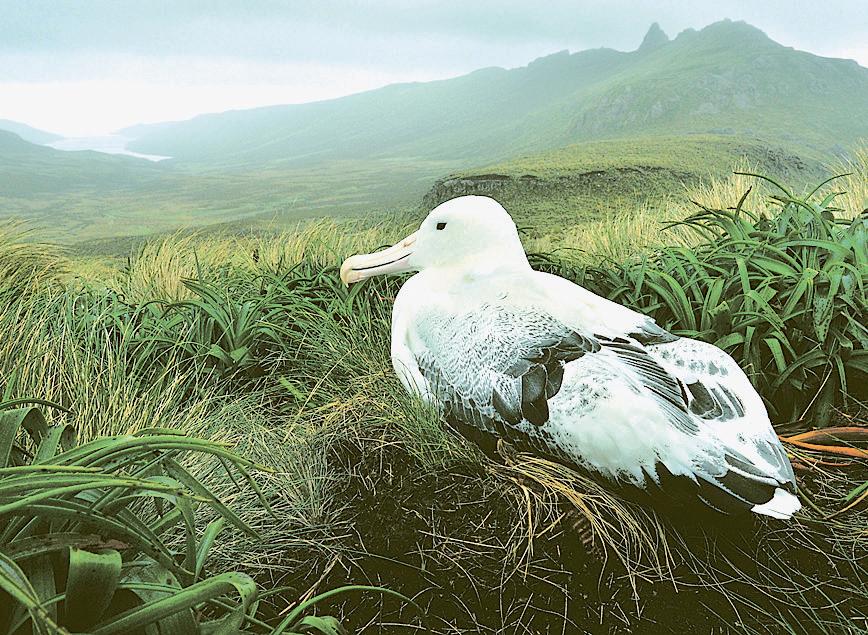








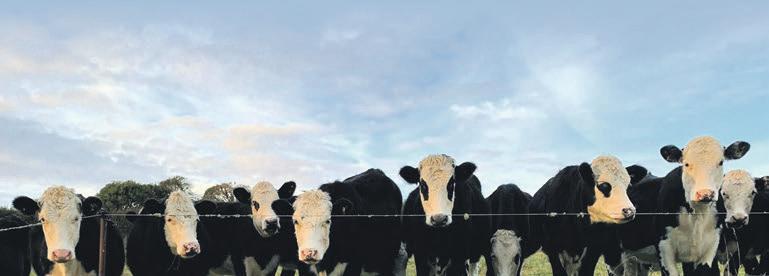









This convivial and informal art group meets each Thursday from 9.30am to 1pm at the Revive Church, James Bright Lane, Waiuku. An open art session, no tuition, just bring your art tools to sketch, or paint. Tables and chairs are provided.
Feel welcome to “drop in”. Gold coin donation.
BPW Franklin
BPW Franklin (www. bpwfranklin.org.nz) is a vibrant group of women who meet monthly for dinner, engaging speakers, and empowering conversations. As part of BPW NZ, we advocate for gender equality and support women’s growth through networking, leadership, and education. Join us to connect, be inspired, and make a meaningful impact together.
Feeling lonely, finding it difficult to get out? Our small, friendly groups could be the answer.
We enjoy gentle exercise, fun activities, scones, chatter, and plenty of laughter. You can join us Tuesday or Friday morning 9-12, at Crossroads Methodist Church lounge, 25 Broadway, Papakura. Enquiries: Nikki 0224779575.
Social tennis in Tuakau
Wednesday 9am to 11.30am. Come along and have some enjoyable social tennis with mainly retired players at The
Tuakau College Courts. What we charge is very minimal. Tea/coffee/ biscuits/tennis balls provided. If you want more info, ring Errol on 021 730 710.
Waiuku
Waiuku Pickleball Social Group offers fun, indoor pickleball. We enjoy easyto-learn games, beginner coaching, and plenty of laughs.
Join us on Wednesday nights, 6pm to 8pm, at Waiuku College, New Gym, 43 Constable Road, Waiuku. Paddles provided, and coaching available to get you started. Fun for teens and adults, all welcome! Join our Waiuku Pickleball Club Facebook group for more info.
Join like-minded retirees for fun and fellowship, on the last Friday of every month at 10am to listen to Guest Speakers and hear about planned outings and activities. Chatting over tea/ coffee and biscuits. Enquiries JP (John) 021 583 100. Meet at Papakura Club, 5 Croskery Road, Papakura.
in their friendly hands-on sessions at 23A Collingwood Road on Mondays from 9am to 12pm, and Tuesdays from 6pm to 9pm.
Perfect for anyone 18+ wanting a creative hobby, practical skills, or a welcoming community. To book your free lessons, contact John (FWC Training Officer) on 027 631 5604.
Send your free community events to info@times.co.nz. Due to limited space, we can’t guarantee every listing will run. This section is reserved for not-for-profit community groups.
817 6 2435 9
2 9 5837 4 61
463 5192 8 7
93645 2 718
1 72 3 6 8 5 94
54 89 71 632
381 7 469 2 5
6 24195873
75 9 2 831 4 6

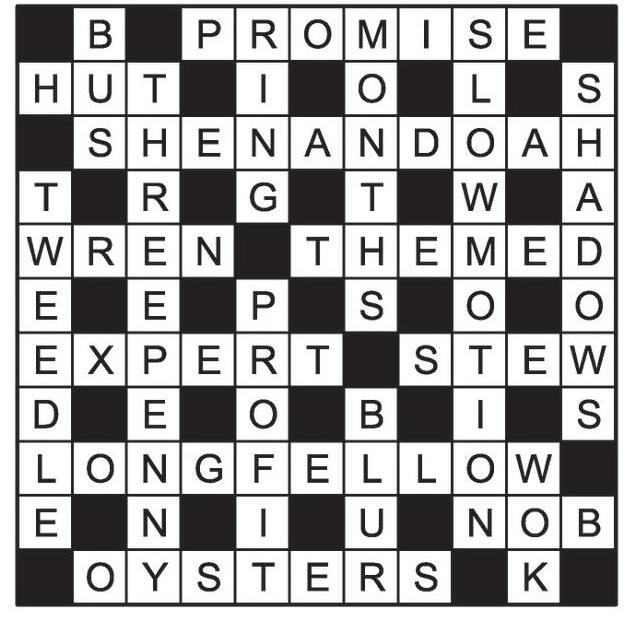
QUICK NO. 8195
Across - 6, Pomeranian. 8, Arch. 9, Damp. 10, Steep. 11, Tint. 12, Penniless. 16, Admirable. 20, Bush. 22, About. 23, Gate. 24, Chub. 25, Impenitent. Down - 1, Borage. 2, Serpent. 3, Vassal. 4, Biceps. 5, Inapt. 7, Scent. 13, Elm. 14, Naughty. 15, Ought. 17, Droopy. 18, Intent. 19, Latent. 21, Habit. CRYPTIC NO. 8195
Across - 6, Foul temper. 8, Ac-r-e. 9, Stem. 10, I-di-O-m. 11, Pine. 12, Presented. 16, Con-serves. 20, Shot. 22, OS-car. 23, P-Art. 24, Pu-RR (rev.). 25, Strong suit. Down - 1, Rotter. 2, Flemish (anag.). 3, Reg-I-on. 4, Spirit-E. 5, Tramp. 7, Bru-no. 13, Ton (rev.). 14, Propose 15, Shru-G. 17, O-cc-urs. 18, Spring. 19, Earw-I-g. 21, (Augus)T-or-so.

• Andy Baker 021 283 2222
- Franklin Ward Councillor
• Daniel Newman 021 518 796
- Manurewa-Papakura Ward Councillor
• Matt Winiata 027 261 6354
- Manurewa-Papakura Ward Councillor
FRANKLIN LOCAL BOARD:
• Alan Cole 021 923 719
– Chairperson
• Amanda Hopkins 027 216 2452
– Deputy Chairperson
• Malcolm Bell 021 0228 2267
– JP - Deputy Chairperson
• Gary Holmes 027 256 2849
– Board Member
• Andrew Kay 027 216 1819
– Board Member
• Alix Bonnington 027 216 4698
– Board Member
• Hunter Hawker 027 238 1942
– Board Member
• Lesieli Oliver 027 237 8646
– Board Member
• Merritt Watson 027 243 7277
– Board Member
MPs:
• Judith Collins Papakura MP judith.collinspapakura@parliament.govt.nz
• Andrew Bayly Port Waikato MP Andrew.Bayly@parliament.govt.nz
JUSTICE OF THE PEACE
• Terry Stanbridge 027 320 0013
• Stuart Britnell 027 475 6251
• Jean (Jofejean) Kiely JP 021 180 6743
• Anthony Searle 027 474 7593
• Roger Goulstone 021 180 1472
• Kamaldeep Singh 022 045 0077
• Jane (Hilary) Hancock 021 963 603
• Paul Brown 09 238 6827
• Heather Maloney MNZM 027 723 5328
• Trinity Jourdain 021 269 6138
• Joanna Blomfield 09 238 8188
• Jim (James) Carpenter 022 074 7017
• Dianne Glenn ONZM 027 428 4779
• Dr Siham El-Kafafi 021 323 662
• Sheryl Hazelwood 027 411 0584
• Alex Robinson 09 238 7653
• Kevin Birch 09 237 0780
• Helen Pulman 027 632 0924
• Peter Amies 027 298 6437
• Marie Appleton MNZM 09 238 5545
BUSINESS ASSOCIATIONS
• Pukekohe Business Association 09 910 0137
• Waiuku Business & Development Association 09 235 6231
• Clevedon Community & Business
Association 09 292 8046
• Manurewa Business Association 09 2695252
• Papakura Business Association 022 099 7331
CHARITY SHOPS
PUKEKOHE:
• Franklin Hospice Shop, 29 King St, Pukekohe 09 238 5082
• Habitat for Humanity Op Shop, 134 King St, Pukekohe 09 222 5060
• SPCA Op Shop, 5 Seddon Lane, Pukekohe 09 239 3201
• Pukekohe Anglican Op Shop, cnr Queen St & Wesley St 09 238 7228
• Salvation Army Family Store, 7 King St, Pukekohe 09 238 6800
• St John Op Shop, 4b Harris St, Pukekohe 09 238 7000
WAIUKU:
• St Andrew’s Op Shop, 79 Queen St, Waiuku 09 235 2238
• St John Waiuku Store, 4 Court St, Waiuku 09 235 8954
TUAKAU:
• Mai Light House Op Shop, 5 George St, Tuakau 09 2386233
• Tuakau Union Parish Op Shop, 5 Madill St, Tuakau 09 237 8098
PAPAKURA:
• SPCA Op Shop, 178 Greet South Rd, Papakura 09 299 6671
• Salvation Army Family Store, 69 O’Shannessey St, Papakura 09 299 7404
• St John Op Shop, 138 Great South Road, Papakura 09 296 2333
• St Vincent de Paul, 275 Great South Road, Papakura 09 296 5052
• Papakura Anglican Op Shop, 40 Coles Cres, Papakura 09 299 8086
EMERGENCY SERVICES
• Ambulance 111
• Fire 111
• Police 111 Non emergency: 105
• Franklin Local Board 09 237 1317
• Civil Defense 0800 22 22 00
TRANSPORT:
• Auckland Transport 0800 10 30 80
• AT – HOP 09
•
•
COUNCIL COMPLAINTS:
•
•
•

•
•
•
•
•
•
•
• Pukekohe Netball Centre –pukekohenetball@xtra.co.nz
• Tuakau Netball Club 09 238 9321
• Tuakau Rugby Football & Sports Club 09 236 8296
• Counties Manukau Rugby Football Union 09 237 0033
• Counties Manukau Hockey Association 09 238 4333
• Pukekohe East Indoor Bowling Club 021 1179632