




By WILL NAUGHTON Reporter
Weber State University has been helping student-athletes chase their dreams since the first official Wildcat football game in 1919, growing in popularity and prestige each year since then. More than a century on, the purple pride of Northern Utah has grown into a hub of sporting prowess that attracts talent from around the world.
In 2026, there are over a dozen active foreign athletes at Weber State across the various NCAA Division I and club sport rosters. Each one brings their own unique story to the Wasatch Front and adds to the culture of diversity that the university proudly stands for.
Balancing academics with training, travel and competition can be challenging enough for local student-athletes. International students do so while residing thousands of miles from home. However, this could not deter discus, shot put and hammer thrower Jeims
Molina from setting a new Costa Rican national record in the discus throw with a mark of 54.50 meters while competing for Weber at the Aggie Invitational in 2025.
Molina, who aims to compete for his nation at an Olympic level and become a coach in the future, is currently recovering from knee surgery and continues to succeed by living dayby-day and taking advantage of the athletic facilities and staff at the Wildcats’ disposal.
“The difference, culturally, is how people are always willing to help you, even if they don’t know you,” Molina said. “That’s probably one of the biggest impacts that I’ve had so far with the people around me.”
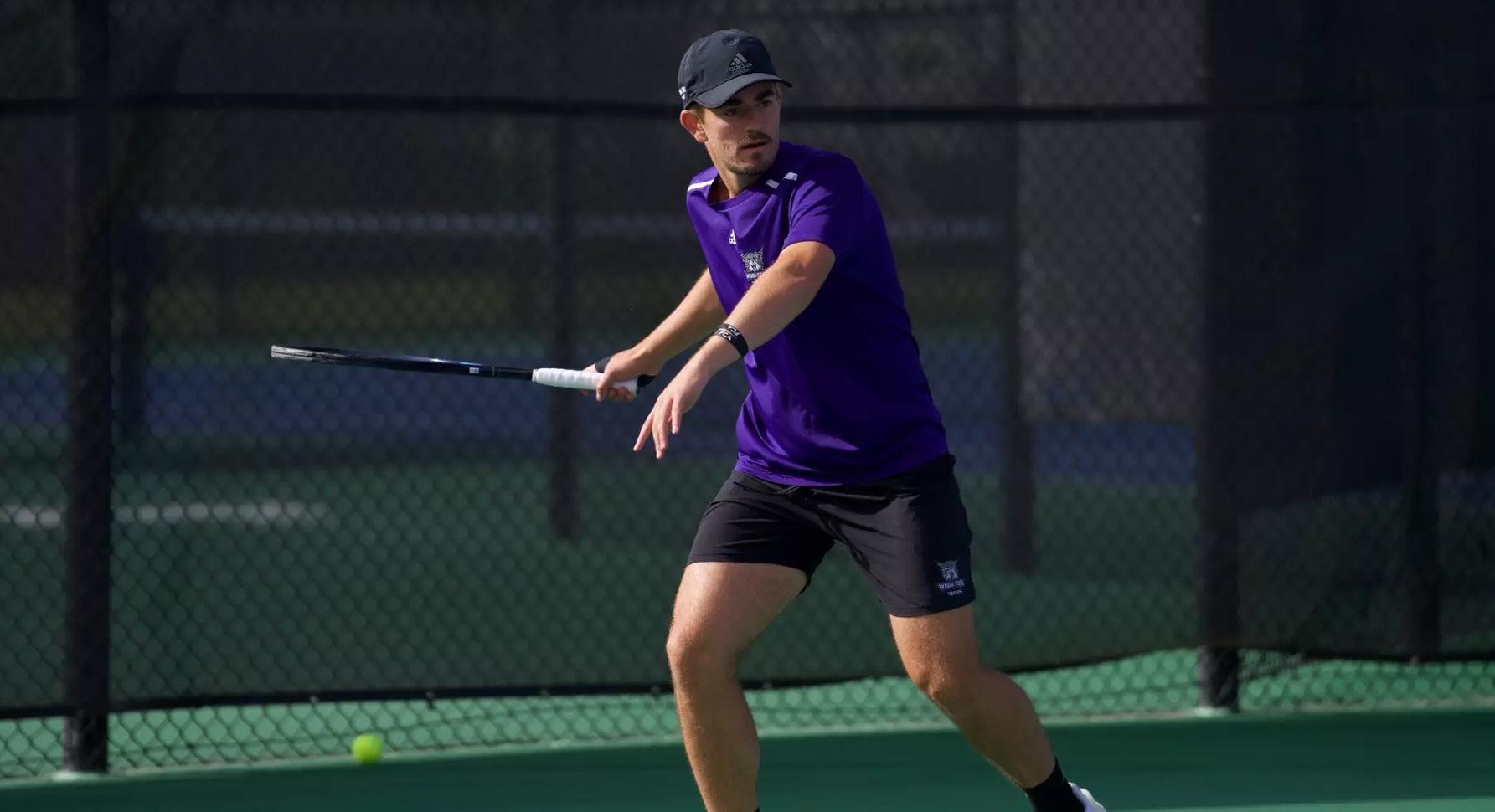
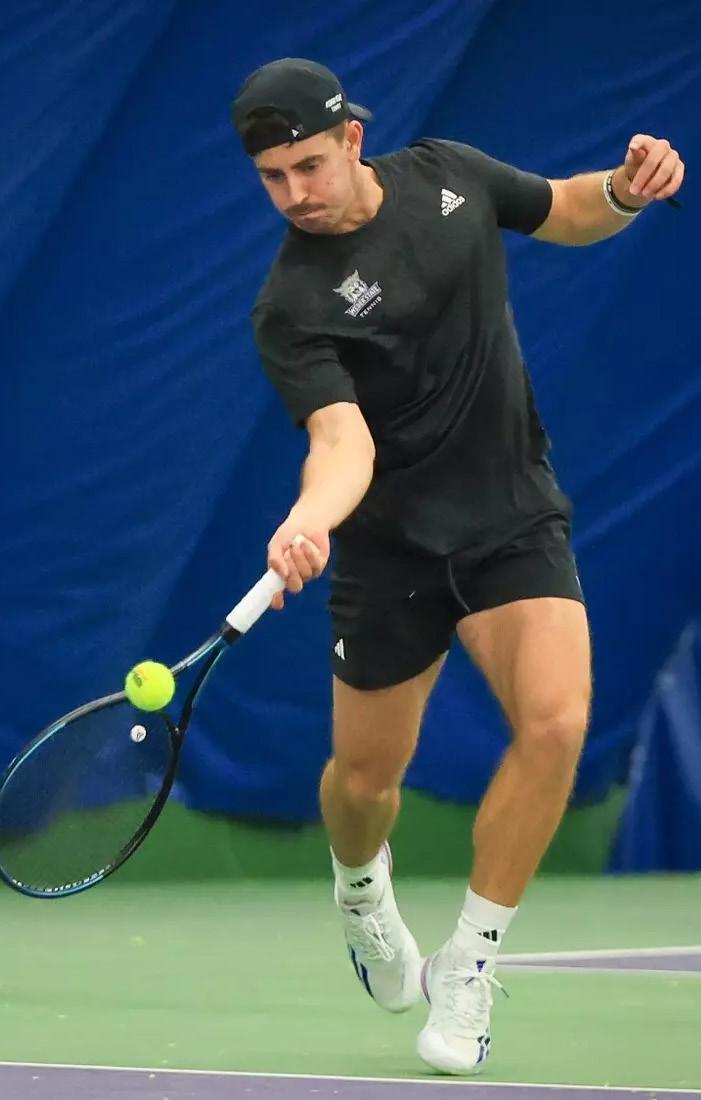
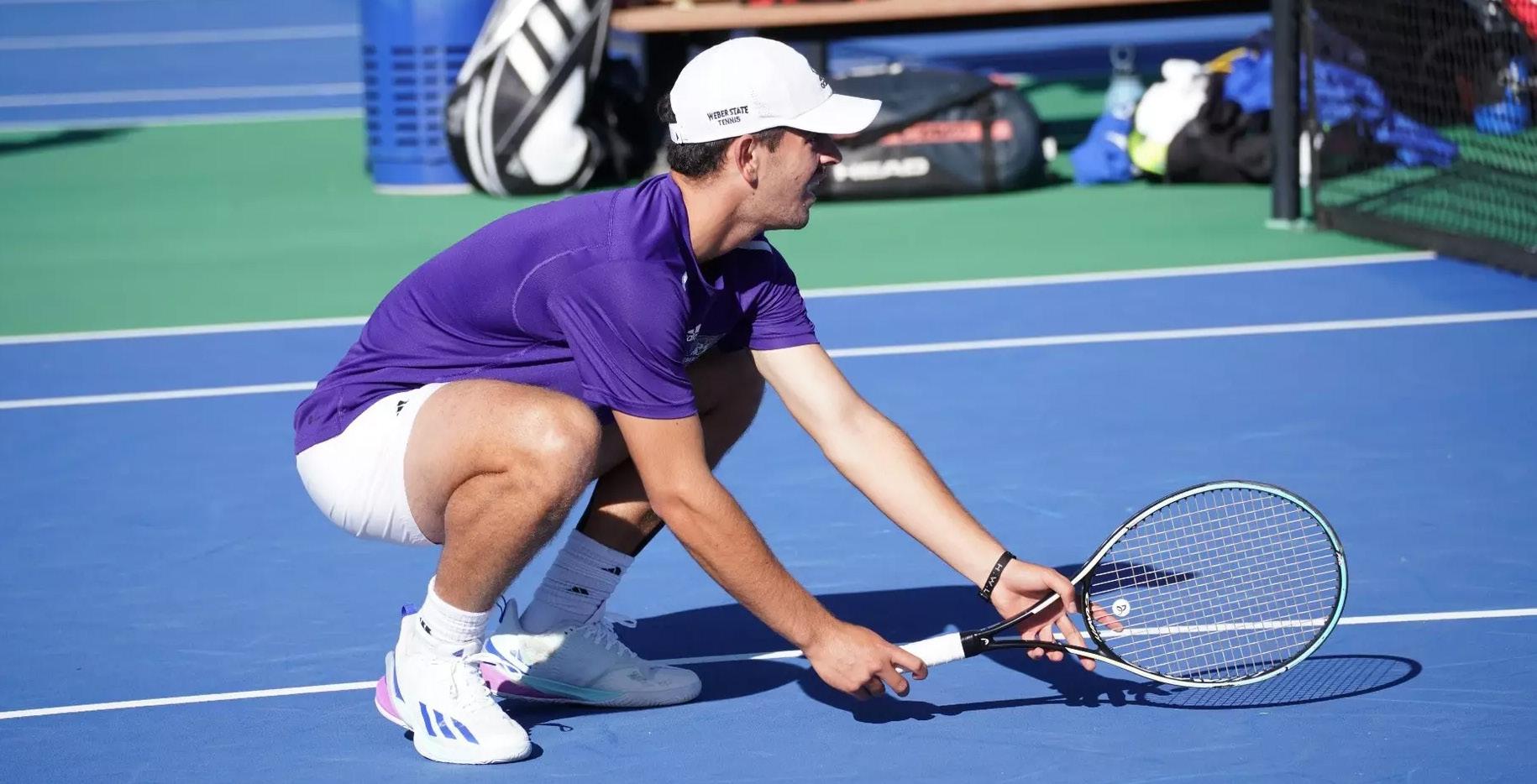
In addition to sheer distance and workload, foreign Wildcat athletes must adapt culturally, as Molina said. South African tennis veteran William Zulch welcomed the change of pace that came with his move to Utah, a transition he says was made smoother by compatriot teammates such as Jordan Coutinho, Sebastian Buxman and Michiel van Schoor, as well

as his former roommate, Matteo Savio of Australia.
“The culture of South Africa, everyone kind of goes out,” Zulch said. “It’s a big party environment where Utah is not, and I’ve really enjoyed that because I think people can get caught up in that and in college life. I really like the atmosphere at Weber State.”
Zulch, who achieved South African National under-18 Singles Championship status in 2021 and was named Big Sky Conference Co-Player of the Week in 2023, named beating Northern Arizona University and Portland State University just below his first time attending a Fellowship of Christian Athletes huddle when recalling his favorite moments at Weber State. Molina has also been known to frequent FCA huddles.
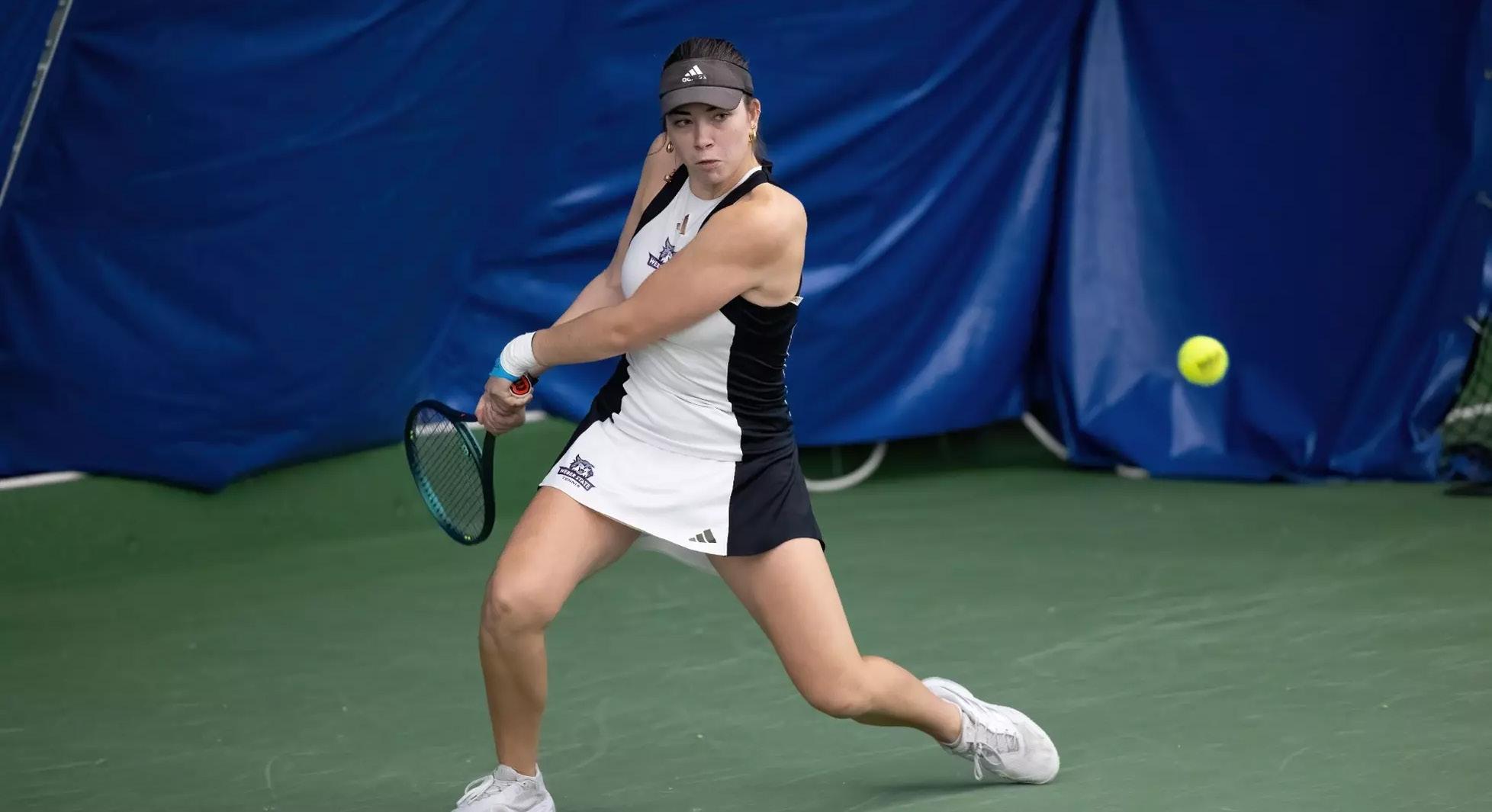
Another overseas tennis player living out her sporting dreams in purple is international business and economics major Alicia Celorio of Gijon, Spain. A lover of Utah’s mountains and colder weather, Celorio believes that more
aspiring foreign athletes should move to the United States for college sports.
“Try it,” Celorio said. “There are a lot of people that I know that don’t try it, and if you give them an opportunity, you’ll find your place and you’ll see a different world, a different experience and you’ll learn a lot of things.”
LEFT: Jeims Molina who is a thrower for Weber State University. This picture features him at the 2024 Big Sky championship throwing discus.
MIDDLE: Weber State University men’s tennis William Zulch going for the hit on the tennis ball during a match.
Traducido por NELLY HERNANDEZ TEJADA
Editora Jefa
Por WILL NAUGHTON
Reportero
La Universidad Estatal de Weber ha estado ayudando a los estudiantes-atletas a perseguir sus sueños desde el primer juego de fútbol americano en 1919, aumentando en popularidad y prestigio cada año después. Hace más de un siglo el orgullo morado del Norte de Utah se ha desarrollado en un centro de destreza deportiva que atrae talento de todo el mundo.
En 2026, había más de una docena de atletas extranjeros en WSU por el NCAA Division I y plantillas de clubes deportivos. Cada uno trae su propia historia única al Wasatch Front y aumenta la cultura de diversidad que Weber State orgullosamente representa.
Equilibrar los estudios con el entrenamiento, viajar y competir puede ser un reto para los estudiantes-atletas locales, pero los internacionales lo hacen mientras viven miles de millas de casa. Sin embargo, no pudo impedir al lanzador de disco, lanzamiento de peso y lanzamiento de martillo Jeims Molina de marcar un nuevo récord nacional de Costa Rica en lanzamiento de disco anotando 54,50 metros mientras competía para Weber en el Aggie Invitational en 2025.
Molina, aspira a competir para su país Olímpicamente y convertirse en un entrenador en el futuro, que actualmente está recuperándose de cirugía a la rodilla y continúa tratando de triunfar viviendo “día a día” y aprovechar del personal atlético y servicios a disposición de los Wildcats.
“La diferencia, culturalmente, es como la gente siempre está dispuesta a ayudarte, aunque no te conozcan”, dijo Molina. “Eso es una de las cosas más impactantes que he tenido con la gente a mi alrededor”.
Adicionalmente, la distancia y cantidad de trabajo, los atletas extranjeros de los Wildcats deben adaptarse culturalmente, como dijo Molina. El experimentado tenista sudafricano William Zulch dio la bienvenida al cambio de ritmo con el que llegó al mudarse a Utah, una transición que, según él, fue más fácil gracias a sus compañeros de equipo de su país, como
Jordan Coutinho, Sebastian Buxman y Michiel van Schoor, así como a su antiguo compañero de residencia, el australiano Matteo Savio.
“En la cultura de Sudáfrica, casi todos”, dijo Zulch. “Es un ambiente muy festivo, diferente al de Utah, y lo he disfrutado mucho porque creo que la gente puede dejarse llevar por eso y por la vida universitaria. Me gusta mucho el ambiente de Weber State”.
Zulch recibió el estatus de South African National under-18 Singles Championship en 2021 y fue nombrado el Big Sky Conference Co-Player de la Semana en 2023, nombrado ganando contra la Universidad de Northern Arizona y la Universidad Estatal de Portland debajo de su primera vez asistiendo un apiñaron de Fellowship of Christian Athletes (FCA) cuando recordaba sus momentos favoritos en Weber State. Molina también visita frecuentemente a los apiñaron de FCA.
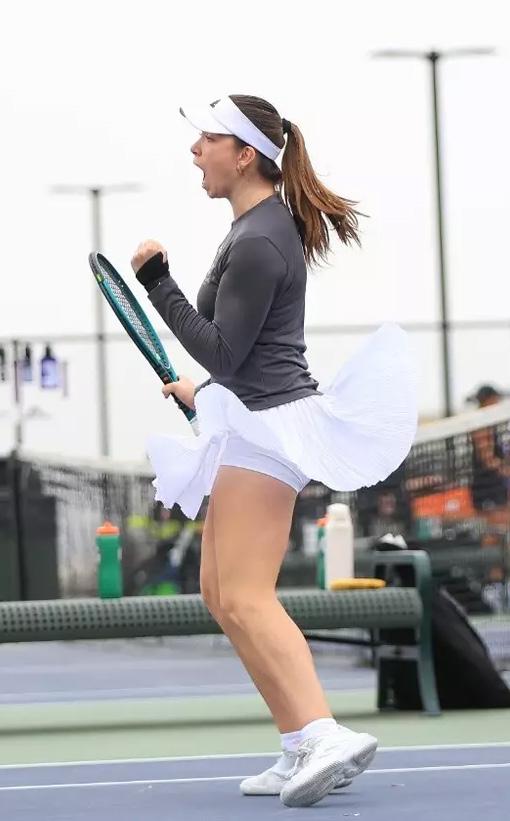
Otra jugadora de tenis siguiendo sus sueños deportivos en morado es de Gijón, Español, Alicia Celorio, estudiante de Economía y Negocios Internacionales. Ama las montañas y el clima frío de Utah, y se la considera una estrella en crecimiento en la cancha, cree que más atletas extranjeros con ambiciones deberían mudarse a los Estados Unidos para
hacer deportes universitarios. “Intentalo”, Celorio urge. “Hay bastantes personas que yo sé que no lo intentan, y si les das una oportunidad, encontrarás tu lugar, y vas a ver un mundo diferente, una experiencia diferente y aprenderás bastantes cosas”.
ARRIBA: El tenista masculino de la Universidad Weber State, William Zulch, agachado en la pista de tenis entre dos servicios.
ABAJO: La tenista de la Universidad Weber State, Alicia Celorio, se prepara para servir.


By KAYLI JACOB Reporter
News:
Donuts and Discussion has been discontinued in its current form, but the cabinet will begin to host them in the Student Involvement and Leadership office. They will now be held under the name of “Paws for Thoughts.” This will be an all-day event with a student leader or faculty member staffing it. Ben Dworak has joined the senate as the senator for the Col-
lege of Social Sciences. There are hopes for a new president in the next 6-8 months. Elections for the senate will begin next month.
Sports:
There have been reviews about sharing Name, Image and Likeness regarding athletes in the board of trustees meeting. They also discussed initiatives with women’s sports.
Committee report:
The senators broke into committees to dis-
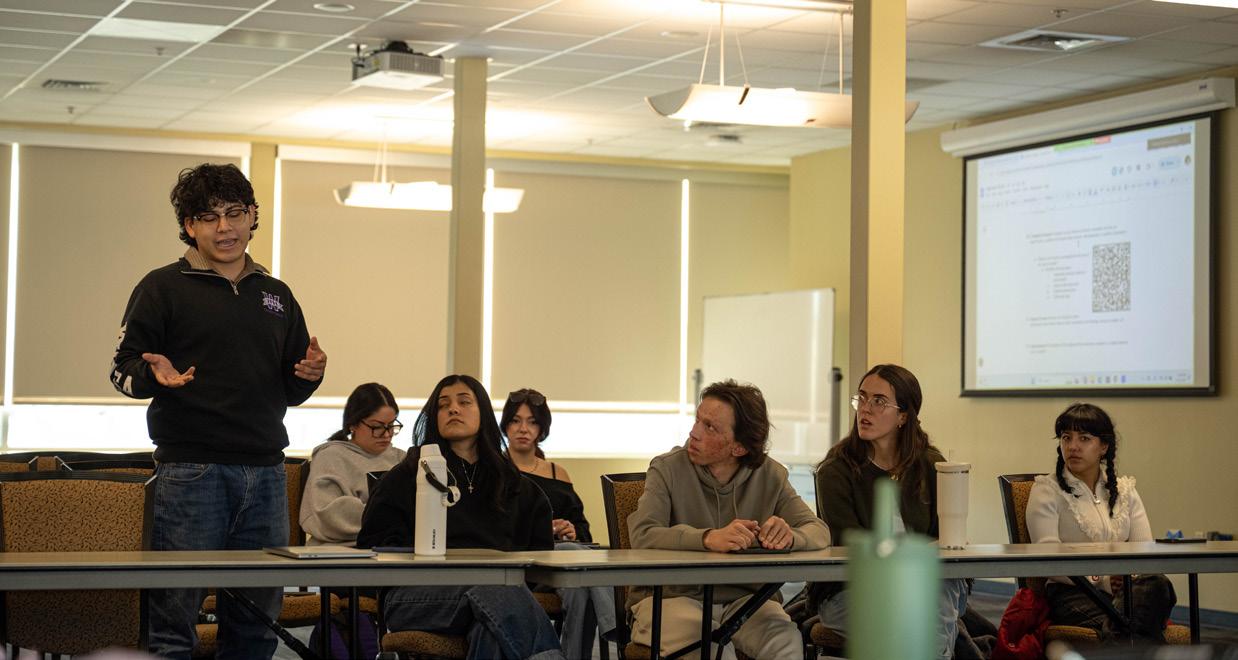

cuss what they would like to accomplish as senate for the rest of the year. A note was made that individuals had been using the accessibility ramp in the Shepherd Union parking lot to avoid paying for parking. The issue was brought to the Dean of Students, Ali Threet, and is now being handled by the police.
The senate has an estimated budget of $7,746. A funding request was made by the Human Rights Club to be used on “Know Your
Rights” cards regarding immigration rights. These cards will be double-sided, in both English and Spanish, and will serve to ease the fears of international students by informing them of their rights. The club needed $350 for these cards and the motion was passed.
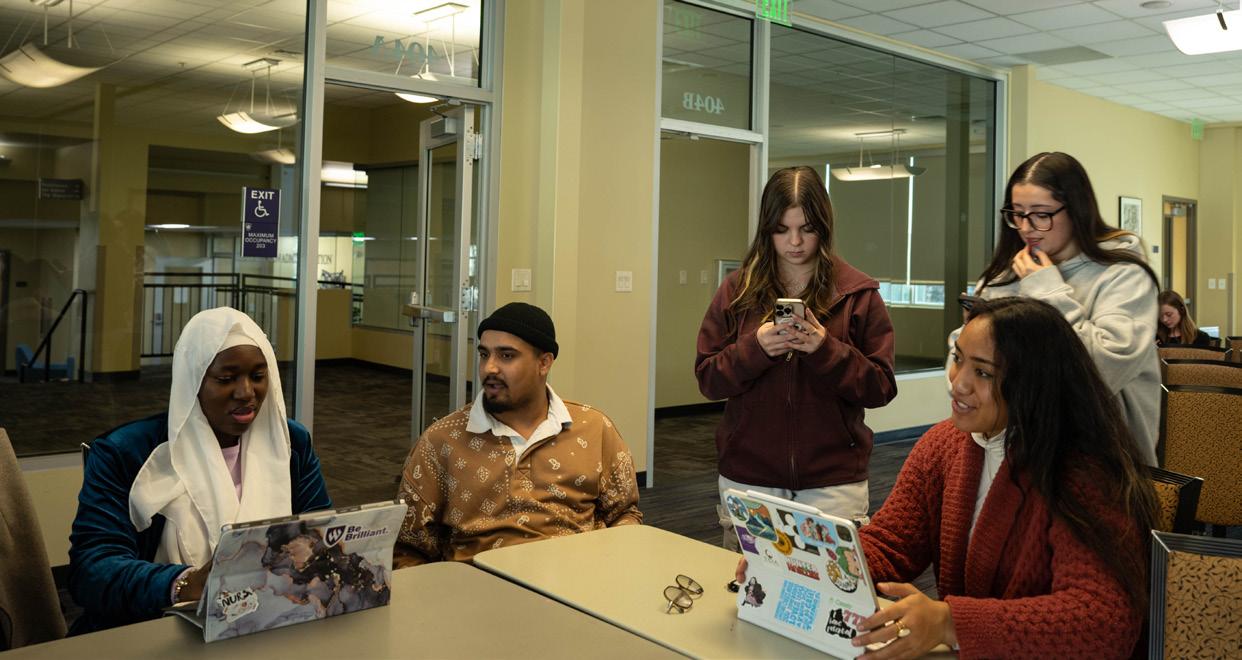
Students and clubs can make a funding request at any time. Senate meetings are held Mondays at 2 p.m. until about 3 p.m. on the fourth floor of the Shepherd Union building, Room 404. Students are welcome to attend
By SOFIA FUENMAYOR Contributor
Many students at Weber State University call Utah home, but it’s becoming increasingly more difficult for people to stay housed. This year, homelessness increased by 18%, which is the biggest jump the state has seen in years, according to the Utah Department of Workforce Services’ Homelessness Annual Report.
Behind that increase are thousands of Utah residents who are struggling to keep up with rising rent, higher living costs and stagnant wages. Students and young workers are being hit especially hard, with many saying the cost of living no longer matches what they can realistically earn while in school. For some, the numbers simply don’t add up.
“It’s been really hard being a full-time student and trying to pay my bills with groceries and gas and rent being now $1,300 a month,” said Jessica Zelaso, a Weber State dental student who works part time.
Some Weber State student-athletes receive monthly stipends as low as $125, which is less than the average monthly benefit from the Utah Supplemental Nutrition Assistance Program. Other students juggle part-time jobs or rely on family support to cover rent, utilities and food.
Housing costs across Weber and Davis counties show the scale of the problem. In Ogden, the average rent for a one-bedroom apartment is about $1,000 per month, according to Zillow rental data. Utilities, groceries and
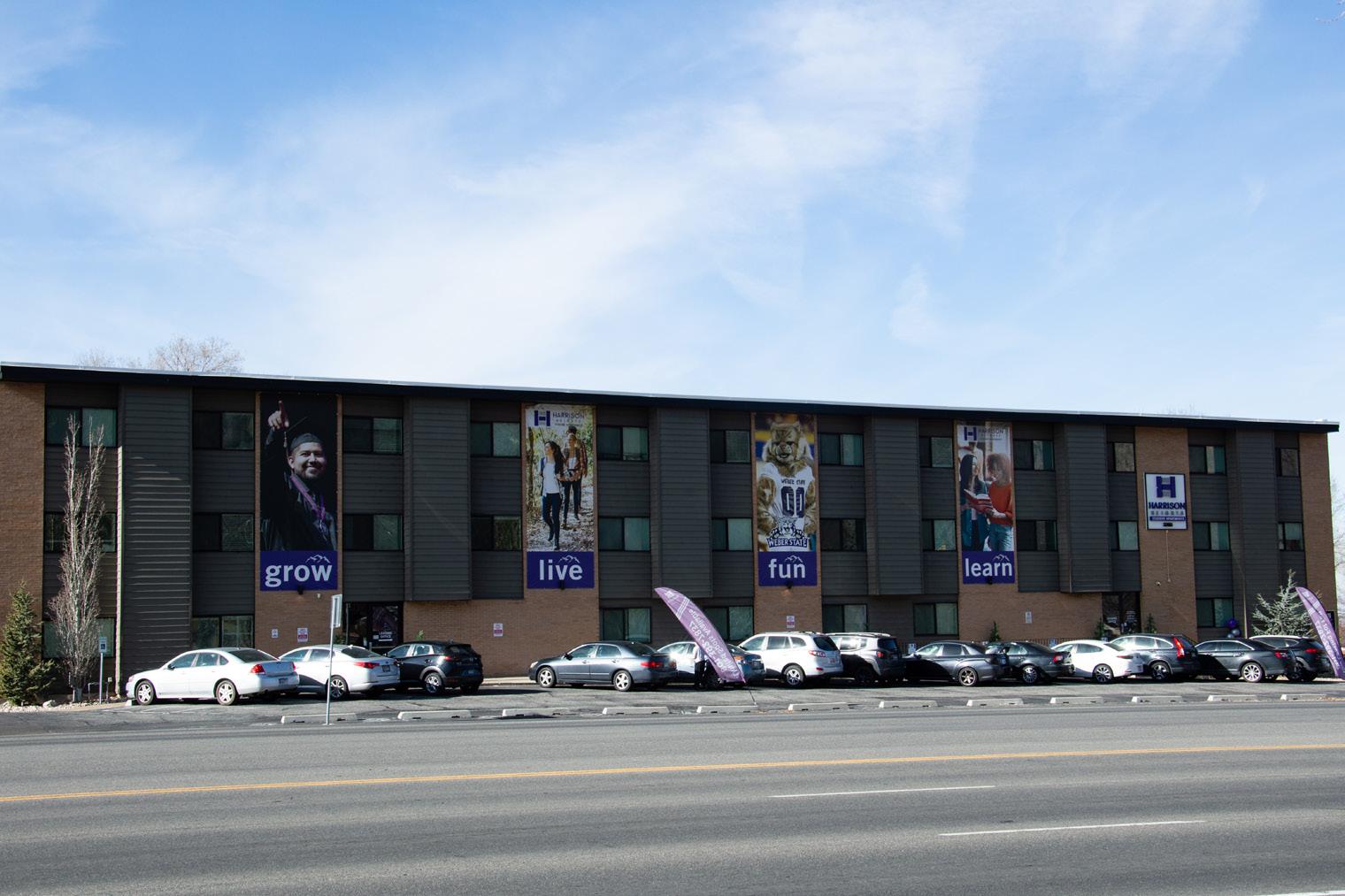
BOTTOM: Students living in the dorms walking around the Wildcat Village to get to and from classes.
transportation costs have also climbed, placing more pressure on students who already have limited income.
According to the Hope Center for College, Community and Justice’s national survey, these local trends mirror national data showing that one in five college students experience housing insecurity each year. Increased
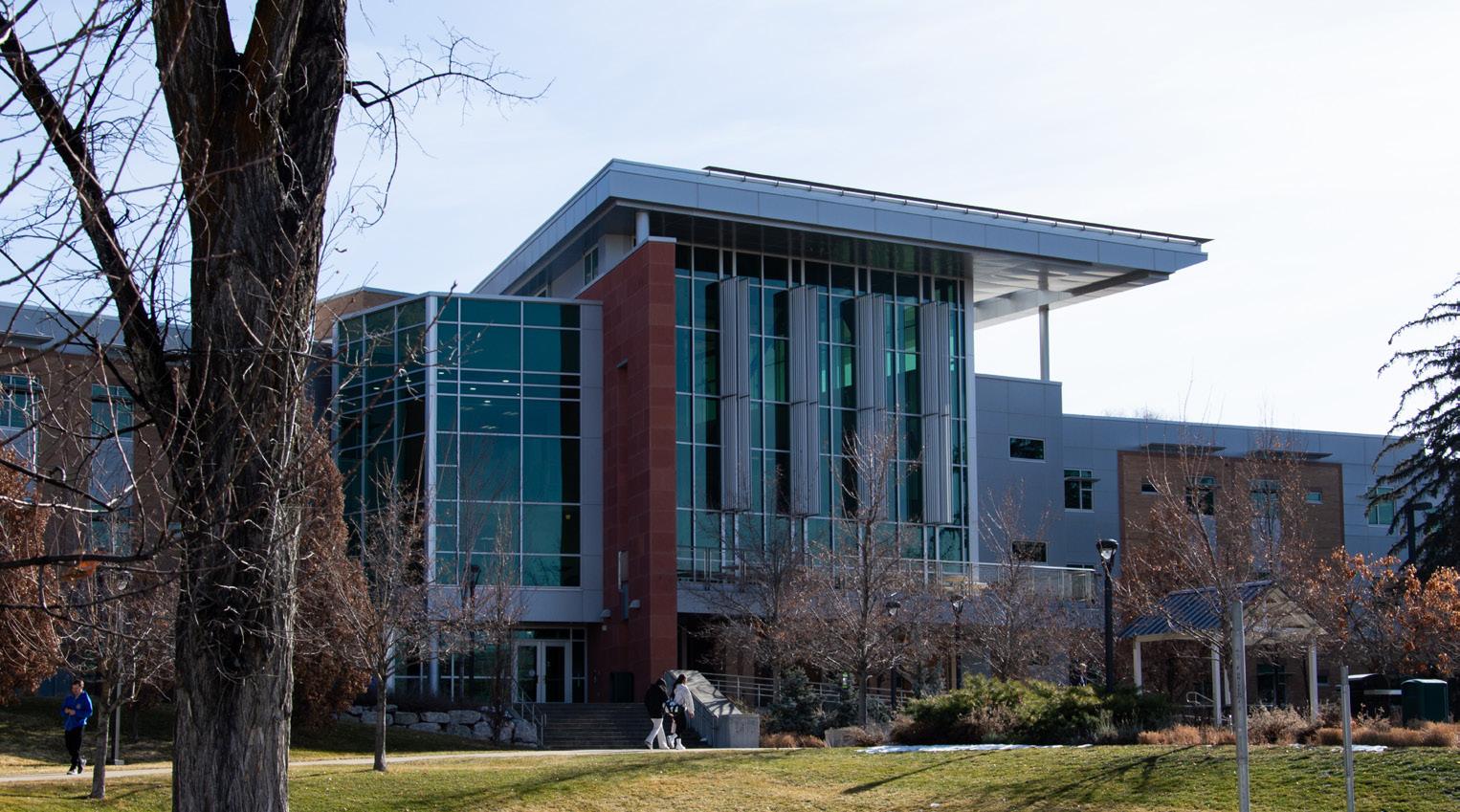
use of campus resources like the Weber Cares Pantry also points to growing strain on students trying to afford basic needs.
The state’s minimum wage remains $7.25 an hour even though a Utah resident needs to earn more than $21 an hour to afford a modest one-bedroom without spending over 30% of their income on rent, according to the
National Low Income Housing Coalition’s Out of Reach report. For many young people, the math simply does not work, and even a small setback can push them into housing instability.
State data also show that vacancy rates in northern Utah have remained between 2% and 3%, according to the Kem C. Gardner Policy Institute. Low vacancy rates drive rental prices higher and make affordable units difficult to find. Many students also point to the time demands of earning a degree as a major barrier to maintaining stable income. A full-time course load at Weber State is typically 12 to 15 credits, and each credit hour is expected to require around three hours of work per week, leaving students with very little time to take on additional hours at work.
“I’m on campus Monday through Friday. I have clinicals two days a week and I have classes Mondays, Wednesdays, Fridays. I’m also working a part-time job. I work three days a week,” Zelaso said.
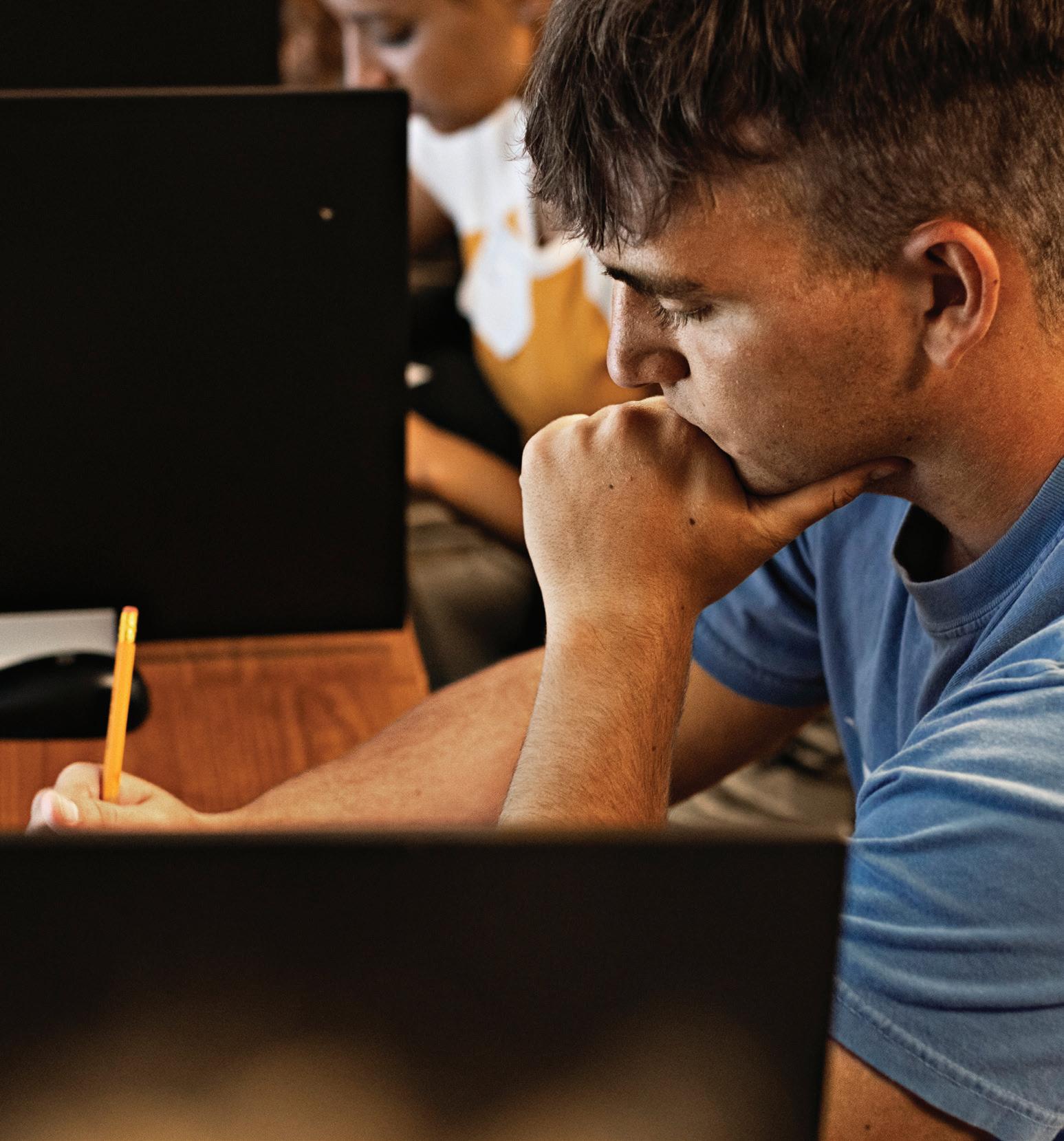
Student-athletes carry additional obligations for their individual sports. Many have unpredictable schedules that must factor in training, competing and travel while maintaining their coursework. This presents a challenge for these students, further burdened by increased costs of living.
“It can definitely be difficult trying to balance both at the same time,” said Ty Anderson, a Weber State golfer who works part time. “It can limit my practice time, my ability to study.”

Traducido por IVANNA OLACHEA GONZALEZ
Traductora
Por SOFIA FUENMAYOR Contribuidora
Muchos estudiantes de la Universidad de Weber State consideran Utah su hogar, pero cada vez es más difícil para las personas mantener su vivienda. Este año, el número de las personas sin hogar aumentó en un 18%, lo que supone el mayor incremento que ha visto el estado en años, según el Informe Anual sobre las Personas sin Hogar del Departamento de Servicios Laborales de Utah.
Detrás de ese aumento hay miles de residentes de Utah que luchan por mantenerse al día con el aumento del alquiler, los costos de vida más altos y el estancado de los salarios. Los estudiantes y trabajadores jóvenes se están viendo especialmente afectados, muchos diciendo que el costo de vida ya no corresponde con lo que pueden ganar de forma realista mientras estudian. Para algunos, los números simplemente no cuadran.
“Ha sido muy difícil ser estudiante de tiempo completo e intentar pagar mis cuentas con los gastos de comida, gasolina y el alquiler siendo ahora $1300 dólares al mes”, dijo Jessica Zelaso, una estudiante de odontología de Weber State quien trabaja a tiempo parcial.
Algunos estudiantes-atletas de Weber State reciben salarios mensuales de tan solo $125 dólares, lo que es menos que la prestación mensual media del Programa de Asistencia Nutricional Suplementaria de Utah. Otros estudiantes compaginan trabajos a tiempo parcial o dependen del apoyo familiar para cubrir el alquiler, los servicios públicos y la comida. El costo de la vivienda en los condados de Weber y Davis muestra la magnitud del problema. En Ogden, el alquiler promedio de un apartamento de un dormitorio es de unos $1 000 dólares al mes, según los datos de alquiler de Zillow. Los gastos de servicios públicos , comida y transporte también han aumentado, lo que pone una mayor presión en los estudiantes que ya tienen ingresos limitados.
De acuerdo con la encuesta nacional del Centro Hope para la Universidad, la Comunidad y la Justicia, estas tendencias locales reflejan los datos nacionales que muestran que uno de cada cinco estudiantes universitarios experimentan inseguridad de vivienda cada año. El aumento del uso de recursos del campus, como la despensa Weber Cares Pantry, también apunta a un crecimiento de presión sobre los estudiantes que intentan permitirse necesidades básicas.
El salario mínimo estatal sigue siendo $7.25 dolares por hora a pesar de que los residentes de Utah necesitan ganar mas de $21 dolares por hora para poder permitirse un modesto apartamento de un dormitorio sin gastar más del 30% de sus ingresos en alquiler, según el informe Out of Reach de la Coalición Nacional de Vivienda para Personas con Bajos Ingresos. Para muchos jóvenes, las cuentas simplemente no cuadran, e incluso un pequeño contratiempo puede empujarlos a la inestabilidad de vivienda.
Los datos estatales también muestran que las tasas de desocupación en el norte de Utah se han mantenido entre el 2% y el 3%, según el Kem C. Gardner Policy Institute. Las bajas tasas de desocupación hacen que los precios de los alquileres suban y que sea difícil encontrar viviendas asequibles. Muchos estudiantes también señalan que el tiempo que requiere obtener un título es un obstáculo importante para mantener un ingreso estable. Un curso de tiempo completo en Weber State es típicamente de 12 a 15 créditos, y es expectativa que cada crédito requiere unas tres horas de trabajo por semana, lo que deja a los estudiantes muy poco tiempo para trabajar más horas.
“Estoy en el campus de lunes a viernes. Tengo practicas clinicas dos dias a la semana y clases los lunes, miércoles y viernes. También tengo un trabajo a tiempo parcial. Trabajo tres días a la semana”, dijo Zelaso.
Los estudiantes atletas tienen obligaciones adicionales con sus deportes individuales. Muchos tienen horarios impredecibles en los que se debe2 tener en cuenta el entrenamiento, las competencias y los viajes, mientras mantienen sus estudios. Esto representa un reto para estos estudiantes, a lo que se suma
la carga del aumento del costo de vida.
“Sin duda, puede ser difícil intentar balancear ambas cosas al mismo tiempo”, dijo Ty Anderson, golfista de Weber State que trabaja a tiempo parcial. “Puede limitar mi tiempo de práctica y mi capacidad para estudiar”.
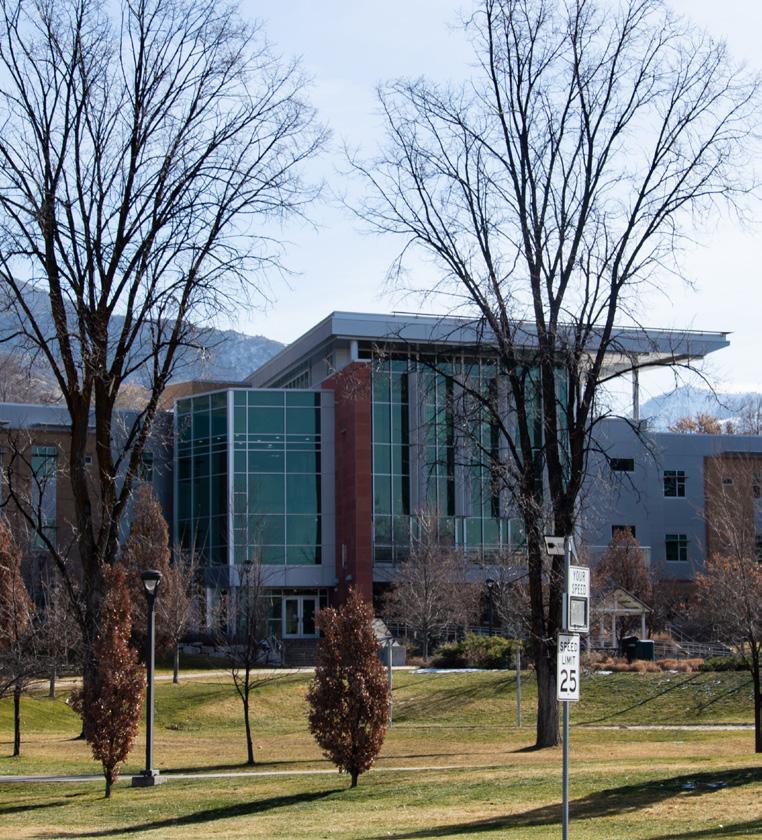
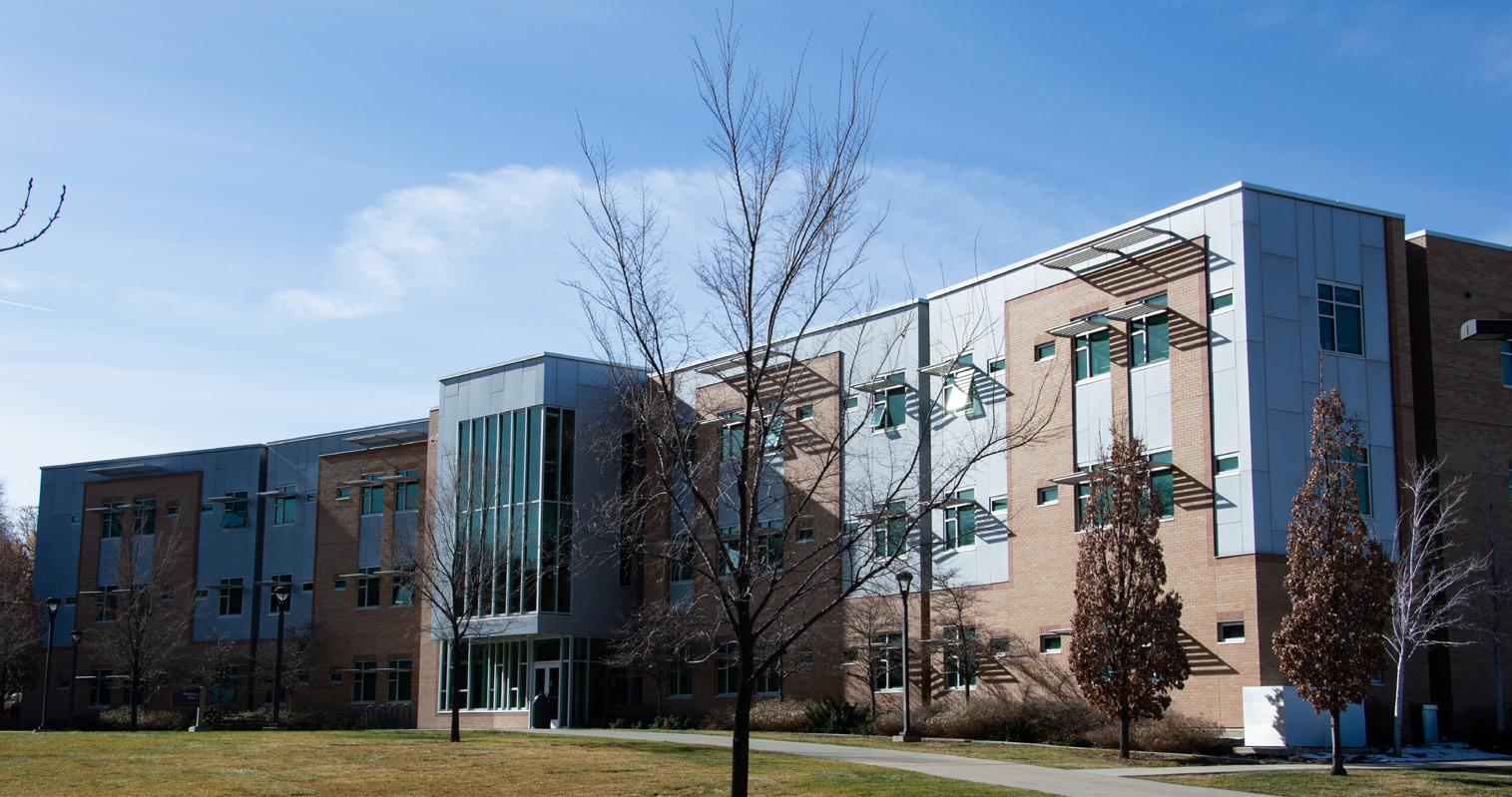
ARRIBA: Residencia universitaria en el campus Ogden de la Universidad de Weber State.
ABAJO: Un Edificio de dormitorios ubicado en Wildcat Village en la Universidad de Weber State en el campus en Ogden.

By AISHA RUCKER Co-Editor
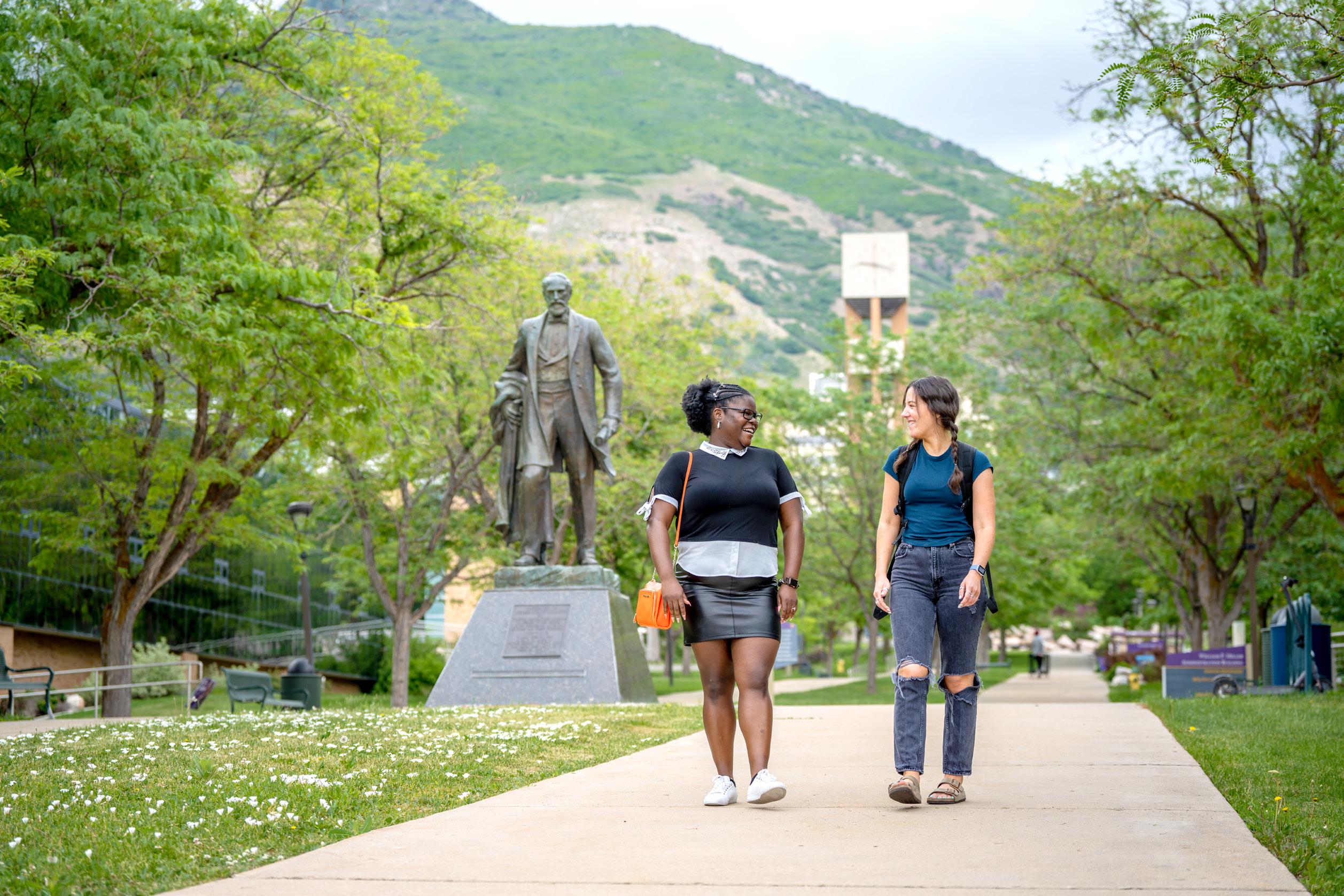
The plan to raise $200 million in support of students, scholarships and other Weber State University initiatives began on Jan. 9 through the public phase of Amplify Weber State: The Campaign for Weber State University. The campaign started back in 2020, as a silent phase to start building a steering committee with Steve Starks as the chair.
“We start to build out: What are our priorities? What are the overarching priorities for the university? Then each college or unit also has priorities,” said Kelly Stackaruk campaign director for the fundraising team. “We determine those, and then we figure out how much each initiative we would like to raise and that’s how we create our goal of $200 million based on what our dreams are, what we’re hoping to support.”
CATapult is one of the scholarships that is being funded by Amplify. Helping students who are very close to graduating and just need a little bit more support and nontraditional students who left and are coming back and are coming to college for the first time or those who have attended.
“If somebody graduates from automotive technology, they want to come back and support students who are majoring in automotive. They can have that as a criteria for their scholarship. If they don’t care, it will go into a general scholarship fund,” Stackaruk said.
Apart from scholarships, Amplify has funded different centers for students. Such as a learning, living lab with a field station at Island Park in Yellowstone.
“It’ll be a location where we can take students out, whether they’re science majors or not, and basically just go enjoy nature,” zoolo-
gy major James Bustin said. “We’re just right next to Yellowstone, so there’s all kinds of different animals and things like that. We are hoping to get art students out there because nature is the best place to make art.”
Andrea Easter-Pilcher, dean of the College of Science, spearheaded the idea when the
With the help of Children’s Adaptive Physical Education Society!, the College of Social Sciences will pair students with children with disabilities to create a unique learning environment.
The different donors as well as the Ampifly team have made a lot of impacts on Weber,

Traducido por IVANNA OLACHEA GONZALEZ Traductora
Por AISHA RUCKER Co-Editora
El plan para recaudar $200 millones de dólares en apoyo a los estudiantes, becas y otras iniciativas de la Universidad de Weber State, comenzaron el 9 de enero a través de la fase pública de Amplify Weber State: La campaña para la Universidad de Weber State. La campaña comenzó en 2020 como una fase silenciosa para empezar a construir un comité directivo con Steve Starks como presidente.
“Comenzamos a desarrollar: ¿Cuáles son nuestras prioridades? ¿Cuáles son las prioridades generales de la universidad? Después, cada facultad o unidad también tiene sus propias prioridades”, dijo Kelly Stackaruk, directora de la campaña del equipo de re-
caudación de fondos. “Determinamos cuales son y después calculamos cuánto nos gustaría recaudar con cada iniciativa. Así es como creamos nuestra meta de $200 millones de dólares basándonos en nuestros sueños y en lo que esperamos apoyar”.
CATapult es una de las becas que está siendo financiada por Amplify. Ayudando a los estudiantes que están cerca de graduarse y solo necesitan un poco más de apoyo, a los estudiantes no tradicionales que abandonaron los estudios y ahora regresan, a los que ingresan a la universidad por primera vez o a los que ya han asistido anteriormente.
“Si alguien se gradúa en tecnología automotriz, querrá volver y apoyar a estudiantes que se están especializando en automoción. Pueden tener eso como criterio para su beca. Si no les importa, se destinará a un fondo general de becas”, dijo Stackaruck.
Además de las becas, Amplify ha financiado diferentes centros para estudiantes. Por ejemplo, un laboratorio de aprendizaje y vida

con una estación de campo en Island Park, en Yellowstone.
“Será un lugar al que podremos llevar a los estudiantes, sean o no estudiantes de ciencias, y donde básicamente podrán disfrutar de la naturaleza”, dijo James Bustin, estudiante de zoología. “Estamos justo al lado de Yellowstone, así que hay todo tipo de animales y cosas por el estilo. Esperamos atraer a estudiantes de arte porque la naturaleza es el mejor lugar para crear arte”.
Andrea Easter-Pilcher, decana de la Facultad de Ciencias, impulsó la idea cuando surgió la oportunidad. Con la motivación es que ha habido muchas estaciones de campo en el sur y no tantas en el norte.
“Otras escuelas pueden venir y ayudar a utilizar las instalaciones, traerán a personas que están realizando investigaciones y que trabajaran lado a lado con nuestros estudiantes”, dijo Stackaruk.
La estación de campo para la Facultad de Ciencias es una de las muchas iniciativas generales que se han puesto en marcha dentro
de Amplify. Cada facultad tiene sus propias prioridades dependiendo de sus propias necesidades. Con la facultad de ingeniería creando un puesto docente financiado, aún por nombrar, para luego proporcionar apoyo de forma permanente. Con la ayuda de la Sociedad de Educación Física Adaptada para Niños, la Facultad de Ciencias Sociales emparejara a estudiantes con niños con discapacidades a crear un entorno de aprendizaje único. Los diferentes donantes, así como el equipo de Amplify, han tenido un gran impacto en Weber con su financiación, proyectos y becas. Esto ayuda a construir mayores oportunidades para muchos estudiantes y a promover la educación a muchos de ellos. “Tienen un gran impacto en Weber State, así que les estoy muy agradecida”, dijo la estudiante de último año, Maria Flores.
La campaña ha recaudado más de $125.5 millones de dólares, alcanzando el 63% de su objetivo y prevé completarlo en 2028 con planes para una campana de cierre.
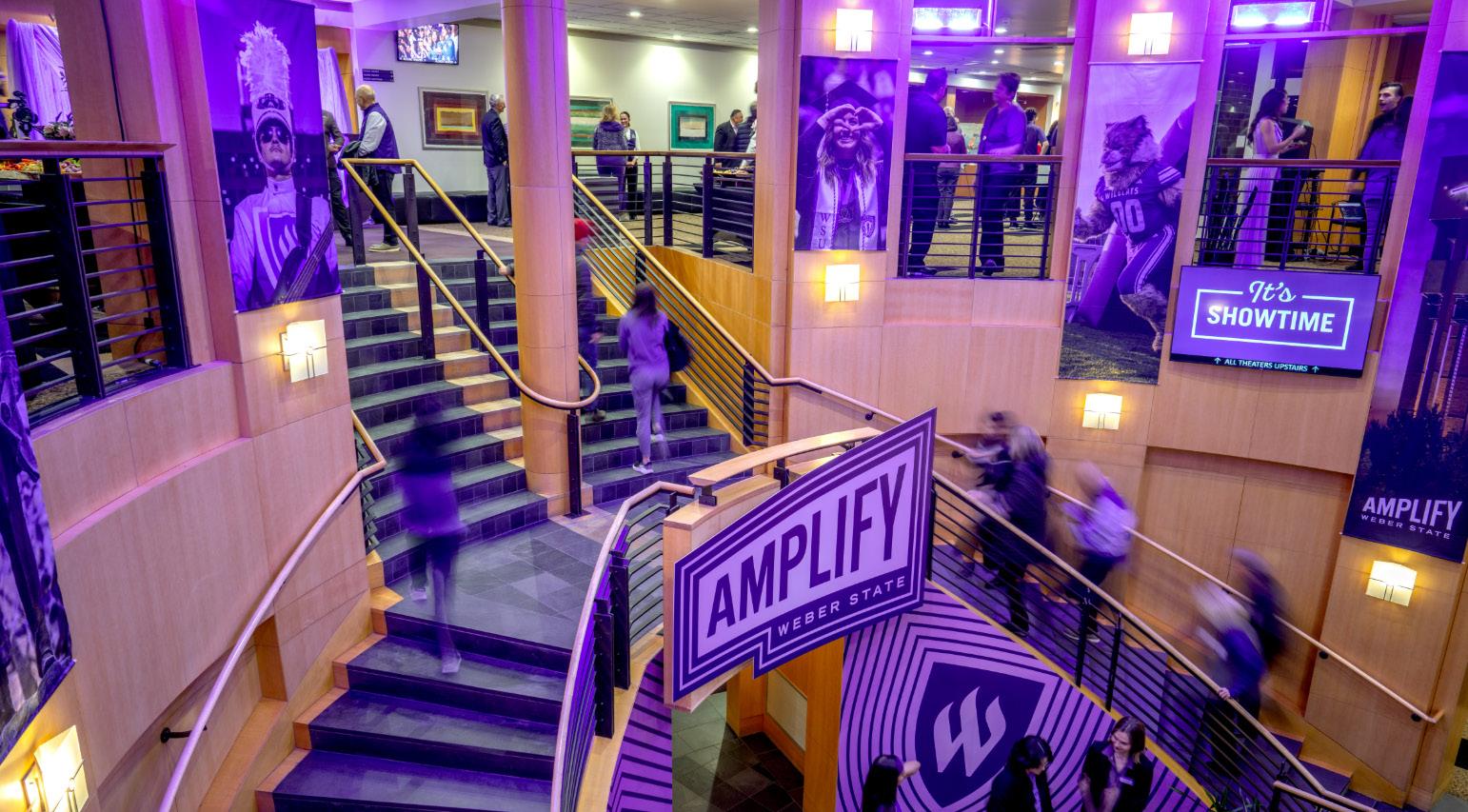
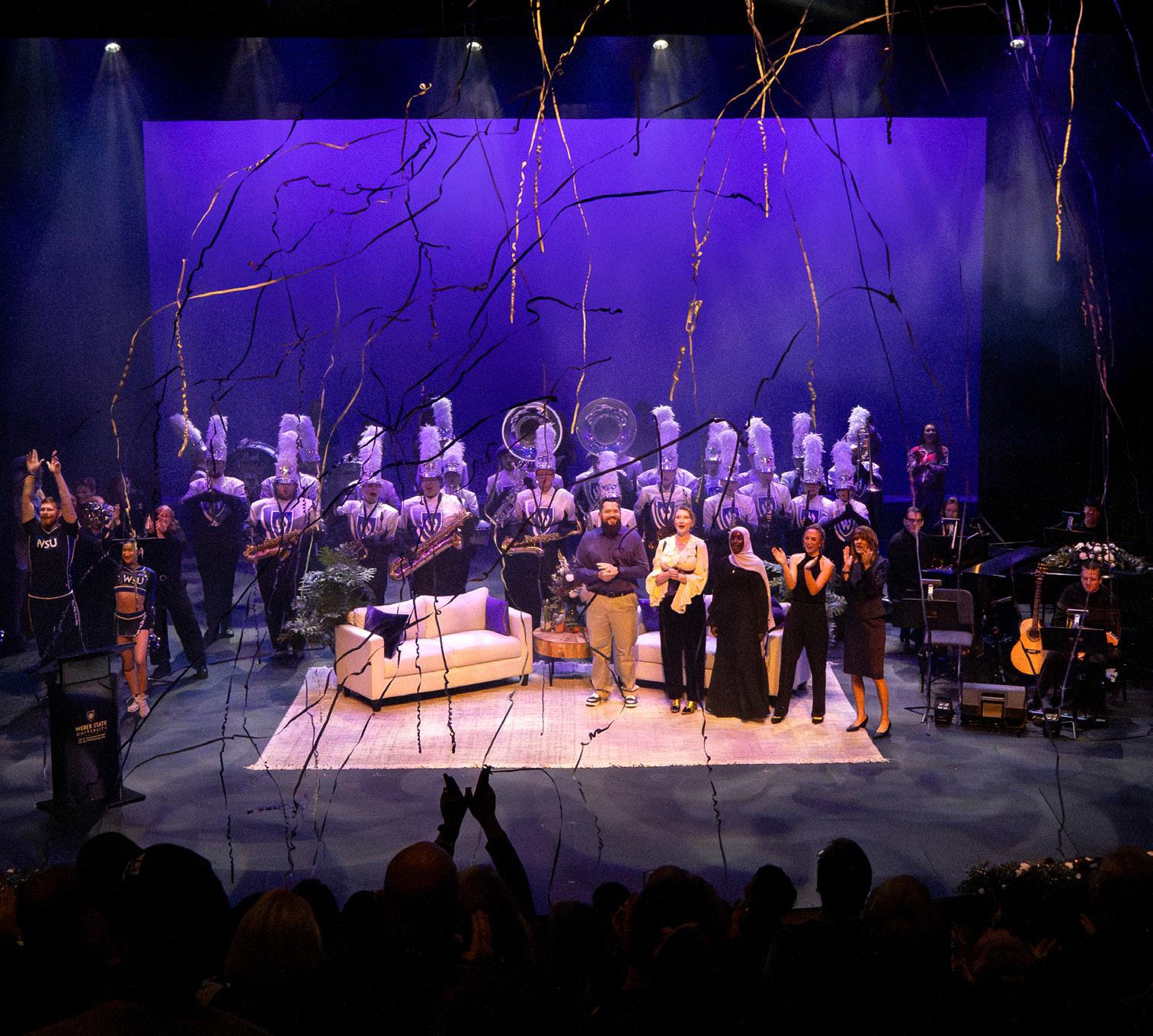
ARRIBA/ABAJO: La Universidad de Weber State inicia la fase pública de la campaña para recaudar fondos con “Amplify Live”, una velada para reconocer a los estudiantes, profesores, antiguos alumnos y simpatizantes el 9 de enero de 2026. Al comienzo de la velada, la Universidad Estatal de Weber había recaudado más del 60% del objetivo de 200 millones de dólares de la universidad.

weber.edu/student-access-success/student-fees.html



By CAEL BLACK Reporter
“The Moment” is a mockumentary that shows British dance pop artist Charli XCX preparing for her tour, riding off the high of her hit album “brat” released on Jun. 7, 2024.
Aidan Zamiri, director and co-writer, shows his ability to create a stylized retelling of a generational era in dance pop.
Given his experience in directing the music video to “360,” a popular single and the opening track on “brat,” the visuals coincide perfectly with Charli XCX’s unique sound, featuring a showy neon color palette and strobing transitions between scenes.
“The Moment” delves into the life of being a world-famous contemporary pop artist, with Charli XCX playing a fictionalized version of herself and having to choose between the
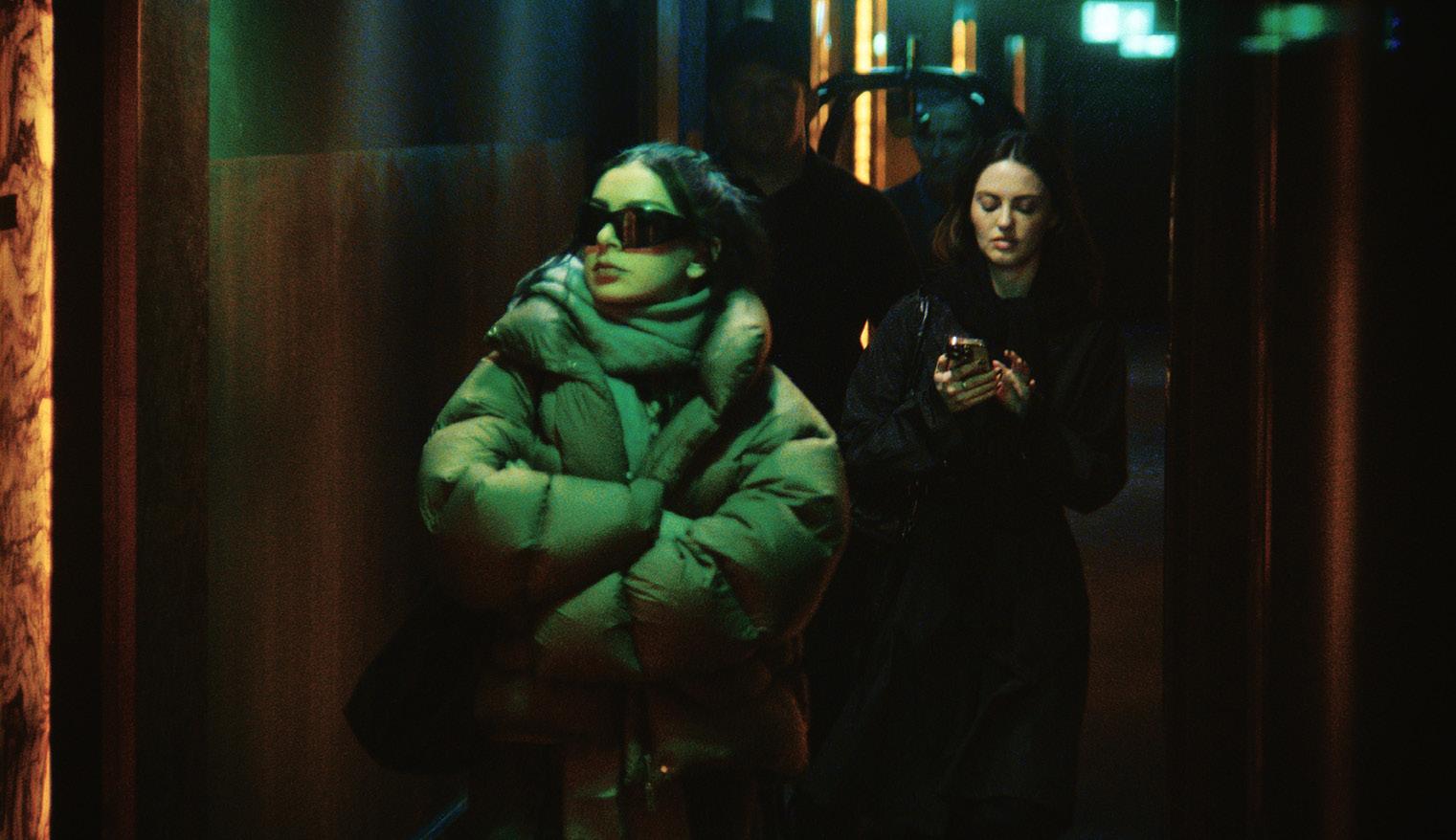
different creative directions that pull her tour down different paths.
This is all while walking a tightrope over the pitfalls of substance abuse, social media slipups and the unrelenting schedule of a celebrity. Viewers are swept up and taken along for the ride in an almost dazing sequence of fastpaced cuts, lively humor, and the ugly downsides that come with luxury and fame. While the drawbacks of its slightly meandering narrative and unresolved character arcs might be off-putting for the discerning moviegoer looking for an undeniable cinema classic, it is a fun viewing experience and worth a watch for its avant-garde creative vision alone.
By CAEL BLACK Reporter
Utah has an undeniable tie to the Native American tribes that have inhabited it since ancient history. To name a few, the state’s namesake is the Ute tribe, who lived in much of central and eastern Utah. The Shoshone occupied northern Utah, including Cache Valley, while the Paiute lived predominantly in the southern portion of the state along the Virgin River.
The pioneers from The Church of Jesus Christ of Latter-day Saints began settling the Salt Lake Valley in the late 1840s, an area between the Ute and Shoshone tribes. While not initially problematic due to being in somewhat of a buffer zone, further settlement north and south along the Wasatch Front led to inevitable conflict.
Being deprived of ways to hunt and gather food because of the settlers’ cattle stripping the land, the Walker War (1853-54) and Black Hawk War (1863-68) were mainly a result of the tribes having to necessitate raiding and skirmishing for food.
The Bear River Massacre in 1863, the largest episode of Native American genocide in the western United States, is perhaps the most notorious example of this. The figures put the Shoshone death toll at approximately 250 to 400 adults and children at the hands of the United States Army.
The massacre took place in Cache Valley, which is an area that holds a sizable portion of the population of Northern Utah. Soldiers responsible for the massacre were also stationed in Camp Douglas, situated just a few miles from Downtown Salt Lake City in the area where the University of Utah lies now. These sites hold a very dark past that should
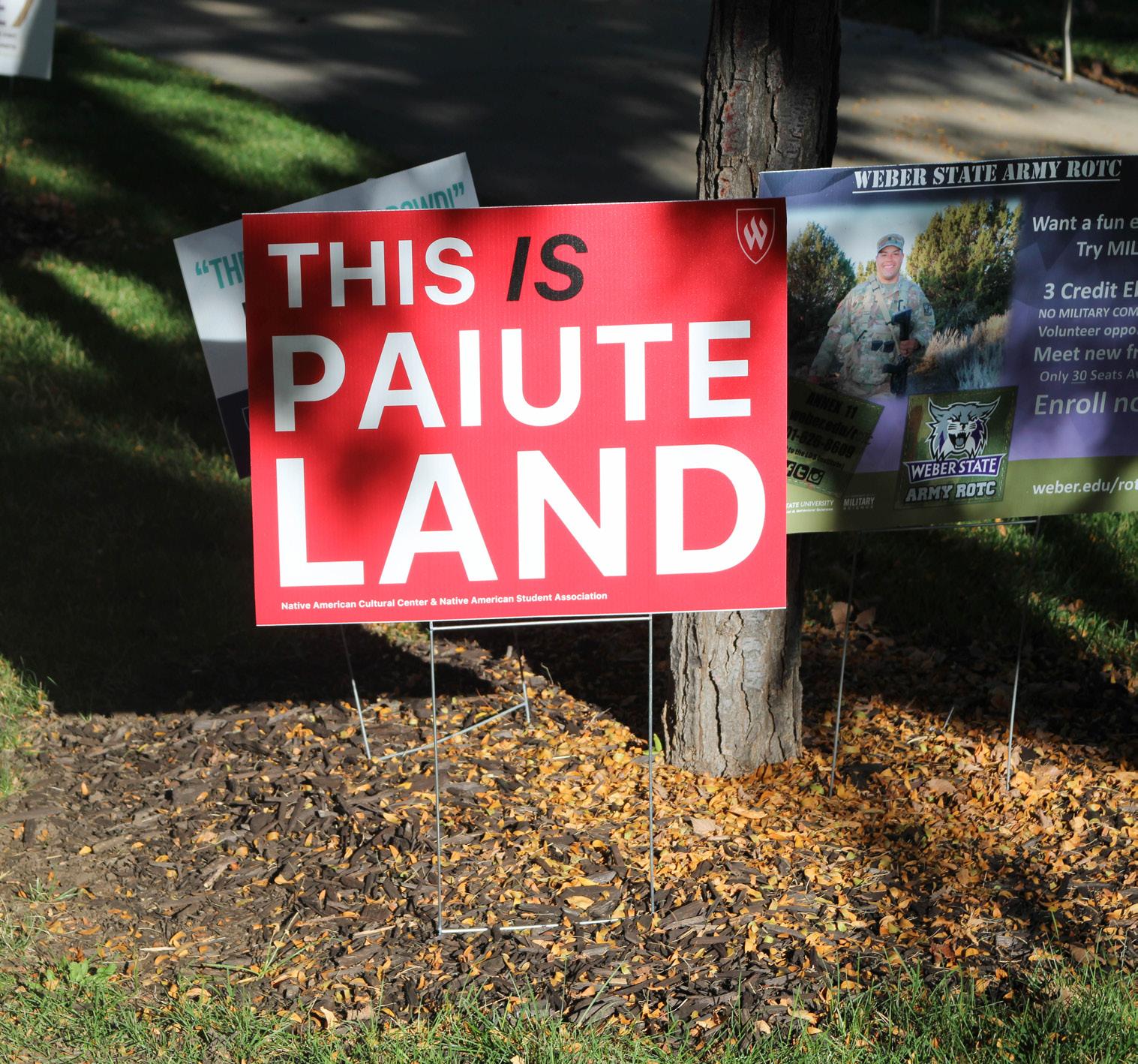
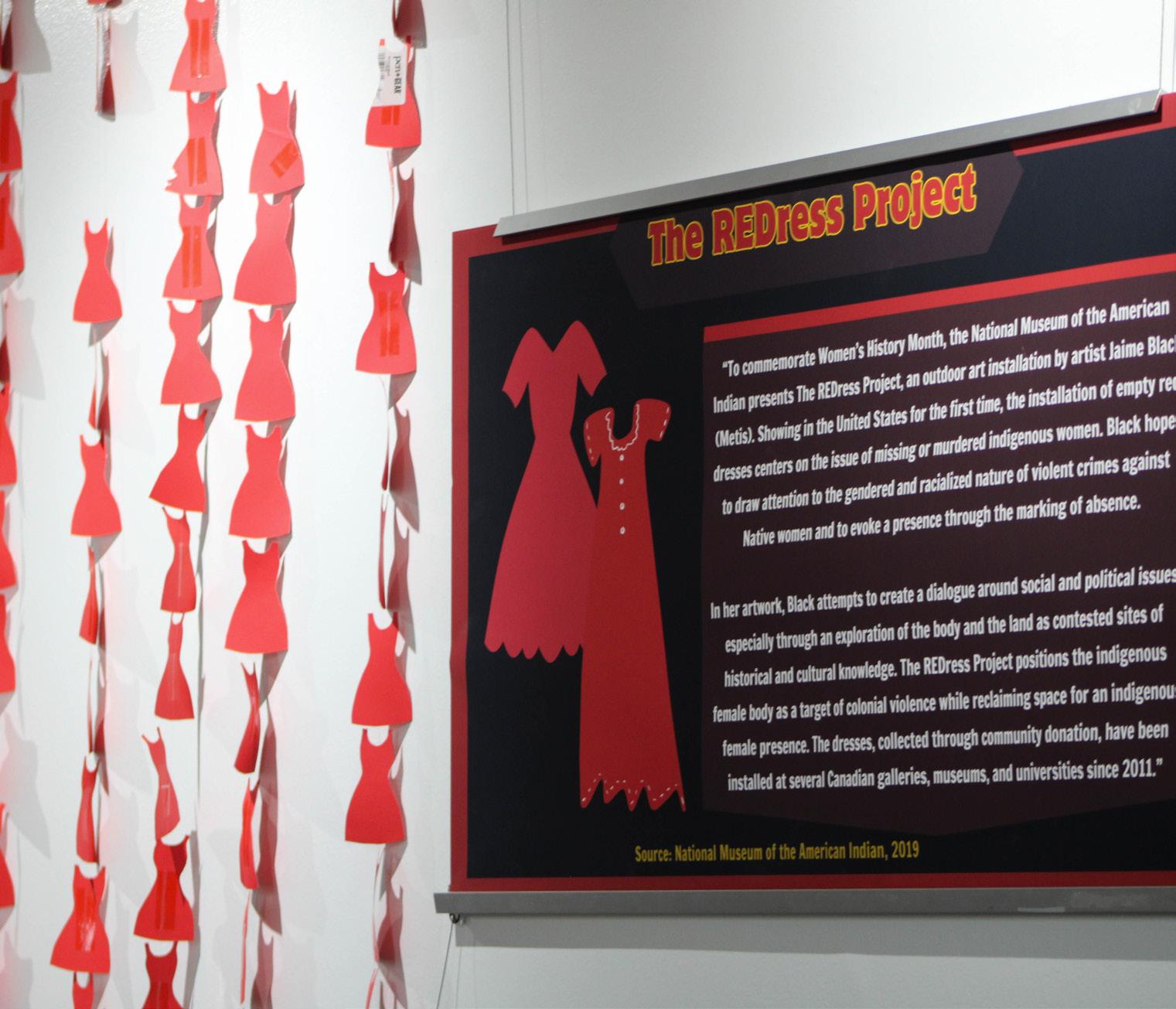
be remembered and not swept under the rug in the modern day.
While legislation since the mid to late twentieth century has been aimed at improving conditions for the tribes that still reside in Utah, there are ongoing problems with how this has been carried out. NAGPRA, or the Native American Graves Protection and Repatriation Act of 1990, mandates that Native American remains and belongings be returned to their appropriate tribes.
As a result, Weber State University has made 100% of the 12 Native American remains in its possession available for return. This includes return of ownership to the Northwestern Band of Shoshoni Nation, Paiute Indian Tribe of Utah and the Ute Indian Tribe of the Uintah and Ouray Reservation, Utah.
Despite this law, some institutions in Utah struggle to carry out repatriation efforts. Only around 14% of the 400 ancestral remains at the Natural History Museum of Utah have been made available for repatriation. This is
one of the highest amounts of Native remains held at any state institution.
Ongoing struggles with repatriation could be attributed to determining cultural affiliation. If they are determined to be culturally unidentifiable, it is harder for institutions to return them to the tribes they belong to. Even if remains are made available for repatriation, there is a deliberation process for the most appropriate request before repatriation can be carried out.
There is something to be said about this process being in the hands of institutions with colonial roots, who hold on to remains and belongings that never belonged to them. Progress can only come from further coordination with the Native tribes of Utah, robust legislation with less room for institutions to be reluctant, and a true willingness to make amends while confronting a deeply colonial state history.
Traducido por
DAVID ROMAN AROS
Co-Editor
Por CAEL BLACK
Reportero
Utah tiene un vínculo innegable con las tribus nativas americanas que lo han habitado desde la antigüedad. Por nombrar algunas, el estado lleva el nombre de la tribu Ute, que vivía en gran parte del centro y el este de Utah. Los Shoshone ocupaban el norte de Utah, incluido Cache Valley, mientras que los Paiute vivían principalmente en la parte sur del estado, a lo largo del río Virgin.
Los pioneros de La Iglesia de Jesucristo de los Santos de los Últimos Días comenzaron a establecerse en el valle de Salt Lake a finales de la década de 1840, una zona situada entre las tribus Ute y Shoshone. Aunque al principio no supuso ningún problema, ya que se trataba de una especie de zona tampón, la expansión hacia el norte y el sur a lo largo del frente Wasatch provocó un conflicto inevitable. Al verse privados de los medios para cazar y recolectar alimentos debido a que el ganado de los colonos arrasaba la tierra, la Guerra Walker (1853-54) y la Guerra Black Hawk (1863-68) fueron principalmente el resultado de que las tribus se vieron obligadas a realizar incursiones y escaramuzas para obtener alimentos.
La masacre del río Bear en 1863, el mayor episodio de genocidio de nativos americanos en el oeste de los Estados Unidos, es quizás el ejemplo más notorio de ello. Las cifras sitúan el número de muertos entre los shoshones en aproximadamente entre 250 y 400 adultos y niños a manos del ejército de los Estados Unidos.
La masacre tuvo lugar en Cache Valley, una zona que alberga una parte considerable de la población del norte de Utah. Los soldados responsables de la masacre también estaban acuartelados en Camp Douglas, situado a pocos kilómetros del centro de Salt Lake City, en la zona donde ahora se encuentra la Universidad de Utah. Estos lugares guardan un pasado muy oscuro que debe ser recordado y no ocultado en la actualidad.
Aunque la legislación desde mediados hasta finales del siglo XX ha tenido como objetivo
mejorar las condiciones de las tribus que aún residen en Utah, siguen existiendo problemas con la forma en que se ha llevado a cabo. La NAGPRA, o Ley de Protección y Repatriación de Tumbas Indígenas Americanas de 1990, exige que los restos y pertenencias de los indígenas americanos sean devueltos a sus tribus correspondientes.
Como resultado, la Universidad Estatal de Weber ha puesto a disposición para su devolución el 100 % de los 12 restos de nativos americanos que tenía en su poder. Esto incluye la devolución de la propiedad a la banda noroccidental de la nación Shoshoni, la tribu india Paiute de Utah y la tribu india Ute de la reserva Uintah y Ouray, en Utah.
A pesar de esta ley, algunas instituciones de Utah tienen dificultades para llevar a cabo los esfuerzos de repatriación. Solo alrededor del 14% de los 400 restos ancestrales del Museo de Historia Natural de Utah se han puesto a disposición para su repatriación. Se trata de una de las cantidades más elevadas de restos indígenas que se conservan en cualquier institución estatal.
Las continuas dificultades con la repatriación podrían atribuirse a la determinación de la afiliación cultural. Si se determina que son culturalmente no identificables, a las instituciones les resulta más difícil devolverlos a las tribus a las que pertenecen. Incluso si los restos están disponibles para su repatriación,
existe un proceso de deliberación para determinar cuál es la solicitud más adecuada antes de que se pueda llevar a cabo la repatriación. Hay algo que decir sobre el hecho de que este proceso esté en manos de instituciones con raíces coloniales, que conservan restos y pertenencias que nunca les pertenecieron. El progreso sólo puede lograrse mediante una mayor coordinación con las tribus nativas de Utah, una legislación sólida que deje menos margen para la reticencia de las instituciones y una voluntad genuina de reparar el daño causado, al tiempo que se afronta una historia estatal profundamente colonial.
By HANNAH RICHARDS
Assistant Editor
“The Lake” is a documentary, made by Utah filmmaker Abby Ellis, that shares with its viewers the journey two local scientists, Ben Abbott, Ph.D., and Bonnie Baxter, Ph.D., take to try to save the Great Salt Lake from drying up. Scene by scene, Abbott and Baxter walk the audience through recent scientific research done to measure the hazardous dust particles in the lake bed, and the potential danger of having them spread across many counties in Utah causing harm to the people who live there.
“We have known scientifically what we need to know about Great Salt Lake for 50 years … we’re using too much water,” said Abbott, associate professor at Brigham Young University.
Both Abbot and Baxter did a fantastic job explaining simply and clearly the science behind this environmental issue through this documentary. Their expertise combined with Ellis’ skillful filming and editing made this seemingly mundane subject matter interesting to all audience members.
However, the critique I have for this film is how it displayed religious practices as a means to persuade the members of the dominant religion of Utah, The Church of Jesus Christ of

Latter-day Saints, to support their cause of saving the lake. I also didn’t like how much this film used dramatic language and effect to provoke an emotional response from its viewers, again, to gain more support for its cause.
“I think it’s a direct message to the people who live here that this is in our backyard, this potential catastrophe,” said Baxter, biology professor at Westminster University.
I’m all for a gripping drama, but the audience can feel when there is a subliminal message being sent to them, so filmmakers and their production teams should be careful how they are trying to send that message. Publicly displaying private, personal religious acts involving children to hopefully persuade people to support your cause was heavy handed and, in my opinion, a bit of a misstep.
If the cause is important then let it stand on its own merit to persuade people to support it. Share the facts and vision of how things
should change and then let your audience make up their own minds about it. Nothing kills support faster than pandering to your audience members.
“A high school student called us up at Grow The Flow and said, ‘Will you buy us some chicken sandwiches?’ we said sure. She invited every student body president from all of the high schools in Salt Lake County,” Abbott said.
Overall, I would recommend this film to people who, like me, know very little about the issues surrounding the drying up of the Great Salt Lake. It does a great job of introducing what the issue is and one of the potential solutions for it. If you already know a great deal and are looking for further in depth knowledge on it, you could pass on watching it.

Traducido por LUNA MALAGON SOLORZANO Traductora
Por HANNAH RICHARDS Editora Assistente
“The Lake” es un documental hecho por la cineasta de Utah Abby Ellis que comparte con sus espectadores el viaje de dos científicos locales, Ben Abbott y Bonnie Baxter, que intentan salvar el Gran Lago Salado de que se seque.
Escena tras escena, Ben y Bonnie llevan a la audiencia a través de recientes investigaciones científicas para medir las peligrosas partículas de polvo en el lecho del lago y el peligro potencial de que se propaguen por muchos condados de Utah, causando daños a las personas que viven allí.
“Llevamos 50 años sabiendo científicamente lo que necesitamos saber sobre el Gran Lago Salado… estamos usando demasiada agua”, dijo Abbott. Profesor asociado de la Universidad de Brigham Young.
Ambos Abbott y Baxter hicieron un gran trabajo explicando simple y claro la ciencia detrás de este problema ambiental a través de este documental. Su experiencia combinada con la habilidad de Ellis para filmar y editar hizo este tema aparentemente mundano en algo que
Editor-in-Chief
Nelly Hernandez Tejada nhernandeztejada@mail.weber.edu
Managing Editor
James Gordon jamesgordon@mail.weber.edu
Collaboration Editor Bryce Odenthal bryceodenthal@mail.weber.edu
Design & Graphics Editor
Izabelle Cordeiro icorderio@mail.weber.edu
Assistant Design & Graphics Editor Sydnie Parkinson sydniepalmer@mail.weber.edu
mandar ese mensaje. Mostrar públicamente actos religiosos privados y personales en los que participan niños con la esperanza de persuadir a la gente para que apoye a tu causa fue una medida excesiva y, en mi opinión, un pequeño paso en falso.
Si la causa es importante, deja que se defienda por sí misma para persuadir a la gente de que la apoye. Comparte los hechos y la visión de cómo deberían cambiar las cosas y luego deja que tu público tome sus propias decisiones al respecto. Nada mata más rápido el apoyo que complacer a los miembros de tu público.
Courtesy of Sundance Institute
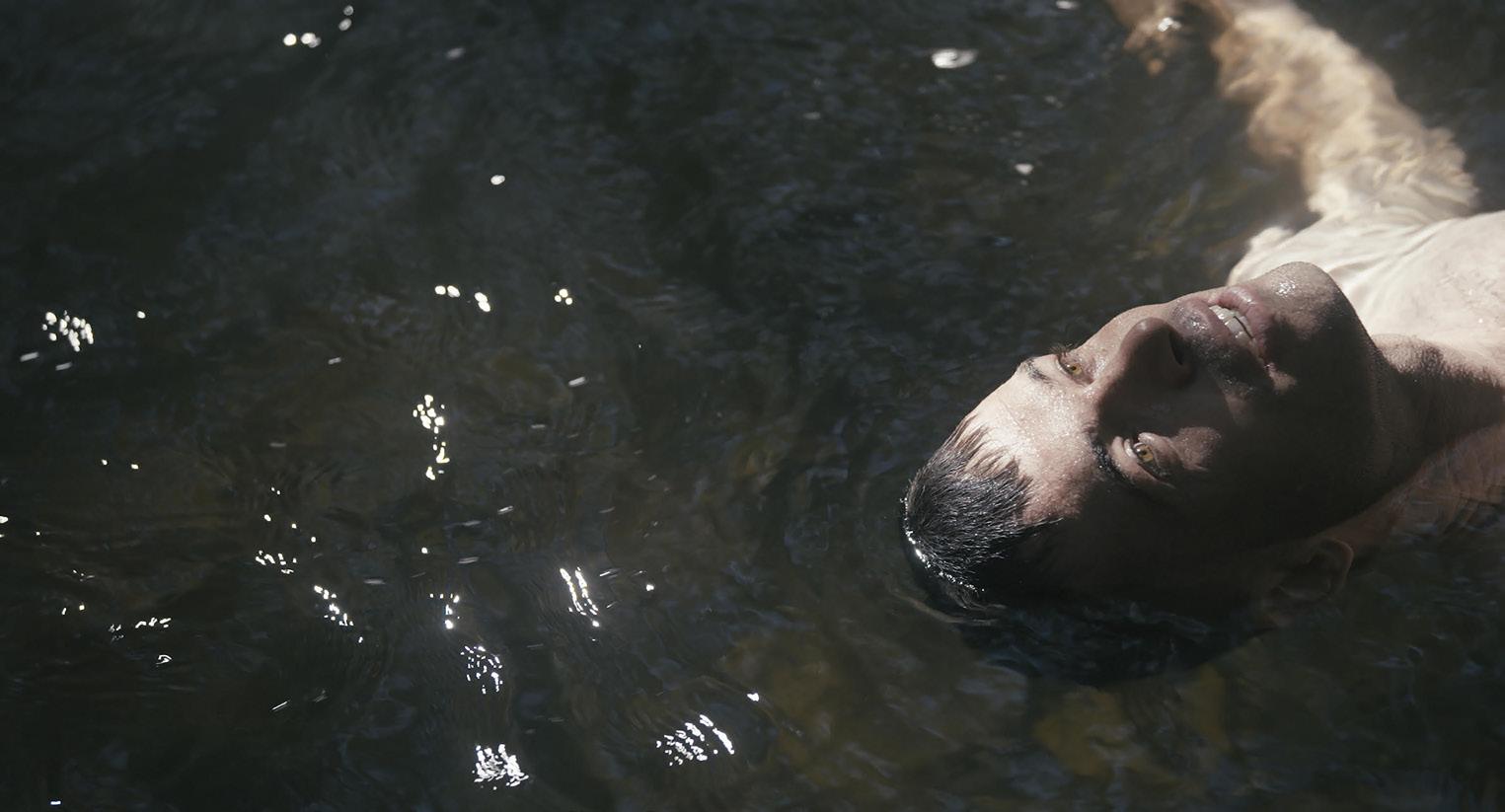
Fotograma de “The Lake”, de Abby Ellis, selección oficial del Festival de Cine de Sundance 2026.
resulta interesante para todo el público.
Sin embargo, la crítica que tengo para esta película es como mostraban las prácticas religiosas como un medio para persuadir a los miembros de la religión dominante en Utah, la Iglesia de Jesucristo de los Santos de los Últimos Días, para que apoyaran su causa para salvar el lago. Tampoco me gusto lo mucho que esta película usa lenguaje y efectos dramáticos para provocar una respuesta emocional en los espectadores, una vez más, con el
Photography Editor Anna Kuglar briannakuglar@mail.weber.edu
Assistant Photography Editor Gavin Olson gavinolson1@mail.weber.edu
News Co-Editor Kyle Greenawalt kylegreenawalt@mail.weber.edu
News Co-Editor Aisha Rucker aisharucker@mail.weber.edu
Sports Editor Gavin Nelson gavinnelson1@mail.weber.edu
fin de obtener más apoyo para su causa.
“Creo que esto es un mensaje directo para las personas que vivimos esto en nuestro patio trasero, esta posible catástrofe”, dijo Baxte, profesor de biología en la Universidad Westminster.
Me encantan los dramas apasionantes, pero la audiencia podía sentir cuando un mensaje subliminal era enviado hacia ellos, entonces los cineastas y la producción debe tener mucho más cuidado de como tratan de
Assistant Sports Editor Grayson Freestone graysonfreestone@mail.weber.edu
Culture Editor Jared Mitchell jaredmitchell@mail.weber.edu
Assistant Culture Editor Hannah Richards hannahrichards1@mail.weber.edu
Chief Copy Editor Mindy Brown mindybrown1@mail.weber.edu
Assistant Chief Copy Editor Sloane Ostler aostler@mail.weber.edu
“Un estudiante de high school nos llamó a Grow The Flow y nos dijo: ‘Nos compran unos sándwiches de pollo’. Le dijimos que sí. Nos invitó a todos los presidentes del consejo estudiantil de todas las high schools en el condado de Salt Lake”, dijo Abbott.
En general recomiendo esta película a las personas, que como yo , conocen muy poco de los problemas alrededor de la sequía de el Gran Lago Salado. Hace un gran trabajo presentando cuál es el problema y una de las posibles soluciones para él. Si ya sabes mucho sobre el tema y buscas información más detallada, puedes pasar de verlo.
Translation Co-Editor
Victoria Hernandez victoriahernandez1@mail.weber.edu
Translation Co-Editor
David Roman Aros davidromanaros@mail.weber.edu
Business Manager Rob Steedley robertsteedley@weber.edu
Adviser Jean Norman jeannorman@weber.edu