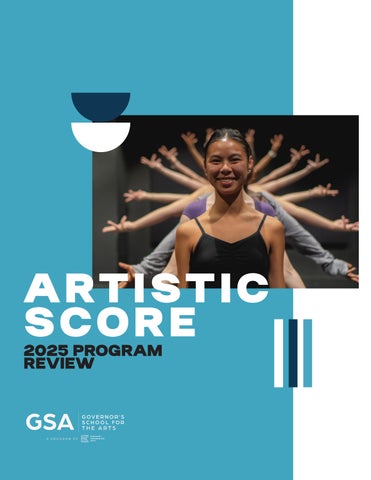
ARTISTIC SCORE 2025
PROGRAM REVIEW
TABLE OF CONTENTS
LETTER FROM THE DIRECTOR
KENTUCKY GSA STATISTICS
CREATIVE WRITING CURRICULUM STANDARDS
DANCE CURRICULUM STANDARDS
DESIGN CURRICULUM STANDARDS
DRAMA CURRICULUM STANDARDS
FILM + PHOTOGRAPHY CURRICULUM STANDARDS
INSTRUMENTAL MUSIC CURRICULUM STANDARDS
MUSICAL THEATRE CURRICULUM STANDARDS
VISUAL ART CURRICULUM STANDARDS
VOCAL MUSIC CURRICULUM STANDARDS
RESIDENTIAL LIFE
REFLECTIONS
IMPACT
THE ARTISTIC SCORE
END OF PROGRAM REPORT
Dear Friends of GSA,
Welcome to The Artistic Score—a title chosen with purpose to reflect both the harmony and complexity of the Governor’s School for the Arts. Just as a conductor’s score captures every detail that brings a musical work to life, this report assembles the many components of GSA’s 2025 season into one cohesive reflection of impact and achievement. For 38 years, GSA has been more than a summer program; it has been a catalyst for Kentucky’s artistic and cultural landscape—an incubator where artistic potential meets opportunity and where young people from every region of the Commonwealth discover the power of their creative voices. Its influence extends far beyond the summer session, cultivating a statewide network of alumni who strengthen Kentucky’s cultural vitality year-round. From Appalachian communities to western river cities, GSA alumni shape local theatres, galleries, classrooms, festivals, and creative industries, reinforcing the arts as essential to civic pride, economic growth, and the development of future leaders. In this way, GSA continues to fortify Kentucky’s creative ecosystem and affirm the arts as a defining force in the Commonwealth’s identity.
This year’s Artistic Score also reflects on an extraordinary chapter in our story: seven remarkable years of partnership with the University of Kentucky as our host institution. Together, we have built a space where creativity flourishes, young artists discover their voices, and the statewide arts community grows stronger with each season.
As you explore this report, you will encounter:
• Curriculum & Artistic Standards of Excellence, highlighting the rigor and depth of our instruction;
• Program Review, providing an overview of the 2025 GSA experience, from faculty leadership to student life and the creative outcomes that defined the summer;
• Student Statistics, illustrating the scale and diversity of our program;
• External Partnerships that strengthen our mission and expand our reach;
• A Forward-Looking Perspective on Kentucky’s workforce development and GSA’s evolving role; and
• A Path Toward the Future, as we prepare for our next chapter with Northern Kentucky University as our new host institution.
Each element is a testament to the collective energy, vision, and passion that make GSA a cornerstone of Kentucky’s artistic future. Thank you for taking the time to review this year’s Artistic Score—a reflection of what has been accomplished and a preview of the bold work yet to come.
With gratitude and anticipation,

JASON BROOKS | DIRECTOR, GOVERNOR’S SCHOOL FOR THE ARTS
KENTUCKY GSA
Kentucky Governor’s School for the Arts is a program of Kentucky Performing Arts (KPA), is the flagship education program for young creatives from across the Commonwealth. This tuition-free summer residency program, reliant on both private and public funds hosted more than 500 high school students and was held in two 3-week sessions at the University of Kentucky. For 38 years, GSA has focused on college-level training, meaningful access to college and career pathways, and skill development aligned with Kentucky’s future workforce—serving more than 9,000 students from every one of the Commonwealth’s 120 counties.
GSA DISCIPLINES
GSA offers 9 different art-focused disciplines to students. Creative Writing
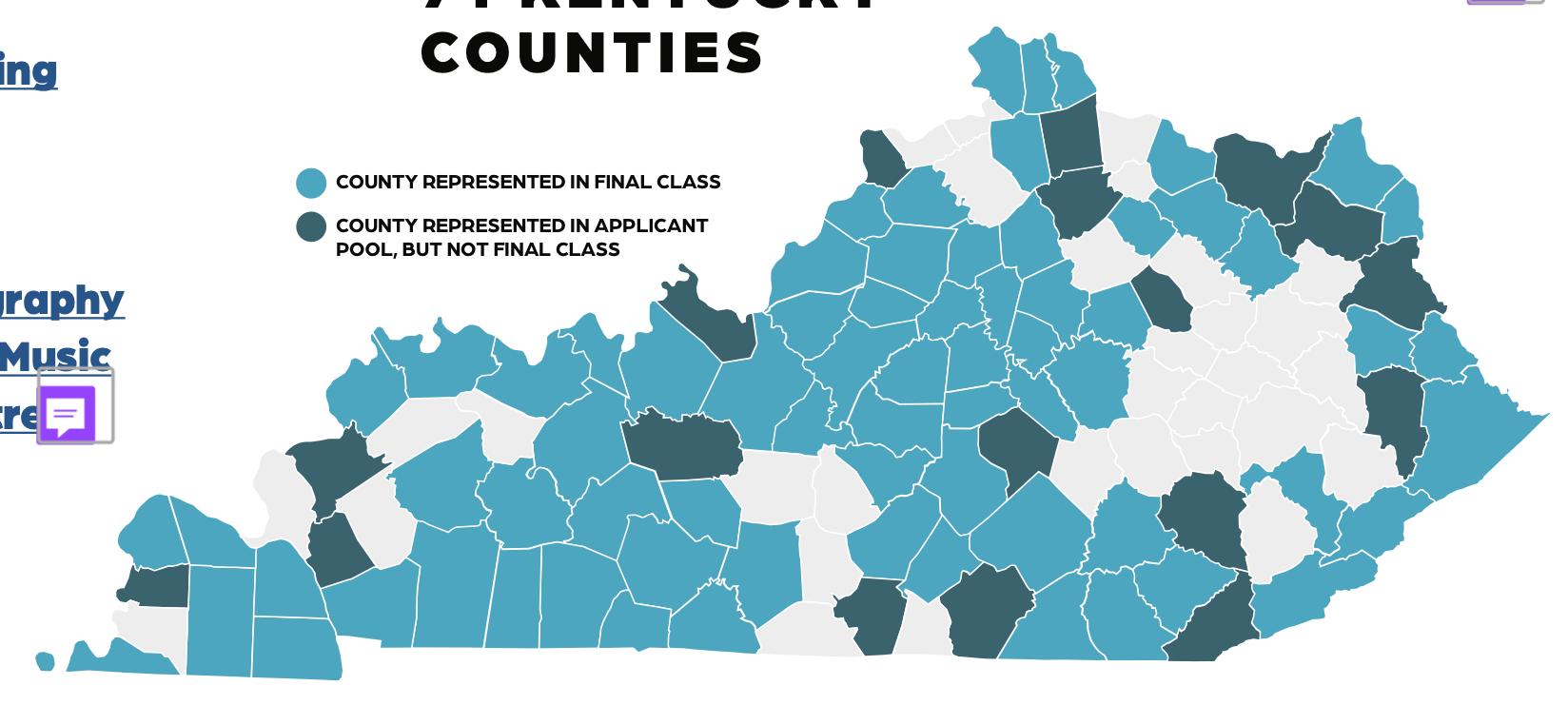
In 2025, Kentucky Governor’s School for the Arts welcomed students from
71 KENTUCKY
Drama
Film + Photography
Instrumental Music
Musical Theatre
Visual Art
Vocal Music
Click on each discipline for a 30-second look into all GSA artforms.
THE GOVERNOR’S SCHOOL FOR THE ARTS
Curriculum
Aligned to Kentucky and National Standards
The Governor’s School for the Arts (GSA) is Kentucky’s premier immersive summer program for the state’s most promising young artists. At the heart of GSA’s mission is a commitment to nurturing creativity, technical mastery, and collaborative artistry in alignment with both the Kentucky Academic Standards for the Visual and Performing Arts and the National Core Arts Standards
GSA’s curriculum is intentionally structured to engage students in the core artistic processes of Creating, Performing/ Presenting/Producing, Responding, and Connecting, as outlined in both state and national frameworks. Each discipline—spanning music, dance, drama, creative writing, visual art, film & photography, design, and musical theatre—offers a carefully sequenced experience that blends rigorous skill development with innovative, hands-on exploration.
STANDARDS IN ACTION
• Creating: Students generate original artistic work, from choreographing new dance sequences to composing original musical scores and crafting visual or written works that reflect personal vision.
• Performing/Presenting/Producing: Young artists refine and share their work through studio showings, ensemble performances, gallery exhibitions, and staged productions.
• Responding Students analyze and interpret their own work and the work of their peers, developing a deep understanding of artistic intention and expressive impact.
• Connecting Through interdisciplinary projects and artist talks, GSA participants link their artistic practice to history, culture, community, and contemporary issues.
• Career Pathways Career Pathways intentionally connects students’ artistic development to real-world application, providing exposure to career options, professional practices, and sustainable futures within and beyond the arts. Added as a fifth pillar in The Artistic Score Report, this GSA-specific standard—distinct from state and national arts standards—responds to the evolving creative economy and ensures that students from every Kentucky county gain insight into how artistic skills translate into college, careers, and creative industries. Career Pathways honors multiple definitions of success, including professional practice, arts-adjacent fields, education, leadership, and entrepreneurship, while complementing, not replacing, GSA’s core artistic standards.
THE 2025 GSA EXPERIENCE: PROGRAM REVIEW
The 2025 GSA session provided students with a transformative learning environment, guided by nationally recognized faculty and guest artists. Students engaged in:
• Collaborative Workshops and Cross-Disciplinary Projects that fostered connections across art forms and reflected real-world artistic collaboration.
• Professional Mentorship from Kentucky and national arts leaders, ensuring technical skills were honed within the framework of current industry practices.
• Performance and Exhibition Opportunities that aligned with the “Present/Perform” components of both Kentucky and National Standards, giving students authentic experiences in showcasing their artistry.
• Reflective Practice and Critique Sessions to cultivate critical thinking and self-assessment, integral to the “Respond” and “Connect” standards.
By embedding the Kentucky and National Performing and Visual Arts Standards into every aspect of its curriculum, GSA ensures that students leave the program not only as stronger artists but also as thoughtful, engaged creators prepared for both postsecondary study and lifelong artistic contribution.
CREATIVE WRITING
CURRICULUM STANDARDS
Description
The Creative Writing program provides students with an intensive and immersive learning experience designed to deepen craft, expand artistic range, and foster authentic self-expression. Grounded in the Kentucky Academic Standards for the Arts and informed by national best practices, the curriculum encourages participants to explore multiple genres—including poetry, short fiction, personal essays, and dramatic writing—while developing their unique voices and perspectives.
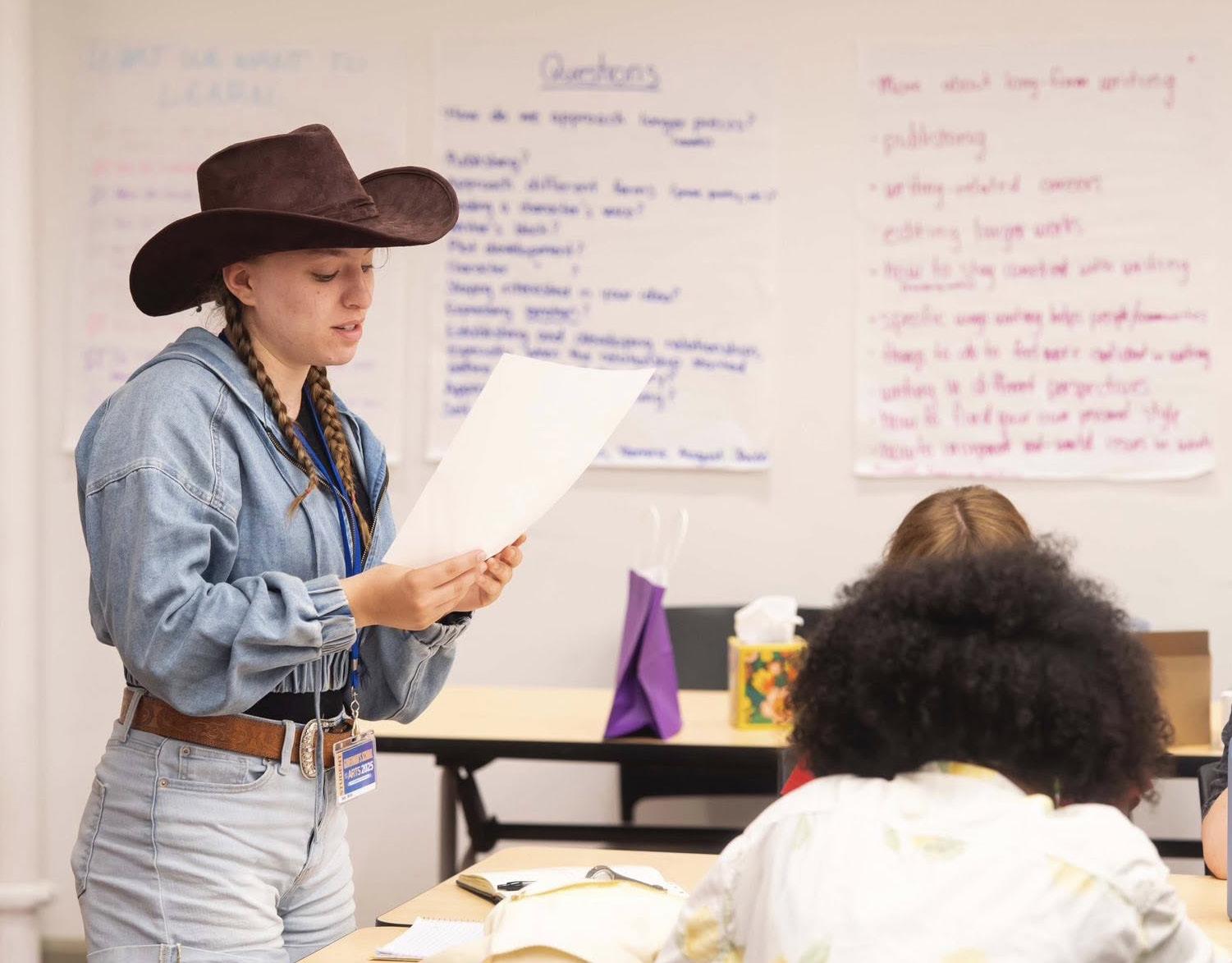
Instruction emphasizes both the creative process and the professional practice of writing. Students engage in daily exercises to generate new work, explore research and ideation techniques, and apply drafting and revision strategies to transform initial concepts into polished pieces. A robust workshop culture cultivates skills in providing and receiving constructive feedback, enabling students to refine their writing through collaborative exchange.
Throughout the program, participants explore the intersection of writing and performance, preparing work for chapbooks, broadsides, multimedia presentations, and live readings. These culminating experiences not only showcase students’ artistic growth but also strengthen confidence in public presentation and audience engagement.
The program’s focus on contextual awareness encourages students to situate their work within personal, cultural, and societal narratives. By analyzing peer and professional writing, students develop critical reading skills and a deeper understanding of how form, voice, and content interact.
As a capstone, students curate a portfolio of original work that demonstrates growth in craft, presentation, and self-reflection. They also gain insight into career pathways and publishing opportunities, equipping them with tools to continue their artistic journeys beyond GSA.
PERFORMING/PRODUCING/PRESENTING
Purpose • Audience Awareness • Clarity • Precision
Select, analyze, and interpret artistic work for presentation
• The student will choose a short excerpt representing their voice to present at showcase.
• The student will create and present a broadside, zine, or video poem.
• The student will curate original work for a chapbook presentation.
Develop and refine artistic technique and work for presentation
• The student will practice vocal warm-ups for projection and articulation.
• The student will refine posture and stance through physical exercises for performance.
• The student will rehearse readings and apply feedback on voice and movement.
Convey meaning through presentation
• The student will adjust pitch, pace, and tone to convey meaning in readings.
• The student will use images, video, fonts, or music to enhance meaning in multimedia pieces.
• The student will incorporate gestures and body language to support interpretation.
Responding
Close Reading • Critical Thinking • Evidence-Based Feedback
Perceive and analyze artistic work
• The student will read literary works and discuss literary elements of each.
• The student will watch and listen to performance poetry and short films, analyzing structure and impact.
• The student will listen and respond to peer work considering literary elements.
Interpret intent and meaning in artistic work
• The student will identify the speaker and intended audience in texts.
• The student will understand how figurative language contributes to theme and tone.
• The student will analyze how form and content inform each other.
Apply criteria to evaluate artistic work
• The student will articulate how point of view affects a piece’s effectiveness.
• The student will analyze how figurative language enhances a work.
• The student will determine if content and form support or hinder meaning.
Generate and conceptualize artistic ideas and work
• The student will write original poems, short stories, essays, and dramatic scenes based on prompts.
• The student will engage with visual art, nature, objects, and music to inspire original works across genres.
• The student will use research and archival materials to generate new works.
Organize and develop artistic ideas and work
• The student will use graphic organizers, word lists, and free writes to brainstorm and draft.
• The student will read drafts and use plotting diagrams, jigsawing, and peer feedback to expand work.
• The student will organize research to determine what to include/exclude in written works.
Refine and complete artistic work
• The student will use revision methods to refine written works.
• The student will compile a chapbook of poems, stories, and essays reflecting their voice as a writer.
• The student will give and receive feedback to strengthen literary elements like syntax and imagery.
CONNECTING
Context • Cultural Literacy • Relevance
Synthesize and relate knowledge and personal experiences to make art
• The student will use personal objects, memories, and research to write personal narratives and hybrid works.
• The student will maintain a personal journal to gather and develop ideas.
• The student will integrate archival records, journal entries, and visual art to inspire creative work.
Relate artistic ideas and works with societal, cultural and historical context to deepen understanding
• The student will identify how an author’s background influences their work.
• The student will analyze the historical and societal climate of texts studied.
Understand elements of the industry
• The student will differentiate between publishing avenues (indie, self, traditional).
• The student will define roles of agents versus editors in publishing.
• The student will understand basics of advances, royalties, and contracts.
Identify career pathways in the arts
• Students cultivate clarity around advanced degree pathways, considering how MFA or PhD programs may deepen, challenge, or expand their artistic practice.
• The student will explore careers in writing, education, communications, marketing, and storytelling.
• The student will create/refine a personal biography and artistic statement for professional use.
DANCE
CURRICULUM STANDARDS
Description
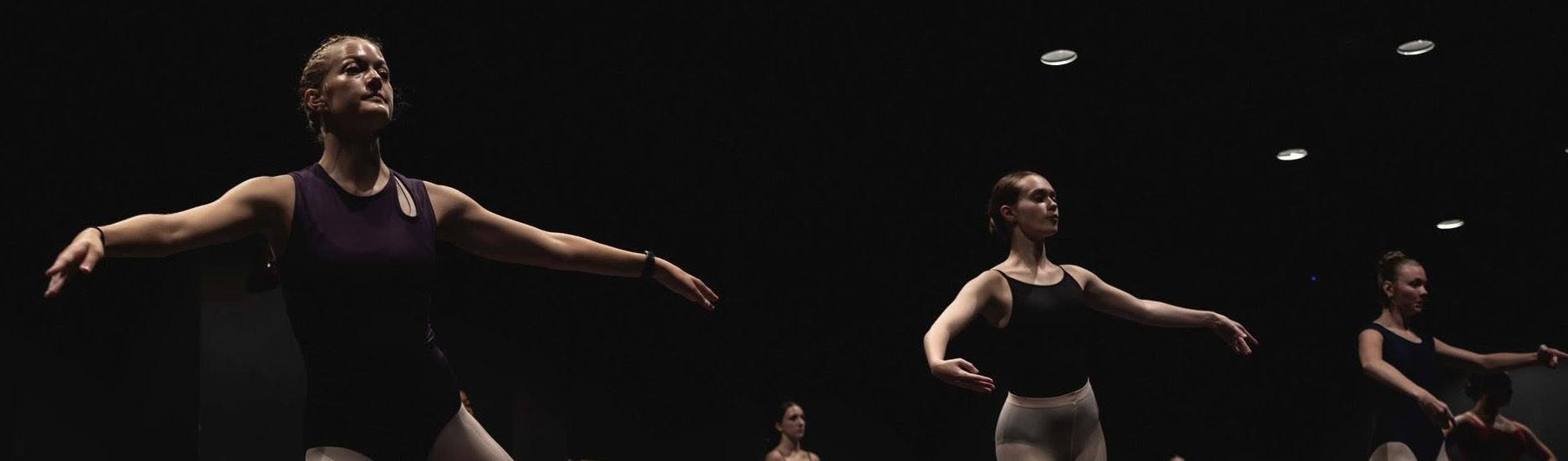
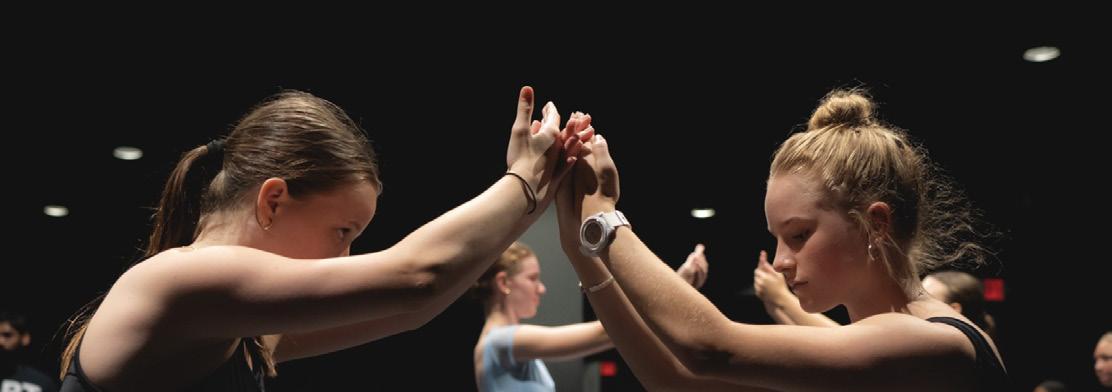
The Dance program immerses students in a dynamic, studio-centered environment that emphasizes technical mastery, creative exploration, and the development of artistry through movement. Designed to challenge dancers at all levels of experience, the curriculum draws from the Kentucky Academic Standards for the Arts while integrating diverse stylistic traditions, including ballet, modern, African diaspora, and contemporary dance. Daily training sessions focus on enhancing strength, flexibility, alignment, and musicality, ensuring a strong technical foundation for expressive performance.
Students engage in repertory study, improvisation, and composition, learning to generate original movement material and interpret choreography with nuance and intention. Collaboration remains central—whether working in small groups to develop choreographic ideas, contributing to ensemble works, or supporting peers in performance preparation. Faculty and guest artists provide mentorship that expands students’ artistic perspectives, introduces new movement vocabularies, and deepens understanding of choreographic process.
Performance opportunities serve as key milestones throughout the session. Dancers participate in studio showings, informal presentations, and final performances that highlight technical progress and expressive range. These culminating events allow students to apply studio learning to the stage, refining their ability to connect with audiences through physical storytelling.
In addition to practical training, the program integrates explorations of dance history, cultural context, and professional pathways, helping students understand the art form’s evolving role in society. Discussions on community engagement, interdisciplinary collaboration, and arts advocacy encourage participants to consider their place as artists and cultural contributors.
Through this experience, Dance students strengthen technical skills, broaden their creative vocabulary, and deepen the connection between personal artistry and collective expression.
CREATING
Core Values: Innovation • Craft • Discipline • Expression
• Generation of Ideas: Through improvisation, journaling, and choreographic exploration, students develop original movement material that reflects both personal identity and cultural influence.
• Development of Work: Collaboration with peers and mentorship from faculty guided dancers in refining choreographic ideas, balancing technical rigor with expressive intent.
• Completion of Works: Student- and faculty-led choreographies culminated in performances that demonstrated the transformation of creative sparks into fully realized works.
Performing
/ Producing / Presenting
Core Values: Presence • Storytelling • Technical Mastery • Collaboration
• Selection & Analysis: Students studied repertory spanning ballet, modern, and African diaspora traditions, gaining tools to interpret diverse choreographic voices.
• Refinement of Technique: Daily classes emphasized alignment, strength, flexibility, and musicality, enabling dancers to perform with accuracy and expressive depth.
• Presentation: Through studio showings and final public performances, dancers translated classroom learning into stage-ready artistry, using movement to tell stories and connect with audiences.
CONNECTING
Core Values: Identity • Cultural Awareness • Relevance • Collaboration
• Personal Integration: Journaling and improvisation encouraged dancers to connect movement to personal stories and emotions.
• Cultural & Historical Context: Students studied Western concert dance alongside traditions of the African diaspora, situating their training in a global and historical framework.
• Community & Advocacy: Discussions on the role of dance in society highlighted its power for cultural dialogue, healing, and transformation, helping students see themselves as cultural contributors.
RESPONDING
Reflection • Critical Thinking • Empathy • Context
• Perception & Analysis: Structured feedback sessions trained students to observe, articulate, and analyze dance with clarity, considering technical execution and artistic expression.
• Interpretation: Students explored how movement, music, and dynamics convey meaning, building confidence in personal and collective interpretation.
• Evaluation: Peer critique encouraged constructive dialogue, resilience, and refinement of work based on criteria for craft, creativity, and growth.
CAREER PATHWAYS
Core Values: Professionalism • Resilience • Adaptability • Wellness
• Exploring Careers: Seminars introduced students to collegiate programs and diverse professional opportunities in performance, choreography, teaching, and arts advocacy.
• Professional Practice: By preparing for auditions, receiving adjudicator feedback, and learning from guest artists, students gained experience in professionalism, adaptability, and discipline.
• Health & Wellness: Instruction on nutrition, injury prevention, and self-care emphasized the importance of sustainability in an artistic career.
DESIGN CURRICULUM STANDARDS
Description
The Design program cultivates young creatives who merge artistry with problem-solving, anchored in the foundational disciplines of architecture, product design, and industrial design. Grounded in the Kentucky Academic Standards (KAS) for Visual and Performing Arts and enriched with contemporary practices, the program guides students through the full arc of the design process—from ideation to polished presentation.
This rigorous curriculum emphasizes creativity, technical craft, storytelling, and social responsibility. Students explore the fundamentals of architectural design, examining how space, form, and structure shape human experience; product design, focusing on usability, materials, and innovation in everyday objects; and industrial design, where students consider large-scale systems and manufacturing processes that connect function, form, and society. Together, these disciplines equip students to see design as both a practical solution and a cultural narrative—one that connects vision to audience and creator to community.
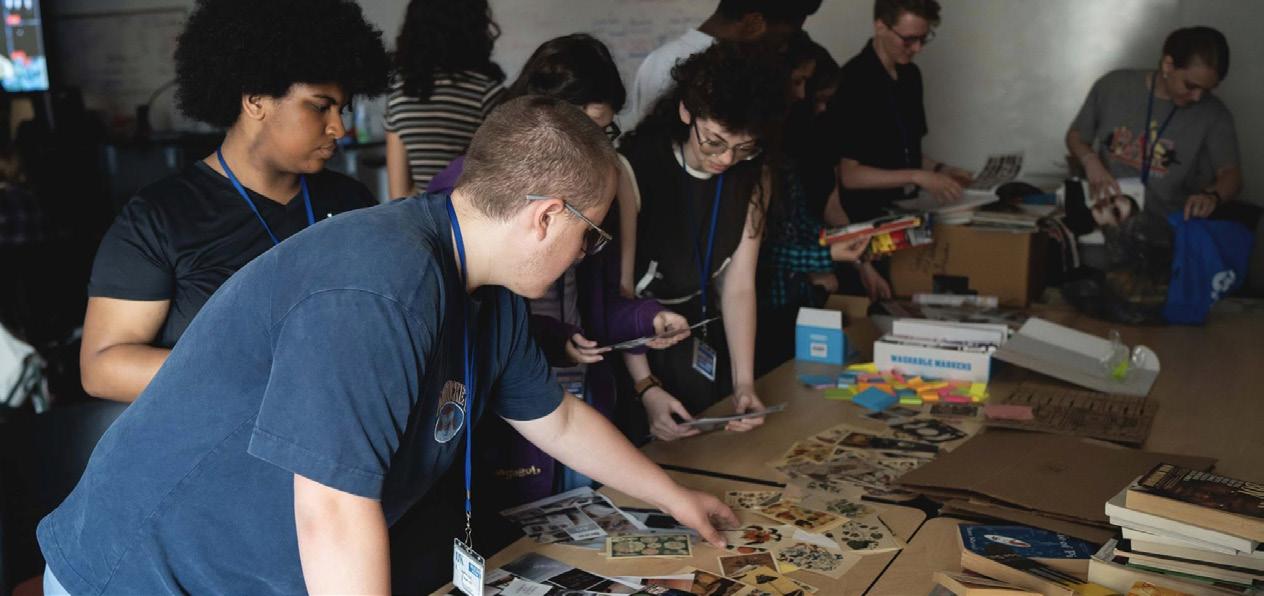
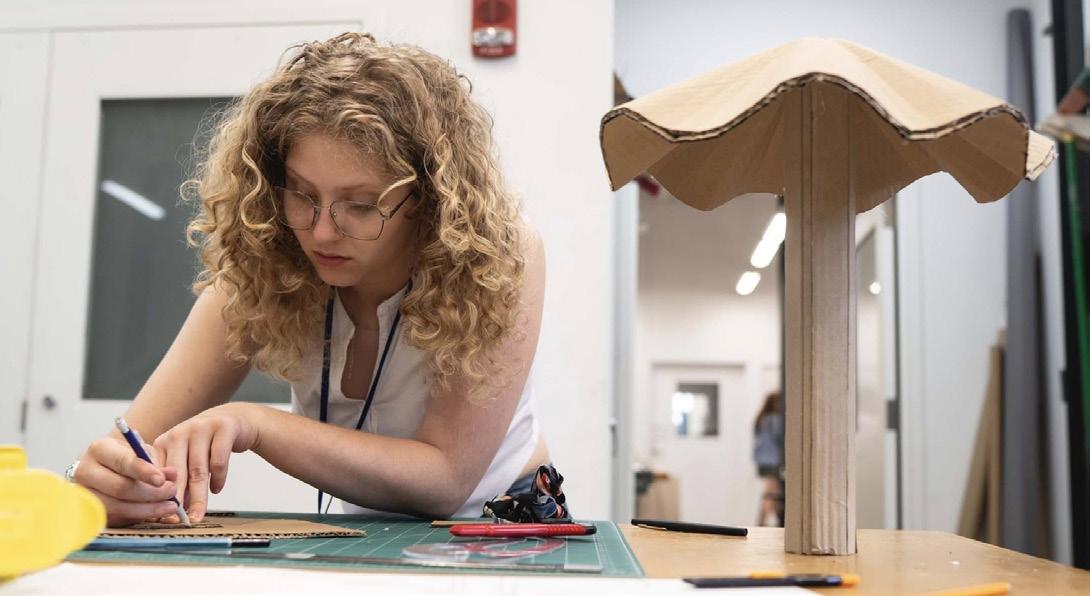
Through project-based learning, critiques, and portfolio development, students experience every stage of professional design practice. They research architectural and industrial precedents, create prototypes and models, and refine their work through faculty mentorship and peer dialogue. Workshops in drawing, model-building, and digital rendering build technical confidence, while guided discussions on cultural and historical contexts highlight design’s impact on communities and industries.
Guest speakers and faculty mentors introduce students to career pathways in architecture, product design, industrial design, interior design, and emerging creative industries. By embedding personal vision into their projects and addressing real-world challenges through user-centered design, students complete the program with portfolios that reflect not only craftsmanship and creativity, but also cultural awareness and social impact.
CREATING
Core Values: Innovation • Critical Thinking • Craft • Exploration
• Idea Generation: Students brainstormed solutions to design briefs, creating inspiration boards and concept sketches that translated personal ideas into practical design possibilities.
• Development of Work: Iteration and prototyping were central to the process, with students refining initial concepts based on user needs, material limitations, and faculty feedback.
• Completion: Final projects were prepared as polished, presentation-ready designs that balanced function, narrative, and aesthetic value—demonstrating students’ ability to move fluidly from vision to execution.
Performing
/
Producing
/
Presenting
Core Values: Communication • Storytelling • Professionalism • Precision
• Selection & Interpretation: Students analyzed precedent research and design case studies to inform their own solutions, learning how context drives creative decision-making.
• Refinement of Technique: Hands-on workshops in drawing, model-building, and digital rendering developed technical skill and confidence in execution.
• Presentation: Public reviews, critiques, and portfolio presentations provided opportunities to share projects with clarity and professionalism, reinforcing the importance of visual storytelling in design.
RESPONDING
Core Values: Reflection • Evaluation • Empathy • Dialogue
• Analysis: Students evaluated their own work and that of their peers, discussing design elements such as form, material, and usability with a critical eye.
• Interpretation: Guided discussions emphasized how design communicates meaning, encouraging students to see each project as a narrative that connects creator and audience.
• Evaluation: Through group critiques, students strengthened resilience and adaptability, using constructive feedback to enhance both technical craft and conceptual depth.
CONNECTING
Core Values: Relevance • Cultural Awareness • Social Impact • Context
• Personal Integration: Students embedded their individual perspectives into their design work, exploring how personal vision influences creative outcomes.
• Cultural & Historical Context: By examining architectural and industrial precedents, students discovered how design both shapes and responds to cultural, historical, and societal needs.
• Community Insight: Conversations about user-centered design highlighted empathy and responsibility, preparing students to see themselves as problem-solvers for real-world challenges.
Core Values: Professional Readiness • Adaptability • Leadership • Lifelong Creativity
• Exploring Careers: Guest speakers and faculty introduced students to pathways in architecture, industrial design, interior design, and emerging creative industries.
• Professional Skills: Portfolio development and presentation practice provided tangible tools for future academic and professional opportunities.
• Industry Awareness: Engagement with design professionals gave students perspective on trends, standards, and evolving opportunities, reinforcing the role of designers as innovators and change-makers.
DRAMA
CURRICULUM STANDARDS
Description
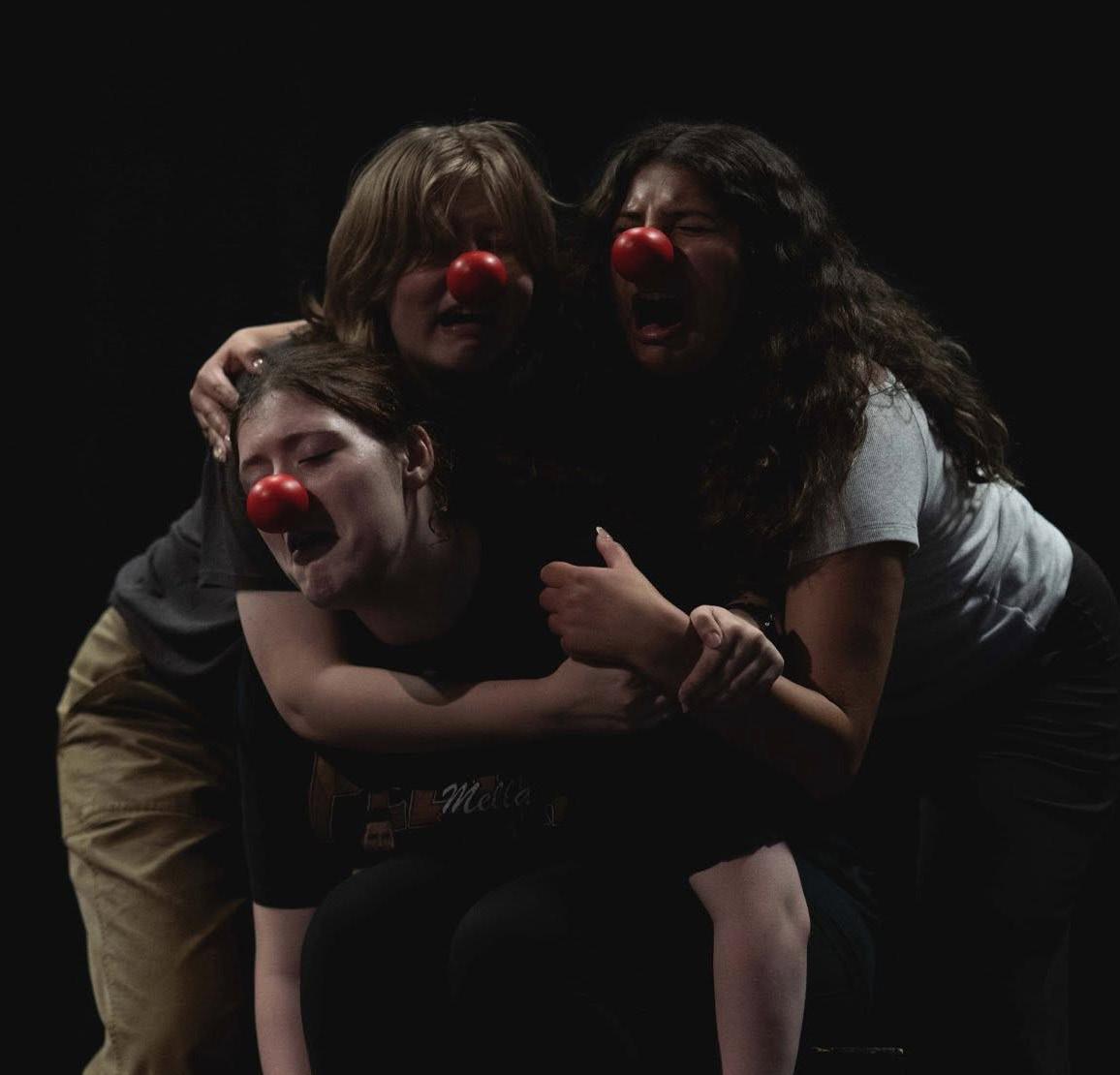
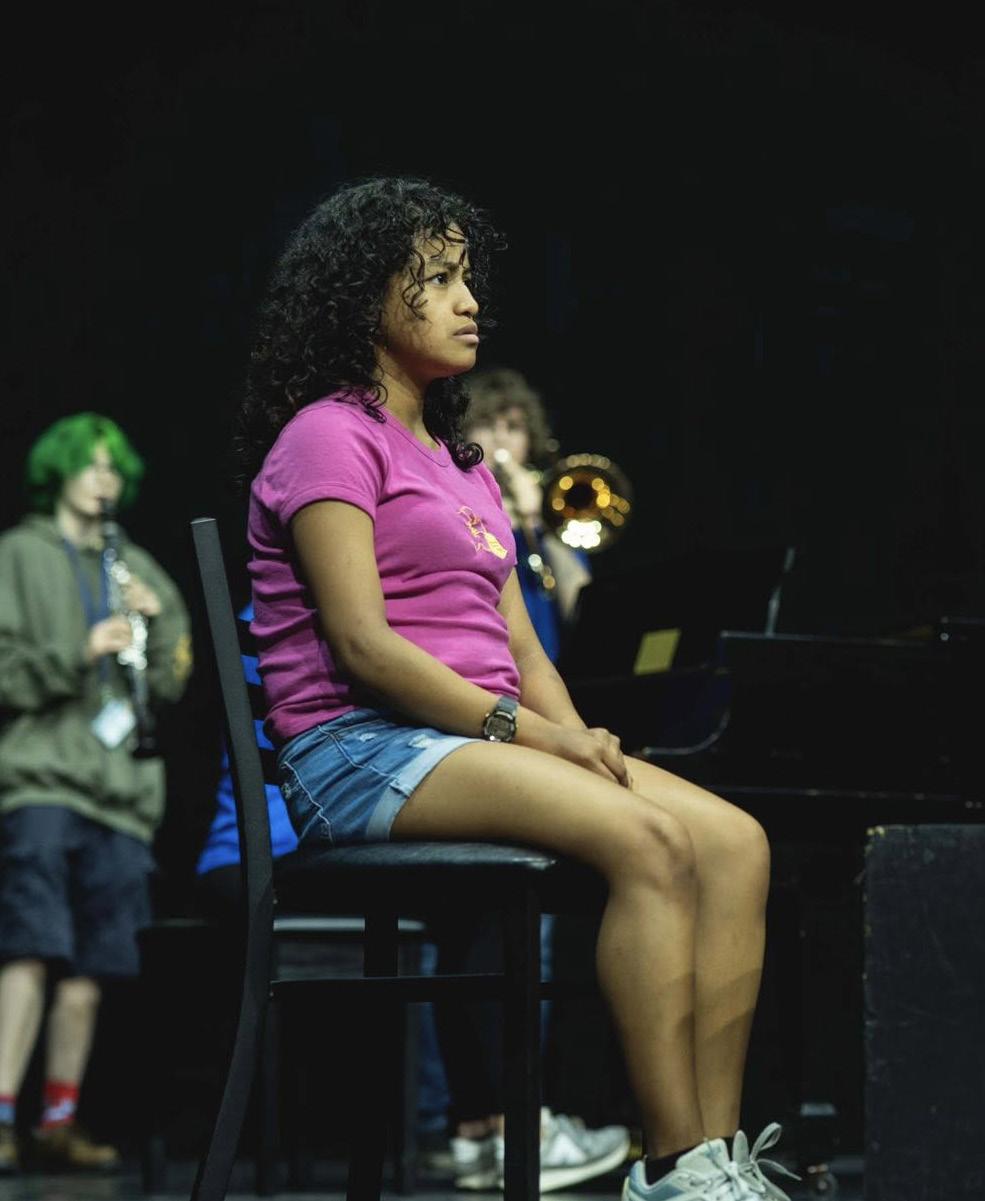
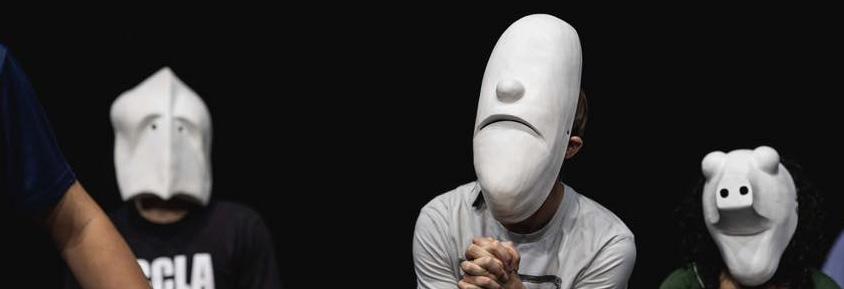
The Drama program immerses students in a rigorous, ensemble-centered curriculum designed to cultivate the actor’s full instrument: body, voice, and imagination. Grounded in the Kentucky Academic Standards (KAS) for Visual and Performing Arts and enriched by nationally recognized theatre methodologies, the program emphasizes technical mastery, creative risk-taking, collaboration, and cultural awareness. Students are challenged to grow as both individual performers and as members of an ensemble dedicated to truthful and impactful storytelling. This intensive training balances classical and contemporary performance practices, integrating text analysis, improvisation, devised theatre, and vocal and physical exploration. Through daily rehearsals, workshops, and ensemble exercises, students strengthen their craft, deepen interpretive choices, and learn to bring authenticity and presence to the stage. The curriculum remains ensemble-driven, fostering not only artistry but also empathy, adaptability, and respect for the collaborative nature of theatre.
Public performances, scene work, and monologue showings allow students to refine their ability to communicate story and emotion with clarity, presence, and professionalism. Guided by faculty and guest artists, students engage with theatre history, contemporary issues, and cultural dialogue—discovering theatre’s role as a mirror and catalyst for social change. Guest speakers and faculty mentors introduce students to career pathways in acting, directing, playwriting, design, and arts administration. Mock auditions, professional rehearsal processes, and portfolio preparation provide practical tools and awareness of industry standards.
Through this experience, students develop a deeper artistic voice and a toolkit of professional practices that prepare them for continued academic study and meaningful entry into the theatre world.
CREATING
Core Values: Imagination • Craft • Risk-Taking • Collaboration
• Idea Generation: Students explored improvisation, devised theatre, and text-based analysis to generate original ideas for performance.
• Development of Work: Through composition assignments, actors collaboratively built original pieces that integrated physical storytelling, vocal exploration, and design elements into cohesive works.
• Completion: Scene work, monologues, and devised ensemble performances demonstrated students’ ability to refine and complete performance-ready pieces that balanced technique with creative freedom.
Performing
/
Producing
/
Presenting
Core Values: Presence • Storytelling • Ensemble • Technical Mastery
• Selection & Interpretation: Students applied text analysis to both contemporary and classical material, cultivating nuanced interpretations informed by physical and vocal choices.
• Technical Refinement: Training in The Viewpoints method deepened their awareness of time, space, tempo, shape, gesture, and sound—building precision, responsiveness, and adaptability in performance.
• Presentation: Through studio showings and staged productions, students honed their ability to command presence, communicate intention, and engage audiences with clarity and authenticity.
RESPONDING
Core Values: Reflection • Critical Thinking • Empathy • Awareness
• Perception & Analysis: Structured peer feedback and faculty-led discussions helped actors assess their use of movement, voice, and character choices, sharpening their critical eye.
• Interpretation: Students reflected on how physical and vocal elements contribute to storytelling and emotional impact, connecting personal experience with artistic choices.
• Evaluation: By applying criteria to their own and others’ work, actors developed resilience and openness, learning to embrace critique as a pathway to growth.
CONNECTING
Core Values: Cultural Awareness • Empathy • Relevance • Advocacy
• Personal Integration: Exercises in breath awareness, ensemble listening, and improvisation encouraged students to link their personal identity and lived experience to their artistic voice.
• Cultural & Historical Context: Through exploration of theatre history and discussion of contemporary issues, students examined how theatre both reflects and challenges society.
• Community Insight: Group dialogue emphasized theatre’s power to provoke conversation, build empathy, and inspire social change, reinforcing the actor’s role as a cultural storyteller and advocate.
Core Values: Professionalism • Adaptability • Leadership • Lifelong Learning
• Exploring Careers: Guest artists and faculty shared pathways in acting, directing, design, and arts administration, helping students envision multiple futures in the theatre industry.
• Professional Practices: Students engaged in mock auditions, ensemble collaborations, and rehearsal processes that mirrored professional standards of discipline, adaptability, and collaboration.
• Industry Awareness: By interacting with professionals and peers, students gained insight into the collaborative nature of theatre and the importance of resilience in pursuing a career in the arts.
FILM + PHOTOGRAPHY
CURRICULUM STANDARDS
Description
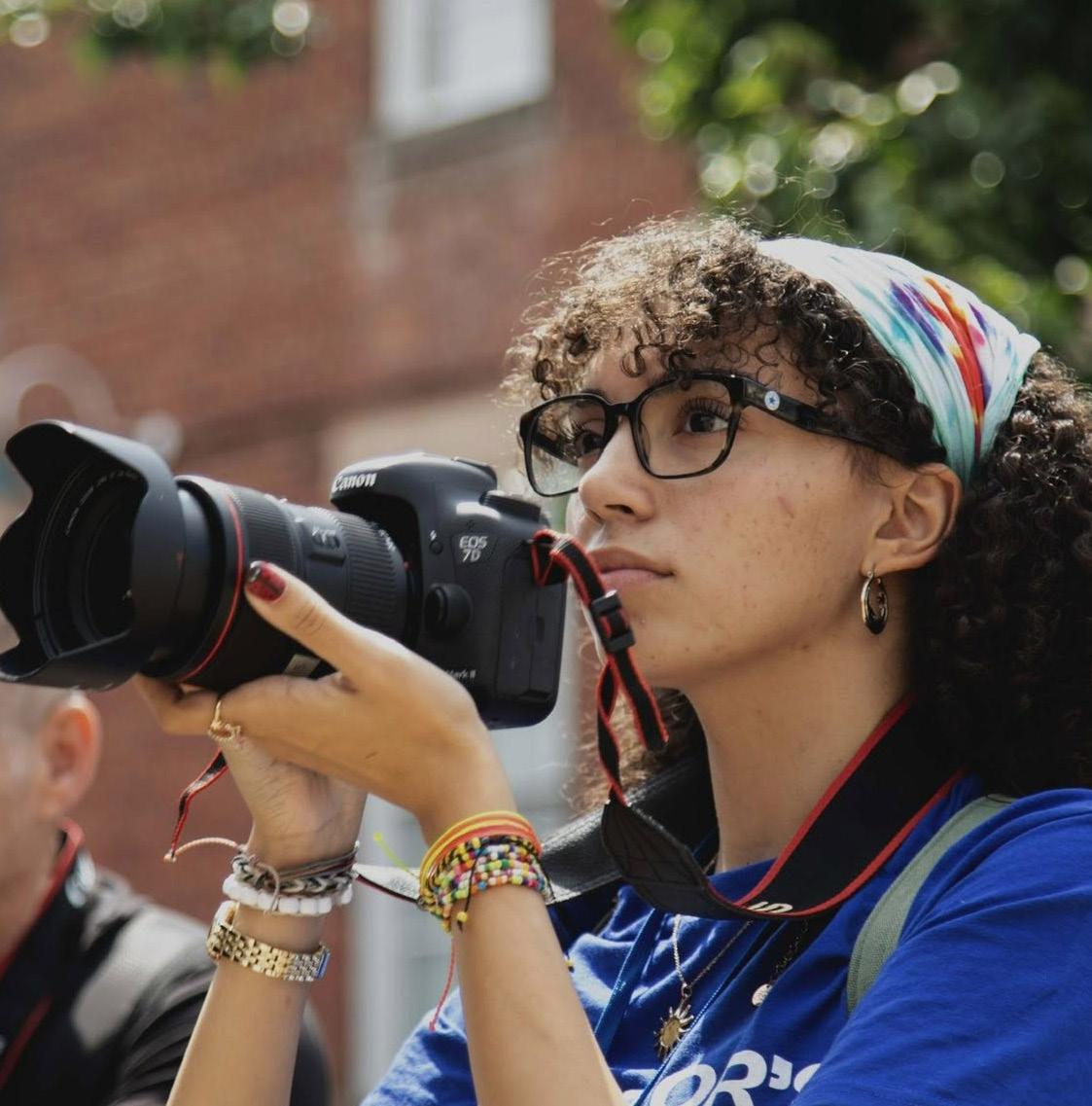
The Film & Photography program provides students with an intensive, hands-on conservatory experience that merges technical training with artistic exploration. Grounded in the Kentucky Academic Standards for the Arts and informed by both historical and contemporary practices, the curriculum encourages participants to see the camera—whether still or moving—as both a tool for documentation and a medium for creative expression.
In photography, students develop technical skills in composition, lighting, exposure, and timing while exploring the aesthetic principles that guide strong image-making. Through an introduction to photographic theory, they examine how framing, perspective, and visual storytelling influence a viewer’s emotional and intellectual engagement. Assignments prompt students to create images that balance formal design elements with personal voice, experimenting with various photographic techniques to communicate narrative, mood, and meaning.
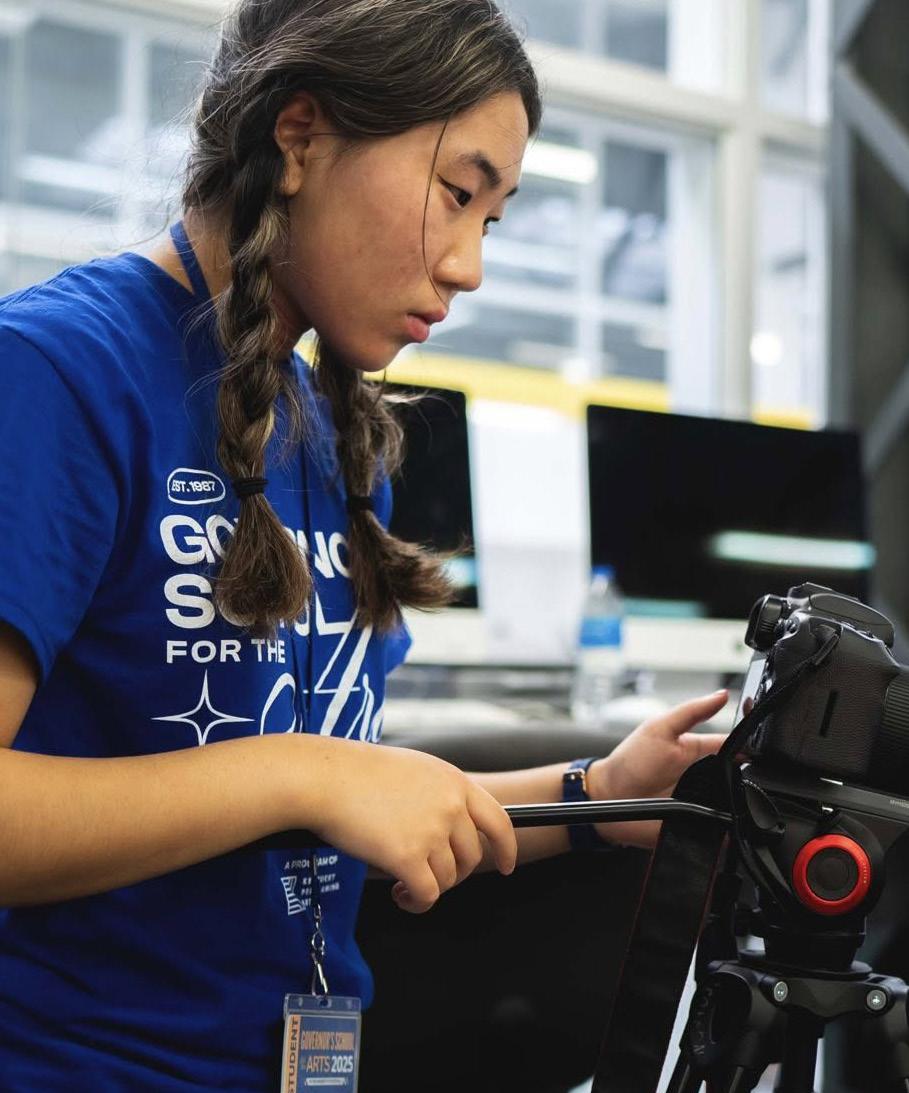
In film, students explore the language of cinema, from shot composition and camera movement to editing and sequencing. They learn how choices in pacing, rhythm, and visual juxtaposition shape a film’s tone and thematic impact—core principles of film theory. By capturing footage of artists at work, participants practice observational and documentary filmmaking techniques, paying attention to the relationship between subject, environment, and audience. Editing sessions focus on building coherent visual narratives, integrating clips into sequences, and refining these into completed films ready for presentation.
The program emphasizes the full artistic process: ideation, experimentation, refinement, and presentation. Students curate photographs for gallery display and prepare films for public screening, considering not only the technical polish of their work but also the clarity of artistic intent.
Critiques with faculty and peers foster a deeper understanding of visual literacy, helping students articulate the creative choices behind their work and evaluate it using established aesthetic and conceptual criteria. Contextual study plays an important role. By examining historical and contemporary works in both photography and film, students explore how societal, cultural, and historical factors inform artistic choices. These discussions broaden understanding of the photographer’s and filmmaker’s roles as artists and storytellers—capable of documenting, interpreting, and influencing the world around them.
Career preparation is woven throughout the program, with students developing competencies in technical equipment, digital editing software, collaborative project management, and professional presentation. Exposure to multiple career pathways in visual media—including fine art photography, cinematography, photojournalism, and film production—equips students with insight into both industry standards and emerging opportunities.
Through this experience, Film & Photography students build portfolios of compelling still images and completed films that reflect growing technical skill, creative confidence, and the ability to use visual media as a powerful language for storytelling and artistic inquiry.
CREATING
Storytelling & Concept Development • Visual Language • Composition & Framing
• Idea Generation: Students brainstormed storylines, visual themes, and photographic series rooted in personal and social narratives.
• Technical Exploration: Training in camera mechanics, lighting, sound, and editing software gave students the tools to refine their concepts into polished works.
• Innovation: Emphasis was placed on experimentation, pushing boundaries of composition, narrative structure, and visual form.
Performing, Presenting, Producing
Collaboration • Set/Studio Etiquette • Time & Resource Management
• Photography Exhibitions: Students curated their own photo series, learning principles of sequencing, display, and audience engagement.
• Film Screenings: Completed short films were presented at a final showcase, requiring collaboration, technical refinement, and storytelling clarity.
• Portfolio Building: Each student prepared a portfolio suitable for college admissions, professional opportunities, and ongoing artistic development.
RESPONDING
Media & Visual Literacy • Critical Viewing/Image Analysis • Evidence-Based Feedback
• Critique Sessions: Daily reviews encouraged constructive feedback and reflection, teaching students to articulate their artistic choices.
• Media Literacy: Students studied influential films and photographs, analyzing how artistic elements communicate meaning.
• Self-Reflection: Written artist statements helped students evaluate how their work communicates personal vision and cultural ideas.
Connecting
Genre & Historical Context • Place, Community & Identity • Interdisciplinary Collaboration
• Personal Narratives: Many projects drew from students’ lived experiences, grounding their art in authentic storytelling.
• Cultural Context: Discussions on documentary ethics, representation, and diversity in film/photography highlighted the social responsibilities of artists.
CAREER PATHWAYS
PROFESSIONAL PRACTICE • COLLABORATION • REFLECTION • SOCIAL IMPACT
By the end of the session, Film + Photography students had:
• Professional Production Produced short films, photo essays, and multimedia projects that demonstrate technical mastery and a distinct creative voice.
• Portfolio Readiness: Built professional portfolios that reflect preparedness for future artistic, academic, and industry pathways.
• Collaborative Practice: Strengthened collaborative skills through team-based film projects, peer critique, and shared creative problem-solving.
• Social Engagement: Developed as reflective, socially engaged artists who recognize the power of visual media to inspire dialogue and effect change.
• Engagements with guest artists and industry professionals introduced students to opportunities in higher education, creative industries, and community arts leadership.
Student Work from Session One https://sites.google.com/view/gsafilmandphotography2025-s1
Student Work from Session Two https://sites.google.com/view/gsafilmandphotography2025-s2
INSTRUMENTAL MUSIC
CURRICULUM STANDARDS
Description
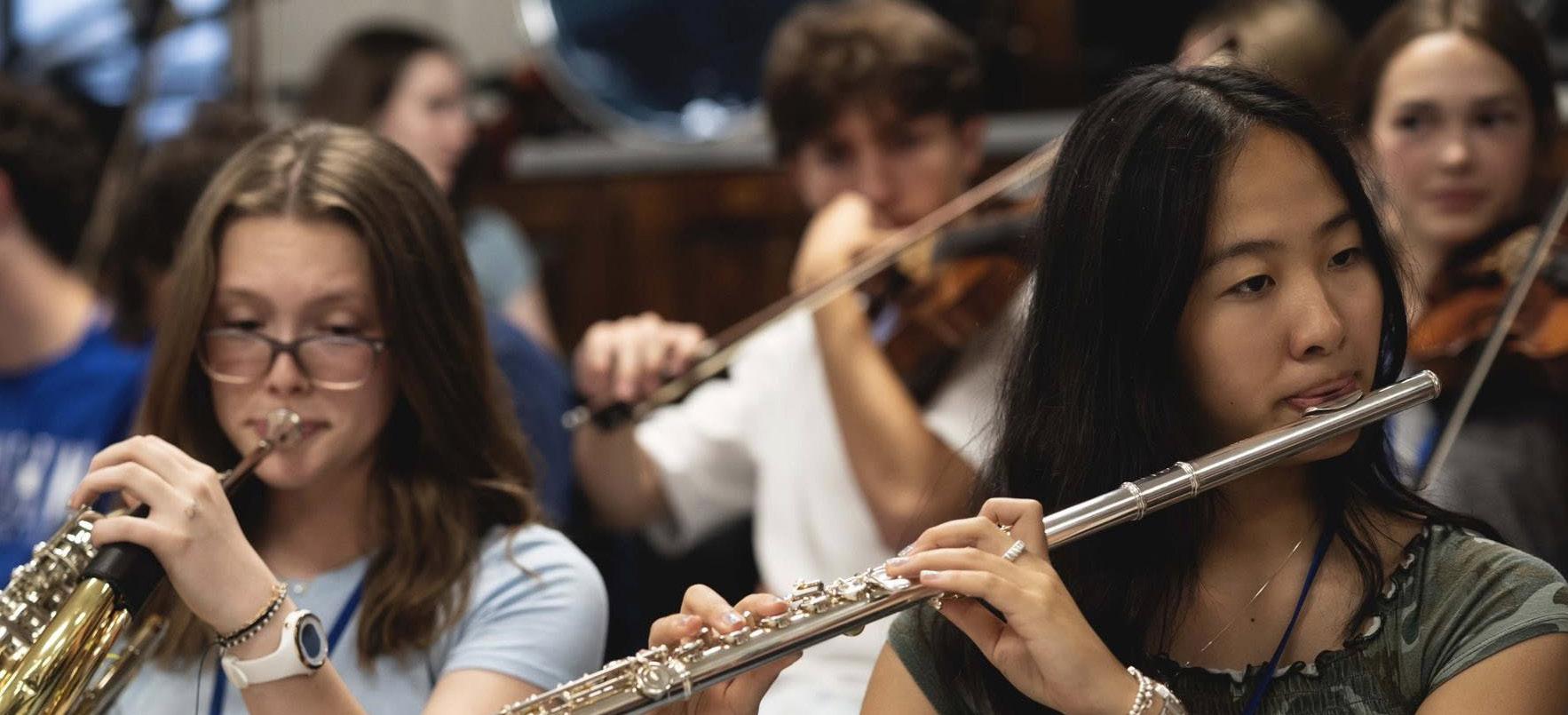
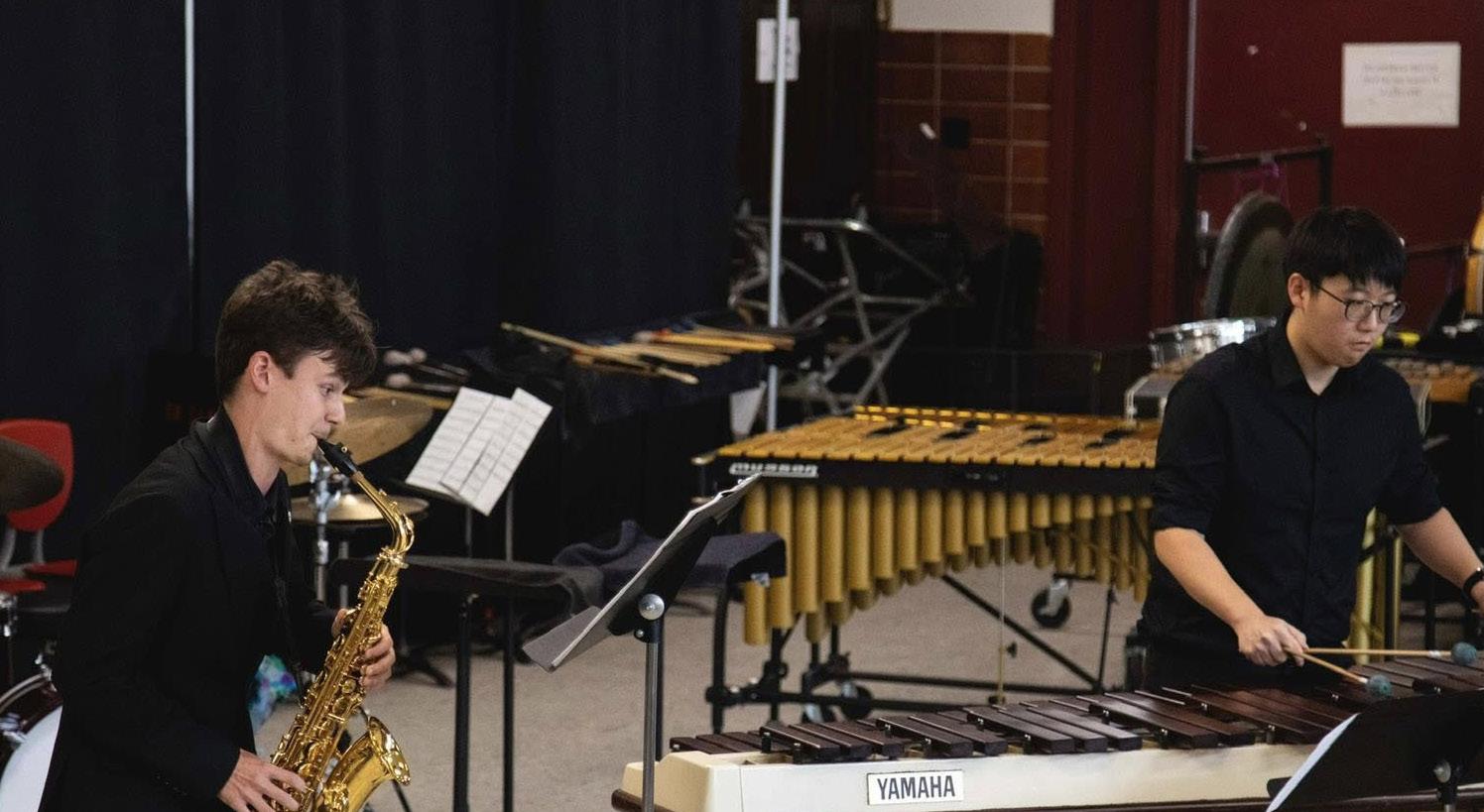
The Instrumental Music program is a transformative learning environment where young musicians immerse themselves in the art of music-making. The classroom is shaped by a pedagogy that blends rigorous training with curiosity, exploration, and collaboration, creating space for students to grow as performers, composers, and critical thinkers. Instruction is grounded in the fundamentals of sound production, technique, and ensemble practice, while also challenging students to expand beyond their comfort zones. Daily rehearsals, sectional work, and studio coaching encourage students to refine tone, rhythm, and intonation, while improvisation and composition exercises give them the freedom to develop original ideas. Faculty guide students to think beyond the notes—exploring phrasing, style, and interpretation—so that music becomes not just technically accurate, but deeply expressive.
Collaboration is at the heart of the classroom experience. Students engage in chamber groups, large ensemble settings, and cross-disciplinary projects, learning how to listen actively, respond sensitively, and contribute meaningfully to a collective sound. Peer feedback and reflective journaling reinforce a culture of accountability and artistry, helping students internalize lessons and recognize their own creative voices. Guest artists, alumni panels, and recording sessions further enrich the curriculum, connecting classroom practice to real-world contexts.
The program is designed not only to refine musicianship but also to cultivate independence and confidence. Through the vulnerability of live performance, the rigor of rehearsal, and the creativity of composition, students come to see themselves as whole artists—capable of shaping ideas, collaborating with others, and communicating powerfully through music.
While daily classroom work centers on artistry and growth, the program also aligns with the Kentucky Academic Standards for the Visual and Performing Arts. These standards—Creating, Performing/Producing/Presenting, Connecting, and Career Pathways—provide a framework for measuring outcomes and guiding future curriculum development. Together, they prepare students for continued study in higher education and for meaningful engagement in Kentucky’s evolving creative economy.
The GSA Instrumental Music program ultimately offers more than summer training; it offers a vision of music as a lifelong practice. By uniting technical excellence with creativity, collaboration, and critical thought, the program equips students to become thoughtful artists and leaders in the arts community and beyond.
CREATING
Musical Imagination • Composition/Arranging • Improvisation
• Generate original musical ideas through improvisation, composition, and collaborative ideation.
• Develop and organize musical works using notation and creative mapping tools.
• Refine ideas through journaling, peer feedback, and instructor mentorship.
• Present compositions and improvisations in both informal and formal settings, balancing structure and spontaneity.
Performing/Producing/Presenting
Ensemble Awareness (Balance/Blend) • Deep Listening Across Sections
• Analyze and select diverse repertoire across genres and styles.
• Explore extended techniques and genre-specific performance practices.
• Refine technical skill and expression through rehearsals and individualized coaching.
• Communicate artistic meaning and stage presence in public and studio performances.
• Embrace artistic vulnerability and intention inherent in live music-making.
Responding
Critical Listening • Score/Part Analysis • Evidence-Based Feedback
• Engage critically as listeners, analysts, and thinkers through active listening and score study.
• Participate in group discussions to interpret artistic intent and deepen musical insight.
• Compare diverse interpretations of repertoire to build aesthetic flexibility.
• Apply evaluation criteria that balance technical, expressive, and contextual understanding.
• Strengthen collaborative artistry by giving and receiving constructive feedback.
Connecting
Historical & Cultural Context • Diverse Repertoire & Representation • Community & Audience Engagement
• Make personal and cultural connections through reflective journaling and interdisciplinary exploration.
• Investigate the relationship between music, identity, history, and contemporary issues.
• Cultivate empathy and social awareness through examination of music’s social role.
• Develop artistic responsibility and broaden perspectives as both creators and citizens.
Career PathwayS
professional practice • innovation • career sustainability • mentorship • purpose
• Prepare for professional practice through mock auditions, collaborative rehearsals, and recording sessions.
• Gain exposure to music technology, sound design, and entrepreneurial skills.
• Build foundations for future studies and careers in music and related fields.
• Engage with alumni panels and guest artists to explore diverse career pathways.
• Reflect on how creative abilities translate into impactful vocations.
MUSICAL THEATRE
CURRICULUM STANDARDS
Description
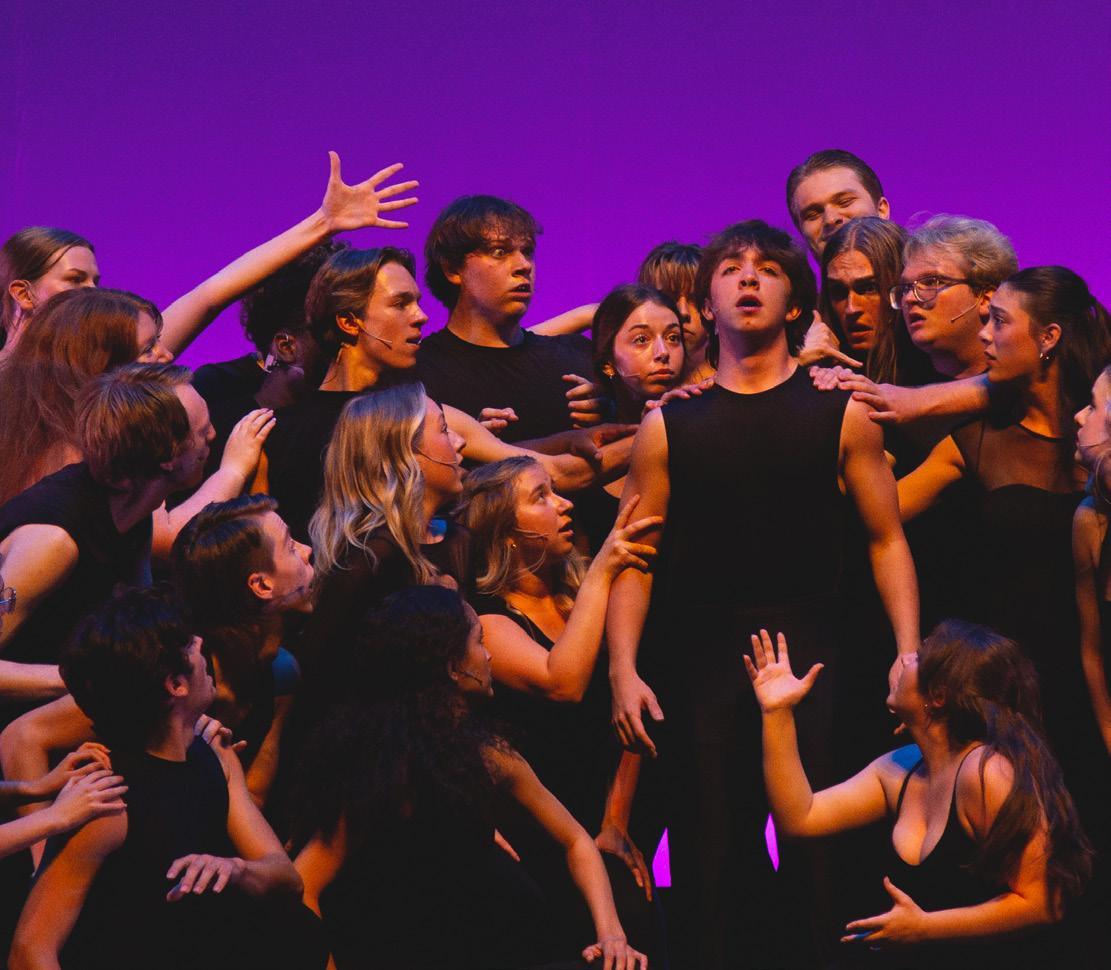
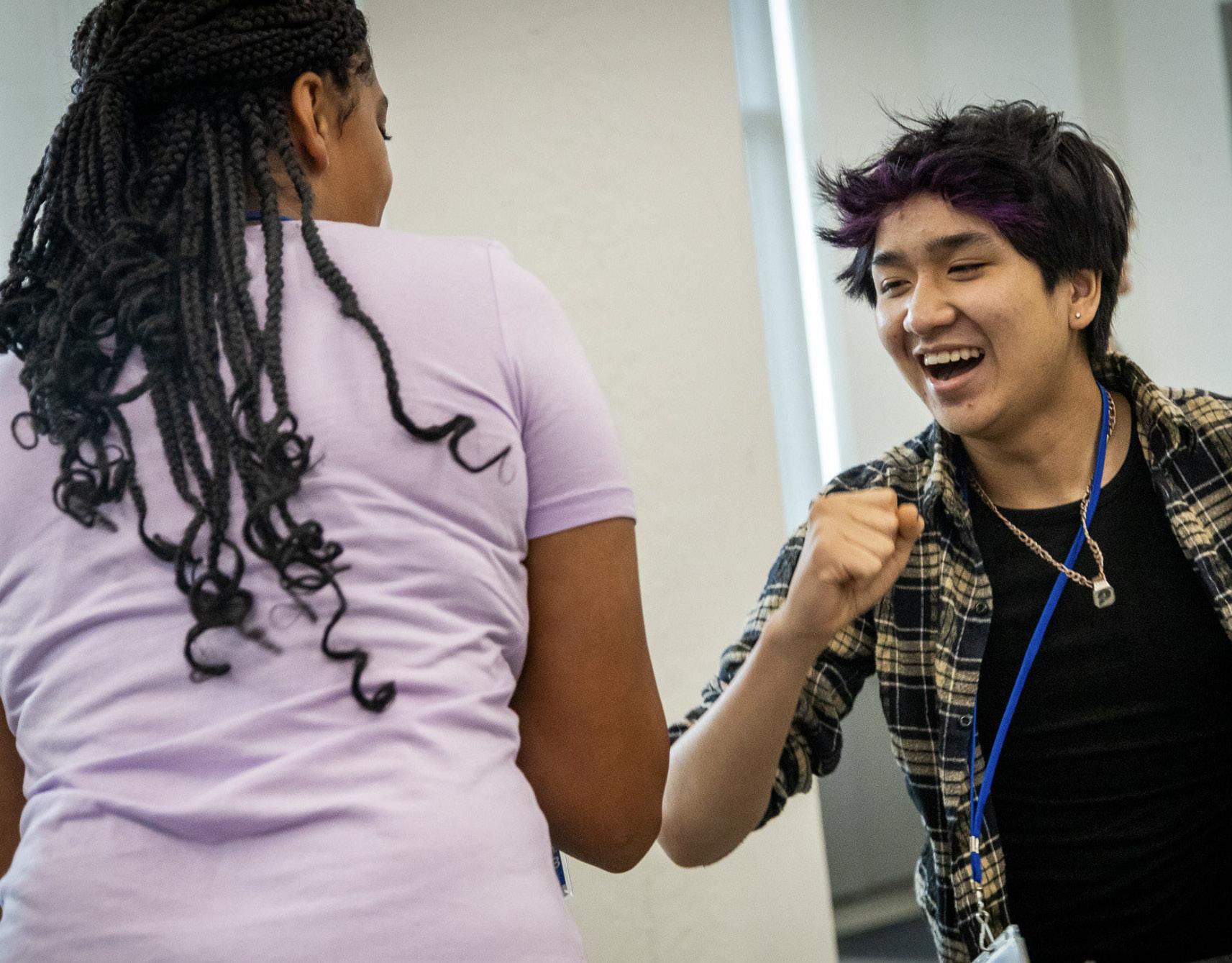
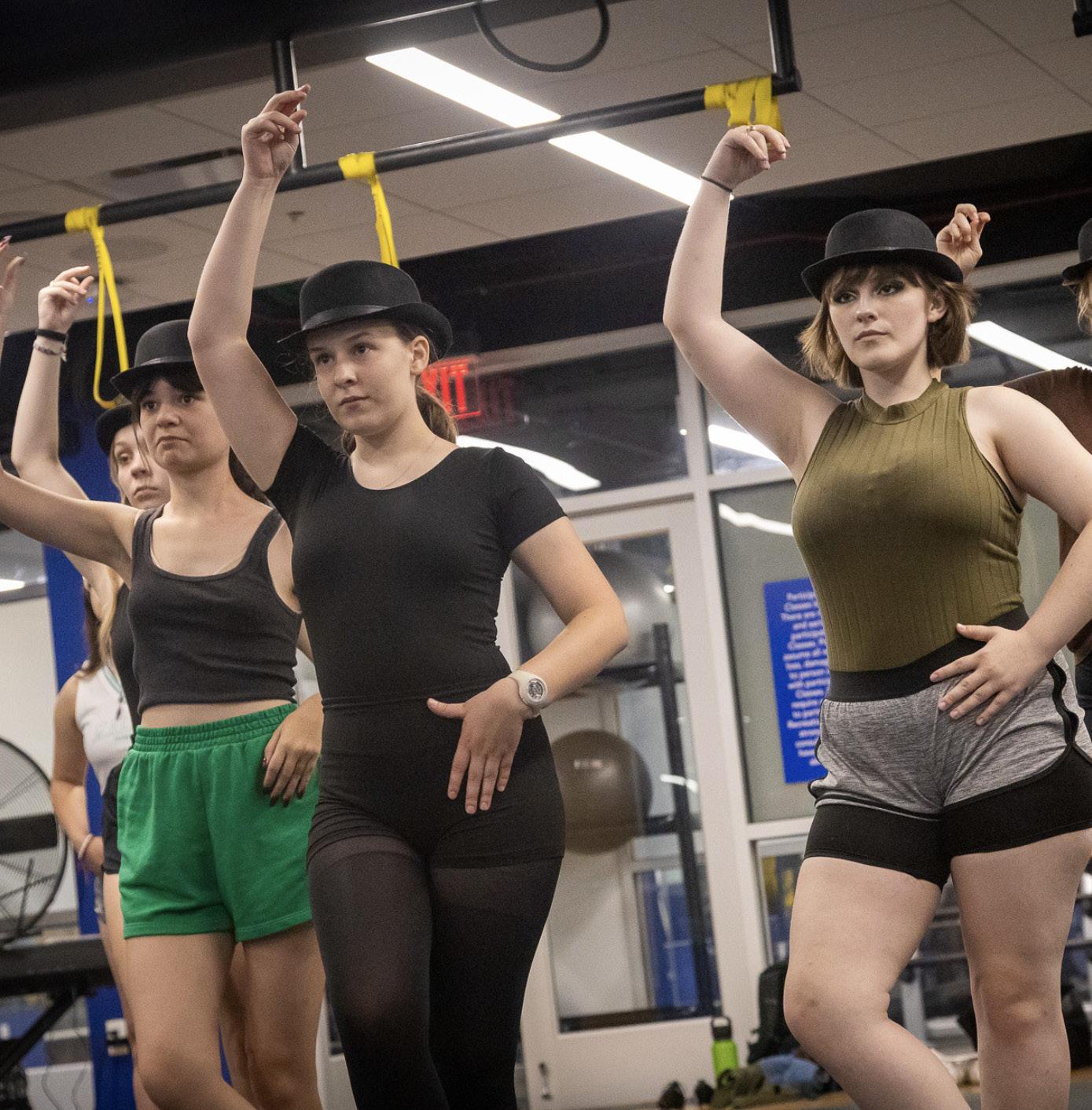
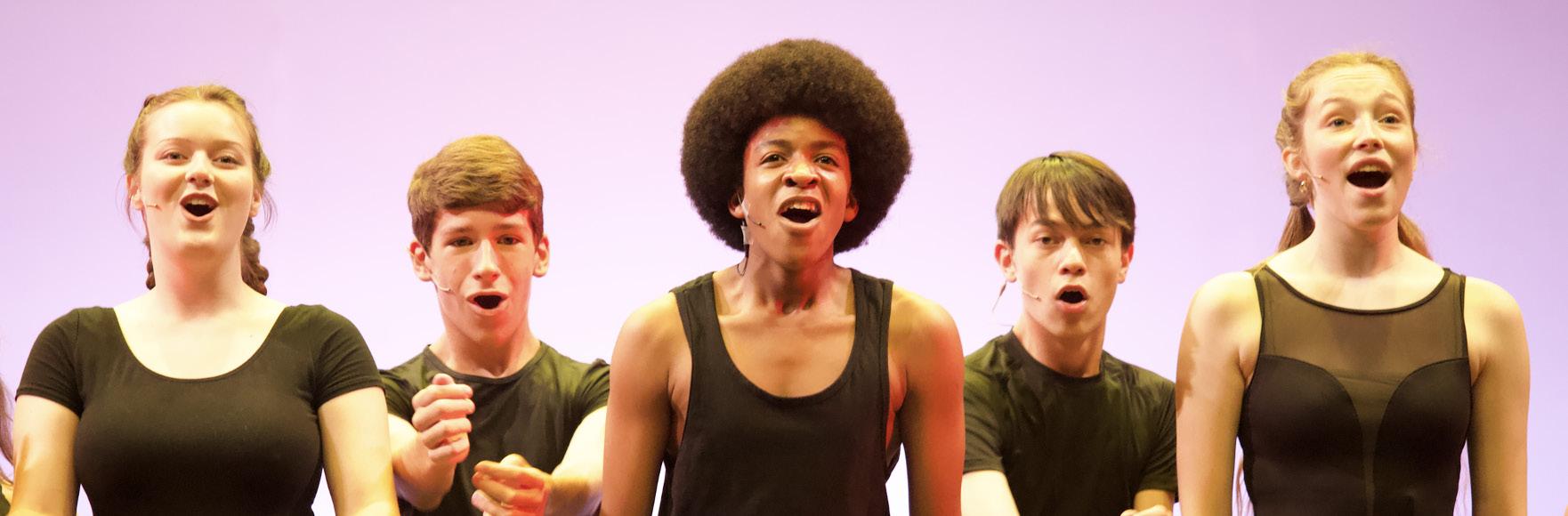
The Musical Theatre program provides students with an intensive, ensemble-driven experience that integrates acting, singing, and dance into a single, unified discipline. In alignment with the Kentucky Academic Standards (KAS) for Visual and Performing Arts, student learning is guided by the artistic pillars of Creating, Performing/Producing/Presenting, Responding, Connecting, and Career Pathways, ensuring a balanced approach to both technical mastery and personal growth.
Musical Theatre at GSA is distinctive in that it demands the simultaneous development of three interdependent skill sets: the expressive power of acting, the technical precision of vocal performance, and the physical storytelling of dance and movement. Foundational techniques unique to musical theatre training include score and script analysis that fuses text with music, vocal training that emphasizes healthy singing across styles, and choreography rooted not only in dance vocabulary but also in narrative intention. Daily classes require students to blend vocal tone, gesture, body alignment, and character work into cohesive performances, highlighting the holistic nature of the art form. Through ensemble rehearsals and workshops, students cultivate discipline, collaboration, and presence, building their capacity to tell stories through layered performance. They refine their craft through improvisation, peer feedback, and faculty coaching, transforming rehearsal processes into polished works that showcase both individual artistry and collective ensemble strength. Reflection and critique are woven throughout the program, allowing students to connect their own identities to characters and stories while situating musical theatre within broader cultural and historical contexts.
As the program progresses, students strengthen their technical and interpretive abilities while gaining insight into the resilience, adaptability, and wellness practices necessary for a sustainable artistic life. GSA’s Musical Theatre program affirms that the fusion of acting, singing, and dance is more than the sum of its parts; it is a powerful form of storytelling that challenges students to embody discipline, creativity, and leadership—preparing them to thrive both onstage and beyond.
CREATING
Core Values: Imagination, Craft, Discipline, Innovation
• Discovery & Technique: Across art forms, students used repetition, breath work, and improvisation to build technical skill and transform ideas into creative expressions.
• Organization & Development: Guided by self-reflection, peer collaboration, and faculty feedback, students learned to refine artistic material with purpose and intention.
• Completion: Through rehearsals, staging, and performance preparation, students transformed creative concepts into realized works—whether choreography, dramatic scenes, musical pieces, or visual designs.
Performing
/ Producing / Presenting
Core Values: Expression, Discipline, Presence, Storytelling
• Analysis & Interpretation: Young artists deepened their use of space, time, intention, and energy to shape performance choices.
• Technical Refinement: Through rigorous rehearsal, they practiced relaxation, concentration, and precision, aligning body, voice, and creative context to elevate their artistry.
• Meaning-Making: Students demonstrated storytelling through movement, character, and music, ensuring their performances carried expressive intent and emotional resonance.
RESPONDING
Core Values: Reflection, Empathy, Context, Critical Thinking
• Perception & Analysis: By exploring cultural, historical, and societal contexts, they recognized art as a mirror of the human experience.
• Interpretation: Using body alignment, tone, gesture, and dynamics, students connected technical craft to expressive meaning.
• Evaluation: Structured peer critique fostered resilience, open dialogue, and the ability to identify strengths and areas for growth, creating a culture of constructive feedback.
CONNECTING
Core Values: Relevance, Identity, Collaboration, Cultural Awareness
• Personal Integration: Through journaling and group dialogue, students reflected on how art intersects with their own identity and lived experience.
• Cultural & Historical Awareness: By situating characters, stories, and movements in historical and cultural frameworks, they gained empathy and a deeper appreciation of diversity.
• Interdisciplinary Synergy: Particularly in musical theatre, students examined the interplay between dance, drama, and music, enhancing their understanding of collaborative artmaking.
Core Values: Resilience, Wellness, Leadership, Lifelong Creativity
• Exploration of Next Steps: GSA emphasized that pursuing art in college or beyond is one path, but the creative skills developed here—innovation, resilience, collaboration—are transferable to every field.
• Soft Skills: Students practiced grit, determination, vulnerability, and compassion—skills essential in both the arts and the workforce.
• Wellness & Sustainability: Through embedded conversations on self-care and community, students learned that artistic success is tied to maintaining balance, health, and connection.
• College Audition Materials: Students left the program with foundational materials for college auditions—including refined monologues, polished vocal selections, professional-style résumés, and emerging audition portfolios.
• Professional Exposure: Students heard directly from working musical theatre professionals who shared insight on training pathways, industry realities, and the evolving landscape of stage and screen performance.
VISUAL ART
CURRICULUM STANDARDS
Description
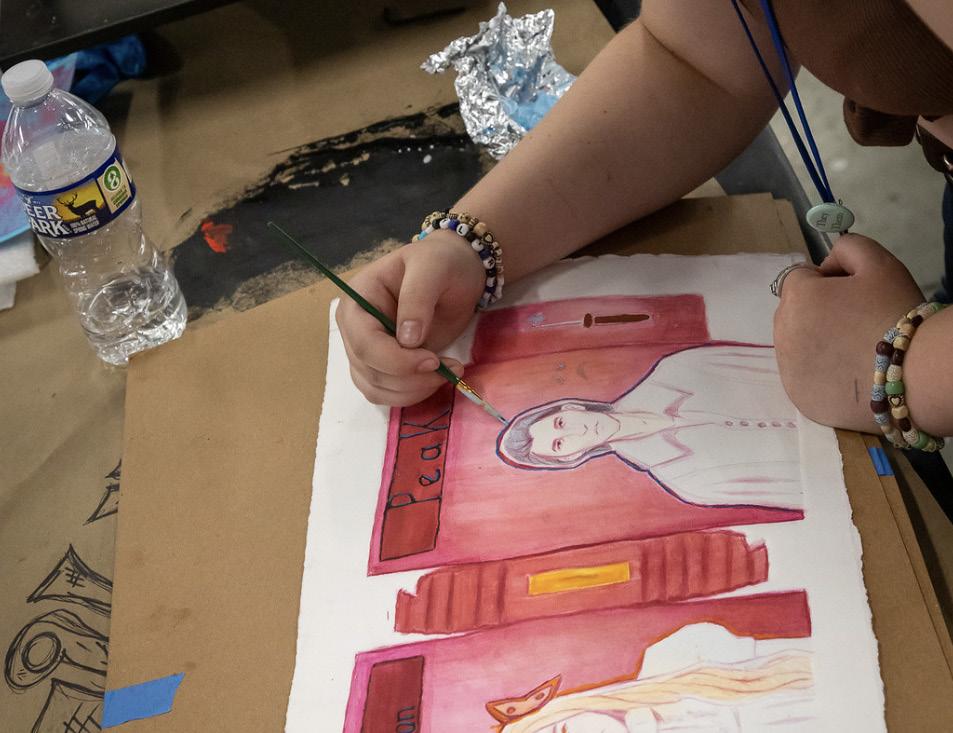
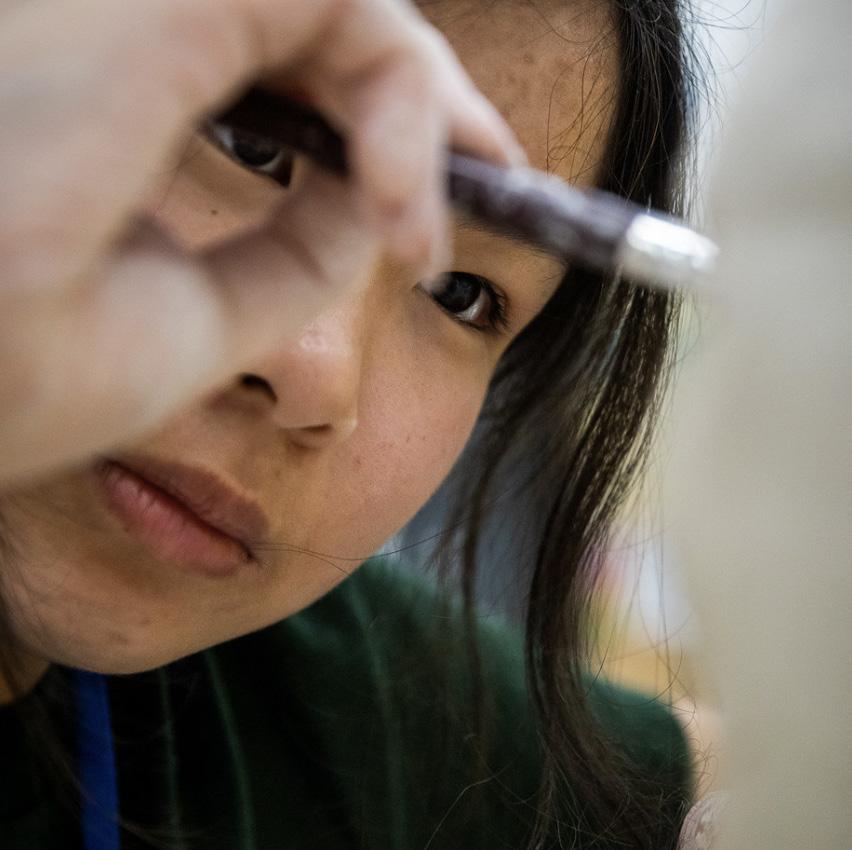
The Visual Art program cultivates creativity, discipline, and innovation through a studio-based curriculum rooted in the Kentucky Academic Standards (KAS) for Visual and Performing Arts. Student work is guided by the artistic pillars of Creating, Performing/Producing/Presenting, Responding, Connecting, and Career Pathways, ensuring that growth is not only technical but also reflective, contextual, and forward-looking.
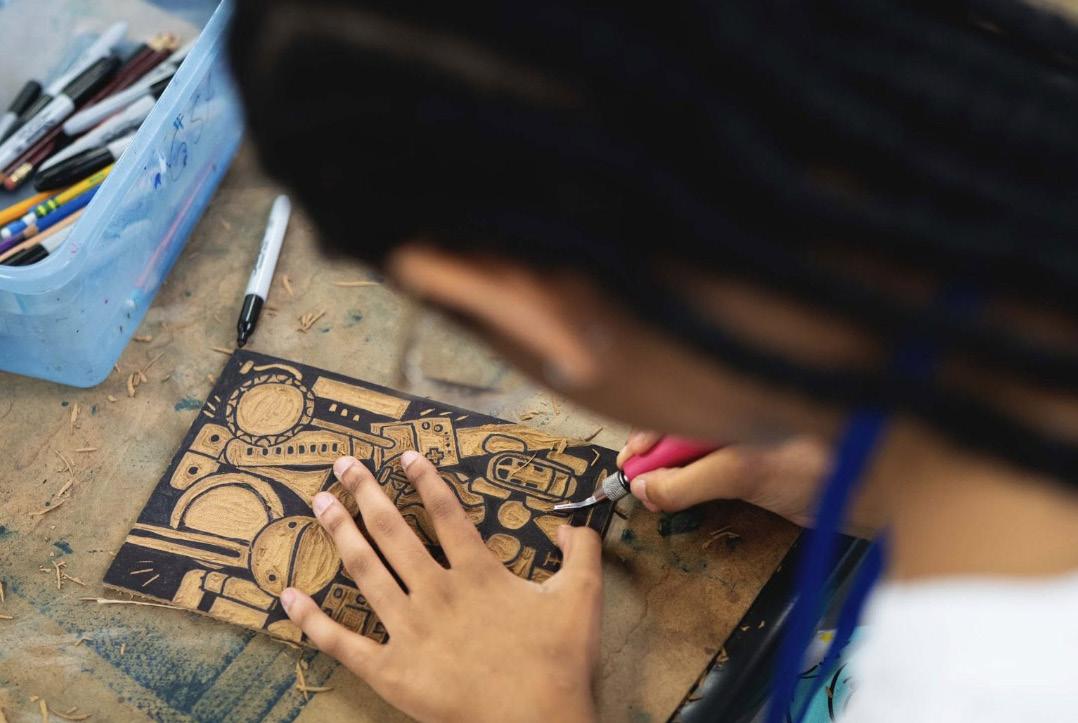
At GSA, Visual Art is defined by a unique combination of rigorous studio practice, conceptual development, and critical inquiry. Students engage in daily sketchbook work, prompts, and material-based exercises that build creative stamina and encourage experimentation with drawing, painting, ceramics, sculpture, and printmaking.
Foundational techniques include observational and expressive drawing, mold-making and casting, hand-building in ceramics, and monotype and relief print processes. These technical foundations are paired with concept mapping, iterative critique, and artist statement writing, helping students translate raw ideas into intentional and impactful works of art.
The program places equal emphasis on presentation and interpretation. Students curate their own work for studio walkthroughs and final exhibitions, articulating their choices through artist statements and group discussion. Structured critiques sharpen their ability to analyze peer, historical, and contemporary artworks, deepening understanding of visual language, metaphor, and context.
Reflection and dialogue allow students to connect their artmaking to broader cultural and historical narratives, from Kentucky’s own craft traditions and barn murals to global practices such as West African kente cloth and Mexican muralism.
Visual Art at GSA also emphasizes professional preparation. Students develop portfolios, personal statements, and digital documentation while learning from guest artists about careers in studio practice, design, illustration, teaching, and curation.
The program underscores that the skills of an artist—discipline, adaptability, collaboration, and resilience—are transferable across countless pathways. Faculty also emphasize wellness and sustainability, ensuring that students understand a lifelong artistic practice is built not only on skill and craft, but also on balance, self-care, and community. Through this experience, students strengthen technical mastery, deepen their understanding of the role of art in society, and gain confidence to present themselves as both creators and critical thinkers. Visual Art at GSA affirms that artists are not only makers of objects, but interpreters of culture, storytellers of place, and leaders capable of transforming ideas into works that carry both personal and collective meaning.
CREATING
Core Values: Imagination • Innovation • Craft • Discipline
• Idea Generation Visual Art students engaged deeply in sketchbook prompts, observational drawing, and material exploration inspired by Kentucky’s landscapes, craft traditions, and cultural identity. Through experimentation with paint, clay, found materials, and printmaking processes, students generated concepts rooted in both imagination and place.
• Development: Students refined their ideas through iterative studies, concept mapping, and faculty feedback. They learned to translate intention into visual form—testing compositions, adjusting scale, and exploring the expressive possibilities of surface, color, texture, and structure.
• Completion: Final works—ranging from paintings and ceramic vessels to sculptures, mixed-media installations, and print editions—demonstrated students’ ability to transform initial inspiration into polished, meaningful artistic statements. Cross-disciplinary conversations with peers in other artforms supported broader creative thinking and reinforced the value of collaboration.
Performing
/ Producing / Presenting
Core Values: Expression • Presence • Storytelling • Craftsmanship
• Selection & Interpretation: Students curated collections of their own artwork, selecting pieces that demonstrated thematic coherence, technical range, and personal voice. Through guided critique and reflection, they clarified how materials and methods supported expressive intent.
• Technical Mastery: Students strengthened their command of visual art techniques through advanced workshops in painting, ceramic processes, mold-making, sculptural construction, and traditional and digital printmaking. Focus on craftsmanship, precision, and process elevated the quality of their final works.
• Presentation & Meaning: End-of-program exhibitions allowed students to present their work to an audience, practicing the skills of installation, lighting, labeling, and artist communication. These curated displays highlighted not only technical achievement but also storytelling, symbolism, and conceptual depth.
RESPONDING
Core Values: Reflection • Empathy • Critical Thinking • Context
• Perception & Analysis: Structured critiques encouraged students to analyze peer, historical, and contemporary artworks, sharpening their ability to make observations, identify formal elements, and articulate visual strategies.
• Interpretation Students practiced identifying intent and meaning through composition, form, scale, color relationships, and material choices—using visual language and metaphor as interpretive tools.
• Evaluation: Through co-created rubrics and constructive dialogue, students learned to evaluate artwork with respect and openness. This process fostered resilience and a deeper understanding of critique as a catalyst for artistic growth.
CONNECTING
Core Values: Identity • Relevance • Collaboration • Cultural Awareness
• Personal Synthesis: Journaling, reflective writing, and peer dialogue helped students integrate personal identity, lived experience, and community narratives into their artmaking.
• Cultural & Historical Awareness Students examined Kentucky’s visual traditions—including Appalachian craft, regional ceramics, and public mural work—alongside global practices in painting, sculpture, and printmaking. These connections helped them situate their work within a larger artistic and cultural continuum.
• Interdisciplinary Insight: While rooted firmly in visual art, students also participated in cross-disciplinary discussions that broadened their understanding of how visual storytelling intersects with other creative expressions, reinforcing the value of collaboration across fields.
CAREER PATHWAYS
Core Values: Resilience • Adaptability • Leadership • Lifelong Creativity
• Exploration: Guest artists and faculty shared insight into careers in studio practice, illustration, gallery work, ceramics, sculpture, printmaking, design, education, and community arts leadership.
• Professional Tools: Students developed foundational professional materials—including portfolios, artist statements, process documentation, and digital archives—preparing them for college applications, exhibitions, and future opportunities.
• Wellness & Sustainability: Through conversations on balance, community, and self-care, students learned that sustaining an artistic life requires intention, resilience, and connection to supportive networks.
VOCAL MUSIC
CURRICULUM STANDARDS
Description
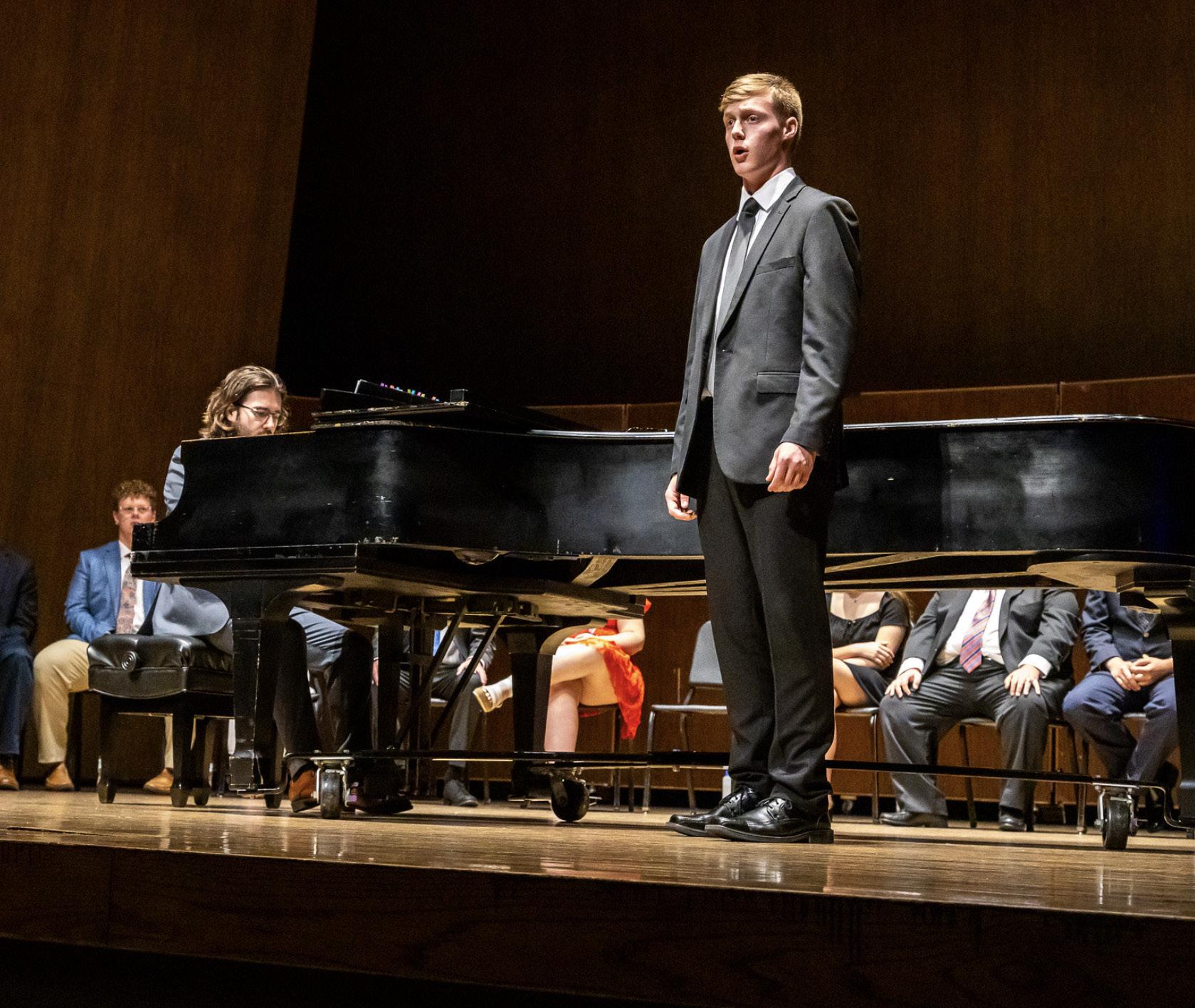
The Vocal Music program provides young singers with an immersive, conservatory-style experience that integrates rigorous technical training with expressive artistry. Guided by the Kentucky Academic Standards (KAS) for Visual and Performing Arts, student work is informed by the artistic pillars of Creating, Performing/Producing/Presenting, Responding, Connecting, and Career Pathways. These pillars serve as a framework for artistic growth, ensuring that students not only refine technical skills but also deepen their capacity for reflection, cultural awareness, and professional preparation.
Vocal Music at GSA is distinguished by its dual focus on technical foundations and interpretive artistry. Students engage in daily study of healthy singing practices, including breath management, resonance, diction, tone color, and ensemble balance. Alongside these technical skills, they explore the expressive elements of vocal performance— phrasing, dynamic contrast, textual interpretation, and stage presence—allowing them to transform music into powerful storytelling. Through rehearsals, coaching, and peer feedback, students shape repertoire into performances that demonstrate both musical accuracy and emotional depth.
The program emphasizes analysis and reflection as essential tools for growth. Students record lessons and rehearsals, then use structured self-assessment and peer critique to identify strengths, refine technique, and set new artistic goals. Text and score study support interpretation at both personal and collective levels, connecting musical choices to poetic, cultural, and historical contexts. This reflective practice fosters empathy, resilience, and critical thinking while strengthening the ensemble’s collaborative spirit.
GSA’s Vocal Music discipline also encourages students to consider their artistry in relation to personal experience and broader cultural context. Through journaling and discussion, students explore how lived experiences inform performance and how vocal music historically reflects societal values and cultural traditions. By situating their work within both Kentucky’s artistic heritage and global traditions, students come to see themselves as contributors to a continuum of artistic expression and cultural dialogue.
The program prepares students not only for future performance opportunities but also for leadership in the arts. Guest artist panels and faculty mentorship introduce a wide range of career pathways, including professional performance, music education, arts administration, and therapy. Mock auditions, networking exercises, and portfolio preparation provide hands-on practice with professional skills, while ongoing emphasis on wellness underscores that vocal health and balance are vital for a sustainable artistic life.
Through this experience, students strengthen technical foundations, refine interpretive artistry, and embrace the role of the vocalist as both performer and storyteller. Vocal Music at GSA affirms that singing is not only an act of craft, but a practice of connection—linking personal expression with cultural traditions, ensemble collaboration, and the broader human experience.
CREATING
Core Values: Innovation • Craft • Imagination • Discipline
• Idea Generation: Through vocal improvisation, journaling, and text analysis, students developed original interpretive ideas that connected text, character, and musical expression.
• Development: Guided by faculty and peers, students shaped these ideas into performance-ready pieces, refining through rehearsal, journaling, and feedback loops.
• Completion: Students presented polished vocal works that reflected both artistic vision and disciplined rehearsal, demonstrating how creative sparks evolve into fully realized performances.
Performing
/
Producing
/
Presenting
Core Values: Expression • Technical Excellence • Storytelling • Presence
• Selection & Interpretation: Students studied repertoire aligned with their range, strengths, and artistic goals, analyzing text and historical context to shape meaning.
• Technical Refinement: Daily work emphasized breath control, diction, resonance, tone color, and ensemble balance—core skills for expressive and healthy singing.
• Presentation: Students adapted performances for different audiences and spaces, culminating in public showcases where they conveyed emotional intent and demonstrated confidence as young artists.
RESPONDING
Core Values: Reflection • Empathy • Critical Thinking • Collaboration
• Perception & Analysis: By recording and reviewing rehearsals, students identified strengths and areas for growth, setting goals to guide their practice.
• Interpretation: Group discussions examined how poetic and musical elements shape meaning, encouraging students to articulate both personal and collective interpretation.
• Evaluation: Peer critiques emphasized respect and specificity, teaching students how to apply criteria to evaluate artistic work while building resilience and openness to feedback.
CONNECTING
Core Values: Identity • Cultural Awareness • Relevance • Collaboration
• Personal Integration: Reflection and journaling encouraged students to draw on their own stories, emotions, and identities to inform vocal interpretation.
• Cultural & Historical Context: Repertoire research revealed how vocal music reflects societal values, cultural traditions, and historical moments. Students recognized how their performances fit into larger artistic and cultural conversations.
• Dialogue: Through rehearsal discussions and final reflections, students articulated how art shapes and is shaped by communities, both locally and globally.
CAREER PATHWAYS
Core Values: Resilience • Professionalism • Adaptability • Lifelong Learning
• Exploration of Careers: Through panels with faculty, guest artists, and alumni, students learned about careers in performance, education, arts administration, and therapy.
• Professional Skills: Mock auditions, networking activities, and portfolio preparation gave students hands-on experience with professional practices.
• Self-Understanding: Reflection activities helped students define their artistic identity and articulate how GSA prepares them to lead in arts and non-arts industries alike.
RESIDENTIAL LIFE AT GSA
COMMUNITY, CARE, AND JOY
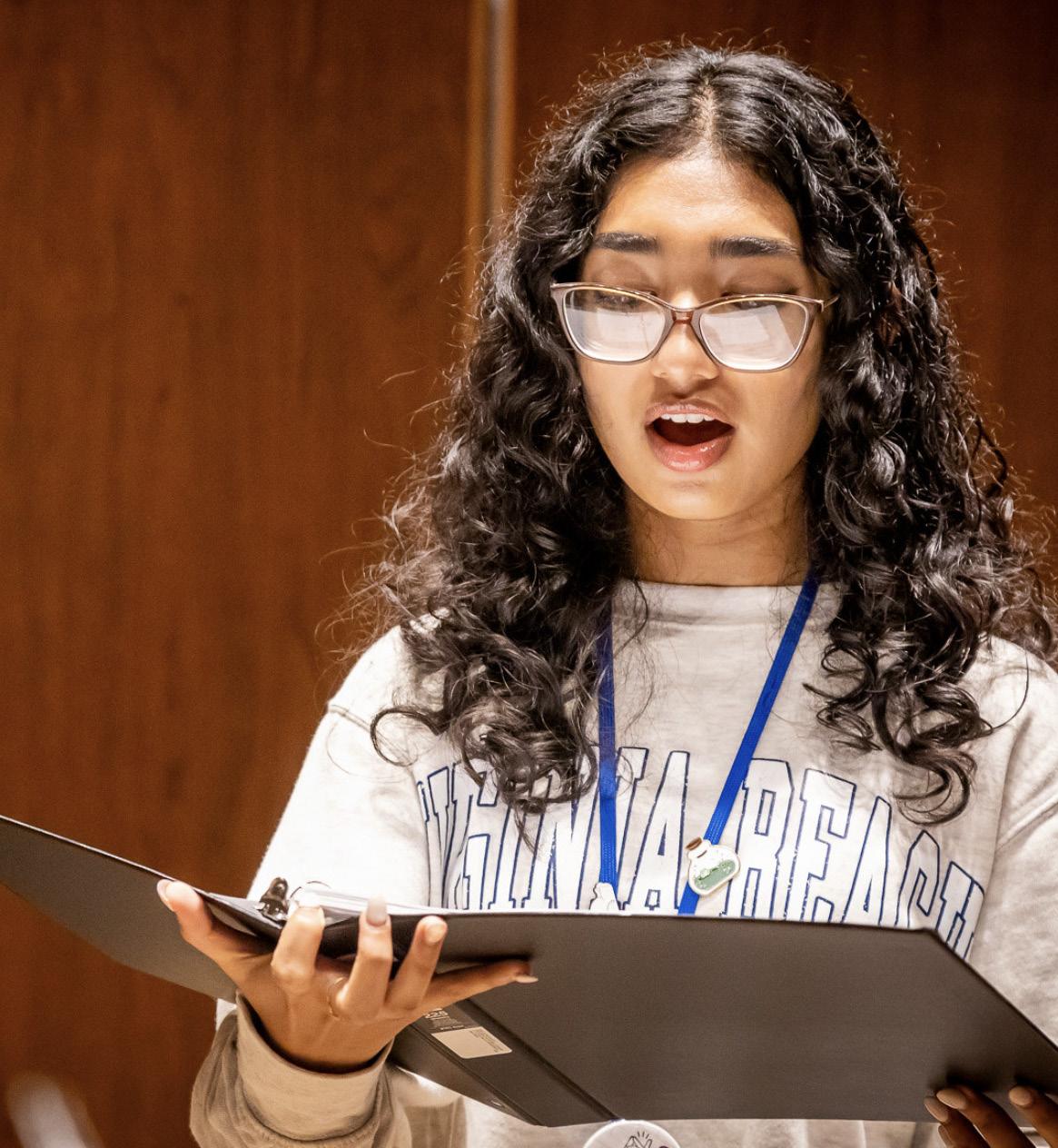
Residential life is where GSA’s learning becomes lived experience—a supportive, spirited home base where young artists recharge, connect, and grow together. Our residence halls are staffed by Residential Advisors (RAs) trained, live-in mentors who guide community expectations, host programming, and champion each student’s well-being. Each student joins a small, mixed-artform RA group that functions as a “home team” for check-ins, community conversations, and practical support; these groups often spark friendships that last well beyond the summer.
Well-being is intentionally woven through the program. In addition to the RA team, GSA engages Counselors-in-Residence who are licensed mental health counselors and licensed clinical social workers. These professionals offer confidential support, consult with staff on student care, and help students develop healthy strategies for managing stress, rest, and the rigor of the program. RA-led wellness touchpoints— simple grounding strategies, time-management tips, and reflective conversations—give students accessible tools to care for both their artistic drive and their emotional health.
Safety and readiness are foundational to this community. RAs are trained in CPR, conflict resolution, responding to medical emergencies, and supporting mental health situations, with clear protocols for escalation to professional staff and our licensed counselors when needed. Evening duty coverage and on-call professional support ensure students always have someone to turn to—whether they need a quick answer, a listening ear, or help navigating a tough moment.
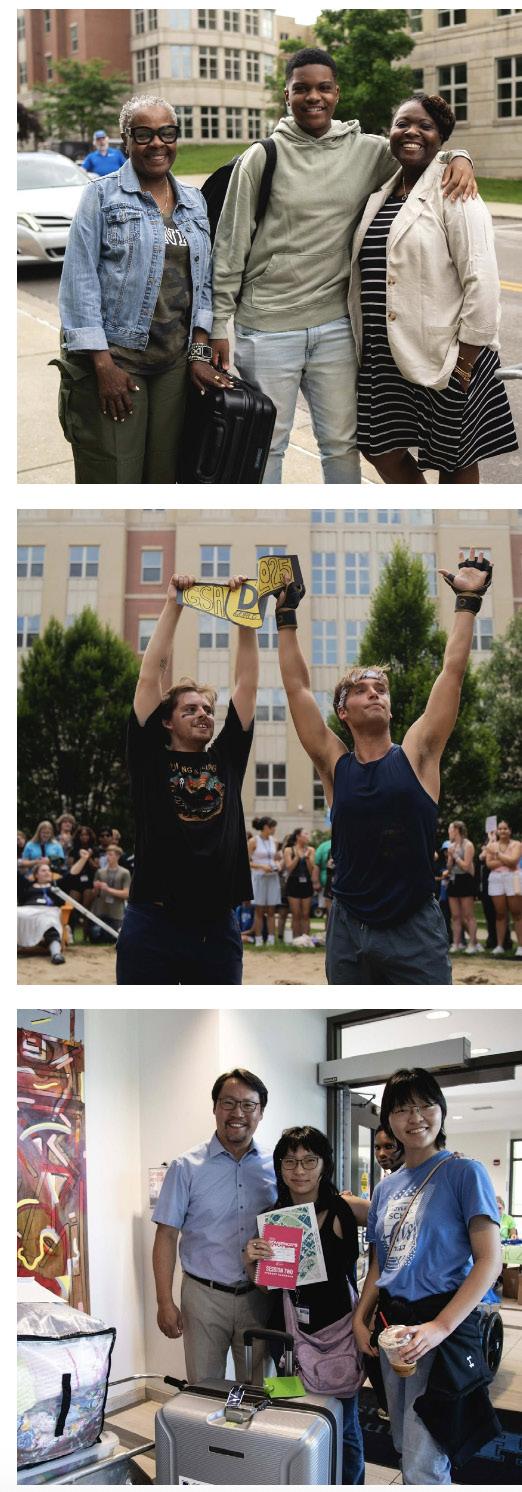
Evenings blend structured programming with relaxed community time. RAs curate activities that meet students where they are: Coffeehouse (a beloved, low-pressure talent night), Field Day (all-community celebration with playful competition, capped by a school dance), quiet crafts, boardgame gatherings, movie nights, open mics, and wellness check-ins. Students choose their pace—front-row energy one night, sketchbook and tea the next—so participation feels inviting and sustainable. Quiet hours and lights-out provide a dependable rhythm for rest; on weekends the schedule eases, with a later start on Saturdays and free time on Sundays before afternoon studio. Upon request, staff can arrange transportation to nearby houses of worship.
Belonging is the through-line. At home, being “the artist” can set a young person apart; at GSA, it’s what unites them. Residential life brings together students from across Kentucky’s geographies, identities, and perspectives, inviting them to learn with—and from—one another. RAs facilitate community agreements, model respectful communication, and help resolve conflicts with empathy and clarity, cultivating a culture of trust, accountability, inclusion, and celebration The result is a residential environment that is safe for experimentation, generous in support, and joyful in practice—an ecosystem where the courage to create is met with the care to thrive.
STUDENT REFLECTIONS
GSA 2025
I HAVE NEVER FELT SO SEEN AS AN ARTIST.
GSA gave me confidence to pursue my passion knowing that my creativity has value in the world.
The sense of community here is unmatched. I learned how to collaborate, listen, and grow with people from all over Kentucky.
GSA taught me that the arts aren’t just about talent, they’re about communication, problem solving, and telling stories that matter.
Being here has shown me how important it is to bring art back to my hometown. I want to give others the same opportunity I had.
I discovered that leadership doesn’t always mean being the loudest voice. It means creating space for everyone’s ideas.
The faculty pushed me to think beyond what I thought was possible. I learned discipline, resilience, and how to take creative risks.
At GSA, I saw how the arts connect to every part of life — our culture, our economy, and our future.
The Transformative Impact of the Governor’s School for the Arts
For nearly four decades, the Governor’s School for the Arts (GSA) has been a catalyst for Kentucky’s creative and civic vitality. Each summer, talented young artists from across the Commonwealth come together for three weeks of rigorous training, artistic exploration, and community-building. But GSA’s influence extends far beyond the rehearsal rooms, studios, and performance spaces — it shapes futures, strengthens Kentucky’s cultural fabric, and empowers young people to see themselves as leaders and changemakers. The results from the 2025 summer program tell a remarkable story.
COLLEGE READINESS AND ACCESS
GSA opens doors to higher education. of students leave the program feeling more prepared to attend college
95%
81% say their GSA experience has made college a more accessible option for them
These outcomes have lasting effects — 100% of those from the 2024 GSA Alumni class who responded to our high school graduate survey later enrolled in college, 68% attended in Kentucky, and over half received a GSA-backed scholarship.
KEEPING TALENT IN THE COMMONWEALTH
GSA nurtures a deep connection to Kentucky. of students say they are now more likely to consider attending college in Kentucky because of their GSA experience
81%
90% report being more likely to advocate for the state.
This not only keeps talent in Kentucky but also fosters a generation committed to its growth and vitality.
TRANSFORMATIVE PERSONAL GROWTH
GSA’s influence reaches the heart of personal development. describe their time at GSA as transformative, citing changes in how they see themselves, their art, and the world.
95%
94% say they are more likely to be engaged citizens — connected to their communities, informed about current affairs, and empowered to participate in civic life.
ARTISTIC EXCELLENCE AND TECHNICAL GROWTH
Across every discipline, students make measurable artistic progress.
93%
report increased technical abilities in their artform — whether mastering a new painting technique, refining breath control for vocal performance, deepening literary craft, or expanding creative problem-solving in design.
CAREER AND FUTURE PREPAREDNESS
97% of students report an increased awareness of and preparation for college and career opportunities in the arts and beyond. This demonstrates that GSA is not only an incubator of artistic excellence but also a launchpad for professional success.
WORKFORCE DEVELOPMENT
Core Skills Threaded Across All Artforms
1. Creative and Critical Thinking
At the heart of every discipline, students engage in imaginative problem-solving, idea generation, and reflection. From devising a theatrical performance to composing music or designing visual work, participants practice evaluating multiple solutions, testing approaches, and refining ideas—a direct link to the analytical and innovative capacities demanded across modern industries.
2. Communication and Storytelling
Whether through words, movement, music, or visual imagery, GSA emphasizes the ability to communicate meaning and emotion effectively. Students develop clarity in articulating complex ideas and learn to adapt their “story” for different audiences. This aligns with workforce needs for persuasive communication and cross-cultural competency.
3. Collaboration and Ensemble Work
Ensemble-driven learning is a cornerstone of the GSA experience. Students practice teamwork, conflict resolution, and shared leadership—mirroring the dynamics of successful professional environments. Collaboration across differences fosters empathy and collective problem-solving, preparing students to thrive in Kentucky’s diverse workforce.
4. Discipline, Focus, and Resilience
The rigor of GSA requires sustained effort, time management, and perseverance. Students experience breakthrough moments in a safe but challenging environment, developing resilience and a growth mindset. These are qualities essential to both artistic mastery and professional advancement.
TRANSFERABLE WORK SKILLS
GSA’s emphasis on creativity, collaboration, communication, and critical thinking directly aligns with the “soft skills” most sought after in the workforce. Employers consistently rank these abilities as critical for success across industries ranging from healthcare and education to technology and business. The students’ experiences at GSA equip them with:
• Leadership and project management through collaborative creation.
• Emotional intelligence and active listening, vital for effective teamwork.
• Adaptability in rapidly changing environments.
• Innovation capacity, bridging artistic imagination with practical application.
These skills are not only career-ready competencies but also position GSA alumni as leaders in Kentucky’s economic future.
DATA DRIVEN IMPACT
According to the U.S. Bureau of Economic Analysis, the arts and cultural sector contributed $1.17 trillion to the U.S. economy in 2023, supporting 5.4 million jobs. In Kentucky, the creative sector contributes over $6 billion annually to the state’s GDP, employing more than 50,000 Kentuckians These statistics affirm what GSA cultivates every summer: the arts are not extracurricular luxuries— they are economic drivers and workforce pipelines.
CONCLUSION
Across artforms, students acquire concrete technical skills—from honing vocal technique to mastering design software or camera technology. More importantly, they cultivate habits of practice, reflection, and continuous improvement, ensuring adaptability as technologies and industries evolve.
Students learn to situate their work within cultural, historical, and societal contexts, recognizing that the arts both reflect and shape the world around them. As they collaborate with peers from every region of Kentucky—urban centers, rural communities, Appalachian counties, and everywhere in between—they gain firsthand insight into the diverse lived experiences that define our state. These encounters broaden their perspectives, strengthen their capacity for empathy, and illuminate the many ways creativity emerges from community.

LOCAL IMPACT IN KENTUCKY
Kentucky’s arts and culture industries generate both economic growth and community vitality. From urban centers like Louisville and Lexington to rural counties, creative industries stimulate small businesses, tourism, and educational opportunities. GSA alumni frequently return to their communities as teachers, entrepreneurs, nonprofit leaders, and cultural ambassadors— multiplying the program’s impact across the Commonwealth. By investing in young artists today, Kentucky strengthens its future workforce in both the creative sector and every adjacent field that benefits from innovation, resilience, and collaboration.
The Governor’s School for the Arts is more than a training ground for emerging artists—it is a catalyst for developing Kentucky’s future workforce. By threading together critical thinking, communication, collaboration, resilience, technical skill, and cultural awareness across nine artforms, GSA equips students with universally transferable competencies. These abilities prepare alumni not only to thrive in artistic fields but also to fuel Kentucky’s economic growth, community engagement, and cultural leadership.
WORKS CITED
Universal (National / Global) Sources
• U.S. Bureau of Economic Analysis. Arts and Cultural Production Satellite Account, U.S. and States, 2023 — Reported arts and cultural economic activity at $1.17 trillion, representing 4.2% of U.S. GDP in 2023. (artsactionfund.org, Bureau of Economic Analysis)
• National Endowment for the Arts & BEA via Arts.gov. Arts and Cultural Industries Grew at Twice the Rate of the U.S. Economy... — Data reaffirmed arts and culture’s $1.2 trillion contribution in 2023, and that it grew at more than twice the rate of the broader economy. (National Endowment for the Arts)
• The Arts and Cultural Production Satellite Account (BEA press release). Nominal value added… increased 7.6% in 2023… total employment 5.4 million. (Bureau of Economic Analysis)
• The artnewspaper.com. The arts and cultural sectors made up more than $1 trillion of the U.S. economy in 2021… employed nearly 4.9 million workers. ( The Art Newspaper)
• Americans for the Arts. Arts & Economic Prosperity 6 — In 2022, nonprofit arts and cultural organizations plus their audiences generated $151.7 billion in economic activity, supported 2.6 million jobs, and produced $29.1 billion in tax revenue. (nmculture.org)
Local (Kentucky-Specific) Sources
• ArtsActionFund.org (Kentucky report). Kentucky arts and culture sector was a $6.1 billion industry in 2021 (2.6% of the state’s GDP), representing 47,171 jobs (2.4% of Kentucky’s employment). (artsactionfund.org)
• Kentucky Arts in Disaster report (via NMarts.org). Kentucky’s arts and culture sector represents a $6.49 billion industry, 2.51% of the state’s GDP, generating 50,526 wage-and-salary jobs. (New Mexico Arts)
• Kentucky Arts Council Annual Report (2015). Creative industry accounts for 2.5% of Kentucky’s employment (108,498 jobs), generates $1.9 billion in earnings, average creative worker wage $34,299. (Kentucky Arts Council)
• Americans for the Arts. Arts and the Kentucky Economy — Economic impact of arts organizations alone in Kentucky: $22 million in worker earnings and 1,324 jobs. (Americans for the Arts)
5. Technical Proficiency and Lifelong Learning
6. Cultural Awareness and Community Engagement
THE PATH FORWARD
As we close one inspiring chapter of the Governor’s School for the Arts, we are thrilled to look ahead to an exciting new era. Beginning next cycle, GSA will put down new roots at Northern Kentucky University where we will make our home for the next three years. This move represents more than a change of scenery — it’s the start of a vibrant partnership with NKU and the entire Norse community. Together, we will create an environment where Kentucky’s young artists can thrive, collaborate, and imagine futures without limits.
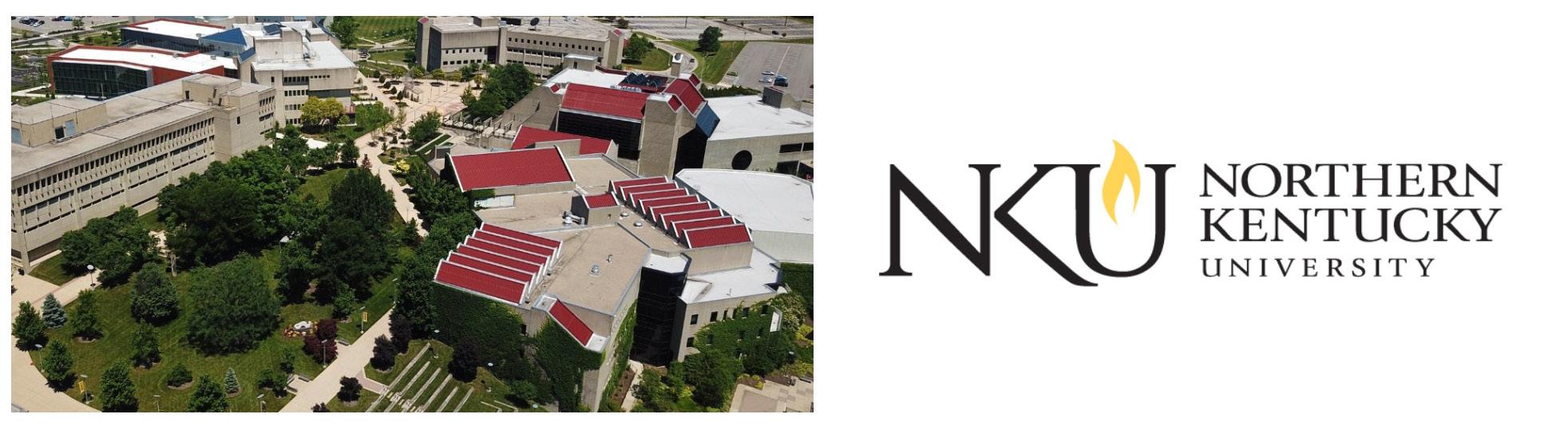
The NKU campus offers rich opportunities for cross-disciplinary connections, access to state-of-the-art facilities, and the chance to deepen GSA’s presence in Northern Kentucky and the Greater Cincinnati region. We are eager to join forces with NKU faculty, staff, and students to create an immersive experience that celebrates the arts while embracing innovation, inclusion, and community engagement.
Looking further ahead, GSA is preparing for a strategic expansion of its artistic portfolio—one that reflects both the evolving creative landscape and Kentucky’s workforce development priorities. Central to this vision is the intentional separation of the current Film & Photography discipline into two distinct artforms, allowing each medium to develop with greater depth, clarity, and purpose. By giving Film and Photography their own instructional lanes, GSA can more effectively align curriculum, resources, and outcomes with the specific technical, creative, and professional demands of each field. This distinction is especially important given the Commonwealth’s continued growth in film and media production. Kentucky’s expanding film industry requires a pipeline of skilled talent fluent in cinematic storytelling, production workflows, collaboration, and emerging technologies, and establishing Film as a standalone artform allows GSA to streamline early talent development toward postsecondary study and careers more directly in this high-growth sector.
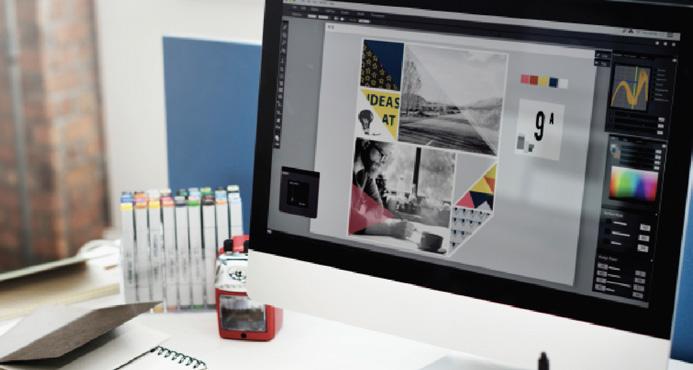
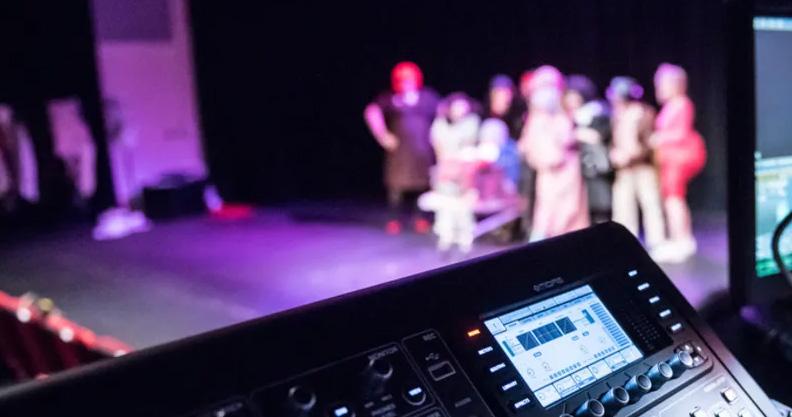

Several of these areas—particularly those rooted in visual media, production, and applied creative skills—have strong and direct connections to Kentucky’s economy. Fields such as graphic design, technical theatre, culinary arts, and film-related practices support key sectors including creative industries, live events, hospitality, tourism, and media production. By strengthening and expanding artforms that blend artistic excellence with technical skill and professional practice, GSA is intentionally preparing students for postsecondary success, workforce readiness, and entrepreneurial opportunity. This forward-looking approach ensures that GSA continues to cultivate not only exceptional artists, but also the next generation of creative professionals who will contribute meaningfully to Kentucky’s cultural and economic vitality..