


WelcometotheWinterissueofNourishingNews, wherewecelebrateHealthcare&SeniorLiving withheart,flavour,andCanadianpride.Asthe seasonofsnowandcomfortsettlesin,we’re shiningalightonwhatbringswarmthtoour communities nourishingfood,sharedmoments, andthededicationofthosewhomakeitallhappen.
Inthisissue,wefocusonindustrybestpractices formenubuilding,highlightingwaystobalance nutrition,variety,andcreativitywhilemeetingthe uniqueneedsofresidentsacrossCanada.We’re alsocelebratingthelocalflavoursandhomegrown ingredientsthatmakeCanadiancuisinesospecial fromcoasttocoast.
Ourgoalistoinspireconfidenceandconnectionin yourkitchens,helpingyouservemealsthatnot onlymeetstandards,butexceedexpectations. Here’stoaseasonofinnovation,pride,andgood fooddoneright theCanadianway.

Warmestregards,
Sarah Emmerton VicePresident, Healthcare&SeniorLiving






Winter has a way of sneaking into our bones, the cold, the early dark, the long days that feel like they arrive before we’re ready.
Wintermakesmostofusreachformorelayers-yourwarmestcoat, thickersocks,ascarfyoutrusttoblockthewind.It’sinstinctive.When thetemperaturedrops,weprotectourselvesanddressinlayerstokeep ourselvesreadyforanyweather.
Forthoseworkinginhealthcareandseniorliving,thisseasoncantake onitsownlayers.
Somelayersareeasytorecognize.Menusbecomemorecomplexas appetitesanddietaryneedsshiftwiththeseason.Staffinggets complicatedaroundholidays.Budgetstightenatthesametime expectationsrise.Thoselayersstackupquickly.
Otherlayersarequieter-theonesonlypeopledoingtheworkwould understand.There’stheemotionalweightofcaringforpeoplewho dependonyouforcomfortandroutine.There’stheresponsibilityof makingfoodfeelwarmandfamiliarwhenthewholebuildingfeelsa littleheavier.Andthere’stheeffortittakestokeepasenseof brightnessondayswhenlonelinessorgriefsitsjustbelowthesurface.
Noneofthesearesmall.
They’rethelayersthatsitonyourshouldersandstaywithyoulong afteryourworkends.

Andyet–wow!!!Somuchcreativityand innovationarebuiltintoandessentialtothis workandyoudoitwithallthelayerspiledon.
Youdoitinthequickdecisionsyoumake everyday:
• Turningalatedeliveryintoaworkable menuwithoutanyonenoticing
• Findingasafertextureortemperaturefor someonewhoseneedschangedovernight
• Adjustingrecipeswhencertainitems simplydidn’tarrive
• Usingwhatyouhaveonhandtocreate somethingthatstillfeelslikehome
• Findingawaytostretchingredients withoutlosingquality
• Solvingaprobleminthetimeittakesto plateameal
That’snot“nicetohave”creativity.
That’sskilled,experienced,real-time innovation.
Youjustdon’talwaysgettonameit.
Anditdeservestobeseen.
And that is why it is time to return to play. What???Didn’tyoureadwhatyoujustsaid?
“Brandi,wedon’thavetimeforgames orplay.”
Iknow.
Ihearitbeforeanyonesaysitoutloud.
Andyou’reright youdon’thavetimefor anythingextrathiswinter.
ButwhenItalkaboutplay,I’mnottalking aboutgamesoractivities.I’mtalkingabout thesmallmomentsoflightnessorconnection thathelpyoutakeoffjustonelayer even forabreath.
Thekindsofmomentsthatalreadyhappenin yourday:
• Acoworkerslidingyouafreshcupofcoffee beforeyouevenask
• Someoneinventingafaster,smarterwayto prepatrayline
• Anewgarnishorflavourthatgenuinely surprisestheteam
• Amomentofhumourthatshowsupoutof nowhere
• Thequietprideofservingsomethingyou knowyoudidwell
Thesearen’t“extra.”
Thesearehumanmomentsthatkeep yougoing.
Youdon’tneedmoretimeforthem. Youjustneedpermissiontonoticethem.

Joys You Told Me About
Whenyounotice-evenbriefly-iteasessome oftheweight.
Anditletsthejoysyoutoldmeaboutcomeinto focusagain.
Yousaidyourjoycomesfrom:
• Seeingyourstafftakeprideinmeals thatmatter
• Workingwithateamthatstepsupwhen itcounts
• Servingfoodthatbringscomfort
• Watchingadiningroomquietdownbecause everyoneisgenuinelyenjoyingtheirmeal
• Creatingsomethingthatfeelsbeautiful ormeaningful
• Knowingyoumadesomeone’sdayeasier throughfood
Thisisthewarmthinsidethework.
And it deserves to be noticed.
Playful Practices That Give You a Little Warmth Back
Thesearetiny,humanpracticesthatfitintothe lifeyoualreadyliveandhelpyoureturntoplay.
1. The 30-Second Warm-Up
Whenyoucan,placeyourhandonsomething warm-amugcomingoutofthedishwasher,a freshlypreparedbowl,theheatfroma steamtable.
Holditjustlongenoughtofeelit. Takeonebreath.
Tellyourselfquietly:
“I’mhere,andI’mokayrightnow.”
Warmthsignalssafetytothenervoussystem. It’sasmallresetthathelpsyoukeepgoing.
Beforeyouheadhome,thinkofonepersonyou helpedthatday.
Maybeyoufoundatexturearesidentcould swallowsafely.
Maybeyoucaughtamistakebeforeitbecamea biggerissue.
Maybeyousupportedacoworkerwhowas havingatoughmorning.
Maybeyousimplykeptthelinemovingwhen thingsgottight.
Pickone.
Holditforamoment.
Letitmatter.
It’saquietwaytoreturntoyourself especiallyonthedaysthatfeelheavy.
3. Ask one curious question a week.
Nothingbig.
“Whatifwetried…?”
“Whatwinterfoodmakesyoufeelwarm?”
“Whatsmallthingwentrighttoday?”
Curiosity is a pressure valve itletsoutjust enoughsteamtoresetyou.
Canyouimaginehowmanyskillsyouhave tuckedunderthelayers?
Younourishpeopleeveryday.
Youdeservethejoyyougivetoothers.
Itistimetoreturntoplay.
Don’tmissBrandi’skeynote, Innovation Lives Here: Rediscovering Playful Intelligence at Work,at theSyscoSpringHealthcare &SeniorLivingShows.


GetreadytoNourish, EmpowerandThrive!

GetreadyfortheSpring2026Sysco Healthcare&SeniorLivingShows,wherethis year’stheme Nourish.Empower.Thrive. setsthestageforadynamiccelebrationof innovation,education,andcollaboration acrossthehealthcareandseniorliving foodservicecommunity.
Thisyear’slineupincludesaninteractive workshoponchangemanagementanda thought-provokingsessiononfuture-forward menudevelopment.Youwon’twanttomiss BrandiHeather’skeynote,InnovationLives Here:RediscoveringPlayfulIntelligence at Work,orthe50+vendorfoodshowoffering lookatthelatestandgreatestintheindustry!

Joinusforaseasonoflearning,connection, andinnovation seeyouthere!
ONTARIO SOUTH
MARCH 4, 2026 – MISSISSAUGA
QUEBEC
APRIL 8, 2026 – MONTREAL
ALBERTA
APRIL 29, 2026 – CALGARY
BRITISH COLUMBIA
MAY 13, 2026 – RICHMOND
PRAIRIES
JUNE 4, 2026 – WINNIPEG
Thankyouforjoiningusat theOntarioNorth(Ottawa) andAtlantic(Halifax) Healthcare&SeniorLiving fallshows!

CreatedincollaborationwithSysco’sCulinaryConsultantsandfeaturingourtalented chefs,thisfestiveguidebringstogetherinspiringholidayrecipesandcreativemenuideas. ShowcasingaselectionofSyscoproducts,it’sdesignedtohelpyoucraftmemorable, seasonaldishesthatdelightresidentsandelevateyourseniorlivingdiningexperience.



MENU & RECIPE PLANNING
Over60menus&10K+recipespreloaded.Including prepsteps,nutrientanalysis,&manydietextensions.
TOUCH MODULES

Providefront&back-of-houseautomation,inavirtually paperlessenvironment,allowingyoutoaccessreal-time menuandresidentinformationoninteractivescreens, menuboardsandorderingtablets.
POINT OF SALE
Takeordersontabletsandsendthemtokitchen managementscreensandprinters.Supportarangeof mealplans&chargeaccountsforresidentsand/orstaff.
PRODUCTION MANAGEMENT
Streamlineproductionwithforecastsandmenu buildingtocreateanefficientoperationthatreduces wasteandmaximizesthetimeofyourkitchenstaff.
NUTRITIONAL ANALYSIS
Fullsuiteoftoolstoanalyzenutritionalvaluesbasedon exactprocurementspecifications andrecipevolume.
SERVICE TOOLS
Reducerisk&deliverexceptionalserviceatbedside, tablesideorinarestaurantsetting.Takeorderson tabletsoralloworderingfrompersonaldevicesin.
PROCUREMENT PLATFORM
Utilizeyourorderguide(s)toupdateitemand productioncosts.Createshoppinglistsandpurchase ordersbasedoncensus,forecastandvariousindustry andproductionrequirements.
SyscoSynergyTechSuiteis anintegrateddigital platformdesignedto streamlineandenhancethe customerexperience.It bringstogetheressential toolsandinsights empoweringusersto manageorders,monitor performance,andaccesskey resourcesthroughasingle, intuitiveinterface.



Kaitlin DiCarlo, RD, Nutrition Services Consultant
Creatingmenusinhealthcareandseniorliving environmentsisamultifacetedprocessthat requiresstrategicplanning,collaboration,and continuousadaptation.Withfactorslikebudget constraints,labourshortages,andincreasingly complexdietaryneeds,there’snoone-size-fitsallapproachtomenudevelopment.Instead, successfulmenuplanningisgroundedinclear goals,informeddecisions,andaresidentcenteredmindset.
Thefoundationofmenudevelopmentliesin settingclear,achievablegoals.Thisfirststep ensuresthemenuisalignedwithyour operationalcapabilitiesandtheneedsofyour community.Severalfactorsinfluence menuplanning:
Budget and Labour: Risingfoodcostsand inflationcreatefinancialpressures.Atthesame time,staffingshortagescontinuetochallenge operators.Productionmodels,staffinglevels, andequipmentavailabilitymustbeconsidered toensurefeasibility.

Resident-Centered Care: Theshiftfrom institutionalcaretoaholistic,individualized approachisattheheartofseniorliving.As Canada’sagingpopulationgrows,residentsare enteringcommunitieswithmorecomplexcare needsandhigherexpectations.Familiesand residentsaremoreinformed,making personalizationessential.
Giventhesefactors,eachorganizationmust tailoritsmenustoreflectitsuniquecontext.
Menudevelopmentinvolvesmultiple departmentsandrequiresinputfromadiverse groupofstakeholders.Dependingonthe structureofeachhome,thedevelopment processcanvary.Whatworksforonehome maynotapplytoanother,whichiswhy adaptabilityandcollaborationarekey.


The Menu Development Process: A Step-byStep Guide
Here’sahigh-leveloverviewofthemenu developmentjourneyfromplanningtolaunch:
Step 1: Initial Menu Discussion
Thisphaseincludes:
• Settingclearmenugoals
• Definingstandards
• Definingcostandnutritionalparameters
• Identifyingthe“3W’s”:
• Whoisleadingtheprocess(e.g.,Chef, DietaryManager,Dietitian).
• Whatarethekeymilestones:Createa menudevelopmenttimeline
• Whenthemenuwillbelaunched
Step 2: Drafting the Menu
Thisisacollaborativestepinvolving inputfrom:
• Residents,families,andstaff
• IndustrypartnerslikeSyscoand vendornetworks
• Productsamplingandtastetestsatthisstep
Step 3: Menu Creation
Thisstepinvolvesthemosteffortandvaries dependingonyouroperation:
• Somehomesmodifypreviousmenus
• Somehomesmayreceivecorporatemenus tomodify
• Othersmaystartfromscratchorusetools likeSysco’sSeasonalMenusforinspiration
• Therapeuticmenusmustalsobedeveloped atthisstage,consideringdietaryneedssuch astexturemodifications,fluidconsistencies, andspecificconditions
Step 4: Order Guide, Costing & Nutritional Review
Keytasksinclude:
• Finalizingyourorderguidetomatchthe newmenu
• Checkingmenucostagainstyourbudget
• Ensuringnutritionalcomplianceusing referenceslikeCanada’sFoodGuideorthe DietaryReferenceIntakes(DRI)
Step 5: Menu Completion and Approval
Thefinalsteptypicallyinvolves:
Generatingnutritionalreports
ReceivingaDietitianapproval
Let’sexploresomeofthecriticalcomponents ofmenubuildinginmoredetail:
Beforeanymenuisbuilt,settingclear standardsisessential.Thisensures consistencyandsupportsstaffin deliveringqualitydiningexperiences. Consider:
• Areportionsizesconsistentacross differentdiettypes?
• Arestaffclearonhowtoservetexturemodifieddiets?
Clear standards lead to:
• Bettermealsatisfaction
• Improvedinventoryandcostcontrol
• Enhancedoperationalefficiency

Recipesarethebackboneofeverymenu. Startbycreatingapreferredproductlist thatreflectsyourmenugoalsand purchasingstrategy.
Benefitsofthisapproach:
• Standardizedordering
• Bettercostcontrol
• Enhancedkitchenefficiency
Tip: Chooseingredientswithmultipleuses. Forexample,ashavedsteakcouldbeusedin sandwiches,stews,casseroles,orevenon pizzas.

Menustructuresvary:
• Mayuse3–4week,bi-annualmenusor quarterlyseasonalmenus
ToolslikeSysco’sProteinandDessertPairing Templatescanassistinplanning balancedrotations.
Tip: Balancefoodcostandlabourbypairing production-heavymealswithready-to-serve items.Alwaysfactorinkitchenequipmentand staffskills.
Supportingresidentswithdiverseneeds requiresthoughtfulplanning.Ascare complexityincreases,evenretirementhomes areadoptingmorecomprehensive therapeuticofferings.
Bestpracticesinclude:
• Dietliberalizationforbetterqualityoflife
• Recipestreamliningsodifferentdietscan sharesimilarbasemeals
• Multipurposeproductchoices,suchas low-sodiumorgluten-freesouporgravy bases,whichreducetheneedfor multipleproducts
Productselectionplaysamajorroleinmenu success.Reviewandupdateyourorderguide regularlyto:
• Ensureproductavailability
• Keepcostsundercontrol
• Simplifyinventory
• Enhanceresidentsatisfaction
Menudevelopmentinhealthcareand seniorlivingiscomplex,butwith thoughtfulplanningandaresidentcenteredapproach,itcanbean incrediblyrewardingprocess.By aligninggoals,involvingstakeholders, andoptimizingeachstep,yourmenu cantrulyreflecttheneeds, preferences,andvaluesofyour community.Remember:thereisno onerightway–onlytherightwayfor yourorganization.
If you are interested in Sysco’s Seasonal Menus, please reach out to your Sysco Representative.



Whenapatientorresidentenjoysahearty,nourishingmeal,there’salwaysastorybehindit. Behindthescenes,Chefs,Dietitians,andfoodserviceteamscollaboratetomakeitpossible. Forapetito,thatstorybeginswithasimplebelief:foodisakeypartofthecareplan.
Agreatmealprovidesnourishment,butitalsoprovidescare,dignity,andconnectionserved onaplate.Since1987,wehavebeendedicatedtocreatinggreat-tasting,nutritionally balancedmealsthatmeettheneedsofCanada’smostvulnerablepopulations.
Ourworkbeginslongbeforefoodisservedtoapatientorresident.Itstartswithselectingthe rightingredients,developingrecipes,andpreparingeverydishwiththehigheststandardsof quality.FromourkitcheninOttawatohealthcareandseniorlivingcommunitiesnationwide, everystepreflectsourbeliefthatwhenfoodismadewithcare,ittrulymakesadifference.
We are proud to produce our meals in our federally inspected facility in the nation’s capital, Ottawa.
Bysourcing96%ofouringredientsfromCanadiansuppliers,weremaincommittedto supportinglocalcommunities,andwearededicatedtocontinuingthiscommitmentforyears tocome.AsanOntario-basedemployer,wealsounderstandtheimportanceofcreatingjobs andcontributingtotheCanadianeconomy.
Thisyearmarksanimportantmilestoneinapetito’smission.Wehaveinvestedheavilyinour Ottawaplanttostrengthenourcommitmenttodeliveringthehighestqualityproducts possibleforhealthcareandseniorlivingcommunitiesacrossthecountry.
ThegrandopeningofourexpandedOttawafacilitybroughtthisinvestmenttolife,drawing theattentionoflocalandprovincialleaders,includingPremierDougFord.Theirpresence reflectedthesignificanceofthismilestone,notjustasanexpansionofoperations,butasa sharedcelebrationofCanadianinnovation.

Withthisexpansion,wecanrespondmore effectivelytotheevolvingneedsofhospitals andlong-termcarehomes,ensuringthat nutritiousmealsreachthosewhodependon themeveryday.Thenewplantextensionnot onlyincreasesproductioncapacitybutalso enhancesconsistencyandqualityacrossour productrange.
Akeyhighlightofthisdevelopmentisournew spiralfreezer,whichallowsustofreezemeals fasterandmoreevenly.Thisadvanced technologypreservestaste,texture,and nutrition,ensuringeveryentréemeetsapetito’s highstandardsofqualityandcare.
Today,morethan1,800carehomesand hospitalsacrossCanadatrustapetitotodeliver nutritiousfrozenfoodservicesolutionsmade specificallyforhealthcare.Ourin-houseChefs andDietitiansworkhandinhandtocreate dishesthatarebothdeliciousandnutritionally balanced,deliveringfoodthatsatisfiesboththe palateandtheplate.
OurmenureflectsthediversityofCanadian tastesanddietaryneeds.Fromcomforting classicslikemacaroniandcheese,Bolognese, andbeefstewtogloballyinspireddishessuch asvegetariandhalandbutterchicken,each mealisthoughtfullydesignedtobringboth familiarityandvarietytocaresettings.
Becauseeveryindividual’sneedsareunique, wecontinuouslyinvestininnovationtoensure wedeliverthebestpossiblecarethrough food,including:
• Adiverserangeofentréesandsoups
• Texture-modifiedmealsalignedwithIDDSI standards,forindividualswithdysphagiaor swallowingdifficulties
• Nutrient-denseoptionsforthosewith reducedappetiteorhighernutritionalneeds
• HalalmealscertifiedbyISNA
• Vegan,andvegetarianchoices
• Optionsfocusedoneliminating unnecessaryallergens


“Canadians deserve to know where their food comes from. Everyapetitomealisprepared righthereinCanadabypeople whocaredeeplyaboutwhat theycreate,andforthepeople whorelyonthem.Weareproud tobetransparent,accountable, andauthenticallyCanadian.”
Graham Clermont, President apetito
Canada



atimededicatedtolivingourpurpose:connectingtheworld tosharefoodandcareforoneanother.AcrossCanada, colleaguescometogethertogiveback,supporttheir communities,andmakeameaningfulimpact.
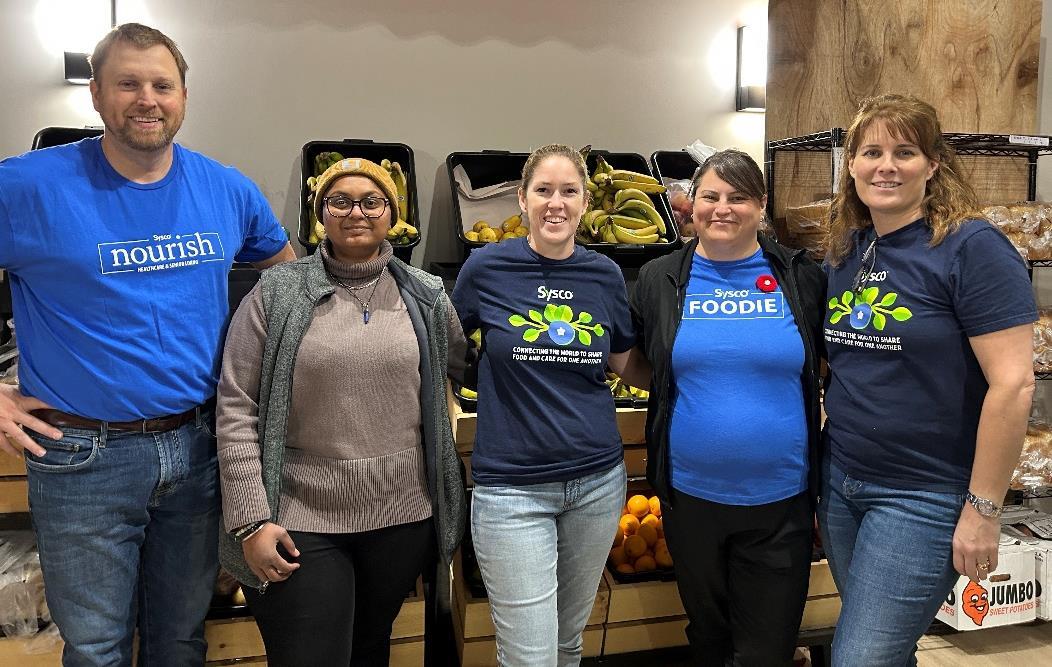
Thisyear,wesetanambitiousnationalgoal:11,000volunteer hoursfromcoasttocoast.AndourHealthcare&SeniorLiving teamdelivered,bringingourpurposetolifeincommunities acrossthecountry.
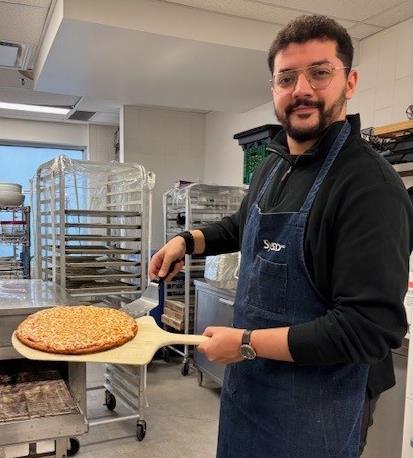
TheSyscoHealthcare&SeniorLivingteamrolleduptheir sleevesincountlessways.Theyvolunteeredincommunity kitchensandfoodbanks,lendingahandtosupportthosein need.Inresidenthomes,theyhelpedputupholiday decorations,wroteheartfeltholidaycards,andspentquality timewithseniorswhomightotherwisefeelisolated.Andin bakeriesandkitchens,theybakedSmileCookies,spreadingjoy andalittleextrasweetnesstopeoplenearandfar.
Aheartfeltthankyougoesouttoeverycolleaguewho contributedtheirtime,energy,andheartthroughout PurposeMonth.
PurposeMonthmayhavecometoaclose,butourcommitment tolivingourpurposecontinueseveryday.
TakealookatafewofthehighlightsfromourPurposeMonth, coasttocoast.






SyscoCanadahasaLinkedInpage dedicatedtohealthcare&seniorliving. Followustostayuptodatewithnew events,publicationsandinformation relativetohealthcare&seniorliving fromSyscoCanada! VisitSyscoHealthcare&Seniorliving



Kaitlin DiCarlo, RD, Nutrition Services Consultant
Thenewyearoftenbringsaboutthedesireto setnewgoalsandcreatepositivechangesin ourlives.Formany,seeingJanuary1stontheir calendarcanbemotivatingtoworktowards positivechangesinthe365daysaheadand beyond.Youdon’thavetowaituntilanewyear startstosetnewgoals,allyouneedarethe righttools!Let’sunlocksomeofthekeysto successforgoalsettingandcreatinglonglastingbehaviourchange.
Oftenwhenweareconsideringmakinga changeinourlives,especiallywhenitcomesto ourhealth,itcanbeintimidatinganddifficultto knowwheretobegin.Weareconstantly bombardedwithinformationandopinions fromallangles,mostofwhichtendto oversimplifythetransitiontoahealthier lifestyleasa“onesizefitsall”process.It’s importanttorememberthatyourjourneyis completelyuniquetoyou.That’swherethe StagesofChangecomesin–itisamodelof behaviourchangethatassessesyourreadiness tocreateandachievechangeinyourlife1.This modelconsistsof6stagesthatanindividual willtransitionthroughinafluidmotion,with theabilitytomovebackandforth betweenstages.
The6StagesofChangearedescribedbelow:
1. Precontemplation: Inthisstage,an individualhasnointentionofcreatingany changestotheirlifestyleandsometimes mightnotbeawareoftheneedtomake changes.Example:“Idonotwanttomake achange”
2. Contemplation: Astheindividual progressestothecontemplationstage,they begintoidentifytheproblematic behaviourswithintheirlives.Theindividual beginstohavetheintentiontomakea changetotheirlifestylesoon.Example:“I mightwanttomakeachange”
3. Preparation: Atthisstagetheindividualis readytotakethestepsrequiredtocreate change.Theindividualisalsoconfidentin theirchoiceandunderstandshowtheir actionswillleadtoahealthierlifestyle. Example:“Iamreadytomakeachange”
4. Action: Atthisstagetheindividualbegins totakeactiontowardstheirgoal.The individualmaygobacktothePreparation stageiftheyarenotabletoimplementany actionstowardstheirgoalatthistime. Example:“Iamtakingtheactionrequiredto makeachange”
5. Maintenance: Atthisstage,theindividual issustainingthechangetheyhavemade andaredeterminedtomaintaintheir changedbehaviors.Example:“Iammaking thechangesandIammotivatedto continueto”
6. Termination: Onceanindividualreaches theTerminationstage,theyhavefully implementedtheirlifestylechangeandare motivatedtocontinuethislifestylechange. Example:“Ihaveachievedmygoalandhave madethechange”
Identifyingwhichstageyouareatcanhelp informthegoalswhichyousetforyourself movingforward.Goalsettingisanessential partofchanginghabits/behaviourstowardsa healthierlifestyle.Yourgoalsshouldbe individualized,andmostimportantlythey shouldalwaysbeSMART:Specific, Measurable,Action-oriented,Realisticand Time-framed2 .
Eachofthefollowingcomponentshelpsto createanindividualizedSMARTgoal:
1. Makesureyou’re SPECIFIC:Whenyou haveadetailedgoalsetforyourself,you canknowexactlywhatyouareworking towards.Beabletoanswerwho,what, where,whenandwhywhenyouthinkof yourgoal.
2. Createa MEASURABLE goal:Whenagoal ismeasurable,itiseasiertoknowifyou areontrack.
3. Keepit ACTION-ORIENTED:Focuson actionsthatcanbetakenwhichwillhelp youachieveyourgoal.
4. Alwaysbe REALISTIC:Settingarealistic goalwillsetyouupforlong-termsuccess andboostyourconfidencetocontinue yourjourneyofchange!
5. Determinethe TIME-FRAME:Having clearlydefinedtargetdatesto achieveyourgoalwillhelp youtostaymotivated!
BytakingthetimetodevelopaSMART goalandtounderstandwhereyouare withinStagesofChange,youhave somehelpfultoolstoachieveyour desiredlifestylechange.Changemay notalwaysbeeasy,butifyoumixthese strategieswithanopenmindanda dashofperseverance,youhavethe recipeforsuccess!
1. Planahead&considerobstacles! Howwillyouovercomesome anticipatedchallengesalong theway?
2. Keepyourselfmotivatedand celebratesmallwins!
3. Haveasupportsystemto encourageyoutowardsyourgoal.

Example: BytheJune2026,Iwillsuccessfullycompletea 5kmrun.Iwillachievethisgoalbyrunningfor30minutes onceperweekfromJanuarytoMarchandprogressto45 minutestwiceperweekfromApriltoJune.
ByJune2026,run5km

Successfullycomplete5kmrun
1.RunonceaweekfromJanuarytoMarch 2.RuntwiceaweekfromApriltoJune
Startingwitha5kmgoalandbeginningwith one30minuterunaweek
Timeofrunoutlinedandendofgoaldateset


Designedinpartnershipwithourvendorcommunityand Sysco’sCulinaryConsultantstoprovidedelicious&healthcare friendlyrecipeideasthatwillbesuretomakeanimpacton yourseniorlivingmenu!


Elevate every occasion with curated menus for special moments in healthcare and senior living.
Whetheryou’recelebratingaholiday, milestone,orcommunityevent,Sysco Healthcare&SeniorLiving’sSpecialEvent Menusmakeiteasytoimpress without overburdeningstaff.Ourcuratedselections spaneleganthorsd’oeuvrestocomforting hot-and-coldfare,helpingyoucraftmenus thatreflectyourresidents’tastesand dietaryneeds.Withflexibleoptions, seasonalvariety,andtrustedSyscoquality, youcancreatememorablemealsthatbring peopletogether. Select a cover to view the full toolkit.









OurSyscoCulinarySpecialistsareproudtosupportthededicated teamswhonourishCanada’shealthcareandseniorliving communities.Eachissue,we’llsharepracticaltips,operationalbest practices,andchef-inspiredtechniquesdesignedtohelpyoudeliver consistentquality,safety,andflavour.Fromoptimizingefficiencyand productionstrategiestoelevatingresidentdiningexperiences,Sysco’s Chef’sCornerbringsyoutheexpertguidance,tools,andinsightsyou needtocookwithconfidence,care,andculinaryexcellence.

FrankisaRedSealcertifiedchefwithover20yearsofexperienceinbothhospitalityand healthcareculinarysettings.AgraduateofLiaisonCollege,hecompletedhisapprenticeship attheSheratonCentreHotelindowntownToronto.Overthepastdecade,Frankhasworked acrossOntario’shealthcaresector,gainingextensiveexperienceinfoodcosting,menu development,qualitycontrol,andplatepresentation.
AsSysco’sfirstCulinarySpecialistinOntariodedicatedtoHealthcare,Frankcurrentlyserves astheCulinarySpecialistfortheCityofToronto’sLong-TermCaredivision,supporting foodserviceoperationsacross10homes.Hisworkfocusesonenhancingresidentdining experienceswhileensuringoperationalefficiencyandhighstandardsoffoodquality.
Inhealthcareandseniorlivingkitchens,food safety,consistency,andcostcontrolmatter justasmuchasflavour.Watercanplaya powerfulroleinextendingfreshness, maintainingnutrientquality,andsupporting safeproduction,especiallywhenserving residentswithvaryingdietaryneeds. Readontolearnabouthowalittle watercanmakeabigdifference infoodquality.

Extend the Life of Prep-Friendly Vegetables: Pre-peeledpotatoes,carrots,and otherpre-preppeditemsstayfresherlongerwhenrinsedandstoredfullysubmerged inclean,coldwater.Thishelpsmaintaincolourandtexture,supportingsmoother batchcookingandreducingwaste.Besuretocheckwaterlevelsandclaritydailyfor submergeditemstomaintainfreshness.
Protect Delicate Greens: Leafygreensholdbetterstructurewhenstoredina shallowbinanddrapedwithadampcloth.Thismaintainshumiditywithout encouragingspoilage.
Hydrate Delicate Produce for Quality: Itemslikeasparagus,romaine,andleaf lettucebenefitfromhavingtheirstemendstrimmedandstandinguprightinasmall amountofwater.Thishelpspreservecrunch,appearance,andnutrientdensity, whichiskeyforresidentsatisfactionandmenuaccuracy.
Maintain Colour and Texture for Pre-Cut Fruit: Pre-cutapplesandpearsstay resident-readywhensubmergedina2:1mixtureofwaterandlemonjuice,reducing oxidationandpreservingboththeirtasteandappearance.

Other key considerations for Produce:
1. Remove Compromised Produce to Prevent Cross-Contamination: Discardingbruisedordamageditems beforestorageisn’tjustabout appearance,ithelpspreventthe spreadofbacteriaandethylenegases, supportingsaferfoodhandlingand reducingtheriskofspoilage.

2. Use First-In, First-Out (FIFO) Practices to Maximize Freshness:
ImplementingaFIFOsystemensuresthatthe oldestproduceisusedfirst,helpingmaintain peakqualityandminimizewaste.Clearlylabel containerswithprepordeliverydatesand organizestoragesothatnewitemsareplaced behindolderstock.Thispracticeisespecially importantforpre-cut,pre-peeled,orhydrated produce,whichcanspoilmorequicklyifleft unused.Byconsistentlyrotatinginventory, yourkitchencanprovideresidentswith fresher,moreappealingmealswhile controllingcostsandreducingunnecessary foodwaste.
Withafewsimplewater-based techniques,yourkitchencanserve fresher,safer,andmorevisually appealingmealseveryday supportingresidentnutrition andsatisfaction.
Hungry for more tips?
JoinChefFrankandSysco’sproduce specialistsonthelatestNourishing ConversationsWebinar:FreshProduce Solutions.Watchtherecordingto discoverthelatesttrends,experttips, andpracticaltricksforgettingthemost outofyourproduce.

Soup Bisque Lobster Ready To Serve


Soup Bisque Lobster Ready To Serve
Thisrich,creamylobsterbisqueismadewithwhitewine andredpeppers.
• FullyPrepared:Pouchsavestimeandlabour
• Easytoprepare:Abilitytoboilinthebag
• Consistenttasteandappearanceeverytime

Elevateyourmenuwiththerich,coastalflavourof Lobster Bisque Ready-To-Serve Soup.This creamy,indulgentbisquecanbeservedasarefinedstarter,usedasaluxurioussauceforseafood entrées,orincorporatedintopastaandrisottodishesforaddeddepth.Readytoheatandserve,it offerschefsaneasywaytocreateelegant,restaurant-qualityplateswithoutthepreptime perfect forfinedining,catering,orseasonalmenufeatures.
A warm, melty baked brie topped with roasted garlic and a fragrant spiced cranberry sauce perfect for holiday gatherings or a charcuterie board centerpiece.
Spiced Cranberry Zinfandel Sauce
Ingredients
• 1 ¾ cups red Zinfandel
• 1 cup white sugar
• 1 cup packed golden brown sugar
• 6 whole cloves
• 6 whole allspice berries
• 2 cinnamon sticks
• 1 strip orange peel (about 3 x 1 inches)
• 1 (12 oz) bag frozen cranberries
Directions
1. In a medium saucepan, combine all ingredients except the cranberries.
2. Bring to a boil over medium-high heat, stirring until the sugars dissolve.
3. Reduce heat and simmer for about 10 minutes, or until liquid is reduced to roughly 1 ½ cups.
4. Strain the syrup into a clean saucepan, discarding the spices and peel.
5. Add the cranberries to the syrup and cook over medium heat until the berries burst, about 6 minutes
6. Cool completely, then transfer to a bowl.
7. Cover and refrigerate until cold. (This sauce can be made up to 1 week in advance.)

Garlic-Topped Baked Brie
Ingredients
• 4 whole heads garlic
• Olive oil
• 1 small wheel of brie

• Baguette slices, for serving
Directions
1. Roast the garlic:
• Preheat oven to 400°F (200°C).
• Slice the tops off the garlic heads to expose the cloves.
• Place on a sheet of foil, drizzle generously with olive oil, and wrap tightly.
• Bake for 30–40 minutes, or until cloves are golden and soft when pressed. Keep warm.
2. Bake the brie:
• Reduce oven temperature to 350°F (175°C)
• Line a small cast-iron pot or oven-safe dish with parchment paper and place the brie inside.
• Cover with a lid and bake for 10–15 minutes, until soft but not collapsed or oozing.
3. Assemble:
• Squeeze the roasted garlic cloves out of their skins and spread over the top of the warm brie.
• Serve immediately with baguette slices and spoonfuls of the spiced cranberry sauce.
• Delicious alongside a charcuterie board.
• Toast the baguette slices for added crunch.
• The cranberry sauce also works well with turkey, pork, or sandwiches.
Classic British side dish light, airy, and perfect for soaking up gravy alongside roast meats.
Ingredients
• 3 eggs
• 1 cup milk
• 1 cup all-purpose flour
• 2 Tbsp butter
Directions
1. Preheat the oven to 350°F (175°C).
2. Prepare the batter:
• In a medium bowl, beat the eggs with the milk.
• Gradually stir in the flour until smooth. Set aside.
3. Prepare the muffin tins:
• Divide the butter evenly among 12 muffin tin cups.
• Place in the oven until the butter melts
• and is hot.
4. Bake the puddings:
• Carefully pour the batter evenly into the hot muffin tins.
• Bake for 25 minutes, or until puffed and golden brown.
• Do not open the oven during baking to ensure proper rising.
Serving Notes
• Serve immediately with roast beef, gravy, or your favourite holiday meal.
• Best enjoyed fresh from the oven for maximum puffiness and crispiness.
• Can be made ahead and reheated briefly in a hot oven but may lose some rise.