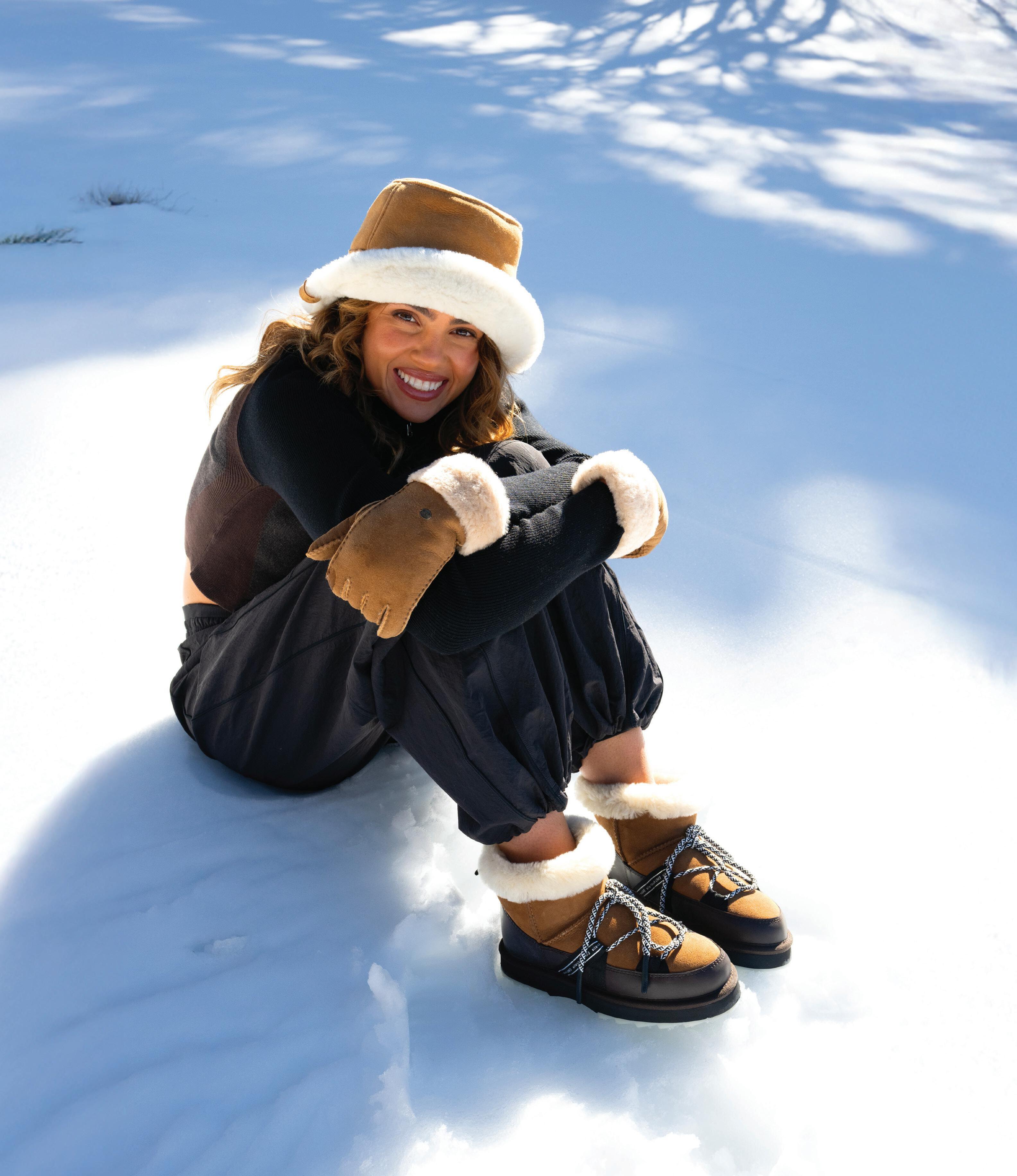
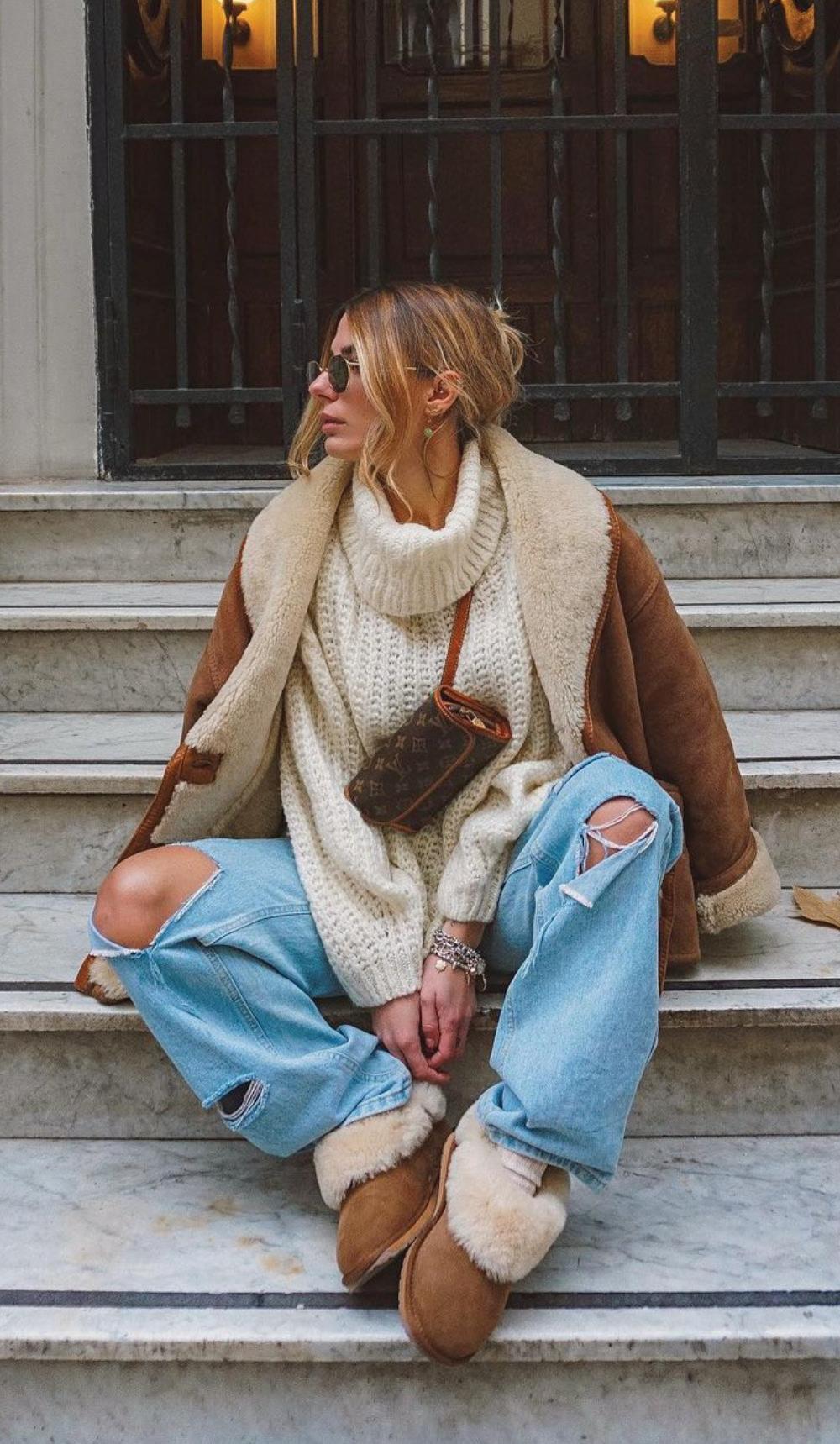
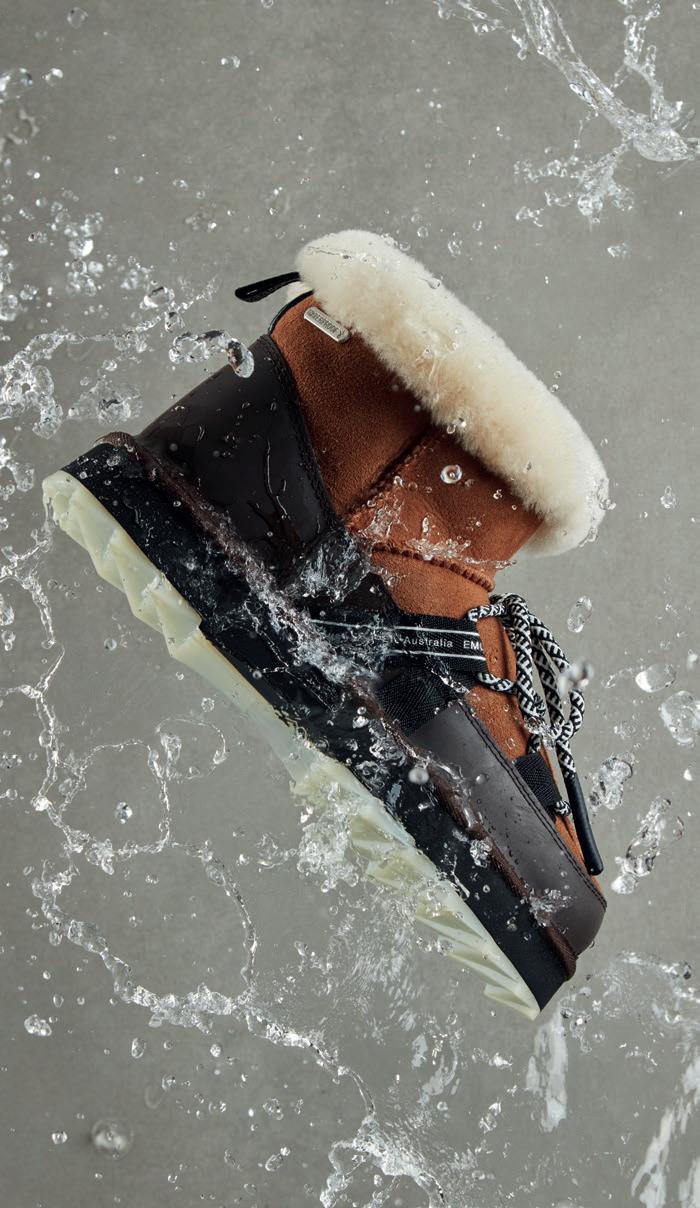
Innovation, craftmanship and quality that stand the test of time.

10 What Makes the Greenbergs Go
By Greg Dutter
16 Fall/Winter ’26 Trends Preview Key silhouettes, materials and colors for the upcoming cool/cold seasons.
By Kiernan McCormick
34 Dream Weaver Retailers David Levy and Joe Gradia launch Asgi, a brand created specifically for fellow sit-and-fitters. By
Greg Dutter
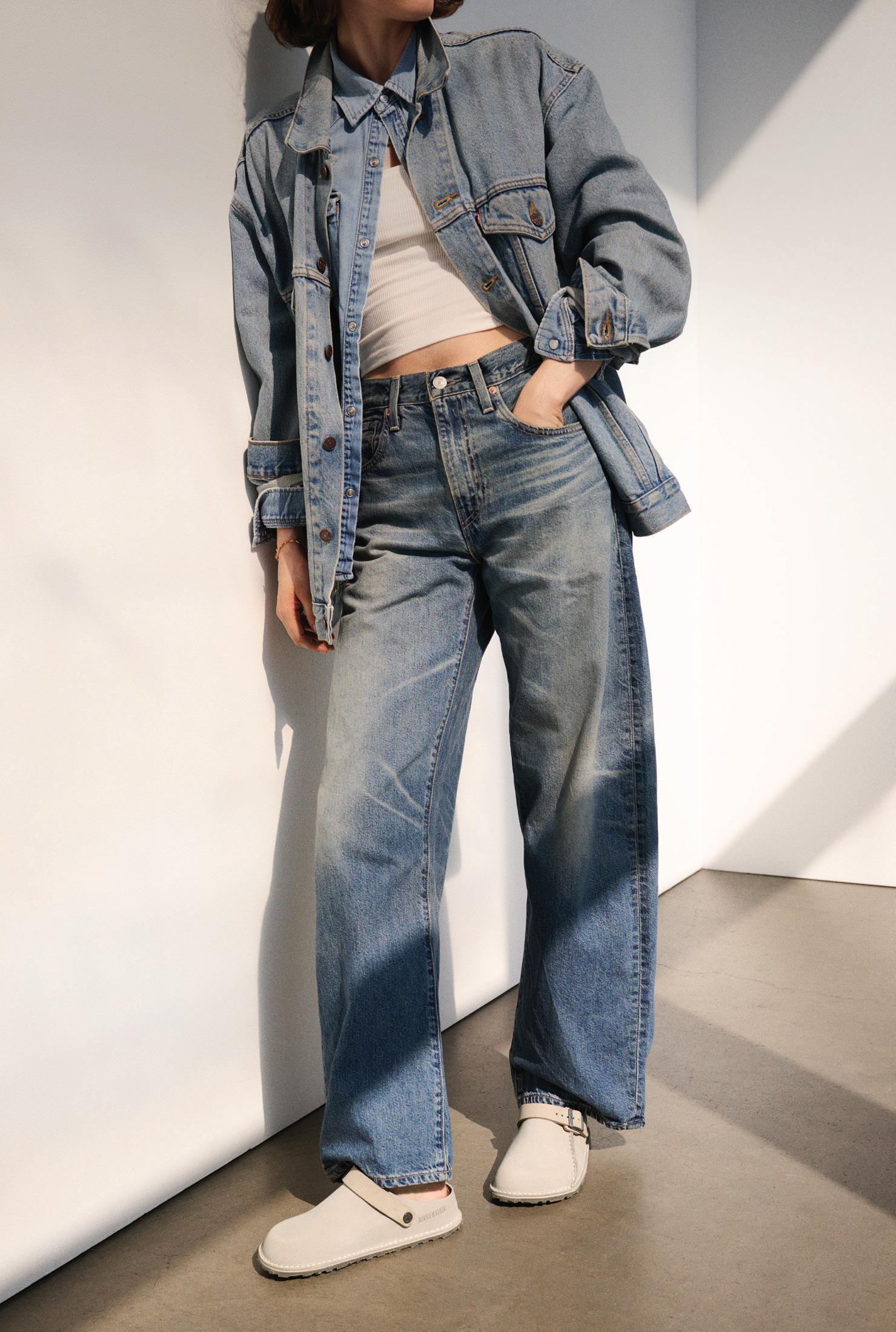
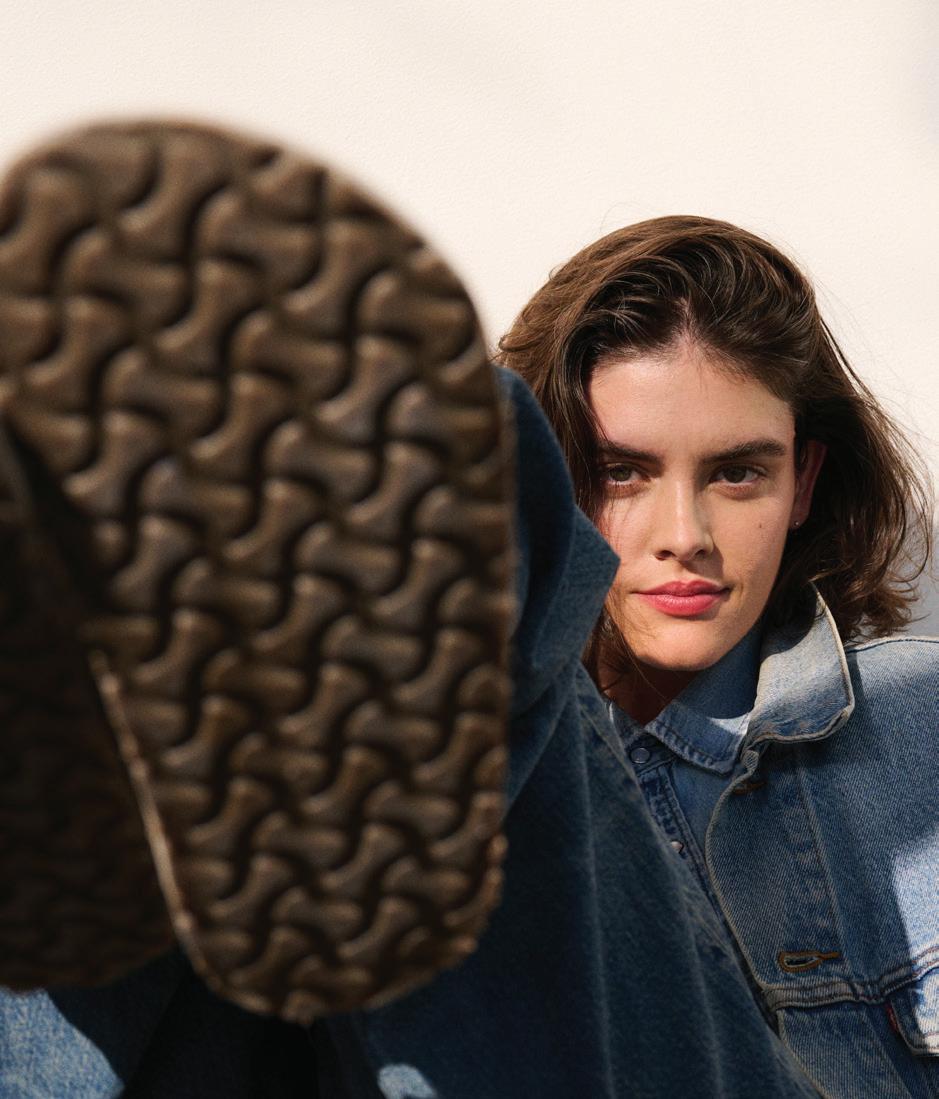
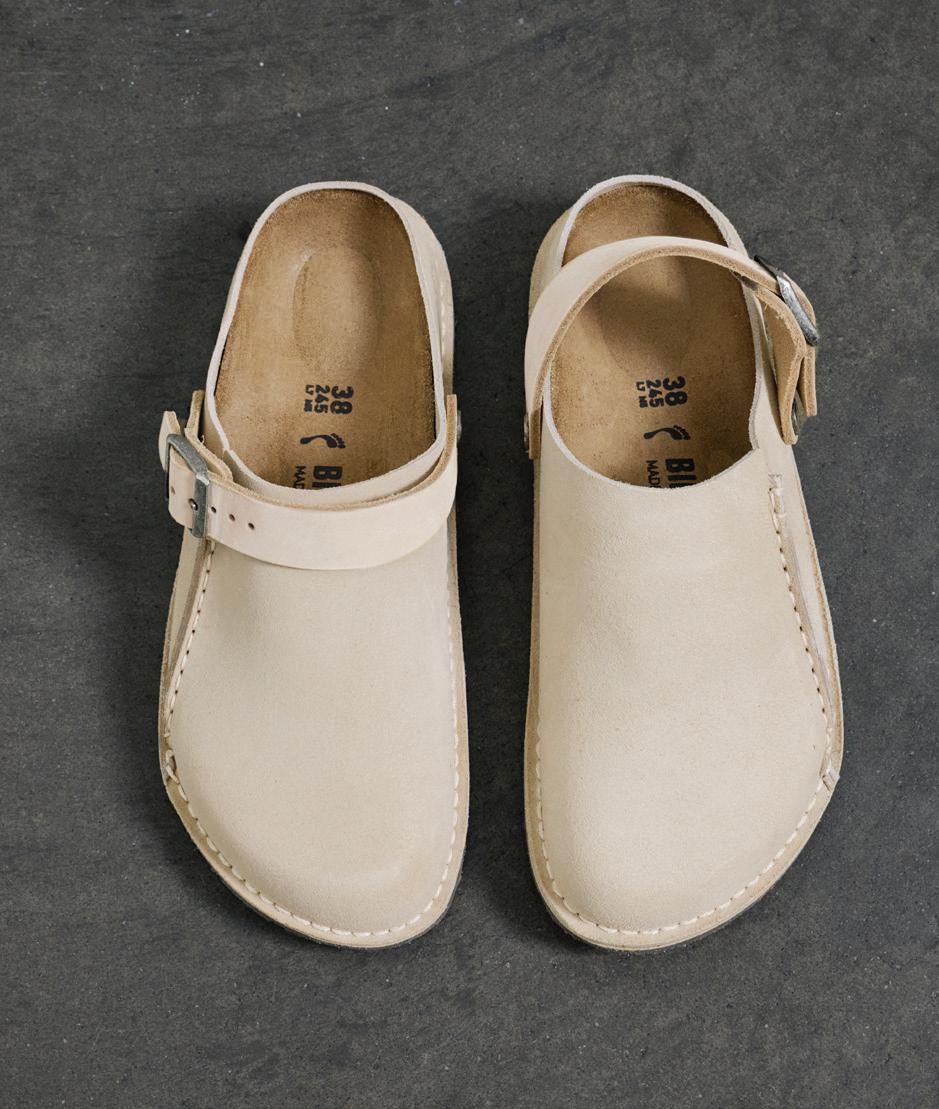
36 In Clogs We Trust
A Boho meets granola meets ’90s mélange makes the silhouette a good investment.
By Kiernan McCormick
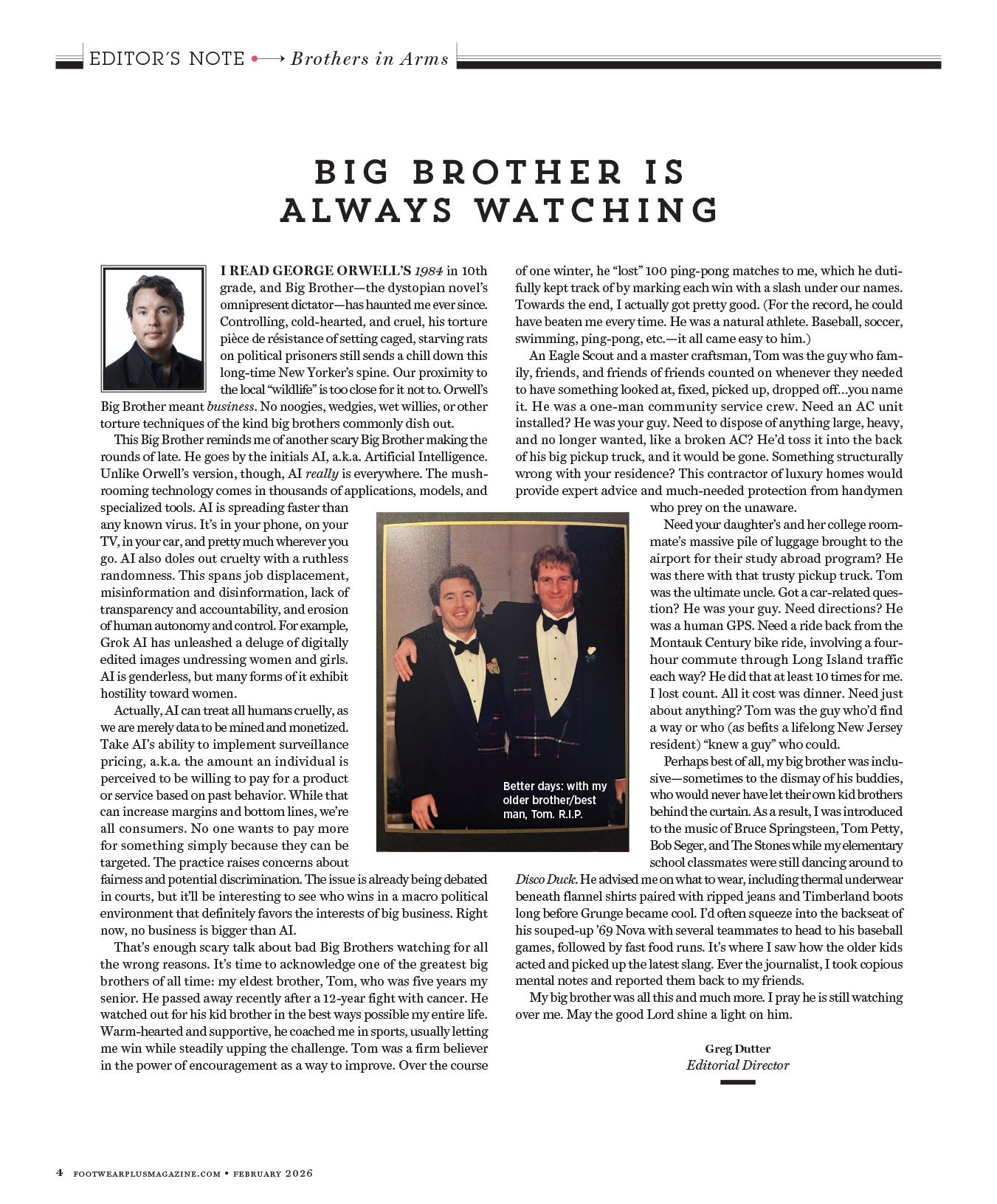
4 Editor’s Note
6 This Just In: Milan
8 Scene & Heard
33 A Note to My Younger Self
46 What’s Selling: New Orleans
47 What’s Selling: Rhode Island
48 Last Shot
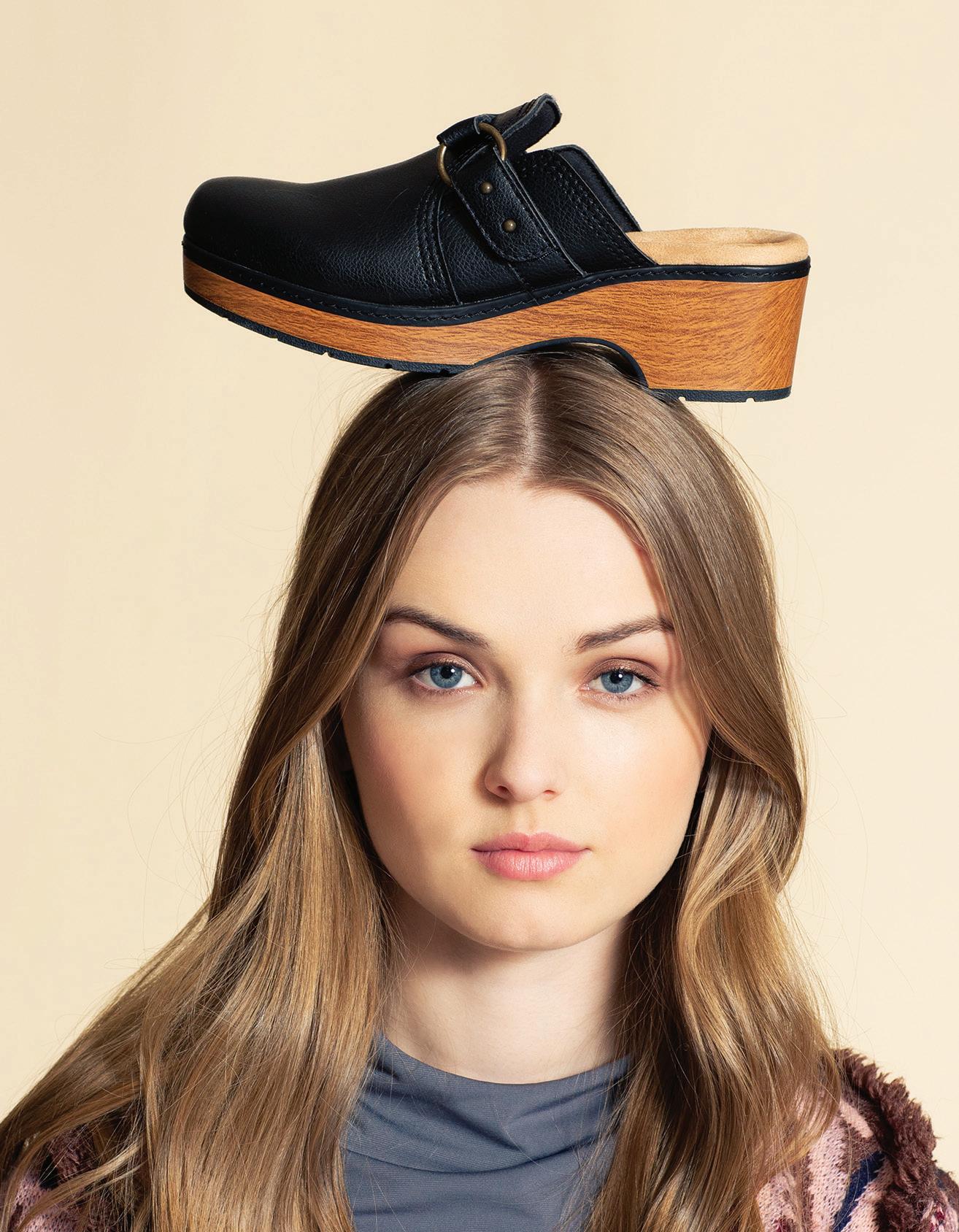
On the cover: leather and wood platform clogs with 4.5-inch heels and cushion comfort insoles by Dingo
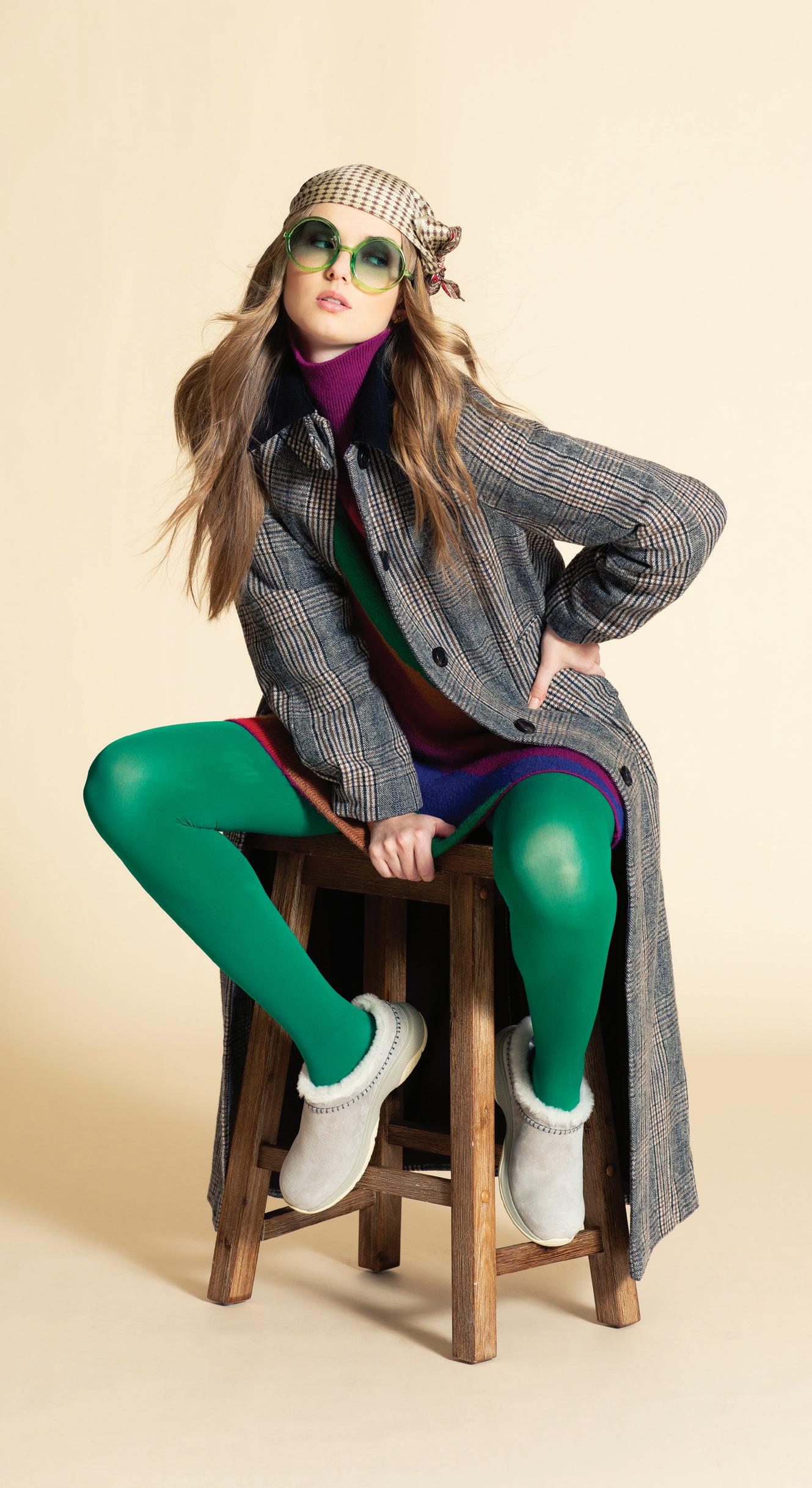
Merrell clogs with waterproof pig suede leather uppers, faux fur linings, and removable latex footbeds.
Photography: Trevett McCandliss; styling: Mariah Walker/Art Department; fashion editor: Kiernan McCormick; models: Fiona Auguet/Q Management, Yun Gao/Major Model Mgmt.; hair and makeup: Nevio Ragazzini/Next Artists; photo assistant: Raymond Collette; styling assistants: Jamie Wtorkowski and Nellyfer Espinoza
EDITORIAL
Greg Dutter
Editorial Director
Nancy Campbell Trevett McCandliss Creative Directors
Kiernan McCormick Fashion Editor
Rosemary O’Connell Art Director
Kathy Passero Editor at Large
Mariah Walker Style Director
Darby Dutter Contributing Editor
Melodie Jeng
Marcy Swingle Contributing Photographers
ADVERTISING
Noelle Heffernan Publisher
Laurie Guptill Production Manager
Kathy Wenzler Circulation Director
Maria Martucci Office Manager
Mike Hoff Digital Director
WAINSCOT MEDIA
Carroll Dowden Chairman
Mark Dowden President & CEO
Steven J. Resnick Vice President & CFO
Lizette Chin SVP/Group Publisher
OFFICES
ADVERTISING/EDITORIAL
One Maynard Drive Park Ridge, NJ 07656
Tel: (201) 571-2244
Ads: Noelle.Heffernan@ Wainscotmedia.com
Editorial: Greg.Dutter@ Wainscotmedia.com
CIRCULATION
One Maynard Drive Park Ridge, NJ 07656
Tel: (201) 571-2244 Circ@Wainscotmedia.com
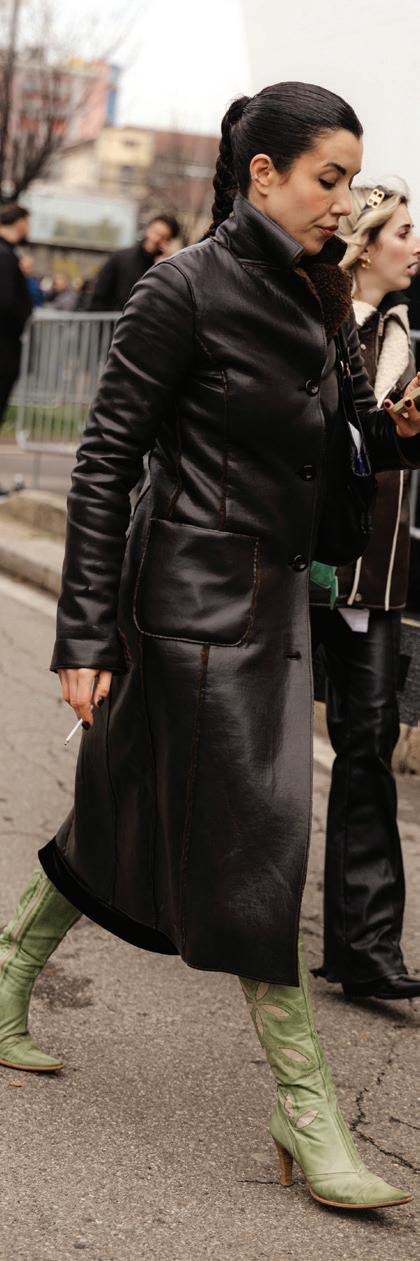
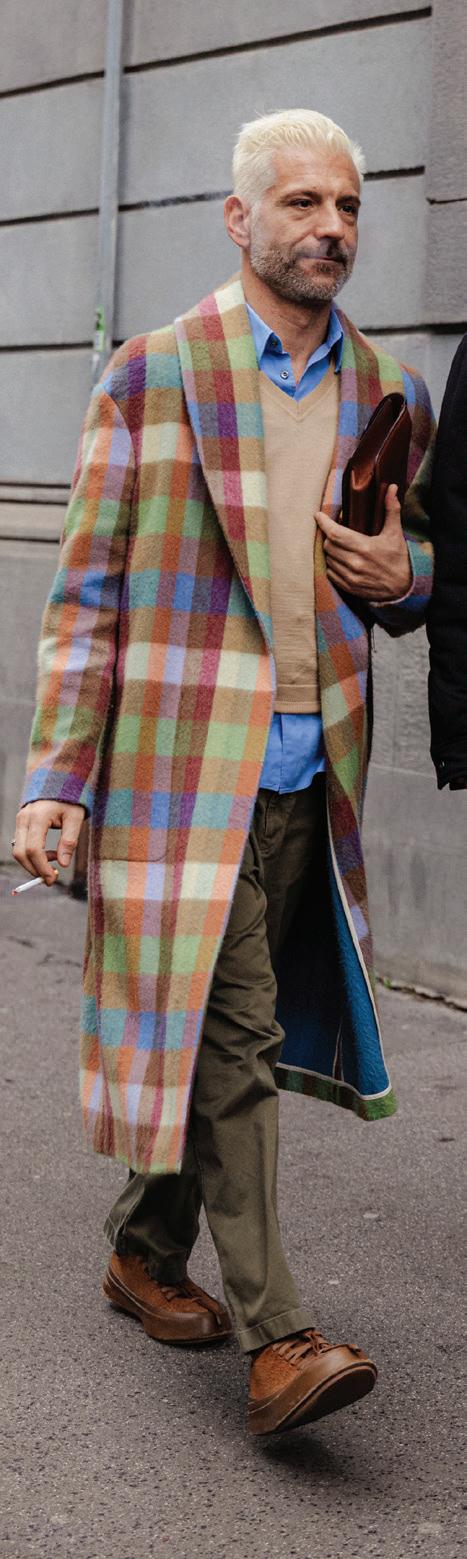
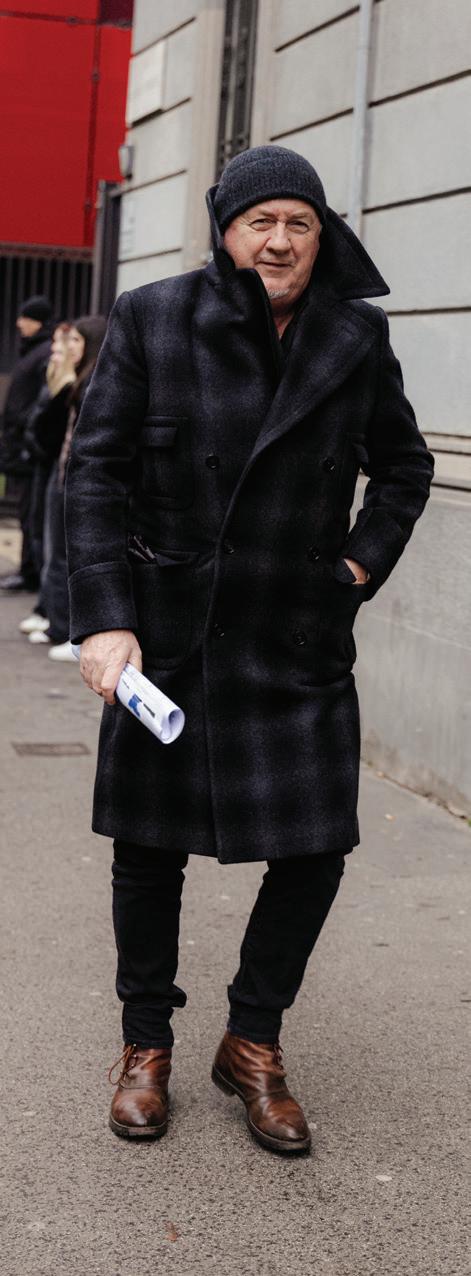
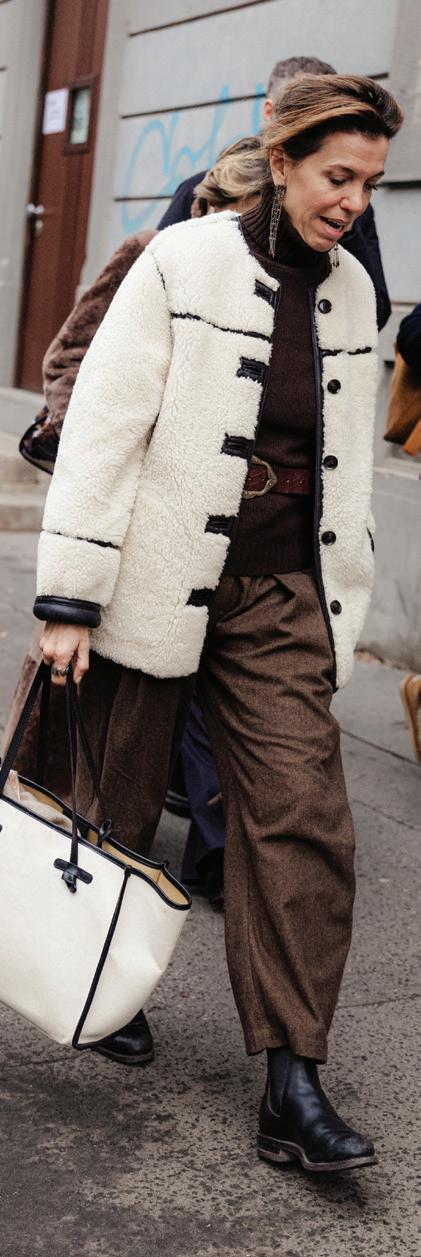
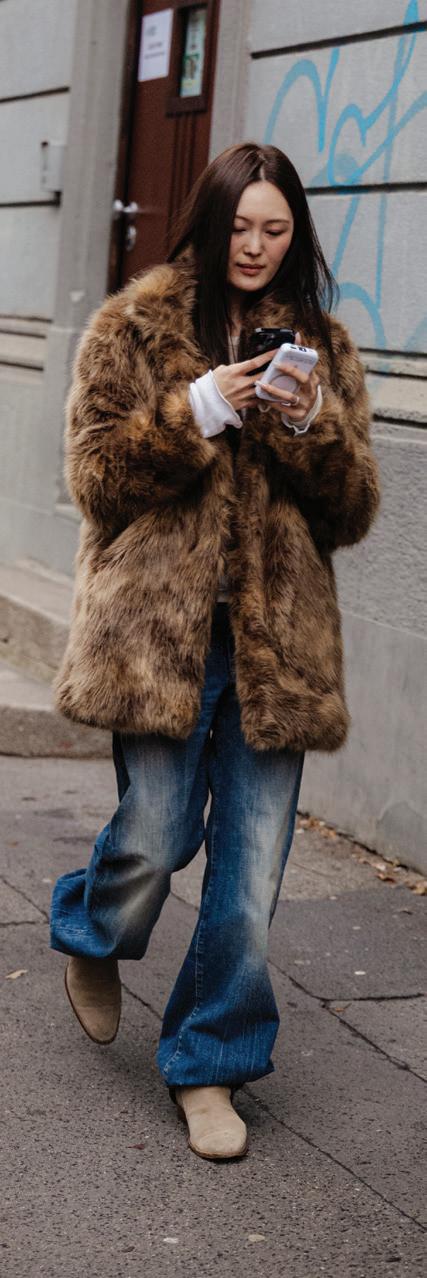
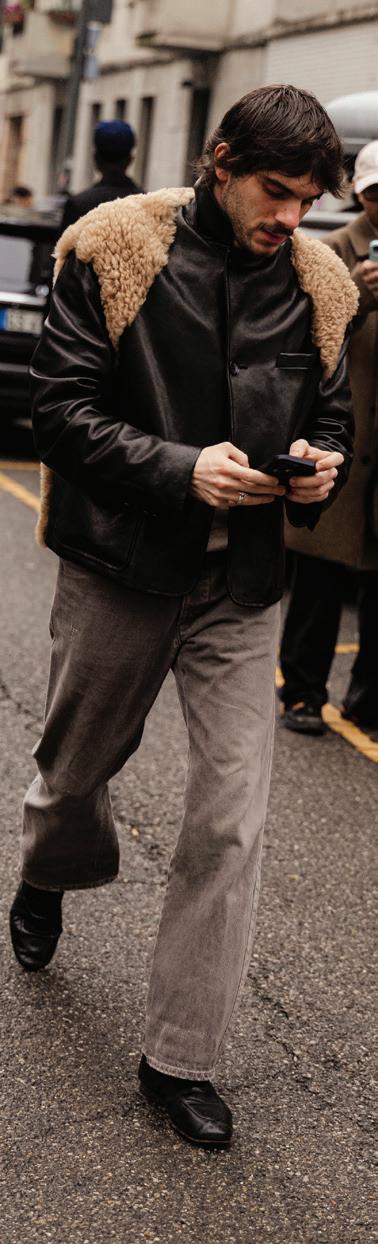
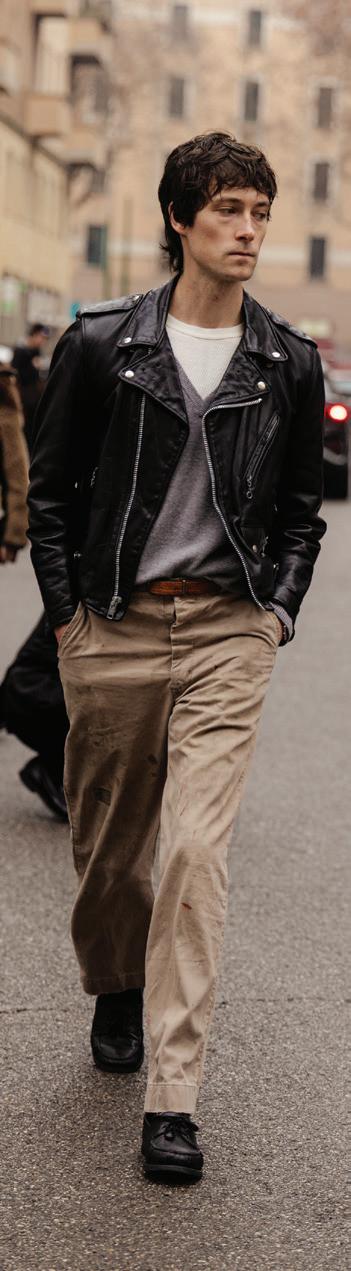
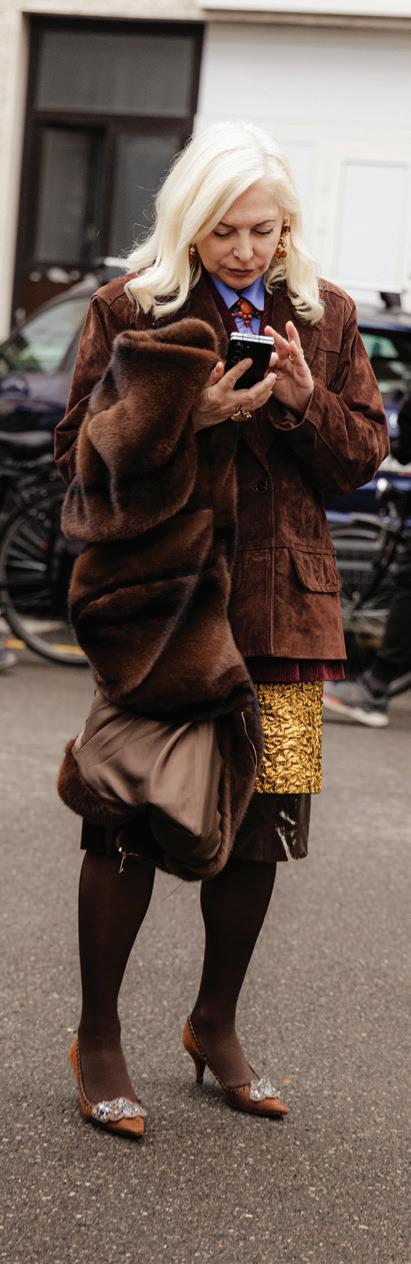
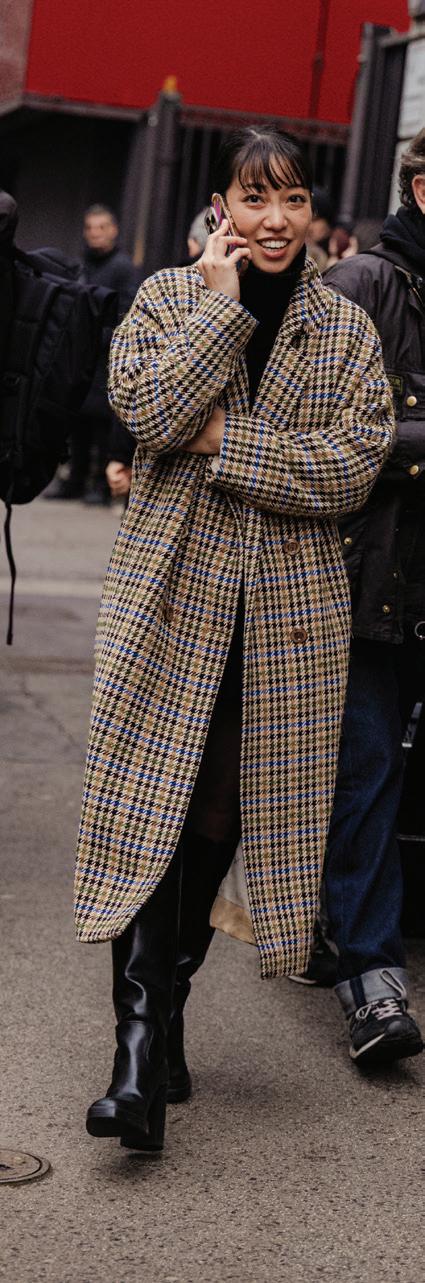
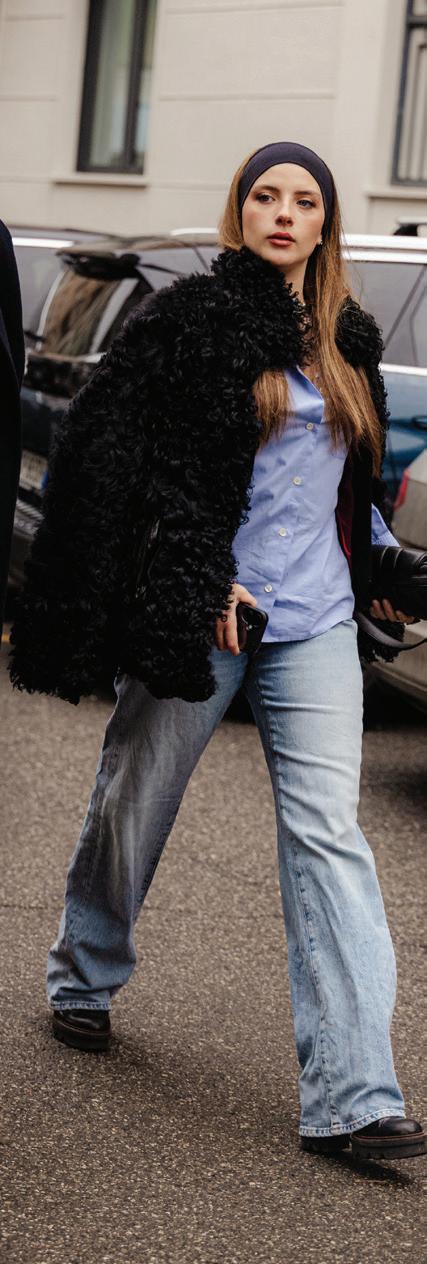
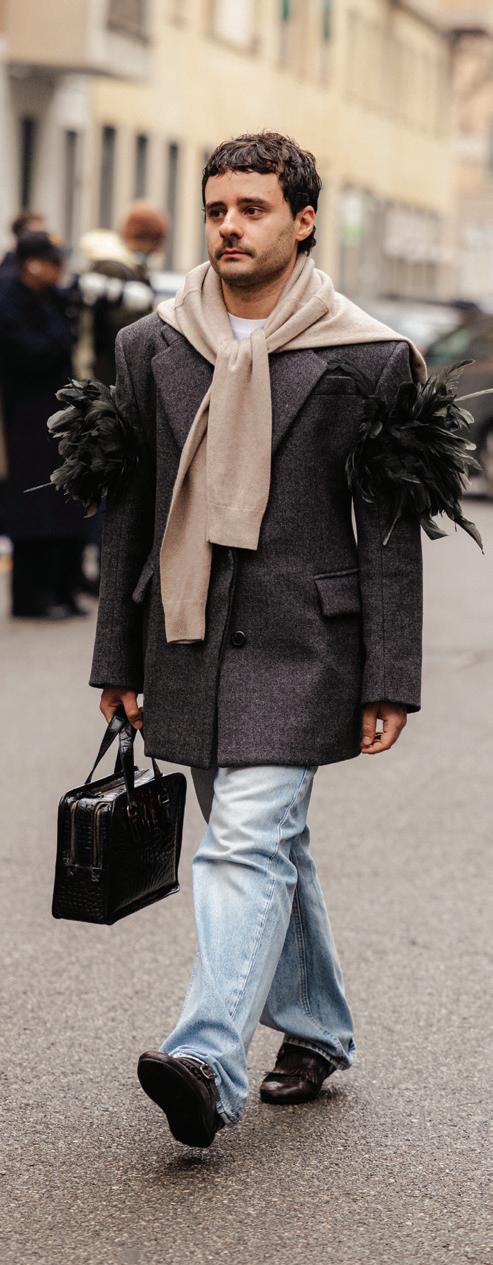
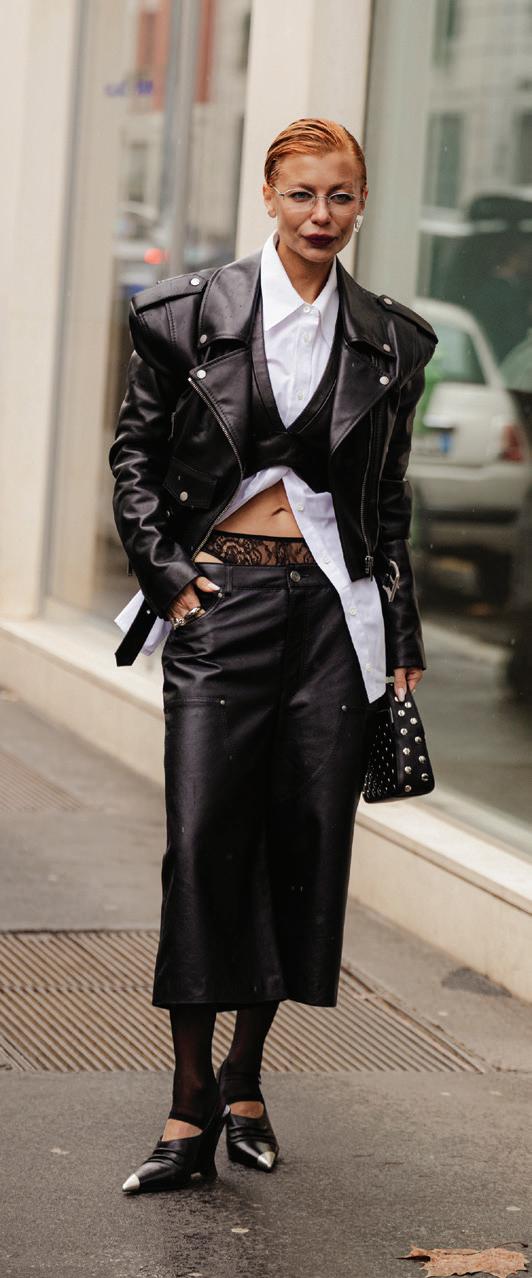
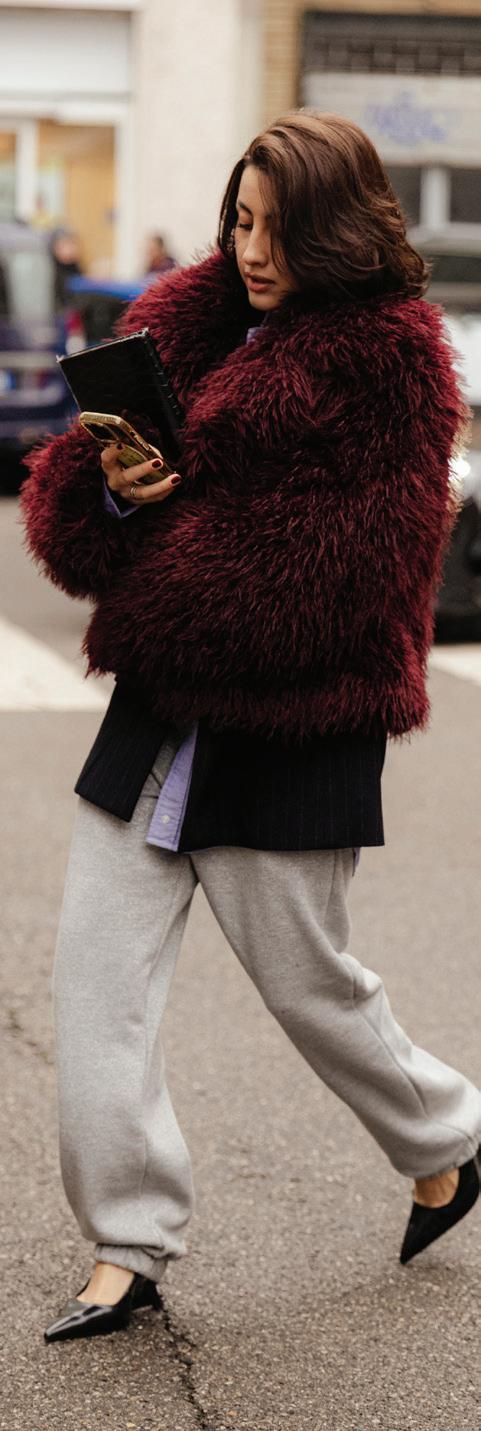
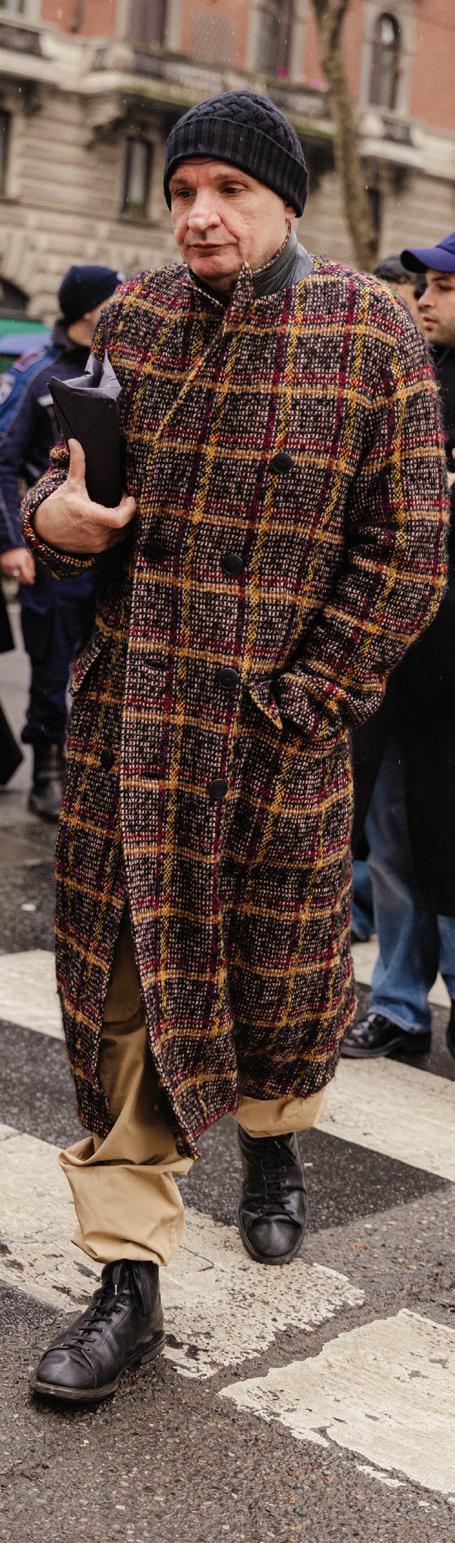
Biker, bomber, overcoat…Men’s Fashion Week attendees in Milan prove it’s what’s on the outside that counts. Photography by Melodie Jeng
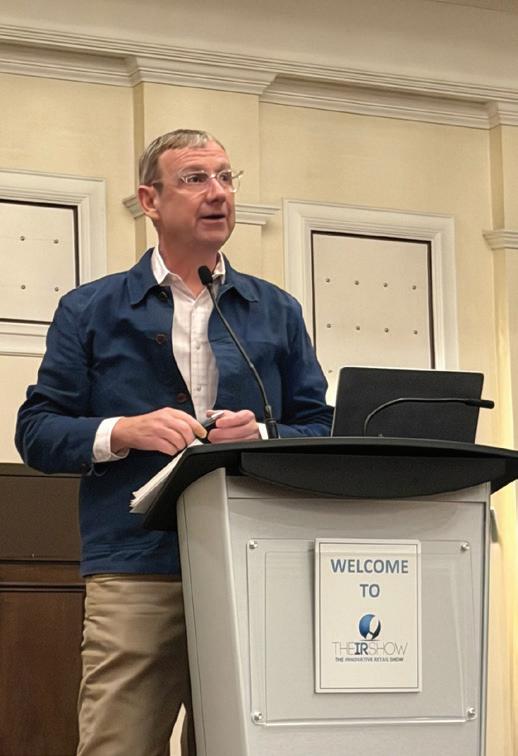
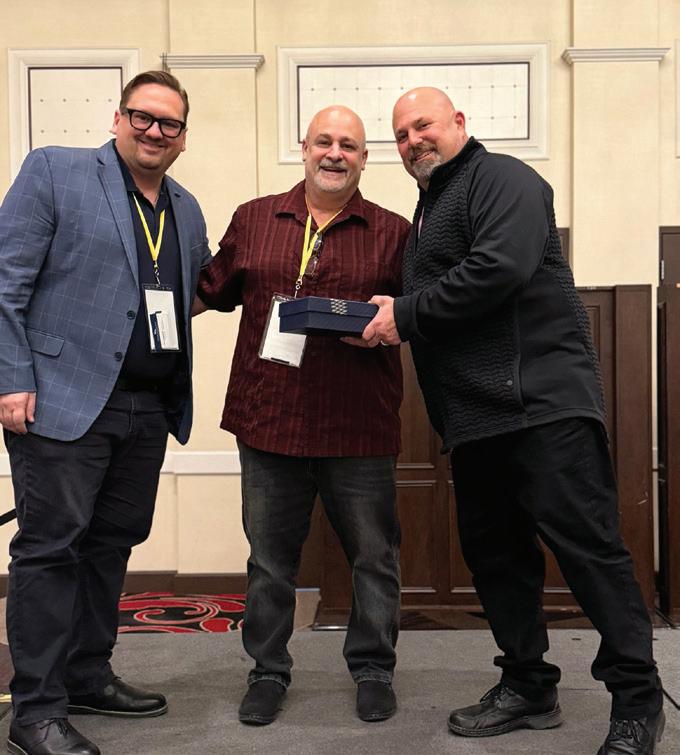
WINNERS OF THE INNOVATIVE PLUS AWARDS , recognizing partnership excellence in 15 retail and wholesale categories for 2025, were announced at The IR Show last month. The awards, cosponsored by The IR Show and Footwear Plus, were determined by votes of thousands of industry members.
Wholesale winners were Birkenstock, Brand of the Year and Women’s Comfort; L’Artiste; Women’s Streetwear; Skechers, Work; Brooks, Athletic; OluKai, Men’s Comfort; Adidas Originals, Men’s Streetwear; Aetrex, Accessories; and Frye, Western. Retail recipients were Brown’s Shoe Fit; Regional Chain; Tip Tops Shoes; Single Store; and Dick’s Sporting Goods, National Chain. Additional awards recognized Sales Rep of the Year (Ryan Goralski/Birkenstock); Industry Leadership (David Kahan, president, Birkenstock Americas); and Lifetime Achievement for Skechers founders Robert and Michael Greenberg. (See page 10).
Kahan says Birkenstock’s Brand of the Year and Women’s Comfort awards reflect how it has become a 365-day business. “We now sell 50 percent in fall/winter, which is amazing compared to even a few years ago,” he says, adding, “This has been our 13th consecutive year of growth—a record of unbroken demand that goes way beyond a trend. It’s a true breakthrough.”
Birkenstock’s Boston clog led the way in 2025. “We found tremendous success, and we use it to create a foundation for the clog category which now has a number of strong sellers, including the Lutry and Naples styles,” Kahan says. Sandals, led by the Arizona collection, also fueled growth in 2025. “Our men’s business also gained tremendous momentum,” he adds. “And closed-toe shoes, led by our Bend sneaker and some great styles like the Highwood and Honef gained great sell-through across many retailers.”
As for the Industry Leadership award, Kahan is “deeply humbled” by the recognition that is defined as an individual who demonstrates exceptional influence, vision, and impact
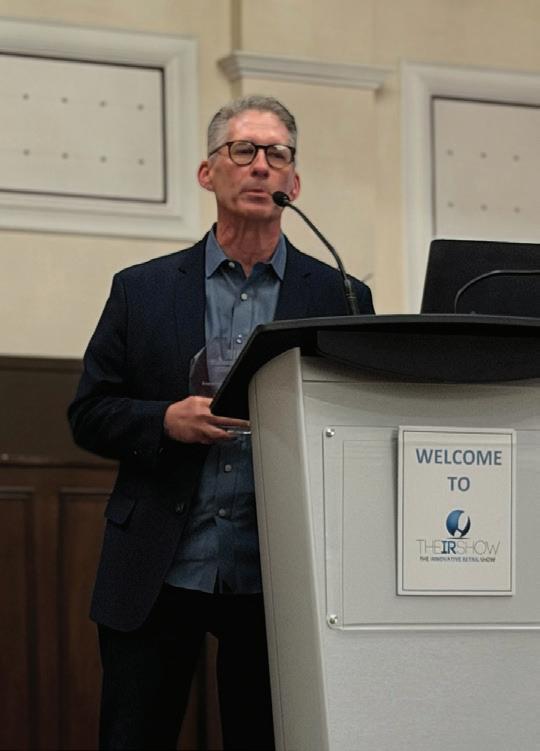
within the world of footwear. A person who leads with honesty, responsibility, and transparency as well as demonstrates a clear, forward-thinking vision for the industry’s future. “It means so much to me to be recognized by my peers,” he says. “My mission is to keep actualizing myself so I can best serve my team and the industry at large, which includes all our valued partners and, of course, brings happiness and satisfaction by way of our products to millions of consumers year after year.” Working by such standards, Kahan adds, is imperative in a world where chaos is the new normal. “People desperately need things they can depend on and trust,” he says. “I’ll continue to hold myself to this highest standard and seek to earn people’s continued confidence.”
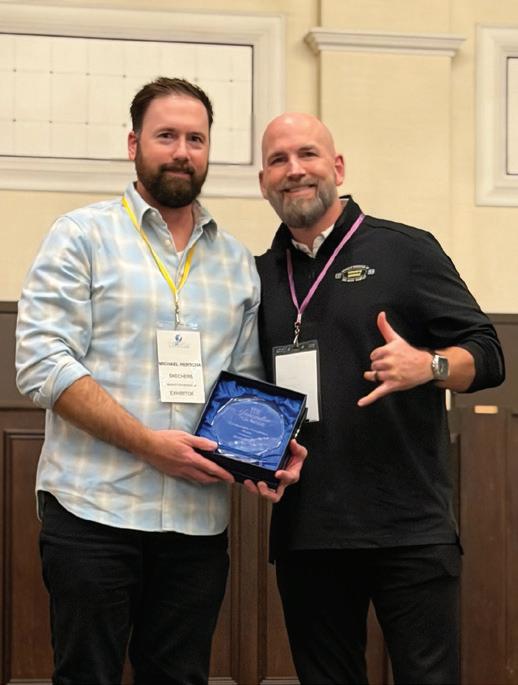
Lester Wasserman, co-owner of Tip Top Shoes in New York, was equally honored to receive the Innovative Plus Award in the Single Store category. “We were competing against some of the nation’s best independent retailers, so simply being considered for this award is an honor in itself,” he says. But what truly elevates this win is that the Wassermans accomplished it without their father, Danny, who passed away in the fall of 2024. “While it takes consistency and dedication every single day, doing this on our own made the moment especially meaningful,” he says, adding, “Our team is spectacular. We are extremely proud of this achievement, and we owe so much to our father for teaching us the importance of being hands-on owners.”
Wasserman believes voters took notice of Tip Top’s multichannel approach, particularly its expanded and more engaging social media presence. “We’ve gone beyond simply showcasing shoes by creating fun, relatable skits that feature both our sales team and our vendor partners,” he says, noting that 2025 was a phenomenal year across all channels. “That, combined with a strong omnichannel strategy, impeccable customer service, and a curated assortment of the newest and most relevant styles, gives Tip Top a true competitive edge. We’re constantly searching for and evaluating footwear, always keeping our ear to the ground to anticipate what’s emerging in the market.”
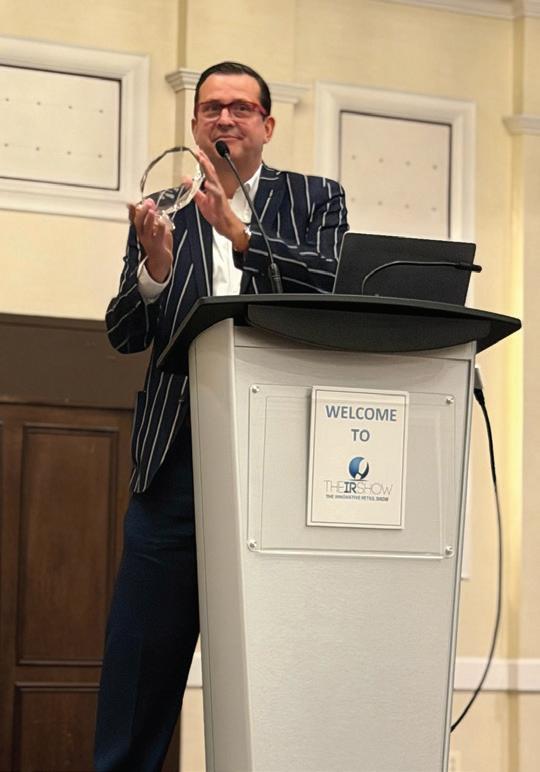
David Ben Zikry, CEO and cofounder of Spring Footwear Corp., makers of Women’s Streetwear winner L’Artiste, also reported a strong 2025. “We saw
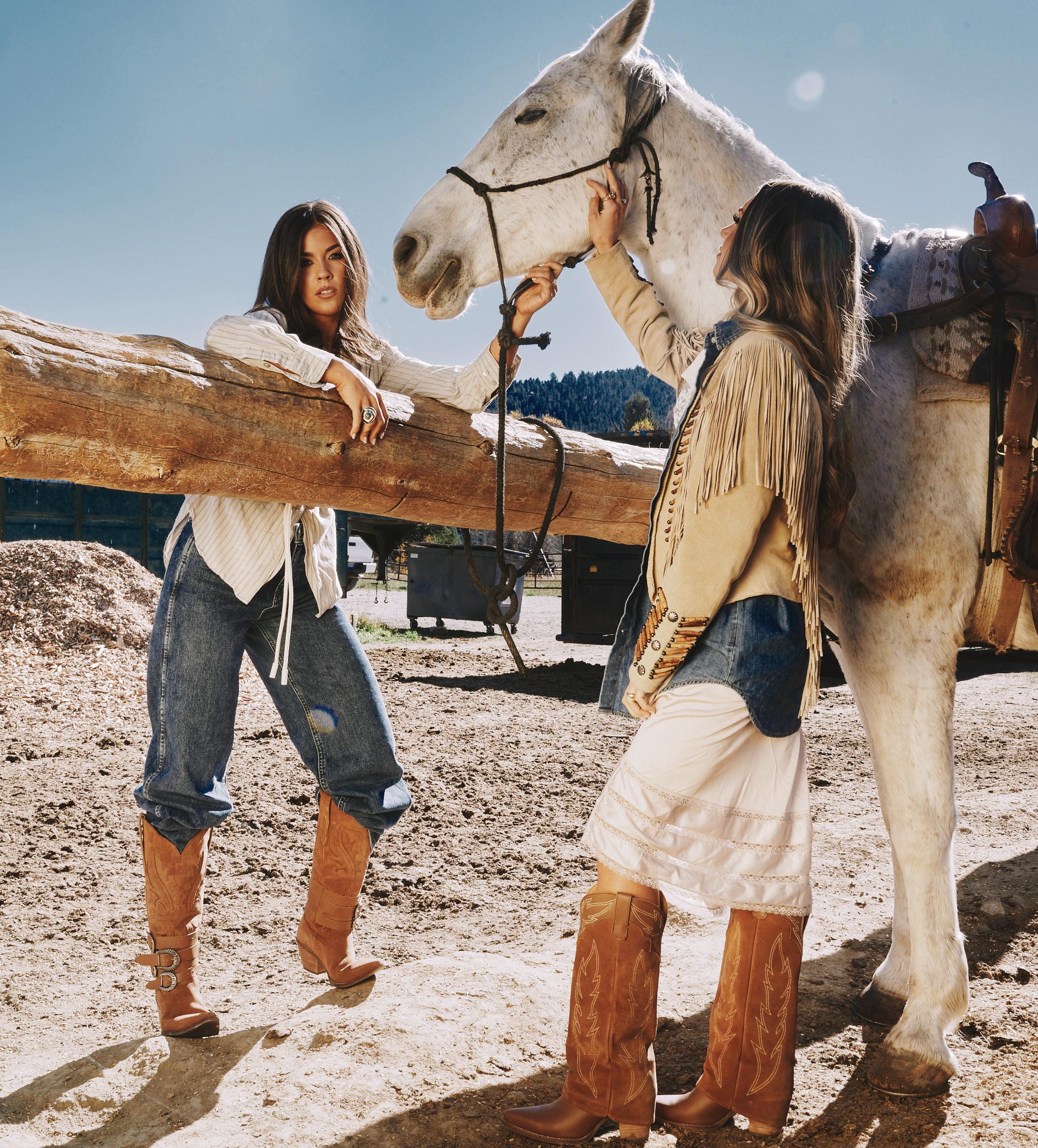

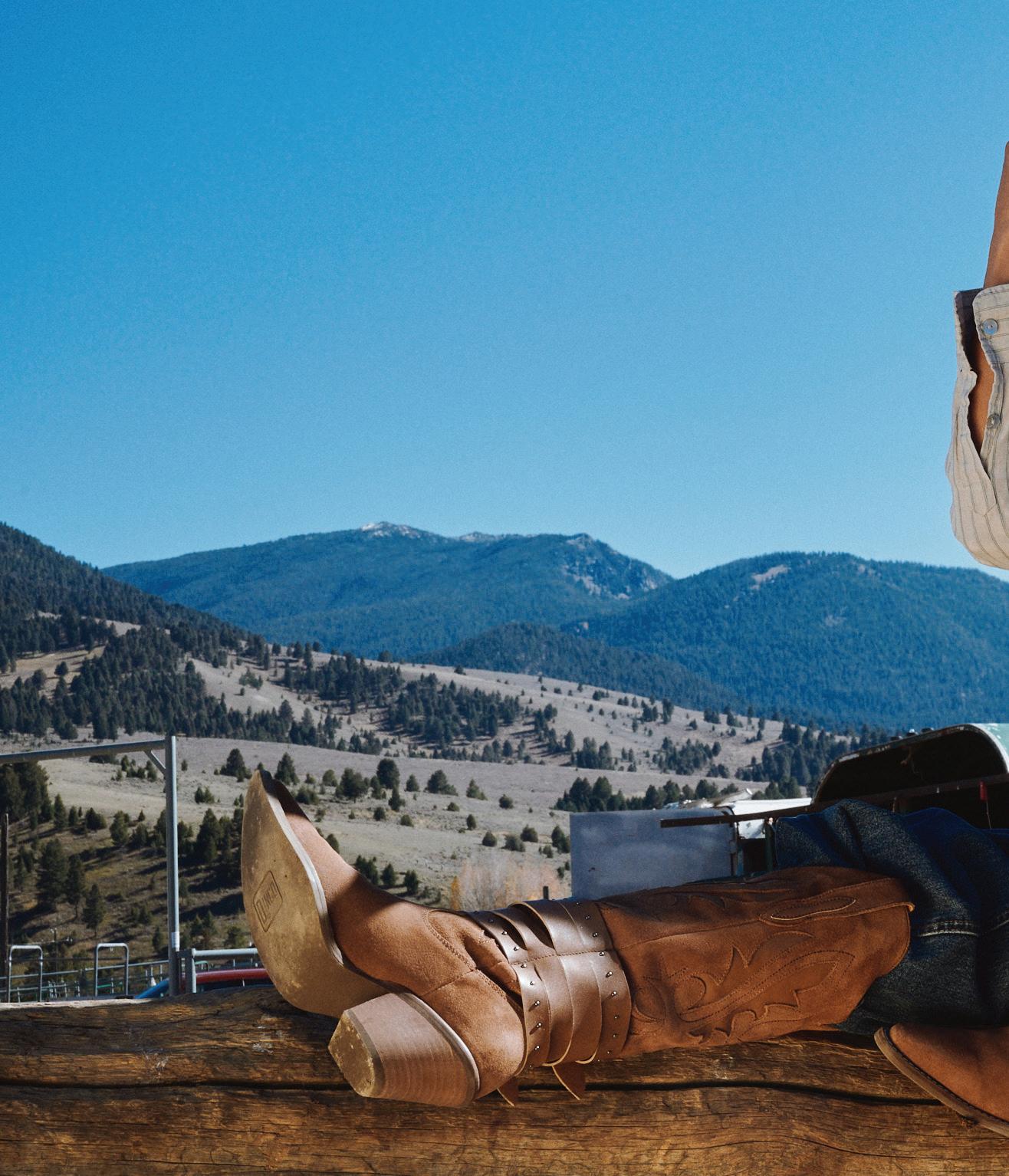
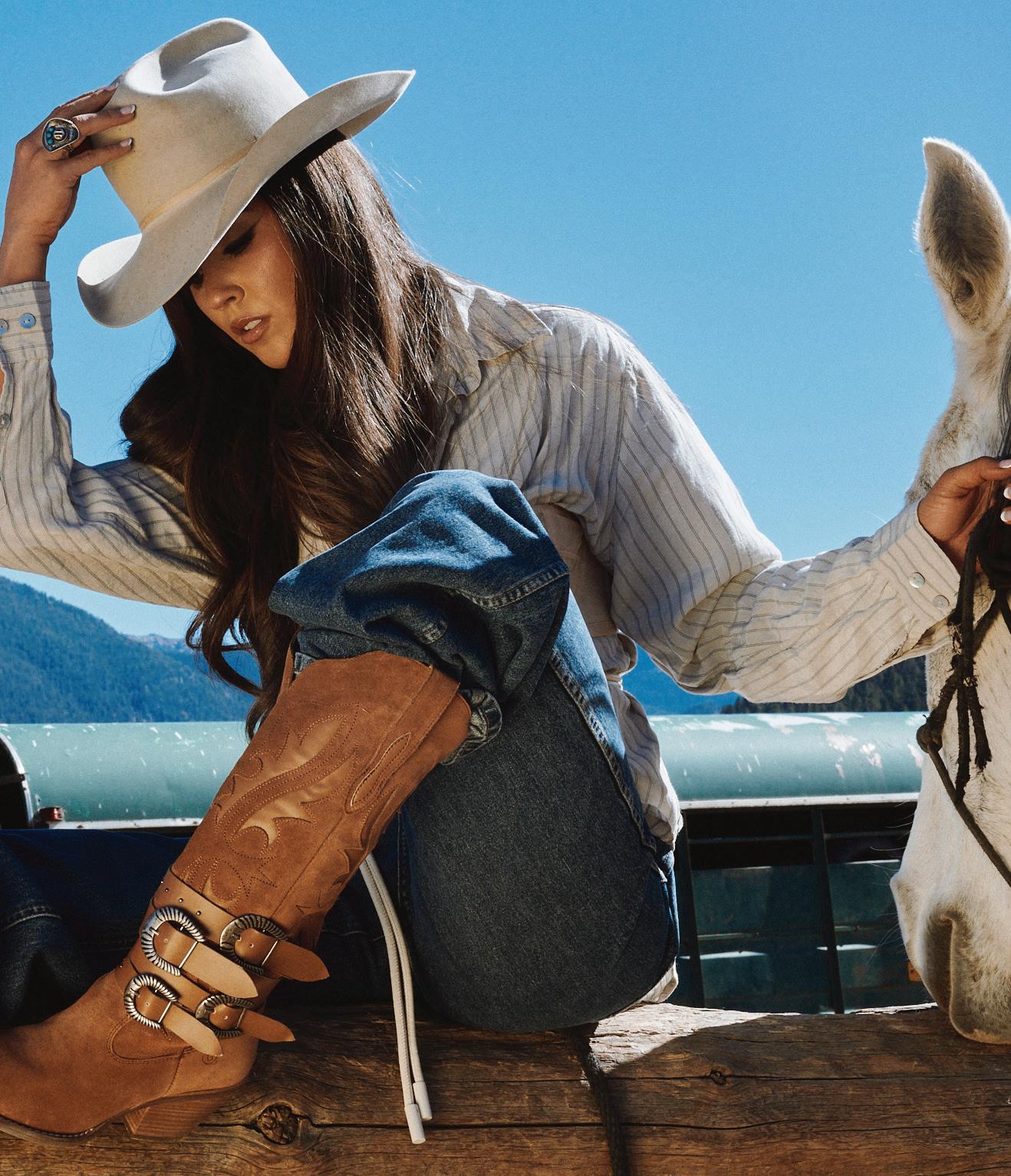
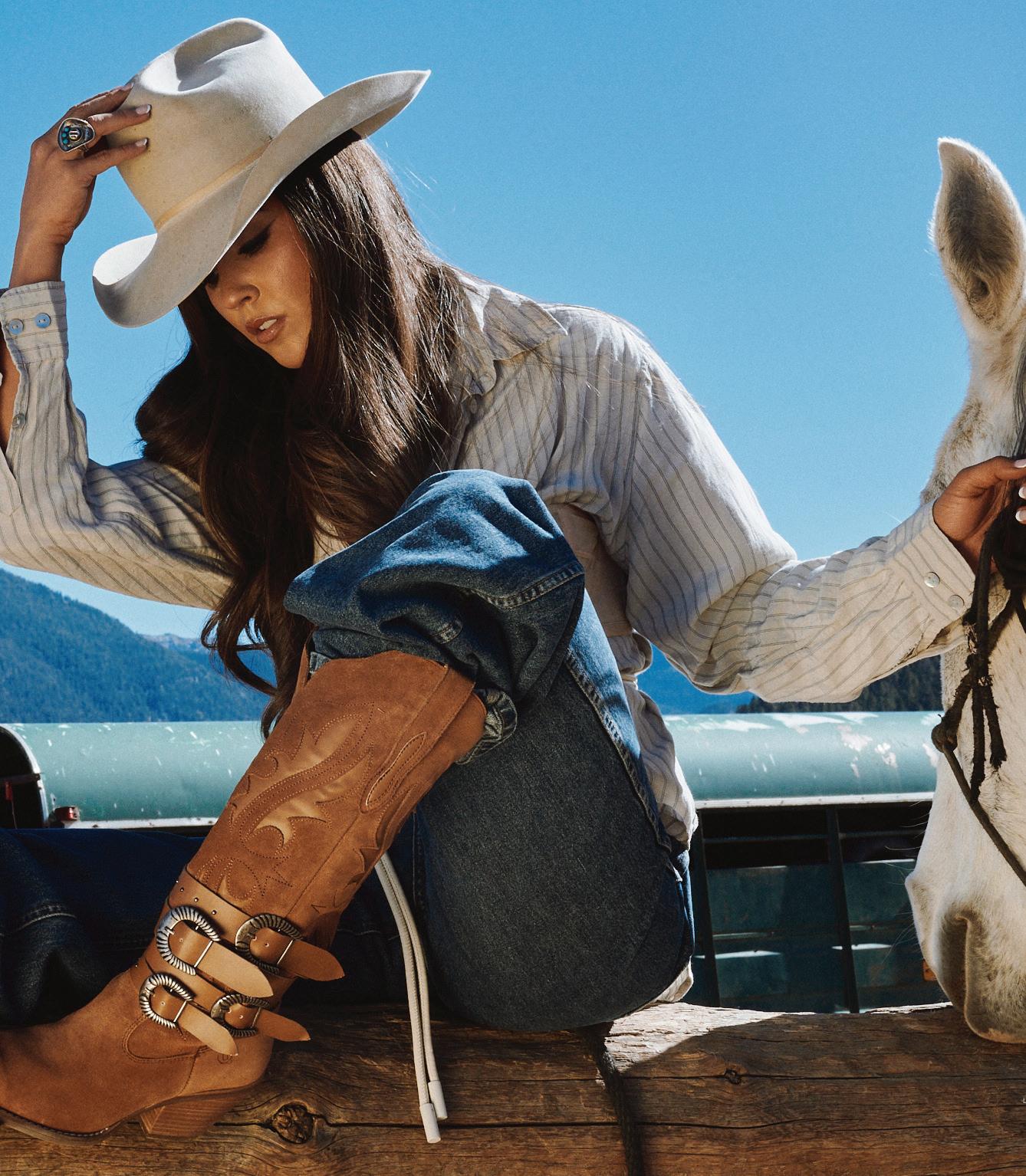
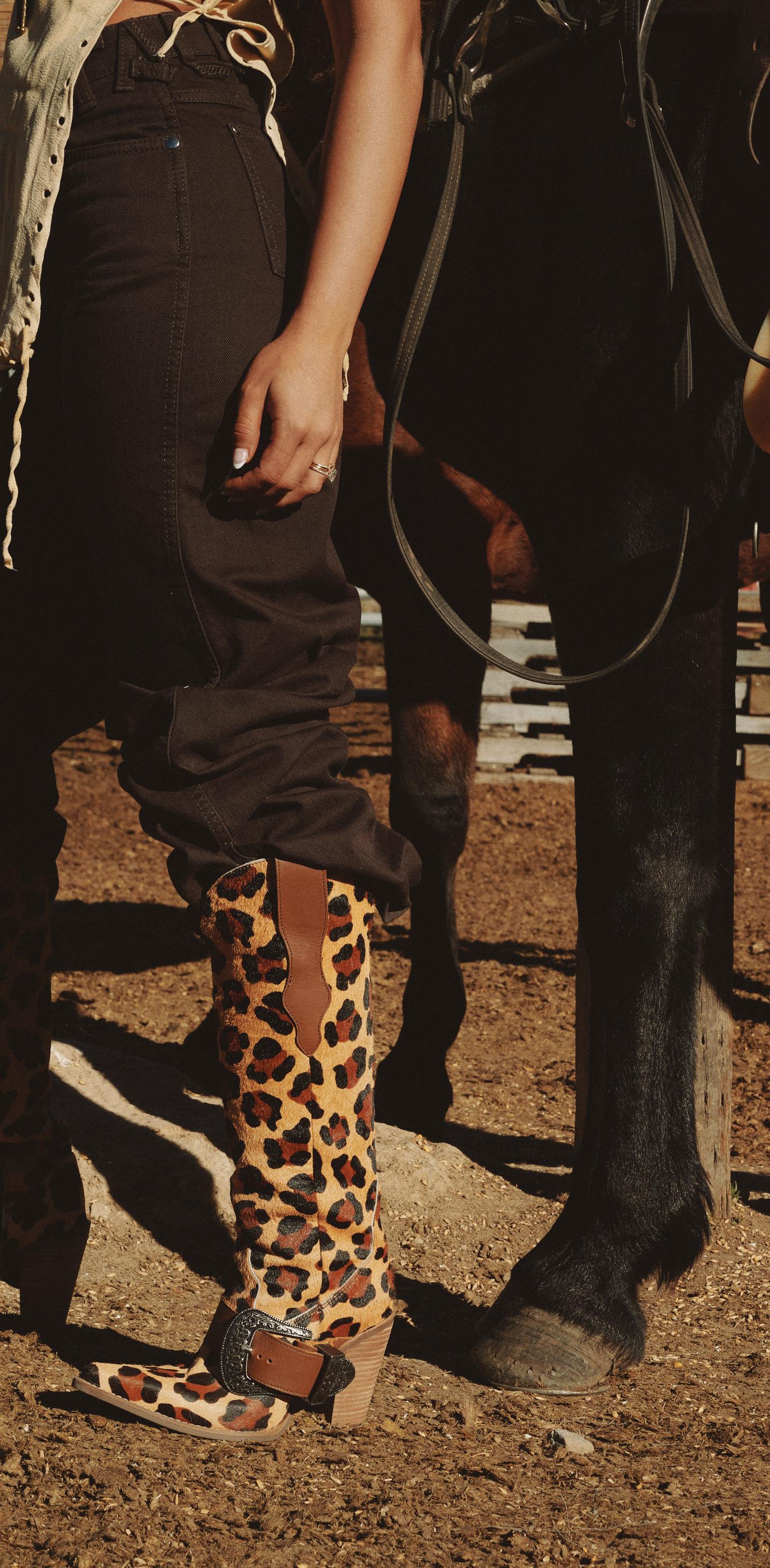
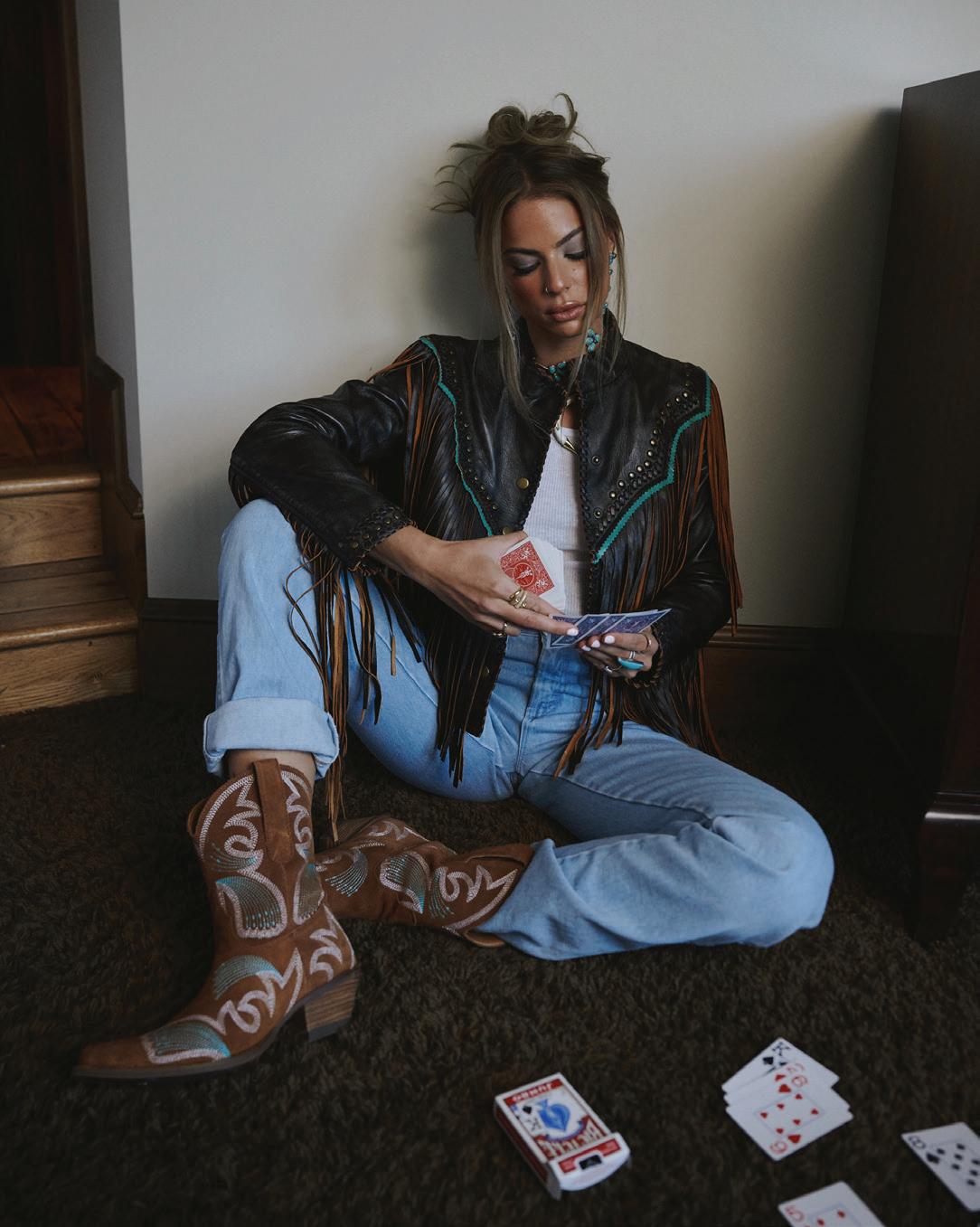
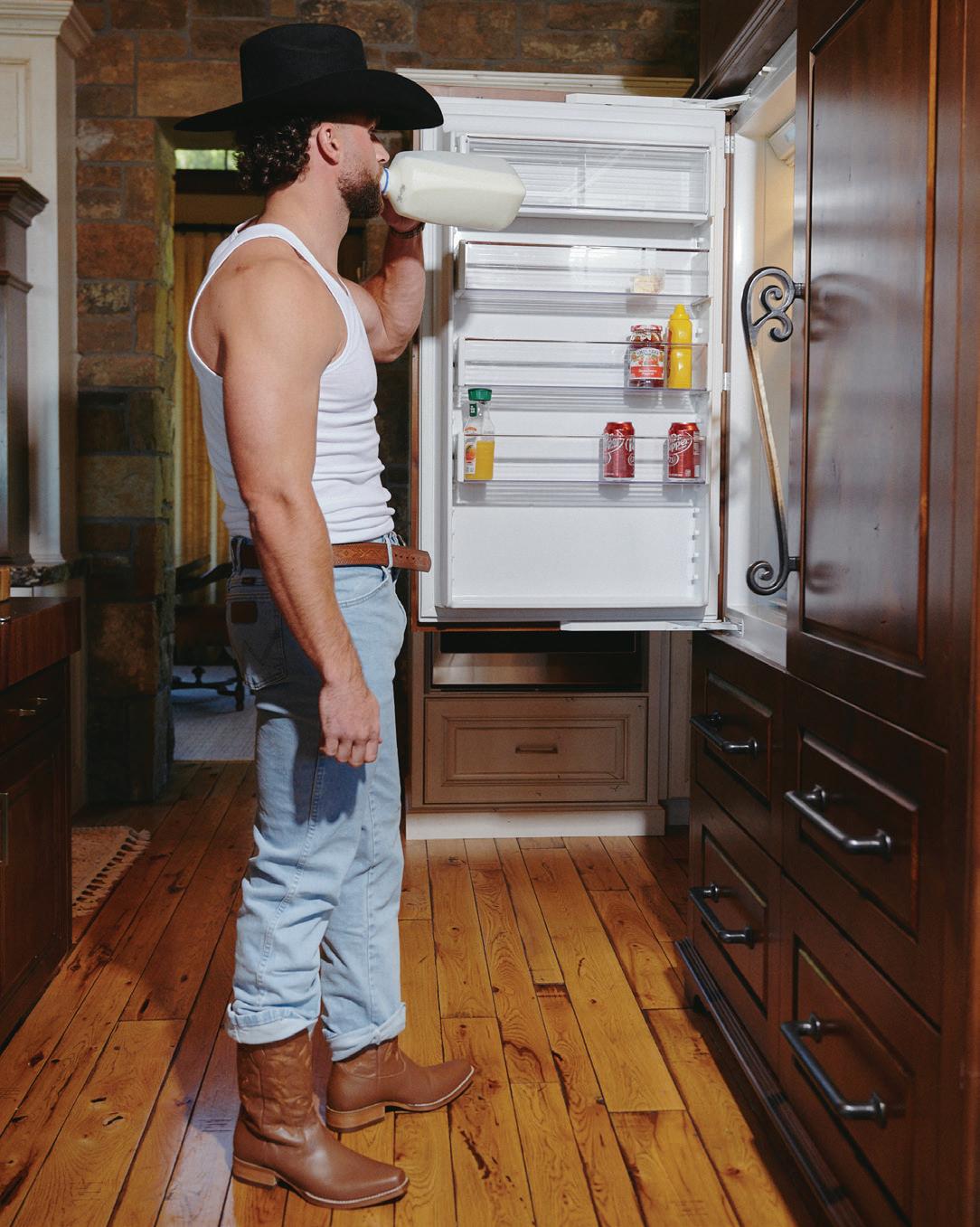
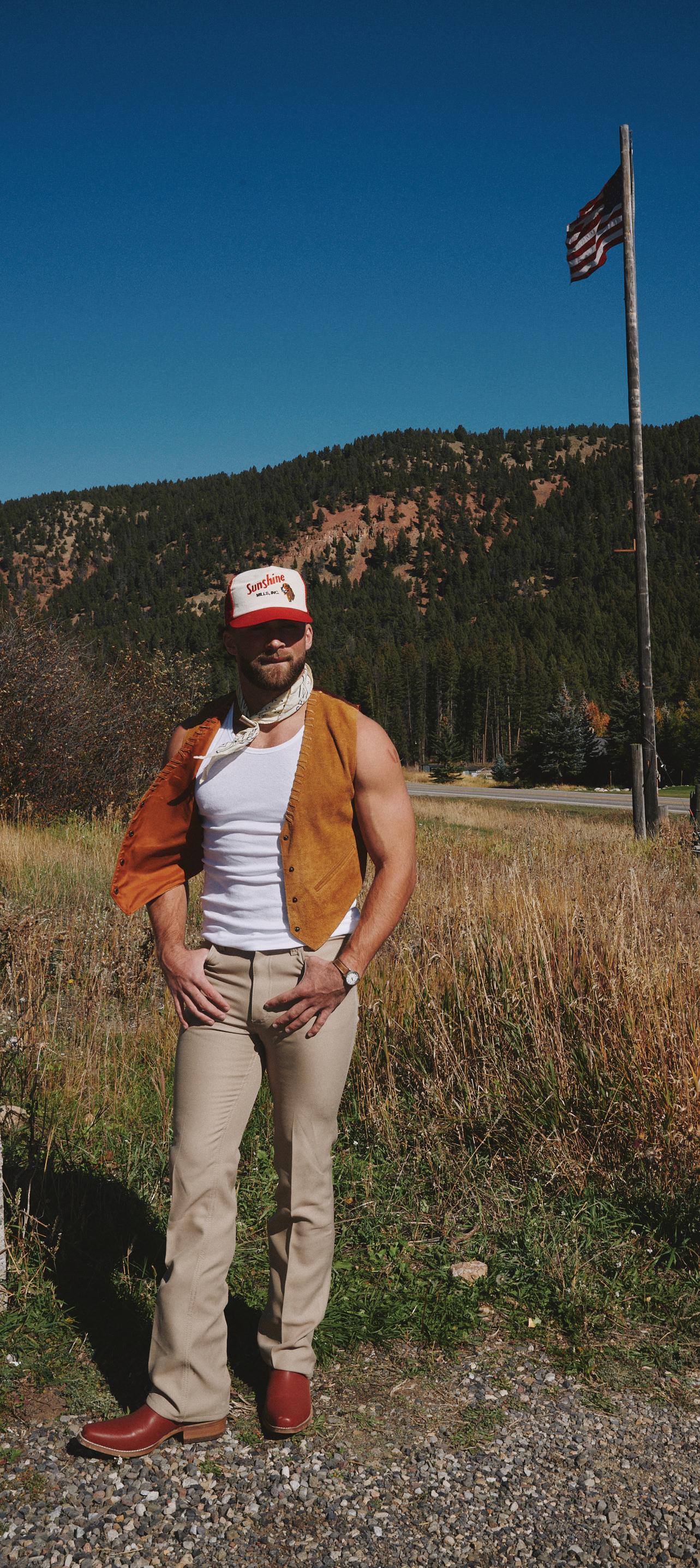
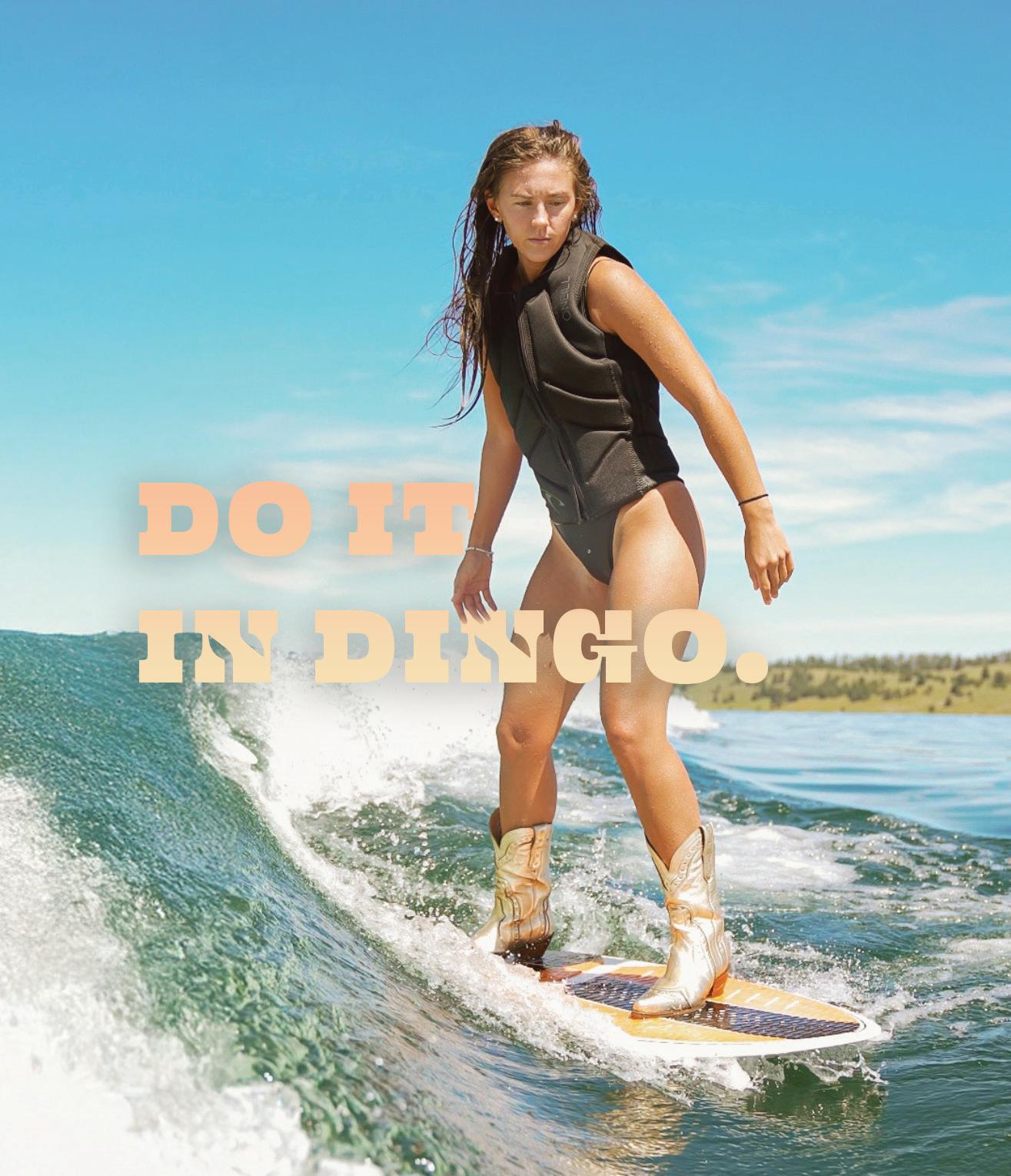
Fearless. Modern. Unmistakably Dingo.
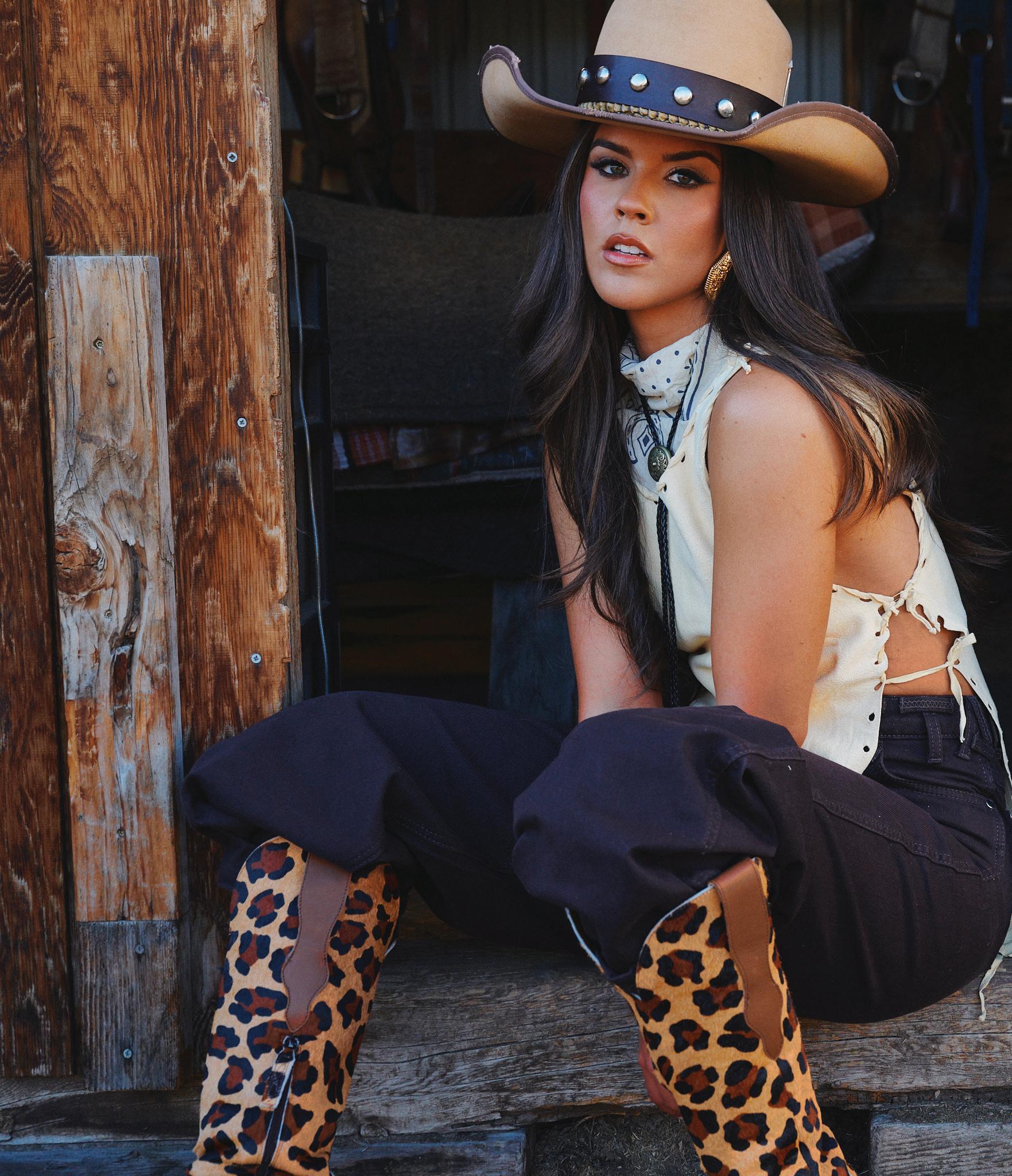
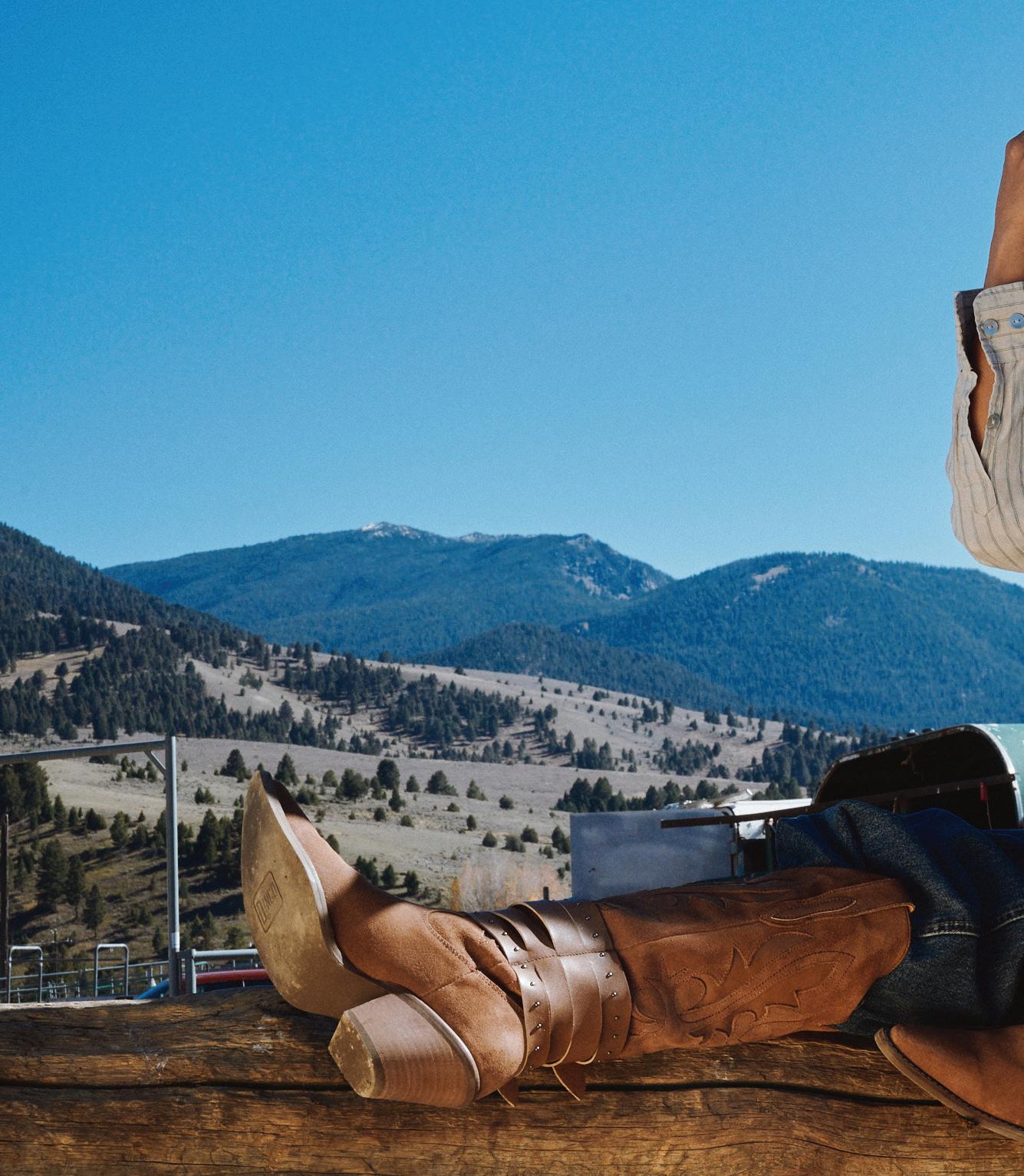
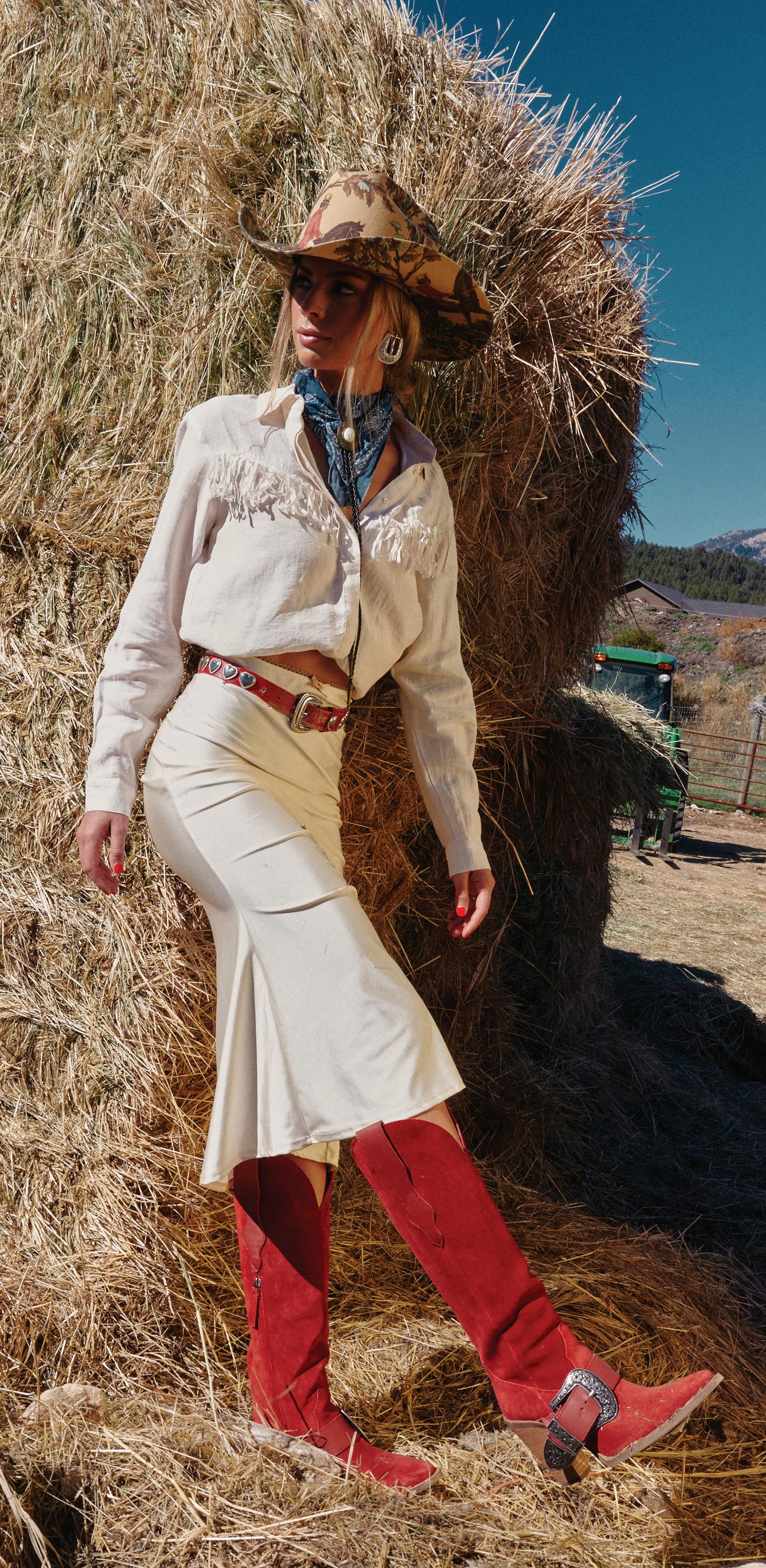
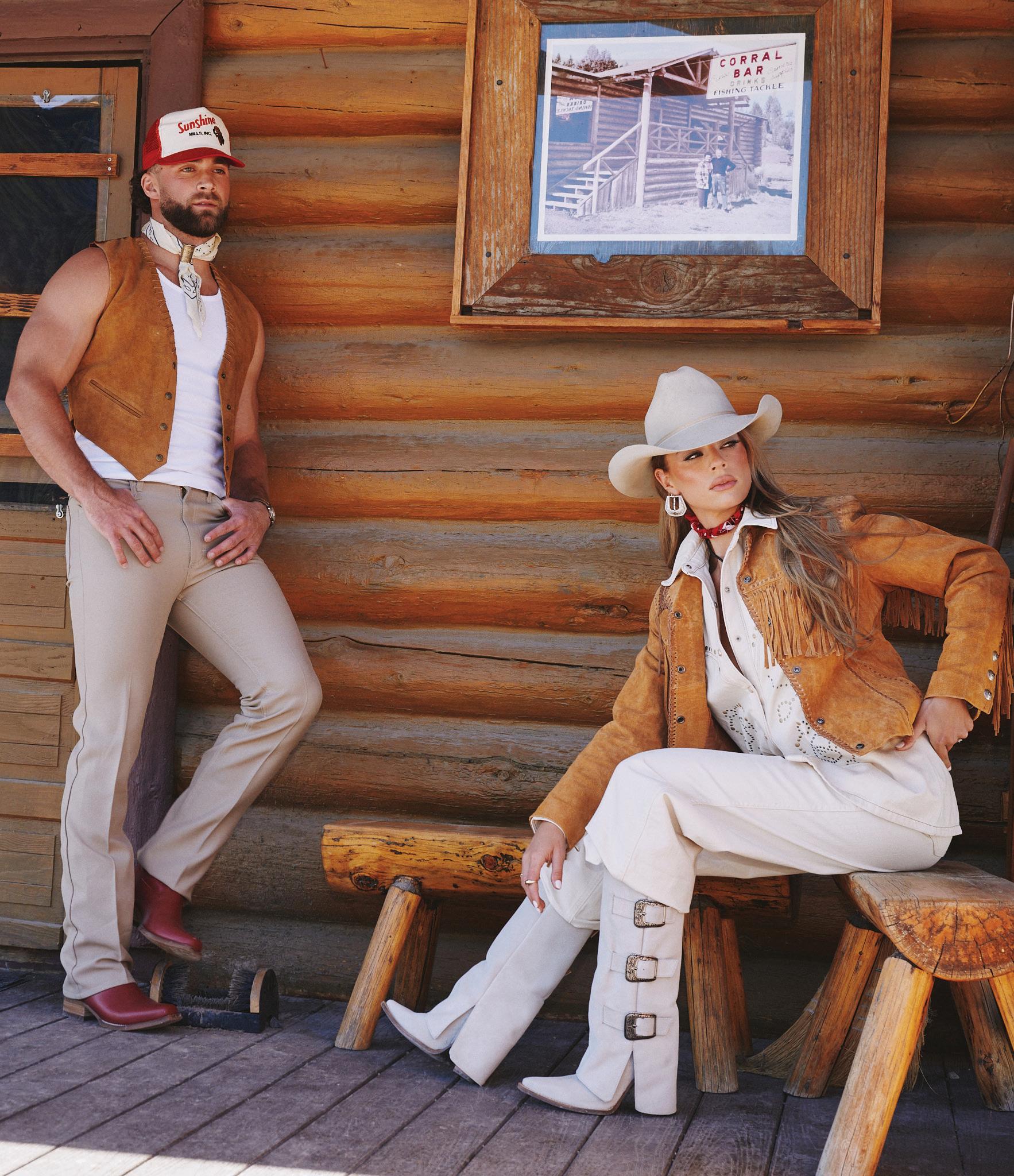
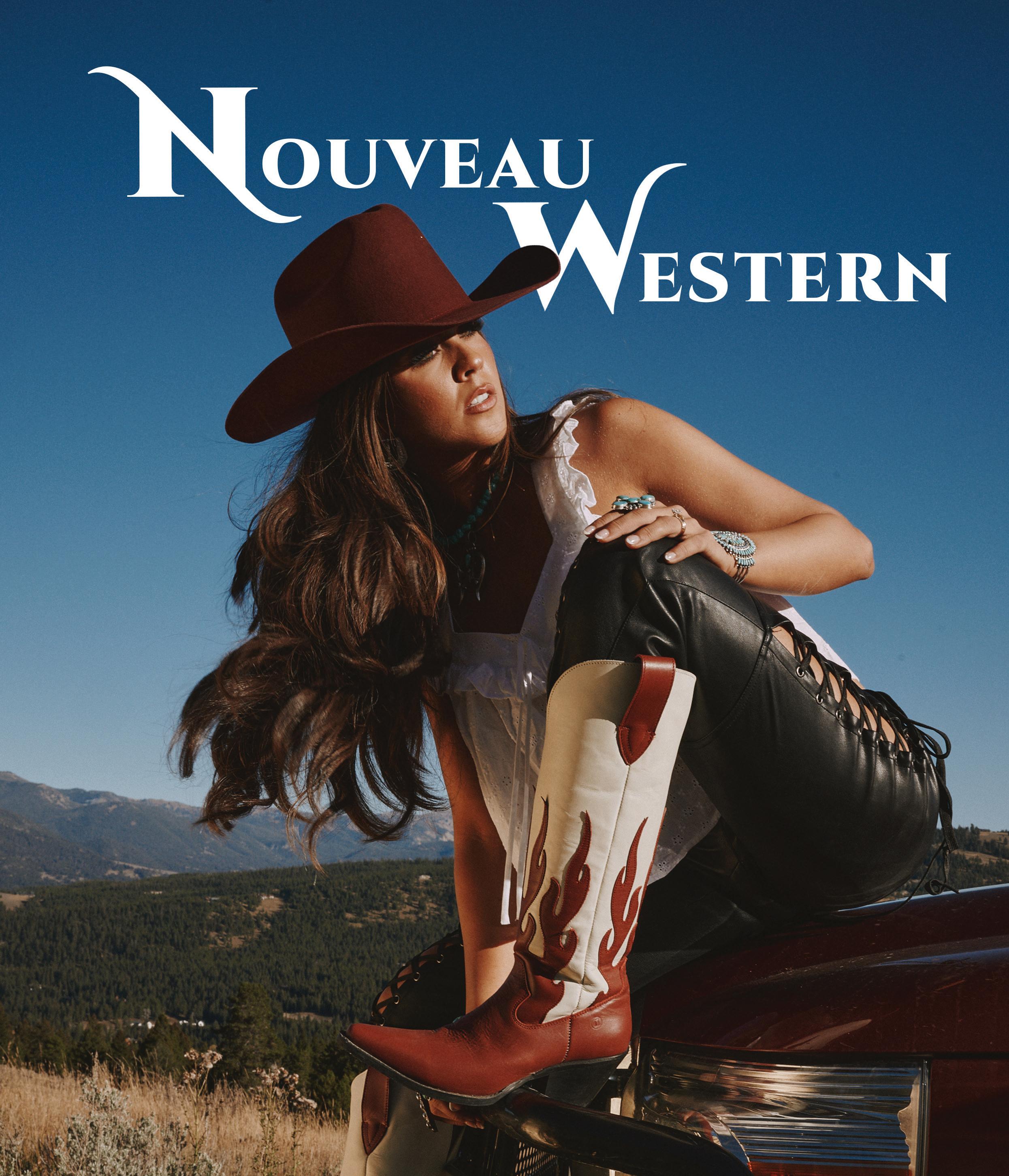
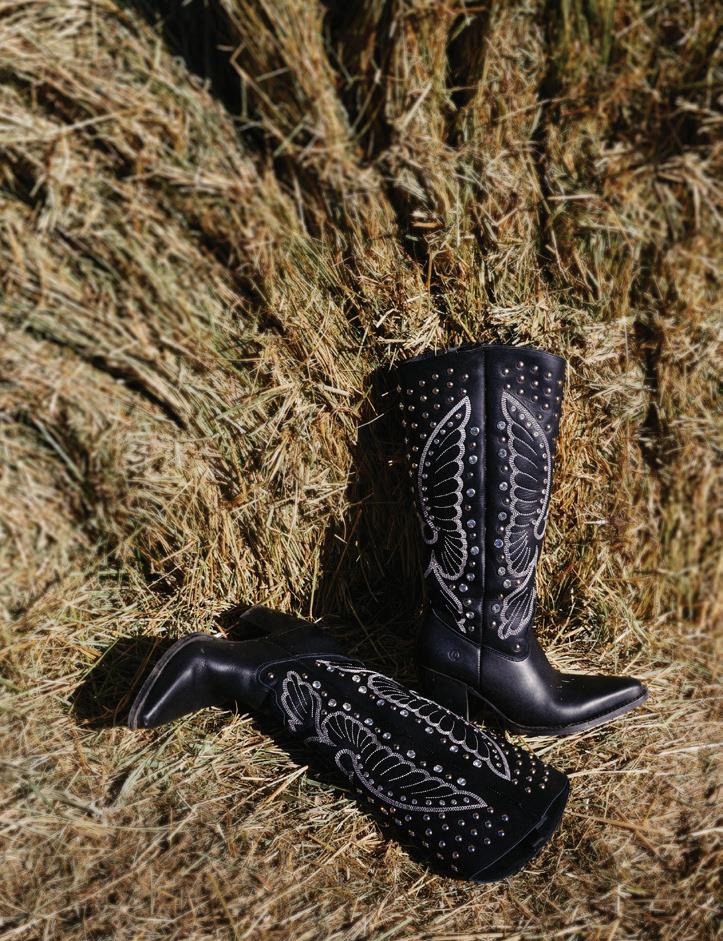
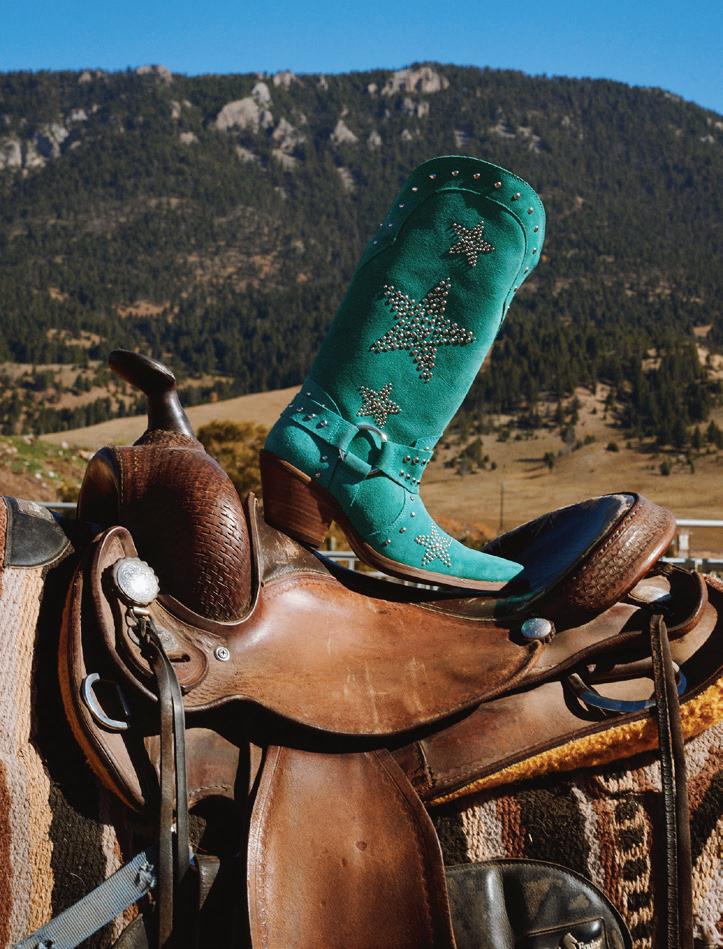
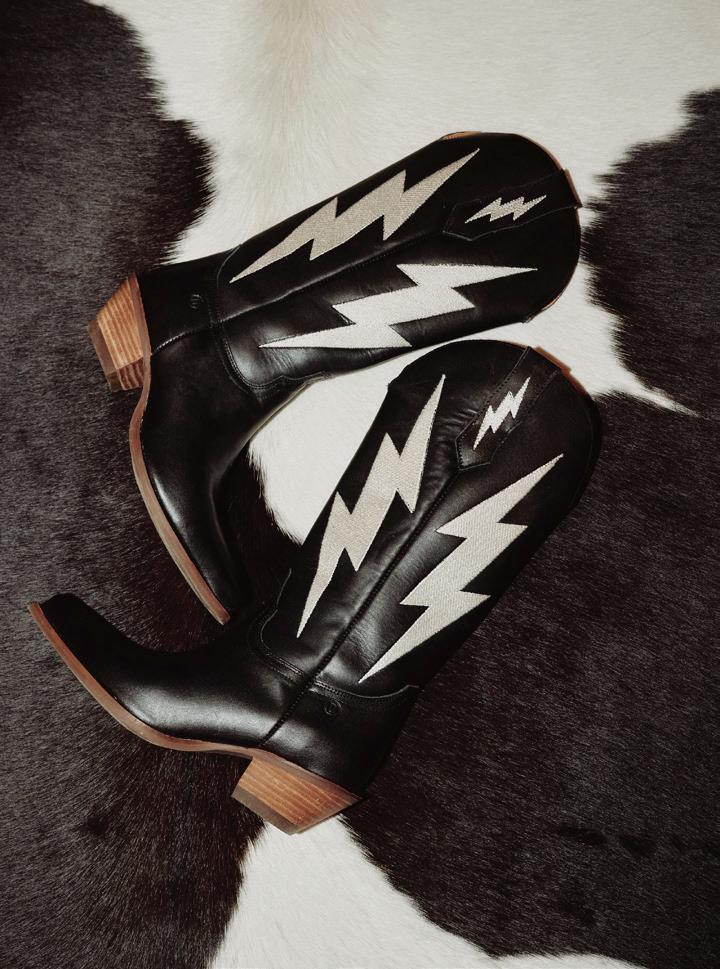
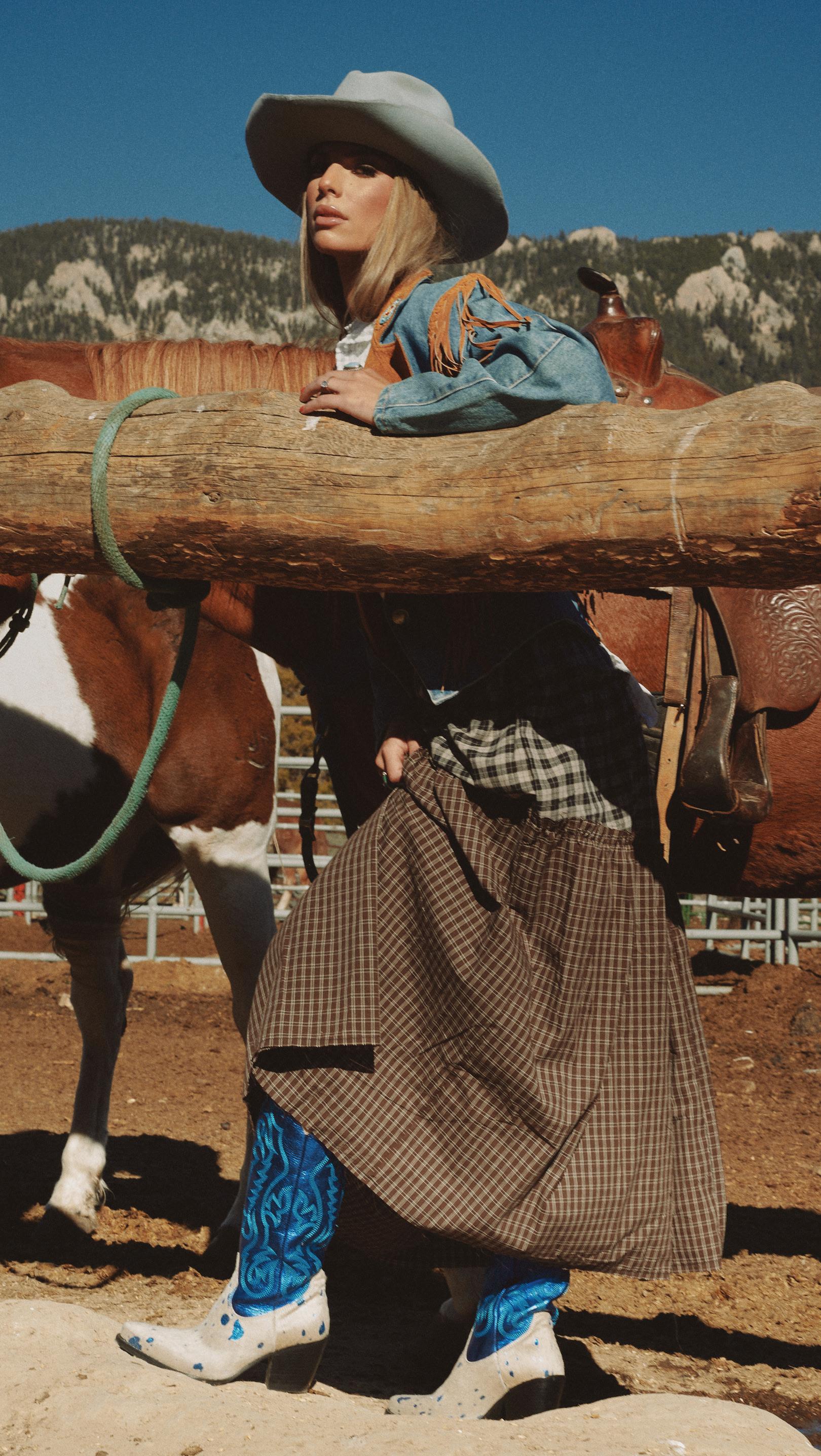
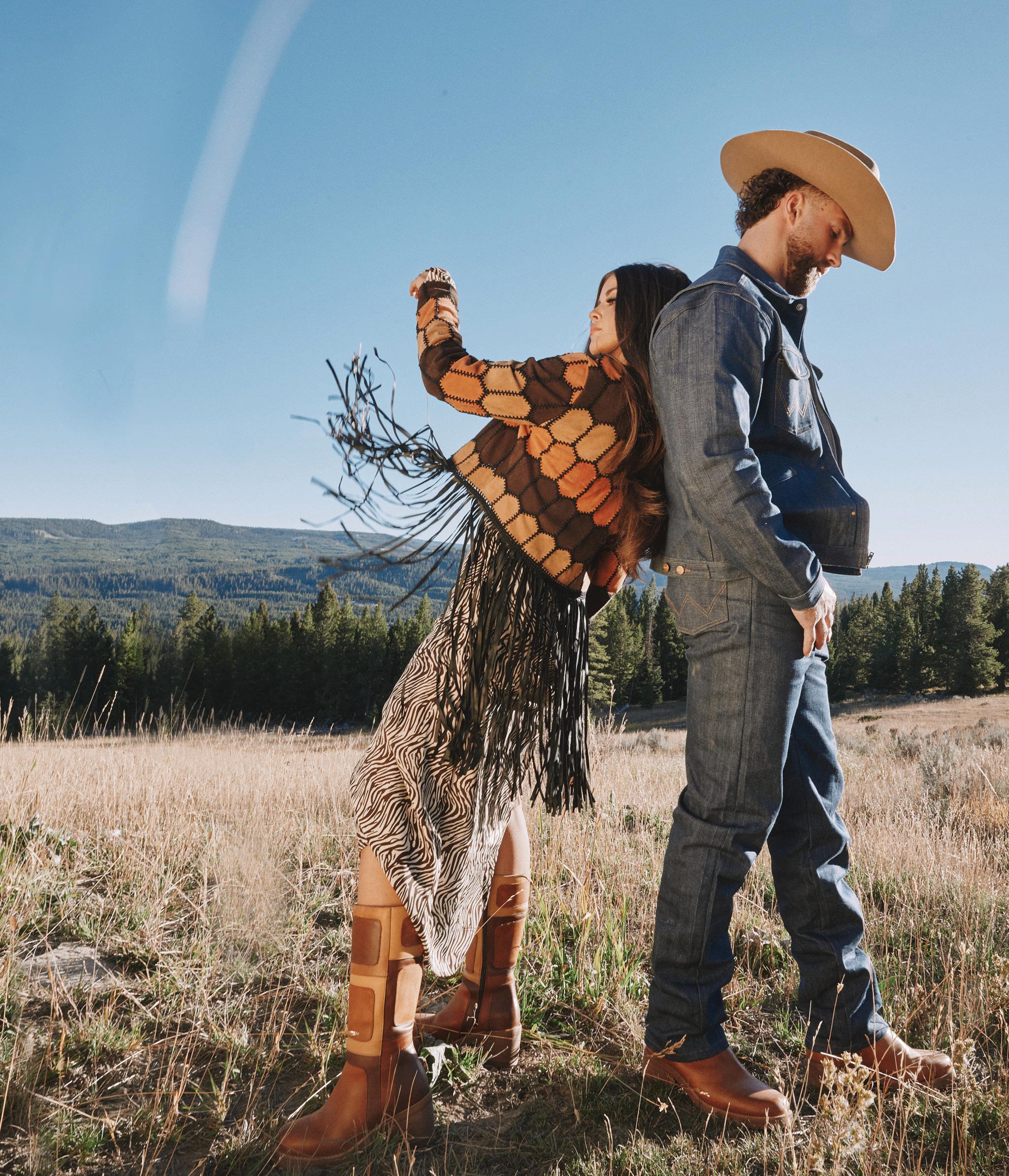
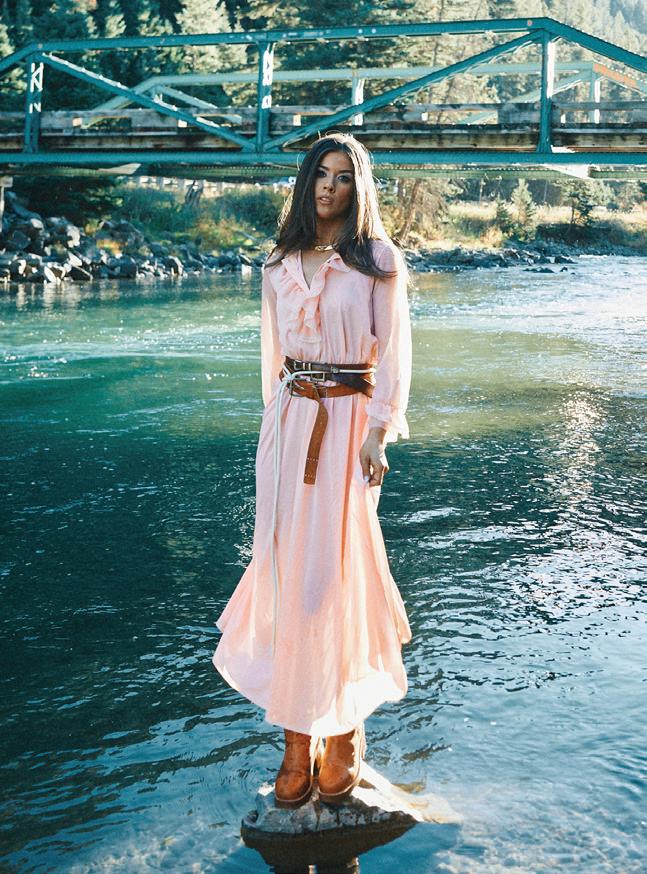
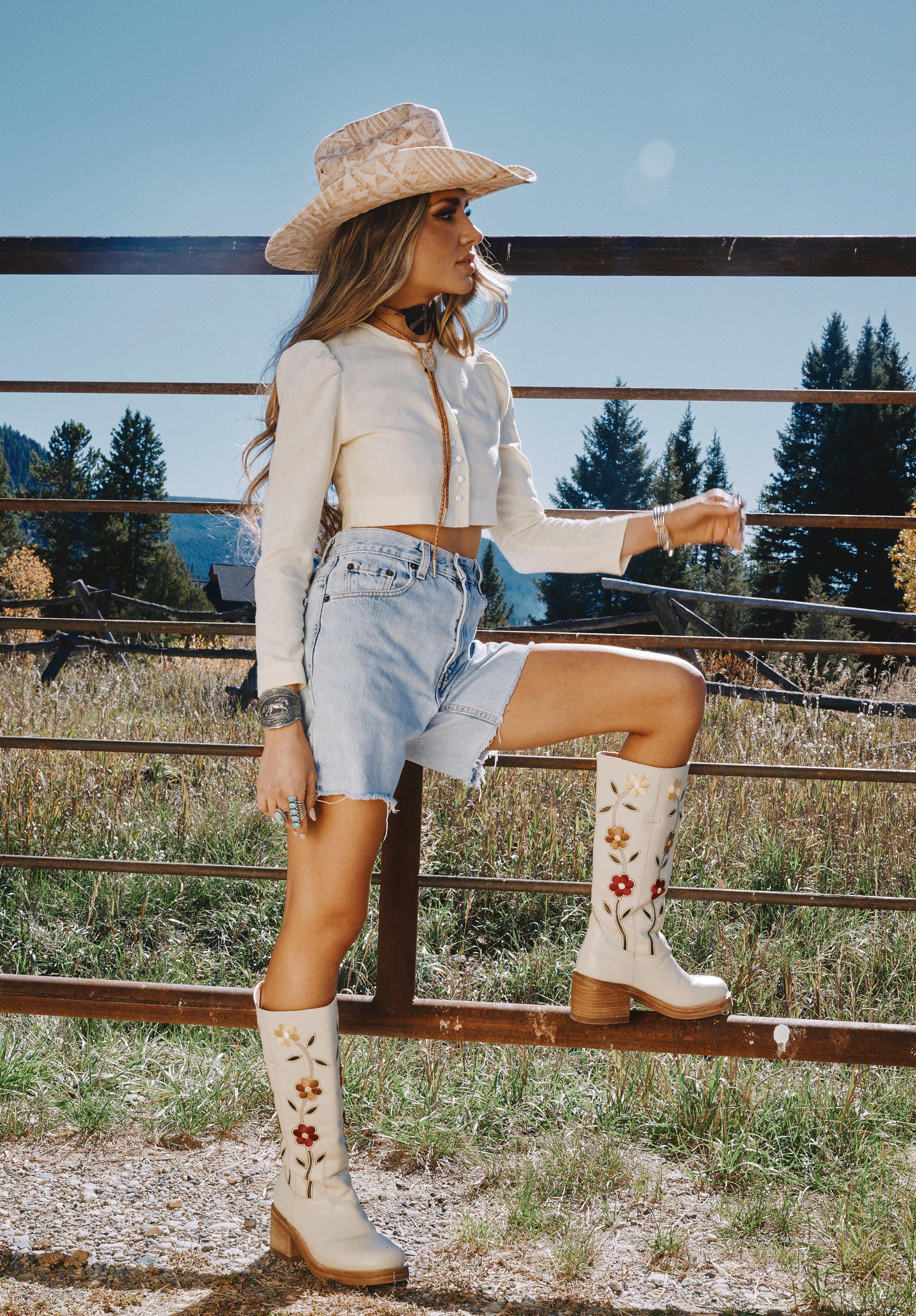
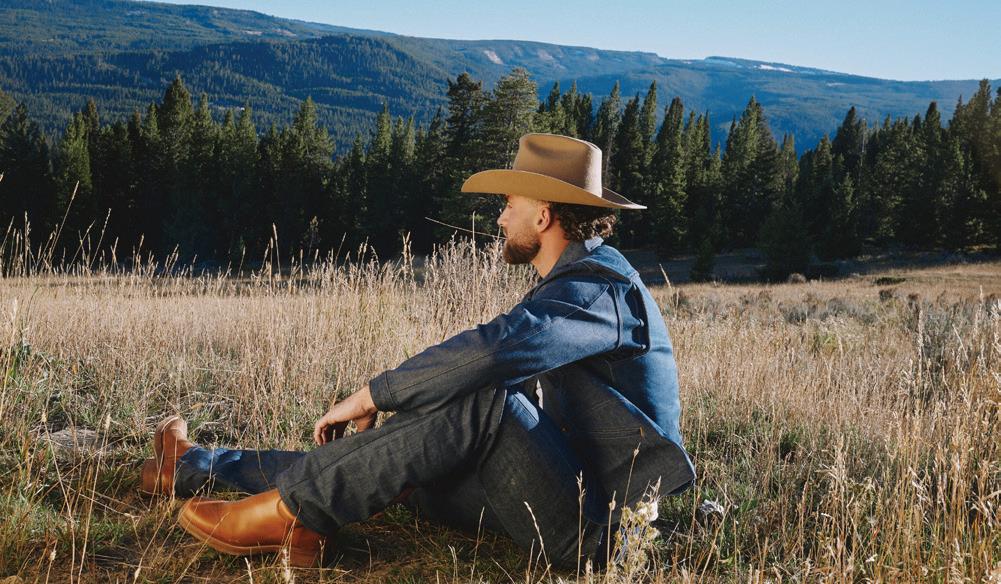
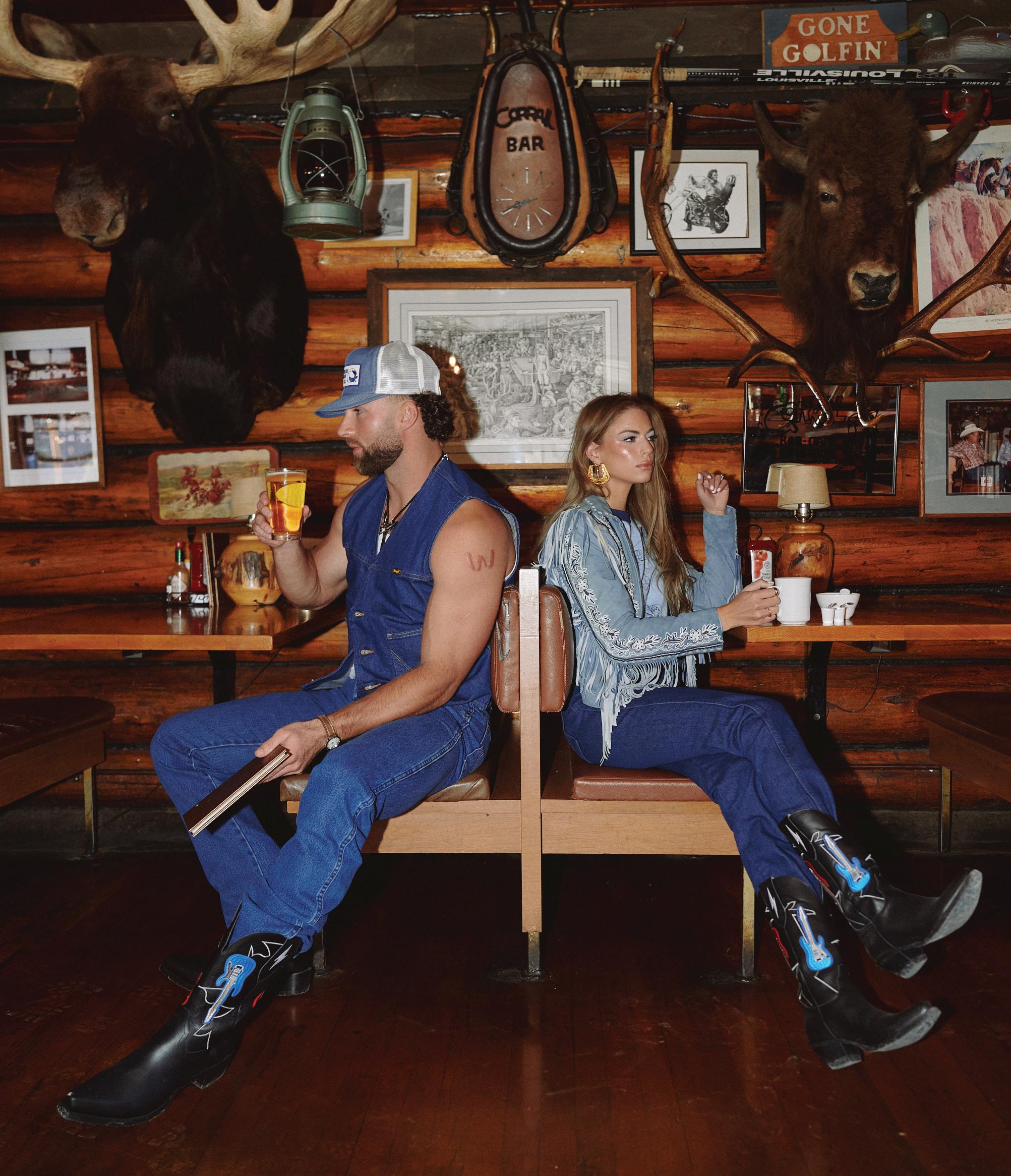
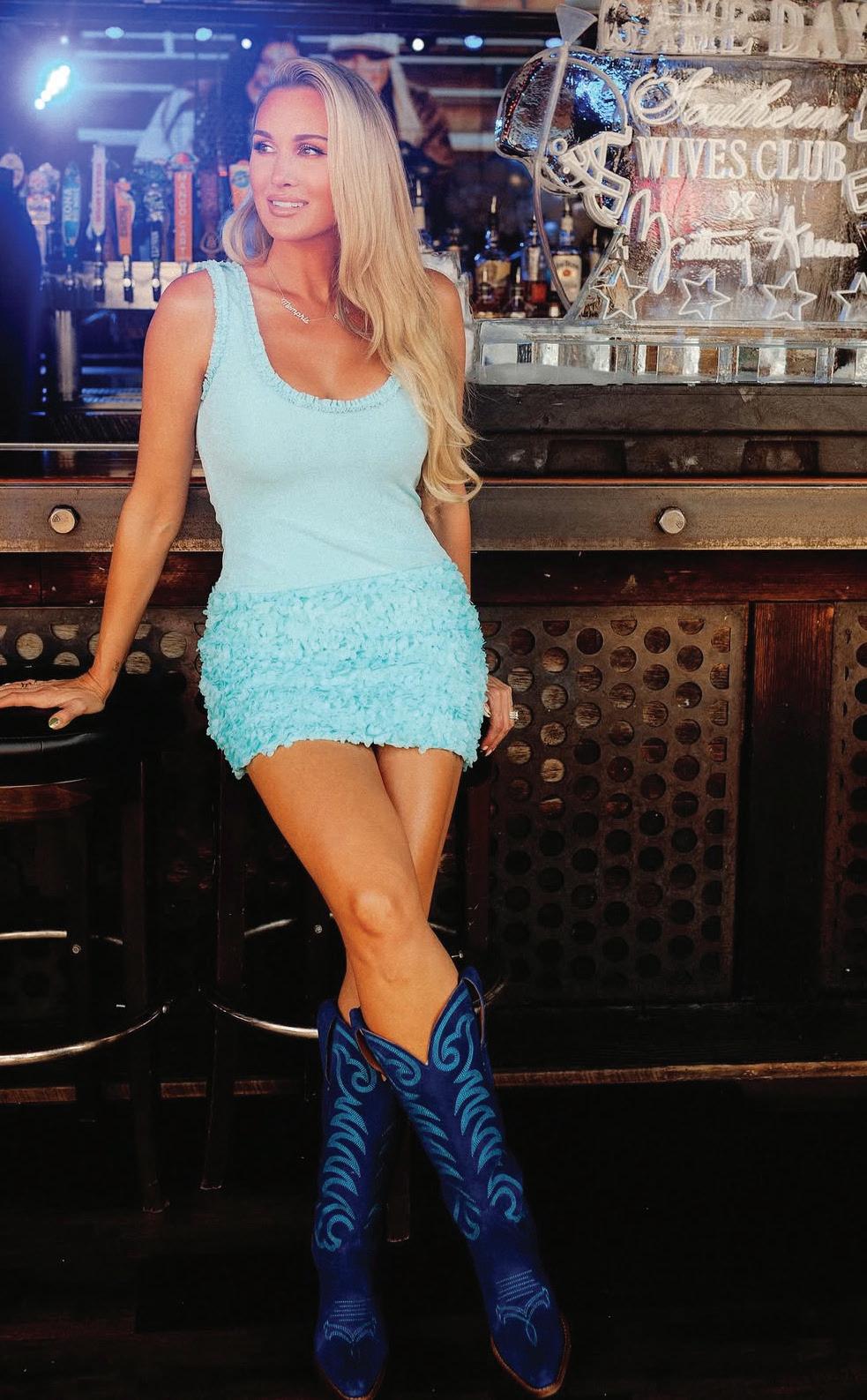
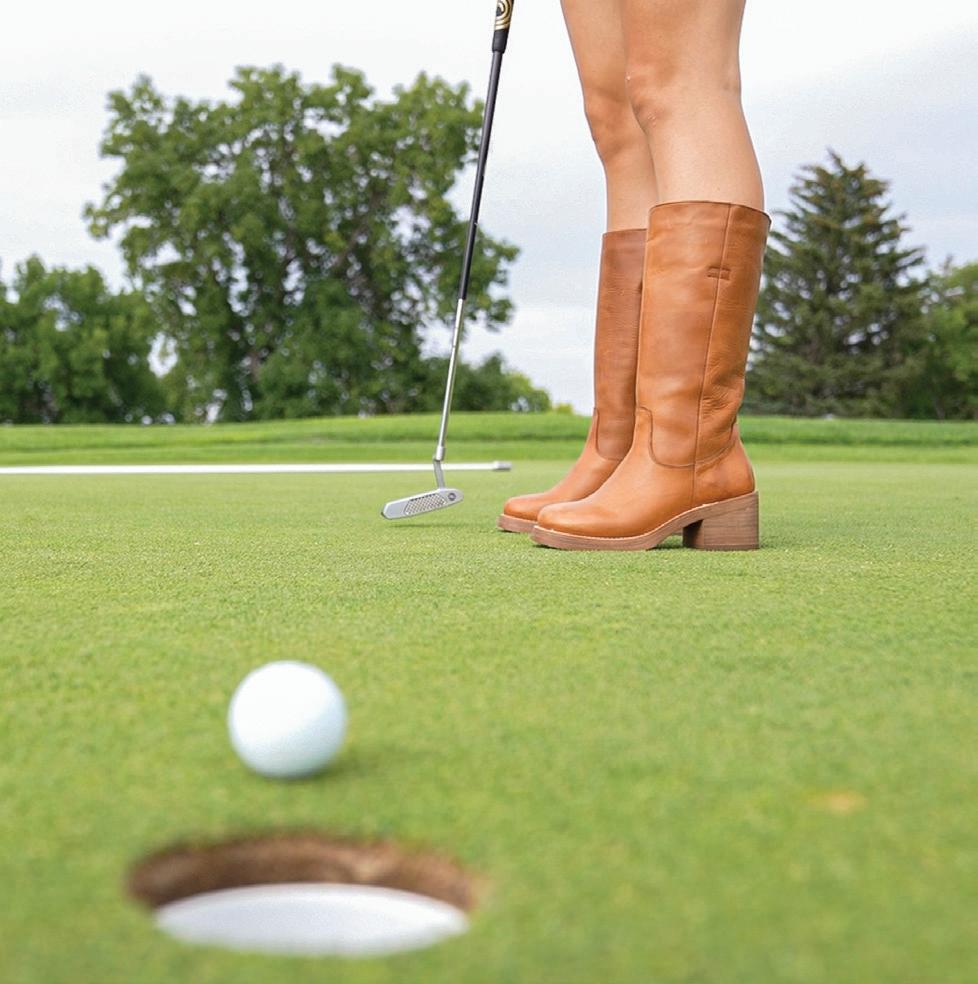
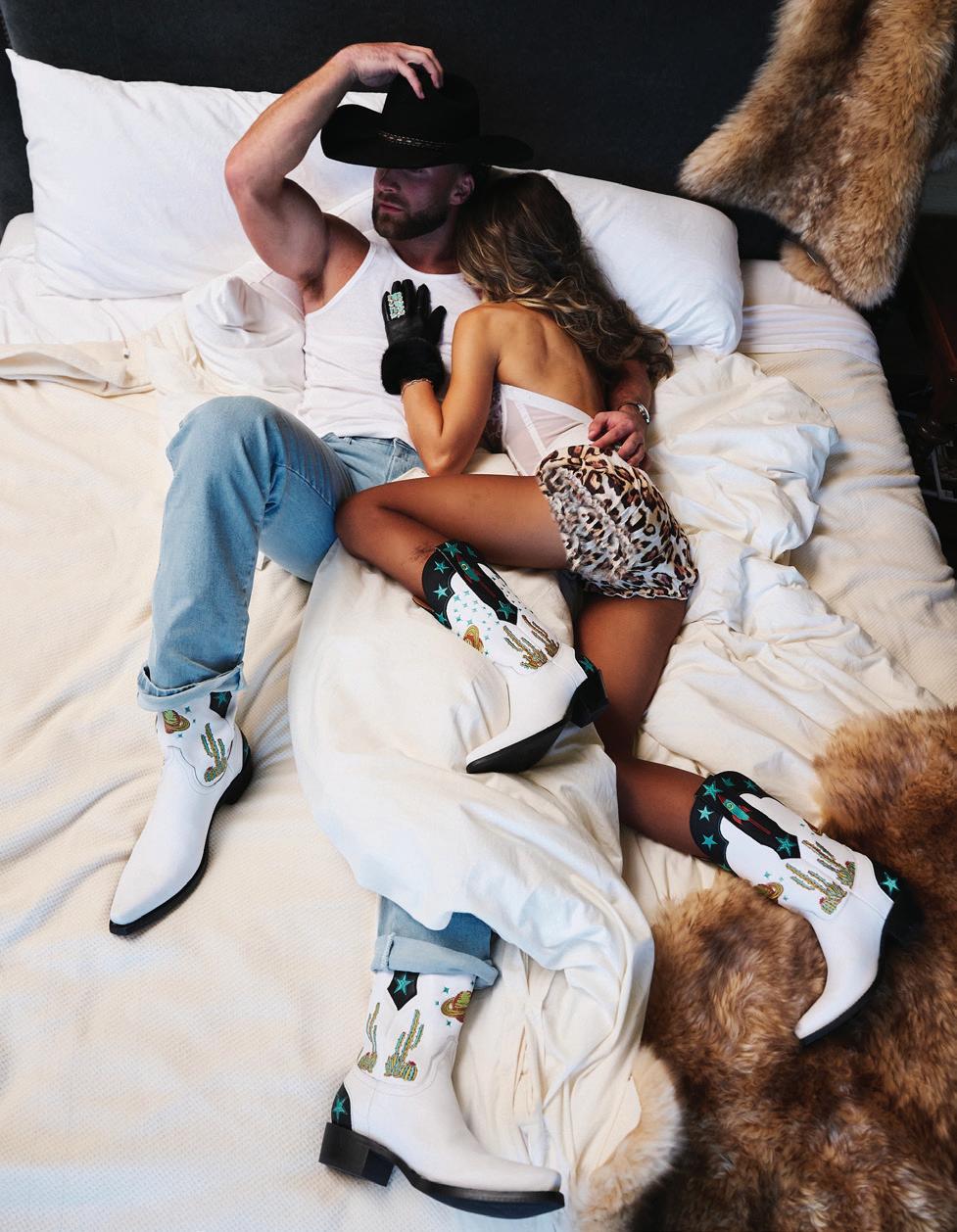
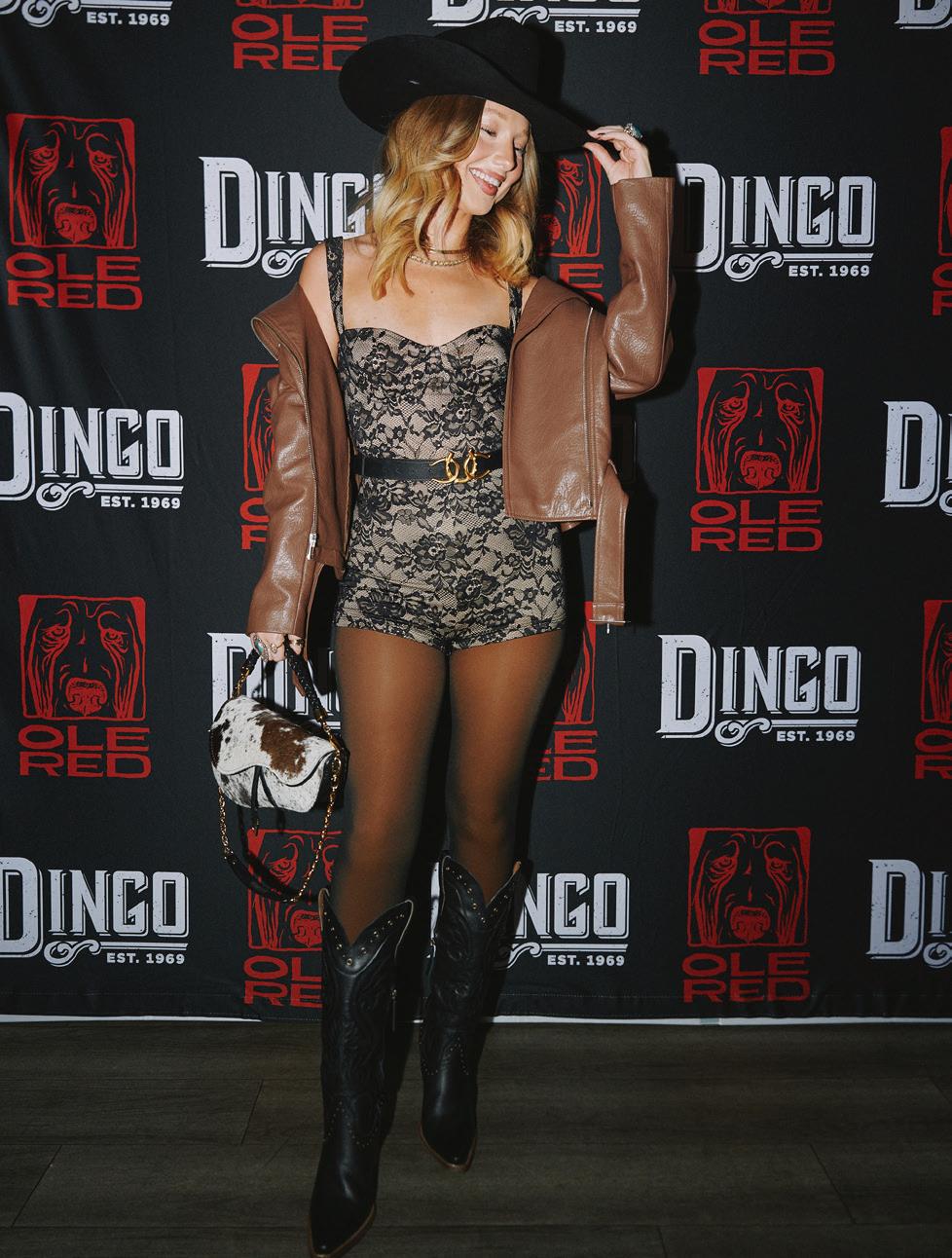
Dingo unveils its 2026 Lookbook , a refined exploration of Western heritage expressed through a contemporary, fashion-driven lens. Rooted in authenticity and elevated with modern edge, the collection highlights the brand's continued commitment to bold design and unmistakable character.
The lineup opens with Buckle Up , a hardwareforward capsule defined by straps, buckles, and metal accents—built for individuals who embrace unapologetic style. Nouveau Western introduces sculptural lines and elevated textures, reshaping classic silhouettes with sophisticated, fashionfirst intention. Prairie Romance brings a softer perspective, blending warm tones and delicate, vintage-inspired elements that reinterpret femininity with modern authenticity. Keep It Authentic reinforces the core of the brand through raw craftsmanship, honest detailing, and silhouettes that speak to Dingo's enduring identity. Designed for the fashion-minded bride, Wedding features refined whites and intricate accents that deliver a fresh, elevated take on Western bridal design. And Do It In Dingo captures the spirit of the brand in its purest form—bold, expressive, and rooted in the belief that authentic style should always stand apart, reminding you to always #DoItInDingo.

healthy growth driven by continued demand from our core retail partners, expanded distribution, and a consumer who continues to value originality, quality, and storytelling,” he says. “Most importantly, the brand deepened its connection with both retailers and consumers.”
Ben Zikry cites L’Artiste’s hand-painted, artisanal styles as continuing to resonate, particularly silhouettes that balance bold design with everyday wearability. “Collections that blended distinctive artistry with comfort-driven constructions performed especially well, reinforcing that creativity and practicality can—and should—coexist,” he says. “Retailers value L’Artiste for its consistency, reliability, and ability to stand out on the floor. Consumers are drawn to the brand’s individuality—each style feels like a wearable piece of art while still delivering comfort, fit, and value. There’s an emotional connection that goes beyond trend.” Ben Zikry adds, “We don’t chase trends; we interpret them through an artistic lens. Every detail—from materials to hand-finished touches—is intentional. That authenticity—paired with strong partnerships and disciplined execution—is what sets L’Artiste apart.”
Brown’s Shoe Fit Company, winner of the Regional Chain category, continued to set itself apart in 2025, as well. Manager Adam Smith chalks up the recognition to the 74-store, Midwest chain “doing the right things” over an extended period of time. “To consistently provide an excellent guest experience requires having some of the very best people who care to make a difference in their communities,” he says. “Our President, Cammie McKenzie, says it often: ‘We’re only successful because of our wonderful people,’ and that’s a constant that remains true. In fact, this is the only reason we’ve stood the test of time since our company began in 1911.”
As for 2025, Smith describes it as a “good year” overall. “Our stores remained strong and, like most retailers, we were especially strong in the athletic category,” he says. Another highlight was the launch
of a company wide ecommerce site, which is off to a great start. “We also had a few retirements from fantastic, dedicated store operators, which created more opportunities for newer owner/ operators,” Smith adds. “We pride ourselves on being one of the best investment opportunities in America for those who are driven to work hard for their futures, and we’re committed to finding and cultivating the best talent in order to continue offering an exceptional experience every time.”
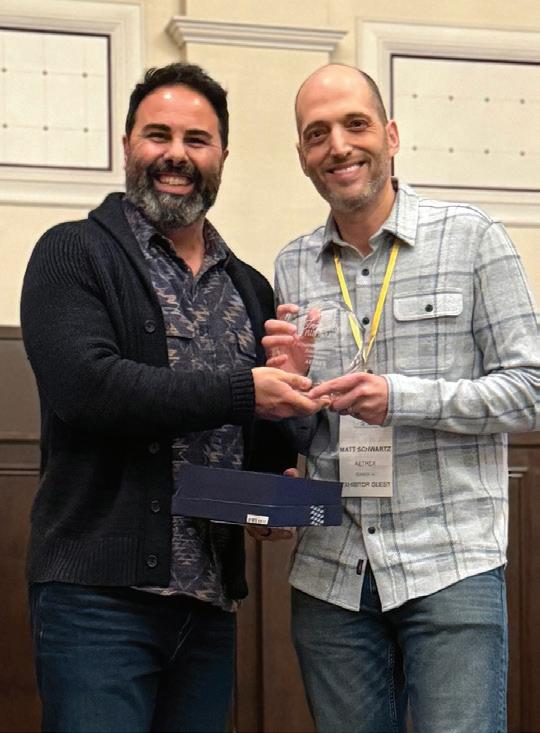
Consistency and quality are key aspects fueling Aetrex’s success, as well. Matt Schwartz, chief revenue officer, attributes the company’s Innovative Plus Award in the Accessories category to several innovative product introductions, like Aetrex Customizables. The premium orthotics not only come in four standard custom configurations but also feature technology allowing for custom pressure relief for each individual foot. In addition, Aetrex introduced Edge Orthotics, which taper thinner as they approach the toe, feature special pressure relieving foams, and are ideal for ski boots and other footwear with limited room. “We also introduced an exciting line of children’s orthotics that tie into our kids scanning program featuring Tootsie, a friendly monster character who guides them through a foot scan and whom children love,” he says. “All three are off to a great start.”
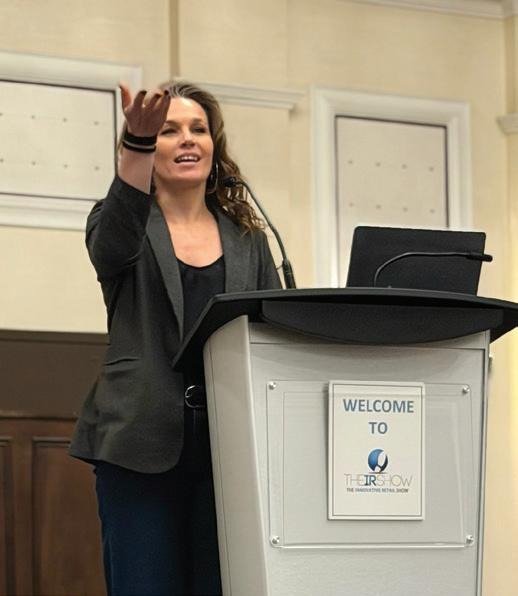
It was a record year for sales and profits at Aetrex with orthotics sales continuing to play a central role, reports Schwartz. In addition to new product offerings, Aetrex Premium Memory Foam, Compete, and Train Orthotics continued to drive sales and profits for retail partners. “Last year was an amazing technology development year at Aetrex,” he says. “FitAI, our personalized, scan-based footwear recommendation platform, is now live in over 550 retail locations and will be at over 1,000 by the end of 2026. Consumer engagement with Aetrex FitAI continues to grow at a rapid pace. We’ve also introduced an AI Assistant in our foot scanning software that guides shoppers, explains scan results, and helps consumers find their perfect fit with the help of voice or text prompts. The AI Assistant helps retailers ensure a consistent service experience across all locations at their retail chain.”
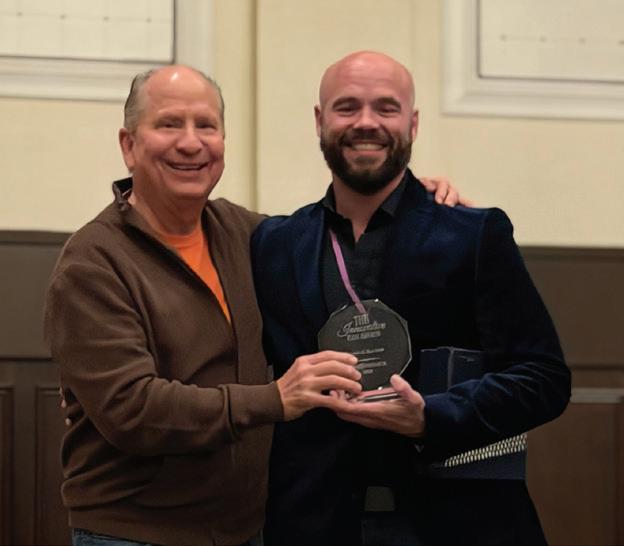
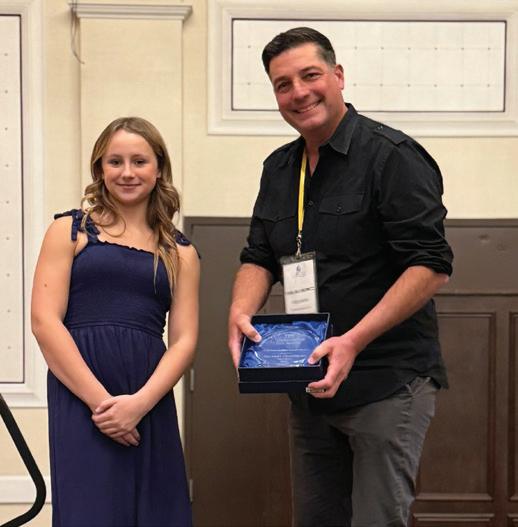
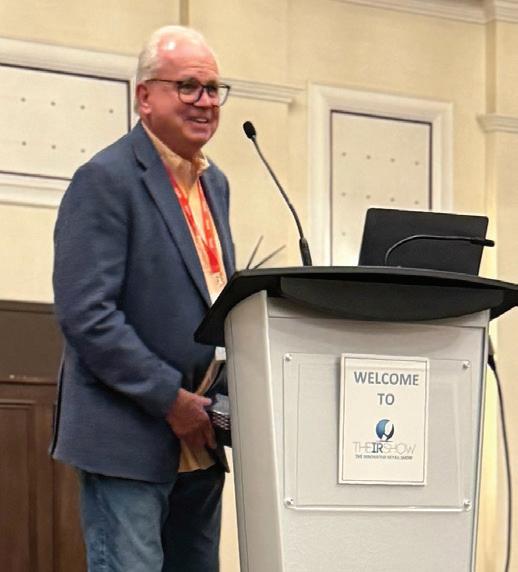
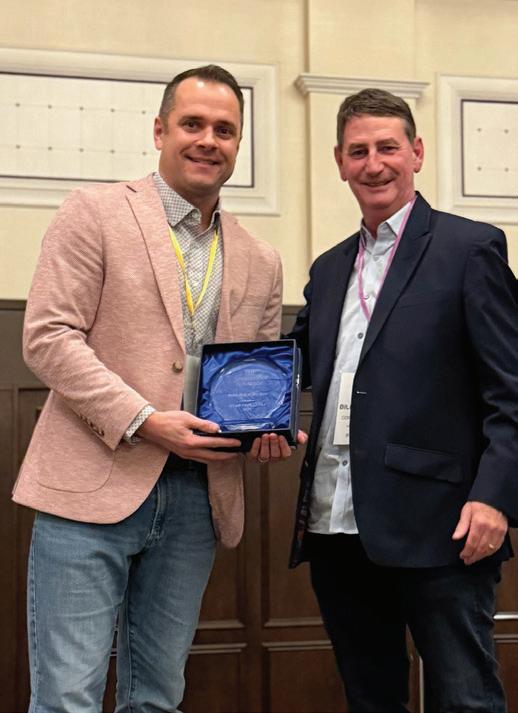
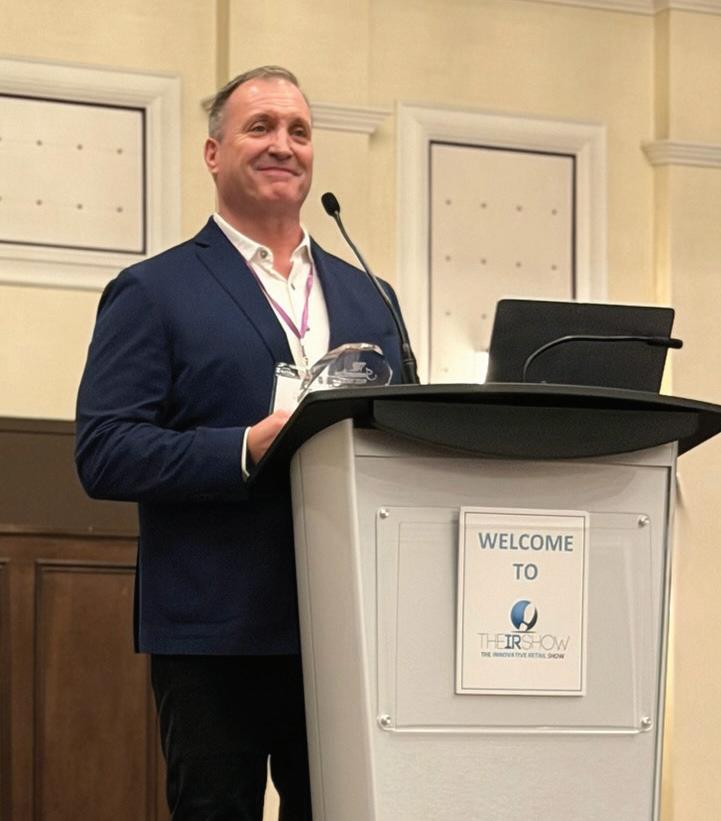
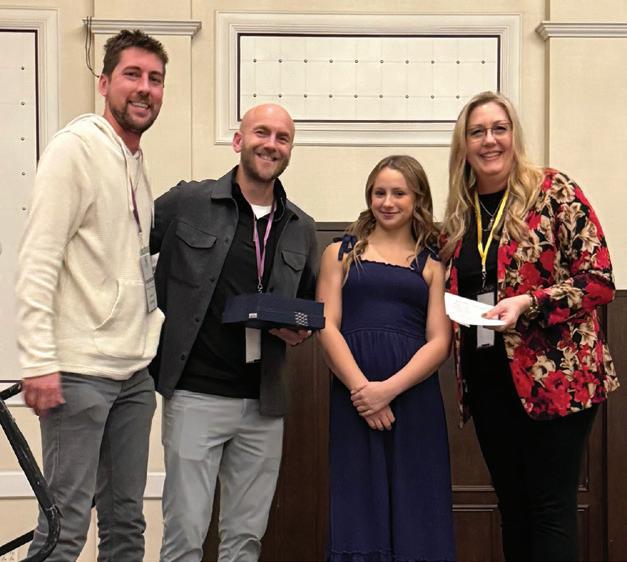
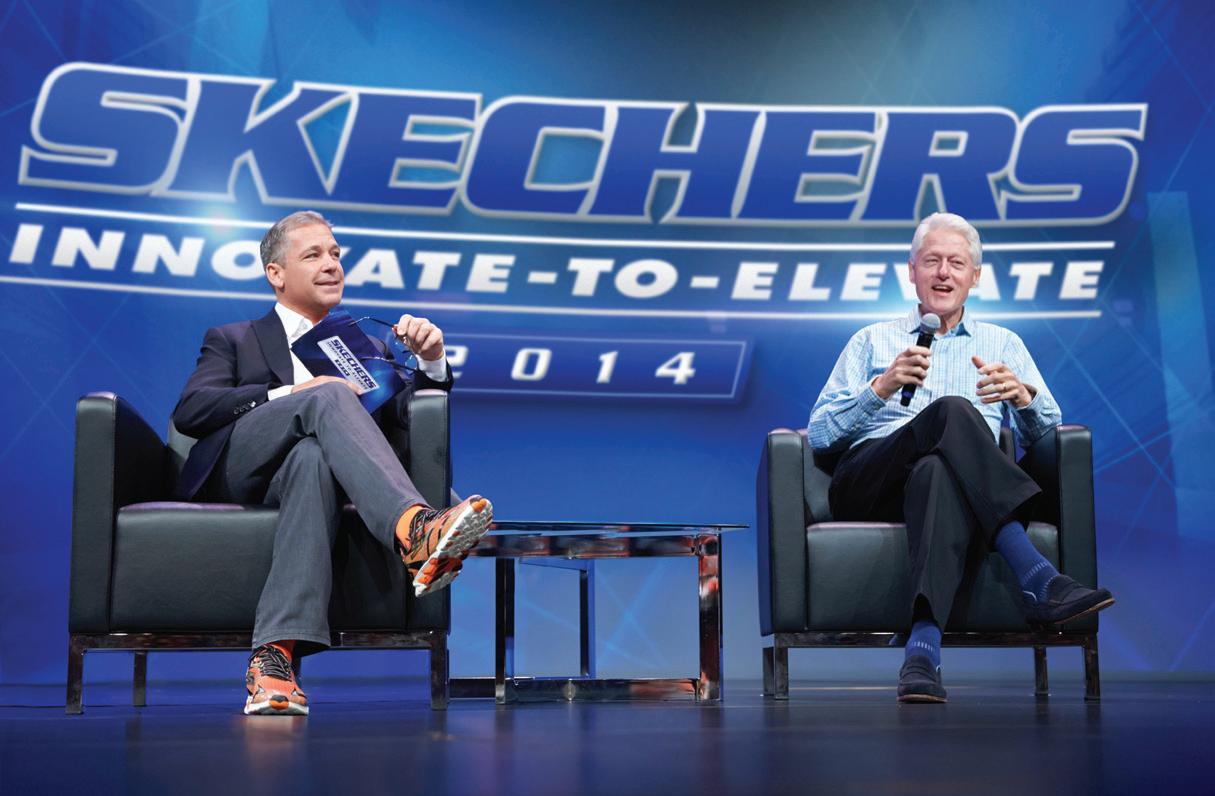
Lifetime Achievement award on behalf of founders Robert and Michael Greenberg; Frye sales rep Kirt Weisenburger accepts Western award.
It should be noted that all Innovative Plus Award nominees and winners overcame many obstacles in 2025. Tariffs topped that list, fueling price uncertainty and sourcing disruption. Yet these companies found ways to adapt. Breakthrough technologies were introduced, like Brooks’ DNA Hype, a responsive PEBA-infused foam in its Ghost AMP style. Similarly, winners got bigger and stronger, like Dick’s Sporting Goods snapping up Foot Locker and creating a global sport retailer at more than 3,200 doors. Indeed, great shoes landed, were distributed, merchandised beautifully, and sold effectively. Hats off to all Innovative Plus Award nominees and winners.
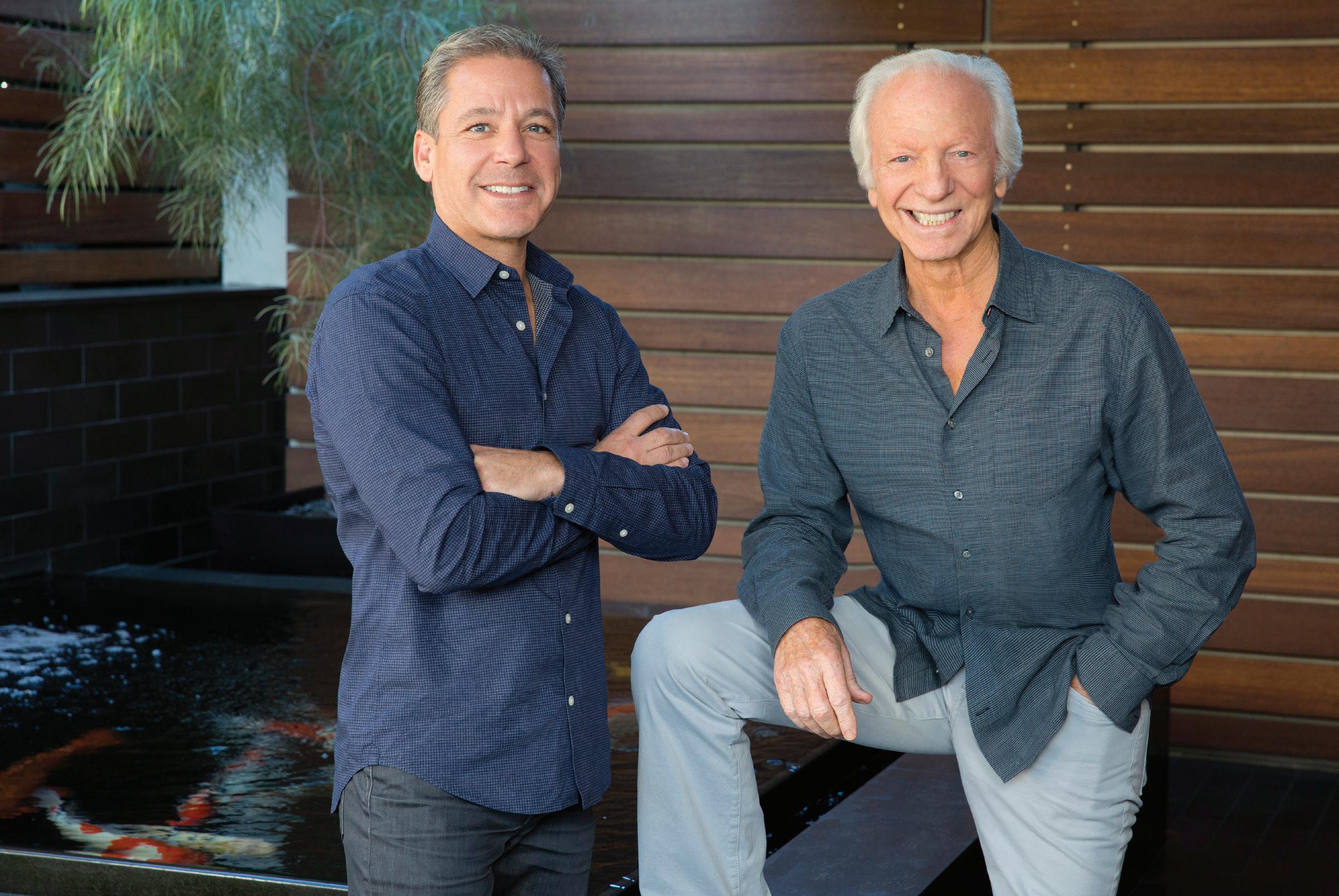
Unseen, untold, unsold—the mantra Skechers founders Robert and Michael Greenberg live and build massive brands by.
By Greg Dutter
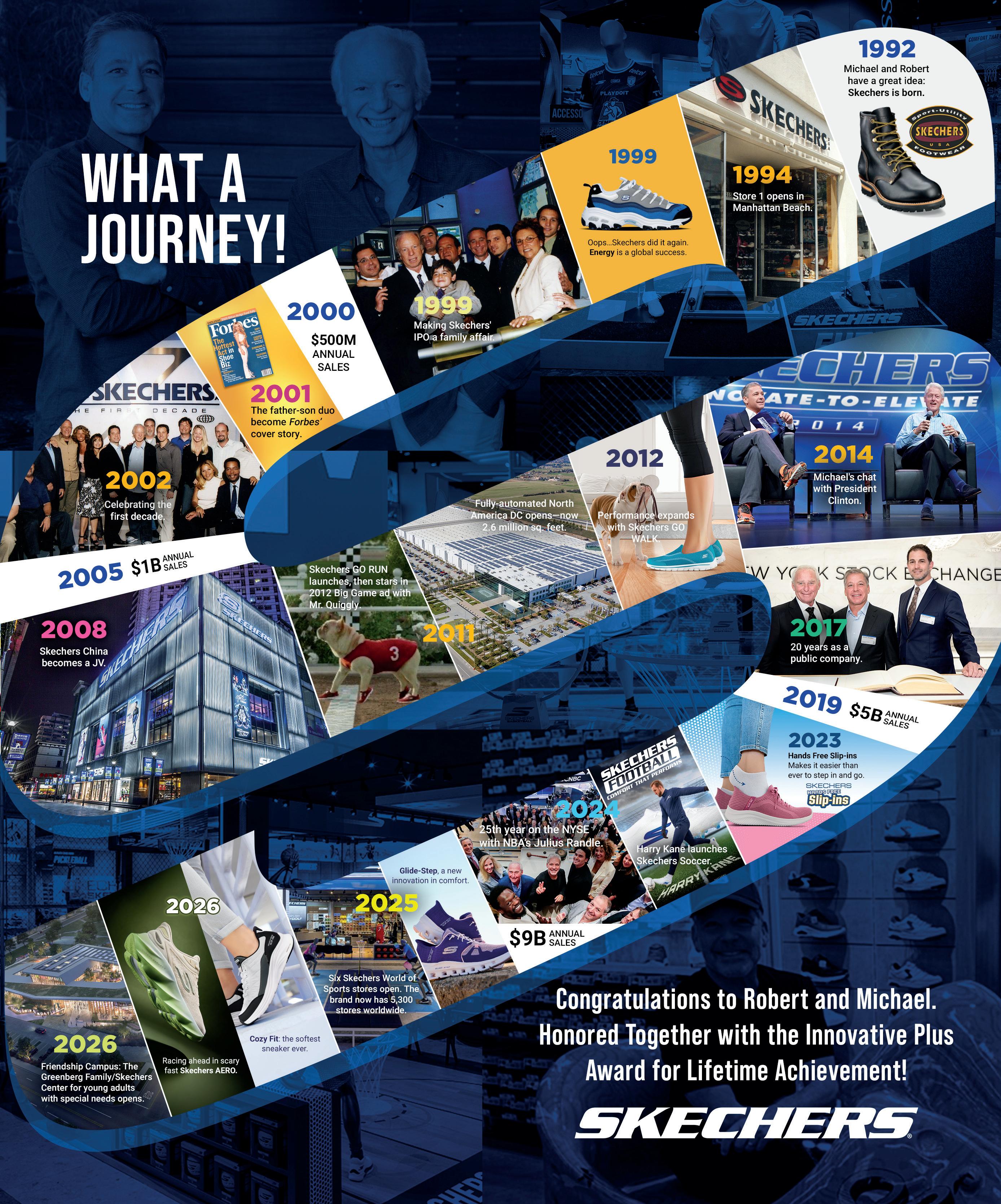
RROBERT AND MICHAEL GREENBERG, CEO and president of Skechers, respectively, could have hit cruise control decades ago. Heck, they could have lived large on Easy Street before ever launching Skechers in 1992 and building the company into a powerhouse that’s expected to hit $10 billion in sales this year. The Greenbergs had already achieved enormous success with L.A. Gear, the fashion-athletic brand that Robert launched in 1983 and Michael joined a year later. Annual sales had zoomed to $800 million at the end of that epic run, thanks to Robert’s marketing genius. So when the Greenbergs and their business partners decided it was time to go their separate ways, they could have sailed off into the sneaker sunset.
But that’s not how the Greenbergs roll. Since launching Skechers, they have always found other avenues to explore, more explosive growth to achieve, new products to create and categories to dominate, marketing campaigns to be imagined, stores to open in cities around the world, retail partnerships to nurture, and, the icing on the cake, ways for the company to give back philanthropically. The thrill of the chase never gets old for the dynamic father-and-son business duo. Setting new goals, overcoming challenges, and, above all, winning remains as fresh to the Greenbergs as it was the day Skechers debuted style No. 1, the Grunge-era Chrome Dome combat boot.
The numbers back up this incredible ongoing tale. Skechers now ranks as the world’s third-largest footwear company. It delivers more than 300 million pairs annu-
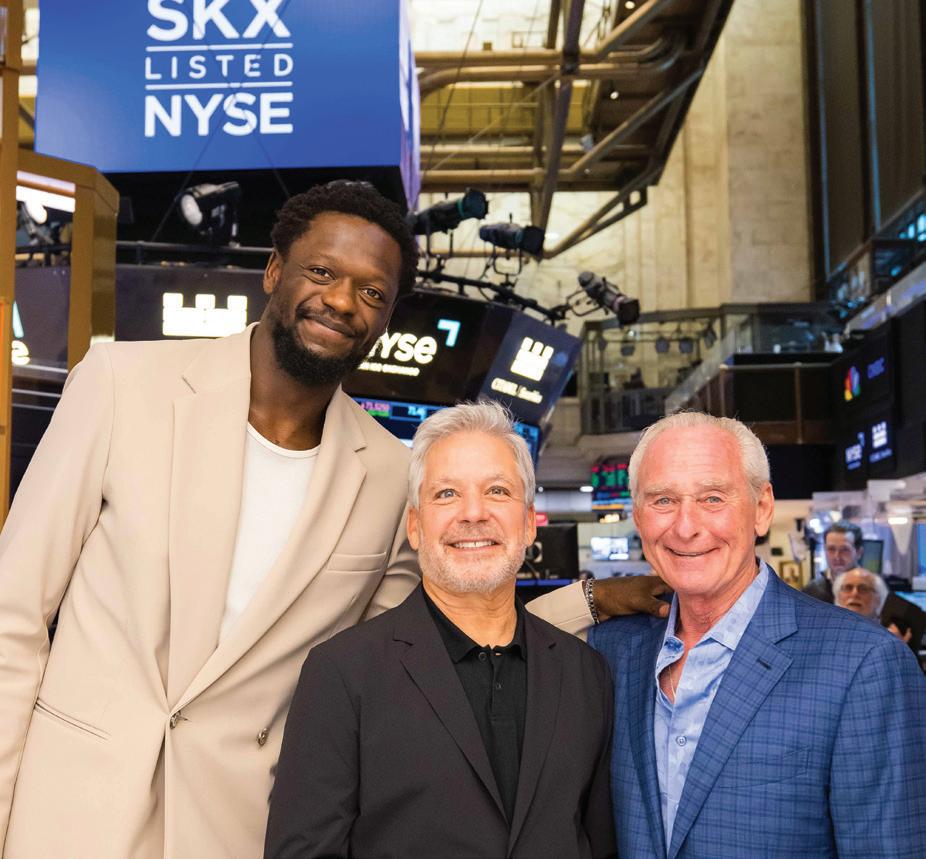
ally and is sold in more than 180 countries, including through 5,300 stores. Unlike a lot of brands that slow down and lose focus when they approach middle age, Skechers is getting stronger and sharper, having scored record annual sales for five years straight. Since the pandemic, the Manhattan Beach, CA-based company has introduced Skechers Hands Free Slip-ins (2023), now a gravitational center of the brand; expanded into soccer cleats (2024), signing Premier League star Harry Kane to an endorsement deal; introduced performance basketball shoes (a roster of NBA stars are endorsers); become a leader in product and support of the pickleball craze; and even added cricket shoes. What’s more, the Greenbergs’ decision to take the company private last year in a $9.5 billion deal with 3G Capital, the biggest shoe buyout in history, and remain at the helm reflects their decision to double down for greater growth. No longer burdened by making short-term decisions to meet quarterly reports, the Greenbergs are dialing in on long-term growth.
Looking five years out, Michael says the goal is essentially more of the same. “I’d love for customers around the world to say that Skechers continues to elevate their lives through comfort, innovation, style, and quality,” he says. “I want them to feel that every step they take in our product is better than the one before—that we never stop improving, never stop listening, and never stop delivering on our promise.” He adds, “I hope they say that Skechers is the brand that truly understands them—a brand that
creates footwear for every age, every walk of life, and every moment of their day. I want them to feel that we’ve stayed authentic, stayed committed to comfort, and stayed connected to the real needs of real people. Most of all, I want them to say that Skechers makes them feel good—about how they move, how they live, and how they express themselves. If that’s what consumers are saying in five years, then we will have done our job.”
The plan to fire on all cylinders says a lot about the Greenbergs’ relentless drive, made even more noteworthy by the fact that Robert is 85 and Michael is 62. They seem forever young, which is fitting for a company whose name was teen lingo in the early ’90s for someone who can’t sit still. Of course, it’s not really “work” if you love it. And the Greenbergs do.
“What keeps me coming into work each and every day is the same feeling that motivated me on day one: I genuinely love what we do,” Michael affirms. “I love building product, shaping ideas, and watching this brand continue to grow in ways I never could’ve imagined. I’m inspired by our team—their creativity, dedication, and the pride that they put into every detail. I’m energized by the opportunity to innovate, to elevate comfort and design, and to create something that makes a real difference in people’s lives.
“There’s also a personal legacy that drives me. Working alongside my father and seeing what we’ve built together over three decades still fills me with excitement. This company has become part of who I am, and I truly look forward to coming in every day, collaborating and pushing the brand forward. At the end of the day, I come to work because I believe in Skechers with all my heart, and I’m still as motivated as ever to help write the next chapter.”
Ditto for Robert. Well, that and the reams of positive consumer feedback he receives. That never gets old. When asked what the most meaningful of his many career achievements are, Robert doesn’t cite awards or milestones. “I get emails and letters every week from people loving their Skechers and about how they’ve changed their lives,” he says. “They tell me they’re more active and comfortable than ever because of all the comfort technologies we’ve built into our footwear. Parents also tell me that they couldn’t get their kids to wear shoes, and now those same kids love putting their Skechers on thanks to our lights, kid-friendly designs, and Hands Free Slip-ins. Even kids send me pictures and letters.” Robert adds, “Every one of those letters is meaningful to me. At the end of the day, Skechers is a consumer-first brand. It’s about how comfortable and confident they feel wearing our shoes.” So why stop having tremendous
success? Why stop having fun? Why stop doing what you absolutely love alongside people you love working with? Why, above all, stop creating products for millions of consumers around the world who love your products and appreciate being able to buy them at price points that don’t break the bank?
The last ingredient is key to the Skechers recipe: appealing to a broad range of consumers, from kids to seniors, strollers to top-level athletes, fashionistas to mainstream Joes and Janes—through more than 3,000 styles offered each year. The brand is a rare breed that speaks to the masses across nearly all footwear categories, ages, and demographics. It’s the Dallas Cowboys of footwear—America’s shoe brand.
“There’s only one Comfort Technology Company, and no one fires on all cylinders like we do,” Robert says. “Marketing, product, distribution, our 5,300 stores, every age and activity we cover…we’re here to give consumers from all walks of life and all corners of the world at an amazing value.” He adds, “Whether we’re educating consumers on our Skechers Hands Free Slip-ins, lighted kids’ styles, and advanced Skechers Aero running designs through targeted campaigns or placing the product in family channels, specialty outlets, and online, we’re seen, told, and sold where shoppers purchase. This is imperative. Our goal is to be available
to every person who wants and needs comfort. And really, who doesn’t?”
Comfort is the unifying focus behind Skechers, Michael adds. “It’s the core of everything we do,” he says. “We pride ourselves on building the most comfortable shoes a consumer can wear. I genuinely believe we change people’s lives through the way our product feels and performs. Whether it’s a kids’ shoe, a performance runner worn by elite athletes, or a casual lifestyle sneaker, it must deliver on our promise. That commitment to comfort is why Skechers resonates with consumers worldwide.”
Did the Greenbergs set out to create the juggernaut that Skechers is today? Well, not exactly.
The initial concept was to be the U.S. distributor for Dr. Martens. But that didn’t last long. In an earlier interview in Footwear Plus , Michael recalled that the initial plan was for Skechers to be a “little” company, but that thought lasted “about five minutes.” He and his father have “too much passion and energy to think small.” By the end of Skechers’ second year, the company had sold almost two million pairs. Still, Michael says the early wholesaling goals were modest: deliver footwear, beginning with a Sport Utility collection for men. “But then women started wearing the styles, and kids were asking for them,” he recalls. One thing led to another, and here they are 33 years later nearing $10 billion in annual sales.

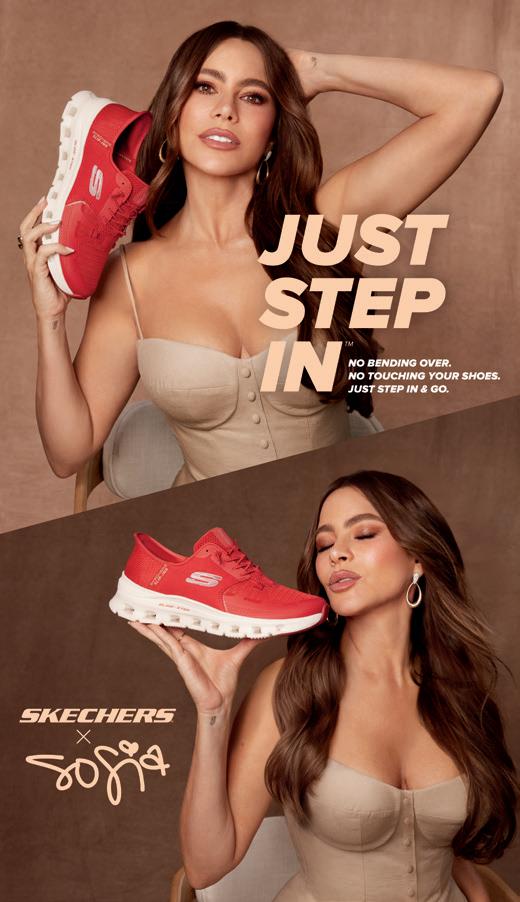
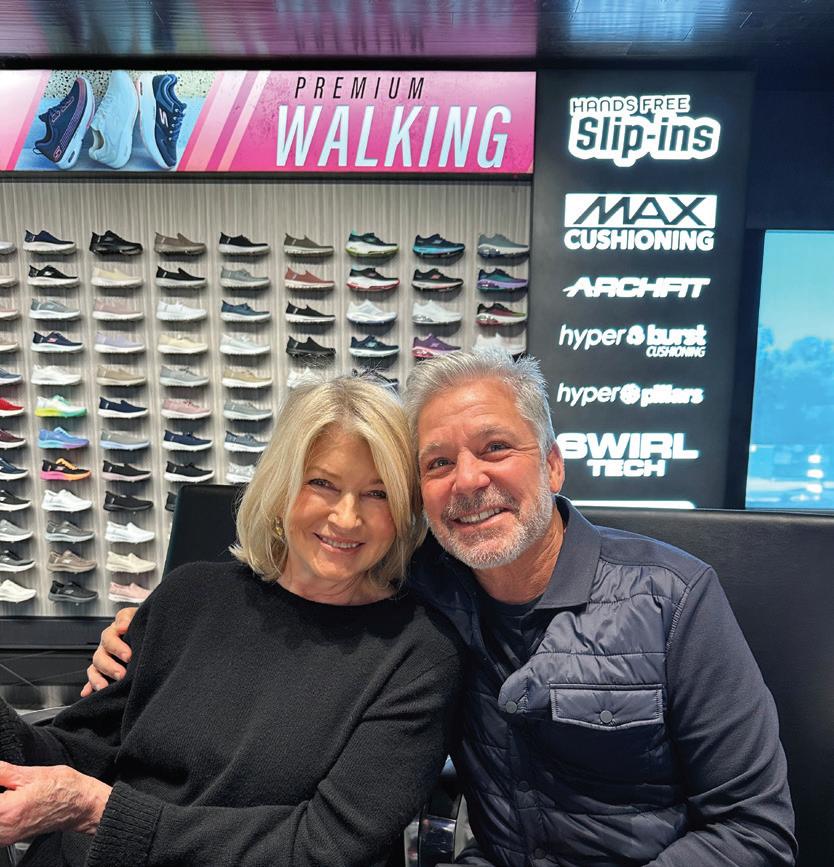
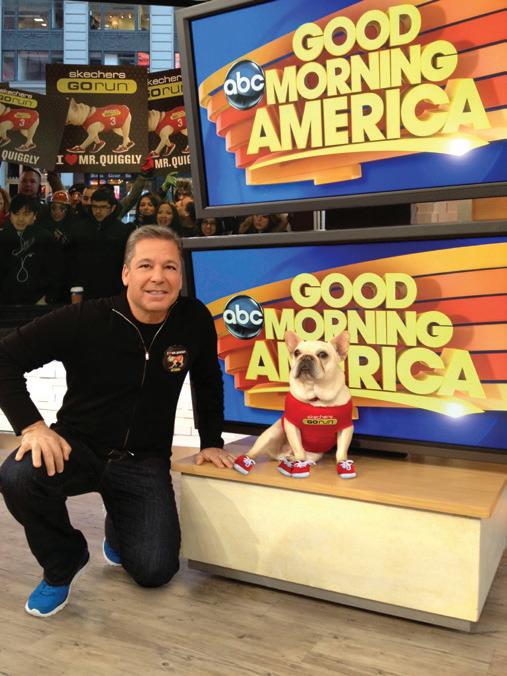
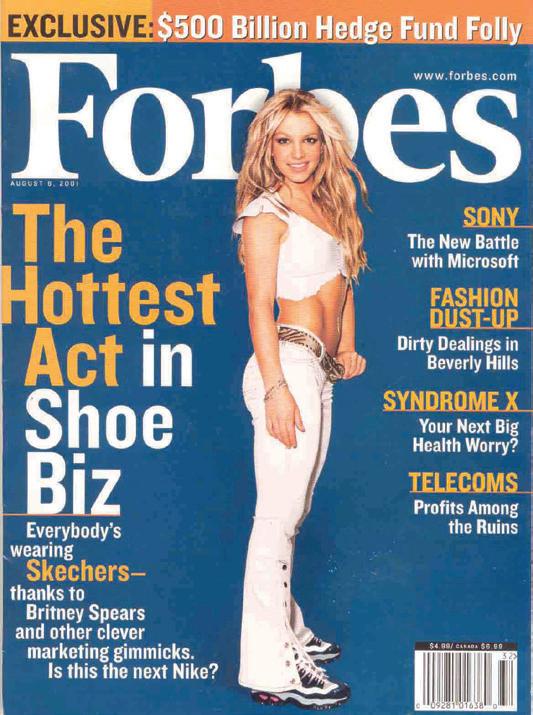
For the record, the success wasn’t completely unexpected. The Greenbergs sensed greater potential early on. Each first in the company’s journey was a clear indicator of that possibility, Michael says. This includes the first TV ad in 1993, which marked the beginning of Skechers’ broad and vast marketing efforts featuring athletes (Joe Montana, Clayton Kershaw, and Sugar Ray Leonard, among many others) and Hollywood celebrities like Britney Spears, Snoop Dogg, Martha Stewart, and, most recently, Sofía Vergara. There was also Mr. Quiggly, a French bulldog that played the role of underdog in a memorable 2012 Super Bowl spot promoting Skechers GO RUN. The ad ranks as one of Robert’s favorites, even though it’s like asking a parent to pick a favorite child. “What a defining moment,” Robert says. “Our running product entered the world’s largest stage in such a fun way—with this confident little dog who left the greyhounds in the dust. It was the right symbol for our brand at the right time, and it lit the match for our current success as a World of Sports performance brand.”
Robert has similar difficulty singling out a favorite shoe or collection. So many products have helped shape Skechers—“from our utility boot that started it all and is still in our product line, to our GO WALK footwear and the beginning of our
performance innovations to our current Skechers Cozy Fit, the softest shoe ever.” But if he had to pick one from the early years, it’s Skechers Energy, which took everyone by storm during Y2K when it showed up on one of the world’s biggest stars.
“Britney Spears wore it, the world wanted it, people would come into our stores asking for ‘the Britney shoe,’” Robert recalls. “It was madness. It inspired Skechers D’Lites, a classic that’s popular to this day, and it made the chunky style aesthetic an iconic Skechers look that our brand is still famous for.”
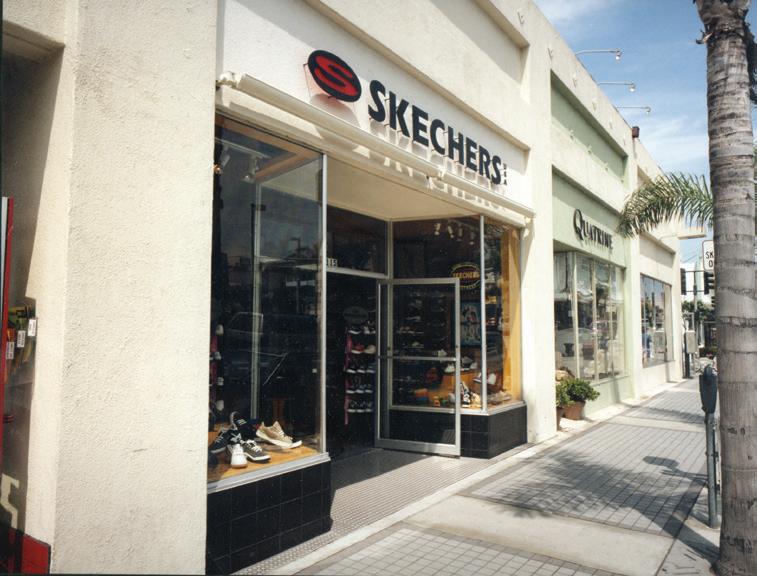
indicator of greater things to come was the opening of Skechers’ first flagship, in 1995, in its
Industry colleagues sound off on what makes the Greenbergs and Skechers special.
“It’s been a privilege to watch Skechers continually evolve, grow, and strengthen its position in the marketplace. The brand consistently distinguishes itself by staying focused on what’s next for the customer. They have a unique ability to take a small idea and scale it into something truly meaningful. Skechers anticipates customer needs, which is an instinct that cannot be taught and one many organizations lose over time. Their willingness to keep innovating, knowing not every idea will succeed, sets them apart. Their commitment to continuous learning is a defining characteristic of the brand. Their leadership team and broader organization are never complacent. This forward-looking mindset fuels their sustained relevance and growth. Robert and Michael bring authenticity, creativity, passion, and leadership that has influenced the industry over time.” —Karen Daoust, EVP-GMM, Kohl’s footwear
“We’ve been a customer for 30 years. They make wide and extra-wide in almost every style, which hardly anyone does anymore. They know how to sell and know what people want. They know value. And they fit great. The reason the Greenbergs have been so successful is that they get this business. They get their customer. They’re intuitive. A lot of brands don’t get it. They lack common sense. How many CEOs of large companies read their sales reps’ reports weekly like Robert does? He’s so in tune to the marketplace and more on top of it than anyone else. That’s common sense, and he puts
it to use and takes advantage of it. He and Michael are about creativity and listening to the market.” —David Levy, co-owner, Hawley Lane Shoes
“We deeply value our partnership with Skechers, which has always led our business relationship with fairness, collaboration, and shared success at the forefront. They’re true merchants—highly attuned to fashion trends while maintaining a streamlined, resourceful, and operational approach. There’s a long history of friendship between our families/companies dating back to their L.A. Gear days.
I remember going to Vegas shows in the early ’90s with my dad. We always reserved the first night to have dinner with Robert and Michael. Michael and I would be there for hours, wondering if the two Roberts would ever stop talking about shoes. Great memories of being with industry legends Robert Tucker and Robert Greenberg.” —Lisa Tucker, president, Shoe Show
”J.Stephens did business with Skechers for more than 20 years. Robert is a product and marketing genius, while Michael is the glue and heart of the company. The glue holds everything together and his heart makes it thrive because of the many philanthropic efforts. What also makes Skechers unique and great is the speed they can change directions when something gets hot. Robert and Michael are never afraid to go after something with everything they have—and do it better. There’s no arrogance with them. They do what they love, and love what they do!” —Gary Hauss, director, The IR Show

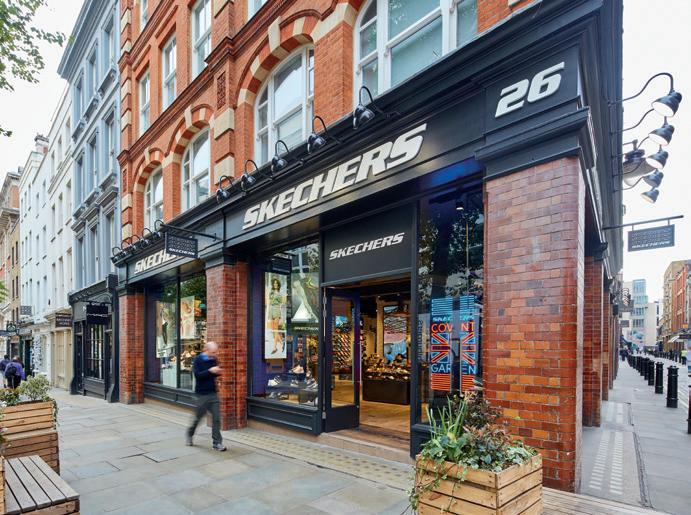
to more than 50 stores, including outposts in Tokyo, London, and Paris. Plans are to surpass 10,000 stores in the next few years. Seeing the first location open is one of Michael’s most meaningful early company memories because it was the moment the team could experience the brand and see its full potential. “I wanted our first store to be in our backyard,” he says. “Having it just steps away from our corporate office meant that everyone—designers, marketers, the leadership team—could walk over and feel the energy and see firsthand how consumers were responding.” Michael adds, “Bringing the vision to life by designing the space was one of the most creatively fulfilling moments of my career. It’s now grown to a corner location with a wing devoted to technical performance footwear and another for apparel. It’s visited by locals, tourists, and thousands of Skechers team members and accounts who travel to our offices. I’m as proud of it today as I was when we first opened our doors.”
Michael is equally proud of Store 2, a 10,000-square-foot warehouse located off the busiest freeway in the world, the 405 in nearby Gardena, CA. That store quickly became the blueprint for what Skechers now calls its Big Beautiful Stores (BBS), which today range from 7,000 square feet to north of 30,000 square feet. These mega outposts serve as immersive expressions of the brand. “While each new opening is special, our 30,000-square-foot Skechers Superstore at the Dolphin Mall in Miami that opened just a few months ago truly stands out,” he says. “It’s the most beautiful store we’ve built. It has incredible tech performance shop-in-shops, truly creating a World of Sports,” he says. “To see our retail journey from Manhattan Beach to London’s Oxford Street to virtually every corner of the world has been one of the most extraordinary and rewarding chapters in our growth.”
Another key ingredient in Skechers’ long-running success is its family-run approach. As big as it has become, it retains a tight-knit, start-up feel.
A great example is how Dr. D’Wayne Edwards, legendary Nike designer and founder and president of the Pensole Lewis College of Business and Design, got his start in the industry. It’s all thanks to Robert, Edwards says.
Back in the ’80s, Edwards was working as a temp in the L.A. Gear mailroom. He desperately wanted to become a sneaker designer, but he was unable to afford college and had been told repeatedly that a kid with his background could never land such a job. That didn’t stop him from putting his
sneaker sketches in the company’s suggestion box every day. This went on for weeks until one day Edwards heard his name called over the office intercom, followed by an order to report to Robert’s office. He thought he must have messed up the mail so badly that the CEO himself was going to fire him. He couldn’t have been more wrong. When he arrived, Robert had a bunch of sketches laid out on his desk. He asked Edwards if they were his and then offered him a job on the spot.
“No RG, no me,” Edwards says. “Robert blessed a poor kid from Inglewood seven months removed from high school with an opportunity to live my dream. I went on to design footwear for some of the greatest athletes and Hip-Hop icons and generate billions of dollars for the industry.”
Edwards says most people don’t know that the Greenbergs gave the seed money to create Pensole, his original sneaker design academy. As the school grew, it moved from Portland, OR, to Detroit. Over the years, it has placed more than 800 designers and counting in this industry. “More than 10 have worked at Skechers over the years, and I’m sure by now, combined, they’ve generated billions of dollars for the industry,” Edwards says. “I don’t know if Robert knows, but his taking a chance on me almost four decades ago has had more impact on this industry than the shoes he or I have sold. Together, Robert and I have designed lives that will continue to impact this industry well after we are no longer here.”
Edwards considers Robert’s mentoring a key to his success. “L.A. Gear was my college, and Robert was my only professor,” he says. “I literally grew up at L.A. Gear, witnessing way more than I would have ever learned in college. I learned how to design, how to become a student of the industry, travel the world—all those things still dictate how I work today.” Even more important for Edwards was Robert stepping in as the father figure he never had. “What had
The list of Skechers’ philanthropic causes is long and varied.
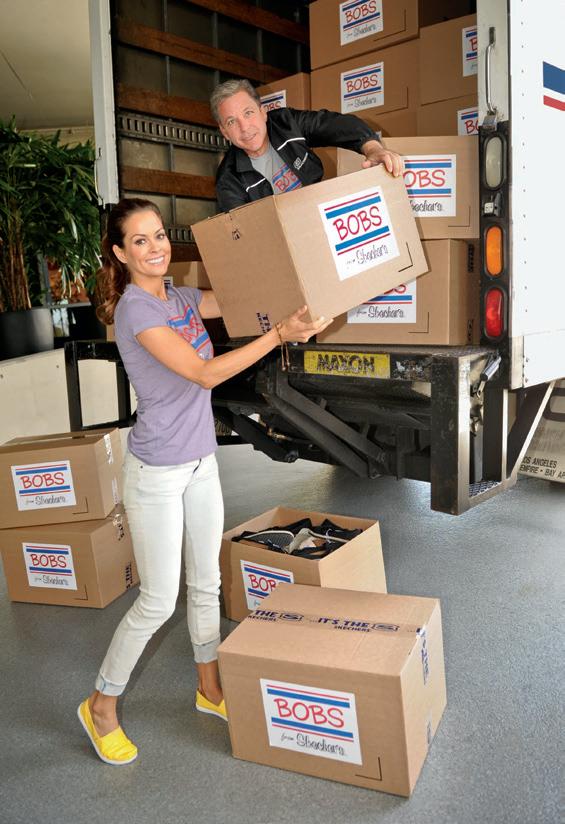
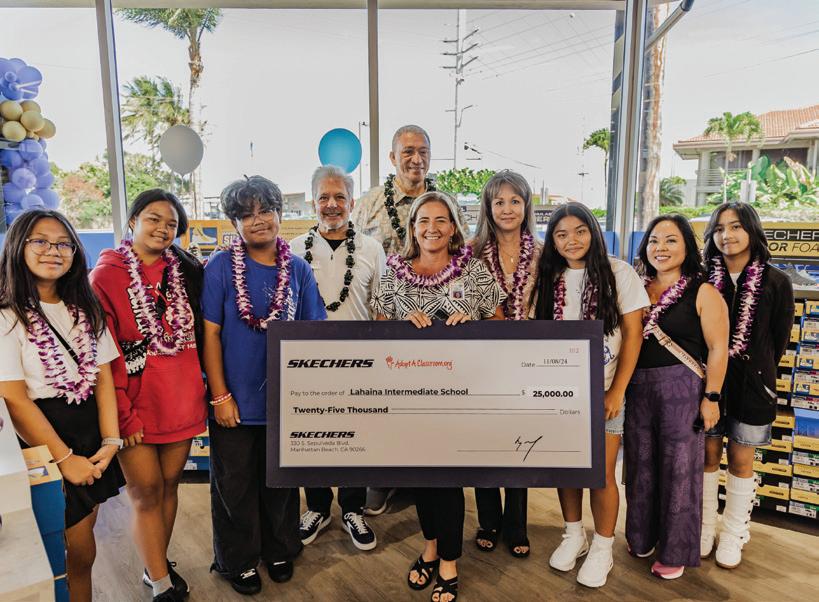
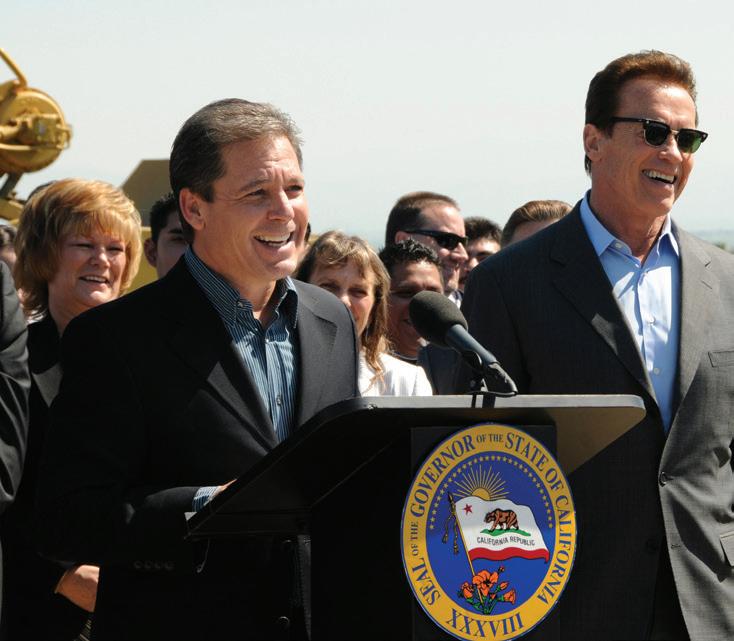
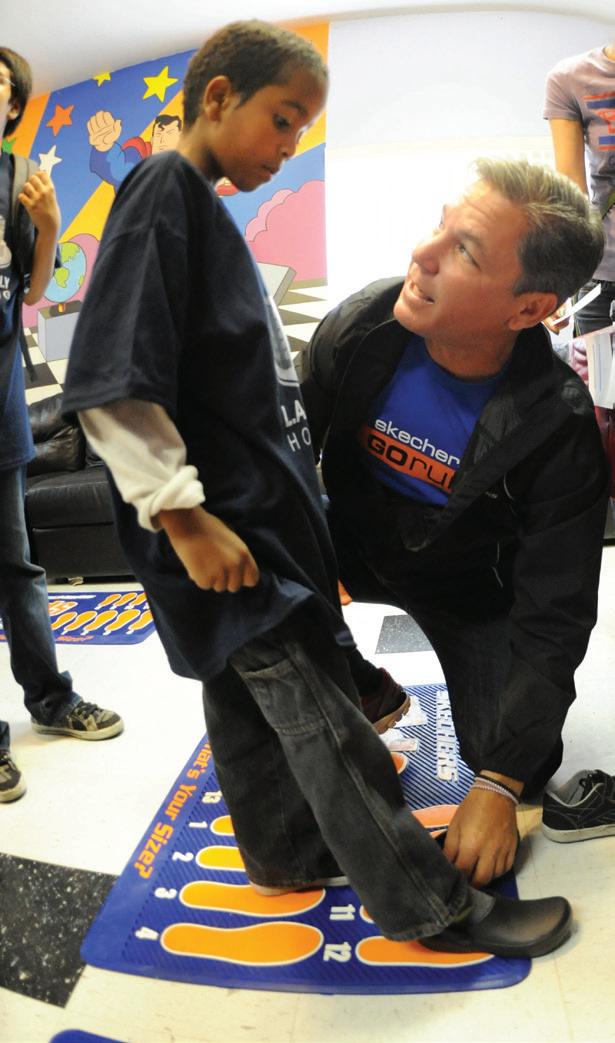
Last January, Skechers was facing a natural disaster in its own backyard. The L.A. wildfires resulted in thousands of fellow neighbors losing their homes and belongings. So Skechers did what it always does: leapt into action with a $1 million-plus donation in support of relief organizations. The company did the same following the Maui wildfires in August 2023, donating $250,000 as well as thousands of shoes, apparel items, and backpacks. Wherever there’s a need, Skechers responds, be it $1 million to Haiti earthquake victims, $350,000 to families in war-ravaged Ukraine, or donating thousands of BOBS from Skechers shoes to children in need in Lebanon, Romania, Nicaragua, and other countries. In all, their generosity has impacted 60 countries.
Skechers’ charitable efforts extend far beyond donating money and product. In 2010, the company established the Skechers Foundation, committed to strengthening communities to ensure the health, success, and well-being of youth around the world. The foundation invests in a global network of charitable organizations dedicated to embracing individuals with diverse abilities, improving education, empowering disadvantaged families, and providing humanitarian, disaster, and economic relief.
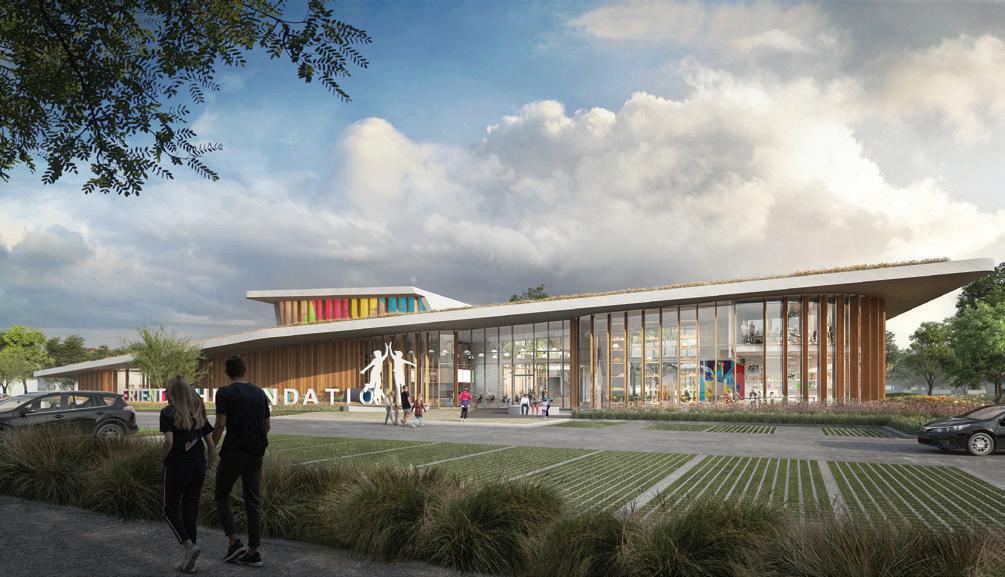
The centerpiece is the annual Skechers Pier to Pier Friendship Walk, held each October in Skechers’ hometown of Manhattan Beach, CA. Since 2009, the event—attended by thousands and led by Skechers’ celebrity endorsers—has raised more than $31 million to support children with special needs, public education, and a the Skechers Foundation National College Scholarship Program. The funds also support the Friendship Campus (The Greenberg/Skechers Center), slated to open this year. The first-of-its-kind facility will provide life-changing resources (like vocational training and job placement services) for individuals with special needs.
Pets are also part of the Skechers mission to give back. Since 2015, BOBS from Skechers has partnered with animal welfare organizations to save shelter pets. More than $14 million has been donated to date, protecting and supporting more than two million cats and dogs in North America, England, and Japan.
For the Greenberg family, philanthropy is simply the right thing to do, especially when it can help children in need. “What inspires me to invest so much of my time and energy in Skechers’ philanthropic efforts is the opportunity to give back and truly touch young lives,” says Michael Greenberg. “I’ve always believed that every child deserves a chance—through education, support, and programs that help them overcome obstacles. Growing up, I understood that life brings struggles, whether they’re economic challenges or the unique needs of children with special needs. Those two areas have always meant the most to me.”
The ability to give back makes the hard work involved worthwhile. “When we can provide resources, create opportunities, and uplift families who are facing hurdles, it reminds me why this work matters so deeply,” Michael says. “It’s not about writing checks—it’s about changing outcomes. And if the efforts we make at Skechers can help even one young person feel seen, supported, and capable of achieving more, then every minute invested is worth it.”
the most impact on me was witnessing the generational guidance a man can have on his children,” Edwards says. He remembers Robert’s father bringing fresh fruit into the office almost every day because he wanted to help his family’s company. “I watched Robert carry that same love and work ethic to build two enormous companies while sharing the same blueprint with all of his children.”
“We didn’t just build a company, we built a community,” Michael says. “From day one, we treated every employee the way we treated each other, with trust and respect in the belief that great things happen when people feel supported.”
That team-first philosophy has never wavered. “We preserved our culture by staying present and accessible, and leading with humility,” he explains. “We’ve celebrated the people who’ve built this beautiful company and fostered an inclusive environment as we welcomed new team members with the same warmth. Our success isn’t built on size or scale. It’s built on relationships, on loyalty, and on the values my father instilled in me. That shared legacy is why Skechers still feels like a family today—whether you’re at our corporate offices in Manhattan Beach, a store in Lima, or touring Australia with one of our oldest distribution partners.”
Michael says the most meaningful part of his career journey has been watching Skechers grow alongside his family. His son Chase was born in 1998 and now works side-by-side with him. “That’s one of the greatest blessings of my life,” he says. “I respect him immensely—his work ethic, seriousness, creativity, and the speed at which new ideas come to him. Chase’s ability to execute what he believes in truly makes a difference in our company.”
Like his father, Chase started in retail, selling one pair at a time and learning the business from the ground up. “Sharing a last name didn’t give him privileges. If anything, it raised the expectations,” Michael says. “And he rose to every challenge with humility, intelligence, and drive. Watching him grow into the leader he is today, and contributing to a brand my father and I built decades ago, has been one of the most meaningful and emotional chapters of my entire career.”
Michael set an excellent example for his son—just as his father did for him. “First and foremost, he taught me to love what you do and to work hard—because when passion and effort come together, anything is possible,” Michael says. “He also taught me to surround myself with people who add value to your life, both personally and creatively. The right team elevates everything.”
Additional Robert tenets for success include the importance of being honest, direct, and upfront. “He showed me that it’s how you speak to people that matters—the tone, the intention, the respect behind your words,” Michael says. “When you communicate thoughtfully, you inspire people to give more of themselves and feel part of something meaningful. And perhaps the greatest lesson of all: Treat people the way you would want to be treated. That philosophy has shaped the culture of Skechers from day one and continues to guide the way I lead today.”
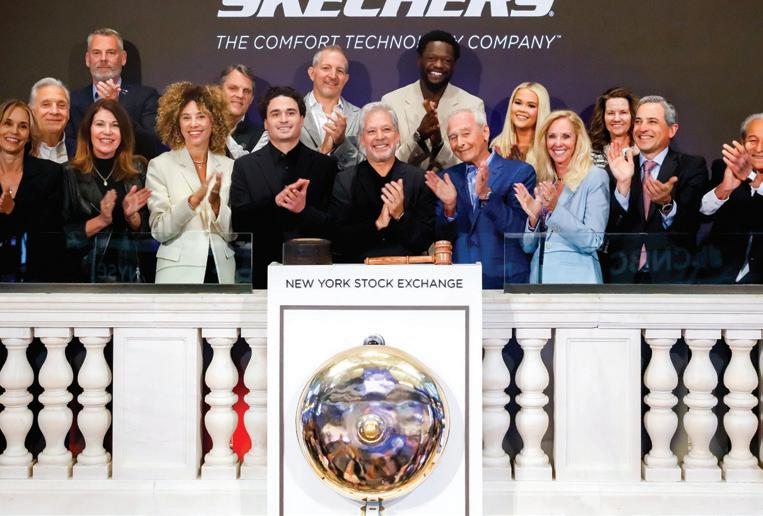
Receiving the Innovative Plus Award for Lifetime Achievement from Footwear Plus and The IR Show is just the latest in a long line of motivators for the Greenbergs to go, go, go. “The road ahead for Skechers looks incredibly bright,” Michael says. “We’ll continue to forge our way into new categories, elevate every aspect of what we do, and push ourselves to innovate with the same passion that got us here. Our goal is simple: to keep growing, keep improving, and keep striving to be number one.” •
Re-up with reliable chunky-soled loafers.
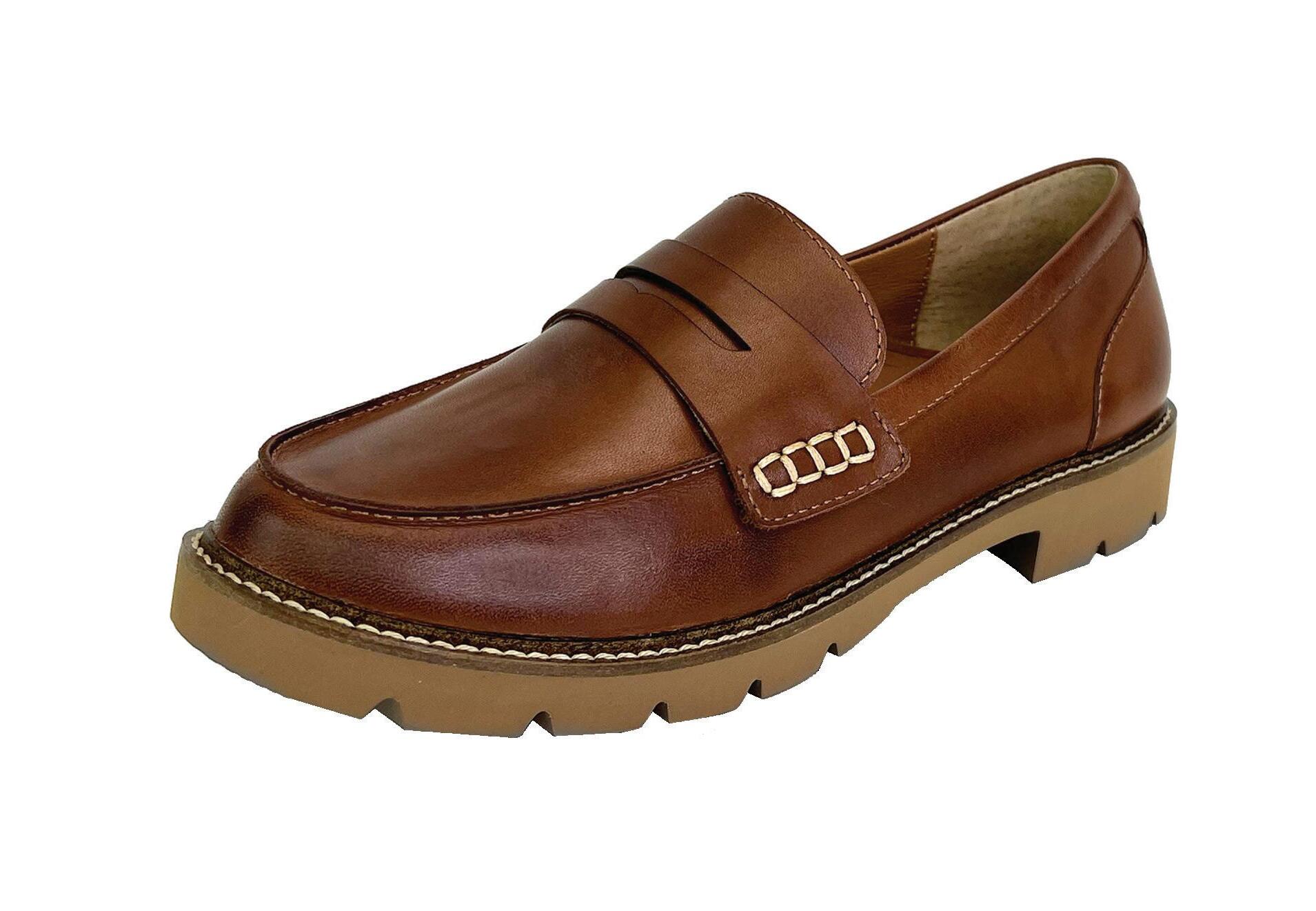
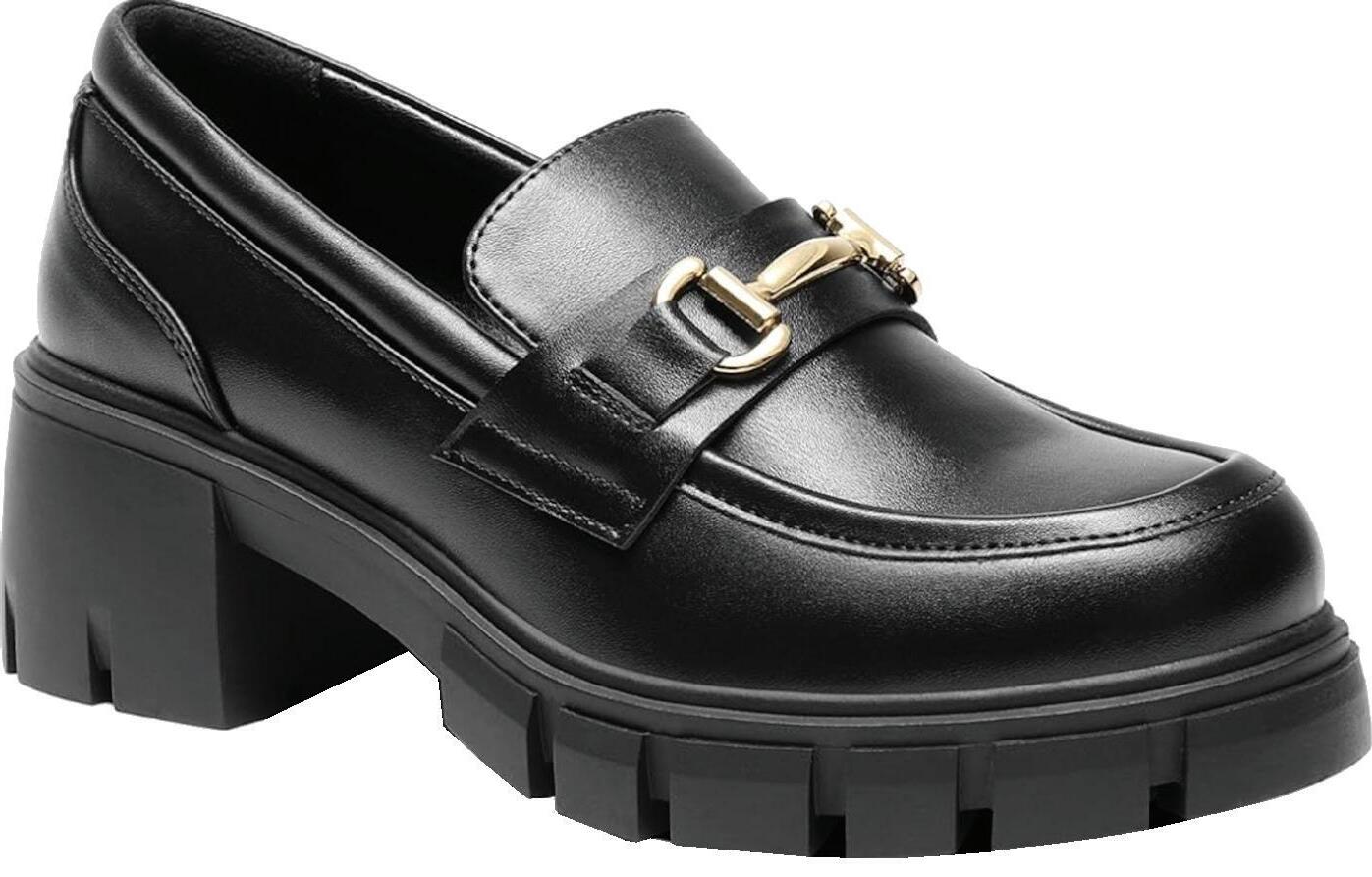
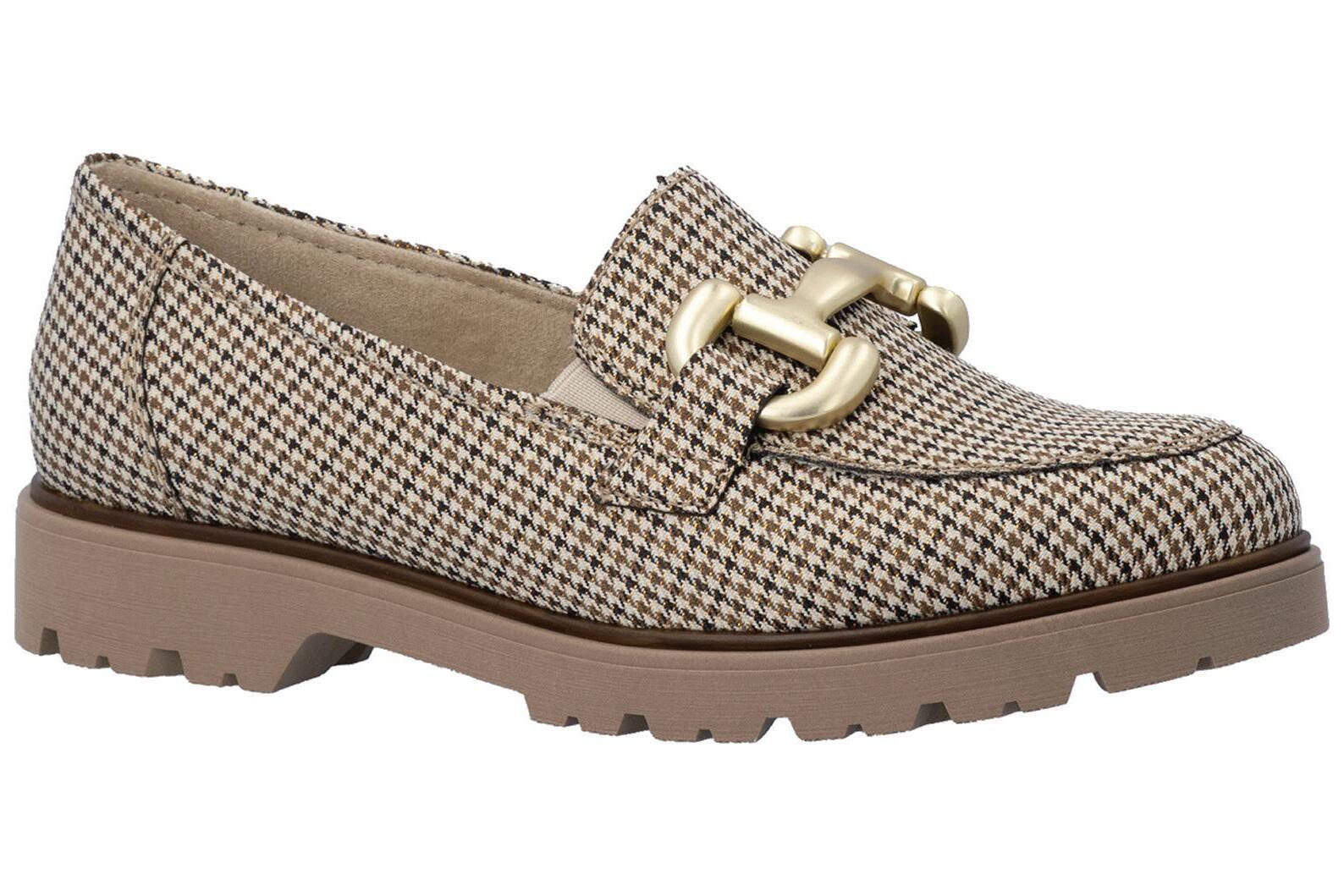
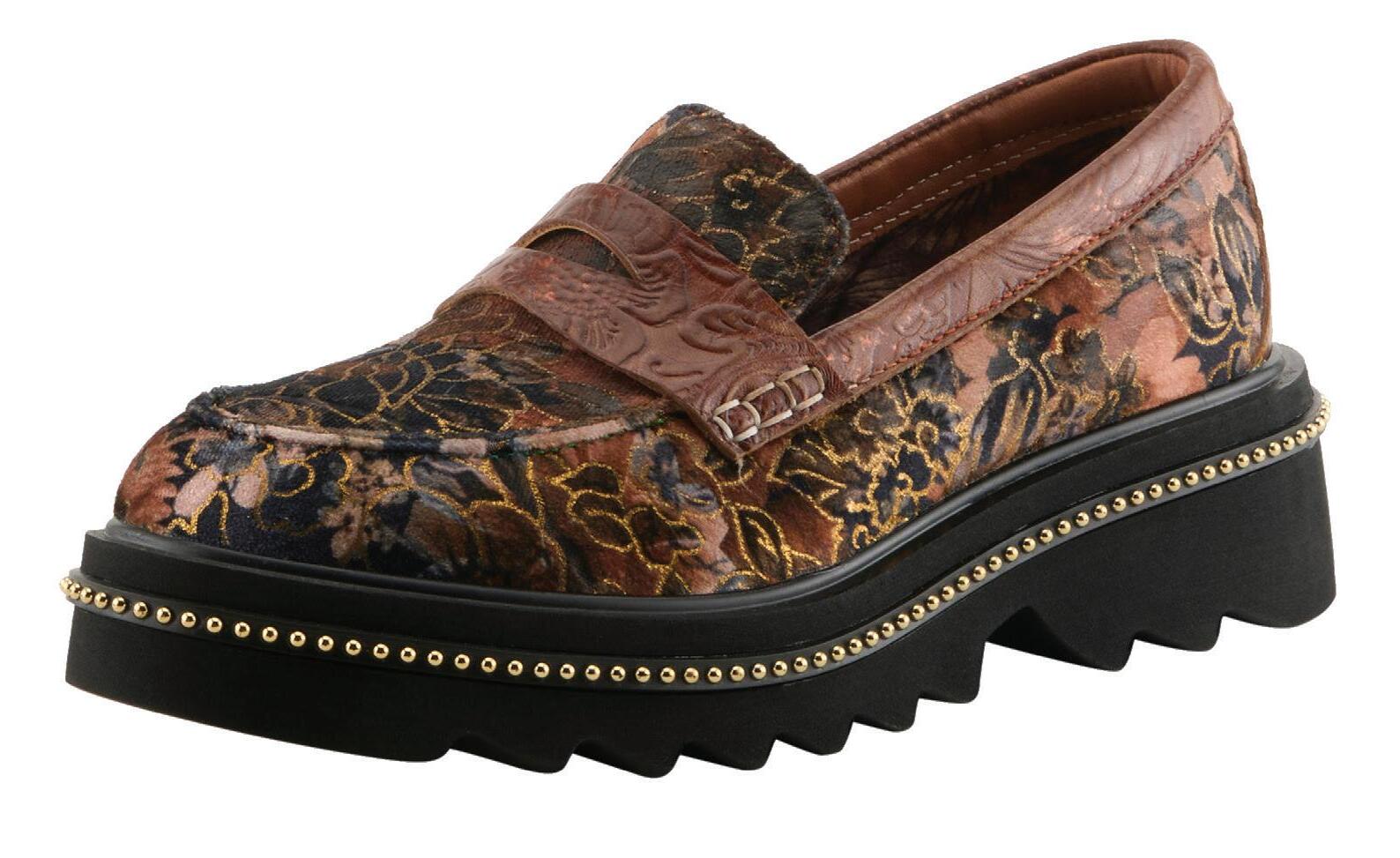
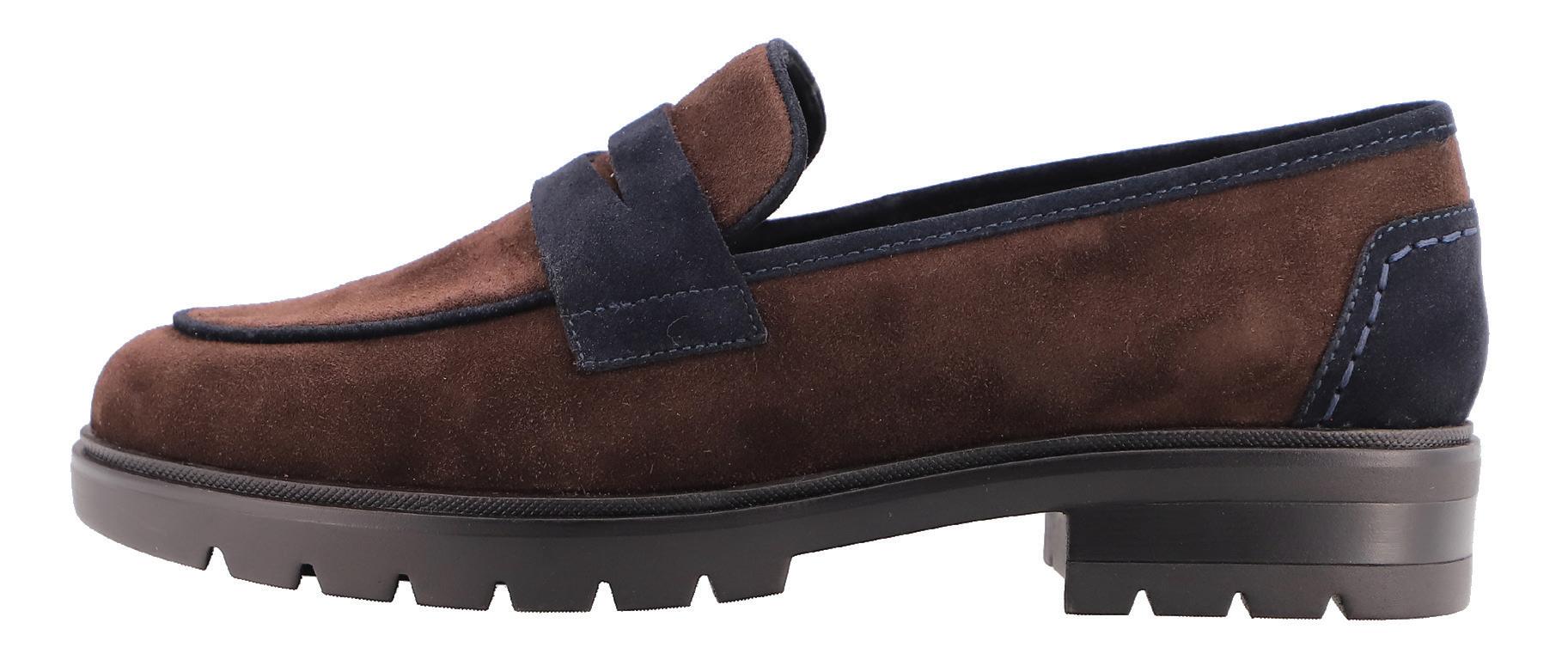
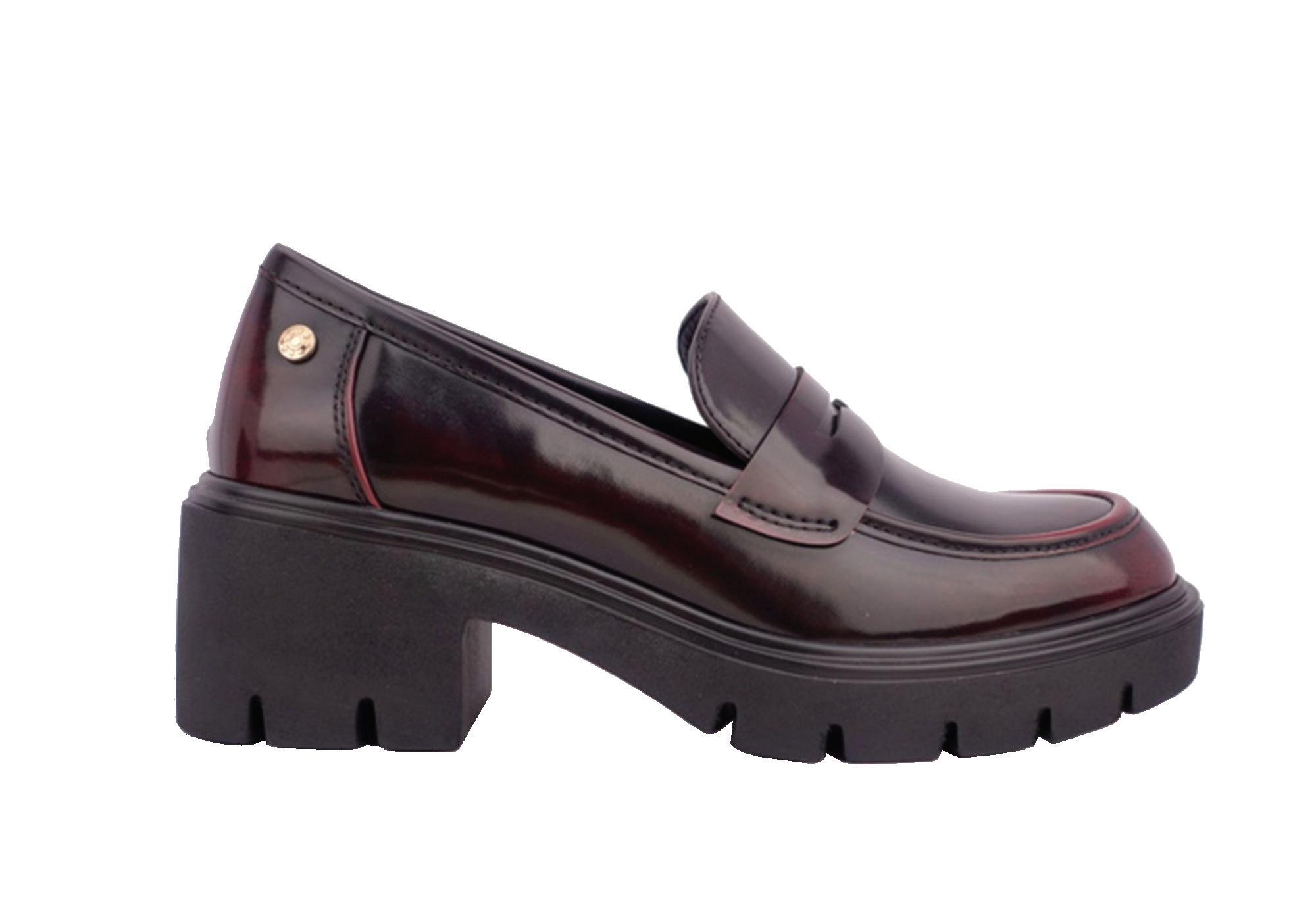

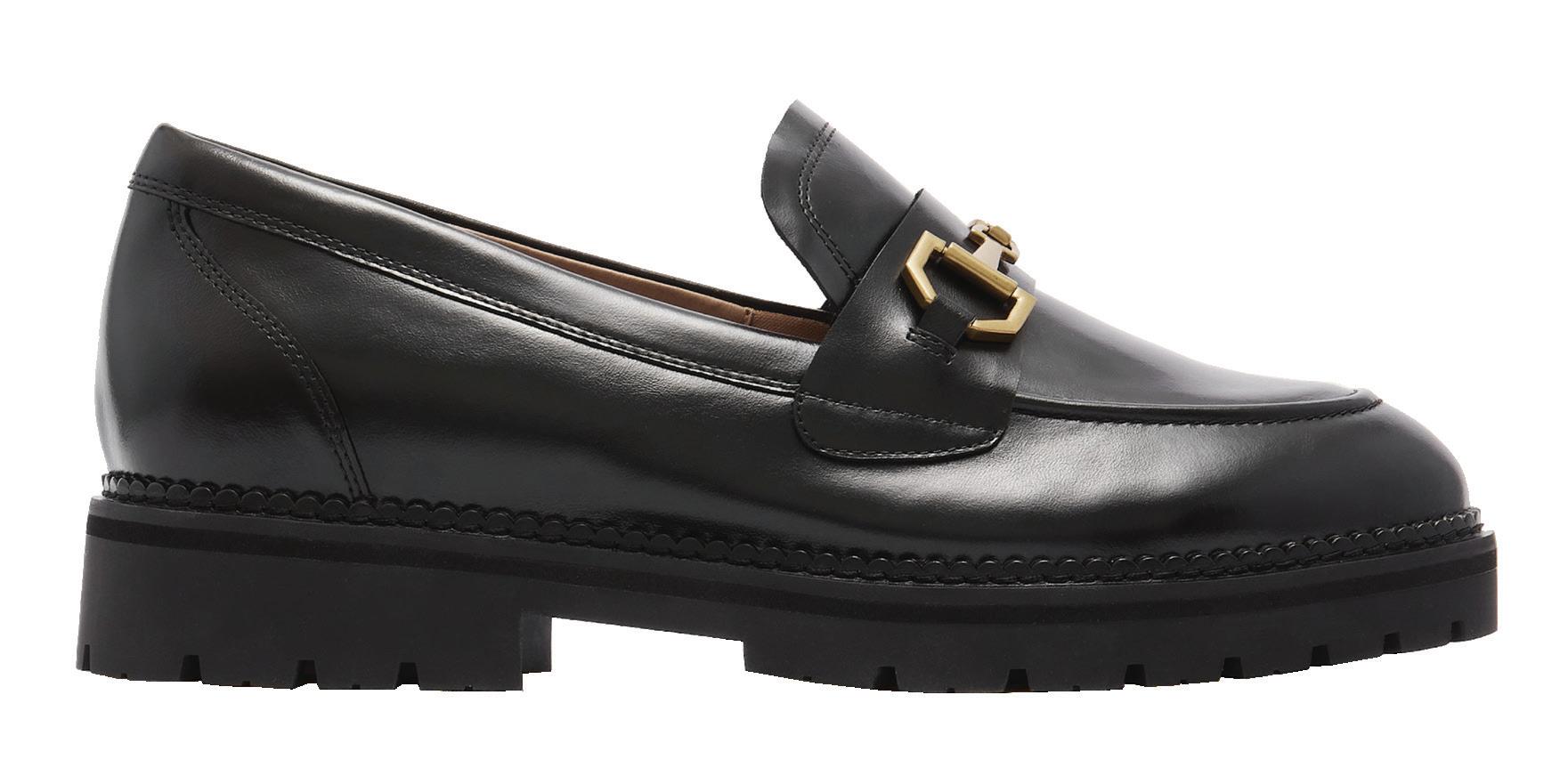
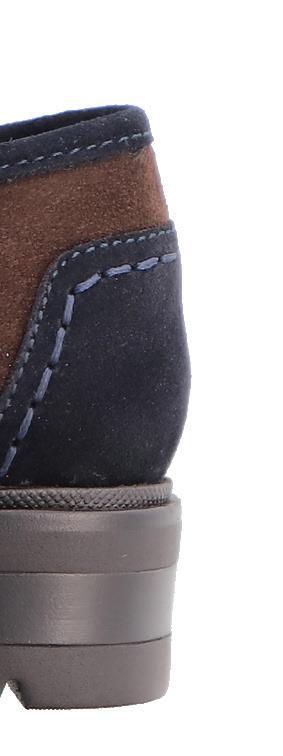
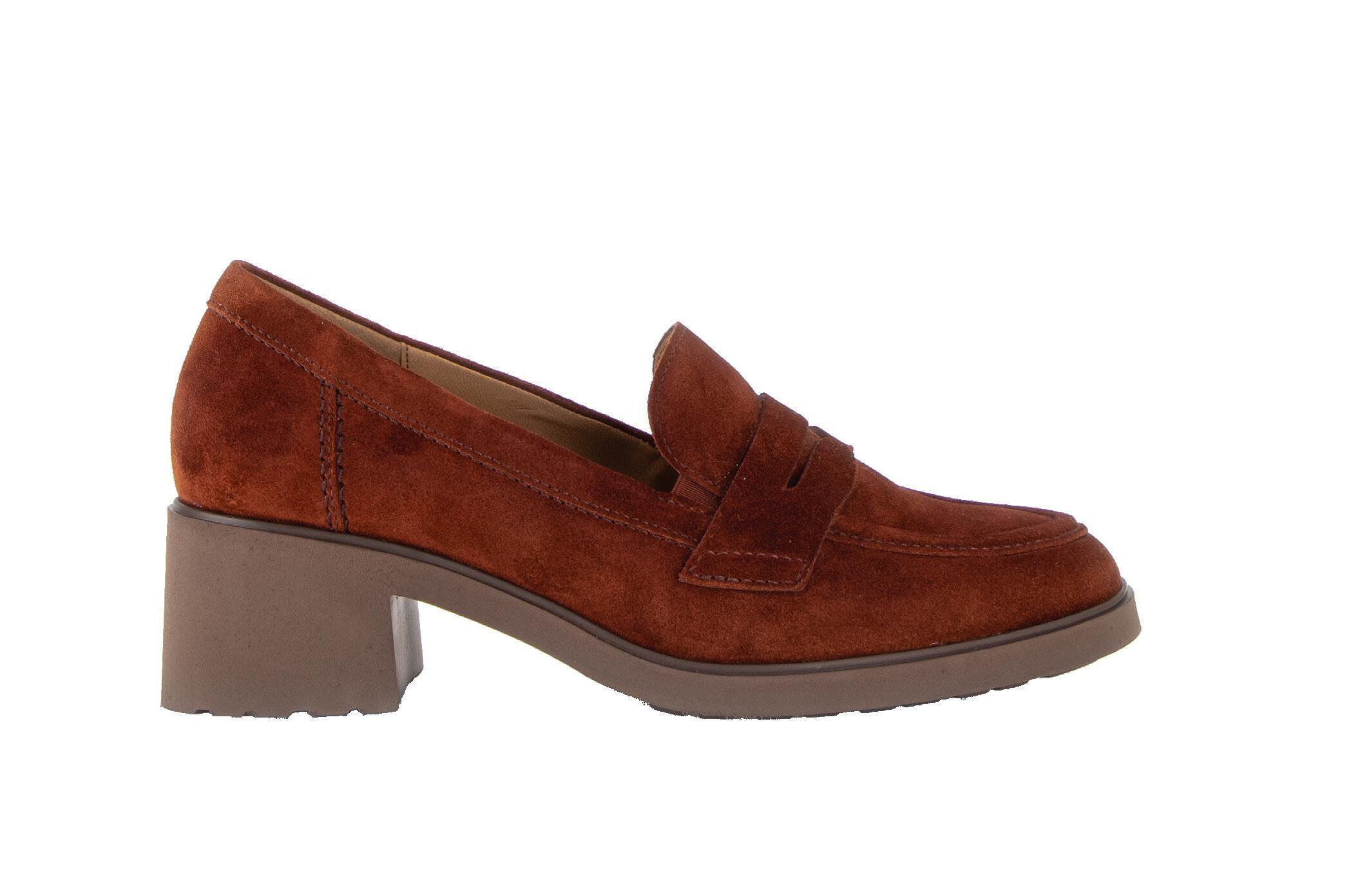
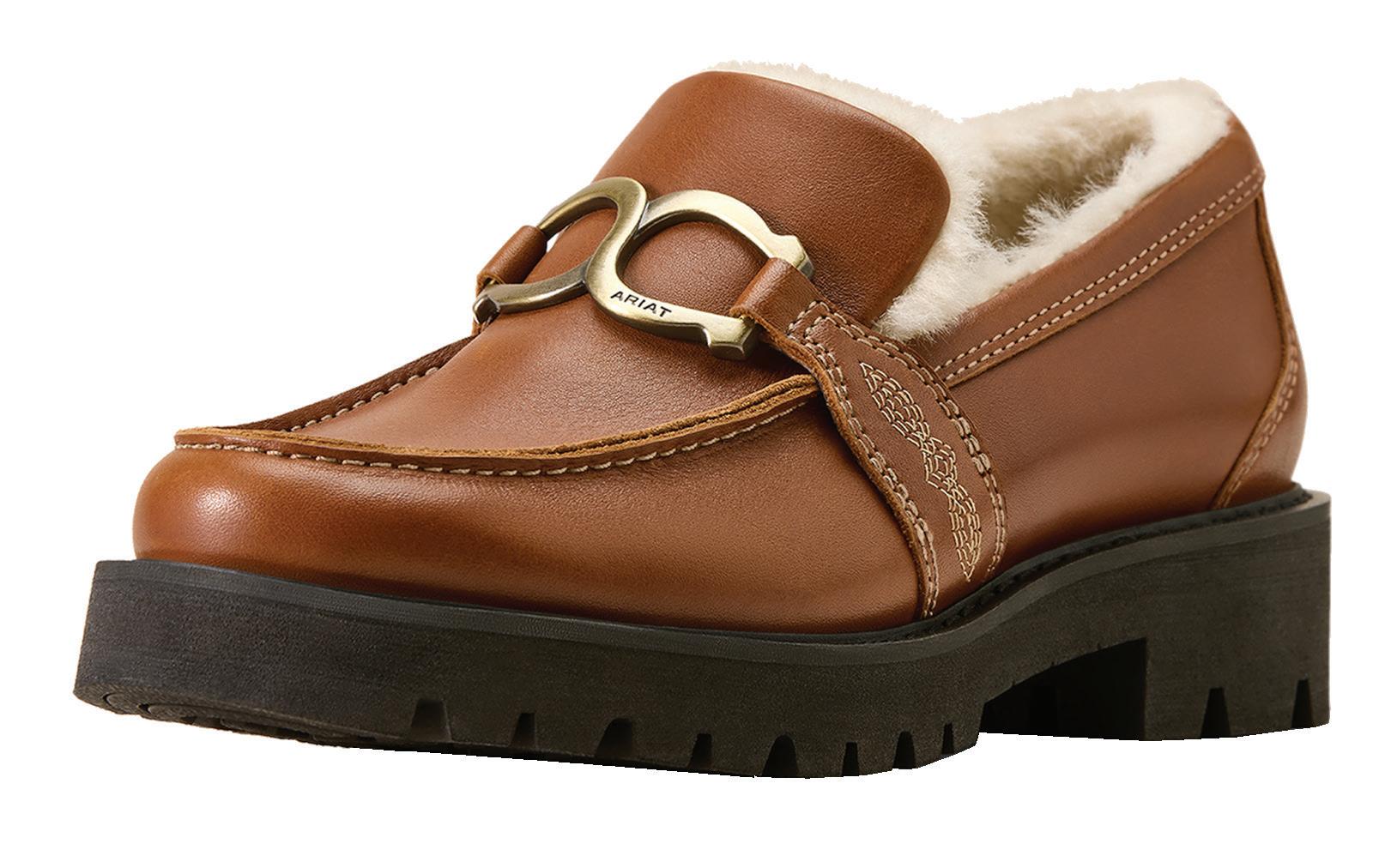
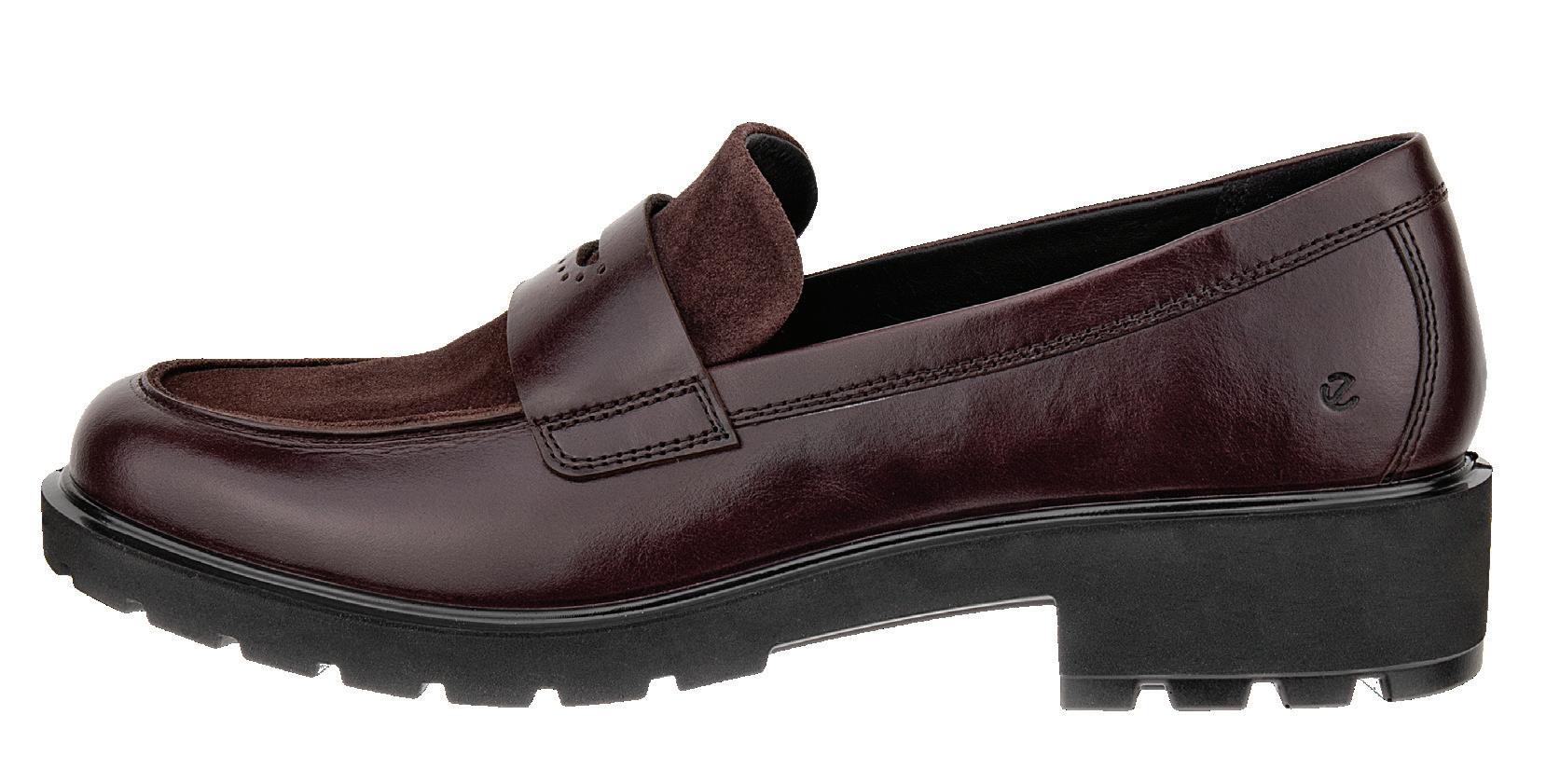
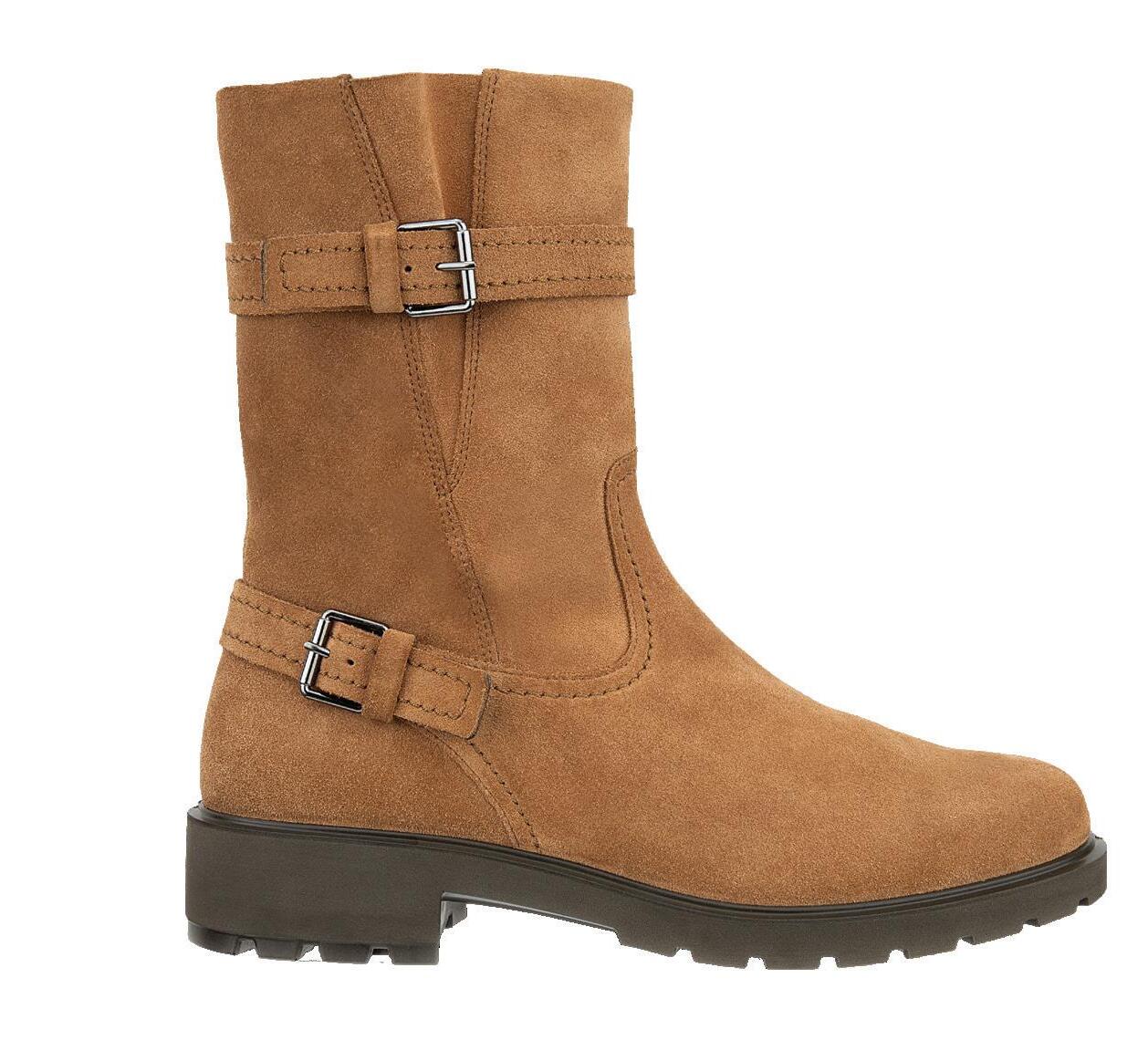
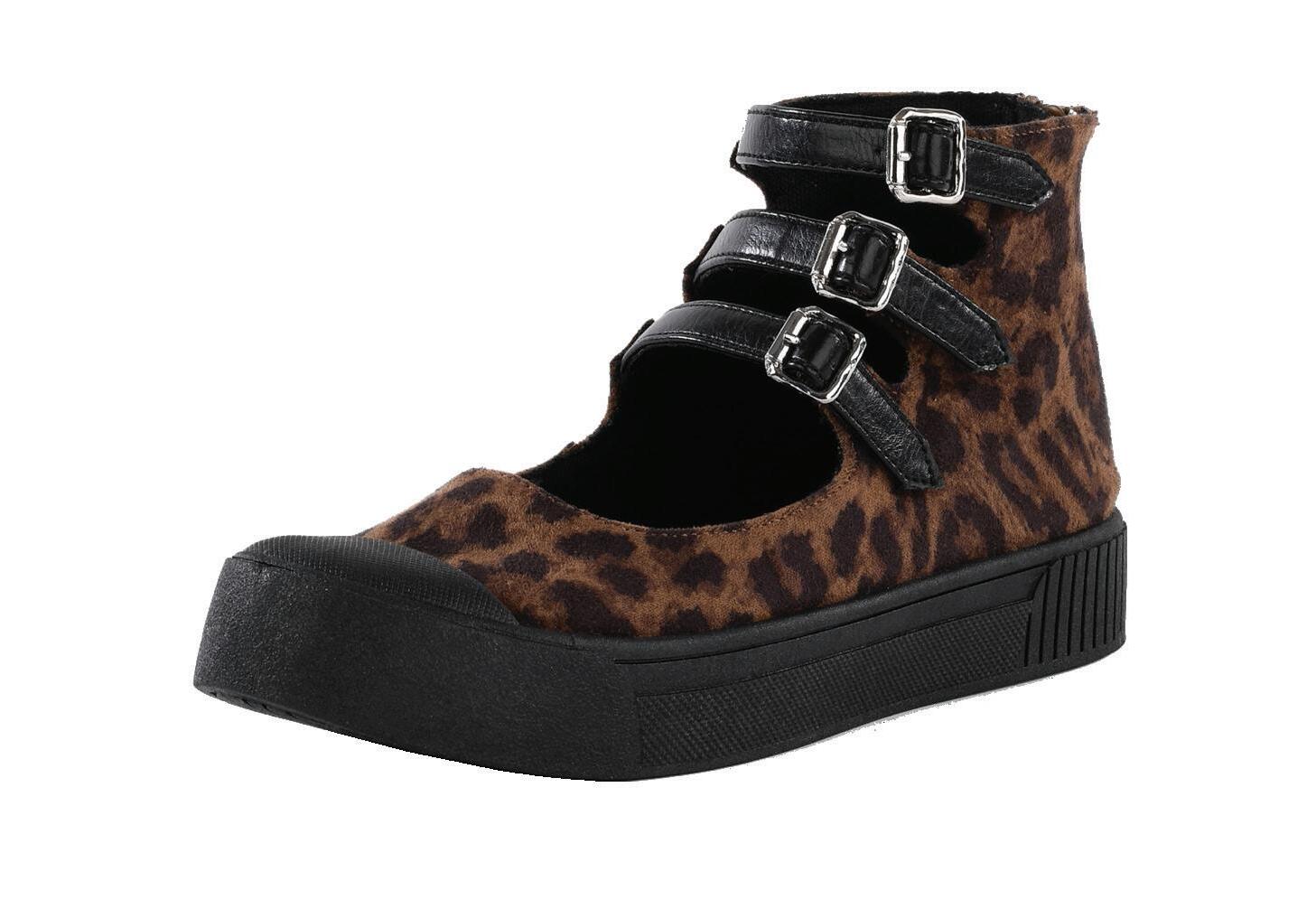
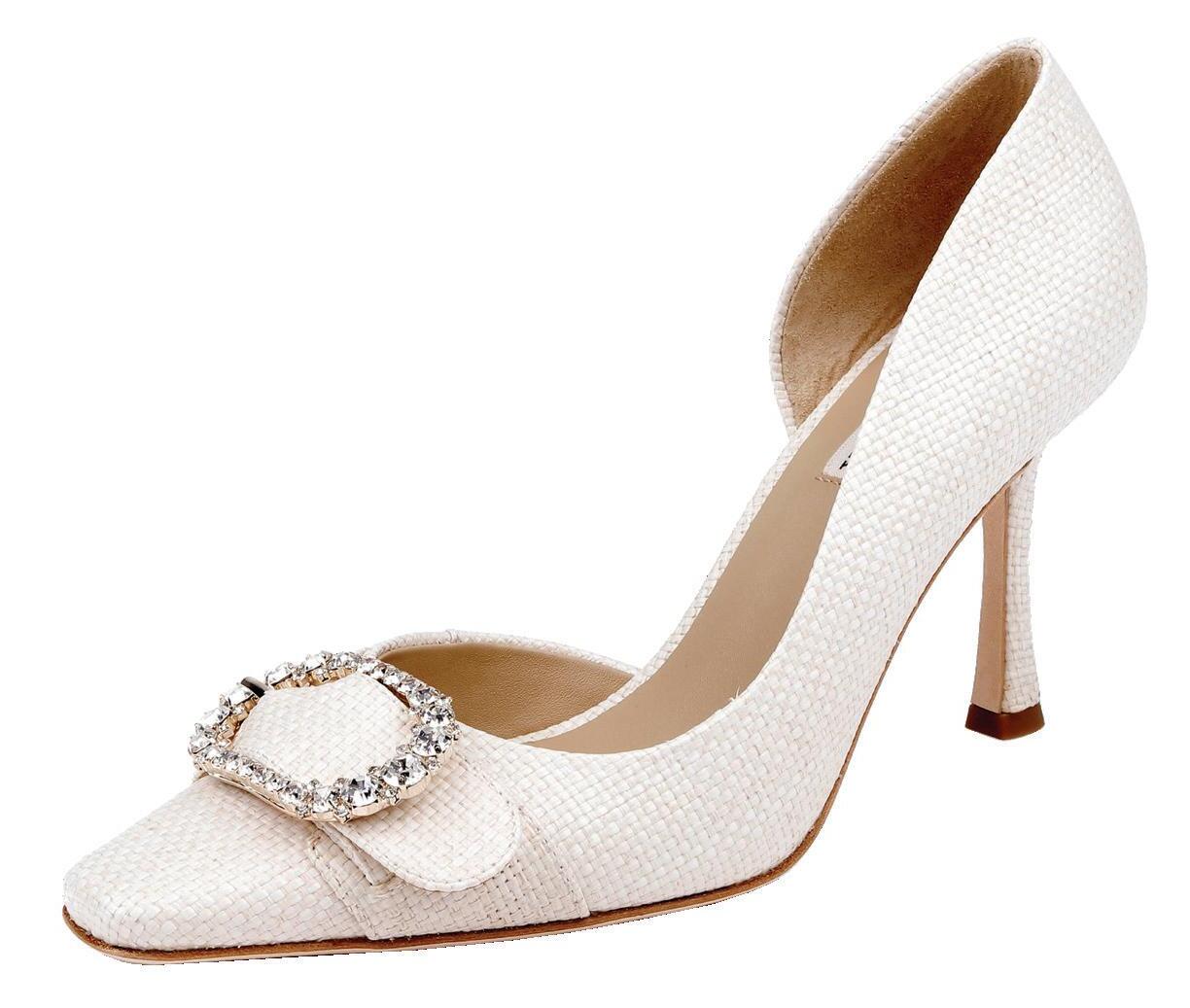
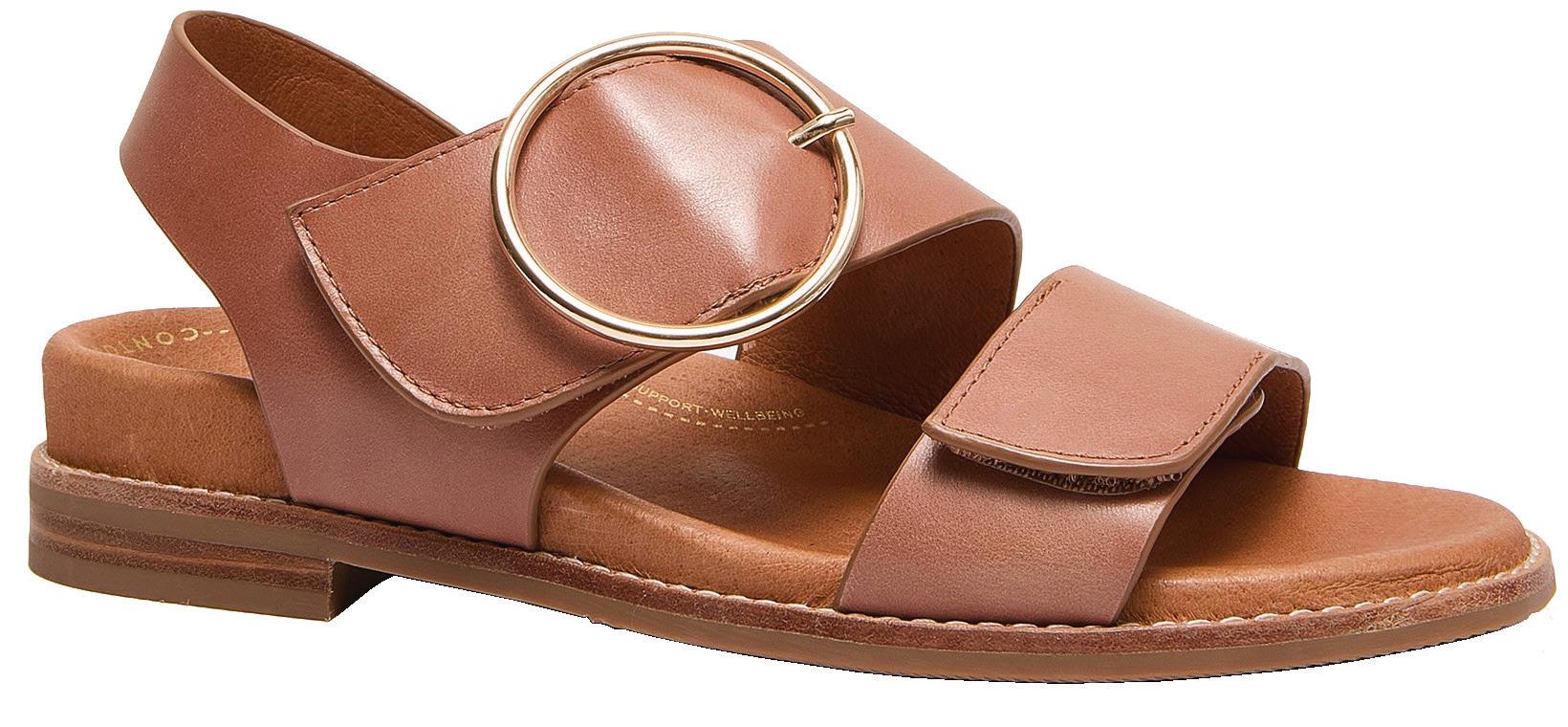
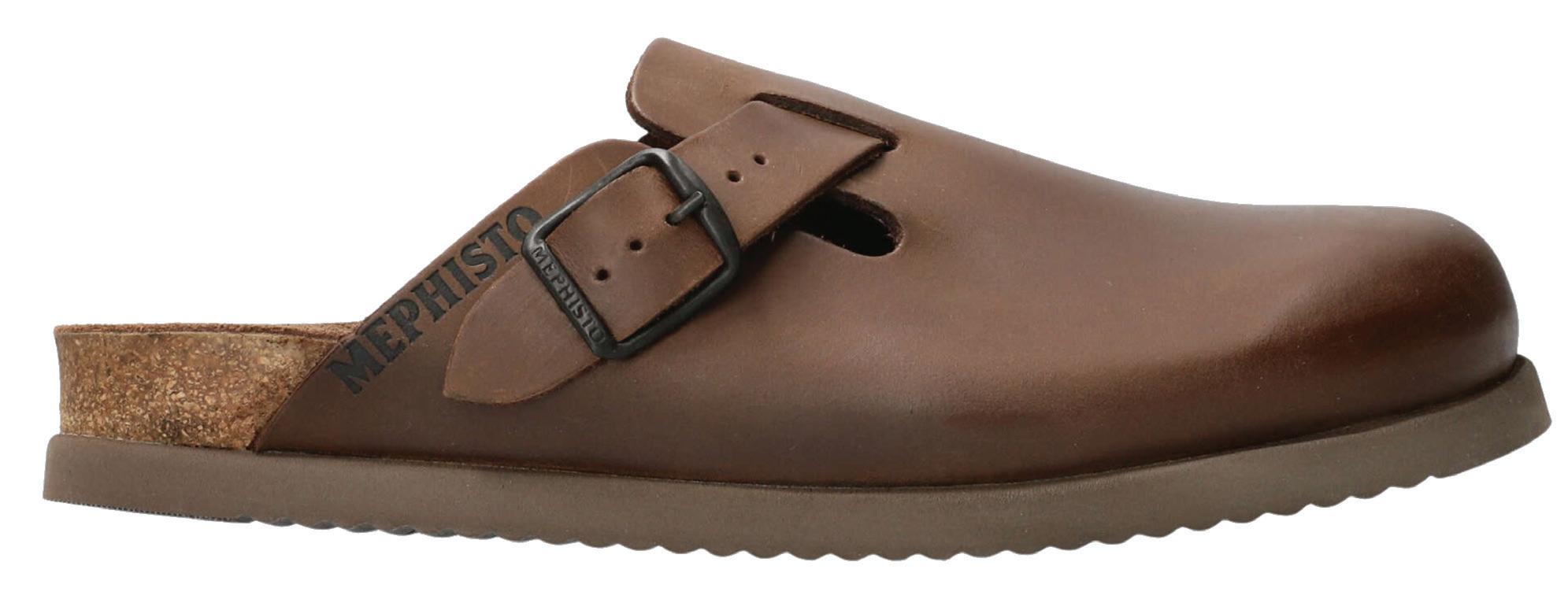
Buckles are a cinch whether functional or fashionable.
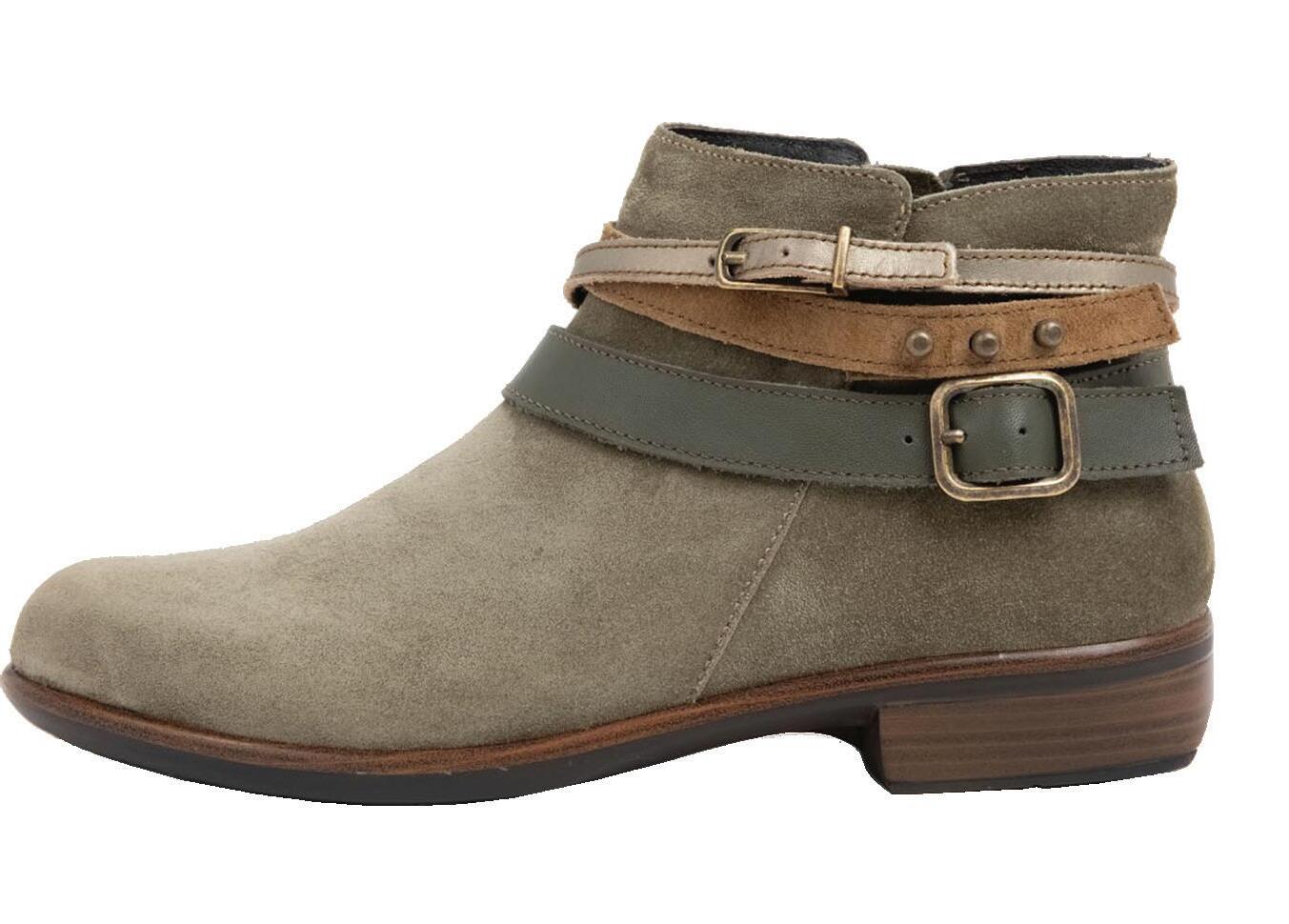
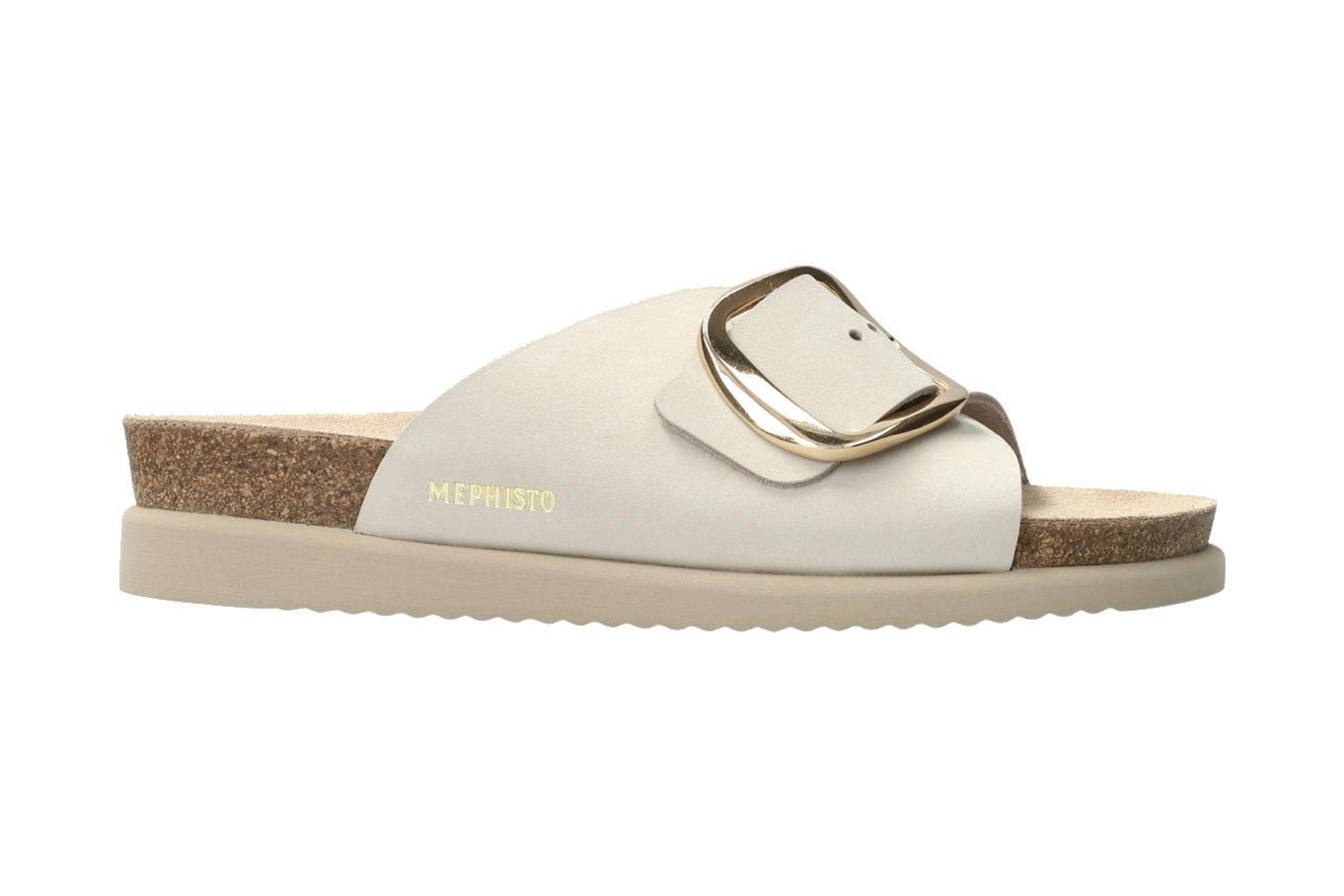
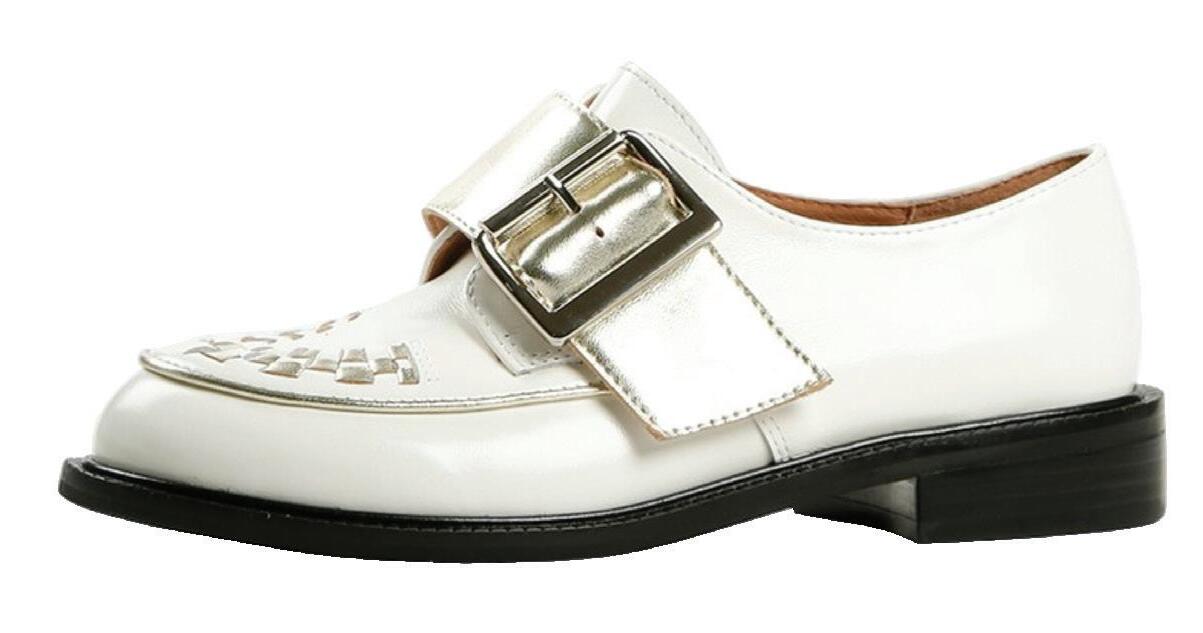
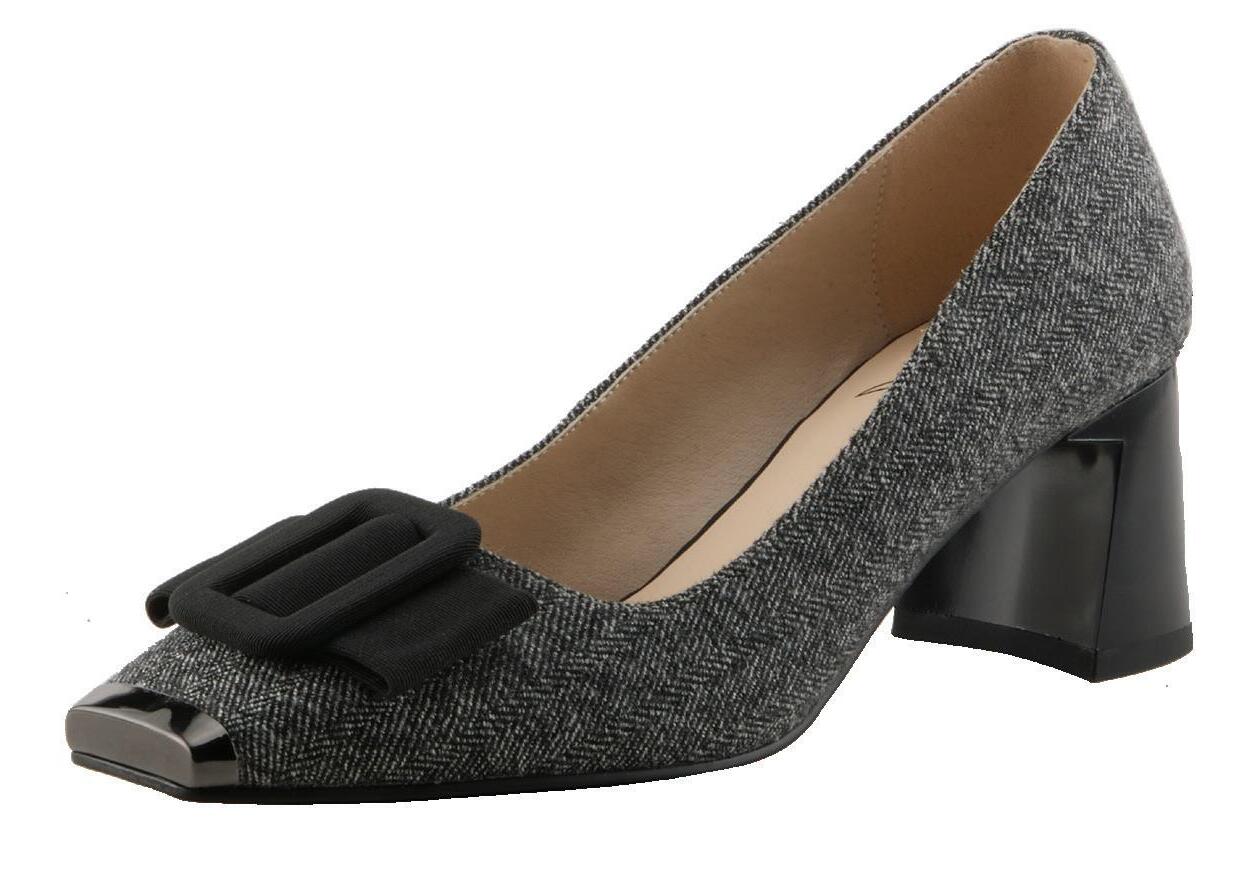





Once de rigueur for Ivy Leaguers, tasseled
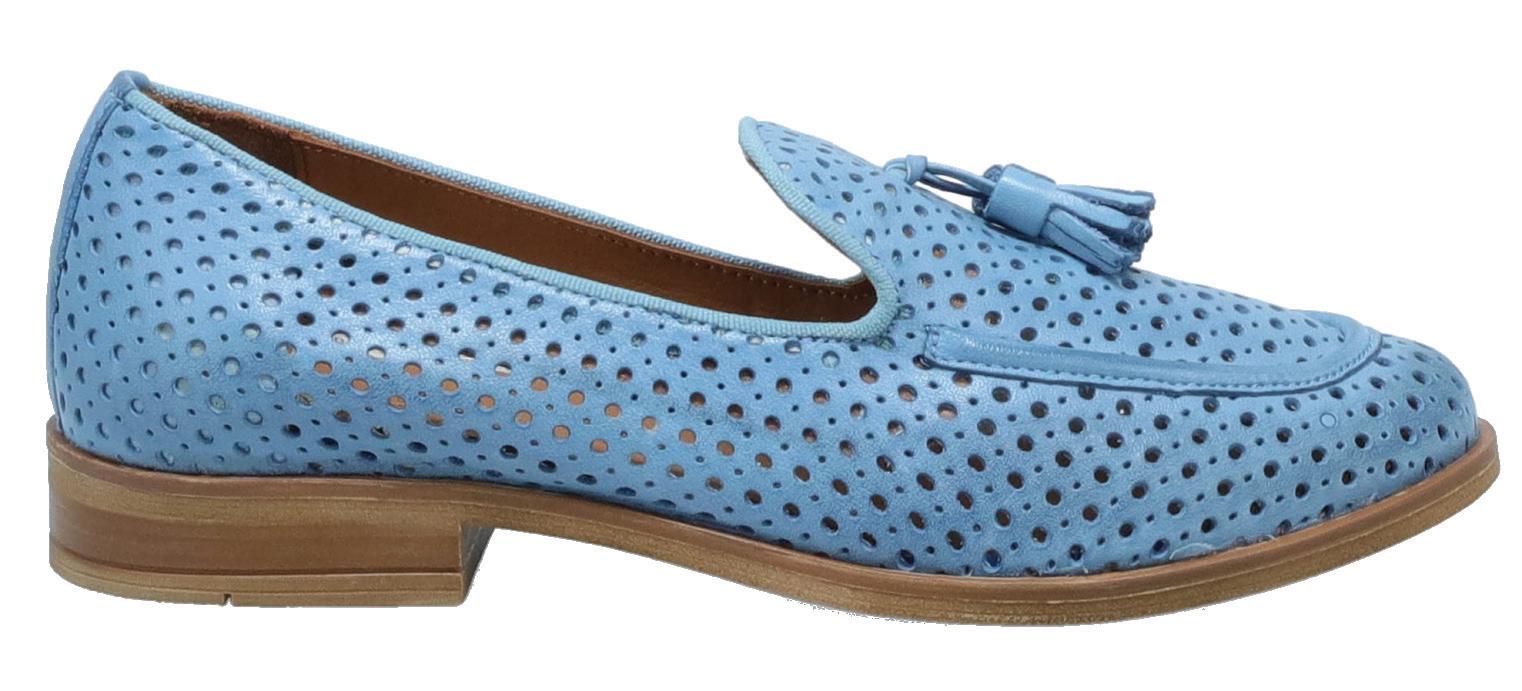
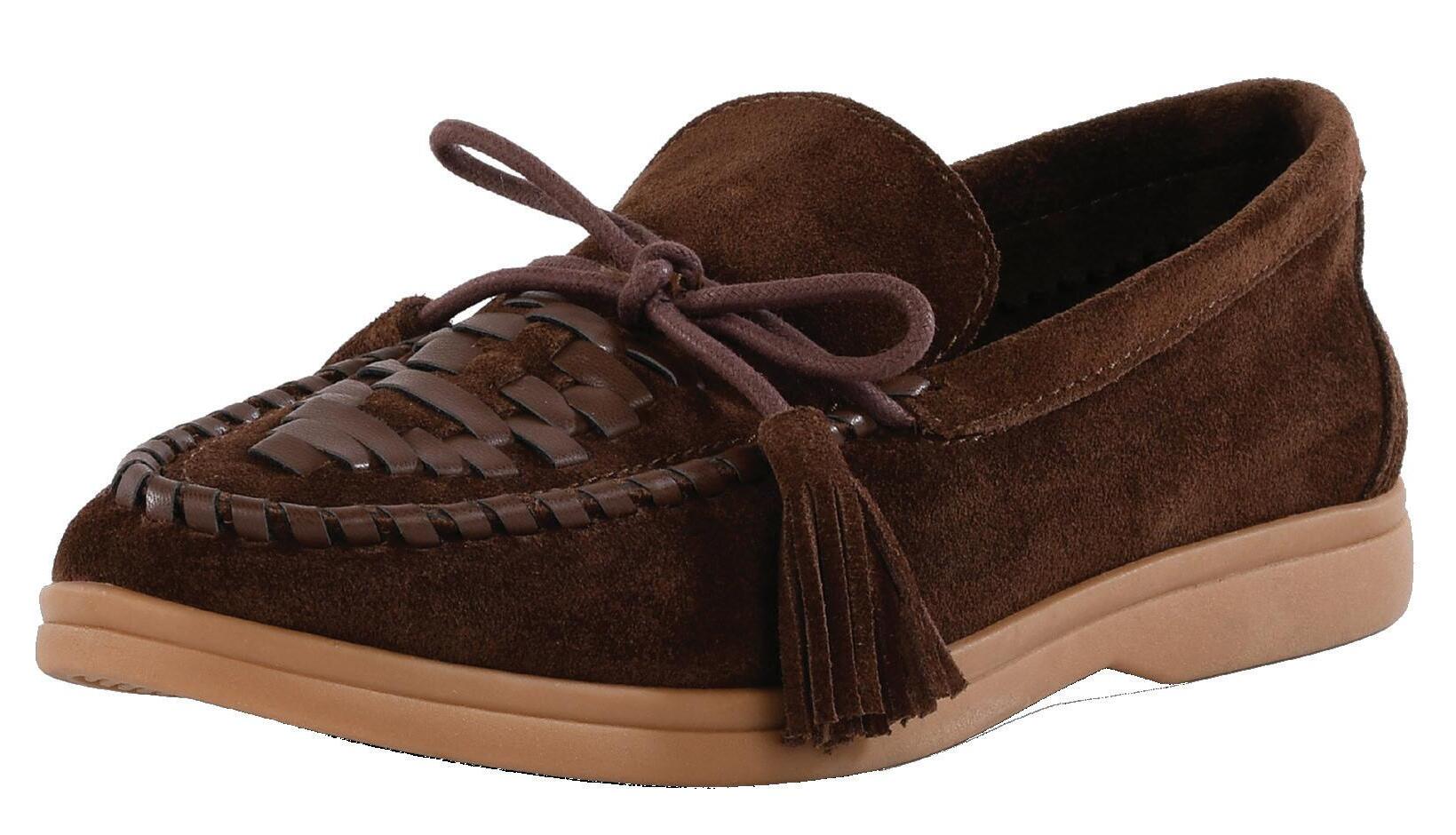
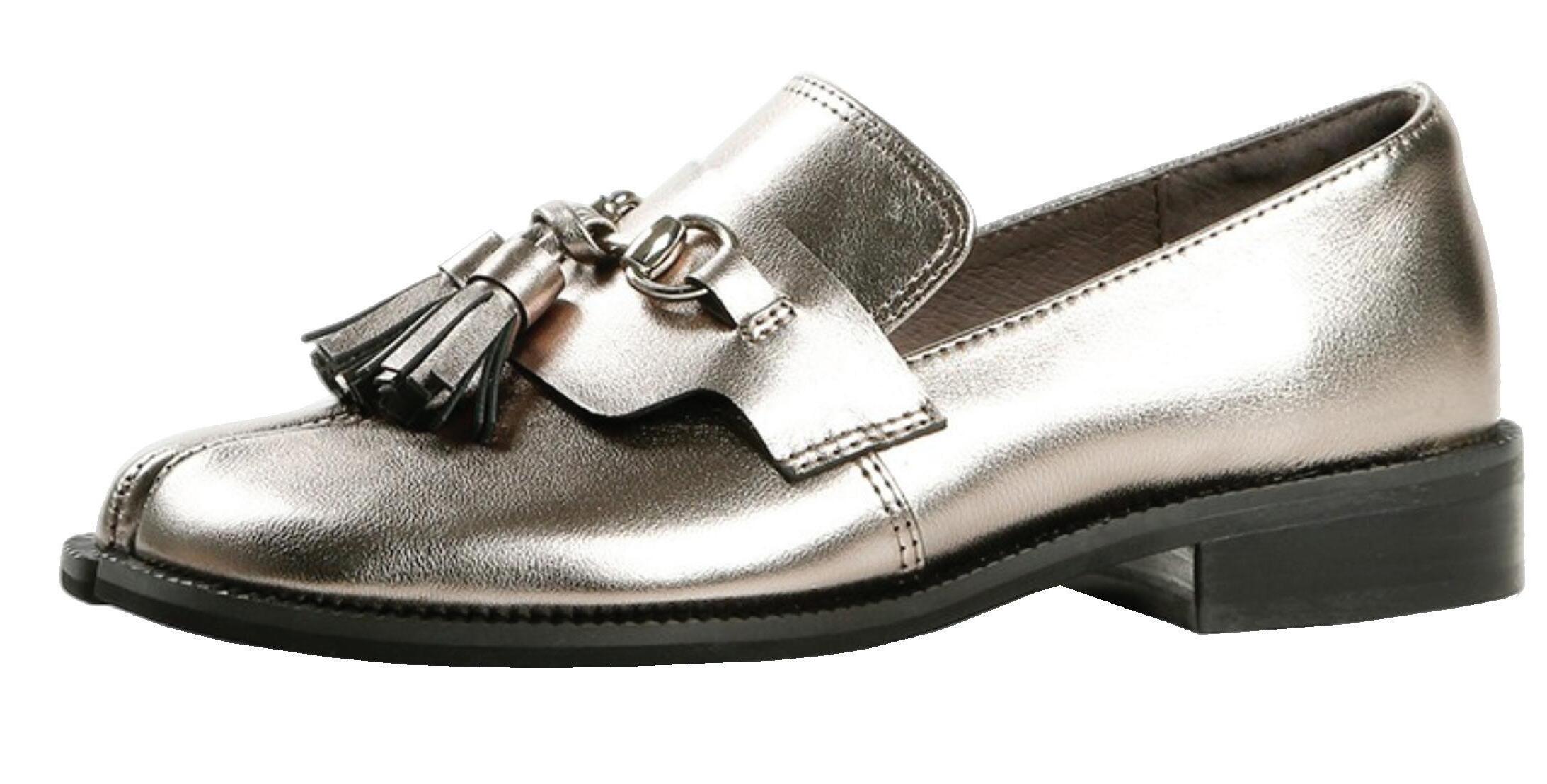
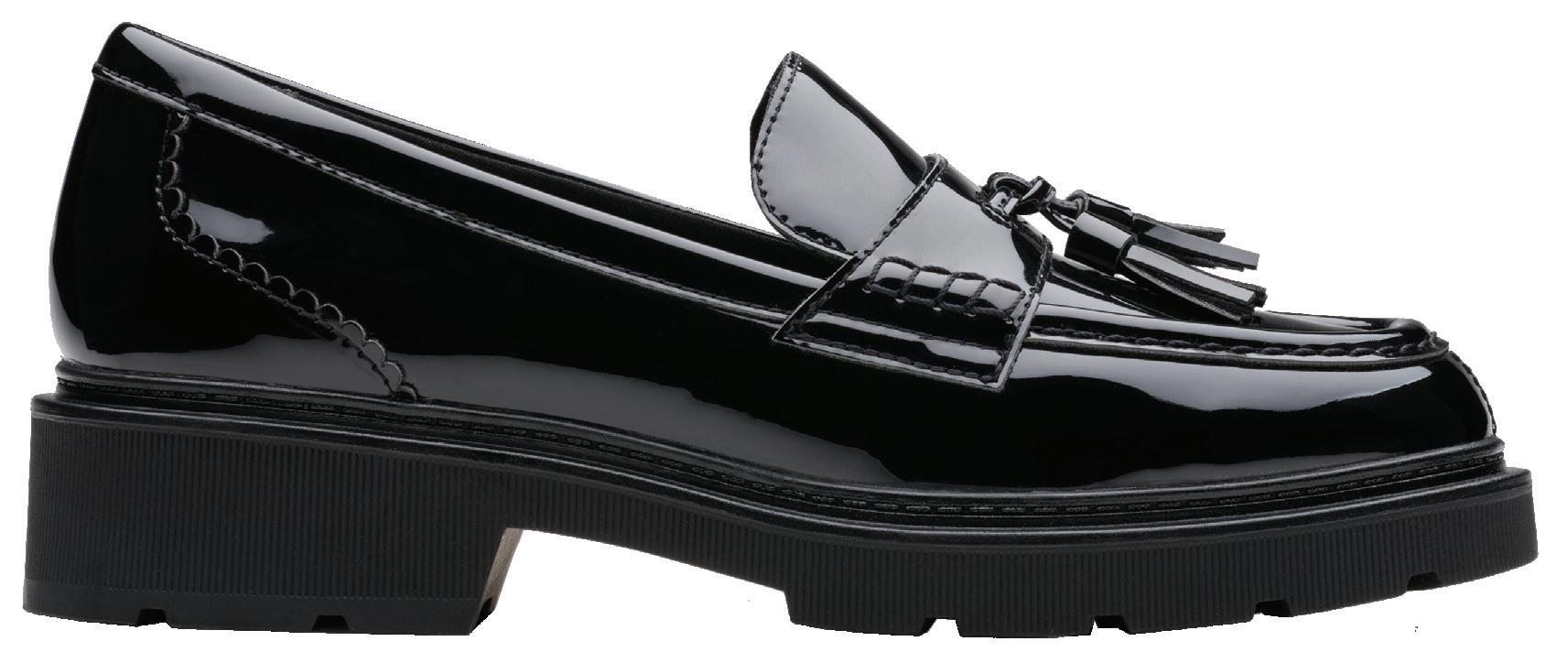
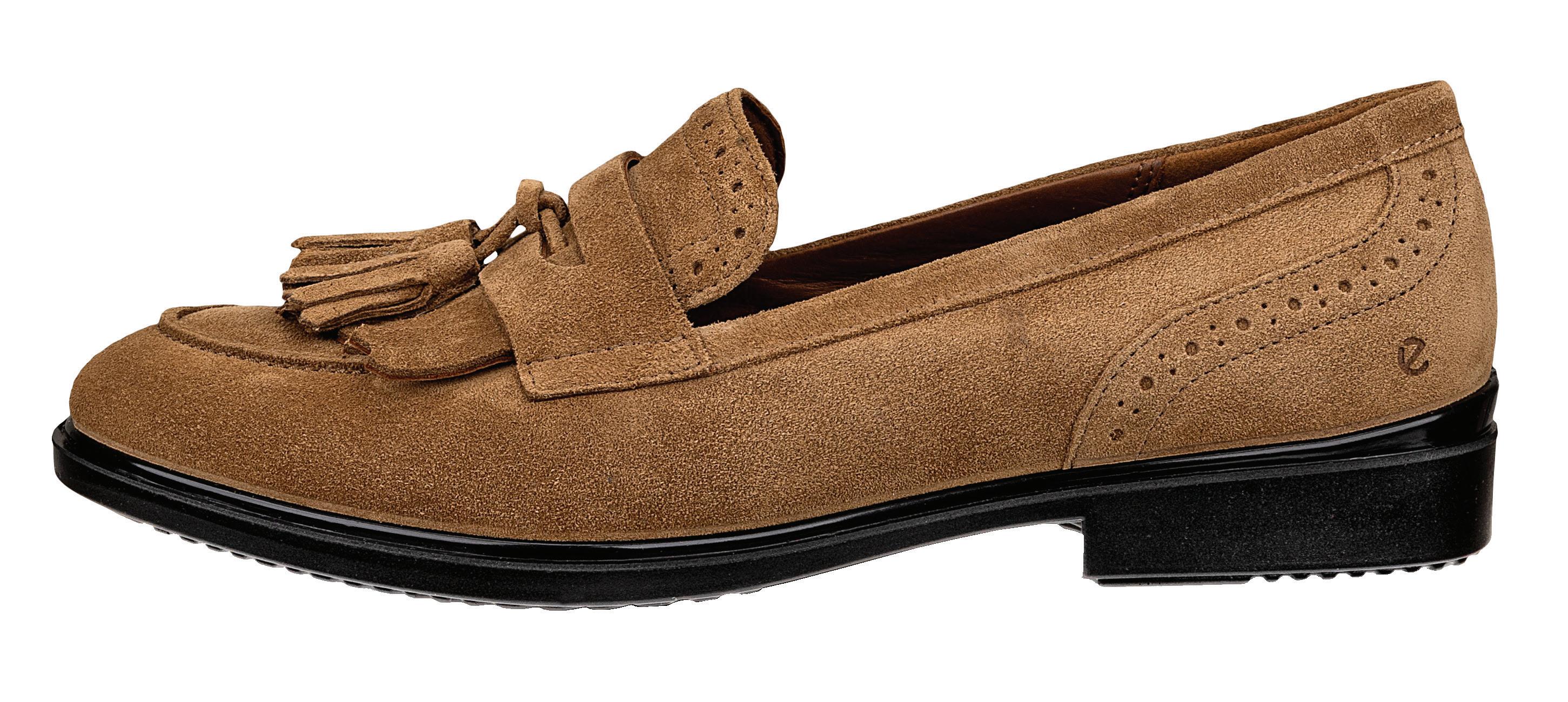
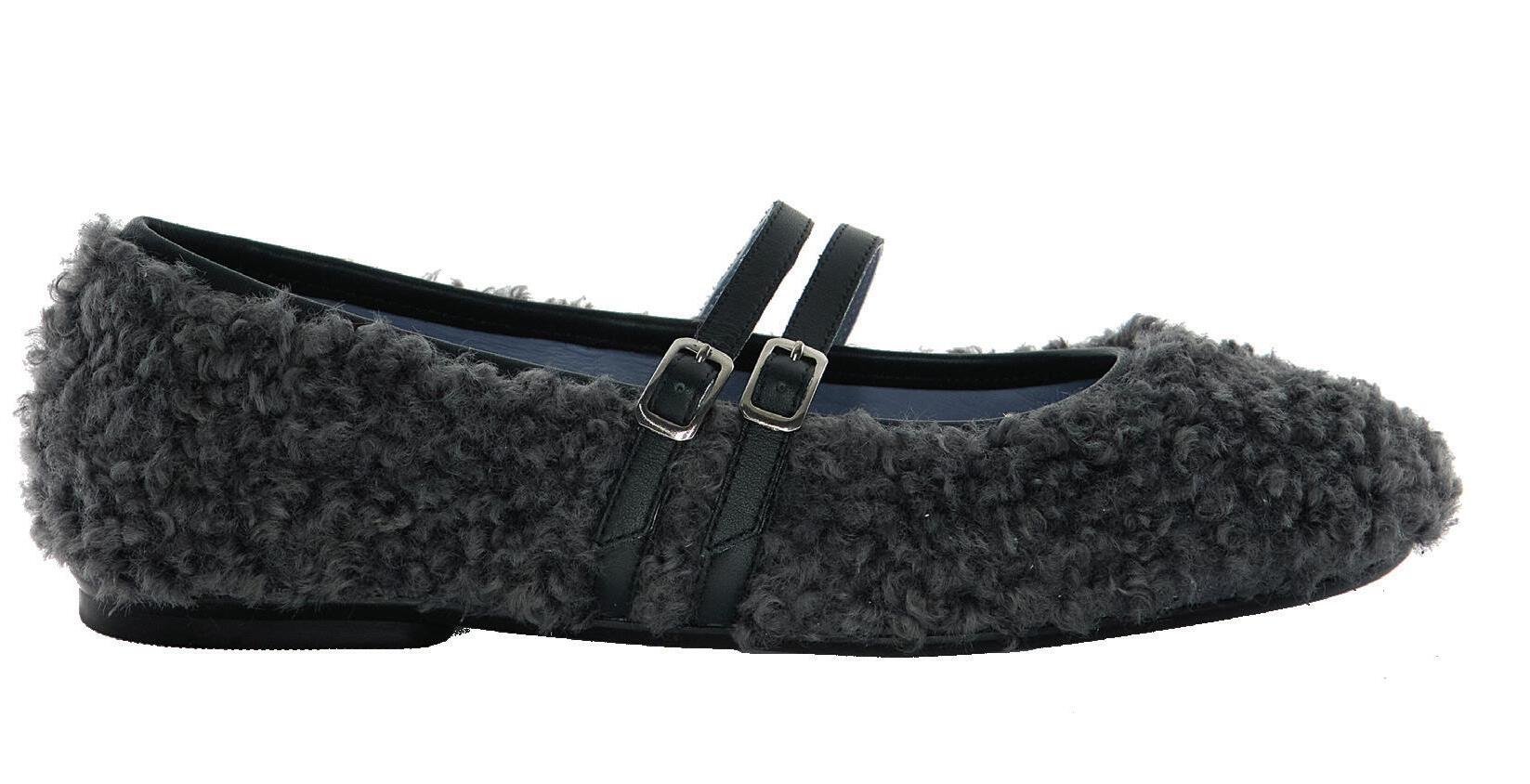
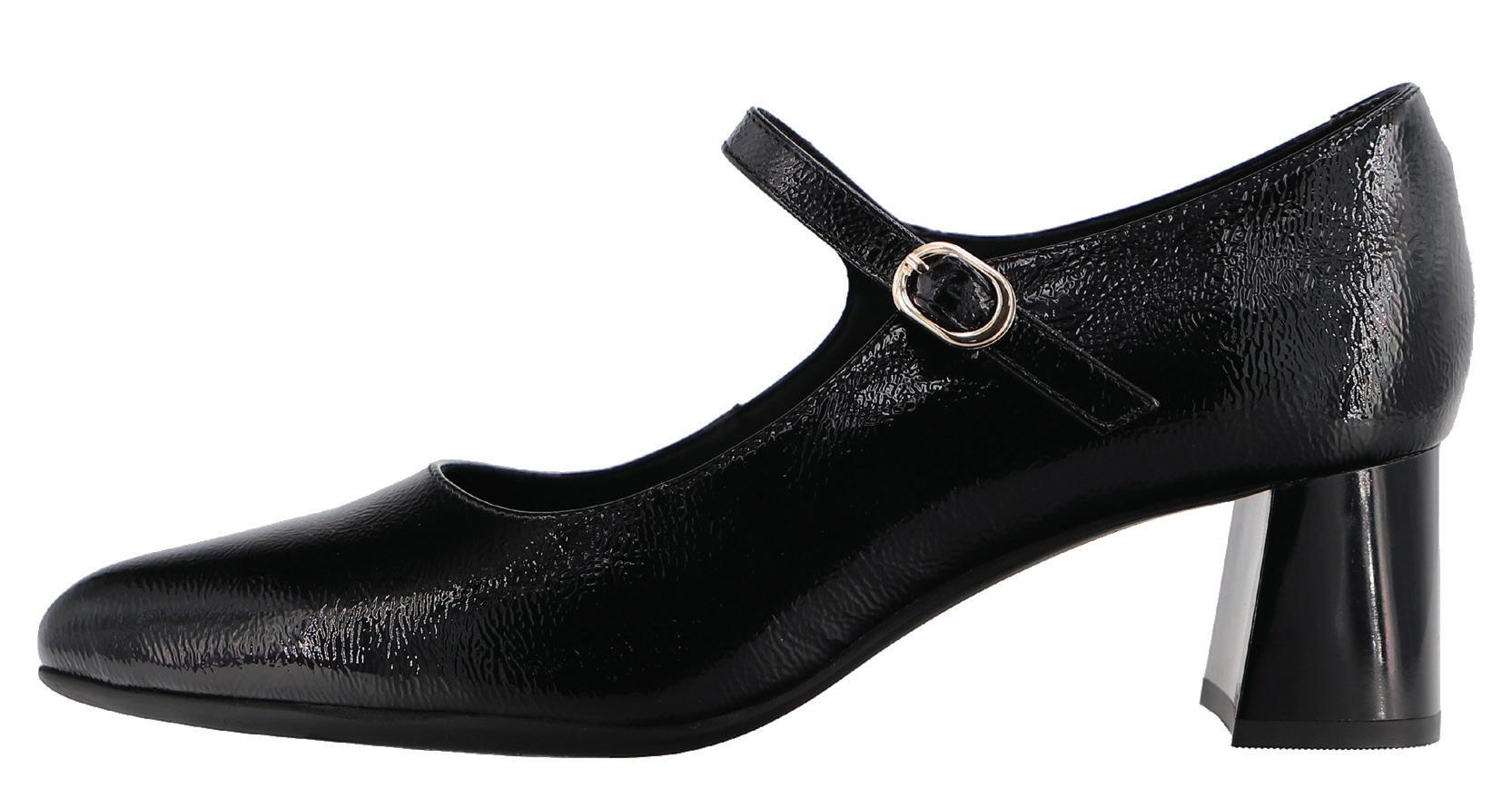
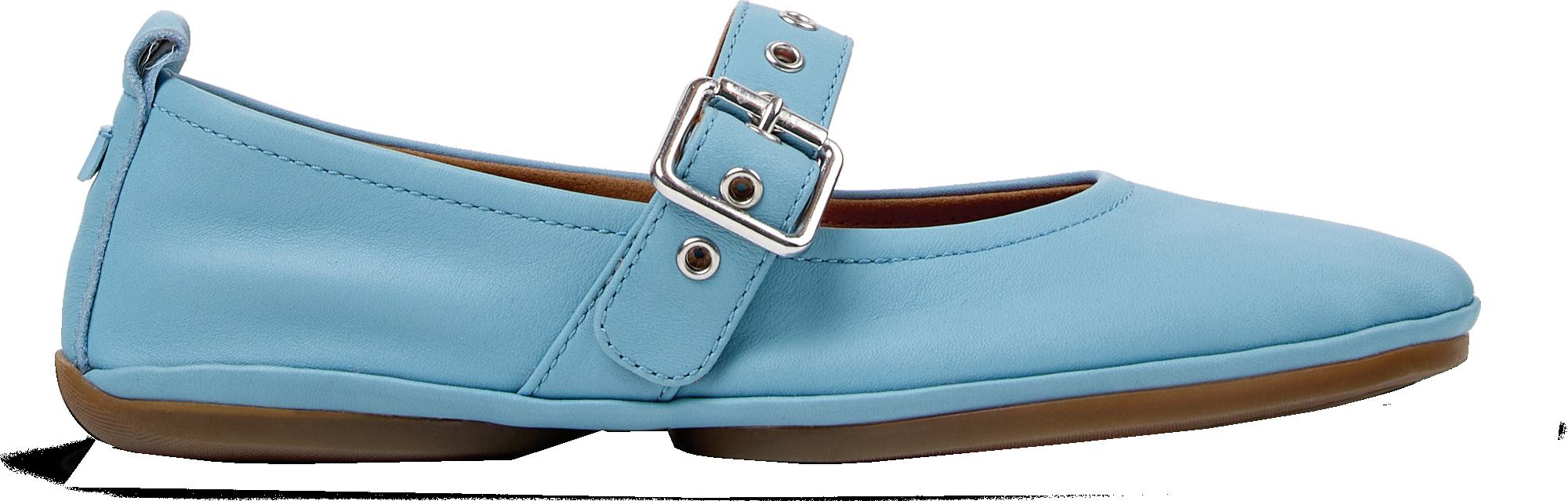
The classic silhouette retains its lofty standing among the fashion faithful.
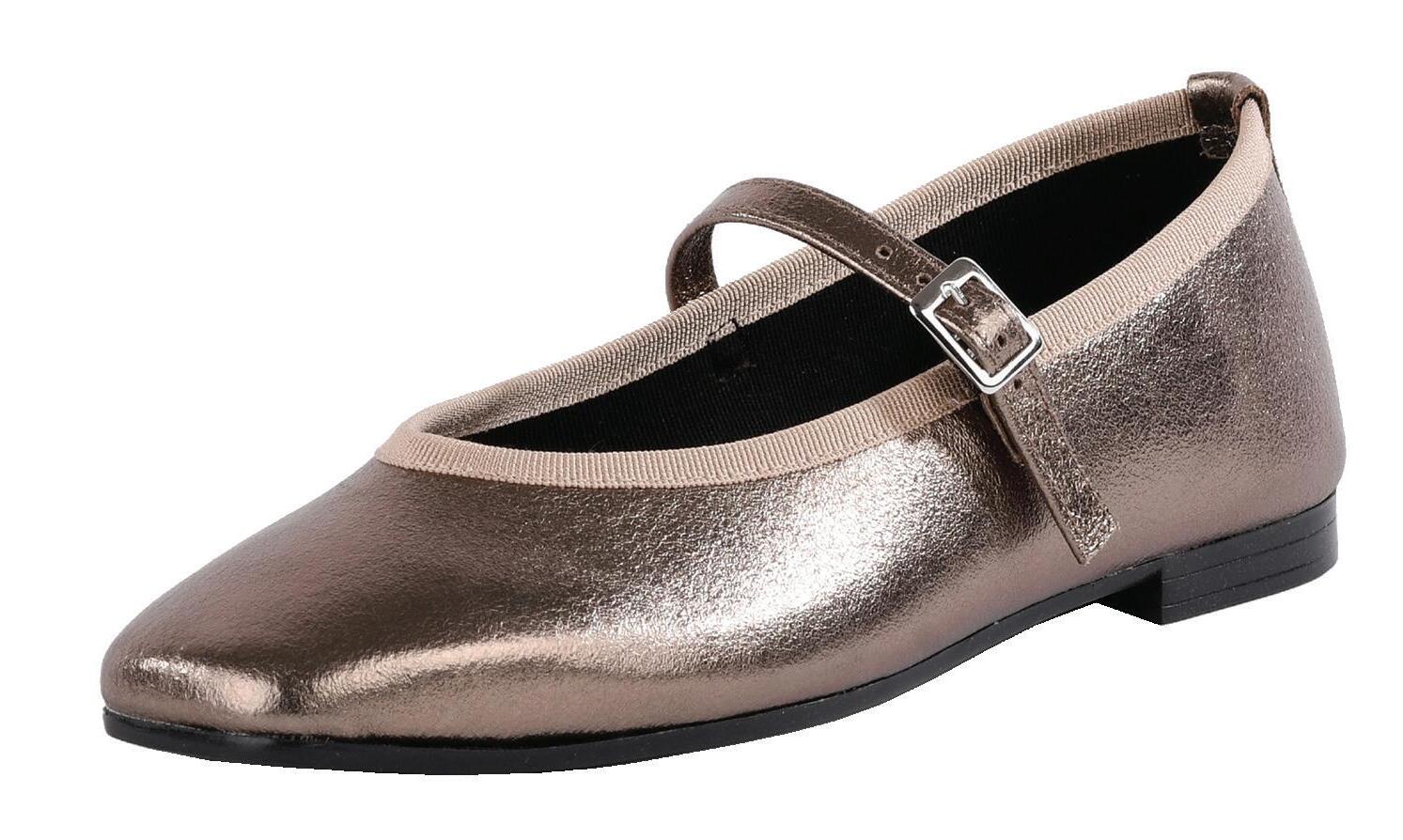
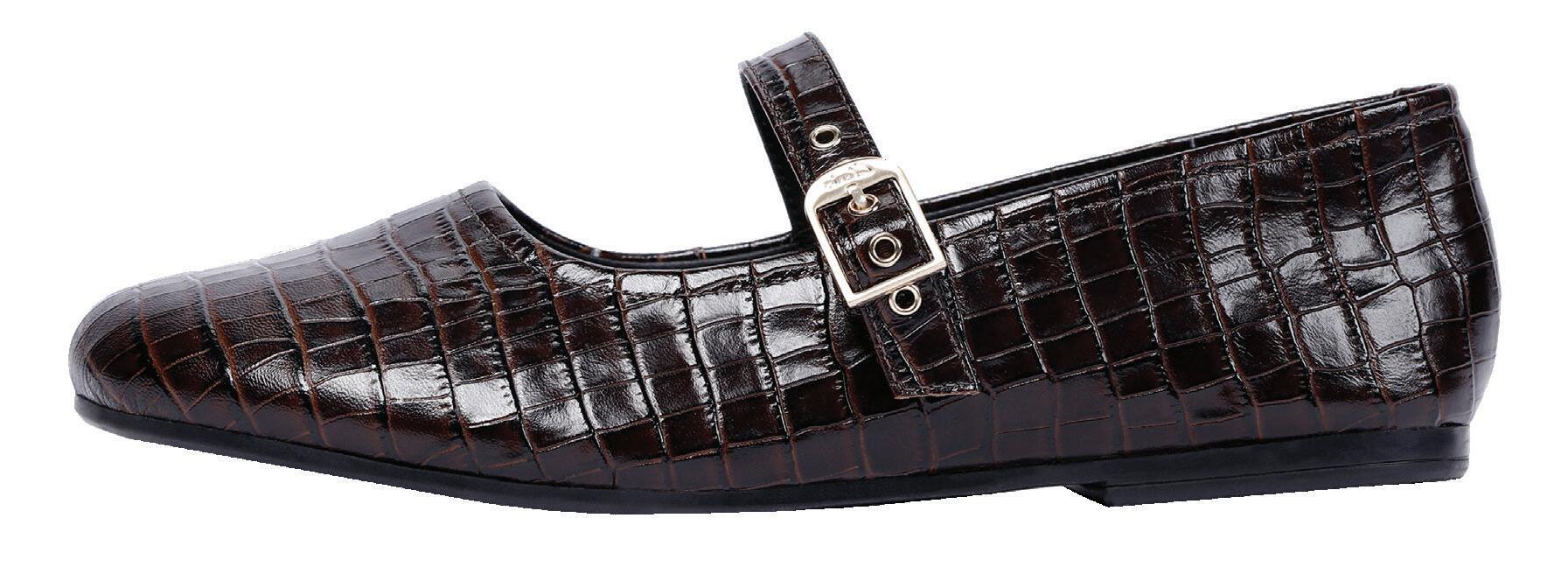
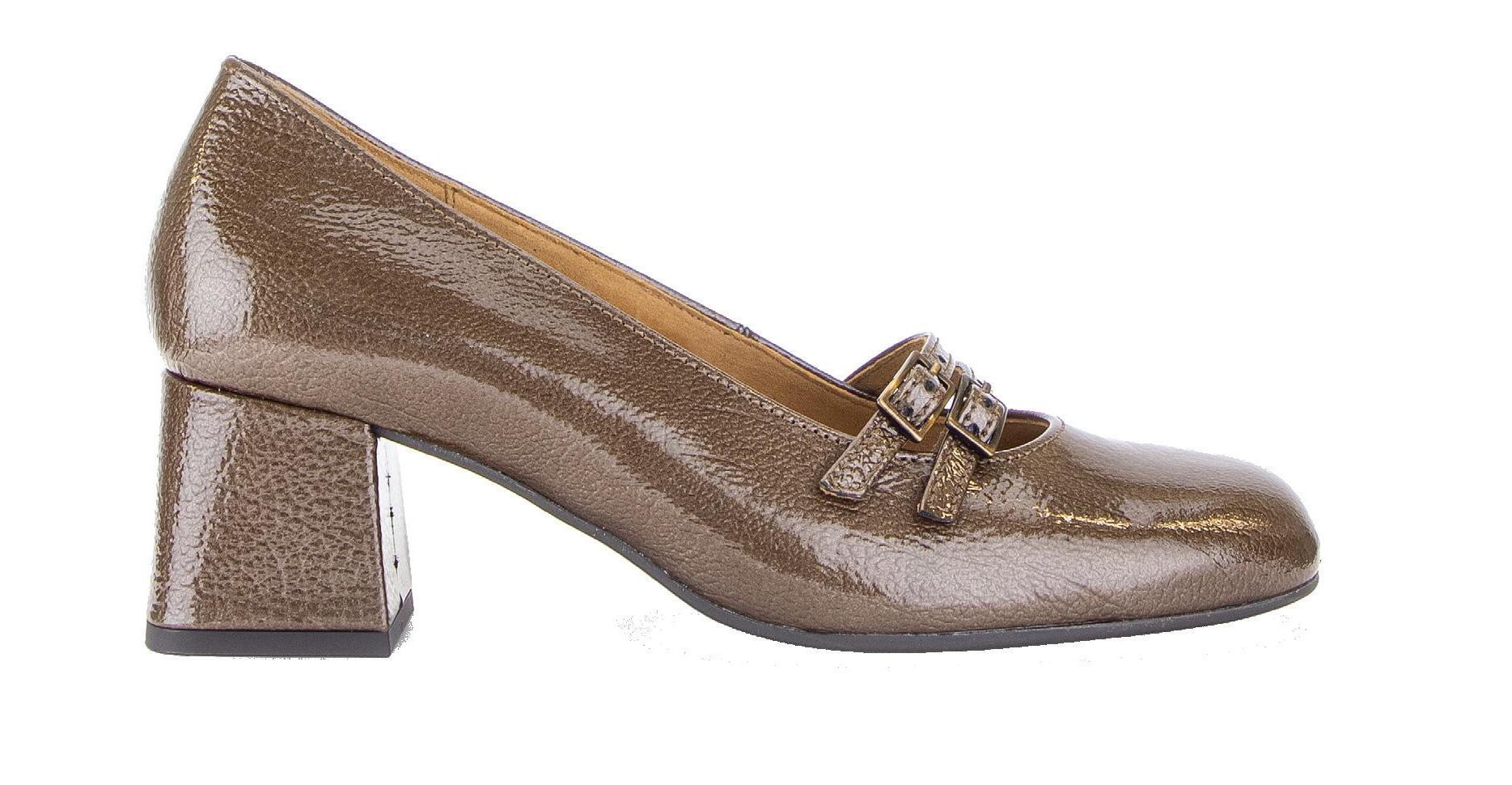
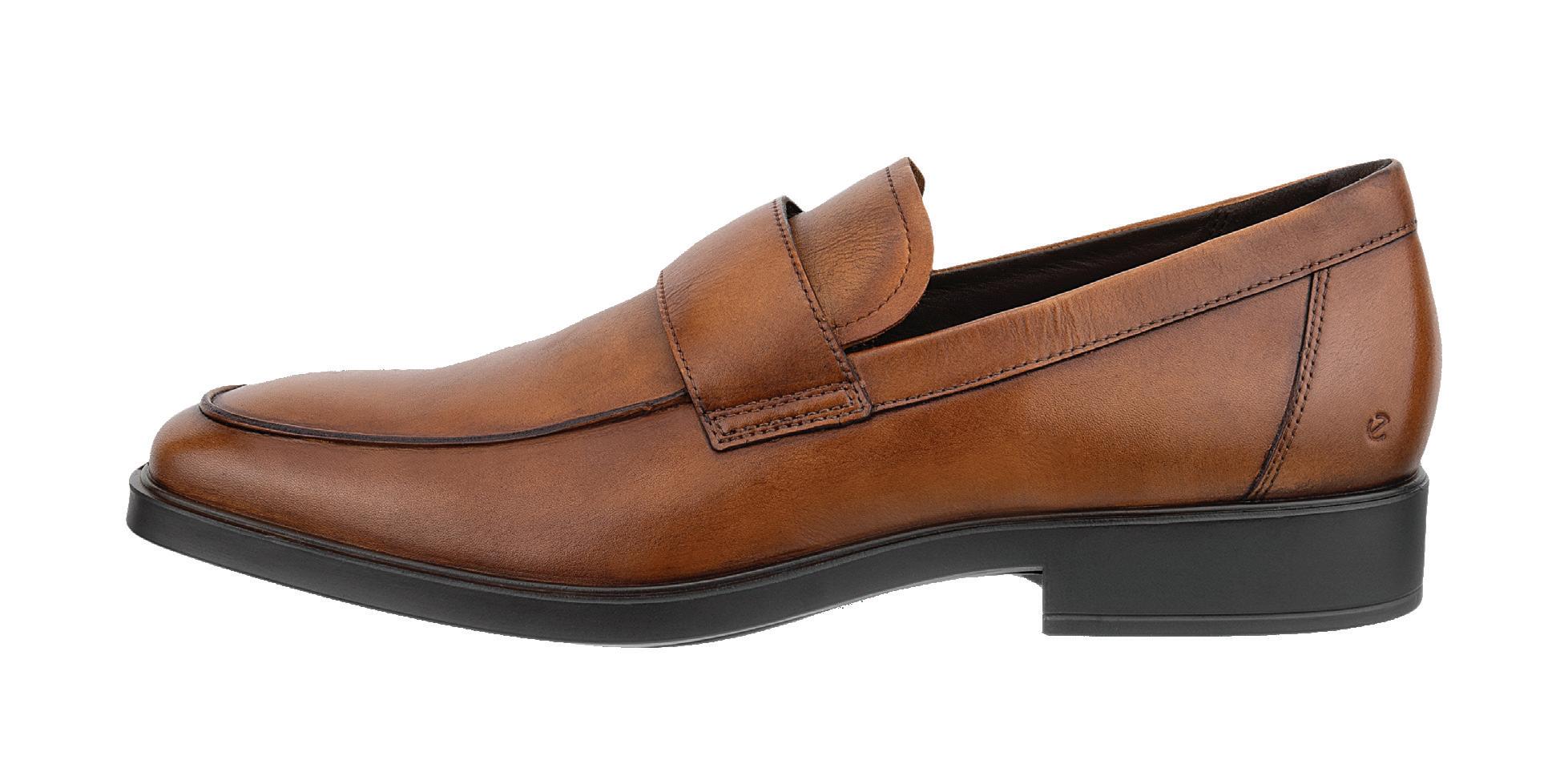
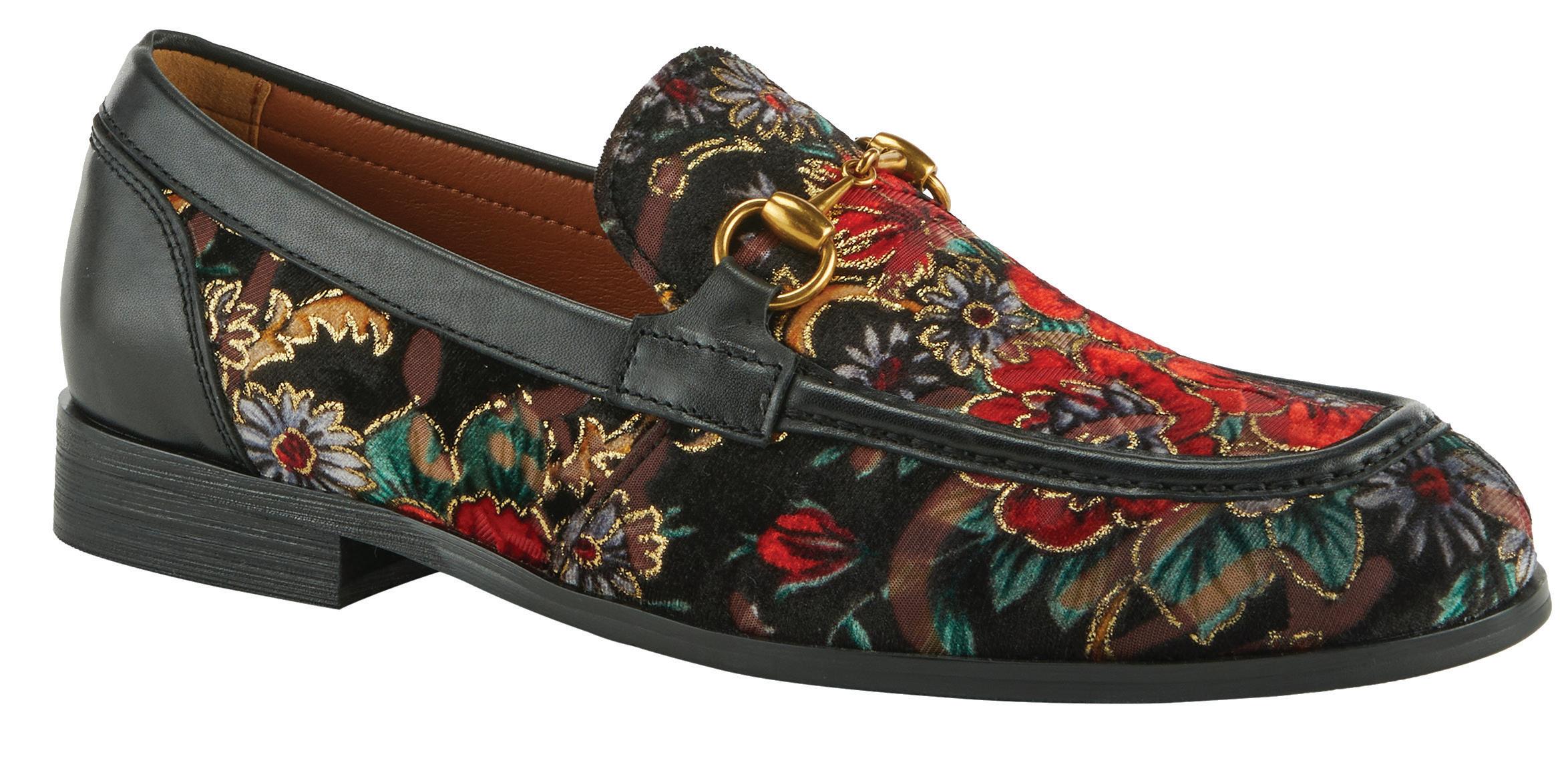
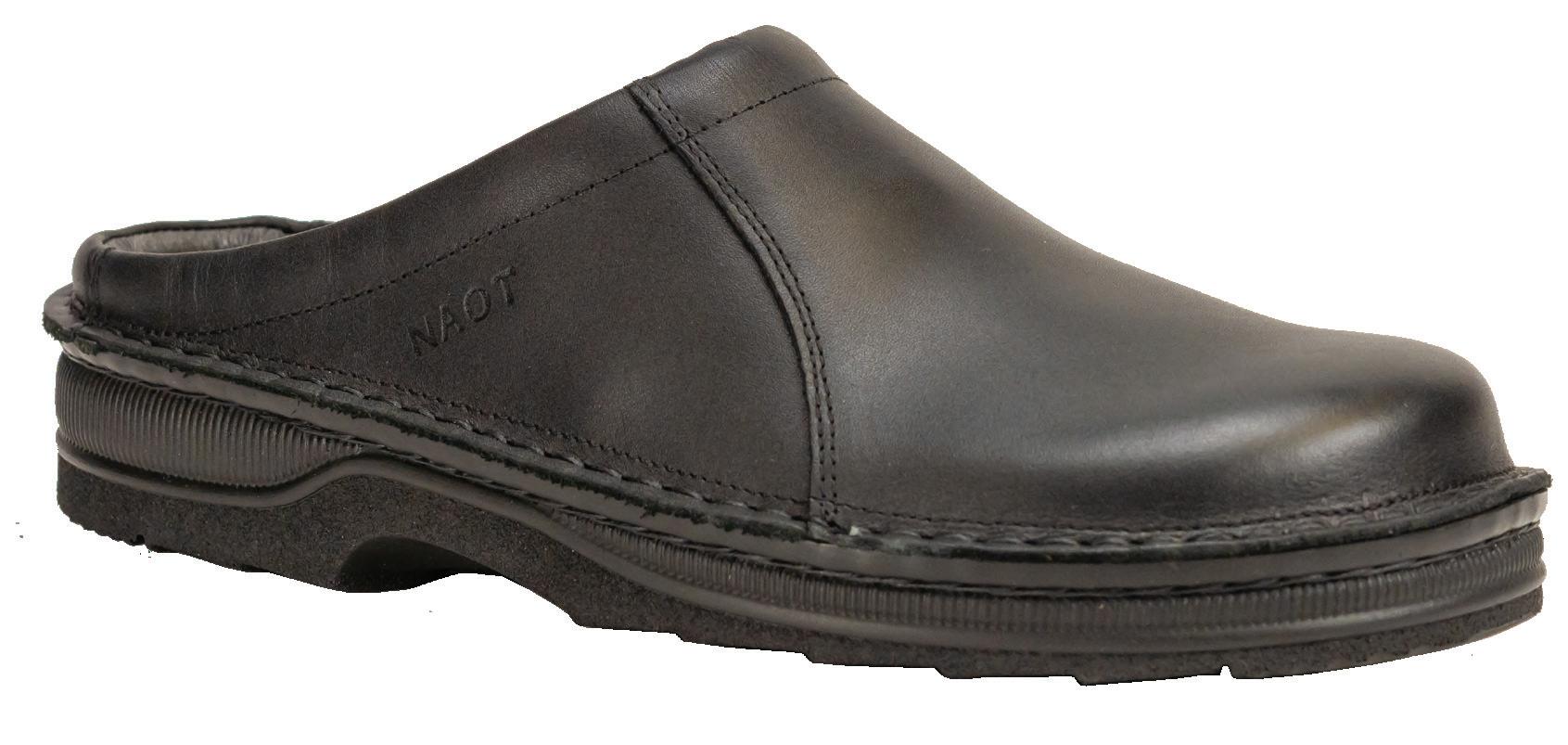
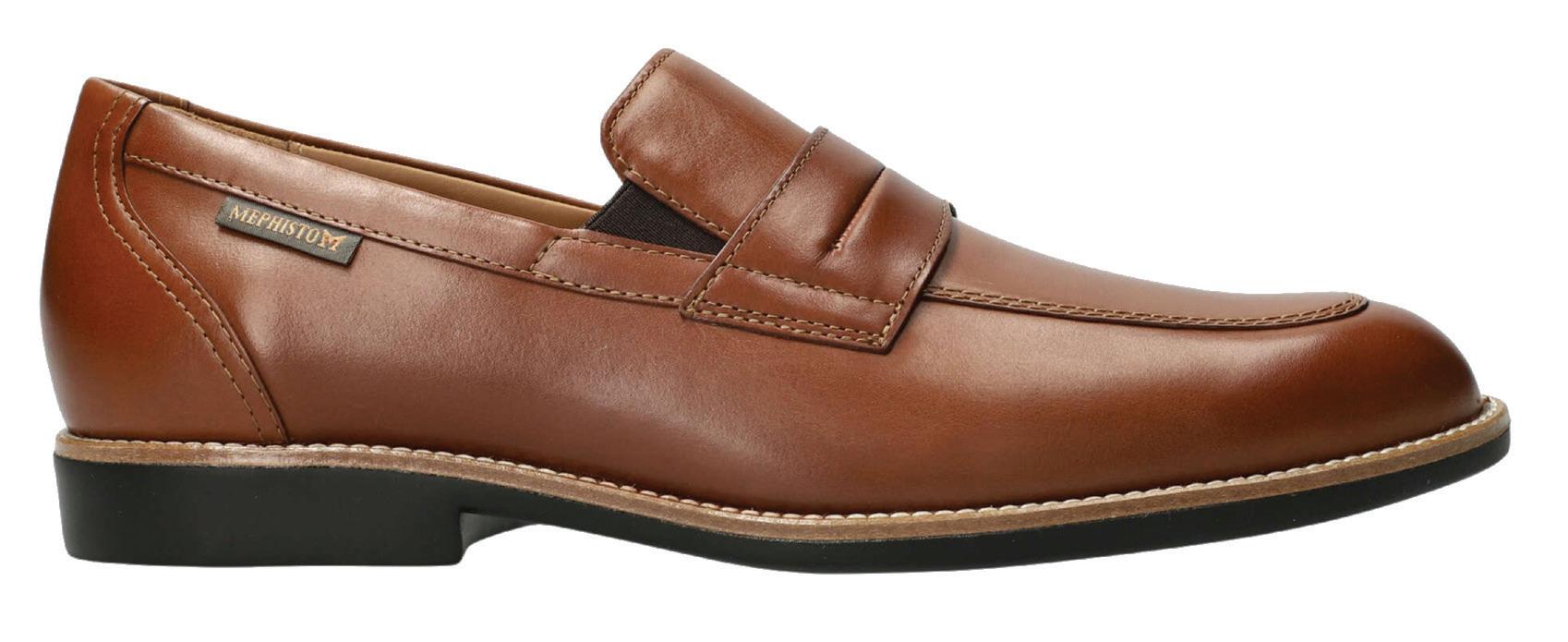
Guys, raise the style bar with sleek and sophisticated loafers.
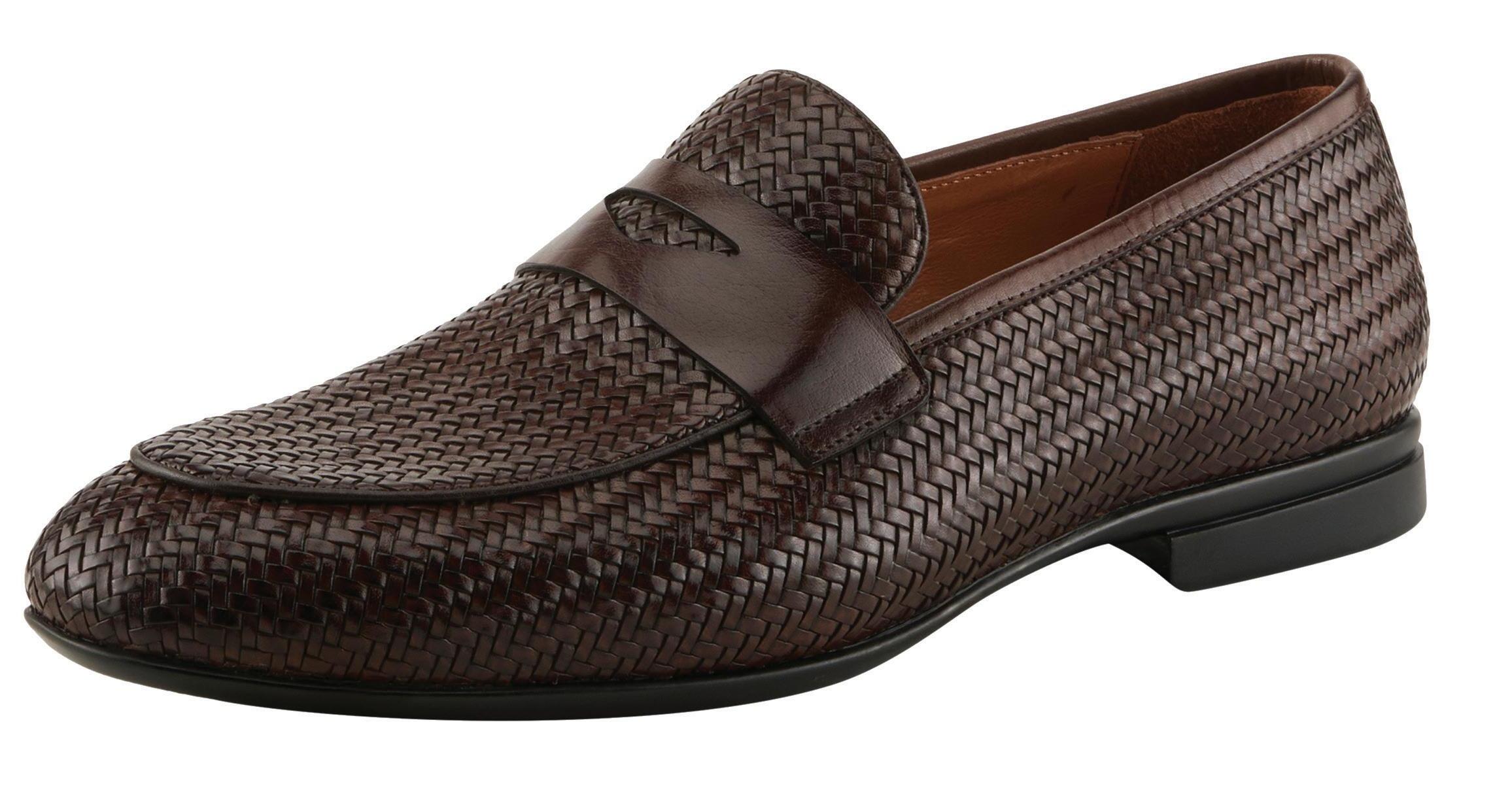
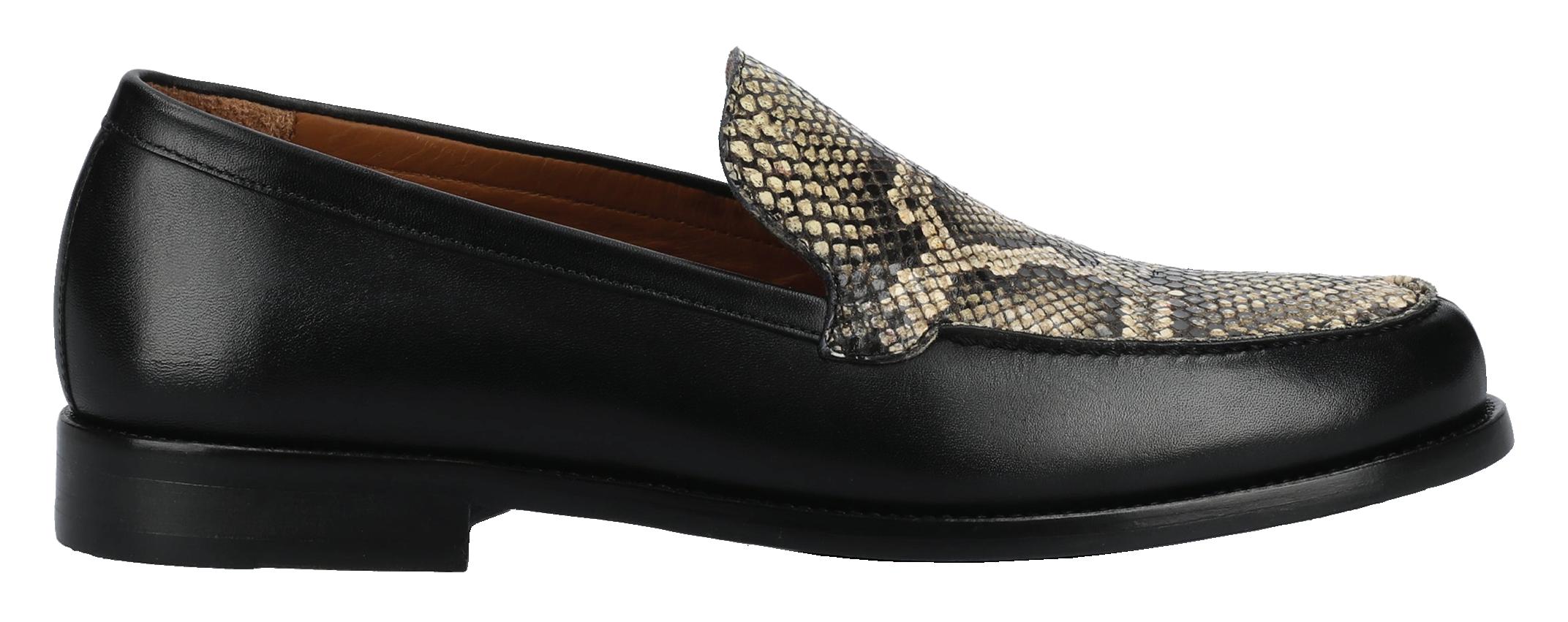
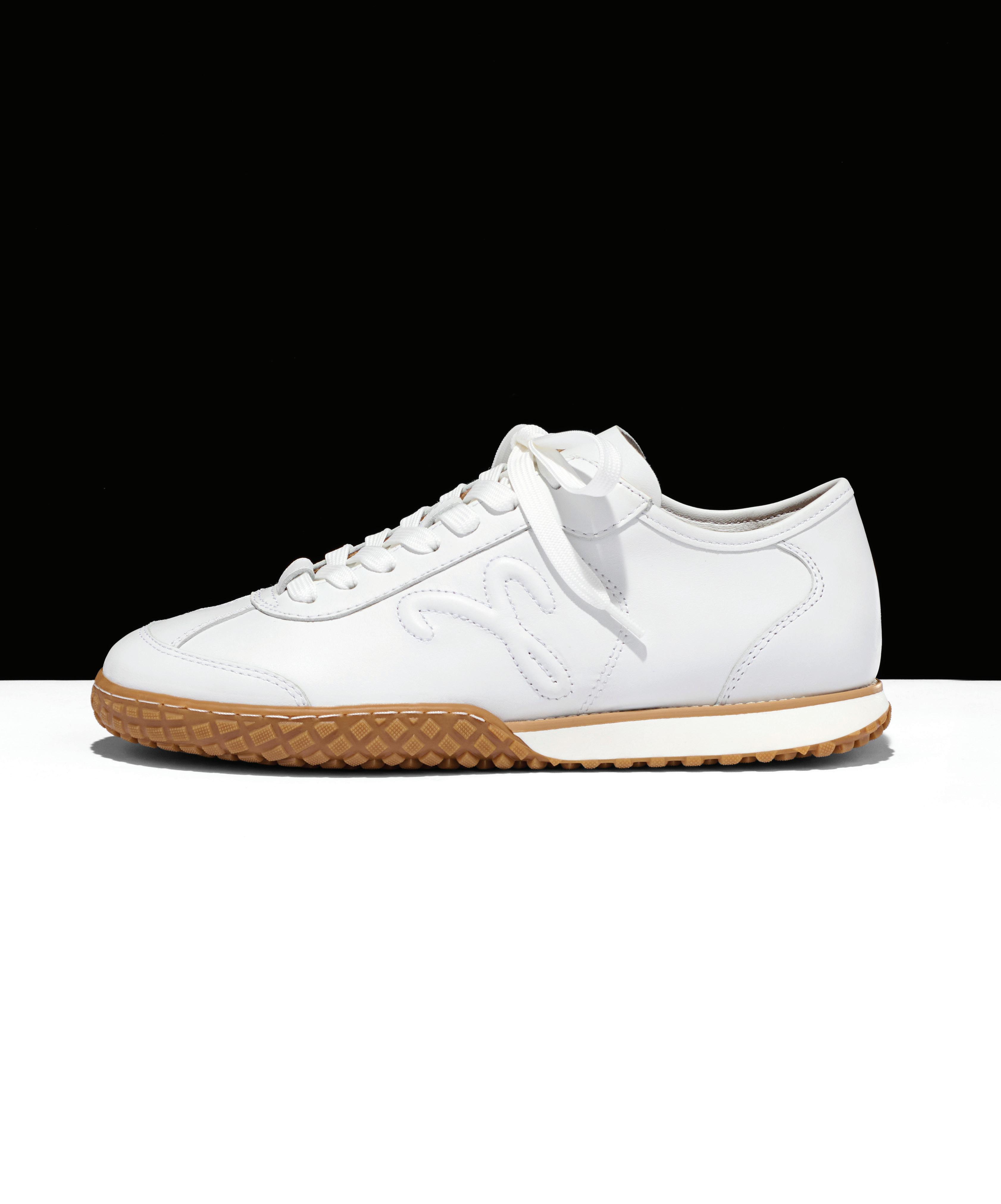
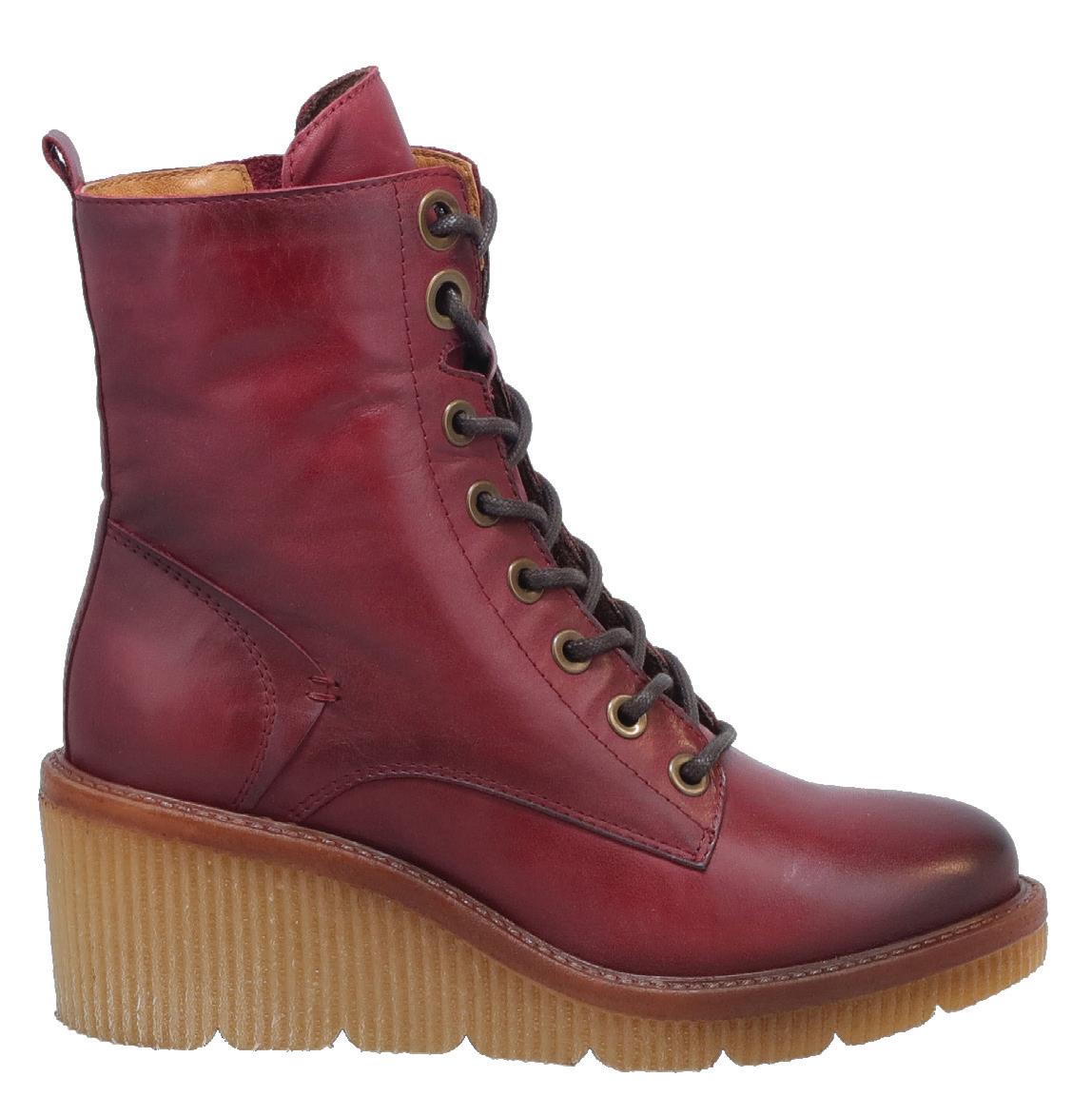
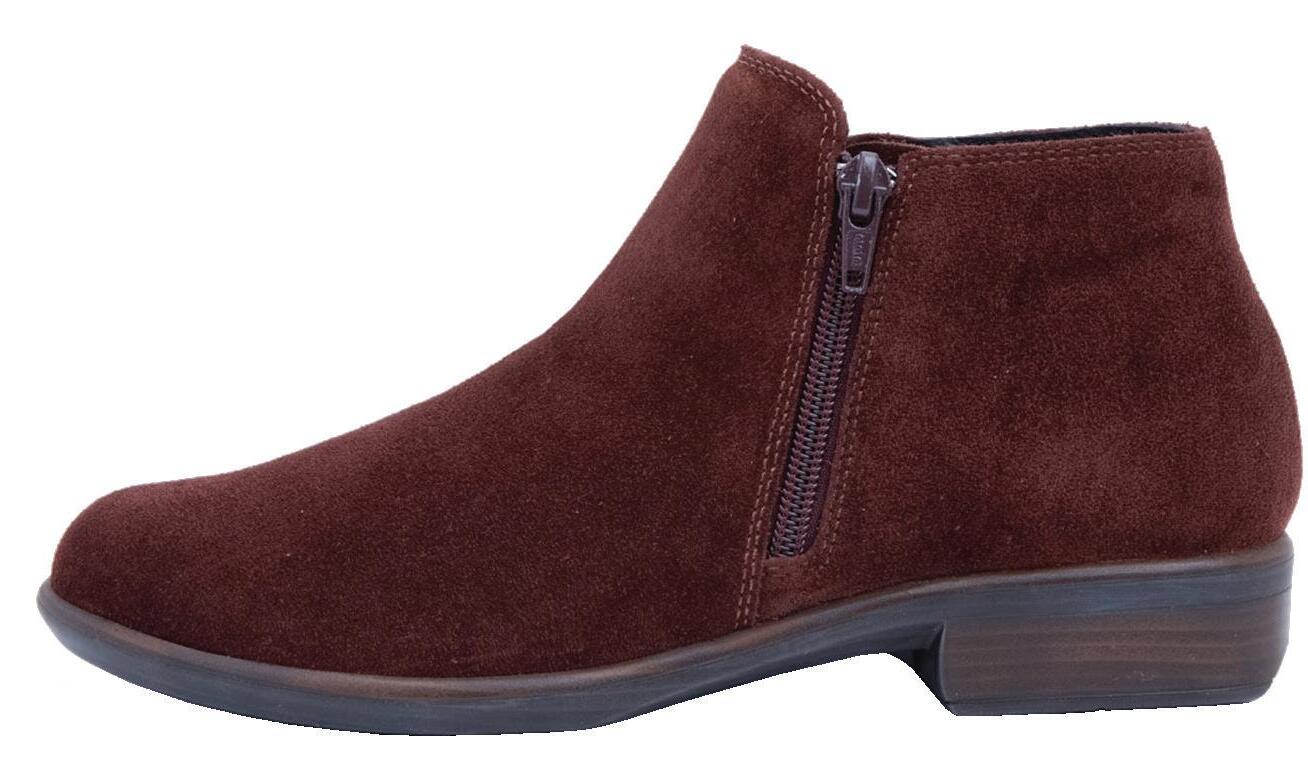
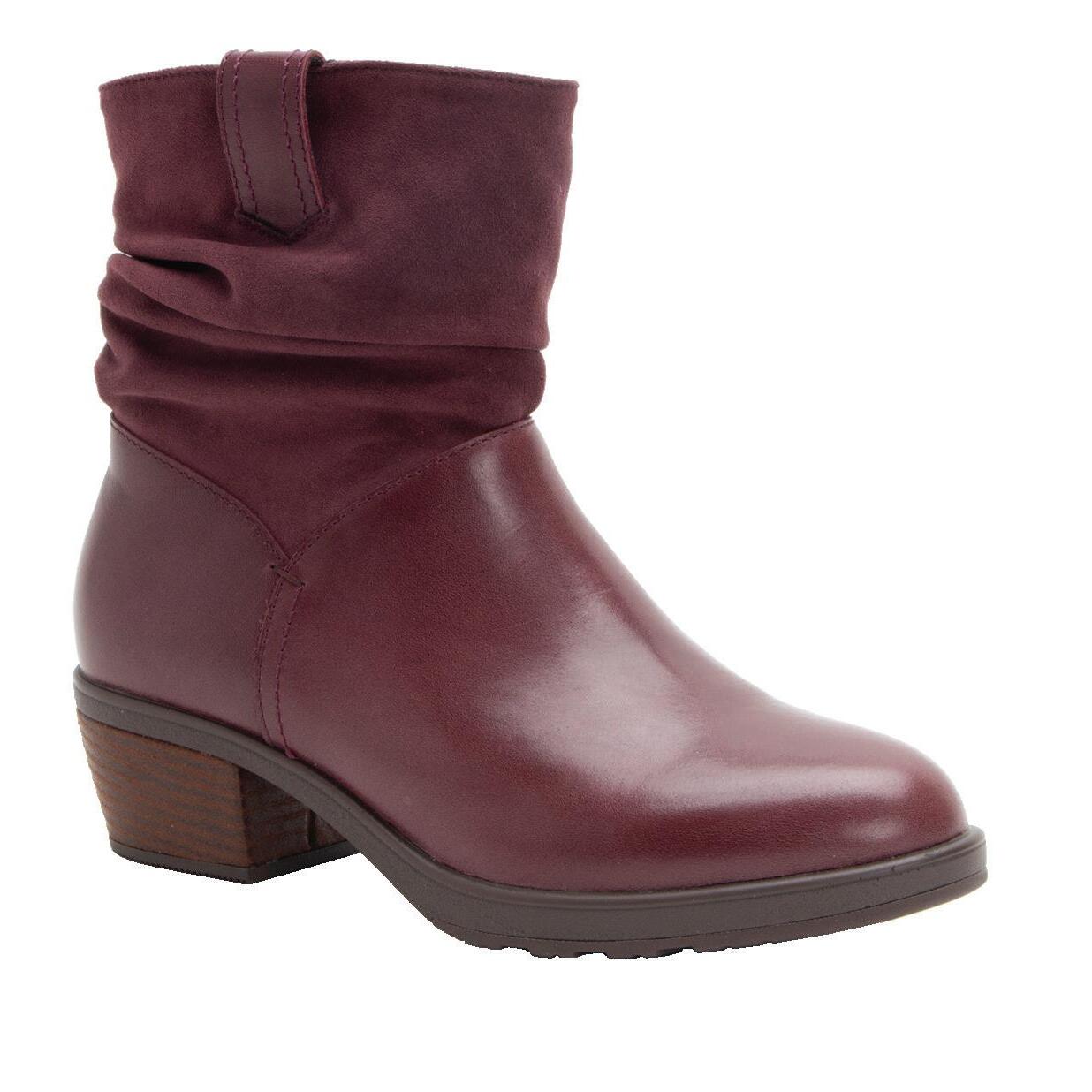
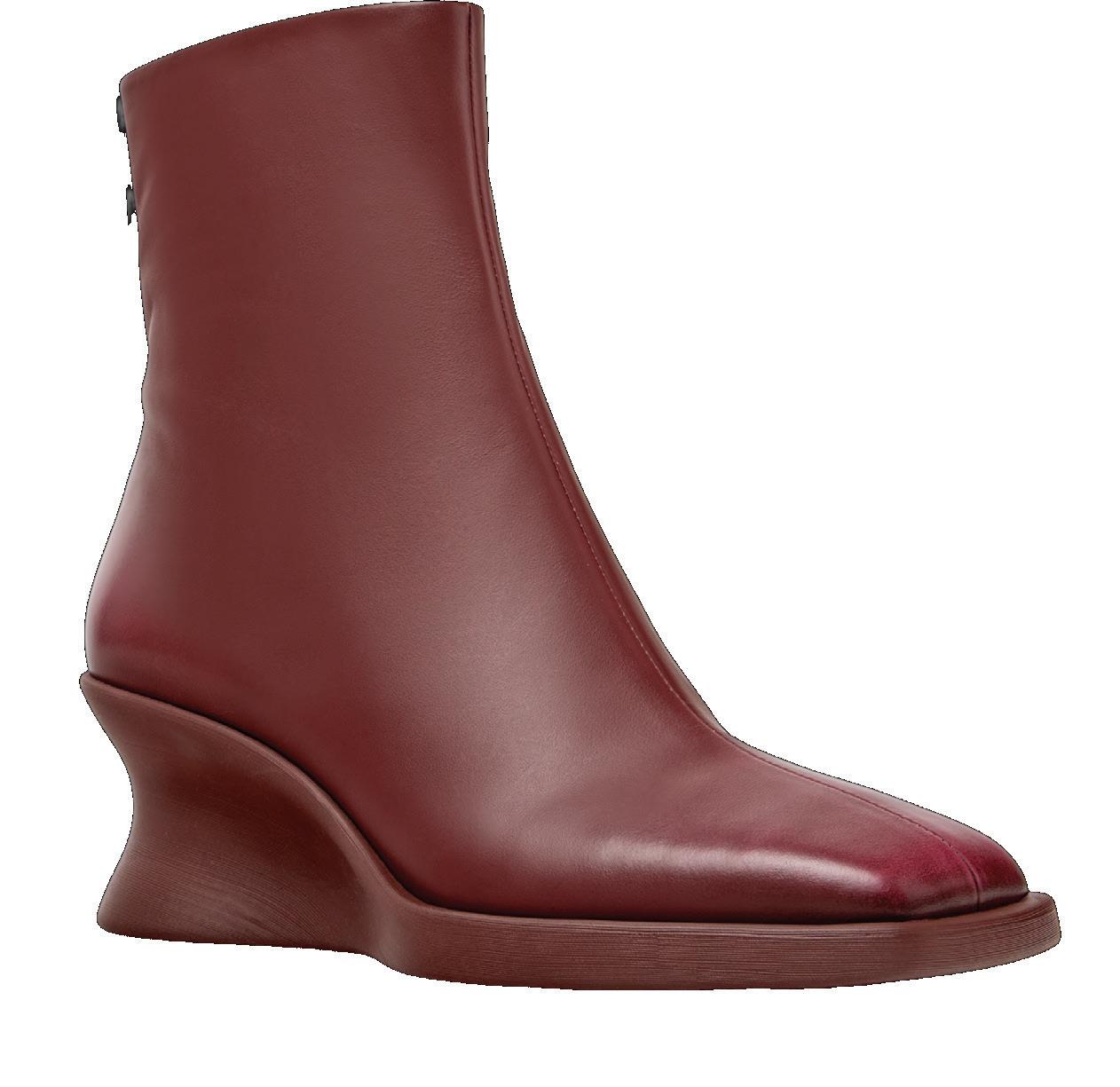
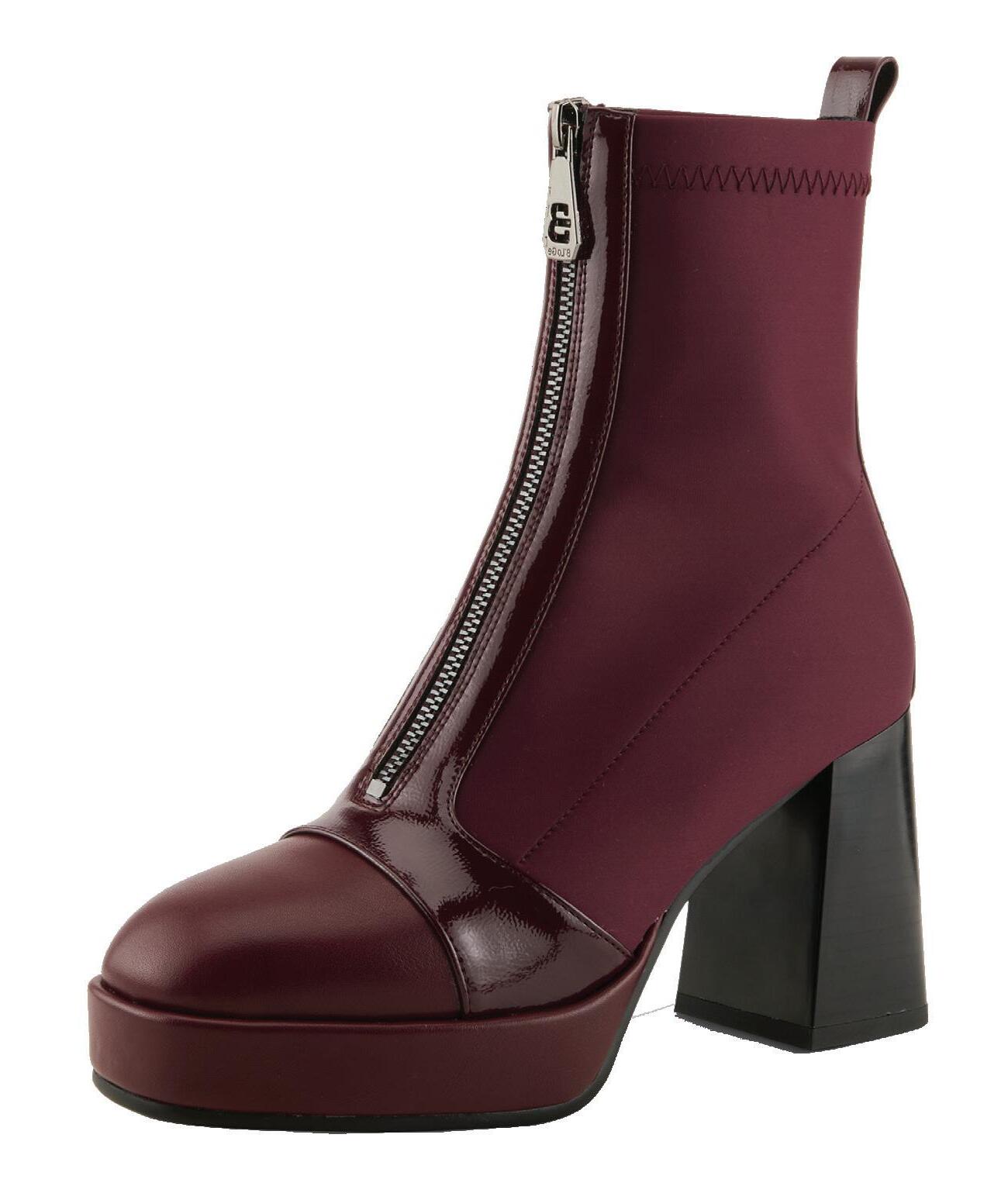
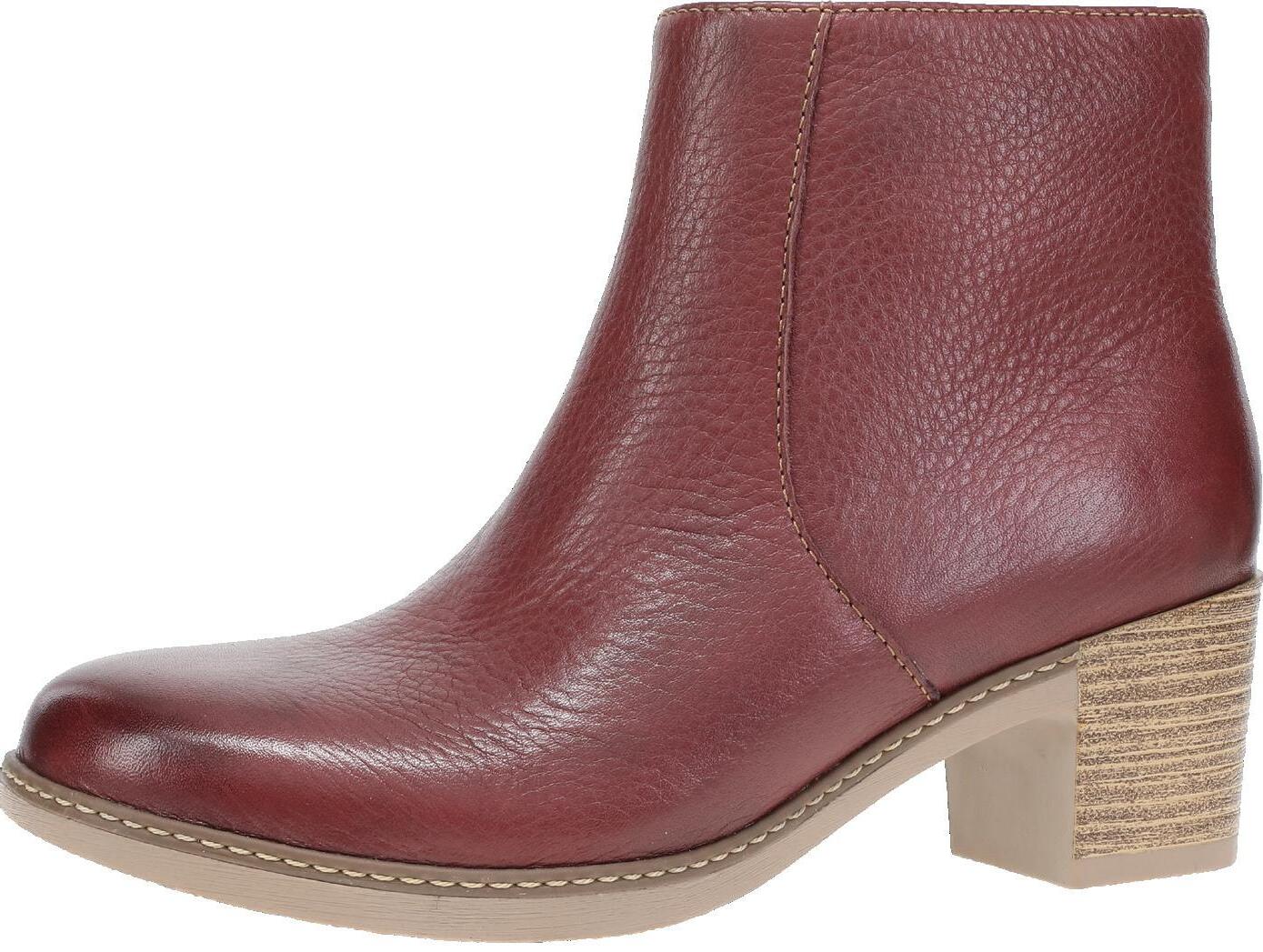
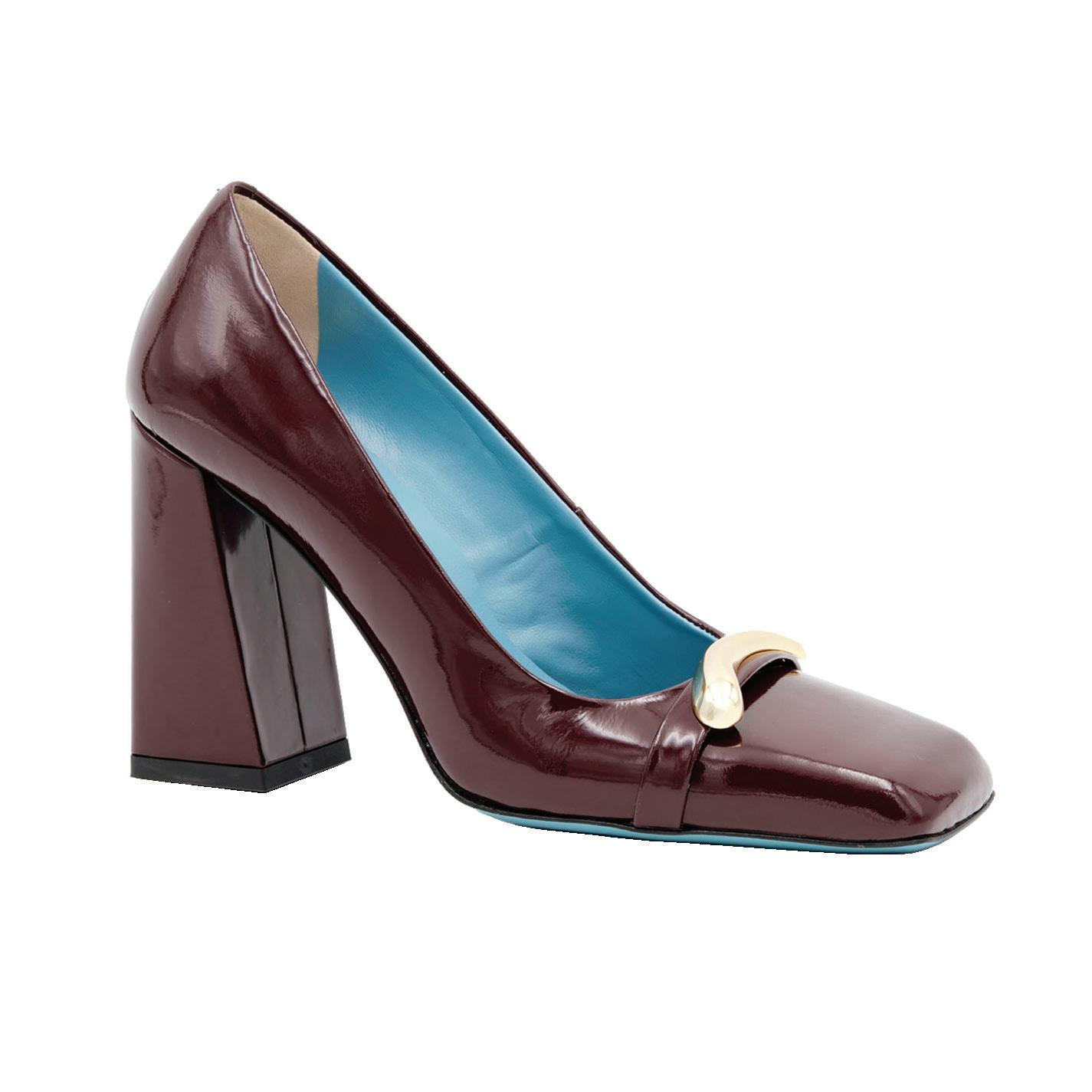
Bordeaux: a robust and warm alternative to basics black, white, and brown.
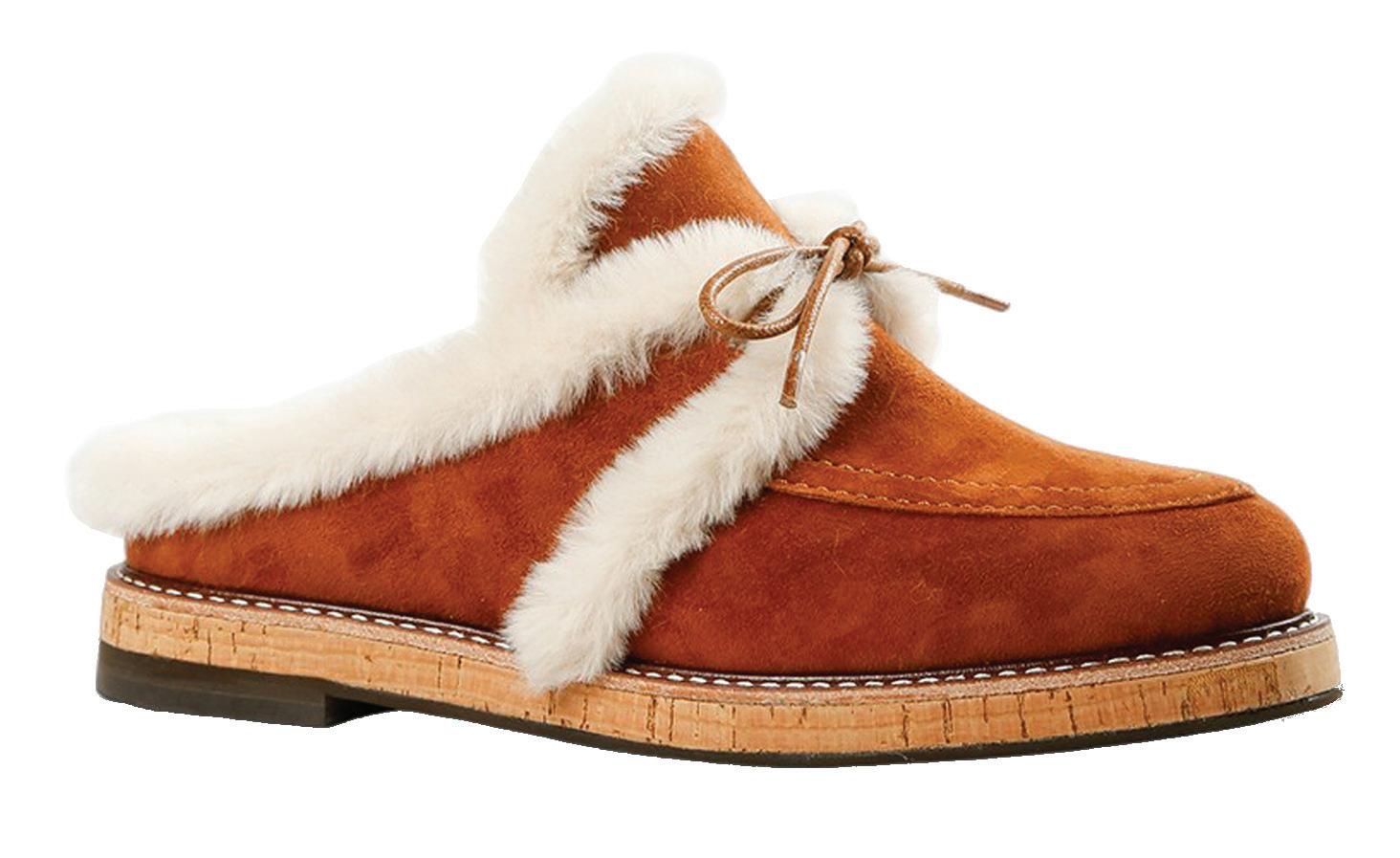
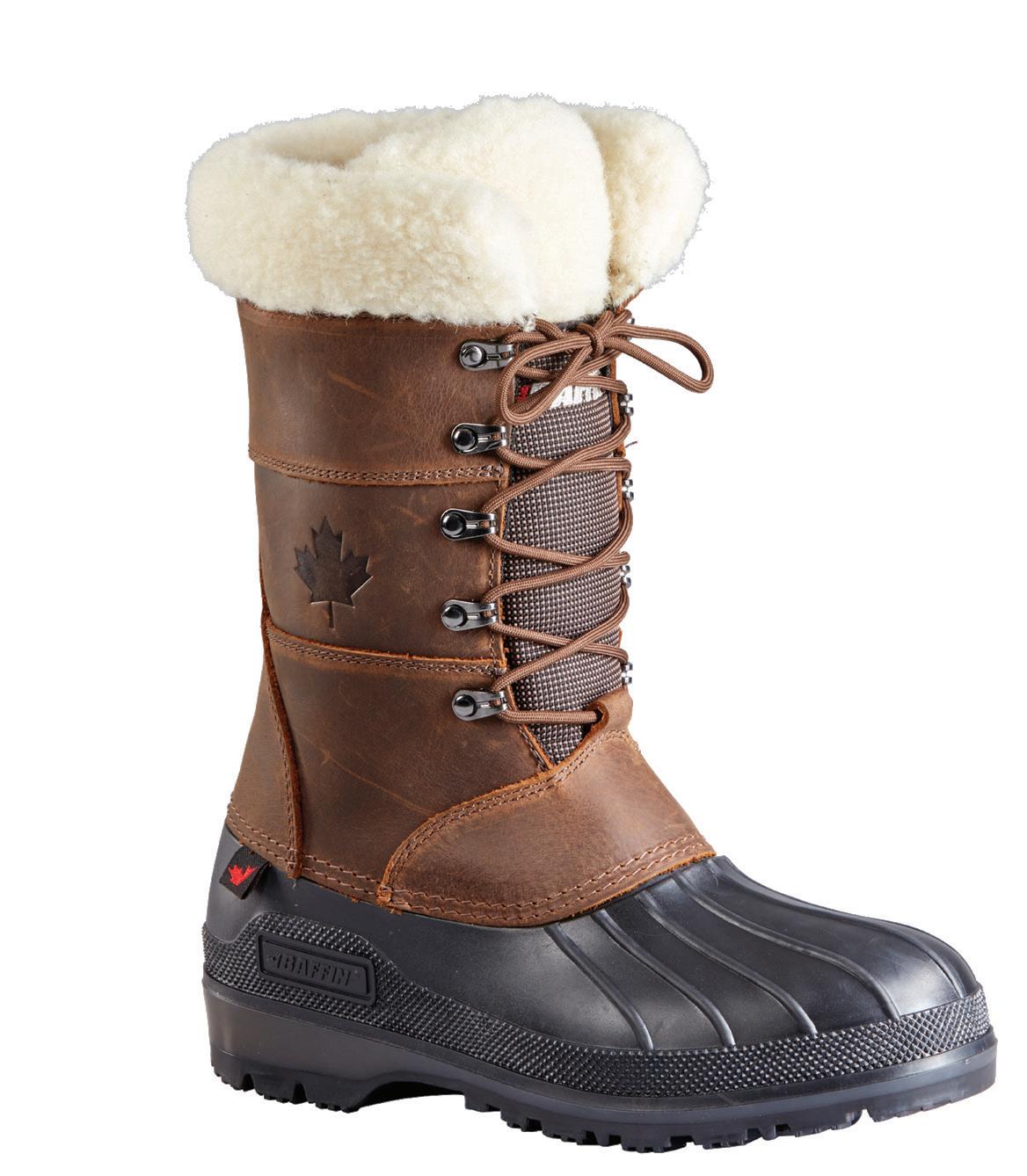
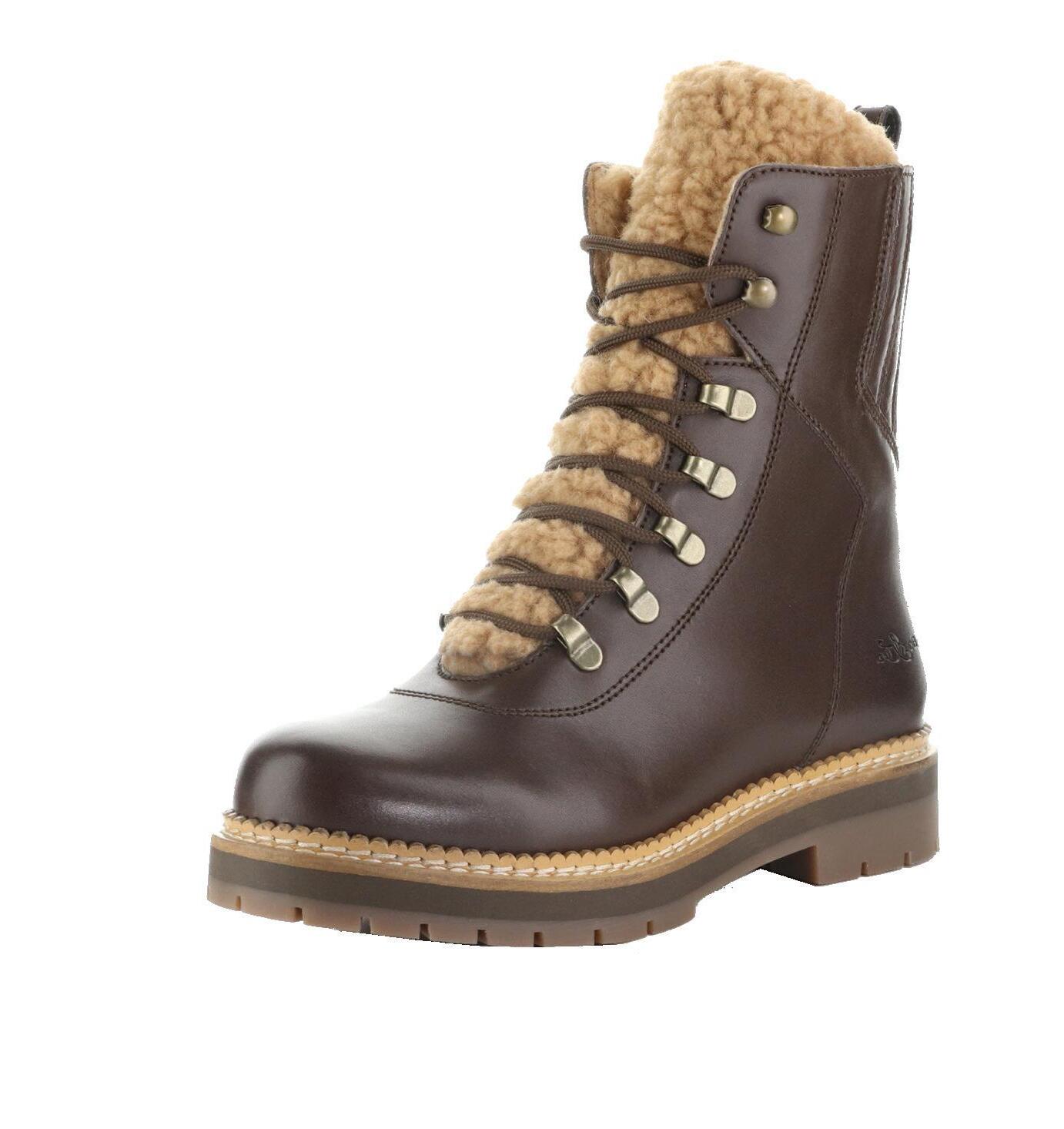
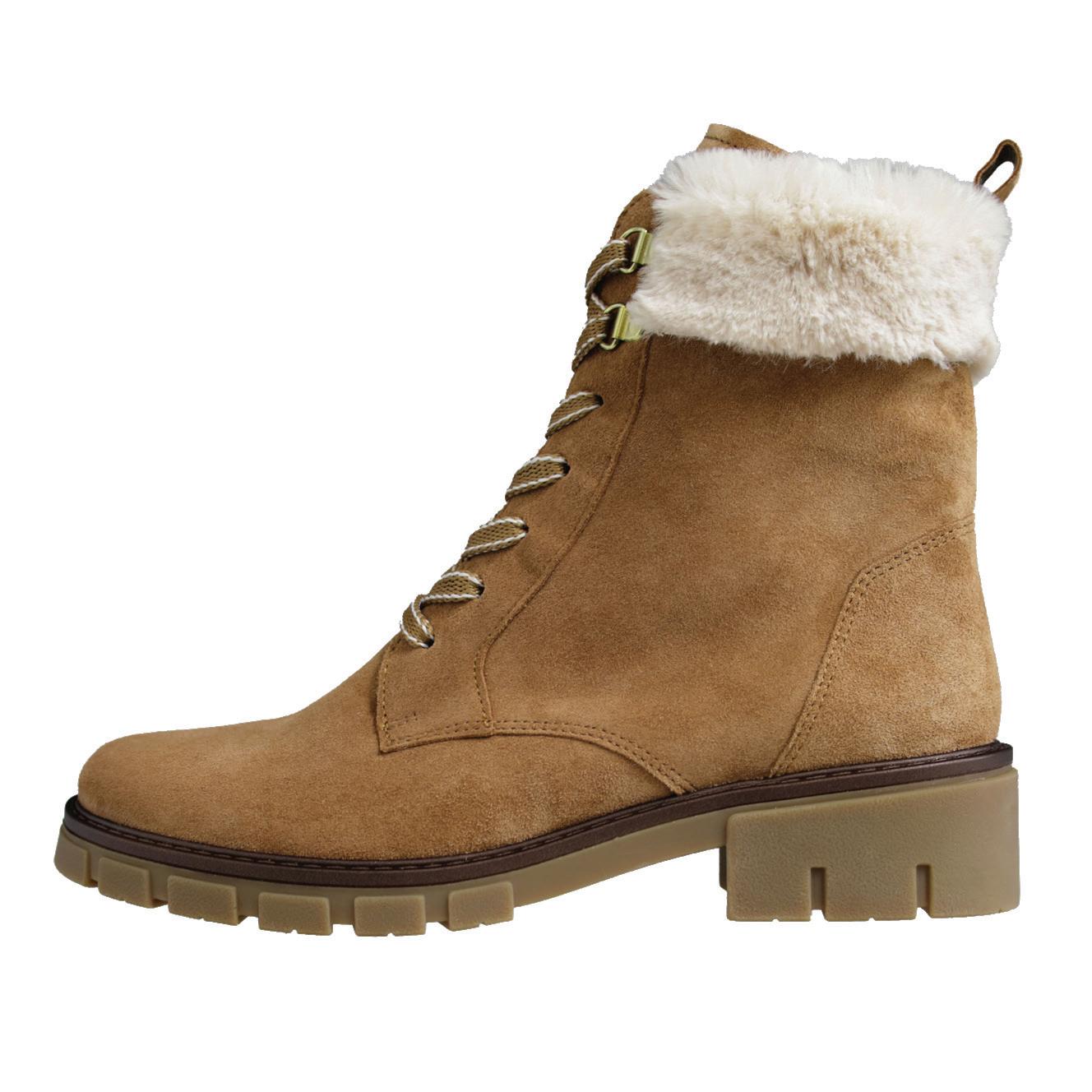
The cozy embellishment adds both warmth and style.
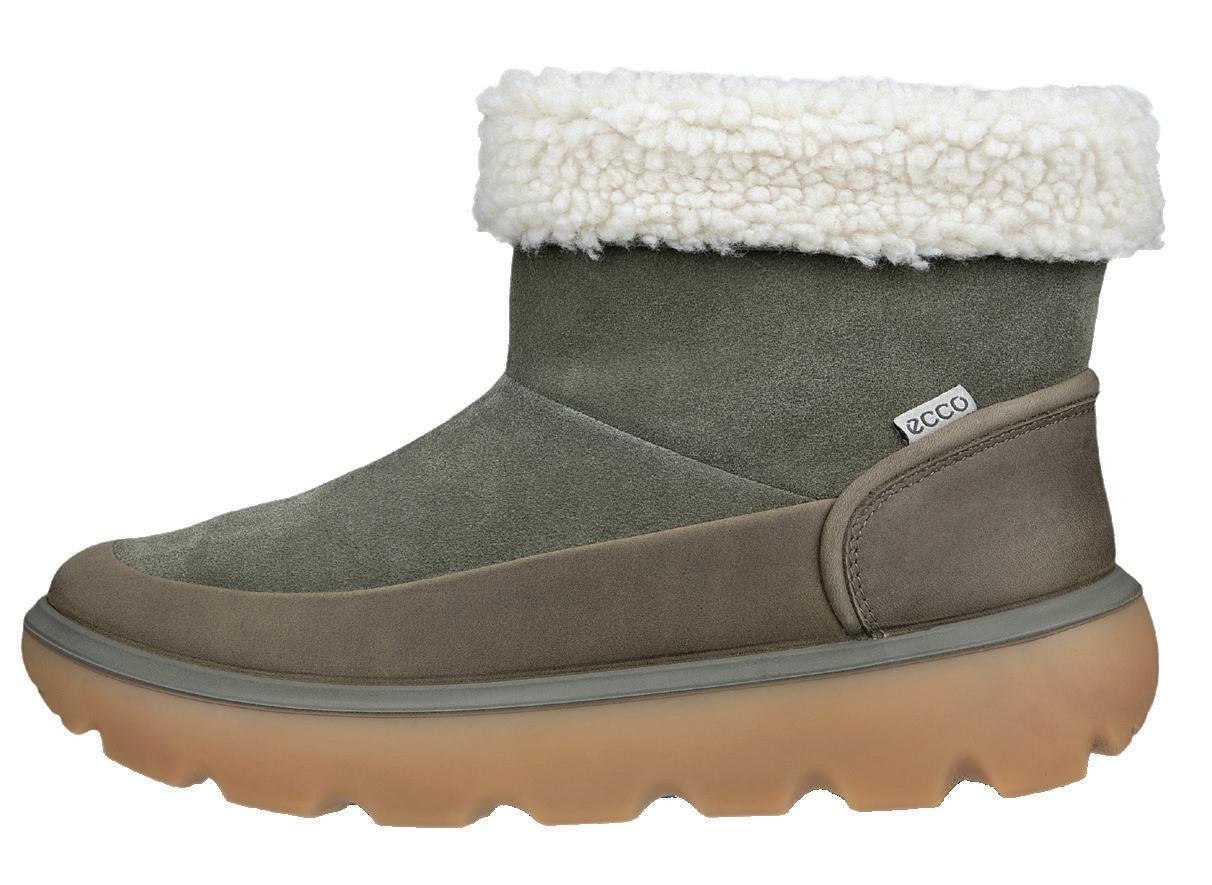
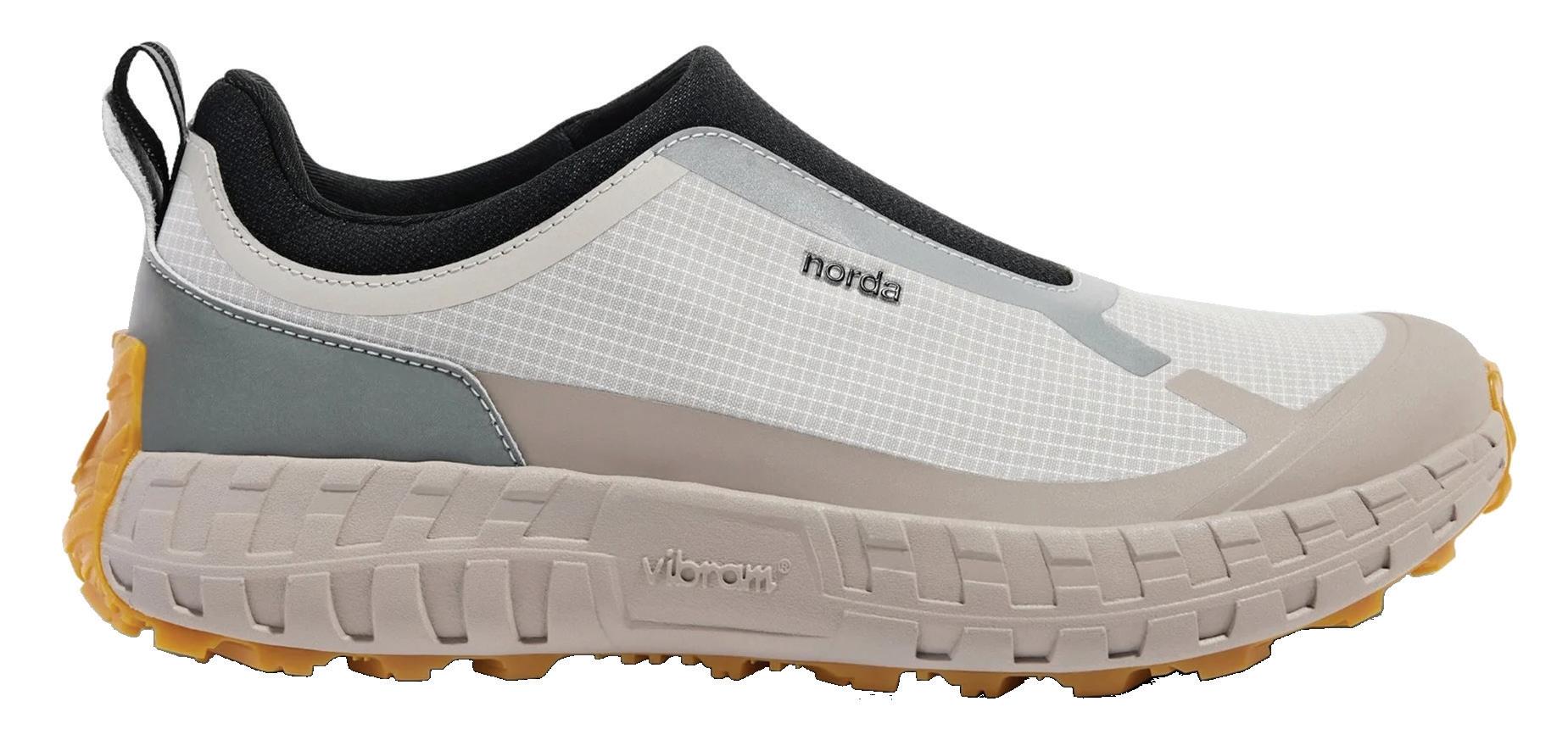
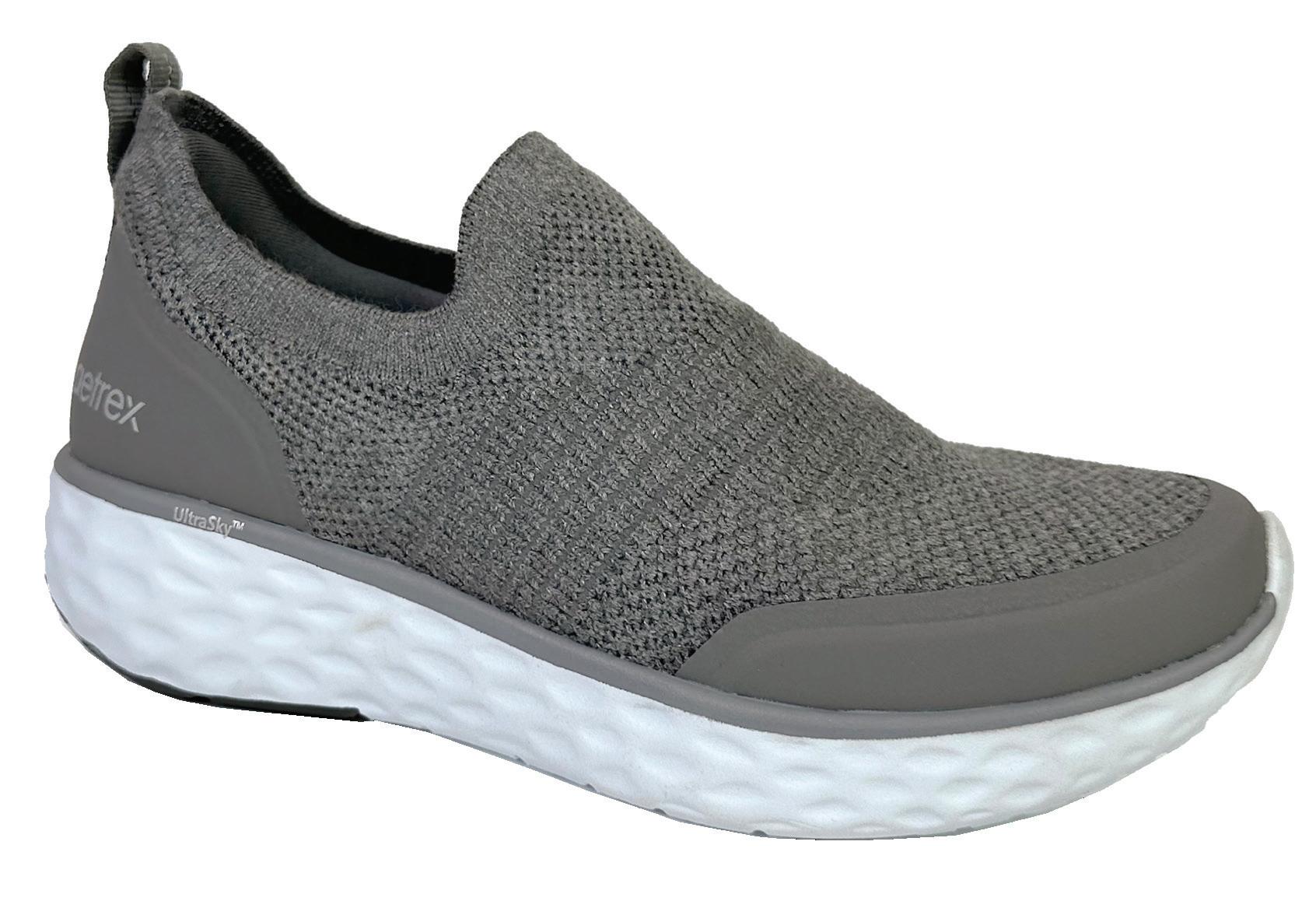
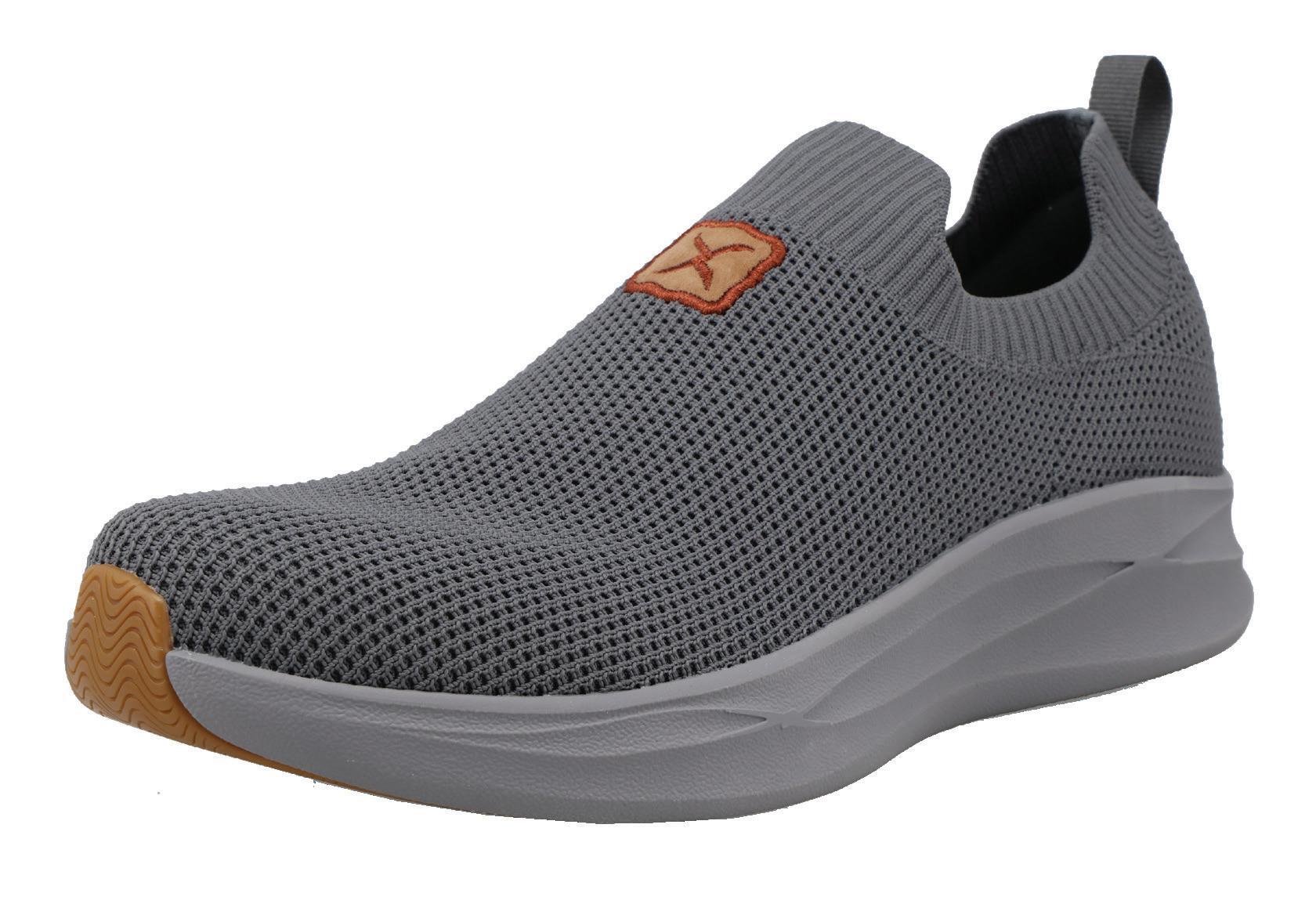
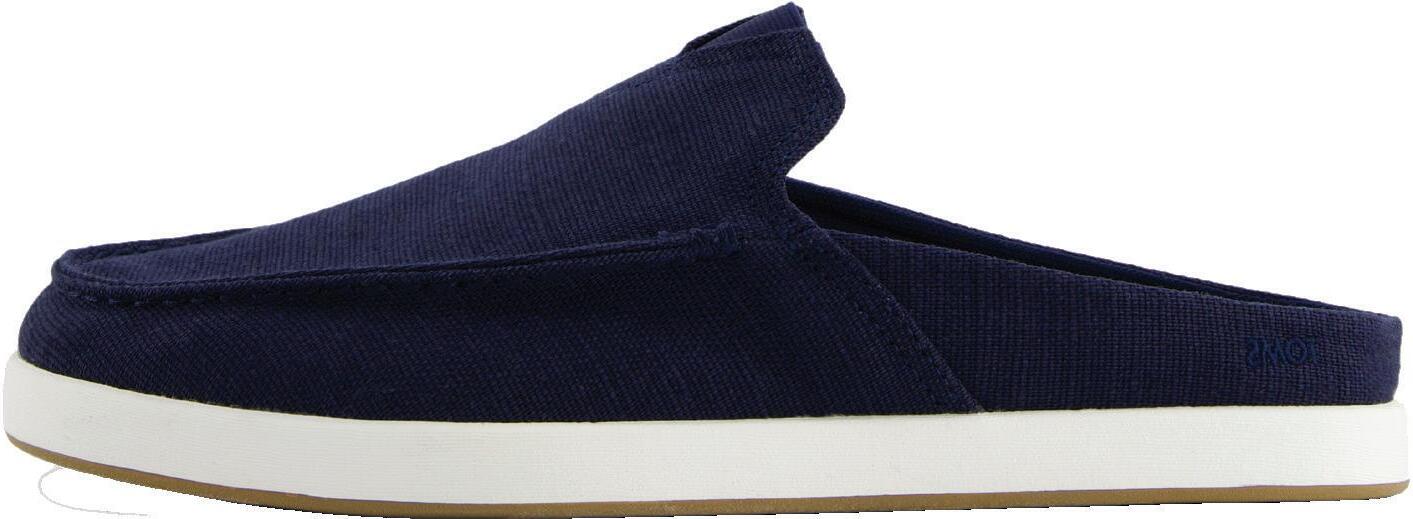
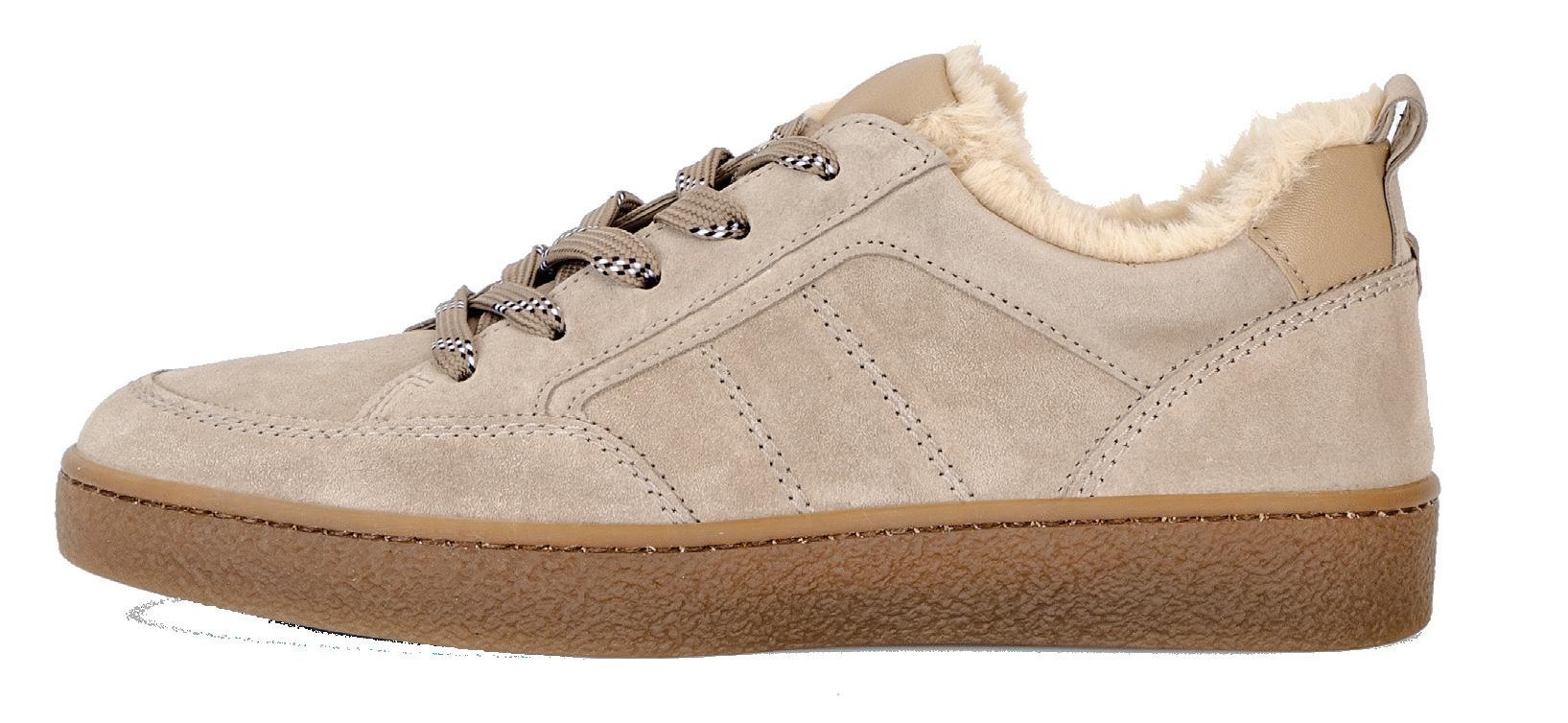
Guys shift into neutral with these slip-on sneakers.
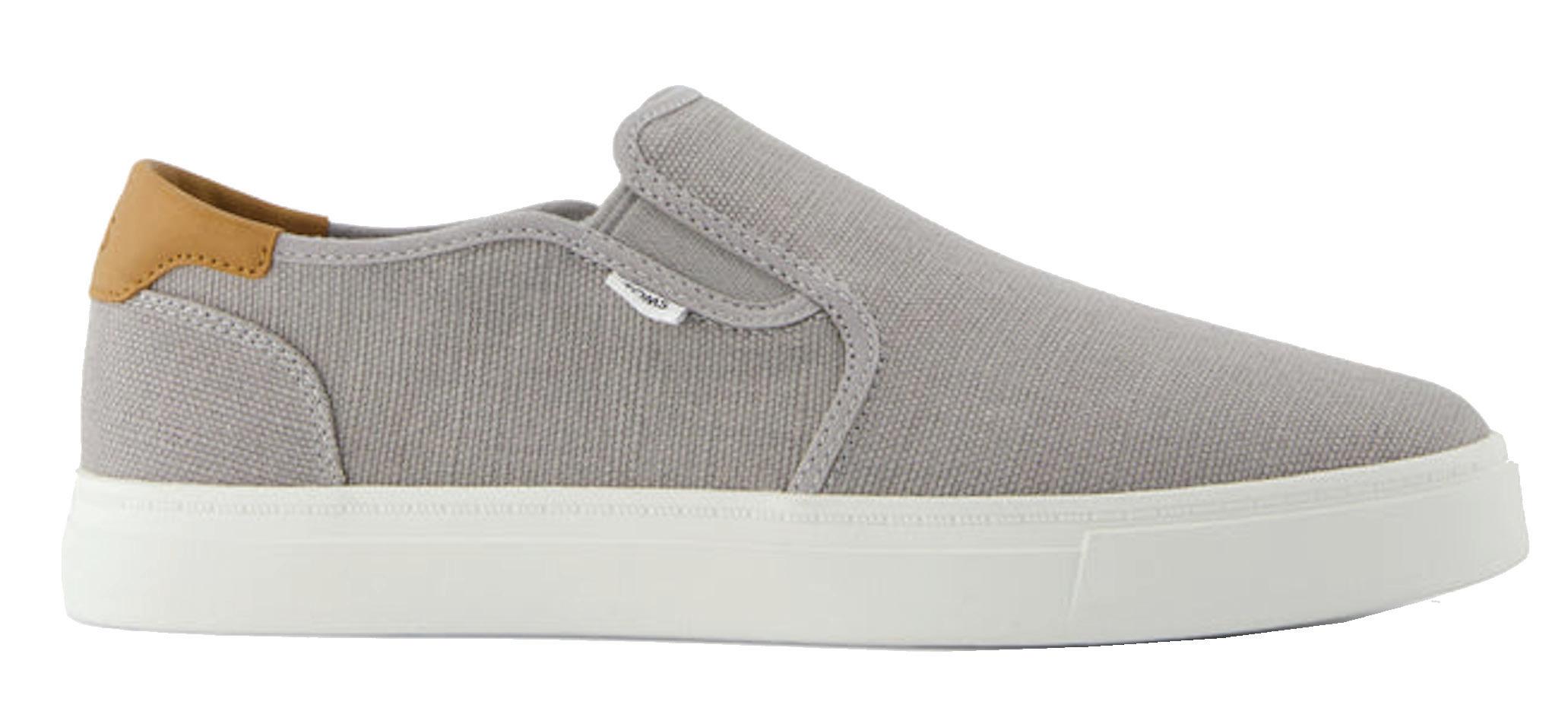
Leah Larson—founder of Fleks, former creative director of Ugg, and esteemed Nordstrom alum—reflects on a wondrous career.
DEAR LITTLE LEAH…I hope you’re sitting down when you read this, because your life is about to unfold in ways that you’ve never imagined. You think you have a firm grasp of who you are, but you don’t. For starters, your plan to become an orthodontist—you like order, precision, and fixing things—doesn’t pan out. But those traits serve you well in a much different field that you’ll absolutely love. Hint: think feet, not teeth.
Before we get to that, your childhood helps sculpt the empathetic woman you are today. That’s because you learn adaptability early on, attending several schools. It’s tough making new friends, but it teaches you how to connect quickly with people. Growing up in a household where creativity and resource fulness are everyday skills also serve you well. Watching Mom make clothes by hand and Dad and Grandpa fix or build just about anything teaches you that ingenuity and resourcefulness can get just about any job done.
These traits come in handy when, at age 17, your family moves to Montana, but you choose to stay in San Diego, living with friends and relatives, and finish high school. It’s tough, but it teaches independence and builds self-confidence—the very qualities you’ll need as you delay college, move to Seattle, and start working in Nordstrom’s first store.
First, it’s the Half-Yearly Sale, doing whatever needs to be done, including sticking price tags by hand on thousands of shoes. You learn quickly that effort earns respect, attitude matters, and no job is beneath a leader. You learn customer service at the highest level—not just by selling, but by listening. You watch how customers shop, what excites them, and why. Those lessons are the foundation for building wholesale brands, which you will soon do! More on that in a bit.
with pride and purpose. You return to your first love, helping buy and merchandise footwear for the Nordstrom catalog. You then join the inaugural nordstromshoes.com team, focusing on women’s comfort. You help shape digital assortments and advocate for emerging brands, including one that you will play a leading role in making iconic. More on that in a bit.
You need a fresh outlet for your creativity. Hello, Ugg! Then a niche sheepskin boot brand worn mostly by California surfers, President Connie Rishwain entrusts you to build product, teams, and what comes next. Over the ensuing 14 years, a team grounded in collaboration, creativity, and care evolves Ugg into year-round juggernaut. Sales rocket from $100 million to $1.5 billion annually. You collaborate with Jimmy Choo, Pendleton, and Disney. You launch Ugg Collection, couture-level designs made in Italy. You introduce iconic styles like the Bailey Button and Bailey Bow. You speak at the Harvard Business School—twice! Ugg is recommended five times on Oprah’s Favorite Things list as well as receives numerous accolades, including the Nordstrom Partner in Excellence award twice! Ugg is a staple for numerous celebrities. Just as meaningful is Ugg’s mission to give back, led by its support of St. Jude’s Children’s Hospital. As Connie preached: Success means little if it isn’t shared.
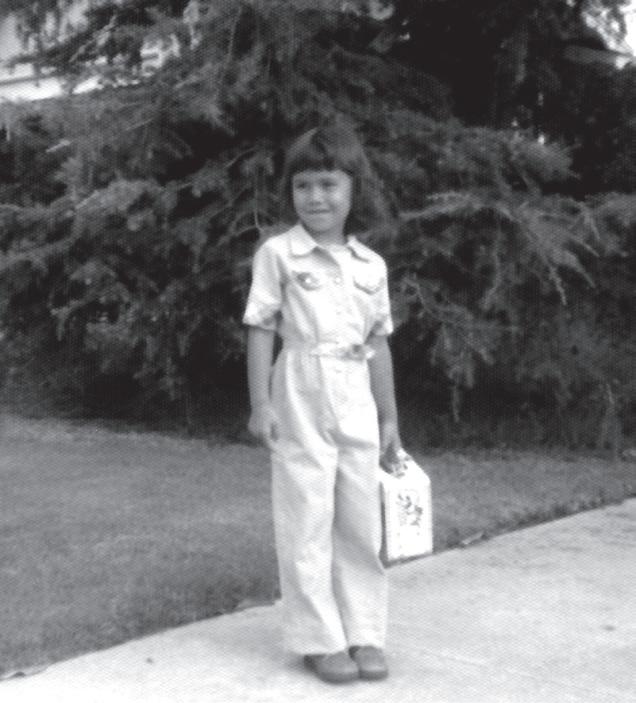
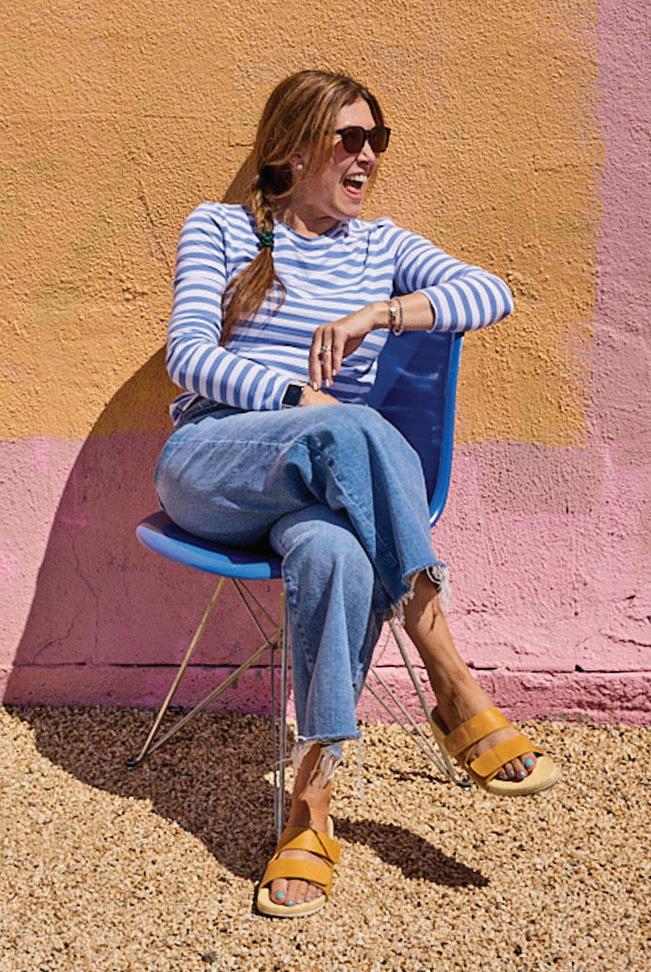
Now and then: Leah Larson is ready for work.
You work alongside amazing mentors. Watching the Nordstrom family—Mr. Bruce, Mr. Jim, Mr. John, Ray J., Blake, Erik, and Pete, as well as Mr. Whitaker, Bob Nunn, and Jack Minuk pass through the shoe department each day sets a standard for accessibility, accountability, and leadership. You rise from cashier to assistant manager to buyer, earning a master’s degree in shoe retailing along the way. Managers like Kaaren Pritchard teach you to give feedback with intention. You then move to Nordstrom’s catalog division for apparel, where leaders like Tacey Powers push you beyond your comfort zone. Tacey teaches you that growth comes from trying what feels uncomfortable, and that work can be fun. Traveling extensively and learning a new industry teaches you that stepping into the unfamiliar is where learning really happens.
But footwear is in your DNA. Ever since you were a kid, you wear shoes
The Ugg train is a wild ride, but it’s time to focus on family. Spending quality time with your beloved Davids (husband and son) is bliss. Being a mom is your greatest joy. You read to kindergarteners. Corporate titles and deadlines don’t matter. You rediscover that who you are matters more than what you do.
Feeling more centered, it’s time to get back to work. Your reentry, however, isn’t smooth. Some roles don’t align. Amid a global pandemic, you do soul/sole searching. A conversation with friend/former Deckers colleague and collaborator Stuart Jenkins sparks an idea. He’s building Blumaka, an insole and component business rooted in sustainable materials. You see potential for a footwear brand and a chance to work together again. Hello, Fleks!
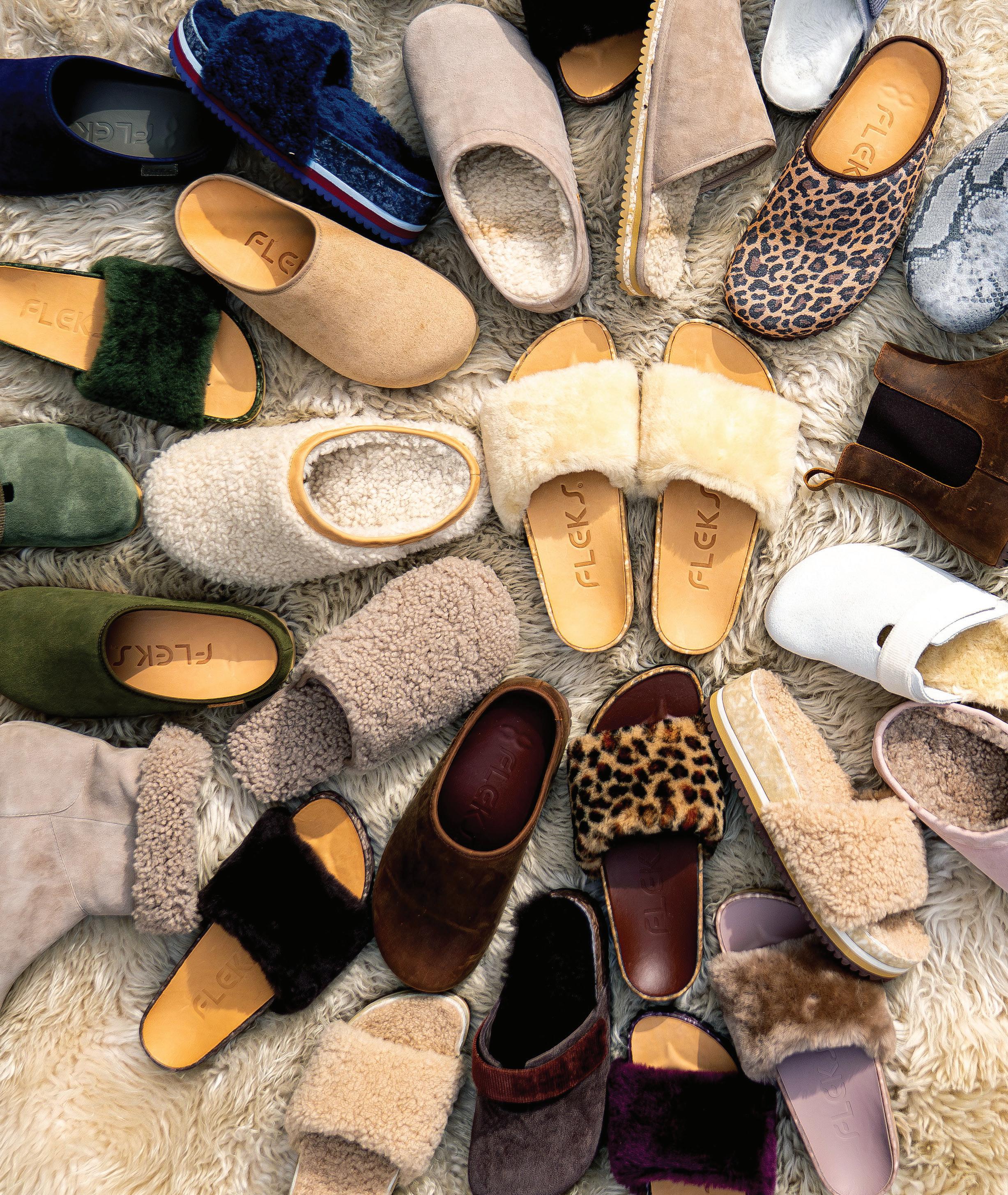
Fleks (named after the visible flecks of recycled material) is your baby. Honoring your resourcefulness, California girl heritage, and love of craftsmanship, you’re also showing your son that it’s cool to be creative and courageous. With trusted collaborators Tracy Marsh-Hoffman, lan Murrough, and Peter Young, your most trusted footwear collaborator of nearly two decades, you turn vision into reality in 2022. Making shoes out of midsole scraps feels good on many levels. When Fleks’ San Ysidro slide is named one of Oprah’s Favorite Things in 2025, you can’t help but smile—not for the recognition so much as it affirms that doing the right thing can resonate. Remember that! Also, stay curious. Do the work. Be kind. Make good choices. Surround yourself with people who make you better. Family is everything. Trust yourself enough to begin—and be brave enough to begin again.
Asgi, a brand created specifically for fellow sit-and-fitters. By Greg Dutter
DAVID LEVY, CO-OWNER of Hawley Lane Shoes, a five-store chain in Connecticut, had reached a breaking point. Just trying to stay profitable amid skyrocketing overhead costs (the electric bill alone was shocking, pun intended) was becoming increasingly difficult for the veteran retailer and his longtime best friend and consigliere, Joe Gradia.
“This business is just fricking tough these days; it’s actually out of control,” Levy says. “We’ve got increasing expenses, lower margins, and we’re struggling to take care of our people who live in a very expensive state. It’s a perfect storm.”
In the past year, the utility bill jumped from $4,000 to $6,800 a month at Hawley Lane’s Shelton location. Then came an unexpected CAM (common area maintenance) bill of $15,000 due to tax increases and more snowplowing than budgeted. Last but not least, Hawley Lane’s top salesperson left for a higher-paying industry. Layer on lower margins due to tariff increases and growing DTC competition. Something had to give, Levy says.
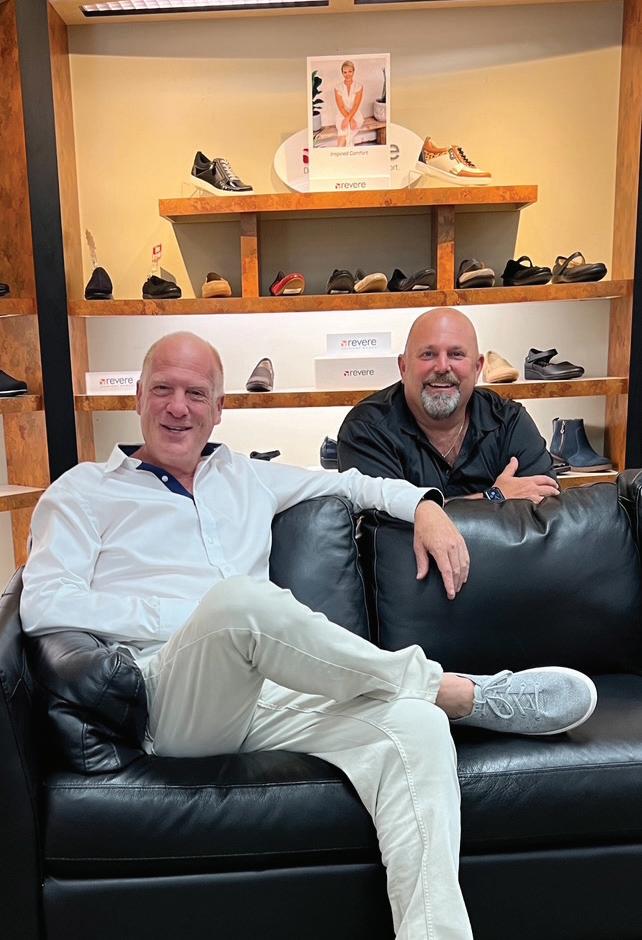
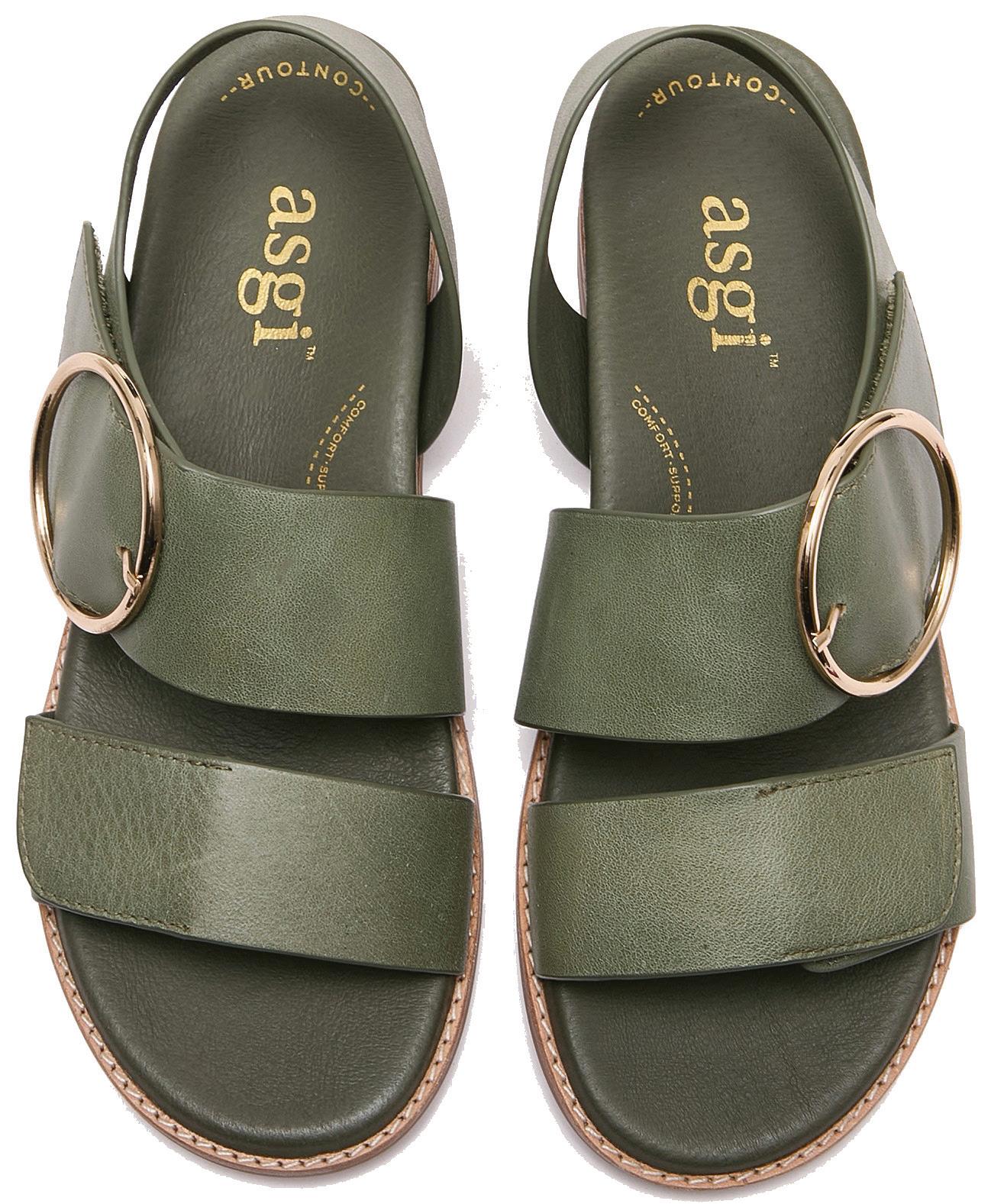
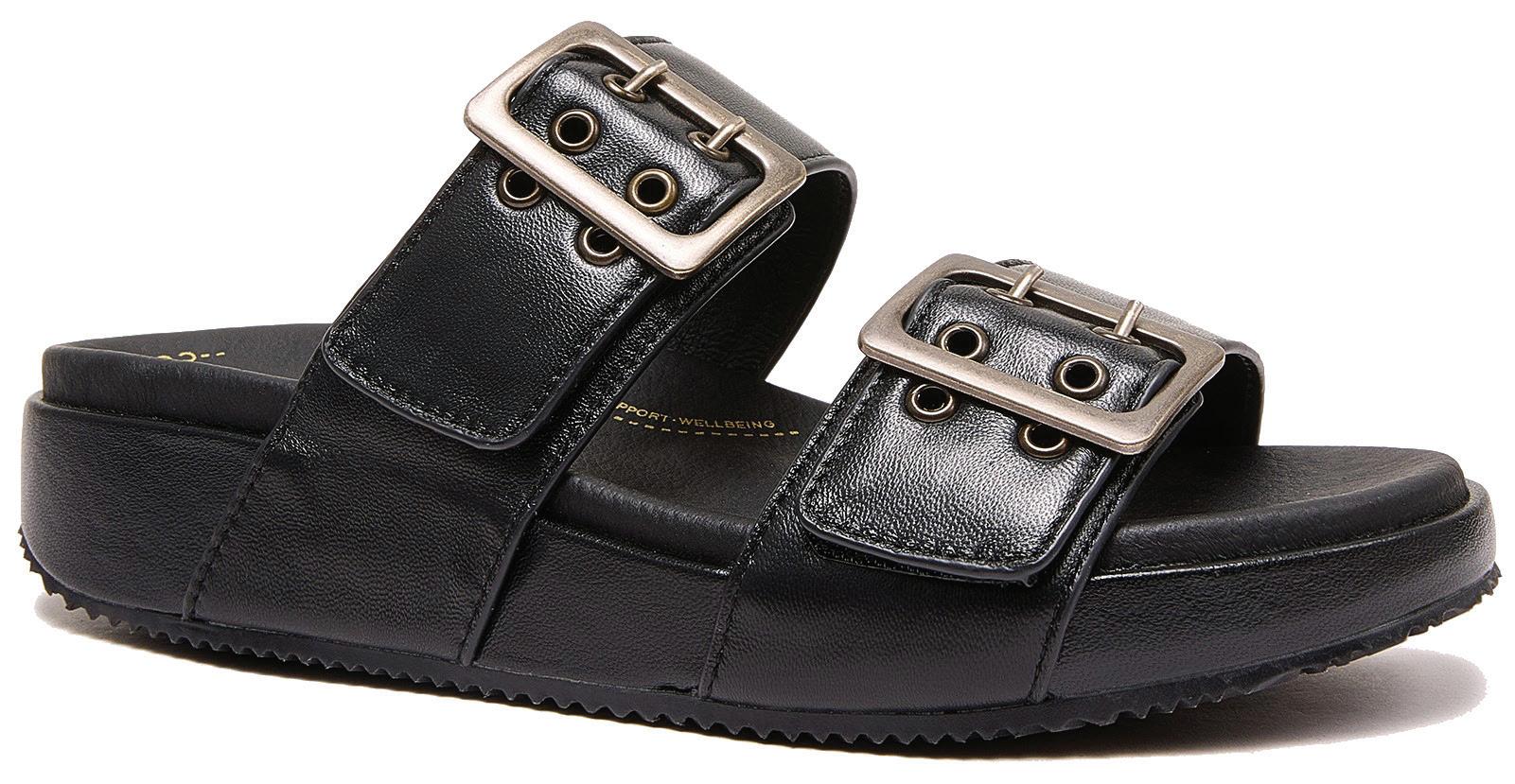
That “give” comes in the form of Asgi, a new wholesale brand specifically modeled for retailers like Hawley Lane. It’s headlined by a 62 percent initial markup along with no minimums, proven winners, wide and extra wide widths and orthotics in every style, no DTC, and a built-in $10 spiff. Asgi means “dream” in Cherokee, a fitting name since Levy’s intent is to create a dream brand for fellow comfort specialty independent retailers, designed to help them stay in business.
“Joe and I formulated a model that takes care of salespeople and, as a result, takes care of store owners,” Levy says. “Even with the $10 spiff, we’re still making more money than on any other brand we sell.”
How is that possible? A huge component of the Asgi model is the 50-50 partnership with Paul Lim, a factory owner in China. “We don’t have to worry about our factory moving, closing, dumping us, or
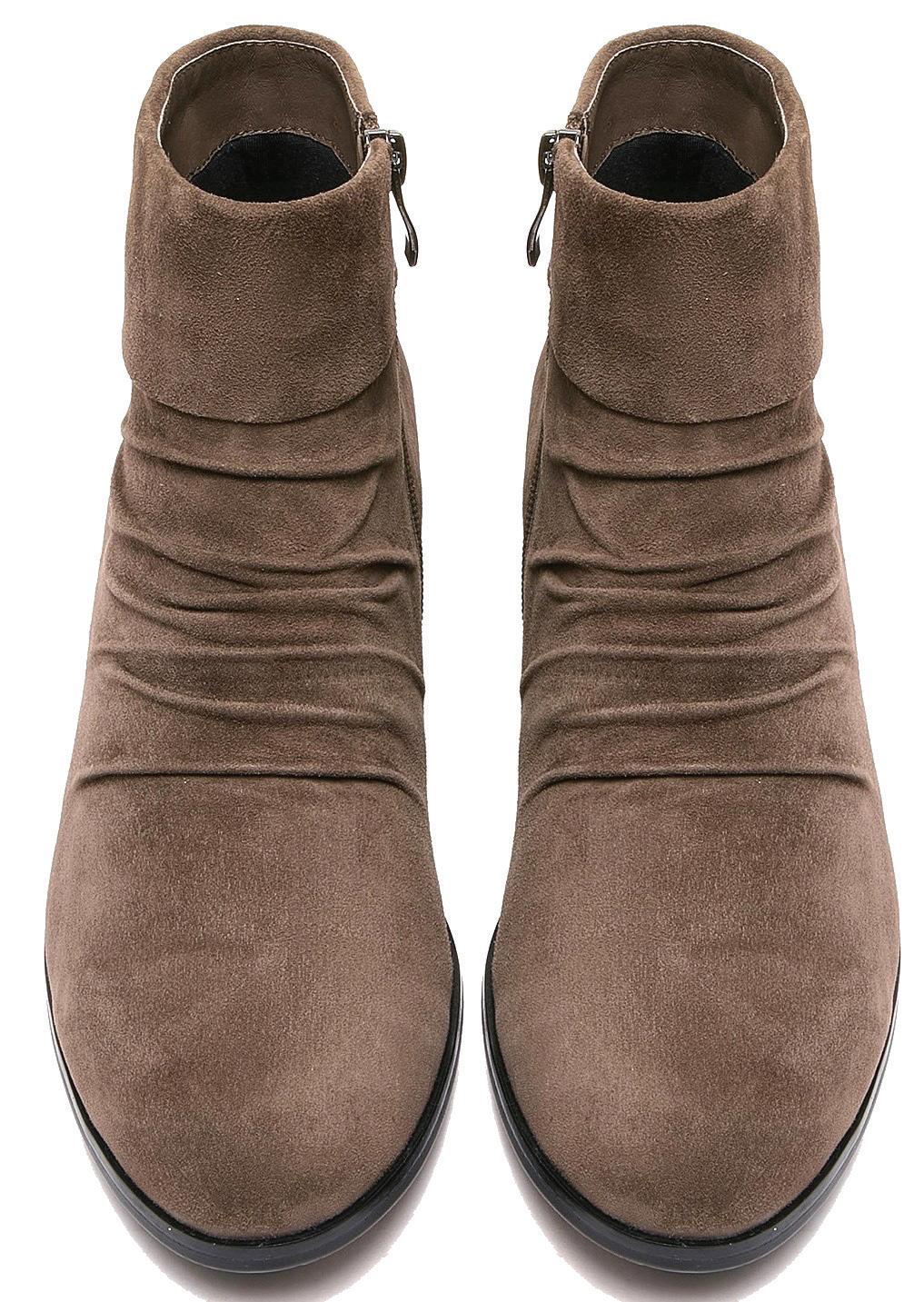
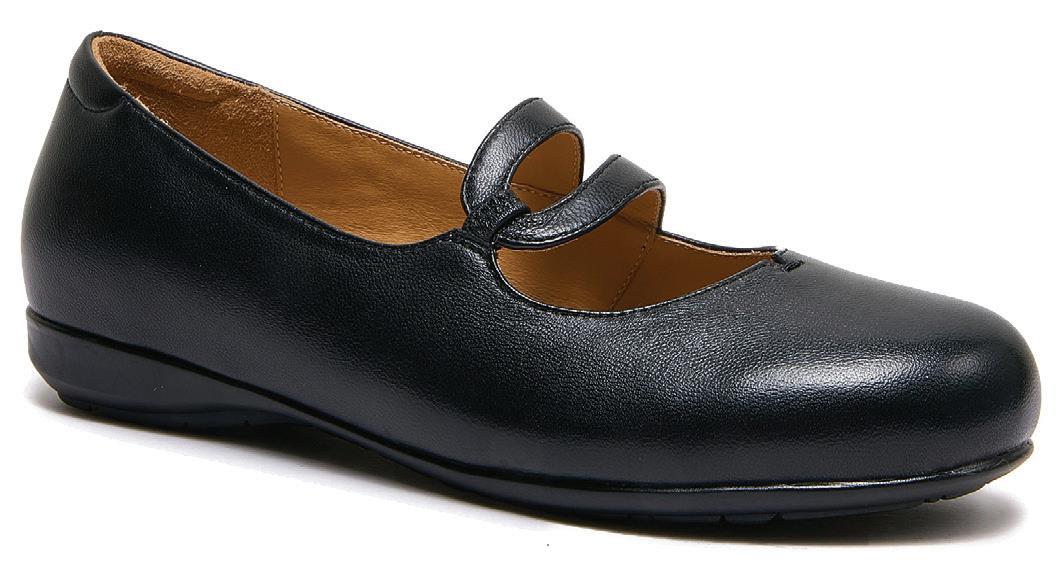
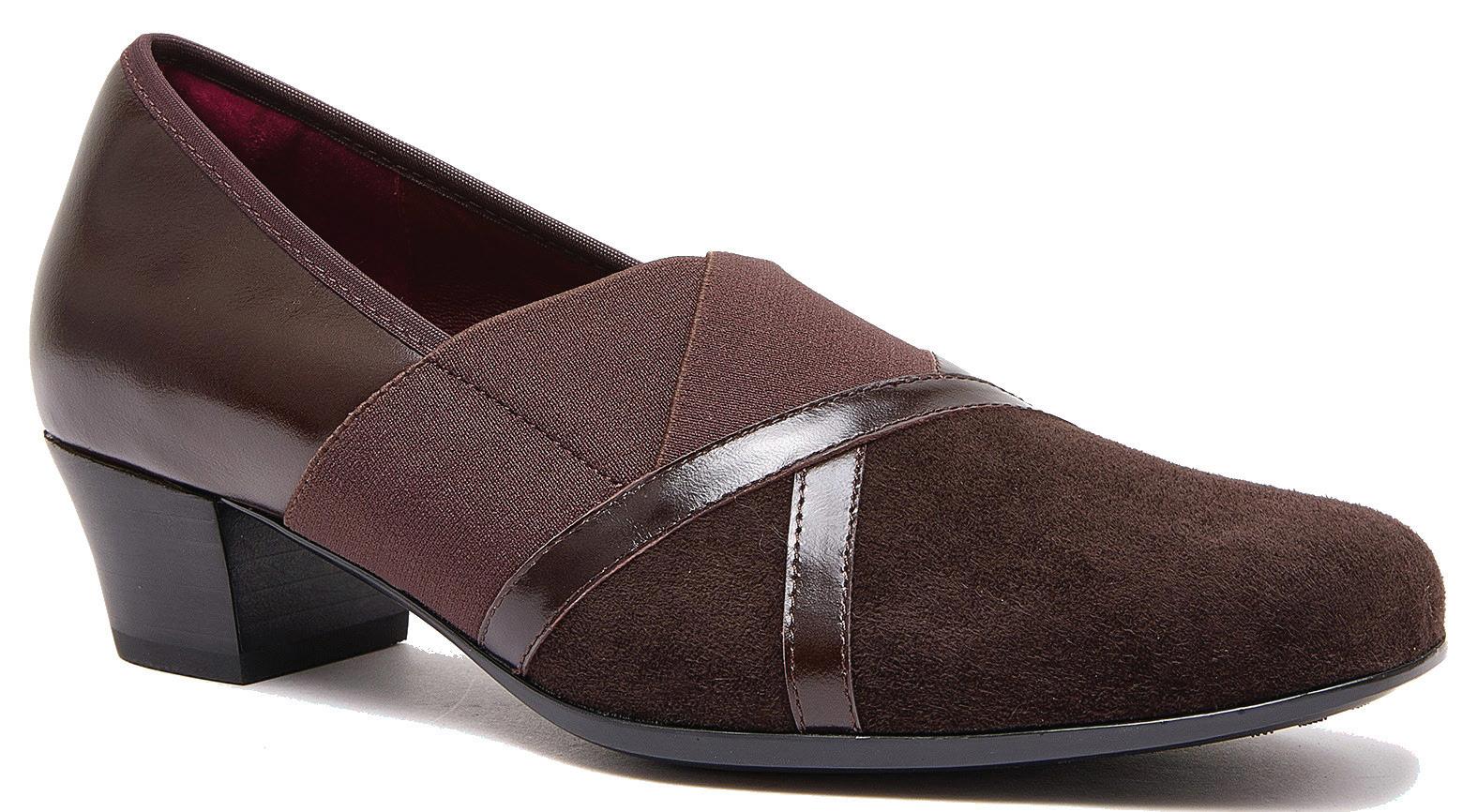
raising prices unexpectedly,” Levy says. Even better, he adds, is the quality of product. Every style (sizes 5-11) features leather-wrapped orthotic footbeds developed by a certified pedorthist, genuine leather welts, and full-grain leather uppers—all packaged in a high-end box with a set of travel bags. Sandals and shoes are keystone plus $40 ($65/$169.95) and boots are keystone plus $50 ($70/$189.95).
Another key part of the Asgi model is removing as much guesswork as possible. That’s done by Hawley Lane pre-testing styles the season before. “It beats the usual buying a bunch of SKUs and hoping some will sell,” Levy says. “We never want to sell a mediocre shoe—not 50 percent sellers, not pretty good, only what’s truly great.” And while retailers are welcome to buy any style, the push is to buy those backed by sell-through data to avoid markdowns. For example, last spring Hawley Lane carried eight Asgi sandals. Levy says three performed poorly, three sold very well (70 percent sell-through), and two sold out. “We’re only pushing the two incredible performers for shipment this spring,” he says. “That’s what sets our model apart: It’s common sense for retailers, because we are retailers.”
That’s also the reasoning behind the $10 spiff on every Asgi pair sold. Levy knows full well that
incentivizing and rewarding salespeople is the most effective way to retain good employees. He cites a recent customer exchange as an example. The salesperson was showing five Asgi styles and subsequently sold three. That about doubled the employee’s hourly rate. “That’s a really good incentive,” he says. “The spiff also tuns salespeople into strong brand builders without spending on marketing.”
The Asgi brand model had been on the back burner in Levy’s mind for about two decades. He believed there was potential, but he lacked the tools to bring this one to life. Until now.
Enter Lim. Levy first connected with the factory owner a little more than a year ago. One day they were hanging out in Levy’s backyard gazebo. The conversation stretched deep into the night, and finally Levy just came out with the question he wanted to ask: “Want to do something crazy? Let’s start a business together.” The initial concept was a private label brand making only wide and extra wide sizes—a size niche that has been largely abandoned by wholesalers. The strong sales, however, soon changed that plan into a complete wholesale brand. Two sandals sold out, one boot style became Hawley Lane’s number-one boot (excluding Ugg), and 1,400 pairs in total were sold over the two seasons.
“Those core styles just resonated with our customer base,” Levy says. “In fact, our salespeople were complaining about all the lost sales because
we didn’t have medium sizes.”
So Levy and Lim got to work on expanding Asgi. It helps that both are happy workaholics. The two are in constant contact on WeChat, no matter the day or hour. Levy often blocks out designs and receives samples in a couple of days. “Having been a product development guy for years before I went into retail, this turnaround speed is a fantasy for me,” he says, adding that the product is all about including the little details. For example, most sandals feature tan suede insoles, whereas Asgi’s are wrapped in the matching color of the leather upper. “When a woman looks down, it looks finished,” he says. Another detail is the metatarsal pads. “Most brands feature very firm pads, whereas ours are soft, and the placement alleviates stress on the foot,” Levy explains. “When people first put on a pair, it’s instant comfort.”
Indeed, no detail is left unchecked. To wit, Asgi will soon be coding sizes on its boxes because Levy believes women don’t want “wide” or “extra wide” noted. “We’ve been telling brands to do this for years,” he says. “Women don’t want or need to know that. They just need to know that the shoes fit and feel great. That’s all that matters.” It’s exactly the kind of knowledge one gains from being a retailer for decades. “I’ve learned what sells and what doesn’t. I’ve learned why something sells,” Levy says.
Launching a wholesale brand from scratch comes with big risks. But the way Levy sees it, this beats dabbling in private label. Sure, Levy enjoyed shopping MICAM and regularly found some great product that delivered as much as 70- to 75-point margins. But that approach ties up funds, and really moving the sales needle requires investing in more styles. “We already carry too many SKUs, and we’re basically just churning dollars,” he says. “And with DTC now our biggest competition, we’re not making as much profit because we have too many markdowns. Our Asgi model addresses this.”
While Levy has great expectations for Asgi, he is aware that there are no guarantees of success. There is also potential fallout, including vendors viewing the brand as a competitor. In fact, he’s already received a few frank phone calls discussing the matter. “Some are not happy,” he reports, noting that one
all about the
mentioned that his sales reps are stressing out over the potential loss in market share. While Levy could point to DTC and argue that two can play this game, that’s not the driving factor behind Asgi. It’s aimed at helping preserve the independent retail channel of which Hawley Lane is a proud member. “Looking three years out, I’d love for there to be more independent retailers still in business because Asgi helped,” he says. He points out that, if they survive, many of those retailers will still be buying other brands. “Many might even be able to buy more as a result of being in a stronger financial position.”
That said, Levy is aware that Asgi might not be for all retailers. Some may want to stick with private label and/or not compete with vendors. Some don’t want to take a chance investing in a start-up. As one retailer told him, “If it’s not on wheels, most retailers won’t carry the brand.” Still, Levy believes the risk is minimal. “Retailers can start out with a couple of styles and fill-in,” he says. “We don’t have room in our model to take back shoes. Besides, that investment is what enables the 62 percent margin.”
Thus, Levy is cautiously optimistic, even though caution goes against his usual gangbusters approach.
“For the first time in my life, I’m not planning how big is big,” he says. “If we come away from The IR and Atlanta shows with one account each, I’ll be happy.” Above all, Levy firmly believes Asgi is a valid model that just needs time to prove itself—one style and retailer at a time.
Levy thrives on ideas—and on improving life for
fitting shoes and helping fellow independents stay in business with Asgi. Of course, not every idea is a home run, but Levy has had his share of winners over the years, including playing a supporting role in shaping the launch of Kizik.
“I’m always driving Joe and my wife crazy with my ideas,” Levy says. “But everything I’ve ever done in my life is to try and help people. Asgi is no different.”
If nothing else, Levy’s never-ending creative drive helps keep him young. And that’s important for a man who is “never going to retire.” Asgi has also put a new bounce in his step. “It’s been a grind the past few years, but now I feel like I did when I was 24,” he says. “Asgi has me so energized. It feels great to really enjoy this business again, and that’s exactly
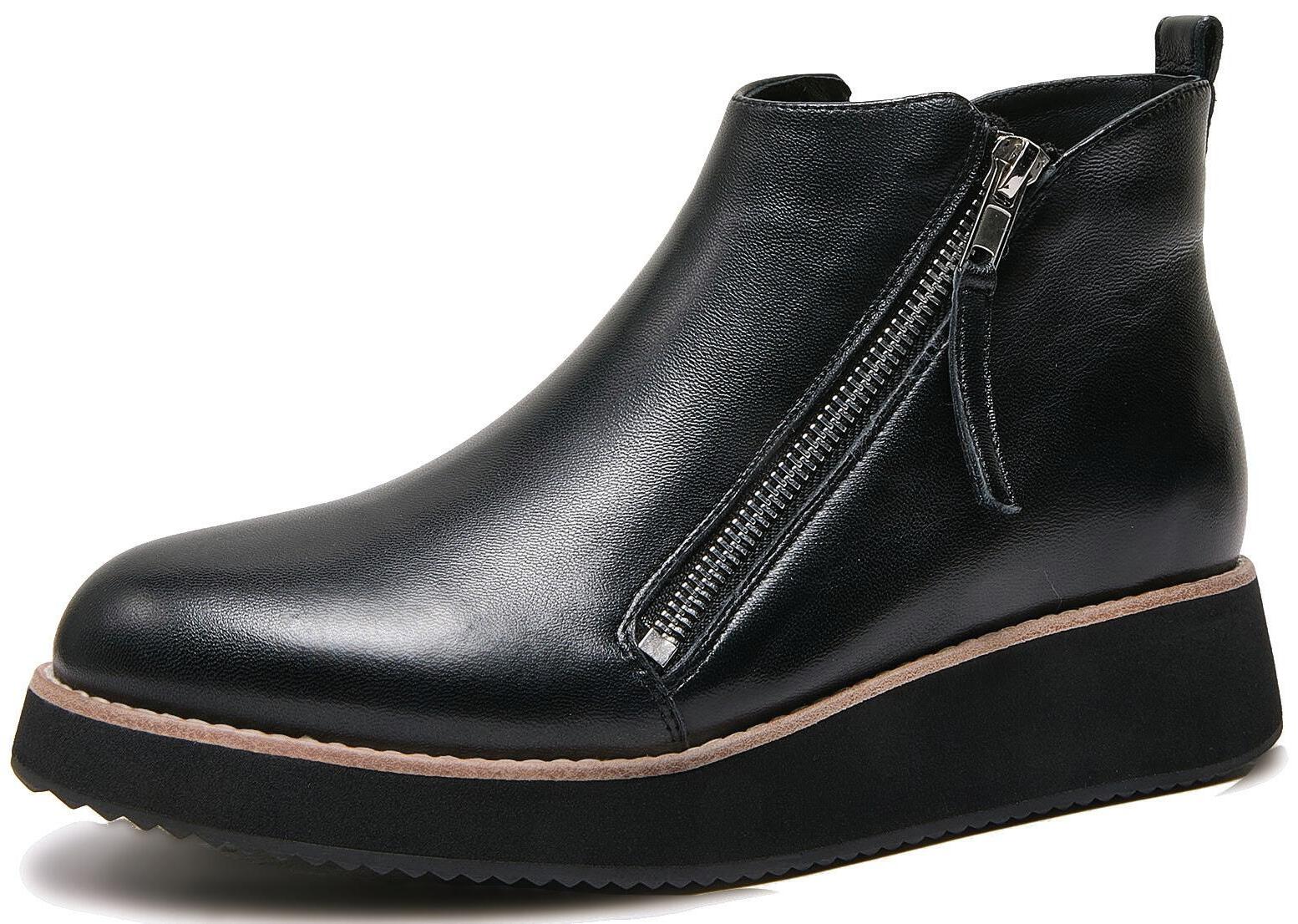
Every Asgi style features removable orthotics.
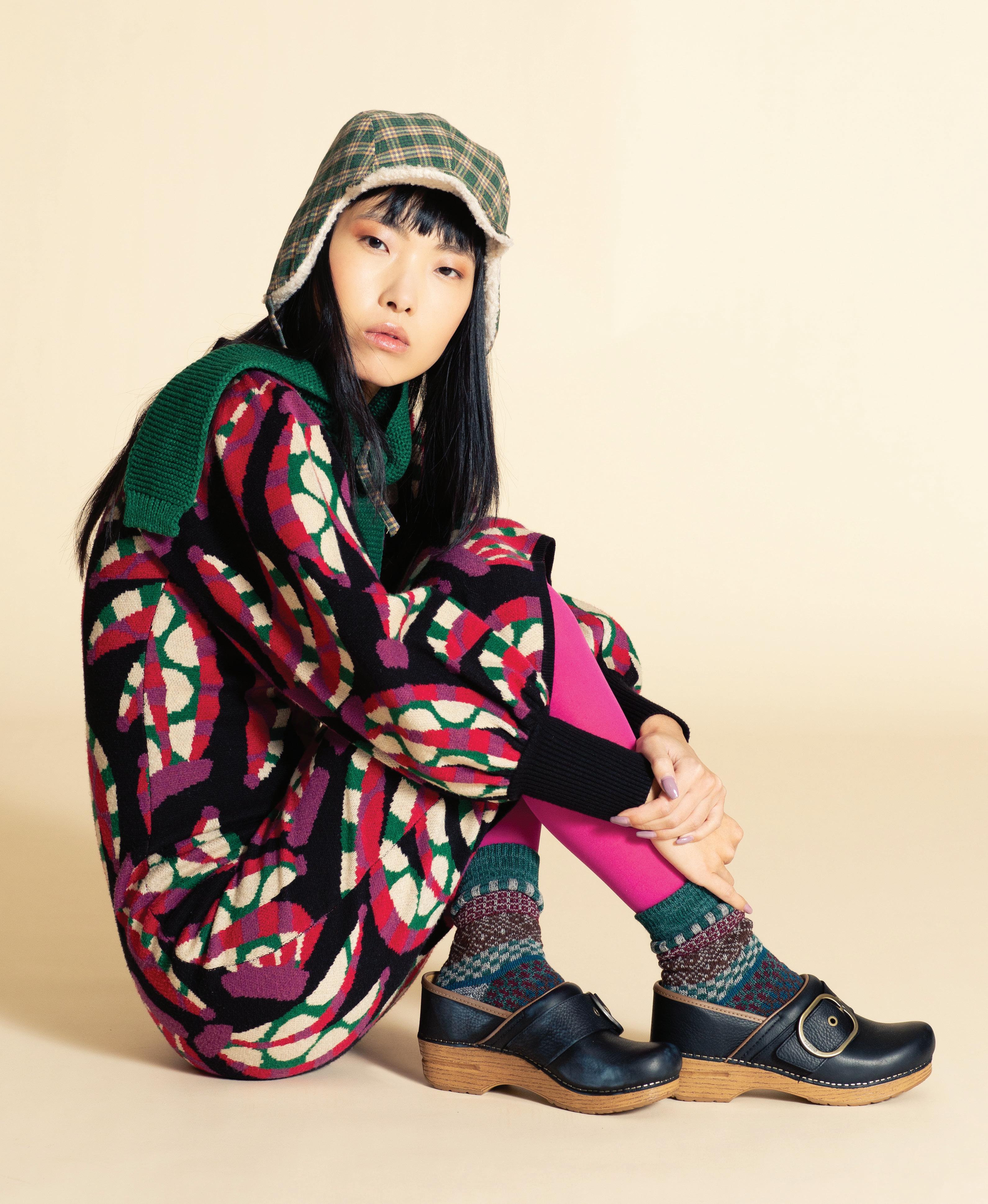
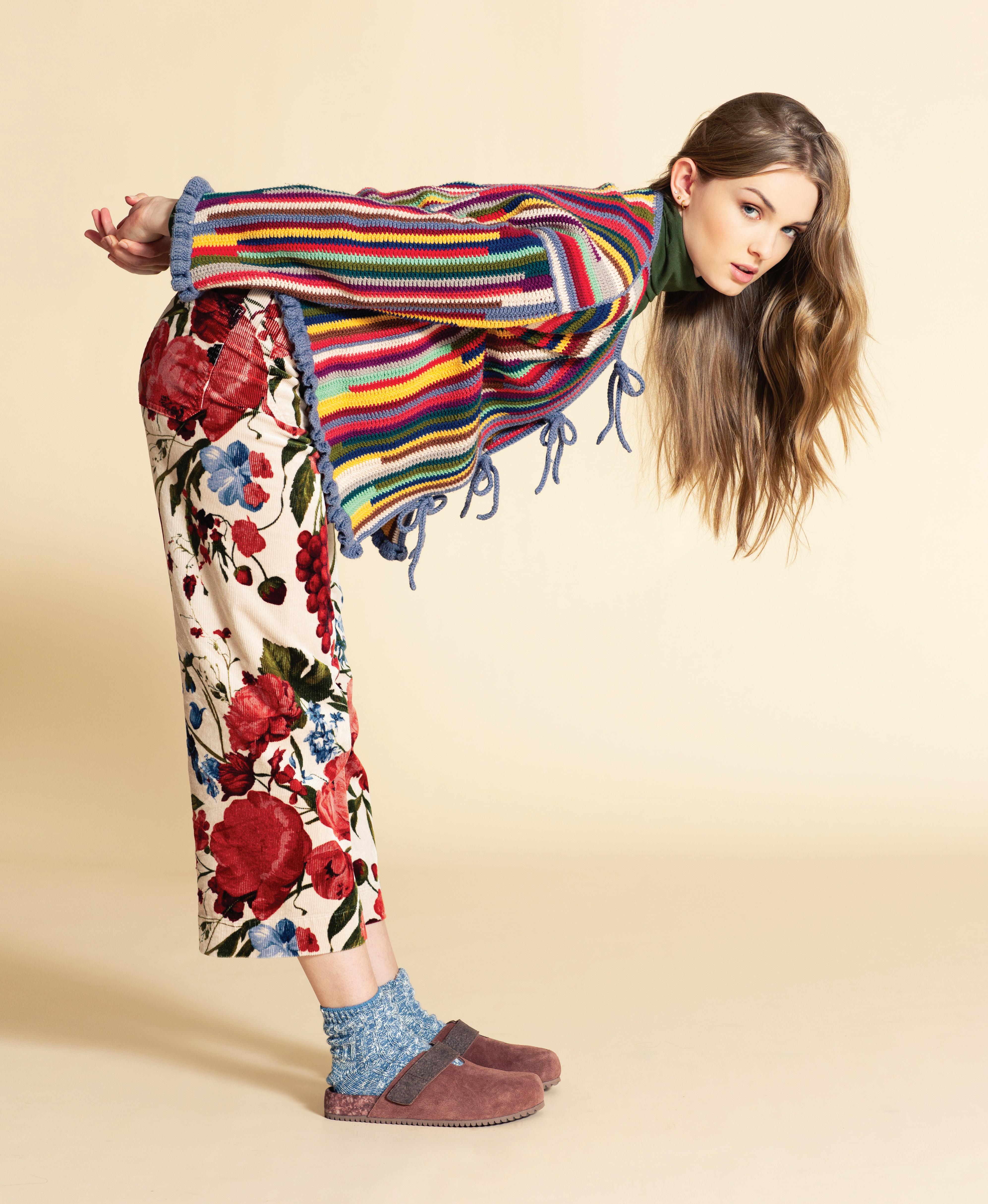
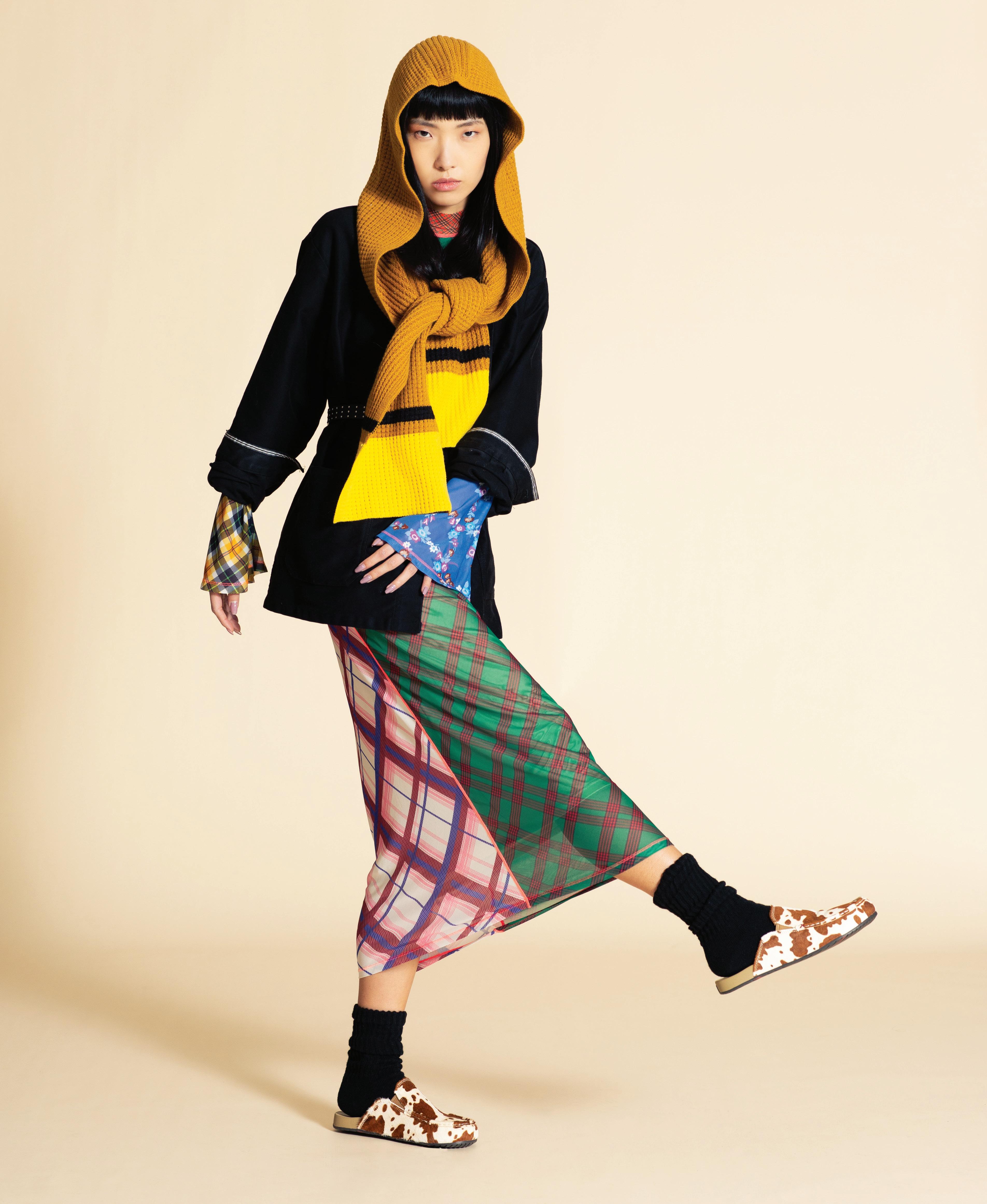
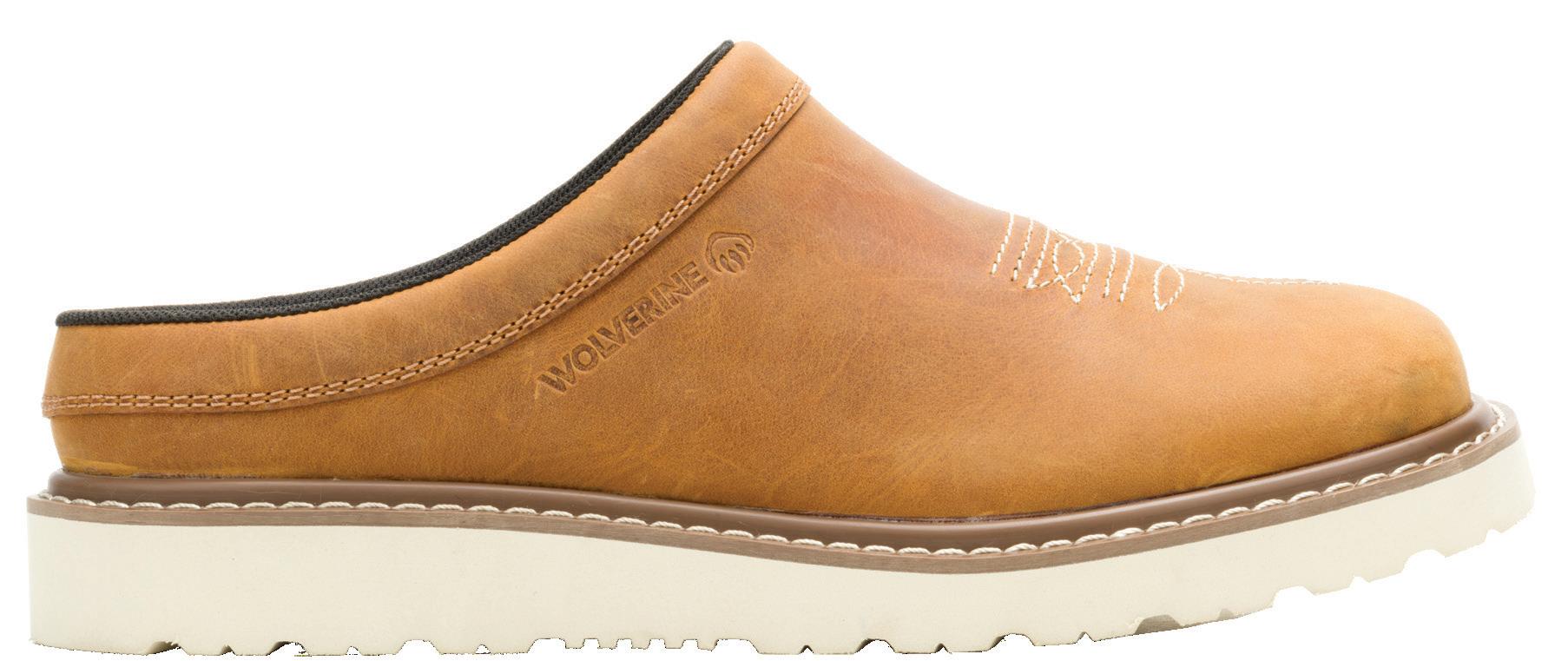
Twisted X cowhide mules with moc-toe stitching, mesh linings and PU footbeds and midsoles.
Opposite page: two-inch clogs with cushioned footbeds and flexible traction outsoles by Hälsa
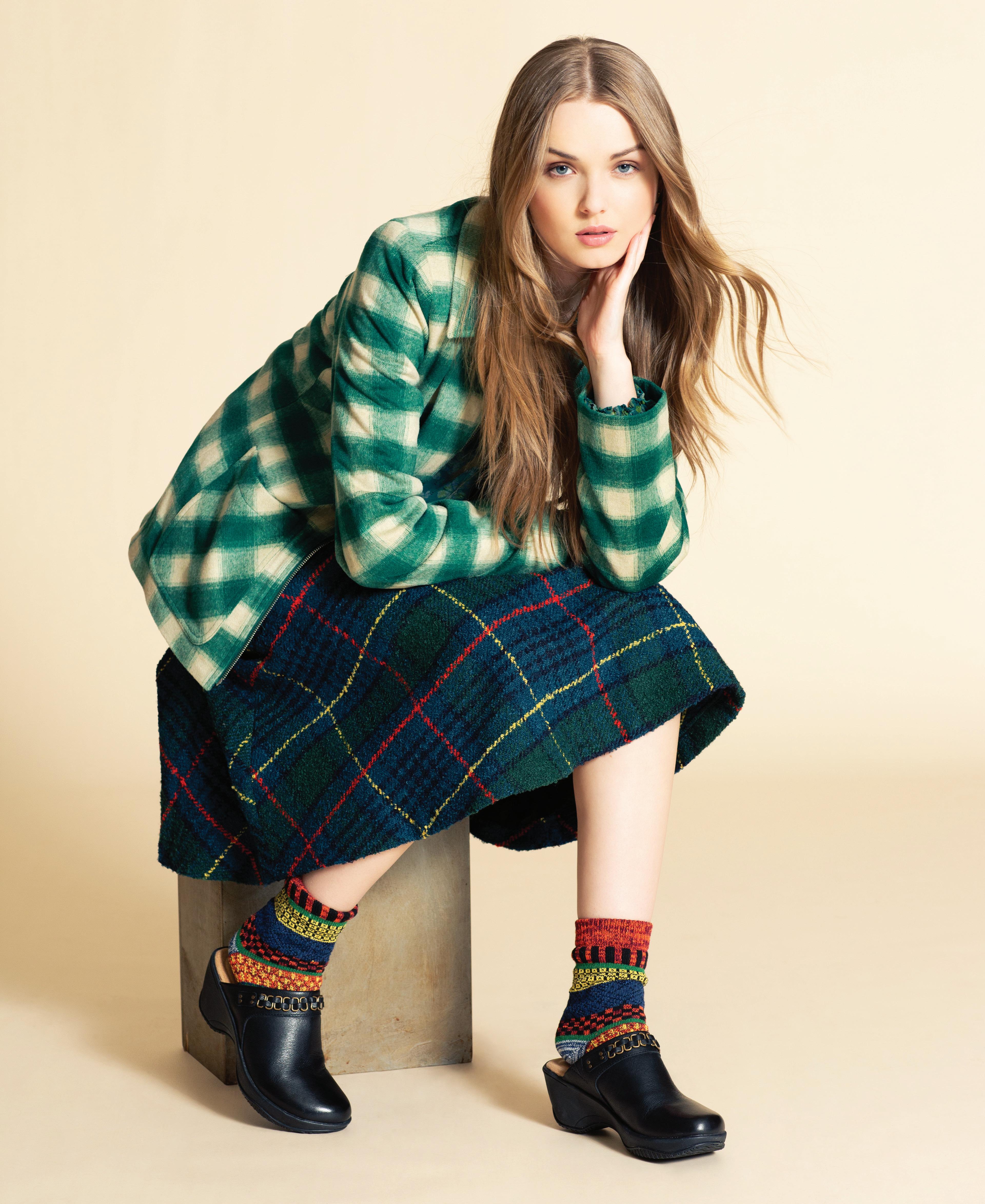
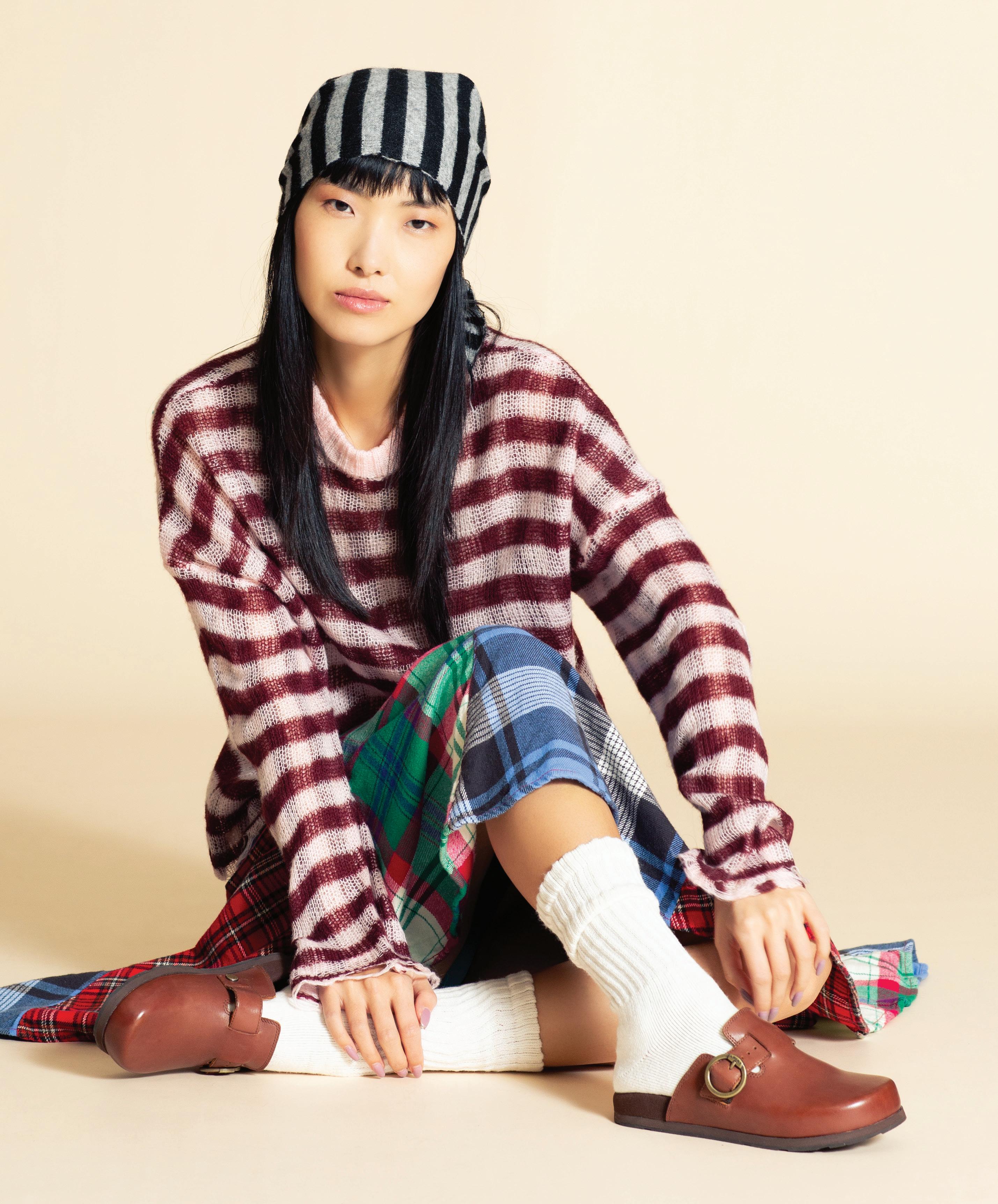
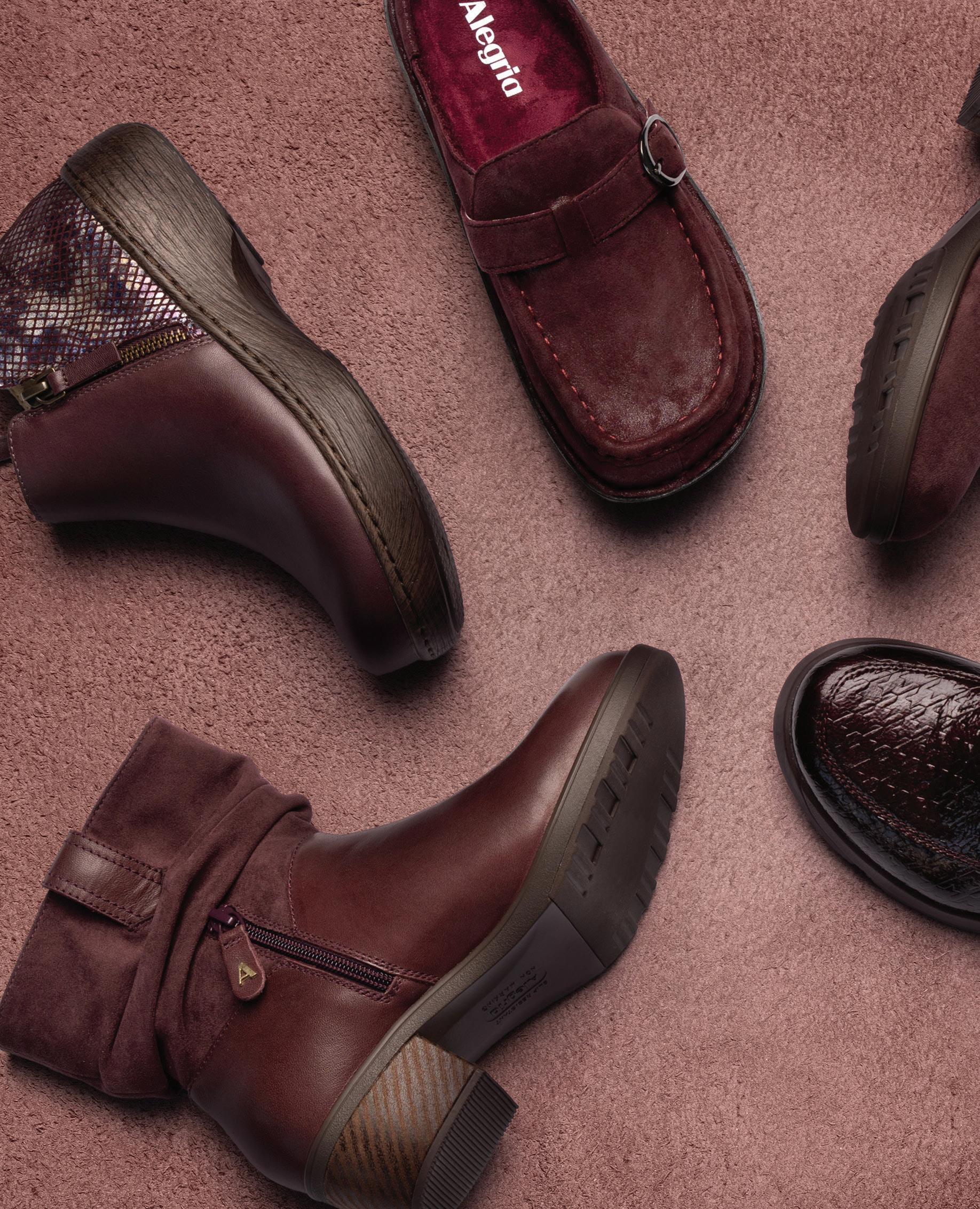
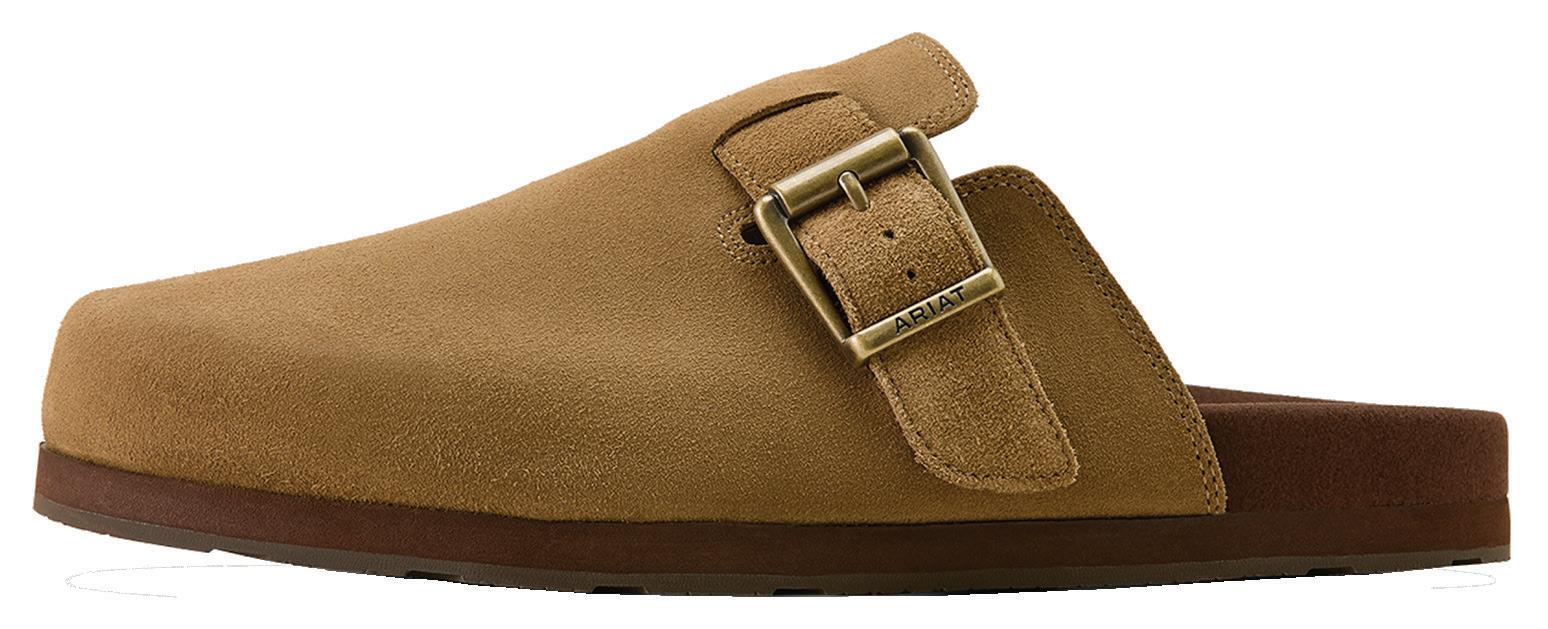
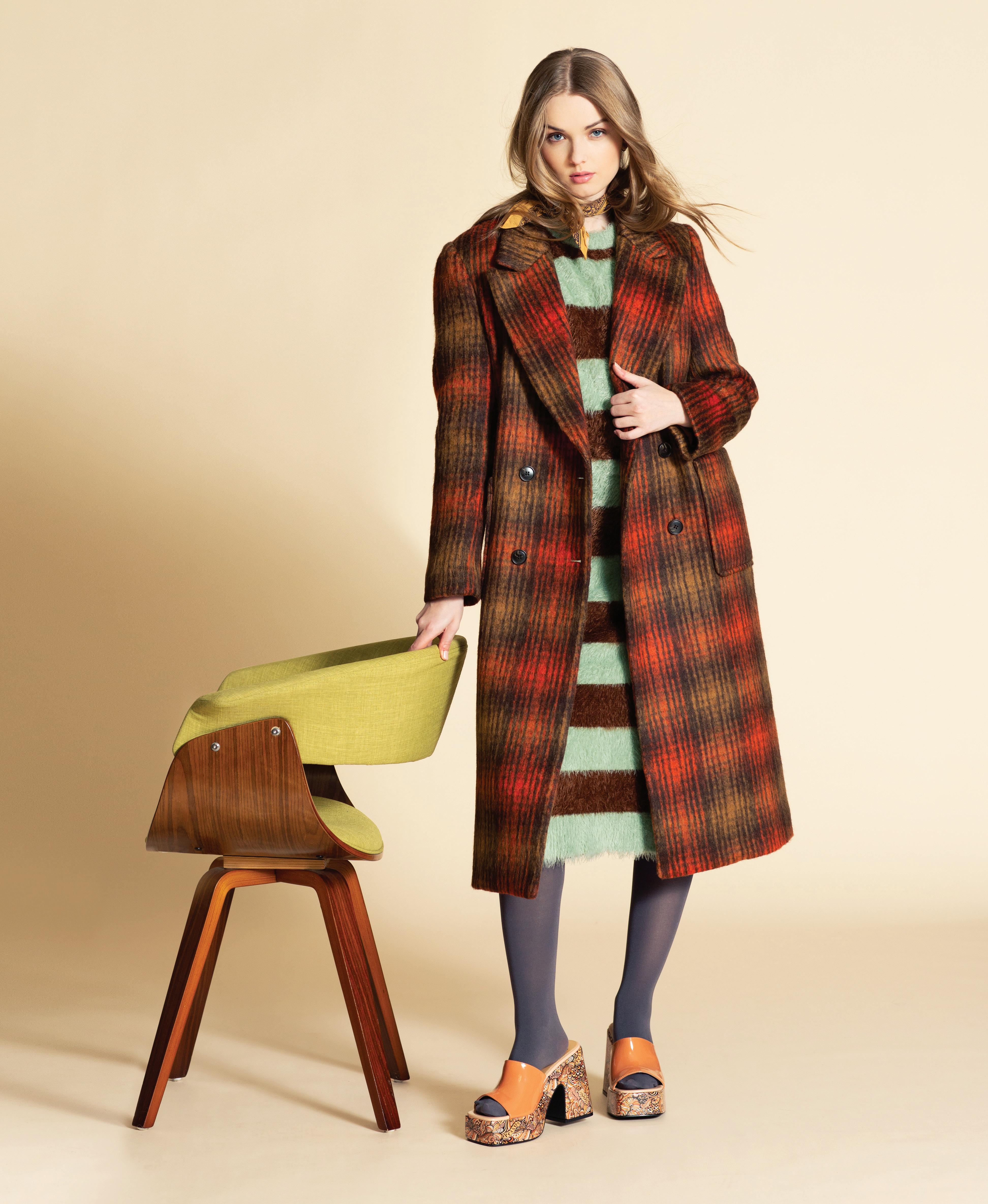
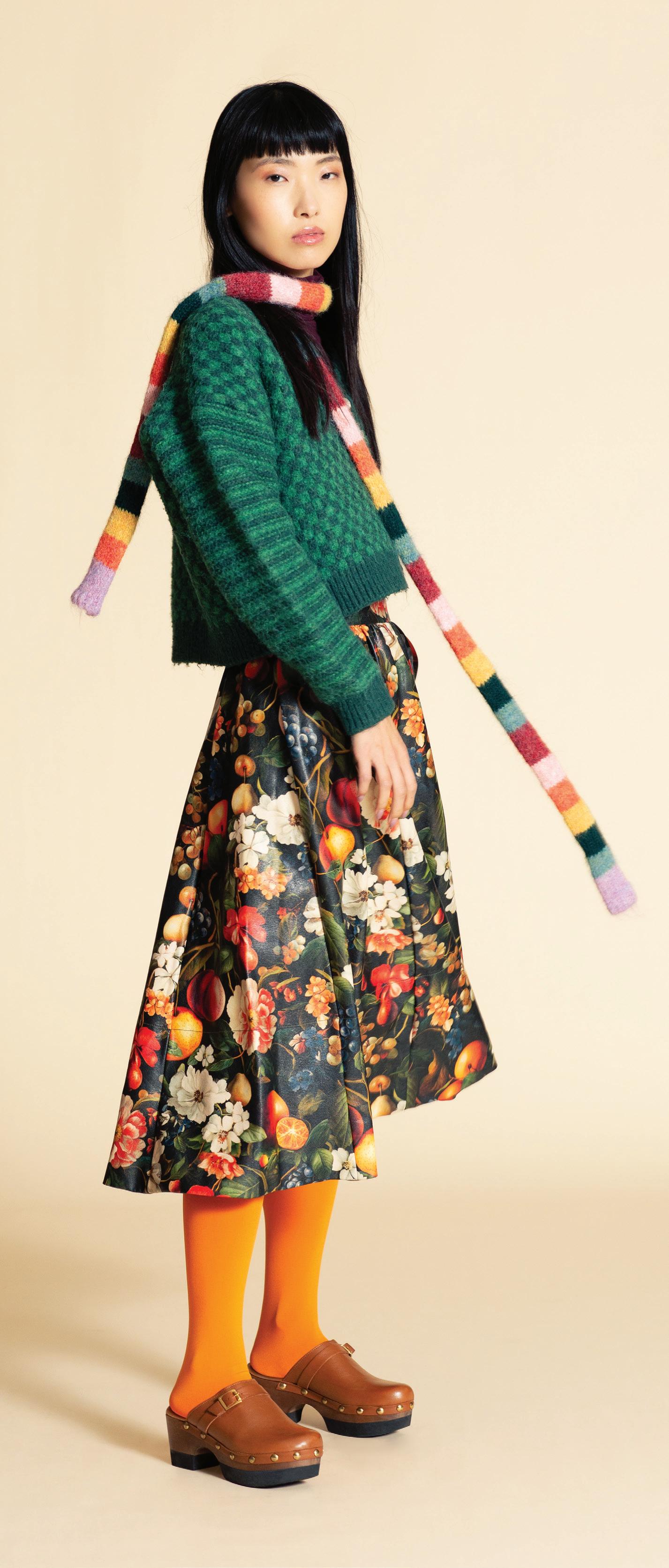
Ariat full-grain leather mules with EVA midsoles and water-resistant outsoles. Opposite page, clockwise from top left: Alegria clog with stain-resistant leather upper and removable footbed; polished leather slingback clog with recycled rubber sole and nickel-free buckle by Famolare; L’Artiste hand-painted leather clogs with arch support and cushioned insoles; Clarks mule with 55-millimeter heel and water-dipped outsole.
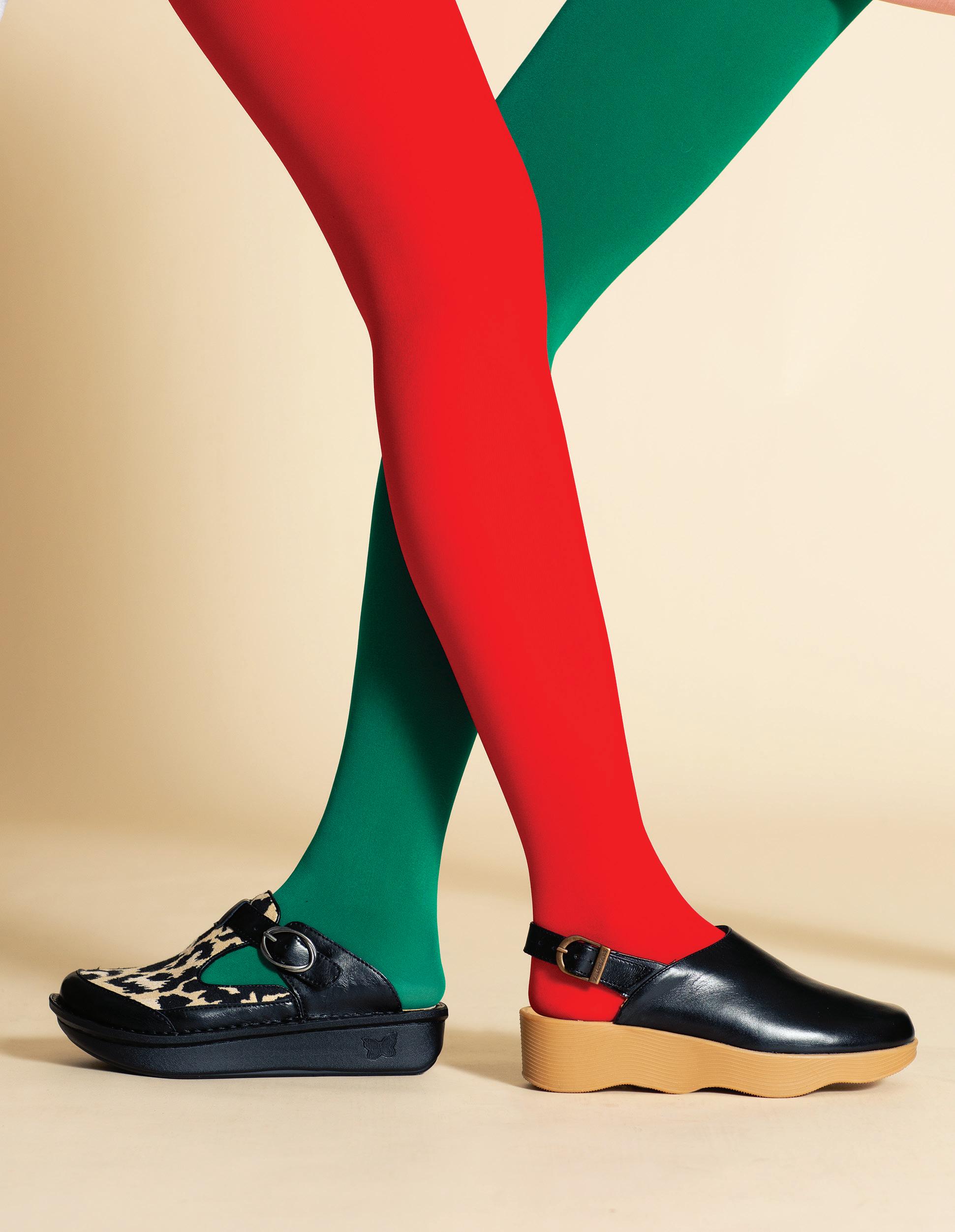
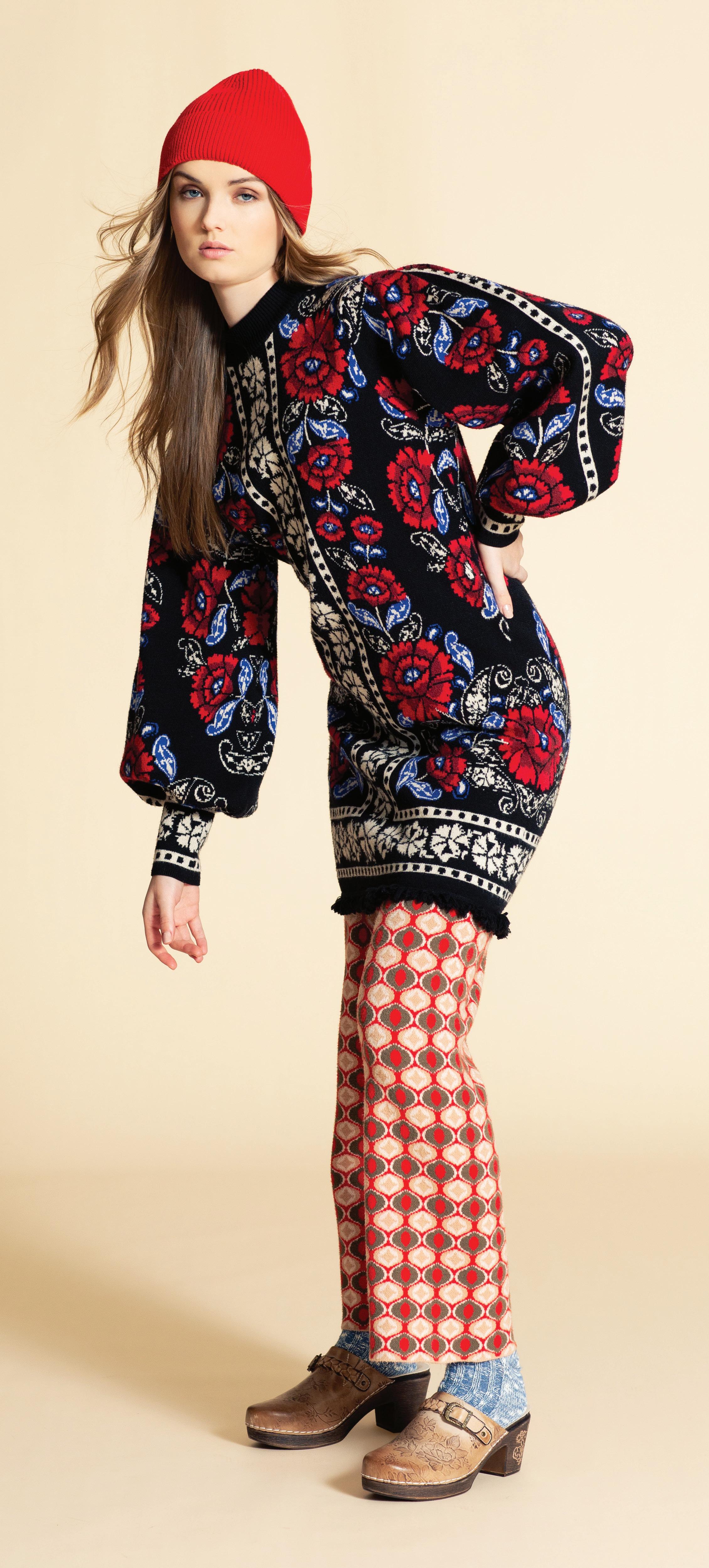
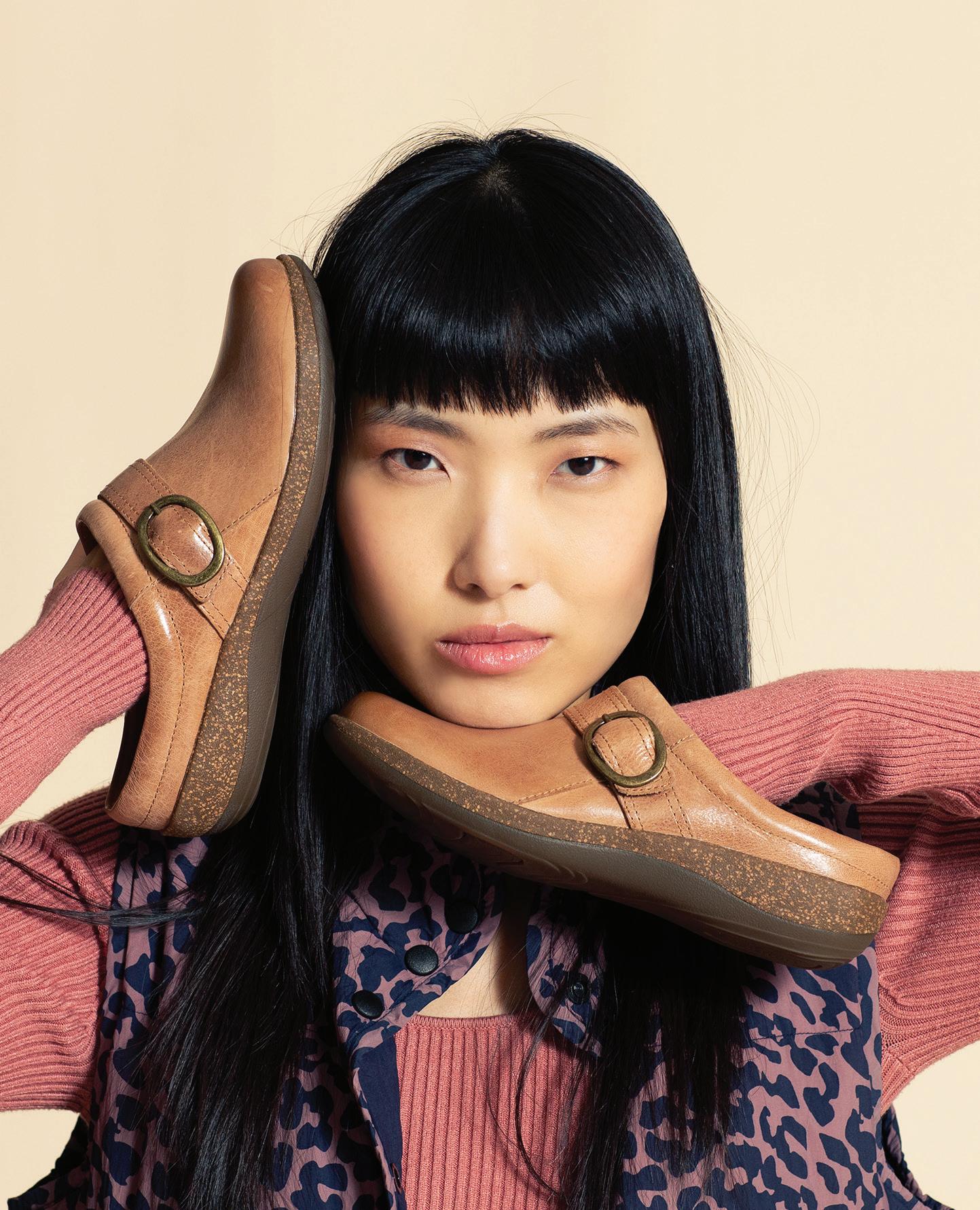
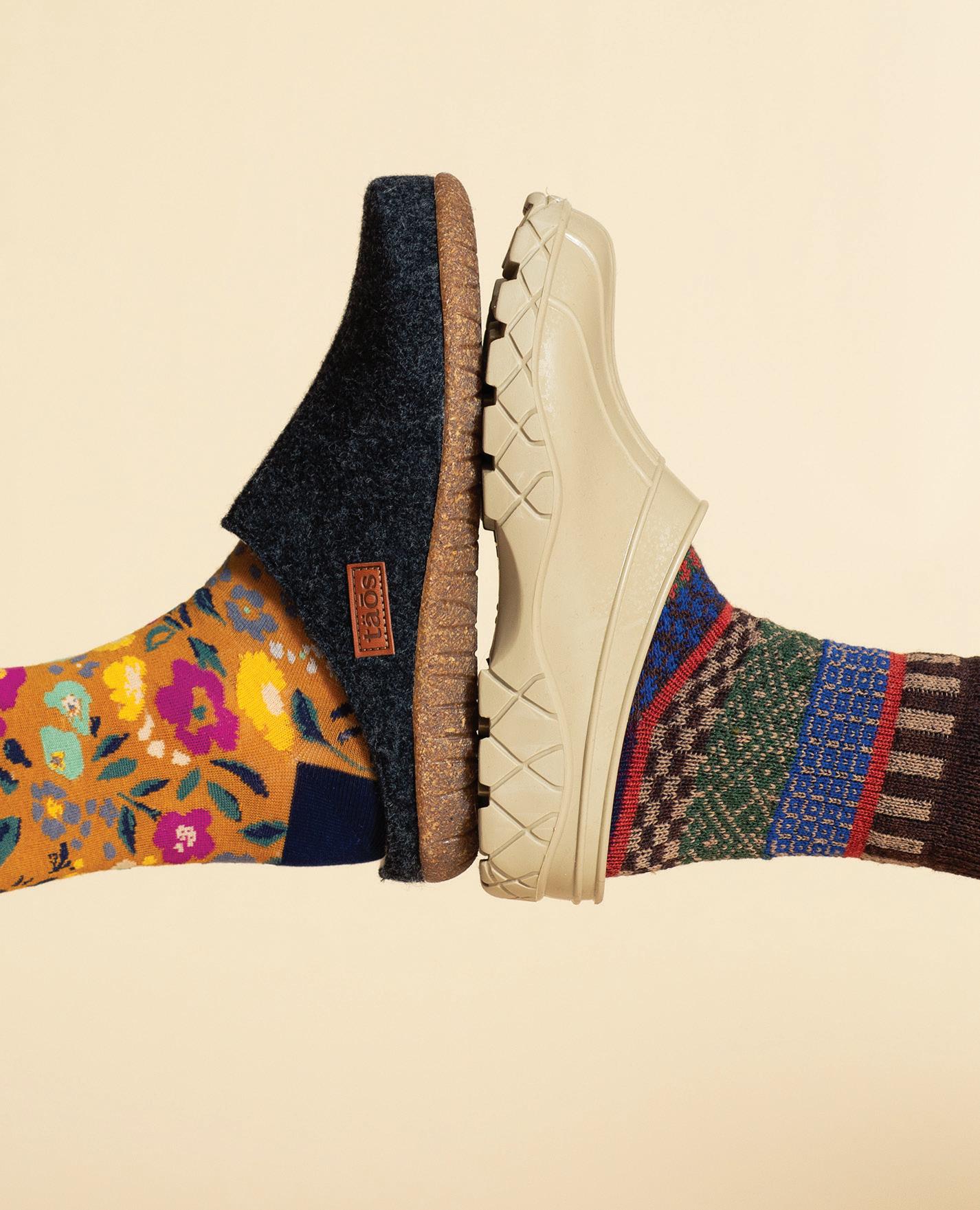
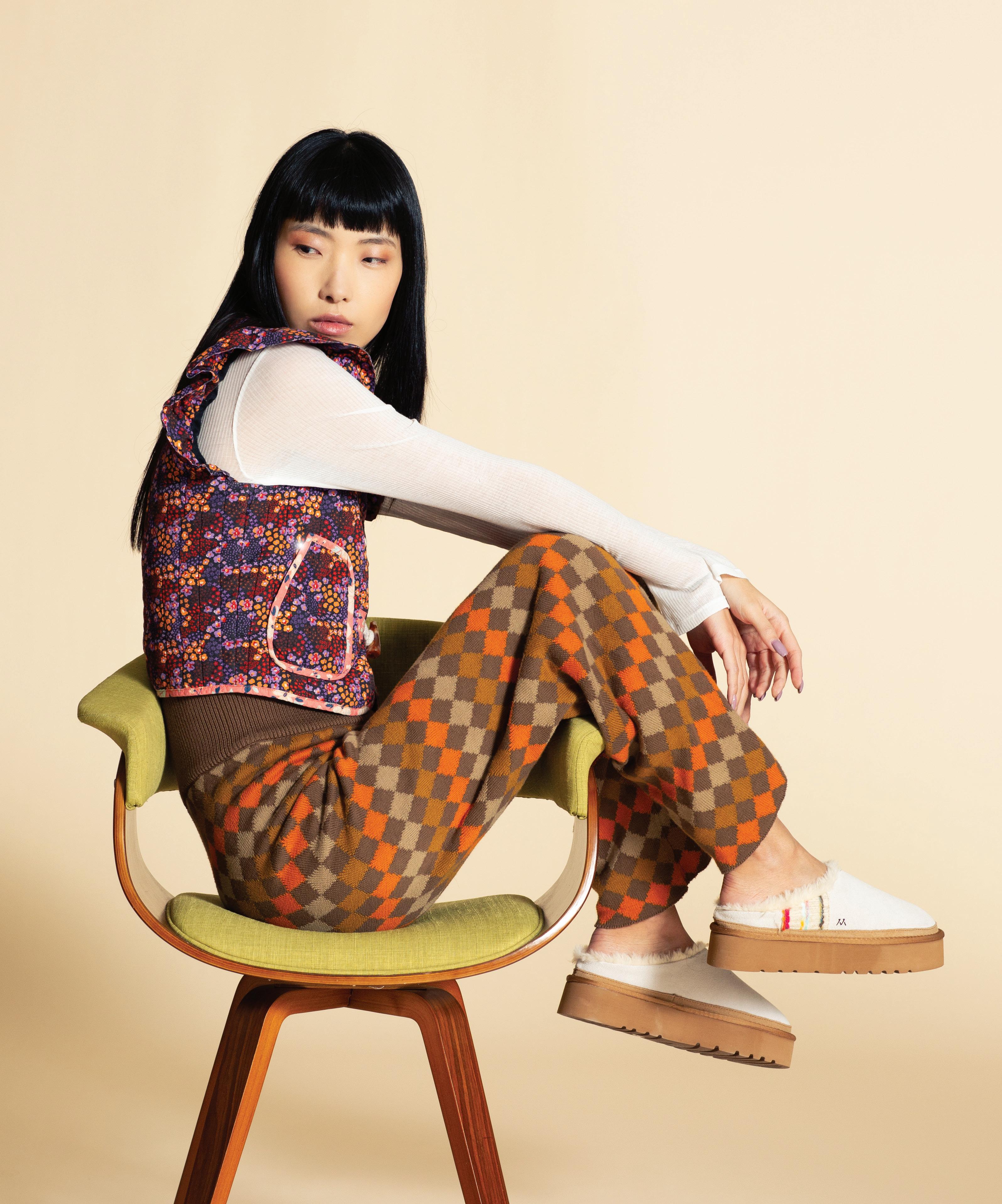
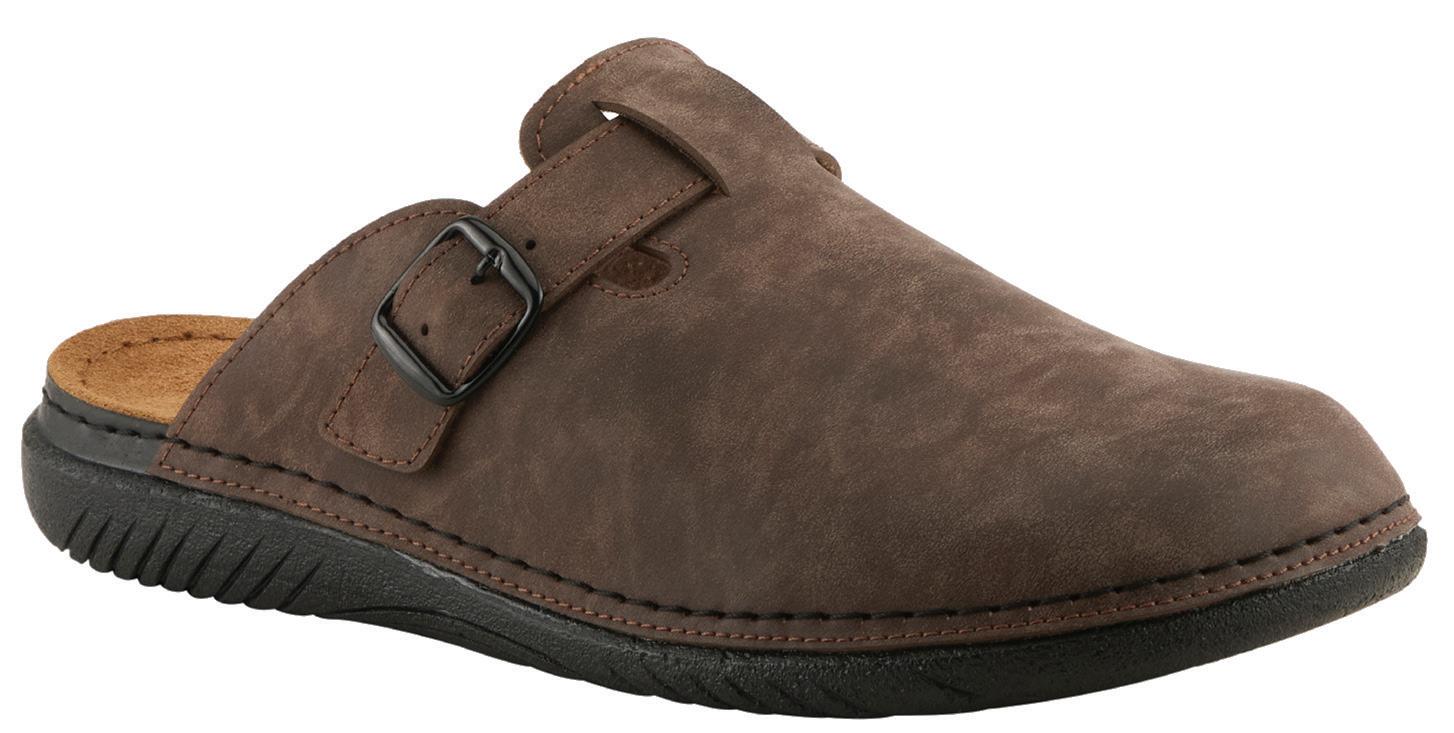
Mykos platform slipper clogs with faux fur linings and Ortholite foam footbeds Opposite page, clockwise from left: Andre Assous leather clogs with cushioned foam insoles and lightweight EVA outsoles; clogs with adjustable buckles, padded collars, and rubber outsoles by Aetrex; garden clog with slip-resistant, non-marking outsole by Ba n; rubber outsole and wool upper clog with arch and metatarsal support by Taos
Photography: Trevett McCandliss; styling: Mariah Walker/Art Department; fashion editor: Kiernan McCormick; models: Fiona Auguet/Q Management, Yun Gao/Major Model Mgmt.; hair and makeup: Nevio Ragazzini/Next Artists; photo assistant: Raymond Collette; styling assistants: Jamie Wtorkowski and Nellyfer Espinoza.
handbags from Brooklyn-based Rebel Designs also perform well.
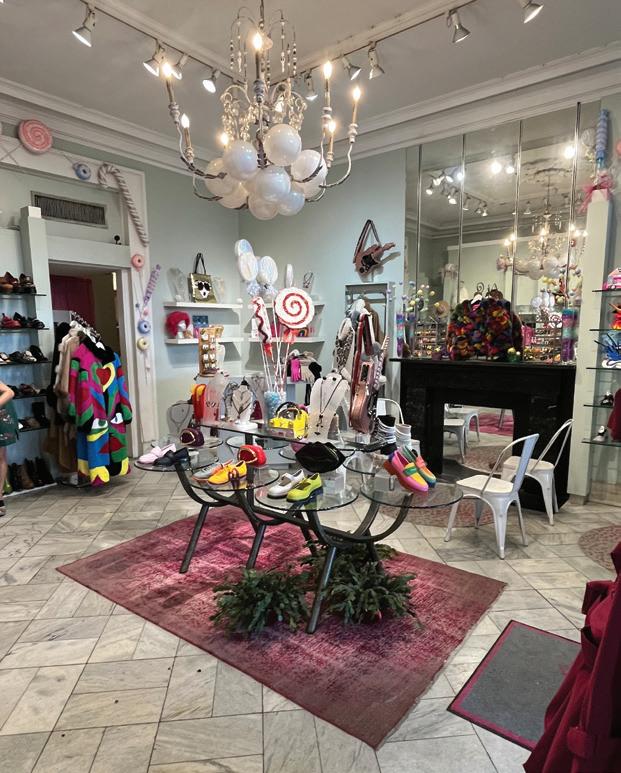
N 1992, BROADWAY performer Andre Noujaim returned home to help run his sister’s baby store in New Jersey. A year later, the siblings opened the first of several clothing and accessory stores in Atlantic City’s Ocean One Mall. The duo also opened a shoe store in 1994 in place of the mall’s Bakers Shoes. Noujaim found his new stage: selling footwear.
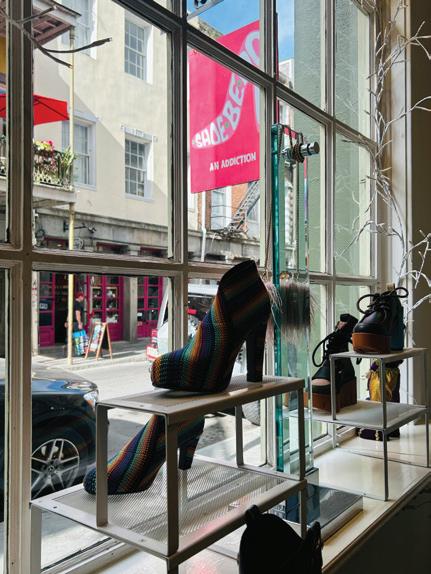
In 2004, Noujaim fell in love with New Orleans on a visit and decided to start a business there. Due to Hurricane Katrina, however, the process took five years. Noujaim opened Shoe Be Do in 2009. He added NOLA Foot Candy in 2018. Since then, he’s honed his “shoutique” concept, which leads with obscure, fun, fashionable shoes and accessories. Shoe Be Do focuses on modern luxe styles from the likes of 4CCCCEES, All Black, Chocolat Blu, Fly London, Ninety Union, and United Nude. NOLA Foot Candy carries bold and trendy designs from Azalea Wang, Betsey Johnson, Hot Chocolate, Koi, L’Artiste, Vince Camuto, and Melissa, among others.
“Moms are likely to shop at Shoe Be Do, while daughters shop at NOLA Foot Candy,” Noujaim says, noting that many tourists say it’s their first stop when they return to The Big Easy. “I love hearing that. My stores are my stage and I’m being rewarded. It’s a great feeling.”
Top-selling brands? For Shoe Be Do, United Nude, Fly London, Bos. & Co., Chocolat Blu, and 4CCCCEES. Betsey Johnson is the tops at NOLA Foot Candy, and the No. 1 style is the Sidney sneaker.
Best brands added recently? 4CCCCEES. I always put that and United Nude in the window because they definitely attract customers. Hot Chocolate is the best new brand at NOLA Foot Candy. It’s a funky, youthful UK label known for slightly different designs in each a pair. Charlotte Stone is another new label performing well. They have fantastic bright colors and also feature slightly different designs within each pair.
Top-selling accessories? In both stores, it’s a raincoat dress by Canadian designer Samuel Dong. It fits every woman perfectly, and we don’t need a dressing room for try-ons. Handcrafted jewelry and
What do you attribute your stores’ staying power to? My great eye and location. My father taught me that if you open a store in a tourist market, you’ll always make money because they don’t return merchandise. They also have disposable money and are in a great mood. Everyone comes to New Orleans in such a great mood. We also provide quality customer service.
What’s Mardi Gras season like? Chaos! We experience a nice bump, but it’s not the biggest. My stores are open on Christmas, New Year’s, and Thanksgiving, but they’re closed on Fat Tuesday. I tried staying open, but everybody is intoxicated and wants to use our bathroom. Our best month is April. That’s when French Quarter Fest and Jazz Fest take place. The weather is perfect—no humidity.
Is there anything unique about tourists’ shopping habits? Most customers come in with a cocktail in their hand and/or wearing a costume. We love costuming and parading. There’s a celebration literally every single week. We celebrate the birth of a cockroach, a tomato, an oyster, etc.
What are some of your leading community outreach efforts? This town has been very good to me. At the end of a season, I donate all shoes, apparel, and accessories I can’t sell at a discounted rate to Dress for Success New Orleans. I’m also a big advocate for the LGBTQ community. I donate a lot of my top items to raffles and auctions in support of Project Lazarus New Orleans, a transitional living facility for people living with HIV/AIDS in the area.
How was business last year? It was probably my weakest year, and that’s not because of anything we did wrong. The effects of the New Year’s Eve Bourbon Street terrorist attack ricocheted into the entire year. It scared tourists away. We also had our first snowstorm in over 100 years, which shut down the city. Then they had to redo the streets for the Super Bowl. Then tariffs. I canceled lots of orders.
What’s the smartest business decision you’ve
made this past year? I bought smarter. Sometimes you fall in love with a style or an idea, and you might oversaturate it.
What’s the biggest challenge facing your business? The economy and nature of the world. Life is a little harder. But the formula I’ve stuck by my whole life is to sustain through whatever problems are happening until they go by the wayside. Sometimes you’re hurting, but if you smile hard enough, your body catches up. It’s the same in business. If you just sustain, things have a way of working themselves out. I’m very blessed to still be here. I paid my vendors and employees. We’re moving forward.
Which is more difficult: tariffs or DTC sites? DTC sites. When I started out, a wholesaler was just a wholesaler. It makes business more difficult, but unfortunately that’s the way things are. On that note, the goal is always to make a little bit more each year, but I’d be thankful to match 2024 or years prior. We’re off to a better start this year. That’s all I can ask for at this point.
What are you most proud of regarding your business? My staff. I’ve experienced many years of bad staffing. I can honestly say, for the first time, that I 100 percent trust my staff. They have my back. I’m most thankful for them.
What’s the best way to retain employees? Keep them happy, within reason. I overpay to the point where I take a pay cut. But it gives me peace of mind. I also buy cocktails for the staff almost every day an hour before closing as a reward. When we’re really busy, I buy lunch, so they stay put and happy. I try to create a family, and I have a great one now.
T ALL BEGAN with boat shoes. More than 40 years ago, Mark Barlow started selling the nautical style out of a small window during the America’s Cup in Newport. In 1983, he and his wife Elaine opened Sole Desire.
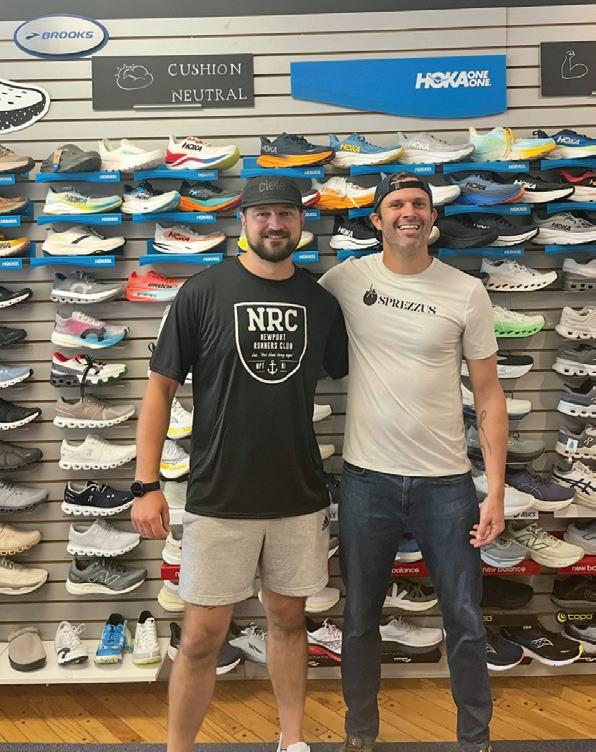
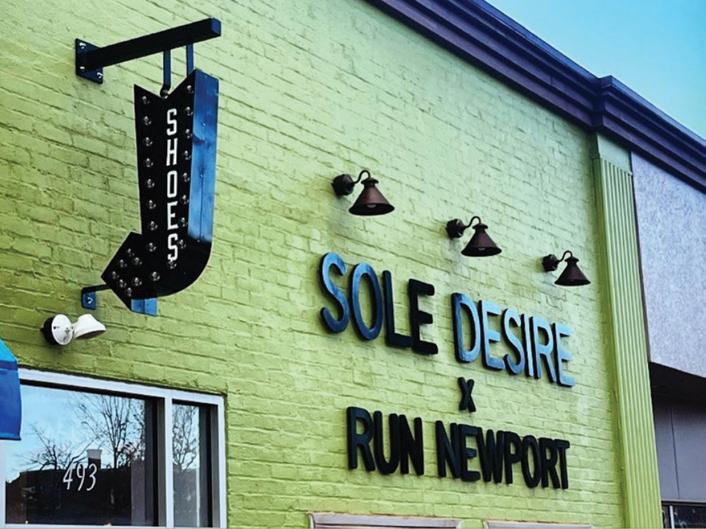
The shop evolved into a lifestyle format. In 2011, Barlow sold the business to his son Ben and his niece and her husband, Jessica and Adam Stadel. Four years later, they added Run Newport, a running specialty store, 0.2 miles away. In 2023, they expanded both shops to Providence, where they opened a hybrid Sole Desire/Run Newport location.
Sole Desire’s assortment includes comfort styles from Birkenstock, Born, and Ugg; dress styles by Madden Girl and Sam Edelman; and summer staples by Jack Rogers, Rainbow, and Sperry. Run Newport carries running and everyday sneakers by Asics, Adidas, Brooks, Hoka, New Balance, On, Saucony, and Veja.
The team prioritize authenticity when helping customers. Adam believes this approach sets them apart. “We genuinely want to help people,” he says. “The price of the item doesn’t matter to us. What matters is that they enjoy their experience.”
Top-selling brands? At Sole Desire, Ugg, Birkenstock, and Hoka. Run Newport’s are Hoka, On, and Asics.
Best new brands added recently? Victoria for Sole Desire. It works well with Veja and has more creative silhouettes. Hylo is the best new brand we’ve added recently to Run Newport.
How does a brand make it into your mix? On the running side, we usually jump on new brands we find with good athletic components and a more fashionable aesthetic. On the lifestyle side, a lot of times we’re looking for key items from some of our heritage brands that we may be a little behind on.
How is the Providence store performing? We wanted to create a more comfortable environment for non-runners to purchase quality sneakers. It’s an approachable store for someone who might be intimidated by a running store. We’ve always believed that the running category created the best walking or everyday shoe. We feel it wasn’t more mainstream before because stores similar
to ours weren’t creating a comfortable environment. The ability to test the more fashionable styles is another benefit. It’s a one-stop shop.
Do customers shop both? There’ a lot of overlap. Sole Desire’s core customer is mothers and daughters. Our goal for Run Newport is to be the most accessible store in the category, so we’re getting a variety of people. We want to help as many kinds as we can. And although Sole Desire and Run Newport have a different feel, there are brands that are strong in both, like On.
Anything unique about the Rhode Island customer in terms of shoe preferences and shopping habits? We have just as much success with navy as we do with black. There’s something about being by the water that makes them transition from black to navy, white, or stripes. We see more traditional shopping habits, maybe because of our community approach. We treat all of our customers like locals.
What’s the most effective way to reach your customers? The modern customer is looking for an authentic approach, and that’s our best method. Be nice, friendly, and understanding. Customers don’t want to be talked down to. Meet them where they stand to help them find what they actually want instead of talking them into something.
What are some of your leading community outreach programs? Run Newport is built on community events. We sponsor every local race and haven’t said no to a community member in the 10 years we’ve been open. If they have a weird idea, we’ll do it. We host an Eggnog Mile at our Newport store in December with Hoka. We also host a Blue Jean Mile in Newport and Providence with Asics in support of NAMI, with proceeds going to mental health research.
How was business in 2025? We didn’t see the growth that we’ve experienced in years past, but we saw growth, nonetheless. There’s a slight lack of trend, meaning some of the hero styles that carried the industry have plateaued. We saw some trends emerge last year, but if it lacks comfort, it’s fleeting.
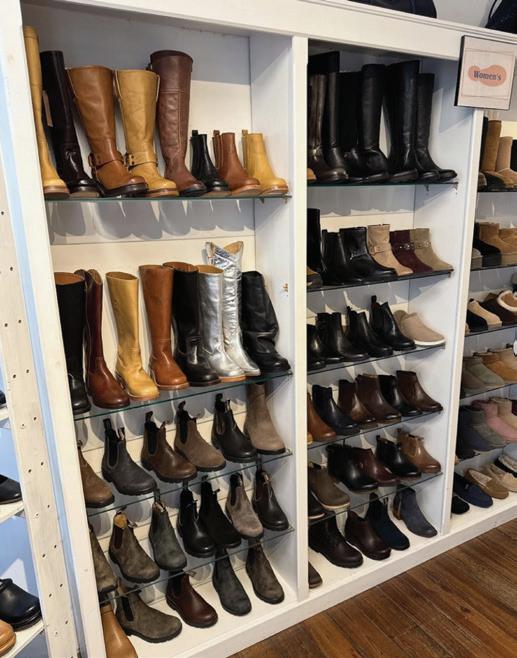
Whereas, a Birkenstock or Ugg trend has longevity. We’re trying not to make a mistake, whether it’s overbuying or underbuying.
What’s the smartest business decision you’ve made this past year? I made myself more available for customers and attended more community events. It’s been a lot of fun. We need to show our community that we’re there for them.
What are your top goals for this year? To dial in our business with leadership. When you’re so active on the floor with customers, sometimes things behind the scenes need to be tightened.
What are you most proud of regarding your business? I’m proud to be able to work for a family business and to be able to call my employees my second family. And I’m proud to call my customers my third family.
Any advice for fellow retailers? I’m usually the one asking for advice! Keep working hard. Don’t stop.
What’s the best way to retain employees? Believe in them.
Where do you envision your business in three years? As the most authentic and welcoming independent shoe and apparel store in the country. We want to be the leaders in authenticity, which we feel is lacking in this business. We want to see how far that approach can take us. Also, to not be afraid of where the growth may take us.

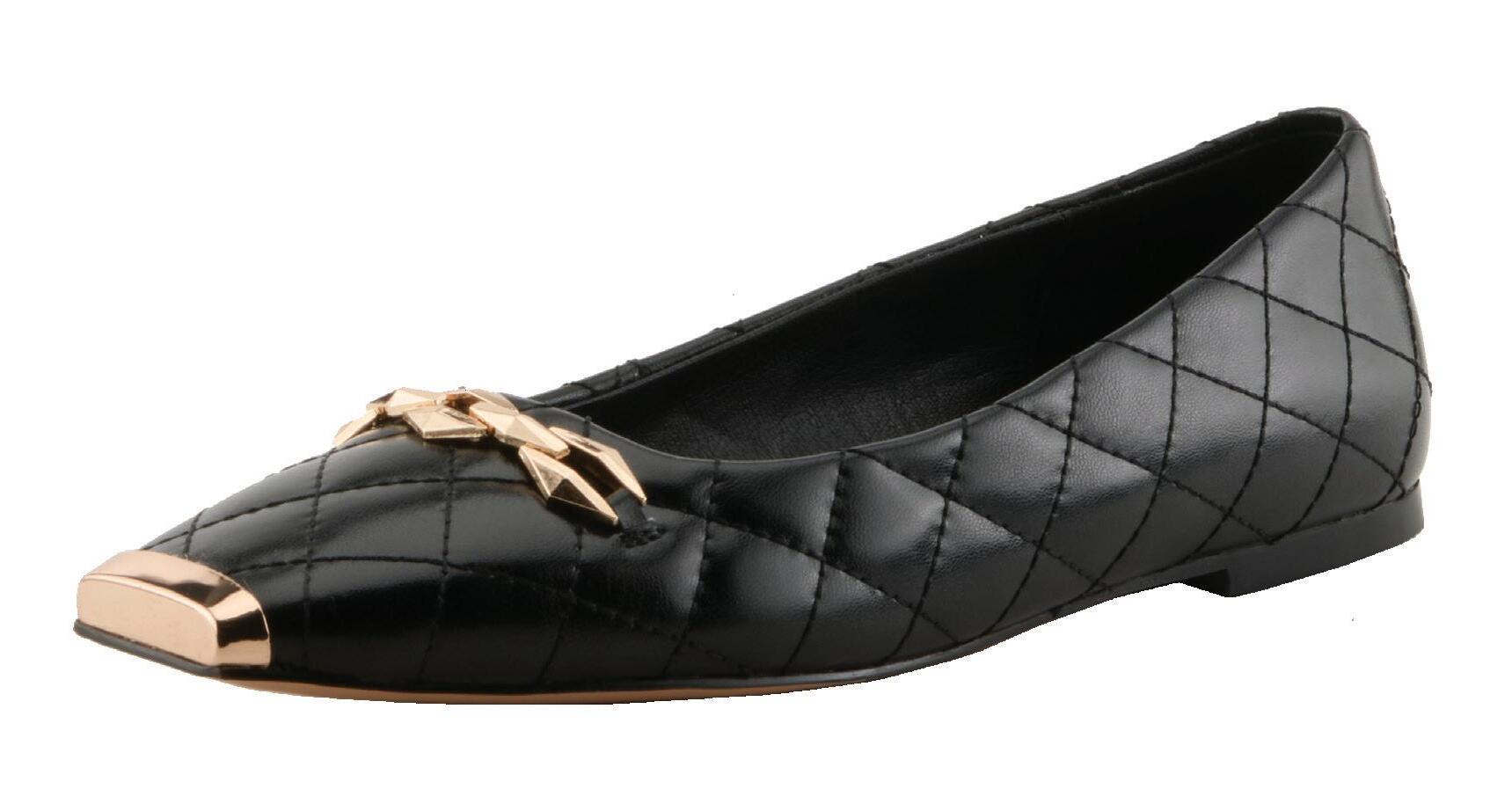


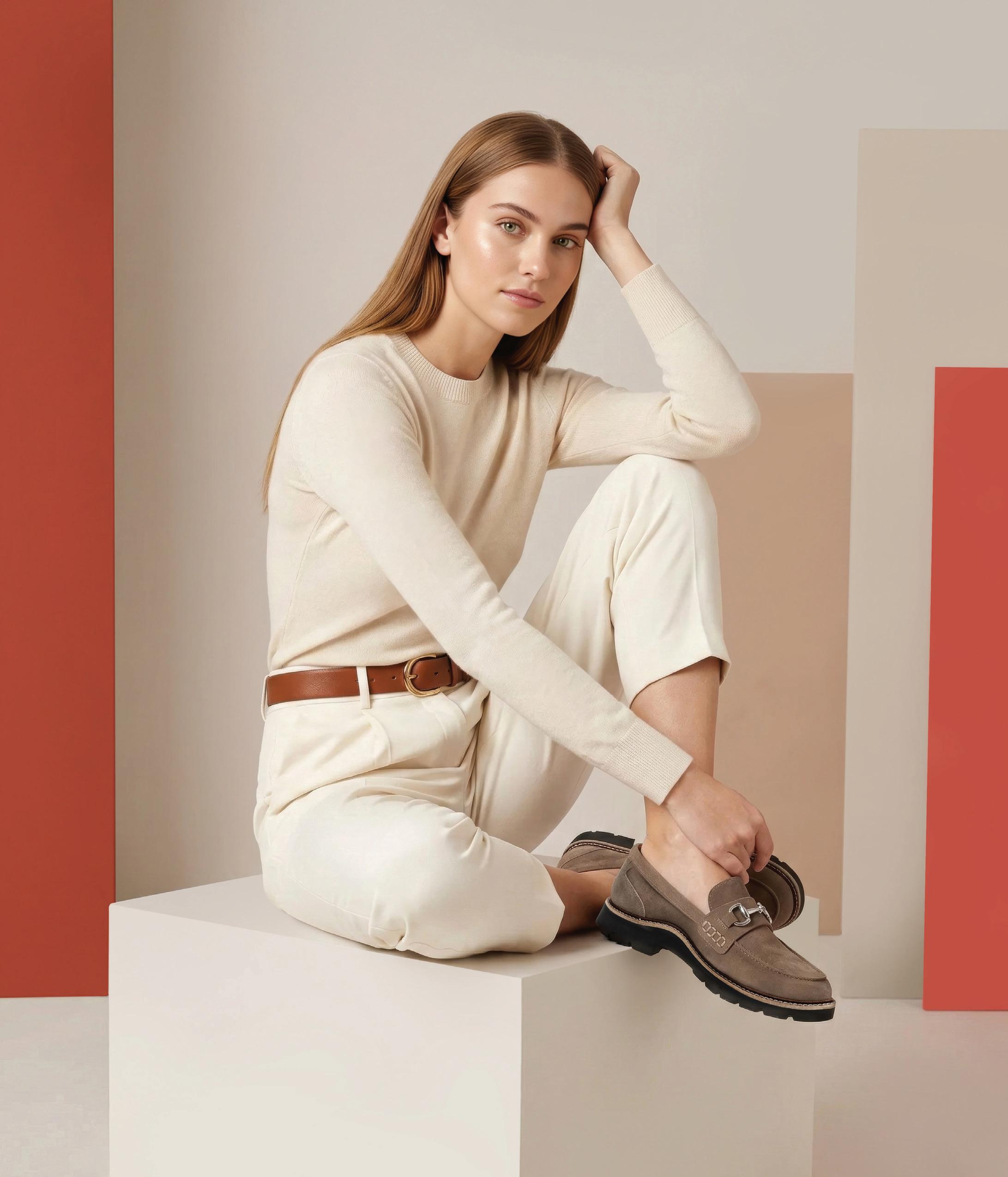
Featuring Aetrex orthotic support and memory foam cushioning for superior comfort