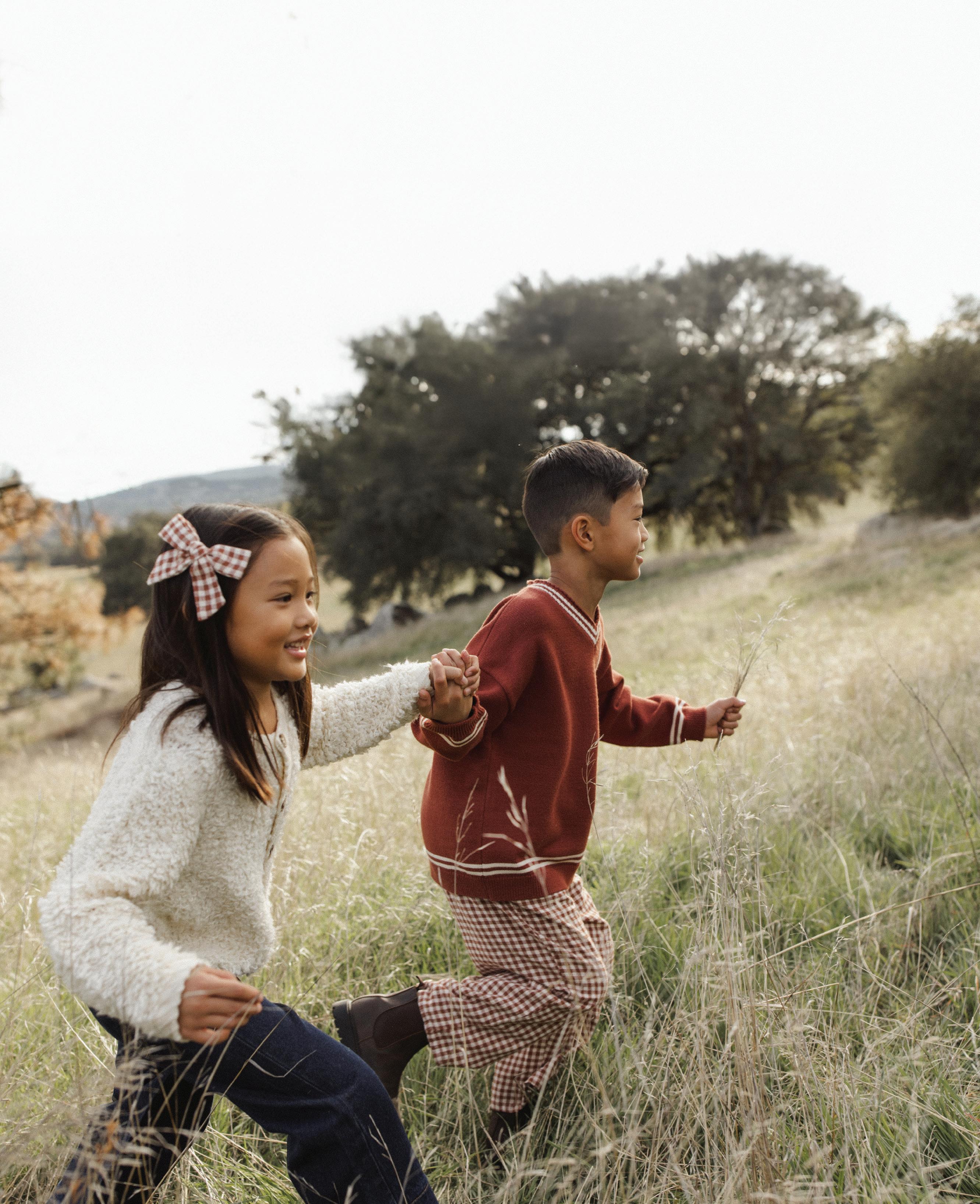
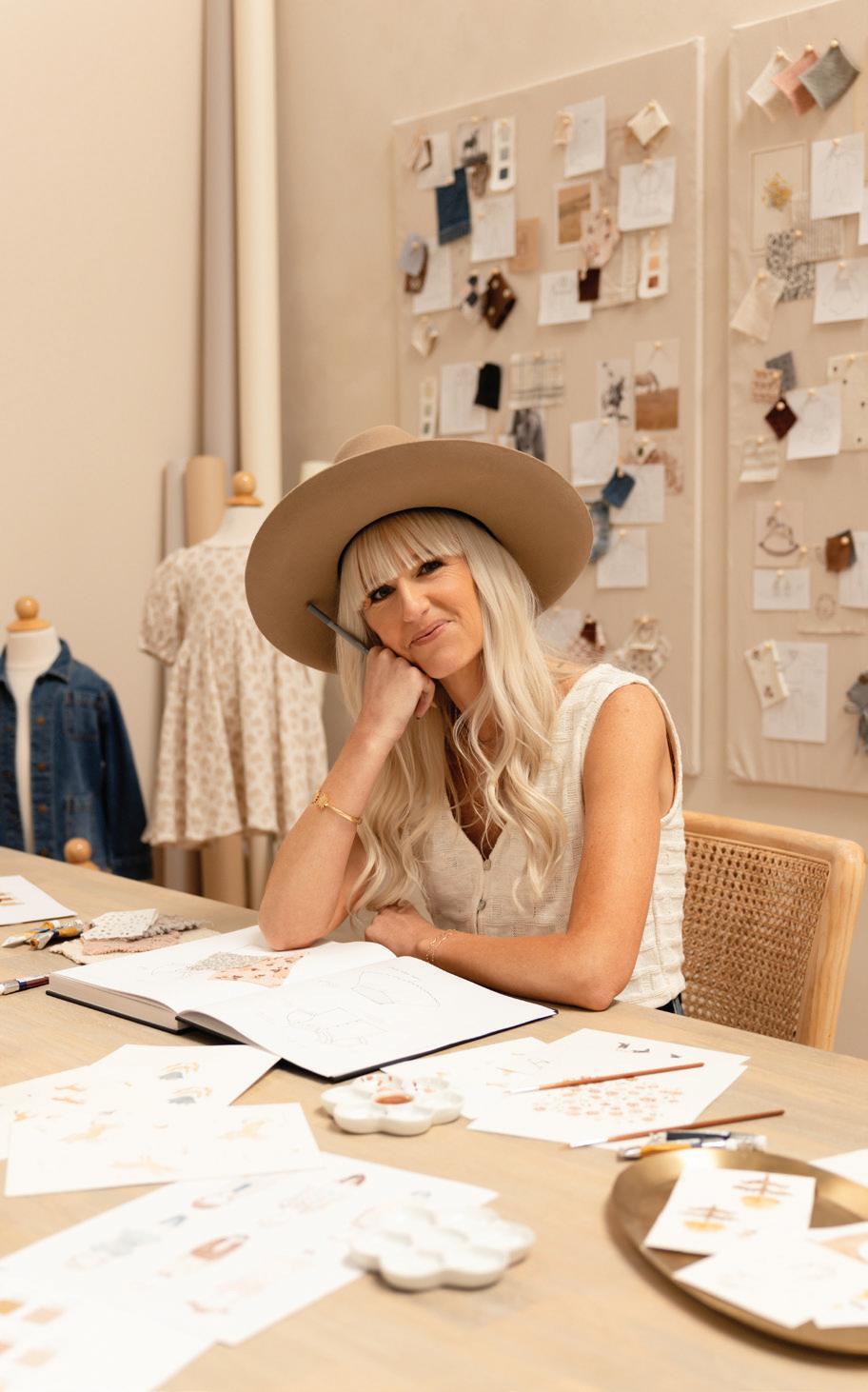
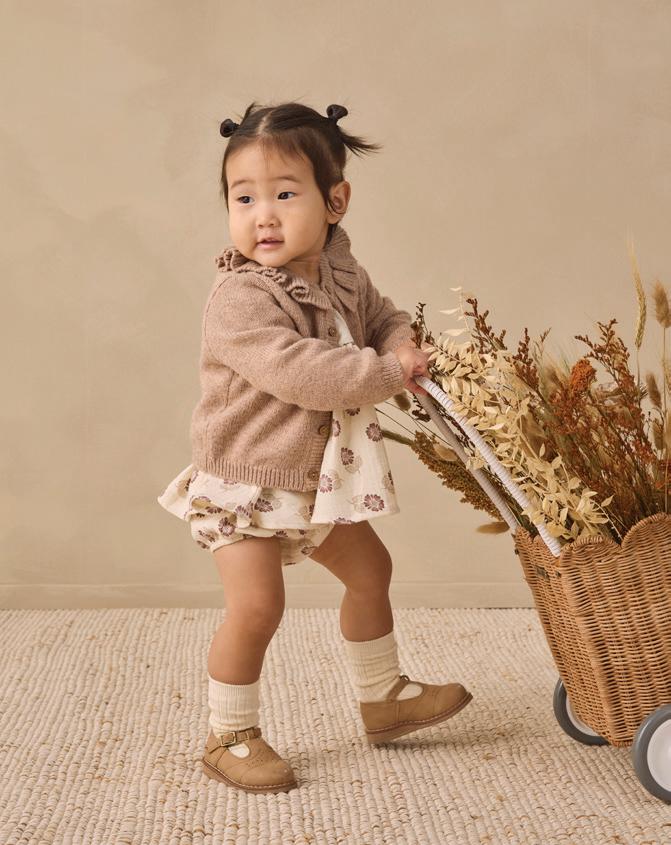
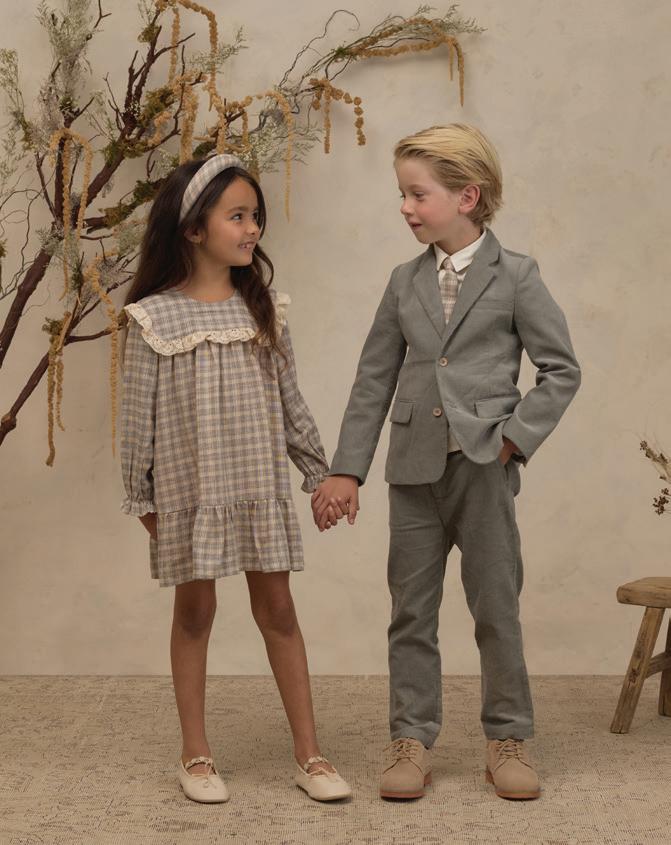
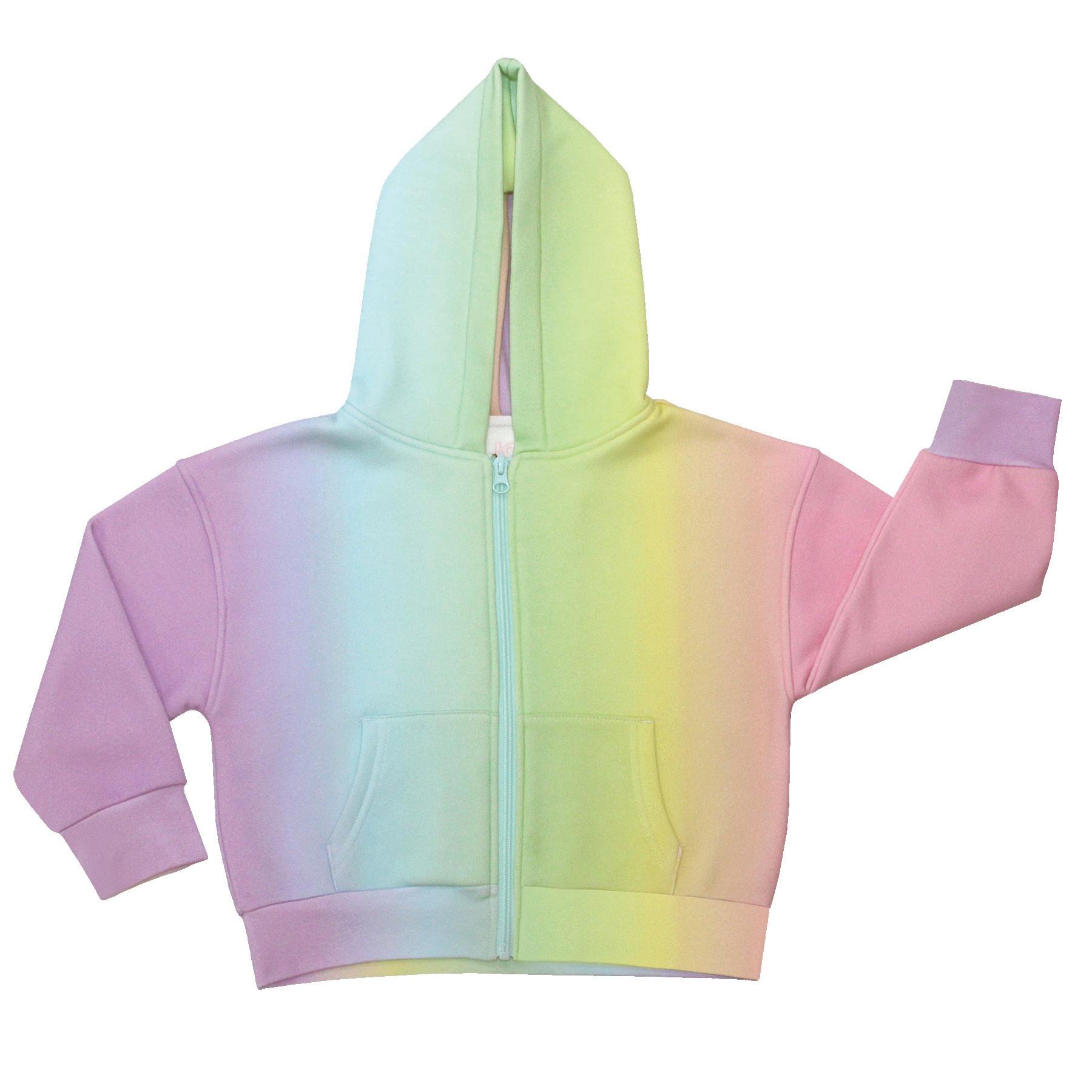
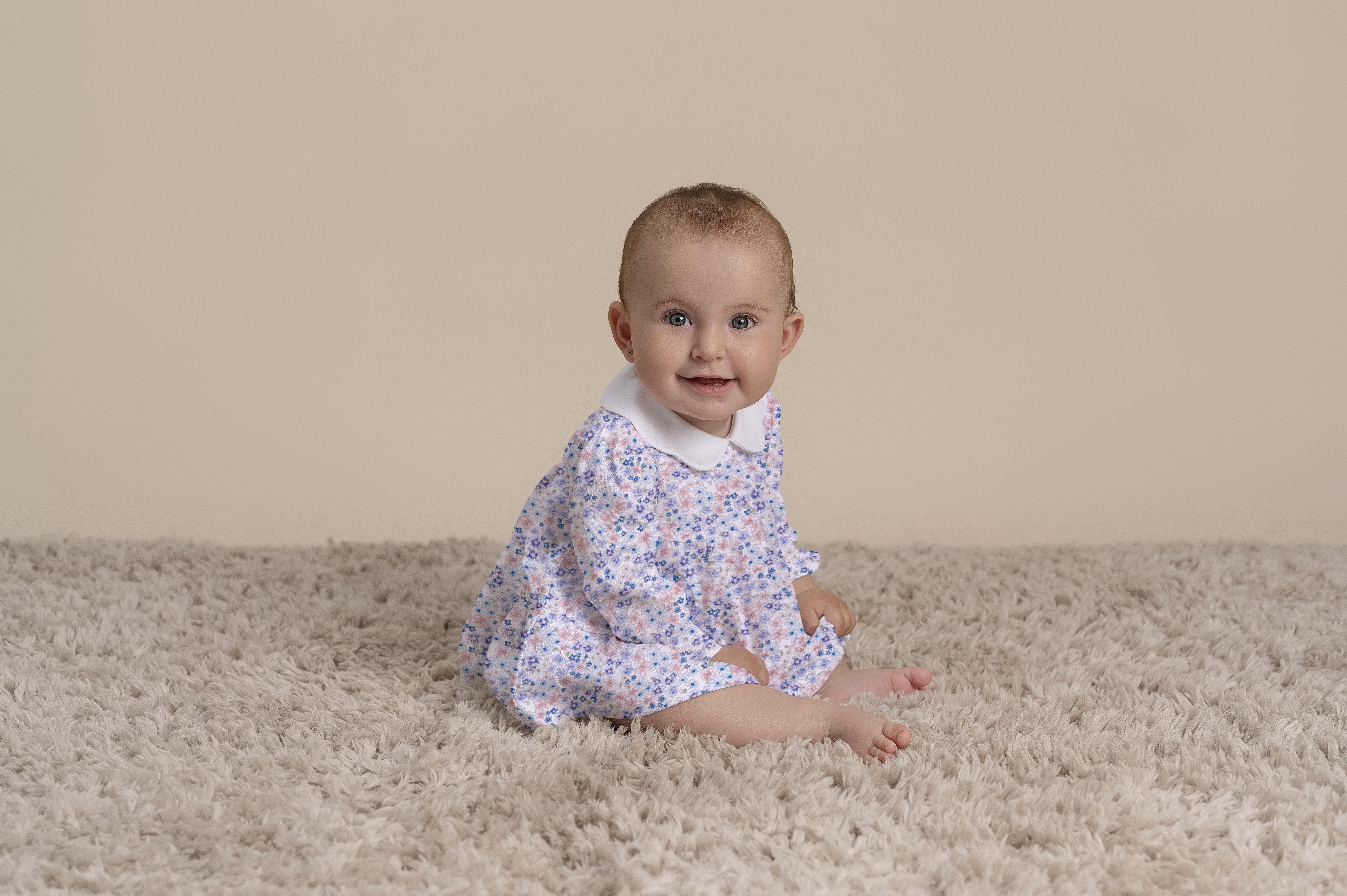
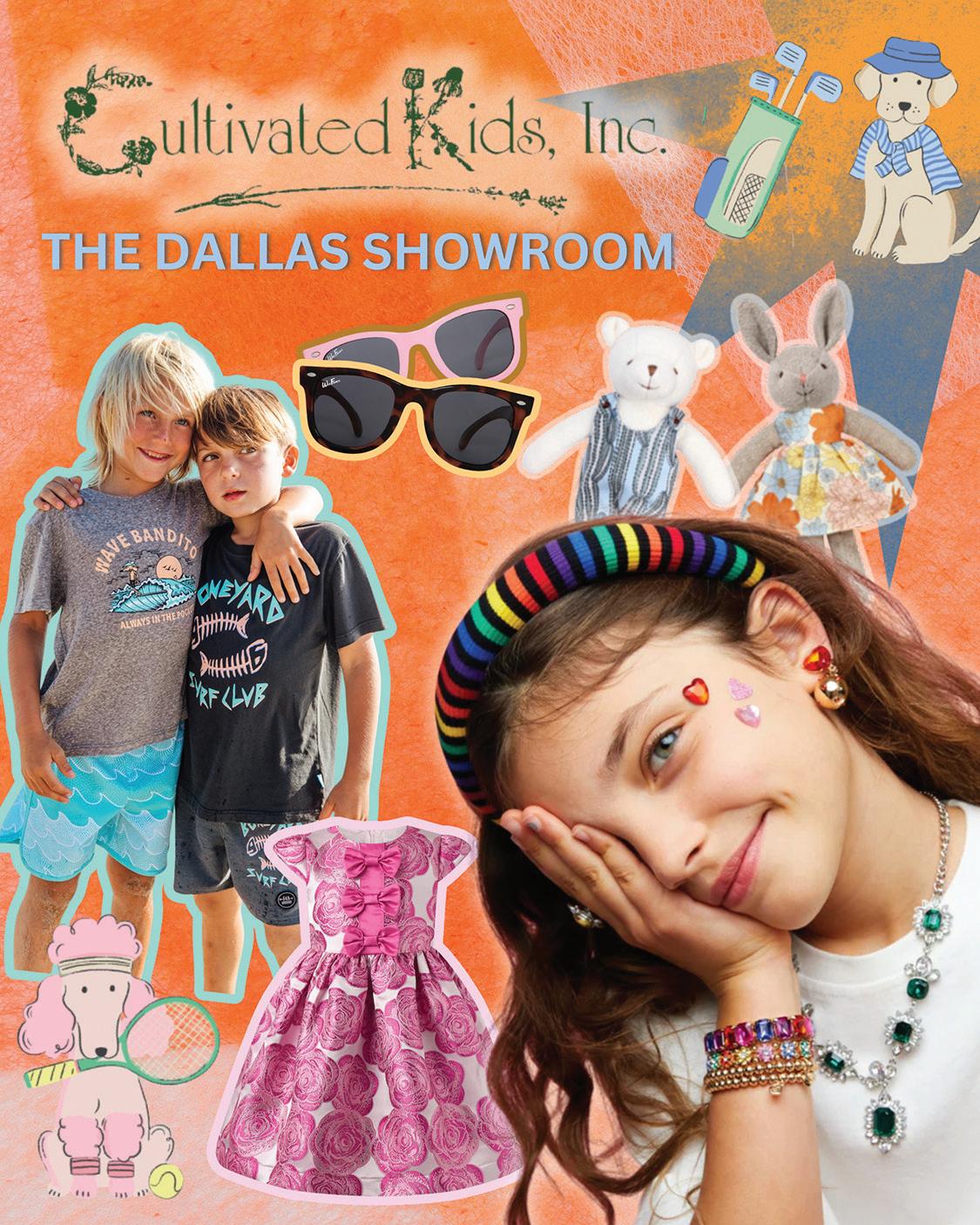
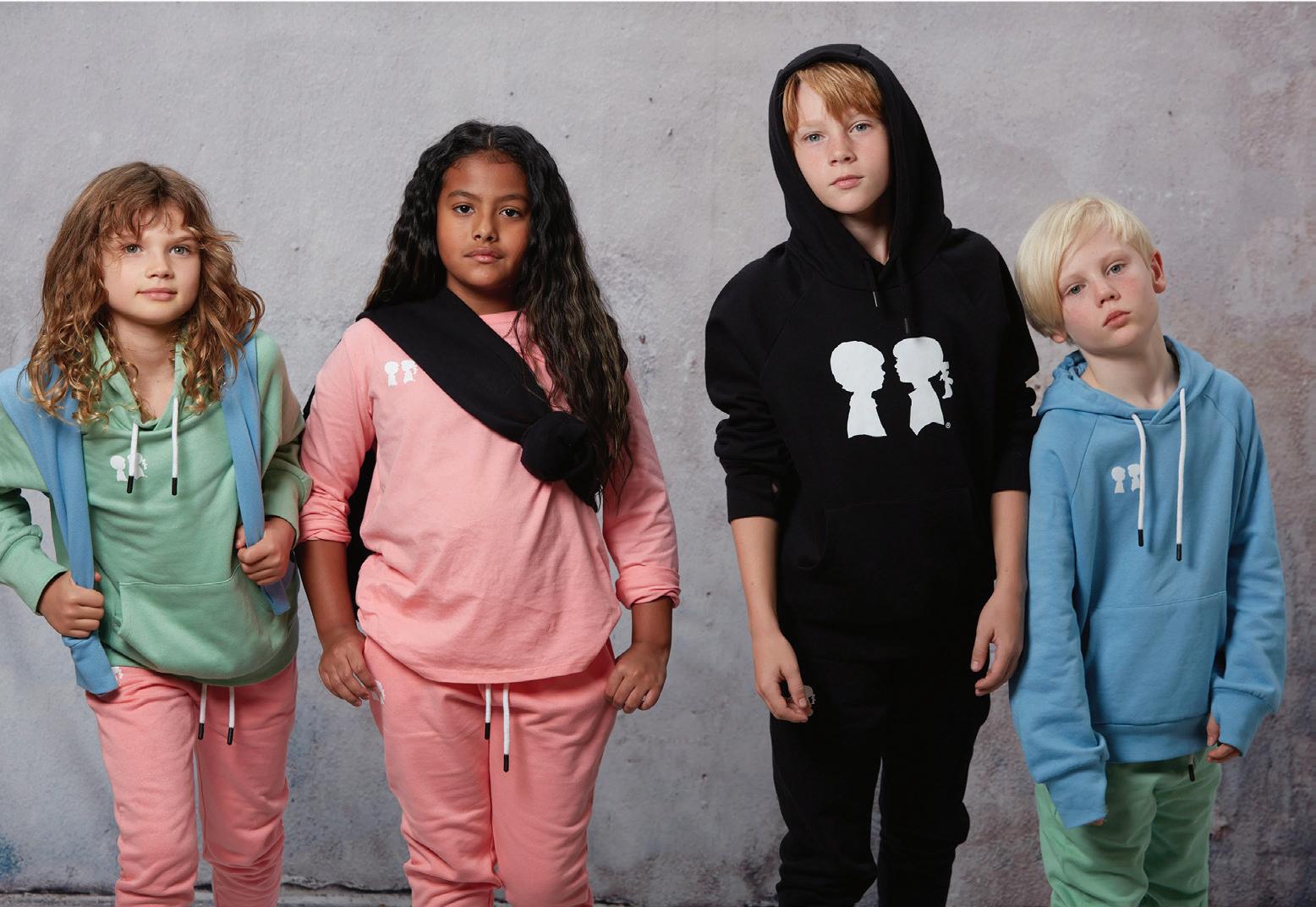
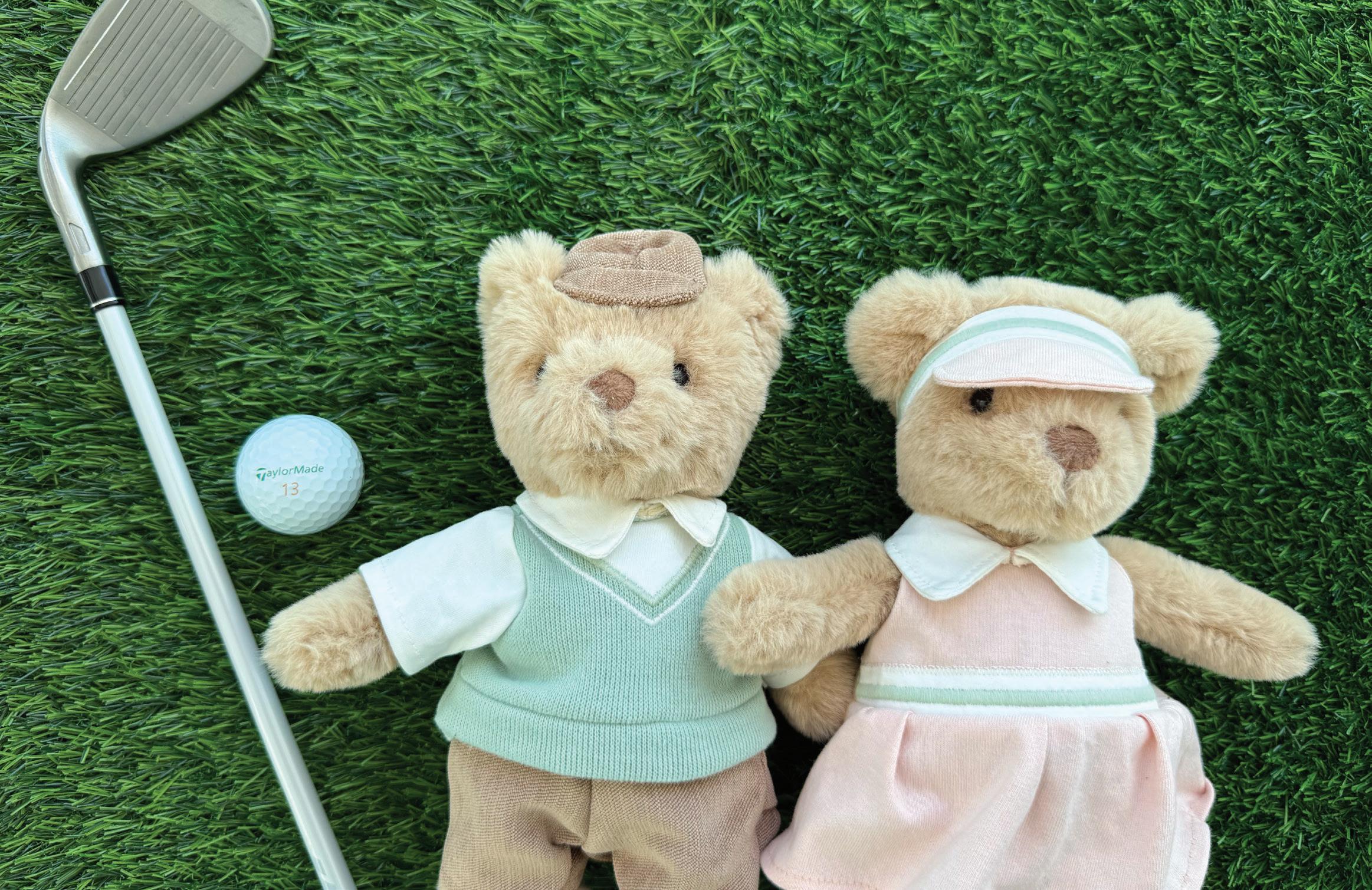
What began for Kelli Murray Larson in the winter of 2014 as a passion project, inspired by her own children, Rylee and Cru, is now an established children’s clothing brand sold in 800+ retail boutiques and in 25+ countries. Within the Rylee + Cru Collective, Kelli has successfully launched three brandsRylee + Cru, Quincy Mae, and Noralee, with the desire to build brands that meet children at every stage of life.
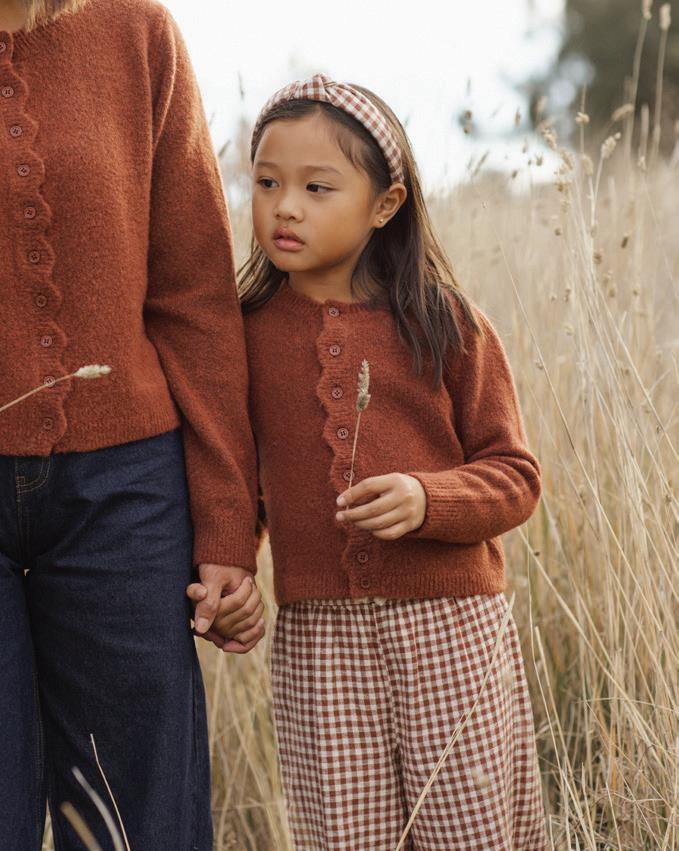
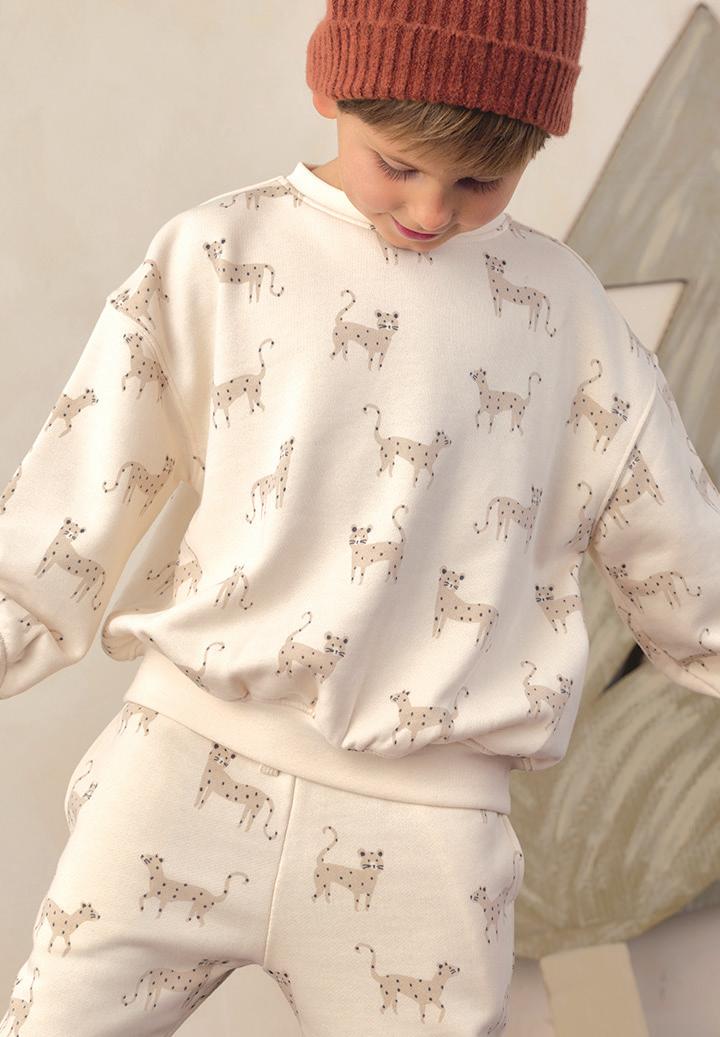
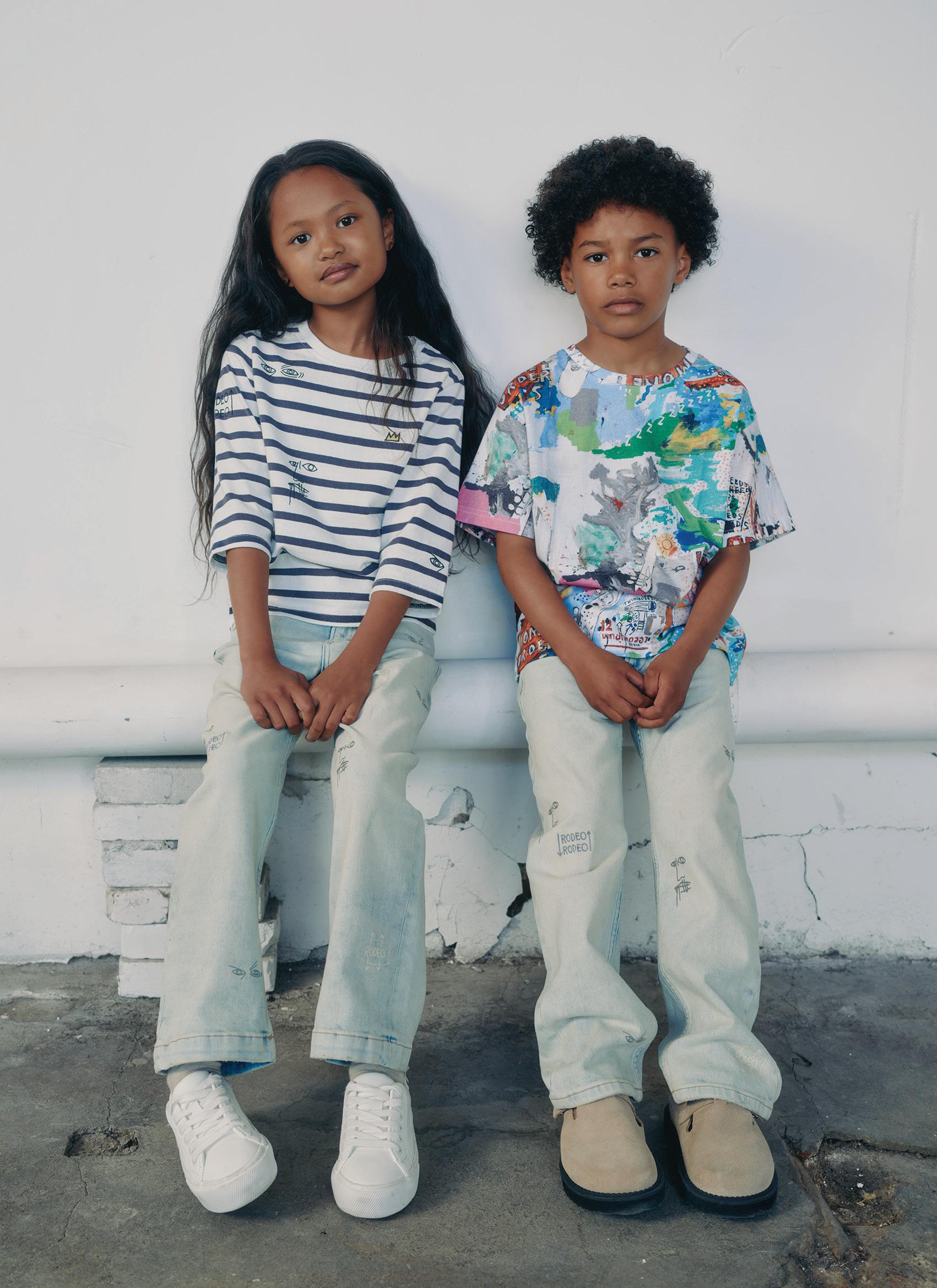
Rylee + Cru merges art and imagination, offering unique clothing for the modern child and mom. Each collection is built on high-quality basics with soft and well-loved qualities matched with beautiful muted tones and timeless traits.
Rylee + Cru merges art and imagination, offering unique and artistic clothing for the modern child.
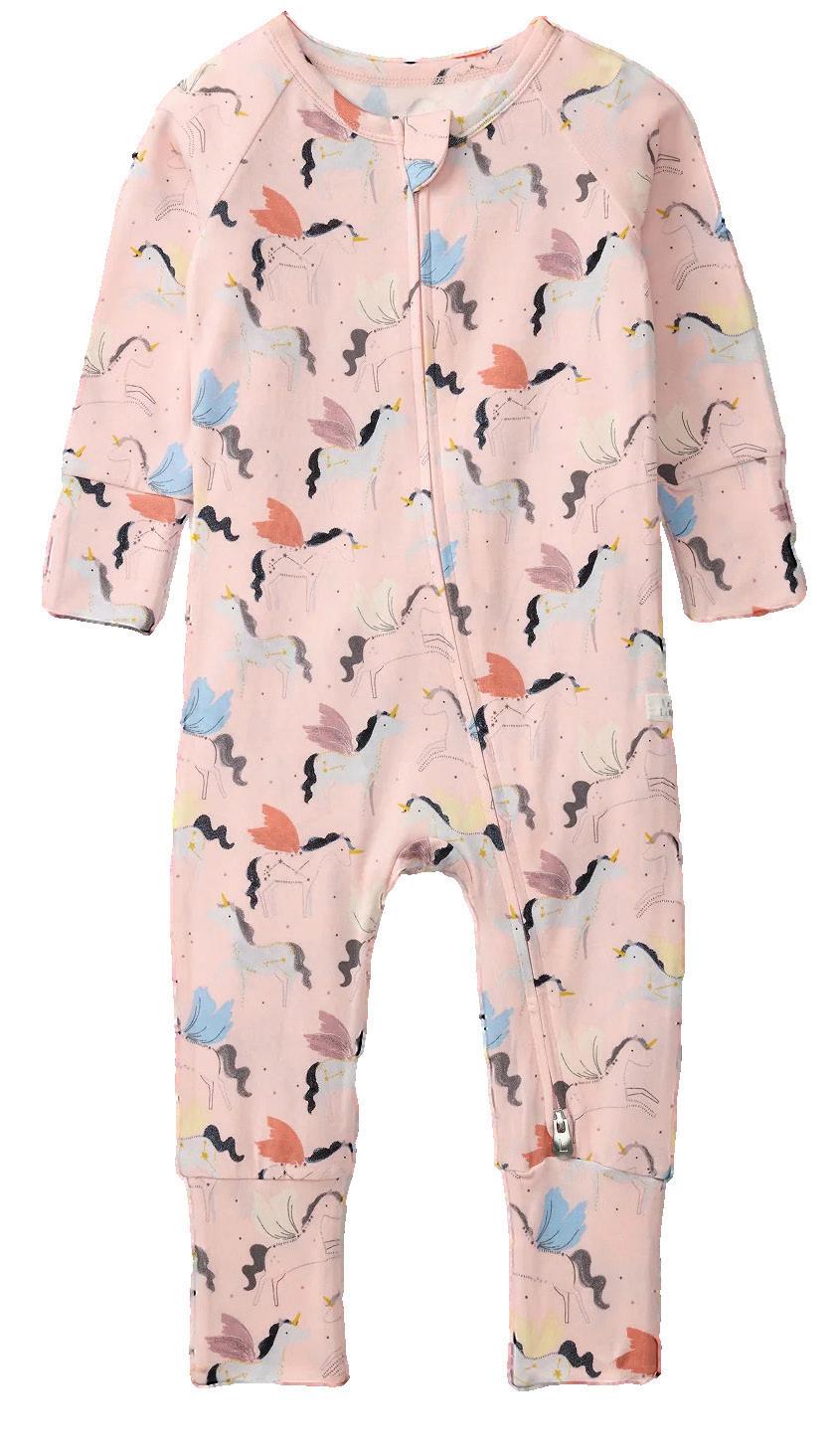
With a focus on modern natural baby basics, each Quincy Mae piece is made with organic materials.
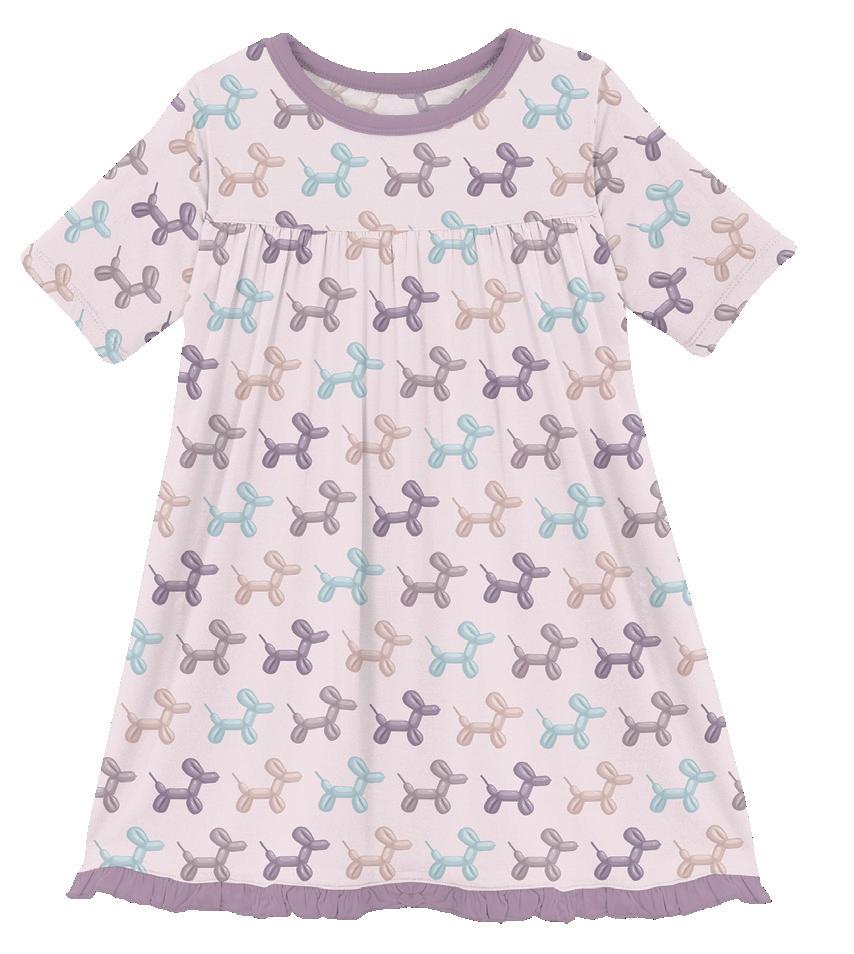
Noralee is a collection of vintageinspired specialty pieces, perfect for life’s most memorable moments.
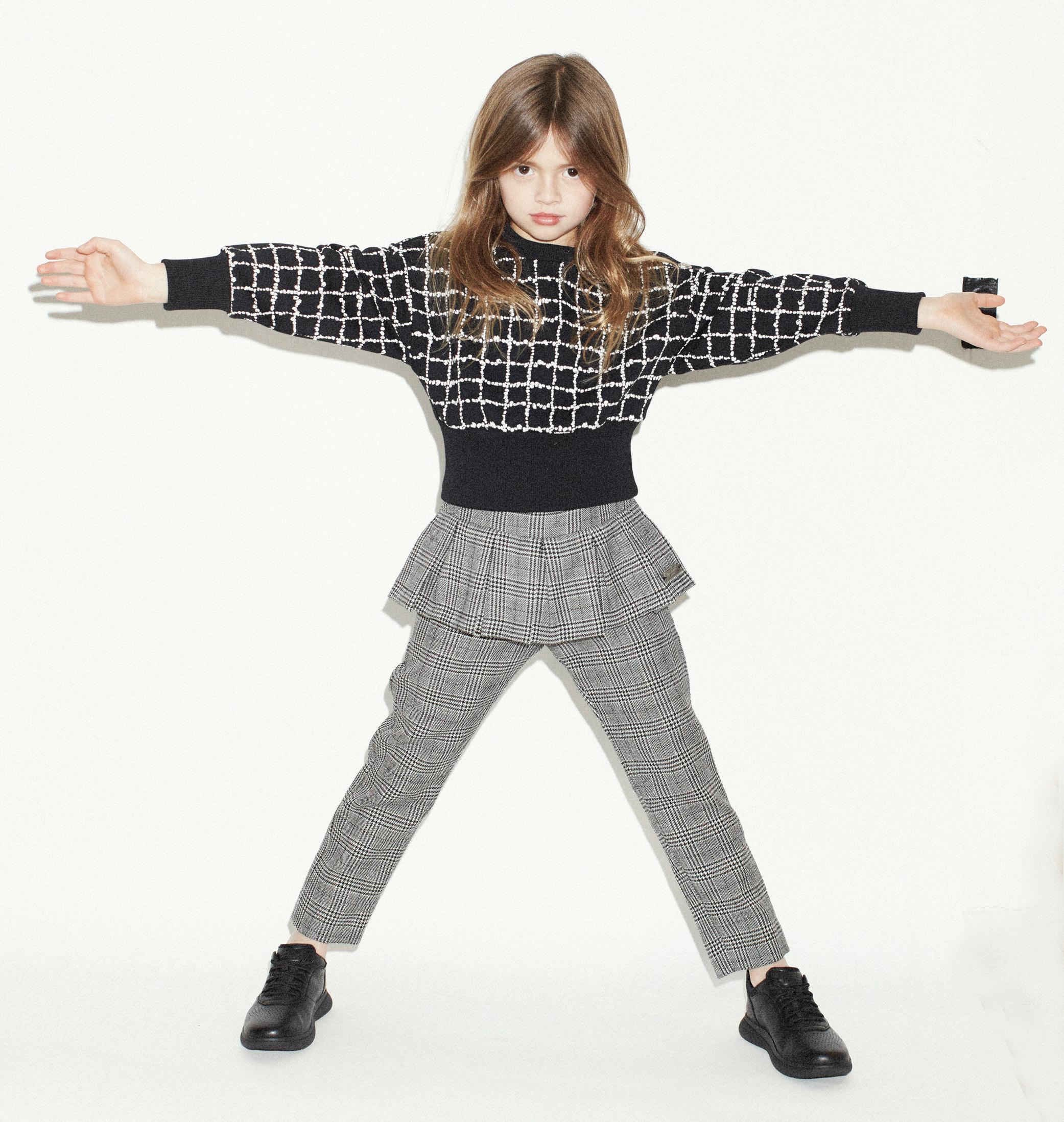
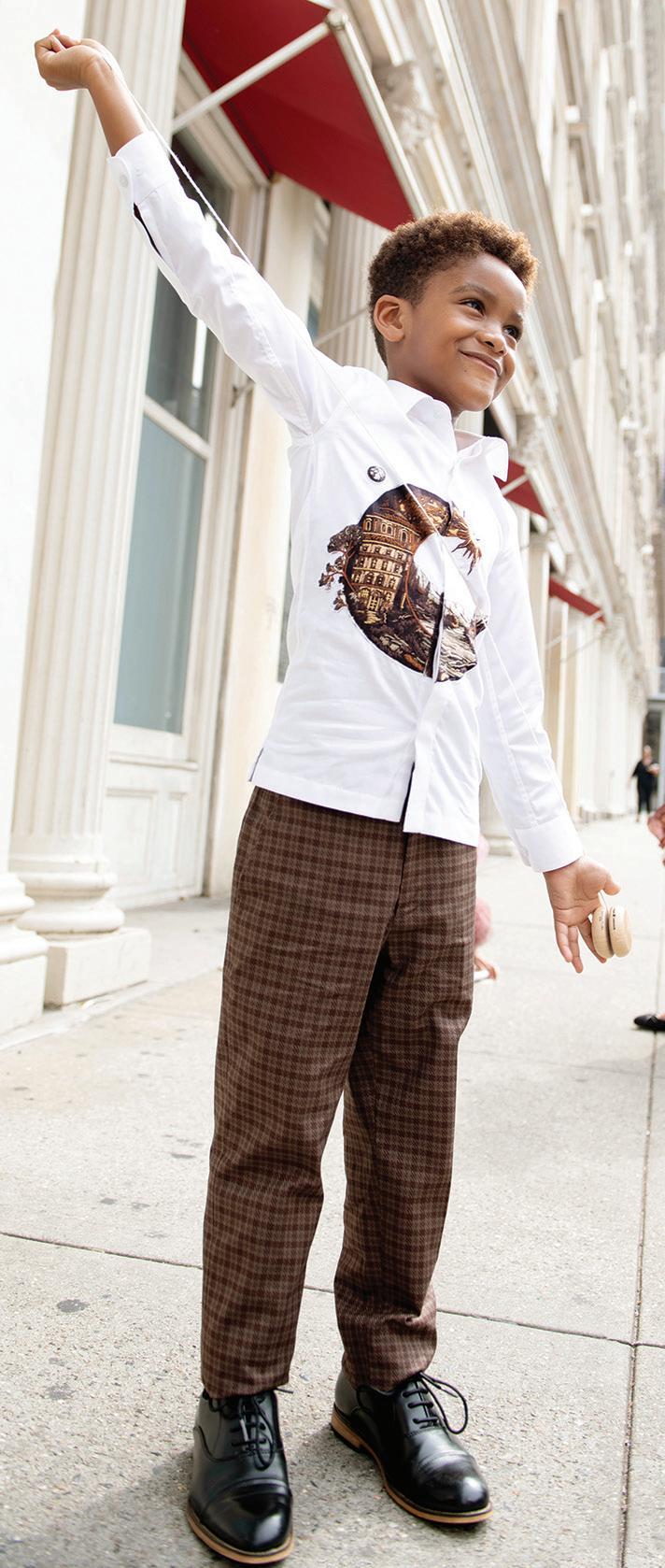
This page: Onxy’s look is Balmain, paired with hybrid Florsheim dress shoes.
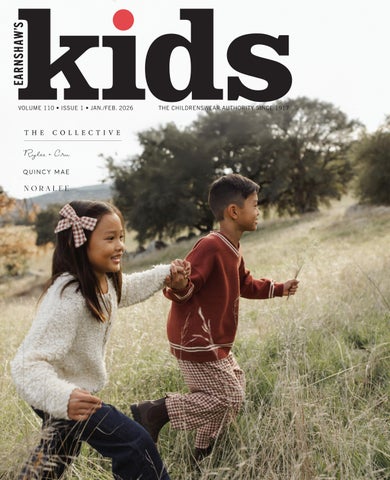
On the cover: Cecily pairs a metallic Puma track suit with a whimsical Kenzo hat.
Photography by Zoe Adlersberg/See Mgmt.; styling by Mariah Walker/Art Department
NYC; hair and makeup by Clelia Bergonzoli/ Ray Brown Pro. Special thanks to New York
Model Management, Zuri Agency, Teri B Talent.
10 Q&A: World Tour
Scotch & Soda’s Global Head of Sales, Alessandra Salvelli, is on an international mission to share the Spirit of Amsterdam.
12 A Life of Leisure
Athletic apparel with an elevated aesthetic is poised to score big points in childrenswear.
True Colors
Vintage vibes get a modern makeover for Fall ’26, with hero pieces that allow kids to embrace personal style.
THE HITS JUST kept on coming in 2025, with turbulent tariffs, unpredictable policy changes, and rising costs of living prompting the constant whisper of an impending recession. But smart retailers held steady, continuing to do what they do best: connect with consumers and curate incredible product offerings. And despite negative chatter, trade shows like Playtime and LA Kids Market saw record showings over the summer.
Now, as numbers emerge from the holiday shopping season, the proof is in the pudding. Visa and Mastercard both reported consumer spending up around 4% over 2024. According to Mastercard’s SpendingPulse report, e-commerce grew 7.4% compared to an in-store increase of 2.9%. Still, Visa revealed brickand-mortar claimed 73% of holiday shopping payment. Omnichannel remains the name of the game.
Anecdotally, multiple retailers revealed to me that this past year saw their strongest December in decades, or ever. So while external forces still suggest caution, there is much to feel hopeful about as we enter 2026. Last year, AI came onto the scene hot and heavy, and companies across industries and sectors grappled with how to use — or contain — the technology. Always an early adapter, Nordstrom introduced a partnership with NuORDER by Lightspeed for an end-to-end data integration program aimed at accelerating the buying cycle (for more on that, read Scene & Heard, page 4). But is AI attainable, or even necessary, for independents? We turned to e-commerce expert Eric S. Youngstrom, founder and CEO of Onramp Funds, to break down if and how retailers can utilize this technology (read about his ideas on page 24). At the end of the day, he stresses, “the magic is still yours.” Your keen eye for a great product and innate sense of what a customer needs will always win the day. And if you need any help discovering your next winning buy, just keep flipping through these pages.
Happy New Year!
Ann Loynd Burton Editor-in-Chief
SCENE & HEARD
Petit Lem Expands to Outerwear
Montreal-based babywear brand Petit Lem has entered into an all-new category with a highly anticipated outerwear collection. Featuring a plush suit, two types of snowsuits, and snuggly accessories, Petit Lem delivers thoughtfully designed, eco-conscious, and premium winter essentials. Since the launch this past September, Caroline Nadeau, VP of sales and merchandising reports the response from consumers has been overwhelmingly positive.
“Expanding into outerwear was a natural next step for Petit Lem,” she adds. “We wanted to o er a stylish, thoughtfully designed option that truly re ects our commitment to keeping little ones cozy, no matter how chilly Canadian winters get. Creating outerwear felt like the perfect way to round out the comfort and quality families already expect from us.”
e plush suit and one-piece snowsuits (available in a doublezip lightwear hooded pram and single-zip baby snowsuit) begin at $102 SRP.
Boy Meets Girl x Sloomoo x Stickerbeans
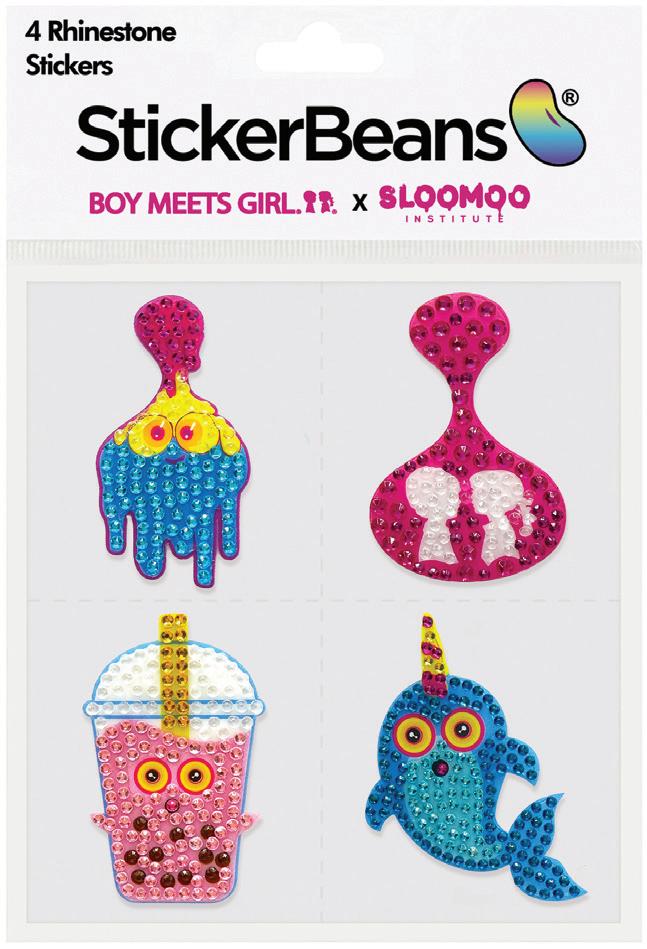
is February, Boy Meets Girl is celebrating its 25th anniversary, and founder Stacy Igel has a special collaboration to celebrate it. Coming together with her longtime friend and Sloomoo cofounder Karen Robinovitz, the childrenswear brand and cult, playbased “slimescapes” companies are banding with Stickerbeans for a limited-edition sticker assortment.
e set will be brought to life through a fully immersive, experiential campaign shot inside Sloomoo’s physical space and photographed by Igel’s 11-year-old son, Dylan. “ is collaboration is deeply personal,” Igel o ers. “Karen and I met over 20 years ago, long before Sloomoo existed, when she was one of the $rst editors to champion my work. To come together now — celebrating Boy Meets Girl’s 25th anniversary inside a space built entirely around creativity, emotion, and connection — feels full circle. is moment is about joy, community, and giving kids the chance to express themselves freely again.”
Petit Lem Hooded Baby Snowsuit
Boy Meets Girl x Sloomoo x Stickerbeans
The New Order of AI
Always on the cutting-edge of retail evolution, Nordstrom is embracing AI by partnering with NuORDER for an end-to-end data and integration program. Working with NuORDER by Lightspeed (a leading global commerce platform that connects brands and retailers), Nordstrom aims to improve its merchandise assortment and customer experience.
e technology creates a universal catalog of products, categories, sizing data, and imagery to reduce manual processes and accelerate buying cycles. Today, NuORDER collects more than 50 data points per item, and as Nordstrom develops AI-powered systems, this data capture will only increase.
“Arti cial intelligence is transforming the way retailers operate and creating new avenues for growth, but only if they have access to the right data,” o ers Chris Akrimi, general manager of NuORDER by Lightspeed. “Unlocking data powers critical capabilities like personalized product recommendations, seamless commerce, responsive support, and faster product availability, all of which will de ne retail success as AI and emerging technologies continue to reshape the industry.”
Laura Ashley: 100 Years of an Icon
Beginning this past September, Marquee Brands is celebrating the 100th birthday of visionary Laura Ashley with a yearlong campaign titled “Laura Ashley: 100 Years of an Icon.” e global brand management company will honor Ashley’s impact on the industry through product drops, events, and partnerships.
At its center is Founders in Design, a platform amplifying female-led businesses and creatives exploring Laura Ashley’s legacy through a modern lens. In tandem with the campaign, Laura Ashley will expand its children’s collection, focusing on kids’ bedding and its bestselling slippers.
Born on September 7, 1925, in South Wales, Ashley established her eponymous lifestyle brand in 1953, creating a movement toward romance, timeless silhouettes, and intricate oral patterns that continues to in uence design today. As she said in 1973, “I don’t like ephemeral things. I like things that last forever…like the old straw hat that you are fond of, and wear all your life.”
NuORDER for Nordstrom
Laura Ashley archival photo, 1985
ON TREND Ring Master
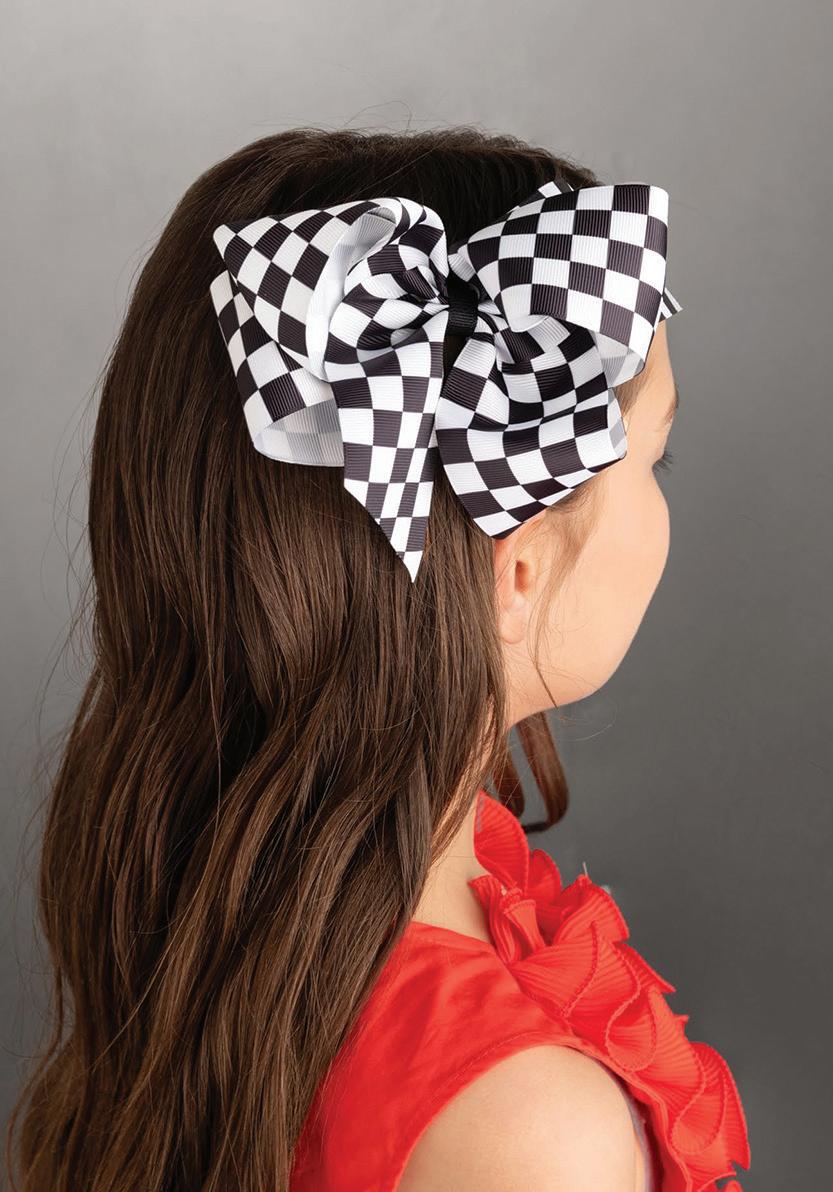
Circus motifs, whimsical patterns, and colorful combinations are as magical as the Ringling Bros.
LouLou Lollipop
Oomphies
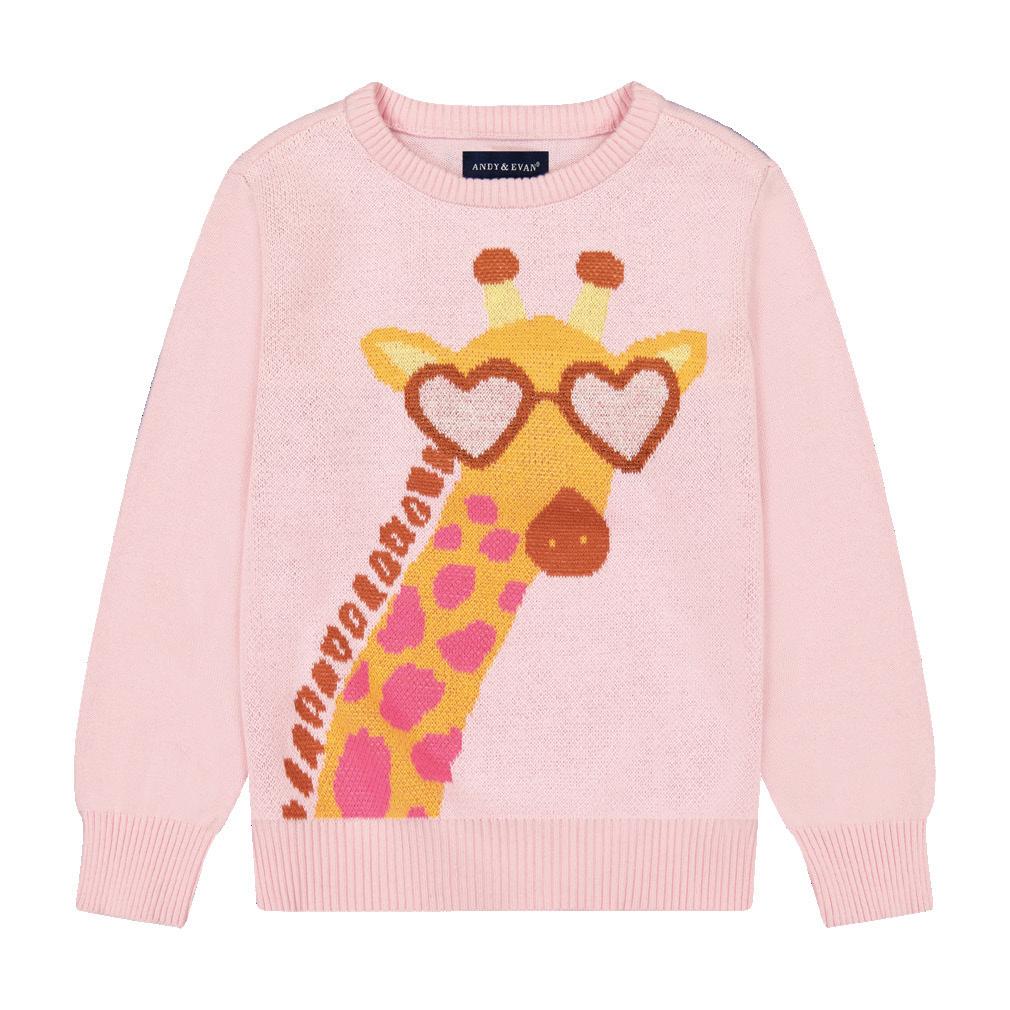
Andy & Evan
Rebloomed Kids
KicKee
Billy Loves Audrey
Rhyme Kids
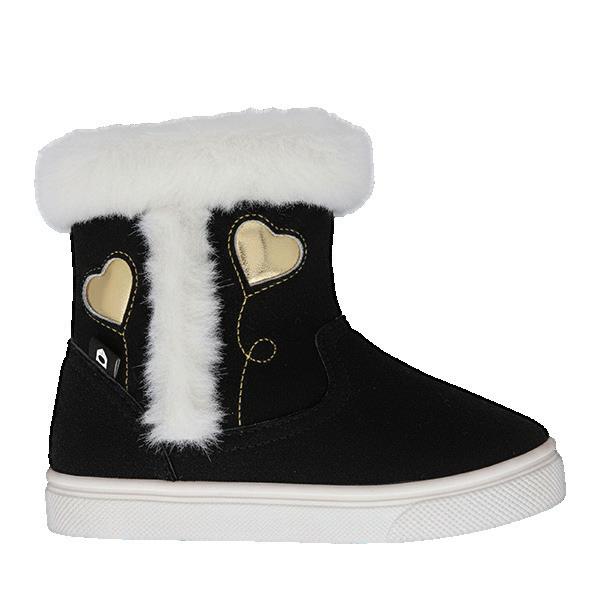
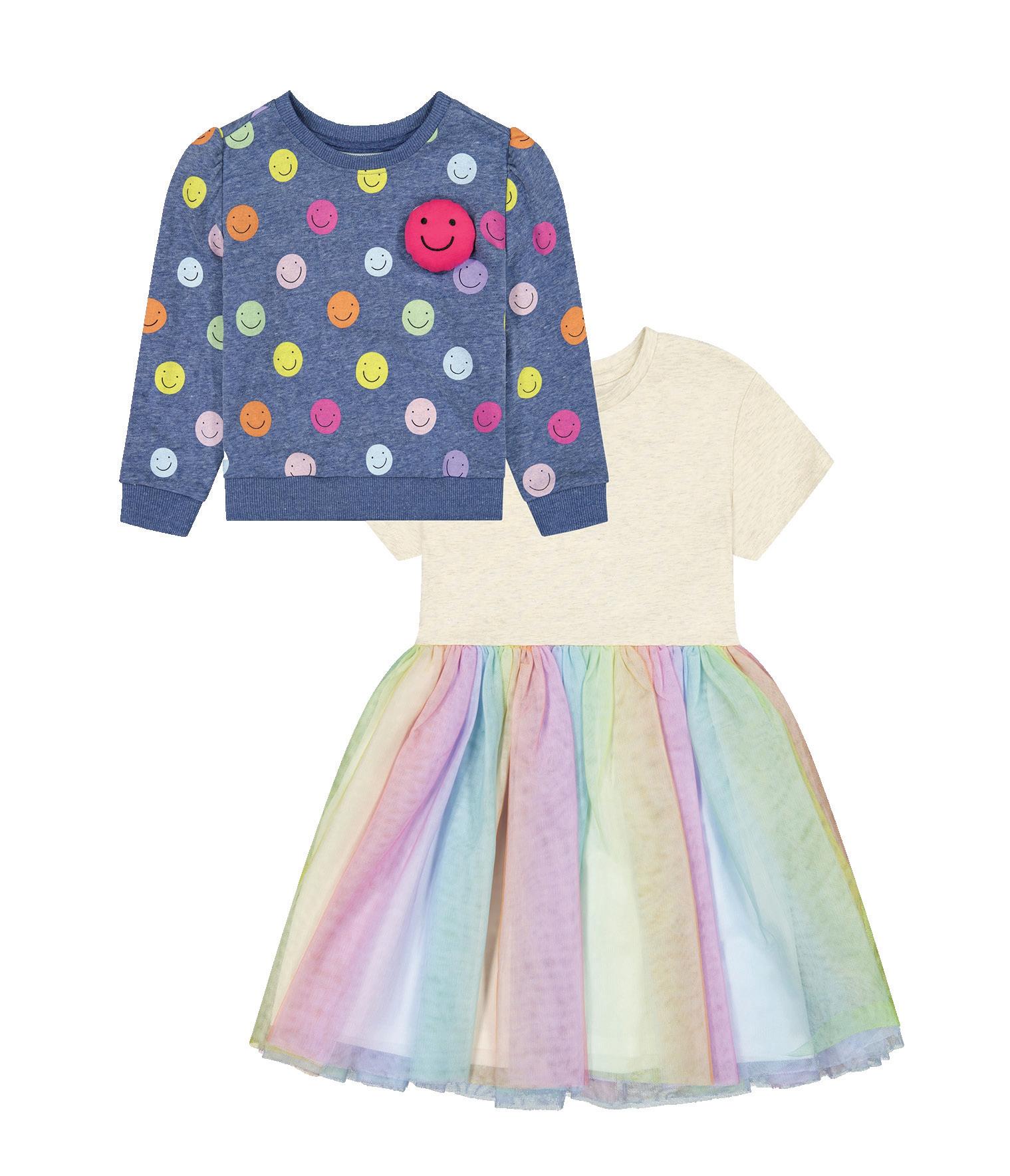
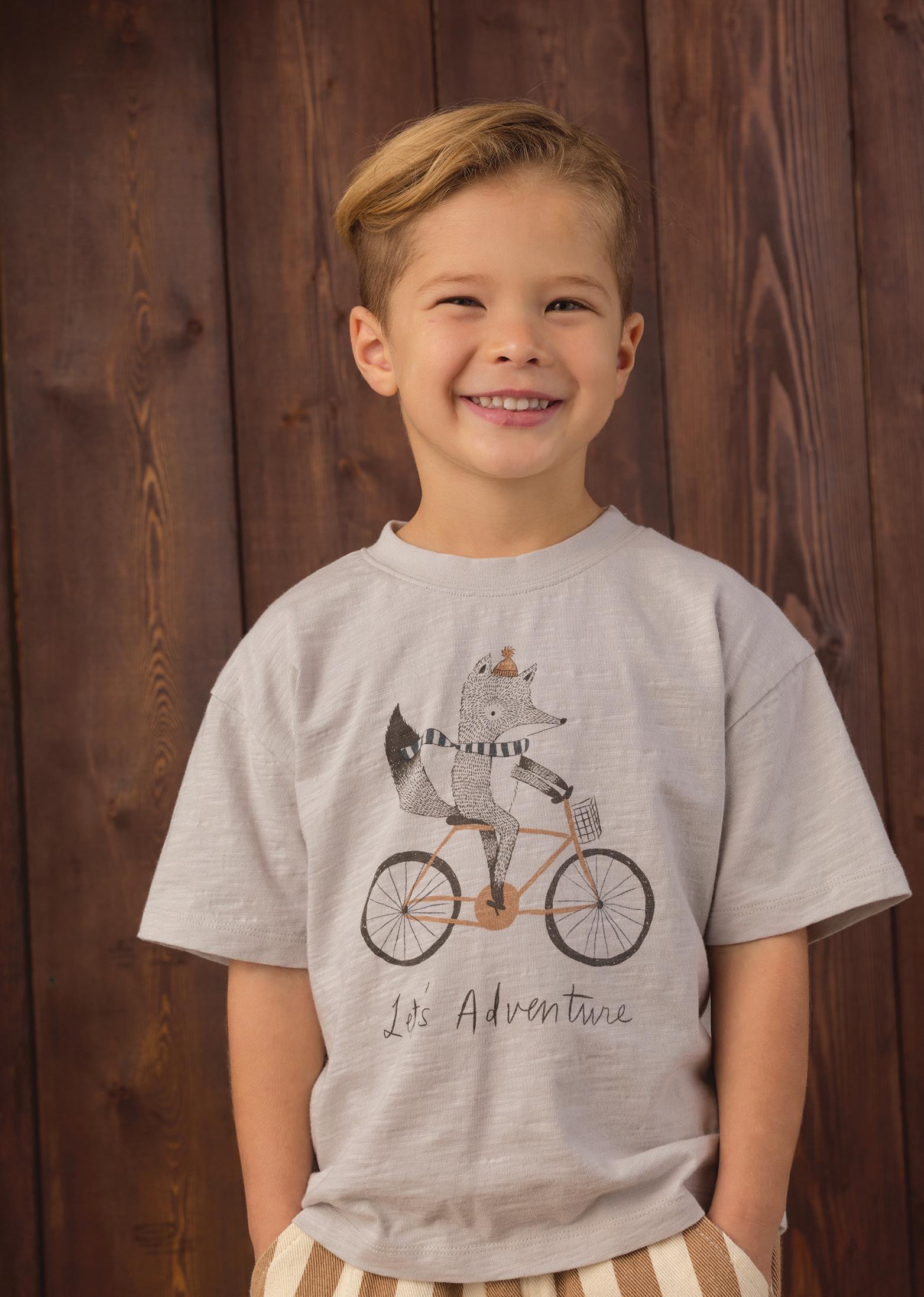
Rylee + Cru
ON TREND Go Wild
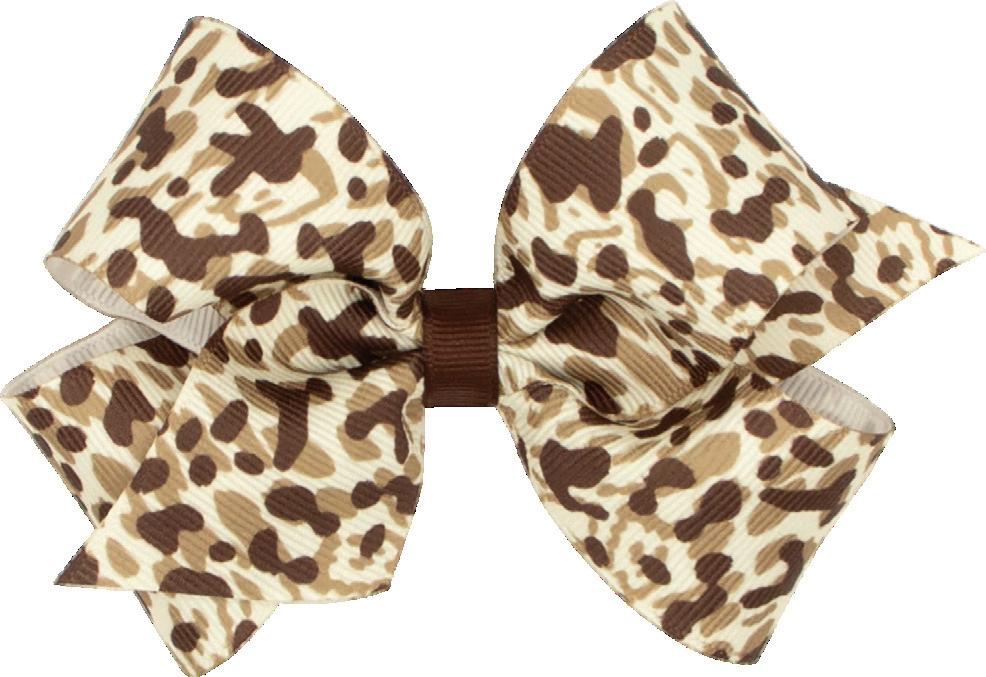
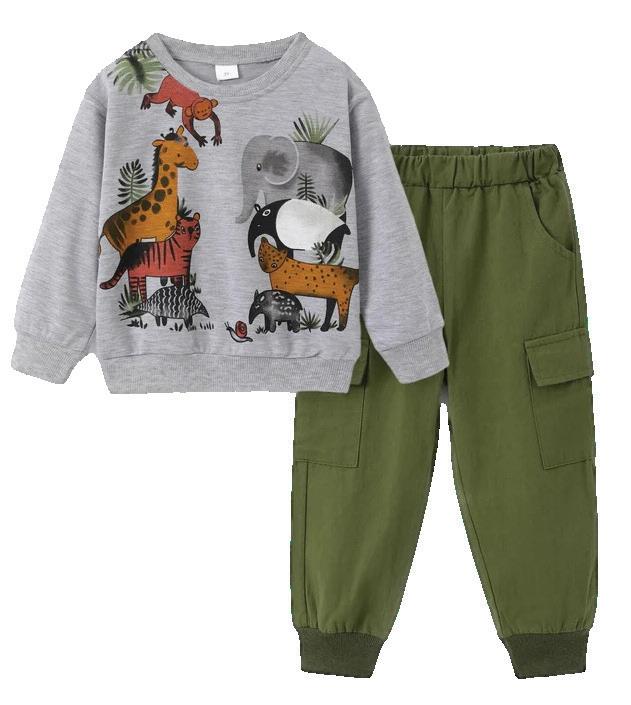
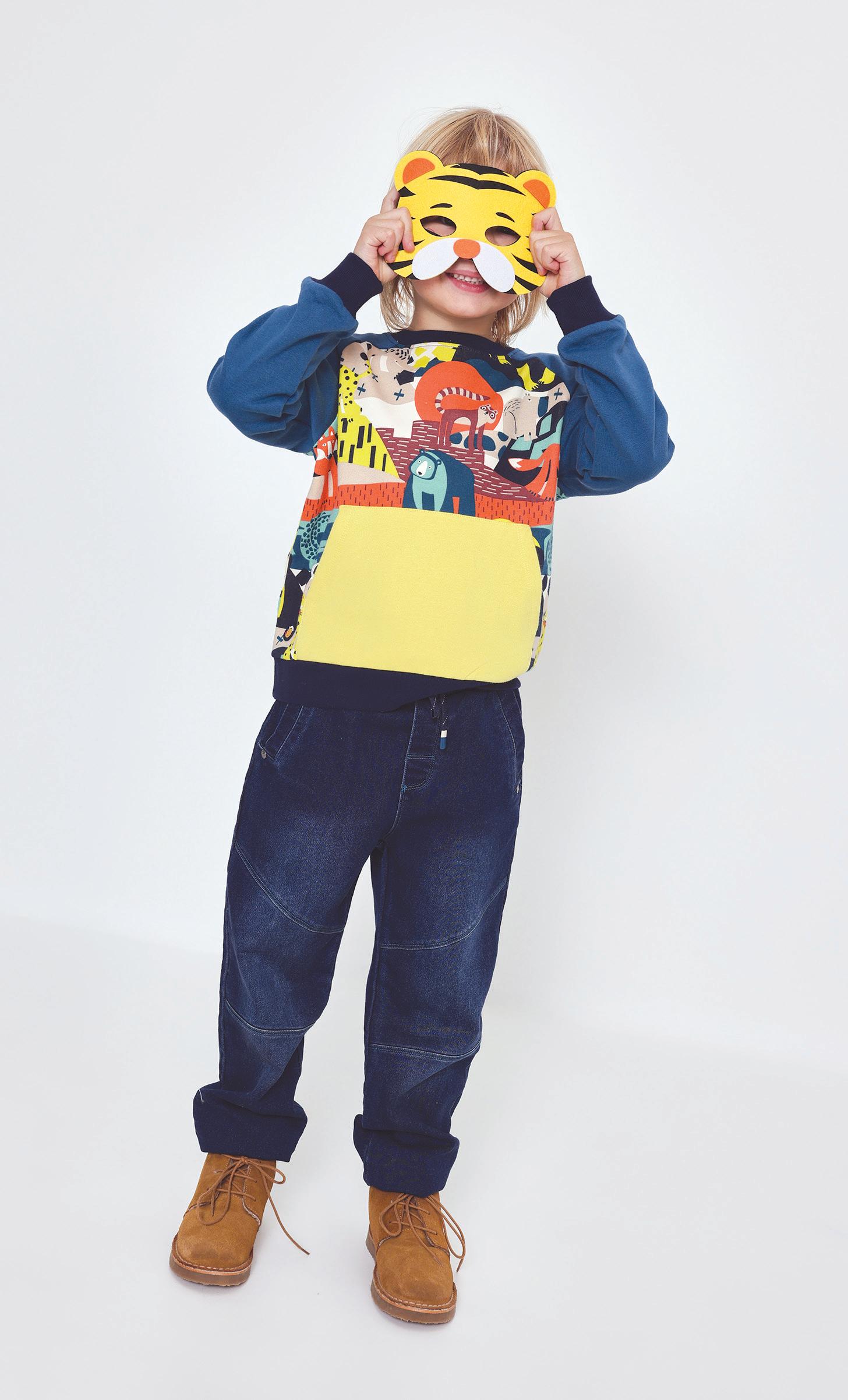
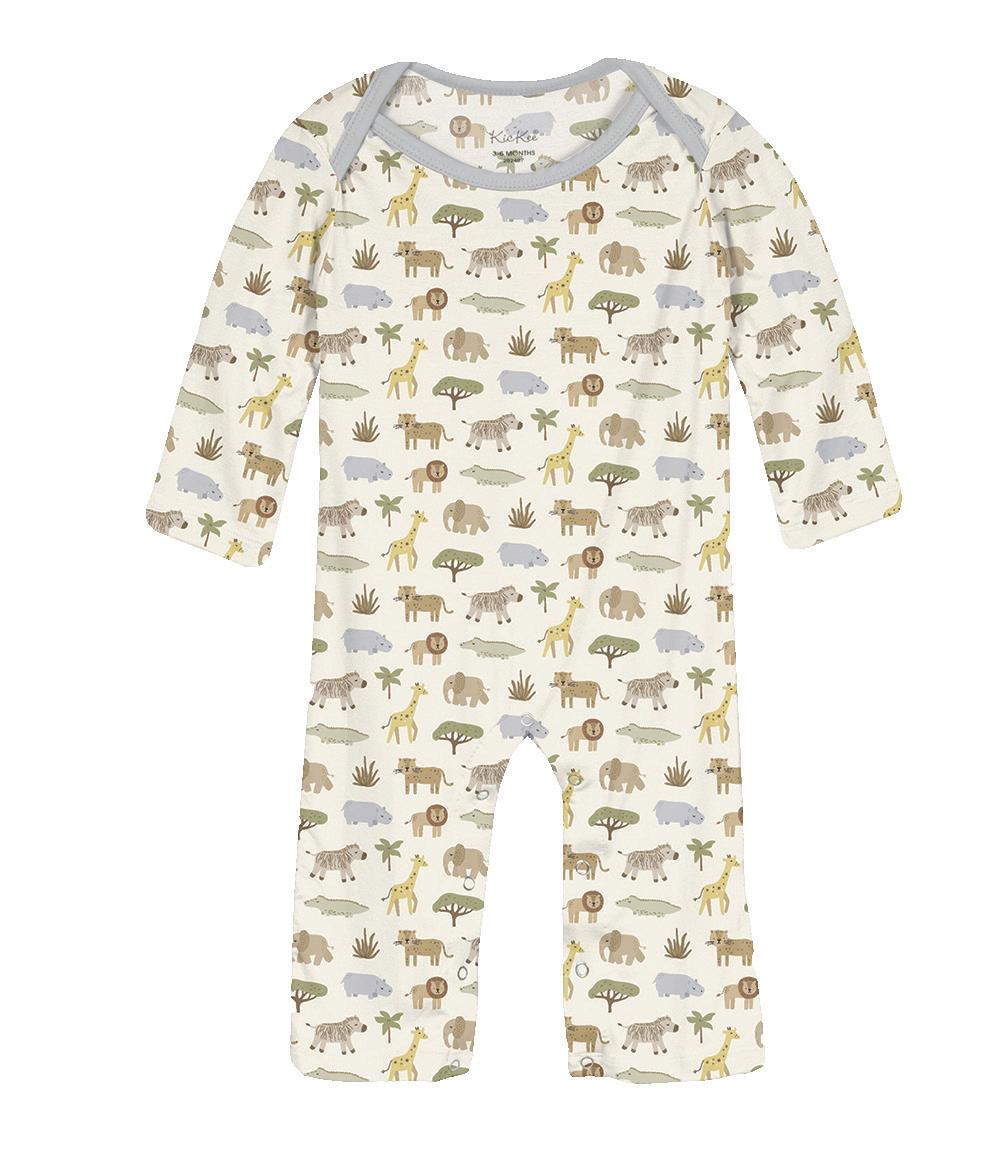
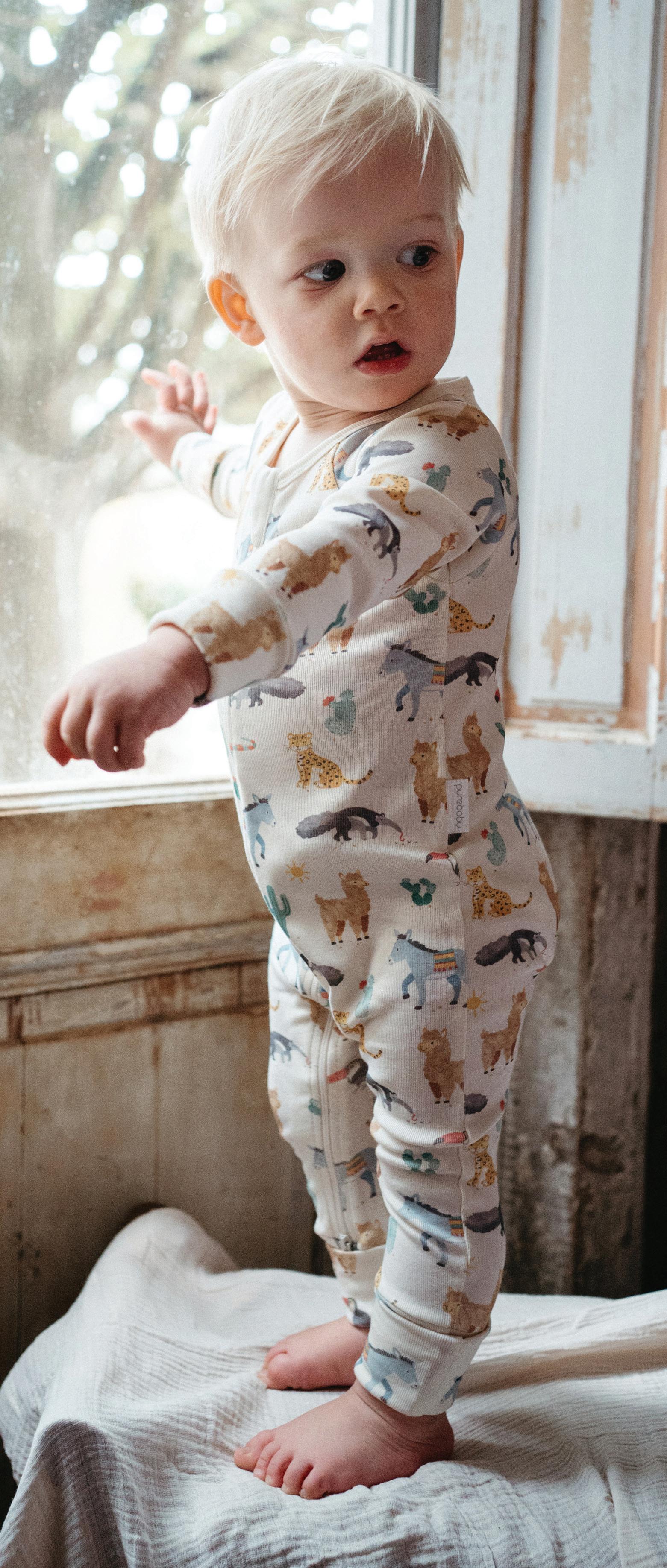
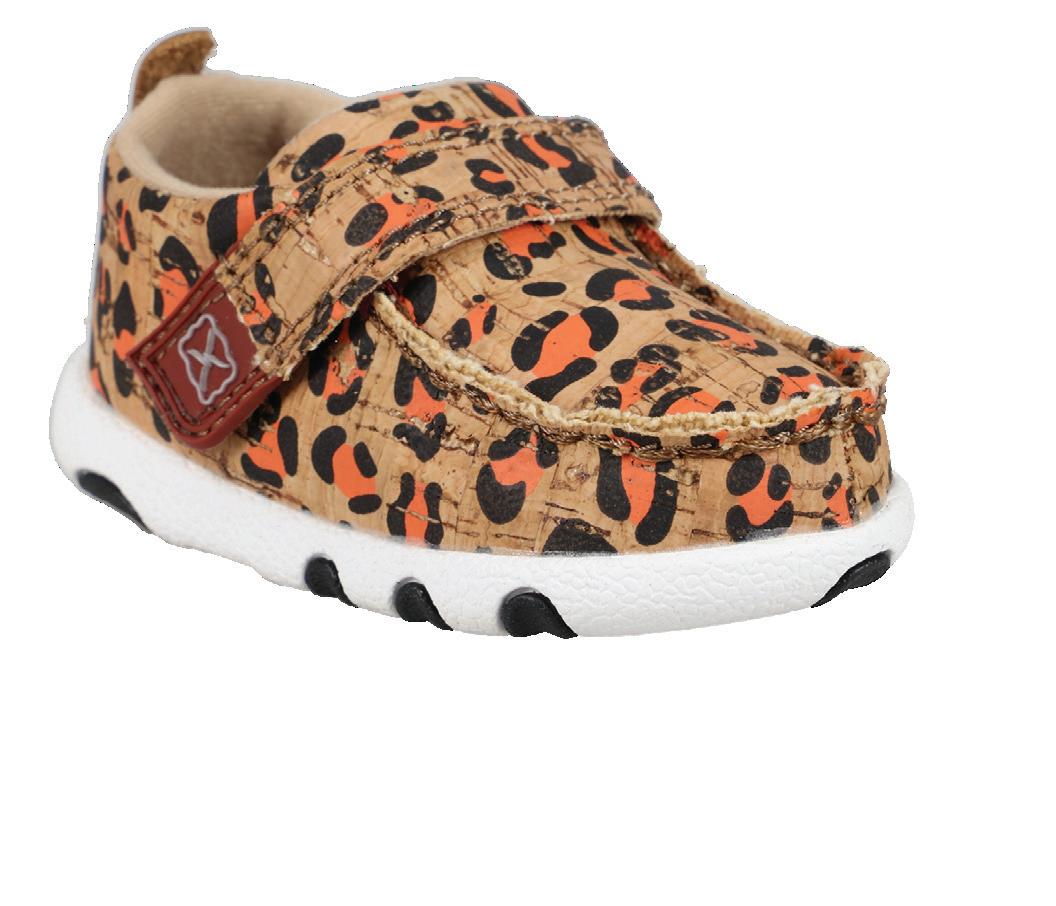
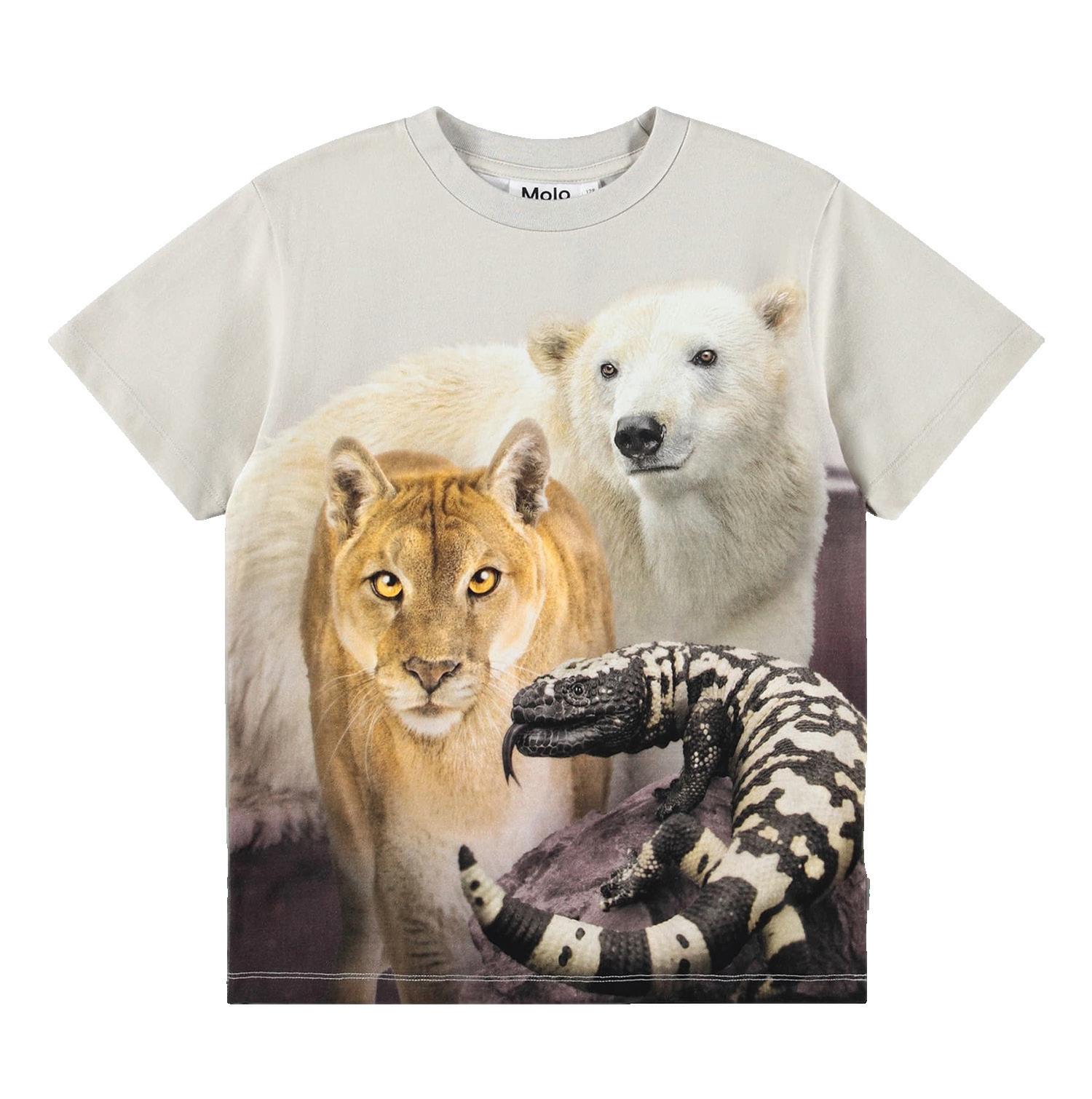
Fall ’26 embarks on a desert safari of animal motifs, hide prints, and khaki hues.
Milkbarn
Wee Ones
KicKee
PatPat
Boboli
Rylee + Cru
Twisted X
Molo
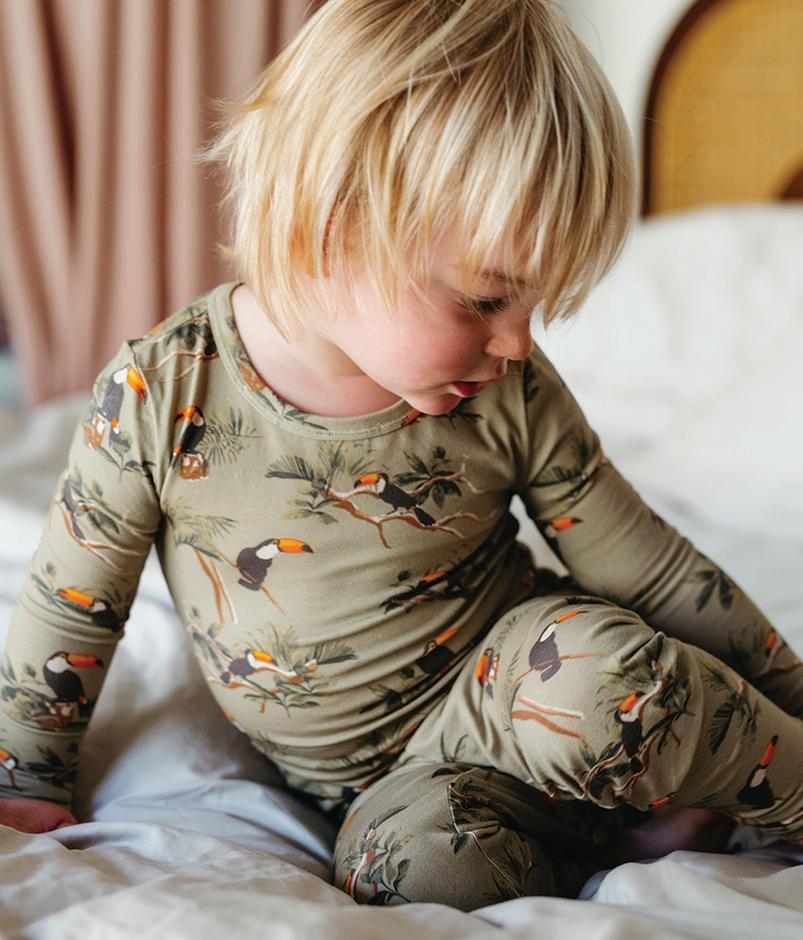
Purebaby
World Tour
Scotch & Soda ’s Global Head of Sales, Alessandra Salvelli , is on an international mission to share the spirit of Amsterdam.
BY ANN LOYND BURTON
IN 2024, United Legwear & Apparel Co. (ULAC) became the global licensee for Scotch & Soda men’s, kids’, and accessories with the mission to expand internationally. For the children’s line in particular, ULAC had its sights set on the U.S. market. Alessandra Salvelli, sales director kids, has been tasked with heading up that initiative. With a resume that boasts roles at brands like Stella McCartney and Giorgio Armani, Salvelli is primed for the role.
“I started at Scotch & Soda five years ago as global head of sales, kids, to develop the business from a worldwide perspective,” she explains. “I work together with the USA team to bring our presence to the most relevant key accounts in Europe and the U.S.” Those key accounts are global indeed, spanning Le Bon Marché and Smallable.com in France to Ludwig Beck,
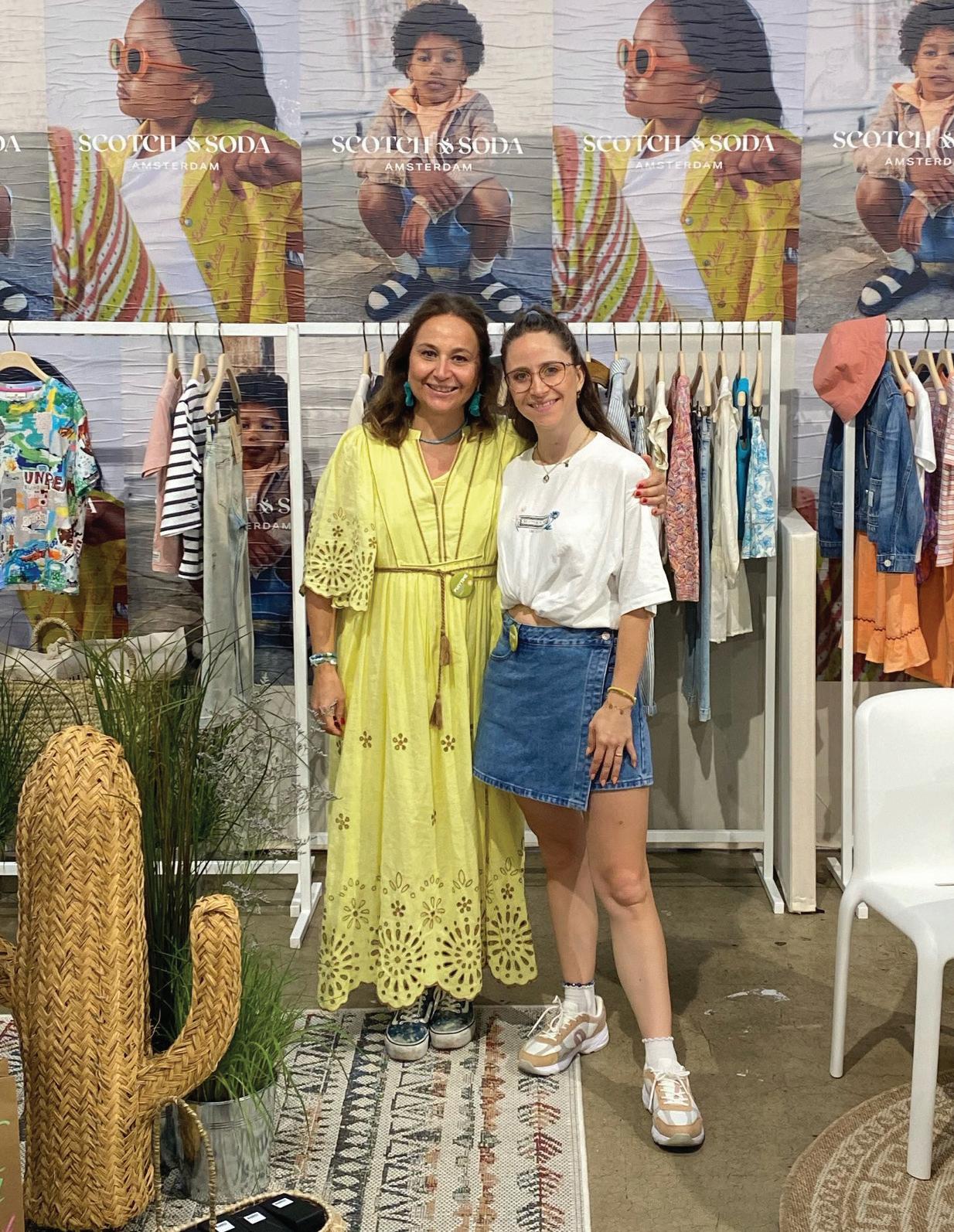
Alessandra Salvelli, sales director kids, (left) and Romina Alongi, DACH sales manager, at Playtime Paris
Lodenfrey, Kadewe, Breuninger, and Mytheresa in Germany, to household names in the U.S. like Bloomingdale’s, Nordstrom, and Macy’s, to name a few.
We sat down with Salvelli to unpack her strategy to bring “the spirit of Amsterdam” to the world.
EK: How would you describe the Scotch & Soda brand style and ethos?
AS: Our brand ethos is elevated classics with whimsical detailing. We bring the fun back to children’s clothes.
EK: How has your partnership with ULAC strengthened the children’s business?
AS: ULAC has been intricately involved in evolving the brand and bringing back the details that made Scotch & Soda a beloved brand. We’ve been working side-by-side with the creative team to bring back the brand’s DNA.
EK: This past February, Scotch & Soda returned to Playtime in an effort to expand its U.S. presence in children’s. How was the brand received? (continued on page 28)
athleisure for kids.
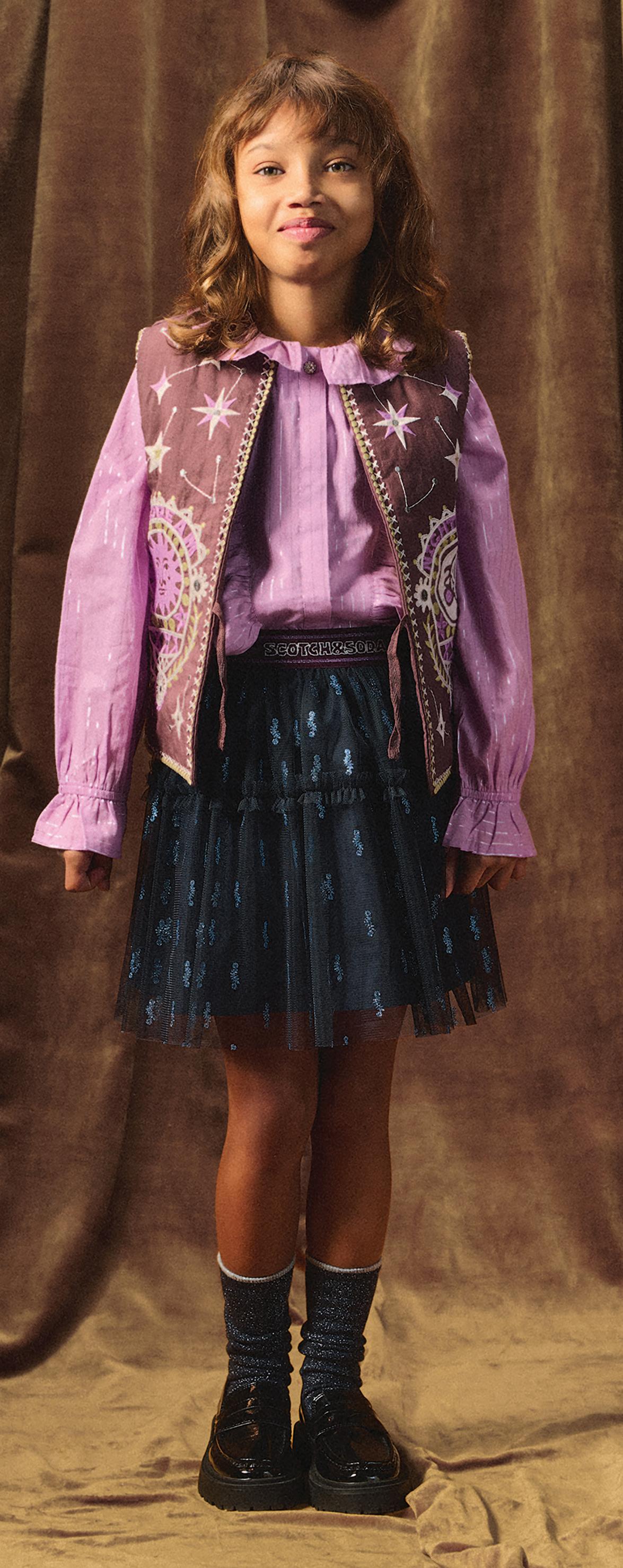
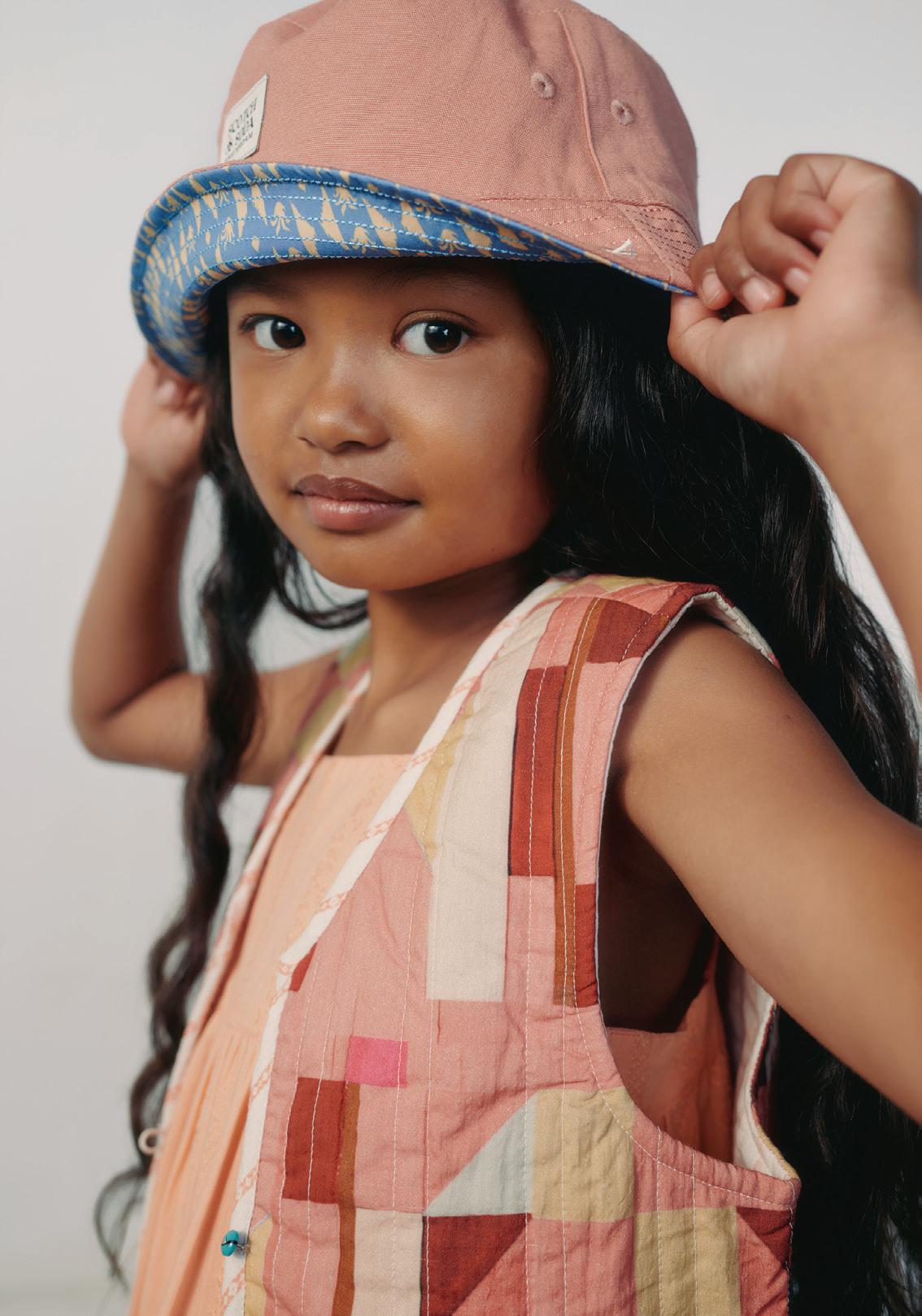
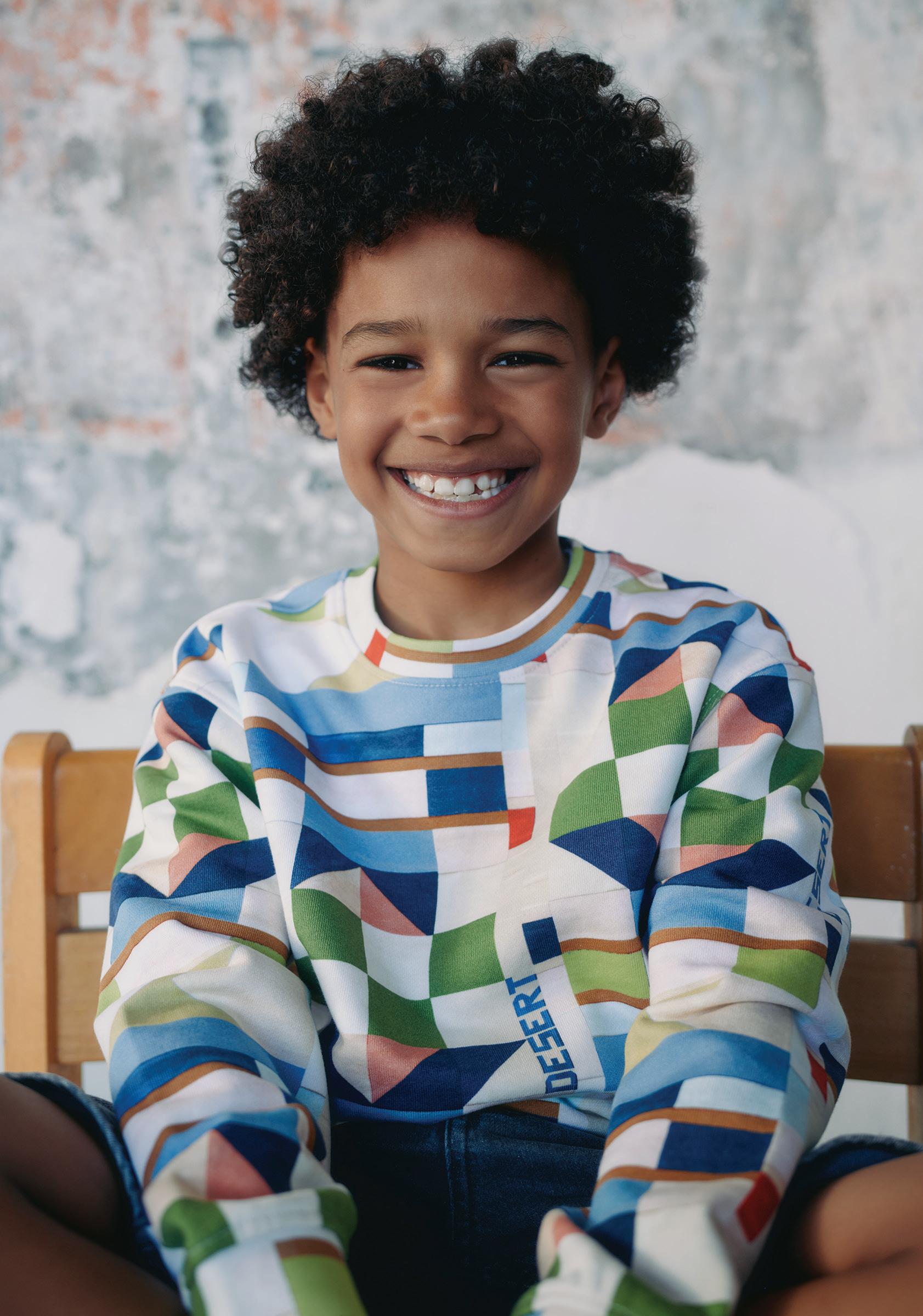
From the Scotch & Soda SS26 collection
A Life of
Lucky in Love
Leisure
Athletic apparel with an elevated aesthetic is poised to score big points in childrenswear.
BY ANN LOYND BURTON
IT’S BEEN MORE than a decade since women pulled on their Lululemon leggings and decided never to take them o and the concept of wear-anywhere “athleisure” was born. But the movement has been slow to impact the children’s market. at’s all changing, as Deep Market Insights projects the global kids athleisure market will hit $27 billion by 2030 (up from about $18 billion today).
e report attributes its forecast to key market drivers, including rising health awareness, in uence from social media, advancements in fabric technology, and the growth of e-commerce and omnichannel retail. On the ground, brands and retailers are reinforcing the stats.
“Athleisure is absolutely having a moment, but it’s also be-
coming a lifestyle staple,” con$rms Stacy Igel, founder and COO of Boy Meets Girl, the self-proclaimed original athleisure brand. “Kids today are busier than ever: school, sports, extracurriculars, travel. Parents want ease and functionality, and kids want cool factor and freedom. Post-pandemic, especially, comfort became non-negotiable, and that mindset stuck. Athleisure bridges movement, mental wellness, and personal expression, which is why it resonates across generations.”
e key, she explains, is performance-driven pieces that still feel stylish and intentional. at sweet spot is outperforming trend-driven fashion moments, as parents prioritize comfort, versatility, and longevity. Meanwhile, (continued on page 30)
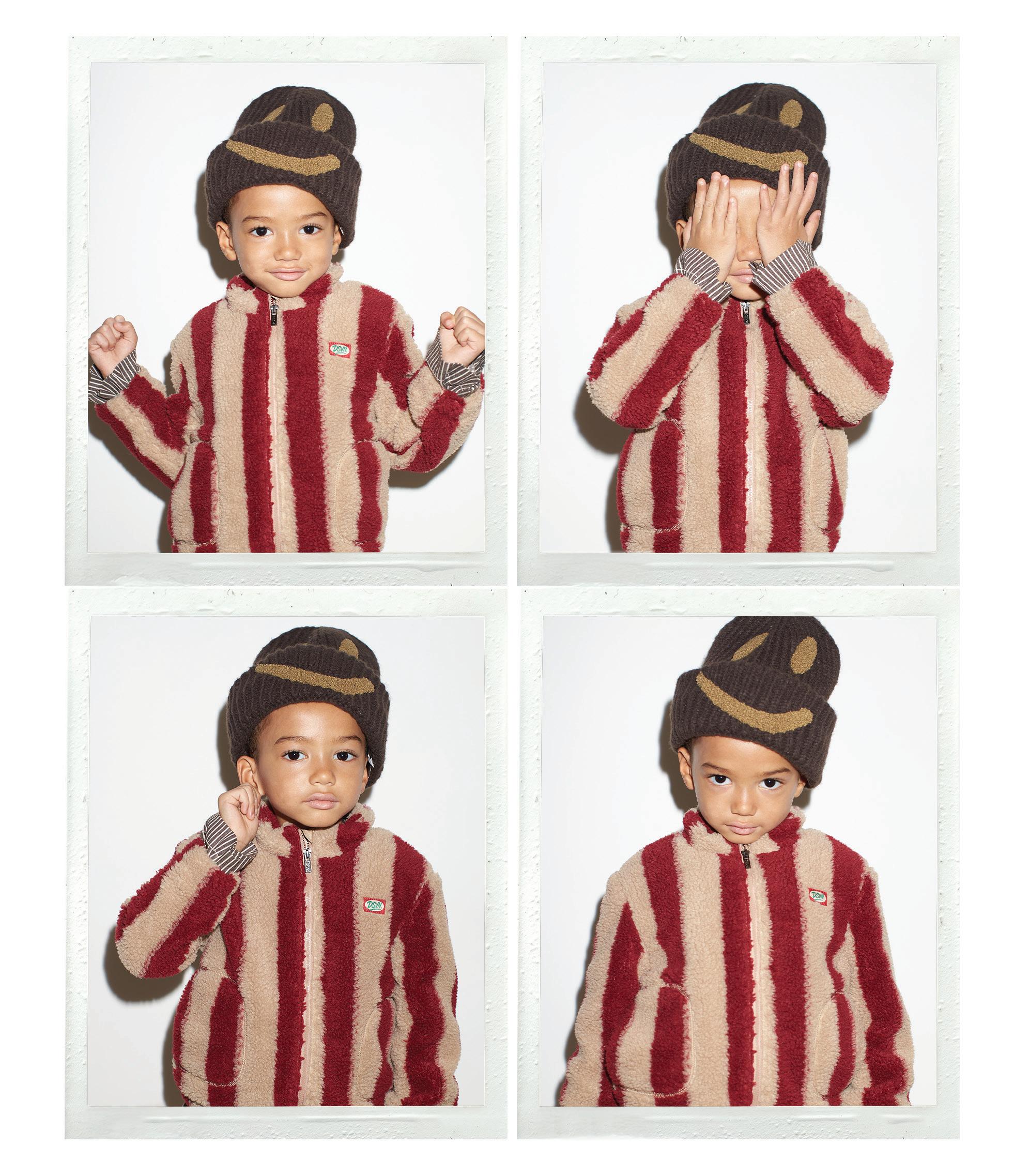
Levi strikes a pose wearing a MarMar shirt, Daily Seven jacket, and Molo beanie.
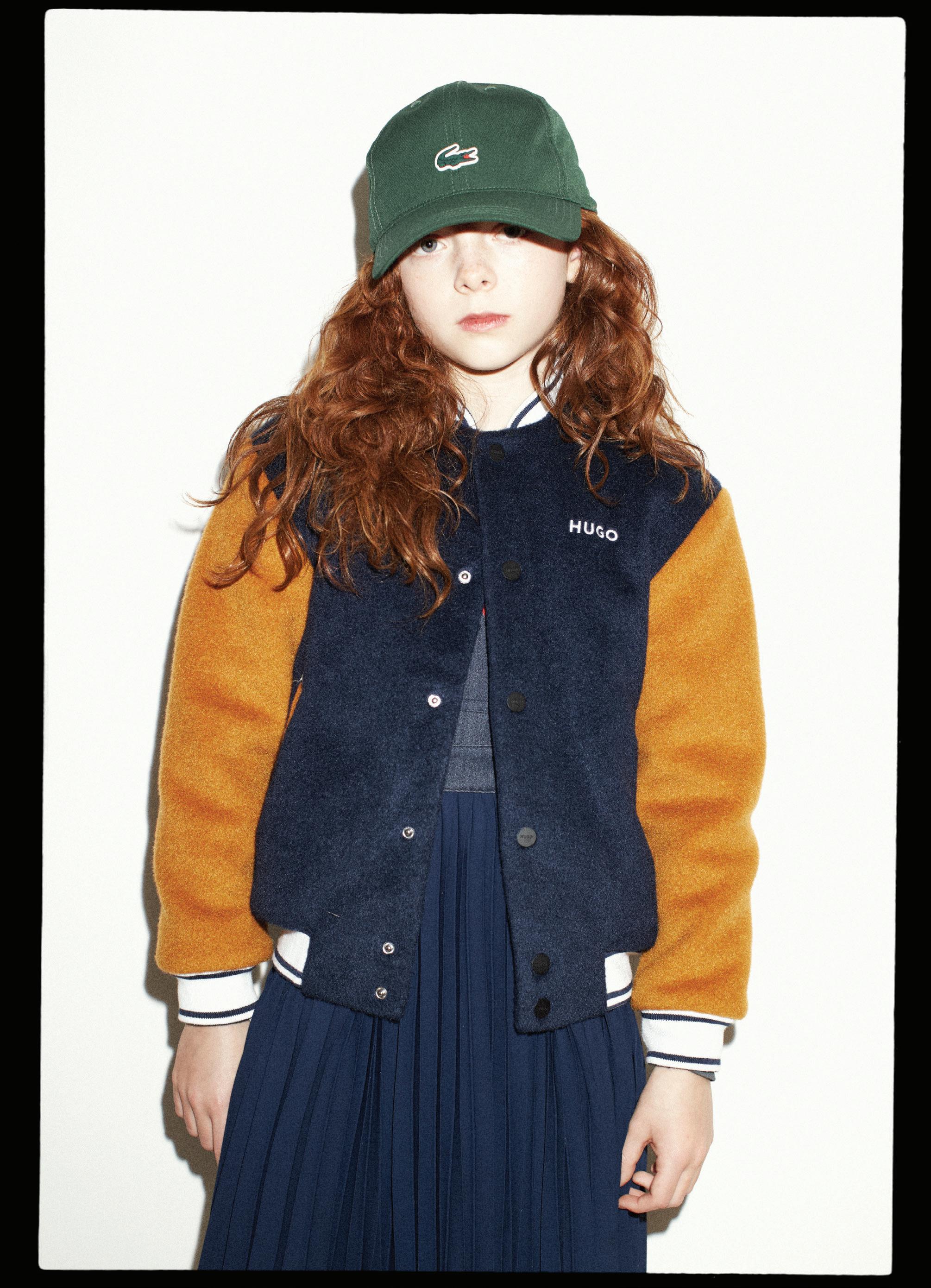
Opposite page: Cleo is cool for school in a Hugo jacket and dress, topped with a Lacoste cap.
Aprés all day! Cecily wears a botanical ski jacket and pants by Molo Opposite page, left to right: Samaira grooves in a Pucci suit and Florsheim dress shoes. Brielle pairs an American Outfitters top with a Twinset coat and Blu & Blue jeans, finished with Dr. Martens oxfords.
Karuna’s top and scarf are N21 Opposite page: Emilia rocks a matching set by Abel & Lula, paired with Old Soles sneakers.
Karuna’s top and scarf are N21.
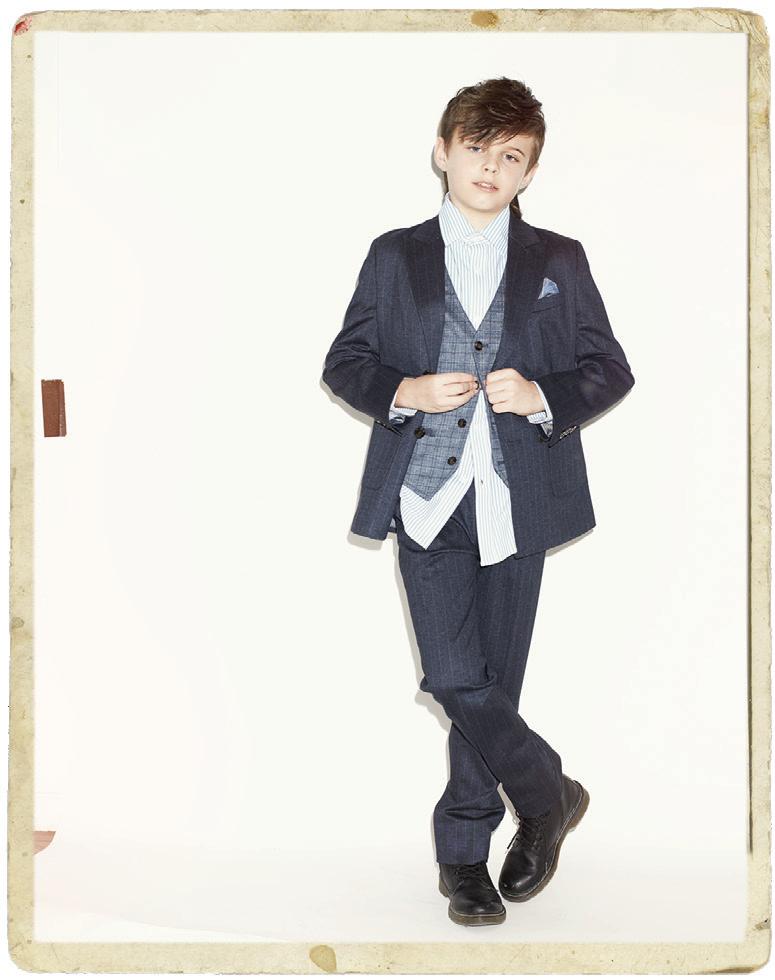
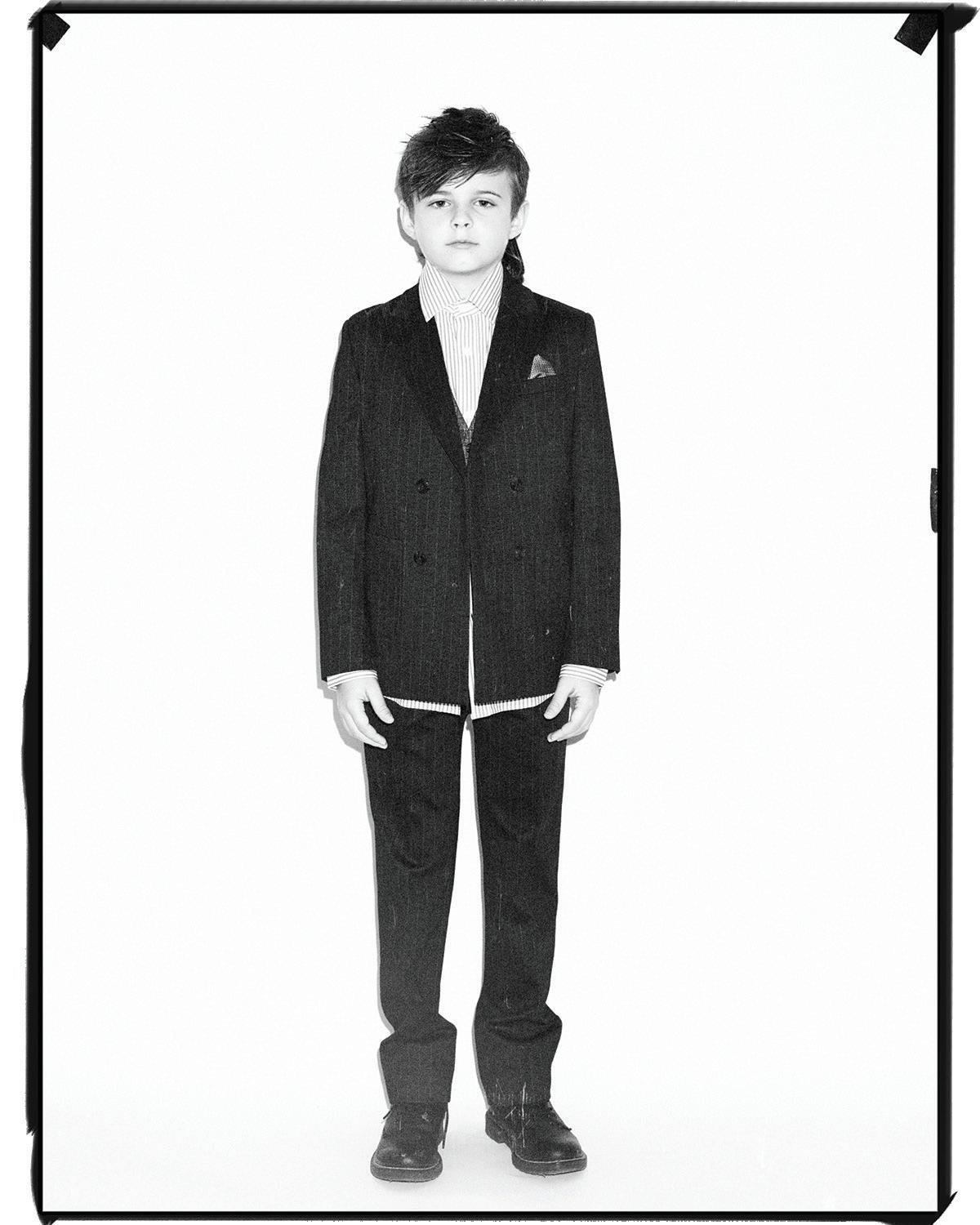
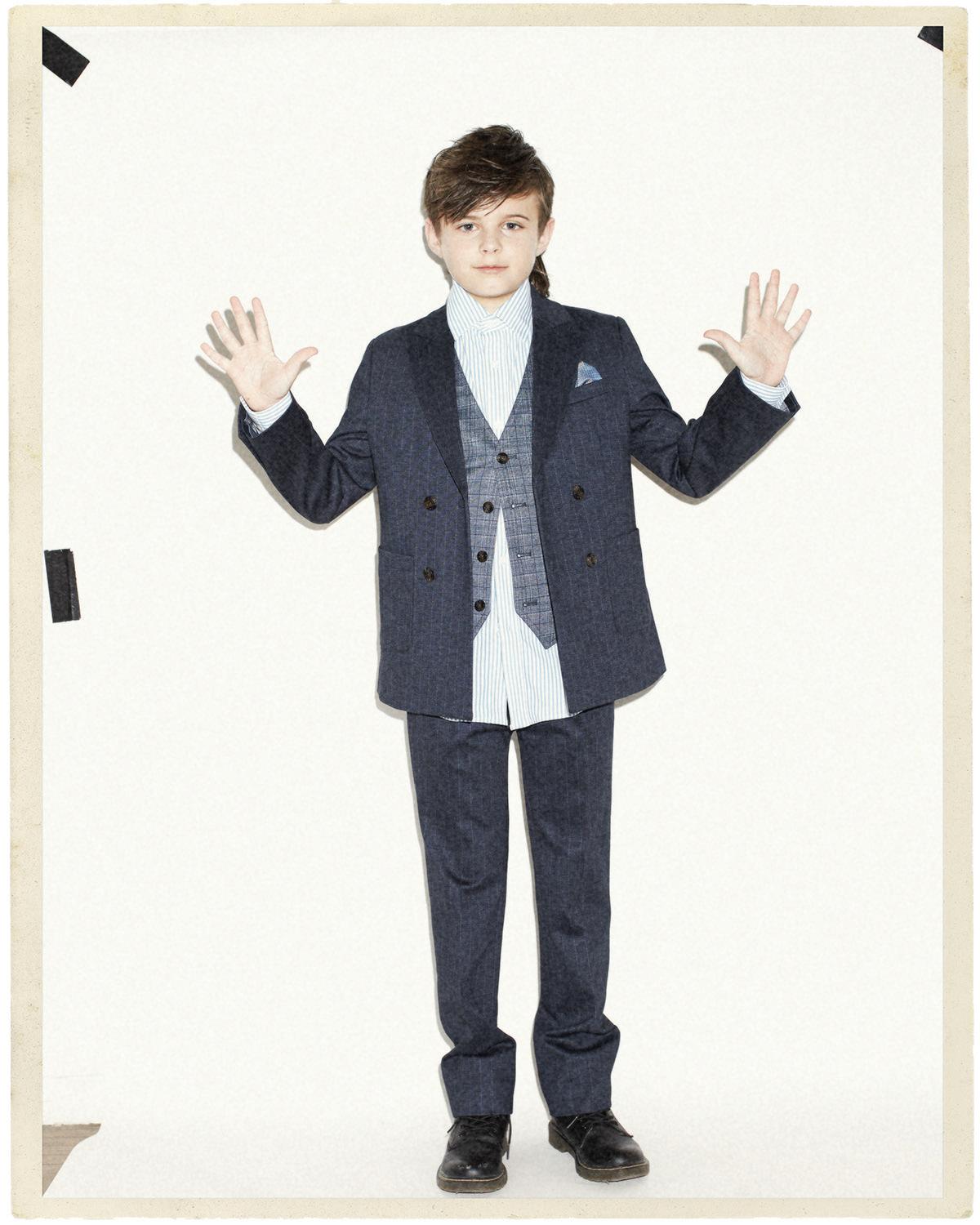
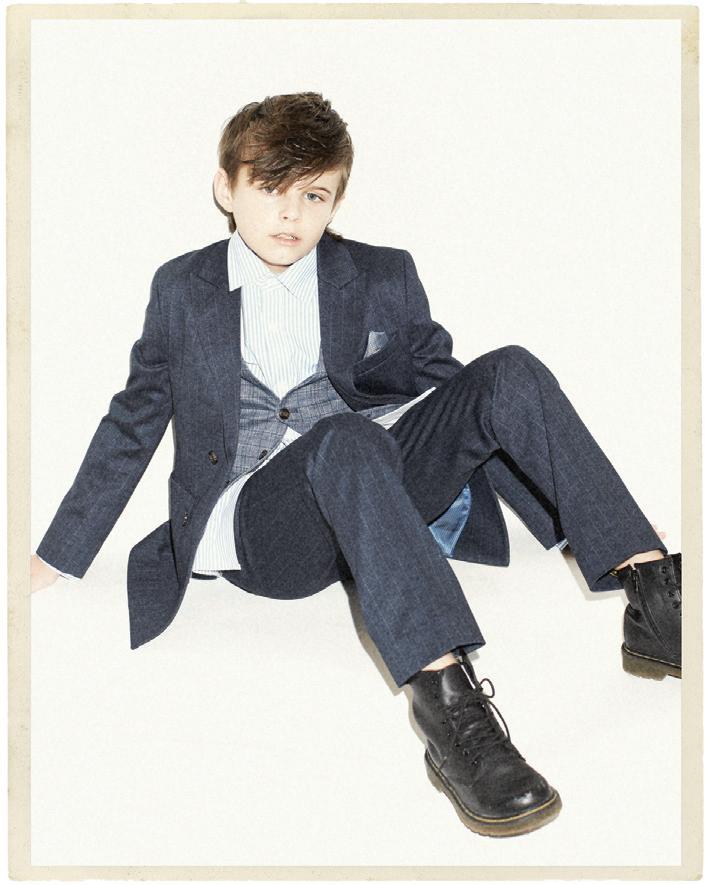
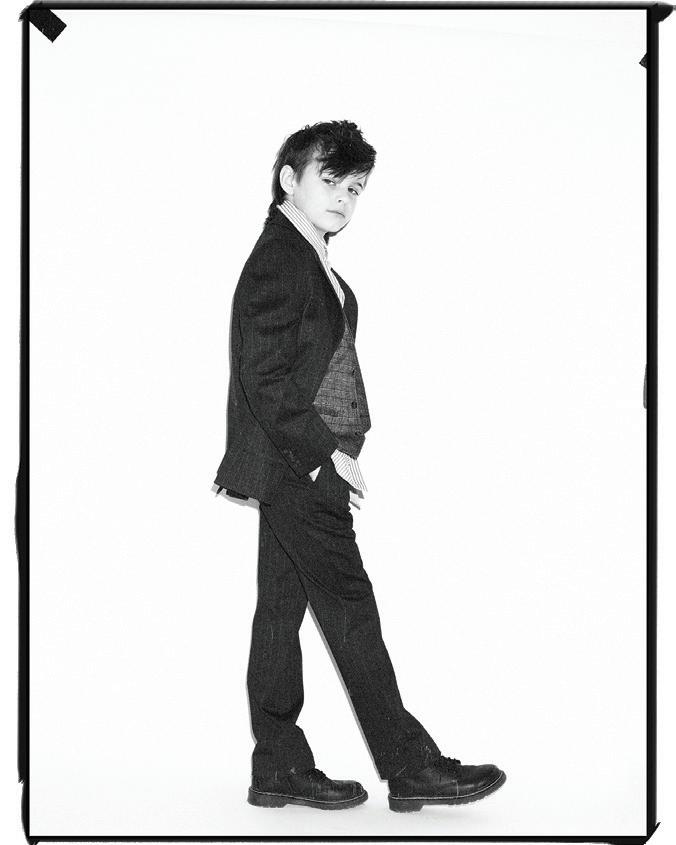
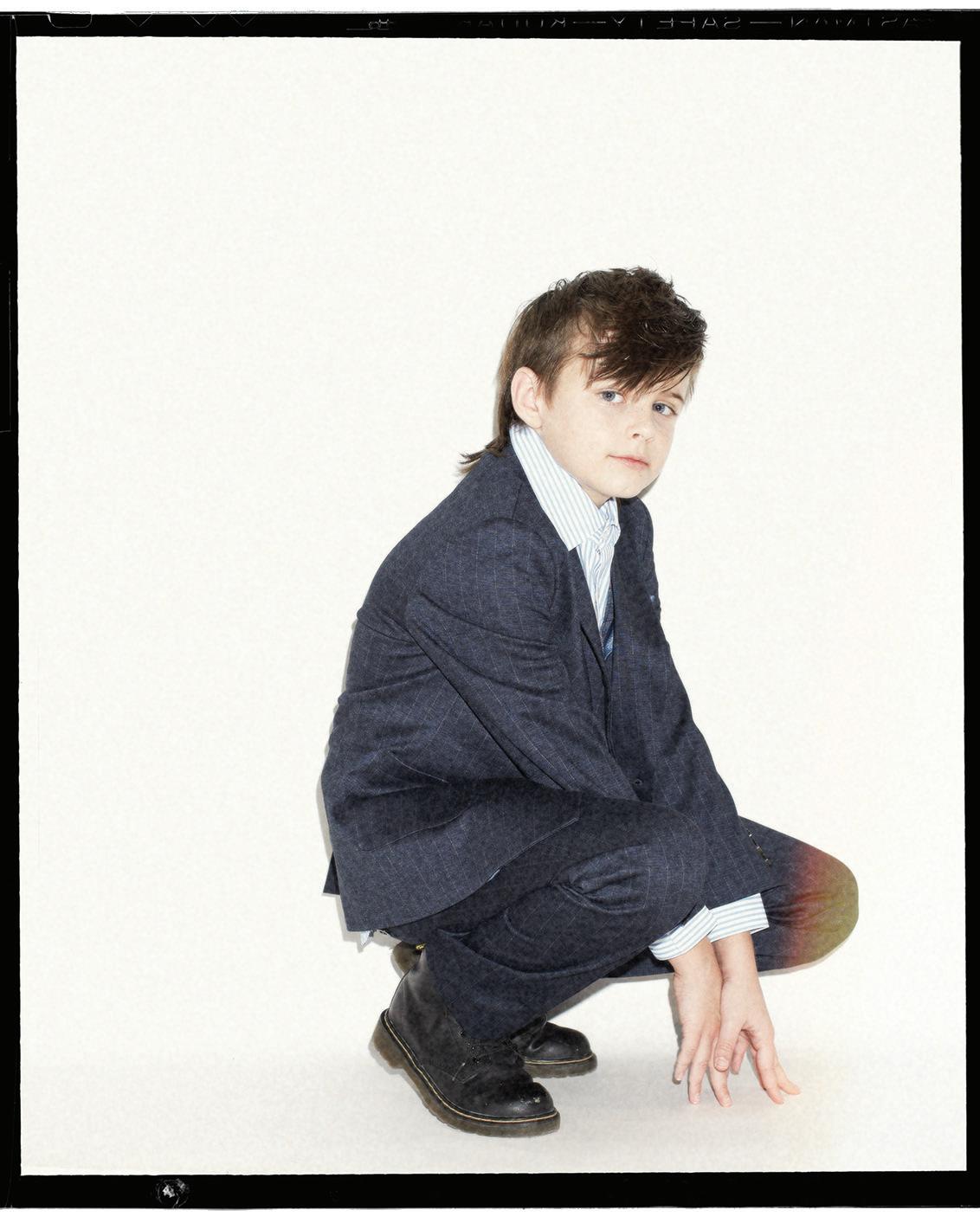
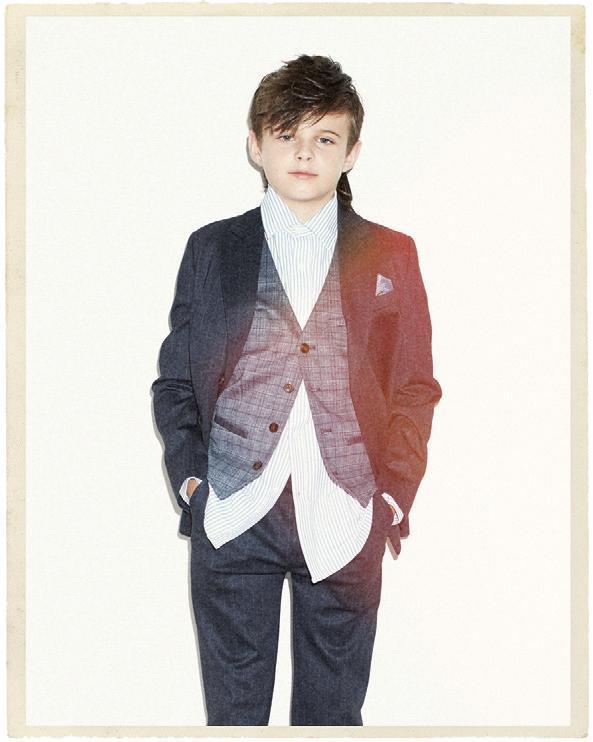
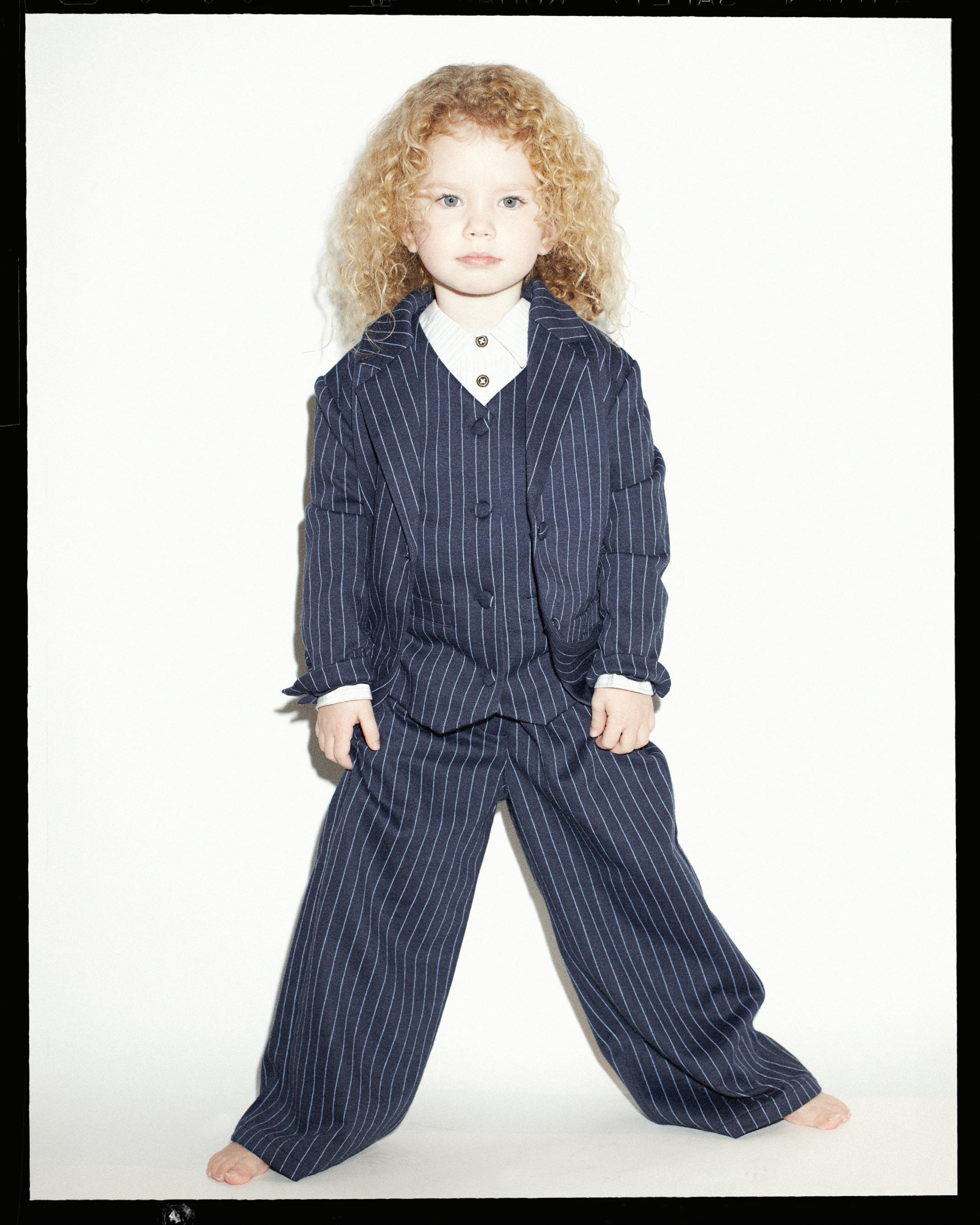
Arielle’s suit, vest, and top are by Boboli Opposite page: Gunnar wears a natty Appaman suit, shirt, and vest with rugged Dr. Martens combat boots.
Photography by Zoe Adlersberg/See Mgmt. Styling by Mariah Walker/Art Department NYC; hair and makeup by Clelia Bergonzoli/Ray Brown Pro. Special thanks to New York Model Management, Zuri Agency, Teri B Talent.
Work Smarter
So you want to use AI. Eric S. Youngstrom , Founder and CEO of Austin-based
Onramp Funds
, demystifies this buzzy technology.
CHILDREN’S RETAILERS HAVE always excelled at something technology can’t imitate: real human connection. You understand your customers’ families, celebrate their milestones, and curate products with a personal touch. at’s why conversations about arti cial intelligence (AI) o en raise eyebrows in this industry. Will AI make things feel less personal? Is it complicated? Does a boutique even need it?
Despite the hesitation, AI is quickly becoming one of the most practical and accessible tools for small retail. e goal isn’t to replace the heart of what you do — it’s to protect it. AI frees your time, allowing you to eliminate repetitive operational tasks and spend more time making your business special and delighting your customers.
What AI Is, and What It Isn’t
Modern AI isn’t futuristic or abstract. It’s essentially a highly
e cient assistant that learns from patterns and helps you move faster. It can dra product descriptions, ag sales trends before they become obvious, predict inventory gaps, and respond to common questions at any time of day. What it cannot do is replace your aesthetic intuition, your understanding of your customers, or the empathy that de nes your brand.
For many children’s retailers operating with small teams, AI’s value comes from faster insights and time saved.
Where AI Supports Retailers Most
Most AI features now live inside tools you’re already using — Shopify, Squarespace, Klaviyo, and various POS systems. e opportunity isn’t about overhauling your operation; it’s about simplifying what you already do.
One of the easiest entry points is product copy. Listing new arrivals online takes time, and writing descriptions of-
ten gets pushed to the bottom of the list. AI tools built into e-commerce platforms can generate clean, SEO-friendly descriptions in seconds based on your notes. You still approve and re ne the nal version, but you’re no longer starting from a blank page. is helps you publish products more regularly, maintain a consistent tone, and improve your store’s discoverability.
Inventory insights are another area where AI quietly deliv-
ers real value. Platforms now surface patterns you may not see in the day-to-day rush, like which sizes sell out fastest, which colors consistently outperform others, which items tend to be purchased together, and what hidden characteristics drive returns. ese insights don’t replace your buying instincts; they inform them, making it easier to reorder con dently, avoid costly overbuys, and reduce returns. Customer service automation has also matured in ways that genuinely help small teams. Parents o en shop late at night, and many questions fall into predictable categories: return policies, store hours, shipping timelines, sizing notes. AI-powered chat tools can answer these instantly without compromising the personal touch your in-store team provides. is doesn’t remove human service; it simply reduces interruptions and ensures customers get fast, accurate answers when you’re not online.
Marketing platforms now use AI to personalize outreach more intelligently. Instead of creating every segment or campaign from scratch, your tools can identify patterns like returning customers with brand preferences or shoppers whose purchase history suggests they might love a new arrival. ese features help you stay relevant with less manual
BITS & BYTES
e ort, ensuring parents hear from you at the right time with the right message.
Where AI Requires Caution
AI is powerful, but it isn’t perfect, and thoughtful boundaries are important.
Over-automating your marketing can make your brand sound generic if every email or caption comes directly from AI. Your voice, tone, and personality are part of why families shop with you, and those shouldn’t be outsourced.
Privacy also matters. Always choose well-known tools that clearly explain how customer data is handled. If a platform is vague about data practices, it’s safer to pass.
Visual AI isn’t reliable enough to replace product photography. While it can help you with inspiration or mood boards, parents expect accuracy when shopping online. Great images remain essential.
And nally, AI should never handle sensitive customer conversations. Delayed gi s, special-occasion out ts, and order issues deserve a human response. ese moments require empathy and understanding: things AI can’t replicate.
A Simple Way to Decide When to Use AI
A helpful framework for retailers is to identify repetitive tasks that can be programmatically managed (operational and relatively easy to systemize). If AI allows you to handle it faster without changing the customer experience, it’s a good candidate. If the task involves brand identity, judgment, or emotional connection, it’s better handled by your team.
When used well, AI should create more time for relationship building, not less.
How to Start Without Feeling Overwhelmed
The easiest way to get value from AI is to begin with small, low-risk tasks. Many retailers start by letting AI generate product descriptions for new uploads, adding an AI-supported FAQ tool to handle common questions, or enabling AI-assisted segmentation in their email platform. Each of these steps saves meaningful time without
changing the core of your brand.
As you grow more comfortable, you can explore more advanced features, like predictive replenishment recommendations or personalized lookbooks. But you don’t need to jump into complex work ows on day one. e most sustainable adoption happens gradually, where each new tool directly supports an existing need. Start small, get early wins, and continually iterate, and, over the course of a year, you’ll see signi cant time savings.
AI Won’t Replace What Makes Your Store Special
Children’s retail is built on trust, curation, and care. ose qualities don’t disappear in a digital- rst world — they become even more important. AI won’t choose your products for you or understand the emotional weight behind a birthday out t. But it can give you time — time to breathe, time to plan, time to connect. at time saved should drive growth and improve margins.
When used thoughtfully, AI strengthens the human side of your business by taking on the tasks that crowd your time and dilute your focus. e future won’t belong to retailers who automate everything; it will belong to those who use technology wisely to stay nimble, meet families where they already shop, and maintain the personal experience they’ve built their reputations on.
Final Thoughts
AI is a tool. e magic is still yours. And together, they can help you grow in a way that’s sustainable, modern, and deeply aligned with the heart of your store.
Eric S. Youngstrom, founder and CEO of Onramp Funds, an innovative funding provider that supports the growth and scalability of e-commerce businesses.
Q & A ( continued from page 11)
AS: This was a very exciting moment. Customers were so happy to see the brand at Playtime NY and Paris. We were able to connect with customers that we haven’t shipped to in a long time and connect with new boutiques and targeted department stores such as Nordstrom, Bloomingdale’s, and Neiman Marcus. The sentiment and emotional connection with the brand was very apparent.
EK: What are your goals for 2026 and beyond?
AS: Our goal for 2026 is to continue to be targeted and specific as we navigate new countries, distributors, and franchise partners. For new countries, we are targeting European and
Eastern European locations. We are also continuing our existing strategy to consolidate our presence in key markets, including the Netherlands, Austria, Germany, Italy, Spain, and of course, the U.S.
EK: How do you change your sales strategy when working with people in different markets?
AS: We adapt our sales strategy across countries by considering both cultural differences and local kidswear market dynamics. We adjust the proposed seasonal assortment to local tastes (colors, prints, fits) and to how parents perceive fashion, quality, and value for children in that specific country. For example, Italy is a very fashionoriented country in general, and ceremonial is a key category. Germany is more focused on functionality and quality of the product for kids. Overall, the strategy remains consistent with the Scotch & Soda Kids brand identity.
EK: What have been some of your strategies for navigating a tumultuous policy landscape?
AS: During Covid, our price points went up exponentially. We analyzed our product categories to bring our customers a good, better, best strategy, while always keeping the DNA of the brand top of mind.
EK: Can you explain the good, better, best strategy?
AS: We maintain the brand’s DNA, across three segments. Good: This includes entry-price products. We focus on basics/core products to attract price-sensitive customers. Better: This segment represents the brand’s DNA, featuring distinctive colors, prints, and detailing with products that reflect
Scotch & Soda SS26
— ALESSANDRA SALVELLI, GLOBAL HEAD OF SALES, KIDS
“What we’ve seen in recent seasons is that athleisure is no longer just a category—it’s become the default uniform of childhood.”
— STACY IGEL, FOUNDER, BOY MEETS GIRL
A Life of Leisure ( continued from page 13)
kids want clothes that can move with them from school to sports to weekends. “What we’ve seen in recent seasons is that athleisure is no longer just a category — it’s become the default uniform of childhood.”
Andrea Tabor, kids sales and marketing director for tennis/ performance brand Lucky in Love, agrees, noting that quality is a de ning factor. “Consumers are looking for more elevated athleisure for kids because they want pieces that blend comfort with style and can hold up to everyday wear,” she adds. “Parents are willing to pay a bit more for clothing that lasts longer, looks more fashion-forward, and feels worth the investment.”
Striking a balance between fashion, comfort, and quality is
exactly what Ashley Watten and Sarah Leafgren are striving for in both their Fort Worth, Texas, boutique Collins + Conley and children’s apparel brand Hollis Baker. “Children’s athleisure is starting to mimic what we’ve seen for adults over the years,” Watten says. “ ere’s more demand for prints and silhouettes that feel elevated. As with adults, it started out with leggings and T-shirts, and now it’s a coordinating lounge set.”
Tabor, too, is putting a heavy emphasis on matching sets, as well as fun, playful patterns and so , exible fabrics. Performance fabrics are key for Collins + Conley, and Watten reports that a boys’ performance polo will sell much stronger than in traditional cotton. For girls, the retailer is striving for a variation of styles, from dresses to matching sets and everyday separates. According to Deep Market Insights, performance fabrics are poised to expand, thanks to manufacturers investing heavily in advanced materials. is includes factors like moisture wicking, stretch, and sustainability (another area of growing consumer demand).
Igel is seeing the most traction for Boy Meets Girl with updated neutrals (heather grays, bone, so blacks) paired with bold pops of color. Mix-and-match sets that feel stylish but still casual are selling strong, particularly in silhouettes like wide-legged sweats, relaxed hoodies, and varsity-inspired layers. For materials, consumers are asking for stretch, moisture wicking, and a buttery feel. “Kids want things that look intentional without feeling ‘try hard,’” she says.
Must-haves in that vein span from matching sweat sets, lightweight performance jackets, and half-zip sweatshirts to layerable vests, zip-ups, and graphic-forward tees with elevated messaging. Igel also loves transitional eece pieces that work indoors and out.
Extending seasons is another goal for Hollis Baker. “A lot of leisure, especially kids, used to be very summer based, so that’s one thing we’ve really been trying
think through — how do we transition the aesthetic to colder months?” Watten notes.
Indeed, the category is moving from summer comfort to year-round living. For Fall ’26, Igel is zeroing in on trends like elevated sport nostalgia (varsity details, retro piping, classic athletic typography), textural contrast ( eece mixed with nylon, ribbed knits with technical fabrics), more intentional color stories, and gender-neutral silhouettes that feel inclusive and modern.
Importantly, she believes the industry is shi ing toward purpose-driven design. “Consumers want garments that stand for something emotionally, not just visually,” she says. “Athleisure is evolving from just what kids wear into how they live.”