‘Shorelines’
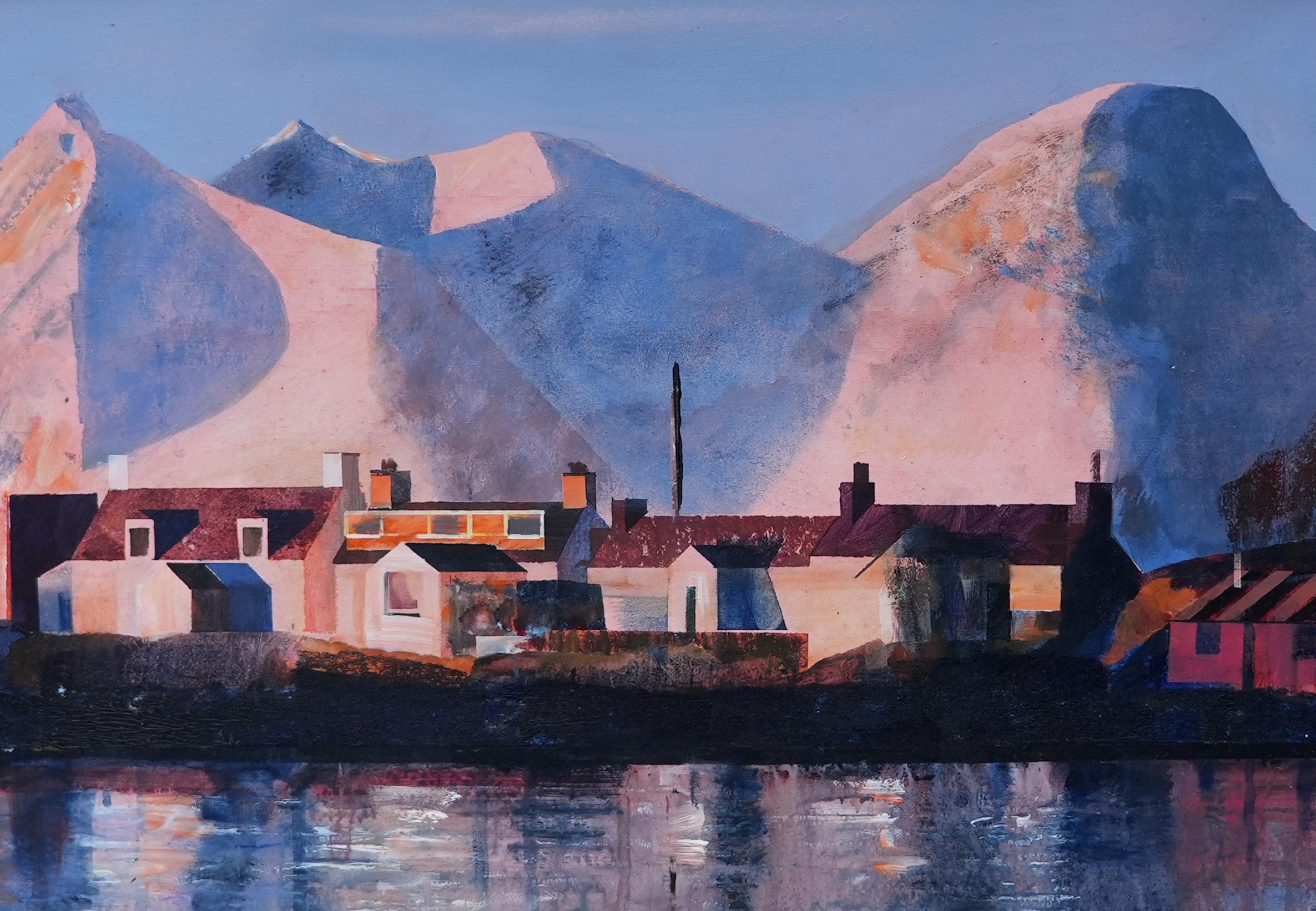
Euan McGregor PAI ‘Applecross and Skye, Acrylic on Board, Canvas Size 37 x 55cm

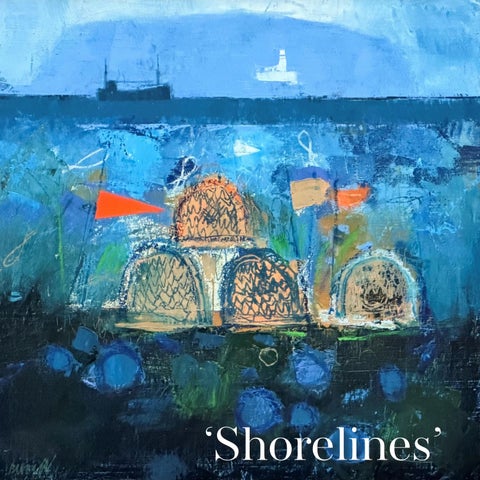
‘Shorelines’
Opening Saturday 7th February 10am to 5pm
Our first exhibition of 2026 invites you to discover the beauty of the Scottish coast through the eyes of six carefully selected artists, each offering a distinctive and deeply personal interpretation of this endlessly inspiring landscape. Shaped by light, weather and time, Scotland’s shoreline and the life, textures and stories connected to it, is a place of constant change and quiet wonder.
The works in this exhibition explore the coast as both a subject and experience. From wide horizons and shifting seas to harbours, headlands, weather-worn structures and the everyday objects shaped by coastal living. Each artist brings their own visual language and emotional response to the shoreline - some works draw directly from observation, while others are shaped by memory, atmosphere and imagination.
Together, these paintings reveal the enduring creative pull of the Scottish coastline and its power to inspire individual artistic voices and demonstrates why the Scottish contemporary art scene remains so strong. ‘Shorelines’ celebrates the richness and diversity of contemporary painting, offering a varied yet harmonious exploration of a landscape that continues to captivate artists and collectors alike and we think provides a fitting opening to our 2026 exhibition programme.
Best wishes,
Scott, Susan and the Annan Gallery
team
The full exhibition of works will be available to view online at www.annanart.com Sales enquiries welcome on receipt of this catalogue. Exhibition from 7th February to 1st March
email: gallery@annanart.com w phone: 0141 332 0028
Open Tuesday to Saturday 10am-5pm, Sunday 12-4pm, closed Mondays
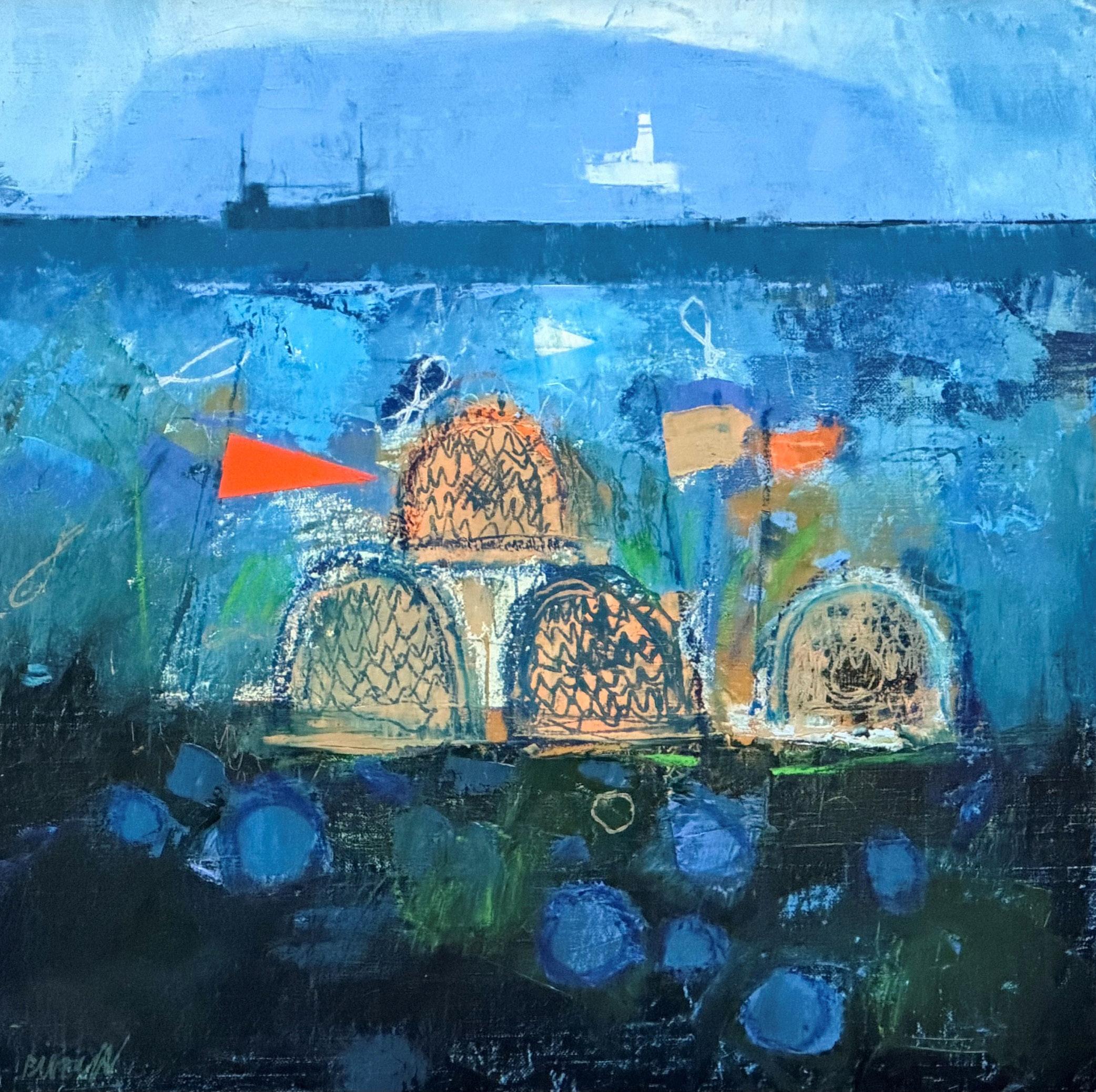
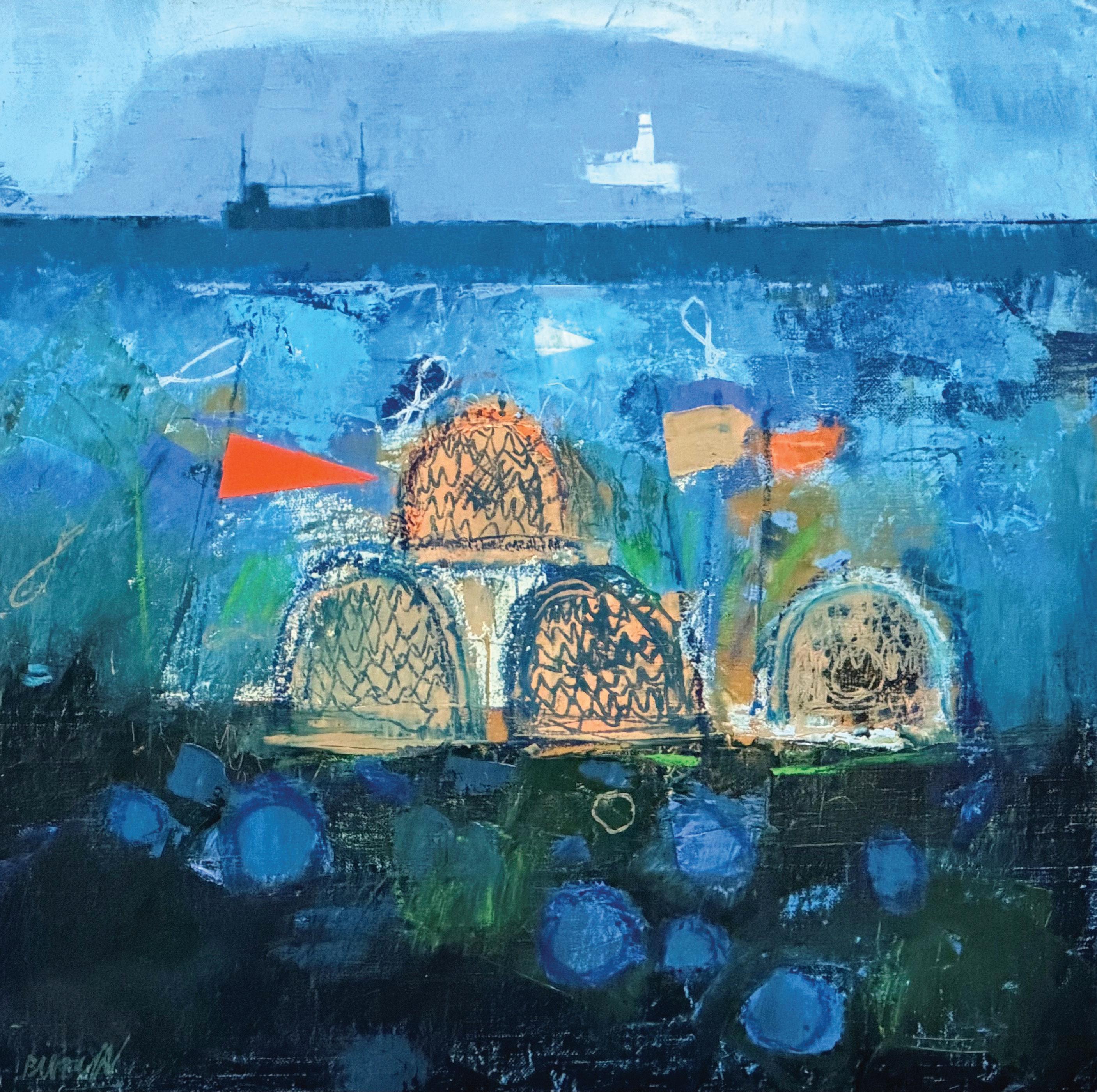
Front Cover: George Birrell ‘Shore Bric-a-Brac’, Oil on Wood, Canvas Size 16 x 16 inches
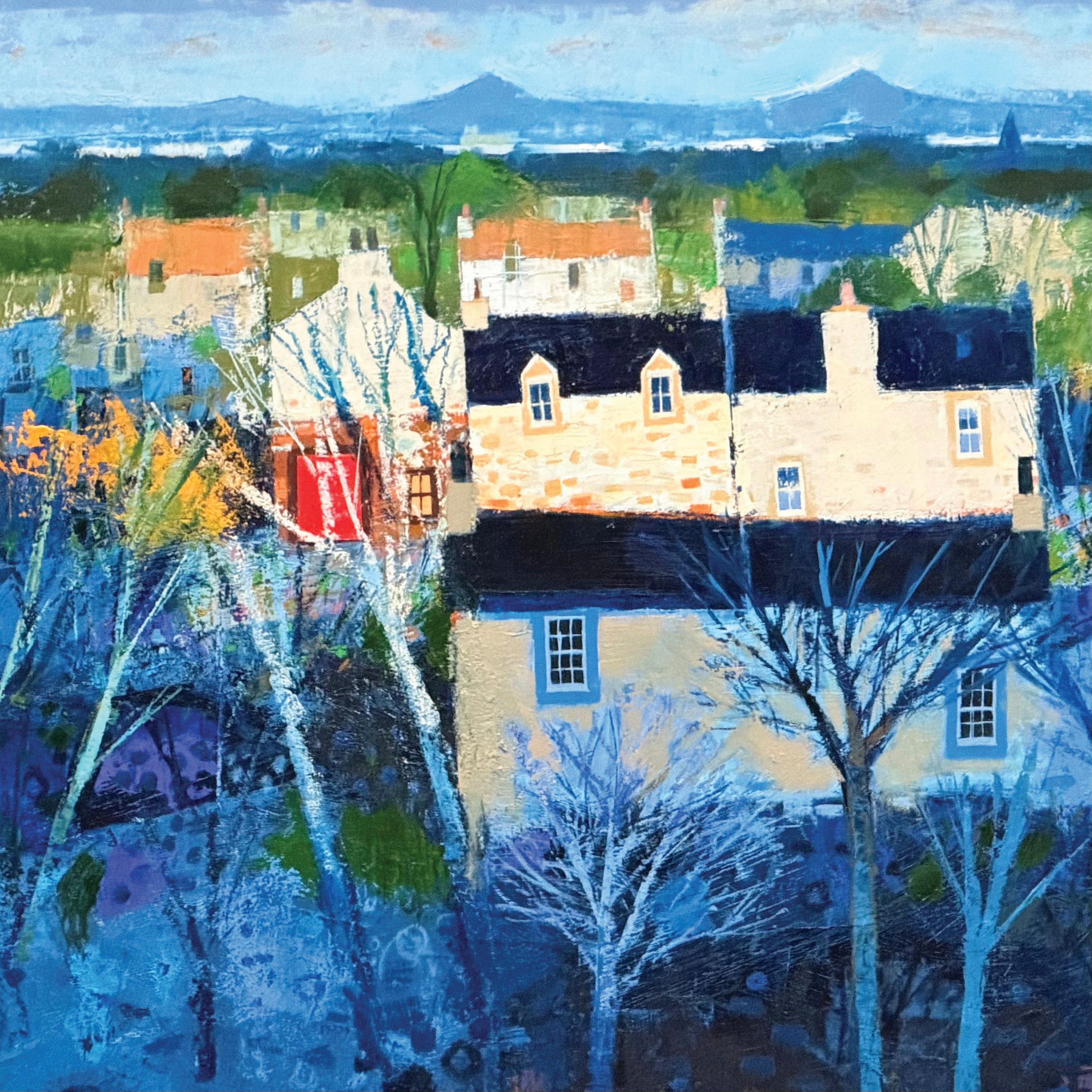
George Birrell is one of Scotland’s most celebrated contemporary artists, with a career spanning more than five decades. Born in 1950, he studied at The Glasgow School of Art from 1967 to 1971, an experience that laid the foundations for a lifelong engagement with painting, structure and place.
After graduating, Birrell spent a decade teaching art and design before committing fully to his own painting practice in 1980. From this point, he established himself as a distinctive and influential voice within Scottish contemporary art, recognised for a highly individual approach.
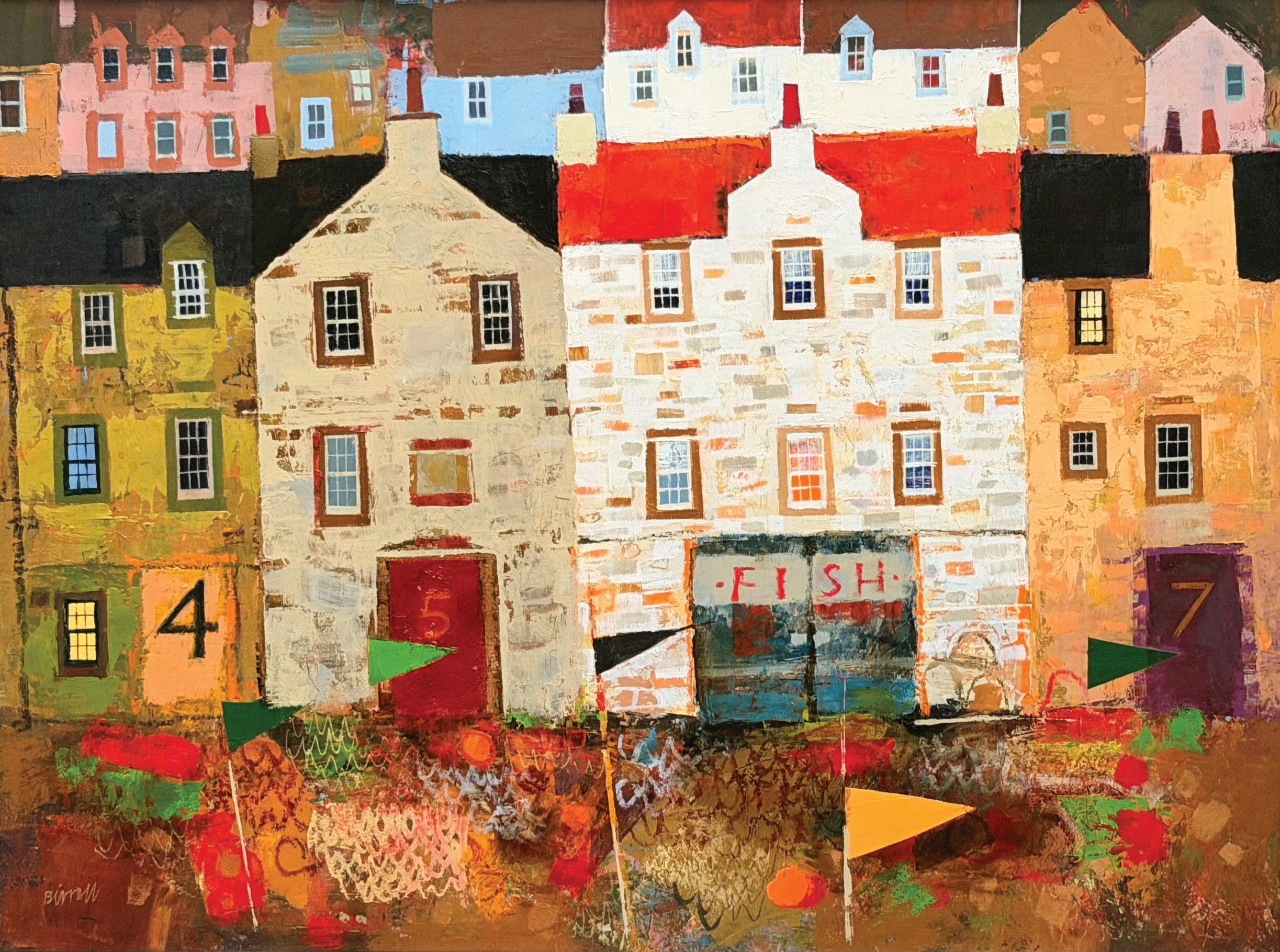
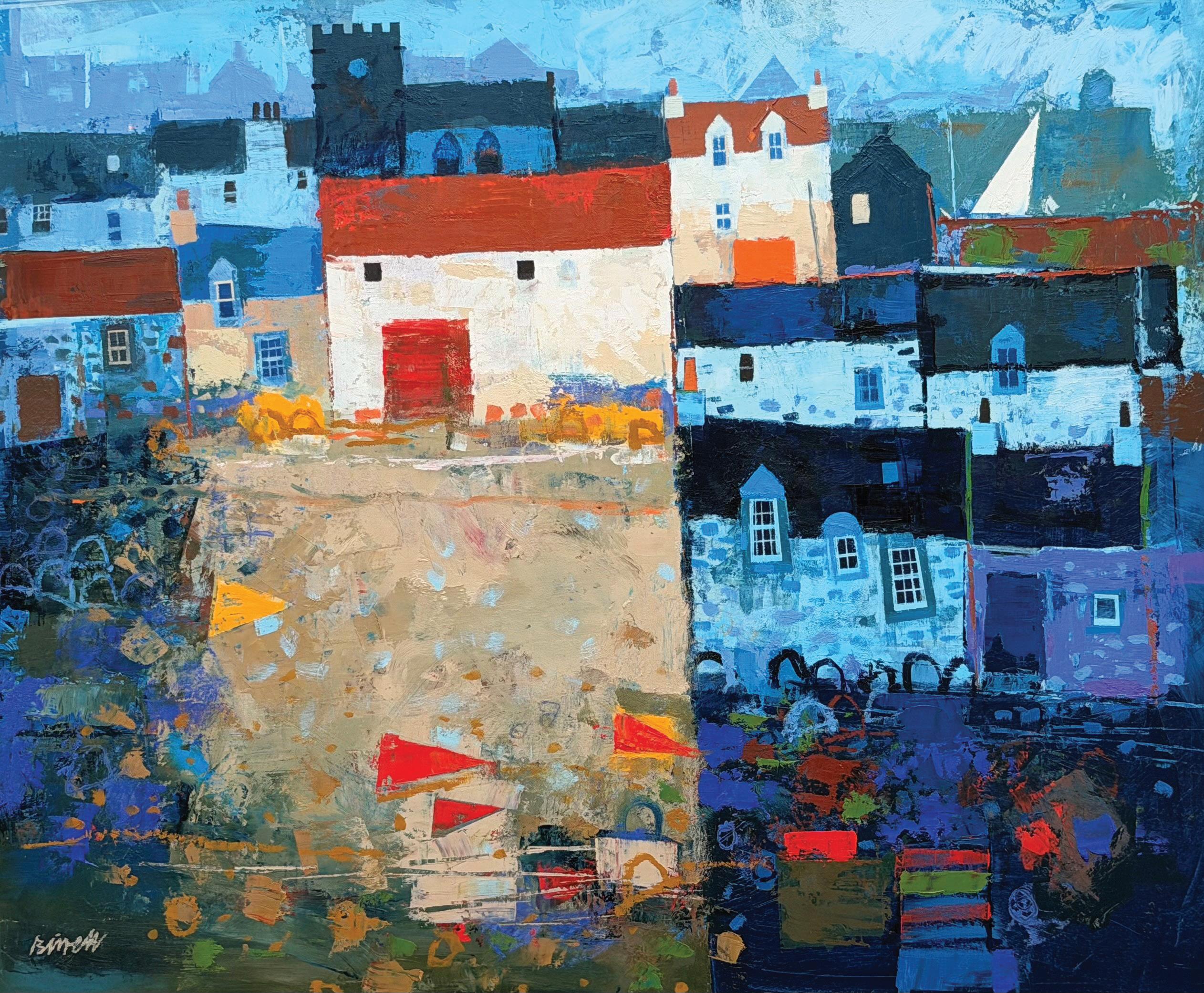
Known for his bold, expressive interpretations of Scotland’s architecture and coastal towns, particularly the fishing villages of the East Neuk of Fife - a place he first encountered during his student years - this area became a lasting source of inspiration, its harbours and cottages providing recurring motifs throughout his work.
His paintings are characterised by rich colour, strong structure and stylised form, combining an architectural sense of line with an emotional response to place. Offering a deeply personal and evocative vision of Scotland’s built and natural environment, each piece is shaped by memory, observation and imagination rather than literal depiction.
Living and working on the East Coast, George continues to draw inspiration from its changing light, landscape and coastline. His work is exhibited widely throughout the UK and is shown regularly at Annan Gallery.
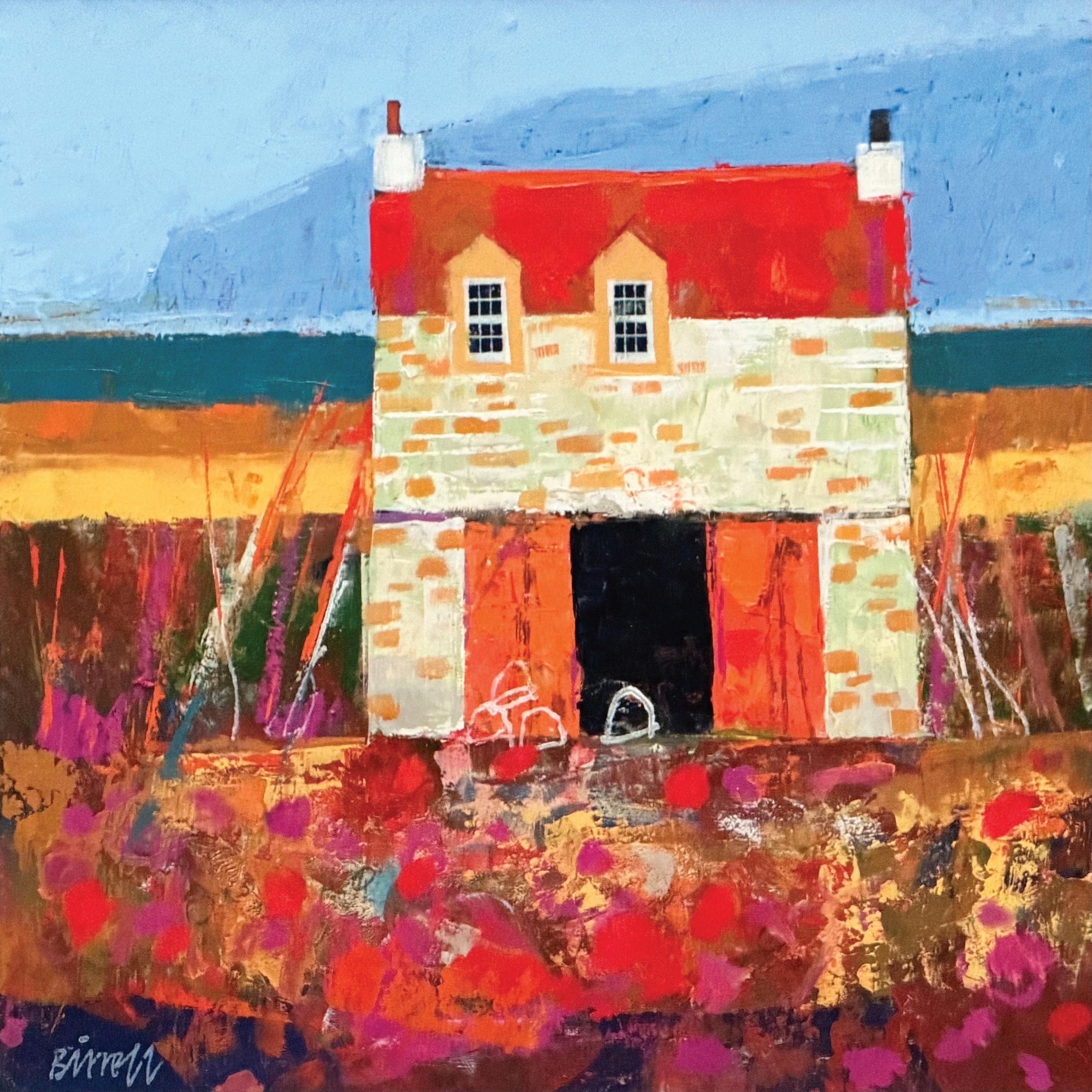
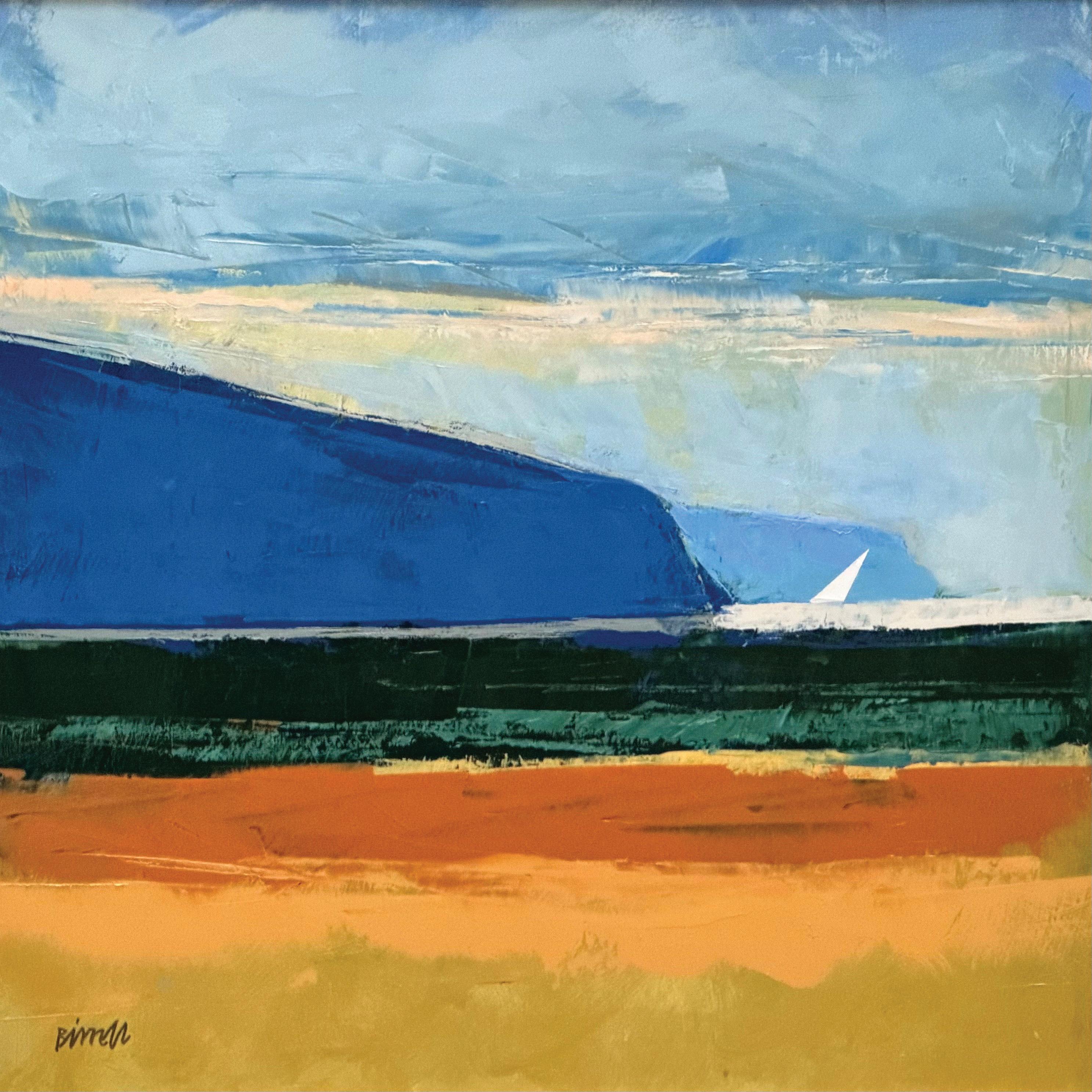
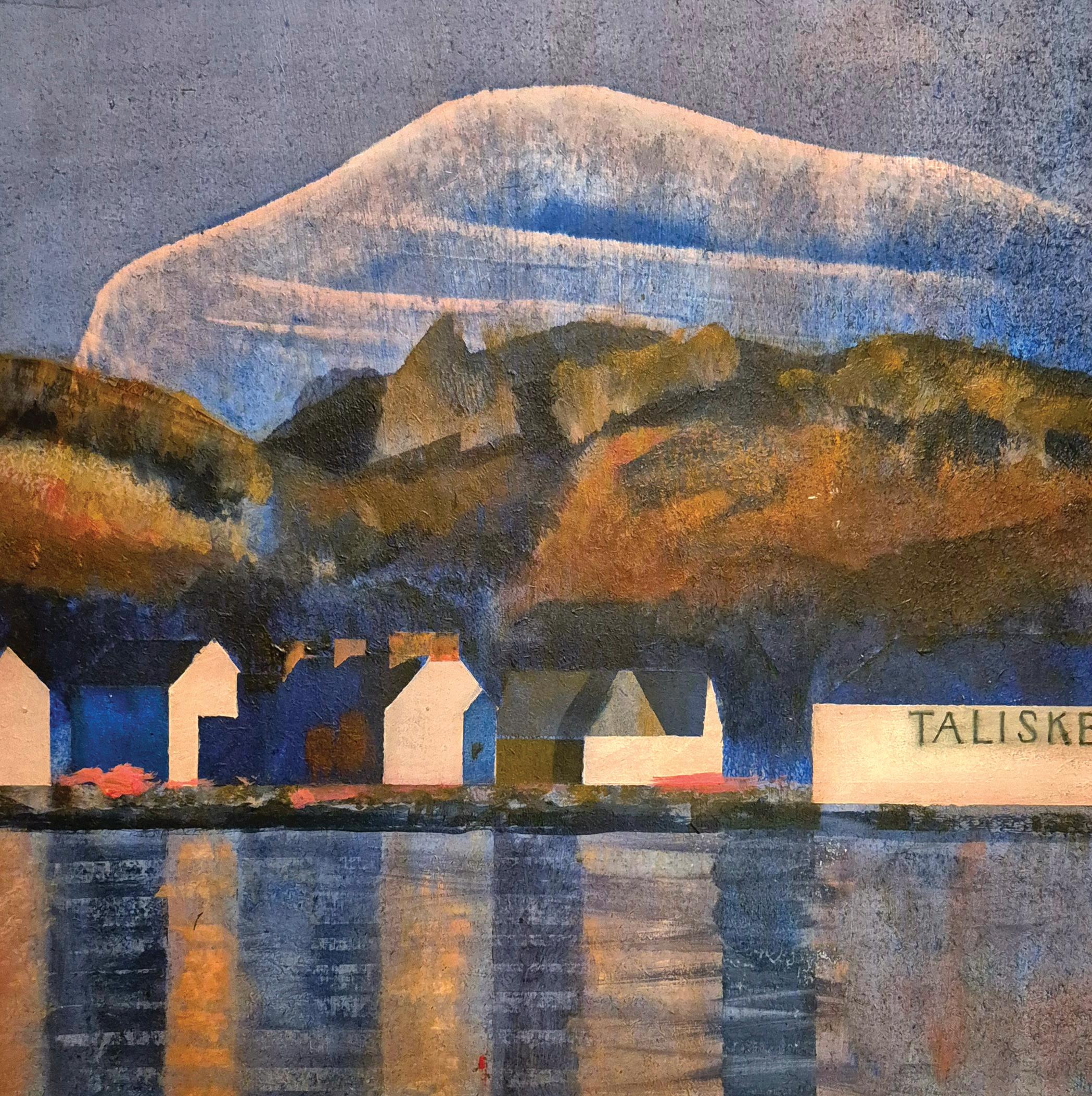
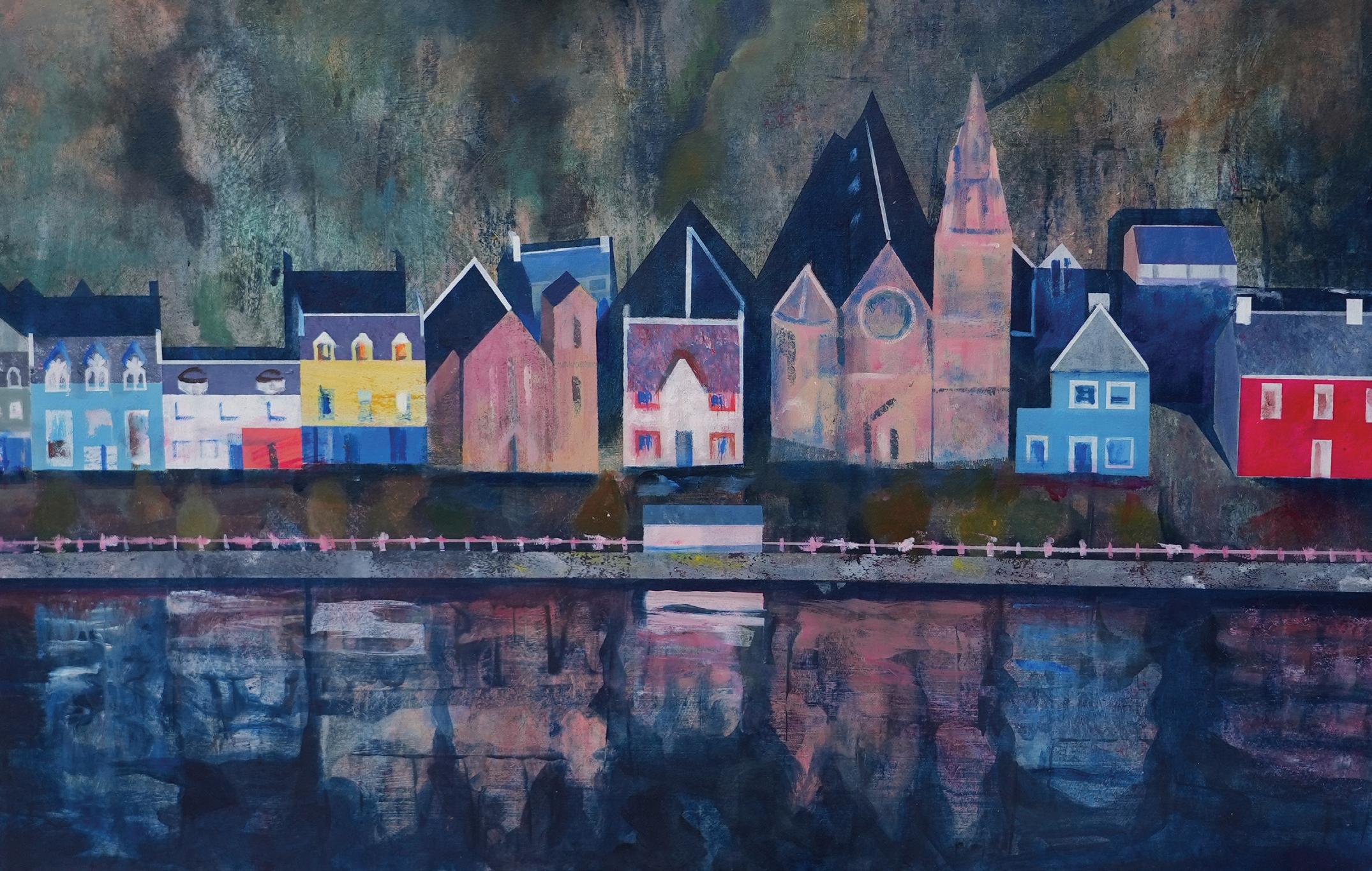
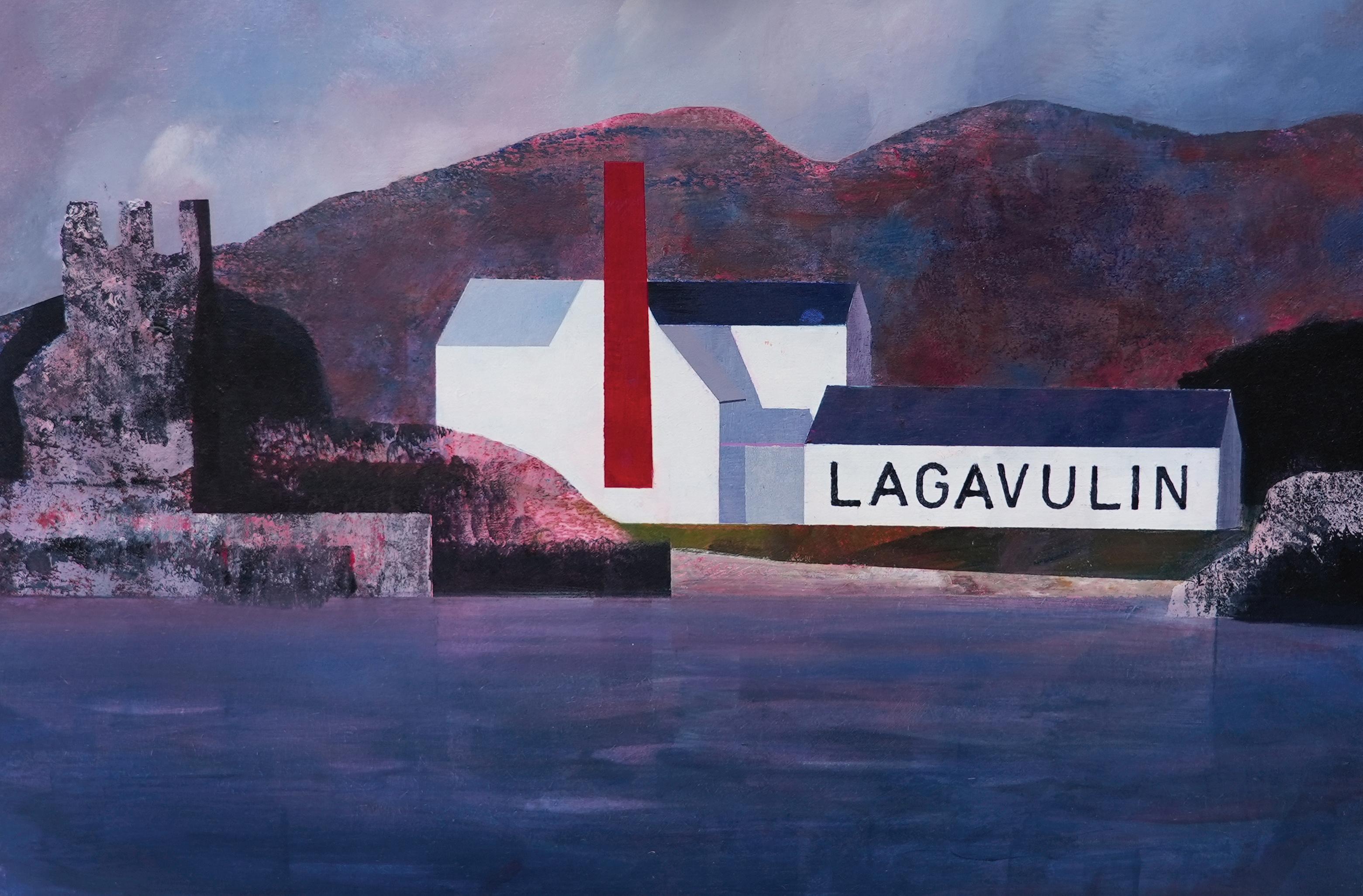
Euan McGregor PAI lives and works in West Kilbride with his young family.
McGregor studied at Glasgow School of Art, graduating with a degree in printmaking. But even then he was unable to resist the medium of painting. “I was always getting into trouble by adding printmaking to painting … which I still do,” he said.
Euan produces paintings focussing mainly on marginal or fringe spaces, drawing upon his roots in printmaking, giving his work an emphasis on mark-making and shape. With an interest in all things Modernist, Euan’s influences include Hockney, Piper and the St. Ives School in Cornwall.
Euan frequently exhibits in the PAI, RGI and RSA exhibitions and is represented by galleries across the UK.
Euan has won a number of awards throughout his career and became a Diplomate of the Paisley Arts Institute, earning the PAI accolade in 2014.
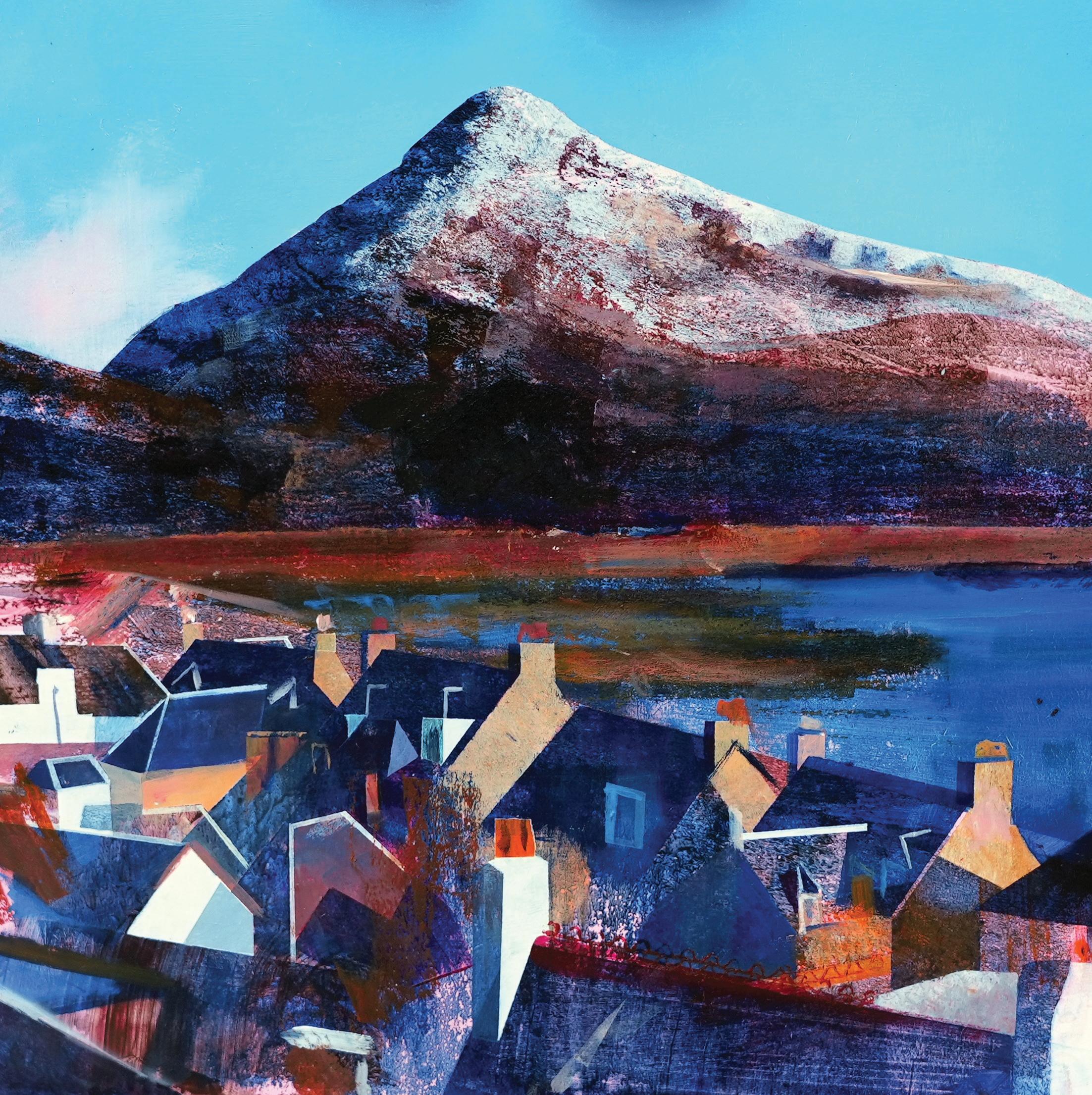
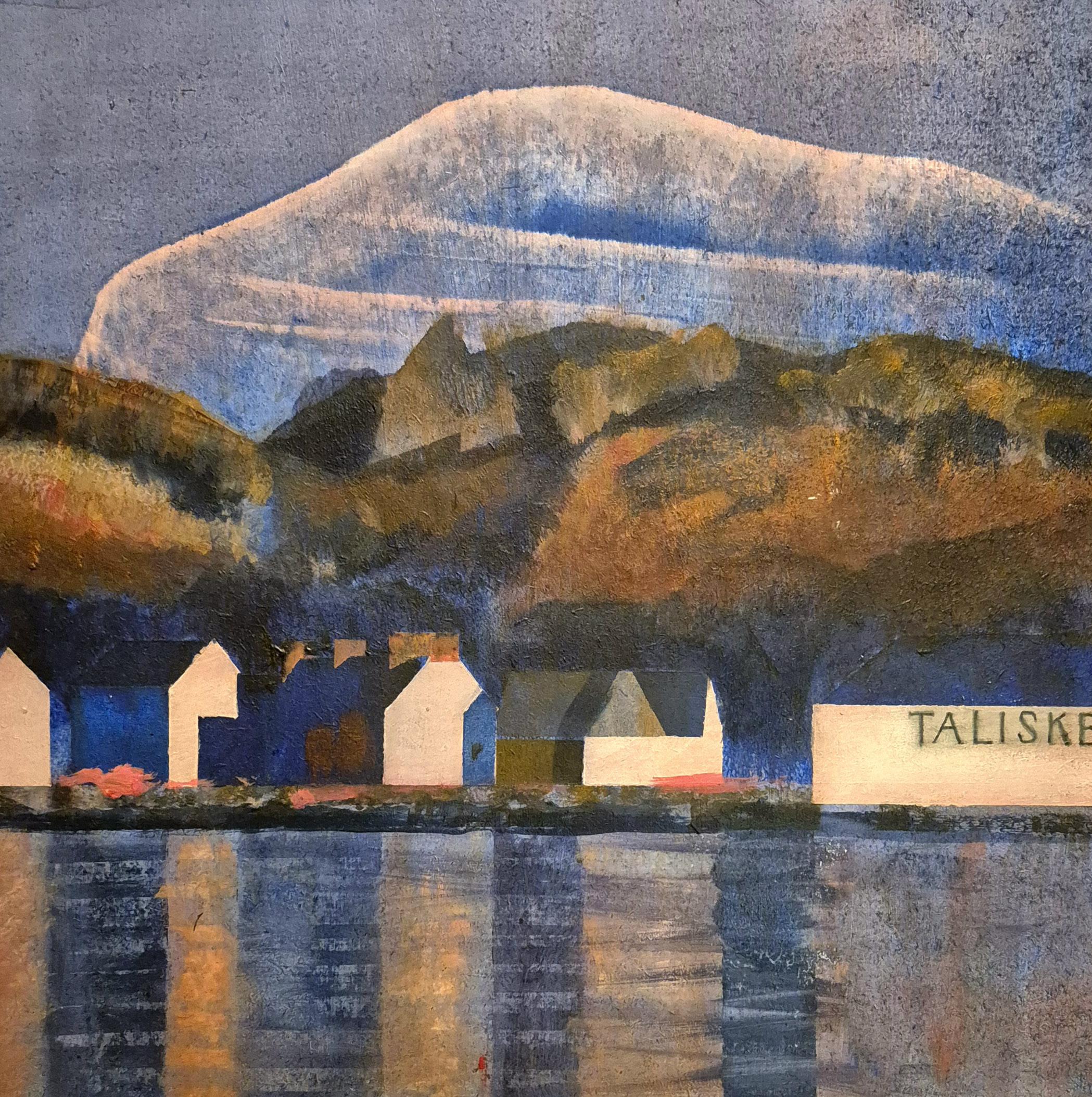
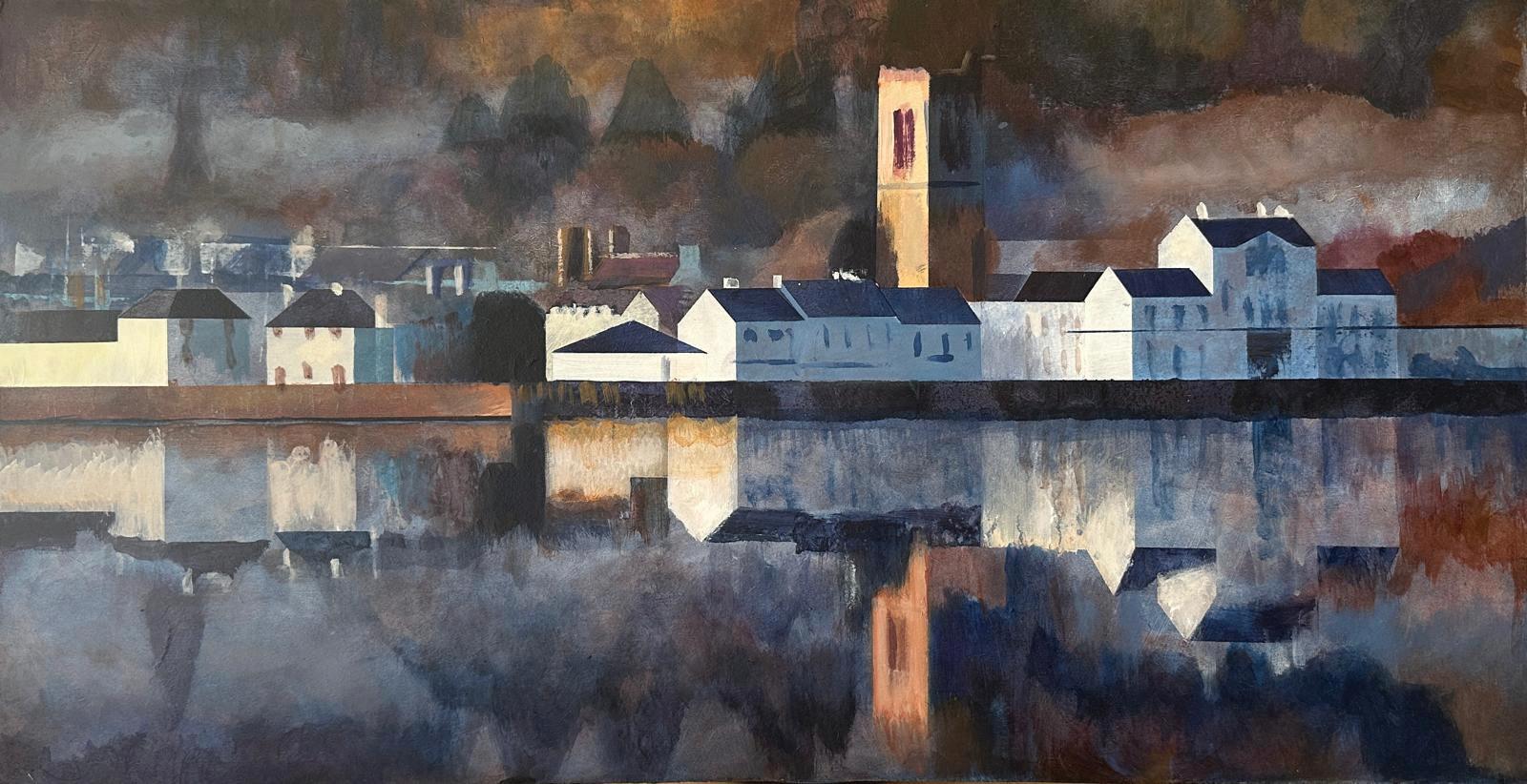
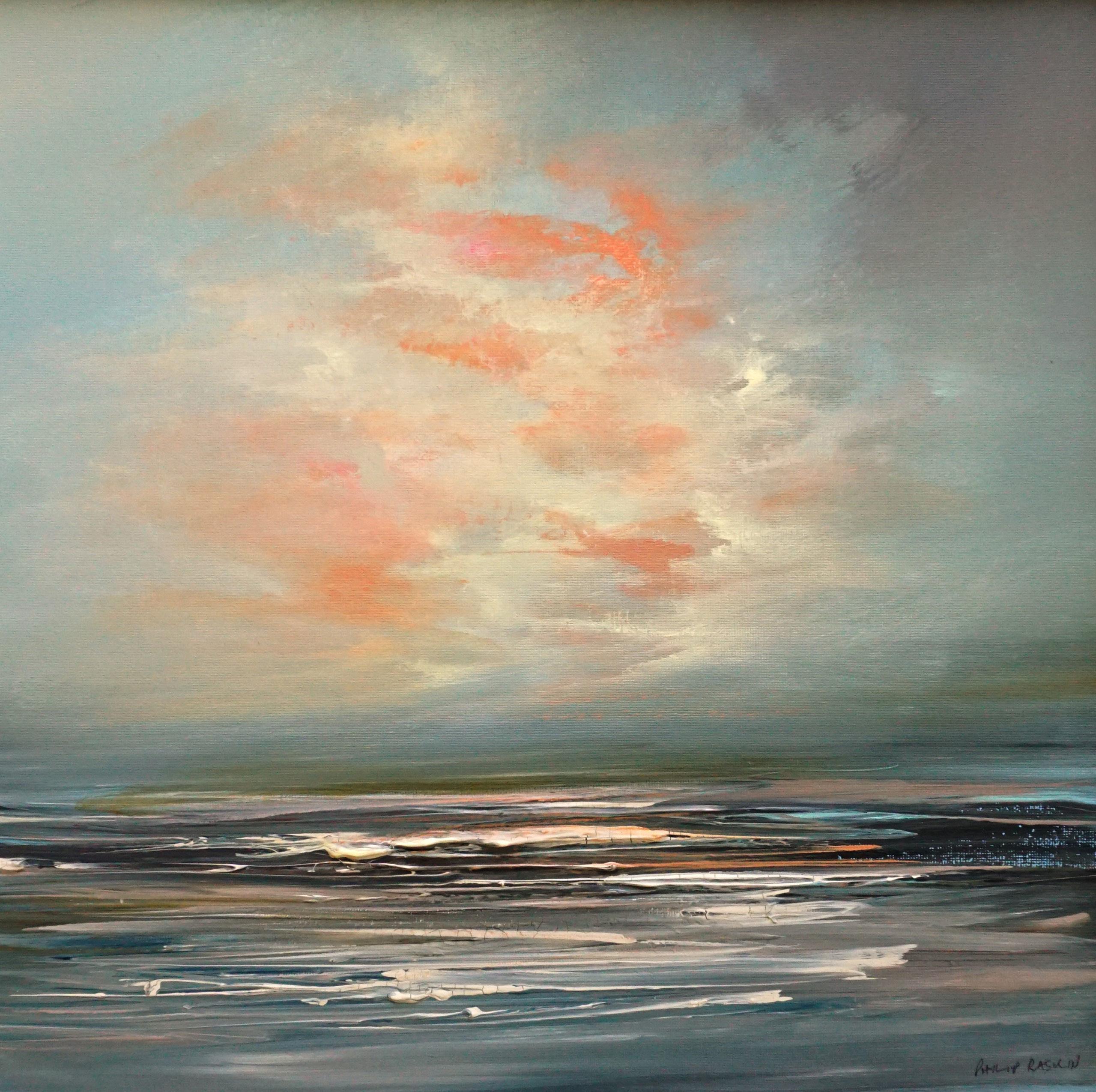
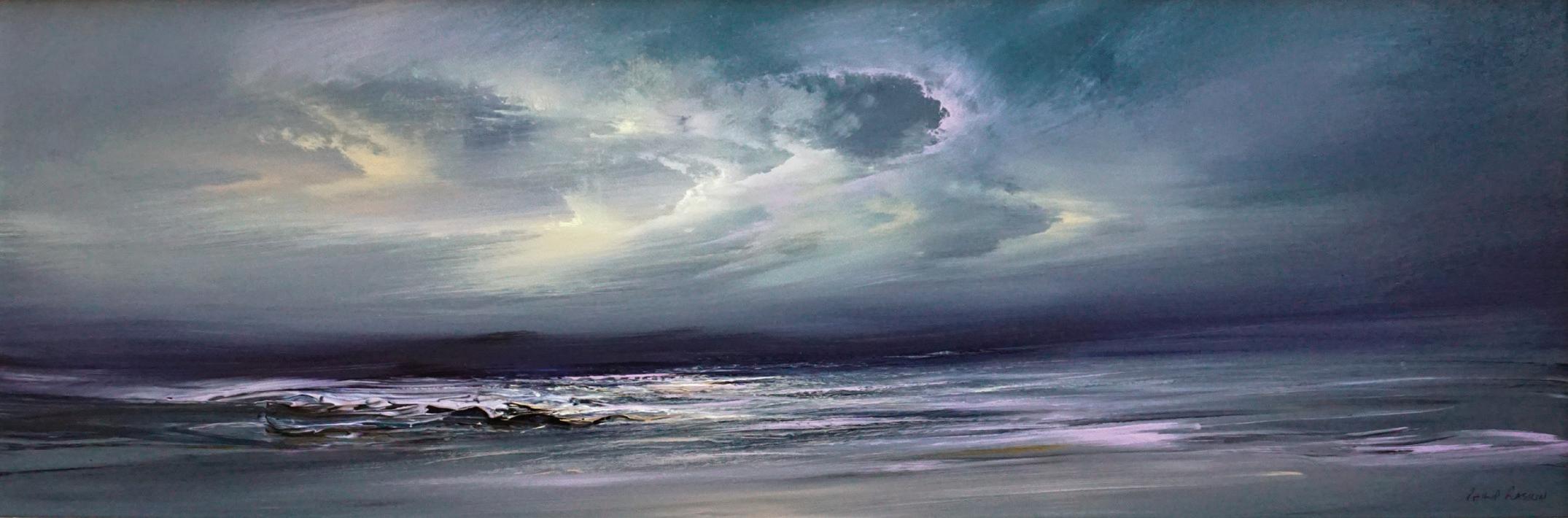
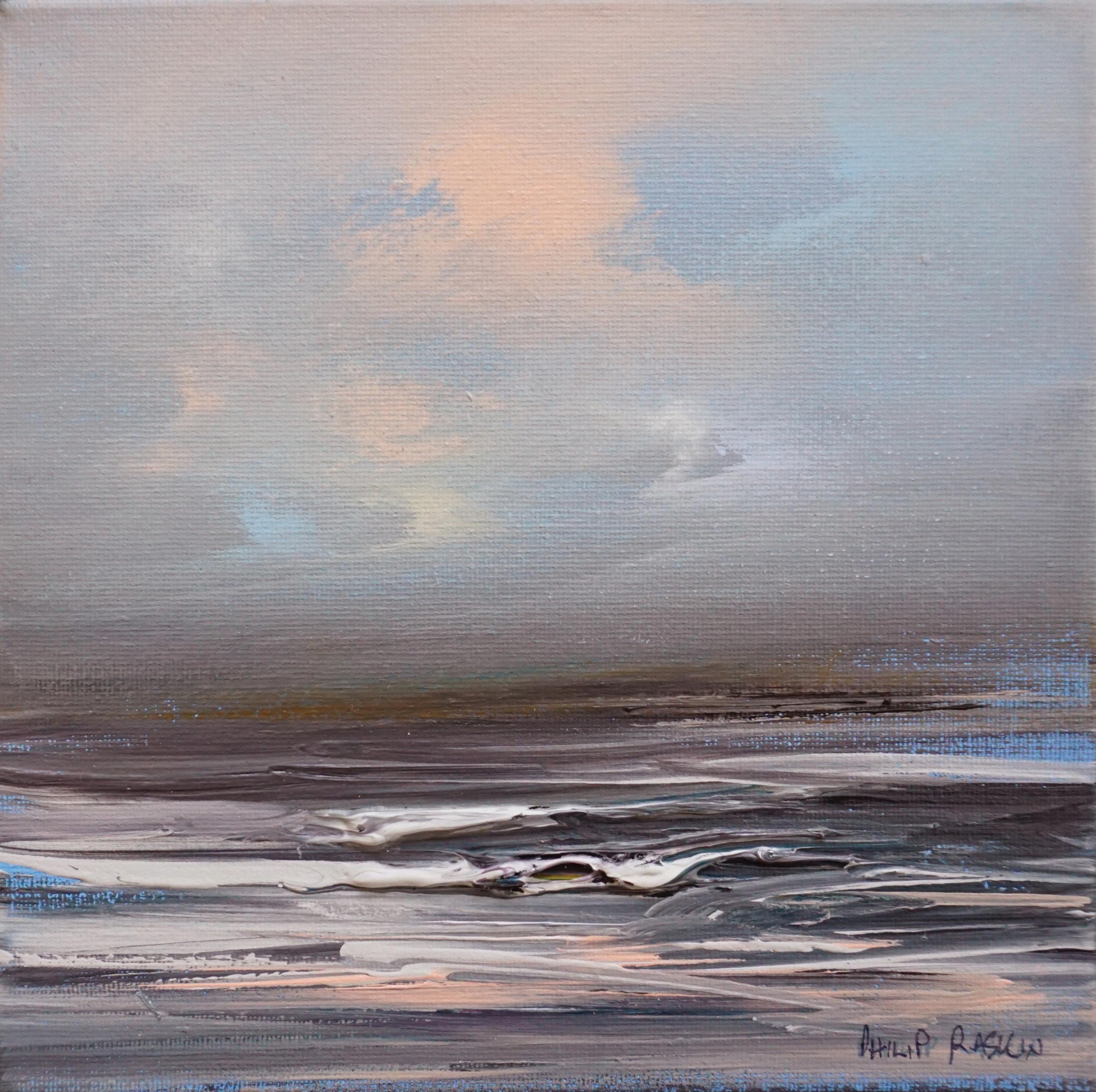
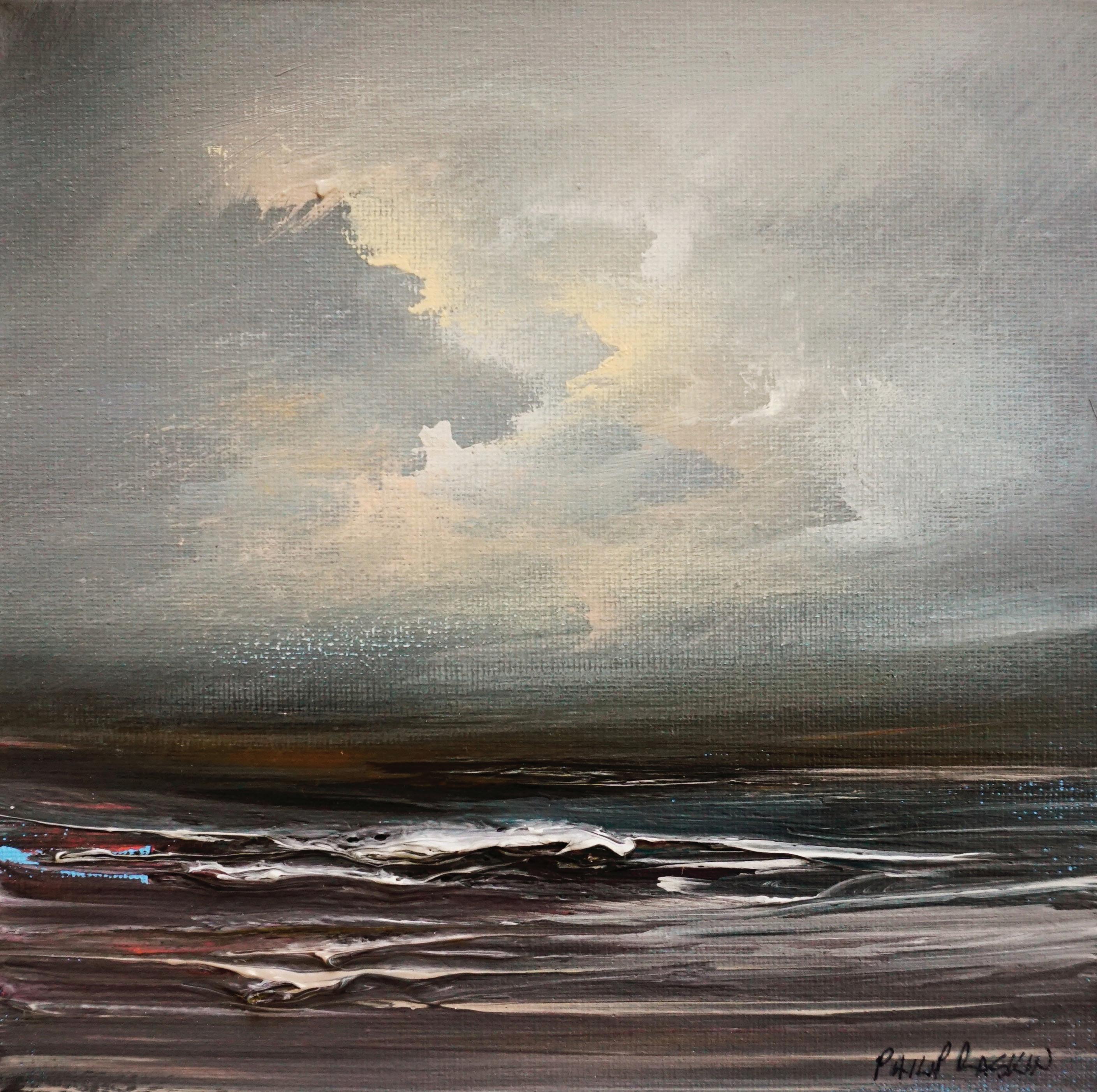
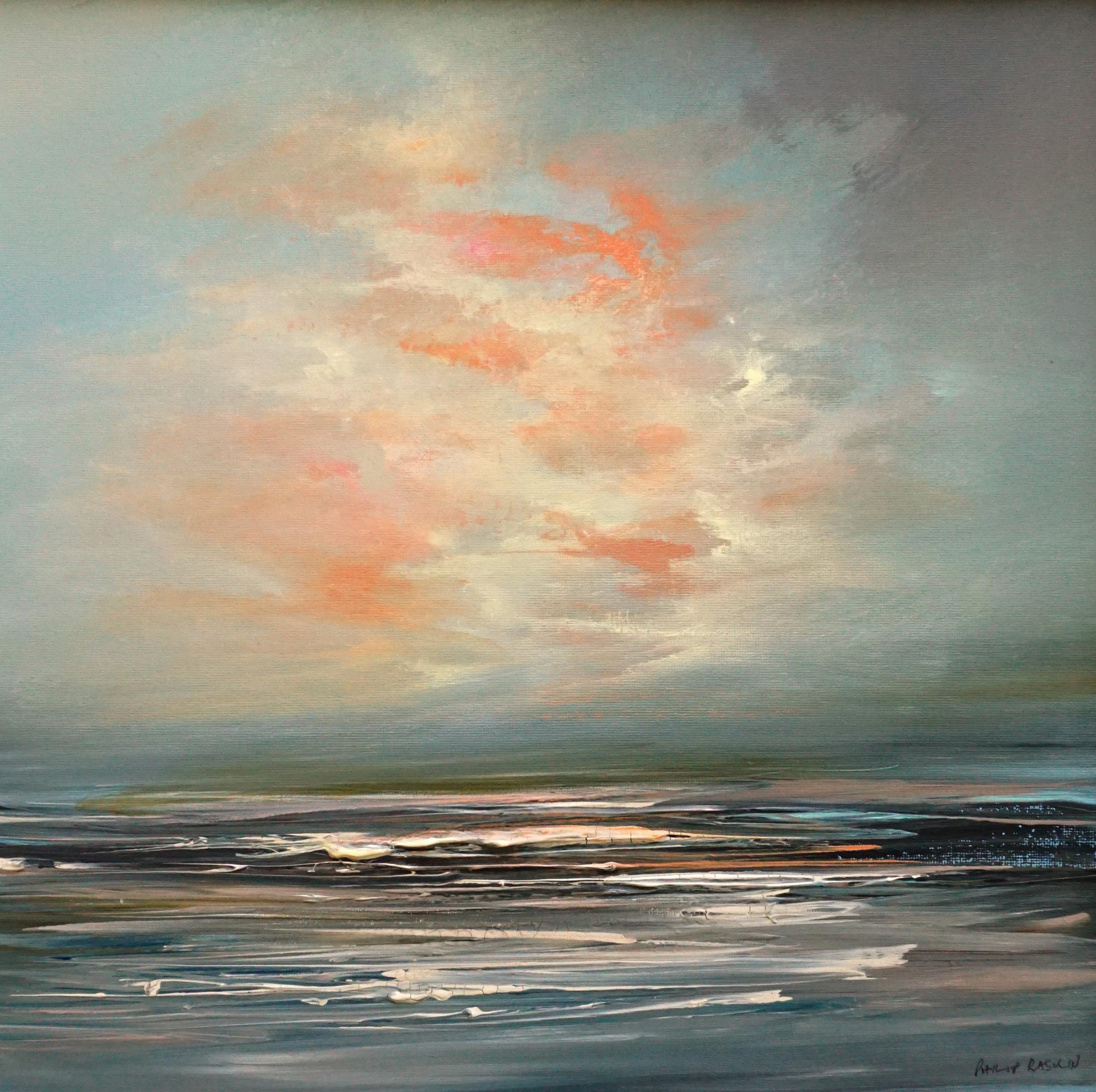
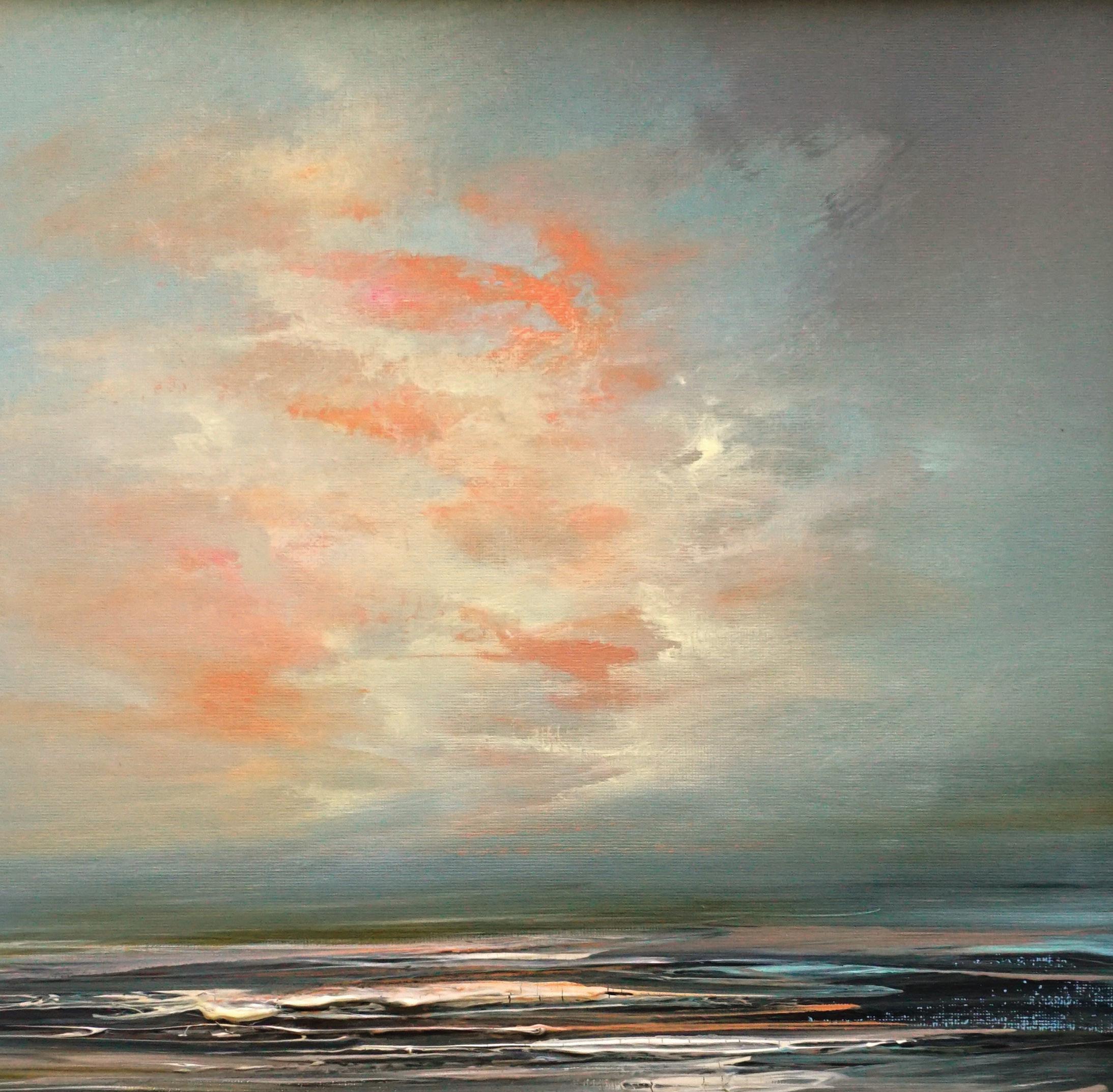
Philip Raskin is a highly regarded Scottish landscape artist, known for his evocative paintings that capture the atmosphere, light and quiet poetry of Scotland’s wild places.
Born and educated in Scotland, Philip Raskin studied at The Glasgow School of Art during the 1960s. His studies were cut short by the sudden and untimely death of his father, a life-changing event that led him away from art and into the world of business. For nearly twenty years, Philip and his wife were proprietors of the muchloved Inn on the Green restaurant, a period that became an important and formative chapter in his life.
In time, Philip Raskin returned fully to painting, devoting himself once again to his easel and brushes. Today, he is celebrated for a distinctive and instantly recognisable style that combines bold, heavy impasto with a remarkable delicacy and sensitivity more often associated with watercolour. This unique approach allows him to build richly textured surfaces while retaining a lightness of touch and emotional subtlety.
Raskin’s paintings are deeply rooted in the Scottish landscape. Expansive skies, shifting weather, mist-softened hillsides and reflective waters dominate his compositions. His intuitive use of colour, often working with a restrained and harmonious palette, creates works that radiate peace, stillness and tranquillity. Light and atmosphere are central to his practice, and his paintings possess a quiet, meditative quality that invites prolonged looking.
Philip Raskin’s work is widely collected throughout the UK and internationally, and he has built a loyal following among collectors who are drawn to the emotional depth and timelessness of his landscapes.
As the artist himself explains: “I tend to paint very private places for the viewer to own and enjoy. No people, no houses, no telegraph poles; just expansive skies, mist tumbling on a distant hillside and a silence broken only by lapping water and gulls ascending.”
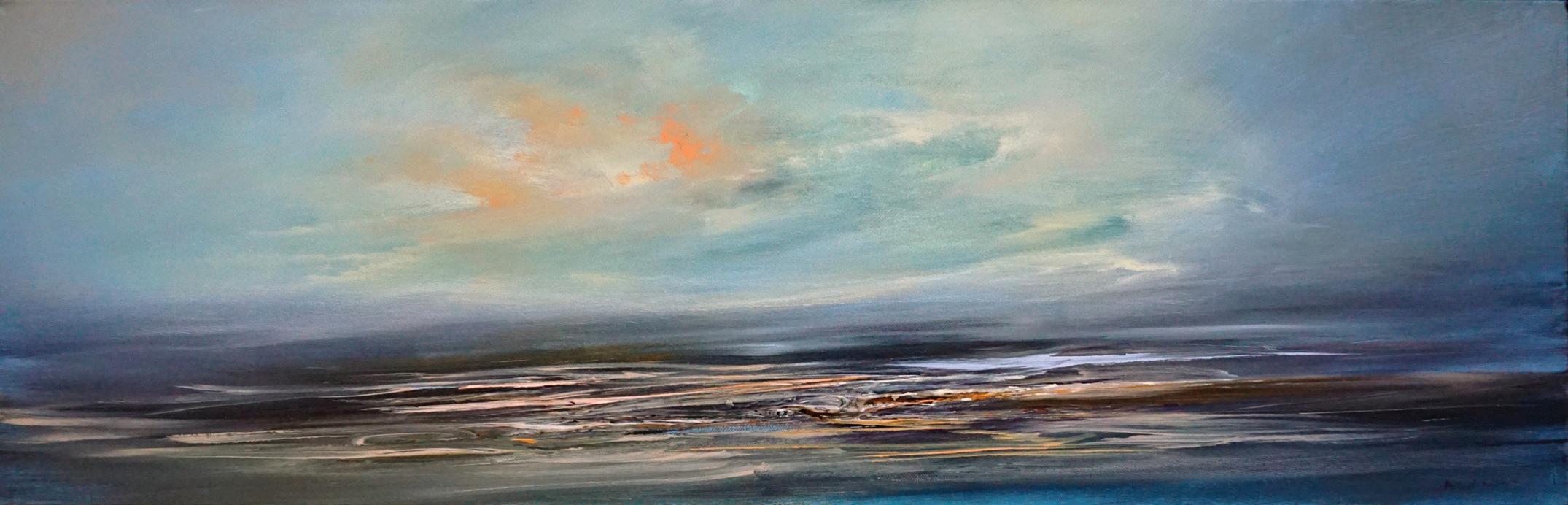
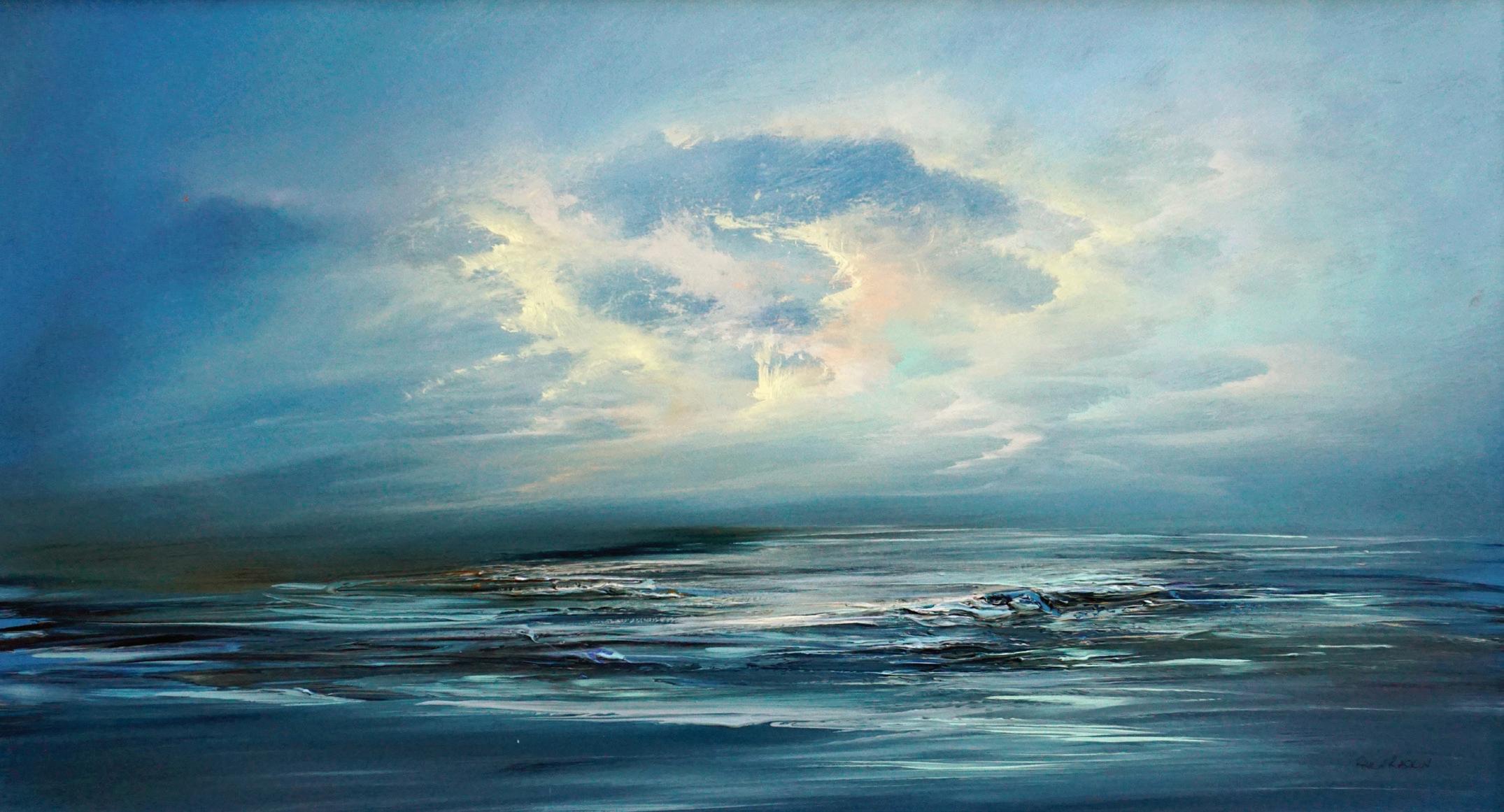
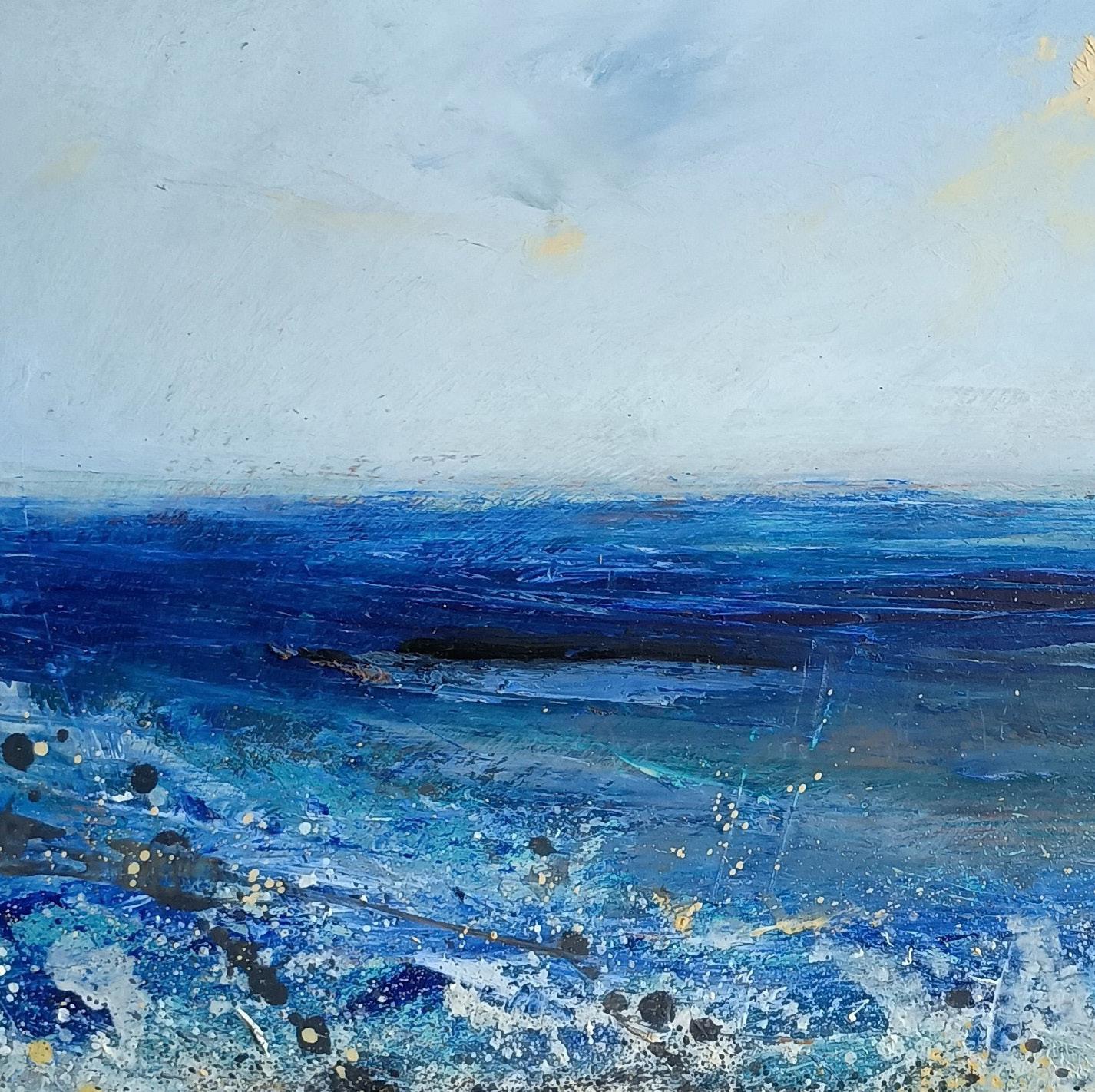
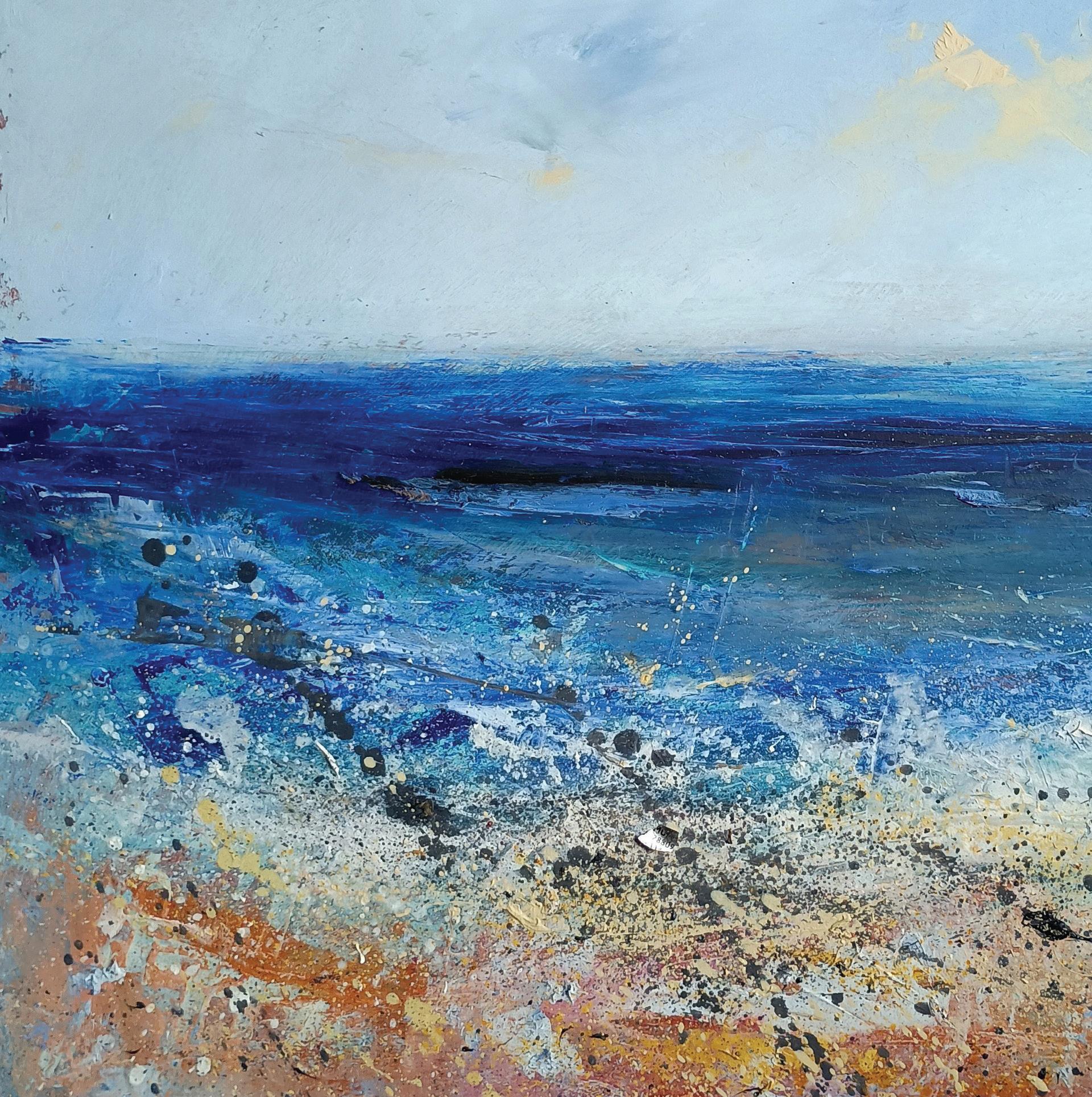
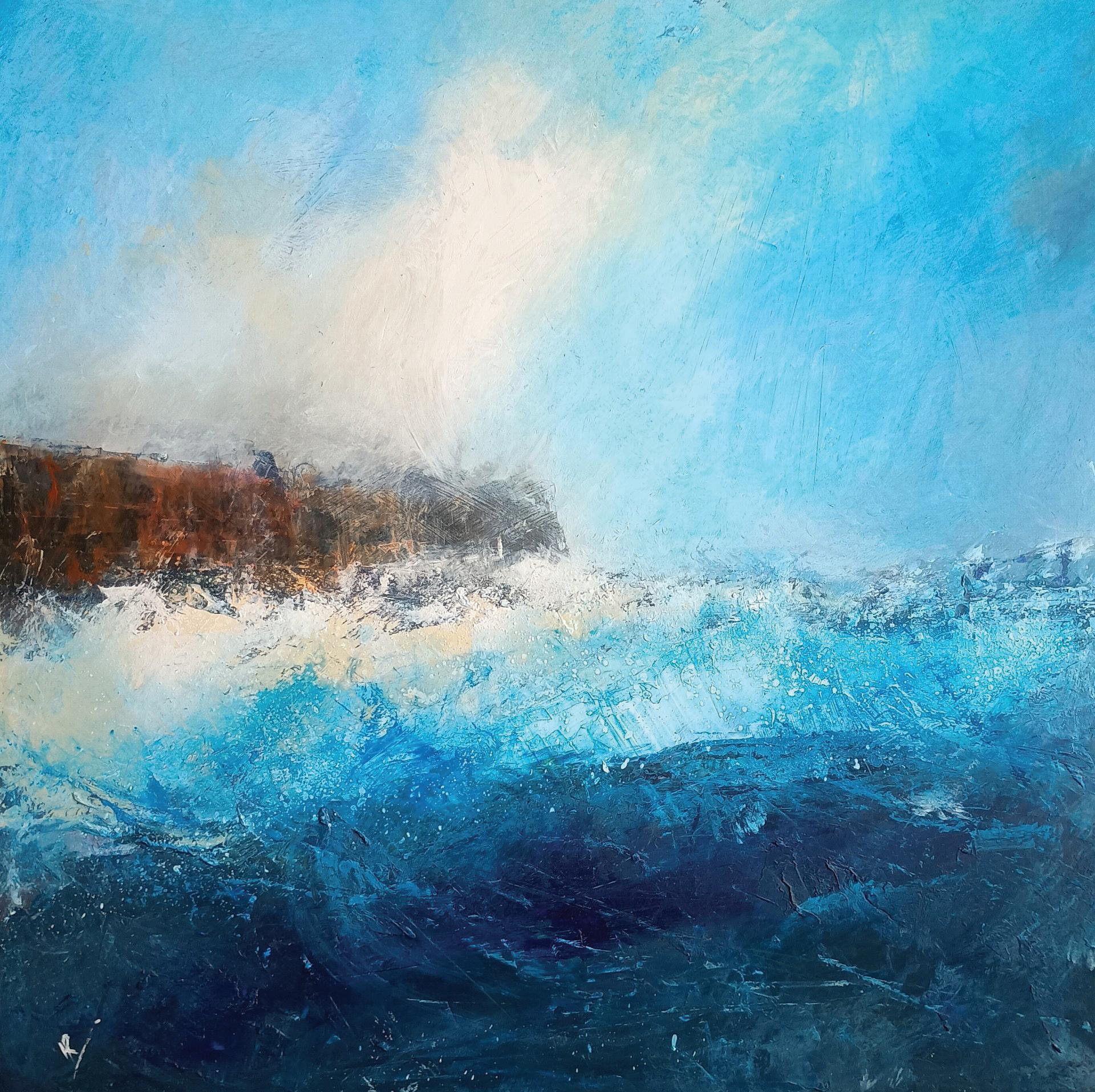
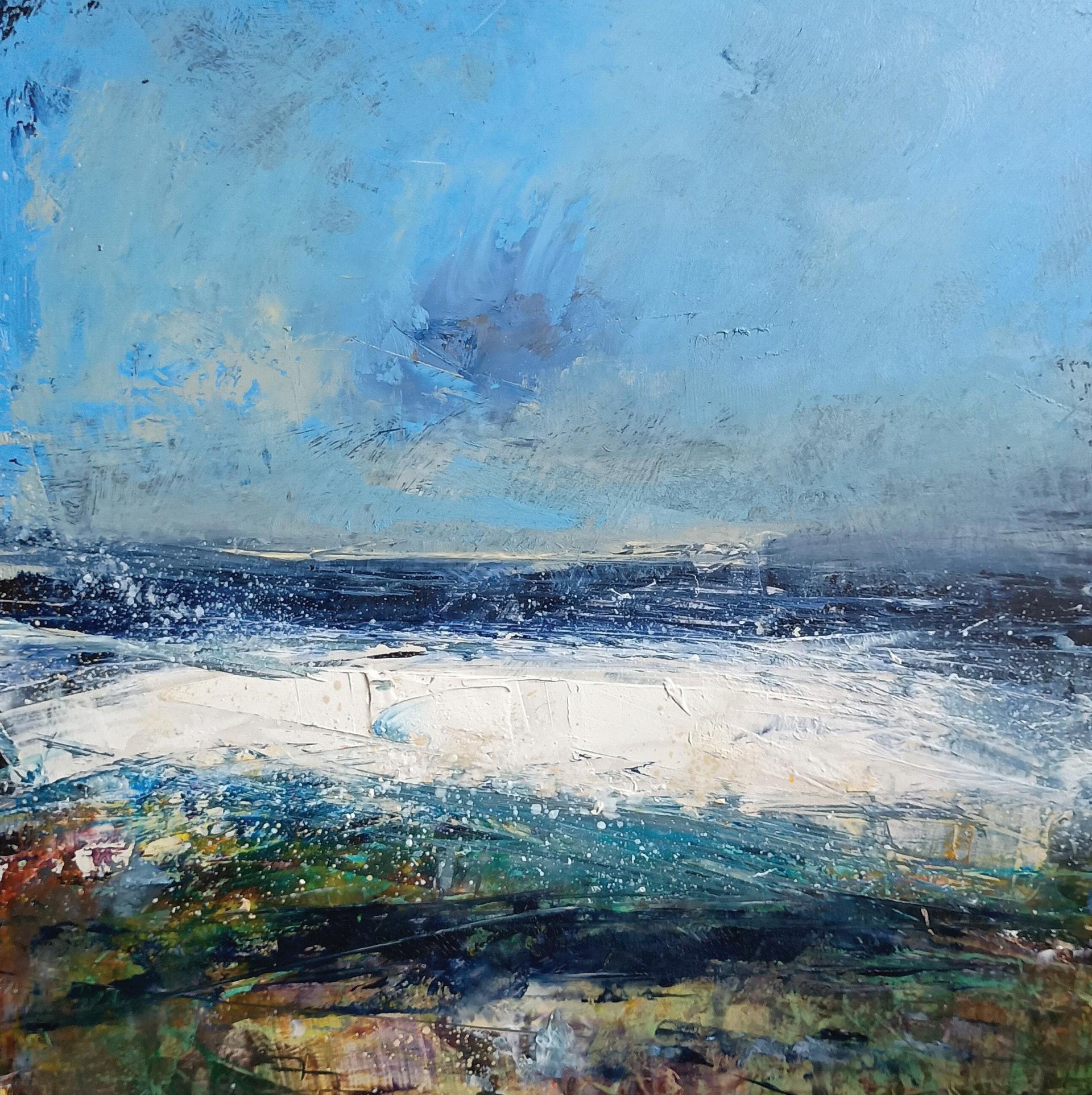
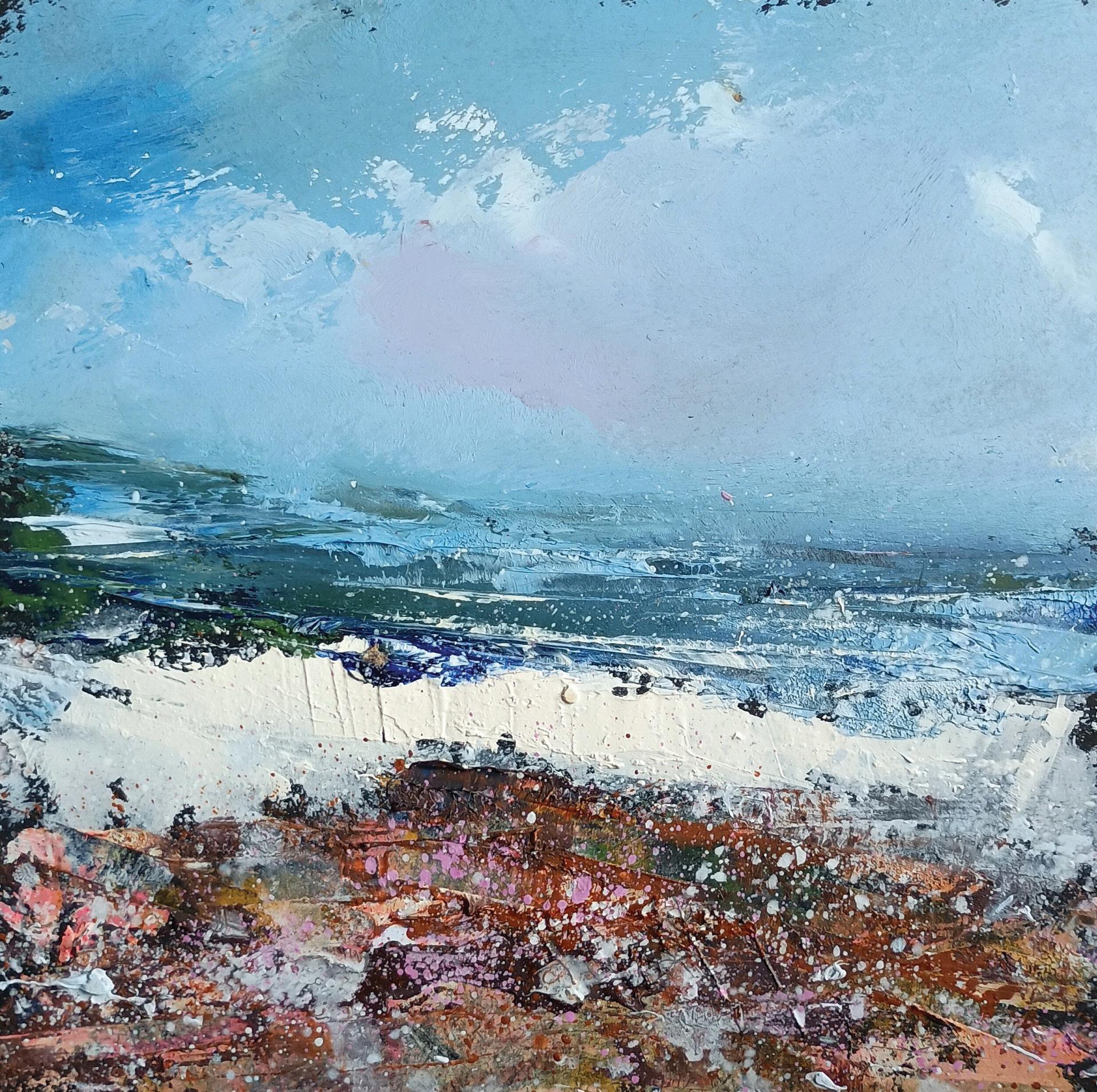
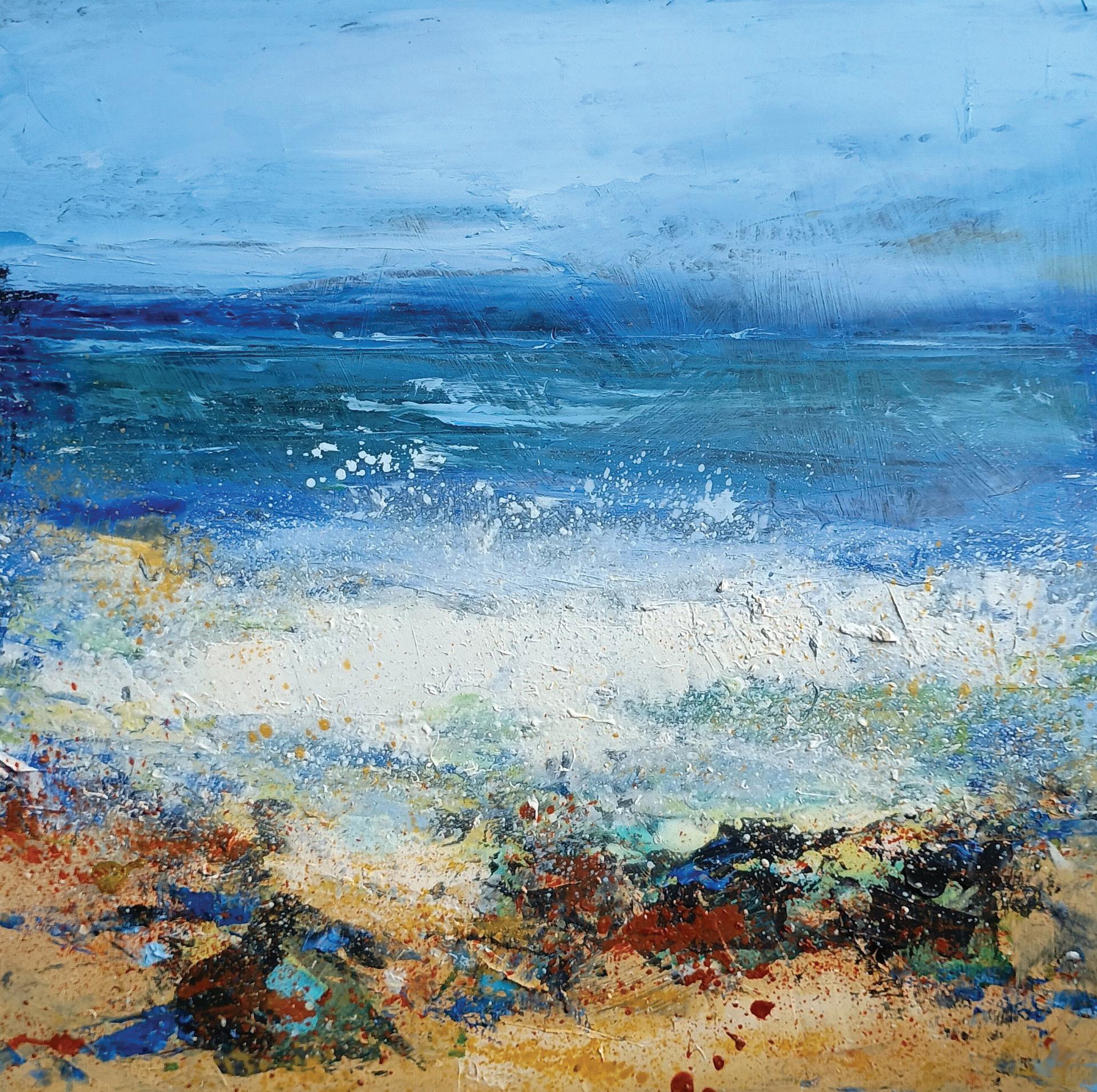
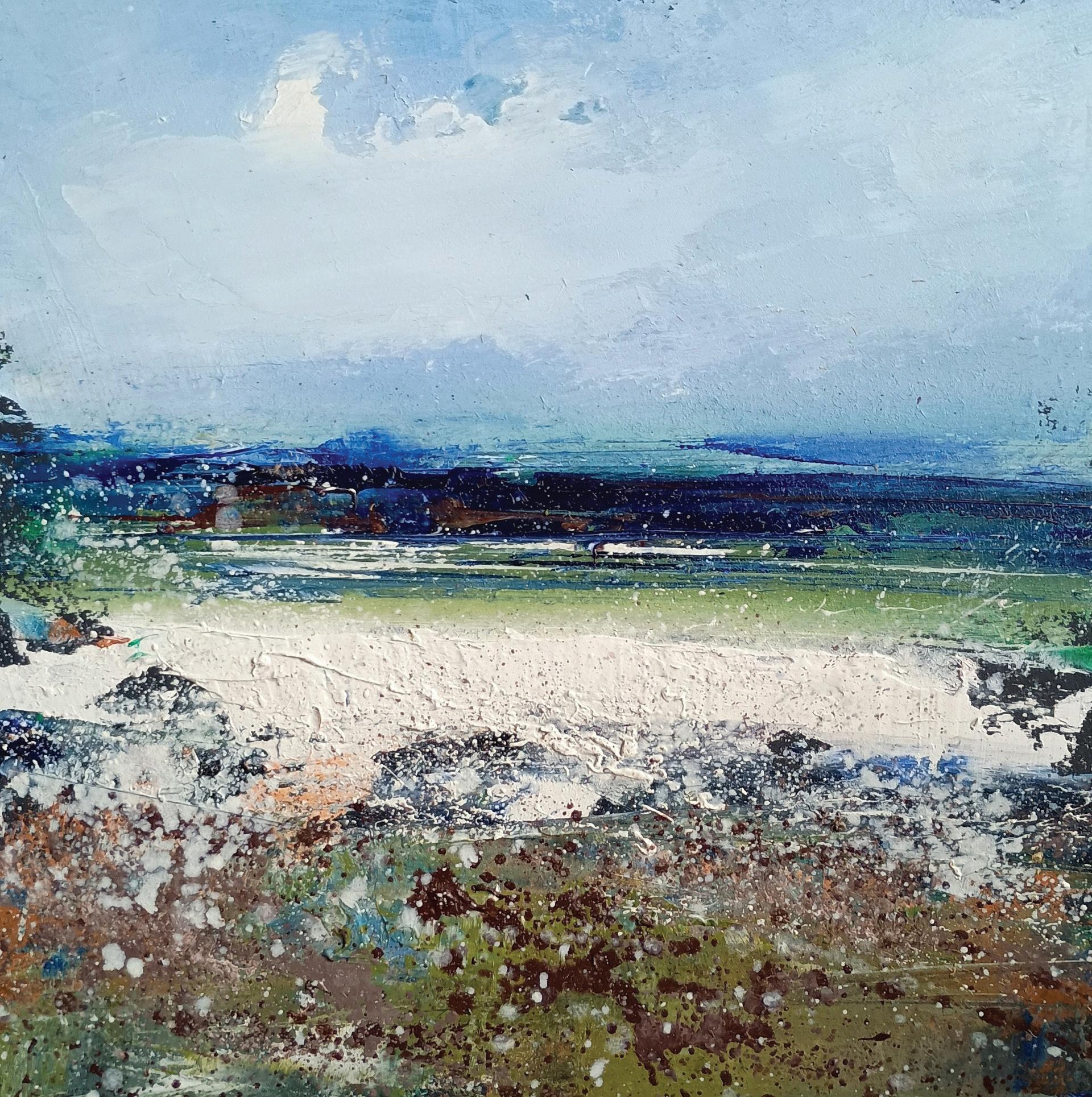
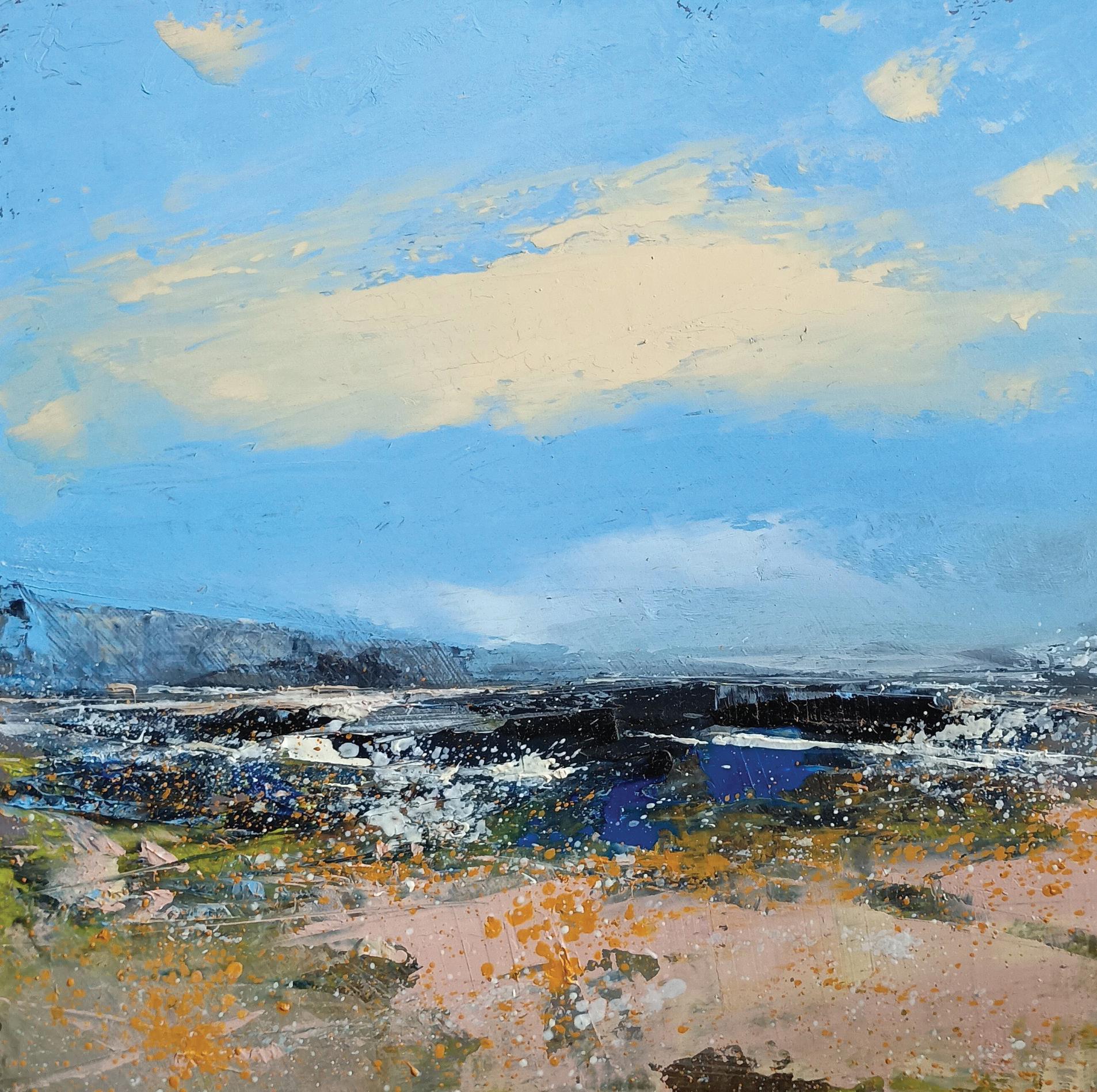
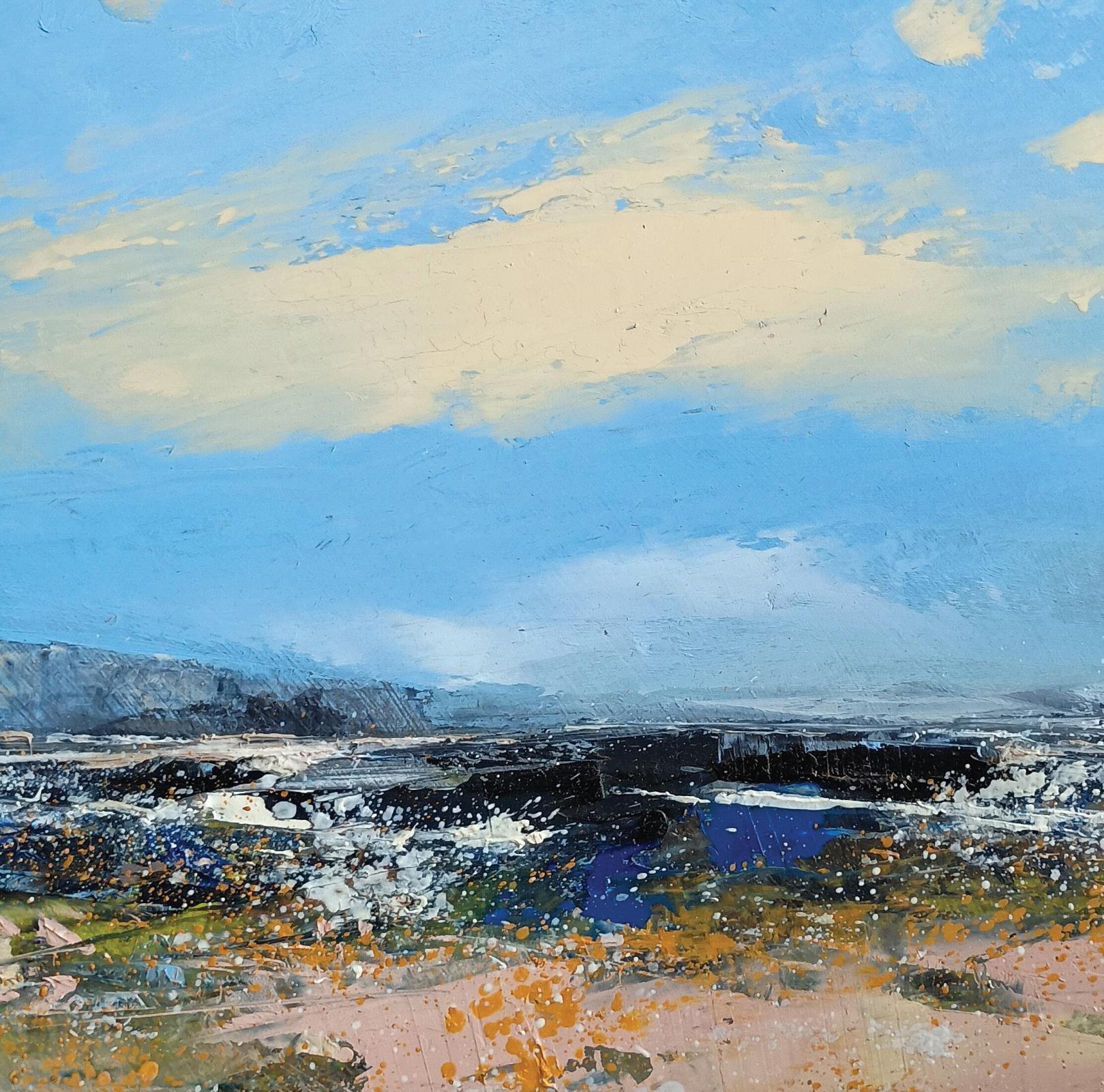
Ian Rawnsley is a contemporary painter, currently based in mid-Wales whose work explores seascape and landscape through both representational and abstract approaches. His artistic journey began in childhood, fuelled by an early fascination with drawing that later gave way to the more conventional demands of education and professional life. Although art remained a constant interest, it was not until the early 2000’s that Rawnsley returned fully to painting and became a full-time, professional artist in 2006.
Over time, he developed a distinctive visual language rooted in his enduring connection to the sea. His current practice focuses on capturing texture, light and atmosphere, working predominantly in oil on cotton panels, across a range of scales from intimate small works to larger-format paintings.
Ian’s work is informed by time spent living and working close to the coast, including on the Irish coastline and then Argyll, experiences that continue to shape his visual memory and emotional response to place. While currently based in Cemmaes, mid Wales, the pull of the sea remains ever present in his work. The western shores - from Cornwall and the Hebridean islands to Scotland’s east coast and the shores of Donegal - provide an enduring source of inspiration, each offering its own light, weather and sense of space.
by artists such as J.M.W. Turner, Joan Eardley, Kurt Jackson and James McNeill
Whistler, Rawnsley seeks to capture not a literal record of place, but an essence - a feeling, a memory, or an emotional response.
Alongside his studio practice, Ian Rawnsley has spent many years designing and delivering creative programmes that use art as a tool for building self-confidence and self-awareness, particularly among young people. He is a passionate advocate for progressive education, placing creativity and the love of learning at the heart of personal development and wellbeing.
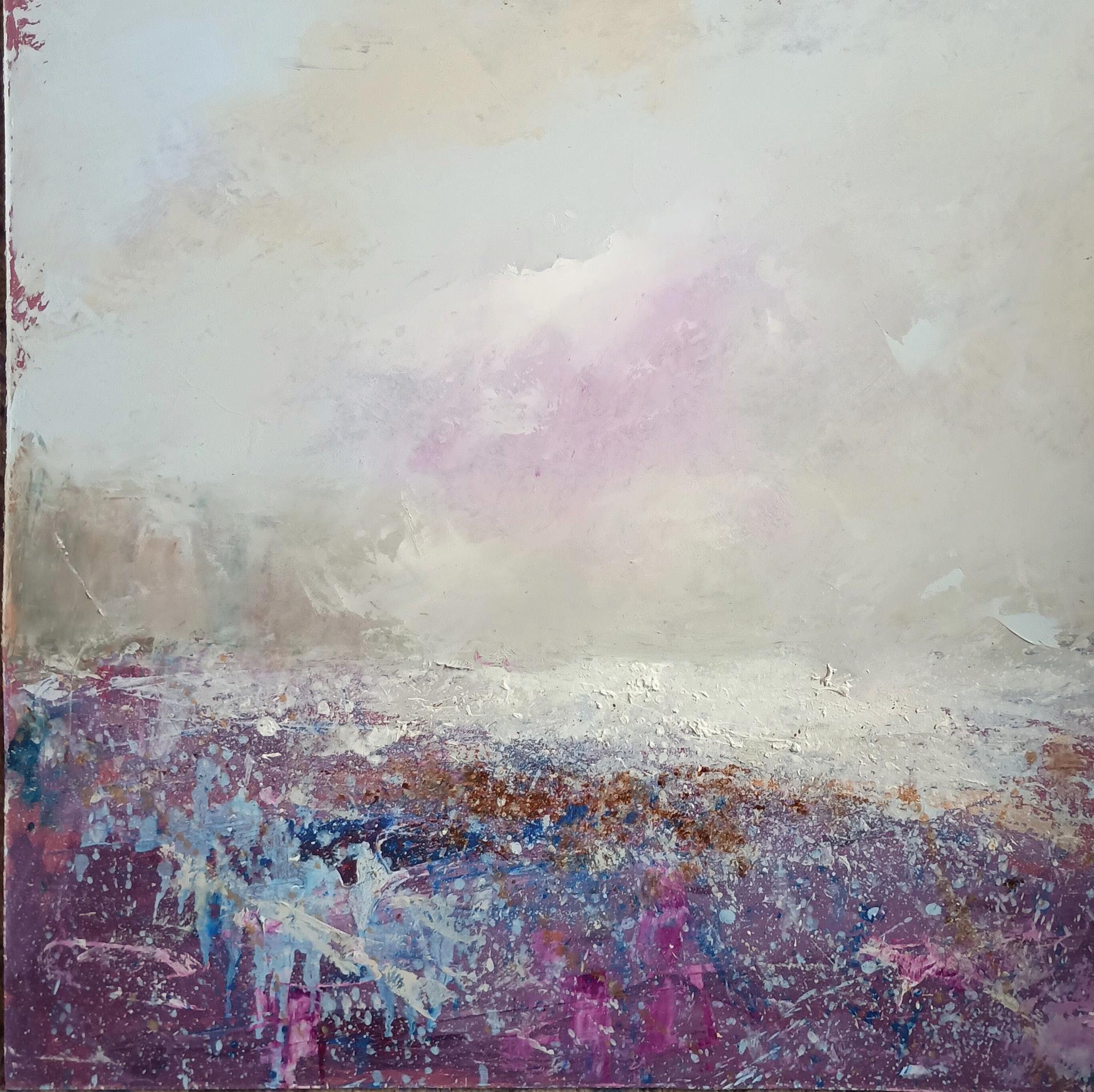
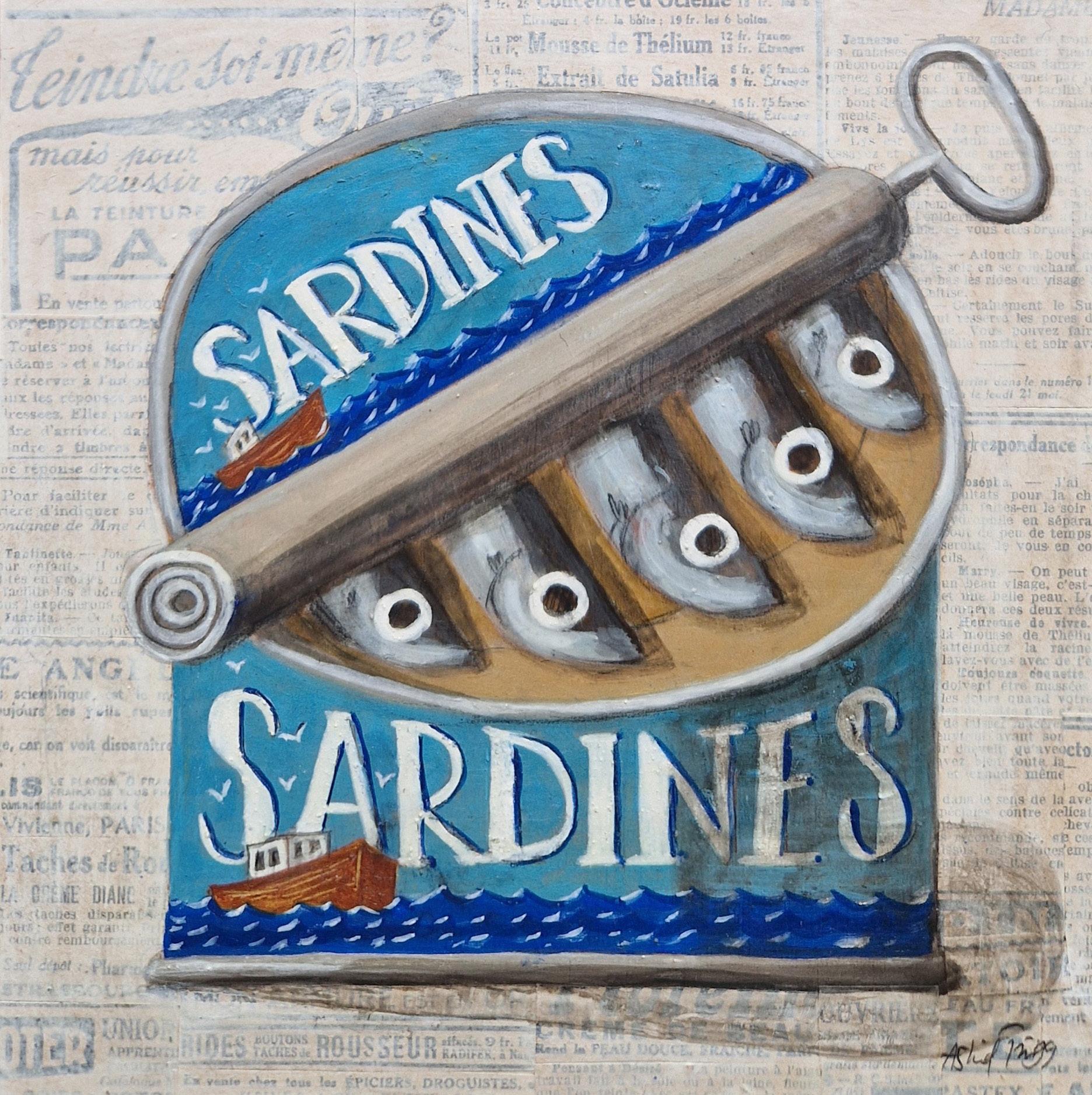
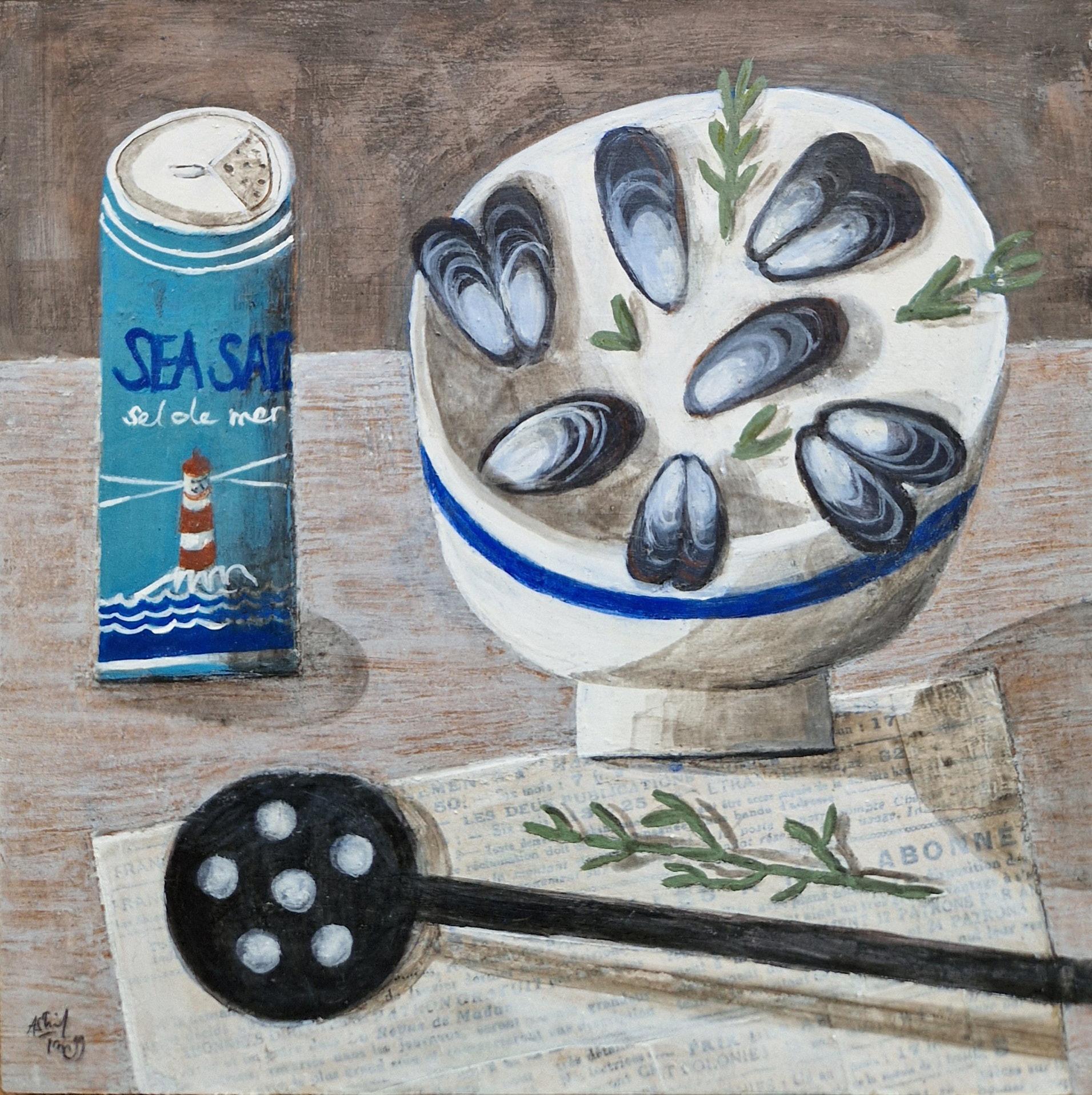
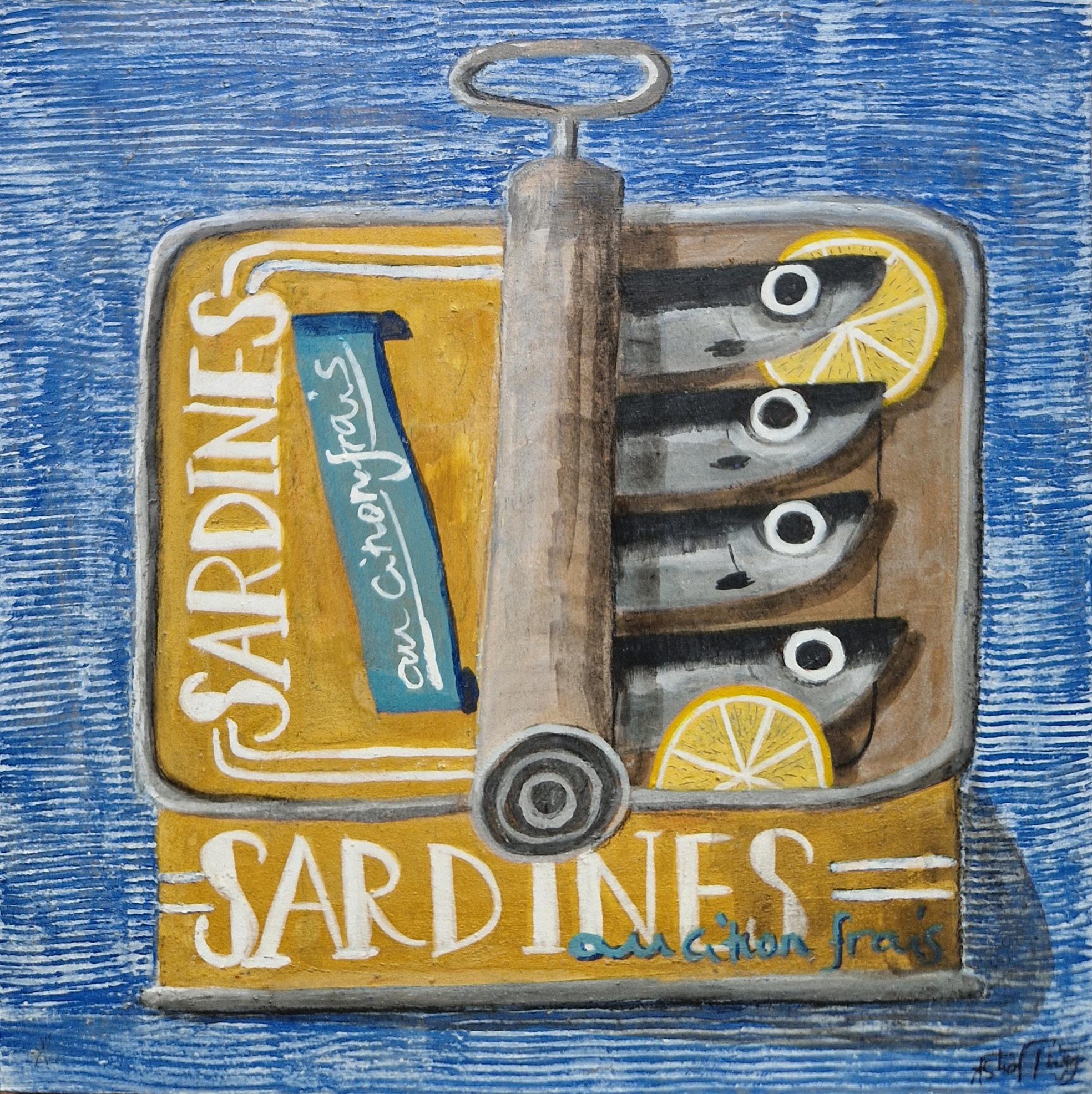
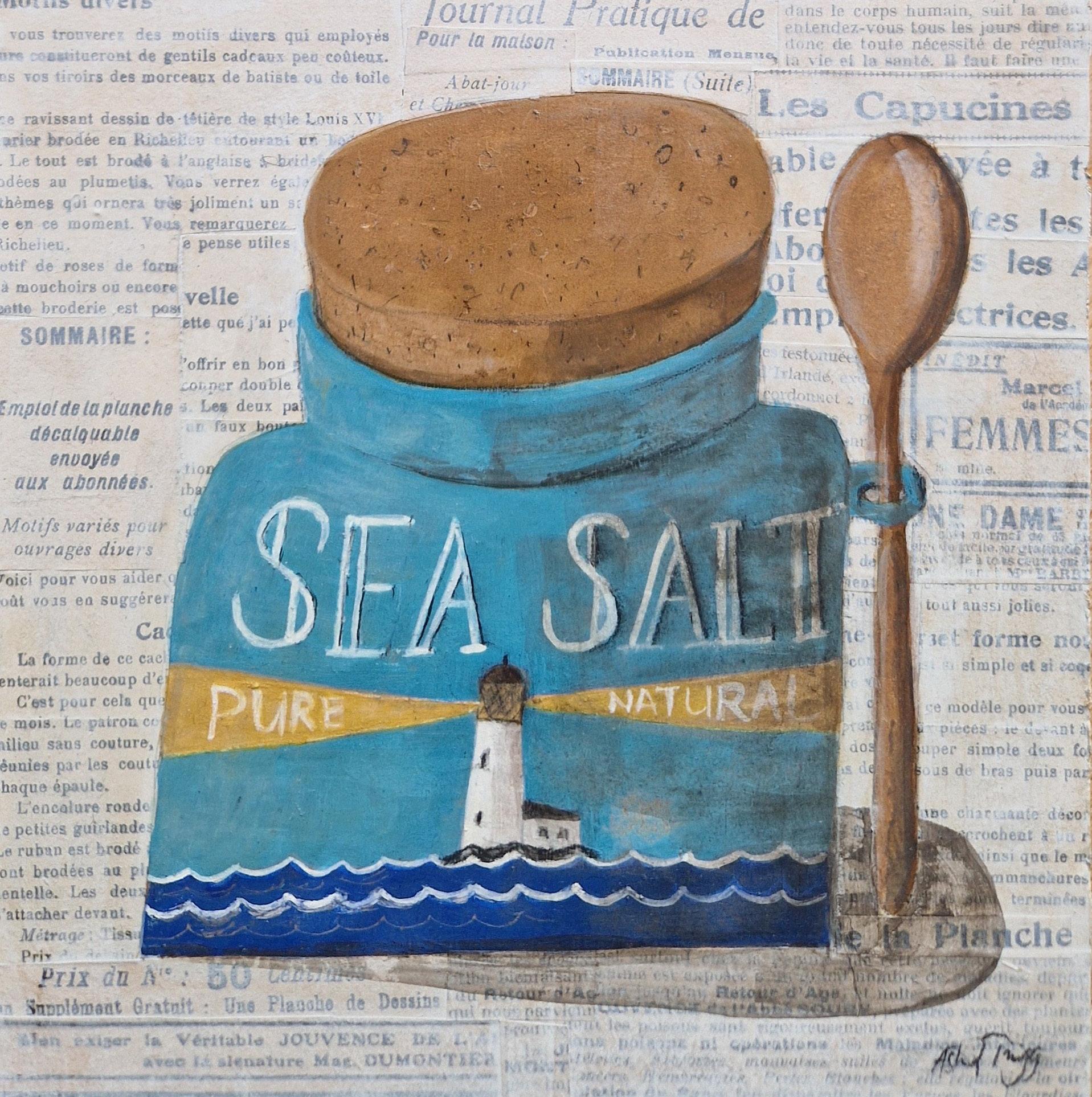
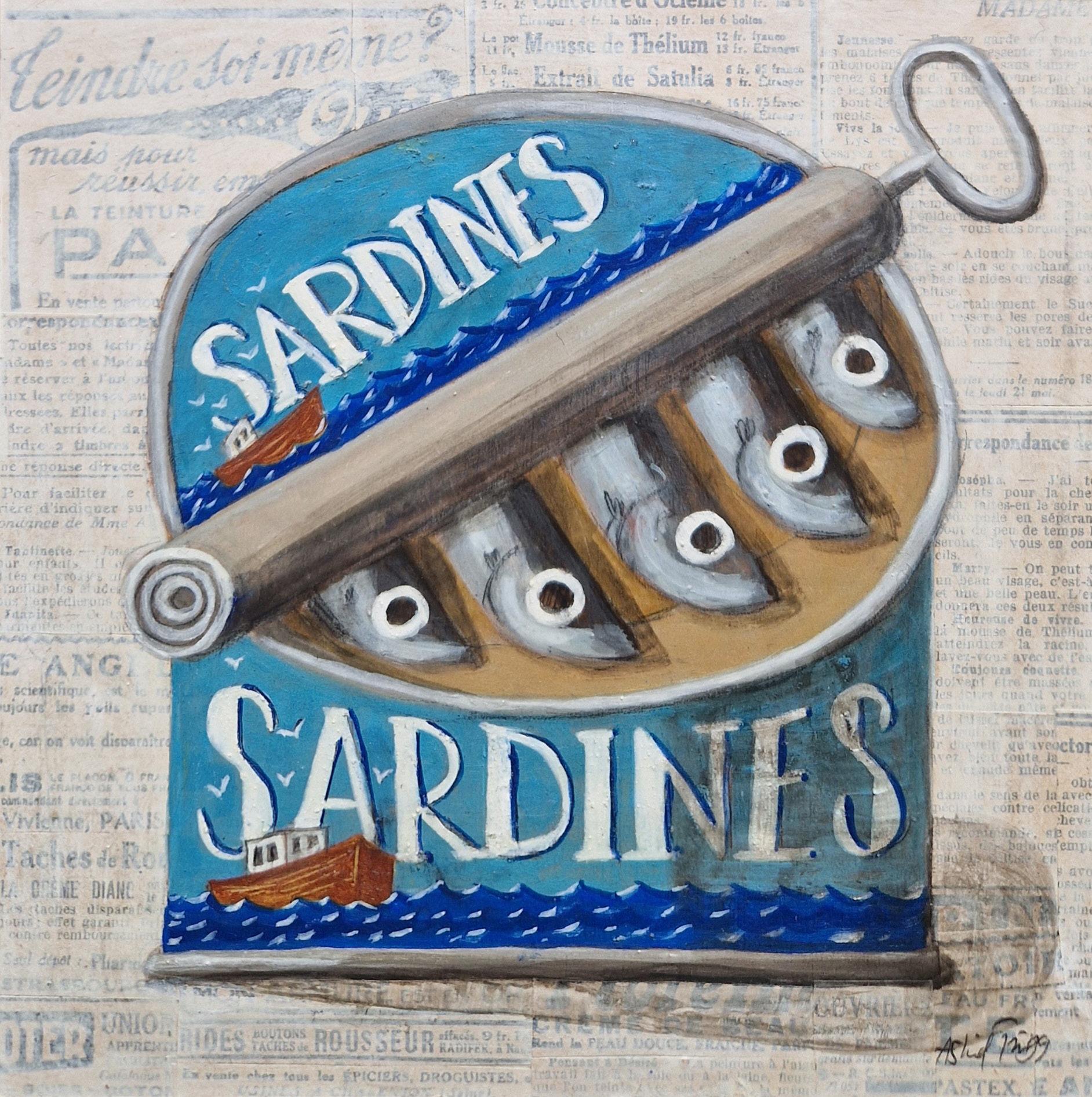
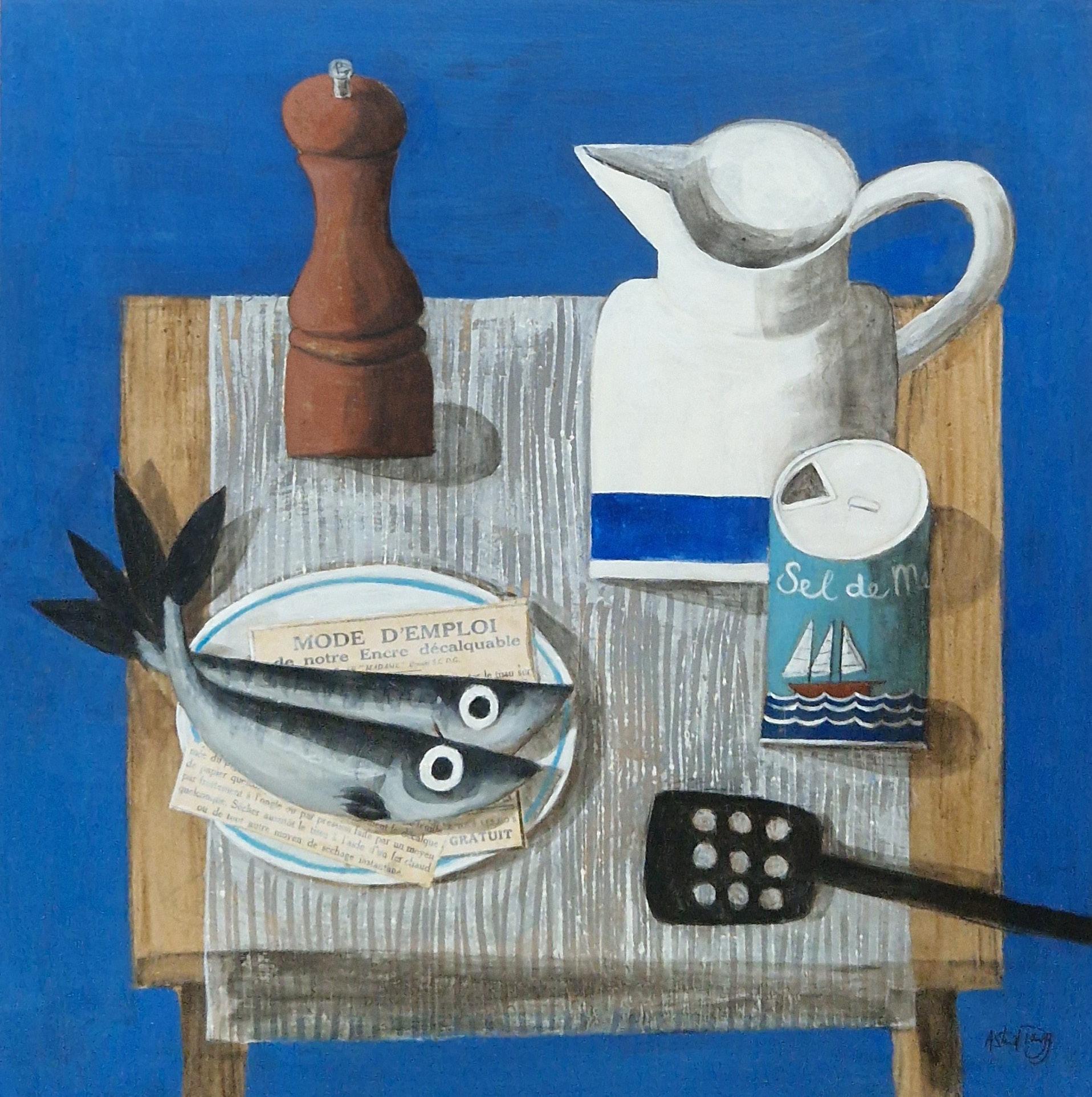
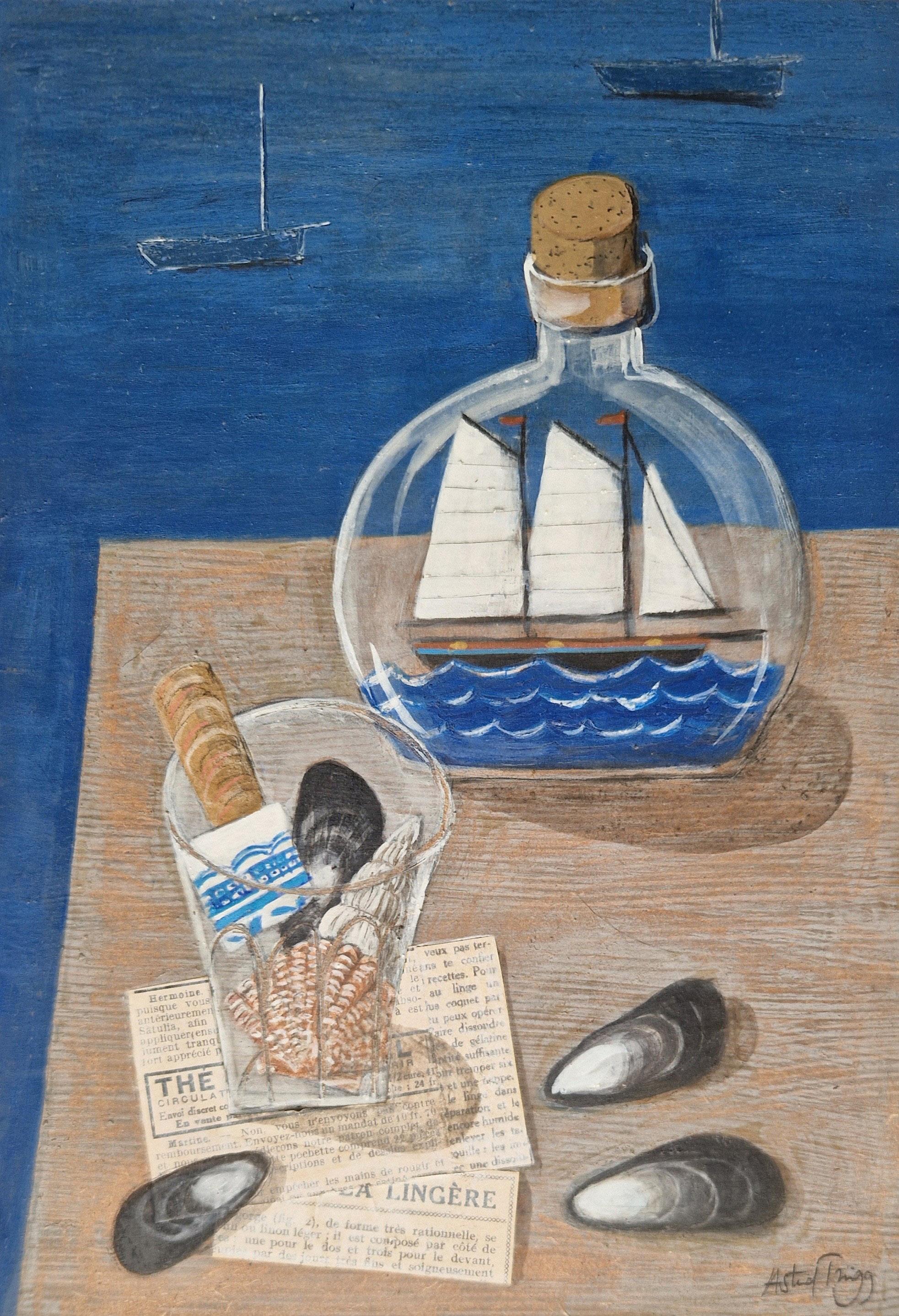
Astrid Trügg was born in Utrecht, the Netherlands, in 1972 and has been passionate about painting and drawing for as long as she can remember.
Graduating from the Utrecht School of Art in 1991, Astrid relocated to Edinburgh in 2003, where she completed a postgraduate painting course at the Leith School of Art.
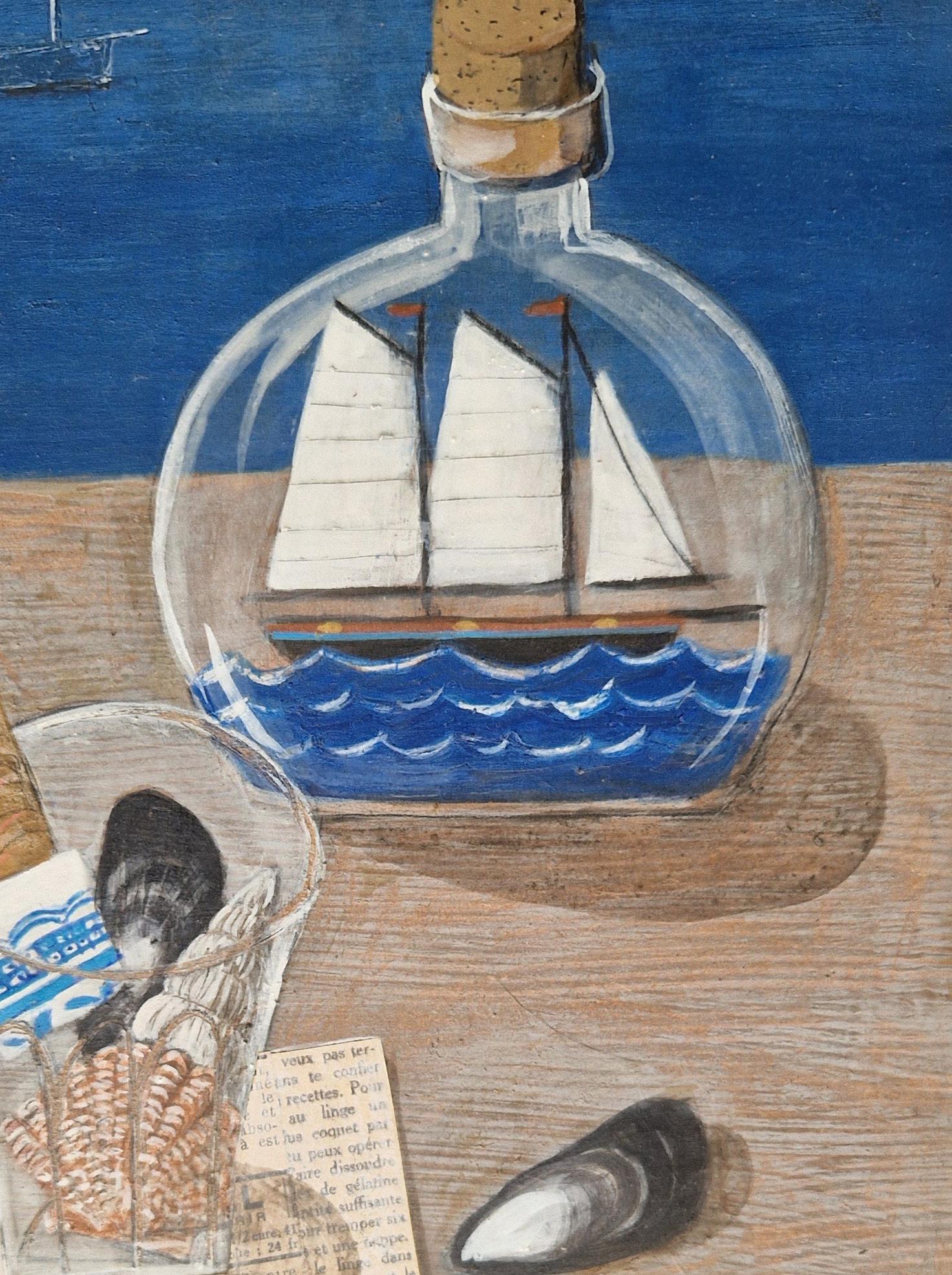
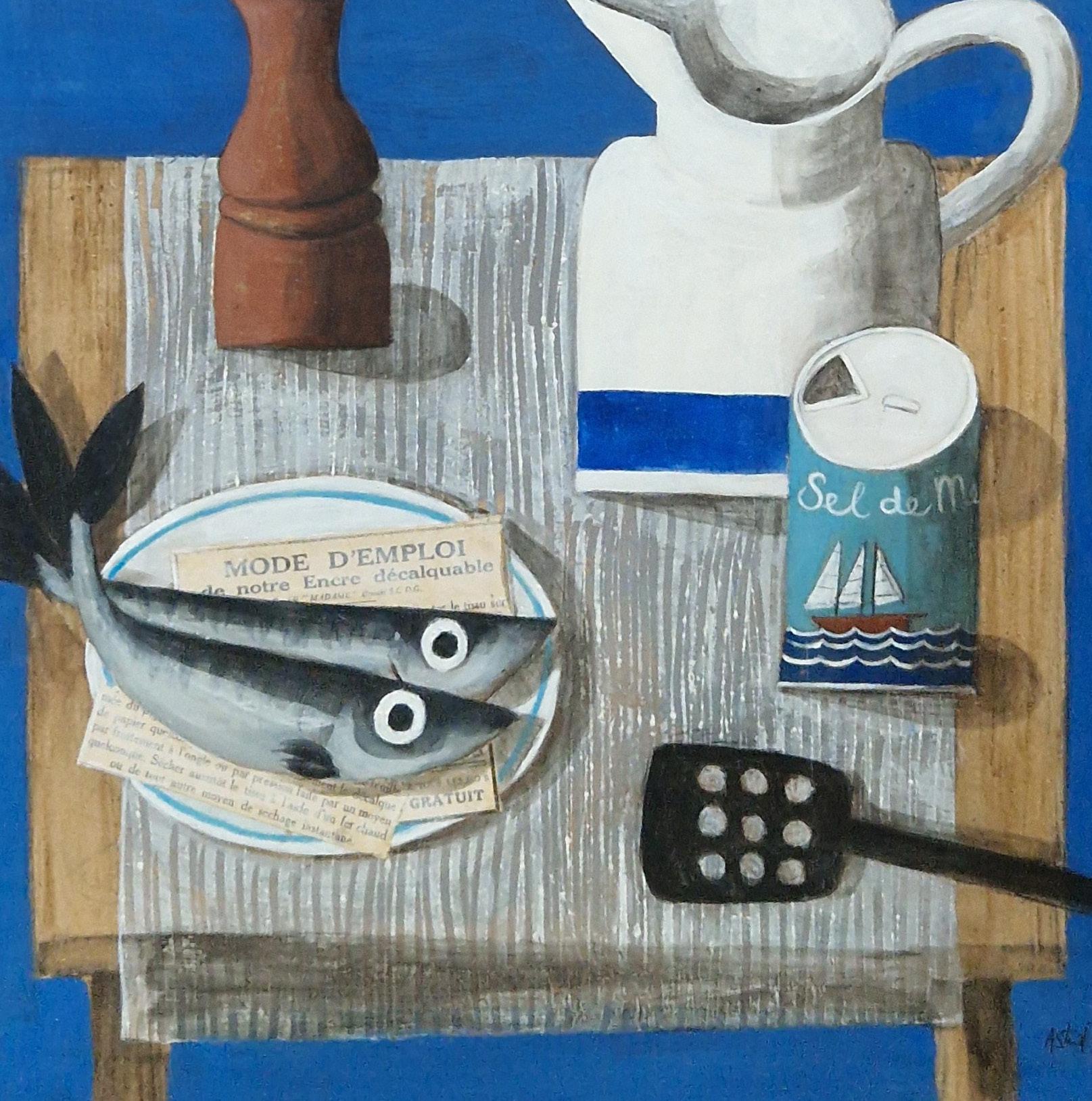
Initially inspired by the architecture, textures, and harbours of her native country, Astrid’s focus gradually shifted toward still life—drawn to everyday objects with compelling shapes, colours, and histories. Her evocative compositions often feature items holding personal meaning - connected to childhood memories, family life, travels, or their own unique pasts.
Astrid’s distinctive technique combines gesso and glue with pure, mill-ground pigments- such as lapis lazulito create vibrant colours and richly textured surfaces. By scratching into the paint and incorporating antique newspapers through collage, she introduces both visual depth and subtle narrative layers.
This technique and use of materials is intricate and demands a level of patience and dedication, allowing Astrid to create only a select few works each year.
Now based in North Berwick, the coastal landscape continues to inspire her, with frequent references to the shore appearing in her work.
Astrid has exhibited at the Royal Scottish Academy and is represented by galleries across the UK and internationally.
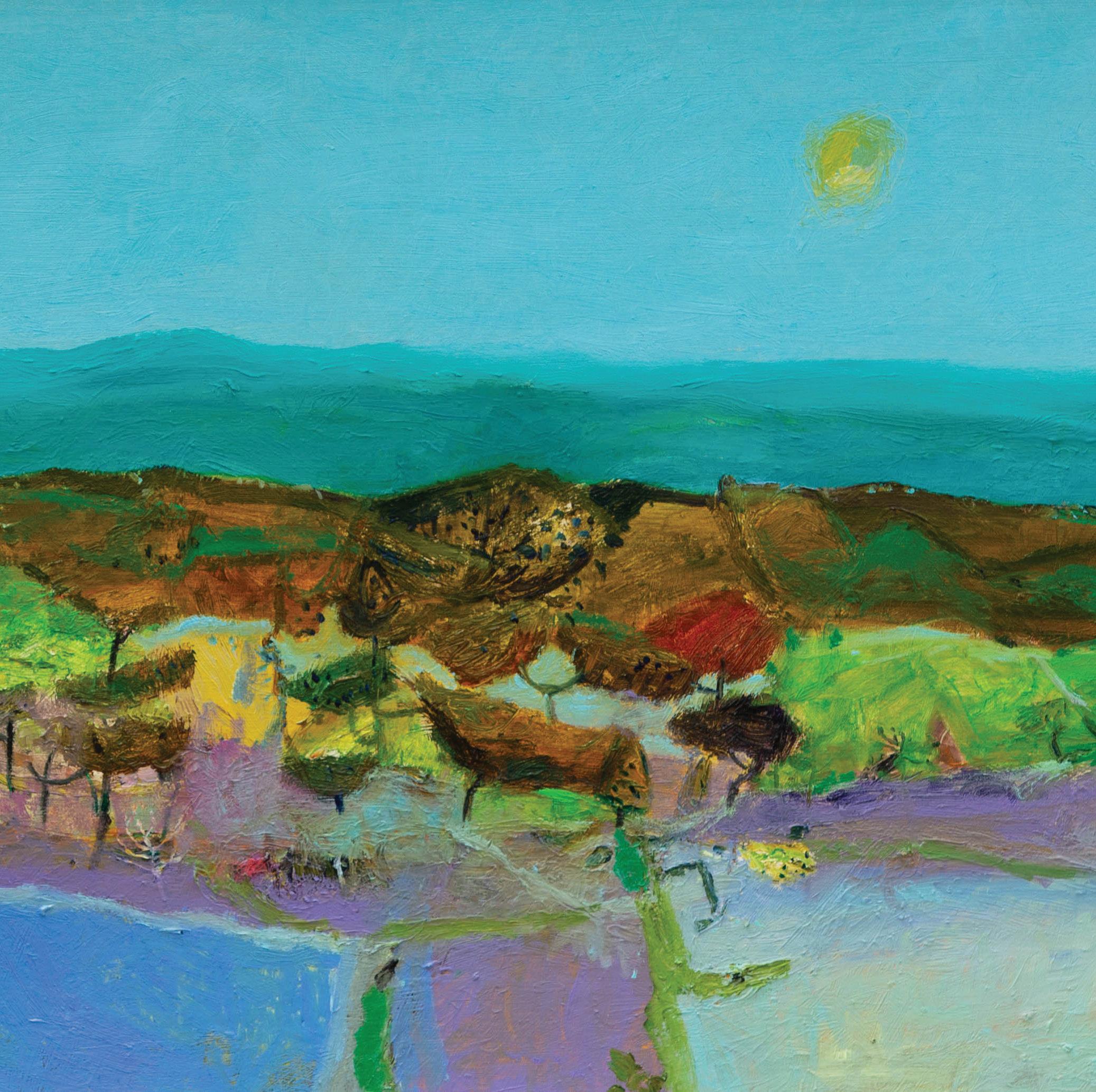
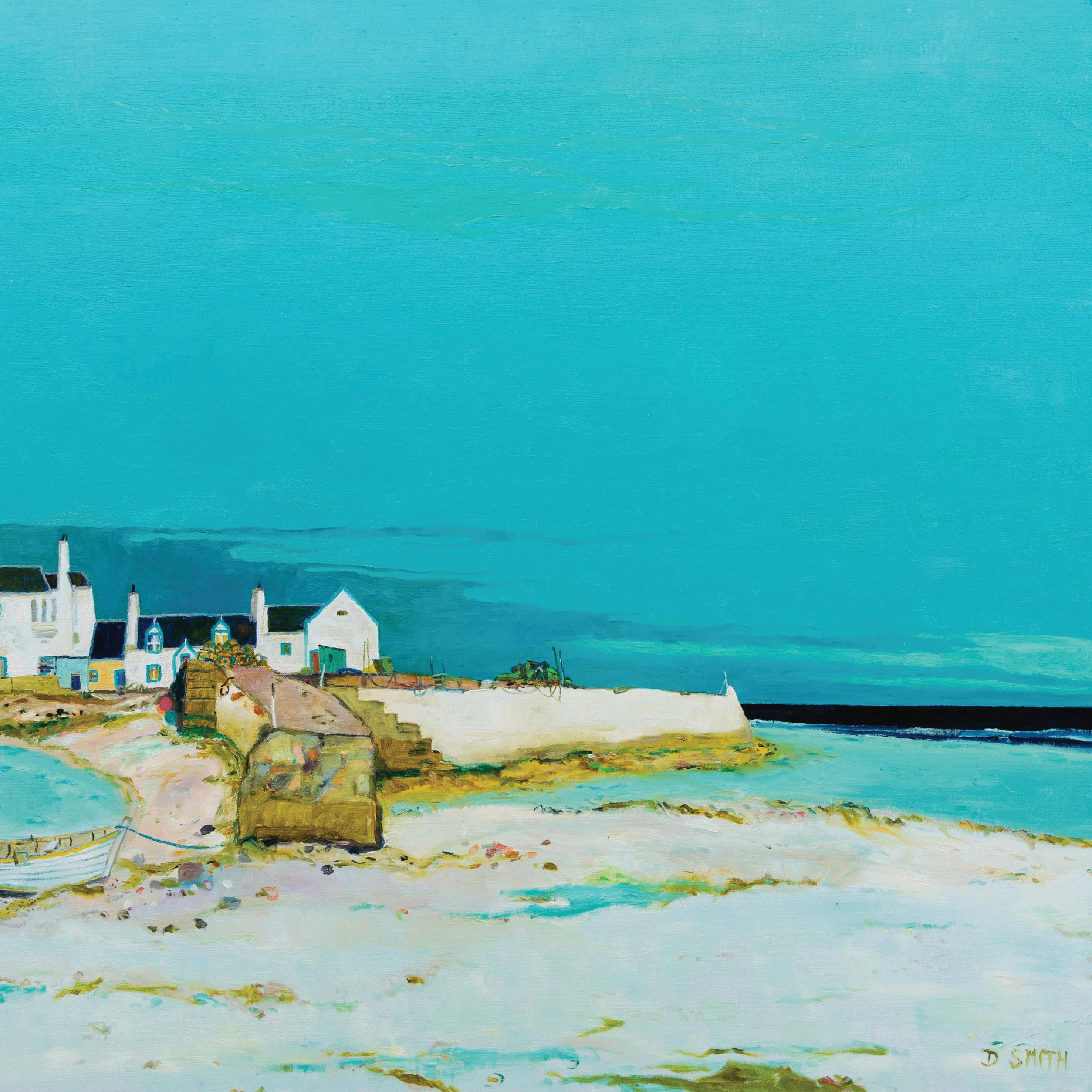
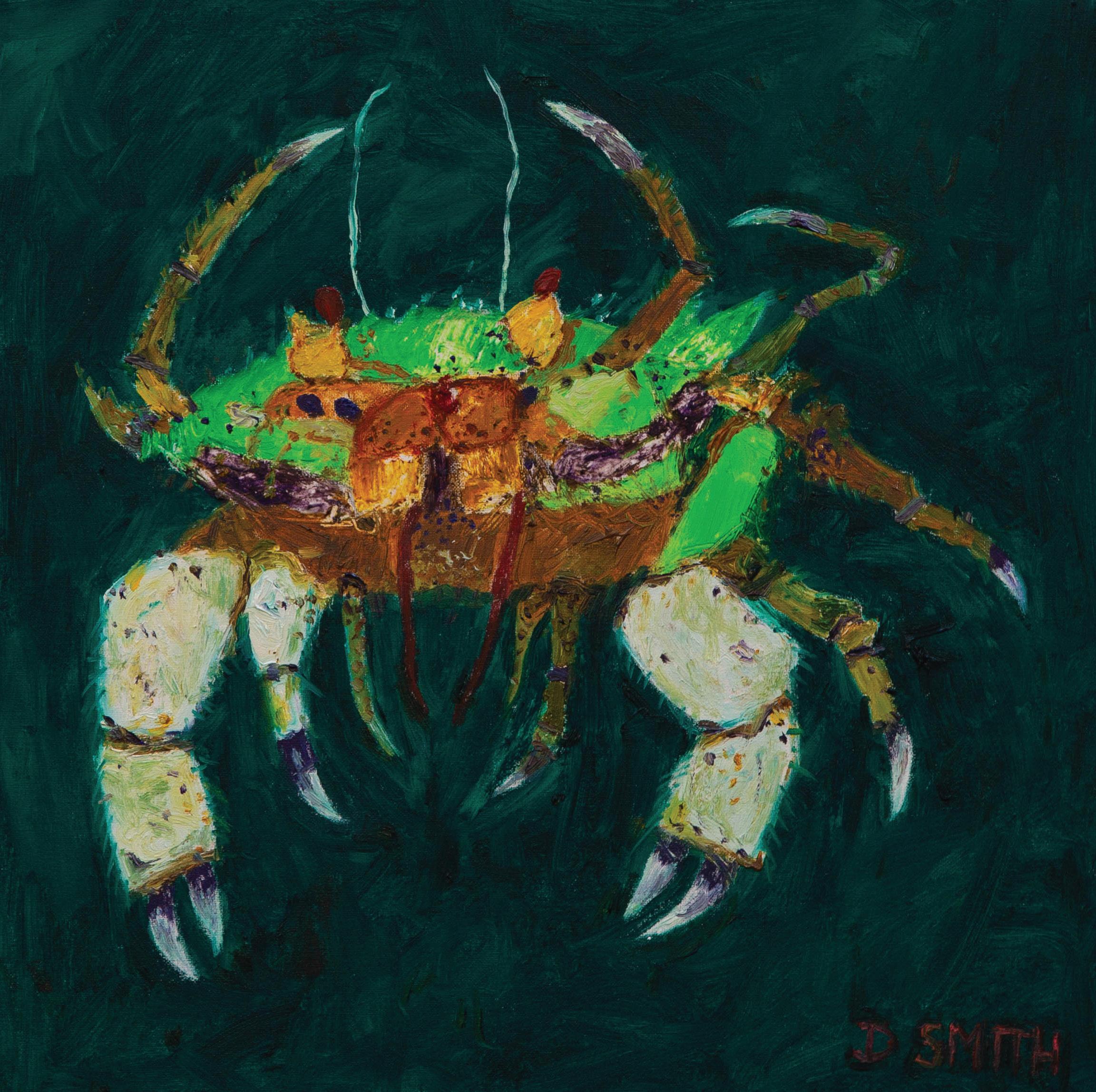
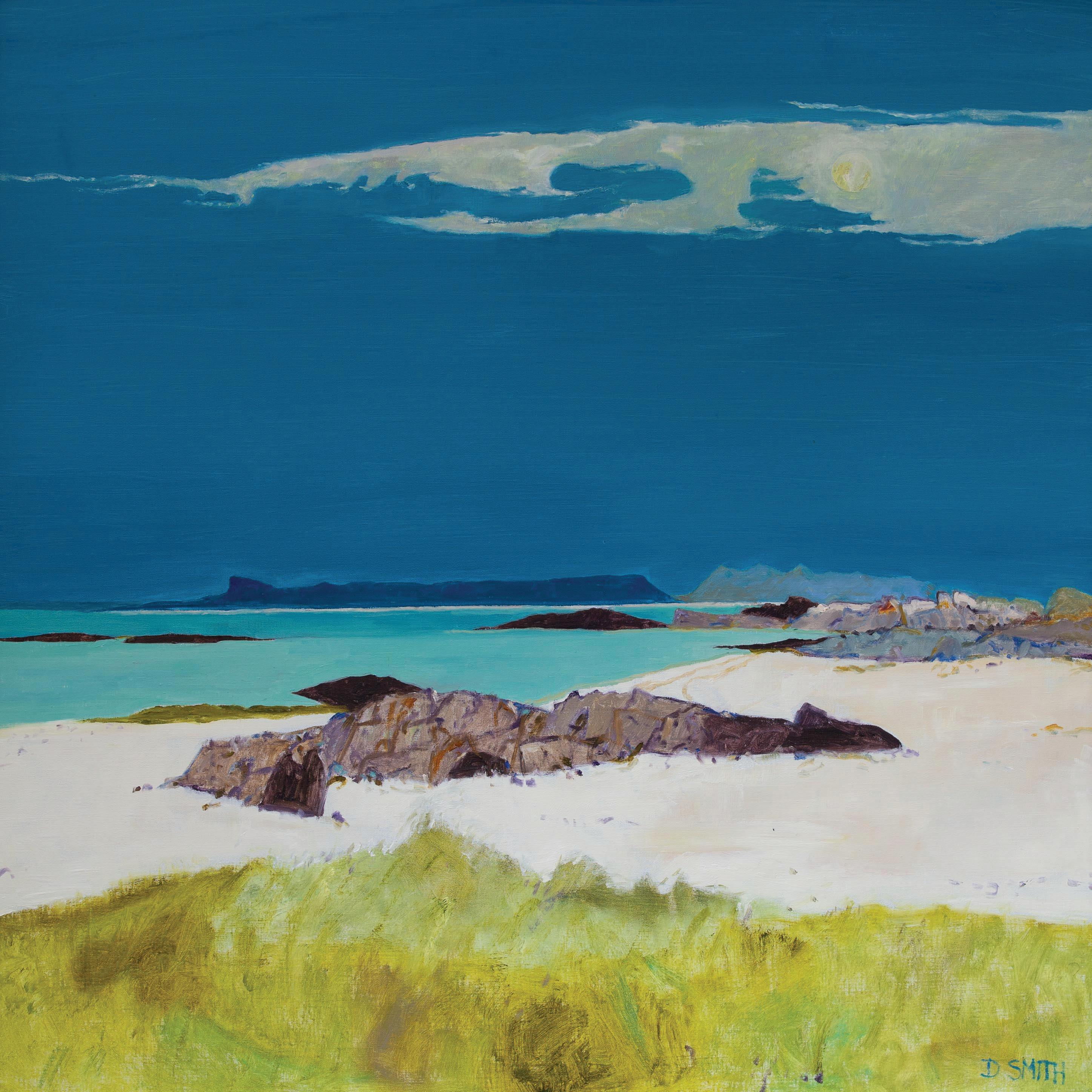
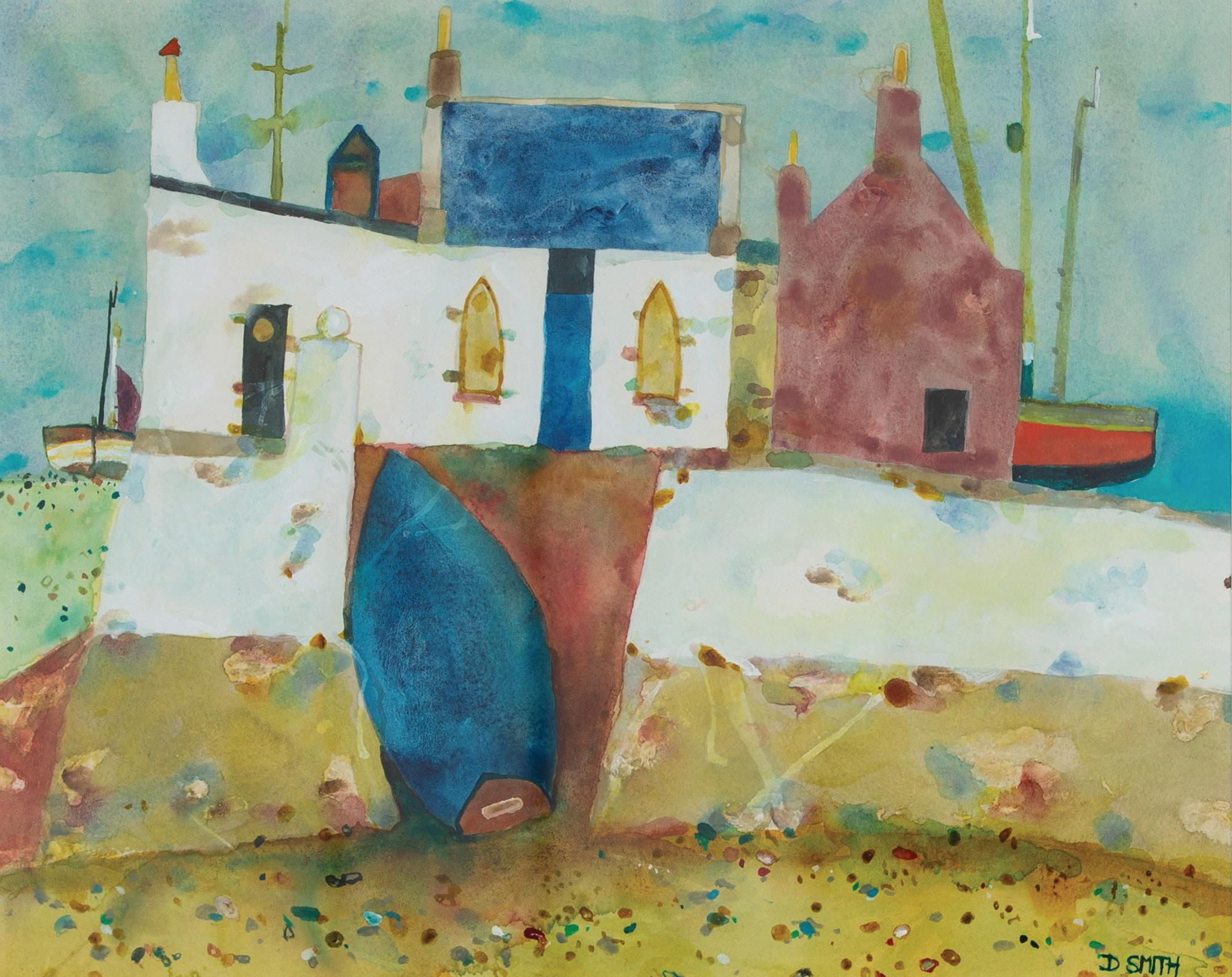
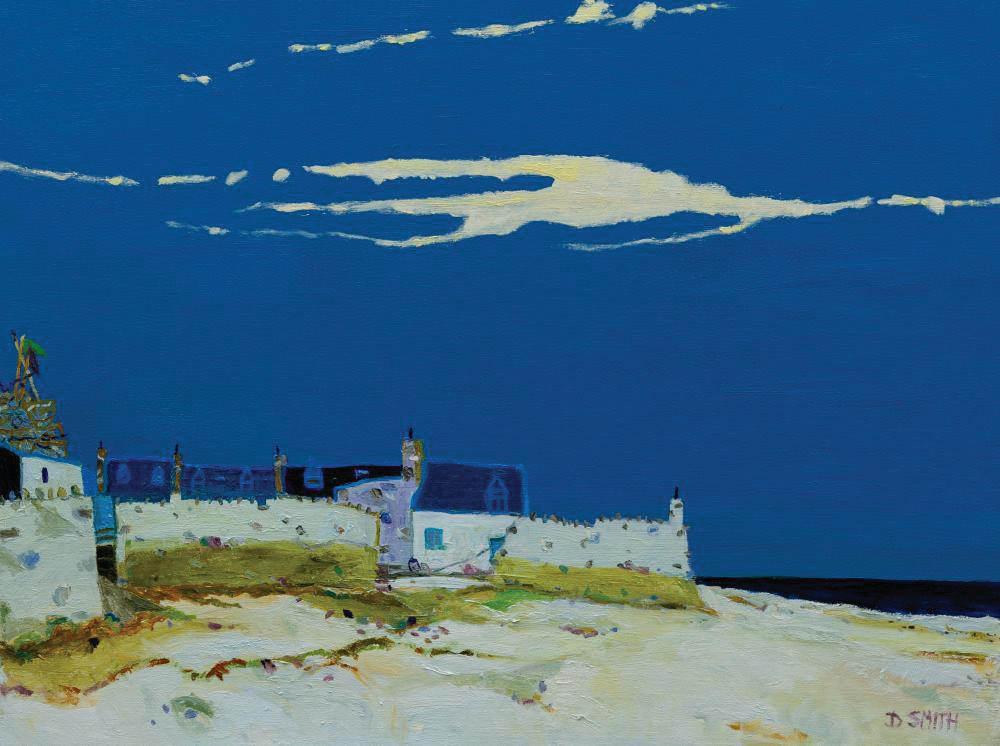
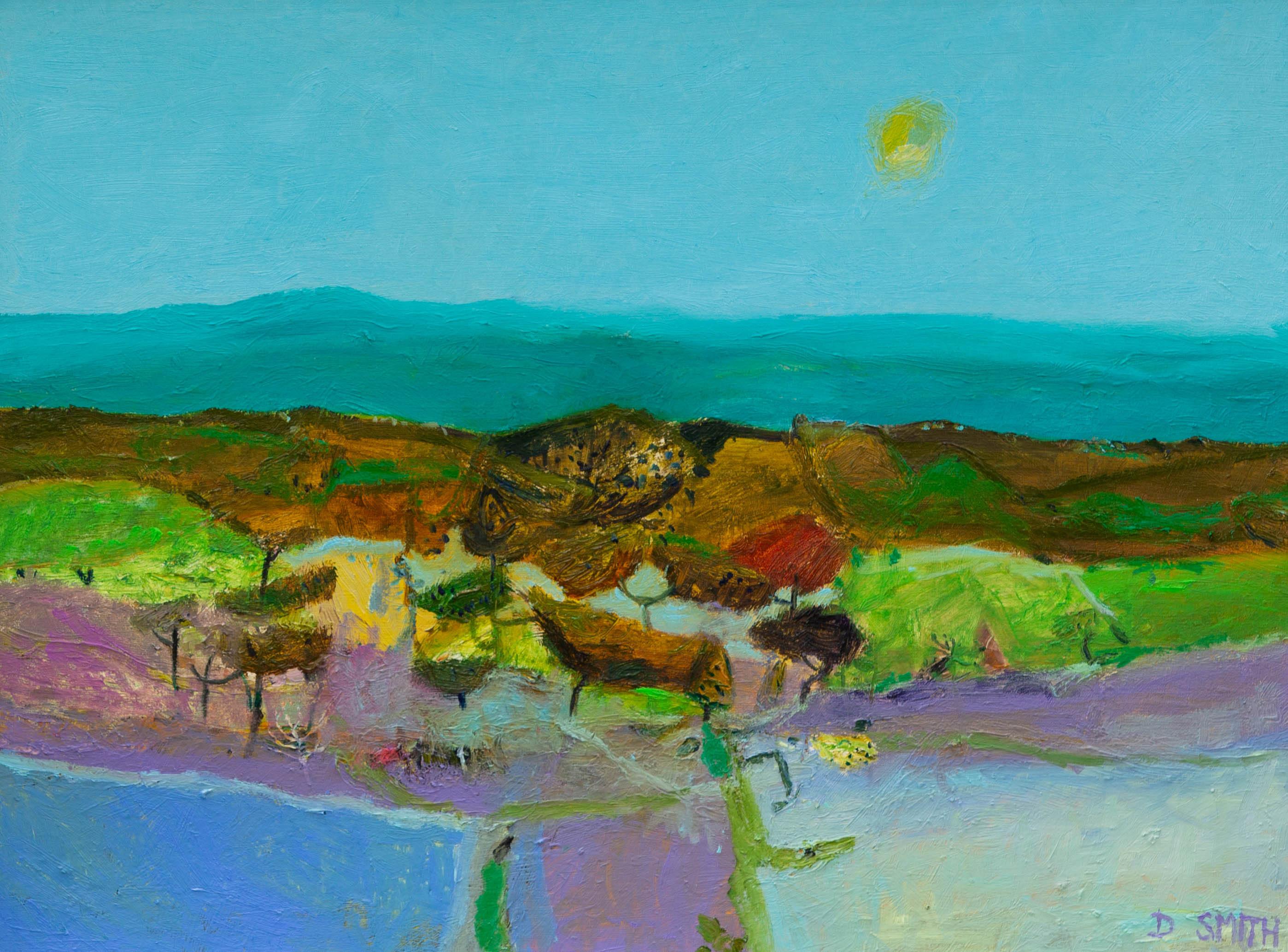
David Smith RSW is an award-winning Scottish contemporary landscape artist, recognised for his expressive plein air paintings inspired by the coastlines and landscapes of Scotland.
Born in 1957, he lives and works just outside Glasgow, where his deep connection to the natural environment continues to shape both the subject matter and emotional resonance of his work. A passionate outdoorsman, David Smith’s lifelong love of hillwalking, mountaineering and sailing has taken him across the globe. While his travels have broadened his visual language, the enduring palette and spirit of his paintings are rooted firmly in Scotland - particularly its seaboard, islands and ever-changing weather systems. Working directly from the landscape, he responds instinctively to light, atmosphere and place, capturing moments of immediacy and movement.
Although predominantly self-taught, David Smith has pursued extensive studies at a number of respected institutions, including The Glasgow School of Art, Glasgow Print Studio, Glasgow College of Building and Printing, and La Trobe University in Melbourne, Australia. This broad educational background has informed a confident and assured practice that balances technical skill with expressive freedom.
In 2011, David Smith was elected a Member of the Royal Scottish Society of Painters in Watercolour (RSW). He has exhibited regularly at major annual exhibitions throughout Scotland, including those of the Royal Glasgow Institute of the Fine Arts (RGI), the Royal Scottish Academy (RSA), the RSW, and the Paisley Art Institute (PAI). In 2016, he became an Elected Member of Council for the Scottish Artists’ Benevolent Association.
David Smith RSW’s work is held in numerous private, corporate and public collections in the UK and internationally. Notable collections include the House of Lords, the BBC Collection, the Swiss Consulate in Edinburgh, the Law Society of Scotland, and Glasgow Caledonian University.