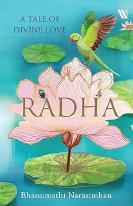
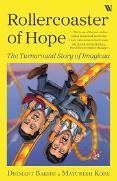
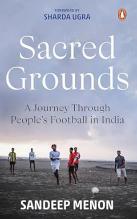
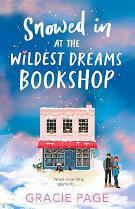
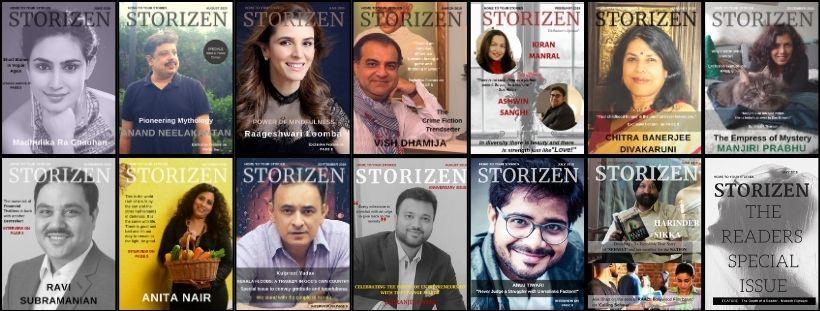
Monthly Horoscope: February 2026 - Storizen Staff, p68
From the Editor's Bookshelf - Saurabh Chawla, p32
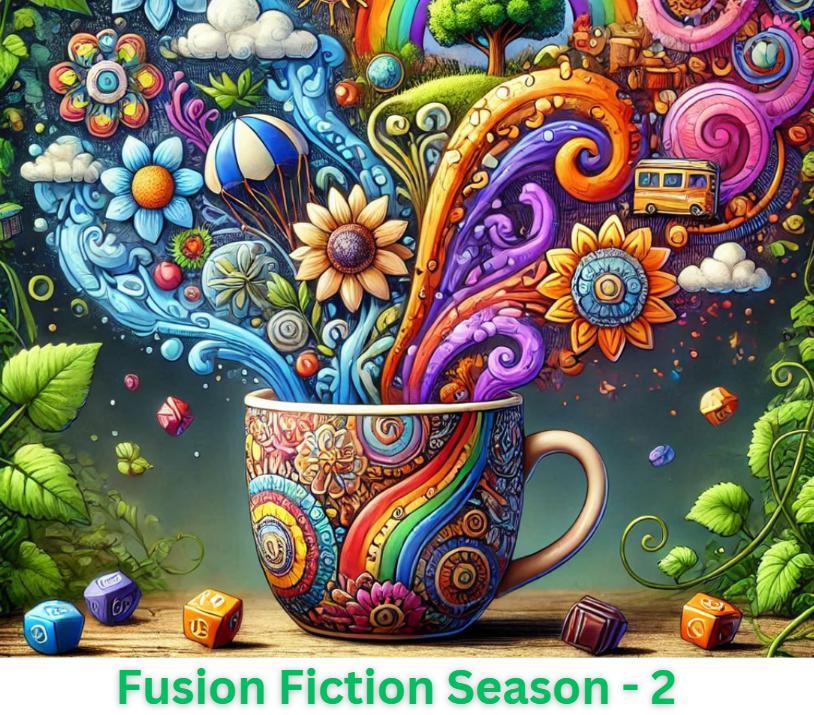
Fusion Fiction - Madhulika Ra Chauhan, p34
Embracing a New Dawn - Sreelekha Chaterjee, p26
Where I Begin With Purpose... - Aparna Mukherjee, p30
A Quiet Beginning - Swagata Soumyanarayan, p36
Working On Myself, to Heal You… - Madhumathi H., p66
Book Reviews (by Swapna Peri)
100 Best Books for Work and Life by Todd Sattersten's, p40
A Flag to Live and Die For by Navtej Sarna, p40
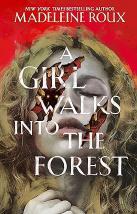
A Girl Walks into the Forest by Madeleine Roux, p41
Hot Off the Press, p16
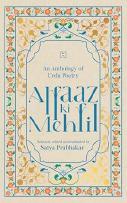
Alfaaz ki Mehfil by Satya Prabhakar, p41
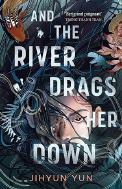
And the River Drags Her Down by Jihyun Yun, p42
Be Cyber Smart by Satyendra K. Dwivedi, p42
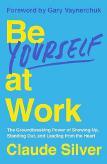
Be Yourself at Work by Claude Silver, p43
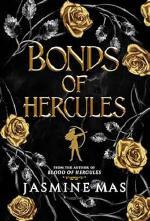
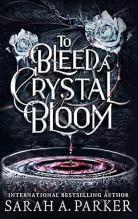
Bonds of Hercules by Jasmine Mas, p43
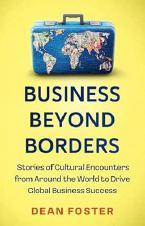
Business Beyond Borders by Dean Foster, p44
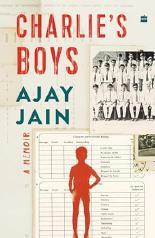
Charlie's Boys by Ajay Jain, p44
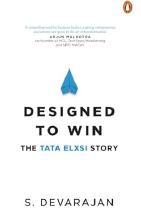
Designed to Win by S. Devarajan, p45
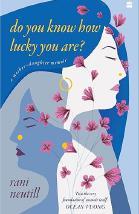
Do You Know How Lucky You Are? by Rani Neutill, p45
And more...
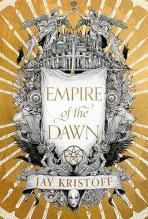
Empire of the Dawn by Jay Kristoff, p46
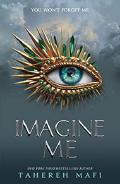
Imagine Me by Tahereh Mafi, p47
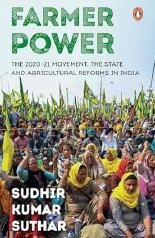
Farmer Power by Sudhir Kumar Suthar, p46
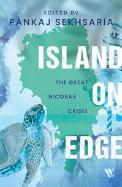
Island on the Edge by Pankaj Sekhsaria, p48
Good and Evil by Andrew Irwin, p47
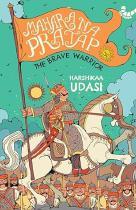
Maharana Pratap by Harshikaa Udasi, p48
DO YOU WANT TO BE A PART OF STORIZEN FAMILY?
You can also be a contributor Mail us your entries at talktous@storizen.com
Your smart ideas and inputs help us create our informative issues.
“The beginning is the most important part of the work.” Plato
Welcome to the January 2026 edition of Storizen Magazine, where we step into a new year guided by clarity, purpose, and possibility Our theme this month, "Beginning With Intentions, " invites you to pause at the threshold of the year and choose how you wish to move forward with thoughtfulness, awareness, and meaning
Our cover story, "The Quiet Observer: David Szalay’s Unflinching Gaze on Modern Life, " explores the restrained brilliance of a writer who captures contemporary existence with rare precision. Through subtlety and emotional depth, Szalay examines isolation, ambition, and the quiet tensions that shape modern lives. This feature reflects the spirit of intentional storytelling observant, honest, and deeply human.
This issue brings together 52 carefully curated book reviews, spanning literary fiction, compelling nonfiction, and works that challenge, comfort, and provoke reflection As the year begins, these books offer companions for fresh perspectives and renewed reading journeys
We are also proud to share that Storizen is an Accredited Media Partner at the Jaipur Literature Festival 2026 As the world’s largest literary gathering returns, we look forward to engaging with voices, ideas, and stories that continue to shape global conversations around literature and culture
As you turn the pages of our first issue of the year, may January be a reminder that beginnings don’t need to be loud to be powerful they simply need intention
Happy Reading!
Saurabh Chawla, Editor in Chief editor@storizen.com
In an era dominated by literary spectacle highconcept plots, viral controversies, and the constant performance of relevance David Szalay feels almost defiantly quiet There are no pyrotechnics in his fiction, no obvious bids for shock or sentimentality And yet, few contemporary writers capture the unease of modern life with such precision Winner of the 2025 Booker Prize, Szalay has built a body of work that watches rather than announces, listens rather than lectures His novels and stories move gently on the surface, but beneath them churn powerful currents of loneliness, dislocation, and longing He is, quite simply, one of the most perceptive chroniclers of contemporary existence writing today.
Szalay’s greatness lies not in grand moral pronouncements, but in his refusal to simplify human experience. His characters are often ordinary men and women navigating jobs, marriages, travel, and family obligations. Nothing dramatic seems to happen until the reader realizes that everything is happening: the slow erosion of love, the quiet terror of aging, the ache of having chosen one life over another Through this restrained but empathetic gaze, Szalay reveals the zeitgeist not as a slogan, but as a lived condition
Roots of a Border-Crossing Vision
Born in Montreal in 1974 to Hungarian parents who had fled the 1956 uprising, David Szalay grew up between cultures almost by default His family later settled in London, where he was raised, educated, and eventually began writing That sense of belonging everywhere and nowhere at once a feeling familiar to migrants, children of exile, and global citizens permeates his work. His characters often move across borders with ease, yet carry an internal restlessness that no passport can resolve.
This dual heritage gives Szalay a particularly sharp lens on identity He understands Europe not as a unified idea, but as a patchwork of histories, languages, and unresolved wounds London, Budapest, Paris, Berlin, and unnamed airport lounges all become emotional landscapes in his fiction, places where personal histories
collide with political and cultural shifts. Displacement, both literal and psychological, is never far from the surface
Szalay’s path to literature was notably unglamorous After studying at Cambridge, he worked in journalism and other jobs before turning seriously to fiction in his thirties That delayed entry perhaps explains the maturity of his early work When his debut, ‘London and the South-East’(2008), appeared, it did not read like the anxious first novel of a young writer eager to impress Instead, it arrived fully formed: dryly comic, unsettling, and deeply observant Its stories of suburban life exposed masculine insecurity, social awkwardness, and quiet desperation with a scalpel rather than a sledgehammer. Critics immediately recognized a writer with an uncanny ability to extract meaning from the mundane.
A Continental Portrait of Masculinity
Szalay’s international breakthrough came with ‘All That Man Is’ (2016), a book that cemented his reputation as a major literary force Structured as a sequence of loosely connected stories following different men across Europe at various stages of life, the book functions like a fragmented novel of masculinity in crisis From teenage bravado to middle-aged compromise to elderly regret, Szalay maps the emotional terrain of men who are often successful by society’s standards, yet inwardly adrift What makes ‘All That Man Is’ so compelling is Szalay’s refusal to judge his characters Some of these men are selfish, cowardly, even cruel but the author never condemns them outright Instead, he exposes the fears, humiliations, and unmet desires that drive their behavior This moral neutrality does not excuse their actions; rather, it insists on understanding them. In doing so, Szalay creates something rare in contemporary fiction: empathy without indulgence.
The book’s European scope also feels essential rather than decorative. The shifting settings Greek resorts, German cities, French hotels mirror the characters’ emotional transience These are men who can cross borders easily, yet struggle to cross the distances within themselves Longlisted for the Booker Prize and winner of the Gordon Burn Prize, ‘All That Man Is’ confirmed Szalay’s ability to balance critical acclaim with broad readership
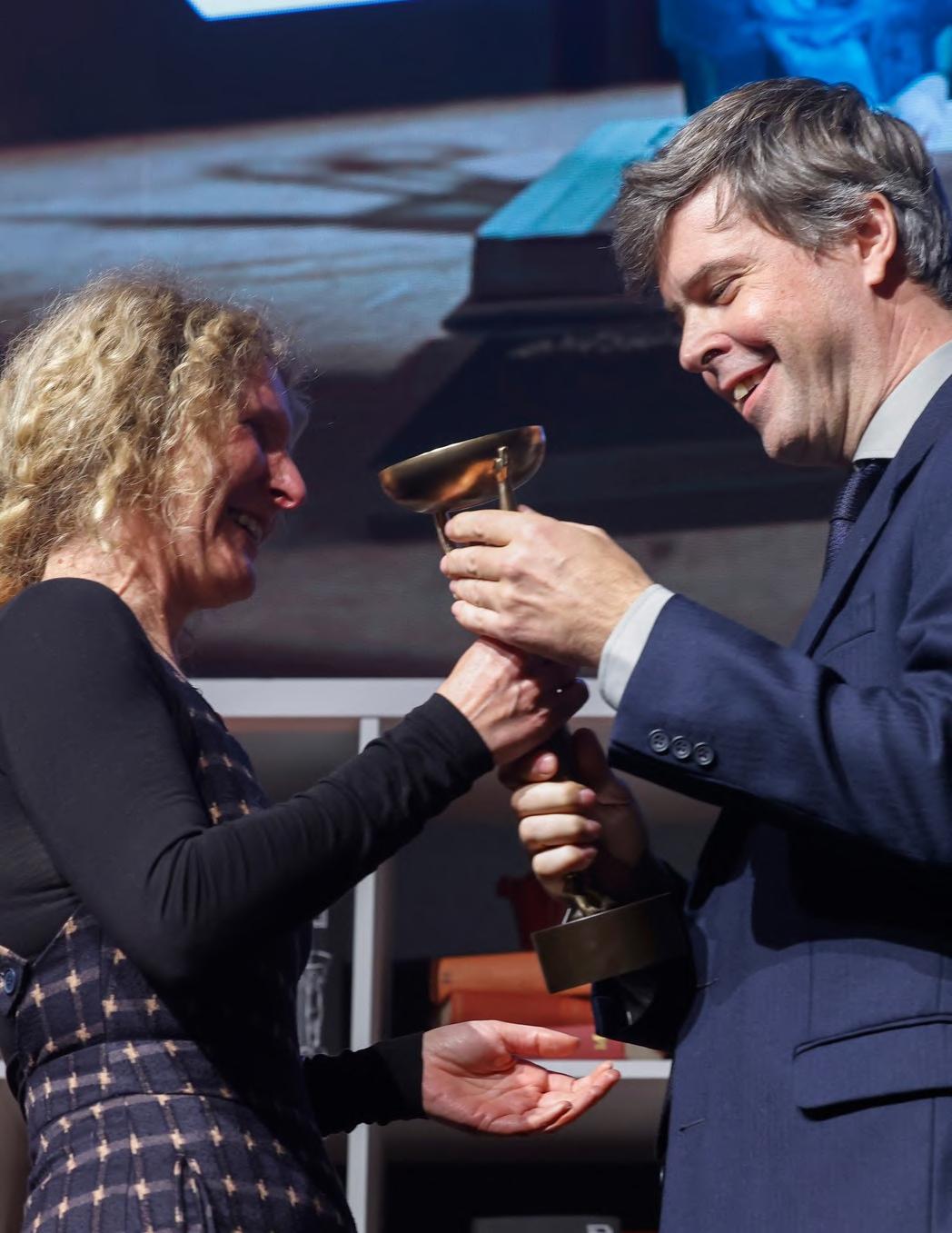
Pic: David Szalay receiving the Booker Prize, Credit: Facebook
Prose of Restrained Power
David Szalay’s prose is deceptively simple His sentences are clean, controlled, and largely free of ornamentation But this restraint is a form of discipline, not limitation Influenced by writers like Alice Munro and William Trevor, he trusts implication over explanation Silences matter as much as dialogue; what characters fail to say often reveals more than what they articulate
This style is particularly effective in capturing the emotional paralysis of middle age Many of Szalay’s protagonists are caught between who they once imagined themselves to be and who they have actually become. Careers have plateaued, relationships have settled into habit, and youthful ideals feel embarrassingly distant. These themes transcend class, nationality, and gender, giving his work a quiet universality.
At the same time, his fiction subtly engages with larger social forces. Brexit-era anxieties, migration, economic precarity, and shifting gender norms hum in the background Szalay never foregrounds politics, but he understands that personal lives are shaped by historical pressures The result is fiction that feels intimate and expansive at once
Global Connections and Fragile Bonds
With ‘Turbulence’ (2018), Szalay experimented boldly with form The novel is structured as a chain of linked stories, each set on a flight between two cities A minor character in one chapter becomes the protagonist in the next, creating a global relay of human encounters. Airport lounges, cramped seats, and fleeting conversations become metaphors for contemporary existence: constantly in motion, yet emotionally stalled.
Published before the COVID-19 pandemic, ‘Turbulence’ now reads as eerily prophetic. Its depiction of global interconnectedness and simultaneous isolation feels painfully familiar During lockdowns, many readers returned to the book with a new sense of longing for casual intimacy, for the anonymous confessions and accidental connections of travel The novel’s
structural ingenuity never overshadows its emotional core, demonstrating Szalay’s growing confidence as both a formal innovator and a human storyteller
Gender, Europe, and the Gap Between Expectation and Reality
Across his work, Szalay repeatedly returns to the theme of expectation betrayed His characters have done what they were supposed to do: studied, worked, married, traveled Yet fulfillment remains elusive Masculinity, in particular, emerges as an unsettled terrain His male characters are not monsters, nor are they heroes; they are men trying and often failing to adapt to changing emotional and social realities.
European identity, too, is portrayed as fluid and fragile. Borders may be porous, but histories are not easily erased. Szalay’s fiction captures the tension between mobility and rootedness, freedom and inheritance. This balance between clarity and compassion, critique and understanding is what gives his work its distinctive moral weight
Triumph: ‘Flesh’ and the Booker Crown
Author Szalay’s career reached a new peak with ‘Flesh’ (2024), the novel that earned him the Booker Prize More expansive than his previous work, ‘Flesh’ is a multigenerational family saga tracing a Hungarian émigré lineage from postwar Budapest to contemporary London It is a novel about inheritance in the deepest sense: how trauma, silence, and love are passed down not just through stories, but through bodies, habits, and emotional reflexes
Told through interlocking perspectives, ‘Flesh’ explores revolution, migration, betrayal, and intimacy with unflinching honesty. The title itself suggests the inescapability of history how the past lives on in physical and emotional forms. Critics praised the novel’s emotional intensity and formal control, calling it “unsparing yet tender.” Commercially, it was a breakthrough, selling over 100,000 copies within weeks and introducing Szalay to a wider audience
In interviews, Szalay described ‘Flesh’ as his most personal work, drawing on fragments of family history to explore forgiveness and its limits The Booker win felt less like a coronation than a confirmation: a
Pic: David Szalay, Credit: Facebook
recognition of a writer who had been steadily, quietly doing essential work for years
A Lasting Voice for Our Uncertain Times
Comparisons to writers like John Updike and Richard Ford are common, particularly in discussions of Szalay’s attention to middle-class life But his sensibility is unmistakably European: shaped by migration, multilingualism, and a continent in perpetual negotiation with its past He avoids both icy detachment and emotional manipulation, occupying a rare middle ground of honesty
As literature continues to wrestle with noise, speed, and spectacle, David Szalay offers something increasingly precious: attentiveness. His fiction reminds us that meaning is often found not in dramatic events, but in small moments of recognition and regret. With *Flesh* securing his place in the literary canon, Szalay’s future looks both assured and intriguing. In a world desperate for clarity, his quiet observation does not shout over the chaos it illuminates it
About Pria - Young mesmerizing freelance blogger, social enthusiast, and an economics graduate from Jharkhand University with a Master's in Child Psychology She is hardworking yet crazy, a passionate reader, an ardent music fanatic, an avid caffeine lover, and a maniacal animal lover too She has been a part of numerous anthologies, articles, and write-ups for newspapers and magazines which are multi-linguistic She has also written screenplays for YouTube series
Contact: pria@storizen com
Swapna Peri is a Freelance blogger, book reviewer, narrator, and copy editor
Contact: swapna.peri@storizen.com
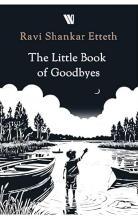
Winner of the Booker Prize 2025, this gripping novel follows István, a quiet, awkward teenager growing up in Hungary whose lonely life takes a dangerous turn after an illicit relationship he barely understands pulls him off course. As time moves on, he drifts through the forces of money, power, and ambition—from the army to the glittering world of London’s ultra-wealthy gaining immense success while wrestling with desire, intimacy, and status. Hypnotic and unsettling, the story traces how a life shaped by forces beyond one’s control can rise spectacularly, only to threaten total collapse.
HOT OFFthe press
Departure(s) is a work of fiction that feels deeply true, tracing a lifetime of love as Stephen and Jean find each other when they are young and again when they are old, alongside Jimmy, an ageing Jack Russell blissfully unaware of time. It reflects on how the body fails, how life’s moments soften into stories and memories, and whether it matters if those memories are exact or simply meaningful. Beginning near the end of life but reaching far beyond it, the novel ultimately asks what really matters: how we love, how we find happiness, and how we learn to say goodbye.
A bubbly, sexy royal rom-com with Khoobsurat and Gossip Girl vibes, this story follows Aaditha Prathap, a sharp, independent café mogul determined to define herself on her own terms until a family favour pushes her toward an infuriatingly charming Indian prince. Enter Vedveer Rathore Singh, an eco-conscious royal juggling tradition, money troubles, and the possible loss of his ancestral palace. As North meets South and ambition clashes with legacy, sparks fly in a whirlwind of humour, scandal, and heart, proving that love can be the most unexpected plot twist of all.
HOT OFFthe press
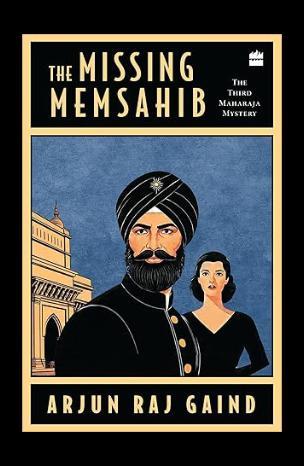
A vanished bride turns a glittering Bombay wedding into a brewing scandal, drawing Maharaja Sikander Singh of Rajpore into a mystery far more dangerous than he expected. As he moves through colonial clubs, shadowy opium dens, and the uneasy politics of empire, Sikander must untangle ambition, romance, and deceit while British officials would rather see him gone. Stylish, witty, and rich with intrigue, The Missing Memsahib is a sharp historical whodunit led by the Raj’s most reluctant royal detective.
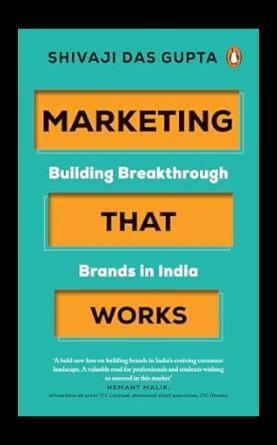
As India races ahead with its growth story, our approach to building brands remains stuck in outdated, Western frameworks that no longer reflect how Indian consumers truly think or buy. Through sharp, relatable essays, this book unpacks real Indian buying behaviour, challenges “thought colonialism,” and offers a practical, customer-centric roadmap for brand building. Part insight, part toolkit, Marketing
That Works is a made-in-India guide for creating strong, lasting brands—designed for India, and built to work across every corner of the country.
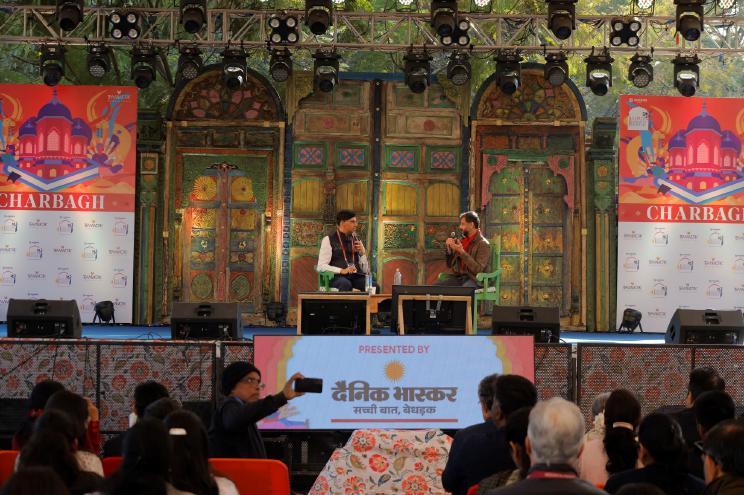
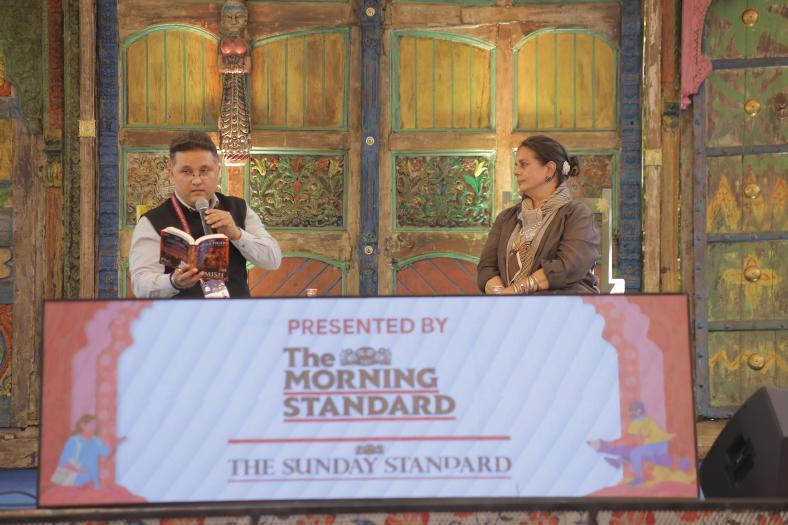
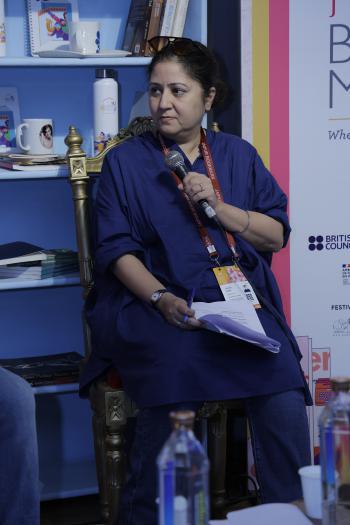
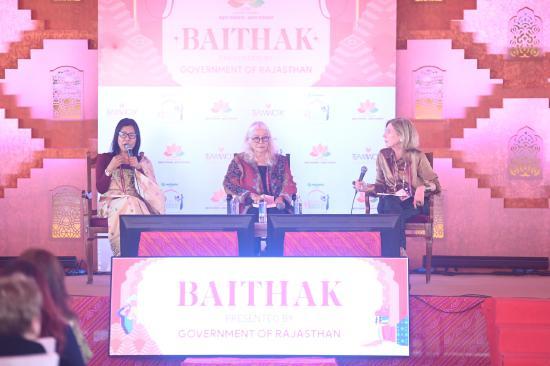
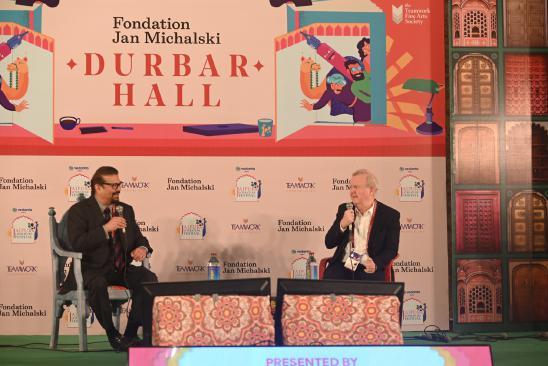
Jaipur Literature Festival 2026: Where Ideas Met Music, and Stories Became Shared Memory
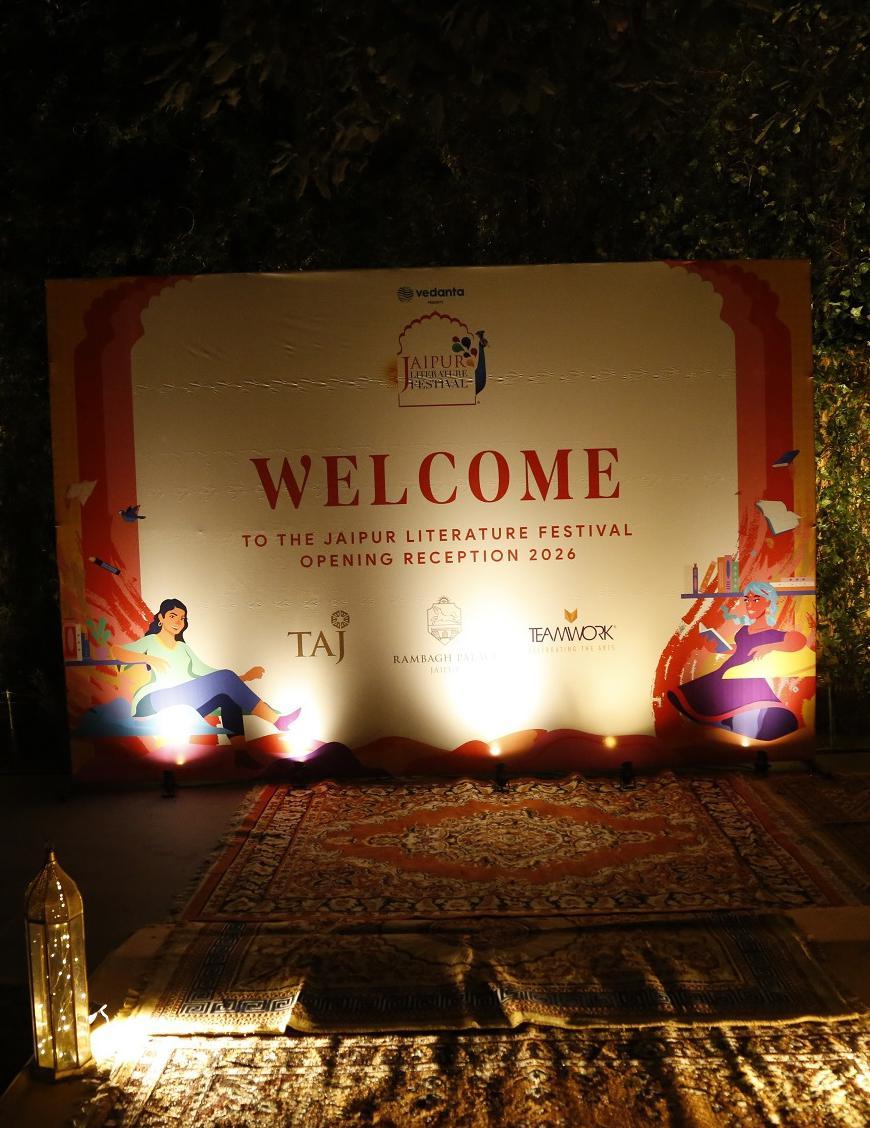
For five luminous days in January 2026, Jaipur transformed once again into a living conversation Courtyards echoed with debate, hotel lawns vibrated with music, and packed halls leaned into questions that felt urgent, uncomfortable, and necessary The Jaipur Literature Festival (JLF) returned not merely as a literary gathering, but as a confluence of ideas, sound, publishing futures, and community-led storytelling each strand strengthening the other.
From dawn poetry readings to late-night concerts, from constitutional debates to children discovering books for the first time, JLF 2026 reaffirmed why it remains one of the world’s most vital cultural forums
The Pulse of the Festival: Conversations That Shaped the Moment
The heart of JLF has always been dialogue, and this year’s programme carried an unmistakable moral and emotional weight Across stages, speakers grappled with memory, justice, power, grief, and the responsibilities of storytelling in a fractured world
Some of the most resonant moments unfolded during sessions on geopolitics, constitutional values, and the future of democracy. Conversations on justice and judicial independence drew standing-room-only audiences, as did discussions on Europe’s political fault lines, the war in Ukraine, and the shifting contours of global leadership. These were not abstract debates, but deeply human ones rooted in lived experience, accountability, and the consequences of silence
Literature’s role as witness came into sharp focus through writers who insisted that storytelling must confront ecological collapse, political violence, and erased histories Memory, several speakers suggested, is not a passive archive but an act of creation one that shapes how societies choose to remember, and whom they choose to forget Even lighter moments carried depth A widely attended session on grief reframed loss as something that changes the body as much as the mind, while crime fiction panels explored how morality, ambition, and violence intersect in both
books and the real world.
Manga,
Myth, Mathematics: Stories Without Borders
If there was a defining theme of the final days, it was the breaking of traditional literary boundaries Graphic novels and manga drew enormous interest, with creators reflecting on how visual storytelling communicates emotion, trauma, and resilience in ways text alone sometimes cannot Mythology sessions revisited lost civilisations and legendary women, urging audiences to question who history elevates and who it silences
Poetry, too, claimed its space Early-morning readings unfolded like rituals, with poets invoking water, time, and mortality, reminding listeners that repetition and rhythm are ways of understanding the world.
Even mathematics and climate science found their place, woven into conversations about sustainable futures, energy transitions, and how data and narrative must work together if societies are to act meaningfully.
The much-anticipated closing debate on freedom of speech captured the festival’s spirit perfectly provocative, plural, and unresolved Rather than offering easy answers, it exposed the uneasy relationship between power, privilege, and expression in modern democracies
Jaipur Music Stage: When the Festival Found Its Sound
As daylight discussions gave way to evening skies, the Jaipur Music Stage (JMS) emerged as the Festival’s emotional counterpoint Running parallel to JLF, the stage offered not escape, but expansion another way of thinking through sound
Across three nights, audiences experienced music that refused neat categorisation. Classical instruments merged with ambient textures, electronic folk collided with ancient poetry, and progressive rock absorbed global influences without losing its roots. Intimate, reflective performances sat alongside highenergy, collective moments where hundreds moved together, reminded that music, like literature, thrives on collaboration and risk.
The finale brought the stage to a rousing close with largeformat ensemble performances that celebrated scale, community, and experimentation proof that India’s contemporary music scene is as intellectually adventurous as its literary one
Jaipur BookMark: Where Books Meant Business and Responsibility
Behind the scenes, Jaipur BookMark continued its essential work as South Asia’s premier publishing conclave Editors, publishers, translators, agents, and cultural leaders gathered to confront the realities shaping the global book ecosystem
Discussions ranged from the fine print of publishing contracts to the ethics of artificial intelligence, from translation as cultural responsibility to the evolving relationship between books and screen adaptations. The consensus was clear: while formats may change, respect for authors, readers, and stories must remain non-negotiable
Sessions on bestsellers unpacked how visibility, marketing, and regional languages are reshaping the Indian market, while conversations on civilisational thought emphasised that language itself is a historical record carrying migrations, conflicts, and philosophies across centuries
Equally significant was the Festival Directors’ Roundtable, which offered a candid look at the complexities of curating literary spaces today balancing artistic freedom, political pressures, sponsorship realities, and public accountability in an increasingly polarised world.
Stories Beyond the Stage: Reaching New Readers
One of the most quietly powerful strands of JLF 2026 unfolded far from the main venues. Through its long-running School Outreach Programme, the Festival once again partnered with organisations working on the ground to bring stories to children who might otherwise never encounter them
Across dozens of schools, shelters, and community spaces, storytelling sessions transformed reading into an active, joyful experience through puppetry, music, movement, and conversation For many children, these encounters were not just introductions to books, but affirmations that their voices and imaginations mattered
After sixteen years, the outreach programme stands as a reminder that the Festival’s impact is measured not only in packed auditoriums, but in the quieter, lasting relationships it builds with future readers.
A Living Festival
As the curtains fell on JLF 2026, what lingered was not a single headline moment, but a sense of continuity. Literature here was never isolated from the world it was in conversation with law, music, politics, technology, and childhood curiosity
In a time marked by fragmentation, the Jaipur Literature Festival once again offered something rare: a space where disagreement did not cancel dialogue, where art and argument coexisted, and where stories spoken, sung, debated, and shared reminded us why gathering still matters
For Storizen, JLF 2026 was not just an event to be covered, but a reminder of what cultural spaces can achieve when they remain open, inclusive, and unafraid of complexity
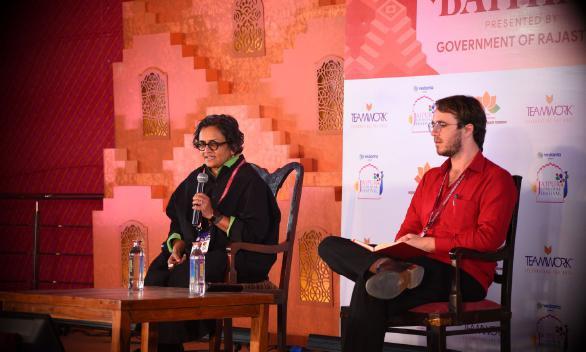
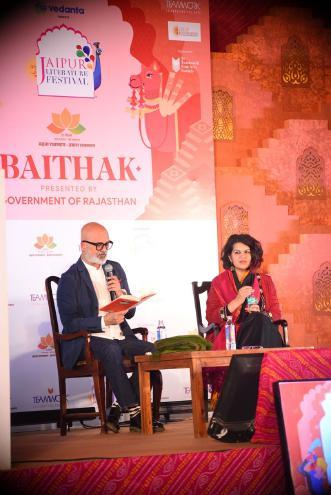
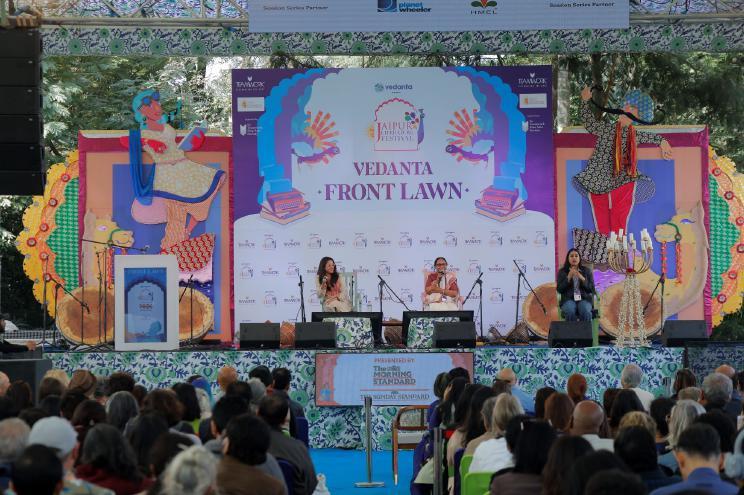
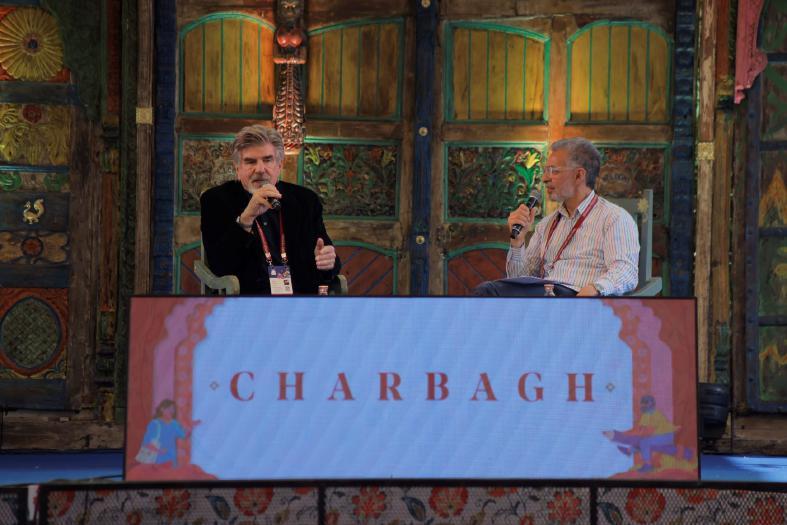
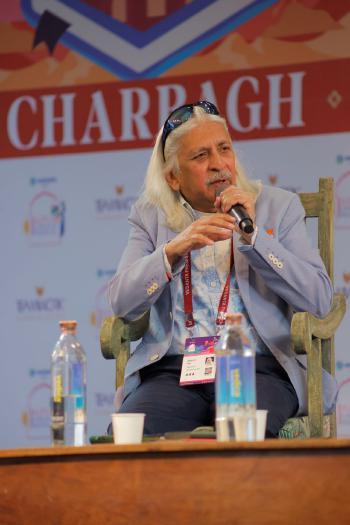
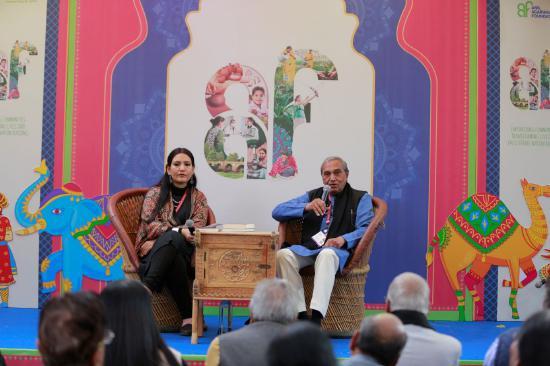
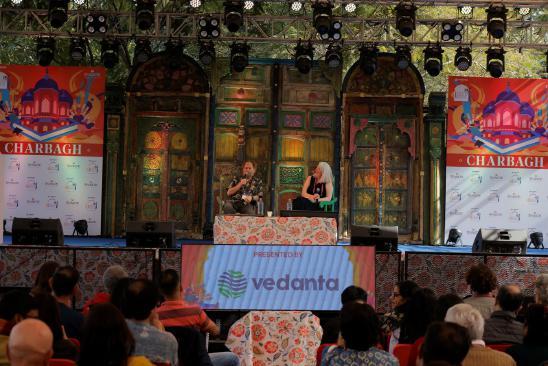
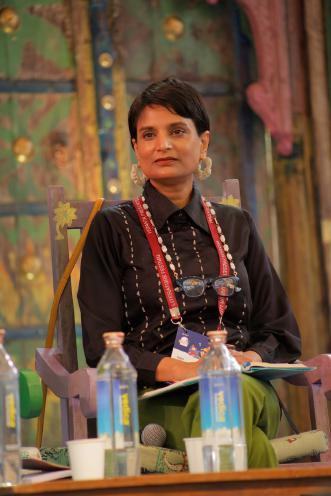
(L-R) Alka Patel - Sam Dalrymple
(L-R) Jeet Thayil - Mandira Nayar
(L-R) Tom Freston - Saad Mohseni
Sanjoy K. Roy
(L-R) Moutushi Mukherjee - Banu Mushtaq
(L-R) Tasneem Khan - Nand Bhardwaj
(L-R) Simon Goldhill - Josephine Quinn
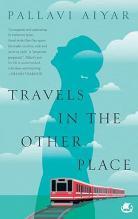
Pallavi Aiyar
Amish Tripathi on The Chola Tigers: Avengers of Somnath
BEGINNING WITH INTENTIONS BEGINNING WITH INTENTIONS
BY NEHA JAIN
very new chapter offers a chance to build a better future
“Failure is simply the opportunity to begin again this time more intelligently “-HENRY FORD
New intentions, new goals, new love, new light and new beginnings –APRIL MAE MONTERROSA
Intention means purpose or aim, the goal you want to achieve. We should start every new beginning with true intentions. Every day should start with a new purpose. Our first step will lead us to a successful person. If our intention is good and true, then all the people will be happy with our work and bless us. Our karma will only decide our future. Beginning with intention, however, flips the script, turning us from reactive passengers into proactive drivers of our lives If we have to make our future bright, then we have to focus on the present moment
Every single day, we should commit to ourselves to make our family members happy and healthy stress free life Ultimately, an intention is a gentle, flexible anchor; it allows you to stay grounded and purposeful even when life becomes chaotic By starting your day with a clear, positive intention
The best time to set an intention is first thing in the morning, before checking your phone or email Take 5 minutes to breathe, meditate or simply sit quietly Intention also represents our personality and attitude An intention is a mental state in which a person commits themselves to an action Intention also creates our confidence level Everyone’s life is differentso everyone's intentions are also different When you become mentally strong, you can achieve all the goals of your life with ease.
Good intentions always make their way to success and dedication also help to achieve our purpose.
Neha Jain lives in Kota. She is a homemaker and a finance enthusiast.
Embracing a New Dawn
by Sreelekha Chatterjee
It was the evening of December 31st, and I was in the middle of nowhere, waiting in anticipation for the great night that was approaching My colleagues were partying miles away in our office, going over their New Year’s resolutions and making any last-minute revisions to them, if necessary My mind alone and palely dawdling couldn’t concentrate, as it went back again and again to the air of elite officialdom that continued to set an example to the junior colleagues like me, but the same remained unused and above any law for the select few. Though acting obsequious, I always felt out of place, exhausted with the idea of temporary life in the office, rejecting yet another year. The recent addition to the brigade of supremacy was that of Rita.
Withered from the unrelenting worries and resentment on unable to act suitably like a mouse stuck in its hole with the snake being around, I chose a path with which I couldn’t make peace Moments of quietude and inner equilibrium seemed rare Bouts of upheaval, in which my life abounded, led me to the middle of the cremation ground almost in the dead of the night, beneath the star-studded sky A few isolated funeral pyres were smoldering in the deserted surroundings, far from me, while an awful smell of unimaginable putrescence wafted in the air It was a no-moon night, and the only source of light was the blazing flame of the fire that was before me The midwinter breeze from the nearby river carried a chill that seeped through my warmclothes, and I wrapped my arms around my knees Whenever my eyes wandered toward the dense vegetation and trees all dull, grey, menacing on the other side of the strangely quiet river, they appeared in ghastly shapes and forms, with unknown, dark entities peeking from behind them spying, watching meclosely.
Someone once told me, “When it is pitch dark, you know dawn is near.” But such words made sense in the pages of literature and not in reality.
“Hey, woman, concentrate on the ceremony ” The man sitting next to me thundered, his voice echoed unpleasantly
“Yes, Baba!” I said
Baba, the holy man, didn’t look up and continued offering fire oblations with a sacrificial ladle full of clarified butter and fried grains, as the flames leaped unusually high, reaching the sky As part of what seemed to be a bizarre ritual, a few human skulls were planted around the fire, and
intermittently, he kept spilling blood on them, mumbling unfamiliar charnel hymns, accompanied by loud growls.
I recalled a friend giving me Baba’s phone number. He was an expert in witchcraft and could resolve issues within minutes. That was what my friend told me all of it was perhaps a load of baloney. Baba seemed to be an odious man strange looking, uncouth; somewhat of short stature, well-built, dressed in a red gown with red vermillion smeared on his forehead, disheveled dark-grey hair reaching up to his shoulders; his beard resembling the long, sharp quills on a porcupine’s back
A weird expression of disgust exhibited in each of his gleaming eyes as if he had indulged in cannabis, inebriation, and his body language spoke of unchecked immorality in him that reeked of the unworldly
“Hey, woman, swear that you haven’t lied to me ” Baba said unexpectedly, bringing his bloodshot eyes near mine A chill of a mysterious infection, some dark pronouncement of calamity rose from the depths of those eyes, as I managed to nod my head, hiding the self within me that had abandoned humanity I was getting miffed We had started the ceremony at darkening twilight when one of the half-burnt pyres was lit, and the orangish-red flames rose against the violet hues of the sky It had been quite late, and he continued with his unending rituals, but nothing happened
Not sure whether we were expecting afreets, ghouls, or enchanters Recalling the hideous color combination of dresses worn by Rita, her posturing, duplicitous mannerisms, and devilish expressions, I felt at ease with my unnatural intent.Another mind kept telling me I could do away with the perilous thoughts, ignore their source, and channelize my energy toward something productive, as the protracted hatred agonized.
“Woman, there is still time, tell me the truth or the consequences could be fatal ” Baba shouted alarmingly, with relentless gestures of abhorrence, while talking to somebody on his other side and nodding his head to the thin air, as no one was around
It was I who had been wronged Though I was a beautiful, charming lady in my mid-twenties and worked quite efficiently, it was the ordinary woman about my age, Rita, who got an undue promotion That didn’t bother me, but then she had eyes on my fiancé
Suddenly out of the smoke of the pyre shaped a conspicuous image of an incinerated, massive sort of blackish, grotesque figure, almost as tall as a pine tree; hairless with deep, cavernous eyes like ignited blocks of coal burning with rage; nose and mouth dissolved into the rest of its burly body
The vast figure glided toward us, as Baba looked up, uttered a shriek, silenced abruptly, shrinking away from the dark body My heart sank on seeing Baba’s shoulders slump, his body quivering uncontrollably, and his eyes fixed on the demonic entity.
The huge form stomped on the pyre, extinguishing the fire with one blow, scattering burning splinters and hot ashes all around, as we sat horrified, motionless Everything fell as dark as the grave My stomach churned, as I tried to shout, but my voice died in my throat My courage diminished, and finally, it left me like ravens whisked off by a kite
With arms flailing wildly, I searched for Baba but met with a void I sensed something cold on my neck, followed by the feeling of strangulation I struggled to breathe, to get hold of the thing throttling me that felt real, palpable to touch, yet invisible Lost in the abyss of the endless night, I intuited that death was drawing near Eerily, the suffocation paused, and I scampered to flee With a palpitating heart, I staggered, hit, and kicked myself, straining to get on my feet. Drenched with shivering sweat oozing out from every pore of my body, I ran as fast as I could. It seemed as if an unintelligible being was breathing heavily right behind me. With fear and agony upon me, I tried hard to continue forward, constantly looking back to check if the demon was still after me, when suddenly I heard a deafening, odious cry. Petrified, I tripped on something and fell on the ground. Accustomed to the dark by then, my eyes identified the object to be that of Rita’s body still, not a breath stirred Unexpectedly, she opened her eyes and let out a diabolical laugh
“I didn’t want to see you dead ” I pictured myself torn into unwanted battle pieces, from where the blind, forgotten alleys of wisdom, only known to my former self, could never be reached
She flew about a few feet above my head; dark hair straggled in wisps about her face, laughing hysterically Distinctly, a voice spoke grimly “You’re dead ” My brain reeled from the accumulated experience, and the last thing I remembered was the charnel ground whirling around me before I fell into a swoon
When I regained my senses with the morning sunrays, I found myself lying beside the embers of the funeral pyre that we had lit the previous night Relieved that I had survived the fearful night, I tried to get up, but my body felt numb, painful, immovable. While attempting to cry for help, I discovered powerlessness in my throat. From the edge of my eyes, I noticed Baba at a distance, walking away from the charnel ground. Alone and remote, my world remained unchangeable.
I closed my eyes. If only I had been successful through the reasonable negotiations with my good sense and started afresh, cornering all that was bothering me and not closing my eyes to inner peace A sudden, involuntary jolt, a wake-up signal came out of nowhere On opening my eyes,I saw Rita stooping over me I found myself lying on a sofa, and as I looked around, the
“Last night you had a couple of drinks and slept in office ” Rita said, sensing the question in my eyes “Many of us stayed back, as we partied hard, and it was way past midnight Come, I’ll drop you home ” She continued like a gramophone, inserting one reel after another, punctuating it with the pleasant insistence that came as a surprise.
My mind went blank for a moment before I recalled the solemn resolution I made to continue unaffectedly with my life.
“Happy New Year!” Rita said once we were outside, clicking her key fob to unlock the car. A smile brushed past my lips, as I tried to remember whether Rita had previously done anything remotely close to her current conduct, replete with its singular kind of deviation from the so-long known normal Had she framed her newly found approach around similar lines as those of mine?It was no less than a wonder that whatever it was had to be represented in clear, refulgent prose if not, conscionable poetry at last all over our established book All in all, it was the start of a grand new year hosting that belated carnival, that marvel of a breathless dawn which was greeted by smiles of profound happiness and good resolutions for the future
Sreelekha Chatterjee’s short stories have been published in various national, and international magazines and journals like Indian Periodical, Femina, Indian Short Fiction, eFiction India, The Criterion, The Literary Voyage, World of Words, Writer’s Ezine, and Estuary, and have been included in numerous print and online anthologies such as Chicken Soup for the Indian Soul series (Westland Ltd, India), Wisdom of Our Mothers (Familia Books, USA), and several others She lives in New Delhi, India
You can connect with her on Facebook at facebook com/sreelekha chatterjee 1/,
Twitter -@sreelekha001, and Instagram @sreelekha2023
WHERE I BEGIN WITH PURPOSE...
hen we meet with adversities in life, we tend to break down Instead of feeling low, we should try to understand what life wants to teach us
Every year comes with new teachings in the form of hard times No matter how a year turns out to be good for us, there are hard times which have something to teach us All we need is to ponder and retrospect those hard times which have some lessons behind the tough times
Last year, I went through a bad phase of my life I was broken Sometimes, I was shattered In the silent night, tears rolled down my cheeks I had no one to share what was going on in my life I managed to keep a smiling face all the time
The series of misfortunes made me think about what they are trying to teach me. I started jotting down all those misfortunes one by one in my diary. Then, I started understanding what was the lesson behind every misfortune. When you understand those lessons, then you get the strength to overcome them.
As the new year bells rang, new chapters started to unfold in front of me I decided not to weep, but to recall those lessons and move forward in this new year
I decided not to make those mistakes which made me suffer last year Rather, I would learn from the lessons from the mistakes I made and not repeat them this year
This year, I want to begin my life with purpose No looking past; but to move ahead with my head held high This 2026, I have a few aims to accomplish My only purpose in this year will be to hit my targets without thinking of losing or winning
My purpose will be to be strong emotionally No setbacks will break me down No matter how many roadblocks come in my way, I will surmount them with strength and confidence in my heart My purpose will take me ahead and help me win my failures I have been carrying through since last year.
I can and I will!
In a few words, Aparna defines a woman who beholds high aspirations and firmly believes in expanding her horizon She holds a Master's degree in English Literature from Mumbai University By profession, she is an Executive Content Creator Her poems got published on the Indian Literature website named Facestory Currently, her stories and poems get published in various anthologies published by the eminent Reflection Magazine and in the renowned digital magazine, Storizen She has received many certificates in the field of writing She is bestowed with Indian Global Award 2022 and has been felicited with a medal in the Tagore Literature Festival 2022 by Literoma Her poem got published in the Romance And Compendium book at the Tagore Literature Festival In 2022, she is again bestowed with the Women Achiever Award by Literoma In 2023, she is again conferred with the prestigious award, Tagore Literature Award 2023, where she is bestowed with a trophy and a certificate Her world revolves around creativity and writing She wishes to make her mark in the literary world, hoping to leave an indelible imprint on the readers' minds
by saurabh chawla
Book Title: How to End a Story: Collected Diaries
Author: Helen Garner
Publisher: Weidenfeld & Nicolson
Number of Pages: 832
ISBN: 978-1399606745
Date Published: March 13, 2025
Price: INR 1,111
I didn’t read How to End a Story: Collected Diaries in a straight line I dipped into it, stepped away, returned, lingered and slowly realized that this was exactly how the book wanted to be read These diaries don’t perform; they breathe And once I settled into their rhythm, I found myself listening rather than reading
What surprised me most was how unsentimental Helen Garner is about her own life She writes with a clarity that can be bracing There’s no effort to smooth over contradictions or make herself more palatable. She records desire, irritation, ambition, self-doubt, generosity, and selfishness with the same steady hand. At times, I admired her. At other times, I felt uncomfortable. But I never felt manipulated and that honesty is rare.
As a reader, I kept noticing how much of life happens in the margins: brief conversations, half-formed thoughts, moments of envy or exhaustion, sudden joy followed by guilt Garner treats these fragments as worthy of attention Reading her made me more aware of my own inner weather the things I dismiss as trivial but which quietly shape my days There’s something deeply grounding about witnessing a writer think on the page over decades You see patterns repeat, mistakes resurface, insights arrive
late and sometimes too early The book doesn’t promise closure, and it doesn’t pretend that growth is neat or permanent Instead, it offers persistence: the act of showing up, writing it down, and living with the record of it
By the time I reached the later entries, I felt a quiet respect rather than emotional overwhelm This isn’t a book that tries to impress It trusts that attention itself is meaningful And in doing so, it left me with a sense that a well-observed life even an imperfect one is already a kind of art.
How to End a Story reminded me that endings are rarely clean, and stories don’t always resolve. Sometimes, they simply stop and that, too, can be enough.
Get it here:
Close Your Eyes and Let Your Ears be the Canvas
Stories written and narrated by Madhulika Ra Chauhan, await you where the magic of narrative will carry you away, episode by episode.
Watch the Story ‘Naayika’ on YouTube
“In life and in art, we don’t just perform roles, we become them.”
Meet the Naayika within you. Do listen.
Listen ‘Naayika’ on Spotify
Scan the above QR Code to listen ‘Naayika’ on Spotify
Scan the above QR Code to listen ‘Naayika’ on YouTube
A Quiet Beginning
by Swagata Soumyanarayan
diti took the hand fork and deftly scraped the soil out, piling it to one side The garden she knelt in was small and empty with grass growing in patches and bushes that fenced off the area from the path outside Empty was good; it gave her a chance to grow something, however slow She felt the warmth of the sun in her hands as she took a rose plant and shook free the roots of excess soil. She placed it into the dug- out spot and covered the roots with soil adding peat and fertilizer.
She looked at the rose and jasmine plants wrapped in brown paper bags and waiting to be planted. She felt like them, in a new soil, longing to bloom. She couldn’t have done it withouthelp and courage. Slow was good. She had quit the city and its speed, and would find her purpose one day
This was going to be something really beautiful she promised to no one in particular The garden was adjacent to the flower shop and nursery that was run by the Neogis The nursery was called ‘NEOGI’S BLOOMS’
Mrs Shikha Neogi, her boss in her early fifties, hardly smiled, keeping to herself but to Aditi she was a good boss It had been over five years when she found Aditi at Deoghar station with high fever, no belongings, or memory of how she had arrived there Shikha refused to listen to people about taking a strange woman home
Even after all this time, Aditi couldn’t recall how she came to be there She had no reason to be at Deoghar Mrs Neogisaid she was meant to be found.
Having worked in the corporate sector that entailed travelling and little time for anything else, Aditi found herself useless for the first few weeks. She made discreet queries about their work at the nursery through Mrs. Neogi’s daughter, Rima. Rima became her confidante and student once she found that Aditi had good skills in computers and was well-spoken too With curly hair, a curious mind full of questions and cheerful disposition, she wasn’t like her mother but devoted to her
Shikha Neogi was dark, with a tiny build and curly hair that was always in a bun She walked slowly, her plump body favoring her right side Her eyes always looked right at you and she never hesitated to speak her mind Aditi found her to be afair person, as she trained the boys who worked
at the nursery with patienceand scolded them when required Shikha rarely argued with clients, and it was amusing to see her ignore one when they tried to haggle about the price with her Aditi had asked her about it and she explained that she had little energy to expend on people who placed the value of plants in the same category as vegetables
Mrs Neogi made it clear to her though that if she was to stay with them she would have to earn her keep But outside the board room Aditi had questionable skills She tried cooking, balancing books for their nursery but failed She took long walks with Rima when she wasn’t studying or learning music, learning about the local plants and herbs from her. Rima turned out to be exceptionally knowledgeable about the Deoghar flora. Aditi also rubbed a few people the wrong way, as she struggled to adapt to the new place. She was sure that would get her in trouble with Shikha, but toher surprise she told Aditi to stand her ground and ignore them.
Aditi made a few calls after a year to settle her old life
She never told Mrs Neogi about her past It had been a shock to learn that her own brother had cheated her of the estate her father had divided among them She had cried in her room silently refusing to let the matter bring her down A friend helped close her bank accounts and transfer the money to her It was humbling that a person who once drove swanky cars, had stayed in the best hotels all over the world was reduced to this Things would change though They had to Mrs Neogi, who Aditi learnt had an autoimmune condition, relied on her more now Aditi was picking up the ropes of her business little by little The two often chatted over tea, tentatively exploring neutral topics as they got closer
After months of agonizing, Rima suggested that Aditi tend to plants Aditi handled the saplings that came from distant places and sprayed them gently adjusting the awning’s shade for sunlight As days went by, watching the saplings grow released something within her She was nurturing life and the reward was a feeling of immense satisfactionthat bolstered her confidence She researched the net for nutrition, watering instructions and wrote them down for each plant Later she took print outs and stapled the instruction guide with the packet that the client took home. Shikha told her that they had received positive feedback about it from her clients. Aditi grinned once Shikha left, exchanging a high five with Rima. She sat with Rima as they watched the sun lose its light, holding cups of ginger tea. She told Rima that sundown meant that tomorrow was a chance to do things better. Rima said, “You and mom have more in common than you think ”
Aditi had given a brief gist of her past to Rima She gazed fondly at the teenager who in ashort time had become family Rima continued sipping her tea, “My dad was a bully and he beat mom, blaming her for the condition In fact he had said that she was a sinner,and she deserved it ” Rima hid her expression behind her cup but Aditi saw her pinched face
“Where is he now?”
Rima sighed, “He died of some severe infection that he had ignored. When they took him to the hospital it was already late. He had been staying with my grandmother. He left home much before that. He couldn’t blame the infection on mom.”
Aditi asked, “What a deluded, and mean person!” She now understood Shikha’s reticence. Her troubles had made her that way. Aditi had thought of her as cold and aloof but she had been wrong Taking a chance, Aditi set up a website for Shikha’s business, and had also invited vendors for tie ups to add another source of income Shikha looked elated and thanked her Rima walked about the whole time as if they had won a lottery Aditi felt as if a knot had loosened inside, and glad she could pay Shikha back for the trust she had put in her It was humbling
Days later the news arrived that Aditi would get a share in her father’s property She had to meet her brother one last time to settle things With much trepidation Aditi reached the lawyer’s office thinking there would be an altercation but her brother couldn’t meet her eyes Her older brother had lost weight and looked all of his forty five years She felt a weight lift from her heart She had not wronged him and wanted to put this behind her She signed the papers without a word and left the room While leaving she addressed him
“Abhishek, I don’t hold a grudge against you. But I won’t encourage any communication from you either. We’re done now. Goodbye.”
On reaching Deoghar she narrated her experience to Shikha and Rima. Shikha gave her a sad smile.
“Why is it that the ones closest to us hurt us the most?” Aditi said, “It’s because we gave them the power We care too much Once we take it back, they can’t do that ” Shikha laughed saying, “I knew I had made the right decision when I saw you ”
Aditi looked surprised, “You didn’t know me then ” Shikha shook her head, “Oh, I knew in here ” she pointed to her heart
They hugged and Aditi watched Rima grin through blurry eyes
That day at the station she could have met the wrong person, and maybe it would have turned out different But the trajectory of her life had taken her on adivergentpath, one that she was grateful for
Swagata Soumyanarayan enjoys stories; both reading and writing them. She is a poet, translator, and an artist She has a background in content creation, translations and editing Her translated works as part of an anthology are published in “Potpourri- An Anthology of Poems and Tales from India” and “Noukalpi and Other Stories in Translation ”
She resides in Mumbai and enjoys learning new languages and words Among her favorite things are monsoons, watching KDramas, and trying out different teas Her poetry can be read on Instagram
Email: connect2swa@gmail com @swagata.soumyanarayan
As you turn the page, let the adventure begin –our book reviews await, promising literary delights and captivating tales!
Pic: Swapna Peri
Todd Sattersten's book, "100 Best Books for Work and Life", is a helpful guide for anyone who feels lost in the huge number of self-help and business books out there Sattersten, who has worked in publishing for twenty years, picked a list of books that can help you grow both personally and professionally The best part of this book is how it's organized: he groups the book suggestions into 25 simple topics, like leadership, relationships, and learning to relax This system is great because if you have a specific problem, you can quickly find the exact books that talk about it. Instead of just giving short summaries, Sattersten tells you the main ideas of each book and explains how you can actually use them to make your life better. The list of books is very balanced. It includes wellknown classics like 'The 7 Habits of Highly Effective People', but also includes unexpected books, even some fiction stories like ‘To Kill a Mockingbird’. By including fiction, Sattersten shows that being successful isn't just about business rules; it's also about things like understanding other people and getting wider wisdom A common idea across many of the books he picked is knowing yourself better, suggesting that improvement starts with being honest about who you are now Sattersten does the hard work for you, choosing the truly useful books from all the others, helping people who don't have a lot of time to read things that will genuinely help them While this book is a must-have for anyone wanting to read better and smarter, some people might wish he had looked at some of the older books on the list a little more deeply He sometimes seems too positive about every book without pointing out their flaws or if they need updates for today's world Still, the main benefit of the book is clear: it gives you a simple, smart plan for reading. By guiding you through the countless options, “100 Best Books for Work and Life” helps people and leaders "read what they need."
It changes reading from a casual activity into a focused tool for personal improvement.
"A Flag to Live and Die For: A Short History of India's Tricolour" by Navtej Sarna masterfully traces the evolution of India's national flag from ancient symbols to its adoption in 1947. Drawing on historical events like the Nagpur Flag Satyagraha and key figures such as Pingali Venkayya and Mahatma Gandhi, the book reveals how the tricolour became a potent emblem of resistance and unity during the freedom struggle Author Navtej begins with ancient Indian references to flags in epics like the Mahabharata and early nationalist designs, including Annie Besant's Home Rule flag and Gandhi's Swaraj flag with its charkha symbolizing self-reliance He details Pingali Venkayya's pivotal role in 1921, designing a tricolour representing communities white for others, green for Muslims, red for Hindus later refined to emphasize unity over division The narrative highlights satyagrahas where the flag challenged British authority, transforming it into a rallying point for mass mobilization. The book explores 1931 Congress debates shifting colors to saffron (courage), white (truth), and green (faith), replacing communal interpretations with universal ideals, amid opposition from groups like the Muslim League favoring green. By 1947, the Constituent Assembly adopted the final version, substituting the charkha with the Ashoka Chakra for symmetry and ancient symbolism of dharma and progress, as Nehru emphasized its aesthetic and non-communal essence Sarna captures tensions, including Gandhi's initial reservations, underscoring the flag's shift from protest symbol to sovereign emblem Navtej Sarna's diplomatic background lends precise, engaging prose, blending anecdotes like flags sewn from prison clothes with scholarly depth on rivalries from RSS's bhagwa to League's crescent Accessible yet insightful, it resonates today amid debates on national symbols, reminding readers of the sacrifices that made the tricolour sacred This concise history (around 150 pages) is essential for understanding India's identity formation.
100 Best Books for Work and Life by Todd Sattersten's
A Flag to Live and Die For by Navtej Sarna
A Girl Walks into the Forest by Madeleine Roux
"A Girl Walks into the Forest" by Madeleine Roux is a dark, unsettling blend of fairy tale and horror that leans heavily into atmosphere, folklore, and feminist rage. The story follows Valla, a teenage girl whose beauty has always been treated as her greatest currency. When she is chosen to marry the mysterious Count Leonid, she believes it is her escape from poverty and a gift to her struggling village But first, she must survive the Gottyar Wood a forest whispered about in fear, crawling with grotesque creatures and ancient magic From the very beginning, Roux establishes a sense of dread, making it clear that beauty, safety, and happy endings are fragile illusions in this world. The journey through the forest changes everything. A brutal attack leaves Valla permanently scarred, her face torn apart, and when she finally reaches the Count’s castle, she discovers that survival was only the first test. The Count’s disappointment in her altered appearance, the decaying castle, and the disturbing presence of a dead patriarch seated at the family table all deepen the horror. Drawing from Baba Yaga lore, Roux fills the story with body horror, monstrous beings, and morally twisted “gifts” that blur the line between protection and cruelty Allies are uncertain, enemies wear polite smiles, and the castle proves just as dangerous as the forest Valla’s struggle becomes not only about staying alive, but about reclaiming agency in a world that only valued her for how she looked While the novel is rich in atmosphere and vividly imagined, the heavy world-building and descriptive passages may slow the pace for some readers The first half, especially the forest journey, feels tighter and more gripping than the latter sections, though the story regains momentum as events spiral toward a dark and satisfying conclusion Roux’s writing remains clear and readable, avoiding overly ornate prose while still delivering chilling imagery Ultimately, this is a strong choice for readers who enjoy lush, creepy settings, feminist undertones, and fairy tales that bite back.
For fans of dark fantasy and YA horror looking to push into deeper, more unsettling territory, “A Girl Walks into the Forest” offers a haunting and memorable experience.
Alfaaz ki Mehfil by Satya Prabhakar
"Alfaaz ki Mehfil: An Anthology of Urdu Poetry," curated by Satya Prabhakar serves as a vibrant gateway into the rich tapestry of Urdu poetic tradition. Spanning over 300 years, the collection features more than 250 couplets (shers) and ghazals from over 100 legendary
poets, including stalwarts like Mir Taqi Mir, Ghalib, Iqbal, Faiz Ahmed Faiz, and contemporary voices such as Rahat Indori and Aleena Itrat Prabhakar's meticulous selection, paired with accessible English translations and word explanations, democratizes Urdu poetry for novices while offering seasoned readers a fresh lens on timeless motifs like love, longing, resistance, and remembrance The anthology's strength lies in its thematic organization across five sections, which elegantly traces the evolution of Urdu expression from elegiac melancholy to fiery social commentary. Prabhakar navigates the inherent challenges of translation preserving the irfan (awareness) and jamaal (beauty) of the originals by prioritizing rhythmic fidelity and emotional resonance over literalism. However, the curation occasionally favors familiarity over discovery; while it spotlights "lesser-known" poets effectively, some sections feel weighted toward canonical figures, potentially limiting the anthology's disruptive potential in redefining the Urdu canon Ultimately, Alfaaz ki Mehfil succeeds as both a literary mehfil (gathering) and a cultural bridge, inviting global readers into a garden where Urdu roses bloom alongside English fragrances Its luminous prose and endorsements from Venkaiah Naidu to Pradeep Dwivedi underscore its role in reviving Urdu's universal appeal amid modern indifference
For enthusiasts of lyrical depth, this paperback is a treasured piton for scaling the heights of shayari, though it beckons compilers to push further into underrepresented voices in future editions
And the River Drags Her Down by Jihyun Yun
Jihyun Yun's debut YA novel "And the River Drags Her Down" weaves Korean folklore into a haunting tale of grief and unintended consequences, where teen Soojin Han breaks ancestral rules to resurrect her drowned sister Mirae using forbidden magic. Set in the misty coastal
town of Jade Acre, the story begins with sisterly joy latenight adventures and reclaimed bonds but Mirae's growing hunger and restlessness unleash vengeful chaos, flooding the town with relentless rain and bizarre deaths Yun's poetic prose, rich with Korean cultural touches like language and food, builds dread through alternating perspectives and subtle foreshadowing The river symbolizes inescapable loss, dragging secrets from Soojin's family past into the present as Mirae pursues revenge for old wounds Supernatural horror blends seamlessly with emotional realism, evoking Northern California's foggy shores while questioning sisterhood's limits and the cost of defying death. Readers will definitely praise the book for its creepy, heart-wrenching balance, calling it a "beautifully written, grief-filled tale." Perfect for fans of lyrical horror like 'She Is a Haunting', it shines in self-reflection and moving-on themes amid a Publishers Weekly Best Book nod. At 400 pages, the slow-burn mystery rewards patience, though some note pacing dips before the eerie climax
Yun's voice marks her as a bold new talent in speculative YA.
“Be Cyber Smart” is a helpful book by Satyendra K Dwivedi The 156-page guide helps Indian families fight online scams like fake arrests, phishing, and UPI frauds Dwivedi uses his 30 years of tech experience from companies like Infosys He shares easy stories about families to explain dangers and fixes
The book reads like a friendly chat. It covers key topics in simple chapters: spot scam signs, protect Wi-Fi and passwords, shop online safely, and recover if tricked It fits India's fast-growing digital world and teaches smart habits without scaring you Checklists make it easy to follow for kids, parents, and elders
This guide works best for beginners It skips deep tech details or new AI threats, so experts may want more Still, its real-life tips make it a great buy It turns worry into action for safe online living
Be Cyber Smart by Satyendra K. Dwivedi
Be Yourself at Work by Claude Silver
Claude Silver's "Be Yourself at Work" is a refreshing and deeply needed guide for today's professional landscape, focusing on the simple yet powerful idea that authenticity is your greatest asset. Claude, who holds the unique title of Chief Heart Officer at
VaynerMedia, argues convincingly that when we feel safe and encouraged to bring our whole selves to the office our quirks, our passions, and our vulnerabilities we don't just feel better; we become significantly better employees and leaders The book moves beyond generic advice, offering a practical framework for connecting emotional intelligence with workplace performance It sets the stage by showing how a culture built on genuine human connection fundamentally outperforms environments built on rigid hierarchies and emotional masks The book particularly excels in providing tangible tools for fostering empathy, in yourself and across your team Silver introduces concepts like "Emotional Audits," which are essentially structured ways to check in with your colleagues on a deeper level than just reviewing tasks. She emphasises that true leadership isn't about giving orders, but about active listening and validating the lived experiences of others. This is where the humanised approach really shines. The book addresses common workplace anxieties, such as the fear of rejection or the pressure to constantly appear "strong," and provides actionable steps for leaders to dismantle those barriers. It encourages a shift from the traditional, transactional boss-employee dynamic to a more meaningful, human-centred partnership To sum up, "Be Yourself at Work" serves as an essential manual for modern leadership and anyone looking to thrive in a meaningful career It demonstrates that being soft-skilled doesn't mean being soft-headed; rather, leading with heart is a highly effective, even necessary, strategy for achieving both personal satisfaction and business success The book leaves the reader feeling empowered to initiate real cultural change, proving that a workplace built on honesty and care is not only the ethical choice but the smart business choice This is a crucial read for managers, HR professionals, and employees who are ready to build a work environment where everyone can genuinely flourish
Bonds of Hercules by Jasmine Mas
"Bonds of Hercules" by Jasmine Mas ramps up the chaos in this second Villains of Lore installment, thrusting Alexis into a brutal world of Chthonic bonds, gladiator tournaments, and clashing gods. As a fierce heroine bred for war, she grapples with soul-deep ties to possessive mentors Kharon and
Augustus brooding alphas whose enemies-to-lovers tension simmers amid Olympian betrayals and Titan threats Mas strips myths bare, blending high-stakes action with raw emotional grovels that prioritize Alexis's unyielding power over typical romantasy fluff Alexis evolves from guarded survivor to public hero, her spine-shredding sacrifices and violent confessions flipping the script on her traumatic past The trio's volatile intimacy builds on trust, not just spice, though pacing rushes some revelations while lingering on hilarious banter and moral gray zones Kharon's predatory obsession pivots to sacrificial devotion, and Augustus's volatility fuels a prophecy-driven bond that promises epic upheaval. This gut-wrenching sequel delivers humor, heart, and heroine-led havoc, setting up a shattered moral landscape for book three. Fans of dark romantasy praise its bold scope and fun vibes, despite cringy moments and whychoose predictability.
A thrilling, messy ride that lets Alexis raze the gods' playground.
Business Beyond Borders by Dean Foster
"Business Beyond Borders" by Dean Foster whisks readers into a whirlwind of global escapades, turning dry cultural theory into pulse-pounding tales from over 100 countries He paints vivid pictures of dodging an earthquake mid-keynote in Mexico City, haggling with Bedouins in the Libyan Sahara, or losing a shadowy
government handler in Beijing these aren't just stories; they serve as survival lessons in disguise Foster's decades of frontline experience explode myths of "one-size-fits-all" business, revealing how a misplaced joke or ignored hierarchy can tank million-dollar deals, all delivered with the thrill of a spy novel What hooks readers deepest are his mind-bending insights on hidden norms like Americans' obsession with commonality clashing against holistic thinkers in Rio or Beijing, or linear time in New York unraveling in flexible authority cultures of the Middle East. Each chapter unpacks these dynamos through raw anecdotes, from managing Brazilian teams to decoding Cuban social vibes, blending laugh-outloud mishaps with "aha" strategies for trust-building. Foster delivers a masterclass in cultural intelligence that flips worldviews, showing why mindset trumps etiquette every time. Author Dean Foster leaves readers armed and energized, ready to navigate boardrooms from Brussels to beyond with authenticity and edge His work stands as a treasure trove of actionable wisdom wrapped in vivid storytelling, earning its stripes as a 2025 business book award winner
Those plotting international moves will dive in and emerge sharper, savvier, and seriously entertained.
Charlie's Boys by Ajay Jain
"Charlie's Boys" by Ajay Jain surprises readers They might expect a fun school story But it's much more It covers his school years from KG to 12th at St Columba's, an all-boys school in Delhi Each class has funny tales and small life lessons It feels like a friend sharing old memories Think cricket cards, school trips, bus songs, Diwali crackers, and
snacks like kamrak and groundnuts There were strict teachers and early wake-ups, but also pranks, fights, sneaking out, and checking out girls next door He mixes his stories with real events from the 1980s Like the Emergency, riots, PM killings, color TV, VHS, Nintendo, computers, and phones Fun facts include Rakesh Sharma in space, 'Sholay' movie, and the 'Coolie' accident This makes it feel real Surprise mentions of Rahul Gandhi and Shah Rukh Khan add fun. And who is Charlie? Only old students know it's a big hook. The narration is honest. The author in the story shares school punishments, witty and petty things like stealing, bedwetting, bad sports skills, naughty moments, girlwatching, and serious topic like family pressure. He also talks about low teacher pay, pushy parents, school uniforms, faith in a Christian school, picking careers too young, and moneyhungry education It's funny, warm, naughty, sad, and easy to relate to Not perfect or fake just real growing-up stories that bring back your own school days
A must-read!
Designed to Win by S. Devarajan
"Designed to Win" tells the inspiring story of Tata Elxsi, a Tata Group company that often stays out of the spotlight but has quietly become one of the group’s most valuable firms. The book explains how Tata Elxsi has played a key role in shaping industries such as electric vehicles, embedded systems, and digital media
From working on electric energy solutions for global automakers to designing smart TV platforms and OTT technologies, the company’s journey reflects innovation backed by deep technological expertise With clients like Jaguar Land Rover, Ford, Nissan, Mahindra, Motorola, and Panasonic, Tata Elxsi’s transformation from near bankruptcy to sustained growth forms the backbone of this compelling narrative Written by S Devarajan, the book explores what truly drove this turnaround Through clear storytelling, Devarajan shows how strategic focus, disciplined execution, and strong leadership helped the company shed debt and rebuild itself He explains difficult business decisions, the reevaluation of business lines, and the importance of entering new geographies with fresh offerings The book also gives valuable insights into sales, customer relationships, and timing showing how trust and long-term thinking are central to winning and retaining customers. These lessons are illustrated with real-life examples rather than theory, making them easy to understand and apply. What makes "Designed to Win" especially engaging is its personal touch. Devarajan weaves in stories from his own life, career, and leadership journey, giving readers a human view of managing through tough times. Former employees and professionals will find many moments relatable, while managers, entrepreneurs, and startup founders will appreciate the practical lessons on perseverance, people management, and customercentric thinking Written in simple language and free of jargon, the book reads like a practical manual for leaders facing change
Thoughtful, motivating, and deeply insightful, "Designed to Win" is a rewarding read for anyone interested in leadership, turnarounds, and long-term value creation.
Rani Neutill’s "Do You Know How Lucky You Are?" is a really honest and touching memoir that lays bare the typical, sometimes tense, dynamics of a motherdaughter relationship This is not some polished, Bollywood-style story where everything works out perfectly; rather, it’s a vulnerable, straight look at the genuine
struggle and the deep, deep affection that exists between two people who share a history but often have entirely different viewpoints on how life should be lived. Rani writes with a refreshing lack of drama, simply showing us the constant push-and-pull caused by the generational gap, the weight of cultural expectations, and the simple desire to be properly understood by the one person who thinks she knows you best. It's a quiet, impactful read about managing to stay connected even when you aren't on the same page The book particularly shines when it focuses on the small, relatable moments of their everyday lives It thoughtfully digs into the unsaid rules and the emotional baggage that mothers and daughters, especially in our culture, often carry Rani’s writing voice is gentle but clear she never points fingers but instead explores the differing realities they inhabit She handles the idea of "luck" or what truly counts as "success" very honestly, questioning the traditional metrics her mother might value while trying to map out her own unique path The reader is immediately drawn into the intimacy of their bond, watching them both evolve as individuals, dealing with life's curveballs and making that difficult effort to reduce the distance created by different expectations and personal choices. In sum, "Do You Know How Lucky You Are?" acts as a comforting reminder that love and misunderstanding are often two sides of the same coin within a family. It’s a compelling look at how we pick up certain ways of seeing the world from our parents and how challenging but ultimately rewarding it is to forge your own path while still respecting and honouring your background. This memoir is a thoughtful, essential read for anyone who has ever tried hard to fully understand a parent, or felt misunderstood by them It leaves you with a quiet, profound sense of grace, suggesting that true acceptance comes not from perfect agreement, but from acknowledging the sheer hard work and the lasting 'mamta' (maternal affection) that drives family love.
Do
Neutill
"Empire of the Dawn" by Jay Kristoff serves as the gripping finale to the Empire of the Vampire trilogy, delivering a masterful blend of unrelenting violence, political intrigue, and emotional devastation. Gabriel de León, the Last Silversaint, drives the narrative through a sunless world ravaged by vampiric
overlords and the endless Daysdeath, where prophecies, betrayals, and fractured loyalties collide in a symphony of tragedy. Kristoff's non-linear storytelling, unreliable narrators, and shocking mid-book twist elevate the stakes, transforming setups from prior volumes into heart-wrenching payoffs that redefine the entire saga The novel expands the world of Elidaen with vivid detail on vampire dynasties, religious cannibalism, and the Forever King's machinations, while parallel storylines bleed into one another for maximum tension Kristoff balances visceral action often led by Gabriel's brutal heroism with sly politicking and prophecy-driven conundrums, ensuring the pace never falters despite sprawling geography and new threads Characters like Aaron, Baptiste, and Celene endure personal hells that test relationships and faith, amplifying the series' themes of loss and vengeance Heartbreak defines this trilogy capper, as every glimmer of hope for Gabriel and his allies shatters under Kristoff's gleeful cruelty, from ripped-apart joys to staggering reveals that upend trust. Yet these lows make the highs immense, long-built payoffs profoundly satisfying, cementing the book as a modern dark fantasy epic.
Unapologetic in its shock value and emotional manipulation, Empire of the Dawn leaves readers stunned, oscillating between awe and despair in a tale worth every scar.
Sudhir Kumar Suthar's " Farmer Power: The 2020-21 Movement, the State and Agricultural Reforms in India " provides an absolutely essential analysis of the massive 2020-2021 farmers' protests that completely gripped India. Frankly, it’s far more than just a historical report; it's a deep dive into what made the farmers take such a stand and the huge, complex
risks they were facing Suthar is excellent at setting the context, laying out the government’s three new farm laws and the promises of a major overhaul for Indian agriculture What really comes across is the deep, painful lack of trust that already existed between the farming communities and the powerful political class The book argues that years of economic strain had left many farmers feeling utterly exposed, leading them to view these supposed "reforms" not as a leg up, but as a final, crushing blow to their way of life The book truly shines when Suthar gets into the nuts and bolts of the protest itself . He walks the reader through how this movement was so successfully organized, detailing the incredible efforts required to keep those large camps running on the outskirts of Delhi for over twelve months. It wasn't some sudden, chaotic thing; this was a highly organized, brilliant strategic effort involving powerful farmer unions and unprecedented logistical coordination. Suthar particularly nails the contrast between the government’s efforts to control and discredit the protesters, and the farmers' sheer, unwavering unity and commitment to non-violent action He spends significant time exploring the notion of "power from below," demonstrating how these groups completely redefined their relationship with the State through collective action, pushing back hard against what they rightfully saw as an overreach of authority Ultimately, "Farmer Power" gives us a sober and necessary assessment of the movement's incredible victory the eventual repeal of the laws and what that means for India going forward It forces readers to confront tough questions about the role of government support, especially the Minimum Support Price (MSP) , versus the pressure for a corporate-led, free-market farming system. Suthar makes a compelling case that the farmers' win was far more significant than just cancelling three pieces of legislation. It stands as a powerful, lasting symbol of democratic pushback and the enduring ability of deeply organized, marginalized citizens to hold the State fully accountable.
This makes the book absolutely crucial reading for understanding modern Indian democracy, rural economies, and the lasting influence of grassroots dissent.
Empire of the Dawn by Jay Kristoff
Farmer Power by Sudhir Kumar Suthar
Andrew Irwin's "Good and Evil: 12 Philosophers on How to Live", which starts with an introduction by Rory Stewart, is a fantastic collection What the book does is take those big, timeless questions about how we should behave and break them down into totally manageable essays Leading experts
have written on thinkers ranging from the powerful ideas of Machiavelli all the way to Arendt. The whole book is really trying to get at the core of morality: why humans are so prone to messing things up, and how we can actively choose to be better people This feels especially important right now, given all the major crises we're facing that demand clear ethical thinking Irwin, who is the philosophy editor at the TLS, has put together a huge spectrum of ideas, moving from Mill's focus on happiness to Nietzsche’s radical idea of loving one's fate He deliberately avoids telling what to think, inviting readers instead to wrestle with these often-clashing truths Each of these essays really shines a light on a distinct ethical viewpoint Arendt’s discussion of the "banality of evil" is brilliant in how it dissects the quiet, bureaucratic ways people become complicit in bad things The piece on Machiavelli cuts through pious illusions to champion a very tough, pragmatic kind of political power. Nietzsche pushes us to accept suffering as part of life's affirmation, which stands in sharp contrast to Mill’s calculation of what makes people happy. This setup reveals the constant tension in philosophy the push-pull between aiming for some higher truth and dealing with the actual consequences of your actions. Stewart’s foreword is useful too, grounding these academic concepts in real-world politics and emphasising why leaders need these insights right now. While the book is genuinely stimulating, the brevity does risk a little bit of shallow analysis The essay on Machiavelli’s tough realism probably needed more room to give it context and push back against the easy caricature of him as just a cynic Because the book doesn’t provide neat summaries or links between thinkers, readers are left to build their own ethical framework, which might frustrate those looking for simple rules But that is also what makes the book so great This Socratic openness forces genuine engagement and personal moral growth, making it exactly the kind of intellectual challenge needed in an age of strongly held, polarised beliefs.
"Imagine Me" by Tahereh Mafi serves as the gripping finale to the Shatter Me series, plunging readers back into a dystopian world where Juliette Ferrars grapples with her dual identity as both a weapon of mass destruction and a leader fighting the oppressive Reestablishment Picking up right
after Defy Me , the novel thrusts Juliette into a nightmarish ordeal when her sister Emmaline attempts a hostile takeover of her mind, leading to her capture and brutal brainwashing by Supreme Commander Anderson. What unfolds is a tale of fractured memories, desperate rescues, and profound self-discovery, elevated by Mafi's signature poetic prose that weaves vulnerability with visceral action. Kenji's expanded point-of-view chapters steal the spotlight, offering humour and heart amid the chaos as he teams up with Warner to save Juliette from becoming Anderson's ultimate soldier. Warner, ever the complex anti-hero, reveals deeper layers of devotion and pain, while secondary characters like Nazeera confront their own traumatic pasts, adding emotional depth to the rebellion's stakes Mafi masterfully balances intense action sequences ambushes, massacres, and psychological warfare with introspective moments that force characters to question loyalty, love, and legacy Yet, the novel isn't without flaws; early chapters in Juliette's perspective feel dense and overly metaphorical, potentially alienating readers craving faster pacing, and some arcs like Adam's feel sidelined in favour of Juliette-Warner intensity The brainwashing plotline delivers shocking twists, including Juliette's transformation into a remorseless killer, demanding readers confront the cost of power without sugarcoating Mafi's boldness shines here, blending romance's tenderness with dystopia's brutality in ways that linger long after the final page. Ultimately, "Imagine Me" redeems the series' ambitious scope with a satisfying, if bittersweet, resolution complete with weddings, reckonings, and glimmers of hope proving Mafi's growth as a storyteller who dares to shatter expectations. Fans of character-driven epics will devour its emotional rollercoaster, though newcomers might need the full series context to fully appreciate its payoff This isn't just an ending; it's a bold reimagining of redemption in a shattered world.
Good and Evil by Andrew Irwin
Imagine Me by Tahereh Mafi
"Island on the Edge: The Great Nicobar Crisis," edited by Pankaj Sekhsaria, shines a light on the big fight over a huge development plan for Great Nicobar Island The book gathers writings from 13 experts who look closely at the risks of building a giant port, airport, power plant, and new town, all costing
over Rs 82,000 crore. It warns how this could harm the island's rare plants and animals, plus the lives and languages of native groups like the Shompen and Nicobarese Author Pankaj, who has studied these islands for 30 years, points out legal gaps and broken rules that let the project move forward without real checks Stories and facts show how the plan ignores fragile nature and tribal rights, much like past mistakes that hurt other island communities The book builds on his earlier work, "The Great Nicobar Betrayal," with fresh details on court fights and ground truths In simple words, it calls for a pause to protect what makes the island special before it's too late While some see growth as key, the essays prove nature and people must come first
This quick, sharp read wakes readers up to a real Indian eco-battle
Harshikaa Udasi's "Maharana Pratap: The Brave Warrior" brings the legendary Rajput king's life to young readers through an action-packed narrative that traces his journey from boyhood in Kumbhalgarh's forts to the epic Battle of Haldighati. Aimed at children and budding leaders, the 144-page paperback blends thrilling raids, clever
guerrilla tactics, and heart-stopping escapes with quieter moments of wisdom, highlighting Pratap's unyielding honor, love for Mewar, and bond with his loyal horse Chetak and allies like Bhura, Meenas, and Bhils Udasi, a seasoned journalist and children's book author, infuses timeless values of freedom and resolve, making history feel alive and inspiring The book excels in vivid scenes of Pratap's defiance against Mughal forces, portraying him not just as a warrior but as a principled leader who chose dignity over surrender. Dynamic prose keeps pages turning, with escapes through forests and daring strategies that echo Pratap's guerrilla warfare legacy, perfect for history buffs aged 8-14. It humanizes the icon, showing his decisions shaped by fierce loyalty to his people and land. Udasi's work stands out for imparting leadership lessons amid adventure, earning praise as essential reading for curious minds in India.
While light on deep analysis, its accessibility and emotional pull make it a strong addition to children's historical fiction, rivalling her award-winning prior works. Ideal for classrooms or family reads to spark pride in India's past.
Island on the Edge by Pankaj Sekhsaria
Maharana Pratap by Harshikaa Udasi
Santosh Desai
Santosh Desai’s "Memes for Mummyji" is the kind of book you almost want to read standing up at a bookstore, just to giggle and then immediately buy five copies for your entire extended family. It’s an absolutely genius, quirky collection that zeroes in on the bizarre, often hilarious
intersection of traditional Indian family life and the relentless, sometimes confusing wave of modern digital culture. Santosh has a spectacular eye for spotting the absurdity in things like the earnest, slightly-off-kilter "Good Morning" messages that flood our family WhatsApp groups, or the way our parents genuinely struggle to understand what makes a viral meme He doesn't just describe these things; he holds up a mirror to the gentle, often sweet, clash of generations It captures the true spirit of trying to keep up with a world that’s moving way too fast The brilliance of this book lies in its humble, observational humour It’s not mean-spirited; it’s a loving, yet sharp, commentary on the universal experience of dealing with a parent or relative who has just discovered the internet Santosh breaks down the sociology behind the forwarded "wisdom," the endless stream of festival greetings, and the way 'Mummyji' (or anyone from that generation) weaponizes emojis. Each essay or observation feels instantly relatable, making you stop and think, "Wait, is he writing about ‘my’ auntie?" The writing style is light, smart, and quick, managing to be genuinely insightful about social changes without ever getting too heavy or academic. It perfectly balances the deep cultural context of Indian family structure with the fleeting, often silly nature of online trends. To conclude, "Memes for Mummyji" is a fantastic, necessary little book that makes you laugh out loud while secretly nodding in recognition It serves as a gentle, funny translator between two worlds: the strict, old-school decorum of the previous generation and the chaotic, free-for-all of the digital age This is essential reading for anyone who has ever been added to a large family WhatsApp group and wondered, "What exactly is happening here?" Santosh Desai gives us the roadmap, proving that sometimes, the best way to understand cultural change is simply to laugh at the ridiculous, endearing ways we all try to navigate it.
Swami Mukundananda's take on the "Narada Bhakti Sutras" lights a fire in your soul, turning ancient wisdom into a roadmap for pure, unstoppable love for the Divine These 84 sutras, penned by the sage Narada, unpack bhakti devotion as the sweetest path to God, not through dry rituals but heart-pounding surrender that transforms everyday struggles into joyrides.
Mukundananda, with his crystal-clear breakdowns and reallife sparks, makes you feel like Narada's whispering secrets just for you, urging a shift from ego traps to blissful oneness Picture this: the sutras slice through 11 forms of devotion, from tranquil peace to stormy passion, showing how even a beggar's grit or a queen's grace can crack open divine doors Swami's stories like a simple soul melting in God's name amid chaos inspire you to ditch doubts and dive in, proving bhakti heals fractured hearts and fuels unbreakable inner strength. Each chapter builds like a crescendo, leaving you hungry to chant, serve, and live with that electric divine buzz lighting your steps. Grab this gem if life's weights feel heavy it's an inspiring call to trade fear for fierce faith, where Narada's timeless truths meet Mukundananda's gentle nudge toward miracles You'll walk away taller, ready to spread love like wildfire, because true bhakti doesn't just save you; it sets your world ablaze with purpose and peace Transformative? Absolutely start today and watch grace unfold.
Memes for Mummyji by
Narada Bhakti Sutras by Swami Mukundananda
Never Say Die by Shripal Morakhia
"Never Say Die: My Life in Business and Entrepreneurship" is an honest, grounded account that draws readers in from its very first pages Shripal Morakhia’s story begins with sudden personal loss and an unexpected return to India, setting an emotional tone that feels deeply human
Rather than glorifying success, the book reflects on responsibility, family, and the quiet strength required to rebuild when life takes an unplanned turn This openness gives the narrative a sense of authenticity that stays with the reader throughout What truly elevates the book is its balanced portrayal of achievement and adversity Morakhia speaks with equal clarity about building iconic ventures like ShareKhan and Smaaash, as well as enduring the painful downturns of business cycles. There is no exaggeration or drama only patience, learning, and steady resolve. His journey shows that entrepreneurship is not defined by constant wins, but by the ability to adapt, innovate, and keep moving even when circumstances are at their hardest. By the final pages, the inspiration feels calm yet powerful. "Never Say Die" is more than a memoir; it is a philosophy shaped by lived experience. The motto becomes a way of life one rooted in resilience, belief, and forward momentum
Thoughtful, sincere, and purposeful, this book is a meaningful read for anyone interested in business, leadership, or stories that reflect truth without pretence.
Harit Nagpal's "Pivot: Between Two Options, Pick the Third" questions the trap of choosing between just two paths in life and work Through the story of Neel facing job dilemmas in a fast-changing world, Nagpal who led Tata Play shows that the best moves come from pausing to ask questions
and finding a surprise third way. This simple idea beats rushing into yes-or-no picks, much like real-life smarts over knee-jerk reactions. Further in the book, Harit uses Neel's journey to share real tips, like his "Pivot Matrix", to spark better ideas during tough spots. It nods to brain tricks we all fall for, like quick gut calls, and pushes for deeper thinking to fix mistakes. Examples from business bosses add proof, even if hard numbers are light still a solid guide for everyday choices Critically, Pivot augments leadership literature by bridging Eastern introspective traditions (e g , Advaita Vedanta's neti-neti discernment) with Western pragmatism, fostering a hybrid epistemology for millennial and Gen Z cohorts adrift in gig economies Lacunae persist a fuller econometric dissection of pivot efficacy vis-à-vis stasis or oscillation would fortify prescriptions yet its parsimonious prose (under 200 pages) renders it indispensable for MBA curricula and executive pedagogy Ultimately, Nagpal reframes agency not as heroic leaps but hermeneutic deliberations, equipping readers to author futures unbound by false dichotomies The book mixes old wisdom, like Indian ways of saying "not this, not that," with practical steps for young workers lost in freelance chaos
It skips fancy stats but stays short and sharp, perfect for leaders or students. In the end, Harit Nagpal teaches that real power lies in smart questions, not forced picks between bad options.
Pivot by Harit Nagpal
"Poor
Relief:
Why Giving People Money Is Not the Answer to Global Poverty" by Heath Henderson questions the trendy idea of cash handouts to end poverty The book claims direct payments ignore deep issues like bad roads, bias, and shaky markets that keep folks stuck. The author, an expert in
economics, pulls from places like India to prove money drops often flop for the weakest, such as old people far from banks or stores. Author Henderson nails overlooked problems: handouts can hike prices, worsen fights at home, or pull children from class into jobs. He calls for grass-roots solutions, like local drives for safe water and clinics, instead of elite gifts betting on perfect trade systems. True tales, from India's rice-to-cash switch leaving women and the handicapped in a bind, drive the point home strongly Inside the book, he also points out that although giving people cash is often seen as an easy way to reduce poverty, it does not solve the deeper problems that keep people poor Many struggle to access or use cash due to weak systems, limited markets, or social barriers, and the most vulnerable are often left out People living in poverty frequently prefer essentials like food, healthcare, education, and infrastructure Real progress against poverty needs solutions shaped by their voices and focused on long-term, structural change rather than quick fixes The book's contents lean too hard into blanket claims cash shines where trade flows easily, but the book brushes off those cases
Heavy jargon and doom stats may bore everyday readers hungry for uplift. Even so, it fuels key talks on hearing the needy over rich-world whims.
"Radha: A Tale of Divine Love" by Bhanumathi Narasimhan reads less like a book and more like a feeling that slowly settles into you It revisits the Radha–Krishna story in a way that feels intimate and deeply personal, as if the author is gently holding your hand and guiding you through
Radha’s inner world. Set against the quiet beauty of Vrindavan, the writing is soft, flowing, and reflective, allowing the emotions to breathe. This is not a dramatic retelling meant to impress, but a sincere attempt to help readers experience devotion, longing, and love in their rawest form. Inside the book, Radha is portrayed not as a distant, idealised figure, but as someone intensely alive in her emotions. Her love for Krishna is powerful, restless, and sometimes painful, and that honesty makes her deeply relatable The moments of separation, doubt, and surrender feel universal, mirroring the ways we all long for connection, meaning, and something greater than ourselves Bhanumathi grounds the story in spiritual tradition while keeping the emotions very human, reminding us that devotion is not about perfection, but about openness and trust By the time you reach the final pages, the book leaves behind a quiet sense of calm It doesn’t try to preach or explain spirituality; instead, it allows love itself to do the work Radha’s journey becomes a reminder that vulnerability can be a strength, and that surrender is not weakness, but courage Gentle, soulful, and comforting, this book is best read slowly, letting its emotions linger
It is a story that stays with you not loudly, but like a soft echo in the heart.
Poor Relief by Heath Henderson
Radha by Bhanumathi Narasimhan
STORIZEN REVIEW
"Rollercoaster of Hope" by Dhimant Bakshi and Mayuresh Kore tells the wild true story of saving Imagicaa, India's top theme park, from total crash Back in 2018, the park drowned in debt and bad times, almost shutting down for good But the CEO and CFO fought back with smart moves, fresh
ideas, and pure grit, turning screams of fear into cheers of joy. The book grabs you like a fast ride, mixing money talks with real heart-punch moments like facing investor doubts and fixing broken operations step by step. Bakshi and Kore share raw lessons on staying tough when cash runs dry and teams lose hope Fun facts about park rides pop up too, showing how business mirrors the twists of a coaster Key turnaround strategies in "Rollercoaster of Hope" focus on daily crisis management amid Imagicaa's 2018 insolvency threat The CEO and CFO prioritized cash flow oversight, supporting vulnerable staff, and relentless bank and government visits to secure funding They navigated deceptive brokers and last-minute international trips, showcasing grit to find a "white knight" investor while avoiding NCLT liquidation This quick read sparks fire in anyone chasing big dreams amid mess-ups It proves that hope plus hard work beats any fall
Perfect for startup fans or park lovers wanting an insider thrill.
Sacred Grounds by Sandeep Menon
"Sacred Grounds" by Sandeep Menon kicks off like a love letter to India's hidden football heartlands, diving into the raw, dusty pitches where the real game lives beyond stadium spotlights Menon treks from Goa's beachside brawls to Manipur's mountain mauler leagues, unearthing tales of local legends who dribble through
monsoons and myths alike You kinda feel the sweat and cheers, like eavesdropping on uncles swapping war stories over chai this ain't glossy ESPN stuff, it's the people's pulse From Goa's salty beach brawls, where barefoot players chase rag-wrapped balls under swaying coconut palms in a chaotic nod to fishing village roots and colonial kickabouts, to Manipur's hill leagues fusing warrior grit with monsoon-soaked survival on rugged pitches that echo ancient combats, Sandeep Menon uncovers football's wild regional souls. Kerala's keepers invoke village spirits for divine saves, turning goals into mystical triumphs, while Mizoram's all-women squads shatter gender barriers, blending rebellion, romance, and unbreakable cultural threads. These vivid snapshots in Sacred Grounds reveal the sport as India's beating grassroots heart, far from fancy stadiums What hooks you deepest are those folklore twists: a Kerala keeper channelling village spirits, or Mizoram's allwomen squad defying odds in a man's world Menon nails the cultural glue football as religion, rebellion, even romance without preaching, blending history with hilarious asides on bootleg balls and bribe-dodging refs It's like a road trip scrapbook, equal parts heart-tug and eye-opener on how the sport stitches India's wild diversity Sure, it zips too fast through some spots, leaving you craving deeper dives into fading clubs or climate's pitch-wrecking toll No big stats overload or pro league gripes, which keeps it pure but might frustrate footie nerds hunting data
Still, this gem wakes you up to grassroots glory—grab it if India's soul, one goal at a time, sparks your wanderlust.
Rollercoaster of Hope by Dhimant Bakshi and Mayuresh Kore
"Snowed In at the Wildest Dreams Bookshop" by Gracie Page delivers a cozy YA rom-com set in the charming coastal town of Fox Bay. Ivy Pearson returns home after a rough first term at art college, feeling isolated and uninspired, only to take a job at the quirky bookshop during a
festive winter break The story shines with its grumpysunshine trope, pairing Ivy's antisocial vibes with Trip, the annoyingly cheerful tourist who drags her into town tours and the local school show Trip's boundless optimism forces Ivy to see her sleepy hometown anew, sparking fresh perspectives on friendship and creativity amid twinkling holiday lights and snowy escapades Their predictable yet endearing romance blooms slowly, blending heartfelt moments with lighthearted banter that captures the magic of small-town camaraderie This standalone sequel wraps up with Ivy rediscovering her artistic spark and letting her walls down, making it a feel-good read perfect for holiday snuggling.
Gracie Page's vivid coastal descriptions immerse readers in Fox Bay's festive charm, though the bookshop takes a backseat to personal growth.
"Speaking of History" by Romila Thapar and Namit Arora crackles with the urgency of reclaiming India's past from mythmakers and politicians Through sharp, freewheeling conversations, legendary historian Thapar and writer Arora dissect how evidence shapes narratives on caste, gender, religion, and nationalism laying
bare the historian's craft amid today's culture wars. It's a masterclass in questioning "official" truths, blending rigor with accessibility that pulls you into the fray. Romila Thapar's lifetime of scholarship shines as she weighs ancient texts against modern spins, showing how mythology gets twisted into identity fuel while Arora probes the politics behind it all Topics like Hindutva's grip on history or gender's buried roles spark fresh insights think Rig Veda debates or caste's evolving shadows urging readers to demand sources over slogans Their back-and-forth feels alive, like eavesdropping on geniuses dismantling distortions in real time In an era where history's a weapon, this book stands tall as both shield and sword for critical thinking, challenging us to embrace complexity over comforting fictions Minor quibble: it assumes some India-history savvy, but the payoff's huge for anyone wrestling with the past's pull on now
Essential reading that doesn't just inform—it equips you to argue back.
Snowed In at the Wildest Dreams Bookshop by Gracie Page
Speaking of History by Romila Thapar and Namit Arora
Spread the Joy by Gaby Roslin
Author Gaby Roslin's " Spread the Joy : Make Every Day Brighter " is a wonderful, upbeat guide that feels like a long, warm hug from a good friend The book is based on the idea that every single one of us can find and share happiness it just takes
knowing how to look for it Roslin utilises her own immense, positive energy, which is evident in her TV and radio work, to guide the reader She doesn't just talk about big life changes; instead, the whole book focuses on 'Tiny Tasks ' These are small, easy, and practical things you can do to bring little moments of happiness into your busy day, whether you're at home, working, or stuck in traffic This approach makes the goal of a happier life feel totally achievable and not overwhelming The pages of this book are filled with a mix of funny stories from Roslin's life and moving, heart-warming experiences She uses these stories to show how her simple tips truly work The advice is designed to support your mental health and well-being. It encourages you to drop your worries, use your imagination more, and remember the carefree happiness of being a child. The core message is that joy doesn't have to be a huge event; it can be found in simple pleasures like dancing for a few minutes, wearing bright colours, or just smiling at yourself in the mirror. This focus on small, positive actions shows readers how to lift their own spirits first. This is more than just a book to read; it’s a guided journal and a practical tool for living a brighter life Roslin wants you to feel real happiness so that you can naturally pass that good feeling on to others The book teaches the valuable skill of seeing the good things in life and sharing that good with everyone around you, even when things are tough
By focusing on kindness, hope, and simple ways to make yourself feel better, "Spread the Joy" becomes an essential guide for anyone who wants a more fulfilled, more positive daily life, proving that a happier heart is something you can create, one tiny task at a time.
Team Intelligence by Jon Levy
"Team Intelligence: How Brilliant Leaders Unlock Collective Genius" by Jon Levy offers a refreshing take on leadership by shifting focus from individual charisma to collective efficacy. Published in paperback on November 5, 2025, the book draws on Levy's behavioural science expertise and insights from high-profile leaders like
Nobel Laureates and CEOs to redefine success in teams Levy debunks myths such as the alpha leader model, rooted in debunked wolf-pack studies, and emphasises "team intelligence" the skills, attitudes, and habits that make groups smarter together The book's three pillars reasoning, attention, and resource management provide a robust framework, illustrated through compelling examples like the "super chicken" experiment showing how disruptive stars harm group performance Levy's humorous, self-aware style stands out in a genre often mired in platitudes, backed by thorough research from Google, Pixar, and LEGO cases that demonstrate practical applications "Ideas in Action" sections at chapter ends translate theory into actionable steps, making it valuable for corporate and team settings alike. While innovative, the text occasionally prioritizes breadth over depth, skimming complex psychological safety dynamics despite citing Google's findings. Its corporate slant may limit appeal for non-business readers, and real-world anecdotes, though engaging, risk oversimplifying multifaceted team failures. Pacing remains brisk, but denser sections on research could alienate casual audiences seeking quick fixes. Team Intelligence breaks new ground by challenging hierarchy worship, urging leaders to ask if they make their teams smarter a profound, ego-check metric
Despite minor gaps, its evidence-based optimism and radical practicality earn high marks, positioning it as essential reading for fostering adaptive, high-performing groups.
"That Devil, Ambition" by Linsey Miller traps readers in a ruthless dark academia nightmare at the Stellarium of Cifra, where thirteen honours students must assassinate their devil professor to graduate and erase crushing debts or face erasure themselves
Fabian Galloway leads the charge with polished ambition masking self-doubt, backed by softhearted math whiz Credence and enigmatic Euphemia, their trio's bond fracturing under betrayal and gore-soaked schemes. Miller's severance magic system soul-splitting physics fuels clever assassination ploys amid classroom carnage and cemetery field trips, critiquing academia's soul-crushing grind. Each term shifts POV to reveal hidden depths: Fabian's transactional facade crumbles first, Credence wrestles moral decay, and Euphemia's sharp observations expose the system's rot Twists gut-punch like freight trains, blending suspense, queer-normative heart, and institutional horror that spares no one, echoing real student debt despair The prose weaves dense intrigue with raw grief, though some find it obfuscating amid the relentless pace This standalone devastates with hope's faint glimmer, proving ambition's devil hides in elite halls not immortals
Fans of All of Us Villains crave its unhinged stakes and layered friendships, despite gore and uneven clarity; a bold must-read for dark fantasy thinkers
"The Bengal Reader - The Finest Fiction, Non-fiction,Poetry, and Plays from the Bengali " stands as a monumental literary achievement, bringing together two centuries of Bengali writing in translation within a single, sweeping volume. Edited and translated by Arunava Sinha, whose sensitivity to language and history is
evident throughout, the anthology opens up Bengal’s rich intellectual and creative life to both Bengali and non-Bengali readers. Arranged chronologically, the book allows literature to unfold as a living conversation with time shaped by reform, rebellion, introspection, and renewal. What emerges is not a tidy canon, but a restless, questioning tradition that has constantly redefined itself. The early sections capture the ferment of nineteenth-century Bengal, an era energized by print culture and intense moral debate. Writers such as Rammohun Roy, Ishwarchandra Vidyasagar, and Bankim Chandra Chattopadhyay used essays, satire, polemics, and fiction to interrogate customs like sati and widow remarriage, often grounding their arguments in close readings of the shastras These texts reveal a society wrestling with scripture, reason, and compassion, as reformist ideals collided with orthodox resistance The anthology thoughtfully preserves this argumentative spirit, showing how Bengali literature became a forum where ethics, religion, and social progress were debated with rigor and urgency, setting the intellectual foundations for modern India As the book moves forward in time, it broadens into an astonishing range of voices and genres Alongside Rabindranath Tagore’s towering presence, readers encounter Sarat Chandra Chattopadhyay’s emotional realism, the scientific essays of Jagadish Chandra Bose and Meghnad Saha, and the playful brilliance of Sukumar Ray. Fictional worlds sit beside philosophical inquiry and political reflection: from the mythic grandeur and tragic grief in retellings of epics, to stark portrayals of colonial violence, rebellion, and the erosion of dignity under British rule. Women’s inner lives, domestic labor, and quiet endurance surface repeatedly, lending emotional depth to historical upheavals and reminding us that literature often records what official histories overlook. The later sections pulse with dissent and reinvention, featuring writers who challenged entrenched hierarchies and artistic norms Satyajit Ray, Ritwik Ghatak, Ashapurna Devi, and contemporary poets and authors engaging with caste, body politics, media, and consumerism Sinha frames this explosion of talent as a “happy concatenation,” born of accessible magazines and affordable books that democratized literary culture By the end, "The Bengal Reader" feels less like an anthology and more like a literary ecosystem vast, polyphonic, and unfinished It is a book that does not merely preserve Bengal’s literary past, but affirms its enduring capacity to question, disturb, and imagine anew, making it a volume destined to outlast generations
That Devil, Ambition by Linsey Miller
The Bengal Reader by Arunava Sinha
The Ghosts Of Indian Small Towns by Ruskin Bond
"The Ghosts Of Indian Small Towns: A Journey Through Time" by Ruskin BondThis book reads like a warm conversation with an old friend who has seen India change and remembers it the way it once was Through gentle observations and personal memories, Ruskin Bond reflects on
India’s small towns, places that once thrived with quiet charm but are now slowly being swallowed by concrete and crowds. As villages turn into towns and towns into cities, Bond mourns what is being lost without sounding bitter. Instead, his tone is affectionate and amused, aware that change is inevitable, even as it leaves behind ghostly reminders of simpler lives, greener landscapes, and slower days. The book is especially engaging because Bond brings these towns alive through stories rather than statistics. Bangalore appears not as a tech capital but as a tree-lined town with old cafés and bookshops; Meerut glows with memories of cantonments, chance kindnesses, and youthful curiosity; Sardhana unfolds through its fascinating past under Begum Samru Along the way, Bond recalls the joys of small-town cinemas the smell of samosas, the thrill of the darkened hall and their quiet disappearance in the age of expensive tickets and multiplexes These recollections feel instantly familiar, especially to readers who have grown up watching their own towns transform beyond recognition Nature, too, plays a lively role in these pages From leopards wandering into hill towns to childhood days by the sea in Jamnagar, Bond captures the fragile balance between human expansion and the natural world with humour and tenderness Hill stations like Mussoorie and Landour emerge as places layered with memory, myth, and mild mystery full of ghost stories, old cemeteries, and lingering colonial echoes.
By the end, the book feels less like an elegy and more like a loving tribute: a reminder that even as small towns fade or change, their spirit survives in stories, memories, and the quiet nostalgia we carry with us.
"The Girl from Fergana: Secrets of My Mother’s Chinese Tea Chest" by Jonathan Gil Harris is a moving blend of family memoir and forgotten history Harris begins with his mother Stella’s childhood flight from Warsaw in 1939 a journey that takes her across war-torn Europe, past near-death encounters, and
eventually to the Fergana Valley, a crossroads of the ancient Silk Roads What starts as a story of escape and survival slowly widens into something larger: a meditation on lives lived across borders, and on worlds where cultures once met, mingled, and coexisted Through Stella’s life, the book traces the long, often overlooked presence of Jewish communities along these routes, turning personal memory into a lens for global history Central to the book is the Chinese tea chest, a modest object packed with folded papers, documents, and keepsakes that hold an entire life within them As Stella’s memories fade under Alzheimer’s, these fragments begin to speak registration cards, letters, and slips of paper revealing how identity is shaped, altered, and constrained by war and bureaucracy Harris connects his mother’s instinct to preserve these remnants with older traditions of safeguarding memory, such as the Jewish genizahs that stored texts crossing faiths and languages. The Silk Roads emerge not as a single route, but as a vast network of movement of people, goods, beliefs, and stories where trade in silk, tea, and spices carried ideas and identities alongside them. The book also lingers on the fragile beauty of cosmopolitan life before it was fractured by borders and violence. Through stories of merchant families, shifting names, blended cultures, and multilingual homes, Harris shows how identities were layered rather than fixed From pre-war Warsaw to Central Asia and beyond, the story holds together longing and loss, elegance and rupture In unfolding his mother’s tea chest, Harris restores voices nearly erased by history, offering a quiet elegy to a connected world that once existed and a reminder of how memory, when carefully preserved, can still travel across time and place.
The Girl from Fergana by Jonathan Gil Harris
"The Impossible Fortune", the fifth novel in Richard Osman’s much-loved ‘Thursday Murder Club’ series, opens on a joyful note with Joyce’s daughter Joanna’s wedding before swiftly plunging into chaos When the groom’s best man, Nick, confides that
someone is trying to kill him and then vanishes, the familiar group of sharp-minded pensioners is pulled into a mystery involving a hidden Bitcoin fortune, a car bombing, and a long list of suspects Osman once again proves how refreshing it is to read crime fiction led by older characters, offering warmth, wit, and reassurance that life and adventure doesn’t end with youth The book is physically and stylistically easy to read, from its generous print size to its neatly structured chapters marked by days of the week, making it a relaxed, comforting reading experience Emotionally, this instalment feels more reflective than its predecessors Elizabeth is still grieving her husband Stephen, and Osman treats her sorrow with real tenderness, allowing moments of quiet depth to sit alongside the humour. Joyce remains a constant delight, her diary-like narration full of charm and gentle comedy, while Ibrahim continues to ground the group with his calm wisdom. Ron’s chaotic personal life adds a darker edge this time, particularly through the storyline involving his daughter Suzie, her abusive husband, and young Kendrick. Osman uses Kendrick’s inner thoughts to reveal the lasting impact of domestic violence on children, adding emotional weight to what is otherwise a cosy mystery Not all of it lands perfectly some dialogue, especially from younger characters, feels unrealistic but the intent is thoughtful and compassionate The central mystery is entertaining and well-paced, mixing modern elements like cryptocurrency with old-fashioned intrigue, including a dubious local lord and a cast of morally grey characters However, the series is beginning to show signs of strain There are now so many supporting players that some, including regular police allies, barely register, and the book’s tendency toward excessive forgiveness of serious criminals may test readers’ patience Still, Osman’s trademark humour, pop culture references, and affectionate character dynamics remain intact
While "The Impossible Fortune" may not recapture the freshness of the original novel, it is an enjoyable, loweffort read that celebrates friendship, ageing, and the enduring pleasure of a good puzzle making it a welcome return for long-time fans, even as it raises questions about how much longer the series can keep reinventing itself.
Roopa Unnikrishnan's "The Jasmine Murders" story starts when Uma moves with her husband Jayan to the small town of Manamadurai, she hopes to settle into a quieter life. Instead, unease greets her at every turn The town may appear slow and harmless, but it carries old wounds communal tensions, whispered fears, and
the violent legacy left behind by Jayan’s predecessor The calm shatters when a man turns up at their door carrying the severed head of a woman, jasmine flowers still fresh in her hair From that moment, Manamadurai is plunged into terror, and Uma and Jayan find themselves drawn into a darkness neither was prepared for. The investigation reveals a deeply tragic story behind the crime. Vikraman, a poor farm labourer, has murdered his wife in a frenzy born of jealousy, insecurity, and emotional isolation. The novel handles this brutality with unsettling honesty, showing how love can warp under pressure from poverty and rigid social beliefs. As Jayan confronts grieving families and hostile communities, the story exposes the fragile emotional lives hidden behind everyday routines The violence feels personal, rooted in the town’s social fabric rather than imported from outside, making it all the more disturbing Running alongside the murder is a trail of smaller mysteries a theft in a zamindar’s house, uneasy silences within wealthy homes, and secrets disguised by bright saris and polite conversations Uma, initially a reluctant observer, slowly becomes an active participant, piecing together clues through gossip, intuition, and quiet observation A brewing cyclone mirrors the growing tension, as fear, suspicion, and buried truths begin to surface all at once By the time the truth emerges, "The Jasmine Murders" has become much more than a crime novel It is a sharp, atmospheric portrait of a town trapped between tradition and change, where violence grows from silence and unchecked power.
Twisted, thoughtful, and emotionally grounded, this debut stands out for its humane gaze and its ability to turn a small-town mystery into a powerful reflection on society, marriage, and moral responsibility.
The Impossible Fortune by Richard Osman
The Jasmine Murders by Roopa Unnikrishnan
The Land of Sweet Forever by Harper Lee
"The Land of Sweet Forever: Stories and Essays" feels like a gentle return to Harper Lee’s world, without the unease that surrounded 'Go Set a Watchman' Unlike that controversial release, this posthumous collection is carefully put together and thoughtfully introduced by Lee scholar
Casey Cep The book brings together eight previously unpublished short stories and a set of essays that had appeared earlier in magazines These pieces come from the very beginning of Lee’s career, when she was still finding her voice, and they read like a time capsule of a young writer on the verge of something extraordinary. The short stories are the real heart of the book. Many are set in rural Alabama and feature vivid local characters, sharp observations, and a familiar narrative warmth. Readers will quickly spot early versions of ideas that later shaped 'To Kill a Mockingbird': a young narrator named Jean Louie (later Jean Louise), a fair-minded lawyer father, and a deep concern with race, class, gender, and growing up Lee captures childhood moments and quiet turning points with great sensitivity, whether it’s a girl experiencing her first period or a curious child watching her neighbours through binoculars There is strength and clarity in these stories, along with a humour and compassion that already feel fully formed Alongside Alabama, Lee also writes about New York City, where she lived as a young woman struggling to make a living as a writer These city pieces are lighter and often very funny, dealing with parking troubles, movie theatres, and urban oddities They show another side of Lee witty, observant, and playful while still grounded in her distinctive voice Some stories bridge both worlds, exploring what it means to belong and how family tensions follow us wherever we go It becomes clear that these stories were not unpublished because they lacked quality, but because Lee was constantly revising, reshaping, and eventually transforming this material into her famous novel. The essays, while interesting, are more uneven. Some tackle familiar themes and don’t always rise to the level of the fiction, but they still offer pleasures: reflections on home, culture, and history, a vivid memory of meeting Gregory Peck on the 'Mockingbird' film set, and affectionate portraits of Truman Capote Throughout, Lee’s kindness, sharp eye, and dry wit shine through 'The Land of Sweet Forever' may not be a perfect book, but it is a deeply satisfying one
For longtime admirers of Harper Lee, it offers the rare joy of hearing her voice again fresh, thoughtful, and quietly unforgettable.
The Land Trap by Mike Bird
"The Land Trap: A New History of the World’s Oldest Asset" is a sharp and unsettling exploration of how land quietly underpins modern capitalism, shaping everything from housing prices to banking crises and geopolitical tensions Mike Bird shows that land is not just a backdrop to
economic history but the central stage, arguing that treating land as a financial asset has created a dangerous system that benefits a few while exposing societies to repeated shocks The book is both accessible and deeply researched, making complex financial history feel urgent and concrete rather than abstract Author Mike Bird’s most powerful achievement is how he links three centuries of history into one clear story about land as the “hidden engine” of the global economy He moves from colonial America, where land-backed credit helped build early banking systems, to the age of mass homeownership, where mortgages and rising house prices became the backbone of modern finance. In this telling, land is not simply valuable because it is scarce; it becomes the collateral that allows banks to expand credit, inflate asset prices, and, eventually, trigger crises when those prices stop rising. Bird shows how this logic plays out in places as different as Western housing markets and China’s contemporary real estate boom and slowdown, making it clear that “the land trap” is not a local problem but a global pattern At the same time, the book invites readers to question who gains and who loses when land is financialized Bird argues that because land does not decay like machines or factories, those who own it can sit on appreciating wealth while others are pushed into debt just to secure housing, deepening inequality and locking societies into ever-riskier cycles of speculation He also suggests that policymakers have been slow and often unwilling to confront this problem, since rising land and house prices can look like prosperity even as they store up future pain The prose is clear and often vivid, but the implications are grim: unless governments rethink how land is taxed, regulated, and used, economies will remain vulnerable to the same old crashes, only on a larger scale.
As a critical study of power, wealth, and space, The Land Trap feels both timely and necessary, and it leaves the reader seeing the ground under their feet in a very different light.
The Last Death of the Year by Sophie Hannah
Sophie Hannah's "The Last Death of the Year" delivers a chilling Hercule Poirot mystery set on the isolated Greek island of Lamperos in 1932, where a New Year's gathering at the House of Perpetual Welcome home to a commune bound by a
creed of unconditional forgiveness unravels into murder Guests share ominous resolutions, including a cryptic vow of "the last death of the year," dismissed as a prank until one resident is brutally stabbed on the terrace just before midnight. Sophie Hannah masterfully channels Agatha Christie's Golden Age style, blending claustrophobic tension, red herrings, and psychological depth as Poirot, aided by Edward Catchpool, dissects motives masked by ideals of absolution. The narrative thrives on the commune's philosophy, where past sins are erased without repentance, exposing how "good intentions can mask malice." Romantic jealousies, hidden histories, and the island's isolation amplify dread, turning celebration into menace as Poirot probes appearances versus reality The solution proves fair yet shocking, rewarding rereads with overlooked clues amid neurotic suspects more emotionally complex than Christie's archetypes Hannah elevates the whodunit by questioning forgiveness's perils compassion twisting into complicity while exploring reinvention's dark side during New Year's rituals The Spitty (House of Perpetual Welcome) symbolizes fragile bonds, its bright setting contrasting human shadows of deceit and self-justification Poirot's scrutiny reveals moral chaos beneath utopian facades, making this a thoughtful tribute to Christie's moralizing tradition Hannah strikes "the perfect balance between Golden Age charm and modern readability," her plotting ingenious and true to Poirot's "little grey cells." Eccentric characters and themes of betrayal add richness, though some find it less taut than predecessors.
Overall, it's a gripping holiday whodunit for Christie fans, blending homage with fresh emotional layers.
Ravi Shankar Etteth's "The Little Book of Goodbyes" offers a poignant meditation on farewells in life's roller-coaster, blending sharp wit with emotional depth across vignettes of personal and historical partings Drawing from Etteth's storied career as cartoonist and novelist, the slim volume captures goodbyes as
transformative thresholds lovers parting at dawn, soldiers bidding adieu to hearths, even gods waving mortals off infused with his signature irony and cultural nuance. It's a compact gem for reflective readers, evoking nostalgia without sentimentality. The author’s prose dances between humour and heartache, using concise sketches to universalize intimate losses, much like his acclaimed 'The Book of Shiva' or 'The Brahmin'. Vivid imagery and sly observations make each goodbye resonate, turning mundane separations into philosophical musings on impermanence The book's brevity suits bedside or commute reading, rewarding revisits with layered insights Ideal for fans of literary minimalism, it shines in distilling complex emotions into accessible wisdom, cementing Etteth's reputation for storytelling that lingers While not his most plot-driven work, its emotional economy delivers quiet power, perfect for gifting amid life's transitions
A thoughtful addition to modern Indian short fiction.
The Little Book of Goodbyes by Ravi Shankar Etteth
The Nine Lives of Annie Besant by Clare Paterson
"The Nine Lives of Annie Besant" by Clare Paterson grabs you with the electric life of a woman who shattered every mould Victorian England tried to box her into Annie Besant leaped from fiery socialist firebrand and atheist crusader to Theosophical sage and India's freedom fighter, her nine "lives" a
whirlwind of reinvention that screams possibility Paterson's vivid storytelling makes you root for this rebel who faced jail, exile, and scorn yet kept rising, turning personal pain into global purpose Picture Besant ditching a stifling marriage to champion match girls' strikes, then pivoting to occult wisdom with Helena Blavatsky, mentoring a young Krishna and igniting India's spiritual revival. Each phase pulses with grit leading suffragette marches one day, schooling theosophists the next proving reinvention isn't myth but muscle. Her unshakeable belief in humanity's potential inspires you to question your own ruts, asking: what bold leap calls your name? Author Clare Paterson nails Besant's complexity, flaws and all, without sugarcoating her mystical tangents or political stumbles Yet the triumph shines: Besant built schools, sparked awakenings, and lived fearlessly authentic
For anyone stuck or dreaming big, this biography lights a fire your next chapter could rewrite history too.
The Sage Who Reimagined Hinduism by
"The Sage Who Reimagined Hinduism: The Life, Lessons, & Legacy of Sree Narayana Guru" by Shashi Tharoor - This book begins with a powerful moment in Kerala’s history. In 1888, Sree Narayana Guru, then only thirty-three, consecrated a Shiva lingam at Aruvippuram, openly breaking caste rules that kept many
people away from temples. Shashi Tharoor shows how this single act went far beyond religion it questioned an unfair social system and offered a new way of thinking Guru’s message, “One Caste, One Religion, One God for humankind,” was simple yet revolutionary, and it slowly changed how people understood faith, dignity, and equality The authors trace Narayana Guru’s journey from his childhood in the village of Chempazhanthy, where he grew up witnessing everyday discrimination Curious and compassionate from an early age, he pursued learning wherever he could studying languages, philosophy, and spiritual texts while remaining open to ideas from many traditions His years of meditation, travel, and quiet reflection shaped him into a spiritual teacher who never lost sight of real human suffering The book presents him not as a distant holy figure, but as a thoughtful, gentle reformer who believed that spirituality should bring people together, not divide them. The final chapters focus on Guru’s lasting influence on society. He believed education was essential for self-respect and freedom, and worked to set up schools and learning centers for marginalized communities. His efforts helped weaken caste barriers and encouraged people to think for themselves.
Written in clear and accessible language, this book shows how Sree Narayana Guru changed Hinduism from within by placing compassion, knowledge, and equality at its core and why his ideas still matter today.
Shashi Tharoor
In "The Sari Eternal", Lakshmi Murdeshwar Puri approaches the sari not merely as an article of clothing but as a living archive of Indian civilization. She traces its origins back over 5,000 years to the Indus Valley, revealing how this unstitched garment has
survived political upheavals, aesthetic shifts, and social change without losing its essence Moving fluidly through Vedic literature, temple sculptures at Sanchi and Khajuraho, and the painted worlds of Raja Ravi Varma and Jamini Roy, Lakshmi demonstrates how the sari has long served as a canvas for sacred symbolism and artistic imagination Its many weaves Banarasi, Kanjivaram, Sambalpuri, Paithani become metaphors for a plural India, unified not by sameness but by layered difference. What lends the book warmth and intimacy is Lakshmi’s interweaving of personal memory with cultural history. Her recollections of growing up in Delhi and Kathmandu, watching her mother Malati drape the sari with pride, ground the narrative in lived experience. Later, she reflects on her own sartorial choices as a young woman inspired by Indira Gandhi, and as a diplomat who quietly challenged Western notions of formal attire by wearing the sari on global stages These moments reveal the garment’s quiet power how it negotiates authority, femininity, and identity without spectacle The sari here emerges as adaptable yet rooted, capable of expressing rebellion as easily as tradition Ultimately, "The Sari Eternal" is a meditation on continuity and becoming Lakshmi demonstrates how the sari embodies feminine shakti, from goddesses like Lakshmi and Saraswati to queens, freedom fighters, politicians, artists, and Gen Z influencers It carries spiritual resonance, sensory memory, and political meaning all at once, resisting the flattening pull of global fashion while remaining endlessly contemporary By the book’s close, the sari stands revealed as more than fabric or form—it is a philosophy woven in cloth, a resilient thread linking India’s past to its evolving present, and a reminder that cultural strength often lies in what endures quietly, draped close to the body and the soul.
"There Is No Other: The Way to Harmony and Wholeness," a posthumous paperback gem released on November 10, 2025, distills Ram Dass's timeless wisdom alongside Parvati Markus's heartfelt curation into a beacon for spiritual seekers. Drawing from Dass's final teachings, this collection of
reflections, meditations, and dialogues illuminates the path beyond ego, urging readers to embrace all beings as extensions of the divine self With Markus's tender touch rooted in decades of collaboration the book transcends mere philosophy, offering practical exercises that foster radical love and unity in a fractured world The book is inspiring with Dass's signature blend of humor, vulnerability, and profound insight, recounting his evolution from Harvard psychologist to enlightened sage while inviting readers to dissolve separations in daily life Chapters on forgiveness, service, and presence pulse with stories of grace amid suffering, reminding us that wholeness blooms when we see "no other" in strangers, adversaries, or even our shadows Markus enhances this with evocative anecdotes from their shared Himalayan retreats, making abstract truths palpably transformative. This book further stands as an uplifting legacy, empowering readers to navigate modern chaos with equanimity and compassion.
Its gentle call to awaken echoing Be Here Now's revolutionary spirit ignites hope, proving that harmony awaits in the heart's quiet recognition of oneness. For anyone yearning for inner peace, it is a soul-stirring companion on the journey home.
The Sari Eternal by Lakshmi Murdeshwar Puri
There Is No Other by Ram Dass & Parvati Markus
There's a Ghost in My Room by Sanjoy K. Roy
"There's a Ghost in My Room: Living with the Supernatural," a memoir chronicles the uncanny personal encounters of Sanjoy K Roy, the celebrated producer of the Jaipur Literature Festival Drawing from decades of living in a reputedly haunted heritage home
in Delhi, Roy recounts apparitions, poltergeist activity, and spectral presences with unflinching candor, blending raw testimony with cultural reflections on India's ghost lore As an arts entrepreneur who has orchestrated global festivals, Roy's narrative elevates the supernatural from mere chills to profound existential inquiry, though its anecdotal focus occasionally strains under demands for empirical rigor Sanjoy Roy's storytelling captivates through vivid vignettes a child's bedroom intruder, levitating objects, and whispered voices that evoke the frisson of midnight vigils while grounding them in familial resilience. His prose, honed by years curating literary voices, weaves humor and humility, humanizing the otherworldly without sensationalism, and invites skeptics to reconsider the veil between worlds. Yet, the memoir's intimacy risks solipsism; lacking corroborative evidence or diverse perspectives, some episodes feel like privileged ghost-hunting rather than universal insight, potentially alienating analytical readers Critically, the book shines in demystifying fear through lived defiance Roy's refusal to flee underscores themes of coexistence with the unseen, mirroring India's syncretic spiritualism It falters, however, in deeper analysis of psychological or historical contexts, such as colonial hauntings tied to his haveli, leaving untapped potential for scholarly depth
Ultimately, this 240-page book enchants as a fireside tale for paranormal enthusiasts, but discerning audiences may crave more beyond the shiver
"To Bleed a Crystal Bloom", book 1 in the Crystal Bloom series plunges readers into a twisted Rapunzel tale where Orlaith, a trauma-scarred young woman, clings to the shadows of Castle Noir, bound by an invisible safety line and nightly blood offerings to her enigmatic guardian, Rhordyn This dark fantasy romance from
Sarah A Parker captivates with its poetic prose and immersive atmosphere, blending whimsy of iridescent sprites and medicinal gardens against lurking monsters called Vruks that devour flesh and families. Orlaith's world fractures when voracious beasts breach her fragile peace, forcing her beyond the castle's gothic maze and into whispers of political alliances and ancient lore from allies like the lore-savvy Kai and swordmaster Baze. Her feisty mischief masks deep agoraphobia and self-destructive habits drugging nightmares, pricking fingers for that crimson ritual making her a raw, flawed bloom yearning to unfurl. Parker's lyrical descriptions paint Orlaith's psyche in vivid strokes: innocence shattered by buried massacre memories, her raspy voice a scar from a child's scream that hints at powers she can't yet grasp The pulsating heart lies in Orlaith and Rhordyn's toxic tango a savior who plucked her from slaughter at age two, now fueling her unrequited obsession amid power imbalances and cryptic manipulations Sparks fly in charged confrontations, from violent kisses to jealous rages, blurring protection and possession in a bond possibly cursed by mating instincts and prophecies Readers rave about the angst devouring pages, though some squirm at the taboo edges, where Rhordyn's brooding control clashes with Orlaith's fiery rebellion, promising devastation or redemption This opener in the Crystal Bloom series ends on a gutwrenching twist Orlaith unearthing her monstrous role in that childhood horror leaving towers toppled and questions festering like open wounds. Parker's immersive world teases selkies, prophecies, and cuplas without info-dumping, priming for sequels that expand this gritty realm. Entertaining yet unsettling, it's a must for romantasy addicts craving beauty in the bleed, flaws and all.
To Bleed a Crystal Bloom by Sarah A. Parker
Traders, Speculators, and Captains of Industry by
Jason Jackson
"Traders, Speculators, and Captains of Industry" by Jason Jackson explains how India's rules on foreign money have been shaped by ideas of right and wrong since colonial times Simple: People in power liked companies that built factories and created
jobs ("captains of industry") They disliked traders or speculators who just took profits without helping India grow The book uses real stories, like the East India Company or Coke vs Thums Up, to show this shift toward self-reliance Author Jackson mixes history, money talk, and morals to show why elites picked "good" investors over "bad" ones Tensions arose after independence when foreign firms had to prove they reinvest locally, not just extract wealth This view helps explain India's economic choices and questions global aid today The book connects old fights to today's reforms, warning that ethics still guide capital rules Its clear writing makes tough topics easy, leaving you thinking about fairness in business.
Great for understanding India's growth story.
(Reviewed by Swapna Peri)
"Travels in the Other Place" by Pallavi Aiyar evokes a profound sense of wanderlust intertwined with introspection, drawing readers into the author's lifelong odyssey across continents and inner landscapes Each of the eight acts pulses with raw emotion, from the quiet ache of childhood dreams confined to book pages
in Delhi to the shattering grief of her mother's passing and the fierce vulnerability of a cancer diagnosis. Pallavi's prose captures the heart's quiet expansions learning new languages like Chinese and Spanish, navigating the alien terrain of parenting Gen Z, and enduring the humiliations of an Indian passport leaving a lingering warmth of gratitude for life's fleeting beauties, much like Japan's sakura blossoms The book's power lies in its unflinching honesty about "the other place" those metaphorical frontiers of illness, loss, and cultural dislocation where Pallavi Aiyar forges cognitive empathy as her compass Moments of sharp humor amid hardship, such as disposing of toilet paper in bins while embracing China's upheavals, pierce the soul with recognition of our shared human fragility This blend of wit and wisdom transforms personal travails into universal truths, stirring a deep empathy that reshapes how one views identity in a fractured world. Finally, Pallavi Aiyar's journeys teach that true travel expands the self like a luminescent shell, layer by textured layer, demanding attention and gratitude for the finite path. The emotional crescendo builds to a poignant call for embracing the "other" without judgment, whether it's a foreign norm or mortality's shadow, inspiring readers to see their own lives anew. Finishing the book feels like emerging from a long, soul-stirring voyage, heart fuller and horizons forever widened
Travels in the Other Place by Pallavi Aiyar
Tumhari Auqaat Kya Hai by Piyush Mishra
Piyush Mishra’s "Tumhari Auqaat Kya Hai" is much more than a simple autobiography; it feels like the kind of raw, honest late-night conversation you have with an old, artistic friend The book plunges directly into Mishra's tumultuous journey through life,
starting with a childhood marked by a complex, often confusing family life in Gwalior This is where the core of his creative restlessness truly began He doesn't hold back on the difficult parts, detailing his early struggles with identity, the deep influence of theatre in his formative years, and his escape to Delhi to join the National School of Drama (NSD) The language is direct, sometimes gritty, and completely devoid of the self-congratulation you often find in celebrity memoirs. It paints a picture of an artist who was constantly wrestling with his own contradictions and trying to find a stable place in a chaotic world. The heart of the narrative lies in Mishra's early career in theatre and his eventual, complicated relationship with Mumbai and the film industry. The book gives a fascinating, behind-the-scenes look at the passionate, impoverished world of Delhi theatre in the 1980s . He makes you feel the intense commitment and the sheer, exhausting grind of putting on plays for almost no money As he moves to Mumbai, the tone shifts, revealing the difficult compromises and the struggle to maintain artistic integrity while facing the pressures of commercial cinema Mishra speaks openly about his battles with alcoholism and self-doubt, never pretending that his path to success was easy or straight It’s an unflinching look at the cost of being an artist the personal sacrifices and the frequent, humbling question posed by the book’s title: "What is your worth?" To sum up, Tumhari Auqaat Kya Hai is a really powerful, inspiring kind of book simply because it is so open about being imperfect This isn't a story about reaching some perfect celebrity status; it's about the messy, necessary work of finding your own unique voice and clinging to it, even when the whole world seems determined to quiet you down. The memoir ends up being an important record for anyone curious about how Indian culture has changed, charting the path from the intense, underground, hand-to-mouth theatre scene to the massive, complicated machinery of Bollywood.
It cements Piyush Mishra's legacy not just as a successful actor or writer, but as a truly honest storyteller whose biggest gift is his willingness to talk about the real, flawed human experience the high moments, the low struggles, and all the confusing bits in between.
Unseen by Megha Vishwanath
“Unseen: The Untold Story of Deepinder Goyal and the Making of Zomato” tells, in a fast and clear way, how a small idea grows into a big food tech company, and how its founder changes with it Megha Vishwanath does not just list events; she turns the growth of Zomato into a story about risk, failure and second chances
Even if you only know Zomato as an app on your phone, the book is easy to follow and quite gripping The most interesting parts show small, real moments: scanning menus in offices, worrying about money in the early days, and dealing with stress as the team and funding grow. The author also shows how choices about product design, user feedback and speed helped the company stand out in a crowded market. These details make the journey feel real, not just like a polished “success story”. At times, Deepinder Goyal can feel a bit too heroic on the page, and some readers may want a harder look at his mistakes and at Zomato’s rough patches Still, the book balances this by showing his doubts, his struggle to speak openly, and his use of long, honest letters to explain the company to the public
For founders, students and general readers, it offers an inspiring and very human look at how big internet companies in India are built.
We, the Women of India by
Angellica Aribam, Akash Satyawali and Vidya Nesarikar
"We, the Women of India," published by Hachette India Children's Books, chronicles the pivotal roles of fifteen trailblazing women in the Constituent Assembly of 1946–1949
Co-authored by political activist Angellica Aribam and public policy expert Akash
Satyawali, with contributions from Vidya Nesarikar, the book spotlights figures like Ammu Swaminathan, Begum Aizaz Rasul, Dakshayani Velayudhan, and Hansa Mehta, who championed widows' rights, marginalized voices, and genderneutral language in the Preamble. Aimed at young readers yet resonant for all, it weaves biography, history, and inspiration to honor their dreams of justice and equality. The book's narrative prowess shines in its accessible storytelling, transforming arcane constitutional debates into vivid portraits of resilience from village teachers to royal reformers who bridged class, caste, and creed divides Aribam and Satyawali deftly balance personal struggles with legislative triumphs, such as Mehta's push for "all human beings are born free and equal" over male-centric phrasing, underscoring the women's foresight in embedding equity into India's foundational document Visually engaging with illustrations and a youthful tone, it avoids hagiography by grounding feats in context, though its children's focus occasionally simplifies complex socio-political undercurrents While occasionally skimming deeper ideological clashes within the Assembly, We, the Women of India excels as a clarion call for contemporary relevance, reminding readers that these architects' legacies demand ongoing vigilance against inequality Endorsed through contests and promotions by outlets like The Hindu Young World, it bridges past and present, urging the next generation to inherit their unfinished revolution.
This poignant paperback not only educates but ignites a fierce belief in women's enduring agency in nationbuilding.
World Cup Fever by Simon Kuper
"World Cup Fever" by Simon Kuper delivers an electrifying backstage pass to nine tournaments, blending gritty reporter tales with the global drama of football's biggest stage Kuper's sharp wit shines through the drudgery of press-room chaos endless shuttles, bad food, and shouted questions at headphone-clad stars while
celebrating street-side euphoria and host nations' transformations, like Japan's eye-opening encounters with fans It's less about match tactics and more a vivid mirror to history, from France's 1998 racial harmony fantasy to Qatar's gilded absurdities, hooking you with its raw, personal pulse What grips most is Kuper's escape from the bubble into Fifa high-camp politics and fan carnivals, where World Cups replay wars, forge identities, and fuel national dreams like West Germany's 1954 "miracle" as a postwar rebirth myth His intimate fragments evoke the tournament's manic energy, from hooligan scares in Italy '90 to Brazil's stunned silence, stirring nostalgia even for non-fans Amid corruption and extremes, Kuper uncovers football's power to remake nations, or at least let them dream big This memoir leaves you buzzing, rethinking the World Cup as a chaotic chronicle of our world utopian hopes clashing with grim realities long after the final whistle. Kuper's prose turns familiar events into fresh revelations, perfect for anyone craving football's fever beyond the pitch.
A sly, soulful triumph that elevates sports writing.
(Reviewed by Swapna Peri)
Mindful tiny steps, unfriending haste
Not to prove, not for accolades, but to evolve...
Addressing, and dressing the ignored wounds
Accepting, some never heal yet life goes on
Choosing peace, over happiness - mine, or others' Working on myself, the best gift to my beloved ones
Reiterating the "dos and don'ts", to not stumble from neglect
Being kindest to self, yet own critic, and chisel too
In an uncertain life, if certain are my dreams
Will my fears, doubts, regrets allow me to grow?
Let courage be the vitamin for my mind, no matter what May there be discipline in organising emotions, to avoid searing....
Journals, planners, resolutions aside How i treat today, is the yardstick of my rise
Am i mindful not to repeat yesterday's mistakes Lessons learnt, do they warn me as tomorrow dawns?!
Guide me shed all the painful, messy past that still moulded me
To begin this new day, intending to breathe peace, dear universe…
Borrowing, "Forever is composed of Nows" from Emily Let my life be feather-light, heart weighing love.
A bilingual poet-writer (Tamil, English), Lyricist, Madhumathi. H is an ardent lover of Nature, Poetry, Photography, Music.
Her poems are published in Anthologies of The Poetry Society(India), CPC- Chennai Poetry Circle’s EFFLORESCENCE, IPC’s(India Poetry Circle) Madras Hues Myriad Views, Confluence, Spring Showers, Amaravati Poetic Prism, and in e-zines UGC approved Muse India, Storizen, OPA – Our Poetry Archives, IWJ –International Writers Journal, Positive Vibes, Science Shore. e-Anthologies Monsoon moods – Muse India, Green Awakenings – On Environment, by Kavya-Adisakrit.
Two of her poems were published in Eternal Vibes - the 150th issue, special edition collection from "Positive Vibes Literary Vibes".
Madhumathi’s poems are part of YPF’s(Yercaud Poetry Festival) Ignite Poetry, Breathe Poetry, Dream Poetry, Winterful Whispers, Auburn Ambrosia, Summer Sashays –Breeze in, Of Soul Scribers’ Soul shores that have 10 of her poems Published, Soul Serenade, Soul songs, Soul Dance, Shades of Love-AIFEST – Special Jury Mention, and secured ‘A Grade’ in the International Poetry Writing competitionconducted by All India Forum for English Students, Scholars, and Trainers (AIFEST) in March-April 2023 in connection with International Women’s Day celebrations,Arising from the Dust, Painting Dreams, Shards of unsung Poesies, are some of the Anthologies her poems, and write ups are part of.
Madhumathi is invited as the chief guest at her Alma Mater for Women’s Day in March 2023, addressed thousands of students, voicing the importance of following one’s passion, role of art in life, believing in self, and on mental health. In August 2024, on Independence Day, awarded for her contributions in Arts & culture. A proud, humbling moment being recognized by her school, her second home.
Invited as the chief guest by her primary school management in January 2025 for the patron Feast & Felicitiation function of 3 beloved teachers' retirement, who have selflessly served for decades, in their teaching profession. A heart-warming, memorable event, bestowed with love, wishes, blessings from her mentors.
Madhumathi has been the Emcee for art events. Has taken part in television talk shows, and explored her other passion, being part of an advertisement (a lover of Navras, expressive art) and as a voice artist too.
Besides Poetry, Madhumathi is a Mental Health advocate. Writes regularly on mental health, takes part in related activities to create awareness, break the stigma, believing in the therapeutic, transformational power of words.
ARIES MOON SIGN: THREE OF CUPS
February brings reconnection, celebration, and emotional relief. Social bonds strengthen, and joy returns through friends, gatherings, or shared victories. This month reminds you that success feels sweeter when celebrated with others
TAURUS MOON SIGN: THE EMPEROR
Structure, authority, and longterm planning take center stage February asks you to step into leadership either in career or personal life. Discipline now creates stability that lasts well beyond this month.
LEO MOON SIGN: SIX OF WANDS
Recognition and validation arrive. February rewards your recent efforts, bringing confidence and visibility. Whether in love or career, you feel seen and appreciated use this momentum wisely.
GEMINI MOON SIGN: EIGHT OF SWORDS
Mental overthinking may feel restrictive, but the limitation is temporary and largely selfimposed February encourages awareness: once you shift perspective, clarity arrives Freedom begins with changing the narrative you tell yourself
CANCER MOON SIGN: QUEEN OF CUPS
Emotional depth and compassion guide your decisions February enhances intuition, empathy, and healing conversations. You may become a safe space for others but remember to nurture yourself just as deeply.
VIRGO MOON SIGN: KNIGHT OF PENTACLES
Slow, steady progress defines the month February isn’t about speed; it’s about reliability and consistency Your patience pays off, especially in work or financial matters Trust the process
LIBRA MOON SIGN: JUSTICE
Truth, balance, and accountability surface February may involve important decisions, contracts, or emotional clarity Fairness both toward yourself and others is essential What’s aligned stays; what isn’t falls away
SCORPIO MOON SIGN: DEATH
A profound transformation unfolds February marks an ending that clears space for rebirth Though intense, this shift is necessary Release what no longer resonates renewal follows swiftly.
SAGITTARIUS MOON SIGN: PAGE OF WANDS
Curiosity and excitement return. February sparks inspiration, new ideas, or a desire to explore something unfamiliar Say yes to learning, travel, or creative expression the energy is playful and expansive
CAPRICORN MOON SIGN: TEN OF WANDS
Responsibilities may feel heavy this month February asks you to reassess what you’re carrying alone Delegation, boundaries, and rest are necessary to prevent burnout You don’t have to do everything yourself
AQUARIUS MOON SIGN: THE MAGICIAN
Manifestation is powerful now February places all tools in your hands intellect, intuition, and timing align Focus your energy clearly; what you initiate this month has strong potential to materialize
PISCES MOON SIGN: TWO OF CUPS
Emotional harmony and mutual connection highlight February This card speaks of deep bonding romantic or soulful Partnerships strengthen through honest exchange and emotional presence
by Storizen Staff
Rekindle your love for books and literature. We bring you the latest releases, interviews and much more from the writing world in our every issue. Get Storizen Magazine delivered to your inbox the moment the issue is released, subscribe now!