St. LouiS AmericAn


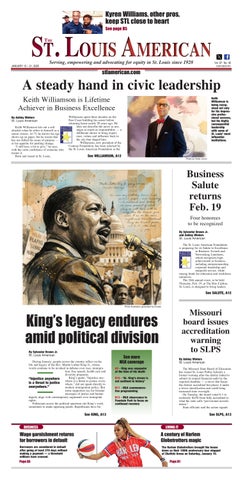
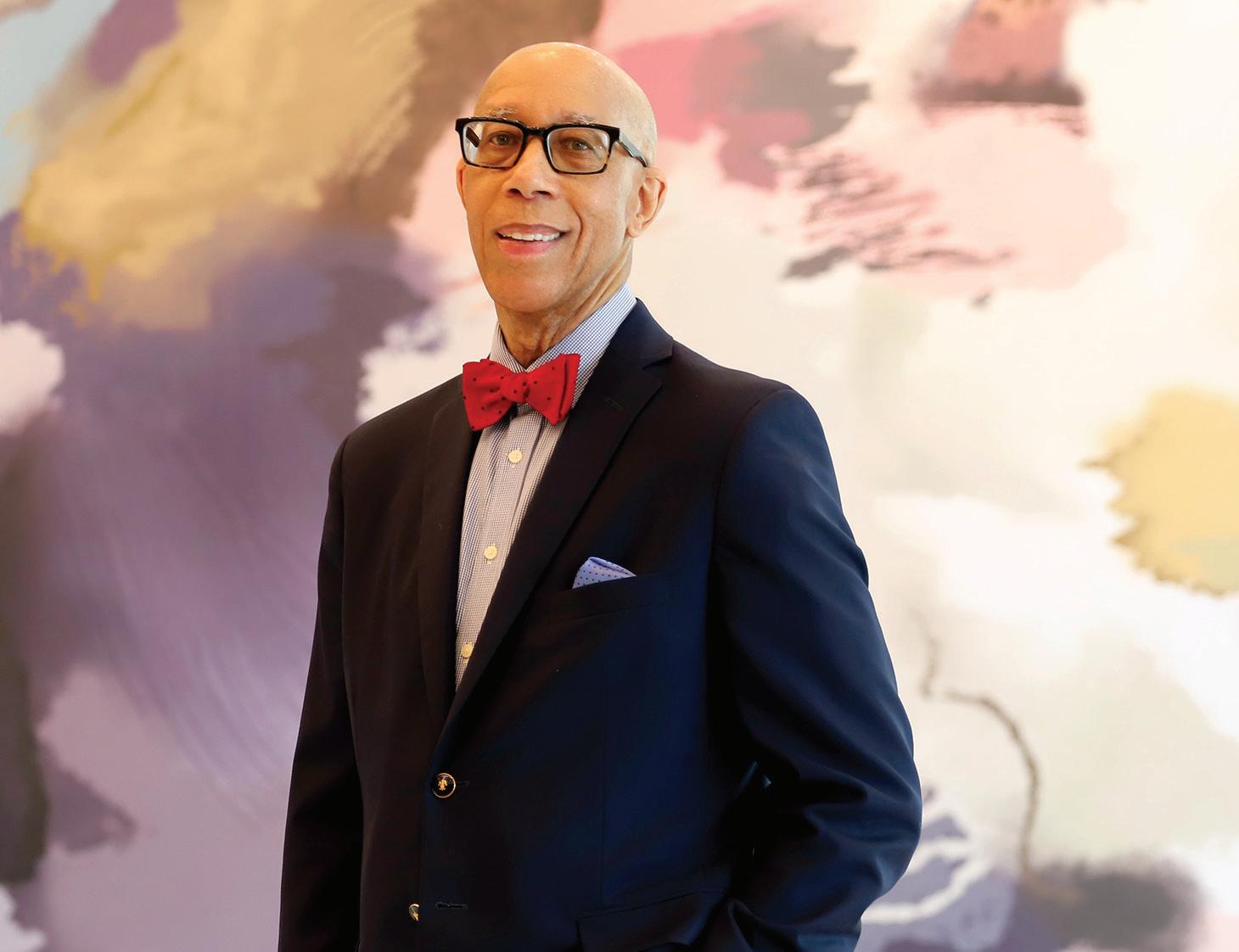
A steady hand in civic leadership
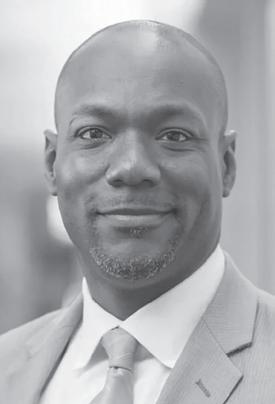
Keith Williamson is Lifetime Achiever in Business Excellence
By Ashley Winters St. Louis American
Keith Williamson lets out a soft chuckle when he refers to himself as a senior citizen. At 73, he knows his age shows up on paper, but he insists that has not dulled his sense of purpose — or his appetite for pushing change.

“I still have a lot to give,” he says, with the calm confidence of someone who means it.
Born and raised in St. Louis,
Williamson spent three decades on the East Coast building his career before returning home nearly 20 years ago. He does not describe the move as nostalgia so much as responsibility — a deliberate choice to bring experience, values and influence back to the city that shaped him.
Williamson, now president of the Centene Foundation, has been selected by the St. Louis American Foundation as the
See WILLIAMSON, A12

During January, people across the country reflect on the life and legacy of the Rev. Martin Luther King Jr., whose words continue to be invoked in debates over race, immigration, free speech, health care and diversity programs. King’s quote, “Injustice anywhere is a threat to justice everywhere,” did not speak directly to modern immigration policy. But some supporters say his broader messages of justice and human dignity align with contemporary arguments over immigrant rights.
Politicians across the political spectrum cite King’s work, sometimes to make opposing points. Republicans have fre-

Keith Williamson is being recognized not only for his impressive professional success, but his highly consequential leadership with some of St. Louis’ most influential institutions.
By Sylvester Brown Jr. and Ashley Winters St. Louis American
The St. Louis American Foundation is preparing for its Salute to Excellence in Business Awards and Networking Luncheon, which recognizes high achievement in business, including entrepreneurship, corporate leadership and nonprofit service, while raising funds for education and workforce initiatives.
The 24th annual event, to be held Thursday, Feb. 19, at The Ritz-Carlton, St. Louis, is designed to bring leaders
By Ashley Winters St. Louis American
The Missouri State Board of Education has issued St. Louis Public Schools a formal warning after the district failed to submit its annual financial audit by the required deadline — a move that keeps the district accredited but places it under a lower classification and could bring increased state oversight.
On Tuesday, the board voted 6-1 to reclassify SLPS from fully accredited to what the state calls “provisional accreditation.” State officials said the action signals
Photo by Victor Junco
By Sylvester Brown Jr.
St. Louis American
Photo illustration generated by Envato
Guest Editorial
The America Black people have always known
By Liz Courquet-Lesaulnier
Just hours after federal agents shot and killed an unarmed Minneapolis woman in her car last week, Chicago Mayor Brandon Johnson posted a video on his Instagram account. Rather than rage at a seemingly unjust killing, the mayor offered a nugget of wisdom for cruel and heartless times.
While the video of a masked Immigration and Customs Enforcement agent firing pointblank at Renee Nicole Good may trigger anger, “Do not let them change the part of your soul that sees a fellow human being when you look at your neighbor,” the mayor said. “We will get through this.”
of Texas put it on Wednesday, “When a federal officer gives you instructions, you abide by them and then you get to keep your life.”
As Black Americans, who have borne witness to far too many killings like Good’s, a white woman who was monitoring ICE activities in Minneapolis, we know he’s not wrong. Many of us are heartbroken by what happened. Seeing the horrific video — the officer opens fire as Good attempts to drive away, then almost casually holsters his weapon and strolls from the scene — we might even be traumatized.
But we aren’t surprised. We’ve seen this playbook for centuries, and we know this is exactly how the forces of white supremacy operate.
Indeed, some folks are saying to themselves that if this can happen to a white woman, none of us is safe. Exactly.
Safety for anyone in a system steeped in anti-Black racism and use of deadly force is, and always has been a mirage.
And it might be that the folks who are most shocked really want to know not what has America become but when did America start behaving like this to white people?
Black folks know this intimately; the soil of this nation is soaked with our blood. From Jim Crow lynchings to stopand-frisk police stops, we know racism and state-sponsored violence isn’t a bug. It’s a feature. Those arguing that Good should have complied with ICE officers on that icy Minneapolis street or shouldn’t have been there at all, are parroting a script familiar to Black folks. We heard it after the killings of Trayvon Martin, Tamir Rice, Sandra Bland, Philando Castile and George Floyd. The dead must have done something to deserve what happened to them. It’s traumatizing to watch footage of Good’s killing. Humans aren’t soulless, emotionless automatons who shrug when we see life snuffed out. Yet we must bear witness to the truth. That video helps combat the Trump administration’s highly questionable narrative of events.
“History tells
that white people have long paid the price for defending Black and Brown people.”
History tells us that white people have long paid the price for defending Black and Brown people.
The government executed John Brown in 1859 for attempting to incite a slave rebellion at Harpers Ferry, West Virginia. In Alabama, a Ku Klux Klansman murdered Viola Gregg Liuzzo in 1965 for shuttling Black civil rights activists between Selma and Montgomery. And a decade hasn’t passed since a white supremacist drove over Heather Danielle Heyer, 32, in Charlottesville as she demonstrated against the “Unite the Right” rally in 2017.
The lesson feeds into a larger narrative that entrenches white supremacy: stay on the sidelines, and you’ll stay alive. Fight for justice and you might end up dead. Or as Republican U.S. Rep. Wesley Hunt
For Black Americans, though, this visibility has come at a cost. Black folks have lived with more than a decade of extrajudicial, extralegal Black killings going viral on social media. In 2013, the now-defunct website Gawker published a photo of Trayvon Martin moments after George Zimmerman shot him, lying motionless on a patch of grass in a Florida suburb. Video footage of the 2014 killing of 12-year-old Tamir Rice as he frolicked on a Cleveland playground — still available on YouTube — will stay with many of us forever. George Floyd was murdered by a knee on the neck from a cop not even a mile from where ICE gunned down Good. We must speak up and demand justice. But building community and connection is part of the solution, too.
Centering love may sound like naive optimism, but it’s not. It’s moral clarity. It rejects the slow poison of white supremacy and the insistence that cruelty must be met with numbness — and accepted as inevitable.
In that sense, Mayor Johnson’s words are more warning than comfort: “Do not let them change the part of your soul that sees a fellow human being when you look at your neighbor. We will get through this.”
Liz Courquet-Lesaulnier is the managing director of Word In Black.

The killing of Martin Luther King — again
By Larry Smith
Shortly before Martin Luther King Jr. was assassinated, a Harris Poll found that 75% of Americans disapproved of him. Yes, three out of four. White Americans’ disgust with King was driven by his unflinching commitment to racial equality and his staunch opposition to the Vietnam War. He spoke of “three evils” that are inextricably linked: racism, militarism and poverty. King had increasingly made known his pessimism about America, doubting whether his movement was truly dismantling racism at its roots. While he recognized the Civil Rights Act and the Voting Rights Act as historic victories, King understood that those laws had not sufficiently addressed socioeconomic discrimination. Poverty seemed to be an intractable maze from which millions of Blacks — and whites — could not escape. Moreover, as King’s geographic aperture expanded, he found even greater opposition to racial integration in the North than he had experienced in the South. By his own account, King’s most vicious crowds were in Chicago — “America’s most segregated city.” Northern whites, who had often championed King’s movement when it was below the Mason-Dixon line, suddenly changed their tune.
Regarding the Vietnam War, King’s stance caused an irreparable rift between him and President Lyndon Johnson. Tragically, the war was still popular among most white Americans during King’s life.
as I have written numerous times, this seismic shift came at a cost. Namely, King became sanitized. Commodified. Neutered. A couple of years ago I wrote:
“The court of public opinion has confined King to a virtual jail cell. He has been imprisoned by one phrase, in one sentence, in one paragraph, in one speech. I am referring to King’s plea that his children would ‘one day live in a nation where they will not be judged by the color of their skin but by the content of their character’. That phrase has been bastardized to transform King into a one-dimensional character (or caricature) as opposed to the incredibly complex 3-D human being he was. In short, King’s most famous quote is very frequently taken out of context and cynically used by people whose views on racial equality are the exact opposite of his. This is a fact that his children and those who were closest to him have made abundantly clear.”
The bottom line is that the people who complain about DEI and “wokeness” today are the direct ideological descendants of the very people and powers against which King fought until his final breath.
“People who complain about DEI and ‘wokeness’ today are the direct ideological descendants of the very people and powers against which King fought until his final breath.”
Further, while whites disdained King much more than Blacks did, his standing had fallen precipitously among them as well. But their reasoning was completely different. Young Black activists, who were frustrated with what they felt was King’s too slow and insufficiently radical approach, derisively labeled him “De Lawd.”
In short, King had become persona non grata for being perceived by whites as doing too much and by Blacks for doing too little. For whites, opposition to King was hate; for Blacks it was hurt. Truly, King was caught between Scylla and Charybdis — a rock and a hard place.
And then he was killed.
Everything changed. King’s murder made him a martyr. He went from being a pariah to being an icon. However,
Today, the final insult of King’s legacy is comparing him to Charlie Kirk. Indeed, many of Kirk’s followers are attempting to meld King and the slain provocateur into a dynamic duo. However, it is impossible to imagine that King and Kirk would have embraced each other, especially given that Kirk tirelessly fought against racial equality. Fortunately, we don’t have to employ our imaginations. We should let Kirk speak for himself when it comes to King: “Actually, MLK was awful. Ok? He’s not a good person.” There is no ambiguity in Kirk’s statement. I take him at his word.
So here we are. Those of us who do more than simply pay lip service to King now have the double duty of trying to extricate him from both the prison of his Disneyfied image and from the obscene Orwellian delusion that sets him up as Charlie Kirk’s muse. It is arguably better to loathe King for what he was rather than to laud him for what he wasn’t.
Larry Smith is a political columnist for the Indianapolis Recorder.



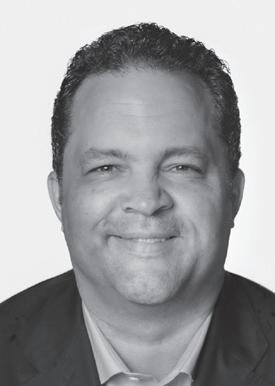
By Ben Jealous
When New York City Public Advocate
Jumaane Williams spoke directly to Black boys at a recent inauguration, his words spread quickly. Clips ricocheted across phones and timelines far beyond City Hall.
Not because they were clever. But because they were rare.
“Little Black boy,” Williams said, “you were worth it, and you always were.”
No charts. No statistics. No list of disparities. Just a sentence we almost never hear spoken by people with power, in public, about Black boys.
put that theory into motion, out loud. That matters, especially when you understand how deeply the opposite framing is embedded in American life.
It landed because it broke an unspoken rule most leaders follow without realizing it: the rule that says Black boys must always be spoken about in the conditional tense. If they behave. If they comply. If they survive. If they overcome.
Williams did none of that. He asserted worth. Full stop. There is a name for that choice. Years ago, Trabian Shorters, a retired tech entrepreneur and New York Times bestselling author, gave it one: asset framing.
Asset framing simply refuses to define people by their wounds. Deficit framing leads with problems. It leads with strengths, capacities and humanity — without asking anyone to earn dignity first.
For years, asset framing lived mostly in movement spaces and philanthropic circles. It was a theory about language. A strategy for organizing. Something you might hear at a conference, not an inauguration. What Williams did was different. He
Nearly two decades ago, sociologist Devah Pager published a book called “Marked: Race, Crime, and Finding Work in an Era of Mass Incarceration.”
Pager ran rigorous audit studies in the low-wage labor market. Young men with identical résumés applied for the same jobs. The only variables were race and criminal record. What she found was devastating, and precise. White men with criminal records were more likely to receive callbacks than Black men with no criminal record at all. In the low-wage economy, Blackness itself functioned as a criminal marker.
Long before a police stop. Long before a courtroom. Long before a mistake could even be made.
Pager proved that deficit framing is not just cultural. It is economic. It is enforced by markets. It punishes people before they act.
What Williams did reminded us of something we once knew: public safety does not begin with suspicion. It begins with recognition. That is the real work asset framing demands. Not applause. Accountability. And it starts with telling the truth about who our children are — before the world tries to mark them as something else.
Ben Jealous is a professor of practice at the University of Pennsylvania and former national president and CEO of the NAACP.
Guest Columnist
Liz CourquetLesaulnier
Columnist Larry Smith
Ben Jealous
EdZone Lockers arrive at Central Middle School through a united foundation effort
By Kenya Vaughn St. Louis American
Navigating middle school is challenging — even for students whose core needs are fully met. It can be a maze of shifting friendships, growing responsibilities and pressure to fit in. But for students who lack access to essential hygiene items, that maze becomes far more treacherous.
They may wrestle with fear of being labeled “unclean,” the humiliation of having to ask for items expected to be readily available at home and the worry of becoming a target because personal care products are out of reach. All of it can overshadow their ability to learn, connect and simply be kids.
Students at Central Middle School in the Riverview Gardens School District now have greater access to these essentials thanks to a partnership between the Chris Long Foundation and The Little Bit Foundation, which launched EdZone Lockers at the school last month.
“The EdZone Lockers provide more than just supplies,” said Riverview Gardens Superintendent Dr. Tanya Patton. “They send a powerful message to our students that their needs matter, their dignity matters and that their community
believes in them. Partnerships like The Little Bit Foundation and the Chris Long Foundation reflect what is possible when a community comes together around students.”
The launch marked the first phase of a four-school pilot initiative bringing EdZone Lockers — secure, student-accessible units stocked with shampoo, soap, conditioner, hair care products and other basic necessities — to high-need school communities in the region.
The Chris Long Foundation is sponsoring the lockers and funding the ongoing supply of items. The Little Bit Foundation will integrate them into its established Whole Child Model of wraparound support.
EdZone, launched by the Chris Long Foundation in 2022, partners with schools and community organizations in cities including Charlottesville, Philadelphia and St. Louis. The initiative engages athletes, service providers and supporters to help ensure educational equity for students who may otherwise struggle to access essential items.
“We are so grateful for the support of the Chris Long Foundation through the years and thrilled to partner in bringing the EdZone program to St. Louis,” said Miranda Walker

Jones, CEO of The Little Bit Foundation. “Our organizations share similar visions of educational equity and understand that addressing students’ basic needs is as essential as academic instruction.”
The Little Bit Foundation, which supports more than 17,500 students across more than 60 school communities, identified both Central Middle School and Jennings Junior High as pilot locations based on demonstrated need. Two additional St. Louisarea middle schools are expected to receive EdZone Lockers in the
coming months.
“St. Louis is where I had my start in the NFL and played for the majority of my career,” said Chris Long, former NFL player and founder of the Chris Long Foundation. “I’m excited to give back to a community that gave so much to me. Every child deserves a chance to succeed in school and that starts with children having the right tools.”
Middle school is a pivotal stage for academic and social development, yet national surveys consistently show that students who lack access to basic
hygiene items face higher rates of absenteeism, social isolation and decreased classroom engagement. Something as simple as not having deodorant, soap or lotion can become a measurable obstacle to learning. Students may avoid school out of fear of being teased, hesitate to participate in group work or struggle to concentrate because of anxiety tied to unmet needs. These gaps can compound quickly, contributing to missed instructional time and widening achievement disparities.
Patton said efforts such as EdZone Lockers mirror the district’s broader commitment to removing barriers so students can thrive.
“Having access to supplies that meet their basic needs allows our students to focus on learning and achieving their full potential,” Patton said. “These lockers represent another investment that we make, as a school district, in our students’ success.”
She also credited The Little Bit Foundation’s involvement in the district — ranging from EdZone Lockers to STEM exposure to the What’s Next Fair — with contributing to progress, including a 22-point Annual Performance Report increase over the last two years.
“This is what happens when students can focus on learning, and teachers can focus on teaching,” Patton said. “The Little Bit Foundation’s ongoing support strengthens Riverview Gardens and reinforces our shared belief that students succeed best when their basic needs are met.”
Primary Care for the Whole Family



Photo courtesy of the Riverview Gardens School District Central Middle School student explores EdZone Lockers during the grand opening in December.
Commentary

Bell demands DOE act on West Lake Landfill cleanup
Congressman Wesley Bell (D-Mo.) is urging U.S. Department of Energy (DOE) Secretary Chris Wright to be more proactive in resolving the decades-long cleanup of radioactive contamination at the West Lake Landfill.
In a letter, Bell implored the DOE to utilize the “successful federal cost-allocation framework that helped advance cleanup efforts at the Latty Avenue site. He also says the U.S. Government “must finally acknowledge and act on its role in the Manhattan Project-era contamination that continues to affect the St. Louis region.”
“Recent progress at Coldwater Creek and other St. Louis-area sites shows what is possible when the federal government acts with clarity and coordination,” wrote Bell. “It is beyond time for that same approach to be applied to
West Lake Landfill.”
“It’s wonderful to finally see the U.S. Department of Energy take accountability for their radioactive waste along Coldwater Creek. Now they must do the same at West Lake Landfill,” said Dawn Chapman and Karen Nickel, Just Moms STL co-founders.
“The horrific chapter of the Manhattan Project in Missouri began with them, and only they can end it. It’s time for them to stop creating casualties of World War II in the St. Louis Region!”
The letter also calls for DOE to convene all relevant agencies and private parties to finalize a cost-share agreement that recognizes DOE’s role in the contamination and ensures long-term funding and coordination for the cleanup.

We must stand with Minnesotans
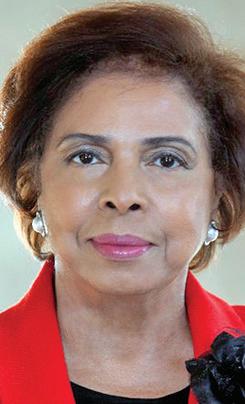
By E. Faye Williams
Oprah Winfrey asked Prince why he lived in Minnesota. He said, “It’s so cold that it keeps the bad people out!” Well, obviously he had no idea bad ICE gangsters would bust in uninvited!
The world has seen a community servant helping many worthy causes, Renee Nicole Good, shot down by an ICE agent sent to Prince’s city. They weren’t welcome but were sent there by a man who refuses to accept laws. Trump sent ICE to Minnesota because Gov. Tim Walz was Kamala Harris’ running mate. Many white people, too many Hispanics, unenlightened Black men, and too many white women voted for Trump.
the footsteps of our beloved and brave ancestors. “We ain’t gonna let nobody turn us around.” They suffered too much for us to stand by doing nothing. Others behind them did the same thing. We’ve been on this path to racial justice for too long to give up now.
This group Trump has brought together is not just harming Black people. If you’ve been watching the response by Minnesotans to the injustices they are facing, Minnesotans are ready to say with us, “Enough is Enough” and they don’t plan to back down from the Trump/Vance/Rubio/ Hegseth Mafia, and other gangsters surrounding them.
As usual, they preferred to vote white over voting right.
The rest of us are paying for their sins. As we often say in the Black community, “I’m So Glad Trouble Don’t Last Always!” It’s been one heck of a ride for many of us, including some of the MAGA people who now admit they were wrong. Even Marjorie T. Greene got religion, and a whole bunch of people in her party decided there’s no need for them to run in the next election. While most of us who are suffering through this Republican takeover that was going to bring us better things by erasing Obamacare (as the healthcare was known) while the other party keeps promising something better—but never produces anything, but a concept. Many of us are following in
People all over the world saw how Ms. Good was murdered by ICE. It’s time for more white people to speak up, too, because Trump doesn’t even care about many of them. They must begin standing up for what is right for all of us. In addition to Americans, Trump is brutalizing people in other nations, and some of our leaders say nothing. Trump decided it was his job to kidnap the President of Venezuela, take their oil and threaten other nations for various unlawful reasons.
He’s now threatening the people of Colombia regarding drugs when Trump recently pardoned one of their former presidents who allegedly was dealing in drugs. Well, Trump just pardoned him.
I don’t know for sure, but those with more knowledge on the matter than I have said something is not right about the way Trump has been sucking up to Russia’s dictator while stringing along Ukraine’s democratically elected President who gets little to no help.
E. Faye Williams is president of The Dick Gregory Society.

Dawn Chapman, Just Moms STL co-founder, looks out onto Coldwater Creek last February in Florissant. Congressman Wesley Bell is calling for swifter action by the Department of Energy.
Photo by Bryan Munoz / St. Louis Public Radio
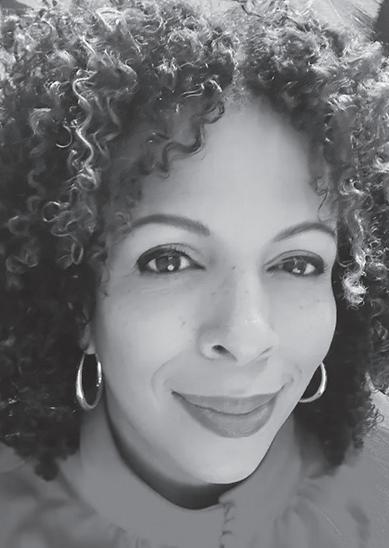
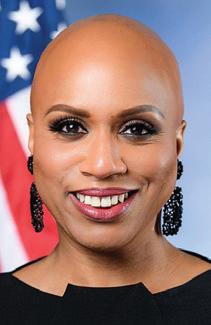
E. Faye Williams

Wage garnishment returns for borrowers in default
5 million could see paychecks reduced
By Ashley Winters
St. Louis American
Tamike Miller is already working two jobs, watching prices climb while her paycheck stays the same. Now she’s bracing for another blow: the restart of federal student loan collections that could reduce her wages in the months ahead.
“I need every penny of my paycheck,” said Miller, who struggles to cover basic expenses. “The economy is so expensive, and my wages aren’t covering it.” The U.S. Department of Education began sending default notices Jan. 7, a first step toward wage garnishment for borrowers who do not set up repayment plans.
Borrowers are considered in default after going at least 270 days without making a payment.
Miller said a garnishment could force her to take on a third job — a reality she
fears would come at the expense of her mental and physical health.
“We’re trying to better ourselves,” she said.
“Why should we have to pay for our education?”
Miller is among millions of borrowers now facing renewed collection pressure. More than 5 million student loan borrowers
nationwide — including thousands in Missouri — could see their paychecks reduced through wage garnishment as the Education Department ramps up collections on defaulted federal student loans this year.
The move marks a return to aggressive collections after a yearslong pause that began during the COVID-19 pandemic, at a time when repayment options and forgiveness
Tipping culture
By Laura Onyeneho Houston Defender
Americans are at a tipping point –with tipping, that is. There is an increased frustration with “tipflation,” the pressure to tip at places that traditionally didn’t expect it. The result? More people are tipping out of guilt than out of appreciation for good service.
The culprit? The digital tipping prompt. These screens ask for a 20%, 25% or even 30% tip from coffee shops to takeout counters to convenience stores. Unlike a tip jar you can easily ignore at the cashier, these digital versions create social pressure and make it difficult to bypass, especially when your choice might be on display for others (including employees) to see.
This shift in tipping culture highlights the reliance on a system that keeps wages low for service industry workers in the expectation that customers will make up the difference. While tipping can be a way to reward

Wynter to keynote MLK Commemoration
Da’Juantay Wynter, a 2026 Washington University graduate, John B. Ervin Scholar, and undergraduate representative to the Board of Trustees, will deliver the keynote address during the 39th Annual Martin Luther King Jr. Commemoration at 2 p.m. Monday, January 19, in Graham Chapel on the WashU campus.
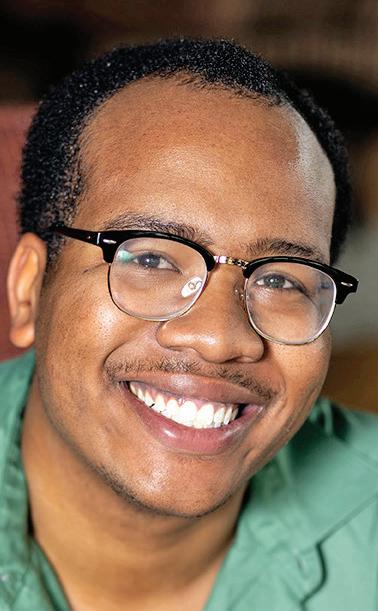
Da’Juantay Wynter
Wynter serves as a senate member in the student union and a learning center academic skills peer coach. He is on the Black Anthology Executive Board, part of the Student Affairs Advisory Board and the Dining Service Advisory Team.
Darius Watson named university dean
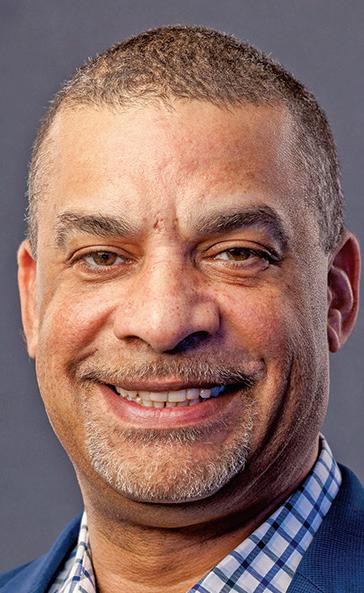
Darius Watson
Lincoln University of Missouri has appointed Darius Watson, Ph.D., School of Professional Studies dean. He will retain his role as assistant provost for academic innovation, outreach, and research. He has served as interim dean of the School of Professional Studies since June 2025 and will continue to provide oversight for the School of Business, the School of Education, and the School of Nursing, while maintaining his responsibilities as assistant provost. Watson joined Lincoln University in 2019 as a professor of political science and has held several leadership roles during his tenure.
LaVell Monger opens business in Florida
LaVell Monger of St. Louis recently opened RTW Photography in Orlando, Florida. He says his business focuses on elevating small businesses and local communities, and the UM-St. Louis graduate has become active in his new community. Monger serves as a planning commissioner for Osceola County and board chair of the St. Cloud Chamber of Commerce. He is also a member of Leadership Osceola County, Leadership Orlando and Leadership Florida Connect.
“Orlando is constantly evolving, and there’s room for leaders, businesses, and creatives to make their mark,” Monger told UMSL Daily.
Eric’el Johnson, a Boeing success story
University of Missouri - St. Louis graduate Eric’el Johnson, a senior systems engineering manager at Boeing, was recently profiled in UMSL Magazine.
Eric’el Johnson
Johnson graduated with her BS in electrical engineering in 2016 after earning a full-ride scholarship through the Pierre Laclede Honors College’s Opportunity Scholars Program She helps connect engineering teams to deliver computing-related products for multiple different aircrafts.
Please submit your People on the Move item (including photo) to areid@stlamerican.com
Photo by Sam Dan Truong / Unsplash
The digital tipping prompt is pressuring customers to tip out of guilt rather than out of appreciation for good service.
Courtesy photo
LaVell Monger
Default
Continued from A5
efforts remain in flux.
Borrowers are considered in default after going at least 270 days without making a payment — a threshold millions have crossed amid shifting policies, legal challenges and rising costs of living. More than 40 million Americans carry student loan debt — roughly one in eight people nationwide — and about 5 million are currently in default.
Under the federal collections process, borrowers in default generally receive at least 30 days’ notice before wages can be withheld. Those who do not arrange repayment may see up to 15% of their wages garnished until the debt is satisfied.
For Miller, the policy shift feels especially punitive.
“It’s outrageous,” she said. “It’s already hard for people to make a living, and now it’s even harder.”
She argued that education should be publicly funded, as it is in other countries, rather than saddling borrowers with long-term debt for trying to improve their lives.
Beyond finances, Miller worries about the broader toll on borrowers. Working additional hours to offset garnishment, she said, could erode already fragile stability. “This could really impact people’s well-being,” she said. “It’s just unfair.”
Black borrowers expected to face heavier impact

Advocates and analysts say the return to aggressive collections is likely to hit Black borrowers especially hard because Black students borrow at higher rates and tend to carry higher balances after leaving school.
standing and can deepen inequality over time.
Brookings Institution research has found that four years after graduation, the average Black graduate owes nearly $25,000 more than the average white graduate. Analysts say that gap, combined with interest, can make it harder to keep loans in good
That dynamic, Brookings analysts have argued, reinforces the racial wealth gap by making it more difficult for Black borrowers to build savings, purchase homes or invest in long-term financial stability.

Anxiety spreads beyond those already in default
Even borrowers who are current on their payments say the renewed threat of garnishment and the narrowing of repayment options has created widespread anxiety.
Meakailyn Phillips, who works at a marketing agency in the pharmaceutical industry, resumed paying her loans in the summer of 2023 and has remained in good standing. Still, she said wage garnishment would strain her budget.
“It would make things very difficult,” Phillips said. While her minimum payment is manageable for now, she said service-based and adjacent industries often leave little room for unexpected deductions. “A lot of people don’t make as much as they should,” she said. “There should be some kind of break — like lower interest rates.”
Phillips, who holds a degree in psychology with a focus on human development, said recent policy changes have reshaped her long-term plans. She once hoped to return to graduate school but is now reconsidering due to new limits on federal borrowing. “I want to go back to school,” she said,
Tipping
Continued from A5
exceptional service, the current system needs to be more consistent and leaves workers at the mercy of individual customers.
I remember stopping by one of my favorite Thai food spots, and once I placed my order, the waiter turned the prompt over, giving me three mandatory tip choices. I cocked my head to the side as the waiter patiently held the card payment machine.
I clicked the customized tip button and selected “$0.00.” (Yeah, I know it sounds mean, but hear me out). I was taking my food to go. What exactly do you need the tip for? You are doing your job and taking my order. That’s it. There should be alternatives that provide service industry workers with a more stable and predict-
“but with the cap on borrowing, I’m not sure it’s realistic.”
Repayment programs in flux
The resumption of garnishment comes amid broader upheaval in federal student loan policy. Efforts by the Biden administration to enact widespread loan forgiveness were repeatedly blocked by the courts, leaving millions of borrowers without lasting relief.
In early December, the Education Department announced a proposed settlement that would effectively end the SAVE plan — a Biden-era repayment option that offered payments as low as $0 for low-income borrowers and accelerated forgiveness.
Legal challenges left SAVE borrowers in limbo for months, during which payments were paused, though interest resumed accruing in August.
Additional changes are on the horizon. Under the One Big Beautiful Bill Act, Congressional Republicans moved to phase out two long-standing income-driven repayment plans — IncomeContingent Repayment and Pay As You Earn —
able income while still allowing customers to reward exceptional service. Ultimately, the goal should be a system that ensures fair wages for service industry workers while allowing customers to recognize outstanding service. Moving away from our reliance on tipping fatigue could benefit workers and customers.
The downside of tip dependence
• Unpredictable
income. To meet ends, servers and other tipped workers often rely on inconsistent tip amounts. This makes budgeting and financial planning difficult.
• Gender and race bias. Studies show that women and people of color often receive lower tips than white men, even for the same level of service.
• Power imbalance. Customers hold the power
both of which will end by mid-2028. In their place, lawmakers created a new Repayment Assistance Plan, or RAP, which bases payments largely on adjusted gross income and waives remaining interest after each payment to prevent balances from growing for borrowers who stay current. Still, data suggests millions of borrowers are already struggling to keep up. As wage garnishment resumes and repayment options narrow, the question facing the Trump administration and Congressional Republicans heading into 2026 is whether these changes will help borrowers regain stability — or push even more into default.
What borrowers can do
Federal officials encourage borrowers who have fallen behind to contact their loan servicer as soon as possible to explore repayment options, including consolidation or enrollment in an income-driven plan if eligible. Borrowers can also use the free loan repayment simulator on studentaid.gov to compare options and estimate monthly payments.
Word in Black reporter Shernay Williams contributed to this report.
to determine a server’s income, creating an uncomfortable dynamic that can discourage complaints or requests for better service.
What can be done
• Raise the minimum wage. A higher minimum wage for tipped workers would put the onus of fair compensation on employers, eliminating the reliance on unpredictable tips.
• Implement a service charge. Restaurants could add a service charge to every bill, ensuring staff receive a fair base pay independent of customer tipping practices. This could be a flat fee or a percentage of the bill.
• Move to a tipping-optional model. This would allow customers to tip for exceptional service but wouldn’t require them to do so for basic service.
Courtesy photo
HealthMattersHealthMattersHealthMatters
Care of You’

Community health centers like Harlem United serve as the few sources of dental care for low-income populations in New York City.
Affordable dental care threatened
Why Black patients get brushed off
New federal legislation affects low-income populations’ ability to access the safety-net providers they have come to depend on. Communities of color are particularly threatened.
By Neela Jain
Furaha Moyé owes her smile to Harlem United.
The community health center, based in Upper Manhattan, has served as a steady source of affordable, quality dental care for the 76-year-old Harlem resident for more than a decade. Faced with challenging dental issues since she was a child, Moyé said the services she receives at the center are essential to her career as an actor and model.
“I know that I would have really gone [into myself] had I not gotten that care because the self-esteem, the confidence, the
whole nine is impacted,” she said.
Frustrated by how expensive dental care is, Moyé is equally grateful to Harlem United for its commitment to serving patients regardless of their ability to pay. Too often, the financial stresses that come with accessing dental services can stand in the way of overall good health, she said.
“If your teeth are not good, the rest of your body can’t be good either,” she said.
Harlem United’s Community Health Center is one of the many health centers affected by the Trump Administration’s cuts to federal health services.
Community health centers like Harlem United serve as the few sources of dental
See DENTAL, page A8
What to know during virus season
The CDC estimates that getting vaccinated against flu reduced the risk of hospitalization due to flu by about 40% in adults and 50-60% in children.
StatePoint – As temperatures drop and people spend more time indoors, the flu and other respiratory viruses can spread easily. Fortunately, you can take precautions to protect yourself, your family and your community. The American Medical Association (AMA) recommends that all eligible Americans – everyone 6 months and older (with rare exceptions) – get vaccinated against flu as soon as possible. While the timing, intensity and severity of each flu season is difficult to predict, vaccination is always the best way to reduce your risk of severe illness from flu -- and the best way to protect your loved ones and community by slowing its spread. Flu vaccination also reduces missed days of work and school, prevents added medical costs, and has even been associated with lower rates of cardiac events among people with heart disease.
Based on preliminary data, the CDC See VIRUS, A8

Young men, get your health checked
Advocates urge Black men to prioritize health screenings and wellness
By Houston Defender
“My dad was the cook in the family,” Daniel Pinesette says. “After he passed, I realized it wasn’t just what he was eating, it was that he wasn’t paying attention to his health. Not taking medicine, not seeing doctors, not knowing what was really going on. I didn’t want to repeat that story.”
So, he picked up where his father left off, only this time, with intention. As a graduate of Galveston College’s culinary program, he now teaches others how to make the food they love without sacrificing their health
When Pinesette speaks to his peers, he often hears the “same excuses” as to why they usually don’t get their health checked.
“When I talk to guys my age, they’ll say, ‘Oh, I need to go,’ or, ‘I’ll do it next week,’” he says. “They’ll say they’re hurting but don’t want to get checked out because of money or fear. A lot of it is
“When I talk to guys my age, they’ll say, ‘Oh, I need to go,’ or, ‘I’ll do it next week.’”
–Daniel Pinesette Jr, 25, community chef at the African American Health Coalition
just avoiding the conversation altogether.”
That attitude, waiting until something’s wrong, is exactly what doctors and community leaders want to change. According to the U.S Department of Health and Human Services, young people must see health care providers regularly. Regular check-ups ensure that See CHECKUP, A8

Photo by Elaine Sanders
Photo courtesy of CDC/Unsplash
National Men’s Health Awareness Month raises awareness and support for those facing prostate cancer, testicular cancer, and mental health issues.
Photo by iStock via Getty Images Plus
HealthMattersHealthMattersHealthMatters
Dental
Continued from A7
care for low-income populations in New York City. Now, however, policy changes to Medicaid under the Trump administration’s “One Big Beautiful Bill” legislation increasingly threaten the ability of these safety-net providers to care for patients in underserved communities.
“It’s a huge cliff that’s coming for community health centers,” said Melissa Burroughs, senior director of policy and advocacy at the CareQuest Institute for Oral Health. “The reality we’re going to see is a lot more people … not getting care at all.”
The high costs of dental care
Research shows that regardless of insurance status, more people cite cost as a barrier to accessing dental care as compared to any other type of health care. The financial burdens associated with seeking dental care have a disproportionate impact on low-income populations.
Families living below the federal poverty line spent 2% of their total family income on dental care in 2021 compared to highincome families who only spent 0.3%, according to a CareQuest Institute for Oral Health report
For many, Medicaid, which provides health insurance for low-income individuals and people with disabilities, can serve as a lifeline for accessing affordable dental care.
Jointly funded by the federal government and state governments, Medicaid provides comprehensive dental care to children under the age of 21; coverage for adults varies by
Checkup

state. Only 11 states (not including New York) and Washington, D.C., provide extensive dental coverage for adults, according to data published by the CareQuest Institute.
Barriers to Medicaid acceptance
Finding a dental provider who accepts Medicaid can be a challenge. In New York State, the program reimburses participating dentists at about a third or less of average den-
“Working together, we can help you live a healthy life.”
tal charges, according to 2024 data released by the American Dental Association. Only onethird of New York dentists accept Medicaid, according to a report by the Center for Health Workforce Studies at The State University of New York at Albany.
“It’s a losing proposition,” said Dr. Maurice Edwards, president of the New York State Dental Association, whose organization has been at the forefront of advocating
for higher reimbursement rates.
Dental providers also cite frequent missed appointments among Medicaid patients as contributing to their lack of participation in the insurance program, research shows. In light of the many documented socioeconomic challenges faced by low-income populations, including transportation barriers and inflexible work schedules, such biases against
Research shows that regardless of insurance status, more people cite cost as a barrier to accessing dental care as compared to any other type of health care. The financial burdens associated with seeking dental care have a disproportionate impact on lowincome populations.
ers who accept Medicaid is evident. Across the city, many neighborhoods lack enough dental providers to meet the needs of populations eligible for Medicaid, according to the federal government. The determination, by the Health Resources & Services Administration, accounts for each area’s percentage of population below the federal poverty line, as well as its proximity to the nearest dental provider. The majority of shortage provider areas are located in the city’s predominantly low-income communities of color.
The Bronx, whose population is more than 50% Latino and more than a quarter Black, accounts for a significant portion of the city’s dental provider shortage areas. Communities in neighborhoods such as High Bridge and Hunts Point are among the poorest in New York City, with more than a quarter of the population living in poverty. Nearly 65% of the borough’s residents are enrolled in Medicaid, according to 2024 data analyzed by the United Hospital Fund
Medicaid participant populations frustrate dental care advocates. There is “a longer-term cultural shift that has to happen in terms of how … society and how providers view certain populations of patients,” said Colin Reusch, director of policy at Community Catalyst.
Lack of affordable dental care for NYC communities of color
In New York City, the shortage of dental provid-
ly-sized meals.
Other provider shortage areas in the city include Central Harlem, where Blacks comprise half the population and Latinos nearly a quarter. Approximately 29% of that population lives in poverty, compared to the citywide average of 18%, based on data from the Furman Center for Real Estate and Urban Policy at New York University Overall in New York State, about 35% of Medicaid beneficiaries are white, 18% are Black, and 31% are Latino, according to figures from KFF
adolescents receive the recommended clinical preventive services, including immunizations, screening tests, and health counseling, which are essential for their age group.
Routine health care visits help prevent unhealthy behaviors, promote healthy decision-making, and reduce the likelihood of developing major health issues now and in the future.
Young people don’t have to wait until they are 40 years old to prioritize health screenings. Medical experts emphasize that young adults should be aware of their blood pressure, cholesterol, and blood sugar levels, as early screenings and awareness are crucial for maintaining long-term health.
“A doctor and patient should be partners in health,” says Dr. Julie Nguyen, a primary-care physician at Houston Methodist, in a statement.
Continued from A7 Virus
Continued from A7
estimates that getting vaccinated against flu reduced the risk of hospitalization due to flu by about 40% in adults and 50-60% in children during last year’s flu season. However, fewer than half of all people nationwide received a flu vaccine last season.
“Last year’s flu season was one of the worst in the United States in 15 years,
This means it’s never too early to establish a relationship with a primary-care provider. Even healthy, young adults benefit.
Shifting the mindset
That’s the message Jamail Johnson, VP of strategic partnerships for the National Center for Urban Solutions, wants young men to hear loud and clear. As the former executive director of the African American Male Wellness Agency in Houston, the organization is shifting the focus from “catching up” to staying ahead.
“We’re trying to get men to think about health the same way they think about money or cars,” he says. “You don’t wait until your engine blows to check the oil. The same goes for your body.”
For many Black men, especially those in their 20s and 30s, building careers or families, health often takes a back seat.
and the statistics speak volumes. The low vaccination numbers resulted in more than 620,000 hospitalizations and 27,000 deaths related to flu illness,” said AMA president, Bobby Mukkamala, M.D. “We cannot afford to repeat this pattern. We strongly urge everyone who is eligible to get a flu vaccine as soon as possible, ideally before illness begins spreading widely.” In addition to flu, other respiratory viruses with potentially serious com-
“Our first doctor’s appointment is in the emergency room,” Johnson says. “We glorify strength so much that we try to fight through the pain. And by the time the heart attack happens or the stroke hits, our body is saying, ‘I can’t go any further.’”
Johnson points out that elevated blood pressure, poor nutrition, chronic stress, and lack of exercise often develop years before symptoms emerge.
bringing health awareness into everyday settings.

“What we treat as oldman issues are showing up in our twenties and thirties,” he says. “We have to give attention to our bodies now.”
The African American Health Coalition promotes healthy lifestyles for people of African descent.
Credit: Jimmie Aggison
In Houston neighborhoods like Sunnyside, life expectancy is among the lowest in the city. The African American Health Coalition (AAHC) is working to change that by
plications are expected to circulate again this year, including respiratory syncytial virus (RSV) and SARS-CoV-2.
The AMA encourages all adults age 75 and older to get vaccinated against RSV, as well as adults ages 50–74 with certain medical conditions who are at increased risk for severe RSV. The RSV vaccine is not an annual vaccine, so those who have already received it do not need another dose. Families should also
Board member Kyle Maronie says the coalition is creating “safe, welcoming places” where young Black men can discuss health openly and build trust. “We meet men in places they’re comfortable, barbershops, community centers, and we say it’s okay to go to the doctor,” Maronie says. “I want us to live full lives.”
There are, however, many challenges to overcome to encourage young men to come around.
“They’re working two jobs, building a life, and health gets pushed off, Maronie says. “We’ll say, at least get an annual checkup. Know your numbers. Find a doctor you trust.”
Recently, the AAHC hosted a “Chop It Up: Black Box Edition” Cooking Demonstration session with Pinesette, showcasing a healthier and fun way to prepare fami-
familiarize themselves with the options to protect infants during RSV season, including vaccination during pregnancy or an RSV monoclonal antibody for infants and young children. Most infants will not need both options.
Anyone 6 months and older who wants a COVID-19 vaccine should be able to get one. Certain populations are at increased risk of severe outcomes from COVID19, including adults age 65 and older, those with
“It’s not like a doctor in the office telling you, ‘hey, you need to eat more vegetables because your diabetes is getting out of control,’” Maronie says. “We want to meet people where they are. A community care structure where people can feel safe to come out and ask questions, and just come and learn.”
The African-American Male Wellness Agency hosts monthly sessions called “Real Men Real Talk” to create a space for Black men to be vulnerable and engage in thoughtful conversations.
Mental health challenges are an often silent crisis within the Black community, particularly among Black men. Stigma, cultural barriers, and a lack of access to resources prevent many from seeking the help they need. It’s these conversations, Johnson says are necessary to get more young men to prioritize their overall health.
“We are working to create brave spaces around the country,” Johnson says. “Health is not just physical wellness. It’s all
underlying medical conditions, patients who are pregnant, and children 6 to 23 months of age.
The AMA encourages you to speak with your physician or other health care professional to determine which vaccines are best for you, and to call your doctor or pharmacy to make an appointment for flu and other shots.
AMA recently launched infographics to help patients and physicians cut through vaccine confusion and have open, honest
about our mindset. It’s about support and access.”
Four key health numbers every man should know
Blood Sugar: Keep it under 100 mg/dL fasting to help prevent diabetes. Regular screenings catch early warning signs before they become serious.
Total Cholesterol: Aim for a total cholesterol level of under200 mg/ dL to protect your heart. Balance your “good” (HDL) and “bad” (LDL) levels with diet and exercise.
Body Mass Index (BMI): Healthy range: 18.5–24.9. High BMI raises risk for diabetes, hypertension, and other chronic diseases.
Blood Pressure: Target: below 120/80 mmHg. Known as the “silent killer,” high blood pressure can quietly damage the heart if unchecked.
conversations with each other. The infographics can be found at https:// ama-assn.org. Additional health precautions, such as covering coughs and sneezes, frequently washing your hands, improving indoor air quality, and staying home when you’re sick, can also help reduce the spread of viruses. This respiratory virus season, take these steps and get up to date on vaccinations to stay healthy and protect those around you.
Daniel Pinesette

Chris Brown’s $500M defamation suit dismissed
Last year Chris Brown filed a $500 million defamation of character lawsuit against Warner Bros. and the producers of the docuseries “Chris Brown: A History of Violence.”
The case was dismissed this week.
Complex reported that the case was dismissed this week by a judge who ruled the documentary presented a fair and balanced report of the abuse allegations against him, complying with journalistic standards. The judge found no merit in Brown’s claims that the film spread falsehoods, noting it included details about inconsistencies in accuser accounts that Brown’s team highlighted.
L.A. Reid settles assault suit
Music producer L.A. Reid has reached a settlement with Drew Dixon, a former Arista executive who accused him of sexually assaulting her in 2001.
Dixon filed the suit in 2023 under a New York law that temporarily suspend ed the statute of limitations for sex assault. Reid was president and CEO of Arista at the time of the allegations.
He went live on Facebook to share his side of the story.
He said that the claims were false and “motivated by money.” McClurkin also said that he had not seen or spoken to his accuser since 2015.
“I transparently tell you that this is all fabricated and untrue,” McClurkin said “I am praying for the gentleman, that he regains some kind of lucid thought and gives his life to the Lord.”
Young Buck pleads guilty to domestic assault and gun charges
In 2025, rapper Young Buck had his bond revoked and was ordered to serve 30 days in jail after multiple violations while awaiting trial on domestic assault, felony gun charges and vandalism charges.
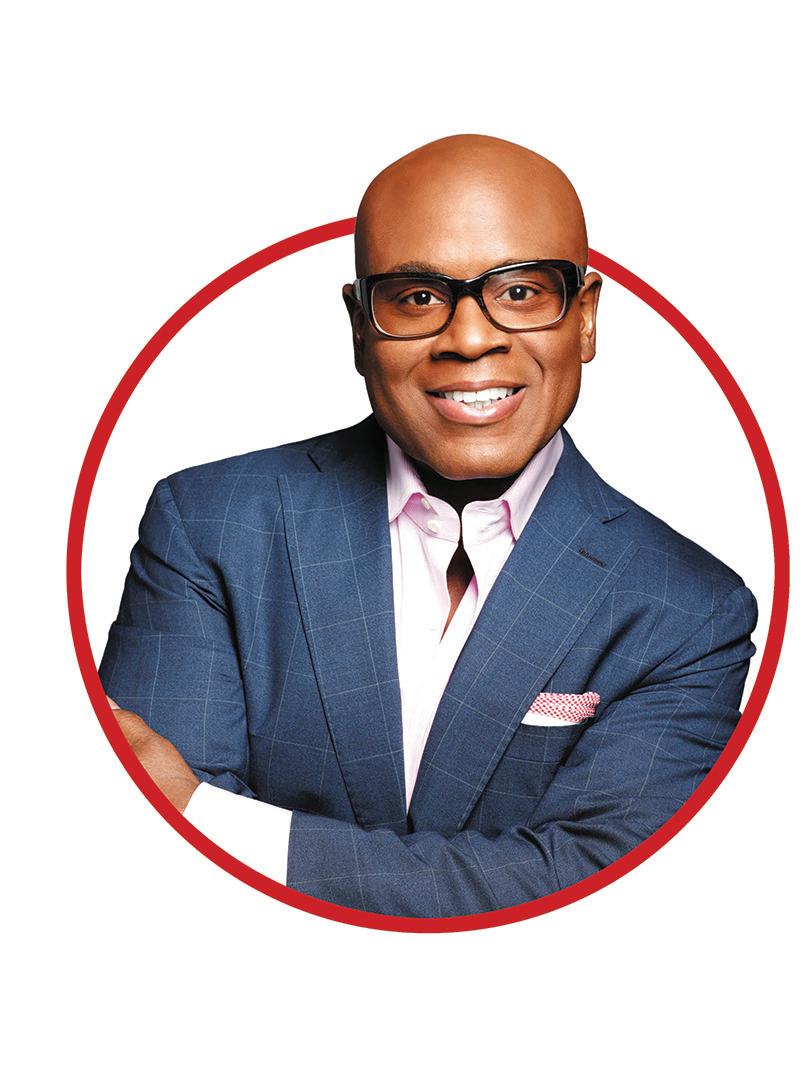
Variety.com reported that settlement came just hours before the trial was set to begin. The case was scheduled to go to trial on Monday, January 12. The terms of the agreement were not disclosed.
Reid’s attorney, Imran Ansari, stressed that the settlement does not include an admission of wrongdoing.
“Mr. Reid has amicably resolved this matter with Ms. Dixon without any admission of liability,” Ansari said.
Donnie McClurkin denies accusations during FB Live
Last week Grammy Award-winning gospel singer and pastor Donnie McClurkin was sued by his former personal assistant, Giuseppe Corletto. He accused McClurkin of grooming and unwanted sexual advances.
Over the weekend McClurkin took to social media to say that the claims were a baseless money grab.
Last Thursday, Buck (born David Brown) was sentenced to eight years of community corrections –with 30 percent of the sentence suspended –after he pleaded guilty to possessing a weapon after being convicted of a felony.
Court documents obtained by wkrn. com show that he will not go to prison and received pretrial credit for serving 30 days in 2025. The special conditions of the plea include an alcohol and drug assessment within 60 days of plea with mandatory compliance and no violent contact with Lucresia Neal, who reportedly shot at Brown in 2020.
Brown must also forfeit all seized property and the weapon, and he must report to Sumner County Community Corrections.
Stefon Diggs arraignment postponed until after Super Bowl
According to The Boston Globe, New England Patriots receiver Stefon Diggs was granted a postponement of his arraignment for allegedly assaulting a personal chef to Feb. 13.
Diggs — who was set to be arraigned in Dedham District Court on Jan. 23, which is the Friday before the AFC Championship game — made the request due to a “previously scheduled professional commitment” that day, his lawyer, David Meier, previously said.
The postponement indicates that Diggs will be available for the entirety of the postseason, and likely remain off the NFL Commissioner’s Exempt List — a paid leave status for players facing unique circumstances.
His new arraignment date is set for five days after Super Bowl 2026, taking place in Santa Clara, California.













































L.A. Reid
each week throughout the school year, at no charge.
Questions or comments? Contact Cathy Sewell csewell@stlamerican.com or 618-910-9551



Students Kayden Tunstall, Nasir Willis, Dezarari Goodlow, and Jackson Portwood, in Ms. Stovall's fourthgrade class at Gateway MST Elementary School, use the engineering design process to create a freestanding index card tower.
by Ms. Stovall
Photo by Ms. Stovall
Students at The American’s Summer Science Academy work in teams to discover the many different computer programming languages.
Teachers, if
are
NIE program and would like to nominate your class for a Classroom Spotlight, please email: csewell@stlamerican. com



FAMILY SPOTLIGHT SCIENCE STARS

A hurricane forms over tropical and subtropical ocean water. Warm water and cool, moist air combine to create strong winds that can gust up to 200 miles per hour! These winds create waves that bring the storm on shore. Hurricanes are very destructive. They can flip cars, sink boats, uproot trees, and demolish houses.
SCIENCE CORNER
The American Optometric Association (eye doctors) researched this topic and here is what they discovered: 3D movies, TV shows, and games are safe for children age 3 and above.
Reusable 3D glasses can contain harmful bacteria. Use anti-bacterial wipes as a precaution.
In addition to powerful winds, hurricanes bring a lot of rain. (Taiwan received 114 inches of rain in three days during a hurricane.) These rains can cause landslides and flash floods.
Time spent playing handheld games that are held close to the face should be limited, with frequent breaks, to rest the eyes.
SCIENCE


Although there was concern that 3D movies can trigger a
Fungi are organisms made of filaments (called hyphe) that are stacked together. Unlike plants, fungi do not have chlorophyll, so they cannot make their own food. Some fungi are parasites, which mean they live off of other organisms. Some fungi feed off of dead and decaying matter. Fungi are everywhere in the environment, including the soil, lakes, river and seas, air, and on plants and animals. Fungi (plural of fungus) help organic matter to decay and release carbon and oxygen into the environment. Unlike plants, fungi do not have
INVESTIGATION The St. Louis American’s award winning NIE program provides newspapers and resources to more than 8,000 teachers and students each week throughout the school year, at no charge.
SCIENCE EXPERIMENT

In this experiment, you’ll create a replica of a hurricane and identify how the forces work together to create a hurricane.

SCIENCE STARS

seizure, the AOA has discovered that there is only a risk for seizure if the person has photosensitive epilepsy or is taking certain medications.
Are Fungi ?
Hurricanes can last a few hours or several days. Most hurricanes occur during the fall months. How can you stay safe? Have an evacuation plan and an emergency kit prepared. Meteorologists can track these storms and keep you informed. For more hurricane facts, visit: http://www.sciencekids.co.nz/ sciencefacts/weather/hurricane.html.
leaves, stems, or roots. Fungi use spores to reproduce. One common type of fungus is the mushrooms you find on your pizza. Mold, yeasts, and mildew are also types of fungus.
SCIENCE INVESTIGATION
Background Information:
Materials Needed:
• 2 Soda Bottles • 3 Paper Clips
In this experiment, you will surprise your eyes by creating an optical illusion to see which arrow is longer
• 3 Peanuts • ¼ C. Sand • Funnel
• Water • Duct Tape
Materials Needed:
Materials Needed:
• Pipe Cleaners (2 different colors, same length)
Procedure:
• Scissors Process:
Iddris Sandu
AFRICAN-AMERICAN MYCOLOGIST AND EDUCATOR:
African American Meterologist William “Bill” Parker
Jeanette Jones
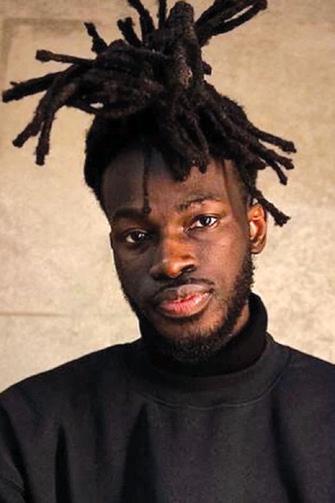
Iddris Sandu was born in Accra, Ghana, and moved to the United States with his family when he was three years old. He grew up in Southern California and was always curious about how things worked. As a child, he loved taking apart electronics, re-wiring them, and exploring computer programming at his local library. By the time he was ten years old, Iddris had already taught himself how to code, and at only thirteen, he earned an internship at Google, where he helped work on projects like Google+.
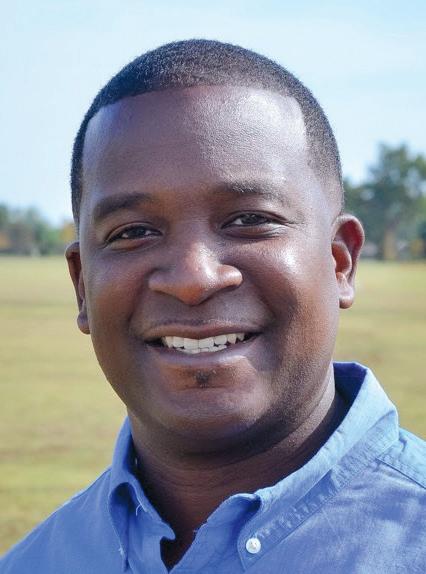
William (Bill) Parker grew up in New Orleans. He graduated from JFK High School, which focused on math, science, and engineering. Parker was interested in hurricanes at a young age, but he became interested in the weather after a high school statistics class. In this class, he learned how to predict the chance of rain. Parker wanted to attend a historically black college/ university (HBCU), so he chose Jackson State University to study meteorology. He graduated with his bachelor’s degree, in 1994.
3D glasses work by viewing a different image in each eye. Some people are unable to see 3D effects if they have a “stereo deficiency.” So, thanks to 3D technology, some people have been able to detect vision issues and get them corrected.
For More Information, Go to: https://kids.kiddle.co/Fungus
Learning Standards: I can read nonfiction text for main idea and supporting details.
Learning Standards: I can read nonfiction text to gain background information about fungi.
Learning Standards: I can read nonfiction text for main idea and supporting details.
Create an optical illusion!
create a watertight seal. Continue taping 1 to 2 inches above and below the seam.
Growing Mold!
In this experiment, you will learn how mold grows best. Mold is an important fungus that has several uses, including breaking down dead organic material. Some purified molds are actually used as an antibiotic to treat illnesses.
• 3 slices of bread • Water • 3 Ziploc bags
q Fill one bottle with the paperclips, peanuts and sand. These represent the debris and help make the movement of water easier to see.
• 10x10 square centimeter grid • Ruler Process:
t Hold the bottles by the middle and lift the jugs.
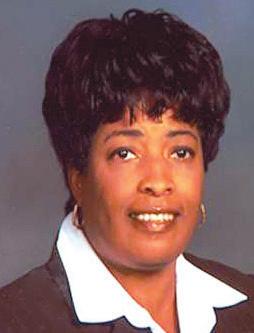
Jeanette Jones was born on September 19, 1950, in Fort Valley, Georgia. Jones graduated from Fort Valley State University in 1972 with a bachelor’s degree in biology education. In 1973, Jones received her master’s degree in botany and mycology (a branch of biology that studies fungi) from The Ohio State University. In 1976, she received her doctorate (Ph.D.) degree. She also studied at the University of Nevada, the University of California Medical School, the National Center for Disease Control-Atlanta, and the Massachusetts Institute of Technology. After graduation, Alabama A&M University hired Jones as an assistant biology professor. In 1986, she served as an adjunct professor in the College of Pharmacy and Pharmaceutical Services at Florida Agricultural and Mechanical University and worked on a project with NASA. In 1991, Jones served as the first female vice president of research and development at Alabama A&M University. She also served as President of Alabama A&M University’s Faculty Senate from 2001 to 2006. In 1992, she was appointed to the U.S. Army Science Board by the U.S. Secretary of the Army, Togo West. Since 2004 Jones has been the director of the Center for Biomedical, Behavioral, and Environment Research at Alabama A&M University. She also worked as a consultant with federal agencies to help them develop training programs to attract women and minorities to STEM education and careers.
r Then wrap the end of the other long pipe cleaner around a short pipe cleaner, but this time, turn the arrows inward.
As Iddris got older, his skills in engineering and design grew stronger. When he was fifteen, he created an app to help students navigate his high school’s campus. He went on to work with major technology companies like Instagram, Snapchat, and Uber, helping to develop new kinds of software. One of his biggest achievements was creating an autonomous collision-detection system for Uber’s self-driving car program. He also partnered with rapper Nipsey Hussle to build the world’s first “smart store,” where clothing connected shoppers to music and digital experiences through technology. In 2021, Iddris started his own company called Spatial Labs Inc. His company builds advanced technology that connects the digital and physical worlds, helping people experience innovation in new ways. Even with all his success, Iddris believes strongly in sharing what he has learned and inspiring others. He often speaks about the importance of STEM, science, technology, engineering, and math, especially for young people who might not see many role models in those fields.

y Quickly, turn the bottles over so that the water-filled bottle is on top. Set the bottles on the table again.
u Observe the water as it drains into the bottle below. The water competes with the air from the empty bottle. Both substances push to pass through the neck.
t For five days, measure the square centimeters of mold on each piece of bread through the bag. Use a grid, if possible, or a ruler. If mold covers more than half a square centimeter, it is counted as one full centimeter. If it is less, it is counted as 0 centimeters. This will give you the area of mold on each slice of bread

q You will need two pipe cleaners that are the same length and color. These pipe cleaners will be the body of the arrows.
w Place the funnel in the mouth of the bottle and pour water into the bottle until it is 3/4 full, then remove the funnel.
q Wet one slice of bread enough to make it moist and place it in a bag. Seal the bag very tightly.
e Turn the second empty bottle upside down and hold it over the first bottle so that the mouths of the bottle are aligned. The bottles will look like an hourglass.
w Pl ace the two other slices of dry bread in two separate bags and seal them, as well.
w Create the ends of your arrow by cutting in half two other pipe cleaners that are a different color.
e Pl ace the bag with the wet slice of bread and one of the bags with a dry slice of bread in a dark place, such as a closed cabinet or closet.
e Wrap the end of one long pipe cleaner around the middle of one short pipe cleaner. Then bend the short one in half so it looks like an arrow. Do the same thing with the other end. The ends will point outward.
r Tape the seam, pressing the duct tape firmly to
r Place the third bag with a dry slice

MATH CONNECTION
Answer these questions about movies.
z A hurricane has moved 456 miles in 6 hours. How many miles per hour is the hurricane traveling? ______ If it continues to travel at that speed, how far will it travel in 10 hours? ______
z The cost of tickets for a play is $5.00 for adults and $3.00 for children. 300 adult tickets were sold and the total collected was $1,701. How many child tickets were sold? ______
t Move your pipe cleaners apart... Now you have an optical illusion! Even though the two long pipe cleaners are the same length, one of them should look shorter than the other.
In 1993, he began to gain experience in the field when he worked as a student meteorologist. One year later, he was a meteorologist intern at Shreveport. In 1998, Parker became a general forecaster, and ten years later, a lead forecaster. In 2012, he became a warning coordination meteorologist (WCM). There are only 122 people with this title in the United States, and Parker was the only African American. Parker is currently the meteorologist-in-charge (MIC) at the National Weather Service, leading a team of 26 weather professionals. Parker is also very active as a volunteer in his community. He is a member of the Shreveport-Bossier Mayors’ Prayer Breakfast Executive Committee, La Cima Bilingual Leadership Academy, Bossier Chamber of Commerce Education Committee, Volunteers for Youth Justice, and a coach for Bossier Parks and Recreation. Parker is also an associate minister at Elizabeth Baptist Church in Benton, where he has been serving the congregation since 1997.
x Hurricane Frederick is traveling at 86 miles per hour. If the hurricane is 129 miles from the coast, how many hours will it take until the hurricane reaches the coast? ______
y At the end of a week (5 days of measuring) or longer, use your final results to say what percentage of the bread was covered in mold. Make a table or graph to display the information.
i Turn the bottles over again. This time, shake the bottles in a circular motion. Be sure to keep the bottles vertical.
o The water will form a vortex as it drains into the next bottle. The water will flow along the outside of the neck, while air moves quickly up through the center of the vortex. The water will drain much faster.
Analyze: How did water and air create a hurricane?
Check out these optical illusions online: http://www. kidsmathgamesonline.com/pictures/ illusions.html.
In 1975, Jones was listed in the World’s Women’s Who’s Who and she was named an Outstanding Young Woman of America in 1978. Beta Beta Beta National Biological Honor Society awarded her the distinguished service award. Jones also received the Significant Service Award from the NASA Space Life Sciences Training Program and the Extramural Associate Research Development Award from the National Institute of Health. In 1990 and 2006, she was named Woman of the Year at Alabama A&M University and was given the Outstanding Leadership Award by the Faculty Senate. The U.S. Army presented Jones the Commander’s Award for Outstanding Civilian Service as a member of the Army Science Board.
Iddris Sandu’s story teaches students that curiosity, creativity, and hard work can lead to incredible opportunities. He shows that engineering is not just about machines or computers, it’s about solving problems and making life better for others. His journey inspires students to dream big, learn constantly, and believe that they can shape the future through innovation and imagination.
ELA Questions
• What inspired Iddris Sandu to start learning about technology and engineering?
Discussion Questions: Dr. Jones received many awards and honors. How would you describe her achievements and her contributions to science? Dr. Jones is studying how fungi might be used as agents of war. What purpose do you think fungi serve in modern warfare? Are fungi beneficial or harmful?
Learning Standards: I can follow sequential directions to complete an experiment. I can make observations and draw conclusions.
Learning Standards: I can follow sequential directions to complete an experiment. I can analyze results and draw conclusions.
Discussion Questions: How much mold was on the bread? Which location had the most mold? Which had the least? What conclusions can you draw about the conditions in which mold grows? How can food manufacturers and restaurant owners use this information to help them?
Learning Standards: I can follow sequential directions to complete an experiment.
Math Storms!
I can display my results, make observations, and draw conclusions.
Analyzing
Scientists often use tables and graphs to display the results of their research. Looking at these displays, you can draw conclusions.
X has grown to have wind speeds of 48 miles per hour. How much faster will the winds have to become for Tropical Storm X to become Hurricane X? ______
a Bar Graph
As we approach spring weather (and increased rain), create a bar graph that displays the amount of rain that falls for several consecutive days or weeks. (Day 1: 1.5 inches, Day 2: 0 inches, Day 3: 1.5 inches, etc.)
x You are having a movie marathon. Each movie lasts an average of 110 minutes. You have rented 3 movies. How long will the movie marathon last?
c A movie theater sells tickets for $9.00 each. Senior citizens receive a discount of $3.00. One evening the theater sold 636 tickets and took in $4974 in revenue. How many tickets were sold to senior citizens? How many were sold to “moviegoers” who were not senior citizens? ______
v Upon landfall of a Category 4 hurricane, local officials ordered an evacuation. City A has a population of 9,613, City B has a population of 5,013 and City C has a population of 3,972. How many people were evacuated in all?
b A movie that began at 6:15 p.m. ends at 8:05 p.m. How long did it last? ______ hours ______ minutes
c A tropical storm takes on a hurricane status when the winds reach 74 miles per hour. After three days, Tropical Storm

DID YOU KNOW?
The first 3D film for a paying audience was at Astor Theater, New York, on June 10, 1915.

Discussion Questions: Which day had the most measured rainfall? Which day(s) had the least? Looking at the bar graph, what might you conclude about rain patterns in March/April? What other observations can you make?
Learning Standards: I can add, subtract, multiply, and divide to solve a problem. I can think critically. I can make text-to-world connections.
$115,264 in damage, City B reported $236,096 and City C reported $436,869 in damages. What was the total cost of damages rounded to the nearest thousand? ______ If the state and federal government promised $500,000 in aid, how much would the local people have to raise by themselves? ______
Learning Standards: I can use a bar graph to display information. I can use the information to make deductions and inferences.
v Aaron’s family is going to see a movie at 5:50 p.m. It is 11:20 a.m. right now. How long do they have to wait to see the movie? ______ hours ______ minutes
b After citizens returned to their houses after the evacuation, reports of damage were totaled. City A reported
Columbia Pictures was the first big studio to make the 3D movie Man in the Dark (1953).
There

Learning Standards: I can add, subtract, multiply, and divide to solve a problem.
Avatar is the highest grossing 3D movie of all time, earning over $2.9 billion worldwide. And with a total estimated budget of $260 million, Disney’s 3D animation Tangled (2010) is the most expensive 3D film made to date.
This special Newspaper In Education initiative is made possible, and delivered to classrooms through the St. Louis American Foundation and its NIE Corporate Partners:




Learning Standards: I can read a biography to learn about an African American who has made contributions in science, math, technology, or engineering.
• How does Iddris Sandu use his success to help other students?
Parker believes in serving as a role model to the youth and to recruiting African Americans in the STEM field. Personally, he has hired three African-American meteorologists. In addition, he has recruited minorities for summer intern positions. Parker has also mentored an Airline High School student for his senior project. Parker’s advice to students interested in meteorology is to take as many math and science classes as possible. Learn about summer opportunities in your community. If you are interested in meteorology, visit National Weather Service offices and serve as a volunteer or intern, and find leaders in your community to serve as your personal role models.

Learning Standards:
a person who has made contributions to the fields of science, technology,

Use the newspaper to complete the following activities:
Types of News:
Enjoy these activities that help you get to know your St. Louis American newspaper.
Activity One — Technology in our Community: New technology continuously changes the way we do things. Use the newspaper to locate a picture of an invention that has affected or changed your life in some way. Write about how the invention has changed your life.
Use the front section of the newspaper to evaluate the types of news stories presented: local, national, and international. Sort the articles into the three categories and create a bar graph that displays the amount of coverage each type of news story received.


Activities — Who works where? a picture of a building in the newspaper and tell what kind of jobs people who work in that building could have.



Activity Two — Mystery Story: Each student will cut out several pictures from the newspaper without reading the captions. Place the pictures in a bag, and without looking, pick your mystery picture from the bag. That’s your stimulus for writing.

County Democrats accept $2M election grant
Create a graphic organizer for the 5Ws (who, what, where, when, why) and continue the writing process.
Mystery Story: Cut out several pictures from the newspaper without reading the caption. Place the pictures in a bag, and without looking, pick your mystery picture from the bag. That’s your stimulus for writing. Construct a graphic organizer to identify the 5Ws (who, what, when, where, and why) of your story by looking at your picture. Then, continue the writing process.
Problem and Solution: Over a period of weeks, clip articles from newspapers that deal with problems and issues facing your local or county government. Discuss the reasons for these problems and how the government hopes to solve them.
Learning Standards: I can locate information in a newspaper. I can write for a specific purpose and audience. I can make text-to-self and text-to-world connections.
Learning Standards: I can use the newspaper to locate information. I can categorize and summarize that information.
Learning Standards: I can use the newspaper to locate information. I can discuss problems and solutions. I can identify types of jobs. I can make text-to-world connections.




MAP CORNER
Students Aariyah Thompson and Savannah Fisher, in Ms. Stovall’s firstgrade class at Gateway MST Elementary School, are learning how to construct a series circuit.
Photo
Salute
Continued from A1
together for celebration, networking, dialogue and cross-sector collaboration. Proceeds support the foundation’s education, workforce development and community-impact initiatives aimed at expanding access to opportunity across the region.
This year’s honorees include Keith Williamson, president of the Centene Charitable Foundation (Lifetime Achiever in Business); Eric Rhone, entrepreneur and entertainment executive (Entrepreneur of the Year); Akberet Boykin-Farr, vice president of diversity and social responsibility at Emerson (Corporate Executive of the Year); and Leslie Gill, president and CEO of Rung for Women (Nonprofit Executive of the Year).
“We are honored to recognize outstanding leaders whose dedication and service have made a meaningful impact on our com-
Williamson
Continued from A1
2026 Salute to Excellence in Business Lifetime Achiever Award recipient. He will be honored at the 24th Annual Salute to Excellence in Business luncheon on Thursday, Feb. 19, 2026 at the RitzCarlton, St. Louis. Williamson is being recognized not only for his impressive professional success, but his highly consequential leadership with some of St. Louis’ most influential institutions. He is candid about
munity,” said St. Louis American Foundation Board Chair Michael Holmes. “Through their efforts, St. Louis is a better place to live and work and we invite everyone to join us as we celebrate and honor their contributions.”
The luncheon has three co-presenters: the Regional Business Council, the Urban League of Metropolitan St. Louis and Greater St. Louis Inc.
Michael P. McMillan, president and CEO of the Urban League of Metropolitan St. Louis, said he and his agency are proud to once again serve as a co-presenter.
“Highlighting the success of African Americanowned businesses and executives at this luncheon shows how important both are to our economy,” McMillan said. “We are grateful for our many collaborations and look forward to doing even more in the future.”
Ron Kitchens, managing partner with Greater St. Louis Inc., said the event “not only recognizes those leaders who are
the lessons that influenced how he leads, including one he learned very early, and the hard way.
In his first job, Williamson said, a powerful mentor took him under his wing, ensuring he worked on matters for important clients and opening doors that might otherwise have remained closed. But Williamson said he made the mistake of relying too heavily on that one relationship.
“I didn’t pay much attention to building relationships with my peers or more junior staff,” he said. When that mentor died suddenly, Williamson

moving our region for-
ward, it also highlights the impact of working together toward a shared vision of more and better jobs that create opportunity for everyone in our community.”
“We really believe in the whole idea of work-
found himself exposed. “That experience taught me the importance of building relationships on a 360-degree basis.”
It is a lesson, he said, that has stayed with him — and one colleagues see in the way he listens first and values input from every level.
Michelle Tucker, president and CEO of United Way of Greater St. Louis, said Williamson’s influence is rooted in consistency rather than theatrics.
“I’ve had the pleasure of knowing Keith for nearly 15 years — first from a distance, and later as a colleague and friend,” Tucker

ing together as a region,” said Karen Branding, who leads the Regional Business Council.
“Sponsoring this event is a great example of why we want to salute business, but also do it in a way that recognizes what we can all do together.”
said. What stood out early on, she said, was his decision to return home. “That decision alone is a clear testament to his commitment to this community.”
Williamson later took on leadership roles within United Way, including co-chairing the Charmaine Chapman Giving Society in 2017 and serving as board chair in 2022. Tucker said he has a habit of asking tough questions designed to improve the work, not to control it.
“He has a way of identifying vulnerable areas in our processes,” she said. “The goal is always to rigorously test ideas so the work is stronger.”
Tucker also credits Williamson with shifting the tone in rooms where major decisions are made.
“There’s a genuine, authentic connection with Keith,” she said. “He makes people feel seen and valued.”
That same style has shaped Williamson’s impact at the Urban League of Metropolitan St. Louis, where leaders say his influence can be seen in significant outcomes.
For Michael McMillan, president and CEO of the Urban League, Williamson stood out not because he sought attention, but because he was steady.
“From the outset, Keith exemplified values-driven leadership,” McMillan said. “He was calm, focused, and deeply aligned with the mission.”
McMillan points to the partnership that transferred ownership of the Ferguson Center to the Urban League as a defining example. Williamson helped broker the transaction, which gave the Urban League a permanent base for services, workforce development and community engagement in North County.
“That single act changed our direction,” McMillan said. “It gave us an anchor — not just a building, but a place of trust and opportunity.”
The donation remains the largest single property gift to any Urban League in the organization’s 116year history.
Williamson said the deal was complicated, requiring coordination across multiple Centene departments — including facilities, finance, legal and community relations — as well as negotiation among outside stakeholders.
“It was a complicated deal,” Williamson said. “It helped that I had strong relationships with all of the parties involved and their external advisors.”
McMillan said Williamson’s presence extends interest beyond the boardroom. “He has a tremendous love for his daughter,” he said. “You
honorees, the event is designed to help strengthen cross-sector connections and collaboration.
Rodney Boyd, founder and partner with the Nexus Group, who was recognized as Entrepreneur of the Year at last year’s Salute, emphasized the long-term value of investing in community and business infrastructure.
Organizers said the luncheon has grown in significance as the region continues grappling with long-standing economic disparities while also pursuing new opportunities for innovation and inclusive economic growth. In addition to recognizing
can hear it every time he talks about her — he absolutely beams.” McMillan said that pride reflects how Williamson treats people.
“That sense of love shows up in how he treats people.”
Williamson spent much of his early professional life outside St. Louis.
During his three decades on the East Coast, he worked in tax law and later in financial services, gaining experience he would eventually bring back home.
“There’s a saying: ‘Man plans, God laughs,’” Williamson said. “We spend a lot of time planning our career strategies, but there are so many variables beyond our control — wars, recessions, mergers, regulatory changes.” Those lessons became practical when he joined Centene in 2006. At the time, the company’s revenue size was $1.82 billion. In 2020, it had grown to $111.1 billion. Williamson served as the company’s general counsel during that time, a role that placed him at the intersection of corporate strategy, legal oversight and civic responsibility.
He became president of the Centene Foundation in 2020. Founded in 2004, the foundation focuses on addressing health care disparities, access to care, education and economic challenges facing low-income individuals and families.
Williamson said preparation matters, even when careers take turns that are impossible to predict. “It’s important to plan, work hard, and perform,” he said, “so you’re ready when opportunities appear.”
Under Williamson’s leadership, the Centene Foundation has emphasized longer-term partnerships and measurable impact while also expanding grantmaking nationally to reflect Centene’s growing footprint.
“That shift makes sense given Centene’s business model,” Williamson said. At the same time, he said he has worked to keep Centene connected to St. Louis. “During that transition, I’ve tried to make sure Centene stays engaged with important efforts in the community.”
That sense of local obligation, he said, was shaped early. His father was a newspaper editor who worked at publications including The St. Louis Argus, The St. Louis Sentinel and The St. Louis Mirror. His mother was a social worker who later served as director of admissions and financial aid at Washington University’s Brown School of Social Work.
“Growing up, it was always clear to be a
“It isn’t important that people remember Rodney Boyd — it really isn’t,” Boyd said. “It is important for me to build the kind of infrastructure around planting some trees and building some bridges so that 50 or 60 years from now — when my name is forgotten and just on a headstone — people will be sitting under those trees, enjoying the shade, eating the fruit and traveling across those bridges to get wherever they need to go.”
Tickets and tables for the event are on sale now at stlamerican.com
Sylvester Brown Jr. is the Deaconess Foundation Community Advocacy Fellow.
part of the community,” Williamson said. “Working at Centene gives me the opportunity to do that in a meaningful way.”
Williamson grew up in north St. Louis in the Fairground neighborhood during a time of deep racial division. He remembers his father purchasing a home in a predominantly white neighborhood by enlisting the help of a white ACLU attorney married to a Black woman.
“Racism was more overt back in the day,” Williamson said.
He still describes parts of his childhood as happy, including time spent in Fairground Park, tennis on public courts and attending St. Louis Public Schools through fifth grade. But driving through his old neighborhood now can be painful.
“It breaks my heart,” he said.
Even those memories, he said, carry humor. Laughing, Williamson recalled, “My bedroom was in the closet. I grew up in the closet.” Education became his pathway forward. He attended Thomas Jefferson School, a private day and boarding school in Sunset Hills, following his older brother. He later attended Brown University, where he studied economics and sociology, then earned graduate degrees at Harvard University in law and business.
Williamson’s influence has also extended into the arts. Min Jung Kim, the Barbara B. Taylor Director of the Saint Louis Art Museum, said she met Williamson during her interview, when he chaired the search committee that led to her appointment.
“His kind and focused demeanor assured me this city and this institution were a good fit for me,” she said.
Williamson has served on the museum’s board since 2009 and has been part of efforts aimed at expanding the institution’s inclusion work.
“Keith is measured in his approach,” Kim said. “His is a quiet leadership — and when he speaks, the room listens.”
Looking ahead, Williamson said he is focused on the next generation and wary of how easily progress can slip backward.
“When I think about what I’m trying to change in St. Louis,” he said, “it’s much broader than health care.”
As he reflects on his career, the titles fade. What remains, he said, is a throughline of service — shaped by family, sharpened by experience and sustained by a belief that leadership is ultimately about lifting others.
Larry Thomas, the 2025 Lifetime Achiever in Business, addresses the audience at last year’s Salute to Excellence in Business Awards luncheon.
Photo by Wiley Price / St. Louis American
Harris-Stowe launches inaugural MBA Program
First cohort begins in Fall 2026
Harris-Stowe State University (HSSU) will welcome the first cohort of its new Master of Business Administration (MBA) program in Fall 2026.
The Anheuser-Busch School of Business (ABSB) program “marks a significant milestone in the University’s continued commitment to academic excellence, workforce development, and economic mobility,” according to Dr. Stacy Gee Hollins, associate provost, and ABSB dean.
A Haaris-Stowe release states that the MBA program “will offer a rigorous, practice-oriented curriculum that emphasizes leadership, innovation, ethical decision-making, and real-world application.”
Dr. LaTonia Collins Smith, HSSU president, said the MBA program “represents a historic step forward for Harris-Stowe and for the region.”
Dollar More program
The Dollar More program, which is funded by voluntary donations, serves Missouri customers. Ameren recognized a greater need for assistance and, in December, contributed an additional $2 million for Missouri customers.
Dollar More provides eligible households up to $600 per calendar year. Qualifications for the pro-
King
Continued from A1
quently referenced his “I Have a Dream” speech, especially the passage about judging people by the “content of their character” rather than the “color of their skin,” to argue that affirmative action and other race-conscious policies conflict with King’s vision. Critics of President Donald Trump have accused him of racism and xenophobia, pointing to comments about immigrants and past policy decisions, including restrictions on travel from several Muslim-majority countries and his opposition to diversity, equity and inclusion programs. Trump has denied accusations of racism and xenophobia, often saying he is “the least racist person” in the world.
Still, the question remains: In an America under Trump’s leadership, does King’s legacy still resonate?
Normandy Schools Collaborative
Superintendent Dr. Michael D. Triplett said King’s legacy remains urgent in what he called a divided political era.
“We are creating an accessible, high-quality graduate business program that equips students with the skills, mindset, and networks needed to lead in today’s dynamic economy.”
The program is designed to meet the needs of working professionals, aspiring executives, entrepreneurs, and mission-driven leaders who seek to advance their careers and positively impact their communities.
“Our goal is to prepare leaders who are ready to contribute on day one,” said Gee Hollins,
“This MBA is intentionally designed to develop confident, capable decision-makers who can translate knowledge into action and lead with responsibility in complex business environments.”
The MBA program will combine experiential learning, industry engage-
gram have increased up to 300% of the Federal Poverty Level (FPL). “Dollar More remains one of the most meaningful examples of neighbors helping neighbors,” said Michelle D. Tucker, president and CEO of United Way of Greater St. Louis. “We see the impact every day, and we’re proud to partner with Ameren to ensure that anyone facing a difficult moment can access the help they need, exactly when they need it.”
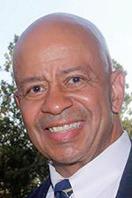

Dr. Stacy Gee Hollins, Harris-Stowe State University associate provost, and Anheuser-Busch School of Business dean, said its new MBA Program is designed to meet the needs of working professionals, aspiring executives, entrepreneurs and mission-driven leaders.
ment, and subject matter experts, with a strong focus on innovation and community impact.
The program will offer
Warm Neighbors, Cool Friends
Ameren partners with the Energy Assistance Foundation on Warm Neighbors Cool Friends, a program that is also funded by voluntary donations, to provide customers with funds across its Illinois service territory. The company recognized a greater need for assistance and, in December, contributed an


the study of strategic management, finance, marketing, operations, and organizational leadership, which will prepare
additional $2 million for Illinois customers.
The program provides eligible households with up to $500 in bill payment assistance through the Energy Assistance Foundation. A matching customer payment is required within the last 45 days.
Eligibility includes customers with incomes between 200% and 300% of the FPL or at 80% of the county’s Area Median Income (AMI).
“Warm Neighbors Cool

students “to navigate complex business challenges and lead with confidence.”
Friends acts as a critical lifeline for hardworking families who may not qualify for federal assistance but are still struggling to keep their homes safe and comfortable,” said Susan Sams, executive director of the Energy Assistance Foundation.
“We’re proud to partner with Ameren so its customers have somewhere to turn when they need support the most.” Throughout 2025, Ameren partnered with hundreds of Community
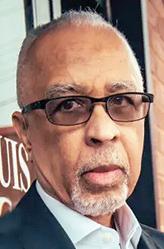
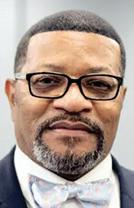

Ameren offers additional utility assistance
A range of resources remain available to support qualifying Ameren residential customers across Missouri and Illinois in 2026. In addition to programs funded by the company, Ameren partners with United Way of Greater St. Louis, the Energy Assistance Foundation, and Community Action Agencies to ensure customers can apply for funds.
This includes the Low Income Home Energy Assistance Program (LIHEAP).
“As we start the new year, we’re encouraging customers in need to make one simple resolution: Don’t wait to ask for help,” said Joe Solari, vice president of customer experience for Ameren. “Applying early for energy assistance prevents small challenges from becoming big burdens after the cold weather passes. Our teams are here to support you the moment you need it.”
Ameren also invites customers to make a onetime or recurring contribution to either the Dollar More program in Missouri or Warm Neighbors Cool Friends in Illinois.
Action Agencies to make more than $140 million in energy assistance and LIHEAP support available to customers across both states.
“Our longstanding collaboration with Ameren strengthens our ability to serve the region’s most vulnerable neighbors,” said Ben Turec, board president of Heat Up St. Louis. “If you are experiencing difficulty with your energy bill, please reach out for assistance to HeatupStlouis.org.”
said he was not initially drawn to King’s approach. As a younger man, he said, he viewed Malcolm X as his “north star.” Over time, Jones said he came to see a shift in King’s message, particularly in the late 1960s, as King spoke more directly about economic injustice and power.
Jones said if King were alive today, he would likely see Trump less as the source of America’s problems and more as a symptom.
“Trump exists because he represents a sizable percentage of white America,” Jones said.
Eric Kendall Banks of Banks Law LLC, said King’s message on justice remains relevant in periods of division and distrust.
SLPS
Continued from A1
concern that the district is not meeting key financial reporting requirements, though they said the change does not immediately affect day-to-day
Citing King’s example, Triplett said “courage is not loud but consistent,” then reflected on how that lesson continues to guide him.
“Today, I walk with the same resolve that Dr. King modeled,” Triplett said. “And like him, I walk anyway; tired but determined and wounded but unwavering because hope still depends on leaders who refuse to turn back.”
“In this current moment … Dr. King’s legacy feels not historical, but urgent,” Triplett said. “In a time marked by division, racial tension, coded language and the normalization of cruelty masquerading as strength, Dr. King reminds us that moral leadership is not optional, it is essential.”
St. Louis Public Schools board member
operations. In a statement, SLPS acknowledged the decision and said district leaders were disappointed but committed to addressing the issues that led to the downgrade and restoring full accreditation.
Brian Marston said he often reflects on King’s final speech, “I’ve Been to the Mountaintop,” delivered the night before King was assassinated on April 4, 1968, in Memphis, Tennessee. Marston said King knowingly put himself at risk in pursuit of justice.
“It’s easy to do good when people are cheering for you and giving you awards, but to put yourself in harm’s way to fight for what’s right, that’s heroic, and that’s why Dr. King’s name will live forever,” Marston said.
Syl Peebles Wilson, founder and CEO of her own marketing company,
District officials emphasized that provisional accreditation does not affect the district’s ability to operate schools, educate students, graduate seniors or maintain local governance. According to SLPS, schools will remain open, instruction will continue and district operations will not be interrupted.
SLPS leadership also raised concerns about the process that led to the decision, noting that an
said King’s quote, “The time is always right to do what is right,” remains a personal guide.
“MLK’s legacy isn’t just history to me,” Wilson said. “It’s a standard I try to live by, both personally and professionally, every single day.”
Washington University associate professor Jack Kirkland said King’s message remains a sharp contrast to modern politics.
“King sees the dawn and Trump sees the midnight past,” Kirkland said. King’s legacy is also tied to free speech, protests and the press, which he used to expose injustice and mobilize support.
amendment to a broader accreditation motion resulted in the district being singled out despite other districts facing similar challenges. The district said it plans to seek clarity from the state while continuing to focus on improvement.
Under the Missouri Department of Elementary
Trump has repeatedly labeled media outlets as “fake news” and “the enemy of the people.”
Sarah Fenske, St. Louis Magazine’s executive editor, said King’s writings remains relevant because they combine moral clarity with urgency.
“I’m in awe of how he used words to take down injustice,” Fenske said. “It’s striking to me how many of Dr. King’s speeches and writings still resonate nearly six decades after his murder.”
Former alderman and St. Louis American editorial board member Mike Jones, who came of age “in the mid-to-late ’60s,”
“In today’s climate, where distrust and division too often compete for attention, Dr. King’s example calls us back to principle: that justice must be fair, accessible and rooted in respect for every person,” Banks said.
Brandon Ford, a 28-year-old Webster University journalism student, said Trump has “created an unsafe environment fraught with racial tension, especially surrounding immigration.” Still, he said he believes progress requires consistent effort.
Sylvester Brown Jr. is the Deaconess Foundation Community Advocacy Fellow.
and Secondary Education’s MSIP 6 framework, accreditation is typically based on multiple years of performance data. While the state board votes on accreditation status annually, SLPS noted that changes outside of a designated composite review year are uncommon. Provisional accreditation can lead to closer state oversight. District leaders said their focus remains on improving academic outcomes, strengthening financial and operational practices, and rebuilding trust with families and the community, expressing confidence that continued progress will support a return to full accreditation.
Photo by Wiley Price / St. Louis American
Jack Kirkland
Eric Banks Brandon Ford Sarah Fenske Mike Jones
Brian Marston
Michael D. Triplett
Syl Peebles Wilson

By the Missouri Historical Society
The Missouri History Museum will celebrate the life of Dr. Martin Luther King Jr. at the MLK Community Celebration on Friday and Saturday, January 16–17, and Monday, January 19.
This annual celebration features music, crafts, storytelling, youth activism workshops, meaningful conversations on race and social justice, and movement workshops.
This week’s Thursday Nights at the Museum program, “Let It Resound: The Legacy of Black Composers,” will take place on Friday evening, January 16, in collaboration with the MLK Community Celebration.
Join St. Louis Symphony Orchestra IN UNISON Chorus
Director Kevin McBeth and Young Artists for an inspiring concert that honors King through
MLK Community Celebration
the compositions of Florence Price, highlighting themes of unity and social justice. Featuring musicians from the St. Louis Symphony Orchestra, this program promises a moving evening of music and storytelling that connects the past and present. From 5:00pm to 6:30pm, enjoy food and drink available for purchase from Amighetti’s.
Visit resource tables hosted by local music- and arts-centered organizations, including the St. Louis Symphony Orchestra; stop by the Historian’s Corner to learn more about how St. Louis activists fought for civil rights; create your own oil-pastel sheet music artwork; and visit the Mill Creek: Black Metropolis exhibit. At 6:30pm, head to the Lee Auditorium for the main-stage program.
History Exploration Days will take place on Friday and Saturday from 10am to 1pm.
STL mourns loss of creative scene staple Tai Davis
By Kenya Vaughn St. Louis American
St. Louis lost a bold and beloved creative light with passing of Tyler “Tai” Davis. He was a chef, musician, model and multidisciplinary artist whose talent refused to fit inside a single lane. The news of his death was announced via social media on Friday, January 9. Details surrounding his passing have not been released.
“STL lost an icon, an artist a visionary and so much
more,” Chef Juwan Rice said in a Facebook tribute. “My heart hurts. Tai Davis has not only made a huge impact on my life, but so many more.”
His passing came days after the soft launch of his latest restaurant venture LINEA. The six-month pop-up supper club and creative event space was to be the precursor for the brickand-mortar restaurant Lineage that was still in development.
“What I want people to walk away with is thinking that they never knew soul food could taste this way,” Davis said, according
This month’s theme is “With Liberty and Justice for All: MLK in STL.” Students and families can explore the legacy of King and how civil rights movements

in St. Louis and across the nation worked to ensure all people realize the promise of American ideals. Learn about King’s philosophy of the Beloved Community

to St. Louis Magazine. Davis competed on multiple Food Network shows — including Halloween Baking
through interactive workshops and guided tours of Mill Creek: Black Metropolis; create a plan for ways to improve your community; add to a community-led mural of King’s dream of an America filled with diversity, mutual respect, and equity; and go on a self-guided Black history scavenger hunt throughout the galleries.
The Museum will also be open on Monday. From 10am to 4pm, stop in for make-andtake crafts, go on a Black history scavenger hunt, and add to a large-scale community art project. Timed activities include youth activism workshops on King’s Beloved Community at 10:30am and 12:30pm. These one-hour workshops are suitable for all ages. Younger children will enjoy Step into the Story at 10:30am and 2:00pm with children’s books, music, and a reading of King’s “I Have a
Championship, Thanksgiving Pie Fight, and most famously, the episode of Chopped he won with the kind of swagger and precision that made St. Louis proud. Before the chef’s coat, before the cameras, before the modeling campaigns, Davis was a musician.
Introduced to the cello by his uncle — an orchestral director — Davis fell in love with the instrument’s warmth and emotional depth as a child. He trained under Glenda Piek and later earned a music scholarship to Southern Illinois University Edwardsville, where he studied Music Performance.
He played with the kind of sensitivity that made listeners lean in. Even as his culinary star rose, Davis never abandoned music. He performed, composed, collaborated and carried his cello like an extension of his own voice.
Davis’ striking look and magnetic presence led to modeling work that expanded his creative
Dream” speech. At an activist panel at 11:45am, meet real-life leaders who fought for change at a young age and made a difference in the world around them. At 3pm, join storyteller and dance instructor Mama Lisa for an interactive storydance workshop for kids ages 5 and older. Wrap up the day with an all-ages, all-abilities yoga class led by The Collective STL. This annual MLK Day yoga class is inspired by ahimsa, or nonviolence, a central principle of King’s beliefs that guided his work for social justice. Please bring your yoga mat, water bottle, friends, and family. Arrive at 4:30pm for cookies and community gathering, followed by the yoga practice from 5:00pm to 5:45pm.
Visit mohistory.org/events for the most up-to-date information.
reach. He appeared in national and international productions, including commercial and video work for AT&T and Germany’s Galileo TV, along with appearances on Disney+ and Netflix programming.
News of Davis’ passing sent shockwaves through St. Louis’ culinary, arts and LGBTQ communities. Tributes poured in across social media, each one a testament to the lives he touched.
“Tai was brilliant, passionate and kind,” queer magazine Out In STL said in a Facebook tribute to Davis, who was one of their founding board members. “He lent his star power to our publication with his columns, and had endless energy and enthusiasm.”
Davis’ passing leaves a void — not just in kitchens or studios or stages, but in the creative heartbeat of St. Louis.
“Tai was a beautiful soul,” Nicole Galvin said via Facebook.
“His light will shine on forever.”

The Missouri History Museum will host the MLK Community Celebration this weekend.
Photo courtesy of Instagram Tyler “Tai” Davis

Living It
“Thank you to the Golden Globe voters for seeing me and reminding me that purpose always finds its moment.” - Teyana Taylor on winning her first Golden Globe

A century of Harlem Globetrotters magic
Iconic team celebrates 100 years of showmanship and sport at Chaifetz Arena
By Zaria Mac St. Louis American
For 100 years, the Harlem Globetrotters have spun basketballs, bent gravity and stretched imaginations — but their legacy is bigger than trick shots. Born from the brilliance of Black athletes shut out of white leagues, the Globetrotters turned exclusion into innovation, transforming basketball into a global art form. And St. Louis has been part of that story from the beginning. From their barnstorming days at Kiel Auditorium to community clinics at local schools, the Globetrotters have long been embraced by Black St. Louisans who saw them selves reflected in the team’s swagger, skill and joy. A century later, that legacy on full display at Chaifetz Arena Saturday afternoon. famous team entered the arena in crisp white jerseys trimmed in red, blue and gold anniversary lettering. Their iconic whistling theme song floated through the speakers, now remixed with a hop bass line that nodded to the team’s evolu-

tion. One by one, players showcased their ball-handling wizardry alongside their coach, Scooter Christensen, who moved with the same smooth confidence as the athletes he guided. Their longtime rivals, the Washington Generals, took the court next to a mix of cheers and playful boos. Though the Generals lacked the Globetrotters’ signature flair, they kept the score tight for most of the game — a reminder that even in a show built on spectacle, competition
Art in ‘All Colors’A delightful ‘Dance’
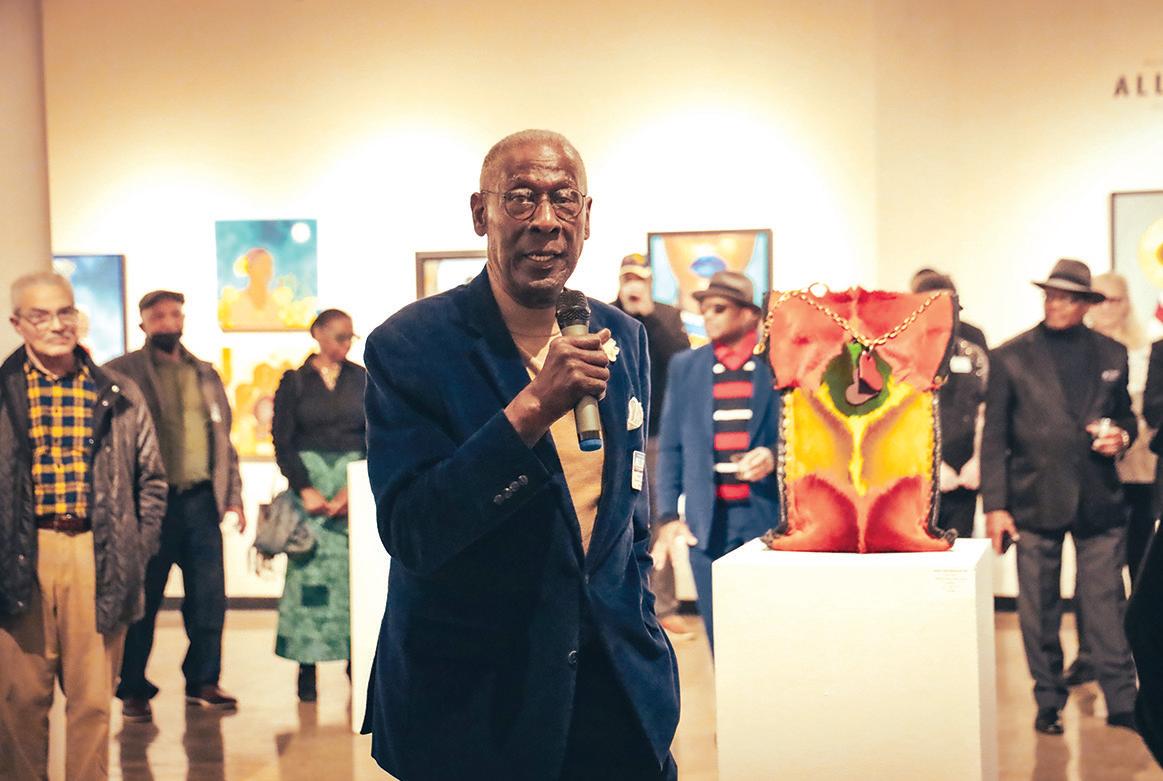
Portfolio exhibition connects history, identity and community
By Zaria Mac St. Louis American
Portfolio Gallery and Education Center opened its latest “All Colors” exhibition with a reminder that art is more than what hangs on a wall — it is a network of stories, histories and connections that shape how Black creativity is seen and valued. The visual art showcase, featuring invited artists from across the country, is on display at the St. Louis Artist Guild through February 14.
The exhibit reflects Portfolio’s mission to educate and enrich lives through
art, said Founder and Executive Director Robert Allen Powell at last week’s opening reception. Now in its 37th year, Portfolio Gallery remains dedicated to cultivating awareness of the creativity that lies within Black culture.
“Our mission is to foster a greater awareness of art that is created by African American artists,” Powell said.
“When people say ‘I like art,’ I say name me your five nationally known African American visual artists, living or dead —

Black Rep continues season 49 with familiar comedy
By Kenya Vaughn St. Louis American
It’s easy to understand why The Black Rep has staged Samm-Art Williams’ “The Dance on Widow’s Row” three times in the past twenty five years after experiencing the audience’s reaction to the latest production’s opening night presentation. The Edison Theatre was filled with laughter from start to finish at the ensemble’s antics for the first Black Rep production of 2026 and the latest of their 49th season. The show will run through February 14.
The Black Rep’s season 49 continues with Samm-Art Williams’ The Dance on Widow’s Row.’ The comedy plays Washington University’s Edison Theatre through February 14.
Black Rep staples actors anchor the humor in a play that brings a different type of drama to their stage – the kind rooted in hilarity. “The Dance on Widow’s Row” marks the second season in a row that The Black Rep has featured a comedy for the January production. Patrons truly enjoyed Last year’s presentation of Douglas Lyons’ “Chicken and Biscuits.” They can expect a similar experience through the story of a trio of widows attempting to
Photos by Taylor Marrie/St. Louis American
The Harlem Globetrotters brought the house down as their 100th anniversary tour stopped at Chaifetz Arena on Saturday, January 10.
Photo by Taylor Marrie/St. Louis American
Robert Powell at the All Colors Exhibition at The Artists Guild.
Photos courtesy of The Black Rep
St. Louis American Calendar
STL Sites & Sounds
CONCERTS
Sat., Jan, 17, 6 p.m. Chrisette
Michele, City Winery St. Louis, City Winery St. Louis, 3730 Foundry Way, St. Louis, MO 63110. For more information, visit https://tickets. citywinery.com.
Wed., Jan. 28, 7:30 p.m. The Evolution of Beyoncé: The Cowboy Carter Experience Tribute, City Winery St. Louis, 3730 Foundry Way, St. Louis, MO 63110. For more information, visit https://tickets. citywinery.com.
Sun., Feb, 15, 7 p.m. The Queens! 4 Legends 1 Stage featuring Chaka Khan, Patti LaBelle, Gladys Knight & Stephanie Mills, Enterprise Center, 1401 Clark Ave, St Louis, Missouri 63103. For more information, visit www. enterprisecenter.com.
Sun., Feb. 22, doors 6 p.m. Boys 4 Life Tour featuring B2K & Bow Wow, 1 S Compton Ave, St. Louis, MO 63103. For more information, visit www.chaifetzarena.com.
SPECIAL EVENTS
Sun., Jan 18, 8 p.m. Tonight’s Conversation featuring Lance Gross and St. Louis’ own Willie Moore Jr., Marriott St. Louis Grand, 900 Washington Ave., St. Louis, MO 63101. Purchase tickets at https://acemetaphor.shop.
Wed., Jan 21, 6 p.m.
Wednesday night Jazz Jam, The Dark Room at The Grandel, 3610 Grandel Sq. St. Louis, MO 63103. For more information, visit https://explorestlouis.com.
Thurs., Jan. 29, 7:30 p.m.
Maddie in the Morning Live with TS Madison, City Winery
St. Louis, 3730 Foundry Way, St. Louis, MO 63110. For more information, visit https://citywinery.com.
COMEDY
Thur., Jan. 15 - 18, 7:30 p.m.
Warren B. Hall, St. Louis Funny Bone, 614 Westport Plaza Dr, Maryland Heights, MO 63146. For more information, visit www.stlouisfunnybone.com.
Fri., Jan. 16, 7:30 p.m. Mark Curry, City Winery St. Louis, 3730 Foundry Way, St. Louis, MO 63110. For more information, visit https://tickets. citywinery.com.
Fri., Jan. 16 - 18, 7 p.m.
Special Event: Sheryl Underwood, Helium Comedy Club, 1151 St. Louis Galleria St, St. Louis, MO 63117. For more information, visit https://st-louis. heliumcomedy.com.
ST.
LOUIS MUSIC SPOTLIGHT
Thurs. Jan. 15, 7: 30 p.m. Dee
Jazz in Standards Outside The Box, Blue Strawberry, 364 N. Boyle Ave, St. Louis, MO 63108. For more information, visit https://bluestrawberrystl.com.
Thur., Jan 22, 7:30 p.m. The Best Of Diana Ross and The Supremes, Blue Strawberry, 364 N. Boyle Ave, St. Louis, MO 63108. For more information, visit https://bluestrawberrystl.com.
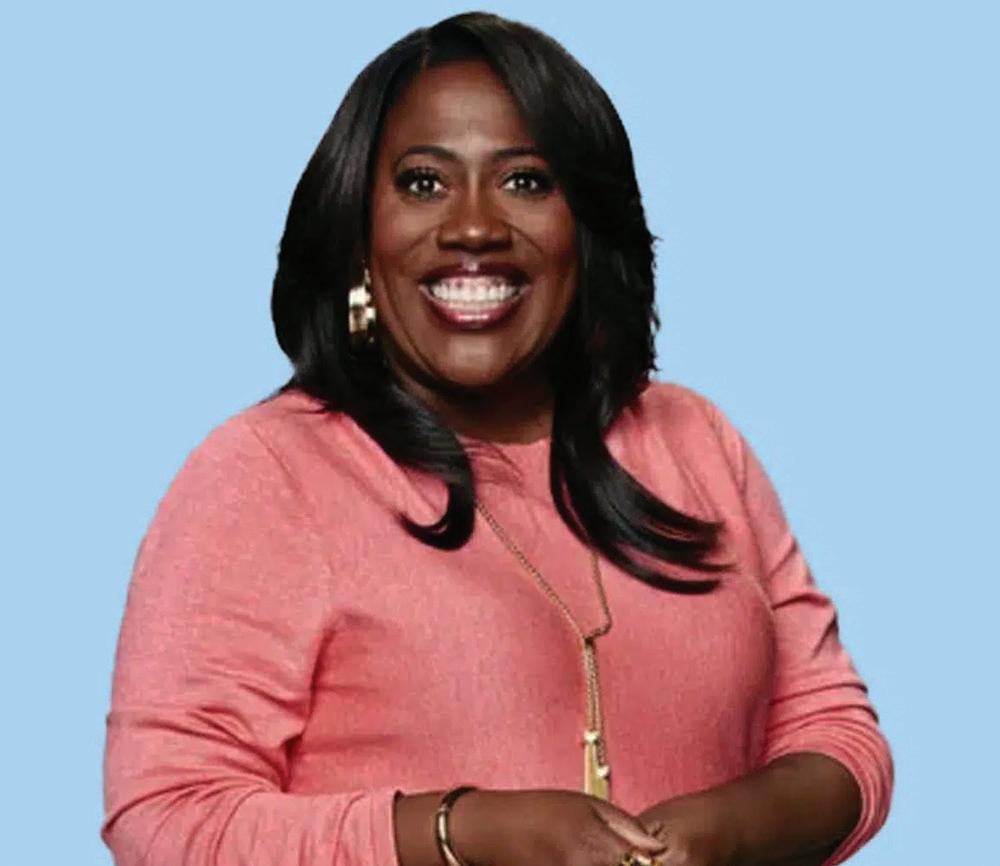
Sat., Jan. 24, doors 7 p.m.
HOT IN HERRE: 2000’s
Dance Party, The Sovereign, 3306 Washington Blvd, St. Louis, MO 63103. For more information, visit https://oldrockhouse.com.
Sat., Jan. 24, 7:30 p.m., R&B
After Dark, City Winery St. Louis, 3730 Foundry Way, St. Louis, MO 63110. For more information, visit https://tickets. citywinery.com.
Sun., Feb. 1, 7 p.m., Denise Thimes: The Nina Simone & Billie Holliday Experience, City Winery St. Louis, 3730 Foundry Way, St. Louis, MO 63110. For more information, visit https:// tickets.citywinery.com.
Mon., Feb. 2, 7:30 p.m., “Take 2” with Chuck Flowers and
Roz White, Power Creative, 3221 Oak Hill. For more information, email chuckluvmusic@ gmail.com
THEATRE
Through Jan. 18, The Fabulous Fox presents The Outsiders, The Fabulous Fox. For more information, visit www.thefabulousfox.com.
Thurs., Jan. 22 - Feb. 1, 7:30 p.m. Alice By Heart, Looking Glass Playhouse, 301 West St. Louis St., Lebanon, IL 62254. For more information, visit www.lookingglassplayhouse.com.
Through Jan 25, The Black Rep presents The Dance on Widow’s Row, Edison Theatre, 6465 Forsyth Blvd.
For more information, visit www.theblackrep.org.
Fri., Jan. 23 - Feb. 8, 7:30 p.m. Myth of the Ostrich, The Marcelle, 3310 Samuel Shepard Dr, St. Louis, MO 63103. For more information, visit https:// kranzbergartsfoundation.org/.
Jan. 27 – Feb. 8, The Fabulous Fox presents Hell’s Kitchen, The Fabulous Fox. For more information, visit www.thefabulousfox.com.
ART
Through February 14, Portfolio Inc. presents the All Colors Arts Invitation and Juried Exhibition The St. Louis Artists Guild, 12 North Jackson Ave, Clayton, MO 63105. For more information, visit www.portfoliogallerystl.org.
Through February 1, 2026, Jennie C. Jones: A Line When Broken Begins Again, Pulitzer Arts Foundation and Museum, 3716 Washington Blvd, St. Louis, MO 63108. For more information, visit https://pulitzerarts.org.
Through February 8, 2026, Teresa Baker: Somewhere Between Earth and Sky, Contemporary Art Museum, 3750 Washington Blvd, St. Louis, MO 63108. For more information visit, https://camstl.org.
Through June 2026, The Future Is Female, 21c Hotel and Museum Hotel St. Louis, 1528 Locust St, St. Louis, MO 63103. For more information, visit https://21cmuseumhotels.com.


King celebration rooted in art, history, and community
St. Louis Poet Laureate Pacia Elaine Anderson will lead a poetic journey influ enced by Moneta Sleet Jr’s photographs of Dr. King and the Civil Rights Movement, in conjunction with performances by young people from multiple local schools and performing arts institutions. For more than two decades, the Saint Louis Art Museum has honored the life and legacy of Martin Luther King Jr. through an annual free celebration ground ed in his vision of unity and his belief that people of all backgrounds could come together as one. From the first celebra tions, this annual program was designed not simply as a commemoration, but as a space for shared reflection through art, music, poetry, and conversation. Each year, the Rev. Dr. Martin Luther King Jr. Celebration invites the community to pause, remember, and be inspired—honor‑ ing where we have been, acknowledging how far we still must go, and recommit‑ ting ourselves to the work ahead.
The program was founded to celebrate Dr. King while also raising awareness of the Museum’s collection of photo‑ graphs by Moneta Sleet Jr., a Pulitzer Prize–winning photojournalist. Sleet’s photographs graced the pages of Ebony and Jet magazines. As a longtime staff photographer for both publications, Sleet documented Dr. King and the Civil Rights Move‑ ment in ways that brought history directly into Black households across the country. By centering Sleet’s photographs, the Museum grounded the Rev. Dr. Martin Luther King Jr. Celebration in images that are not only historically significant, but also deeply familiar— connecting personal memory, collective history, and Dr. King’s enduring legacy.

2026 Rev. Dr. Martin Luther King Jr. Celebration: The Dream Reimagined: Youth Voices Uplifted
Sunday, January 18, 2026 2–3:30 pm Saint Louis Art Museum Farrell Auditorium
Dr. King’s speeches were masterful in their rhythm and musicality, rooted in the Black church tradition. That spirit has guided the Saint Louis Art Museum’s celebration since its earliest days, where music and spoken word—from church choirs to poetry—have honored both the solemn realities of the movement and the strength of collective perseverance. This year’s program, centered on youth voices, honors that history while affirming that Dr. King’s dream is carried forward by
HARLEM
Continued from B1
still matters.
Every Globetrotters game is anchored by a showman, the charismatic conductor who blends comedy, mischief and athleticism into a seamless performance. This game featured two: Hammer, who commanded the first, second and final quarters, and Wham, who took over the third. Together, they kept the energy high and the crowd laughing in true Globetrotter fashion. Hammer set the tone early. When the announcer forgot to introduce him, he stormed dramatically into the stands, pointing at a random man and shouting, “Dad, they’re picking on me!” The arena erupted. Moments later, after receiving a proper introduction, he emerged from the crowd wearing a red‑and‑gold cape, soaring onto the court like a super hero returning to save the day.
As Showman, Hammer controlled the rhythm of the game. He made the ball vanish and reappear just in time for a teammate to finish an alley‑oop. He orchestrated spin moves, trick shots and come dic chaos that kept the Generals guessing and the fans roaring. At one point, Hammer
each new generation. Join us for this year’s Rev. Dr. Martin Luther King Jr. Celebration on Sunday, January 18, at 2 pm, in the Saint Louis Art Museum’s Farrell Auditorium. Titled The Dream Reimagined: Youth Voices Uplifted, the program features St. Louis Poet Laureate Pacia Elaine Anderson, who will lead a poetic journey inspired by photographs from the Museum’s collection by Sleet documenting Dr. King and the Civil Rights Movement. Artistic Director Kathryn Bentley will spotlight young, gift‑ ed, and Black youth from across the region, with performances by students from local schools and performing arts organiza‑ tions, including Legacy Roots Dance Ensemble and Gentlemen of Vision.
Free tickets may be reserved in person at the Museum’s welcome desks or through metrotix.com or 314 534 1111. Tickets reserved through MetroTix incur a service charge, which is waived when tickets are reserved at the Museum. Al‑ though the event is free, advance tickets are recommended. To learn more, visit slam.org/events. This annual program is supported by the Dana Brown Endowed Fund for Education and Community Programs.
spotted a fan heading toward the exit. Unwilling to let anyone miss the show, he paused the game, sprinted into the aisle and gently dragged the fan back to his seat — a moment that sent the arena into hysterics. He stopped it again when teammates got distracted by fans, nearly missed the ball or forgot to play defense. Whether he was escaping a swarm of opponents or teasing the referees, Hammer kept everyone — players and spectators alike — on their toes. Wham, the second Showman, matched Hammer’s energy with his own brand of theatrical flair. After hustling up and down the court and scor ing tie‑breaking points, he dramatically announced he needed a water break. But with only one cup of water on the court, he proposed a dance battle to earn it.
Pulling out a sil ver glove, Wham launched into a Michael Jackson‑inspired routine to “Billie Jean.” The crowd clapped along, cheering as he moonwalked across the hardwood. Just as he hit his groove, a teammate tossed the cup of water into the air, splashing Wham — and the front rows — in a perfectly timed comedic payoff.
That teammate was Hot Shot, a shooting guard whose height never hin dered his game. He sank
Continued from B1
and they can’t do it.”
“We accomplish our mission through classroom instruction, workshops, seminars and field trips to teach and identify artists from around the country,” he added.
With the “All Colors” exhibit, Powell brings local and national artists into one room to share their stories of Black history and cultural identity through artistic expression — including a sculpture by Powell himself titled “Ancestral Alien Immigrant,” made of Douglas fir and walnut wood.
The medium brown sculpture depicts a human figure with three eyes and an abundant headdress. Its title points to the cryptic history of Blackness and the ongoing quest for accuracy in a narrative long whitewashed. A sim ilar sense of reclamation appears in William N. Murphy’s “Black Pieta,” also carved in wood and positioned across from Powell’s piece.
“Black Pieta,” a framed three dimensional still life, depicts Mary holding Jesus on her lap after the crucifixion. Portions of the wood are stained darker to represent skin, while other areas — including Mary’s robes — remain light, emphasizing delicacy.
One striking feature is the hair chosen for Jesus: strands of thick rope resembling locs. The choice reflects a biblically accurate description of his hair as wool like — a rep resentation often contested but here displayed proudly and without inhibition.
BLACK REP
Continued from B1
spin a new suitor in their respective webs.
Magnolia has had enough of her mourning period and is ready to make moves on her new prospective suitor, Deacon Hudson. She has decided to slyly initiate the court ship through a gathering that includes her neighbors –whom all also happen to have dearly departed spouses.
back‑to‑back three‑point ers, sliding across the floor and disappearing out of reach before defenders could react. His antics and accuracy kept the Globetrotters ahead as the game tightened. But the Generals refused to fold. With two minutes left in the fourth quarter, the score was tied at 105. The arena buzzed with antic ipation as the ball zipped across the court. Layup. Dunk. Alley‑oop. The Globetrotters answered every Generals basket with one of their own, while the Showmen layered in sleight‑of‑hand distrac tions to tilt the momentum. Fans leaned forward, breath held, as the final seconds ticked away. With two seconds left, the Globetrotters exe cuted one last dazzling play — a soaring shot that arced through the air and dropped cleanly through the net. The arena explod ed into cheers as the score board flashed 115. It was another victory for the Globetrotters. It was also another chapter in a century‑long story with a St. Louis connec tion. From early perfor mances that gave Black families a rare space to celebrate athletic excel lence in basketball, to decades of return visits that cemented the team as St. Louis favorites.

Glimpses of the past also appear in “Living Water” by William Burton Jr., created using photog raphy and acrylic. The piece shows a young boy with wings drinking from an old water fountain, ren dered in a brassy tone that makes the scene appear aged.
A simple act like drink ing from a water fountain may seem innocent, but for Black Americans it symbolizes defiance and resistance to systems built on ideals of inferiority.
Generations after those systems were outlawed, the fight to build a viable network continues.
“We don’t have the network to grow — that’s what Black culture needs,” Powell said. “We all have to go to the art museum for the big show, and I’d love to bring King Tut here,” he laughed. “But you have to be in that arena, have all the connec tions and the funding.” Though support for
the rhythm of the play or the chemistry of the cast deserves a mention. His antics, and the impeccable timing of Velma Austin as Simone Jackson, were standouts in a solid ensemble comedy where everyone held their own. Austin’s quick jabs and her embodiment of a freshly widowed former actress delusional about her career are a delight to watch. Black Rep vets Denise Thimes and
The reputation of the block has been a deterrent for prospective gentlemen callers, but Magnolia refuses to be defeated in her quest for companion ship. Unforeseen compli cations as the party goes off the rails because of an unfortunate turn of events.
Ron Himes once again directs “The Dance On Widow’s Row.” He also stepped up in the clutch to perform the role of Newly Benson on behalf of J. Samuel Davis – whose hilarious, scene stealing portrayal delighted Black Rep fans for their two previous stagings of the production.
Himes’ ability to fall in line and keep the comedy momentum intact in a manner that didn’t hamper
Black Rep staples actors anchor the humor in a play that brings a different type of drama to their stage – the kind rooted in hilarity.
A.C. Smith brought an authenticity to the budding romance of Magnolia and Deacon Hudson.
Margery Handy as Lois, Tiffany Tenille as Annie and Isaiah DeLorenzo as Randolph rounded out the cast that was up for the challenge of reminding audiences that good theater doesn’t always have to be that serious.
And while Williams carried “The Dance on
Black art and artists remains limited, some have managed to build connections and thrive through Portfolio. One of them is Darnell Malone, who in addition to show ing at “All Colors” this year has participated in 49 exhibits, producing and selling art since 1999.
“I had one of my piec es bought by the Urban League in 2007,” he said, “and another piece by S.I.U.E. in 2011.” Malone has two vibrant abstract paintings on display in the exhibit, both reflecting his approach to expression and color theory. For artists seeking education and opportunity, Portfolio’s website at portfoliogallerystl.org offers a range of courses. Portfolio Gallery and Education Center’s 2026 “All Colors” exhibition will be on display through February 14 at the St. Louis Artists’ Guild, 12 Jackson Ave, Clayton MO 63105.
Widows Row” about 15 minutes too long, the cast kept the audience engaged until the very end. The production value added to the enjoyable experience. Tim Jones’ scenic design effective ly transports patrons to Magnolia’s living room in the affluent area of Port Town, North Carolina. Sound designer Kareem Deanes gave a pitch per fect jazz playlist of songs that told their own stories before the show and during intermission. His empha sis on Dinah Washington was chef’s kiss. Costume designer Brandin Vaughn understood the assignment of showcasing 1990s fash ion of well to do Black women. The black blazer dress on Simone as a cul minating moment within the second act was both timeless and totally 90s at the same time – and impeccably tailored to fit Austin’s petite frame.
The Black Rep’s presentation of The Dance on Widow’s Row continues through January 25 at Edison Theatre on the campus of Washington University. For more information, visit www. theblackrep.org or call 314.534.3807.

Dr. Martin Luther King, Jr.
Photo By Taylor Marrie/St. Louis American
William Burton Jr, Leslie Burton, Alexis Burton, Judah Burton, Bill Burton III, and Devin Jones at the All Colors Exhibition at the All Colors Exhibition at The Artists Guild.

Monkey see. Monkey flee. Y’all, we are two weeks into 2026 and I’m already like, “Girl, what are you trying to put me through?” Just when I thought I was gonna be able to take a deep breath, I suddenly found my city as the setting for “Jumanji: Escape from O’Fallon Park.” As much as technology keeps me in the loop, it was my Mississippi uncle that broke the news that some YMs (young monkeys) escaped from a house on “The Bud.” I forgot I even had a land line until I heard the house phone ringing. I pick up and I don’t get a “hello.” He just starts frantically talking. “I know you like to go to that Rex Plex YMCA, but be careful. It’s some velvet monkeys on the loose over there!” Based on his description, I didn’t know if these monkeys were pimps or stuffed animals. I started to tell my auntie to press his Life Alert necklace. As he started rambling about his coworker’s neighbor’s snake that broke out of the aquarium in the 1970s, I glanced on social media and saw that there was a legit hunt for VERVENT monkeys underway. Y’all’s cousins and nephews were already going to town with AI and Photoshop, I totally believed it to be fact. The only image I halfway believe to be authentic was the one where the monkey was stepping off the porch with what appeared to be a half-smoked Kool Filter King at its foot. But seeing the wild turkey (not the adult beverage) headed to the Aldi on LucasHunt and the St. Louis six will make me believe just about any
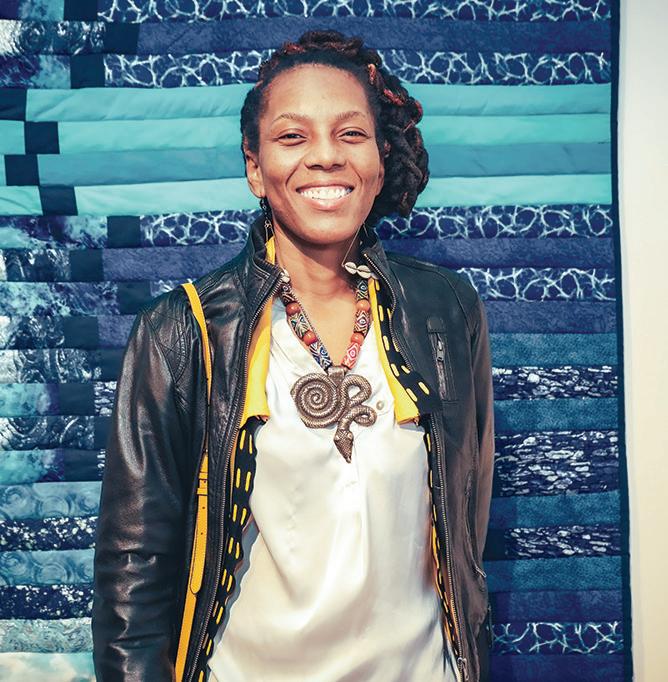
animal fugitive rumor. Y’all remember the St. Louis six? I could just say “the cows,” but what’s the fun in that? Can you believe that was almost ten years ago. When I saw the video of that cow walking past the TitleMax on Grand, I was like “Is this cow about to get a payday loan and start his life over?” I will remember the way they cut up when the STLMPD tried to hem them up for the rest of my life. The one started ramming the police car – and I thought I heard another one in the background singing Jennifer Hudson’s version of “And I Am Telling You (I’m Not Going).” The way they ran up out of that slaughterhouse and into a new destiny as soft life farm animals will preach like a sermon! But back to the YMs. Why were they talking about them on the BBC? In their report they were saying that AI images and videos were hindering apprehension attempts. The one of them under the arch in St. Louis Cardinals swag slurping up chop suey noodles while “Country Grammar” bumped in the background took me up, over, under and out!
RIP Tai Davis. The truth is all the hilarious monkey fake footage was just the distraction I needed after hearing about the loss of one of the region’s most dynamic members of the St. Louis creative community. I was shook to pieces when I heard about the passing of chef, musician, model and all-around incredible person Tai Davis this weekend. He represented for us in the best way on a national and

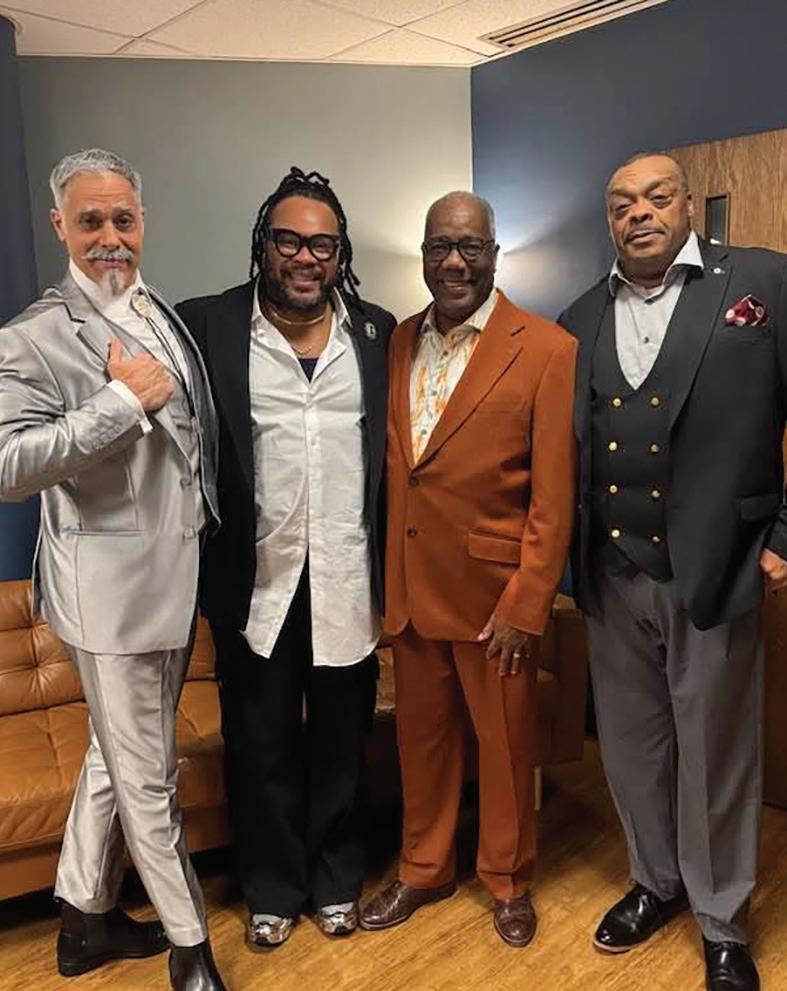
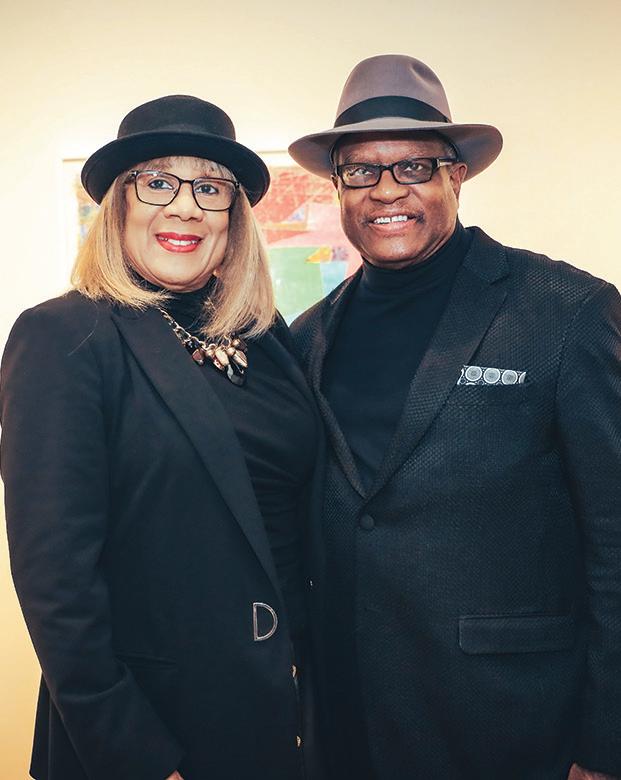
global stage, but wasn’t stingy about sharing his gifts with the region. I was excited about what he was already working on bringing to the culinary community in 2026. He will be dearly missed. I’m sending prayers and condolences to his family and friends. I feel like the best way to honor him is to fearlessly operate in all of the gifts and talents that one has been blessed with.
Encouragement for Krisstyle. Speaking of prayers, I want to send several to DJ Krisstyle. He is facing several health challenges and is in need of a liver and bone marrow transplant. Now y’all know I’m not allowed to promote donation pages, but it is easy to find if you want to drop a blessing. I don’t mean to make this week’s Partyline such a heavy one. However, there have been so many events that would have been a bust to write about if

Krisstyle hadn’t been in the place tearing it up on the tables! I’m claiming a healing victory for him – and I can’t wait for his full recovery – or the epic “I’m a survivor” celebration that will come as a result.
R&B on ice Listen, I was so curious to see what Morgan Casey’s latest out-of-the-box nightlife experience was talking about that I promised myself to take a few ice skating lessons so that I could flex on the girls at R&B Ice Skating After Dark Saturday night with DJ Bounce Forget Debi Thomas, I had planned to be the next Surya Bonaly by the time I stepped on the rink. That’s right, I planned on hitting multiple one-leg back flips in a row—and getting recruited as a last-minute competitor for the 2026 Winter Olympics. I had already started working on my Italian so I could represent North St. Louis with as much style and grace as Jackie
Joyner-Kersee used to for East St. Louis during the summer games when I stood up on that podium as the first elderly urban star of the ice. Needless to say, life and procrastination meant that I was up in the Centene Ice Center hugging the wall and the rail like everybody else! Well not everybody. Why did a few of the girls have a well-rehearsed line dance that they performed on ice skates? I promise you, one of the reasons why I was so excited to go to R&B skating because I just knew I would be able to mark myself safe from the latest line dances- even though I’m proud of that 314 one because it is set to the music of one of my faves—Willie Moore Jr., or the artist formerly known as Pretty Willie. I still had a good time watching the folks have their arms out to help with balance like they were perched on a cross. And I’m grateful to Morgan for mixing it up when it comes to her nightlife events.

1. Genera Moore at Portfolio’s All Colors exhibition Friday night at The St. Louis Artists Guild
2. The Harlem Globetrotters got it in as the celebrated their 100th anniversary at Chaifetz Arena Saturday afternoon
3. Isaiah DeLorenzo, Brandin Vaughn, Ron Himes and A.C. Smith at opening night for ‘The Dance on Widow’s Row’ Friday night at Edison Theatre
Photo courtesy of The Black Rep
3. Cenia and Dwight Bosman at Portfolio’s All Colors exhibition at The St. Louis Artists’ Guild Friday night
Photos by Taylor Marrie/St. Louis American
“I don’t care what happens in the first three quarters, in the fourth quarter, three minutes, four minutes left, let me see it.”
— Minnesota Timberwolves star Anthony Edwards, on his late-game success.”
sports eye
With Alvin A. Reid
Kyren Williams, other pros, keep STL close to heart
As the L.A. Rams were preparing for a hard-fought NFL wild card playoff victory over the Carolina Panthers, Pro Bowl running back Kyren Wiliams was helping his hometown through a $25,000 donation to Boys & Girls Clubs of Greater St. Louis.
St. Louis is blessed to have native sons and daughters who have reached the highest level of their respective sports and remain active philanthropically in the community from which they hail.
Jackie Joyner Kersee set the stage for future athletes when she returned to St. Louis following her historic Olympic career. She immediately went to work helping youths in East St. Louis, her place of birth.
Williams is club winner for the Walter Payton NFL Man of the Year Award.
He is also the team’s nominee to win the NFL’s most prestigious honor.
Following the devastating L.A. Fires one year ago, Williams helped open the Palisades Recreation Center, donated funds to LAFD firefighters, and spent hours with them. He also helped support the Boys & Girls Club in Pasadena.
It’s his mission to use his only off day of the NFL week, Tuesday, to serve the community in some way.
“I want to be in the community. I want to continue to keep inspiring, impacting and creating change amongst young people.,” he said after learning of his Walter Payton recognition.
Jayson Tatum and his foundation are helping create housing and educational opportunities for families, and he is among St. Louis’ leading boosters.
Napheesa Collier of the Minnesota Lynx and Bradely Beal of the L.A. Clippers are sponsors of local AAU basketball teams that excel across the country.
More than 200 free turkeys were donated at Thanksgiving through the generosity of NFL wide receivers Jameson Williams of the Detroit Lions, and Isaiah Williams of the New York Jets.
For a second consecutive year, the Rams’
Williams is “super proud” of hosting a Turkey drive at an L.A. area youth football banquet.
“I was thinking about being there and having all those banquets as a little leaguer and imagining if an NFL player would’ve walked into my banquet and been there. I would’ve been shell shocked,” he said.
Selected by the Rams in the fifth round of the 2022 NFL Draft, Williams remembers where his career and zeal for community service was launched.
“Being able to make a positive impact on youth
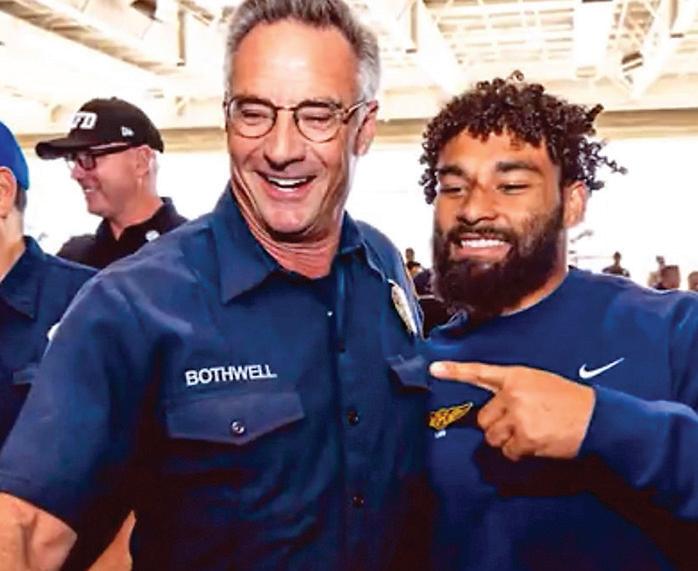
means everything to me and I’m honored to be able to help provide opportunities to youth in my hometown of St. Louis.”
I wouldn’t be surprised if Williams makes an offseason appearance at a Boys and Girls Club – and he could have the Super Bowl Trophy with him.
The Reid Roundup
The NBA released its second batch of All-Star Game ballots. L.A. Lakers guard Luka Dončić (top vote getter) and Milwaukee Bucks forward
Giannis Antetokounmpo lead in the respective West and East Conferences….
The West’s next four are Nikola Jokić of the Denver Nuggets, Stephen Curry of the Golden State Warriors, Shai Gilgeous-Alexander of the Oklahoma City Thunder and Victor Wembanyama of the San Antonio Spurs. Minnesota Timberwolves guard Anthony Edwards is in sixth place….Rounding out the East’s top five are New York Knicks guard Jalen Brunson, Tyrese Maxey of the Philadelphia
InsIde sports
With Earl Austin Jr.
76ers, Cade Cunningham of the Detroit Pistons, and Donovan Mitchell of the Cleveland Cavaliers… Jaylen Brown of the Boston Celtics, the sixth-leading vote getter in the Eastern Conference, is fed up with some NBA refs. “I’ll take the (expletive) fine. [The referees were] terrible tonight. Every time we play a good team, it’s the same (BS),” he said following a home loss to the Spurs… Gilgeous-Alexander netted 29 points in the Thunder’s win on Sunday over Miami. His streak of
110 games scoring at least 20 points stands at 110, and he is second behind only Wilt Chamberlain’s 126 games…Quiet as it’s kept, NBA television ratings are up. The NBA had its most-watched Christmas Day in 15 years, with over 47 million U.S. viewers watching some portion of that day’s fivegames….Viewership for national TV games is 89% higher than last year, and merchandise sales, NBA League Pass subscriptions, and time spent watching games, have also increased.
SLU Billikens off to best start in 30 years
There is something brewing in the mid-town area on the campus of Saint Louis University.
The men’s basketball program is enjoying its best start of a season in more than 30 years and excitement is very high for what the Billikens can accomplish in the next two months.
The Billikens entered this week with a 15-1 record, including a 3-0 record in the Atlantic 10 Conference which has them tied for first place with George Mason and Dayton. Before hosting Fordham in an Atlantic 10 game on Wednesday night, the Billikens came off a successful road trip last week with victories over VCU and LaSalle. They defeated perennial A-10 power VCU 71-62 last Wednesday, which was the first time a SLU team has ever won at the Siegel Center in Richmond in 11 attempts. The Billikens followed up with an 84-72 victory over LaSalle last Saturday in Philadelphia.
In last week’s AP Top 25 national poll, the Billikens received
14 votes. They are also receiving votes in the Coaches Poll as well.
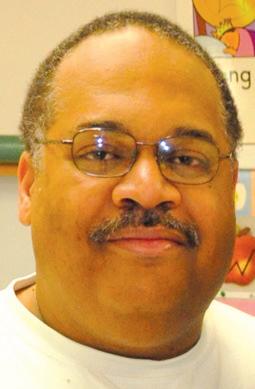
In just his second year at the helm, head coach Josh Schertz has the Billikens playing at a high level and starting to receive some national recognition. The Billikens are one of the most exciting teams to watch in the country with their fast-paced style and ability to score a lot of points. They are currently averaging 92 points a game with six players averaging in double figures. In the Billikens’ conference opener on December 31, they defeated St. Joseph’s 102-79 on a record-setting night at Chaifetz Arena. The Billikens made 19 3-pointers in the game, which was a new single-game record. The crowds are also starting to show up at Chaifetz Arena as more than 9,000 people were in the house for the St. Joseph’s game.
The one familiar name to St. Louis area fans on the team is 6’6” junior guard Kellen Thames, who is the son of former Jennings High and Mizzou star Kelly Thames. Young

Kellen had made a name for himself as one of the most dynamic players in college basketball. Thames averages nearly 10 points a game off the bench. He brings explosive athleticism and excitement when he enters the game. He scores, rebounds and plays great defense while also throwing down a number of show-stopping dunks. He has already been featured on ESPN’s Sportscenter Top 10 Plays
of the night twice during the season. He had 18 points and 10 rebounds in the victory at VCU last Wednesday.
The strength of the Billikens this season has been their depth as Schertz plays a nine-man rotation with all nine players capable of being the top scorer on a given night. The leading scorer is 6’10” senior center Robbie Avila, who averages 12.9 points a game. Senior guard Dion
Brown averages 11.9 points and junior guard Trey Green averages 10.9 points. Sophomore guard Amari McCottry averages 10.6 points while junior Quentin Jones also averages 10.6 points. Thames is next at 9.9 points with Ishan Sharma and Brady Dunlap averaging 8.5 points and 7.7 points, respectively.
Principia to compete in Bass Pro Tournament of Champions
The Principia Panthers are currently ranked No. 2 in the nation in the latest MaxPreps boys basketball rankings. The Panthers will be competing in the Bass Pro Tournament of Champions this week in Springfield, Missouri.
The Tournament of Champions is an eightteam tournament that features several of the nation’s top teams, combined with three teams from Missouri. Joining Principia in the field are local Ozark region teams Kickapoo and LoganRogersville.
The tournament will begin on Thursday with four first-round games. Principia will play Kickapoo at 7:30 p.m. Marietta Wheeler (Georgia) will take on Bartlett (Tennessee) at 4:30 p.m. No. 1 ranked Paul VI (Virginia) will face Logan-Rogersville at 6 p.m. St. John Bosco (California) will face Calvary Christian (Florida) at 9 p.m. The semifinals will be on Friday night at 7:30 and 9 p.m. The championship game is set for Saturday at 8:30 p.m.
Kyren Williams, right, donated funds and his time to L.A. firefighters during the January 2025 wildfires. Williams is the L.A. Rams nominee for the Walter Payton Man of the Year Award.
Alvin A. Reid
Saint Louis University guard Kellen Thames makes a spectacular between-thelegs save, which leads to a Quentin Jones layup in the Billikens' 84-72 victory over LaSalle last Saturday in Philadelphia.
Photo by John Schneyder
Photo courtesy of L.A. Rams
Earl Austin Jr.

Fruits, Veggies, and Faith:
The Daniel Fast Explained
By Rev. Dorothy S. Boulware
The beginning of the year is prime time for thoughtful people to engage in introspection, prayer, and meditation — seeking clarity for the journey ahead. For people of faith, that reflection often takes the form of fasting, whether undertaken individually or as a community. For Christians, one of the most commonly observed fasts is drawn from the Old Testament book of Daniel. Often referred to as the Daniel Fast, it has endured not only because of its biblical roots, but because generations of believers testify to its spiritual — and physical — benefits.
niah, Mishael, and Azariah — were among those taken captive into Babylon. Noted for their intelligence, discipline and strength, they were selected by King Nebuchadnezzar to serve in his court and were offered the same rich foods and wine as the king’s other courtiers. But Daniel refused it. Instead, he held tight to the food of his faith, challenging the king’s servant, saying: “Let them give us vegetables to eat and water to drink. Then let our appearance be examined before you.”

What Is the Daniel Fast?
The Daniel Fast is based on the biblical account of Daniel and his companions, who chose simple foods — vegetables and water — as an act of faithfulness. Today, churches across the country observe the fast, often for 21 days, as a way to deepen spiritual discipline, sharpen prayer life and begin the year with intention.
Faithfulness, Not Deprivation
Daniel and his boys — Hana-
After a 10-day test, Scripture records that the Israelites “appeared better and fatter than all the young men who ate the portion of the king’s delicacies.”
It wasn’t a fast for Daniel; it was maintenance of the dietary pattern he’d always followed. For the contemporary church, however, Daniel’s fare is a choice that’s difficult to maintain even for 21 days. But there are rewards for those who brave the assignment.
Fasting as Spiritual Discipline
Dr. Karen Bethea, senior pastor of Set the Captives Free Outreach Center in Baltimore County, underscored that distinction during a recent teaching to
Religion

her congregation.
“Fasting strengthens your spirit,” Bethea said during a Jan. 4 service, using her sermon time to instruct members who are new to the concept and habit of fasting. Her church’s fast begins Jan. 11. Bethea emphasized that fasting involves more than abstaining from food — particularly for those seeking spiritual benefits.
“Your spiritual senses become heightened,” she said. “We can hear more clearly in the realm of the Spirit. Scripture becomes illuminated, and you become more secure in your prayer life.”
She also noted health bene-

fits, including digestive relief, decreased inflammation-related pain such as back pain, and potential help for those struggling with obesity.
Many participating churches support congregants by offering guidance online — approved food lists, recipes, prayer schedules, scripture readings, exercise suggestions and meditative practices shared through websites and social media.
What the Research Shows
While fasting is rooted in faith traditions, it is not unfamiliar in
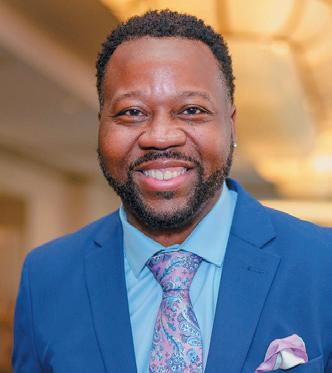
About a decade ago, I sat on a panel with several other leaders. One of them embodied a version of leadership I had spent my whole life pushing against — a leadership that prized status, hierarchy, and predictability over possibility.
Even though I had earned my seat at that table, something in that dynamic pulled me inward. I became more guarded. More selfconscious. More aware of where I came from than of the strengths that brought me there.
Then they asked me a simple question — an easy one. A question I could answer any day of the week. And my mind froze. Completely blank.
What I now know was a dissociative freeze — an amygdala hijack — the moment when the emotional brain overwhelms the thinking brain and shuts everything down.
I offered one sentence. Then silence. A silence that probably lasted ten seconds but felt like ten minutes. I could feel the weight of the room. I could feel old stories rising — stories that told me I didn’t belong, stories shaped by childhood trauma, scarcity, and the pressure to prove myself in rooms that weren’t built for people who grew up like me.
Part of me wanted to walk off that stage. But I stayed. I grounded myself. And slowly, I returned and finished strong.
In a 90-minute panel, it was a brief moment. But I replayed it for years. And it wasn’t the content that haunted me — it was the feeling. The judgment. The misalignment. The old fear whispering, “You’re not supposed to be here.”
contemporary culture. Intermittent fasting has entered the mainstream, often promoted for weight loss and metabolic health. But what does research have to say about the effectiveness of such a diet? What are the benefits? Are there any drawbacks? Research has examined the Daniel Fast specifically. In a peer-reviewed studyconducted at the University of Memphis, researchers followed adults who completed a 21-day Daniel Fast and found significant improvements in several cardiovascular and metabolic markers. Participants experienced lower blood pressure, reduced total and LDL cholesterol, improved antioxidant capacity, and decreased oxidative stress — factors associated with aging and chronic disease.
Dr. Richard J. Bloomer, a professor of health and sport sciences and lead author on multiple Daniel Fast studies, noted that participants were not instructed to restrict calories. Still, many naturally consumed fewer calories due to the high-fiber, minimally processed foods emphasized during the fast.
Bloomer told Time magazine the Daniel Fast is essentially a vegan diet, but potentially even healthier, since it eliminates processed foods that can come with sugar, fat, salt and preservatives. “We’re not thinking [the health benefits come from] the restriction in animal protein, per se, but more the restriction in all the other stuff that you would find in packaged foods,” as well as the addition of more nutrient-rich foods, he said.
A companion study published in Lipids in Health and Disease found that the fast was well tolerated across age groups and body types and produced improvements in insulin sensitivity and markers associated with heart disease risk.
I’ve had moments like that since — mid-speech, mid-panel, midconversation, even mid-interruption. For a long time, I told myself, “I don’t like panels.” But that wasn’t true. It wasn’t about the panel; it was about the pressure. It was about the internal story that was still being healed. If I hadn’t pushed through moments like that, they would have capped my leadership. They would have kept me in the safe zone, where comfort wins and calling loses.
That moment became a line in the sand — a reminder that leadership begins in the places where fear tries to silence you.
Insight Freezing isn’t weakness. It isn’t lack of preparation. It isn’t evidence that you don’t belong. Freezing is your body trying to protect you from a threat that may no longer exist, but still feels real. The danger isn’t the freeze itself. The danger is letting the freeze define your boundaries.
Transformation Reframe: That moment wasn’t failure — it was feedback. It revealed where fear still had a voice.
Reclaim: Staying on that stage, grounding myself, and returning — that was leadership.
Rename: It stopped being “the moment I froze” and became “the moment I returned.”
Takeaway Pressure exposes every gap in your confidence. Every leader will freeze at some point.
But the leaders who grow — the leaders who elevate — are the ones who return quickly.
If you don’t push through these moments, they quietly shrink your leadership. But if you stay in the arena, those moments become evidence of your growth.
Reflection Where are you letting old fear convince you to stay safe when you are actually called to lead? For more, visit OrvinKimbrough.com or MidwestBankCentre.com.
Photo courtesy of Pexels.com
The Daniel Fast is based on the biblical account of Daniel and his companions, who chose simple foods — vegetables and water — as an act of faithfulness.
ORVIN T. KIMBROUGH Chairman and CEO, Midwest BankCentre Author, Twice Over a Man
Freezing Under Pressure: What Leaders Can Learn From the Moments We Go Blank
The Next MOVE


FOSTER CARE
CASE MANAGER
Provide case management services for children in foster care. Minimum of a bachelor’s degree in social work or related field. Minimum of one year of employment in child welfare field. Interested candidates forward letter of interest and resume to:vatkins@posimpacts. com, Attention: Valerie Atkins. Employee will be employed by Positive Impacts, Inc. and contracted to Epworth Children & Family Services.
NOTICE TO CONTRACTORS
Sealed bids for the Dorsett Road Resurfacing project, St. Louis County Project No. AR-1840, Federal Project No. STP-5523(625) will be received electronically thru the County’s Vendor Self Service portal at https://stlouiscountymov endors.munisselfservice. com/Vendors/default. aspx, until 2:00 PM on February 11, 2026.
Plans and specifications will be available on January 12, 2026 from the St. Louis County Web Site (www.stlouiscounty mo.gov) or by contacting Cross Rhodes Print & Technologies, 2731 South Jefferson Avenue, St. Louis, MO 63118 (314) 678-0087.
DIRECTOR OF PROCUREMENT
ST. LOUIS COUNTY
NOTICE TO CONTRACTORS
Sealed bids for the South County ARPA Multiple Sewer ImprovementsPhase II project, St. Louis County Project No. AR/ CR-1902, will be received electronically thru the County’s Vendor Self Service portal at https://stlouiscountymoven dors.munisselfservice.com/ Vendors/default.aspx, until 2:00 PM on February 11, 2026.
Plans and specifications will be available on January 12, 2026 from the St. Louis County Web Site (www.stlouiscountymo. gov) or by contacting Cross Rhodes Print & Technologies, 2731 South Jefferson Avenue, St. Louis, MO 63118 (314) 678-0087.
DIRECTOR OF PROCUREMENT
ST. LOUIS COUNTY
REQUEST FOR BIDS
RL Persons Construction Inc is soliciting bids from MBE/ WBE/SDVE Subcontractors and Suppliers for our proposal on the X2319-01 REBID
Renovate Cabins 1-4, 14, & 19 - Sam A. Baker State Park. A diversity goal of 10% MBE, 10% WBE and 3% SDVE has been established for this project. To access the bid documents, or if you have any questions, please email/call Shaun at admin@rlpersons.com /573686-1323. Please submit bids to admin@rlpersons.com by 10:00AM on 2/9/2026. RL Persons Construction Inc is an Equal Opportunity Employer.
INVITATION TO BID
The Twenty-Second Judicial Circuit is currently soliciting proposal for Clyde S. Cahill Court Building Wall Repairs under the direction of the Circuit Court in the Clyde S. Cahill Courts Building, 10 N. Tucker Blvd., St. Louis, Missouri 63101; The Request for Proposal is available on the Court’s website http://www.stlcitycircuitcourt.com, click on General Information, then Request for Proposals.
Proposals must be received no later than 10 a.m. on March 3, 2026.
SEALED BIDS
Bids for Replumb Heating Loop, Potosi Correctional Center, Project No. C241601 will be received by FMDC, State of MO, UNTIL 1:30 PM, February 17, 2026. Project information available at: http://oa.mo. gov/facilities
SEALED BIDS
Bids for Update HVAC & Chiller, Crime Lab Building, Troop D, Springfield Project No. R2517-01 will be received by FMDC, State of MO, UNTIL 1:30 PM, February 5, 2026. Project information available at: http://oa.mo. gov/facilities
SEALED BIDS
Bids for Renovations to Interior/Exterior & Install Emergency Generator, Multiple Assets, Project No. R2502-01 will be received by FMDC, State of MO, UNTIL 1:30 PM, February 19, 2026. Project information available at: http://oa.mo. gov/facilities
SEALED BIDS
Bids for Extend Metal Boardwalk, Big Oak Tree State Park, East Prairie, Missouri, Project No. X2407-01 will be received by FMDC, State of MO, UNTIL 1:30 PM, 2/12/26. Project information available at: http:// oa.mo.gov/ facilities
PUBLIC NOTICE
Notice is hereby given that the Metropolitan St. Louis Sewer District Requests for Quotes, Bids and Proposals are posted online for public download. Please navigate to www.msdprojectclear.org > Doing Business With Us > View Bid Opportunities
Metropolitan St. Louis Sewer District is an Equal Opportunity Employer.
SEALED PROPOSALS
Sealed Proposals for B251246 Commercial Card Services will be received at Lincoln University Purchasing Dept 1002 Chestnut St, RM 101 Shipping & Receiving Bldg, JCMO 65101 until 2PM CT on 12FEB2026. Download Proposal Request at “https://www. lincolnu.edu/about-lincoln/purchasing/bid-informa tion/index.html”
REQUEST FOR PROPOSALS
Alberici Constructors, Kwame Building Group and the Saint Louis Zoo seek bids from qualified firms to submit proposals for a project at the Saint Louis Zoo WildCare Park. The project consists of providing fully equipped food and retail carts. To request bid documents, please send an E-mail to stlzoobids@alberici.com
SEALED BIDS
Bids for Renovations to Interior, Core Building at Hillsboro Treatment Center, Project No. H2503-01, will be received by FMDC, State of MO, UNTIL 1:30 PM, February 3, 2026. Project information available at: http://oa.mo. gov/facilities
SEALED BIDS
Bids for Renovate Interior and Exterior, George Washington Carver State Office Building, Jefferson City, Project No. O2424-01 will be received by FMDC, State of MO, UNTIL 1:30 PM, February 19, 2026. Project information available at: http://oa.mo. gov/facilities
REQUEST FOR BIDS
Great Rivers Greenway is seeking sealed bids for eighteen (18) custom concrete planters. Go to https:// greatriversgreenway. org/bids/ and submit by February 04, 2026
SEALED BIDS
Bids for Campground Shower House Replacement at Wakonda State Park, Project No. X2531-01, will be received by FMDC, State of MO, UNTIL 1:30 PM, February 10, 2026. The State of Missouri, OA-FMDC, hereby notifies all bidders that it will affirmatively ensure that in any contract entered into pursuant to this advertisement, businesses owned and controlled by socially and economically disadvantaged individuals will be afforded full opportunity to submit bids in response to this invitation and will not be discriminated against on the grounds of race, color, religion, creed, sex, age, ancestry or national origin in consideration for an award. Federal Land and Water Conservation Funds are being used in this project, and all relevant federal, state and local requirements apply. Project information available at: http://oa.mo. gov/facilities

SEALED BIDS
Bids for Repairs to Interior/ Exterior, Lebanon Readiness Center, Lebanon, MO, Project No. T2507-01 will be received by FMDC, State of MO, UNTIL 1:30 PM, February 10, 2026. Project information available at: http://oa.mo. gov/facilities
SEALED BIDS
Bids for Replace Locking System, Project No. C241001, 18701 Old Highway 66, Pacific, MO 63069 will be received by FMDC, State of MO, UNTIL 1:30 PM, February 3, 2026. Project information available at: http://oa.mo. gov/facilities
SEALED BIDS
Bids for REBID - Change of Scope Renovate Cabins 1-4, 14, & 16, Sam A Baker State Park, Patterson, Missouri, Project No. X2319-01 will be received by FMDC, State of MO, UNTIL 1:30 PM, February 10, 2026. Project information available at: http://oa.mo. gov/facilities
REQUEST FOR BIDS
Qualified pool management companies (herein noted as “Contractors”) are invited to submit sealed Bids to provide pool management services at the Crestwood Aquatic Center in accordance with the specifications contained herein. The City of Crestwood has established special and specific qualifications for the Contractors to assure quality operation of the Aquatic Center (sometimes referred to herein as “Facility” or “Facilities”). The Contractor who operates the Aquatic Center shall possess municipal swimming pool management skill and experience with swimming facilities with similar water features, and pool water area comparable to the water area of the Crestwood Aquatic Center, and the ability to perform quality work, as solely determined by the City of Crestwood, which qualifies it to operate the Aquatic Center as detailed and specified.
Bidders wishing to receive the bid documents in digital form can access it at www.cityofcrestwood.org/bids.aspx

NOTICE OF FINDING OF NO SIGNIFICANT IMPACT AND NOTICE OF INTENT TO REQUEST RELEASE OF FUNDS
Date of Publication: 1/15/2026
City of St. Louis: Community Development Administration (CDA) 1520 Market Street St. Louis, Missouri 63103
314-657-3700 / 314-589-6000 (TDD)
These notices shall satisfy two separate but related procedural requirements for activities to be undertaken by the City of St. Louis (“The City.”)
REQUEST FOR RELEASE OF FUNDS
On or after 2/2/2026, the City will submit a request to the U.S. Dept. of Housing & Urban Development (HUD) for the release of the City’s Federal HOME Investment Partnerships Program (HOME) funds under Title II of the Cranston – Gonzalez National Affordable Housing Act of 1990, as amended, to undertake the following project:
Project Title: Village at Cates Place
Purpose: New construction of 4 units – 1 townhome with 2 units and 2 single-family homes - on vacant lots. 5563-65 Cates will each be approximately 1,454 square feet in size, and 5617 and 5619 Cates will have 1,714 square feet. Each unit will have 2-car detached garages, 3 bedrooms and 2.5 bathrooms.
Location: 5563 Cates Avenue, 5565 Cates, 5617 Cates, 5619 Cates, St. Louis, Missouri 63112
Estimated Cost: Total development cost of this project is approximately $1,533,824, with an estimated $923,804 of funding coming from St. Louis City’s Year 2023 Federal HOME Program Funds, Grant #M-23-MC-29-0500, and awarded in the Spring 2023 NOFA.
FINDING OF NO SIGNIFICANT IMPACT
The City has determined that this project will have no significant impact on the human environment. Certain conditions will apply to this project. Therefore, an Environmental Impact Statement under the National Environmental Policy Act of 1969 (NEPA) is not required. Additional information for each project is contained in the Environmental Review Record (ERR) on file at the City CDA, at the above address, where the ERR is available for review and may be examined or copied, weekdays 8 A.M. to 4 P.M., or visit https://cpd.hud. gov/cpd-public/environmental-reviews to review the HUD ERR.
PUBLIC COMMENTS
Any individual, group, or agency may submit written comments on the ERR to Trey McCarter, Community Development Planner III, CDA, at the address listed above. All comments received by 2/1/2026 will be considered by the City prior to authorizing submission of a request for release of funds. Comments should specify which notice they are addressing.
RELEASE OF FUNDS
The City certifies to HUD that, Matt Moak, in his capacity as Executive Director, consents to accept the jurisdiction of the Federal Courts if an action is brought to enforce responsibilities in relation to the environmental review process and that these responsibilities have been satisfied. HUD’s approval of the certification satisfies its responsibilities under NEPA and related laws and authorities and allows the City to use the City’s abovereferenced HUD program funds.
OBJECTION TO RELEASE OF FUNDS
HUD will accept objections to its release of funds and the City’s certification for a period of 15 days following the anticipated submission date or its actual receipt of the request (whichever is later) only if they are on one of the following bases: a) the certification was not executed by the Certifying Officer of the City; b) the City has omitted a step or failed to make a decision or finding required by HUD regulations at 24 CFR Part 58; c) the grant recipient has committed funds or incurred costs not authorized by 24 CFR Part 58 before approval of the release of funds by HUD; or d) another Federal agency acting pursuant to 40 CFR Part 1504 has submitted a written finding that the project is unsatisfactory from the standpoint of environmental quality. Objections must be prepared and submitted in accordance with the required procedures (24 CFR Part 58.76) and shall be addressed to the HUD St. Louis Field Office, CPDRROFSTL@hud.gov. Potential objectors should contact HUD to verify the actual last day of the objection period.
Matt Moak Certifying Officer

SEALED BIDS
Bids for T251801 - Festus Readiness Center, Lagoon Repair, Project No. T2518-01 will be received by FMDC, State of MO, UNTIL 1:30 PM, February 17, 2026. Project information available at: http://oa.mo. gov/facilities
SEALED BIDS
Bids for Improvements to Food Preparation Area, Support Building, Missouri Eastern Correctional Center Project No.C250901 will be received by FMDC, State of MO, UNTIL 1:30 PM, January 20, 2026. Project information available at: http:// oa.mo.gov/ facilities
www.stlamerican.com
CITY OF ST. LOUIS ST. LOUIS LAMBERT INTERNATIONAL AIRPORT REQUEST FOR PROPOSALS (RFP)
Concession: Automated Retail
Pre-Bid Meeting Date (Optional): February 6, 2026 at 12:00 p.m. Local Time
Question Due Date: February 20, 2026 at 4:00 p.m. Local Time
Proposal Due Date: March 13, 2026 at 4:00 p.m. Local Time
Point of Contact: Robert Olson –rcolson@flystl.com
RFP documents may be obtained at St. Louis Lambert International Airport, Airport Properties Division, Monday through Friday between 8:30 a.m. and 4:30 p.m. This RFP may also be obtained by visiting our website at https:// www.flystl.com/business/contract-opportunities/ Robert Salarano Airport Properties Division Manager

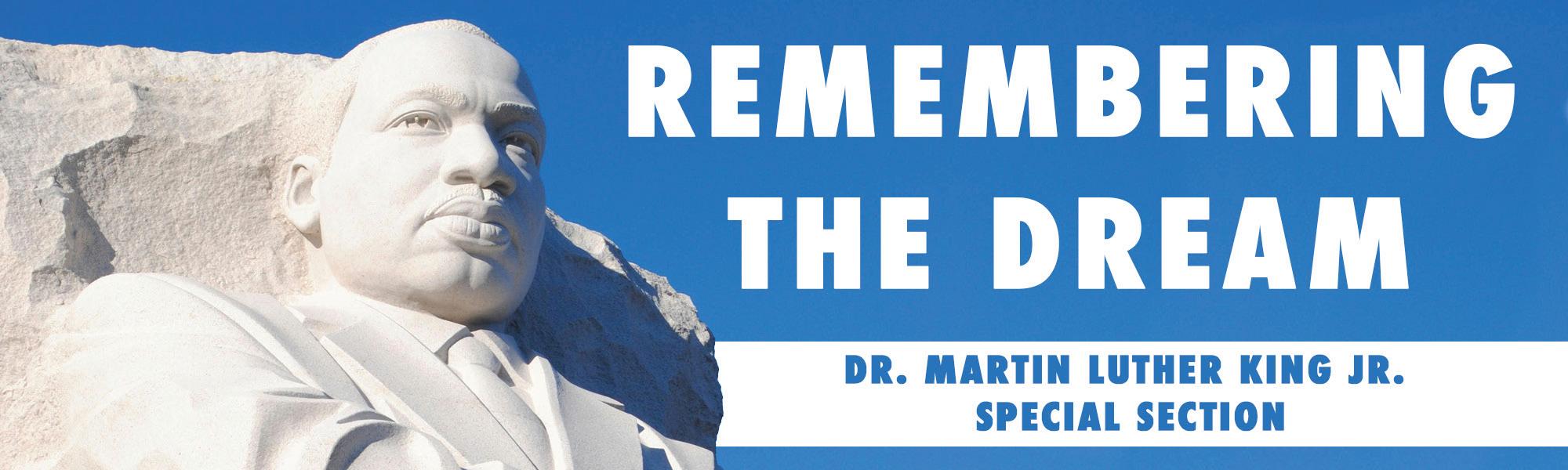
‘Dr. King’s dream is not confined to history’ Michigan group keeps MLK’s fire burning
MO statewide MLK celebration kickoff commemorates 40 years
By Kenya Vaughn St. Louis American
The state of Missouri celebrated a milestone rooted in a dream Friday afternoon inside the Coronado Ballroom. That dream was inspired by Dr. Martin Luther King Jr., but it belonged to the late Norman Seay. Because of the legendary local activist, St. Louis is credited as one of the first cities in the nation to formally commemorate King’s life and legacy.
The MLK Holiday Committee Seay organized in 1970 eventually became the Dr. Martin Luther King Jr. State Celebration Commission of Missouri in 1986—the same year the third Monday in January was designated as a federal holiday honoring Dr. King. Commissioners and supporters from across the region gathered to launch programming that will stretch from St. Louis
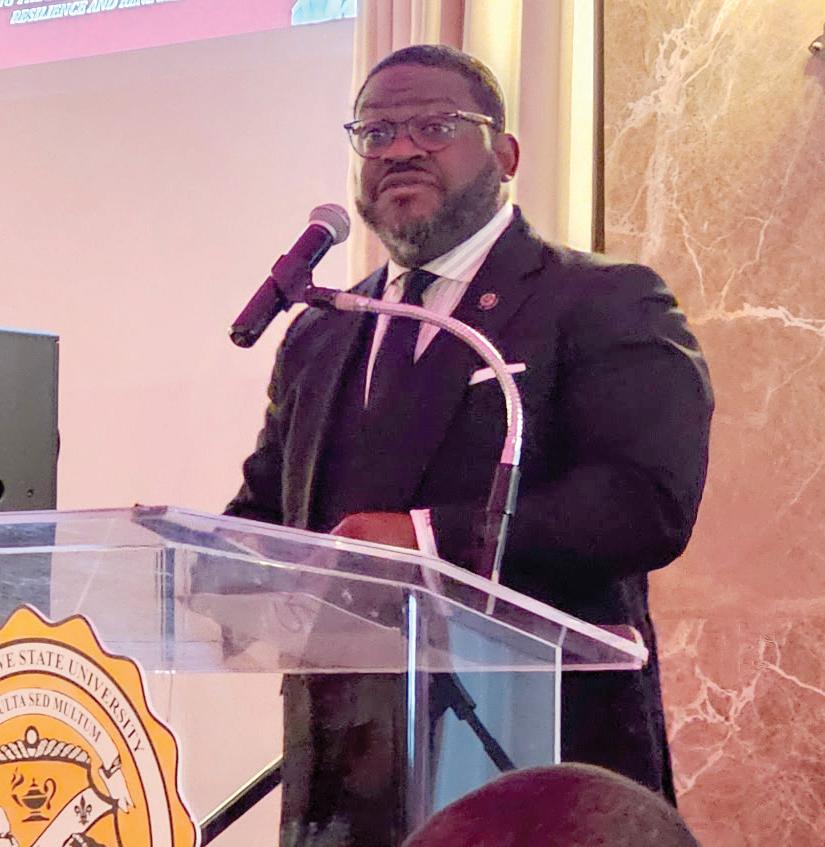
to the Bootheel. The 40th anniversary luncheon, typically held on the campus of Harris-Stowe State University, took on a different atmosphere this year but maintained the familiar spirit of reflection and purpose.
“This statewide celebration has served as a powerful reminder that Dr. King’s

Keynote speaker and Distinguished Chairman’s Award recipient Pastor Christopher Rogers, Sr. delivered a powerful message at the Dr. Martin Luther King Jr. State Celebration of Missouri 40th Anniversary Kick-Off Luncheon Friday afternoon at The
dream is not confined to history,” said Harris-Stowe President Latonia Collins Smith. “It is a living call to action.”
This year’s theme—“Honoring the Dream: 40 Years of Reflection, Resilience and Renewal”—was echoed by Collins
See KICK OFF, B14
By Rev. Dorothy S. Boulware Word in Black
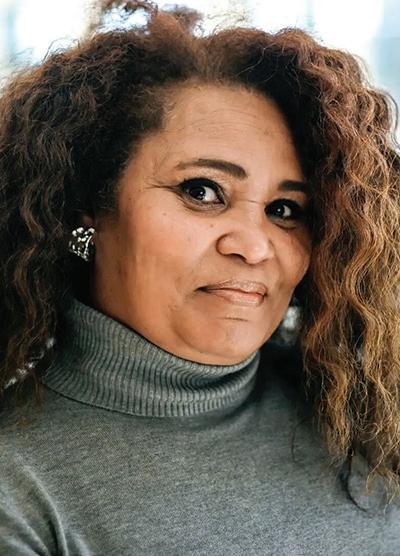
Elaine Hardy was only 4 years old when her mother surprised her with an unusual instruction: Put on your best Sunday outfit and tidy up. Hardy, a little girl who understood routines, was confused. It wasn’t Sunday. Only one other possibility made sense in her mind — an unscheduled, possibly painful visit to the doctor’s office. Was it time for a vaccination already? She felt anxious and a little frightened. Finally, she worked up the courage to ask her mother where they were going.
The answer stayed with her: We’re going to vote.
That moment — her mother’s insistence that voting be treated with the
See MLK FIRE, B14

Elaine Hardy
Coronado Ballroom.
Photo by Kenya Vaughn/ St. Louis American
2026 Mlk
Commemorative Programming
Fri., Jan. 16, 6:30 p.m., Let It Resound: The Legacy of Black Composers, St. Louis Symphony Orchestra IN UNISON Chorus Director Kevin McBeth, IN UNISON Young Artists, and musicians from the SLSO will honor Dr. Martin Luther King, Jr. through stories and music. Lee Auditorium, Missouri History Museum. This is a free performance. No tickets or RSVP required to attend. For more information, visit www.slso.org.
Sat., Jan. 17, 9 a.m., MidSt. Louis County MLK Celebration Prayer and Leadership Breakfast, Normandy High School, 6701 St. Charles Rock Road. For more information, visit youngvoiceswithaction.org.
Sat., Jan. 17, 10 a.m., Missouri History Museum presents With Liberty and Justice for All: MLK in STL, Missouri History Museum, 5700 Lindell. For more information, visit www. mohistory.org
Sun., Jan. 18, 1 p.m.
Family Sunday: Rev. Dr. Martin Luther King Jr. Celebration, Saint Louis Art Museum. For more information, visit www. slam.org.
Sun., Jan. 18, 1:30 p.m.
Dr. Martin Luther King Jr. 14th Annual Sunday Supper – A Salute to Veterans and Military Families, 2026 Theme: “Impacting Lives of the Veteran Community with keynote speaker Missouri State Representative Stephanie Boykins. Omega Center, 3900 Goodfellow Blvd.
Sun., Jan. 18, 2 p.m., Rev. Dr. Martin Luther King Jr. Celebration— The Dream Reimagined: Youth Voices Uplifted, St. Louis Poet Laureate Pacia Elaine Anderson will lead a poetic journey influenced by Moneta Sleet Jr.’s photographs of Dr. Martin Luther King Jr. and the Civil Rights Movement, in conjunction with performances by young people from multiple local schools and performing arts institutions. The program’s artistic director, Kathryn Bentley, will host this inspiring celebration featuring music, theater, and dance performed by some of the area’s most gifted youth. This program is sponsored by The Dana Brown Endowed Fund for Education and Community Programs. For more information, visit www.slam.org.
Mon., Jan. 19, 9 a.m., The Dr. Martin Luther King Jr. Holiday
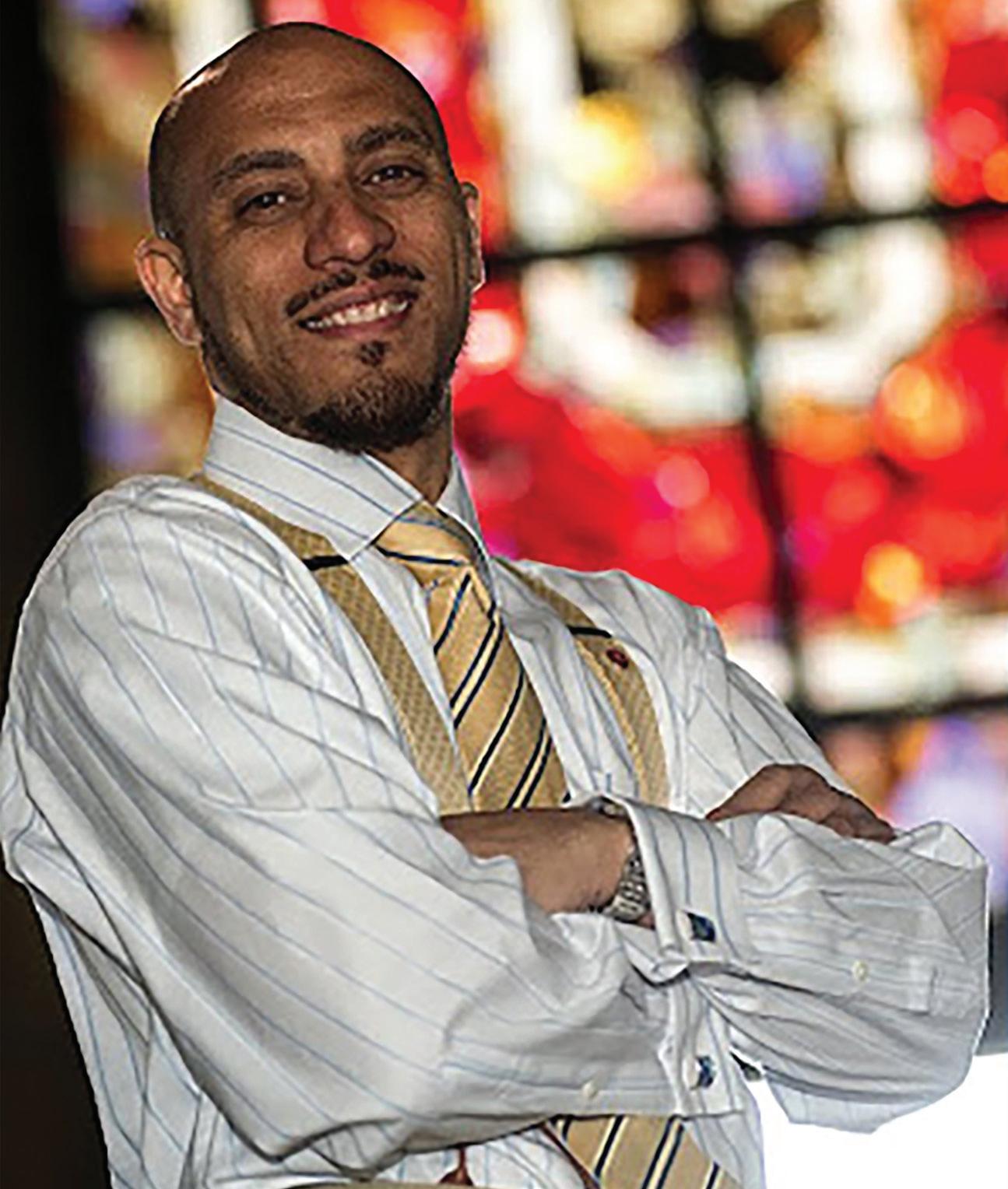
Committee presents the Civic and Interfaith Celebration, St. Louis City Hall, 12th and Market Street.
Mon., Jan. 19, 10 a.m. Mid-St. Louis County Dr. Martin Luther King Jr. March, parade and celebration, Normandy High School. Following the parade, the celebration continues at Barack Obama Elementary School
(3883 Jennings Station Road, Pine Lawn, MO) at 12:00 PM. For more information, visit youngvoiceswithaction.org.
Mon., Jan. 19, 10 a.m., Missouri History Museum Dr. Martin Luther King Jr. Celebration, Missouri History Museum, 5700 Lindell. For more information, visit www.mohistory. org

Mon., Jan. 19, 11 a.m., University of Missouri-St. Louis Dr. Martin Luther King Jr. Celebration, “The Purpose of Education: Honoring education that not only informs the mind, but reforms the world,” is inspired by Dr. King’s 1948 essay “The Purpose of Education” published in the Morehouse College newspaper.
Keynote speaker Mary Elizabeth Grimes, president of Marian Middle School and a purpose-driven leader dedicated to ensuring students succeed from middle school through college and into sustainable careers. Touhill Performing Arts Center. For more information, visit www.umsl.edu.
Mon., Jan. 19 – Jan. 23, Washington University School of Medicine MLK Jr. Commemoration Week, various locations. For more information, visit https://diversity.med.wustl. edu/events/mlk-week
Tues., Jan. 20, 6 p.m. (5 p.m. reception) St. Louis Community College at Florissant Valley and North County Churches Uniting for Racial Harmony and Justice will host the 25th annual Dr. Martin Luther King Jr. Celebration Kimberly Norwood, JD, Washington University Henry H.
Oberschelp Professor of Law, will deliver the keynote address. She will speak the celebration’s theme, Mentoring the Dream: Leading with Light and Love. Terry M. Fischer Theatre St. Louis Community College-Florissant Valley, 3400 Pershall Road. For more information, visit stlcc.edu/insider/ news/2026-mlk-celebration
Web., Jan. 21, 4 p.m., Washington University School of Medicine MLK. Jr. Week keynote address with Dr. Hasan Jeffries, “When A Dream Becomes A Nightmare,” Eric P. Newman Education Center, Seminar Room B, 320 S. Euclid Ave., St. Louis, MO 63110. For more information, visit https://diversity.med.wustl. edu/events/mlk-week.
Through Jan. 31, St. Louis Public Library MLK Food Drive, nonperishable goods can be dropped off at any St. Louis Public Library Branch. For more information, visit www.slpl.org.
Through Jan. 31, Artist Exhibit: Bold, Black & Beautiful by Cyantha Key, St. Louis Public Library – Buder Branch, 4401 Hampton Ave. For more information, visit www.slpl.org.

Washington University School of Medicine MLK. Jr. Week
keynote address with Dr. Hasan Jeffries.
Smith, mistress of ceremonies Carol Daniel, and keynote speaker Rev. Christopher L. Rogers Sr., senior pastor of First Baptist Church of Chesterfield.
“[It is] a call that challenges us to reflect honestly, to remain resilient in the face of injustice,” Collins Smith said. “And to renew our collective commitment to equity, service and beloved community.”
In addition to Rogers’ keynote, awards were presented to individuals and organizations across Missouri who embody King’s relentless pursuit of a more equitable nation and world.
“Today, we honor the visionary leaders, students, educators, faith communities and everyday citizens who have kept that dream alive,” Collins Smith said. “Not just through words, but through action.”
St. Louis County Executive Dr. Sam Page spoke on behalf of the region’s elected officials and did not mince words regarding the current presidential administration’s efforts to dismantle progress made during the Civil Rights Movement.
“The aggressive work of this White House—erasing DEI programs, erasing voting rights, erasing access to education, erasing access to healthcare,” Page said. “And we know who this hurts the most, and it’s not people who look like me.” He urged attendees to remain vigilant.
“This is not the America we love. This is not the America that gives everyone access to opportunity,” Page said. “As we celebrate these 40 years, let us recommit ourselves to the work—ensuring that reflection leads to action, resilience fuels progress,
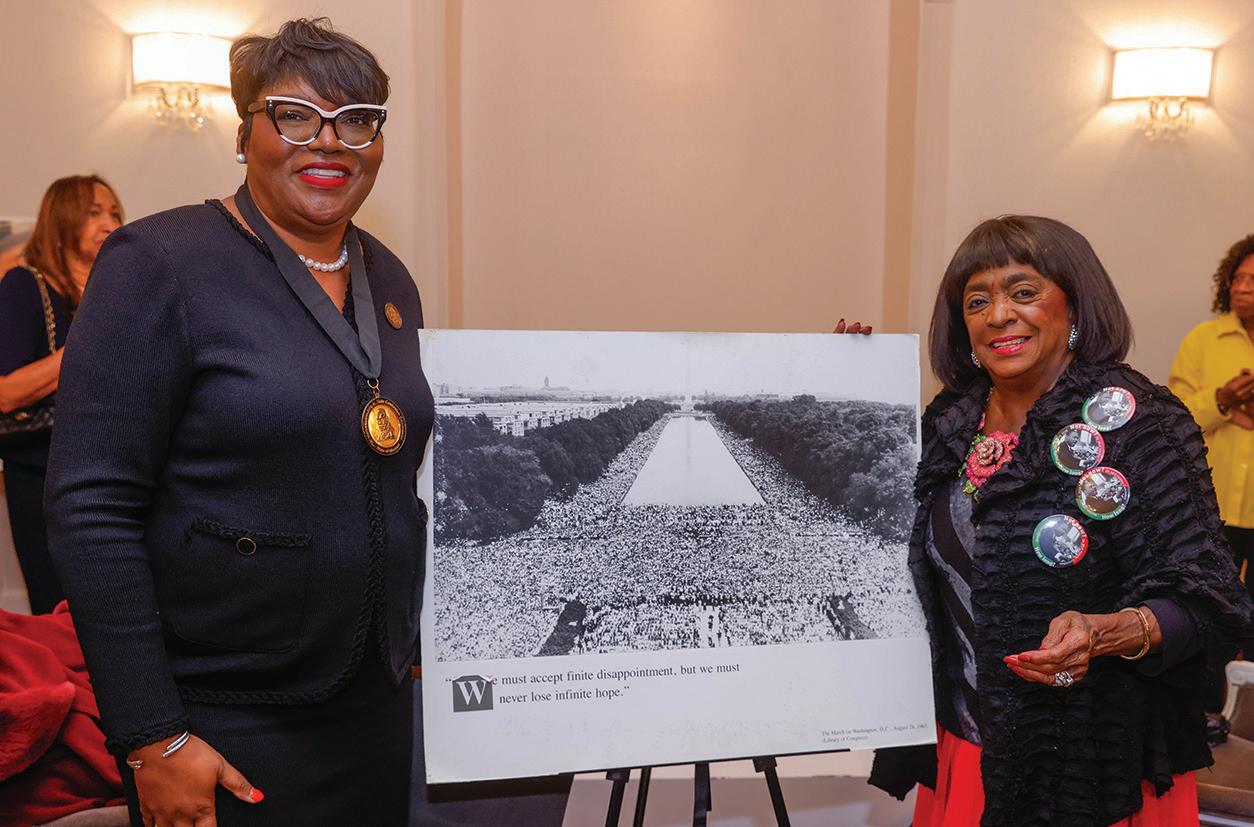
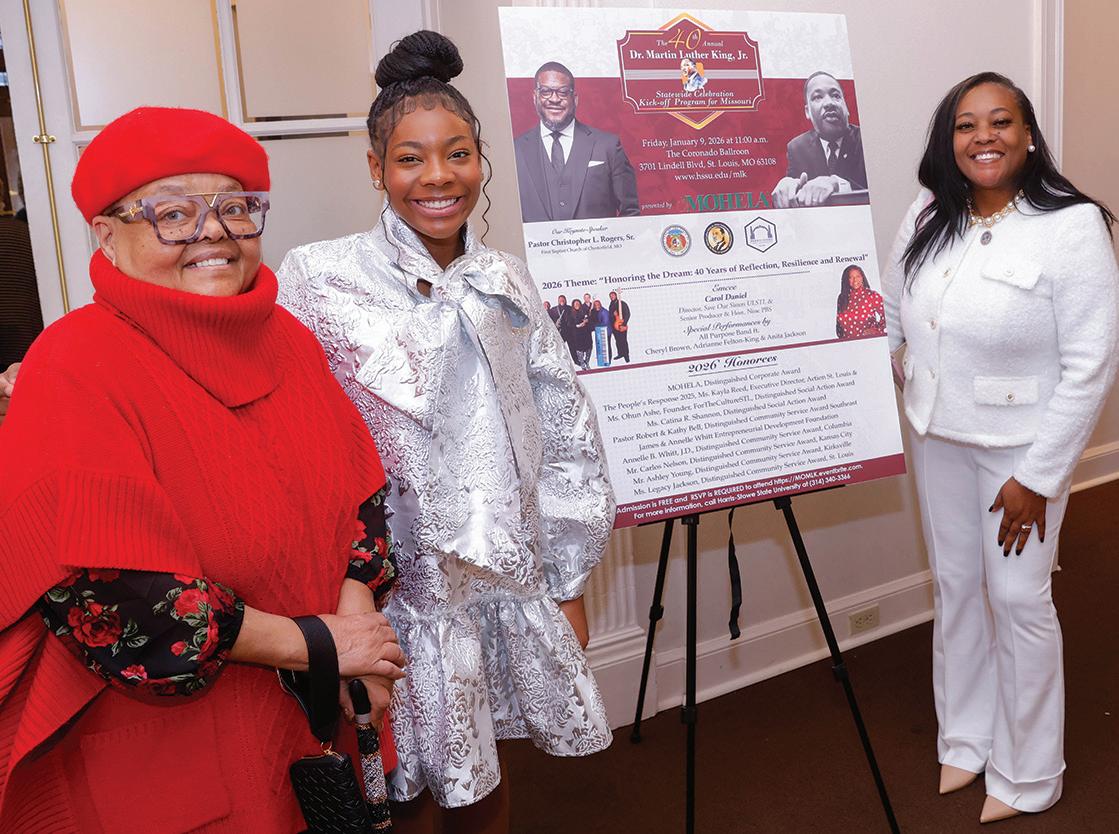
and renewal brings us closer to Dr. King’s dream.”
Despite the uncertainty of the moment, Page said he remains hopeful.
“You see people standing up now and saying no,” he said. “We see the midterms on the horizon.
We see hope in our allies around the world who are pushing back. We can’t let up. Everyone knows what’s at stake. One of my favorite quotes by Dr. King is, ‘The time is always right to do what is right.’ So let’s demand that from Washington. Let’s demand that from Jefferson City.”
Following musical selections from The All Purpose Band—whose renditions of gospel classics by The Clark Sisters, Richard Smallwood and Kurt Carr sparked a full praise break—Pastor Rogers delivered his keynote address.
“Forty years is more than a milestone,” Rogers said. “It is a moment of moral accounting. These three words—reflection, resilience and renewal— are not just ceremonial language. They are a road-
map. They tell us where we’ve been, how to endure and what is required of us.”
He reflected on the origins of the statewide celebration.
“Today, we honor the visionary leaders, students, educators, faith communities and everyday citizens who have kept that dream alive, not just through words, but through action.”
Collins Smith
Latonia
“This kickoff program was born in a Missouri— and in an America— still grappling with the unfinished business of justice,” Rogers said. “Doors were opened, but access remained uneven. Reflection compels us to say we have made progress, but we have not arrived.”
That memory, he said,
fuels resilience.
“Resilience is what sustained people when justice was delayed and dignity was denied,” he said. “It is the quiet determination that refused to surrender when progress felt slow. Resilience does not mean accepting injustice. It means refusing to normalize it. Our ancestors were resilient not because suffering was noble, but because freedom was necessary.”
Rogers emphasized that renewal requires imagination and courage.
“Renewal insists that democracy remains an unfinished work,” he said.
“If we think the work is finished, we may want to pack and go home.”
He reminded the audience that the honoring of Dr. King requires more than ceremony.
“We honor the dream when civic participation is protected, when education is equitable, when housing and public safety reflect dignity rather than fear, and when budgets align with values,” Rogers said.
“Dr. King didn’t merely inspire—he organized. He

didn’t merely challenge— he built coalitions. He didn’t merely dream—he acted. We must do the same.”
Rogers highlighted Missourians who acted in the name of justice, including Dred and Harriet Scott, just before the program transitioned to the acknowledgement of the 2026 award recipients.
Along with Rogers himself, honorees included
title sponsor MOHELA,
“As we embark on a new year, let us collectively commit once again to preserving and acting out Dr.
in our everyday lives,”
The People’s Response 2025, Ms. Catina R. Shannon, Pastor Robert and Kathy Bell, James and Annelle Whitt, Mr. Carlos Nelson, Ashley Young and Legacy Jackson.
King’s dream
Daniel said.
Photos by Cedric Scott Photography/Courtesy of HSSU
Harris-Stowe President Latonia Collins Smith and Merdean Fielding-Gales at the Dr. Martin Luther King Jr. State Celebration Commission of Missouri 40th Anniversary Kick-Off Luncheon.
Photos by Cedric Scott Photography/Courtesy of HSSU
Marquita Norman with her granddaughter, Distinguished Community Service Award recipient Legacy Jackson and her mother Kynedra Ogunnaike at the Dr. Martin Luther King Jr. State Celebration Commission of Missouri 40th Anniversary Kick-Off Luncheon on Friday.
Photos by Cedric Scott Photography/Courtesy of HSSU
Kansas City, MO Mayor Pro-Tem and 2027 mayoral candidate Ryana Parks-Shaw and Chalana Scales-Ferguson Friday afternoon at the Dr. Martin Luther King Jr. State Celebration Commission of Missouri 40th Anniversary Kick-Off Luncheon.
MLK observance in Fountain Park to focus on continued recovery
By Alvin A. Reid St. Louis American
While Missouri’s lone statue commemorating the Rev. Martin Luther King Jr. will not stand majestically over the celebration in his name in Fountain Park, the event will echo the slain civil rights leader’s words and legacy.
This year’s theme for the Eighth Annual Rev. Martin Luther King Jr. in Fountain Park Holiday Observance is “The Courage to Begin Anew: Affirming Dignity and Action in the Face of Adversity.”
It encompasses what thousands of St. Louisans have been experiencing since the May 16 tornado destroyed Centennial Christian Church and devastated the surrounding Fountain Park and Lewis Place neighborhoods.
MLK FIRE
Continued from B10
same seriousness and care as going to worship or safeguarding her health — became a defining lesson. It followed Hardy into adulthood and through a career focused on social justice, civic responsibility and community enrichment.
Today, Hardy serves as chair of the Dr. Martin Luther King Jr. Commission of MidMichigan, one of the longest-running, continuously operating organizations of its kind in the country. Under her leadership, the
St. Louis County
King’s 11-foot statue, which was installed in 1978, was severely damaged, and its refurbishment continues.
The observance will bring together an array of faith-based, civic, neighborhood and service organizations as co-hosts.
Joining to honor King are Centennial Christian Church; Fountain Park and Lewis Place Neighborhood Association; Alpha Phi Alpha Fraternity Inc., Epsilon Lambda Chapter and Foundation; Central West End Church; People’s Community Action Corp.; St. Louis Public Schools; The Jackson Law Firm; Democratic Committeewoman Yolonda “Yogi” Yancie; and Mission STL.
“Every year of this observance is important, but this one is especially
commission continues a mission that is both celebratory and challenging: honoring King’s life while pushing the public toward the unfinished work of justice.
The commission will hold its annual celebration Monday, Jan. 19 in Lansing, Michigan. The event will mark the 41st anniversary of the commission’s luncheon, one of the nation’s largest events honoring King, and will also commemorate the 40th anniversary of the federal King holiday.
“For more than four decades, this celebration has brought people together to honor Dr. King’s legacy while challenging our community to live out
because of the tornado and recovery. It takes courage to start anew, and this is what Centennial and these neighborhoods are doing,” said Brian Hurd, a former Alpha Phi Alpha Epsilon Lambda chapter president.
“While the monument is missed and we look forward to its return to Fountain Park, we know that Dr. King would not want a statue of himself. He would want a call to public service in his name, which so many organizations have done in the months following the tornado.”
The day will begin with a Unity Gathering from 9:30 to 10:30 a.m. at the base of the King statue in Fountain Park, 4950 Fountain Ave.
The keynote address will be delivered by Joseph Salvador Palm, a commissioner with the
his message,” Hardy says. “Marking both the 41st year of this event and the 40th anniversary of the federal holiday is a powerful reminder of how far we’ve come — and how much work remains.”
In an interview with Word In Black, Hardy reflected on the long road that made the holiday possible. She emphasized the role of Coretta Scott King and the significance of federal legislation passed in 1983. For Hardy, that history matters because it frames the holiday as a public commitment, not a ceremonial gesture. Hardy believes the holiday should be treated as more than a day off or a moment of reflection.
Visit www.slcl.org/events for a full list of programs.

Friday, February 6, 7:00 p.m.
Vivian Gibson, “The Last Children of Mill Creek”
In Conversation with Gwen Moore, Curator of Urban Landscape and Community
Identity at the Missouri Historical Society
From its origin at the turn of the 20th century to its destruction in 1959 in the name of urban renewal, Mill Creek Valley was a center for Black life in St. Louis. Vivian Gibson’s moving memoir, “The Last Children of Mill Creek,” depicts the families, friends, shop owners, church ladies, teachers, and others who made Mill Creek into a warm, tight-knit African-American community. Ohun Ashe, Michael P. McMillan, Kayla Reed and Michelle D. Tucker will receive the Frankie Freeman Inspirational Award during the program.




Friday, February 13, 7:00 p.m.–Florissant Valley
Set the Night to Music
Celebrate Valentine’s Day with the Drew Project! Enjoy music, light refreshments and a fun photo backdrop. Singing and dancing encouraged. Adults.
Wednesday, February 18, 6:00 p.m.–Florissant Valley Music in Common Music in Common presents The Black Legacy Project, featuring a short film, live performance and discussion celebrating community and connection through music.
All ages.
Monday, February 23, 6:00 p.m.–Lewis & Clark “Takunda” Presented by The Black Rep
Sixteen-year-old Takunda’s world is turned upside down when her father is arrested for his political activities in the turbulent Rhodesia of 1973. This coming of age story incorporates African folk tales and songs, featuring an ensemble of four actors and the vibrant art of storytelling. All ages.
Saturday, February 28, 1:00 p.m.–Clark Family
Gift of Gospel
Pastor Shaun Williams returns to present amazing local gospel talents, including the Community Gospel Choir of St. Louis, Chrystal and Charity Williams, Valaur Dickerson and others. Be ready to have a hand clapping, toe tapping good time.
All ages.
U.S. Commission on the Social Status of Black Men and Boys and a former regional director for the U.S. Department of Health and Human Services.
“Neighborhoods are everything, and neighborhoods are taking the lead,” said Hurd.
The gathering will bring community members together in reflection, prayer and solidarity at a site deeply connected
For the commission, it is a chance to educate the public and pass along the history of the civil rights movement to those who did not live through it. That urgency is strongest, she said, for young people who may know King’s most famous speeches but not the conditions he confronted or the discipline required to build a national movement.
The commission’s work extends beyond its luncheon. Its focus includes literacy, youth violence, hunger, mentoring, education and community enrichment. Hardy says those priorities are a continuation of King’s legacy — a way of addressing barriers that still limit opportunity and civic participation.
In addition to its celebration, the commission awards scholarships to graduating seniors in the metro Lansing area who show academic achievement, leadership and a deep understanding of King’s teachings. It also sponsors an essay competition for middle and high school students that asks them to consider how King’s message applies to their communities today.
King “was living in an authoritarian South under Jim Crow,” Hardy says.
to King’s legacy and the neighborhood’s ongoing recovery. Organizers say the observance is designed to move beyond ceremony, echoing King’s call to remain united, love collectively and rise together in the face of adversity.
Following the morning gathering, the observance will continue with an MLK Youth Educational Program from 11:30 a.m. to 4 p.m. at People’s Health Center, 5701
“We had no such thing as the Voting Rights Act, no such thing as the Civil Rights Act. … There was no such thing that would protect us from the state-sanctioned violence against Black and brown bodies. Yet he stood there and said, ‘Look, I think this is possible for us.’ That was audacious.”
Invitations to the annual celebration are extended to at least 1,600 of what the commission calls “our closest friends.” This year’s speaker has not yet been announced, but the commission has a tradition of bringing nationally recognized voices whose work reflects King’s call for justice and righteousness. Past speakers have included Dr. Bernice A. King, the late Rep. Elijah E. Cummings, a Maryland Democrat; Andrew Young and Myrlie EversWilliams.
“For probably a little over a decade, the Commission had really centered on bringing foot soldiers of the movement to our community,” Hardy says. But that approach is becoming harder to sustain. Time has narrowed the opportunity to hear directly from movement veterans, she said.
“Because we are 60, 70 years away from the earli-
Delmar Blvd. The youth program will feature educational presentations, dramatizations and artistic experiences centered on King’s principles of service, dignity and unity. Lunch will be provided, and registration is required. For additional information please contact Centennial Christian Church at 314-367-1818 or by email at mlk@stlalphas.com
est movements, we don’t have many of those foot soldiers still here with us,” Hardy says. “This year … we have been hearing this kind of resounding need for justice for everyone, to protect the ideals of freedom.” As a result, “this year, our theme is, ‘Until justice will sound like water and righteousness like a mighty stream,’” she says. “You know, people credit Dr. King with that. [But] it actually came from… the Bible, from the book by the name of Amos.” Hardy also sees the commission’s mission as extending the meaning of King’s life and ministry to young people who have not been taught that history. Some believed the era of racism had ended with the election of President Barack Obama — the nation’s first Black president — but Hardy says the country’s divisions make clear that assumption was premature.
King left behind more than speeches and symbolism, Hardy said. He left a blueprint.
“But we are the architects,” Hardy says. “We are the ones that need to build it. We have a lot of yet-unfinished work to do.”
JANUARY 16, 17, & 19 Celebrate the life and legacy of
















Photo courtesy of KSDK.com
The May 16, 2025, tornado ripped through the Fountain Park neighborhood, destroying Centennial Christian Church and toppling the 11-foot King statue. An annual MLK Observance returns to Fountain Park on Saturday January 17, 2026.