


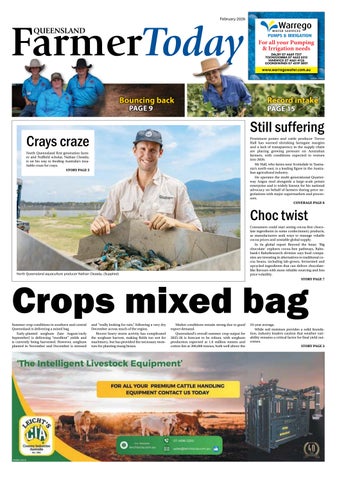
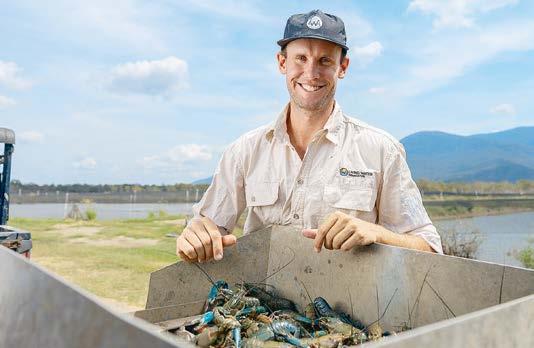
on his way to feeding Australia’s insatiable craze for crays.
PAGE 5


Prominent potato and cattle producer Trevor Hall has warned shrinking farmgate margins and a lack of transparency in the supply chain are placing growing pressure on Australian farmers, with conditions expected to worsen into 2026.
Mr Hall, who farms near Scottsdale in Tasmania’s north-east, is a leading figure in the Australian agricultural industry.
He operates the multi-generational Quarterway Angus stud alongside a large-scale potato enterprise and is widely known for his national advocacy on behalf of farmers during price negotiations with major supermarkets and processors.
COVERAGE PAGE 6
Consumers could start seeing cocoa-free chocolate ingredients in some confectionery products, as manufacturers seek ways to manage volatile cocoa prices and unstable global supply.
In its global report Beyond the bean: ‘Big chocolate’ explores cocoa-free pathways, Rabobank’s RaboResearch division says food companies are investing in alternatives to traditional cocoa beans, including lab-grown, fermented and upcycled ingredients that can deliver chocolatelike flavours with more reliable sourcing and less price volatility.
PAGE 7
Summer crop conditions in southern and central Queensland is delivering a mixed bag.
Early-planted sorghum (late August/early September) is delivering “excellent” yields and is currently being harvested. However, sorghum planted in November and December is stressed
and “really looking for rain,” following a very dry December across much of the region.
Recent heavy storm activity has complicated the sorghum harvest, making fields too wet for machinery, but has provided the necessary moisture for planting mung beans.
Market conditions remain strong due to good export demand.
Queensland’s overall summer crop output for 2025-26 is forecast to be robust, with sorghum production expected at 1.6 million tonnes and cotton lint at 390,000 tonnes, both well above the
10-year average.
While soil moisture provides a solid foundation, industry leaders caution that weather variability remains a critical factor for final yield outcomes.
STORY PAGE 3

WOMEN IN AGRICULTURE pages 15-16
QERA AWARDS pages 24-26
RECIPE page 27
CLASSIFIEDS pages 28-29
MARKET ROUND-UP page 31
SPORT pages 29-30, 32
By Jessica McGrath
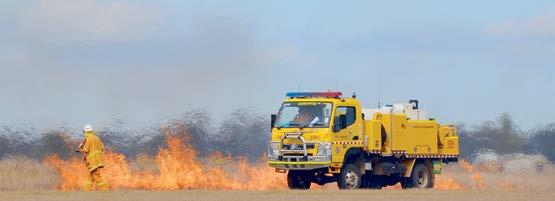
Restoring and protecting Queensland’s natural landscapes will be a focus for several projects this year.
The Queensland Government announced its support for 10 new projects just before Christmas, with the projects receiving funding under the $117.8 million Natural Resource Management Expansion Program.
Address: 154-156 Haly Street
Kingaroy 4610
Telephone: 07 4182 0450
Website: QueenslandFarmerToday.com.au
CONTACT US
Editorial:
Email: newsdesk@QueenslandFarmerToday.com.au
Advertising:
Email: advertising@QueenslandFarmerToday.com.au
Classifieds:
Phone: 07 4182 0450 or 1300 666 808
Email: sales@networkclassifieds.com.au
EDITORIAL
Fiona Gowers Editor
E: fiona.gowers@QueenslandFarmerToday.com.au
Breanna Lloyd Journalist
E: breanna.lloyd@QueenslandFarmerToday.com.au
ADVERTISING
Jane Lowe Sales & Marketing
E: jane.lowe@QueenslandFarmerToday.com.au
P: 0408 488 609
Jodie Williams Sales & Marketing
E: jodie.williams@WesternDownsToday.com.au
P: 0401 377 140
Jemma Wilson Sales & Marketing
E: jemma.wilson@BurnettToday.com.au
P: 07 4182 0458
Gayle Hopes Sales & Marketing
E: gayle.hopes@TodayNewsGroup.com.au
Queensland Farmer Today is published monthly and part of the Today News Group. Published by South Burnett Today Pty Ltd ACN 641 796 349.
Publisher: Damian Morgan
Managing Director: Daniel Pelcl.
All material is copyright to South Burnett Today Pty Ltd. All significant errors will be corrected as soon as possible. For our terms and conditions please visit QueenslanFarmerToday.com.au/terms-and-conditions/
More than $51 million has been allocated between the 10 new projects are designed to help protect Queensland’s land, water and biodiversity assets for future generations, with projects ranging from reducing feral pig numbers in north-west Queensland to habitat protection for threatened species in south-east Queensland.
Dale Last, Queensland’s Minister for Natural Resources and Mines, said the investment in regional environmental programs allowed local knowledge to be put to work to deliver real results on the ground.
“This investment is about backing local NRM organisations who know their regions best and giving them the tools to get results on the ground,” Mr Last said.
Mr Last noted it had been a while since Queensland’s Natural Resource Management Groups had sufficient funding.
“Through our $117.8 million Natural Resource Management Expansion Program, the Crisafulli Government is focused on practical action to strengthen Queensland’s natural environment and support regional communities,” he said.
“This program has been a game-changer, providing unprecedented support to protect our natural assets, tackle environmental challenges, and empower local organisations to make a lasting impact.”
NRM Regions Queensland CEO Chris Norman shared this overall Natural Resource Management Expansion Program was designed to strengthen the regional capacity, and deliver crucial long-term environmental outcomes across the state.
“We’re thrilled to be delivering the Natural Resource Management Expansion Program in collaboration with the Queensland Government and we’re ready to work alongside regional communities to deliver outcomes for the environment and for the economy,” he said.
“Natural resource management, at its core, is about bringing people together to care for our natural assets – our land and soil, our water, and our precious biodiversity.”
Burnett Mary Cool Burn Squad
The Burnett Mary Regional Group has been allocated $10.1 million for their ‘Burnett Mary Cool Burn Squad: Protecting Agricultural Lands Through Proactive Fire Management project.
The group has a presence in the Wide BayBurnett-Mary area, and regularly collaborates with the North Burnett, Bundaberg, Cherbourg and South Burnett regional councils.
The Burnett Mary Cool Burn Squad project is designed to protect 50,000 hectares of prime agricultural lands from destructive wildfires, and enhance landscape resilience.
The project also aims to help improve soil health and preserve biodiversity by undertaking cool burns to reduce fuel loads and wildfire intensity and extent.
Healthy Land and Water projects
South-east Queensland group Healthy Land and Water has received funding for three separate projects.
Their Theatened Species Resilience project will receive $250,648, to help improve habitat resilience and reduce key threats to vulnerable wildlife species, by undertaking threat reduction activities and improve fire management strategies.
Meanwhile, the Urban Rewilding project will be granted $8 million to strengthen the biodiversity and disaster resilience of urban and peri-urban areas across southeast Queensland by improving native vegetation and protecting threatened species by managing weeds, increasing native vegetation and protecting theatened species.
Finally, a further $4 million will go towards the Living Landscapes and Resilience program designed to target streambank restoration to increase flood resilience, safeguard agriculutral land and support the regeneration of native vegetation along Laidley Creek.
Desert Channels Queensland
A total of $8.3 million will go towards rangeland recovery in the Mitchell Grass Downs and Channel Country bioregion’s project.
This will see Desert Channels Queensland partner with land managers and local councils across the Thomson, Cooper Creek, Georgina and Diamantina River catchments.
The project will be designed to increase the extent of native grassland vegetation by 3,200 hectares by implementing improved land management practices.
It will also improve 23,100 hectares of wetland condition, protect threatened species by reducing the impact of feral pests and weeds, and finally, improve 350,000 hectares of land condition by improving grazing land management practices.
Southern Gulf NRM
Southern Gulf NRM have scored Natural Resource Management Expansion Program funding for three projects.
The organisation was allocated $6.8 million for their Invasive Biosecurity Outcomes for the Southern Gulf Region project, which will help improve land condition by controlling weeds and feral pigs in the Flinders catchment.
A total of $2.6 million was assigned to the Protection of the Gulf Snapping Turtle in the Southern Gulf project. This will see Gulf Snapping Turtle nesting sites and habitats in the Burke Shire area protected by controlling feral pigs.
Finally, $2.3 million will fund the Feral Pig Reduction for Improved Wetland Health in the Southern Gulf Region project. This will see work done on 10 properties to control feral pigs and their impacts on waterways.
Cape York NRM
The Cape York NRM group scored funding for two projects from the program.
A grant of $5.4 million will support the Cape
York Wetlands and Native Vegetation Resilience project, which will see a partnership with Cape York land managers to undertake landscape scale control of weeds and feral animals resulting in the improved condition of 10,000 hectares of wetlands, and 10,000 hectares of native vegetation. Finally, the Cape York Wildfire Resilience project received $3.5 million from the program to increase wildfire resilience across 40,000 hectares.
A show of resilience
This year has already tested Australian farmers in ways few other industries ever experience.
From destructive bushfires in Victoria to widespread flooding in northern, northwest and central Queensland, many producershavefacedlossesthatgobeyondbalance sheets - their homes, livestock, fences, crops and months - sometimes years - of back-breaking hard work.
Yet, if there is one constant in Australian agriculture, it is the determination to get back up and to keep going. Keep pushing.
In Victoria, farmers walked through blackened paddocks, counting dead stock and rebuilding fences as soon as it was safe.
In Queensland, producers waited for flood waters to recede, then began the arduous task of restoring access, salvaging what they could and planning for the next planting or muster.
The scale of the damage has been huge, but so too has been the response.
What stands out - time and time and time again - is the strength of rural communities. Neighbours arrive with machinery, fencing gear, food and simple offers of help. Local contractors delay their own work to help others. Towns rally with fundraisers and fodder drives, not because they have to but because that is what country people do. Farmers understand risk more than most. They work with the seasons, knowing that drought, fire and flood are part of the landscape. But acceptance does not mean surrender. It means adapting, rebuilding and pushing forward, even when the task feels overwhelming.
After another month of natural disasters, Australian farmers have again shown that while fire and flood may knock them down, in the immortal words of 1990’s rock band Chumbawamba, “You’re never gonna keep me down“.
- Fiona Gowers

By Fiona Gowers
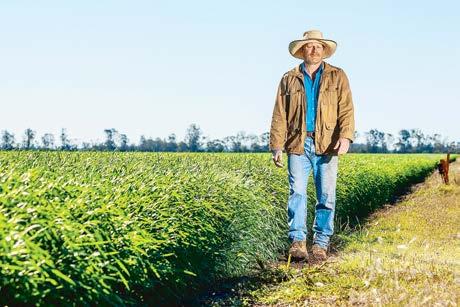
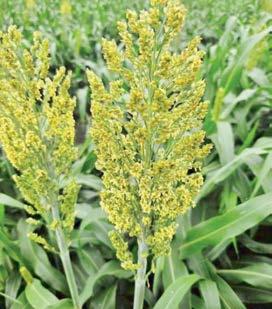
Summer crop conditions across southern and central Queensland are proving to be a mixed bag, with early-planted sorghum delivering strong yields while later crops are increasingly dependent on follow-up rain, according to Southern Downs grower and AgForce Grains president Brendan Taylor.
Mr Taylor said sorghum planted in late August and early September was now being harvested, with yield results exceeding expectations.
“Any of the sorghum that was planted back in early September or even late August is probably just starting to be harvested now and the yields are excellent,” he said.
However, he said December was very dry across much of the region, placing pressure on crops planted in November and December.
“The last month or so it’s been very dry, so the sorghum planted in November and December is really looking for rain.
“Some places have had it, some places have had way too much rain, particularly in central Queensland, while others are still waiting for anything of substance.“
Recent storm activity has delivered heavy falls in some districts, with totals of 100 to 120 millimetres recorded in parts of the Southern Downs over the past few weeks.
While welcome for soil moisture and groundwater recharge, the rain has complicated harvest operations.
“It has allowed us to plant some mung beans, which is great, but it’s hindering our sorghum harvest because we can’t get into the paddock while it’s still so wet underfoot,” Mr Taylor said, adding growers were now waiting for a dry window to re-

sume harvesting.
Despite the seasonal variability, market conditions remain favourable, with strong export demand supporting prices.
“The sorghum market is really strong at the moment, with good export demand for Australian sorghum, which has kept the market pretty solid,” he said.
Mr Taylor said variable storm patterns were typical for this time of year, but could be frustrating for growers trying to balance planting and harvest.
“It is a big gamble. Some storms hit and others
miss and that’s just part of farming,” he said. Sorghum and cotton on track, weather key to yields
Queensland’s summer crop output is forecast to be robust in 2025-26, even if total production edges lower than the record levels of last season.
Sorghum production is expected to sit at about 1.6 million tonnes, 35 per cent above the decade average, buoyed by favourable soil moisture and timely rainfall during planting windows, particularly in southern cropping regions such as the Darling Downs.
Cotton lint production is also forecast to remain strong, with some 390,000 tonnes expected in Queensland - about 20 per cent above the 10year average - despite a modest reduction in area planted and slightly lower expected yields than last season’s near-record outcome.
Industry agronomists say the crop development to date reflects a mixture of dodging severe dry spells and benefiting from well-timed precipitation.
One said crop conditions in parts of central Queensland had been “pretty good” overall, noting that recent rains in central districts have slowed harvest access but are not expected to hurt final crop quality.
Outlook - weather remains a critical factor
While the Bureau of Meteorology’s outlook suggests a mixed rainfall picture for the coming months, average to above-average soil moisture from recent rains has provided a solid foundation for summer crop growth.
However, agricultural leaders caution that weather variability will continue to influence yield outcomes, particularly as crops reach critical stages later in the season.
“With timely rainfall and soil moisture currently supporting crops, there’s optimism across many districts,” said one industry adviser, “but growers know how quickly conditions can change, and they’re monitoring forecasts closely.”
In summary, summer crop progress in southern and central Queensland reflects resilience in the face of variable conditions, supported by strong seasonal starts, prudent agronomy and a mix of rainfall patterns that have, so far, helped the region maintain production prospects well above longer-term averages.

North Queensland farmers are showing extraordinary resilience, but we cannot mistake resilience for invincibility.
Behind that strength are families facing real losses, exhaustion and immense pressure from prolonged flooding and severe weather, with many still assessing the full extent of the damage.
To help communities navigate these challenges, Rural Aid is calling on all primary producers to register for support, ensuring assistance –from hay and water for livestock to financial and mental health aid – can be delivered promptly to help farmers protect their livelihoods and recover quickly.
Large parts of North and northwest Queensland were already experiencing significant flooding before recent heavy rainfall, including rain associated with Ex-Tropical Cyclone Koji, which has added to flood levels in some areas, extended isolation and delayed recovery efforts.
From grazing country to fruit-growing regions, producers are facing flooded properties, stock losses, damaged crops, washed-out fencing, impassable roads and prolonged isolation.
While communities are rallying together in the face of another major weather event, Rural Aid warns that the scale of damage and ongoing uncertainty means support is needed now and, in the weeks ahead.
Rural Aid chief executive officer John Warlters said North Queensland farmers were once again showing extraordinary resilience, but resilience alone was not enough.
“Even the toughest communities face limits,” Mr Warlters said.
“Farming families are under intense pressure from ongoing flooding and severe weather, managing losses, disrupted operations and the stress that comes with uncertainty.
“That’s why it’s so important for producers to register with Rural Aid – so we can provide practical support when it’s needed most.”
Mr Warlters said the flooding was affecting multiple agricultural sectors.
“North Queensland produces so much of Australia’s food and fibre – from prime Angus beef in Winton, to Bowen’s mangoes and Mackay’s sugarcane – and all of these vital industries are under pressure from flooding and cyclone damage,” he said.
“Many producers are still assessing the full extent of the damage, which is exactly why registering with Rural Aid is so important, it allows us to act quickly and deliver the right support as soon as it’s safe to do so.”
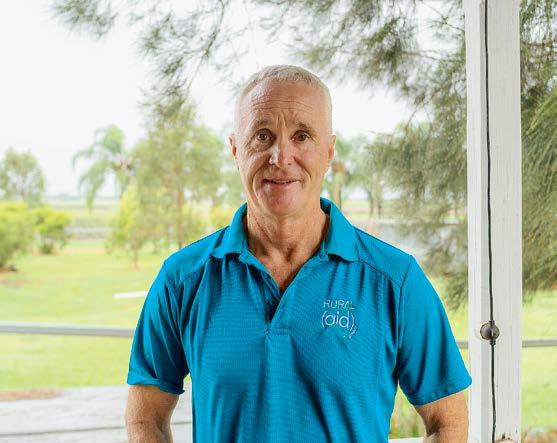
Rural Aid is actively responding on the ground, with hay already on the move and logistics underway to deliver feed and essential supplies to affected producers as soon as access is possible.
The charity is also continuing to provide mental health and wellbeing support, recognising the emotional toll that prolonged and repeated disaster events place on farming families.
“Natural disasters don’t just damage land and livestock – they take a heavy toll on mental health,” Mr Warlters said.
“Our counsellors are available and our team is checking in with farmers to make sure no one is facing this alone.”
Rural Aid provides a comprehensive range of free, confidential services to registered primary producers, including:
• Financial assistance for urgent and unexpected expenses
• Professional counselling and wellbeing support for farmers and their families
• Emergency hay deliveries to support livestock
• Water deliveries for drinking and household needs,
• and Volunteer assistance through the Farm
Army program for response and recovery. All primary producers affected by flooding across North Queensland are strongly urged to register now at faa.ruralaid.org.au or by calling 1300 327 624.
“Even if you’re managing for now, registering puts you on our radar,” Mr Warlters said.
“It means when the water recedes and the real work begins, we can be there to provide practical support and work alongside you for the long haul recovery.”
By Fiona Gowers
As Australians settle into the new year, rural and remote communities are being encouraged to pause, reflect and make their health a priority by scheduling regular check-ups and addressing any lingering concerns.
Health leaders say the beginning of the year is an ideal time to take proactive steps towards prevention, whether that means booking a routine appointment or following up on symptoms that may have been overlooked during busy months.
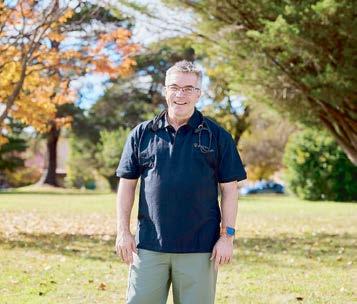
Australian College of Rural and Remote Medicine (ACRRM) president Dr Rod Martin said the new year offered a natural opportunity to reset personal health goals and focus on long-term wellbeing.
“Many of us make New Year’s resolutions that come and go,“ Dr Martin says. “Prioritising your health is one of the most important commitments you can make.
“We all lead busy lives, but taking the time to check in on your health — rather than ignoring those aches, pains or warning signs — can make a real difference.”
Evidence continues to show that people living further from metropolitan centres face higher risks of chronic conditions, including heart and kidney disease, diabetes, stroke and some cancers.
“Where you live should not determine how healthy you are,” Dr Martin says. “But we know
that for rural and remote Australians, health risks increase with distance from major cities.”
Dr Martin said one of the strengths of regional healthcare is access to highly trained rural generalists — doctors who deliver comprehensive care close to home and understand the unique challenges facing rural communities.
“Rural generalists provide a broad scope of care that goes well beyond standard general practice,” Dr Martin says.
“This includes chronic disease management, women’s and men’s health, preventive screening, emergency care mental health support, and more — all tailored to the needs of their communities.”
He said early health checks could help identify potential issues before they become serious, reduce the likelihood of hospital admissions and support people to remain active, productive and independent.
“Booking a health check early can help detect issues sooner, reduce the need for hospitalisation and support people to stay active and well.
“Put preventative care on your to-do list before something else gets priority.“
Dr Martin encouraged rural residents to take advantage of local healthcare services and make preventative care part of their routine for the year ahead, reinforcing the message that small actions taken early can deliver long-term benefits for individuals, families and communities.
By Fiona Gowers
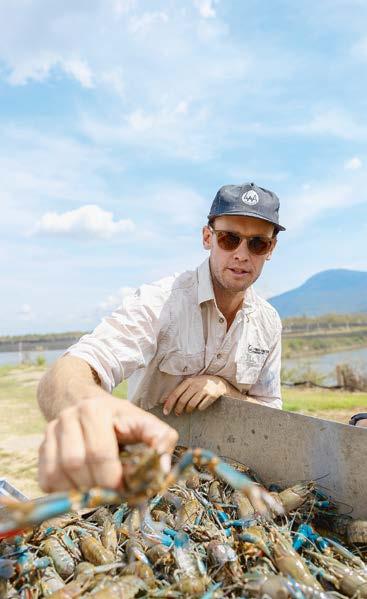
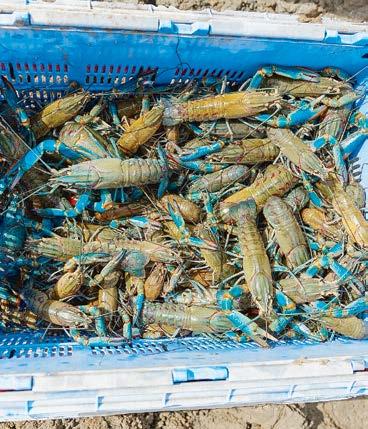
Five and a half hectares of ponds stand between North Queensland aquaculture producer Nathan Cleasby and his goal of building the largest redclaw crayfish farm in Australia.
Based at Majors Creek, about 50 kilometres west of Townsville, Mr Cleasby is trialling different pond designs to determine the most efficient production system for large-scale redclaw farming.
“We’ve got a small industry standard pond, a larger square prawn pond and an even larger rectangular pond, so what we’re doing is figuring out what the ideal pond looks like for a large redclaw crayfish farm,” Nathan said.
Alongside pond design, he is also working with research partners to fine-tune production methods.
“We’ve got a lot of other questions to answer. We’ve got to look at feeding, we’ve got a project with the CSIRO and we’ve got a project with the university here looking at nursery stages.
“Once we’ve answered those questions and we’re confident in our production, we’ll look to expand and build the biggest redclaw crayfish farm in Australia.”
Mr Cleasby said strong domestic demand was driving expansion plans, with current production often selling out before reaching wider markets.
“Normally it’s gobbled up locally before we
can send it out. We do have interest from overseas. We’re working on some export permits.“
The farm was established with the support of a concessional First Start Loan from the Queensland Rural and Industry Development Authority (QRIDA), which helped fund both the land purchase and pond construction.
“Aquaculture farms are pretty few and far between, so it was difficult to find the right site,” Nathan said.
“Having this facility where we could borrow money to buy the farm, without overstating it, probably allowed us to do what we are doing now.”
Despite holding a Master of Aquaculture and completing a Nuffield Farming Scholarship, Mr Cleasby said purchasing a farm was new territory.
“I’m what they call a ’first-generation farmer’, so understanding how it works to buy a property and how to finance it was all very new to me. I was very lucky to have Angelo, our regional area manager, come out multiple times and explain the process.“
QRIDA North Queensland regional area manager Angelo Rigano said the niche nature of aquaculture added complexity to the loan application.
“Needless to say, I was quite impressed with Nathan’s depth of industry knowledge and what he wanted to achieve and how he wanted to get
there,” Mr Rigano said.
“QRIDA is well-known as being a specialist financier to Queensland farmers. We have a broad appetite for all sorts of industries that are primary producer-based in Queensland.”
From hatchery to plate, Mr Cleasby said the connection with customers remained one of the most rewarding aspects of the business.
“I really like the connection with the restaurants. I like taking care of the animals from really small to grown. I enjoy going into the kitchens and delivering to our regulars and seeing their creative juices flow and the dishes they create.
“I’d definitely recommend QRIDA. Especially for a first-generation farmer to get some land that you can sink your teeth into and get going initially with such a higher capital cost.”

30.5-32 Chains............$4800 Pair
23.5 5-25 24ply .......................$1425 NOKIA 540 - 65R -28............$1500
1. Michelin 20.5R -25..............$440
35.65R .33 D/Coin L5..........$8900
1000 x 20 16ply + tube.........$1100
17.5 - 25 24Ply........................... $1320
1800-25 40Ply.........................$2200
29.5 -25 34Ply.........................$3085
29.5 R 25 D/Coin ...................$4500
11.2 x 24 12ply ............................$395
460 85R - 38.............................$1600
23.5 - 26 16ply Logger .......$3520
900 70 R 32 ..............................$4850
16.9 - 28 14 ply B/hoe ............$850
18.4 x 28 12ply - B/hoe......$1045
24.5 - 32 20ply Logger .....$2920
225 - 70 R22.5 Truck ............$225
30.5 - 32 26ply Logger ......$3500
x 20

-24 16Ply Grader..........
-20 18Ply + T ...................$460
295.80 R22.5...............................$330 1100 R -20 + tube.....................$245 275.70 R.22.5..............................$236 11R 22.5 ..........................................$245 600-70 R30 ..............................$1760 540 - 65 R30 ...........................$1500 12.4 -28 12

By Fiona Gowers
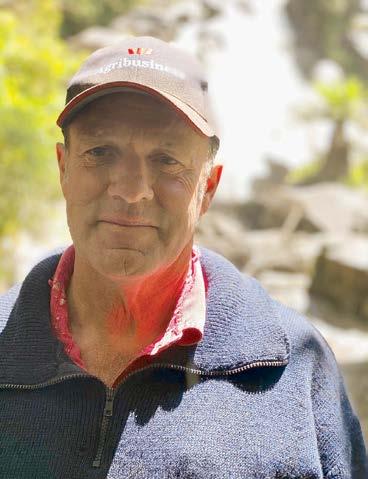
Prominent potato and cattle producer Trevor Hall has warned shrinking farmgate margins and a lack of transparency in the supply chain are placing growing pressure on Australian farmers, with conditions expected to worsen into 2026.
Mr Hall, who farms near Scottsdale in Tasmania’s north-east, is a leading figure in the Australian agricultural industry.
He operates the multi-generational Quarterway Angus stud alongside a large-scale potato enterprise and is widely known for his national advocacy on behalf of farmers during price negotiations with major supermarkets and processors.
Speaking about the widening gap between what farmers are paid and what consumers outlay at the checkout, Mr Hall said profitability at the farmgate remained the industry’s most pressing issue.
“Profitability is the main issue for farmers and what farmers are paid at the farmgate compared to what families pay at the checkout,” Mr Hall said, adding that many consumers were unaware of the disparity.
“Families are unaware due to the lack of transparency and also farmers’ lack of bargaining power.“
Mr Hall said current potato prices were unsustainable, despite strong consumer demand and rising production costs.
“I am earning $500 a tonne for potatoes but that really needs to be $700 a tonne to continue,” he said.
He said escalating input costs, including machinery, fertiliser and labour, were putting intense strain on growers, particularly in the vegetable sector.
“On the vegetable side of things, the vegetable industry in Australia is going to struggle because our input, machinery and labour costs are so dear.“
While larger producers may be able to absorb some of the impact, Mr Hall warned that smaller growers were increasingly vulnerable.
“But a lot of the smaller vegetable growers will take the impact and so we will bear the brunt, meaning conditions in 2026 will only get worse,” he said.
As both a producer and industry advocate, Mr Hall has consistently pushed for reforms that strengthen farmers’ bargaining power and improve transparency between processors, retailers and growers.
He said without meaningful change, Australia risked losing family farms that had operated for
generations.
“Farmers want to keep producing food for Australian families,” he said. “But we need pricing structures that reflect the real cost of production if the industry is to remain viable into the future.”
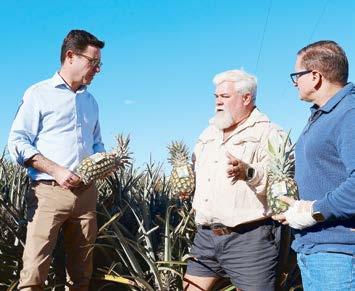
Leader of The Nationals David Littleproud said farmers would still be hurt in 2026 at the hands of big supermarkets, after Labor had failed to act and fully implement its Australian Competition and Consumer Commission price inquiry
report.
This is despite Labor saying before the election, it would first implement the ACCC recommendations.
It is now almost 300 days since the report, however, and hardly any recommendations have been implemented.
Prior to the election, Prime Minister Anthony Albanese promised:
“We will, if we are elected, implement firstly the ACCC’s supermarket inquiry recommendations. That’s about improving transparency.”
Mr Littleproud said farmers continued to have margins squeezed and, with 40 per cent of vegetable farmers considering leaving the industry, this was of great concern to Australia’s farmers and food security.
“Action should have been taken by now,” Mr Littleproud said.
“The large supermarkets are the market, which means suppliers still have little bargaining power and can still be treated unfairly.
“This will have enormous implications in 2026 because fresh food suppliers are particularly vulnerable in negotiations with large supermarkets.
“Also, training of farmers and suppliers to understand their rights under the mandatory food and grocery code of conduct and to build their capacity to negotiate with supermarkets won’t begin until at least February, nine months since Labor promised to implement it.
“That’s why The Nationals are calling for divesture powers. We need big stick legislation to hold supermarkets to account and so a future Coalition government will introduce big stick competition laws, ensuring fairness for families and farmers.
“We also need stronger on the spot fines of $2 million and audits at any time of supermarkets, as well as a Supermarket Commissioner, to act as a confidential avenue for farmers and suppliers to also address the fear of retribution.
“This would be a game-changer for farmers and suppliers because it would change culture and protect those who need it most.”
Mr Littleproud added the Albanese Labor Government took more than two years to make the Food and Grocery Code mandatory after it was called for by The Nationals and then three months to get a price inquiry after The Nationals called for it.
“Now, in 2026, the implementation of the recommendations from the price inquiry are still taking time - the urgency is just not there,” Mr Littleproud said.
By David Littleproud, Maranoa MP and Leader Of The Nationals
As families head to the supermarkets in 2026, they will probably realise that since Labor promised big action, to make prices fair, little has changed and costs continue to climb.
The sad reality is that once again this year, families will be forced to shop without supermarket transparency in 2026.
This is because Labor has failed ensure that large supermarkets enable ‘dynamic’ price information this year, similar to dynamic fuel pricing, to make sure families get the cheapest prices.
We all look for the cheapest petrol prices each week – why can’t it be the same with groceries?
This was a key recommendation into the Australian Competition and Consumer Commission’s (ACCC) supermarket inquiry.
The change would also increase supermarkets’ incentives to compete more on price and assist the consumer to get value for money.
However, Labor has not only been too slow, it hasn’t even taken any action.
In the meantime, since Labor formed government, average household items, such as bread, fruit, eggs, oils, snacks and coffee have soared by more than 20 per cent.
In fact, the price of almost every grocery item has gone up during a cost-of-living crisis and families are hurting.
The problem is also that wages haven’t gone up by 20 per cent, they are back to 2011 levels,
which means going to the supermarket is financially hurting families.
Another key concern from consumers was ‘shrinkflation’.
The ACCC recommended the supermarkets should be required to publish notifications when package size changes – another crucial issue that is yet to be implemented.
These types of practices take advantage of consumers and should have been implemented by now as it is almost 300 days since the price inquiry report.
Prior to the election, Prime Minister Anthony Albanese promised:
“We will, if we are elected, implement firstly the ACCC’s supermarket inquiry recommendations. That’s about improving transparency.”
It has been more than three years since The Nationals called for Labor to be tougher on the supermarkets, but not much has happened, except food prices have gone up and farmers are struggling with higher costs and lower margins.
The Nationals are calling for divesture powers.
We need big stick legislation to hold supermarkets to account and so a future Coalition government will introduce big stick competition laws, ensuring fairness for families and farmers. We also need stronger on the spot fines of $2 million and audits to be able to occur at anytime, as well as a Supermarket Commissioner, to act as a personal confidential avenue for farmers and suppliers to also address the fear of retribution.
This would be a game-changer for farmers and suppliers because it would change culture and protect those who need it most.
Labor’s broken promise is costing families at the checkout over the New Year season. That’s why every time you receive your supermarket docket, it should have Anthony Albanese’s face on it.
By Fiona Gowers
Consumers could start seeing cocoa-free chocolate ingredients in some confectionery products, as manufacturers seek ways to manage volatile cocoa prices and unstable global supply.
In its global report Beyond the bean: ‘Big chocolate’ explores cocoa-free pathways, Rabobank’s RaboResearch division says food companies are investing in alternatives to traditional cocoa beans, including lab-grown, fermented and upcycled ingredients that can deliver chocolatelike flavours with more reliable sourcing and less price volatility.
With the global cocoa market experiencing its most turbulent period in decades due to climate impacts and supply disruptions, the report says cocoa-free innovation “is moving from niche experiments to strategic initiatives”.
“Today cocoa-free (chocolate product) volumes are negligible, but partnerships between startups and major food companies show that diversification is shifting from niche experiments to a more deliberate part of the innovation agenda,“ RaboResearch says.
The report notes, however, that cocoa substitutes are unlikely to appear in standard or premium chocolate bars in the near future and will instead be used mainly in compound chocolate products such as coatings, fillings and inclusions in confectionery, bakery items and desserts.
“Core chocolate formats remain the hardest to replicate, so early adoption will concentrate on compound applications,” it says.
The report describes cocoa’s future as “under strain”, pointing to climate and disease pressures, supply disruption, price volatility and tightening deforestation regulations.
Cocoa prices surged to a record USD11,900 per metric tonne in late 2024 — more than four times the historical average — before easing in late 2025, but still remain about double 2023 levels, according to RaboResearch analyst Paul Joules.
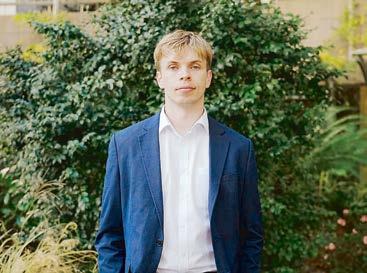
And for Australia, he said, “these high prices have been felt in consumers’ hip pockets, coming through in increased chocolate prices”.
Behind the volatility are what the report describes as deeper “systemic challenges”.
Cocoa is grown mainly in equatorial regions, with West Africa supplying more than 60 per cent of global production.
Recent seasons have seen erratic weather, prolonged droughts and disease outbreaks such as swollen shoot virus, with Cote d’Ivoire and Ghana experiencing sharp yield declines.
Sustainability pressures are also increasing,
with cocoa farming linked to deforestation and biodiversity loss, while climate models suggest up to 50 per cent of current growing areas could become unsuitable by 2050 without adaptation.
For manufacturers, RaboResearch says the recent price shocks have forced major changes. “Procurement strategies have been upended, margins squeezed and reformulation accelerated,” the report says, helping drive interest in cocoa-free alternatives.
RaboResearch identifies three main technological pathways being explored by global suppliers and major food companies: lab-grown cocoa, fermentation-based substitutes and upcycled in-
gredient systems.
“Each track strikes a different balance between the sensory performance of its end product, its scalability and its environmental impact,“ Mr Joules said.
Lab-grown cocoa uses plant cell cultures in bioreactors to produce cocoa powder and butter without farming.
“It is the only cocoa-free technology that offers a theoretical route to chocolate ‘bar-grade’ sensory experience and long-term supply security, but it is still in the pilot stage,” Mr Joules said.
“In theory, lab-grown cocoa is identical to cocoa, but it is a long-horizon play that is still highly experimental. Consumer acceptance is untested and there are significant hurdles of cost, scale and regulatory approval.”
Fermentation-based methods use ingredients such as oats, sunflower seeds, carob, fava beans, barley and grape seeds to create chocolate-like flavours and are currently the most advanced for near-term applications.
Mr Joules said these were better suited to coatings and fillings rather than premium chocolate bars.
“While fermented solutions deliver chocolatelike profiles, there is a challenge replicating the rich, complex flavour of traditional chocolate, especially for premium products,” he said.
Upcycled solutions repurpose agricultural byproducts, such as brewers’ spent grain, into cocoa-like ingredients for high-volume compound chocolate uses, offering both sustainability and cost advantages.
Despite the innovation, RaboResearch says cocoa will remain central to chocolate production.
“Cocoa remains the backbone of chocolate — its taste, authenticity and emotional pull are hard to replicate,” the report says, adding that “this is not about replacing cocoa — it’s about creating options that add resilience, support cost stability, sustainability and flexibility”.

By Jane Lowe
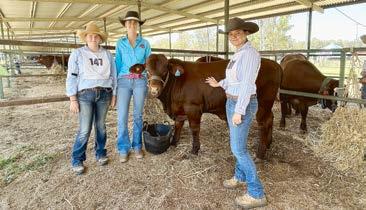
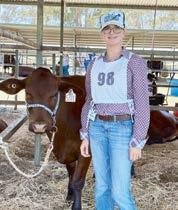
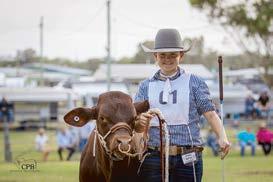
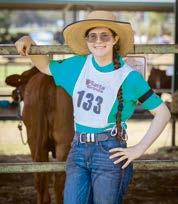
Tilly Hanson, a bright and enthusiastic participant from Clifton, Queensland said her primary motivation for attending the Santa Gertrudis National Youth Cattle Camp was to deepen her knowledge and practical skills in cattle management and the art of showing livestock.
Reflecting on her experience, Tilly commented on the sheer volume of information she absorbed during the camp, noting that she learned a great deal, especially concerning the hands-on techniques of handling cattle.
Beyond the practical aspects, a particular insight stood out to her as the most significant lesson of the camp: the profound potential contained within a single, small DNA sample.
“One of the most important things I learned,“ Tilly shared, “was that from one little DNA sample
you could learn so much about the genetics of the animal.“ She was particularly struck by the power of this technology to provide detailed genetic insights and, crucially, to enable the prediction of valuable information regarding the animal’s future traits and performance. This knowledge, she believes, holds significant implications for the future of selective breeding and herd improvement.
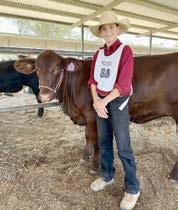
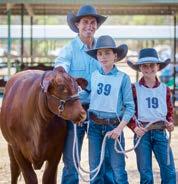
Hamish Whitty, 13, from Forbes had one of the best weeks of his life.
Hamish said he thoroughly enjoyed working with cattle and found the environment at the Santa Gertrudis National Youth Cattle Camp to be an exceptional setting for learning from industry leaders, camp organisers and his equally enthusiastic peers.
Hamish’s grandfather owns a Santa Gertrudis stud and his parents maintain a commercial
$78,000 + GST
cattle operation near Forbes, NSW. He described the opportunity to learn directly from farmers and industry experts as an invaluable experience.
Hamish particularly appreciated the lectures and the chance to hear from various companies, gaining insight into their operations and potential future career pathways within the sector.
Lexi Milbank, a dedicated 18-year-old from Bundaberg, has embraced a new role as a camp leader, a natural progression after years of enriching experiences at the camp. Having been an active participant for the last four consecutive years, Lexi’s decision to return in a leadership capacity stems from the profound positive impact the previous camp leaders had on her.
Lexi shared that the leaders she encountered throughout her time as a camper created an in-
credibly supportive and genuinely fun environment. This nurturing atmosphere not only enhanced her camp experience but also served as a strong inspiration for her personal development and eventual desire to give back. The inspiration she received from those dedicated individuals has now fueled her commitment to step into their shoes.
As a camp leader, Lexi is eager to pay forward the positive experiences she received. Her primary aspiration is to become a source of inspiration and support for the current cohort of young students, much like her former leaders were for her. She hopes that by fostering the same spirit of fun, encouragement and community, she can motivate other young attendees to potentially return as leaders in the future, thereby continuing the valuable tradition of the Santa camp.

By Fiona Gowers
Just before Christmas in 2024, 17-year-old Alex Wilson’s life changed in a flash.
A farming accident on his family’s Boonah property caused severe spinal injuries that hospitalised him for six months and left him a paraplegic learning to navigate life in a wheelchair.
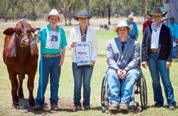
Last month however, Alex was back where he felt most at home — among cattle, friends and familiar faces at the Santa Gertrudis National Youth Cattle Camp, the very program where he once achieved the highest honour of Champion Herdsperson.
“Yeah, it’s been real good,” Alex said. “I suppose it has been a lot of catching up and what not … seeing people I haven’t seen for a while.”
For Alex, returning to the camp was about far more than competition.
“I’d say there hasn’t been just one highlight for me, it’s been a mix of everything,” he said.
“Because the camp is great for everyone, it’s just a wealth of knowledge and then, once you sort of move up into the older years, there’s a lot of networking and that type of thing to be done too.
“I think it’s just a really, really great event.“
Alex first attended the camp in 2019 as what he describes as a “naive little kid” who knew little about cattle. Over the years, the camp shaped his skills in stud and commercial judging but also his future ambitions in agriculture.
“I didn’t know much, but it’s definitely taught me a lot. And yeah, there’s just so much opportunity to come out of it. And it definitely does inspire young people a lot, I think, to move into the ag space and that sort of thing.“
Alex’s passion for cattle runs deep. The Wilson family has had Santa Gertrudis cattle for more than 40 years, alongside trading bullocks and, more recently, producing hay.
“We’ve just always found the Santas produced the best carcases so we’ve stuck with them ever since,” he said.
After winning the Champion Herdsperson award in 2023 , Alex took the next step, putting the family’s Santa Gertrudis stud in his own name and he began to build it himself.
Then came the accident.
“Just two days before Christmas in 2024 we were moving round bales and a stack came down,“ Alex said.
“The top one (bale) just caught me in the back and that sent me straight down onto the deck and I got lucky I landed in a spot where none of them crushed me because they’re 300 kilos each but it left me as a paraplegic in a wheelchair.“
The months that followed were the toughest of his life.
“The six months I spent in hospital were hell for me … just not being able to breathe fresh air or see green grass,” he said.
Yet Alex’s mindset never wavered.
“I sort of just picked up the mentality that you can’t go out and say, ‘woe is me’. After a while, you kind of just have to get up and get into it.”
Returning to the family farm became a powerful turning point.
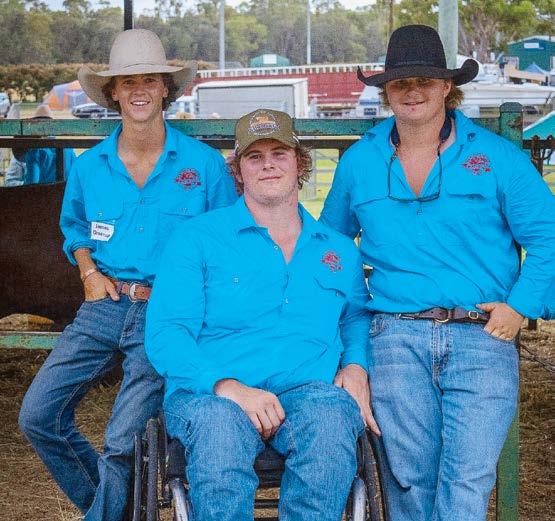
“The first time I went back, I think it was three months into my hospital stay and I got to go out there for a day, it was just so refreshing to breathe fresh air and see something other than concrete and bitumen.
“It was an absolute blessing for me to be able to go back to that property.”
Today, thanks to modified machinery and vehicles, Alex is again helping with stock work.
“About a month ago I got a new Hilux that I got modified, which is a very, very big help as I can actually get around to do stock checks and other odd jobs,” he said.
“We’re still currently in the works of organising a side-by-side and we’ve just started getting engineers to have the tractor modified so I can run that, too.
“There’s so much more technology and acceptance that you can still be useful.“
Alex finished school in November 2025 at McAuley College in Beaudesert and is now planning his next chapter — a dual degree in agriculture and law at the University of New England in Armidale, starting in 2026.
“As far as agriculture goes, I’ll be majoring in crop science, which would lead me to agronomy.
By Brad Cooper, Santa Gertrudis Breeders` Association General Manager
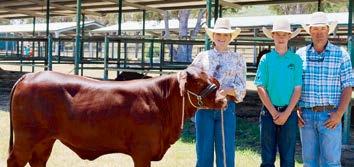
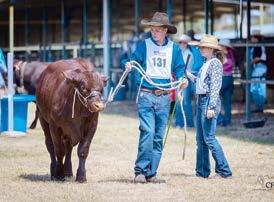
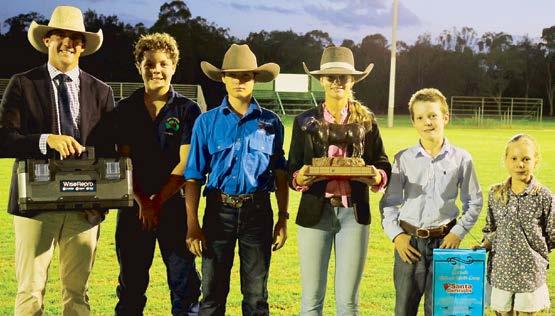
Budding cattleman Hunter Ellem of Baryulgil, NSW has taken home an exceptional purebred heifer to kickstart his Santa Gertrudis breeding program after claiming the Champion Herdsperson title at the Santa Gertrudis National Youth Camp.
Each year, the student who accumulates the highest aggregate score across prime judging, stud judging and the paraders competition is awarded a registered stud heifer – the most prestigious accolade of the four-day event.
Fifteen-year-old Hunter rose to the top of the age champions to secure Yulgilbar Velvet V265 (P), generously donated by the Myer and Baillieu families of Yulgilbar Stud.
In a fitting twist, Hunter’s parents, Brett and Lucy Ellem, manage Yulgilbar, meaning young Velvet will be staying right at home for the fore-
seeable future.
Yulgilbar Velvet V265 (P) is a well-balanced, feminine heifer displaying excellent body length, strong breed character and a tidy, structurallycorrect frame.
At just 14 months of age, she carries a naturally quiet, gentle temperament — ideal qualities for a young stockperson’s foundation female.
Her sire, Yulgilbar Quicksilver Q144 (PP), by Cardona Patterson, was retained by Yulgilbar as a studsireandcontinuestobeusedactivelythanks to his consistency and quality.
His progeny rank among the best of their year groups, including Yulgilbar Tiffany & Co, who has enjoyed a successful show career and several sons who have featured prominently in recent bull sales, selling up to $28,000. Velvet’s dam, Yulgilbar M975, is a highly functional and fertile cow with an impressive track record of six calves in six years, including a son retained by the stud.
“As far as the law goes, I don’t know if I’ll use it but I know that it’s there and it’s an option.“
For now, though, Alex is focused on reconnecting with the community that helped shape him and showing other young people what resilience truly looks like.
Indeed, last month at the Santa Gertrudis National Youth Cattle Camp - surrounded by cattle and mates - Alex Wilson wasn’t defined by what he’d lost but by the future he’s determined to build.
By Brad Cooper, Santa Gertrudis Breeders` Association General Manager
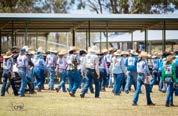
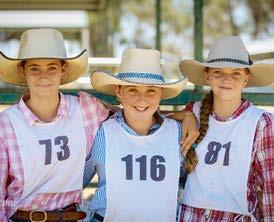
The Santa Gertrudis National Youth Camp is one of Australia’s longest-running and most respected cattle education events, dedicated to helping young people build confidence, develop practical livestock-handling skills and connect with others who share a passion for agriculture.
For more than 30 years, the camp has welcomed participants of all experience levels — from seasoned junior show competitors to complete beginners — providing hands-on learning in a friendly, inclusive environment supported by experienced mentors, volunteers and families.
The 2026 camp concluded on Saturday, 17 January and is widely regarded as the Society’s biggest and most successful yet, with 132 students participating and more than 360 people onsite across the four days.
Students took part in activities including parading, stud and commercial cattle assessment, rope tying, animal welfare and sessions on reproduction, fat and muscle scanning, DNA testing and working dog handling.
A highlight of this year’s event was Ella Phillips of Taroom - last year’s Champion Herdspersonbeing awarded the Sir James Walker Championship Trophy, recognising exceptional skill in stud cattle assessment and presentation.
Despite a brief shower on Friday evening, the camp ran smoothly, and the annual Youth Camp Auction raised more than $30,000 to reinvest in Santa
youth development initiatives for 2026.


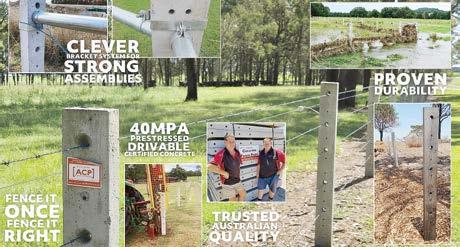
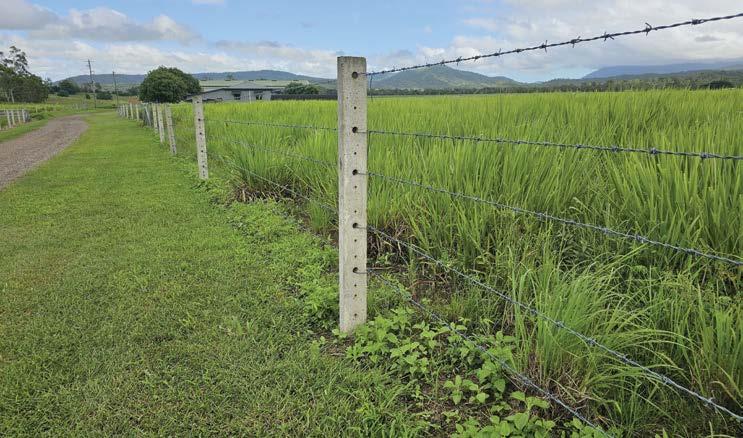
Australian Concrete Posts (ACP) stands as the nation’s lar gest manufacturer of prestressed concrete posts, renowned for their exceptional durability and quality. With a purpose-built factory, state-of-the-art manufacturing processes, and a team of experienced professionals, ACP ensures its posts meet the highest standards of strength and consistency.
Setting Industry Benchmarks ACP adheres to stringent compliance protocols, with regular inspections of its manufacturing processes and facilities. These rigorous standards ensure ACP products meet the requirements of relevant authorities and deliver top-tier performance in fencing applications.
Superior Concrete Composition ACP’s posts are crafted using a certified mix of concrete that includes a high ratio of evenly distributed and consistently sized stone, sand, and cement. This mixture is evenly vibrated and carefully cured to guarantee long-term strength and reliability.
Reinforced for Durability The internal structure of ACP posts features 5.05mm high-tensile strands made with high-carbon content. These strands resist rust and eliminate the risk of concrete cancer—a common issue in homemade posts that use inferior mild steel reinforcement. ACP’s precision-engineered reinforcement ensures lasting strength and protection against environmental damage.
Precision Engineering for Strength The reinforcing wires in ACP posts are positioned with meticulous accuracy to maintain consistent spacing and even concrete coverage. This precision prevents weak spots, ensuring the posts remain straight and durable during installation and over their lifespan. This attention to detail complies with Transport for NSW (TMR) certification, offering added assurance for public road fencing
and potentially simplifying insurance claims for boundary fencing.
The Power of Prestressing ACP employs advanced prestressing techniques similar to those used in constructing bridges and road infrastructure. High-tensile strands are pretensioned with several tonnes of pressure, compressing the concrete once the tension is released. This process provides flexibility, strength for driving posts into the ground, and enhanced resistance to moisture penetration. Larger, Stronger Posts ACP’s standard 130 Range post, measuring 130/70/60mm, is 18% larger than many competing prod-
ucts. This additional size and material make ACP posts stronger and more reliable for heavy-duty applications.
Innovative Assembly Brackets For constructing fences or trellises, ACP has developed a versatile bracket system that assembles like a “Meccano” set. The brackets ensure string assemblies as well as keep metal components off the ground, reducing the risk of corrosion and ensuring stability even with ground movement or impact.
Ideal for Organic Farming ACP posts are free from harmful chemicals, making them safe for use in organic farming. They pose no risk of con-
taminating soil or waterways, aligning with sustainable agricultural practices.
Long-Term Value With an expected lifespan of 80–100 years, ACP posts outlast timber, steel, and plastic alternatives, providing a sustainable and cost-effective solution. They are fireproof, termite and rot-resistant, and may contribute to reduced insurance premiums for fencing.
When it’s time to build or replace fences, Australian farmers can rely on ACP for a lasting investment. Fence it once, fence it right, never fence it again with Australian Concrete Posts!


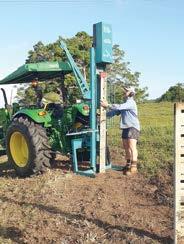



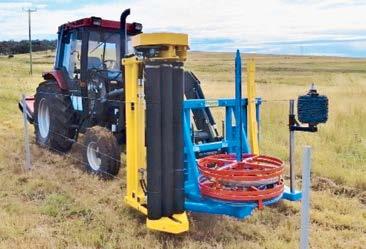
Starting in 1867, leading manufacturer, Munro Engineers has moved from tobacco presses, chaff cutters and conveyors into PostDrivers and WireWinders.
Munro first launched their revolutionary post driver in 1964.
In the five decades since, the Victorian company has sold thousands of its posthole drivers in Australia and across the world.
Company owner Warren McLean said the original Munro posthole driver was manufactured after a bet between two farmers about who could make the best posthole driver.
“The farmer who won the bet, Alastair Mackenzie, and his friend Max Brooke, an hydraulics engineer, approached my father Max McLean,“ Mr McLean said.
“We finished the design and manufactured the first model in 1964.
“It was the first machine in the world that combined an auger and a driver for installing posts.“
The popularity of the new posthole driver which revolutionised the art of fencing prompted Munro Engineers to specialise in fencing products.
“Our service and spare parts are second to none,“ Mr McLean said. “We really look after our customers, many of whom are repeat buyers.“
“The feedback from customers is about how long the machine lasts, how well it’s made and how well it does the job that it’s designed to do,“ Mr McLean said.
“Single man fencing contractors who have swapped to the AutoDriver say it’s increased their productivity, with some doubling the number of posts they are able to install in an hour.“
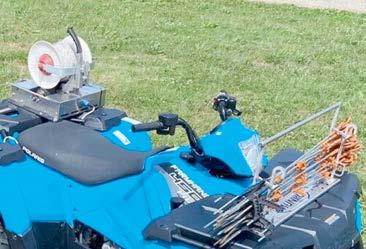
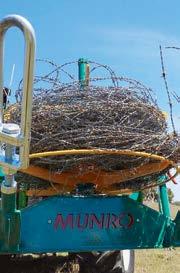
The recently introduced WireWinder is another great product manufactured by Munro.
Allowing users to coil 500 metres of fencing in under a minute the WireWinder is proving popular with both contractors and farmers.
A 300 acre dairy farm with a lane system was wound up in just over 2 days. This would take almost three weeks by hand.
For those involved in strip grazing Munro have now manufacture the FenceBoss temporary electric fence system.
This system is designed to make setting up and pulling down temporary electric fencing quicker, easier and safer. It prevents loss and damage to reels and pegs whilst making transporting them a breeze.
• For information on these products contact Munro Engineers - info@munroeng.com P: 03 5334 2770
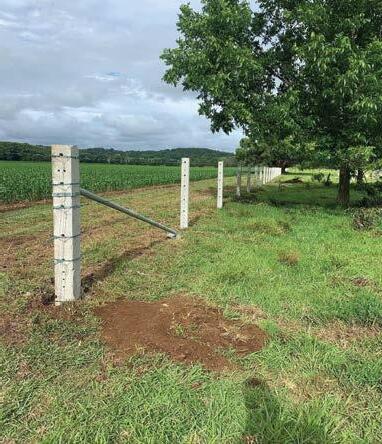
Fencing after floods and fires is one of the most urgent and challenging tasks facing landholders in the aftermath of a natural disaster.
For many primary producers, secure fencing is critical to containing livestock, protecting pastures and restoring day-to-day operations as quickly as possible. The process generally begins with immediate temporary solutions, followed by a detailed assessment of damage and, ultimately, a staged rebuild designed to be stronger and more resilient than before.
In the immediate aftermath of floods or fires, safety and stock control are the top priorities.
Landholders are advised to thoroughly document all damage by taking clear photographs and videos of destroyed or damaged fences, gates and infrastructure. This documentation is essential for insurance claims and for applications under government assistance and disaster recovery grants, which are often made available in officially declared disaster areas.
Temporary fencing solutions can then be put in place to secure livestock and prevent further losses. Mesh panels, electric fencing or hired crowd control fencing are commonly used as short-term measures, allowing producers to regain control of stock movements while permanent repairs are planned. These temporary systems provide flexibility and can be relocated as clean-up progresses.
Clean-up and damage assessment is the next critical stage. Salvageable materials should be sorted early, with steel, treated timber and untreated timber separated to make recycling or disposal more efficient. This not only reduces waste but can also lower rebuilding costs. During this phase, landholders must remain alert to hazards such as debris, fallen trees and unstable
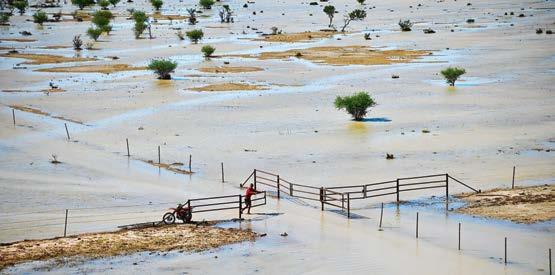
ground, particularly along creeks and floodways where erosion may have undermined fence lines and posts.
Once the full extent of the damage is understood, producers can begin planning longer-term rebuilding. Many choose to upgrade to more resilient fencing designs that are better suited to withstand future floods, fires and pest pressure. This may include using steel or concrete posts in flood-prone areas, raising fence heights, improv-
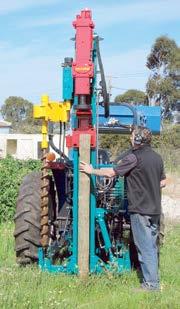
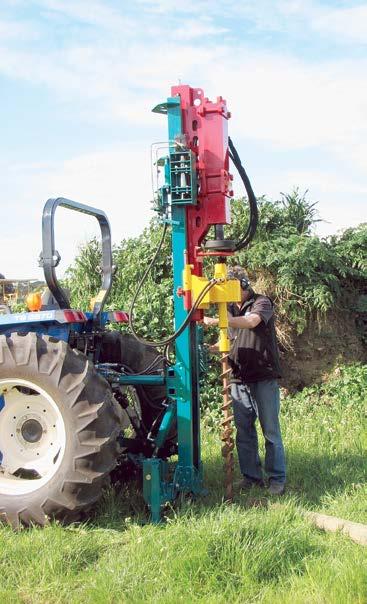
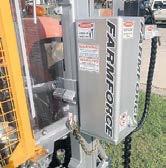
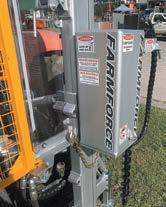
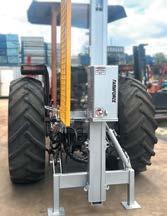
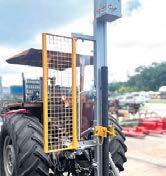
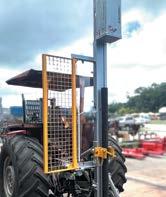
• 2.9m / 9.5 under hammer
230kg hammer
With 1x hard ground auger
ing gate placements, or redesigning fence layouts and laneways to allow safer stock movement during extreme events. Fire-resistant and pest-proof fencing options are also increasingly being considered as part of rebuild strategies. Government grants and recovery programs play a significant role in supporting this work, helping eligible primary producers offset the high cost of materials and labour. In addition, volunteer organisations such as BlazeAid continue to
provide invaluable on-ground assistance, supplying skilled labour to help rebuild fences and restore properties, often at a time when landholders are physically and financially stretched. While fencing after floods and fires is a demanding and time-consuming process, careful planning, the use of temporary solutions, and a focus on building stronger, more resilient infrastructure can help producers not only recover but better prepare for future disasters.

Free standing
Hydraulic angle and tilt • Suitable for all types of posts




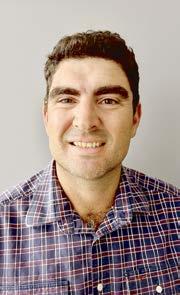
By Fiona Gowers
Strong demand for the 2026 Australian Future Cotton Leaders Program (AFCLP) has delivered the largest intake in the program’s history, following a record number of applications for the industry’s flagship leadership initiative.
Organisers received an unprecedented field of high-quality applicants this year, prompting the selection panel to expand the cohort to 17 participants, up from the usual intake of 15.
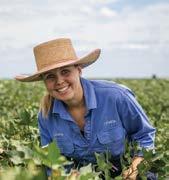
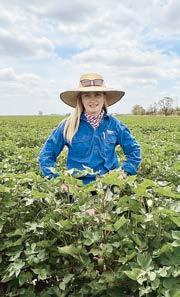
Bridget Bender of AGnVET in Emerald, Queensland, said she applied for the 2026 program to build her skills alongside like-minded cotton professionals. She was raised on a mixed farming operation on the Darling Downs that included cotton production.
Bridget, a Bachelor of Agriculture graduate majoring in plant production, said cotton had always stood out during her studies, with the two cotton units at university her favourite subjects, which confirmed her interest in pursuing a career in the sector.
She said the industry’s strong culture of connection and knowledge-sharing was a major drawcard, with growers and advisors alike willing to openly discuss what they were doing and how they had built their businesses, creating a supportive environment for people entering and developing within the industry.
Cotton Australia chief executive Adam Kay said the continued growth in applications reflected the depth of emerging leadership across the cotton sector.
“Each round we receive a very competitive group of applicants and 2026 was no exception,“ he said.
“The standard was extremely high and extending the intake was the right decision to ensure we continue building strong leadership capability across the industry.“
Delivered every two years by Cotton Australia - with funding support from the Cotton Research and Development Corporation (CRDC) - the AFCLP has been running since 2006 and has produced more than 130 graduates who now contribute across the industry in senior operational, governance and advisory roles.
Applicants for the 2026 program came from right across the cotton supply chain, including growers, consultants, merchants and researchers. CRDC executive director Allan Williams said the strong response highlighted the importance of leadership development to the industry’s longterm productivity and sustainability.
“Record demand for the AFCLP speaks to the passion and interest in working in our industry,“ he said.
see applicants from all parts of the industry putting themselves forward,“ he said.
“This year’s group brings a wide range of experience, perspectives and ambition, which is exactly what the program aims to develop.“
Participants in the 2026 intake will undertake face-to-face forums, interactive online learning, one-on-one coaching and active engagement with industry activities.
Each participant will also complete an individual project aligned to their interests, gaining practical experience applying leadership skills in a real-world setting.
The program has a strong track record of producing future leaders, with many past graduates progressing into senior roles across the Australian cotton industry, including board positions with Cotton Australia and CRDC, as well as advisory committees and key industry initiatives.
The 2026 program will conclude with a graduation ceremony at the Australian Cotton Conference in August 2026.
Strong Queensland representation Queensland is strongly represented in the 2026 cohort, with seven participants selected from across the state’s major cotton-growing regions:
• Alexander Stephens, McVeigh Partnership Pty Ltd, MacAlister, QLD
• Angus Dalgliesh, Nutrien Ag Solutions, Cloncurry, QLD
• Bridget Bender, AGnVET, Emerald, QLD
• Henry Perry, Perry Farming, Goondiwindi, QLD
• Jason Salvetti, Salvetti Farming Co, Arriga, QLD
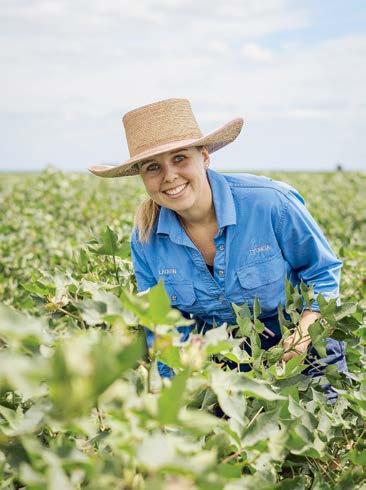
• Lauren Roellgen, Tyunga Farms, Brookstead, QLD
• Liam Blackwell, Clark Farming Group, Billa Billa, QLD
They will be joined by participants from agribusiness organisations in New South Wales and Western Australia, reflecting the national scope and diversity of the program.
• Emily O’Shannessy, CGS, Kununurra, WA
• Ashley Hollis, Cotton Australia, Sydney, NSW
• Georgia Carrigan, Australian Food and Fibre, Warren, NSW
• Georgina Rowlands, Australian Food and Fibre, Ashley, NSW
• Hugh Lennon, Hancock Agriculture, Merah North, NSW
“The program is hands-on — it builds a strong peer network and learning through practical, real-world projects. In partnership with Cotton Australia, CRDC is proud to back a cohort that will lead change on farms, in businesses, and across the industry.”
“By expanding the intake to 17, we’re investing in leaders who will convert their ambition into tangible productivity and sustainability outcomes.
Leadership remains a priority for the cotton sector, with Mr Kay saying the AFCLP, alongside initiatives such as the Australian Rural Leadership Program and Nuffield Scholarships, continues to strengthen the next generation of industry decision-makers.
“The appeal of the Future Cotton Leaders Program continues to grow and it’s encouraging to
• Lachie Holz, B&W Rural Walgett, Walgett, NSW
• Jessie Schwager, Priag Marketing, Narrabri, NSW
• Megan Baker, CRDC, Narrabri, NSW
• Natalie Aquilina, Cotton Seed Distributors, Narrabri, NSW
• Sam Ryan, Wingbadge Pty Ltd, Murrami, NSW.
By Fiona Gowers
A new micro-credentialled cotton education program is set to strengthen skills and fast-track the uptake of innovation across the Australian cotton industry.
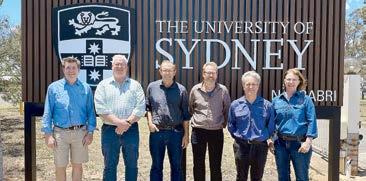
The Cotton Research and Development Corporation (CRDC), in collaboration with the University of Sydney (USYD) and industry partners CottonInfo and Cotton Seed Distributors (CSD), has launched a university-level qualification in cotton production designed to be flexible and accessible.
The CRDC Cotton Course comprises three microcredential courses to be delivered during 2026, removing many of the traditional barriers associated with university study.
The program requires no prior educational qualifications and does not involve exams, assignments or extended classroom attendance.
Targeted at growers, consultants, researchers and service professionals, the courses will cover both technical and business aspects of cotton production, including agronomy best practice, stewardship, sustainability, data, technology, and farm management.
Emerald-based CRDC acting general manager of Innovation Susan Maas said the new course built on more than a decade of support for the University of New England Cotton Production Course.
“There is a huge amount of information available to the cotton industry already through CRDC, CottonInfo and CSD, but we recognise that a course provides a framework for people to build their knowledge and have it acknowledged as part of their career pathway,” Susan said.
“We’ve had feedback from the industry that formal university courses can be difficult to access for those who are working full time or have different educational backgrounds, so we chose to prioritise flexible learning and target different areas of knowledge in the three
microcredential courses.”
The first component, Microcredential 1, will commence in March and will be delivered by USYD course coordinator Ian Simpson at the IA Watson Grains Research Centre in Narrabri.
Designed as an entry point for new participants, the course will cover foundational cotton production principles using the continually updated CottonInfo-CRDC Australian Cotton Production Manual.
Participants will take part in a three-day intensive featuring presentations, field walks and
facilitated group activities at cotton sites around Narrabri, with learning focused on peer interaction and direct engagement with industry experts and academics.
The CRDC Cotton Course will be complemented by a separate post-farmgate program developed by the Australian Cotton Shippers Association (ACSA), which will provide insight into the supply chain from production through to processing and fabric.
The ACSA Cotton Fundamentals course combines classroom learning with site and field visits
and CRDC will offer two scholarships for participants who can demonstrate how they will apply the knowledge gained for the broader benefit of the sector.
Applications are now open for Microcredential 1, which will run from 10 to 12 March 2026 in Narrabri, NSW.
Course fees are $950, with a 10 per cent earlybird discount available for registrations made before 1 February.
Enrolments can be made via the University of Sydney short courses portal.

New research is set to improve understanding of the factors driving agricultural labour and skills shortages across five of Australia’s key food and fibre regions.
AgriFutures Australia, in partnership with the Department of Agriculture, Fisheries and Forestry (DAFF), has launched a national initiative aimed at addressing one of the sector’s biggest challenges — building a stronger and more sustainable regional workforce.
The project, titled Strategic Analysis of Regional Workforce Pressures in Australian Agriculture, will investigate workforce trends and pressures in five agricultural regions, including Toowoomba and the Darling Downs.
Researchers will collect data through surveys and targeted stakeholder interviews before bringing government and industry together to discuss the findings.
The insights gathered will support improved workforce planning and policy development, helping both government and industry better understand the challenges facing regional agriculture.
The Toowoomba and Darling Downs has been selected due to its complex and highly competitive workforce environment, shaped by the scale and diversity of its agricultural industries.
As one of Australia’s most productive food and fibre regions, the area supports grains, dairy, eggs, horticulture and large feedlot operations.
It also competes strongly for workers with rapidly expanding sectors including health, manufacturing, construction and a growing AgTech sector.
Several large, vertically-integrated agribusinesses operate across the region, placing workforce pressure on entire supply chains and making it an ideal case study for analysing the factors that influence worker attraction, retention and
long-term workforce sustainability.
AgriFutures Australia general manager, Rural Futures, Simon Vincent, said the project would be guided by direct input from regional communities.
“Every region has its own story, its own strengths and challenges,” Mr Vincent said.
“The Toowoomba and Darling Downs region is a major driver of Australia’s food and fibre production and its workforce challenges are both unique and highly instructive for national planning.
“Hearing directly from local employers, workers and community leaders will help us understand what’s working, where the pressure points are and what might better support the region’s diverse agricultural sectors.”
Mr Vincent said agriculture remained one of Australia’s most innovative industries, contributing billions of dollars to the national economy and offering diverse career opportunities.
However, labour and skills shortages, along with uneven access to training and workers in some sectors, continue to place pressure on regional production systems.
“We want to make sure every part of the workforce ecosystem, from training providers to employers and councils is part of the study,” he said.
Community members, workers, employers and organisations across the Toowoomba and Darling Downs are encouraged to participate in upcoming surveys and consultation sessions.
Their feedback will help inform strategies to strengthen and future-proof the agricultural workforce.
Surveys will remain open for six weeks, with a final report expected to be delivered in mid2026.
Submissions have opened for the 2026 National Indigenous Closing the Gap Health Conference, to be held from 2-4 December at the Hilton Gold Coast.
The national event will unite Elders, community leaders, Aboriginal and Torres Strait Islander health workers, researchers, Aboriginal Medical Service and Primary Health Network staff, policymakers, frontline workers and organisations committed to strengthening culturally grounded, community-led health systems.
Guided by the principle that prevention is better than cure, the conference will place culture, self-determination and Indigenous leadership at the centre of discussions, at a time of significant reform across health, mental health,
disability services and workforce development.
Organisers say the conference will provide a vital platform to share knowledge, honour lived experience and truth-telling and co-design solutions that uphold dignity, choice and control for First Nations communities.
The event aims to foster collaboration and practical action while recognising the strength and resilience of Aboriginal and Torres Strait Islander peoples.
Abstracts and papers are being sought across three core conference themes: “Our Leadership, Our Health“, focusing on community-driven solutions and self-determination; “Truth, Culture, Healing“, exploring cultural integrity, healing and holistic wellbeing and “Innovate Together,

Soften hard water for decades on $10 power yearly
Clear out scaled pipes, increase flows
More effective than magnets by design
Grow healthy plants using saline water
Healthy stock using hard water
No waste streams or decreases in flow
Used by farmers, stations, councils, mining companies Scientifically tested and proven technology Australian Made and Owned for 23 years
Transform Generations“, highlighting partnerships and innovation that deliver sustainable and culturally-safe outcomes.
Suggested topics include chronic disease prevention, mental health and trauma recovery, traditional and integrated healing practices, disability and the National Disability Insurance Scheme, workforce and research capacity building, social determinants of health and innovative approaches to improving Indigenous health and wellbeing.
Presenters are encouraged to submit work that reflects lived experience, research findings, case studies and community-led initiatives that strengthen the independence, safety and dignity of First Nations peoples.
Organisers are particularly interested in contributions that demonstrate practical impact and culturally-informed solutions.
Submission guidelines and registration details are available online, with prospective presenters asked to complete the Submit-A-Paper form via the conference website.
Conference organisers describe the gathering as more than a professional forum, calling it a shared movement for action, healing and long-term transformation.
Participants are invited to contribute to shaping a future where Aboriginal and Torres Strait Islander peoples can thrive physically, mentally and spiritually, supported by strong, culturally-responsive health systems.




Individuals supporting young people in remote, rural and regional Queensland are invited to apply for one-off grants of $50,000 to deliver new youth-focussed initiatives.
The funding is thanks to the Backing the Future program, an initiative of the Vincent Fairfax Family Foundation (VFFF), which is supported by FRRR.
Backing the Future enables individuals, aged 18 and over, to pilot or develop innovative ideas that enhance the lives of young people (aged 1230) who live, learn, work and play in country QLD.
Unlike many other funding programs, Backing the Future funds individuals directly and does not require the backing of a community group or not-for-profit organisation, removing a key barrier to accessing philanthropic support.
VFFF CEO, Jenny Wheatley, said VFFF is excited to continue discovering and supporting impactful projects that help transform rural life for young people.
“Through previous rounds of the program, Backing the Future has invested almost $1.5 million in the ideas of community changemakers in QLD and we are thrilled to support 10 new ideas that will create lasting impacts for young people across remote and rural QLD,” she said.
“One of the unique elements of this program is that we are specifically looking for initiatives that are brand new. We know that securing initial funding is often the hardest step in getting a project off the ground and this grant is designed to take a chance on these early ideas to see what is possible.
To date, Backing the Future has supported 27 recipients in QLD, including Robyn Cook, who used the $50,000 grant to develop a pathway for young people to gain a Certificate in Event Management by volunteering at local community events.
Robyn describes Backing the Future as a
unique opportunity that allowed her to test and prove her concept, which she is now expanding into more regional areas and events across QLD.
“Rural and regional young people have immense creativity and potential, but finding meaningful pathways can be dependent on their ability to access the right opportunities.
“With my Backing the Future grant, I was able to provide young people with access to a Certificate in Event Management. This not only
allowed them to pursue something they are passionate about, but also connected them with local events and mentors, while supporting community events that often struggle to find volunteers,” Robyn said.
VFFF partners with FRRR in the delivery of the Backing the Future grant program, combining VFFF’s commitment to backing early-stage ideas at pivotal moments and FRRR’s extensive reach into even the remote and very remote parts of the state.
FRRR’s Head of Partnerships, Deb Samuels, said that partnering with VFFF to provide earlystage coaching, mentoring and skill building workshops to amplify the impact of the funding, has given participants greater confidence to develop their ideas and make a real difference in the lives and future of rural young people.
“It’s so rewarding to engage with young people through our networks in more remote communities and connect them with this wonderful grant opportunity offered by VFFF. It’s wonderful to hear about new events, social enterprises and businesses that continue to benefit young people across QLD as a direct result of this grant program,” Deb said.
“The feedback we have had from previous grantees is that they deeply appreciate the unique opportunity that Backing the Future offers, especially the trust and willingness to back an idea in its infancy.
“We’re excited to continue to partner with VFFF to support rural changemakers and unearth projects and ideas that sustain rural communities and set young people up for success,” Deb said.
Applications for the Backing the Future program are invited from anyone aged 18+ who has an idea that will benefit young people in very remote, remote, rural or regional QLD. Applications close 9 March 2026.
Anyone interested in applying is encouraged to reach out to FRRR’s Youth Futures team to have a chat about your idea and eligibility. FRRR will also host a webinar to explain more about the program and answer questions at 12 noon (AEDT) on Monday, 9 February 2026.
By Maddison Richards
The focus has been shifted to focus on the mental health and wellbeing of our region’s farmers, who go above and beyond to supply invaluable resources.
To help with supporting these individuals, families and communities, Foundation for Rural Regional Renewal, or FRRR, has released the ‘In a Good Place’ program which offers grants of up to $20,000 for community led projects that support the mental health and wellbeing of farmers, farming communities and people living in remote, rural and regional places.
These grants are designed to ease the financial burden of implementing initiatives that improve mental health education, build community connections to foster wellbeing and assist local non-clinical services run by community groups and not-for-profit organisations, allowing locals to know they don’t need to go it alone.
South Burnett local Alan Broome, BIEDO Extensions Officer, is one such individual who has used these grants.
In 2024 BIEDO was awarded an ’In a Good Place’ grant in 2024, which allowed them to promote mental health and wellbeing with local services.
“Receiving the FRRR ’In a Good Place Grant’ was the incentive to organise the support which has been able to be continued to some degree with the support of the Mayor and Councillors of South Burnett Regional Council.“
It has allowed Alan to have direct engagement with farmers at cattle sales, getting to know the people behind the local farming industry.
“The initiative has gone well with the BIEDO stand almost a fixture at fortnightly cattle sales at Murgon and monthly Coolabunia sales resulting in good acceptance from both the agents and producers,“ Alan said. “It is very much about providing support for primary producers through a mix of industry and health information at venues they normally attend and are at home at.“
The BIEDO stand that Alan manages carries a mixture of information surrounding practical weed and pasture management, along with brochures and publications on managing stress and mental health issues.“
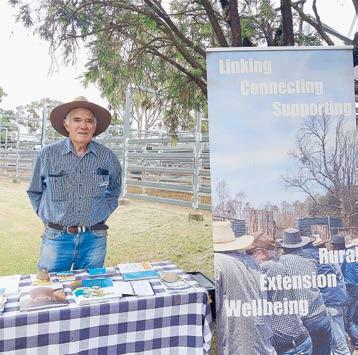
Alan said this “ is often the catalyst for in depth conversations.“
“Being present on the stand and in the laneways during the sale allows for casual conversations in what is a comfortable environment for many. The presence also enables me to check how people are faring and follow up on concerns from agents or neighbours,“ he said.
Since beginning, Alan has noticed that there is a wider acceptance and recognition from those attending the cattle sales.
Cattle sales are the chosen location because in the South Burnett, livestock is the largest primary production industry. “The attention on saleyards offered the opportunity to reach the most number of producers.“
Head of Granting at FRRR, Jill Karena, said that residing in the country on a remote property can make it tough for residents to raise their hand and ask for help when they’re experiencing a bad place mentally.
“There are so many great things about liv-
ing life on the land, but limited access to information, resources and services, as well as the geographical isolation, can make it particularly difficult to look after your mental health,” Ms Karena said. “This is one of the reasons why community groups are so important to the vitality of remote, rural and regional Australia. Because they are on the ground in these communities and out talking to farmers, running wellbeing programs and filling the gaps in mental health services.”
It is a community concern, mental health, and this funding allows not-for-profits to provide locals with resources and opportunities to connect, develop skills, increase understanding and hopefully reduce the stigma surrounding mental health.
The grants can be used to create safe spaces for locals to have honest conversations and to be heard.
Due to FRRR donor partners, there are two streams of funding available for community groups and not-for-profits to apply for.
Community wellbeing: for projects that focus on strengthening the general mental health and wellbeing of people in remote, rural and regional communities.
Farmers and farming communities: for projects specifically supporting the mental health and wellbeing of farmers and the communities they live in.
Previous grants have seen funding for volunteer training in mental health first aid, community events that encourage locals to connect and feel less isolated.
It has allowed groups to invite a guest speaker to share their experiences in their mental health journey along with personal wellbeing strategies with the community, and setting up accessible safe spaces for locals to talk about their own mental health concerns with trained peer volunteers.
“Together with our funding partners, we look forward to being inspired by the project ideas put forward by NFPs and community groups who are out on the ground, proactively supporting the mental health and wellbeing of their local community,” Ms Karena said.
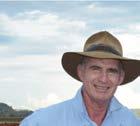
Millet crops sometimes get a bit forgotten when farmers make their summer planting decisions.
So, I wanted to remind folks of how handy and universal a crop of millet can be.
Millets or Panicum are small-seeded and quickly maturing grass-type summer crops, ideal for double- or changeover cropping.
They are mostly an annual crop, however over the years some perennial legacies may remain with basic annual millet crops.
Variety options like White French, Red Panicum and Panorama are your main grain types along with dual-purpose varieties like Japanese and Shirohie millet. You also have various Pearl or Bulrush millet types under the Pennisetum families for hay or grazing.
The entire millet crop family can have many have multi-purpose uses like grazing, grain and even hay production.
Pearl millets are very popular grazing species around the world due to being well-suited to growing areas faced with drought, lower soil fertility levels, high salinity levels, low pH or hightemperature days.
They can be quite quick in the growing stakes, taking only a few days to flower. Red Panicum flowers in the mid-50’s, while Siberian millet takes around 80.
Millet seed costs per hectare are usually fairly minimal, with a kilogram of millet being about 150,000 seeds.
However, your soil structure needs to be reasonably fine; the seed’s contact to the moist soil can be enhanced by a post-plant rolling with a
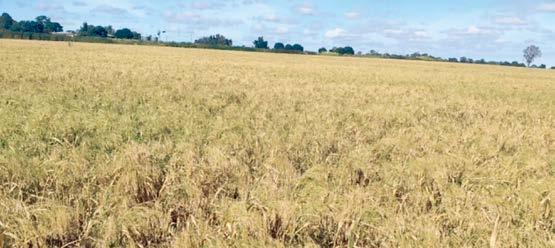
flat-tyred roller - one of my first tractor jobs on our family farms in the South Burnett many decades ago.
That’s not so much the case anymore these days, but one big benefit of millet is the easy grazing management with no hydrogen cyanide or Prussic acid risk.
Still, in rare situations - just like with other annual forages - nitrate can accumulate in the plants after certain conditions such as good rain on a very droughted crop or a frost event occur.
One downside of millets is the lack of many suitable herbicides for weed control, especially grasses. Crop competition is the only way for millets to survive in weedy grass paddocks, so plant plenty of millet seed in these blocks for a com-
By Niki Ford, AgForce CEO
As we move into the New Year, AgForce is firmly focused on setting priorities that support Queensland producers and protect the future of our industry.
Our immediate attention has been on beef producers in the state’s north west around Julia Creek, who are once again facing emotional and financial devastation following recent flooding. While many Australians enjoyed time with family over the festive season, these graziers were responding to floods that, in some cases, exceeded those experienced in 2019. More than 50,000 cattle have already been lost, with those numbers expected to rise as ex-tropical cyclone Koji threatens to reform and deliver further rain to already overwhelmed communities.
I want to sincerely thank AgForce members and staff who stepped up during their break and continue to work tirelessly, advocating for appropriate levels of financial assistance and mental health support from all levels of government so affected producers can begin rebuilding.
At the same time, AgForce is on the front foot urging the Federal Government to work more directly with farmers on the recent changes to the Environment Protection and Biodiversity Conservation (EPBC) Act.
Late last year, pivotal amendments were passed with little to no consultation with Queensland producers, despite the significant implications for how land is managed. We are deeply concerned these impacts will be compounded by how the reforms are implemented on the ground. Current self-assessment and referral expectations are unrealistic and risk undermining both agricultural productivity and environmental outcomes.
Farmers manage around half of Australia’s landmass and deliver environmental outcomes every day through continuous, practical land stewardship. Yet agriculture has not been given a meaningful role in shaping how the new EPBC standards will operate in practice.
AgForce is particularly concerned that rou-

tine infrastructure works, remedial actions and everyday land-management activities are now being captured by EPBC self-assessment requirements. Some are escalating to full referral processes, involving significant costs and delays of up to 18 months. We estimate producers could spend 30 to 70 hours per activity on self-assessments, with referral costs exceeding $50,000.
The flow-on effects are profound. Time spent navigating red tape is time not spent maintaining habitat, managing fire risk, protecting waterways or controlling invasive species. At a time of increasing climate volatility, we need faster, more practical responses — not slower ones.
It’s not too late to get this right. By working with farmers, recognising existing state-based frameworks and exempting routine and remedial activities, government can deliver better environmental outcomes without crippling food and fibre production.
Farmers want to be partners in environmental stewardship — not regulated out of the ability to do so.
petitive crop.
Broadleaf weed control is reasonably easy with good products like Starane (fluroxypyr) as a base product, followed by the addition of low rates of atrazine to most species of millet.
I was taught (and learned myself) to be cautious when dealing with broadleaf weeds in millet crops, so I am very wary of using any atrazine on Japanese and Shirohie varieties and equally as wary of using any 2,4-D on any millet species.
The lack of label registrations in this day and age don’t help the confusion, especially for younger agronomists.
Millet’s nutrition requirements cover the usual plant needs of nitrogen, phosphorus, potassium, sulfur and zinc.
Perhaps split up your applications of nitrogen in those good years - if you can pick them - as crop lodging from excess nitrogen can occur.
For experienced millet grain growers, swathing or windrowing of their crops is very common as millets - especially White French millet - can be very uneven in maturity.
Mark Schmidt of Deacon Seeds informs me that new crop grain millet prices currently sit around $750 for White French and up to $850 for Japanese and Shirohie.
So, millet could be a handy addition to your farming system - and when you’re done with it, quite good stubble remains for your conservation farming tactics.
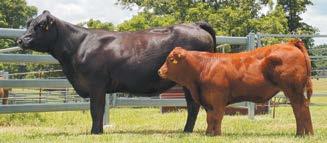



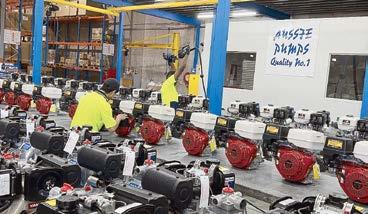

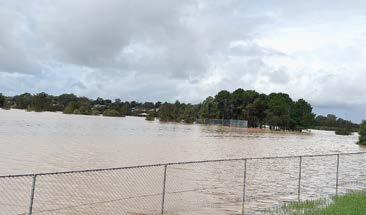
By Aussie Pumps
So climate change is here and Mother Nature is showing us how much she can throw at our great island continent. Hundreds of thousands of acres have burnt in Victoria with fires raging through hamlets. With vivid memories of the massive fires in the past, it’s clear that the last few years has seen a consistent build up of fuel, right throughout the east coast.
Are the fires over? We hope so, but we certainly can’t count on it with the huge fuel build up and the 100 kilometre per hour winds that we’ve seen in recent weeks. Meanwhile, Queensland is getting pelted with everything from cyclones and flood waters destroying roads. Tens of thousands of livestock lost.
One company, Australian Pump Industries (Aussie Pumps) has seen it all before and has developed products through past experience to mitigate, where possible, these climate catastrophises.
“Even with the huge demand to move water in Queensland, we also had to ship big 6” pumps by air freight to Juba in Sudan to deal with their floods based on the central African flood season”, said Ausie Pumps Chief Engineer, John Hales. It’s well known that the United Nations has 26 heavy duty 6” trailer mounted Aussie flood pumps already operating in flood control on reaches of the Nile in South Sudan. Those pumps do a mighty job!
Smart Local Government bodies in Queensland invested in these big 6,000 lpm pumps before the floods came. With Winton Shire Council in Central Queensland is prepped with four Aussie 6” pumps to help deal with the floods. That’s 24,000 lpm capacity!
“We built the 80 hp diesel drive pumps onto heavy duty steel trailers with tandem axles. The idea is to be able to mobilise these units, with a prime mover to locate them wherever they are needed. Having them mobile means that local government can carry out flood mitigation and minimise potential damage”, said Hales.
FIRE SURVIVAL … BE READY
Australian Pump produce tens of thousands of their Fire Survival Guides in preparation for the fire season every year.
“Many people who work at Aussie Pumps are living in the ‘Urban Interface’. That’s the band of properties that surround not only the big cities, but regional towns as well. It involves around 1.5 to 2 million households, with capital cities literally surrounded by ‘blockies’ with small acreage for pets or livestock. Many of these people are situated near National Parks and often poorly prepared for fires”, said Hales.
Australian Pump promote to people in the Urban Interface to prepare in advance for the fire season.
FIGHT OR FLIGHT
Aussie Pumps recommend that people in the Urban Interface should invest in a water tank and a fire pump. If you choose to fight the fire, having sufficient water and a high quality pump is required. A good quality high pressure hose kit is just as important.
With sprinklers on the roof and downpipes blocked, the gutters can turn into a ‘moat’ to help
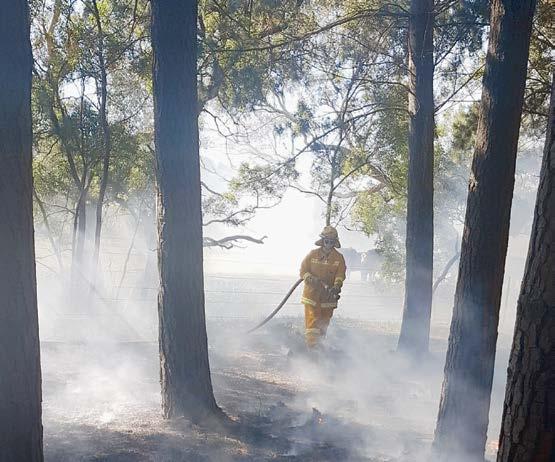
defend an ember attack. “It’s the embers that are the danger, with the ability to be wind driven for a number of kilometres”, said Hales.
Getting set up to defend a property is a big decision. The most important thing is to buy the right pump and train members of the family and where appropriate, neighbours too on how to use it.
The pump should be fuelled and oiled and primed with water so it starts immediately.
“Make sure the pump has no leaks in the suction line as that can slow down the pump’s priming process and hinder performance”, said Hales.
It’s the dry fuel, high temperatures and worst of all, unexpected gale force winds that creates true disasters. Aussie’s message is to be prepared with the best pump, adequate water and quality high pressure hoses and nozzles.
VALUE FOR MONEY
Don’t leave it until the last minute to decide to
buy a pump to prepare for a fire. The time to do it is now, not when you smell smoke. The very first step is to read the Aussie Fire Survival Guide or the documents from the rural volunteer Brigades.
Aussie’s Fire Chief is on the market at $880 including GST. There is a freight factor that may need to be added to that depending on where you are located in this huge country of ours. The heart of the Fire Chief is it’s big one piece single impeller. That impeller provides phenomenal performance and is perfectly matched to Honda’s GX160 petrol engine.
All Fire Chief pumps come with a unique five year warranty on the pump end. That guarantees them to be free of faulty workmanship or material for that period. The Honda engine is covered by Honda’s three year warranty.
“We standardise on Honda engines because we know they are famous for starting first time, every time, when properly maintained. Be careful
not to buy a third world pump that doesn’t have the same capability as the Fire Chief”, said Hales.
Honda’s engineers work with Aussie to help develop the perfect combination of engine matched to the pump performance. Hales gives credit to Honda for the great support they have provided over the years.
SEE YOUR AUSSIE PUMP DEALER
Australian Pump has a great network of top class distributors all across Australia and through the South Pacific. They have loads of Aussie Fire Survival Guides available or you can pick up one off the website aussiepumps.com.au.
“Our job is to educate and help prepare for what is potentially a major fire season this year”, said Hales. Call your local Aussie Pump Distributor for more information or contact Aussie Pumps 02 88653500.


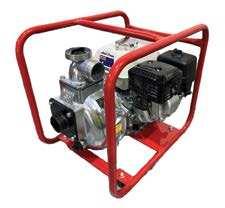

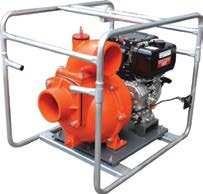







By Jane Lowe
West Oak Cattle Co owned and operated by James Hayden, Tara will present a strong and consistent draft of six Black Simbrah bulls at the February All Breeds Sale 9th February at CQLX Gracemere, selling on day one through Nutrien as the appointed agents. The offering will be catalogued as Lots 209 through 214 and reflects the program’s clear focus on commercially relevant, adaptable genetics.
Headlining the draft is Lot 209, West Oak Cognac 127, an impressive young sire displaying abundant natural muscle, softness and balance. Cognac 127 exhibits an excellent northern coat and carries slightly more content, making him particularly attractive to northern producers seeking resilience without compromising performance. He typifies the direction of the West Oak breeding program—sound, fertile and productive cattle built to thrive in challenging environments.
The Black Simbrah breed is designed to blend the best attributes of several leading beef breeds. By combining the muscle, growth and maternal strengths of Simmental with the heat tolerance, durability and fertility of Brahman, and incorporating the desirable black colour and polled gene from Angus, Black Simbrahs deliver versatility across a wide range of production systems. These cattle are well recognised for their rapid growth, lean, high-quality beef and adaptability, making them ideally suited to Australian conditions and highly effective in crossbreeding programs.
James Hayden places strong emphasis on returning to fundamentals, with a clear focus on structural correctness, reproductive efficiency and physical integrity. The operation prioritises cattle that can perform independently, demonstrating calving ease, sound temperament and reliable performance. According to James Hayden,
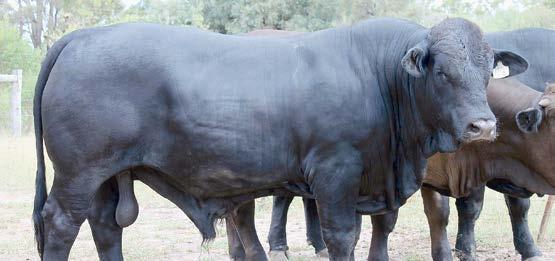
these principles form the backbone of the West Oak breeding philosophy and guide every selection decision, with extra emphasis on these traits place on our breeding females and the females of sires added to the herd with our program placing a minimum of 70% of our breeding program placed on the females of the herd.
The Simbrah breed was introduced to the West Oak operation in 2017 as part of a strategic response to increasing climate variability. The pro-
first Black Simbrah was purchased at the inaugural Ticoba sale and integrated into the existing commercial Brangus herd. While initially a step into the unknown, the results quickly exceeded expectations, confirming the value of the outcross and encouraging further investment in the breed.
Recognising the Simbrah’s ability to meet diverse market requirements, West Oak made the decision to breed Simbrah bulls to offer up an alternative for the wider commercial industry.
The focus on black, polled Simbrahs reflects their ability to attract premiums, while also offering early growth patterns making it easier to meet all 3 producer markets across the industry weaning and suitability for early turn-off programs. Through innovation, careful selection and a commitment to adaptability, West Oak Cattle Co endeavours to continue to produce cattle that are well equipped to meet the evolving demands of modern beef production.
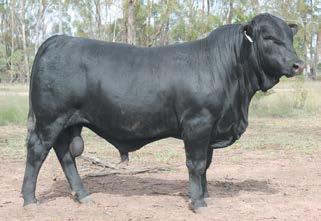
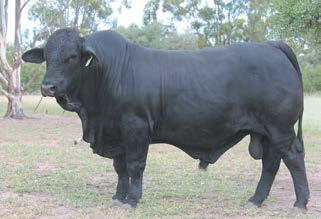
By Jane Lowe
The February All Breeds Sale, to be held on 9-10 February at CQLX Gracemere, is set to attract strong interest from commercial and stud cattle producers across Central Queensland and beyond.
A total of 478 lots will be offered over the twoday event, representing 15 breeds and their composites, and showcasing a diverse selection of bulls and females suited to a wide range of production systems.
Numbers are down this year for both bulls and females which saw 661 lots catalogued for 2025, a factor that is expected to influence competition and pricing and help set the tone for the upcoming breeding season.
Despite the reduced catalogue, the sale remains a key annual fixture on the Central Queensland cattle calendar, providing buyers with access to proven and performance-focused genetics from leading breeders. The offering reflects the continued demand for cattle that are adaptable to local conditions, with an emphasis on fertility, temperament, growth, and resilience.
The sale will commence at 8am on Monday, 9 February, with Nutrien and Elders acting as auctioneers, supported by StockLive for online bidding. Day one will open with a strong Brahman offering, including 96 Brahman bulls and 23 Brahman females, covering both red and grey lines. This will be followed by a cross-section of breeds, including two Senepol bulls, two Shorthorn bulls, two Speckle Park bulls and two Speckle Park females, one Gelbvieh bull, two Gelbvieh Cross bulls, and one SimAngus bull.
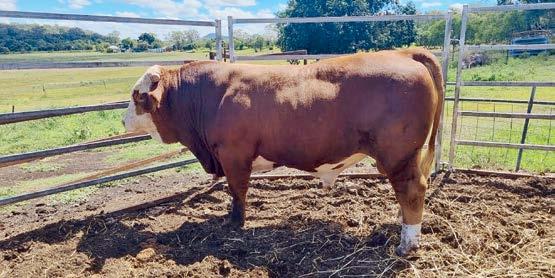
Further into the day, buyers will see 16 Angus bulls, 54 Simmental bulls, three Simmaster bulls, 12 Simbrah bulls, one Queenslander bull, two Braford bulls, and eight Santa Gertrudis bulls. The female offering will include 11 Droughtmaster females, before day one concludes with 70 Droughtmaster bulls, commencing at Lot 24.
with 43 Charbray bulls, before the final breed to enter the ring, 28 Charolais bulls, brings the 2026 February All Breeds Sale to a close.
base, increase market competition, and deliver greater exposure for vendors, while maintaining the efficiency and transparency of a traditional saleyard auction.
The second and final day of the sale will begin at 8am on Tuesday, 10 February, and will feature six Brangus females, followed by a substantial run of 96 Brangus bulls. The offering will continue
The entire sale will be simulcast online through StockLive, providing buyers with the opportunity to view and bid in real time from anywhere in Australia. This technology continues to remove geographical barriers, broaden the buyer
For further information or catalogue enquiries, interested parties are encouraged to contact
The Elders Stud Stock team or the Nutrien Ag Solutions Stud Stock Team






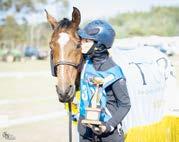
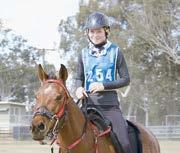

When endurance horse riders gather they have some good stories to tell. ERLE LEVEY was at
Leyburn for
the Queensland Endurance Riders Association annual awards to hear about some of the achievements during last year.
Sporting events are judged not simply by the winner but by the quality of the participants. The depth of talent in a team event, the ability of competitors in individual contests.
It’s one thing to be acknowledged as a champion in a sporting event. However, adding to that recognition is the quality and the depth of the field you are competing against.
No-one can question the quality of the list of nominations for the 2025 Equestrian Queensland Annual Awards and the follow-up Queensland Endurance Riders Association (QERA) Awards.
Award winners had the honour not only of their own ability being acknowledged, but the way they stood out in fields of quality nominations.
This was the case for both horses and riders.
Equestrian Queensland assists the national federation in staging of Federation Endurance International events (FEI).
Yet it was before the endurance awards that QERA president and chief steward Dick Collyer was honoured - as a recipient of the 2025 Service to the Queensland Sport Awards.
The awards, held in Brisbane, honoured athletes, teams, officials and volunteers from across the state and a range of sporting codes.
Record-breaking Olympic swimmer Kaylee McKeown was named Queensland Athlete of the Year, while Paralympic swimmer Callum Simpson took the award for Queensland Para Athlete of the Year.
Sprint sensation Gout Gout claimed Queensland Junior Athlete of the Year, wheelchair tennis rising star Ben Wenzel was named Junior Para Athlete of the Year and back-to-back AFL Premiers the Brisbane Lions are Queensland Sport Team of the Year.
For Dick Collyer it was acknowledgement of his thorough knowledge of endurance riding and his ability to impart that to those in the sport.
With a background in school teaching and highly-experienced at the running of Tom Quilty events, he is an educator in all senses of the word.
Dick runs Totara Endurance from Leyburn and is a horse trainer, a judge for the Arabian Horse Society, and has been awarded for his riding achievements.
He comes at the sport from all angles - breeding, riding, officiating, running events and, perhaps most of all, mentoring.
This involves an incredible amount of volunteering for endurance on a local ride organising committee level, Queensland committee level and also national AERA level.
Endurance riding is known for its wide age range of participants, with people as young as five and six, and others in their 70s and 80s, competing alongside each other. The motto “To complete is to win“ highlights the sport’s emphasis on participation and horse welfare, rather than just speed.
A major draw of the sport is the strong emphasis on the bond between horse and rider and rigorous veterinary checks, which occur every 30-40 kilometers during a ride. This strict welfare protocol ensures the horse’s health and fitness to continue, which many participants highly value.
As such it is among the top horse participation sports in Australia.
For Queenslanders, it was a year of many highlights. At the 2025 Tom Quilty Gold Cup, held in
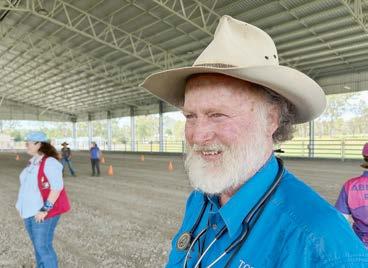
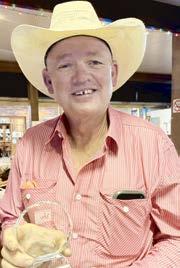
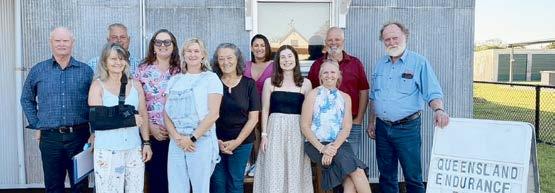
Tasmania in May, Mary Valley riders Nikki Sample and her nephew Matty Sample rode in together as equal winners of the prestigious 24-hour event.
It was Matty’s third Quilty ride, and a win in his first completion of the 160km course.
For Nikki it was fourth time lucky – her first Tom Quilty ride was in 2019 at Stirling’s Crossing Equestrian Centre at Imbil where she finished second in the lightweight division.
That ride, together with her outstanding dedication and other results Nikki achieved, saw her named Warraba Sunflowers Senior Rider of the Year at the Equestrian Queensland Awards, presented by QERA.
This involved extensive international riding including the FEI Endurance World Championship for Young Horses in Jullianges, France.
Finalists for Senior Rider were Shelley Chapman, Saasha Grogan and Linda Logan.
At the 2026 Tom Quilty in Tasmania, Peter
Field was second middleweight on Rkayn Xuberant, while Taylor Grogan was third junior on Anastazia VA.
QERA A was second in the teams event - Ella Stanton, Peter Field, Alexander Toft and Jess Dakin.
The Shardell Arabian Stud Horse of the Year was Willow Valley Jumanah Pearl, a 12-year-old bay mare ridden and owned by Linda Logan.
This remarkable horse has demonstrated exceptional ability, consistency, and outstanding results throughout the season including winning the lightweight division of the 160km Endurance (AERA with FEI) NSW State Championships at Bullio.
Other results included third lightweight in the Shahzada Memorial 400 km Marathon at St Albans in NSW, and winning the lightweight division of the 320km Far-A-Way Easter Endurance Carnival at Imbil.
Finalists were Brookleigh Danu, Burralga
Thunderbolt and Brookleigh Syria. VOLUNTEER OF THE YEAR
Long-serving QERA and AERA administrator Kim Moir of Gympie was presented with the Boonara Endurance Volunteer of the Year Award.
Kim has been involved in endurance since about 2008 in some capacity, more so since 2016 with QERA and AERA secretary.
She has strong involvement with Stirling’s Crossing Endurance Club at Imbil, Widgee, Kilkivan and the Far-A-Way Club.
The award was for her unwavering dedication, countless volunteer hours and ongoing support. Kim has a presence at many rides, including Tom Quilty rides in NSW, South Australia and Tasmania, where she also acts as strapper for husband Ken Moir.
In her humble yet business-like way, Kim said she volunteers as most who are involved in the sport help in some capacity .
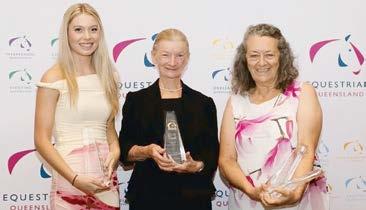
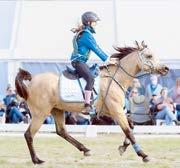
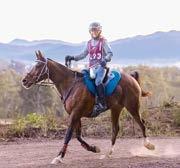
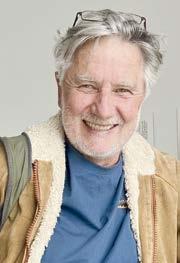
“They ride, they know others who ride ... they are connected.
“At events you think you know and plan for every issue that may come up but there is always something where you need to jump in and help. “Volunteering widens your perspective of the sport. Then there are the characters you meet.’’ Volunteer finalists were Christine Ablett, Charlotte Irwin and Allison Brown.
Totara Endurance Horses Junior Rider of the Year was Indi Else for remarkable commitment, and accomplishments in the sport.
Indi was placed in all nine rides on six horses, except a fourth at Warwick. This included four firsts in 80km, 120km and 160km events.
Indi was one of four Australian riders selected to go to Romania for the FEI Endurance World Championship for Young Riders & Juniors held in September.
Eadie McWilliam and Poppy Kettlewell both placed in the top 20 of the 120km event but while Indi and Charlotte Williamson both qualified they could not raise the money to attend.
Other junior award finalists were Taylor Grogan and Eadie McWilliam.
QUEENSLAND SPORTS AWARD
Accepting his 2025 Service to Queensland Sports Award was the icing on the cake to a big year for Dick Collyer.
Presented by Minister for Sport, Tim Mander,
combination that has completed the greatest total distance over the year. Distances of 80km and over are included, with the award going to Briony Ledingham and Brynjell Dynamo (800km).
Veterans Award - awarded to a rider aged 60 years and over who has accumulated the greatest distance in endurance rides (80km and above) throughout the year. Ute Jordan won this, and also took out the Elders Trophy for a rider aged 60 years and over who has accrued the greatest total distance across all affiliated QERA rides- including 20km, 40km, 80km, 160km, marathon rides and everything in between.
There are two 100 Percent Completion Awards (1500km Silver and 3000km Gold) - awarded to horses that have accumulated endurance rides with no vet outs. The 3000km award went to Jay Randle with De-Sharvarll El Dakar, while Pandora Bevan and My Fair Lady took the 1500km award.
Other award categories and winners included: Intermediate Rider Pointscore - presented to riders who complete a number of Intermediate rides in a season with excellent completion rates and vet scores: Mick Chapman.
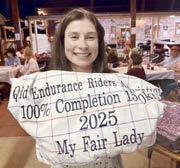
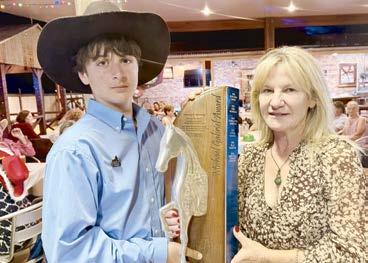
Dick said he was really surprised and humbled to receive it.
“I have to say that if I am eligible for this award then there should be another 100 people – maybe 1000 people - on this stage as recipients.
“We all know that most sport is not what we see on TV – it is grassroots sport and most grassroots sport survives because of the many volunteers who contribute and who make it happen week after week.
“So, my sport is endurance riding. That’s riding a horse for a long way and a long time.
“Our championship distance is 160kms in one day.
“An essential piece of equipment for us is a roll of gaffer tape. That’s so we can attach a torch to our riding helmet because those rides start at midnight, when we get on a very fit equine athlete and ride off into the State Forest at Imbil or Bringalilly, or on the stock route from Winton to Longreach.
“Otherwise it’s somewhere else, following little arrows with fluorescent tape on them.
“In our sport, we have no prize money and we all ride the same track – male and female, young and old, weak and strong.
“We give a trophy to the person who finishes first – and we give a trophy to every single person who completes the ride whether you do it in 10 hours or in 20 hours.
“Our endurance motto is ’to complete is to win.’
“ We know the real meaning of the words from the Graeme Connors song Being Here when he said: ’Winning isn’t always being first across the line,
As long as I do my best I’m winning every time.’
“That song, by the way, was the anthem for the Para-olympic Games of 2000 – Sydney, where Australian horses figured so prominently in the opening ceremony.
“Right now, with the Olympics coming to Brisbane, and with the equestrian events being based in Toowoomba, the Australian Endurance community has put in a proposal for endurance riding to be added to the 2032 Olympics.’’
THE BOND BETWEEN HORSE AND RIDER
The 2025 QERA Awards held at Leyburn Hotel were more to acknowledge the completion side of equestrian rather than individual achievement.
In addition to the presentation of the Top 5 awards for horse and rider distance and point scores, there were a number of special awards.
Michael Gabriel Award - presented to a rider who, in the opinion of the QERA Registrar, has made the ideal progression from a new member to open rider within their first year went to Hamish Rizk and Stephanie Rainsford, who will share the award throughout the year.
Colliers Cup - awarded to the horse and rider
Teams Distance and Teams Points Award: Clicker Jets - Janelle Taylor, Emma Dimech, Tracey Eastaughffe and Sue Sutcliffe.
Heavyweight Horse (Distance): Burralga Thunderbolt 644km; Points: Rkayn Xuberant 16.5 points.
Heavyweight Rider (Distance): Mark Liesegang 644km; Points: Andrea Dunsby 21.5 points.
Middleweight Horse (Distance): Brynjell Dynamo 800km; Points: Brynjell Dynamo 24 points.
Middleweight Rider (Distance): Saasha Grogan 1453km; Rider (Points): Saasha Grogan 40 points.
Lightweight Horse (Distance): Brookleigh Syria 728km; Horse (Points): Willow Valley Jumanah Pearl 27.5 points.
Lightweight Rider (Distance): Shelley Chapman 1284km; Rider (Points): Shelley Chapman 35.5 points.
Junior Horse (Distance): Anastazia VA 727km; Horse (Points): Anastazia VA 21.5 points.
Junior Rider (Distance): Taylor Grogan 1476km; Rider (Points): Taylor Grogan 33 points.
HONORARY MEMBERSHIPS
At the QERA annual general meeting, three honorary memberships were for voted for unanimously - Dr Harry Wever, Sarah Sullivan and Erle Levey.
Honorary membership is granted to individuals who are recognised by QERA as having provided special services to the sport of endurance riding.
Harry dedicates much of his time to vetting at rides, including mentoring new vets and travelling interstate to Quilty events.
He has been a member of the AERA National Vet Panel for a number of years, where he contributes to the review of veterinary rules, procedures and any horse welfare situations.
Sarah has been photographing rides for 10 years, travelling not just across Queensland, but to almost every state to capture special memories. She donates the use of her magnificent photos to QERA for the annual magazine, website and promotional purposes.
Sarah also sponsors a number of awards at rides, often for 20km events and new riders.
Erle has made a significant contribution through his numerous publications of articles in a variety of newspapers. His stories and reports reach a wide audience and encourage people to be interested and involved in the sport.
Erle attends a large number of rides and has come on board as a member of the 2026 Tom Quilty committee.
WHAT’S AHEAD IN 2026
Planning is well underway for the 2026 Tom Quilty Gold Cup, with the Stirling’s Crossing Endurance Club at Imbil planning and preparing for this very special event on July 4-5. It is the 60th Quilty and QERA will be working to commemorate this in appropriate ways.
One special event at the TQ26 will be an Arabian Endurance Horse show, held in partnership with the Arabian Horse Society of Australia. The 2026 calendar starts with an education weekend for riders and horses at Stirling’s Crossing on January 24-25.
The Far-A-Way Easter Endurance Carnival at Imbil on April 3-6 includes a 320km marathon ride.
The Queensland State Championships are to be held at Biggenden on September 12-13.
IN CONCLUSION
It’s been a phenomenal year for endurance horse riding and 2026 is shaping up to be another cracker with the hosting of the Tom Quilty Gold Cup in Queensland, making it easier in travel time for riders to complete the Triple Crown - a marathon, the Quilty and the state championships.
Continued page 26
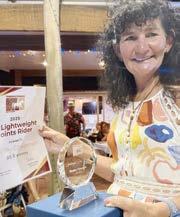

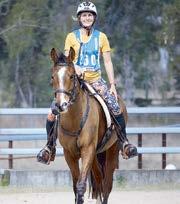
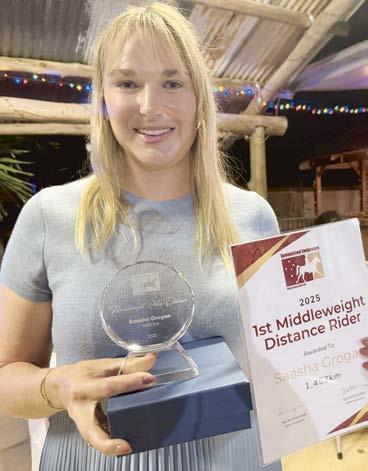
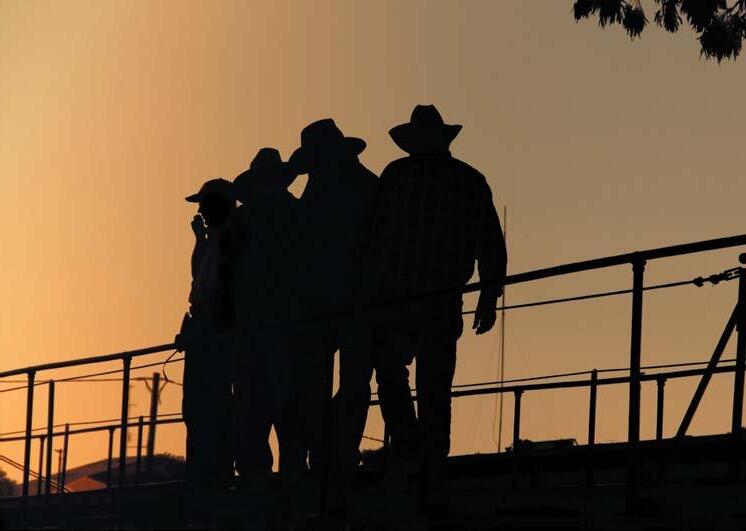
newsdesk@queenslandfarmertoday.com.au
all your classified and advertising enquiries, contact our team.
Jane Lowe 0408 488 609
E: jane.lowe@queenslandfarmertoday.com.au
Daniel Pelcl 0408 956 830
E: daniel.pelcl@burnetttoday.com.au
Sharon Jones
P: 07 4182 0451
E: sharon.jones@burnetttoday.com.au
40,000 readership per month
Inserted into the following newspapers:
• South Burnett Today
• Central & North Burnett Today
• Warwick Today
• Stanthorpe Today
• Leader Today
• Jimboomba Today
• Beaudesert Times
• Emerald Today
• CQ Today
• Goondiwindi Argus
Also available from the follow outlets:
• Hartleys Newsexpress Toowoomba
• Roma Sale Yards
• Warwick Sale Yards
• Highfields News & Post
• Pittsworth Newsagency
• News Extra Central City
• Dalby Saleyards
• The Barn, Oakey
• Crows Nest Newsagency
• CQLX Gracemere,
• Longreach saleyards
• Emerald saleyards
• Meringandan Produce
• Goombungee Newsagency

Prep: 25 mins plus custard chilling time
Cook: 2 hrs (this includes custard cooking time)
Serves: 10
Custard
· 300ml pure cream
· 300ml milk
· 6 egg yolks
· 2 tablespoons cornflour
· 1 teaspoon vanilla bean paste
Method:
Custard
· 75g (1/3 cup) caster sugar
Crumble
· 1/3 cup plain flour
· 1/3 cup brown sugar
· 60g unsalted butter, chopped
· 1/3 cup rolled oats
· 1/3 cup flaked almonds
Cake
· 1 cup caster sugar
1. Combine cream and milk in a medium saucepan over a medium heat until it is about to simmer.
2. Meanwhile, whisk yolks, cornflour, vanilla and sugar together in a large heatproof bowl. Slowly pour in the hot cream mixture whilst continuing to whisk until combined.
3. Return mixture to saucepan and place over low heat. Cook, whisking constantly, until custard thickens and thickly coats the back of a spoon. Transfer to a large heatproof bowl. Set aside to cool slightly. Cover surface with plastic wrap. Refrigerate until thick and cold, about 4 hours or overnight.
Crumble
1. Combine flour and sugar in a bowl. Using your fingertips, rub butter in. Squeeze pieces of mixture together to form large pieces of crumble. Mix in oats and ¼ cup of the almonds. Set aside.
Cake
1. Preheat oven to 160C (fan-forced). Invert the base of a
· 125g unsalted butter, chopped, room temperature
· 3 eggs, room temperature
· 1¼ cups chilled custard (recipe in step one)
· ½ cup milk
· 1 2/3 cups self-raising flour, sifted
· 200g frozen or fresh raspberries, extra to serve
· Icing sugar, to dustsalsa dip, to serve
23cm, base measuring 22cm springform pan. Grease and line base and sides with baking paper.
2. Beat butter and sugar in the bowl of an electric mixer until pale and creamy. Beat in eggs, one at a time, until combined. Stir in ½ cup of the custard. Add flour and milk in two batches, stirring until combined. Spoon mixture into prepared pan and smooth surface.
3. Dollop teaspoonfuls of remaining ¾ cup custard on top of cake batter then sprinkle with 11/3 cups (140g) of the frozen raspberries. Press raspberries into custard and cake batter. Sprinkle with crumble then remaining raspberries and remaining almonds.
4. Bake for 1 hour and 40 minutes or until a skewer comes out clean when inserted into cake. Cover with foil when beginning to get dark on top. Stand in pan for 40 min before removing. Dust lightly with icing sugar and serve warm or room temperature with remaining custard.
Notes:
· leftover cake will keep in a sealed container in a cool place up to 3 days or freeze in pieces wrapped in plastic wrap.

Prep: 10 min
Cook: 35 min + resting
Serves: 2-3
Difficulty: Easy
Ingredients:
· 1 large flour wrap/tortilla (mission 26cm)
· 5 eggs
· ½ small red capsicum, diced
Method:

· ½ small red onion, thinly sliced
· ½ cup frozen corn, defrosted
· ½ cup (60g) grated Mexican cheese
· ½ cup chopped coriander, extra leaves to serve
· 1 tsp Mexican spice blend
· Light sour cream & Mexican salsa dip, to serve
1. Press tortilla into the base and up sides of a 20cm x 5cm high (about 3 cup capacity) round ovenproof dish that will fit inside your air fryer basket.
2. Air-fry on 180C for 4 minutes. Carefully remove bowl and turn crisp tortilla over and place inside bowl so base is facing up. Air-fry for 1-2 minutes until base is crisp. Turn back over in bowl. Press down any puffed tortilla.
3. Meanwhile, whisk eggs in a large bowl. Season. Add capsicum, onion, corn, cheese, coriander and Mexican spice blend. Stir until combined. Transfer to a jug. Pour into prepared tortilla.
4. Air-fry at 180C for 15 minutes. Cover with foil and air-fry for a further 15 minutes or until golden and set. Leave in air fryer for 20 minutes to cool before cutting.
5. Serve topped with sour cream and salsa. Top with extra coriander. Cut into wedges and serve.
Notes:
· Make it a heartier meal by serving with a crisp salad or coleslaw.
· You could also add extra vegetables such as 2/3 cup steamed diced sweet potato. Or use a bag of frozen peas and corn.
· If you don’t have an air-fryer, bake in the oven at same temperature. Make two in oven proof ceramic or metal dishes in the oven to serve 6.
· If foil blows off the top of tortilla in your air fryer, weigh it down with metal cutlery, making sure you lift off cutlery with an ovenproof mitt.
· You can also use a silicone air fryer basket liner.
· Use frozen peas, corn and capsicum instead of corn and capsicum or add another vegetable such as blanched small broccoli florets.
· Make a wide foil strap to assist lifting out bowl.
· To boost the fibre even further use wholemeal wraps.






























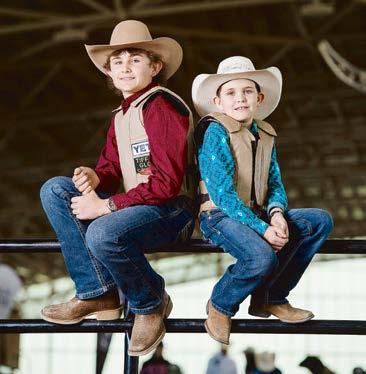
By Donna Jones
Gympie’s Chase Wieland has taken a significant step towards the professional ranks after winning the Senior Series buckle at the 2025 PBR Australia Can-Am Junior Academy Series.
Professional Bull Riders Australia (PBR Australia) stages more than 20 events nationally each year and provides a clear development pathway for emerging athletes through its junior academy program, linking riders to elite domestic competition and the international circuit.
The Monster Energy Tour begins in Scone, NSW, on 7 February, before travelling to venues across Queensland, New South Wales, Victoria and South Australia throughout the season.



The series wrapped up in spectacular fashion, delivering edge-of-your-seat action and showcasing the next generation of Australian bull riding talent, with Wieland emerging as the standout performer in the senior division.
The title marks the culmination of a strong junior career for the Queensland rider and confirms his readiness to progress to the next level of competition.
Having graduated from the Can-Am Junior Academy, Wieland will now have the opportunity to tour with PBR Australia’s Monster Energy Tour, competing alongside some of the country’s top riders in the new Challenger section.
The tour includes major arena events as well as regional stops, offering riders valuable experience in front of large crowds and under highpressure conditions.
With more than $1 million in prize money and bonuses on offer across the 2026 PBR Australia season, Wieland’s Senior buckle win represents both a milestone achievement and the beginning of an exciting new chapter in his bull riding career.


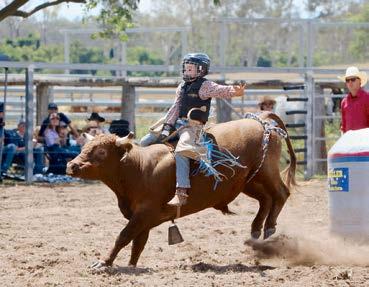
From page 30
“They would go shooting every chance they got, and fire 5000 bullets in a month.
“I had 100 for all the time I was there, and still had some left when I finished up.’’
When Tom went to Sweden with the Australian team he had the same horse, Prince Aussie, at what was the biggest and best horse event - the World Equestrian Games.
He was leading at one stage, but Prince Aussie was vetted out at the end.
“If you want to know about fame, talk to that horse,’’ Tom said. “He had a book of results that was inches thick.
“When I left him in Sweden, they rode all over Europe. He won a Swedish championship, competed in Denmark, England, France, Spain and North Africa. I’m not sure about Germany.
“He was only a station horse from Queensland - we think he might have come from Longreachand was brought to Brisbane because they were de-horsing the property.’’
In Brisbane, he took up riding as a hobby - first at at Brisbane Forest Park, then Murrumba and at Kenilworth.
“When I went into endurance, Winton-ToLongreach was the only ride I wanted to do. That was all those years ago but I never did it.’’ Tom rides very little now but jumps on a horse now and then.
He has trained horses for Natasha Thackwray, who went on to win the 2025 Far-A-Way Marathon of 320km on County Downs Optical Illusion.
Tom had ridden the horse in a training ride of 42km at the 2024 Far-A-Way Easter Carnival and as a middleweight in an 80km at Wondai in 2025.
“He’s more than a mentor,’’ Natasha said of Tom.
“A few years ago he just took me under his wing.
“He’s just a great teacher. He’s got a great nature about him.
“You’ll never hear him complain.
“After that I came from nothing and won a 160km on this horse at Inglewood.’’
Tom’s secret in life is don’t stop, just keep going, Natasha said.
“This horse was always having trouble with the hind legs and Tom was able to pick that up, that he had an issue with one vertebrae.
“He’s just incredible.’’
At the 1999 Tom Quilty Myrtleford ride Tom fell off but still came second.
He said it was just one of those things that happen.
“I lost a stirrup and that cost 20-odd minutes. It was probably Prince Aussie’s best ride as well.
“He was a bush horse. Yet the number of completions I did with him was extraordinary.’’
In those days they were just stock horses, Tom said, and if they couldn’t do anything with them they could always do endurance.
“I’d been warned that he hadn’t been ridden so I thought I’ll just take him for a lead.
“After about 20 minutes I could see that it was starting to come back to him.
“I could see it in his eyes, so I put a saddle on and he was okay.
“The same thing happened in Sweden. I told them don’t put a saddle straight on him, walk him around for 20 minutes.
“I’m sure they didn’t follow that. The rider jumped on and he threw her ... and broke her shoulder.
“The next ride was the Swedish championship. She jumped on and cleaned them all up.
“Having showed them how to do it, they thought I was a champion.’’
When Tom went up to the north-west of Western Australia he worked for a while on the first Ord River dam.
After that he thought it would be good to have a look at Queensland and then go back down through the other parts of Australia.
“But I didn’t do that. Brisbane‘s got better weather than Perth.
“Why would I go back there whether there’s not good weather?
“I went to Denmark in Western Australia, but it’s right down south and while the area was pleasant the weather miserable and cold.’’
He retired in Brisbane after a feeling of being burnt-out from living hand-to-mouth for many years.
“The Winton to Longreach ride was what brought me back to horses.
“We had bought a property in The Gap and the kids were grown enough so I said: ’Come on, we’ll have a horse’
“They didn’t like it but I did, so I went to Longreach and thought I would go in that ride.
“Instead, I crewed for Dean Stephens of
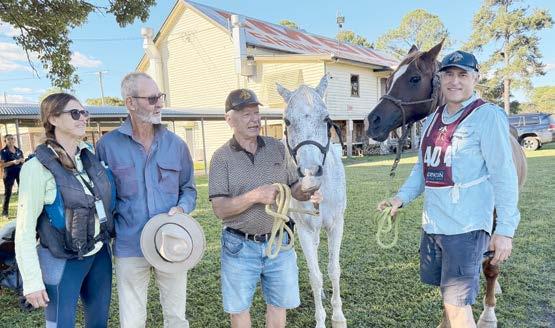
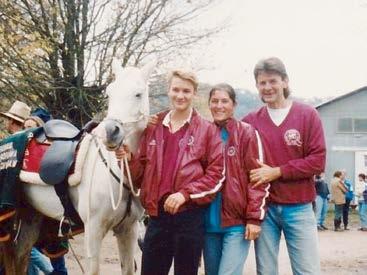
Toowoomba.
“Everything had to be done on horseback. You didn’t drive around because that cost petrol.’’
At Tom’s first job near Kalgoorlie they gave him the house horse to do the windmill run so he got used to just sitting in the saddle all day.
“We would get up at five and then have a break at lunchtime and then finish off in the cool of the evening.
“If you went into town, the cattle boys didn’t talk to the sheep boys.
“Being in the bush was fabulous - we would carry a billy, pair of pliers, wire, tomahawk, poison and a rifle.
“I got sick of carrying that rifle all the time and yet the other others went out kangaroo shooting any time they could.
“I had a ball there. But I couldn’t see any sense in shooting a kangaroo.’’
Right from the end of his primary school days Tom liked being around horses.
Nobody had any money, but there was a trotting stable in the next suburb.
“I got a job there five or six bob a week helping out. But he was a typical town trainer … used the whip and the electrical jiggers.
“He used to forget to pay me but every now and then he would, so I suspect he had a win on the trots.’’
For Tom, there’s no question that without horses he wouldn’t be the person he is today.
“When things go wrong. I’ll jump on a horse and go for a ride.
“I lived on a hill in Brisbane so that kept me fit, going down and catching them.
“They’re a bit like having a dog ... they don’t ask questions.’’
Tom has been back to Denmark since coming to Australia but he said it was different to what he remembered.
“You’re expecting things and it doesn’t happen. I thought I was a bit Danish but, no, I’m Australian.
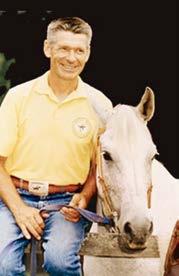
“I was a stranger in the place I was born in. I haven’t been back in 20 years.’’
That was when Tom told me a story about when they were in outback in Western Australia.
“This other fellow said: ’You know, we’re probably the first white people to be out here.’
“And not 10 minutes later, we come across this tobacco tin.
“It was brand new. So we figured it was probably thrown out of the light plane some stage.
“We’ve been lucky to have experienced the Australian bush … it’s changed but it will change that much again in the future.’’
Tom is looking forward to the 2026 endurance season, especially with the 60th anniversary of the Tom Quilty Gold Cup to be held at Imbil in July.
He will be among the previous winners of the coveted trophy to be honoured at Imbil
and may have a hand in helping one of the new
eration of riders hold the
Cattle
• Report Date: 21/01/2026
• Sale Yard: Casino
• Total Yarding: 1400(-130)
There was 1,400 head yarded, and once again the penning cows out numbered the young cattle. The yarding of young cattle consisted mainly of vealers and weaners, along with a few pens of yearlings. Quality was mixed with several pens of well bred weaner steers and heifers through the sale. Competition was stronger for the weaner steers with restockers pushing prices up by 20c for the well bred steers, with most steers selling from 450c to 544c, the medium weights averaging 502c/kg. Restocker weaner heifers held firm selling from 355c to 455c/kg. Trade veal sold from 340c to 406c/kg. Restocker and background yearling steers ranged from 428c to 500c/kg. There was insufficient numbers of grown steers for a quote. There was a fair penning of grown heifers that sold from 330c to 411c/kg. The large offering of cows consisted of several runs of heavy cows along with some plainer grades through the sale. The market was 8c to 10c cheaper, and some sales more. The 2 score medium weights sold from 326c to 355c while 3 score medium weights averaged 362c and heavy cows sold from 365c to 398c/kg. Heavy bulls reached a top price of 395c/ kg. Doug Robson Reporer
• Report Date: 21/01/2026
• Saleyard: CQLX Gracemere
CQLX Gracemere vendors penned 1425 head to open their 2026 selling year after cancelling last weeks’ opening date due to a wet track. Cattle mostly came to hand from local vendors to the south as far as Gin Gin and west to Moura. Condition was improved on closing sales of 2025 with mostly small lines of cattle penned. The buying gallery included most regular operators. However not all could operate due to the limited numbers penned. Overall a strong market with top prices above closing rates for 2025 in many classes. Light weight yearling steers topped at 629c/kg to average from 537c to 566c/kg for the best-bred lots. Medium weight, well-bred lines averaged 497c to 503c/kg to restockers. Light weight yearling heifers reached a top of 423c/kg, recording averages from 373c to 385c/kg. Medium weight pens sold to record averages from 370c to 409c/kg. Grown steers to feed yards made to 505c/kg with averages typically from 428c to 493c/kg. Processors bought their bullocks to average 415c to 432c/ kg. Trade weight, grown heifers made to 419c/kg, averaging 362c to 401c/kg. Restocker, two score cows averaged 282c to 334c/kg to make to 343c/ kg. Heavy, four score cows reached 388c/kg, averaging 379c/kg. Heavy bulls averaged 356c/kg selling to processors, whilst the good average quality cows and calves penned, sold from $1,600 to $2125 per unit. Reporter: Richard Thomson
• Report Date: 21/01/2026
• Saleyard: Dalby
Interim Report. The national trend of larger numbers into the saleyards continued at Dalby with agents penning 7,238 head an increase of 1,774. A large supply of close to 1,400 cows were offered and 320 bulls. A good sample of 1,014 head from far Western Queensland and 198 head from New South Wales were included in the
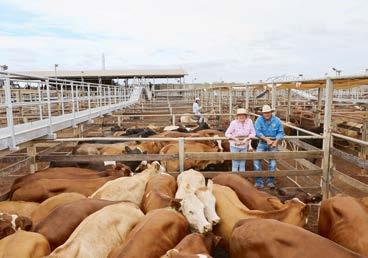
lineup. A fair panel of export buyers were present however the southern operators of recent weeks were absent. Yearling steers and heifers to feed at the time of this interim report have experienced only quality related price changes. Cows could not maintain the levels of the previous sale with processor lines 10c to 15c/kg cheaper however store condition cows were the least affected. Medium weight yearling steers to feed made to 536c to average 508c/kg. Heavy weight yearling steers to feed averaged 488c with pen lots to 514c/kg. Medium weight yearling heifers to feed made to 440c to average 418c and heavy weights made to 448c to average 429c/kg. A couple of bullocks made to 468c and heavy grown heifers made to 435c/kg. Medium weight plain condition cows to restockers made to 356c to average 351c and processor lines averaged 333c/kg. Heavy weight 3 score cows averaged 371c and the best of the cows made to 389c to average 378c/kg. Heavy weight bulls made to 414c/kg. Market Reporter, Trevor Hess.
• Report Date: 20/01/2026
• Saleyard: Roma Store
Roma Agents yarded 7,326 head. All the regular buyers attending and active. A quality yarding penned with cattle drawn from the normal supply district. The market for steers and bullocks stronger for most categories whilst heifers and cows softer mainly due to the quality presented. Yearling steers 200 to 280kg topped 612c/kg to restockers. Yearling steers 280 to 330kg made from 464c to 612c/kg to restockers. Yearling steers 330 to 400kg selling to 590c to restockers and 524c/kg to Lot Feeders. Yearling steers 400 to 480kg sold to 544c/kg to Lot Feeders. Yearling heifers under 200kg topped 298c/kg to restockers. Yearling heifers 200 to 280kg made to 479c to Lot Feeders to average 423c/kg. Yearling heifers 280 to 330kg selling from 300c to 468c to average 427c/kg. Yearling
heifers 330 to 400kg sold to 474c to Lot Feeders to average 409c/kg. Yearling heifers 400 to 480kg selling from 375c to 466c/kg. Yearling heifers over 480kg to 400c/kg to processors. Grown steers 400 to 500kg made from 480c to 506c/kg to Lot Feeders. Grown steers 500 to 600kg topped 488c to Lot Feeders and 483/kg to processors. Bullocks over 600kg to 484c/kg to processors. Heifers over 540kg to 456c to Lot Feeders and 456c/kg to processors. Approx 1100 cows penned. Even though cows were well sort after they did not reach the highs of the previous sale, mainly due to yield and quality. A small number of young cows made to 425c/kg. The 3 score cows over 520kg topped 405c/kg. The 2 score cows 400 to 520kg made from 220 to 390c/ kg for large frame store cows. Bulls 450 to 600kg to 446c with bulls over 600kg to 407c/kg to processors. Market Reporter David Friend.
• Report Date: 20/01/2026
• Saleyard: Scone
Scattered rain events in the last 5 days of up to 40mm in the high country helped reduce numbers by 500 head as Scone agents penned 996 cattle. Despite the big drop in numbers the market fluctuated throughout with a few regular orders not in play. Light steer calves made from 460c to 550c/kg averaging around 520c/kg to be 17c/kg better off, medium weights 280 to 330kg for the better covered types also gained traction to be 9c/kg dearer making from 410c to 512c/kg and averaging 490c/kg. Over 330kg were cheaper selling between 442c and 484c/kg. Light heifer calves lost substantial ground selling from 308c to 438c/ kg whilst medium weights were up to 30c/kg dearer in places trading between 420c and 470c/ kg the latter for Euro B muscles. Quality related falls in the medium and heavy yearling steers to background and feed sold from 376c to 482c/kg. Same weight yearling heifers held firm 398c to 466c/kg whilst B muscle trade heifers topped at
492c/kg. Around 265 cows penned the majority were heavy 4 scores. With one major southern processor not operating they fell 18c/kg making from 375c to 396c/kg averaging 391c/kg. The next grade down being the 3 score cows had similar losses and traded between 350c and 386c/kg. The best heavy Bull made 388c/kg. Market Operator Angus Barlow.
• Report Date: 20/01/2026
• Saleyard: Warwick
Warwick agents penned 1,659 head. The regular processors and feeder buyers attended along with local restockers. The major portion of the yarding contained quality bred cattle and well finished lines with plainer types making up the balance of the penning. All processor and feeder cattle sold to strong competition from the buying panel. Light weight yearling steers to restockers sold to 570c and averaged 513c/kg. Yearling steers over 280kg to background sold to 530c/kg. Yearling steers to feed for the domestic market made 525c to average 483c/kg. Heavy yearling steers to feed sold to 483c and averaged from 465c to 470c/kg. Light weight yearling heifers to background sold to 470c/kg. Yearling heifers over 280kg to feed made 468c to average 438c/ kg.Medium weight yearling heifers to feed made 460c to average 420c/kg. Heavy yearling heifers to the wholesale meat trade made 485c to average 455c/kg. Bullocks to processors sold to 471c and averaged from 456c to 461c/kg. Grown heifers to processors made 454c to average 428c/kg. Light weight cows to processors made 361c to average 330c/kg. Heavy score 3 cows to processors made 379c with the best heavy cows at 392c to average 386c/kg. Heavy bulls to processors averaged 408c and sold to 426c/kg. Market Reporter Errol Luck. Sheep
• Report Date: 21/01/2026
• Sale Yard: Warwick
• Total Yarding: 3689 (+982) | Sheep Yarding: 1926 (+868) | Lamb Yarding: 1763 (+114) The supply of stock at Warwick increased to 1,763 lambs and 1,926 grown sheep. The yarding included quality runs of young store lambs and well finished trade and heavy lambs along with extra numbers of ewes and wethers to suit the processor and restockers buyer. All the regular buyers attended and operated on a softer market for trade lambs of $11 to $26/head with hoggets and mutton selling from $3 to $18/head dearer. Young lambs in the 10-16kg range to restockers sold from $55 to $139/head. Young lambs over 16kg to restockers sold from $116 to $160 with those to the butcher trade at $146 to $169/ head. Older lambs in the 20-22kg range to feed sold from $165 to $181 with those to the butcher trade at $170 to $212/head. Lambs in the 22-24kg range to the wholesale meat trade sold from $172 to $236/head. Heavy lambs to processors sold from $224 to $295/head. Hoggets to processors sold from $140 to $200/head. Crossbred and dorper ewes to restockers sold from $80 to $189 with those to processors at $123 to $186/head. Merino wethers to processors sold from $123 to $179 with dorper wethers at $134 to $200/head. Ram lambs to the butcher trade sold from $158 to $176/head. Rams to processors sold from $140 to $170/head. Market Reporter Errol Luck.
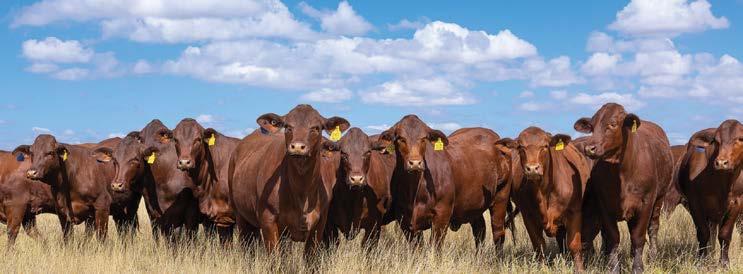
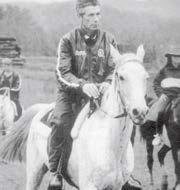
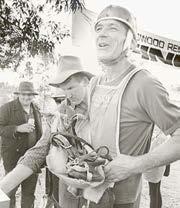
By Erle Levey
There is something about the Australian bush that gets into your blood.
That has certainly been the case for Tom Thomsen.
His story could easily be made into a movie - what he has learnt and what he has done with horses across time and distance is quite breathtaking.
Now he has moved on to mentoring other riders coming through in the sport of endurance.
Nothing has stopped his love and enthusiasm for riding, even at the age of 83. And nothing has diminished his recognition of the horses he has had the good fortune to have been involved with.
Born in Denmark, Tom came to Australia at the age of seven and grew up working on big grazing properties in Western Australia.
It was at the end of World War Two and his parents were looking for a new life in a new landone that was away from the terror of the war years.
They already had work lined up at small-crop farms just outside of Perth.
All Tom can remember of the voyage was it was a Greek ship with three classes of cabins.
First, second and steerage - in the very bottom of the ship were migrants destined to work on major infrastructure projects such as the transcontinental railway, Snowy Mountains hydro electric scheme, highways and factories. These men were in cabins with bunks stacked three high on either side.
Tom’s working life was on sheep properties - to the north of Kalgoorlie and then in the far northwest, before a job at the then-new Ord River Dam and irrigation scheme.
His boss up north was an older, traditional farmer, Tom said, who only wanted mustering on horseback - not motorbikes.
“My job was to muster the stock horses of a morning for the station hands.
“Then I would ride around the windmills to make sure there was water for the stock.
“I couldn’t ride when I first got there, but was told I would soon learn.’’
When Tom finished up at the sheep station in


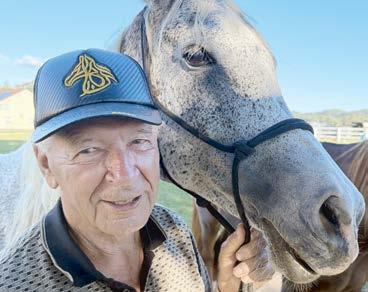
north-west, rather than return to Perth he drove across to Brisbane and was immediately won over by the weather ... it was like paradise compared to the winters in Perth.
Initially, Tom moved away from horses to concentrate on work but eventually bought a couple of acres at The Gap.
The property was big enough for some horses for the kids to ride but it turned out they weren’t that keen.
A Winton-To-Longreach ride got him back in the saddle. Yet as fate would have it, he ended up strapping for another rider at that famous event.
Still, he loved the countryside - the vast land-
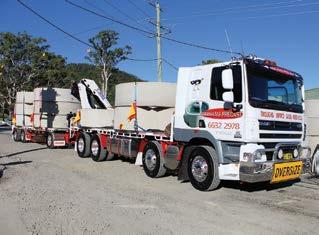

scapes. And the horses.
So much so that he went on to win two Tom Quilty Gold Cups - regarded as Australia’s premier endurance event.
Riders who complete 160km in a day are awarded a highly-sought Tom Quilty belt buckle as recognition of their horsemanship skills.
Few get the opportunity to win one, let alone two.
Not only that, Tom came second in TQ1990 after falling from his horse and losing 20 minutes.
Imbil’s Brook Sample went on to win that event at Myrtleford, in the foothills of Victoria’s high country.
However, Tom got the chance to ride in Sweden as part of Australia’s team in the World Equestrian Games in Stockholm.
That was in 1990 and Australia’s team was placed sixth - one team member gaining bronze.
Included in Australia’s team were such names as Andrew Hoy (eventing) and Vicki Roycroft (jumping), both who have worn the green and gold at Olympic Games.
Tom left his horse Prince Aussie in Sweden but it had never been properly trained to be ridden.
Initially, he had picked Prince Aussie up for $150 at Nambour saleyards ... an Australian stockhorse that looked to have little future.
Yet it turned into a Melbourne Cup story for endurance ... a horse no-one really wanted, going on to win at a national level and compete internationally.
Even though the horse had not been broken in, it was simply a matter of Tom leading him around for about 20 minutes before getting into the saddle.
By showing mutual respect, it was job done.
As is often the case, the horse chooses the rider as much as the rider thinks it is their eye for breeding.
It was the same when he left Prince Aussie in Sweden. The first time with a new rider it threw her off and the result was a broken shoulder.
Tom walked the horse and showed the next rider the trick. They thought he was a horse whisperer.
“It’s about what is between the ears,’’ Tom said, “... for rider and horse.’’
Now a mentor for the sport, Tom Thomsen was at Imbil for the Far-A-Way Easter Endurance Carnival when I spoke to him.
“It’s attitude,’’ he said. “In many ways it’s an extension.
“The horse picks you. It’s about the attitude of yourself and the animal.’’
The first property Tom worked at in Western Australia, near Kalgoorlie, the stockmen were all cowboys, he said.
“They just wanted to read Zane Grey novels about the Wild West.
Continued page 30
