




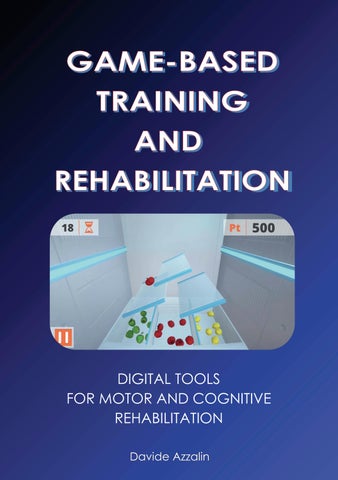
GAME-BASED TRAINING AND REHABILITATION
Original title: SPELBASERADTRÄNING OCH REHABILITERING
Translated andadapted into Englishby: Thomas Fomin
Copyright ©2025 Davide Azzalin
This Englishedition is atranslation of theoriginalSwedish work.All rights reserved.Nopartof this publication maybereproduced, stored,or transmittedinany formwithout theprior written permissionofthe publisher.
Publisher: BoD· BooksonDemand, Östermalmstorg 1, 114 42 Stockholm, Sweden, bod@bod.se
Print: LibriPlureos GmbH,Friedensallee 273, 22763 Hamburg, Germany
ISBN:978-91-8114-254-9
Introduction 12
Background andpurpose of thebook: My journeyasa physiotherapist into game-based rehabilitation.
Chapter 114
Neuroplasticity
Thebrain's abilitytoadapt
Chapter 217
TheBrain's Role in Muscle Function
Howtrainingstrengthens theconnection between intentionand movement
Chapter 3
AnticipatoryControl 23
Howthe brainprepares thebodyfor movement
Chapter 430
Game-based Training in Rehabilitation
Whereplayand trainingmeettodrive change in thebrain
Chapter 539
CognitiveTraining
Howgames trainmentalflexibilityand planning
Chapter 645
Games, Motivation,and
theBrain’s Reward System
Howgameelementsinfluencemotivation andlearninginthe brain
Chapter 752 REHABILITY®
TheGame-Basedtrainingtool
Chapter 860
Arecurring themeinmyworkasa physiotherapist is findingthe most effective exercises to achievethe goal,whetheritisrehabilitationafter an injury or performance-enhancingtraining.
Over theyears,working with patientsrecovering from stroke,livingwithParkinson'sdisease and managing otherneurologicalconditions, Ihave seen aclear need:motivational, individually tailoredtraining.A need that is oftenleftunmet in traditionalrehabilitation.
Oneexample is apatient with Parkinson'swho startedtrainingwithREHABILITY®.Previously, he haddifficultystaying motivated, butwhenthe exercises became interactive games, both hiscommitment andtrainingfrequency increased. It waspreciselyinmeetingsuchneeds that Ibegan to explorethe potentialofgame-basedtraining.
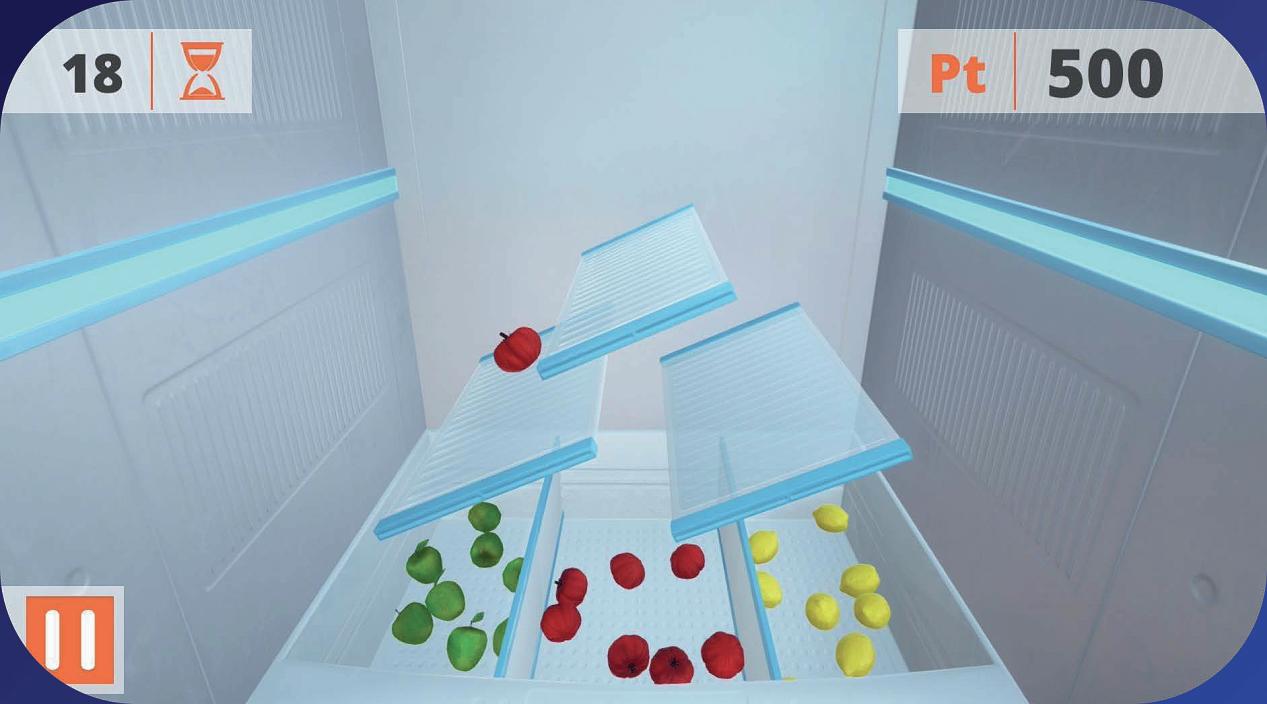
Over theyears,Ihaveworkedwithdigital toolsin theclinic, includingREHABILITY®,agame-based tool with motion registration andremotemonitoring. It has changedboththe wayI work andhow patientsexperiencetheir training. Somethingthat has always fascinated me,and which Iconstantlyconsiderwhen planning training
programs,isthe neurophysiological basisofmotor activation.
Think of aseeminglysimplemovementlikethrowingaball: before thearm even moves, thebrainhas alreadyactivated postural muscles, coordinatedagonists andsynergists, andatthe same time inhibitedthe antagonistic muscles. Thenervous system also managestoanalyze thedistance, theweightof theball, anyobstacles,and thebody’spositionin space; allwithin afractionofa second. This complexity iscrucialtounderstand when planning rehabilitation.Ingame-basedtraining, we cannaturally challengeand stimulatebothmotorand cognitiveprocessesatthe same time,makingthe methodsparticularlyvaluablefor neurological,geriatric,pediatric,and orthopedic patients. This book is apractical andscientificallygrounded guidefor thosewho want to understand,apply,and developgame-basedrehabilitationintheir practice. Here youwillfind both thebackground, theresearch, andconcreteexamplesoftraining programsthat canchange howyou andyourpatients view rehabilitation.
Howcan digitaltechnologyand gamification revolutionize rehabilitation? This book showshow game-based training methods canstrengthenboththe body andthe brainby activatingneuroplasticity,increasingmotivation, and improvingadherence.Groundedinscientificresearchand supported by practicalexamples, thebookisaimed at physiotherapists andother healthcare professionalswho wanttoenhance theirrehabilitationpracticewithgamebasedtools.
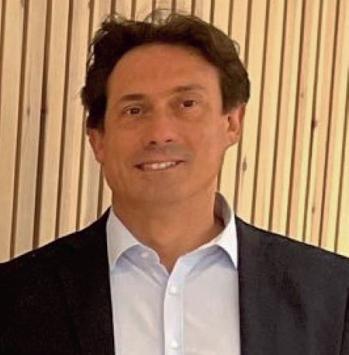
Davide Azzalin is alicensedphysiotherapist with adegreefromLundUniversityinSwedenand a degree in movement sciencefromthe University of GenoainItaly.Withmanyyears of experience in rehabilitation, training,and orthopedic medicine he combines clinical expertisewith aholisticperspective on movement andhealth.

Learnmoreatfysiomedicin.com