TheBig Letdown FalahHosini
APersonal Tale from theDiaspora of FeyliKurds
APersonal Tale from theDiaspora of FeyliKurds
By FalahHosini
Automated technology which is used to analysetextand data in digitalformfor thepurpose of generating information,according to Sections 15a,15b and15c of theCopyright Act (textand data mining), is prohibited.
©Falah Hosini 2025
Publisher:BoD ·Books on Demand,Östermalmstorg1,114 42 Stockholm,Sweden, bod@bod.se
Printinghouse:Libri PlureosGmbH, Friedensallee273, 22763 Hamburg,Germany
ISBN: 978-91-8097-866-8
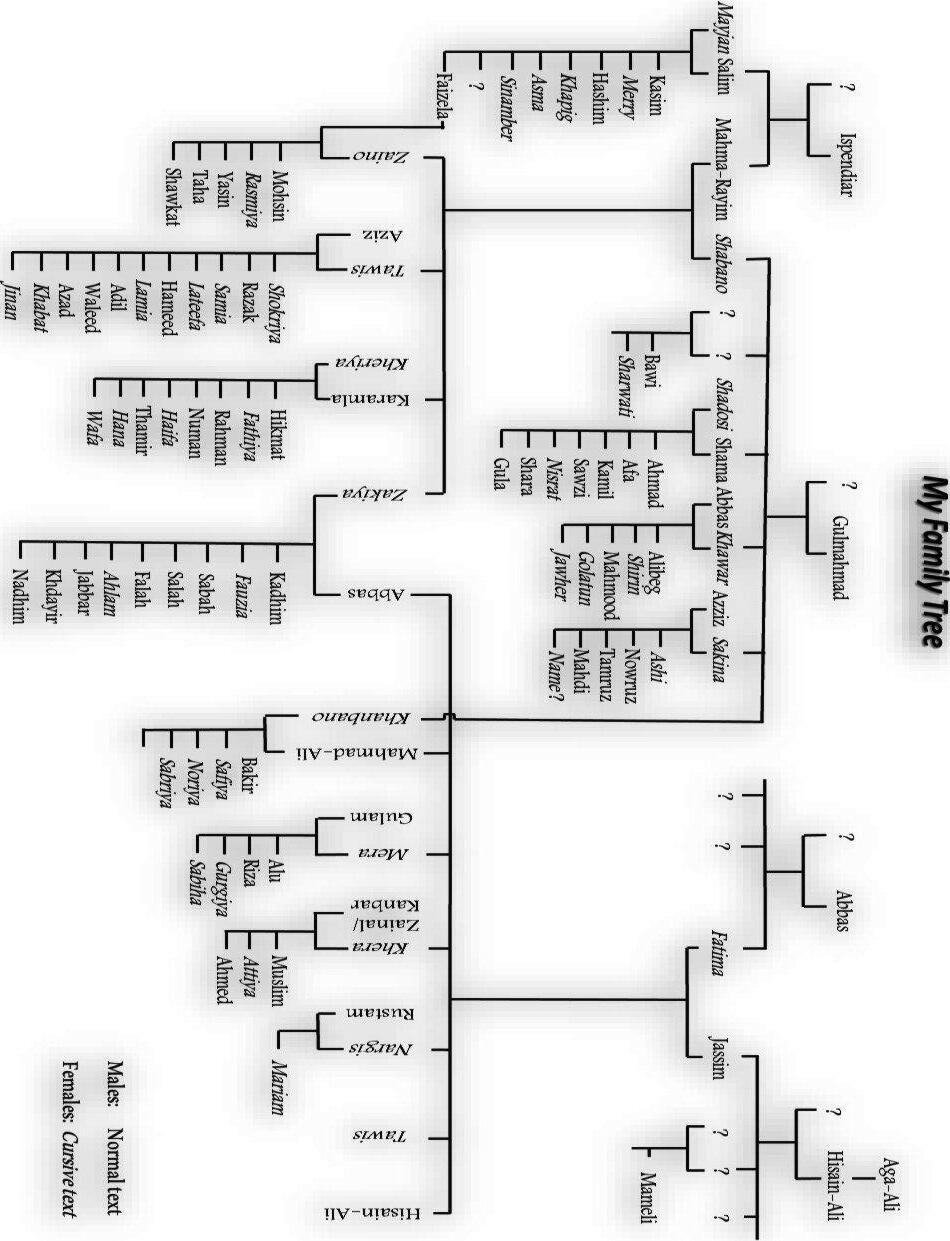
Ihavebeenthinkingofwritingmylifestory formanyyears now, butmy drivetoembarkonthistaskwas continuously pushedtothe back of my todo listbythe urgencyofthe many otherimportant lifenecessitiesthatI intentionally or otherwiseshieldedbehind.However,assoonasI retired from activeworkand foundmyselfwithplentyoftimetospare,I suddenly hadno excuse to hide behind.One of themainmotivations forwantingtowrite my memoir initially wasthe fact that Ihad movedand lived in severalcountries aroundthe worldand as such neither my siblings,myown family (mywife andtwo sons), northe many friends that Ihavemadeonmylifejourney throughout theyearshavea complete narrativeofmylifeand how much the people andculture of allthose placeshaveshapedmycharacter and personality as well as influenced my beliefs.However,the most important drivefor me wasmydesiretoleavemydescendantsa condensedrecordof my life, whichwas somethingI regretfully missed having aboutthe lifeand legacy of my parentsand grandparents.
Inever kept ajournal in my lifetherefore to succeedinwriting this condensed diaryof my life,I hadtorelyheavily on my very fragmented memory andthe memory flashbacks triggeredbyold photos anddocuments in my possession, such as visa stamps on my oldpassports or different certificates etc. Thestories and events that Iwill be recounting in this memoir maytherefore not be 100% accurate or exactlyconveymyfeelings at the time, yetI have triedto be as closetoitasI couldrecollect.Certain events andkey turningpointsinmylifemadea tangible difference to howI developedtoend up whereI am today, some were emotionallyoverwhelming andpainful andattimes drew me into dark places, butI have always persevered andmanaged to shrugthemoff andwanderbacktothe light to livefreelyand with joythankstomyparents whohavebyexample guided me andgiven me thementalstrengthand theself-confidence to choose the righttrack throughout my childhoodand beyond.
Soon afterstarting to write thefirst chapters aboutmychildhood memories,itdawnedonmethatmylifestory in fact does notstart andend with me,but it is acontinuationofthe lifestory of my parentsand their parentsbeforethem. Thisinsight arousedmyinterestand curiosity aboutmy ancestor’s historyand origin whichI hadlittle knowledgeabout apartfrom
theirtribalidentity andsomevague descriptionofthe locationofthe place they lived in before migrating westward andsettlinginBaghdad in themiddle of the19th century. Itherefore felt that thenarrativeofmylifestory wouldbe incomplete withoutframing it againstthe background of my greatgrandparent’slifestories.
No one in my family hada full pictureofthe historyofour ancestorsand Ihad,duringmychildhood,onlysporadically heardbrief accountsofthe migrationand early lifeofmygreat grandparents in Baghdad frommynow deceased parentsand otherfamily elders whenever they reminisced about the past.Unfortunately,I wastoo young andlacked thecuriosity andinterestto enquire about details of the why and how they migrated,but even if Iwould have,I do not believe that my parentsorthose fewlivingfamily elders knew more than what they were tellingusbecause they were allbornmorethan half acentury afterthose events.I thereforemadeitpartofmywritingtask to dedicatesometimeand effort to digdeeperintothe family historyand search forwhateverinformation anddocuments Icould getholdoftohelp me reconstructtheir lifejourneys.
Thefirst part of this book is thereforededicated to narratingthe remnant tale of thelife, legacy and heritage of my direct ancestorsthatI managedto reconstructbased on my research andfindingscomplementedwith thefew fragmentations of documentsthatwerestill in my family possession.The two following partsgivea condensedrecollectionofmymemoriesand emotional swings that Iwentthrough growingupduring some of theturbulent periods of my lifeinBaghdadbeforeheading to England formyuniversity studies forshortbut very memorablefew yearsbreak to liveonmyown.Itwas duringthisindependent period of my lifethatI came of ageand eventually managedtoemancipatemyselffromthe politicaland religious brainwashof my childhood years. Part 4isa detailedaccount of my adultlifeafter returninghometoa disillusioned and demoralizingexistence during whichI finally lost totalfaith in my homelandtoevergettingfreefromthe misery of never-ending atrocitiesand wars,and decidedtogointoself-exile leavingmy family,friends andthe rest of my oldlifebehind. Next part is dedicated to recountingthe emotionalturmoil of my ownmigrationinsearchofa new homelandand thejoyous feelingofpride when Ifinally getadopted by my newhomelandofSweden andstart buildingfromscratch anew lifefor me andmyfamily.The concluding part is an accountofmyemotional disillusionment with theturnofeventsseeinghow Iraq turned into areligious tyrannyafter thefallofthe dictatorship of Saddam Hussain, andthe feeling
of horrorand disappointment when Ivisitedmyfamily in Baghdadafter four decadesofabsence to find out that religious brainwashing of thepeoplewas turningthemintoa bunchofblindfollowers of faith with no freewill of their own.
As Ifinishedwriting, Irealizedthatthrough my lifestory Iwas narrating atypical tale of thehundredsofthousands of familiesfromthe FeyliKurd diaspora who, likemyfamily,haveexperienced similarups anddowns as they have,for thelasttwocenturies,struggled to getrecognition fortheir rights to asafeand decent living in theirancestral homeland.Unintentionally, thebookalsoturned out to be alayman’seyewitnessaccount of theturbulent politicaland social events of modern Iraq andthe suffering enduredbyits indigenous people throughoutthe country’sshort historysince its inception in theaftermath of theFirst WorldWar.
Weare always Kurds
Hatefuloccupiers
Immoralsavageswithout conscience
Youcannotun-kurd us
We were always Kurdsand Kurdsshall we remain
Before fire worshipping
Before Muslim being
In captivityand in freedom
We were always Kurdsand Kurdsshall we remain
Iamneither Arab norIranian
Iamnot amountainTurk
NotonlyI buthistory tells
That Iama Kurd from Kurdistan
It’s nota disgrace nor apride
National diversity
Is adecisionofhistory
That we were always Kurdsand shallremainasKurds
Othernations areall my brothers
Only occupiersare my enemies
Iamnot asking forsomebody’sland
Iwillnot violatethe rights of others
Forthe rightofmypeopleand my land
As long as Ilive, Ishall fight
Hatefuloccupiers
Immoralsavageswithout conscience
Even if youlevel mountQandil, Ararat and Shirin to theground
Youcannotun-kurd us
We were always Kurdsand Kurdsshall we remain
“Ifwefeelwearemissingoutsometimes,itmaybebecausewe simplyforgettoconsultthepastor neglecttothinkup itsties withthepresent”
Erik Pevernagie
“Wemay be dividedbyborders, butweare allunitedbyour identity as Kurds” AKurdish saying
IamKurdand my ancestors, likemostpeopleofKurdish ethnic origin, have historically inhabitedthe valleys andhills on both sidesofthe 1600 km long Zagros Mountain rangefor millennia,and areindeedindigenoustothis long stretchoflandthatisstraddlingthe border regionsofmodern-day Turkey,Iraq, Syria, Iranand Armenia. Kurdistan,landofthe Kurds, is what this region of theworld called andhas been throughoutthe ages.The natural mountainous terrainofKurdistan gave theKurds certainprotectionagainst forced assimilationbythe numerous flourishingempires that sweptovertheir land throughout themillennia,and this unique nature of theirlandscape enabledthemtokeeptheir ethnic,religious andculturalidentity practically intact to become todaythe fourth largest, andone of theoldestindigenous ethnic groups in themiddleeast. Most Kurdspracticed theancient Zoroastrian religionfor afew Milleniauntil they were forced to renounce theirfaith andmandatedtoconvert to Islam by theMuslim conquerors of theirlandaroundthe middle of the7th century, butdespite this,a few minoritiesinespecially isolated regionsof Kurdistankepttheir Christian, Jewish andZoroastrian faiths.
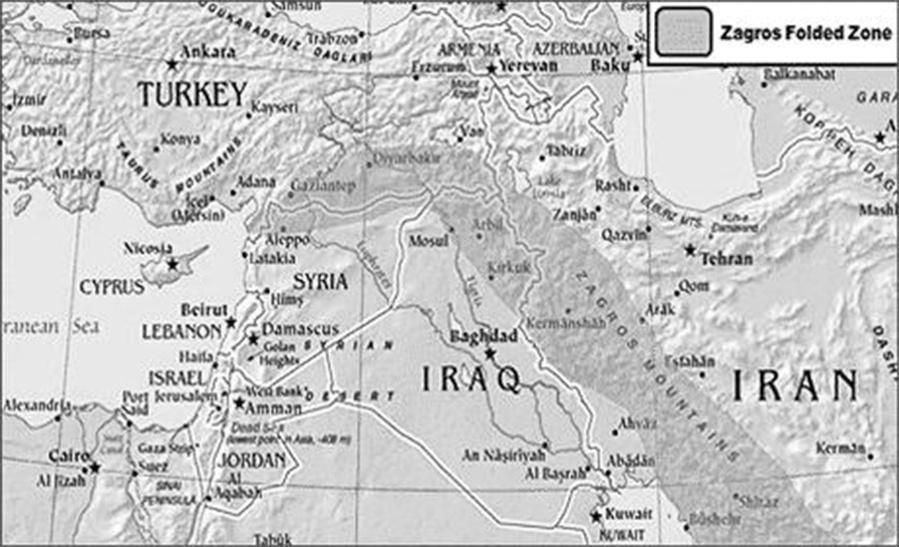
TheZagros folded zone (source: TheGeologicalSociety of London)
Thestrategic positionofKurdistan as adefacto “bufferzone” between thetwo giantIslamic empiresofthe second half of thelastmillennia,the Sunni IslamicOttomanempire (1299-1922), andthe PersianShiaIslamic empiresofthe Safaviddynasty(1501-1736)and laterthe Qajardynasty (1794-1925), made theKurds easy prey forfurther religious indoctrination into theseempire’sspecificinterpretationofthe Islamicbeliefsystem. This resultedinthatthe majority of Muslim Kurdslivingwithin theOttoman empire territory adoptedthe Sunnipersuasionwhile Feyli Kurdswho primarily lived within thePersian empire in southern Kurdistanadopted the Shia persuasion of Islamduringthe Safaviddynasty rule.These empires demanded unwaveringloyalty to therulersofthe land in thenameofthe divine,and forhundredsofyears,Kurdistan wasusedastheir battle ground forgaining physical andspiritual controloverits people while surprisingly still recognized theiruniqueculturaland nationalidentity.
This somewhat liberal attitude towardsnationaldiversity in favour of faith andthe senseofbelonging is evidentinthe many oldmapsofthe region fromthe eighteenth andnineteenthcenturies,likethose belowwhich clearly recognize thegeographicextentofKurdistan despite its precarious position crammedbetween thetwoempires.
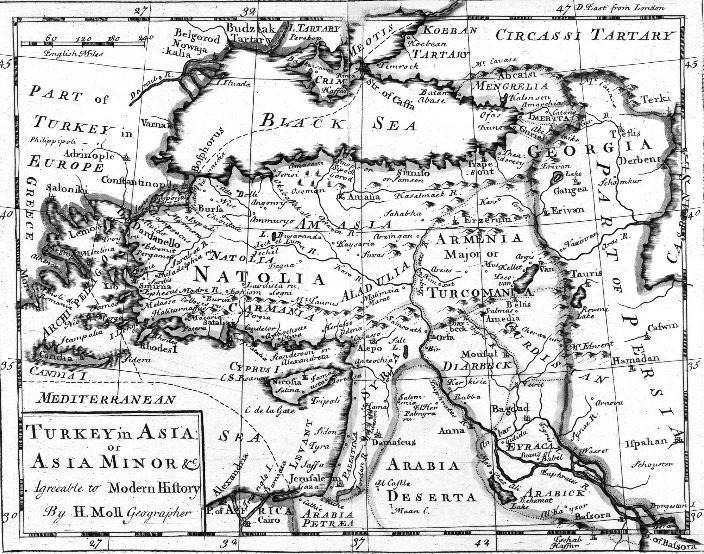
1739 mapofTurkeyinAsiaMinor by the18th centurygeographerHerman Moll, reference(1).Kurdistan (herecalled“Curdistan”)isshown to extend well beyond thewestborderofthe Ottomanempireand theZagros Mountain rangeinsidethe Persian empire
The big Letdownisa self-reflectingtale of the life experiences that have shaped the character and personality of the author from his turbulent childhoodinthe Kurdishquarter of old Baghdad to his joyful years of independent living in the early seventies as auniversity studentinEngland where he truly came of ageand managed to freehimself fromhis childhood's religious and political brainwash.The few years that he lived in Iraq after his return was filled with regret and disillusionment beforehefinally lost faithand decided to once and for all abandon the homeland of his ancestors in searchofa new homeland that could offer him and his descendants ahumane existence. The book invitesthe reader to ride on the authors emotional rollercoaster of hardshipand joyashesearches for anew homeland andfinds it in Sweden where he starts building anew lifefor himself and his family.