Shiv Nadar University is India’s premier multidisciplinary research university. Within just fourteen years, it has defined a new trajectory for higher education in India.
Established in 2011 by Mr. Shiv Nadar - one of Asia’s foremost philanthropists and a pioneer of India’s technological revolution. The university is part of the Shiv Nadar Foundation (founded in 1994). The Foundation’s initiatives span the entire spectrum of education and art, making it one of India’s largest philanthropic organizations. In 2022, the university was recognized as the youngest Institution of Eminence by the Government of India, one of only four private institutions in the country to receive this distinction.
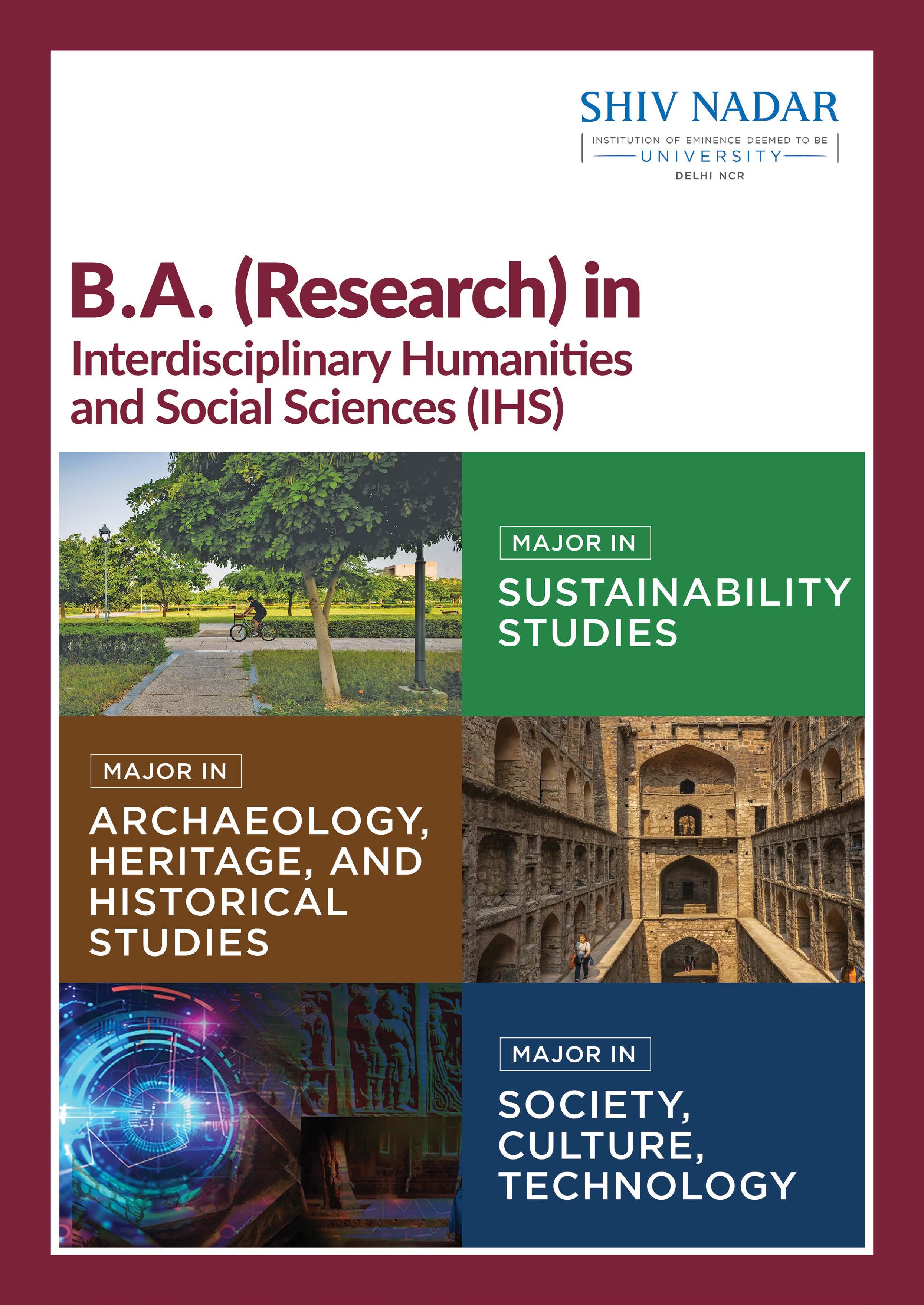
Shiv Nadar University is a trailblazer in multidisciplinary and interdisciplinary learning. It launched India’s first 4-year multidisciplinary research degree, which has produced outstanding graduates over the past decade. Building on this success, the university now introduces a new Interdisciplinary B.A. in Humanities and Social Sciences with three majors:
• Sustainability Studies
• Archaeology, Heritage, and Historical Studies
• Society, Culture, Technology
All students share a common core curriculum in their first year, engaging with a wide range of disciplines. From the second year onwards, students choose their area of specialization and pursue advanced coursework and experiential learning.
At least 10 scholarships per batch will be awarded to eligible students. These scholarships cover 100% tuition for all four years. In addition, students are eligible for other university-wide scholarships.
Recognized as an Institution of Eminence
1 of the only 4 private universities in the country to be designated as an Institution of Eminence by the Government of India
Youngest university to be ranked among the top 100 of NIRF, 9 years in a row
National Institutional Ranking Framework (NIRF)
2025 Research Leaders: Ranked #25 Among Leading Academic Institutions
Nature Index India 2025

Ranked #41 in India; among top 22% in Asia
QS Asia Ranking 2024

Awarded University of the year 2024 (Emerging category under 15 years) 10th FICCI Higher Education Excellence Awards 2024
#3 Top private university in India | #5 Top private university for employability Indian Institutional Ranking Framework 2024

#1 India’s Best Young University (Private) | #1 India’s Best Young Multidisciplinary University (Private) | #2 India’s Best Young STEM University (Public and Private) | India’s Best Engineering Colleges - 2023 Careers360 Ranking
1

in Interdisciplinary Humanities and Social Sciences with a majors of your choice
REQUIREMENTS
Complete 160 credits through coursework and thesis in any of the three areas of majors.
2
REQUIREMENTS
in Interdisciplinary Humanities and Social Sciences with a majors of your choice
Complete 160 credits through coursework only.
3
REQUIREMENTS
B.A. Research (plus a minor)
Your degree can be B.A. (Research) in Interdisciplinary Humanities and Social Sciences with a majors of your choice plus a Minor in any other program offered at the university.
Complete 160 credits through coursework and thesis from the IHS program and earn minor credits through coursework from other departments across the university.
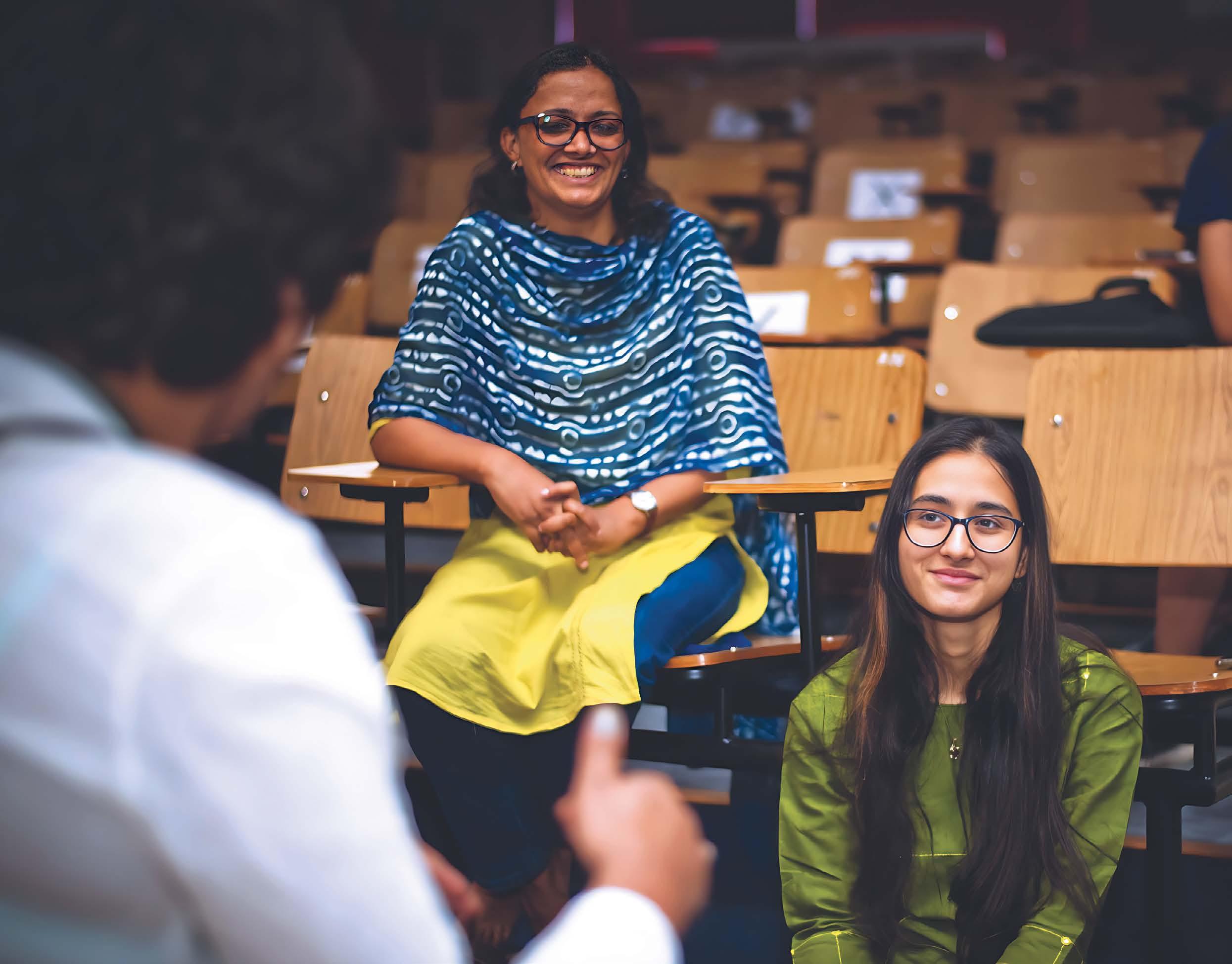
As a graduate of this program, you will be equipped to thrive in a rapidly changing world. You will gain the ability to understand major global trends in geopolitics, climate a change, AI and tech, the economy, and in culture. This program emphasizes experiential learning through live projects, fieldwork, exchanges, immersions and internships - integrated into your curriculum.
You do not need to decide before leaving high school who you want to become. The program prepares you with the skill, empathy, and flexibility to pursue careers across sectors - academia, private sector, the government, international organizations, and start-ups. Students from any high school stream are eligible to apply.
Moreover, all students in this program will learn how to use AI responsibly and ethically and to your advantage in incorporating data to understand various contexts better.
You will learn inside and outside the classroom – through live projects, field trips, exchanges, immersions, internships and much more. These are integrated into the curriculum and you can choose any of these options at regular intervals. These will give you an outstanding student experience while cultivating key competencies.
The World Economic Forum Jobs Outlook 2025, the QS Skills Index, and the National Education Policy all point towards the need to have graduates who can combine an array of attributes. The program is designed to deliver these attributes and more.
• Choose your degree: You can get a B.A. (Research) degree or a B.A. (Honors) degree or a degree with an additional minor specialization.
• Choose your Major.
• Choose your electives.
• Choose how you complete the experiential components of the program: Go abroad, intern for an organization, do an independent project. The choices are enormous.
We have created an array of specialized learning environments to give you a unique student experience in your chosen area of specialization. These include:
• The Archaeology Lab
• The AI Center for Excellence
• Sustainable Development Goals (SDG) Labs
• The Shiv Nadar IoE Rapid Labs
AI and tech fluency: The innovation hub
Every student in the program will partake of a mandatory companion module in AI. This is designed to equip you with the foundational skills and knowledge of AI from a conceptual and practical standpoint, along with an understanding of its ethical and societal implications. You will be able to leverage AI responsibly and effectively in your chosen career, and engage in interdisciplinary problemsolving and collaborative innovation. Most importantly, it is designed to empower you to navigate the onslaught of changes that AI is bringing across industries.
In Year 1, you will learn the foundational aspects of AI, in Year 2 you will learn about AI in different contexts through use cases. All this will build up to Year 3 where you will participate in an Innovation Hub. You will work in groups to create AI applications and projects that allow for innovation.
We have many partnerships with universities in the UK, US, Asia and Europe if you wish to spend a semester abroad. We have the Office of International Partnerships and Academic Affairs to guide you through these semesterlong opportunities. The credits from the courses in your host university will be officially accepted at SNU and incorporated into the program. There will be regular information sessions on international and national exchange programs.
Each of the Majors prepare you for a variety of career paths. You can move on to higher education or pursue professional degrees in journalism, law, heritage management, and policy think tanks. Many more opportunities await you in the field of art, design, visual studies, marketing, sustainability and development sectors.
Mandatory core 68 credits Major 60 credits
A set of 17 mandatory core courses which cover foundations in the
• Natural Sciences
• Social Sciences
• AI
• Ethics
• Environment
• Fundamentals of Business
• Writing and Communication
• Quantitative Skills
• Digital Humanities
Students will choose any 1 major from the three below:
Sustainability Studies
Archaeology, Heritage, and Historical Studies
Society, Culture, Technology
Course work +
• Practicum
• Thesis
University-Wide Electives* 16 credits
Any 4 courses from any department in the university
Experiential Component 16 credits
• Industry Immersion
• Campus as a Living Lab
• Global Exchange
• Summer Internships
Students can choose any combination of the above adding up to 16 credits
AI module integrated into the program
AI literacy companion module
*Courses offered by departments and schools across the university are called University-Wide Electives (UWE).
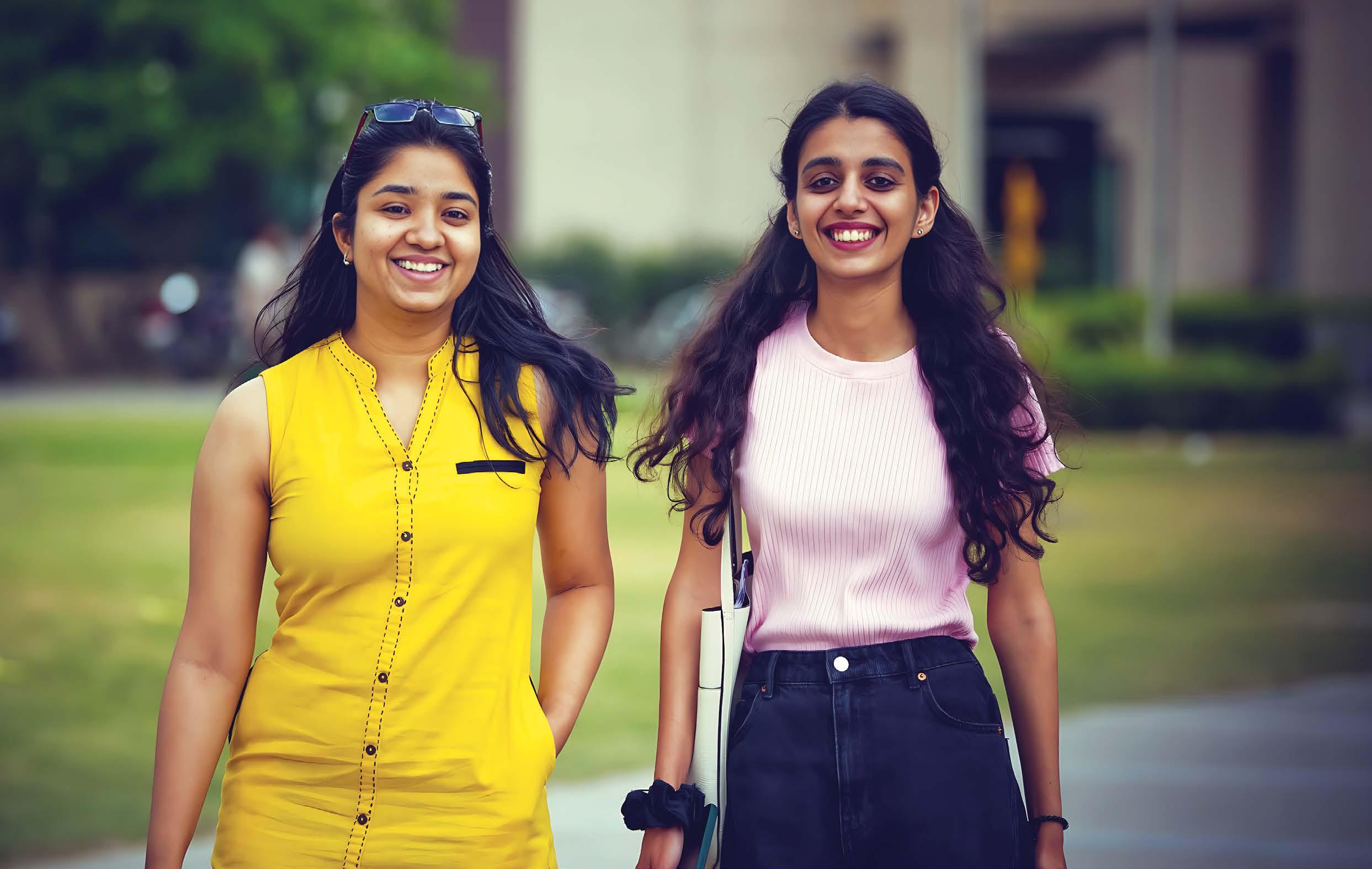
The Sustainability Studies Major aims to produce sustainability professionals of international calibre. Our mission is not just to equip students with skills but also ensure that they enter sectors that bring them professional satisfaction. They will be prepared to tackle pressing global challenges like climate change, resource depletion, and environmental degradation, making their skills highly valued. They can find work in diverse roles, including environmental consultants, policy makers, researchers, and sustainability managers. Due to the opportunities to make positive impacts on the environment and society, graduates employed in these sectors, find their work highly satisfying.
In this Major, you will develop:
1. A problem-solving mindset: Cultivating a mind-set focused on addressing complex problems, fostering innovation and creativity in finding sustainable solutions. The curriculum combines lectures, lab experiments, and exposure to policy professionals and case studies that show the success of sustainable solutions.
2. A global perspective with local sensitivity: The program emphasizes the importance of understanding global challenges without losing sight of local needs. For example, you will meet with pollution control board officials and learn about the management of sustainable cities; you will interact with farmers to learn about ecological changes that impact agricultural yields and how policies are enacted on the ground.
3. Ethical leadership: Ethical and responsible practices will give you a competitive advantage in future employment. This will be achieved through:
• Internships and exchange programs with reputed institutions (see below).
• All courses focus on solutions, technological interventions, and real world experiences to enrich students’ abilities to be sensitive to different positions of actors and the varied human and environmental impacts of policies and technologies.
• Higher studies, research, and academia
• Environmental policy and action
• Environmental reporting and consulting with national and international organizations
• Roles in policy analysis and research with government, private sector, chambers of commerce, think tanks, etc.
• Journalism with a focus on issues related to sustainability and development
• Roles in the corporate sector such as Sustainability Officers, Sustainability Managers, Corporate Social Responsibility officials
• Roles in various institutions in the public sector
At SNU, we have instituted partnerships with several local and international organizations working in the fields of environment, sustainability and conservation. As part of the course programme, students will be provided the opportunity to pursue internships. Some of our partners include:
• Clinton Foundation
• Council for Energy Environment and Water (CEEW)
• The Habitats Trust
• S M Sehgal Foundation
• BAIF Development Research Foundation
• Keystone Foundation
• The Nature Conservancy
• HCL Foundation
• Access Development Services
• Urmul Trust
• Nandi Water and many more.
Core courses (68 credits) Major in Sustainability (60 credits) Other courses (32 credits)
Reading, Thinking, Writing
Introduction to Philosophy
Thinking Historically
Sustainability: Concepts and Measurements
Measuring and Reporting Sustainability
Biodiversity
The Natural World Conservation
AI, Technology and Ethics
Sociological Imagination
Quantitative Thinking
Qualitative Thinking
Fundamentals of Economics
Geopolitics
Fundamentals of Business
Interpreting India - 1
Interpreting India - 2
Introduction to Digital Humanities
Environment and Sustainability
The Many Lives of Cognition
Fundamentals of Media and Communication
Mandatory AI Module
Campus as a living lab project
Global Exchange (preferred but not mandatory)
Internship or independent project
Ecosystems and pollution: Air, water, soil University-Wide Electives
Inequality and Sustainability
Sustainable Production 1: Land, Labour, Livelihoods
Sustainable Production 2: Sustainable Materials and Manufacturing
Sustainability in rapidly urbanizing societies
Sustainable water and energy solutions
Sustainability and disaster management
Sustainability in action
Practicum related to Sustainability
Major Thesis*
*In lieu of a thesis, students can opt for 3 UWEs from the basket of 6 courses provided in year four of the program. UWEs (University-Wide Electives) are courses offered by departments and schools across the university.
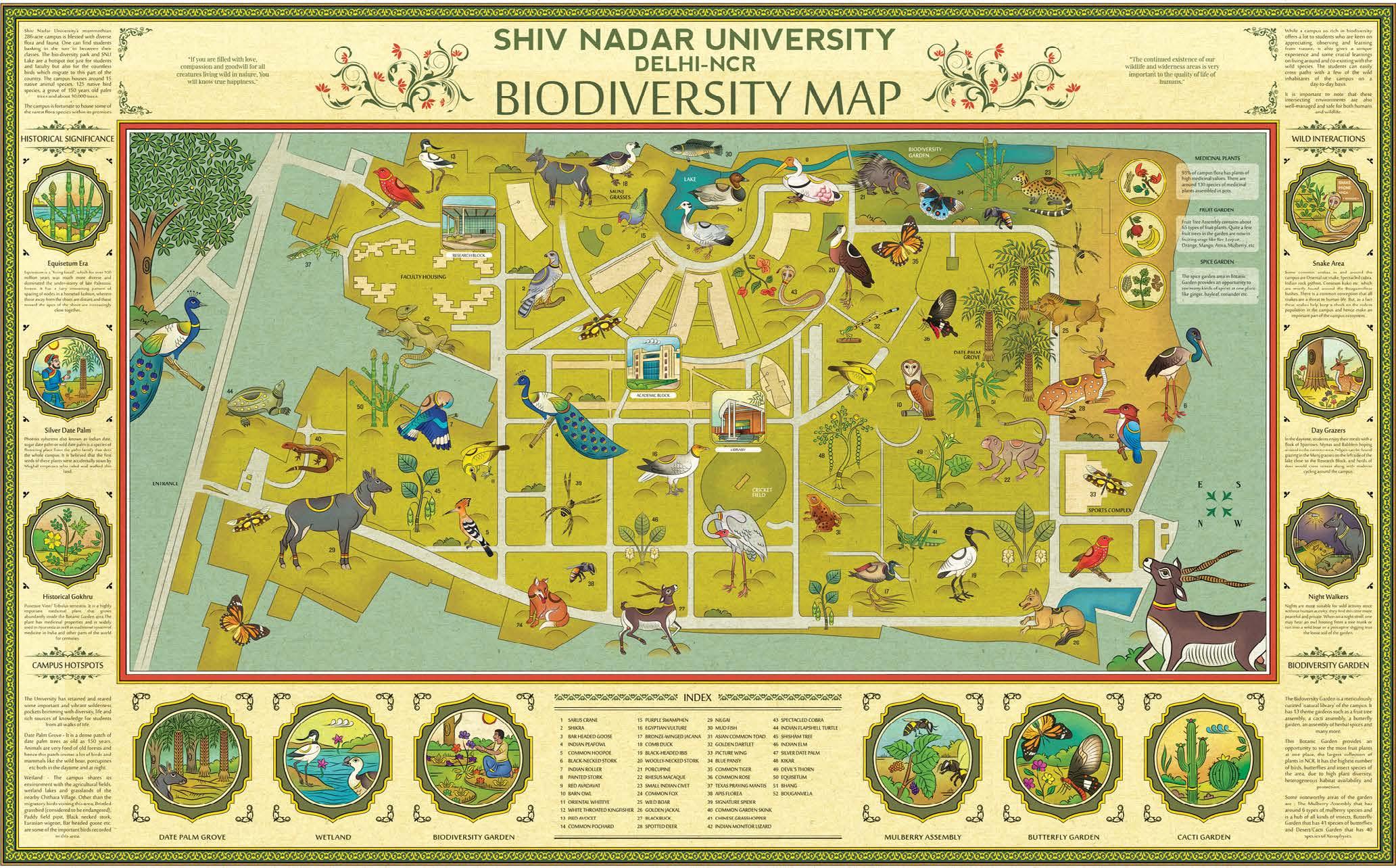
The rich biodiversity of the campus was featured in the iconic Scientific American magazine.
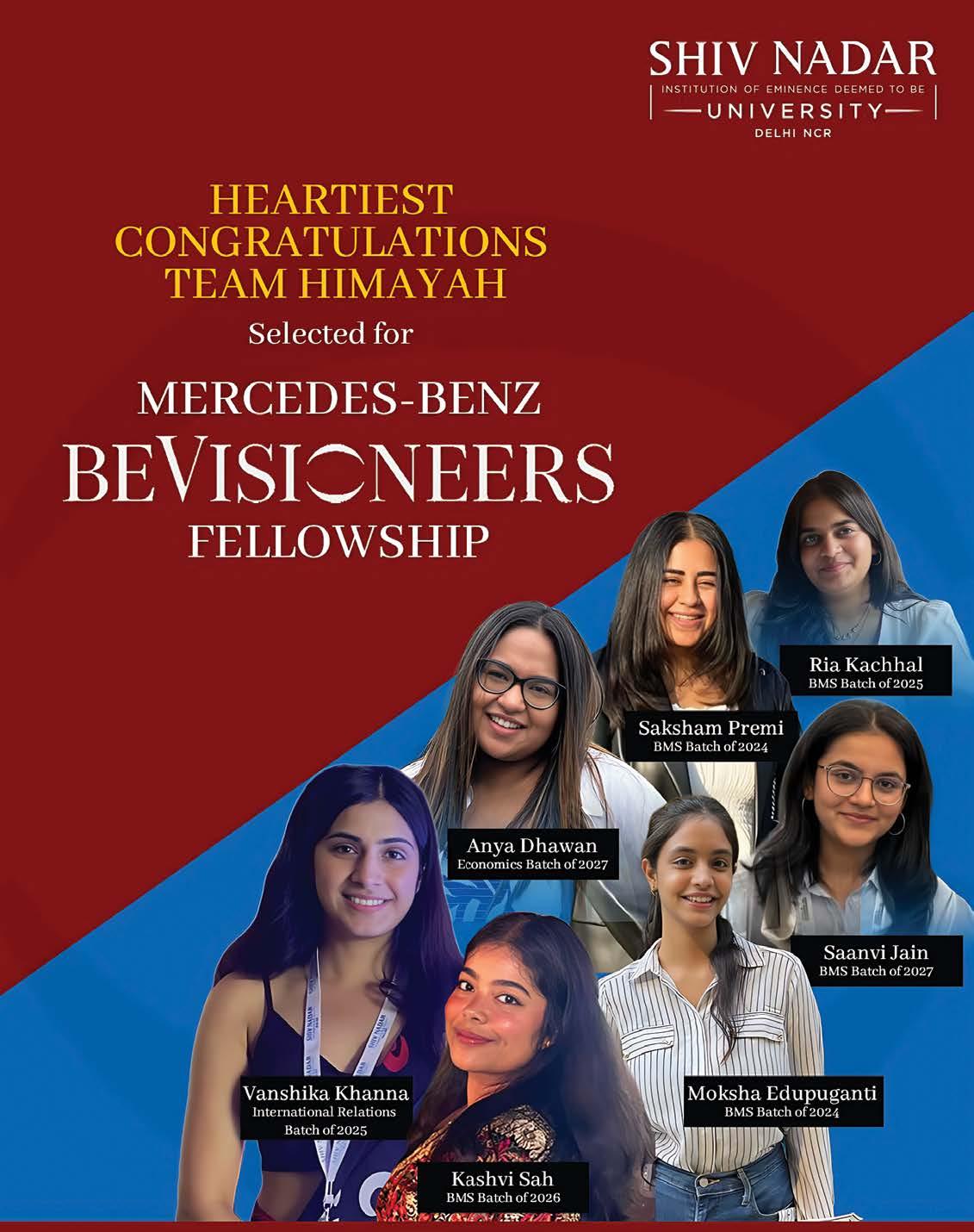
Shiv Nadar University students were recognized as UN Millennium Fellows based on their campus projects. Recently they won the Mercedes-Benz Fellowship for their project to make our campus zero-waste
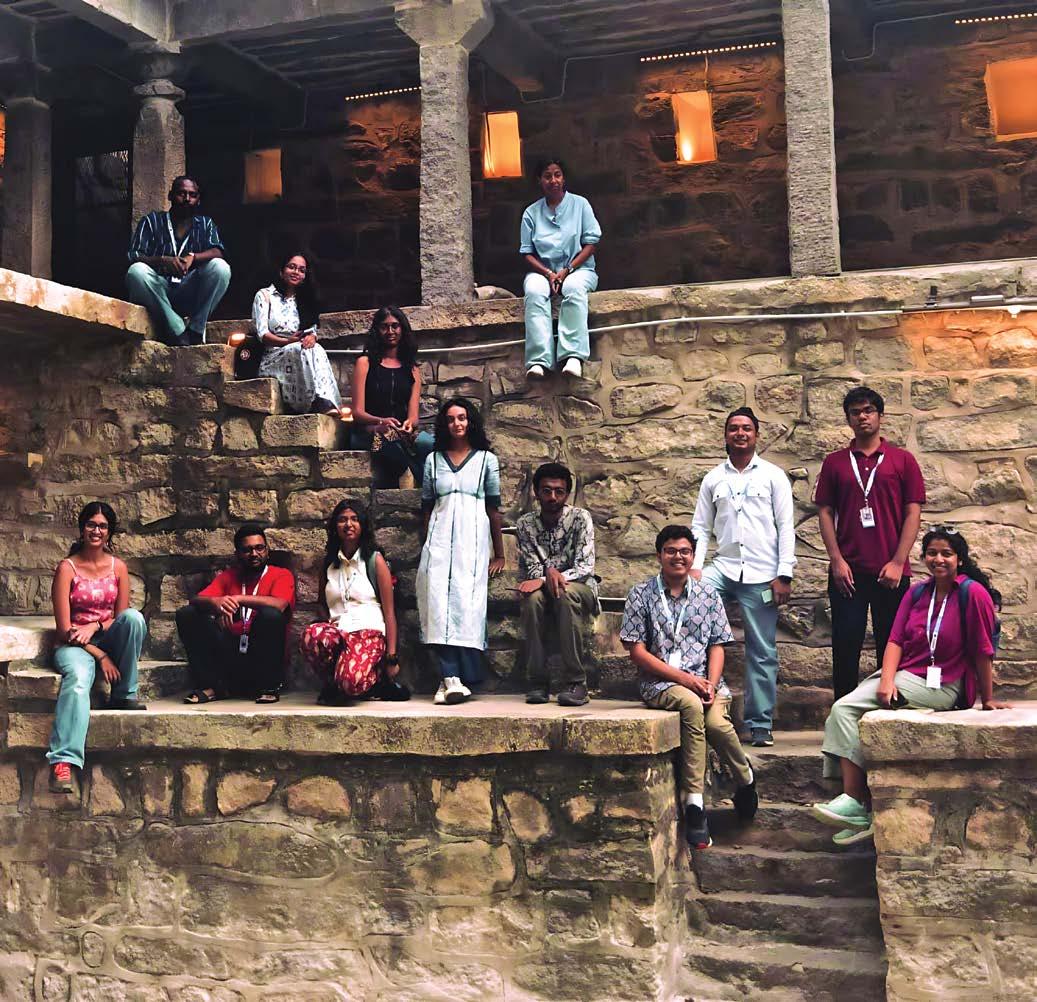
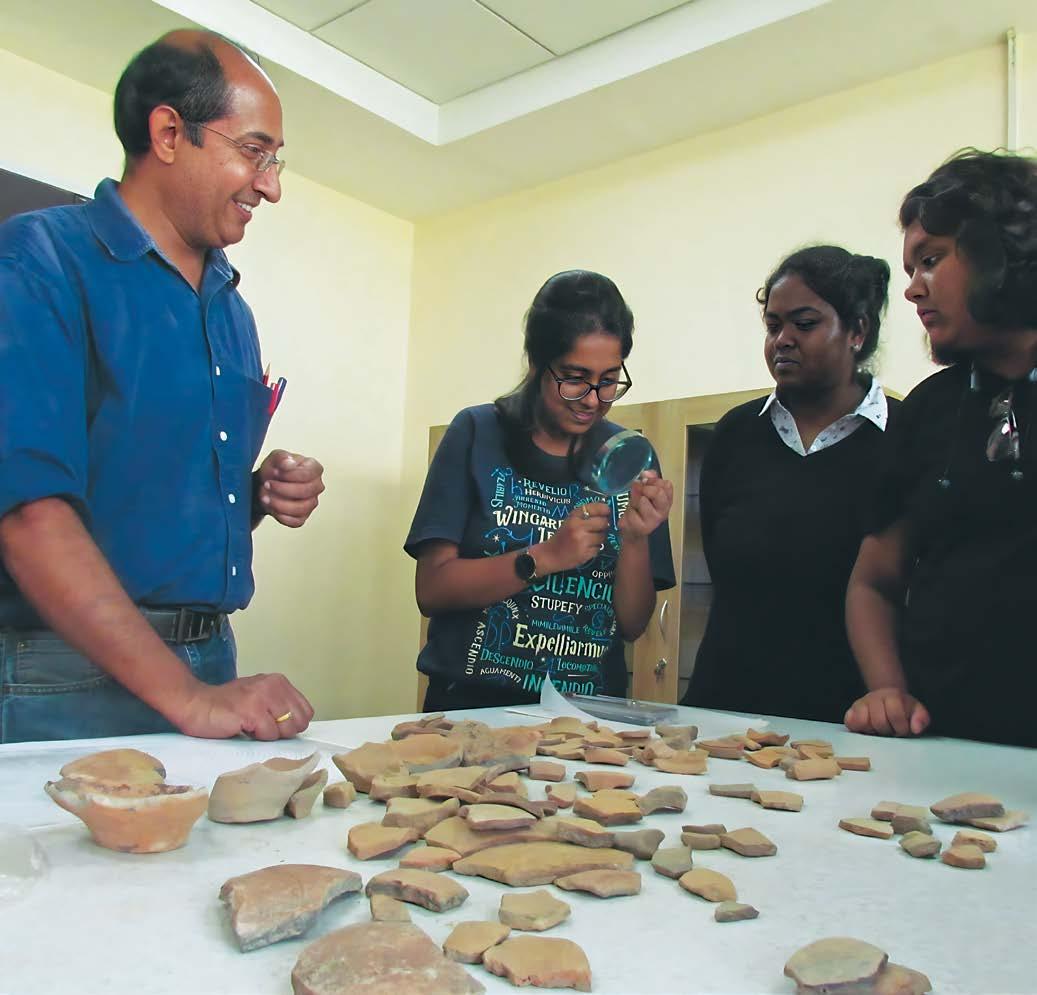
This Major in Archaeology, Heritage, and Historical Studies is poised to be a unique undergraduate program in the country. We are also one of the few universities that hosts an Archaeology lab for undergraduate and doctoral students.
There is no escaping the past, but how do we understand it? What is heritage? Who gets to choose and decide what becomes heritage? How does archaeology investigate climate change in the past? Does Archaeology and History only serve a public good? These key questions, among others, will be addressed through a learning-by-doing approach. In this Major, students will explore various themes through hands-on training with the latest archaeological field and laboratory
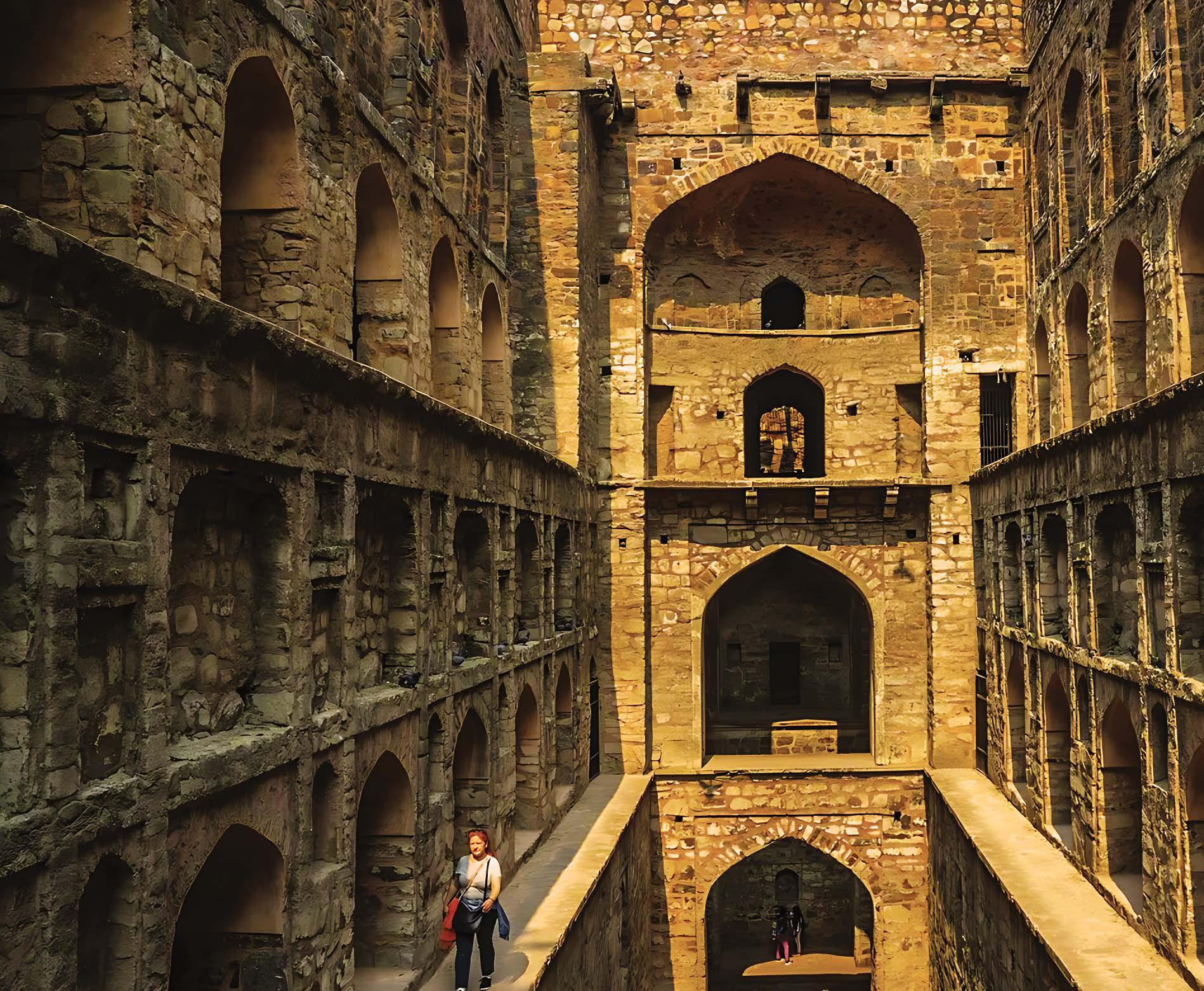
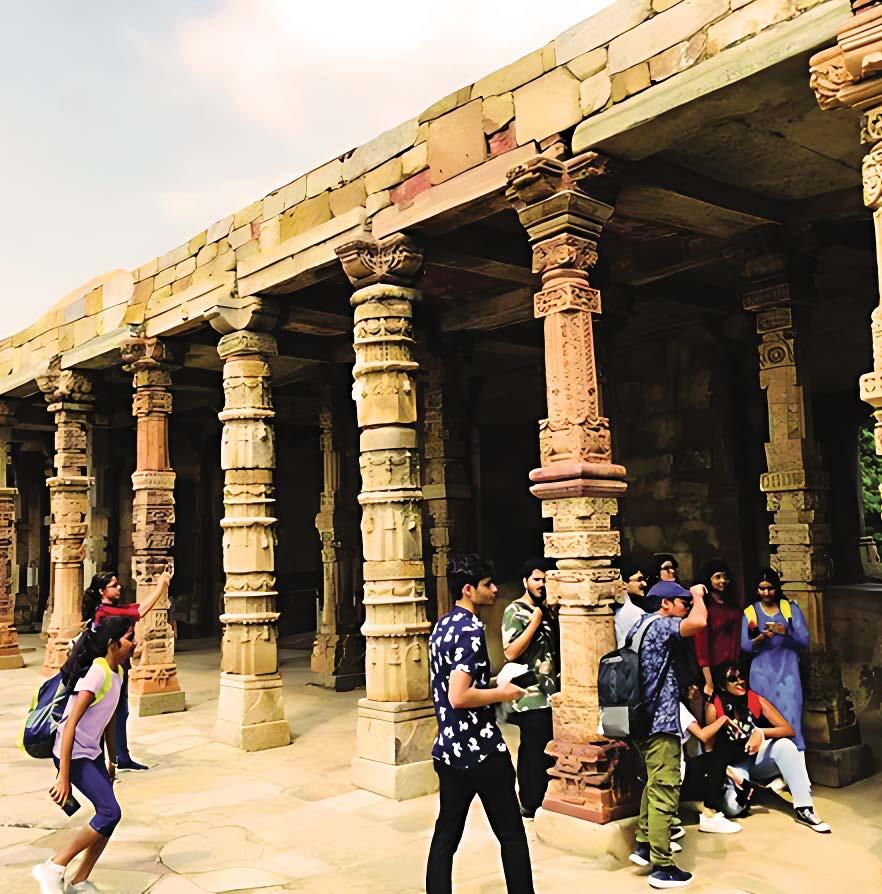
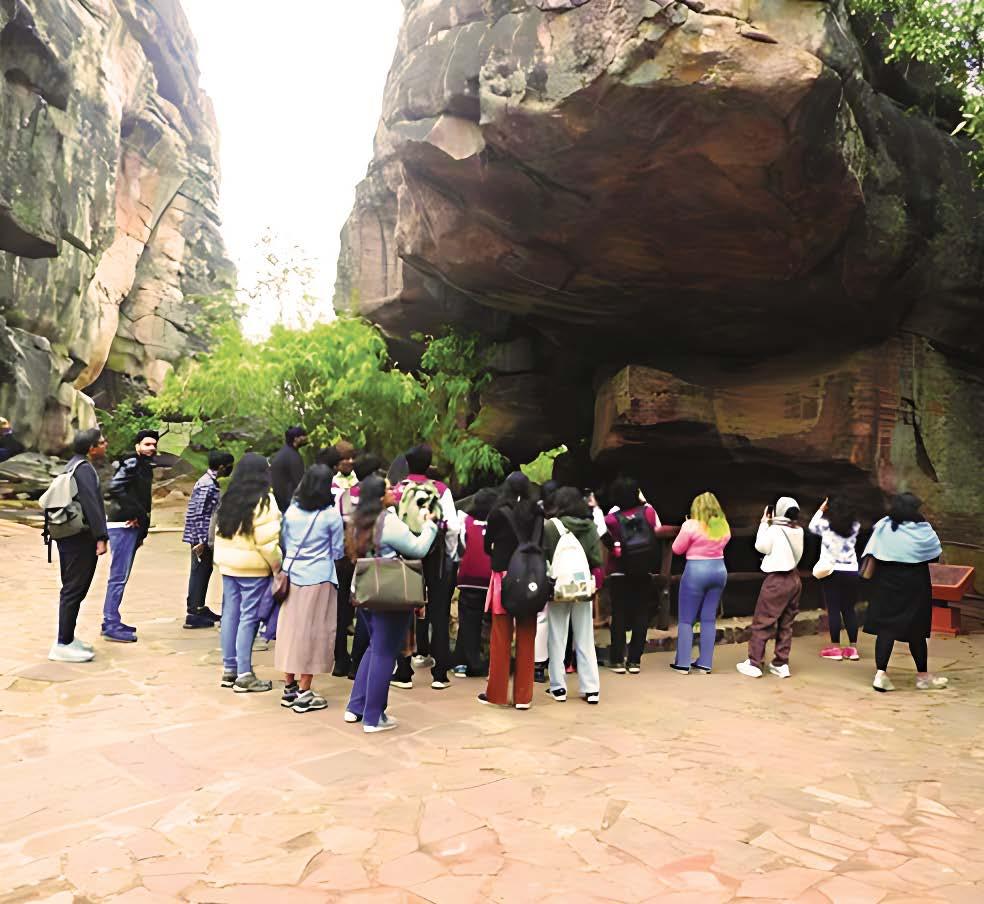
methods, protocols of collections management, understanding of archival work, and independent research projects. Through on-site lectures, you will engage with material and collections-based research and develop critical and reflexive approaches. These will enable a foundational and critical understanding about material and non-material pasts. Drawing on the latest methods, you will also be introduced to specialized subfields such as urban, environment, economic, and social histories of South Asia and beyond, across regions and periods.
With the coming together of Archaeology and History, students will be immersed in classroom learning, archival research, and field training. You will be equipped to raise analytical questions, undertake rigorous research projects, tell stories through diverse media, and intervene in policy dialogues. You can flourish in careers in public policy, archaeology, historical research, museum studies, archiving, cultural heritage, policy, journalism, academia, media, diplomacy, tourism development, and administration.
In this Major, you will
• Learn how archaeologists and historians investigate the past and how cultural heritage is defined. Receive hands-on training in the latest field and laboratory-based methods, protocols of curatorial practices and heritage management.
• Understand how museums and curatorial practices are self-reflexive and creative endeavours.
• Learn what makes things, people and places worthy of ‘heritagization’.
• Acquire necessary skills to work in various archives and use diverse primary material.
• Engage with how scholarly and popular histories are produced through archival and documentation practices.
• Higher education and academia
• Journalism and Media
• Policy organizations, especially in the field of development, environment, urban planning, tourism, heritage conservation and management
• Government organizations related to Archaeology and Historical research
• Law, especially related to heritage, antiquities, and conservation practices
• Administrative Services
• Diplomacy
• Heritage Conservation and Management
• Public History and Archival Documentation
• Archaeology and related fields
At SNU, we have instituted partnerships with several local and international organizations working in the fields of Archaeology, Heritage, and Historical Studies. As part of the course programme, students will be provided the opportunity to pursue internships. Some of our partners include:
• INTACH
• Directorate of State Archives (West Bengal)
• Kiran Nadar Museum of Art
• The Habitats Trust
• Hamari Pahchan (NGO in Delhi)
• NewsClick Media
• Indian Red Cross Society
• Deccan Heritage Foundation for India (Pune)
• Archaeological field projects and many more.
Interdisciplinary B.A. in Humanities and Social Sciences with Archaeology, Heritage, and Historical Studies Major
Core courses (68 credits) Major Courses (60 credits)
Other courses (32 credits)
Reading, Thinking, Writing Introduction to Archaeology Mandatory AI Module
Introduction to Philosophy Cities, Kings, and Temple
Thinking Historically Mapping Heritage
Global Exchange (preferred but not mandatory)
The Natural World Land, Law and Conquest Internship or independent project
AI, Technology, and Ethics A Modern History of South Asia University-Wide Electives
Sociological Imagination Field Methods in Archaeology
Quantitative Thinking Frauds and Fictions in Archaeology
Qualitative Thinking
The Past and Present of Modern South Asian Cities
Fundamentals of Economics Visual History and the Archaeological Scholarship
Geopolitics
Space Archaeology, Remote Sensing, and GIS
Fundamentals of Business A Global History of Business & Finance
Interpreting India - 1
Interpreting India - 2
Key Debates in Environmental History
Practicum related to Archaeology, Heritage and Historical Studies
Introduction to Digital Humanities Major Thesis*
Environment and Sustainability
The Many Lives of Cognition
Fundamentals of Media and Communication
*In lieu of a thesis, students can opt for 3 UWEs from the basket of 6 courses provided in year four of the program. UWEs (University-Wide Electives) are courses offered by departments and schools across the university.
The Major in Society, Culture, Technology offers a unique curriculum, so far unmatched in the country, that is designed to offer a critical understanding of the most powerful force shaping society today – ‘technology’. This Major will equip students to arrive at a well-rounded understanding of the ways in which cultures and social life are impacted by scientific and technological innovations as much as how social forces impact these developments. It offers interdisciplinary insights into understanding the most significant technologies in our everyday environment, for example, data, information, AI and their impact on our individual and collective lives. This Major will help students ask some of the
most pertinent questions of our times like, how has the history of science shaped the world we live in today and do technologies exacerbate social problems or help us address them?
The Major also entails an immersive understanding of science, technology, and society with a carefully curated set of courses that explore real-world social contexts. Understanding how science and technology both emerge from and operate within particular social contexts is crucial to analyze the challenges, impact, and potential of technological developments. The overall intention of the major is to train and inform students about how cultures, customs, and social life are impacted and shaped by scientific developments and technological innovation, as much as how social forces impact these developments and innovations.
By the end of this major, students will be able to:
• Critically analyze the impact of technology on individual human lives, contemporary social relationships, and social institutions such as the family, religion, politics, and the economy.
• Evaluate how technological advancements are reshaping concepts of community, identity, and cultural norms in an interconnected global society.
• Reflect thoughtfully, using evidence, on how technology both constrains and empowers individuals and societies.
• Formulate critical questions about technology’s role in both reducing and exacerbating social problems.
• Communicate complex ideas about the intersections of social structures and institutions, cultural norms, and technology clearly and persuasively in both written and oral forms.

• Policy analysis, specifically tech policies and its intersections with various social organizations
• Think tanks and civil society organizations, especially those that work at the interface between tech policy and social sectors
• Journalism, digital media and communications
• Administrative services and policy oriented organizations on governance related issues addressing pressing concerns such as water, health, urban infrastructure etc. market research, public relations, and marketing.
• Research and analysis, especially in the fields of science and technology, education and technology and advocacy
• Academia and higher education in fields like Science and Technology Studies, Sociology, Anthropology, Public Policy, Law, Media and Culture Studies
At SNU, we have instituted partnerships with several local and international organizations working in the fields of Society, Culture and Technology. As part of the course programme, students will be provided with opportunity to pursue internships. Some of our partners include:
• The Kala Chaupal Trust
• INTACH (Indian National Trust for Art, Culture and Heritage)
• Eka Archiving Services Pvt. Ltd.
• Kiran Nadar Museum of Arts
• Outlook India


• SEWA
• Eklavya Foundation
• Teach for India
• Collective Newsroom
• RRAN and many more.

Interdisciplinary B.A. in Humanities and Social Sciences with Society, Culture, Technology Major
Core courses (68 credits)
Reading, Thinking, Writing
Introduction to Philosophy
Thinking Historically
Major in Society, Culture, Technology (60 credits)
Society and Culture
Science, Technology, Society
Economies, Networks and Technologies
Other courses (32 credits)
Mandatory AI Module
Campus as a living lab project
Global Exchange (preferred but not mandatory)
The Natural World Technologies of Governance Internship or independent project
AI, Technology and Ethics
Media, Religion, and Spirituality University-Wide Electives
Sociological Imagination Relatedness and Technology
Quantitative Thinking Self, Expression and Interconnectedness
Qualitative Thinking City Technologies and Urban Infrastructures
Fundamentals of Economics Technology and Sonic Cultures
Geopolitics Medicine and Biotechnologies
Fundamentals of Business Images and the Visual World
Interpreting India - 1
Interpreting India - 2
AI, Data and Information Society
Practicum related to Society, Culture, Technology
Introduction to Digital Humanities Major Thesis*
Environment and Sustainability
The Many Lives of Cognition
Fundamentals of Media and Communication
*In lieu of a thesis, students can opt for 3 UWEs from the basket of 6 courses provided in year four of the program. UWEs (University-Wide Electives) are courses offered by departments and schools across the university.
All academic and administrative matters related to the IHS program will be managed by the following faculty members.
Dr. Vasundhara Bhojvaid, Department of Sociology I vasundhara.bhojvaid@snu.edu.in
Dr. Divya Kannan, Department of History and Archaeology I divya.kannan@snu.edu.in
Ms. Paulami Ghosh, Senior Manager, Academic Engagements, SHSS | paulami.ghosh@snu.edu.in
To learn more about the program co-chairs and faculty involved in the program, visit the program website at https://snu.edu.in/programs/interdisciplinary-humanities-and-social-sciences/
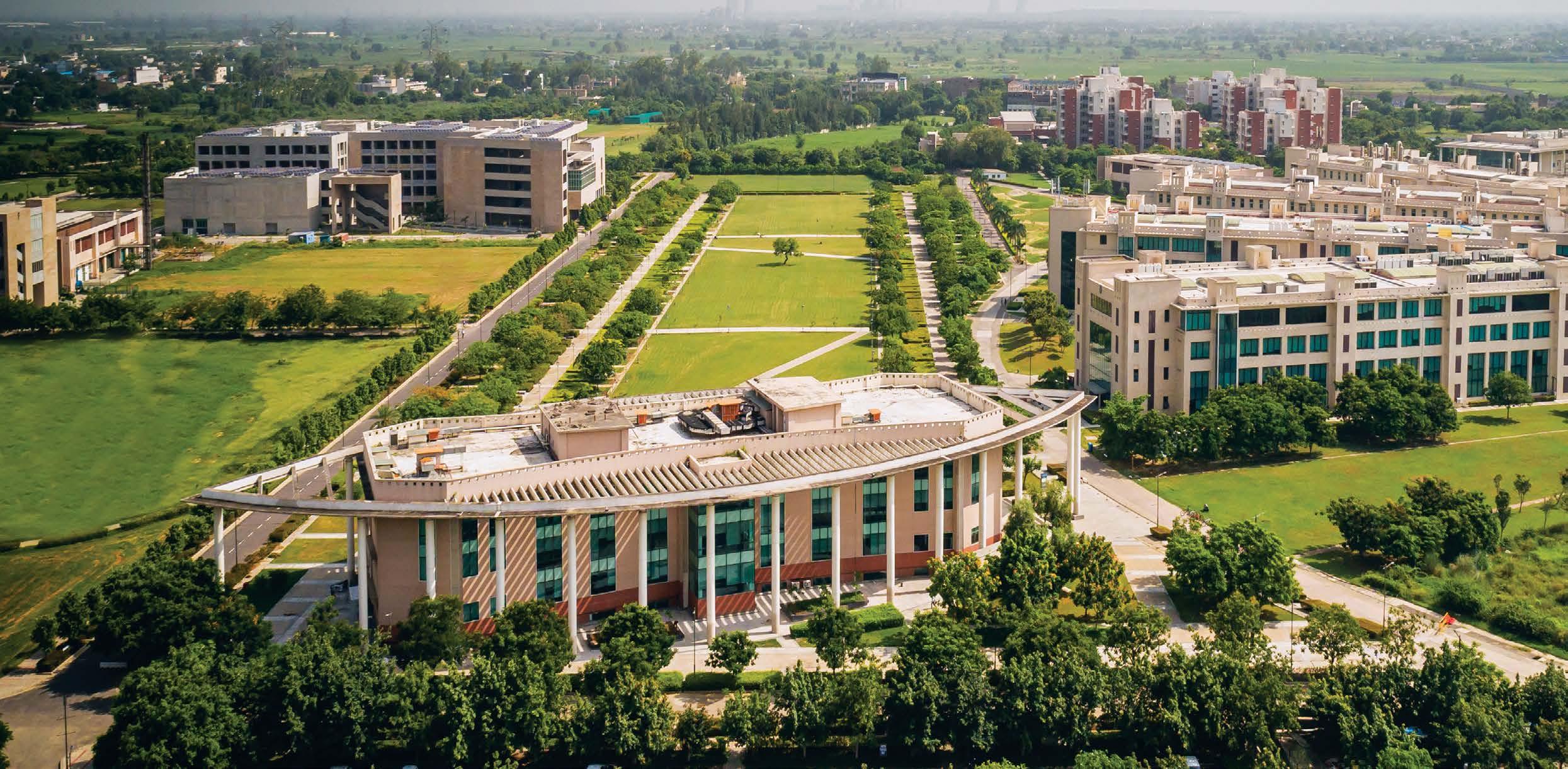
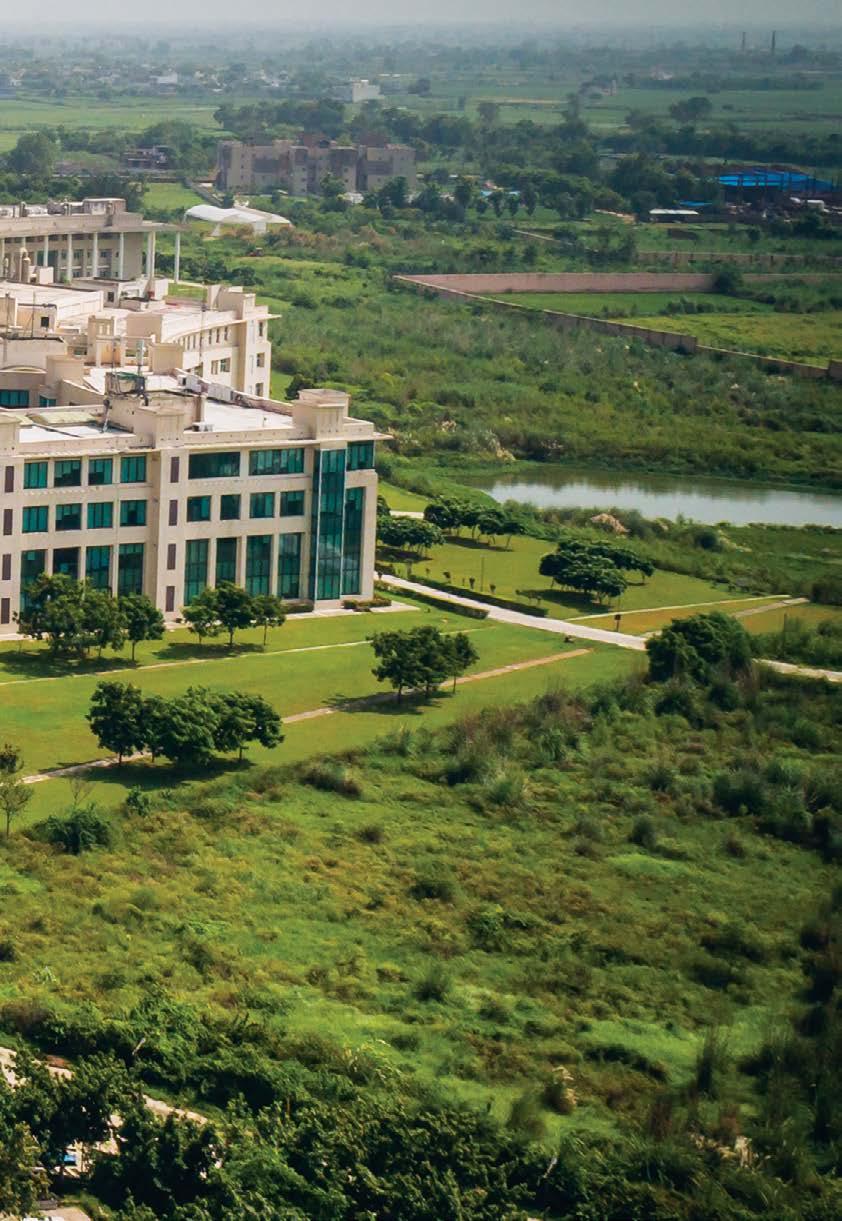
The library stands at the heart of our university’s academic ecosystem, serving as a vital hub for both students and faculty. We subscribe to a diverse range of periodicals and host an extensive collection of books across multiple disciplines, including select personal collections donated by renowned authors. The space is further equipped with advanced computing laboratories and study rooms that support research and analysis.
The university is equipped with world-class sports facilities. Our students continue to win many accolades in various tournaments year-on-year. The campus houses an Indoor Sports Complex (ISC) with stateof-the-art sports infrastructure. There are also a host of technical and cultural clubs that range from astronomy to mythology, dance to debating, and adventure to horse-riding.
SNU strives to ensure the physical safety, mental and emotional wellbeing of students and staff on campus. Students have access to 24x7 Healthcare Centre and can avail consultation with the counsellors, physiotherapists, and doctors-on-duty. Specialist doctors are also available on certain days of the week. Regular health camps and fitness training programs are conducted.
SNU maintains a strict anti-ragging policy and ensures the highest standards of safety and wellbeing of the students, staff, and faculty. The university has an active anti-ragging committee to address any of your concerns.
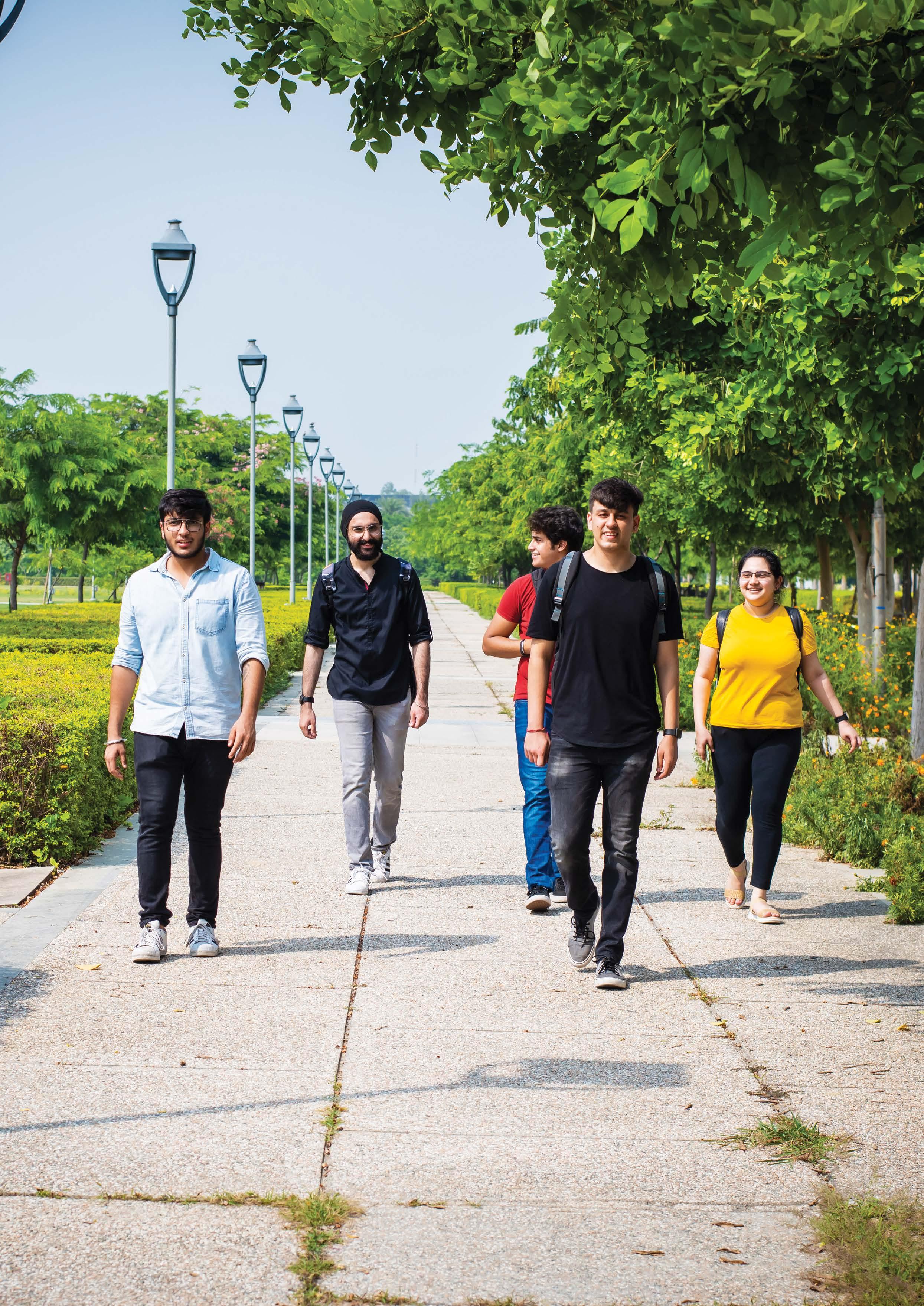
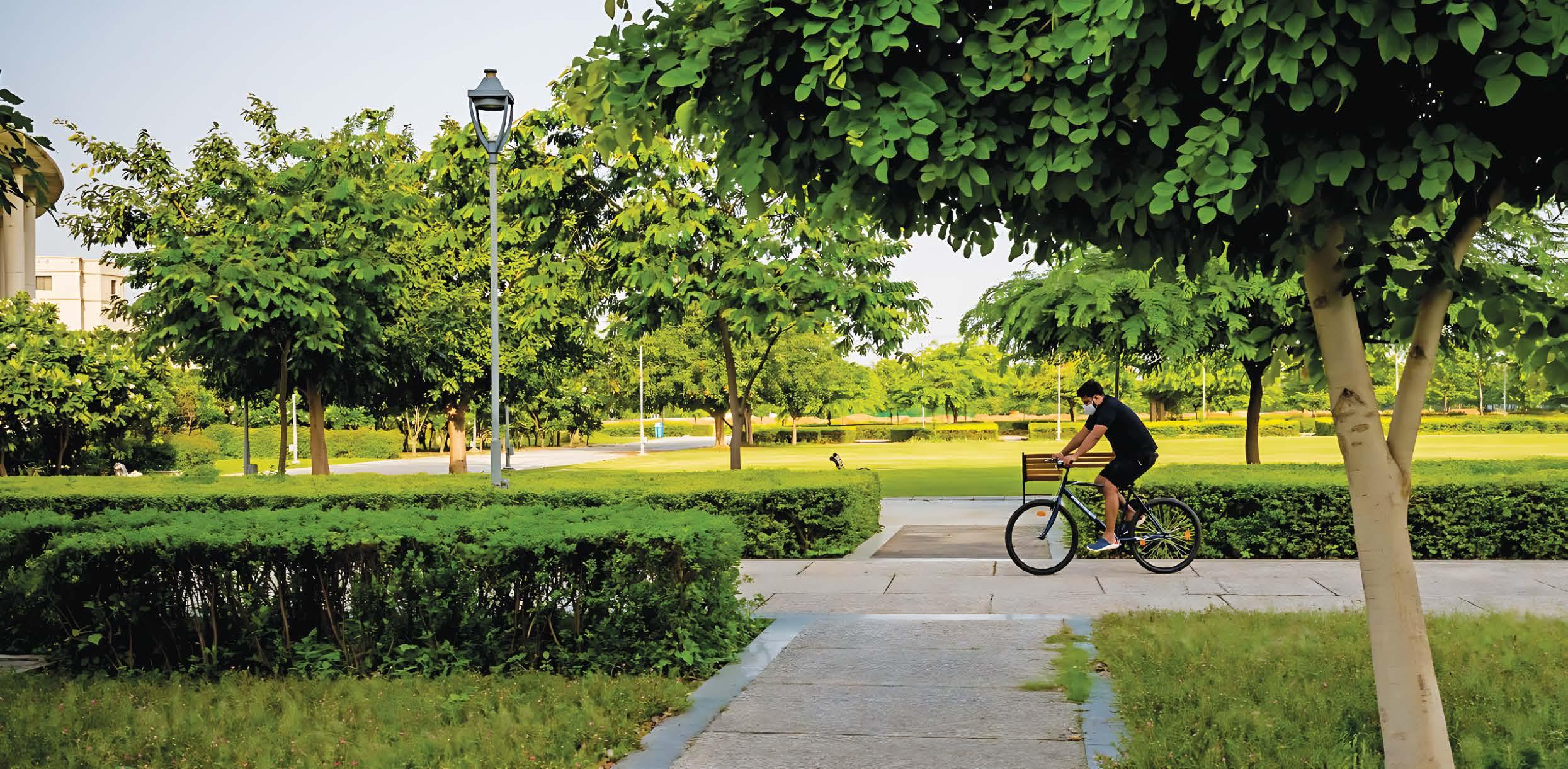
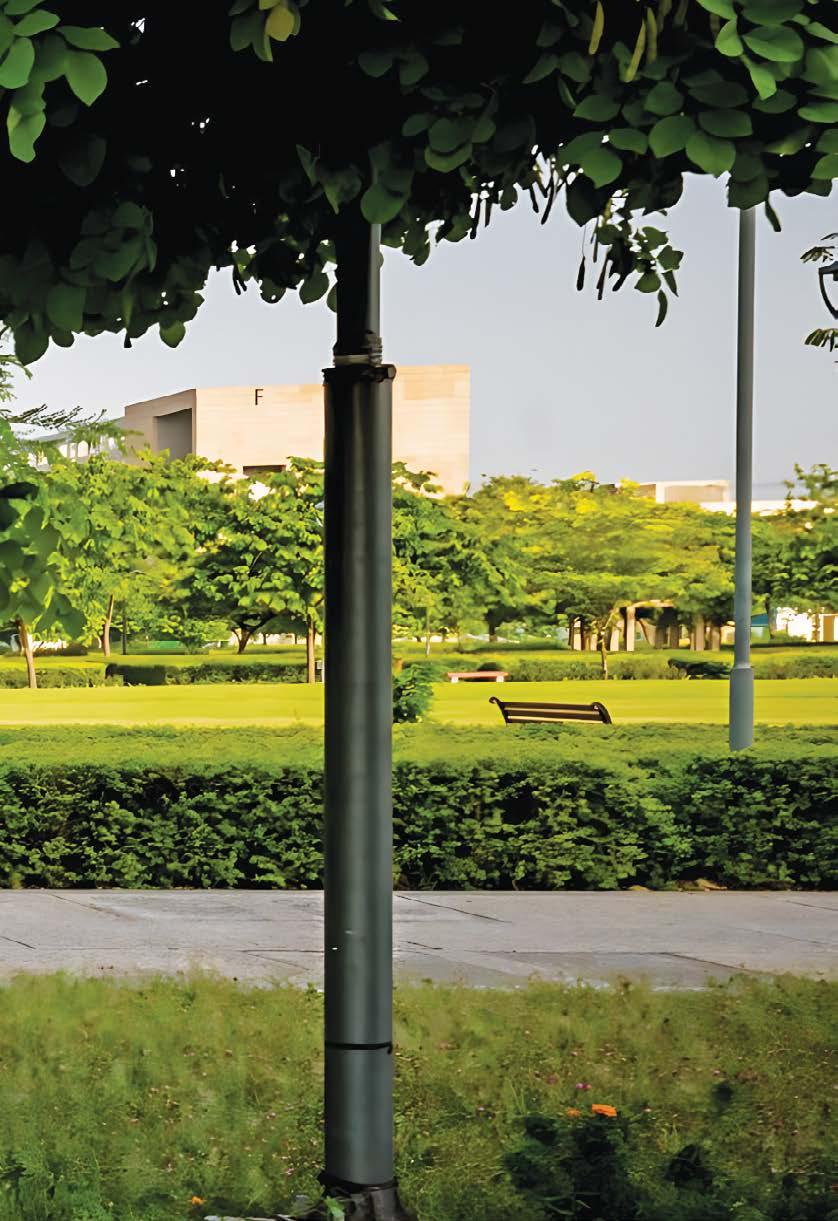
The campus is green and sustainable. Students are not allowed to keep their own motorised vehicles. Instead, cycling and walking are encouraged. We also have EV shuttles running frequently across the entire campus.
• Is this a Four-Year degree program?
Yes, this is a four-year degree program in Interdisciplinary B.A. in Humanities and Social Sciences. In the final year, a student can opt for a thesis in their chosen specialization or complete the remaining credits through coursework. However, only students with a minimum of 6 CGPA are eligible to pursue a thesis.
• How do students decide their Majors?
All students in their first year pursue common core courses that extend across disciplines such as the social sciences and humanities, natural sciences, A.I. and business management.
At the end of the first year, students shall declare their major and will be enrolled into specific courses in year two and three, along with an option to choose University-Wide Electives.
• Can I also receive a Minor in any chosen specialization/ discipline in the University?
Yes, a student completing the required set of courses pertaining to a particular discipline/department during the course of their program is eligible to receive a Minor degree.
• Does this program offer any fee-concessions/ scholarships?
At least 10 scholarships per batch will be awarded to eligible students. The scholarships cover 100% tuition waiver for all four years! In addition students are eligible for other university-wide scholarships.
• Are there any internships as part of this program? Yes, this interdisciplinary program integrates internships into its overall framework which will provide academic credits. SNU also collaborates with important organizations towards this initiative. During the course of study, a student is expected to complete up to 12 credits through internships/research assistantships/campus jobs/independent study during two consecutive summers.
• Can I avail study abroad opportunities?
At SNU, we encourage students to receive larger exposure to educational opportunities and cultural settings. The University shares several MoUs with major international and Indian universities. Every Second/ Third year degree student, with a minimum CGPA as mandated by university policy, is eligible to apply for a one-semester study abroad/elsewhere in India program.
• What are my job opportunities after completing this program?
Plenty! This interdisciplinary program aims to equip students with foundational and critical skills alongside practical, hands-on training in certain areas of specialization. The career options open to you are listed in the respective Majors detailed above.
The university is proud to announce 100% tuition fee waiver to 10 students admitted to the IHS program for their entire journey of four years*
*No separate application is necessary. All applicants to the program are automatically considered for IHS scholarships.
• Best Thesis Award: Awarded for the best final year thesis. One for each Major.
• Best Project for Responsible AI Use: Awarded for innovative projects demonstrating ethical and responsible use of artificial intelligence. Three awards per batch.
• Best Experiential Project Award: Awarded for an experiential learning activity in any of the courses of the program. Three awards per batch.
In addition to the above, all IHS applicants are eligible to apply for the university-wide scholarships:
• School Topper’s Scholarships
• Scholarships based on class 12th marks & JEE Main score
• Scholarships for JEE Main Toppers
• Scholarships for top UCEED performers
• Need-Based Scholarships
• Financial Aid
• Sports Scholarships
• Women in B.Tech. Scholarships
• Vice Chancellor’s Scholarships
• Armed Forces Dependents Scholarships
Note: The University awards these scholarships in accordance with established policies. The decision to change or retain the types of scholarships, award the scholarships, financial aids and academic awards rest solely with the university and is not subject to challenge or appeal. A minimum GPA must be maintained for all scholarships at Shiv Nadar University, Delhi NCR.
Please write to scholarship@snu.edu.in if you have questions.
Admission is based on the performance in any of the entrance tests mentioned below:
• Shiv Nadar University Scholastic Aptitude Test (SNUSAT) • College Board SAT
• ACT
• CUET
SNUSAT is an entrance test for admission to all undergraduate programs at Shiv Nadar University Delhi NCR campus. It is an online, proctored test which you can take from your home. It will be conducted across 6 cycles from January 2026 to July 2026.
A set of sample questions will be uploaded to your application dashboard once you select the SNUSAT route and complete your application payment.
The SNUSAT measures quantitative reasoning and logical reasoning. It is structured as follows:
For more detail about the admissions process, you are advised to visit www.snuadmissions.com.
For IB, Cambridge and other boards, criteria are as follows:
• Eligibility for IB students: Aggregate of 28 grade points out of 45 or >=65%
• Eligibility for Cambridge Board students: Minimum of 2 subjects at ‘A’ level and aggregate of >=65 Percentage Uniform Mark (PUM)
• Eligibility for other boards: Aggregate of all academic subjects in the marksheet must be >=65% (must include English)

Any queries related to the program,
Please contact:
Ms. Paulami Ghosh
Email: paulami.ghosh@snu.edu.in
For queries related to admissions, Please contact:
Ms. Anju Hariharan
Email: shss.admissions@snu.edu.in
Mob: 7428777091
Landline: 0120-7170100,177
Toll free: 18001021768
To apply visit www.snuadmissions.com or scan the QR code