
Year 2 Phonics, Reading and Spelling Meeting
Year 2 Phonics, Reading and Spelling Meeting
This evening we will cover:
1. An introduction to Reading at Chapelford and the methodology of reading in Year 2.
2. Read Write Inc and Phonics in Year 2.
3. Spelling at Chapelford and the spelling methodology in Year 2.
4. Home & School Partnership- supporting your child’s learning at home.
5. How to support your child in maths.
6. Q & A Session and information packs.
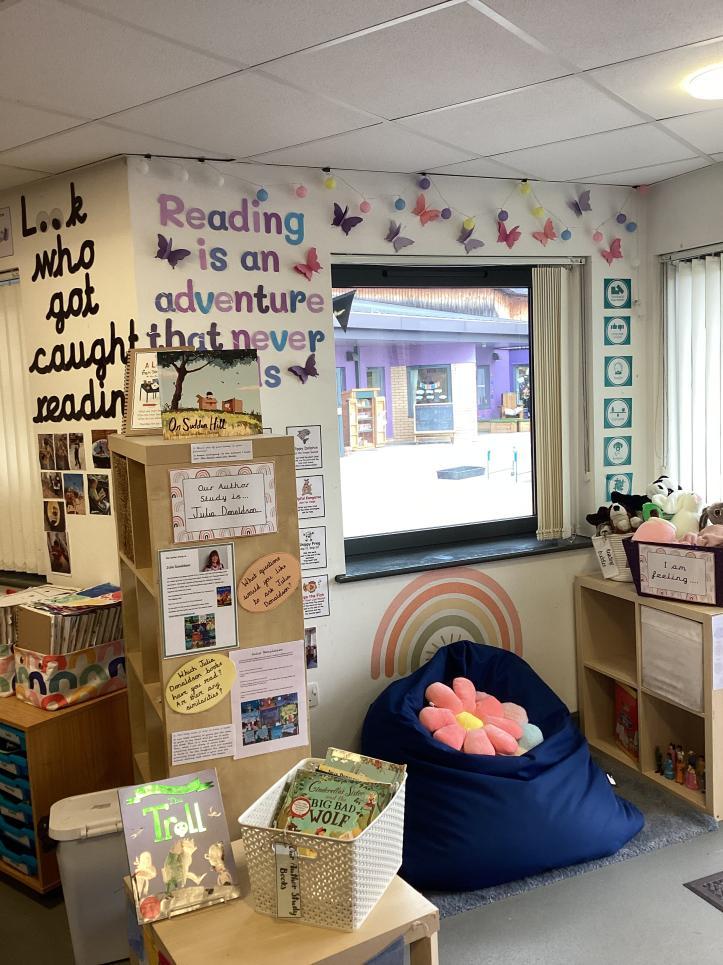
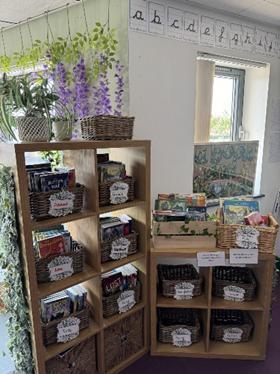
In our school we endeavour to create and flourish a love of reading. In order to do this, we strive to ensure our reading areas are a place where children want to go and read, with comfy beanbags, a range of books and a celebration of authors.
In every classroom, every child will find a basket of books matched to their reading ability, which includes a wide range of genres. This allows every child to be able to pick a book that they will enjoy, but also that will challenge them at their appropriate level.
There is also a wide range of books for reading for pleasure including: fiction, non-fiction and poetry.
Every half term an author is chosen for each year group. This is someone who the children can learn about and be inspired by. This author is celebrated within the reading area, with a wide range of their books available for the children to read.
We have recently changed how we introduce our Author Study giving children the time to read the books, choose their favourite characters and to think of questions to ask the author. This work is being collected in a class book that is kept in the reading area for the children to read at their pleasure.

We embrace reading here and encourage a deeper love of books and texts…
“If a child can’t read, they can’t get on in life.”
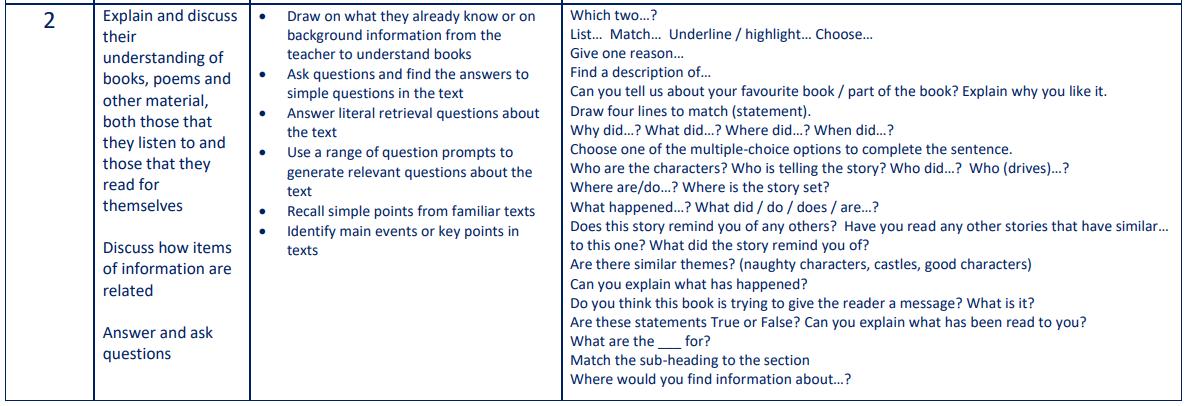
Whole class Shared Reading:
In Year 2 we follow Pathways to Read for our whole class guided reading session followed by grouped guided reading over the course of the week.
Our Pathways to Read texts last a half term and is taught once a week as a whole class focussing on the key mastery reading skill.
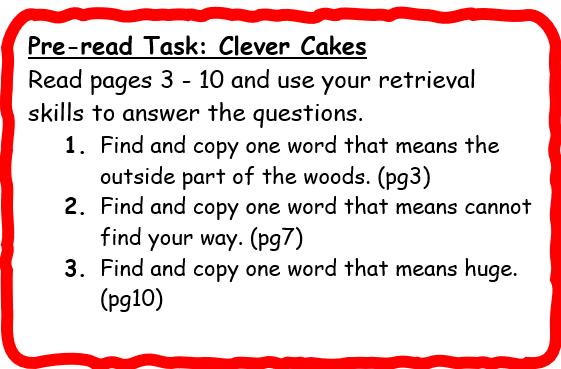
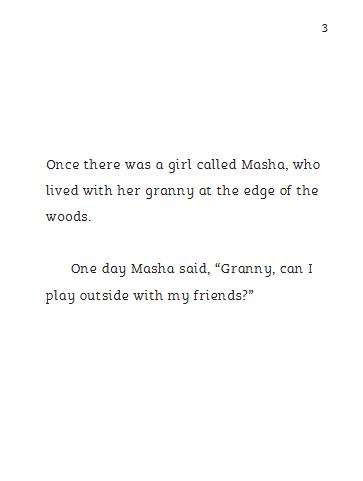
Reading aloud is modelled by the teacher to model intonation and fluency. The lesson follows a four part structure: Predict, clarify vocabulary, read and retrieve and read and explain where the mastery focus is taught and practised.

TITLE OF DOCUMENT
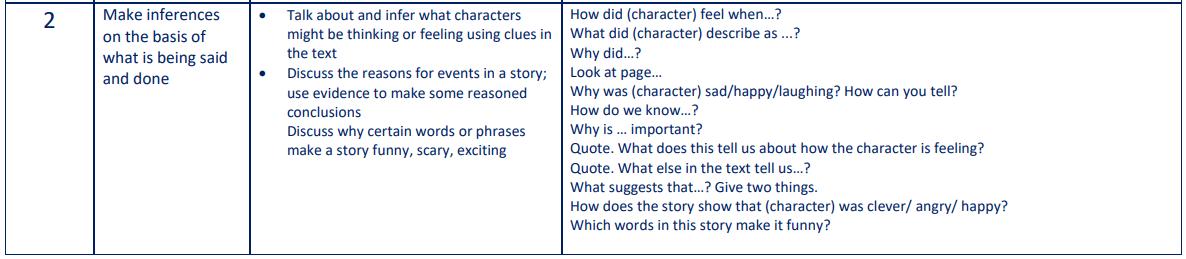
Grouped Reading Sessions:
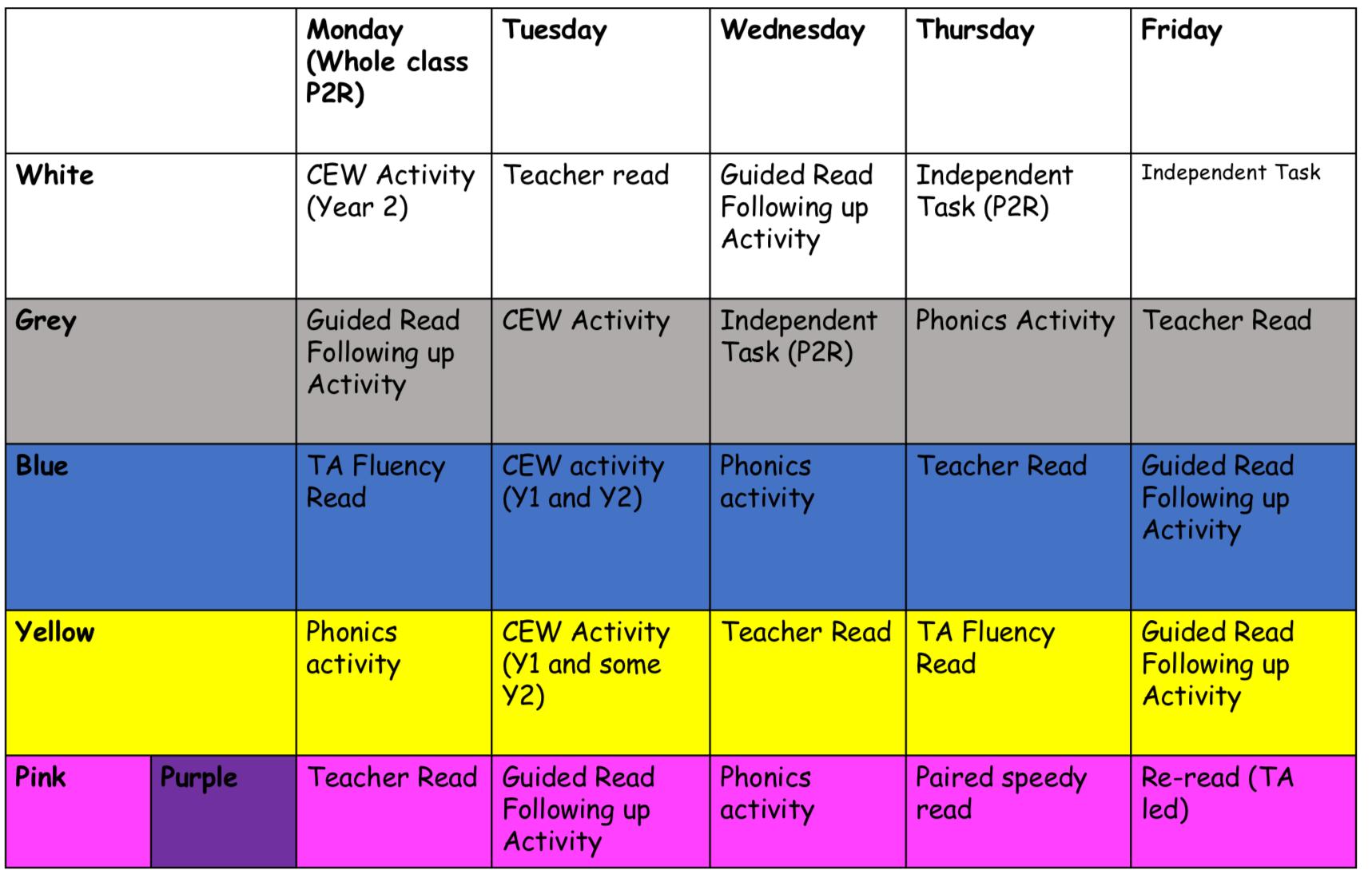
Grouped reading sessions are 5 parts and based on texts linked to phonics development and reading comprehension ability. These will be book banded texts.
All grouped reading sessions will focus on the same mastery skill as the whole class shared reading sessions. This will ensure pupils are applying the same skills across different texts.
All children complete grouped and shared reading sessions work in their Reading Reflection journals.





DOCUMENT
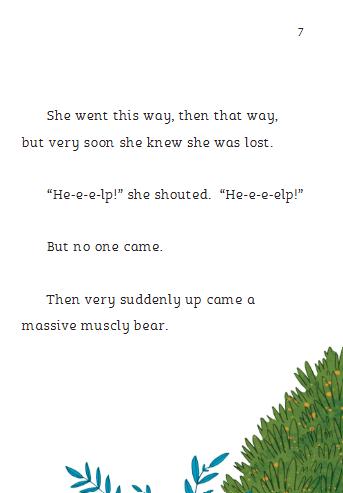

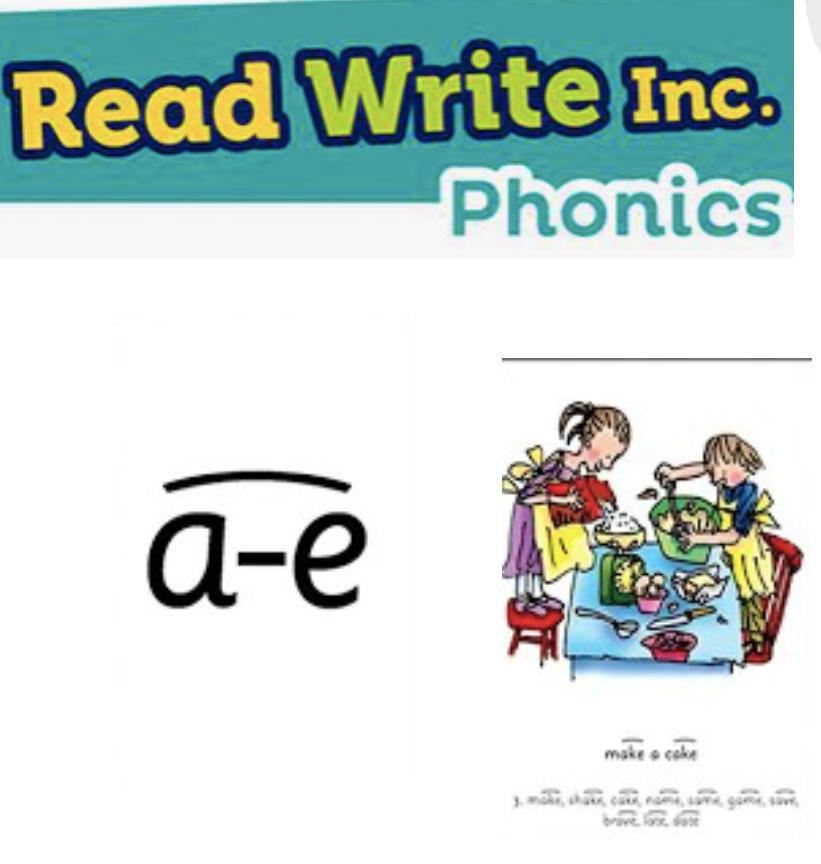
• Your children will already be familiar with RWI from EYFS and Year 1. Many children come into Year 2 having already completed the RWI scheme. However, for the first ½ term we still do daily phonics sessions and expose all children to this. The reason for this is to revisit and review after the summer holidays.
• We refer to the RWI techniques in our writing and reading in Year 2 the same as in previous years. We still assess the children regularly to move their book band colour as quickly as possible.
•As we move into the new ½ term, we will move away from RWI and onto our spelling programme.
• All children will partake in the spelling programme but if your child still requires phonics, this will be delivered alongside the spelling programme.
TITLE OF DOCUMENT

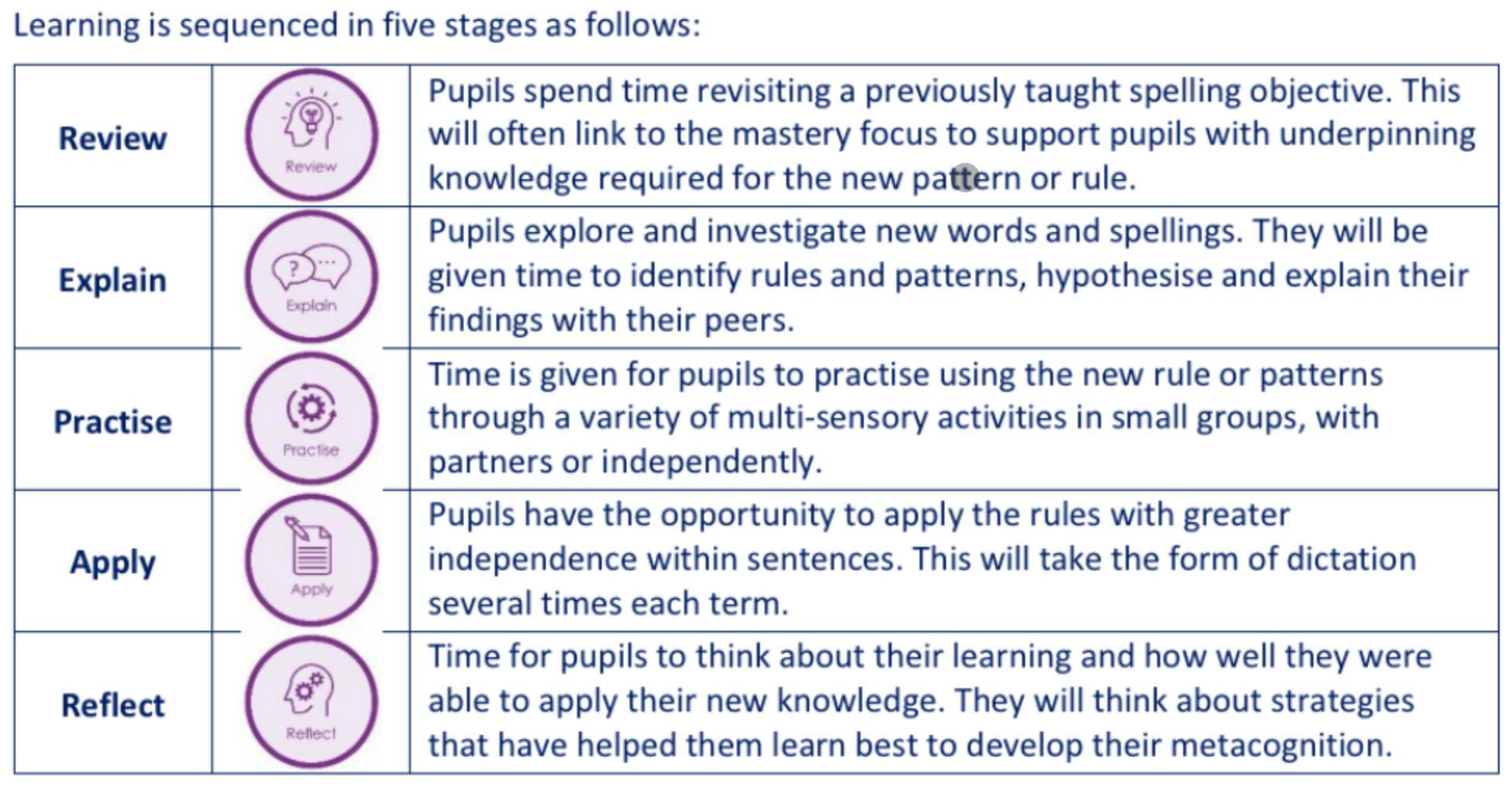
At Chapelford, we follow the Pathways to Spell programme where pupils are taught to spell in a number of ways:
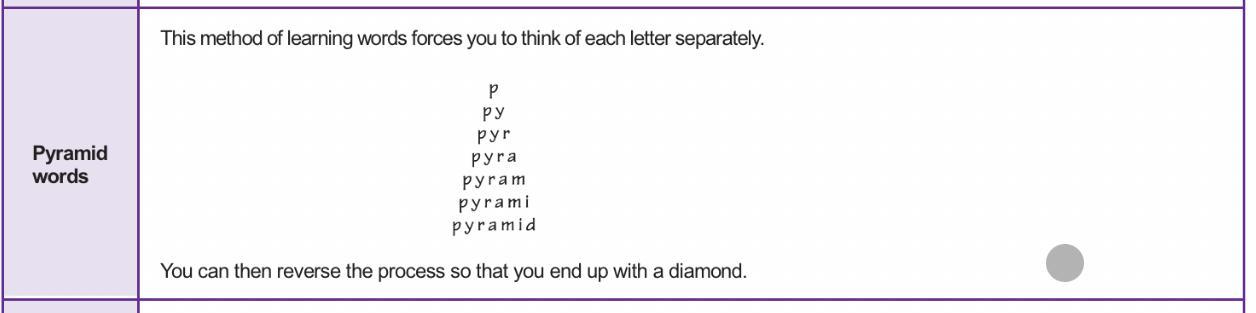
• Developmental approach- pupils moving from a focus on phonics to patterns and the look of a word at a pace appropriate to their age.
• Generalisation approach- if you know how to spell cat and bat then you can have a go at hat and pat.
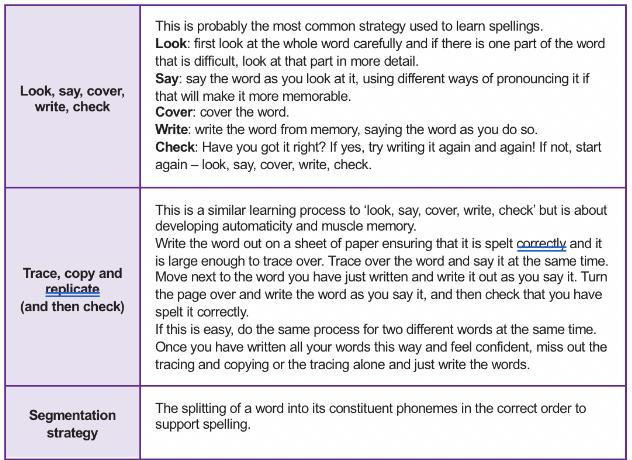
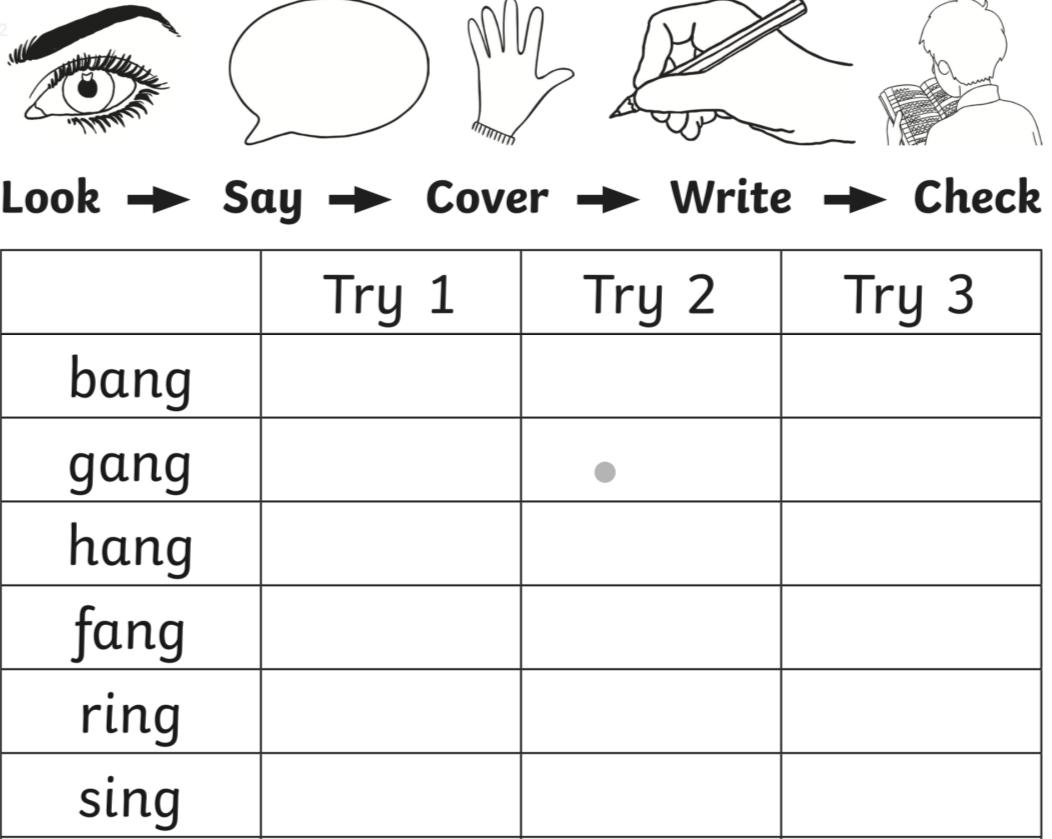
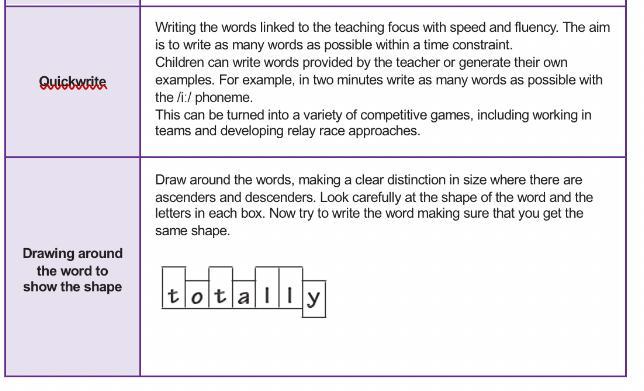
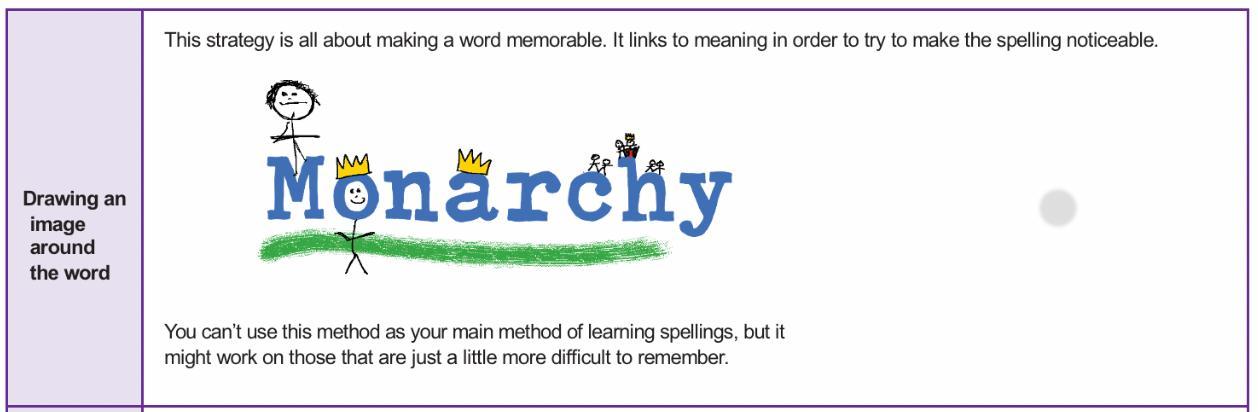
• Rote- visual memorisation- look/say/cover/write/check.
The Pathways to Spell programme is taught whole class with each week combining consolidation of previously taught spelling patterns and rules in conjunction with new teaching opportunities.
Each term there is a focus on common exception or word list words. Each week consists of two spelling objectives: a review of a previously taught spelling pattern or rule and a mastery spelling focus- the key learning outcome for the week.

At Chapelford, working with parents and carers closely is important to us. We want to support all parents and carers in how they can support their child’s learning at home. Out current expectations are:
• 3 reads at home weekly and signed in the child’s reading record.
• Weekly homework given on a Friday and returned the following Thursday.
• Half termly common exception words sent home to see your child’s gaps.
• Access to reading eggs, maths seeds, times tables rockstars and purple mash to further engage your children in learning in an unconventional way.
• Booster sessions for specific children after school e.g. phonics and reading. If your child is invited to one of these sessions please take up the place as this will accelerate their learning and it is an opportunity to work in small groups. If your child cannot attend please let us know so we can offer the place to someone else.
• Wide range of after school clubs.
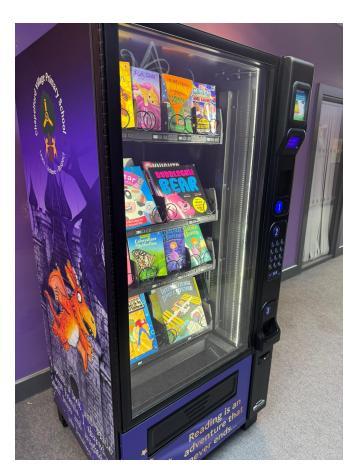
Recently we have introduced the Reading Road Challenge to celebrate children reading at home. Every read counts towards moving up the road, so remember to sign their reading records. For every 10 reads the child can earn a reward. I am sure your child will be able to tell you about them! When they reach 60 reads your child will earn a golden coin to spend in the vending machine for their very own book.
There is also in year group competitions for the classes with the highest % of reads. The winning class gets extra break and the overall termly winner gets a coin for their class.


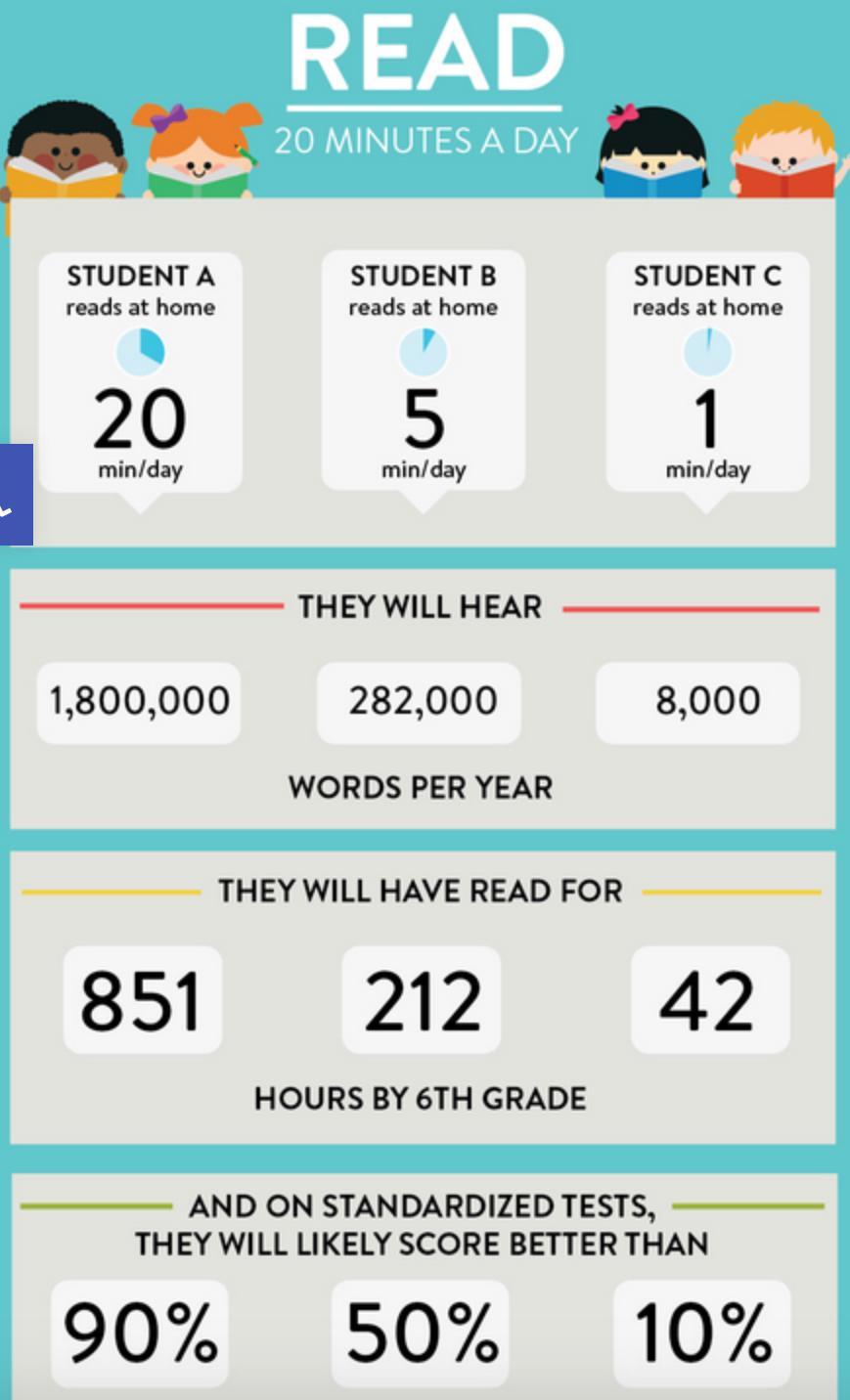
• Parental involvement in their child’s reading has been found to be the most important determinant of language and emergent literacy (Bus, van Ijzendoorn & Pellegrini, 1995).
• Parental involvement in their child’s literacy practices is a more powerful force than other family background variables (Flouri & Buchanan, 2004).
• Young people encouraged by a family member are twice as likely to read outside of class every day as those who receive no encouragement. They are also considerably more likely to read above the expected level for their age than those who are not encouraged to read or who rarely see parents read (The Literacy Trust).
TITLE OF DOCUMENT




Topmarks

Should you require any support with login details, please do not hesitate to contact your child’s class teacher via email.
• Morning maths:
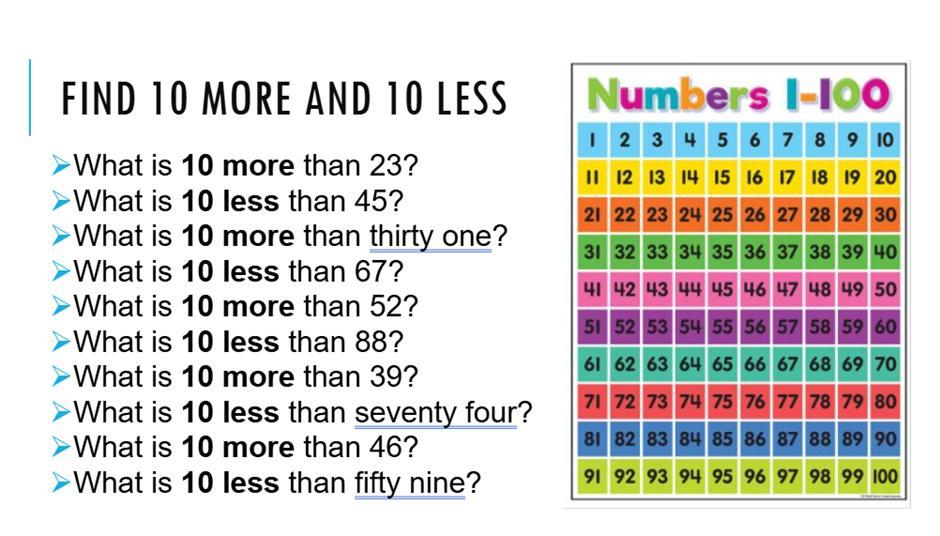
• Challenge how would you work this out without using the column method:
• 28 + 37 =
In Year 2 a child working at age related expectations is secure fluently on their 2s, 5s and 10s times tables alongside the related division facts.
In school we promote Times tables through weekly practice and competitions – there is currently one running between the year groups.
Children can earn a wrist band for moving on to the next tables.
• Tables Rockstars
• Hit the Button- Topmarks

Q&A Session