

At Sanford Health in Bismarck, North Dakota, we believe that everyone, everywhere should have access to world-class health care close to home. As the largest nonprofit provider of rural health care in our region, Sanford Health is committed to supporting our patients, residents and communities in ways that extend beyond the walls of our health care facilities.
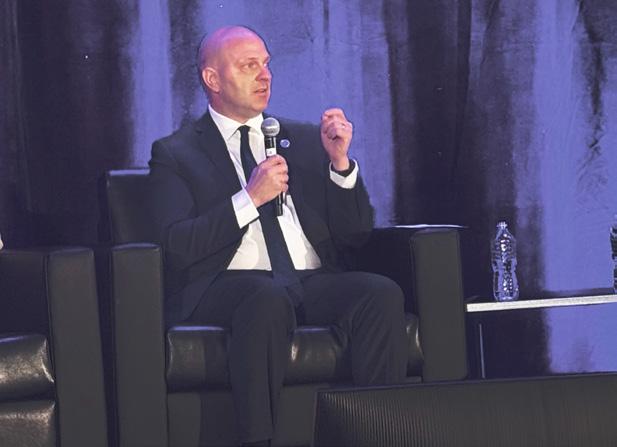
I am pleased to introduce the second edition of the community commitment report for Sanford Health in the Bismarck Region. This report illustrates how we’re using innovative approaches to deliver affordable, high-quality care to everyone who comes through our doors. The report shows the many ways we collaborate with our communities to find solutions to the social and economic obstacles many people across our region face. We pride ourselves on the number of outreach services we offer to underserved populations, keeping convenient care both close to home and less financially burdensome for those who may normally need to travel long distances for appointments.
I am proud to share that in 2025, we expanded our hospital bed capacity, added a new primary, specialty care and walk-in clinic in south Bismarck, and enhanced care in Williston by providing women’s, family medicine and specialty care at a newly acquired clinic location. Most recently, we expanded our endoscopy services, adding six endoscopy suites and 18 preparation and recovery rooms, along with additional procedure rooms. These are just a few examples of how we are advancing access to care and improving health outcomes.
I encourage you to continue reading to learn more about how Sanford Health is helping to advance care, improve public health and strengthen our communities. The work we are doing is possible thanks to the dedication of our Sanford Health employees and community partners. I am grateful to work alongside them for the betterment of central and western North Dakota, eastern Montana and northern South Dakota.
With gratitude,
Sanford Health serves more than 2 million patients and more than 425,000 health plan members across 320,000 square miles. As the nation’s largest nonprofit rural health system, Sanford Health is committed to improving the health and well-being of those we serve. We are proud to provide comprehensive services and support that respond to the current and future needs of our communities through high-quality care, enhanced public health programs and solutions that reduce health disparities.
In 2024, Sanford Health invested more than $30 million to provide essential services and financial aid to patients in the Bismarck Region.
• Medical center: 1
• Surgical centers: 3
• Clinic locations: 25
• Senior living centers: 9
• Level II adult trauma center
• Four-time Magnet® designation for nursing excellence
• CMS 4-star hospital
• U.S. News & World Report “Top Heart Center in North Dakota”
• Newsweek “2025 Best-in-State Hospital”
• Newsweek “Best Cardiac Hospital”
• Women’s Choice Award Best Hospital 2025
• Blue Distinction Center for Maternity Care by the Blue Cross Blue Shield Association
• American Heart Association/American Stroke Association’s Get With The Guidelines® – Stroke Gold Plus Quality Achievement Award
• Internal Medicine Residency Program accreditation from Accreditation Council for Graduate Medical Education
People living in rural America face unique challenges. They are more likely to have fewer resources to access care and more likely to experience higher rates of poverty, food or housing insecurity, and chronic disease – often leading to poorer health outcomes. Twothirds of Sanford Health patients live in rural areas, which is why our commitment to care extends beyond the walls of our hospitals, clinics and long-term care facilities.
Every three years, Sanford Health conducts a Community Health Needs Assessment (CHNA) to learn more about the health and well-being of the populations we serve. The CHNA helps us to identify and address unmet health needs through local partnerships and initiatives.
As the nation’s largest rural nonprofit health system, Sanford Health is committed to enhancing the well-being of those we serve.
In 2023, Sanford Health invested over $726 million in our communities, providing essential services and programs aimed at improving access to care and positively impacting health and well-being. The following is detailed information regarding Sanford Health’s 2023 Form 990 for the health services division.
$160 MILLION $251 MILLION
$155 MILLION
$251 million in subsidized health services not reimbursed by other sources. Sanford Health offers these clinical services despite financial loss in order to ensure access to essential care for our communities.
$160 million in uncompensated care from reduced-cost health care services provided through financial assistance or services left unpaid due to financial hardship or lack of insurance.
$155 million in absorption of underpayments from Medicaid and Medicare for acute care services. Medicaid and Medicare reimburse health systems but at a rate that is often lower than the actual cost of providing care. Sanford Health is dedicated to treating all patients, regardless of their ability to pay.
$58 million in community health improvement services that safeguard or improve public health and expand access to health care services.
$45 million in community programs related to child care, mentoring, violence prevention, disaster readiness and public emergency preparedness.
$38 million in educational programs that train health care professionals, helping to ensure our communities have a strong health care workforce for years to come.
$19 million in medical research studies or investigations to increase health and disease knowledge.
Sanford Health is proud to provide care to anyone who comes to us in need, regardless of their ability to pay. As a nonprofit organization, we provide a robust community care program to help patients who are uninsured or are experiencing financial hardship access to care. Sanford Health never denies medically necessary care to patients with medical debt.
Sanford Health offers financial assistance for patients experiencing medical emergencies and challenges that require immediate care. This assistance, which can range from cost reductions to complete forgiveness, is provided to patients with a demonstrated financial need.
Sanford Health has a database to help patients find and access community resources. The website sanford.findhelp.com compiles information about housing, food, transportation and child care. After entering their zip code, an individual can see free or reduced-cost programs nearby. While the resource is available to anyone in need, Sanford Health patients receive a link to access it from their after-visit summary or their My Sanford Chart account.

Clinicians, nurses and other caregivers can also navigate the site on behalf of patients and refer them directly to assistance. The site is translated into multiple languages and allows anyone to print, test or email information.
In 2024, referrals to sanford.findhelp.com increased nearly 80% from 2023. The most common search topics were related to food, housing, health and financial needs.
Sanford Health’s care management services connect families with vital resources to help create healthier, more cohesive and empowered communities. Care management emphasizes preventive care, encouraging patients to proactively engage with their health care, manage chronic conditions and adopt healthier lifestyles. There are many ways care management helps patients, caregivers and health care providers improve outcomes.
• Improved access to services: Ensures timely and appropriate care
• Enhanced social support: Strengthens connections to foster well-being
• Increased resource efficiency: Maximizes the impact of resources
• Empowerment and self-sufficiency: Encourages patients to proactively engage in their care
• Improved well-being: Addresses holistic needs to ensure better health outcomes
• Advocacy and systemic solutions: Improve access to care for all
• Better trust in systems: Builds confidence in health systems through long-term relationships
Rural populations are more likely to travel long distances for health care, especially subspecialty services. Patients may face barriers paying for fuel and lodging, taking time off from work, or arranging child care. Sanford Health is committed to ensuring our patients have access to high-quality care no matter where they live or what health challenges they face. As an integrated health system, we are uniquely positioned to improve the overall health of the populations we serve through new, innovative care delivery models. Open 24/7, 365 days a year, we are available whenever and wherever our patients need us, and we are committed to bringing care closer to home.
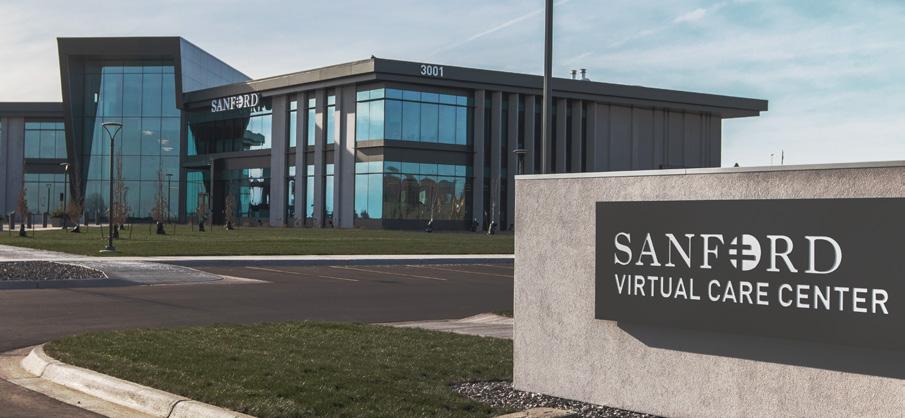
The new Sanford Virtual Care Center (VCC) is a flagship command center that supports virtual health care in rural communities. Two-thirds of our patients who used virtual care in the last year live more than 30 miles from a major medical center. The VCC continues to enhance and expand virtual care offerings. Since 2011, Sanford Health has served over 1.7 million people virtually, saving our patients 42.3 million miles.
Made possible by a $350 million gift from philanthropist T. Denny Sanford aimed at supporting rural health initiatives, the VCC is now home to Sanford Health initiatives focused on three core pillars: education, innovation and clinical care.
• The Education Institute is a learning environment for caregivers to advance their virtual care skills and develop new skills to ensure the highest quality of care and the best patient experiences. It includes simulation spaces where medical students, residents, clinicians and nurses can use augmented reality and virtual reality tools to train for the next generation of care delivery.
• The Innovation Center is the first accelerator space in the nation that specifically focuses on AI tools and emerging technology designed to advance rural care delivery. Technology partners collaborate with providers to co-develop new software, hardware and care delivery models. In addition, a patient and family experience room allows patients to test new digital health tools and provide their feedback.
• In the clinical service delivery space, both patients and caregivers will experience the flexibility and convenience of on-demand care. This space will be home to My Sanford Nurse, direct-to-consumer acute care and virtual nursing.
The VCC has a direct connection to Sanford Health’s satellite clinics, giving patients the option to get care close to home with additional support and expertise available virtually.

The Sanford Cancer Center in Bismarck opened in early 2023 and delivers world-class, comprehensive and family-centered care with convenience and comfort close to home. A cancer diagnosis needs specialized care; at the Sanford Cancer Center, patients receive holistic treatment in a healing environment that promotes communication, collaboration and individualization.
Through the generosity of donors to the Sanford Health Foundation, patients at the Sanford Cancer Center benefit from the Paxman Scalp Cooling System, a therapeutic device designed to limit chemotherapy-induce hair loss. Scalp cooling – sometimes referred to as cold capping – works by limiting damage to hair follicles during treatment and encourages faster, healthier regrowth afterward.
Sanford Health is planning an expansion to the Sanford Cancer Center in downtown Bismarck.
Sanford Health has seen tremendous growth in the Bismarck Region. A strategic expansion of adding 36 hospital beds and the Sanford Southridge Clinic is part of Sanford’s continued commitment to providing highquality, accessible care to the growing population in the region.
The Bismarck Medical Center expanded by 36 beds in 2025. The new beds were added to renovated areas on the third, fourth and fifth floors, allowing the hospital to serve more patients while maintaining the same high standards of care. This expansion represents a major milestone in Sanford Health’s commitment to improving access to high-quality health care and enhancing overall patient experience for the region.
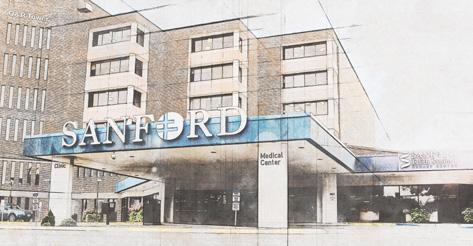
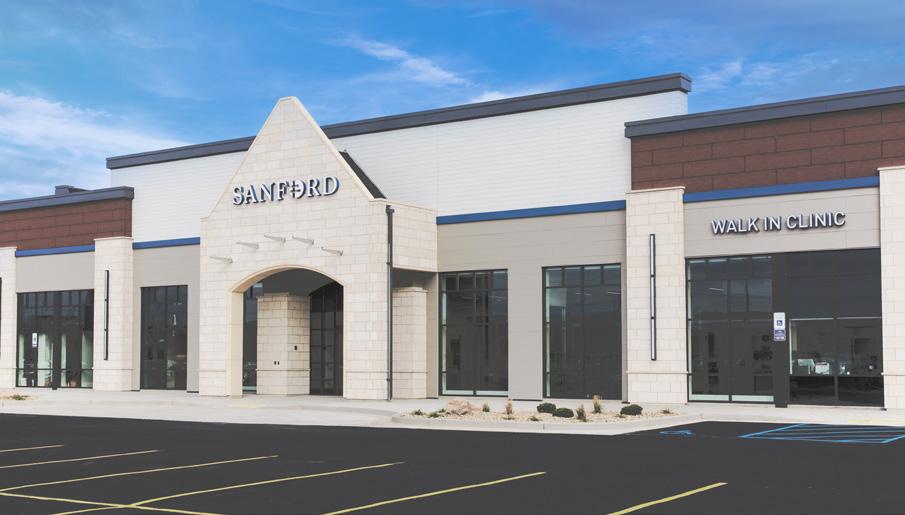
In five years, Sanford Health will have added more than 50 licensed hospital beds to the Sanford Bismarck Medical Center for a total of 278 beds now available for patients. Since 2012, Sanford Health has invested more than $300 million in central and western North Dakota to increase services and enhance patient access.
The Sanford Southridge Clinic opened in 2024 and includes a walk-in clinic, primary care for patients of all ages, gastroenterology specialists, on-site imaging services (CT, X-ray and ultrasound), and an on-site lab.
With the growing health care needs in Williston, Sanford Health expanded services to better care for patients in western North Dakota and eastern Montana. Sanford 11th & Gate Clinic in Williston currently offers the following specialties: obstetrics and gynecology, behavioral health and diabetes care, with additional specialties coming in 2026, including a full-time pediatrician. Plus, outreach services bring pediatrics, sports medicine and maternal fetal medicine providers to the clinic on a regular basis.
The Sanford Broadway Same Day Surgery Center added a 15,000-square-foot addition to improve access, efficiency and patient experience in digestive health care. Located at 715 E. Broadway Ave., the newly renovated space brings all aspects of care under one roof in a streamlined outpatient setting.
The expansion includes six new endoscopy suites and 18 preparation and recovery rooms, along with additional procedure rooms to accommodate more patients and reduce wait times. These enhancements are designed to meet the growing demand for gastrointestinal services, including colorectal screenings, closer to home and outside
of a traditional hospital setting. The facility is equipped with advanced scopes and imaging technology to support both diagnostic and therapeutic procedures for conditions such as GERD, IBD and colorectal cancer.
This investment also supports Sanford’s growing GI team, with seven new providers joining in 2025. The dedicated space fosters collaboration across gastroenterology, general surgery and related specialties, helping to deliver coordinated, high-quality care. As screening guidelines shift, now recommending colorectal screenings begin at age 45, Sanford Bismarck is wellpositioned to meet the region’s evolving needs.
By Jason Anschutz
Sanford Health’s new Southridge Clinic has created easier accessibility and more space for patients and staff members in Bismarck, North Dakota.
Transitioning the downtown walk-in clinic, as well as its lab and imaging services, has provided multiple benefits for those in need of acute care services.
“When you alleviate having to find parking downtown, the steps to the basement to check-in for an appointment, and then going up a couple floors for imaging, it saves a tremendous amount of time,” said Jake Mellmer, vice president of operations at Sanford Bismarck. “Convenience for the patient, I think is the biggest thing.”
The new 19,800-square-foot facility also provides a lot more space than the previous location. The walk-in clinic alone expanded from six to 13 exam rooms. The entire Southridge Clinic now includes 34 total exam rooms as well as seven ultrasound rooms, two treatment rooms, a mother’s room and a lab with two draw rooms.
The building, which officially opened on Nov. 12, provided walk-in services, CT scans, x-ray and lab work on day one, followed by ultrasound services soon after. In February, general family medicine will move to the new space as well.
“Diabetic education, dietetics, social work, care management and behavioral health support all come from family medicine. These services will now be embedded into our walk-in clinic,” said Mellmer. “Patients will be able to get more services in one building than they’ve ever had before.”
Originally published on February 2, 2024
Increasing access to behavioral health care is a vital part of Sanford Health’s effort to address community health needs. Sanford Health provides comprehensive behavioral health services, including psychological evaluations and substance use disorder programs to in-school child programs and a nationally recognized eating disorder program.
As a rural health care system, we understand the unique barriers our patients face in accessing behavioral health care, and we are working to address these challenges so every patient can get the support they need when they need it.
The Behavioral Emergency Response Team (BERT) at Sanford Health helps provide early identification, assessment and treatment for patients at risk for or experiencing acute behavioral events. A BERT nurse from the inpatient psychiatry department is available 24/7 to go to other units at the medical center to help staff who feel unsafe or need assistance with patient interventions. They can act as a liaison between patients and staff. Recognizing behavioral concerns early and calling for assistance will hopefully decrease workplace violence.
Sanford Health has partnered with schools to provide school-based behavioral health services to students. Thanks to the generous support of donors to the Sanford Health Foundation, this partnership has grown to include eight schools.
With this program, Sanford Health hopes to show that positive reinforcement can help change behaviors in schools and beyond. By offering early intervention with a structured system of reinforcement and support, the program aims to help children build skills they’ll need throughout their lifetimes.

Sanford Health has added behavioral health providers in the following communities to help better serve rural areas.
Dickinson: This team of providers includes a psychologist, a psychiatry nurse practitioner, three counselors and four care coordinators.
Minot: This team includes a mental health professional who provides psychiatric care to adults and diagnoses psychiatric disorders. There is also a counselor who specializes in working with teenage patients and treats a variety of mental health and addiction issues.
Watford City: Here, there’s a specialist in psychology with special interest in trauma.
Williston: At this location, a psychiatric clinical nurse specialist provides expert mental health care for patients ages 12 to 80 and primarily focuses on caring for adolescents.
Wilton: Here, there’s a physician who specializes in psychology. She provides trauma-specific treatment, cognitive-behavioral therapy, family therapy, dialectical behavior therapy (DBT) and more.
As an extension of our virtual care initiative, Sanford Health recently launched an option for patients to self-schedule a virtual behavioral health appointment. These appointments do not require a referral from a primary care provider and are available to patients ages 10 and older. Offering patients the ability to schedule directly can reduce stigma and help ensure timely and convenient care.
Sanford Health’s emergency departments are always connected with psychiatrists to ensure patients with emergent behavioral health concerns are triaged quickly, even after business hours. In an emergency, a psychiatrist sees a patient virtually, consults with the on-site provider and recommends next steps, including transfer to an inpatient behavioral health unit if necessary or discharge with a safety plan in place.

To further increase access to behavioral health care, six integrated health therapists (IHTs) are embedded in primary care clinics and oncology departments across Sanford Health. If a patient expresses a need or a provider identifies a patient who would benefit from further assessment, an IHT is ready to have a conversation with them immediately, simplifying the process for patients and ensuring they leave their current appointment with a follow-up plan.
Sanford Health in Bismarck has partnered with the Heartview Foundation to bridge the gap between emergency services for overdose victims and treatment for opioid addiction. Through the program, the Heartview Foundation hired staff to provide peer support and buprenorphine until patients can begin using services at a treatment facility or, if it’s safe, to fully transition back to life in the community.
Social barriers, such as a lack of access to healthy foods, stable housing, transportation, education and employment, as well as poverty, are particularly acute in rural areas. Sanford Health is active in the communities we serve and invests substantial resources to drive more opportunities and better health for all.
In 2024, we spent over $15,000 on grocery vouchers for the Sanford Cares program.
Since 2019, Sanford Health in Bismarck has sponsored the Sanford Cares program , supplying backpacks with grocery vouchers and other essential items to Title I schools in the Bismarck-Mandan area. In 2024, more than 600 second graders from across Bismarck-Mandan received these backpacks.
Sanford Health Bismarck region hosts a free community education series where providers give presentations and answer questions on a wide variety of health-related topics. Doc Talk events have featured cardiologists, podiatrists, orthopedic surgeons and gastroenterologists. More than 700 members of the community attended these events.
Sanford Health has partnered with the Great Plains Food Bank to address food insecurity in the community. Three Sanford Health clinics offer wellness pantries that are stocked with food and hygiene products. Patients facing food insecurity are offered items from the wellness pantry.

Sanford Sports, the athletics arm of Sanford Health, offers a diverse set of sports-related services and programs. Sanford Sports gives back to communities by promoting health, wellness and sports participation. Programs like youth sports leagues, fitness classes and sport camps are designed to engage community members of all ages, abilities
and socioeconomic backgrounds. Sanford Sports also partners with local schools, community organizations and nonprofits to provide resources and support for physical activity and healthy living initiatives.
Through the continued generosity of those who give to the Sanford Health Foundation, Sanford Sports in Bismarck is expanding its current space by adding an additional 6,000 square feet and the following enhancements:
• 3,500 square-foot turf area
• Three additional batting cages
• 80-yard, three-lane indoor sprint track
• New meeting space and locker rooms
Sanford Sports Performance in Bismarck offers performance training and testing, sports nutrition, mental performance training and sports physical therapy. Sanford Sports Academy in Bismarck offers the Ben Berg Baseball Academy, Softball Academy and Hockey Academy.
The Sanford Cancer Center in Bismarck sees more than 100 patients each day, all on their own unique and deeply personal journeys. With the support of our community through our Blueway events, we’ve raised more than $400,000 in 2025.
Our community breakfast series, hosted by leaders in Bismarck, brings together local leaders, partners and stakeholders for meaningful conversations about the health care topics that matter most. These invitation-only events offer an opportunity for Sanford Health to share key insights, foster collaboration and strengthen our commitment to community well-being. The most recent breakfast focused on oncology – a deeply impactful topic for many in our region. This ongoing series ensures our partners stay informed and engaged as we work together to address evolving health needs.

At Sanford Health, we believe that no one should have to choose between their health and their financial well-being. That’s why we offer Charity Care, a financial assistance program designed to help patients who are struggling to pay their hospital bills.
Charity Care provides relief to those in our community who may be uninsured, underinsured or facing significant out-of-pocket medical expenses. This program ensures that individuals and families receive the medical care they need – regardless of their ability to pay.
Every year, we help hundreds of patients access vital health care services through this program. In 2024, our Charity Care assistance totaled just over $30 million.
Clinical trials are key to advancing the science of medicine and ensuring patients benefit from new discoveries as quickly as possible. Sanford Research, a multisite research institute, is involved in over 300 clinical trials that aim to improve the prevention, detection, treatment and survivorship of a wide range of diseases.
Clinical trial recruitment has historically been centered in larger urban areas. Sanford Health is committed to pursuing cures and improving treatments for diseases that affect communities in rural America. We fund, test and use clinical trial research, data and best practices to generate better outcomes for our patients.

ImagineYou is a no-cost genetic screening study designed to help participants better understand the impact of their DNA on their health. A secure, privacy protected database will allow researchers to study genetic links to health, uncover causes of diseases and identify new treatment approaches. Sanford Health hopes to enroll 100,000 participants ages 18 and older who will receive confidential information about their:
• Inherited risk for common cancers (breast, ovarian and colorectal)
• Risk for heart disease (hereditary high cholesterol)
• Regional ancestry and traits like caffeine sensitivity and sleep pattern
Sanford Health is proud to be part of the National Cancer Institute’s (NCI) Community Oncology Research Program (NCORP), which gives our patients access to state-of-theart clinical trials in or near their communities. There are only 46 NCORP sites throughout the country. Our program typically has between 80 to 100 clinical trials open across most cancer types. Sanford Worthington Cancer Center, located in Worthington Minnesota, a town with a population of 13,000, is a designated NCORP site. To date, Sanford Worthington Cancer Center has opened 27 clinical trials with over 200 enrollments.
Additionally, Sanford Health is a participant in the NCI’s Connect for Cancer Prevention study. This nationwide study aims to identify how certain factors like geographical location or occupation may lead to a cancer diagnosis in healthy individuals late in life. It uniquely focuses on the individuals before they have any indication of cancer. Individuals in the Midwest are often exposed to potentially harmful carcinogens that are unique to rural populations. This study will help us better understand those risk factors.
There are more than 50 open oncology clinical trials in the Bismarck Region.
By Spencer Thompson
Health care organizations are always innovating to meet the needs of every patient so they can offer the best care possible. For Sanford Health, the next generation of care has arrived in the form of a genetic screening research study called ImagineYou.
ImagineYou builds on the legacy of Sanford Health’s dedication to improving and investing in its communities. With this new program, the organization is giving everyone the chance to learn how their DNA impacts their health at no cost to participants, but what it aims to accomplish goes way beyond individual care.
ImagineYou is a genetic screening research study and provides individual participants with their own results for certain cancers (including breast, colorectal and ovarian) and heart disease. This information and the secure data from the entire sample population will be used to research and improve health care in our communities for generations to come.
Sanford Health has partnered with Helix, the leading population genomics company in the U.S., to offer this screening to anyone over the age of 18 (or over the age of 19 for Nebraska residents) who wants to sign up for it.
Jeremy Cauwels, M.D., senior vice president and chief medical officer of Sanford Health and a research investigator for ImagineYou, said that Sanford Health has conducted studies like this in the past, but has never been able to use that information for further research.
“ImagineYou started as a new idea – every time we wanted to understand more about someone’s genetics or a community’s health risks as a whole, we had to take a new sample,” said Dr. Cauwels. “With ImagineYou, much of that information can be securely stored and looked at later without the need for a new sample. So, while this study initially screens for three conditions, it could lead to more information becoming available later on.”
The data from this study can help an entire community, too.
“If we want to understand the health risks of a population, we can query the data and see what areas have higher or lower concentrations of certain genetic risk factors,” said Dr. Cauwels.
Discovering trends in genetic health data at this scale can lead to improvements in health care, screenings and socioeconomic trends within a community. On a smaller scale, it can provide people with access to a high level of individualized care, commonly referred to as precision medicine.
Every ImagineYou study participant will have the opportunity to learn if they have a genetic risk for three health conditions. This level of detail in a patient’s health record gives providers an opportunity to tailor care directly to the patient’s needs.
“As individuals, we’re different, and therefore have different health care needs,” said Liz Wheeler, the senior director of operations at Sanford Imagenetics. “The whole idea of precision medicine is to find out how we can deliver personalized care to our patients, and using genetics is one way to do that.”
As of right now, the screening will look at genetic risk for three conditions. Each of them brings a higher inherited risk to the person for certain conditions or diseases compared to individuals who do not inherit these changes in their genetic code. These hereditary conditions include breast and ovarian cancers, colorectal cancers and an inherited form of high cholesterol.
Identifying these risks before they become a problem isn’t just a new way to treat someone – it’s an entirely new approach to health care.
“In medicine, for the last 100 years, the process has been to wait until someone gets sick, and then after that we can tell them what they’re sick from,” said Dr. Cauwels. “Now we’re moving into the place where we can start telling people what they have a higher risk for and what will make them sick later. The days of suffering a heart attack before you figured out you had heart disease should hopefully be moving into the past.”
For some, having the knowledge of their medical risks seems scary and intimidating, but Wheeler said this data is meant to empower people so they can avoid major health issues and live longer, healthier lives.
“Some people may be hesitant to receive their results, but the goal is to use this information to be proactive so you don’t develop the disease,” said Wheeler. “There are things you can do about these conditions. Your provider can make recommendations and you can take certain actions. If you know there’s a risk for developing a condition, you can do more to prevent it.”
Wheeler said about 1% to 2% of participants in the ImagineYou study will test positive for one of these conditions. When someone tests positive for any of these genes through the study, they are offered a no-cost consultation with a genetic counselor to discuss their results.
“If someone gets a positive result, they get a referral to genetic counseling at no cost where we can talk about what this means for them and their families,” said Jen Leonhard, a senior genetic counselor at Sanford Imagenetics. “From there, we look at personal medical history and start discussing what we could do next, whether it’s getting screened or starting a course of preventive treatment.”
Analyzing DNA can uncover risks for cancers and conditions before they start to show symptoms. Once symptoms become obvious, the disease may be in a more advanced state, negatively impacting the patient’s prognosis.
“If we know about an increased risk, we can detect something like a cancer earlier,” said Leonhard. “For some cancers like ovarian cancer, it’s not that the cancer is deadly itself, but that the symptoms are initially so mild that we don’t detect it until it becomes dangerous. If we know you’re at a higher risk, that allows us to personalize care and preventive measures.”
What makes this study unique from many other DNA tests is that the results are automatically added to the patient’s medical record on My Sanford Chart, making it easily accessible for providers who may want to know more about a patient’s health risks.
“It’s hard to capture all facets of family medical history in primary care,” said Wheeler. “With this testing, people can identify their risks without even knowing their family history.”
Knowing these genetic risks can help a patient’s entire family, too. Since these genes are hereditary, a positive result in one relative can warn others to pay attention to their health and get tested themselves.
“If you carry one of these genes, there’s a good chance you can pass it on,” said Dr. Cauwels. “Even if you’re 70 years old and have already had your first heart attack, you could get tested
and see that you have a gene that increases your risk for high cholesterol. Then you could warn your grandkids and other family members so they can do something about it and start preventive treatment early.”
Dr. Cauwels, Wheeler and Leonhard see ImagineYou as a sign of things to come in health care.
“A growing number of health systems are joining in to develop population genomics programs,” said Wheeler. “This is the way of the future. Genomics in medicine is here to stay. It’s not going away.”
Using DNA screenings in precision medicine could particularly make a large impact on rural populations. By participating in a singular genetic screening, rural residents could receive a more advanced level of preventive care without having to travel back to a hospital.
“Imagine someone has to come from 100 or 200 miles to see a provider. If we take a sample of their blood while they’re here and we start understanding their genes a little bit better, we could find out their health risks,” said Dr. Cauwels.
“What if we didn’t have to bring them back to finish the analysis? We could get on a virtual visit with that person while they’re at work or in a tractor 200 miles away from the nearest hospital and tell them they need to start a medication to control their cholesterol now so they can avoid heart disease down the road. They could pick it up at their local pharmacy in town and start preventive treatment right away.”
While the primary goal of ImagineYou is to identify and study the health risks of the participants, people who enroll in the study get access to a wide variety of additional information.
This includes testing for genetic traits, which can tell people about their personal attributes like their sleep patterns and caffeine sensitivity level. The screening will also give them an overview of their regional ancestry, which not only helps them connect with their roots, but may inform their preventive care going forward.
“Some may not know anything about their ancestral background. Having a better understanding of your ancestral background could potentially personalize your care even more if people in a similar population segment as you have a higher rate of health problems,” said Leonhard.
All these additional tests are included with the screening, which carries no cost for the participant.
“Genetic screenings can be time-saving and life-saving. They help us make sure we’re treating you based on what fits you – it doesn’t use a one-size-fits-all approach,” said Leonhard. “The more we know about genetics, the better our health care will be for future generations.”
Enrolling in ImagineYou is easy. There is no cost to participate and health insurance is not required. By choosing to enroll, participants will get valuable data about their health within weeks.
“You can’t change your genetics, but you can change your care,” said Leonhard.
Originally published on June 11, 2025
The future health of our communities rests on our ability to attract and develop highly trained clinicians and employees. Sanford Health has prioritized breakthrough initiatives to support the caregivers we need today and cultivate the workforce we know we will need tomorrow.
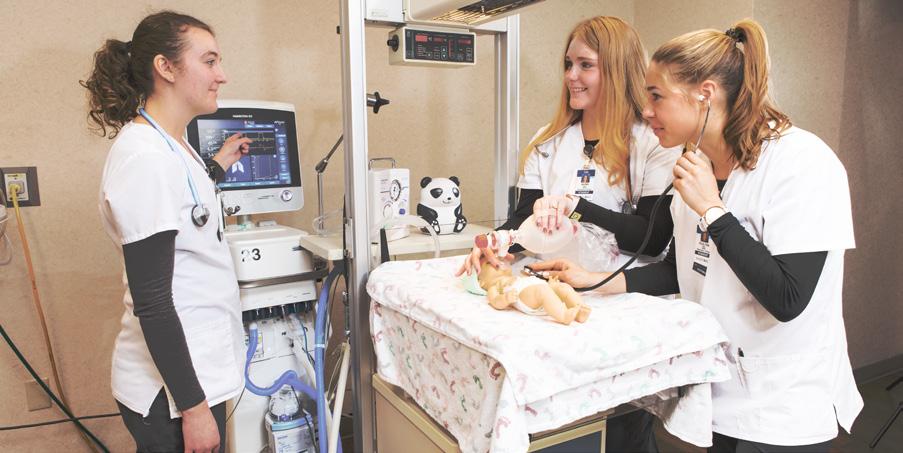
Sanford Health facilities serve as clinical and non-clinical training sites for thousands of students every year. We work locally with high school students on career exploration and partner with secondary academic institutions to provide students with learning experiences that are second to none. By introducing young people to science, technology, engineering and mathematics (STEM) programs and activities, we hope to inspire future generations of health care professionals who will care for our communities well into the future.
In Bismarck, Sanford Health has sponsored the Bismarck Public Schools Health Care Neighborhood, which offers technical education courses on medical careers, certified nursing assistance and more. This program started in 2023.
Sanford Health is proud to partner with Bismarck State College, the University of Mary and the North Dakota State University College of Nursing in a shared commitment to develop the next generation of nurses. Through these partnerships, we not only provide high-quality clinical training experiences but also offer scholarships to support students financially as they pursue their education.
Our investment in the future of health care doesn’t stop with nursing. We extend our support across a wide range of disciplines by helping to train technicians, therapists and other vital health care professionals. We provide access to clinical sites, placing our experienced employees in the classroom as instructors and mentors and by supplying additional educational resources to enhance learning.
Nursing shortages are widespread throughout the U.S., making innovative solutions necessary to address the challenges of hiring enough nurses. To help alleviate workforce shortages, Sanford Health has begun welcoming internationally trained and qualified nurses from the Philippines, Kenya, India, Nigeria, New Zealand and other countries. Nurses in this program sign three-year employment commitments. Our recruiting partner reports that nearly 70% of these nurses stay with the organization after their initial commitment. In the Bismarck Region, we have welcomed 163 nurses and anticipate welcoming 18 more in 2025.

Making our communities stronger and healthier is at the core of everything we do. To learn more about our community involvement, please visit sanfordhealth.org/about/ community-commitment
The annual High School Career Exploration Conference, held in October at the Bismarck Event Center, had record attendance with over 400 students. They experienced a hands-on day of health care career exploration and discovered over 20 health care career pathways and education options.
High school students from across North Dakota were invited to explore the future of health care in a dynamic setting designed to spark curiosity and learning. They participated in interactive sessions, heard from inspiring keynote speakers and engaged in fun activities.