Quivira Coalition 2025 annual report + calendar - web
Just as regenerative agriculture requires us to try and adapt and try again, so does creating artwork. The first strokes of the brush might not capture exactly what you’re trying to portray, so you go back with a different color or angle. Maybe the light filtering into your camera blurs the focus of your shot so you take a step to the left to allow the sun to land better.
As I was working with artists who sent in their submissions to be included in this calendar, I couldn’t help but think of all of the drafts and deleted shots and scrap pieces of paper that they had to go through in order to get to the stunning finished piece they shared with me. The parallels are stunning to something that Kyle Bush, a New Agrarian Program apprentice, said about our work: “I think the idea of iterative learning in agriculture might be like water to fish: invisible because of how ubiquitous it is. In an industry with so many factors that vary over time or across space –weather, climate, season, markets, and on, almost to infinity – there is no other way to build expertise other than through accumulating experience and working by analogy.”
Things that are worth it take time. Transforming landscapes, ecosystems, and watersheds doesn’t happen overnight. Building trust, knowledge, and relationships between people requires attention, time, and good will. Finding your creativity and fine-tuning can often be years in the making. We’re proud to be doing this type of work alongside our community.
Anica Wong Editor
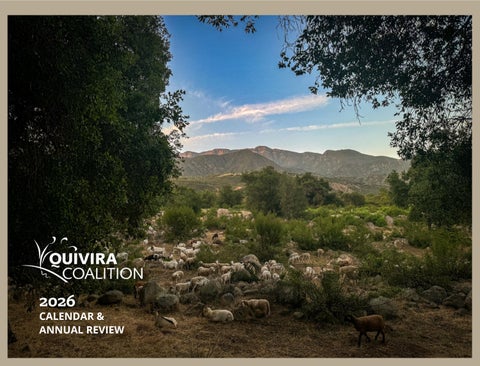
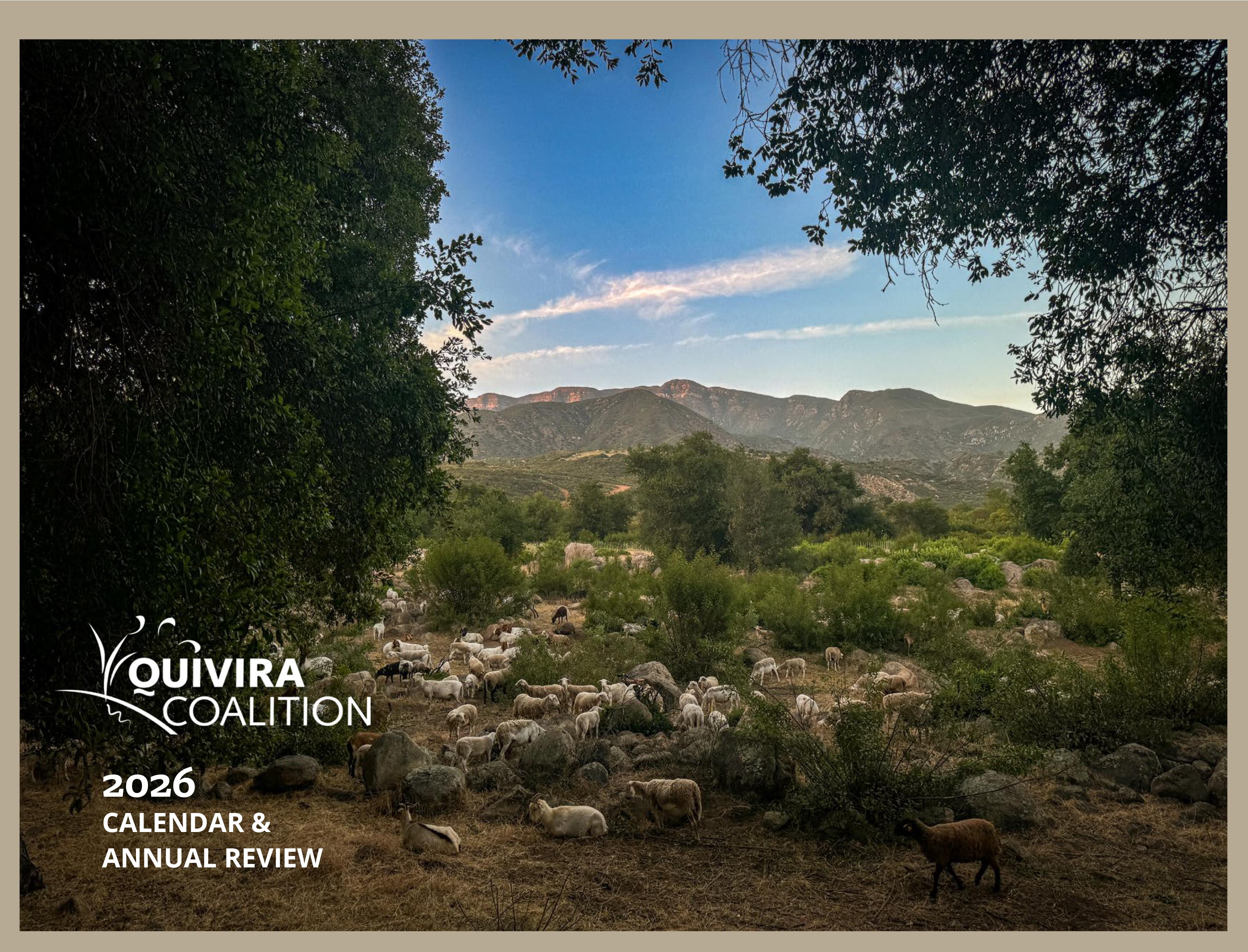
Cover photo by Echo Cooper, A beautiful evening check on the mixed flock of Dorper and Navajo Churro sheep and some Spanish goats in Ojai, California, where they were a shepherd for Shepherdess Land and Livestock.
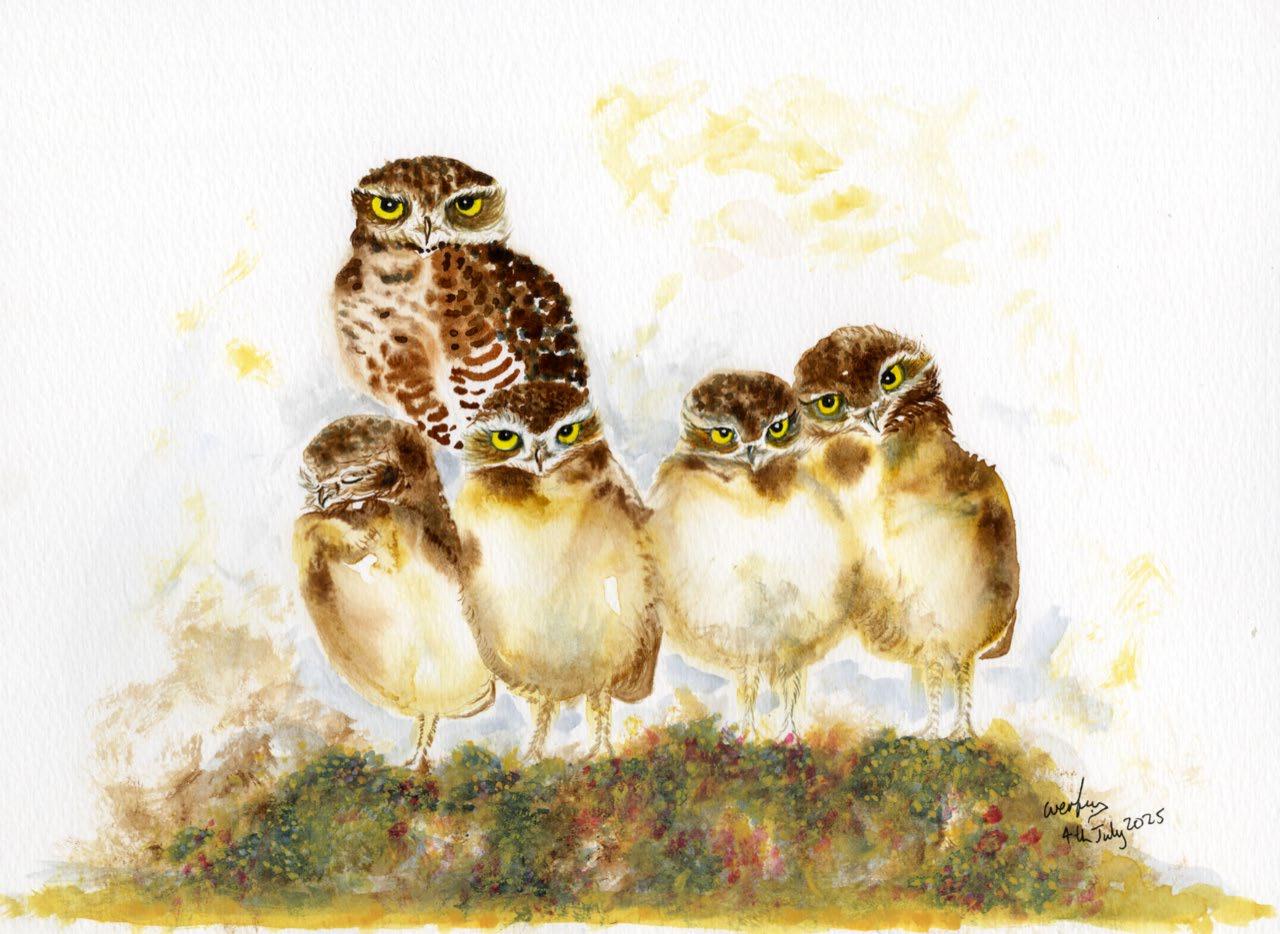
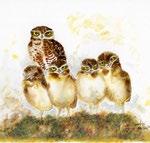
Inside cover (above): Wenfei Tong, a biologist by training, has liked drawing and painting for as long as she’s liked animals. Burrowing owls like these live in grasslands and nest in burrows that they either dig themselves or take over from other diggers, like prairie dogs, other rodents, badgers, or tortoises.
Artist by month
January Allison Louise
February Kai Blake-Leibowitz
March Harper Slusher
April Janet Nunn
May Derek Lowstuter
June Jessica Milavitz
July Jessica Brothers
August Sarah Red-Laird
September Kyra Mills
October Alice Zheng
November Diana Gourlay
December Sims Wulbern
2025 by the Numbers
Data from October 2024 - September 2025
“If I’ve learned one thing from the past two seasons as a New Agrarian Program apprentice, it’s that what worked yesterday may not work today and the plan you thought you had will probably change before you get started. Being adaptable is paramount. The New Agrarian Program fosters the iterative learning atmosphere by defining us as apprentices and our hosts – or teachers – as mentors. For me, this set the tone up front and it was made very clear during our orientation as well, that we are not trainees per se. We are there to learn and to be taught. We come seeking knowledge about this way of living, not just wanting a job. Looking back, my experience with the New Agrarian Program as a whole has been one of iterative learning. I had a plan when I applied and accepted the apprenticeship, but the plan changed as my first season progressed. During my second year I was able to focus on those areas that resonated with me most from the first year.”
-Jim Dalpiaz, New Agrarian Program apprentice
“When first presented by a conservation-minded rancher in the 1990s, the ‘Radical Center’ was a controversial approach for some, both in the environmental movement and the ranching community. At the time, the idea of dialogue and seeking common ground with those that were seen as the ‘enemy’ was a bridge too far. Since then, we have come to recognize that it is radical precisely because it bucked the business-as-usual conflict approach to bridge the historic gulf between environmentalists and the stewards who use the land for their livelihoods, and because it builds a stronger and more diverse community for conservation that benefits us all.”
-Ernie Atencio, Quivira board member and author of “Of Land and Culture: Environmental Justice and Public Lands Ranching in Northern New Mexico.”
Our 2025 Membership
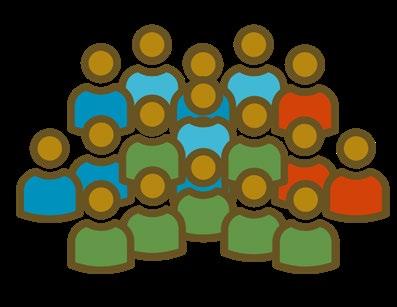
Our impact is strengthened by an engaged and growing membership base. In 2025, our membership totaled 429 members.
Our funding foundation fuels meaningful, on-the-ground impact for our apprentices, mentors, fellows, guest speakers, and community members.
In 2025, $342,483.20 of our income was invested in direct support across our community and programs.
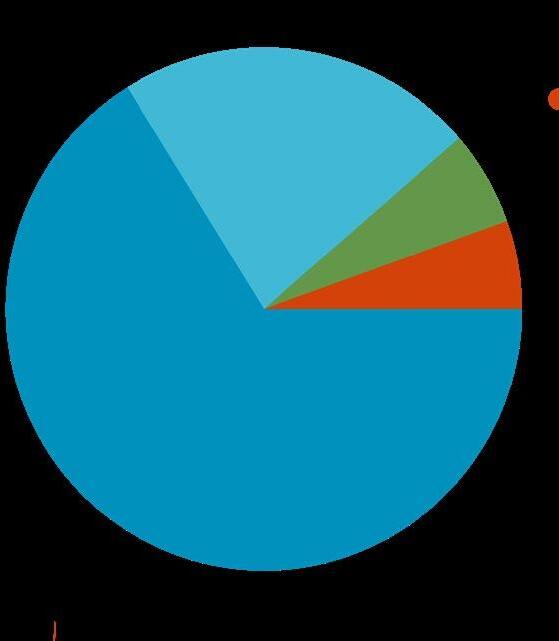
Delivering this impact requires thoughtful stewardship of resources across our core functions. In 2025, this stewardship is reflected in the distribution of expenses across programs, operations, and fundraising, totaling $2,570,887.47 in total expenses.
In 2026, we invite partners, members, and supporters to strengthen all of our programs through shared commitment and collaboration.
Building on more than 25 years of envisioning regenerative agriculture as central to our food systems, land stewardship, and climate solutions, we continue to advance lasting resilience for land, people, and wildlife. We can’t do this work without your financial support. Giving through one-time donations, memberships or planned gifts help us navigate the changing world while staying committed to our vision and mission.
JANUARY 2026
Quivira Coalition has adopted the following core values to inform the ways in which we conduct our work: open source information, iterative work and learning, practice of the Radical Center, and diversity, equity, and inclusion. Hear from members of our community throughout this calendar on how they think we are living out these values.
“Partnering with Quivira Coalition, Albuquerque Wildlife Federation, Rio Grande Return, and Bill Zeedyk on the ‘Watershed Restoration Field Guide - Post-Fire edition’ this past year showed me how important open source knowledge is in empowering communities to take action. Making educational materials like the field guide available to everyone helps dismantle learning barriers, fill gaps in knowledge, and foster shared learning across all communities.”
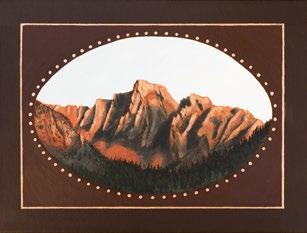
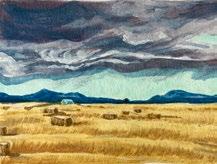
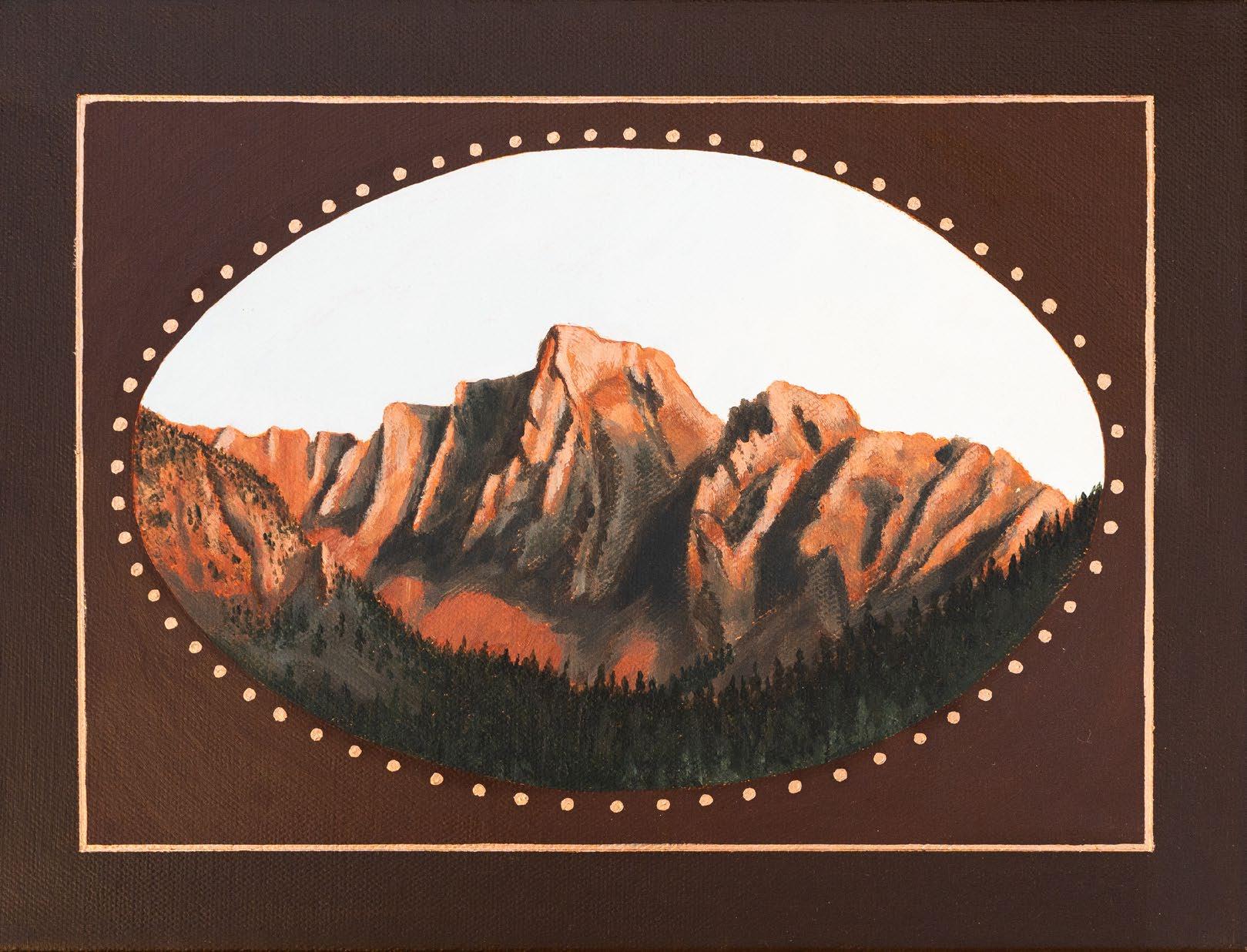
Artwork by Allison Louise Allison Louise’s acrylic artwork features Frazier Cirque in Montana highlighted with alpenglow; that fleeting, golden moment inspired her to capture its beauty, framing the painting in a simple hand-painted western frame as a tribute to the state she’s fortunate to call home.
FEBRUARY 2026
It is always intriguing to find out what brings people to Quivira workshops. Some drive down the road, while others take a day’s journey drawn by the topic or the chance to engage with the community. In 2025, the Education and Outreach program organized eight workshops. While Quivira is the convener, it is our partners, community members, instructors, and hosts who truly shape the experience. Their passion, knowledge, and enthusiasm make these events so special, and they are who create the strong sense of gathering, belonging, and comradery.
What stands out the most about workshop season is the feeling of connection between people, across landscapes and communities. Each event offered a glimpse into how community is built: through shared space, shared meals, and shared learning.
Join us at a workshop this year! Visit quiviracoalition.org/ events to see what’s coming up.
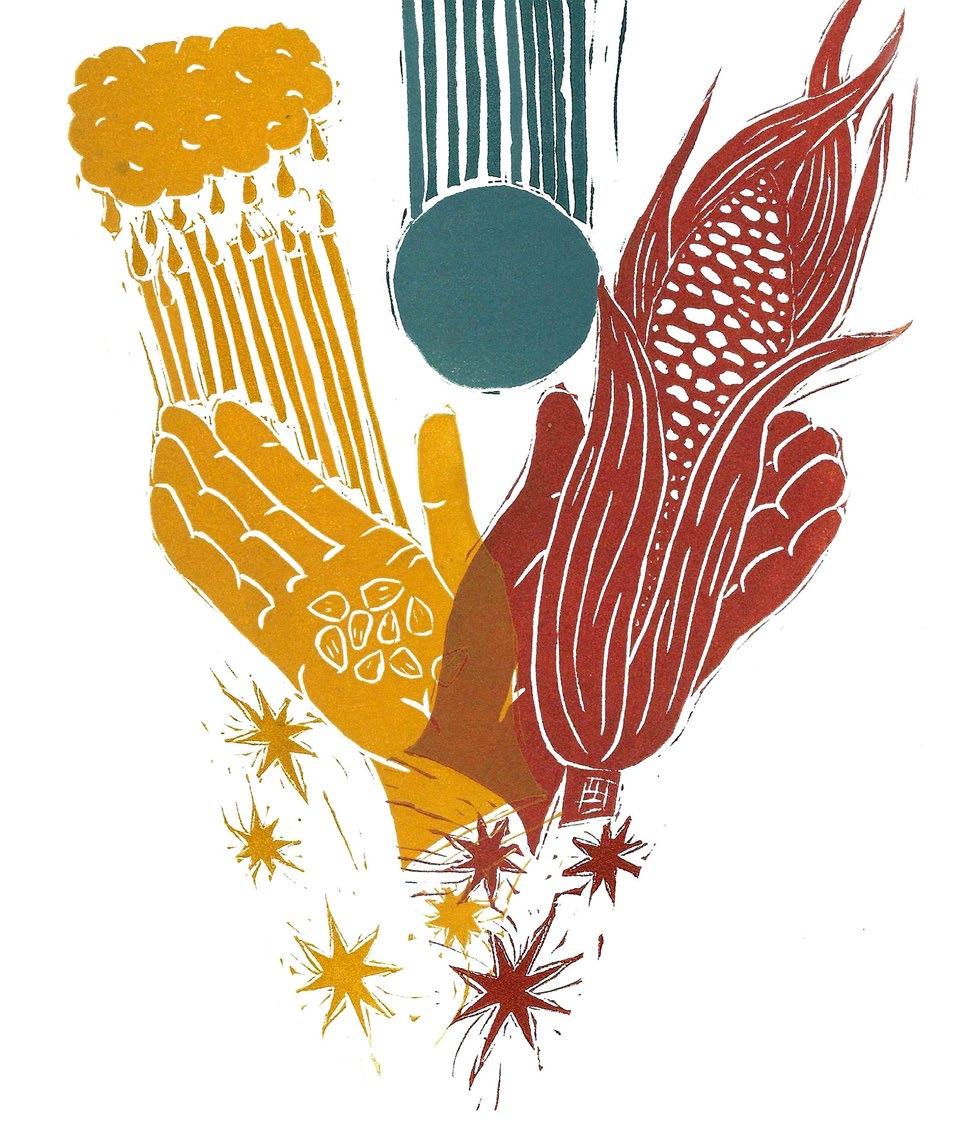
Artwork by Kai Blake-Leibowitz
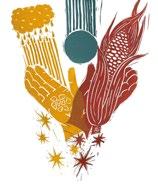
This lino collage made by Kai Blake-Leibowitz was inspired by the ways growing food can foster deeper connection to the land, seasonality, and human-environment mutuality.
MARCH 2026
In early 2025, the federal Partnerships for ClimateSmart Commodities grant that we received was officially terminated. This federal funding made it possible for us to create our Soil to Supper project, which supported livestock producers to get more meat into regional supply chains while reducing waste, increasing soil health, and building climate resilience.
We had already enrolled 13 livestock producers into the program, and we were dedicated to continuing to support them through their journey to create resilience on their lands. We launched a crowdfunding campaign and raised money through support from both individual donors and private foundations, which ensured that we could honor the agreements with ranchers.
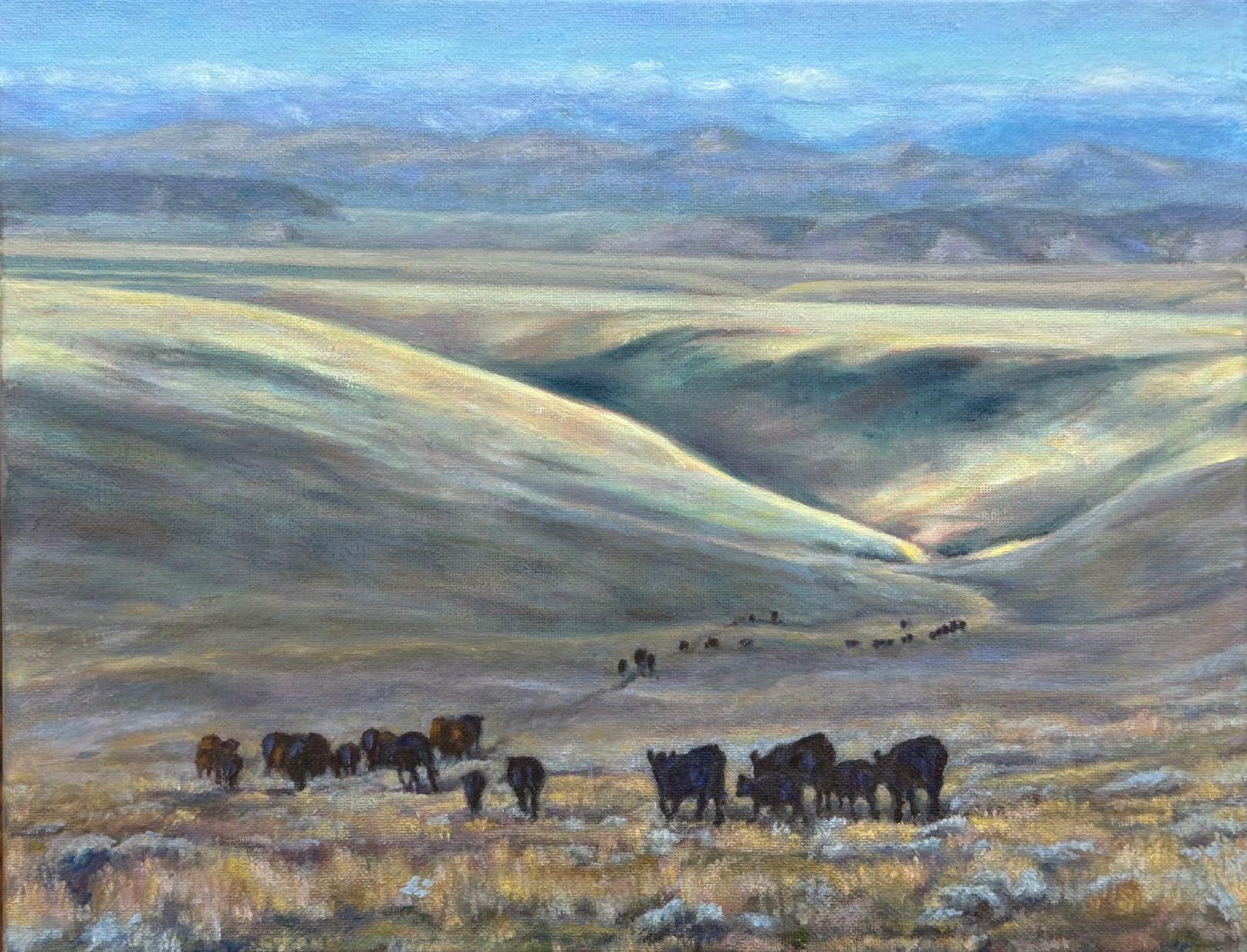
Artwork by Harper Slusher
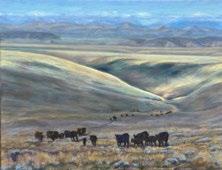
After spending two summers apprenticing at Badger Creek Ranch, Harper Slusher was inspired to create this oil painting that showcases cows on the range.
APRIL 2026
In 2025, the New Agrarian Program welcomed a total of 21 apprentices — 11 in the Southwest and 10 at mentor sites in the Northern Plains. Thanks to extensive outreach by our Southwest managers, our program expanded into New Mexico and Texas.
The New Agrarian Program also completed its second season of the Regenerative Ag Fellowship, where 10 fellows from around the country received access to a community of support and additional resources to supplement their experience and advance their careers in regenerative agriculture. In addition, the program concluded its first year of the Manager Fellowship, which was designed to support beginning ranchers as they move from ranch hand positions into ranch management or business ownership.
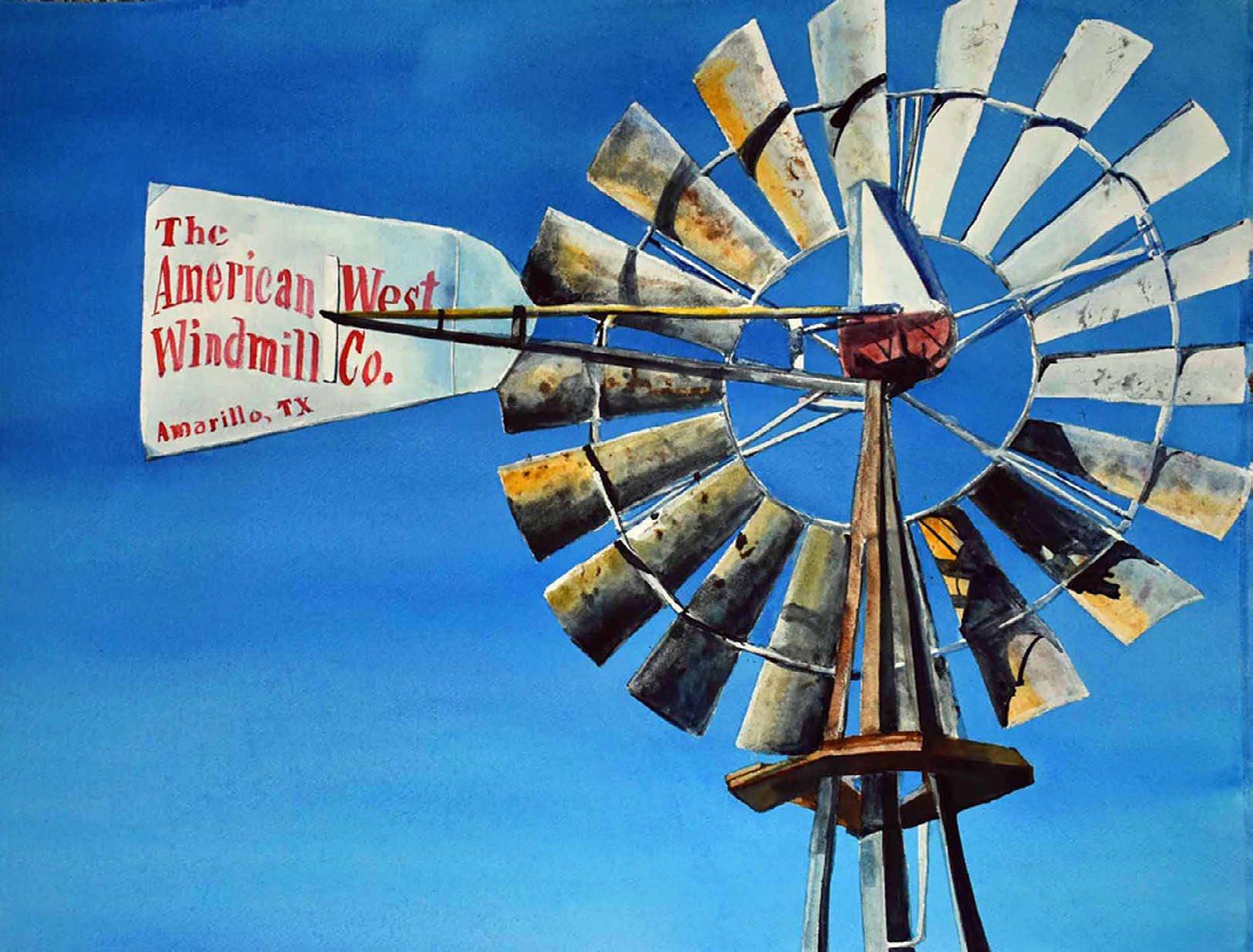
Artwork by Janet Nunn
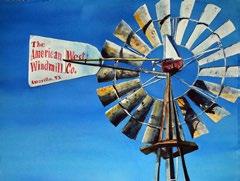
Janet Nunn was inspired to create “At a Friend’s Windmill” after she visited a friend’s ranch outside of Trinidad, Colorado, where she and others told stories, laughed, and enjoyed each other’s company.
As of 2025, our community proudly includes 429 active members across six membership levels — with nearly half holding lifetime memberships. Our members drive real change in regenerative agriculture; every dollar they donate helps restore ecosystems, train new agrarians, and build resilient rural communities.
We invite you to become part of this community for as little as $3 per month. By becoming a coalition member, you’ll join a special group of committed supporters that make up the very backbone of our organization.
Learn more about membership at quiviracoalition.org/join.
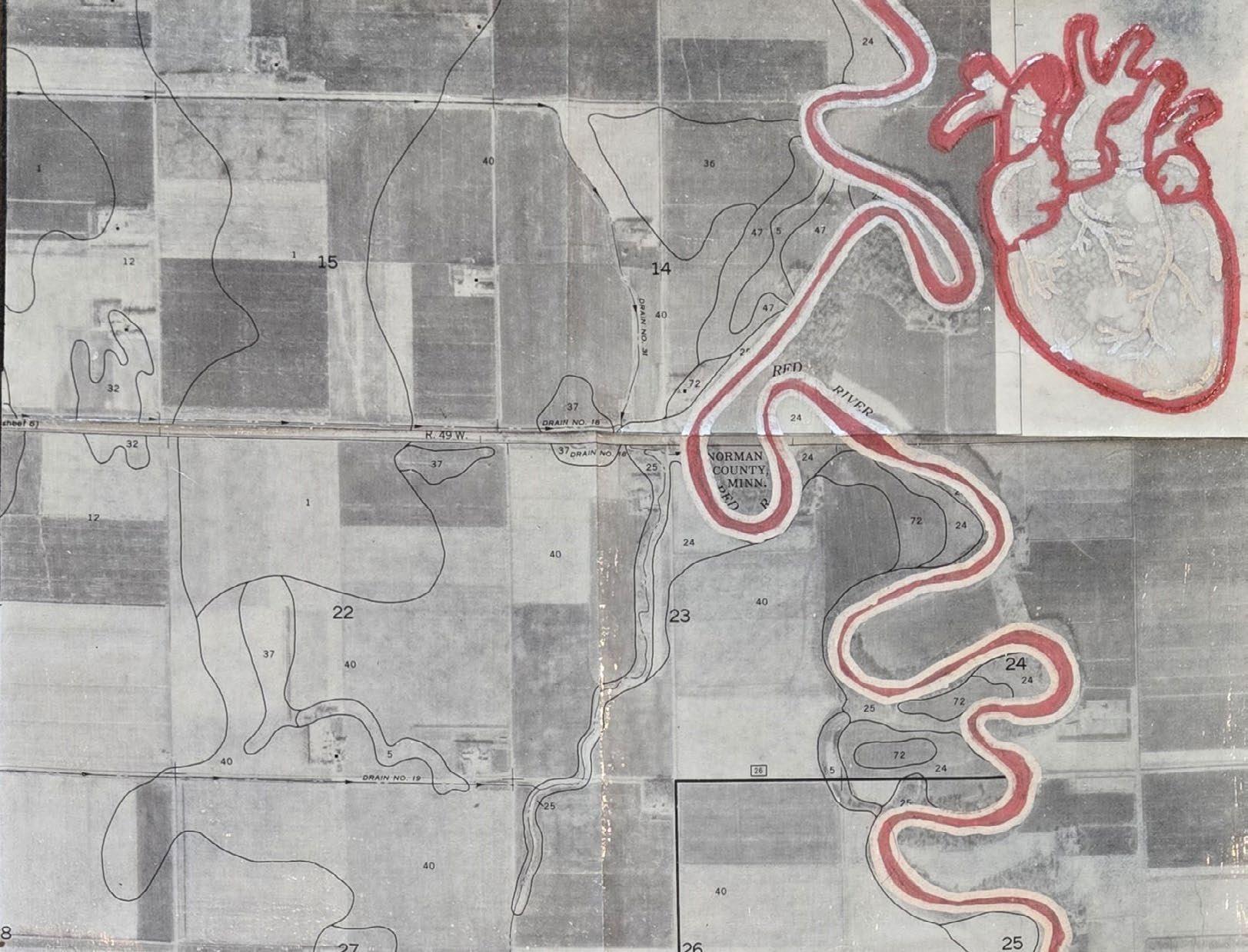
31 Artwork by Derek Lowstuter
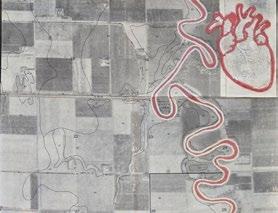
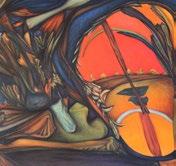
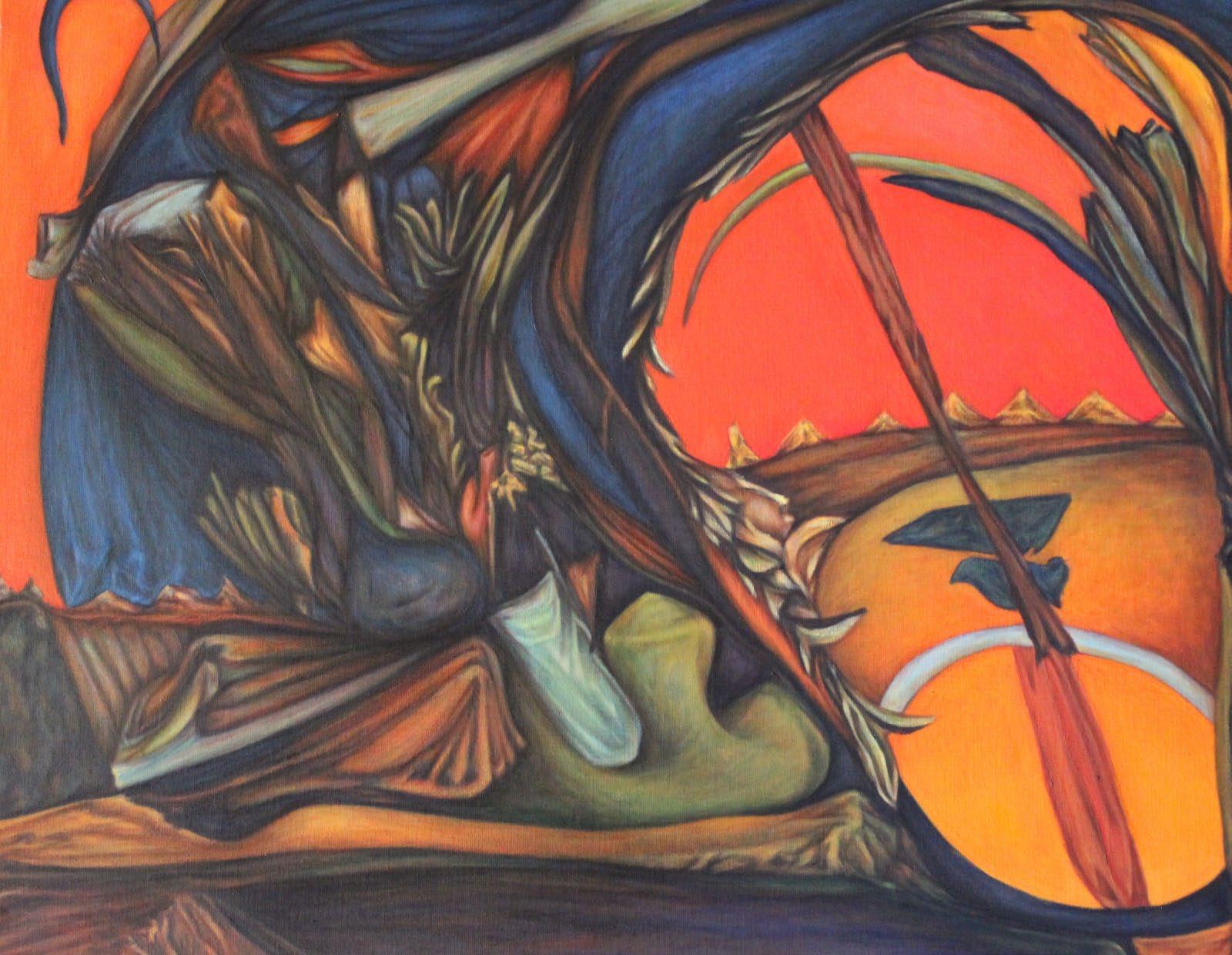
Derek Lowstuter created this mixed media work entitled “Lifeline” from a collage of old soil survey maps.
JUNE 2026
Throughout the year, Quivira’s Red Canyon Reserve (RCR) was alive with community, education, and lots of meals around the fire. Just down the road from the Bosque del Apache, RCR is a spectacle of biodiversity for attendees. Besides learning to build erosion control structures, a trip to RCR means a weekend of exploring its rolling hills and red rock canyon, with guided hikes by local ecologists, geologists, and archaeologists. We are excited to keep gathering every spring and fall — join us in 2026 and don’t forget your binoculars and work gloves!
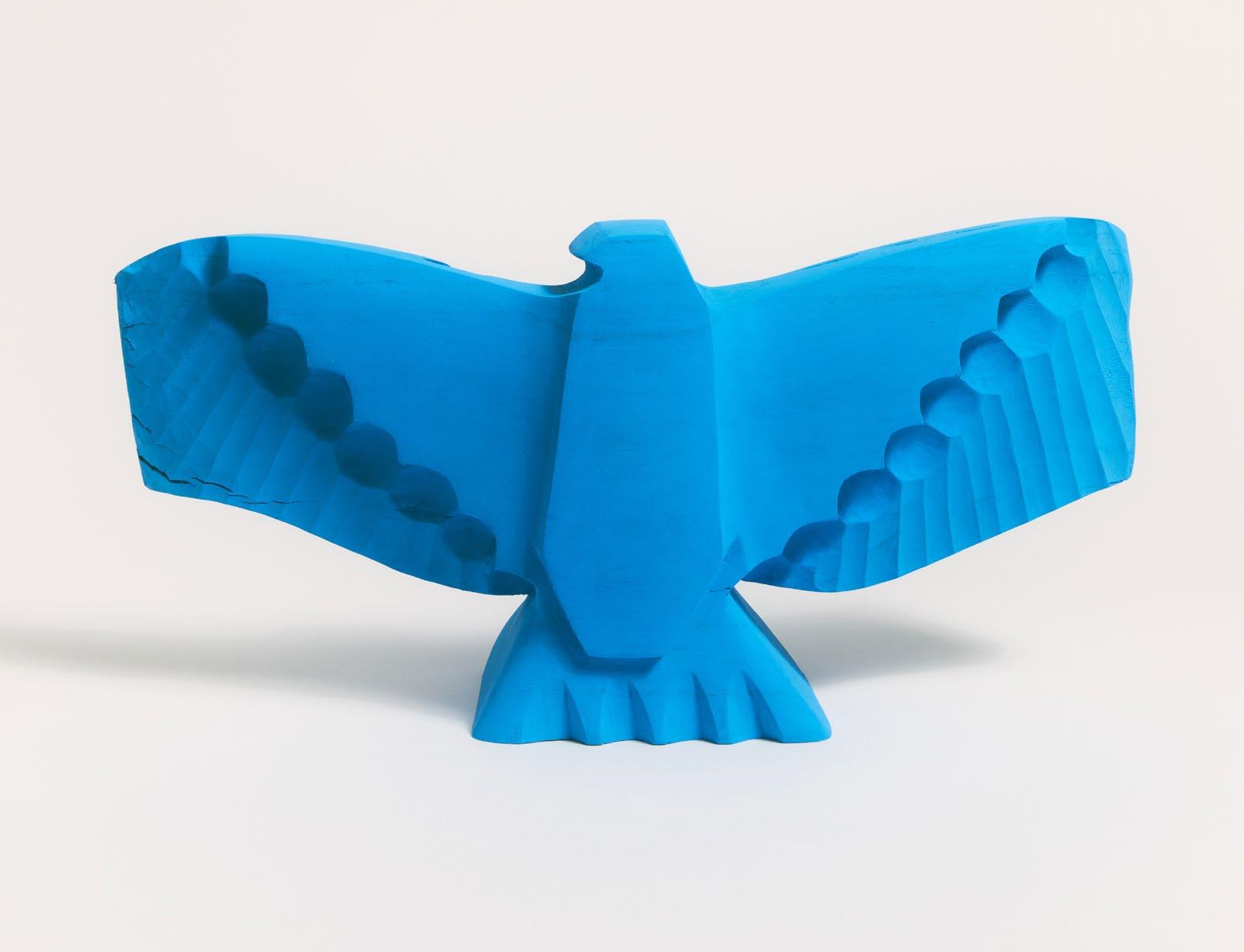
Artwork by Jessica Milavitz
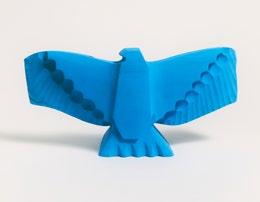
Jessica Milavitz hand carved “Big Blue Hawk” from a tree in her mom’s Colorado yard. After roughing the shape with a chainsaw, she used other tools to refine the shape. She then painted it with tempera, an egg-based, non-toxic paint.
JULY 2026
INDEPENDENCE DAY
Quivira Coalition has adopted the following core values to inform the ways in which we conduct our work: open source information, iterative work and learning, practice of the Radical Center, and diversity, equity, and inclusion. Hear from members of our community on how they think we are living out these values.
“Quivira has been a great resource for understanding what it means to have a regenerative farm. After attending my first REGENERATE Conference, I walked away asking myself, what does regenerate mean, how do I accomplish [it] at my farm, and how can I help my community learn that protecting the soil by keeping it covered with beneficial plants is the key to healing the soil and improving the ecosystem to increase crop quality and quantity.”
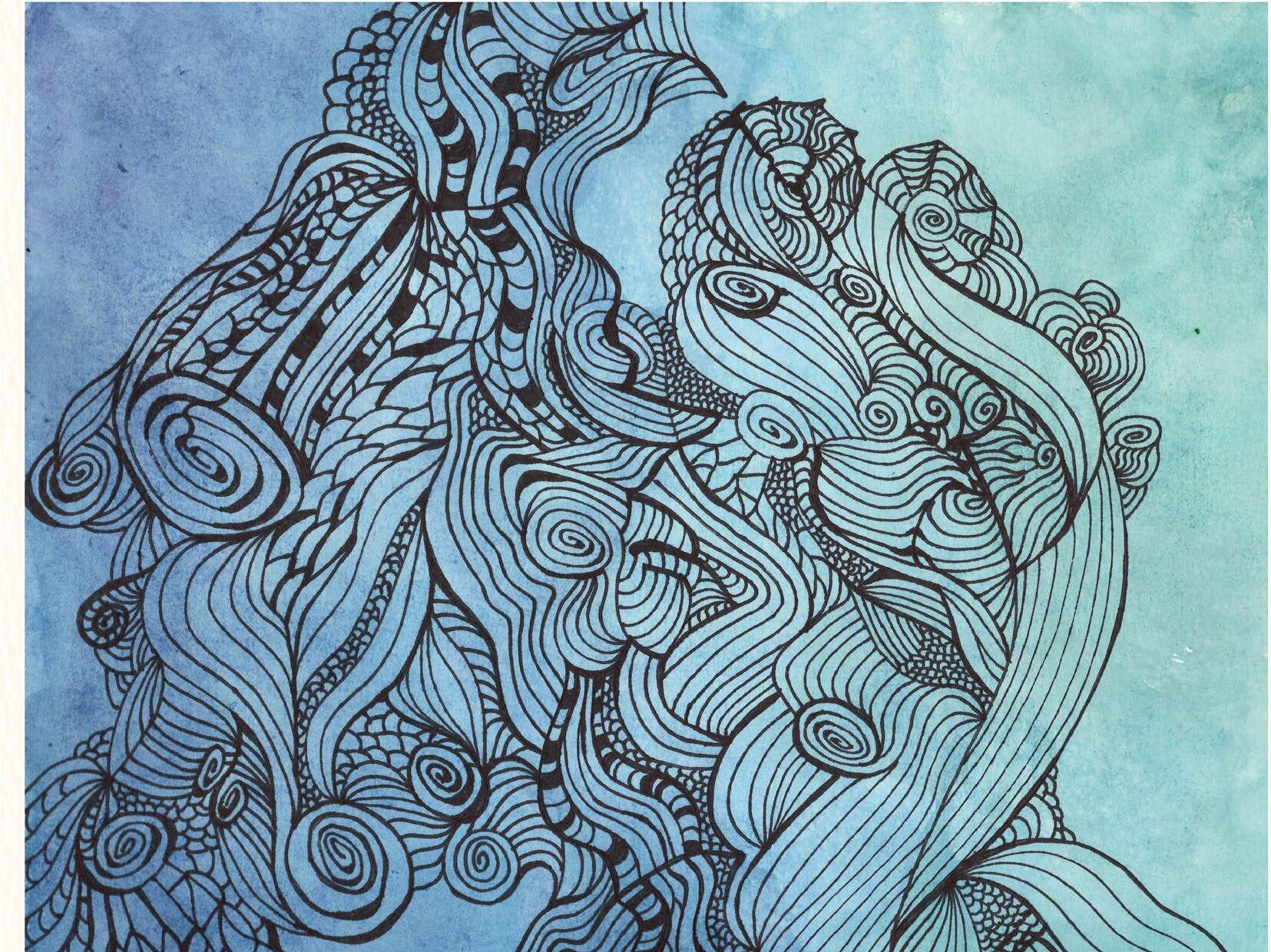
-Yolanda Benally, community member and partner
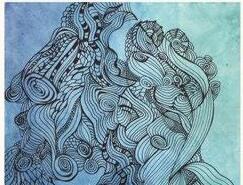
Artwork by Jessica Brothers Jessica Brothers creates abstract watercolor with pen overlay inspired by plants, water, seeds, and microscopic views of the inner plant worlds.
AUGUST 2026
Quivira’s Pathways to Resilience project is focused on assisting and empowering historically underserved farmers and ranchers in New Mexico and Southern Colorado. Alongside providing technical assistance and workshops through this community-driven project, Quivira has been honored to create short-form radio segments featuring interviews with farmers and ranchers in English, Spanish, and Diné Bizaad; these stories of resilience were aired on local stations and are available on our website.
Listen and learn more at nmcewl.org/radio.
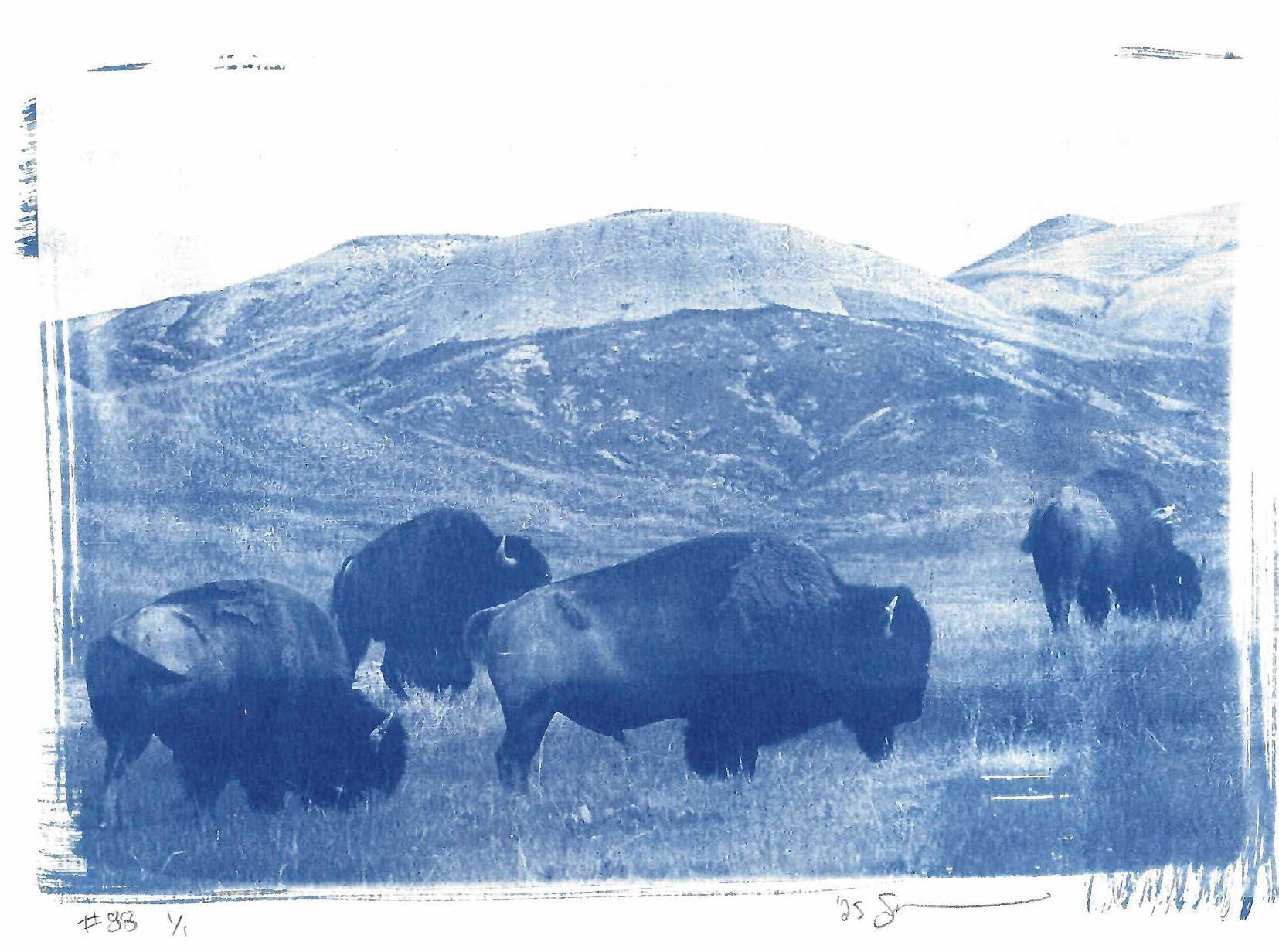
30 31 Artwork by Sarah Red-Laird
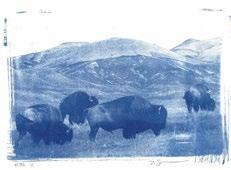
Sarah Red-Laird works as a field biologist for Bee Regenerative and studies the interactions between bison and bees while living in her campervan on Western ranches. She was overtaken by this iconic scene at a ranch in South Dakota, which inspired her to put down her bee net and pick up her camera.
SEPTEMBER 2026
As a nonprofit focused on education and outreach, we strive to provide as many resources as possible to our community. We believe in offering our knowledge, guides, and resources in an opensourced format and, where possible, in Spanish.
Our two podcasts – Down to Earth and Regeneration Rising – tell the stories of the agrarian life, food, and how our working lands can help combat climate change. Together, the podcast episodes of the two shows were downloaded more than 32,000 times in 2025, spreading stories of hope, grit, and resilience to a wide network of listeners.
Our technical guides continue to be sought-after by government agencies, nonprofit collaborators, Tribal entities and individuals. We aim to provide educational, accessible content that can help people create compost and biochar, control erosion after wildfire, monitor rangeland, improve road drainage, and many other topics.
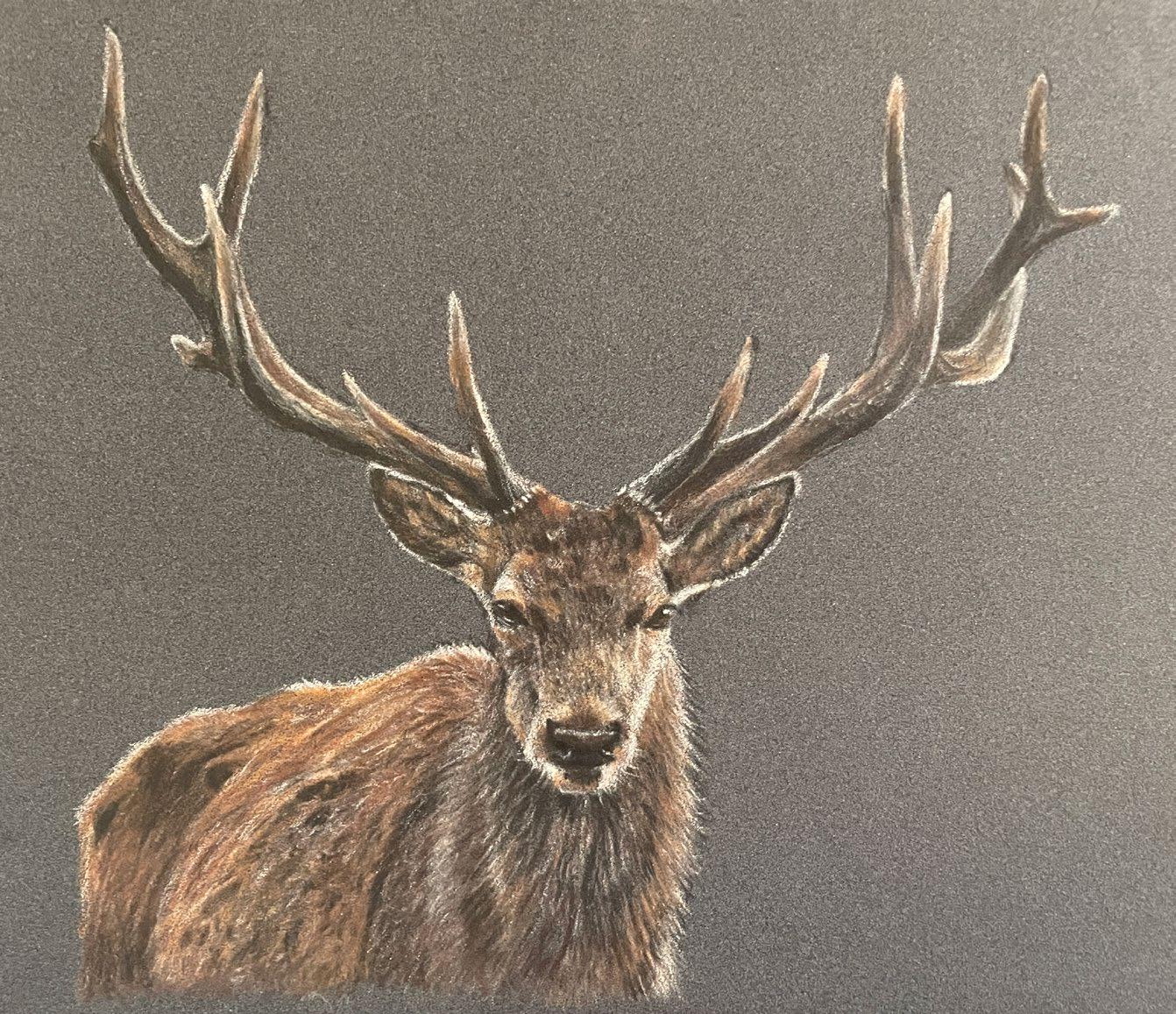
Artwork by Kyra Mills
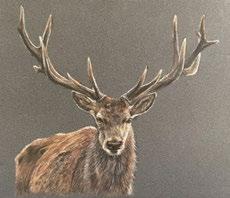
As a wildlife biologist, Kyra Mills is most comfortable and feels more connected to wildlife than people (at times!). She tries to capture every single detail of wild animals, which is why she specializes in highly-detailed art such as this elk, which she created with colored pencils.
OCTOBER 2026
One of the highlights in the New Agrarian Program apprenticeship is our annual midseason stockmanship clinics. Each year, our Northern Plains and Southwest cohorts gather inperson to learn the principles and techniques of low-stress livestock handling and have the opportunity to apply these methods through hands-on practice with the cattle.
This year, the Northern Plains apprentices met at the Mannix Ranch in Montana and were instructed by our longtime stockmanship instructor, Whit Hibbard, while the Southwest cohort met at Badger Creek Ranch in Colorado and were instructed by Dawn Hnatow. We’re so grateful to these veteran stockmanship trainers for taking the time to share their knowledge, experience, and stories with us.
HALLOWEEN
Artwork by Alice Zheng
NOVEMBER 2026
In 2025, we offered multiple scholarships and discounted tickets to attend the REGENERATE Conference in Santa Fe, New Mexico. More than $130,000 helped cover conference registration, travel, and/or lodging for historically underserved farmers, ranchers, and land stewards from New Mexico, Arizona, and Southwest Colorado. In partnership with Funders for Regenerative Agriculture, we also offered the [Re]Generation Fellowship to 20 individuals who had the opportunity to participate in facilitated community building with the goal of connecting fellows with peers and mentors, while supporting their pursuit of lives in agriculture and land stewardship.
Artwork by Diana Gourlay
DECEMBER 2026
Have you been inspired by the stories in this calendar? Consider joining the coalition; your financial support empowers our collective success.
$20 covers shipping costs for soil analysis
$50 covers the cost of hosting one of our “Weekly Unwind” drop-in calls for New Agrarian Program apprentices, building their social networking and their resilience against the stress of working in agriculture
$100 covers purchasing local meat, produce, and baked goods for a workshop
$500 provides 10 hours of technical assistance to an underserved producer or partner organization that needs support
$1,000 covers one New Agrarian Program alumni scholarship, allowing them to purchase equipment or pursue technical assistance that supports their agricultural business
A membership subscription, taxsmart planned gift, or a one-time donation helps us navigate the challenges of our changing world. Scan the QR code or visit quiviracoalition.org/donate.
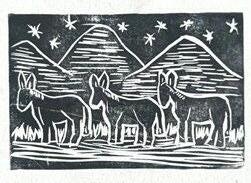
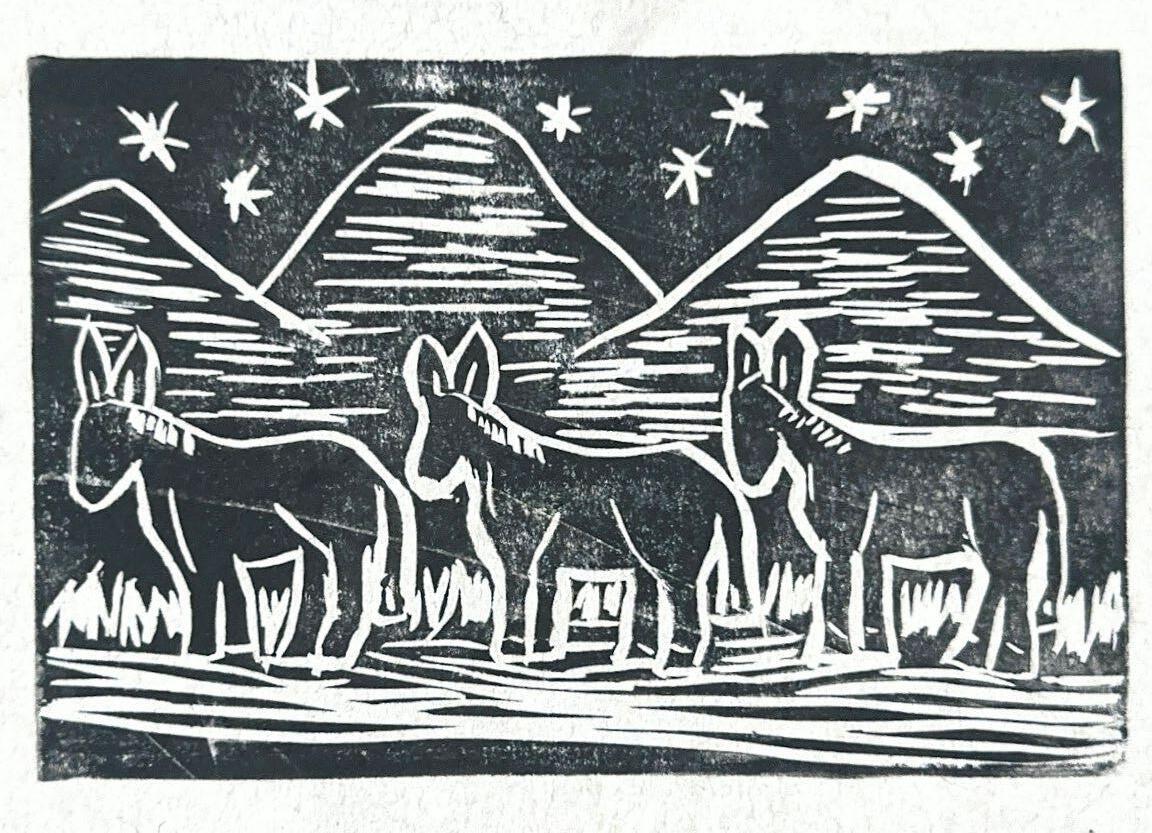
Artwork by Sims Wulbern
This block print of burros was created by New Agrarian Program apprentice alum Sims Wulbern, who first began making block prints in high school and finds inspiration in the world around her.