Harnessing the Power of Gut Health: Why “Your
Second Brain” Matters More Than Ever
In today’s fast-moving world, with ever-changing diets, hectic schedules, and increased stress, one trend in health and wellness is gaining solid scientific backing: the crucial role of gut health
Often described as our “second brain,” the gut doesn’t just digest food it influences immunity, mental well-being, metabolism and overall vitality. For clients of a nutrition consultancy such as yours, understanding and prioritising gut health can be the difference between simply surviving and thriving.
In this post we’ll explore what gut health really means, why it’s so trending (and deservedly so), what common issues arise, and most importantly actionable dietary and lifestyle strategies that your readers or clients can implement right away.
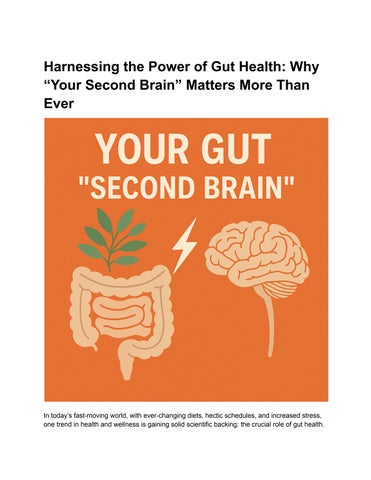
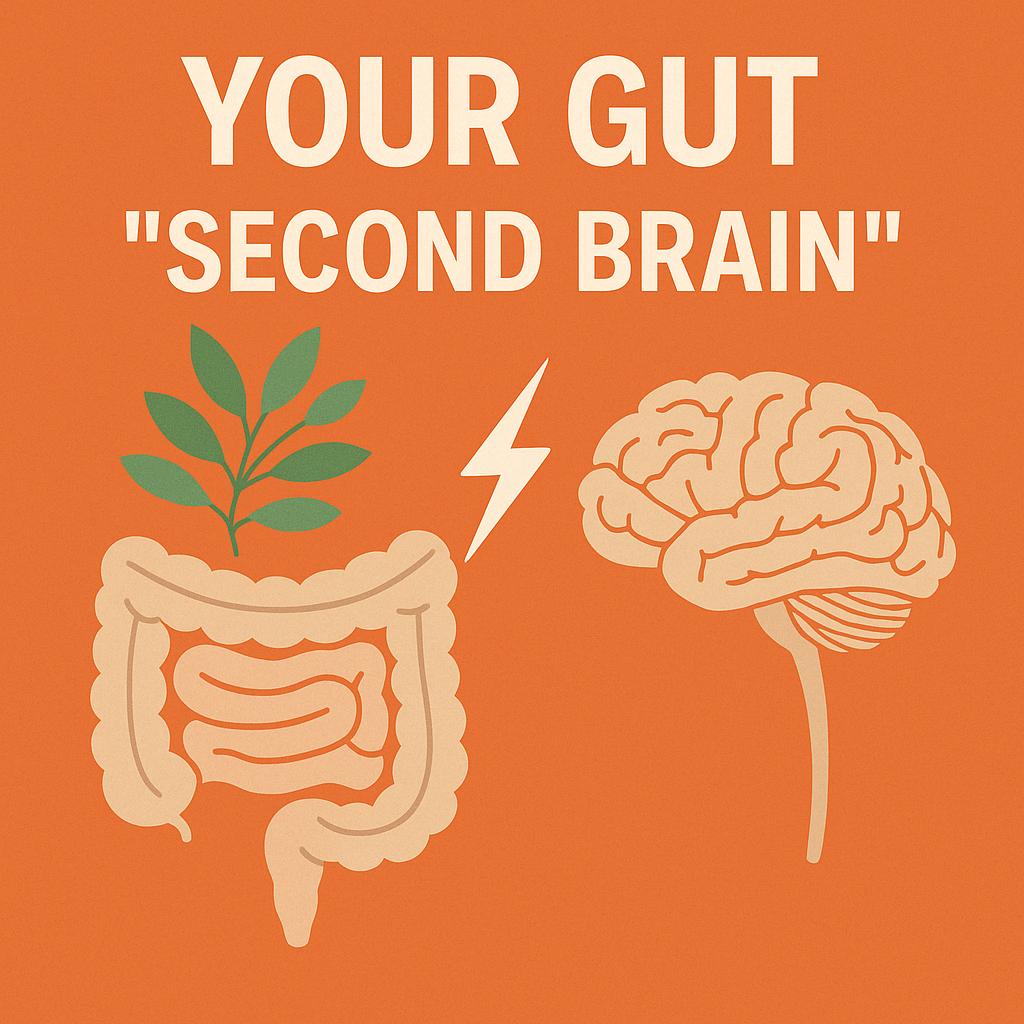
What is Gut Health (and Why the “Second Brain” Metaphor?)
When people say “gut health,” they often mean the health of the gastrointestinal tract the stomach, small and large intestines and the trillions of microorganisms (the gut microbiota) that live there, plus the complex interactions between these microbes, the gut wall, the immune system, and the brain via the gut-brain axis.
Here’s why the “second brain” metaphor fits:
● The gut is home to around 100 million neurons (enteric nervous system) that can operate somewhat independently of the brain
● Signals travel between gut and brain through the vagus nerve, chemicals such as neurotransmitters (serotonin, GABA) and immune/inflammatory pathways
● The microbiota produce compounds (short-chain fatty acids, neurotransmitter precursors, immune metabolites) which influence mood, cognition, appetite and more.
● When the gut’s function is impaired (poor diversity of microbes, leaky gut barrier, chronic low-grade inflammation), the result can ripple out as fatigue, mood swings, digestive symptoms, metabolic problems, even skin or hormone issues.
As interest grows in holistic wellness and preventive health, gut health has moved from fringe to front line. The latest research is backing it up, making it a powerful topic for people looking to optimise not just weight or appearance but vitality and resilience
Why Gut Health is Trending Right Now
Several societal and scientific trends converge to make gut health a hot topic:
1 Rise in lifestyle-related disorders
The increase in obesity, type 2 diabetes, autoimmune disease, allergies, mental-health issues and digestive problems has led people to look beyond single nutrients or crash diets to foundational systems such as the gut.
2. Scientific breakthroughs and microbiome interest
Modern sequencing technologies have allowed deeper insight into the gut microbiome Researchers are associating microbiome profiles with everything from metabolic fitness to mood and cognition fueling public interest
3
Holistic & integrative health mindset
People are recognising that health is more than calories in/out. They’re asking: what’s happening inside? How does this relate to my stress levels, sleep, gut, brain?
Professionals who can address these intersections (nutrition, lifestyle, gut health) are in demand.
4 Diet confusion and desire for sustainable solutions
With fad diets aplenty, many seek lasting changes rather than quick fixes. Gut-friendly nutrition is often more sustainable focusing on fibre richness, diversity, whole foods and holistic habits rather than extreme restriction
This combination makes gut-health content highly relevant to your audience, whether they’re seeking better digestion, improved mood, weight management, or simply greater daily energy
Common Gut-Health Challenges & What They Signal
Here are frequent complaints or patterns clients present and what they might indicate from a gut-health lens:
● Digestive irregularities: bloating, gas, constipation or diarrhoea These might suggest dysbiosis (imbalanced microbiota), low fibre intake, irregular eating habits or stress-related gut motility changes.
● Fatigue or brain-fog: poor microbial diversity and disrupted gut barrier can lead to systemic inflammation or altered neurotransmitter production, affecting energy and cognitive clarity.
● Poor mood or anxiety: since about 90 % of the body’s serotonin is produced in the gut, gut imbalances can influence mood regulation via the gut-brain axis.
● Skin issues or inflammation: many skin problems (eczema, acne, rosacea) now show links to gut-health via immune pathways and low-grade inflammation
● Weight-management resistance: emerging evidence links certain microbiome profiles with lean vs obese phenotypes, appetite regulation and fat-storage mechanisms
● Frequent illness or immune issues: the gut houses ~70 % of immune cells A compromised gut barrier (“leaky gut”) may allow toxins or microbes to trigger inflammation or immune stress
Understanding these patterns helps you tailor your message and show clients: “This isn’t just about what you eat it’s about how your gut ecosystem responds, how your body communicates with your brain & immune system, and how you can create a resilient system ”
Five Pillars for Gut-Friendly Nutrition & Lifestyle
Here’s a strategic, client-friendly framework you can share each pillar ties neatly into real-world action steps.
1. Feed the Microbiome: Diverse, Fibre-Rich Foods
● Aim to include a wide variety of plant foods (vegetables, fruits, legumes, whole grains, nuts/seeds) across colours and textures. Variety encourages microbial diversity, which is linked to better metabolic and immune health
● Target ~25-30 g (or more) of fibre per day (or even higher depending on client) but increase gradually if someone is currently low to avoid bloating.
● Emphasise pre-biotic foods: onions, garlic, leeks, asparagus, bananas, oats, legumes These nourish beneficial bacteria which produce short-chain fatty acids (SCFAs) like butyrate known to support gut-barrier integrity and regulate inflammation
● Limit ultra-processed foods, high-sugar diets and artificial sweeteners these have been associated with shifts toward less favourable microbial profiles.
2. Incorporate Fermented / Live-Culture Foods
● Including moderate amounts of yoghurt (unsweetened), kefir, sauerkraut, kimchi, miso, kombucha (in moderation) introduces live bacteria and can support gut microbial balance.
● Remember: such foods are a support, not the entire answer. They complement good diet + lifestyle
● If someone is using antibiotics, chemotherapy, or has had gut surgery, consider more directed probiotic support (with practitioner oversight)
3 Support Gut Motility & Regularity
● Encourage consistent meal timing irregular eating may disrupt circadian rhythm of gut and microbiome
● Hydration matters: sufficient water (and fluids) helps fibre do its job and prevents constipation
● Encourage sufficient physical movement: gentle walking, yoga, etc support gut motility and reduce stress-related slow gut.
● Manage stress: The gut-brain axis means stress can slow gut transit, cause dysbiosis or increase gut permeability. Mindfulness, breathing, sleep quality all matter.
4. Repair & Maintain the Gut Barrier
● A healthy gut barrier prevents undue “leakiness” of unwanted antigens (toxins, microbes) into circulation Good habits include:
○ Adequate protein (including amino acids like glutamine, glycine) to maintain gut-lining cells.
○ Omega-3 rich foods (flaxseed, chia, oily fish) for anti-inflammatory effects
○ Polyphenol-rich foods (berries, dark chocolate, green tea, colourful veggies) which support good bacteria and reduce inflammation.
○ Limiting chronic NSAIDs use, excessive alcohol, smoking all can impair gut barrier function.
5. Lifestyle Factors: Sleep, Stress, Movement
● Sleep: Poor or irregular sleep alters hormonal signals (ghrelin/leptin), microbiome rhythms and gut barrier integrity. Aiming for 7–9 h of quality sleep is vital.
● Stress management: Chronic stress elevates cortisol, which affects gut motility, microbial composition, immune activation and inflammation. Techniques: meditation, journaling, nature time, limiting digital overload.
● Physical activity: Regular moderate-intensity exercise correlates with a richer, more diverse microbiome. But be mindful: extreme training without recovery may adversely affect gut
● Avoid over-sanitisation: While hygiene is essential, excessive sterilisation may limit microbial exposure in early life (hygiene hypothesis), which might influence immune/gut development
Translating to Your Audience: Practical Tips and Program Ideas
For a consultancy like Prime Diet Consult, translating these pillars into client-friendly programmes and blog content can create real value Here are some ideas:
● Gut-Health Kick-Start Plan (14 days)
Introduce the “good vs not-so-good” gut foods list, daily tracking of fibre/plant-variety, one fermented food daily, hydration goals, sleep/stress journal. At the end, assess improvements in digestion, mood, energy
● Monthly “Microbiome Diversity Challenge”
Encourage clients to try a new plant food each week different grains (quinoa, millet), legumes (mung, chickpeas), greens (kale, collard), fermented foods Build social shares or feedback loops
● Digestive Symptom Screening & Tailored Support
For clients with bloating/irregularity, offer modules on elimination of high-FODMAP foods for a short period, then reintroduction, or specific probiotics (under practitioner guidance) Teach mindful eating (slow chewing, smaller meals, less distraction) to reduce gut stress
● Sleep-Gut Connection Workshop
Many clients don’t link their poor sleep to digestion issues Offer content on how to set up a gut-friendly bedtime routine (e g , earlier evening meal, low sugar after 8 pm, gentle movement rather than vigorous late at night, no screens 1 h before bed).
● Gut-Brain Café: Mood & Gut Link
Write blog posts or host webinars explaining how gut health affects mood, brain fog, cravings. Encourage clients to track mood changes as they improve gut habits building motivation and buy-in
Common Myths & Pitfalls to Address
In your blog content and client counselling, it’s helpful to correct some popular misconceptions:
● Myth: A probiotic pill solves everything While certain strains can help, they’re not a magic bullet. The broader diet and lifestyle context matter most
● Myth: You should avoid all fibre if you have digestive issues. Not necessarily often the type of fibre and the pace of increase matter. Sudden high-fibre diet without adaptation may worsen bloating Gentle progression and variety are key.
● Myth: Fermented foods are safe for everyone. In immunocompromised clients or those with histamine intolerance, fermented foods may trigger reactions. Tailored advice needed.
● Myth: Gut health is separate from weight or metabolic health. Actually, emerging evidence links microbiome diversity and composition to metabolic regulation, fat-storage, appetite signalling. It is interconnected.
● Pitfall: Ignoring individual variance. No “one size fits all”. Microbiomes differ, genetics differ, lifestyle and environment differ (diet, stress, sleep, medications) That’s why a consultancy-based approach (like yours) that assesses the whole client is so important
Evidence Snapshot: Gut Health & Its Connections
To reinforce credibility, you might reference some of the following (summarised) research insights:
● Microbiome diversity has been associated with lower risk of obesity and metabolic syndrome
● SCFAs (produced by fibre-fermenting bacteria) support gut-barrier integrity and regulate immune responses
● Studies show that gut dysbiosis is present in conditions such as IBS, IBD, depression and even neurodegenerative diseases though causality is still being investigated
● Interventions such as increased dietary fibre, fermented food intake, reduction of ultra-processed foods, and moderate exercise show improvements in markers of inflammation and gut-health-related outcomes
These findings mean clients are not just “eating for digestion” they’re eating to support a complex ecosystem that influences every system in their body.
How Your Consultancy Can Leverage This Trend
As a diet-consulting brand, you’re in a strong position to help clients with gut-health strategies because:
● You can personalise assess client history (digestion, sleep, stress, medications, previous antibiotics), microbiome considerations, lifestyle context
● You can educate many clients have heard “gut health” but don’t know how to operationalise it. You can break it down into actionable steps (as we did above).
● You can support behavioural change it’s one thing to know what to do; it’s another to do it consistently. Your programmes can provide accountability, monitoring of symptoms, adjustment of plan
● You can integrate gut health into other client goals (weight management, athletic performance, mood improvement, chronic disease risk reduction). Gut health becomes a foundational pillar, not a standalone gimmick
In content marketing, blog posts, email newsletters and social updates around gut health will likely resonate because:
● Many people struggle with digestive issues and are searching for solutions.
● There’s curiosity around “microbiome” and “second brain” these terms capture attention
● It offers a holistic narrative: it’s not just “lose belly fat” but “optimize your inner ecosystem for better health”
● It lends itself to repeated content angles: “Top 10 gut-friendly foods”, “What your stool tells you about your microbiome”, “How sleep affects your gut”, “Fermented foods: pros & cons”, “Gut-brain link for anxiety”
Closing Thoughts: Invitation to Action
If there’s one key takeaway for your readers, it’s this: optimising gut health isn’t about radical diets or quick fixes — it’s about nurturing a resilient internal ecosystem through values-based habits, diversity, and consistency.
Encourage your audience to start with manageable steps:
● This week: add one extra plant-food and one fermented food
● This month: monitor sleep quality and stress, aim for a fibre-rich breakfast
● This quarter: evaluate digestive comfort, mood, energy levels adjust your plan with a professional if needed
And if readers are working with your consultancy, remind them: you’re there to personalise, troubleshoot, and guide them beyond generic advice. Emphasise the value of working together to untangle their unique gut story, so they can enjoy better digestion, improved mood, enhanced energy and long-term wellbeing.
By placing gut health at the core of your nutrition narrative, you align with a timely, evidence-backed trend and you offer clients something far more meaningful than a “diet”. You offer a foundation for a healthier, more vibrant life.