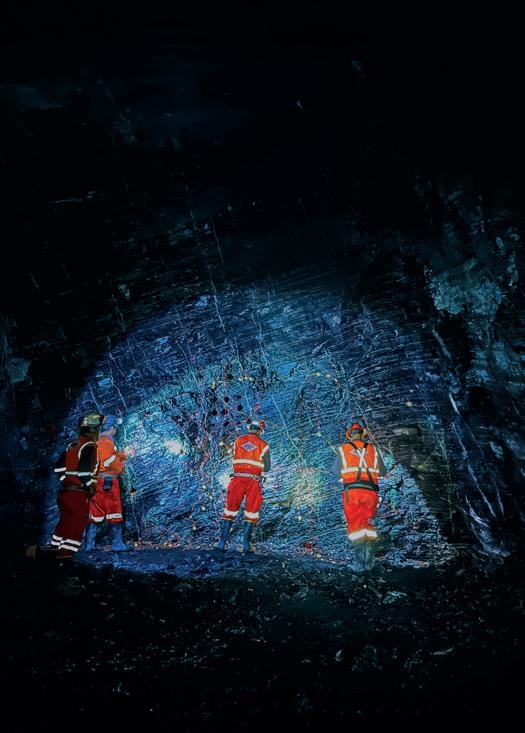
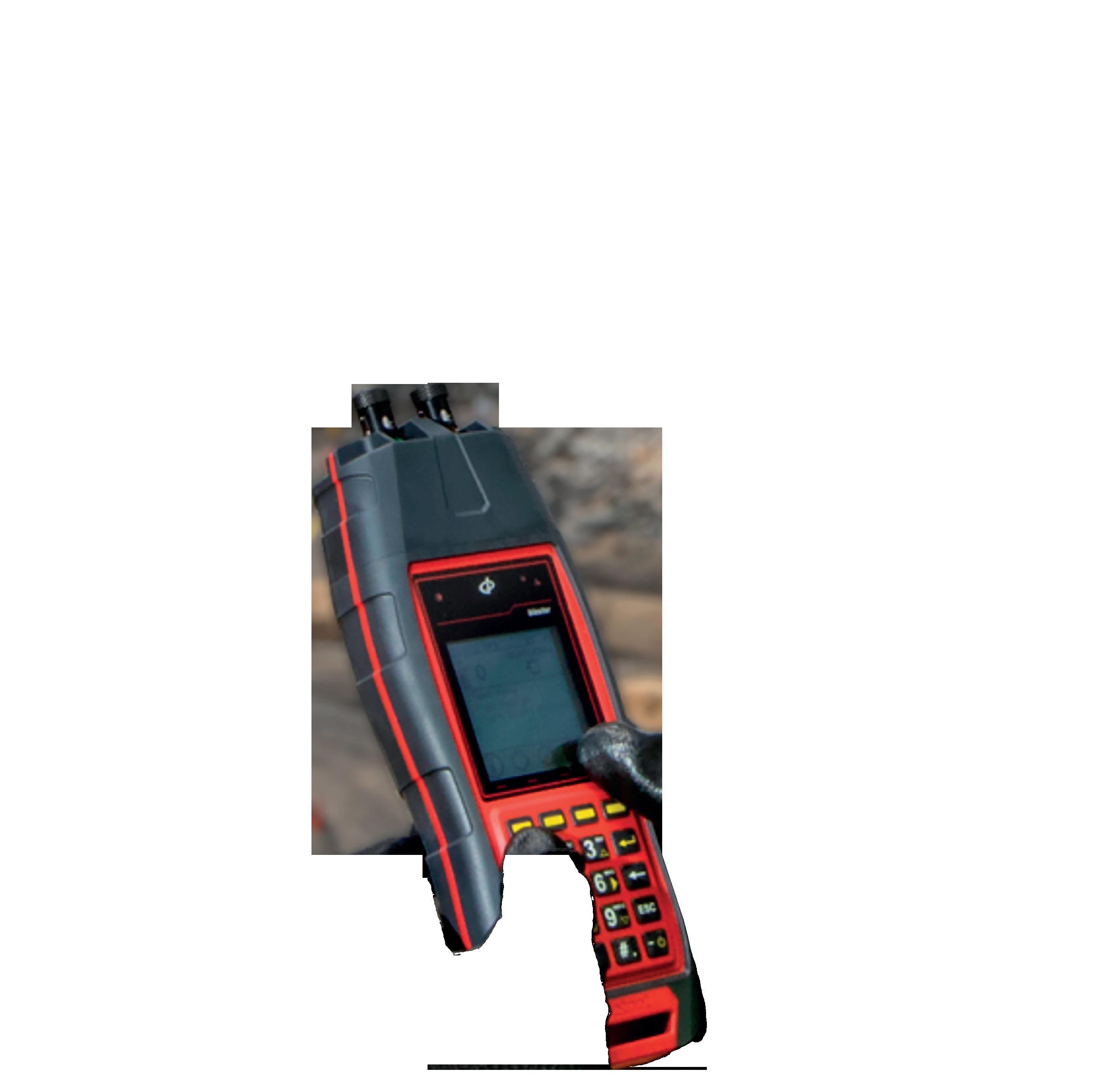
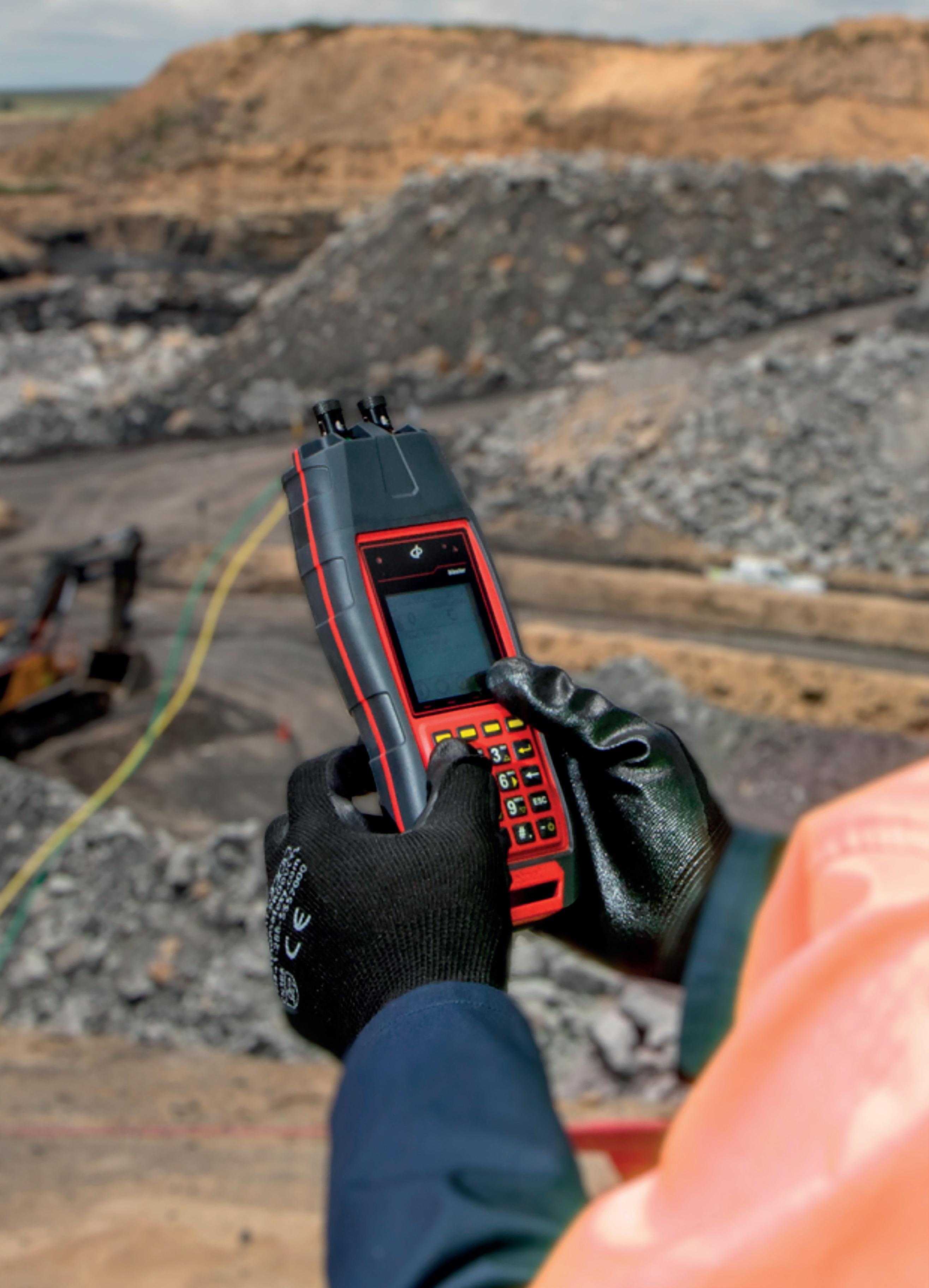
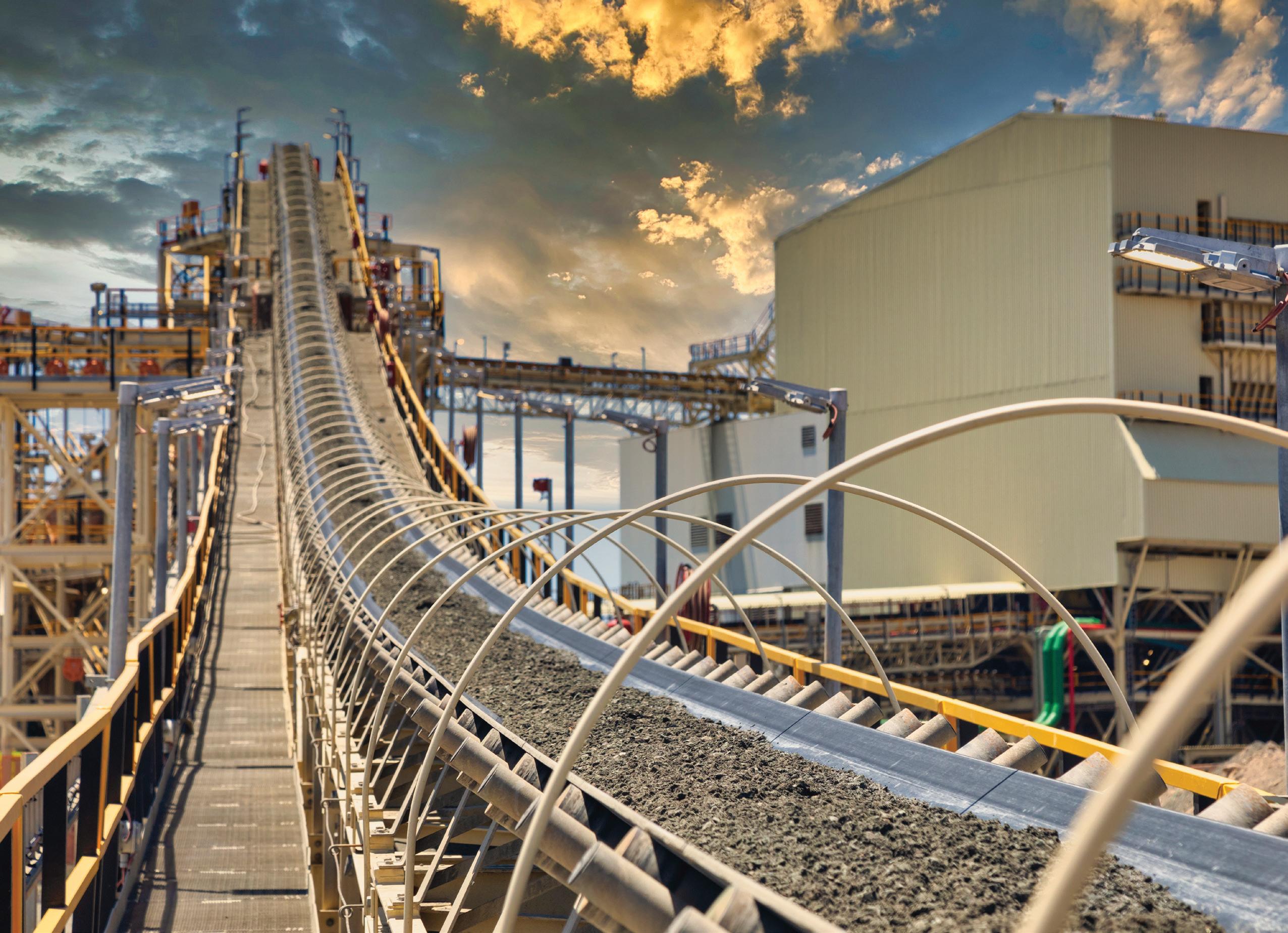
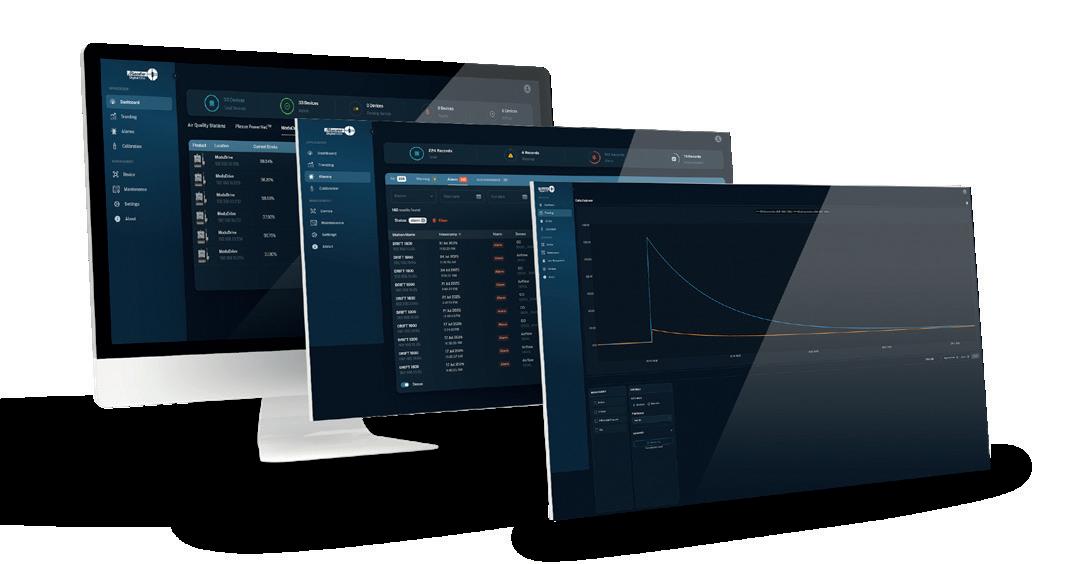
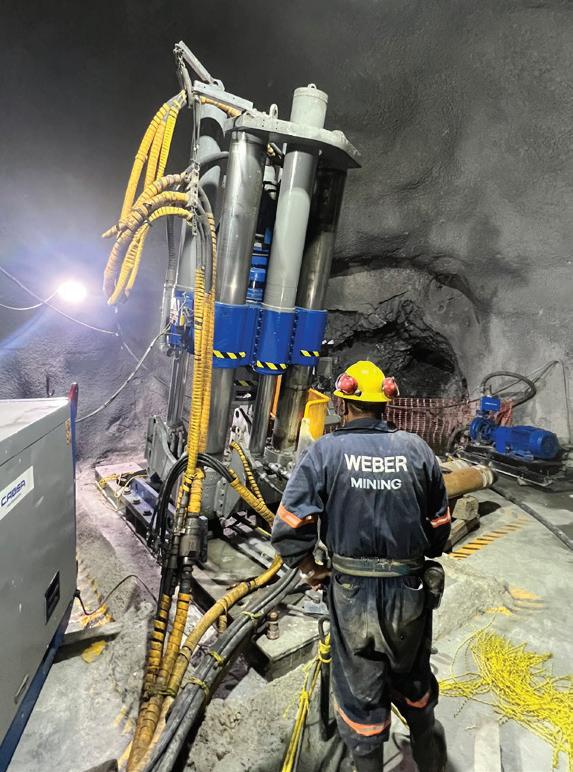
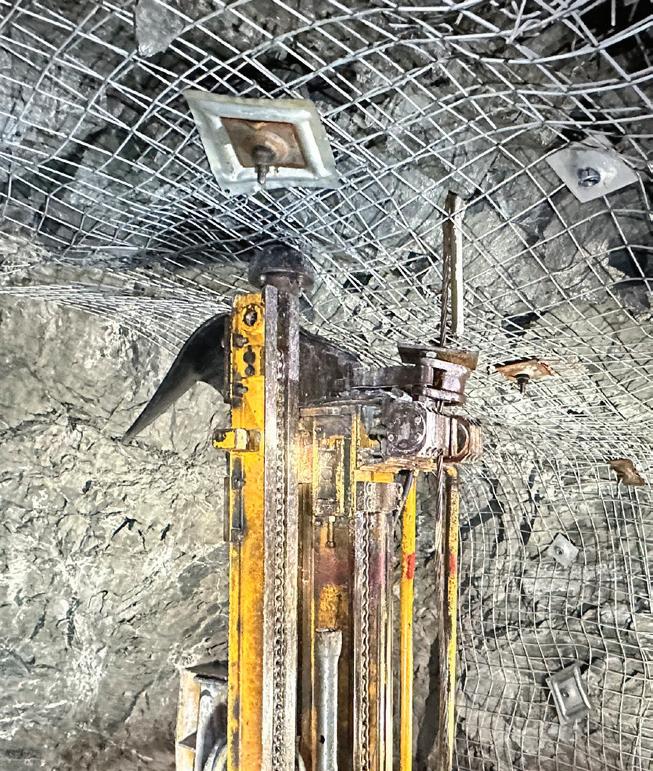
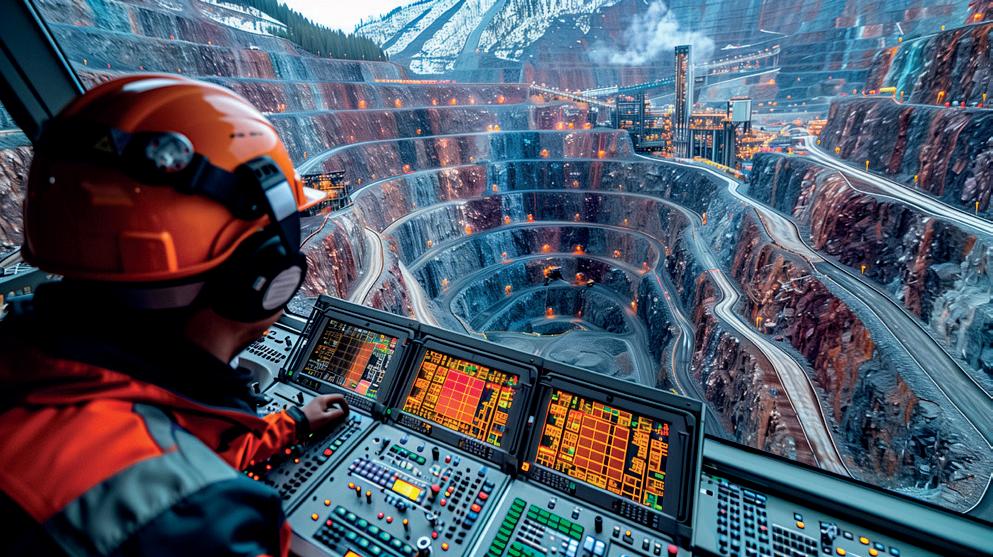
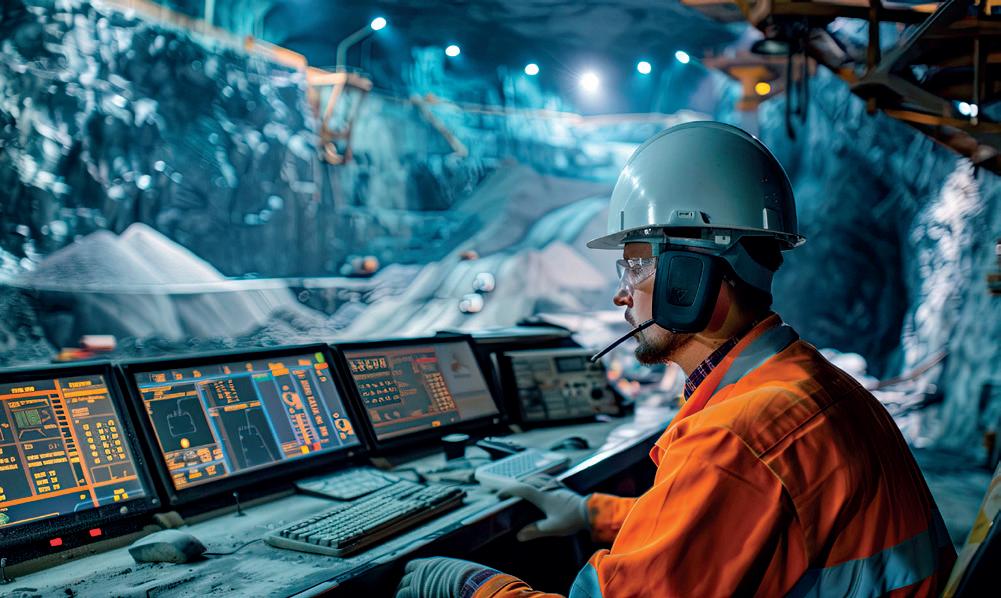
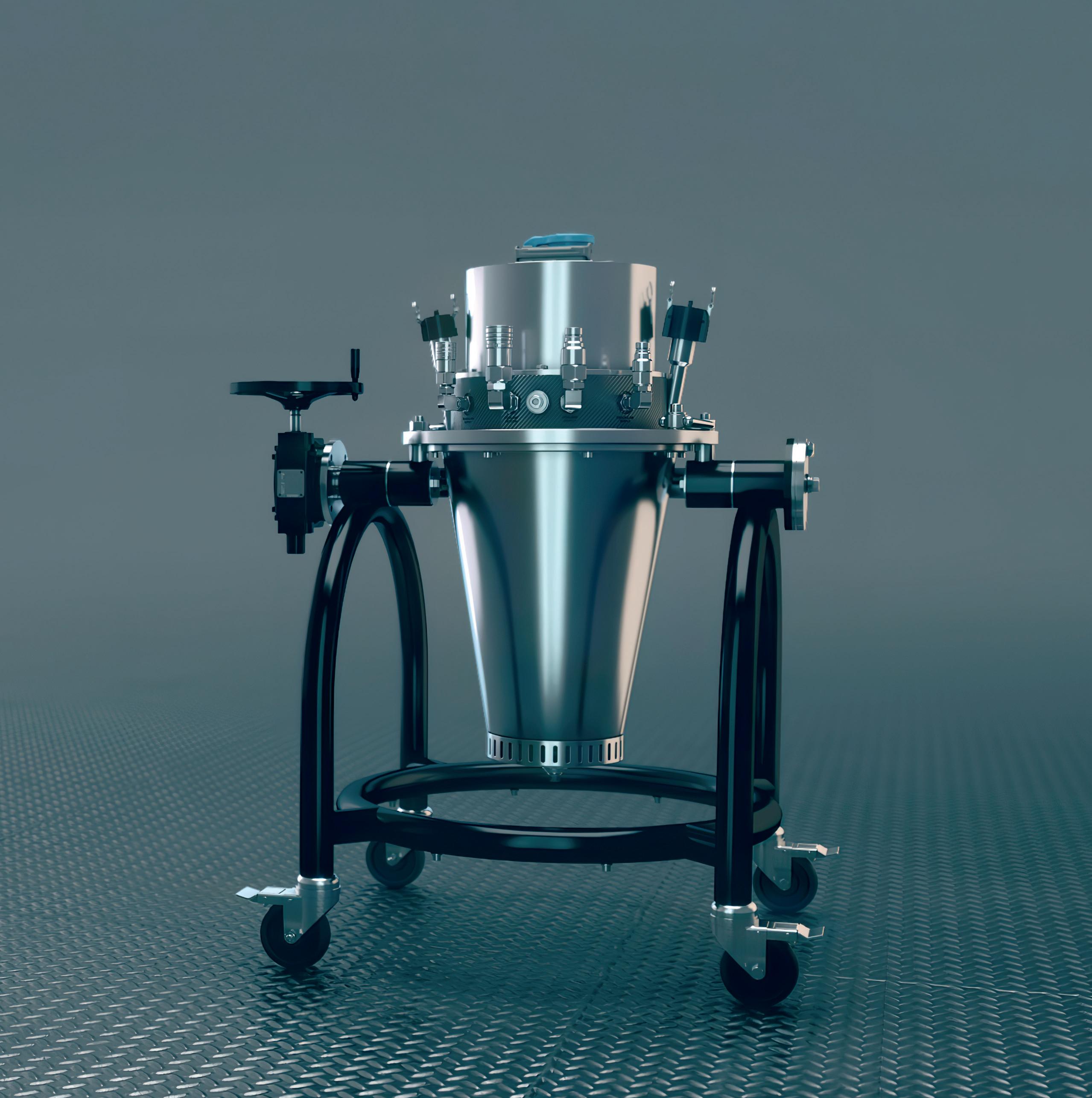
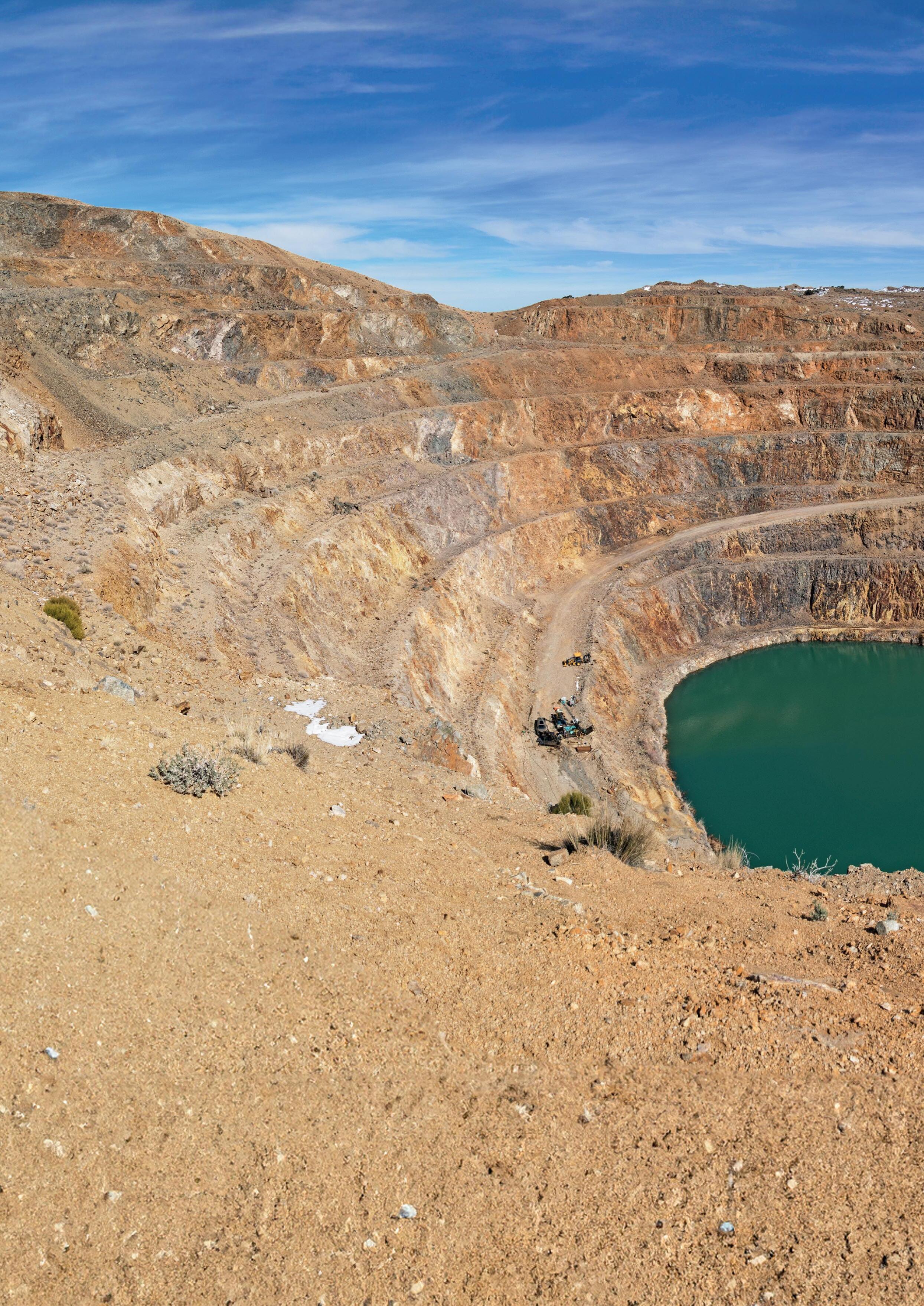
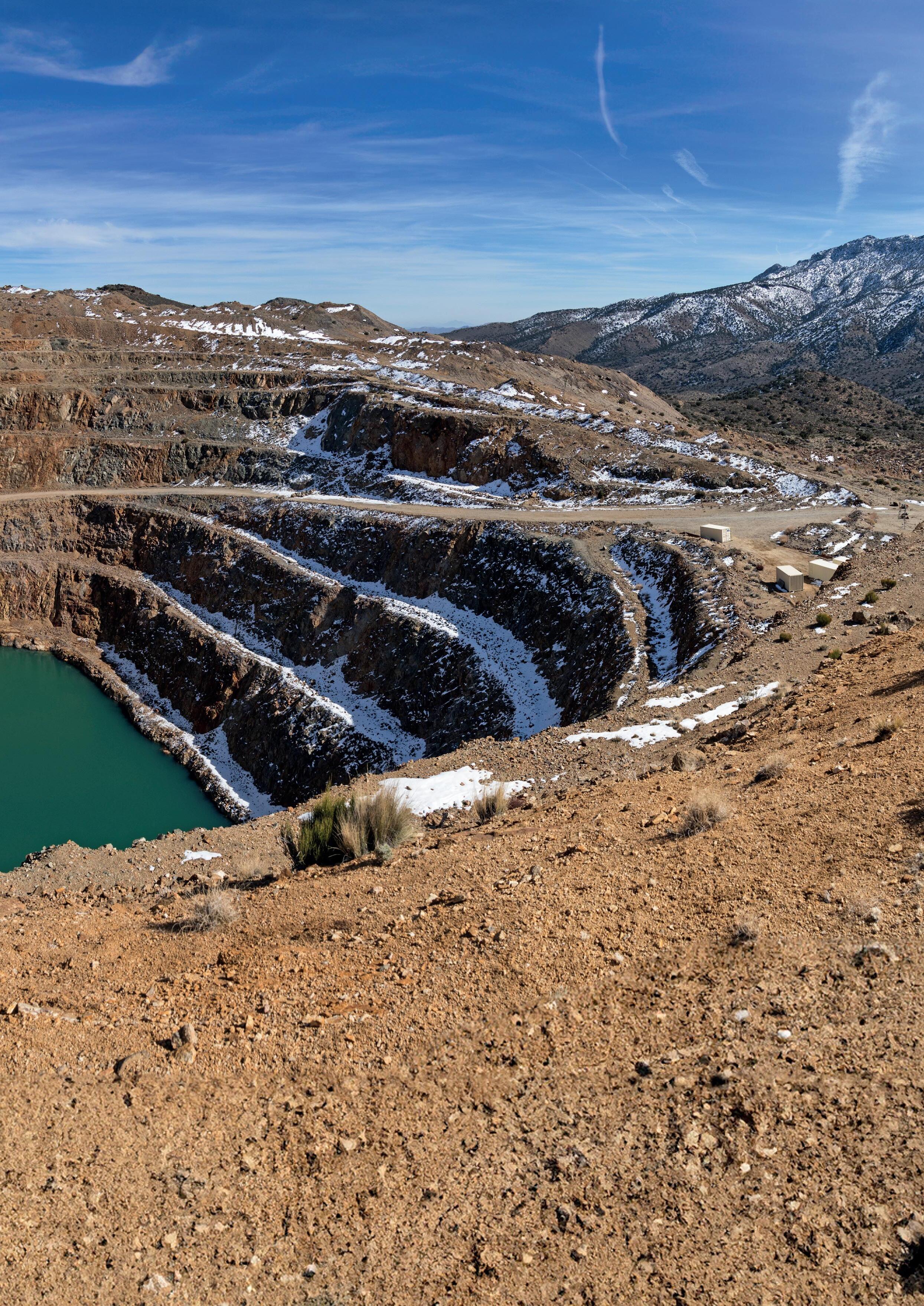
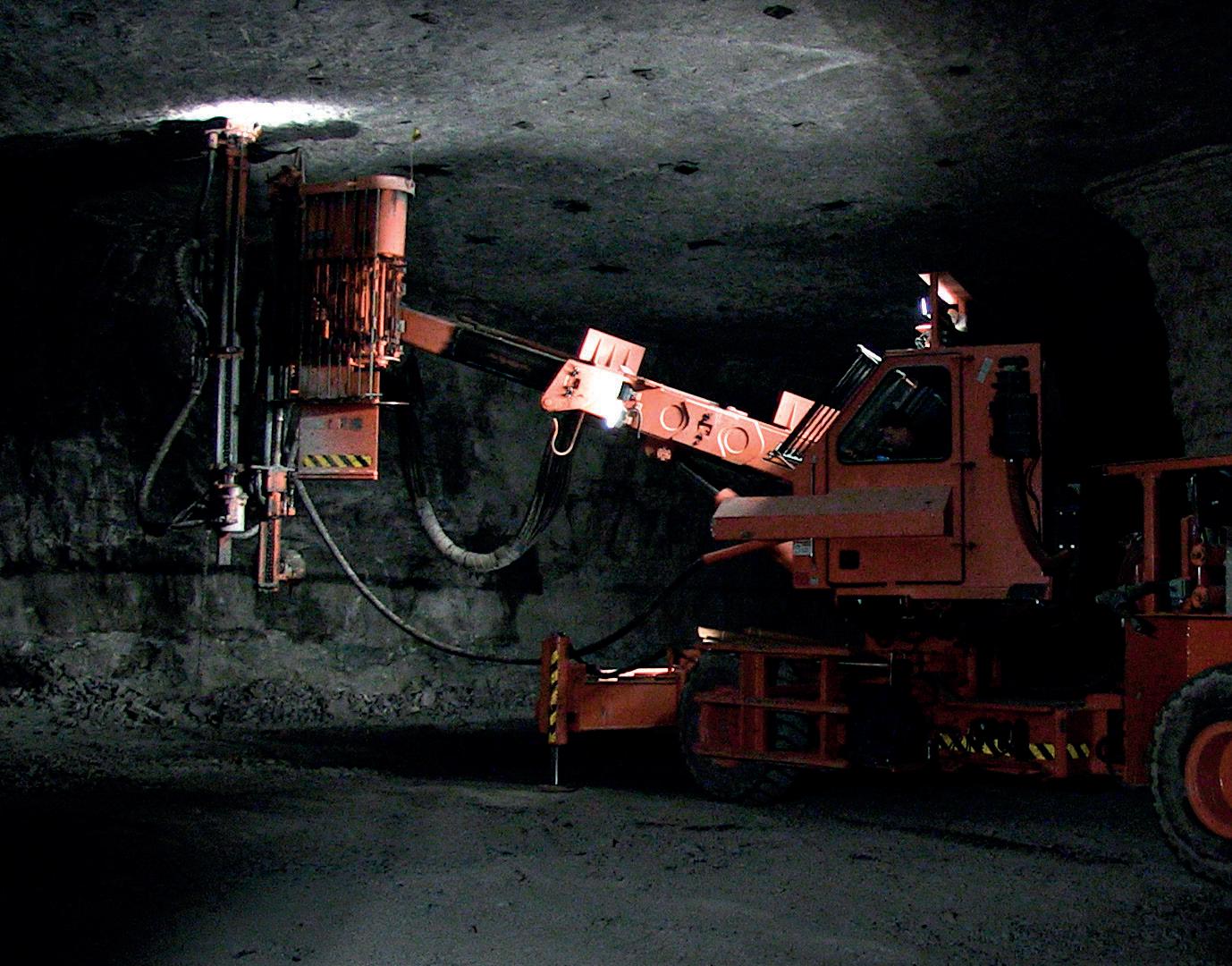
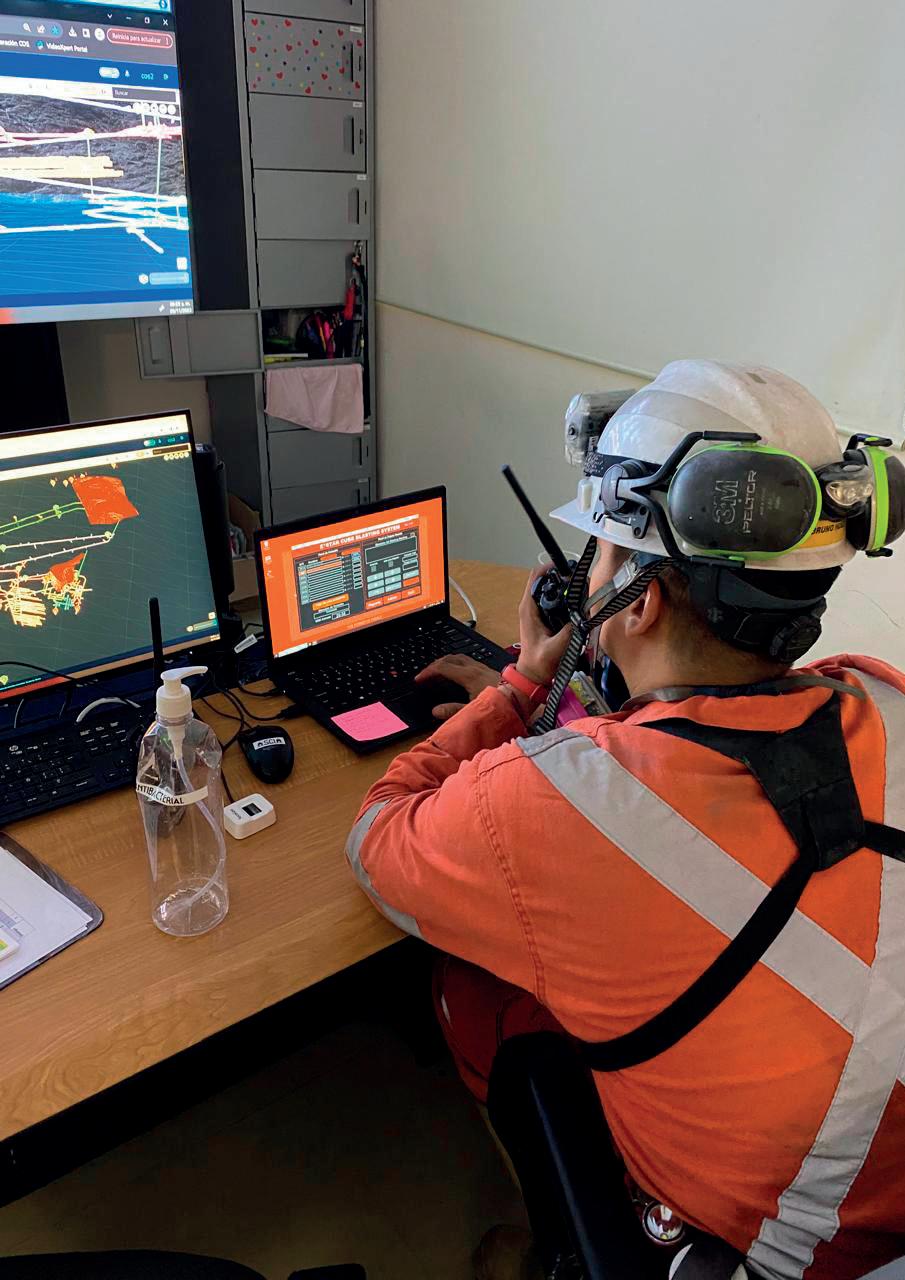
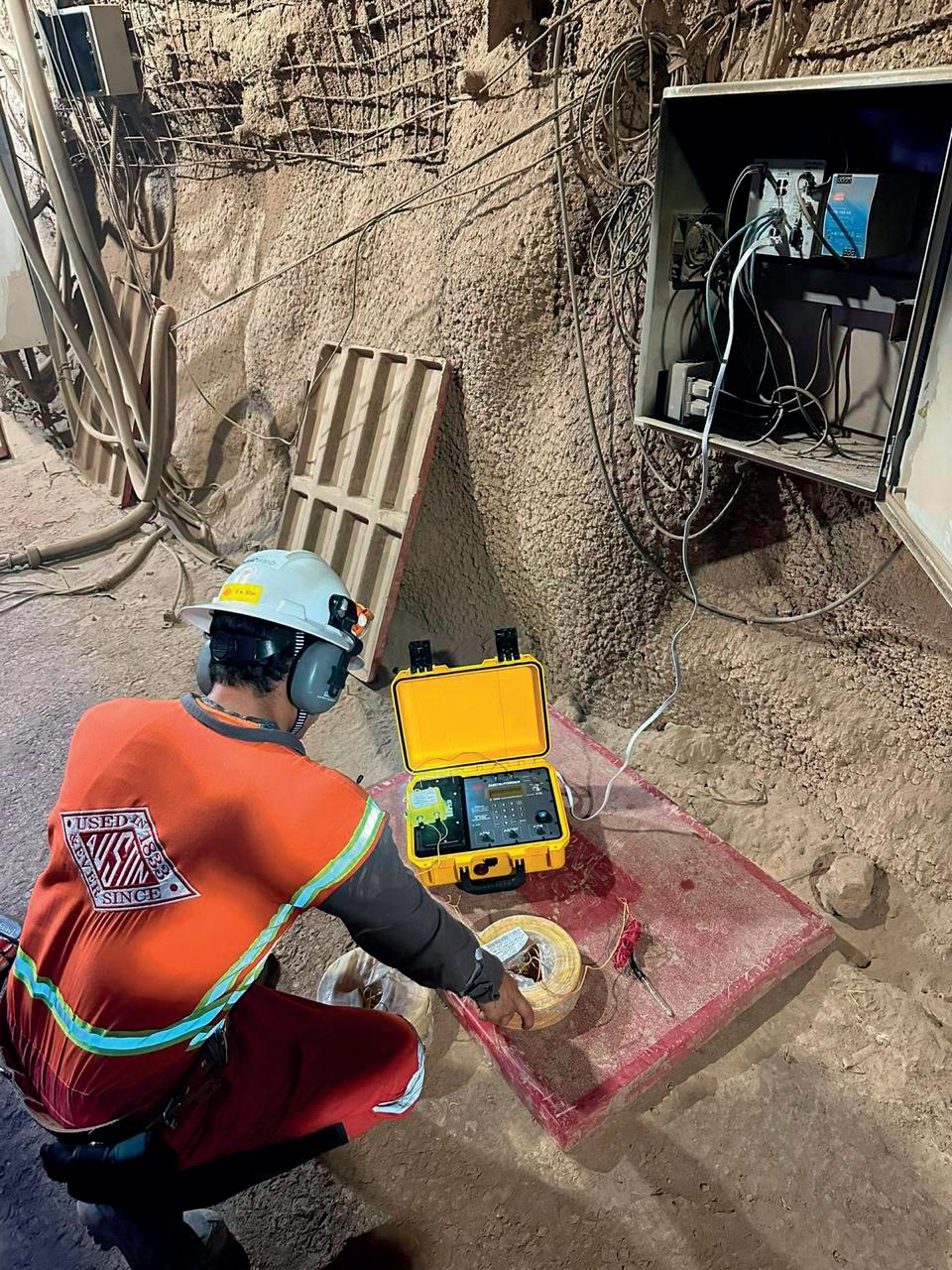
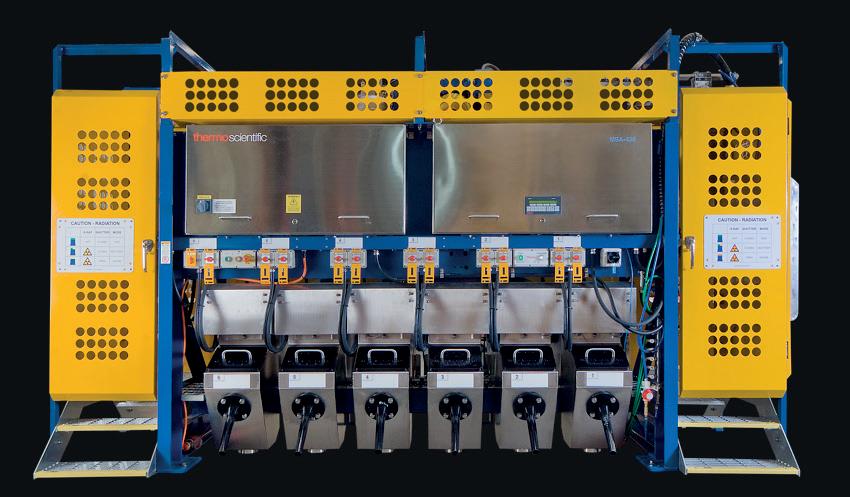
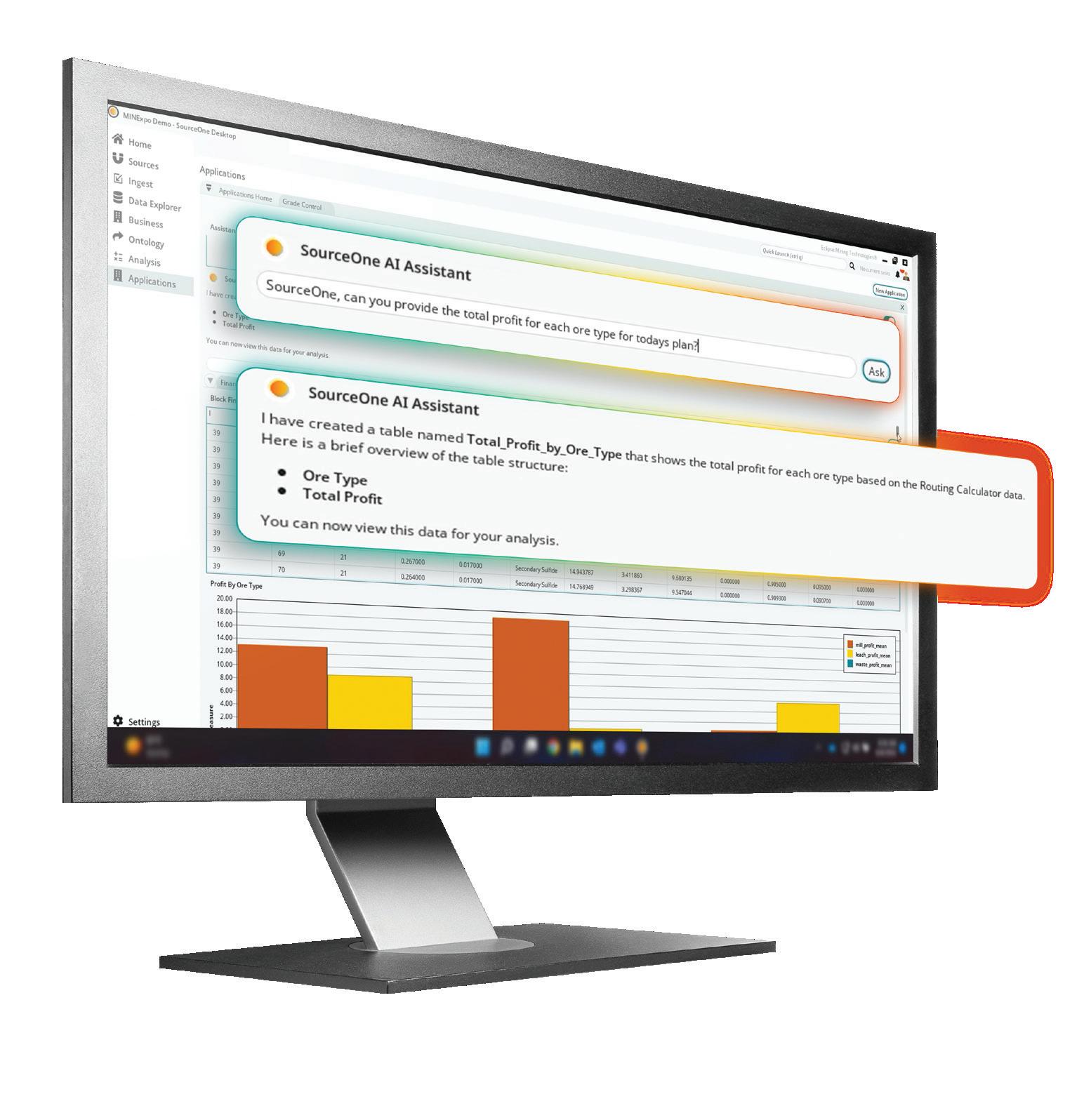
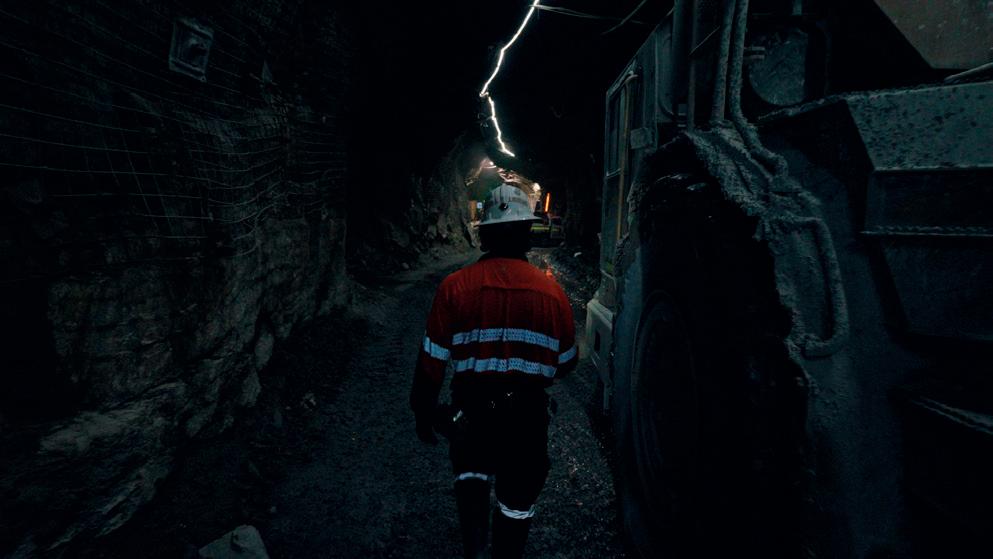
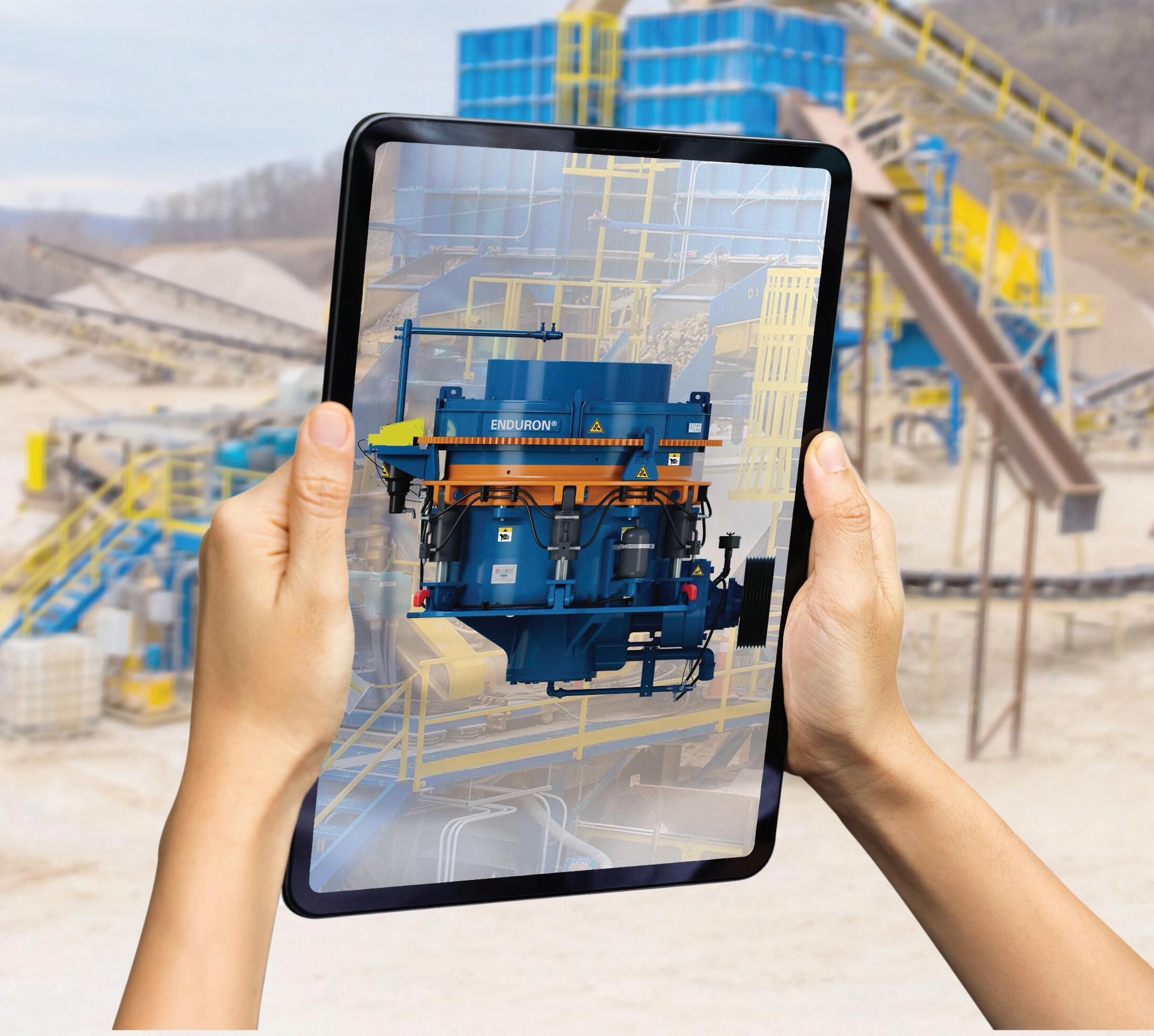
Duetto Analytics™, a multi-instance web-based software platform, monitors the health of Maestro’s Internet of Things (IoT) devices and underground networks in real time assuring that the data is both secure and valid while providing increased worker safety and improved productivity. Simple-Safe-Secure. Duetto Analytics™ Identify and manage problems before they occur in underground mines.
CONTENTS
53 Blasting As The First Crusher: A Strategic Lever For Energy Efficiency And ESG In Mining
14 Working Together To Create Lasting Value Through Mining And Metals
Ian Sanders, Global Mining & Metals Sector Leader at Deloitte Global, presents 10 trends across which mining companies, governments, technology firms, and communities could work more closely to help create lasting value in 2026.
20 Building A Greener Future For Mining
Elinor Price, ABB Process Industries – Industrial Digital Solutions, USA, explores the pivotal role of digital solutions in mining's transformation.
26 Flexible Solutions For Mining’s Water Challenges
David Oliphant, VP Business Development – Heavy Industry for Veolia’s water technologies in North America, reveals how mobile treatments systems are changing the game for mining operations.
31 Battery Minerals Redefined: An Innovation To Make Every Drop Count
Vishal Wadhvani and Ben Zhou, ANDRITZ Dedert, consider the history of spray dryers in the production of lithium-ion battery minerals – and how the research and development department has worked to redefine the current limits of this technology.
36 A Holistic Approach To Flowsheet Development
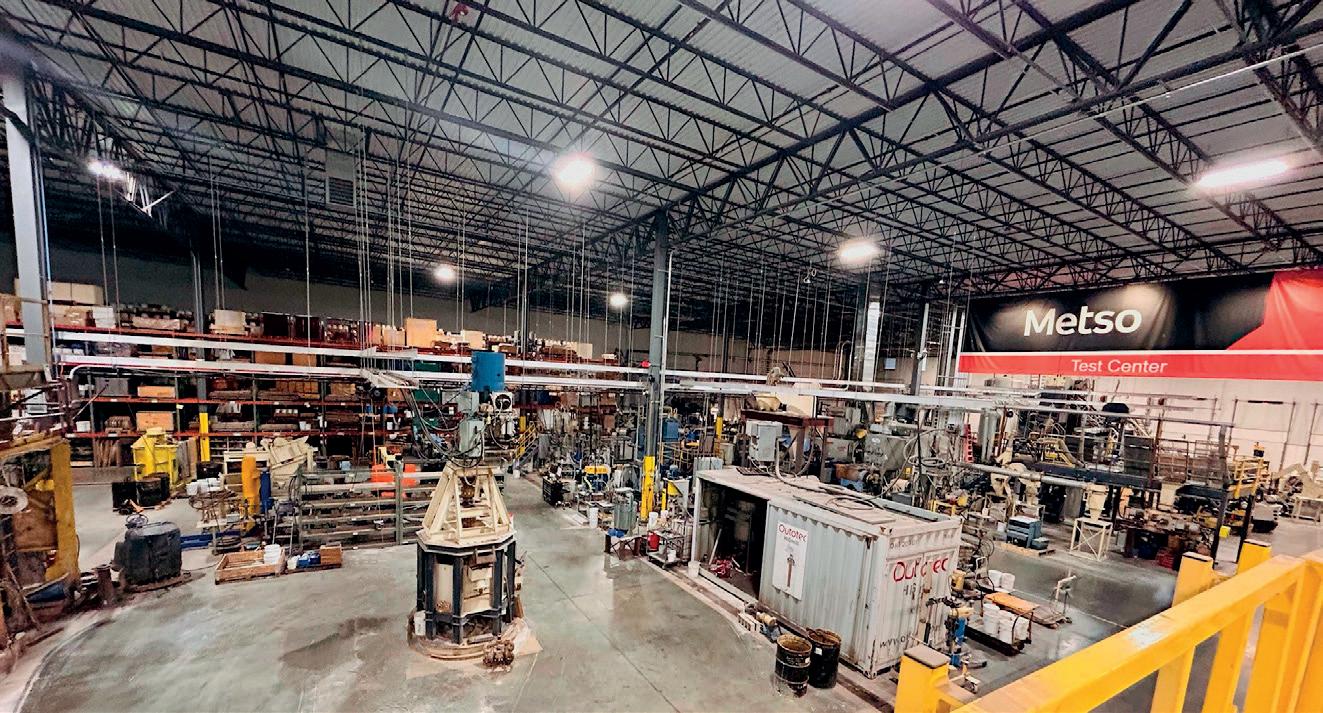
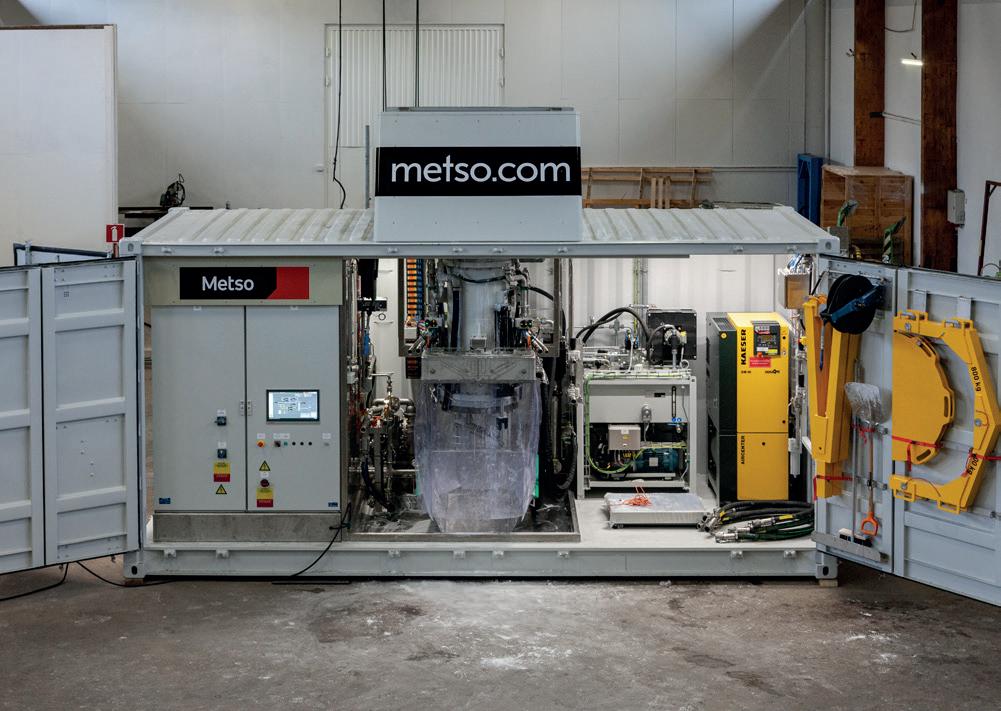
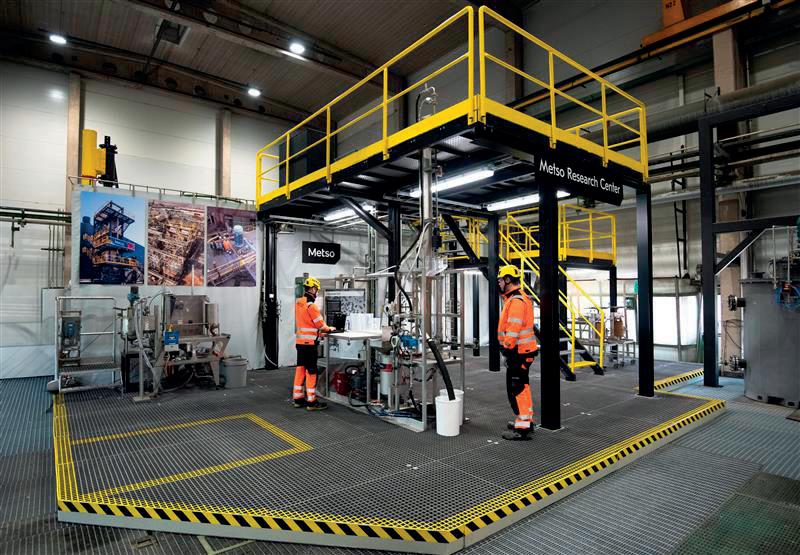
Audrey Walters, Metso, takes a look inside the Metso Test Centre in Pennsylvania and locations around the globe.
42 Centralising Safety And Precision In Underground Blasting
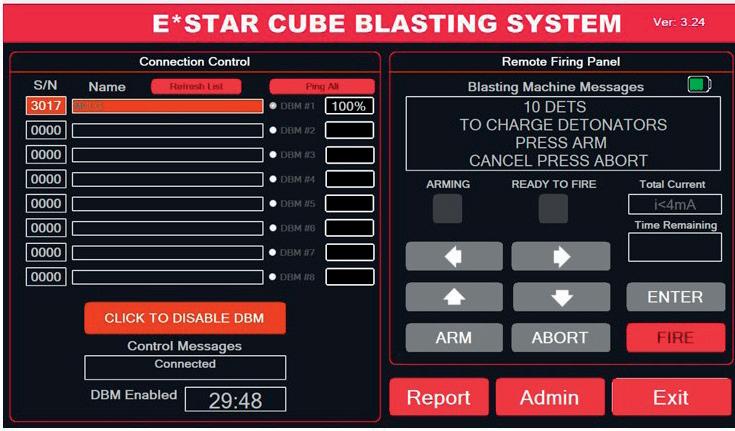
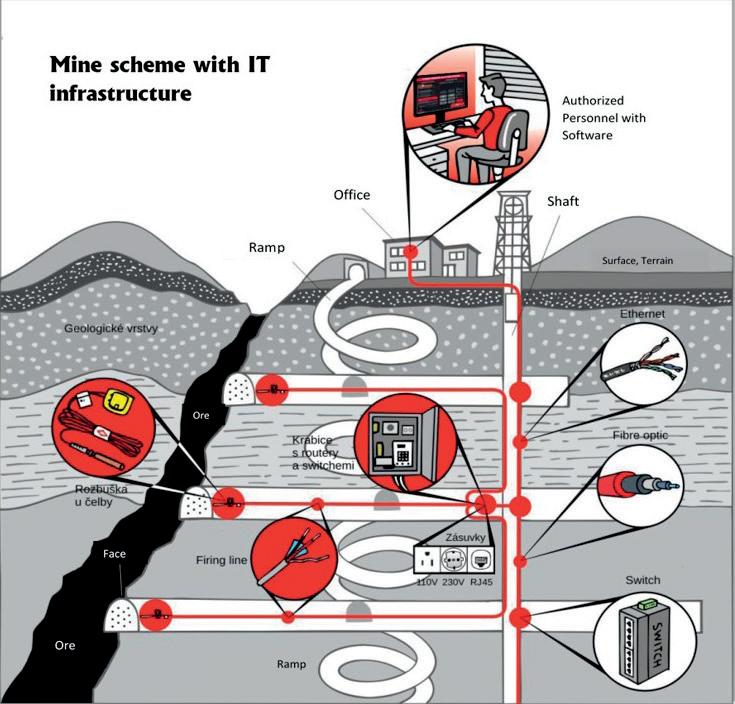
Ricardo Medina Garcia, Sales and Technical Services Representative, Austin Powder Mexico, outlines how the company’s new solution is rendering the blasting process safer and more efficient.
49 Embracing Digital Tools In Blasting Operations
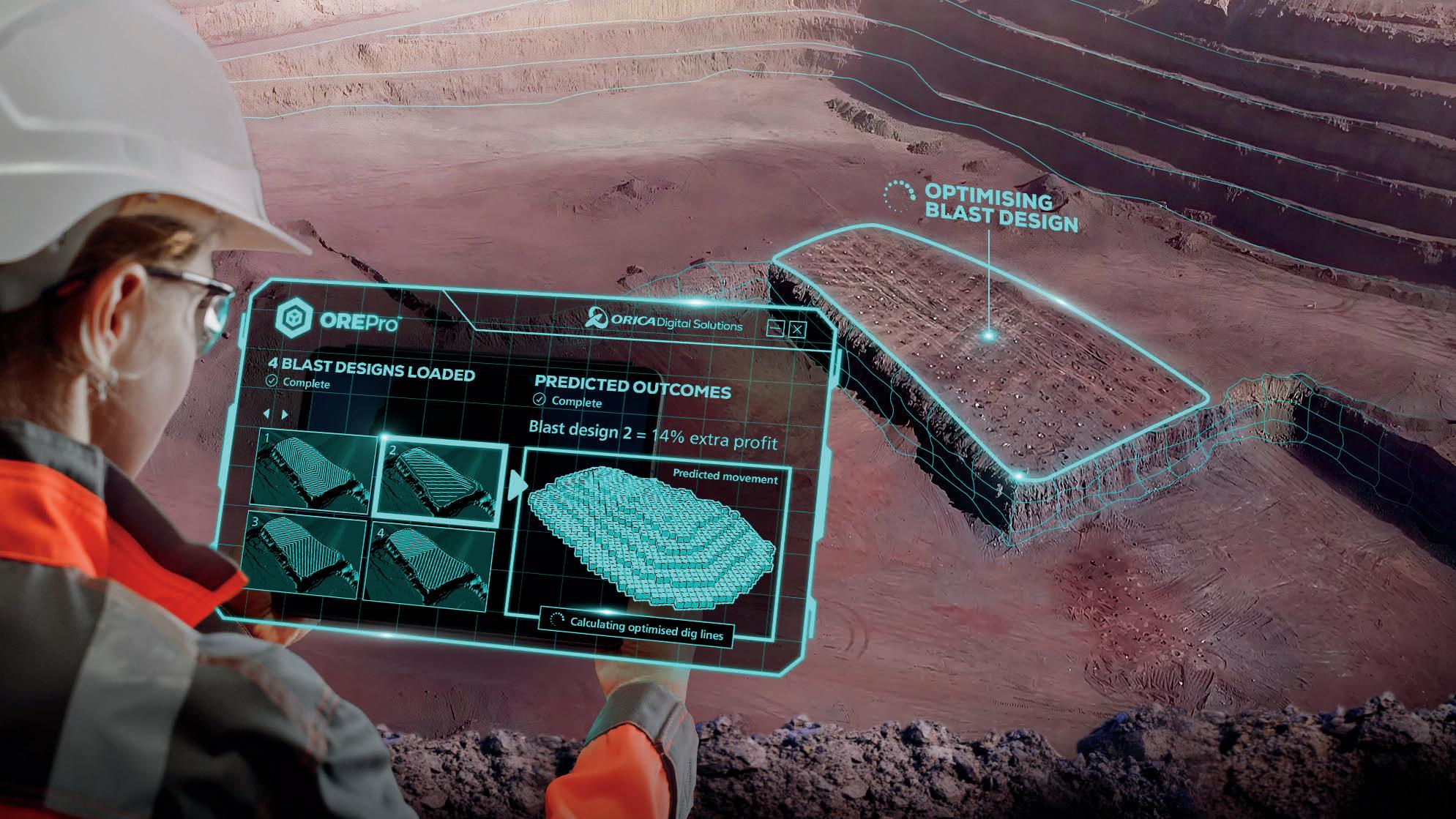
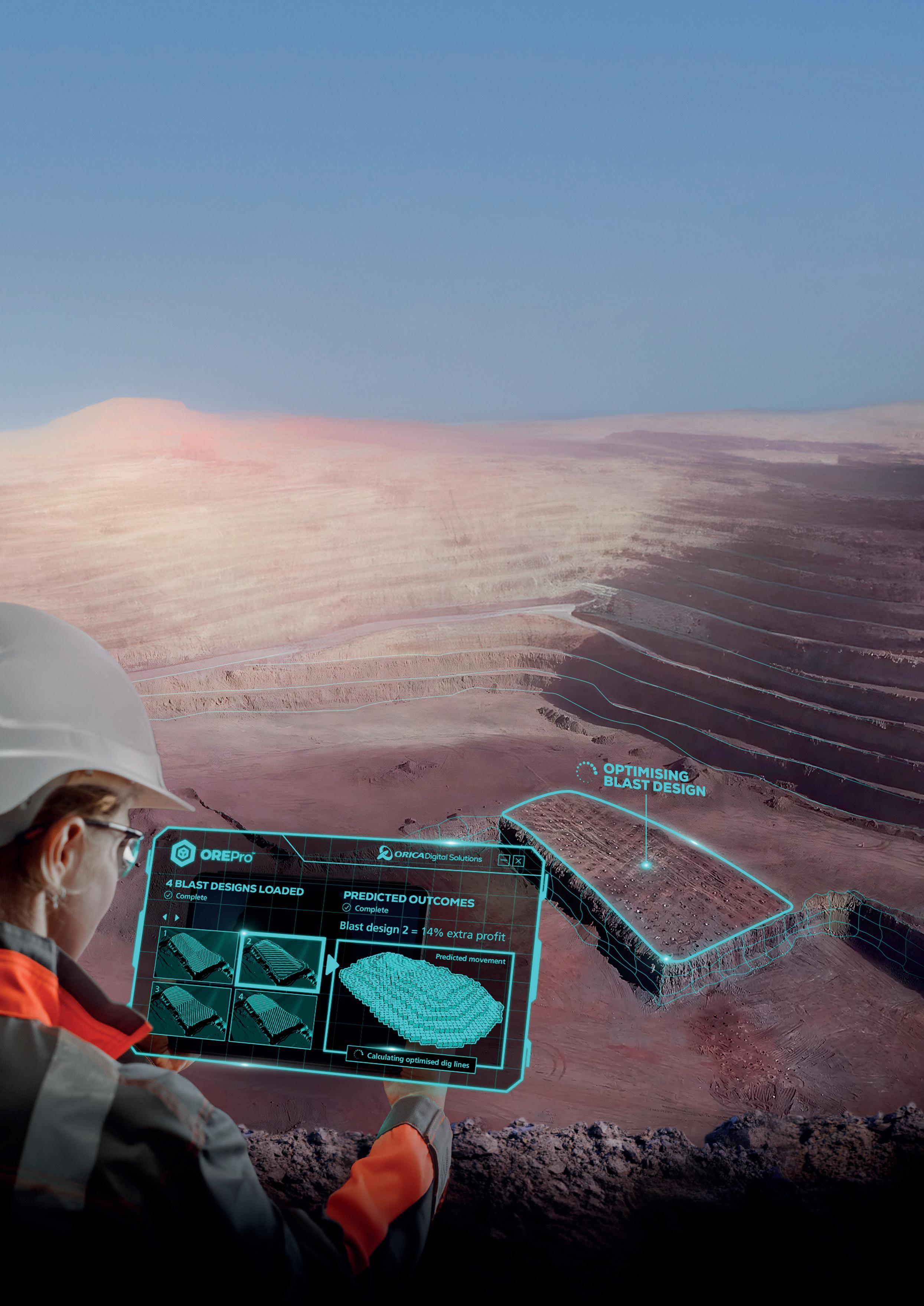
Alfred Tsang, Orica Digital Solutions, details how embracing digital tools can help mining companies overcome blasting challenges and optimise resource extraction.
Dr. David S Jensen, Dyno Nobel, emphasises the pivotal role of blasting in mining operations, and lays out how it can be optimised for improved energy efficiency and ESG.
57 Fusing Inertial Navigation With Laser-Based Velocity
Matthew Suntup, Advanced Navigation, UK, examines how a hybrid approach to navigation systems is shifting the paradigm in underground mining.
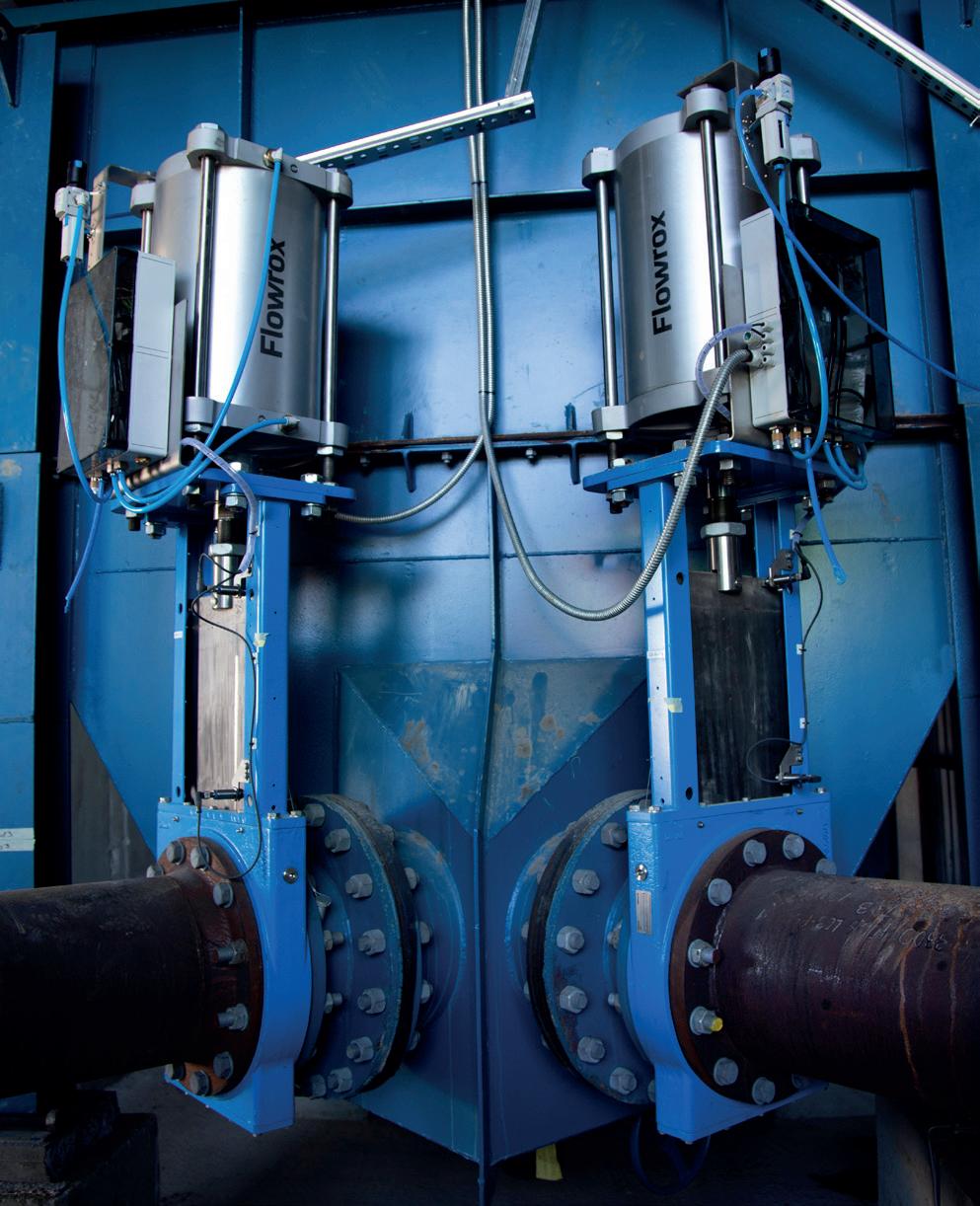
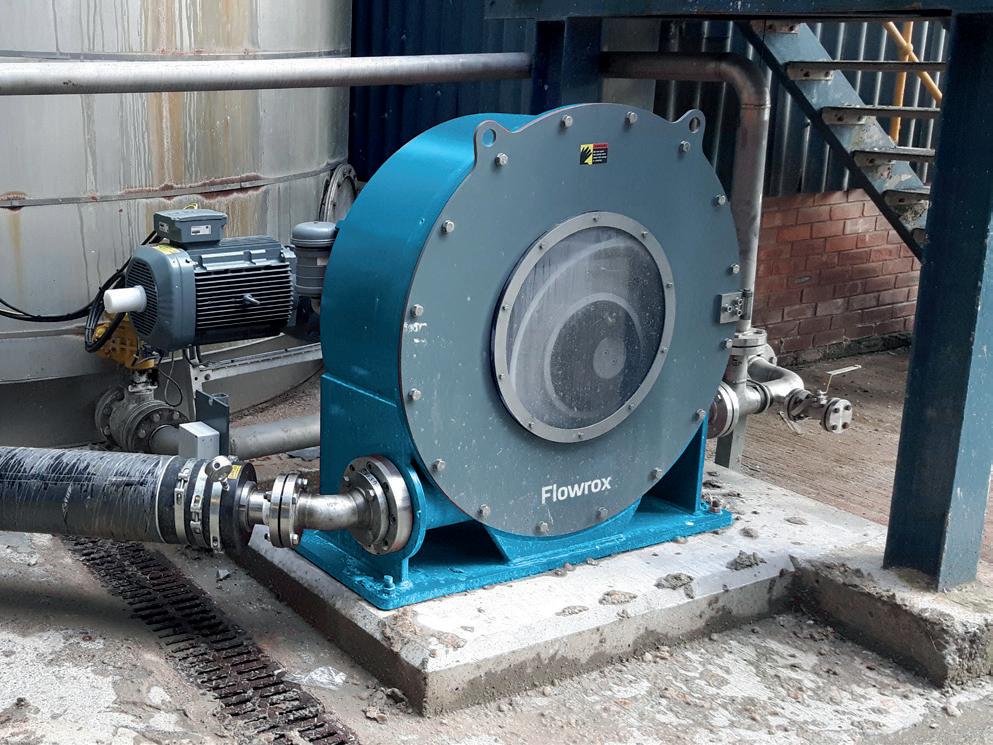
62 Reliable Flow Control Keeps Tailings Operations Running Smoothly
Ville Lindh, Valmet, Finland, highlights the pivotal role of slurry valves and pumps in combatting the challenges posed by tailings handling.
68 A Deep Dive Into Real-Time Elemental Analysis
Luke Joyce, Thermo Fisher Scientific, Australia, reviews how real-time elemental analysis can be used to transform mineral recovery for smarter, safer, and more sustainable mining.
74 An Alternative To Traditional Phased-Based Optimisation Tools
Javier Castaneda and Brianne Valdes, Deswik, North America, evaluate the latest developments in strategic mine planning and offer a comparison between new tools and traditional pit optimisation methods.
80 Addressing Environmental Challenges In Mining Conveying
Michael Ronsman, Regal Rexnord, lays out strategies for optimising conveyance systems in mining, emphasising the importance of selecting durable components and keeping up maintenance.
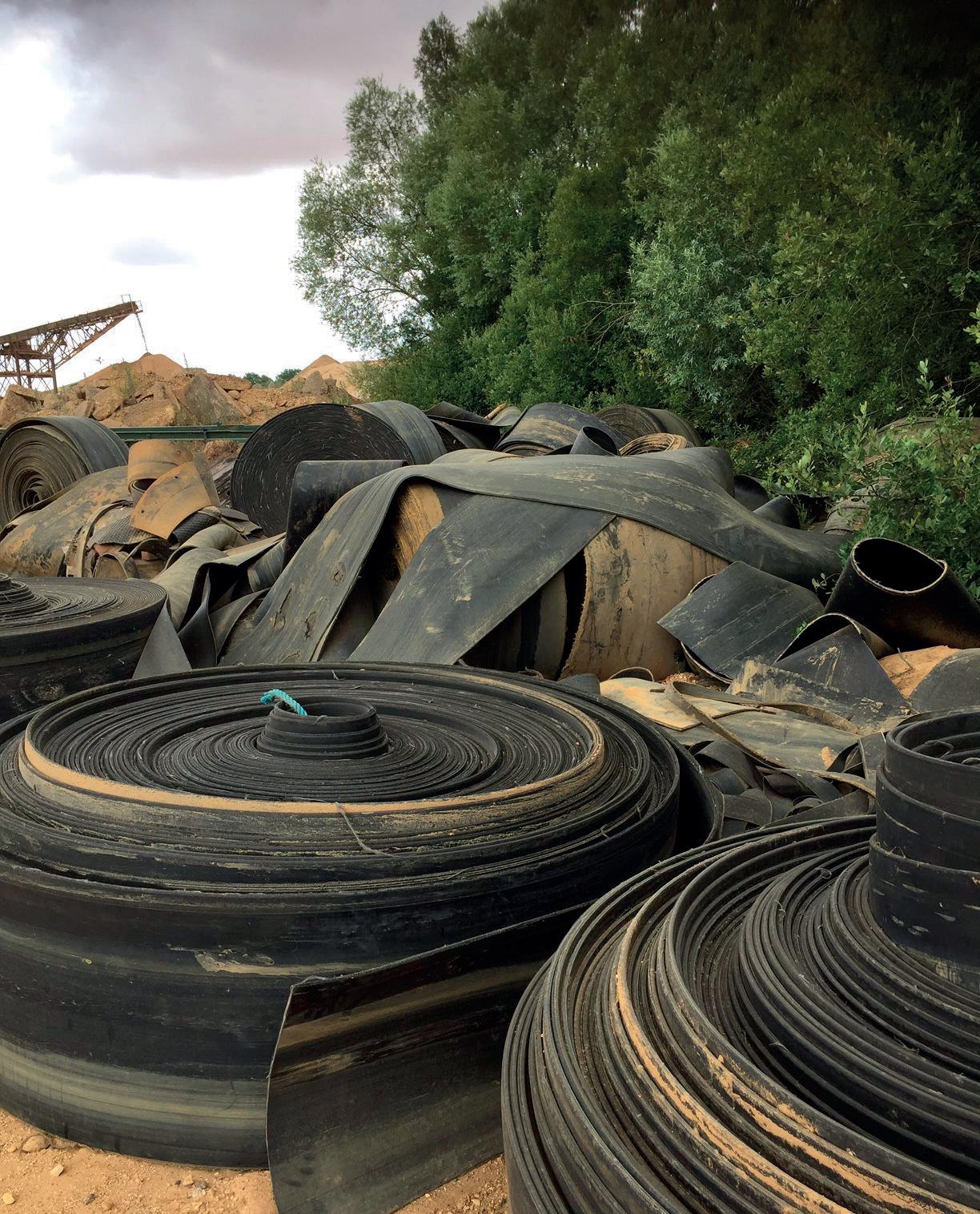
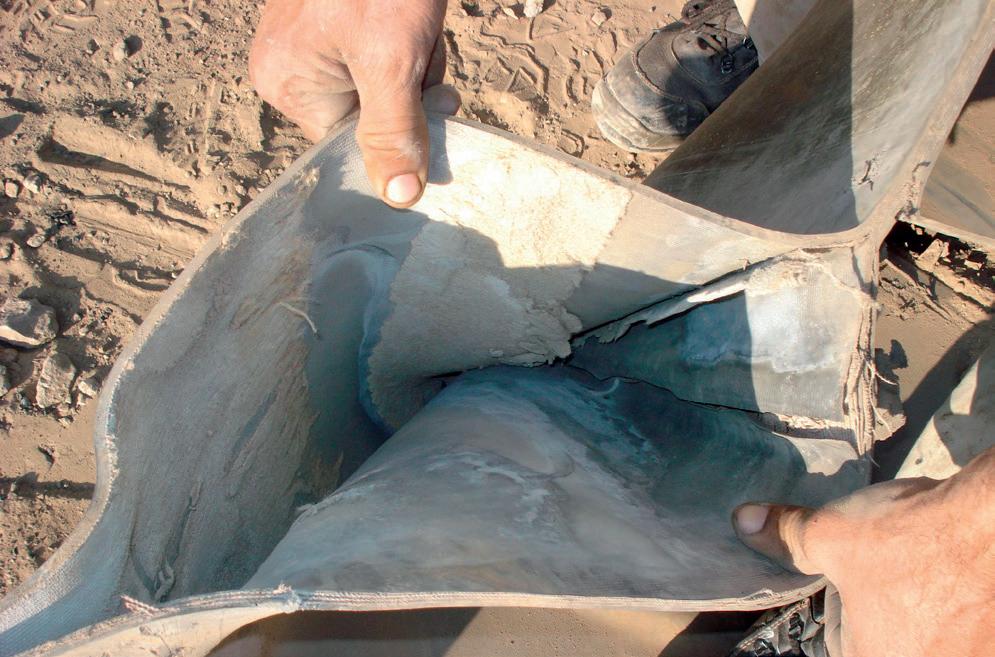
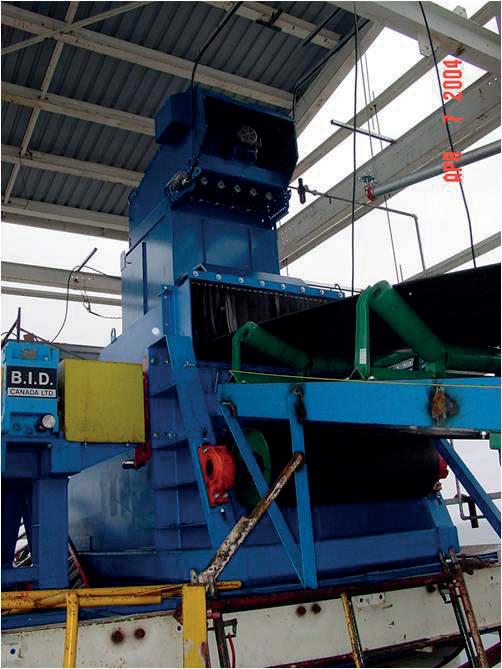
85 Conveyor Belts: Reducing Environmental Impact And Running Costs
Bob Nelson, Conveyor Belt Specialist, proposes that a simple re-tuning of purchasing policy is all that is needed to make conveyor belt production more sustainable and cost-efficient.
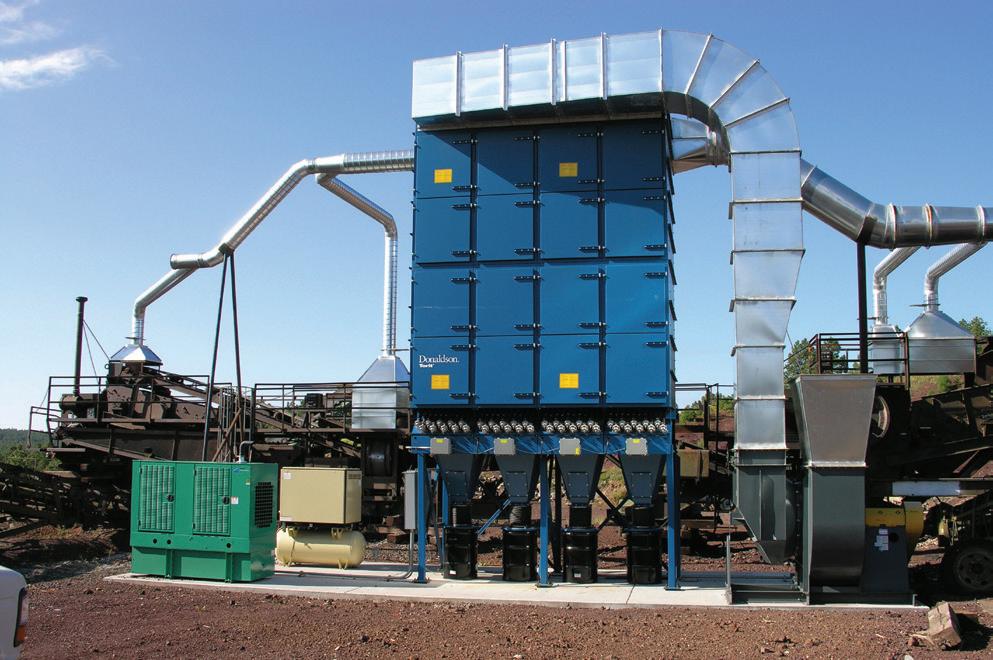
89 Inefficiency Bites The Dust: The Importance Of Dust Control
Atish Singh, Donaldson, Africa, explains how effective dust control can support safety and productivity in mining operations.
93 Managing Operator Fatigue Underground
Josh Savit, Hexagon’s Principal Advisor, Mining, USA, provides a technical analysis of management of change and technology integration in mining.
Austin Powder is a global mining explosives company delivering safe, precise blasting solutions. We support surface and underground mines with explosives, detonators, electronic initiation, bulk systems, and blast design services – improving productivity, fragmentation, wall control, and safety through innovation, data, and a worldwide service footprint, backed by nearly 200 years experience.
Compact, field-ready, dependable. Navus delivers precise electronic initiation in a rugged, handheld unit—no bulky hardware, no wasted time.
Discover how Navus can elevate your blast performance at dynonobel.com/navus
Control where it counts. Navus enables fast, precise handheld firing of Dyno Nobel electronic detonators, built to perform in tough field conditions.
Designed for Dyno Nobel electronic detonators. Purpose-built to deliver precise timing and repeatable blast performance, every time.
The mining industry enters 2026 facing an ever-familiar array of paradoxes. Indeed, the demand for the materials that underpin the energy transition, digitalisation, and infrastructure growth has never been clearer, yet the path to delivering them has rarely been more complex.
It has been said that we are entering a new era of geopolitics, especially in the domain of metals and minerals.1 Truly, while resource nationalism might not be new, we are now seeing it motivate the implementation of policies on a new scale and with greater intent by the major global powers that be. Flicking back only a few years to Samuel Logan (Southern Pulse) and Amelia Haines (BMI, a Fitch Solutions Company)’s articles in GlobalMiningReview, we can see that the resource nationalism has deep roots in the South American mining industry – with critical implications for the immediate region and beyond.2,3 However, tensions over resources between the US and China, for example, have been a whole new ball game.
What does this mean for us? Well, turning to page 5 in this issue will at least clarify some points for our industry colleagues located in the US. Don’t miss Melissa Russell (CEO & Executive Director at the Society for Mining, Metallurgy, & Exploration)’s Guest Comment, in which she breaks down some of the myths surrounding critical mineral and rare earth element extraction in the US, and why the US must mine its own future.
Looking beyond domestic mining, US President Donald Trump continues to leave his mark on the global stage with his ‘quest for mineral dominance’ – begun in the early days of his latest term in office. As previously discussed in my January/February 2025 Editor’s Comment, Greenland remains the issue of the day, and it seems that only time will tell if the matter will ever be settled. Perhaps we will know more by the January/February 2027 issue of GlobalMiningReview? What is certain is that the coming weeks and months will be pivotal. The outcomes of events currently in motion will set a precedent; new rules of engagement over rights to metals and minerals will be defined one way or another, for better or worse.
Moreover, in 2026 industry leaders will have not only have an eye on what’s happening above ground, but below water as policymakers continue to debate the merits of deep-sea mining. Still in its infancy, testing continues and permits sought to explore, evaluate, and exploit the untapped resources found in the polymetallic nodules of our ocean floors. This is an issue that should by no means fly under the radar – or should I say sonar – as we head deeper into the new year.
From tightening capital discipline and rising operational costs, to intensifying scrutiny around ESG performance and supply-chain security, miners are no doubt being asked to do more than ever – faster, cleaner, and with greater accountability – while navigating an increasingly turbulent geopolitical landscape. However, I’ve no doubt our industry’s innovative and resilient global community will once again rise to face all challenges.
There is a lot to be excited about for the mining industry in 2026, and the GlobalMiningReview team and I look forward to providing you with all the latest developments and insights.
Enjoy this first issue of the year, and visit us at our booths at MINEXCHANGE (2139) and CONEXPO-CON/AGG (WL13010) to learn more.
References
1. Wood Mackenzie, ‘Geopolitics and capital discipline to define metals & mining industry in 2026’, globalminingreview.com, (20 January 2026).
2. LOGAN, S., ‘The State Of Lithium In South America’, GlobalMiningReview, (June 2023), pp. 8 – 11.
3. HAINES, A., ‘The Future Of Mining In The Americas’, GlobalMiningReview, (September 2024), pp. 18 – 22.
partner for mining solutions
Tomorrow’s mining challenges demand solutions that endure. In some of the world’s toughest environments, reliability is the foundation of progress.
Regal Rexnord delivers power transmission solutions engineered for harsh conditions including dust, high-vibration, and extreme temperatures – because when downtime isn’t an option, durability matters. Our comprehensive portfolio brings strength and precision to critical processes like conveying, screening, crushing, grinding, and milling. Our testament to quality goes beyond traditional powertrain components with rugged gear drives, chains, brakes, couplings, and backstops – designed to keep critical equipment moving in demanding environments while ensuring safe and efficient operations.
Backed by advanced technologies and proven performance over the years, we help you reduce downtime, extend equipment life, and optimize productivity – so your operation is ready for what’s next.
MELISSA RUSSELL CEO & EXECUTIVE DIRECTOR SOCIETY FOR MINING, METALLURGY,
& EXPLORATION (SME)
Hidden in plain sight: Why the US must mine its own future
Many Americans believe persistent myths about critical minerals and rare earth elements: that they simply are not found in the US, or that extracting them is inherently too dangerous or environmentally damaging to consider. In reality, these minerals do exist domestically. What has limited their development is not a lack of resources, but a combination of economic hurdles, regulatory complexity, and public perception shaped by outdated images of mining. That misconception matters, because mined materials are not optional. Every American born today will rely on an extraordinary volume of minerals across their lifetime embedded in homes, vehicles, appliances, healthcare, and the technologies of daily life. In fact, 38 016 lb of new minerals must be provided for every person in the US each year to manufacture the products and build the infrastructure that modern life depends on.1 Over a lifetime, that adds up to roughly 2.99 million lb per person. Mining underpins everything we need to live.
Critical minerals are also essential to smartphones, laptops, and computers, and they sit at the core of electric vehicles and batteries. They make possible renewable energy systems, including wind turbines and solar technologies, and they are deeply embedded in defence, aerospace, and medical equipment. When we talk about innovation, whether in clean energy, advanced manufacturing, or national security, we are talking about materials first.
Even when minerals are mined in the US, the supply chain often remains incomplete. Rare earths are a clear example: material mined domestically has historically been sent abroad for processing before returning as finished components. China dominates critical mineral processing capacity, processing 90% of rare earth elements today, and that imbalance introduces a strategic vulnerability.2 This is not because the US lacks technical expertise, but because economic incentives,
permitting timelines, and uncertainty have made it difficult to build resilient domestic processing at scale.
This is where the conversation must move beyond ‘mining vs environment’ and towards a more accurate question: how can we responsibly develop the mineral supply chains that modern life requires? The US has some of the highest environmental and safety standards in the world. Responsible mining can and should be done with strong protections for workers, communities, and ecosystems. Investing domestically also reduces the environmental costs associated with long-distance transport, while encouraging innovation in cleaner extraction and processing technologies.
Equally important, domestic mineral development strengthens American economic competitiveness. It creates high-wage jobs, supports workforce development, and reinforces the research and manufacturing ecosystems that turn raw materials into finished products. Mining is not a stand-alone industry; it is the first link in a chain that powers American innovation.
The US has both the resources and the responsibility to develop its mineral future strategically. Exploration, processing capacity, workforce development, and informed public discourse must align if it is to achieve supply chain resilience and national security in a rapidly changing world. It can continue to depend on others for the materials that underpin its economy, or critical mineral access can be recognised as a shared national imperative and decisions made to mine for its own future.
If the US wants to lead the next era of innovation, resilience, and clean energy, it must be willing to build it from the ground up – starting with the minerals beneath its feet.
References
1. ‘2025 MEC Mineral Baby’, Minerals Education Coalition (MEC), https://mineralseducationcoalition.org/mining-mineral-statistics/ 2. ‘The Role of Critical Minerals in Clean Energy Transitions’, IEA, (5 May 2021), https://www.iea.org/reports/the-roleof-critical-minerals-in-clean-energy-transitions/executive-summary
WORLD NEWS
Diary Dates
Investing in African Mining Indaba
09 – 12 February 2026
Cape Town, South Africa www.miningindaba.com
MINEXCHANGE
22 – 25 February 2026
Salt Lake City, USA www.smeannualconference.org
PDAC
01 – 04 March 2026
Toronto, Canada www.pdac.ca/convention-2026
CONEXPO-CON/AGG
03 – 07 March 2026
Las Vegas, USA www.conexpoconagg.com/ conexpo-con-agg-constructiontrade-show
CIM CONNECT
03 – 06 May 2026 Vancouver, Canada www.cimconnect.ca
EXPONOR Chile
08 – 11 June 2026
Antofagasta, Chile www.exponor.cl/en
UK Mining Conference in Cornwall 09 – 11 June 2026
Falmouth, UK www.ukminingconference.co.uk
World Mining Congress
24 – 26 June 2026
Lima, Peru www.wmc2026.org
The Mining Show
16 – 17 November 2026
Dubai, UAE www.terrapinn.com/miningme
USA
Rio
Tinto expands solar power capacity at Kennecott
Rio Tinto has energised a new 25 MW solar plant at its Kennecott copper operations in Utah, showcasing a circular critical-minerals supply chain in which tellurium produced at the site is used to manufacture the panels now powering it.
Together with the 5 MW solar plant completed in 2023, Kennecott now has 30 MW of solar capacity – enough to power approximately 1026 average American homes annually and reduce Kennecott’s Scope 2 emissions by about 6% (20 000 t CO2e). This is equivalent to removing 4400 cars from the road each year.
Construction of the 25 MW plant began in October 2024 in partnership with Bechtel; it was completed and commissioned in October last year, and energised in December. The new solar array includes over 71 000 panels containing tellurium produced at Kennecott, a critical mineral for solar technology.
Kennecott began producing tellurium in 2022 as a byproduct of copper refining, making it one of only two US producers of this critical mineral. Tellurium from Kennecott is converted into thin-film semiconductor materials by 5N Plus Inc. in Canada and then supplied primarily to First Solar for the manufacturing of the photovoltaic panels now installed at Kennecott, keeping the entire tellurium supply chain in North America.
Nate Foster, Managing Director of Rio Tinto Kennecott, said: “This new solar plant is more than a source of renewable power for our operations; it’s a demonstration of circularity and supply chain resilience. By mining copper and tellurium, both classified as critical minerals in the US, here at Kennecott and using that tellurium in the panels powering our site, we’re proving how domestic critical minerals support renewable energy manufacturing. This approach strengthens North America’s supply chain for essential resources, supports national energy security, and reinforces our commitment to a low-carbon future.”
ZAMBIA Barrick selects Metso’s Concorde Cell™ flotation technology for the Lumwana copper project in Zambia
Barrick Gold Corporation has selected Metso’s Concorde Cell flotation technology for its Lumwana expansion project in North-Western Province in Zambia. The Concorde Cell flotation cells will work in combination with the TankCell® technology previously selected for the project.
The high-intensity Concorde Cell technology is Metso’s advanced solution for processing complex orebodies. Integrating Concorde Cell with TankCell technology represents a reliable and highly effective way to optimise the flowsheet. The forced-air pneumatic Concorde Cell is recognised for its ability to deliver faster flotation kinetics, exceptional recovery rates of fine and ultra-fine particles, and improved concentrate-grade consistency.
In 2024, Metso announced an order of comprehensive concentrator plant equipment for the Lumwana copper project. The value of the Concorde Cell equipment order was booked in the Minerals segment’s 3Q25 order intake.
PROdUCT NEWS
Maestro introduces Duetto Analytics™ diagnostic platform for underground mining
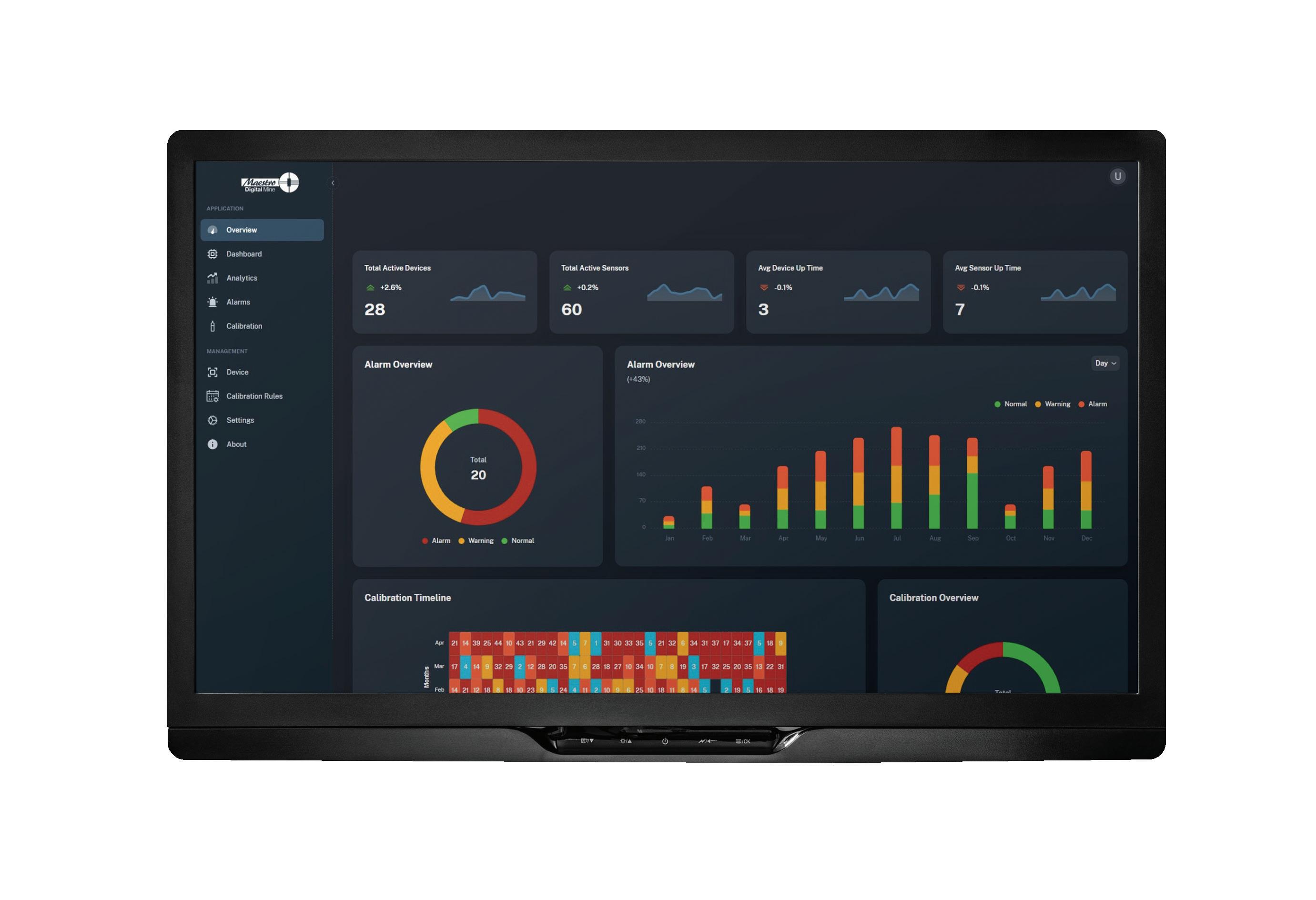
Maestro Digital Mine has introduced Duetto Analytics, a centralised diagnostic and analytics software platform designed to improve instrumentation reliability and reduce downtime in underground mining operations.
As underground mines continue to expand the deployment of airflow, gas, particulate, and environmental monitoring systems, maintaining the performance and availability of these assets has become increasingly complex. Instrumentation faults, calibration issues, and communication failures can compromise confidence in data and lead to ventilation delays or unplanned production interruptions.
Duetto Analytics has been developed as part of Maestro Digital Mine’s integrated digital ecosystem and is designed to work with the company’s existing ventilation and environmental monitoring solutions. The platform consolidates data and diagnostics from Maestro instrumentation into a single interface, providing visibility into sensor health, calibration status, alarm history, and communication integrity across the monitoring network. By centralising this information, mines can identify underperforming or defective instrumentation more quickly and intervene before issues impact operations.
The platform supports multi-sensor trending, allowing users to review environmental and ventilation data alongside diagnostic indicators. This capability is particularly relevant during blast clearance and re-entry verification,
where supervisors must assess conditions across multiple headings and levels. By presenting sensor performance and historical trends in one interface, Duetto enables faster verification of re-entry conditions while maintaining confidence in measurement reliability.
Duetto Analytics also incorporates predictive maintenance functionality. By continuously tracking sensor behaviour within the Maestro ecosystem, the platform flags developing issues such as measurement drift, calibration degradation, or intermittent communications. This enables maintenance teams to shift from reactive troubleshooting to planned interventions, reducing the likelihood of unexpected stoppages linked to instrumentation failures.
Customisable dashboards allow the platform to be configured for different user groups across the operation. Operations teams can focus on assets critical to production continuity, while ventilation engineers and maintenance personnel can access detailed diagnostics and historical performance data to support troubleshooting and root cause analysis. This role-based configuration helps ensure relevant information is accessible without adding unnecessary complexity to workflows.
Duetto can be deployed as a virtual solution or as an industrial appliance. The platform operates within the mine’s process control network and is designed to work alongside existing SCADA and control systems. It complements Maestro’s instrumentation and digital infrastructure rather than replacing established control architectures, allowing mines to enhance diagnostic visibility while maintaining cybersecurity and system integrity.
As mines continue to increase their reliance on digital monitoring, the performance of the instrumentation itself is becoming a critical operational consideration. By extending Maestro’s digital ecosystem with centralised diagnostics and predictive maintenance capabilities, Duetto Analytics supports more consistent sensor performance and helps mines reduce downtime associated with instrumentation-related issues.
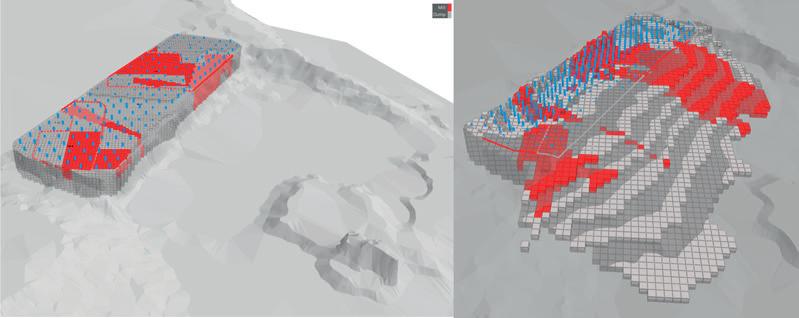
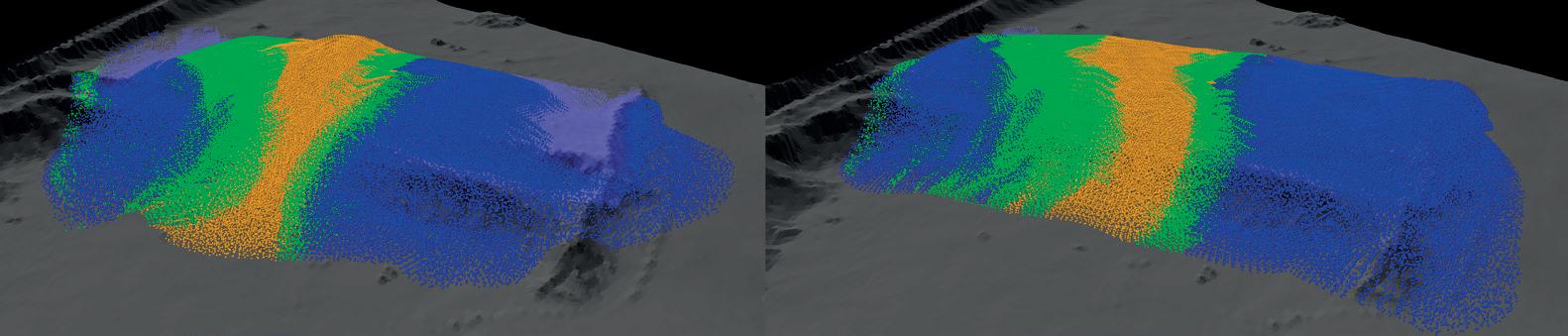
Figure 1. Duetto Analytics provides centralised diagnostics and trending for Maestro’s underground monitoring ecosystem.
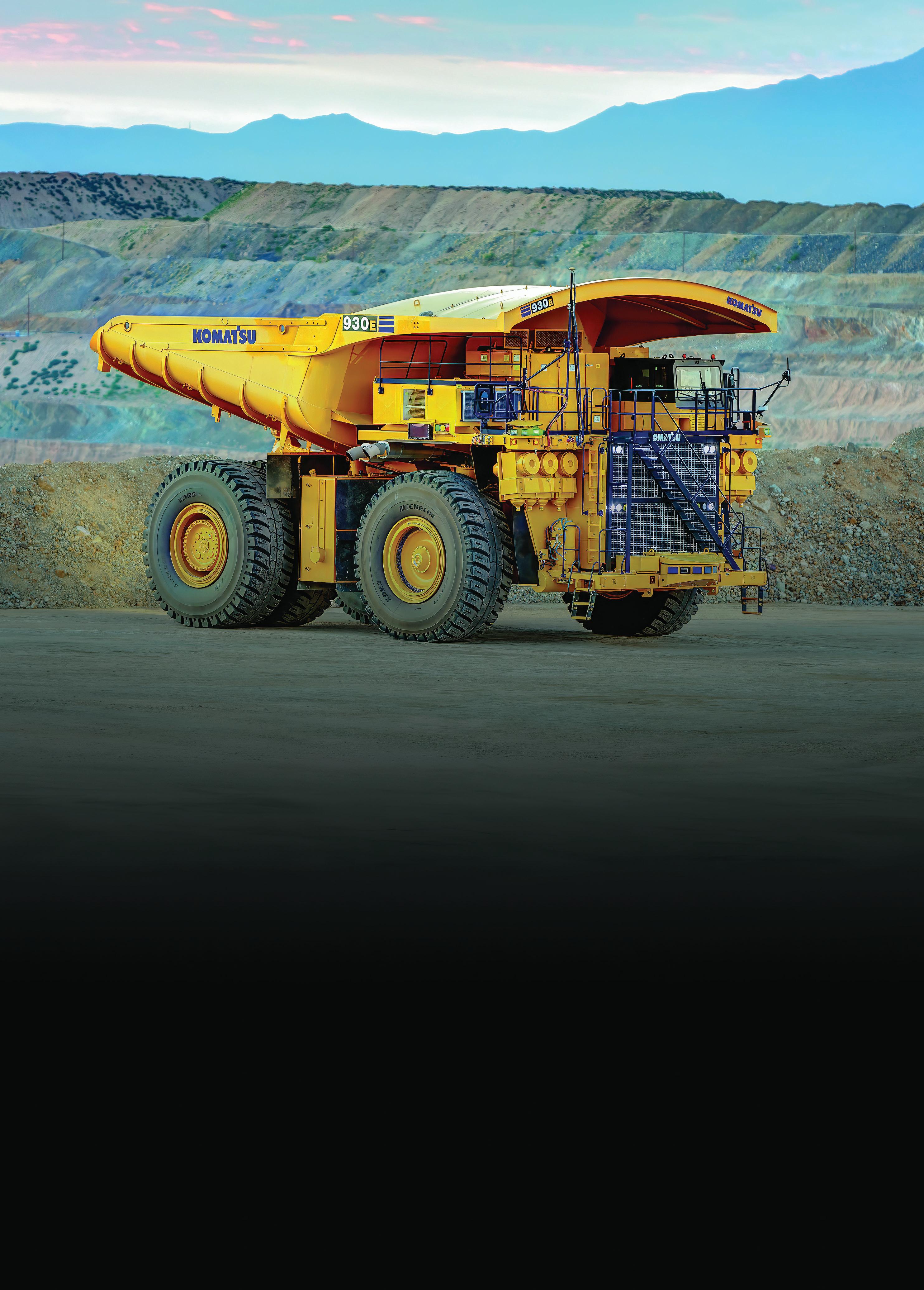
Komatsu’s FrontRunner Autonomous Haulage System (AHS) is designed to improve operational efficiency while lowering fuel use and emissions per ton, driving sustainable, consistent productivity.
PROdUCT NEWS
Modular Transfer Point Kit for belt conveyors
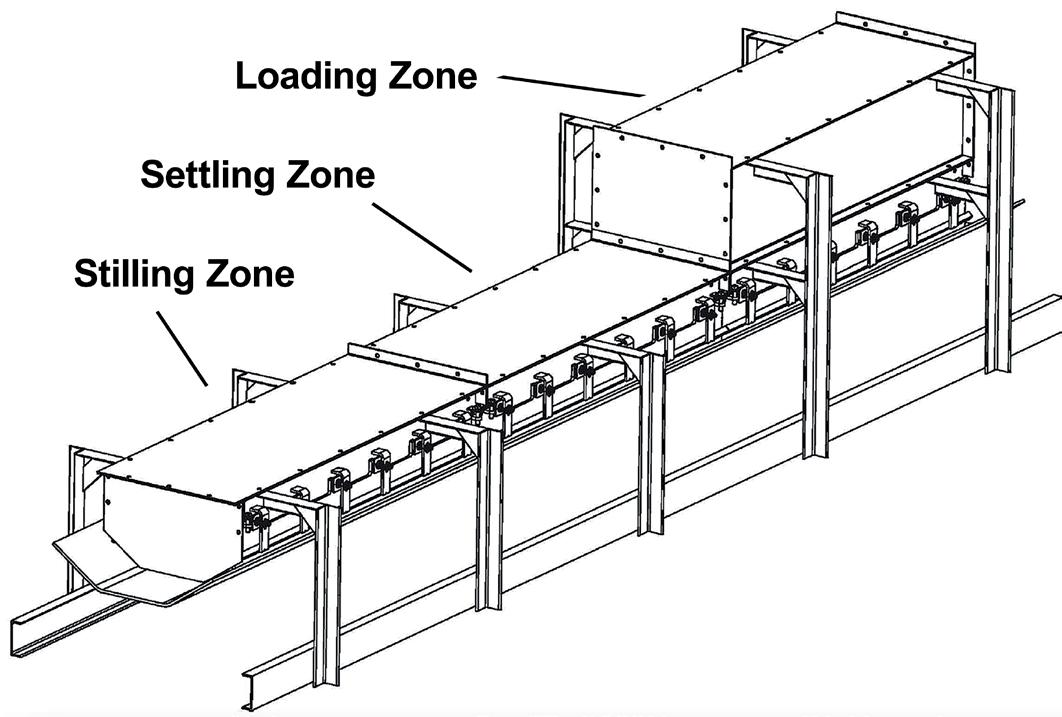
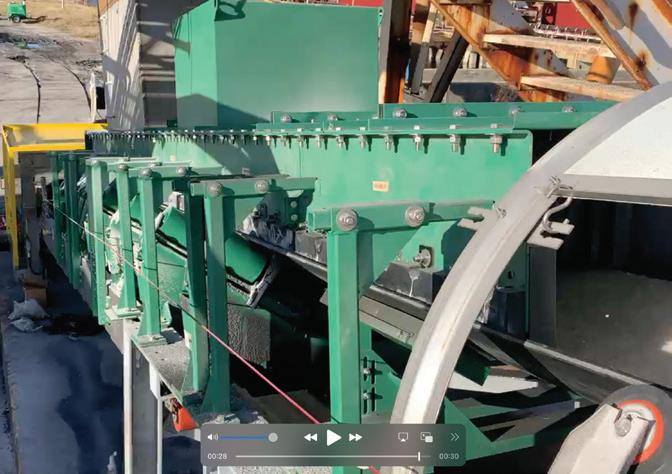
The Martin® Transfer Point Kit is a heavy-duty horizontal loading-zone enclosure. Manufactured by Martin Engineering, it is designed in a modular
configuration that includes a loading zone, settling zone, and stilling zone to provide a wider range of chute options and allow for future upgrades. The kit makes installation easier, reducing labour and system downtime by enabling pre-assembly.
This innovation addresses three common problems. First, transfer chutes are usually shipped in separate packages and stored until scheduled downtime, which increases the risk of loss or misplacement. Second, most new transfer chutes require full fabrication during downtime, raising the project budget and extending production time. Third, after construction, transfer points often need substantial engineering and construction work to modify.
The Martin Transfer Point Kit accommodates belt widths of 18 – 72 in. (450 –1800 mm) and an internal chute width of 9 – 59 in. (228 – 1498 mm). Each modular section is either 4 ft (1.21 m) or 6 ft. (1.82 m) long and constructed of mild steel, 304 stainless steel or 316 stainless steel, with a thickness of 0.25 in. (6.35 mm), 0.5 in. (12.7 mm), or 0.75 (19.05 mm) to accommodate a wide variety of materials and conditions.
The taller loading zone controls air turbulence and connects to both the drop chute and settling zone. When cargo hits a belt with great velocity, fines and lumps splash up the sides of the belt. Without a properly sealed enclosure, the material will spill underneath the conveyor, creating a hazard, restricting access, and fouling other components. The settling zone follows the loading zone and helps mitigate dust emissions. Dust is collected, mechanically filtered, or settled back into the cargo stream prior to leaving the stilling zone and continuing as a conventional open-air conveyor.
The result is customers get the heavy-duty Martin quality they have come to expect in a more convenient, efficient, and sustainable package.
Figure 1. The Modular Transfer Point Kit can be easily modified to adapt to changes in production.
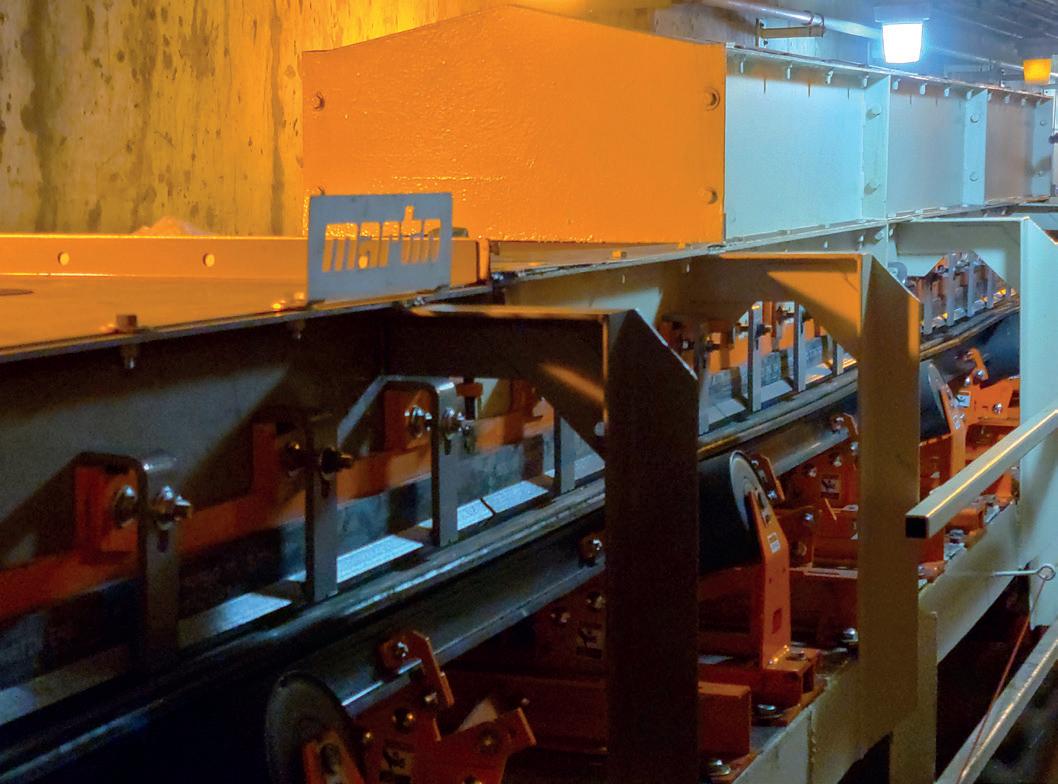
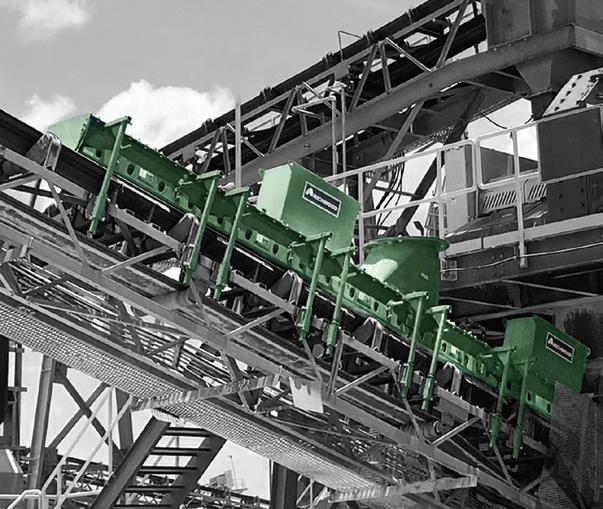
Figure 2. An efficient transfer point starts with a modular enclosure but also has excellent belt support and sealing accessories.
DEMAND JENNMAR
Our commitment to you, our customers, is guided by three words; safety, service, and innovation. We are constantly moving forward creating products of the highest quality and providing you with the services which make the impossible possible.
At Jennmar fabrication takes place in our numerous strategically located manufacturing facilities associated with our affiliated brands. From bolts and beams to channels and trusses, to resin and rebar, and more, Jennmar is ideally positioned to meet the industrial fabrication demands of our customers. Our ability to provide our customers with a complete range of complementary products and services ensures quality, efficiency, and availability resulting in reduced costs, reduced lead times, and increased customer satisfaction!
From our Engineers to our Technical Sales Representatives we work tirelessly with you to ensure your safety is at the forefront. We will be with you every step of the way.
PROdUCT NEWS
High-efficiency and fast flotation through REFLUX™ Flotation Cell (RFC™)
Mining companies globally have been setting goals to increase profitability. The average ore grade in various mines has depleted. Lower concentrate recovery and/or grade leads to lower profitability. Flotation plays a key role in a concentrator’s profitability by producing higher grades and higher recovery of the concentrate.
The University of Newcastle, in collaboration with FLSmidth A/S, Denmark, (FLS), has developed a novel flotation technology utilising an inverted fluidised bed arranged above a system of inclined channels to enhance the hydrodynamics of flotation. The frothless system allows for stable flotation, enhanced gangue rejection, and faster kinetics – pushing the boundaries on concentrate grade, recovery, and throughput well beyond what is possible with conventional open tank systems.
The REFLUX Flotation Cell (RFC) has demonstrated several hydrodynamic advantages over conventional flotation cells. Various batch, pilot, and full-scale tests on RFC have been performed. The test results have shown that this new flotation design has enhanced the flotation performance by significantly improving the flotation kinetics, providing a faster rate of flotation, and reducing the residence time by several orders of magnitude. Additionally, the design of this equipment provides better separation efficiency by shifting the grade-recovery curve in the desired direction and provides better selectivity. RFC is developed and tested for rougher,
scavenger, and cleaner circuits of different commodities such as copper, molybdenum, gold, nickel, potash, limestone, lead-zinc, iron ore, and coal.
The RFC is essentially a staged flotation device where feed is pre-contacted in a high shear rate sparger system, ensuring elevated collision and attachment rates. This contacted bubbly mixture is transported downwards into the main chamber of the RFC, where an air fraction of up to 50% is present. This consequently provides an order of magnitude greater bubble surface area for further collection of floatable material within the main chamber. The system is frothless, with the bubbly mixture transported to the overflow while being washed with fluidisation water, producing high-grade concentrates. The cell operates with a strong positive bias or downward volumetric flow. The presence of inclined channels allows for enhanced bubble-liquid segregation, affording downward velocities well over bubble terminal rise rates, which enables it to process feed fluxes much greater than the typical industrial limit of about 1 cm/s. The machine is not flux curve constrained and can operate at feed and gas fluxes much higher than in conventional systems, in the order of 5 – 7 cm/s.
Implications on circuit design using RFC technology
An extensive volume of test work has been conducted utilising the RFC technology.
Case study:
n Recovery of metal lost in tailings from rougher flotation in copper/gold applications or where fines are lost.
n Addition of four RFC2000s to an existing bank of 5 x 130m³ conventional flotation cells.
Results:
§ Overall recovery increased by 6 – 8% compared to doubling the existing flotation capacity, which recovers only an additional 3 – 5%.
§ Installation footprint reduced by up to 80%.
§ 65% saving in air supply requirement.
§ 80% saving in power (with power needed only for slurry transfer pumping).
§ 40% saving in capital cost.
FLS is a leading, full flowsheet minerals processing supplier to the global mining industry. The company delivers proven technologies and services across the lifecycle of operations.
Figure 1. REFLUX™ Flotation Cell: Advanced technology for superior recovery, grade, and plant performance.
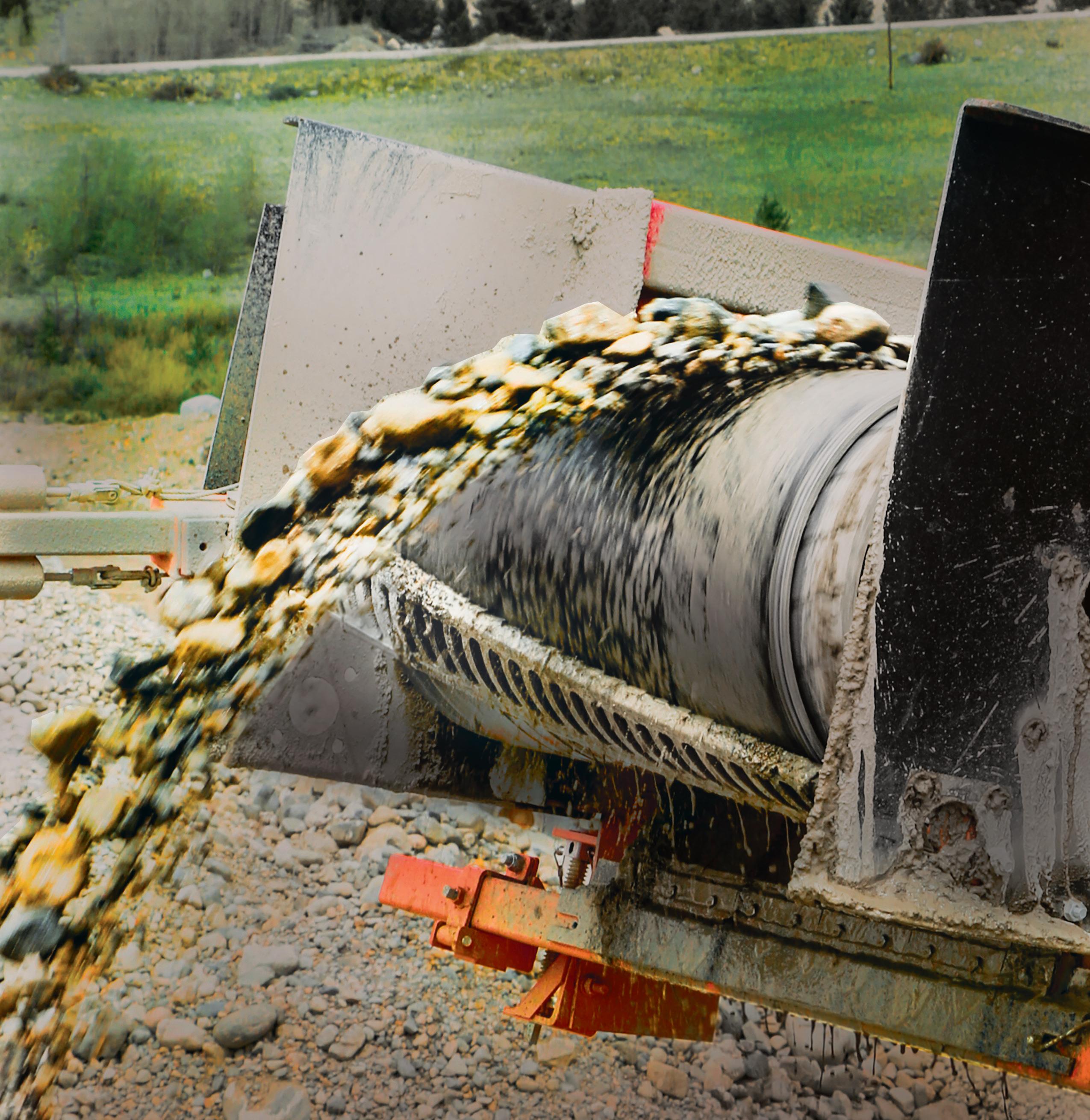
Stopping your conveyor belt for maintenance or repairs, especially on systems intended to run around the clock, can cost your operation significant time, money, and hassle.
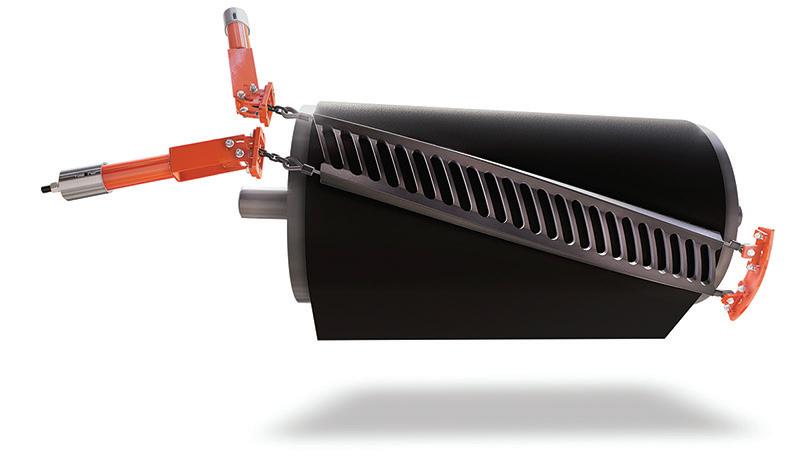
CleanScrape ® belt cleaners, featuring tough tungsten carbide scrapers and low contact pressure, provide up to 4X the service life of standard belt cleaners. Their slim, compact design is perfect for installation into restricted spaces.
Once in place and adjusted, CleanScrape requires minimal maintenance over its lifespan — reducing risk to your workers, operational throughput, and overall expenses.
CleanScrape® Martin’s Most Innovative Conveyor Belt Cleaner
Ian Sanders, Global Mining & Metals Sector Leader at Deloitte Global, presents 10 trends across which mining companies, governments, technology firms, and communities could work more closely to help create lasting value in 2026.
Around the world, mining and metals companies are redefining how they create and share value. Nations are seeking to balance industrial and defence strategies with energy security and many communities are calling on mining companies to contribute meaningfully to local wellbeing and planetary health. And this is unfolding against a backdrop of accelerating technological change and rising extreme weather risks.
The 2026 edition of ‘Tracking the trends’ explores how mining and metals companies, alongside governments, customers, technology providers, and communities,
could work more closely to create lasting value.1 The report suggests that the industry’s future may be shaped less by competition between individual players and more by cooperation across ecosystems, with trust, agility, and a shared vision becoming important sources of advantage.
Trend 1: The strategic role of critical minerals in national security
Critical minerals have moved into the realm of national security. Once viewed primarily as inputs for clean energy technologies, they are increasingly seen as strategic assets
tied to industrial competitiveness, defence capability, and geopolitical influence.
For mining and metals companies, this shift could redefine their role. Producers are no longer just suppliers to global markets; they are becoming strategic collaborators to governments seeking secure, diversified supply chains. In some jurisdictions, this is already influencing corporate strategy. For example, a major Indian lead-zinc producer recently announced plans to diversify its product portfolio to include metals such as neodymium, tungsten, and potash over the coming decade, explicitly reflecting national and global security priorities.2
Alignment with national security strategies may open access to new forms of support, including incentives, long-term offtake agreements, and faster permitting pathways. However, it can also introduce new risks. Heightened political exposure may draw companies into geopolitical competition, while pressure to accelerate development timelines could strain exploration pipelines and capital allocation decisions.
Navigating this environment is likely to require stronger government engagement capabilities, more sophisticated risk management, and a clear articulation of how security objectives align with sustainability and community commitments.
Trend 2: Future-proofing portfolios for long-term value growth
In today’s market, mining and metals companies face a delicate balancing act – managing assets for near term cash generation while also making strategic choices that will shape their long term competitiveness. Success now likely depends not just on the value of individual assets, but on selecting the right mix of commodities, geographies, and customers to position organisations for sustained future growth.
In light of this, portfolio management could become more dynamic and multidimensional. Some leaders are weighing exposure to energy-transition minerals, optionality across development stages, carbon intensity, and downstream value capture opportunities alongside traditional financial metrics. This shift is increasing the importance of capabilities, such as execution in mergers and acquisitions (M&A), customer segmentation, carbon tracking, and more.
Some companies are likely already using portfolio strategy to move closer to downstream value creation. Vale, for instance, is using its high-grade iron ore advantage to support downstream low-carbon steel solutions. Through a 2024 agreement with European hydrogen company Green Energy Park, the company is assessing the feasibility of green hydrogen production to support a future low-carbon steel ‘mega hub’ in Brazil.3
Examples like this highlight how portfolio decisions are often increasingly linked to customer goals and industrial collaborations, rather than extraction alone.
Trend 3: Realising the mining and metals industry’s deep purpose
Expectations of the mining sector are changing. Beyond delivering materials, stakeholders increasingly expect companies to articulate why they exist and how they contribute to broader societal outcomes.
In this context, ‘deep purpose’ is emerging as a source of differentiation. It goes beyond branding or compliance and speaks to an organisation’s enduring role in supporting economic development, energy security, and community wellbeing.4 When clearly defined, deep purpose can help align decision-making, attract talent, and build trust with external stakeholders.
Anglo American’s purpose of ‘re-imagining mining to improve people’s lives’ offers a practical illustration.5 At its Quellaveco copper project in Peru, the company worked with local communities to co-develop water management
solutions. The project now provides clean drinking water to nearby towns through a treatment plant powered entirely by renewable solar energy.6
Such examples help show how deep purpose, when embedded into project design and execution, can translate into tangible outcomes for both businesses and communities.
Trend 4: Evolving operating models to deliver value over volume
To thrive in an increasingly complex and unpredictable future, mining and metals companies should go beyond re-thinking business strategies and look more deeply at breaking the conventions of industry operating model designs. This may involve reconfiguring governance and processes, adopting more modular technologies, and empowering frontline decision-making.
Some companies are already prioritising ‘margin over ounces’. Australia-based Evolution Mining, for example, has emphasised disciplined capital allocation, a strong values-led culture, and a portfolio focused on Tier 1 jurisdictions.7
While approaches like this often remain the exception rather than the norm, they help illustrate how operating model choices can support resilience in a more volatile environment.
Trend 5: Extracting advantages from data through smart operations
Mining can generate vast amounts of data, yet much of it often remains under-utilised. Sensors, equipment systems, and production platforms produce insights that, if fully integrated, could support stronger decisions across the value chain.
Smart operations aim to connect these data streams into cohesive, real-time systems. When combined with advanced analytics and artificial intelligence (AI), they may improve productivity, enhance safety, and reduce costs. Importantly, the value of smart operations often depends less on individual technologies and more on integration across operational, maintenance, and financial systems.
Cross-sector examples highlight what is possible. For instance, in oil and gas, Shell’s collaboration with C3 AI demonstrates how predictive maintenance models can monitor more than 10 000 assets, identifying anomalies before failures occur.8 Similar approaches in mining could help ensure that operational improvements translate into measurable financial outcomes, rather than remaining isolated technical successes.
Trend 6: Using AI for operational excellence and resilience
AI is becoming increasingly embedded in asset-intensive industries, with applications ranging from predictive maintenance to safety risk detection. Beyond efficiency gains, AI has the potential to support operational excellence and resilience by identifying threats earlier and preserving institutional knowledge.
Petrobras’ AI-powered maintenance assistant provides an illustration of what is possible. By training a domain-adapted large language model (LLM) on 30 years’ worth of operational data, the company created a digital subject matter specialist
that supports inspection planning and repair recommendations. While human engineers remain central to decision-making, the tool helps scale skills across thousands of inspections each year, improving consistency, and response times.9
For mining companies facing similar workforce constraints and asset complexity, AI tools like these could enable safer, more productive operations, provided they are embedded thoughtfully into existing processes and supported by strong governance.
Trend 7: Reimagining the role of human resources (HR) in a human-machine workforce
As AI becomes more embedded in mining and metals, the role of HR is evolving. HR is increasingly being asked to help design and enable a workforce where people and intelligent systems work together, particularly in an industry defined by remote sites, specialised skills, and persistent labour constraints.
AI-enabled tools can offer practical benefits for HR service delivery, providing employees with faster access to policies, training, and support regardless of location.10 Over time, these platforms could also help improve onboarding, knowledge transfer, and consistency across geographically dispersed operations.
More strategically, HR has a growing role in workforce planning and reskilling. AI-driven insights can help organisations understand how roles and tasks may change as automation expands, enabling a shift from reactive hiring toward proactive capability development. Framed effectively, AI could augment human work rather than replace it, allowing employees to focus on judgment, safety, and higher-value decision-making.11
To help realise this potential, HR teams may need to strengthen their capabilities in data literacy, change leadership, and workforce design. By helping shape the human-machine workforce, HR could continue to play a key role in supporting productivity, resilience, and long-term value creation in mining and metals.
Trend 8: Unlocking the next wave of mineral discoveries with AI
Despite strong demand for new resources, global mineral discovery rates are declining and exploration costs are rising. Traditional exploration approaches are being stretched by deeper deposits and more complex geologies.12
Data and AI can offer new ways to enhance traditional skillsets and bolster human judgement. In jurisdictions such as Canada and Australia, natural language processing tools are being applied to thousands of archival reports, transforming unstructured text into actionable geological insights.13 In British Columbia, machine learning pipelines have already helped identify previously overlooked carbonatite targets by analysing 110 000 historical documents.14
These approaches highlight how greater value can be unlocked from existing data holdings. Over time, data-driven exploration supported by new business models could help shorten discovery timelines, improve capital efficiency, and support more credible project pipelines, particularly when
paired with standardised data frameworks that enable collaboration.
Trend 9: Unlocking resource wealth to catalyse socio-economic transformation
The energy transition can present a significant opportunity for resource-rich countries. Beyond exporting raw materials, some governments are seeking to capture more value through processing, manufacturing, and infrastructure development.
Indonesia’s nickel strategy illustrates this shift. By encouraging downstream processing and refining, the country has strengthened its industrial base while supporting broader economic growth.15 Similar approaches are emerging elsewhere, often supported by collaboration between governments, mining companies, and investors.
In Canada, for example, infrastructure investment linked to critical minerals development in Ontario’s Ring of Fire region is being pursued in partnership with Indigenous communities. Agreements, such as the one signed between the Ontario government and Aroland First Nation, aim to improve connectivity while supporting responsible resource development.16
These examples show how mining projects could support wider socio-economic outcomes when aligned with long-term development strategies.
Trend 10: Scaling sustainability adaptation through systems advantage
Physical extreme weather impacts are becoming more tangible for mining operations around the globe. Extreme weather, water scarcity, and ecosystem degradation can pose growing risks to assets and communities alike.
Traditional, site-level responses may no longer be sufficient. Instead, some organisations are beginning to explore system-level approaches that involve suppliers, clients, governments, and data providers. Shared data platforms and scenario planning can help stakeholders understand risk collectively and coordinate responses.
Open-access initiatives, such as global data platforms, are already enabling organisations to assess exposure using consistent assumptions. By collaborating to share data, align scenarios, and co-develop infrastructure, mining companies and their collaborators may be able to build resilience more effectively than acting alone.
Looking ahead
Taken together, these 10 trends point toward a mining and metals industry that is aiming to become more interconnected, purpose-driven, and adaptive. The challenges and opportunities facing the sector can be complex, but organisations that invest in collaboration, rethink legacy assumptions, and integrate technology with people and purpose may be better positioned to help create lasting value.
In an increasingly uncertain world, winning may depend less on going it alone and more on moving forward together.
References
Available on request.
High-quality replacement parts and services
In mining and aggregate operations, equipment reliability starts with the quality of the replacement parts installed in critical machines.
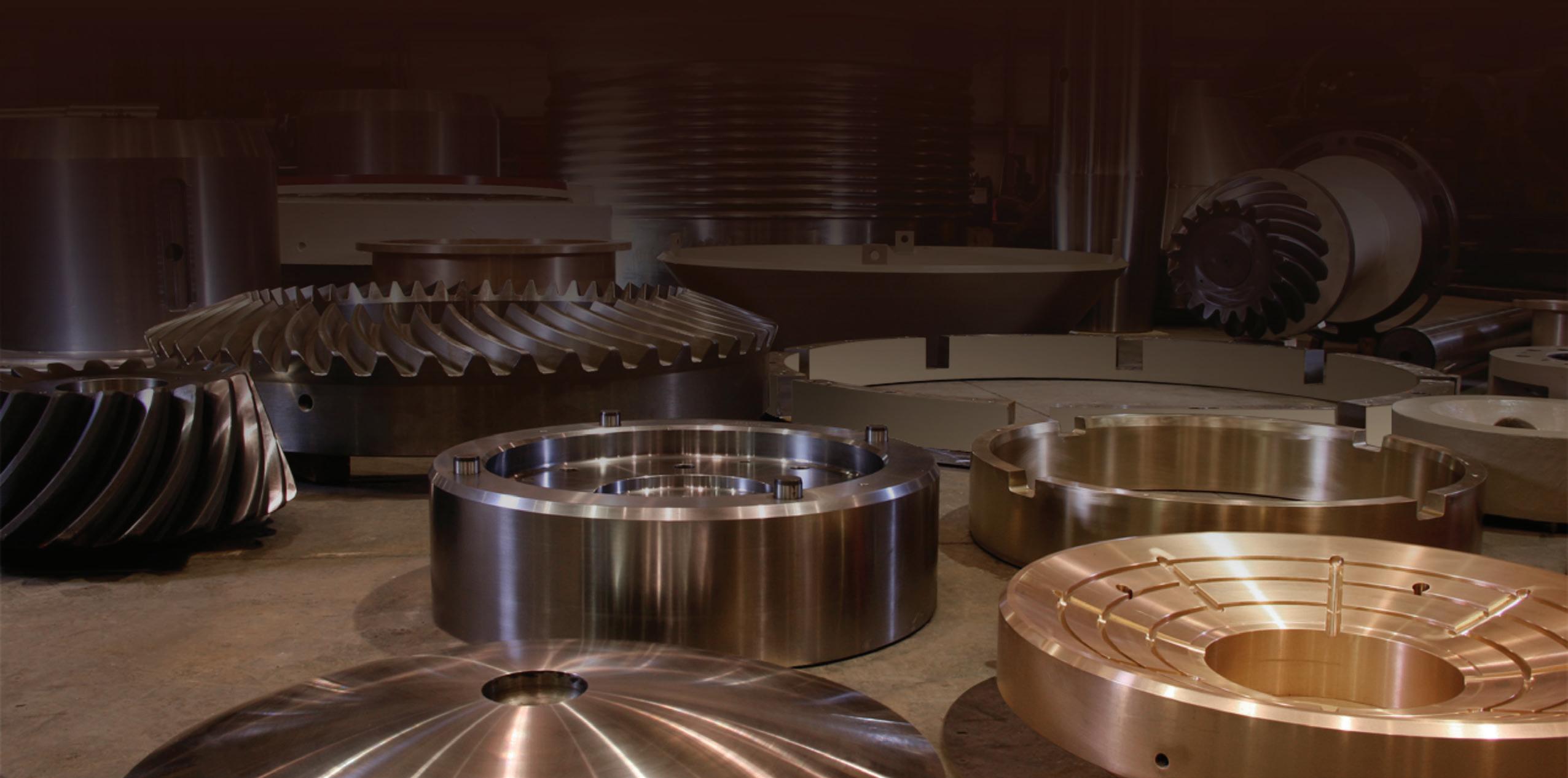
ExcelTM Foundry & Machine provides high-quality replacement parts engineered for durability, and consistent performance in demanding operating conditions. Each component is produced to strict metallurgical and quality standards to help extend equipment life and reduce unplanned downtime.
Replacement parts are supported by technical expertise and service capabilities that help ensure correct application and dependable performance in the field.
To further strengthen regional support, Excel has recently opened a new service centre in Pekin, Illinois, enhancing responsiveness and service capacity for customers.
Parts
• Cone crusher parts
• Gyratory crusher parts
• Shovel undercarriage components
• Dragline components
• Trunnion ball mill parts
Services
• Technical support and application guidance
• Inspection and service support
• Installation and field assistance
• Failure analysis and testing support
Find out more about Excel
Figure 1. Green technologies rely on the mining industry; wind turbines can contain up to 3 t of rare-earth derived magnets.
Elinor Price, ABB Process Industries – Industrial Digital Solutions, USA, explores the pivotal role of digital solutions in mining’s transformation.
We live in a highly connected world. For a global population of about 8.26 billion, it is estimated there are over 7.4 billion smartphones in use today. 1,2 So, what is the connection to the mining industry? Every smartphone contains approximately 15 different mined metals. 3 Hence, everyone has a direct link to the mining industry in their daily lives.
Today, the mining industry is at a crossroads; how can it meet ambitious sustainability targets looming for 2030 and beyond, while maintaining profitability? The industry must pivot to prioritising decarbonisation and sustainability initiatives to meet the rising expectations of communities, NGOs, and investors. Sustainability goals are at the forefront of minds, due to the limited time frame given to make significant progress. Investors are especially concerned with how sustainable a company’s practices are, and if those companies are working to reduce their environmental impact by lowering pollution or conserving resources. While the 2030 goals are crucial, the 2050 targets offer a clearer picture of what the long-term sustainability of the industry looks like. The fact is the mining industry is undergoing a massive transformation by leveraging innovative technologies to meet sustainability targets and reinvent operations.
Safety is, and always will be, the top motivator driving the transformation of the mining industry – it is the industry’s license to operate after all. However, it is closely followed by ensuring regulatory compliance and investor demand; therefore, it is critical for the mining industry to deliver on
sustainability targets. While balancing principles and costs is challenging, the industry is focused on executing this transformation in an economically viable way.
Looking at some of the challenges and opportunities in the areas of decarbonisation, sustainability, efficiency, and operational excellence, it is apparent that these initiatives are highly interconnected. While there are many long-term roadmaps to achieve decarbonisation targets, short-term actionable projects can enable mines to immediately lower carbon footprints and advance progressively.
For example, consider the role of digitalisation in the transformation of mining operations today. Digital solutions can streamline operations, provide visibility of metrics and KPIs, which support benchmarking and best practice identification, and enable agility to quickly respond to unexpected events. Digital twins, advanced digital analytics, and ML/AI tools can underpin strategic decisions and highlight which processes are making real progress and which need review.
Sustainable operations
Take the topic of energy management and what it means to implement an energy management system.
Energy management and the implementation of an energy management system involve several critical components. First, it is essential to track all key data points and performance metrics in real time, focusing on those most relevant to operational needs. These may include metrics required for sustainability certifications,
regulatory audits, or cost savings. This data must be presented in audit-ready reports to enable efficient analysis, transparency, and compliance.
Another fundamental requirement is the ability to accurately forecast energy consumption. Effective forecasting should be closely aligned with production plans and the operational efficiency of process equipment. Having advanced visibility into expected energy usage not only supports better operational planning but also enhances the energy procurement process. Furthermore, the application of advanced techniques, such as AI-based modelling, can significantly improve the accuracy and reliability of energy consumption forecasts.
Using the information that has been collected in an energy management system, the business can then focus on balancing different objectives such as minimising costs, cutting emissions, and meeting production targets to deliver the ‘best’ overall plan. These energy management systems will become digital twins harnessed with the power of optimisation models.
All these elements provide the solid foundation for an energy management system that will be critical for sustainability initiatives – from tracking effectiveness and benchmarking to regulatory reporting and compliance auditing.
People
While technology innovation is key, people play a critical role in any digital transformation. People are the backbone of every mining company, and as the industry grows more responsible, they are the ones driving the change. It is believed mining requires fundamental changes to attract the talent required to ensure the future success of the industry. In a 2023 report from McKinsey & Company, 71% of respondents stated the talent shortage in mining hinders the industry’s ability to progress and deliver on their production targets, emphasising the need for skilled individuals. 4
The talent gap in the mining industry needs to be addressed. How does the industry attract the best and brightest minds required to solve the challenges facing the industry? To begin, companies must position themselves not only as mining technology leaders, but also leaders who embrace the latest digital technologies. To be able to attract the next generation of employees, the industry needs to appeal to those who have grown up in a digital world, and thus, have a desire to work with new technologies.
Additionally, it is imperative for mining companies to continuously develop new skills across the current workforce, particularly in digital technology. It is essential to empower employees and prepare them for operating complex equipment needed to drive decarbonisation efforts. Collaboration between technology partners, education providers, and mining companies can make the industry more attractive.
Finally, it is critical to address how companies can capture and retain decades of expertise from the workforce of today that can continue to be leveraged by
Figure 2. Decarbonisation and sustainability are key industry initiatives.
Figure 3. Employees must be ready to leverage new technologies and digital solutions.
Hägglunds Thunder
That’s more than a sound you hear. It’s expectations being shaken. One small change that sets the stage for so much more. When the new Hägglunds Thunder resonates with your needs, the result is electrifying. Learn what a difference a single difference can make at www.hagglunds.com
Hägglunds is a brand of Rexroth. An electric start to a lasting boom.
the workers of tomorrow. Today, GenAI and industrial co-pilots can be used to capture tribal knowledge and best practices for the next generation. These technologies can empower the workforce to execute at the highest levels by analysing and synthesising information into actionable procedures with workflow guidance to perform tasks better, safer, and faster. These knowledge vaults help companies form their own centres of excellence backed by data, expertise, and experiences.
Journey to autonomous operations
As companies look to make operations safer and more efficient, the concept of autonomous operations appears in more vision plans. This though, like digital transformation, is a journey. Autonomous operations require a strong digital foundation across areas such as process optimisation, operational excellence, and asset reliability. The area of operational excellence, the continuous focus on improvement, elimination of all forms of waste, variability reduction, and improving reliability of assets and production operations, needs to be a core competence.
As the mining industry moves towards closing the loop between planning and execution, digital solutions are the key to this vision. These solutions are being used for short-term planning, scheduling, and fleet management to reduce the impact of deviations between plan and reality. They can function as a backbone for centralised and standardised communication, data handling, and integration with other systems to drive improvements
in production, inventory, quality, maintenance, and other KPIs across the value chain. Finally, these digital solutions function as a process information management system (PIMS) in the plant aligned with the actual and projected material quantities, qualities, and the market to help determine the most optimal and profitable process setpoints.
Cybersecurity
The final area to touch upon is cybersecurity in the OT environment. Cybercrime is on the rise and represents the single largest transfer of wealth in the world economy and is expected to reach US$10.5 trillion by 2025. 5 As cyber-attacks continue to become more complex, one thing remains certain, cyber threats are real for every industry. On average it takes organisations 277 days to know they have suffered a breach. 6 Furthermore, one of the more common attacks, ransomware, is alone projected to cost organisations approximately US$275 billion annually by 2031. 7
The frequency of cyber incidents is increasing exponentially, growing 15% y/y, with 69% of operational technology organisations suffering an intrusion last year and 54% suffering three or more intrusions. 5,8 There is no longer a question of if a company will suffer an attack, but rather when.
As the mining industry adopts more digital technologies, the risk of cyber-attacks increases. The cost of not addressing these risks could result in serious injury to employees, environmental incidents, disruption to production and the financial implications, and possible fines from regulatory agencies. It is imperative that mining companies start today to understand the cybersecurity risks in operating environments. A consultancy exercise with non-invasive data gathering for quick analysis of KPIs can detect vulnerabilities. An asset inventory report can provide the current security posture with area improvement recommendations. Cybersecurity monitoring technologies can provide real-time view of the OT asset inventory, providing visibility into security status. Network and event monitoring provide continuous evaluation of activity on servers and workstations for potential threats. Finally, cybersecurity services provide regular interval patching, antivirus updates, and backups to keep security posture up-to-date. Maintaining cybersecurity across the OT environment ensures that security is at its best to protect a company’s people, assets, and data.
The increasing recognition of mining’s role in supplying materials for green technologies highlights its importance in addressing global decarbonisation. There can be no green future without mining in the present, as technologies such as electric vehicles, renewable energy systems, and batteries depend on responsibly sourced metals and minerals. Digital and advanced technologies can help drive the mining industry’s transition toward decarbonisation.
References
Available upon request.
Figure 4. The foundation for autonomous operations is a strong digital platform across the value chain.
Figure 5. As more digitial solutions are rolled out in the OT environment, the need for cybersecurity is increasing.
REVOLUTIONIZED SPRAY DRYING DOWN TO THE FINEST DROP
Dedert air bearing atomizer
For the production of fast-charging and high-capacity lithium iron phosphate batteries, exceptionally fine lithium powder is required, with spray drying being a commonly used technology. To further improve powder quality in spray drying, we have developed an air bearing atomizer at the heart of the process. This innovation enables precise
and consistent droplet formation, leading to a uniform particle-size distribution in the final powder – critical for product quality.
How does spray drying work and how does atomizing effect it exactly? Find out in this edition of Global Mining Review. For more information, visit our website.
/ andritz.com/separation
David Oliphant, VP Business Development – Heavy Industry for Veolia’s water technologies in North America, reveals how mobile treatment systems are changing the game for mining operations.
Mining operations face a constant challenge: managing water quality in remote locations while meeting strict environmental regulations. For mines in the exploration phase or those considering restart operations, this challenge can become even more complex. How do you invest in water treatment when you are not yet certain about the mine’s viability or the full scope of contamination you will encounter?
A Nevada gold mine project demonstrates how Veolia’s mobile wastewater treatment systems are providing an answer to these questions. These flexible, rapidly deployable units are revolutionising how mining operations approach water management,
offering a practical alternative to permanent treatment plants during the validation phases of mine operation.
The challenge: Treating water in uncertain conditions
The Nevada site faced multiple water treatment challenges. The owners of a historic mine workings were exploring resumption of operations due to advances in extraction technology and rising gold prices. To assess the mine’s potential, they needed to dewater existing wells to access historic underground workings, which meant treating contaminated water without clear data on duration, volumes, or contaminants.
The remote site lies in a water-deprived watershed with limited natural dilution, triggering strict discharge regulations under Nevada Division of Environmental Protection Profile 1 standards and US EPA National Primary Drinking Water Regulations. Initial water quality showed elevated arsenic (470 µg/l vs 10 µg/l limit) and antimony (7.5 µg/l vs 6 µg/l limit), requiring removal before discharge to the rapid infiltration basin. Uncertainty remained about other possible contaminants, concentration stability, and flow rate changes.
Why mobile makes sense
Mobile wastewater treatment plants offer compelling advantages for mining operations facing uncertainty:
Rapid deployment without major capital investment
Mobile units can be quickly transported and commissioned on site without the extensive capital expenditure required upfront for permanent facilities. Available on a monthly rental basis, they can eliminate the financial risk of building infrastructure that might prove unnecessary or inadequate down the road. If the exploration phase reveals the mine is not viable, or if treatment needs change dramatically, the units can be augmented with additional treatment processes or simply removed without significant financial loss and onsite investments in civil infrastructure.
Flexibility to adapt
Water quality often changes during exploration as different ore bodies are accessed. Mobile systems can be adjusted, upgraded, or reconfigured as conditions evolve. At the Nevada site, adaptability was crucial in responding to unexpected challenges over 18 months.
Valuable learning for future decisions
Operating a mobile system provides real-world data on water quality variations, treatment effectiveness, and operational needs, informing for better design of permanent facilities if required.
Compact yet capable
Despite their mobility, modern treatment units pack impressive capacity. The Nevada mine’s system could handle flows from 1500–5000 m3/d while remaining transportable by road and requiring minimal on-site footprint. This capacity rivals many permanent installations while maintaining the flexibility to relocate if needed.
How the system works
The mobile treatment approach combines multiple proven technologies into an integrated system including Veolia’s Actiflo® high-rate clarifier. At its core, the process uses metal precipitation – converting dissolved metals into particles that can be separated from the water. Different metals require different removal strategies:
For arsenic and antimony, the system employs surface complexation at neutral pH, where these metals bind to iron-based particles down to trace concentrations.
The Actiflo system uses ballasted flocculation for solids separation – a technology particularly well-suited to mobile applications. Its short retention times mean the system can quickly respond to changes in water quality, reducing the duration of any compliance issues. The compact design allows high treatment capacity in a transportable unit. Additionally, the system recirculates part of the extracted solids back into the treatment process, which enhances metal removal efficiency by allowing sufficient residence time for the formation of oxyhydroxide crystals to allow surface complexation as well as reducing waste volumes.
This combination proved effective immediately. Laboratory testing before deployment showed the system could produce compliant water, and start-up results confirmed this performance. Arsenic dropped from 470 µg/l to less than 5 µg/l, antimony fell from 7.5 µg/l to less than 2.5 µg/l, and all other parameters met the regulatory requirements.
Adapting to the unexpected
The true test of Veolia’s mobile system’s flexibility came as operations progressed and conditions changed. Over 18 months, the treatment team encountered and overcame several significant challenges:
The manganese surprise
Initially below compliance, manganese levels rose due to the increased ferric chloride dosage, which caused a manganese contamination. Switching to ferric sulfate, which contains 10 times less manganese contamination, resolved the issue without any system modification.
Scaling up capacity
As exploration progressed, additional contaminated water streams required treatment, pushing flow requirements up to the system’s maximum design capacity of 5000 m³/d. While the clarifier could handle the hydraulic load, the chemical dosing systems could not deliver sufficient coagulant and alkali at maximum flow with the high dosing rates required. The team calculated maximum allowable chemical dosing rates considering all regulatory limits, validated piping sizes, and shipped high-capacity pumps to site. These modifications enabled the mobile plant to operate at full capacity while maintaining optimal treatment chemistry.
New contaminants emerge
Operations began generating contact water, bringing new contaminants into the game, such as benzene. Fortunately, the design can allow easy addition of a granular activated carbon filter if needed. The contact water also introduced rapid fluctuations in pH and turbidity. The team responded by adding existing on-site tanks upstream as equalisation tanks, smoothing out variations and giving operators time to adjust chemical dosing progressively rather than reacting to abrupt changes.
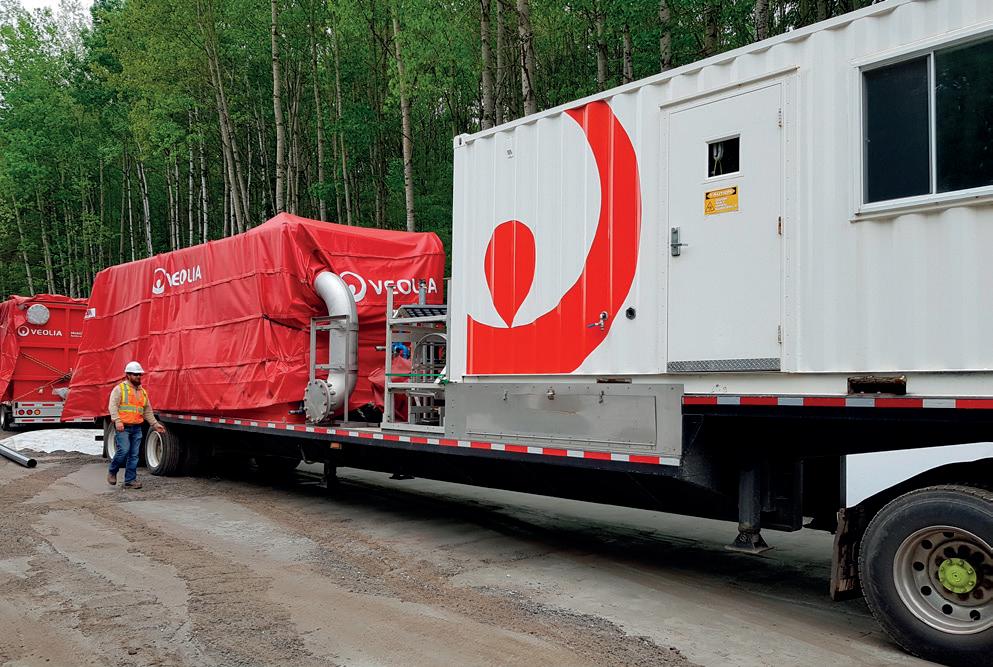
Figure 1. Veolia’s mobile Actiflo high-rate clarification trailer.
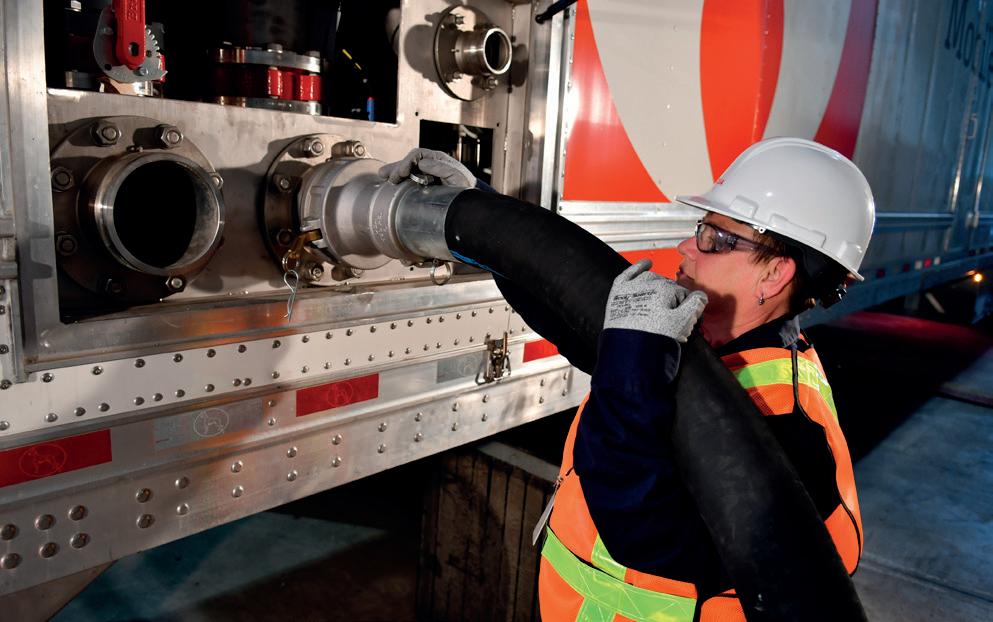
Figure 2. Hooking up Veolia’s mobile wastewater treatment unit.
MINING EXCELLENCE MINING EXCELLENCE
Precision. Innovation. Sustainability.
With decades of expertise in large-scale mining, we deliver tailored blasting solutions that maximize productivity. Combining technical mastery with a safety-first approach, we act as true collaborators in customer success. Our precision, innovation, and commitment to environmental stewardship set us apart.
Rising contaminant levels
As dewatering accessed different ore bodies through the underground mine, antimony concentrations increased significantly. On-site laboratory testing with support from the technology supplier quickly determined that increasing the iron dosing rate could restore compliance. This rapid response capability – conducting tests on site and implementing solutions within days – exemplifies the advantage of mobile systems with expert support.
The thallium challenge
The most significant challenge emerged late in the project as the thallium concentration began rising in the contact water, exceeding the 2 µg/l limit. Thallium removal is complex and not well-documented in literature. Mine effluent samples were sent to the technology supplier’s laboratory for comprehensive testing. Results showed that operating at elevated pH (up to 11.0) could reduce thallium to compliant levels, as well as removing manganese, which was also increasing. However, high pH operation required careful balancing – it could negatively impact arsenic and antimony removal and pushed total dissolved solids close to regulatory limits. The testing provided a roadmap for potential solutions, including two-stage treatment approaches that could optimise removal at different pH levels.
The flexibility advantage
These challenges highlight why flexibility matters in mining water treatment. Veolia’s mobile system at the Nevada site could be modified in multiple ways with limited downtime:
n Modifying the chemistry to address new metals.
n Adding polishing filtration to capture more metal precipitates.
n Installing activated carbon filters for organic contaminants.
n Implementing two-stage treatment for complex water chemistry.
Each modification builds on the existing system rather than requiring complete redesign. This modularity means the treatment approach can evolve as understanding of the water quality evolves.
Lessons for the mining industry
The Nevada project offers valuable insights for mining operations facing similar challenges:
Don't over-commit too early
During exploration or feasibility phases, water quality and flow requirements remain uncertain. Mobile treatment systems provide effective solutions without premature capital commitment. The operational data gathered informs better decisions if permanent facilities become necessary.
Plan for change
Water quality in mining operations evolves as different areas are accessed and activities change. Treatment systems must be designed with flexibility to adapt. Mobile systems inherently provide this flexibility through their modular design and ability to incorporate modifications.
Partner with a trusted advisor
The Nevada project's success relied on close collaboration between the mine operator, consultants, and Veolia. When challenges arose, rapid response –including on-site testing and laboratory analysis –enabled quick solutions.
Consider the full picture
Discharge regulations are getting more and more stringent. Treatment design must now consider not just metal removal but also total dissolved solids, which are impacted by chemicals addition. The Nevada project carefully balanced treatment effectiveness against salinity limitations, demonstrating the importance of holistic design.
Mobile wastewater treatment represents a paradigm shift for mine water management. Rather than viewing water treatment as a choice between either no treatment or only permanent facilities, mobile systems offer a middle path that provides effective treatment with flexibility and manageable financial risk.
For the Nevada mine, Veolia’s mobile system successfully managed water quality challenges throughout the exploration phase, maintaining regulatory compliance while adapting to changing conditions. The insights gained will prove invaluable if the mine proceeds to full operation, informing the design of any permanent treatment facilities with real operational data rather than theoretical projections.
As mining operations increasingly face water management challenges in remote, water-scarce regions with strict environmental regulations, mobile treatment systems offer a proven solution. Their flexibility, rapid deployment, and adaptability to changing conditions make them ideal for exploration phases, temporary operations, or situations where water quality remains uncertain. The Nevada case study demonstrates that with proper design, expert support, and operational flexibility, mobile systems can successfully address even complex water treatment challenges while supporting sustainable mining development.
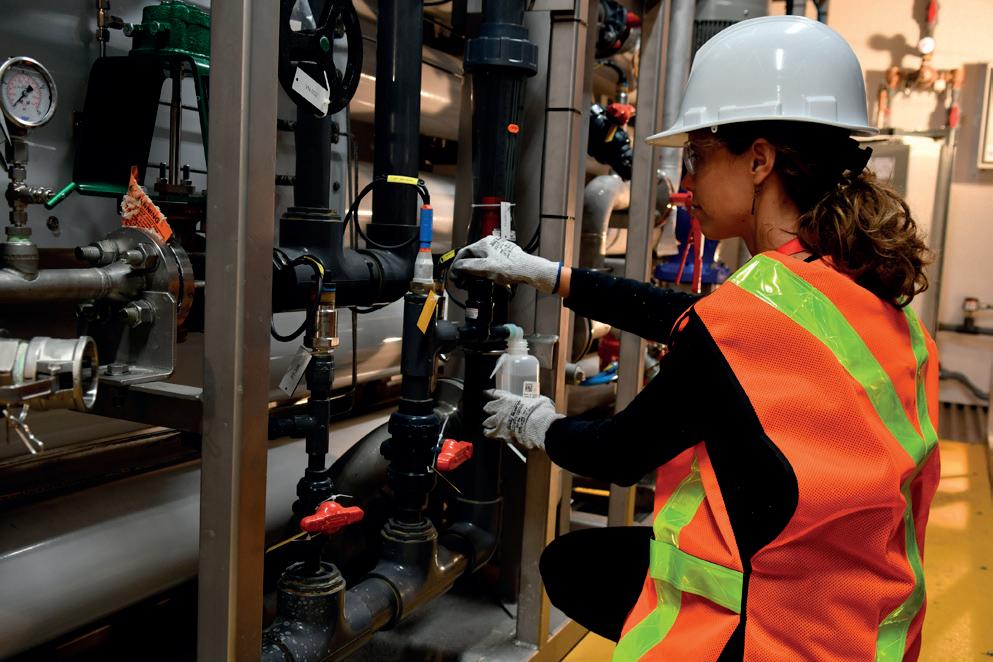
Figure 3. On-site sampling during mobile water treatment operations.
Vishal Wadhvani and Ben Zhou, ANDRITZ Dedert, consider the history of spray dryers in the production of lithium-ion battery minerals – and how the research and development department has worked to redefine the current limits of this technology.
Lithium iron phosphate (lithium ferrophosphate) is a staple in the electric vehicle market, expected to surpass lithium nickel manganese cobalt oxide (NMC) battery production. This type of lithium-ion battery chemistry, which uses lithium iron
phosphate as the cathode material, impresses through high levels of safety, low toxicity, a long life-cycle, and low cost. The lithium iron phosphate manufacturing process, however, requires precision, as technologies producing the powder have to:
n Handle a high feed rate without risk of blockages.
n Withstand the abrasive nature of the product.
n Allow for easy control over droplet size.
n Offer consistent particle size regardless of feed rate.
n Avoid introducing contaminants into the product.
Spray dryers have become crucial in the manufacture of lithium-ion battery materials, particularly in producing electrode powders (cathode or anode active materials), or binders such as PVDF – but like any other technology, it has had its limits.
The spray drying process in lithium iron phosphate production – advantages and current limitations
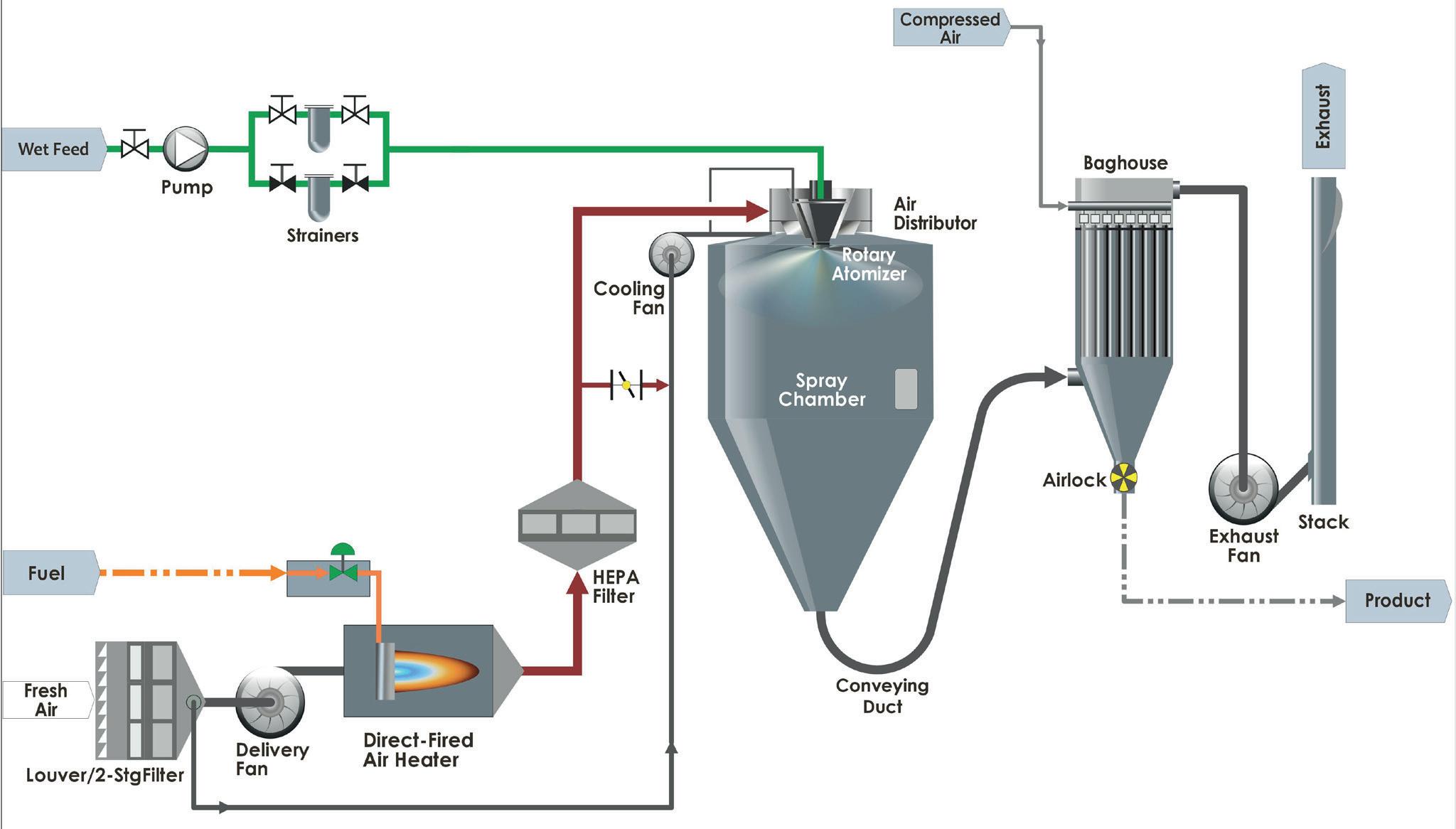
For production of fast charging and high-capacity lithium iron phosphate batteries, exceptionally fine lithium powder is required. In a nutshell, when handling these powders, the electrode materials are mixed into a liquid slurry upstream of the spray dryer and then atomised using a nozzle or rotary atomiser to produce a cloud of droplets in a large chamber. There, hot air is introduced to evaporate all the water or organic solvent and leave behind fine particles which are collected in a bag filter – without the need for a cyclone. Depending on the atomising technology, particles of sizes anywhere in the range of 10 – 50 µm can be produced.
Meeting the target particle size is critical to achieving optimal electrochemical performance, processability, and packing density of the final LFP powder. Spray drying acts not only as a drying step but also as a micro-scale granulation/structuring method, combining mixing, shaping, and solvent removal in one continuous (or semi-continuous) process. This eliminates the need for separate granulation or shaping steps. After all, lithium iron phosphate cathodes require high tap density, good flowability, and uniform carbon distribution – spray drying achieves all of this in one step, making it a strategic process for high-performance, scalable lithium iron phosphate production.
Despite its widespread and long-standing use in lithium-based electrode material production, the spray drying technology still faces limitations. The main issues come from the nature of the product handled; a high-purity end product with a uniform particle size is needed for a uniform electrode behaviour, but the feed often has varying particle sizes and takes its toll on the drying technology due to its abrasive behaviour. Extensive experience with customer projects to date has shown the research team at ANDRITZ Dedert a single component of the spray dryer, the optimisation of which can minimise most of these problems: the atomising technology.
Improvement of atomiser bearings: There is something in the air…
Atomisation has probably the biggest influence on precise and consistent droplet formation, which leads to uniform particle size distribution in the final powder. So, it seems only logical that as a first step you take a
Figure 1. LFP process using a spray dryer (Source: ANDRITZ Dedert).
OUR EXPERTISE, YOUR ADVANTAGE
TRUSTED SIZER™ SOLUTIONS FOR MINING & QUARRYING
For over 45 years, we’ve been at the forefront of innovation, providing advanced Sizer technology to industries around the globe. Whether it’s soft, sticky material or hard abrasive rock, our tailored Sizers and Sizer Stations, powered by cutting-edge technology, offer reliable and efficient solutions to simplify the complexities of modern mining operations.
As a turnkey provider, we bring both the expertise and the equipment to deliver end-to-end solutions—from initial concept and design, through to manufacturing, installation and ongoing aftersales support. We’re not just a supplier; we’re your partner on a sustainable journey, committed to helping you optimize performance, reduce costs and achieve long-term success.
close look at the structure of the standard atomiser. Specifically, the mechanism of rotation and precision of the atomiser directly affects droplet size, distribution, maintenance, and operational stability.
A major weakness are the gears and mechanical bearings, as they not only increase the need for maintenance, but also a slight wobble or vibration can affect droplet uniformity. The wobbling can be minimised with consistent lubrication, but the lubricating grease conversely increases the risk for contamination. However, there is no alternative to a mechanical bearing – or is there? In fact, the solution can be pulled out of thin air...
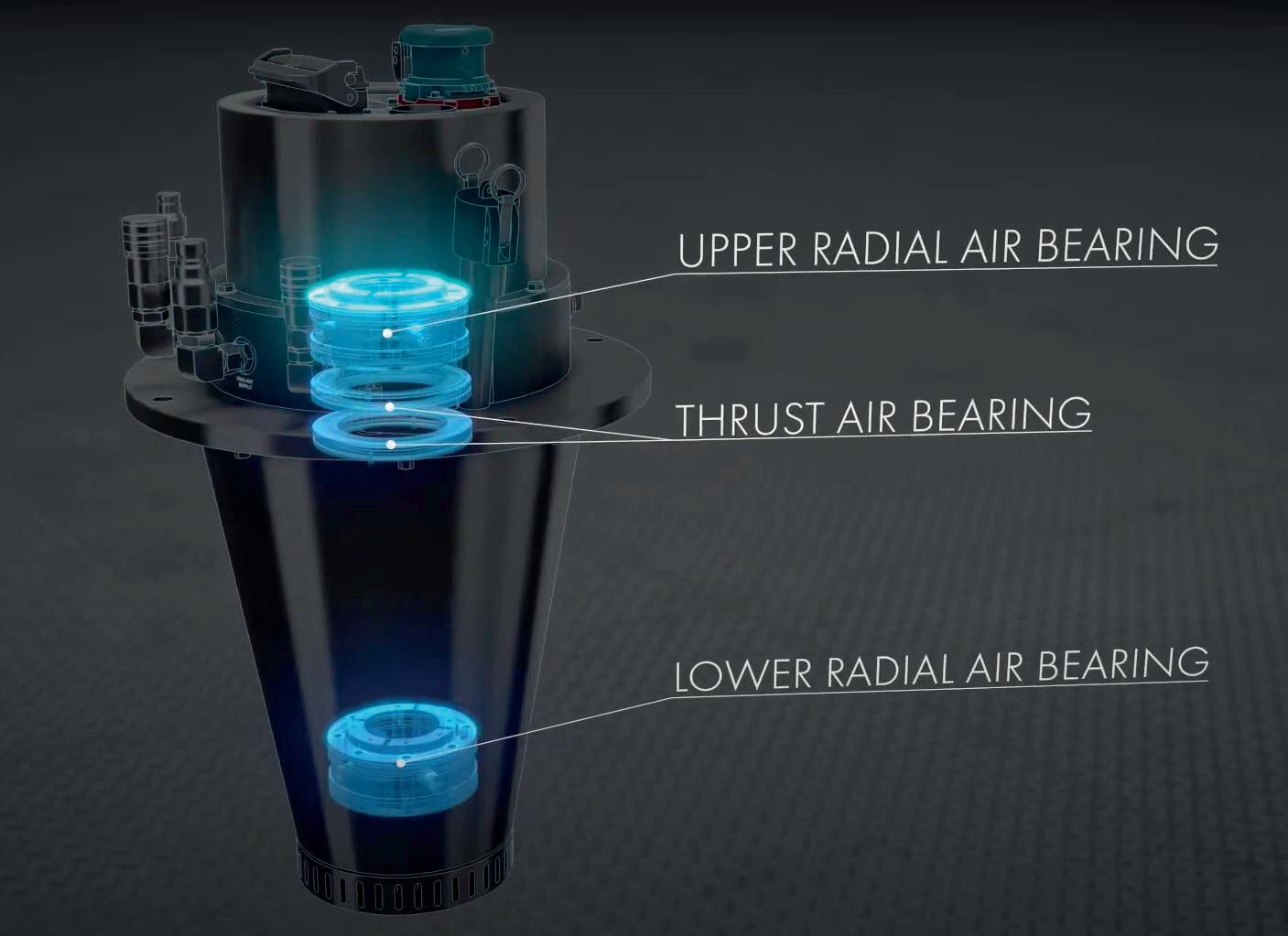
By replacing the mechanical bearings with passive air bearings and making use of a permanent magnetic motor, the air bearing atomiser is reduced to a single moving part ‒ the rotating shaft, which is supported by a cushion of compressed air. As air flows through the radial and thrust bearings, the novel air distribution mechanism enables the shaft to ‘levitate’ and rotate without friction. The permanent-magnet motor is highly efficient (approximately 95%), reducing power
consumption and cooling requirements, which helps to lower operating costs and thermal load.
This change to a magnetic motor supported on air bearings manages to remove two troubling sources of potential contamination at once, due to eliminating physical contact between moving parts:
n Since the bearing is air-supported and lubrication-free, there is no risk of oil or grease entering the product, which is especially important for high-purity or battery materials.
n By removing mechanical bearings and gears, there is also no risk of friction-generated wear particles contaminating the product.
Down to the finest drop: The impact of the air bearings atomiser on the lithium iron phosphate powder quality
The contamination problem seems to have been minimised, but could the same solution also have an impact on the uniformity of the droplet size? Yes, indeed it does.
As mentioned, the permanent magnet motor and air bearings cause the shaft to rotate without friction, stabilising it significantly. The lack of gears does the rest, minimising the wobbling and enabling a very stable rotation, which results in consistent droplet sizes. The stable operation allows for higher speed; air bearing atomisers can reach tip speeds of up to 300 m/s, and use centrifugal force to spray droplets into the heated spray chamber, evaporating the moisture and leaving spherical particles (which are preferred, as spherical morphology provided better packing and reduced porosity) of lithium iron phosphate that average 20 µm in size with a free moisture content of less than 2%.
The technology has proven to deliver a narrow particle size distribution, which is ideal as it improves electrode uniformity, enhances electrochemical stability, and reduces segregation during electrode slurry preparation.
Being rotary, the atomiser’s disc speed can be adjusted to control droplet size and hence final particle size. Compared to nozzle systems, a rotary disc can handle higher solids/viscosity and feed rates without requiring extremely high feed pressure.
Finally, in order to make such an innovation market-ready, some other details need to be ironed out. For example, choosing the building materials to be chemically compatible (stainless steel, titanium) for corrosion resistance and to ease cleaning and sanitation, or optimising the control and monitoring module with an intuitive user interface to allow the user to monitor critical parameters such as real-time temperature, vibration, powerload, and status diagnostics data.
Figure 3. Air bearings are lubrication-free and remove the risk of friction-generated wear particles (Source: ANDRITZ Dedert).
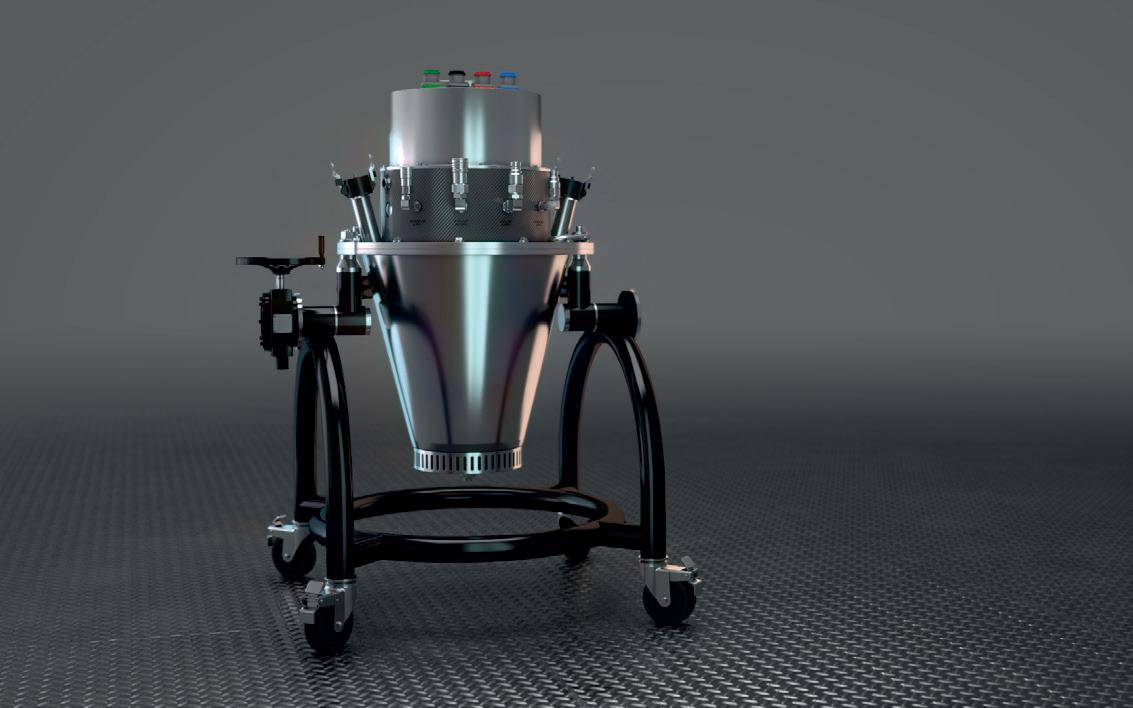
Figure 2. An atomiser, a key component in spray drying. (Source: ANDRITZ Dedert)
Audrey Walters, Metso, takes a look inside the Metso Test Centre in Pennsylvania and locations around the globe.
The Metso Test Centre (MTC) recently marked its third anniversary since relocating into a state-of-the-art facility in Manchester, Pennsylvania, USA. Over this period, the facility has evolved into a critical hub for minerals processing innovation, supporting the mining industry with advanced test work capabilities and a strong commitment to operational safety.
For Metso’s customers across North America, and globally, the transformation of the MTC represents a significant advantage in mineral processing innovation and safety. By expanding its capabilities to support the full minerals processing flowsheet – including advanced grinding, magnetic separation, and filtration – the centre empowers mining operations to optimise project outcomes with greater precision and reliability. The integration of automation, robotics, and a chemistry laboratory ensures that customers benefit from cutting-edge data quality, rapid decision-making, and robust safety standards.
The MTC supports test work from the very earliest stages of a project, offering customers accurate and reliable data that can be confidently scaled up to full production. With decades of experience and the flexibility to trial various circuit configurations through both bench-scale and pilot-scale testing, the centre provides value to a wide range of mining companies – including junior explorers to mid-tier producers and major mining companies. Customers also have the opportunity to visit the facility, observe test work firsthand, and gain deeper insight into the processes being developed.
This holistic approach not only de-risks project development, but also delivers tangible value through improved efficiency, sustainability, and operational excellence – making the MTC a critical partner for mining companies striving to stay ahead in a competitive and evolving industry.
Expanding capabilities to support the full minerals processing flowsheet
The MTC has undergone a strategic transformation, evolving from a grinding-focused facility into a multidisciplinary testing environment capable of supporting full flowsheet development. This includes front-end processes such as HRC™e high pressure grinding rolls (HPGR), followed by dry and wet magnetic separation, grinding and regrinding, and extending to downstream operations like thickening and filtration. The addition of thermal processing capabilities further enhances the centre’s ability to replicate real-world mineral processing scenarios.
One of the most notable advancements has been the recommissioning of a pilot-scale semi-autogenous grinding (SAG) mill. This addition enables simulation of complex grinding circuits under realistic conditions, providing critical data for process design and optimisation. The facility has also invested in ultrafine screening and thermal processing capabilities, broadening its scope and enabling flexible testing of various flowsheet configurations.
The integration of a chemistry laboratory has added a new dimension to the centre’s capabilities. This lab supports elemental-level analysis and bench scale flotation test work, enabling more precise characterisation of ore samples and enhancing the reliability of test results. These developments allow for a more holistic approach to mineral processing, where each stage of the flowsheet can be tested, optimised, and validated under controlled conditions.
Embracing automation and digitalisation
To further enhance efficiency and data quality, the MTC is actively integrating automation and robotics into its
operations. These technologies are being deployed across various stages of test work, from sample preparation to data collection, with the goal of improving accuracy, repeatability, and safety.
Automated systems enable real-time data acquisition, which is essential for dynamic process monitoring and rapid decision-making. This digital transformation aligns with broader trends in the mining industry, where data-driven approaches are increasingly used to optimise performance, reduce variability, and support predictive maintenance.
The centre’s focus on automation also supports scalability. As demand for test work grows, automated systems allow the facility to handle a higher volume of projects without compromising quality or safety. This positions the MTC as a forward-looking test centre capable of supporting the evolving needs of the global mining sector.
A culture of safety in complex pilot operations
Despite the technical complexity and variability of its operations, the MTC has maintained an exemplary safety record. This achievement is underpinned by a proactive safety culture that emphasises continuous improvement, employee engagement, and rigorous oversight. In a dynamic testing environment where no two programmes are alike, Metso’s approach to safety is essential. The ability to identify risks, develop mitigation strategies, and implement practical solutions reflects a deep commitment to operational excellence and employee wellbeing.
Looking ahead: Continued investment in innovation
The MTC future strategy focuses on further strengthening its role as a centre of excellence for mineral processing test work. It exemplifies how targeted investment in test work capabilities, combined with a strong safety culture and a commitment to innovation, can deliver tangible value to the mining industry. By enabling comprehensive, pilot-scale testing across the mineral processing flowsheet, the facility supports informed decision-making, de-risks project development, and contributes to the advancement of minerals processing technologies. As the industry continues to evolve, centres like the MTC will play a critical role in shaping the future of mining through technical excellence and operational integrity.
Strengthening global capabilities: Pori’s Separation laboratory and flotation innovation
Complementing the advancements at the MTC, Metso has further expanded its global testing infrastructure with the opening of a state-of-the-art Separation laboratory and pilot area at its Research Centre in Pori, Finland.
Figure 1. The MTC in Manchester, Pennysylvania, USA.
OREPRO™
OREPRO™
BLAST MOVEMENT AND GRADE CONTROL
OPTIMISED BLAST MOVEMENT AND GRADE CONTROL
OREPro™ is the industry's first complete solution that optimises grade control in 3D It provides operations with the ability to reactively or predictively model blast movement giving customers increased confidence in ore value recovery and grade control Combining moder n computer science models with Orica's blasting expertise, OREPro™ uses readily available input data such as topographic scans, blast designs, and block models to simulate true blast dynamics to transform the in-situ blast volume into a post-blast model OREPro™'s performant polygon optimisation algorithm takes the guess work out of creating production dig outlines, giving operations the ability to maximise profits, and reduce unnecessary ore loss and dilution
OREPro™ is the industry's first complete solution that optimises grade control in 3D It provides operations with the ability to reactively or predictively model blast movement giving customers increased confidence in ore value recovery and grade control Combining moder n computer science models with Orica's blasting expertise, OREPro™ uses readily available input data such as topographic scans, blast designs, and block models to simulate true blast dynamics to transform the in-situ blast volume into a post-blast model OREPro™'s performant polygon optimisation algorithm takes the guess work out of creating production dig outlines, giving operations the ability to maximise profits, and reduce unnecessary ore loss and dilution
This strategic investment reinforces Metso’s commitment to developing advanced flotation and beneficiation solutions, supporting the mining industry with cutting-edge technologies and scalable flowsheet development.
The new laboratory in Pori centralises Metso’s latest flotation innovations, including a modular Concorde Cell™ laboratory unit designed for complex test work and R&D. This setup allows for more flexible and efficient testing, enabling faster sample preparation and processing. As a result, Metso can deliver high-quality test work at greater speed, helping customers accelerate project timelines and reduce uncertainty in early-stage development. The latest development at the Pori Separation laboratory is the new coarse particle flotation (CPF) cell, which is set for launch in 2026 following industrial-scale testing.
A global network of research excellence
The Metso Research Centre in Pori is one of the company’s key hubs for research and product development, specialising in mineral processing, hydrometallurgy, battery material process solutions, and smelting technologies. With a team of around 180 experts and extensive laboratory and pilot plant facilities, the centre offers unique capabilities for process flowsheet
development and optimisation, enabling the creation of efficient and sustainable process solutions. In addition, it provides advanced mineralogical and chemical analysis services, as well as materials research, to support both process solution design and technology development.
Together with MTC and other strategic locations worldwide, Metso’s research infrastructure forms a robust network that supports bench-to-pilot scale testing, process simulation, and flowsheet optimisation. This global reach ensures that customers benefit from consistent, high-quality support regardless of project location or complexity.
Celebrating a decade of filtration innovation
Further strengthening its global testing capabilities, Metso recently celebrated the 10th anniversary of its Dewatering Technology Centre (DTC) in Lappeenranta, Finland. Since its establishment in 2015, the centre has become a unique hub of expertise in filtration and separation solutions, supporting customers with advanced R&D, pilot testing, and process optimisation.
Working in close collaboration with Metso’s Filtration Technology Centre that specialises in filter manufacturing, and is also located in Lappeenranta, the DTC has contributed to more sustainable and efficient filtration practices across the industry. Over 90% of Metso’s filters are part of the Metso Plus offering – recognised for their energy, emissions, and water-efficiency.
DTC is part of Metso’s broader filtration expertise, which includes 16 filter types, more than 5000 global installations, and a robust service network spanning approximately 140 locations. Earlier this year, Metso expanded its filtration manufacturing footprint with the opening of a Dewatering Development Hub in Irapuato, Mexico, further enhancing its global capabilities.
A future built on innovation, safety, and collaboration
The transformation of the MTC, the expansion of the Pori Research Centre, and the decade of progress at the DTC in Lappeenranta collectively reflect Metso’s strategic commitment to advancing minerals processing through innovation, safety, and customer-centric development. These facilities, along with Metso’s global network of testing and manufacturing hubs, form a robust foundation for delivering sustainable, scalable, and high-performance solutions across the mining value chain.
From grinding and separation to flotation and filtration, Metso’s research and testing ecosystem enables customers to validate process designs under realistic conditions, optimise performance, and reduce project risk. Cross-collaboration and cross-training between all global centres further strengthen this ecosystem, fostering knowledge exchange and accelerating innovation. As the industry continues to evolve, Metso’s integrated approach – combining pilot-scale testing, digitalisation, and deep process expertise – will remain a driving force in shaping the future of minerals processing through technical excellence and operational integrity.
Figure 2. Metso Tube press pilot container at the DTC in Lappeenranta, Finland.
Figure 3. New state-of-the-art Separation laboratory in Pori, Finland.
Crushed. Drenched. Dropped.
Still Connected
Purpose-built for harsh environments, the SENTINEL™ Mesh Handset couples a toughened exterior with a resilient mesh connection to keep crews talking when conditions are at their worst. Fewer failures mean fewer delays, and safer, more productive shifts. When your work can’t stop, your comms shouldn’t either.
Ricardo Medina Garcia, Sales and Technical Services Representative, Austin Powder Mexico, outlines how the company’s new solution is rendering the blasting process safer and more efficient.
Underground blasting has traditionally placed personnel in challenging, high-risk environments.
Coordinating multiple detonations across different areas while ensuring complete evacuation has always required careful timing and absolute precision. Now, Austin Powder empowers operations to take this capability to the next level.
For modern mining operations, control, timing, and safety are non-negotiable. Ensuring that every area has been evacuated and that both people and equipment are safely positioned is critical before any blast can be executed. The ability to manage this process with absolute certainty has long been a priority for forward-thinking operations.
It is precisely these needs that inspired the development of Austin Powder’s E*STAR CUBE System (Centralised Underground
Blasting Equipment). This groundbreaking solution redefines how underground blasts are initiated. By centralising the entire initiation process, E*STAR CUBE allows operations to trigger all blasts remotely from a secure control centre on the surface, eliminating the need for personnel to be underground during the critical moments leading up to detonation. The result is a powerful combination of enhanced safety, operational efficiency, and real-time control.
Taking advantage of the new technologies: The vision behind E*STAR CUBE
The underground hard rock mining industry has increasingly adopted advanced communication technologies like Ethernet, Wi-Fi, and LTE to improve safety, efficiency, and productivity.
These technologies are used for both communication and the control of centralised explosives blasting systems. Leveraging these new technologies, the E*STAR CUBE system enables the creation of a communication network connecting all work areas to the surface control centre. As a result of this network, which can extend over several kilometres, it is possible to maintain real-time communication between the electronic detonators and the firing equipment, precisely controlling the exact moment when the blast is initiated.
The E*STAR CUBE system was born from a single, critical need to enable mining operations to trigger all blasts safely and efficiently from a surface control centre. While remote blasting had already been in use through a network of communication cables, the rapid expansion of modern mines introduced new challenges. As cable lengths increase, communication between detonators and the blasting machine becomes less reliable, resulting in operational delays, safety risks, and even misfires.
To overcome this, Austin Powder set out to reimagine the communication process. To reduce reliance on long blasting cables and implement advanced, reliable communication between detonators and blasting machines, the E*STAR CUBE system was developed.
Harnessing the power of modern connectivity, the E*STAR CUBE system utilises the mine’s internal communication network – whether Ethernet, Wi-Fi, or LTE – E*STAR CUBE reduces the total length of blasting cables while ensuring robust, real-time, two-way communication between detonators and blasting machines.
Adaptability
Since its debut in Mexico in 2018, the E*STAR CUBE system has continuously evolved to meet the unique demands of each operation in which it is deployed. To operate this system, Austin Powder has created an app for PC or tablet which allows users to have more control during their blasting process, as described below.
System capability
The E*STAR CUBE enables users to control one to eight blasting machines, from 1600 – 12 800 detonators.
It could be used to initiate pyrotechnic detonators or to fire a full-face/production blast with E*STAR electronic detonators, which provide precision timing, flexible programming, and multilevel verification.
This system is the most robust on the market due to its high tolerance against leakage and noise in the firing lines.
Safety features
To operate the system, some safety features are required:
n USB key lockout.
n User role access levels (administrator, manager, or blaster).
n Alphanumeric password.
n Fingerprint scanner (scan at verify, arming, and firing process).
n LOG file report.
n Blast report.
The password and fingerprint are linked to each user.
Once the blast is done, the reports are automatically created. These reports will help the customer to solve problems associated with troubleshooting, if presented.
Wireless connection schemes
Its blasting machines, which can be controlled via LAN or Wi-Fi, are engineered to seamlessly adapt to the specific conditions of each site, ensuring reliable performance and maximum operational flexibility.
Key features
n Enhanced safety.
n No need for personnel inside the mine when blasting.
n ETH and wireless connectivity according to the mines’ network.
n Encrypted signal.
n Timing flexibility.
About the system E*STAR CUBE
This system allows underground mines to eliminate their personnel exposure when blasting, since no personnel are inside the mine. Once the mine is evacuated and
confirmed to be clear of personnel, they just link the app to the blasting machine and let the magic happen.
E*STAR CUBE users have reported improvements in their processes; this tool enhances safety and productivity, allowing them to reduce their time-outs compared with traditional blasting initiation methods and helping them control the initiation sequence with greater precision, which can be translated into improved ground vibration control.
They have also reported an increase in fragmentation in long-hole blasts when fully loaded with E*STAR electronic detonators.
Customer success stories
Silver and gold mine complex located in the Sonora State, Mexico
This was the first operation to deploy the CUBE system in 2018. In compliance with the new safety policies – and driven by the goal of having zero personnel underground during blast initiation – the operation took a significant step forward in modernising its blast-initiation method, transitioning from the traditional safety fuse to an electronic initiation system.
During this transition, several trials were carried out at this underground mine. The initial solution involved triggering blasts solely through a blasting cable network that enabled communication between the blasting areas and the blasting box located at a safe point on the surface. However, as the mine expanded, various challenges related to the blast-initiation process began to emerge. Consequently, a new, secure, and reliable method for initiating blasts became necessary.
By leveraging the mine’s communication infrastructure and selecting strategic underground locations for the blasting boxes, it was possible to establish a modern, dependable network that enabled all blasts to be triggered safely from the surface. This improvement enhanced communication between the detonators and the blasting boxes, significantly reducing delays in the initiation process. Additionally, with the implementation of the CUBE software, the initiation process evolved from simply pressing buttons on the blasting box to a more controlled, PC-based system equipped with various customisable safety locks.
A non-metallic underground mine in the San Luis State, Mexico
This non-metallic underground mine has been operating the CUBE System since 2018. From its initial implementation, the system has been tailored to meet the specific needs of this particular operation. The mine’s blasting network spans more than 18 km of blasting cable, enabling all blasts to be triggered from the surface.
To overcome connectivity challenges across the production areas, several modifications were introduced, including a dedicated ‘blasting office’ and specialised accessories. While the mine continues to initiate blasts through the cable network, it has integrated the CUBE software to enhance control and safety. This software provides multiple lockout features, ensuring more reliable and secure blast management across the operation.
Figure 3. a) Portable CUBE communication by LAN. b) Portable CUBE communication by Wi-Fi.
Figure 4. Blasting panel inside the mine.
Figure 5. Blasting panel control at the ‘blasting office’ on surface.
Specialized equipment for your toughest challenges.
When it comes to underground roof support, one size doesn’t fit all. That’s why we start with you—your challenges, your goals, your mine. Through open conversations and collaboration, we design and build custom solutions specific to your underground operation.
At Fletcher, our equipment is as dependable as the answers we’re built on. From the first conversation to the final bolt, we’re with you every step of the way. VISIT WWW.JHFLETCHER.COM TO GET THE CONVERSATION STARTED.
Underground mine located in the south of Mexico
This mine is one of the most recently commissioned operations in Mexico, and, like other modern mines, it is incorporating the latest technologies into its processes. Blasting is not the exception, and by the implementation of the CUBE in 2024, this mine has brought a safer way to trigger the blasts. In this operation, several benefits – such as reduced time spent in the detonator verification and arming process and the ability to initiate both long-hole stopes and development blasts from a safe point on the surface – have been made possible by implementing the CUBE system.
CUBE trials at silver and lead mine in the Chihuahua State, Mexico
This operation corresponds to one of the most recent underground silver and lead operations in northern Mexico. Since its early stages, the operation has used a centralised surface-based blasting system. However, as the mine has expanded, increasing production demands and greater development distances have introduced new complexities in blasting processes, contributing to issues such as misfires and communication delays between the electronic detonators and the blasting machine.
In November of this year, a series of trials using the CUBE system were conducted in this mine. The results were highly promising, with CUBE demonstrating strong potential as a robust and adaptable solution capable of addressing mine’s current blasting challenges.
How the E*STAR CUBE improves safety:
Since its debut in 2018, Austin Powder’s system has been improved according to customer needs, the main ones are listed below:
n They were looking for an electronic initiation system to eliminate the traditional initiation system for UG mines (safety fuse with caps and/or lead-in-line/shock tube) and resolve multiple issues:
§ This method requires one person to be left behind per level waiting for the order, via radio, to start their respective blast pattern, meaning that the mine is not 100% evacuated.
§ The firing process is slower.
n Due to the mine’s expansion, while using other non-E*STAR systems, they were experiencing communication losses between the blasting machine and the detonators due to long lines of firing. This led to unexpected misfires and frequent interruptions to mining cycles.
n IT security department requirements, such as:
§ Encrypted signal.
§ Biometric locks, linked to each user.
§ USB key locks.
All the added safety features have produced a significant impact, allowing customers to execute their blasts from the surface without personnel inside their mines.
Figure 7. Portable CUBE via LAN connectivity.
Figure 6. CUBE software running at the mine superintendent’s office.
Alfred Tsang, Orica Digital Solutions, details how embracing digital tools can help mining companies overcome blasting challenges and optimise resource extraction.
For mining operations around the world, understanding and managing material movement from mine to mill is central to their success and operational efficiency. Orica Digital Solutions, a leader in advanced digital technologies for servicing mining, energy, civil construction, and civil infrastructure sectors, is building the next
generation of predictive models and real-time decision-making tools.
Orica Digital Solutions’ grade control technologies are driven by a clear and forward-thinking strategy to enhance the mining sector’s ability to economically mobilise mineral resources. Its technological developments and value generating solutions for customers are centred on the following guiding principles:
n Unifying traditionally siloed and disparate data.
n Connecting crucial data sources and adding insightful context.
n Enriching applications and workflows with highly accurate predictive models.
n Fostering collaboration between stakeholders with user-centric workflows.
At the core of this strategy is the Orica Digital Solutions Platform, a unified ecosystem designed to enable collaborative workflows and informed decision-making. The platform integrates technologies and tools which work together to provide mining companies with real-time insights and data-driven optimisation capabilities.
Enhancing grade control practices with OREPro™ blasting is the first juncture in the material movement process as it disrupts understanding of the in-situ models of rock. For some time, Orica has been on the journey of understanding blast movement and its impact on value recovery of minerals. Functionality in OREPro for post-blast model creation and dig polygon optimisation generates scenarios for maximum value recovery by mining teams (Figure 1).
The advancements gained from Orica Digital Solutions’ Predict Engine for blast movement allow operations to predictively and reactively understand the effects of their blast designs on movement. This technology helps regain knowledge of the material in the post-blast space with high spatial fidelity and accuracy. This precision is critical for blast movement modelling that is truly representative of typical blast movement dynamics, fragmentation size distribution,
and swell. Predict changes the narrative of grade control by giving operations the power to modify their blast design to gain the best ore value return, before drilling and blasting has even begun (Figure 2).
While so far, the technologies described dramatically enhance an operation’s mining recovery, they are centred on grade control practices on a single blast basis. The complexities of mine planning strategies, blasting strategies, interactions between blasts, and mining operational constraints impact the overall reconciliation of material planned versus material mined. Advancements in OREPro technologies now allow mining companies to unlock greater potential in their resource extraction processes; providing real-time insights into material movement, and bridging gaps that traditionally hinder operational effectiveness.
The Model Through Time™
The Model Through Time is an innovative spatiotemporal digital replica designed specifically for the mining industry. It was created to solve the fundamental problems present in surface mine production geology:
n Delineated in-situ material is used to estimate the tonnes and grade of material sent to the mill, despite blasting causing the material to change. The disconnect between achievable value pre-blast and achievable value post-blast is not well understood.
n An in-situ model cannot accurately represent a partially mined blast.
n Material can occupy different locations at different times.
These problems represent inherent complexities of material tracking and reconciliation from the moment of blasting. Mining operations face significant challenges when attempting to reconcile the material removed from the pit, especially when in-situ models fail to account for changes caused by blast movement and excavation.
The Model Through Time provides a solution to these challenges by offering a high-fidelity representation of material as it moves through time and space. It merges the operation’s in-situ models, such as resource and grade control models, with blasted models as created by the Predict Engine. With the progression of time, these models are depleted on a granular level, representing the excavation of material. This allows accurate tracking of material states and supports a comprehensive reconciliation process that was previously unattainable in traditional mining practices.
The Model Through Time in action
The Model Through Time underpins the solutions for the problems laid out. With direct interoperability with OREPro, Orica Digital Solutions’ flagship grade control application, operations now have the ability to perform grade control using a much more complete blast volume representation.
An example of the Model Through Time in action is
Figure 2. Multiple blast timing options are evaluated before blasting.
Figure 1. In-situ and post-blast models highlight material displacement due to blasting.
its use for multi-blast grade control. Figure 3 shows the typical mine block of a grade control model for blasting and mining. This segmentation of the grade control model is critical to how operations plan and schedule blasting and mining activities. However, it is important to recognise that blasting energy does not inherently follow mine block polygon outlines. The extent of rock breakage is a function of whether available blasting energy is sufficient to overcome the rock’s mechanical breakage limits, a phenomenon that is not well represented by mine block polygon limits (Figure 4). Where Zone 1 typically is blasted rock from adjacent blasts, i.e. ‘choke’ blasting, Zone 2 shows potential areas where blast energy naturally breaks in-situ material beyond the designed blast volume based on the polygon extents. This interaction of material adjacent to the polygon extents creates zones of uncertainty in grade composition.
The interoperability with the Model Through Time allows the spatially and temporally relevant model centroids to be incorporated into the blast volume. This includes in-situ grade control models and high-spatial fidelity broken post-blast models from adjacent blasts. As shown in Figure 5, Zones 1 and 2 are now fully enhanced with the correct material attributes.
In the example shown, the volume of material within the mine block polygon equated to approximately 211 000 bcm of rock, however, a total of 286 000 bcm of rock was truly moved by the blast. Understanding the appropriate source and grade of the 75 000 bcm difference is paramount to accurate grade control. The Model Through Time provides this missing material context and gives the user a high-fidelity post-blast model.
The optimisation of post-blast dig polygon generation is then founded on incredibly accurate data. This advanced technology can manage massive datasets and produce highly accurate geospatial models. The ability to set up multiple block model layers, including resource models, short-term grade control models, and geomechanical models, ensures a comprehensive representation of material is available at any point in time.
The Model Through Time advancements
With the ability to track the state change of material in-pit over time, the Model Through Time becomes a critical data source for model depletion and production reconciliation. Reconciliation reporting tools offer basic reporting functionality that allows users to perform material reconciliation quickly using topographies from each blast, or from pit-wide topographic scans. These features set the Model Through Time apart from traditional material tracking methods, enabling a more comprehensive and accurate understanding of material movement, and improving the accuracy of resource depletion.
Future developments
Orica Digital Solutions continues to advance with several developments on the horizon. Collaboration between engineering and geology teams will continue to solidify as ever-evolving workflows are created through the Model Through Time, with the vision to provide an interoperable technology ecosystem that allows teams to predictively plan the best value that can be recovered from the precious resource.
As the mining industry continues to embrace digital transformation, the Model Through Time will be a cornerstone of the future; providing the tools needed to optimise resource extraction, improve reconciliation processes, and ultimately unlock the full potential of the world’s mineral resources.
Figure 3. Typical mine block segmentation of grade control model.
Figure 4. Cross section highlighting zones of material affected by blasting not accounted for in the mine block. Zone 1 shows blasted buffering material. Zone 2 shows potential back break.
Figure 5. Blast simulations that are enriched with the Model Through Time context.
Dr. David S Jensen, Dyno Nobel, USA, emphasises the pivotal role of blasting in mining operations, and lays out how it can be optimised for improved energy efficiency and ESG.
Blasting is the first domino in mining. Its design and execution set the trajectory for everything that follows. From digging and hauling to crushing, grinding, and emissions management, each step is shaped by how the rock breaks. Despite its critical role, blasting is often overlooked. Yet when optimised, it can unlock substantial value. One operation accessed a US$1 billion ore body through precise energy placement.1 Another copper mine increased annual
value by US$58.1 million by improving fines generation and mill throughput.2
In today's mining industry, there is no shortage of challenges. As mineral demand rises, deposits deepen, energy costs increase, and ESG expectations expand, efficiency is more important than ever. Most efforts focus on crushing, grinding, and hauling. But blast design and technology influence energy use through fragmentation, initiation system timing, explosive density, and data tools. These factors support environmental initiatives and improve operational performance.
Blasting as the first crusher
Chemical crushing is a concept that looks at blasting not just as a means of breaking rock, but as the first step of the crushing process. With the right tactics and technology, operations can control and influence fragmentation to cut down on the energy needed to fragment the rock at the crusher (see Figure 1).
Of course, optimal fragmentation does not happen naturally. It requires expert blast designs and products that put the right energy in the right place, initiating at the right time.
Millisecond timing accuracy with electronic detonators
Fragmentation depends on how energy is applied during the blast. Timing, explosive placement, and initiation systems all shape how rock breaks and how material flows downstream. To improve fragmentation and reduce energy use, operations must optimise these variables. That process begins with the choice of initiation system.
Today, there is an industry shift from nonelectric detonators to electronic detonators because they offer operations the ability to precisely time the blast. Although nonelectric detonators are deployed effectively in many operations, they do have their limitations, including a variation in delay times between blastholes. This is known as cap scatter.
Nonelectric detonators are affected by cap scatter because they rely on pyrotechnic delays, which are sensitive to burn rate. Burn rate can shift due to manufacturing inconsistencies or environmental conditions. As a result, each hole may fire slightly earlier or later than planned.
This timing variation disrupts the blast sequence as energy release becomes uneven. Fragmentation quality declines, ore dilution and vibration are harder to control, and muckpile shape becomes irregular. These outcomes increase oversize, reduce diggability, and lower crusher and mill efficiency. Haulage slows, equipment wear increases, and energy demand in crushing and grinding is higher.
Unlike nonelectric initiations, electronic detonators eliminate cap scatter and allow precise timing with millisecond accuracy. This means the detonators fire exactly as designed, a level of control that improves fragmentation, ore-waste separation, and muckpile shape. It also enhances safety by reducing flyrock and vibration.
Timing precision is a key variable in blast design. Without it, even well-planned blasts may underperform. With it, operations gain better fragmentation, lower energy use, and improved throughput.
Bulk explosives and density optimisation
Timing controls when energy is released, and bulk explosive density controls how much energy is applied. Together, they are responsible for the outcome of the blast.
Traditional blasting uses a single explosive density. This assumes uniform rock conditions, but in practice, rock hardness varies. A one-density approach can lead to overbreak, dilution, and wasted energy.
Figure 1. Energy flow in mining operations.
Figure 2. Bench density map where bulk explosive density is matched to rock hardness.
For true blast optimisation, explosive energy must match the geology. Unlike traditional single-density blasting, variable density loading allows operations to adjust explosive energy based on rock characteristics. Modern bulk explosive systems like Dyno Nobel's DIFFERENTIAL ENERGY provide this level of control. Operators can vary density within each hole and across the pattern, as seen in Figure 2. By targeting energy placement, sites can improve fragmentation, reduce damage, support cleaner separation, and enhance downstream efficiency.
Data-driven blast design
Blast design is evolving. Machine learning models analyse blast data and use geological and performance inputs to predict optimal configurations. These models adapt to site-specific conditions. To simulate fragmentation outcomes, they use inputs such as rock hardness, hole spacing, and explosive energy.
Augmented AI systems use real-time data to update blast plans. Drilling logs, vibration sensors, and fragmentation analysis feed into design tools. This feedback loop supports adaptive strategies. Blast plans can respond to changing conditions and performance targets.
As shown in Figure 3, linking blast outcomes to energy use in grinding, crushing, and digging allows AI systems to identify patterns for improvement. They recommend adjustments that improve fragmentation and reduce energy demand. This shifts blasting from a fixed routine to
a responsive process. It supports continuous improvement across the value chain. These improvements decrease energy use to support ESG and reduce emissions.
Fragmentation and energy use
Recent global studies show that mining’s total energy footprint is significantly higher than previously reported. When indirect energy use, or energy used by other industries that are part of the mining industry’s supply chain, is included, mining accounts for 1.7% of global final energy consumption.3 This figure is expected to rise sharply due to the decline in ore grades, deeper deposits, and increasing mineral demand.
Energy intensity per unit of mineral extracted is also increasing, in part because of hard rock conditions and longer haul distances. These factors make blasting more critical because the way rock breaks at the start of the process influences energy use across the entire value chain. Poor fragmentation increases mill load and slows digging, causing equipment wear and leading to delays. These issues raise operating costs. On the other hand, better fragmentation lowers energy use, improves throughput, and supports safer operations.
The US Department of Energy’s Mining Industry Energy Bandwidth Study highlights five processes that together account for 57% of total energy consumption in mining, including grinding, digging, drilling, crushing, and blasting.4
As seen in Table 1, blasting influences energy use for each of these processes, making it a key factor in any
efficiency strategy. If current trends continue, mining’s energy use may double or multiply several times by 2060.3
This trajectory challenges ESG performance and creates opportunity. Blasting is one of the few available levers to offset rising energy demand. While recycling and innovation offer partial solutions, operational efficiency remains essential. Optimised blasting lowers energy use in grinding, crushing, and digging processes, which contribute to Scope 1 and Scope 2 emissions. Better fragmentation reduces fuel and electricity demand. This supports production targets and environmental goals.
Blasting can also serve as a strategic tool for responsible resource development. It affects emissions, safety, and social impact. Precision timing reduces vibration and flyrock. Remote initiation systems limit personnel exposure in hazardous zones. These outcomes support ESG goals by improving environmental performance, enhancing safety, and strengthening community relations. Treating the blast as the first crusher allows operations to reduce energy intensity at the source.
Strategic implications for mining and quarrying
In today’s mining industry, demand has increased, and resources are becoming more difficult to mine. This increases pressure on upstream operational decisions.
Optimised blasting improves performance across both mining and quarrying operations. Precision timing, explosive density adapted to the geology, and data tools improve fragmentation, which increases throughput and improves resource recovery.
Blast optimisation strengthens operational performance and supports long-term sustainability. In mining, it supports cleaner ore-waste separation, increases fines generation, and improves mill efficiency. In quarrying, better fragmentation reduces both oversize and fines while improving crusher throughput. These methods lower energy demand in grinding, drilling, crushing, and digging. They also reduce emissions and support ESG goals.
Blasting also supports long-term sustainability. As energy costs rise and carbon regulations tighten, upstream efficiency becomes essential. Sites that optimise blast design will be better positioned to maintain profitability and resilience. Stakeholders need to know that precision blasting is a foundational step in integrated energy management.
Conclusion
Successfully optimising blasting for improved energy efficiency and ESG does not just happen. It requires well-designed blast plans, explosive products, and technologies that adapt to a site’s geology, and data-driven decision-making throughout the entire processing stream.
Drilling 5% Blast design can reduce unneccessary drilling.
Crushing 4%
Fragmentation affects crusher efficiency.
Blasting 2% This is direct energy use from explosives.
Once the right pieces are in place, improvements start compounding. By treating blasting as the first crusher, operations of all shapes and sizes can see significant benefits in energy efficiency, ESG initiatives, productivity, and profitability. The result? A mining industry that provides the resources the world needs in a safer, more sustainable way.
References
1. GILTNER, S.G., and SCHWENK, A., ‘Blasting with Precision’, Global Mining Review, (January/February 2025).
2. VALENZUELA, M., ‘Seeing the Bigger Picture’, Global Mining Review, (January/February 2024).
3. ARAMEDIA, E., BROCKWAY, P.E., TAYLOR, P.G., and NORMAN, J., ‘Global energy consumption of the mineral mining industry: Exploring the historical perspective and future pathways to 2060’, Global Environmental Change (Elsevier), 83: 102745, (2023), https://www.sciencedirect.com/ science/article/pii/S0959378023001115
4. BCS, Incorporated, ‘Mining Industry Energy Bandwidth Study’, U.S. Department of Energy, Industrial Technologies Program, (2007), https://www.energy.gov/sites/prod/ files/2013/11/f4/mining_bandwidth.pdf
Table 1. Energy use across key mining processes and blasting influence (Source: US Department of Energy, mining industry bandwith study).
Figure 3. AI-driven blast design feedback loop.
Matthew Suntup, Advanced Navigation, UK, examines how a hybrid approach to navigation systems is shifting the paradigm in underground mining.
For decades, the mining industry has depended on Global Navigation Satellite Systems (GNSS), such as GPS, for fleet tracking, machine guidance, and asset management. By triangulating signals from satellites, GNSS enables high-accuracy positioning across surface and opencast operations, forming the backbone of today’s digital mine.
But when you go underground, GNSS stops working. Beneath rock and overburden, there is no line of sight to satellites. Even open pits can lose accuracy near steep walls or
large structures due to multipath interference, where signals bounce and distort.
Beyond geometric limitations, GNSS is also vulnerable to ionospheric scintillation which are rapid fluctuations in the ionosphere that disrupt satellite signals. Mild scintillation can degrade positional accuracy, while more severe disturbances can result in complete signal loss. These effects are particularly pronounced at equatorial and high-latitude regions.
The underground challenge
Underground mines present some of the harshest environments for navigation. Dust, darkness, tight geometry, and ever-changing headings make most conventional solutions unreliable.
Legacy approaches to underground positioning have included infrastructure-heavy solutions such as ultra-wideband beacons, Wi-Fi, 5G repeaters, or perception-based techniques such as SLAM (simultaneous localisation and mapping) which require cameras. These methods are costly to integrate and maintain, slow to install, and often unavailable in hazardous or unmapped zones where reliable navigation is most critical.
Inertial solutions: Reliable navigation without external signals
The mining industry is trending towards the adoption of inertial navigation systems (INS). An INS measures motion through accelerometers and gyroscopes, integrating these readings to compute position, velocity, and orientation relative to a known starting point. This process is known as dead reckoning.
When mounted on a mining vehicle, an INS offers several critical advantages:
n High update rates: INS data refreshes at far higher frequencies than GNSS, providing continuous motion and orientation feedback essential for autonomous control and high-precision guidance.
n Comprehensive attitude data: Unlike GNSS, which offers position alone, an INS supplies full six-degrees-of-freedom (6DoF) data (roll, pitch, yaw, and position), critical for precision machine control.
n Operation in GNSS-degraded and GNSS-denied conditions: INS performance is resilient to dust, low light, and signal occlusion, ensuring uninterrupted navigation even in underground headings or adverse weather.
When fused with GNSS, an integrated GNSS/INS solution reinforces the absolute positioning from GNSS with high-rate inertial data to smooth and validate motion estimates. This data fusion provides operators with a more complete picture of equipment behaviour. For instance, on a dozer, INS units can measure blade pitch, roll, and depth in real time while GNSS defines the machine’s absolute position. Together, these datasets support centimetre-level precision grading, reducing rework and improving material yield.
Beyond GNSS: A hybrid, multi-sensor navigation approach
However, even the most advanced INS is not perfect. Over time, tiny, unavoidable measurement errors accumulate, causing the calculated position to ‘drift’ from the true position.
That is why the next generation of mining navigation lies in hybrid or layered architectures, systems where inertial navigation forms the central processing layer, augmented by data from auxiliary sensors that enhance reliability and reduce drift.
Unlike GNSS, which can be obstructed or spoofed, inertial navigation is entirely self-contained. When fused with other modalities such as laser velocity sensing or odometry, a hybrid system can sustain precise positioning over long durations without GNSS or local infrastructure.
Advanced Navigation has demonstrated this approach through the integration of its
Figure 2. 3D digital twin of the Pyhäsalmi Mine in Pyhäjärvi, Finland.
Figure 3. 3D navigation trace of run 2 of the repeat surface-to-surface 400 m depth tests. This particular run covered 6008 m, with a measured error of 0.55 ±0.09 m for 0.009% error per distance travelled.
Boreas D90 fibre-optic gyroscope (FOG)-based INS with a high-performance laser velocity ensor (LVS), creating a fully hybrid navigation architecture. This hybrid system was successfully validated at the Callio Mine in Pyhäjärvi, Finland, Europe’s deepest mine. Located 1.4 km underground with a 63 degree latitude, the mine is completely impervious to GNSS signals.
Across multiple tests, including a 22.920 km run at approximately 1400 m depth, the hybrid system achieved well below the goal of a sub-0.1% position error rate over the distance travelled. In one trial, a final error of 0.55 ±0.09 m over 6008 m (0.0091%) was achieved, exceeding the benchmark by more than an order of magnitude. A fully underground initialisation and traverse resulted in 1.03 ±0.02 m error over 1067 m (0.093%).
All tests were performed without prior knowledge of the mine layout, or the use of any existing infrastructure.
Runs 1, 2, and 3: Accuracy surpassing surface-level GNSS
Over a 6 km rough and rugged terrain that extended 400 m below the surface, the system achieved a best-case 3D position error of just 0.55 m (0.009%), with an average error of 2.83 m (0.047%). For context, standard single-band GNSS on the surface typically delivers 2 – 10 m accuracy in open-sky conditions. This system delivered significantly greater precision even within a subterranean labyrinth.
Run 4: Maintaining precision over a half-marathon underground
The system navigated a 22.9 km route to a depth of 1400 m, the equivalent of a half-marathon in total darkness. The final position error was 15.9 m (0.07%), showcasing its immunity to the drift that plagues other inertial systems.
Run 5: True ‘Anywhere, anytime’ navigation
Figure 5 illustrates the ultimate test of self-reliance: a true north-seeking initialisation conducted 1.4 km underground. Without relying on magnetometers or external aids, the system determined direction (heading) using its built-in gyrocompassing procedure, measuring the Earth’s rotation to establish True North. It then navigated a 1 km course with just 1 m of error, demonstrating its capability for deployment in the most challenging and unfamiliar terrain.
Unlocking scalable autonomy in mining
Figure 4. 3D navigation trace of the run down to 1400 m depth. The test traversed a total distance of 22920 m, with a measured final error of 15.98 ±0.09 m yielding an error per distance travelled of 0.070%. The descent and ascent paths are coloured differently for disambiguation. During the ascent (light blue), the driver entered a side tunnel at a depth of approximately 1200 m which was not traversed on the descent.
Figure 5. 3D navigation trace of the entirely underground run. The test traversed a total distance of 1067 m, with a measured final error of 1.03 ±0.02 m, yielding an error per distance travelled of 0.093%.
In today’s dynamic operational environments, relying on a single navigation technology is no longer viable. Robust navigation demands a layered, inertial-first, and multi-sensor architecture, held together by intelligent software that can adapt and scale to meet the unique demands of each operation.
While mines will continue to use fixed infrastructure, Advanced Navigation’s inertial-centred hybrid architecture significantly reduces dependency, enabling resilient, high-precision navigation in previously inaccessible or unmapped areas.
This performance marks a step change in underground navigation, unlocking new potential for fleet management, predictive collision avoidance, material tracking, and scalable autonomy across mining operations.
IMPROVING THE PROCESS
Invest in the Best for Peace of Mind
With more than 80 years of magnetic expertise behind them, Eriez Wet Drum Separators offer high performance in heavy media recovery and iron ore beneficiation. Eriez. Always the Right Choice. Wet Drum Separators are the global standard for iron ore, mineral sands, coal preparation, and mineral processing operations around the world.
Ville Lindh, Valmet, Finland, highlights the pivotal role of slurry valves and pumps in combatting the challenges posed by tailings handling.
In modern mining operations, the efficient and safe handling of tailings is considered among the most demanding and critical challenges for any mine site. The transport and containment of tailings, comprising of high-density slurries or pastes with significant concentrations of abrasive solids, require process equipment that can operate under extreme conditions for extended periods with minimal maintenance. Within this environment, flow control technologies – such as slurry valves and pumps – are critical to ensuring process reliability, operational safety, and environmental performance.
The demands of tailings handling
Tailings represent one of the most severe service environments for flow control equipment. Once valuable minerals are extracted from ore, the residual mixture of finely ground rock, process water, and chemical reagents forms a dense slurry or paste. This material typically has a solids content of up to 80%, creating a highly abrasive and erosive medium. Transporting these materials through large-diameter pipelines and over long distances on site requires pumps and valves capable of maintaining stable flow performance under continuous mechanical – and often also chemical – stress.
The weight and composition of tailings slurries subject valves and pumps to intense wear. Continuous exposure to abrasive solids accelerates material degradation, while chemical additives used in the process may result in corrosive conditions. As a result, both reliability and durability are central to the design of valves and pumps used in tailings applications. Valve failure, for example, not only results in costly downtime but may also pose significant safety and environmental risks.
Pump and valve selection and design considerations
To address these challenges, robust designs and materials and carefully specified valve selection are essential. In mining applications, the two primary valve types recommended for tailings are pinch valves, suited for both shut off and control applications, and slurry knife gate valves for on/off use. Both designs are characterised by the use of elastomer sleeves as sealing elements. The choice of elastomer composition is a critical design factor, as it must be tailored to withstand specific slurry properties, chemical exposure, and environmental conditions.
Elastomer performance can vary significantly depending on what the flow media consists of, as well as site conditions. For example, in arctic environments, low temperatures demand materials that remain flexible and resilient, while in hot arid climates resistance to heat and UV exposure is essential. A correctly specified elastomer compound ensures that valves retain sealing integrity, resist wear, and maintain consistent performance throughout their service life.
Ensuring environmental performance
Tailings management systems are subject to strict environmental regulations, particularly regarding the prevention of leaks or spills into the surrounding environment. The failure of a single valve in a tailings circuit can result in significant environmental contamination. Therefore, flow control components play a direct role in environmental protection and regulatory compliance.
Both pinch valves and knife gate valves contribute to this reliability through their full-bore, unobstructed flow paths and tight shut-off capability. Their design inherently minimises areas where material buildup can occur, reducing the risk of blockages or incomplete closure. Furthermore, the resilient elastomer sleeves used in these valves can maintain effective sealing even under fluctuating pressures.
By ensuring safe and tight operation and minimising the need for frequent maintenance operations, robust valves help operators maintain the integrity of processes and reduce the
likelihood of environmental incidents. In remote environments, where access is limited and the consequences of a spill are severe, these reliability characteristics are vital.
Valves and pumps designed for continuous slurry transport
Tailings pipelines often extend for kilometres on end, transporting vast volumes of slurry at high pressures through large-diameter pipes. Under these conditions, the mechanical loads on valves and pumps are substantial. To maintain continuous operation, flow control equipment must be structurally sound and engineered for high cycle durability.
While centrifugal pumps provide high-capacity performance in handling tailings, hose pumps are the perfect fit to solve some of the most challenging applications, such as in thickening and tailings processes where slurry is highly abrasive or viscous. While their capacity may be more limited compared to some other pump types, their ability to handle tough media with minimal wear makes them a valuable tool in the engineer’s toolbox for specialised use cases.
A robust valve design incorporates heavy-duty body construction, reinforced sleeves, and actuators capable of maintaining consistent performance under high differential pressures. This robustness is critical for preventing fatigue over time, particularly in systems that operate around the clock. Similarly, pumps used for tailings handling must deliver consistent flow performance while resisting wear from both abrasion and the effects of present chemicals.
In addition to structural integrity, predictability under variable process conditions is essential. Valves must maintain accurate performance despite changes in slurry density, pressure surges, or flow interruptions. A stable and predictable response helps prevent pipeline blockages, uneven deposition, and other potential disruptions that can compromise overall efficiency.
Easy serviceability and maintenance
Mining operations are frequently located in remote regions where access to equipment is difficult, spare parts logistics are complex, and downtime easily incurs high costs. In such environments, serviceability is as important as initial equipment performance. Valves and pumps that can be maintained quickly and safely, without specialised tools or extensive disassembly, offer substantial operational advantages.
Ease of service is achieved through modular component design, simplified sleeve replacement mechanisms, easy adjustment, and standardised parts across product families. Predictable maintenance intervals and long service lifetimes further contribute to operational continuity. When equipment can operate reliably over extended periods, maintenance scheduling becomes more manageable. And most importantly unscheduled downtime avoided altogether.
Reliability proven through experience
The combination of durable materials, standardised spare parts, and proven design principles contributes to predictable performance over time. Furthermore, manufacturers with
Figure 1. Centreline closed pinch valves increase the operational lifetime of sleeves.
Figure 2. Hose pumps are the optimal solution for thickened tailings with up to 80% solids content.
Figure 3. Flowrox heavy-duty pinch valves ensuring precise flow control at Alagöz plant in Turkey (Image credit: Alagöz Mining).
The GrizzlyDrive® Drum Motor is a one-component conveyor drive that has all components enclosed and protected inside the drive drum. The GrizzlyDrive® provides 80,000 hours of continuous operation before maintenance, delivering safety, reliability, and long service-life even in the harshest conditions.
Premium-efficiency (IE4) electric motor
95% mechanical efficiency
80,000 hours of maintenance-free operation
Endures high level of belt tension and shock loads
extensive installed bases and long operational histories can provide valuable data on wear patterns, material performance, and maintenance optimisation.
This expertise and knowledge support condition-based maintenance strategies, allowing operators to plan predictive and proactive service operations. It is often worth selecting the equipment and vendor based on mining-specific experience. For example, Valmet’s Flowrox slurry valves and hose pumps have been specifically designed with the demands of slurry handling in mining processes in mind. They are widely in use at mine sites around the globe.
Competitive total cost of ownership
In a capital-intensive industry such as mining, total cost of ownership (TCO) is a key decision factor when selecting process equipment, including flow control technologies. While the initial procurement cost of a valve or pump is important, the long-term economics are determined by reliability, service life, and maintenance requirements. The ideal solution delivers consistent performance over extended intervals, reduces downtime, and minimises the need for frequent parts replacements.
Pinch and knife gate valves, particularly those engineered for heavy-duty slurry service, are known for their long service intervals and ease of repair. Their design allows for the replacement of critical components such as elastomer sleeves with relative ease, greatly reducing maintenance time and cost. Over the lifespan of a tailings transport system, these design efficiencies translate into measurable reductions in operational expenditure.
While centrifugal pumps can be troublesome to maintain, a single roller design hose pump eliminates friction, maximises hose life, and lowers energy consumption. Energy efficiency, long hose life, and low maintenance generate substantial savings during the life cycle of peristaltic pumps. The lifetime of single roller design hose pumps’ hoses is significantly longer than shoe type hose pumps.
Contributing to process optimisation
Also, predictable equipment behaviour supports process optimisation and enhances overall plant availability. When flow control devices perform reliably, process parameters such as flow rate, pressure, and density can be maintained within optimal ranges, improving energy efficiency and reducing wear on other process equipment as well.
By balancing performance, durability, and serviceability, high-quality flow control solutions offer mining operators a competitive total cost of ownership. They provide assurance that the essential functions of safety, reliability, and environmental compliance are met without incurring excessive maintenance or replacement costs.
Conclusion
The transport and management of tailings in mining operations present some of the most challenging conditions for process equipment. High solid content, abrasive slurries, chemical exposure, and environmental sensitivity all contribute to the need for durable and dependable flow control technologies. Through the use of specialised materials, proven valve, and pump designs, and attention to serviceability, operators can ensure the long-term safety and efficiency of tailings processes.
In this context, reliable flow control is not simply a technical consideration – it is a central component of responsible resource management. The adoption of robust, field-proven valve and pump technologies support not only operational performance, but also the broader goals of environmental protection and sustainable mining practices. By prioritising durability, maintainability, and lifetime cost efficiency, the mining industry can continue to advance its commitment to safe and sustainable tailings operations.
Figure 4. Both pinch and knife gate valves, particularly those engineered for heavy-duty slurry service, are known for their long service intervals and ease of repair.
Figure 5. Peristaltic pump can be equipped with a pulsation dampener, which absorbs up to 90% of pulsations, reduces noise and hammering, and improves efficiency by saving up to 10% energy.
For 100 years, CIM CONNECT Expo, Mining's Global Marketplace, has been where mining meets innovation.
Join us in Vancouver for the centennial CIM CONNECT Expo, and forge the future of mining.
Luke Joyce, Thermo Fisher Scientific, Australia, reviews how real-time elemental analysis can be used to transform mineral recovery for smarter, safer, and more sustainable mining.
Mining operations are under continual pressure to improve efficiency, maximise recovery, and meet strict environmental and safety standards. As global demand for base and critical minerals grows, mining operators are turning to modern technology to support this operational infrastructure and ensure longevity.
In this context, real-time, in-stream elemental analysis is reinforcing its position as a transformative tool. It delivers real-time, accurate assay data from slurry streams, enabling operators to respond rapidly to feed grade changes and process upsets and fluctuations in ore characteristics –enhancing recovery, minimising losses, and advancing sustainability goals.
The evolution of slurry elemental analysis
Historically, mineral processing plants have relied on manual methods for process monitoring and
metallurgical balancing, making traditional slurry sampling slow, labour-intensive, and prone to high variability.
Samples collected with hand-samplers or inferior samplers are particularly prone to bias and error, and the time, effort, and manual handling required quickly multiplies in larger plants with numerous streams. Additionally, delays of hours inherent in metallurgical and assay lab-based analysis make it difficult to react quickly to changes in feed grade or process disturbances, limiting the ability to maximise recovery and maintain product quality.
Next-generation online sampling and elemental analysis systems address these challenges by delivering rapid, accurate measurements directly in the process stream. Thermo Fisher Scientific’s AnStat-430 and MSA-430 analysers, for example, integrate a multi-element probe, the MEP-400,
to provide minute-by-minute assay readings across single or multiple slurry streams. These systems employ X-ray fluorescence (XRF) technology, a widely adopted technique for elemental analysis, combined with modern innovations that significantly enhance analytical performance. Air-cooled, low-power X-ray tubes replace traditional radioisotope sources, which simplifies regulatory compliance and reduces radiation safety concerns, allowing maintenance activities to be performed safely with lock-out capabilities. Silicon drift
detectors and digital signal processors improve count-rate throughput and measurement accuracy, while the probe’s design eliminates the need for cryogenic or water cooling, making it more practical for continuous industrial use.
The result is a tool that delivers real-time insight into mineral streams, enabling operators to optimise recovery, maintain grade, and reduce material losses in ways previously unattainable with traditional sampling and standard laboratory assays. While laboratory verification remains essential for compliance and reporting, online analysers serve as process control tools, complementing lab work and enhancing operational decision-making.
Smarter recovery and process control
Real-time, in-stream elemental analysis plays a central role in modern process optimisation by providing continuous assay data from key slurry streams, including feed, tails, and intermediate flotation stages. Unlike manual sampling, which may require hours or even an entire shift to deliver results, online systems generate near-instant feedback that allows operators to respond to fluctuations in ore grade, mineralogy, or circuit performance. This responsiveness helps maintain stable operating conditions, reduce material losses to tailings, and improve overall metal recovery. It also supports more precise reagent dosing and more consistent concentrate and tailings, particularly in base metal flotation circuits where feed variability can strongly influence recovery.
A critical factor in the effectiveness of real-time analysis is the configuration of the sampling and measurement system. Single-stream stations, such as those used in AnStat configurations, are designed to handle the full flow of one slurry stream, which can be thousands of m 3 /h in large operations. These systems deliver minute-by-minute assay data and through their final stage dedicated cross-cut samplers produce highly representative composite samples for metallurgical balancing and calibration for laboratory verification, ensuring strong continuity between online and offline measurements.
Multi-stream systems extend these capabilities by providing online analysis for multiple slurry streams simultaneously. Each stream is delivered to its own dedicated analysis tank, incorporating de-aeration zones, measurement zones, and cross-cut samplers to maintain sample integrity. Because the sampled streams operate continuously and remain separated from collection point to discharge, multi-stream analyser systems can capture a wide range of processing stages without the need for additional pumps or transfer systems – reducing head loss and simplifying plant integration. Smaller plants may rely on a single multi-stream analyser to monitor all major slurry flows, while larger concentrators often combine single-stream and multi-stream systems. In cleaner, rougher, or scavenger circuits, for example,
Figure 1. Water treatment facility at a copper mine and processing plant, where online slurry analysers help monitor solids concentration and optimise recovery.
Figure 2. Automated flotation lines in a large-scale processing plant, where online slurry analysers help optimise mineral recovery and process control.
Figure 3. Thermo Scientific™ MSA-430 Multi-Stream Slurry XRF Analyser provides reliable real-time elemental analysis for up to 12 slurry streams.
Advanced sampling and analysis for unmatched process insights
In today’s minerals processing environment, every decision counts. Thermo Scientific™ slurry analyzers deliver the real-time, high-integrity data needed to optimize recovery and maximize operational efficiency.
Thermo Scientific™ AnStat-430 Online Sampling and Elemental Analysis Station
Perform continuous, accurate in-stream measurements to support process optimization and increased recovery.
Analyze up to 12 slurry streams with zero cross-contamination, giving operators complete visibility across complex circuits. Elemental analysis
Thermo Scientific™ MEP-400 Multi-Element Probe
Make use of a compact, rugged probe that delivers rapid elemental analysis using safe, modern X-ray tube technology—ideal for field or plant environments.
Together, these systems provide unmatched insights, helping operations reduce costs, improve throughput, and support sustainable production.
multi-stream analysis can provide real-time data across several intermediate points, allowing more precise management of circulating loads and reagent addition.
Single and multi-stream systems offer a scalable analytical architecture that enhances process visibility and reduces the dependency on manual sampling. When properly integrated with well-designed sampling systems, in-stream elemental analysis becomes a reliable process-control tool, providing the continuous feedback necessary to maintain efficient mining operations.
Safer operations
Safety has always been a priority in mineral processing, particularly when handling radioactive sources used in traditional slurry analysers. By replacing radioisotopes with low-power, air-cooled X-ray tubes, modern analysers reduce the logistical and licensing burdens of transport, storage, possession, and disposal. Operators can power down the system and perform maintenance safely, without exposing personnel to radiation risks. Facilities can maintain high analytical performance without compromising worker safety.
The latest in-stream probes also contribute to safer operations. Because they employ a fail-safe, retractable shutter, automatic interlocks, and a visual beacon, these cutting-edge probes help to minimise radiation exposure. The probe can be switched off when not in use, further enhancing safety during maintenance or inspection. These features help operators focus on process control rather than administrative compliance, while still delivering high-accuracy, real-time data.
Sustainability and efficiency
Beyond operational and safety benefits, real-time elemental analysis supports more sustainable operations. Mining is an energy-intensive business –comminution alone (the crushing and grinding step) is often one of the largest consumers of a mine’s energy, accounting for 25% or more of total site energy, according to a major industry study. In some cases, especially when focusing on electrical consumption, that share can rise to over 50%.
Real-time analysis can help reduce the inefficiencies that lead to material losses in tailings. Studies indicate that a meaningful percentage of metal remains in tailings due to suboptimal recovery, with average recovery ratios around 81%, implying substantial value left behind. By providing faster, more accurate feedback on slurry composition, online systems enable better process control, which not only minimises these losses but also enhances sustainability by reducing waste, conserving extracted resources, and lowering the environmental footprint of mining operations.
Reducing water usage is also top of mind for mines. While global estimates vary, mining water use is a major concern, especially in regions under water stress. Through optimised reagent dosing, stability in process control, and reduced recirculating loads, real-time elemental analysis can support more efficient use of
Figure 4. Slurry analysis using the Thermo Scientific MEP-400 Multi-Element Probe.
water in mineral processing by enabling operators to optimise slurry handling and reagent use. Automating sampling and reducing reliance on labour-intensive lab assays also contributes to holistically more sustainable operations: less manual sampling means less labour, fewer emissions from sample transport, and reduced need for redundant lab infrastructure. Together, these operational gains support more resource-efficient and responsible mining operations.
Real world applications for elemental analysis
Real-time elemental analysis is applicable across a broad spectrum of mining operations. Base metals such as copper, lead, and zinc benefit from accurate, rapid measurements that enable operators to maintain recovery targets and optimise flotation performance. Critical minerals and rare earth elements, increasingly important in high-tech and energy applications, also gain from the rapid feedback provided by online analysers. Advanced probes can measure elements from calcium to uranium, demonstrating flexibility across diverse mineral types and processing streams. Whether in new greenfield installations or modernising of existing plants, in-stream analysis provides the data needed to support efficient, responsive operations.
The ability to retrofit existing systems further enhances their value. Plants can upgrade legacy analysers with new probes, improving accuracy, detection limits, reducing maintenance, simplifying compliance, increasing safety, and extending equipment life without the need for complete system replacement. This flexibility ensures that facilities of all sizes can adopt next-generation analysis techniques while preserving prior investments.
The future of smarter, safer mining
As global demand for metals and critical minerals continues to rise, in-stream elemental analysis is proving indispensable for mining operations seeking smarter, safer, and more sustainable production. By delivering minute-by-minute data across critical slurry streams, these systems empower operators to maximise recovery, minimise losses, and optimise resource use in ways that were previously unattainable.
In addition to operational gains, real-time analysis enhances safety by reducing reliance on manual sampling and radioactive sources, as well as supporting more sustainable practices by conserving energy, water, and other resources. Across diverse minerals and processing configurations, next-generation in-stream analysis is a transformative tool – enabling mining operations to meet growing demand while improving efficiency, safety, and environmental responsibility.
Javier Castaneda and Brianne Valdes, Deswik, North America, evaluate the latest developments in strategic mine planning and offer a comparison between new tools and traditional pit optimisation methods.
For decades, strategic mine planning has been influenced by the limitations of traditional pit optimisation methods. The Lerchs–Grossmann (LG) and Pseudoflow algorithms have long been the primary tools for defining ultimate pit limits. These methods have formed the backbone of downstream planning, guiding phase design, scheduling, and ultimately how project value is realised.
The initial step in this process is crucial. Well-defined phases can significantly enhance Net Present Value (NPV), while poorly defined phases can result in years of inefficiency. However, LG and Pseudoflow address only two of the three key strategic questions: which blocks to mine and where to send them. They do not address when to mine these blocks.
These algorithms were designed to identify
economically viable shells at a fixed price, aiming to maximise cash flow rather than discounted value. By not considering timing or operational constraints, they tend to favour high-grade, low-strip material, prioritising short-term gains over long-term value. Transforming these shells into actionable schedules requires manual interpretation by engineers, which introduces subjectivity and can lead to deviations from the optimal plan.
In summary, traditional pit optimisation defines the shape of value but not its timing. It produces a static, price-driven geometry that must later be adapted to real-world conditions.
Deswik GO, powered by Direct Block Scheduling (DBS), redefines this process. It simultaneously addresses space, destination, and time,
delivering a single, time-aware optimisation that directly maximises NPV and aligns with operational realities.
The limitation of nested shells
Traditional mine schedule optimisation tools typically rely on pre-designed pit phases as their primary input. These phases are often derived from nested revenue shells that serve as the structural foundation for scheduling. The optimisation process then seeks to determine the best sequence for extracting these phases, subject to constraints such as mining rates, processing capacities, and blending requirements.
While this approach can be effective for scheduling, it is inherently constrained by the initial phase designs. The spatial evolution of the pit and the direction of mining are largely predetermined before optimisation begins. As a result, the software can only optimise within the boundaries imposed by those phase designs, it cannot fundamentally redefine the mining sequence to unlock additional value.
This limitation becomes particularly evident when the phase designs are misaligned with operational constraints or economic priorities. For example, if a high-grade zone is included in an early phase but cannot be processed due to timing or capacity constraints, the material may be wasted or stockpiled inefficiently. The optimisation tool, bound by the phase geometry, lacks the flexibility to adjust the sequence in response to such challenges.
Deswik’s direct block scheduling advantage
GO addresses these limitations by applying a Direct Block Scheduling approach. Rather than optimising around fixed phase boundaries, DBS evaluates value directly at the block level. Each block is assessed based on its economic contribution, processing destination, and timing constraints, allowing the software to build an optimal sequence of extraction that inherently defines both the mining direction and the logical phase development. Unlike traditional methods that deliver a static set of pit shells, DBS produces a complete mining schedule based on dynamic, rather than fixed/static cutoff grade. This produces a higher-value outcome for the engineer. The intent is not to redefine the ultimate pit, but to optimise the mining sequence between the initial topography and the project’s economic limits, maximising value within those boundaries.
This methodology offers several key advantages:
n DBS leverages the Bienstock-Zuckerberg (BZ) algorithm: This significantly enhances computational efficiency by solving large-scale linear relaxation problems in a fraction of the time. It allows DBS to efficiently optimise space, destination, and time at the individual block level – problems that were previously too large to solve in practice – while also improving performance in less complex Phase-Bench Scheduling (PBS) scenarios.
Constraint
Input Economic block model, Geotech constraints
Optimisation Scope
Objective
Output
Scheduling Integration
Spatial and destination domain only –determines which blocks are economic at a given price
Define ultimate pit limits and revenue shells
Set of revenue pit shells requiring post-scheduling
Performed as a post-process (phase-bench scheduling) to assign timing to static phases
n Greater flexibility to explore the true economic potential of the deposit: By removing the dependency on predefined phases, DBS enables the optimiser to consider a wider range of scheduling scenarios, including those that may not conform to traditional geometric constraints.
n A mining sequence driven by value, not by arbitrary geometric constraints: The schedule is built from the ground up based on block-level economics, ensuring that high-value material is prioritised in alignment with processing and blending constraints.
Economic block model, Geotech and schedule constraints
Full domain – simultaneous optimisation of space, destination, and time
Determine optimal mining sequence to maximise discounted project value (NPV)
Complete time-aware schedule that dynamically provides pushback guidance
Integrated directly within optimisation –schedule emerges from the model itself
Limitation Capped by static phase geometry; no intermediate solutions between shells
Unconstrained by pre-defined phases; dynamically adapts to economic and operational constraints
n A natural generation of practical phases derived from the optimised schedule itself: Rather than imposing phase boundaries upfront, GO allows phases to emerge organically from the optimisation process, resulting in pushbacks that are both economically and operationally aligned.
Strategic optimisation vs geometric constrained analysis
The distinction between GO and traditional tools also reflects a broader difference in strategic intent. GO is designed as a strategic optimisation tool, focused on identifying the most
Table 1. Key mining and processing constraints defining allowable tonnage, sinking rate, and stockpile capacity across the scheduling horizon
Table 2. A comparative summary of traditional pit optimisation tools and Deswik GO
Aspect Traditional pit optimisation tools (LG / Pseudoflow)
Deswik GO (DBS)
Deswik GO is Deswik’s strategic open‑pit optimisation solution that uses industrial mathematics to support mine design and scheduling. Using fast, mathematical multi‑pit techniques, GO simultaneously evaluates space, time, and destination decisions across the mining value chain to maximise value. As part of Deswik’s optimisation solutions, GO enables planners to assess complex trade‑offs across operational, tactical, and strategic horizons within a single, integrated platform.
Figure 2. Cumulative copper production profiles for DBS and revenue-shell sequencing. The DBS schedule consistently accelerates metal delivery, reflected by the positive production yearly delta (green), which supports enhanced NPV and capital recovery timing.
Figure 3. Comparison of mill feed profiles. DBS minimises early production shortfalls and preserves late-life ore availability, leading to a net cumulative throughput increase versus revenue-shell sequencing.
valuable long-term sequence of mining decisions, with the capability to dynamically alter the mining direction and evaluate trade-offs beyond the conventional ‘high-grade/low-stripping-ratio’ paradigm that has long dominated pit optimisation. Its primary objective is to determine the optimum mining direction that maximises Net Present Value (NPV) while meeting production and blending constraints.
In contrast, traditional tools are limited by the intrinsic value of the selected phase sequence, narrowing their optimisation scope. Regardless of whether the optimiser uses heuristic or MILP techniques, the achievable NPV is effectively capped by the static geometry of the phases, as no intermediate or alternative configurations exist between them. As a result, each optimisation scenario is typically confined to testing constraints on the same fixed design, even though real mining sequences should vary according to factors such as mining capacity, processing availability, and competition between destinations.
While these systems have historically supported strategic planning, the strategies they produced were constrained by the geometry of the input phases. Their outputs provided valuable directional guidance, but only within those predefined boundaries, limiting the ability to explore alternative mining directions or truly optimised sequences. This distinction has important implications for project planning. GO provides a complete framework for strategic evaluation, allowing planners to explore multiple extraction strategies and understand the full range of economic outcomes. Traditional phase-based methods, while still useful for defining preliminary pit limits, offer only a partial view of value, restricted by static geometries and predefined phase sequences.
A case study: Wolfpass Project
To illustrate the practical impact of DBS, consider a project composed of two mining areas. 1 –Wolfpass (WP) copper grade distribution, which includes higher-grade sulfides, mixed and oxides. 2 – Marvin (MV), which includes lower-grade oxides. The project is subject to several constraints (see Table 1).
In this scenario, sulfides are only available for processing from year two onward. Any sulfides mined in year one must be sent to waste due to the lack of stockpile capacity.
Geometric comparison: Revenue shells vs DBS
Revenue shells, generated using traditional methods, do not account for the year one
Figure 1. Mining direction and pushback evolution differ significantly between revenue-shell sequencing (right) and DBS optimisation (left).
processing constraint. As a result, the pushbacks designed from the nested shells will target high-grade sulfides from WP in year one, leading to unnecessary waste of valuable material.
GO, using DBS, minimises the extraction of sulfides in year one from WP, while still pre-stripping the area to access the material in year two. This approach preserves high-grade sulfides for processing in year two, improving overall recovery and reducing waste (see Figure 1).
Scenario comparison after pushback designs
After the creation of pushbacks, GO also includes a Phase-Bench Scheduling Option that was used to compare the impact of pushback design on project value between both methodologies. The impact of DBS becomes even more apparent when comparing copper production across scenarios.
The DBS pushbacks enable the project to accelerate copper production by 33% in the first year, resulting in an additional 149 million lb of copper produced by year four. This acceleration translates into earlier return on investment and improved cash flow.
In contrast, the revenue shell scenario struggles to maintain mill feed, while the DBS scenario delivers nearly an additional 12 million t to the mill. This improvement is largely due to the strategic sequencing of mining areas that minimises damage to sulfide zones and preserves material for future processing.
NPV comparison
The final comparison of NPV reveals an 8.92% increase in project value under the DBS scenario. By aligning the mining sequence with processing constraints and economic priorities, GO enables earlier value recovery and improved project economics.
Conclusion
The comparison between GO and traditional phase-based optimisation tools highlights a fundamental shift in mine scheduling methodology. While traditional systems offer utility for defining preliminary pit limits and providing a high-level geometric guidance, their reliance on predefined geometry limits their ability to support true strategic decision-making. GO, through its BZ enhanced DBS approach, removes these constraints and enables a value-driven optimisation process that dynamically aligns mining decisions with economic and operational realities.
By evaluating blocks directly and allowing phases to emerge from the optimised schedule, GO provides a powerful framework for strategic mine planning. Its ability to simultaneously optimise space, destination, and time results in improved material routing, accelerated metal production, and increased project value.
As mining operations continue to seek greater efficiency and adaptability, tools like GO represent a practical and proven solution for unlocking the full potential of complex deposits.
Michael Ronsman, Regal Rexnord, lays out strategies for optimising conveyance systems in mining, emphasising the importance of selecting durable components and keeping up maintenance.
Conveyance systems are the critical lifeblood of mining applications, transporting materials and connecting different stages of the process. However, due to punishing, often extreme environments on many mine sites, this equipment undergoes significant stress.
Failure to select durable components and conduct proper maintenance can lead to accelerated wear, costly downtime, and enhanced safety risks. Read on to learn more about the key challenges faced by mining operations regarding conveyance systems and get tips and best practices for optimising the life and performance of this equipment.
Key challenges in mining applications
Mining is dusty, dirty work, and it can take place in locations with extreme temperature fluctuations. These difficult environmental conditions greatly affect the performance and
life of conveyors and other equipment on site. Common challenges in mining conveying include:
n Dust buildup: Dust is problematic in that it can build up in the drivetrain and act as an insulator that does not allow the drive to efficiently transfer heat, which can cause premature component failure.
n Abrasive materials: The materials being mined can be quite abrasive, causing varying levels of wear. This is typically worse in applications that use slag or fly ash, because these additives are more abrasive. Crushed slag is also very sticky and can build up on surfaces. When the chain interacts with these surfaces, it can shift the mode of operation from wear into overload, drastically reducing the chain’s fatigue life and simultaneously shortening the life of the connected motor and gearbox components because they are running at higher torque than they are designed for.
n Extreme temperatures: Wide temperature swings, from extreme cold to extreme heat climates, cause expansion and contraction of the system and the parts within it. This must be accounted for when designing conveyance systems and conducting maintenance and repair.
All of these factors impact the wear of critical conveyor and gearbox components such as gears, chains, seals, and bearings.
Best practices to optimise mining conveyance systems
There are several key strategies that can help mining operations maximise the lifespan and performance of conveyance systems. Prioritising proactive measures and best practices is critical for minimising costly downtime, reducing component wear, and enhancing overall safety.
Conduct proper maintenance
Neglecting maintenance can result in faster component wear, shorter system life, and increased downtime due to breakdowns – which can be very costly. Proper and regular maintenance helps ensure efficient performance and longer life. Equipment manufacturers have suggested maintenance schedules intended to reveal areas that may require corrective attention prior to becoming bigger problems. Some conveyors use components that are designed to make maintenance faster and easier – such as a faster chain installation process – reducing the number of people and time spent on installation. Chain manufacturers also recommend that
operations regularly measure the chain to determine wear and available life. In some cases, a chain may need to be shortened to produce optimal results. The tensioning system on conveyors and bucket elevators is another key component to monitor and maintain for safe mining operation. The tensioner is intended to provide the minimum tension required to make the
system operate properly. It must be kept in alignment to ensure it runs smoothly.
Rely on condition monitoring and predictive maintenance
In some cases, mining operations may consider remote monitoring systems to inspect components or monitor equipment. Condition monitoring and predictive maintenance solutions help reduce risk to maintenance staff by monitoring equipment health remotely, minimising the need for physical inspections. They can alert control room operators to problems or inconsistent performance in the conveyance system – such as sudden changes in load, speed, vibration, or temperature. A condition monitoring system can significantly improve productivity, increase uptime, and enhance user safety. It provides data analytics and actionable insights needed to make crucial, informed decisions and more efficient plans for equipment health and maintenance.
Choose durable components designed for the specific application
It is good practice to choose the most durable chain and gear option possible for mining applications. Heavy-duty components that have been heat treated are often necessary for mining conveying. Some systems may also require the use of supplemental cooling equipment or speed changes. Work with the conveyance system’s original equipment manufacturer (OEM) to ensure the right components are selected for the specific application and materials that a conveyor will handle.
Matching component lifecycles is another good practice. Choosing matched components (such as the chain, traction wheels, and sprockets, or optimised gearing in gearboxes) that are treated to wear at similar rates and handle load changes helps prevent unnecessary staggered maintenance. In addition, the chain and any components that interact with the chain should have deep carburisation on the rotating elements. This additive helps achieve the necessary hardness to withstand extreme abrasion and allows for the design of smaller gearboxes.
Mount the drive to the conveying system
If drives get replaced after the initial installation, the mining operation may decide to make changes to the drive package. They may consider mounting it to a fixed foundation rather than being mounted to and supported by the conveyance equipment. This is usually done with the thinking that a drive mounted on the conveying equipment is contributing to increased vibration. But in reality, mounting the drive on the system helps to reduce failures. Conveyance systems can be hundreds of feet long. Temperature fluctuations cause repeated expansion and contraction in the equipment structure. The expansion can be inches to consider. This can lead to severe misalignment and stress on connected components if the drive is not mounted with the other components – resulting in
Figure 1. A legacy Falk Y Series gear drive has dependably helped transport copper/gold ore at a mine in Arizona for decades, under extreme weather conditions. Dual Falk True Torque fluid couplings for balanced power transmission and flexible Falk Steelflex low-speed coupling complete the highly trusted drive package.
Figure 2. Falk V-Class right angle conveyor gear drive with integral high-speed backstop provides a dependable, compact, cool running package.
potential failure. The drive should always be mounted to and supported by the connected equipment to ensure everything moves together as a unit during temperature fluctuations and maintains alignment.
Consult the original equipment manufacturer before making system changes
Mining operations may change the speed or increase horsepower to the conveyance system in an effort to increase productivity or efficiency. However, making system modifications without consulting the OEM can push the entire system into an unintended overload condition, bypass built-in safety mechanisms such as motor overload, or reduce capacity. Changing any factor in the system has consequences for other components down the line and can lead to overload or system failure. It is imperative to consult with the manufacturer before making changes to speed or power.
Prioritising durable components and maintenance
The harsh realities of mining environments demand a proactive approach to conveyance system management. Prioritising robust component selection and proper maintenance can significantly extend system life. The initial cost of selecting durable parts and adhering to OEM design parameters – like mounting the drive to the equipment itself – is minor compared to the potential
provide safety, reliability, and allow for controlled stops that optimise the operational needs of the mine.
massive cost of catastrophic failure, which includes downtime and safety incidents. By transitioning from reactive to proactive maintenance strategies that focus on durability and condition monitoring, mining operations can ensure enhanced safety, increased uptime, and optimal performance.
Figure 3. An overland conveyor at a copper mine in Chile relies on heavy-duty Svenborg low-speed disc brakes with SOBO iQ controls that
EURO MINE EXPO
Cutting-edge innovations and the latest methods in mining, right at the heart of the Nordic mining industry.
Secure tickets and hotel rooms on our website for the best availability.
200 EXHIBITORS >50% MANAGERS Register today!
Euro Mine Tech Talks
High-quality conference with industry leaders sharing the latest mining insights.
>40 NATIONS
GOLD SPONSORS:
ORGANISER: SILVER SPONSORS:
Bob Nelson, Conveyor Belt Specialist, proposes that a simple re-tuning of purchasing policy is all that is needed to make conveyor belt production more sustainable and cost-efficient.
Conveyors are a very environmentally efficient method of moving vast amounts of material. However, manufacturing conveyor belts uses an enormous amount of energy. To make matters worse, growth in conveyor belt consumption is increasing disproportionately due to an alarming decline in their life expectancy. Conveyor specialist Bob Nelson believes that an important opportunity to simultaneously reduce environmental impact and conveyor running costs is being missed.
The challenges
The most commonly used type of conveyor belt are rubber ‘multi-ply’ belts which mostly have between two to four layers of synthetic fabric, usually a combination of polyester and nylon, which are used to create a sturdy carcass. Occasionally, mostly for long-haul applications, a carcass consisting of thick, strong steel cables is used. In both cases, the carcass is protected by a thick outer coating of rubber.
Because of its adaptability, most of the rubber is entirely synthetic. Very little natural rubber (NR) is used. The raw materials used to create the rubber and the inner ply fabrics are almost all directly or indirectly derived from crude oil. In fact, a typical conveyor belt is effectively 45% oil. Add to this a vast array of different chemical components such as anti-degradants, antiozonants, and accelerators.
Long-term impact
Ultimately, every conveyor belt has to be replaced and disposed of, which creates something of a double-edged sword. For example, in Europe, nearly 95% of all used car tyres are now recycled. By comparison, the amount of redundant conveyor belting being recycled is estimated to be less than 10%. There are many reasons for this disparity. Recycling conveyor belts is an appreciably slower, more complicated, and expensive process. There is also much less demand for the polyester and nylon fabric inner plies and certainly no practical use for the metal cables found in steel cord reinforced belts.
The harsh reality is that under foreseeable market circumstances, recycling industrial conveyor belts is both ecologically and economically problematic. Consequently, countless thousands of tonnes of rubber, polyester, nylon, and all the associated chemicals have to be disposed of, much of which will simply end up in landfill.
A fast-growing problem
The world market for industrial conveyor belts is huge and growing fast. From a level of US$3700.22 million in 2021, it is projected to grow to US$5745.98 million by 2032, representing a compound annual growth rate (CAGR) of 4.49% during the forecast period (2023 – 2032).1
Although there seems to be no reliable data available to translate the monetary worth into physical volumes, the tonnages involved are undeniably mind-boggling.
Throwaway culture
With such an enormously valuable and fast-growing market, it is hardly surprising that competition amongst conveyor belt manufacturers and traders is fierce. It is widely accepted that this level of competition is the root cause of growing environmental impact and declining quality standards.
In Europe, the biggest source of rubber belting is Southeast Asia, predominately China. As with virtually every other high-value market, the strategy employed is based on mass volume manufacturing at a barely acceptable (and often unacceptable) standard of quality at dramatically lower prices.
Figure 1. Conveyor belt rubber is almost entirely synthetic.
Figure 2. Less than 10% of rubber belts are recycled.
Figure 3. Reducing the amount of conveyor belting used and discarded each year represents a big opportunity to reduce the carbon footprint.
Over the past two decades, much of the European-based conveyor belt manufacturing capacity has disappeared, creating an unhealthy reliance on low-grade imports. Announcements of further conveyor belt manufacturing plants closures in Germany is therefore no surprise. Indeed, with Fenner Dunlop in The Netherlands being an exception, European manufacturers now supplement their production with imported belting. What has transpired is a throwaway culture fuelled by a willingness to replace conveyor belts at a frequency that is many times higher than it should be. This seems to be particularly prevalent in the mining industry where conveyor belts have to endure heavy, sharp, and aggressive materials, usually in very demanding environments.
Sacrificed on the price altar
Faced with their own budgetary challenges, a great many end-users seize the opportunity to apparently cut costs in the short term by buying low-priced imported belting, which can quite easily be more than 50% lower in price than their counterparts at the opposite end of the quality scale. In many cases, quality and longevity is knowingly sacrificed on the price altar, but, in just as many cases, the sacrifice is made unwittingly.
Anecdotal evidence strongly indicates that even when it becomes obvious that the low price really did reflect the quality, the opportunity to return to higher quality, more durable belts has been missed. Once the powers-that-be
MAXIMISE SHOVEL UPTIME
With SaberEdge a precision engineered lip and ground engaging system.
SaberEdge’s cast-integrated and machined stabilisation system, provides a tight fit to the bucket which minimizes movement, and reduces adapter wear. Protecting the lip from premature wear and saving hundreds of hours of rebuild time, which gives you improved machine availability so you can maximise shovel time.
who set the expenditure budgets and those who work in purchasing departments see the ‘savings’, those low prices become cast in stone.
Cost cutting – a price to be paid
It is important to understand how today’s cut-throat prices are being achieved, because this has an equally big bearing not only on performance and longevity but also on environmental impact. Due to the high level of automation, labour costs account for as little as 5% of the production cost. The real reason for the enormous differences in price is that raw materials can make up to 70% of the cost of producing a conveyor belt. Consequently, the only way to manufacture a low-price belt is to cut material costs, such as using low-price (low grade), unregulated raw materials. There is simply no other way.
Practices include using cheap, low-grade polymers and chemical ingredients, the use of ‘bulking fillers’ such as clay and chalk, and using low-grade synthetic fabric plies. Yet another is the total omission of essential ingredients such as the antiozonants that prevent premature rubber degradation caused by exposure to ozone (O3) and ultraviolet light (UV). This is evidenced by the fact that a recent laboratory test survey showed that 78% of tested belts did not contain antiozonants.
There is no denying that the environmental challenges associated with rubber industrial conveyor belts are considerable. Fortunately, it is not a lost cause because a
KEY FEATURES
Mechanically or hydraulic assisted adapter locking systems
Options to suit both wide radius and square corner bucket designs
Stabilising features for adapters and shrouds
Range of teeth to suit varying digging conditions
lot of positive actions have been, and are being, taken by some pioneering manufacturers. However, for these actions to bear fruit, much more understanding, coupled with a change of mindset, is needed from those responsible for buying them.
The environmental impact of conveyor belts
It is an inescapable fact that to make some rubber compounds it is necessary to use chemicals that can be dangerous in their own right and which potentially can have a lasting impact on the environment and human health. Fortunately, at least as far as Europe is concerned, very strong regulatory controls are in place that are designed to protect humans, wildlife, and the environment in the form of Registration, Evaluation, and Authorisation of Chemical substances (REACH) regulation
EC 1907/2006 and EU Regulation No. 2019/1021 Persistent Organic Pollutants (POPs).
Worryingly, many European manufacturers completely ignore the regulations because of the impact on production costs. Even more alarming is the fact that manufacturers located outside of EU member states and the UK are not subject to them at all, leaving them free to use much cheaper, unregulated raw materials even though they may be prohibited or at least have strict usage limitations within Europe.
The best advice is therefore to always ask for written confirmation from the manufacturer or supplier of the belt you are buying that it has been produced in compliance with REACH EC 1907/2006 and EU Regulation No. 2019/1021 POPs.
Product life cycle
The amount of conveyor belting used (and discarded) in the mining industry represents a very significant influence on the industry’s overall carbon footprint. It also represents a big opportunity for every user to help reduce CO2 emissions.
As explained earlier, the materials used to make conveyor belts are almost entirely synthetic and almost all are directly or indirectly derived from oil. Add to this the great many chemical agents used to create the rubber. Ultimately, up to 90% of these materials, in the form of worn-out, damaged conveyor belts, will not be recycled. This is precisely the reason why producing and using conveyor belts that have the longest possible working life is more important than ever.
Increase the life, reduce the waste
Good quality belts, especially those made in Europe, North America, and Australia, can quite easily achieve up to five times longer working life compared to low-grade imported belts of supposedly the exact same specification. Buying good quality, longer lasting belt, albeit at a higher up-front price, instead of ‘economy’ low grade belt creates two extremely significant benefits. Firstly, it dramatically reduces the amount of replacement belting that needs to be manufactured in the first place, representing a corresponding reduction in the amount of chemicals, additives, and non-biodegradable synthetic fabric. Secondly, it reduces the ‘whole life’ cost of conveyor belts due to the substantial reduction in downtime caused by the need to carry out running repairs and fitting replacements.
A matter of policy
There cannot be many opportunities to enhance environmental credentials, while at the same time improving output by reducing downtime and reducing running costs, but basing your conveyor belt purchasing policy on the ‘lowest lifetime cost’ principle is a gift that will simply keep on giving.
Figure 5. No way back now – low prices become set in stone.
Atish Singh, Donaldson, Africa, explains how effective dust control can support safety and productivity in mining operations.
Large volumes of hard and abrasive dust particles are typical in most mining and mineral processing related applications. Effective dust control is therefore vital for maintaining safe working conditions, as well as compliance with standards and regulations relating to dust emissions and combustible dust risks. For example, once those particles have settled in difficult-to-reach places throughout a site, any subsequent disturbance can produce a potentially explosive dust cloud. When this is exposed to an ignition source, there is the potential for a fire or explosion. Effective dust control also helps prevent contamination from airborne particles during the production process, supports consistent product quality, and minimises downtime caused by contamination issues.
The dust type typically experienced in mining processes rapidly wears out filter media, causing and creating a need for frequent maintenance. Effective dust filtration helps safeguard assets by helping protect machinery and extend equipment lifespan. It also extends filter life to minimise production downtime, while a reduction in air usage lowers associated energy bills. Without effective dust emission control, equipment, process, employees, and the environment may be at risk and production could be halted.
The dust control trinity
The accepted industry norm is to focus on filter efficiency for effective dust control. However, how well a dust collector filter works is only part of the equation. Two other factors that impact a ventilation system are often overlooked –
exposure and emissions. Failing to take these two elements into consideration alongside efficiency means that dust control performance is not being optimised. The performance indicators that really matter are exposure and emissions, and the intent of a dust control system is to stay within those thresholds. The efficiency of a dust collector and filter is the result of reaching those goals.
Exposure
A qualified industrial hygienist can audit a facility, evaluating air quality and potential employee exposures. This will determine average or peak concentrations of contaminants they are exposed to while performing certain tasks. They will review various job functions and take samples of the air that employees breathe to provide recommendations for how to address them.
Exposure to nuisance dust in and around mining processes must be considered as it creates discomfort and annoyance. This includes the properties of the materials produced or used in a facility, and the locations in a process where employees are potentially exposed to those materials.
Fugitive dust is where particles become airborne from elements of an industrial process that are not enclosed or controlled appropriately. So, this is any location in a facility where dust escapes freely into the air, rather than being captured by a collection system. Hooding can be an effective means of reducing exposure to fugitive dust, but only when designed effectively and properly located near the source of dust generation. A facility audit will identify all dust sources to identify if ventilation hooding currently in use is appropriate. This is often when new dust generation points and the need to add controls, such as additional hood locations, are identified.
Hood and ducting design
Hood and duct design play a crucial role in effective exposure control. Dust collector performance depends heavily on how well the hoods and ductwork function together. They must capture dust and transport it to the collector without allowing settling or leakage.
Within ducting, heavier particles need high velocities, while lighter fumes may require less. Dust settling within ducts can cripple system performance, leading to blockages, structural load issues, and reduced airflow – while excessively high velocities can raise energy usage and accelerate duct wear. So, it is essential to check that there is a logical network of ducts to convey the dust or fumes from each hood to the collector. Ducts must also be sized properly so that recommended minimum conveying velocities are maintained, and that air volume is sufficient to keep the dust moving to the collector.
It is also important to think beyond hood size. A dust collector can only filter the air stream that is brought to it, so if the hood captures 20% of the dust, the system will perform at a maximum of 20%, regardless of how much is invested in other components. It therefore is necessary to review existing exhaust hoods to determine whether they provide sufficient control volume or if modifications are required.
Efficiency
Once exposure areas have been addressed, the next step is to review appropriate dust collection technology. A good dust collector delivers consistent, predictable performance that
Figure 1. Dalamatic dust collector – rock crushing.
Figure 2. Dalamatic dust collector – coal.
removes contaminants carried to it effectively, while maintaining a consistent air volume at a predictable energy cost. The size and style of a dust collector will influence the fan and cleaning energy necessary for stable operation. This means developing the most efficient system to deliver the required air volume. So, if your system struggles to maintain design flow, or cleans excessively, it may mean that an investment in new technology is warranted.
Filter efficiency is a good way to evaluate a new or existing dust collector, but it is important not to simply rely on a new filter’s rating. This is because a filter rating is much like the fuel consumption rating on a new car – useful but rarely reflective of real-use conditions. For example, a filter rated ePM 2.5 simply means that it captures about >65% of test dust under specific conditions, rather than the particular conditions experienced in individual plants.
In actual operation, a filter in a regenerative dust collector is often pulse-cleaned under heavy loads. It must handle new dust entering the collector, in addition to all the dust accumulated on the filter (known as dust cake) over time. When a dust collector reaches a stable operating point, the dust concentration on the filer media is thousands of times greater than the inlet loading. Because of this, evaluating a dust collector in terms of what it achieves at its stable set point, and using exposure and emissions testing will give a better indication of the ventilation system’s performance.
Emissions
Outlet emissions are what passes through the dust collector. It is therefore key to know the quality of the filtered air being emitted
back into the building or exhausting outside. Questions to ask include:
n What besides filtered air might be present in the airstream?
n Are there remaining particulates, vapours, or gases?
n Do any of these questions pose a concern?
n What further actions are necessary?
The answers to these questions require systematic testing to monitor air quality. An air quality monitoring firm can perform stack testing to measure outlet emissions against air quality goals. Stack testing measures the volume and concentrations of material discharged at the outlet of a collector.
For some facilities, regulations mandate continuous emissions monitoring. Other standards may also apply, dictating a variety of test methods and either emissions or employee exposure limits. For example, in the US, the Mine Safety & Health Administration requires use of continuous personal dust monitors in underground coal mines for measuring respirable coal mine dust exposure. Also, US, EU, and many other national regulators require continuous particulate monitoring at or near mine sites to protect communities.
Deployment and modification
Once ventilation needs and emissions limits are understood, a qualified industrial ventilation designer will produce a suitable dust collection system. They will identify what the dust load demands may produce in terms of energy and cleaning consumption, and how to achieve emissions goals in both a cost and energy effective way. For example, one set of equipment may deliver reasonable filter life at a lower initial cost but have higher compressed air and cleaning costs due to aggressive filter sizing. Meanwhile, a more conservatively sized dust collector will have a higher initial cost, but lower compressed air and energy consumption due to less frequent filter cleaning. Likewise, less frequent filter cleaning leads to lower outlet emissions.
Whenever changes are made to a facility or process, it is also necessary to remember that any resulting modifications to the dust collection system can throw the system out of balance in terms of air volume throughout the system. For example, tapping into a system with another duct may create a path of lower resistance that diverts air from the original sources. An industrial ventilation designer can advise on system modifications, while retesting for exposure and emissions will verify that the remodelled system is performing as designed.
In the mining industry, effective dust control is essential, but it goes beyond just the filter efficiency of dust collectors. The dust control ‘trinity’ of exposure, emissions, and efficiency should all be taken into account. Proper hooding and ductwork to capture dust at its source are key steps in addressing exposure. Emissions, often guided by regulations, help indicate the quality of filtered air. Once these two aspects are managed, the efficiency of a dust collection system can then be considered, supporting its role in protecting employees, equipment, and the environment.
Josh Savit, Hexagon's Principal Advisor, Mining, USA, provides a technical analysis of management of change and technology integration in mining.
Underground mining presents a unique set of operational challenges, distinct from those encountered in surface mining. The confined spaces, harsh environmental conditions, limited lighting, and psychological stressors found in underground operations contribute to a heightened risk of operator fatigue and distraction. This risk, if left unmanaged, can lead to reduced alertness, impaired decision-making, and increased likelihood of accidents. Addressing fatigue and distraction in such environments requires not only robust technological solutions but also a structured approach to organisational change management.
Fatigue and distraction in the underground
mining environment
Material transportation in underground mines is complicated by narrow tunnels and restricted spaces,
necessitating specialised equipment and precise manual operation. The physical demands of underground mining are exacerbated by high temperatures, humidity, and limited visibility, all of which accelerate the onset of fatigue and distraction among workers. Studies have demonstrated that exposure to extreme temperatures impairs both cognitive and physical performance, increasing the risk of incidents. Additionally, the operation of heavy machinery in these environments demands sustained physical exertion, with prolonged exposure to vibration and noise further contributing to fatigue and distraction negatively impacting health.
Ergonomic considerations are often sacrificed for capabilities in underground mining equipment design, resulting in miners frequently adopting awkward postures and performing repetitive motions. This lack of ergonomic support intensifies physical fatigue and increases the prevalence of musculoskeletal disorders.
It can also affect the cognitive processes by diverting the already limited resources of the brain, as well as the way a person processes emotional stimuli. While fatigue monitoring solutions have long been available to the mining industry, they have traditionally been designed for surface operations, with limited applicability to the unique conditions underground. The need for purpose-built solutions that can seamlessly transition between surface and underground environments is critical, as personnel and vehicles often move between these operational domains.
Case study: Fatigue management at MMG Rosebery
The journey to improved fatigue management at MMG’s Rosebery mine in Tasmania began in 2020, following a series of incidents that highlighted the impact of operator fatigue and distraction on both equipment and personnel safety. The selection criteria for a fatigue management solution extended beyond technical features, emphasising the importance of vendor collaboration in change management. Previous trials with incumbent technologies underscored the necessity of stakeholder engagement and a smooth deployment process, rather than a top-down, forced implementation.
Technology overview: Operator Alertness System (OAS)
Hexagon’s Operator Alertness System (OAS) is designed to monitor and manage fatigue and distraction among operators
of heavy and light vehicles. The system provides real-time audible and vibratory alerts in response to fatigue or distraction events, aiming to prevent accidents before they occur. Purpose-built for rugged environments, including underground mines, OAS incorporates an integrated infrared illuminator in its cameras, enabling effective operation in low-light conditions. The system’s design allows it to function optimally even when operators wear safety glasses either clear or tinted, hardhats, respirators, or dust masks.
OAS has demonstrated reliability in both surface and underground environments, with more than 10 000 vehicles globally equipped and over 1 million fatigue and distraction events reviewed. The Rosebery site represents the first successful deployment of OAS in an underground fleet, with the system proving robust against environmental challenges such as moisture and temperature fluctuations.
Deployment and management of change
The deployment of OAS at Rosebery involved a phased approach. Initially operators were introduced to the system and given an opportunity to discuss both the workings and usage of the technology with the mine as well as Hexagon representatives. This was followed by hardware installation and maintenance team training conducted over an eight-week period, during which baseline data was collected and false positives were identified. This period allowed for system calibration and ensured that subsequent alerts would be credible and actionable corresponding to the training and introduction given prior to installation. The second phase involved activating live notifications for operators, with validated reports available from Hexagon, including objective footage from in-cab and external cameras.
A significant behavioural shift was observed among operators, who developed greater self-awareness regarding the impact of their actions outside of work on their performance during shifts. Trust in the system grew as operators recognised its effectiveness, marking a transformation from initial scepticism towards fatigue management technologies.
Organisational change management played a pivotal role in the project’s success. Early conversations focused on system accuracy, network communication capabilities, and the change management process. The mine’s long-standing operational culture, with employees often having decades of tenure, presented challenges in convincing the crew to accept new technologies and processes. Hexagon’s safety solutions lead attended multiple prestart sessions, facilitating open dialogue between operators and management. Miscommunications were addressed, and a Trigger Action Response Plan (TARP) was developed to define system usage and access controls.
Stakeholder alignment was achieved through transparent communication, educational materials, and tangible demonstrations of the hardware. Myth-busting and education on fatigue and distraction were critical in fostering acceptance, with open discussions about personal experiences helping to build trust and diminish scepticism.
Results and impact
The impact of OAS deployment at Rosebery was measured through the frequency and severity of validated
Figure 2. The underground environment at Rosebery intensifies the risks associated with operator alertness. Acknowledging that fatigue and distraction could compromise safety, MMG sought innovative solutions to mitigate these hazards.
Figure 1. Trust in the OAS grew as operators acknowledged its effectiveness, marking a transformation from initial scepticism towards fatigue management technologies.
eye-closure events, a key indicator of operator fatigue. In the first 30 days, 690 validated eye-closure events were recorded, with remote monitors assessing the severity of each event. Over the first three months, a 65% reduction in eye-closure events was observed, with the percentage of moderate or critical events falling from 40% to 15%. Comparing the first three months of deployment to the same period one year later, there was a 53% reduction in event frequency and an 81% reduction in moderate or critical severity events.
These improvements were attributed to practical changes informed by system data, such as adjustments to rotations and break times, the implementation of fatigue break facilities, and increased trust and transparency in event management. Employees perceived a greater level of care from the company, particularly when additional health assistance was provided to address fatigue and distraction issues.
Technical considerations and system efficacy
OAS’s technical efficacy is supported by its compatibility with various safety glasses and its ability to monitor eye closure (PERCLOS) and head movement – a validated measure of driver alertness. Studies have shown that infrared light transmits more effectively through tinted eyewear, ensuring reliable monitoring in underground conditions. The system’s algorithm is proven to function in scenarios where other technologies may fail, such as when operators are fully equipped with personal protective equipment.
The system’s adaptability to low-network environments, where GPS and communications may be unavailable, is a focus of ongoing development. Enhancements include the use of ground speed as an additional data source and throttling data transmission rates to accommodate low bandwidth. Integration with broader safety and fleet management solutions is also underway, aiming to provide deeper insights and continuous risk reduction.
Lessons learned and future directions
The Rosebery case underscores the importance of integrating technology deployment with structured change management. Technology alone is insufficient; stakeholder engagement, transparent communication, and robust frameworks are essential for successful adoption. The initial failure of a previous fatigue management project at Rosebery highlighted the risks of neglecting stakeholder involvement.
Future development of OAS is oriented towards supporting underground operations globally, with a commitment to partnership and continuous improvement. The roadmap includes algorithm enhancements, integration with safety and fleet management systems, and expanded data insights to further reduce operational risks.
Conclusion
Managing operator fatigue in underground mining requires a multifaceted approach that combines advanced technological solutions with comprehensive
Figure 3. For opencast mines, OAS now integrates with a collision avoidance system to enable automatic capture and display of predicted collision event videos, giving safety personnel a real-time window into critical events and operator performance.
change management strategies. The deployment of Hexagon’s OAS at MMG Rosebery demonstrates the potential for significant improvements in operator alertness, safety culture, and risk reduction. The project’s success was driven by adaptive technology, stakeholder engagement, and a structured framework for organisational change. As mining operations continue to evolve, the integration of data-driven fatigue management systems and robust change management practices will be critical in safeguarding personnel and optimising operational efficiency.