
Cooking & Cocktails A Taste of Brazil
WITH PATRICK SCULLY, YOUR NATIONAL DIRECTOR OF FOOD, BEVERAGE & CULINARY EXPERIENCE
The History of Brazilian Food
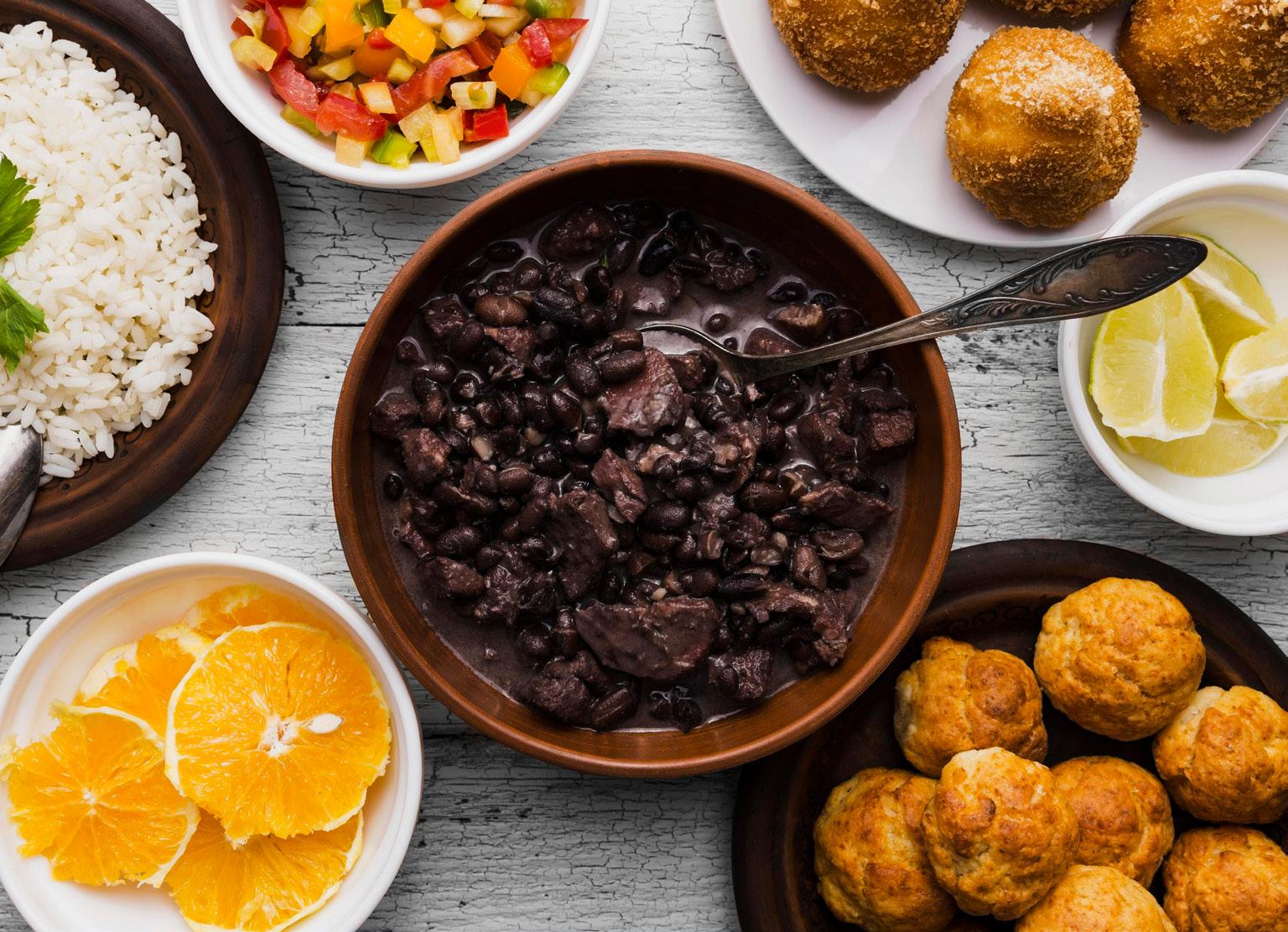
Brazilian cuisine is a vibrant tapestry woven from indigenous heritage, Portuguese colonization, African traditions, and diverse immigrant influences. Each region offers unique dishes rooted in local produce and cultural history. Today, Brazil celebrates this richness through both traditional dishes like feijoada and modern, globally-inspired fusions—making it one of the most diverse culinary landscapes in the world.
ORIGINS & CORE INFLUENCES
Indigenous Foundations
Native peoples (Tupi, Guaraní, Arawak) introduced staples like cassava (manioc), corn, beans, açaí, cashews, and
tucupi. Their farming and cooking techniques laid the groundwork for much of today’s cuisine.
Portuguese Colonization (16th Century Onward) Introduced wheat, rice, olive oil, salt cod, livestock, wine, dairy, and stewing techniques—adapting recipes with local ingredients (e.g., replacing potatoes with manioc).
African Heritage
Brought via the transatlantic slave trade. Africans introduced palm oil (dendê), okra, coconut milk, and spicy seasonings, deeply influencing coastal cuisines— particularly Bahia’s culinary identity.
Immigrant Contributions
19th–20th century waves from Italy, Germany, Spain, the Netherlands, Poland, Ukraine, Japan, Lebanon, and Syria incorporated pasta, polenta, pastries, sushi, and Middle Eastern flavors into localized dishes.
EVOLUTION OF DISHES & TECHNIQUES
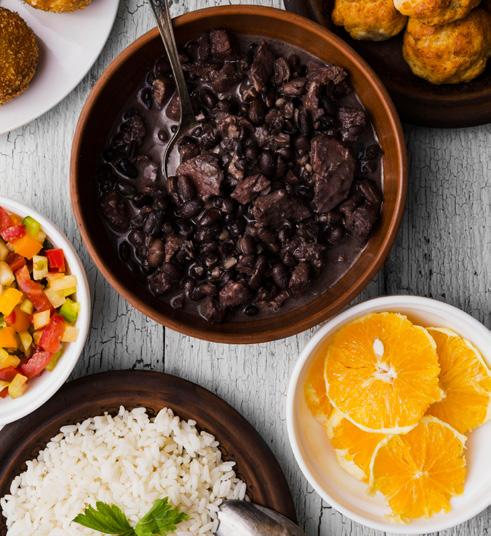
Feijoada
Brazil’s iconic black bean stew with pork and beef. Although debated, it likely arose from Portuguese bean stews and was adapted by enslaved Africans using leftovers and local beans. First documented in Recife in 1827 and eventually celebrated nationwide as a cultural staple.
Moqueca
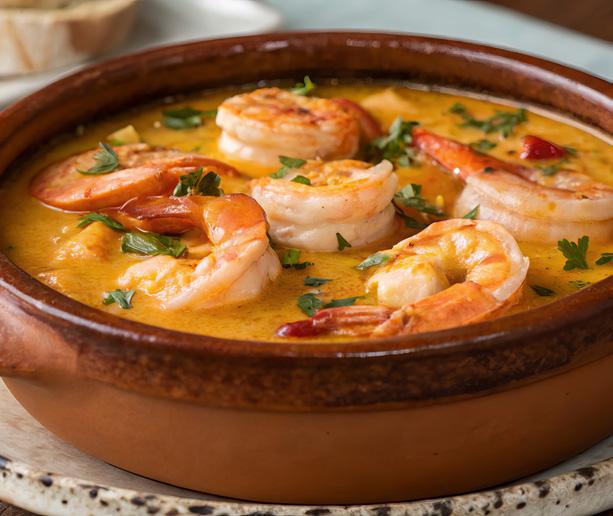
A seafood stew originally from Bahia (and Espírito Santo). Prepared with coconut milk, dendê oil, peppers, and cilantro. Its roots are indigenous, refined through Afro-Brazilian and Portuguese influences.
Pão de Queijo
Cheesy cassava bread created in Minas Gerais. Has indigenous (tapioca flour). Maintains regional fame.
Churrasco
Southern Brazilian barbecue tradition from the Pampas region. Characterized by open-fire grilling of salted beef.
Acarajé & Vatapá
Street foods from Bahia—acarajé are black-eyed bean fritters fried in dendê oil and filled with shrimp; vatapá is a rich seafood and bread paste. Both are Afro-Brazilian delicacies.
REGIONAL CULINARY LANDSCAPES
Northern & Amazon (North)
Abundant forest and river ingredients: tucupi, jambu (tingling herb), hearts of palm, piranha, and açaí. Dishes like tacacá soup and maniçoba stew are iconic.
Northeastern Brazil
Combines Portuguese and strong African traditions. Characterized by dendê oil and coconut milk dishes such as moqueca baiana and acarajé. Sertão brings sun-dried meats, manteiga de garrafa, farinhas (manioc flours), and mocotó stew.
Southeast
(Minas Gerais, São Paulo, Rio de Janeiro)
» Minas Gerais: Known for comfort foods like feijão tropeiro, pão de queijo, queijo minas, tutored by Portuguese and indigenous traditions.
» São Paulo/Rio: Emphasize rice and beans, Italian pastas, and churrasco. Reflect immigrant cuisines from Italy, Japan, and the Middle East.
South
(Rio Grande do Sul, Paraná, Santa Catarina)
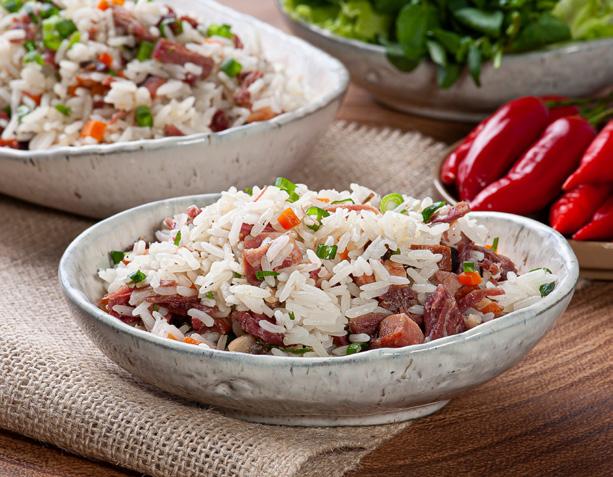
Livestock-driven: churrasco dominates. Regional dishes like arroz de carreteiro (rice with meat), barreado (meat stew), and German-influenced seafood and pastries are common.
Center-West
(Goiás, Mato Grosso, Mato Grosso do Sul)
Blended heritage of indigenous, European, African. Known for pequi fruit dishes and Pantanal fish stews.
Moqueca
Arroz de Carreteiro
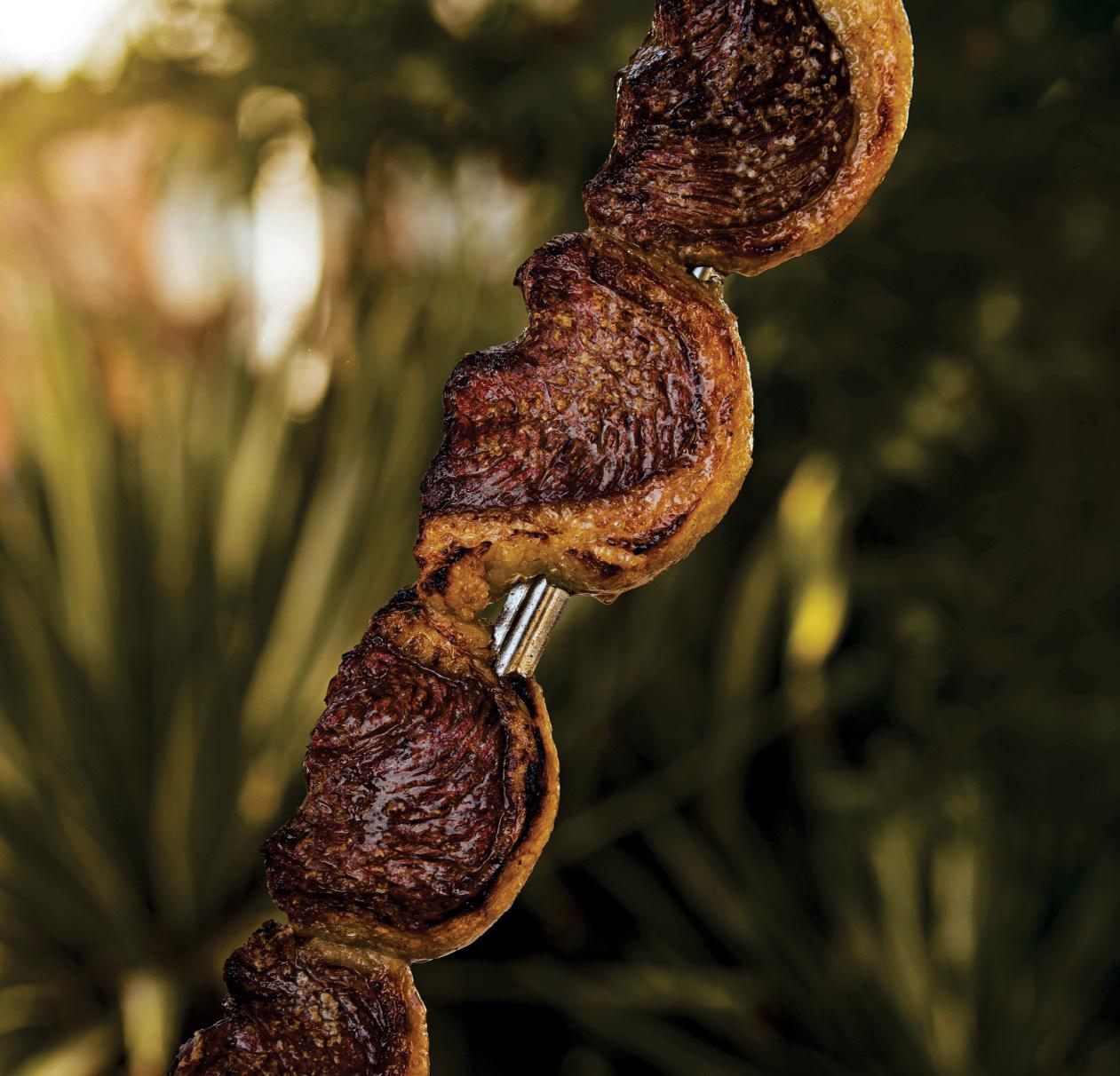
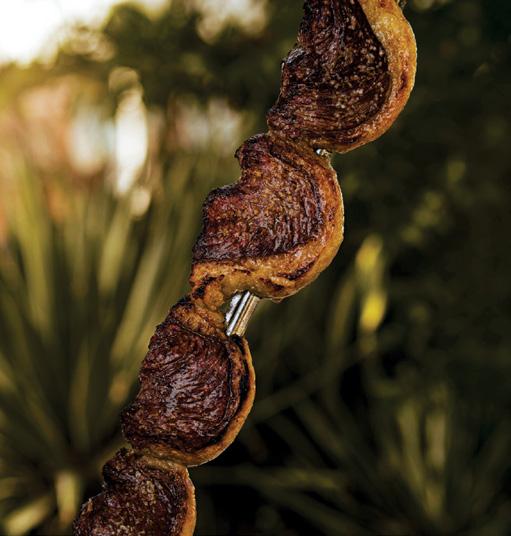
Picanha is a popular cut of beef in Brazilian cuisine, especially for churrasco (Brazilian barbecue). Read on to discover what makes it special.
Cut Location
It comes from the top of the rump, near the sirloin, and includes a thick fat cap on one side.
Flavor Profile
The fat cap is key—it bastes the meat as it cooks, giving it a rich, juicy flavor.
Cooking Style
Traditionally, it’s skewered and grilled over open flames, often seasoned simply with coarse salt.
Texture
Tender and flavorful, with a balance of lean meat and fat.
WHAT TO LOOK FOR WHEN BUYING PICANHA
Size
Choose a smaller cut, around 2 to 3 pounds. Larger cuts may contain different parts of the rump that have a different texture and flavor.
Fat Cap
Select a piece with a thick, even fat cap that is at least 0.5 inches thick. The fat should be white or creamcolored, indicating freshness and good marbling.
Picanha
Color and Liquid
The meat should be bright red, and the packaging should not contain a lot of excess liquid.
Source
For the best results, buy from a butcher who can confirm it’s an authentic picanha, which is also known as rump cap or coulotte or sirloin cap.
The best way to cook picanha steak is to grill it over charcoal, typically skewered, to achieve a smoky flavor and a crispy fat cap, which is the traditional Brazilian churrasco method. The reverse sear method is another highly recommended option for maximum control and juiciness.
GRILLING METHOD
This method, popular in Brazilian steakhouses, highlights the picanha’s natural flavors with simple seasoning.
1. Prep the meat: Slightly trim the fat cap. Slice the picanha with the grain into thick, approximately 1 to 1.5-inch, steak sections.
2. Season: Season generously on all sides with coarse salt only.
3. Grill: Grill over medium high heat turning 90 degrees to mark each side and flipping only once. Lastly char the fat cap side (watch for flare ups with the fat cap).
4. Monitor Temperature: Aim for an internal temperature of 120°F (49°C) for medium-rare or 130°F (54°C) for medium.
5. Rest and Serve: Remove from the grill and let the meat rest for 10 minutes before slicing against the grain to maximize tenderness.
TRADITIONAL CHARCOAL GRILLING (SKEWERED)
This method, popular in Brazilian steakhouses, highlights the picanha’s natural flavors with simple seasoning.
1. Prep the meat: Do not trim the fat cap. Slice the picanha with the grain into thick, approximately 1 to 1.5-inch, steak sections.
2. Skewer: Fold each steak into a “C” or horseshoe shape with the fat cap on the outside, and thread them onto sturdy metal skewers.
3. Season: Season generously on all sides with coarse salt only.
4. Grill: Cook over hot charcoal, directly over the flames, flipping the skewers every few minutes to ensure even cooking and manage flare-ups as the fat renders. This mimics a rotisserie style.
5. Monitor Temperature: Aim for an internal temperature of 120°F (49°C) for medium-rare or 130°F (54°C) for medium.
6. Rest and Serve: Remove from the grill and let the meat rest for 10 minutes before slicing against the grain to maximize tenderness.
REVERSE SEAR METHOD
For a more foolproof result at home, the reverse sear method uses two temperature zones on a grill or an oven/skillet combination.
1. Prep and Season: Score the fat cap and season the entire roast with coarse salt.
2. Slow Cook: Cook the whole picanha roast over indirect heat on the grill (or in an oven at a low temperature of around 250°F) until the internal temperature reaches about 115°F to 120°F.
3. Rest: Let the meat rest for at least 5-10 minutes.
4. Sear: Sear the picanha over a very high, direct heat source (a hot grill zone or cast iron skillet) for a few minutes on each side to create a golden, crispy crust.
5. Rest and Serve: Rest again briefly before slicing against the grain and serving.
KEY TIPS FOR SUCCESS
» Do not trim the fat cap: The fat cap is essential for keeping the meat moist and adding flavor as it renders.
» Season simply: Coarse sea salt is the traditional and often best seasoning to let the beef’s flavor shine.
» Use a meat thermometer: This is crucial to prevent overcooking and achieve your desired doneness.
» Slice against the grain at the end: This ensures every bite is tender.
Farofa
Cook Time: 15 Minutes Yield: 8 Servings
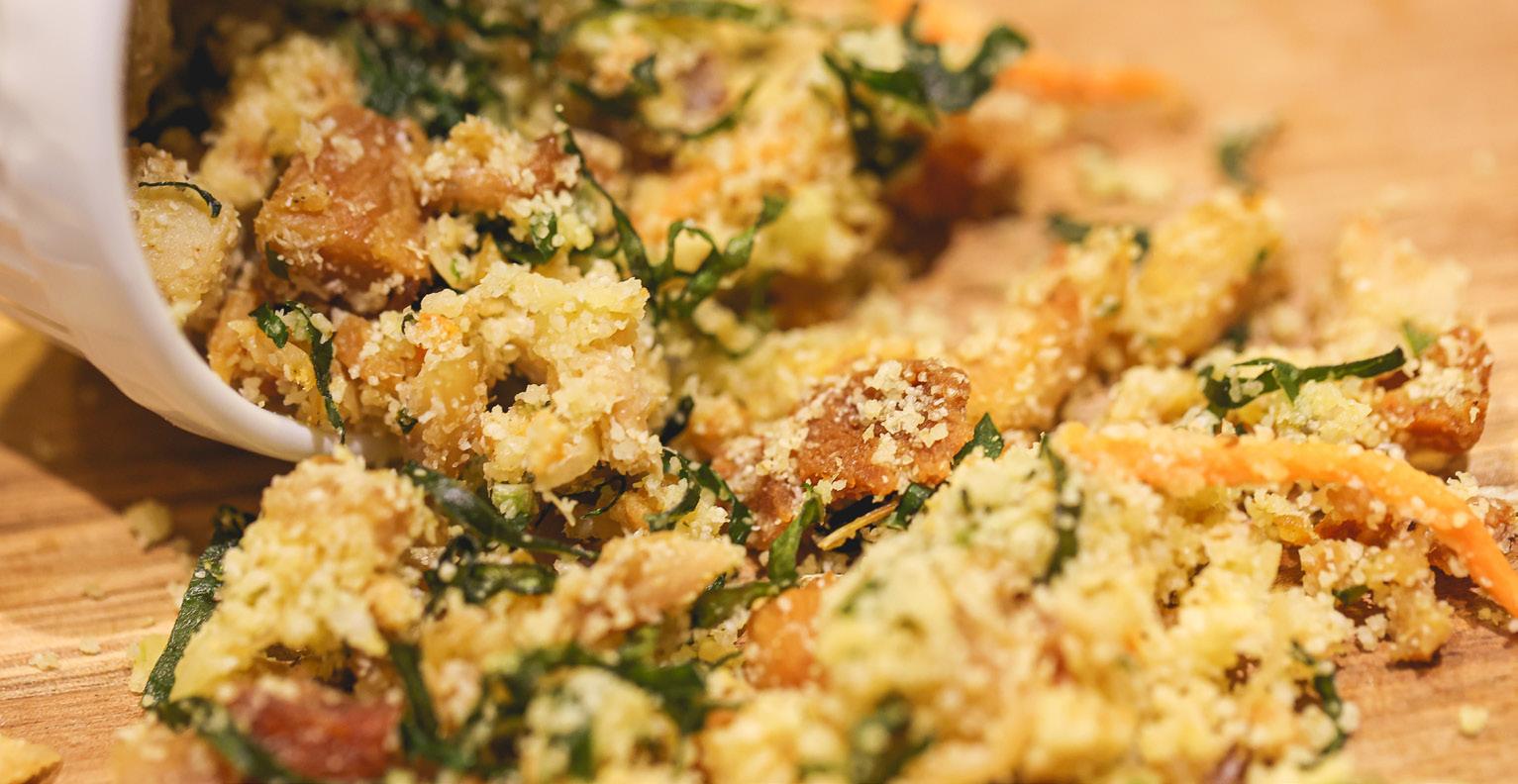
Brazilian farofa is a quintessential Brazilian side dish made with toasted Yuca flour! It is wonderfully paired with many dishes, like rice and beans, stews and barbecue and can be found in all homes from the poorest to the richest. It can be prepared many ways with the toasted yuca flour being enjoyed with just a little salt or amped up with versions that include ingredients such as butter, bacon, eggs, garlic, onions, etc.
INGREDIENTS
» 4 thick strips of bacon diced
» 4 tablespoons of butter cold
» 1 onion diced
» 4 cloves of garlic minced
» 2 cups of white yuca/cassava flour
» Salt and pepper to taste
INSTRUCTIONS
» Add the bacon to a cold skillet, and heat up
over medium heat.
» When the fat from the bacon begins to melt, add 1 tablespoon of butter.
» When the bacon begins to fry, add the second tablespoon of butter.
» Add the onions and sautee until transparent, about 2 minutes.
» Add the garlic and fry until golden.
» Add the yuca flour and season with salt and pepper to taste.
» Let it toast, stirring gently and constantly to avoid burning, about 2 minutes.
NOTES
» Farofa is gluten free as it is made from yuca.
» Farofa can be refrigerated for up to six days in an airtight container, but it can be frozen for up to six months in an airtight container.
Brazilian Vinaigrette
Prep Time: 15 Minutes
Yield: 12 Servings
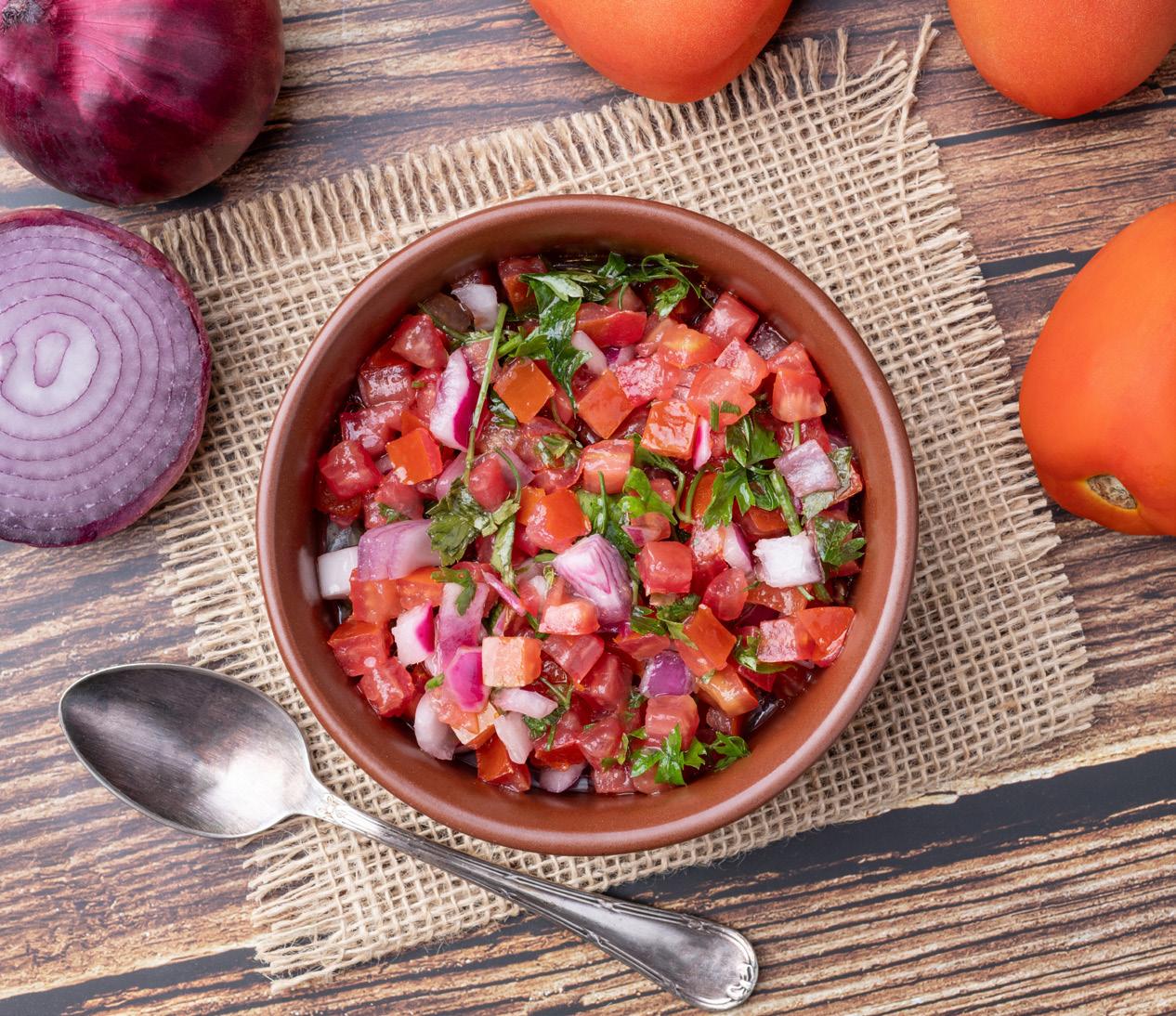
Brazilian Vinaigrette is a condiment, rather than a salad dressing as the name might imply. It’s a classic accompaniment to traditional “Churrasco” (Brazilian style grilled meats) found at both steakhouses and home barbecues in Brazil.
INGREDIENTS
» 4 large tomatoes diced small (about 2 cups)
» 1 medium white onion or ½ large diced small (about 1 cup)
» 1 green bell pepper diced small (about 1 cup)
» ¼ cup minced flat-leaf parsley
» ½ cup neutral oil like avocado or vegetable, but olive oil works as well
» 1 teaspoon kosher salt
» ¼ teaspoon black pepper
INSTRUCTIONS
» Add all ingredients to a bowl and toss to combine.
» Chill for at least an hour (and up to a few) before using.
» Keep in mind that flavors, including salt, intensifies after sitting, so taste when ready to serve and you can always add additional salt, if needed. You may also add more vinegar if you prefer things more tangy!
» 4 tablespoons white vinegar or white wine vinegar (or do half of each - white wine vinegar is a little more mild)
Caipirinha (Maracuja / Lime)
Prep Time: 2 Minutes
Yield: 1 Cocktail
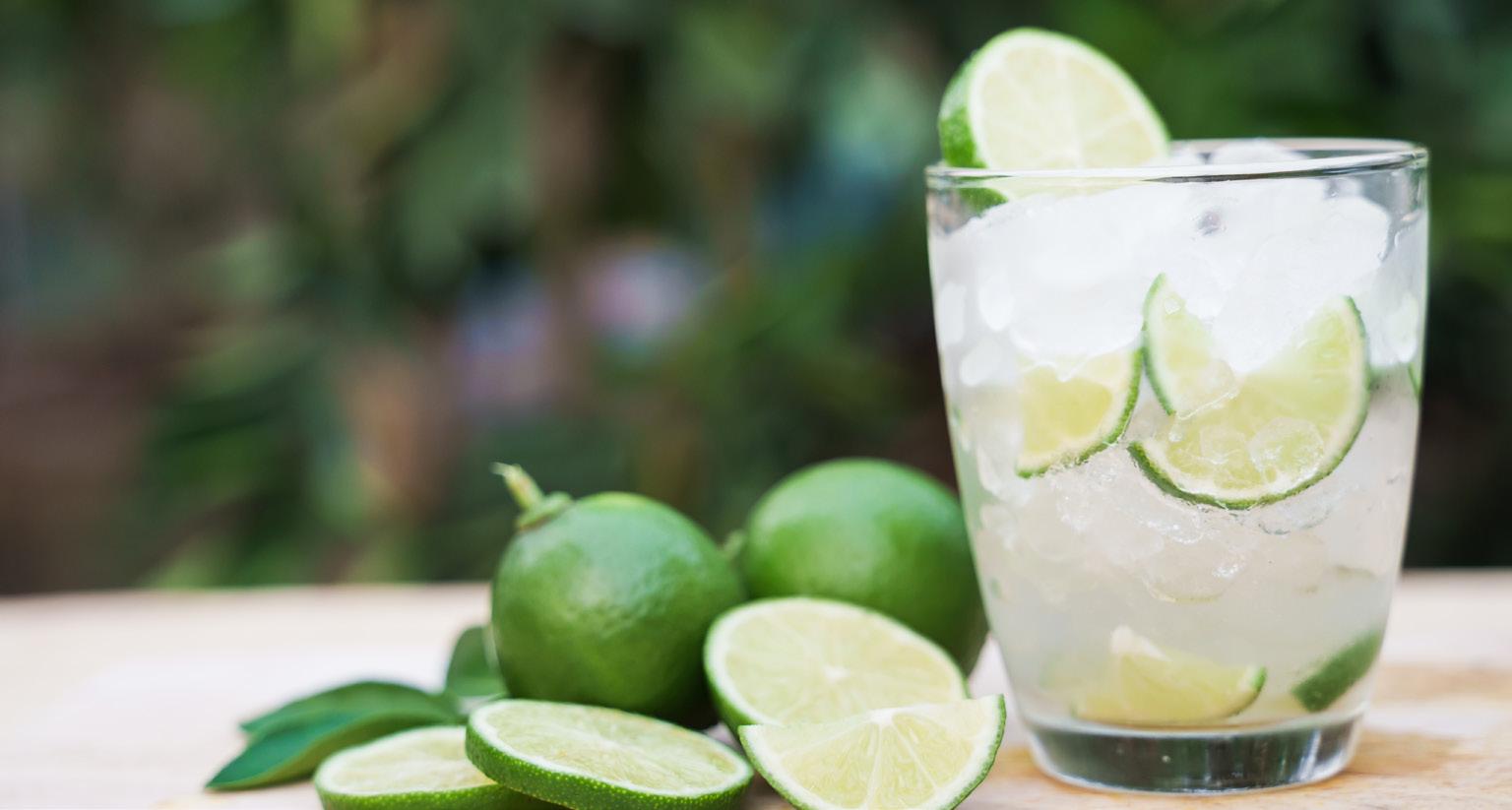
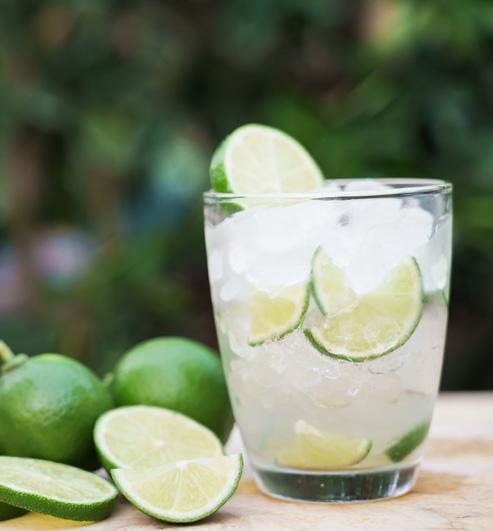
A Caipirinha is a Brazilian cocktail made with cachaça, sugar, and lime. To make one, muddle lime wedges with sugar in a glass, add cachaça, and fill with ice. Stir to combine and serve immediately.
INGREDIENTS
» 1 lime, cut into wedges (wash lime before cutting)
» 1½ to 2 teaspoons of sugar (fine sugar dissolves quicker and try unbleached organic)
» 2 ounces (60 ml) of cachaça
» Ice
INSTRUCTIONS
» Muddle the lime and sugar: Place the lime wedges and sugar in a sturdy glass or cocktail shaker. Muddle them together to release the lime juice and oils.
» Add cachaça and ice: Add the cachaça to the glass and fill it with ice.
» Stir: Stir the mixture gently to combine the ingredients. (You cake shake it as well to help further meld the flavors and dissolve any left over sugar)
» Serve: Garnish with a lime wedge and serve immediately
TYPES OF CAIPIRINHAS
» Vodka: Caipiroska
» Sake: Caipisake or Sakerinha
FLAVORS THAT WORK WELL
» Passion Fruit
» Pineapple
» Pineapple and Mint
» Blueberry
» Mixed Berry
» Cucumber Jalapeno
» Ginger and Fig
» Jaboticaba
» Kiwi
» Lemon
» Sweet Corn
» Red Grape
» Strawberry and Basil
» Tangerine
» Caju (Cashew Fruit)
» Caja