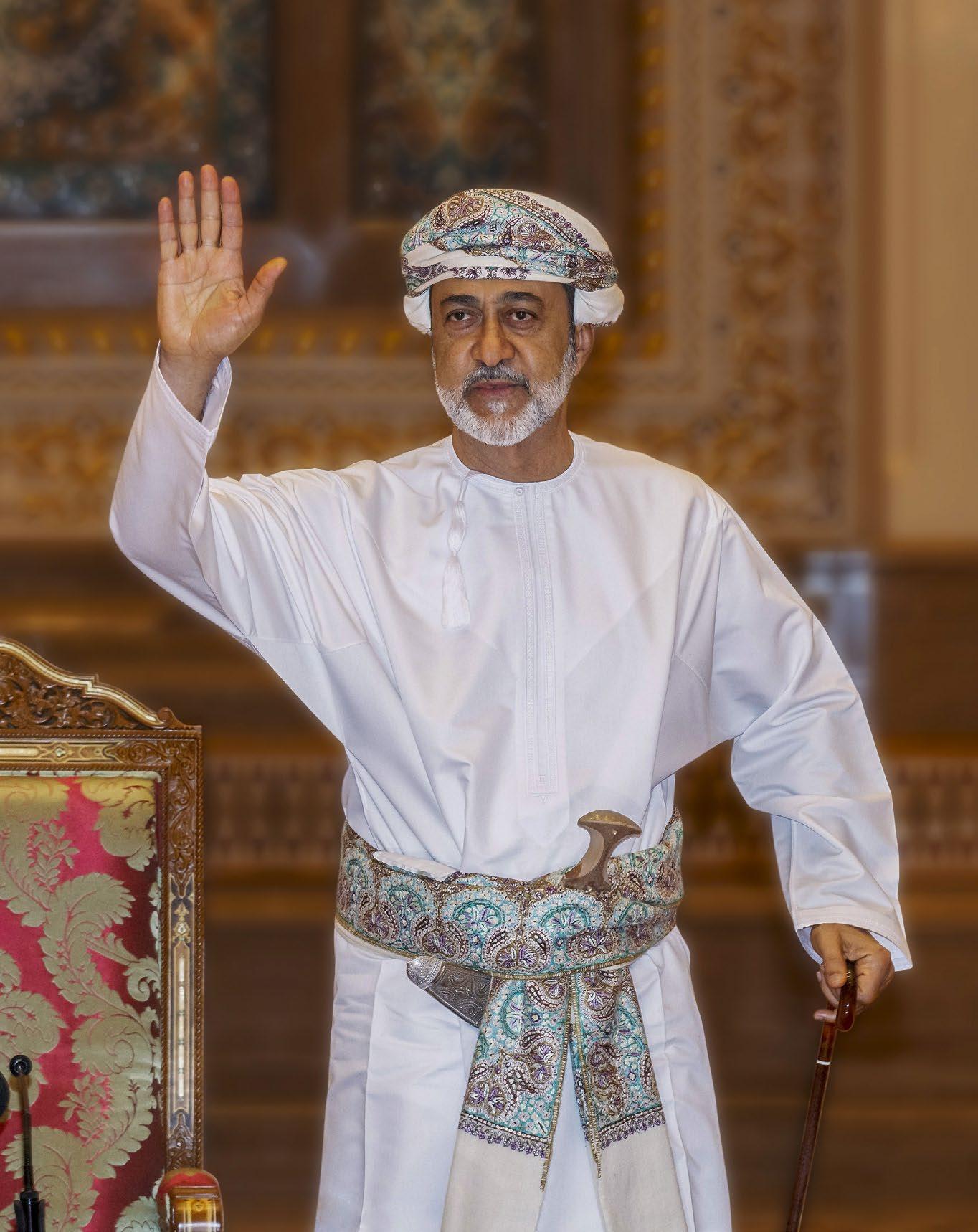
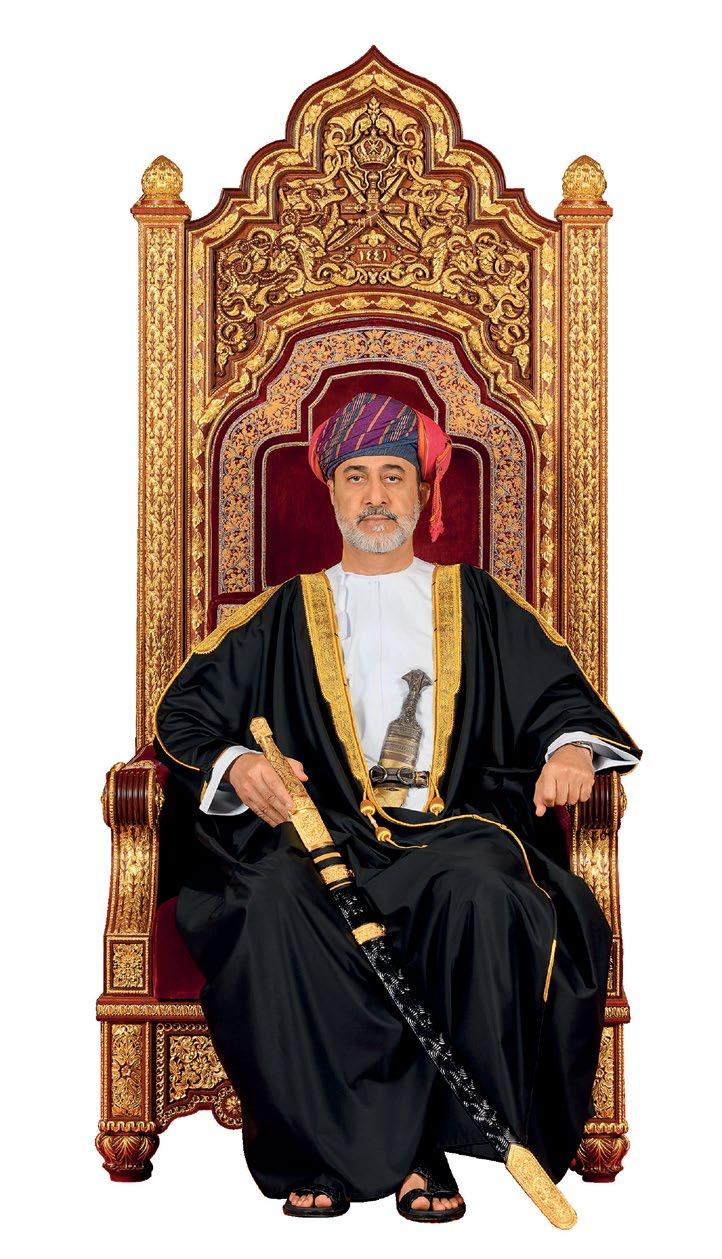
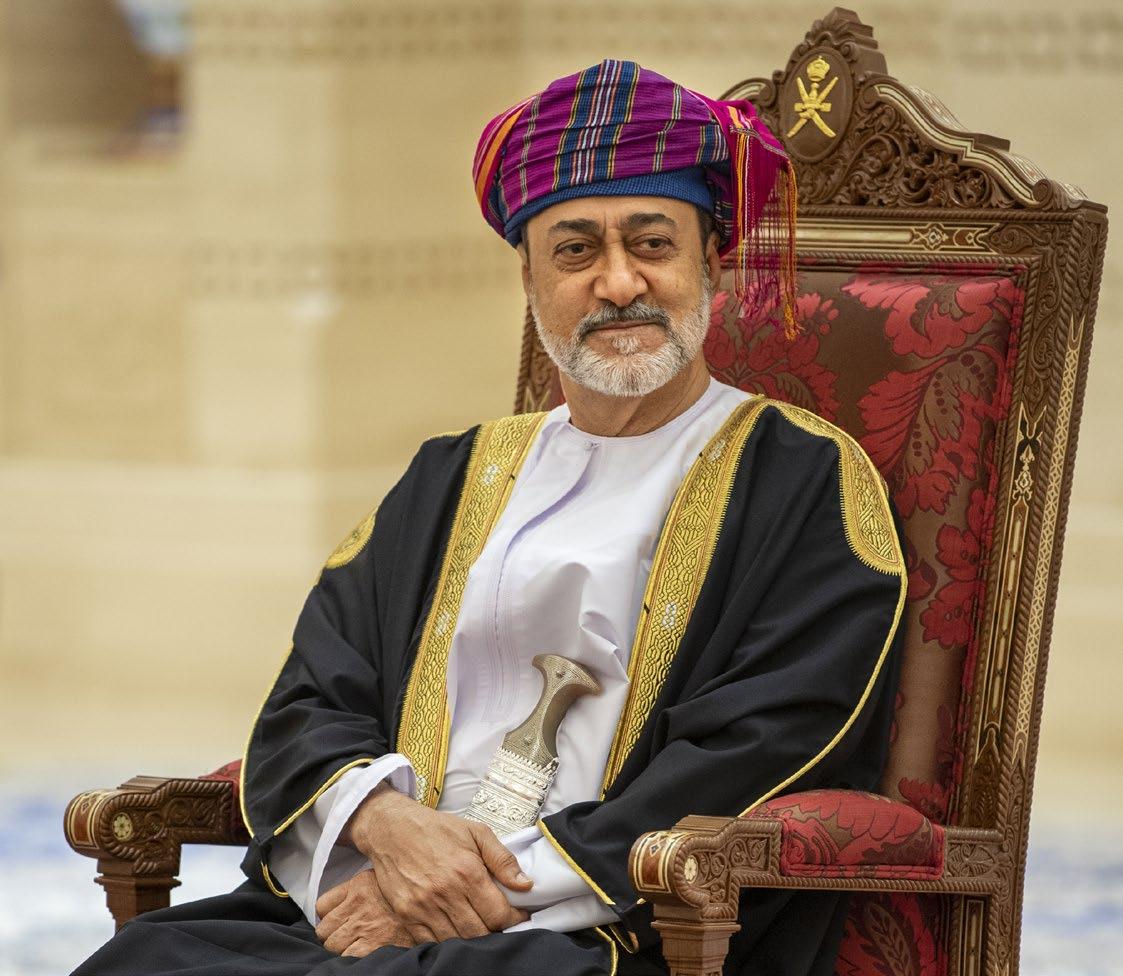
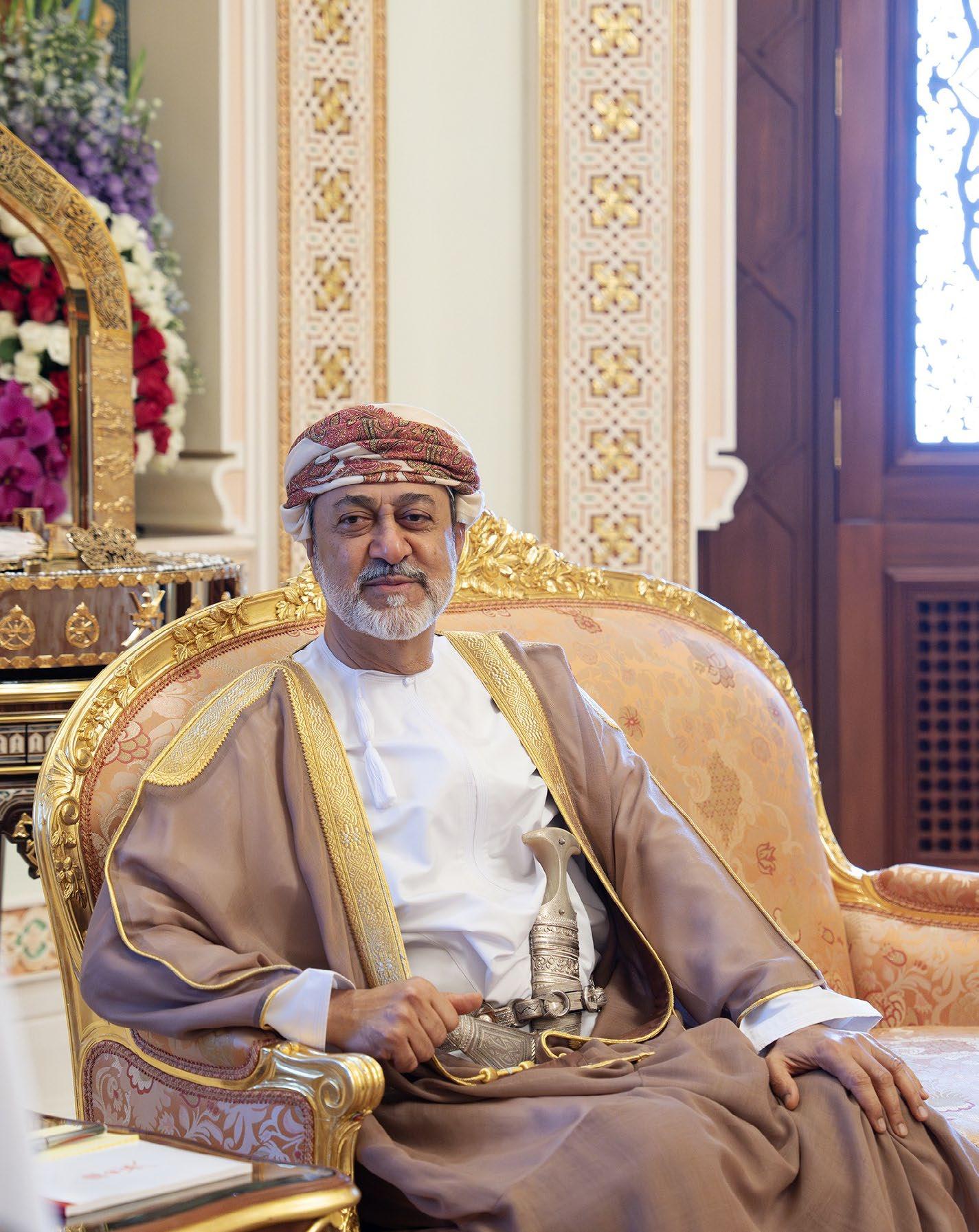
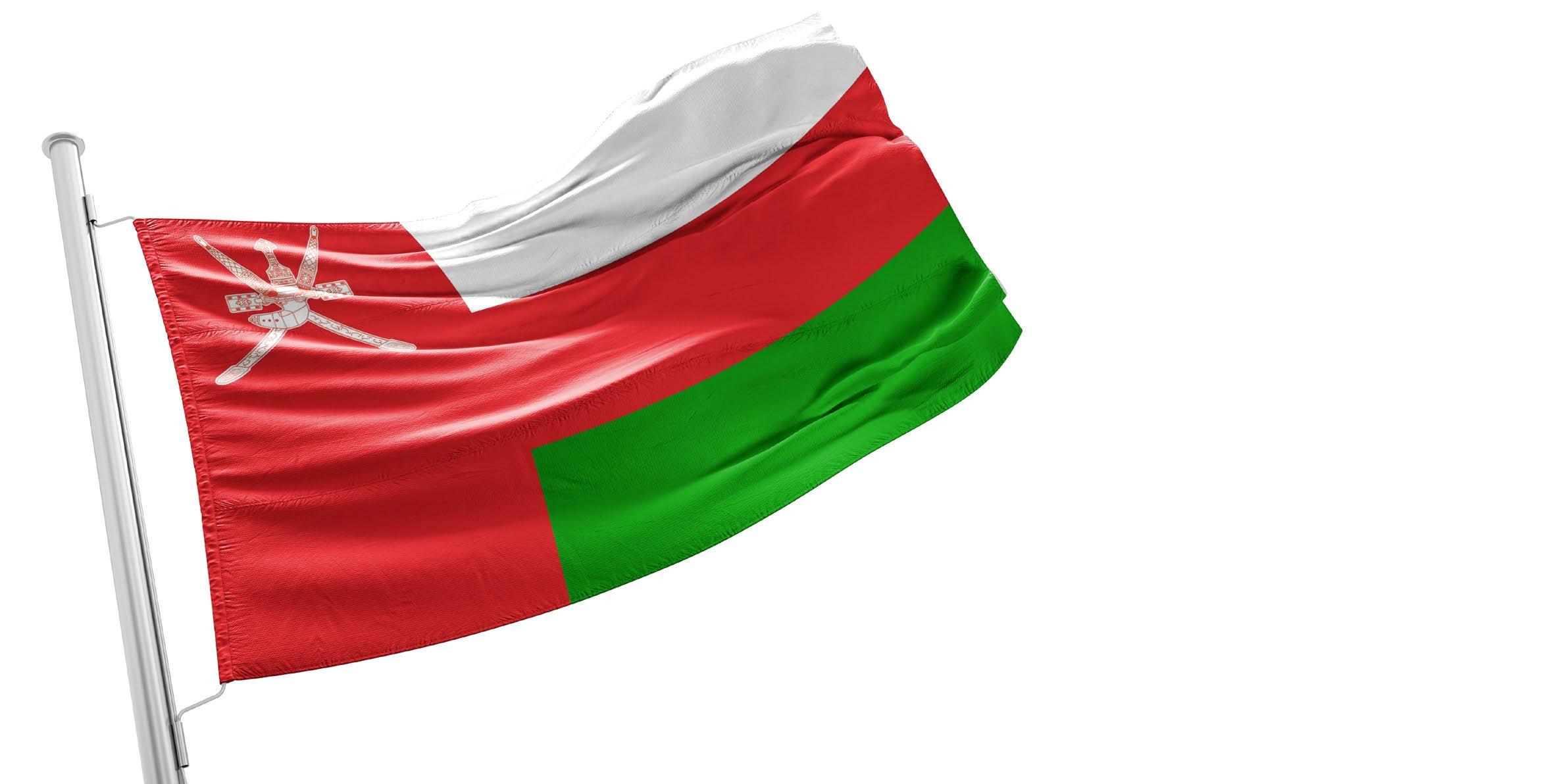
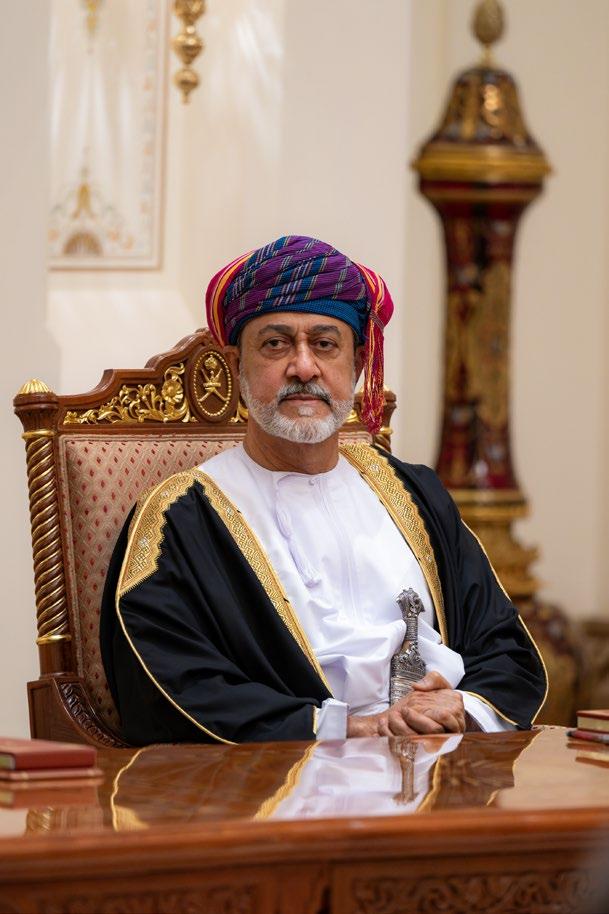
With hearts full of pride, we extend our warmest congratulations to His Majesty Sultan Haitham bin Tarik, to the honorable people of Oman, and to all residents of this blessed nation on the occasion of the National Day, praying that Oman may forever flourish in dignity, strength, and prosperity.
A NATION ON THE MOVE
“Our dear country has preserved its identity as an independent sovereign state throughout the ages. Many forms of reign succeeded one another and each played a civilisational role and boasted a historic stance. On this auspicious day, we remember the unique leaders of Oman throughout history, the leaders who hoisted high the banner of this nation, united its people, preserved its land and defended its sovereignty. We hereby assume the same course, pledging to the Almighty that nothing would divert us from our firm determination, nor would any interest supersede the interests of our nation—assisted in this resolve by the blessed grace of the Almighty and the prayers of His Messenger, Prophet Mohammed.
It also gives us pleasure that—in honour of our ancestors the Sultans, and, in remembrance of a glorious day in the brilliant history of Oman—to announce on this occasion that the 20th of November will be a national day for the Sultanate of Oman every year. It is the day on which the Al Busaidi family was honoured to serve this dear country since the year 1744, at the hands of the founding Imam, Sayyid Ahmed bin Said Al Busaidi, who unified the Omani nation and led its struggle and great sacrifices for the sake of realizing complete sovereignty over the land of Oman and safeguarding the freedom and dignity for its honorable people. Following this Imam, Sayyid Ahmed bin Said Al Busaidi, a number of great Sultans carried the banner of the nation, with full courage and competence, and completed its victorious march with determination and persistence.
Our celebration of this day constitutes an immortalisation of the noble deeds of those Sultans. It demonstrates our firm commitment to the principles and values that formed the fabric of our Omani nation. We pledge to preserve its unity and cohesion, remain vigilant about safeguarding the interests and reject any infringement on its fundamental principles or sanctities.”
Excerpts from His Majesty Sultan Haitham bin Tarik on 11 January 2025
Enlightened Leadership
Oman’s National Day on 20 November is an opportunity to express our gratitude to His Majesty Sultan Haitham bin Tarik for his visionary leadership and the Renewed Renaissance. Oman’s social development and economic growth over the years have been nothing short of remarkable.
Moving ahead, Oman Vision 2040 based on sustainability, innovation and technology, is the Sultanate’s gateway to overcome challenges, keep pace with regional and global changes, generate and seize opportunities to foster economic competitiveness and social well-being, stimulate growth, and build confidence in all economic, social and developmental relations nationwide.
Oman is progressing well in line with the stated objectives of Vision 2040. The forthcoming 11th fiveyear development plan (2026-2030) aims to enhance financial, economic and social stability. The plan aims to achieve an economic growth of not less than three per cent, maintain inflation rate at moderate levels, maintain financial sustainability and stimulate investment. Keeping these in mind, the government has managed to improve the state’s economic and financial performance, reduce debt and increase gross domestic product.
OMAN – A NATION ON THE MOVE is dedicated to His Majesty’s endeavour to transform Oman into a modern state with well-developed infrastructure, vibrant economy and peaceful society offering the highest living standards to the people of the country. It presents an in-depth analysis of the progress made by the Sultanate in the key sectors including energy, information technology, telecommunications, banking, finance, insurance, logistics, infrastructure, real estate, tourism, health, education etc. The economic report unravels the unique measures taken-up in the last few years for development.
Overall, OMAN – A NATION ON THE MOVE is the latest and the most updated & comprehensive reference point to understand why Oman is widely respected among the international community as a perfect role model of a modern and developed nation connected to its deep-rooted values.
Published by
United Media Services
PO Box 3305, Ruwi, Postal Code -112, Muscat, Sultanate of Oman
Tel: (968) 24700896, Fax: (968) 24707939
Email: publish@umsoman.com www.umsoman.com
EDITORIAL SUPERVISION
Alvin Emmanuel Thomas, Ghalib Al Fori, Khalfan Al Rahbi, Mayank Singh, Oommen John, Radhiya Al-Hashmi
ART
Khoula Al Wahaibi, Aliya Al Wahaibi
DIRECTOR PRODUCTION
Govindraj Ramesh
PHOTOGRAPHY
Rajesh Rajan
COVER DESIGN
Rakesh Radhakrishnan
ADVERTISING & MARKETING
Dhanish Pillai, Fareeda Al Balushi
Shaikh Ahmed, Shivkumar Gaitonde
CORPORATE
Chief Executive Officer – Atulya Sharma
Deputy CEO - Said Masoud Almashani
DISTRIBUTED BY
UNITED MEDIA SERVICES LLC
No part of this publication may be reproduced without the written permission of the publisher. The publisher does not accept responsibility for any loss occasioned to any person or organisation acting or refraining as a result of material in this publication.
We accept no responsibility for advertising content.
Printed by Oman Printers & Stationers Ltd. Co. LLC
2025 A NATION ON THE MOVE
Oman… A Nation in Renewed Ascent
Oman celebrates its glorious National Day on the 20th of November each year, marking the founding of the Al Busaidi State 281 years ago, established in 1744. This historic milestone represents one of the oldest continuously existing states in the region.
VIEWPOINT
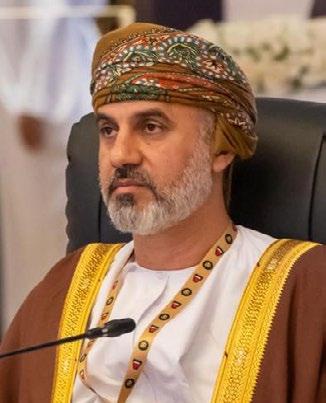
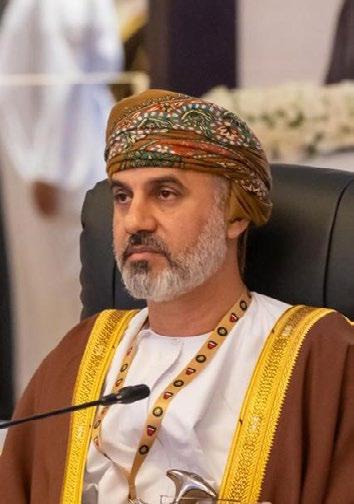
HE Khalid Hilal Al Maawali Chairman,
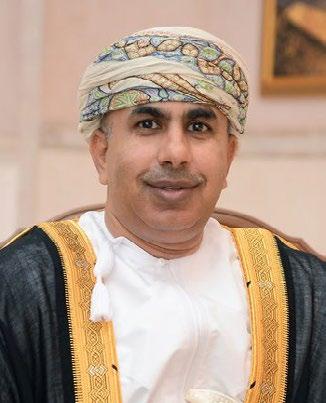
HE Dr. Hilal bin Ali bin Al Sabti
Minister of Health, Sultanate of Oman
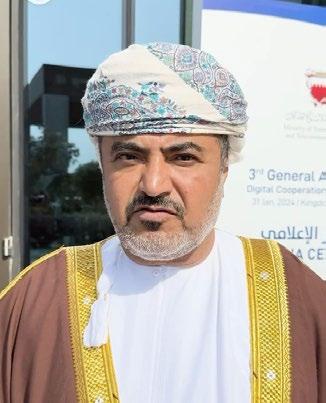
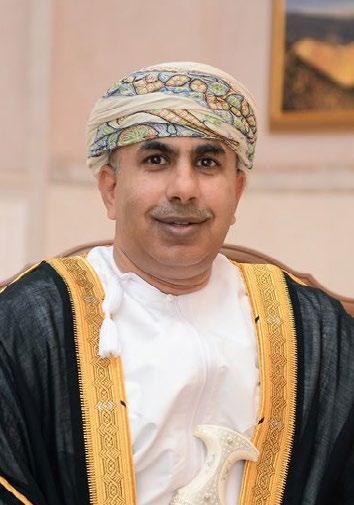
HE Eng. Saeed bin Saeed Al Maawali
Minister of Transport, Communications and Information Technology
The Shura Council
OMAN… A NATION IN RENEWED ASCENT
Oman celebrates its glorious National Day on the 20th of November each year, marking the founding of the Al Busaidi State 281 years ago, established in 1744. This historic milestone represents one of the oldest continuously existing states in the region.
The National Day embodies the spirit of loyalty, belonging, and pride in the leadership of His Majesty Sultan Haitham bin Tarik — may God protect him — and in the achievements that continue to unfold across the nation under the renewed renaissance in various sectors.
The celebration of this cherished national occasion crowns a journey filled with accomplishments achieved during the renewed renaissance. Oman has strengthened the foundations of the state, advanced its institutional and legal frameworks, expanded infrastructure and public services, recorded significant progress in economic and humandevelopment indicators, and enhanced its regional and international standing. Beyond commemorating history and listing achievements, the National Day represents an opportunity to renew commitment to the nation and its leadership, uphold the values of sacrifice and dedication, and inspire younger generations to continue building the future in line with Oman Vision 2040.
The education sector has witnessed a remarkable transformation under Oman Vision 2040, from expanding new educational facilities—where 16 new schools were received this year—to investing in technology and future skills. Sultan Qaboos University advanced 28 positions in the QS World University Rankings to 334 globally, supported by expanding research programs and thousands of funded projects. The Sultanate also made significant progress in the Global Innovation Index, rising 10 places. In parallel, the social protection system underwent comprehensive reform with the implementation of the Social Protection Law, which covers all stages of life—from support for low-income families to pensions, savings, maternity and disability programs. More than 63% of citizens have benefited from the system since its launch.
On the disability front, a dedicated ministry-level sector was established, supported by landmark initiatives such as allocating RO 7 million to establish the first specialized Autism Spectrum Disorder center.
Oman continues to strengthen its healthcare system based on a national vision to build a “world-class leading health system.”
Between 2024 and 2025, ten new health institutions opened and 28 existing facilities were expanded or upgraded. The Sultanate achieved significant milestones in organ transplantation, launched advanced programs such as virtual health services, and earned several international accreditations. Immunization rates for essential childhood vaccines exceeded 99%. Environmentally, Oman ranked as
the least polluted Arab country in 2025, with expanded inclusion of its reserves in UNESCO’s Man and Biosphere Programme. This progress is accompanied by a national air-quality monitoring network of 56 stations and robust initiatives to protect marine and water resources, alongside expanding agricultural and fisheries investments exceeding RO 2 billion over the past two years.
Omani youth continue to be empowered through innovative programs such as the Youth Ambassadors for Diplomatic Skills, the “Mustaed” future-skills camp, the National Youth Excellence Award, and numerous volunteer and innovation platforms—affirming the leadership’s belief that youth remain the core of the renaissance and its enduring energy. The media sector recorded strong growth across digital and traditional platforms, publishing over 50,000 pieces of content, supported by a broad digital presence of the Ministry of Information. This momentum strengthened national awareness, documented achievements, and enhanced cooperation with government institutions.
Economically, Oman achieved solid performance in 2025 driven by diversification and fiscal improvements. Public debt declined to RO 14.1 billion, non-oil revenues increased, and the real GDP grew by 2.3% during the first half of the year. Foreign direct investment exceeded RO 30 billion, while non-oil exports rose by more than 11%.
Special economic zones and free zones continued to attract substantial investments exceeding RO 22 billion, with 138 new investment agreements signed in the first half of 2025, mostly in the industrial sector. The Oman Investment Authority reported profits exceeding RO 1.5 billion and contributed RO 800 million to the state budget.
In foreign policy, Oman remains steadfast in its principles of mutual respect, non-interference, dialogue, and peaceful coexistence. The year witnessed high-level visits with numerous friendly and brotherly nations, while Oman played a pivotal diplomatic role in regional and international issues, including the Iranian nuclear talks, the Red Sea deescalation agreement, and firm positions on the Palestinian cause and Arab affairs.The National Day stands as a moment to reflect on Oman’s enduring statehood, its renewed vision, and a journey of achievements where economic growth aligns with social justice, national responsibility intersects with global engagement, and a wise leadership charts a prosperous and sustainable future in harmony with the aspirations of Oman Vision 2040.
A STEADFAST LEGISLATIVE PATH SUPPORTING OMAN’S NATIONAL ASPIRATIONS
The Shura Council stands as an active national partner in decision-making and in advancing comprehensive development
Khalid
Chairman, The Shura Council
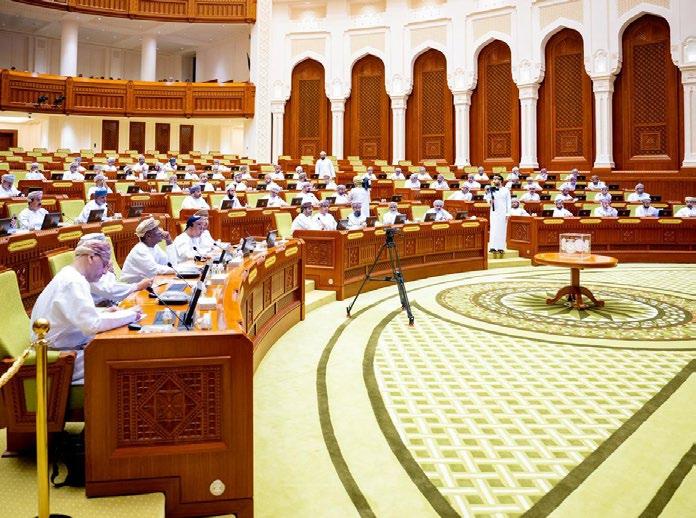
Coinciding with the celebration of the Sultanate of Oman’s glorious National Day, which falls on 20 November and marks the founding of the Al Bu Said State, the Shura Council reflects upon a long-standing national journey grounded in steady achievements and firm principles. The Council continues to move forward with determination, drawing upon a solid record of parliamentary action and an experience deeply rooted in participation and gradual institutional development aligned with the nation’s evolving transformations. Today, fiftyfive years into the Omani Renaissance and its renewed chapter under the wise leadership of His Majesty Sultan Haitham bin Tarik, the Council stands as an active national partner in decisionmaking and in advancing comprehensive development, through clear legislative practices and continuous efforts to strengthen participatory governance. These efforts reflect the Council’s integral role in realising the objectives of Oman Vision 2040 and following up on the implementation of the Eleventh FiveYear Development Plan (2026–2030), in line with Oman’s prudent approach and mature parliamentary experience, supported by laws and systems that serve the nation’s interests and respond to citizens’ aspirations.
Throughout the first half of its tenth
term, the Council has continued to reinforce the legislative framework of the Sultanate of Oman in support of national development and the economy. It has completed forty-seven legislative instruments, including draft laws and agreements, within twenty-six regular sessions, in addition to holding ministerial statements with service ministers to discuss key national issues related to education, labour and employment initiatives. On the oversight side, the Council has actively monitored national issues and public policies through 466 oversight tools during the first and second annual sittings, alongside several task forces dedicated to major files such as employment seekers, social protection benefits, and the digital economy. The standing committees of the Council have also discussed more than 220 topics across various sectors in over 225 meetings.
The Shura Council has also strengthened national partnership and cooperation with other state institutions, in line with the Basic Law of the State and the Law of the Council of Oman. This cooperation has been exemplified in joint meetings between the Shura Council Bureau and the Council of Ministers, totaling three meetings during the first half of the tenth term, reflecting continuous coordination between the legislative
H.E.
Hilal Al Maawali
and executive branches to align efforts toward national goals and serve the public interest. The Council has further deepened legislative coordination with the State Council within the framework of the Council of Oman, as stipulated in the Law of the Council of Oman (Royal Decree 7/2021). This coordination included joint sessions and meetings to discuss differences in draft laws referred by the government. During this period, both chambers reached consensus on fourteen draft laws, thirteen of which were promulgated as Royal Decrees, including the Law on the Protection of Bank Deposits, the Wildlife Trade Law, the Media Law, the Electronic Transactions Law, the Public Health Law, the Law on Organ and Tissue Transplantation, the Financial Law, the Personal Income Tax Law,
The Law on Special Economic and Free Zones, the Anti-Trafficking in Persons Law, the Telecommunications and Information Technology Regulation Law, the Real Estate Regulation Law, the Law on the Collection of Public Funds, and the Law on the Rights of Persons with Disabilities. These milestones reflect the spirit of institutional partnership and legislative integration between the two chambers.
Regionally and internationally, the Shura Council has strengthened its parliamentary diplomacy through active participation
in sixty-seven regional and international parliamentary events and forums, including those organised by the Gulf, Arab, and international parliamentary unions. Through these engagements, the Council has conveyed Oman’s consistent message of dialogue, peace, and mutual understanding, reinforcing cooperation with friendly and brotherly nations. These participations highlight Oman’s distinctive diplomatic approach, based on respect, balance, and constructive contribution to the global dialogue on stability and development.
At the same time, the Council continues to follow up on national plans and development strategies with diligence, reviewing the State Budget annually and assessing progress in the Tenth Five-Year Development Plan (2021–2025), while presenting proposals on the Eleventh FiveYear Development Plan (2026–2030) to ensure alignment with the goals of Oman Vision 2040. The Council’s committees across various sectors — legislation and law, economy and development, education and youth and public services — continue to pursue priorities that contribute to the reinforcement of Oman’s legislative framework and the advancement of national objectives in the public interest.
Recognising that communication and community partnership are integral to
its role, the Shura Council attaches great importance to strengthening awareness and transparency through modern communication tools. It continues to engage with the public by publishing accurate and timely information on its legislative and oversight activities, inviting media representatives and citizens to attend public and ministerial sessions, and organising its annual media forum to enhance dialogue and partnership with media institutions. The Council also supports researchers and writers documenting the history and progress of Oman’s parliamentary experience and facilitates visits for students and youth groups to deepen their understanding of the Shura process.
On this proud national occasion, the Shura Council extends its warmest congratulations and sincere wishes to His Majesty Sultan Haitham bin Tarik and to the Omani people, reaffirming its steadfast commitment to continue fulfilling its national duties with loyalty and diligence. The Council pledges to sustain its contribution to Oman’s progress and prosperity, upholding the values of participation, transparency, and shared responsibility that define Oman’s parliamentary journey and its enduring role in supporting the nation’s comprehensive development.
BEST-IN-CLASS FACILITIES AND SERVICES
The health sector in the Sultanate of Oman is one of the vital sectors that has witnessed continuous development over past decades
HE
Dr. Hilal bin Ali bin Al Sabti Minister of Health, Sultanate of Oman
The government has accorded great attention to developing the healthcare system and enhancing its efficiency and quality in line with the pillars of Oman Vision 2040, which aims to achieve a fair and sustainable health system centered on the quality of life and community well-being.
In recent years, efforts have focused on strengthening the efficiency of the health system by developing the infrastructure of health institutions, updating health legislation, and adopting digital solutions in providing services and telehealth.
Investment has also been made in training national cadres across various fields, particularly medical and allied health specialties, while the health sector continues to reinforce the system’s capabilities in epidemiological surveillance and health emergencies.
In the framework of sustainability, the Sultanate of Oman works to enhance partnerships with other government sectors, the private sector and the community, encouraging investment in the health sector, in addition to supporting medical research, innovation, and the localisation of pharmaceutical industries.
This development reflects Oman’s commitment to building a comprehensive health system that keeps pace with global
advancements and prioritises service quality and human health as a national priority.
Strategic health sector programmes in Oman Vision 2040
Oman Vision 2040 includes a set of strategic programmes aimed at building an integrated and efficient health system based on public health promotion, disease prevention, quality, sustainability, innovation, and the use of information technology to provide advanced, comprehensive medical care.
First strategic programme: Universal Health Coverage
Universal health coverage is one of the main pillars of developing the health sector under Oman Vision 2040. It aims to ensure that all members of society have access to comprehensive, high-quality healthcare services without excessive financial burden. The programme focuses on enhancing system efficiency through developing infrastructure and expanding preventive, therapeutic, and rehabilitative services across all governorates.
It also strengthens primary healthcare as the main entry point to the health system and links it to specialised services through an effective referral system.
In 2025, Maqshan Hospital was opened, along with Saih Al Ma’ashi, Al Jarda’a, and Al Fai’a health centers. The Al-Amerat Heights Health Complex and dialysis units at Al-Mazyona Hospital and Saham Health Complex were also inaugurated.
Additionally, the Ministry expanded and developed several existing health institutions, including seven hospitals, one health complex, one fitness center, and 19 health centers.
The Ministry currently provides healthcare through:
y 53 hos pitals
y 24 health complexes
y 193 health centers
y 29 dialysis units
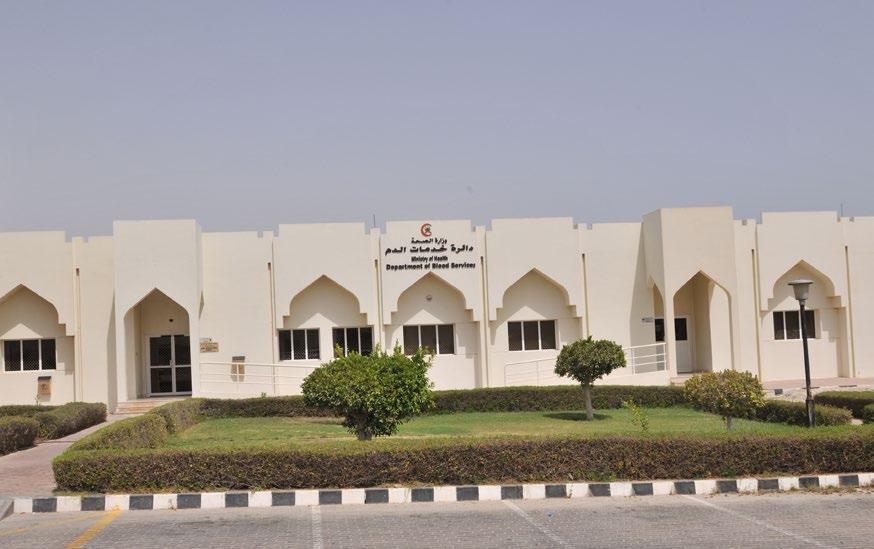
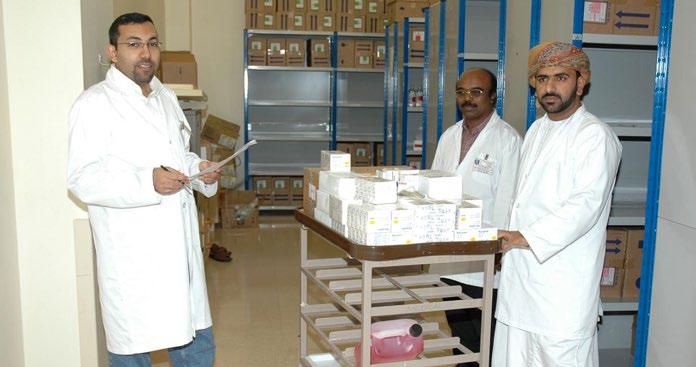
y 13 blood bank units across all governorates and wilayats.
Development of health services
The Ministry aims to expand healthcare coverage by providing high-quality services aligned with global scientific and technological progress.
This effort has resulted in the widespread availability of specialty clinics and advanced surgical procedures in many
pioneering procedures to be performed in Oman for the first time—a significant achievement for the health sector. These include:
y Use of Rotablator technology to perform eight complex coronary artery procedures at the National Heart Center in the Royal Hospital
y Performing heart surgeries without opening the chest cavity using advanced techniques in the National Heart Center
y Laparoscopic removal of the gallbladder from a patient infected with liver fluke (fasciola) at the Royal Hospital
y Use of Romiplostim to treat a child with Down syndrome and bone marrow failure at the Royal Hospital
y A surgical team at the Royal Hospital successfully removed a rare large abdominal tumor surrounding vital organs, followed by high-temperature chemotherapy to eliminate residual cancer cells
Organ transplant services
Keeping pace with advancements in modern medicine, organ transplantation has become one of the most advanced, life-saving services, improving quality of life for patients with organ failure.
y By early November 2025, more than 25,000 individuals had registered as organ donors through the Shifa app.
y In 2024, the Royal Hospital performed:
y 40 kidney transplants
y 9 liver transplants
y 63 corneal transplants
Health services for children
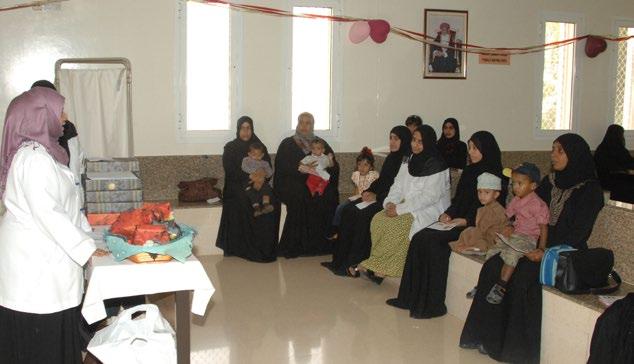
Oman has given great priority to child healthcare, recognising its importance for the nation’s future. Significant advancements include strengthening the expanded immunization program, improving newborn and neonatal care— including early screening for 26 diseases— and monitoring growth and nutrition.
These efforts have led to a noticeable decline in infant and under-five mortality rates, reaching 8 per 1,000 live births and 9.9 per 1,000 live births respectively in 2024, making Oman a regional leader.
Women’s health and maternity services
Women’s and maternity health services have seen major development, including enhancing pre-marital screening (testing for: sickle cell anemia, thalassemia, HIV/ AIDS, syphilis, hepatitis B, and hepatitis C).
A new Obstetric Emergency Medicine
Training Program—the first of its kind in Oman—was launched in May 2024 to enhance skills of obstetricians, anesthesiologists, midwives, and nurses in managing emergency cases during pregnancy and childbirth.
Measures to reduce waiting time
The Ministry continues working to reduce the waiting time for health services by continuously evaluating waiting periods, developing the Shifa referral and feedback system, expanding clinics and services, strengthening decentralization, and increasing working hours. These efforts reduced the average waiting time for new outpatient appointments in referral hospitals to 4.5 weeks.
Community initiatives
The Ministry prioritises community partnership across government, private, and civil sectors. Key initiatives include:
y Establishing walking tracks in Falaj AlSadireen and Wadi Healthy Villages in cooperation with the Ministry of Interior, Al Jisr Foundation, and WHO.
y Recognition of Buraimi, Sohar and Mudhaibi as WHO Healthy Cities in 2024, bringing the total to 49 healthy cities, villages, islands.
y Implementing the Insect Surveillance Project (fixed traps installed in high-risk areas, monitored through an electronic system, with targeted control actions to reduce mosquito spread).
Second strategic programme: Governance and restructuring of the health sector
This programme aims to enhance system efficiency and sustainability through health sector governance, decentralisation, and involving other sectors in comprehensive healthcare delivery while improving quality, performance measurement and monitoring.
Restructuring the health sector
y A Royal Decree (10/2024) defined the responsibilities and organisational structure of the Ministry of Health, headed by the Minister and supported by three undersecretaries:
• Planning & Health Regulation
• Health Affairs
• Administrative & Financial Affairs
Each includes several directorates and specialised departments.
National Health Policy
The Council of Ministers approved the National Health Policy of Oman in December 2024, launched on April 9, 2025. It serves as a strategic framework to enhance health services and reinforce the principle of “health for all and by all,” highlighting shared responsibility and placing citizens at the center of comprehensive healthcare.
National Policy for Health Information Governance
Approved in 2024 to align with Vision 2040 and the national digital transformation programme, it ensures effective health information management across government and private institutions.
Strengthening decentralisation
Since 1990, Oman has expanded decentralised services by establishing health directorates in all governorates. Current enhancements include:
y Defining roles and responsibilities
y Providing specialised services in referral hospitals
y Appointing qualified health leaders
y Developing local health institutions
This policy has supported specialized surgeries in governorates, such as cardiac catheterization in Salalah and joint surgeries in multiple hospitals. It also enhances the Visiting Physician Programme, which transfers specialised services to more
regions and reduces patient travel and waiting times.
Enhancing specialized services in governorate hospitals
Examples of newly added services include:
y Pain unit, child protection clinic, osteoporosis clinic, pulmonary clinic, diabetic foot clinic, endoscopy unit at Khoula Hospital
y Scar care and genetic counseling services at the Royal Hospital
y Mental health services at Sohar Hospital
y Cryotherapy for newborns with severe oxygen deficiency
y Bariatric surgeries, dry-needling physiotherapy services, expanded dialysis care, anesthesia clinics, genetic health clinics, and more across various hospitals
Quality and accreditation development
In November 2024, the Omani Healthcare Accreditation System received international accreditation from ISQua with a 92% compliance rate.
Main objectives:
y Improve healthcare quality and patient safety
y Protect health workers and service beneficiaries
y Reduce medical errors
y Improve patient experience
y Provide educational opportunities for staff
y Encourage staff participation in quality improvement
Third Strategic Programme: planning and financing for a more efficient and sustainable health sector
This program focuses on evidence-based planning, efficient resource allocation, and developing alternative funding sources to ensure sustainability.
Health System Performance Evaluation
In response to challenges such as population aging and chronic diseases, the Ministry conducted a comprehensive evaluation of the health system in 2024. Results will guide the 11th Five-Year Plan (2026–2030).
Preparing the 11th Five-Year Plan (2026–2030)
Planning began in 2024, and main objectives were approved in 2025.
Enhancing Spending Efficiency
The Ministry adopted program-based budgeting, leading to:
y Nine per cent reduction in medical waste and savings of RO1.3 million in South Al Batinah
y Implementation of 62 Lean Six Sigma projects
y “Same-day surgery” program in Ibra Hospital
y Localisation of nine specialised services, previously requiring treatment abroad (including scoliosis surgery, vascular surgery, cochlear implants, corneal transplants, advanced neurosurgery, etc.)
Fourth Strategic Program: Human Resources Development
This program aims to ensure sufficient, welldistributed, and highly qualified national health cadres.
Leadership Development Programme
A major initiative developed with WHO to prepare second-line leadership for supervisory roles. In 2024, 50% of supervisory staff were trained.
Education and Training Achievements
y 628 graduates from Oman College of Health Sciences
y 165 graduates from the Higher Institute of Health Specialties
y 175 doctors sponsored for continued study abroad
y 90 doctors completed their studies
y 628 OMSB-sponsored doctors continued their training
y 75 employees studying medical specialties abroad
y Over 1,000 staff trained in short courses, including 38 who trained abroad
Capacity building for health workers
Includes innovation competitions, referral pathway training, joint hospital training, Lean Six Sigma certification, research training, genetic counseling programs, specialty
exhibitions, orthopedic surgery training and blood bank training.
Fifth Strategic Programme: Sustainability of medical and pharmaceutical supplies
This program strengthens supply chains and supports local medical manufacturing.
Medical and pharmaceutical equipment
y Opening of Mena gen Pharmaceutical Factory and Dhofar Pharmaceutical Factory
y By October 2025, Oman had 17 factories producing medical supplies
y National Antimicrobial Resista nce Surveillance Project launched in major hospitals
Sixth Strategic Programme: Digital transformation
Digital transformation aims to enhance quality and efficiency through advanced technologies and secure connectivity across all health facilities.
Artificial Intelligence and Medical Diagnostics
y AI-base d diabetic retinopathy screening project at Buraimi Health Complex
y AI integration in cardiac MRI at the Royal Hospital
y AI-based analysis of patient feedback collected via the Shifa app
FUTURE READY
Oman accelerates transport, digital transformation and technology growth in 2025
HE Eng. Saeed bin Hamood bin Saeed
Al Maawali
Minister of Transport, Communications and Information Technology
Oman continues to record substantial progress across the transport, logistics, communications and information technology sectors in 2025, driven by the Ministry of Transport, Communications and Information Technology (MTCIT). As investments surge, major infrastructure projects advance and the digital economy expands at unprecedented pace, the Sultanate is reinforcing its position as a competitive, connected and forward-looking nation aligned with Oman Vision 2040.
By September 2025, total investments in the logistics and ICT sectors reached more than RO2.7 billion, reflecting strong confidence in Oman’s national infrastructure and digital transformation capabilities. Alongside economic expansion, the Ministry continues to prioritise Omanisation, sustainability and global competitiveness.
Strong Investment Momentum
Investment in Oman’s logistics sector exceeded RO2.6 billion as of September 2025, supported by ongoing developments in roads, ports and transport networks. Meanwhile, the telecommunications and IT sector attracted nearly RO140 million, propelled by advancements in artificial intelligence, digital government, smart services and cloud infrastructure. Between 2020
and 2025, the Ministry paid more than RO1.2 billion in private-sector dues for development projects, including RO227 million from January to August 2025 alone. Revenues generated by the Ministry reached RO26.6 million by August 2025 — an increase of more than RO 3.3 million compared with 2024.
Advancement in Human Capital Development & Omanisation
Omanisation efforts in high-value sectors continue to produce tangible results:
y ICT Omanisation reached 67 per cent in technical, specialised and leadership roles.
y Logistics Omanisation reached 59 per cent in similar positions.
The Ministry’s job-creation initiatives include:
y Training and employment of 230 Omani seafarers through maritime workforce programs.
y Regulation of the fast-delivery sector, resulting in 140 new jobs.
y The Makkeen national skills initiative, which trained over 10,000 Omanis between 2021–2025 to build a competitive digital workforce.
In addition, the Ministry introduced the Local Content Incentive Framework for the
telecom and IT sector to enhance the role of Omani talents and local tech products.
Global Rankings & International Recognition
Oman made significant leaps in international indicators during 2025:
y Improved by 6 per cent in the 2024 ESCWA E-Government and Mobile Services Maturity Index.
y Ranked 1st in the Arab world and 50th globally in the 2025 Postal Development Index.
y Ranked 1st in West Asia and 9th globally in the 2024 Open Data Index.
y Achieved perfect scores in legislation and governance related to technological innovation and ranked highly in telecom and IT regulation.
Growth recorded in the Digital Economy Navigator include:
y 44.5 per cent increase in digital innovation performance
y 36.2 per cent growth in digital inclusion
y 33.5 per cent expansion in core ICT activities
y 29.3 per cent growth in digital finance
Infrastructure & Transport Development
Roads
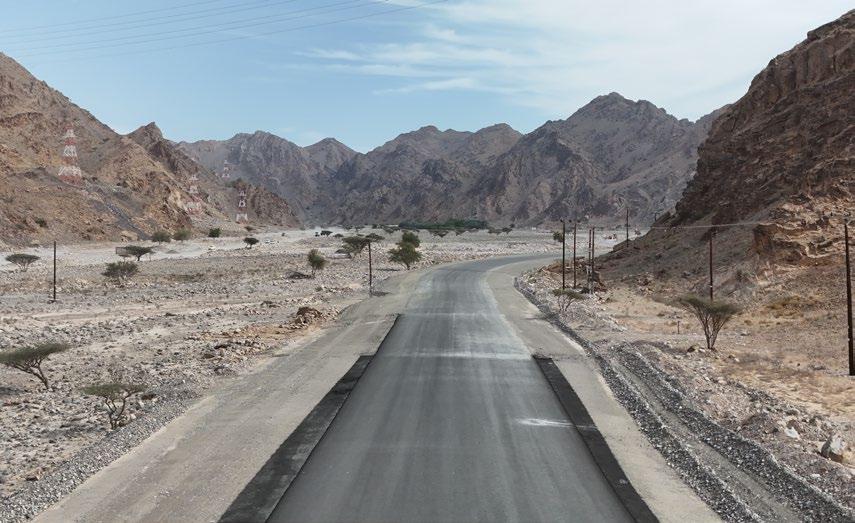
The Ministry is implementing nearly 60 major road projects valued at more than RO 1 billion. Twenty of these projects exceeded 70 per cent completion.
Notable projects include:
y Sultan Turki bin Said Road (Ash Sharqiyah Expressway – Phase 2) 74 per cent complete
y Sultan Feisal bin Turki Road (Dibba–Lima–Khasab)
58 per cent complete, exceeding planned progress and set to strengthen Musandam’s connectivity.
In Dhofar, major work is underway on Phases 3, 4 and 5 of Sultan Said bin Taimur Road dualisation. Progress is also advancing on:
y Harweeb–Mitan Road — 185 km (out of 210 km) completed
y Izkī–Nizwā–Qaroot South dualisation — 7 per cent progress
y Development of Al Mouj Road and the linked 18th November Street, including additional lanes, bridges and traffic improvements
y Preparations are ongoing for the expansion of the Muscat Expressway.
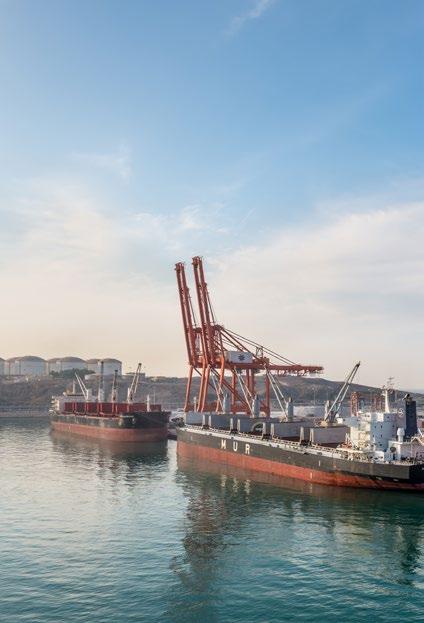
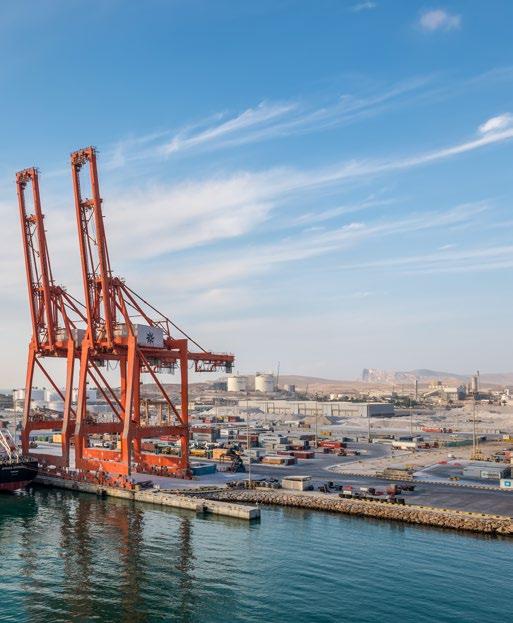
Ports Sector
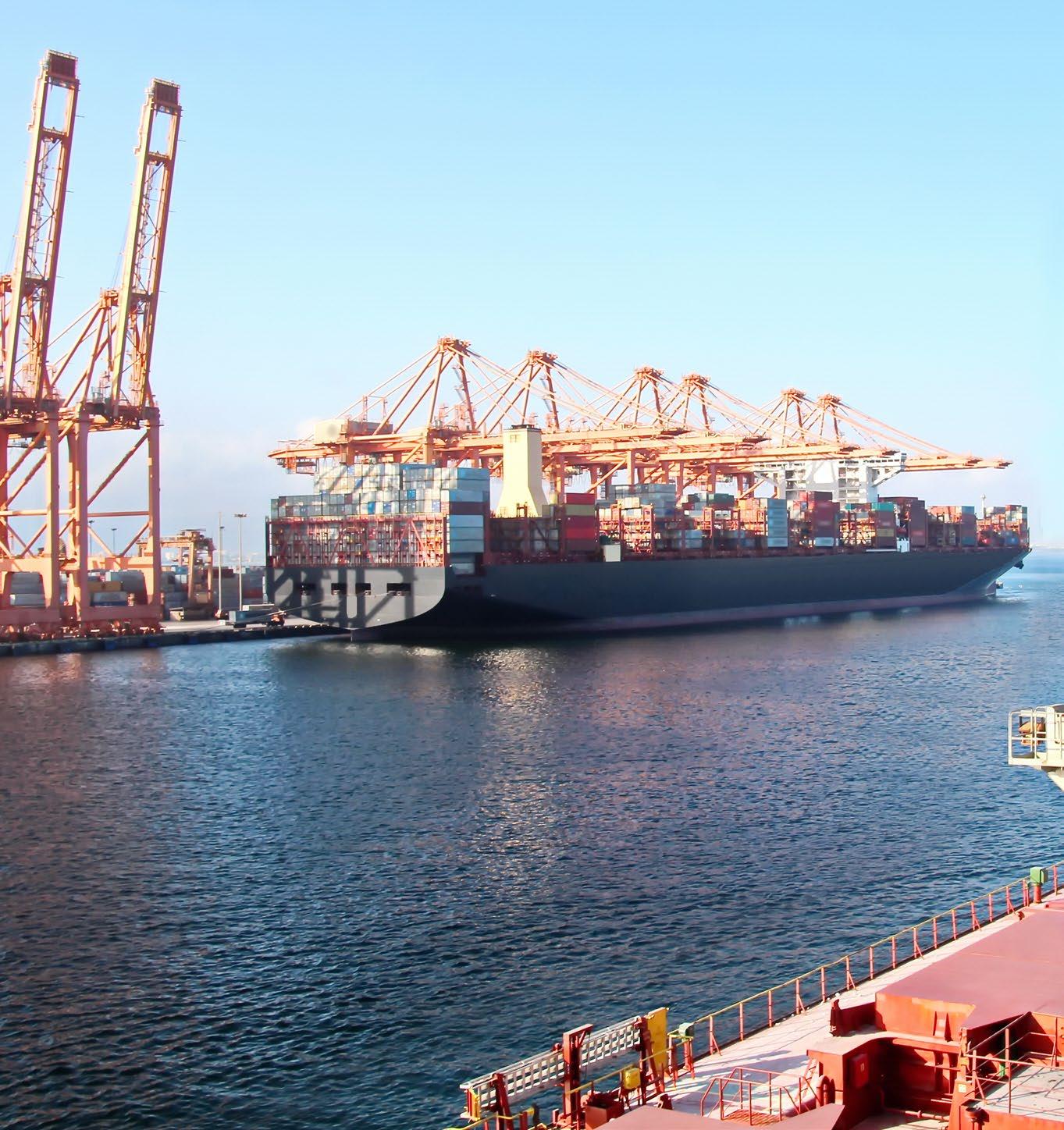
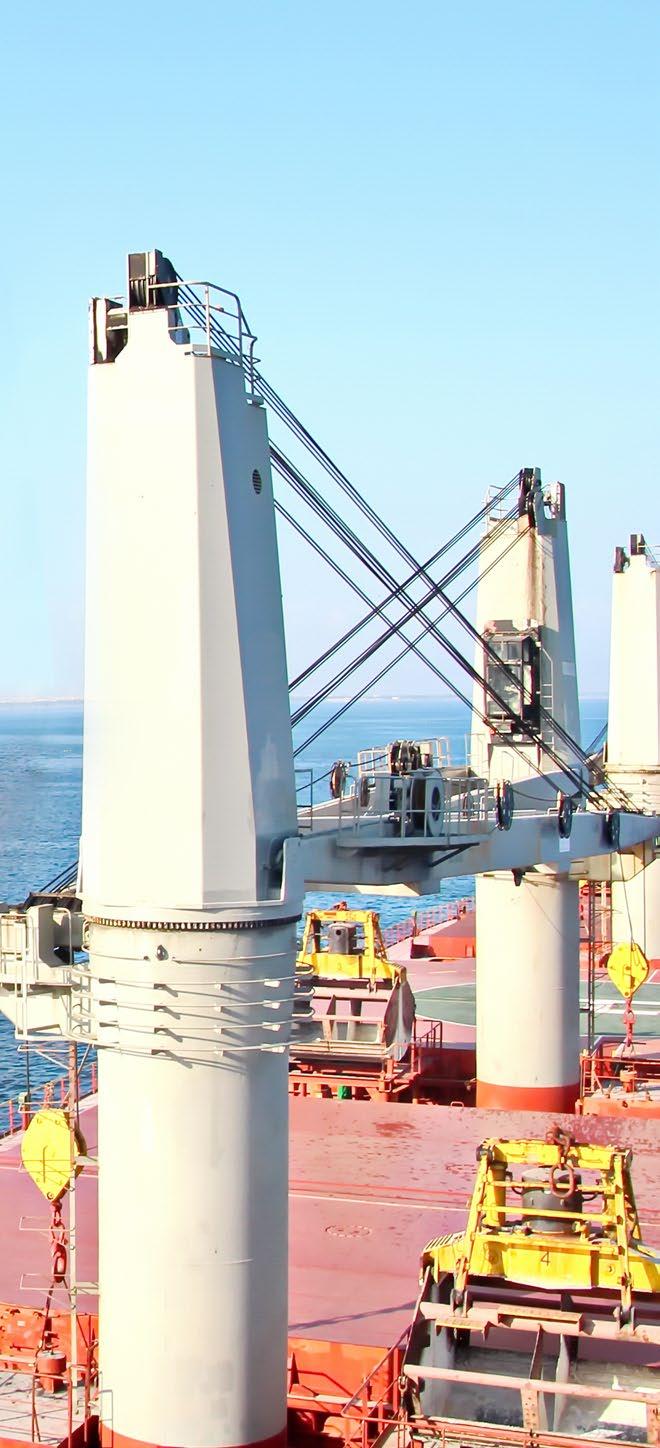
Omani ports continue to register strong growth as regional trade gateways:
Maritime trade made up 66.2 per cent of total exports and imports in H1 2025.
Seaborne exports accounted for 74.4 per cent of total exports.
Re-exports via seaports reached 47 per cent.
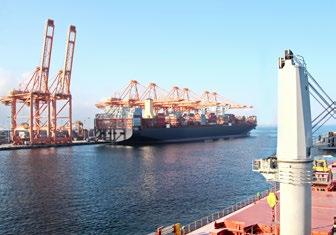
Ship arrivals increased by 11.3 per cent, while container handling rose to over 3.8 million TEUs, marking a 16.4 per cent increase from 2024. Cargo volumes reached 105.9 million tonnes, up 3.8 per cent over the previous year.
Maritime Affairs
Maritime affairs revenues surpassed RO 1 million in 2025 — a 31.24 per cent jump from 2024.
Key activities included:
y 212 licenses issued for foreign vessels
y 584 new vessel registrations under the Omani flag
y 1,859 vessel renewals
y 1,011 seafarers’ certificates issued
y 1,578 maritime activity licenses granted
Land Transport
Digital transformation in transport continues through the Naql platform, which processed more than 250,000 electronic transactions as of October 2025. With a processing time of less than two minutes per request, the platform generated RO8 million in revenue and now provides 16 services covering taxis, buses and freight transport.
Sustainability & Clean Energy Transport
Oman is accelerating its transition toward sustainable and green mobility:
Electric Vehicles (EVs)
Over 160 EV chargers are now installed and operational nationwide.
Launch of the Shaahin national EV charging app enabling booking, navigation and digital payments.
Green Hydrogen & Clean Technology
Launch of Oman’s first hydrogen production, supply and distribution station, the first of its kind in the Middle East.
Operation of 15 hydrogen-powered vehicles.
Development of the GCC’s first dual-fuel (diesel + hydrogen) truck, fully engineered by Omani talent.
Green Maritime Initiatives
Agreements were finalised to:
Build a green ship-recycling facility in Khatmat Malaha
Introduce shore-to-ship power at Sohar Port
Develop Oman’s first integrated green methanol production facility
ICT, Artificial Intelligence & Digital Governance
AI and Advanced Technologies
Major in 2025 include:
y Launch of the National Generative AI Language Model
y Introduction of the Oman Digital Triangle (ODT) for green computing and AI data centers
y Establishment of an AI start-up zone
y Launch of the Green AI Alliance, AI Studio, and the second AI Makers Program
y Investment in AI reached RO 65 million, producing 22 AI-focused start-ups Government Digital Transformation
Oman achieved major milestones in digital governance:
y Unified Government Services Portal with 30 new e-services
y Sign-language video library for people with disabilities
y Digital transformation performance reached 80 per cent
y 74 per cent of government services digitized
y 96 per cent of procedures simplified
Space Sector Development
Oman is building a competitive regional space ecosystem through:
y The Oman Space Accelerator supporting 10 start-ups
y The National Space Capacity-Building Program
y Expansion to 21 companies now operating in space-related fields
Cybersecurity Ecosystem
In 2025, the National Cybersecurity Center launched:
y The National e-Authentication Service (Thiqa)
y The Cybersecurity Industry Monitoring Center
y Two cybersecurity hubs across UTAS, SQU and Middle East College
Policies, Legislation & National Frameworks
New regulations issued in 2025 include:
y Electronic Transactions Law (Royal Decree 39/2025)
y Government Digital Transformation Regulation (MD 108/2025)
y National AI Safety & Ethics Policy
y National Data Governance & Management Framework
Enabling the Tech Ecosystem & Future Skills
Makeen Digital Skills Program
More than 10,000 Omanis trained from 2022–2025, including 1,325 trained in 2025 alone across 124 specialized programs.
Sas Innovation & Start-up Ecosystem
Key enabling programs include:
y Oman Startup Hub — 200+ start-ups, 48 incubators/accelerators, US$330 million+ financing
y Jedara Program for government adoption of local tech innovations
y Numu Program supporting scaling and regional expansion of tech SMEs
Semiconductors & Digital Industry
Oman is laying foundations for a high-tech semiconductor industry:
y MoU signed to build a semiconductor manufacturing project in Salalah Free Zone
y National program to integrate semiconductor education into engineering tracks
y Five-year specialist training plan
y Efforts to attract international semiconductor companies
y Establishment of a national Center of Excellence for Semiconductors
Oman’s transport, logistics, communications and ICT sectors are experiencing one of their most transformative periods in decades. With large-scale investments, groundbreaking digital initiatives, robust regulatory reforms and ambitious sustainability goals, the Sultanate is strengthening its competitiveness and shaping a resilient digital economy.
As Oman advances toward Vision 2040, these achievements position the nation as a regional leader in future-ready infrastructure, clean energy mobility, digital transformation and technological innovation.
Prudent Growth
Oman’s Banking and Finance Sector remains a pillar of economic resilience and digital transformation
financial corporations at 17.3 per cent, and other sectors at 2.2 per cent.
Aggregate deposits with conventional banks grew by 3.2 per cent year-on-year to RO25.8bn at end-September. Government deposits with conventional banks increased by 8.9 per cent to RO5.9bn, while public enterprise deposits declined by 29.3 per cent to RO1.7bn.
Private sector deposits, which accounted for 67.2 per cent of total deposits with conventional banks, rose by 6.9 per cent to RO17.3bn. Deposits with Islamic banks and windows surged by 10.5 per cent year-on-year to RO7.3bn at the end of September 2025.
Central Bank of Oman’s regulatory strides
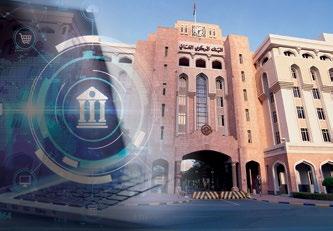
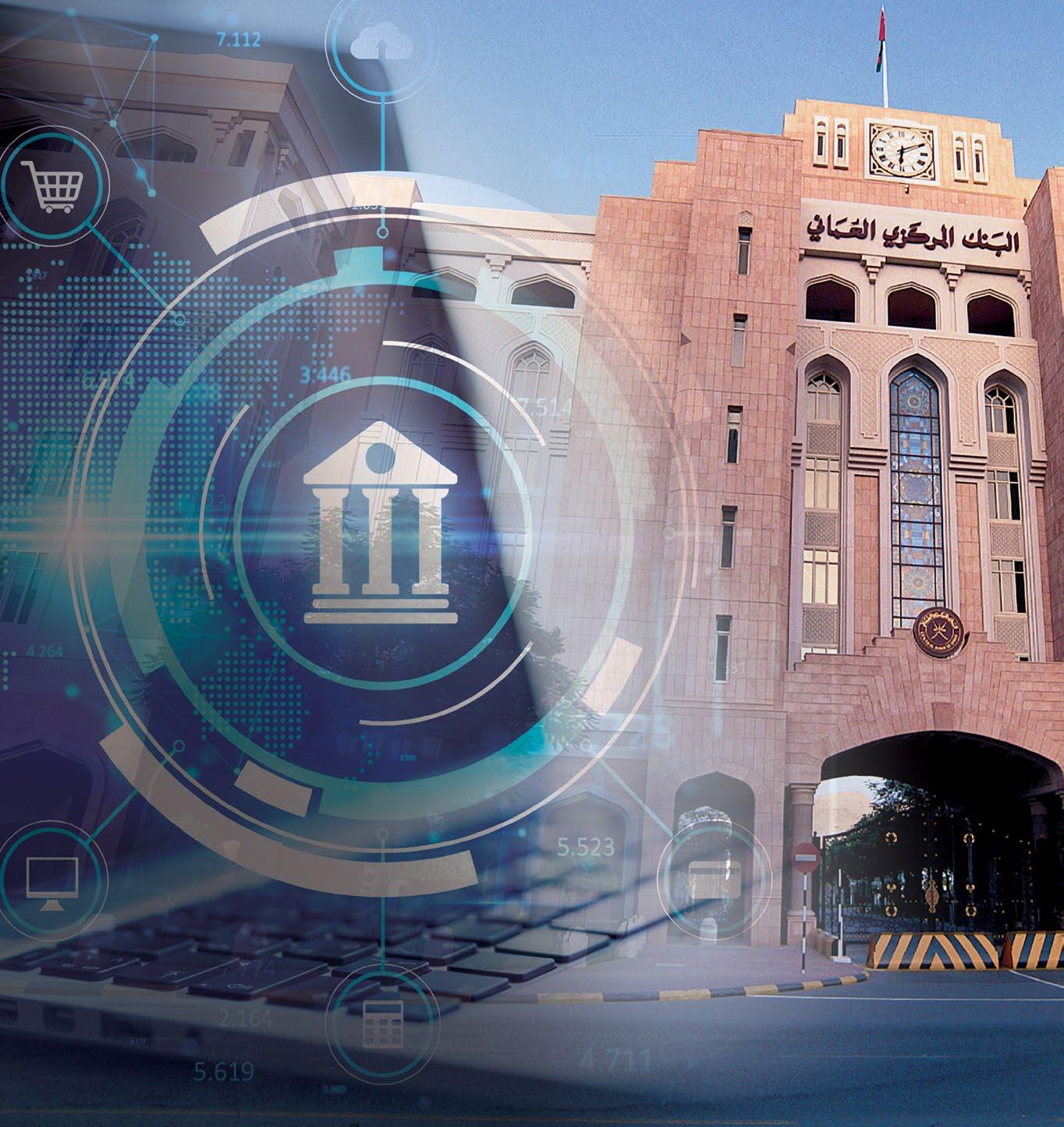
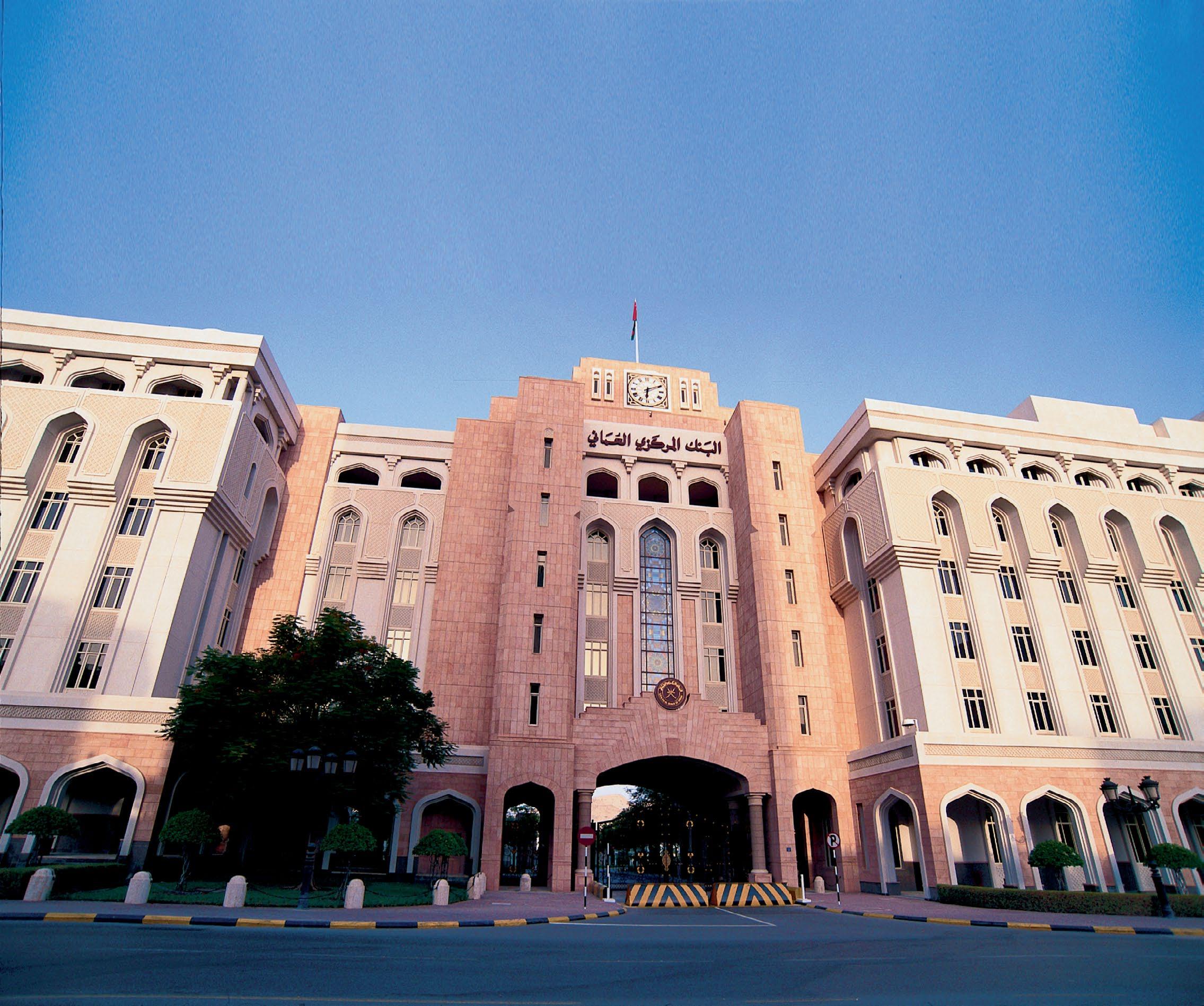
As the apex financial institution, the CBO is the primary driver of monetary policy and banking supervision, with its initiatives sharply focused on enhancing financial stability, promoting digital innovation, and fostering financial inclusion in line with Oman Vision 2040. IT has taken a number of measures to strengthen the sector.
The CBO is strategically restructuring the financial landscape through digitization, a cornerstone of the national Financial Transformation Strategy 2021–2025.
Oman has taken a major step toward building a unified, low-cost national payments ecosystem with the Central Bank of Oman’s newly approved fee structure for the “Maal” consumer debit and prepaid card. The framework eliminates key fees for users and service providers, lowers acceptance costs for merchants, and prepares the ground for a nationwide rollout following the card’s pilot launch on November 20, coinciding with National Day.
The “Maal” card is Oman’s national consumer payment card introduced by the Central Bank of Oman to support a uniform, domestically managed digital payments system. It is issued in both debit and prepaid forms and is designed to offer individuals a secure, low-cost way to make electronic payments within the Sultanate. The card is provided without any issuance, reissuance, or annual fees, making it a zero-cost option for users.
Operated through the OmanNet network, the “Maal” card enables payments across ATMs, point-of-sale terminals, and e-commerce platforms, and forms a key component of the country’s long-term strategy to localize and strengthen national payment infrastructure. The Central Bank of Oman (CBO) has finalized the fee framework that governs the “Maal” debit and prepaid card as part of its broader plan to build an efficient, nationally operated payments ecosystem. By
removing financial barriers and streamlining digital payment access, the initiative supports individuals, merchants, government entities, and financial service providers.
Consumers will receive the card with no fees for issuance, reissuance, or annual maintenance, ensuring that both debit and prepaid versions remain cost-free. Existing CBO regulations will continue to determine fees for ATM cash withdrawals and related services.
This structure supports CBO’s mission to give residents a secure, lowcost digital payment tool that can be used easily within Oman, while also expanding financial inclusion across the country.
The CBO has issued the Open Banking Regulatory Framework to facilitate data sharing between banks and third-party financial service providers (FinTechs) securely. This aims to spur innovation, create new services, and enhance competition, ultimately benefiting the consumer.
The establishment of a Regulatory Sandbox provides a safe, controlled environment for FinTech firms to test innovative products and services before a full market launch. This de-risks innovation and accelerates the adoption of emerging technologies.
The CBO continuously updates its regulatory framework to align with international best practices and ensure the resilience of the banking sector.
New Banking Law (Royal Decree No. 2/2025): The issuance of a new, updated Banking Law strengthens the regulatory and supervisory framework, enhancing the sector’s transparency and competitiveness.
Sectoral Lending/Financing Targets: To support economic diversification, the CBO has mandated banks to allocate a portion of their credit and financing to priority economic sectors. These sectors include agriculture, fisheries, mining, logistics, tourism, and renewable energy, ensuring the banking sector actively fuels non-oil economic growth.
Bank Resolution Framework and Deposit Insurance: The CBO has implemented a robust Bank Resolution Framework and a Bank Deposits Insurance Scheme to safeguard depositors and maintain systemic stability in the event of a bank failure.18
The Financial Services Authority’s initiatives
The Financial Services Authority (FSA), which succeeded the Capital Market Authority (CMA) by Royal Decree 20/2024, is the regulator and supervisor of the non-banking financial sector. Its mandate covers the capital market, insurance, credit rating agencies, and the accounting and auditing profession. The FSA’s core objective is to maximise investor and policyholder confidence, diversify products, and promote transparency.
The FSA plays a pivotal role in deepening the local capital market, which is crucial for funding long-term national development projects.
• Incentive Program for the Capital Market: The FSA actively promotes the capital market through incentive programs to encourage listings, trading activity, and the introduction of new financial instruments.
• Electronic-IPO (E-IPO) Platform: The FSA has facilitated digital access to initial public offerings (IPOs), making it easier for local and foreign investors to participate. The success of major IPOs, with high percentages of subscriptions completed digitally, underscores this achievement.
• Fixed-Income Market Development: The FSA is working to improve the liquidity of the local currency bond markets by collaborating on the development of a benchmark yield curve and exploring the introduction of a market maker system.
• The FSA is focused on regulatory upgrades to modernise the insurance industry, particularly in the realm of health insurance through its initiatives such as:
• ‘Dhamani’ - The National Health Insurance Platform: This key initiative is a centralized electronic platform designed to implement and manage mandatory health insurance. It aims to streamline operations, enhance policyholder protection, and ensure the financial sustainability of the sector.
• Electronic Insurance Operations Regulation: The FSA has issued regulations to govern and facilitate electronic insurance operations, thereby boosting digital adoption and efficiency within the industry.
• Protecting investors and ensuring sound governance are central to the FSA’s mandate and it has taken a number of measures in this direction.
• Investor Protection Portal and Whistleblower Service: The FSA operates a dedicated Investor Protection Portal and a Whistleblower Service to enhance public trust and provide channels for reporting misconduct, thereby ensuring market integrity.
• Governance Regulation: By issuing clear governance regulations for institutions under its purview, the FSA ensures adherence to high standards of corporate conduct, transparency, and accountability, aligning with international best practices.
Oman’s banking and finance sector is charting a course fully aligned with the national development blueprint, Oman Vision 2040. The future trajectory is marked by a deepening commitment to digitalfirst solutions and a diversified financial structure.
Growth catalyst
Foreign direct investment marked a substantial rise, reaching around RO30.61bn by the end of Q1 2025, a 20.59 per cent increase
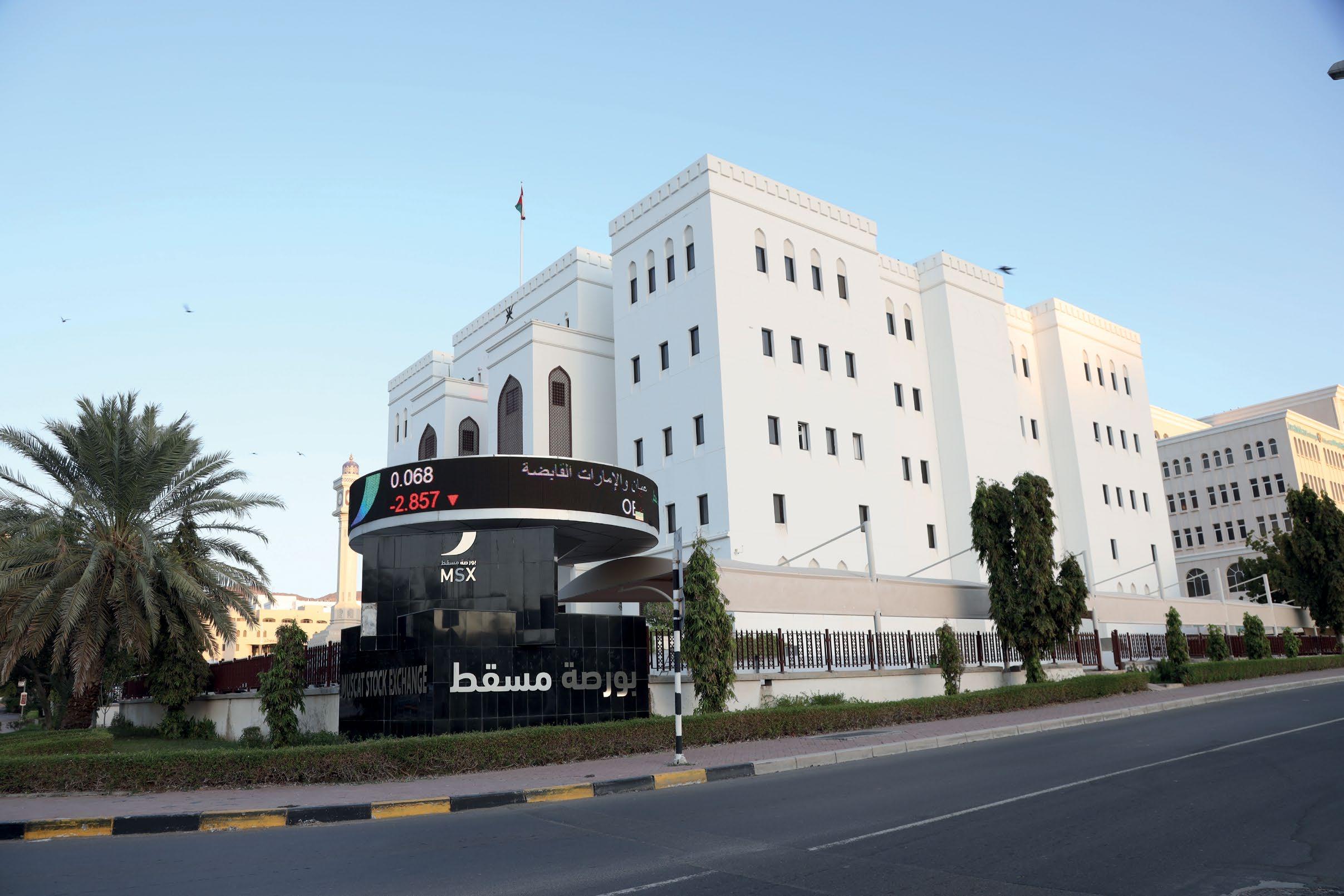
development in Oman’s economic diversification strategy and aims to create opportunities for small and medium enterprises, startups, and private companies seeking access to capital markets. The AIM highlights Oman’s commitment to fostering a more dynamic and accessible investment environment. This initiative focuses on several strategic objectives, including upgrading the Muscat Stock Exchange (MSX) to emerging market status, expanding the investor base, enhancing market liquidity, and providing alternative financing options for companies that do not yet meet the stringent requirements of the main market.
From a legal and regulatory standpoint, the AIM introduces a tiered capital market structure that accommodates businesses at various stages of their growth. The Regulation creates two distinct listing pathways, tailored to different company profiles and capital needs. The direct listing route is designed for established, profitable companies looking for market access without needing immediate capital. These companies must demonstrate consistent profitability over three years, maintain an annual revenue growth rate of at least
introduced in 2022. This achievement reflects not only the appetite of start-ups for alternative financing but also the confidence of investors in these digital platforms as credible and regulated channels for capital raising.
During the second quarter of 2025, statistics show that 43 projects were financed through crowdfunding platforms, with total funding amounting to RO2.28 million, an 81 per cent increase compared with the same period in 2024. The growth reflects the increasing role of crowdfunding in supporting start-ups and small and medium enterprises (SMEs) in the Sultanate of Oman. The steady rise in volumes highlights the strong momentum of the sector and the increasing willingness of both entrepreneurs and investors to embrace crowdfunding as a viable complement to traditional financing options.
Crowdfunding platforms in the Sultanate of Oman continue to show steady growth, reflecting their rising importance as alternative financing channels for SMEs and entrepreneurs. The latest figures
DURING THE SECOND QUARTER OF 2025, STATISTICS SHOW THAT 43 PROJECTS WERE FINANCED THROUGH CROWDFUNDING PLATFORMS, WITH TOTAL FUNDING AMOUNTING TO RO2.28 MILLION, AN 81 PER CENT INCREASE COMPARED WITH THE SAME PERIOD IN 2024
14.4 per cent, and have a minimum of 20 shareholders. Conversely, the indirect listing pathway supports emerging businesses in raising capital and offers greater flexibility. This route requires companies to place at least 20 per cent of their capital through private placements while maintaining a limited operational history of just two years. The Regulation includes an innovative provision allowing companies still in the establishment phase to access the capital market without meeting standard performance criteria, as long as other regulatory conditions are satisfied. This provision permits new, pre-revenue companies to raise capital through public markets, broadening access for business ventures.
The Financial Services Authority (FSA), regulator of Oman’s capital market and insurance sector, has revealed that crowdfunding platforms in the Sultanate of Oman have collectively raised approximately RO14.9mn since this non-bank financing channel was
represent significant progress, underlining stronger investor participation and the effectiveness of the FSA’s regulatory framework in fostering a transparent, innovative and resilient financing environment.
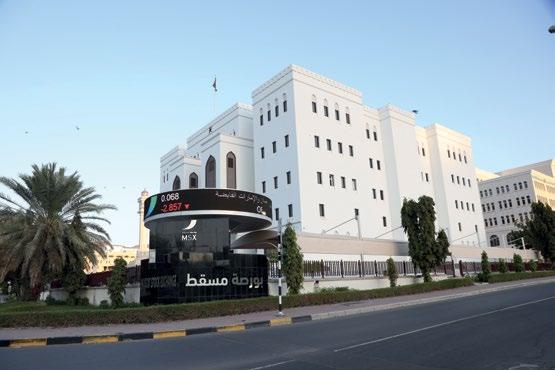
Since 2021, MSX has undergone a profound transformation; one that reinforced its position among the region’s most successful markets. Oman has thus reached new levels of liquidity and listings, emerging as a dynamic, multi-sector financial platform with record trading volumes and a doubled market capitalisation, attracting both local and international capital. This national journey reflects OIA’s commitment to transforming challenges into opportunities and empowering Omani citizens to become active partners in the ownership of national assets, in line with the long-term objectives of Oman Vision 2040 which considers the capital market as a key driver of sustainable economic growth.
Stellar performance
Key segments such as health and motor insurance performed particularly well in 2025
Oman’s insurance sector experienced robust growth in 2025, with revenue rising by approximately 11 per cent in the first half of the year and a 13 per cent increase for listed companies over the first three quarters. This expansion was fueled by enhanced profitability, stricter underwriting practices, reduced service costs, and improved efficiency, allowing the sector to transition from a loss to a profit in the first half of the year. Key segments such as health and motor insurance performed particularly well, and ongoing growth is anticipated due to heightened awareness and demand for financial protection.
In terms of performance highlights for 2025, total insurance revenue climbed by 11 per cent to around RO372mn in the first half, with listed companies seeing a 13 per cent revenue increase in the first three quarters. Profitability improved significantly, as the sector evolved from a loss of RO10.3mn in the first half of 2024 to a profit of RO18.6mn in the same period of 2025. Efficiency metrics also showed considerable improvement, with the combined ratio decreasing from 98 per cent to 71 per cent, and return on equity rising from 3 per cent to 43 per cent. This positive turnaround was driven by stronger underwriting discipline, a 19 per cent reduction in service expenses, and advancements among leading insurers. Both conventional and takaful (Islamic insurance) players contributed to this growth, with health and motor insurance remaining dominant, accounting for a substantial portion of the gross written premium.
Insurance has become one of the mainstays on which the individuals and enterprises depend to remain in strong financial position as an efficient tool for management of potential risks. The audited financial statements of the year 2024 showed increase in the direct underwritten premiums inside the Sultanate of Oman by 11 per cent to RO 501.7mn at the end of 2024 compared to RO451.9mn at the end of the previous year. Gross direct premiums underwritten inside and outside the Sultanate of Oman witnessed decline in performance compared to the previous years. Gross direct premiums of the sector were RO506.6mn compared to RO565.5mn in 2023, which resulted in drop in the sector’s contribution to the GDP to 1.22 per cent compared to 1.35 in the previous year.
The figures show that health insurance accounted for 22.3 per cent of the gross direct underwritten premiums while motor vehicle insurance (comprehensive and third-party insurance) comprised 23.3 per cent of the total volume of premiums. The data showed that the premiums of Takaful insurance grew by 19.3 per cent whereas the gross direct Takaful premiums reached RO 91.70mn. Takaful insurance accounted for 18.1 per cent of the gross direct premiums for the year.
FSA also established a platform for health insurance claims for the Ministry of Health to collect treatment amounts for Omanis who have health insurance and receive the treatment service in government
health institutions. The FSA continued its efforts with regard to e-transformation in the insurance sector.
FSA developed a system for indices of motor insurance performance and made some amendments on it to be more precise and comprehensive. The system for investing the assets of insurance and Takaful companies was also launched. Motor vehicle insurance prices page was created on the FSA’s website. In addition, the electronic complaints management system was updated and developed, and the complaints follow-up system was launched.
FSA also updated and developed many systems that facilitate and accelerate the process of regulating and licensing services, such as appointments, agent cancellation applications and the service of adding branches for insurance companies. An electronic system was created to approve electronic insurance platforms as well as some updates to the insurance products system and a complete system
was created for applications to renew and cancel health insurance claims revenue cycle management licenses.
Oman’s insurance industry is projected to grow at an annualized rate of 4.5 percent, reaching $1.8bn in 2028, according to the UAE-based investment banking advisory firm Alpen Capital. The gross written premium is expected to grow annually at a rate of 6.39 per cent (CAGR 2024-2029), resulting in a market volume of $434.80m by 2029.
Looking ahead, the market is expected to maintain its growth trajectory, partly due to rising awareness of the importance of longterm financial planning and protection. Emerging sectors, such as legal insurance—which includes coverage for cyber law and intellectual property—are also anticipated to grow as individuals and businesses become more conscious of legal risks. Furthermore, Oman’s efforts in economic diversification and the promotion of foreign investment are increasing the need for a wider range of insurance products.
OMAN’S EFFORTS IN ECONOMIC DIVERSIFICATION AND THE PROMOTION OF FOREIGN INVESTMENT ARE INCREASING THE NEED FOR A WIDER RANGE OF INSURANCE PRODUCTS
Perfection in Every Detail
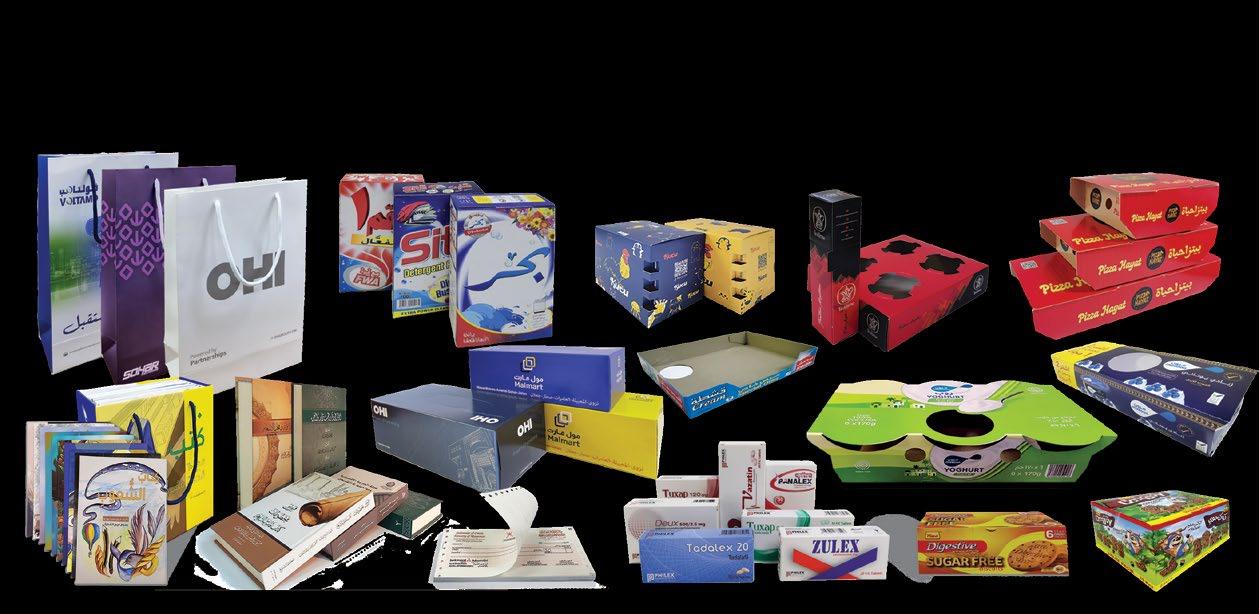
Commercial Printing
Brochures, Catalogues, Magazines, Newsletters, Annual Reports, Folders, Inserts, Lea ets, Flyers, Posters, Point of Sale items, Carry Bags, Labels, Calendars & Diaries.
Oman’s infrastructure and real estate sector offers a blueprint for diversification and sustainable growth
Oman’s infrastructure industry is experiencing a robust resurgence, positioning itself as a pivotal sector in Oman’s broader economic transformation. The market is projected to expand significantly, with estimates indicating a growth from RO3.81 billion (approximately US$9.9 billion) in 2025 to RO4.40 billion (approximately US$11.4 billion) by 2029, reflecting a CAGR of 2.8%. The fundamental driver behind this renewed momentum is Oman Vision 2040, the national blueprint for comprehensive economic diversification and sustainable development. This strategic framework directs substantial investments towards critical infrastructure, a burgeoning tourism sector, and an expanding real estate market, aiming to reduce the nation’s historical reliance on hydrocarbon revenues.
Major urban development initiatives, such as Sultan Haitham City and Madinat Al Irfan, are at the forefront of this growth. These projects are complemented by the strategic expansion of Special Economic Zones (SEZs) in key locations like Duqm, Sohar, and Salalah, which are actively attracting significant foreign and local investments, particularly within the industrial and logistics sectors.
Residential Real Estate
The residential real estate sector, a crucial component of the construction landscape, is anticipated to demonstrate substantial growth, with a projected CAGR of 9.19% from 2025 to 2033. This growth is fueled by increasing population figures, accelerated urbanisation, and a notable rise in the expatriate population. Furthermore, tourism-related construction, particularly Integrated Tourism Complexes (ITCs), is identified as a vital growth area. Oman has ambitious plans to add 5,800 hotel rooms and deliver 62,800 new residential units by 2030, bolstering its tourism capacity and accommodating the anticipated demographic expansion.
The current growth trajectory for Oman’s construction industry, evident from 2025 onwards, should be viewed not merely as a cyclical economic recovery but as a profound strategic reset and a period of sustained expansion. The industry experienced a decline from 2017 to 2019, followed by a sharp contraction in 2020. However, the subsequent period, including the 2020-2024 timeframe, showed a negative CAGR, indicating that the immediate aftermath of 2020 remained challenging. The current and projected growth, therefore, represents a deliberate, policy-driven recovery and a planned trajectory.
This commitment is underpinned by the government’s proactive economic diversification efforts and targeted investments. For potential investors, this indicates a higher degree of policy certainty and long-term commitment supporting the market’s growth, potentially mitigating some of the traditional risks associated with economies heavily reliant on oil. It positions Oman as a market where
growth is actively engineered and sustained through strategic national initiatives. Government commitment to funding development projects is evident in recent figures. Public expenditure in Oman increased by 4% year-on-year in Q1 2025, reaching approximately RO2.8 billion (US$7.2 billion). Of this, development expenditure by ministries and civil service units accounted for approximately RO254 million (US$660.6 million) in Q1 2025, signifying a disbursement rate of 28% of the total development allocation for the year. This financial backing underscores the government’s dedication to stimulating construction activity across various sectors.
Oman Vision 2040 stands as the foundational framework guiding the Sultanate’s reforms and investments. Its overarching aim is to achieve comprehensive economic diversification and long-term sustainability, thereby reducing the nation’s historical dependence on hydrocarbon revenues. A central objective of this Vision is for non-oil sectors to contribute 90% of the economy by 2040. This ambitious target necessitates significant contributions from burgeoning sectors such as manufacturing, logistics, and tourism, all of which inherently require substantial construction activity.
The government’s strategic focus is resolutely placed on developing robust infrastructure, diversifying the economic base, investing in green energy solutions, and fostering sustainable economic opportunities for the Omani populace. This strategic alignment ensures that construction is not merely a reactive industry but a proactive enabler of national development goals. Oman’s construction landscape is currently defined by a series of ambitious, large-scale projects that are transforming the country’s urban, industrial, and tourism sectors. These developments are integral to achieving the objectives outlined in Oman Vision 2040, driving economic diversification and creating
Infrastructure Projects
Oman is undertaking substantial infrastructure development to support its economic diversification goals, with significant investments in transportation, energy, and social facilities.
Road Network Expansion
The Ministry of Transport, Communications and Information Technology (MTCIT) has announced several transformative projects under its 2025 executive plan, with nearly RO989 million allocated to development projects, 93% of which is directed towards enhancing Oman’s road network.
Plans for 2025 include launching 30 major infrastructure projects with a combined value exceeding RO800 million, covering 700 km of road network improvements, logistical connectivity, and tourism infrastructure. Key projects include the dualisation of the RaysutMughsail road to improve access to southern Oman’s coastal areas, and the Sultan Said bin Taimur Road (Adam-Haima-Thumrait) spanning 400 km, to be executed in partnership with an Omani-Saudi coalition. Other dualisation projects include the Izki-Nizwa Road and the Al Kamil Wa al Wafi-Jalan Bani Bu Hassan-Jalan Bani Bu Ali Road, with work on Phase 1 of Rub al Khali Road also commencing.
Oman Rail Network
The development of a national railway network is a significant undertaking, aiming to connect major cities like Muscat, Sohar and Duqm, facilitating the movement of both goods and people across the country. The UAE-Oman railway project, named Hafeet Rail, is officially underway, connecting the UAE capital of Abu Dhabi with the
new opportunities across the Sultanate.
Omani port city of Sohar. This 238-kilometer railway will include 60 bridges and 2.5 kilometers of tunnels.
Work on the project began in May 2024, following a shareholder agreement between Hafeet Rail (a company formed by Etihad Rail and Oman Rail) and construction companies. Progress is noted in North Al Batinah, Al Buraimi, and Abu Dhabi, with over one million man-hours clocked. The project aims for a record-breaking timeline, with passenger trains reaching 200 km/hr. and freight trains 120 km/hr., significantly reducing travel and transport times. This railway project holds the potential to reshape Oman’s economic landscape by improving connectivity, facilitating trade, and promoting economic diversification, ultimately positioning Oman for future growth and prosperity.
Plans are also underway to introduce a metro system in Muscat to alleviate congestion and offer an efficient alternative to road transport. Additionally, the MTCIT announced plans for water taxis.
Port Development
Oman is focusing on modernising its port infrastructure through the Omani Ports Development Strategy (2025-2040). This includes signing long-term concession agreements for Khasab, Shinas, and Dhalkut ports, and launching an electronic ‘Ports Community Platform’ to streamline operations and enhance global competitiveness. The expansion of Salalah Port further enhances the Sultanate’s position as a commercial and industrial hub.
Energy and Utilities Infrastructure
Oman is making significant strides in green energy infrastructure. The first hydrogen refueling station is set to open at Muscat International Airport in 2025, reinforcing the country’s commitment to low-carbon
technologies.
green hydrogen plant and the HYDROM Green Hydrogen Blocks (Phase A) in Duqm and Salalah, are under development.
These initiatives align with Oman’s ambitious targets to raise renewable energy’s share in the total electricity mix to 30% by 2030 and 70% by 2040, aiming for net-zero emissions by 2050. Furthermore, a waste-to-energy plant in Barka, South Al Batinah, is being built to convert municipal solid waste into electricity.
Social Infrastructure
Aligned with Oman Vision 2040, affordable housing initiatives are gaining traction in the residential market. The government is committed to providing 62,800 new residential units by 2030, with 5,500 expected in 2025, and over 80,000 new homes projected by 2040 to meet population growth.
The Ministry of Housing and Urban Planning has signed contracts for integrated housing projects across multiple governorates, including 1,050 homes in Wilayat of Amerat and 1,350 in Halban district, equipped with modern utilities. Additionally, the Projects, Tenders and Local Content Authority (formerly known as Tender Board) awarded a contract for the design and construction of 20 integrated school buildings across various governorates, valued at US$103 million. Sultan Haitham City alone is planned to include 30 public schools, 9 private schools, 8 health centers, and a 1200-bed hospital.
Commercial and Industrial Projects
The commercial real estate market in Oman is anticipated to reach US$13.84 billion by 2031, expanding at a CAGR of 8.78% from its 2022
Major Green hydrogen projects, such as the Green Energy Oman (GEO) 25GW
value of US$6.49 billion. This growth is supported by the recovery of oil prices and the completion of new infrastructure like Muscat International Airport.
The Mall of Oman, the Sultanate’s inaugural mega-mall, is a significant commercial development. AECOM provided lead consultancy services for this monumental project, which features 145,000 square meters of retail space, dining outlets, and various lifestyle experiences. The Mall of Oman is LEED Platinum rated, making it the largest building in Oman and the country’s first major retail project to achieve this prestigious accreditation, highlighting its commitment to sustainability.
Oman is actively expanding its industrial sector through new investments and the establishment of industrial cities and free zones. The Public Authority for Special Economic Zones and Free Zones (OPAZ) is leading efforts to establish new industrial cities, collaborating with the Public Establishment for Industrial Estates (Madayn) on projects such as Mahas Industrial City (Musandam) and Al Mudhaibi Industrial City. These expansions are crucial for attracting foreign direct investment, creating employment opportunities, and enhancing national production capacity. The Duqm Special Economic Zone (SEZAD) has emerged as a major hub, hosting largescale projects like the Duqm Refinery and crude oil storage facilities. The Sohar Freezone focuses on mining, ceramics, and construction
materials manufacturing, while the Salalah Free Zone attracts investments in pharmaceuticals and petrochemicals.
As of late 2024, 183 industrial licenses were issued, with 68% linked to industrial cities, underscoring their role in economic diversification. Oman’s Industrial Strategy 2040 outlines ambitious plans to triple the manufacturing sector’s contribution to GDP by 2024, increase industrial exports to RO25 billion by 2040, and attract RO40 billion in industrial investments, with a focus on leveraging advanced technologies.
The Invest Oman platform plays a crucial role in facilitating and localising high-value investment projects across Oman’s special economic zones, free zones, and industrial cities. By early 2025, 40 high-value investment projects, valued at approximately RO1.8 billion, had been successfully localized through this platform. The platform has processed nearly 90-investment proposals worth around RO4.9 billion, covering key sectors such as manufacturing, food security, and healthcare. The platform integrates 22 key government and private sector entities, streamlining investment facilitation under the supervision of the Ministry of Commerce, Industry and Investment Promotion.
Overall, the prospects for Oman’s construction industry look promising with the sector holding the potential to be a major contributor to Oman’s drive for economic diversification.
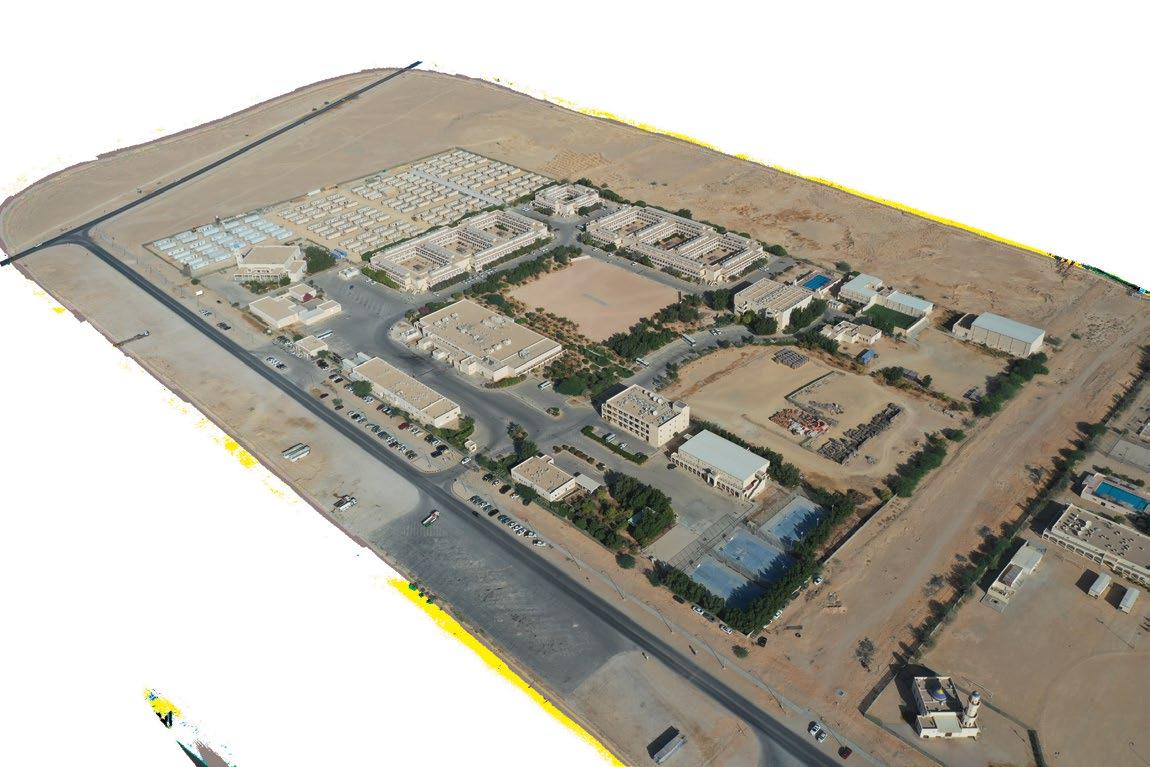
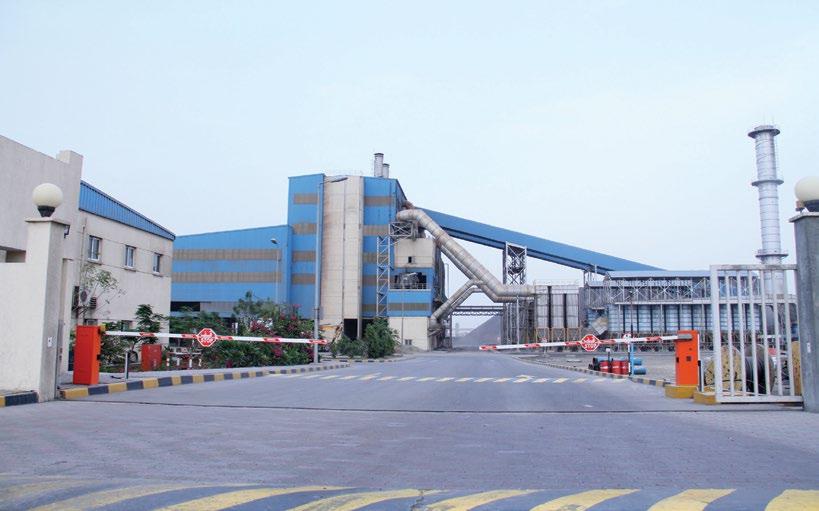
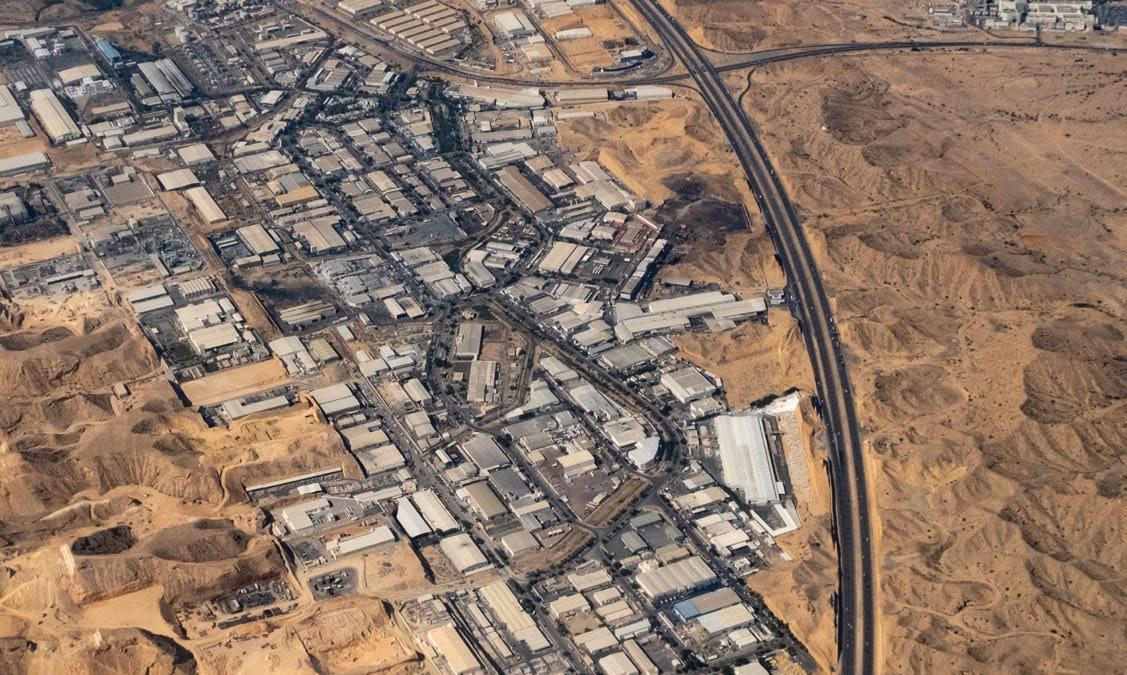
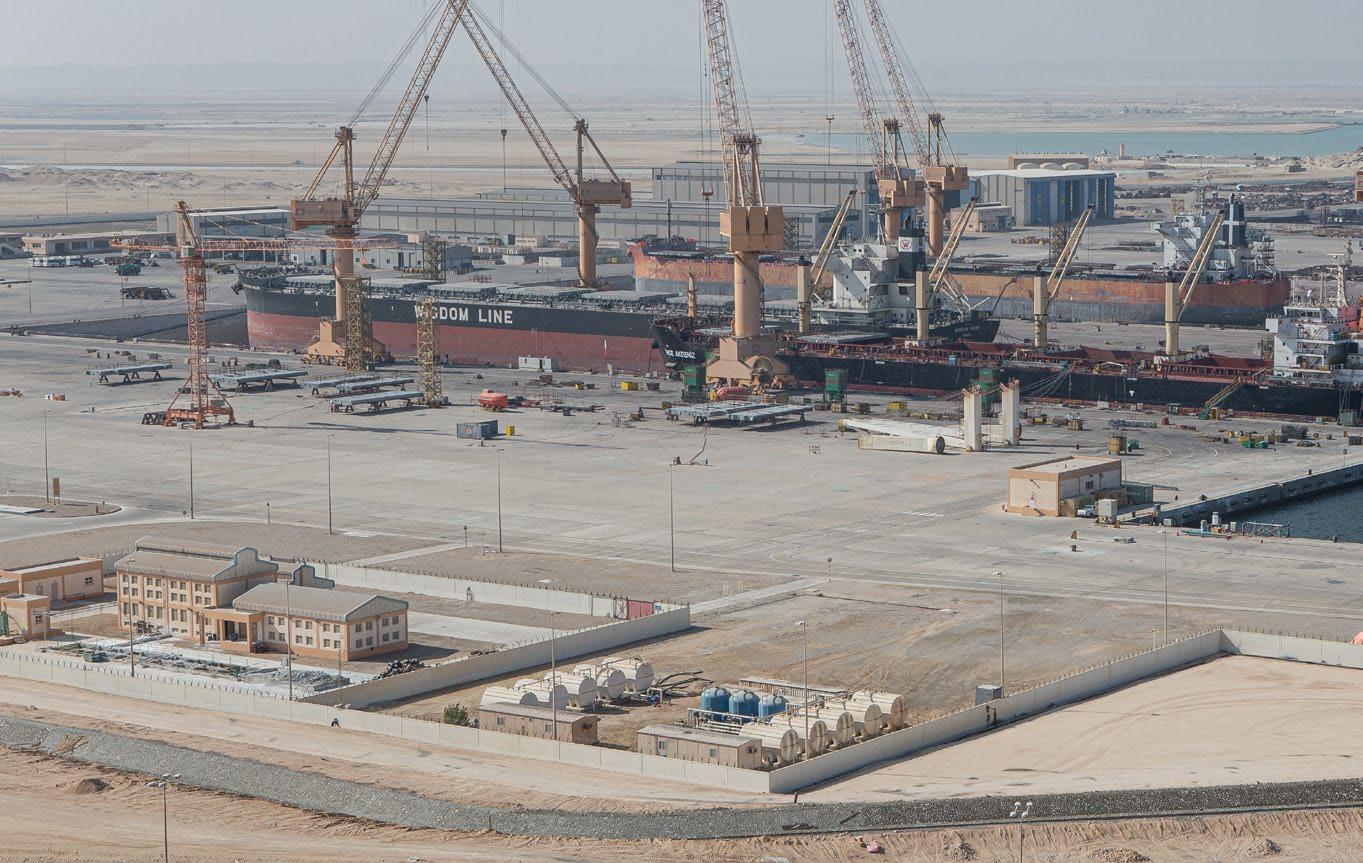
Expansive industrial area in Muscat, Oman, set against a rugged desert landscape
Gaining traction
The manufacturing sector witnessed considerable enhancement in its performance due to robust growth in the petrochemical and other sectors
Oman’s manufacturing sector plays a crucial role for the country’s economic diversification, reducing dependence on oil, enhancing local value, and generating employment.
The manufacturing sector witnessed a significant improvement in its performance during the first half of this year, driven by strong growth in the petrochemical and electrical sectors. In the building materials and construction sector, the iron and aluminium industries continued to achieve positive results and steady growth, while cement companies began to show signs of improved performance and reduced losses. Tile and ceramic factories showed signs of recovery, while glass companies still face operational challenges.
In the food industries sector, milling, soft drinks, and refreshment companies led the recovery scene, achieving significant profits thanks to improved operational efficiency and an expanded consumer base locally and regionally. In terms of foreign trade, Omani non-oil exports grew by 7.2 percent during the period from January to May 2025, reaching RO2.7bn, reflecting the strength of Omani products in foreign markets. The United Arab Emirates topped the list of countries importing Omani products, with RO485mn, an increase of 22.9 percent, followed by the Kingdom of Saudi Arabia with RO45mn, an increase of 34.9 percent, and then the Republic of India with RO280mn, an increase of 38.9 percent. These results reflect the diversity of the trading partner base, underscoring the importance of activating trade promotion tools and enhancing the industrial sector’s readiness to enter new markets, particularly in Asia and Africa, which represent promising markets for Omani products.
Notable achievements in the first half of 2025 include the inauguration of the Advanced Automation Centre for Industry 4.0, implementation of 262 initiatives in collaboration with 14 partner organisations, partnerships with the United Nations Industrial Development Organization (UNIDO) and the Gulf Organisation for Industrial Consulting (GOIC), and the completion of strategic studies on national industrial development.
In the first quarter of 2025, the industrial sector experienced a 27.5 per cent growth in foreign direct investments, totalling RO2.749bn. It led the non-oil sectors in investment volume, focusing on renewable energy, technology, and manufacturing as part of Oman’s green economy initiatives. The industrial sector in the Sultanate of Oman continues to grow as reflected in the effectiveness of government policies aimed at enhancing economic diversification and increasing its contribution to the gross domestic product (GDP), within the framework of Oman Vision 2040, which has placed industry among its priorities. The sector witnessed positive and tangible developments in several activities during the first half of 2025. Expansion in
productivity and increased regional and international demand contributed to the growth of a number of vital industrial sectors. The positive results achieved by the industrial sector are a direct reflection of the integration of national policies and incentive plans aimed at building a flexible and competitive production base through the implementation of the programmes and initiatives of the Industrial Strategy 2040, enabling quality investments, improving the quality of services in industrial and economic cities, and facilitating procedures for investors.
In 2024, the industrial sector employed over 57,000 Omanis, reflecting ongoing initiatives to develop local talent and enhance Omanisation rates. Notable achievements in the first half of 2025 include the inauguration of the Advanced Automation Centre for Industry 4.0, implementation of 262 initiatives in collaboration with 14 partner organisations, partnerships with the United Nations Industrial Development Organisation (UNIDO) and the Gulf Organisation for Industrial Consulting (GOIC), and the completion of strategic studies on national industrial development. Additionally, 20 factories were evaluated using the Smart Industrial Readiness Index (SIRI), and 55 new factories received National Product Identity Certificates. The Ministry of Commerce, Industry and Investment Promotion is actively advancing the Industrial Strategy 2040, which aims to increase the sector’s contribution to over RO11.6bn by 2040, attract RO40bn in industrial investments, and prioritize green industries alongside advanced technologies.
SOHAR Freezone secured six new agreements covering more than 92 hectares of land and attracting more than $1.3bn on investments in the first half of this year. These projects span across green manufacturing, energy, and logistics sectors, reflecting SOHAR’s role in creating synergies within an integrated framework. This reinforces SOHAR’s activeness as a dynamic hub for sustainable, cuttingedge industrial development and enhancing Oman’s regional trade linkage. Complementing these developments, SOHAR has launched one of its largest infrastructure expansions to date, developing phase 2 of the Freezone, spanning an additional 670 hectares of land. This expansion will boost cargo capacity, unlock new industrial opportunities, and reinforce SOHAR’s pivotal role as a regional trade and investment hub.
Meanwhile, Madayn recorded notable growth across all performance indicators by the end of the first half of 2025. The total cumulative investment volume touched around RO7.8bn, reflecting a 2 per cent increase compared to the same period in 2024. Additionally, the total number of projects reached 2,095, representing a 3 per cent rise, while the total number of contracts climbed to 2,385, exceeding a 3 per cent increase. Moreover, the total leased area across all industrial cities, Knowledge Oasis Muscat and Al Mazunah Free Zone reached 34.6 million sqm with a growth percentage of 2 per cent, equivalent to 68 per cent of the total developed area of 61.6 million sqm. During the same period, Madayn received 215 new investment applications and signed 124 new contracts with a combined investment value exceeding RO 80mn, covering more than 895,000 sqm.
Madayn completed the consultancy services project for the Integrated Mining Economic Cluster in Shaleem area, which includes in its initial stages a detailed masterplan covering approximately 30 million sqm, in addition to a detailed design for a 10 million sqm area serving the oil, gas, and mining sectors. The design focuses on the development of essential infrastructure, facilities, and support services such as roads, water networks, sewage network, and rainwater drainage channels. The project also includes a comprehensive economic and marketing study for the cluster. Additionally, Madayn has commenced developing the implementation plan for the Integrated Aluminium Economic Cluster in Suhar Industrial City. The detailed plan and performance indicators have been completed and aligned with relevant public and private stakeholders to achieve the cluster’s main objectives. A specialised consultancy firm has also been appointed to conduct a comprehensive study on downstream aluminium investment opportunities, aiming to enhance aluminiumbased manufacturing industries, boost ICV, and explore promising investment prospects.
The Ladayn Polymer Park in Suhar Industrial City has witnessed accelerated growth, driven by rising local and regional demand for various plastic products and supported by the attractive investment environment offered by Madayn. The total investments in the park have reached approximately RO 33.7mn, with more than 181,000 sqm area leased. The park currently hosts 19 investment projects, with some being operational, under construction, or newly contracted ventures.
THE POSITIVE RESULTS ACHIEVED BY THE INDUSTRIAL SECTOR ARE A DIRECT REFLECTION OF THE INTEGRATION OF NATIONAL POLICIES AND INCENTIVE PLANS AIMED AT BUILDING A FLEXIBLE AND COMPETITIVE PRODUCTION BASE
THROUGH THE IMPLEMENTATION OF THE PROGRAMMES AND INITIATIVES OF THE INDUSTRIAL STRATEGY 2040
Global gateway
Enhanced infrastructure and digitalisation are positioning the country as a key player in global trade
Oman’s ports and logistics sector aims to become a regional powerhouse, driven by three major deep-water ports: Sohar, Duqm, and Salalah. These strategically located hubs are being enhanced with advanced infrastructure, including multimodal connectivity and digitalisation, to support manufacturing, transshipment, and trade. Recent growth reflects increasing ship and cargo traffic at these key ports.
The Port of Salalah is a major transshipment hub at the crossroads of East-West trade routes, capable of handling some of the world’s largest vessels and ranking among the most efficient container ports globally. The Port of Sohar serves as an industrial and logistics hub featuring deep-water berths and free zones, supporting Oman’s maritime cargo and housing the country’s largest oil refinery. The Port of Duqm is a developing logistics hub on the southeastern coast, positioned near significant energy and manufacturing projects. It is designed to accommodate the largest ships and aims to attract new industries and project cargo.
Oman is investing in multimodal connectivity with projects such as the A1 Batinah Expressway, a planned rail line to Abu Dhabi, and a new highway with Saudi Arabia to improve logistics and reduce freight costs. The Oman Logistics Center leads efforts in digitalisation, streamlining customs processes to enhance operational efficiency. The government is promoting Public-Private Partnerships (PPPs) to develop projects, including terminal management at the Port of Duqm and the redevelopment of Port Sultan Qaboos, which is being transformed into a mixed-use waterfront cruise and leisure destination. In addition to these major ports, Oman has others like Khasab, Mina Qaboos, and the Khazaen Dry Port, which cater to specific operational needs. Port Mina al Fahal primarily serves the petroleum industry, handling crude oil and refined petroleum products.
Oman’s ports sector recorded strong performance during the first half of 2025, driven by an increase in ship traffic, container handling and cargo volumes. This follows development measures implemented by the Ministry of Transport, Communications and Information Technology as part of a drive to strengthen port infrastructure and enhance future readiness in line with Oman Vision 2040.
The total number of containers at the ports of Salalah, Sohar and Duqm reached 2,427,195 Twenty-foot Equivalent Units (TEUs) in the first half of 2025, compared to 2,173,508 TEUs in the same period in 2024. This marks a growth of 11.7 per cent and reflects the efficiency of logistics operations and the capacity of the ports to meet growing demand. The Omani ports also recorded an increase in the number of ships. The total number of vessels received by Omani ports and offshore terminals reached 6,586 in the first half of 2025, compared to 5,930 in the same period in 2024, reflecting growth of 11.1 per
cent. Several main ports contributed to this rise, most notably Sultan Qaboos, Shinas and Salalah. Oman is expanding its logistics sector with a series of projects this year worth $260mn to improve its facilities and spur growth.
The Sultanate of Oman Logistics Strategy (SOLS) 2040 seeks to enhance the logistics sector and establish Oman as a global logistics hub, with the goal of increasing logistics employment and elevating
the sector’s contribution to 14 per cent of the GDP by 2040. Sohar, Duqm and Salalah ports are an integral part of Oman’s economy. All the ports have attracted global attention and are witnessing remarkable growth in the number of shipping lines. But far from being mere maritime ports, these ports are integral parts of fullfledged “economic zones” at these three locations. Meanwhile, the Asyad Group continues to enhance its global presence as a leading provider of integrated logistics solutions through tangible
OMAN’S PORTS SECTOR RECORDED STRONG PERFORMANCE DURING THE FIRST HALF OF 2025, DRIVEN BY AN INCREASE IN SHIP TRAFFIC, CONTAINER HANDLING AND CARGO VOLUMES
achievements and strategic investments. These achievements include increased handling of general and liquid cargo, as well as container volumes, outstanding operational performance in shipping and dry dock services, and a reduction in carbon emissions from its maritime fleet. The Asyad Group continues to enhance the strategic role of Duqm Port and its connectivity to regional and international markets through an integrated logistics ecosystem that brings together operations at Asyad Container Terminal in Duqm, the global network of Asyad Lines, and Asyad Shipping. This seamless integration boosts the efficiency of cargo flows to and from Oman’s ports and reinforces Duqm’s position as an open gateway to the Indian Ocean and major global trade routes. Asyad Container Terminal at Duqm handled a shipment of Omani fisheries products to ports across South Asia aboard a container vessel operated by Asyad Shipping. The move underscores Duqm’s growing connectivity and Asyad’s role in facilitating Oman’s import–export activity and increasing its global competitiveness. This integrated model enhances schedule reliability and lead times, leveraging Duqm’s strategic location along the Arabian Sea and Indian Ocean routes.
SOHAR Port and Freezone, a destination connecting businesses to
the world, has continued to advance on its strategic path during the first half of 2025, underpinning its critical role in Oman’s economic diversification journey under Oman Vision 2040. Demonstrating continued outstanding Freezone performance and record award of contracts to local companies, Sohar is cementing its position as a vibrant investment ecosystem transforming trade in Oman through sustainable practices. During this period, SOHAR Port handled 34 million metric tons of cargo. The evolving political situation in the region has influenced cargo volume and throughput, leading to some adjustments compared to previous periods. With significant investments continuing to modernise port facilities and deploying advanced digital solutions, Sohar is boosting operational capacity, accelerating cargo turnaround, and elevating SOHAR Port and Freezone’s competitiveness on the global stage. Sohar is securing its continued growth and success for the future. Dredging works were completed at the MARSA LNG jetty, that will be strengthening Sohar’s bunkering and Oman’s strategic energy export capabilities.
SOHAR Freezone secured six new agreements covering more than 92 hectares of land and attracting more than $1.3bn on investments in the first half of this year. These projects span across green manufacturing, energy, and logistics sectors, reflecting SOHAR’s role in creating synergies within an integrated framework. This reinforces SOHAR’s activeness as a dynamic hub for sustainable, cutting-edge industrial development and enhancing Oman’s regional trade linkage.
Complementing these developments, SOHAR Freezone has launched one of its largest infrastructure expansions to date, developing phase 2 of the Freezone, spanning an additional 670 hectares of land. This expansion will boost cargo capacity, unlock new industrial opportunities, and reinforce SOHAR’s pivotal role as a regional trade and investment hub.
SOHAR Port and Freezone’s dedication to local economic impact is evident with a strong rise in local content indicators. The portion of Local Purchase Orders (LPOs) awarded to Omani companies climbed to 62 per cent, while the value of total LPOs direct to local suppliers surged to 96 per cent, up from 91 per cent in H1 of 2024. This notable advancement underscores SOHAR’s determination to foster local enterprises, empower SMEs, and deepen workforce integration to create lasting socio-economic benefits.
Alongside its economic and industrial progress, SOHAR Port and Freezone reinforced its commitment to building resilient communities in the first half through impactful CSR projects. Focused on education, healthcare, and social development, the initiatives benefited more than 3,471 people, reflecting the organisation’s dedication to social responsibility in line with Oman Vision 2040. SOHAR Port and Freezone’s performance in the first half of 2025 reaffirms its seminal role as a catalyst for Oman’s trade, industrial growth, and sustainable development agenda. With steadfast alignment to Oman Vision 2040, SOHAR Port and Freezone continues to build a resilient ecosystem that delivers enduring value to investors and the national economy.
The Knowledge Project
From early literacy to advanced research, Oman is rebuilding its education system to empower a new generation of future-ready citizens
Education in Oman has become one of the clearest mirrors of the country’s wider transformation. As the Sultanate of Oman prepares for a post-oil economy, the Vision 2040 roadmap puts “education, learning and scientific research” at the very front of its national priorities. The message is unmistakable: if Oman is to build a truly diversified, knowledge-driven future, its education system must evolve as fast as the world around it. That evolution stretches from the basics – how a six-year-old learns to read – to the far end of the pipeline, where doctoral research is expected to turn into real-world innovations, start-ups and intellectual property.
The scale of the task is huge. School-age children represent roughly a quarter of Oman’s total population, and the country’s education network extends across public, private and international schools as well as higher education institutions and vocational training centres. The Education Council’s National Strategy for Education 2040 frames this as a whole-of-society project, urging all institutions – ministries, schools, universities, private investors and communities – to align on a shared vision for what an “Omani student” should know and be able to do at different stages of life. It is an attempt to shift the system from being primarily exam-driven and content-heavy to one that is more skills-based, innovative and outward-looking.
At the school level, reforms have moved on several fronts. The Ministry of Education has been updating curricula, teaching standards and assessment methods in basic and post-basic education, often guided by international benchmarks such as the TIMSS (Trends in International Mathematics and Science Study) and PIRLS (Progress in International Reading Literacy Study) studies. There is a growing focus on science, technology, engineering and mathematics (STEM), as well as English proficiency, critical thinking and digital literacy. Teacher training is gradually being modernised to support more interactive, student-centred approaches, although implementation remains uneven between urban and rural schools.
The most visible change, especially since the COVID-19 pandemic, has been digital. What began as an emergency response to school closures is now turning into a long-term digital transformation of how teaching and learning happen. The Ministry of Education has consolidated a lot of its e-learning initiatives around the Noor platform, positioned as the single gateway for digital content and classroom management across schools. Noor provides electronic textbooks, interactive resources and references, while allowing teachers to manage classes, assign tasks and communicate with students and parents in a secure environment. A third phase of the Noor e-learning project, launched in 2025, added AI-driven tools and a significantly expanded training platform offering basic and advanced digital courses for teachers, principals and system specialists, indicating that professional development is being treated as seriously as technology procurement.
These digital platforms are not just about convenience; they are reshaping expectations. Students in basic education now routinely interact with online libraries, educational apps and learning management systems, while parents use portals to track attendance and performance. A recent analysis noted that students across both school and higher education are increasingly exposed to digital technologies as part of a deliberate strategy to prepare them for a globalised labour market. This is where the education system begins to morph into a data system: usage statistics, performance analytics and feedback loops can, in theory, help policymakers understand what works and where gaps remain.
Higher education is undergoing its own transformation. In 2020 the former Ministry of Higher Education merged with the research and innovation portfolio to create today’s Ministry of Higher Education, Research and Innovation (MoHERI), a structural signal that universities and research are expected to play a central role in Oman’s development model. MoHERI’s stated vision is to foster comprehensive higher education, sustainable learning and advanced scientific research in support of a knowledge-based society and national competitiveness. That vision aligns directly with Vision 2040’s economic diversification agenda and with Oman’s ambition to be more than just a consumer of imported technology.
The higher education landscape itself is relatively young but growing. Oman’s system now includes Sultan Qaboos University (SQU) as the flagship public university, a network of government colleges, and more than a dozen private universities and colleges that have expanded rapidly over the past two decades. Open data from MoHERI indicates that more than 120,000 students were enrolled in higher education inside Oman or abroad in the 2021/2022 academic year, with detailed datasets tracking gender, institution type and qualification level. A separate admissions report recorded over 26,000 students placed in higher education institutions in Oman for the 2022/23 academic year through the unified admission system, with around 59 per cent entering government institutions. The numbers speak to both the growing demand for tertiary education and the pressure on institutions to expand capacity without sacrificing quality.
Quality assurance has therefore become a focal point. Oman has developed a national framework for qualifications and quality
assurance mechanisms for both public and private institutions, and it engages with international ranking and accreditation bodies. A 2025 higher-education report notes that Omani universities are increasingly participating in global ranking exercises and forming international partnerships to enhance research output, student mobility and curriculum relevance. At the same time, the Ministry is pushing vocational and technical education – sometimes overshadowed by traditional university pathways – to play a bigger role in equipping Omanis with practical skills aligned with labour-market needs, from logistics and tourism to advanced manufacturing and ICT.
One of the most forward-looking tools in this effort is the Oman National Framework for Future Skills, developed to identify the competencies that citizens will need in the coming decades. The framework explicitly connects Vision 2040, Oman’s philosophy of education, the National Education Strategy 2040 and labour-market requirements, and it is informed by studies and conferences on topics like the reform of secondary education. It highlights not just technical skills but also soft skills such as communication, collaboration and problem-solving, and places particular emphasis on digital competencies, entrepreneurship and lifelong learning. In effect, it is an attempt to encode “future readiness” into curriculum design and teacher training.
Research and innovation are the other critical pieces of the puzzle. The Sultanate of Oman has invested in building a research ecosystem that extends from universities to dedicated centres and national platforms. The Oman Research Portal, managed by MoHERI, functions as a gateway to funding calls, research projects and collaboration opportunities, with a clear mandate to align research with national priorities under Vision 2040. The research and innovation sector aims to enhance technological interdependence and create high-value outcomes by fostering partnerships across academia, industry and government, moving away from isolated academic projects towards applied solutions that address real-world challenges.
At the institutional level, universities like Sultan Qaboos University have established Vision 2040 implementation offices to ensure that teaching, research and community engagement are aligned with national goals. Innovation hubs and science parks – including Innovation Park Muscat, which links research in energy, water, food and health to entrepreneurship – serve as bridges between the
education system and the wider economy. These spaces are where engineering students turn capstone projects into start-ups, where faculty collaborate with industry on pilots, and where technologists test prototypes that may eventually become part of Oman’s industrial or environmental infrastructure.
Digital transformation runs as a thread through all of this. Articles and academic reviews on Oman’s education system talk about the importance of e-learning, blended models and digital tools in meeting learners’ expectations and ensuring resilience in the face of disruptions. The government’s broader digital transformation programme, which invests hundreds of millions of Omani Rials in digitising public services, indirectly supports education by improving connectivity and access to online resources, especially in remote areas. The system is effectively becoming a layered stack: physical schools and campuses at the base, national platforms like Noor and the educational portal in the middle, and AI-driven analytics and personalised learning tools emerging on top.
The private sector also plays a significant role, especially in higherend school education and specialised training. International schools in Muscat and other major cities serve both Omani and expat families seeking global curricula such as the IB, IGCSE or American programmes. Private universities and colleges, often established in partnership with foreign institutions, offer degrees in business, engineering, IT and health sciences, adding capacity and diversity
to the higher-education system. Legal and policy developments over the past decade have clarified investment rules, licensing and quality requirements for private education providers, aiming to attract serious investors while protecting students from low-quality operators.
From a social perspective, Oman’s education reforms are also about inclusion and equity. Policies emphasise access to education for all segments of society, including students with disabilities, those in remote regions and low-income families. Scholarships and financial support mechanisms help Omani students study both inside the country and abroad, with MoHERI’s open data tracking thousands of students in foreign universities in disciplines considered strategic for Oman’s future. There is a strong emphasis on gender parity; women now constitute a significant share of university students and graduates, particularly in fields such as education, health sciences and increasingly in STEM.
What makes the Omani education story compelling is this blend of ambition, experimentation and constraint. The country is not merely expanding school and university seats; it is trying to re-engineer an entire learning ecosystem to support a shift from a resource-based economy to one built on ideas, skills and innovation. The nation is effectively building a national “learning platform”: setting architecture through Vision 2040 and the National Strategy for Education, rolling out infrastructure in the form of digital platforms, open data and research portals, defining protocols via skills frameworks and quality standards, and then iterating on applications – whether they are AIenhanced lessons in a rural classroom or a collaborative research project on renewable energy.
If the reforms stay on track, the long-term payoff will be measured not just in literacy rates, test scores or graduate numbers, but in how comfortably Omanis navigate and shape the technologies and industries of the future. In 2040, the most telling indicators of success may be found in start-up ecosystems, research citations, high-skill employment and the proportion of leadership roles in key sectors held by graduates of Omani institutions. Education, in that scenario, is not just a sector; it is the operating system that allows the rest of Oman’s economic and social transformation to run.
THE FRAMEWORK EXPLICITLY CONNECTS VISION 2040, OMAN’S PHILOSOPHY OF EDUCATION, THE NATIONAL EDUCATION STRATEGY 2040 AND LABOUR-MARKET REQUIREMENTS, AND IT IS INFORMED BY STUDIES AND CONFERENCES ON TOPICS LIKE THE REFORM OF SECONDARY EDUCATION
Green First
Oman’s bold push into green hydrogen is reshaping its economy, climate trajectory, and global energy influence
Oman’s decision to commit to net-zero emissions by 2050 didn’t arrive as a glossy slogan; it landed as a structural rewiring of how the country thinks about energy, industry, and even foreign policy. Under the directives of His Majesty Sultan Haitham bin Tarik, the Sultanate of Oman formally adopted a 2050 net-zero target in 2022 and launched a National Net Zero Programme to organise the transition. For a hydrocarbon producer that has long relied on oil and gas exports, that pledge is bold. The real story, though, is how Oman plans to get there – and why green hydrogen sits at the centre of that strategy.
Net zero, in Oman’s case, isn’t just about shaving a few percentage points off domestic emissions. The Environment Authority’s modelling shows that even after aggressive decarbonisation of power, industry and transport, there will still be a “last mile” of emissions that needs to be tackled through new technologies and carbon removals by mid-century. The government’s answer is to turn what could have been an economic risk into a growth thesis: build a world-scale green hydrogen industry that decarbonises domestic sectors while creating an export engine for low-carbon molecules and derivatives like green ammonia, e-fuels and, potentially, green steel.
Oman’s geography does a lot of heavy lifting in this story. A look at wind and solar resource maps tells you why international developers are suddenly flying into Muscat. The central and southern regions – around Duqm, Al Jazir and Dhofar – offer unusually complementary solar and wind profiles, with strong sun during the day and steady coastal winds that extend generation into the evening. That means higher utilisation of electrolysers, lower levelised hydrogen costs and a more predictable output, which is exactly what investors and offtakers want. Add to that deep-water ports at Duqm, Salalah and Suhar, existing experience in LNG exports, and a location on shipping routes to both Europe and Asia, and Oman suddenly looks less like a peripheral Gulf producer and more like a future hub for traded green molecules.
To turn that potential into bankable projects, the Sultanate of Oman created an institutional innovation that is now closely watched globally: Hydrom, formally Hydrogen Oman SPC. Established in 2022 under Energy Development Oman, Hydrom is a central “orchestrator” mandated to design the hydrogen strategy, allocate land, run competitive auctions, and coordinate infrastructure and regulation across ministries. In practical terms, this means developers do not negotiate in a fragmented way with multiple agencies; instead, they bid for clearly defined land blocks with a pre-agreed framework for offtake, infrastructure sharing, and in-country value (ICV) commitments. The strategy itself is striking in scale. Hydrom and the government have publicly indicated targets of roughly 1 - 1.25 million tonnes per year (mtpa) of green hydrogen production by 2030
and up to around 8 mtpa by 2050, backed by tens of gigawatts of new renewable capacity. In hydrogen terms, that puts Oman in the same conversation as some of the most ambitious players globally. To hit the 2030 waypoint, Hydrom has structured a sequence of auction rounds, each offering land blocks in priority zones like Duqm and Dhofar, with developers expected to deliver fully integrated projects – renewables, electrolysers, hydrogen conversion (often to ammonia), storage, and export facilities.
The first wave of projects has already moved from power-point to signatures. In 2023, Oman signed agreements for six large green hydrogen developments clustered around Duqm and Salalah, representing an estimated US$20 billion in investment. Together, those initial projects were described in local reporting as targeting around 22.5 GW of combined renewable electricity capacity – wind and solar – and forming the core of what could become a US$38 billion green hydrogen and ammonia cluster. This isn’t marginal; it is equivalent to constructing, in one decade, a parallel low-carbon export system alongside Oman’s traditional hydrocarbons. Auction Round 1 under Hydrom’s framework gave a glimpse of the type of consortia Oman wants to attract. One winning bid went to a consortium led by France’s Engie and South Korea’s POSCO, combining European project development experience with Asian industrial offtake. Another land block went to the Hyport Duqm consortium, anchored by DEME Concessions and OQ, Oman’s integrated energy company.
The Hyport Duqm project alone plans for around 1.3 GW of renewables in its first phase, scaling to over 2.7 GW, with output converted into hundreds of thousands of tonnes of green ammonia annually for export. The interesting angle is not just the capacity numbers; it’s the way these consortia are stitching together upstream renewables, midstream hydrogen conversion, and downstream industrial offtakers abroad, using Oman as the physical platform. Round 2 pushed the story further south to Dhofar. By early 2024, Hydrom announced the
award of two additional large hydrogen projects in the region, adding roughly US$11 billion of investment and pushing Oman’s expected hydrogen output to around 1.38 mtpa by 2030 – already above the lower band of its initial 2030 target. The associated upstream numbers are equally eye-catching: in aggregate, the first two auction rounds envision around 35 GW of renewables and 18 GW of electrolyser capacity when fully developed. At the same time, Oman is not betting only on generic hydrogen exports; it is linking projects to specific industrial use-cases. The SalalaH2 project, for example, aims to produce about 1 million tonnes of renewable ammonia per year in Salalah using around 5 GW of renewable generation and 2 GW of electrolysers, targeting a final investment decision in the second half of this decade.
Other consortia are explicitly aligning with green steel production, leveraging the fact that Omani iron ore and imported ore could be processed domestically with low-carbon hydrogen, then exported as green direct-reduced iron. An EDF-led team, for instance, is working on a project in Oman that would channel around 4.5 GW of renewables into hydrogen supply for planned green steel facilities, underlining the move from molecules to materials as a strategic play.
Zoom out further, and a pattern emerges: Oman is using hydrogen to re-position itself across multiple value chains, not just LNG replacement. Blackridge Research’s 2025 snapshot of Omani hydrogen projects highlights mega-schemes like Green Energy Oman (GEO), the ENGIE-POSCO project, and the Amnah green hydrogen project as cornerstone investments intended to push Oman into the ranks of the world’s top ten hydrogen exporters by the 2030s. These projects are not merely export engines; they are also anchor customers for new transmission lines, desalination assets, port expansions and local manufacturing clusters – from turbine towers and cables to storage tanks and specialised engineering services. Institutionally, the country has started to build the scaffolding needed for a net-
zero and hydrogen-driven economy. The Oman Net Zero Centre was established in 2024 to coordinate decarbonisation strategies, support climate-aligned policymaking, and ensure that the 2050 target remains grounded in updated sectoral pathways rather than static assumptions.
The National Net Zero Programme has rolled out initiatives such as “Net Zero 3,” intended to accelerate mitigation efforts across key sectors and strengthen data, governance and implementation capacity. On the finance side, a National Climate Finance Platform was launched in October 2025 to connect domestic projects with international capital – multilateral lenders, green bond markets, blended-finance structures – explicitly aligned with the net-zero and Vision 2040 agenda. For developers bidding in Hydrom’s auctions, this ecosystem matters as much as the wind-speed charts: it signals that the state is serious about de-risking climate projects and attracting long-term capital. A less visible but equally important move is Oman’s focus on data and resource characterisation. In 2025, Hydrom signed a strategic agreement with Ankaa Space & Technologies, an Omani space-tech firm, to operate and manage wind measurement stations across the country. The goal is to combine ground-based instruments with satellite analytics to create high-quality wind datasets, improving project design and bankability. This is the sort of detail that technologists care about: without good data on resource variability, investors demand higher returns or scale back projects.
All of this sits within the broader frame of Oman Vision 2040, which calls for economic diversification, private-sector-led growth, and environmental stewardship. Green hydrogen is one of the most tangible bridges between those objectives. It promises export revenues and industrial upgrading while directly reducing emissions in power and heavy industry. Hydrom’s strategy documents and government briefings stress local value creation: commitments on Omani content, training for engineers and technicians, and linkages
with universities to build a hydrogen-literate workforce. For young Omani engineers, that might mean working on wind-resource modelling, control systems for mega-scale electrolysers, or port logistics for ammonia tankers – jobs that didn’t exist a decade ago.
There is also a geopolitical angle that shouldn’t be ignored. As Europe and parts of Asia look to import green hydrogen or its derivatives to meet their own mid-century targets, they are scanning for suppliers who can deliver at scale, reliably and at competitive cost. Oman’s combination of strong natural resources, political stability, and a transparent auction framework positions it as a credible contender against regional giants. Unlike some neighbours, Oman is also leaning heavily on open competitive bidding and a “platform state” model: it offers land, coordinates infrastructure and regulation, and lets market players compete on cost and innovation. This model could become a template for other mid-size producers seeking to monetise renewables rather than stranded hydrocarbons.
It is hard to overstate how far and how fast Oman has moved up the clean-energy league tables. A country once known internationally primarily for oil, gas and frankincense is now winning awards for impact in the hydrogen sector; Hydrom was recognised in 2025 for its role in structuring one of the world’s most ambitious green hydrogen project pipelines, with the first two auction rounds alone tied to plans for about 35 GW of renewables and 18 GW of electrolysers. It is ever so evident: Oman is no longer just a price-taker in fossil markets but is trying to become a rule-shaper in emerging clean-molecule markets. The Omani net-zero and hydrogen story is compelling because it blends big-picture geopolitics with the granular realities of engineering and finance. When all the cogs are in motion, its 2050 success story may not just be about tonnes of CO2 avoided, but about a Gulf nation that used a net-zero promise to redesign its place in the world’s energy system – trading not only in molecules, but in trust that a fossil producer can, in fact, become a clean-energy powerhouse.
Unfolding Oman
Tourism and aviation now drive Oman’s diversification push, turning natural beauty and connectivity into national strengths
Tourism in the Sultanate of Oman has always carried a sense of quiet and confident spectacle. For years, the nation positioned itself as the Gulf’s understated destination: forts instead of futuristic skylines, frankincense trails instead of theme parks, and a coastline that runs wild for thousands of kilometres without ever feeling crowded. What has changed over the past decade is not this underlying character but the scale of the ambition around it. Under Oman Vision 2040, tourism has been elevated from a promising niche to a central pillar of economic diversification, with aviation emerging as the critical circulatory system that connects the country’s landscapes and heritage to the rest of the world.
The numbers behind this shift are striking. Oman’s National Tourism Strategy 2040, unveiled by the former Ministry of Tourism, envisages around OMR20bn (roughly US$50 billion) in investments and more than 500,000 jobs created in the sector by 2040.
The Ministry of Heritage and Tourism now talks about tourism’s contribution to GDP rising from around 2.4 per cent in 2021 to 5 per cent by 2030 and eventually 10 per cent by 2040, mirroring the wider Vision 2040 target of building non-oil engines of growth. These are not marginal adjustments; they represent a deliberate effort to put experiences, culture and natural capital on the same economic footing as hydrocarbons.
Visitor flows suggest that this repositioning is beginning to work. After the disruption of COVID-19, Oman rebounded strongly, welcoming about four million visitors in 2023 – a record for the country – and an estimated 3.80 - 3.9 million in 2024 as markets normalised. By the end of June 2024, more than 2.3 million visitors had already entered the country, with GCC residents forming a substantial share of arrivals. Domestic tourism has been equally important: in 2024, Oman recorded 13.6 million domestic tourist trips with spending of around OMR834mn, underlining how Omanis and residents themselves are driving demand for hotels, restaurants and experiences across the governorates. Looking at the macro story, the message is clear: tourism is no longer a peripheral leisure sector; it is becoming a core part of how everyday economic activity happens in the Sultanate of Oman.
What makes Oman’s tourism offer stand out in a crowded regional field is its “differentiated” positioning. Official promotion material and international analyses describe Oman’s appeal as rooted in nature, culture and history spread across a large and diverse landmass, rather than in dense clusters of skyscrapers or manufactured attractions. Think frankincense groves in Dhofar and the khareef monsoon that turns Salalah emerald green in summer; the fjord-like coves of Musandam; the sand seas of the Sharqiyah Sands; terraced farms and stone villages clinging to the slopes of Jabal Akhdar; and a string of coastal towns where forts, souqs and mosques still dominate the
skyline. This variety allows Oman to play in multiple tourism segments at once – cultural, adventure, eco-tourism and luxury retreats – without having to reinvent its identity.
The Ministry of Heritage and Tourism has been methodically building product depth in these segments. At international trade shows like World Travel Market (WTM) in London, where Oman mounted a high-profile presence in November 2025, the national narrative now foregrounds new projects in cultural tourism, adventure tourism and eco-tourism, from restored heritage quarters to hiking, diving and desert experiences. The pavilion designs themselves are meant to signal this shift: less generic palm imagery, more focus on wadis, mountain trails, traditional music and crafts. For tour operators and travel media, the message is that Oman is not trying to be another Dubai or Doha; it is offering something deliberately slower, more immersive and more rooted.
Policy tools are being aligned to support that narrative. In recent years Oman has overhauled its residency and visa regimes, including the introduction of a long-term “Golden Residency” scheme for investors and highly skilled professionals and, more recently, a Cultural Visa and Cultural Residence category aimed at attracting artists, cultural professionals and researchers. The logic is that if you want a knowledge- and creativity-rich tourism and cultural scene – festivals, galleries, creative districts and the likes – you need to make it easier for people who create that content to live and work in the country. These moves also sit neatly within Vision 2040’s ambition to build a society that is open, globally connected and culturally confident.
None of this, however, works without aviation. Oman is geographically blessed but also geographically demanding; its most dramatic landscapes are often hours apart by road, and its tourism growth depends on being easy to reach from key source markets in Europe, Asia and the GCC. That is why aviation strategy has become the second spine of the tourism story. The Civil Aviation Authority has articulated a General Civil Aviation Policy and is developing a National Aviation Strategy 2040 that explicitly aligns air connectivity with tourism and logistics goals under Vision 2040. Policy documents talk about establishing sustainable air transport, expanding bilateral air service agreements and protecting passengers’ rights, all with the
aim of turning Oman into a more connected and competitive hub for travel and trade.
At the heart of this aviation ecosystem is Oman Air, the national carrier. Founded in 1993 as a small regional operator, Oman Air has evolved into a full-service international airline serving around 41 destinations in more than 20 territories, acting as a flying ambassador for “Oman’s stunning nature, rich heritage and welcoming culture,” in the airline’s own words. The big strategic news of 2025 was Oman Air’s formal entry into the oneworld alliance on 30 June, becoming the 15th member of the global grouping. This move dramatically increases the airline’s – and by extension Oman’s – reach: through code-sharing and aligned schedules, Oman now effectively plugs into a network of around 900 destinations worldwide, while oneworld frequent flyers gain status benefits when flying through Muscat.
From a tourism perspective, alliance membership is not just a prestige badge; it is a demand generator. Being part of oneworld means Oman Air can offer smoother connections from key feeder markets in Europe, North America and Asia, with through-ticketing, baggage interline and loyalty perks that matter deeply to high-value travellers. A leisure traveller in Madrid or Chicago, for instance, can now book a single oneworld itinerary to Salalah via Muscat, earn miles across the journey and enjoy lounge access, making Oman feel less “far away” in practical terms. For the country’s luxury resorts, conference venues and tour operators, that frictionless connectivity is as important as any marketing campaign.
Complementing Oman Air is SalamAir, the country’s first low-cost carrier, which launched in 2017. SalamAir started by linking Muscat and Salalah and has since expanded into regional and mediumhaul markets, offering budget-friendly options that are particularly attractive to younger travellers and regional visitors. The airline has been on an expansion tear: as of August 2025 it had taken delivery of its 15th aircraft, an Airbus A321neo named “Barr Al Hikman” after one of Oman’s most beautiful coastal areas, underlining the branding synergy between aviation and tourism. SalamAir’s management has publicly linked new routes to tourism development, conducting economic studies into up to 20 potential destinations in Europe and Eastern Europe with the explicit goal of funnelling visitors into Muscat
and Salalah. Airports are the physical manifestation of this strategy. Over the past decade, Oman has invested heavily in modernising Muscat International Airport and Salalah Airport, which now function as efficient gateways with the capacity to handle growing passenger volumes and larger aircraft. Looking ahead, the country plans to build six new regional airports, slated to come into operation around 20282029, which would bring the total number of airports to 13. According to an aviation investment prospectus, the country’s goal is to grow total passenger traffic from around 20 million to 50 million by 2040, tying aviation expansion directly to the ongoing tourism push and an estimated OMR20bn of investments in tourism facilities.
Recent diplomatic activity mirrors this infrastructure build-out. The Civil Aviation Authority has been steadily expanding Oman’s portfolio of air transport agreements with other states, most recently signing four new agreements as part of a strategy to strengthen global air connectivity and support tourism, trade and investment exchanges. These deals might sound technical, but they are the legal scaffolding that allows airlines to add routes, increase frequencies and launch joint ventures – all of which show up on tourism dashboards as more seats into the country and more itineraries that include Oman as either a primary or secondary stop.
On the ground, tourism development is increasingly visible in hotel and hospitality statistics. Data released in 2025 showed that hotel revenues in Oman rose 18 per cent in the first six months of the year, with tourist arrivals over that period reaching 1.14 million. The Ministry of Heritage and Tourism’s own statistics page tracks a growing number of hotels, higher occupancy rates and more employees in the sector year-on-year, reflecting both international interest and domestic tourism momentum. Investment promotion material points to a widening spread of hotel projects – from international chains in Muscat and Salalah to eco-lodges in remote wadis and mountains, designed to ensure that tourism benefits are not confined to a few coastal enclaves.
The narrative is also becoming more sophisticated in terms of sustainability. At global forums, Oman emphasises “responsible tourism” and “authentic experiences,” stressing that the aim is not to chase mass tourism at any cost but to attract visitors who appreciate
culture, nature and low-impact travel. Ecotourism initiatives, from turtle-watching at Ras al Jinz to conservation-linked tourism in the Daymaniyat Islands, are promoted as examples of how tourism revenue can support environmental protection. This dovetails with the country’s broader net-zero and biodiversity commitments, reinforcing a brand of Oman as a destination where nature is not just a backdrop but a shared responsibility.
At the same time, the government is keenly aware that tourism must feed into broader social and economic goals if it is to remain politically and economically sustainable. Oman Vision 2040 frames tourism as a generator of jobs for young Omanis in guiding, hospitality management, aviation, logistics, events and creative industries. Initiatives to train local tour guides, support SME participation in tourism supply chains and encourage community-based tourism are all intended to ensure that the sector’s growth is felt in household incomes, not just in national statistics. Domestic tourism campaigns, which encourage residents to “discover Oman,” aim to build a culture in which Omanis see themselves not just as hosts but as tourists in their own country, deepening appreciation for heritage and landscapes while smoothing seasonality in demand.
This interplay between tourism and aviation in Oman is compelling because it reveals how the nation is using connectivity as a force multiplier for its natural and cultural assets. From a technocratic perspective, it looks like a coordinated systems design: a tourism strategy that defines products and targets; an aviation strategy that expands seats and destinations; visa and residency reforms that enable longer and deeper stays; and marketing that positions Oman as a premium, authentic option in a region better known for spectacle.
The direction of travel is becoming clear. With visitor numbers rising, hotel revenues growing, domestic tourism booming and a pipeline of aviation and airport investments stretching into the 2030s, Oman is steadily turning its “hidden gem” reputation into a more visible, structured and connected tourism economy. If the strategies now on paper and in policy rooms translate into sustained execution, the country’s tourism story in 2040 will likely be told not just in evocative images of forts and wadis, but in the language of job numbers, passenger flows, route maps and global rankings.
Oman Rewired
Telecom has become Oman’s silent growth engine, powering smarter industries, inclusive digital services and a more competitive national economy
Telecom is the sensory system of a modern nation: it perceives, connects, and coordinates – often invisibly – so that everything else can move with more intelligence and less friction.Over the past decade the sector has been reshaped by three reinforcing forces. First, the raw capability of networks has leapt from 4G to 5G and now toward “5.5G”, bringing not only faster consumer internet but carrier-grade alternatives to fibre for homes and enterprises. Second, cloud and software have swallowed the stack; what used to be monolithic, hardware-bound functions are now virtualised, orchestrated, observable and (increasingly) automated. Third, digital competition has widened: alongside incumbent mobile network operators (MNOs) you now find wholesale fibre specialists, neutral data centers, submarine cable hubs, satellite players, and Mobile Virtual Network Operators (MVNO) that thrive by segmenting, pricing and serving niches better than a mass-market brand can.
Put those together and you get a sector that does much more than sell SIM cards – it underwrites economic diversification, raises productivity in small businesses and logistics, and brings public services onto rails of reliable bandwidth. Globally, the 5G transition is still in mid-stride. In a 2025 report, Business Wire estimated that 5G connections surpassed 2.25 billion in 2024, and that will accelerate through the second half of this decade, with the GCC region out in front on both coverage and adoption. The industry narrative has evolved from “more speed on phones” to “platform for growth”: fixed wireless access (FWA) as a practical last-mile for households and SMEs, private and campus 5G for factories, ports and airports, and network APIs that allow developers to program quality of service, device identity or location into applications.
The upshot is a broader monetisation palette than consumer data bundles alone. None of this is automatic – operators still face CapEx intensity and competition – but the enabling direction is clear. Oman offers a particularly instructive case study of how telecoms can reshape an economy in line with national development goals. The Sultanate of Oman’s Vision 2040 frames digital infrastructure as a foundation for competitiveness and quality of life, and regulators and operators have spent the last five years turning that thesis into coverage maps, retail plans and enterprise solutions. The Telecommunications Regulatory Authority (TRA) reports that sector revenues rose from OMR 881 million in 2023 to OMR 920 million in 2024 – a healthy expansion that sits on top of real investment in 5G, fibre and towers.
At a wholesale level, Oman Broadband (OBB) has pursued a “buildonce, share-many” fibre model to extend high-speed access nationally; by October 2024, OBB said its fibre network passed 886,000+ units with 300,000+ active subscribers, and has since crossed the 300,000 active line. This wholesale fibre acts as neutral ground on which retail brands – incumbents and challengers – can compete on service.
At the same time, the mobile side of the house has been competitive and fast-moving. Omantel, Ooredoo Oman and Vodafone Oman comprise the triopoly of facilities-based MNOs; FRiENDi mobile and Renna Mobile are the longest-standing MVNOs. Each plays a distinct role in reshaping the digital economy.
Start with Omantel, the country’s first integrated telecom provider and a regional player through its 21.9 per cent strategic stake in Kuwait’s Zain Group – an investment that gave it financial scale and shared know-how beyond Oman’s borders. Omantel helped lead Oman’s 5G commercialisation, emphasising both enhanced mobile broadband and fixed-wireless access; the company and its partners have spotlighted rapid growth in 5G FWA subscriptions as households substitute or complement fibre with wireless. In October 2021 Omantel also launched 5G international roaming – an early signal of ambition to make 5G behave like a global service, not a domestic novelty.
Meanwhile, on the wholesale and interconnection front, Omantel has turned geography into strategy. Multiple subsea cables land on Omani shores and interconnect via carrier-neutral facilities. Equinix’s Muscat (MC1) data center opened the door to a neutral peering point where content, cloud and carriers colocate; a followon hub in Salalah aims to harness growing Asia-Africa-Europe traffic flows. Omantel itself lists connectivity to more than a dozen major cable systems and multiple landing stations, which reduces latency to key markets and hardens resilience. For a small, open economy, that “middle of the map” position does more than improve Netflix streams: it makes Muscat and Salalah logical homes for cloud edges, content delivery networks, fintech platforms and software firms that need deterministic performance to serve the Gulf, East Africa and
the Indian subcontinent. Ooredoo Oman has pressed hard on 5G for both homes and enterprises. On the retail side, the company seeded the market early with 5G Home Internet plans – affordable price points, generous data, bundled Customer Premises Equipment (CPE) – to normalise fixed wireless access (FWA) as a mainstream option. On the network side, its engineering team has trialed advanced radio innovations for indoor capacity and coverage; in 2025, the company and Huawei announced what they call the Middle East’s first live trial of a dual-band Meta AAU, aimed at boosting performance in highdemand venues.
Ooredoo has also been active at the edge of telecom and cloud: media reports in 2025 highlighted the opening of a Salalah data center and cable landing facility, reinforcing southern Oman as a second connectivity pole. For SMEs and the public sector, Ooredoo’s agreements with Oman Broadband and the TRA to extend fixedinternet to remote regions point to a pragmatic approach: blend fibre, FWA and even satellite bitstream where that’s the fastest way to close the access gap.
Vodafone Oman, a greenfield entrant that launched commercially in 2022, has acted as a digital-first provocateur. From the outset it leaned on a cloud-native core and automated lifecycle management with Ericsson, preparing for 5G standalone (SA) and the service innovation that SA unlocks: network slicing, lower-latency enterprise applications, and more deterministic quality for gaming and video. In 2023, Vodafone and Ericsson completed a successful SA voice/ data test call; in 2024 they announced an automated core upgrade across apps, cloud infrastructure and Business Support Systems. For consumers, that sort of modernisation is invisible until it becomes obvious – fewer call drops, lower battery drain, better throughput
at peak times – while for developers and enterprise CIOs the real prize is programmability. When a telco exposes network capabilities via APIs, a bank, a logistics firm or a hospital can request specific service characteristics on-demand rather than live with “best effort.” Oman now has three operators with modern 5G footprints jostling for advantage; that competition is why national scores for coverage and experience have improved and why price-per-megabit continues to fall.
MVNOs have supplied the other half of the reshaping story: they take the same physical networks and turn them into more varied, more inclusive retail experiences. FRiENDi mobile launched in Oman in 2009 as an MVNO has spent a decade-plus specialising in prepaid value for cost-sensitive and internationally connected segments. In 2023, Dubai-based Beyond ONE acquired Virgin Mobile Middle East & Africa (operator of the Virgin Mobile and FRiENDi brands), consolidating capital and tech across Saudi, UAE, Oman and Kuwait; in 2025, FRiENDi Pay arrived in Oman as a digital payments companion to the brand, an example of MVNOs blurring into fintech to raise stickiness.
Renna Mobile is another familiar, locally-rooted MVNO. Omantel acquired a 40 per cent stake in Renna’s parent, Majan Telecommunications, in 2019. The strategic point is not a horse race; it’s that MVNOs push the market toward better fit-for-purpose offers and bundles for expatriate workers who need cheap international calling, youth-oriented data and gaming packs, micro-business plans with top-ups stitched to digital wallets, thereby bring marginal users into the formal digital economy.
Underneath the retail jostling is the physical and logical fabric that actually reshapes how the country works. Fibre-to-the-home (and office) is the “quiet compounding” story: connection by connection, street by street, the median experience improves. Retail ISPs like Awasr ride atop that wholesale plant to deliver FTTP to households and SMEs, often bundling managed Wi-Fi, safety filters and static IPs as turnkey services. On the wireless side, 5G FWA has started to behave like fibre’s partner rather than its enemy: in dense urban zones, fibre dominates; on the edges and in new builds, 5G FWA closes the gap, with operators advertising multi-hundred-megabit packages and independent studies reporting large expansions of 5G FWA coverage between 2021 and 2024. That hybrid model matters for productivity: it lets companies get enterprise-grade connectivity in days instead of waiting weeks for civil works, and it gives homeowners in expanding suburbs a credible alternative while fibre arrives.
As the transport layer matures, the “so what” for the real economy becomes less abstract. Consider aviation and ports, two sectors where seconds and meters translate into money and safety. Ooredoo Oman and Huawei have highlighted trials and showcases around indoor 5G and intelligent campuses at high-traffic venues; Omantel has partnered with Hutchison Ports Sohar on 5G/AI proofs-of-concept aimed at streamlining port operations with computer vision and automated guided vehicles. Those are not futurist demos, they pull
together private/campus slices, edge compute, and industrial IoT into workflows that count containers faster, help cranes avoid microcollisions, and move staff where they’re needed most. In short, sectors that adopt these patterns experience measurable throughput gains and safety improvements. In a trading hub like Oman, bridging the Indian Ocean with the Gulf and East Africa, these micro-efficiencies add up to macro-competitiveness.
Consumer life shifts too, in quieter but broader ways. When 5G and fibre make streaming and videoconferencing possible, in households it also blends education, telemedicine and entertainment without thinking about the plumbing. When rural coverage improves, an SME in Dhofar can run the same cloud point-of-sale stack and inventory system as a boutique in Muscat. When MVNOs expose bill-pay, remittance and top-up features inside lighter apps, workers who used to traverse the city to a storefront can shift that time back into work or rest. And when a thriving subsea and data center ecosystem brings hyperscale cloud nodes closer to Muscat and Salalah, latencysensitive services – from online gaming to financial trading and AI inference – stop feeling “foreign-hosted” and start feeling local. That, in turn, makes it more viable for Omani developers to build for regional audiences.
Of course, none of this is frictionless. If networks are the sensory system, security is their immune system, and it must learn as fast as the rest of the body. Home and SME bundles increasingly include network-level protection and parental controls; at the enterprise edge, segmentation and zero-trust principles have to be baked into 5G designs. On the regulatory side, Oman’s TRA continues to run a tight ship on spectrum, quality-of-service and wholesale access while promoting technology-neutral solutions where they fit; illustrated by its moves to facilitate FWA on 5G spectrum and to shepherd connectivity to remote areas via satellite bitstream where terrestrial alternatives don’t pencil out. The next regulatory frontier everywhere, not just in Oman, is network exposure and API governance: as telcos open programmable interfaces to third-party developers, the country subsequently clears framework for identity, privacy, and service-level accountability so that “programmable networks” don’t become a patchwork of one-off deals.
Telecom is now one of Oman’s most leverage-rich policy tools. It touches everything: how teachers deliver content to rural schools; how clinics schedule and monitor patients; how small manufacturers shrink their cash cycle by moving to cloud ERP and API-connected payments; how ports and airports meet on-time targets; how media companies such as ourselves stream and monetise content sans buffering – all with with latency that feels “local enough.” Thanks to an assertive infrastructure program and smart use of geography (subsea landings and neutral data centers), the Sultanate of Oman has turned its network map into an economic map. The next chapter is execution at the application layer: if banks, logistics firms, educators and healthcare systems adopt the telecom platform as designed, the sector won’t just be “reshaping the nation”, it will be the quiet engine behind a more inclusive, more productive Oman.