OECD Economic Surveys CROATIA 2026
Executive summary
January 2026
• Maintaining the structural reform momentum to sustain strong economic convergence
• Returning to fiscal prudence and addressing longer-term fiscal challenges amid high uncertainty
• Tackling housing challenges
• Towards a climate-resilient net-zero economy
• Addressing demographic challenges
About the OECD
The OECD is a unique forum where governments work together to address the economic, social and environmental challenges of globalisation. The OECD is also at the forefront of efforts to understand and to help governments respond to new developments and concerns, such as corporate governance, the information economy and the challenges of an ageing population. The Organisation provides a setting where governments can compare policy experiences, seek answers to common problems, identify good practice and work to co-ordinate domestic and international policies.
About the Country Studies Branch
The Country Studies Branch helps countries reform providing the best information and analysis. Our Economic Surveys assess a country’s economic condition in a tailored way, with special features illuminating the most pressing challenges the country is facing. The Surveys set out concrete steps policymakers could take to deliver reforms to make growth work for all, making economies more resilient and raising well-being. We have been conducting Surveys for over 60 years, each one of them based on close engagement with national authorities. These relationships of trust enable us to gain insight into the reforms that improve people’s lives. Our teams all have the ‘reform state of mind’, and our expertise, perspective and history help governments adopt it too. The full book is accessible at OECD ECONOMIC SURVEYS: CROATIA 2026
Publishing, Paris https://doi.org/10.1787/b52e3ac0-en


MAINTAINING THE STRUCTURAL REFORM MOMENTUM TO SUSTAIN STRONG ECONOMIC CONVERGENCE
The economy is catching up towards average OECD living standards thanks to strong and resilient growth. Continued reforms and building fiscal buffers are needed to underpin economic convergence and prepare for future challenges, including demographic headwinds and the green transition.
Croatia has made impressive strides towards OECD average living standards (Figure 1) thanks to wide-ranging structural reforms, including to improve the business environment, the labour market and environmental performance as well
as to reduce poverty. A pick-up in investment growth, supported by substantial EU fund inflows, has helped modernise the economy. Integration in the euro and Schengen areas in 2023 have further reinforced growth.
Maintaining the reform momentum is crucial to sustain the economic convergence process. Croatia faces significant demographic headwinds that will require reforms to extend working lives, bring more people into the labour force, improve
the health of the ageing population, and enhance the efficiency of public spending. Continued efforts are also needed to ensure housing affordability and to realise the potential of the transition to net zero emissions.
RETURNING TO FISCAL PRUDENCE AND ADDRESSING LONGERTERM FISCAL CHALLENGES AMID HIGH UNCERTAINTY
Economic growth is set to moderate but remain robust in 2026 and 2027 amid high uncertainty. Fiscal policy should support the disinflationary process, continue to build buffers and prepare for medium- to long-term spending pressures.
After a rapid post pandemic recovery, economic growth is set to moderate but remain robust. Slower real disposable income growth will moderate private consumption growth. Investment growth will remain strong in 2026 but, with the end of the EU Recovery and Resilience Facility, will ease in 2027. Exports will pick up moderately as foreign demand strengthens despite some erosion of price competitiveness. Downside risks are related to an escalation in trade and geopolitical tensions, mainly through weakening demand from key European trading partners.
The financial sector appears resilient, but risks should be monitored closely. Rapid increases in house prices and private sector borrowing create vulnerabilities. The authorities introduced borrowerbased macroprudential limits and should stand ready to tighten these measures further.
Expansionary fiscal policy has added to demand pressures. A tighter fiscal stance is needed to support the disinflationary process. Consolidation measures should be specified to meet the mediumterm fiscal targets to rebuild fiscal buffers and prepare for medium- to long-term spending pressures related to population ageing, higher defence spending and the green transition. Ad-hoc cost-of-living support measures should be phased out.
The tax structure is relatively conducive to growth, but ample room exists to broaden tax bases and strengthen the efficiency of the tax system to generate needed revenues and reduce distortions. This includes reviewing and phasing out inefficient tax expenditures and decreasing the number of items under reduced VAT rates.
Enhancing public sector efficiency can help improve fiscal sustainability and the quality of services. Comprehensive spending reviews can help identify savings potential without harming outcomes. Ongoing reforms to strengthen the governance of state-owned enterprises can improve their performance to deliver public services.
Continuing efforts to fight corruption and strengthen public integrity, including through improved enforcement, is crucial to enhance public sector efficiency. Despite progress, many citizens and firms view corruption as a widespread problem. A law that regulates lobbying has been recently adopted and should be accompanied by better monitoring and enforcing post-employment rules to avoid conflict-of interest situations.
Table 1. Real GDP growth is set to moderate
Source: OECD Economic Outlook 118 Database.
TACKLING HOUSING CHALLENGES
Strong housing demand amid limited supply of residential housing due to a high number of vacancies and short-term holiday rentals have led to a surge in house prices, threatening affordability. Further property tax reforms would ensure an efficient use of the housing stock. Expanding the private long-term rental market and social and affordable rental housing would support labour mobility and the most vulnerable households. Enhanced land use policy and construction processes would help to align housing supply with demand in areas where it is most needed.
High vacancies and short-term holiday rentals have limited the housing stock for residential purposes (Figure 2). A recent reform has increased taxes on vacant and short-term holiday rental
properties. Gradually shifting from an area-based to a value based recurrent tax on immovable properties and broadening this tax to all properties would increase efficiency and equity.

Figure 2. Many dwellings are vacant or used for short-term holiday rentals
Vacant dwellings and seasonal/holiday homes, % of total dwelling stock, 2022 or latest year available
Seasonal/holiday homes
Vacant dwellings
No split available
Source: OECD Affordable Housing Database; Croatian Bureau of Statistics.
An underdeveloped rental market hampers labour mobility and leads to high regional inequalities. Reforms to rebalance landlordtenant rights would facilitate the development of a private rental market. Shifting resources from home loan subsidies to the expansion of the social and affordable rental housing sector would help support the most vulnerable households.
Inefficiencies in land use governance and limited local administrative capacity slow down construction. Implementing more efficient planning and construction processes, including by strengthening intermunicipal cooperation and achieving full digitalisation in building permits procedures, would make housing supply more responsive to demand and alleviate pressures on house prices.
TOWARDS A CLIMATE-RESILIENT NET-ZERO ECONOMY
Croatia has significantly reduced greenhouse gas (GHG) emissions since 2007 and met its emissions targets, but emissions-intensity remains high. Transitioning towards a climate-resilient net-zero economy requires a comprehensive policy package that phases out fossil fuel support, boosts renewables, improves energy efficiency, and reduces car dependency while protecting vulnerable households and strengthening the adaptation framework.
Fossil fuel subsidies are still in place, weakening carbon price signals that are too low to reach emission targets. Net effective carbon rates are lower than the EU average for sectors outside of the EU emissions trading system and even negative for the building sector, disincentivising emissions reductions.
Wind and solar electricity generation remain low. Despite having one of the best solar resources, the share of solar energy is among the lowest in the EU. Accelerating permitting and continuing investments in grid capacity would facilitate renewable deployment.
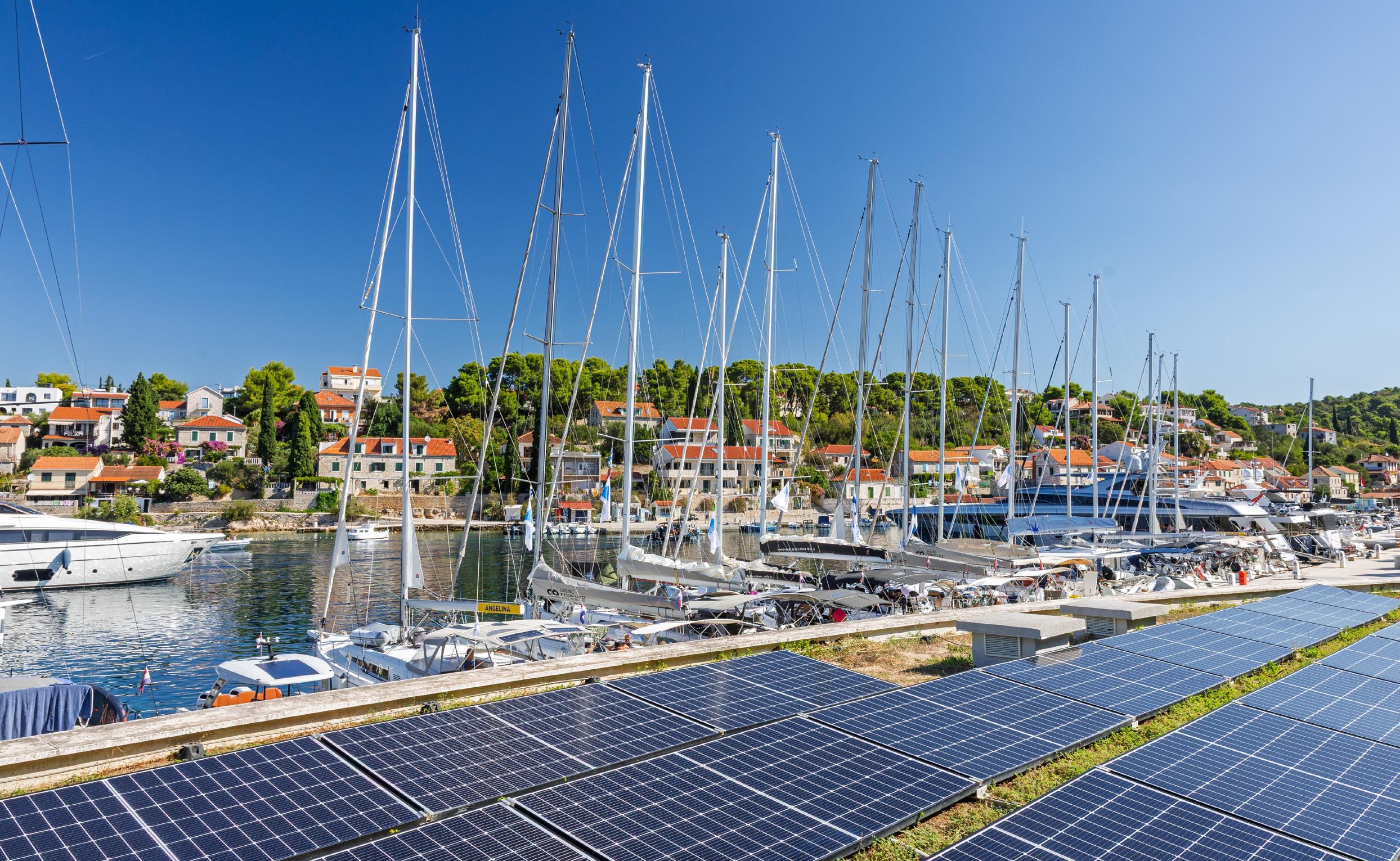
Transport emissions and car ownership are still rising. Despite some progress, public investment remains focused on roads rather than rail, fostering car dependency. Electric vehicle adoption and charging networks are among the lowest in the EU, requiring better targeted support.
Despite some progress, the building stock remains energy-inefficient. Public renovation programmes focus on grants, limiting the number of supported projects. While district heating remains underutilised,
labour and skill shortages as well as multi-ownership issues are increasingly addressed.
Croatia is increasingly exposed to climate hazards, requiring strengthened adaptation efforts. Providing better incentives for private risk reduction would channel private finance to adaptation. Mandatory natural disaster insurance and instruments such as contingency funds would enhance the resilience of the public budget against climate hazards.
ADDRESSING DEMOGRAPHIC CHALLENGES
Croatia faces significant demographic challenges as the population is shrinking and ageing rapidly. To prepare for these challenges, pension, health and long-term care, as well as labour market and migration policy reforms are needed to extend working lives, bring more people into the labour force, improve the health of the ageing population, and enhance the efficiency of public spending.
Croatia’s population is shrinking and ageing rapidly. According to UN projections, the working age population will decline by about 25% between 2024 and 2050. At the same time, the old-age dependency ratio is projected to increase from around 40% in 2024 to 59% in 2050. These demographic challenges will have adverse effects on potential growth and put pressures on ageingrelated public expenditure.
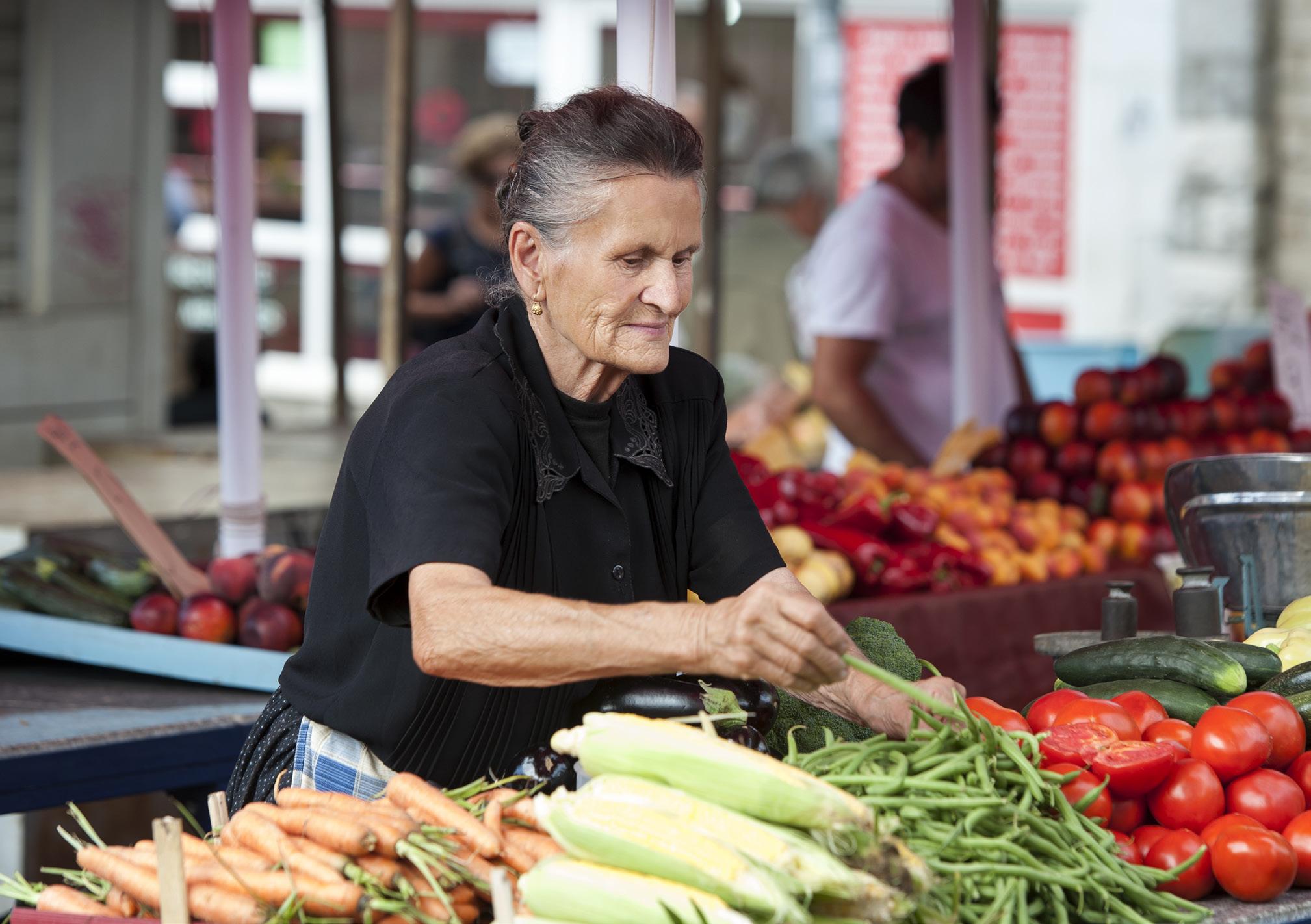
Pensions of the current generation of pensioners are low mainly due to short contribution periods, contributing to high old-age poverty. A recent pension reform aims to increase pension adequacy but comes at a significant fiscal cost. Further tightening early retirement options and increasing the retirement age would prolong working lives and help improve pension adequacy in a sustainable way. Phasing out the possibility to opt out of the private pension scheme while further encouraging returns and diversification of pension assets would strengthen confidence in the second pillar.
Improving health outcomes is essential to prolong working lives. Life expectancy is below the OECD average, reflecting high preventable mortality. Strengthening prevention and primary care, including through higher taxes on unhealthy products and enhanced workforce planning for general practitioners, can boost health outcomes cost-effectively. Rationalising the hospital network and better aligning funding with services can
improve the efficiency and quality of hospitals. Access to and quality of formal long-term care needs to be improved.
Raising participation of older workers, youth and mothers of young children is essential to mitigate the impact of a shrinking workforce. Partial disability limits labour market participation of older people more than in most OECD countries. Promoting early intervention and broadening participation to professional rehabilitation are needed to boost employment among older workers with remaining work capacity. Strengthening work-based learning in VET would help align young graduates’ skills with labour market needs. Increasing access to affordable high-quality early childhood education and care can support employment of mothers with young children.
Figure 3. Croatia faces a significant demographic challenge
Working-age population, 20-64 year olds, % change, 2024-2050
Source: United Nations, Department of Economic and Social Affairs, Population Division (2024).
Policies to attract foreign workers and the Croatian diaspora can mitigate the impact of population ageing and address skills shortages. Informing the selection process of foreign workers with forecasts of skill needs, while enhancing
integration services can help attract needed talent. Building a diaspora network, supporting job search and reintegration can encourage the return of Croatians abroad.