






By KOLLEEN TAYLOR
Jackson,
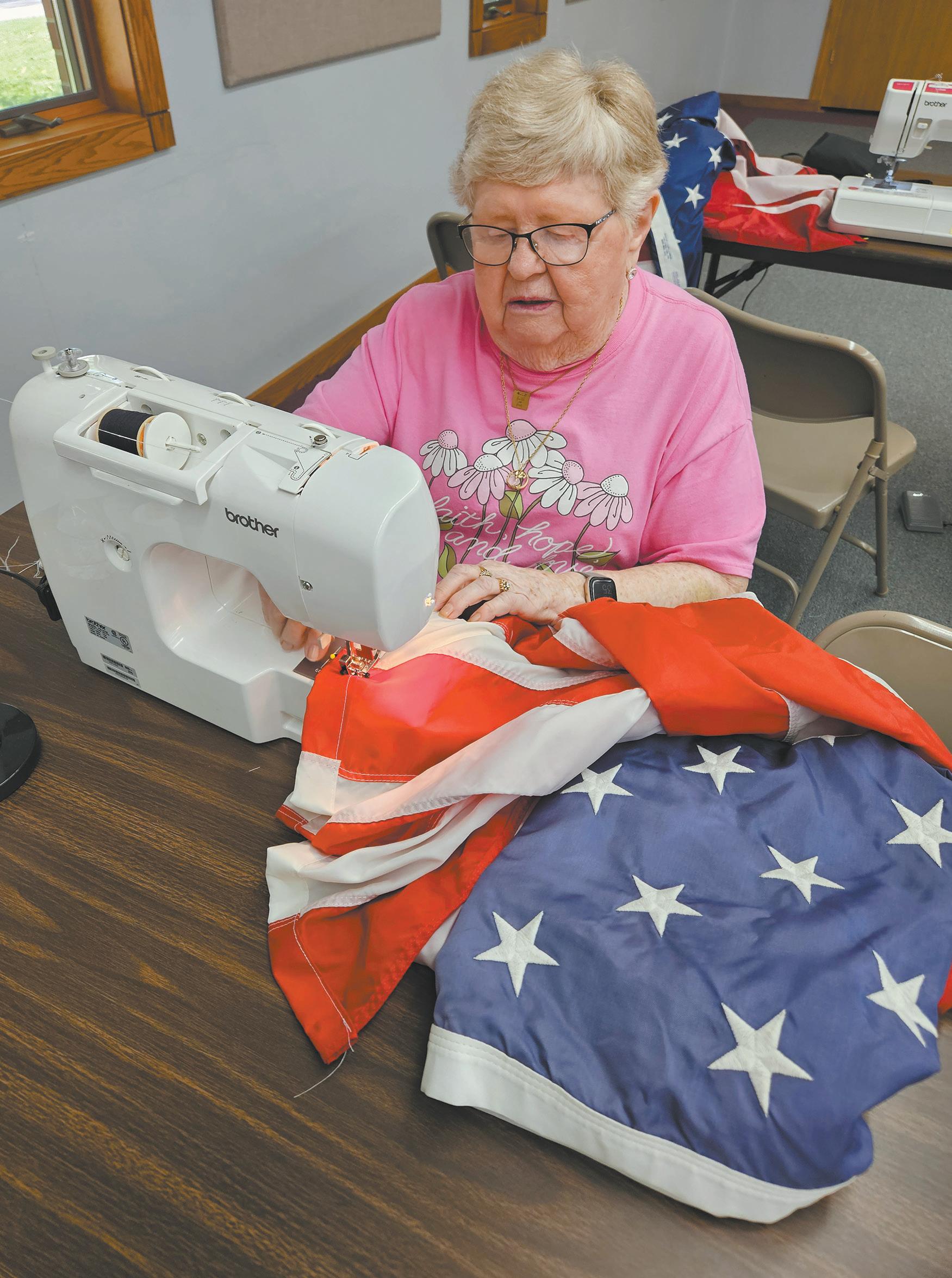
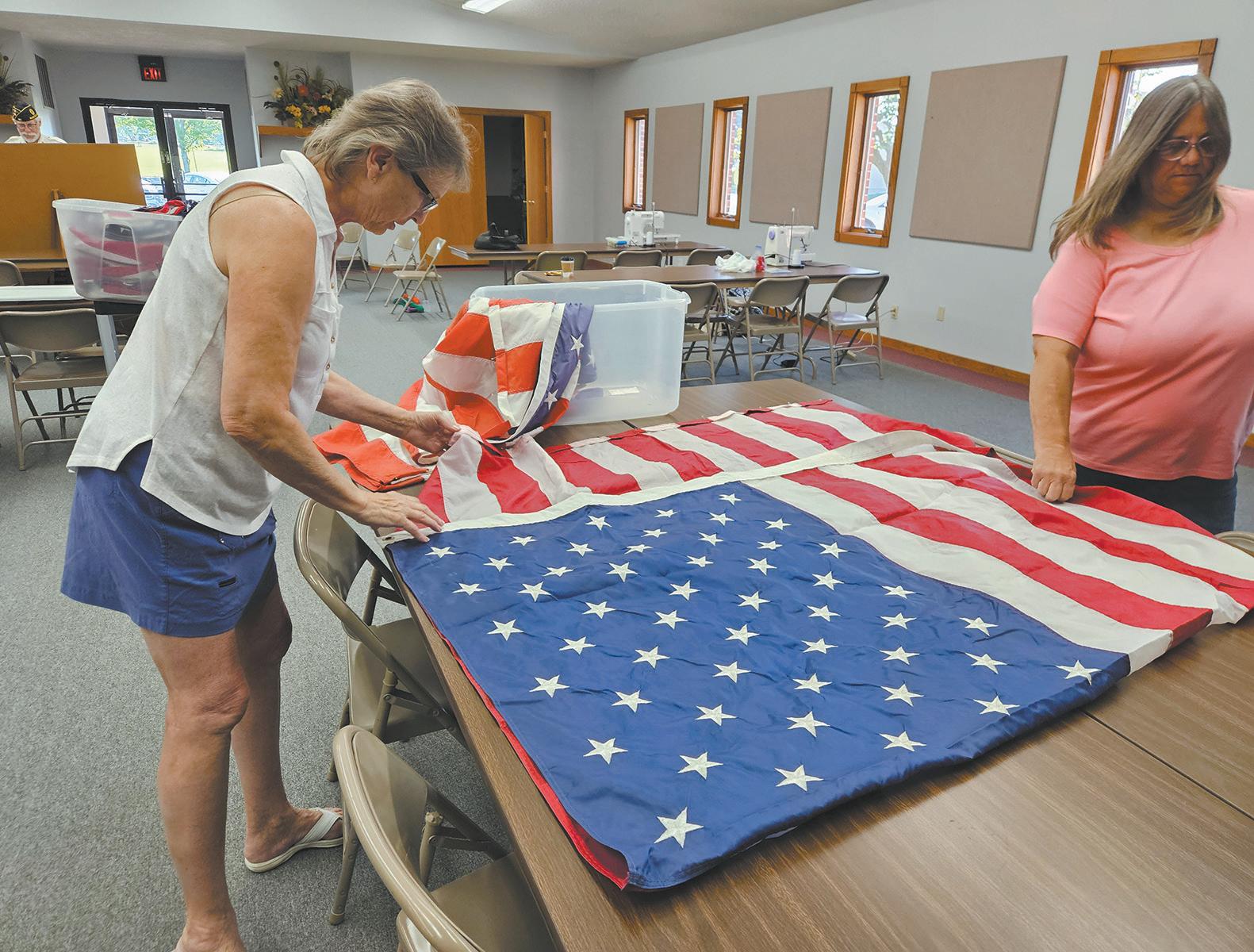
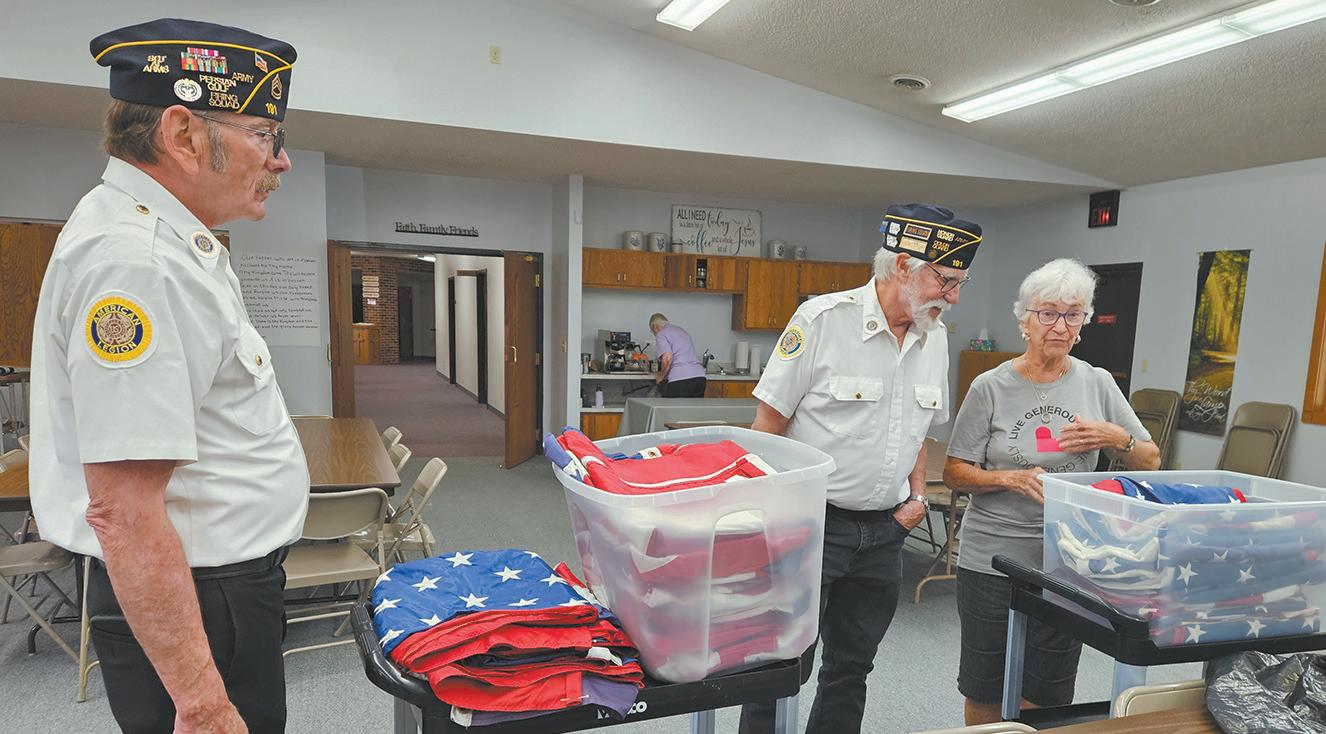
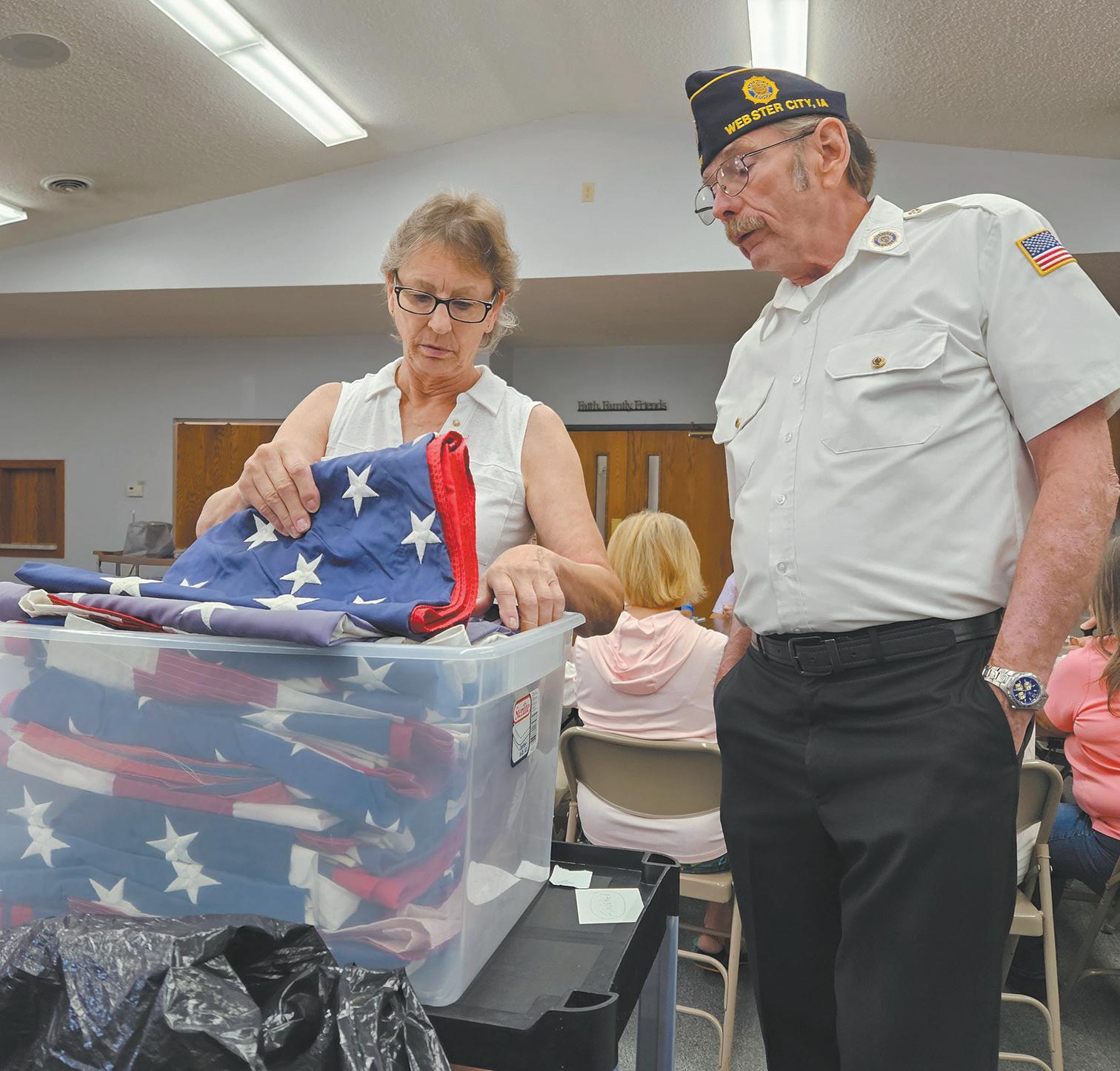
examines a flag needing repairs, and making a decision how best to repair it. Becky Newman, right, waits to hear what next steps are needed.
Through the American Legion and Veteran Affairs, veterans are working together.
When it is time to show the colors, rest assured a veteran is there.
Those colors – red for valor, white for purity, blue for justice – have been official since June 14, 1777, when the Continental Congress established the Flag Act. It is those colors that are carried into battlefields and flown over buildings and schools, and in the cemeteries where perished veterans rest.
In Webster City, flags were flown on the boundaries of Graceland Cemetery, along the streets of Ohio and Beach streets, in honor of Veterans Day, November 11.
This task, undertaken by American Legion Post 191, Hamilton County Veterans Affairs, and volunteers is an annual, though truncated version, of the full display throughout the cemetery on Memorial Day weekend, according to Steve Struchen, a veteran and member of Post 191.
“They stay up as long as 10 days,” Struchen said. But as important as going up is their timely coming down; the wind this time of year can be particularly damaging, which makes taking them down essential.
The American Legion began the project of purchasing the flags for the cemetery approximately 40 years ago, according to Struchen. The cost to sponsor a flag is $400. The cost to replace a flag that is too tattered to fly is about $45.
With hundreds of flags to fly, replacing a damaged one is expensive.
Enter some remarkable volunteers: last summer, women and their sewing machines gathered at the Faith United Methodist Church. Working together, they repaired more than 200 flags.
Through their efforts, they saved more than $9,000 in replacement costs.
There are very specific guidelines to repair the flags, according to Luann Jackson, who headed up the project. Some of the flags were beyond repair – last summer, they had close to 45 of those; parts of some of them were used to help repair others.
Jackson has been repairing flags for more than 20 years. A few others – Jean Fox, Barb Hassebrock and Struchen – make repairs from home.
But the large number of flags needing repair this year required more help.
Flag etiquette is real. If one spends a few minutes with anyone who has served in the military, been in the scouts, or set up a meeting with flags in the room, there is a reference in handling it. Respect for the flag starts with the way it is stored, to the way it is displayed, the size and even how it is destroyed when beyond repair..
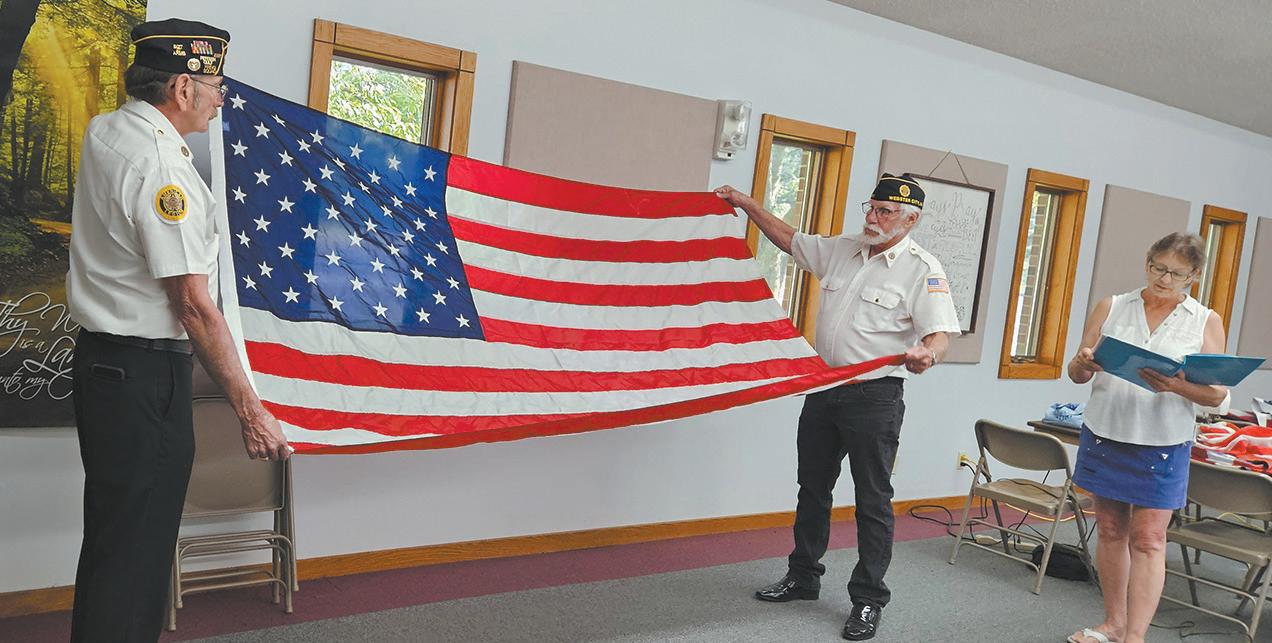
In any setting where the flag is folded, most commonly at a military funeral, there are very specific ways the flag is folded. Flag etiquette dictates that every time an American flag is to be stored or presented during a ceremony, its handlers should fold it in half twice lengthwise; then starting with the end opposite the blue field, make a taut triangular fold. The handlers continue to fold the flag in triangles until the flag has formed a triangular “pillow” with the blue field showing on the outside. It’s a dignified way to treat the flag, and gives a powerful touch to patriotic ceremonies.
This 13-fold procedure was common long before the modern assigned meanings. The source and date of origin of the meanings is unknown, but for those who participate or witness a formal flag folding ceremony, whether it be on Flag Day, Memorial Day, July 4th, Veterans Day or at a military funeral, the 13 meanings can create an uplifting experience.
The first fold of our flag is a symbol of life.
The second fold signifies our belief in eternal life.
The third fold is made in honor and tribute of the veteran departing our ranks, and who gave a portion of his or her life for the defense of our country to attain peace.
Gene Williams, left and Steve Struchen prepare to demonstrate the proper way to fold the flag, as LuAnn Jackson reads the story and the meaning of each of the flag folds.
The fourth fold exemplifies our weaker nature as citizens trusting in God; it is to Him we turn for His divine guidance.
The fifth fold is an acknowledgement to our country, for in the words of Stephen Decatur, “Our country, in dealing with other countries, may she always be right, but it is still our country, right or wrong.”
The sixth fold is for where our hearts lie. It is with our heart that we pledge allegiance to the flag of the United States of America, and to the republic for which it stands, one nation under God, indivisible, with liberty and justice for all.
The seventh fold is a tribute to our armed forces, for it is through the armed forces that we protect our country and our flag against all enemies.
The eighth fold is a tribute to the one who entered into the valley of the shadow of death, that we might see the light of day, and to honor our mother, for whom it flies on Mother’s Day.
The ninth fold is an honor to womanhood, for it has been through their faith, love, loyalty and devotion that the character of men and women who have made this country great have been molded.
The 10th fold is a tribute to father, for he too, has given his sons and daughters for the defense of our country since he or she was first born.
The 11th fold, in the eyes of Hebrew citizens, represents the lower portion of the seal of King David and King Solomon and glorifies, in their eyes, the god of Abraham, Isaac and Jacob
The 12th fold, in the eyes of a Christian citizen, represents an emblem of eternity and glorifies, in their eyes, God the Father, the Son and Holy Ghost.
The last fold, when the flag is completely folded, the stars are uppermost, reminding us of our national motto, “In God We Trust.”
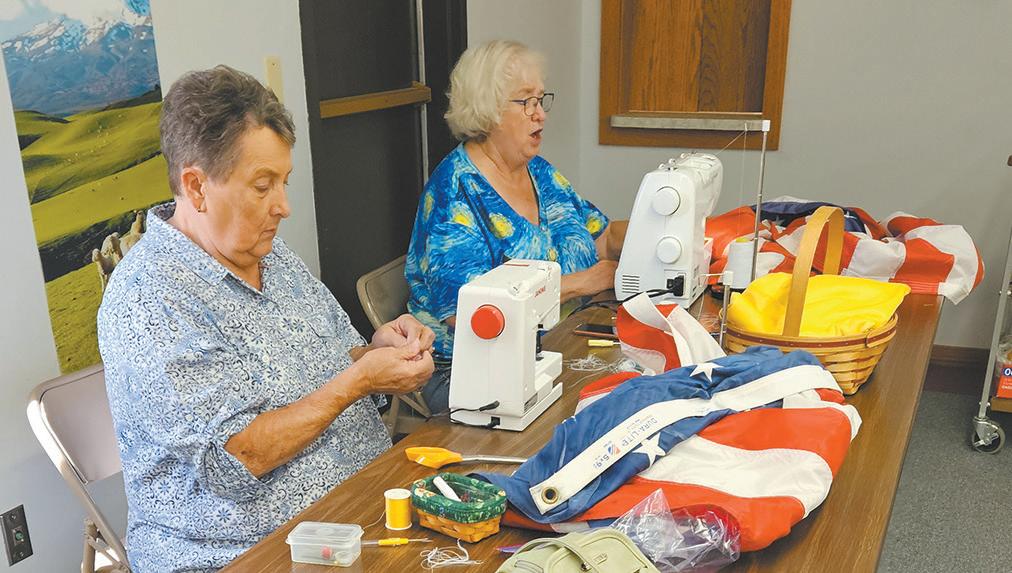
Marcia Casbon, left, is threading her needle as she prepares to repair another flag. Linda Johnson, right is finalizing her work on one of the flags being repaired.
That help came from women beyond Faith United Methodist’s church membership: Charlotte Sherman, Reta Youngdale, Wilma Neuring, Rusty Gaul, Becky Newman, Julie Maass, Linda Johnson, Marcia Corbin, Jann Anderson, Shirley Bowman and Janet Lowry.
They brought sewing machines, skill and the promise to handle each flag with dignity and care. Their work has extended the life of the flags.
“They are the Betsy Rosses of today,” Struchen said. Jackson added, “Don’t disgrace our flag by keeping it up when damaged. If frayed, take it down and repair or replace it. If you have a flag on a pole look at it at least once a week.”
Struchen said the high winds and other elements do a lot of damage. “My advice is if you have a lot of wind, take it down.”
Flags that are damaged and beyond repair can be brought to the American Legion, 726 Second Street, Webster City, for proper disposal. Once a year, on Flag Day, June 14, damaged flags are ritually destroyed.
“We do tattered flags, discolored flags and pieces of flags,” Struchen explained.
The Legion also sells flags. The 5-by-8-foot flags that are flown at the cemeteries are $45; 3-by-5foot flags for residential use are $25.
Post 191 manages more than 500 flags for display at Graceland; they are stored in the blue building adjacent to the cemetery.
The poles on which the flags fly also must occasionally be replaced; sometimes cemetery visitors accidently back into then, Struchen said.
Donations to replace flags and poles are always welcome, he said.
American Legion Post 191 in Webster City is supported by approximately 200 members. Annual dues of $60 are divided between the local, state and federal organizations. That means only $13 stays local to financially support Post 191’s building and projects. As a result, the membership does a lot of fundraising.
“We are trying to keep the cost down to join,” Struchen said. “We would prefer to have more members than the money.”
The bar in their building at 726 Second Street is open to the public, which creates some revenue throughout the year. Cash memorials are of great help too.
They are a creative group; if they have a need, they find a way to pay for them.
An example is the fundraiser Legion member Laurie Epps is currently coordinating. The funds will be used to purchase comfortable, portable camp chairs to use both in-house and at outdoor events. The response, she said, has been overwhelming, with only a few left to sponsor.
Legion members are known for their meals, such as the chili and cinnamon roll drive-up during Homecoming, or spaghetti dinners, Struchen said.
“When we do fundraising, we do it for a freewill donation,” he said. “We would hope people would give the cost of the meal plus some,” he said. A specific charge would require them to collect and pay sales tax.
For veterans, the American Legion members offer more than just a building or a bar.
“The best thing we do is that we are a gathering spot for those who have lost a spouse or are having trouble adjusting to civilian life,” Struchen said. “It’s also a good source for letting veterans know what programs are available to support veterans. And then, that’s Amanda’s job.”
Amanda Kalkwarf
Amanda Kalkwarf is the Hamilton County Veteran Affairs administrator, CVSO. Located at 1610 Collins Drive, Suite 2, Webster City, her office
provides personal service to residents of Hamilton County who have served in one of the branches of the armed services.
Kalkwarf took over the position officially in July. With less than six months under her belt, she finds the diverse needs challenging.
“Veterans come in for a variety of things,” Kalkwarf said. “It could be for an increase of compensation benefits, or they are brand-new veterans and they are looking for information on what is available for them.
“It could be they need to sign up for VA healthcare or for pensions through our office. Or it could be a loved one who is needing help for burial benefits or for survivors’ pensions.”
The VA offers multiple services for families once the veteran is gone.
LuAnn Jackson and Gene Williams count the repaired flags, to determine how many more might need to be replaced.
“We can do markers for gravesites, depending on what their service was, or if it was a serviceconnected passing.”
There is a lot of time-consuming research involved. “It’s a matter of sorting through the options,” she said.
Kalkwarf has now completed two levels of training.
“This year they brought in a lot of other resources and different groups that we might not normally work with on a day-to-day basis.”
One of the functions coordinated by her office are Veteran Coffees for veterans and their families. They are opportunities for the veterans to meet Kalkwarf and ask questions.
Making an appointment is essential to managing the time it takes to help veterans, she said.
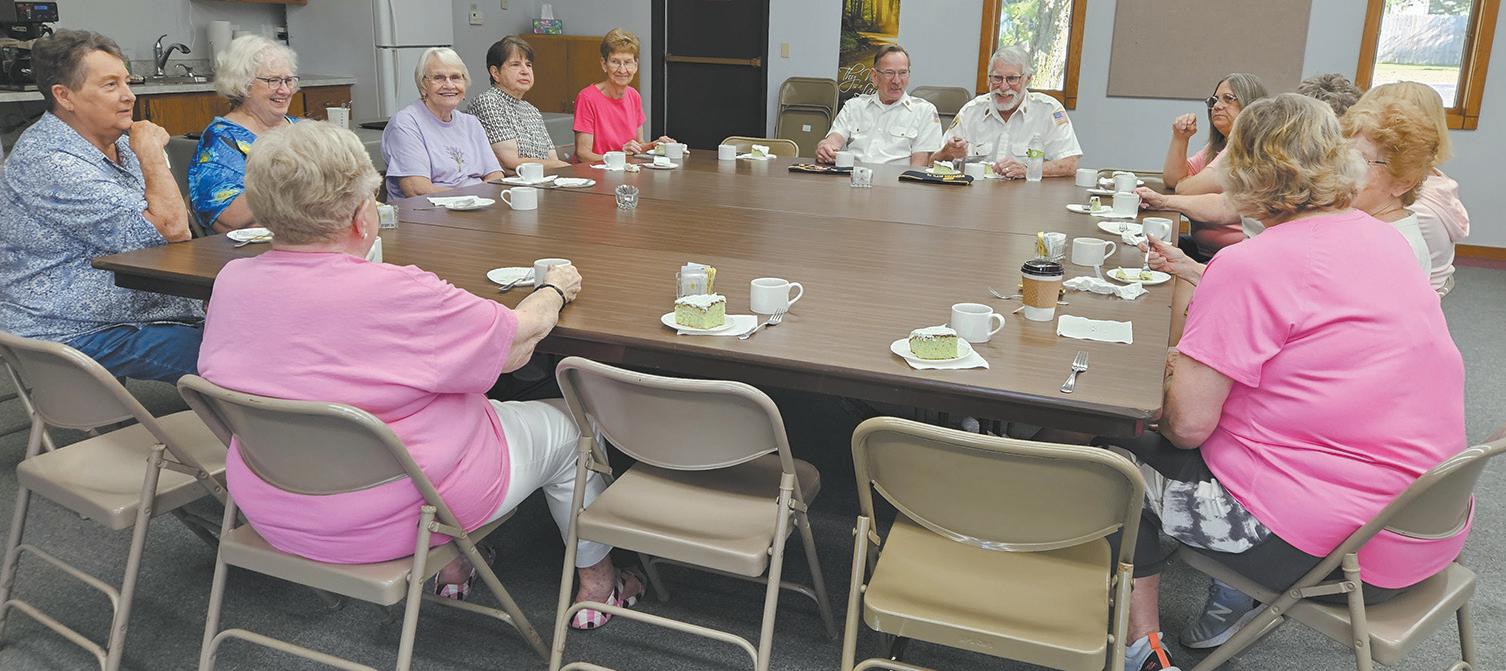
The team of volunteers working on the flags during one of the last workdays this summer, take a break at the end of the workday. Seated from left to right are Marcia Casbon, Linda Johnson, Wilma Neuring, Barb Briggs, Barb Hassebrock, Gene Williams, Steve Struchen, Becky Newman, Linda Olmstead, Julie Maass, Jean Fox, Rusty Gaul, and Shirley Bowman, center, with back to the camera. Others who worked on the project included Charlotte Sherman, Janet Loughry and Reta Youngdale.
Struchen and Williams fielded questions from the seamstresses who helped repair the flags after listing to the meaning of each of the folds.
“It is more complex and it takes time to help the individuals. To just have time to focus on a claim, it takes so much concentration,” she explained. “It’s not just a matter of putting something onto paper. There is a lot of research necessary, so you have to be able to focus and think without interruptions.”
She compared her job to the role of a detective; no two cases are exactly the same. Kalkwarf takes the time to piece together the mysteries of illness, service records and claims. This is something that would be extremely difficult for veterans and their families to navigate on their own.
“I’m still learning something new every single day.”
Between the Veteran Affairs office and American Legion Post 191, there are hundreds of people who continue to volunteer and work in the community as a way to thank men and women for their service.
Struchen said, “Just continue supporting the American Legion organization when you can.”
And respect the colors.
by Lori Berglund
By John Grisham and Jim McCloskey
He has to be guilty… he confessed
Can you imagine a man pleading guilty to a crime he did not commit? This is actually a topic that I’ve debated with friends and family many times over the years. Most agree that, surely, an innocent person would never plead guilty to rape, to child abuse, to murder. Sounds like a safe assumption. No one pleads guilty to something he or she didn’t do. Put that in the back of your mind for a bit and ponder it for yourself.
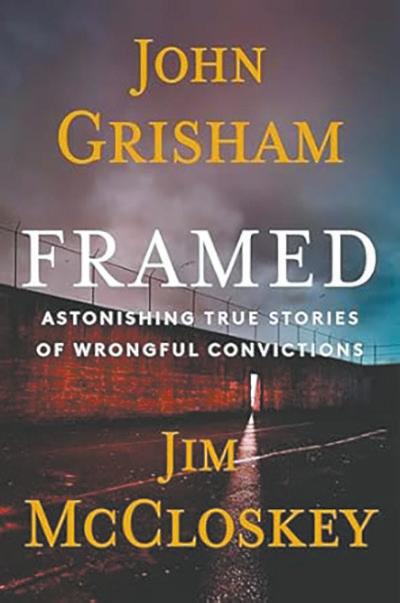
Now, go pick up a copy of ‘Framed - Astonishing True Stores of Wrongful Convictions’ by John Grisham and Jim McCloskey. I’ve been a huge Grisham fan since I first stumbled upon The Pelican Brief several years ago. In many of his works of fiction, readers will find stories of capital crimes and subsequent punishments gone wrong. It’s not hard to figure out how Grisham feels about the death penalty.
As a lawyer, Grisham’s take on the death penalty is informed by his experience of the justice system. We have a great justice system in the United States — far better than most any other nation on earth — but it’s not perfect. Grisham sees that better than most.
Framed has been on my reading list for several months now, but I did not want to tackle such a serious subject in the summer months. I finally got around to reading it earlier this fall. If you look for this book at the library — and I strongly encourage everyone to do so — you will not find it in the fiction stacks where most of Grisham’s work resides.
Rather, this is a collection of short, true stores of men convicted of crimes they did not commit. And yet, almost every man in that book did indeed confess to a crime — horrible crimes — that they knew they did commit.
So, what type of people would confess to a crime they didn’t commit? Ask yourself that.
The first group we might exclude would be military men. No one who has survived Basic Training in any branch of the service is likely to confess, even under intense law enforcement questioning.
Meet the Norfolk Four, the first story featured in Framed. The Keystone Cops of Norfolk. VA., charged and juries subsequently convicted not one, not two, not three, but four U.S. Navy sailors — all of whom were completely innocent!
But the saddest story in this collection of true crimes comes from a man who would not confess. He had been in trouble with the law a little bit when he was younger, and perhaps that is why he was able to withstand brutal interrogation techniques. But he had straightened himself out. He had gotten married and was the father of three little girls he deeply loved.
His name was Cameron Todd Willingham and the great state of Texas executed, actually murdered, him in 2004. He had been offered a deal: confess, and Texas would take the death penalty off the table.
This happened despite clear DNA evidence that cleared the men. The justice system in Norfolk, VA., miserably failed to serve the interests of justice and their duty to protect society. These innocent sailors served years in prisons for crimes they did not commit before they were finally pardoned.
They confessed to escape interrogations that were horrendous, both in scope and time. In many of the stories featured in Framed, the innocent people wanted to help police and so they voluntarily gave up their right to be silent, gave up their right to have a lawyer present. From that point on, there was almost nothing these men wouldn’t do to escape the type of interrogations to which they were subjected.
No way. Willingham would never say that he had intentionally started a fire in order to kill his daughters. The very idea made him sick. He loved his girls deeply. He was convicted based on now discredited “science.”
There was actually no crime at all, there was no arson. It was a tragic fire. Oh, I how wish that Willingham had confessed. Had he done so, he would still be alive.
Instead, his parents scattered his ashes over the graves of his children.
How many others have faced the same fate. Our justice system is good, but it is not perfect. We, as a nation, do kill people who are completely innocent. To me, that sin is on all of us.
Once upon a time, I student taught in Journalism and English classes at Fort Dodge Senior High. Teachers, there are lesson plans galore in this book, in every subject area, from history to psychology, sociology, journalism and so much more. In today’s political climate, everyone should read this book.
Framed is an important book and, no matter how you feel about the death penalty, I hope you will consider reading it soon.


Thanksgiving is the leading day of the year for fires?






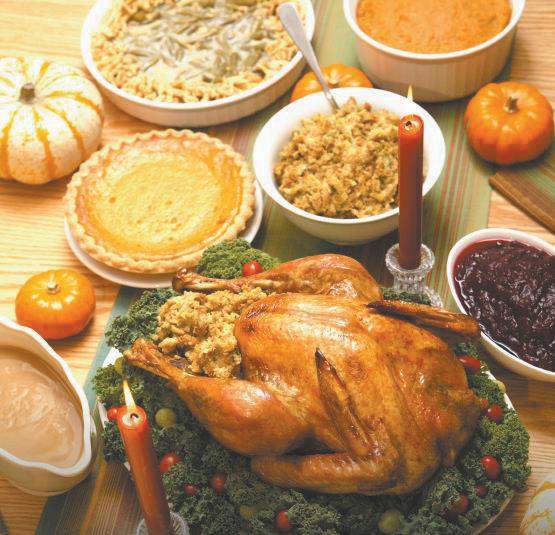
1. Slow down and wear your seatbelt while driving.

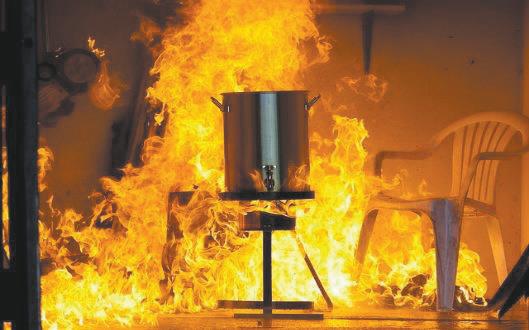
. 2. Don't let your fryer cause a fire. Turkey fryers are a popular means of cooking a Thanksgiving turkey. If used incorrectly, they can cause burns or even start fires that could threaten your home. If using a turkey fryer, make sure you set up your burner outdoors, away from structures and off of any decks
3. Don't drive impaired.

If you pick up a drink, put down the keys. Alcohol consumption is a major contributor to vehicle related accidents. Some medications and recreational drugs can also impair driving.
4. Keep a fire extinguisher nearby.

Fire extinguishers should be readily available wherever cooking is taking place. A multipurpose Class A - B - C rated fire extinguisher will work on most fires. If there is a fire in a pot or pan on the stove, turn off the heat source and slide a pot lid or sheet pan over the top to smother the fire.
5. Keep a kid- free zone.

Keep kids at least three feet away from cooking areas .
6 . Have working smoke alarms.



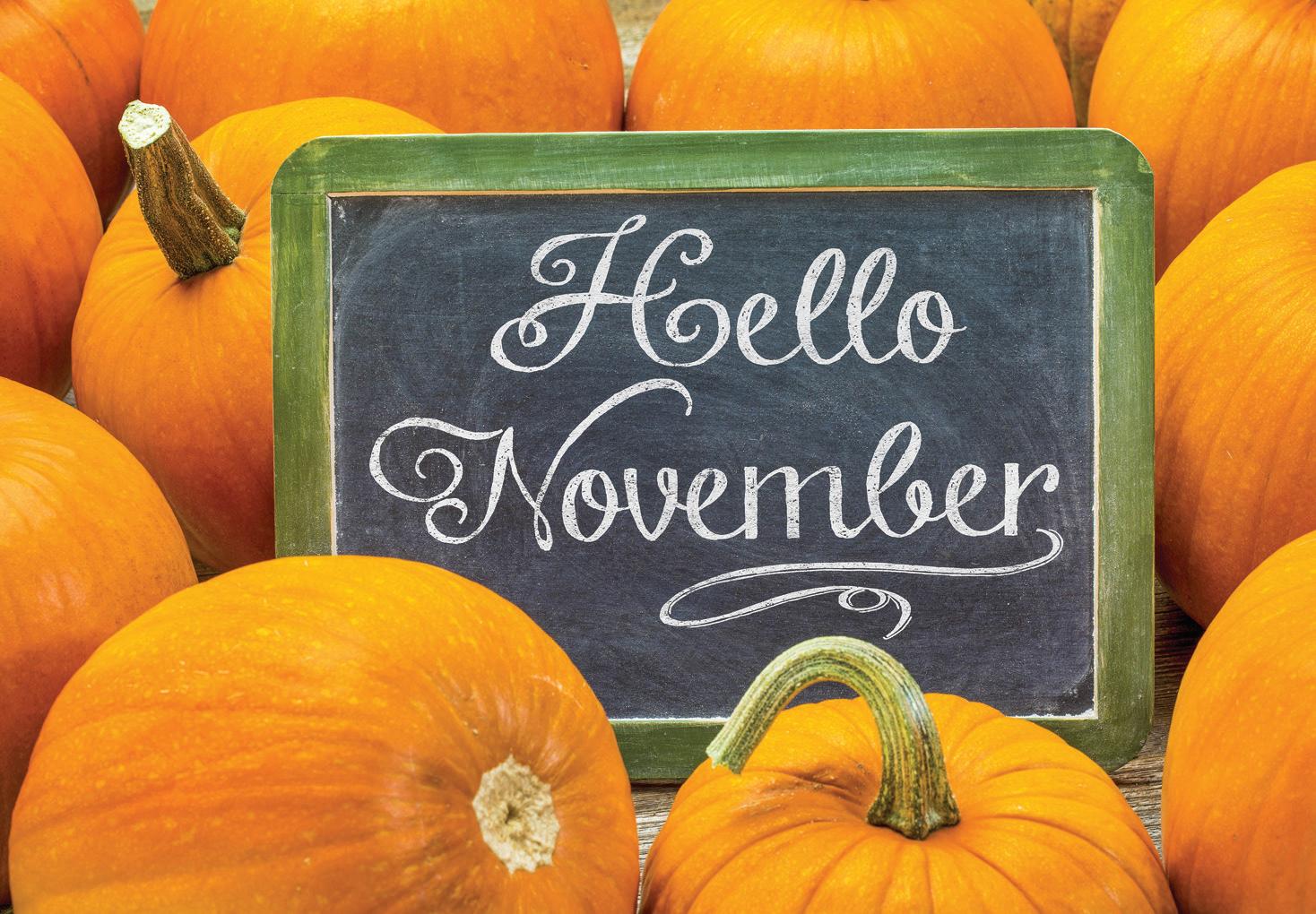
Makes 4 servings
1⁄4 teaspoon cinnamon
1⁄4 teaspoon nutmeg
1 tablespoon vanilla extract
1⁄2 cup orange juice
5 sweet potatoes, peeled & cut into 1⁄8-inch-thick slices
2 Russet potatoes, peeled & cut into 1⁄8-inch-thick slices
11⁄2 cups mini marshmallows, divided
1 tablespoon brown sugar
Cooking spray
Preheat oven to 350 F. Mix cinnamon, nutmeg, vanilla extract, and orange juice in a small bowl. In a large bowl, combine potatoes. Pour orange juice mixture over the potatoes; toss to coat well.
Spritz an 8” x 8” baking dish with cooking spray. Place potatoes, a handful at a time, in the dish and spread them so that the orange and white slices are evenly distributed. Sprinkle 10 to 12 mini-marshmallows on top of this layer. Repeat process, creating five layers, until you almost reach the top of the baking dish.
Cover dish with aluminum foil and seal tightly to hold in moisture; bake for 1 hour.
Top with remaining marshmallows and brown sugar.
Re-cover with foil and bake 30 more minutes. Let stand at least 15 minutes before serving.

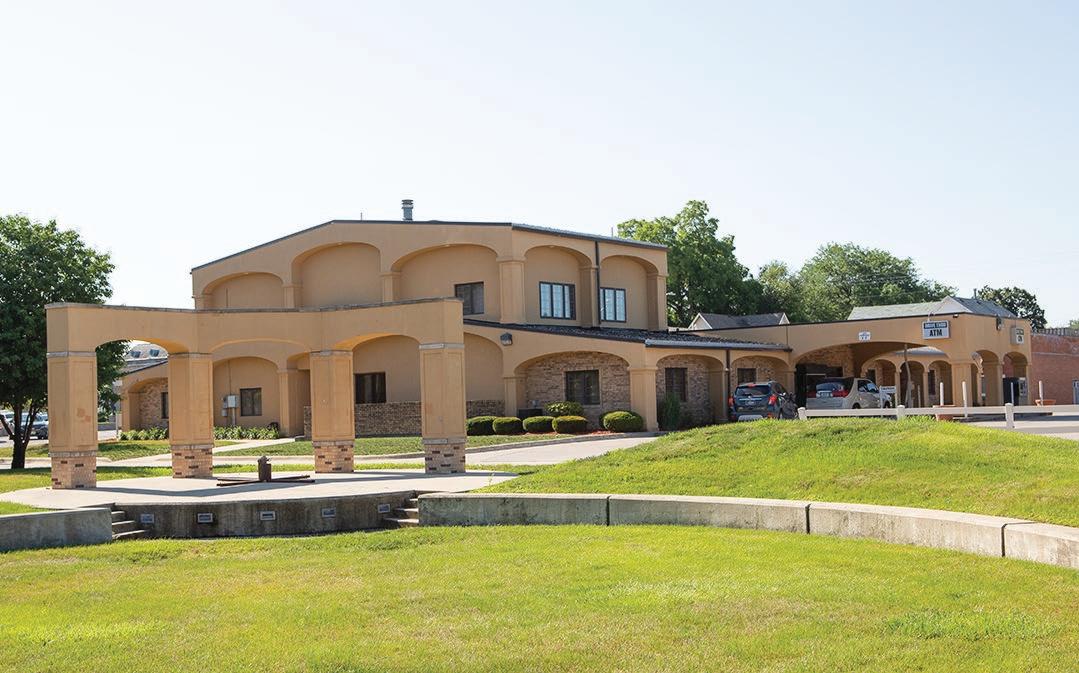
Look at these photos and see if you can identify these local landmarks.









by Jim Miller
Dear Savvy Senior , Can you recommend some good online resources for writing a simple will?
I’m 70 and divorced and want to get my affairs organized, but I hate paying a high-priced attorney fee if I can do it myself.
Don’t Have Much
Dear Don’t,
Having a last will and testament is an important document to have because it ensures that your money and property will be distributed to the people you want to receive it after your death. Currently, fewer than one-third of American adults have prepared a will.
If you die without a will, your estate will be settled in accordance with state law. Details vary by state, but assets typically are distributed using a hierarchy of survivors. Assets go first to a spouse, then to children, then your siblings, and so on.
You also need to be aware that certain accounts take precedence over a will. If you jointly own a home or a bank account, for example, the house, and the funds in the account, will go to the joint holder, even if your will directs otherwise. Similarly, retirement accounts and life insurance policies are distributed to the beneficiaries you designate, so it is important to keep them up to date too.
If you have a simple, straightforward estate and an uncomplicated family situation, writing your own will – with the help of a good online will making program – is a viable alternative to hiring an attorney and much cheaper. Like tax software, these online tools will guide you through a series of questions and will insert your answers into a will for you, and it usually takes less than 30 minutes from start to finish.
Some of the highest-rated do-it-yourself options include the Quicken WillMaker & Trust 2025 downloadable software (WillMaker.com) that starts at $109 and is valid in every state except Louisiana; Trust & Will (TrustandWill.com) which charges $199 for an individual will-based estate plan; and LegalZoom (LegalZoom.com), which offers will-based estate plans for $129 or $149 if you’d like assistance from an independent attorney.
Or, if that’s more than you’re able or willing to pay, two good options that will let you make your will for free are FreeWill.com or DoYourOwnWill.com.
If you have considerable financial assets or a complex family situation, like a blended family or a child with special needs, it would be smart for you to seek professional advice. An experienced lawyer can make sure you cover all your bases, which can help avoid family confusion and squabbles after you’re gone.
The National Academy of Elder Law Attorneys (NAELA.org) and the National Association of Estate Planners & Councils (NAEPC.org) websites are good resources that have directories to help you find someone in your area.
Costs will vary depending on your location and the complexity of your situation, but you can expect to pay somewhere between $200 and $1,000 to get your will made. To help you save, shop around and get price quotes from several different firms. And before you meet with an attorney, make a detailed list of your assets and accounts to help make your visit more efficient.
Once your will is written, the best place to keep it is either in a fireproof safe or file cabinet at home, in a safe deposit box in your bank or online. But make sure your executor knows where it is and has access to it. Or, if a professional prepares your will, keep the original document at your lawyer’s office. Also, be sure to update your will if your family or financial circumstances change, or if you move to another state.
Jim Miller is a contributor to the NBC Today show and author of “The Savvy Senior” book.