“So much of the nutrition advice out there is rigid and guilt-inducing, especially for parents just trying to do their best.”
Nutrition
“The cultural narrative is so entrenched in this vision of what a mother is, going all the way back to the Virgin Mary.”
The TV personality and entrepreneur discusses the importance of routine and balance in parenting Read more on Page 04
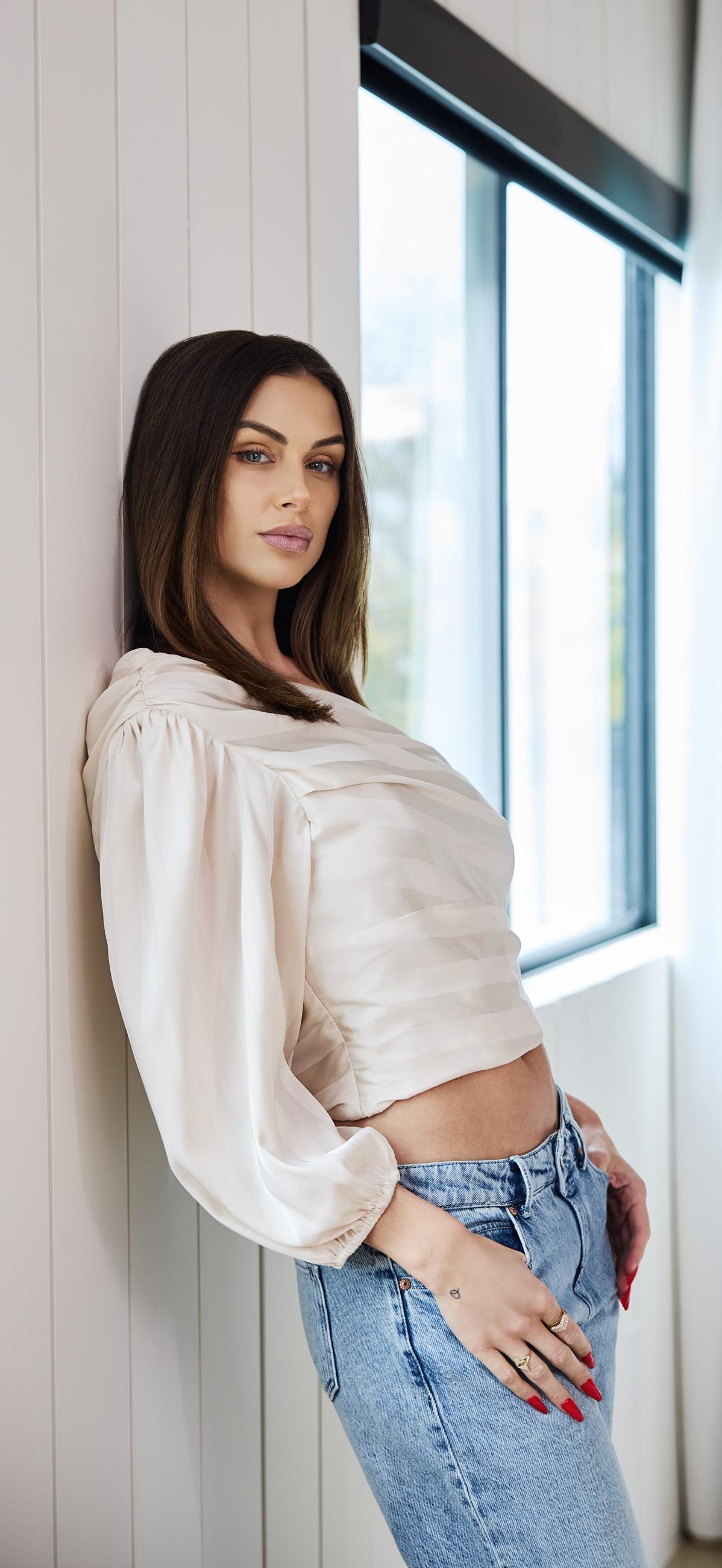
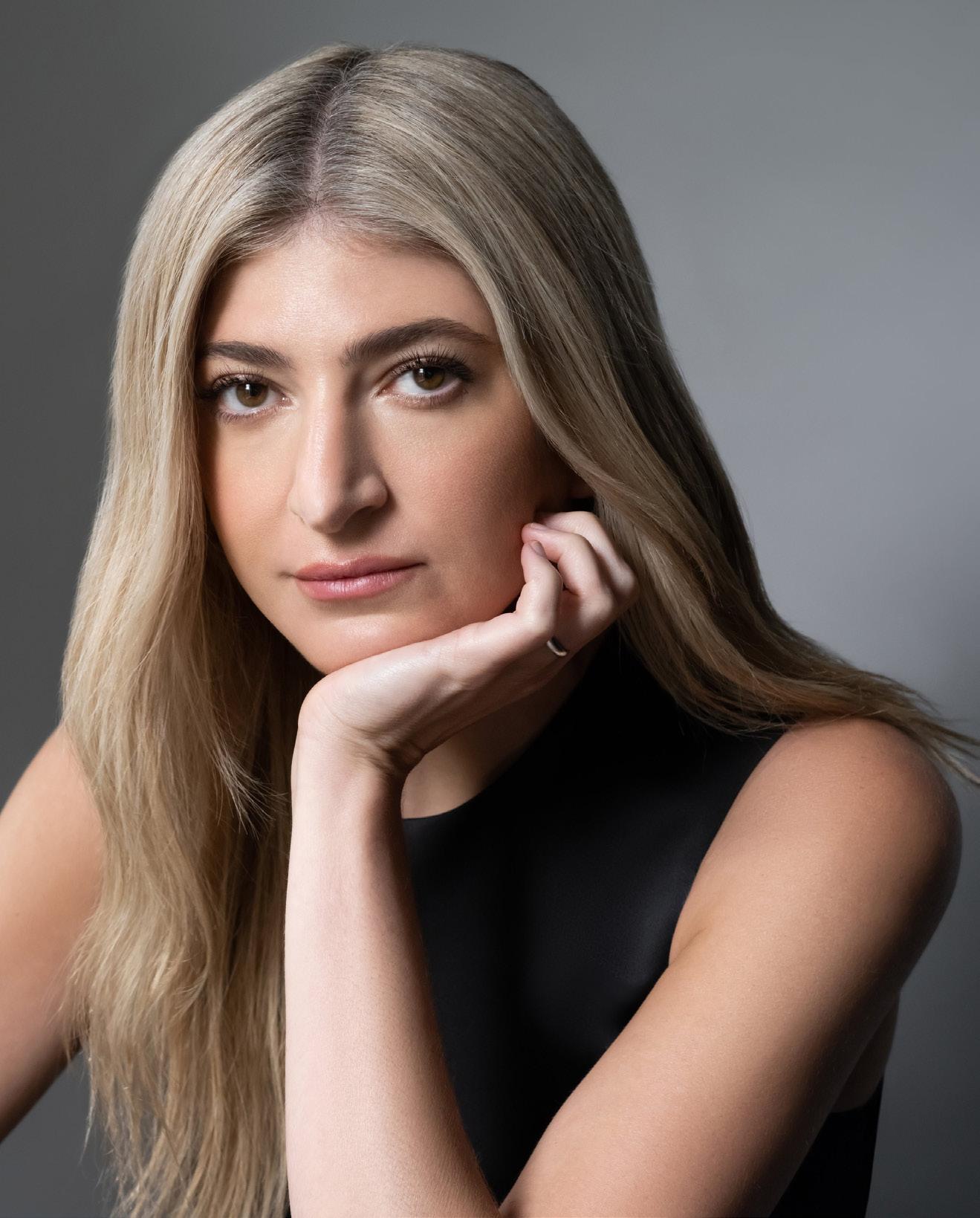
LALA KENT
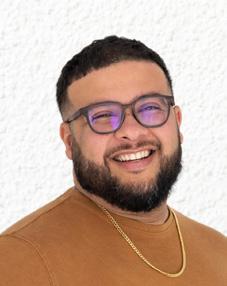
Kacie Barnes, Founder, Mama Knows
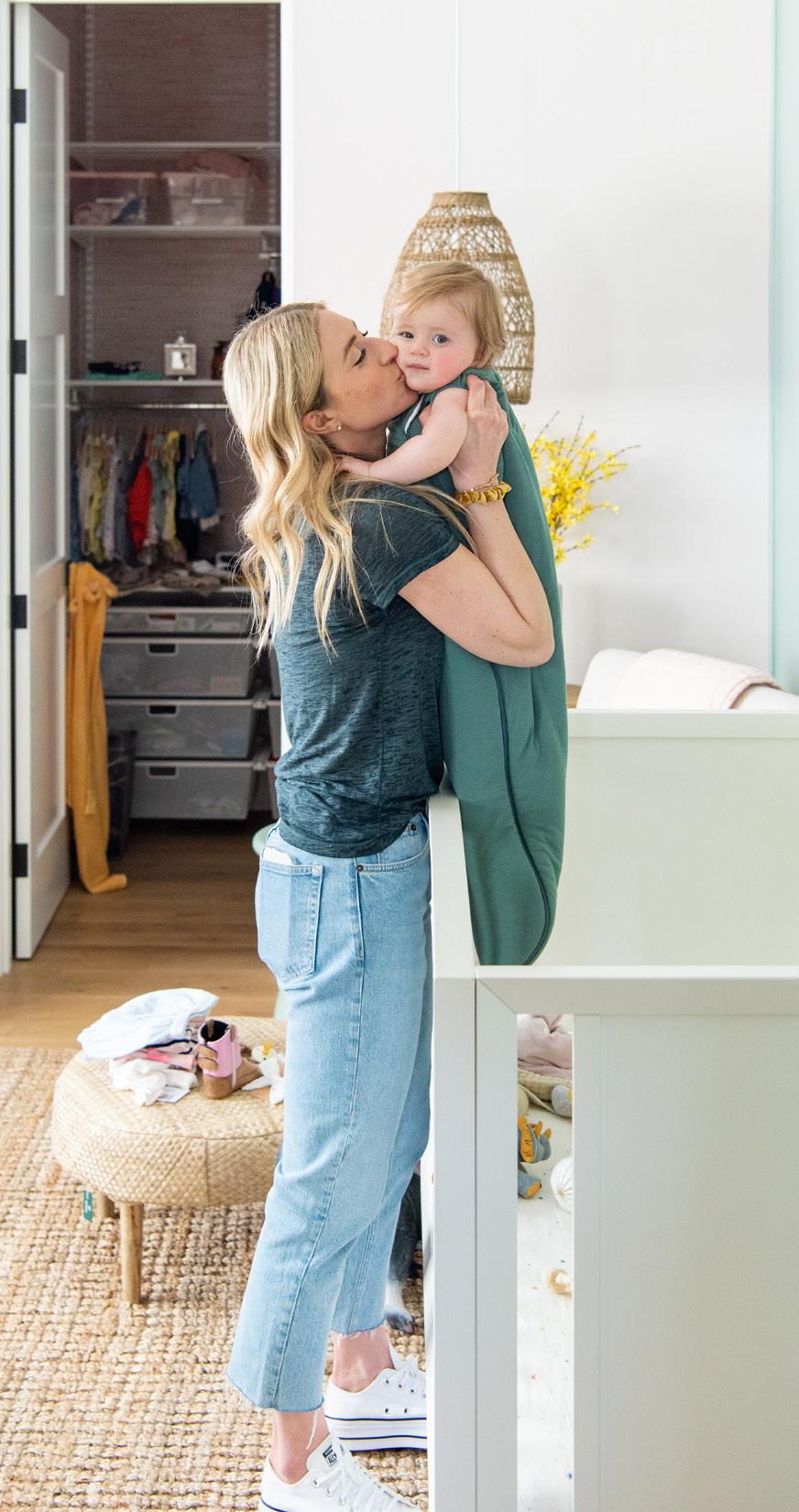
Sarah Hoover, Author, “The Motherload: Episodes From the Brink of Motherhood”
What Kids Really Need to Build a Healthy Relationship With Food Raising a Generation of Veggie Lovers
Early childhood, from ages 0-5, is a unique window of opportunity to cultivate healthy taste preferences and dietary patterns.
Unfortunately, nearly 90% of toddlers aged 12-23 months fall short of the recommended amount of vegetables per day. Partnership for a Healthier America (PHA) has a vision to change that and to raise a generation of veggie lovers.
Studies suggest that through exposure “early and often,” kids can learn to love veggies and become adventurous and healthy eaters. Even though children are born with an innate affinity for sweetness, their taste preferences can be shaped and modified by early dietary experiences. By offering our youngest eaters a wide variety of vegetables early and often, parents can help foster the development of a broad taste palate and encourage a willingness to consume vegetables and diverse flavors during childhood.
Given all of the research around the benefits of veggies for our youngest eaters, PHA created its Veggies Early and Often nutrition education coalition, which brings together early childhood educators, medical professionals, and food industry partners to raise awareness about the importance of vegetables for young children.
The Veggies Early and Often coalition helped develop free educational resources titled “Raising Adventurous Eaters with First Foods.” These guides, available in both English and Spanish, offer evidence-based tips and practical activities to foster healthy eating habits and developmental skills appropriate for various age groups.
Written by Amy Warne, M.B.A., RD/LD, Manager of Nutrition and Health Programs; and Diana Delgado, Senior Director of Marketing and Communications, Partnership for a Healthier America (PHA)
Kacie Barnes, founder of Mama Knows Nutrition, empowers parents with balanced, judgment-free advice for nourishing kids and building lifelong healthy food habits.
What led you to create Mama Knows Nutrition?
I’ve always been fascinated by how food can impact health, but it wasn’t until I became a mom that I saw firsthand how confusing and stressful feeding kids can be. I realized that so much of the nutrition advice out there is rigid and guilt-inducing, especially for parents just trying to do their best. I knew I could make a difference by providing evidence-based, practical, and judgment-free guidance. That’s why I created @MamaKnowsNutrition on Instagram — to be a trusted source for parents who want to feed their kids well without feeling overwhelmed, shamed, or pressured.
What are some of the most common nutritional gaps you see in kids’ diets today?
People always think their kids aren’t getting enough protein, but it’s surprisingly easy to get the recommended amount. It’s
incredibly rare for me to see a true protein deficiency in kids in the United States. However, a large number of kids don’t get enough fiber. This stems from the fact that the standard American diet is notoriously low in fruits and vegetables, and high in processed carbohydrates. According to the 2020-2025 Dietary Guidelines for Americans, children tend to not get enough vegetables, whole grains, or seafood.
Is there such a thing as focusing too much on healthy eating for younger children?
Absolutely. Restricting “unhealthy” foods tends to make children crave those foods more.
The American Journal of Clinical Nutrition published findings that children whose parents exert high control over their eating are more likely to eat in response to emotional cues rather than hunger. This emotional eating can lead to unhealthy weight gain and
disordered eating patterns. I feel passionate about this topic because I think it’s an area where well-intentioned parents can actually do more harm than good. By focusing too much on “healthy eating” (or whatever we deem to be “healthy eating,” which is inextricably informed by our own upbringing and biases), we can unintentionally create oppressive food rules for impressionable kids.
Restricting “unhealthy” foods tends to make children crave those foods more.
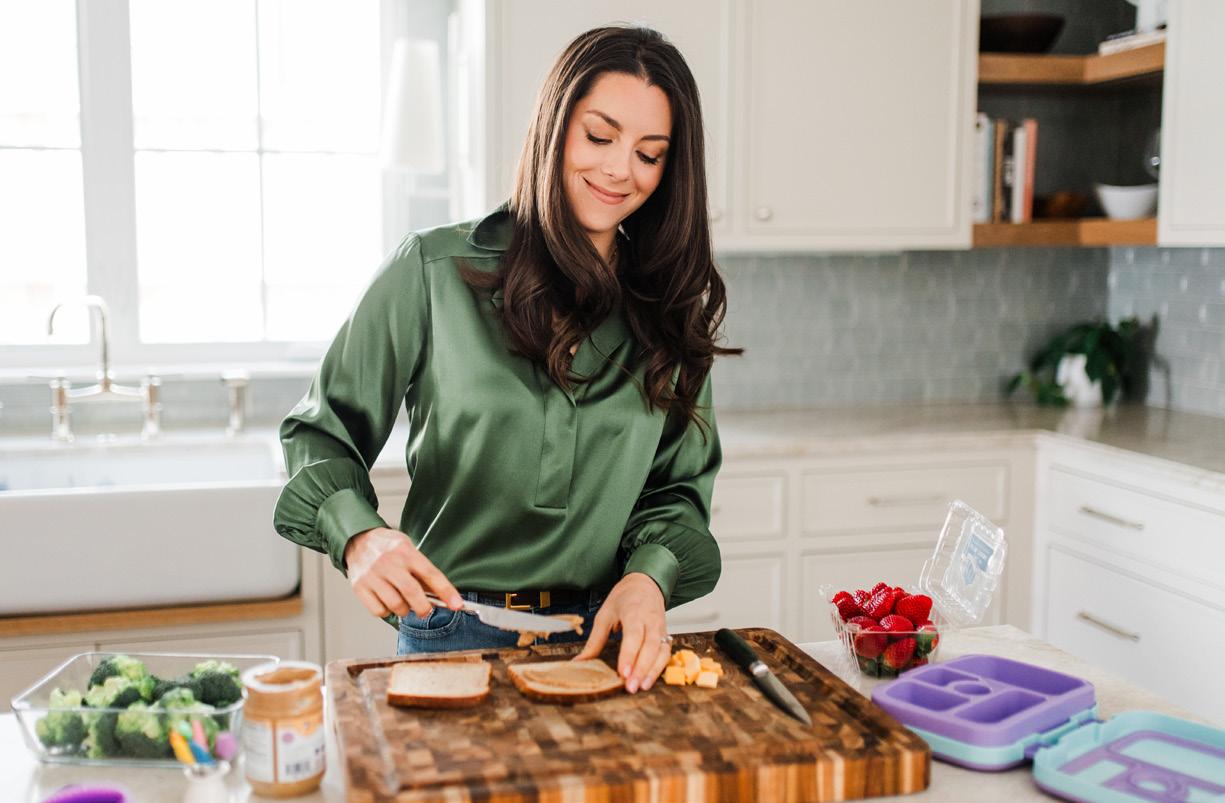
What small, realistic changes can parents introduce to their children to make a long-term impact on their health? Make water the default beverage. Swap any sugary drinks for water or milk most of the time. At snack time, aim for what I call “complex snacks.” Instead of defaulting to crunchy air snacks, try to include at least two of these key nutrients: protein, fat, and/or fiber. For example, you could pair a cheese stick with crackers or offer a yogurt pouch alongside pretzels. Taking this simple step to make snacks more balanced can help keep kids feeling satisfied longer, provide steady energy, and make it easier for them to meet their nutritional needs.
Kacie Barnes | Photo by Amanda Mendenhall
patterns. about this an area parents harm than much on whatever eating,” informed and unintentionally rules for changes to their long-term beverage. for water At snack “complex defaulting to to include nutrients: For a cheese er a pretzels. to make can help ed longer, and make their Taylor Rice
How Lala Kent Prioritizes Mental Wellness and Routine as a Mom
TV personality and entrepreneur Lala Kent shares how motherhood reshaped her views on health, balance, and mental well-being.
What would you say your ideal vision of a healthy childhood looks like for your children?
My ideal vision for my babies is balance. Becoming a mother, I had to let go of the fairy tale that I was going to have a baby, and I was going to teach them to have a very sophisticated palate, I was going to put them in all the sports, and I just had this vision of how it was going to go. Then the baby is born, and they start growing and developing their own personality, you realize how little control you actually have. My biggest priority has been creating balance in their lives and making sure that my kids always know and feel that they have a safe and loving home with me, where they are empowered and pushed to be whoever they were created to be. While a healthy diet and staying active is extremely important to me, I think the most important thing is instilling confidence, self-love, and conviction — I know how tough this world can be, and I want my kids to know and love who they are, and to make sure they never compromise that.
Sleep has become the most essential thing when it comes to my health and wellness. Often we’re starting to go to bed at 7 p.m., because I know that if I want to be present with my kids every day, I have to get sleep.
How do you balance work with instilling that confidence in your kids?
My children will always come first. It’s important for them to see me work, but as soon as I became a mother, my priorities
completely shifted and being present for their day-to-day is extremely important to me. No one’s going to remember if I turned down an opportunity, but my daughter is going to remember if I missed coming to class to celebrate her birthday or missed a dance recital, and my priority is my daughters knowing I wouldn’t miss their important moments for the world.
How has your view of health and wellness changed since you’ve become a mother? Sleep has become the most essential thing when it comes to my health and well-being. Often we’re starting to go to bed at 7 p.m., because I know that if I want to be present with my kids every day, I have to get sleep. Working out has also become essential for me; I am extremely fortunate to be able to have someone come to my house to train me, which has made it much easier for me to prioritize. In the past, I didn’t prioritize my health in that way; I used to stay up and watch all the shows all night — that is no longer an option for me. It’s all about finding ways to be your best self for your kids and have enough stamina throughout the day to keep up with your children because it can be draining sometimes!
What’s one piece of advice you would give to new moms or parents?
Be easy on yourself. Set your intentions for the week, and if they don’t go as planned, focus on the wins of that week. If you missed a workout or if the kids had one too many cookies, don’t fixate on those things. My biggest takeaway in the four years that I’ve been a mother is how important my mental health is. I find that if I fixate on all of the things that I didn’t accomplish, or moments I felt like a failure, then I’m not present for my children, and I’m failing everybody. Celebrate the wins and allow yourself to be imperfect.
Lala Kent | Photo by Joe Schmelzer
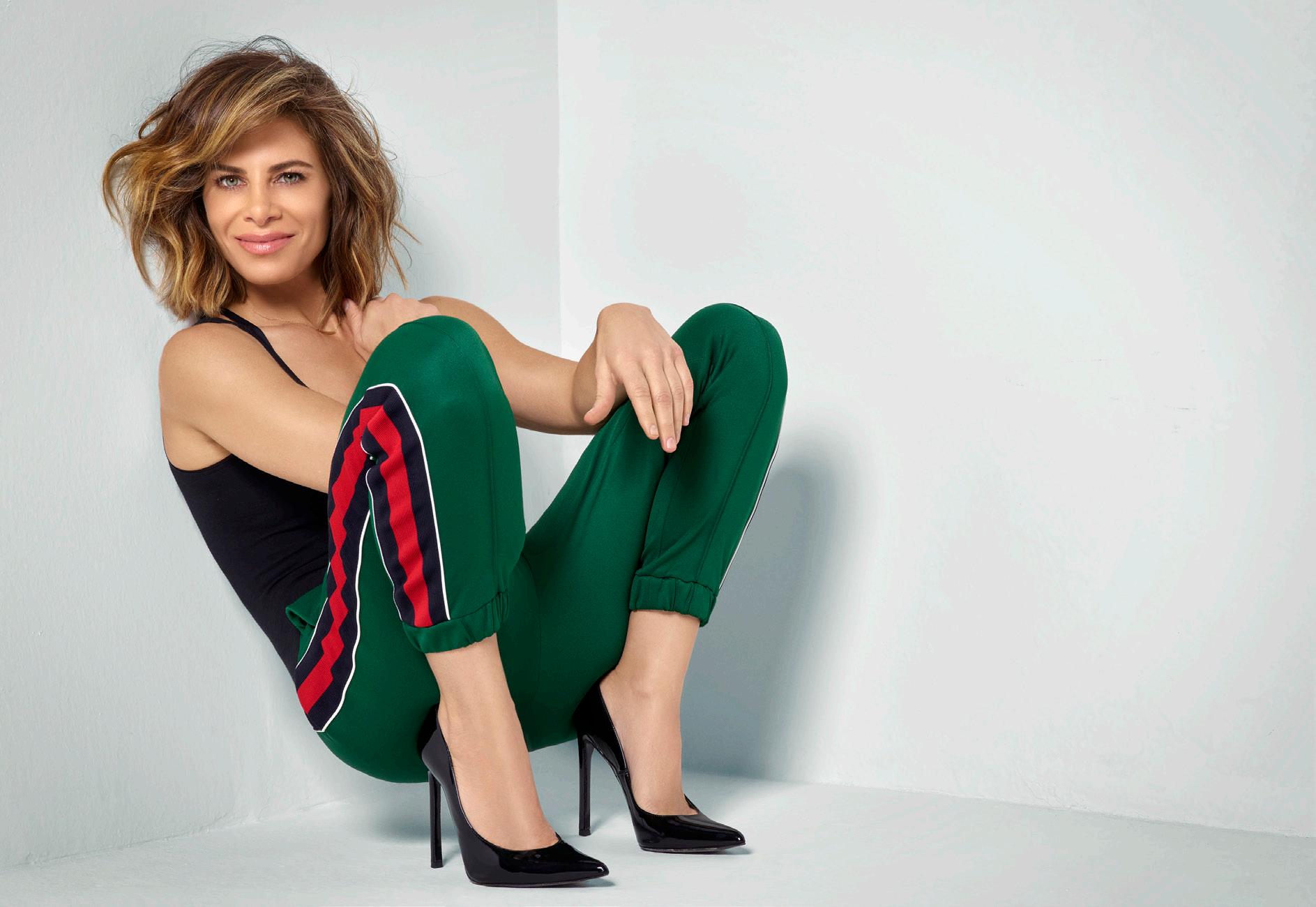
Jillian Michaels on Health and Leading by Example in Parenting
Celebrity health and fitness expert Jillian Michaels shares how motherhood transformed her mindset around balance, discipline, and long-term wellness for families.
What is it like balancing your work with being a mother of two?
Balancing work and motherhood isn’t a tightrope — it’s a terrain. Some days are smooth; other days feel like I’m hiking with a full pack and no map. I’ve learned that it’s not about doing everything perfectly; it’s about being fully present where you are when you’re there.
How has being a mother reshaped your approach to health and fitness?
Health and fitness were always personal to me, but once I had kids, they became generational. I’m not just working out to stay strong; I’m showing my kids what strength looks like, mentally and physically. I want them to see that taking care of your body is a form of self-respect, not vanity, and certainly not self-loathing. I want them to eat well because they love their body, not because they hate it.
What are your core principles when it comes to ensuring your kids live a healthy lifestyle?
For me, it comes down to common sense, not extremes. I’m not trying to raise health fanatics; I’m trying to raise informed, capable humans who understand how their choices impact their bodies and minds. The core principle is simple: Knowledge is power. When kids understand why whole foods matter, why sleep matters, and why movement matters, they’re far more likely to make smart decisions on their own.
I don’t believe in rigid rules or fear-based thinking. I believe in moderation. We eat birthday cake and we have screen time, but we also talk about balance, energy, and how to feel your best. I give them tools, not ultimatums.
Ultimately, my job isn’t to control every bite or every step — it’s to guide, educate, and model a lifestyle that’s sustainable, flexible, and rooted in self-respect. The goal is to help them build a healthy relationship with food, fitness, and their bodies that they can carry for life.
What are some tips you have for making fitness fun for kids who might be less enthusiastic about it?
Ditch the word exercise. Kids don’t want to “work out,” nor should they. They want to play, compete, and move their bodies in ways that feel exciting. The key is making fitness about fun, not force. Find what lights them up. Is it soccer? Dance? Martial arts? Skateboarding? Great — lean into that.
The goal isn’t to raise gym rats; it’s to help kids associate movement with happiness, confidence, and accomplishment. That means giving them options, letting them explore, and cheering them on when they find something they love. Not every kid is into traditional sports, and that’s okay. Build obstacle courses in the backyard, do silly dance-offs in the living room, or go on adventure hikes. Make movement part of life, not a chore.
Unmasking Sleep Apnea in Teens
Teenagers are often labeled as lazy and disrespectful when they fall asleep in class, but for some, that sleepiness is a symptom of obstructive sleep apnea (OSA).
As a teenager, Edgar Castro Tello experienced frequent exhaustion and sleepiness during the day, but he didn’t know why.
“Many times, I would get home from school and just sleep,” Tello said. “That’s how exhausting it was to be active during the day. Every day felt like a struggle.”
It wasn’t until years later that Tello received his diagnosis of OSA — a revelation that brought both clarity and validation. Now, at age 34, Tello feels more energized throughout the day. He treats his sleep apnea using a CPAP machine, which delivers pressurized air through a face mask to hold his airway open as he sleeps. When Tello first met his partner, Frankie, he told him about his CPAP therapy, a detail that left Frankie surprised.
“I had no idea what sleep apnea was,” Frankie said.
Frankie’s reaction is not uncommon. Many members of the general public, and even healthcare providers without specialized training, aren’t familiar with the symptoms of sleep apnea. As a result, it often goes undetected in teens, instead misattributed to laziness, moodiness, or growing pains.
Through Project Sleep’s “Sleep Apnea: Let’s Face It!” awareness campaign, people like Tello are speaking out to shift the narrative. By sharing their stories, they hope to empower more young people to recognize the signs, ask questions, and seek help sooner than they did.
Written by Emma Cooksey, Sleep Apnea Program Manager, Project Sleep
Jillian Michaels | Photo by Don Flood
INTERVIEW WITH Edgar Castro Tello
Be an Informed Shopper: Use the CertiPUR-US App
Buying a quality mattress for your child or teen is at the top of many wish lists. Use the CertiPUR-US® directory or app while shopping so you can verify that any mattress or upholstered furniture you are considering is made with certified foam.
The brands listed in the CertiPUR-US® directory — now available on an app — make products using foam that has been certified by the CertiPURUS program.
Products made with CertiPUR-US foam have been tested to meet rigorous standards for emissions, content and durability. Specifically, certified foam is:
• Made without formaldehyde
• Made without ozone depleters
• Made without phthalates regulated by the U.S. Consumer Product Safety Commission
• Made without mercury, lead and other heavy metals
• Low VOC (volatile organic compound) emissions for indoor air quality (less than 0.5 parts per million)
• Screened for relevant chemicals, including flame retardants, that are classified as carcinogens, mutagens or reproductive toxins and are harmful to human health
Get peace of mind knowing the foam you’re bringing into your home has been tested by independent, accredited laboratories and screened for chemicals of concern.
Written by CertiPUR-US
See the directory at CertiPUR.us or download the app so you can check brands while you shop.
Jasmine Roth on Spotting the Signs of Pediatric Sleep Apnea
HGTV star Jasmine Roth shares her daughter’s unexpected diagnosis and the importance of recognizing pediatric sleep apnea early.
When you first started noticing that your daughter had sleep problems, did you think it could be sleep apnea?
No, not at all. I didn’t even know kids could have sleep apnea, so it wasn’t on my radar at all. Her struggles were something that we’d dealt with since she was as young as six months old. We had sleep consultants try to help us, but we never figured it out.
Then, when she was a little over 3 years old, she started doing this weird snorting noise when she slept. We took her to the pediatrician, who recommended we go to an ENT, who knew immediately what was going on. He told us her adenoids and tonsils were swollen, and she would probably need surgery because she had sleep apnea.
That was the first time we heard kids could have sleep apnea. It sounded like a really big deal to us, so we actually opted to do a sleep study first before the surgery. Her tests came back that she had borderline severe sleep apnea — she was waking up seven times per hour. Obviously, we needed to do the surgery, and it was fine! Her recovery was quick, and it’s been a game-changer for her.
Are there any common misconceptions you’ve noticed about kids and sleep apnea?
For me, it’s less of a miseducation and more of just a complete lack of education. We all know to do our pediatric checkups. I read all the books, and I have friends and family who have babies. I don’t want to say I knew it all, but I felt like I had a pretty good handle on things to look for. This was definitely not on my radar, and I wish it had been.
How’s your daughter doing now?
Amazing! Hazel is sleeping like a champ! Five or six weeks after surgery, she slept through the
I don’t want to say I knew it all, but I feel like I had a pretty good handle on things to look for. This was definitely not on my radar, and I wish it had been.
night for the first time, which means we slept through the night. She has no issues — just goes to sleep, sleeps through the night, and wakes up in the morning, which anybody with a child knows is a big deal.
What advice do you have for parents who have noticed their child isn’t getting a full night of sleep?
The first thing is just to notice it. Don’t assume it’s normal if your child is a year old, and they’re not sleeping through the night. Don’t ignore it and just say, “Oh, they’re a bad sleeper.” Most likely, it’s something that’s a bigger issue. Developmentally, our children need sleep to grow and change. Don’t wait to get it taken care of, because it really could lead to bigger issues further down the line.
Jasmine Roth with her daughter, Hazel Lynn Roth | Photo by Mike Radford Photography
Redefining New Motherhood: Sarah Hoover Is Breaking the Silence on Postpartum Struggles
Author and mother Sarah Hoover opens up about the hidden emotional toll of new motherhood and the urgent need for honest postpartum conversations.
In your writing, you talk a lot about the misconceptions and pressures that society places on new mothers. Can you discuss what those misconceptions and pressures are, and how you felt that stigma when you first gave birth?
Before I had my first kid, I remembered feeling that, as a woman, I should be a natural fit for motherhood, that maternal instinct would kick in the minute my baby was born, and I would fall madly in love with him. No one had hidden from me that motherhood was arduous, but I thought that if I were a good enough woman, it would feel natural and fulfilling, and the joy I got from loving this little creature so grandly would make up for how hard it is. I had a very traumatic birth, and was depressed when I was pregnant, because none of it felt natural to me. When my kid came out and they put him on my body, I felt nothing for him. I thought there was going to be some hormonal fireworks display, and I would feel so connected and madly in love, but I felt totally empty.
Why do you think more people aren’t talking about the disconnect that new mothers might feel?
The cultural narrative is so entrenched in this vision of what a mother is, going all the way back to the Virgin Mary. She’s selfless, devoted, and she puts her son
first in every way. I felt like the total opposite of that. If you had asked me one month in how it was going, I would have lied to you very convincingly, because I was also lying to myself. I had internalized so much of this messaging about what it means to be a good woman and mother, and it convinced me that part of my duty as a woman was to sell this version of motherhood that’s hopeful and exciting. I told myself that if I faked it long enough, eventually I would make it, and the trauma part would go away and make room for the joy and the fulfillment, and suddenly I’d love being a mommy.
What made you want to speak out and share your story?
I wrote the book that I wish I had during that time. I wrote the things that I felt could’ve been the most helpful to me while I was going through it myself. I felt so deeply alone when I was going through my dark days, and I thought I was a total anomaly and a complete freak. But it turns out so many other mothers feel the same way! I had no idea. I remember thinking I needed to write my truth in case it would help make other women feel less alone. Because if just one person had said to me, “When your baby comes out, you may not love them right away. And that’s OK. They’ll come out a stranger, your relationship will grow, and you’ll
find your path to love, fulfillment, and motherhood,” it would have normalized my feelings, and I think my trajectory would have been so different.
If you had asked me one month in how it was going, I would have lied to you very convincingly, because I was also lying to myself. I had internalized so much of this messaging about what it means to be a good woman and mother, and I felt like part of my duty as a woman was to sell this version of motherhood that’s hopeful and exciting.
What’s one piece of advice you’d give to new mothers?
Even though these phases seem so long and impossible when you’re in them, they end. And hey, it all ends, some day. So you owe it to yourself and to those little beings to really explore why you feel the way you do, to really be honest with yourself. There is incredible growth that comes from demanding more for yourself and learning to advocate for what you need to be a connected and fulfilled parent. You must have the perspective that these phases are short in retrospect, and you have to assure yourself that there’s light at the end of the tunnel if you do the work to find it.