FOOD FOR LOVERS

ABSOLUTELY FABULOUS
The ingredients needed to get you in the mood STITCHED
The ingredients needed to get you in the mood STITCHED

Zandra Rhodes in full colour at The Holburne
The quilts of the Deep South come to Bath

Interior designs inspired by cinematic dramas WHAT THE DICKENS
With a cast of more than 100, David Copperfield comes to life at the TRB







Great
Our Q&A session with the world-renowned cellist, who is the new Artistic Director of the Bath BachFest
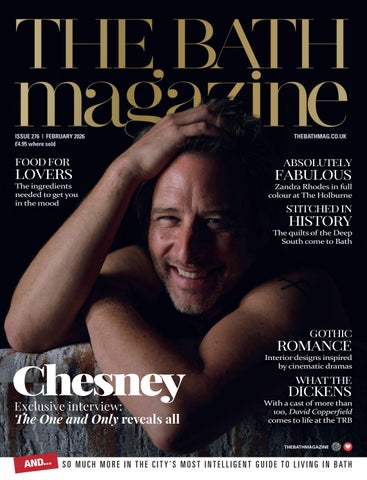
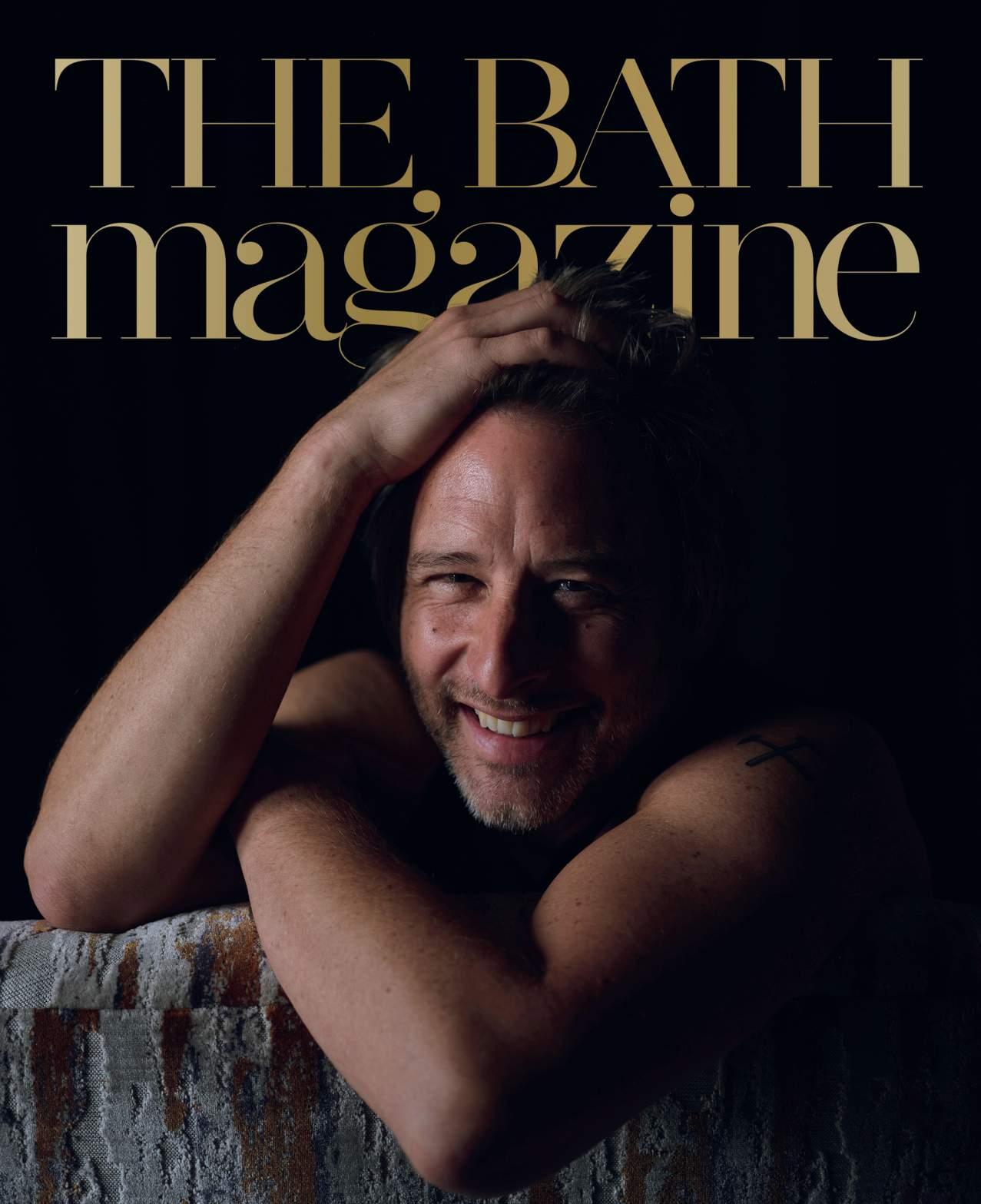
In this exclusive interview, Melissa Blease gets The One and Only to reveal all
Our monthly rundown of events, happenings and things to
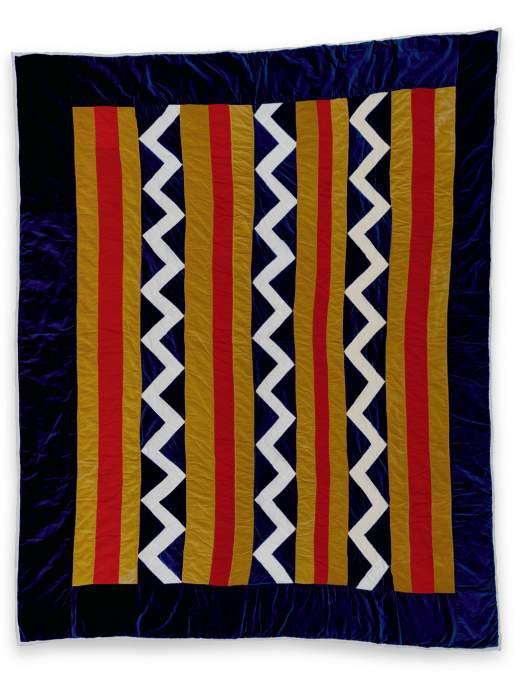
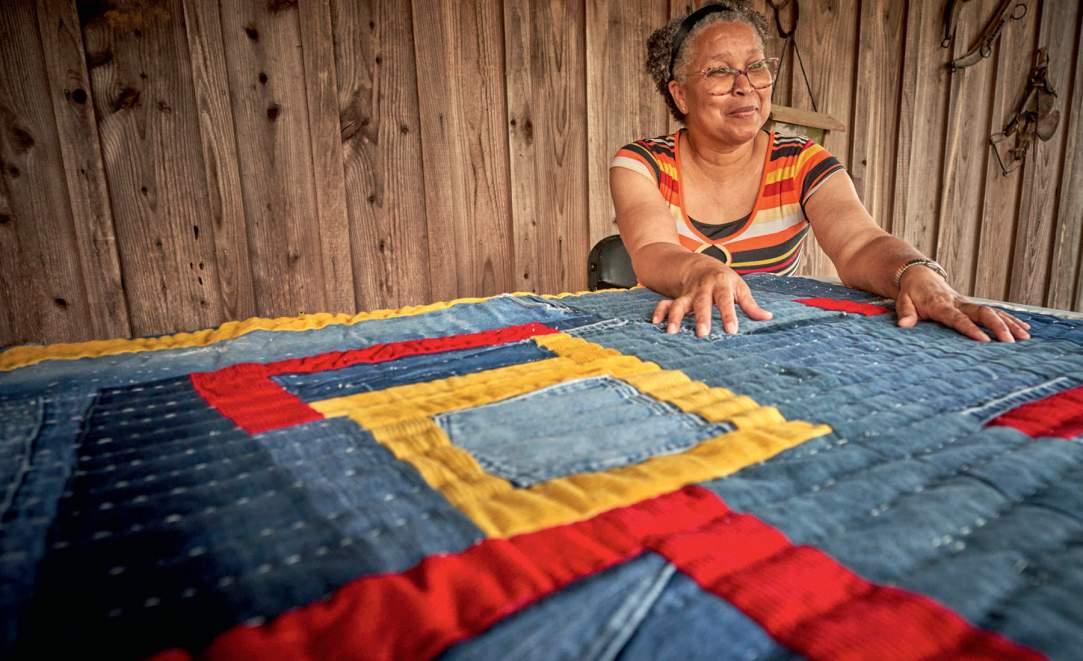
A new exhibition at the American Museum showcases the quilts, their makers and stories of resilience from America’s Deep
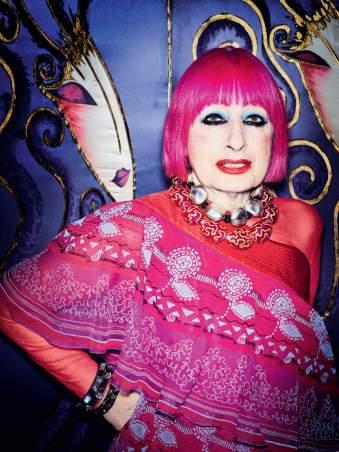
Legendary British fashion designer, Dame Zandra Rhodes brings colour, flamboyance and style to a new exhibition at The Holburne
We meet Sally Cookson – theatre director, who has assembled a huge cast for an epic theatre production of Charles Dickens’ David Copperfield at the TRB

All the best ingredients that could help turn on the passion... plus a few you might want to avoid!


50 RESTAURANT REVIEW - MONTAGU’S MEWS
A taste of the enticing new winter menu offer at the Royal Crescent Hotel’s fine-dining restaurant
52 MINI BREAK
Rosanna Spence heads out of town to the Forest of Dean to take a little break at the chic Severnside Press BnB
56 PORTRAIT OF BATH
This month, award-winning photographer Joe Short beautifully frames Bex Bridgford, yoga and Aquasana fitness instructor at The Gainsborough Bath Spa and Thermae Spa
72 BATH’S ARBOURS AND INTRIGUES
Andrew Swift takes us on a tour of the city’s hidden nooks and quiet places – perfect for that romantic tête-à-tête
74 HOMES & INTERIORS – GOTHIC REVIVAL
Inspired by Saltburn, Frankenstein and the upcoming cinematic adaptation of“Wuthering Heights”, we embrace the dark romance of Gothic interiors
24 GARDENING
Ellie West on the joys of topiary





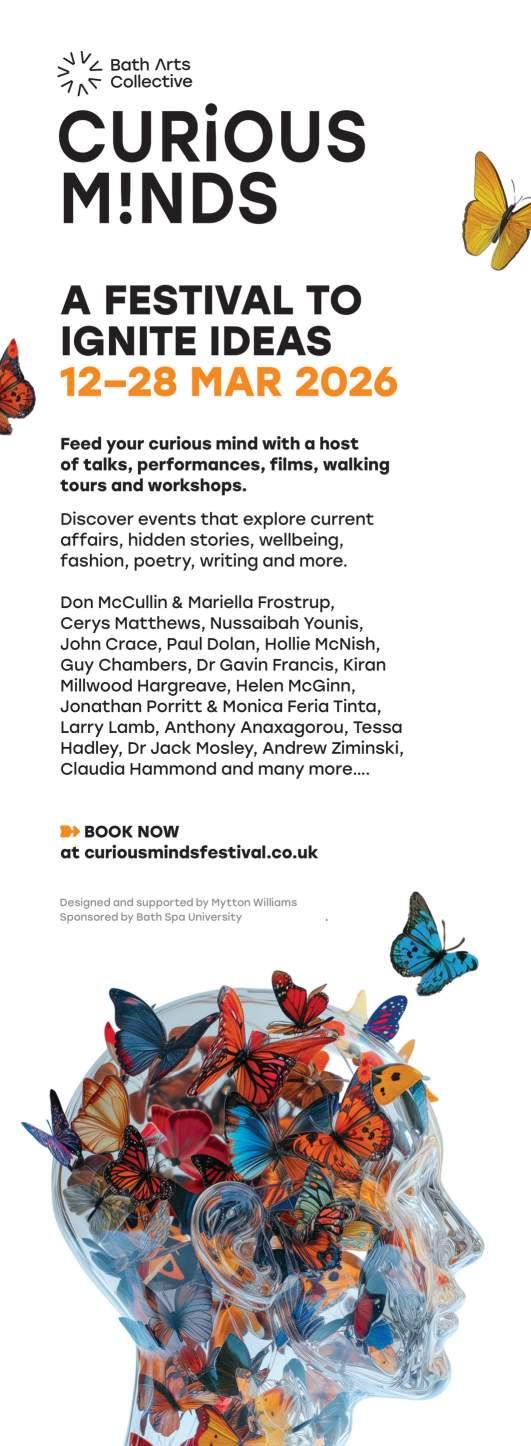
Curiosity opens doors. It sharpens attention, expands empathy and connects us to one another. This March, Curious Minds returns to Bath with two weeks of talks, film screenings, debates, music, workshops and walks, led by rising stars, award winners and internationally renowned names.
The festival opens with Dr Jack Mosley exploring weight-loss drugs and the future of eating, setting the tone for a programme that spans politics, wellbeing, fashion, literature, music and film. Legendary photojournalist Don McCullin, in conversation with Mariella Frostrup, reflects on a lifetime documenting conflict and humanity, while satirist John Crace helps us navigate a political landscape that often feels stranger than fiction. Music fans can enjoy Cerys Matthews’ lyrical take on Dylan Thomas’s Under Milk Wood, and national treasure Larry Lamb shares stories from a remarkable life on and off screen. Reading, writing and the spoken word run throughout the line-up. Expect bold new fiction led by Nussaibah Younis, alongside exhilarating spoken word and poetry events, including an all-star poetry night headlined by Anthony Anaxagorou. Hands-on experiences range from writing workshops and book clubs to guided walks across the city.
Big questions sit at the heart of the festival. Jonathan Porritt and Monica Feria Tinta ask how we can best defend our planet, Paul Dolan explores how we might stop hating those we disagree with, and Horatio Clare and Nicola Kelly tell the stories behind the small boats crisis. Evenings bring warmth, wit and personality: Helen McGinn pairs bestselling fiction with a convivial wine tasting, Guy Chambers shares stories behind his phenomenal song-writing career while comedian and author Helen Thorn delivers laughter, honesty and hard-won wisdom opening up about navigating big change. Film lovers can also enjoy A Knight’s Tale screened in the atmospheric setting of Bath Abbey, just one of the films screening as part of the ‘Movie at the Museum’ series. This is a festival as diverse as the voices and ideas that shape it. Tickets are on sale via curiousmindsfestival.co.uk with early bird discounts available.

Bath Literature Festival has announced that bestselling author Maggie O’Farrell, known for Hamnet, will appear at The Forum, Bath, on Monday 1 June at 7pm. O’Farrell will celebrate the release of her highly anticipated new novel, Land, which explores a family navigating upheaval, survival, and history in 19th-century Ireland. Her novel Hamnet won Waterstones Book of the Year and the Women's Prize for Fiction in 2020. The film – for which O’Farrell co-wrote the screenplay with director Chloe Zhao – starring Jessie Buckley and Paul Mescal - has already struck a deep emotional chord with audiences as well as winning the 2026 Golden Globe for best motion picture. Hamnet is also hotly-tipped to win at this year’s Oscars.
The evening, presented in partnership with Waterstones, will include audience questions, and while O’Farrell will not be signing books, attendees can purchase copies stamped with an exclusive author signature.
The Bath Literature Festival, runs from Saturday 16 May – Sunday 24 May. Tickets for this event and for many more (as they become available) are on sale via the Bath Box Office website: bathboxoffice.org.uk or keep an eye on bathfestivals.org.uk

Thirteen bobsleigh and skeleton athletes who train at the University of Bath have been selected to represent Team GB at the Milano-Cortina 2026 Winter Olympic Games. World Cup gold medallists Matt Weston and Marcus Wyatt headline the men’s skeleton squad, alongside women’s Olympic debutants Amelia Coltman, Tabby Stoecker and Freya Tarbit. Brad Hall will lead the men’s bobsleigh team at his third Games, while Adelé Nicoll makes her Olympic debut in the women’s events, joined by dual Summer and Winter Olympian Ashleigh Nelson. Based at the University of Bath’s Elite Training Centre, the athletes return to a venue with a strong Olympic legacy, particularly in skeleton, as preparations continue for the February Games. teambath.com
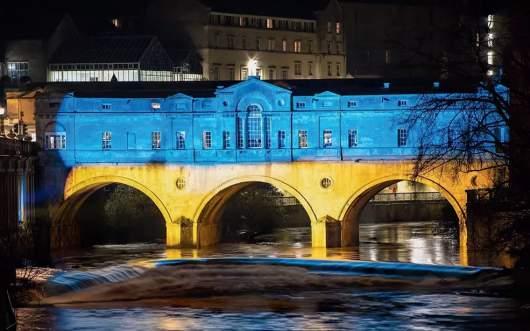
A concert of Ukrainian music, presented by The Friends of Oleksandriya. This inspirational concert in the transcendent setting of Bath Abbey’s nave on Tuesday 24 February at 7:30pm, will mark the fourth anniversary of the full-scale invasion of Ukraine and to raise funds for the Ukrainian city of Oleksandriya. The programme includes an original String Nonet by acclaimed Ukrainian composer Illia Bondarenko and audiovisual work, A Woman’s War by composer Kornélia Nemcová and artist Natália Štojková. Bondarenko’s beautiful instrumental composition is reimagined with a new version of A Woman’s War, uniting with vocal trio, The Ruffians, Bath’s Argyle String Orchestra, and a host of volunteer vocalists. Tickets from £10. For more details: bathboxoffice.org.uk
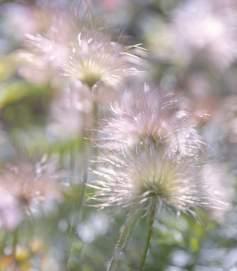
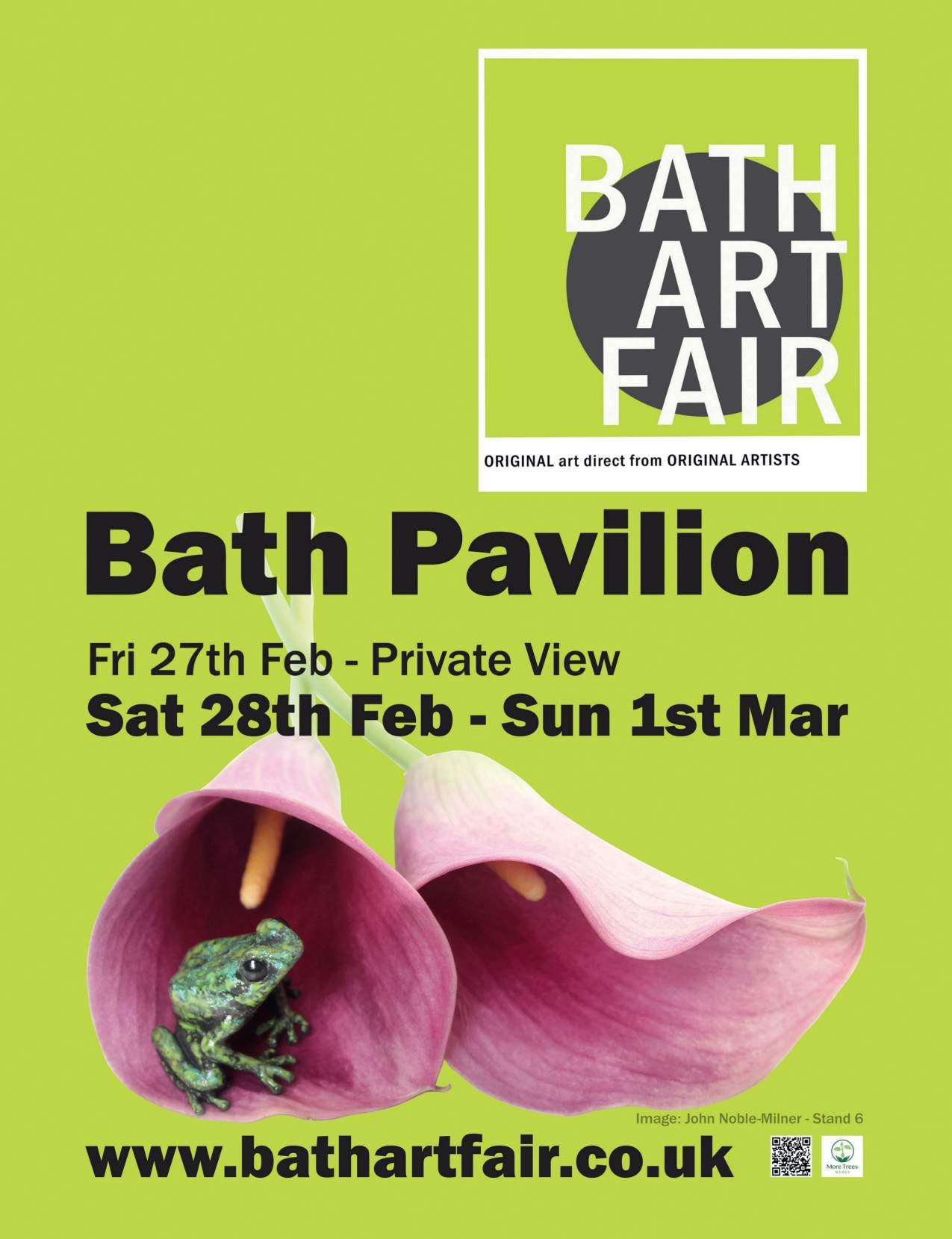
Founded by Somerset artist Alce Harfield, the Bath Art Fair has grown from a marquee in a field to a major citycentre event at Bath Pavilion championing direct artist-to-buyer sales. This year’s fair – running from 27 February – 1 March – features a lively mix of returning favourites and emerging talent from across the UK, including first-time exhibitors. Visitors can explore original paintings, prints, ceramics, jewellery and sculpture at accessible prices, while meeting artists in person. Highlights include award-winning photographers Jocelyn Horsfall and Dr Martin Raskovsky, live portrait painting by Rose Popay, and fundraising for More Trees BANES. Tickets from £3.50 bathartfair.co.uk
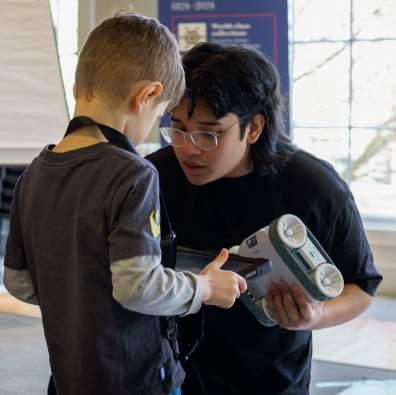
A fun and free festival for anyone interested in how things work. Meet local engineering companies, and get stuck into a host of fun activities. Learn how to skewer a balloon without popping it, build and fly a helicopter (sadly, not a real one) and discover the life of a modern engineer at the BRLSI ‘Brilliantly Engineered’ exhibition. Find out how things work, learn about the life of a modern day engineer and discover so much more at this 4 day expo. brlsi.org
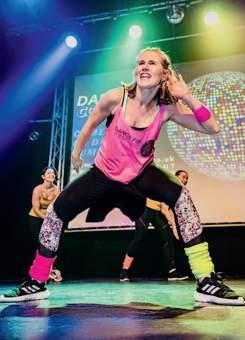
If you're not working out, then you need to be working out, out! Dance yourself happy and healthy in Bath's friendliest, funkiest fitness event. A fitting finale to the ReBalance Bath Festival of Wellbeing 2026, this 2-hour event is great fun with a fierce blast of high energy and a fast-paced cardio workout. You'll be busting moves and burning calories! The team of instructors from Dance Fit Bath takes the audience through a range of workout types and intensity levels, and there may be a challenge too! With a fantastic playlist of fun, feel-good tracks you're guaranteed to get your heart pumping and put a smile on your face. As they say… no need for perfect moves – you can fake it ’til you make it! Event starts at 2pm 14 February at Komedia. Tickets, £15.33. Find out more on: eventbrite.co.uk

Enjoy an intimate acoustic evening on Sunday 15 February with Beth Orton. BRIT Award-winning, and two-time Mercurynominated singer-songwriter, Orton is renowned for her poetic lyricism and genreblending style, with a career spanning more than 30 years, eight acclaimed albums and collaborations worldwide. Beth Orton will be joined by celebrated multi-instrumentalist and vocalist Sam Amidon. For tickets and details visit: komediabath.co.uk
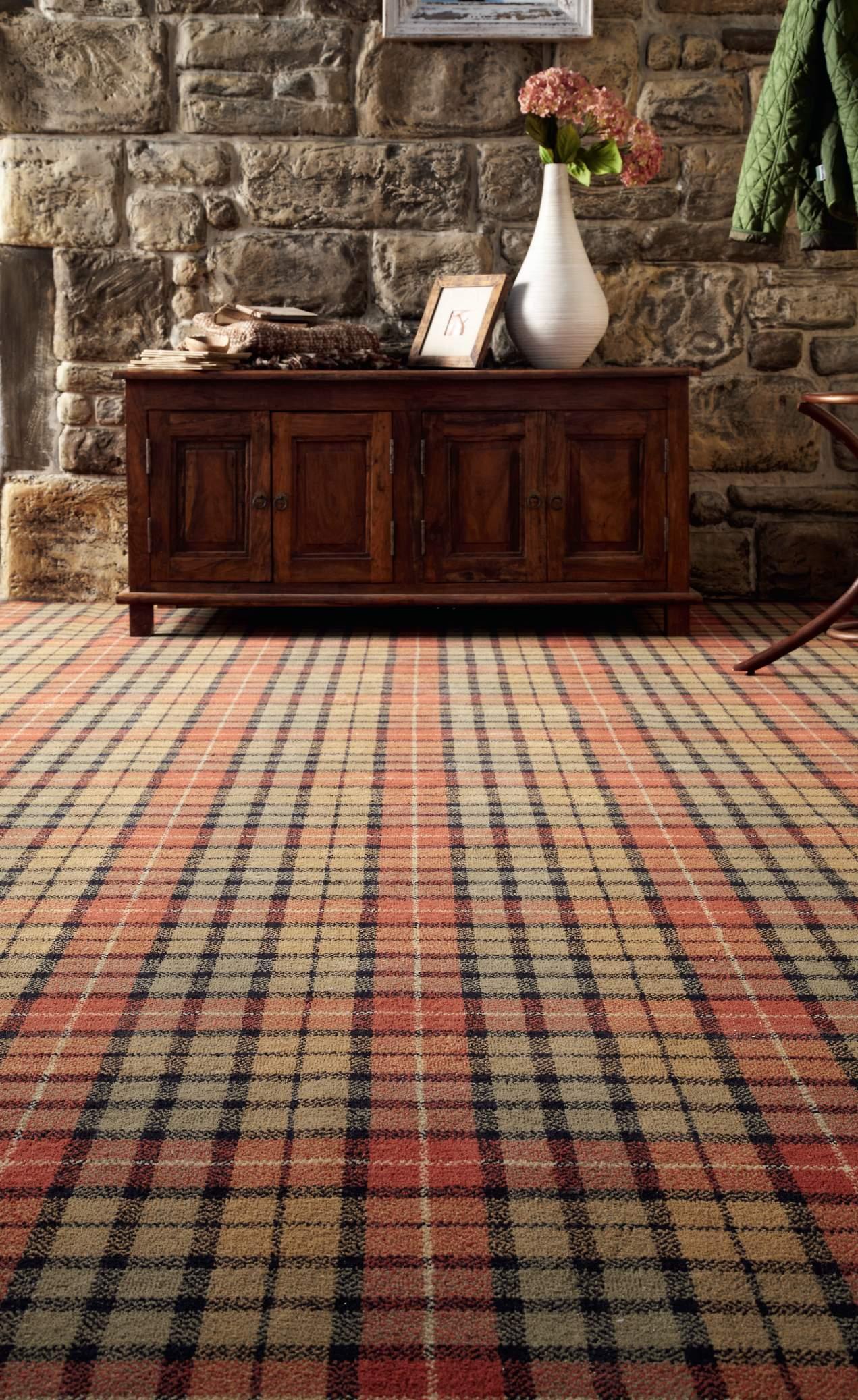
• Naturally insulating
• Hard-wearing
• Easy to care for
• Sustainable
• Hypoallergenic

The Bath Magazine, 2 Princes Buildings, George Street, Bath BA1 2ED Tel: 01225 424499 www.thebathmag.co.uk
Editorial team and contributors: Melissa Blease, Joanna Lewis, India Farnham, Dara Foley, Andrew Swift, Rosanna Spence, Ellie West, Joe Short, Steve Miklos. editor@thebathmagazine
Financial Director Jane Miklos jane@thebathmagazine.co.uk
Digital Editor India Farnham india@thebathmagazine.co.uk
Production Manager Jeff Osborne production@thebathmagazine.co.uk
Advertising Sales Liz Grey liz@thebathmagazine.co.uk
To advertise tel: 01225 424499
Publisher Steve Miklos steve@thebathmagazine.co.uk

Contact us at thebathmag.co.uk Follow us on Instagram @thebathmagazine
The Bath Magazine and The Bristol Magazine are published by MC Publishing Ltd. We are independent of all other local publications.
The Bath Magazine is delivered free, every month, to more than 15,000 residential addresses as well as businesses throughout Bath and the surrounding area. We also have special distribution units in many of Bath’s supermarkets. The Holburne and Toppings Books
© MC Publishing Ltd 2026
Disclaimer: Whilst every reasonable care is taken with all material submitted to The Bath Magazine, the publisher cannot accept responsibility for loss or damage to such material. Opinions expressed in articles are strictly those of the authors. This publication is copyright and may not be reproduced in any form either in part or whole without written permission from the publishers.
All paper used to make this magazine is taken from good sustainable sources and we encourage our suppliers to join an accredited green scheme. Magazines are now fully recyclable. By recycling magazines, you can help to reduce waste and contribute to the six million tonnes of paper already recycled by the UK paper industry each year. Please recycle this magazine, but if you are not able to participate in a recycling scheme, then why not pass your magazine on to a friend or colleague.



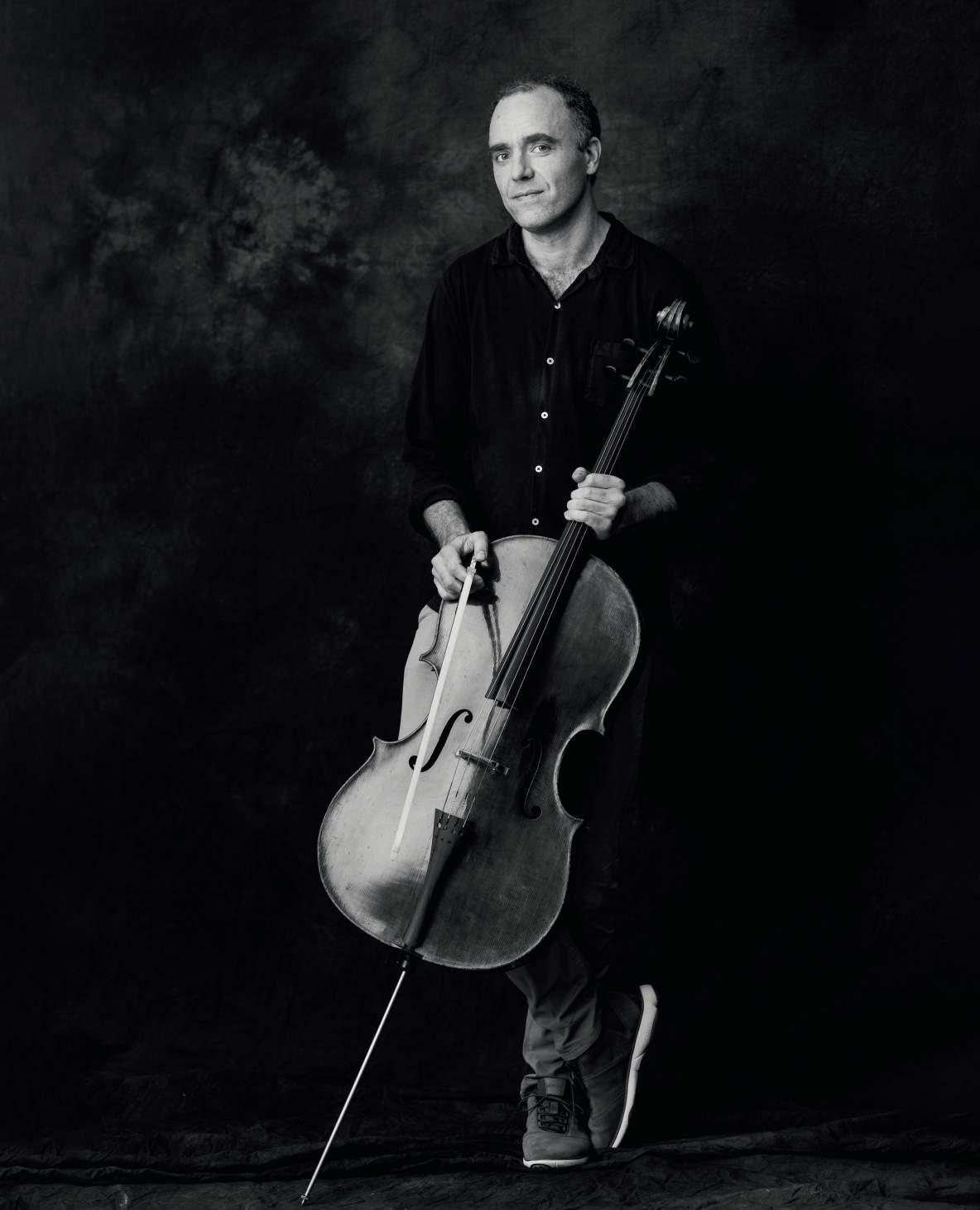
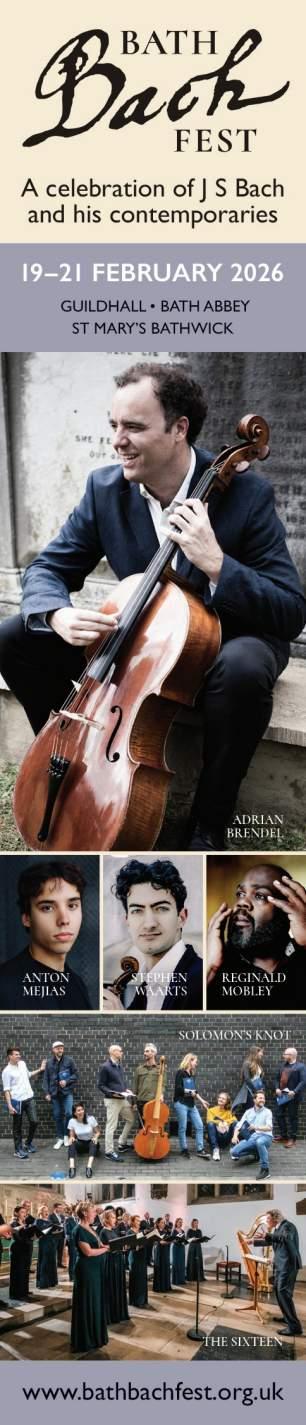
The first Bath Bachfest took place in 2012 and is now firmly established as a mini music festival celebrating the work of JS Bach and his contemporaries. We meet Adrian Brendel, a world-renowned, celebrated cellist, who succeeds Amelia Freedman as Artistic Director of the Bath Bachfest to find out more about him and his visions for this year’s festival
How does it feel to be taking over as Artistic Director, following in the footsteps of Amelia Freedman who died last year?
I feel very grateful and honoured to have been asked. Amelia and I were close - she also ran the Nash ensemble of which I am a member. We talked a lot about programming and festivals over the years, so there is perhaps a certain osmosis at work to have brought me here. She was a huge figure in British music and I am very aware of my responsibility to honour her legacy and keep the festival flourishing.
You travel a lot as part of your work. Where do you call home?
I live about an hour away in north Dorset with my partner Ellie and two boys, Nico and Lucas. Travel is certainly still a part of my life but less than before - there were times I’d be away for most of the year before my kids arrived! Alongside my work for Bath Bachfest and Mozartfest, I am often in London as performer and teacher and have started a musical venture in the South West concentrating on educational projects in schools and opportunities for young musicians at the beginning of their careers - treeofstrings.org.
Could you tell us a little about your musical background and what inspired you to pursue a career in music?
My father Alfred Brendel was a celebrated pianist, so music was inevitably a staple at home. I loved attending his concerts and caught the performing bug pretty early on. He showed me and everyone in his orbit how rich and varied a musician’s life could be. It never occurred to me to pursue anything else once I started out.
Will this be your first time performing or leading a festival in Bath?
I’ve played here often over the years with great pleasure. The audience is plentiful, knowledgeable and appreciative. To me, Bath has been and remains one of the most important musical centres in the UK.
Can regular festival-goers expect any major changes or more subtle developments this year as a result of your involvement?
There are some new ideas this year, and other elements I’d like to develop over time, but change is a challenging thing if tackled too abruptly. There is a lot that is great about the festivals that we must keep. As with all musical ventures up and down the country and abroad, the question is how to bring new and younger audiences into the fold while protecting one’s identity.
The Bachfest will feature a resident ensemble of very talented younger musicians who will be there for the whole duration. To me, a festival should also be an opportunity for audiences to get to know musicians and new work more closely over several events, alongside familiar faces and music. As a programmer, one should be brave but not alienating with one’s choices.
What is it about the music of Bach and the Baroque period that you admire most?
Bach was and is the nexus for so much music, and perhaps the greatest of all composers. Bath Bachfest 2026 traces a line from the early English reformation baroque through to Gluck and the beginnings of the classical style, via French and Italian baroque masterpieces. The idea is to demonstrate the fantastic range and quality of baroque music, all of which
relates to Bach in different ways either as formative influence or profoundly indebted to his example. He and Mozart would be my desert island composers. Please don’t ask me to choose between the two!
If you were to choose one concert in the Bachfest programme that might surprise or particularly delight regular audience members, what would it be?
I’m very excited about our opening concert with Solomon’s Knot. George Jeffreys and William Lawes are not household names but great composers and fascinating figures. I hope our audience will be curious to discover this music - when I first heard it last year I was gobsmacked that I hadn’t encountered it before.
The festival ensemble events will be exciting too with a fantastic lineup of young talent. Anton Mejias is a phenomenon... As you can tell, I am struggling with this question. Come to everything!
And for complete newcomers or those wishing to deepen their appreciation? I have tried to include some new elements in as many programmes as possible. In my previous festival programming I have always enjoyed balancing less well-known music with established works. Every programme has a different flavour so it will depend on what mood you are looking for - the emotional journey of the Goldberg Variations, the awe-inspiring architectural marvel of The Well-Tempered Clavier, the effervescence of Handel, Telemann and Vivaldi. Couperin’s Les Nations will be an eye-opening wonder for those who don’t know it. I’m also very excited to hear The Sixteen conducted by Harry Christophers in Bath Abbey with Bach and Gluck.
When you’re not listening to classical music, what other genres of music are you into - ones that people might not expect you to enjoy?
I’m a huge fan of jazz, pianists in particular. Bill Evans, Keith Jarrett, Brad Mehldau to name a few. Back in the day I played bass guitar for fun in bands and grew up with Led Zeppelin and Pink Floyd when I wasn’t in my classical dimension. I am quite open but don’t go to really loud gigs any more. Playing in front of an open piano on stage has done enough harm to my hearing already!
I have often enjoyed forays into world music. My most memorable trip abroad was as a presenter for Radio 4 covering Baaba Maal’s Blues du Fleuve festival in Senegal and Mauritania. Incredible music and culture.
If Bach were magically transported to Bath today, which local spot do you think he’d enjoy most for a musical performance... the Roman Baths or The Abbey for the acoustics, the Royal Crescent for the architectural spectacle, or somewhere else?
I would pick either The Abbey or St Mary’s Bathwick for cantatas and larger scale works, or the Guildhall for smaller ensembles and soloists. And I wonder if there are any perfect spaces in Royal Crescent for the Goldberg Variations that I don’t know about yet..? n
The Bath Bachfest runs from 19-21 February with performances at The Guildhall, Bath Abbey and St Mary’s Bathwick.
For details visit: bathbachfest.co.uk
“To me, Bath has been and remains one of the most important musical centres in the UK. ”
























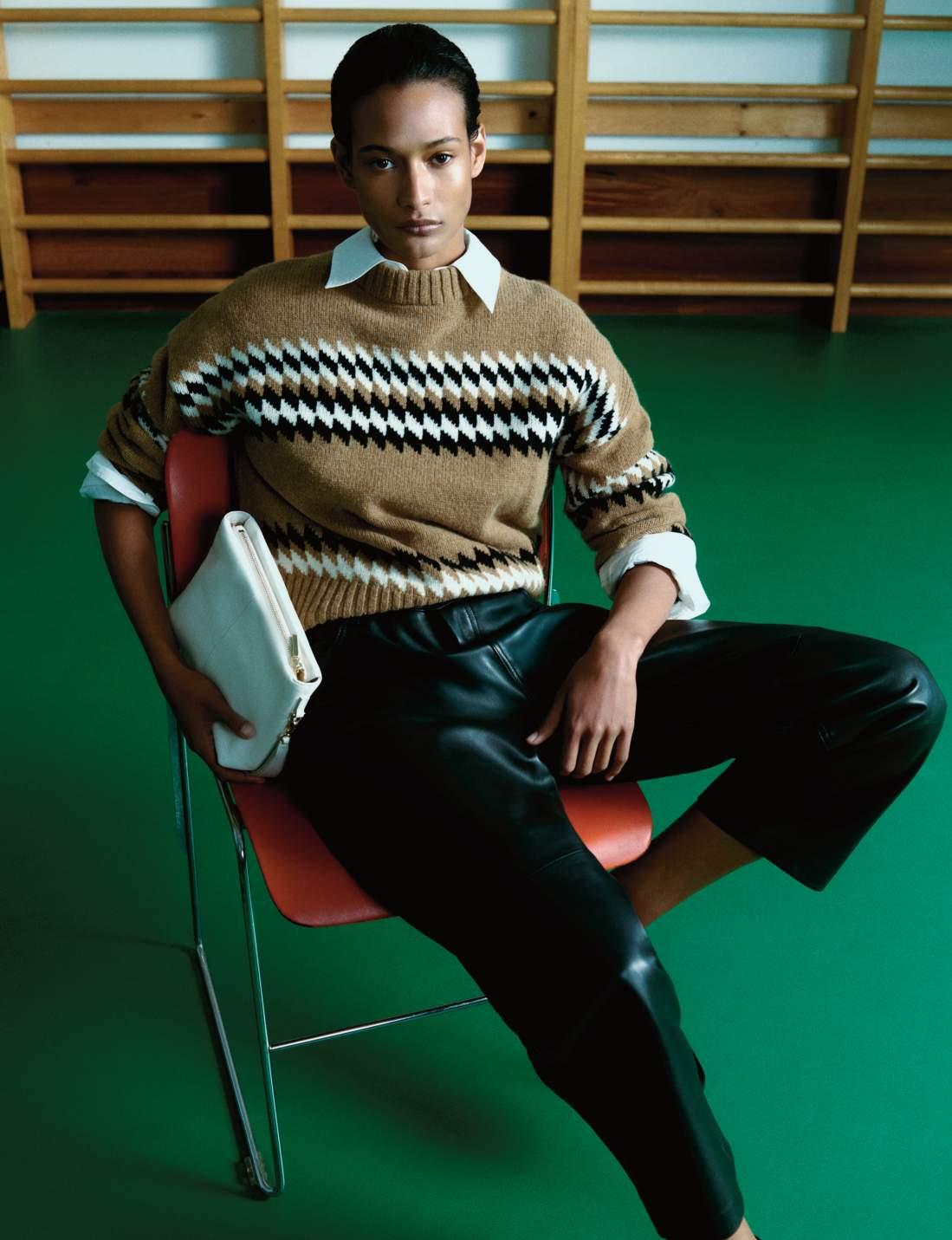
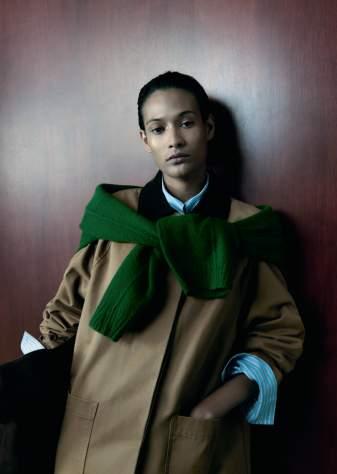
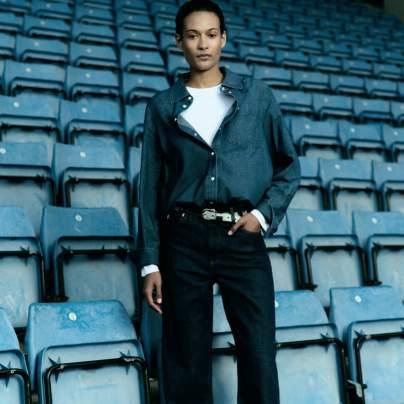
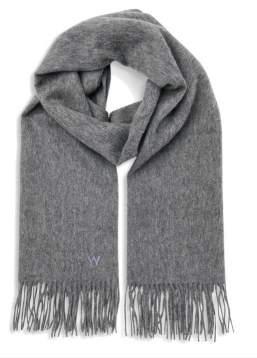
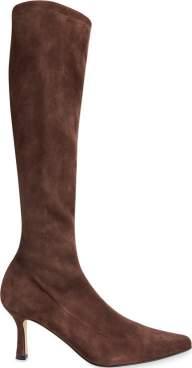
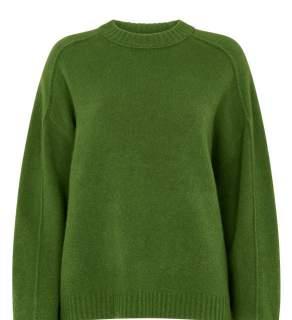
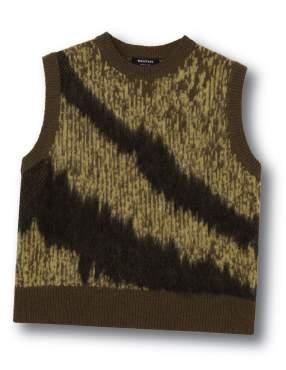
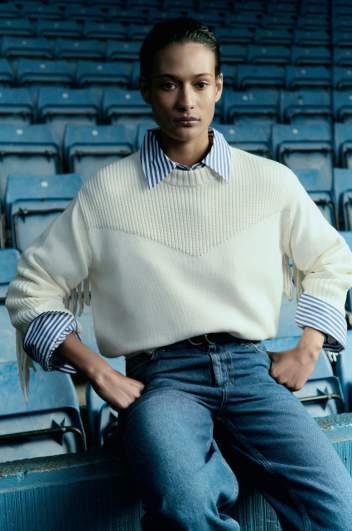
The Whistles Pre-Spring 2026 Collection has landed, with sleek, clean lines and multi-textured, layered outfits (from leather and suede to fringe detail and wool knits) stealing the sports stadium spotlight in its latest campaign...
1 New Bond Street Buildings, Bath BA1 1BL whistles.com
Gabriella waxed overcoat, £215.


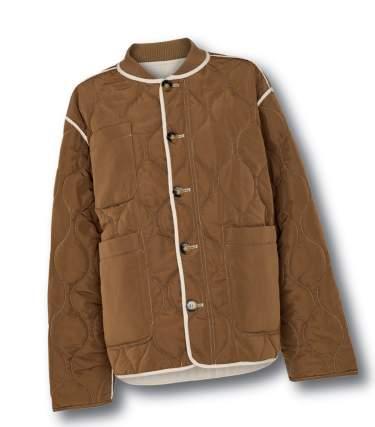
Reversible quilted jacket, £189











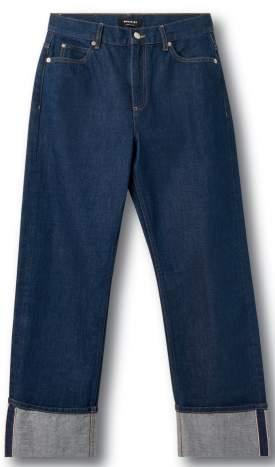


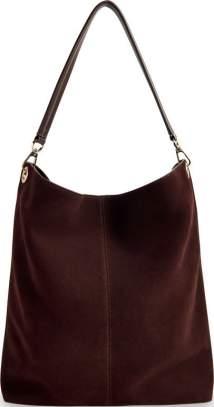








































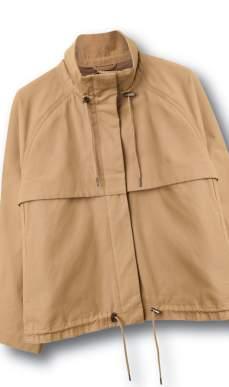



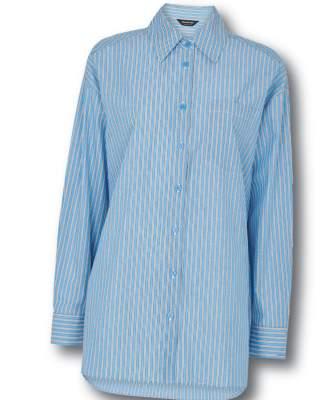









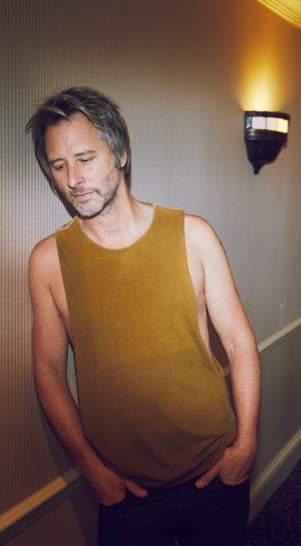
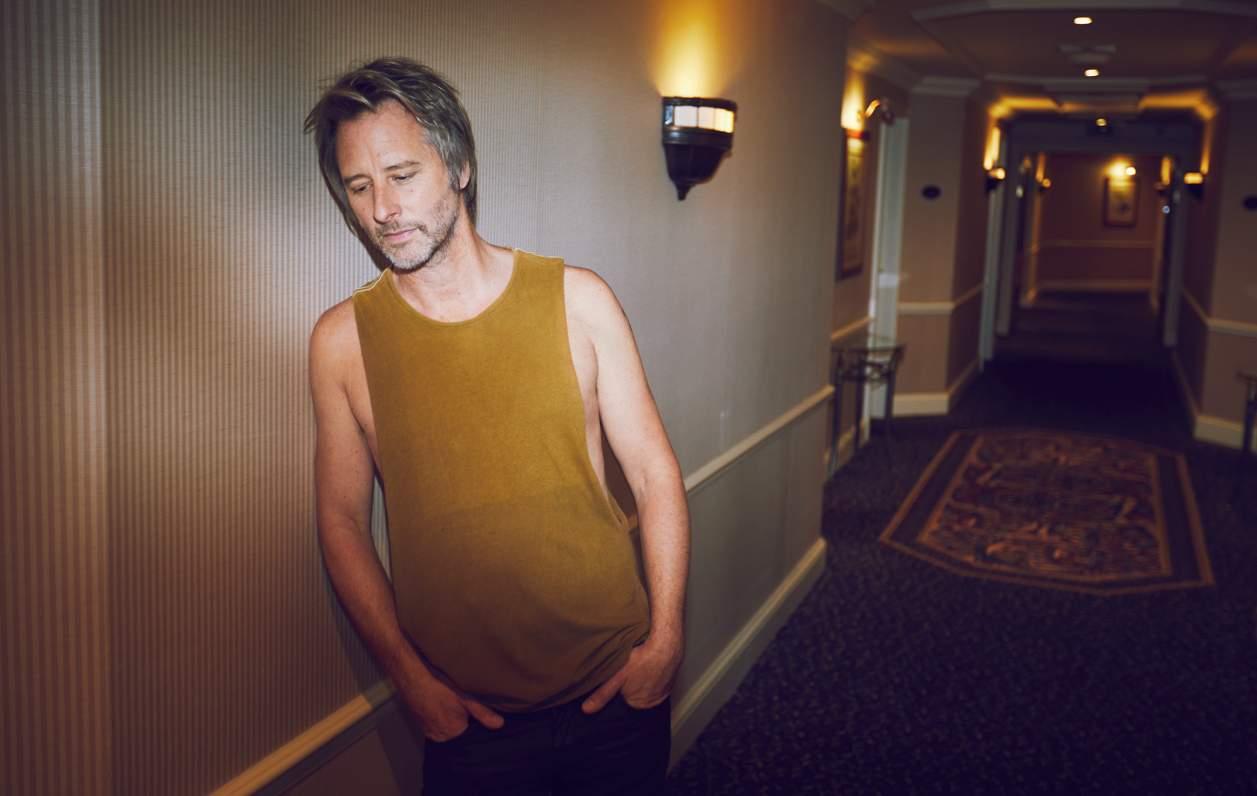
Thirty-five years after The One and Only became one of the defining hits of the 90s, Chesney Hawkes is still standing – he’s creative, very personable and unapologetically true to himself. Ahead of his Smash It To Pieces tour – which arrives in Bath in March – he talks to Melissa Blease about survival, songwriting as therapy, growing older disgracefully and why there has always been far more to him than a floppy haircut and a catchy chorus.
What were you doing 35 years ago today? Whatever it was, you were probably doing it against an aural backdrop of one of the biggest chart hits of the 1990s: Chesney Hawkes’ The One and Only. Even if you were born after 1991, you know how it goes: “I am the one and only; nobody I’d rather be. I am the one and only; you can’t take that away from me…” That song, it seems, never went away. And you might not realise it, but neither did the singer himself.
“Generally people only know me for that one song, and I totally get that – it was such a massive success at the time, it was everywhere!” says Chesney, talking to me from his home in Surrey during preparations for his Smash It To Pieces tour which lands at Komedia Bath on Thursday 5 March. “But we Brits are a cynical bunch; there’s that whole culture of ‘build ‘em up, knock ‘em down’ to deal with. If you were an artist who was viewed as ‘commercial’, back then, you immediately lost the whole cool NME crowd, and suddenly it was like, ‘ha ha, you listen to Chesney Hawkes’. I was a floppy-haired pop star, and you couldn’t be a floppyhaired pop star if you wanted to be a respected musician.”
But there was always way more to Chesney Hawkes than floppy hair, a cheeky grin and clean-cut teen idol good looks – and his new album not only attests to that but may also seriously challenge the perceptions of the ‘whole cool NME crowd’ of days gone by.
Living Arrows (released by HGLA Ltd towards the end of last year) takes us, over 12 songs/40 minutes, on a candid voyage through Chesney’s joy and heartache, trauma and survival, strength and vulnerability and more on a tide of poignant lyrics, sparkling power pop hooks, and full-on grunge plummets. It is, quite simply, an inspired, mature and highly impactful work of art.
“It was quite the journey for sure!” says Chesney. “I can’t write a song without it meaning something to me, something from the heart. I didn’t think that I was actually going to put some of the songs on the album out there, but I blame my producer Jake Gosling for that! Jake discovered Ed Sheeran, and he’s worked with people like One Direction, Tina Turner, Harry Styles and Sam Smith. I’ve known him since I was a kid and we’ve written together over the years, for other people. Then one day he said, let’s do something for you! So I started bringing him some songs. Some of them, I’d say, I think this is too heavy going but I’d just like you to hear it, you know? And he was like, are you f*****g kidding me? This is going on the album! He kind of pushed me to go in the very honest direction that the album takes, and I’m so glad that he did. Putting the songs out there has helped me deal with certain things that have happened to me in my life; as I say, quite the journey!”
The process sounds like it might not have been plain sailing, emotionally. Are we on cathartic territory here?
“For sure!” Chesney concurs. “I started looking back at certain experiences I’d had and I ended up using my songwriting as a kind of therapy, which actually felt really good even though it was quite painful at times. There’s a song on the album called Loud, for example, about losing my best friend Vic. I’ve had messages from people all over the country saying thank you for this song, you’ve really helped me. That’s been like a big hug from the general public, for me – and I’m with them in that hug, I’m not alone in my grief and loss either. But the whole album is all just kind of where I’ve been, and where I am right now, and I really wanted to show people that you can have fun getting older too! It doesn’t have to be like, oh I’m getting so old, I have to stop doing stuff. It’s like, you can still really enjoy life, and you can still do stupid things like get naked and dance around in a stately mansion!”
“My upbringing was very rock ’n’ roll,”… My dad Chip was in 60s band The Tremeloes and my mum Carol was a Golden Shot TV hostess”
Chesney Hawkes
Ah, getting naked: Chesney fans may well recall that he declared himself to be “a bit of a nudist” when he popped up in the Celebrity Big Brother house last year. We didn’t discuss this, erm, personal penchant during our interview, but even if we take both that revelation and his 1990s pin-up superstardom out of Chesney’s life story so far, he certainly has much more to share than one might have expected.
You know those times when you blithely – and probably rather judgmentally – think you know all there is to know about a certain person only to find out you knew hardly anything at all? This interview was one of those experiences, for me.
“My upbringing was very rock ’n’ roll,” Chesney – who was born in Windsor in 1971 – recalls. “My dad Chip was in 60s band The Tremeloes and my mum Carol was a Golden Shot TV hostess, amongst other things. Their friends were all 1960s superstars like Gerry Marsden, and Marmalade, and The Searchers – they were always in our house. There’d be those classic musical jams, and dad would throw these parties, and there were always sleeping musicians lying around in the morning.

My brother and sister and I would be going out to school and we’d have to step over Herman’s Hermits and clear up the beer cans to get our cornflakes – that was normal life, for us. There were guitars propped up in every corner, and my dad owned John Lennon’s piano – the Hawkes kids were never going to be accountants, put it that way!”
Having navigated through his rock ’n’ roll childhood and his teen idol limelight, Chesney met his wife Kristina (Krissy) in a London pub in 1995 …and was instantly smitten when she ordered a pint of lager. They married in 1997 and had three children in the UK before moving to LA circa 2014. Now, however, they’re back in Surrey. “Krissy is American so we have a natural affinity with the States, but I think we came back at the right time to be honest,” says Chesney; “there’s not much of that country left right now! And it’s amazing to be back in the UK; this is home, for me. I was back here literally every month during our 12 years in LA, but it was way too much travel and way too much time away from my family. So we brought everyone back here: family, dogs, studio, lock, stock and barrel!”
Do the Hawkes clan version 2.0 live the rock ’n’ roll life that dad did?
“Well my youngest son Indi (Indiana) is my lead guitar player, if that counts!”, says Chesney. “He’s on the road with me now, and he’s already done two West End runs at the age of 20 so he’s obviously on a trajectory. He has that passion that I had as a kid where you almost sleep with your guitar and music is your waking thought at 4am, and I really
appreciate that. If he showed that passion for accountancy I’d encourage him in that direction, but he has this passion for music, which I totally understand. And I couldn’t be that dad who says you shouldn’t do it, it’s too difficult, go back to school; how can I do that when it’s in me too? But my daughter Jesse has just finished a degree in animal behaviour; her passion is conservation, and her hero is David Attenborough; wherever my children want to go in life, I will encourage them – because I can!!”
Ah, Mr Hawkes: you’re in a good place, aren’t you?
“I very much am,” he says. “Embrace this life: that’s my philosophy. It can be short, and every day is a bonus. Like, I got up this morning – and I don’t want to sound all woo-woo here – but I actually said to myself, it’s going to be a great day. What’s the alternative? It’s beautiful, just getting up! I love my family, and my dogs, and my work – I’ve got all that right in front of me, and I’m going to make the most of it.”
A certain earworm returns to me again as the one and only Chesney Hawkes and I end our chat and he goes off to take his mum and dad out for breakfast. “High hopes and aspirations, ideas above my station maybe. But all this time I've tried to walk with dignity and pride…” And who would want to take any of that away from Chesney Hawkes?? n
Chesney Hawkes’ Smash It To Pieces tour, 5 March at Komedia. For tickets and more details visit: komediabath.co.uk


BY RON PRINGLE Beau Nash Antiques
ilver has a habit of surprising even those of us who spend our days surrounded by it, but the past year has been extraordinary. With prices soaring an astonishing 170% at the time of writing, our shop has handled more silver canteen cutlery sets in the last four months than in the previous ten years combined. Sets that once lived quietly at the back of sideboards or in attics are now appearing with remarkable regularity.
For many, it’s simply time to part with heirlooms they never used or particularly cherished. Others are taking advantage of the strong silver price, choosing pragmatism over sentiment. And then there’s a growing number who have rediscovered what earlier generations instinctively knew: solid-silver cutlery is, in essence, convertible bullion. It’s functional, handsome, and reassuringly enduring — something to enjoy today and rely on tomorrow.
Unlike many collectibles that drift in and out of fashion, antique silver remains anchored to the metal market. It’s not merely decorative; it’s useful. In uncertain times, that dual identity matters. Buyers increasingly view physical silver items as both heirlooms and assets — objects with a story, but also with liquidity. The old phrase “selling the family silver” has rarely felt more literal.
Last year, I boldly suggested silver might double in value. I didn’t expect it to surpass that prediction quite so dramatically. Now, analysts are divided on what the next 12-24 months may bring. Some foresee steady, modest gains; others anticipate new highs. Industry requires more silver, governments are quietly adding to their reserves, and as countries rely less on the US dollar, more people are turning to silver as a solid, real-world asset. If supply deficits persist and geopolitical tensions continue, the upward trend seems more than plausible.
I’m cautious about making predictions again, but if pressed, I’d say silver breaking the $100 (£75) per troy ounce barrier is entirely possible. Should that happen, a further 25–35% rise wouldn’t surprise me.
But please, don’t take my word for it. I was wrong last year… just in the right direction.
What’s clear is this: silver has reclaimed its place at the table, both literally and figuratively, and many are taking notice.
www.beaunashbath.com; info@beaunashbath.com; 07535137808 @beaunashbath

LIVE MUSIC AT GREEN PARK BRASSERIE
Throughout February n Green Park Brasserie, BA1 1JB
Soak up live music alongside world-class pizza, cocktails, and craft beer every night, Wednesday through Saturday. Bookings and walk-ups available. greenparkbrasserie.com
YOGA IN THE CHAPEL: REBALANCE BATH – FESTIVAL OF WELLBEING 2026
Sunday 1 and 8 February, 10am n Gainsborough Bath Spa, BA1 1QY Whether you're a seasoned yogi, a fitness lover or a complete beginner, this workshop, held in the serene chapel of The Gainsborough Bath Spa promises to be a unique and memorable experience for everyone. These 2 hour sessions are led by expert teachers, Bex Bridgford and Lana King bringing a combination of fitness and yoga to kickstart your day. Tickets £27.80. Find tickets on eventbrite.co.uk
PETER MOORE & BATH PHILHARMONIA
Wednesday 4 February, 7.30-9.30pm n The Forum, BA1 1UG
Dive into a night of orchestral brilliance with Bath Philharmonia and enjoy a journey through iconic landscapes of sound. Michael Seal leads Bath Philharmonia in this thrilling programme of Sibelius, – powerful, moving, and vividly alive. For tickets and details: bathphil.co.uk
IN THE ROOFTOP POOL - REBALANCE BATH FESTIVAL OF WELLBEING 2026
Wednesday 4 and 11 February, 8am
n Thermae Bath Spa, BA1 1SJ
Dive into relaxation and rejuvenation with Aquasana in the Rooftop Pool at Thermae Bath Spa with highly experienced fitness coach, Bex Bridgford (See Bex in this edition’s Portrait of Bath feature). The class is followed by a 2-hour spa session with use of towel and robe. Aquasana includes classic yoga postures combined with gentle tai chi and invigorating karate moves in the spa’s mineral-enriched waters. You will enjoy exclusive use of the rooftop pool before other guests arrive. eventbrite.co.uk
THE U3A MONTHLY TALK – THE MAYOR'S GUIDES OF BATH
by Lindsay Flowers and Hugh Williamson Thursday 5 February, Doors open 9.45am Talk starts: 10.30am n The Pavilion North Parade Road, Bath Bath’s Mayor’s Guides are the dedicated, often under-appreciated volunteers that lead visitors around Bath's highlights for free. It's a tradition they've upheld since 1934. Experienced guides Lindsay Flower and Hugh Williamson talk about their rigorous training, their passion for the city’s heritage, and their unique special interest trails. Admission is free to members. For nonmembers, a discretionary £5 donation is suggested. u3ainbath.uk
SING WITH BATH BACH CHOIR 2026 CHORAL WORKSHOP
Saturday 7 February, 9.30am-4.30pm
n St Mary’s Church, Bathwick BA2 4EB
Join Bath Bach Choir to explore one of Bach’s famous cantatas, an audacious display of his creativity, along with movements from one of his most radiant motets. A day of inspiring music making led by musical director Benedict Collins Rice. All are welcome, whether you’re a seasoned singer or simply eager to immerse yourself in Bach’s world. Reserve your place at: bathbachchoir.org.uk
& THE ART OF COURTSHIP
Monday 9 February, 7:30-9pm
n BRLSI, BA1 2HN
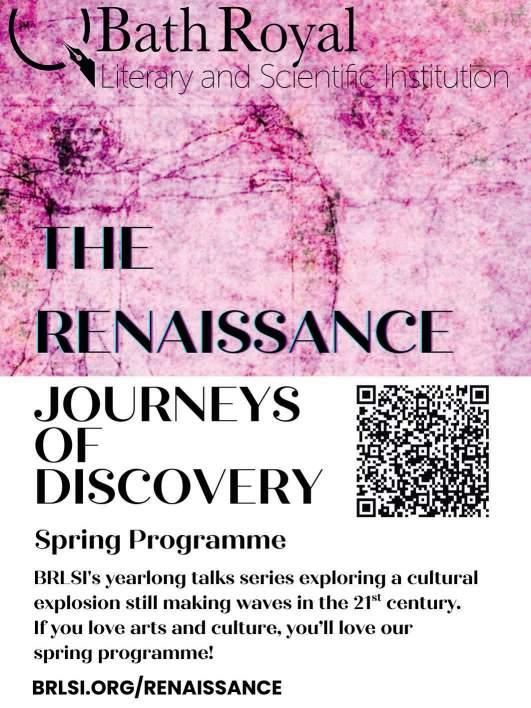
Part of the excellent series of talks and events by BRLSI on the Renaissance period. Join art historian, Niamh Smith to discover how gardening elevated from a neglected craft activity to a respected artform. Key figures such as Robert Dudley and William Cecil used their gardens to try and find courtly favour with Queen Elizabeth I, employing techniques ranging from architectural features to planting schemes. This talk provides a new perspective on a well-known era, a world of mysterious emblems, dangerous sexuality, elaborate pageants and extreme flattery. Tickets from £4. brlsi.org
Saturday 14 February, 7.30pm
n Bath Abbey, BA1 1LT
Celebrate Valentine’s night with an unforgettable evening of music in the stunning, candlelit setting of Bath Abbey. This special concert features an exquisite programme of romantic piano masterpieces, ranging from the beauty of Chopin’s Nocturne in G-sharp minor, Liszt’s passionate Liebestraum No. 3 to Beethoven’s iconic Moonlight Sonata and many more celebrations of love, all performed by acclaimed concert pianist Maiko Mori, renowned for her expressive touch and captivating artistry. For tickets: bathabbey.org

Join the The Bath & County Club as a member and you and your guests will enjoy a relaxed, friendly ambiance and the opportunity to meet, eat and drink in the centre of Bath. bathandcountyclub.com
Tuesday 3 February
Quiz Night. 6 for 6.30 pm. Two course supper to follow. £29.
Friday 13 February
St. Valentine’s Lunch. 12..30 for 1pm. Two course lunch. £29.
Friday 20 February
Spanish Wine Dinner, with Paul Scaife. 6.15 for 7pm. Three course dinner with all wines generously included. £53.
Friday 27 February
Lunchtime Talk with Andy Jackson. ‘His Life as a Submariner’. 12 for 12.30pm. Two course lunch. £29.
Rooms also for hire. Event venue: Queens Parade, Bath BA1 2NJ. Booking essential, email secretary@bathandcountyclub.com Call: 01225-423732.
VALENTINE’S PERFUME MAKING HALF DAY WORKSHOP
Saturday 14 February, 2.30pm - 5pm n City Centre
Something a bit different from Parterre, especially for couples. A sensory celebration to enjoy together – creating perfumes. During this session participants will be encouraged to explore their fragrance preferences and personal scent associations. Then, working with high quality oils, they will be expertly guided through the process of designing and blending their own perfumes. By the end of the afternoon, each will have a 50ml bottle to take home and enjoy. Expect an engaging afternoon and magical scents accompanied by complimentary fizz! £195 for 2 parterrefragrances.com
UNIVERSITY OF BATH GARDENING CLUB: UNUSUAL PLANTS FOR A WINTER GARDEN BY JACK ALDRIDGE
Monday 16 February, 7:30pm-9pm n University of Bath, Room 1, Level 1, East Building, BA2 7AY
Winner of the RHS Roy Lancaster Award for under 35s, rising star Jack is currently
working as the Team Leader overseeing the Rock Garden and Alpine collections at Wisley. He will be talking about the best plants to grow for a wonderful winter display. Open to all, Annual membership £25, Visitors £8. ubgc.org
WICKED THEMED WORKSHOP: THE PERFORMING ARTS INSTITUTE
Wednesday 18 February, 10am-3pm n Prior Park College, BA2 5AH
A full day, half-term workshop packed with Wicked fun! Sing, dance and learn drama scenes from this iconic and well-loved musical. Designed for ages 6-16, the workshop culminates with a special performance for families and friends to enjoy. All abilities are welcome. theperformingartsinstitute.co.uk
IAN PROWSE & THE FIDDLE OF FIRE. “THE RADICAL HOPE” TOUR
Thursday 19 February, 8pm
n Chapel Arts Centre, BA1 1QR
Raised on protest songs and inspired by the song writing craftsmanship of Paul Weller, Mike Scott, Bruce Springsteen and Elvis Costello, Merseyside hero Ian Prowse is a guitarist, singer-songwriter, and frontman of Amsterdam and previously indie cult band Pele. Ian’s 30-year song writing career and 100% committed live shows have gathered him a reputation as the ‘Scouse Springsteen’ amongst his devoted fans. Advance tickets are £18 / £20 on the door. chapelarts.org
BATH OPERA: BIZET’S CARMEN
19–21 February, 6.15(doors open) - 9:45pm n Roper Theatre, Hayesfield School BA2 3LA
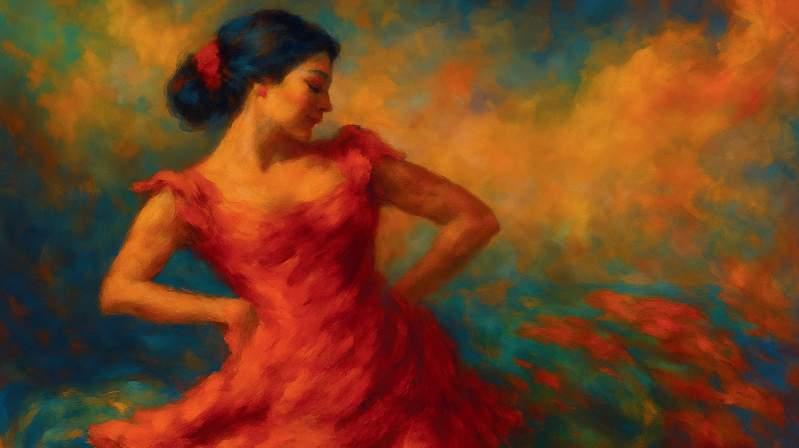
This is a fully staged production of Bizet’s Carmen one of opera’s most passionate and dramatic tales. Set in sun-drenched Seville, Carmen tells the story of a free-spirited woman whose defiance and desire lead to love, jealousy, and tragedy. Conducted by Francis Faux and directed by Naomi RoseMock, this vibrant new production features a talented cast of professional, emerging, and experienced singers, supported by Bath Opera’s accomplished chorus and orchestra –bringing Bizet’s unforgettable music to life. Tickets: £10-£30: bathopera.com
ROTARY CLUB OF BATHAVON: CHARITY DINNER & QUIZ
Tuesday 24 February, 6.30pm n The Mint Room, BA2 3EB
Hosted by the Rotary club of Bathavon in aid of Dorothy House and other Rotary charities this promises to be a great night out. The fundraising evening will start with a challenging – but fun quiz at 7pm followed by the Mint Room's delicious Indian dinners. Tickets are £38 per person. Book your or your team's place by emailing rotarypeter@outlook.com or text or call: 07540 889630
MARK WATSON – BEFORE IT OVERTAKES US
Thursday 26 February, 7.30pm n Komedia, BA1 1EP
20 years into his stand-up career, Mark Watson, the Taskmaster cheeky texts icon, multi-award-winner, YouTube cult favourite, Radio 4 regular, and recent Baby Reindeer actor returns, following seasons at Adelaide, Melbourne, Sydney, and Edinburgh Comedy Festivals. A recent encounter with a stranger led Mark to reflect on the uncertain future facing humanity. In his typically frantic, funpacked new show, he explores this - alongside equally pressing matter such as the worst word he has ever said in public, the current state of the UK sausage industry, and much more. Tickets £23.50. Komediabath.co.uk
CAPPELLA NOVA: IN PARADISUM – FAURÉ REQUIEM
Saturday 28 February, 7.30pm
n All Saints Church, Church Street, Weston, BA1 4BU
The masterpiece that is Fauré’s Requiem features in a concert of music to console and inspire, along with Ola Gjeilo’s musical evocation of the Northern Lights and songs by French and British composers. Tickets: £15, students £8, under-18s free. cappellanova.org.uk
THE MAKINGS OF A MURDERER: THE UNDERCOVER DETECTIVE Wednesday 25 February, Doors open 6.30pm, show starts 7.30pm n The Forum, Bath BA1 1UG
Join Peter Bleksley, a founding member of Scotland Yard’s undercover unit and former star of Channel 4’s Hunted, as he lifts the lid on the most dangerous and hidden aspects of murder investigations. From the gritty realities of infiltrating criminal gangs to his own terrifying experience of becoming the target of a murder plot, Peter shares the untold stories of the most high-stakes cases. Tickets: from £34.10 (inc. fees). bathforum.co.uk




HELLEBORES GARDEN OPEN DAYS
Sunday 1 and 8 March, 2–4pm
n Kapunda, Southstoke, BA2 5SH
As seen on BBC Gardeners World enjoy a magnificent display of Hellebores at the gorgeous 2-acre gardens of Kapunda in Southstoke. The two open garden events are in aid of Dorothy House. Entry is £7. Visit the events page at: dorothyhouse.org.uk
ART OF THE LANDSCAPES
Monday 2 March, 11:30am
n The Arts Society Bath, Widcombe Social Club, BA2 6AA
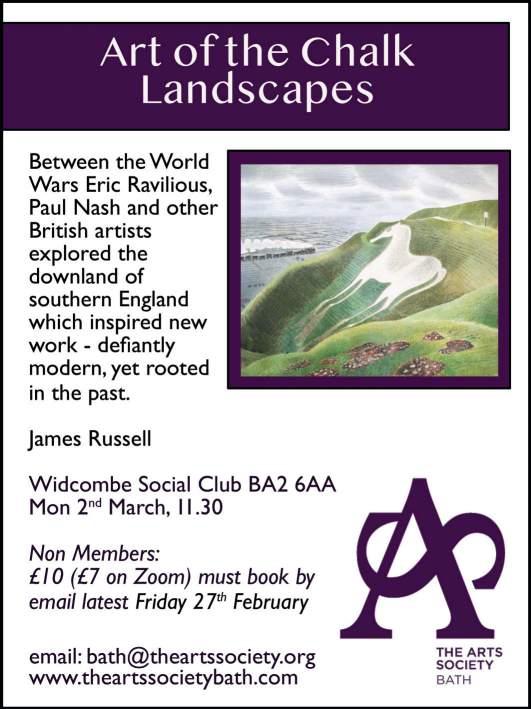
Between the World Wars, Eric Ravilious, Paul Nash and other British artists explored the downlands of Southern England which inspired new work - defiantly modern, yet rooted in the past. Non-members £10 (£7 on Zoom). Must book by email - latest Friday 27 February.
bath@theartssociety.org theartssocietybath.com
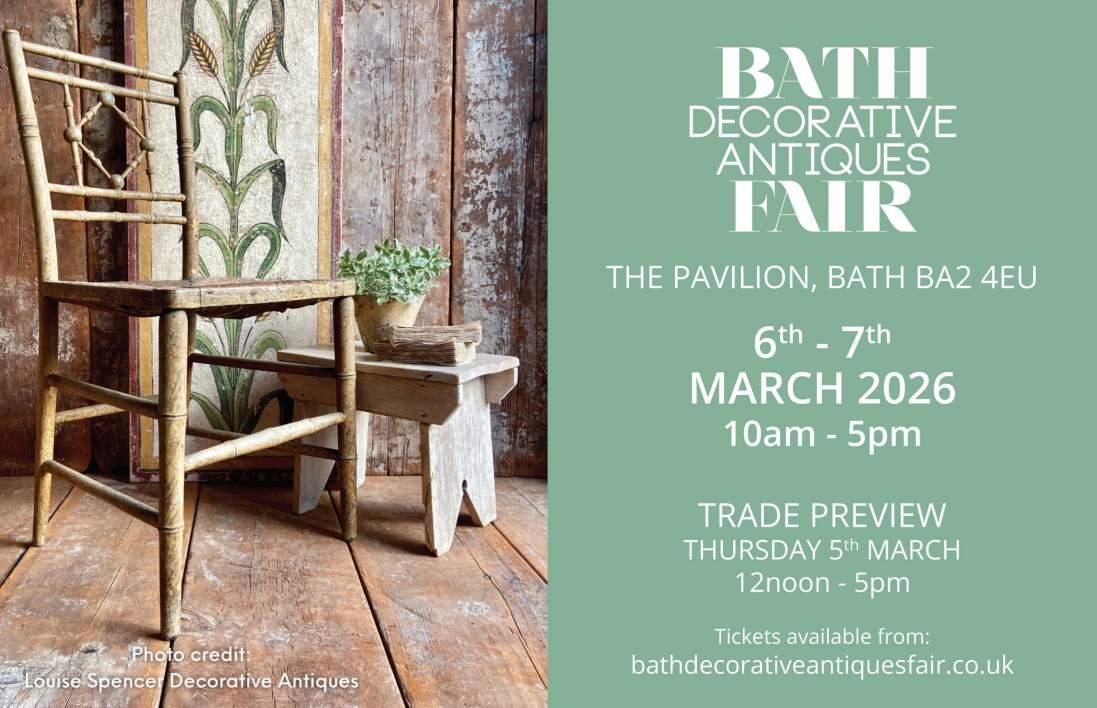
BATH DECORATIVE ANTIQUES FAIR
6-7 March, 10am–5pm
(Trade day: 5 March, 12noon–5pm)
n The Bath Pavilion, North Parade Road, BA2 4EU
After more than 35 successful years the hugely popular Bath Decorative Antiques Fair remains the premier regional event for decorative antiques, blending sustainability, originality, and a flair for current interior trends. With its vibrant mix of exhibitors, the fair appeals to both seasoned collectors and a younger generation discovering the beauty and functionality of antique design. £7.50 via Eventbrite – £10 on the door. bathdecorativeantiquesfair.co.uk
BATH SYMPHONY ORCHESTRA: HOLLYWOOD NIGHTS
Saturday 7 March, Doors open 6.30pm, show starts 7.30pm n The Forum, Bath BA1 1UG
Everyone knows the iconic ‘Sunrise’ opening of Richard Strauss’s tone poem Also Sprach Zarathustra, as used in Stanley Kubrick’s ground-breaking film: 2001: A Space Odyssey. The Bath Symphony Orchestra perform this epic work as well as much-loved blockbuster film themes from Lord of the Rings, Gladiator, Jurassic Park and many other Hollywood favourites. Tickets: from £23.10 (inc. fees). bathboxoffice.co.uk
THE HANDFUL CHAMBER CHOIR DURUFLÉ REQUIEM
Saturday 7 March, 7pm
n St Mary's Church, Bathwick, BA2 4EB
This Bath-based chamber choir presents Duruflé’s Requiem, a powerful Gregorian chant-inspired work rich in emotion, alongside choral music by Patrick Gowers, Brahms, Morley, Gómez and MacMillan. On organ, Richard Gowers (Patrick Gowers’ grandson) Tickets from £18, (under 25s, £6). bathboxoffice.org.uk
THE FULLTONE ORCHESTRA: VERDI’S REQUIEM
Friday 13 March, 7.30pm
n Bath Abbey, BA1 1LT
The outstanding musical talent of The Fulltone Orchestra – in the magnificent setting of Bath Abbey – will bring to life the breath-taking drama and transcendent beauty, of Verdi’s Requiem taking audiences on an emotional journey from terror and turmoil to hope, light, and ultimate peace. Tickets from £16.50 (inc. fees). bathboxoffice.org.uk
BATH MINERVA CHOIR: ‘ROMANTIC GLORIES’ OF BRAHMS AND MENDELSSOHN
Saturday 14 March, 7.30pm n Bath Abbey, BA1 1LT
The Bath Minerva Choir, conducted by Gavin Carr, are joined by the Bath Philharmonia and tenor, James Gilchrist to perform a wonderful selection of ‘Romantic Glories’ by Brahms and Mendelssohn. Tickets from £20. For more details visit: bathboxoffice.org.uk
WHY WOMEN'S HEALTH MATTERS: FROM RESEARCH TO RESULTS
Thursday 19 March, 6.30-8pm n Combe Grove, Brassknocker Hill, Bath BA2 7HS.
Menopause affects half the population directly and the other half indirectly. Raising awareness and breaking taboos are essential to ensure women receive the support they need. This session offers expert guidance from menopause specialist Dr Philippa Girling from Sulis Hospital and a lead team member from Combe Grove to help navigate the journey through perimenopause, menopause, and post-menopause. Book for free. Find the event on: sulishospital.com




Bath is set to welcome a striking celebration of quiltmaking artistry with a new and seminal exhibition in the UK, that tells the story of an isolated African American community in Alabama. Words by Dara Foley
This UK-exclusive exhibition showcases the extraordinary work of women from the remote river island community of Boykin, a horseshoe-shaped turn on the Alabama River –also known as Gee’s Bend and home to a 200-year tradition of quiltmaking that holds profound artistic, historic and political significance.
Long overlooked by the mainstream art world, these quilts are now celebrated globally and occupy a vital place [and time] in the story of American art. With bold colours, unexpected patterns and uninhibited improvisation, the quilts are far more than decorative objects. Born out of necessity in a racially segregated and economically marginalised region in the Deep South of the USA, they speak of resilience, self-sufficiency and lived experience.
To alleviate the rural poverty of mid-20th century America and following federal intervention, residents of Gee’s Bend benefitted from low-interest goverment loans and became landowners of the same land once worked and farmed by their enslaved forebears – a continuity that helped sustain both community and cultural traditions, including quiltmaking.
That resilience was tested in the early 60s during the civil rights era, when white officials in nearby county seat of Camden cut the community’s ferry service in response to growing Black political activism, deliberately isolating Gee’s Bend and restricting access to basic services
and the right to vote. Despite this, the community remained politically active. In 1965, Martin Luther King Jr. brought his civil rights campaign to Gee’s Bend, and many local quiltmakers marched alongside him, risking violence and hatred in the fight for equality.
The following year, quiltmakers helped establish the Freedom Quilting Bee, a pioneering Black women’s cooperative that brought economic independence and national recognition, supplying major retailers such as Bloomingdale's and Sears, sparking a renewed interest in American patchwork. During this time, wider attention focussed on the Gee’s Bend quiltmakers, whose work came to embody Black empowerment, cultural pride and creative resistance.
The exhibition focuses on intergenerational creativity, highlighting skills and traditions passed down from mothers to daughters, and between sisters. Through the quilts, visitors to the exhibition can encounter the lives and distinctive voices of Mary Lee Bendolph, Essie Bendolph Pettway, Rita Mae Pettway, Louisiana P. Bendolph, Qunnie Pettway, Loretta Pettway Bennett and Sally Mae Pettway Mixon as they express their stories and artistry. While each maker’s style is individual, together the quilts form a visual language defined by improvisation, bold geometry and abstraction – qualities often compared to modernist movements such as abstract expressionism.
Co-organised by the Irish Museum of Modern Art/ IMMA, Dublin, with Raina Lampkins-Fielder, chief curator for the non-profit, Souls
Grown Deep based in the USA, Kith & Kin: The Quilts of Gee’s Bend draws on decades of scholarship and advocacy for Black artists from the American South.
Lampkins-Fielder explains: “Woven in every stitch is a story of familial bonds that have sustained Gee’s Bend’s rich quiltmaking tradition into the present day, transcending centuries of sociopolitical upheaval and oppression. The quilts on display in Kith and Kin embody the strength and deep interconnectedness of this community, while underscoring the importance of the matrilineal transmission of knowledge and its influence on individual artistry. ”
Reverberating with history, the quilts are vehicles for storytelling and autobiography, as well as creative responses to tragedy and celebrations of joy. Through them, visitors gain insight into a community’s civil rights activism, and a lasting influence on today’s contemporary artists.
Founded in 2010, Souls Grown Deep takes its name from a line in Langston Hughes’s defining 1921 poem, The Negro Speaks of Rivers –“My soul has grown deep like the rivers” – and the foundation works to preserve, celebrate and amplify these artistic legacies while fostering racial and social justice in the communities that produced them.
For visitors, the quilts are not only visually striking but deeply evocative. Their patterns and colours speak of family, endurance and belonging, while inviting reflection on the broader social histories they emerge from. As such, Kith & Kin is as much about heritage and identity as it is about craft.
The American Museum & Gardens provides the perfect setting for this powerful and moving exhibition and a rare opportunity to encounter these remarkable works.
Kith & Kin: The Quilts of Gee’s Bend promises to be one of the highlights of this year’s Bath’s cultural calendar. n
Exhibition runs from 14 February – 21 June. American Museum and Gardens. Visit: americanmuseum.org for more details.
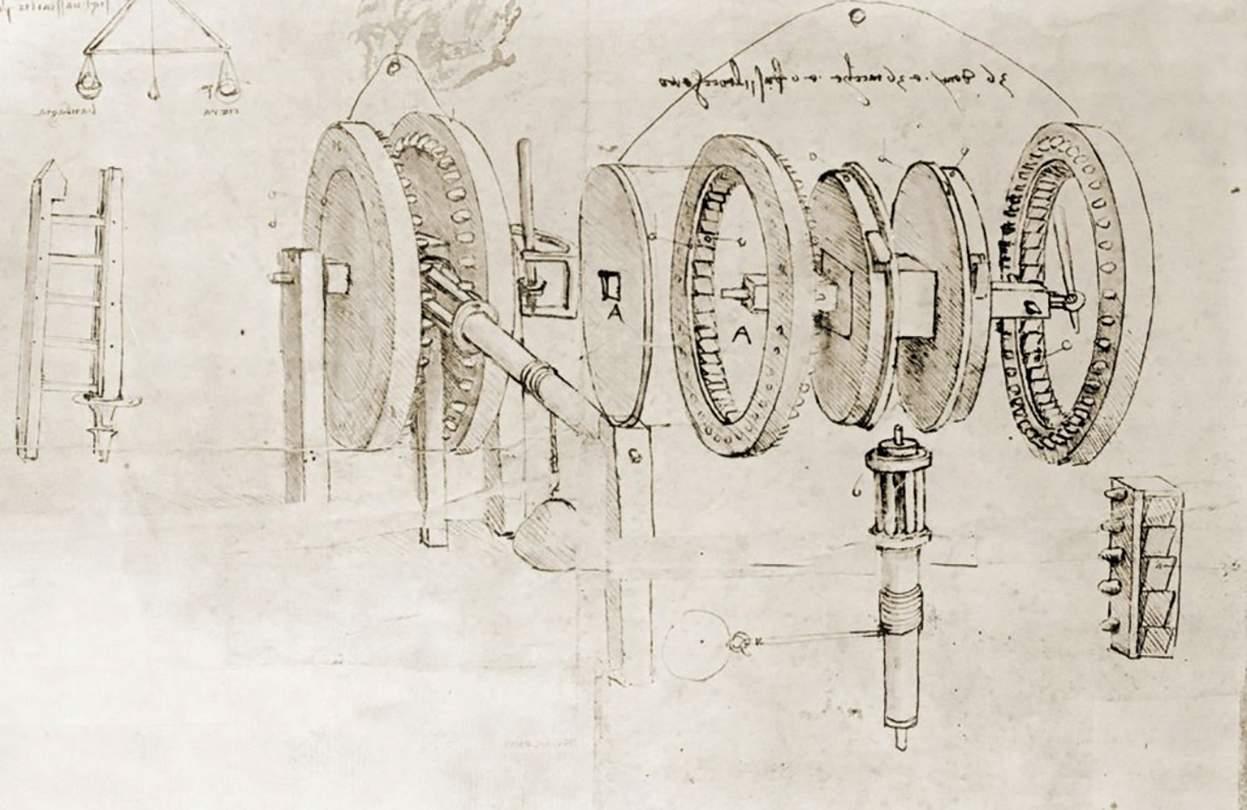
India Farnham catches up with Andreas Wasmuht, Director at The Bath Royal Literary and Scientific Institution (BRLSI), to learn about its new series of Renaissance talks and why volunteering for the institution is similar to Pirates of the Caribbean...

Leonardo da Vinci’s Mona Lisa. Michelangelo’s David. Modern philosophy. Modern science. The first celebrity couple. The news. Welcome to the lengthy and star-studded list of ideas, discoveries and cultural products that owe their conception to the Renaissance movement. But what was The Renaissance?
It’s not an easy question. The broader Renaissance, which spanned across several centuries (not just the 15th century), across several continents (not just Florence, Italy), and affected almost every facet of culture, can be somewhat intimidating as a subject. Luckily for us here in Bath, BRLSI is on a mission to change that.
Renaissance: Journeys of Discovery is BRLSI’s year-long programme of talks and events covering a period of 300 years (1350 to 1650). Launched in September of last year, the programme is now emerging into its spring series, and promises to delve even further into the boundless creativity and growth that the movement inspired with a new line-up of expert speakers. Andreas Wasmuht has been volunteering at BRLSI for nearly 20 years, and in that time has chaired a number of key committees for the institution. Today, he is an elected Director of the Board, along with being a convenor for both World Affairs and Philosophy talks. Most recently, Andreas devised the Renaissance: Journeys of Discovery series.
“I think we are at a very pivotal point in society at the moment... It’s important now to learn from a period in history where we discovered a different way of life
So, to start off with, I ask Andreas what he would say to those of us who find The Renaissance, in all its glory, a little bit intimidating?
“I’d say go and have a look! Have a look at museums and art galleries, and of course, have a look at our series of talks at BRLSI. See what’s on offer in terms of providing real clarity on The Renaissance.”
And if it’s clarity you’re looking for, BRLSI has just the thing. Hop onto the Renaissance: Journeys of Discovery webpage and you’ll find a comprehensive overview of The Renaissance, along with a handy timeline outlining its evolution.
Why does Andreas think it’s important to have this information so readily available on the website?
“That was really just a case of providing everybody with an opportunity to have a baseline understanding. We want to make all of this information accessible because it has a big impact on how people see themselves and the world in general.”
Consider me well and truly intrigued. So, what can we expect from the Renaissance: Journeys of Discovery series, and why is it important to learn about today?
“Well, the Renaissance series is really trying to point towards the idea of a re-birth,” Andreas tells me.
“I think we are at a very pivotal point in society at the moment, from an economical and geopolitical point of view. It’s important now to learn from a period in history where we discovered a different way of life. The Renaissance represented an opportunity to start afresh, but to do so whilst taking advantage of the lessons from the past.
“Over nearly 40 different talks, we’ll be covering everything from world affairs to architecture to philosophy and science, and of course art and literature as well. Our series considers the full geographical scope of The Renaissance, and appreciates the movement as something that was influenced by cultures mixing.
“We will even touch on how The Renaissance came to Bath, through our Georgian architecture, but also through references to our city in literature, for example Chaucer’s The Wife of Bath’s Tale and Shakespeare’s Bath Sonnets.”
Andreas is speaking to me just a week before he is set to receive an Honorary Doctorate (Doctor of Letters) from the University of Bath (as you do), in part because of all of the brilliant work he’s done at BRLSI. How did he first become interested in this institution?
“It was actually my partner who introduced me to BRLSI; her father was a trustee of the Institution. I was very impressed by the range and depth of cultural content on offer there. So, I first joined to be a coconvener for Philosophy and to help arrange future talks.”
And the rest is history, I suppose?
“Yes, well,” Andreas laughs. “Did you ever watch Pirates of the Caribbean? There’s a character, Bill Turner, who gets physically absorbed into the hull of the ship. He becomes part of the ship.
“It's a bit like that as a volunteer at the BRLSI. You start off with one
particular role, and then you get so absorbed into what the institution does, and the contribution it makes to Bath and beyond, that you take on more and more roles.”
BRLSI has existed in our city since 1824, and in that time has helped countless members of our community engage in science, literature and art. It’s a total treasure. How does Andreas see the institution adapting, so it can continue to delight locals and visitors alike far into the future?
“Bath is a very special place and we will always be here to provide information specifically for people to turn up in person.
“But we are now doing much more to reach audiences in the way they want to be reached.
“All of our talks are livestreamed online, and then available on our YouTube channel shortly afterwards. In this way, we are able to share our work with the wider world.”
Is there a talk he’s particularly looking forward to?
“You know, I wouldn't want to single out any one talk,” Andreas tells me. “All of our talks build on one another. Your understanding of the world can always become deeper.”
There, it seems, is the real magic of learning. It continues building, allowing your picture of the world, and where we all come from, to become richer and richer. It’s infinite.
What will you understand better next?
Renaissance: Journeys of Discovery runs until June 2026. Explore the programme and book onto talks at brlsi.org
The next series of talks at BRLSI will begin in July and will be under the title Democracy Under Threat.




On display at Victoria Art Gallery, Bridge Street, Bath

This colourful exhibition will showcase an exceptional range of beautiful British posters from the 19th and 20th centuries, drawn from the collections of the Victoria Art Gallery and Bath Record Office. Reflecting the spirit of the times the wide-ranging display encompasses theatre, events and entertainment, travel and transport, political campaigns and even World War One recruiting.
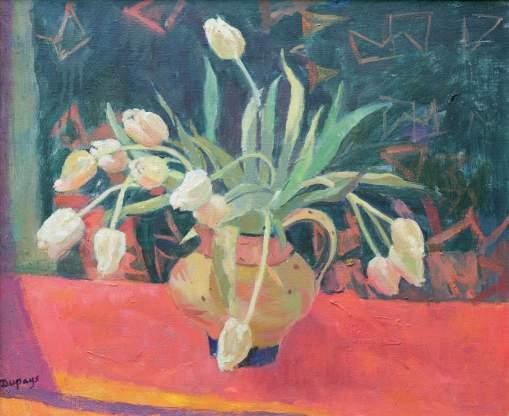
Thea mostly works in oils, in a strong, distinct figurative style. Her paintings feature warm, rich, colours in simple, bold compositions. They communicate a timeless, meditative mood be it a still life, a landscape or a portrait. Her home environment, the gardens her husband lovingly created, and the Somerset landscape are all documented through the changing seasons. This is a selling exhibition. It is free to attend. victoriagal.org.uk
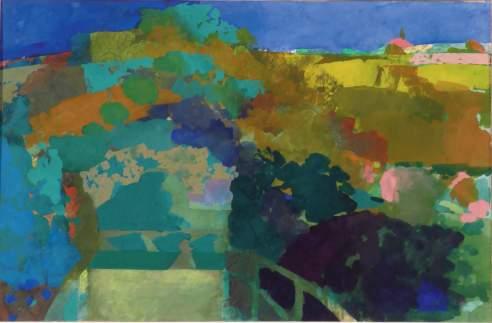
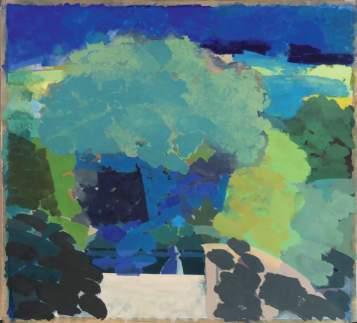
Peter Malone Exhibition, 14 February14 March, Gallery Nine, 9B Margarets Buildings, Bath
Featured Artist Peter Malone will for the first time be having a solo show at Gallery Nine. Peter Malone has worked for Howard Hodgkin for the last thirty years: framing Indian paintings, mounting islamic tiles and preparing the supports on which to paint. Peter has illustrated a number of books for children and adults as well designing stamps for Royal Mail. More recently he has been commissioned to paint aerial view images of houses and gardens for clients such as The American Museum and Alan Titchmarsh. He has had articles on 19th century plaster-cast figure-makers published in both learned and not so learned publications and is the world authority on the plaster death masks of John Keats. He also has a great love of Islamic ceramics, the classical world and architecture. galleryninebath.com
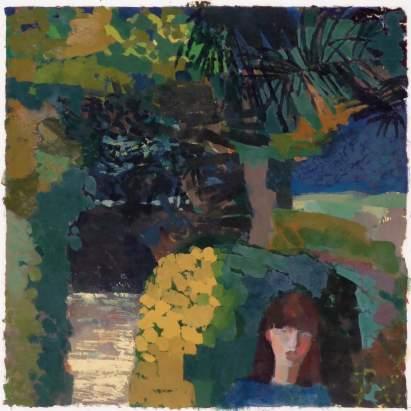
Above: Peter Malone, Gualchos, Oil on Card, 410mm x 410mm
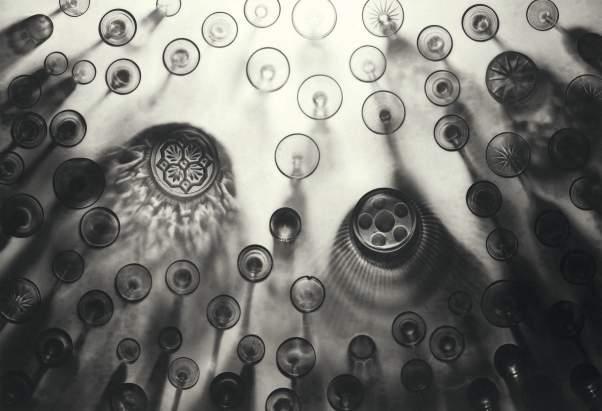
Handle with Care: Cornelia Parker & Historic Glass, 7 February - 10 May, 10am - 5pm The Gallery at No.1 Royal Crescent, Bath
No.1 Royal Crescent presents an exhibition that will look through the eyes of one of Britain’s most acclaimed contemporary artists, Cornelia Parker, at the historic glass and found objects that inspire her work and artistic process. Ticket price: £7, or £2.50 when purchased as an add-on to entry to the main museum. no1royalcrescent.org.uk
Above: Light from the North, 2020, Polymer Gravure etching, Paper and Image: 55.8 x 81.2 cm -22 x 32 in, Edition of 15
Peter Malone Exhibition

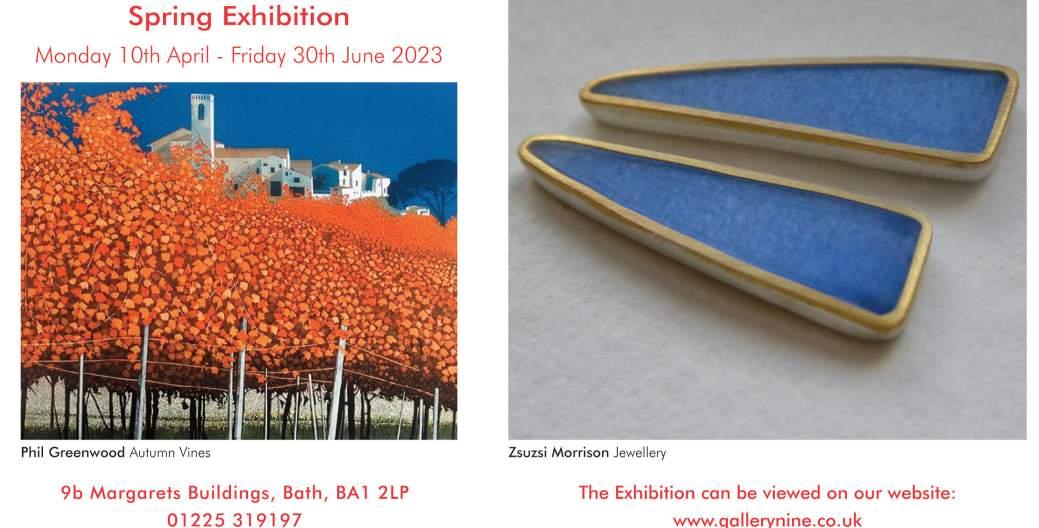
14th February - 14th March 2026
Private View Saturday 14th February 5.30pm -7.30pm

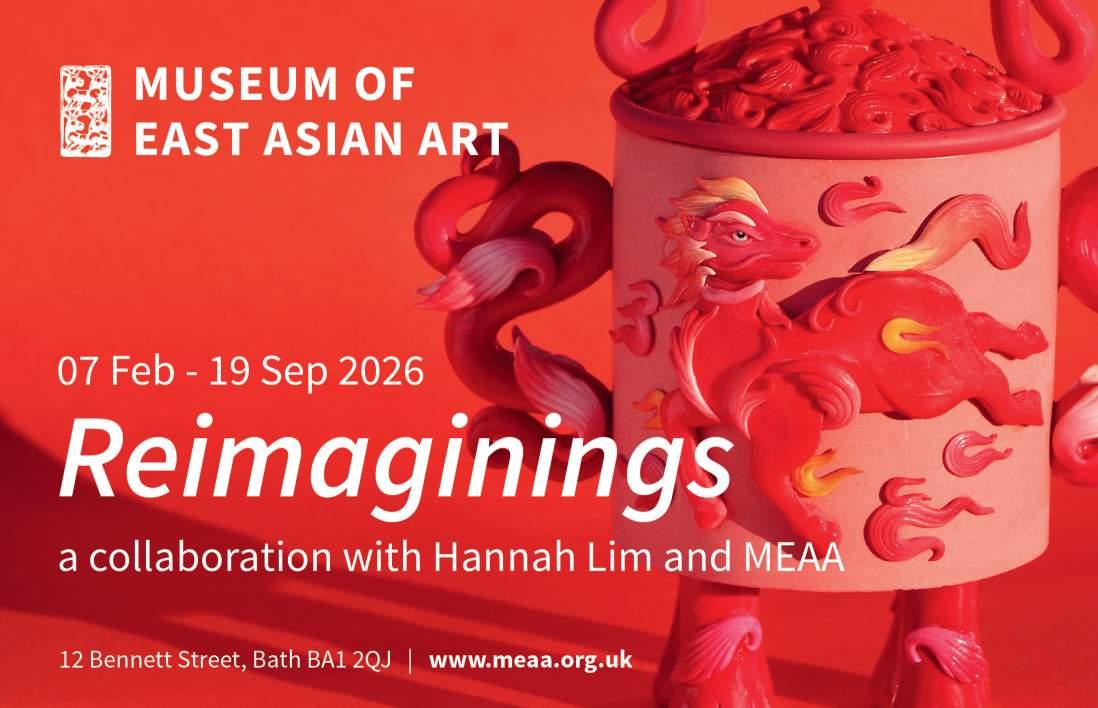
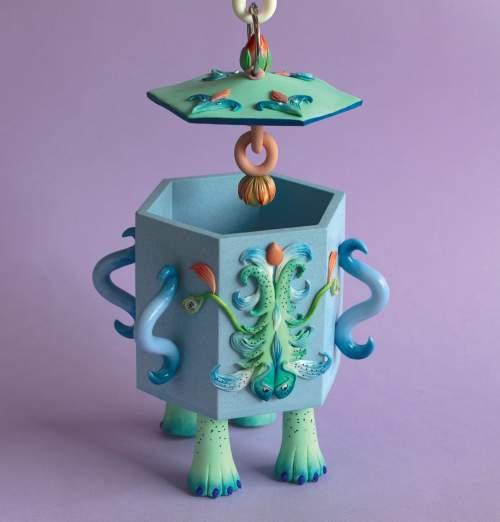
Reimagnings, 7 February - 19 September, Museum of East Asian Art (MEAA), 12 Bennett Street Bath
MEAA presents Reimaginings, a new exhibition by sculptural artist Hannah Lim. Developed in collaboration with MEAA, Reimaginings marks Lim’s first solo museum show. In 2025, artist Hannah Lim was invited to visit the MEAA to create work in direct response to its collection. The resulting exhibition features a mix of new and existing artwork displayed alongside objects from the Museum’s collection, co-curated and reimagined by Lim. The exhibition will also present a selection of Lim’s snuff bottles, a recurring form in her practice. Larger than their eighteenth century counterparts, her ‘bottles’ are inspired by folklore and mythology and oen take on anthropomorphic forms, with animal-like limbs. meaa.org.uk
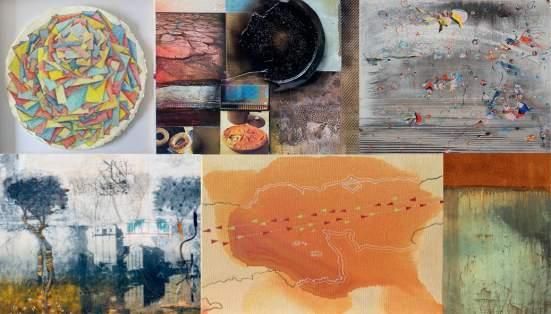
The Viewing Room, Sandra Higgins, 41 Milsom Street, Shires Yard
Units 12 & 13, Bath
A chance to engage with a vibrant and eclectic selection of artworks at Sandra Higgins Gallery in Shires Yard. Expect to see some familiar works with new additions from the gallery collection and at the ART STOP boutique within the gallery, providing a rich selection of artworks to choose from. This exhibition will highlight the galleries Art Advisory Service, offering personal appointments for advice on starting or developing a collection which can be booked by email at sandra@sandrahiggins.com. sandrahiggins.art
: Four Eyed Xixi-Fish
Above: Top Left: Donald Smith, Tondo; Top Centre: David Ferry, Desert 5; Top Right: Robin Sewell, Four States of Water
Bottom Left: Usha Pearce, Temporal Space; Bottom Centre: Louisa Burnett-Hall, Trivial Pursuit; Bottom Right: Gina Parr, Coast, Exmouth
The Holburne Museum Great Pulteney Street, Bath
Zandra Rhodes: A Life in Print, until 10 May
This exhibition brings together a spectacular selection of Dame Zandra Rhodes’ screen-printed garments from 1960-1990.
The Shape of Care: Making Care Visible, until 4 May
Presented through personal responses from The Holburne’s Pathways to Wellbeing community, this exhibition celebrates the small gestures that can sometimes be overlooked.
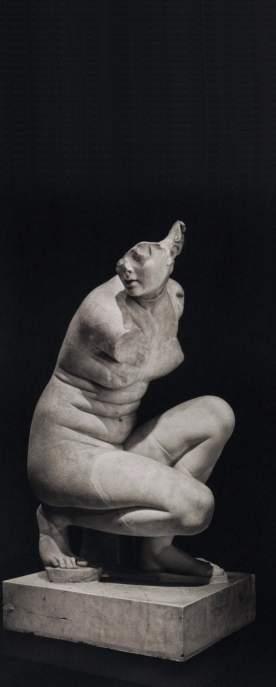
Don McCullin: Broken Beauty, until 4 May
Broken Beauty showcases a remarkable collection of McCullin’s latest photographs of ancient Roman statues.




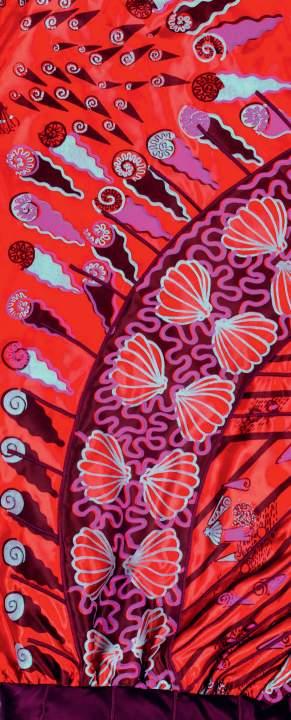
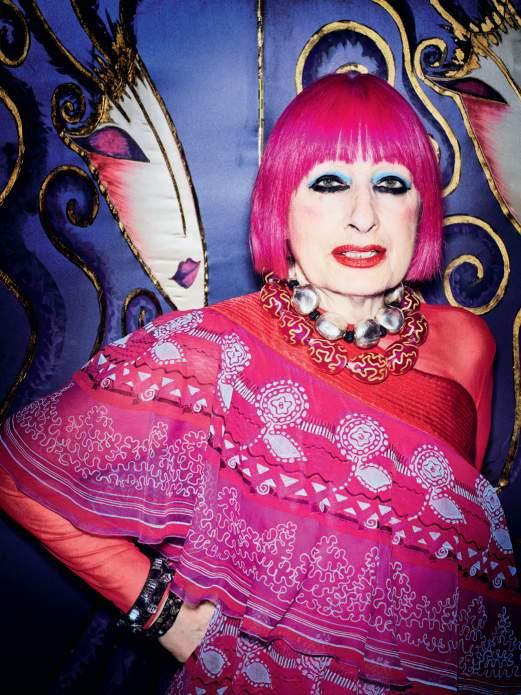

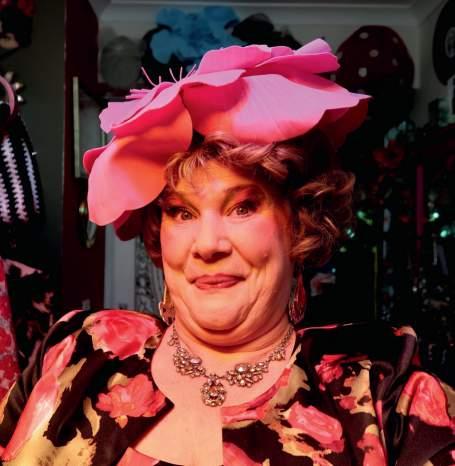
The legendary British fashion designer Dame Zandra Rhodes is set to drench the Holburne Museum in colour with Zandra Rhodes: A Life in Print, an exhibition celebrating her extraordinary career and unmistakable creative vision. Known for her flamboyant personal style, hand-drawn prints, and sculptural silhouettes, Rhodes has spent more than five decades reshaping the boundaries of fashion. Joanna Lewis spoke to the designer about the exhibition, her life in fashion, and the creative drive that continues to propel her forward.
Few figures in British fashion are as instantly recognisable, or as joyfully uncompromising, as Dame Zandra Rhodes. With her shock of pink hair, bold graphic prints, and fearless use of colour, she has long championed fashion as a form of self-expression.
Born in Chatham in 1940, Zandra studied at the Royal College of Art, earning an MA in printed textiles in 1964, before launching her eponymous label in the late 1960s. She quickly became a defining figure of London’s creative scene. At a time when fashion was shedding formality and embracing freedom, her designs stood apart. They were romantic yet rebellious, intricately printed yet structurally daring. Zandra was among the first designers to use print not simply as decoration, but as a driving force in the construction of a garment.
Iconic prints and unforgettable garments
At the heart of A Life in Print is a carefully curated selection of garments from the Zandra Rhodes Foundation archive, dating from the 1960s, 70s and 80s, decades that defined both Zandra’s aesthetic and her influence on fashion.
So, does she have any favourites among the garments on show?
“The Button Flower pieces, which open the exhibition,” she enthuses. “Made in 1971, they hold wonderful memories of the early 70s for me. And the Button Flower coat dress was worn over 20 years later by Joanna Lumley’s character Patsy in Absolutely Fabulous!” she adds with a laugh.
Another highlight Zandra notes is the green Field of Lilies outfit worn by Bianca Jagger in 1972. “My Lilies prints are my most popular,” she says, “and they remind me of my Midnight fashion show at London’s Roundhouse, where they were first unveiled.”
The garments are displayed on dynamically posed vintage Adel Rootstein mannequins, loaned by the Fashion Museum Bath, a detail that carries deep personal significance for the designer.
“Adel Rootstein was a contemporary of mine, as well as a mentor and close friend,” Zandra explains. “Her mannequins were modelled on the icons of their time and have such presence and attitude. They bring an energy that makes the garments feel alive.”
Adding to the intimacy of the exhibition is an audio tour narrated by Zandra herself, offering visitors a rare opportunity to experience the designer’s work through her own voice.
“The audio makes it feel like I am almost walking visitors through the exhibition myself,” she says. “We arranged the outfits into ‘hero print’ sections, and my audio tour shares the inspiration story behind each of my signature print designs. It also dives into the period in which the prints were created, giving context about my career at that time.”
“Fashion should allow people to be themselves, boldly and unapologetically”
Zandra Rhodes
Like any long, creative life, Zandra’s career has been marked by both triumphs and challenges.
“One of my greatest achievements has been redefining the role of print in fashion,” she says. “Showing how print can influence the structure and shape of a garment.”
A more difficult period came in the 1990s, she notes, when her work was receiving less attention from the fashion world. Yet that setback proved pivotal. “That moment ultimately led me to found London’s Fashion and Textile Museum,” she explains. “From there, my career gained renewed momentum. Perseverance is essential. You have to keep going.”
A deeply personal low came in 2020, when Rhodes was diagnosed with bile duct cancer after noticing something didn’t feel quite right during a yoga class. The experience prompted her to establish the Zandra Rhodes Foundation, dedicated to preserving her vast creative archive and supporting the cholangiocarcinoma charity AMMF. “It gave me a renewed outlook on life,” she says, “and a determination to keep creating.”
That determination continues to shape her work today. Recent years have seen a series of new collaborations, including a swimwear partnership with luxury resort wear brand Oceanus in 2025. This year, she is working on another collaboration while continuing the careful process of archiving her life’s output through the Foundation.
At the heart of it all remains Zandra’s belief in fashion as a form of empowerment. “Fashion should allow people to be themselves, boldly and unapologetically,” she says.
Given her lifelong devotion to colour, it seems only right to ask her thoughts on Pantone’s Colour of the Year, the soft white hue Cloud Dancer. She laughs. “Everyone always seems to be dressed in black and navy. For me, colour is about joy, confidence, and self-expression. My colour of the year is definitely pink!”
As for Zandra Rhodes: A Life in Print, she hopes visitors leave the exhibition feeling inspired, not just by the garments on display, but by the creative freedom behind them. “I want people to feel fearless with colour and creativity,” she says, “and to understand more about my work as a designer who married the craft of screen printing with fashion design.” n
Zandra Rhodes: A Life in Print is on show at the Holburne Museum until 10 May. An inclusive programme of associated events and workshops will run alongside the exhibition. Zandra Rhodes will also appear live at The Forum in Bath in March. For more details visit: holburne.org




This February sees the return of the award-winning Bath Art Fair, celebrating 10 years of bringing over 1,000 professional and emerging artists to the city.
Founded by professional Somerset artist Alce Harfield - who has more than 35 years’ experience selling her own work at art fairs - the Bath Art Fair began life in a marquee in a field just outside Bath. Now proudly based in a central city location, the fair offers artists the opportunity to meet customers directly, without the need for galleries, giving them complete control over how and what they sell.
This year’s fair showcases a vibrant mix of returning favourites and exciting new talent from across the UK. True to its reputation for nurturing emerging artists, some exhibitors will be taking part in their very first art fair.
Visitors can discover an inspiring range of original paintings and prints, ceramics, jewellery, sculpture, and mobiles, all at competitive prices. One of the great joys of the Bath Art Fair is the chance to talk directly with the artists about their processes and inspirations - making the experience of choosing the perfect piece, whether for a newly built extension or a cosy corner, both personal and enjoyable.
Returning for the tenth time to the Bath Art Fair is London based Jocelyn Horsfall who is an award winning fine art photographer, specialising in atmospheric images inspired by flowers and the natural world. She creates contemporary wall art with a painterly and impressionistic style, bringing an original touch of colour and harmony to your living or work space.
Also exhibiting for the tenth time is Argentinian born Cornwall based Dr Martin Raskovsky whose refined vision transforms photography into post-impressionistic masterpieces vibrating all the nuances of a wild rampant nature.
We are also delighted to welcome acclaimed artist and actress Rose Popay, Bristol’s very own, performing as ‘Banksy’s mum’, who will be painting live portraits of visitors on stage throughout the fair - offering audiences a rare opportunity to watch a portrait come to life in real time.
This year we are thrilled to be raising funds for More Trees Banes through the donation of an original painting by our organiser Alce Harfield of Glastonbury Festival. (Tickets on sale soon)
“More Trees is thrilled to be partnering with Bath Art Fair to grow more trees for local communities and wildlife. This collaboration will help fund local tree planting and community tree nurseries, while giving artists and visitors a simple way to support nature on their doorstep. It’s a natural fit with Bath Art Fair’s strong commitment to reducing their environmental impact and running a more sustainable event.”
The Bath Art Fair is also proud to support Safe Space Bath, reflecting its commitment to inclusivity and community wellbeing. The fair is very much a familyrun event, with organiser Alce Harfield’s husband and children helping throughout the weekend. This includes one of her children, who is transgender - an experience that reinforces the fair’s values of openness, acceptance, and support for safe, welcoming spaces for all. n
Bath Pavilion, North Parade Road, Bath. BA2 4EU
Friday 27th Feb – Private view 6-8.30pm
Saturday 28th Feb - 10am to 6pm
Sunday 1st March 10am to 5pm www.bathartfair.co.uk
Tickets (from £3.50) www.bathartfair.co.uk/tickets
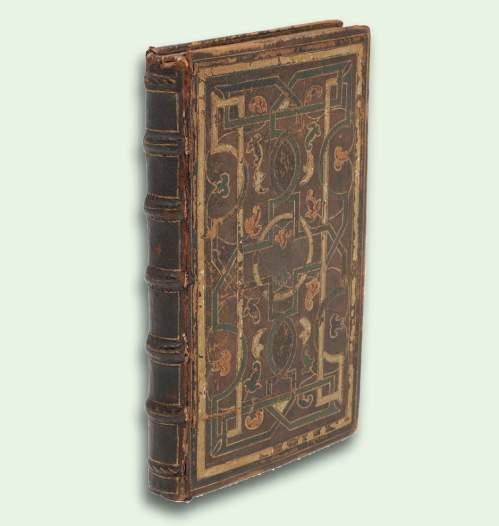

One of Lawrences Auctioneers’ stand out moments came from the Books, Maps & Manuscripts sale in 2025. It was a strong result for Erasmus Desiderius - Parabolae Sive Similia, 1523. The early Paris edition, beautifully presented with a woodcut title and initials, ruled throughout, and bound in contemporary French full leather, captured the attention of collectors. Estimated with care, it ultimately hammered at £2,700.
The appetite for rare works like this remains strong, proving that timeless scholarship and fine bindings continue to inspire today’s collectors. Do you have rare books, manuscripts, or early printed works in your collection? Now is the ideal time to consign. Contact our team to learn more about consigning to one of our upcoming sales.
Lawrences are welcoming consignments for their forthcoming Fine Art sales to include:
Silver | Vertu | Pictures | 19th/20th Century Design | Ceramics
Oriental Works of Art | Jewellery | Watches | Furniture | Clocks
Rugs | Militaria | Coins | Medals | Collectors | Sporting | Textiles
Wine | Spirits | Books | Maps | Manuscripts | Photography
Free valuations are available online at lawrences.co.uk
Home visits also available throughout Bath and the West Country without charge or obligation.
South Street, Crewkerne, Somerset TA18 8AB.
T: 01460 73041 E: enquiries@lawrences.co.uk
1A Woodlands Estate, Westbury, BA13 3QS
T: 01373 822337 E: wessex@lawrences.co.uk



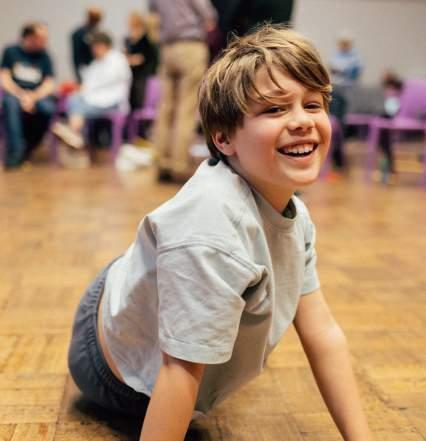
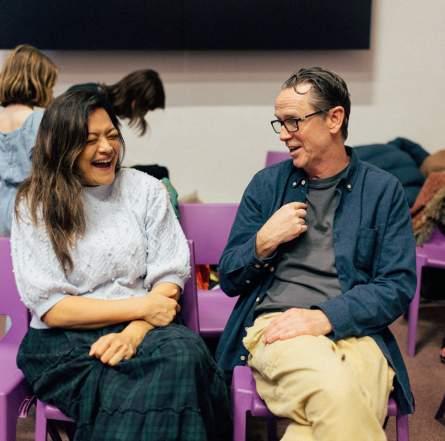
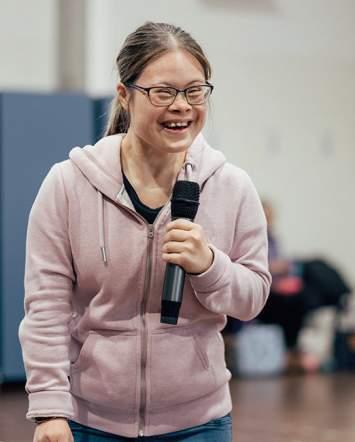
Director Sally Cookson reflects on a bold, two-year community theatre project bringing Charles Dickens’ David Copperfield to life with a cast of 104 local people, staged at Theatre Royal Bath in support of its new community studio, Venue 4. By Melissa Blease
What do you get if you take Charles Dickens’ epic, semi-autobiographical 19th century blockbuster David Copperfield, adapt the story for retelling with a cast of 104 people, and stage it over five performances (including a grand Charity Gala fundraising for Theatre Royal Bath’s Venue 4, a new community studio theatre aiming to provide performance opportunities for local people) at one of the oldest, most beautiful working theatres in the country? We’ve yet to find out. But acclaimed, award-winning director Sally Cookson has been living with that very conundrum for the past 24+ months; if anybody has any idea how the ambitious community theatre initiative that is David Copperfield: A Life (Theatre Royal Bath, Friday 20-Sunday 22 February) is going to come together, it’s her.
“It’s been a massive undertaking for sure!” says Sally. “When I was invited to get on board, I didn’t even know exactly what we would be doing; all I knew was that I wanted to do it! I started my career setting up and working with a youth theatre. As I became an established freelance director, I missed working with young people, and I missed that sense of community. So I made a promise to myself, a long time ago, that I’d return to the idea of inviting anyone and everyone who wanted to come and play, and build an ensemble together.
And here we are!” Here we are indeed, almost at curtain up – and getting here, for Sally and everybody involved, has been quite the journey.
That journey began back in January 2024. Sally was working in Japan when she got an email from Katherine Lazare, Head of Community Engagement at the Theatre Royal Bath, asking her if she was interested in staging a community project. “I didn’t have to think twice!” she recalls. “During the Covid crisis I was in on about fifty Zoom calls where the central discussion point was how can we support and rebuild
communities when the pandemic was over, and I got very excited about that. And so it felt like the absolute right thing to do when I was invited to do this – a wonderful kind of synergy.”
“At the heart of it all, I wanted to build an ensemble where every single person involved would be the stars of the show –that’s what it’s all about.”
Sally Cookson
And then, the hard work began… “Right from the off, I was really interested in owning the vulnerability that comes with ‘I don’t know how we’re going to do this, but we’re going to do it together’,” says Sally. “All I knew was that we were going to discover how to build this community bit by bit by being open, honest, brave, generous…and playful! Fortunately there’s a lot of help, experience and skill in the Theatre Royal Bath building; Katherine was involved with the TRB Engagement team when they made Ben Hur in 2010 [a similar community production that led to the establishment of the theatre’s Engage programme] and there’s a group of people who understand how to make community projects work. But I did a lot of research too, and relied on my instincts about how I wanted to shape the project. At the heart of it all, I wanted to build an ensemble where every single person involved would be the star of the show – that’s what it’s all about.”

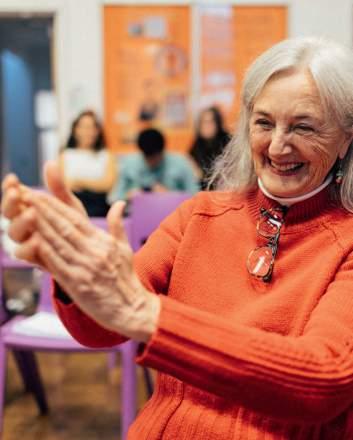

Were you to talk to every one of the 104 actors (plus the massive volunteer team who each play integral roles in the production), each would have their own very different story to tell about why they got involved.
“They all had different reasons for committing to the project,” says Sally. “Some had just moved to Bath and wanted to get to know people, some wanted to build confidence, some wanted to do something they’ve never done before and put themselves out of their comfort zone. Others had seen the beautiful TRB building but never been in it! But it didn’t matter how old they were, it didn’t matter if they’d never even set foot inside a theatre before – in fact, that was the case for most of the people we reached out to. We have a group of Deaf participants, we have neurodiverse people – the mixture brings another creative layer into the room. We’ve now all spent a year being together twice a week; we’ve got to know each other, and we’ve built a sense of trust and connection, and a way of learning how to really look out for each other in a very special way. And through the arc of storytelling, we’ve learned that we can make ourselves bigger, bolder, and more powerful – that’s been a radical insight and a discovery for me.”
And of course, there’s been the discovery of the story at the heart of the matter, adapted in this instance by writer Mike Akers.
“It’s all about the need for love in our lives,” says Sally. “It follows the journey of a young boy who, for the first seven years of his life, experienced absolute love from his mother and his housekeeper in an almost idyllic world. And then his world is completely turned upside down – his mother dies, he’s abused by a cruel stepfather, he’s sent off to a sadistic school and ends up being exploited as a child worker. He has to fight to survive and find a life with love and connection in it again, and the only reason he can do that is because of the foundations that he had. When we started to talk about this story with our participants, every single person responded really positively to the idea of love being an important start in life, and finding your way with your family and the people you want to spend your life with. It’s about finding community and establishing a family, whether biologically related or not. We found layers of the story that resonated with people in the room, whether aged eight or 82 – that’s the age range that we’re working with. We were all
inspired by each other’s experiences and perspectives, and that’s very special indeed.”
The whole experience will no doubt change the lives of all the people involved in David Copperfield: A Life –including audiences. Will it impact on Sally’s work, going forward?
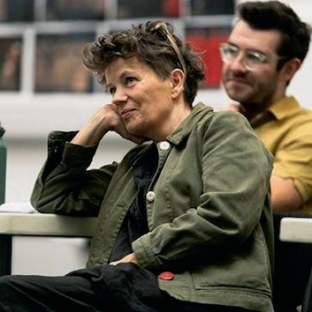
“Without a shadow of a doubt,” she says, emphatically. “Just being in a room of shared perspectives that are so very different has brought back the joy and importance of the arts, to me And I’ve become fascinated by learning British Sign Language [BSL] –it’s a language that’s so useful in theatre because it’s a visual language that I’m really interested in incorporating into professional theatre. And I just love working with people who didn’t have theatre in their lives before this experience; this has been a way of moving beyond that point. Overall, our version of David Copperfield will be a unique theatrical experience, made by an extraordinary company with bravery, openness, generosity and a lot of love.”
In the words of Charles Dickens/David Copperfield himself, “New thoughts and hopes were whirling through my mind, and all the colours of my life were changing.”
That’s what you get if you take Charles Dickens’ epic, semiautobiographical 19th century blockbuster David Copperfield, adapt the story to retell it with a cast of 104 people, and stage it over five performances at one of the oldest, most beautiful working theatres in the country. n
David Copperfield: A life. 20-22 February at the Theatre Royal Bath. For further information or to book tickets visit: theatreroyal.org.uk
Favourite food reads by our friends at Toppings
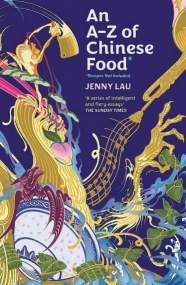
An A-Z of Chinese Food (Recipes not included)
by Jenny Lau
An A-Z of Chinese Food is not a recipe book, but a deliberate anti-glossary, or a delectable edible anthology that serves up Chinese flavour. Jenny Lau always found herself sitting between cultures, connected to both east and west. Throwing herself into researching the Chinese food of her heritage yields the result of an enriching exploration of who we are and how we relate to the world.
Published by John Murray Press, £12.99
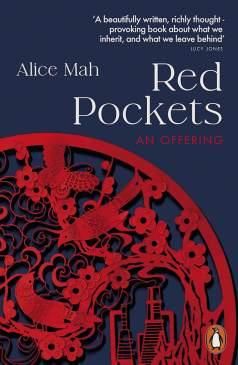

Alice Mah
Every Qingming Festival, people return to China to sweep their ancestors’ tombs, making offerings to avoid becoming hungry ghosts of misfortune. Yet for the past century, a time of war and revolution, tombs have been left unattended. Alice Mah returns to her ancestral village and discovers that her forebearers are almost forgotten, that there are no tombs left to sweep, and there are incalculable debts to pay. Red Pockets confronts her ghosts as she searches for an acceptable offering.
Published by Penguin Books, £12.99
by Candice Chung
After a thirteen-year relationship ends, Candice Chung loses both her first love and her favourite dining partner. When her retired Cantonese parents volunteer as her new plusones, she must decide whether to keep the peace – or finally confront the distance between them. Chinese Parents Don’t Say I Love You is a nourishing story of food, family, and finding new love. As a new romance stirs and old wounds heal, Chung learns that some truths can’t be spoken – only tasted. Published by Elliott & Thompson, £10.99.


Rice by Ping Coombes
Rice is a symbol of life, prosperity and abundance in many Southeast Asian countries, and a staple around the globe. For Coombes, rice was always the sun around which all other dishes revolved. Everything you need to know about preparing this grain is in her new book. Indulge in sweet rice, savoury rice, rice snacks, fried rice, and one-pot rice in dishes like Eight Treasures Rice, Baked Honey & Soy Chicken Rice and Rice, and Coconut Pancakes. Published by Murdoch Books, £26.
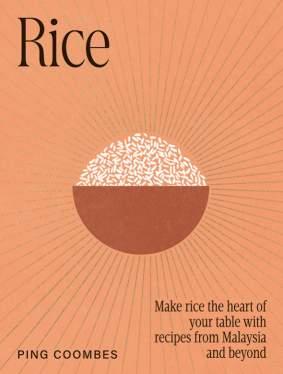

Ping Coombes will give a talk, cookery demo and tastings on Tuesday 10th March at Topping & Company


School of Wok: Jeremy Pang's Chinese Kitchen by Jeremy Pang
School of Wok: Jeremy Pang’s Chinese Kitchen is a Chinese home-cooking bible from chef Pang. Whether you want a simple one-wok wonder or are feeling ambitious enough to cook a few dishes to feast with friends, this award-winning book bursts with sublime flavours. All of Pang’s dishes, including his Three Treasure Aubergine, Stir-Fried Sichuan Chicken, Steamed Wontons in Chilli Broth, and Succulent Crispy Chilli Beef, are flavourbalanced due to the chef’s signature ‘wok clock’ method. Published by Octopus Publishing Group, £25.
by Nina Mingya Powles
Tiny Moons is a collection of short essays that perfectly blend food and travel writing. New Zealand-raised Nina Mingya Powles explores her Malaysian-Chinese heritage through a year of eating in Shanghai. Scattered with beautiful illustrations and mouth-watering descriptions of dishes like spring onion oil noodles and mooncakes, this book explores food as memory, nostalgia, culture, and a powerful form of connection between people. Published by The Emma Press, £9.
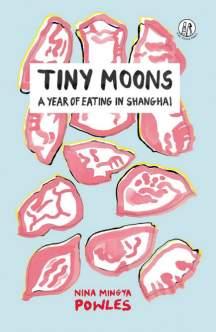


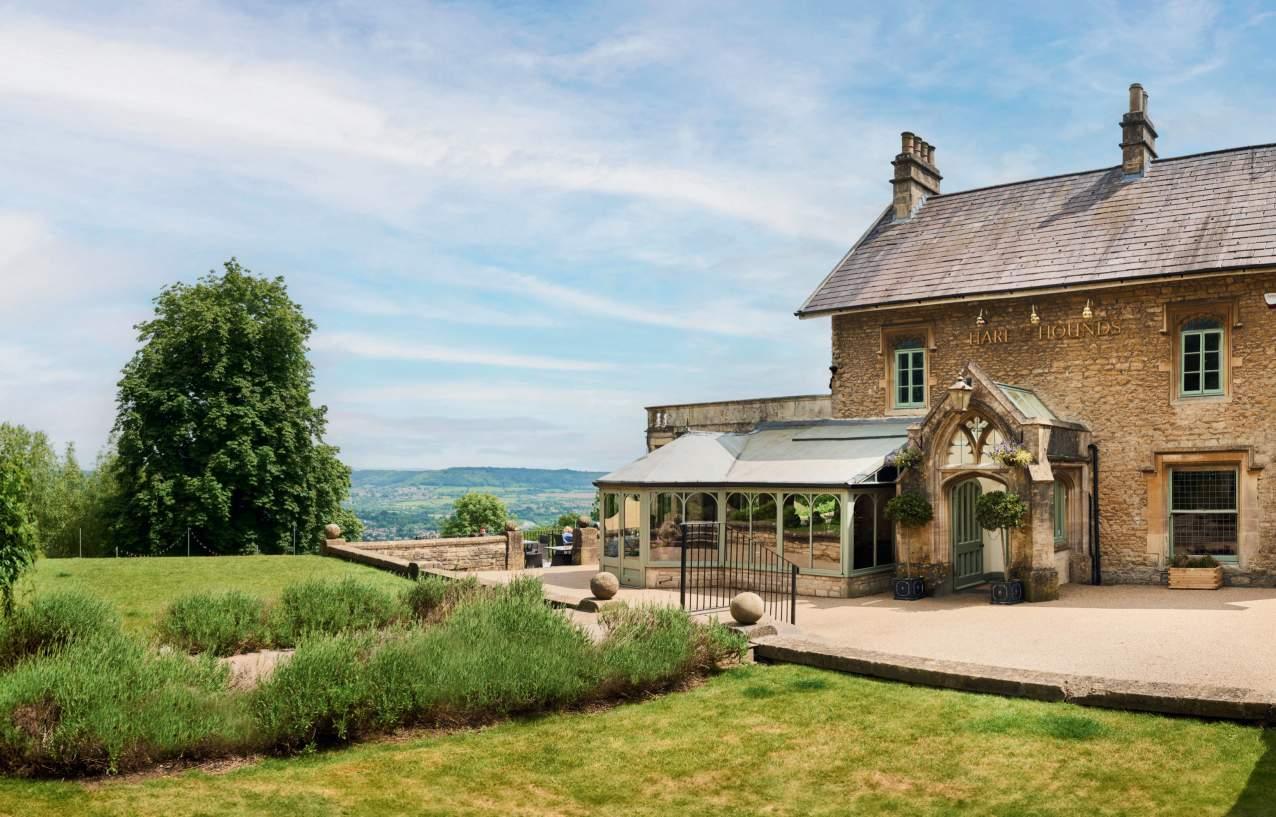




Join us on 26 February for a special valuation event at The Hare & Hounds, Bath, in aid of Friends of the Victoria Art Gallery
Our team of experts, featuring well-known faces from the BBC Antiques Roadshow, will be on hand to appraise your antiques, including fine jewellery, porcelain, silver, watches, Chinese and Japanese art, medals, militaria and rare collectibles


Boost the mood, turn on your taste buds and get ready to enhance the romance.
Melissa Blease explores the allure of aphrodisiac foods and the key ingredients to spark some passion
Valentine’s Day: the time of year when new and old romantics alike aim to light a fire in the bellies of their ‘special someone’ – and our thoughts (and restaurant menus everywhere) immediately focus on luxurious seafood and chocolate-dipped fruit in an attempt to guide Cupid’s Arrow in the right direction.
Courtship, romance and food are inextricably linked in the canon of sensual experiences and myriad films, books, songs, TV adverts et al constantly feed that juicy narrative. Where would Jim Dear and Lady Darling in Disney’s Lady and the Tramp be without that plate of spaghetti? How far would Chocolat’s Vianne Rocher have got with smouldering hotpot Roux had she not had the recipe for the world’s most seductive sweet nibble? As for John Gray and Elizabeth Graw in around week 8 of their 9½ Weeks journey: for them, love was blind(fold) indeed. Different strokes for different folks, eh? But they all have one thing in common.
The act of sharing food can be a profoundly pleasurable visceral experience, creating positive emotions and forging bonds around intimacy and connection. But there’s more to this particular love story…
The aphrodisiacal power of certain foods have been doing the rounds since time immemorial. Aphrodite (the Greek goddess of love, who also inadvertently gave her name to the very word aphrodisiac) sprang forth
from the sea on an oyster shell. Frisky fop Casanova was rumoured to eat dozens of oysters a day to keep his, erm, stamina levels up. Antony and Cleopatra snacked on mounds of nut-stuffed figs to keep their love life alive – and Barbara Cartland used to drink a pine nut smoothie when she wanted to kick-start the bodice ripping imagination. As for chocolate: it’s the seductive gift at the start of the affair and the classic, comforting standby that helps mend the ensuing broken heart.
But the folklore regarding food being nature’s version of Viagra isn’t merely romantic fiction; research has proved that an ‘aphrodisiac’- laden V-Day feast could actually help us ignite the flames of passion.
❤
Uniquely complex in both flavour and texture, notoriously difficult to open and generally priced well out of reach of our usual everyday budget, oysters could be called the original Marmite: we either passionately love ‘em… or emphatically hate ‘em. But regardless of your personal tastes, they’re indelibly linked to the ultimate food of love – for good reason. Oysters are massively high in zinc, which supports dopamine (pleasure) and testosterone (obvious). Oh go on, be brave!



Chillies, ginger and garlic: put ‘em together and what have you got? A recipe for lurve! Chillies are laden with happy hormones and natural endorphins which enhance sensory perception, raise testosterone levels and may increase sexual desire in men. Ginger, meanwhile, is rich in stressrelieving magnesium, while garlic’s antioxidant properties may help combat fatigue, boost energy and aid endurance.
Dark chocolate has been credited as having mystical aphrodisiac qualities since the days of the Mayan and Aztec cultures... and it's easy to understand why. It contains the mood-lifting agents phenylethylamine and serotonin which produce the euphoric effects often associated with being in love, while the natural caffeine in the cacao bean at the heart of the matter (which is, in itself, rich in antioxidants, magnesium and iron) increases alertness and blood flow.
There's something unavoidably salacious about dipping asparagus spears into smooth, glossy, melted butter – especially when we learn that asparagus is rich in folate, vitamin B6 and vitamin E, all of which are said to boost arousal and stimulate sex hormones in both men and women. The humble celery, meanwhile, has long since been referred to as ‘herbal Viagra’ as it contains androstenone – a pheromone-like compound that subtly enhances male natural scent – while beetroot is high in nitrates that cleverly convert to nitric oxide, which improves blood flow throughout the body.










Nuts are all-round nutritional powerhouses, positively brimming with all manner of vitamins, fibre, minerals and healthy fats. Research evidence suggests that pistachios have been shown to increase libido and improve erectile dysfunction in men, gingko nuts (caution - toxic in large quantities) form a large part of libidinous potions in China and pine nuts are laden with our old friend zinc, making them a more palatable alternative to oysters for shellfish avoiders.
Get Fruity!
Have you ever wondered why monkeys can be so, erm, frisky? Blame it on their banana habit! Bananas contain the testosterone-triggering enzyme bromelain and are massively high in both vitamin B and potassium, both of which give an oomph to energy levels. The less prosaic pomegranate, meanwhile, has featured in ancient literature as a symbol of romance, desire and fertility, partly because Aphrodite (her again!) was said to plant the very first pomegranate tree. But thousands of years on, the pomegranate’s antioxidant and anti-inflammatory properties combined with its blast of nitric oxide – a crucial natural gas that relaxes blood vessels, improving blood flow and oxygen delivery – have been proven to increase testosterone levels and support overall reproductive health. As for figs (another ancient Greek symbol of corporal pleasure): they’re packed with enough energy – and stamina-enhancing iron to fuel a phalanx for days.





Sadly, there’s absolutely no research to prove the aphrodisiacal properties of Champagne, a Passion Fruit Martini or a French Kiss cocktail. Red wine, however, is rich in antioxidants that are said to have a beneficial effect on vascular health so a little bit of what you fancy can indeed do you good. Go easy, though! While alcohol can indeed loosen our inhibitions, too much of a good thing could easily negate the effects of an aphrodisiac-rich seduction menu. You might want to consider a cup of tea instead? ‘Functional teas’ laden with stress-relieving adaptogens, natural euphorics, mood-boosting minerals and/or vital antioxidants could well turn your love life tap on, with Maca Tea in particular reputed to stimulate libido and enhance sexual performance in both men and women. Get the kettle on!



Aromas have long since been proven to play all kinds of pleasurable ‘tricks’ on our subconscious, evoking relaxation, rekindling connections to positive memories and even igniting biochemical reactions linked to desire. Vanilla in particular (warm, sweet, and creamy, and often associated with our old friend chocolate) is apparently particularly appealing to men – a reputation that goes back a long way. Back in the 18th century, Madame de Pompadour used vanilla as a perfume to excite her lover King Louis XV of France throughout their relationship, and 1930s screen icon Vivien Leigh had her maid iron vanilla into the folds of her clothes in order to keep her second husband Laurence Olivier “coming back for more.”




They may be nutrient-rich, but cruciferous vegetables can cause serious bouts of flatulence, with cabbage, Brussels sprouts and broccoli being the worst offenders. Beans, legumes and eggs have a similar effect on many people, while certain foods – cruciferous vegetables again, alongside the worst offenders that are blue cheese, anchovies and fatty meats – contain compounds that your body exhales through perspiration (yuk!). Mint (specifically peppermint and spearmint) can actually suppress libido, artificial sweeteners can interfere with serotonin/’happy hormone’ production and eating a heavy meal too close to, erm, bedtime can cause serious acid reflux. You have been warned! n
Foodie notes and delicious ideas to whet your appetite
Whether you’re planning an intimate candlelit supper or a relaxed, winefuelled evening, Bath has no shortage of romantic restaurants. From openfire cooking and French bistros to seafood feasts, stylish sharing plates and these are some of the city’s top places to book this February.
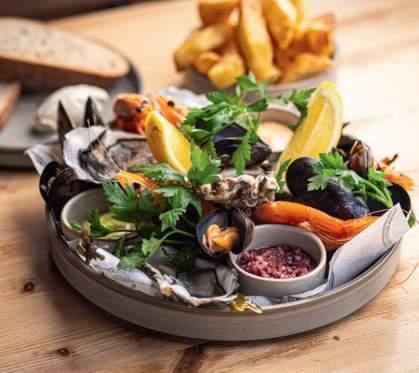
Emberwood, Queen Square
A dramatic brasserie themed around open-fire cooking, Emberwood champions beautifully sourced local ingredients cooked over charcoal. Expect standout steaks, pristine fish and refined cocktails, finished with one of Emberwood’s delicious tableside desserts. Warm, welcoming and effortlessly romantic.
Corkage, Chapel Row
A relaxed favourite for wine lovers, Corkage pairs seasonal, creative plates with one of Bath’s best wine selections. Whether it’s oysters and fizz or a multi-course dinner, the fairy-lit terrace and convivial atmosphere make it ideal for Valentine’s night.
The Scallop Shell, Monmouth Place
Do try the oysters! Celebrated for its sustainably sourced seafood, The Scallop Shell serves beautifully cooked fish that changes daily with the catch. For a more intimate experience, head upstairs to The Little Scallop – a cosy, indoor-outdoor dining space. In the cooler months rugs are provided to stay warm if there’s a chill in air.
Sydney’s, Monmouth Place
Stylish yet unpretentious, Sydney’s focuses on sharing dishes inspired by British ingredients with Mediterranean flair. Add cocktails, a rooftop-style terrace and a relaxed vibe, and it’s a great option for a low-key but special Valentine’s date.
Chez Dominique, Argyle Street
A charming, classic French bistro with a loyal following, Chez Dominique delivers seasonal French-European cooking in a cosy, friendly setting. With a carefully chosen wine list and views over Pulteney Weir, it’s ideal for a traditional, intimate Valentine’s supper.
Bandook, Milsom Place
Go spicy! Lively, colourful and full of flavour, Bandook brings Indian street food to a stylish central Bath setting. Created by the team behind The Mint Room, it’s perfect for couples looking for something fun, informal and plates packed with bold flavours.
Clayton’s Kitchen, George Street
Elegant without being formal, Clayton’s Kitchen offers refined Mediterranean and modern French dishes made with top-quality seasonal ingredients. A calm, welcoming atmosphere and consistently excellent food make it a safe bet for an impressive and truly special romantic liaison.

Bath Restaurant Week Returns
Make a date in your dining diary for the return of Bath Restaurant Week, 17-24 March.
From the huge success of last year’s gourmet beanfeast this festival for food lovers offers the chance to discover Bath’s culinary scene, make memories with your friends and family over a delicious meal and savour the beautiful dining options across the city. Bath Restaurant Week is organised by the Bath BID Company. Keep an eye on the website for news, offers and event updates: bathrestaurantweek.com

Celebrate the Year of the Fire Horse
The year of the Fire Horse is rare event which occurs every 60 years, it celebrates intense passion, rapid change, and bold actions. Why not make the best start by seeing in this special occasion at Bath’s finest Chinese restaurant, Peking in Kingsmead Square. The extensive menu offers a variety of specially selected dishes created from Cantonese, Szechuan and Peking cuisine. To book visit: pekingrestaurantbath.co.uk
Every week our email newsletter features a tasty recipe compiled by our food and drink writer Melissa Blease. Better still, all Melissa’s recipes (and many more from top chefs, nutritionists and bakers) can be found on our website: thebathmag.co.uk and while you’re there, subscribe to get our newsletters delivered, direct to your inbox, every Friday.

Words by Tom Bleathman from The Great Wine Co. Food always tastes better when you know where it comes from – meat from your local butcher, vegetables from the farmers’ market, and fish eaten by the sea. I’ve always felt the same is true of wine. At The Great Wine Co., we’ve spent more than 40 years championing independent producers, and this February we’re celebrating a few of the remarkable families whose wines continue to inspire us. All three featured families will be on promotion throughout February in our shop and on our website, so it’s the perfect time to support one of these fantastic, family run producers. greatwine.co.uk
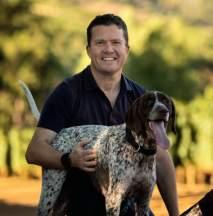
Gyles and Thomas Webb, Thelema & Sutherland Estate, South Africa | The Webb family has shaped South African wine for decades. Gyles Webb started Thelema in 1983 and quickly gained a reputation as one of Stellenbosch’s most respected estates, known for its classy Cabernet Sauvignon and vibrant Chardonnay. Today, Gyles has passed the winery down to his son Thomas (pictured), who has continued Thelema’s extremely high standards. Alongside their Stellenbosch estate, the family also purchased the Sutherland Estate in 2002 in the cooler Elgin Valley, producing wines that are generally lighter, with outstanding balance, freshness, and finesse.
Jean and Pierre Trimbach, Maison Trimbach, Alsace | Few names in the wine world carry the heritage of Trimbach. One of the oldest winemaking families in France, dating back to 1626, Trimbach is now headed by 12th generation brothers Pierre and Jean (pictured). Pierre is the winemaker, crafting some of Alsace’s most iconic wines, from steely, age worthy Rieslings to beautifully expressive Pinot Gris. Jean is on the frontline as the sales and export director and is one of the most charismatic and friendly figures in the industry. It may come as no surprise that Trimbach continues to be so highly regarded. To give you an idea of their credentials for quality: of the 31 three Michelin-starred restaurants in France, 29 list Trimbach wines.
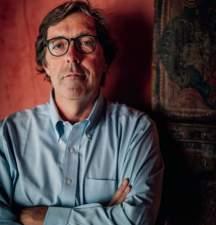
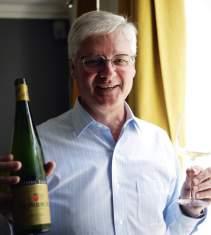
and Alessio Planeta, Planeta, Sicily | In the 1980s, Sicily was known largely for its low quality, bulk wine production until Diego Planeta decided to take a risk and plant Chardonnay alongside a variety of indigenous grapes, with a focus on producing quality. By the 1990s, the trailblazing Planeta winery was at the top table of the wine world, and they haven’t looked back since. Sadly, Diego passed away in 2020. However, his uncle Alessio (pictured) has taken up the winemaking mantle and, in 2023, was named Winemaker of the Year, helping to continue the family’s great legacy.
Rosanna Spence takes shelter from the rain at Montagu’s Mews restaurant at The Royal Crescent Hotel & Spa, trying the Fixed Price Winter Menu for lunch and melting into the warm, comforting flavours served
It feels like 2026 has got off to a fairly shaky start – let’s turn the news off for a moment, shall we? – leaving many of us seeking comfort and certainty in the last of the dark winter days. And what better way to satisfy that desire than to book yourself into a fixed price menu gleaming with comforting winter flavours, where no unwelcome surprises wait around the corner.
Look no further then, winter-weary pilgrims of Bath seeking to brighten up a dull lunchtime (and escape some of the tourist bustle outside) by retreating to the sanctuary on the other side of the mostphotographed façade in the city, settling into your seat at Montagu’s Mews, the signature restaurant at The Royal Crescent Hotel & Spa set in one of the buildings that’s the main reasons our city is a UNESCO World Heritage site for its incredible architecture.
“ Foodies are in good company here: the restaurant was one of 12 specially picked by the Michelin Guide to illustrate the city’s reputation as one of the world’s top food destinations ”
It’s this heritage status that protects the front of the hotel from too much signage and development, so you very much feel like you’re slipping into an exclusive blink-and-you’ll-miss-something-very-special place. Your journey extends into a chic, almost clandestine world of hotel luxury as you cross the internal, gorgeously manicured gardens (that looked lovely even on the miserably rainy afternoon we visited), where warm and friendly smiles were waiting to take our damp coats and welcome us inside.
Foodies are in good company here: the restaurant was one of 12 specially picked by the Michelin Guide to illustrate the city’s reputation as one of the world’s top food destinations. The décor is equally delightful, still feeling fresh from its total refurbishment a few years ago.
I’ve seen 18th-century women’s education advocate and writer Elizabeth Montagu (who lends her name to The Royal Crescent’s restaurant thanks to it being in the old carriage houses of her former home – she was in fact the building’s original resident) described as a lady with ‘independent ideas in a world where men monopolised intellectual debate’, who used her ‘privileged social position to advance the status of women’.
Quite the force to be reckoned with, by the sound of it, and someone who I’d happily welcome to my lunch table for interesting conversation. The current limits of time travel however, meant that my lunch partner was instead very much of these times, and agreed with me how refreshing it was that despite the impeccably chic interiors of Montagu’s Mews –who doesn’t want to imbibe delicate aperitifs in a blushing room adorned with dusky rose hues? – there were no demands for formal dress in the restaurant. Much like Montagu herself, it’s a forward-thinking approach that can really help people feel more comfortable, and puts the food at the forefront.
Ah, the food. The menu has been devised by head chef Martin Blake, a Somerset chap himself who’s well placed to create dishes that let local ingredients from nearby producers really shine. He joined the team in late 2021 (and at that point already had around 15 years’ experience at some of the South West’s finest hotel kitchens) and has confidently been elevating the food offering across The Royal Crescent with his modern British flair ever since. And this is good value food that’s impeccably prepared and presented to boot: two courses of the winter set lunch menu cost £35 per person; add a third course to make that only £39.
So, what did we eat? To start: smoked cod’s roe mousse, beetroot and chardonnay vinegar; and winter mushroom velouté, hazelnut and apple. The smell from the velouté epitomised cosiness; the delicate taste opened my palate, priming me for more – best enjoyed from the warmth of our table watching the rain trickle down outside.
To follow: Cornish fish of the day, parsnip (three ways: puréed, roasted and tempura), sesame and chicken jus; and Dingley Dell pork belly, carrot escabeche, white beans (with a nice amount of bite to them) and pork jus. I was expertly recommended a glass of light red to accompany the fish (which was a rich, meaty cod on our visit) and its initial gentle smokiness straddled the two meats perfectly, with no flavours left fighting for attention; a glass of chardonnay from Ardèche was suggested to complement the pork – its delicately honeyed aftertaste nicely highlighted the soft caramelisation of the meat.
Our deserts were picture perfect: a dark chocolate crémeux with coffee and mascarpone; and honey parfait, with lemon and sorrel. Both were melt-in-the-mouth marvels, not too overpowering and were an ideal sweet pairing to the coffees needed to bring us back to reality. Back to the drizzle and bustle beyond the sanctuary of Montagu’s Mews. n
The Winter Fixed Price Menu at Montagu’s Mews is available from midday until 2.30pm, Monday to Thursday until 31 March. Two courses cost £35 per person and three courses cost £39. The menu is also available for dinner between 6-9pm, priced at £38 for two courses and £45 for three. For more information and to book, visit royalcrescent.co.uk
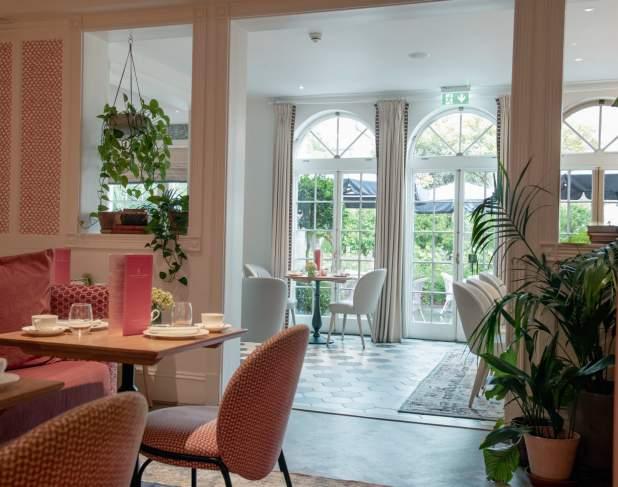
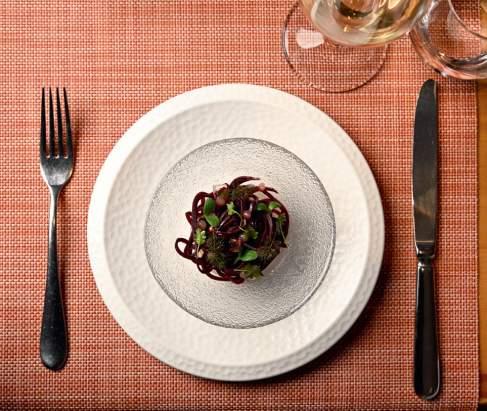
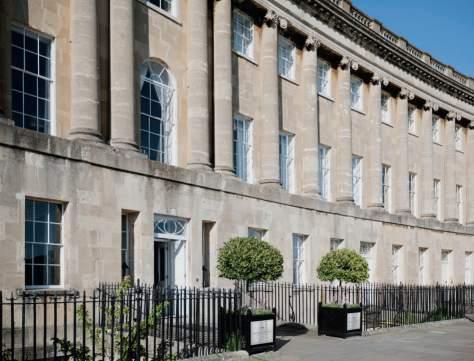
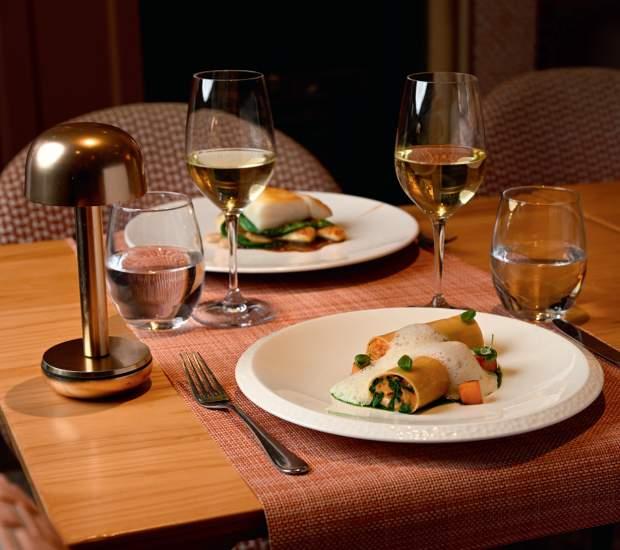
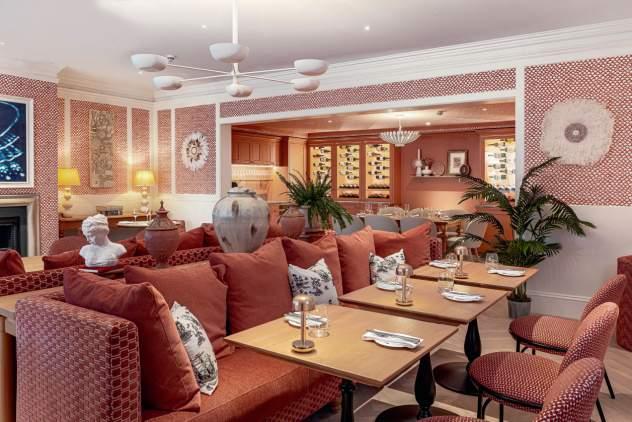
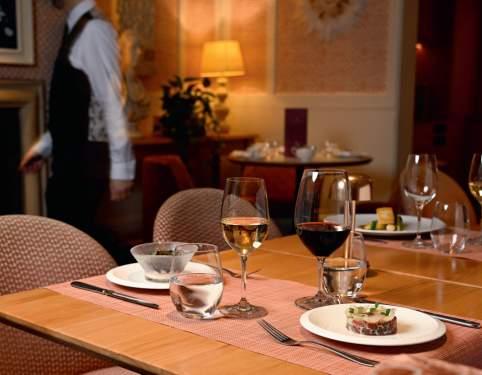
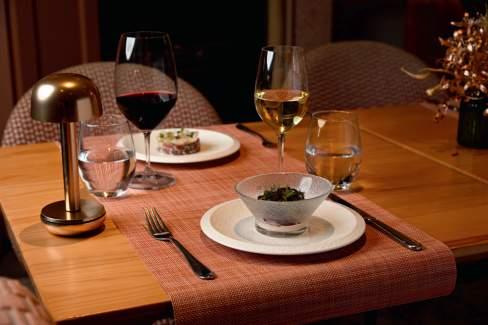
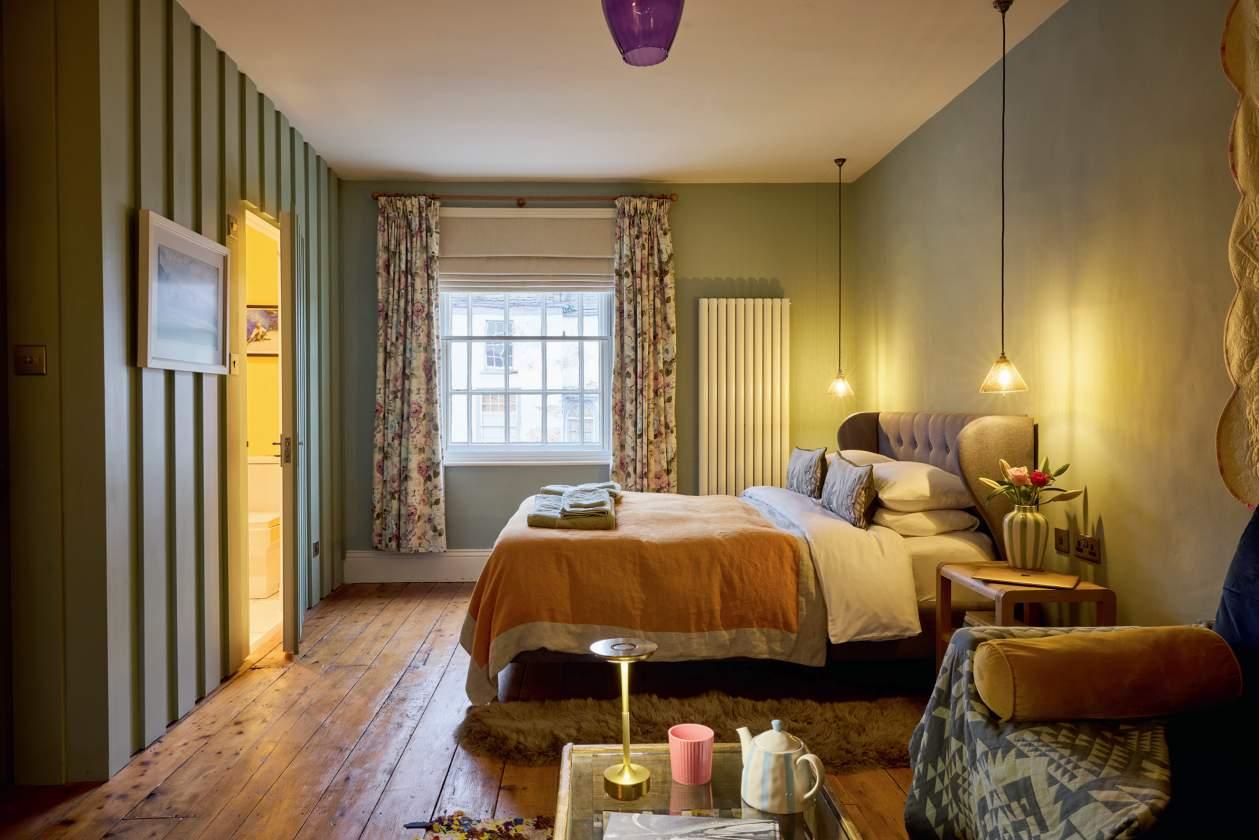
Something has been quietly stirring in the hills, deep in the Forest of Dean. A mini-break has been born out of a labour of love in an ideally placed spot to escape the city in just under an hour, nestled between picturesque riverside banks and dense woodland adventures. Rosanna Spence heads to Severnside Press BnB in Newnham-on-Severn to discover a reimagined home-from-home steeped in so much style you’ll return reconsidering every inch of your own interiors. Images: Kasia Fisza Photography
On the surface of it, Severnside Press BnB neatly ticks all the boxes you want from the perfect bed and breakfast minibreak: crisp, clean, fragrant sheets on a genuinely comfortable bed, plush soft towels, an impeccably clean bathroom, and a generously portioned, two-course breakfast prepared from the heart. But when owners Tony and Alex Kossykh-Bearman – along with their Hungarian Vizsla, Stanley –welcome you through their front door (which, by the way is a postcard-perfect former shopfront in a line of historical buildings in Newnham-on-Severn), you’ll be quick to realise this place is something else entirely. It feels like leafing through the pages of a beautifully kept book containing the secret recipe for a perfect night’s stay. Quite fitting really, seeing as the Grade II-listed Georgian townhouse
was home to an industrious family-run printing press for more than a century, but had since fallen into complete disrepair. When Tony and Alex bought the building in lockdown, only one room was habitable; the rest was largely derelict. There was no mains water, no proper plumbing and no functioning electricity. They took on the huge renovation project and opened Severnside Press in 2022, carefully restoring the building while honouring its past.
After previously running a successful B&B by the sea in Lyme Regis, the couple set their sights on something different: a slower, deeper retreat in the heart of Gloucestershire. Tony spoke warmly about the welcome they received from the locals after they chose Newnham-onSevern as the location, something I guessed was a response to the care the pair were pouring into the building (it had been boarded up for a
long time beforehand), and perhaps also because they are, quite simply, a lovely community. We certainly received lots of smiles and ‘hellos’ while wandering around the village.
Severnside Press has three double guest bedrooms. We stayed in The Suite, where original staircase panelling remains on show: a quiet homage to the building’s history. Throughout the house, original handsanded floors have been preserved wherever possible, and even the coffee table in the main room was handmade by Tony from half an old door left behind during the renovation, and it wouldn’t look out of place in one of the upmarket homewares shops that dot the village.
Shelves, walls and cabinets are brimming with antiques, artefacts, art and objects collected by Tony and Alex over many years: a mix of global and local that somehow forges a feeling of community on both a broad and intimate scale; everything feels appreciated equally. There are loads of house plants, rich textures, beautiful textiles and a confident blend of antique and modern pieces that never feels forced.
The main room is the heart and hearth of the house. Once a shop front, it floods with natural light during the day, then transforms into a warm, closed-in cocoon at night thanks to huge curtains and a glowing fire. It doubles as the breakfast room and the space where guests naturally gravitate.
It turns out that our host for the weekend Tony is something of a triple threat: effortlessly hospitable, deeply practical – having carried out
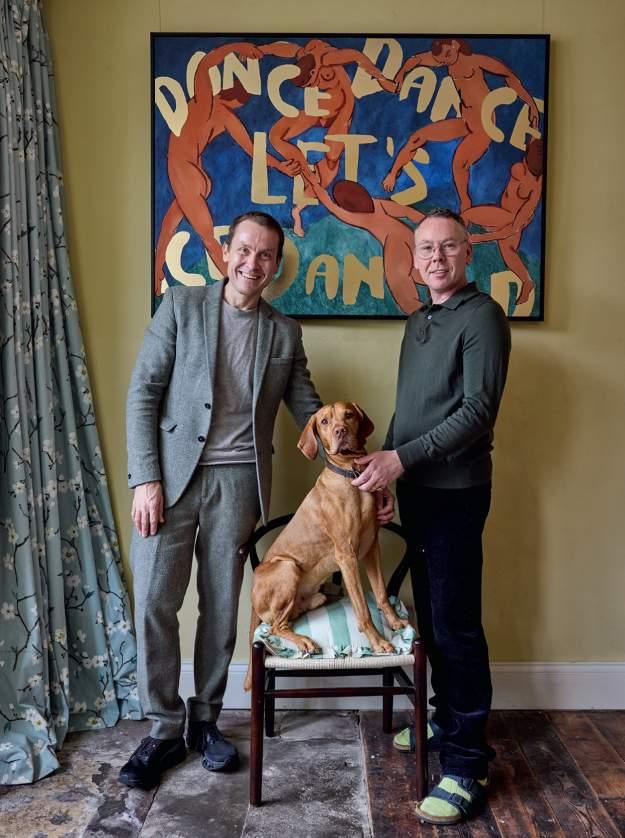


of the renovation work himself – and an artist. His seaweed presses from Lyme Regis adorn the walls, forming a quiet but remarkable exhibition of his creativity.
I have a huge soft spot for the idiosyncratic universe of the bed and breakfast. Is there any other 24/7 hospitality business that sits closer to the hearts of its owners? B&Bs are homes first, businesses second, and the pressure to make guests feel something extra special is immense. That labour of love is unmistakable at Severnside Press. From the moment we arrived, the place felt genuinely lived in and cared for.
At one point in the evening, another guest knocked on the wrong door next door, then came to Severnside Press instead. When I answered, he said he hadn’t been sure whether to knock because I’d looked so cosy by the fire with my guest – like he’d be interrupting us in our own living room. I can’t think of a better indicator of just how much this place feels like a home from home.
Our suite looked out onto the road, but secondary glazing kept both warmth and noise firmly at bay. I usually sleep with earplugs at home in Bristol thanks to passing buses and lorries, so I came prepared, but didn’t need them. Thoughtfully, there were earplugs in the bathroom cabinet for anyone who might. The room featured a velvet sofa, a television with all the streaming platforms, and walls adorned with local art. The bathroom was a joyful sunny yellow, with a powerful, pipinghot rain shower.
Severnside Press is definitely an important player in a gentle revolution against faceless Airbnb stays where you’re emailed a key code and never speak to the humans behind the hospitality. Here, conversation is part of the experience, but never intrusive.
Shortly after arriving, we were served nutty coffee and a gloriously sticky lemon drizzle and chia seed cake by the fireside. Smooth French jazz drifted through the room, mingling with the scents of coffee, sweet cake, gently smoked wood and a ‘dark honey and tobacco’ candle burning between us.
Outside of our comfy nest, Newnham-on-Severn itself punches well above its weight when it comes to food and drink. We popped into The Railway Inn for a pint and immediately found ourselves chatting with friendly locals, and wandered through The George Café, which doubles as a community hub with a second-hand shop and occasional gallery space. Dinner at Post, just a stone’s throw from the B&B, was outstanding. Highlights included pig’s head croquette with sauce ravigote and cavatelli with Pembrokeshire crab, brown crab butter and pangrattato, all paired with wine served generously by the carafe.
It’s a must if you’re staying locally, though it’s worth researching ahead if you’re planning on dining out as other licensed venues (not including Post) don’t serve food until later in the day, even on winter weekends. A two-course dinner is offered at Severnside Press too, but check with Tony and Alex before your stay to see if they’re able to book you in.
Back at the B&B the morning after, we discovered breakfast is a leisurely two-course affair. We started with yoghurt, granola and berry compote, followed by a full English with all the trimmings, excellent coffee and scrummy apple juice. Everything felt generous and unhurried.
More than a minibreak
Severnside Press sits within an Area of Outstanding Natural Beauty, and while you’ll likely need a car to explore fully, everything is thoughtfully explained in the welcome pack, which is sent ahead of your stay with enough time to plan an itinerary.
We took a walk through the nearby St Peter’s Church graveyard and sat on a bench overlooking the River Severn, where views stretch across the water and birdlife gathers along the marshy banks. A walk through the village to the Severn brings you to a telescope by the riverbank, and an excellent information board explaining the history of the surrounding buildings. I’d suggest starting by the river and meandering up through the village, armed with these nuggets of context.
Newnham-on-Severn itself easily fills an afternoon: chic interiors shops, artsy gift stores, inviting alleyways, and chocolate box houses. The Forest of Dean is close by too – from the otherworldly terrain of Puzzlewood to the scenic drive past Tintern Abbey, winding through valleys and past excellent pubs.
At just under an hour’s drive from Bristol, and with plenty of free parking on the street around the building, Severnside Press feels far enough away to truly switch off, yet close enough to return (albeit reluctantly) refreshed without fuss. It’s the kind of place that will become the new benchmark against which you measure every minibreak. Tony and Alex’s B&B has become so much more than just somewhere to rest your head at night, it’s full of heart and home, and is a really exciting example of a new wave of bed and breakfast businesses transforming the way we holiday in the South West. n
severnsidepressbnb.com | @severn_side_press | Newnham-onSevern, Gloucestershire, GL14 1AA | All photos taken by Kasia Fiszer Photography | kasiafiszer.com
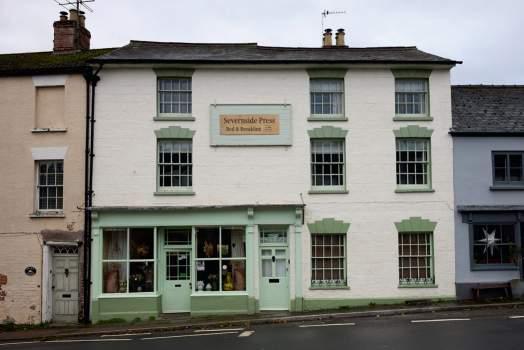
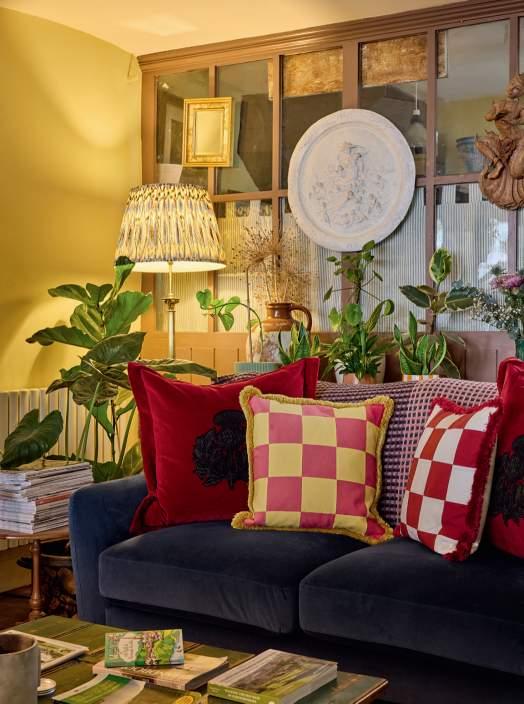
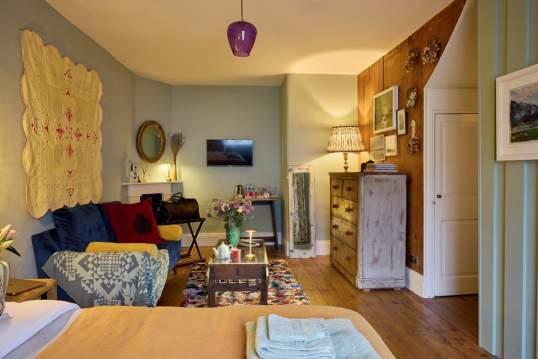
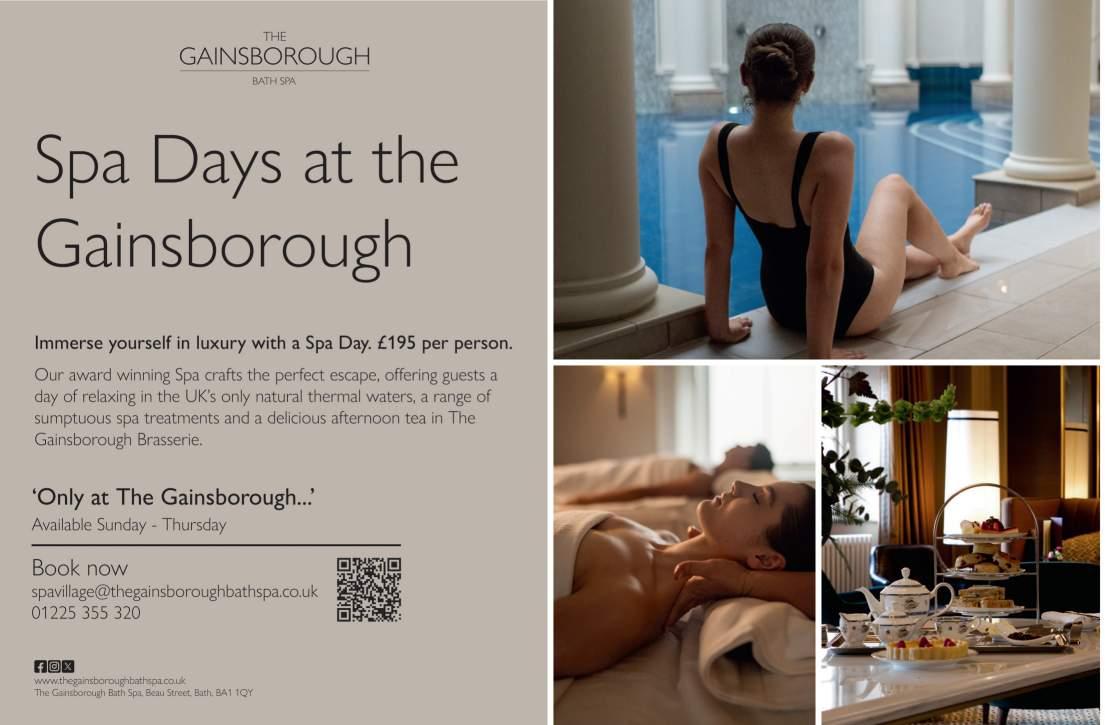

RECEIVE THE BATH MAGAZINE BY POST AND NEVER MISS OUT
We deliver to over 15,000 addresses every month, and there’s plenty of pick up points around town. But if you live outside our distribution area or would like us to send a copy to friends or family, we offer a magazine mailing service. Make sure you never miss an issue... all 12 issues from just £40*
Due to popular demand we are doubling our Weekend Happy hour / dinner.
Now available every Friday and Saturday 5.15pm to 9.00pm (last food order 8.00pm), serving complimentary hors d’houvre.
Daily specials, pastas, fish, sharing platters and more. Fully licensed!
NEW OPENING TIMES
Monday to Thursday 8.00am - 3.45pm. Friday 8.00am - 3.00pm and 5.15pm - 9.00pm
HAPPY HOUR / DINNER
Saturday 9.00am - 3.45pm and 5.15pm - 9.00pm. Sunday 9am - 3.45pm
5-6 St James’s St, Bath BA1 2TW Tel: 01225 698063

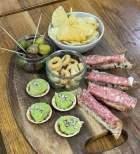

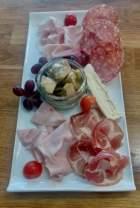
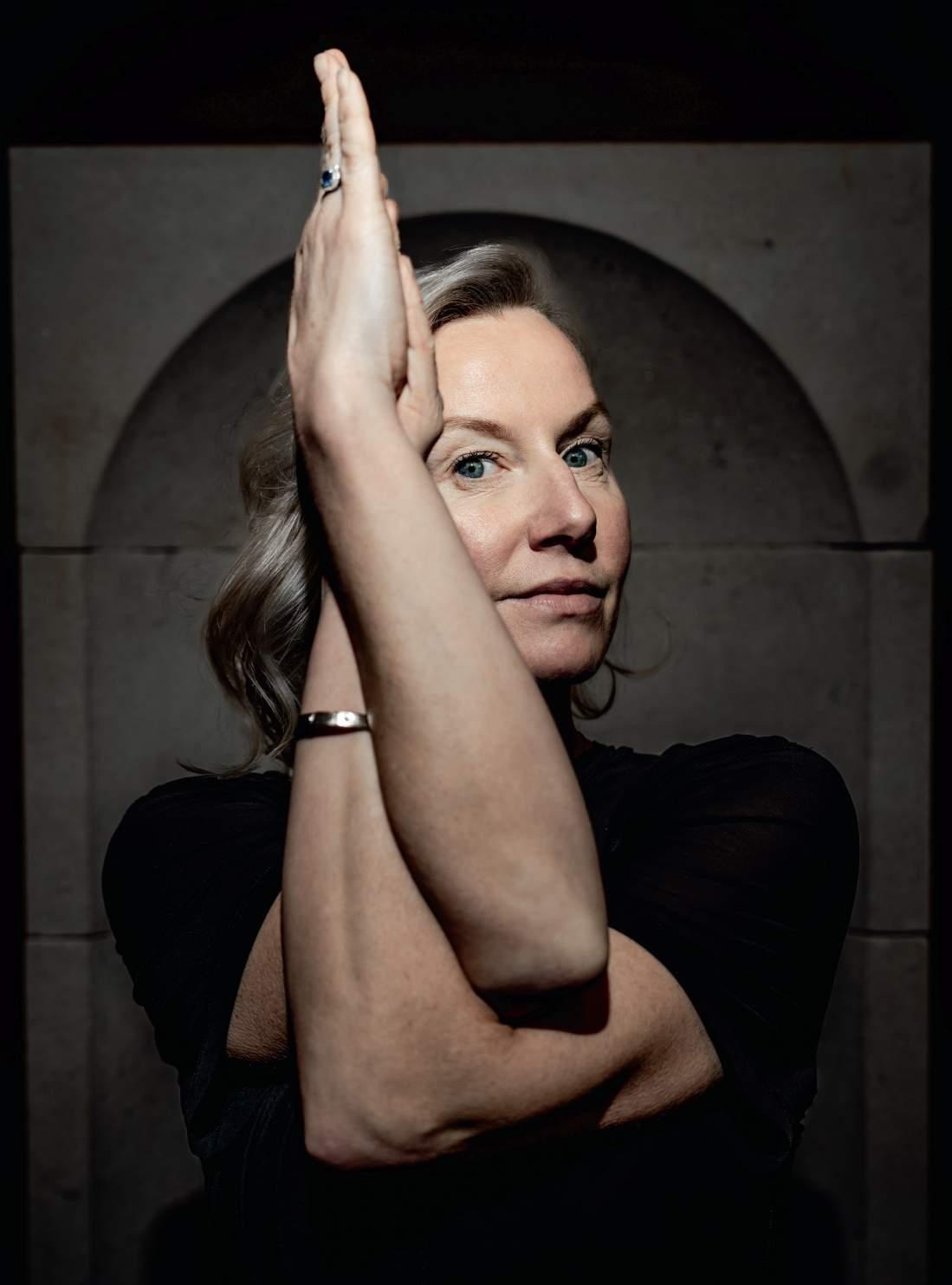
Known professionally as Bex Joy, Bex Bridgford has been the resident yoga and Aquasana teacher at The Gainsborough Bath Spa since the hotel first opened in 2015. Her unique sessions span two very different but equally evocative spaces: in the serenity of the hotel’s Chapel and the mineral-rich thermal waters of Thermae Bath Spa – each offering an invigorating, restorative and distinctive path to wellbeing for participants.
Bex’s Aquasana sessions, held in the naturally warm waters of the spa, are a fluid fusion of Tai Chi, yoga and karate-inspired movement. Practised while immersed and gently supported by the water, the experience is grounding, therapeutic and deeply sensory. The buoyancy of the thermal waters allows the body to soften as it strengthens, making the practice especially beneficial for those with joint or mobility issues, while also calming the nervous system and improving balance and mobility.
The classes take place in the Thermae Bath Spa’s iconic rooftop pool at 8am – before it opens to the public, these intimate sessions are limited to just 16 participants. Surrounded by Bath stone and open sky – the experience not only connects them inwardly, but to the elemental qualities of water, stone and air. “Wherever there is water, there is magic,” as writer Loren Eisele notes.
Bex’s yoga classes in the hotel’s Chapel – attended mainly by local residents, offer a more dynamic yang-to-yin journey. These bi-monthly, two-hour sessions blend yoga with EFT (Emotional Freedom Technique), also known as ‘tapping’, before softening into slower, more restorative practice. Group tapping creates a shared yet deeply personal experience, helping to calm the stress response and release emotional blocks, while still being held within the energy of like-minded people. From here the practice softens into yin. The Chapel’s beautiful, dramatic setting is the perfect place to close with the resonant sounds of crystal bowls, allowing the nervous system to soften, settle, and send participants home feeling truly blissed out and, quite literally – tapped to joy.
Alongside movement, Bex offers bespoke one-to-one sessions for hotel guests, tailoring each experience to individual needs. These private offerings may include yoga, Aquasana, breathwork or Emotional Freedom Technique, all delivered with care, discretion and a deep understanding of the body, mind and soul connection.
Bex Joy also brings one of the world’s most sought-after modern wellbeing modalities to Bath through her EFT practice. This integrative approach places Bath firmly on the map for contemporary luxury wellness – while honouring the city’s centuries-old tradition as a place of healing and restoration. Bex sums it up perfectly: “Yoga for the body, tapping for the mind, water for the soul.”
With a new website, taptojoy.co.uk Bex offers further insight into her work. She can also be found on Instagram at @iambexjoy –where she shares reflections, practices and moments of joy from both water and land. n
To book tickets for Yoga in the Chapel visit: Gainsborough Bath Spa Eventbrite. To book tickets for Aquasana at Thermae Bath Spa visit: Thermae Bath Spa Eventbrite
Main photograph by Joe Short, an award-winning photographer based in Bath. joeshort.com
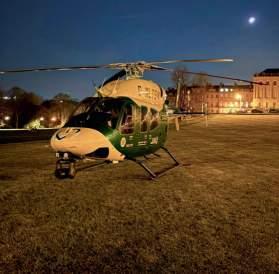
ORGANISATION
Wiltshire and Bath Air Ambulance Charity has revealed it was called to more than 1,100 emergencies in 2025, underlining its crucial role in delivering lifesaving care across Bath and the wider region.
In Bath alone, the charity’s critical care team responded to 97 incidents over the past year, providing hospital-level treatment at the scene to patients across the city. From Lansdown to Larkhall and Twerton to Widcombe, crews attended everything from serious road traffic collisions to urgent medical emergencies. The Royal United Hospital was the most common destination for patients, with 99 people flown or transferred there from across the region, highlighting both the hospital’s importance and the charity’s ability to reach it quickly when time is critical.
Chief executive designate Barbara Gray said: “Behind every number is a real person – someone’s loved one. These figures show just how vital our work is.” Elsewhere, the charity saw high demand in Swindon and surrounding areas, with further missions across towns including Chippenham, Salisbury, Trowbridge and Devizes. Overall, 333 patients were transferred to major hospitals, with doctors on board for more than 60 per cent of missions. The charity receives no direct government funding and relies entirely on public support to continue saving lives. wiltshirebathairambulance.org.uk
After a successful debut last year, Bath Dragons returns in 2026 with bigger rewards for ambitious local businesses. The competition offers a £5,000 cash prize plus a £20,000 business support package, giving access to expert guidance in accountancy, tax, legal strategy, corporate finance, funding and PR. Designed for companies ready to scale, it aims to accelerate growth and help businesses overcome key challenges.
Entries are open to limited companies that are more than two years old, turning over at least £100,000, and based within Bath and North East Somerset or within 10 miles of Bath city centre.
The competition is led by four of Bath’s leading professional services organisations: Richardson Swift, Mogers Drewett, South West Business Finance (SWBF) and The Business Exchange. Together, they form the Dragons panel, assessing entrants through a combination of written submissions and interviews focused on strategy, ambition and scalability.
Last year’s winners, The Copper Crew by The Canned Wine Company, impressed judges with their plans to expand an innovative wine-on-tap concept nationally, setting a high bar for the 2026 cohort. Support for the initiative continues to grow across the city. Bath Building Society joins as a key sponsor this year, hosting a series of “Dinner with the Dragons” events ahead of the launch. The Royal

Metal detecting enthusiasts behind the Rodney Cook Memorial Rally have donated more than £40,000 to support the RUHX’s campaign to fund a new PET-CT Scanner at the Royal United Hospitals Bath. Founded in 2018 in memory of Rodney Cook, who died at the RUH following cancer treatment, the rally has grown into Europe’s largest metal detecting event. In 2025, volunteers hosted three “no frills” weekends in Wiltshire to boost fundraising. The group has now raised £280,000, helping deliver the Dyson Cancer Centre and supporting faster, more accurate cancer diagnosis for patients across Bath and beyond. RUHX is the official NHS charity of the Royal United Hospitals Bath NHS Foundation Trust For more details on their work or to get involved please visit: ruhx.org.uk
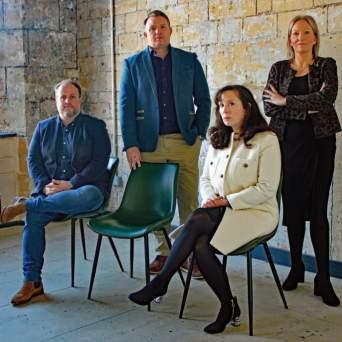
Crescent Hotel will also support the programme with a Champagne reception for prospective entrants. Additional partners include Invest in B&NES, the West of England Combined Authority, The Bath BID, Bath Spa University Business School and the University of Bath School of Management.
Bath Dragons 2026 will officially launch on 11 February at the DoubleTree by Hilton, Bath, when entries open. Finalists will be announced in late April, with the live final taking place on 1 June at The Apex Hotel.
Further details, including entry information and sponsorship opportunities, are available on the Bath Dragons webpage ( scan the QR code ) or email Helen Keating: hk@richardsonswift.co.uk

If you have recently sold a property, or are planning to, then you may need to take urgent action if there is Capital Gains Tax (CGT) to pay.
What are the rules?
Where the disposal of a UK residential property results in a gain on which CGT is payable, this must be reported to HM Revenue & Customs (HMRC) within 60 days following the date of completion, and the tax due must be paid over by the same date.
As you will appreciate, 60 days is not long to consider the position, prepare any necessary computations, report the gain to HMRC and pay the tax liability arising. If the deadline for filing the CGT UK Property Return is missed, an automatic £100 penalty can be charged with potential further penalties of £10 per day if the Return is still outstanding after three months. Additional penalties and interest may also apply for failure to make the CGT payment on time.
Who do these rules apply to?
UK resident individuals, trustees, personal representatives, partners in a partnership and joint owners of property are all within the scope of the 60-day CGT rules.
There are slightly different 60-day reporting rules for non-UK residents, covering both residential and non-residential property disposals, but these are beyond the scope of this article.
The 60-day reporting regime catches any disposals of UK residential properties that result in a gain on which CGT is payable. Therefore, disposals of overseas residential properties are not caught (although there will almost certainly be requirements in the overseas jurisdiction and the disposal still needs to be reported on your UK Self-Assessment Tax Return). 60-day Returns are not required for UK residential property disposals that result in a loss or which do not give rise to a CGT charge e.g. because the gain is covered by the CGT Annual Exemption (currently £3,000 per individual for the current tax year), any capital losses brought forward, or a particular relief (e.g. principal private residence relief).
The main disposals which are caught are therefore those of a UK second home, a property you have never lived in (or only lived in for part of the ownership period), a UK let property (whether or not you lived in that property at some point) or an inherited property sold for more than its probate valuation.
It is important to understand that the rules do not just apply to sales of property, they apply equally if you were to gift a property (e.g. to an adult
child) even though you may not have received any money in exchange. This is an area which is frequently overlooked. No CGT arises on gifts between spouses or civil partners, however.
Finally, bear in mind that capital losses brought forward from earlier years or made in the same year as the gain (but prior to the date of sale) can be offset if desired. You may want to give some thought as to whether any capital losses can be realised prior to the sale of the property, in order to reduce the CGT payable after 60 days of completion.
The above is for general guidance only and no action should be taken without obtaining specific advice.




Professional Performer, Teacher, and Mum of two, opens a new Performing Arts School in Bath
With classes running at Prior Park College and The Paragon School, Carley Dawson has recently opened The Performing Arts Institute; offering weekday evening classes and holiday workshops for children aged 6-18 in Bath and surrounding areas. Classes and workshops involve training in singing and vocals, dance and movement, acting for stage and screen, and much more.
Having already established this company in Lymington, New Forest, Carley and her family moved to Bath, and set up TPA Institute here, as they settled into the area. Carley holds an experienced CV, being a classical crossover singer, actor and theatre maker, with over 15 years’ experience in performing and teaching. Carley trained in
singing at Royal Academy of Music, London, and holds a relevant Masters in Theatre, BA Hons Degree in Performing Arts, and Level 5 Diploma in Education. Alongside her professional credits, Carley went on to run a theatre company in the field of mental health and wellbeing, producing and directing touring work across schools, theatres, and to the West End. Carley worked as a qualified Performing Arts Lecturer across BTEC and A-Level Performing Arts and Music, and taught as a vocal and drama teacher for over 15 years across stage schools. Carley states ‘I am very proud to be running TPA Institute. I have seen firsthand the value that performing arts has on younger generations, and the positive benefits on their mental wellbeing. Being able to arrive at a class and let go, explore creativity, but also be inspired by and learn amazing performance skills. It’s a great community and experience that I am glad to offer. Thanks to my amazing team in here in Bath, who have been creating such enjoyable classes and workshops.’
With a talented team of teachers, two beautiful venues with outstanding facilities, and multiple class options, TPA Institute is definitely worth a visit.
For further information visit: theperformingartsinstitute.co.uk


The Performing Arts Institute; Offering weekday evening classes in singing, dance, and drama for ages 6‐18
Classical Singer and Actor, Carley Dawson, has founded a new performing arts school for the younger people of Bath, focusing on weekday evening classes and school holiday workshops. Carley states ‘I set up these services after many years of being in the theatre industry and teaching, and I have experienced firsthand the benefits that the arts and music can have on positive mental health and development of life skills and social skills. My team and I offer a welcoming and encouraging space for children to express themselves and develop core performance skills and techniques.’
Moving from Lymington, New Forest, Carley brings with her an already established company that values building confidence for students in both themselves and in their performance abilities, be that through high‐quality, engaging classes in performing arts, plus innovative, fun exercises that build teamwork and creativity. TPA Institute provides plenty of performance opportunities for younger people, in the form of productions, showcases, and vocal concerts. TPA Institute is lucky to run their classes at both Prior Park College and The Paragon School, boasting a mix of spaces including a fully functioning theatre, chapel rooms, a dance studio and more.
Join TPA Institutes 2.5 hour Friday Evening Performing Arts School featuring in depth training in singing, dance and drama, plus a sense of community and building confidence.
Or try out their 1 hour specialist Thursday evening classes in Acting for Stage and Film, Group Singing, and Musical Theatre.
During the school holiday periods, TPA Institute offer exciting and fun Workshop Days and Summer Camps that include children's workshops in musical theatre and performing arts, with different themes every half term. This February half term, they are offering a WICKED themed workshop!
Try out their classes with a two week free trial, or book onto one of their workshops, by visiting the website: www.theperformingartsinstitute.co.uk
To contact Carley email carley@theperformingartsinstitute.co.uk or call 07427612232


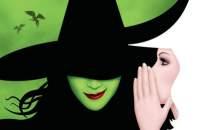



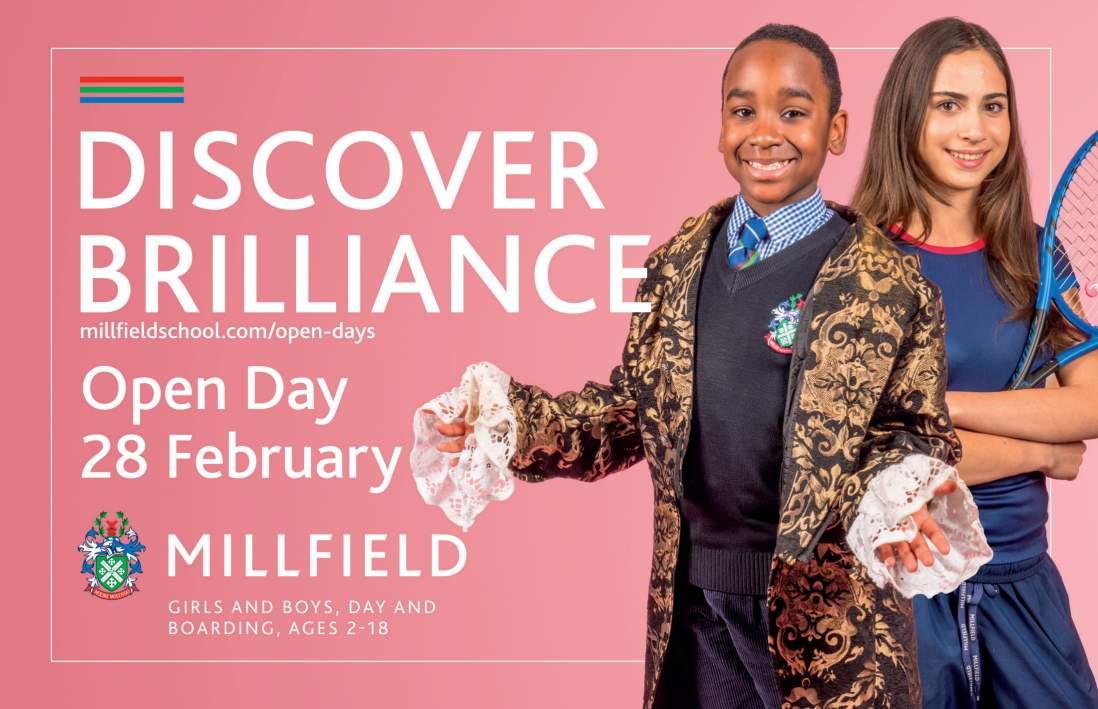

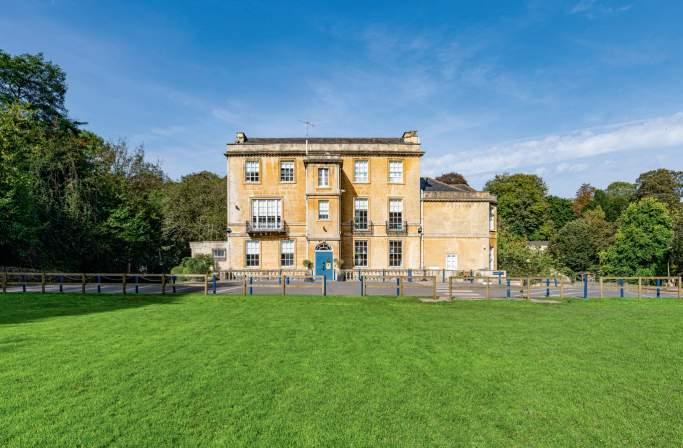
Located in a leafy valley in the heart of Bath, The Paragon provides a nurturing and ambitious education for children aged 3 to 11, underpinned by strong academic foundations and a supportive ethos.
Housed in Georgian buildings and set within eight acres of woodland, the school offers an inspiring setting for learning. The youngest pupils in Squirrels Pre-School enjoy a play-led approach, encouraging curiosity and independence, with outdoor exploration forming a valued part of everyday school life.

As children progress through the PrePrep from Squirrels to Year 2, learning becomes increasingly structured while remaining broad and engaging. Specialist teaching in music, art, Games, swimming, French and Outdoor Learning is part of the curriculum for all pupils. The Prep School benefits from access to its secondary school, Prior Park College, and its excellent facilities, including the swimming pool, the Julian Slade Theatre, sports pitches, and specialist teaching in science, Mandarin, and Spanish.
Looking ahead, The Paragon School continues to invest in its future and will open four new stateof-the-art classrooms this spring. With places available now and for September 2026, families are warmly invited to discover more and to meet the new Head of School, Mr Malcolm Bond. To find out more, visit www.paragonschool.co.uk or contact the friendly admissions team on 01225 310 837
The next whole-school open morning will take place on Friday 6th March. www.paragonschool.co.uk/admissions

AESTHETICS
• Wrinkle treatments
• Non surgical skin tightening & lifting treatments for face, eyes & neck
• Profhilo
• Dermal fillers
• Lip enhancement
FACIALS
• Radio frequency facials
• Environ skin care & facials
• Bespoke facials to treat all skin concerns
BODY TREATMENTS
• Slimming
• Cellulite reduction
• Skin tightening and toning
• Massage therapy
IPL PERMANENT
HAIR REDUCTION TREATMENT
• Suitable for face & body
• Permanent hair reduction for men and women

• Scientific skincare that really makes a difference, outstanding results for all skin types and ages
• Skin peels
• Microdermabrasion
• Wow facial
• Microneedling treatments
PERSONALISED NUTRITION SUPPORT FOR
• Skin health
• Gut and digestive issues
• Fatigue and low energy
• Hormone balance
IPL SKIN REJUVENATION
• Reverse skin damage, tighten pores & skin
• Boost collagen & elastin production
• Reduce the appearance of fine lines & wrinkles
• Treat vascular lesions (broken capillaries, blood vessels & rosacea)
Do you have any of these?
All of these blemishes can be successfully reduced or removed by Advanced Electrolysis


NEW PRIVATE DENTIST APPOINTMENTS NOW AVAILABLE
Routine Check Ups
Crowns/Veneers
Hygienist Appointments
Teeth Whitening
Denture Experts
Free Denture Consultation

Call to book an appointment!

01225 311 681 info@jbdental.co.uk www.jbdental.co.uk @


Helping patients return to sport and hobbies: Simon (62) was suffering from severe knee pain in both knees due to arthritis. I’d already successfully used MBST to address his shoulder arthritis and tendon damage so he was keen to have MBST to support the healing of his knee cartilage and underlying bone. We’re now 3 months post treatment he’s just got back from snowboarding which he certainly wouldn’t have been able to do last year. He was able to board every day and ‘had a lot less pain than he’s had in the last five years’ on similar trips. We’re still early days in terms of the end outcome of the MBST treatment. The recovery process continues +/- 12 months post MBST treatment, but needless to say at this point he is very happy as am I.

Hip and Knee Arthritis: Phil (76) is a lovely longstanding patient of mine who came to me last May with moderate plus knee arthritis (7/10 Pain) limiting his walking and general movement. Things were going downhill. After an MRI scan we agreed to apply MBST Cartilage and Bone to the joints in order to improve the cellular function in those tissues and support a repair process. As I see in so many cases like this, Phil is now doing so well, able to fast walk routes that he was really struggling with 9 months ago. Had we not intervened, Phil would most probably be looking at total knee replacement . Fortunately we caught things in time. Great result so far.

MBST UK is the official regenerative Partner for Bath Rugby and Wrexham FC. Not only is this leading to dramatic increases in the speed of player rehabilitation and return to play, but it’s allowing us to gather data and explore the full ability of this technology
At CURA we have the have the latest technology in assessing bone density and fragility. Unlike DEXA that uses X-Ray, REMS Scans use ultrasound to precisely assess the thickness of bone and the bone strength/architecture.
It’s an amazing tool to have, especially to safely monitor the progress our patients are making after using MBST to address the deconditioning of bone in Osteoporosis:
We’re seeing remarkable results when applying MBST to bone, both after trauma and in Osteoporosis patients.
Our observations include;
Significantly faster fracture healing times
Significant reduction in fracture pain.
• Improved Bone mineral density
Improved T scores and reduced fragility
Scans take 45 minutes and results are immediate

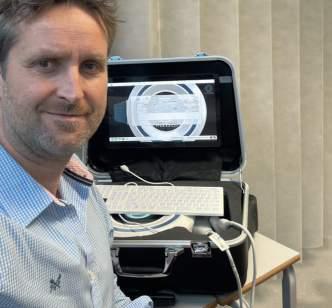
An award-winning innovative treatment for: Osteoarthritis | Back & disc problems | Bone conditions & fractures | Cartilage damage | Ligament, tendon & muscle damage | Sports & accident injuries.



An Interview with Miss Gemma Manasseh on Blepharoplasty and the Importance of Oculoplastic Expertise
llepharoplasty - surgery to remove spare skin from the eyelidshas become one of the most requested surgical procedures for patients seeking a refreshed and youthful appearance. But when it comes to such a delicate area as the eyes, choosing the right surgeon is critical. At The Eye Unit, patients are guided by expert consultant ophthalmic and oculoplastic surgeon Miss Gemma Manasseh, whose specialist expertise ensures both safety and exceptional results.
We sat down with Miss Manasseh to discuss blepharoplasty, why expertise in oculoplastics matters, and what patients can expect at The Eye Unit.
Miss Manasseh, can you explain what blepharoplasty is and why people choose to undergo this procedure?
Blepharoplasty is a surgical procedure that removes excess skin, muscle, and sometimes fat from the upper or lower eyelids. Patients often seek it because drooping or puffy eyelids can make them look tired, aged, or in some cases, impair their vision. The results can be both functional and cosmetic—helping patients not only see better but also look more refreshed and confident.
Many patients may not realise there’s a difference between plastic surgeons and oculoplastic surgeons. Why is it important to consult someone like yourself, with specialist training in oculoplastics?
The eyelids are unique—they’re not just about appearance but also about protecting the eyes and maintaining proper vision. Oculoplastic surgeons are first fully trained ophthalmologists, meaning we specialise in eye health and surgery before undergoing further training in plastic and reconstructive surgery of the eyelids, orbit, and tear ducts.
A plastic surgeon may focus on aesthetics, but an oculoplastic surgeon brings both an aesthetic and functional perspective, ensuring that your eyelids continue to protect and support the health of your eyes after surgery. In short, we understand the anatomy and physiology of the eyes in a way that is critical for safe and natural-looking results.
What are the risks of having blepharoplasty performed by someone without oculoplastic expertise?
If eyelid surgery is performed without specialist knowledge, patients risk complications such as impaired eyelid closure, dry eyes, exposure of the cornea, or asymmetry. These issues can affect not only appearance but also vision and eye comfort. In severe cases, it can lead to ulceration and permanent scarring of the eye. At The Eye Unit, our priority is protecting the health of the eyes first, while achieving the natural and elegant cosmetic results patients want.
What can patients expect when they come to The Eye Unit for a consultation and treatment?
At The Eye Unit, we offer a bespoke and thorough consultation process.
I take the time to understand each patient’s concerns, assess both their eyelid anatomy and eye health, and then recommend the safest and most effective treatment. Many patients are reassured to know that they’re in the hands of a surgeon who is both an ophthalmologist and an oculoplastic specialist.
Our clinic is designed for comfort and discretion, with state-of-theart surgical facilities and a caring team who support patients at every stage of their journey.
What advice would you give to anyone considering blepharoplasty?
Do your research and ensure you’re consulting a surgeon with the right expertise. Ask about their background in ophthalmology and oculoplastics, not just general plastic surgery. The eyes are too precious to take risks with. At The Eye Unit, our focus is on achieving safe, lasting, and natural results that enhance not just how patients look, but also how they feel.
Why Choose The Eye Unit?
Specialist Expertise: Consultant ophthalmic and oculoplastic surgeon-led care.
Patient-Centred Approach: Tailored treatment plans with a focus on safety and natural outcomes.
State-of-the-Art Facilities: A private, discreet, and supportive clinic environment.
If you are considering blepharoplasty, book a consultation with Miss Gemma Manasseh at The Eye Unit today. Your eyes deserve the care of a true specialist.
To make an appointment Contact us today: Tel: 01225 220295
Email: office@theeyeunit.co.uk www.theeyeunit.co.uk


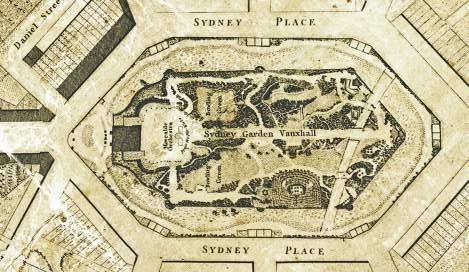
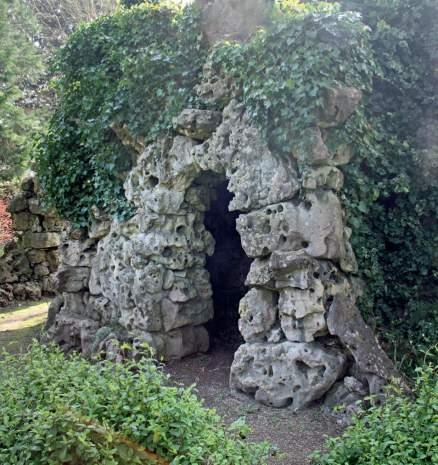

This month, Andrew Swift takes us on a tour of the city’s hidden nooks and quiet places – perfect for that romantic tête-à-tête
Celebrating Valentine’s Day with declarations of undying love is nothing new. Sending cards filled with fulsome poetry was already standard practice in the 18th century. The best known Valentine’s Day rhyme – ‘The rose is red, the violet's blue, The honey's sweet, and so are you’ – appeared in 1784. A rather more dubious effort – ‘written by Strephon, on Valentine’s Day, to Chloe, his lovely Valentine’ – appeared in the Bath Chronicle in 1765:
This is the Day (by Custom taught)
Each by t’other Sex are sought.
Evr’y Bird selects his Mate, Ev’ry Maiden tries her Fate; Thanks to Fortune, you’re my Lot, All the rest I value not
Given Bath’s reputation as a city of courtship and seduction, where young ladies were brought to meet eligible suitors and dashing blades came in search of wealthy heiresses, such protestations were not confined to Valentine’s Day.
In the early 18th century, mixed bathing provided plenty of opportunities for amorous encounters. In 1700, the scurrilous writer Ned Ward claimed that the Cross Bath was ‘more famed for pleasure than cures. Here is performed all the wanton dalliances imaginable: celebrated beauties, panting breasts and curious shapes almost exposed to public view; languishing eyes, darting killing glances, tempting amorous postures, attended by soft music, enough to tempt a vestal to forbidden pleasure.’
Under Beau Nash, things became more decorous. It was at the balls in Bath’s assembly rooms, under the flickering glare of the chandeliers, that glances and words were exchanged amid jostling crowds and in the brief moments of physical intimacy afforded by boisterous country dances. While this may have been a good way to meet, it was hardly the ideal setting for getting to know someone better. For that, more secluded spots
were needed – such as the ‘comparatively quiet and retired gravel walk’ which Captain Wentworth and Anne Elliot seek out at the end of Jane Austen’s Persuasion.
This is where Bath’s pleasure gardens came into their own. They may have had lots of activity and plenty of crowds, but they also had plenty of hidden arbours, bosky walks and sylvan retreats which could have been – and probably were – designed especially for romantic assignations.
Bath’s first pleasure gardens – attached to its first assembly rooms –were Harrison’s Walks, which survive today as Parade Gardens. Before North Parade Bridge was built, they extended south along a riverside walk to South Parade, where there was a secluded arbour known as Delia’s Grotto. Delia was a name used – like Chloe or Phyllis – in 18th-century poetry for a beloved woman. There was nothing fictional, however, about Richard Brinsley Sheridan and Elizabeth Linley – the celebrated lovers who chose this spot for clandestine liaisons as they planned their elopement to France in 1772. Amazingly, the arbour still survives, on the patio of a restaurant, and can seen from across the river.
There were several other pleasure gardens in Bath, including one in Widcombe which offered cold-water bathing and for a time was known as Cupid’s Garden. Although this sounds intriguing, little more is known about it – but, given what Ned Ward had to say about the Cross Bath, that may be just as well.
Bath’s most famous pleasure gardens were Sydney Gardens, which we can still enjoy today, albeit with none of the diversions which so captivated its early visitors. Among the most popular attractions were the swings – not for children but for grown-ups. And some of what was associated with them was very grown up indeed. As anyone familiar with Fragonard’s painting, The Happy Accidents of the Swing, will be aware, in the 18th century, whenever there was a young lady gliding through the air on a swing there was likely to be a young man gazing up at her in admiration. A poem published in the Bath Chronicle in 1795 to celebrate
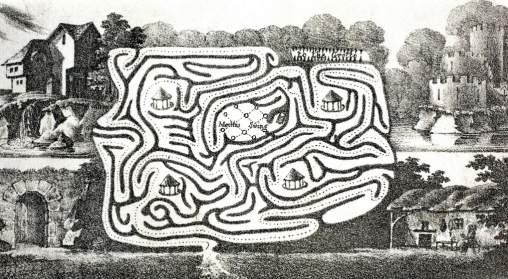
the opening of the gardens included lines ensuring that any young ladies who fancied a swing knew what they were letting themselves in for:
But if to matrimony you aspire, Ascend the swing, some amorous youth you’ll fire: Shewn to advantage thus, your heighten’d charms
Will surely tempt some Lover to your arms.
This was a bit racy even for the broad-minded Georgians, and, although Sydney Gardens was open seven days a week, with all its other attractions up and running, notices made clear that there would be ‘no swinging on Sundays’.
That still left plenty of other options, though, in particular an ingenious labyrinth, which was celebrated in an even more toecurlingly bad poem printed in the Chronicle a year later:
Then take a puzzle in the verdant maze, Turning and twisting many different ways, But with some fair one, form’d to make a wife, Wish ourselves Hymen-rivetted for life.
Although this seems somewhat unclear, it is plainly not something you would have found at the average vicarage tea party. At the centre of the labyrinth was a Merlin swing – a precursor of the swingboat –along with four small wooden shelters – ideal for tête-à-tête assignations. The exit from the labyrinth was via a ‘romantic subterranean passage’ leading to a large grotto, with shady nooks galore.
The labyrinth disappeared in the 1850s, when two houses were built on the site, but the grotto almost certainly survived and was re-erected in the grounds of Vellore House on Sydney Road – now the Bath Spa Hotel – where it can still be seen today.
Jane Austen lived at 4 Sydney Place, right opposite the entrance to Sydney Gardens, for four years, and we know, from her letters, that she watched a firework display there. But as to whether she penetrated the recesses of the labyrinth or was ever tempted to try the swings out for size, we have no idea. Her two Bath novels, in which she describes other aspects of social life in the city so penetratingly, include no mention of its pleasure gardens. But, if those poems in the Chronicle accurately reflect the shenanigans that went on there, perhaps that is not too surprising. n
Recommended reading: No Swinging on Sundays: The Story of Bath’s Lost Pleasure Gardens by Kirsten Elliott is available now from bookshops or direct from www.akemanpress.com

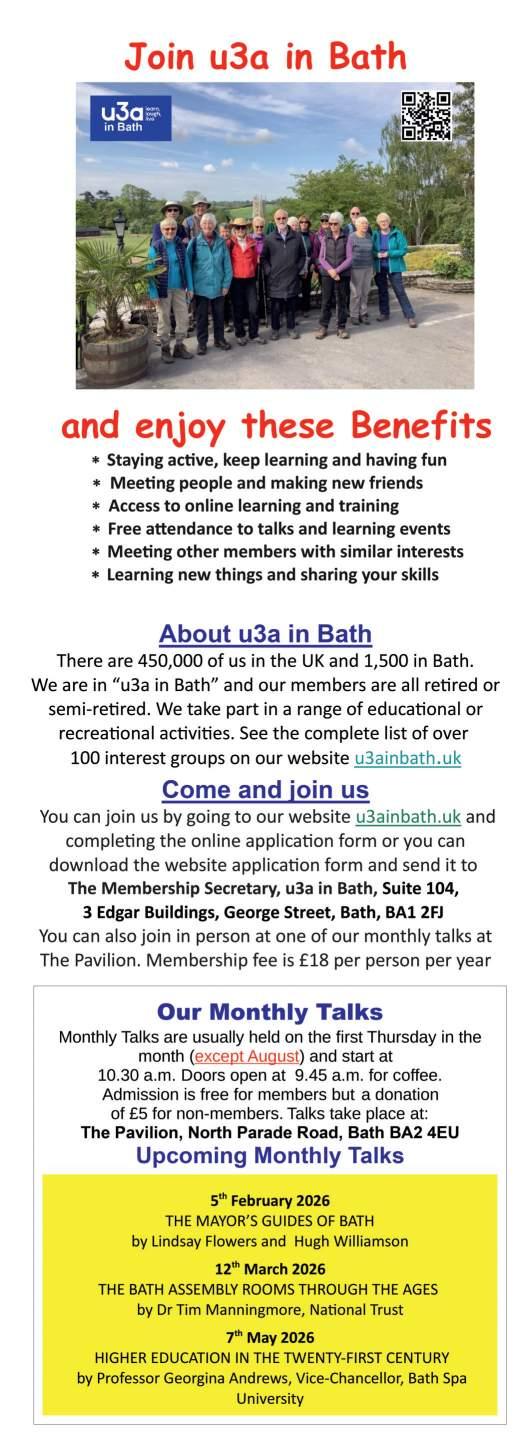
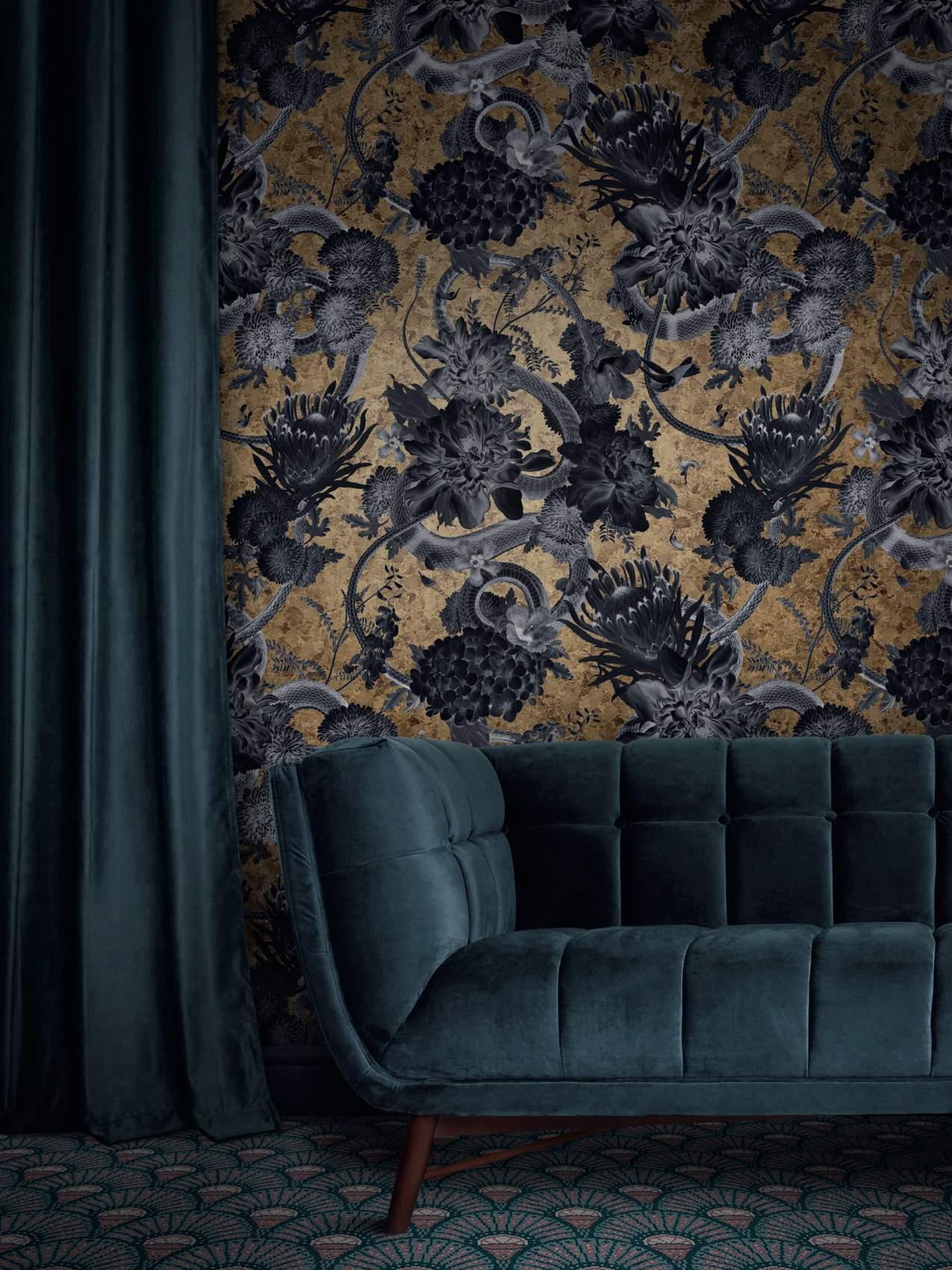
The pages of the Gothic novel are scattered around the zeitgeist, with Guillermo del Toro reanimating Victor Frankenstein’s monster for his epic take on Mary Shelley’s masterpiece late last year, and now Emerald Fennell has plucked Heathcliff and Cathy out of the literary canon and onto the big screen in “Wuthering Heights” just in time for Valentine’s Day – along with her signature interior set design that’s guaranteed to steal the limelight. We’ve spoken to some local experts who have shared their top tips for recreating this show‐ stopping Gothic aesthetic in your own home…
Emerald Fennell’s film“Wuthering Heights” is, from what we can tell so far ahead of its theatrical release, inspired by Emily Brontë’s 1847 gothic novel of the same name, but note the scare quote marks around the title – judging by the clips in circulation and the test audience reactions, it’s likely that many similarities beyond character names end there.
Emerald’s directorial approach has a unique visual style in contemporary cinema: opulent, fashionable and richly indulgent. But more importantly, it’s an aesthetic people have been keen to peel off the film and recreate in their own lives at home. For example, her 2023 film Saltburn’s sumptuous, maximalist, mismatched country manor vibe had everyone panelling their walls, buying velvet sofas, and clashing patterns on their soft furnishings. It’ll be no surprise then, that cinephiles will not only be taking notes on the action that unfolds on the big screen when “Wuthering Heights” is released on Valentine’s Day, but also keeping a beady eye on the set design, too (and likely the fashion to boot – have you seen Marot Robbie-aka-Cathy’s billowing patent blood red leather floor-length petticoat in the teaser? What would Brontë say…!)
Brontë’s novel was set in the late 1700s, written in late 1845 and mid1846, and first published in December 1847. So in her writers’ eye she may well have imagined Heathcliff and Cathy’s destructive romance unfurling inside Regency-era interiors. Emerald’s highly erotic spin on the novel means that visually, the characters’ intimate actions will no doubt energetically entwine with their surroundings – whether that’s the grass on the rugged moors or the soft, satin padded wall panels.
The sneaky peek of the rooms on screen we’ve seen so far that have sprung from Emerald’s imagination are likely a far cry from the spaces inhabited by real people in the 1700s, but we’re already in love with her dramatic, overtly opulent visions of the interiors – think thickly pleated drapes adorned with long tassel tiebacks, highly ornamental statement dressing tables, more of those panelled walls we loved so much in Saltburn, bronze cherub faces watching the doomed affair unfold, soft candlelight illuminating only part of the action, roaring open fires with intricately gilded surrounds, and of course the windswept Yorkshire moors – and their muted, earthy colour scheme constantly spied on the other side of the windows. Of course, in reality, much of this eclectic approach to design will likely be fuelled by treasure hunting around antiques shops, vintage markets, car boot sales and scrolling Etsy and eBay, but there are other ways you can subtly incorporate a little of Emerald’s version of Wuthering Heights into your rooms at home, too.
In this reimagining of late 1700s Yorkshire, nothing is too much. More is more. There’s a touch of Hollywood regency immersed in a deeper gothic setting, and decorated with exuberant elements of Rococo revival (which is known for playing with the themes of nature and love, which is kind of perfect for an outrageously playful adaptation of Wuthering Heights).
To help you perfect a dark, romantic Gothic aesthetic in your own home, we’ve enlisted the help and advice of some local design experts, along with plenty of real life product suggestions.
Our lead image presents Divine Savages’ Forbidden Bloom wallpaper, which fuses floral illustrations inspired by The Natural History Museum with elegantly winding serpents. Lush blooms unfurl across the design, while hidden reptilian forms weave through the foliage, creating a pattern that feels wild, decadent, and just a little bit forbidden. Look closer and the serpents begin to reveal themselves –
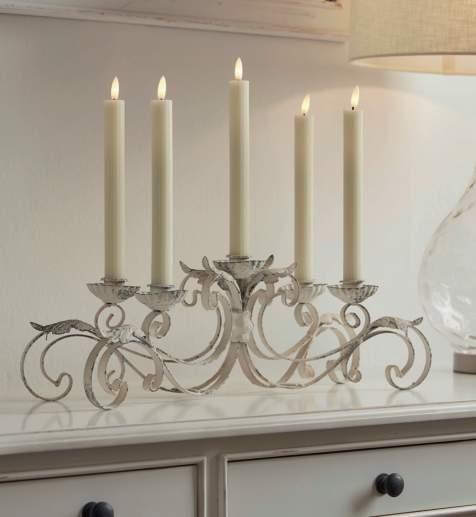
Achieve Emerald’s Gothic maximalist look at home
“Start with moody, jewel-toned walls – emerald green, oxblood red or midnight blue – to create a dramatic, seductive backdrop for ornate furniture and layered textiles,” explains Clair Strong, director and designer of Clair Strong Interior Design (clairstrong.co.uk).
“Baroque or botanical wallpaper on an accent wall will add depth and visual storytelling.
“Layering is key to this look. Velvet curtains, brocade cushions, and Persian-style rugs bring richness, while silk, leather, and faux fur introduce a tactile, slightly sexy contrast that will make the room feel lived-in and decadent rather than staged.
“Lighting should be atmospheric and theatrical: opulent chandeliers, antique gold sconces, and flickering candlelight create a soft, flattering glow that heightens the gothic romance. Choose furniture with historical flair – dark woods, carved details, and metal accents ground the space with old-world drama.
“Finish with curated statement pieces: gilded mirrors, Gothic candelabras, and antique oil paintings add personality and a hint of sexy excess. Add a few subtle nods to the moors – dried heather, stormy landscapes, and Wuthering Heights-inspired prints.
“This combination of colour, texture, and storytelling will create a decadent, romantic interior reminiscent of Emerald’s signature style with echoes of the moors and literary drama.”
there’s a flash of scales, a curved tail, the glint of a watchful eye – adding intrigue and a subtle sense of gothic drama. The result is a wallpaper that feels both beautiful and dangerous, perfect for interiors that favour bold storytelling and unapologetic glamour.
Designed to transform walls into a statement, Forbidden Bloom brings a darkly sexy edge to bedrooms, powder rooms, and dramatic living spaces, turning every room into a richly layered, cinematic escape. divinesavages.com
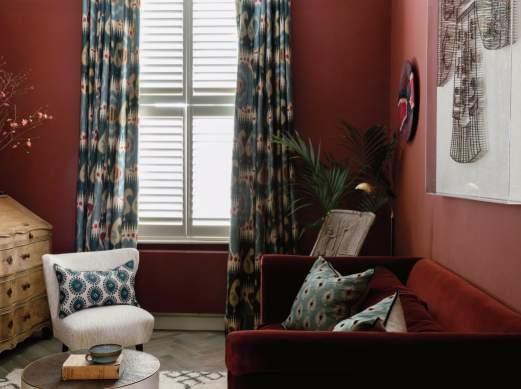
John Law from Woodhouse & Law Interior Design (woodhouseandlaw.co.uk) advises how to best capture the essence of Gothic in our modern homes. “Contemporary Gothic is definitely a fresh, more subtle take on the original. Marked by towering ceilings, stained glass windows and elaborate masonry, the Gothic of the 12th to 16th centuries was more architectural in style, and often confined to grand castles and places of worship. The neo-Gothic revival in the 19th century saw these features transferred to hotels, and public spaces such as London’s Natural History Museum. Today’s gothic revival thankfully is more suited to our own homes; a more nuanced affair that goes in hand with the current movement to all things maximalist.”
“Original Gothic can conjure images of dusty, haunted, perhaps cluttered spaces – its modern-day counterpart is a more curated offering that combines layered, often heavy textures – such as velvet – with sleek surfaces and finishes such as marble. The colour palette is still dark and moody, but this time creating a much warmer, cocooning effect, through rich jewel-like colours such as emerald and navy – often colour-drenched for a sense of drama. And where modern properties lack the ornate architectural details of early day Gothic, frames, mirrors and over-sized sculptural headboards can be introduced to add those strong, impactful silhouettes.”

Above: bespoke, handcrafted curtain poles by Hunter Hyland, hunterhyland.co.uk
Right: A Zoffany tapestry from the Hampton Embroidery range, £256 per metre, zoffany.design
Below Right: A vintage, gold ornatewood frame overmantel mirror, 85 x 115cm, £230, johnlewis.com
And below: Enid Chandelier, by Laura Ashley available from John Lewis, £290, johnlewis.com

Decadent and irresistibly tactile, these stonewashed velvet cushions bring a softly worn, beautifully sexy elegance to any interior. Richly saturated in colour, the velvet has been tumbled to create a subtle vintage patina to give it a wonderful lived-in softness. Finished with delicate fringing, the cushions would look wonderful draped across a velvet sofa or layered on a bed, adding a touch of old-world glamour to your interiors. grahamandgreen.co.uk
from c1900. £2,500 Haliden.com
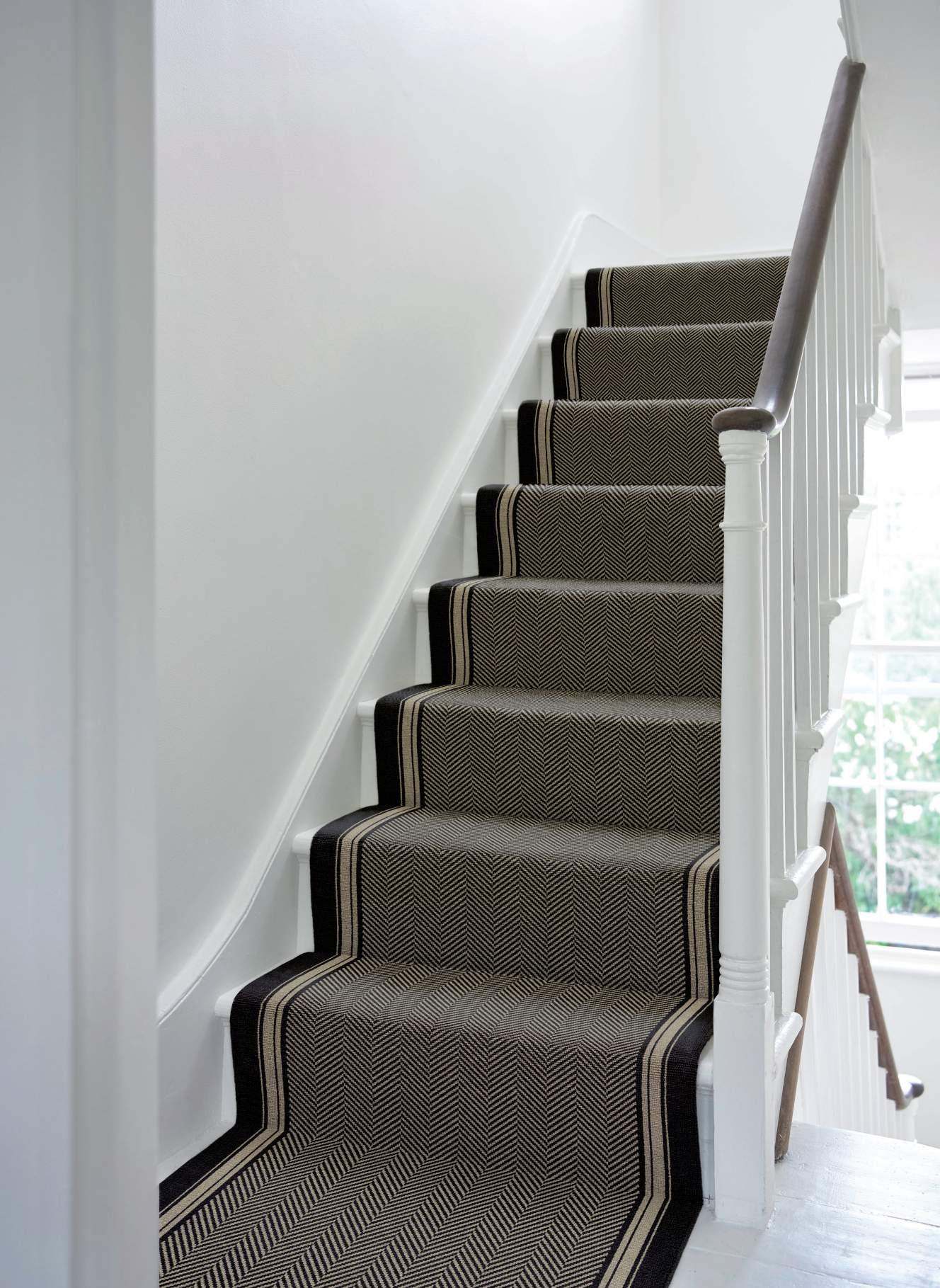

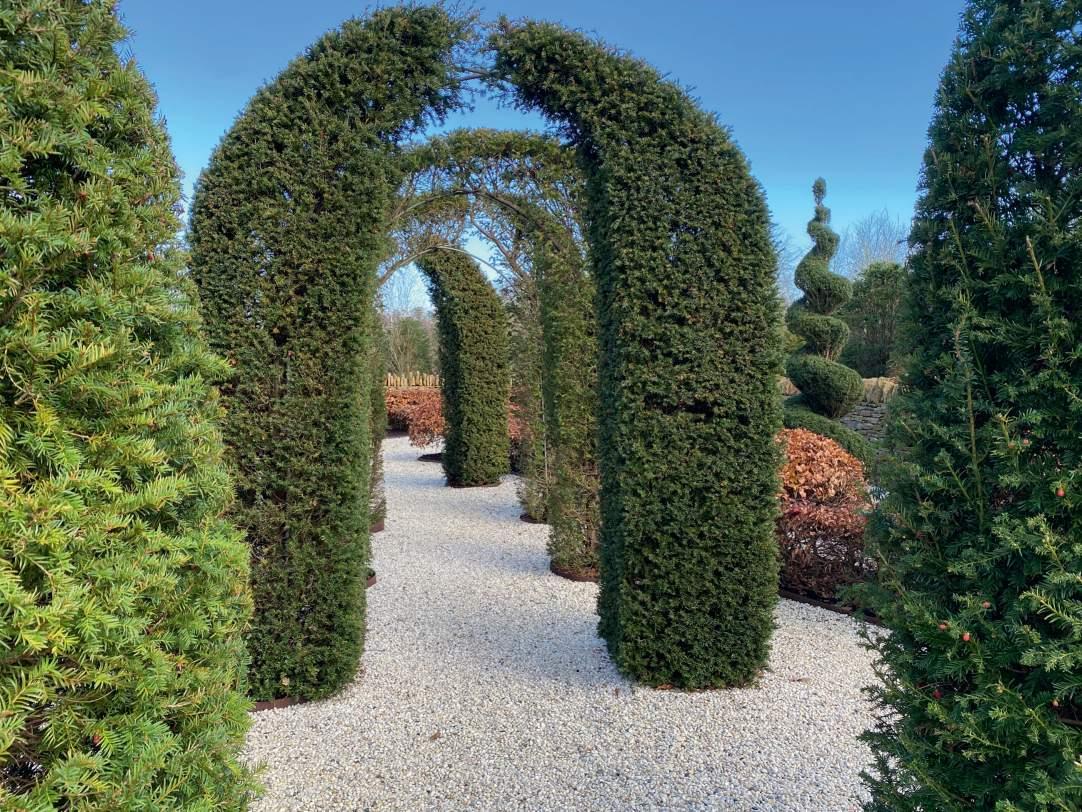
At this time of year, topiary comes into its own, writes Elly West, bringing structure and form to the winter garden when so many other plants have died back and lie dormant
I’ve always been intrigued by the art of topiary, whether formal geometric shapes or more imaginative creations. There’s a hedge in my village that’s shaped like a blobby caterpillar (or possibly some kind of sea dragon?), and the whimsical fun of it has an undeniable appeal that brightens my day when passing. The word topiary comes from the Latin topiarius, meaning ‘ornamental gardener’, and refers to the training of plants by clipping them into defined shapes. Plants used for topiary are generally evergreen, such as yew, box, holly or privet, and are commonly seen for sale as balls, cones, lollipop trees or spirals.
The earliest record of topiary is found in the letters of Pliny the Younger of ancient Rome, who described his lavish Tuscan villa gardens with clipped shrubs and hedges in the forms of animals, figures, ships and obelisks. But it wasn’t until the Renaissance that topiary re-emerged as a major fashion in Europe, in keeping with the time period’s ideal of imposing order on nature. The grand gardens of Italy and France were typically controlled and symmetrical, with parterres, knot gardens and other sculptural topiary forms.
By the 17th Century, topiary was a major status symbol in England as well, seen in the gardens of many country estates. The world’s oldest topiary garden at Levens Hall in Cumbria was designed in 1694. Existing ancient yew trees in churchyards were also made the subjects for topiary, and two enormous peacocks dating back to 1704 can still be seen at St Mary’s Church in Bedfont, near Heathrow.
During the 18th Century, however, gardens became much more
naturalistic, with landscape gardeners such as Capability Brown favouring sweeping lawns, flowing lakes and a much less rigid style. Topiary became unfashionable and satirists of the time mocked those upper-class gardens with clipped peacocks, calling them out as artificial, fussy and overly ornate.
Topiary made a comeback in Victorian times, when structured gardens regained favour, and remains popular today in its many forms. Two lollipop bay trees flanking a doorway has timeless, classic appeal, while clipped balls within a border create punctuation and repetition, but could be part of a looser and more natural planting scheme, contrasting with grasses and flowering perennials. Neat, low-growing evergreen hedges bring order to a garden, separating areas and containing them, for example around a herb or vegetable garden. Classic English gardens are often divided into ‘rooms’ by taller evergreen hedging.
Cloud-pruned trees and shrubs make fantastic ‘statement’ plants, otherwise known as Niwaki and originating in Japan. The idea is to create shapes resembling clouds on multiple branches. Topiary specimen plants can create a focal point at the end of a vista, or lead the eye along an axis, for example with a row of pyramidal shrubs, perhaps in pots, along a path.
If you want to have a go at creating your own topiary, choose an evergreen plant with small, neatly packed leaves. Although box (Buxus sempervirens) has always been a good choice, this topiary stalwart has been ravaged by blight and caterpillars in the last few years, so is no longer to be recommended unless you’re willing to keep on top of regular spraying and monitoring. Yew is a great alternative, as is Ilex crenata,
Ligustrum japonicum, Euonymus japonicus or Lonicera nitida. Sometimes a plant almost chooses its own shape, and just needs some nurturing and encouragement. Balls, cubes and cones are relatively easy to create by shaping the plants as they grow.
Early summer is the best time for pruning, after the risk of late frosts has passed. Use sharp shears and keep standing back to assess the shape, viewing from different angles and removing a bit at a time. A second trim at the end of summer can be carried out for fast-growing plants. Avoid cutting when it’s very hot or during frosts as the leaves may turn brown.
To create a lollipop or standard tree, select a plant with one strong central leader and remove side shoots along the lower stem. Keep the stem straight with a cane until it reaches the desired height, then allow a bushy tuft of foliage to develop at the top. For more complicated shapes, such as animals, you can buy (or make) topiary wire frames. Place the frame over the plant while it is small, then start to prune it once it fills the space. The leaves will eventually hide the frame.
To see topiary on a large scale, local gardens open to visitors include The Newt in Somerset (pictured, left), where the clipped yew trees and neat beech hedging in the Four Seasons gardens are particularly impressive, as well as the carefully trained apples in the Parabola – not strictly topiary as such, but trained into a multitude of sculptural shapes. The National Trust’s Tyntesfield estate has plenty of topiary evergreens, including some beautiful hollies, while Lytes Cary Manor near Somerton (open from mid-Feb) has an Arts and Crafts-inspired garden with clipped hedges, including a peacock, globular domes, angular pillars and softer cloud shapes. n
Elly West is a professional garden designer, working in and around the Bristol and Bath area | ellyswellies.co.uk

Although a mature yew tree (Taxus baccata) can reach 20m or more, this evergreen British native responds well to pruning and can easily be kept at a small size, making it a popular choice for topiary and hedging. It has small dark green needles and, unlike many other conifers, regenerates with fresh growth when cut back hard. It also differs from other conifers, which typically have cones, as it has red berry-like fruits, the seeds of which are highly poisonous.
Yew trees are among the oldest living species in Europe, with some trees thought to be over 2,000 years old. They are often found growing in or near churchyards, their evergreen and ancient nature symbolising eternal life. The tree’s toxicity also helped to keep livestock from grazing on churchyards in bygone times. Yew grows well in sun or shade, is tolerant of urban pollution but prefers soil that’s well drained rather than waterlogged. Water new plants regularly, particularly during their first season and in dry summer months.

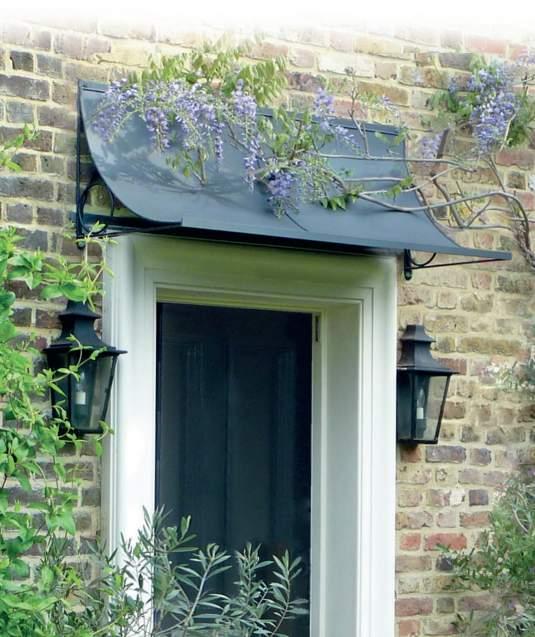




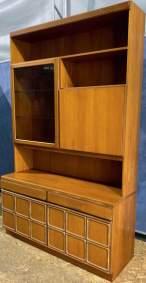









At Care UK’s Rush Hill Mews care home in Bath, you can live each day your way. With our stunning café, hair and beauty salon, library and beautiful gardens, we have everything you’ll need under one roof to enable you to continue enjoying a fulfilling lifestyle.
At Rush Hill Mews, our dedicated lifestyle team will meet with you to get to know your unique interests and preferences. We’ll support you to continue much-loved hobbies and try new activities - making plenty of new friends along the way!
At Rush Hill Mews, we love to wave at passers-by on our trips out. Recently, residents have loved our trips visited Bath Abbey recently and performed Carol singing at Bath Christmas Market.
On quieter days, residents are always welcome to enjoy afternoon tea in our café with friends and family or relax in our peaceful gardens with a chilled smoothie and a favourite book. Our cinema is perfect for movie-goers, and our hair and beauty salon is popular for those who love a pamper.
Join us for our regular Knit and Natter session every Thursday from 2pm to 4pm. Residents at Rush Hill Mews come together to knit hats, teddy bears, and blankets for local hospitals around Bath, as well as dog coats and blankets for a nearby dog shelter. Complimentary refreshments will be on hand, including freshly baked cakes prepared by our Head Chef.
We recognise the importance of staying connected to local life. We’re often visited by local schools, societies, and faith groups, who love to join in with our busy activities schedule. Recently, residents took part in watercolour painting sessions led by a local art teacher, proudly
displaying their artwork on our gallery wall. They also enjoyed a Burns Night celebration, sampling a selection of whisky and haggis while listening to live bagpipe music. In addition, residents had great fun working alongside pupils from Cringleford Primary School to make fat balls and bird feeders in support of the RSPB Big Garden Birdwatch.
Is there a dream or ambition you’ve always hoped to fulfil? Through our wishing initiative, residents are encouraged to share their wishes — whether large or small — and our team will do everything they can to bring them to life. Recently, we’ve helped a former professional footballer return to Merthyr Town FC to watch a match and meet the players. Another resident, who had once been Head of Music at Beechen Cliff School, revisited his former classroom, where students performed music especially for him. We also fulfilled a lighterhearted wish when a resident requested a “butler in the buff” — an experience she thoroughly enjoyed.

At Care UK, we’ve been delivering high quality, person-centred care for over 40 years. That’s why over 10,000 families across the country trust us to care for their older loved one.
To find out more about Rush Hill Mews, call 01225 591 334 or scan the QR code.
Rush Hill Mews - Clarks Way, Bath, Somerset, BA2 2TR
www.careuk.com/rush-hill-mews


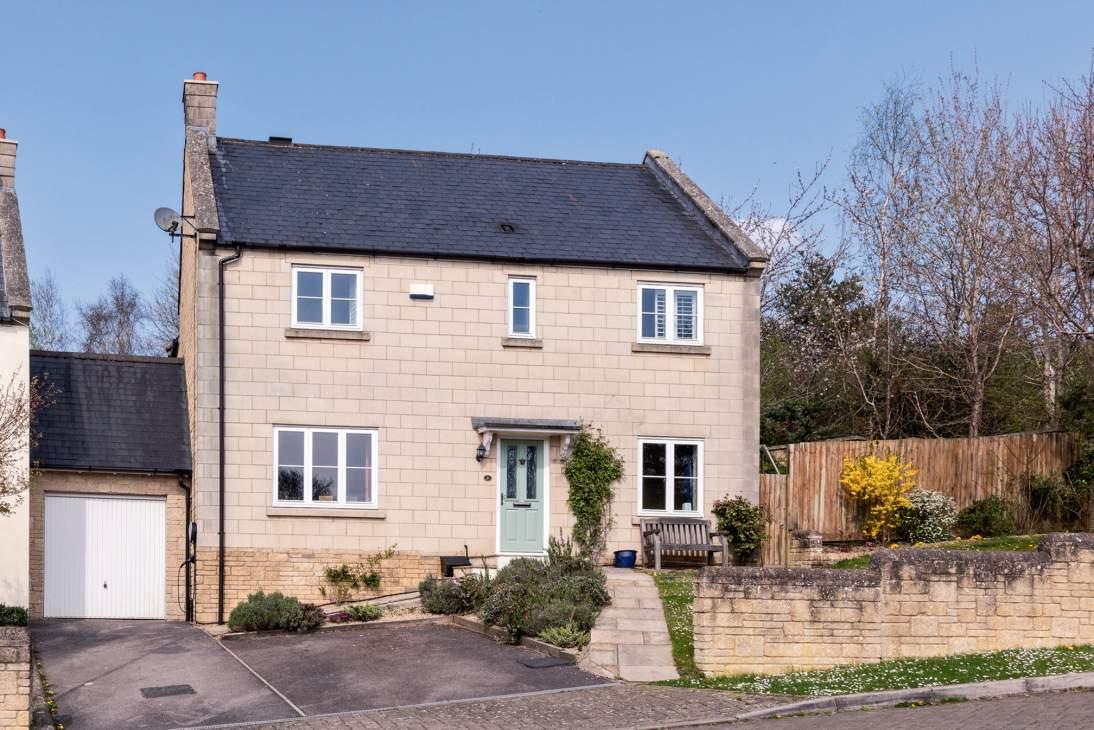
An extremely well presented 4 bedroom detached family home set in an elevated and sought after position and having the benefit of Planning Permission to extend. Additionally there is a lawned wrap-around garden, garage and driveway plus only a few minutes from the local shops.
This property stands at the beginning of this small and private development of 12 homes and occupies the most elevated plot affording front views over Bath towards Bathampton. The house itself has a central hallway with a front facing study or playroom and a generous sitting room also with the same aspect. This is open to the dining room with double doors and in turn, through to the kitchen and out to the garden and rear terrace. The accommodation on the ground floor is completed with a cloakroom and handy utility room.
Upstairs there are 4 bedrooms, ensuite shower room to the main bedroom and a further family bathroom.
Externally the driveway provides parking for two vehicles and leads to the garage. Gated side access leads to the beautiful rear garden which boasts a secluded terrace immediately to the rear of the house and two covered, decked areas on the elevated section of the garden giving ideal space for al frescoentertaining. There is a small management company set up by the residents / owners to manage the grass verges etc.
Cobb Farr, 35 Brock Street, The Circus, Bath; Tel: 01225 333332 37 Market Street, Bradford on Avon; Tel: 01225 866111
• 4 bedrooms
• Bathroom and en-suite
• Lovely garden
• Driveway and garage
• Planning permission in place for extension
• Sought after location
£795,000


Stoneleigh, Freshford
£750,000
Stoneleigh is a handsome, double fronted Grade II listed period property situated in the heart of the ever popular village of Freshford.
• In the heart of the village of Freshford
• Grade II listed period property
• 4 bedrooms and well appointed kitchen
• Arranged over 4 floors
• Mature rear garden

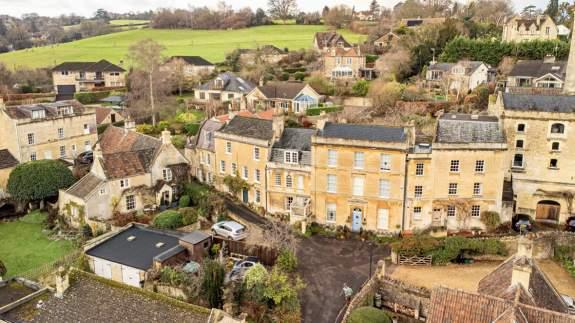


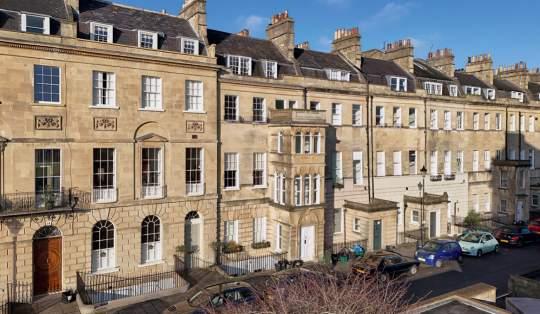
£450,000
A substantial, three-bedroom apartment positioned in an enviable location adjacent to the Royal Crescent, with far reaching, westerly views across Royal Victoria Park.
• No onward chain
• HMO license in place
• First class address
• Handsome Grade II listed building
• 3 double bedrooms
• Level walk to city centre
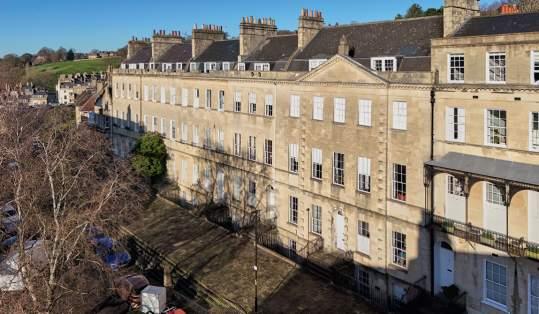
£575,000
Immaculately presented, this second floor apartment offers superb views over the city, well managed communal areas including the most beautiful garden and private parking.
• Second floor 2 double bedrooms
• Stunning open plan drawing room and kitchen
• Grade II listed Georgian property
• City centre location with breathtaking views
• Large communal garden
• Gated parking with private space
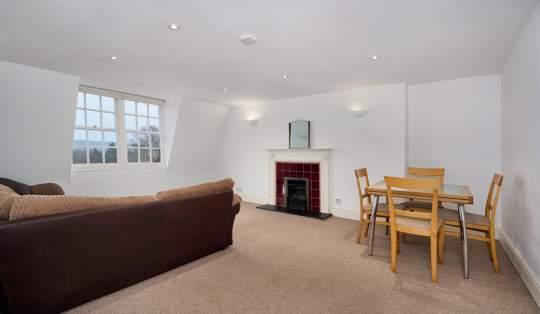
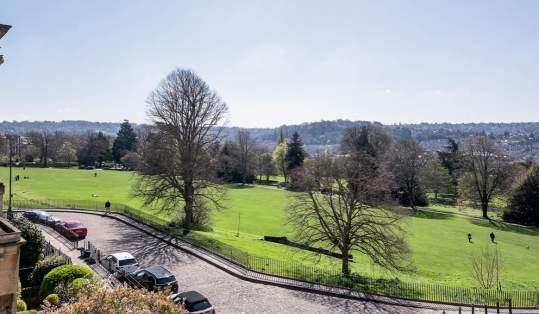
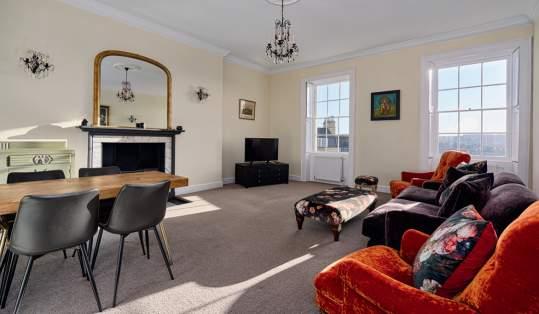
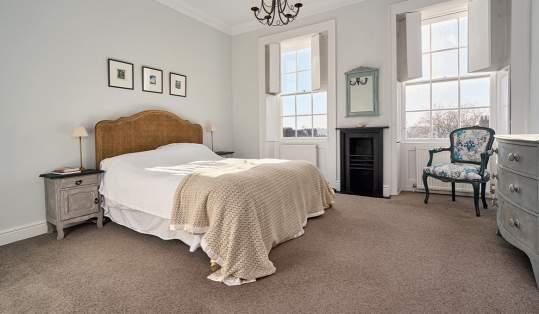
By Peter Greatorex, Managing Director, Peter Greatorex Unique Homes
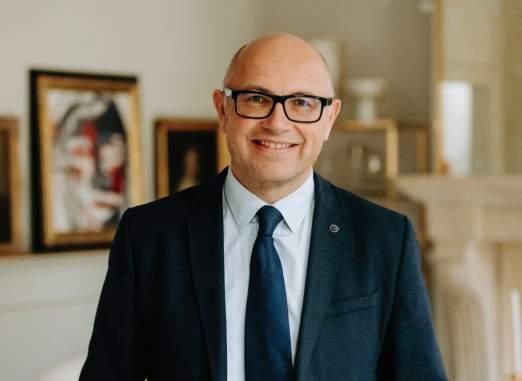
Welcome to 2026. I am pleased to say there is a renewed sense of optimism in the property market. After a period of hesitation towards the end of last year, activity has picked up, confidence is improving and buyers are beginning to engage again with greater intent.
That shift is definitely something we are seeing in Bath. Many buyers who paused their plans during the uncertainty around last autumn’s Budget are now moving forward. Asking prices have settled, viewings are up, and transactions are starting to come together more quickly. However, while the mood has improved, success still comes down to fundamentals. How a property is launched, priced and managed in its early weeks on the market remains critical.
There is a statistic I read recently which perfectly illustrates this point. Properties that agree a sale within the first 28 days have a 94% chance of going on to exchange and complete. In simple terms, 19 out of 20 of those sales reach the finish line. That initial launch period is when buyer interest is at its strongest and competition is most likely to deliver the best result. By contrast, once a property has been on the market for more than 100 days, the chance of reaching completion falls to around 56%, which is a significant drop. Momentum fades, buyers become more cautious and negotiations often move in the wrong direction. This is rarely because there is something fundamentally wrong with the home. More often, it is because the pricing or strategy at launch missed that crucial early opportunity. At that stage, buyers tend to assume there is less competition, which shifts the balance of power and gives them greater leverage in negotiations.
Getting the price right is a balance. Price too low and you risk underselling. Price too high and the property can linger, which ultimately weakens your position. In my experience, the strongest offers almost always come early in the process, which is why it is so important to not only value accurately but also work with an agent who has a clear plan to generate early interest and negotiate effectively.
For sellers who are already on the market and feeling frustrated, it is worth knowing that a “rest and reset” can work extremely well. Taking a step back, reassessing price, refreshing presentation and relaunching with a clear strategy can re-engage buyers. As we look ahead to the spring market, with Easter falling earlier this year, timing will be especially important for those wanting to make a move in 2026.
The wider market backdrop is also becoming more supportive. Confidence has been helped by a more settled interest rate environment, with the possibility of further reductions, alongside improving mortgage availability. As an example, Nationwide has just expanded its higher loanto-income lending, allowing some home movers to borrow up to six times their income, subject to criteria. Changes like this give certain buyers greater flexibility and help unlock movement further up the chain, particularly for those trading up rather than first-time buyers.
This does not mean the market has become easy, but it does mean buyers are more considered and more value-driven. They want to feel they are getting the most from their purchase, which makes presentation and storytelling more important than ever. It is no longer just about locations or square footage, but about how a home can work for different lifestyles to avoid a buyer having to compromise on too much to find their dream home.
Many homes have features that are easily overlooked because they are so familiar to the people living in them. An extra downstairs room that is currently used as a home office or playroom does not need to be defined so narrowly. Presented differently, it could be a snug, a guest bedroom, a study or a space for multi-generational living. Allowing buyers to expand their imagination helps ensure the home appeals to the widest possible audience.
The same applies to future potential. Could the layout easily be reconfigured to create an annexe? Does the garden have scope for an outbuilding, studio or extension? Perhaps there is planning permission already in place for a loft conversion that was never implemented, or an oversized landing that could accommodate a small additional bedroom or ensuite. Even practical features such as generous storage, utility space or flexible parking arrangements can be powerful selling points when highlighted properly.
These details are often what spark interest and separate one property as unique from another. Every home has them, but sellers do not always recognise their value. The role of a good agent is to identify those opportunities and ensure they are clearly communicated, so buyers can see not just what a home is today, but what it could become tomorrow.
Optimism alone does not sell property, but when it is matched with the right timing and the right strategy, sales complete.



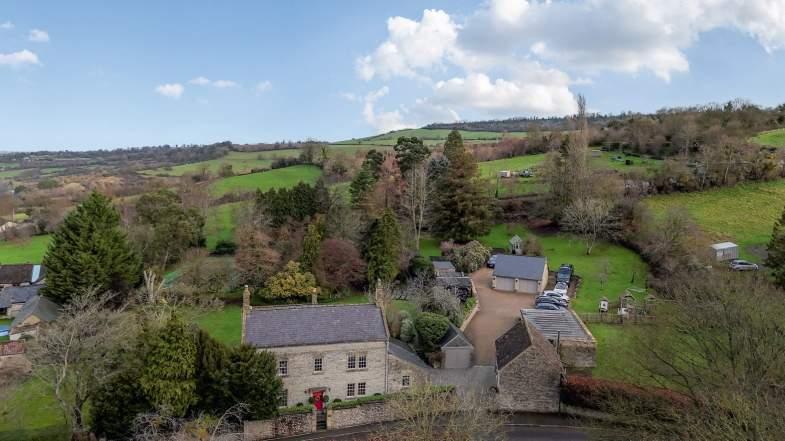
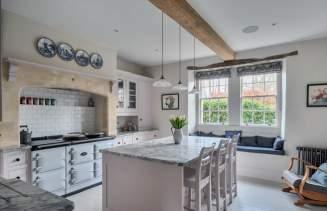
5 bedrooms, 3 bathrooms, separate coach house, 3.5 acres

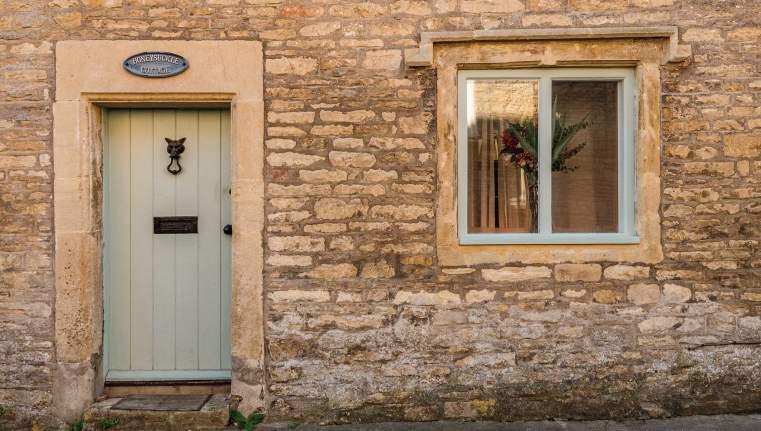
Vicky Dudbridge, head of Residential Development Sales for Savills Bristol and Bath

The sale of the last four spectacular townhouses on the prestigious Bridgetower Drive represents the final opportunity to buy a new home at Bath’s acclaimed Holburne Park.
Set within beautifully landscaped grounds and alongside the natural hillside that affords expansive views across the city and surrounding countryside, Holburne Park is ideally located for enjoying all that Bath has to offer. The historic centre is less than a mile away along the Kennet and Avon canal, which flows quietly nearby, offering peace and tranquillity alongside cultural vibrance.
Now complete and ready to move into, this last collection of homes brings together the very best of what has made Holburne Park such a success.
Architecture rooted in heritage
Holburne Park has been celebrated for its authentic Georgian style terraces, villas and apartments – architecture inspired by the world famous streetscapes of Bath.
While the exteriors are reminiscent of the elegance of the Georgian era, inside, the homes have been thoughtfully reimagined for contemporary life. Open plan living areas with modern 3 way spaces perfect to entertain and relax by day alongside formal drawing rooms – complete with log burners –offer warmth, character and a sense of occasion for evening relaxation. Principal bedroom suites and beautifully crafted marble bathrooms bring boutique style luxury to daily life.
It is this combination of classical design and modern convenience that sets the homes at Holburne Park apart.
In releasing these final four homes for sale now, it could be said that we have saved the best for last. Located on the coveted Bridgetower Drive – a grand terrace of four and five bedroom homes occupying the most elevated position within Holburne Park – they represent the ‘crème de la crème’ of the scheme. And with two homes on the northside and two on the southside of Bridgetower Drive, buyers have the choice of two distinctive house types.
The five bedroom townhouses on the northside are positioned to enjoy what many consider to be the best views on the entire development – farreaching across the stunning Charlcombe Valley. They offer exceptionally spacious accommodation arranged over four floors, and feature full width balconies off the drawing room, allowing residents to step outside and take in the panorama.
The four bedroom townhouses on the southside have proven to be the most popular house type across the whole scheme. Accessed from a promenade deck, with undercroft parking below, these homes offer generous living accommodation, including a contemporary open-plan living space that opens out to a south-facing rear garden.
One of the most distinctive aspects of Holburne Park is the community that has developed over time. Its residents include families who were drawn by the excellent access to Bath’s highly regarded schools, downsizers wanting beautifully designed and equally manageable home, and those relocating to Bath for its lifestyle, culture and strong connection to nature.
As the neighbourhood has grown, so too has its sense of community. It’s common for residents to relocate within the development – upsizing, downsizing or choosing a new plot depending on their life stage – simply because they love living at Holburne Park. This evolution has created a warm, welcoming environment where neighbours know one another and the now well established surroundings feel cared for.
These final four townhouses on Bridgetower Drive complete the Holburne Park story – now ready to move into, this is the last chance to secure a new home in one of Bath’s most desirable modern neighbourhoods. Prices from £1,150,000, contact Savills on 01225 474591 to arrange your viewing.
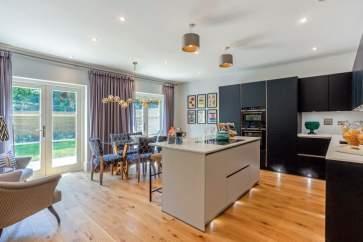
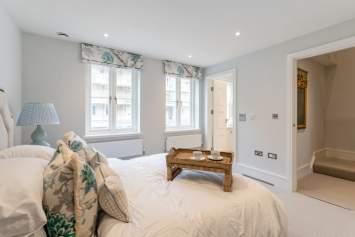





An elegant period country residence in the heart of this popular village, with beautiful lawned gardens, an orchard and breathtaking views of Blagdon Lake. EPC rating D. Council tax - North Somerset, Band G.
• 5 bedrooms, 4 bath/shower rooms, open plan kitchen/dining/family room
• 2 further reception rooms
• Separate 2 storey annexe with kitchenette, WC and separate heating system
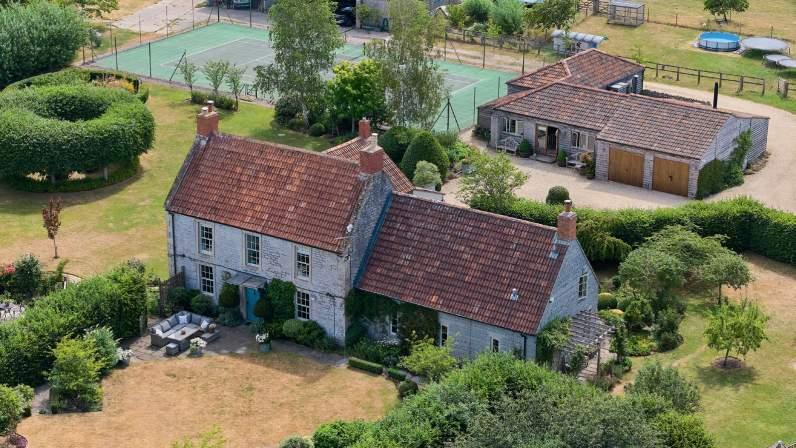
OIEO £1.650,000 Hornblotton, Shepton Mallet
OIEO £1,750,000
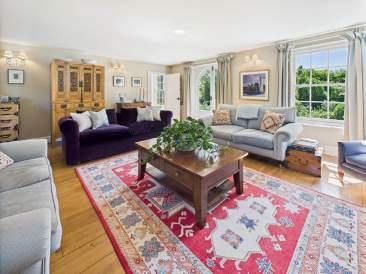
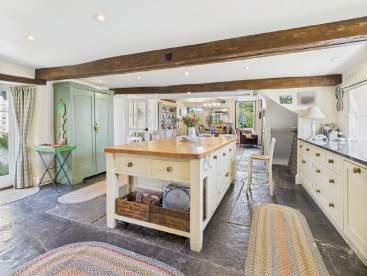
A distinguished Georgian farmhouse with later extension, set within around 5.5 acres of beautifully landscaped gardens, paddocks, and wildflower meadows, in this peaceful hamlet. EPC rating E. Council tax – Somerset, Band D.
• 5/6 bedrooms, 3 reception rooms, and separate 2 bedroom annexe
• All-weather tennis court, outbuildings and greenhouse
• Spacious agricultural barn with potential for development
• Equestrian/smallholding potential - 4.5 acres of paddock

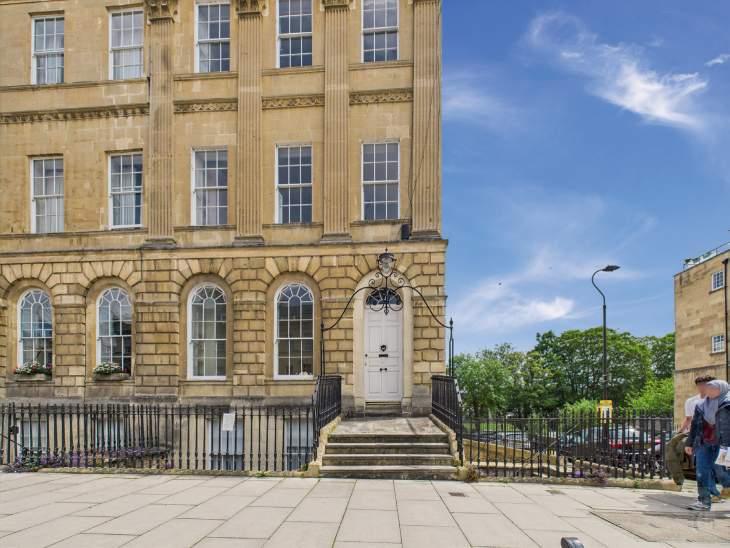
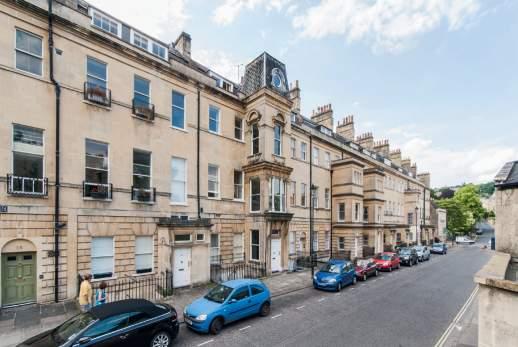
OIEO £495,000
A ground-floor apartment offering beautifully proportioned accommodation, with high ceilings, grand fireplaces and a wealth of period features that reflect the scale and elegance of the building.
EPC rating D. Council Tax - B&NES, Band D.
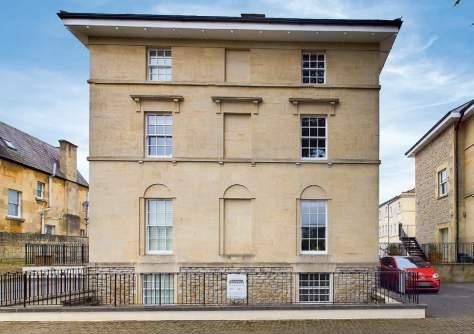
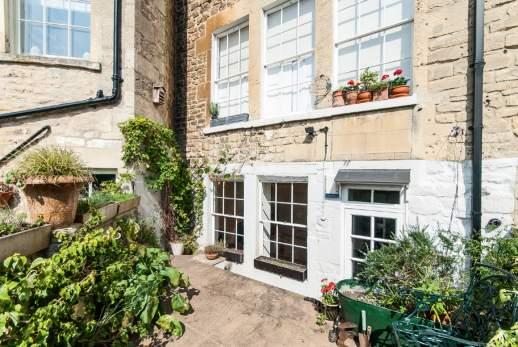
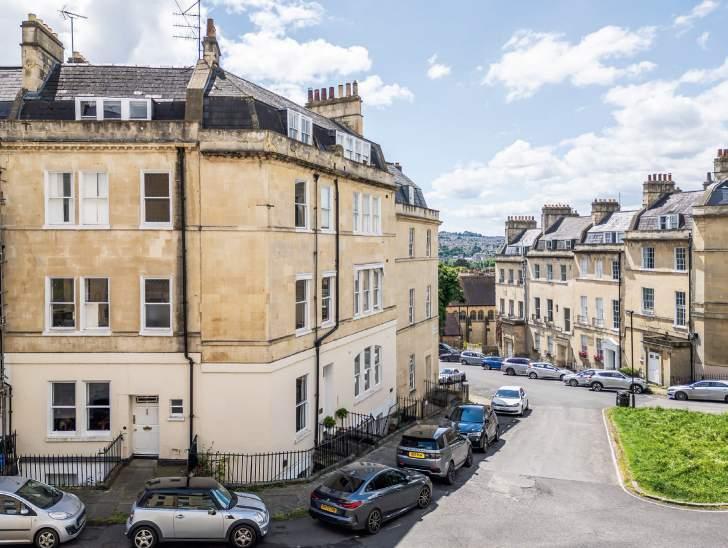
OIEO £385,000
A well-presented Georgian, second-floor apartment, laterally converted to create a well-balanced and well-presented home in a central, elevated Bath location with lovely views. EPC rating E. Council Tax - B&NES, Band C.
See our latest available properties
Batheaston • Guide Price £599,000


A beautiful Grade II listed property with the most stunning views. Living room, kitchen/diner, snug/home office, garden room, three bedrooms, bathroom. Garden. Large garage, on street parking. Freehold, Council tax band C, EPC exempt.
Odd Down • Guide Price £535,000
A fantastic 5 bedroom HMO in a sought after location for students with drive and on street parking. Tenants in situ until June 2026 earning a yield of 8.1%. Tenancy secured for the next academic year with a yield of 8.63%. Fantastic investment opportunity. Freehold. EPC rating C.
A stunning Grade II listed Georgian townhouse in the highly sought after location of Widcombe. A beautiful family home with a fantastic rear landscaped garden, backing onto the