



Tours & stories for 2026 & 2027



Travel is transformative. It opens doors to ideas, to beauty, and to the stories that shape our world. We want to return home with a mind expanded and a spirit renewed. At Martin Randall Travel, this is our purpose. Our tours are crafted for those who value depth and authenticity, and are led by experts who bring history and culture vividly to life. Groups are small, itineraries are carefully paced, and every detail is chosen with care. Many tours include special access to places and experiences unavailable to the general public, making each journey truly exceptional.

These are journeys for the curious and the discerning, for travellers who want enrichment as well as enjoyment. Bookings can be made through your trusted travel agent, with the reassurance of local support from our Brisbane office. We invite you to explore these pages and discover the journeys that await. For full itineraries and dates, visit martinrandall.com.
















Since 1988, we have been the most influential organisation in the field of cultural travel, o ering an unequalled range of tours and events. Operating in around 40 countries in Europe, North Africa, the Middle East, Asia and the Americas, our mission is to deepen your understanding and enhance your appreciation of the achievements of civilisations around the world. Pioneering and innovative, we have led the way with ideas and itineraries and by setting the benchmarks for customer service and administration.
Expert speakers are a key ingredient in our tours. Academics, curators, writers, broadcasters and researchers, they are selected not only for their knowledge but also for their ability to communicate clearly and engagingly to a lay audience. Their brief is to enlighten and stimulate, not merely to inform. Our tours are also accompanied by a trained tour manager who unobtrusively attends to administrative matters and pastoral care.
Special arrangements are a feature of our tours – for admission to places not generally open to travellers, for access outside public hours, for private concerts and extraordinary events. In innumerable ways, we lift our clients’ experience far above standards which are regarded as normal for tourists.
We aim for faultless administration from your first encounter with us to the end of the holiday, and beyond. We want you to come back again and again – as most clients do.
We select our hotels with great care. Not only have nearly all been inspected by our sta , but we have stayed in most. Hundreds more have been rejected. We invest similar e orts in the selection of restaurants, menus and wines, aided by sta with a specialist knowledge of these areas.
Five consecutive years as Best Special Interest Holiday Company at the British Travel Awards (2015–19) reflects our commitment to excellence. With a remarkable 99% satisfaction rating from more than 1,100 independent reviews, our attention to detail and client care is unmatched.
The price includes nearly everything, not only the major ingredients such as hotel, transport and the costs of the lecturer and manager but also tips and drinks with meals. The price published is the price you pay.
Our small group tours mostly run with 10 to 22 participants. Travelling with MRT, you are highly likely to find yourself in congenial company, selfselected by common interests and a nity for the company’s ethos.

‘ e variety and quality of the music was terri c. It was the best musical week of my life.’
‘Extraordinary lecturer! Fantastic, endlessly entertaining company with an infectious zest to impart and understand more. Deep knowledge, legendary stamina, both worn lightly. ’
We welcome people travelling on their own, for whom our tours are ideal, as many of our clients testify. There are usually several solo travellers on a tour. On evenings when dinner is not included there is always the option of dining with the tour manager. We o er solo travelllers a double room for single occupancy. We never add anything to the single supplement charged by hotels and we sometimes subsidise these.
‘Everything is perfectly planned and organised. All sta are friendly and nothing is too much trouble for them.’
‘ e dedicated research that goes into all your tours is meticulous, thus creating wonderfully stimulating and informative travel.’

ALBANIA
Albania: Crossroads of Antiquity
ARGENTINA
Patagonia: ‘Uttermost Part of the Earth’
The Making of Argentina (2027)
ARMENIA
Armenia & Georgia
AUSTRALIA
After the Rain
AUSTRIA
Abbeys & Organs (2027)
History & Art along the Danube Mozart in Salzburg
MUSIC ALONG THE DANUBE
Opera in Munich & Bregenz
Opera in Vienna
The Schubertiade
Vienna’s Masterpieces
Viennese Modernism
Walking the Danube
BELGIUM
Flemish Painting
Gastronomic Belgium & the Netherlands
BOLIVIA
Baroque Music in the Bolivian Missions
BOSNIA & HERZEGOVINA
The Western Balkans
BULGARIA
Bulgaria
CAMBODIA
Cambodia by River
CHILE
Patagonia: ‘Uttermost Part of the Earth’
CHINA
Essential China (2027)
Sacred China (2027)
CROATIA
The Early Christian Adriatic
Sailing the Dalmatian Coast
The Western Balkans
CYPRUS
Cyprus
CZECH REPUBLIC
20th Century Czechoslovakia (2027)
Connoisseur’s Prague
History & Art on the Danube
Music of the Czech Lands
Prague Spring Festival
Treasures of Moravia (2027)
DENMARK
Opera & Ballet in Copenhagen
EGYPT
Cruising the Nile
Pharaonic Egypt
ESTONIA
Estonia
FINLAND
Finland: Aalto & Others
Savonlinna Opera
FRANCE
Cave Art of France (2027)
Châteaux of the Loire
French Gothic Gardens of Normandy
Gastronomic Loire Valley
Gastronomic Provence
L’Ancien Régime
Le Corbusier (2027)
Medieval Alsace (2027)
Medieval Anjou & Poitou
Medieval Burgundy
The Medieval Pyrenees
Medieval Toulouse & Languedoc (2027)
Mitteldeustchland (2027)
Modern Art on the Côte d’Azur
Monet & Impressionism
Opera in Paris
Renaissance Paris (2027)
Roman & Medieval Provence
Versailles (2027)
GEORGIA
Armenia & Georgia
GERMANY
THE BACH JOURNEY
Bauhaus (2027)
Baroque & Rococo
Beethoven in Bonn
BEETHOVEN ALONG THE RHINE (2027)
Berlin, Potsdam, Dresden
Franconia
German Gothic (2027)
Hamburg: Opera & ‘Elphi’
The Hanseatic League
History & Art on the Danube
History & Art on the Rhine (2027)
King Ludwig II (2027)
Lusatia
Medieval Saxony (2027)
Moving on: Architecture & Memory (2027)
Music in Berlin
MUSIC ALONG THE DANUBE
MUSIC ALONG THE RHINE
Opera in Munich & Bregenz
Organs of Bach’s time
THE RHINE PIANO FESTIVAL
Romans & Carolingians
Tom Abbott’s Berlin
Classical Greece
The Gold of Macedon (2027)
Minoan Crete
Lands of the Maya
HUNGARY
Budapest
History & Art on the Danube
INDIA
Buddhist India (2027)
Great Cities of Northern India
Indian Summer (2027)
Kingdoms of Southern India (2027)
IRELAND
Great Irish Houses
Ireland: History & Heritage
ITALY
Ancient Rome (2027)
The Art of Florence
Art in Le Marche (2027)
Basilicata & Calabria (2027)
Caravaggio
Civilisations of Sicily
Connoisseur’s Rome
Courts of Northern Italy
The Duchy of Urbino
The Early Christian Adriatic
Early Christian & Medieval Rome
Early Music in Northern Italy
Essential Rome
Essential Venice
The Etruscans
Florence & Venice
Florentine Palaces
Footpaths of Umbria
Gardens of the Bay of Naples (2027)
Gardens of the Riviera (2027)
Gardens of Sicily
Gardens & Villas of the Campagna Romana (2027)
Gardens & Villas of the Italian Lakes (2027)
Gardens & Villas of the Veneto
Gastronomic Campania
Gastronomic Emilia-Romagna
Gasronomic Friuli-Venezia Giulia
Gastronomic Le Marche
Gastronomic Lombardy (2027)

Gastronomic Piedmont
Gastronomic Veneto
Genoa & Turin
The Heart of Italy
Heaven & Hell (2027)
The Imperial Riviera
Italian Design: Turin & Milan (2027)
The Ligurian Coast
Lucca & vicinity
Masters of Milan
MONTEVERDI IN VENICE
MUSIC IN THE VENETO (2027)
Normans in the South
Palaces & Villas of Rome
Palermo Revealed
Palladian Villas
Piero della Francesca
Pompeii & Herculaneum
Raphael, in celebration
Ravenna & Urbino
The Ring at La Scala
Sardinia
Sicily: from the Greeks to the Baroque (2027)
Titian, Tintoretto & Veronese
Trecento Frescoes
Tuscan Gardens
Tuscany Revealed (2027)
Val d’Orcia & the Sienese Hills
Walking in Southern Tuscany
The Venetian Hills (2027)
The Venetian Land Empire
Venetian Palaces
Venice Revisited
Venice: Scarpa & Others
Art in Japan
Japanese Gardens
Shoguns & Samurai (2027)
Traditions of Japan
JORDAN
Essential Jordan (2027)
KYRGYSTAN
Silk Roads of Central Asia
LAOS
Thailand & Laos (2027)
MALTA
Valletta Baroque Festival
World Heritage Malta
MEXICO
Lands of the Maya
MONTENEGRO
The Western Balkans
MOROCCO
Morocco
Art in the Netherlands
Gastronomic Belgium & the Netherlands
MUSIC ALONG THE RHINE
THE RHINE PIANO FESTIVAL
Lofoten Festival
Oman, Landscapes & Peoples
Peru: the Andean Heartland
Gdansk & Eastern Pomerania
PORTUGAL
Cruising the Douro
The Duero River Gardens of Madeira Gardens of Sintra (2027)
ROMANIA
Moldavia & Transylvania
SERBIA
The Western Balkans
SLOVENIA
The Imperial Riviera
SPAIN
Aragon (2027)
Art in Madrid
Castile & León
Cave Art in Spain
Celebrating Gaudí
Cities of Al-Andalus (2027)
Cities of Catalonia (2027)
The Duero River
Essential Andalucía
Extremadura
Gastronomic Basque Country
Gastronomic Madrid (2027)
Gastronomic Navarra
Gastronomic Valencia
Granada & Córdoba
Madrid & Toledo
Picasso in Spain (2027)
The Medieval Pyrenees
The Road to Santiago
Spain 1492
TOLEDO MUSIC FESTIVAL (2027)
Two Spains: the Spanish Civil War & its Aftermath
Walking to Santiago (2027)
Art in Switzerland
Music on Lake Maggiore
MUSIC ALONG THE RHINE
THE RHINE PIANO FESTIVAL
THAILAND
Thailand & Laos (2027)
TUNISIA
Ancient & Islamic Tunisia
TURKEY
Central Anatolia
Classical Turkey
Eastern Turkey
Istanbul Revealed
The Age of Bede
Art in Scotland
Arts & Crafts in the Cotswolds
Arts & Crafts in the Lake District (2027)
THE CAMBRIDGE CHORAL FESTIVAL (2027)
The Cathedrals of England
Cornish Houses & Gardens
EARLY MUSIC IN YORKSHIRE
East Anglia (2027)
Gardens in the Highlands
Gastronomic Devon & Cornwall
Great Houses of the North (2027)
Great Houses of North-West England
Great Gardens of Southern England
In Churchill’s Footsteps (2027)
Isambard Kingdom Brunel (2027)
Lancashire: the Making of the Modern World
Lincolnshire Churches
Maritime England (2027)
Martin Randall’s London
Mr Turner (2027)
Norman Conquest & Plantagent Power (2027)
Orkney: 5,000 Years of Culture
Private Houses of Norfolk (2027)
Scotland: History & Heritage
Scottish Houses & Castles
Sussex Modern (2027)
Vanbrugh’s Greatest Houses
Walking to Derbyshire Houses
Walking Hadrian’s Wall
Walking a Royal River
Yorkshire Houses & Gardens
USA
Art in Texas
Connoisseur’s New York
Frank Lloyd Wright
Galleries of the American Midwest (2027)
UZBEKISTAN
Samarkand & Silk Road Cities
Silk Roads of Central Asia
VIETNAM
Vietnam: History, People, Food
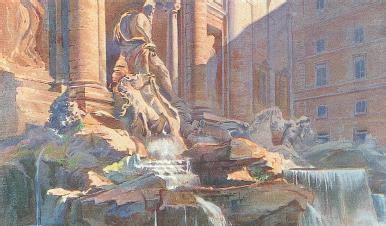
From Classical orders to modernist innovations, we examine key protagonists and periods across civilisations, from Japan’s artistic traditions to Venice’s private palaces. Explore celebrated galleries like the U zi and Prado, and countless lesser known gems. Our architecture tours reveal great buildings as monuments, dwellings, engineering marvels and vital components of a city’s mythos.
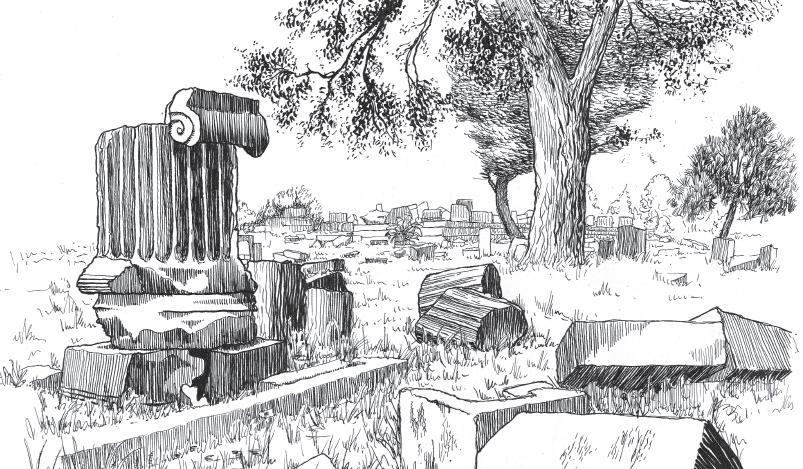
From prehistoric cave art in the Dordogne to the Acropolis in Athens, and Pompeii to Cambodia, our archaeological tours journey through history exploring antique and Classical worlds. Getting up close to the evidence and artefacts of early civilisations, our expert tour-leaders decode the stories of the most famous archaeological sites, as well as countless lesser-known ones.
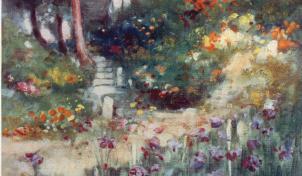
From historical gardens to private oases, these tours o er idyllic retreat. Explore classical domestic architecture where country houses, villas and gardens act as places of refuge and self-expression, and brilliant modern public spaces designed to distance preoccupations of city life. Special access is a feature, with contributions from garden designers, homeowners and head gardeners.
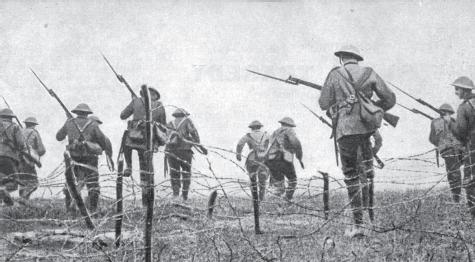
These tours focus on significant events and encounters, from castles and conquest in medieval Wales to The Making of Argentina. Examine the forces that shaped the Western Balkans and the politics of civil war Spain. Acclaimed historians provide context and analysis, including former diplomats, army o cers and correspondents with first-hand experience and expert knowledge
From Munich’s Nationaltheater to La Scala, our music tours o er access to the world’s greatest venues and festivals. You enjoy top-category seats, fellow music-lovers’ companionship and lectures by leaders in their field. Experiences range from intimate Schubertiade chamber music to spectacular opera in Verona and Glyndebourne, with world-class soloists and orchestras.
These tours discover a region’s essential character through local people and traditions – in Provence, Sicily, the Basque Country and beyond. These tours include food, wine and cultural highlights, emphasizing local producers and intimate rustic meals alongside top restaurants. More than simply gourmet holidays, they focus equally on authentic culinary experiences across Italy, Spain and France.
These tours combine countryside hikes with cultural content. We walk to English country houses, Italian villas and trek through Tuscany, following in the footsteps of pilgrims to Santiago de Compostela and Romans along Hadrian’s Wall. These tours require fitness and agility. Each description includes walking distances, terrain details and our grading system for walks.
What better way to gain a new perspective on the thinking of an age than through its works of literature. To see with one’s own eyes the places that inspired an author or a text, can add to one’s appreciation immeasurably. Exploring these literary landscapes with fellow enthusiasts and expert guides brings deeper understanding to beloved texts and their historical context.



The Age of Bede
Aragon (2027)
The Art of Florence
Art in Japan
Art in Le Marche (2027)
Art in Madrid
Art in the Netherlands
Art in Scotland
Art in Switzerland
Arts & Crafts in the Cotswolds
Arts & Crafts in the Lake District (2027)
Asturias & Cantabria (2027)
Baroque & Rococo
Basilicata & Calabria (2027)
Berlin, Potsdam, Dresden
Budapest
Buddhist India (2027)
Caravaggio
Castile & León
The Cathedrals of England
Châteaux of the Loire
Cities of Al-Andalus (2027)
Cities of Catalonia (2027)
Civilisations of Sicily
Connoisseur’s New York
Connoisseur’s Prague
Connoisseur’s Rome
Courts of Northern Italy
The Duchy of Urbino (2027)
The Duero River
Early Christian & Medieval Rome
The Early Christian Adriatic
East Anglia (2027)
Essential Andalucía
Essential China (2027)
Essential Rome
Essential Venice
Estonia
The Etruscans
Extremadura
Flemish Painting
Florentine Palaces
Footpaths of Umbria
Franconia
French Gothic
Galleries of the American Midwest (2027)
Gdansk & Eastern Pomerania
Genoa & Turin
Granada & Córdoba
Great Cities of Italy
Great Cities of Northern India
The Hanseatic League
The Heart of Italy
Heaven & Hell (2027)
Iceland’s Story (2027)
The Imperial Riviera
Indian Summer (2027)
Istanbul Revealed
Kingdoms of Southern India
King Ludwig II (2027)
The Ligurian Coast
L’Ancien Régime Paris
Lincolnshire Churches
Lisbon (2027)
Lucca & Vicinity
Madrid & Toledo
The Making of Argentina (2027)
Maritime England (2027)
Martin Randall’s London
Masters of Milan
Medieval Alsace (2027)
Medieval Anjou & Poitou
Medieval Burgundy
The Medieval Pyreness
Medieval Saxony (2027)
Medieval Toulouse & Languedoc (2027)
Mitteldeustchland (2027)
Modavia & Transylvania
Morocco
Mr Turner (2027)
Norman Conquest & Plantagent Power (2027)
Normans in the South
Palaces of Piedmont (2027)
Palaces & Villas of Rome (2027)
Palermo Revealed
Picasso in Spain (2027)
Piero della Francesca
Raphael, in celebration
Ravenna & Urbino
Renaissance Paris
Renaissance Rivals
The Road to Santiago
Roman & Medieval Provence
Sacred China (2027)
Sailing the Dalmatian Coast
Samarkand & Silk Road Cities
Shoguns & Samurai (2027)
Silk Roads of Central Asia
Thailand & Laos (2027)
Titian, Tintoretto, Veronese
Tom Abbott’s Berlin
Traditions of Japan
Treasures of Moravia (2027)
Trecento Frescoes
Tuscany Revealed (2027)
Val d’Orcia & the Sienese Hills
The Western Balkans
The Venetian Hills (2027)
The Venetian Land Empire
Tudor England (2027)
Venetian Palaces
Venetian Rivals (2027)
Venice Revisited
Viena’s Masterpieces
World Heritage Malta
Albania: Crossroads of Antiquity
Ancient & Islamic Tunisia
Ancient Rome (2027)
Bulgaria
Cambodia by River
Cave Art of France (2027)
Cave Art in Spain
Central Anatolia
Central Macedonia (2027)
Classical Greece
Classical Turkey (2027)
Cruising the Nile (2027)
Cyprus
Eastern Turkey
Essential Jordan (2027)
The Etruscans
The Gold of Macedon (2027)
Lands of the Maya
Minoan Crete
Oman, Landscapes & Peoples
Orkney: 5000 years of culture
Sardinia
Peru: the Andean Heartland
Patagonia: ‘Uttermost Part of the Earth’
Pharaonic Egypt
Pompeii & Herculaneum
Sicily: from the Greeks to the Baroque (2027)


Cornish Houses & Gardens
Gardens of the Bay of Naples (2027)
Gardens in the Highlands Gardens of Madeira
Gardens of Normandy
Gardens of the Riviera (2027)
Gardens of Sicily
Gardens of Sintra (2027)
Gardens & Villas of the Campagna Romana (2027)
Gardens & Villas of the Italian Lakes (2027)
Gardens & Villas of the Veneto
Great Gardens of Southern England
Great Houses of the North (2027)
Great Houses of North-West England
Great Houses of the South West
Great Irish Houses
Palladian Villas
Private Houses of Norfolk (2027)
Japanese Gardens
Scottish Houses & Castles
Tuscan Gardens
Vanbrugh’s Greatest Houses
Versailles (2027)
Yorkshire Houses & Gardens
Fiesole to Lucca: Tuscany on foot (2027)
Footpaths of Umbria
Walking the Danube
Walking to Derbyshire Houses
Walking Hadrian’s Wall
Walking a Royal River
Walking to Santiago (2027)
Walking in Southern Tuscany
After the Rain
Art in Texas
Bauhaus (2027)
Celebrating Gaudí
Copenhagen Modern (2027)
Finland: Aalto & Others
Frank Lloyd Wright
Isambard Kingdom Brunel (2027)
Italian Design: Turin & Milan (2027)
Le Corbusier (2027)
Lancashire: The Making of the Modern World
Modern Art on the Côte d’Azur
Monet & Impressionism
Moving on: Architecture & Memory (2027)
Sussex Modern (2027)
20th Century Czechoslovakia (2027)
Venice: Scarpa & Others
Viennese Modernism
Armenia & Georgia
History & Art on the Danube
History & Art on the Rhine (2027)
In Churchill’s Footsteps (2027)
Ireland: History & Heritage
Lusatia: Germany’s Eastern Borderlands
Romans & Carolingians
Scotland: History & Heritage
Spain 1492
The Western Balkans
Two Spains: the Spanish Civil War & its aftermath
Vietnam: Hisory, People, Food
Gastronomic Basque Country
Gastronomic Belgium & the Netherlands
Gastronomic Campania
Gastronomic Devon & Cornwall
Gastronomic Emilia Romagna
Gastronomic Friuli-Venezia Giulia
Gastronomic Le Marche
Gastronomic Loire Valley
Gastronomic Lombardy (2027)
Gastronomic Madrid (2027)
Gastronomic Navarra
Gastronomic Piedmont
Gastronomic Provence
Gastronomic Valencia
Gastronomic Veneto
Abbeys & Organs (2027)
Baroque Music in the Bolivian Missions
Beethoven in Bonn
BEETHOVEN ALONG THE RHINE (2027)
THE CAMBRIDGE CHORAL FESTIVAL (2027)
Early Music in Northen Italy
EARLY MUSIC IN YORKSHIRE
Hamburg: Opera & ‘Elphi’
THE J.S. BACH JOURNEY
Leipzig Bach Festival
Lofoten Festival
MONTEVERDI IN VENICE
Mozart in Salzburg
Music in Berlin
Music of the Czech Lands
MUSIC ALONG THE DANUBE
Music on Lake Maggiore
MUSIC ALONG THE RHINE
MUSIC IN THE VENETO (2027)
Opera & Ballet in Copenhagen
Opera in Munich & Bregenz
Opera in Paris
Opera in Vienna
Opera at Wexford
Organs of Bach’s Time
Prague Spring Festival
Renaissance Choral Day
THE RHINE PIANO FESTIVAL
The Ring at La Scala
Savonlinna Opera
The Schubertiade
TOLEDO MUSIC FESTIVAL (2027)
Valletta Baroque Festival
Walking the Danube

Our small group tours are designed for those who value depth, comfort and conviviality.

Each itinerary is meticulously planned to illuminate the art, architecture, history and landscapes of a region, guided by experts whose knowledge and enthusiasm enrich every experience.
These tours offer not just a holiday, but an opportunity to engage with culture in a way that is thoughtful, unhurried and profoundly rewarding.
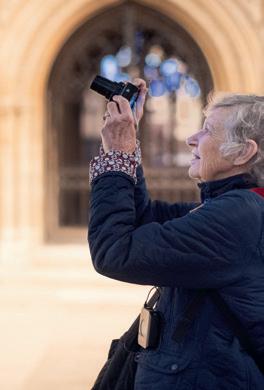
‘The Cathedrals of England’ is an epic ten-day tour across England –north, south, east and west – to see some of the most glorious medieval architecture to be found anywhere. Jocelyn Simon, a participant on the tour who travelled from Queensland, Australia, shares some of the highlights from her diary.
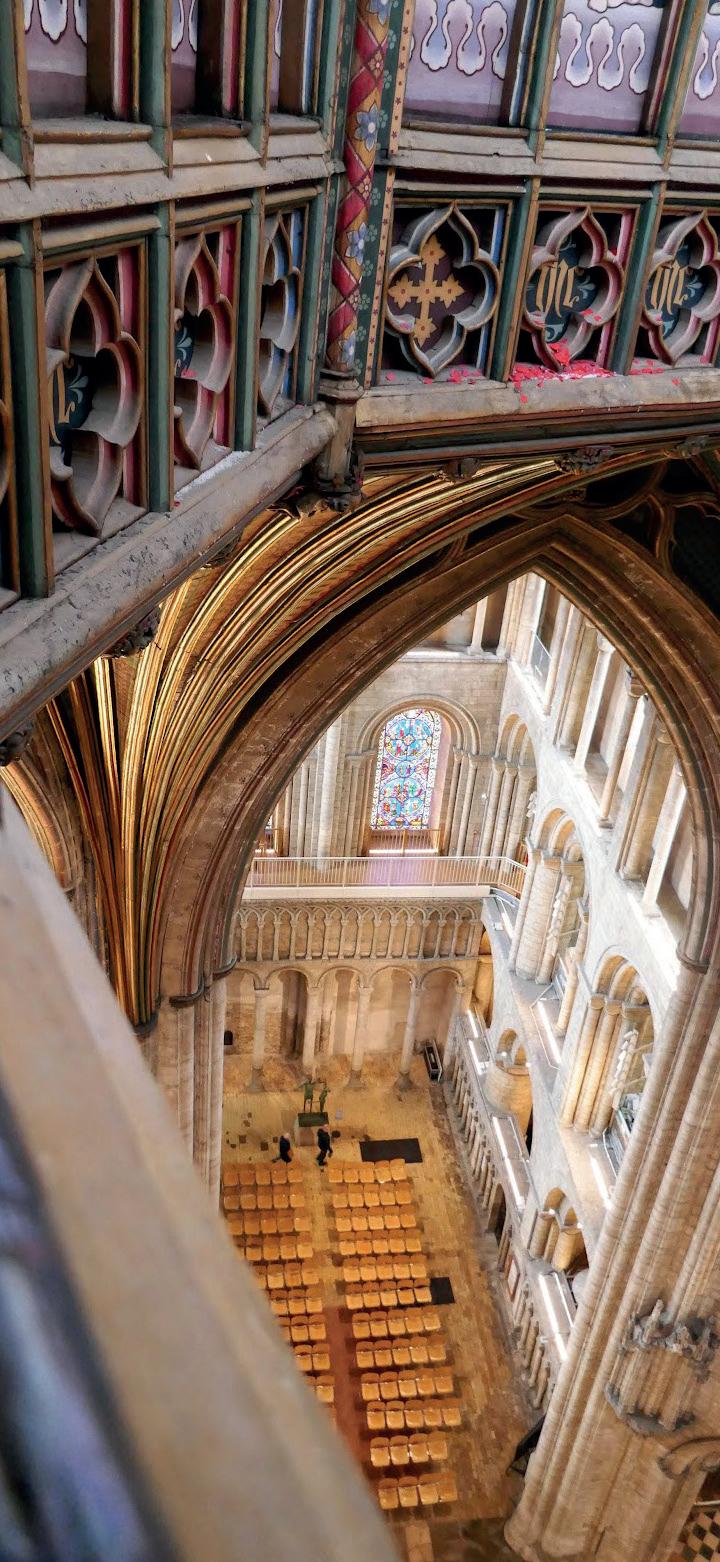
Day 1: Ely. When I first saw the Octagon Lantern Tower at the crossing in 1996, tears streamed down my cheeks. Standing beneath its towering beauty this time around, I immediately realised it was like no other I had seen, probably one of the most beautiful ecclesiastical sights to behold.
Our lecturer, Dr Hugh Doherty, greeted us at Ely’s ‘Ship of the Fens’, founded by Princess Etheldreda around 673.
With him we climbed 179 steps up impossibly narrow spiral stairs into the Octagon itself. Hinged panels were opened so we could peer down into the crossing below. Breathtaking. On descent, we emerged onto walkways to view the landscape and nave roof.
Day 2: Lincoln . Victorian writer John Ruskin called Lincoln “out and out the most precious piece of architecture in the British Isles”. Standing in this vast interior, we understood why.
In the late 15th-century chantry chapel of Bishop Russell, Hugh revealed the 1950s murals by Duncan Grant, closed for 20 years due to their homosexual overtones. The Chapter House’s spectacular fan-vaulted roof spreading from a central column took our breath away.
Hugh helped us find the infamous 13th-century Lincoln imp (below), quietly hiding above a capital.
Day 3: Durham. Hugh suggested we “emulate paratroopers” leaping from the coach to race up the steep embankment. A special organ recital awaited us in the Quire. The vision of our cohort charging upward, makes me smile.
The organist performed Bach’s Prelude and works by William Byrd and Francis Jackson – the acoustics sent sounds soaring magnificently around us. The architecture of the nave, with six-foot-six-inch diameter cylindrical columns and unique engraved patterns perhaps constitute the finest Romanesque church in Britain.
Hugh explained St Cuthbert’s extraordinary journey: his undecayed body moved for years to escape Vikings, finally arriving in Durham when the cart became bogged, taken as a sign God wished him to remain here. His original 7th-century wooden coffin, pieced together from 6,000
fragments, is displayed in the museum. In the Chapter House, Hugh quickly rolled back a carpet revealing two ‘secret’ tombs, much to everyone’s amusement.
We arrived in York at dinnertime with wonderful views of the Minster bathed in sunshine as we pulled into the lovely Grand Hotel.
Day 4: York. York Minster is England’s largest medieval cathedral with the widest nave. Hugh showed us the 15th-century choir screen with English kings from William the Conqueror to Henry VI, and took us down into the crypt, the oldest part, to see Romanesque foundations and the 12th-century Doomstone depicting hell’s cauldron, warning what happens if you sin.
It was time for Evensong at 5.30pm, and we entered through the main southern door to the accompaniment of the bells chiming the so-called “Nelson Chime”, giving a carillon of 35 bells in total (three chromatic octaves).
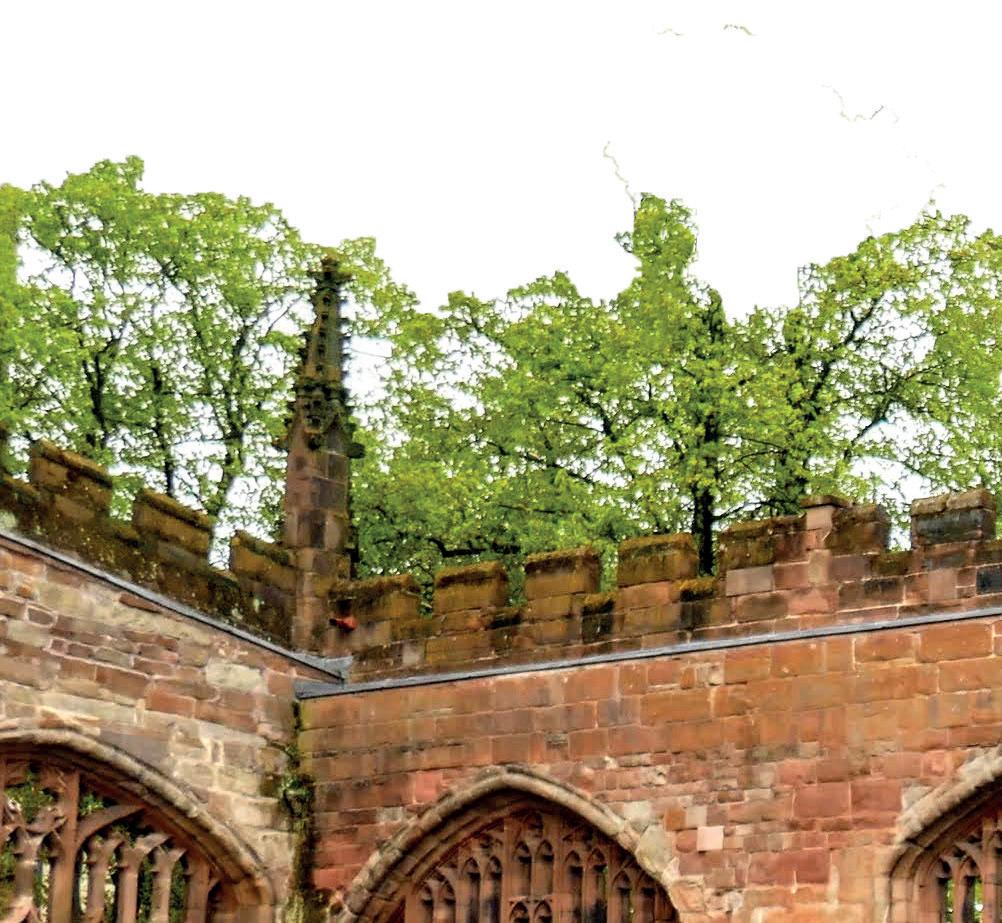
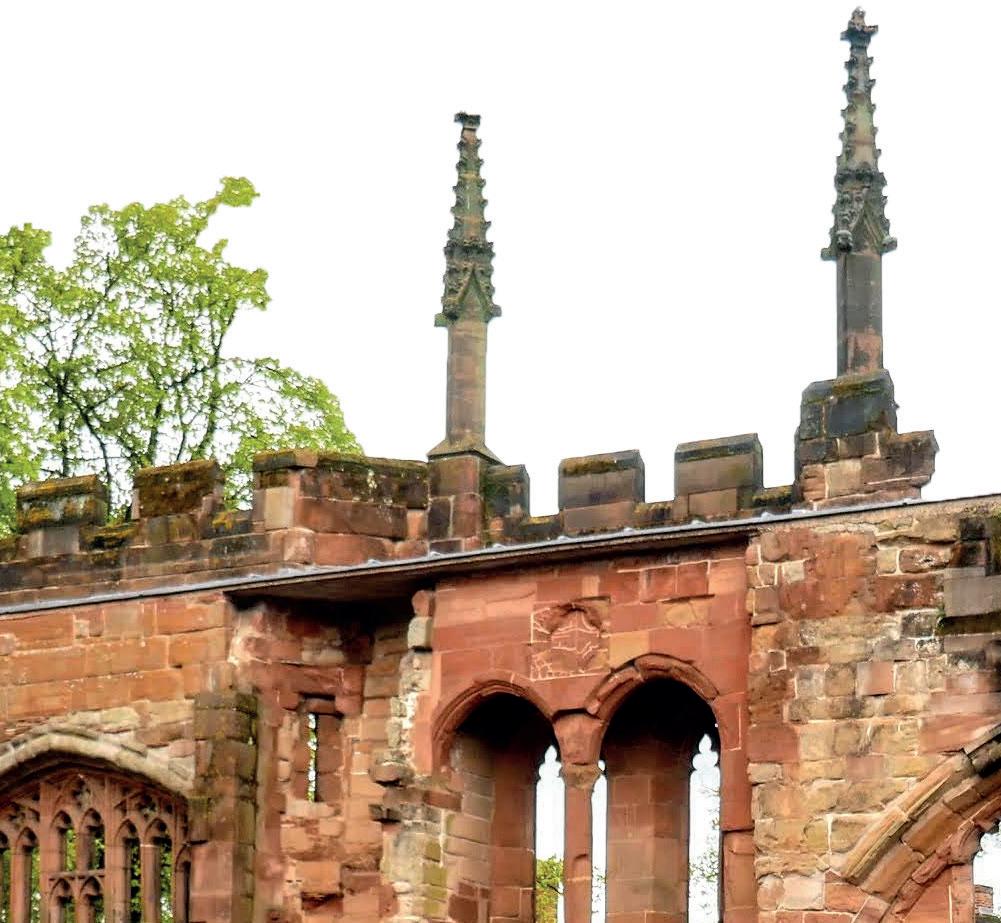
Day 5: Coventry. Today we farewelled The North, departing for Coventry. We began exploring the remains of the original Benedictine Abbey, the first of three cathedrals, utterly desecrated by Henry VIII’s troops.
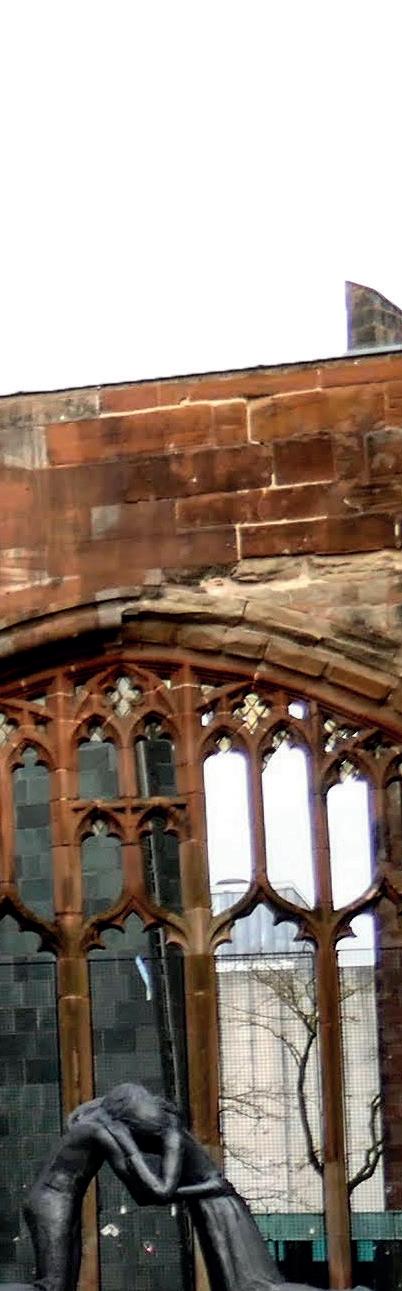
The bombed Cathedral Church of St Michael, destroyed by Hitler’s incendiary bombs on 14 November 1940, stands as a memorial to all war victims. Hugh explained how the new cathedral (consecrated in 1962) has moved many visitors emotionally. I wondered how I’d react to the modern architecture. I found it completely breathtaking.
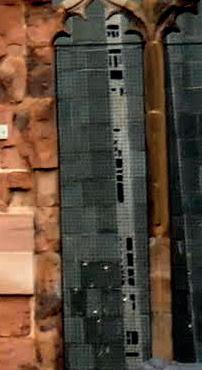
Walking toward Sutherland’s enormous Christ the Redeemer tapestry was a journey from darkness to light. Engineers angled the stained-glass windows toward the altar, directing light onto the tapestry, not the congregation.
The Charred Cross was created from two wooden beams found after the bombing. A replica of the statue Reconciliation marks reconciliation between nations once in conflict.
Day 6: Gloucester. I was almost blown over photographing a gargoyle in Gloucester’s vicious wind. Inside, the mighty six-footsix-inch Romanesque pillars mirror Durham’s. Hugh quietly led us to see Robert of Normandy’s tomb, his effigy carved in Irish bog-oak.
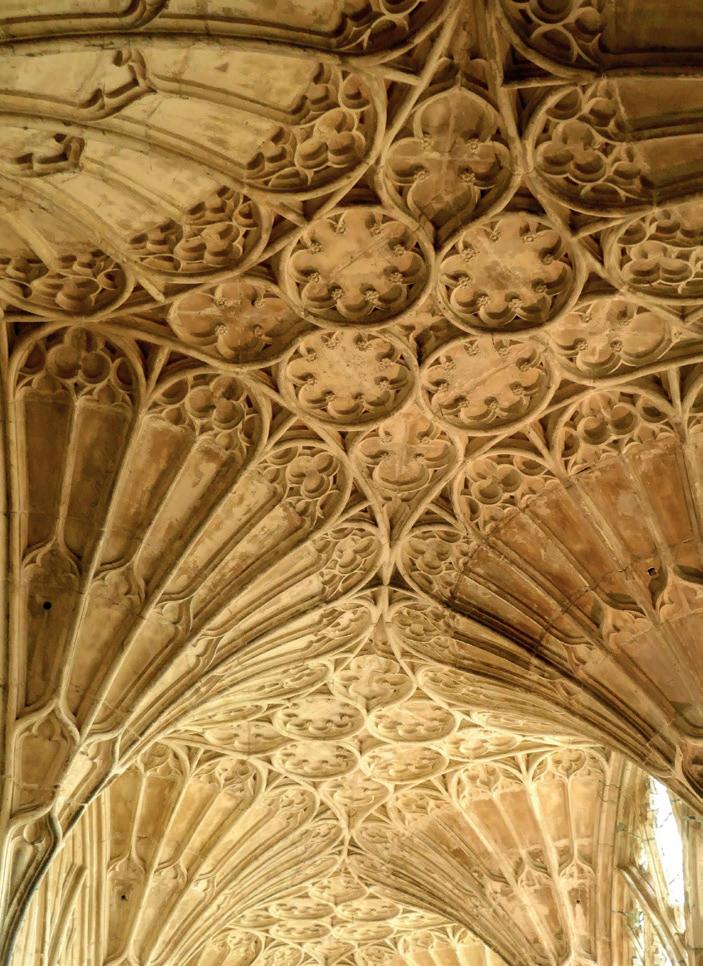
We followed him out into the beautiful cloisters, the first I’d seen with stained glass filling the arches. The most beautiful feature: extensive fan vaulting along the ceilings. This 14th-century ‘Great Cloister’ is the first and finest example of fan vaulting in the world (known as ‘Hogwarts’ to Harry Potter fans).
Day 7: Wells. Delightful Wells, England’s smallest city, is not hard to fall in love with. The
Vicars’ Close, dating from the 14th century, is Europe’s oldest continually inhabited street with all but one original building intact.
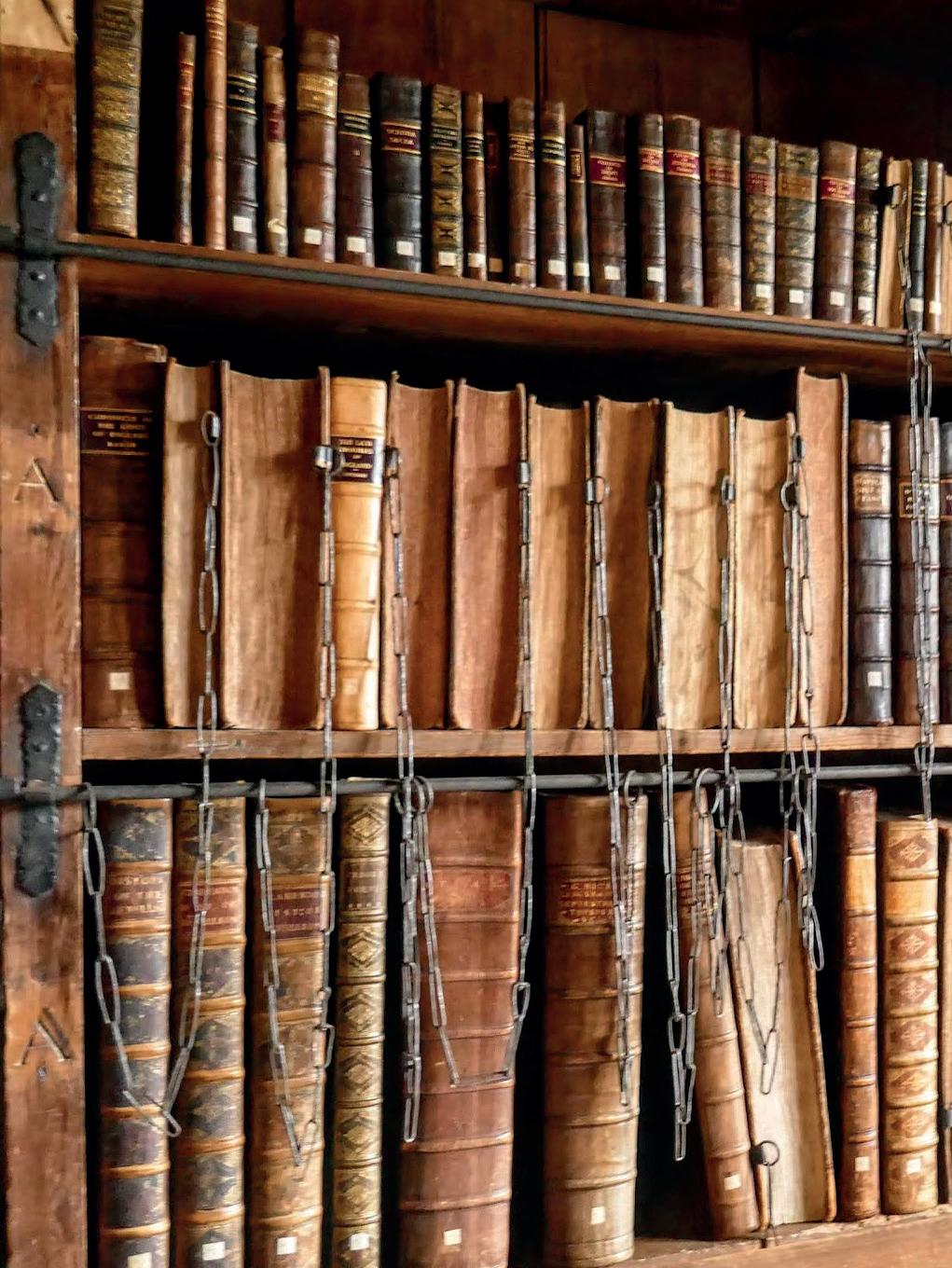
In the Chained Library, England’s largest medieval library when it opened in the 1450s, we were
led through sections closed to the public. Librarians showed us centuries-old volumes with much enthusiasm, including a bible translated into 47 languages.
Wells was among the first of the cathedrals built entirely in Gothic style. The unique scissor arches on each of the crossing’s four sides were constructed mid-14th century as an engineering solution to the tower’s partial collapse –among the more unusual creations of the Middle Ages.
At 5pm we watched one of the world’s oldest working clocks, perform its jousting knights display before Evensong.
Day 8: Old Sarum & Salisbury. Old Sarum – a layer cake of history from Stone Age hunters through Roman Fort to Norman stronghold. From the upper bailey, Salisbury Cathedral’s spire was visible just three miles south.
At Salisbury, Hugh drew our attention to The Cathedral in Glass, Lawrence Whistler’s 1947

etching in memory of his brother Rex, who died in Normandy. As the glass slowly rotates, three cathedral images appear: the Spire, the Nave, and the Chapter House column. Light creates contrast: bright areas represent life and eternity, dark areas death and suffering.
The Chapter House holds
Salisbury’s Magna Carta, the best preserved of only four surviving.
Day 9: Winchester. The huge west window, smashed during the English Civil War, was restored in a colourful mosaic pattern after horrified residents secretly collected and stored the glass. With the monarchy’s return 18 years later, glaziers couldn’t recreate the original design.
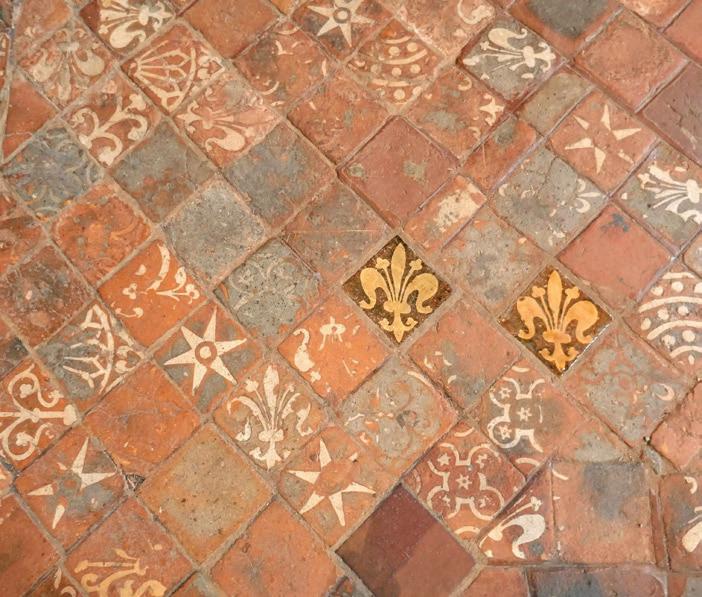
Throughout the east end we walked on gorgeous 13th-century floor tiles, the largest surviving spread of medieval decorated tiles inside any English building. High above, mortuary chests contain bones of early kings and bishops. We finished in the nave’s northern aisle, at Jane Austen’s tomb.
With thanks to Jocelyn Simon for her words and images. The Cathedrals of England departs 6–14 May & 2–10 September 2026. Register your interest for April, September & October 2027.
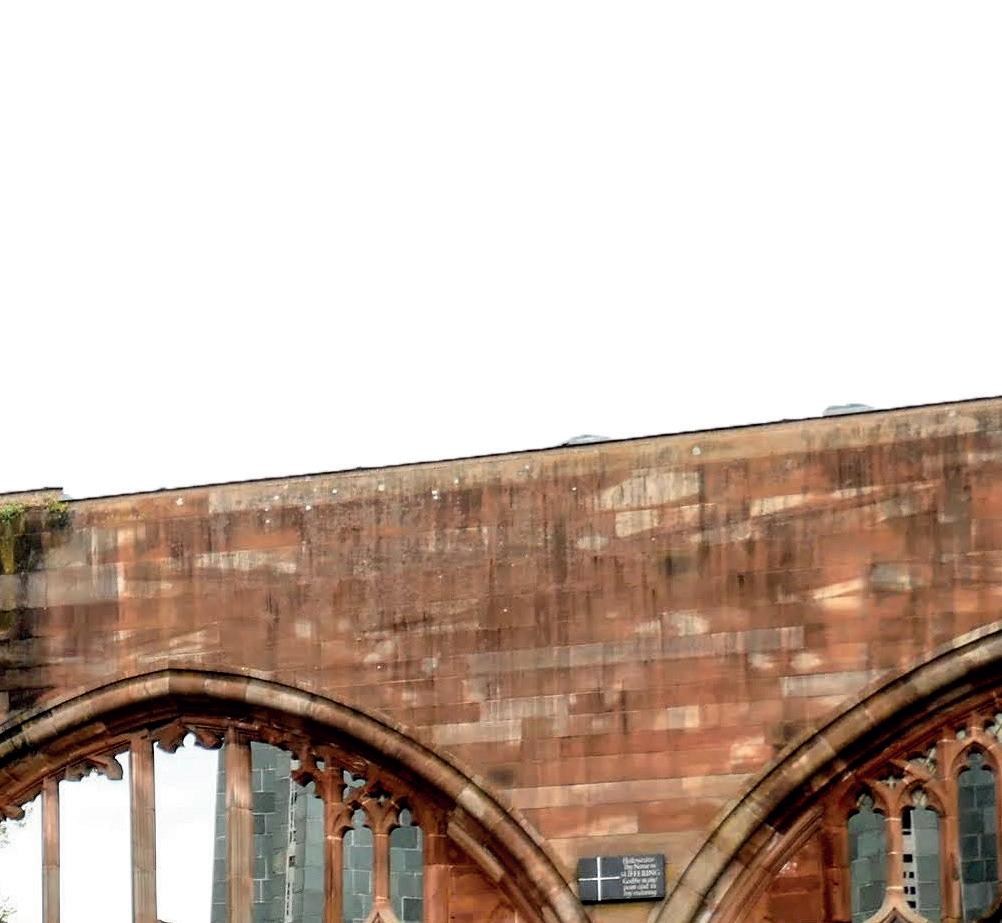
Image below: the ruins of the old Coventry Cathedral. Images on previous page: into the Octagon at Ely Cathedral; fanned vaulting at Gloucester. Images above: books in Wells' chained library; floor tiles at Winchester.

16–28 March 2026 (mm 899)
13 days • from $13,380 without flights Lecturer: Dr Luca Leoncini
7–19 April 2026 (mm 916)
13 days • from $14,490 without flights Lecturer: Dr Philippa Joseph
7–19 September 2026 (mm 161)
13 days • from $15,010 without flights Lecturer: Dr Zoë Opačić
5–17 October 2026 (mm 196)
13 days • from $14,490 without flights Lecturer: Dr Mark Grahame
Covers the whole island including all the main sights and many lesser-known ones.
The whole gamut – Greek, Roman, Norman, Renaissance, Baroque and 19th century.
Several special arrangements to visit places not normally open to the public.
Day 1: Palermo. Optional group flight (on request) at c. 2.45pm from London Heathrow to Palermo (British Airways). First of six nights in Palermo, capital of Sicily since the Saracenic occupation in the ninth century.
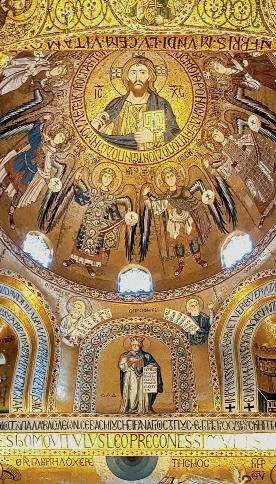
Day 2: Palermo. A walk includes the Palazzo Abatellis and Norman buildings. Lunch is at a private palace, by special arrangement. View the Greek sculpture in the Archaeological Museum. Evening out-of-hours visit to the Palatine Chapel.
Day 3: Monreale, Cefalù. Monreale cathedral, one of the finest Norman churches on the island. Cefalù, a charming coastal town, has another Norman cathedral with outstanding mosaics.
Day 4: Agrigento. The remains of the Greek colony of Akragas is one of the greatest sites bequeathed by the ancient world. From 580 bc , it rose rapidly to riches. Its eight peripteral temples, are the most numerous group in the Greek world.
Day 5: Segesta, Selinunte. The fascinatingly unfinished fifth-century temple at Segesta sits in unspoiled landscape. Selinunte, founded c. 650 bc, is famous for its many temples and acropolis.
Day 6: Palermo. The cathedral, with grand royal and imperial tombs, then to San Giovanni degli Eremiti, a Norman church. Il Gesù boasts the grandest of Palermo’s Baroque interiors.
Day 7: Palermo, Piazza Armerina. Visit Castello della Zisa, an Arab-Norman Palace. At Piazza Armerina are the remains of one of the finest
villas of the late-Roman Empire. Continue to the east coast for the first of three nights in Taormina.
Day 8: Taormina. Free day in this extremely pretty town. Our hotel has shaded gardens which spill down a series of terraces, and a pool.
Day 9: Messina, Reggio di Calabria. Messina was one of Caravaggio’s Sicilian refuges, and in the art gallery there are two paintings by him. Cross the Straits of Messina to Reggio di Calabria on mainland Italy to see the Riace Bronzes.
Day 10: Catania, Siracusa. Sicily’s second city, Catania was largely rebuilt after the earthquake of 1693. Special arrangements to see a magnificent private palazzo and a Byzantine chapel. Continue to Syracuse for the first of three nights.
Day 11: Siracusa. Morning visit to the mainland to Santa Lucia al Sepolcro, the church for which Caravaggio painted the Burial of Saint Lucy. Visit the Archaeological Museum. Free afternoon.
Day 12: Noto, Siracusa. The hill town of Noto is one of the loveliest Baroque towns in Italy. Visit the convent of Santa Chiara, the cathedral and San Carlo, then Syracuse Archaeological Park.
Day 13: Siracusa. Visit the Castello Maniace, then the Palazzo Bellomo to see Antonello da Messina’s Annunciation. Optional group flight from Catania arriving London Gatwick c. 8.15pm.
19–25 October 2026 (mm 204)
7 days • from $9,130 without flights
Lecturer: Juliet Rix
–A wonderful exploration of this fascinating, diverse island.
–Some of the world’s earliest stone buildings, all of them UNESCO World Heritage Sites.
–Many more major historic sites in the fortified capital of Valletta and ancient Mdina.
–Magnificent Baroque art and architecture with 21st-century designs by Renzo Piano.
–Rural and picturesque Gozo Island, with its stunning natural features.
–Package to combine with October departure of Civilisations of Sicily, including flight from Catania to Malta, airport transfers and two additional nights in Valletta. Supplement from $720 per person.
26 May–2 June 2026 (mm 972)
8 days • from $6,910 without flights
Lecturer: Nigel McGilchrist
19–26 October 2026 (mm 211)
8 days • from $6,910 without flights
Lecturer: Dr Thomas-Leo True
Six walks of between 5 and 7.5 km between Arezzo and Assisi through the inimitable Umbrian countryside.
Enjoy the art of Piero della Francesca, Luca Signorelli and Giotto.
Visit isolated hermitages, churches and cathedrals associated with St Francis.
Day 1: Città di Castello. Optional group flight (on request) from London Heathrow at c. 8.00am to Florence (May) or Bologna (October) Four nights in Città di Castello.
Day 2: Montecasale, Sansepolcro. St Francis passed through Montecasale in 1213 en route to the Adriatic and Jerusalem. A small friary still o ers pilgrim accommodation. Walk from Montecasale to La Montagna: c. 7.5 km, c. 2 hours. A high-level walk on paths, tracks and exposed ground, and through woodland with a long final descent–graded as challenging. Lunch in Sansepolcro, then visit the museum in the former town hall, home to Piero della Francesca’s Madonna della Misericordia and Resurrection.
Day 3: Le Celle, Cortona. Begin at the immaculate Eremo Le Celle, visited by Francis in 1226. Walk to Cortona c. 5 km, c. 2 hours. A moderate route, gently downhill on woodland tracks then uphill on a cobbled Roman path. Cortona is highly attractive with a fine art gallery, featuring Fra Angelico and Signorelli.
Day 4: Arezzo, Monterchi. Drive to Arezzo to see Piero della Francesca’s Legend of the True Cross, painted for the Franciscans over 20 years. After lunch, walk from Monteautello to Monterchi: c. 5.5 km, c. 1½ hours. An easy, undulating walk on farm tracks and country roads. Visit the museum housing Piero della Francesca’s beautiful Madonna del Parto.
Day 5: Montefalco, Bevagna, Trevi. Montefalco, the ‘Balcony of Umbria’, houses 15th-century frescoes in its Medieval church; and is known for its Sagrantino wines. An easy walk on country trails and lanes to Fabbri: c. 5 km, c. 1½ hours. Drive to Bevagna, home to one of Italy’s most harmonious squares. Three nights in Spoleto.
Day 6: Assisi. Morning walk from Pieve San Nicolò to Assisi: c. 6 km, c. 2 hours. Moderate walk on rough farm tracks, and woodland paths, predominantly descending with final uphill
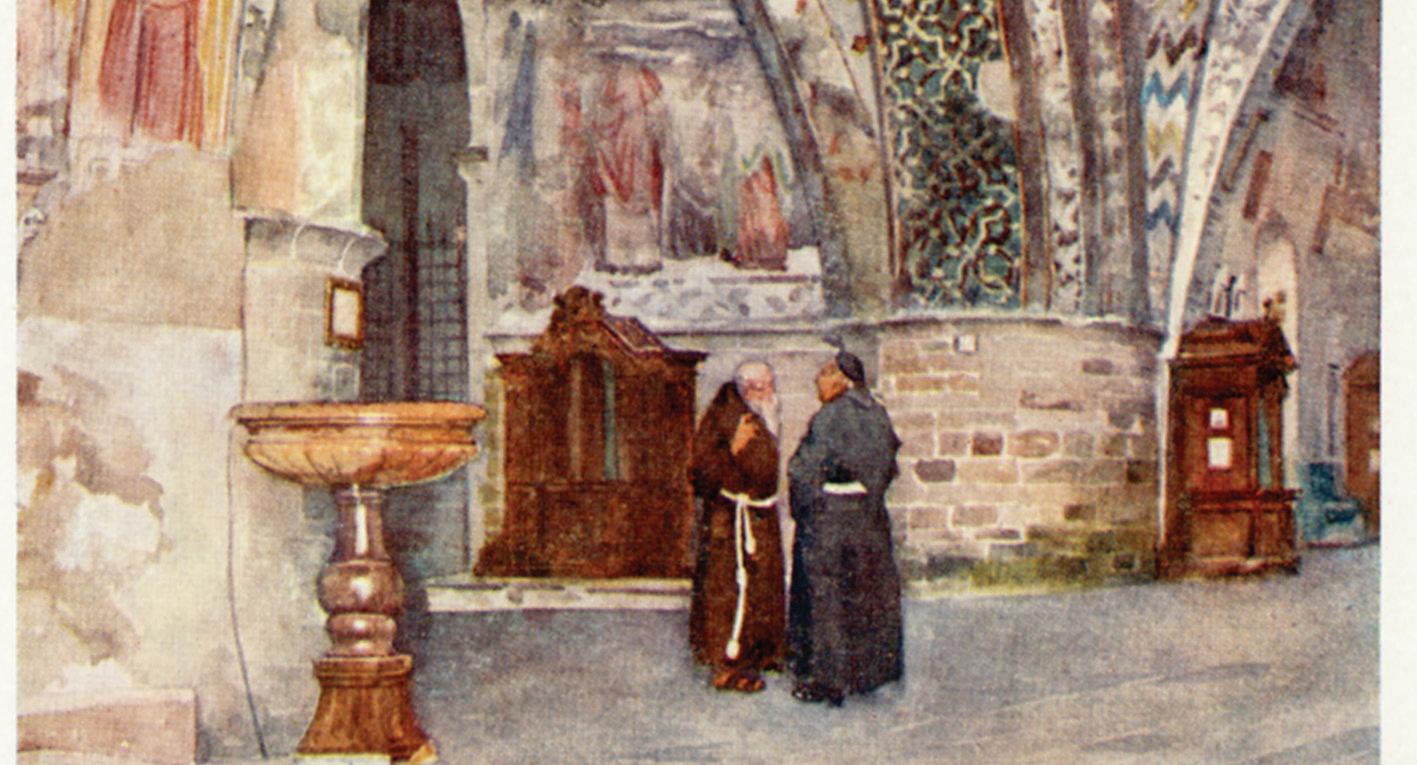
section through Bosco Francescano. Walk ends at the city gate leading to the Basilica, with its magnificent assemblage of medieval frescoes, including The Life of St Francis (possibly by Giotto). Time to walk through Assisi.
Day 7: Todi, Campanello sul Clitunno. Walk an easy route towards Todi, c. 2 hours, then coach to Todi. Time to enjoy the peaceful town with one of Umbria’s finest medieval piazzas. The 12th-century Duomo has a spectacular rose window. Campanello sul Clitunno features the enchanting Fonti del Clitunno springs and early Christian Tempietto del Clitunno.
Day 8: Spoleto. Morning in Spoleto then drive to Rome. Optional group flight from Rome Fiumicino to Heathrow, landing c. 6.30pm (June) and c. 7.00pm (October).
12–18 October 2026 (mm 199)
7 days • from $8,890 without flights
Lecturer: Dr Michael Douglas-Scott
–An in-depth exploration of the life and work of the Renaissance master, placing his art in cultural, historical and geographical context.
–A journey to the places he lived and worked: his birthplace, Urbino; Florence; and Rome, where he died.
–Private, after-hours visit to the Vatican to view Raphael’s frescoes and the Sistine Chapel, shared with participants on Essential Rome.
9–18 September 2026 (MM 162)
10 days • from $9,560
Lecturer: Alastair Learmont
Splendid residential buildings, from 13th-century castles to Edwardian opulence.
Geographically, a grand sweep from the Moray Firth in the north to the English border.
A manageable pace with an average of two sites a day, often with free time for the gardens, woodland walks and refreshments.
Day 1: Aberdeen. Arrive in Aberdeen independently. The tour begins with a talk followed by dinner at the Marcli e Hotel on the outskirts of Aberdeen. First of three nights here.
Day 2: Dunnottar, Craigievar. The first excursion features two of Scotland’s most picturesque and evocative sites. Cli top Dunnottar Castle (chapel 1276, keep 1392) was witness to several key episodes in Scottish history. Craigievar Castle, begun c. 1576 and virtually untouched since 1626, is among the loveliest and best preserved of Scottish tower houses, with its ‘baronial’ turrets and bartisans.
Day 3: Haddo, Du . Home of Prime Minister Lord Aberdeen, Haddo is a 1720s Palladian design with pedimented block, quadrants and service wings – our first encounter with architect William Adam. Enriched in the 1880s, it holds many fascinating items. Du House, also by Adam but more Baroque, retains much of its 18th-century character and, as an outstation of the National Galleries of Scotland, contains glorious paintings.
Day 4: Dun, Glamis. A William Adam design, the House of Dun is modest yet ambitious in design, with exceptional plasterwork and a captivating rural setting. Glamis Castle, home of the Earls of Strathmore since 1372, Glamis Castle is known from Macbeth and as the Queen Mother’s childhood home. Principally 16th–17th century and later ‘baronialised’, it houses many treasures. Two nights in Perth
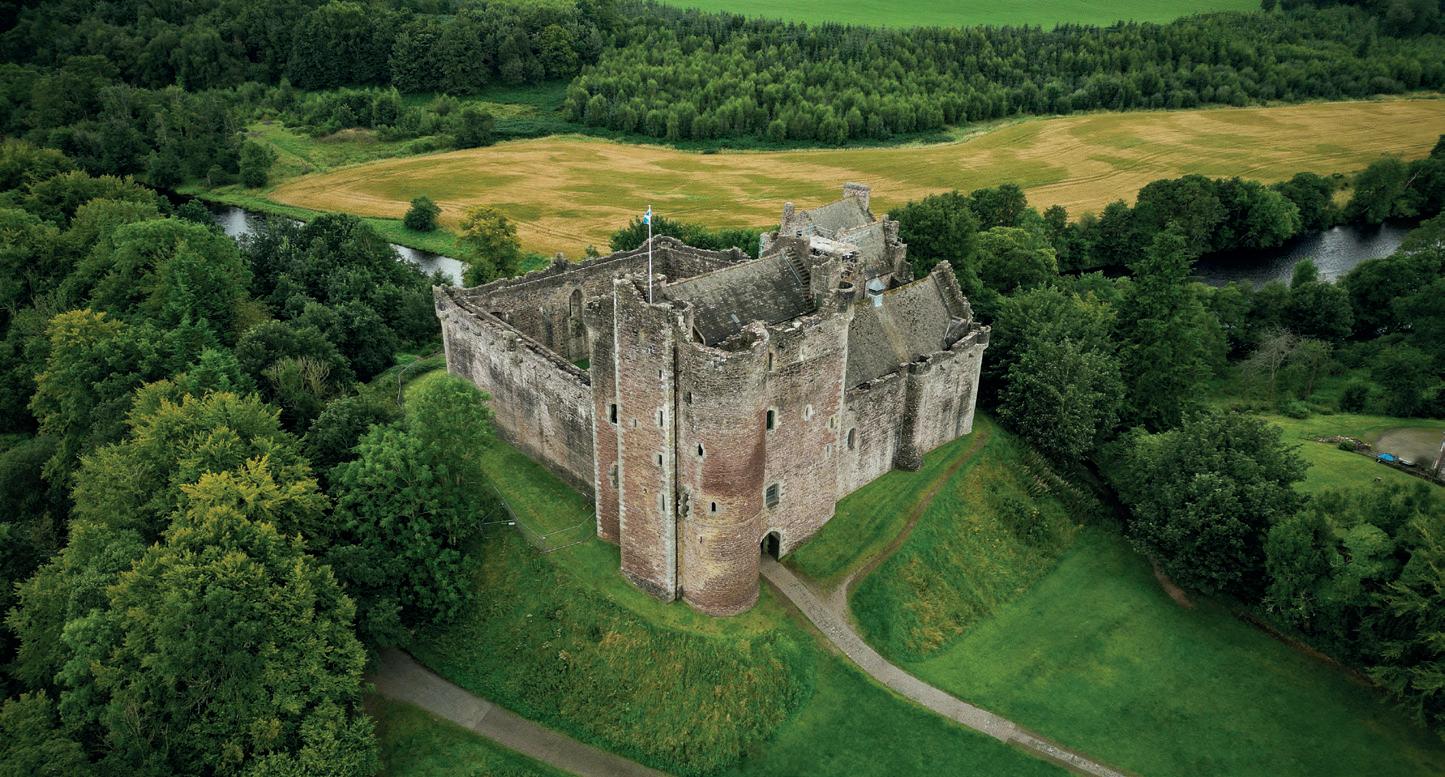
Day 5: Doune, Stirling. Built by the Duke of Albany, king in all but name 1388–1420, Doune Castle was both luxurious and formidable. Stirling Castle, dramatically situated on a volcanic outcrop, is one of Scotland’s most important royal sites. The 1503 Great Hall and the Renaissance palace of James V (1538–42), recently and vividly restored, are of the highest architectural interest.
Day 6: Scone, Hopetoun. Site of medieval enthronements, Scone’s palace and abbey were largely destroyed in the Reformation; the present 1803 Gothic Revival house by William Atkinson holds notable treasures. Hopetoun,
overlooking the Firth of Forth, was begun 1699–1701 by William Bruce, enlarged by William Adam and completed by his sons. Its artworks and furnishings are superb. First of four nights near Kelso.
Day 7: Manderston. Free morning at Schloss Roxburghe with its pool, spa, golf course and 300 acres. Manderston was among the last grand country houses in Britain. In 1903–5 an unlimited budget replaced an 18th-century mansion with a new one in similar style, lavishly decorated with exceptional craftsmanship, including silver stair rails.
Day 8: Abbotsford, Mellerstain. Abbotsford, home of Sir Walter Scott, was co-created with William Atkinson from 1817 as an early Picturesque design with asymmetry and medievalisms. Lovely gardens and views of the Tweed. Free time for lunch in Melrose. Mellerstain is one of Robert Adam’s supreme country houses, the finest exemplar of his castle style and a showcase for some of his most splendid rooms. Good gardens and pictures.
Day 9: Floors, Traquair. Home to the Duke of
21–27 September 2026 (mm 180)
7 days • from $6,280
Lecturer: Sophie Campbell
Roxburghe, Floors Castle is Scotland’s largest inhabited house. The 1720s core (William Adam) was enlarged a century later (William Playfair) and crowned with tourelles and ogival caps. Grand rooms, superb art, wonderful gardens. Traquair, probably Scotland’s oldest continuously inhabited home, has scarcely changed for three centuries, with a bewitchingly beautiful façade, eccentric and evocative rooms, informal gardens and woodland walks.
Day 10: Paxton. One of Britain’s finest Palladian houses, Paxton was begun in 1758 by John and James Adam with interiors by Thomas Chippendale, father and son. Regency additions include the Library and grand Picture Gallery. The art collection has been enriched with works from Scotland’s national collection. Finish by 2.00pm at Berwick-on-Tweed station, with rail services to Edinburgh and London.
Note on the itinerary: repairs, restoration, and other exigencies may cause the loss of one of the places listed. We would work to find substitutes.
–Walk between two and six miles a day from the source of the Thames to Hampton Court. –Along the towpath and through the gentle hills which flank the valley.
–Visit villages, churches, country houses, gardens and palaces with regal connections from the Middle Ages to the present day.
Waiting list only for 2026. Register interest for 2027:
15–27 April 2027
13–25 May 2027
20 May–1 June 2027
2– 14 September 2027
October 2027
The best of Uzbekistan and some of the most glorious sights in the Islamic world.
Memorable landscapes, magnificent mosques and madrassas, wonderful wall tiles, intact streetscapes.
Remote, di cult to access and remarkably unspoilt.
Day 1. Optional group flight (on request) at c. 11.30am (Turkish Airlines) from London Heathrow to Tashkent via Istanbul, arriving Tashkent c. 1.00am. Three nights in Tashkent. Rooms available from 2.00pm today.
Day 2: Tashkent. Lunch at 1.00pm. Visit the old town: the Khast Imam complex houses one of the earliest Qur’an manuscripts; metro trip including stations known for colourful ceramic decoration, domed interiors and chandaliers.
Day 3: Tashkent. The morning is spent at the Chorsu Bazaar and Kukeldash Madrassa, introducing the theme of Soviet reconstruction of Islamic heritage. Afternoon visits to the State Museum of History and Amir Timur Museum.
Day 4: Tashkent to Samarkand. High-speed train from Tashkent to Samarkand. Visit Shahi-Zinda, an ensemble of mausolea gorgeously apparelled in many types of dazzling glazed tiles, the Afrasiab History Museum, which documents pre-Islamic Samarkand, and remains of the observatory built by Ulug Beg in the 15th century. Three nights in Samarkand.
Day 5: Shakhr-i-Sabz. Cross by car the Hisor Mountains, with dramatic views down the sunbaked valley. Timur (1336–1405) transformed his home town of Shakhr-i-Sabz. See the astounding palace portal, an arch 22 metres wide with a wondrous range of tiled decoration. Further Timurid remnants include a mosque complex with three turquoise domes.
Day 6: Samarkand. Begin with the Amir Timur Masuoleum, burial place of Timur. The Registan, described by Lord Curzon in 1889 as ‘the noblest public square in the world’, is framed on three sides by magnificent 15th- and 17thcentury madrassas. Commissioned by Timur in honour of his wife, the Bibi Khanum Mosque is an extraordinary feat of scale. Gumbaz Synagogue was constructed in the 19th century for Samarkand’s Jewish community.
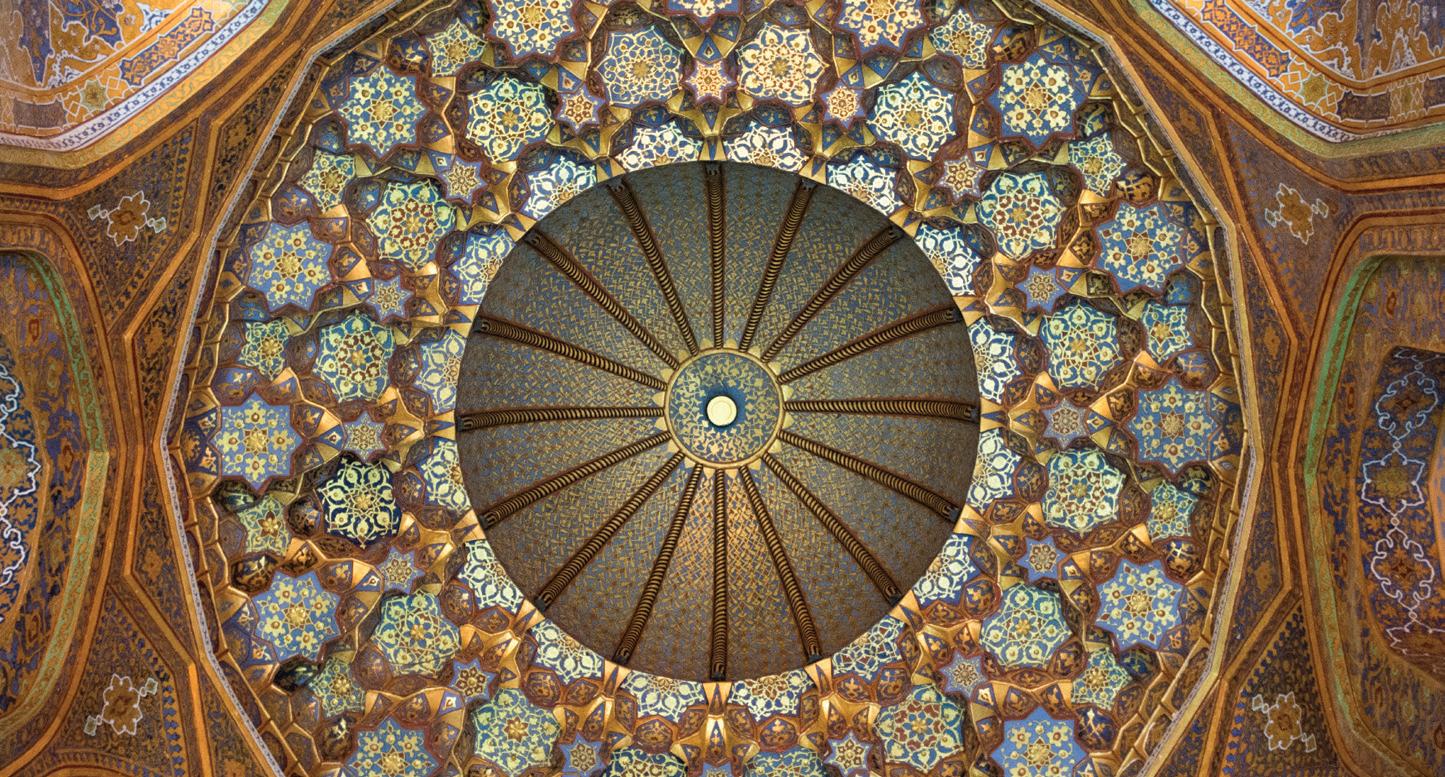
Day 7: Samarkand to Bukhara. High-speed train from Samarkand to Bukhara. Visit Central Asia’s oldest surviving mosque, Magok-i-Attari, before lunch in the hotel. Afternoon walk in the heart of the city, the Lyab-i Hauz square built around a 15th-century pool and flanked by the Nadir Divanbegi Madrassa and Khanaga. Tea under the mulberry trees. Three nights in Bukhara.
Day 8: Bukhara. Genghis Khan ensured in 1220 that little survived of Bukhara’s first golden age, with notable exceptions including the 48-metre Kalyan Minaret. From the city’s second flourishing in the 15th and 16th centuries, much magnificent, lavishly embellished architecture endures. Today’s walks take in the vast Kalyan Mosque, several grand madrassas, the citadel of the khans and the Zindan, their infamous prison. Free afternoon, with an optional excursion to Cheshma-yi-Ayyub at Vabkent, an early 13th-century enclosure of a spring associated with the prophet Job.
Day 9: Bukhara. Visit the 12th century Namaz Goh mosque and the 10th-century Mausoleum of Ismail Samani with exquisite brickwork. Walk through the park to the Bolo Hauz Mosque with its elegant patio of timber columns. The resting place of a Mongol khan, the Mausoleum of Buyan-Khuli Khan still has some fine chipped 14th-century mosaic and terracotta. Next door are the twin domes of the larger Saifuddin Bukharzi Mausoleum. Free afternoon.
Day 10: from Bukhara to Khiva. The 280mile journey starts and finishes in an unspoilt landscape of green fields, plentiful trees and adobe farmsteads, while the central section is undulating desert, specked with tufty shrubs that are briefl y green in the spring. There are periodic sightings of the meandering Oxus, the mighty river crossed by Alexander the Great in 329 bc. Two nights in Khiva.
Day 11: Khiva. No modern intrusions spoil the timeless fabric within the rectangle of crenellated and turreted ramparts. Most buildings are 19th-century, but Khiva’s isolation and conservatism mean they could, to the inexpert eye, date from the 16th or even 13th century. The Friday Mosque, with its forest of carved wooden columns, the Tash Hauli Palace with its exquisite harem quarters, and the richly tiled Paklavan Mahmoud Mausoleum are among the highlights.
Day 12: Khiva. Free morning in Khiva. After lunch, depart for the Ellikqala district and visit the Ayaz Kala fortress and the TopraqKala ruins. Drive to Urgench for dinner. Late evening flight to Tashkent, arriving shortly after midnight. Overnight Tashkent.
Day 13: Tashkent to London. Optional group flight to London (direct – Uzbekistan Airways) arriving Heathrow c. 2.30pm.
20 August–1 September 2026 (mm 198)
13 days • from $11,480 without flights
Lecturer: Dr Peter Webb
– Monumental Persian, Indian and Chinese remains in spectacular landscapes.
– Unspoilt rural Kyrgyzstan – includes a night in a yurt in a traditional nomad camp.
22–27 August 2026 (MM 137)
6 days • from $8,320 without flights (including tickets to 8 performances) Lecturer: Richard Wigmore
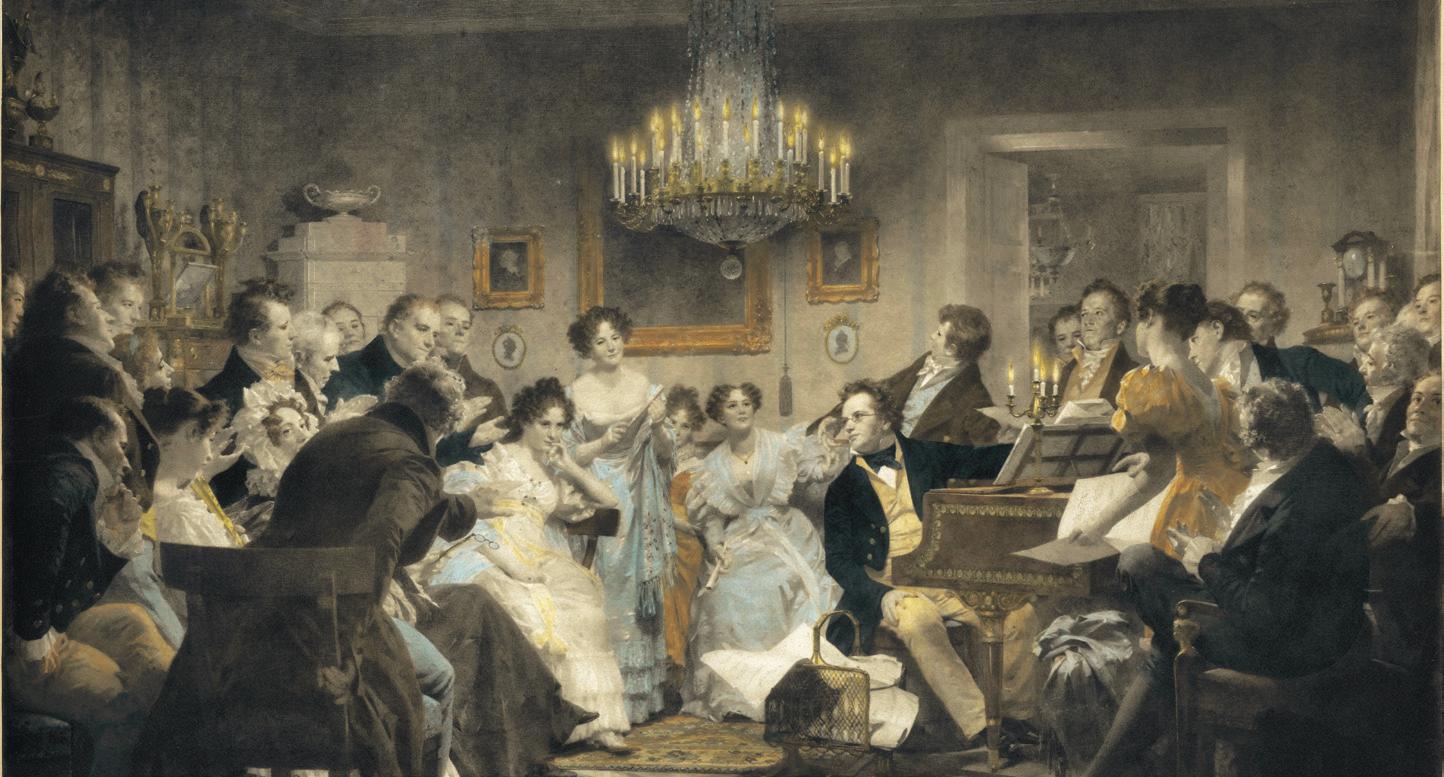
Amid the superb mountain scenery of the Vorarlberg, the Schubertiade is one of the most prestigious and enjoyable festivals in Europe. Musicians of the highest calibre perform, including Malcolm Martineau, Elisabeth Leonskaja, Christiane Karg, Marc-André Hamelin and Andrè Schuen.
Excursion to the historic town of Bregenz and an optional hill walk on the Baumgartner Höhe, but time also to relax among ravishing upland scenery.
Day 1. Optional group flight (on request) in latemorning from London Heathrow to Zurich (British Airways). Drive through Switzerland and into Austria, arriving late afternoon at Mellau in the lovely upland landscape of the Bregenzerwald. All fi ve nights are spent in this very attractive village.
Day 2. Enjoy a leisurely morning. After the first lecture, set o to Schwarzenberg for an afternoon Lieder recital with Christiane Karg (soprano) and David Fray (piano): Lieder by Schubert. Followed by an evening piano recital with Elisabeth Leonskaja (piano): Schubert, Sonata in B major, D. 575; Four Impromptus, D. 935; Sonata in A major, D. 959.
Day 3. Morning excursion to Bregenz, the regional capital located beside Lake Constance. Begin in the upper town, the picturesque older part, and walk down to the lake and visit the local history museum. Return to Mellau for a lecture before driving to Schwarzenberg. Afternoon Lieder recital with Andrè Schuen (baritone) and Daniel Heide (piano): Brahms, ‘Die schöne Magelone’, Op. 33. Followed by an evening chamber concert with Veronika Eberle (violin), Julia Hagen (cello), Lukas Sternath (piano): Brahms, Piano Trio in C minor, Op. 101; S hostakovich, Piano Trio in C minor, Op. 8; Schubert, Piano Trio in E-flat major, D. 929.
Day 4. The morning is free for independent exploration or relaxation. After the lecture, drive to Schwarzenberg for an afternoon piano recital with Marc-André Hamelin (piano): Beethoven, Sonata No. 7 in D major, Op. 10 No. 3; R. Schumann, Fantasiestücke, Op. 12; Schubert: Sonata in G major, D. 894. Followed by an evening Lieder recital with Sophie Rennert (mezzo-soprano) and Joseph Middleton (piano): Schubert, ‘Winterreise’, D. 911.
Day 5. Optional walk on the Baumgartner Höhe: 4km (max 2½ hours), altitude gain 200m,
a moderate walk with inclines and terrific views and starting and ending with a funicular ride. Return to Mellau for a lecture before driving to Schwarzenberg for an afternoon chamber concert with Minetti Quartett: Schubert, Overture in C minor, D. 8A; String Quartet in C major, D. 46; Octet in F major, D. 803. Followed by an evening Lieder recital with Nikola Hillebrand (soprano), Patricia Nolz (mezzosoprano), Mauro Peter (tenor), David Ste ens (bass), Malcom Martineau (piano): Lieder by Schubert.
Day 6, Homeward journey. Stop at Winterthur to see the Old Master and Impressionist paintings of the Oskar Reinhart Collection, beautifully displayed in the collector’s home in the woods outside the city. In the afternoon visit Villa Flora, also in Winterthur, renowned for its collection of 19th-century art. Optional group flight from Zurich, arriving at London Heathrow at c. 7.45pm.
15–21 August 2026 (mm 134)
7 days • from $8,090 without flights
Lecturer: Richard Wigmore
–Six private concerts in beautiful and appropriate buildings, part of our Music Along the Danube festival, with the addition of fi ve country walks.
–A singularly beguiling combination of music and place: some the most beautiful locations in the Danube valley are also where some of the greatest composers of the Western classical tradition lived or worked.
–Stays in hotels in Vienna and Dürnstein rather than on the ship.
–Led by lecturer, critic and musicologist Richard Wigmore.
22 September–7 October 2026
16 days • from $12,350 without flights
Lecturer: Prof Graham Philip
A journey through Turkey’s historic East from Mesopotamia and the Fertile Crescent to the Caucasus and the Black Sea.
Spectacular landscapes featuring mountains, valleys, plains and coast.
Wide-ranging themes and varied architecture; Byzantine and Georgian churches, Seljuk mosques and Armenian monasteries.
Showcases the many cultural interactions between East and West.
Day 1. Optional group flight (on request) at c. 1.30pm (Turkish Airlines) from London Heathrow to Gaziantep via Istanbul, arriving c. 10.45pm. Overnight in Gaziantep.
Day 2: Gaziantep, Şanlıurfa. Visit the Gaziantep Museum, renowned for 2nd–3rd-century BC mosaics. Drive to Şanlıurfa to see Göbekli Tepe, the c. 10,000 BC ceremonial site that reshapes understanding of the early Neolithic. Two nights in Şanlıurfa
Day 3: Şanlıurfa. Explore Şanlıurfa, ancient Edessa. In the morning drive to Karahan Tepe, another major early-Neolithic site with T-shaped pillars and structures over 10,000 years old. In the afternoon visit the 12th-century mosque complex associated with the birth of Abraham.
Day 4: Şanlıurfa to Karadut. Drive across Mesopotamia, shaped by the Euphrates and Tigris and home to Akkadian and Assyrian civilisations, to Nemrut Dağ, where the temple-tomb of Antiochus I (86–31 BC) crowns one of the region’s highest peaks. Its colossal statues and fusion of Greek and Persian motifs reflect the hybrid culture of Commagene. Overnight in Karadut.
Day 5: Diyarbakır, Mardin. In Diyarbakır, a historic stronghold on the upper Tigris, visit the Great Mosque (639; rebuilt 11th century) and St Giragos Church (1376), one of the largest Armenian churches in the region. Continue to Mardin, famed for its stone architecture and hilltop setting. Two nights in Mardin.
Day 6: Mardin. Visit Deyrul Zafaran Monastery (495), once the seat of the Syrian Orthodox patriarch, notable for its finely carved stone chapels. The Kasimiye Madrasah was built during the Artuklu Period and completed in 1445. Explore Mor Behnam Church (569) and the Grand Mosque.
Day 7: Mardin, Batman, Van. Travel from Mardin to Van passing from stony uplands into fertile plains before reaching Lake Van. Near Anıtlı, visit the Monastery of the Virgin Mary, a 1st-century Roman triumphal arch, converted into a church
in the 5th–6th centuries. Lunch in Batman. Three nights in Van.
Day 8: Akdamar Island, Van. Boat to see the Church of the Holy Cross (built 921), seat of king Gagik Artzrun. The sandstone church has reliefs of Biblical stories, mythological animals and Gagik himself, with faded frescoes inside. Lunch in idyllic lakeside setting.
Day 9: Van, Çavuştepe. In Van (ancient Tushpa) visit the museum tracing the region’s long history. Explore Van Castle, with its dramatic position above the lake and trilingual inscription of Xerxes carved into the rock face. Drive to Çavuştepe, the 8th-century BC fortress-palace of Sarduri-Hinili, with its temple platform, cisterns and storage chambers. End the day at the imposing Hosap Castle, built by the Kurds.
Day 10: Mount Ararat, Kars. Drive through the Artüs Mountains to the İshak Paşa Palace, an Ottoman complex at the base of Mount Ararat that blends Seljuk, Iranian, Georgian and Armenian elements. Scenic drive north along the Armenian to Kars. Two nights in Kars.
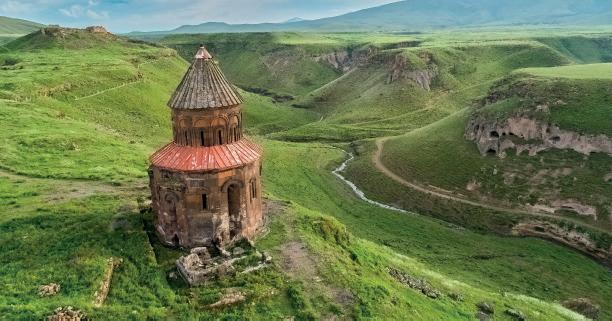
Day 11: Ani, Kars. Visit Ani, former medieval Armenian capital, with its fortified walls, towers and important churches overlooking the deep gorge forming today’s border. Return to Kars to see the Armenian Church of the Holy Apostles, the castle and Ulu Camii.
8–20 October 2026 (mm 198)
13 days • from $11,520 without flights
Lecturer: Jeremy Seal
Day 12: Kars to Erzurum. Follow the Aras river west through the Aladağlar mountains, passing the beautiful six-arched Çobandede bridge. In Erzurum, visit the Seljuk Ulu Camii, with its wooden dome, and also the twin-minareted Çifte Minare Medrese, its entrance adorned with stalactite porches. Two nights in Erzurum.
Day 13: Ösk Vank, Khakhuli, Erzurum. Excursion to 10th-century Georgian monasteries of Ösk Vank and Khakhuli in the historic region of Tao-Klarjeti. Founded by David the Great Kuropalates, they retain fine reliefs and, at Khakhuli, traces of frescoes.
Day 14: From Erzurum to Trabzon. Drive north through the Pontic Alps to the spectacularly sited Sümela Monastery, clinging to the cli s above the Altindere Valley, with frescoes from the 14th–18th centuries. Continue down through forested slopes to Trabzon on the Black Sea for two nights.
Day 15: Trabzon. Visit Atatürk’s Pavilion, used during his 1924 stay, then the late-Byzantine Aya Sophia with its 13th-century frescoes. Continue to the Kızlar (Panaghia Theoskepastos) Monastery above the city, ending with a short city tour.
Day 16: Optional group flight from Trabzon to Heathrow, via Istanbul, arriving at c. 4.50pm.
– Endlessly fascinating journey through an extraordinary variety of landscapes and civilizations. – Some of the finest examples of Seljuk architecture including UNESCO site at Divriği.
5–16 November 2026 (mm 224)
4–5 November 2027 - register interest 12 days • from $19,230 International flights not included Lecturer: Yoko Kawaguchi
Study the evolution of Japanese gardens through the centuries to appreciate the relationship of gardens to the Japanese way of life.
From Kyoto’s wealth of exquisite temple gardens to Tokyo’s hill-and-pond gardens.
Explore other aspects of Japanese culture. Fine examples of ‘borrowed scenery’ at Nara, with its Buddhist temples and deer park, and Hikone Castle on the shore of Lake Biwa.
Day 1: Tokyo. The tour begins in Tokyo with lunch in the hotel. Afternoon visit to the Imperial Palace and reconstructed East Palace Garden. Two nights in Tokyo.
Day 2: Tokyo. At Edo, the daimyo built grand residences with vast gardens. The 17th-century landscape garden Koishikawa Korakuen reflects their sumptuous, eclectic tastes. Nezu Kaichirō’s collection of East Asian art is displayed in the museum bearing his name, set within a tranquil garden dotted with teahouses. Visit Kiyosumi: a superb, late 19th-century landscape garden built for Iwasaki Yataro, founder of the Mitsubishi conglomerate.
Day 3: Kyoto. Bullet train to Kyoto. Visit the 14th-century Tenryu-ji, a Zen Buddhist temple and its panoramic pond garden with a ‘dragongate’ waterfall. Five nights in Kyoto.
Day 4: Kyoto. Morning visit to Ginkaku-ji (Temple of the Silver Pavilion), whose pavilion overlooks an elaborate dry-landscape garden featuring an enigmatic flat-topped conical mound. The superb garden at Chishakuin resembles an unfolding landscape scroll painting. Optional visit to the Miho Museum, designed by I.M. Pei and harmoniously integrated into a forested nature reserve.
Day 5: Kyoto. Ryoan-ji’s walled stone garden, with its 15 boulders, is one of Japan’s most abstract gardens. Nearby, the garden of Kinkaku-ji (Temple of the Golden Pavilion), a shogun’s villa later turned temple, retains aspects of the ‘paradise’ style. Afternoon visit to the walled temple compound of Daitoku-ji, whose sub-temples possess notable examples of dry-landscape gardens. One of the finest is at Daisen-in, a miniature landscape heavily infl uenced by Chinese ink-brush paintings.
Day 6: Nara. Excursion to Nara, first capital of Japan (ad 710–794), modelled on the Tang capital of Chang’an (Xi’an) in China. The 12thcentury Joruri-ji has a rare surviving example of a ‘pure land’ temple garden with a pagoda and
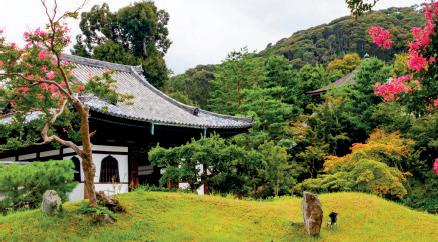
hall with nine golden Buddhas. Much of Nara is parkland dotted with ancient temples, including Todai-ji with its monumental bronze Buddha.
Day 7: Kyoto. Nanzen-ji is distinguished by its massive gate and abbacy quarters, which contain fine 17th-century painted screens by Kano Tan’yu. With its sub-temples, it sits amid important dry-landscapes created by the 17thcentury tea master and garden designer Kobori Enshu. Nearby Murin-an boasts a landscaped pond garden, a masterpiece of the late 19thcentury garden designer Ogawa Jihei VII.
Day 8: Hikone, Kanazawa. Drive to Hikone, on Lake Biwa, and its two adjoining parks Genkyuen and Rakuraku-en. Genkyu-en is a famous feudal landscaped garden incorporating the view of the early 17th-century keep at Hikone Castle. Two nights in Kanazawa, which retains much of its old character.
Day 9: Kanazawa. Kenroku-en, one of Japan’s finest strolling landscape gardens, was created for the powerful feudal lord of Kagawa. It o ers superb views of pine trees roped in readiness
for winter. Within the grounds stands the elegant villa Seisonkaku, built for the widow of the 12th century lord, with beautiful courtyard gardens.
Day 10: Kanazawa, Tokyo. Bullet train to Tokyo. Afternoon at the Tokyo National Museum, which houses some of the finest Japanese art in the world, from prehistoric, sculptural earthenware to exquisite paintings and decorative objects of courtly patronage. Two nights in Tokyo.
Day 11: Tokyo. The 18th-century Rikugi-en o ers superb views over its lake. Free time to explore the colourful, traditional Japanese area surrounding the Asakusa Kannon Temple. Boat down the Sumida River to Hama-rikyu, originally a tidal garden and hunting lodge belonging to the Tokugawa Shogunate and now a peaceful retreat in the heart of the metropolis.
Day 12: Tokyo. The tour ends after breakfast. Independent departures.
Traditions of Japan
19 April–1 May 2027
18–30 October 2027
Art in Japan
5–16 April 2027
Shoguns & Samurai
13–26 April 2027
Register your interest for 2027
7–14 November 2026 (mm 226)
8 days • from $6,690 without flights Lecturer: Dr Zena Kamash
Exceptionally preserved Punic and Roman remains; some of the best in North Africa.
Varied and striking landscapes; less-visited sites. Outstanding Roman mosaics throughout, both in museums and on archaeological sites.
Important Islamic sites of Kairouan, Tunis and Testour.
Day 1: Tunis. Optional group flight (on request) from London Heathrow to Tunis with Tunisair, departing at c. 4.50pm. Three nights in Tunis.
Day 2: Tunis, Carthage. A former palace, the Bardo Museum houses the finest collection of Roman mosaics in the world. Afternoon visit to the principal sites of Carthage, capital of the Punic (Carthaginian) world and later the second city in the western Roman Empire after Rome.
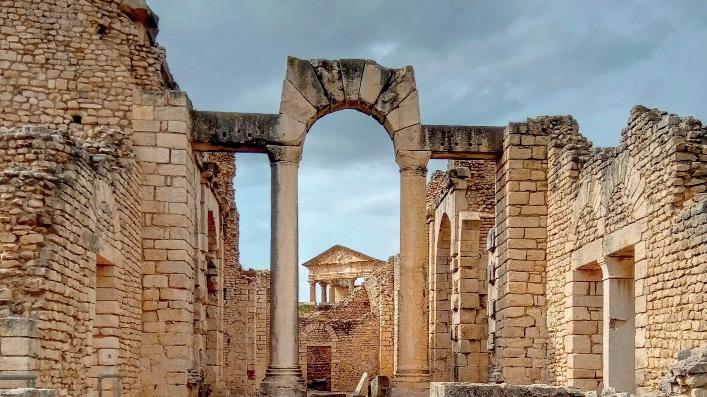
Day 3: Dougga, Testour. Full-day excursion to the superb site of Dougga, UNESCO WorldHeritage-listed, and one of the best-preserved Roman cities in North Africa. Grand Roman buildings have evidently been added to a preRoman city plan with no regular street layout. Remains include Roman temples, baths, a theatre and circus, a spectacular 2nd-century BC tomb monument and a Byzantine (6thcentury AD) fortification surrounding the Roman forum. Testour, founded in the 17th century by Andalusian immigrants, has a unique mosque.
Day 4: Oudna (Uthina), Thuburbo Majus, Zaghouan, Kairouan. Visit the Roman site of Uthina with several good quality mosaics in situ. The amphitheatre has underground vaulted cells intact. Thuburbo Majus is a major Roman city, with a colonnaded forum, fine temples, houses and baths and, by contrast with Dougga, streets laid out on a rectilinear grid. At 51 km long, the Zaghouan–Carthage aqueduct was one of the longest in the Roman world and its remains are breathtaking. Its source at Zaghouan was beautifully embellished with a water temple, set in a courtyard in a hillside terrace. Two nights in Kairouan.
Day 5: Kairouan, El Djem. Morning in Kairouan, with visits to the Medina and the Great Mosque (8th/9th century) and other examples of local traditional architecture. The immense colosseum at El Djem could hold 30,000 and is a remarkable sight, towering over its modern surroundings. The small museum nearby contains exquisite mosaics.
Day 6: Sousse, Sidi Bou Said. Founded in the 9th century BC, Sousse fell to Carthage three
centuries later. Hannibal’s base during the Second Punic War, it subsequently took on a Roman allegiance. In the 7th century AD it fell to the Arabs. Visit the archaeological museum located within the Kasbah of the old city, renowned for its mosaic collection. Continue Free time and first of two nights in Sidi Bou Said.
Day 7: Tunis. The Medina, the vibrant old town, is a maze of alleys crammed with ancient buildings, covered markets and beautiful doorways. At its heart lies the Great Mosque of 9th-century AD origin, one of North Africa’s most significant Islamic buildings. The rest of the day is free. A private evening visit to the Ennejma Ezzahra (Splendid Star), built by master craftspeople in the 1900s as a home for the Baron Rodolphe d’Erlanger, in homage to his passion for the Middle East. It is now a museum and the Centre for Arab and Mediterranean Music.
Day 8. Optional group flight from Tunis to London Heathrow (Tunisair), arriving c. 4.00pm.
15–26 November 2026 (mm 134)
12 days • from $12,110 without flights
Lecturer: Professor Alex Metcalfe
–From Rabat to Marrakech, including the imperial cities of Fes and Meknes.
–Spectacular landscapes: the Atlas Mountains, valleys, palm groves, woodland, desert. –See the sun set over the sand dunes at Merzouga and visit the magnificent Roman ruins at Volubilis.
23–29 November 2026 (mm 235)
7 days • from $6,820 without flights Lecturer: Dr Mark Grahame
One of the most exciting tours possible dealing with Roman archaeology. A unique insight into everyday life in the Roman Empire.
Two principal sites, both buried by the eruption of Vesuvius in ad 79 and preserved with unparalleled completeness.
Important early Greek settlements, including Paestum, Cumae and Pozzuoli.
Day 1. Optional group flight (on request) at c. 2.00pm from London Heathrow to Naples (British Airways). Drive to the Santa Lucia waterfront district of Naples, where all six nights are spent.
Day 2: Naples. This day is spent familiarising in Naples. o visit some of the principal ancient sites of the city, including the church of San Lorenzo Maggiore and its subterranean excavations.
Day 3: Paestum. Paestum was a major Greek settlement and is one of the most interesting archaeological sites in Italy. Three outstanding Greek Doric temples stand in a remarkable state of preservation. Visit also the excellent museum which contains a very rare ancient Greek painted tomb and fascinating sculptured panels (metopes) of the sixth-century bc , among the earliest anywhere.
Day 4: Cumae, Baia, Pozzuoli. Spend the day around the Bay of Naples at some little-visited but fascinating sites. Cumae was the first Greek settlement on mainland Italy, and material from here and other sites visited during the tour can be seen in the archaeological museum of the Phlegraean fields in the spectacularly situated castle at Baia. The port of Pozzuoli has a wellpreserved amphitheatre and market.
Day 5: Pompeii. Since its first exploration during the 18th century, ancient Pompeii has been one of the world’s most famous archaeological excavations. The fascination of the site lies not only in the major public buildings such as the theatre, temples and the forum but also in the numerous domestic dwellings, from cramped apartments to luxurious houses with their mosaic pavements and gaudily frescoed walls.
Day 6: Herculaneum, Oplontis. At Herculaneum, buried by the first pyroclastic surge which was cooler, timber and other fragile artefacts that normally do not survive have been preserved by the unique conditions of burial. Less than a quarter of this town has been excavated, and in the part preserved the emphasis is on private dwellings and
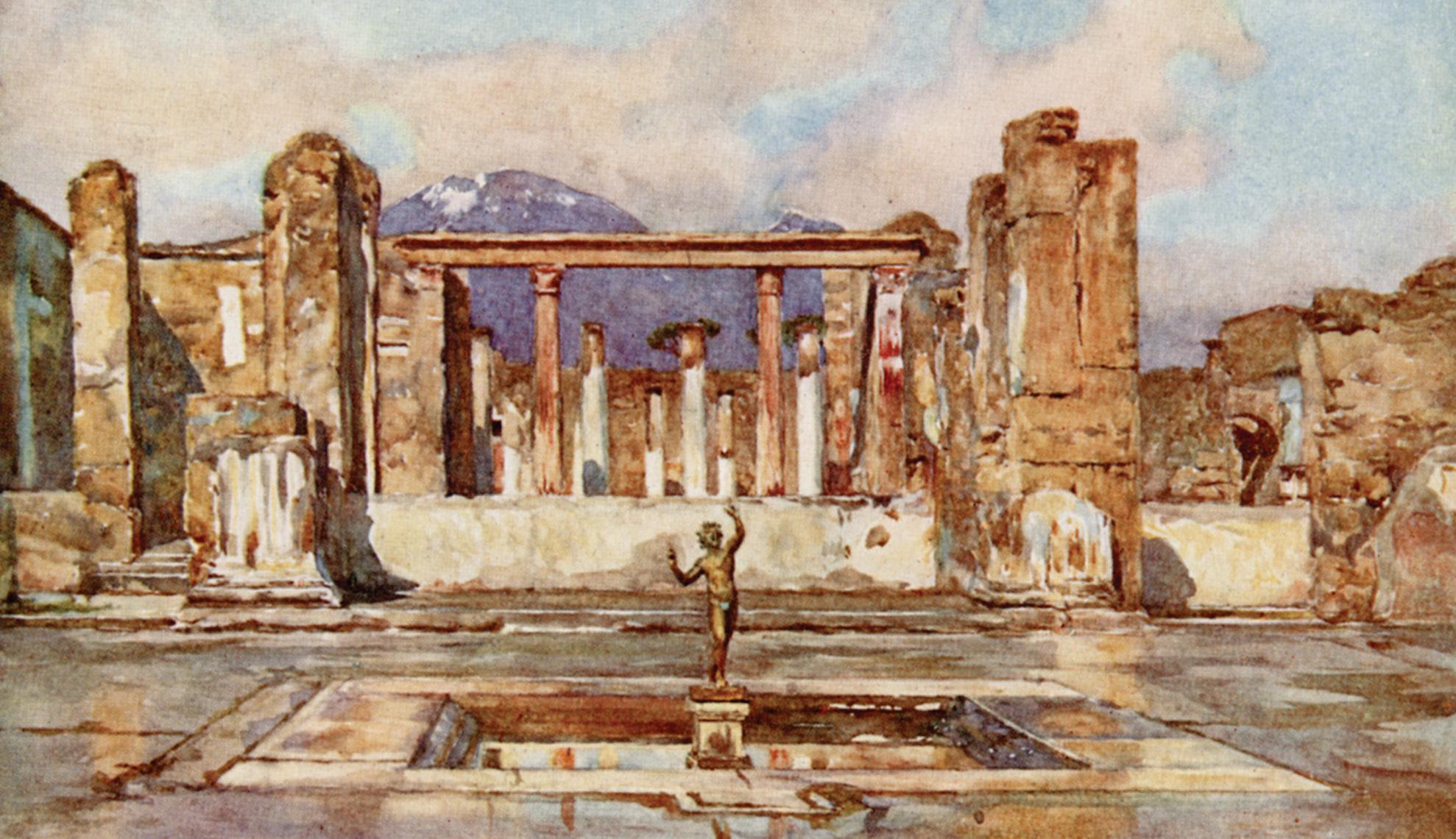
their decoration. Visit the lavish villa at Torre Annunziata (ancient Oplontis), which may have been the home of Poppaea, wife of Nero. It is one of the loveliest of ancient sites, with rich wall paintings, a replanted garden and a swimming pool.
Day 7: Naples. The Archaeological Museum in Naples has one of the finest collections in the world, and is the principal repository for both the small finds and the best-preserved mosaics and frescoes discovered at Pompeii and Herculaneum. Optional group flight from Naples to London Heathrow, arriving c. 8.45pm.
16–23 November 2026 (mm 134)
12 days • from $9,230 without flights
Lecturer: Dr Lucy Davis
–Unhurried appreciation of the finest painter of the Italian Baroque in the company of art historian Lucy Davis.
–Almost twenty of Caravaggio’s works: most in Italy’s greatest art museums, some in their original chapels, one in private ownership.
–A unique and original journey by rail along the length of Italy.
19–29 October 2026 (mm 215)
11 days • from $9,660 without flights Lecturer: Dr Philippa Joseph
Varied itinerary covering the great Moorish sites, medieval, Renaissance and Baroque architecture, fine art collections and gardens.
Three nights in each of the major cities: Granada, Córdoba and Seville.
Private after-hours visit to the Alcázar in Seville, plus visits to other major sites including the Alhambra in Granada and the Picasso Museum in Málaga.
Also includes the delightful and lesser-visited small Renaissance towns of Úbeda and Baeza.
Day 1. Optional group flight (on request) at c. 9.15am from London Gatwick to Málaga (British Airways). Lecture and a visit to Picasso’s birthplace. Overnight in Málaga.
Day 2: Málaga. The Picasso Museum is magnificent, both the 16th-century building and the collection, which focuses on his earlier works. The Carmen Thyssen museum has a fine collection of old masters and 19th-century Spanish painting. Granada for three nights.
Day 3: Granada. The 13th-century Arab palaces of the Alhambra, riding high above the city, are regarded as the greatest expression of Moorish art in Spain. Adjacent are the 16thcentury Palace of Charles V and the Generalife, summer palace of the sultans, with gardens and fountains.
Day 4: Granada. Visit the Cathedral and Royal Chapel which retains Isabel of Castile’s personal collection of Flemish, Spanish and Italian paintings. Walk through the Albayzín, the oldest quarter in town, including El Bañuelo (Arab baths). Climb up to San Nicolás from where there are fine views of the Alhambra.
Day 5: Baeza, Úbeda . Drive to Baeza, once an important town and now a quiet backwater set among olive groves. It has a 16th-century cathedral by architect Andrés de Vandelvira and many grand houses of an alluring lightcoloured stone. In Úbeda walk to the handsome Plaza Vázquez de Molina, flanked by elegant palaces including Vandelvira’s Casa de las Cadenas and the present day parador. The church of El Salvador was designed by Diego de Siloé in 1536. Continue to Córdoba for three nights.
Day 6: Córdoba. From the mid 8th-century Córdoba was the capital of Islamic Spain and richest city in Europe until its capitulation to the Reconquistadors (1236). La Mezquita is one of the most magnificent Muslim sites, containing the 16th-century cathedral. Visit the Medina
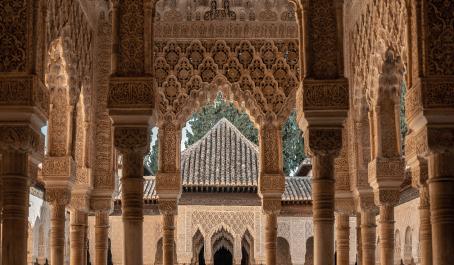
Azahara excavations, with remains of a huge, luxurious 10th-century palace complex.
Day 7: Córdoba. Visit the Alcázar and the Archaeological Museum, housed in brand new galleries and a Renaissance mansion, with a fine collection of Roman and Arab pieces. See the narrow streets of the old Jewish quarter, and the 14th-century synagogue. Optional visits to the Fine Arts Museum, with Plateresque façade and Spanish paintings, and Museo Julio Romero de Torres, former home of the painter, containing a collection of his works.
Day 8: Écija, Seville. The many church towers of Écija are visible from afar. Of the numerous Baroque mansions see the Palacio de Peñaflor and Palacio del Marqués de Benameji, and visit the Gothic-Mudéjar church of Santiago. Drive to Seville for three nights.
4–8 November 2026 (mm 187)
5 days • from $4,760 without flights
Lecturer: Dr Xavier Bray
Day 9: Seville. The cathedral is one of the largest Gothic churches anywhere. The Capilla Mayor, treasury and sanctuary are of particular interest. Free afternoon. Private evening vist to the Alcázar, the fortified royal palace housing a sequence of apartments and reception rooms around courtyards and gardens.
Day 10: Seville. Walk through the Barrio de Santa Cruz, a maze of whitewashed alleys and flower-filled patios, to the Casa de Pilatos, the best of the Mudéjar style palaces, with patios and azulejos. Afternoon at the Fine Arts Museum, the best in Spain after the Prado, Day 11. Free day in Seville, with an optional morning visit to the Palacio Lebrija. Optional group flight from Seville to London Gatwick arriving c. 6.45pm (Vueling).
–Includes two visits to the Prado (one of which is private) plus the Thyssen-Bornemisza Collection and the Reina Sofía, home to Picasso’s Guernica.
–Lesser-known places include the Archaeological Museum & the Lázaro Galdiano Museum.
– Also visit the newly opened Galería de las Colecciones Reales, showcasing the finest works from Spain’s royal collections.
8–17 April 2026 (mm 918) & 16–25 September 2026 (mm 168) 10 days • from $7,230 without flights Lecturer: Carolyn Metkola
Discover a forgotten history of conflict, culture and economic power.
Explore the remains of once-flourishing Greek, Roman and Ottoman cities.
Stay in the unesco World Heritage towns of Berat and Gjirokastra.
Day 1. Optional morning group flight (on request) from London Heathrow to Tirana. Drive to Kruja. Overnight in Kruja.
Day 2: Kruja, Durrës, Berat. We start the day in Kruja, Albania’s medieval capital, centered around its restored bazaar, beneath a ruined citadel and castle. We visit the Ethnographic Museum and museum dedicated to the life of Gjergj Kastrioti (aka Skanderbeg). Durrës was a key port for both Greeks and Romans, and a vital link on the route from Europe to Asia. We visit its amphitheatre, Roman forum and ancient city walls. First of two nights in Berat.
Day 3: Berat. A unesco World Heritage town, Berat is one of Albania’s oldest and most attractive cities, with Ottoman houses scattered across the hills. A walking tour includes the 15th-century mosque and 18thcentury Halveti Tekke. The Byzantine citadel above shelters the Church of St Mary – home to the dazzling Onufri Icon Museum where 16th- and 17th-century Christian art and a beautiful iconostasis are displayed.
Day 4: Byllis, Vlora. Byllis is a vast and atmospheric archaeological site, perched on a hilltop with spectacular views. In Late Antiquity Byllis was an important Christian centre, and several basilicas were built. In Vlora, the country’s second port, we see the Muradie Mosque, built in 1537 by the greatest Ottoman architect, Mimar Sinan. Overnight in Vlora.
Day 5: Himara, Saranda. The day is spent travelling through Llogara National Park and along the breathtaking Ionic coast. En route, we visit a Venetian fort and castle in the bay of Porto Palermo. Overnight in Saranda.
Day 6: Butrint, Gjirokastra. Butrint was settled by Greeks from nearby Corfu in the 6th century bc. It became an important Roman colony, declined in Late Antiquity and was abandoned in the Middle Ages. Excavation has revealed substantial elements of the late Roman and Byzantine town including a basilica, baptistery and a palace. First of two nights in Gjirokastra.
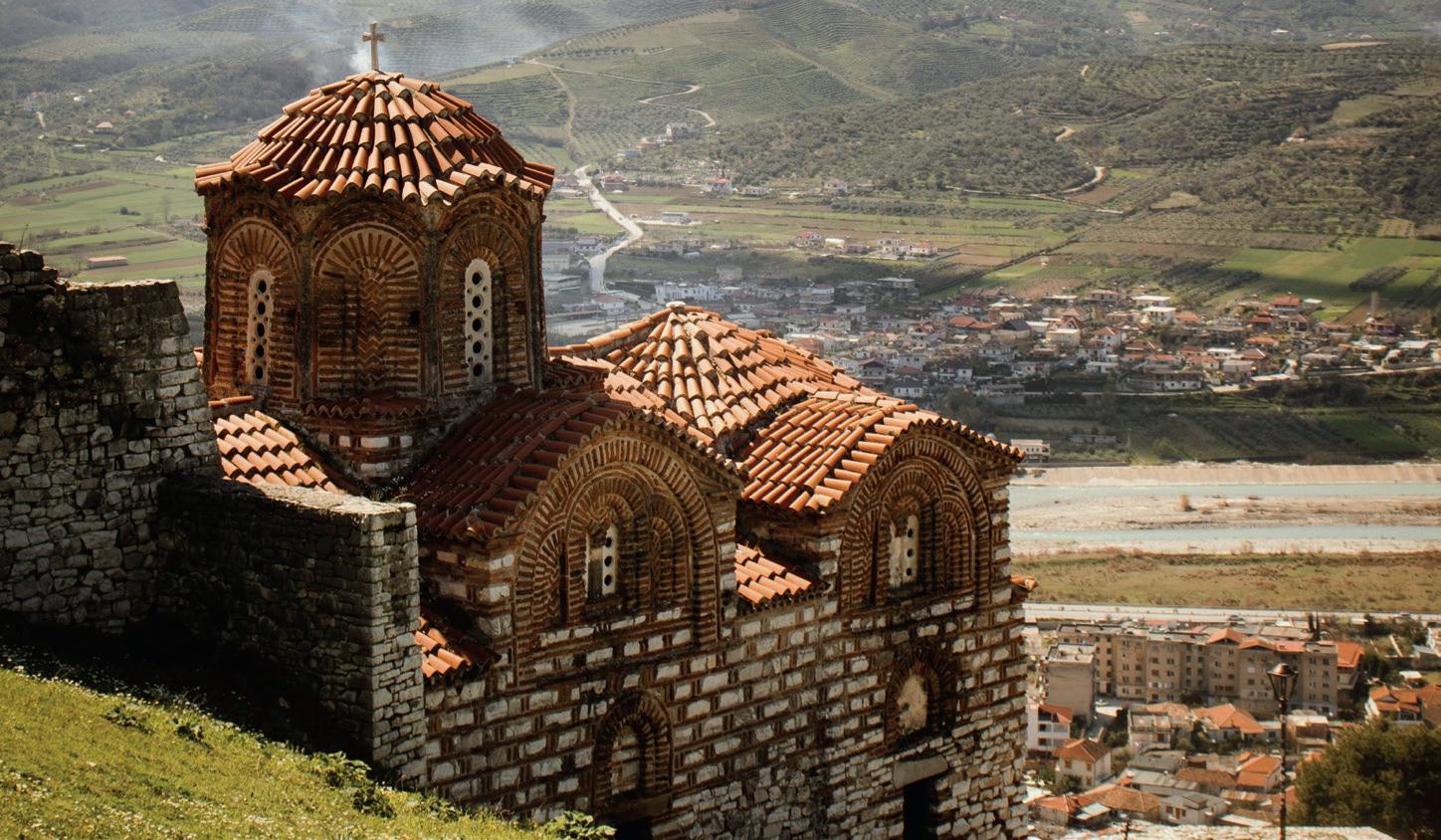
Day 7: Gjirokastra, Labova e Kryqit. We visit the Old Bazaar of Gjirokastra, a traditional Ottoman house and the former home of dictator Enver Hoxha, now an ethnographic museum. In the remote village of Labova e Kryqit, we see one of the oldest Byzantine churches in Albania, dating back to the 6th century.
Day 8: Apollonia, Ardenica, Tirana. Founded by Corinthian colonists c. 600 bc , Apollonia became home to an Academy where Octavian studied in 44 bc. Finds are displayed in the cloisters of a 13th-century Byzantine monastery. En route to Tirana visit the monastery of Ardenica, built in 1282 by Byzantine Emperor, Andronikos II Palaiologos. First of two nights in Tirana.
5–14 September 2026 (mm 134)
10 days • from $9,240 without flights
Lecturer: Professor James Whitley
Day 9: Tirana. Our tour of Tirana includes some of the city’s grand central boulevards, lined with relics of its Ottoman, Italian and Communist past. We visit the Archaeological Museum (spanning prehistory to the modern era). Overnight in Tirana.
Day 10. Tirana. Visit Bunk’Art, one of the many bunkers still standing after the fall of Enver Hoxha’s communist regime (now a history and contemporary art museum). Optional group flight from Tirana, arriving at London Heathrow in the afternoon.
–A comprehensive survey of the principal Archaic, Classical and Hellenistic sites in mainland Greece.
–Highlights include Mycenae, Olympia, Delphi.
–In Athens, a full day on the Acropolis and in the ancient Agora.
18 November–1 December 2026
14 days • from $14,870
International flights are not included Lecturer: Dr Giles Tillotson
Visits many of India’s most celebrated sites as well as lesser-known, quintessential places.
Spends more time at each location than most mainstream tours, with free time allowed.
Varanasi, one of the world’s oldest continuously inhabited cities and India’s most sacred; Rajput and Mughal forts, palaces and tombs.
Includes no fewer than nine unesco World Heritage Sites.
Day 1: Delhi. Rooms available from 2.00pm on 17th November. Pre-lunch talk. Humayun’s striking tomb, with its high-arched façades set in a walled garden, is an important example of early Mughal architecture. Two nights in Delhi.
Day 2: Delhi. The Jama Masjid, India’s largest mosque, dominates Old Delhi with its minarets and domes. Rickshaw through the labyrinthine streets near Chandni Chowk. Visit the beautiful 15th-century tombs of the Sayyid and Lodi dynasties located in the serene Lodi Gardens.
Day 3: Delhi to Varanasi. Fly from Delhi to Varanasi. Walk in the old town, experiencing busy life along the river. The Dasaswamedh Ghat is named after the ancient ten horse sacrifice which mythically took place here; a boat ride along the Ganges ends here with the evening river blessing ceremony (Arti), dating back to the Vedic Age. Two nights in Varanasi.
Day 4: Sarnath, Varanasi. Boat ride at sunrise, followed by a morning walk through the alleys of the old city. Buddha preached his first sermon at Sarnath and the site remains an active Buddhist centre. The Dhamek stupa in the Deer Park marks the spot where the Buddha sat to preach. The museum houses the 3rd-century bc lion capital, now the symbol of modern India.
Day 5: Varanasi to Delhi. Free morning in Varanasi, then fl y to Delhi for one night.
Day 6: Delhi to Jodhpur. Morning flight to Jodhpur. Presiding over the capital of one of the largest Rajput states in western Rajasthan is the magnificent Mehrangarh Fort, the ‘work of angels, fairies and giants’ (Kipling). Built in 1459, it has some of the most imposing fortifications in the world. Private dinner in the fort’s garden. Two nights in Jodhpur.
Day 7: Jodhpur. The resplendent white marble Jaswant Thada is the large 19th-cent. memorial of Jaswant Singh II and cremation ground of the Marwar rulers. A second visit to Mehrangarh
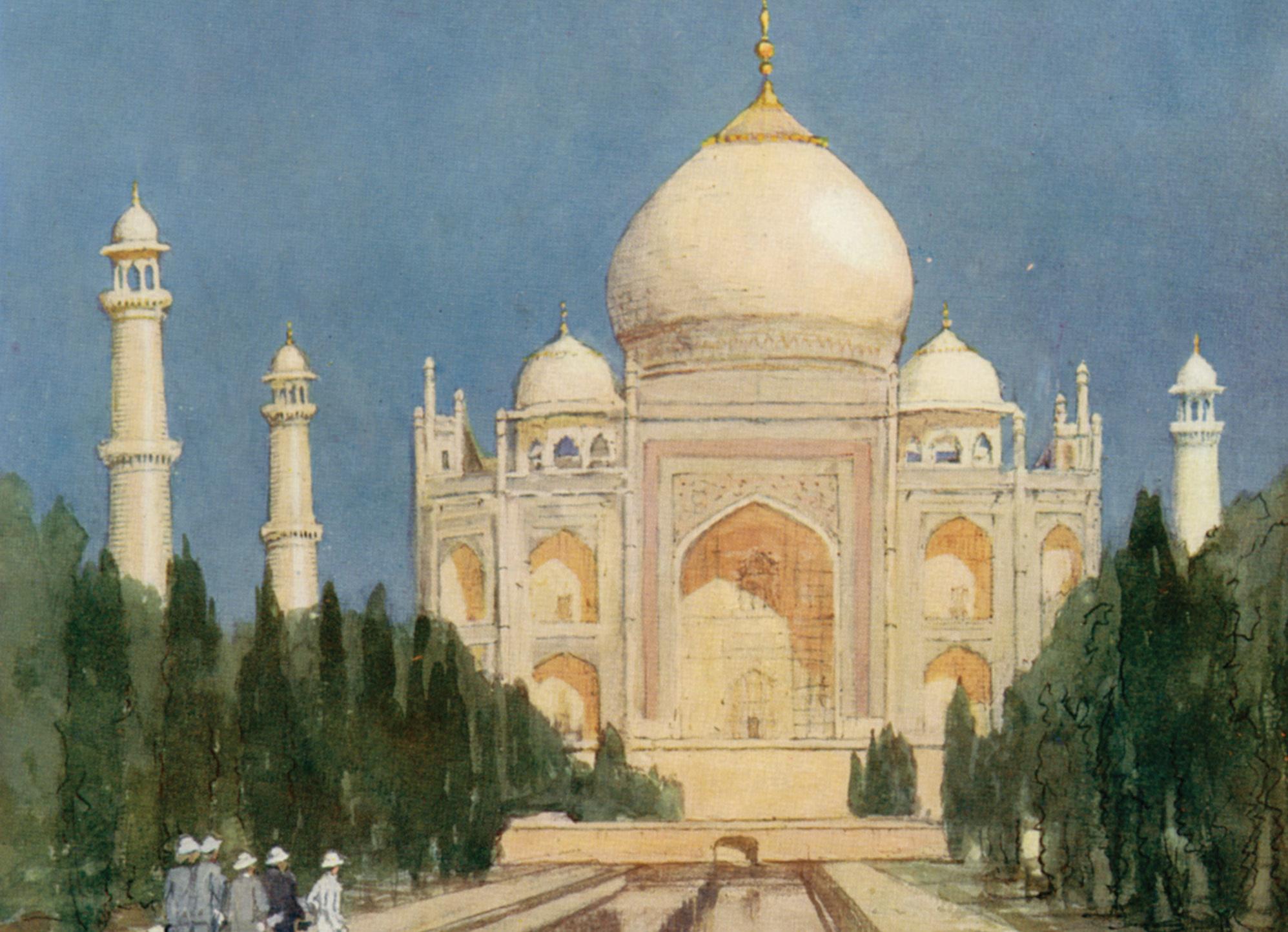
Fort with special access to see the paintings of the Marwari Rajputs. The buildings of the Old City are painted in a various blues, denoting homes of Brahmins.
Day 8: Jodhpur to Jaipur. Travel by coach through the scenic Aravalli mountain range from Jodhpur to Jaipur, stopping for lunch en route. Three nights in Jaipur.
Day 9: Jaipur. The City Palace contains an unsurpassed collection of paintings and artefacts. The Jantar Mantar, the 1730s observatory, is equipped with massive, and astonishingly accurate, astronomical instruments. Free time.
Day 10: Jaipur. Athwart a natural ridge, the walls of the 18th-cent. Amber Fort conceal fine craftsmanship – mirrored chambers, latticed windows, carved alabaster. Within a traditional townhouse, the Anokhi museum showcases the art and heritage of wood-block printing.
Day 11: Jaipur, Fatehpur Sikri, Agra. En route to Agra, visit Fatehpur Sikri, a new capital built by
Kingdoms of Southern India
16–30 January 2027
Indian Summer
9–20 March 2027
Akbar (1570) but abandoned after a mere 15 years. The palace complex consists of a series of courtyards and beautifully wrought red sandstone pavilions. First of two nights in Agra.
Day 12: Agra. Rise early to visit the Taj Mahal in the first light of day, commissioned by Shah Jahan in memory of his third wife, and completed in 1648. Visit the magnificent Red Fort, built by Akbar, and the Tomb of I’timādud-Daulah (c. 1628), an exquisite garden tomb and the first Mughal building clad in white marble inlaid with pietra dura. Free afternoon.
Day 13: Agra to Delhi. Drive to Delhi via Akbar’s mausoleum at Sikandra, built in 1605. Visit the Qutb Minar, site of the first Islamic city of Delhi, built in 1193 on the grounds of a defeated Rajput fort. The towering minaret and its mosque survive as testament to the might of the invaders. Overnight in Delhi.
Day 14: Delhi. Car transfers to Delhi airport.
Buddhist India
November 2027
Great Cities of Northern India
December 2027
Register your interest for 2027
18–23 October 2026 (mm 219)
6 days • from $5,980 without rail Lecturer: Professor Frances Fowle
The finest collections of Impressionism in France and places associated with the artists.
2026 marks the 100th anniversary of Monet’s death. Visit his house and garden in Giverny and see some of his most renowned paintings, including Impression: Sunrise and the Water Lilies series, and the sites and landscapes that inspired them.
Travel in comfort by Eurostar from London, and good hotels in Paris and Rouen.
Day 1: Paris. Leave London St Pancras at c. 10.30am by Eurostar (optional on request). In Paris visit the Musée Marmottan which, through a donation by Monet’s son, has one of the world’s largest collections of Impressionists. Continue to Rouen in Normandy where four nights are spent.
Day 2: Rouen, Étretat. Spend the morning in Rouen at the Musée des Beaux Arts. Impressionist works are in the François Depeaux gallery, named after the local donor. Either spend a free afternoon in Rouen, architecturally and scenically one of France’s finest cities, or join an excursion to Étretat, a little seaside town flanked by dramatic chalk promontories scooped into arches by wind and sea, painted by Monet and many others.
Day 3: Giverny. The morning is devoted to the premier site in the history of Impressionism, Monet’s house and garden at Giverny where he lived from 1883 until his death in 1926, designing and tending the gardens which grew in size as his prosperity increased. Also at Giverny is the Musée des Impressionnismes. Return mid-afternoon for some free time in Rouen, perhaps to study the cathedral, the subject of over 30 of Monet’s paintings.
Day 4: Honfleur, Le Havre. Honfleur is an utterly delightful fi shing village at the mouth of the Seine, now crammed with art galleries and antique shops. In the museum are many works by Eugène Boudin, a major infl uence on the Impressionists. Cross the Seine estuary to Le Havre. After a recent donation and refurbishment, the Musée André Malraux has become the second largest collection of Impressionists in France.
Day 5: Auvers, Paris. Auvers-sur-Oise was a popular artists’ colony, frequented by Impressionists and Post-Impressionists. See sites associated with Van Gogh, who spent the last few weeks of his life here, and the studio
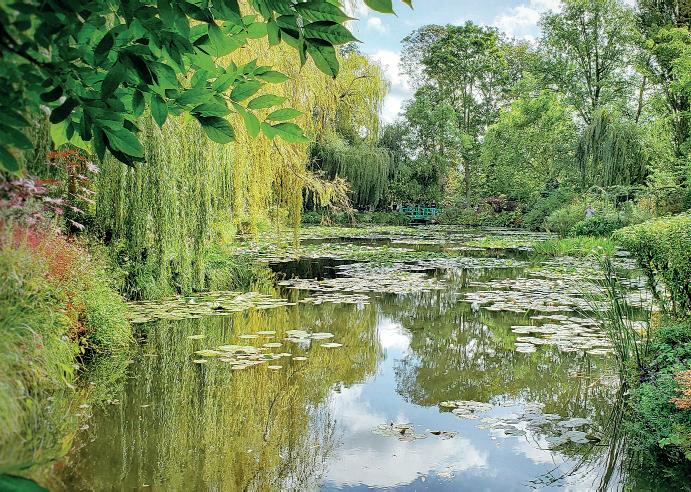
© Ricardo Isotton
of Daubigny. Return to Paris for a visit of the Musée des Beaux Arts in the Petit Palais, an under-appreciated collection for which space has recently been expanded. Overnight in Paris. We sometimes change the visit to the Petit Palais in order to take advantage of a temporary exhibition elsewhere.
Day 6: Paris. Walk through the Tuileries Gardens and cross the river to the Musée d’Orsay; here are displayed not only the world’s finest collection of Impressionism but also masterpieces by important precursors
such as Courbet and Millet. Continue to the Orangerie where an excellent collection of Impressionists, Monet’s famous water-lilies and 20th-century paintings are housed. Return to London by Eurostar (optional), arriving St Pancras at c. 6.30pm.
26 October–1 November 2026 (mm 227)
7 days • from $7,460 without flights
Lecturer: Victoria Daskal
–Journey inland from Nantes to Saumur via vineyards, châteaux and beautiful scenery, savouring superb local produce and wine.
–A range of gastronomic experiences from country inns and humble crêperies to Michelinstarred dining.
–Celebrate the region’s excellent wines, including Muscadet, Crémant de Loire and Chenin Blanc.
– October brings spectacular colour and a bounty of autumnal produce.
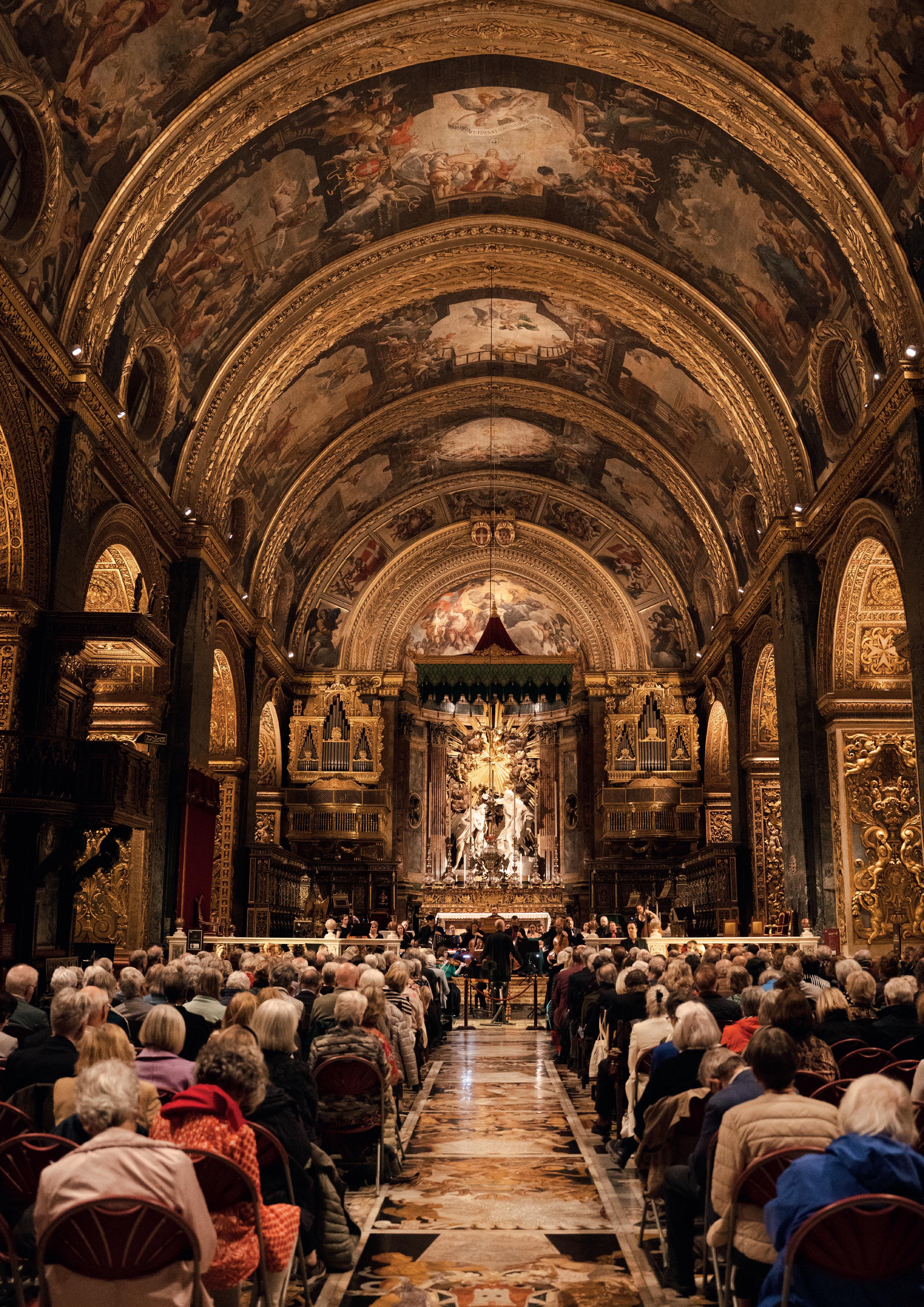
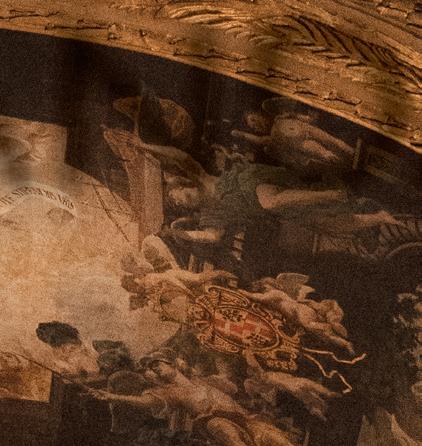
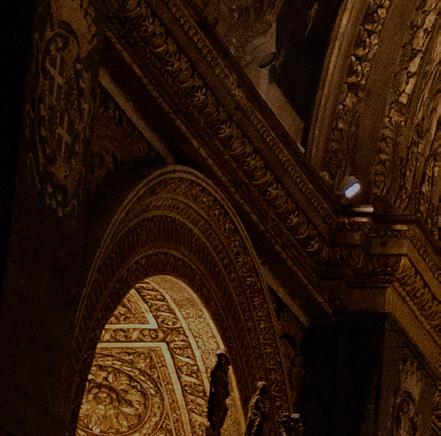
Martin Randall Festivals create something rare and precious: musical pilgrimages where world-class artists perform exclusively for intimate audiences in special places profoundly connected to the music itself.








Behind doors that are closed to many, hear Haydn performed in Schloss Esterházy where he composed for much of his life, the Brandenburg Concertos in Schloss Köthen where they were written, or Monteverdi’s Vespers in the great church of I Frari in Venice, where he is buried – experiences that unite music with its spiritual home.
With every detail seamlessly arranged, from world-class musicians and expert talks to shared dinners and interval drinks, participants are free to float above the practicalities and immerse themselves completely in the music. The same audience journeys together through a carefully curated sequence of performances, each one deepening


the experience of the last. There is pure joy in the magical intimacy of it all: musicians who clearly relish performing for such engaged listeners, venues opened by special arrangement, and that profound recognition that you are hearing music where it belongs, in spaces that shaped its very creation.
The result is something almost beyond words—a week ‘cut out from normal life,’ where the usual barriers between audience and art dissolve. When the festival ends and those exclusive doors close behind you, what remains is the music itself, heard in its perfect place with fellow travellers, now woven permanently into memory.
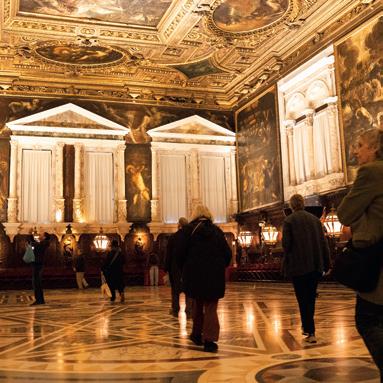
Music in the Veneto 8–13 June 2027
Private concerts in beautiful Palladian villas and distinguished buildings of the Veneto, uniting exquisite music with remarkable places.

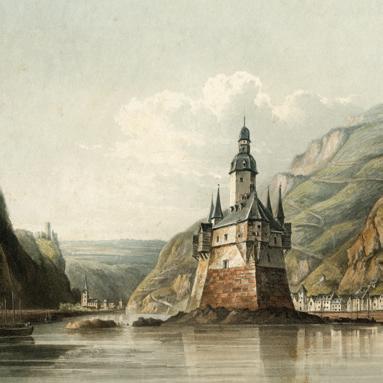
Beethoven along the Rhine 5–12 May 2027
A celebration of Beethoven’s bicentenary along the Rhine, through performances in resonant historic venues along the river.

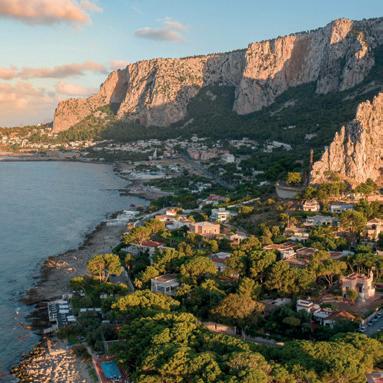
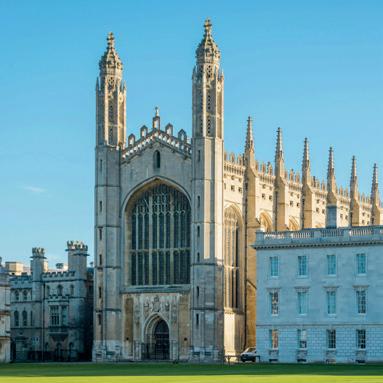
Cambridge Choral Festival 23–27 April 2027
Choral concerts in Cambridge’s college chapels, set within sacred spaces that deepen the experience.
Opera in Sicily 16–22 October 2027
Opera in Sicily’s bewitchingly beautiful historic theatres, tucked away in some of the island’s loveliest towns.
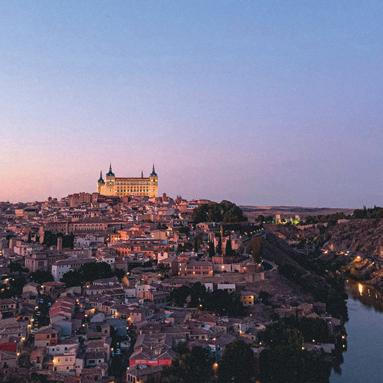

Toledo Music Festival 21 –26 September 2027
Spanish music in Toledo – in architectural settings shaped by centuries of artistic and cultural heritage.

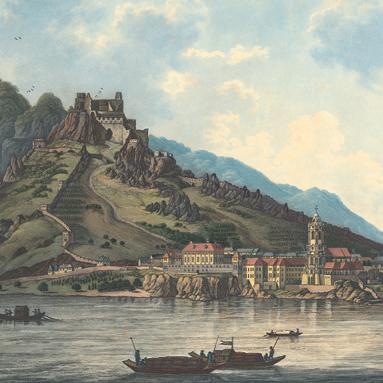
Music Along the Danube 8–15 August 2027
World-class musicians performing exclusively in glorious buildings complemented by illuminating talks, and beautiful landscapes.

28 September–4 October 2026 (mm 186)
7 days • from $7,540 without flights
Speakers: Professor John Butt & Sir Nicholas Kenyon
Nine concerts by some of the finest Bach interpreters in the world, from the UK and continental Europe.
Hear the Brandenburg Concertos in Schloss Köthen where they were written, the deeply moving St John Passion in Weimar, and the monumental B minor Mass in Leipzig.
Keyboard works by superb harpsichordist Mahan Esfahani and on an organ from Bach’s time in Sangerhausen.
Daily talks by leading Bach experts Professor John Butt and Sir Nicholas Kenyon.
Pre-festival tour
Day 1: Eisenach or Mühlhausen. Arrive into Frankfurt (optional group flights on request) then travel to your hotel in Eisenach or Mühlhausen. The first festival event is dinner in your hotel or at a nearby restaurant.
Day 2: Mühlhausen, Eisenach. The morning begins with the first of Professor John Butt’s talks. He later performs alongside Dunedin Consort in Mühlhausen’s Town Hall. It was in Mühlhausen that Bach started to experiment with the keyboard as an obbligato instrument, playing in consort with other solo lines. All four trios and sonatas performed in this concert reflect this heritage. After lunch, there is time in Eisenach to visit the excellent Bach Museum before our afternoon concert at the Church of St George where Johann Sebastian was baptised. Vox Luminis performs cantatas by older members of the Bach family, presenting the sound world into which he was born.
Day 3: Ohrdruf, Arnstadt. We drive to Ohrdruf, home to Bach for fi ve years after the death of his father. Our morning recital takes place in the refurbished hall of the Schloss on the edge of town. We then drive to Arnstadt. Bach’s first significant employment (1707–08) was as organist here. The venue for our afternoon concert is the church where Bach was organist early in his career. The Marian Consort and Spiritato perform works of Bach’s musical ‘borrowing’, including his re-working of a motet by Johann Kuhnau. Drive on to Weimar, where two nights are spent.
Day 4: Weimar. Weimar is the loveliest of Thuringian towns as well as the liveliest. Bach worked at the court here and Liszt’s period of residence (1842–61) attracted many musical visitors including Wagner, Brahms, Smetana and Borodin. There is a morning talk by Sir Nicholas Kenyon, and time to wander through the enchanting streets and squares before hearing the deeply moving St John Passion at the Church of St Peter & Paul with Vox Luminis.
Day 5: Sangerhausen, Köthen. Depart for Sangerhausen, a small town home to a fine organ of Bach’s time. Our morning recital sees Martina Pohl perform on an organ built in 1726 by Zacharias Hildebrandt, occasional collaborator with Bach. After lunch we continue to Köthen, where from 1717 to 1723, Bach was in the employ of the music-loving Prince Leopold of Anhalt-Köthen. We hear some of the groundbreaking Brandenburg Concertos, very likely composed here, before travelling on to Leipzig.
Day 6: Leipzig. Bach was employed by the city council at Leipzig in 1723 and e ectively became director of music there until his death in 1750. There is a morning talk before a harpsichord recital in the Salles de Pologne with Mahan Esfahani. The afternoon is free until dinner and our final concert at the Nikolaikirche, one of the four Leipzig churches where Bach was in charge of music. We hear Bach’s B-Minor Mass, among the greatest achievements in the history of music, performed by Solomon’s Knot.
Day 7: Leipzig. Depending on your flight option there may be further free time in Leipzig.
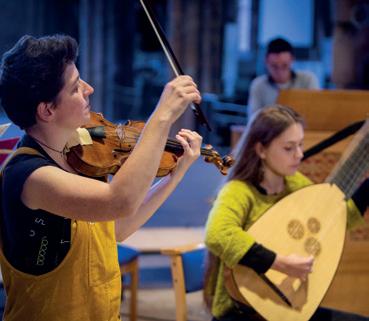
Mahan Esfahani
The first and only harpsichordist to be a BBC New Generation Artist and a BorlettiBuitoni prize winner.
Solomon’s Knot
The long-term Baroque Ensemble in Residence at Wigmore Hal, appearing at the BBC Proms, Snape Maltings, Bachfest Leipzig and more.
A period instrument ensemble with a love for little-known composers.
Pre-festival tour
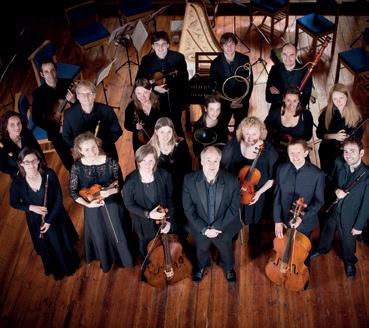
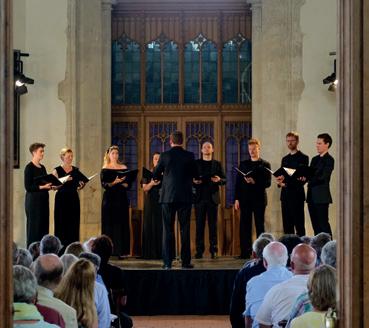
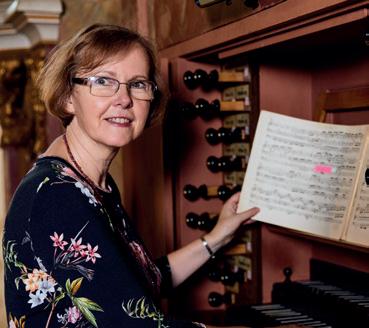
Dunedin Consort
Directed by John Butt, one of the world’s leading Baroque ensembles, recognised for its vivid and insightful performances.
The Marian Consort
An award-winning British vocal ensemble that presents bold and thrilling performances of music from across the centuries.
The director of church music in Sangerhausen and Kreiskantorin for the Eisleben-Sömmerda Church District.
Rory McCleery
An award-winning conductor & musicologist who is renowned for his compelling interpretations of a wide range of repertoire.
Lionel Meunier
Widely regarded as one of the most dynamic and highly acclaimed artistic leaders in the fields of historical performance and choral music.
Multi-faceted ensemble, which brings vocal music to a wide audience with excellence as its guiding principle and touchstone
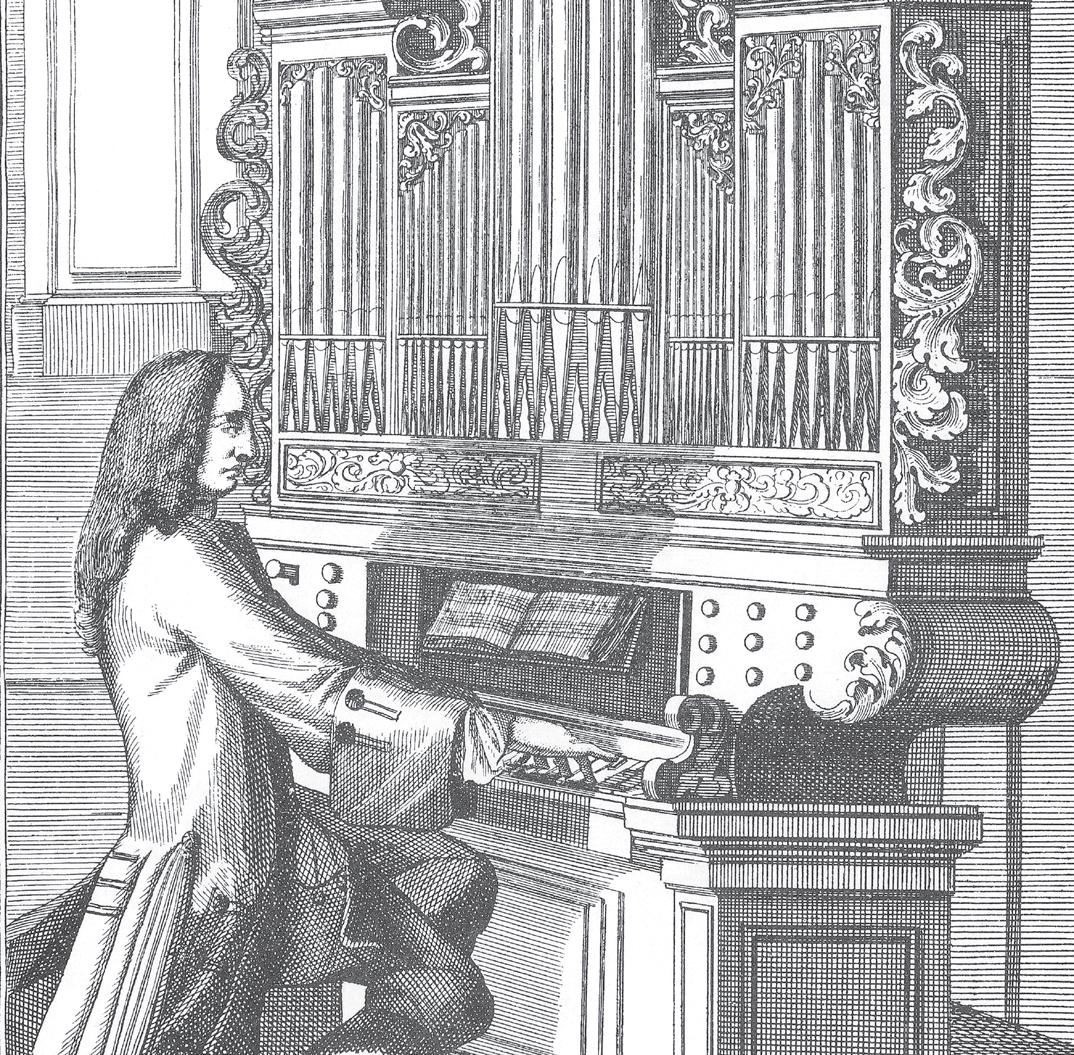
23–28 September 2026 (mm 181)
6 days • from $5,600 without flights
Speakers: James Johnstone & Dr Jarl Kremeier
Recitals on the finest Baroque organs to survive, some of them instruments that Bach and Handel knew.
The organs are located in towns and villages off the beaten track.
For a maximum of 27 participants, the format of this tour is a hybrid between our ownbrand music festivals and our small group tours.




Australian arts writer, Shamistha de Soysa, joined our Bach Journey, in 2023
It takes years of meticulous planning to bring together The Bach Journey offered by Martin Randall Travel. This is evident from the programme, but also an observation made to me by Martin Randall himself who briefly joined the last Bach Journey in 2023, which I had the pleasure of undertaking.
Martin Randall Travel’s The Bach Journey is different to an annual single-city festival, or a collection of themed concerts and destinations. Rather, it is a rare, carefully curated, seven-day chronological pilgrimage from J S Bach’s birthplace to where he died. The nine exclusive concerts of music by Bach and others in his orbit are presented in historic and original venues in the towns where Bach lived and worked, performed by world-renowned exponents of Baroque music with expert tour guides and fascinating daily talks by scholar, writer and arts executive Sir Nicholas Kenyon.
As a pianist, high-school violinist and former pro-am chorister, including a lengthy stint in an ensemble dedicated to performing the entire choral works of Bach, I had been immersed in
his music since childhood. As a music reviewer of numerous performances of Bach’s music, I recognised that this was an exceptional opportunity. And there was to be another Bach Journey in 2026!
The 2026 Bach Journey has a similar unique itinerary but with its own exciting and notable variations. The most compelling addition is the performance of Bach’s second, third and fourth Brandenburg Concertos in the Schloss Cöthen, where Bach was employed at the court of Prince Leopold of Anhalt-Köthen. It is probable that these unique concertos were premiered here where the size and instruments of the court orchestra were wellsuited to the concertos. The Brandenburg Concertos are a marvel of Baroque composition. Lyrical and innovative, they embrace a variety of styles and instruments. It’s not surprising that the second concerto was sent into space on the Voyager Golden Record in 1977, as a representation of human culture.
Performing the Brandenburg Concertos is the Dunedin Consort, under Professor John Butt OBE, conductor, keyboardist and scholar, who has led the ensemble since 2003 and who has edited the definitive Cambridge Companion to Bach. The Dunedin Consort’s recording of the Brandenburg Concertos was a Gramophone’s
“Choice” in October 2013 and was a finalist in the Baroque Instrumental category for the 2014 Gramophone Awards. Professor Butt will join Sir Nicholas Kenyon as co-speaker.
Period instrumental ensemble Spiritato and vocal group the Marian Consort directed by Rory McCleery join the 2026 line-up; elite choral ensembles Vox Luminis and Solomon’s Knot reprise the major choral works, the St John Passion and the Mass in B minor, respectively and Martina Pohl performs organ works in Sangerhausen. Hyperion recording artist and Opus Klassik 2023 winner Mahan Esfahani plays a keyboard program in Leipzig.
In 2023, I took the early option, arriving the day before the formal tour. Met by staff, we travelled by coach to Eisenach, the village where Bach was born. The extra day allowed me to discover the town at leisure, notably the Bach House, a repository of everything to do with the family. Welcome drinks on the first evening broke the ice with the rest of the group.
The opening concert was a virtuosic recital of J S Bach’s music by violinist Rachel Podger in the Old Town Hall at Mühlhausen, where young Bach worked in the stunning Divi Blasi church. Later, Vox Luminis performed music by the Bach dynasty in the reverberant, stunning Church of
For just one week I was able to cast aside all care and immerse myself in the life and music of one of the most brilliant minds in history.
St George in Eisenach, which still houses the font at which Bach was baptised.
The coach trip from Eisenach to the two-night Weimar stay, journeyed via Ohdruf where we heard Mahan Esfahani’s exceptional account of the Goldberg Variations on a two-manual harpsichord –the instrument for which it was written. The afternoon was spent in Arnstadt where Solomon’s Knot brought its innovative style to a dramatised rendition of the St John Passion.
The two concerts in Weimar, a performance of oboe and violin concertos by the Akademie für Alte Musik Berlin and Vox Luminis performing J S Bach’s exuberant Magnificat were sheer delight.
Finally, it was on to Leipzig via Sangerhausen’s beautifully
decorated Church of St James where Martina Pohl performed a selection of Bach’s organ works on the 18th century organ. Leipzig was the jewel in the crown with its twin churches of St. Thomas, where Bach is buried, and St Nicholas, where the St John Passion premiered in 1724. Bach held important positions in both churches.
The famed Freiburg Baroque Orchestra performed concertos and orchestral suites, followed after a sumptuous dinner by an inspired performance of the Mass in B minor by Vox Luminis in the St Nicholas Church with its pastel, palm-carved pillars, symbols adopted as the peaceful fall of Communism in 1989.
The tour programme book is a substantial compendium
with itinerary, comprehensive musicological notes, biographies, images, and texts and translations of the vocal music.
There is much else to discover, like Hausmann’s original portrait of Bach which hangs in the Leipzig City Museum, also the location of Wagner’s Bechstein piano. There’s the tower in Weimar where Bach was jailed, and the Wartburg, the Teleman stele and the Martin Luther House in Eisenach, the Mendelssohn House and the Gewandhaus in Leipzig.
The week sped past with seamless organisation and impeccable care. The coaches were spacious, food and beverages were plentiful and, like the accommodation, exceptional. The advantage of joining a tour originating outside Australia was that I met likeminded Bach tragics from Los Angeles to Auckland.
For just one week I was able to cast aside all care and immerse myself in the life and music of one of the most brilliant minds in history and the very humble life he led.
Contact us or visit our website to book The Bach Journey, 28 September–4 October 2026.

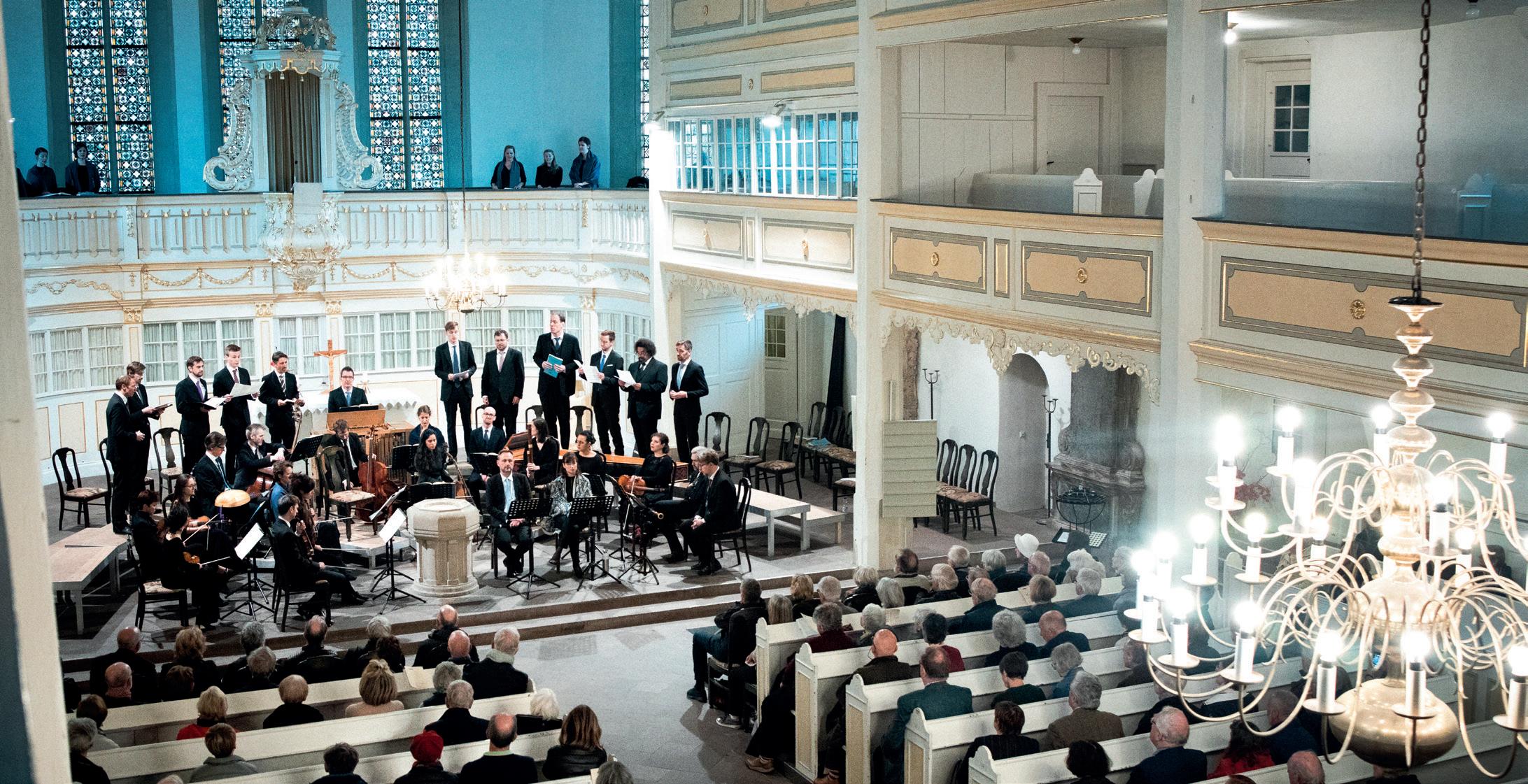
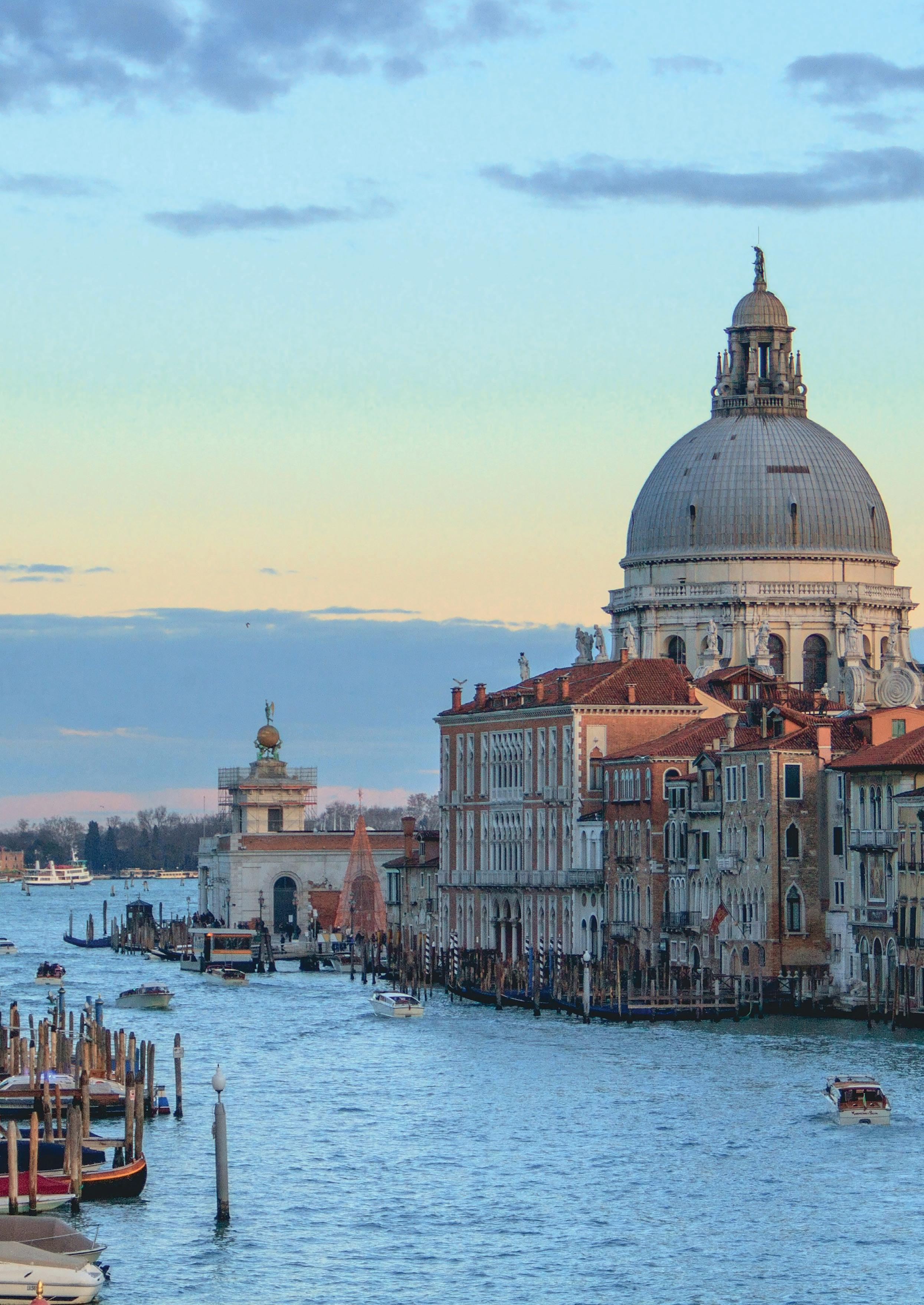
‘I had the holiday of a lifetime. Venice is a place I have longed to visit –the music, the art and the talks made the whole experience sublime.’
12–17 November 2026 (mm 230)
6 days • from $8,000 without flights
Speaker: Professor John Bryan
Monteverdi’s finest works, in all their pioneering, expressive glory, in the most beautiful city on Earth –his home for half his creative life.
Six performances by some of the leading interpreters in the world: Academy of Ancient Music, I Fagiolini, Concerto Italiano and Odhecaton, with soloists including Anna Dennis, Ed Lyon, Matthew Long and Nicholas Mulroy.
Three of his most iconic larger works: operas ‘L’Orfeo’ and ‘L’incoronazione di Poppea’, and the deeply moving 1610 Vespers.
Concerts take place in private palaces, glorious churches and lavishly decorated scuole, where Tintoretto and Titian provide sublime backdrops.
Daily talks by leading early music expert Professor John Bryan.
Optional art historical and architectural walks and visits to explore the city and optional flights on request.
Day 1: A drinks reception and early dinner precede the first concert. Acclaimed Italian specialists Odhecaton present the Missa In illo tempore, a Renaissance mass for six-part voices.
Day 2: A morning talk on the music is followed by the option of art historical or architectural walks and visits. The Scuola Grande di San Giovanni Evangelista was one of the greatest of the Venetian scuole – charitable, religious and social institutions which provided platforms for much of the city’s cultural life. Not generally open to the public, it is the venue for our first opera, L’incoronazione di Poppea with the Academy of Ancient Music.
Day 3: Begin the day with a morning talk on the music, followed by a concert at Ateneo Veneto with the Academy of Ancient Music. In his Madrigali guerrieri, et amorosi of 1638 Monteverdi shows how far he had redefined the madrigal concept, combining instrumental parts with voices and inventing a melodramatic style to represent fierce emotions such as the heroism of battle, in particular in the revolutionary Il Combattimento di Tancredi e Clorinda. Our evening concert, by Concerto Italiano, takes place in the ballroom of the Conservatorio di Benedetto Marcello. Our second madrigal
programme today traverses the complete span of his output, witnessing the changes in his approach from the pastoral pieces of his student days to the final book.
Day 4: The daily talk on the music takes place in the morning before we visit the most magnificent of all confraternity premises, the Scuola Grande di San Rocco to hear Monteverdi’s seminal opera, L’Orfeo, performed by I Fagiolini – the first ‘fable in music’ to reveal the emotional, lyrical, musical and dramatic capabilities of the genre.
Day 5: A morning talk on the music is followed by a free afternoon before a gala dinner in the 14th-century, richly decorated Palazzo Zeno. Our evening concert takes place at the Basilica di Santa Maria Gloriosa dei Frari, one of the most magnificent churches in Venice and Monteverdi’s final resting place. We hear what is arguably the finest achievement of Venetian liturgical music, Monteverdi’s Vespro della Beata Vergine of 1610, with I Fagiolini and the English Cornett & Sackbut Ensemble. The work is emotionally charged, theatrical, yet deeply spiritual, and the perfect note on which to end.
Day 6: Depart from Venice with optional free time depending on your onward travel option.
Please note: both operas are concert performances.
6–10 November 2026 (mm 228)
5 days • from $6,690 without flights
Lecturer: Dr Carlo Corsato
6–11 November 2026 (mm 229)
6 days • from $7,370 without flights
Lecturer: Dr Susan Steer
18–24 November 2026 (mm 237)
7 days • from $7,800 without flights
Lecturer: Dr Michael Douglas-Scott
19–23 November 2026 (mm 238)
4 days • from $5,150 without flights
Lecturer: Professor Robert Adelson
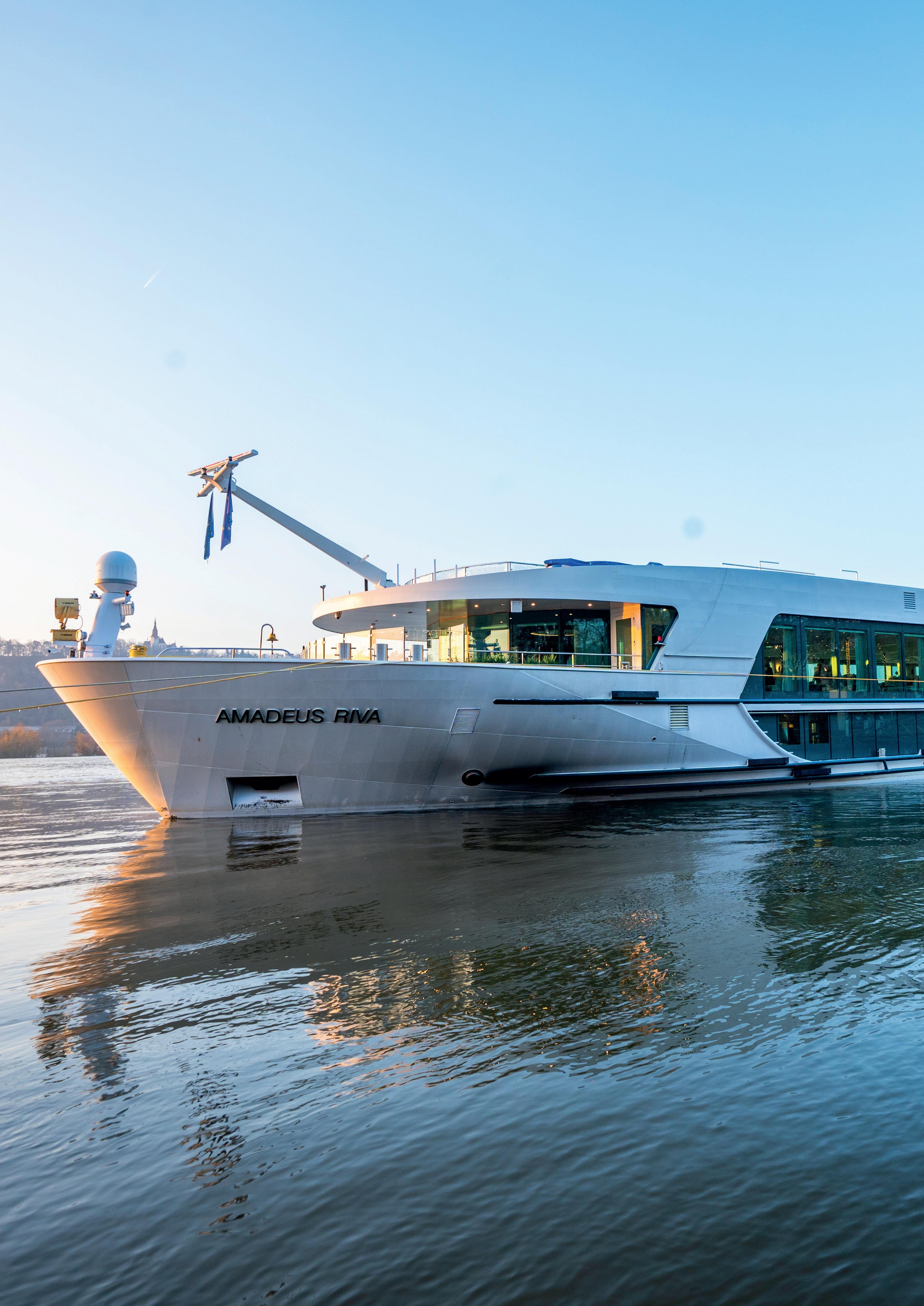
‘Katy Hamilton was outstanding. Her lectures were of exceptional quality and the depth of her musical knowledge of the subject matter was superb.’
22–29
8 days • from $8,230 without flights
Speaker: Dr Katy Hamilton
Seven private recitals by some of the finest pianists of their generation.
A further two concerts explore the piano’s role both in chamber music and song.
Repertoire from Bach’s extraordinary keyboard works to the dazzling virtuosity of Liszt and Rachmanino , via Schubert and Schumann’s Romantic expressiveness and much more.
Intimate halls within the resplendent palaces at Mannheim, Bruchsal and Namedy, the Beethovenhaus in Bonn and the Felix Meritis Hall in Amsterdam.
Accommodation throughout on a first-class river cruiser, which sails from Amsterdam to Basel.
Day 1: Optional group flights on request. Amsterdam. Board the ship, MS Amadeus Riva, from 4.00pm. An early dinner precedes a recital of Chopin, Rachmanino and others with Chopin International Piano Competition winner Eric Lu at the Felix Meritis Concert Hall. Sail from Amsterdam to Wesel in the late evening.
Day 2: Schloss Lembeck. Leave the Netherlands and enter Germany, sailing along the charming Lower Rhine in the morning. Mooring at Wesel, drive to Schloss Lembeck near Dorsten for a mixed treasure chest of a programme with Alexandra Dariescu. We return to the ship in the evening and sail overnight from Wesel to Bonn.
Day 3: Bonn. Moor in Bonn just after breakfast for a morning song recital at the iconic Beethoven Haus with Julius Drake accompanying mezzo-soprano Emily Sierra. We return to the ship for lunch, or stay on in Bonn for some free time. Dinner is served on the ship before the evening recital of Mozart, Schubert and Beethoven’s final piano sonatas with Elisabeth Leonskaja. Sail overnight from Bonn to Andernach.
Day 4: Burg Namedy. Located near Andernach on the Rhine River, Burg Namedy is a historic moated castle with origins dating back to the 14th century. It is our venue for a mixed
programme including Liszt, Mendelssohn and Beethoven’s Appassionata sonata with Mariam Batsashvili. The afternoon and evening are spent sailing through the Middle Rhine, the most dramatically picturesque stretch of the river.
Day 5: Mannheim, Schloss Bruchsal. Arrive at Mannheim for a morning recital of Bach with Jonathan Ferrucci. Sail over lunchtime from Mannheim to Speyer for a late-afternoon recital at Schloss Bruchsal with recent Leeds International Piano Competition winner Jaeden Izik-Dzurko. The works, including Schumann’s Fantasie, demonstrate how varied Romanticism and virtuosity can be in di erent hands or at di erent times. Sail overnight.
Day 6: Sankt Peter. A talk on the music takes place during morning sailing, before mooring at Breisach just after lunch. Drive to Sankt Peter im Schwarzwald, where our concert with the Amatis Trio takes place, which explores the developing role of the piano within the piano trio. Sail overnight from Breisach to Basel.
Day 7: Basel. Straddling the Rhine at the uppermost point for shipping, the Swiss city abuts the borders of France and Germany. Our grand finale includes works such as Ravel’s Valses nobles et sentimentales with Nelson Goerner, one of the world’s greatest classical pianists.
Day 8: Basel. Depart the ship in the morning.
Art in the Netherlands
16–22 June 2026 (mm 990)
7 days • from $8,240 without flights
Lecturer: Desmond Shawe-Taylor
30 June–5 July 2026 (mm 104)
6 days • from $6,030 without flights
Lecturer: Desmond Shawe-Taylor
A voyage through Habsburg heartland via Europe’s sublime waterway
15–22 August 2026 (mm 135)
8 days • from $8,440 without flights
Speaker:
Dr Paul Max Edlin
Eight private concerts in appropriate historic buildings, world-class artists, illuminating talks.
Haydn symphonies in the Esterházy Palace in Eisenstadt, where he worked for most of his life; Mozart string quartets in Grein, in Austria’s oldest working theatre (1791).
Imogen Cooper, Kristian Bezuidenhout, Carolyn Sampson and Joseph Middleton all appear.
Accommodation throughout on a first-class river cruiser, which sails from Passau to Bratislava and back, through some of the most enchanting riverine landscape in Europe.
Daily talks by music expert Dr Paul Max Edlin.
Day 1: Passau. Optional group flights (on request) from London Heathrow or Manchester or make your way to Passau independently. The Bavarian city of Passau is crammed with historic buildings, dominated by the great Baroque cathedral, one of the most important episcopal seats in Central Europe. The ship sails at 6.30pm and a reception is followed by dinner.
Day 2: Grein, Dürnstein. Moor at Grein, a charming little town between the Danube and the hills with a 16th-century Schloss rising to one side. A morning talk is followed by a concert of Haydn and Mozart with the Butter Quartet in Austria’s oldest working theatre. Sail on to Dürnstein. We have an evening concert at the magnificent Dürnstein Abbey with the Vienna Chamber Choir before returning to the ship for dinner.
Day 3: Klosterneuburg. Sail until lunchtime, with a talk on the music mid-morning before a Mozart recital in the handsome Augustinussaal of Klosterneuburg Abbey with Kristian Bezuidenhout on fortepiano. Return to the ship for dinner.
Day 4: Schloss Eckartsau, Bratislava. The ship moors in the little town of Hainburg where Haydn went to school. We take a short drive to Schloss Eckartsau, an enchanting former hunting lodge, for a Schubert recital with Carolyn Sampson and Joseph Middleton. We then sail downstream to Bratislava for a concert of Czech piano trios, including Dvořák’s Dumky , by the Smetana Trio.
Day 5: Eisenstadt. We sail upstream throughout the morning and moor near Vienna before travelling to Eisenstadt. It is
dominated by a vast 17th-century mansion, the principal seat of the Esterházy family. Many of Haydn’s works were first performed here. Our afternoon concert of Haydn symphonies takes place in the great hall, the Haydnsaal, with the Haydn Philharmonie.
Day 6: Vienna. Principal seat of the Habsburgs for over 600 years, Vienna remains one of the world’s greatest centres for the arts, and has no rivals for its dominant place in the history of music. The morning is free before an afternoon recital of Schubert Impromptus with renowned pianist Imogen Cooper. Sail upstream from Vienna to Linz.
Day 7: Linz. The historic capital of Upper Austria, Linz is a picturesque maze of streets, alleys and historic buildings. There is some free time before an afternoon concert including Beethoven’s Septet at the Palais Kaufmännischer Verein with Wigmore Soloists and Michael Collins. We then sail upstream overnight to Passau, enjoying a reception and dinner against a backdrop of river and wooded hills receding into the dusk.
Day 8: Passau. The ship moors at Passau and coaches leave for Munich city centre and the airport between 8.30 and 9.30am.
5–13 August 2026 (mm 127)
9 days • from $9,000 without flights
Lecturer: Tom Abbott
Some of the most uplifting and spectacular buildings in Europe.
Glorious countryside, unspoilt towns, charming villages, all well maintained.
Led by Tom Abbott, a specialist in architectural history from the Baroque to the 20th century.
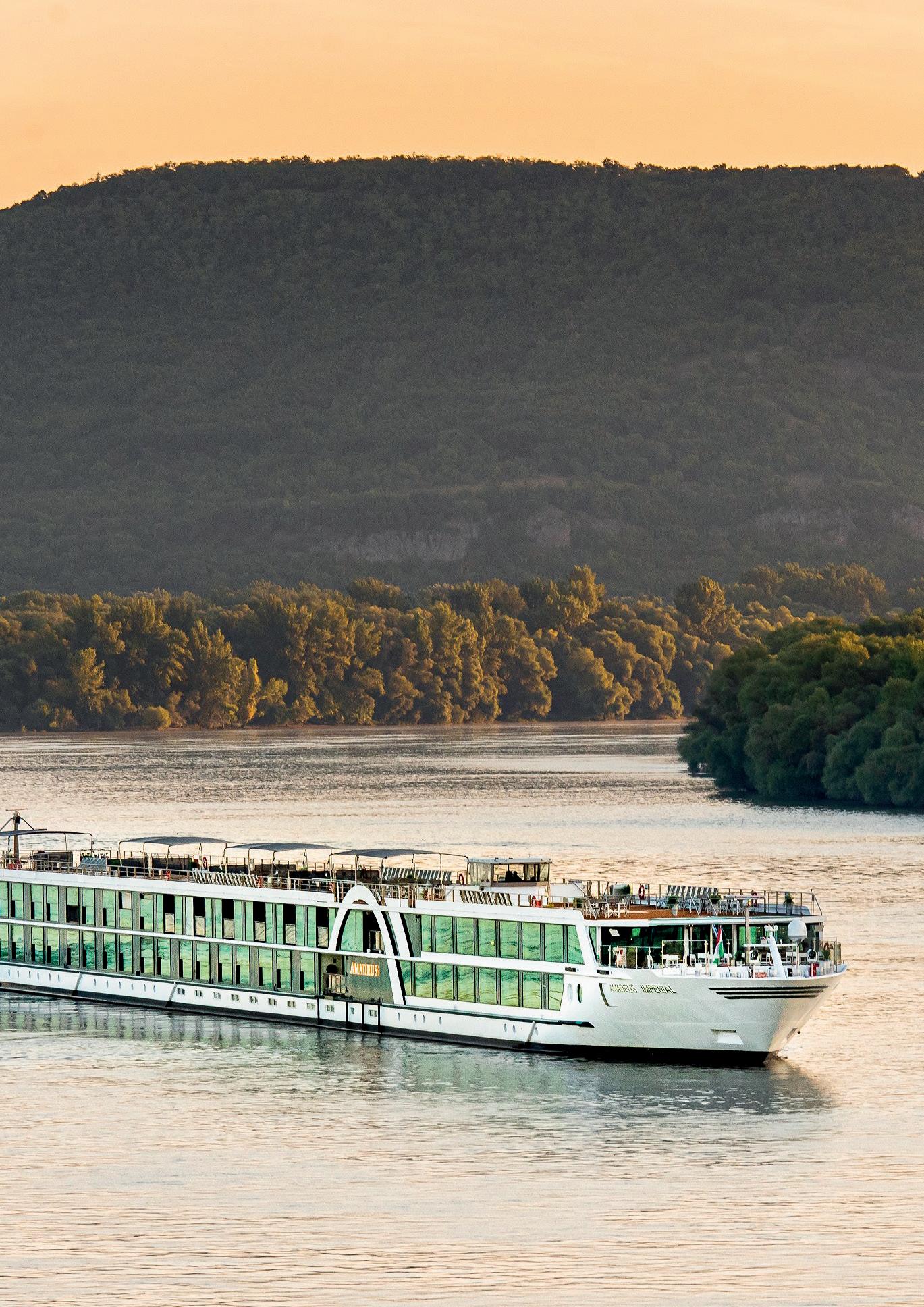
‘
e tour was brilliantly organised. Every detail of every day was planned to perfection, and carried out exactly as planned.’
‘Exceptional! One of the best MRT adventures I have had.’
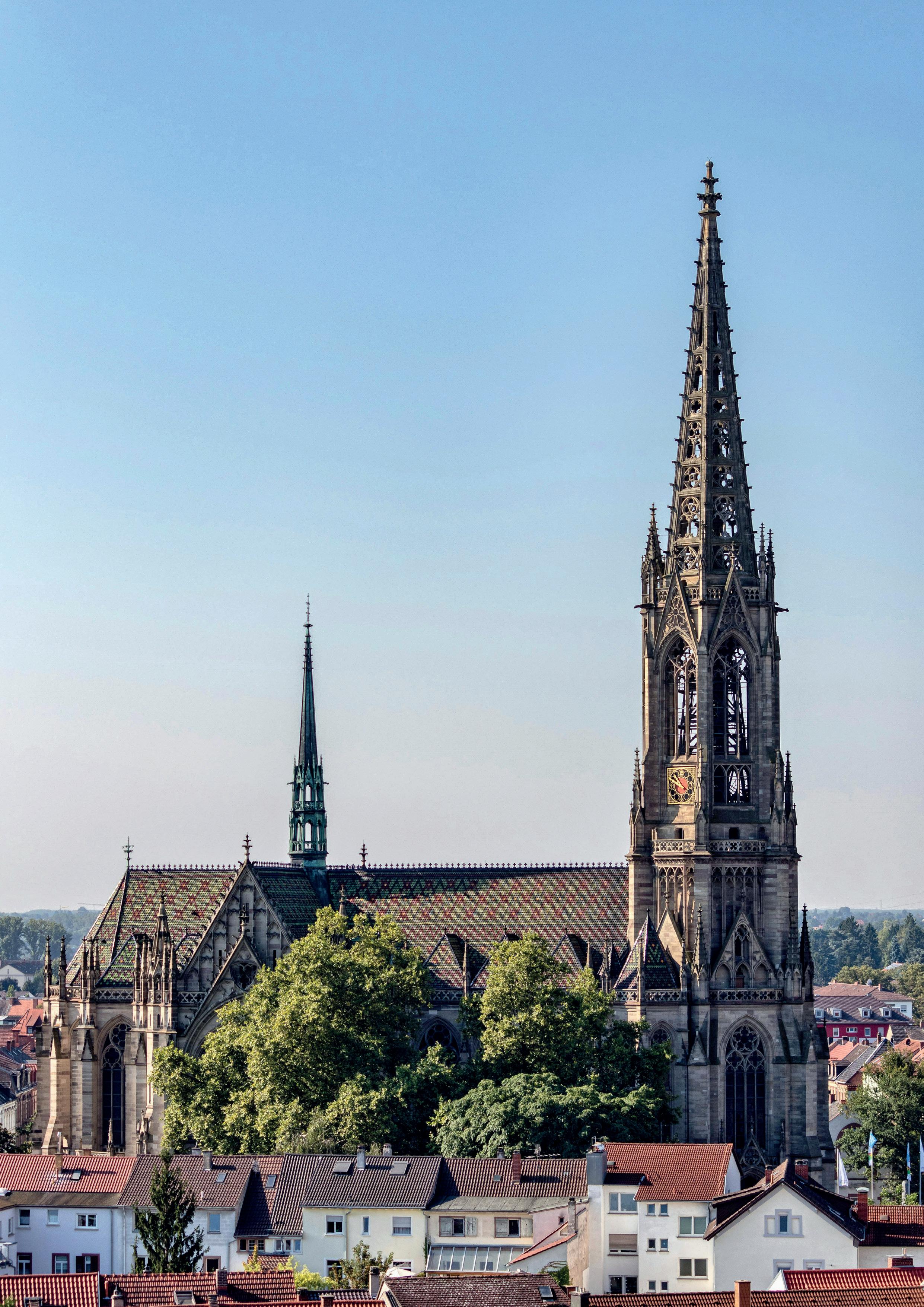





31 August–7 September 2026 (mm 144)
8 days • from $8,230 without flights
Speaker: Dr Katy Hamilton
Seven private concerts in beautiful historic buildings, carefully chosen for their architectural appeal or resonance with the music performed.
Two of Europe’s finest Baroque ensembles perform: Freiburg Baroque Orchestra and Vox Luminis.
The Dudok and Leonkoro quartets, Orchestra of the 18th Century and Sollazzo Ensemble all appear.
Travel seamlessly through four countries, with time to explore towns and cities along the way – Basel, Freiburg, Speyer, Bonn, Cologne, Utrecht and Amsterdam.
Accommodation throughout on a first-class river cruiser, which sails from Basel to Amsterdam.
Daily talks by music expert Dr Katy Hamilton.
Day 1: Basel Optional group flights (on request) to Basel or Zurich and board the ship any time from 4.00pm onwards. There is an early dinner before the concert of late Mendelssohn and Beethoven with the Leonkoro Quartet in the Martinskirche. Dating to the 12th century, the Martinskirche underwent a thorough restoration in the 1850s, which included the addition of a semi-circular stage for choral concerts, marking its transformation into Basel’s oldest concert venue.
Day 2: Breisach, Freiburg im Breisgau. Wake to the scenic delights of the Upper Rhine before mooring at Breisach am Rhein. The first of the daily talks takes place on board. Today’s concert venue is at the Historisches Kaufhaus, the Merchant’s Hall, with the Freiburg Baroque Orchestra (chamber version). Return to the ship for dinner. Sail overnight to Speyer.
Day 3: Speyer. Sail throughout the morning. Moor just after midday in Speyer. The little city is dominated by the largest Romanesque cathedral in Germany, burial place of the Salian emperors. There is some free time here before an evening concert of early Bach cantatas with Vox Luminis.
Day 4: Mannheim. Sail in the early morning from Speyer to Mannheim. In the mid-18th century the court orchestra was famous throughout Europe; Mozart called it an army of generals. The great Baroque Schloss, within walking distance of the ship and venue for a concert of Mozart and Schubert string quartets with the Dudok Quartet, is one of the largest in Europe. There is time this afternoon to explore nearby palaces, or have some free time in Heidelberg.
Day 5: Bonn. The morning is spent sailing through the dramatically picturesque Middle Rhine to Bonn. This evening’s recital includes the dazzling Kreutzer Sonata with Alina Ibragimova and Cédric Tiberghien, and takes place in the Kammermusiksaal (chamber music room) of the Beethovenhaus.
Day 6: Cologne. Sail from Bonn to Cologne in the morning. A late-morning concert by the Sollazzo Ensemble conjures the atmosphere of 15th-century Cologne in their performance at St Maria im Kapitol, the city’s grandest Romanesque church. Sail throughout the late afternoon and evening.
Day 7: Utrecht, Amsterdam. Arrive in Utrecht where there is some free time in one of the best-preserved historic cities in the Netherlands. We then sail to Amsterdam for an afternoon concert of Mozart and Beethoven with the superb Orchestra of the 18th Century in the magnificent Felix Meritis Hall.
Day 8: Amsterdam. Depart the ship in the morning.
27–31 August 2026 (mm 142)
5 days • from $5,780 without flights
Lecturer: Mary Lynn Riley
Beethoven in Bonn
9–14 September 2026 (mm 174)
6 days • from $6,170 without flights
Lecturer: Barry Cooper
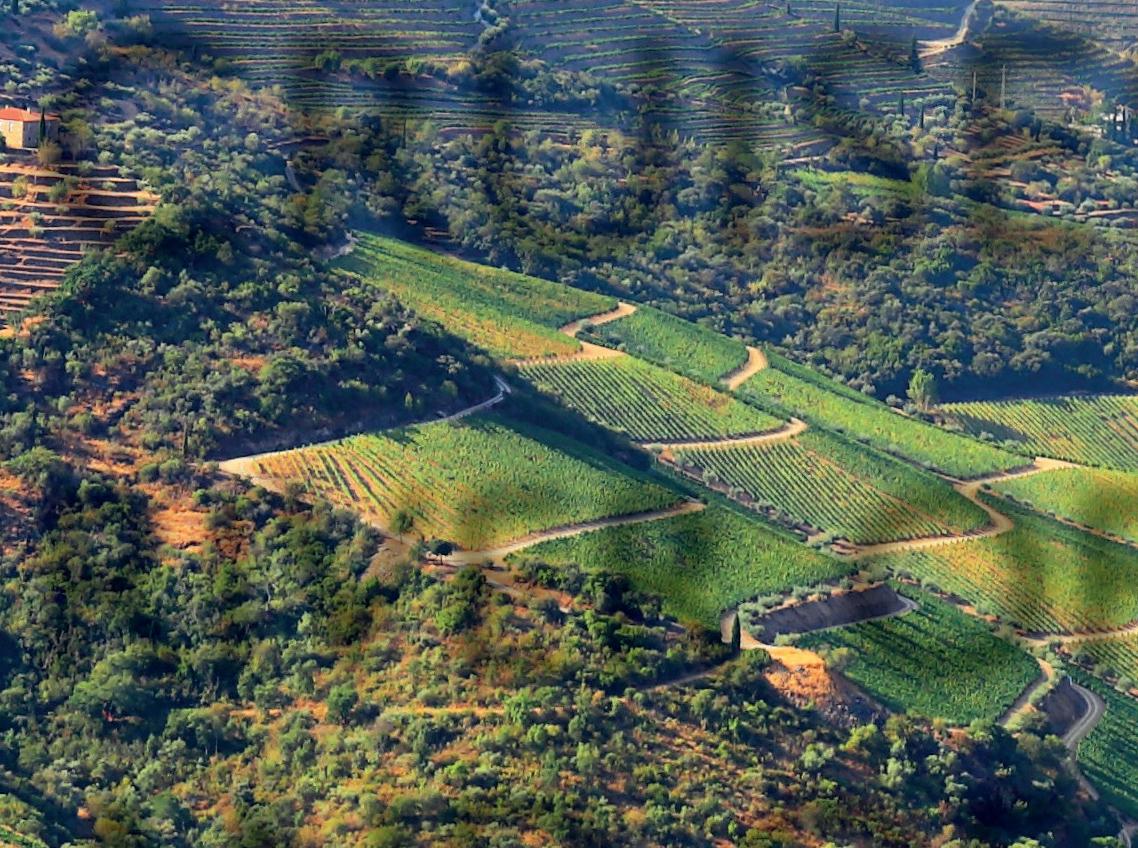
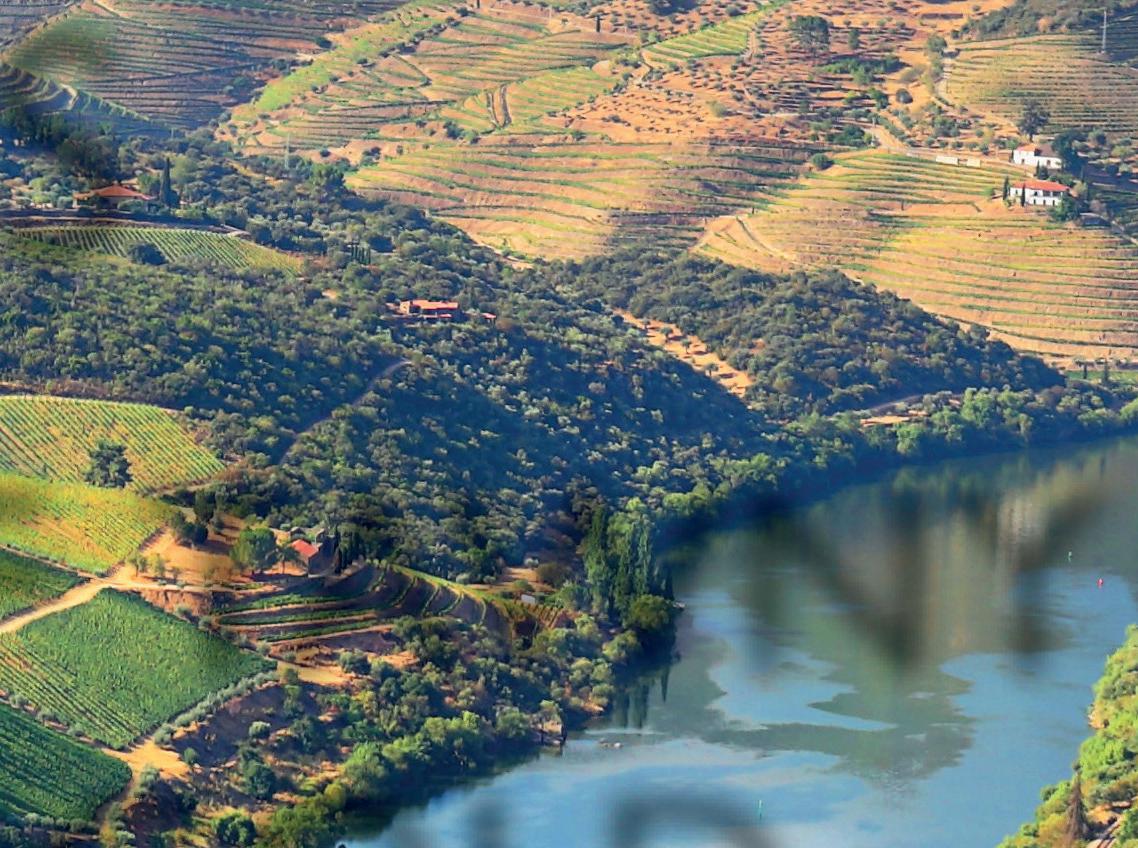
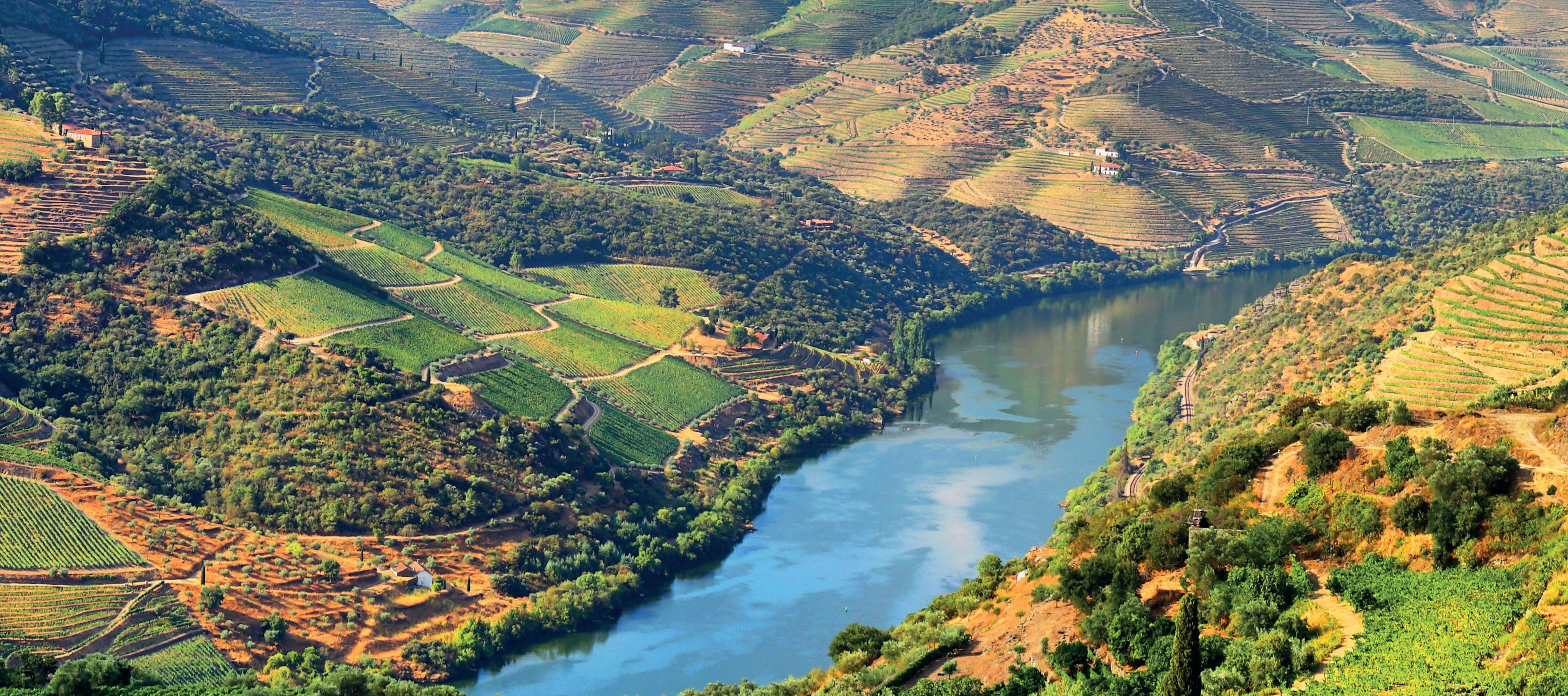
Our expert-led cruises sail along sublime rivers and coasts on small ships, giving access to exceptional sites. Author Martin Symington shares his lifelong connection with the Douro and explains why a journey by river is the perfect way to appreciate the wider region.
Over the decades since my birth to a British port-shipping family in Porto, at the mouth of the Douro, I have witnessed astonishing changes to the river and the scenic mountains through which it flows.
In its natural state the Douro – or ‘river of gold’ to use its poetic Portuguese translation – used to rush headstrong between forbidding rocks and in torrents of white water in times of spate, especially in winter. Over the summer months the waters calmed to sparkling pools and sunbaked islands.
This was the Douro of my childhood. Then, in the 1970s and 80s, things took an extraordinary turn. I watched the building, one at a time, of five formidable dams. The resultant raising of the
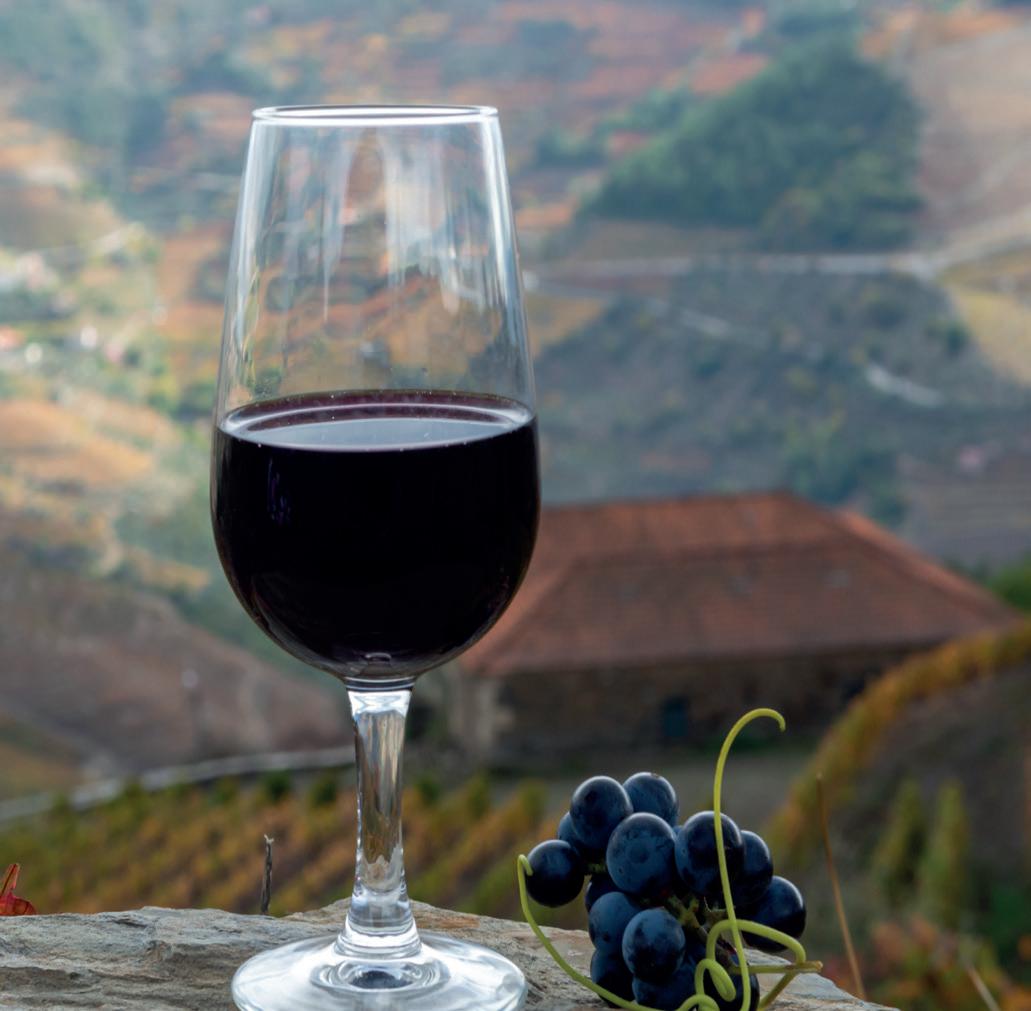
water level has made the Douro navigable, which is why our voyage aboard MS Estrela is possible. The purpose of the dams is to generate hydroelectricity and there is virtually no traffic on the river other than for leisure.
Dams notwithstanding, the upper reaches of the Douro remain wild and inaccessible. The further east you venture, the wilder and more beautiful the landscape becomes. From a ship, this is spectacularly exciting. Sailing through a gorge little wider than the vessel. All around vineyards hewn and terraced out of mountainsides are interspersed with patches of dark maquis foraged by wild boar. These vineyards are on the quintas (wine-growing estates) which make the Douro valley one of the
great wine-growing regions of the world. By wine, I mean of course port, that foremost of fortified wines. Port, and the history of how it came about, are intimately entwined with the twin cities of Porto and Vila Nova de Gaia and their mountainous hinterland.
My ancestors are among the ground-breaking British merchants, who from the 17th century braved their way into the forbidding upper Douro. The background to their arrival was England’s hostility with France, which cut off its supplies of wines from Bordeaux. Instead, these pioneers, looking for alternatives turned to Portugal, with whom England had an ancient alliance. In the upper Douro valley, they found the bold, alluring reds which by degrees evolved into the classic
My ancestors are among the ground-breaking British merchants, who braved their way into the upper Douro.
fortified port savoured by wine lovers around the world today.
One legacy of the British merchants – including many Scots as well as English, my Glaswegian great-grandfather among them – is the names of port shipping companies whitewashed in giant letters on the roofs of the ‘lodges’ of Vila Nova de Gaia: Graham’s, Cockburn’s, Warre’s, Dow’s.
Another remnant, with roots going back to the mid-17th century, is the so-called ‘Factory House’ association of port wine shippers (visited on the Porto tour extension). The misleading name refers to the ‘factors’ or British merchants who established a meeting place at which they represented their interests to the Portuguese authorities. (The better-understood word ‘factory’, as in manufactory, dates from the later Industrial Revolution).
In its present form the sumptuous, Palladian-style Factory House dates to the 1780s. It remains a club and association for the independent, British-owned port shipping companies. Ancient traditions are upheld in the formal ballroom and dining rooms amid chandeliers, Chippendale furniture, Spode porcelain and port-related artefacts. It is an extraordinary setting in which to contemplate the singular history of the British in Porto and its hinterland. The upper Douro valley is the region demarcated
in 1756 for the growing of grapes for port, putting in place a quality control system akin to the French appellation contrôlée which is the oldest of any wine-growing area of the world. Some of the Douro’s most prestigious quintas are around Pinhão including La Rosa, and Bomfim, which my greatgrandfather acquired in the 19th century and which is still part of the family business.
At the Bomfim winery, vineyards terraced out of the slatey ground remain much as they were in my childhood, although modern methods of wine-making are now artfully applied to traditional viniculture. In the year following the harvest, the newly-vinified port is transported down river to Vila Nova de Gaia. Here it ages
Cruising the Douro runs for 8 days from 15–22 October 2026. Book now on our website.
in shippers’ ‘lodges’ – another misleading term, derived from the Portuguese word ‘loja’, or warehouse.
No visit to Porto or the Douro valley would be complete without sampling the produce. There are opportunities for tastings at La Rosa and Bomfim and also at the Factory House and in the deeply atmospheric Graham’s lodge in Vila Nova de Gaia. Here, rich rubies mature in great vats; fine old tawnies ageing in smaller oak barrels; and peerless vintages spend decades in bottle, lining darkened cellars.
The river and region have undergone huge changes in my lifetime, but much of their heritage remains timeless.
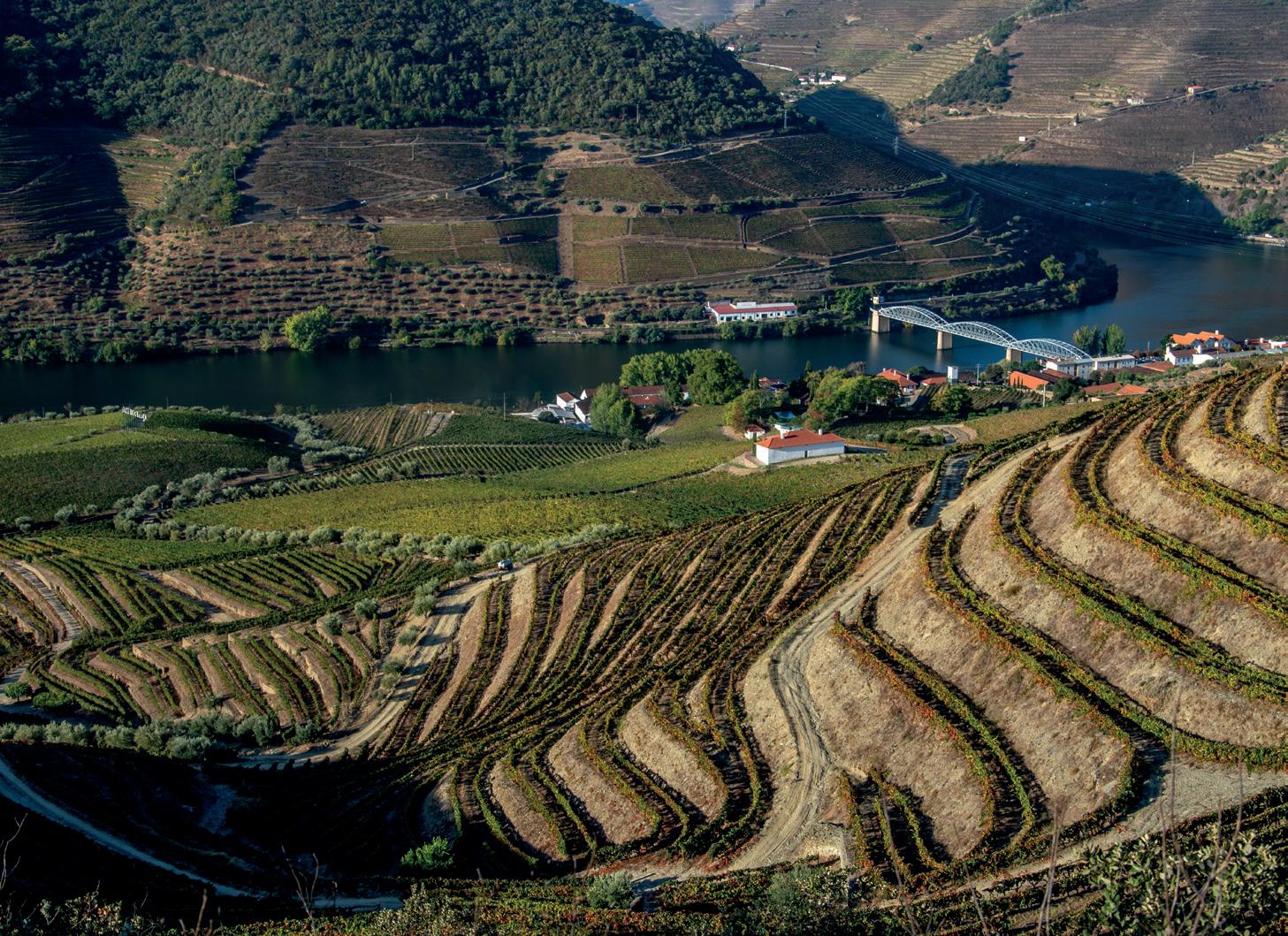
1–10 October 2026, 29 April–8 May 2027, 7–16 October 2027
This cruise explores the historic cities and islands of the eastern Adriatic. Travel by small vessel allows access to quiet harbours and coastal towns shaped by Greek, Roman and Venetian cultures. The itinerary includes Split, Hvar and Korčula, with time to wander ashore, swim and enjoy a relaxed, culturally rewarding journey along this remarkable coastline.
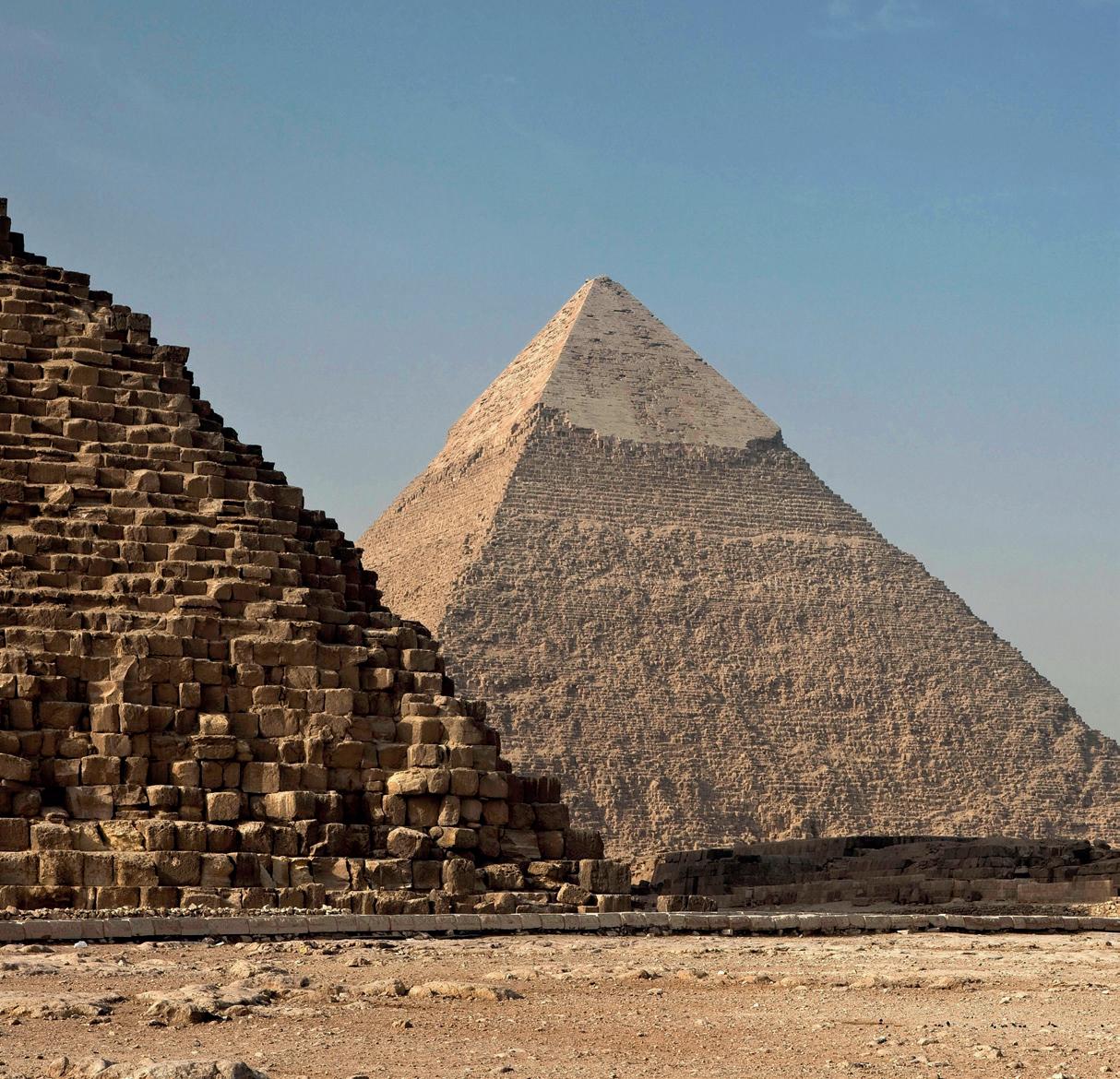
6–13 July 2026
Cruise the Danube between Budapest and Passau, travelling through landscapes and cities central to the Habsburg world. Visit Vienna Budapest and Bratislava, exploring historic centres and major museums. Exceptional private access to key cultural places adds a memorable dimension to this illuminating journey.
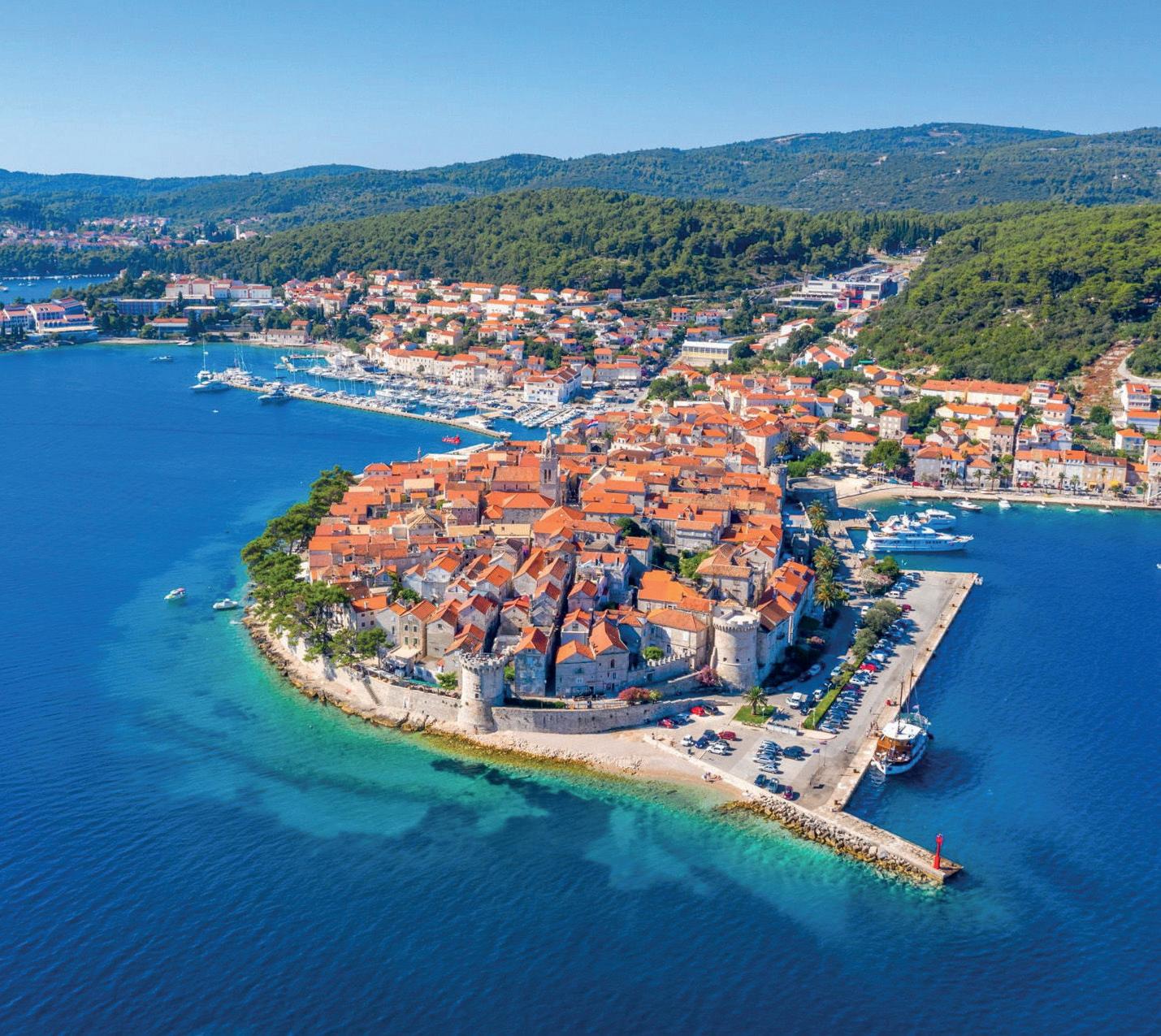
Explore the monuments and landscapes of ancient Egypt, beginning with Cairo’s major sites before travelling south for a Nile cruise from Luxor to Aswan. Temples, tombs and riverside sanctuaries unfold at a measured pace, with optional excursions to additional major sites. A wide-ranging introduction to Pharaonic civilisation.
Register your interest.
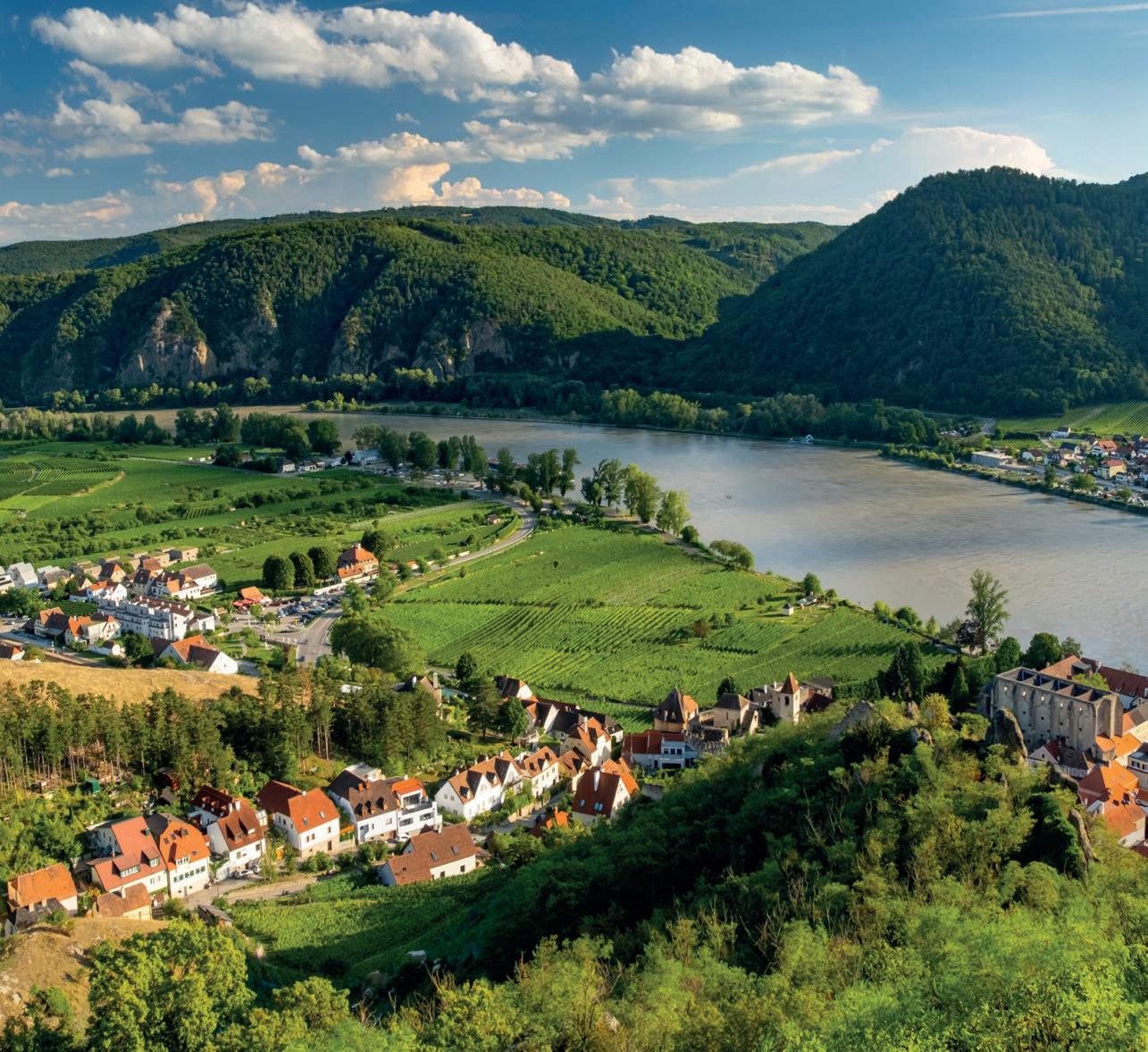
27 February–11 March 2027
A journey the length of Vietnam, tracing its history, culture and cuisine through Hanoi, Hue and Ho Chi Minh City, with special arrangements that avoid crowds and allow more time in each place. While not a cruise, it partners seamlessly with Cambodia by River for a richer onward journey.
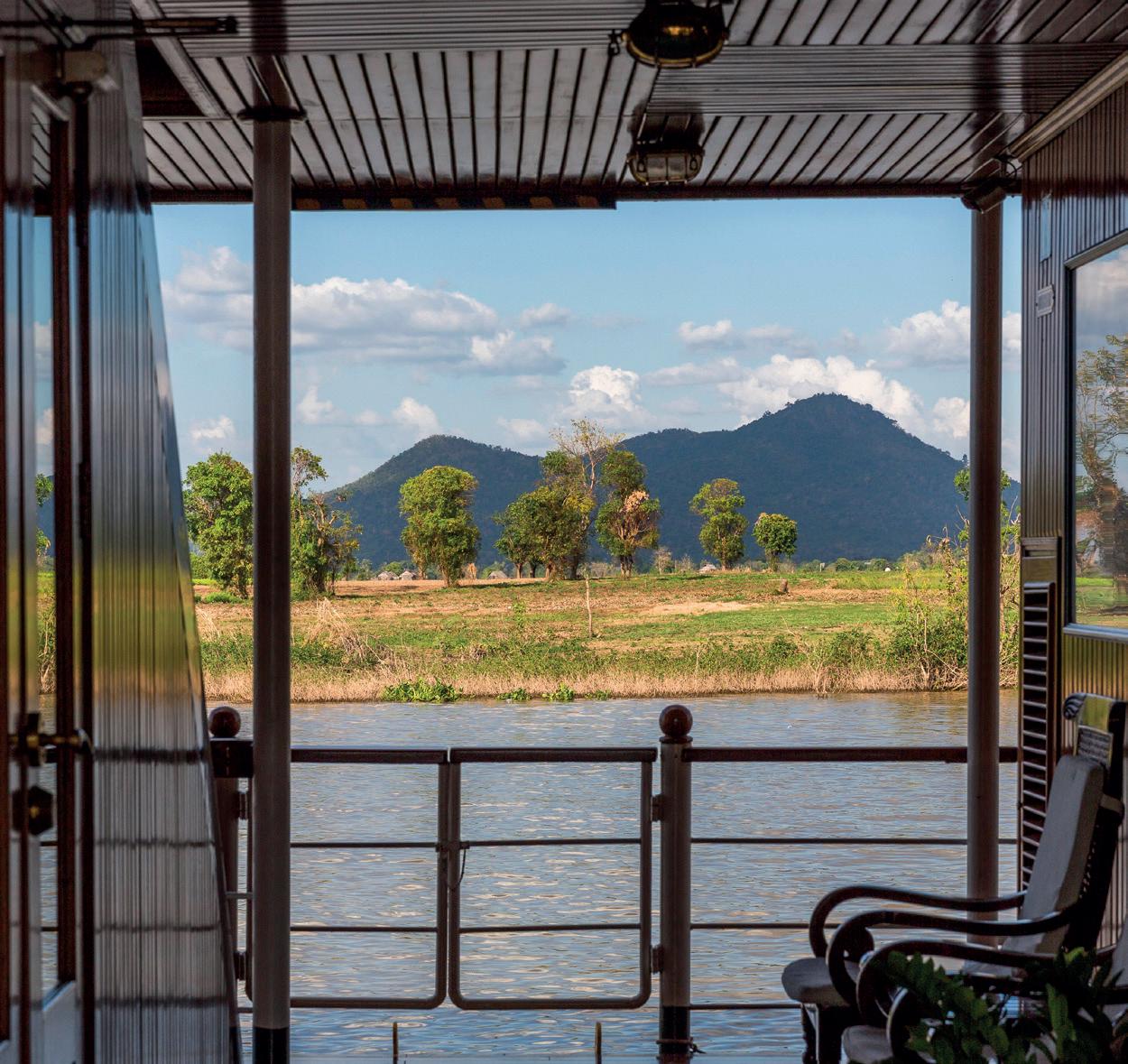
12–19 September 2027
A cultural voyage along the Rhine, exploring riverside towns, historic architecture and major artistic centres, with time to appreciate the region’s long history and varied artistic heritage. Register your interest.
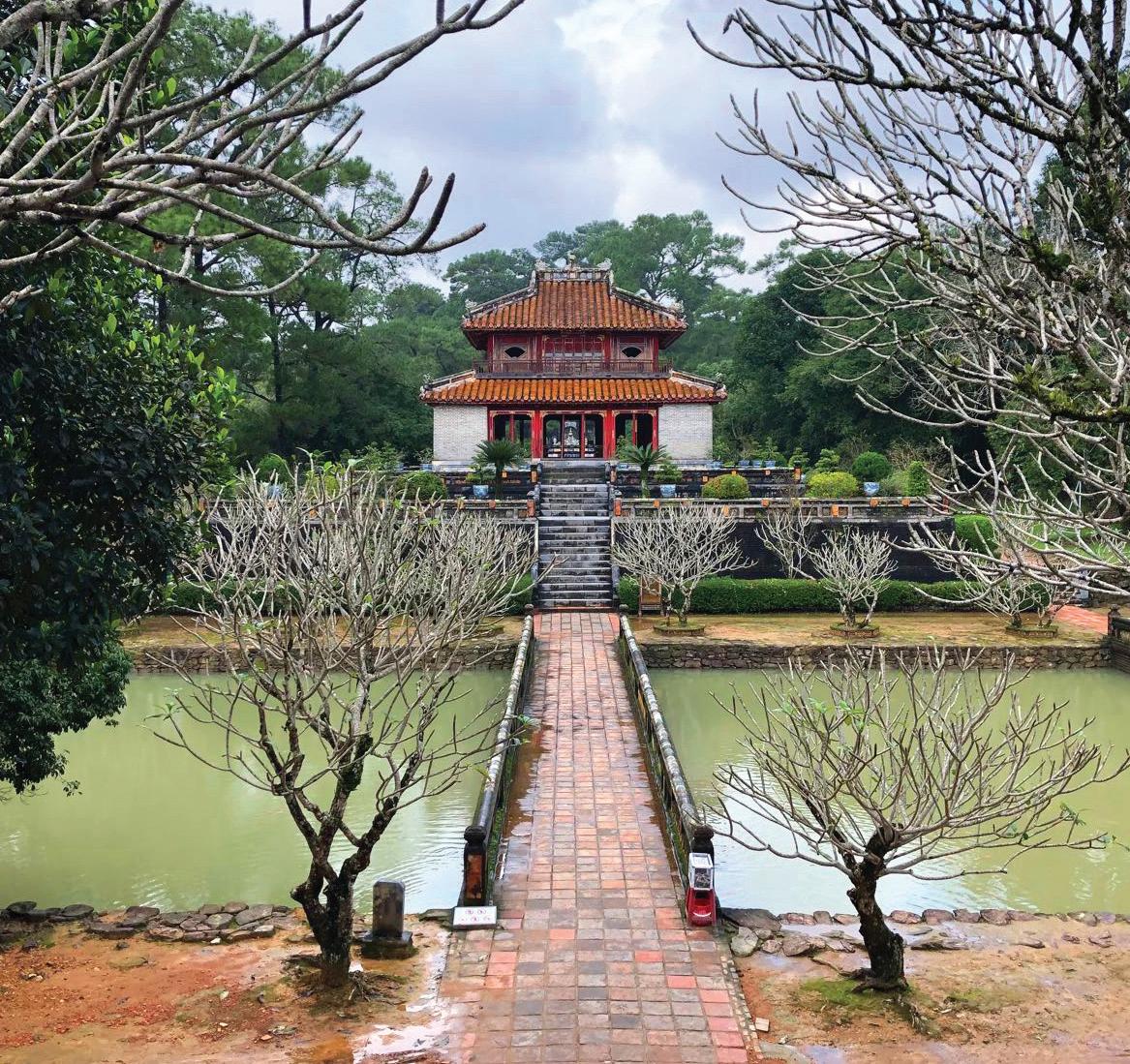
12-26 March 2027
Journey by river from the Mekong Delta in southern Vietnam to Siem Reap, the heart of the city of Angkor. Enjoy exclusive charter of a first-class river cruiser and spend six nights in a 5-star hotel in Siem Reap to see all the major sites of the Khmer empire.
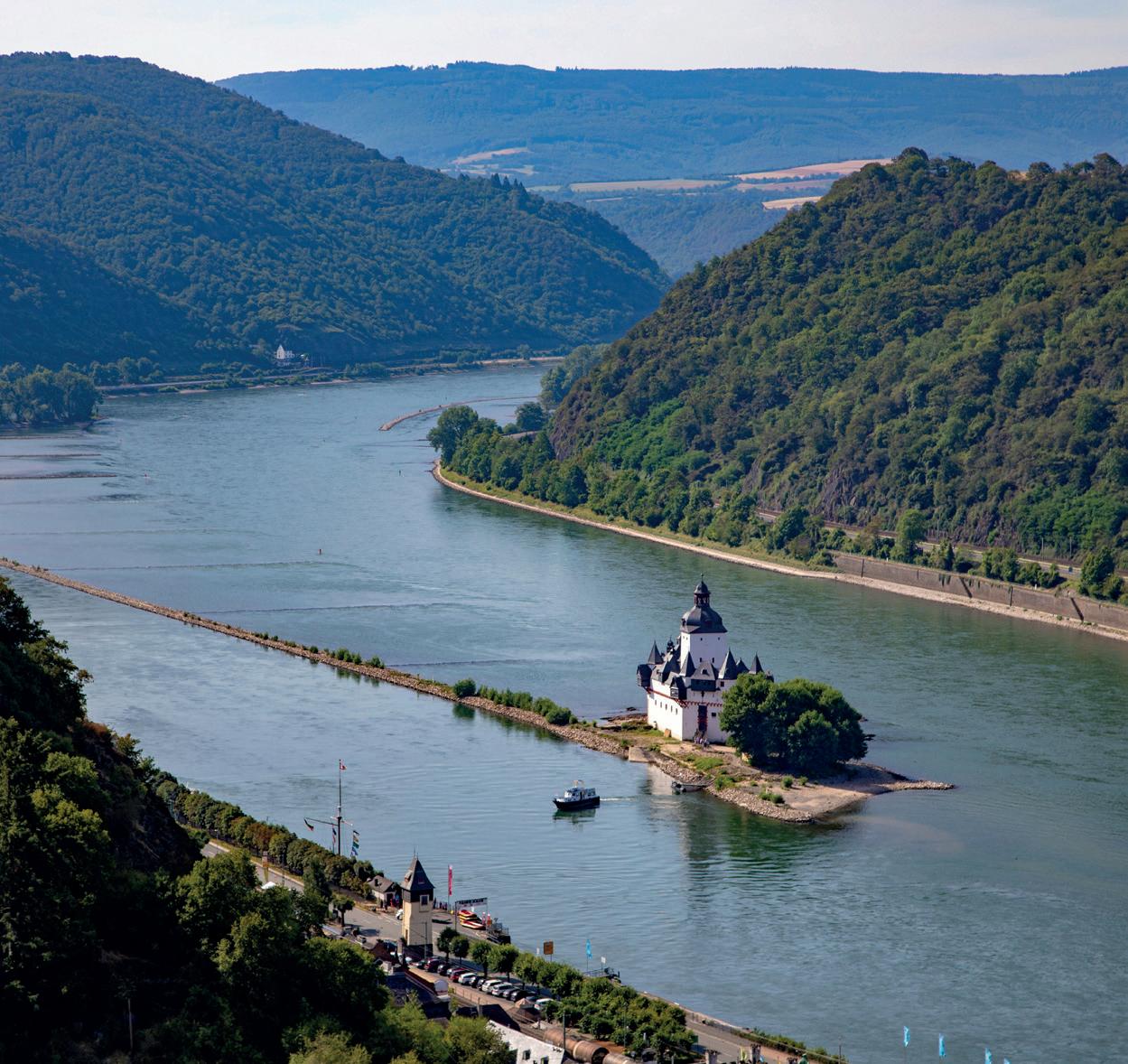
7–13
Lucca & vicinity (mm 913) Dr Flavio Boggi
7–19 Civilisations of Sicily (mm 916) Dr Philippa Joseph
8–17 Albania: Crossroads of Antiquity (mm 918)
Carolyn Metkola
8–20 Traditions of Japan (mm 911)
9–13
Reverend Prof. Lloyd Llewellyn-Jones
Opera & Ballet in Copenhagen (mm 912)
Dr John Allison
9–18 Extremadura (mm 919) Chris Moss
10–16 Val d’Orcia and the Sienese Hills (mm 938)
Prof. Fabrizio Nevola
12–19 The Early Christian Adriatic (mm 914)
Dr Meg Boulton
13–18 Pompeii & Herculaneum (mm 920)
Dr Mark Grahame
13–19 World Heritage Malta (mm 915) Juliet Rix
13–22 The Duero River: from Source to Sea (MM 924) Gijs van Hensbergen
15–19 Art in Madrid (mm 939) Prof. Claudia Hopkins
15–20 Music in Berlin (mm 921) Prof. Jan Smaczny
16–23 Gastronomic Provence (mm 935) Victoria Daskal
16–28 Samarkand & Silk Road Cities (mm 922)
Dr Peter Webb
17–20 Chamber Music Event: Ensemble 30 & Elizabeth Watts –A Schubertiade (mm 932) Richard Wigmore
17–28 Baroque Music in the Bolivian Missions (mm 927) Dr Barbara Hoos de Jokisch
18–24 Genoa & Turin (mm 925) Dr Luca Leoncini
19–24 Monet & Impressionism (mm 926)
Professor Frances Fowle
20–27 The Heart of Italy (mm 928)
Dr Michael Douglas-Scott
21–27 Gardens & Villas of the Veneto (mm 929)
Amanda Patton
21–29 Cornish Houses & Gardens (mm 930)
Anthony Lambert
21–29 Normans in the South (mm 931) Dr Richard Plant
23–27 Tom Abbott’s Berlin (mm 937) Tom Abbott
24–1 Madrid & Toledo (mm 936) Gijs van Hensbergen
24–3 Classical Turkey (mm 933)
Reverend Prof. Lloyd Llewellyn-Jones
26–30 Hamburg: Opera & ‘Elphi’ (mm 904)
Dr John Allison
30–9 Cruise: Sailing the Dalmatian Coast (mm 934)
Dr Dr Zoe Opačić
May 2026
3–10 Istanbul Revealed (mm 943) Jeremy Seal
5–12 Great Houses of the South West (mm 944)
Anthony Lambert
6–11 EARLY MUSIC IN YORKSHIRE (mm 945)
Prof. John Bryan
6–13 Gastronomic Veneto (mm 949)
Cynthia Chaplin
6–14 The Cathedrals of England (mm 948)
7–17 The Medieval Pyrenees (mm 951) Dr Richard Plant
8–15 Courts of Northern Italy (mm 950)
Dr Michael Douglas-Scott
8–17 Scotland: History & Heritage (mm 952)
David Forsyth
11–16 Tuscan Gardens (mm 964)
Dr Katie Campbell
11–17
Walking Hadrian’s Wall (mm 954)
Dr Matthew Symonds
11–17 Yorkshire Houses & Gardens (mm 953)
11–18
12–18
12–18
14–26
15–22
16–22
18–23
18–31
19–24
21–31
22–29
26–2
26–5
Christopher Garibaldi
Gastronomic Le Marche (mm 958)
Marc Millon, Dr R. T. Cobianchi
Gardens of Sicily (mm 957)
Helena Attlee
Prague Spring (mm 956) Dr Michael Downes OBE
Samarkand & Silk Road Cities (mm 955)
Dr Peter Webb
Art in Scotland (mm 965) Desmond Shawe-Taylor
The Ligurian Coast (mm 959) Dr Luca Leoncini
Arts & Crafts in the Cotswolds (mm 961)
Janet Sinclair
The Western Balkans (mm 962)
Prof. Cathie Carmichael
Venice: Scarpa & Others (mm 960)
Prof. Harry Charrington
Moldavia & Transylvania (mm 963)
Dr Shona Kallestrup
Franconia (mm 968) Dr Ulrike Ziegler
Footpaths of Umbria (mm 972) Nigel McGilchrist
Ireland: History and Heritage (mm 973)
Dr John Brady
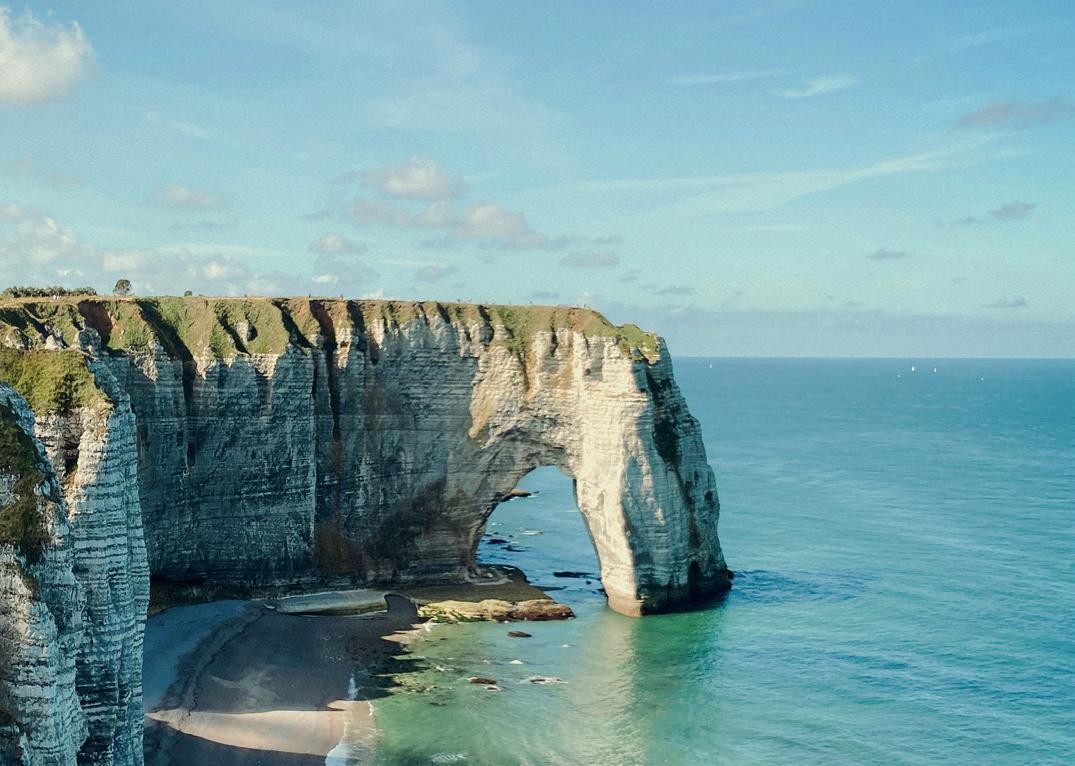
100th
1–10
1–16
2–6
2–7
3–10
3–10
5–13
8–14
11–18
12–20
16–22
16–22
Venetian Land Empire (mm 977)
Dr Michael Douglas-Scott
Eastern Turkey (mm 975) Ian Colvin
Ravenna & Urbino (mm 976) Dr Luca Leoncini
Palladian Villas (mm 946) Dr Sarah Pearson
Gastronomic Belgium & the Netherlands (mm 978) Gijs van Hensbergen
Great Gardens of Southern England (mm 979)
Louisa Allen
Medieval Burgundy (mm 980) Dr Hugh Doherty
Gastronomic Friuli Venezia Giulia (mm 982)
Cynthia Chaplin
Leipzig Bach Festival (mm 986) Prof. John Butt OBE
Great Irish Houses (mm 989) Anthony Lambert
Art in the Netherlands (mm 990)
Desmond Shawe-Taylor
Leipzig Bach Festival (mm 987) Dr Ruth Tatlow
Dates listed for tours which are not yet available to book (those listed without a code) are subject to change. Please ask your travel agent for more information.
22–26 Lincolnshire Churches (mm 996)
Dr James Alexander Cameron
22–29 THE RHINE PIANO FESTIVAL (mm 100)
Dr Katy Hamilton
24-2 Gardens in the Highlands (mm 998)
Colin Crosbie
25–30 Walking to Derbyshire Houses (mm 999)
Christopher Garibaldi
25–3 Finland: Aalto & Others (mm 101)
Prof. Harry Charrington
30–5 Flemish Painting (mm 104) Dr Sue Jones
30–9 Medieval Anjou & Poitou (mm 103)
Dr Hugh Doherty
30 Renaissance Choral Day (mm 102)
2–6 Budapest (mm 105) Gavin Plumley
2–10 Great Houses of North-West England (mm 106) Anthony Lambert
3–9 Vanbrugh’s Greatest Houses (mm 107)
Sir Charles Saumarez Smith
5–12 Lofoten Festival (mm 111)
Dr Michael Downes OBE
6–12 French Gothic (mm 108) Dr Jana Gajdošová
6–12 Gastronomic Devon & Cornwall (mm 109)
Marc Millon
6–13 Cruise: History & Art on the Danube (mm 110)
Gavin Plumley, Dr Philipp Bloom, Veronica Buckley
12–16 Savonlinna Opera (mm 112) Simon Rees
13–19 Lusatia: Germany’s Eastern Borderlands (mm 113) Dr Jarl Kremeier
19–25 Opera in Munich & Bregenz (mm 115)
Dr Bruno Bower
29–6 Estonia (mm 120) Dr Paris Pin-Yu Chen
30–6 The Hanseatic League (mm 122) Andreas Puth
3–10 Gdańsk & Eastern Pomerania (mm 125)
Dr Hugh Doherty
5–13 Baroque & Rococo (mm 127) Tom Abbott
6–12 Orkney: 5,000 years of culture (mm 128)
Julie Gibson, Tom Muir
15–21 Walking the Danube (mm 134)
15–22
Richard Wigmore
MUSIC ALONG THE DANUBE (mm 135)
Dr Paul Max Edlin
17–21 The Age of Bede (mm 136) Imogen Corrigan
20–1 Silk Roads of Central Asia (mm 140)
Dr Peter Webb
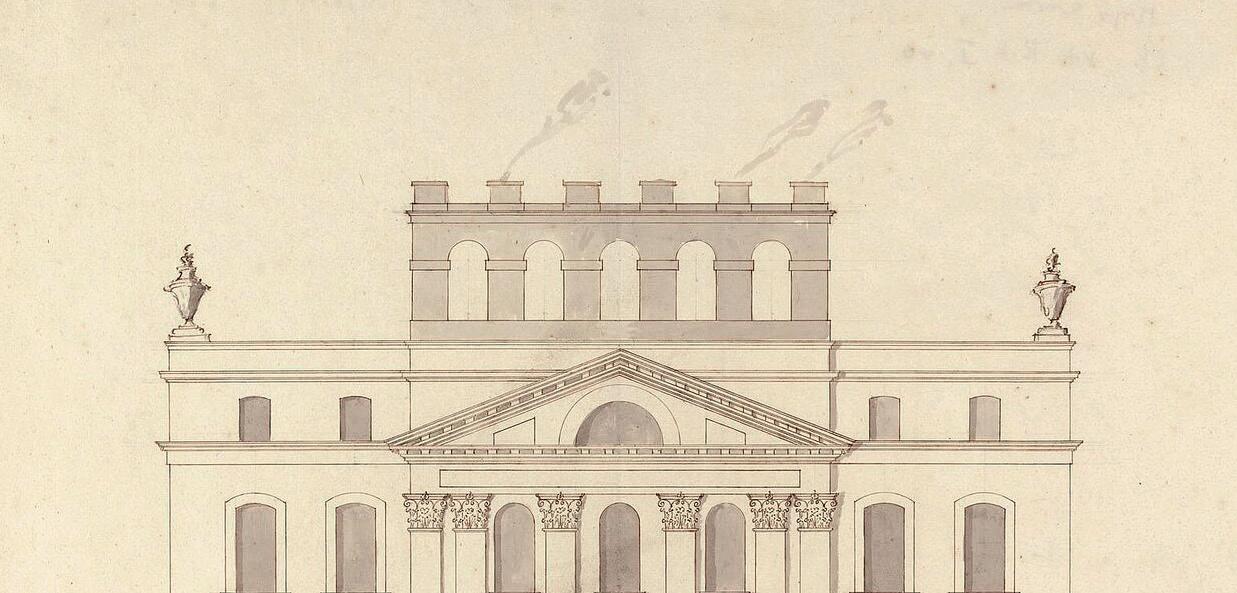
22–27
27–31
31–7
300 years since Sir John Vanbrugh’s death: survey his career, from Castle Howard to Blenheim Palace, 3–9 July 2026
The Schubertiade (mm 137) Richard Wigmore
Art in Switzerland (mm 142) Mary Lynn Riley
MUSIC ALONG THE RHINE (mm 144)
Dr Katy Hamilton
2–9
2–10
3–15
4–11
4–12
4–14
5–14
5–16
6–10
7–13
7–13
7–14
7–19
7–23
8–15
9–14
9–18
11–17
11–17
14–19
14–19
14–20
16–25
18–27
18–30
21–26
21–27
23–28
26–4
28–2
28–4
28–5
29–7
Gardens of Normandy (mm 149)
Amanda Patton
The Cathedrals of England (mm 150)
Canon Nicholas Cranfield FSA
Samarkand & Silk Road Cities (mm 153)
Dr Richard McClary
Courts of Northern Italy (mm 155)
Prof. Fabrizio Nevola
Sardinia (mm 156) Dr R. T. Cobianchi
Frank Lloyd Wright (mm 154)
Prof. Harry Charrington
Classical Greece (mm 164)
Dr Christina Hatzimichael-Whitley
Armenia & Georgia (mm 165)
Ian Colvin
Châteaux of the Loire (mm 158)
Dr Sarah Pearson
Cave Art in Spain (mm 159)
Dr Paul Bahn
The Imperial Riviera (mm 167)
Dr Mark Thompson
Gastronomic Basque Country (mm 157)
Gijs van Hensbergen
Civilisations of Sicily (mm 161)
Dr Zoe Opačić
Peru (mm 160) Dr David Beresford-Jones
Trecento Frescoes (mm 163) Prof. Donal Cooper
Beethoven in Bonn (mm 174) Prof. Barry Cooper
Scottish Houses and Castles (mm 162)
Alastair Learmont
Gastronomic Emilia Romagna (mm 172)
Cynthia Chaplin
Piero della Francesca (mm 169)
Dr Michael Douglas-Scott
The Etruscans (mm 166) Dr Nigel Spivey
Vienna’s Masterpieces (mm 173)
Tom Abbott
Lancashire: the Making of the Modern World (mm 175) Chris Moss
Albania: Crossroads of Antiquity (mm 168)
Carolyn Metkola
Scotland: History and Heritage (mm 170)
David Forsyth
The Road to Santiago (mm 171)
Dr Richard Plant
Pompeii & Herculaneum (mm 179)
Dr Nigel Spivey
Walking a Royal River (mm 180)
Sophie Campbell
Organs of Bach’s Time (mm 181)
James Johnstone, Dr Jarl Kremeier
Gastronomic Navarra (mm 183)
Gijs van Hensbergen
Ravenna & Urbino (mm 187) Dr Luca Leoncini
THE J.S. BACH JOURNEY (mm 186)
Professor John Butt OBE, Sir Nicholas Kenyon
The Heart of Italy (mm 185) Leslie Primo
Normans in the South (mm 188)
Canon Nicholas Cranfield
1–8 Courts of Northern Italy (mm 190)
Dr Sarah Pearson
1–10 Cruise: Sailing the Dalmatian Coast (mm 200)
Dr Mark Thompson
2–8 Modern Art on the Côte d’Azur (mm 192)
Monica Bohm-Duchen
2–12 Bulgaria (mm 191) Dr Nikola Theodossiev
5–10 Martin Randall’s London (mm 189)
Martin Randall
5–11 Connoisseur’s Prague (mm 194)
Martina Hinks-Edwards
5–16 Art in Japan (mm 195)
Dr Monika Hinkel
5–17 Civilisations of Sicily (mm 196)
Dr Mark Grahame
8–16 Berlin, Potsdam, Dresden (mm 197)
Dr Jarl Kremeier
8–20 Central Anatolia (mm 198) Jeremy Seal
12–18 Raphael, in celebration (mm 199)
Dr Michael Douglas-Scott
13–19 Essential Rome (mm 202)
Christopher Garibaldi
14–20 Art in the Netherlands (mm 202)
Desmond Shawe-Taylor
14–22 Two Spains: the Spanish Civil War & its aftermath (mm 193) Giles Tremlett
15–22 Cruise: Cruising the Douro (mm 218)
Dr Gerald Luckhurst, Martin Symington
16–22 Roman & Medieval Provence (mm214)
Dr Alexandra Gajewski
17–23 Gastronomic Piedmont (mm 203)
Cynthia Chaplin
18–23 Monet & Impressionism (mm 219)
Prof. Frances Fowle
19–25 World Heritage Malta (mm 204)
Juliet Rix
19–26 Footpaths of Umbria (mm 111)
Dr Thomas-Leo True
19–26 Masters of Milan (mm 216)
Dr Luca Leoncini
19–27 Cyprus: stepping stone of history (mm 212)
Ian Colvin
19–28 Castile & León (mm 205)
Gijs van Hensbergen
19–29 Essential Andalucía (mm 215)
Dr Philippa Joseph
19–31 Traditions of Japan (mm 206)
Prof. Timon Screech
21–28 Gastronomic Campania (mm 220)
Marc Millon
22–29 Istanbul Revealed (mm 208)
Jeremy Seal
22–3 Samarkand & Silk Road Cities (mm 213)
Dr Iain Shearer
23–2 Oman: Landscapes & Peoples (mm 209)
Dr Peter Webb
26–31 Palladian Villas (mm 210)
Dr Michael Douglas-Scott
26–1 Gastronomic Loire Valley (mm 227)
Victoria Daskal
28–1 Opera at Wexford Dr John Allison
29–9 Pharaonic Egypt (mm 217)
Reverend Prof. Lloyd Llewellyn-Jones
Eastern Turkey Prof. Graham Philip
3–8 Palermo Revealed (mm 221) Christopher Newall
3–10 Connoisseur’s New York (mm 222)
Gijs van Hensbergen
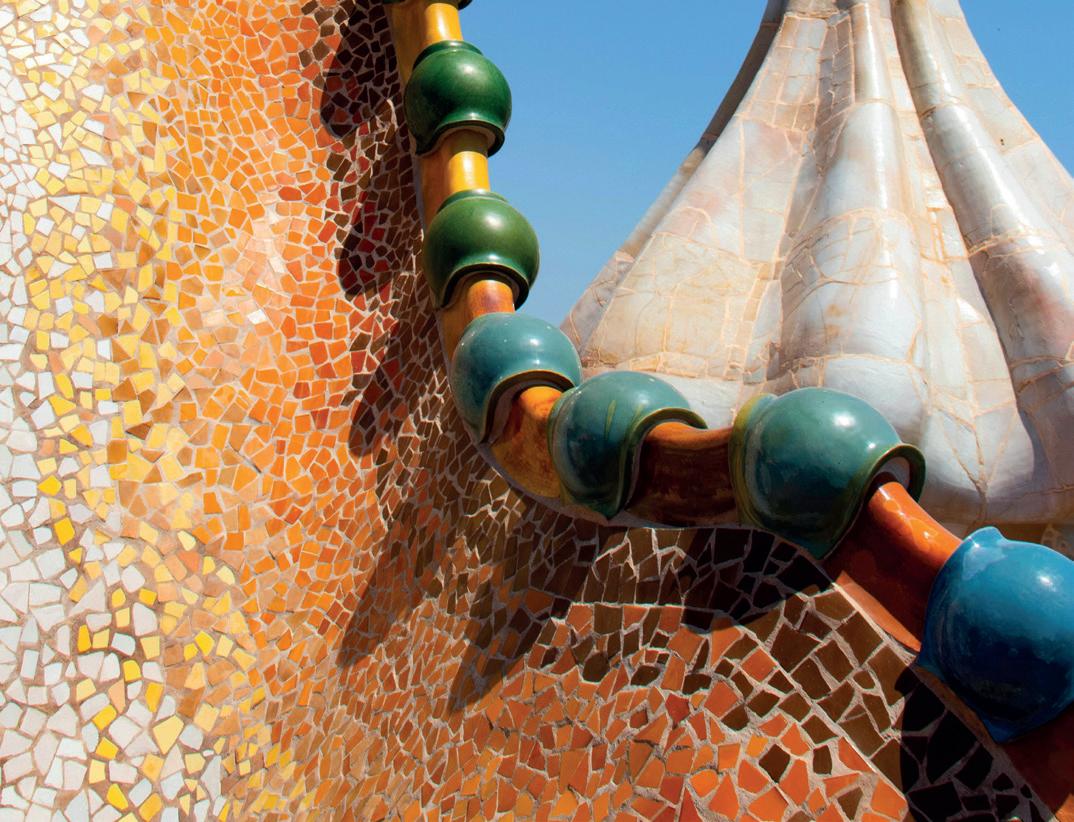
4–8
4–9
5–16
A selection of Gaudí’s finest works, coinciding with the centenary of his death, 16–23 November 2026
Art in Madrid (mm 225) Dr Xavier Bray
Music of the Czech Lands (mm 223)
Prof. Jan Smaczny
Japanese Gardens (mm 224) Yoko Kawaguchi
6–10 Venetian Palaces (mm 228) Dr Carlo Corsato
6–11
7–14
12–17
15–26
Venice Revisited (mm 229) Dr Susan Steer
Ancient & Islamic Tunisia (mm 226)
Dr Zena Kamash
MONTEVERDI IN VENICE (mm 230)
Prof John Bryan
Morocco (mm 240) Prof. Alex Metcalfe
16–23 Caravaggio (mm 231) Dr Lucy Davis Winckler
16–23
Celebrating Gaudí (mm 239)
Gijs van Hensbergen
16–2 Patagonia (mm 223) Chris Moss
18–24 Titian, Tintoretto, Veronese (mm 237)
18–1
19–23
Dr Michael Douglas-Scott
Great Cities of Northern India (mm 232)
Dr Giles Tillotson
Early Music in Northern Italy (mm 238)
Professor Robert Adelson
20–22 Chamber Music Event: William Howard & the Carducci Quartet William Howard (mm 234)
23–29 Pompeii & Herculaneum (mm 235)
23–30
Dr Mark Grahame
The Art of Florence (mm 236)
Dr Flavio Boggi
30 Advent Choral Day
21–28 Prague at Christmas
21–28 Vienna at Christmas
21–28 Dresden at Christmas
21–28 Venice at Christmas
21–28 Naples at Christmas
21–28 Turin at Christmas
27–11
Lands of the Maya Dr Adrian Pearce
For our full tours list, visit martinrandall.com/calendar
5–17
16–23
Pharaonic Egypt (mn 261)
Reverend Prof. Lloyd Llewellyn-Jones
Early Christian and Medieval Rome
Dr Hugh Doherty
16–29 Kingdoms of Southern India Dr Peter Webb
18–30 Cruise: Cruising the Nile Dr Silvia Zago
19–25 Florence Revisited Dr Michael Douglas-Scott
Mozart in Salzburg Richard Wigmore
Valletta Baroque Festival Prof. John Bryan
8–15
Granada & Cordoba Gijs van Hensbergen
22–28 Palaces & Villas of Rome Dr Michael Douglas-Scott
22–1 Florence & Venice Desmond Shawe-Taylor
23–1 Essential Rome Dr Thomas-Leo True
27–11 Vietnam: History, People, Food (mn 284) Dr Dana Healy Caravaggio
Music in Paris
Pompeii & Herculaneum Dr Konogan Beaufay
6–11 Gardens of Madeira Dr Gerald Luckhurst
9–15 Modern Art on the Côte d’Azur Mary Lynn Riley
9–20 Indian Summer Raaja Bhasin
10–14 Art in Madrid Dr Akemi Luisa Herráez Vossbrink
12–26 Cruise: Cambodia by River (mn 292)
Freddie Matthews
31–6 Cities of al-Andalus
31–7 Romans & Carolingians Dr Hugh Doherty
Great Cities of Italy
L’Ancien Régime Paris Prof. Glenn Richardson
Minoan Crete Dr Christina Hatzimichael-Whitley
Morocco
Opera In Vienna Dr John Allison
Ravenna & Urbino Dr Luca Leoncini
The Art of Florence Desmond Shawe-Taylor
The Duchy of Urbino Dr Luca Leoncini
Venetian Palaces
Venice Revisited Dr Susan Steer
1–10 Extremadura Chris Moss
2–8 Roman & Medieval Provence Dr John Merrington
10–18 Essential Jordan Felicity Cobbing
10–19 Cities of Catalonia Gijs van Hensbergen
10–19 Classical Greece
12–22 Essential Andalucía
13–26 Shōguns and Samurai
Reverend Prof. Lloyd Llewellyn-Jones
14–22 Two Spains: the Spanish Civil War & its aftermath Giles Tremlett
15–27 Samarkand & Silk Road Cities Dr Peter Webb
18–23 Monet & Impressionism Prof. Frances Fowle
19–1 Traditions of Japan Prof. Timon Screech
23–27 CAMBRIDGE CHORAL FESTIVAL
26–5 Medieval Saxony Dr Ulrike Ziegler
29–5 Art in the Netherlands Lizzie Marx
29–8 Cruise: Sailing the Dalmatian Coast
Dr Zoe Opačić
Albania: Crossroads of Antiquity Carolyn Metkola
Ancient Rome Dr Mark Grahame
Civilisations of Sicily Dr Philippa Joseph
Classical Turkey Reverend Prof. Lloyd Llewellyn-Jones
Gardens & Villas of the Italian Lakes Colin Crosbie
Gastronomic Lombardy
Gastronomic Provence Victoria Daskal
Heart of Italy Dr Michael Douglas-Scott
Heaven & Hell
Dr Michael Douglas-Scott, Stephen Parkin
Normans in the South
Pompeii & Herculaneum Dr Mark Grahame
The Art of Florence
The Cathedrals of England
The Hanseatic League
Tuscany Revealed Dr Flavio Boggi
Val d’Orcia and the Sienese Hills Prof. Fabrizio Nevola
World Heritage Malta Juliet Rix
5–12
10–19
12–16
13–25
14–23
14–26
17–21
17–30
19–26
20–30
20–1
24–31
31–6
BEETHOVEN ALONG THE RHINE
Castile & León Gijs van Hensbergen
Art in Switzerland Mary Lynn Riley
Samarkand & Silk Road Cities
Scotland: History and Heritage David Forsyth
The Road to Santiago
Arts & Crafts in the Lake District
The Western Balkans Mark Thompson
Great Gardens of Southern England Louisa Allen
Moldavia & Transylvania Dr Shona Kallestrup
Samarkand & Silk Road Cities Dr Peter Webb
Gastronomic Basque Country Gijs van Hensbergen
Abbeys & Organs Simon Williams
Civilisations of Sicily Dr Luca Leoncini
Copenhagen Modern Prof Harry Charrington
Courts of Northern Italy Dr Michael Douglas-Scott
Essential China Prof. Oliver Moore
Footpaths of Umbria Nigel McGhilchrist
Gardens of Sicily Helena Attlee
Gardens of Sintra Dr Gerald Luckhurst
Gardens of the Campagna Romana Amanda Patton
Great Houses of the North
Istanbul Revealed Jeremy Seal
Medieval Toulouse and Languedoc
Ravenna & Urbino
Scotland: History and Heritage David Forsyth
Sussex Modern Monica Bohm-Duchen
The Gold Of Macedon Reverend Prof. Lloyd Llewellyn-Jones
Versailles: Seat of the Sun King
Walking Hadrian’s Wall Matthew Symonds
4–11
5–11
7–22
9–20
18–26
24–2
Treasures of Moravia Martina Hinks-Edwards
MUSIC IN THE VENETO
Eastern Turkey Ian Colvin
Galleries of the American Midwest Gijs van Hensbergen
Medieval Burgundy Dr Hugh Doherty
Finland: Aalto & others Prof Harry Charrington
Aragón
Flemish Painting
Gardens & Villas of the Veneto Amanda Patton
Great Irish Houses Anthony Lambert
Italian Design: Turin & Milan Dr Philippa Joseph
Leipzig Bach Festival Prof. John Butt OBE
Medieval Alsace
Norman Conquest & Planatagent Power Dr Marc Morris
Palladian Villas Dr Sarah Pearson
Private Houses in Norfolk
Ravenna & Urbino Dr Luca Leoncini
Sardinia
Venetian Hills Dr Carlo Corsato
Walking to Santiago Dr Rose Walker
1–8 German Gothic Dr Ulrike Ziegler
3–8 King Ludwig II Tom Abbott
8–15 MUSIC ALONG THE DANUBE
29–5 The Hanseatic League Andreas Puth
Asturias & Cantabria Dr Hugh Doherty
French Gothic Dr Jana Gajdosova
In Churchill’s Footsteps Katherine Carter
Orkney: 5,000 years of culture
Savonlinna Opera
Vanbrugh’s Greatest Houses Charles Saumarez-Smith
Walking the Danube Richard Wigmore
3–9
10–15
Moving on: Architecture & Memory Tom Abbott
Bauhaus Tom Abbott
19–31 Silk Roads of Central Asia Dr Peter Webb
Budapest Gavin Plumley
Iceland’s Story Christopher Callow
Maritime England James Davey
The Age of Bede Imogen Corrigan
The Schubertiade Richard Wigmore
1–6 Vienna’s Masterpieces Tom Abbott
2–14
Samarkand & Silk Road Cities Dr Richard McClary
8–15 Gardens of Normandy Amanda Patton
10–21 Frank Lloyd Wright Tom Abbott
12–19
Cruise: History & Art along the Rhine 17–21 Art in Madrid
21–26 TOLEDO MUSIC FESTIVAL
26–30 Gastronomic Madrid Gijs van Hensbergen
27–7 Essential Andalucía Dr Philippa Joseph
Albania: Crossroads of Antiquity Carolyn Metkola
Armenia & Georgia
Art in Le Marche
Art in the Netherlands
Cave Art of France Dr Paul Bahn
Central Macedonia Dr Christina Hatzimichael-Whitley
Chateaux of the Loire Dr Sarah Pearson
Civilisations of Sicily
Classical Greece
Courts of Northern Italy Prof. Fabrizio Nevola
Duchy of Urbino
East Anglia
Fiesole to Lucca: Tuscany on Foot Dr Thomas-Leo True
Gardens of the Bay of Naples
Gastronomic Emilia-Romagna Cynthia Chaplin
Gastronomic Loire Valley Victoria Daskal
Heart of Italy
Ireland: History & Heritage John Brady
Isambard Kingdom Brunel
Le Corbusier
Mitteldeutschland Dr Jarl Kremeier
Mr Turner
Normans in the South
Pompeii & Herculaneum
Sacred China Freddie Matthews
Samarkand & Silk Road Cities
Scottish Houses and Castles
The Cathedrals of England
The Imperial Riviera Dr Mark Thompson
Tudor England Jessica Sharkey
20th Century Czechoslovakia Martina Hinks-Edwards
5–11
5–16
7–16
12–18
16–22
18–30
20–28
23–31
Modern Art on the Côte d’Azur Monica Bohm-Duchen
Art in Japan Prof. Timon Screech
Cruise: Sailing the Dalmatian Coast Dr Mark Thompson
Essential Rome Christopher Garibaldi
OPERA IN SICILY
Traditions of Japan
Spain 1492 Giles Tremlett
Gastronomic Navarra Gijs van Hensbergen
Basilicata & Calabria
Bulgaria Dr Nikola Theodossiev
Central Anatolia
Civilisations of Sicily Dr Zoe Opačić
Courts of Northern Italy Dr Sarah Pearson
Cyprus
Eastern Turkey
Footpaths of Umbria
Gardens & Villas of the Italian Lakes Amanda Patton
Gastronomic Campania Marc Millon
Lisbon Dr Steven Brindle
Oman
Palladian Villas Dr Michael Douglas-Scott
Palaces of Piedmont Dr Luca Leoncini
Palermo Revealed
Pharaonic Egypt Reverend Prof. Lloyd Llewellyn-Jones
Ravenna & Urbino
Renaissance Rivals Dr Michael Douglas-Scott
Roman & Medieval Provence Dr Alexandra Gajewski
Samarkand & Silk Road Cities
Sicily: Greeks to Baroque Dr Mark Grahame
The Cathedrals of England
The Douro
World Heritage Malta Juliet Rix
November 2027
4–15
4–17
8–14
Japanese Gardens Yoko Kawaguchi
The Making of Argentina Chris Moss
Picasso in Spain Gijs van Hensbergen
Art History of Venice Dr Susan Steer
Art in Texas Gijs van Hensbergen
Civilisations of Sicily
Cruise: Cruising the Nile Dr Silvia Zago
Pompeii & Herculaneum Dr Nigel Spivey
Renaissance Paris Prof. Glenn Richardson
Saudi Arabia
Siena & San Gimignano Dr Michael Douglas-Scott
Thailand & Laos
The Art of Florence
Tunisia Dr Zena Kamash
Venetian Palaces Dr Michael Douglas-Scott
Venetian Rivals Dr Carlo Corsato
December 2027
We usually o er around seven tours over Christmas and New Year.
Please note the details listed in our calendar are subject to change. Visit martinrandall.com/calendar for the latest 2027 tours list.
Discover the culinary character of England’s southwest, shaped by rugged coastlines, fertile farmland and centuries of maritime exchange. This tour pairs visits to historic towns and landscapes with exceptional seafood, artisan produce and regional specialities, offering insight into a distinct gastronomic culture rooted in place and tradition.
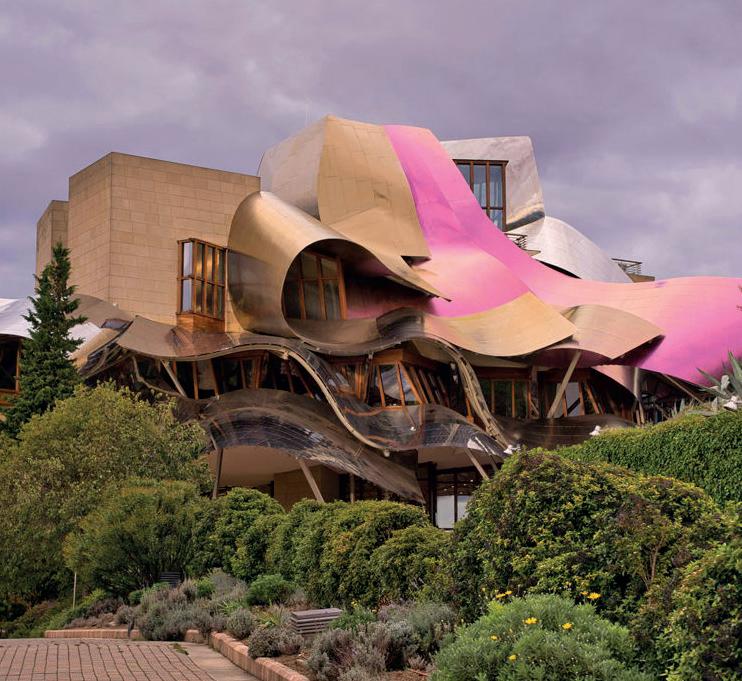
21–28 October 2026
7–14 September 2026
Uncover the distinct identity of the Basque Country through its food traditions and bold creativity. From bustling markets to Michelinstarred kitchens, this tour offers insight into a culture shaped by geography and history, expressed in flavours that are as original as they are rooted in place.
Experience Campania as a meeting point of civilisations and cuisines. This tour blends visits to ancient sites and coastal landscapes with tastings of wines and dishes that embody centuries of cultural exchange, revealing how history and terroir shape the vibrant flavours of Naples and the Amalfi Coast.
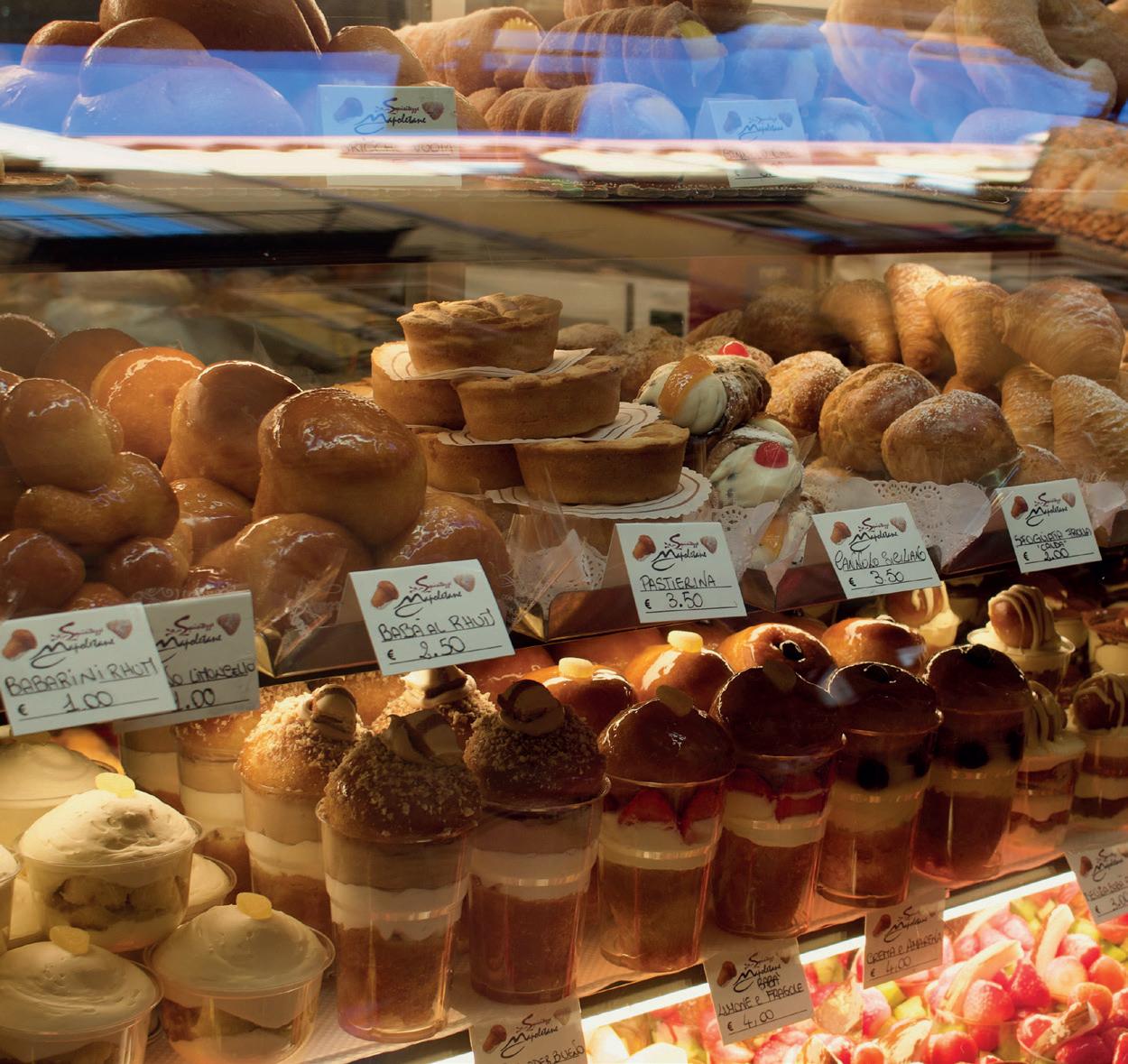
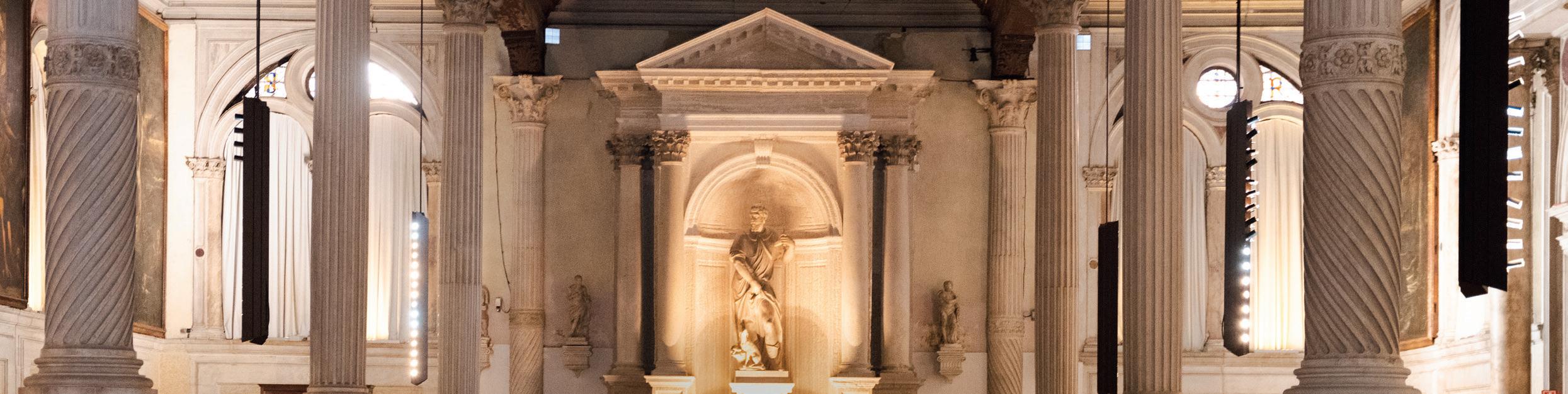
Contact your local travel agent
You will need to consent to the booking conditions, and pay the deposit (15% of the total booking price) or full balance if booking within 12 weeks of departure.
Confirming your booking
Once you have completed the above, you will receive a formal confirmation. Your deposit is then non-refundable except under the special circumstances mentioned in our booking conditions.
Booking conditions
It is important that you read these before committing to a booking. You can find them online: www.martinrandall.com/ terms
Fitness
Ensure also that you have read ‘How strenuous’ in the ‘Practicalities’ section of the tour description and at martinrandall.com/about under ‘Fitness’. Our fitness tests are a condition of booking. Our tours are not suitable for those who have di culty with keeping pace with a group, stair-climbing and standing around for lengthy periods.
‘Martin Randall Travel is a top level, and top quality operator. ey do what they promise, and usually much more.’
‘ e combination of the lecturer and the tour manager means that you can really relax and enjoy the holiday and be stimulated and inspired at the same time.’
‘Brilliant!
It covered the obvious sites in new and wonderful ways but included less known gems as well.’