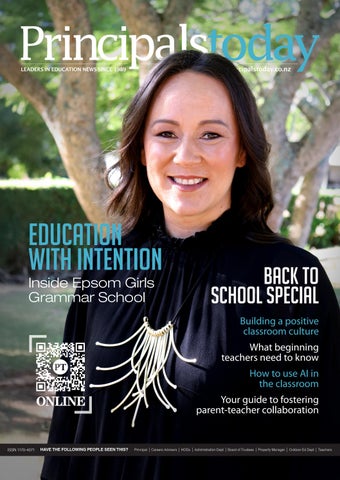
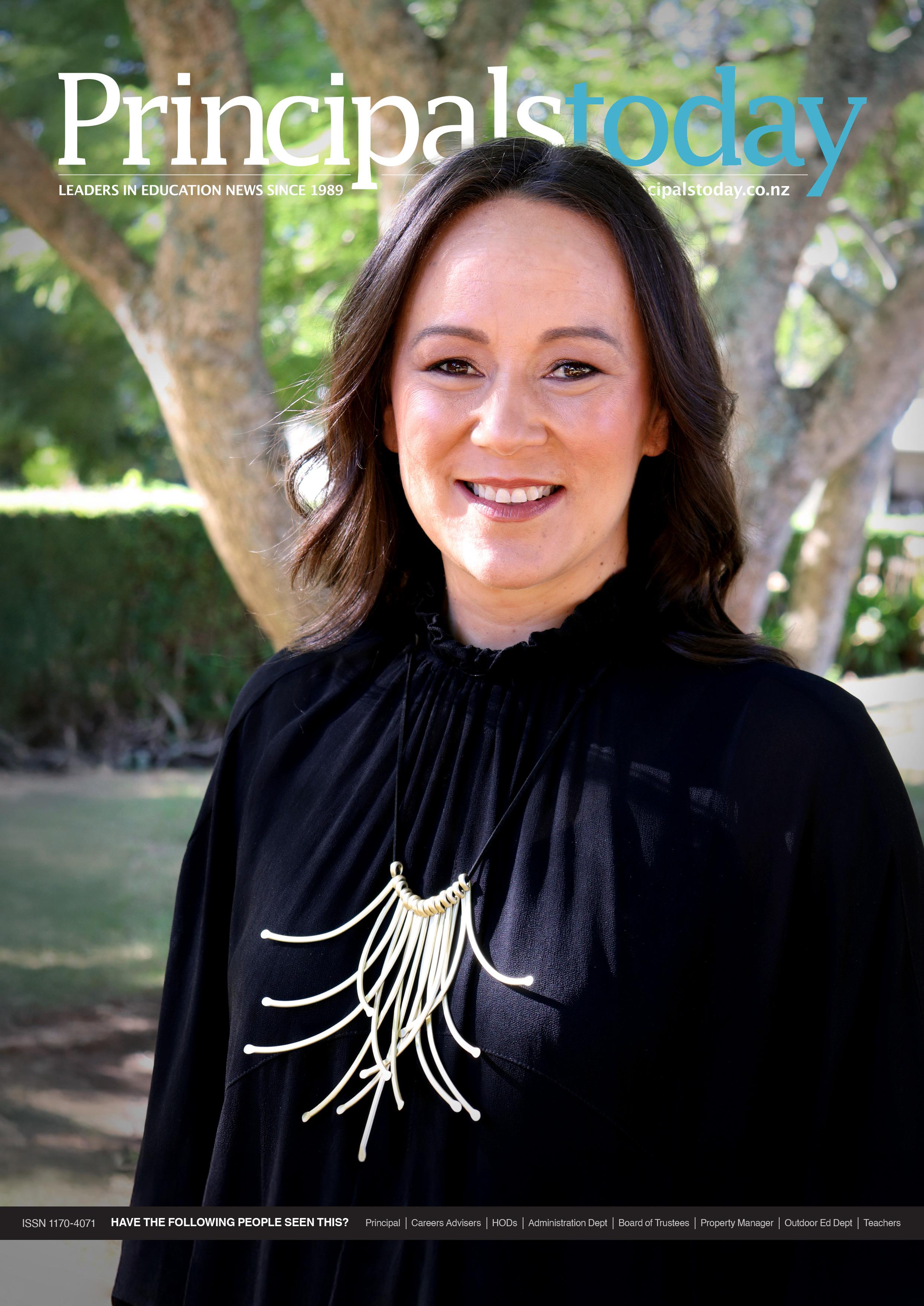
ONLINE Education with intention
Back to school special
Building a positive classroom culture
What beginning teachers need to know
How to use AI in the classroom
Your guide to fostering parent-teacher collaboration

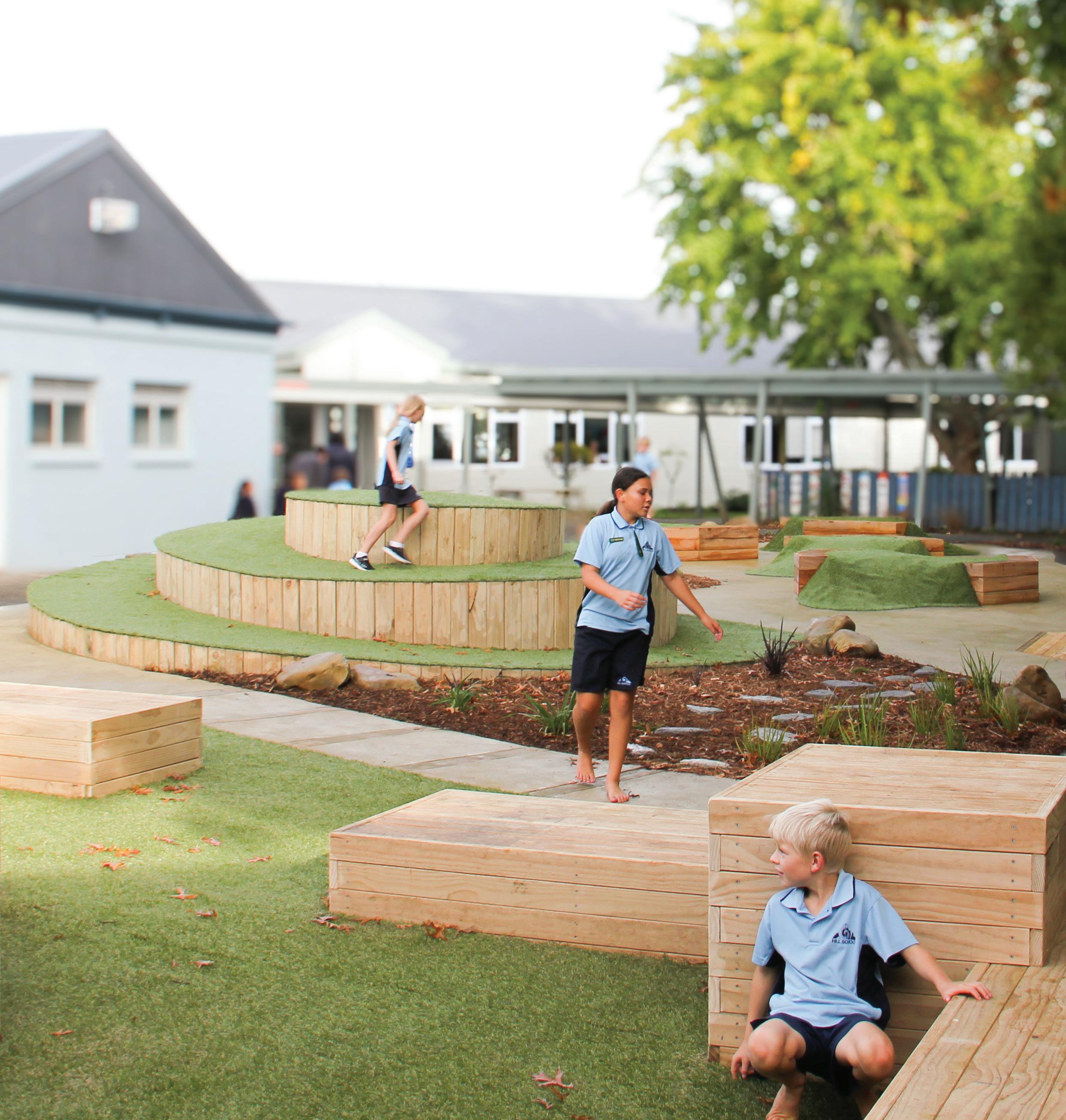





Delivering high-quality commercial and modular construction solutions across New Zealand Get in touch with us to collaborate on your next project
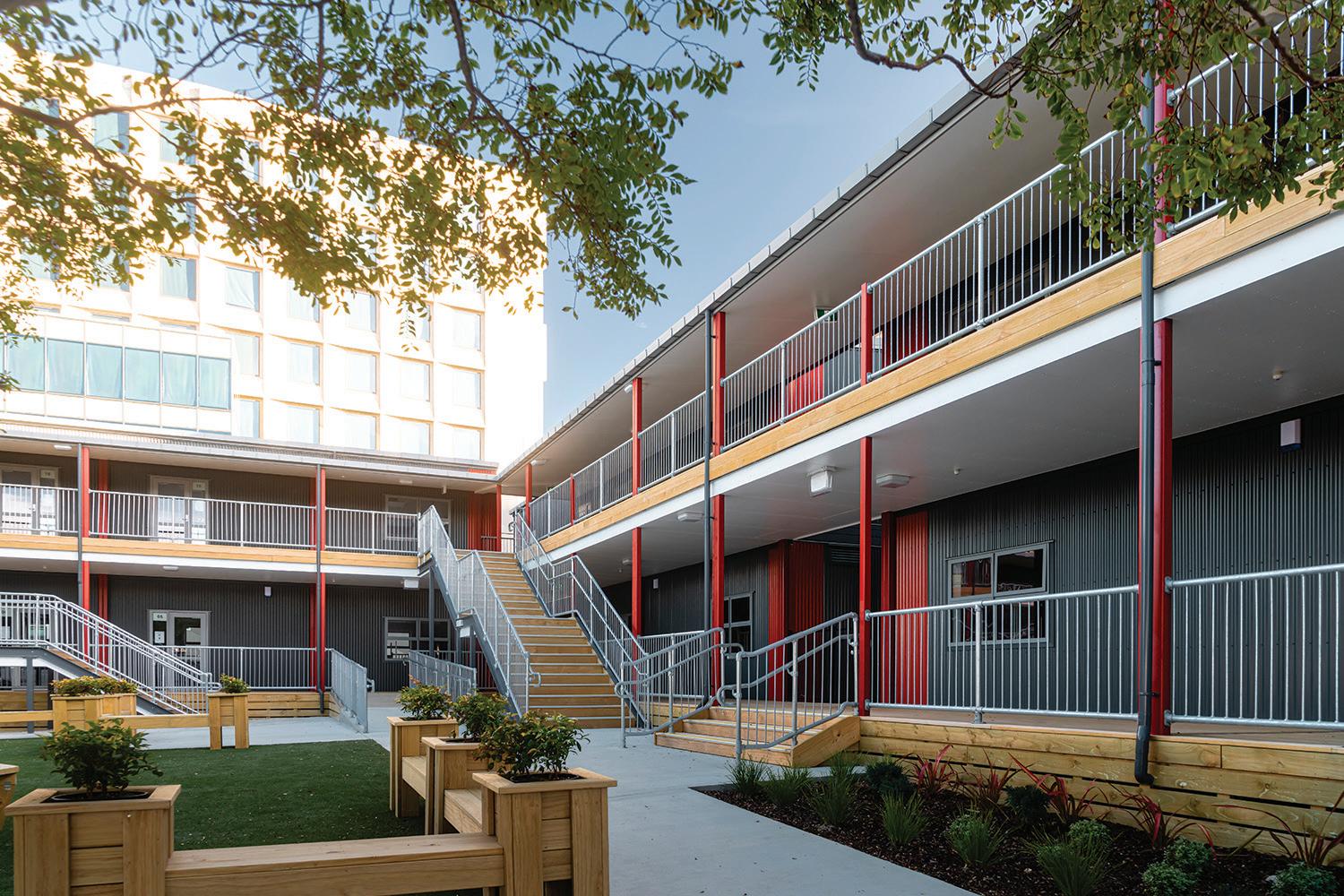
• Project Management: from project conception through to completion specializing in the Education sector
• Inhouse Design team: with experience in Master Planning, Concept Design, Architectural design, full design packages for Development approvals and Council submissions.
021 574 175 | enquiries@nichemodular.co.nz | www.nichemodular.co.nz 8 Burnham Street, Petone, Lower Hutt 5012 SERVICES
• Design & Build (Turn Key Classroom Solutions)
• Coordination Experience with Ministry of Education
• Full Service Project Management, Planning & Compliance
• Dedicated team of design Consultants
• Niche construction team
• Niche companies, Engineering Manufacturing, Plumbing & drainage, Windows, wall and truss fabrication, Concrete plant.


At Epsom Girls Grammar School, leadership is grounded in a clear focus on learning, opportunity and community. Principal Brenda McNaughton shares the priorities shaping the school’s direction, from maintaining academic rigour, to supporting teachers as subject experts and strengthening connections across the school community.
in
Welcome to our back-to-school 2026 edition of Principals Today — your trusted companion for a confident, inspired start to the school year.
In this issue, we focus on what matters most: strong classroom culture, empowered teachers, and thriving school communities. From expert strategies on fostering parent-teacher collaboration to practical insights on building inclusive, positive learning environments, we’ve packed these pages with guidance for every educator.
New to the profession? Our feature on what beginning teachers really need to know is a must-read. Curious about edtech? Discover how to use AI meaningfully and ethically in the classroom.
We also shine a spotlight on Epsom Girls Grammar School, where leadership, student voice, and academic excellence are working in powerful harmony.

Whether you’re a principal, teacher, or school leader, this edition is here to equip and energise you for the term ahead.
Here’s to a year of connection, courage, and growth.





LOOKING FOR STAFF? LAUNCH YOUR SEARCH WITH US!

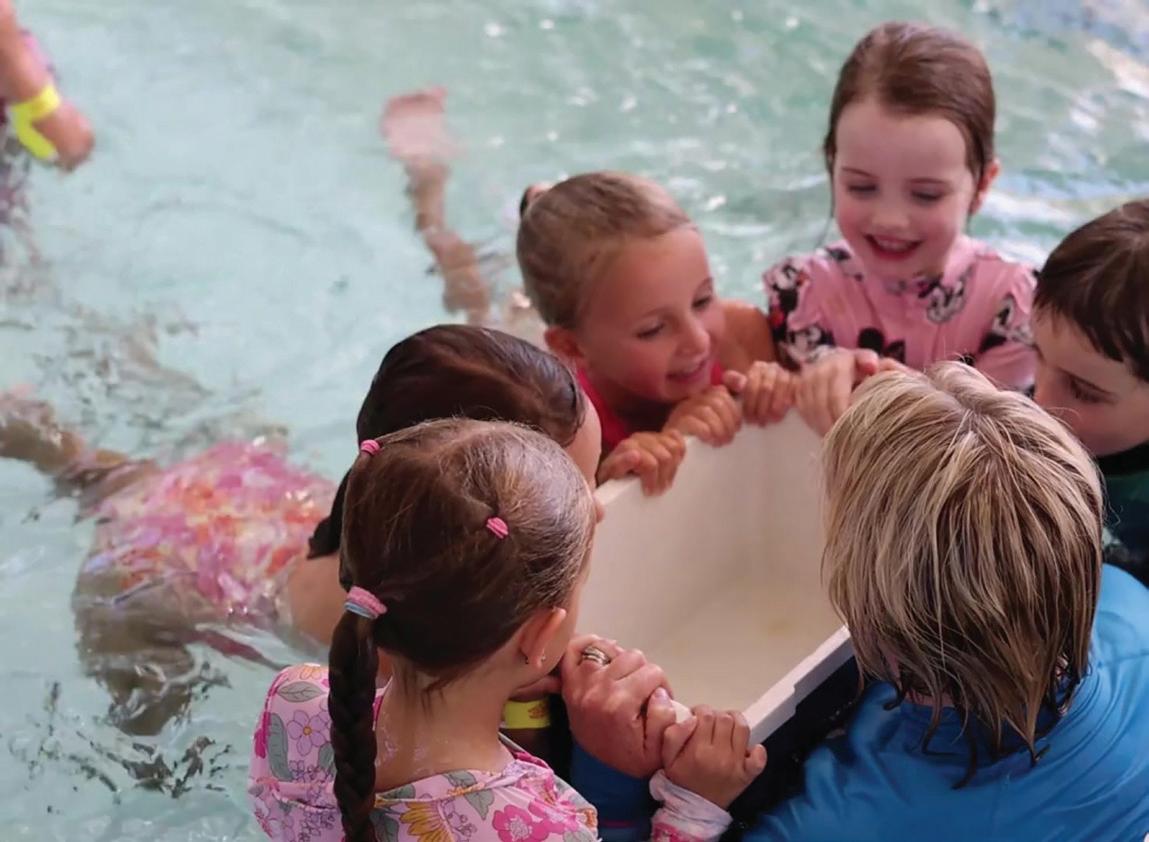

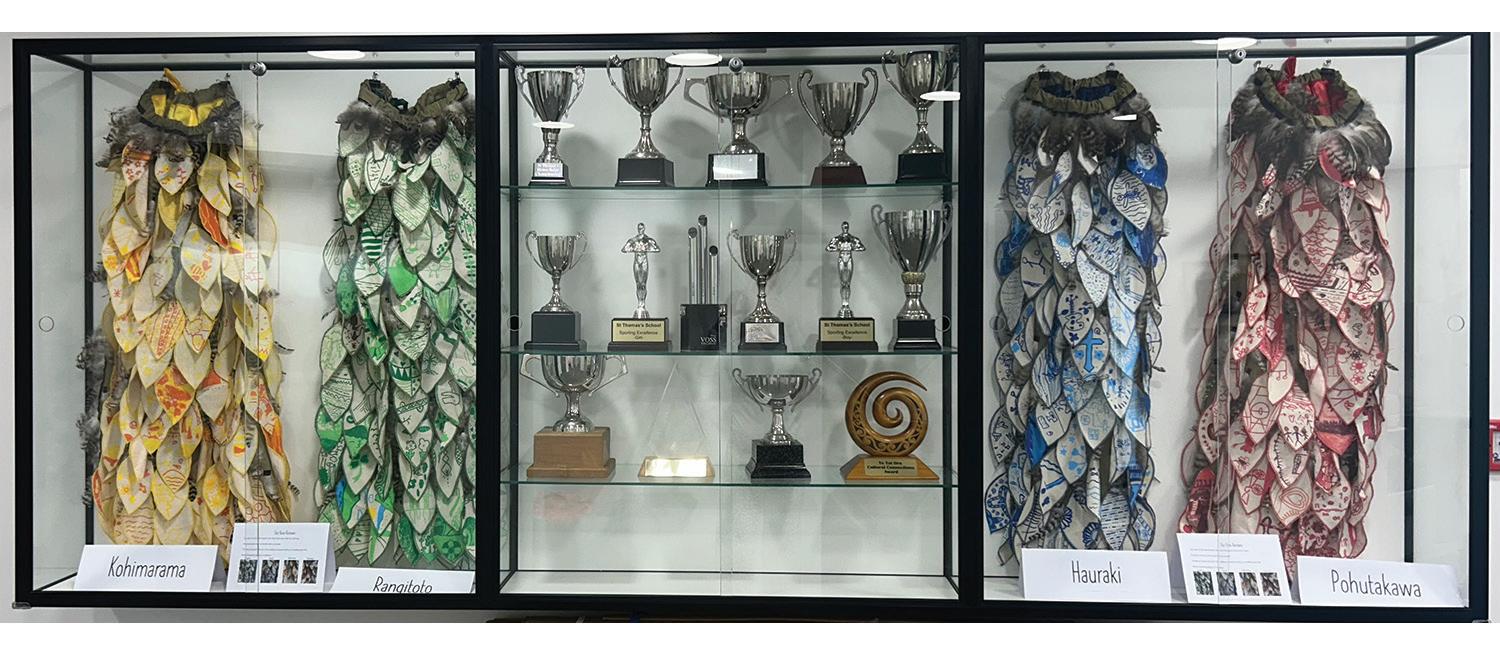
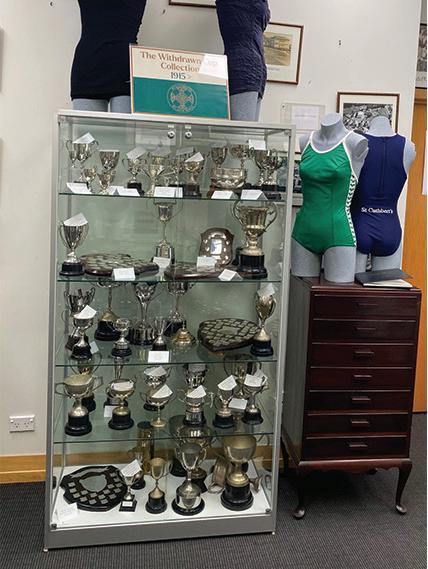
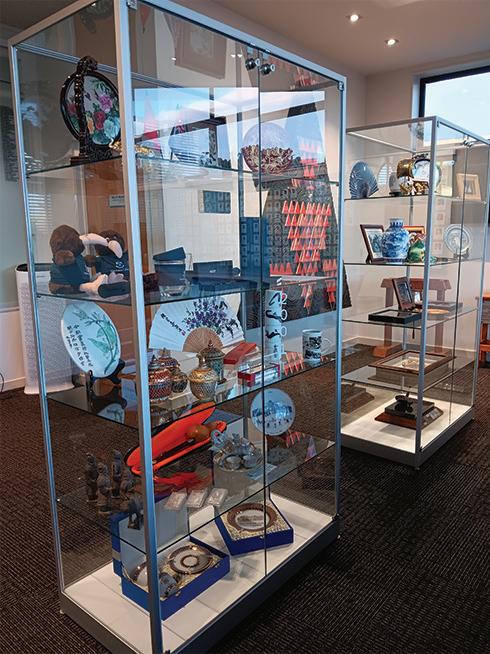
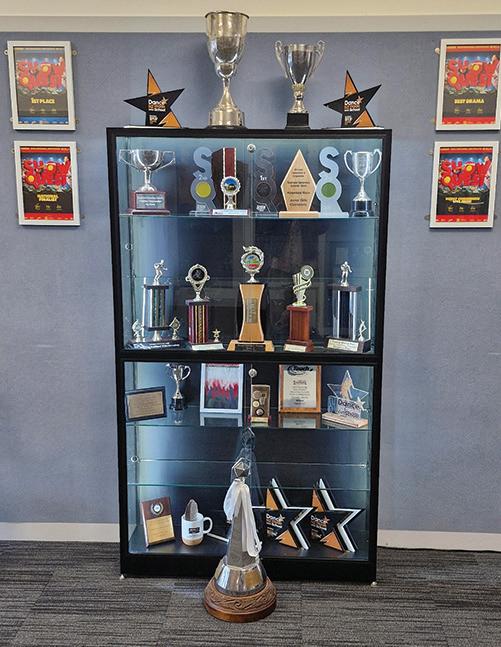
Our premium glass display cases feature the slimmest joinery available to enhance your viewing potential. All cases come fully assembled with lockable glass doors and adjustable shelves.
Joinery colour options and LED strip lighting options are available for all models, so you can customise the look and feel of your display.
· NZ designed & manufactured
· Delivered fully assembled
· Customisable to your needs
· Nationwide delivery






An end-to-end AI curriculum platform for Aotearoa schools + kura
TeachAid creates high-quality, personalised units that reflect your kaupapa, culture, and local priorities – helping leaders and teaching teams navigate NZ curriculum changes with confidence.
“AI is the biggest equity move we can make in our generation.”
–
Dr. Craig Hansen PhD, Aotearoa’s Leader in AI for Education

★ Aligns to updated NZ curriculum
★ Generates complete units in minutes
★ Unifies curriculum + PD on one platform
★ Localises to your kura, school context + priorities
★ Cuts planning workload + modernises instruction faster
★ Embeds mana ōrite + culturally responsive practice
★ Maintains consistent delivery with relievers + new staff
★ Builds agile, integrated plans across learning areas
★ Differentiates for diverse learners

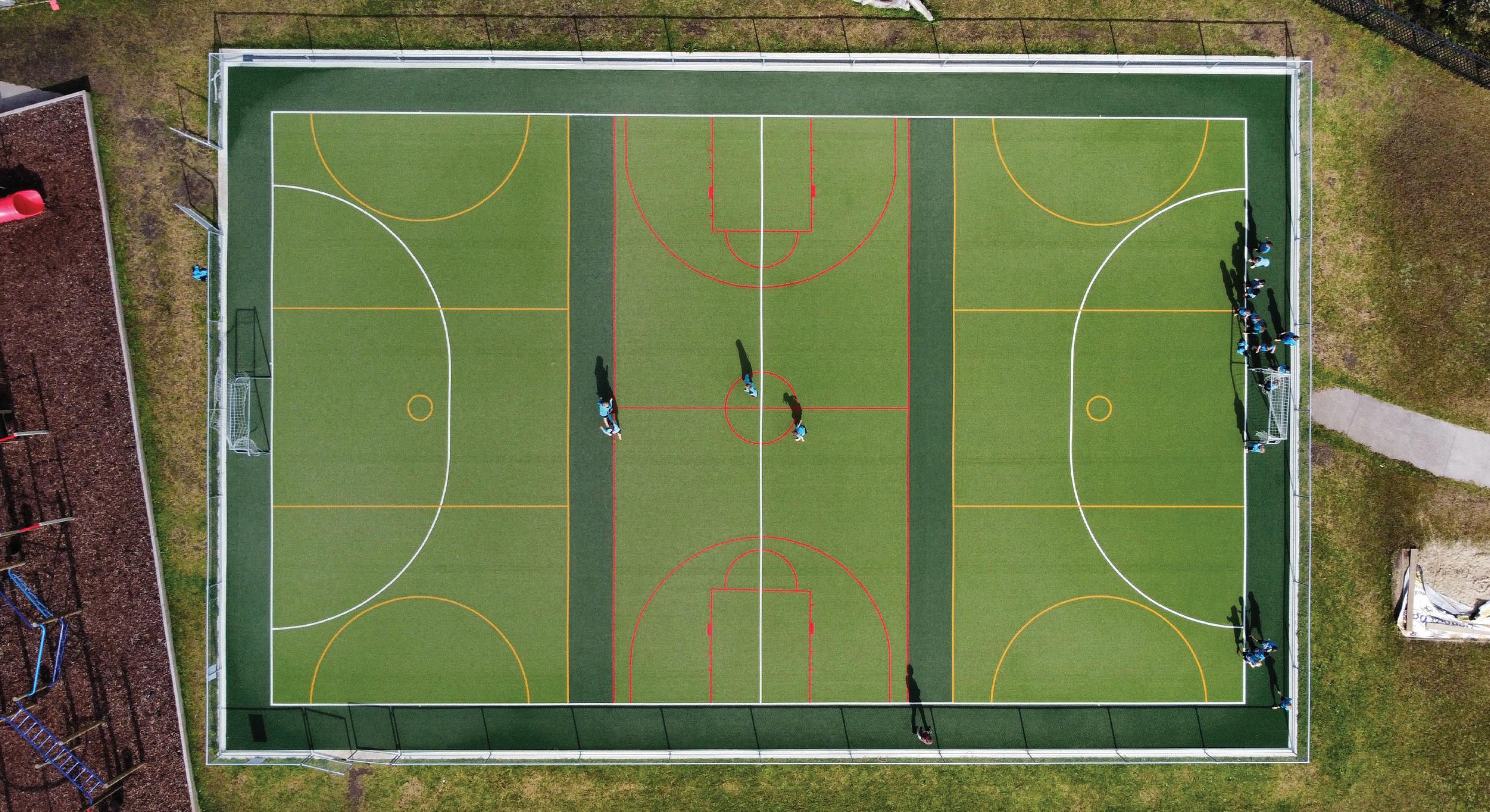
Mangawhai Beach School Upgrades Courts with TigerTurf Advantage
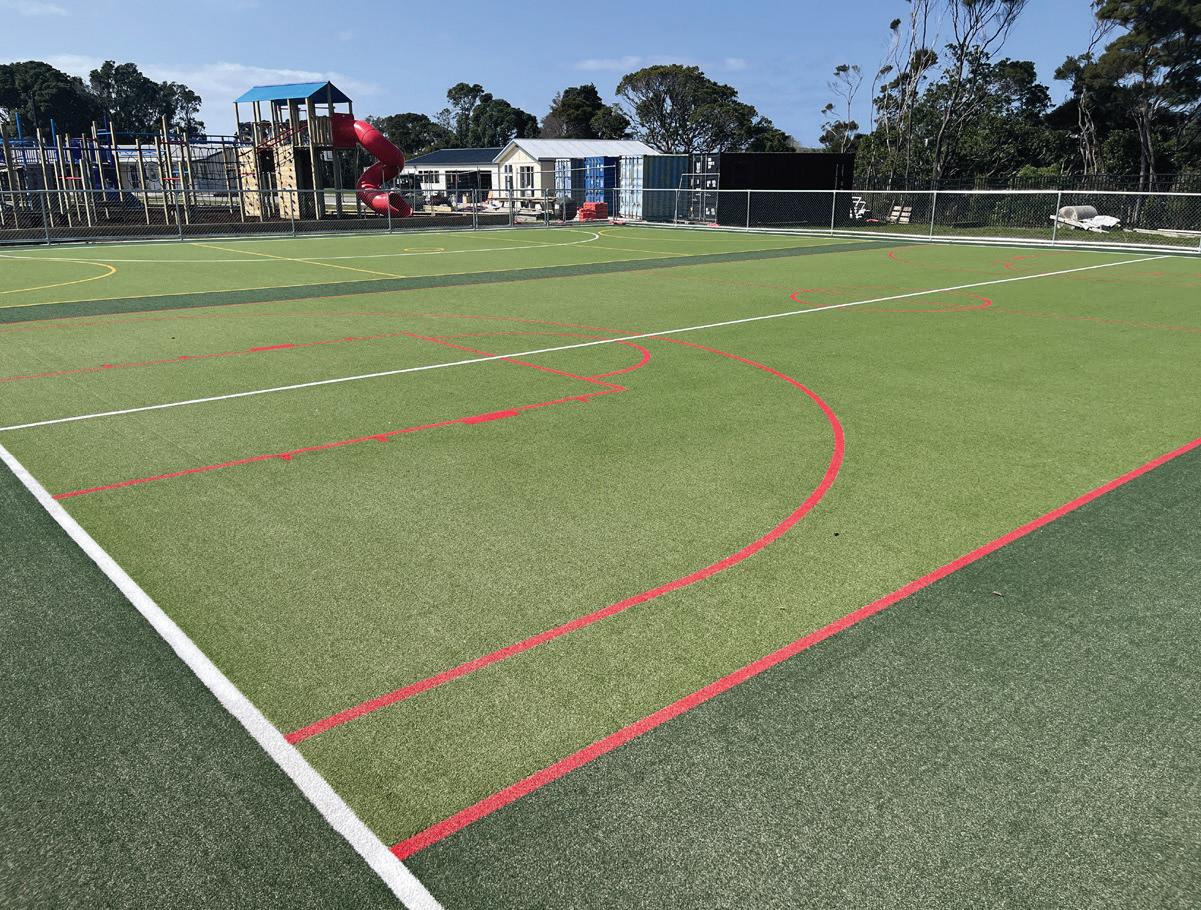
TigerTurf NZ recently collaborated with Mangawhai Beach School to enhance their sports facilities. Situated in the scenic town of Mangawhai, the school aimed to upgrade their courts to provide a superior sporting experience for both students and the local community. The project involved the installation of TigerTurf’s premium Advantage product, renowned for its durability and performance.
The school managed the initial groundwork, including bulk earthworks, drainage, lower basecourse preparation, and fencing. This foundational work set the stage for TigerTurf to complete the final base preparation. A critical component of this phase was the application of TigerBond, a base stabilisation product that penetrates the upper basecourse to bond and stabilise the granular layers. TigerBond ensures the base remains firm and freedraining, which is essential for maintaining the integrity of the playing surface over time. By preventing shifts and compaction, TigerBond helps to avoid the formation of hollows and bulges, ensuring a consistently level and safe
playing surface.
For the turf installation, TigerTurf used their Advantage product, which is highly regarded for its medium pile construction and sand-dressed surface. This turf is ideal for multi-sport use, offering high ball bounce, excellent traction, and all-weather adaptability. The courts were marked for two netball courts, one basketball court, and futsal D’s, with a striking colour scheme of dark green outer and olive green inner areas. The result was a visually appealing and highly functional sports area that met the school’s needs perfectly.
Beyond aesthetics, the new courts have transformed the school’s ability to host sports activities yearround. Unlike traditional surfaces, the Advantage turf provides consistent playability regardless of weather conditions, reducing downtime and maintenance costs. Students now enjoy a safer, more comfortable playing environment that minimises injuries caused by hard or uneven surfaces. The upgrade has also strengthened community engagement, as the courts are available for local sports
clubs and recreational use, creating a vibrant hub for physical activity. TigerTurf’s involvement didn’t end with installation—they provided guidance on ongoing care to ensure the surface remains in top condition for years to come. TigerTurf takes pride in manufacturing highquality products locally in New Zealand. The Advantage turf is produced in their Auckland factory, ensuring stringent quality control and supporting the local economy. The successful completion of this project at Mangawhai Beach School is a testament to TigerTurf’s commitment to delivering top-notch sports surfaces that enhance community spaces. They look forward to more opportunities
to create vibrant and durable sports facilities across New Zealand.
“Working with TigerTurf has been a fantastic experience for Mangawhai Beach School. Last year’s multi-court development exceeded our expectations, and we’re excited to collaborate again on our new games area. Their professionalism, quality, and attention to detail make them our go-to partner for sports surfaces.” - Aaron Kemp, Principal
Check out our Youtube channel for the latest news and projects

TigerTurf for Education
With a range of flexible options to suit any school’s requirements TigerTurf is your perfect sporting partner
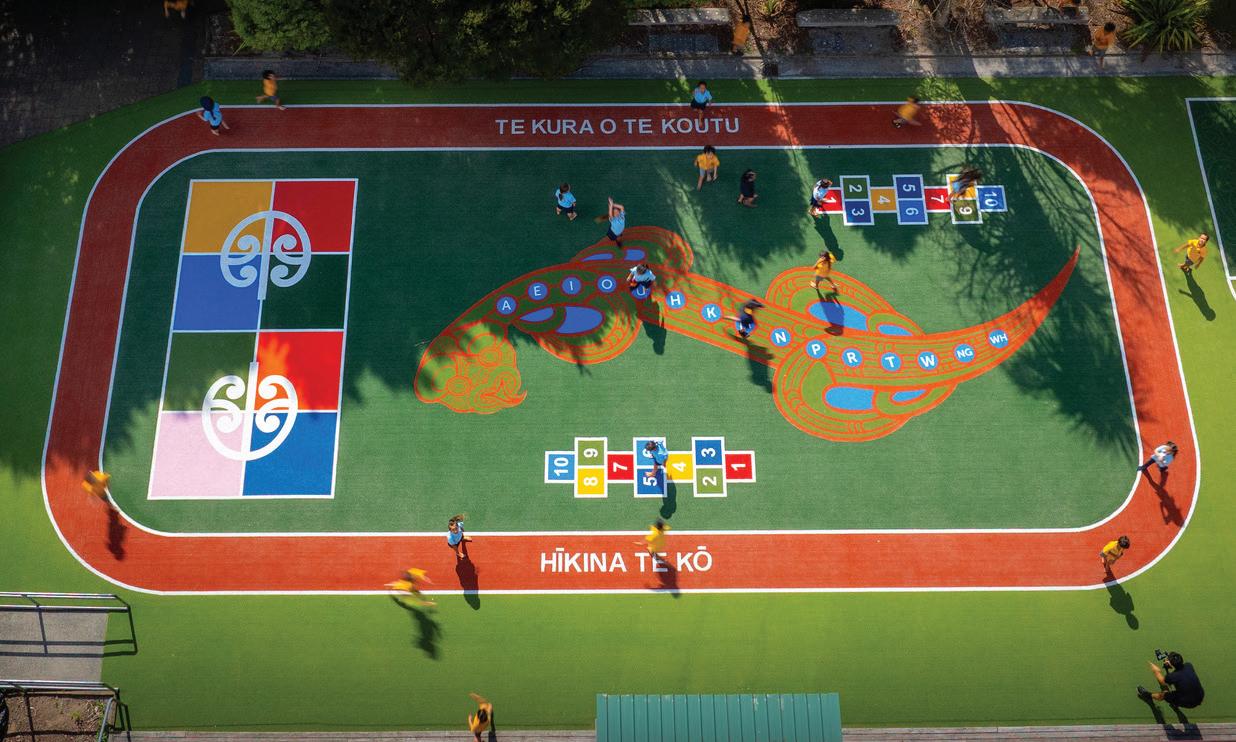
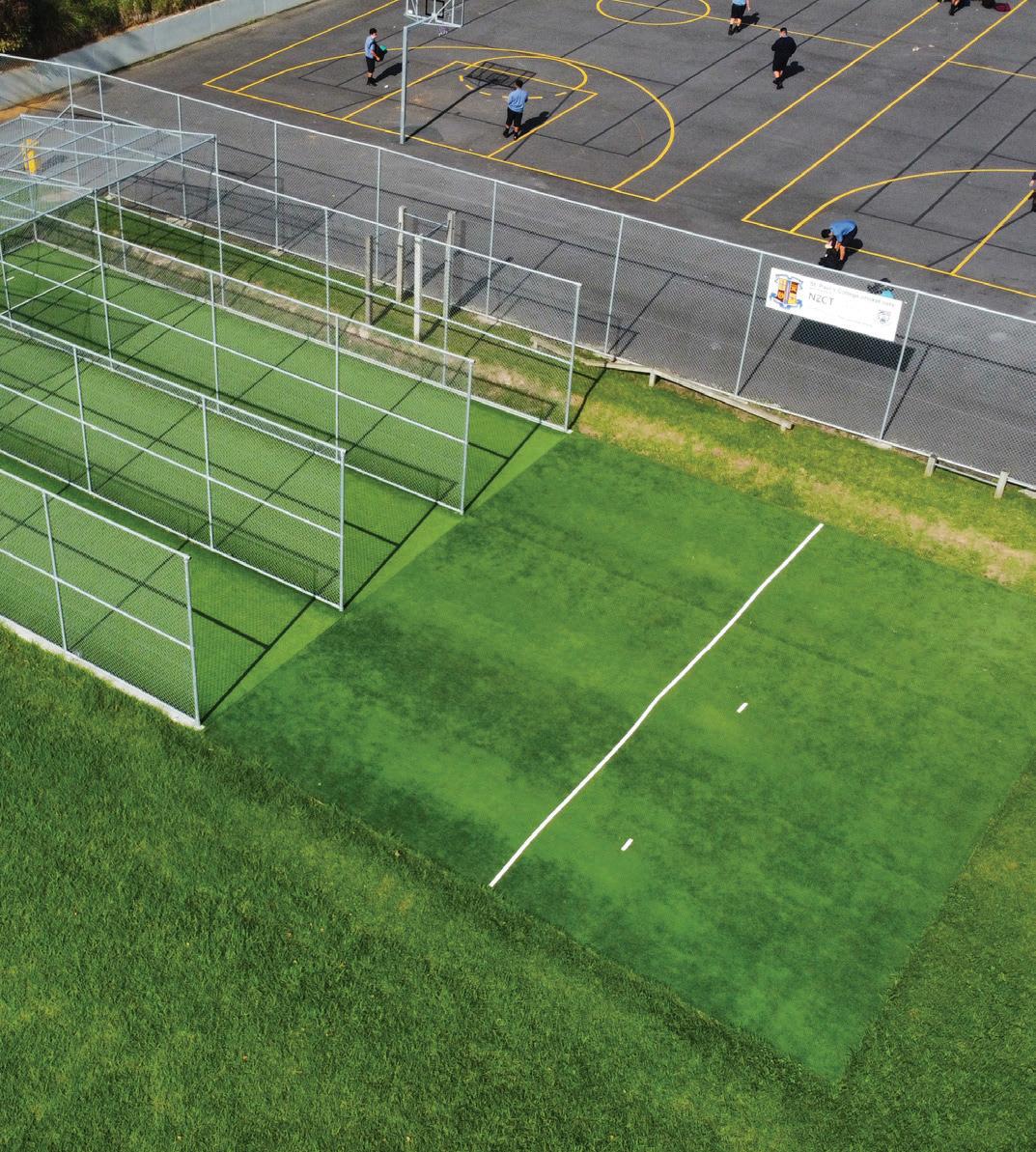
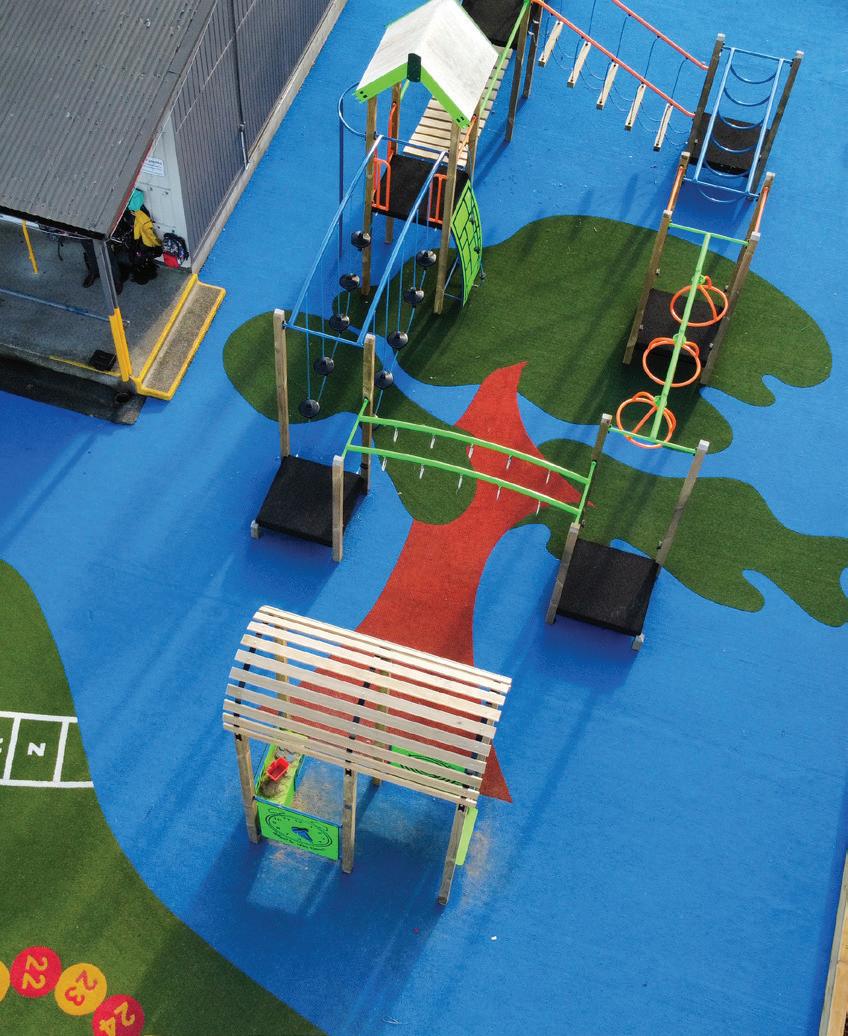
Sports and recreation is high on the curriculum, teaching new skills, to be active, about health and fitness. Sport teaches strategy and planning, about being a team player, it exposes children to winning and whatever the sport, whatever the weather, TigerTurf’s versatile synthetic turf sports surfaces are the best place to play.
Providing the best possible sports facilities will inspire students, with the passion to participate in outdoor activities and encourage them to keep coming back. TigerTurf’s synthetic turf surfaces are the perfect foundation on which to develop the passion, the skills, the talents of tomorrow’s athletes.
Collaboration Key to the Success of Proposed School Qualification Changes
Widespread agreement on the proposed changes to secondary school qualifications will be crucial to their success, writes Kate
Gainsford
If the proposed changes to secondary school qualifications are to last, there needs to be widespread agreement that the changes have been developed thoughtfully and collaboratively. Many principals and teachers are worried that the proposals represent an overcorrection from the flexibility of the present system and that students will be left without the Level 1 qualification they would otherwise have earned and with no robust vocational pathway yet in existence to carry on with.
A strength of the National Certificate of Educational Achievement (NCEA) is that learning programmes can be broad as well as deep, adaptive and responsive to the needs of an individual, a community, a society and an economy.
Now, the Government is proposing a much narrower range of acceptable subjects and the notion of ‘acceptable losses’ with young people leaving school after Year 11, aged 16, with no credible, widely recognised qualification.
Rationing of success is exactly what abandoning School Certificate and other unfair ranking devices was intended to overcome. To re-introduce this notion is a significant change in philosophy from qualifications recording achievement to rewarding a much smaller – often more advantaged - group. Every parent wants their children to succeed. We fear the proposed changes will reduce achievement in the most disadvantaged communities. The greater the achievement at secondary level, the better the life outcomes in terms of income

and health for an individual, and the better educated a community is, the more likely it is that people can collaborate to solve complex problems.
We are also concerned about how much careful thought has been given to the proposed vocational subjects to be included on the approved subjects list. In the absence of fully integrated national vocational education pathways, secondary schools have developed local responses to give every student the opportunity to succeed. For a couple of decades, the flexibility of NCEA has meant meaningful programmes at a local level have been recognised within the NCEA.
The Government’s plan is that Industry Skill Councils (ISCs) will ‘work with industry’ to devise these ‘subjects’ which are currently no more than political ideas. ISCs have not even been established yet and will inherit the workloads and lack of resourcing evident in the Workforce Development Councils that are soon to be
A strength of the National Certificate of Educational Achievement (NCEA) is that learning programmes can be broad as well as deep, adaptive and responsive to the needs of an individual, a community, a society and an economy.
abolished. There is no guarantee that the industry groups the Government thinks are acceptable will play ball. We have been wanting vocational pathways for students forever. We need a more coherent approach which ensures the pathways are clear and accessible for rangatahi whether they live in Grey Lynn or Greymouth.
There is no hint in these proposals of an understanding of the future staffing and workforce development needs to meet expectations. There are significant resourcing implications for secondary schools, who provide a specialist workforce to deliver the curriculum and prepare students for qualifications.
It is likely the Ministry of Education does not even have accurate raw data about how many English, Maths and Science teachers are currently employed, let alone the number necessary for an imposed approved subject list. Principals, teachers, students and communities need to have faith that these big-ticket items are actively being addressed.
A poor track record for resourcing and rollout of initiatives in the secondary sector in particular, means there is a level of scepticism about any genuine consultation process. This could be easily dispelled if the large number of submissions already made, and those still to come, lead to constructive changes to the current proposals.
Kate Gainsford, Secondart Principal’s Council


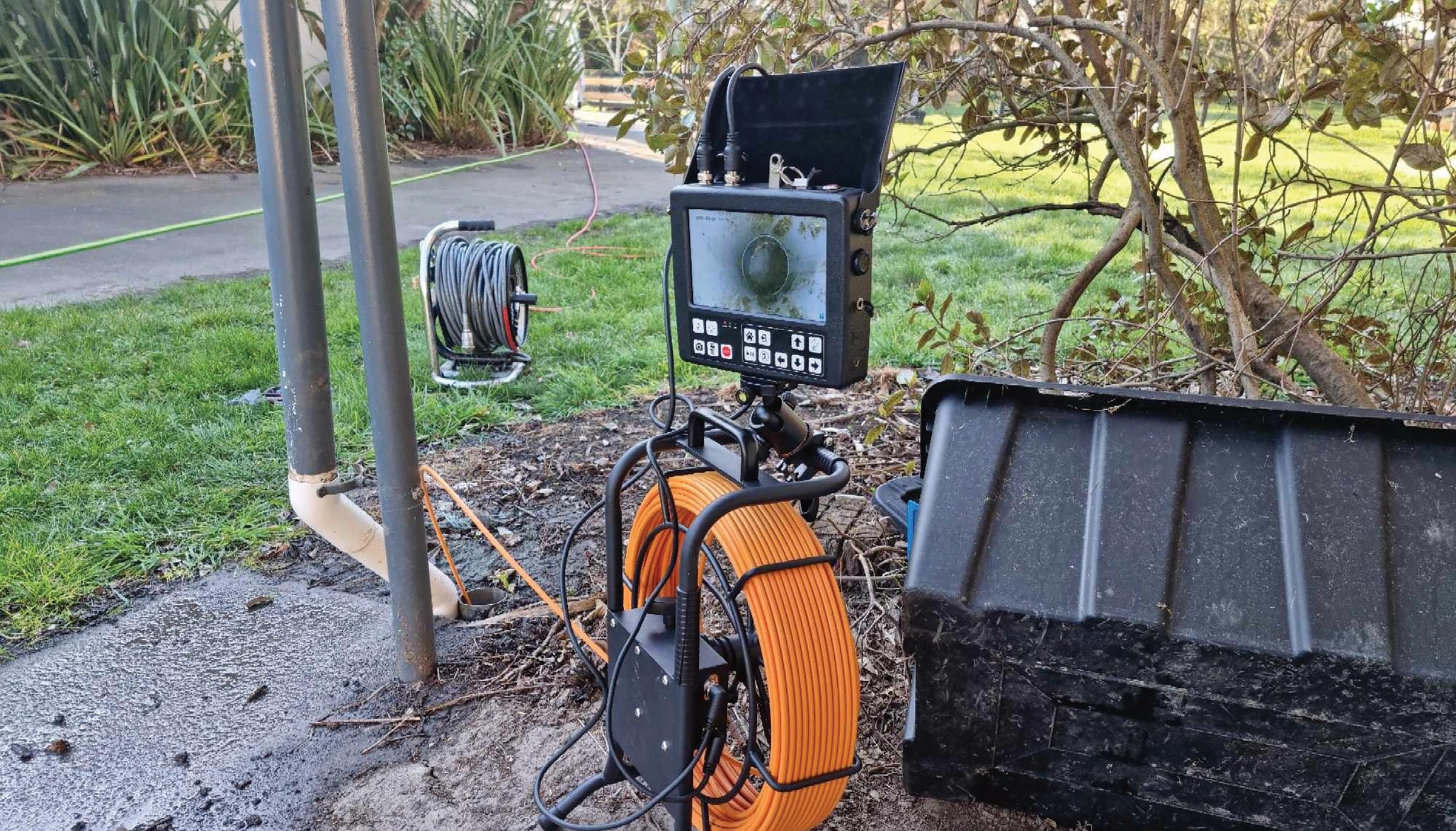
Why choose Total Drain Cleaning?
Local know-how
Based right here in Canterbury, I know the ins and outs of the region’s drainage challenges. My local expertise, combined with top-notch equipment and years of experience, means you get reliable, high-quality service every time.
Full range of specialised services
From stubborn sewer blockages to flooded stormwater drains, driveway and path cleaning, or in-depth CCTV drain inspections, I can handle it all. Whatever your drainage issue, I have got the skills and tools to sort it out fast.
Top notch tech for top results
I use cutting-edge equipment to tackle your drainage issues quickly and accurately. No job is too big for me, I will make sure you are looked after with a selection of trusted business contractors to help! I offer a 30-day guarantee if I fix your problem with a CCTV Inspection.
Kiwi Owned and operated, Total Drain Cleaning is a trusted drainage solution in Christchurch and Canterbury, helping homeowners and small businesses tackle drainage issues with ease. From clogged toilets and sewer drains to flooded stormwater systems, driveway and footpath cleaning, or detailed CCTV drain inspections, I’ve got you covered. My specialised services are designed to sort out your problems quickly, so you can get back to what matters most.

Education with intention
Inside Epsom Girls Grammar School
As told to Paige O’Brien

At Epsom Girls Grammar School, leadership is grounded in a clear focus on learning, opportunity and community. In this Q&A, Principal Brenda McNaughton shares the priorities shaping the school’s direction, from maintaining academic rigour and creating meaningful opportunities for students, to supporting teachers as subject experts and strengthening connections across an ultra-diverse school community.
What are some of the key priorities guiding your leadership at Epsom Girls Grammar School currently?
The core priority for leadership in education is always student learning and academic achievement. If I were to list our leadership team’s priorities, in order, they would be:
1. Student learning and academic achievement;
2. Student opportunities;
3. Teacher freedom to be subject experts;
4. Community connections.
Epsom Girls Grammar School has always taken girls’ education seriously, so academic rigour and challenge continue to guide our

decision-making as we, along with other schools, respond to educational changes and the wider social and global pressures facing younger generations. Growing women of great character is also a long-standing priority for the school. Ensuring we are creating opportunities for students to ‘find their people and passion’ is critical, as it allows them to bring their whole selves to their learning and thrive during their time at school and beyond.
Our third priority is creating an environment for subject experts to thrive. Teachers are our most important resource, so creating an environment where the administration and classroom management side of their roles are strongly supported by

consistent school-wide systems allows them to focus their creative energies on teaching their speciality. This remains a high priority and a continuous focus for our leadership team.
Our fourth priority is building and strengthening connections within our community. Schools are hubs of connection, not

Brenda McNaughton, Espom Girls Grammar Principal

just for the five years a student attends, or while one’s child is enrolled. We are an ultradiverse community spanning generations, ethnicities, political leanings, backgrounds, and religions, yet our shared values bring us together. Our alumnae, and parents of alumnae, bring a wealth of knowledge and experience, helping those who listen avoid the pitfalls of those who have come before. This real-life learning and generous sharing is a taonga for our school.
How do you define a successful education in today’s fastchanging world?
A successful education is very similar to what it has always been: the building of broad and deep knowledge that allows students to understand the world around them, while developing the capability and resilience to enjoy learning throughout their lives. A successful education enables young people to approach any situation with confidence, knowing they have put in the effort beforehand, and can do so again to serve as positive and contributing members of society.
One of the wonderful benefits of state school education is that students get the benefit of a robust academic curriculum as well as the opportunity to learn from and with a diverse student body. They learn that there is something in each culture and upbringing that is ‘gold,’ and they appreciate the richness that different perspectives bring to
solving problems and growing strong communities.
What has changed most in the needs and expectations of students over the past few years?
The basic needs of young people are the same as they have always been: love, guidance, and boundaries from home; aligned messages, high expectations, and support from school; and a society that takes them seriously and gives them a fair go. Working in schools every day, you see the full breadth of students’ perspectives – beyond the trends highlighted in the media. Our young people value face-to-face interactions and want challenges that stretch their thinking. They
respond positively when adults provide clear guidance, high expectations, and support. What has changed, I think, is that society is not giving them a fair go when it comes to social media and unfettered access to AI. Young people naturally look for the path of least resistance, and without consistent boundaries at home, at school, or from society, they miss out on the guardrails they need to grow into confident, resilient adults.
What role does student voice play in shaping school culture and decision-making?
Student voice plays a huge role in shaping school culture and decision-making. They are by far the largest part of any
Student voice plays a huge role in shaping school culture and decision-making. They are by far the largest part of any school, so creating opportunities for older students to lead and role-model for younger and new students is essential.
school, so creating opportunities for older students to lead and role-model for younger and new students is essential. At Epsom Girls Grammar School, we have developed strong and confident leaders through many and various formal and informal leadership opportunities: Peer support, sport, performing and visual arts, cultural groups, service, and special interest groups are just some of the ways that our students take the lead and use their voice. Our Student Representatives on our School Board, along with Prefects and committee leaders, have always been vocal advocates for student needs. We have also been refining our Student Council to ensure its purpose is

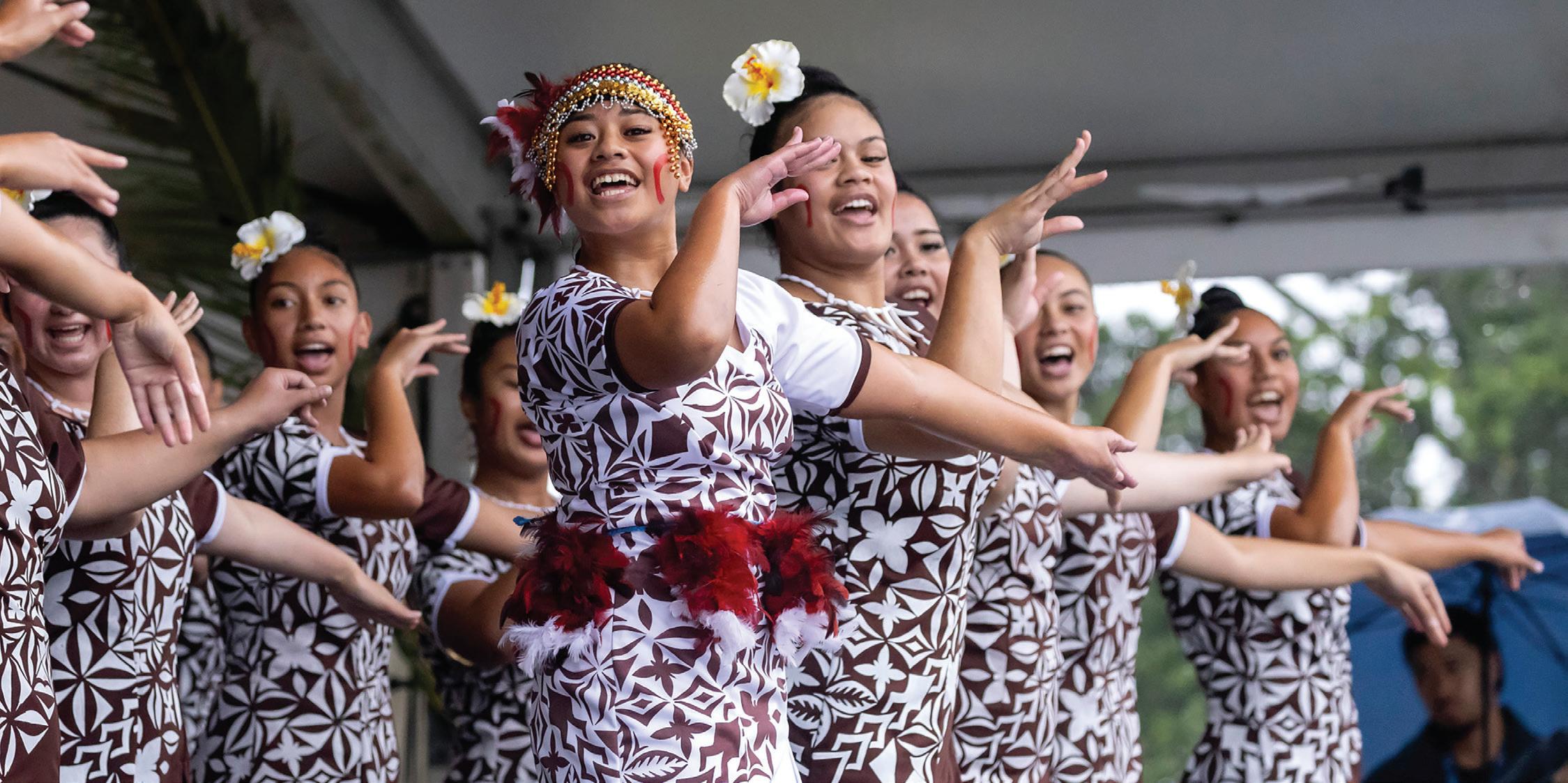
clear to all students: to provide a transparent and effective way for student to share their perspectives, discuss challenges, and propose well-considered solutions. Through these experiences, our girls develop the confidence to use their voice – whether advocating for themselves or for others – and the school’s role is to guide them in doing this effectively.
What opportunities does an all-girls environment offer when it comes to confidence, participation and leadership? This is massive. I hadn’t fully appreciated the practical as well as social benefits for girls in a single-sex environment before taking on this role. At our school, girls are genuinely at the centre of every decision: at entry level of governance and management, curriculum and programme design, in facilities planning, and in classroom teaching. They benefit from having teachers’ full attention during lessons, and additional time is spent tailoring resources and contexts to meet their needs and interests. Young people need the freedom to make mistakes when they’re learning. In an all-girls environment, there is a strong culture of supporting others to be their best. This encourages more students to participate, give things a go, teach others, and share with those who need extra support.
How is Epsom Girls Grammar preparing students for life beyond school, including tertiary study and the workforce?
Being ready for life beyond school requires a balance of academic success, knowledge of pathways and options after school, and the character and confidence to embrace opportunities that arise. Success takes practice, so developing strong learning habits from the first day of Year 9, and providing positive experiences as students engage in opportunities within the school, are important ways to build confidence for life beyond school. We also enjoy welcoming back alumnae to share their journeys, so that networks of expertise can be established early for our young women.
How does the school engage with whānau and the wider community to support student success?
The primary way that parents and whānau engage with the school is through reporting, report evenings, and studentled conferencing. These opportunities give parents and students a clear and accurate view of their child’s progress, both academically and in cocurricular involvement. Studentled conferencing also enables the school to understand the aspirations of each student and their whānau, both during their time at school and beyond, providing a holistic view of a student’s development. Epsom Girls Grammar School also benefits from a number of active and engaged parent and alumnae groups who support

students in a variety of ways, including fundraising, sharing expertise, and service. We are very fortunate to have their ongoing support for our girls.
With the world being as digital/highly connected as it is, how do you help students develop healthy boundaries and critical thinking?
The government’s phones away for the day directive has been an excellent way to set clear and consistent boundaries for students. It allows us to discuss what works best for each young person without the distraction of the device on the desk in front of them. This approach also creates space for students to build the foundational knowledge needed to engage in critical thinking. These skills have been part of the New Zealand Curriculum and NCEA assessment for several years, so teachers are wellpractised in explicitly teaching students to apply critical thinking across different contexts.
How does being an all-girls school influence classroom dynamics, if at all, in your opinion?
Generally, girls approach classroom learning differently from boys. In a co-educational classroom, boys can sometimes dominate teacher time and focus. In an all-girls school, girls receive the full attention of their teachers – both in lesson planning and
Empowering Schools, Enriching Futures: Project Management for School Property
In today’s rapidly changing education sector, the quality and adaptability of school property are more important than ever. Schools need trusted project management partners who understand the unique challenges of delivering modern, inclusive, and future-ready learning environments. Torque IP is proud to be that partner, supporting schools across New Zealand to achieve their property goals and create spaces where students and staff can thrive.
WARMER - QUIETERBRIGHTER - SAFER
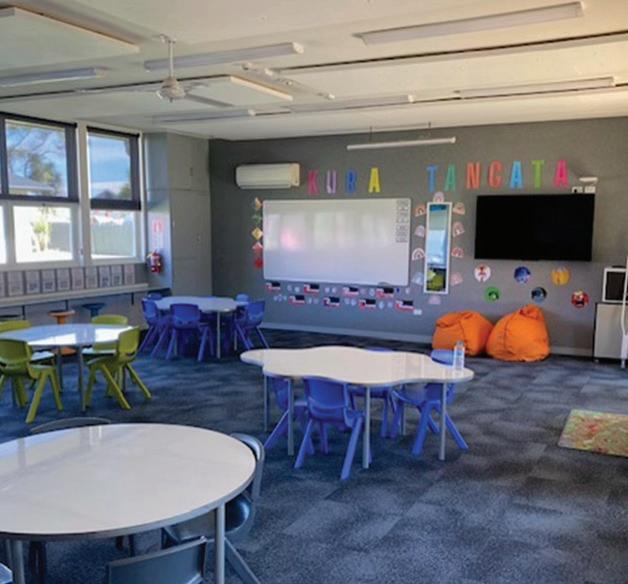
Torque IP is a leading project management consultancy, specialising in school property projects under the Ministry of Education’s 5-Year Agreement (5YA), Learning Support Property Modifications, and ongoing maintenance. We are also proud to deliver the Ngā Iti Kahurangi (NIK) Programme in the North Island, an initiative focused on healthier, more engaging learning spaces.
Our approach is built on integrity, trust, and a deep commitment to the
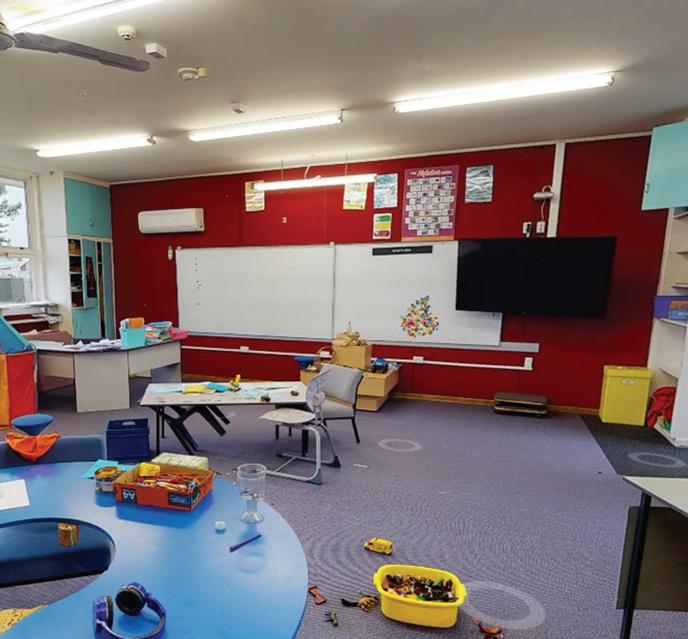
school communities we serve. We work closely with principals, boards, and property managers to ensure every project delivers maximum value, meets Ministry requirements, and is completed on time and within budget.
PROJECT MANAGEMENT THAT DELIVERS RESULTS
At Torque IP, project management is more than a process—it’s a partnership. Our methodology ensures every aspect of a project is managed with precision
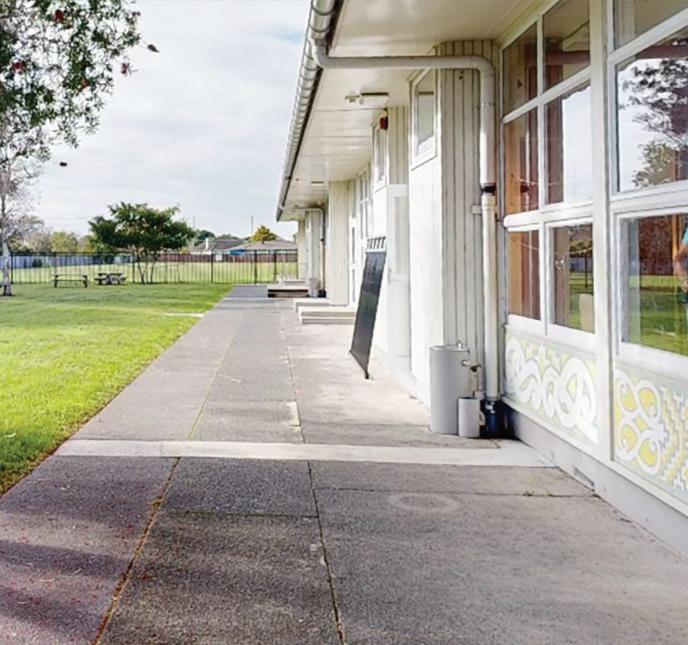
This structured approach has delivered outstanding results for schools like Cobham School - Te Kura Kaupapa Māori o Hawaiki Hou, where comprehensive refurbishments have created warmer, safer, and more inspiring environments. As one principal shared, “The level of service provided by Torque IP was nothing short of exceptional throughout the entire process… In my opinion, the project could not have been done better, and as a school we are very satisfied with the finished product.”
WHY CHOOSE TORQUE IP?
• Thorough understanding of Ministry property policies.
• Community-focused, accountable, and innovative.
• Proven track record of successful project delivery across both North and South Islands.
We believe every detail drives the bigger picture. By uncovering new opportunities, forging strong partnerships, and executing with strategic clarity, we turn challenges into opportunities and deliver excellence—because every student deserves the best possible learning environment.
Whether you’re planning a major refurbishment, navigating 5YA funding, or enhancing learning support facilities, Torque IP is ready to help. Contact Yvone Caetano to discuss your school’s needs and discover how Torque IP can help bring your vision to life.

during classroom teaching and feedback time. This means that girls can ask more questions, have these answered quickly, and spend more time practising at their own academic level.
What leadership skills do you believe are most important to nurture in young people today?
Courage and tenacity. With social media, young people often live their lives under the glare of others’ opinions. Courage to know themselves and hold true to their values is hard but essential for any leader today. Tenacity to pursue learning and excellence in spite of pervasive mediocrity is also essential to keep moving forward and, as a leader, inspires those who follow to do the same.
What excites you about the future of secondary education in Aotearoa New Zealand?
As secondary school teachers, we get to work with the most interesting and vital group of people in the country, and we have the opportunity to shape their futures to be brighter than they have ever been. It excites me that our work will always be full of remarkable stories, and each year we will get to work with the next scientist, medical specialist, investor, or politician who will change the world! With the current work in education in New Zealand, it is also exciting to see the potential for greater alignment between what students learn in primary school and what they need in secondary
school. Moves towards more consistency across secondary schools are equally positive, and we continue to live in hope for what this alignment can achieve.
With a large and diverse student roll, how do you maintain a sense of belonging and connectedness across the school?
School assemblies and events, where our whole school community comes together, are the primary way to foster and maintain a sense of belonging. It is at these events that we reflect on our shared whakapapa, the sacrifices of those who came before us, and the legacy they have left. Our traditions, observed during these large gatherings, as well as our day-to-day routines, keep us connected to a shared experience and purpose. Our Prefects and student committee leaders also work hard to create opportunities for girls to connect with each other and discover their people and passions. Their work and role-modelling strengthen the links between what staff are doing for students and what students are doing for each other.
How do extracurricular opportunities at Epsom Girls Grammar support students beyond the classroom?
Sports, arts and cultural activities, as well as special interest and service opportunities, allow our students to bring their whole selves to school. In a diverse
Sports, arts and cultural activities, as well as special interest and service opportunities, allow our students to bring their whole selves to school.
community such as ours, our students arrive with a wide range of skills, experiences, and interests beyond their academic pursuits. Enabling them to demonstrate these and connect with peers and staff who share their passions creates a vibrant and wellrounded place of learning. We also find that success in one area fuels success in another, so fostering these avenues for growth, competition, and expression positively impacts long-term academic success.
Looking ahead, what do you see as the biggest opportunities for Epsom Girls Grammar School over the next five years?
Firstly, in the curriculum. By offering both NCEA and Cambridge pathways, we enable students to choose what best suits their learning style and future plans. This approach allows staff to take the best of both systems and prepare students for success in each.
As educators, it is like being able to play two banks off against each other to get the best rate, and for students, it allows them to compare their learning and progress, not only with others in New Zealand, but also internationally. Secondly, in opportunities outside the classroom. Appointing staff with expertise and passion for sport, visual and performing arts, cultural expression, or in education outside the classroom, and who are willing to generously give of their time to provide these opportunities for students, inspires girls to explore and develop these talents.
Connecting with alumnae, who can also offer these girls skills and opportunities, further enriches these opportunities for our students. Another exciting opportunity is the collaboration with other schools. While the dismantling of our formal Kāhui Ako structure has presented challenges, it has also created freedom to build genuine, targeted connections where they matter most. We have already begun engaging with some of our feeder schools to support them and to bring subject experts together to share resources and address gaps. Schools have always run on a healthy dose of goodwill in New Zealand, so continuing to look for novel ways to acknowledge and recognise genuine effort and impact will be an exciting challenge moving forward.




PB4L
House
Safe









Based in Kumeu, New Zealand, we specialize in building tiny homes, granny flats and holiday retreats that redefine comfort, functionality, and style.
We can build onsite or offsite nationwide or International.
With a focus on quality craftsmanship, attention to detail, and personalized service, we ensure that every project reflects the unique needs and preferences of our clients. From initial design concepts to final touches, we guide you through every step of the construction process, making it seamless and stress-free.
Experience the difference with Small Builds –where small spaces lead to big possibilities.
At Small Builds, we stand behind our craftmanship. From the foundation to the finishing touches, we ensure the highest standards of quality in every aspect of our work. Your satisfaction is our priority, and we are committed to delivering excellence in every project we undertake.

WHY CHOOSE US
Whether it's providing extra accommodation for loved ones, crafting a cozy retreat away from the hustle and bustle, or offering a smart investment opportunity, we're here to bring your vision to life.
Council and Building Consents
We look after all council requirements if required.
Eco-Friendly Designs
We prioritize eco-friendly design, incorporating sustainable materials and practices to create healthier homes and a greener future.
Electrical & Plumbing
We handle all aspects of electrical and plumbing, guaranteeing top-tier solutions for seamless functionality and safety across your entire project.
Call us for a no obligation quote or visit us at our showroom in Kumeu Auckland
parties agree on a price.
deposits payment in our trust account.
your build and your back pocket.




Our fully customizable tiny homes are built specifically to suit your needs, wants & budget.
Whether you're seeking a cozy retreat in the countryside, a versatile backyard studio, air b and b for secondary income or a granny flat for family, our tiny homes offer endless possiblities.
We collaborate closely with each client, ensuring that every aspect of their tiny home aligns seamlessly with their vision and budgetary constraints. With options available for every budget.
Get in touch today for a free quote, no commitments necessary.
m Paul 021378277
Different design options available.
Options to suit your budget.
Follow current legislation.
Builders guarantee.
Money locked in and secure.
Solar power options.
Screw piles for foundations or timber piles.
Lodging with council processing if you need.
Options to build on site or off site and delivery.(delivery costs tbc)
k info@smallbuilds.co.nz K
www.smallbuilds.co.nz
HAMPTON
Is your school’s device storage and charging system a disaster waiting to happen?
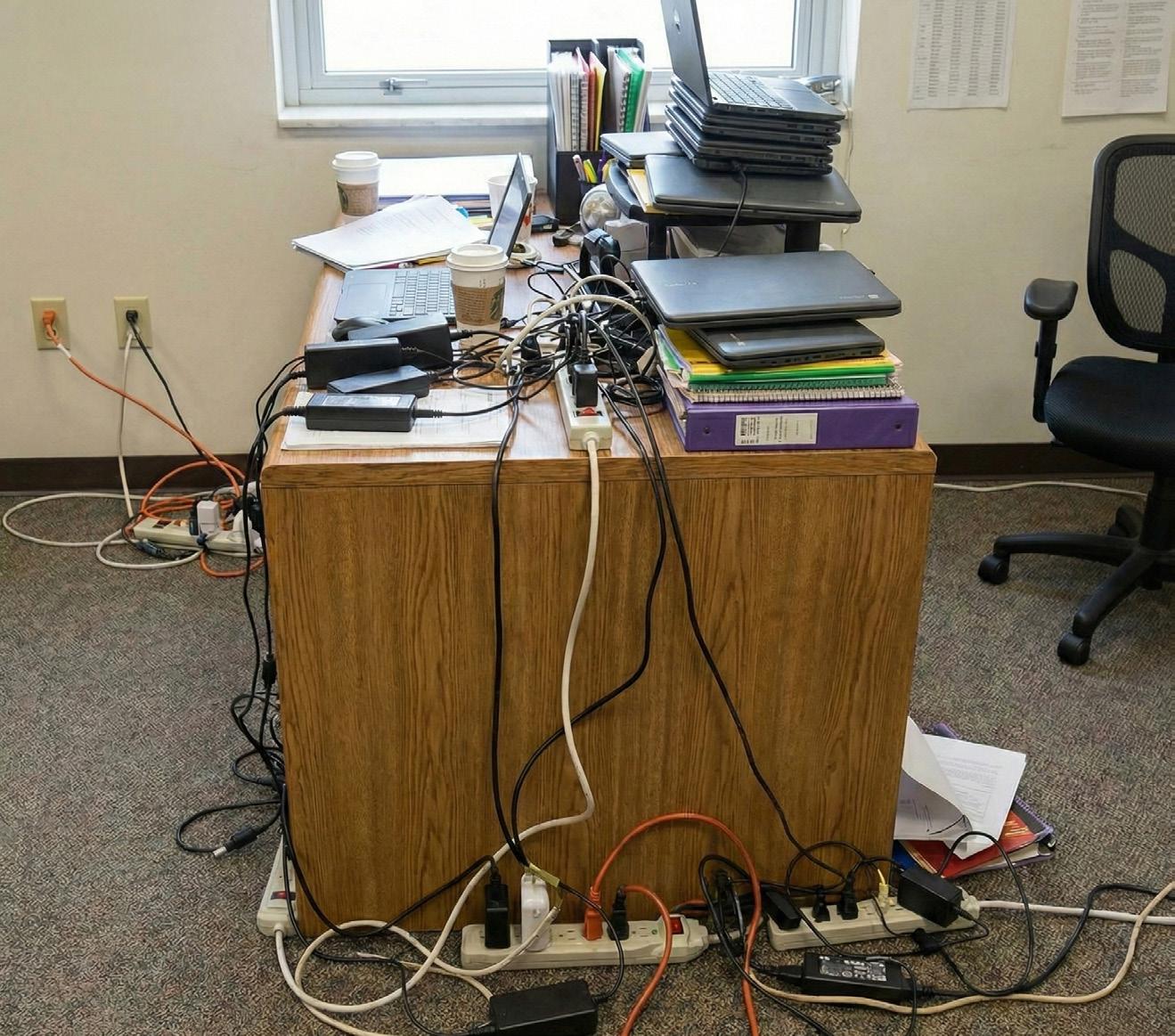
Are you frustrated by manually loaning devices, swapping out broken devices, or not having devices securely stored and charged?
Prevent fire risk, securely charge, and protect your mobile device investments, with PC Locs Charging Carts, Stations and Smart Lockers.
Why choose PC Locs:
1. IT Efficiency
Reduce stress and headaches for IT staff.
Overloaded tech teams can streamline IT hardware asset management processes to save time and reduce stress.
2.
Device Uptime
Get students and employees back to work faster.
Ensure that productivity for students, teachers, and employees is not being hindered by pesky IT hardware issues.
3. Ready to Go
Make life easier for device users.
Providing access to ready-to-use, fully charged devices doesn’t need to be cumbersome or complicated.
PC Locs is trusted by schools across New Zealand and Australia for reliable, secure and classroom-ready charging.
4 Durable construction designed in Australia
4 Fast and efficient charging
4 Lockable, secure storage
4 Neat cable management
Protect your device investments
“Quadrent recommends PC Locs stations and carts to any school taking out mobile device leases. PC Locs extensive range covers budgets of all sizes, and provides more security, protection, and longevity which is essential for long leases”

Jan Paterson, Head of Education, Quadrent
EXPLORE our PRODUCTs
Take a closer look at PC Locs Charging Carts Solutions
Portable, high-capacity charging with flexibility for classroom mobility. Perfect for schools managing larger or more mobile device fleets.
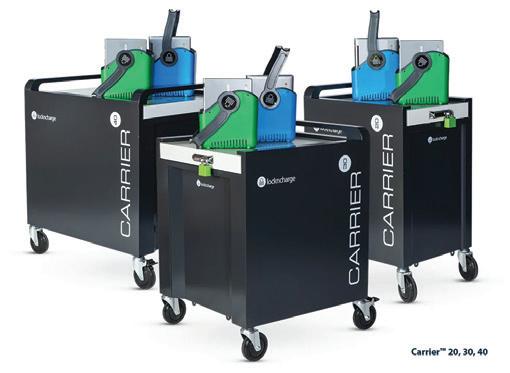
www.pclocs.com.au/charging-carts
Background
Pittwater House is a private K–12 school on Sydney’s Northern Beaches.
Andrey Shorin, ICT Operations Manager, Years 7 to 12, ensures reliable device management esp. for Years 7-12 where laptops are vital.
Daily issues arose from students arriving with dead batteries and no charger. IT teams were pulled away from core tasks to manage last-minute charging. Teachers felt the pressure when lessons couldn’t start as planned.
It was clear something had to change. That’s when Pittwater House turned to PC Locs.
“Student visits are down to single digits per week. We no longer supervise charging, and we don’t hear slamming cabinet doors anymore. It’s night and day.” Watch our Customer Story:
Scan the QR code to watch the video

Take a closer look at PC Locs Charging Station Solutions
Secure and compact charging for classrooms, libraries and shared spaces. For schools needing fixed charging setups.
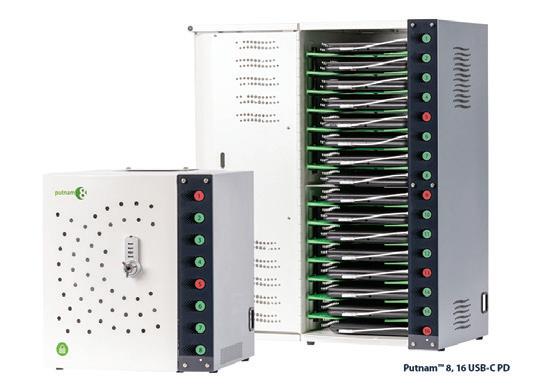
www.pclocs.com.au/charging-stations
Where can we source PC Locs Products in New Zealand?
PC Locs products, and spare parts for existing models, are available from your usual IT supplier, or contact one of our preferred national education specialist partners:
Noel Leeming Commercial 0800 737 5223 | hereforyou@twgroup.co.nz
Cyclone Computer Company Ltd 0800 686 686 | hello@cyclone.co.nz
What if we don’t know who our IT reseller is?
Contact Dynamic Supplies
New Zealand on 09 304 540, scan the QR Code.
The challenges and opportunities for rural principals in 2026
For the past twelve months, the educational landscape in Aotearoa has been fast-paced and challenging. During periods of rapid change, we need to remind ourselves of the power to be focused on the long-term vision and not be distracted by the ‘noise’ and pressure coming from all directions, perceived or otherwise, and remain steadfast in ensuring quality educational provision in our context.
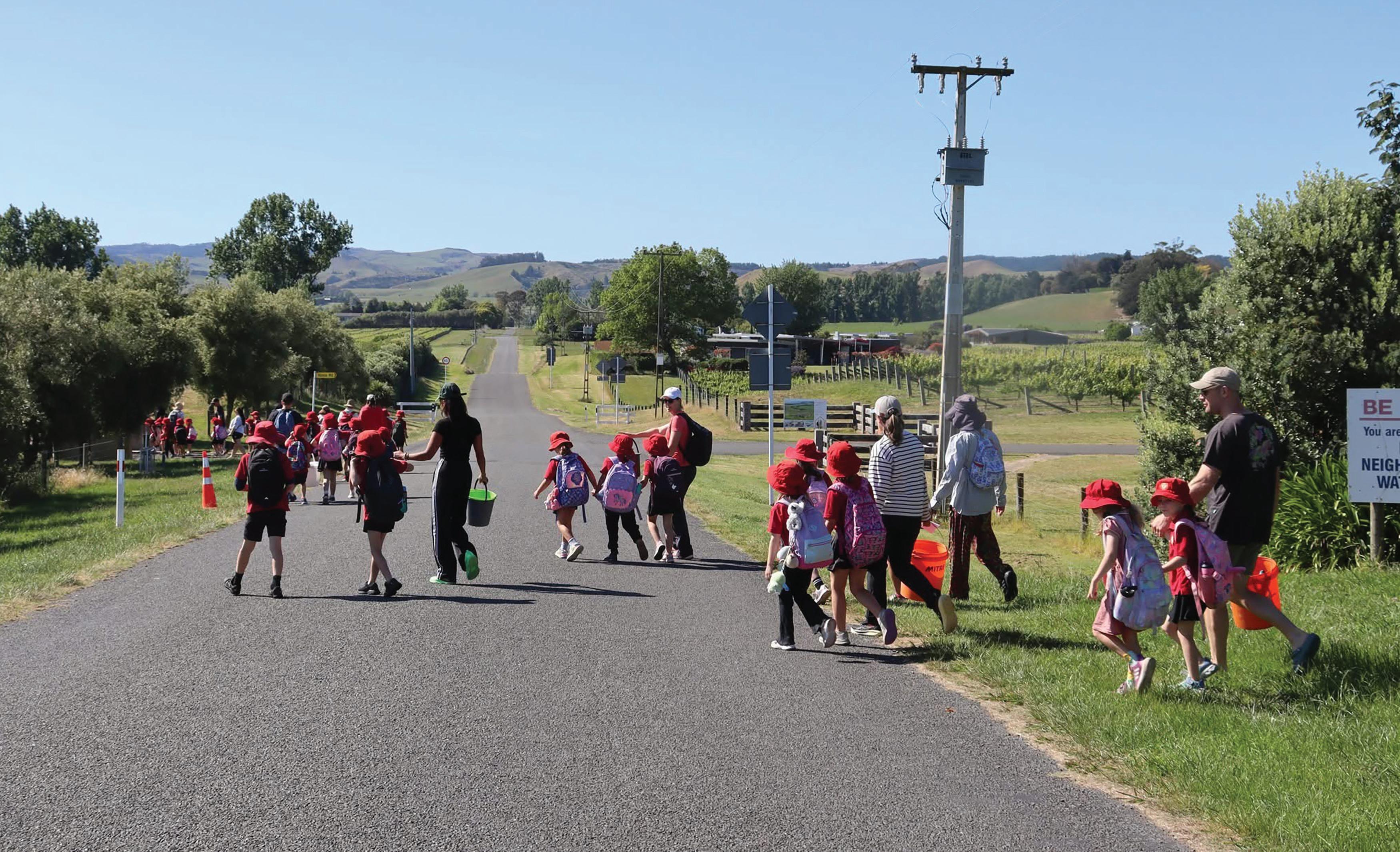
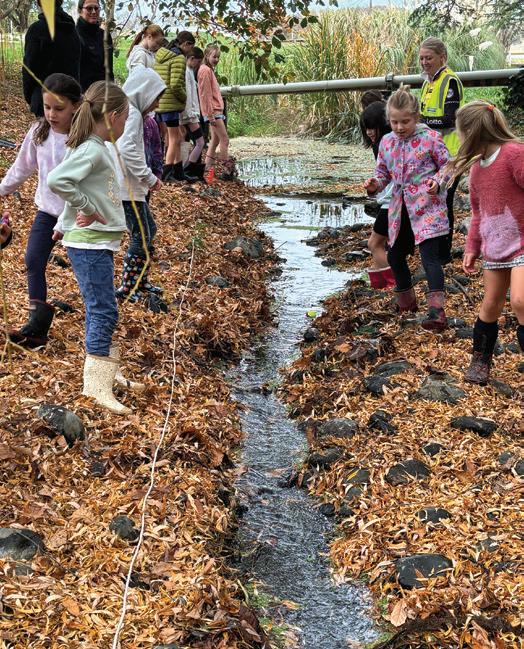
Most rural school contexts in New Zealand are very much the central hub of the community and serve as more than just a place of academic delivery. This is combined with the fact a rural school’s link to the local context is fundamentally important. Often this is about connecting our tamariki to their outdoor environment, surroundings, and landscape. At the same time, the small, rural and isolated schools are faced with additional challenges to implement curriculum changes.
Recruitment and retention in these communities is a significant barrier to sustainable long-term change improvement and implementation. Then there is the day-to-day complexity of these teachers and principals being able to access professional learning and development opportunities. This is due to the geographic distance to get to workshops and meetings, along with the juggle of teaching and leading a school, with a limited number of other staff to delegate and share tasks with. Let alone
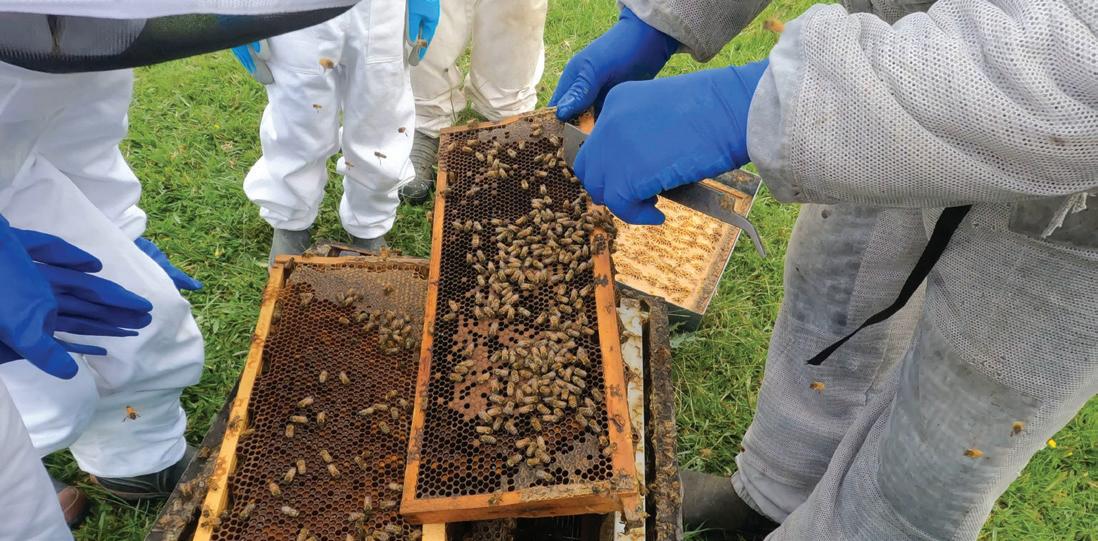
the time and ability to learn with peers face-to-face.
The system must be mindful of this and responsive to these challenges. Our decision makers must be asking, how can we address these issues to ensure equitable opportunities and outcomes for all types of schools.
However, the irony is that our rural contexts often provide a rich local platform to deliver innovative learning opportunities that gives meaning and enables the curriculum ‘to come alive.’ This is in our easy access to farms, agriculture, the land, and often the natural beauty that is Aotearoa. This is literally at the doorstep of many rural and isolated schools.
Alongside this is often the close-knit sense of community
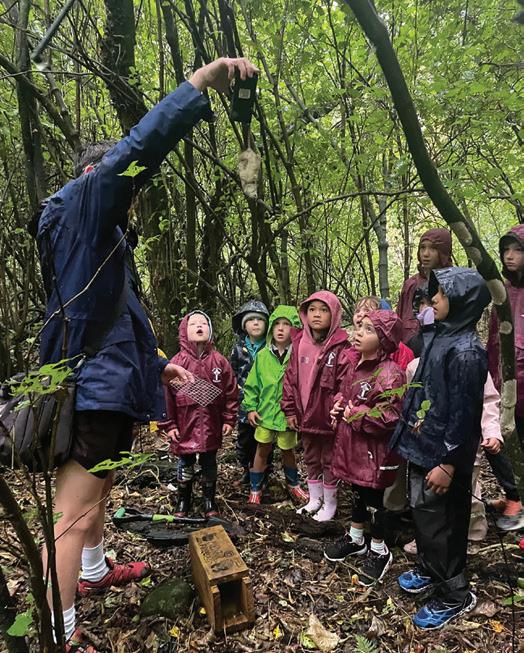
and benefits of tuakana-tenia (mixed age group learning opportunities) that foster all those values and dispositions that are important in learning. Children in these contexts often have opportunities to apply their learning and engage outside of the school gates at ease.
So, as we consider our next steps with the new curriculum, we cannot forget the local environment we are in and the important role that plays to give life and meaning to the curriculum we deliver. I would argue this is where many rural schools have an advantage over their urban counterparts, along with being the type of context that is responsive to and provides solutions for many modern-day problems and needs.
By Andrew King, Principal at Ōropi School and President of NZ Rural Schools Leadership Association





Graduate Diploma in Teaching (Primary Education) (Level 7)
Unlock your teaching potential with our one-year Graduate Diploma in Teaching (Primary Education).
Use your existing degree to gain practical skills and experience, becoming a qualified primary teacher ready to inspire young learners.
Bachelor of Teaching (Primary Education)
Begin a fulfilling career in education with our threeyear Bachelor of Teaching (Primary Education). Gain comprehensive knowledge and practical experience to become a qualified primary teacher, ready to inspire and shape young minds. Embrace Māori language and culture to enrich your teaching and support all learners.
Graduate Diploma in Teaching (Secondary Education) (Level 7)
Transform your passion into a career with our one-year Graduate Diploma in Teaching (Secondary Education).
Use your degree to gain practical skills and experience, becoming a qualified secondary teacher ready to inspire and educate teenagers.
Graduate Diploma in Teaching (Secondary Technology Education) (Level 7)
Turn your trade expertise into a teaching career with our one-year Graduate Diploma in Teaching (Secondary Technology). Use your practical skills to become a qualified technology teacher and inspire students in Technology subjects.


Lessons for new teachers
Advice from an experienced teacher and mentor
By Shelley Sweeney

Standing at the start of a teaching career in Aotearoa, New Zealand can feel exciting and overwhelming in equal measure. New teachers may feel passionate about making a difference, while wondering whether they’ll manage the demands of a busy classroom and keep their students engaged in learning.
Balancing lessons with assessment, reporting, emotional wellbeing, understanding neuro-diversity, challenging behaviour, communication with whānau, cultural responsiveness and learning how to navigate changing school systems is all part of the job.
With such a steep learning curve from the start, new teachers are more adept at facing the challenges of the job with support from their colleagues and mentors. These experienced educators have much to teach based on many years of experience in the classroom and the community.
Advice from an experienced teacher
Jody Hayes is a Year 0 teacher and mentor at Grey Lynn School in Auckland with many years of teaching experience. Jody shares
her insights on what would have been useful to know as a new teacher:
“ The first thing that comes to mind is that no matter how many years you have been teaching you are an important member of the team that makes the school successful and children want to come to school. Many beginning teachers feel they have so much to learn and although this is true, they also bring the most up-to-date knowledge from the training they have just completed. Every teacher makes valuable contributions so be courageous and share your passions and talents with your school.
“Teaching is an extremely rewarding career but no matter how hard you work or how organised you are there is always more you could do. It is important to have a ‘must-do’ and ‘nice-to-do’ series of lists
or schedules, so that you don’t miss important deadlines, but just as importantly, don’t burn yourself out. You will overhear conversations where people discuss how few hours you work and how many holidays you have. Try to ignore these types of conversations as anyone who knows a teacher knows that this is just not true. Find a work flow that suits you and make sure you include social and family time in your week.
“In the first two years you will catch every flu, cold or illness going - this is why you are given extra sick leave in the beginning of your career. It is easy to feel stressed about how often you are ill but know all your colleagues have had the same experience and they understand.
“You need to become the best recycler and collector for all your art and interactive lessons to engage your learners so don’t be shy about asking others to collect things for you or donate items for class. People are really happy to support and contribute if they know that their efforts will be appreciated. Whānau love to come into class and share
Many beginning teachers feel they have so much to learn and although this is true, they also bring the most up to date knowledge from the training they have just completed.
- Jody Hayes
their talents so make spaces for them to do this and enrich your students’ learning experiences.
“Keep any notes or emails that are messages of support, celebration or thanks. On your hardest days, when you are doubting yourself, get these out and read them. Teaching is a job where even when you give your all there will be criticism and comments that hurt. The things that your students and their whānau will remember you for
“Most of all enjoy your teaching, as you and your class spend most of their week day waking moments together. Laugh and tell stories. Teaching is a social job, be part of the team.“
- Jody Hayes
are the experiences you create, the way you make them feel like they are part of your class whānau and how you care for them. Your students will make the most learning progress when they feel safe, happy and valued. The learning opportunities and experiences don’t need to be big and expensive - something hands on and out of the usual routine can be lots of fun.
“Keep learning, read professional articles and take every opportunity to see other teachers in action as this is the best way to refine and improve your skills. Once you are a fully qualified teacher, your qualification can take you in many different directions as the skills you will have gained are valued by lots of industries.
“Most of all enjoy your teaching, as you and your class spend most of their week day waking moments together. Laugh and tell stories. Teaching is a social job, be part of the team. Contribute what you can, participate in everything and lean on others when needed. “
The importance of mentors for new teachers
As an experienced member of the Grey Lynn School teaching staff, Jody has taken on the role of mentor for new teachers. Mentorship is an important part of the registration process for all new teachers. Through mentoring, teachers gain a thorough understanding of both their school community and their role within it. Jody tells us about the benefits of mentoring:

“You are allocated a mentor who is there to be your go to person. They will encourage you, provide a listening ear and sort you out with what you need to be successful in the classroom in the beginning. This is a really important relationship and you can do your part by being open and honest about how you are feeling. As you progress, your mentor will expect you to take the lead in your teaching decisions. The journey to full registration is not always
straightforward as life can throw you a few curve balls so remember that your mentor is walking with you, no matter the detours or challenges. Your mentor will walk alongside you, and will be like the proudest parent when you graduate to be a fully registered teacher.
“If I knew what I do now when I started out teaching, I would still become a teacher as it really is a creative, flexible and rewarding career.”




Complete Electrical and Solar Solutions For Your Home or Business.
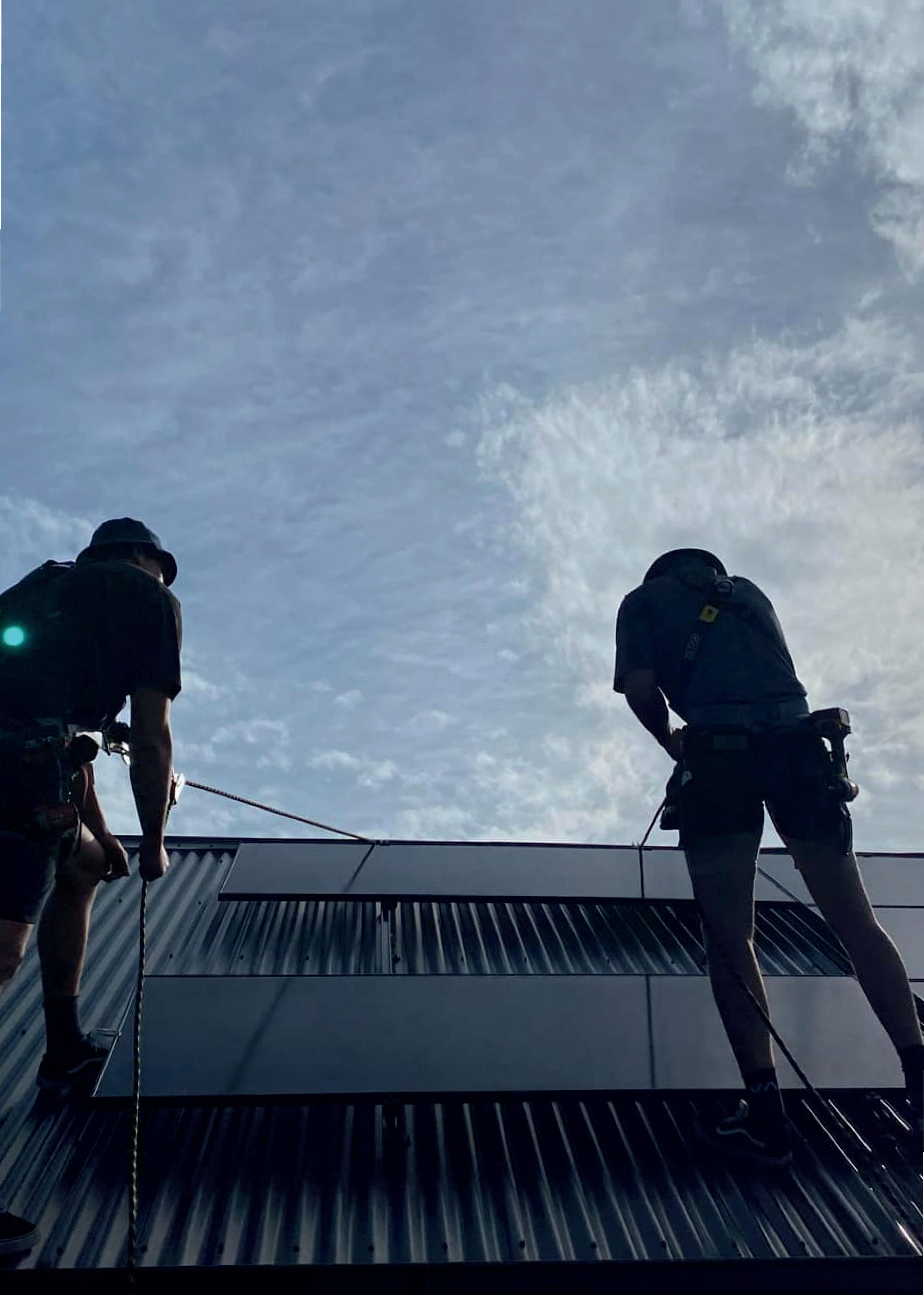
Solar Installations Repairs & Maintenance Client Focused
Looking for a reliable and professional local electrician?
Look no further than our team. We provide comprehensive electrical solutions for both residential and commercial customers, ensuring that your needs are met with efficiency and excellence.
• Commercial and Residential
• Grid Tied Solar
• Hybrid Solar (batteries)
• Off Grid Solar
• EV Chargers
• Heat Pumps
• New Builds & Renovations
• Repairs and Maintenance
• Smart Home Automation 027 825 9554
info@sspservices.co.nz www.sspelectrical.co.nz
Navigating change Immigration’s Growing Influence on New Zealand’s Education Sector
There is no doubt that immigration is playing a defining role in shaping our communities and our education sector. You can see it in the rich ethnic make-up of school rolls across the motu, and in the leaders, teachers, and support staff who bring their skills, experience, and passion to classrooms every day. This diversity brings both challenges and opportunities — but none of it changes the fundamental purpose of education: supporting ākonga to thrive.
What has changed is the complexity of the immigration system. This affects who arrives on our shores, their rights, their experience, their ability to settle, and the financial burden they face — a burden that has grown since visa fees more than doubled in 2024.
Melanie Bradley, Director of VisaLegal, has spent 12 years working as a Licensed Immigration Adviser. In her experience: “Immigration used to be relatively stable — a system of clear policies that moved

slowly and predictably. Today, it is highly complex, governed by regulations that change at pace.”
“Since Covid, we have seen three to four times the number of Policy Amendment Circulars — close to one per week, and in recent years, every major part of the immigration system has had a complete rewrite.”
For the education sector, this pace of change will feel familiar. Schools are navigating ongoing reform while supporting

communities facing increasing social and economic pressures. This is unlikely to slow down, especially as the Government aims to double the international education sector’s economic contribution by 2034.
VisaLegal works with education providers across Aotearoa, supporting them as employers and as institutions welcoming international students. While our core focus is skilled migrants, we also assist with family visas and are seeing an increasing number of humanitarian cases. At the heart of every visa application sits a human story — schools feel the responsibility to people deeply, and so do we.
New Zealand remains an attractive destination for teachers, and immigration settings reflect their importance. Green List pathways offer clear routes to residence — either a “Straight to Residence” for Primary and Secondary Teachers earning above the required threshold, or after two years for roles including registered ECE
teachers, Special Education, and TESOL teachers. These pathways provide stability for schools and certainty for teachers — but only when handled correctly. We have seen cases where people have misunderstood the requirements and wasted a lot of money in the process, or had the process take a lot longer than it needed to.
VisaLegal aims to take one pressure point off schools. We do this with compassion and care: managing visa processes, helping put practical and compliant policies in place, and being someone school leaders can call when they need guidance or simply a sounding board. Sometimes it just matters to have someone you can talk to who you can trust — without needing to contact Immigration New Zealand directly.
Immigration related matters do not need to add unnecessary weight to the load you are already carrying. Melanie and her team invite you to reach out for a no-obligation, confidential chat if you ever need support.








A unique learning environment Waitomo Caves Museum & Discovery Centre
Nestled in the heart of a world-famous karst landscape, the Waitomo Caves Museum & Discovery Centre presents a compelling destination for school visits. It offers young learners a chance to explore the rich interplay of geology, biology, Māori culture and environmental science in a setting that makes classroom concepts tangible and engaging.
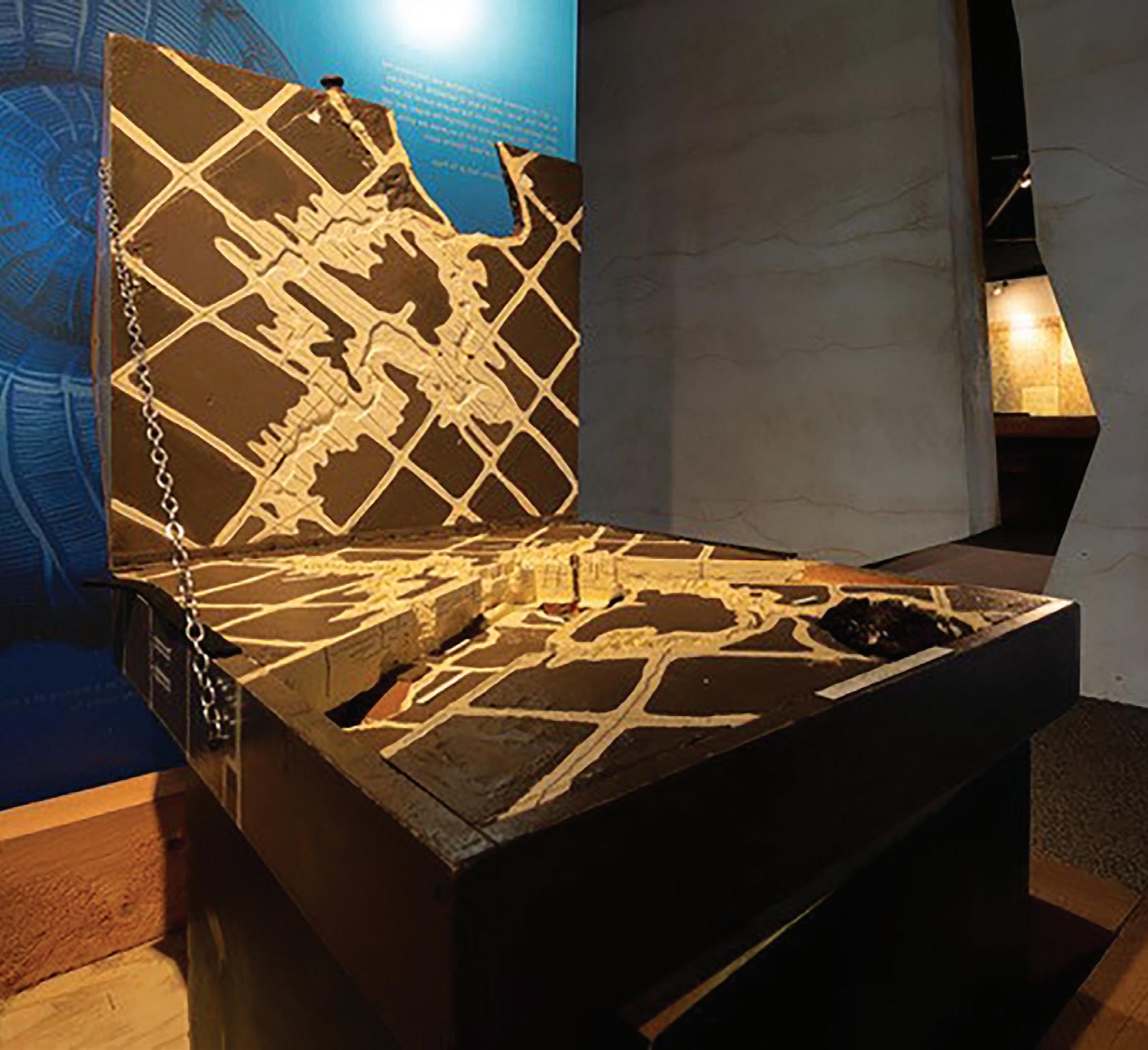
The Centre is New Zealand’s only specialist speleological museum, with interactive activities and hands-on exhibits on fossils, karst (limestone) landscapes, and the history of caving in Aotearoa.
Situated just 500 metres from the iconic glowworm caves, it offers schools the opportunity to bridge classroom learning with the real underground world. The Waitomo Caves Museum & Discovery Centre, a communityrun charity, supports its mission of conservation, culture, and education for future generations with every entry.
Curriculum-linked programmes for schools
The Centre caters for daycare, primary and secondary students through its dedicated education service. Its programmes are

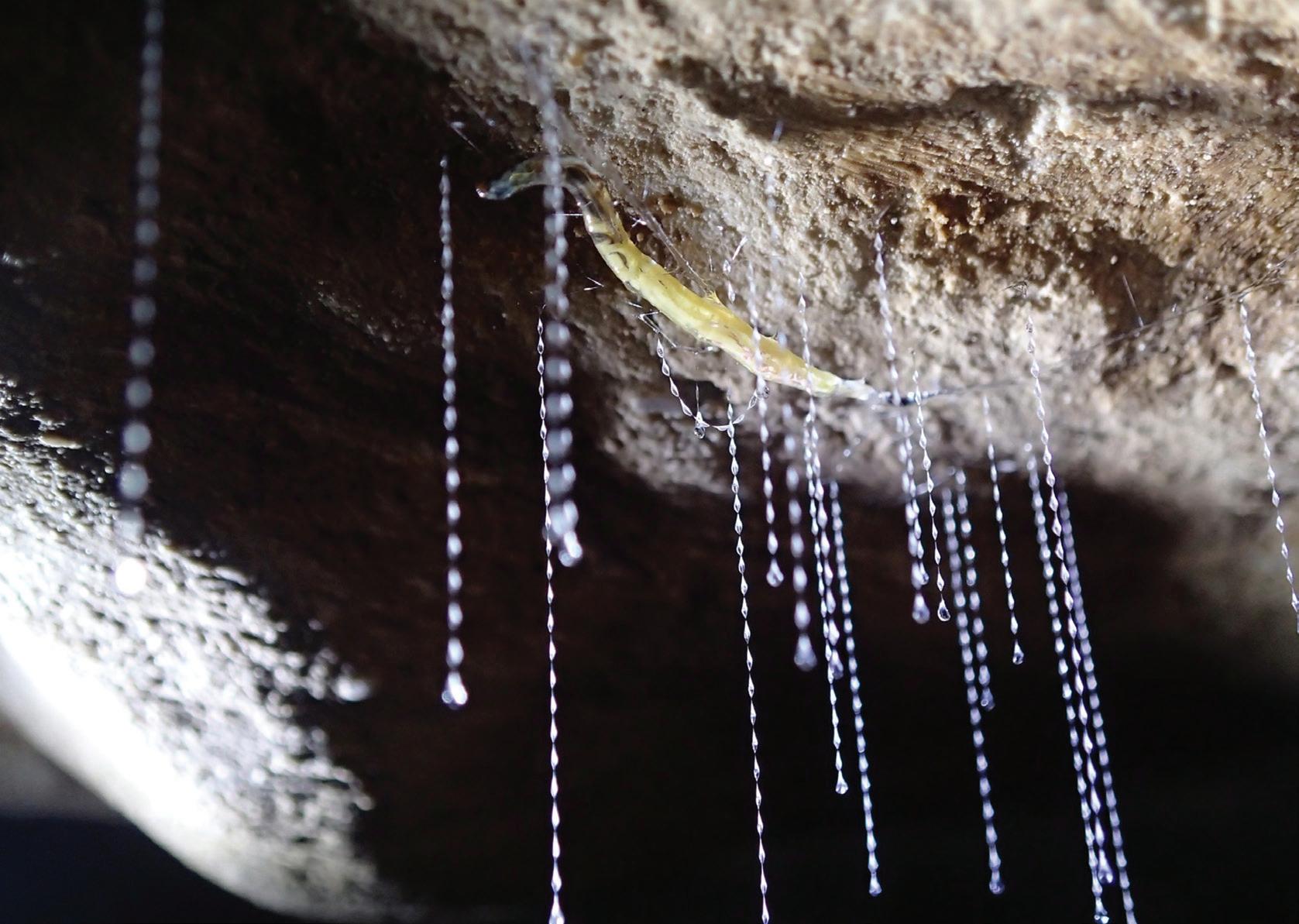
interactive and aligned with curriculum outcomes, enabling teachers to link visits to their learning objectives. Students explore topics such as the development of karst landscapes, cave adaptation by specialised fauna, the biology of the glowworm, (Arachnocampa luminosa) and Māori cultural connections to the land.
The process begins with the museum team asking teachers, “What would you like to achieve?” so the trip is tailored to the class’s educational intent.
Mercury Bay Holiday Park
Whether it’s camping or basic cabins for students and self-contained units for staff – Mercury Bay Holiday Park offers a full range of accommodation options and have great communal facilities. Everything you need for your next class trip. Contact us today to find out more.

ACKMA Basic Site Pre- and postvisit resources are provided, allowing the visit to be part of a broader learning sequence rather than an isolated event.
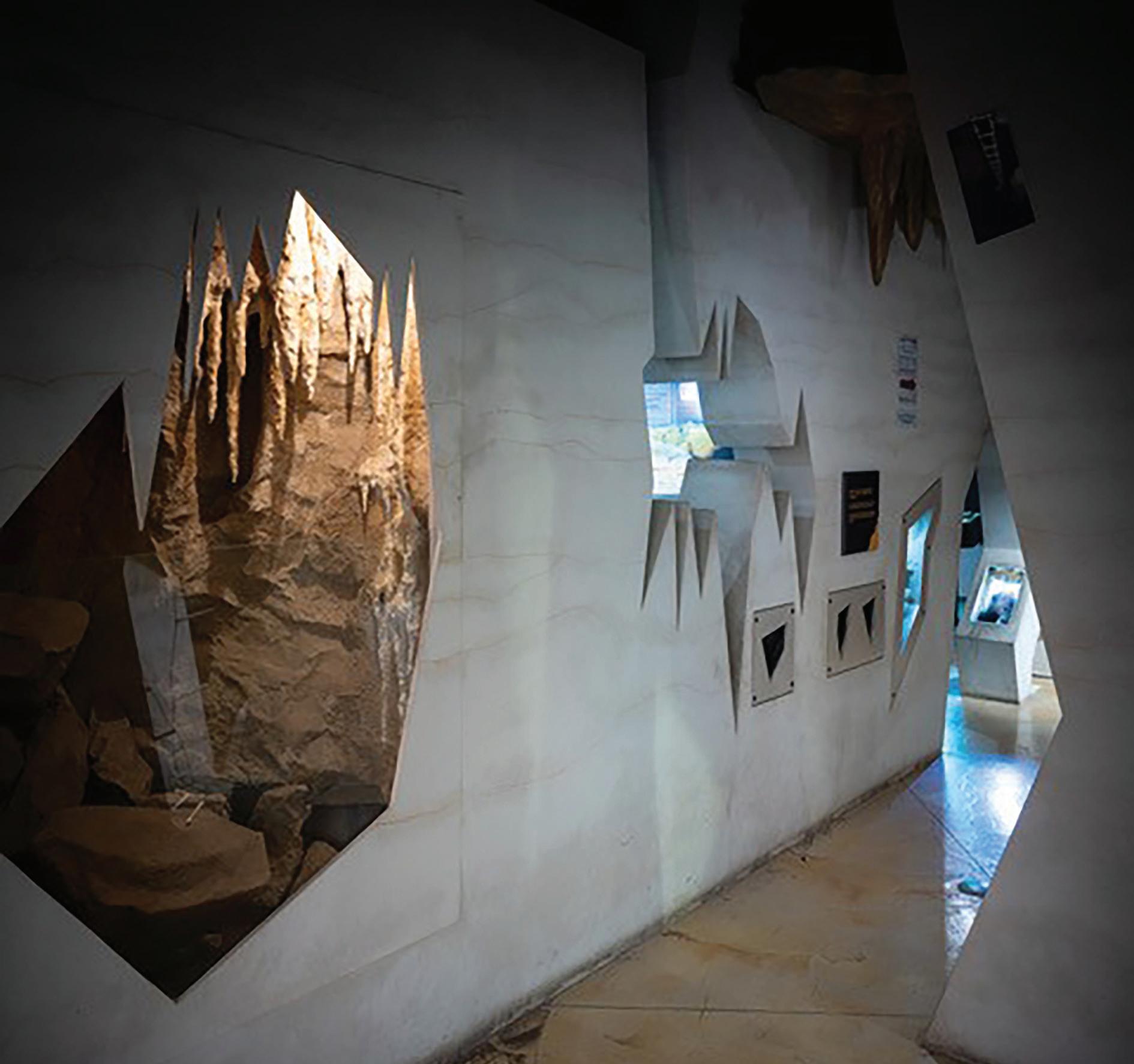
Interactive experiences Inside the museum, students encounter fossils (including moa bones), cave-related artefacts and interactive displays that bring underground systems to life. Outside the museum, the wider Waitomo region becomes a living classroom. The museum’s education service facilitates field trips across karst landscapes
Inside the museum, students encounter fossils (including moa bones), caverelated artefacts and interactive displays that bring underground systems to life.
Such multi-dimensional experiences enhance student engagement, as they connect geological time scales, ecological adaptation, Māori cultural narratives, and conservation responsibilities.
and into caves via partner operators, where students can apply what they’ve learned in real-world terrain.
Such multi-dimensional experiences enhance student engagement, as they connect geological time scales, ecological adaptation, Māori cultural narratives, and conservation responsibilities. The Centre’s role as a community-based guardian (‘kaitiaki’) of the region’s heritage brings authenticity and local relevance to each visit.
Planning your school visit
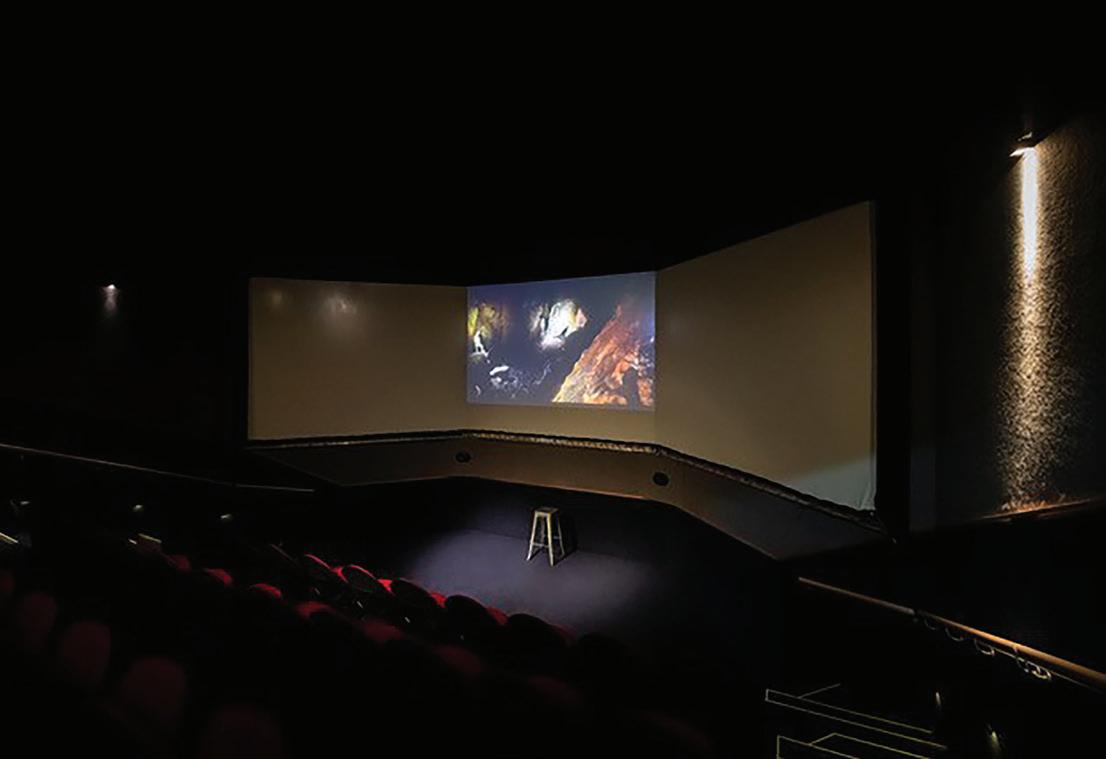
Teachers planning a visit will find the museum well-equipped for groups, with a dedicated education room/theatre that supports classroom-style sessions and multimedia presentations. The museum is located at 21 Waitomo Village Road, with coach-friendly parking and is close to the underground cave attractions.
Why it works for educators and learners
Several factors make the Centre particularly well-suited for educational visits.
Strong curriculum links: The content addresses science, geography, Māori perspectives and environmental themes in a coherent package.
Immersive context: Students aren’t simply told about caves and karst landscapes - they encounter them, which helps deepen their understanding and retention.
Hands-on, reflective learning: From interactive exhibits and real fossils to field experiences, the visit supports multiple learning styles.
Support for teachers: Pre-visit planning, resource provision and the option of tailored programmes reduce the organisational burden on educators.
Authentic heritage focus: The community-run nature of the museum and its role in safeguarding local culture and environment adds depth to the visit’s meaning.

Group accommodation in the heart of Rotorua
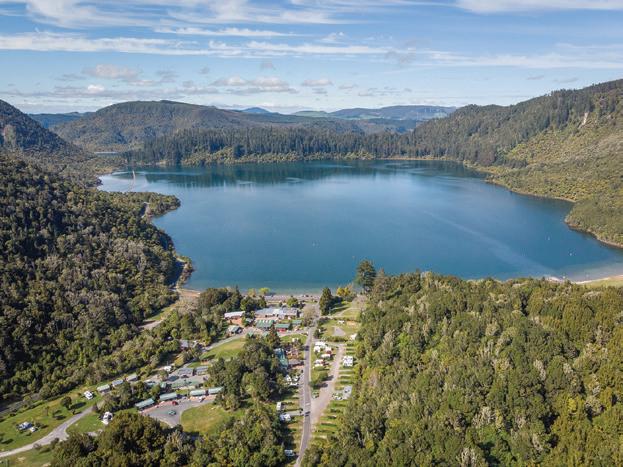
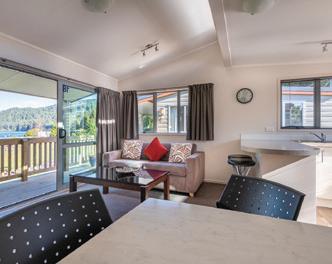
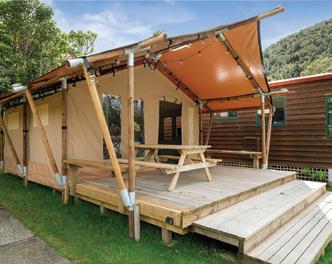
Rotorua Blue Lake TOP 10 have a wide variety of accommodation options available to suit every budget, from 180 powered and non-powered tent sites to standard and self-contained cabins.
The facilities at the park will keep your group entertained and active, a private or sole use marquee with attached kitchen and BBQ that can accommodate up to 80 people.
The park is central to a variety of local attractions. Lakes Tarawera, Okareka and Rotokakahi are all within 2km of the park, and a short 8km drive will find you in the centre of Rotorua.
Rotorua Blue Lake TOP 10 can offer large groups discounted rates from March – November (excluding peak season only) and can work with you to accommodate any size group and any budget.


Surfing Education for Schools Yr 3-13

For schools seeking an educational excursion that combines adventure, authenticity and curriculum-rich content, the Waitomo Caves Museum & Discovery Centre offers an outstanding choice. It connects the subterranean wonders of the Waitomo region with real-world learning, helping teachers create a meaningful experience.
As the museum itself puts it: “Our mission is to preserve and share the treasures of the region, from fossils, photographs and moa bones to Māori artefacts and local stories.”
If you want your students to walk away with not just memories of glowworms and caves, but genuine insight into Earth systems, cultural heritage and conservation, this destination delivers.
To learn more, visit www.waitomocavesmuseum.nz
New Zealand’s premier surf school
surf lessons | school education surf programmes | surf tours
Surfing is not just a sport, it’s something that will challenge, educate, inspire - getting students hooked for life!
We offer a variety of programmes, from our ‘Beach Safety Days’ to NCEA Achievement standard courses, which cater for every age; starting with primary through to high school and adulthood. You’ll be amazed at how transformational this sport can be for our younger generations! With 15 years of experience and over 250 schools under our belt, we pride ourselves on
being one of NZ’s top surf education providers.
Our philosophy is that learning is something to enjoy and have fun with! Soaking up information is always easier when there’s a mix of visual, vocal and kinaesthetic styles, which is why we combine land-based lessons with water sessions, providing students with a mix of all styles; a space to better themselves. Our moana is the greatest teacher after all! Experience the ripple effect as students become more confident, safe, and self-assured in the water after just one session; and how this pertains to other aspects of their lives. You pick the beach, we do the rest!
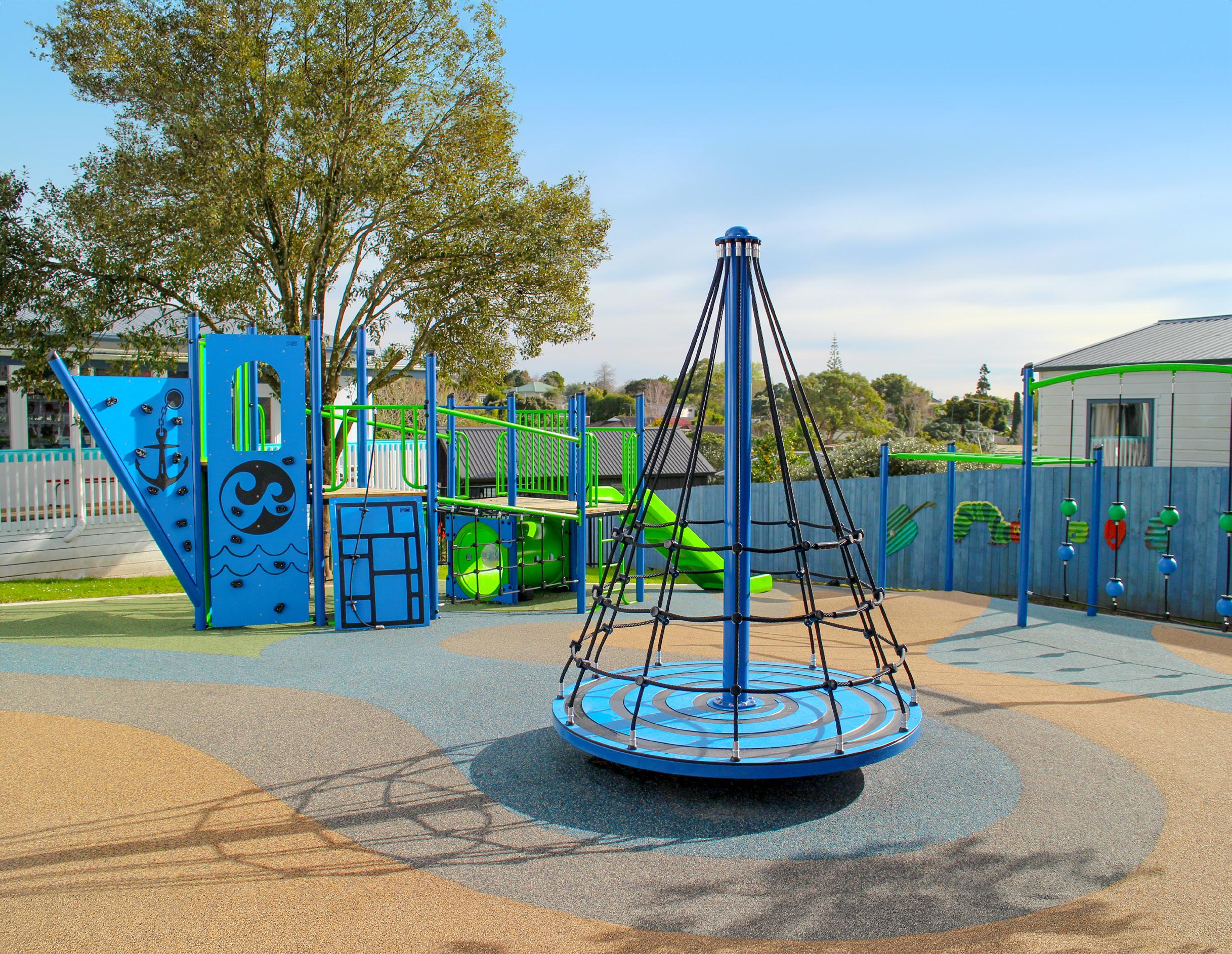
The ultimate playground How to maximise play value
Beyond the slide and swing set, a truly effective playground is a carefully designed environment. For schools and councils, maximising play value (the capacity of a space to genuinely engage and enrich children) is the cornerstone of successful design. It’s not just about what equipment you install, but how well the whole setting inspires return visits.
Here are the five essential design principles that transform a typical playground into a dynamic hub for children’s development.
1. Inclusive Capacity
A vibrant play space is a social one. Designing for inclusive capacity means consciously accommodating diverse group sizes and play preferences, ensuring that children of all abilities feel welcomed and integrated. This foundational step promotes positive social interaction and
prevents any child from feeling isolated or excluded.
2. Dynamic Play
Monotony kills interest. To maintain sustained engagement, a playground must offer a wide variety of experiences. Scrutinise your existing resources and ensure new additions don’t duplicate current options. A dynamic play environment presents fresh and varied challenges, allowing children to explore new physical and cognitive activities.
3. Irresistible Appeal
What makes children rush toward a space? The “wow factor”, that immediate, undeniable attraction. Achieve this with inventive design, bold, vibrant colours, or themed elements. The visual promise of adventure is what initially draws children in and makes the play area an instant favourite.
4. Sustained Engagement
Attraction is the opening act but sustained engagement is the main event. Activities that allow for collaboration, physical problem-solving, or skill mastery are highly effective at keeping children immersed for extended periods.
5. Open-Ended Exploration
The best play components don’t dictate how they should be used. Equipment supporting
open-ended exploration invites children to use their imagination, finding new and unexpected ways to interact with the structure and the environment. This empowers children to become active creators of their own play, ensuring the space remains a continuous source of discovery.
By strategically applying these key points, focusing on who is playing and how they are playing, you can curate a playground that goes far beyond a leisure spot, transforming it into a powerful, enriching foundation for a child’s social and educational journey.
www.parksupplies.co.nz sales@parksupplies.co.nz 0800 752 947









Readjusting after strike action
By Ben O’Connell

Strike action works partly because it interrupts normal routines. Yet for many teachers, that time off results in a scramble to get back on track in the classroom and a heavier workload upon returning. Bouncing back from disruptions of any kind can be tough, creating a learning lag that lasts, but what can teachers do about it? Teachers’ strikes have defined the education sector’s year. After months of stalled
negotiations over pay and workload, teachers warned that the workforce was at breaking point. In August, the PPTA walked out of classrooms after a week of bargaining. The Government expressed their disappointment.
“This action is unduly disruptive to student learning, especially those preparing for important assessments and exams. It also places significant pressure on parents and caregivers, who must make alternative arrangements when their children are unable to attend school,” Education Minister Erica Stanford then said.

“This action is unduly disruptive to student learning, especially those preparing for important assessments and exams. It also places significant pressure on parents and caregivers, who must make alternative arrangements when their children are unable to attend school.”
In October, an estimated 60,000 teachers joined an estimated 50,000 nurses and public sector staff to call on the government to better fund and resource public services in one of the nation’s largest-ever strikes. Unions emphasised that without substantial investment in education, teacher burnout would worsen and staff shortages would continue to rise.
While the scale of disruption depends on the length and timing of a strike, studies on post-pandemic and postquake teaching show that even brief learning breaks can impact student confidence and progress. The Education
Review Office has noted that a predictable routine is crucial for student engagement and that after any interruption, it takes several weeks for attendance, participation and classroom rhythm to stabilise again.
Acknowledging that recovery takes time really matters. The reset won’t happen overnight and both students and staff need space to reset. Although catching up with an intense week or two of learning might be tempting, re-establishing a routine should be gradual and consistent. Student performance may fluctuate in the weeks following a strike, and assessments may need to be adjusted to reflect this.
Recovery is a team effort, and no teacher should feel they have to carry it alone. Do lean on your school’s support network, such as counsellors, wellbeing coordinators, and learning support staff.
Supporting emotional wellbeing is just as important as getting back on academic track. Post-COVID research from the Ministry of Education found that students who could reflect on and name their experiences re-engaged more quickly and showed greater resilience. This means it might be worthwhile to encourage open, empathetic conversations about how the strike period or other disruptions affected students, their routines, families and sense of stability. Whether or not those conversations can happen will depend on each school’s culture and comfort level. Still, it’s a real-world experience that everyone can learn from.
Strong communication with families can make the transition smoother. Keeping parents informed about classroom priorities and progress helps them support routines at home. Encouraging dialogue also reveals where students might be struggling, academically or emotionally. Parents and caregivers have likely faced their own challenges during the strike.
In the classroom, focus on engagement and momentum. Prioritise must-have learning outcomes first before revisiting other lessons that may have been missed, and take the time you do have to count through hands-on projects, discussions and active learning. NZCER

studies show that interactive learning after disruptions not only boosts motivation but also helps rebuild the sense of belonging core to academic achievement.
Recovery is a team effort, and no teacher should feel they have to carry it alone. Do lean on your school’s support network, such as counsellors,
wellbeing coordinators, and learning support staff, particularly for those finding the transition hard. Participating in industrial action is a complex and personal decision that ultimately shows care for both the career and the long-term learning conditions of students. There’s no shame in standing up for that.
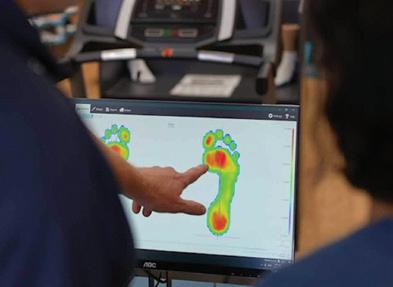
FREE IN-STORE FITTING SERVICE
At Shoe Clinic we have one simple aim when fitting our customers in footwear and apparel - to “fit them in the very best product for their individual needs and characteristics”.
OPENING HOURS
Mon to Fri 9.00am - 5.00pm
Saturday 9.00am - 4.00pm Sunday 10.00am - 3.00pm
All the analysis that we perform to achieve this for you is FREE and part of our overall service. You will never pay for anything more than the retail price of the product you are purchasing.



New Plymouth
Western Bay Plumbing
PLUMBING
Your Local Plumbing Company
Paul spent 21 years training and working in maintenance plumbing in Wellington before relocating to the Bay. We then began a new chapter by launching our plumbing business to serve the Western Bay area around Te Puke.
Our focus is to provide honest, quality workmanship.

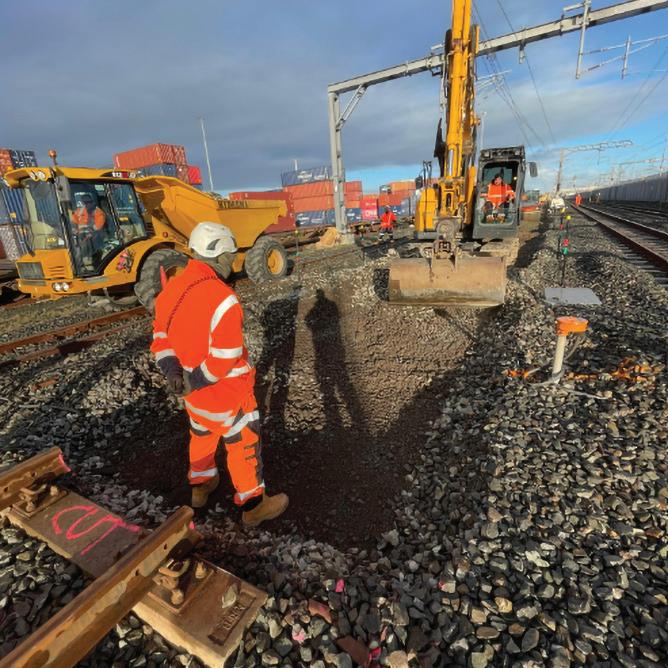
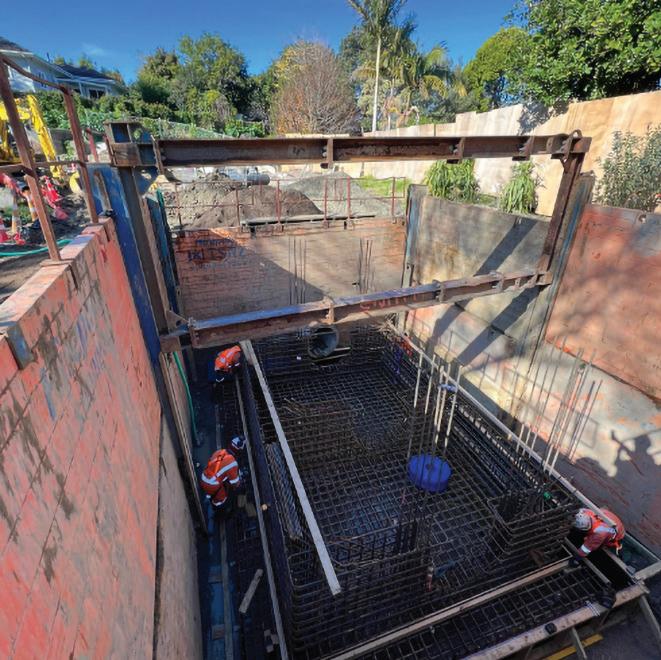
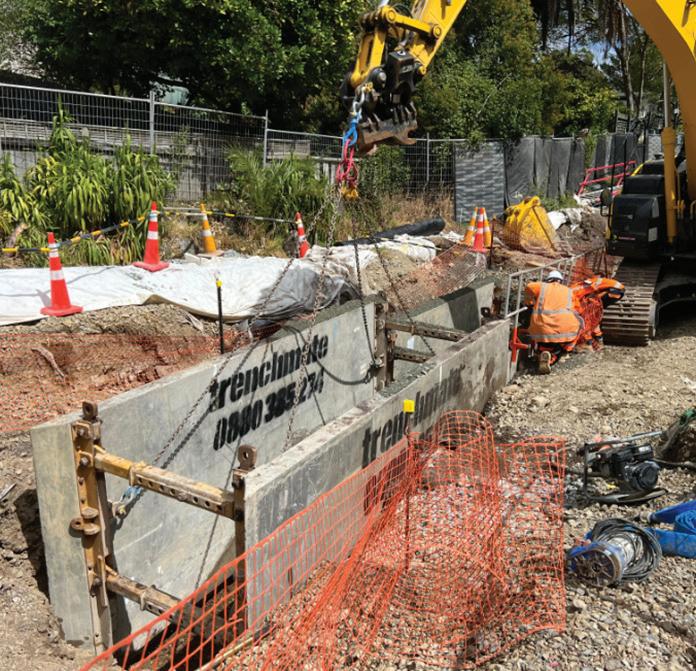
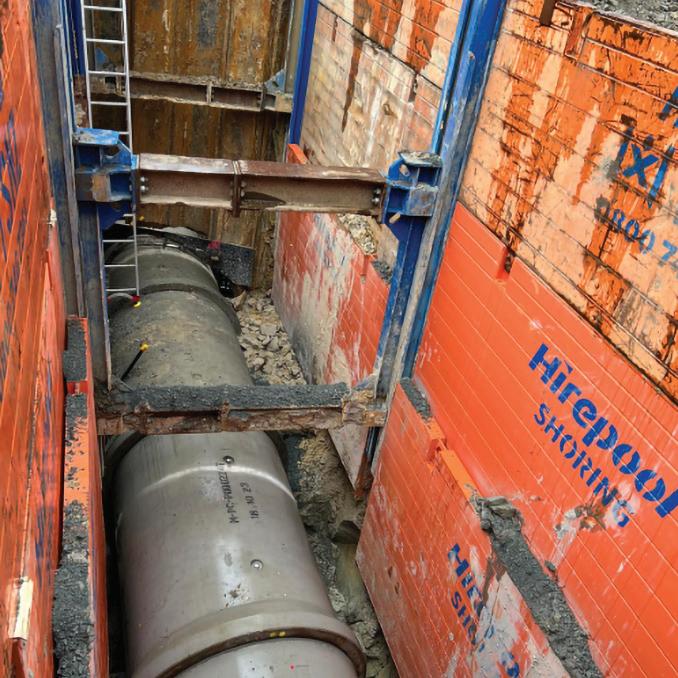
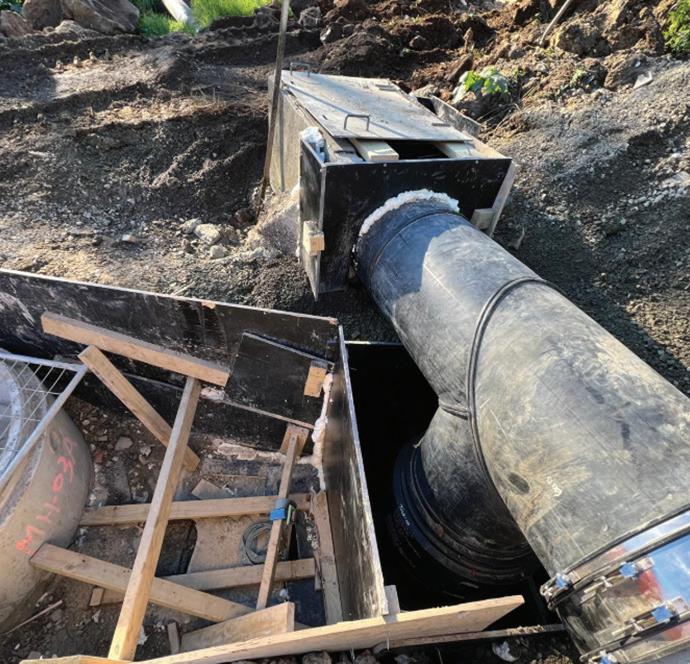
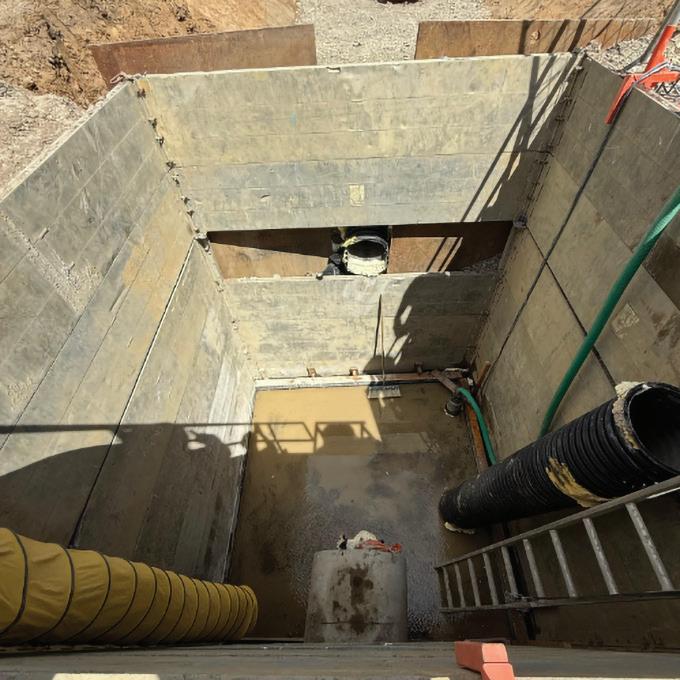
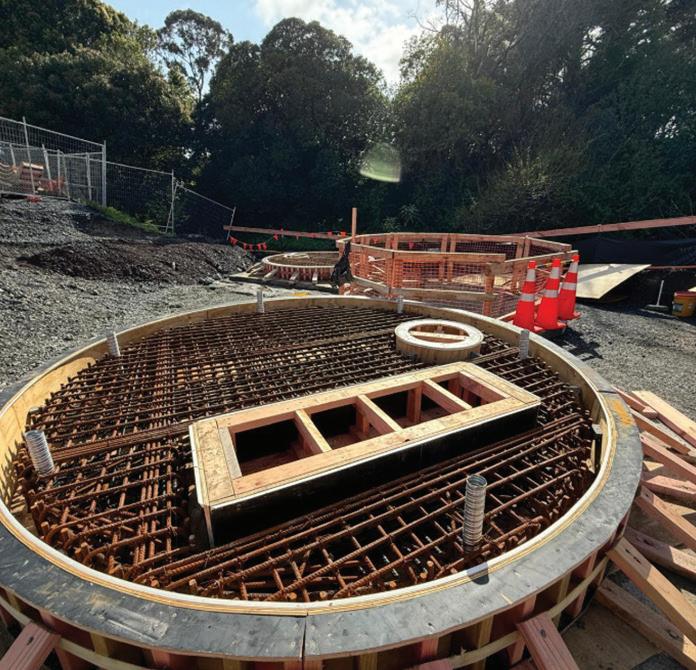
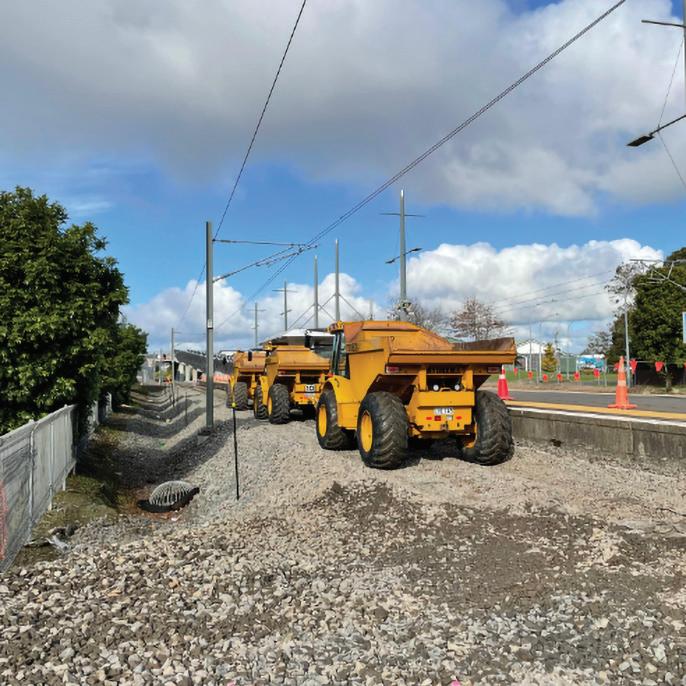
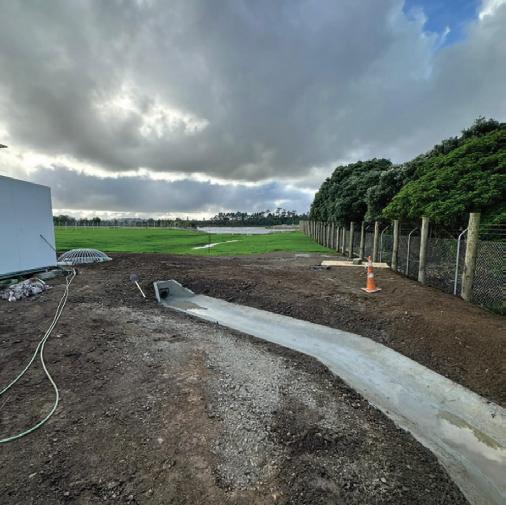
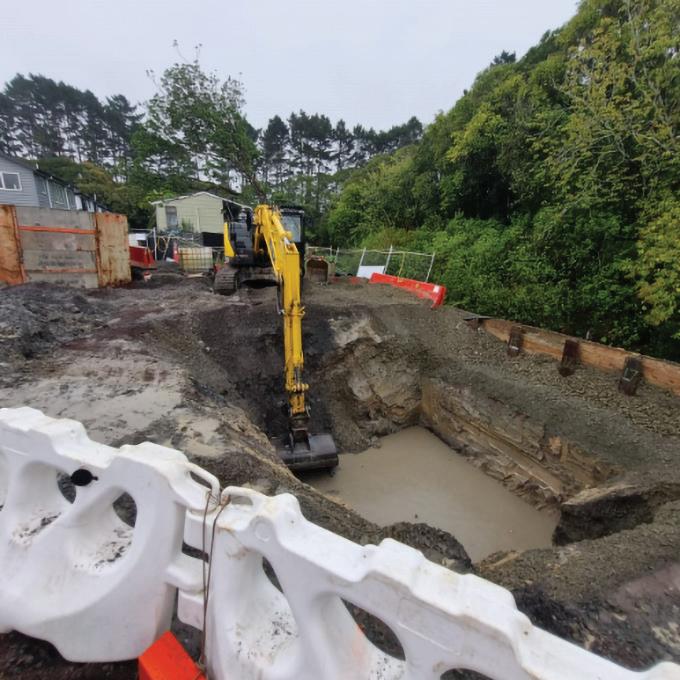
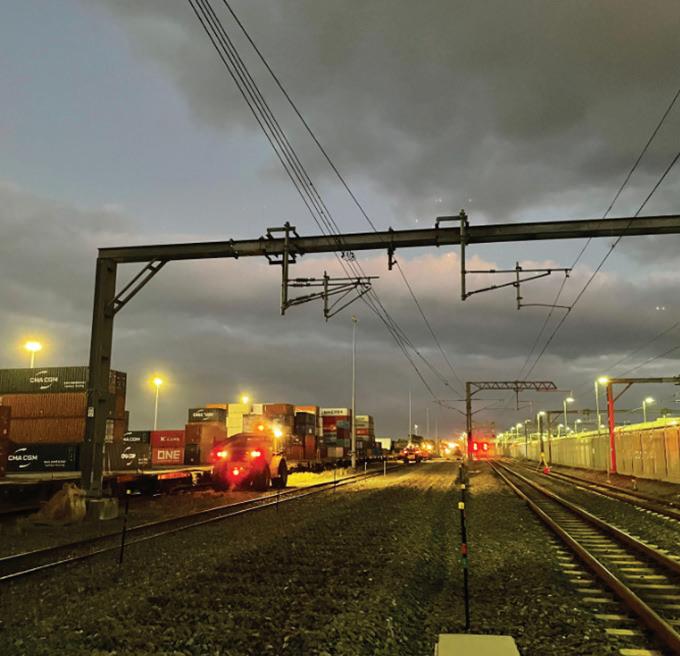
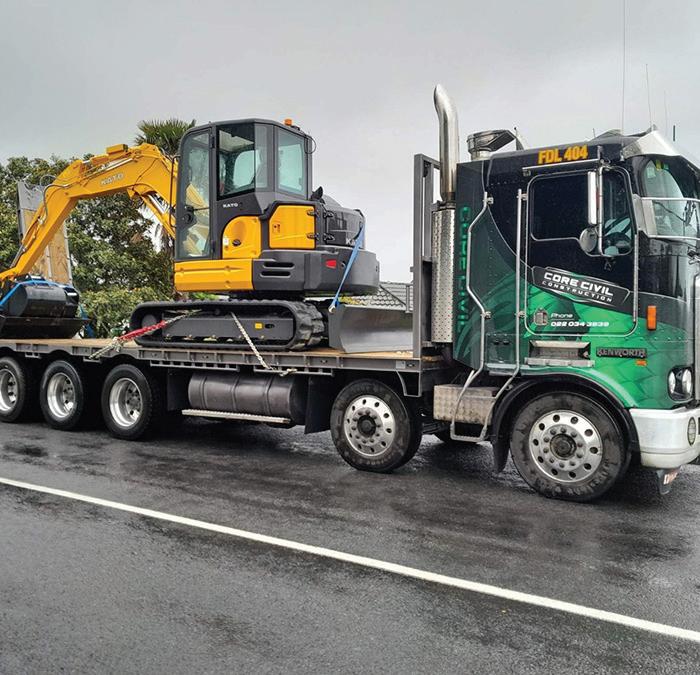
RELIABILITY MEETS CIVIL CONSTRUCTION
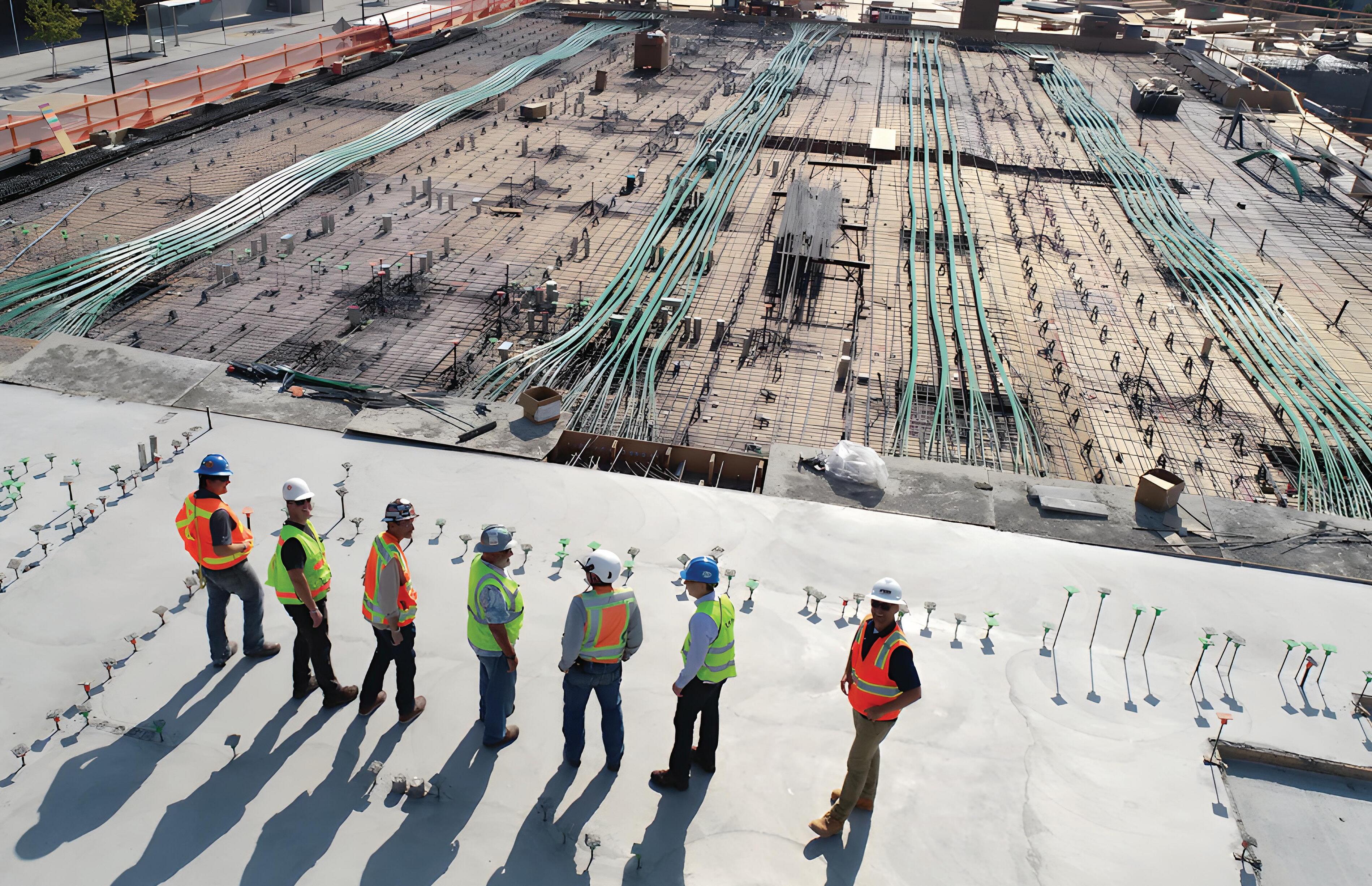
We’re a specialist civil contractor committed to building New Zealand’s future through solid relationships with our clients. 1 Comrie Place, Pukekohe 2120, Auckland
Water safety in Aotearoa A global and local call to action
Drowning remains one of the world’s most preventable yet overlooked public health challenges. The World Health Organisation (WHO) reports that more than 300,000 people die each year from drowning, making it a leading killer of children and young people. Despite global progress, drowning is still the fourth leading cause of death among children aged 1–4 and the third among those aged 5–14.
The WHO’s Global Status Report on Drowning Prevention and Global Strategy for Drowning Prevention: Turning the Tide on a Leading Killer urge governments to act decisively. Their guidance is clear, to embed water-safety education in schools, strengthen lifejacket laws, enhance community rescue capability and plan more effectively for flood and water hazards. WHO Director Tedros Adhanom Ghebreyesus, has encouraged all countries to ground their advocacy in these
frameworks when engaging education and health ministers.
In Aotearoa, the importance of these recommendations is reflected in our data. Water Safety New Zealand reported 74 drowning fatalities in 2024. However, drownings among under-25s continue to decline; this is a testament to the growing impact of early, structured watersafety learning.
At the heart of this progress is Water Skills for Life (WSFL), New Zealand’s nationally recognised survival-first aquatic education programme. WSFL is a worldleading, comprehensive model delivered from early years to intermediate, focusing on the skills proven to save lives in open water. It is the only programme globally that supports realtime, nationwide student data collection through the WSFL

Database app. This world-first infrastructure provides clear visibility of progress, equity of access, regional trends and measurable gains in hazard awareness, survival skills, confidence and decision-making.
Integrating WSFL principles into the national curriculum supports a knowledge-rich, evidencebased learning progression aligned with the vision for a coherent, sequenced curriculum built on the science of learning. While child drowning rates are improving, challenges remain. Men account for 83% of drownings, and 94% of craft-related fatalities in 2024 involved no lifejacket. Eighteen percent of drownings occurred at known blackspot locations with high drowning incident and fatality rates.
Water Safety NZ’s Esther Hone says these patterns remind us that water safety requires whole-community responsibility — from schools and whānau to policymakers and local councils.
“No one plans to drown — but we can plan to survive,” says Esther. “When we teach tamariki to float, breathe and stay calm, we give them the gift of time — time to be helped and time to survive.”
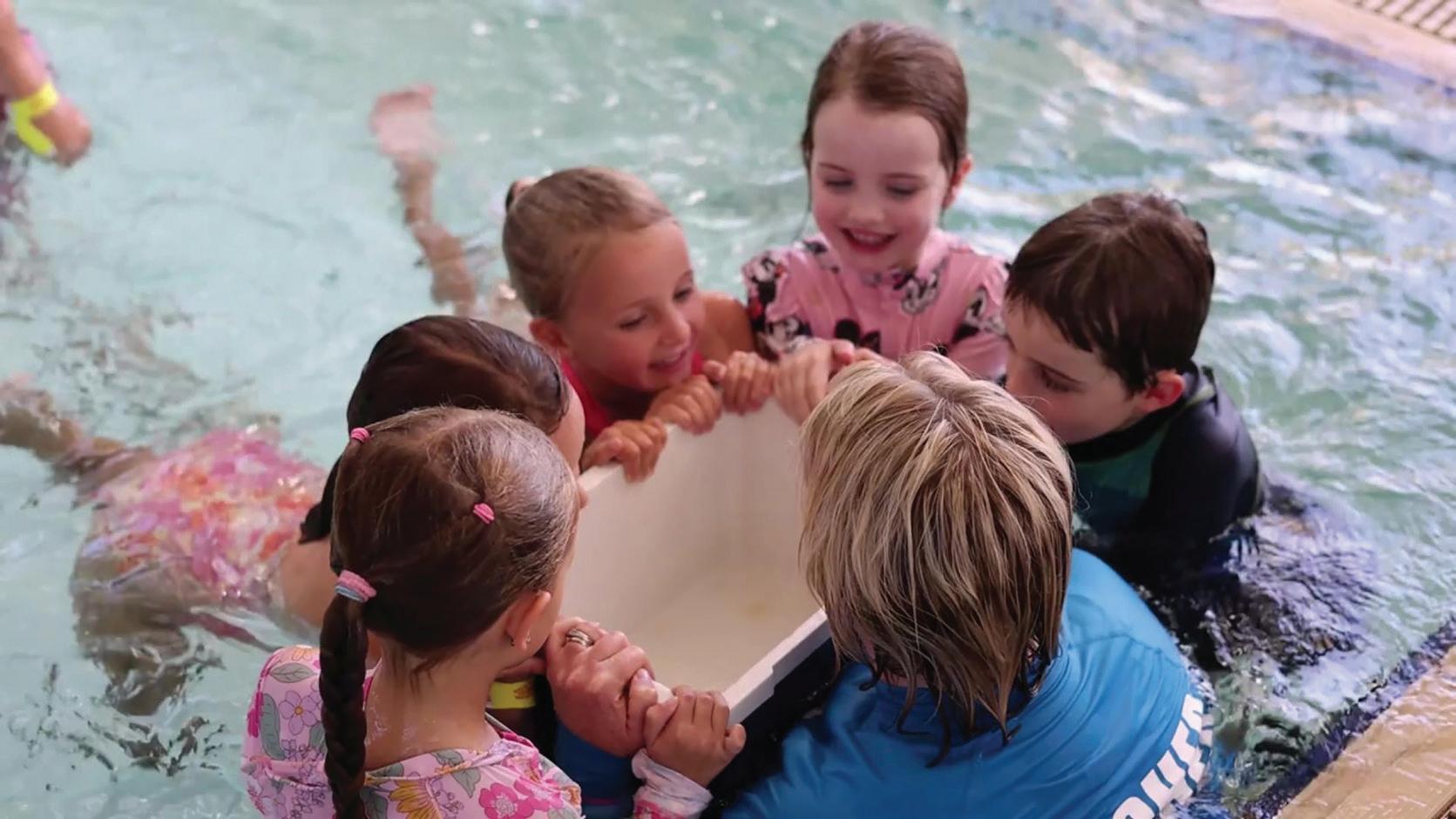
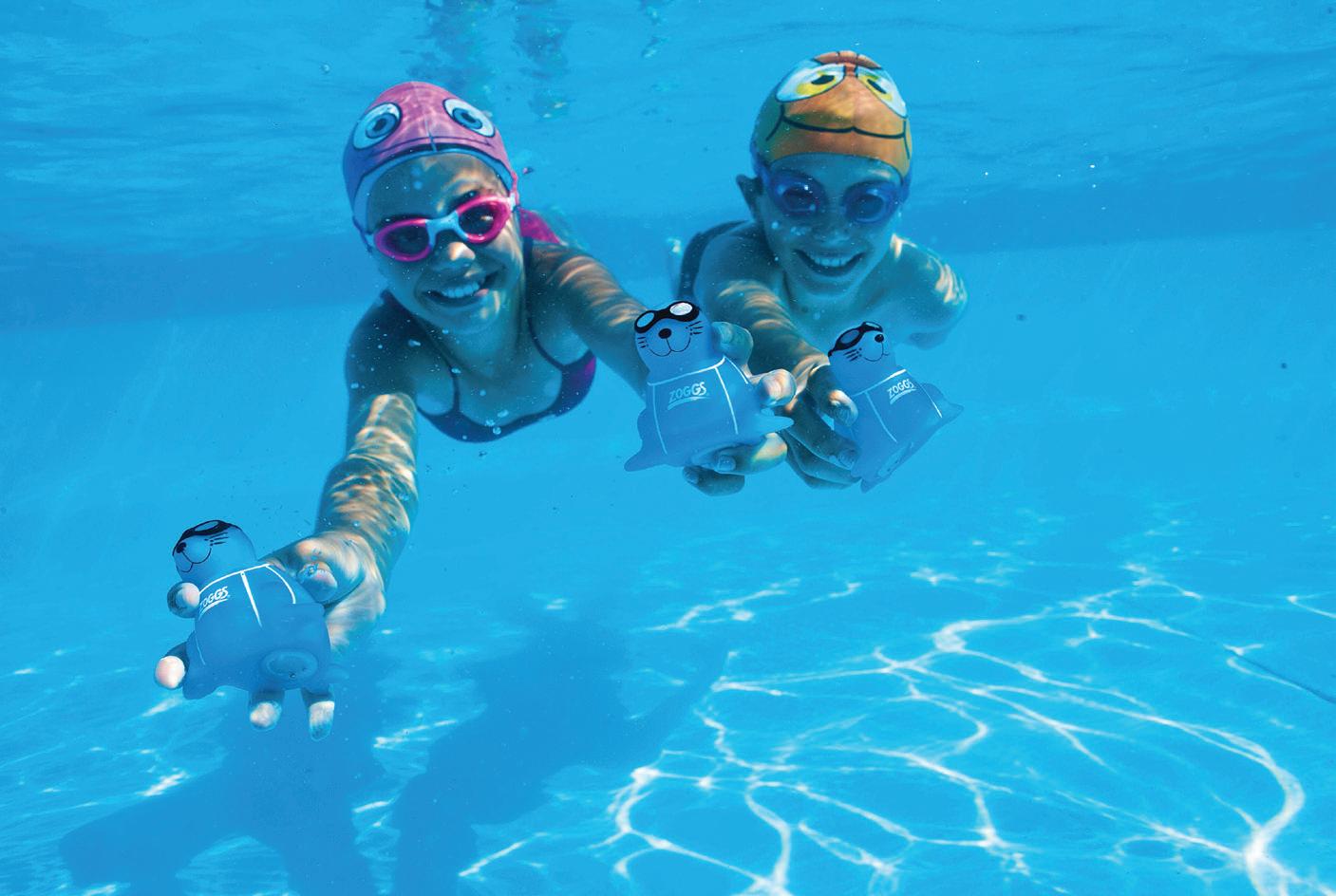
Image supplied by Water Safety NZ
Messages for principals and teachers - Health and PE curriculum alignment
As schools navigate the refreshed Health and Physical Education (HPE) curriculum, water safety sits firmly within its expectations for real-world, life-preserving learning.
Key messages for school leaders:
• Prioritise survival-first aquatic competence rather than traditional stroke-based swimming.
• Support the shift from “swimming” to “aquatic competence” — reflecting what children truly need to survive in open-water environments.
• Embed authentic and simulated openwater learning within Years 1–8 to match where most drownings occur.
• Use the WSFL Database App to guide evidence-based planning, progression and equity of access.
• Connect water safety to the science of learning, using repetition, sequencing, and contextual practice to embed long-term capability.
• Strengthen whānau engagement, reinforcing safe behaviours outside the school gates.
The message is simple: water is powerful and unpredictable — but with evidence-based education, strong leadership and community partnership, Aotearoa can continue to turn the tide on drowning.
More information visit: www.waterskills.org


Running on empty?
Too much stress over a long period of time has been shown to damage our health, relationships, quality of life and our ability to work effectively.
Maintaining personal wellbeing
Stress buster 1: Tackle the problem
Sometimes we need to tackle the problem head on. This approach is often best when we can change the situation e.g. reduce spending, work on a relationship.
Stress buster 2: Acquire more resources
Sometimes we need extra support to deal with stressful events and issues.
A few examples might be:
• Have a health check-up
• Take some annual leave
• Financial coaching, relationship counselling.
Stress buster 3: Gain a new perspective Instead of tackling the problem, this is about seeing the problem differently.
A good way to gain a new perspective can be to talk things over with a trusted friend or counsellor. Often, we talk to relieve the emotional pressure and our perspective changes.
Stress buster 4: Avoid black holes
When we’re low on emotional energy, we have a tendency to make matters worse by thinking negatively, which makes us feel worse and makes it harder to deal with. The way out is to change your thinking.
Stress buster 5: Refuelling
These are simple things to try
• Talk regularly about your feelings/thoughts
• Take regular exercise
• Practice relaxation/meditation
• Eat a healthy diet
• Moderate your alcohol intake
• Use your annual leave
• Enjoy hobbies/interests/sports
• Enjoy friendships
• Have fun
• Get good regular sleep
• Have a good work/home balance.








Building a positive classroom culture
By Jonathon Taylor
The beginning of the school year offers a crucial opportunity to set the tone for a positive, inclusive, and engaging classroom environment. By focusing on building a welcoming atmosphere, fostering strong connections, promoting a supportive culture, and prioritising students’ emotional wellbeing, teachers lay the foundation for a successful and enriching year ahead. The effort invested in these early days can have a powerful and lasting impact on students’ academic outcomes and personal development.
As outlined in the New Zealand Curriculum: “Learning is inseparable from its social and cultural context. Students learn best when they feel accepted, when they enjoy positive relationships with their fellow students and teachers, and when they are able to be active, visible members of the learning community. Effective teachers foster positive relationships within environments that are caring, inclusive, nondiscriminatory, and cohesive.”
This view is echoed in UNESCO’s Creating a Positive Learning Environment guidance, which emphasises students’ broader developmental needs. “Positive learning environments support the developmental needs of students not only academically but also socially and personally. A positive learning environment is inclusive, respectful and caring of all its members.
“Schools with a positive learning environment maximise every student’s learning and help young people build a sense of community and become full participating citizens of society. These are schools where children feel comfortable with themselves, safe amongst their peers and are engaged and motivated to learn. In positive learning environments, teachers have high expectations for their
students’ achievement. They explain clearly the quality of work students are expected to produce and give them some choice of learning activities.”
Together, these perspectives highlight the importance of nurturing classroom environments where every student feels safe, supported, and ready to thrive, not just academically, but as valued members of the learning community.
Creating a positive classroom environment from day one
The start of the school year is a powerful opportunity to build a welcoming, inclusive, and engaging classroom environment. By thoughtfully preparing your space and your approach, you set the stage for a strong sense of belonging, positive relationships, and effective learning.
Personalise your space
Transforming your classroom into a warm and welcoming space helps students feel comfortable from day one. A vibrant welcome sign, colourful decorations, and comfortable seating go a long way in creating an inviting atmosphere.
Add personal touches, such as student artwork or a “getting to know you” bulletin board.

“Schools with a positive learning environment maximise every student’s learning and help young people build a sense of community and become full participating citizens of society.”
These visual cues reinforce that the classroom belongs to everyone, making students feel valued and excited to be part of the learning community.
Organise for interaction
Classroom layout plays a crucial role in student engagement. Arrange seating to promote collaboration, group tables or pods work well for discussions and projects. Create designated areas for reading, creativity, or specific subjects like science or technology. These purposeful spaces encourage exploration and hands-on learning, while also accommodating different learning styles.
By structuring your classroom around interaction, you foster a dynamic environment where students feel involved and motivated.
Establish inclusive norms
Set the tone early with classroom norms that promote respect, kindness, and inclusivity. Involving students in creating these norms gives them a sense of ownership and accountability. Hold open discussions where students can share how they want to be treated and what kind of learning environment they thrive in.
This collaborative approach builds trust and lays the foundation for a supportive classroom culture where every student feels seen, heard, and respected.
Celebrate diversity
Acknowledge and embrace the cultural, linguistic, and personal diversity within your classroom. Plan activities that invite students to share aspects of their identity,
Specialists in waterblasting, Anglesey Waterblasting serves customers in the Taranaki region. Priding themselves on their technical knowledge, professionalism, and expertise, they are driven by providing their valued clients with the highest calibre service. Get in
Relationships are two-way. Let your students get to know you too. Share appropriate stories from your own life — especially ones that show your love of learning, your challenges, and your values.
cultural celebrations, story sharing, or showcasing traditions are great ways to do this.
Choose reading materials and resources that reflect a wide range of backgrounds and experiences. Celebrating diversity isn’t just about representation, it’s about fostering empathy, understanding, and a deep sense of inclusion.
In an interview titled “Eyes on the North-East,” published on the Springboard Trust website, Russell Bishop, Emeritus Professor of Māori Education at the University of Waikato, said: “When teachers and other school leaders effectively engage in establishing caring and learning relationships, they are then able
to use the pedagogies that we know make a difference for Māori and other marginalized students’ learning”.
Get to know your students
Taking time to learn about your students’ lives, interests, and strengths builds strong connections. Use tools like interest surveys or “All About Me” activities to gather insights into what motivates them. This information helps you tailor lessons, offer relevant examples, and provide meaningful support throughout the year.
When students feel known and understood, they are more likely to engage and invest in their learning.

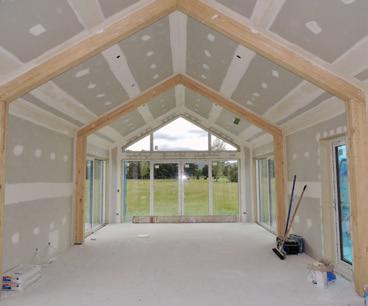
YOUR LOCAL PLASTERING SPECIALIST
We have provided services for commercial, educational and residential clients.
• GIB fixing • GIB stopping
• Skimming & Level 5 finish
• Wall repairs • Cornice mouldings
• Plastering • Renovations CONTACT US
Share about yourself
Relationships are two-way. Let your students get to know you too. Share appropriate stories from your own life — especially ones that show your love of learning, your challenges, and your values. Explain your teaching philosophy and classroom expectations clearly and positively.
This openness helps humanise you, breaks down barriers, and builds mutual respect between teacher and student.
Start with interactive icebreakers
The first days of school can be nerve-wracking. Interactive icebreakers help students relax and connect. Simple games like “Two Truths and a Lie,” partner interviews, or teambuilding challenges encourage communication and laughter.
These activities not only ease anxiety but also promote community and cooperation — key elements for a positive classroom culture.
Set clear expectations
From the beginning, communicate clear guidelines around behaviour, routines, and academic expectations. Outline policies for attendance, participation, homework, and assessments in a studentfriendly way.
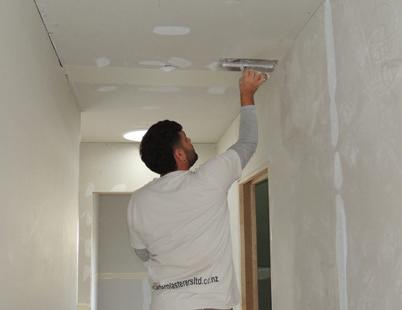
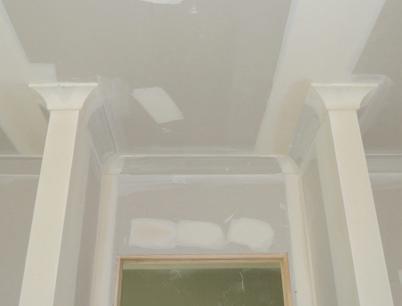
¼027 824 7730
ºadminbetterplasterersltd.co.nz
Ôwww.betterplasterersltd.co.nz
Úbetterplasterersltd
Establishing consistent expectations helps create a safe and structured environment. When students know what’s expected of them, they’re more likely to stay focused, take responsibility, and contribute positively.
Encourage open communication
Create a classroom culture where students feel safe sharing their thoughts, challenges, and ideas. Let them know you’re available and approachable. Regular check-ins, whether through casual conversations, anonymous surveys, or a suggestion box, can uncover concerns that might otherwise go unspoken.
Respond to student input with empathy and respect. When students trust that their voices matter, they become more confident and engaged.
Incorporate stress-relief practices
Help students manage stress and anxiety by integrating simple wellness practices into your routine. Mindfulness activities, such as guided breathing or short meditations, can centre students and improve focus. Even quick brain breaks or movement activities between lessons can reset attention and energy levels.
Teaching stress-management skills supports emotional well-being and contributes to a calmer, more inclusive learning environment.
The bigger picture
Building a positive classroom environment is not a one-time task, it’s an ongoing process that evolves with your students.
The beginning of the year is your chance to intentionally shape the classroom culture. Through thoughtful design, inclusive practices, and genuine connection, you can create a space where every student feels safe, valued, and ready to learn.



In House and Out Catering Ser vices



As demand for modern, flexible learning spaces continues to rise across New Zealand, BUILTsmart has unveiled its newest addition to the modular education market: a purpose-designed two-storey classroom solution engineered specifically for the Ministry of Education. Building on years of off-site manufacturing experience and a strong track record of successful school projects, this new model represents the next step in efficient, scalable, and high-quality classroom delivery.
Unlike traditional construction, which requires extensive on-site time, disruption, and weather dependency, the BUILTsmart approach is based on complete off-site manufacture in a controlled environment. Every module is constructed, lined, serviced, and quality-checked in the company’s ISO-accredited facility—one of the country’s largest dedicated modular manufacturing sites. With ISO 9001, ISO 14001, and ISO 45001 certification now achieved, the business has significantly strengthened its systems around quality, environmental management, and health and safety. These accreditations are already reflected in the consistency of workmanship and the confidence shown by schools and publicsector clients.
The two-storey design responds directly to the constraints often faced on urban or tight school sites, where horizontal expansion is no longer practical. By building upward, BUILTsmart provides schools with additional teaching capacity while preserving valuable open space. The internal layouts are designed to be light, efficient, and adaptable, with the ability to incorporate breakout zones, specialist learning rooms, and integrated storage. Externally, the system maintains the clean, contemporary aesthetic familiar to schools who have used BUILTsmart’s single-storey OSM buildings, while meeting all functional, seismic, acoustic, and durability requirements under the MoE property standards.
One of the major advantages of the model is the speed and certainty it brings to project delivery. With the majority of work completed in the factory, the on-site construction window is dramatically reduced—often from months to only a few weeks. This minimises disruption to teaching, reduces health and safety risks around students, and allows schools to occupy new spaces far sooner than through conventional methods. The company’s recent tender wins reflect this capability, with multiple two-storey projects already planned for delivery in 2026 and a growing pipeline of interest from architects and MoE delivery managers.
This momentum has been supported by BUILTsmart’s expanding manufacturing capacity and the strengthening of its project and sitedelivery teams. With dedicated production bays, refined QA systems, and a stable workforce experienced in OSM delivery, the company is well positioned to meet increasing national demand. The business model blends modular precision with traditional construction expertise, enabling the company to manage design integration, compliance, transport, cranage, and commissioning as a single, unified process.
For schools, the result is a faster, cleaner, and more predictable building experience—one that reduces risk without compromising on the quality or longterm value of the final product.







Supporting sustainability in Waimakariri schools

The Waimakariri District Council is proud to support two schoolbased sustainability programmes that empower local schools and early childhood education centres (ECEs) to reduce waste and adopt more environmentally responsible practices principals, Boards of Trustees, caretakers, and teaching staff to review internal processes and implement sustainable systems. Their team also offers site visits to key Council facilities, including the Southbrook Resource Recovery Park, water and wastewater treatment sites, and the Northbrook Ponds, providing students with real-world insights into local environmental management.
Sustainability Education Programme
Delivered by Eco Educate, our contracted education provider, the Sustainability Education Programme focuses on waste minimisation, water conservation, and the protection of local waterways. This free initiative is available to all schools and ECEs within the district.
Eco Educate’s experienced facilitators work directly with teachers, students, and staff to deliver engaging classroom sessions and hands-on workshops. Topics include composting, worm farming, EM Bokashi systems, recycling, gardening, and broader environmental awareness. The programme encourages schools to rethink their waste systems and explore practical ways to reduce water usage and divert organic and recyclable materials from landfill.
Support is not limited to the classroom. Eco Educate works collaboratively with

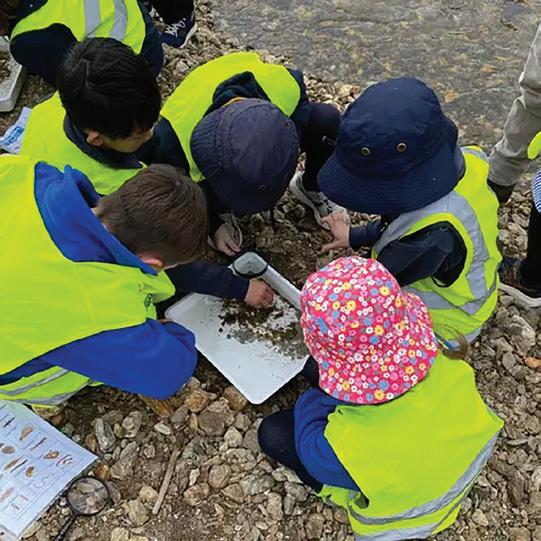
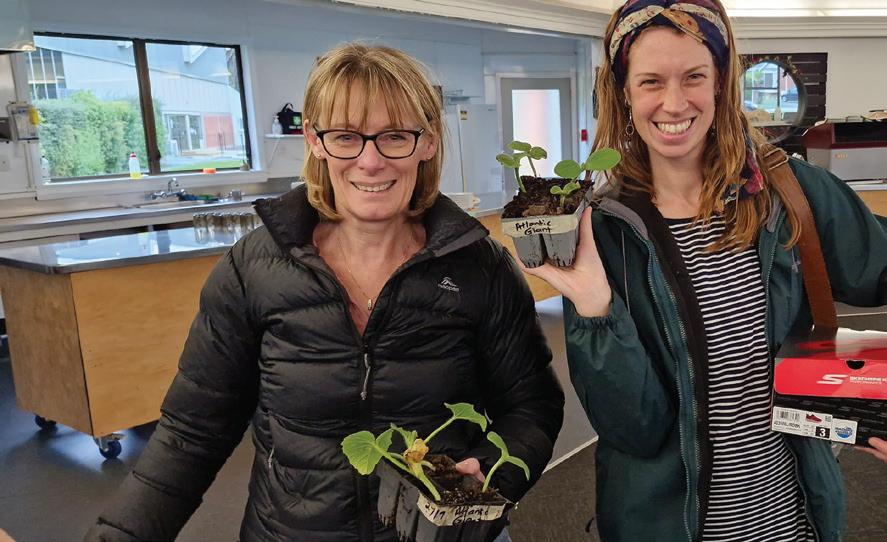
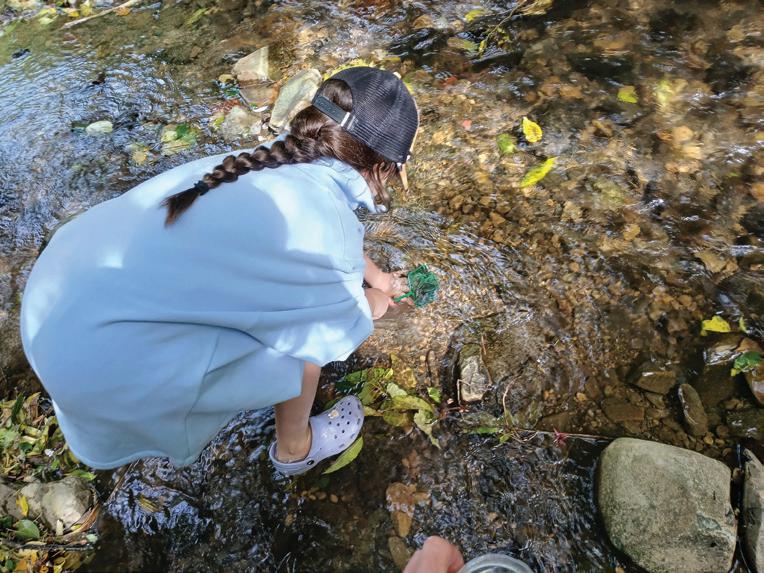
To learn more or to book a session, contact Eco Educate at: rethink@ecoeducate.co.nz

Enviroschools Canterbury
Enviroschools is a nationwide programme that empowers young people to lead sustainability initiatives within their schools, communities, and the wider district. In Canterbury, the programme is coordinated by Environment Canterbury, with Waimakariri District Council as one of ten regional partners. Additional support comes from eight regional collaborators, including Te Kōhaka o Tūhaitara Trust.
Facilitators work with early learning centres, primary, area, and secondary schools to embed sustainability across key themes such as zero waste, water conservation, energy efficiency, ecological building, living landscapes, and active transport. The programme encourages a whole-school approach, fostering collaboration and long-term change.
As of 1 July 2025, 20 schools in the Waimakariri District are part of the Enviroschools network. These schools are actively contributing to the development of resilient, healthy, and thriving communities.
To explore participating schools or learn more, visit Enviroschools Canterbury:
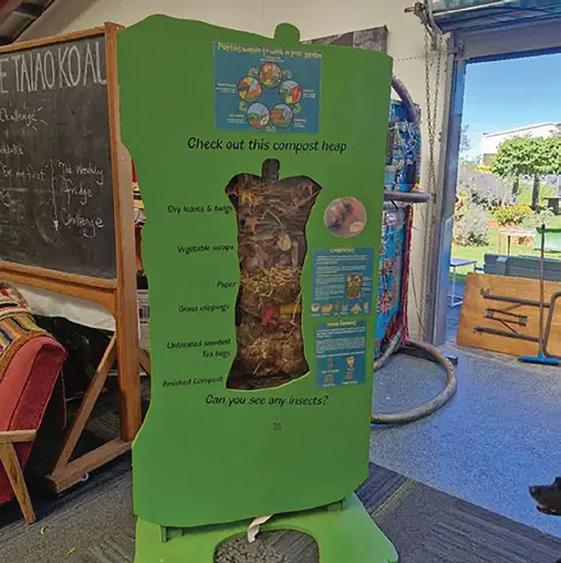
www.enviroschools.org.nz/ regions/canterbury
For enquiries, contact Zoe Watson, Canterbury Regional Coordinator, at: zoe.watson@ecan.govt.nz
Additional Resources
For further guidance on reducing school waste, visit the Council’s Reducing Your School Waste page: www.waimakariri.govt.nz/ services/rubbish,-recyclingand-organics/reducing-yourwaste
Or explore the One Planet Schools website: www.oneplanet.nz/schools/ for tools and ideas to support your sustainability journey.

To ensure your bin gets emptied and to avoid contamination of recycling:
Keep items loose
Don’t squash bottles, tins or cans
Put all lids in the rubbish
Make sure everything is clean
We DON’T take…
Plastics numbered 3, 4, 6 & 7
No containers larger than 4L or smaller than 150ml
Containers from garage or garden sheds e.g. sprays, plant pots, car oil
Soft plastics or any plastic you can scrunch into a ball
Takeaway cups and liquid cartons
Cardboard & paper smaller than an envelope i.e. 140mm x 100mm
Aerosol cans
Compostable items
Clothes and toys
Nappies
Polystyrene
Pans and foils
Window glass, crockery & light bulbs
Batteries

General rubbish or food. Repeated contamination may result in withdrawal of your kerbside collection service.
Designing schools smarter
Why consultation with architects delivers better long-term outcomes
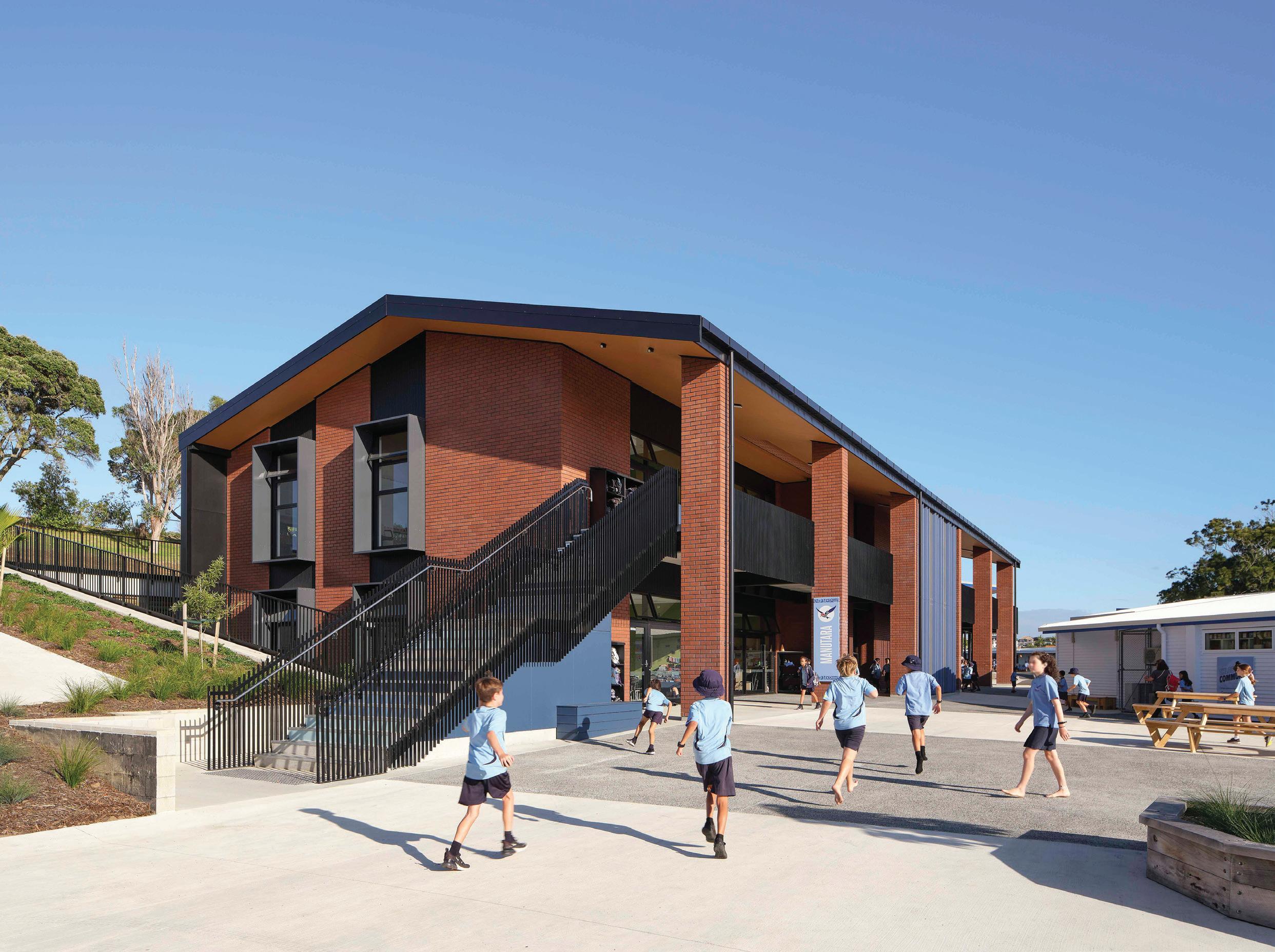
The Government’s recent investment of $413 million in school infrastructure is great news for school leaders. However, managing build projects is a major undertaking. It means ensuring new infrastructure and learning spaces are not only fit-for-purpose but can be easily adapted to changing models and roll sizes, as well as remaining warm, dry and healthy. And, of course, they should provide the best value for money.
There is a concerning perception among the general public that involving an architect adds cost to a build. In reality, the opposite is true. Early architectural advice is one of the most effective ways to avoid costly mistakes, unlock smarter design solutions and ensure every dollar invested works harder over the life of a building.
For example, King’s School’s JR Fletcher Building suffered extensive damage following the extreme weather events of 2023. The brief was to redevelop the existing building, including alterations and additions to enable the whole school
community to come together for events. In collaboration with King’s School, New Zealandbased, international architecture firm Warren and Mahoney developed an enhanced, multipurpose, flexible facility to provide performance spaces and learning opportunities for students.
Through an examination of the broader site, Warren and Mahoney identified opportunities to leverage existing adjacent buildings, saving a third of the required floor space. This holistic approach also doubled the seating capacity while
significantly reducing construction time and cost without compromising the quality of the learning environment.
At two other recent projects, Henderson Intermediate School and Murrays Bay Primary School, Warren and Mahoney developed simple, durable solutions focused on future adaptability. From the exterior, both blocks looked very similar, but each is thoughtfully designed to reflect its community, optimise its
contribution to the wider site and support a range of activities and learning styles.
At Murrays Bay, which recently received an Education Award from Te Kāhui Whaihanga New Zealand Institute of Architects, the new block links to an existing two-storey building, providing accessible access and compliant facilities for both. At Henderson Intermediate, the Food Technology space is directly connected to the outdoor garden, providing garden-to-
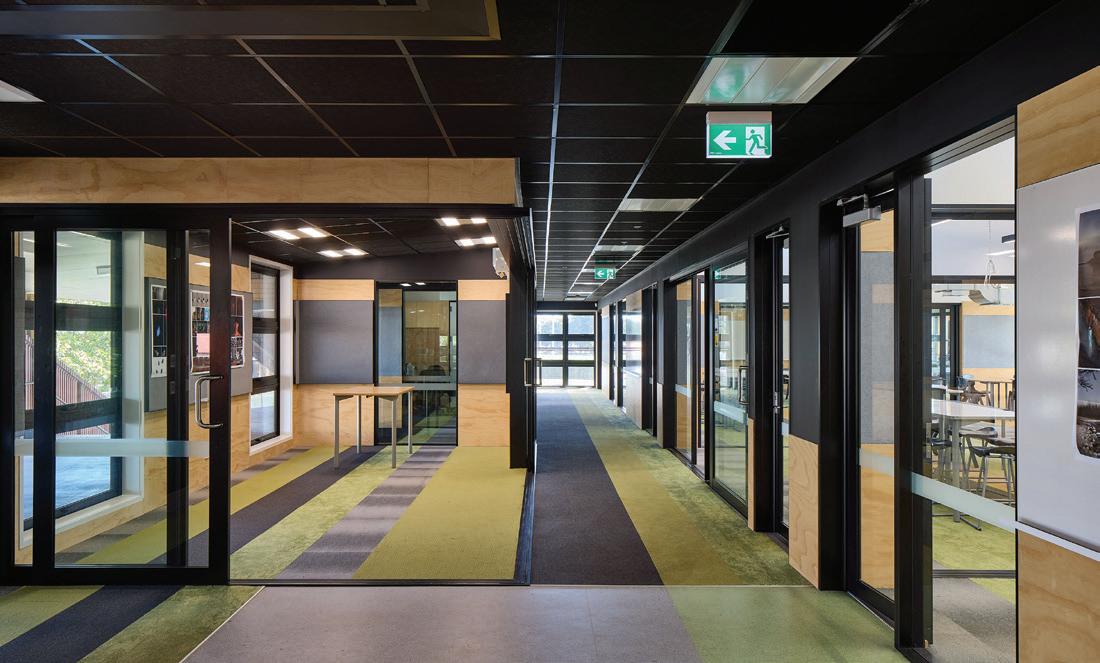
Images of Pukekohe High School – Photos by Simon Devitt Images of Murrays Bay Primary School – Photos by Hamish Melville
Murrays Bay Primary School
Pukekohe High School
Smart Project Management Solutions for Schools
Delivering quality, compliance & confidence - every step of the way.
Asset Project Facilitators
At Asset Project Facilitators, we specialise in end-to-end project consulting for schools across New Zealand. Our expertise ensures your capital works are delivered on time, within budget, and in full compliance with Ministry of Education standards.
Our Services
Include:
• 5YA Project Delivery
• Weathertightness Remediation
• Cyclical Maintenance Planning
• 10YPP Development & Management
We bring clarity, structure and value to every stage of your school’s property journey.
Asset Project Facilitators
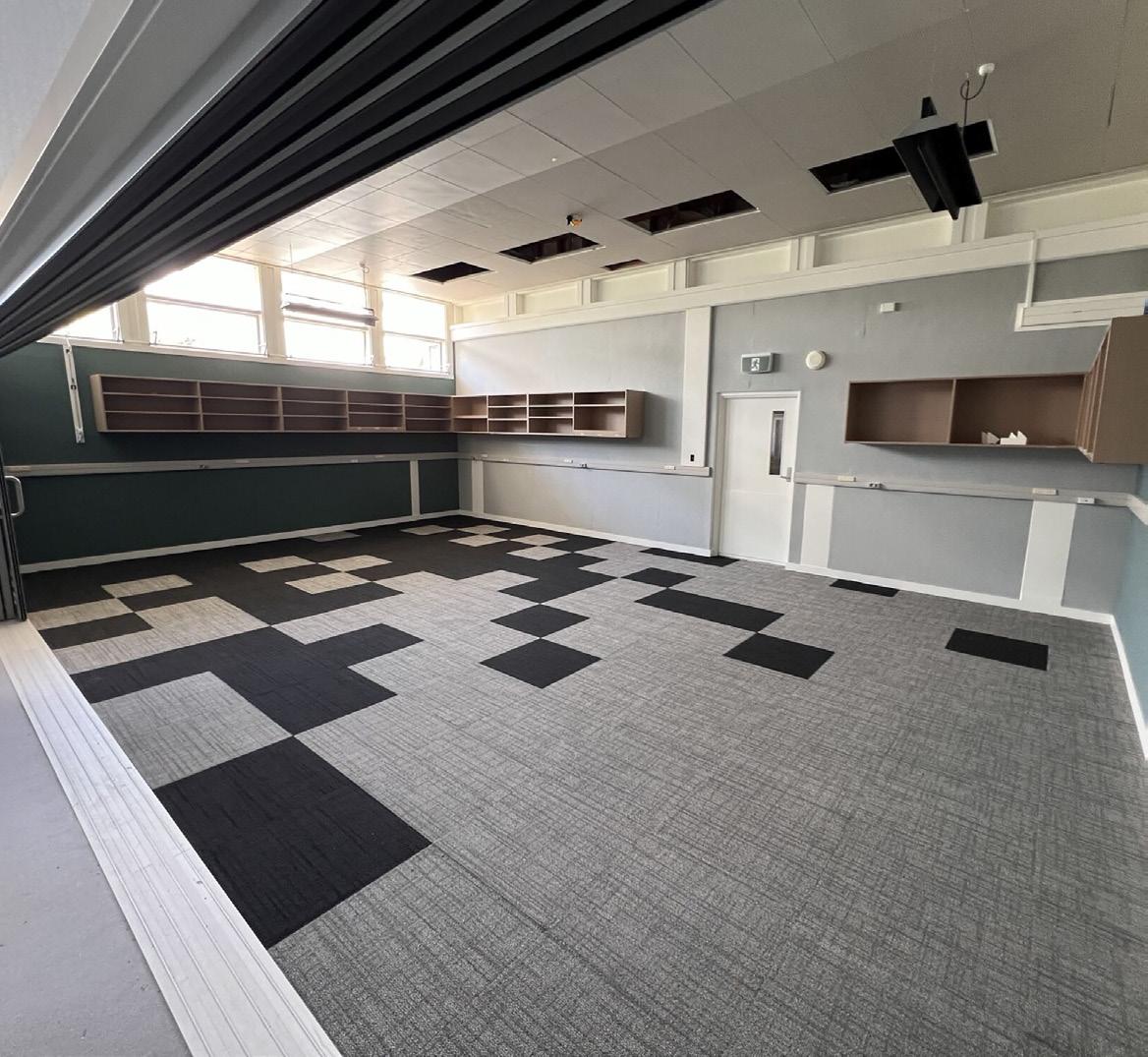
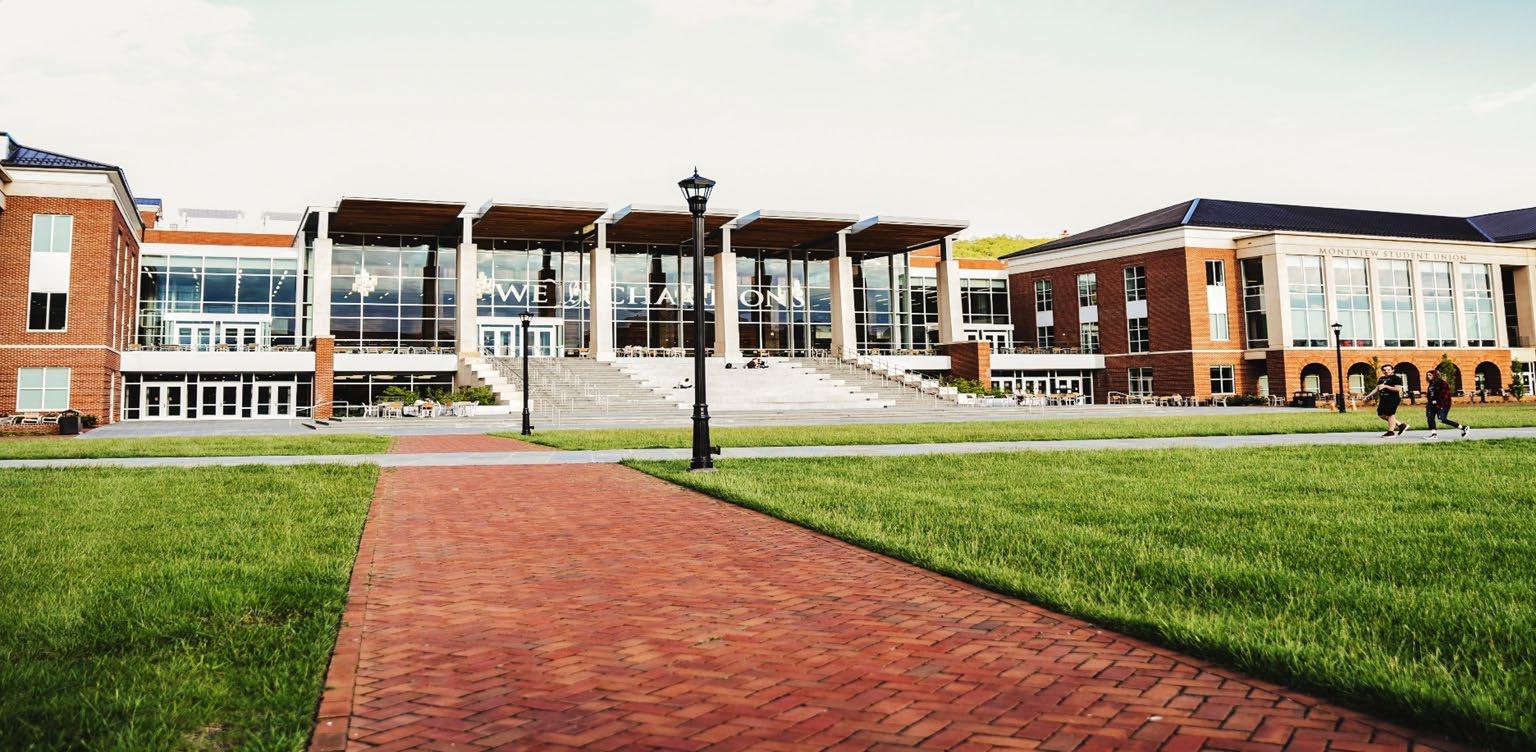
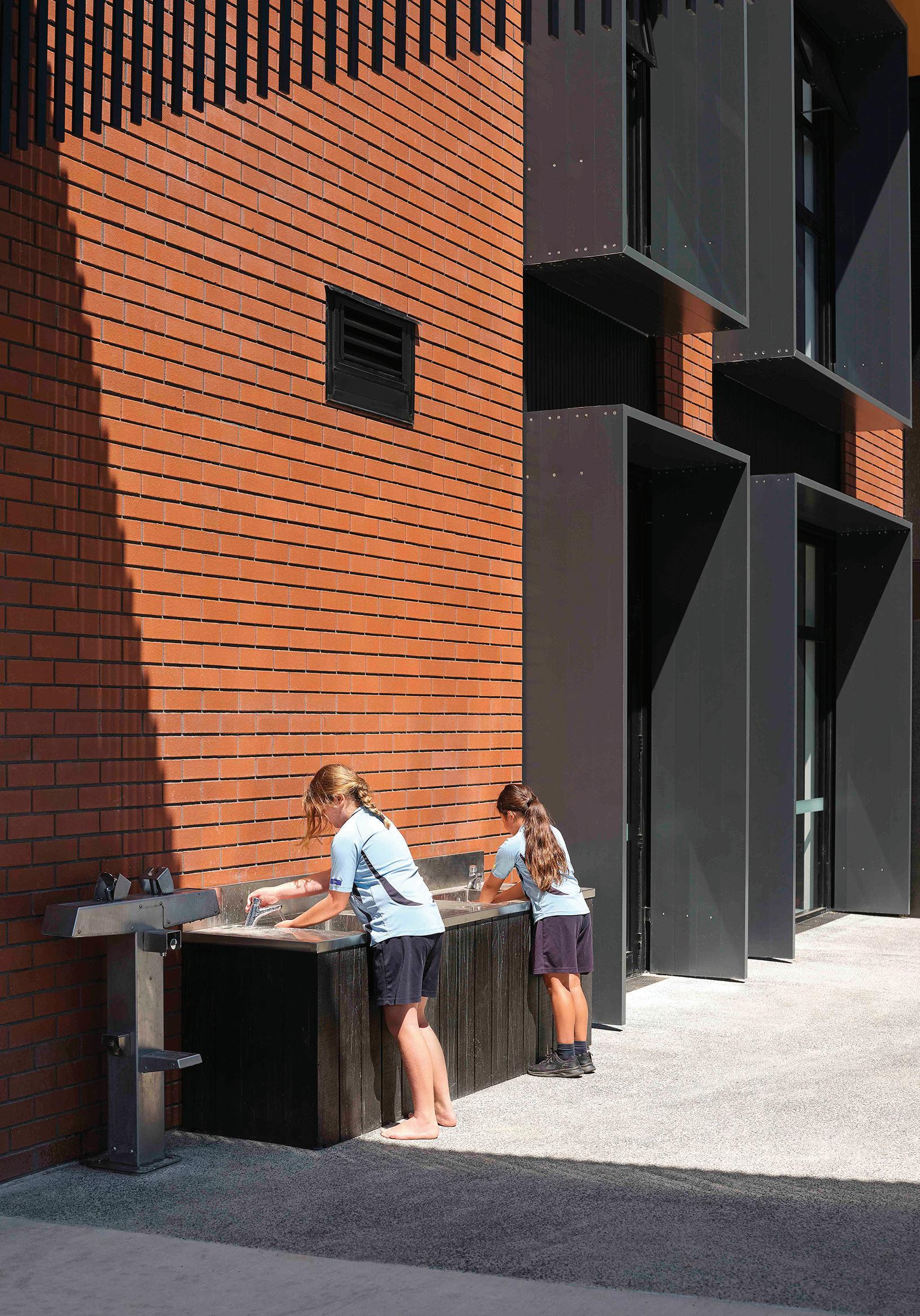
INNOVATIVE DESIGNS FOR 35 YEARS
Efficient, ecologically sound buildings that are adaptive yet personal and make the best use of resources to bring your vision to life.

“One
of the key things to create a successful learning environment is a sense of belonging. Integrating people, place, and culture leads to the creation of belonging, which in turn leads to better learning and better preservation of buildings.”
- Werner Naudé
table curriculum opportunities. While both blocks have diverse learning environments, including dedicated classroom spaces, both have efficient structural grids that enable internal walls to be modified in the future as pedagogy approaches change and school needs evolve.
As Sarah Hewlett-Diprose, education design expert and Principal at Warren and Mahoney, says: “It’s important to design for all, acknowledging students have different needs. Schools should ask their design partners early how these factors will be considered, including provision of quieter zones, acoustic performance, lighting
quality and connection to nature to acknowledge school environments can sometimes be overwhelming, especially for those with neurodiversity.”
Understanding long-term costs is another area where architectural insight is indispensable. Leadership teams should ask what quality benchmarks look like, and what the true lifecycle costs are for each element of a design.
Werner Naudé, Director at DCA Architects of Transformation, considered these things even before the major design process started for the new two-storey classroom block at Pukekohe High School in Auckland. The

Murrays Bay Primary School
block runs east-west, reducing significant afternoon sun. Naudé also included solar screening on windows to reduce heat gain by 50 per cent, lower cooling costs and improve the quality of natural light in the learning environments by reducing glare.
However, it’s not just about cost savings. A well-designed building can also improve the learning environment. Pukekohe High School Principal Murray Saunders and Business Manager Dennis Murphy say vandalism such as gum in carpets or graffiti is nearly unheard of in the new block.
“The physical look of the building is often commented on, and it’s given the school a lift. Both students and teachers love learning and working in it. Kids just treat it better,” Saunders says.
DCA’s collaboration with students, staff and the community was instrumental in achieving this result, which was also recognised with a Local Architecture Award in the Education category earlier this year by Te Kāhui Whaihanga New Zealand Institute of Architects.
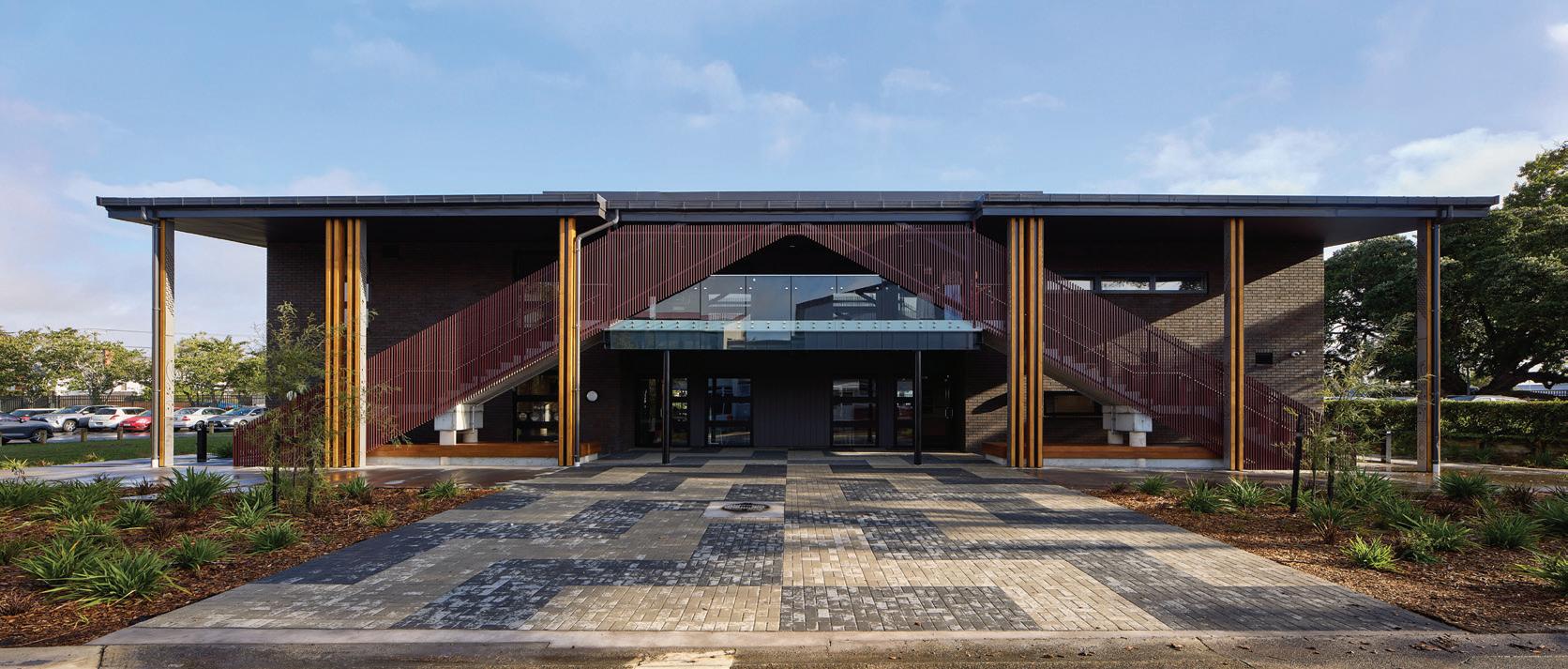
“One of the key things to create a successful learning environment is a sense of belonging. Integrating people, place, and culture leads to the creation of belonging, which in turn leads to better learning and better preservation of buildings,” Naudé says.
Designs by two of the school’s art teachers feature on panels at the entrance, building a sense of ownership. Classrooms in the block are colour-coded to provide a sense of individual identity, featuring colours that reflect the agricultural heritage of the region – autumn reds,
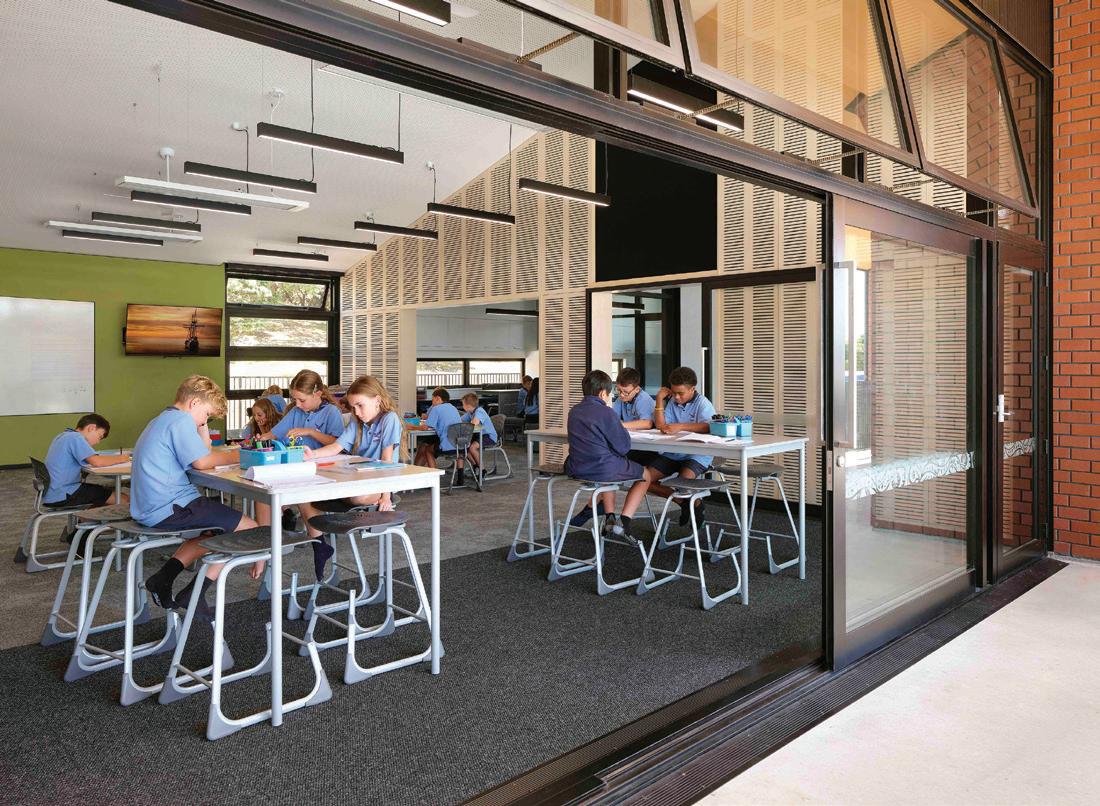
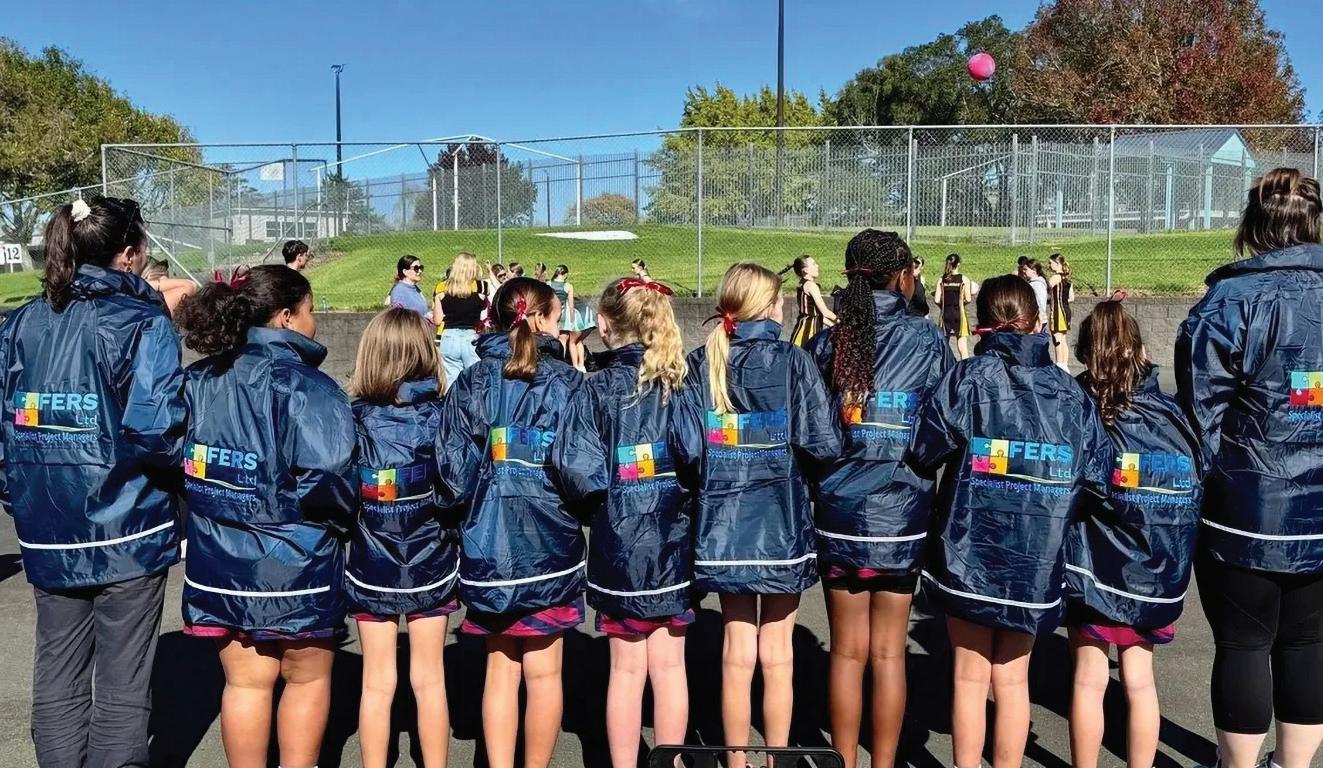
Murrays Bay Primary School
Pukekohe High School
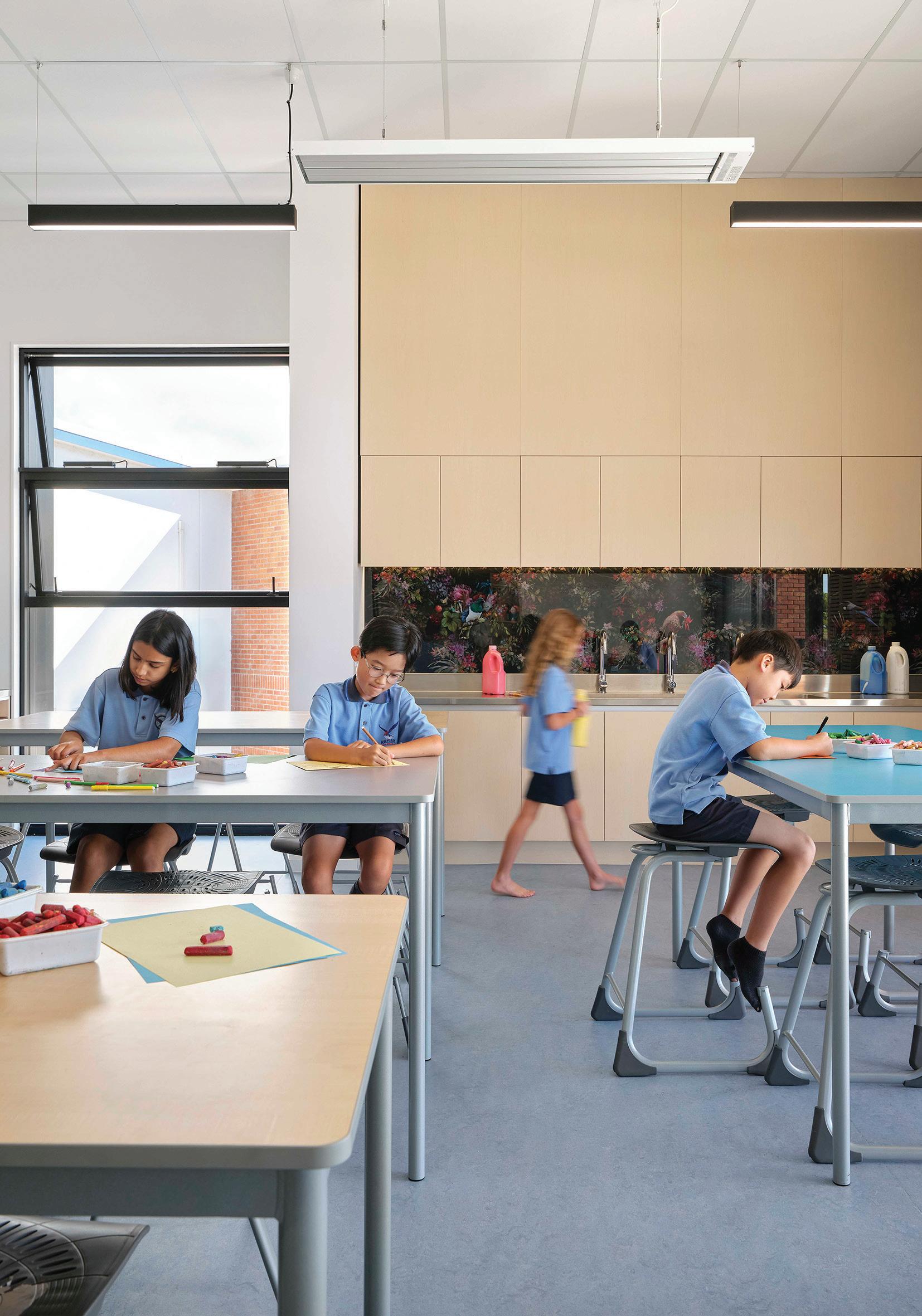
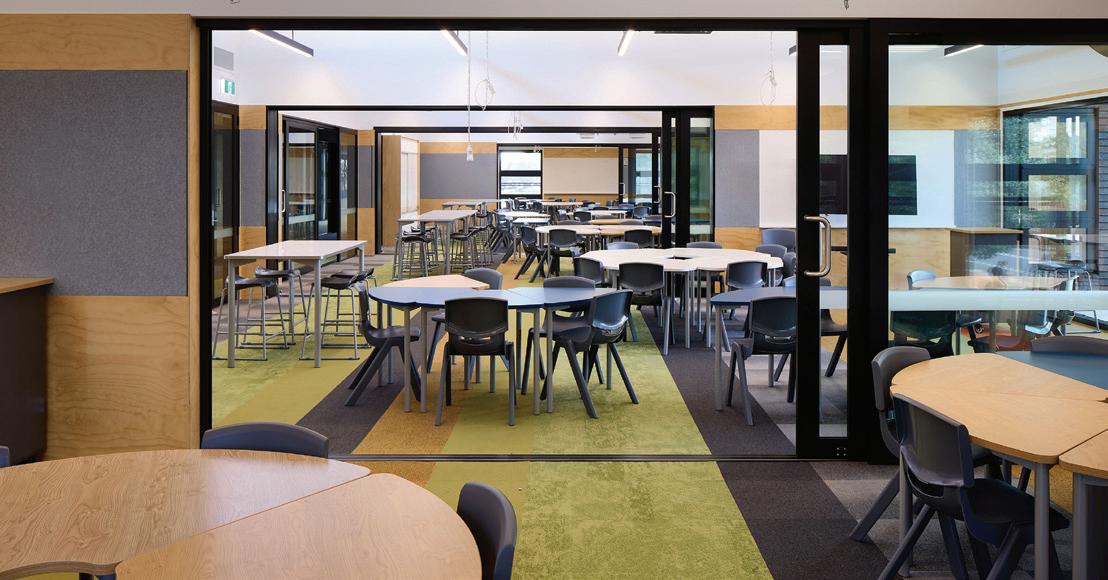
oranges and greens – which are also linked to improved learning outcomes.
During the design phase, collaborative workshops were held with board members and staff in a way that encouraged everyone to participate. Students were led through their own design sessions, and local iwi and community members were also consulted. Fortnightly sessions were held with all the build partners during the whole build process.
As these examples show, a successful school build isn’t just about the structure – it’s about the process. The best outcomes
Navigating School Project Success with Seven Rivers.
come from treating a build as a genuine partnership, anchored in early and ongoing collaboration. That includes being open to challenge from architects and other specialists, who can help reshape assumptions and identify smarter, more costeffective pathways.
Just as teachers have expert knowledge, architects have the specialist skills to create durable, flexible learning environments. While today’s curriculum and pedagogical approaches may change, collaborating early on helps ensure the best outcomes today and for the generations of students to come.
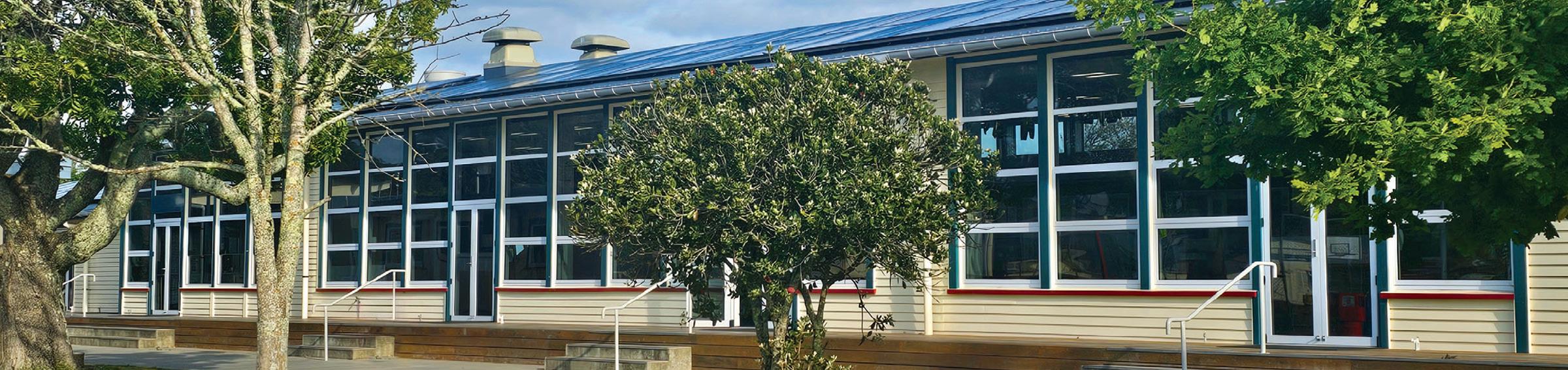
Seven Rivers is proud to be on the Ministry of Education Project Management Panel, helping Tairāwhiti schools with their projects, ensuring they run smoothly and without stress.
Who We Are?
We’re a project management company with strong community values and deep roots in the regions we serve. In Tairāwhiti, we’ve partnered with schools to deliver real outcomes — not just buildings, but stronger connections and better futures.
What We Offer?
• Expert project management for Ministry and Board funded school projects
• A collaborative, practical approach tailored to your school’s needs
• Support for boards and principals throughout the whole journey
• Local knowledge and relationships that make things easier

Why Partner With Us?
One principal said it best: “It’s about kotahitanga — working together. Not just managing a project, but becoming part of the school’s journey.” That’s how we work — with unity, care, and a genuine commitment to your kaupapa.
Let’s
Connect
We’d love to grab a coffee and hear what’s happening at your school. Even if your project is just a seed of an idea, we’re happy to kōrero and help you plan ahead.
Murrays Bay Primary School
Professional Construction Project Management services for the Education sector in New Zealand.
• Master-planning
• Feasibility Studies
• Project Management
• Financial Planning & Control
• Risk Management
• System Implementation
• Quality Assurance
• Contract Management
• Procurement
• Negotiation
• RMA expertise
• Local Government Act expertise
• Building Act expertise
• Health & Safety Expertise 021 235 9474 martin@sppm.co.nz www.sppm.co.nz

Let’s talk about delivering your next school project with confidence.
Project management for school property upgrades and facilities. We manage school building and upgrade work around learning, timetables and everyday school life.
LESS DISRUPTION. FOCUSED DELIVERY. CAREFULLY MANAGED.
Talk with us about your next project 07 579 9747 • info@veros.co.nz www.veros.co.nz
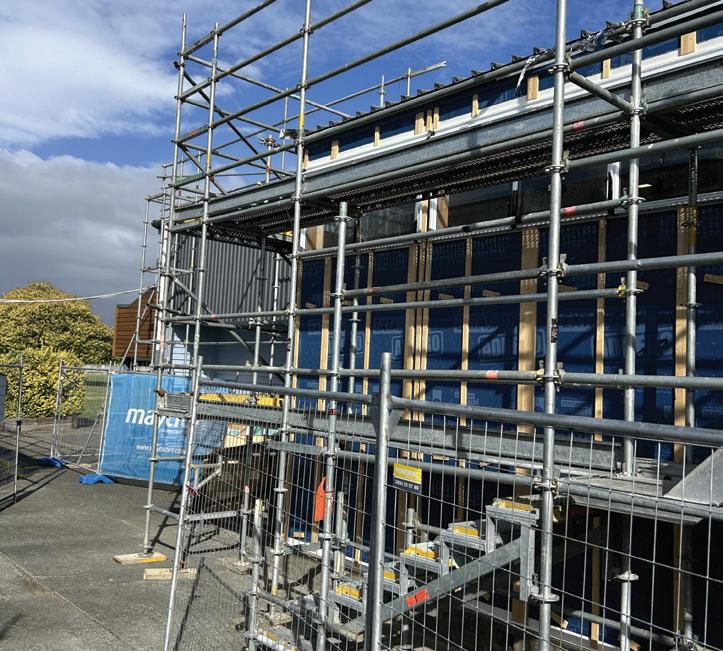
Kura Building Consultants Ltd is a specialist property and construction consultancy focused on delivering high-quality project management services to the education sector. With extensive experience across school property portfolios nationwide, we deliver projects that are technically accurate, fully compliant with Ministry of Education requirements, and practical for schools and Boards of Trustees to implement. We offer a pragmatic, solutions-driven approach grounded in a deep understanding of the unique challenges faced by New Zealand schools. m
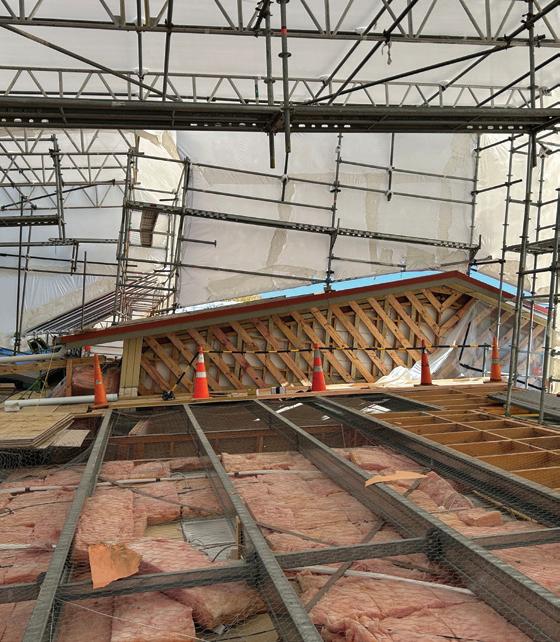
SPECIALISTS IN EDUCATION SECTOR PROJECT DELIVERY
• 5YA project planning and management
• SIP upgrades (roofing, joinery, classroom improvements, etc.)
• DQLS refurbishments and internal environment upgrades
• Weathertightness assessments and remediation
• Infrastructure and site development projects
• 10YPP scoping, reporting, and strategic planning
WHY CHOOSE KURA BUILDING CONSULTANTS LTD?
• Over 20 years’ experience delivering MoE property projects across Aotearoa
• Practical, compliant, and culturally responsive project delivery
• Independent, experienced, and professionally qualified staff
• Strong emphasis on safety, communication, and efficient project outcomes

LOOKING FOR STAFF? LAUNCH YOUR SEARCH WITH US!
Use the most cost effective and easiest job site in New Zealand. Now with a new and improved website making things even easier, ensuring you get quality applicants, every time!
Purchase 1 ad (for 1 month) for $157+gst or unlimited ads for 12 months for $1597+gst
100% money back guarantee if you don’t think it’s the best money you’ve spent all year, plus we’ll give you another 12 months free!
Include your company profile so applicants can see why they want to work for you! (once again, other companies charge for this)


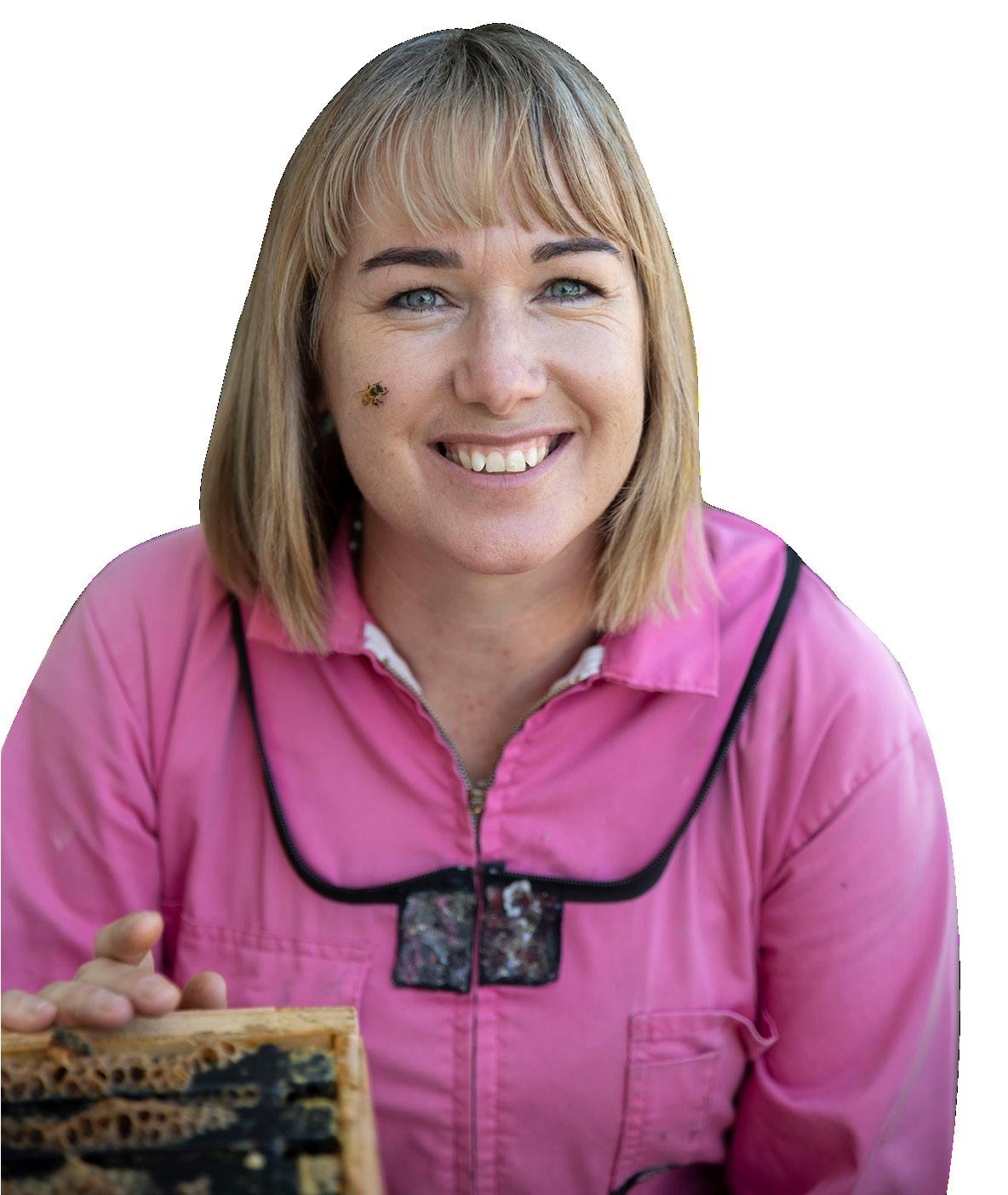
SERVICES
INTERACTIVE BEE EDUCATION
From kindergartens to high school, kids of all ages are able to experience the joy of bees with this educational, interactive talk. I bring real live honeybees (fully contained), beekeeping suits (all sizes), bee props, and a fully functional beehive to investigate, pull apart, try on and experience.
HONEYBEE TALK
Do you need an educational, informative, entertaining speaker at your next function? Me and my bees (fully contained I promise!) will come to you and enthrall you with facts and stories about these amazing creatures. All your buzzing bee questions will be answered.
BEEKEEPING EXPERIENCE
This is a once in a lifetime experience to get up close and personal with live honeybees! You get to wear a bee suit and use all the tools of the trade. You get to help me open a real life beehive and experience what it's like to be a beekeeper - and if you're brave enough you can even hold a frame of bees! Based in Ngãruawahia, Waikato.
HOBBY BEEKEEPER ASSISTANCE
Worried about your bees? Whether you need a disease check, queen marking, general hive check, or a varroa test done; I come to you and open your hives so all advice is specific to your area and needs. Waikato wide.
AFB CERTIFICATE OF INSPECTION (COI)
By law, you must have your hives inspected by a certified expert at least once a year. If you have been contacted to complete your COl give me a call to arrange a time. I service all of the Waikato, please ask for pricing further afield.
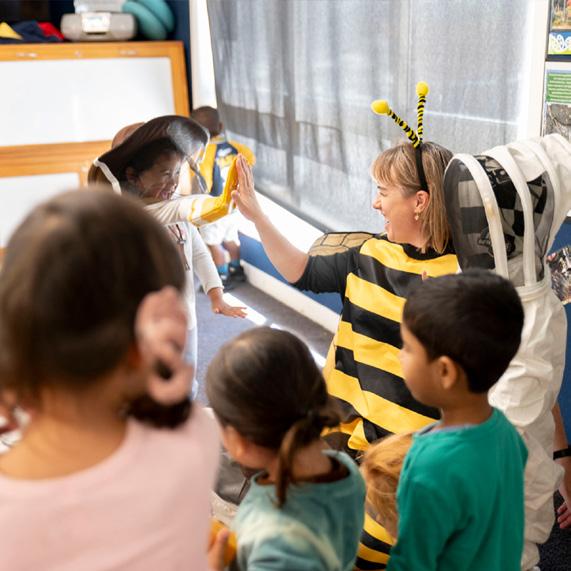

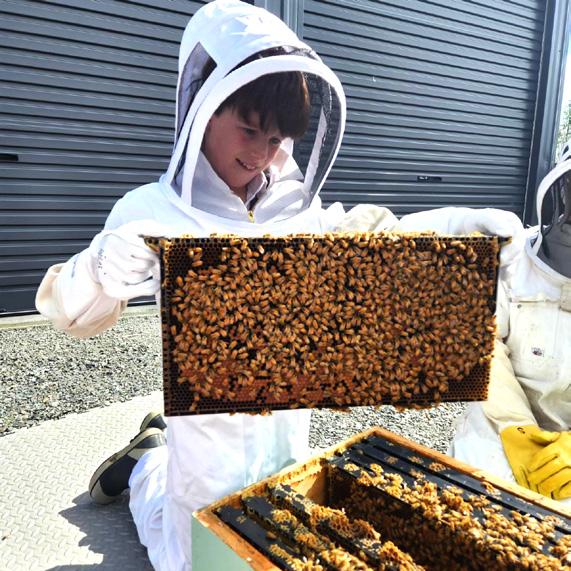
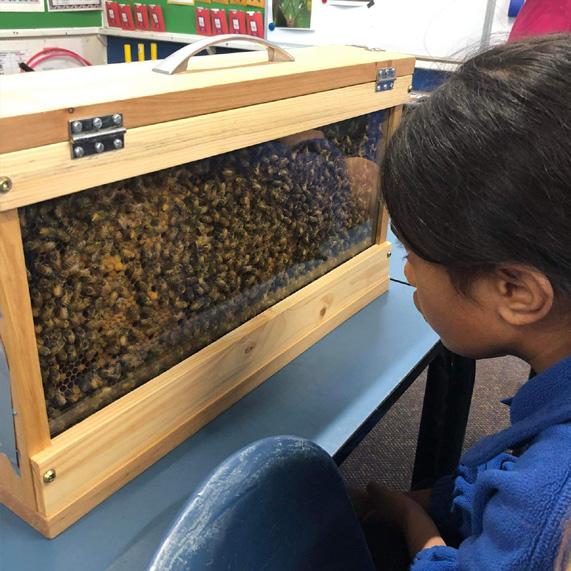
Sarah C
A respected professional within the NZ apiculture industry. I have over 10 years experience working with NZs leading apiculture and pollination scientists. I bring my enthusiasm for bees as well as my scientific background to educate people on the wonders of bees and beekeeping.

Safer Internet Day 2026
A moment to reflect, reconnect and refresh your school’s online safety
Each year, Safer Internet Day (SID) brings together millions of people across more than 180 countries to help promote a safer, more positive digital world. On Tuesday, 10 February 2026, Aotearoa will again join this global movement - a timely reminder that the online world we create for our ākonga today shapes their wellbeing and confidence for tomorrow.
As we begin the new school year, SID also encourages school communities to pause, take stock and ask the question: Are we doing everything we can to keep ākonga safe online? With young people’s safety online now part of the daily national
conversation, SID can help inspire school leaders to review their systems, strengthen digital habits and have important conversations with staff, students and whānau.
Network for Learning is proud to support SID and has some tips and reminders for schools that can help keep your staff and ākonga safer online.
Making the most of N4L protections on Safer Internet Day
N4L’s Internet Safety & Security Services (IS&SS) makes it simple for schools to have a baseline level of protection against online threats and inappropriate websites. IS&SS comprises five services with recommended settings, including Web Filtering and SafeSearch. Take a moment to ensure your settings
are working the way you want them to.
Many schools also use N4L’s Email Protection service, which filters out phishing attempts, scams, and malicious links before they land in inboxes. With email remaining the number one entry point for cybercriminals, this layer of protection is more important than ever.
Practical tips for Safer Internet Day 2026
1. Conduct a digital safety health check
Treat SID as your annual online safety warrant of fitness. Review your Web Filtering categories or access settings, and decide which settings best suit your needs and align with the ages of your students (e.g. primary, intermediate or high school). Once you get access to N4L’s self-
service tool, MyN4L, you can use the Web Filtering tool to block or unblock websites and block categories such as social networking.
2. Check settings and review your permissions In addition to N4L’s Internet Safety & Security Services, check your school’s other settings, like your YouTube permissions, and review and update any appropriate Google or Microsoft settings.
3. Strengthen staff and student digital habits
Encourage the use of strong passwords, regular password updates, and, critically, multifactor authentication (MFA) wherever possible. MFA is one of the easiest and most effective ways to reduce unauthorised access.


4. Leverage Netsafe resources
Netsafe is the proud host of New Zealand’s SID and plays a vital role in providing guidance and education on online safety. SID is a great time to highlight Netsafe’s free resources and encourage your community to reach out early if something doesn’t feel right.
There’s no 100% guarantee — but there is always more we can do
Even the best filters and firewalls can’t catch every online threat or all inappropriate websites. But Safer Internet Day reminds us that continuous improvement matters, and schools can reduce risk and build safer, more resilient online environments. This can help make the internet a safer place for ākonga to learn, connect and grow.
If you need help with things like reviewing or changing your IS&SS settings, or you want to access MyN4L to gain more control and visibility over your network, you
can contact N4L’s Customer Support team via: support@n4l.co.nz or 0800 532 764. More information about online safety is here: www.n4l.co.nz
More information about Safer Internet Day is here: www.saferinternetday.nz


To find out more, go to www.n4l.co.nz
SIMPLY JOYFUL BERNINA 3 Series







SMALL YET MIGHTY
• Modern & appealing design
• 4.3” Colour touch screen
• New foot control
• Integrated tutorials
• Easy to operate
• Recycled polyester dust cover

NEW BERNINA 3 SERIES SEWING MACHINES
- 30% Savings on RRP for Schools
BERNINA NZ offer special school prices on a full range of machines suited to the demands of the modern classroom. We do not sacrifice on the quality or robustness of the machines, we believe a machine that lasts is the right investment for a school. Sewing is such an important skill for the future and students deserve the best tools to learn with.

For more information, contact your local BERNINA Sewing Centre or email info@bernina.co.nz
www.bernina.co.nz
Services
• Batteries
• WOF Repairs
• Diagnostics
• Cooling system repairs
• Warrant of Fitness
• Engine Accessory Replacement
• Transmission Flush
• Pre-purchase Inspection
• All brake repairs
• CV Joints + Boots

m 07 571 4241
k info@srautomotive.co.nz
o 177 11th Ave, Tauranga
K www.srautomotive.co.nz
Climbing to new career highs
One of Bailey’s favourite parts of working as a trainee line mechanic with PowerNet in Te Anau is working at heights. “I really like working up the poles. It’s fun. Better than being in an office all day,” he says.
Bailey got his start in the electricity supply industry (ESI) with PowerNet via the Connexis Gateway programme, which gives Year 11, 12 and 13 students the opportunity to gain on-job work experience onsi te with local employers while earning NCEA credits, which may align to one or more of the six Vocational Pathways.
Connexis offers training in infrastructure trades in civil construction, energy, telecommunications and water. It works with employers in those industries to place high school students looking at career options.
Bailey, 20, worked with the small four-person team at PowerNet’s
Te Anau depot every Friday through his last year of high school. That experience saw him employed by the company as a full-time trainee line mechanic at the start of 2023.
He says as well as giving him an understanding of what line mechanics do, Gateway helped him get to know the PowerNet team. “That helped make the change easier; going from the classroom and one day a week at the depot, to working here full-time.”
Bailey’s boss, PowerNet Team Leader Hamish Prentice says Gateway is helpful in making sure new trainees are a good fit.
“It was great having that year leading up to Bailey starting full-time. We got to know him and he got to know what the job involves. It meant when he did start as a trainee he could hit the ground running,” Hamish says.
Bailey says Gateway is a chance for students to learn about jobs they might not know exist,
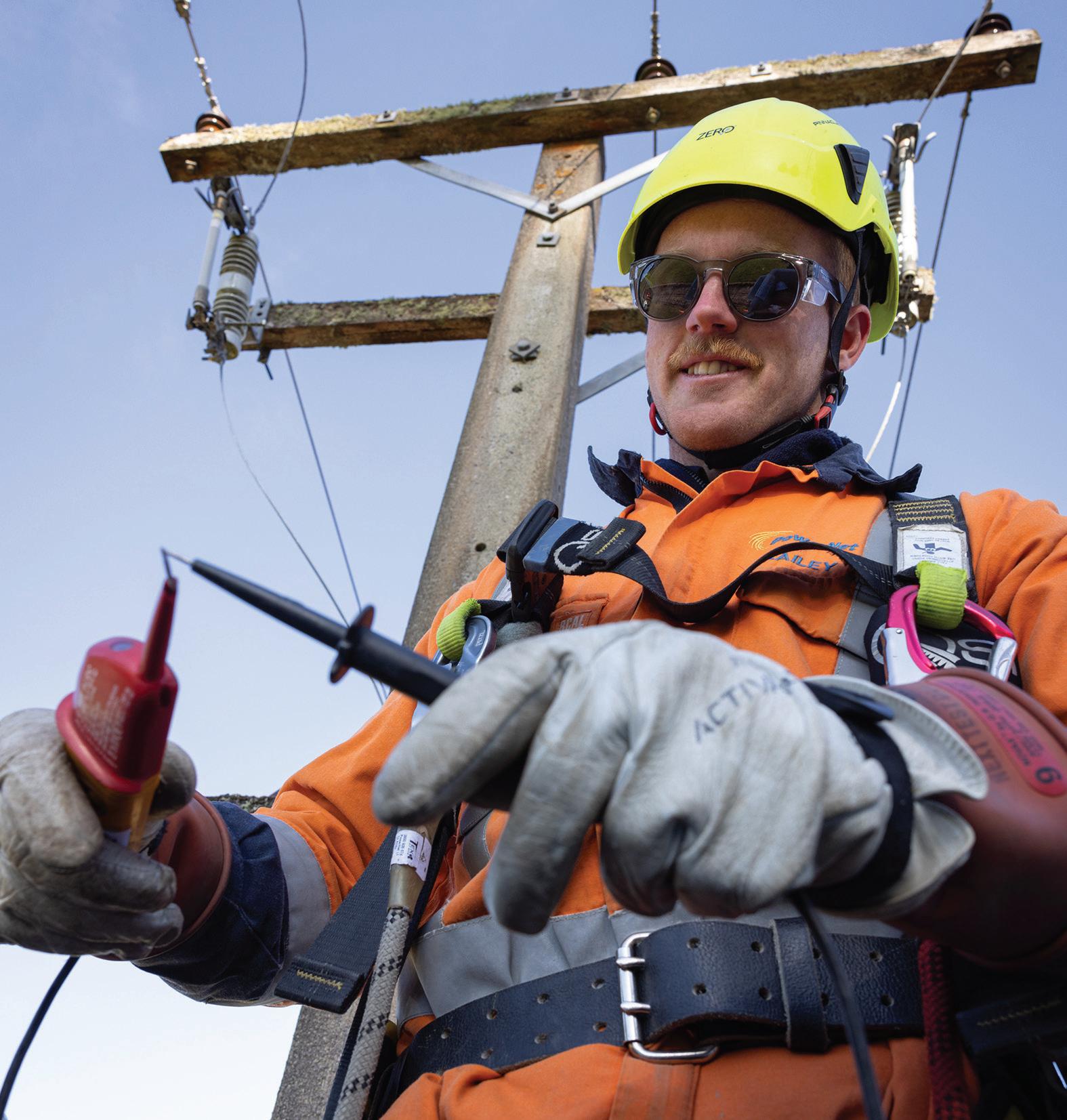
while learning skills required in those jobs. He says he would recommend Gateway to others. “Everything was new when I started Gateway but the company has made it pretty easy for me to learn and fit in. There’s always someone around that can help.” Go to www.connexis.org.nz/ schools to find out more.

Students in Years 11-13 who like big projects and working outdoors will love Connexis Gateway programmes. They get on-job work experience with local infrastructure firms, theory learning and the chance to prove themselves to future employers.
Connexis
Learn More


Trade careers start at school
EarnLearn’s Gateway packages in Plumbing and Electrical combine real-world work experience with theory, helping Year 11–13 students build confidence, gain NCEA credits, and explore a future in the trades.
Support your students to build real skills and real career pathways - get your school set up with EarnLearn Gateway for 2026.


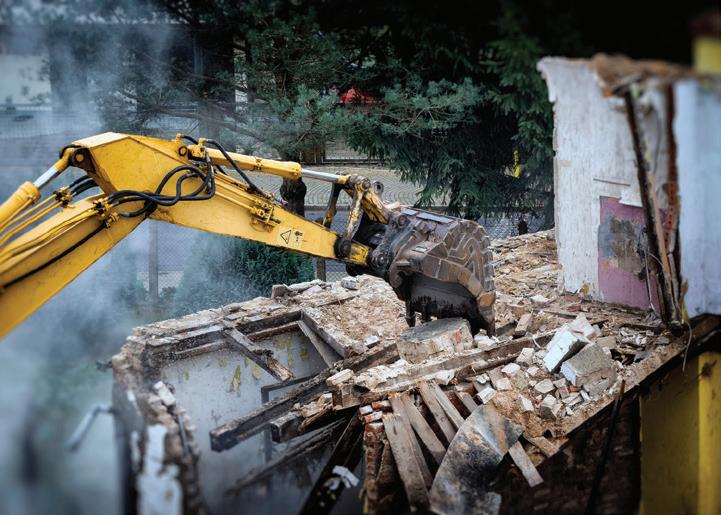


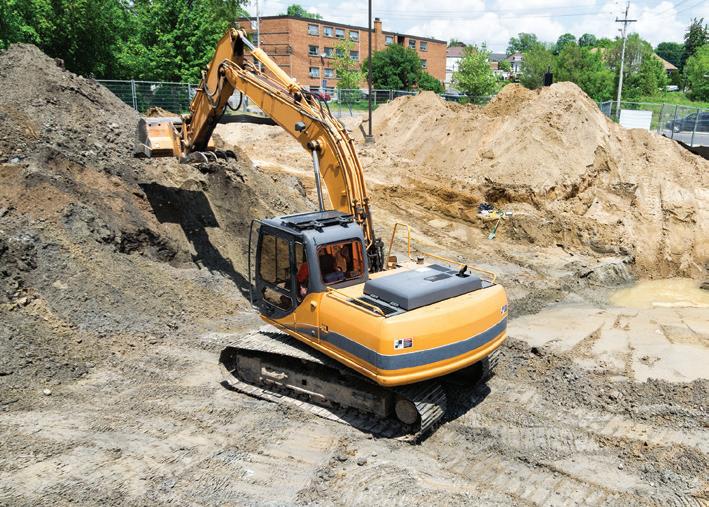

Teaching with AI, not against it
Finding the middle ground
Artificial Intelligence has moved from the margins of education into everyday classroom reality, now often faster than school policies can keep up. For principals and teachers, the challenge is not how to stop AI, but how to respond to it in ways that protect learning, integrity, and student development.
According to James Thorley, Regional Vice President – APAC at Turnitin, education is at a crossroads.
“We are at an inflection point, where education policies are struggling to keep pace with technological innovation and educators are faced with rethinking how they assess students and learning in the age of AI,” he says. “The current cohort of students in secondary and higher education are our future workforce and the first to have AI so readily available.”
One of the biggest mistakes schools make, Thorley believes, is viewing AI purely through a disciplinary lens. “One of the biggest misconceptions about AI in education is the assumption that AI tools will inevitably lead to cheating and plagiarism and that it exists only as a threat to academic integrity, rather than a technology that is already embedded in everyday student life and is capable of supporting learning when used transparently.”
There is also growing confusion around detection tools. “Many educators assume AI detectors can offer certainty about whether a piece of writing was produced with AI, when in reality, AI detection is a tool and should not be used alone to reach a definitive judgement.” When detection becomes the main focus, it can build anxiety rather than understanding, and push conversations away from learning altogether.
This is why blanket bans rarely work. “The mindset matters because AI is already here to
By Paige O’Brien
“AI in education isn’t just a technical challenge. It’s a pedagogical and ethical turning point.”
- James Thorley
stay in the classroom, and efforts to restrict it do not remove its presence. They simply push its use into unregulated spaces,” Thorley says. Without guidance, students may lean on AI in ways that undermine learning. “Surface-level learning is a real possibility of unguided AI use,” he explains, particularly when students produce polished work without deeply engaging with ideas or developing core skills. The alternative is not unrestricted use, but guided use. “AI should be integrated into assignments with clear rules,” Thorley says, allowing students to use tools for brainstorming, refining drafts, or receiving feedback, while
still being responsible for their ideas. Students need to know when AI use is acceptable, how it should be acknowledged, and why critical evaluation of AIgenerated content matters.
These shifts are also forcing schools to rethink assessment.
“Instead of focusing on a single final product, assessments will shift towards processes that highlight a student’s growth, choices, and revisions,” Thorley says. This new emphasis on process, reflection, and authorship may strengthen the case for oral assessments, in-class work, and other ways of evaluation that showcase understanding in real time. Thorley sees this moment as an opportunity. “AI in education isn’t just a technical challenge. It’s a pedagogical and ethical turning point.” How schools respond now will shape not only assessment practices, but how students learn to think, write and exercise judgement in a world where AI is now part of everyday life.




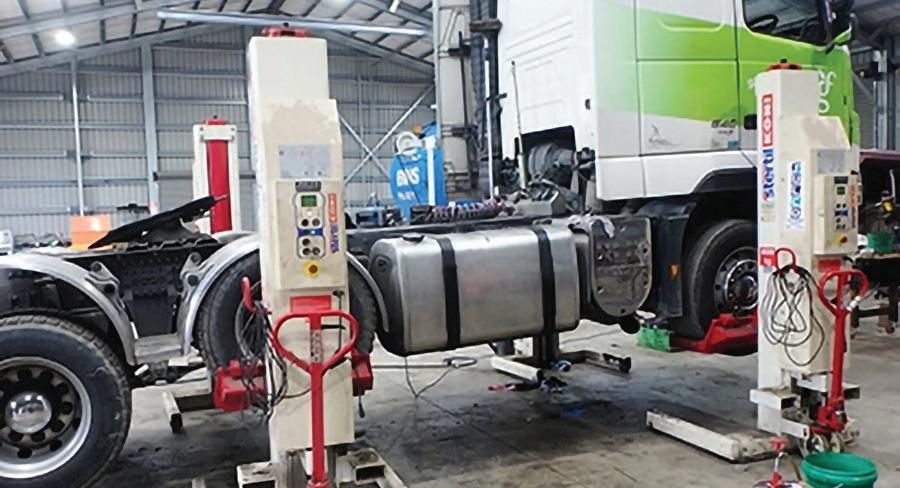

Be careful who you hire!
Just a few words of advice when selecting your mould company for testing and investigations. Like most industry fields, there are different levels of standards and ability with relative pricing structures. In the microbial field you will generally get what you pay for and you will pay accordingly for qualified and certified companies.
Sometimes you will require this credibility to stand up in court or to legally cover landlord/tenant responsibility and liability. Many companies will not be able to provide this reassurance.
It has become apparent in recent years that unqualified sectors
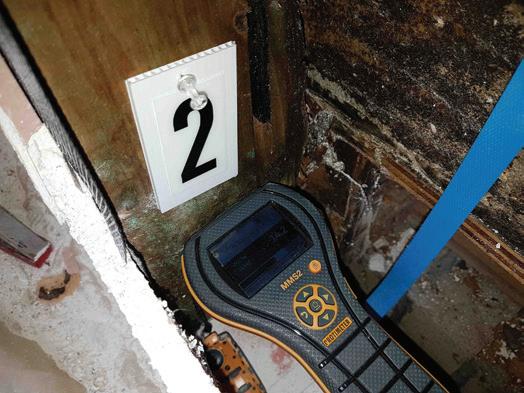
are claiming the title of ‘mould experts’ but don’t be fooled by misleading websites, false claims or low prices, always ensure that your chosen company is certified and accredited with internationally recognised qualifications in the microbial field.
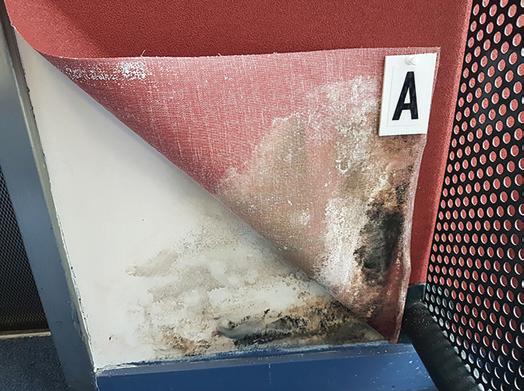

How do you know what questions to ask and what to look for when selecting a suitable mould expert?
Not many are familiar with the microbial field, so the client is often facing a situation of “I don’t know what I need to know”. This is where we can provide the following information which you will require:
• What is causing the mould?
• Is the mould toxic or harmful?
• Is the area occupationally safe?

Partner With Experts in Educational Construction
• How do we fix the problem?
• How do we decontaminate correctly?
A qualified/certified mould company should be able to provide all of these answers. If they can’t, you will have more investigative works after they are paid and gone which will most likely work out more expensive in the long run.
As qualified mould technicians, we will ensure you receive the undisputed answers you require.

From early learning to higher education, we deliver smart, functional spaces for ever y stage.



Minimise disruption with expert project & construction management

Safe, compliant delivery aligned with school + MoE requirements
On-time, on-budget capital works, upgrades & new builds
Smart cost control & transparency
Trusted design coordination for modern, flexible learning spaces
Clear communication with Boards, principals & stakeholders
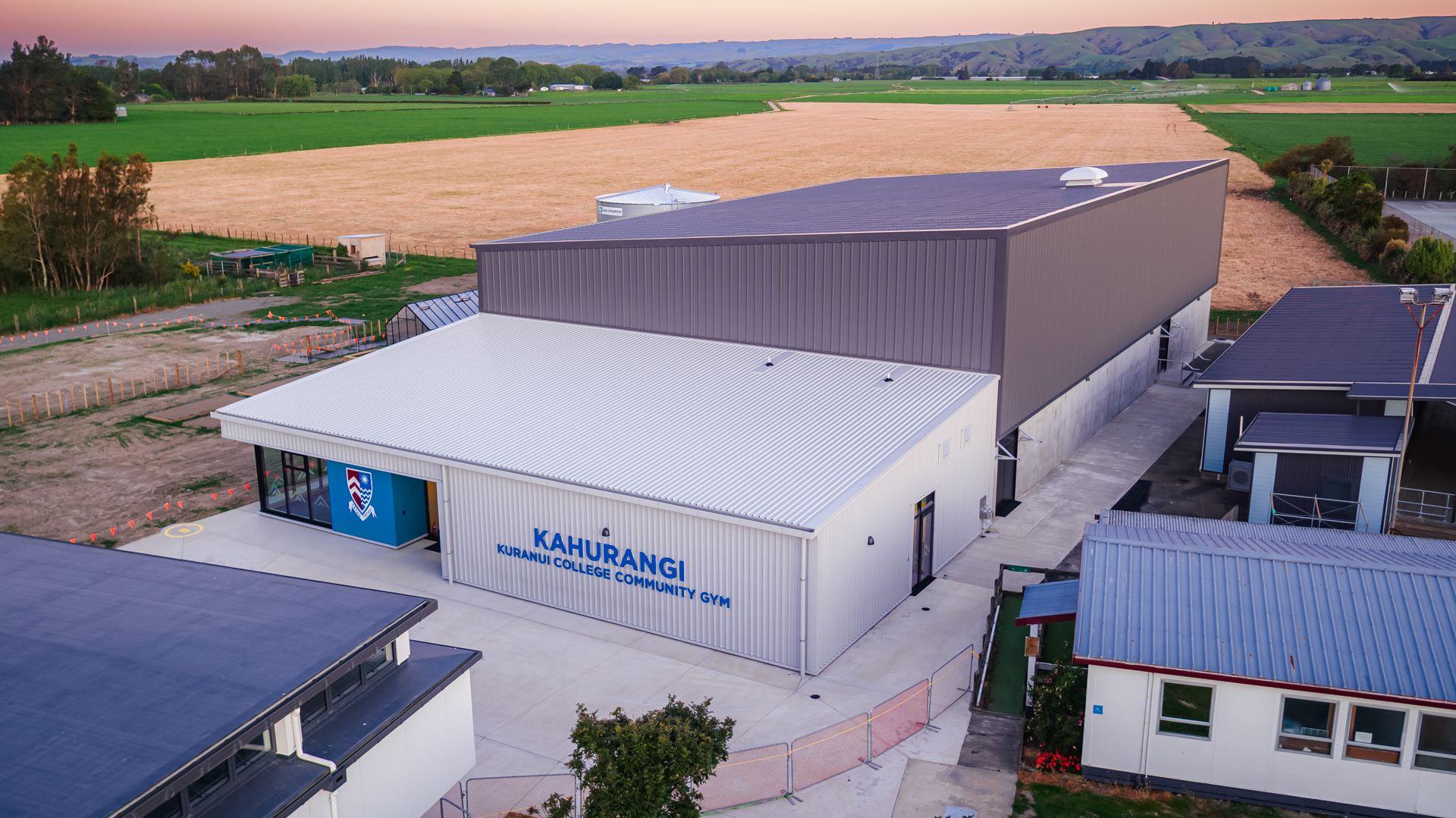

MOULD INSPECTIONS
NEW ZEALAND
We specialise in building-related mould issues







Qualified Mould Experts
MOULD SPECIALISTS
We set the standards across New Zealand in mould investigation, indoor air quality testing and occupational safety.
EXPERIENCED
We are a nationally recognised brand, contracted by all major Health and Government organisations. With extensive technical and head office support.
QUALIFIED TECHNICIANS
Most highly certified Inspection business in NZ across testing/reporting/decontamination.
AIR TESTING FOR CLEANER INDUSTRY
NZ’s First IANZ-Accredited Industrial Air Testing Specialists, Delivering Standards-Compliant Emissions Data You Can Trust
About Us
In August 1992, Air Resource Management was established. We provide efficient and reliable service to industries concerned about air emissions and compliance with the Resource Management Act. Test Results remain confidential between the client and Air Resource Management. Our client database is also confidential.
Contact Us
Our Testing
Whether you’re seeking routine monitoring, occupational health data, or resource consent support, we deliver a streamlined, professional service—no matter the size or scope of the job. Let us handle the testing, so you can focus on running your operation.
Get in touch for a free proposal or expert advice on your emissions testing needs. We offer flexible scheduling, fast reporting, and a fully self-contained service. Whether you need compliance support, odour testing, or full stack analysis —we’re here to help. All enquiries confidential. Let’s make it easy.
Our Equipment


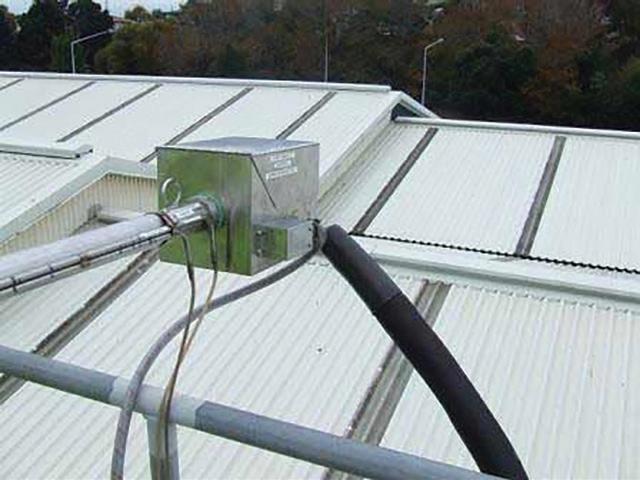
We Offer
• Free Proposals
• Standard Test Methods
• Resource Consent Preparation
• RMA 4th Schedule Requirements
• Occupational Health Testing
• Competitive Prices
• Full Data Spreadsheets
• Stand-Alone Reports
• Efficient data processing & reporting
• Scientific Support for Interpretation of results
• Expert Evidence
• Odour Testing
Industries We Test
• Acid Plants
• Ashphalts Plants
• Boilers
• Cement Plants
• Chemical Manufacturing
• Furnaces
• Incinerators
• Municipal Waste Combustors
• Petroleum Refineries
• Power Plants
• Pulp and Paper Mills
• Smelters
• Steel Mills
Sampling Probe
Heated Probe
Filter Box
Pump Box
Probe in Stack
Heated Probe
Parents as partners Fostering parent-teacher collaboration
By Shelley Sweeney
When parents are actively involved in their child’s education, it benefits both the family and the school community. Research findings from the Education Review Office (ERO) have found evidence that school and teacher engagement with parents and whānau benefits all involved.
Academic performance
For parents, engagement fosters a greater understanding of their child’s learning needs and how to support them effectively. According to the ERO findings, parental engagement has a positive impact on average of 4 months’ additional progress. The findings showed a marked improvement in school achievement for young primary school students who were reported to be regularly reading with a parent at home.
Communication
There is some evidence in the research that regular communication of individual learning can promote positive interactions. School communication apps such as Seesaw connect parents directly to their child’s learning and allow them to feedback on their child’s work with minimal time cost to teachers. Alerts from Seesaw allow even the busiest parents an opportunity to connect with and celebrate their child’s learning.
In addition to their child’s learning conversations throughout the year, parents can also communicate directly with teachers via email. Some parents have also said that they appreciate the opportunity to meet with teachers before or after class to discuss specific learning or behavioural

challenges their child may be facing at school.
Sharing learning resources
Based on their research findings the ERO recommends considering what support schools can give to parents to ensure any home learning is of a high standard. For example, providing practical strategies with tips, support and resources to assist learning at home may be more beneficial to student outcomes than simply gifting a book to students or asking parents to provide generic help to their children.
Strengthening community connections
There are some very helpful ways that parents can volunteer in the classroom. Some parents help younger children with spelling and art projects. Encouraging parents to share their skills with the class, provides a uniquely enriching learning experience. The Garden to Table programme continues to engage parents and whānau in a number of schools
Frequent, inclusive events ensure that even the most disengaged and busy families find ways to connect with the school. This leads to higher overall participation and a more vibrant school community.
throughout Aotearoa, providing cooperative, hands-on learning.
Events are one of the most effective ways to foster engagement because they bring people together in a shared experience. From casual gatherings to formal presentations, events provide a platform for interaction, collaboration and celebration.
From parent-teacher evenings, sports days, performances and art shows to student formals, school fetes, school camps, parent workshops and community fundraisers – there are many ways to create and foster partnerships between parents and teachers.
Frequent, inclusive events ensure that even the most disengaged and busy families find ways to connect with the school. This leads to higher overall participation and a more vibrant school community.
Student and parent engagement is vital for creating a thriving school community. While disengagement can lead to communication gaps and lower performance, events offer a powerful solution by fostering connections and strengthening relationships. By investing in events, schools can reap the benefits of a more engaged community and improved learning outcomes for students.
C Brown Builders have a reputation for excellence, founded in 2005 on the principle that it’s the little things that count. Owner Craig Brown is a qualified tradesman with 35 years of experience on a huge range of projects. Whether your plans are generic or bespoke, C Brown Builders can manage your project from start to clothesline, to an exacting award-winning standard.

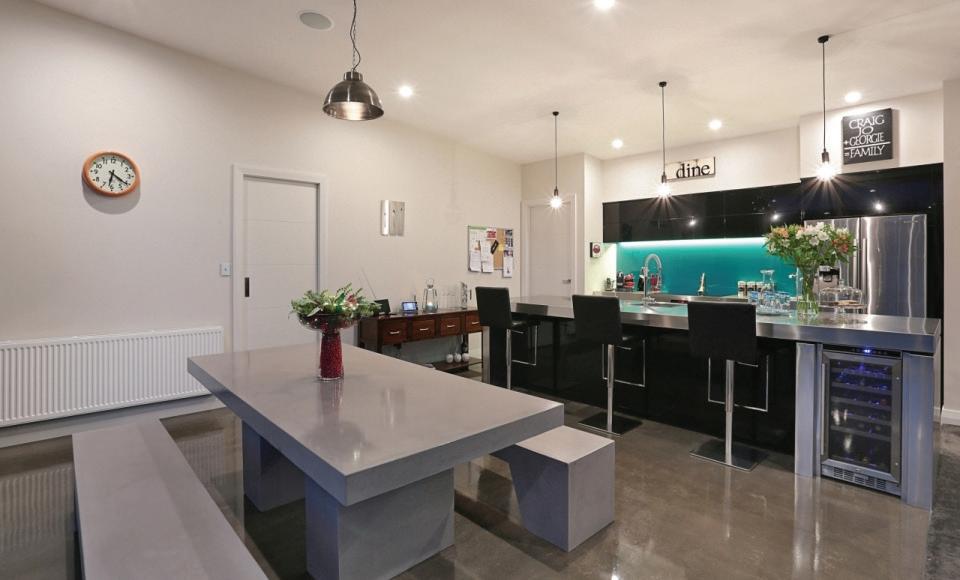

Wastewater Stormwater&
Preventative Maintenance
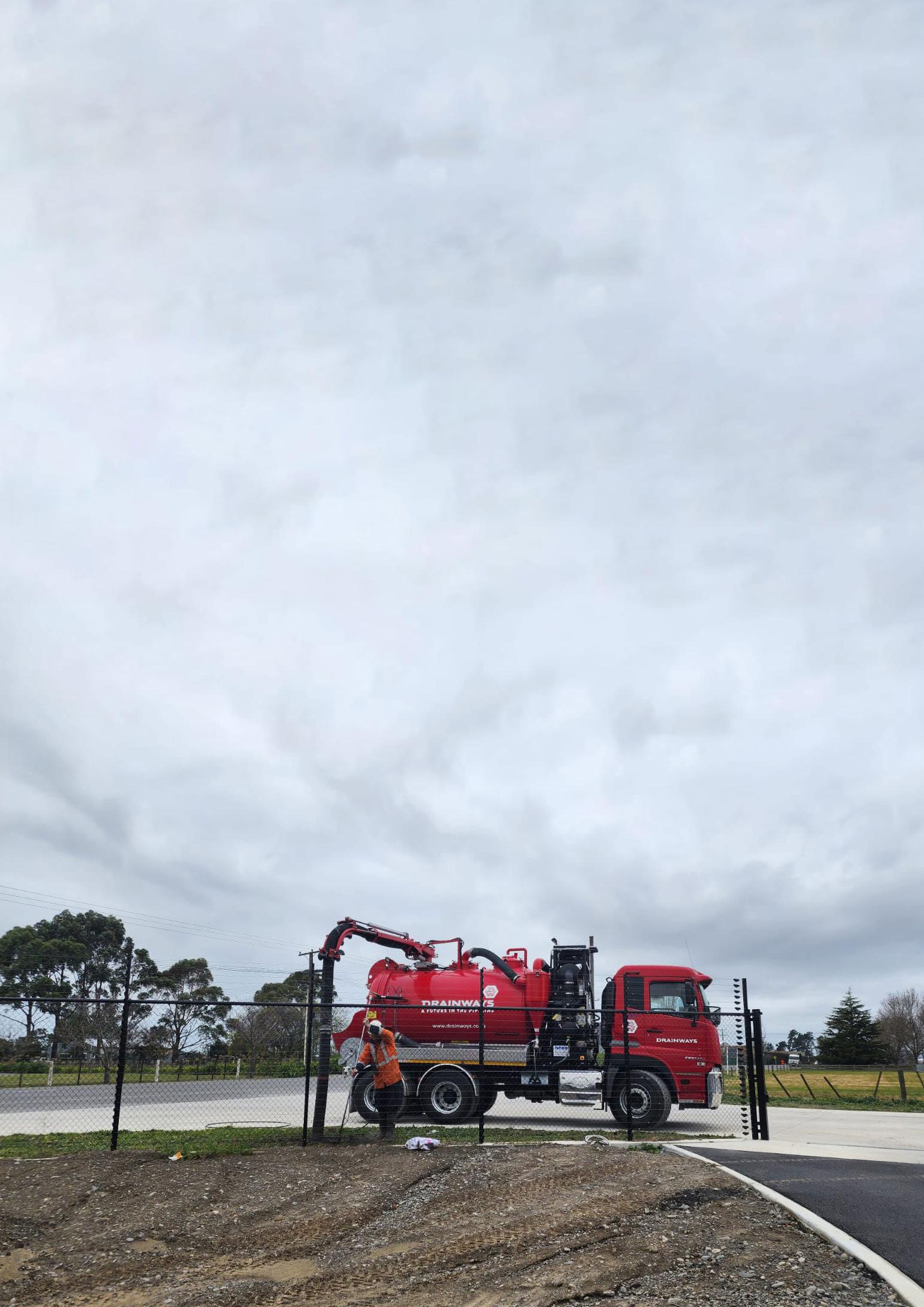
Ensure you school’s stormwater and wastewater systems are operating efficiently, safely and meet the compliance standards.
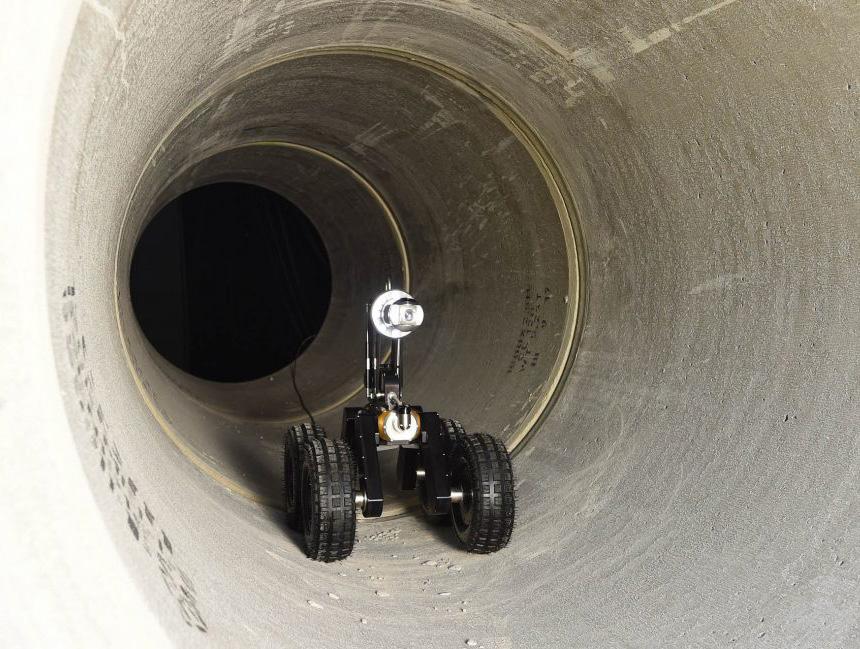


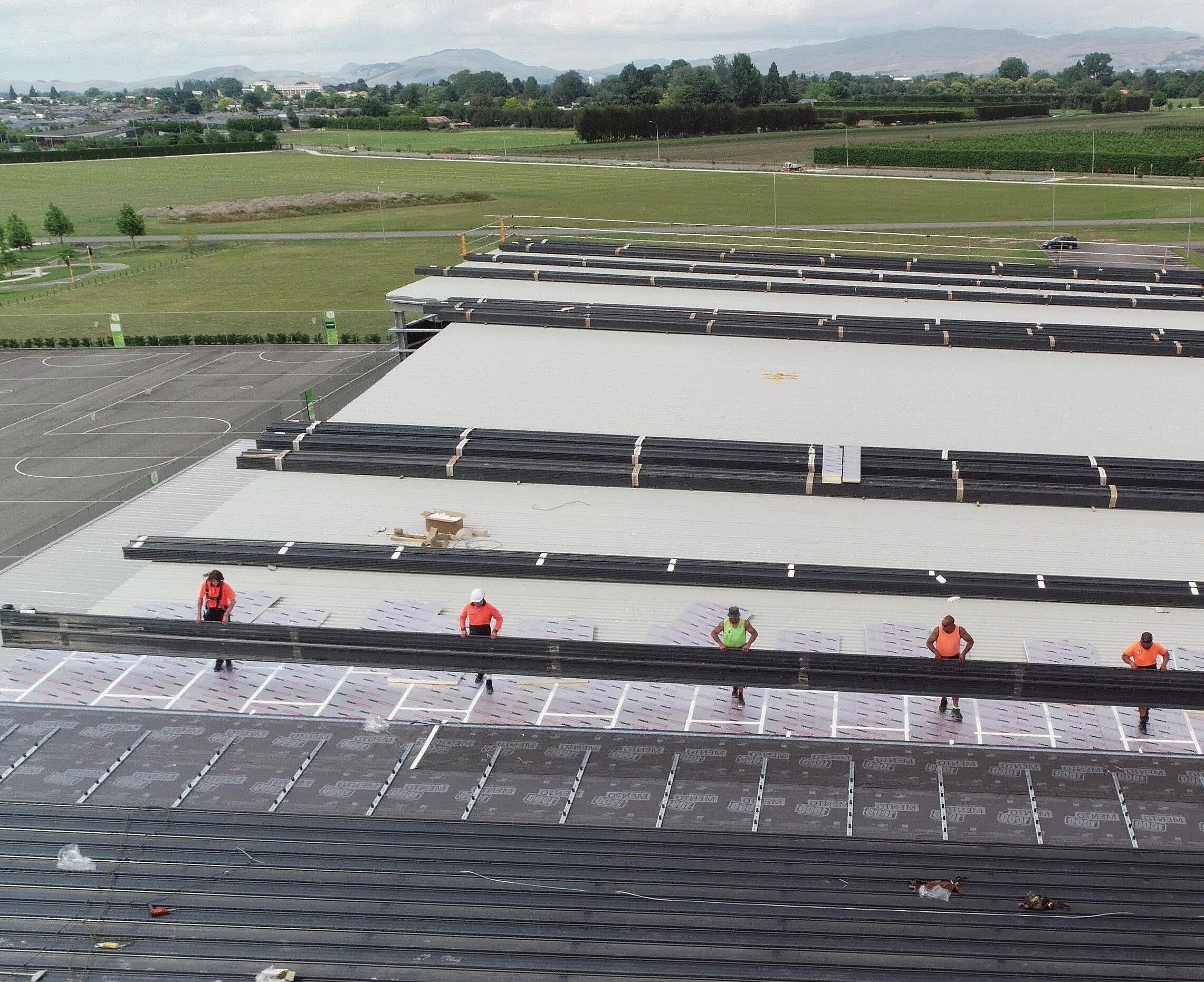
More 15-year-olds leaving school early
More 15-year-olds in New Zealand are being granted permission to leave school early, with most continuing their education through alternative training pathways rather than entering the workforce directly. New figures show that early-leaving exemptions are being approved at the highest level in more than a decade.
Ministry of Education data shows that 1,376 early leaving exemptions were approved in the most recent year, from 1,576 applications. Of those granted exemptions, the majority went on to further education or training, while a smaller number moved into employment. Under current legislation, students aged between six and 16 must be enrolled in school unless they are granted an exemption, which can be applied for once a student turns 15 and meets Year 8 literacy and numeracy requirements.
Post Primary Teachers’ Association president Chris Abercrombie said many students leaving school early already have a clear sense of direction.
“I think most of the students will be going on to private training institutes, be it industry training. From my experience, those are often students with a really clear plan, like they want to be a builder, they want to be a plumber,” Abercrombie told the New Zealand Herald.
Abercrombie acknowledged that remaining within the school system can deliver stronger outcomes for many learners, but said alternative pathways still play an important role. He told NZ Herald there are better outcomes for those who stay in schools, but that it is positive to see options available for all students. He also said he expects the number of approved exemptions to continue to rise.

“Not all learners flourish in a traditional classroom setting; some may feel it does not meet their learning needs or life situation.”
“I think it’s just a symptom of a very stretched secondary sector, and the inability of it to currently meet the needs of some of these students – so they’re looking at other places to meet that.” He added, “We would love a secondary system that meets the needs of all our young people, so they can succeed and be the best they can be, because that’s what we need as a nation, he told the Herald.
National polytechnic Te Pūkenga reported that 2,276 learners aged 15 were enrolled across its programmes last year, including some in work-based learning. Entry requirements vary depending on the level and type of programme.
Te Pūkenga chief executive Gus Gilmore said the organisation has a responsibility to ensure access to education for a wide range of learners. Gilmore told the Herald: “At Te Pūkenga, we have a legislative responsibility to ensure equitable access to education and training for all learners, including rangatahi and those underserved by the education system.” He added: “Not all learners flourish in a traditional classroom setting; some may feel it does not meet their learning needs or life situation.”
Gilmore said providing alternative education and
training pathways benefits individuals and communities. “We have a duty of care to make sure all learners have education and training pathways and can succeed. It’s good for them, it’s good for their whānau, their communities and for all of us.”
Despite the growing numbers, Abercrombie said gaining an early leaving exemption remains challenging. There’s even already talk of increasing the leaving age to 17. That was one of the documents around the NCEA changes, and so it is definitely a very difficult process to get that early exemption.”

Transform your school’s sports field Performance, safety, and visual appeal!
Urban Turf Solutions manufacture and install artificial turf for school sports fields. Our products not only offer top-notch performance for sports activities, but also look great and add a colourful visual appeal to your grounds.
Urban Turf Solutions boasts a diverse product range designed to meet the specific needs of schools across New Zealand. We have products designed for multisport courts, hockey fields, football fields, tennis courts, cricket wickets, putting greens and playgrounds.
Urban Turf Solutions artificial grass has a durable construction and advanced technology, their turf ensures optimal playability and safety for students
engaging in sports activities. From preventing slips and falls to cushioning impacts, Urban Turf Solutions turf keeps your students safe while they play.
“Whether you need a dedicated 5-a-side soccer field, a multipurpose sports surface, or even a playground, Urban Turf Solutions has the perfect turf solution for you.”
What’s more, Urban Turf Solutions artificial grass requires minimal maintenance, saving your school time and resources

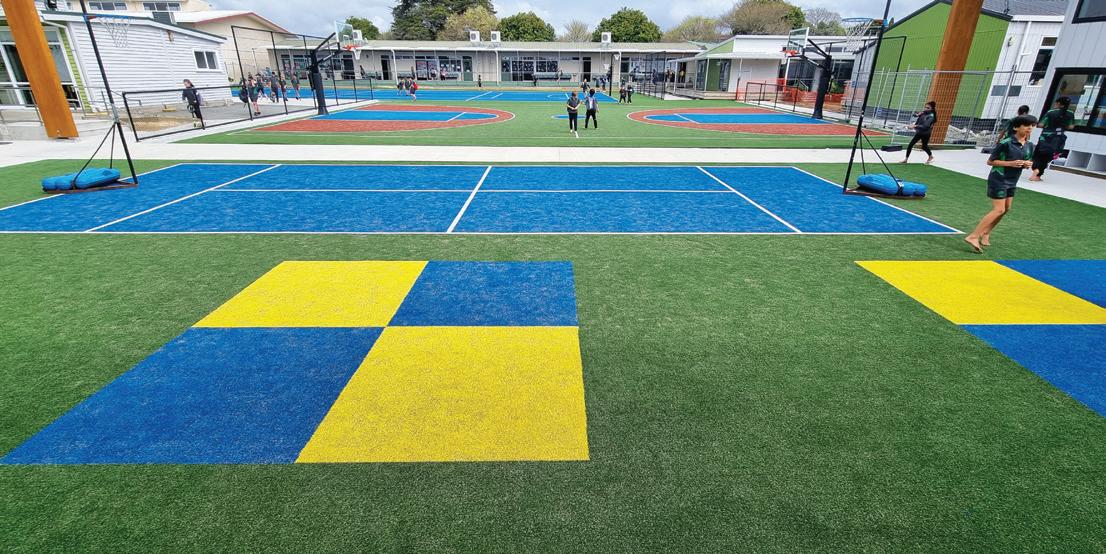
in the long run. Urban Turf enhances the overall appeal of your school and the courts and turf facilities are a great resource for the wider school community. Whether you need a dedicated 5-a-side soccer field, a multipurpose sports surface, or even a playground, Urban Turf Solutions has the perfect turf solution for you. By choosing Urban Turf Solutions artificial grass for your school’s
sports surface, you’re not just investing in athletic enjoyment – you’re investing in the overall attractiveness and reputation of your school.
Don’t miss out on this opportunity to transform your school’s sports field into a showpiece that will impress students, parents, and visitors alike. Contact Urban Turf Solutions today.
info@urbanturfsolutions.co.nz
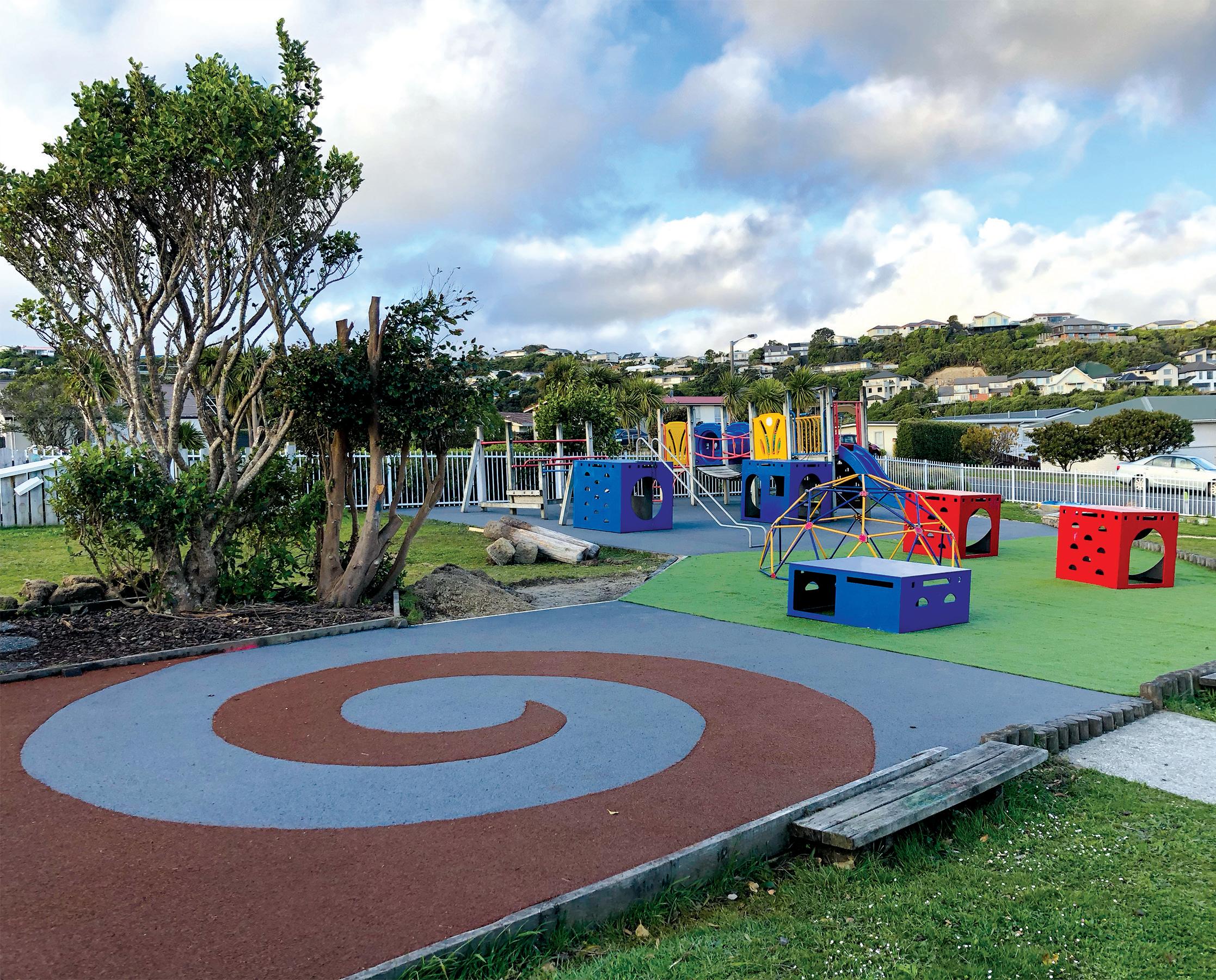

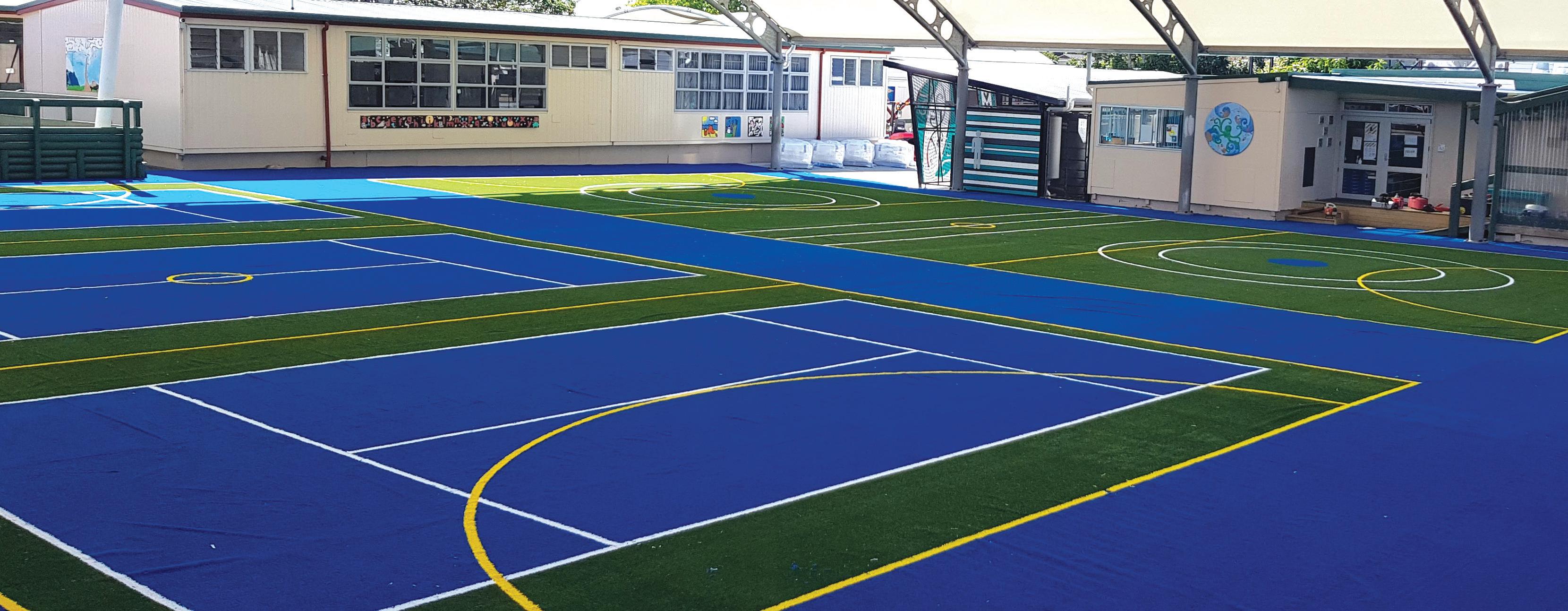
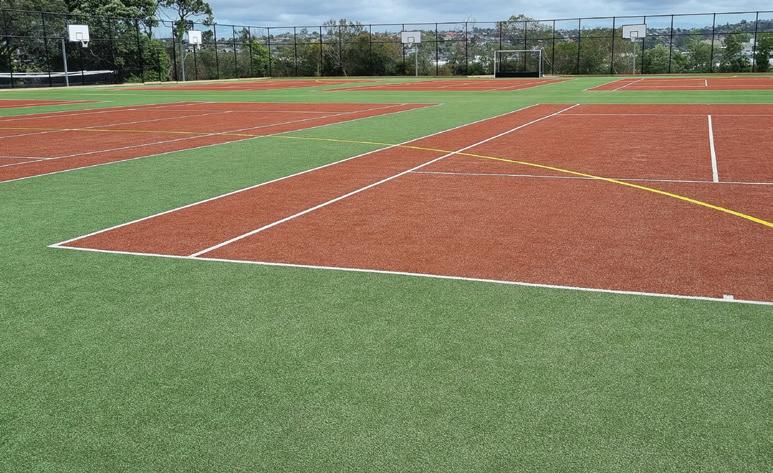
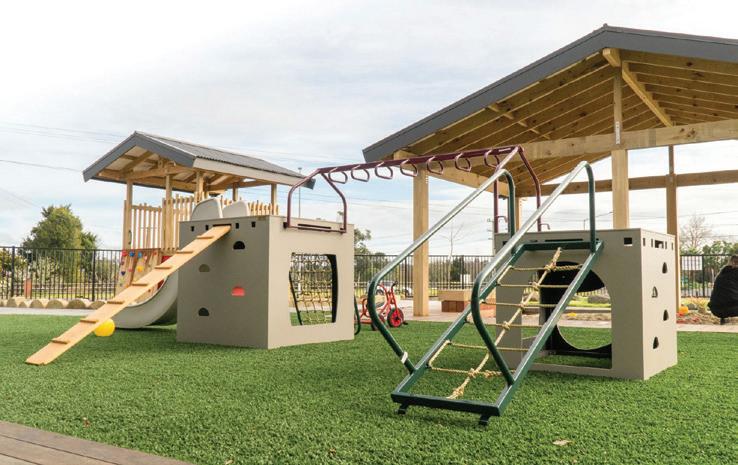
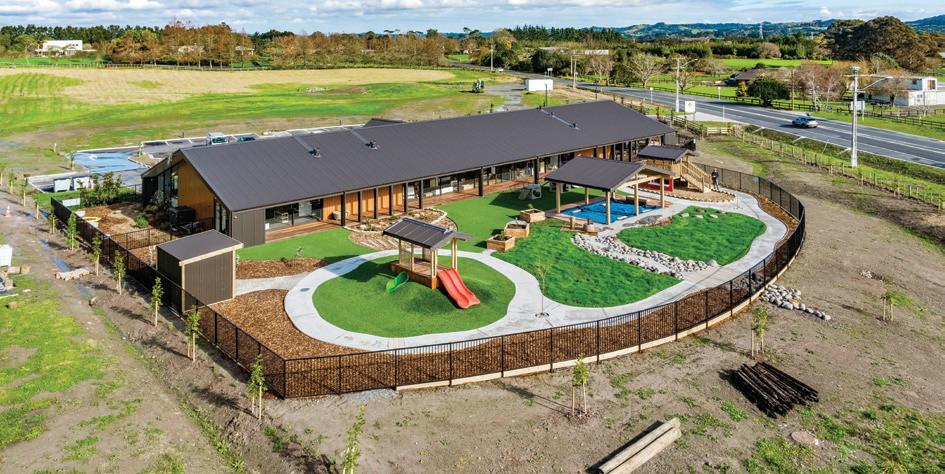
Urban Turf is an excellent solution for schools looking to create safe, low-maintenance outdoor spaces and multisport surfaces.
With its realistic appearance and durable construction, it provides a perfect playground surface. Our multisport turf range is ideal for new sports courts and fields or the replacement existing ones.
Urban Turf Artificial grass eliminates the need for constant watering, mowing, and fertilizing, which can be timeconsuming and costly.
By installing Urban Turf, schools can save money on maintenance costs, reduce the risk of injury, and create a beautiful outdoor area that encourages students to engage in physical activity and outdoor play.
A safer, more incluslive play space at Fairlie Primary
Fairlie Primary School wanted to breathe new life into their ageing play area — keeping the existing equipment but creating a surface that was safer, cleaner, and fully accessible for all students.
Their old P-metal base had become uneven, messy, and difficult for children with mobility challenges to navigate. Add tight site access, a protected tree, and an old timber edge, and the project called for a thoughtful, wellplanned solution.
The Play Matta™ Original System delivered exactly that. We provided detailed plans, heights, and on-site guidance to ensure the new surface met safety and accessibility
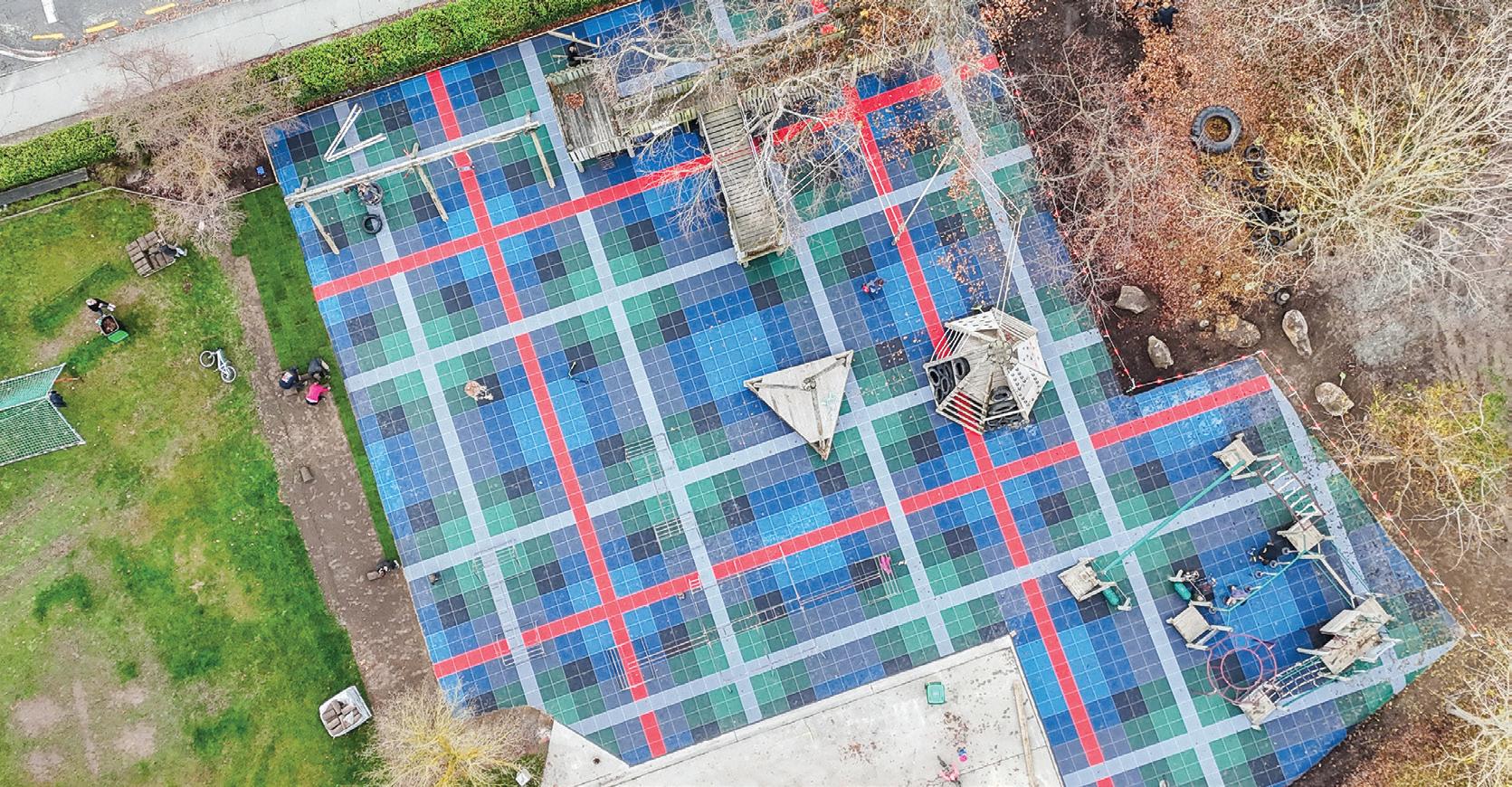
requirements. After six colour revisions, the school landed on a tartan pattern inspired by their uniform colours — a vibrant, school-proud finish.
The result is a completely transformed play area: firm,
even, fully accessible, and easy to maintain year-round. Students using wheelchairs or mobility aids can now move confidently across the space, and the entire area stays cleaner and drier for everyday play.
Want to hear directly from

Do you have an aging
area that needs new life – contact us today, we’d love to help.
Keeping playgrounds compliant, fun and open all year round. Play Matta is a category-leading safety surfacing solution, empowering kids from the ground up to explore their abilities.

Fairlie School’s. Sarah Gibbs about the project? Scan the QR code to view a short testimonial video.
play
New Playgrounds
Why independent post-installation inspections are essential
Playground safety begins long before the first child climbs, swings, or slides — it starts with a thorough, independent post-installation inspection conducted in accordance with NZS 5828.
For any new or recently completed playground, this process is far more than a compliance formality; it’s an investment in safety, confidence, and long-term peace of mind. It also ensures that you don’t inherit product faults, installation issues, or compliance liabilities that could otherwise go unnoticed until it’s too late.
The NZS 5828 playground safety standard is meticulously designed to reduce risks, prevent injuries, and create environments where children can play freely and safely. An independent inspection serves as a vital safeguard — confirming that every component, surface, and installation detail meets the
required safety and performance benchmarks.
Independent, certified inspectors add a critical layer of objectivity. Free from design or construction bias, they provide a professional, impartial assessment — identifying both visible and hidden hazards, from equipment stability and entrapment risks to the depth and performance of impact-absorbing surfacing.
For schools and Boards of Trustees, independent certification delivers invaluable assurance. It demonstrates a clear commitment to child safety, meets Ministry of Education and regulatory expectations, and provides tangible protection from
New or recent playground?
Ensure your playground is Independently Verified and Compliance Certified.
Get independent compliance verification and certification from New Zealand’s leading safety and compliance agency — proudly supporting the Ministry of Education in keeping school playgrounds Playsafe.
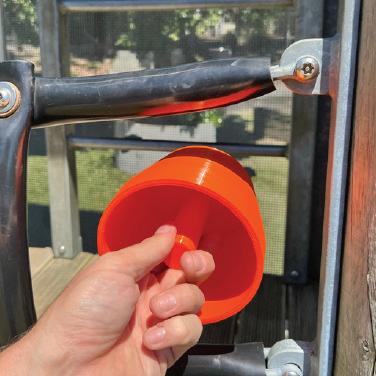
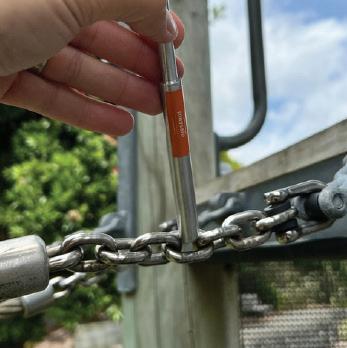
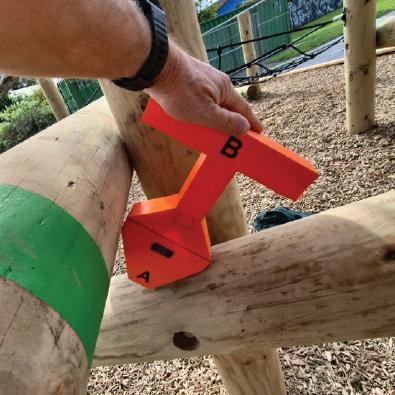
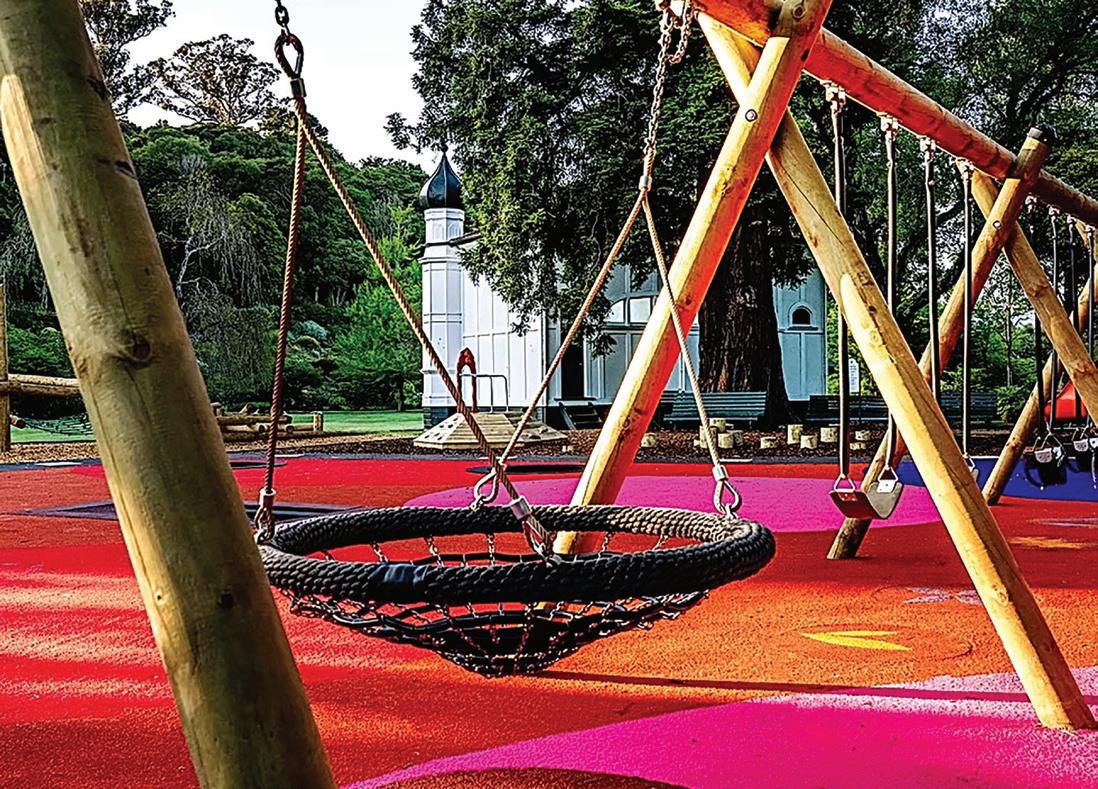
liability by evidencing compliance with recognised national standards. It also gives parents and communities confidence — knowing their local playgrounds are genuinely PlaySafe.
Ultimately, commissioning an independent post-installation
inspection is one of the most responsible investments any playground project can make — reinforcing a shared commitment to safety, compliance, and community trust.
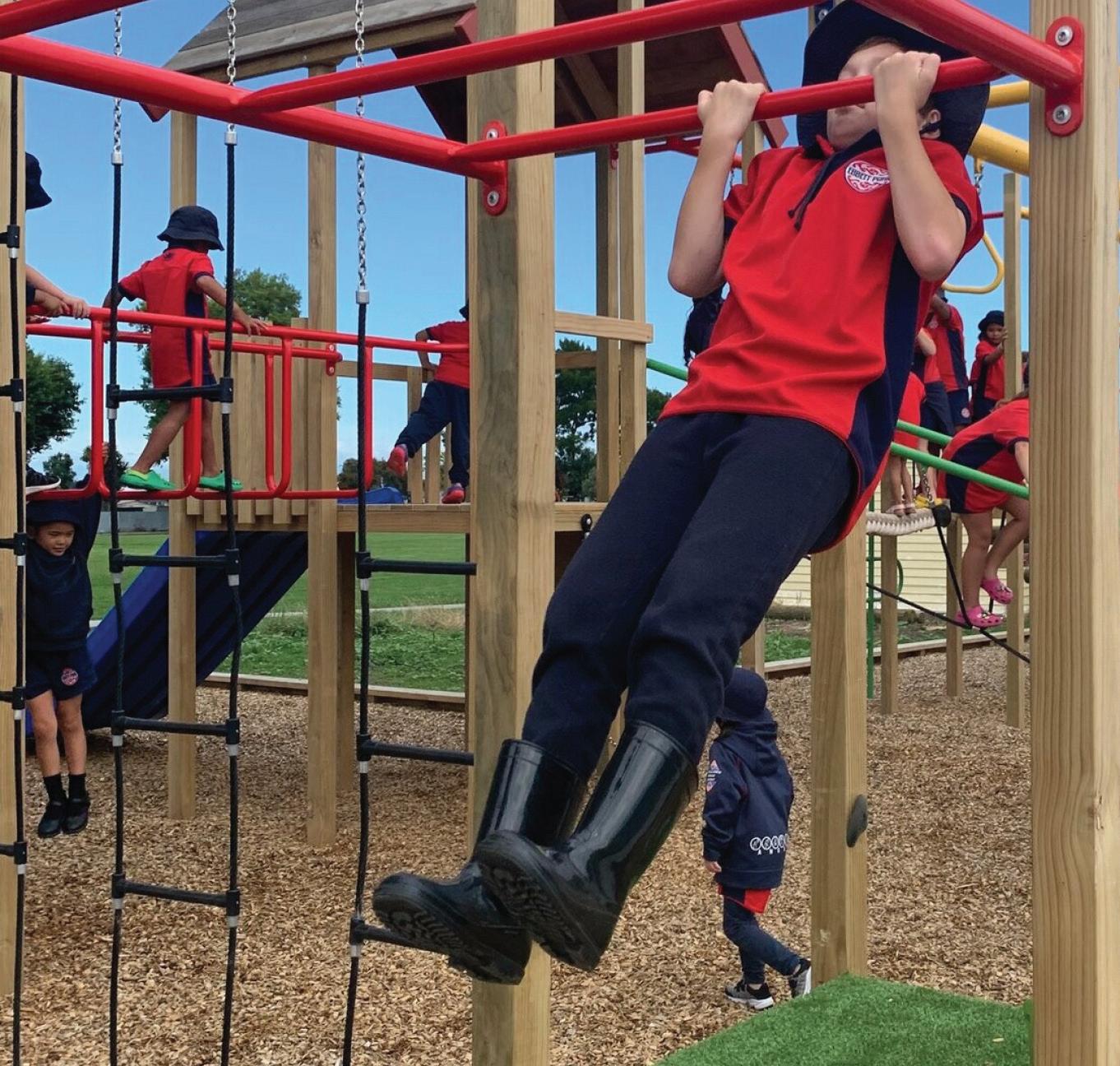
It’s no shady business
Why shade is essential to school sun protection policies
Skin cancer is the most common cancer in Aotearoa New Zealand, accounting for eight out of ten cancer diagnoses. Each year, around 100,000 people are diagnosed with skin cancer, a number that continues to rise.
The sun emits ultraviolet radiation, also known as UVR. We can’t see it or feel it as UVR is not related to heat, but it can damage our skin.
Tamariki spend a sizeable portion of their day at school when levels of UVR are highest. UVR exposure during childhood can increase the risk of developing skin cancer later in life. Schools are uniquely positioned to foster sun-safe behaviours and help reduce future skin cancer rates.
Although schools must provide safe environments, UVR protection is not mandated, resulting in inconsistent implementation across schools.
Why shade matters
High-quality shade can reduce UVR exposure by over 75%, making it one of the most effective and reliable forms of sun protection. Unlike sunscreen, which depends on correct and repeated application, shade works passively by simply being there. Yet, many schools lack adequate shade, leaving playgrounds, sports fields, and outdoor learning areas exposed and students vulnerable to UVR. The case for shade in schools
Shade is not only effective, but it’s also practical. A well-designed shade structure requires upfront investment but delivers longterm protection. For example, a large shade sail typically costs around $15,000 to install. With a lifespan of 15-20 years, this equates to roughly $1,000 per
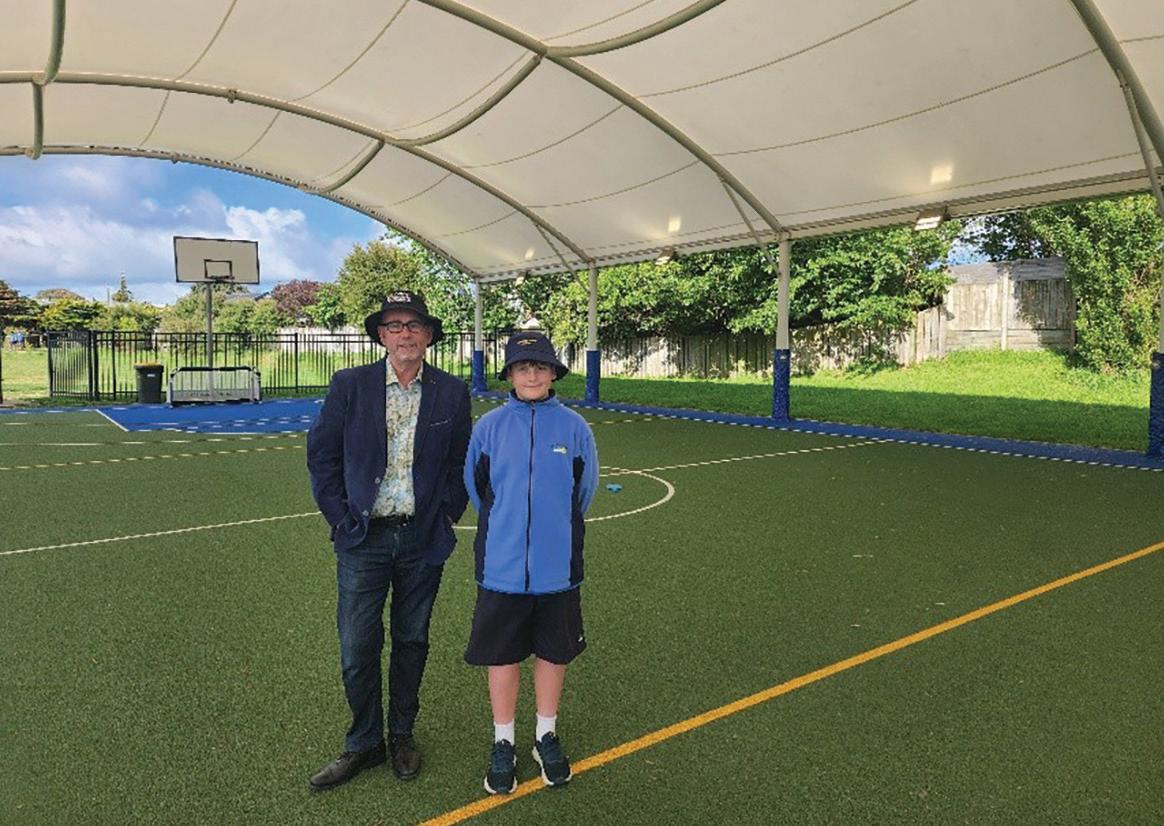
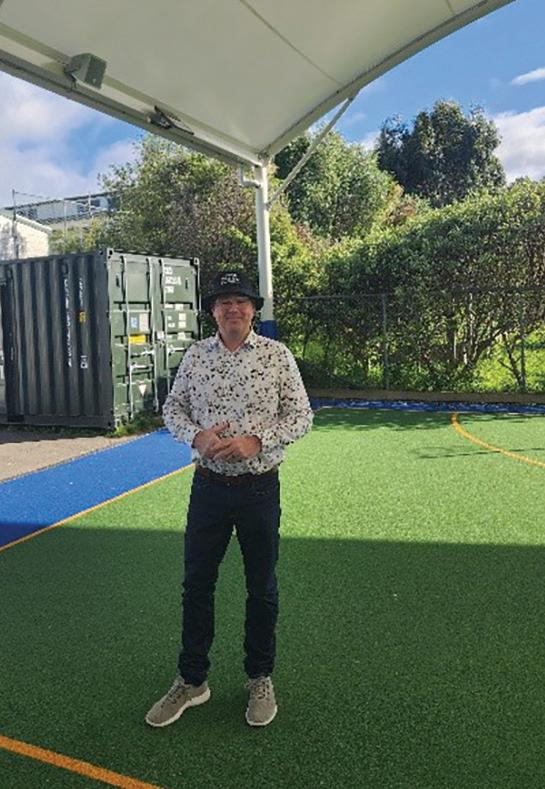
“Public support for shade in schools is strong. A recent survey found that 90% of respondents support government investment in school shade infrastructure, a clear signal that communities value sun protection for children.”
year, a cost-effective solution for long-term sun protection.
Beyond cost, shade supports fairness. Affordability is a barrier to sun protection for some families, but shade built into the school environment is free and accessible to every child. It also brings added benefits: reducing heat stress, improving comfort, protecting outdoor equipment, and enhancing opportunities for outdoor learning and play.
Public support for shade in schools is strong. A recent survey found that 90% of respondents support government investment in school shade infrastructure, a clear signal that communities value sun protection for children.
Funding solutions for schools
So how can schools increase shade with limited budgets?
Start with natural shade. Existing trees can be used to create shaded areas by placing seating, play equipment, or outdoor classrooms beneath them. When planting new trees, choosing species with broad canopies and dense foliage suited to your climate. Plan for growth that avoids overcrowding and ensures easy access to shade.
For schools considering built shade, collaboration can be key. Raumati Beach and Raumati South Schools successfully collaborated to co-fund a Covered Outdoor Learning Area (COLA), to the benefit of both schools.
This joint approach allowed both schools to maximise investment, securing a purpose-designed shelter that offers far more than traditional sun protection. These
structures also provide shelter from wind and rain during winter, allowing students to enjoy outdoor spaces year-round for learning, play, and physical education.
Principal of Raumati Beach School Mike Farrelly said, “By collaborating on a shared asset, the two schools have created valuable, multipurpose facilities that protect students from UVR now and for the future.”
Schools seeking external funding can also access a template support letter from the SunSmart website to assist with grant applications or community fundraising efforts.
A call to action
Shade is not a luxury; it is a necessity. By prioritising shade, Principals and Boards of Trustees can take meaningful action to reduce skin cancer risk and create safer, healthier environments for learning and play. Investing in shade is an investment in student wellbeing, equity and the future of our communities.
Find out more about shade at SunSmart: www.sunsmart.org. nz/be-sunsmart/slip-into-shade/
Principal Mike Farrelly and student Leo from Raumati Beach School pictured with their C.O.L.A
Principal Martin Hett from Raumati South School



A canopy is more than shade.
It’s safety, pride, and proof you invested in generations to come.
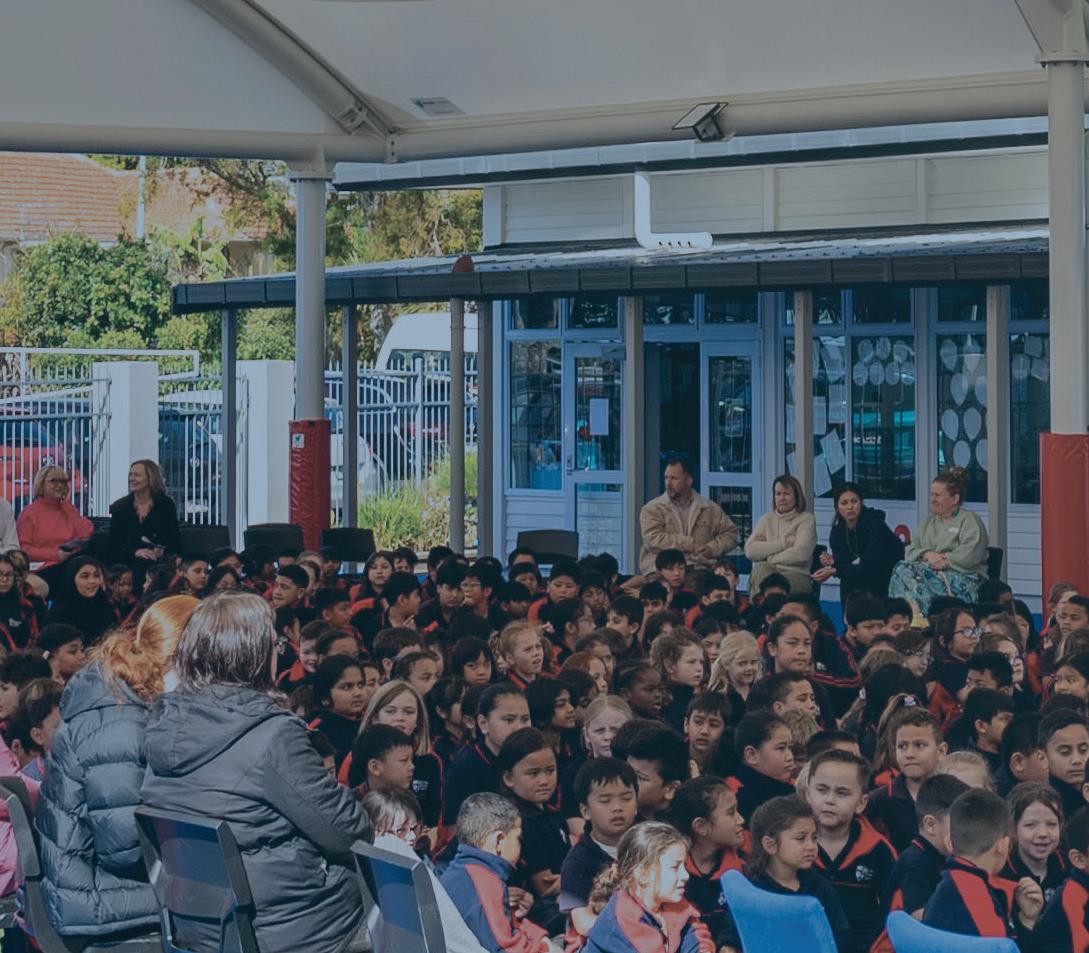



Make your mark with infrastructure that protects for years to come.




Request your obligation-free proposal today






Locally Owned. Regionally Trusted. Security That Works.
Taranaki’s One Stop Shop security company offering a full range of electronic security services. Based in New Plymouth and proudly owned by Tim and Linda Stephen. Tim has been using his extensive knowledge of security systems to help protect people and businesses across the Taranaki region for over 25 years.
We understand Taranaki—its communities, challenges, and unique security needs. That local knowledge, combined with industry-leading expertise, allows us to deliver smarter, more effective security solutions tailored to every client.
From small residential systems to large-scale commercial installations, we handle it all: CCTV, access control, alarms, intercoms, automated gates, and more. We back our technology with 24/7 support and a strong commitment to personalised service.
At Eyezon, you’re not just another customer—you’re a valued partner. We listen, we plan intelligently, and we deliver solutions that give you complete peace of mind.

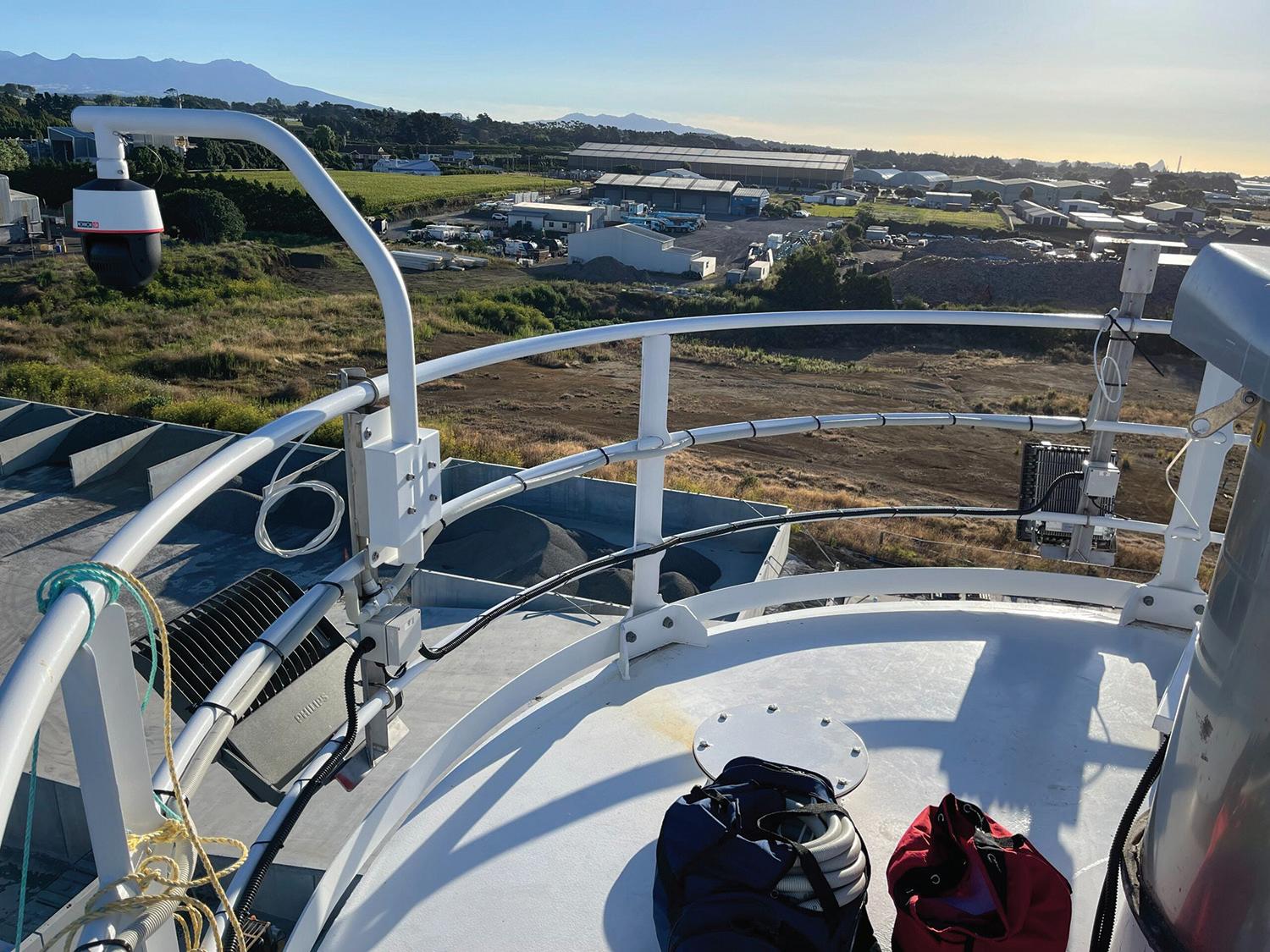

Why choose us?
✓ Local Expertise
✓ Custom Solutions
✓ Quality Assurance
✓ Locally Owned
Our Services
➢ Access Control
➢ Surveillance Cameras
➢ Security Alarm Systems
➢ 24hr Monitoring
➢ Station Medical Alarms
➢ Automated Gates & Barriers
Providing Superior Security Solutions
We successfully protected numerous properties, delivering tailored security solutions that provide peace of mind and enhance safety through our expertise and commitment to customer satisfaction.

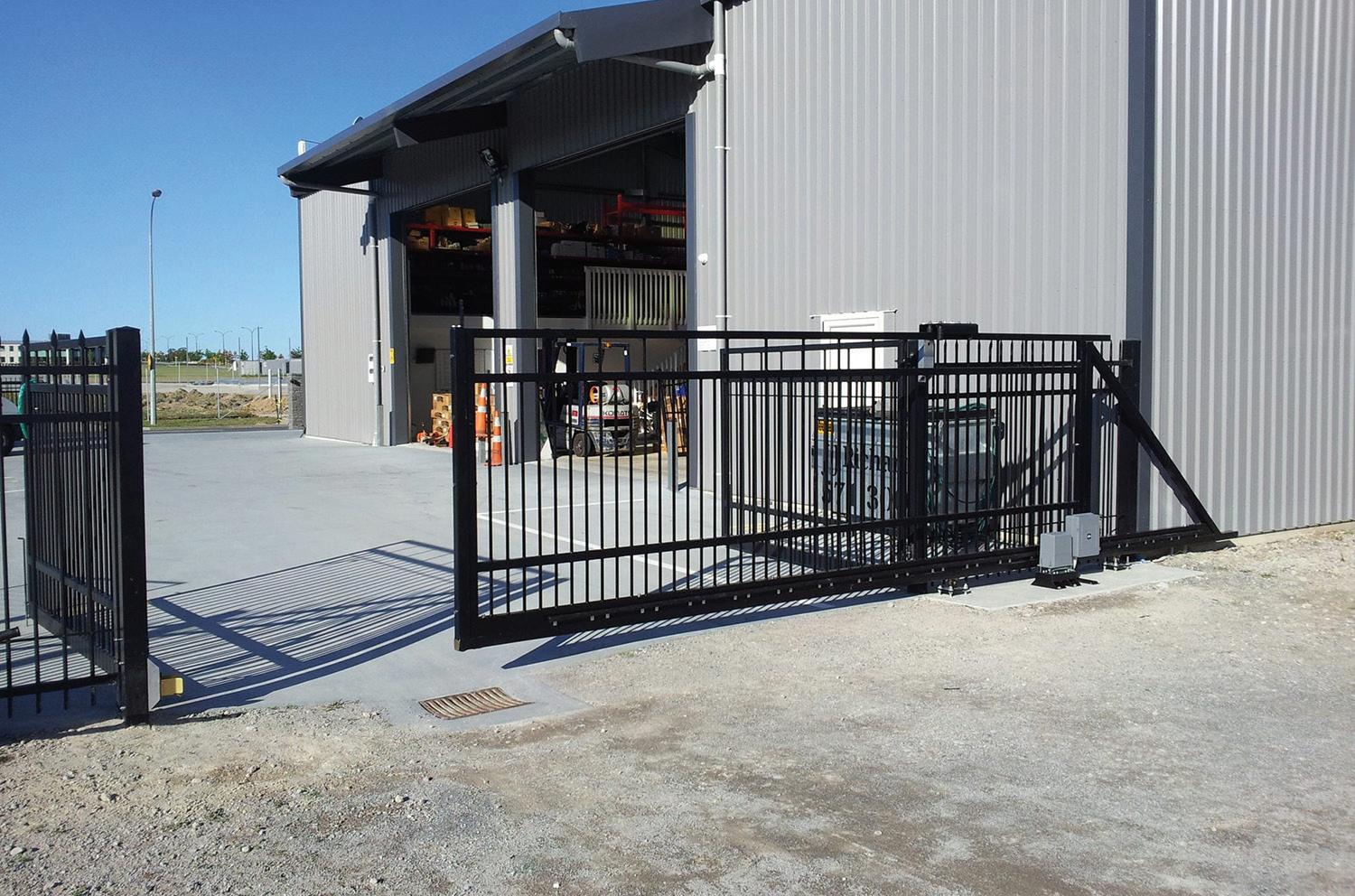
Calling time-out
Sideline abuse in youth sport
By Ben O’Connell

Synonymous with youth sports are rowdy parents on the sidelines living vicariously through their athletic little ones. A new survey of Kiwi coaches and referees has shed light on the troubling impact of negative sideline behaviour at children’s sports fixtures.
The survey, conducted by Aktive, the Regional Sports Trust for the wider Auckland region, found that over 60% of referees and coaches had witnessed bad behaviour at least once a season, mostly verbal abuse towards youth.
A number of Auckland Regional Sports Organisations have partnered with Aktive to launch the ‘Love Their Game’ initiative to stress the importance of positive sideline support and harness sport passion the right way.
“Love Their Game serves as a reminder to everyone, no matter what sport, to respect that the game belongs to those playing, refereeing, coaching and managing, and not those on the sideline,” says Aktive chief executive Jennah Wootten.
By promoting the positive benefits of youth sport – that parents and caregivers perhaps forget in the heat of the sideline
moment – the campaign also aims to keep kids playing. Half of the kids who play sports stop by age 11, and poor sideline behaviour is a key reason why, per the campaign.
“Love Their Game is about turning good feelings into good behaviours and ensuring we’re all doing our bit to support our young people’s growth, belonging and future through sport and physical activity,” rugby referee and Love Their Game ambassador, ben O’Keeffe, says.
Negative behaviour in youth sport contexts has a far-reaching impact on communities.
“Typically, coaches, managers, and referees are volunteers, and poor sideline behaviour can stop them wanting to be involved. We know that the volunteers are the backbone of community sport, and we need to support them and make them feel valued and appreciated,” Wootten says.
Love Their Game focuses on Auckland’s youth sport communities, but its messaging applies nationwide. Sport organisations and local leaders can empower and educate. Workforce development and content inclusion on the CoachMate app also support the mission. Visit www.lovetheirgame.org.nz for more information.
“A number of Auckland Regional Sports Organisations have partnered with Aktive to launch the ‘Love Their Game’ initiative”
Denison calls for a more grassroots approach.
“The national sport bodies have no involvement in the day-to-day delivery of children’s sport. They do not fund local clubs or control the fields, courts or gymnasiums where abuse and discrimination actually occur.
Tackling sport abuse a team effort
A recent International Olympic Committee (IOC) consensus statement found that between 44 and 88% of children experience interpersonal violence in sports environments, including sexism, racism, homophobia, bullying and sexual abuse.
That IOC finding has prompted research out of Monash University. Lead researcher Dr Erik Denison says local governments are uniquely positioned to drive change. “Our current approaches are not protecting children from discrimination and abuse in sport settings,” he says.
Both New Zealand and Australia’s national sporting bodies have made repeated pledges to eliminate sexism, racism, homophobia and abusive behaviour at community
“In contrast, local councils own the facilities where children are being harmed. Councils have a responsibility and the power to stop abuse and discrimination in these environments.”
But what can local councils and parents witnessing this behaviour do about negative sideline behaviour? Clear, enforceable standards are a crucial starting point. Codes of conduct and rules to follow firmly establish boundaries. This can be enforced through visible signage, normalising intervention, reporting pathways, and the authority and follow-through to remove spectators who breach expectations.
Sideline culture is learned behaviour. Experts stress modelling restraint and respect. Children take cues from adults about what competition means and how it looks. Encourage effort, enjoyment and development over outcomes can help keep sport safe, inclusive and fun.
clubs.
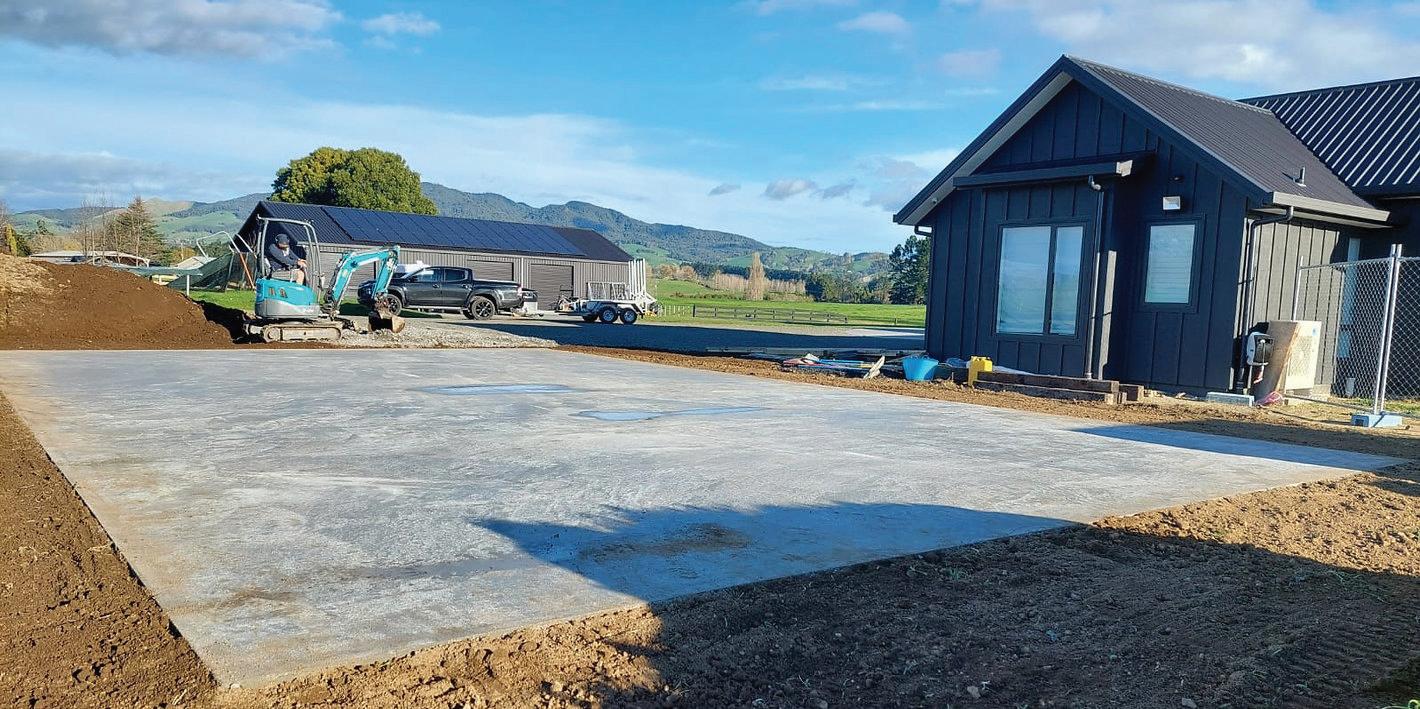
NZ’s Trusted Home Services

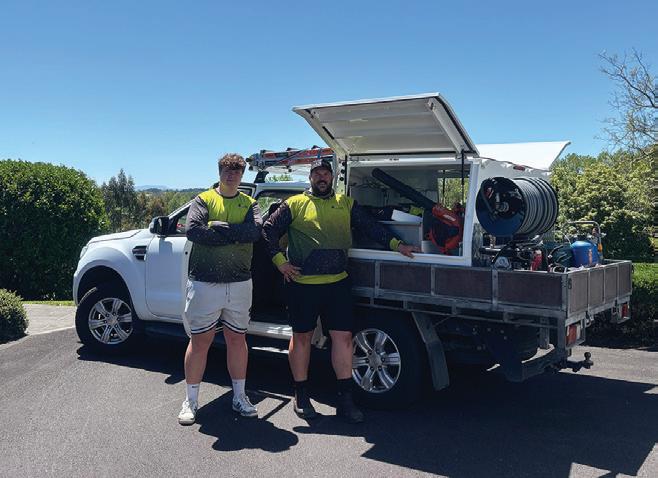



Our skilled team create spaces that both serve their purpose and reflect your personality. Whether it is your cherished home or an innovative office block, or a school, we will carry the project through to completion & ensure our high standards are met.
SERVICES
• PAINTING
• DECORATING
• PLASTERING



Office: 03 365 4499
Grant Midgley: 027 221 1595
Richard Kenny: 027 254 3276
Gavin Barnett: 021 761 961

About Us
We are a leading team of experienced qualified removal agents who are certified and registered with worksafe and NZDAA.
We are provincial based and cover the regions of Taranaki, Whanganui, Manawatu, Rangitikei.
Fully Licensed & Certified
Seasoned Professionals
Complete, Local Service
027 451 5731
admin@asbestosservices.co.nz

www.asbestosservices.co.nz
Creating A Safe Environment
We offer qualified asbestos removal services, ensuring safety and efficiency in industrial, domestic, and commercial projects, including government work, consulting, surveys, and dedicated removal.
• Asbestos Consulting
• Asbestos Sampling
• Asbestos Removal
• Safe Asbestos Disposal
• Air monitoring and testing for airborne asbestos fibres


Strengthening asbestos safety in schools
Ministry of Education introduces accreditedonly approach
The Ministry of Education is introducing a significant change to how asbestos is managed across school properties nationwide, aimed at improving safety, consistency and confidence for schools, staff and communities.
From 2026, schools will be required to use only Ministryaccredited contractors, consultants and laboratories for all asbestos-related work. The initiative marks a major step in tightening oversight of asbestos management in the education sector and responds to long-standing concerns about inconsistent practices and safety risks.
Why the change is being made
Many school buildings constructed before the 1990s contain asbestos-containing materials. While asbestos can be safely managed when left undisturbed, poor handling during maintenance, refurbishment or demolition can create health risks.
In recent years, incidents involving inadequate testing, unqualified contractors and poor remediation work have highlighted weaknesses in the current system. Investigations and media reports have shown that, despite existing health and safety regulations, the quality of asbestos work in schools has varied considerably.
The Ministry’s new approach is designed to address these issues by ensuring that only suitably
qualified and independently accredited providers are permitted to work with asbestos on school sites.
What the initiative involves
Under the new policy, all asbestos-related activities on school properties, including Asbestos surveys and management plans, sampling and laboratory analysis, removal or encapsulation work, and air monitoring and clearance testing, must be carried out by providers listed on a Ministry of Educationaccredited supplier panel. This requirement is expected to come into force from April 1, 2026, giving schools and suppliers time to prepare for the transition.
What accreditation means
Accreditation under the Ministry’s framework goes beyond basic compliance. Contractors and consultants must demonstrate appropriate licensing, competence and experience in asbestos work, aligned with WorkSafe New Zealand requirements.
Laboratories undertaking asbestos analysis will need to be formally accredited, typically through International Accreditation New Zealand (IANZ), ensuring testing meets recognised technical and quality standards.
By setting clear, enforceable criteria, the Ministry aims to eliminate poor practice and reduce the risk of exposure resulting from incorrect identification or handling of asbestos.

What this means for schools
For boards of trustees, principals and property managers, the change will bring greater clarity and assurance.
Schools will:
• Select asbestos service providers exclusively from the Ministry’s accredited list,
• Have increased confidence that work is being completed safely and correctly,
• Benefit from more consistent standards nationwide.
While schools remain responsible for managing asbestos risks on their sites, the initiative reduces the burden of independently assessing contractor competence.
Impact on the sector
For suppliers, the initiative represents both a challenge and an opportunity. Asbestos professionals will need to meet
higher entry standards to work in the education sector, but those who do will benefit from clearer expectations and a trusted status.
More broadly, the move reflects a shift toward stronger governance of health and safety risks in schools, recognising that asbestos management requires specialised expertise and robust oversight.
Looking ahead
As the implementation date approaches, the Ministry is expected to continue engaging with schools and suppliers, including guiding the use of the accredited panels and managing existing asbestos plans.
Ultimately, the accredited-only approach aims to ensure that asbestos work in schools is carried out safely, consistently and to the highest standard, protecting students, staff and contractors now and into the future.


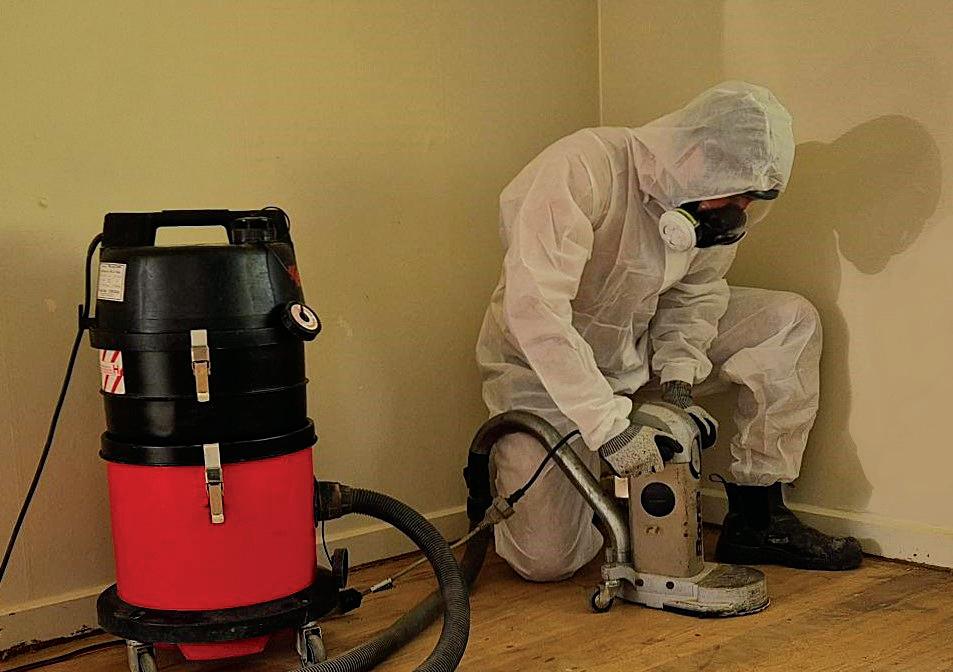
ASBESTOS REMOVAL SERVICES

WorkSafe considers new approach to asbestos guidance
WorkSafe is considering replacing the existing approved asbestos code of practice with more flexible good practice guidelines. Experts warn that although guidelines offer adaptability, they lack the certainty and enforceability that codes provide.
NZCTU president Sandra Grey says stronger protections are needed for workers. “Around 220 workers are killed from asbestosrelated deaths every year,” the NZCTU leader says. “Workers need to be afforded the strongest protection under the law against asbestos, which remains one of the biggest workplace killers in Aotearoa New Zealand.”
The proposal comes just as the Ministry of Education is tightening asbestos rules in schools. From April 1, 2026, only accredited contractors and laboratories will be permitted to carry out asbestos work on school properties nationwide. The move follows concerns about patchy remediation and inconsistent safety practices in classrooms and older buildings.
Critics worry that the two directions send mixed messages: school regulations
are becoming stricter, while national workplace standards may become more flexible.
While sectors such as forestry, construction and farming have just received new codes, workplace safety minister Brooke van Velden said asbestos was different and that industry feedback indicated a preference for guidelines over rigid codes.
“Feedback that industry professionals believe this will help improve health and
safety outcomes in a high-risk sector shows we have listened to people on the ground to make meaningful changes,” the minister said. “The industry is asking for clarity and practicality, and that is what I’m delivering.”
President of the Demolition and Asbestos Association, Helina Stil, said the industry didn’t want a “watered-down system” and that she was against dropping the code, as it gave the community assurance.
“It is crucial that the school property portfolio is managed effectively so students can continue to benefit from safe, warm, and dry learning environments.”

Sandra Grey agrees. “Given the severe impacts of asbestos, the guidance material on its management and removal needs to be clear-cut.” She said that New Zealand has a concerning track record on workplace health and safety, and that it must not deteriorate any further.
“While it is important that materials on working with asbestos are updated and improved, this should not come at the expense of legal protections for workers.”
Asbestos remains a serious concern in many older school buildings. Every school must have an asbestos management plan that identifies potential risks and outlines how asbestoscontaining materials will be safely removed or maintained.
“It is crucial that the school property portfolio is managed effectively so students can continue to benefit from safe, warm, and dry learning environments,” Education Minister Erica Stanford says.
The Ministry of Education’s portfolio includes over 16,000 buildings and around 36,500 teaching spaces. One third of the Ministry’s building portfolio is older than 50 years, 45% is between 20 and 50 years old, and the remaining 22% was built in last 20 years.
Delivering specialty demolition and deconstruction techniques by providing real value in the most complex of demolition projects throughout New Zealand.
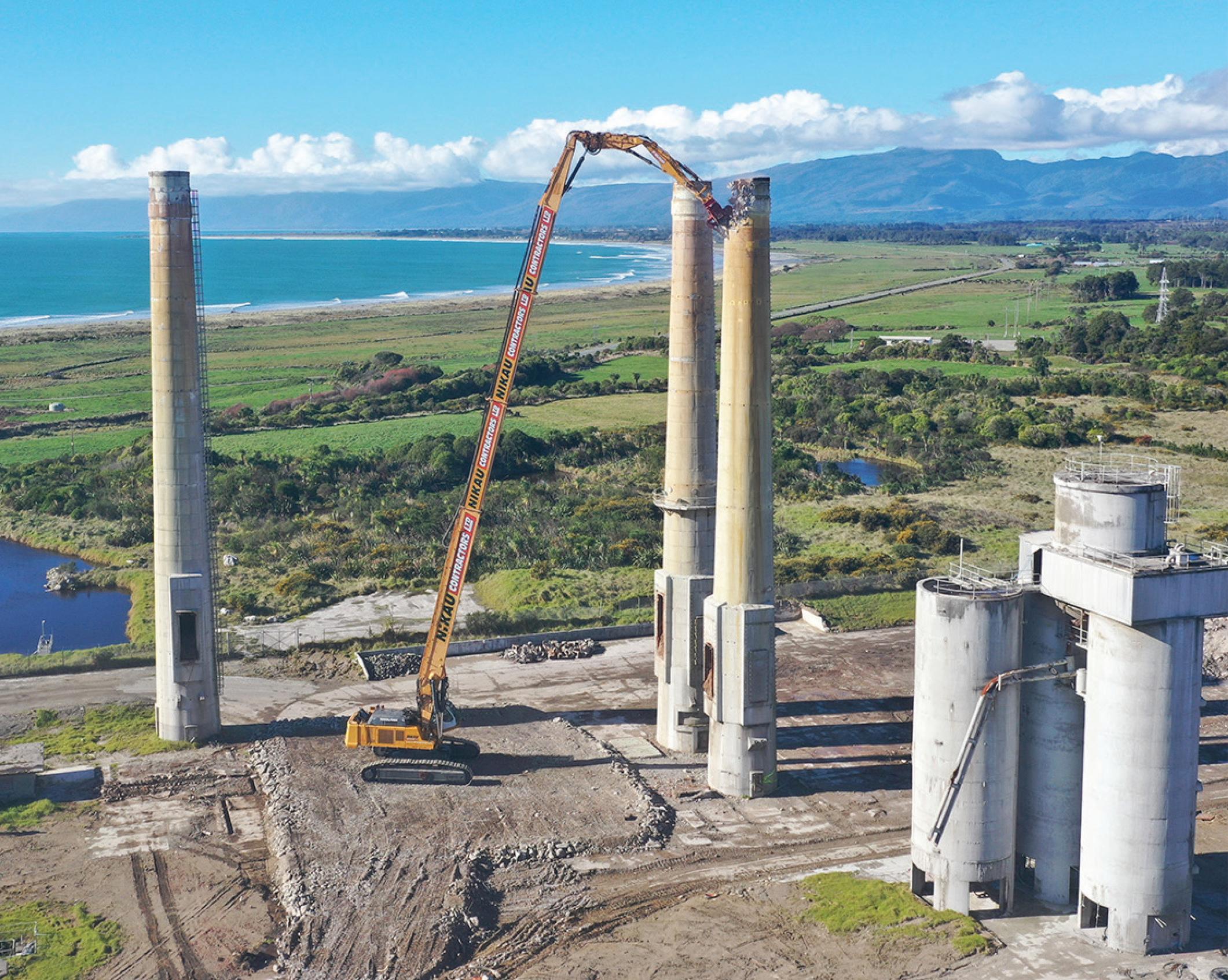
We are the ground breakers in providing our clients with superior multi-faceted responsive best practice services to meet their unique & challenging needs.
OUR SPECIALIST SERVICES
¤ DEMOLITION & DECONSTRUCTION
¤ HIGH REACH DEMOLITION
¤ ASBESTOS & LAND REMEDIATION
¤ CONCRETE & STEEL CUTTING
¤ HEAVY TRANSPORT
¤ CRANE & RIGGING
¤ SCRAP METAL RECYCLING
¤ TIMBER SALVAGE & RECYCLING
¤ CRUSHING & SCREENING
¤ C&D WASTE RECYCLING
¤ EMERGENCY RESPONSE
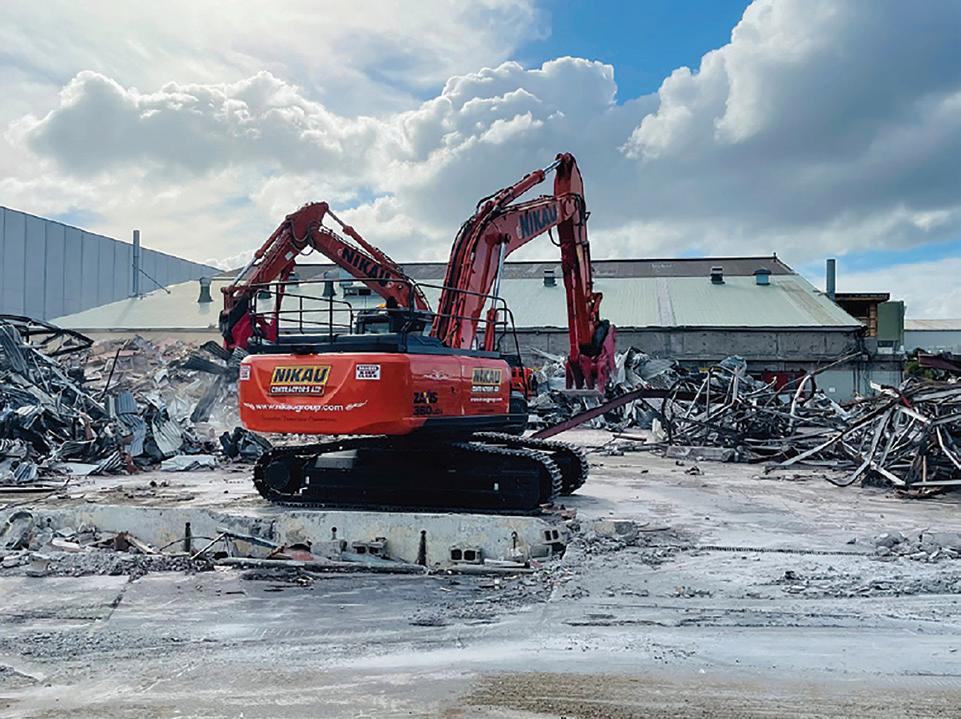



What we do
An assessment, referral and resource service for alcohol and other drug treatment. Offering an initial interview, usually by telephone which may lead to one of the following:
• short term 1:1 counselling (brief intervention)
• self-help information
• support/education groups
• peer support
• detox options
• intensive treatment options (Residential and day programmes)
Information and resources for families and professionals is available.
Self referrals accepted via telephone and email
Referrals accepted from GPs and other community agencies via post, fax and email
Ph: 03 338 4437
Freephone: 0800 384 437
Fax: 03 338 7427
chchaod@odysseychch.org.nz
www.odysseychch.org.nz
49 Carlyle Street, Sydenham Christchurch 8023
Our
kaupapa
Rangatahi Well provides local guidance for Waitaha Canterbury secondary schools to support the wellbeing of young people in Years 9 to 13, including:
3 Advice for responding to a range of wellbeing concerns
3 How to recognise when support is necessary, plan together, and involve others
3 When and where to find additional support and advice
3 Professional learning and development opportunities
3 Self-care information to share with rangatahi
3 Recommended resources to share with whānau
Our mahi
We work with local health and wellbeing subject matter experts, educators, and support services to develop guidance centred on enhancing mana, building protective factors, and taking a strengths-based approach.
Rangatahi Well is a Manu Ka Rere initiative. Visit: rangatahiwell.org.nz
For supporting wellbeing of tamariki in years 1 to 8, we recommend Kete Tautoko Tamariki. Visit: canterbury.strongerschools.org
"Ma te huruhuru te manu ka rere ai"
"Adorned with feathers, the bird is able to fly"
What we're about:
• We’re a collaborative service trying to improve the wellbeing of Canterbury’s rangatahi.
• Whether it’s one-on-one sessions with our friendly kaimahi or joining one of our groups, we’re here to support you.
• Our groups range from educational and creative, to active and connection focused - there's something for everyone.

our support is open and free to anyone in Canterbury aged 13-24
offering a safe space for rangatahi of all backgrounds and beliefs.
49 Carlyle Street, Sydenham, Christchurch, 8023 (Level 1)
03 281 7616 office@manukarere.org.nz
Manu Ka Rere
WHAT IS TŪTURU?
Tūturu is a modern, evidenced-based approach to student wellbeing.
We bring together schools and health providers to enhance outcomes for rangatahi and promote health, critical thinking, and resilience in today’s world.
OUR RESOURCES
Tailored curriculum materials for years 9–13 relating to English, geography, mathematics and health.
Professional learning and development for educators and health providers – including e-learning units (available August 2023).
Comprehensive and tailored plans for enhancing school climate.
Support from a network of health and education experts. Join
Visit Tūturu.org.nz for more information.

Your trusted NZ supplier for school and office essentials
Kia ora, I’m Brittney - a teacher of over 10 years, mum of three, and the new owner of EEL Supplies, a welloiled Kiwi business that has supported schools and workplaces for more than 20 years.
At EEL, you deal with real people who know education. From your first quote to tailoring stationery exactly how your classroom or school needs it, the same friendly team supports you every step of the way - with honest advice and genuine care. We supply everything essential for learning and working: school packs, early learning resources, stationery, arts and crafts, exercise books, writing tools, bags, technology and more - all under one roof, with fast nationwide delivery from our Auckland base.

EEL makes back-toschool, restocking, and day-to-day ordering simple - with quality essentials, personal service, and a team you can trust.
Safety and sustainability matter to us. Our products have Safety Data Sheets available, because as a mum and a teacher, I know how important it is that our

tamariki are using products that are safe in a busy classroom. Sustainability matters here, too. EEL actively partners with suppliers who maintain ethical production practices, responsibly manage forests, utilise recycled or recyclable materials, and strive to minimise packaging and carbon emissions. With EEL,
you’re not just buying suppliesyou’re choosing a business that stands for quality, service, and the planet.
EEL makes back-to-school, restocking, and day-to-day ordering simple - with quality essentials, personal service, and a team you can trust.
With 23 years of trusted

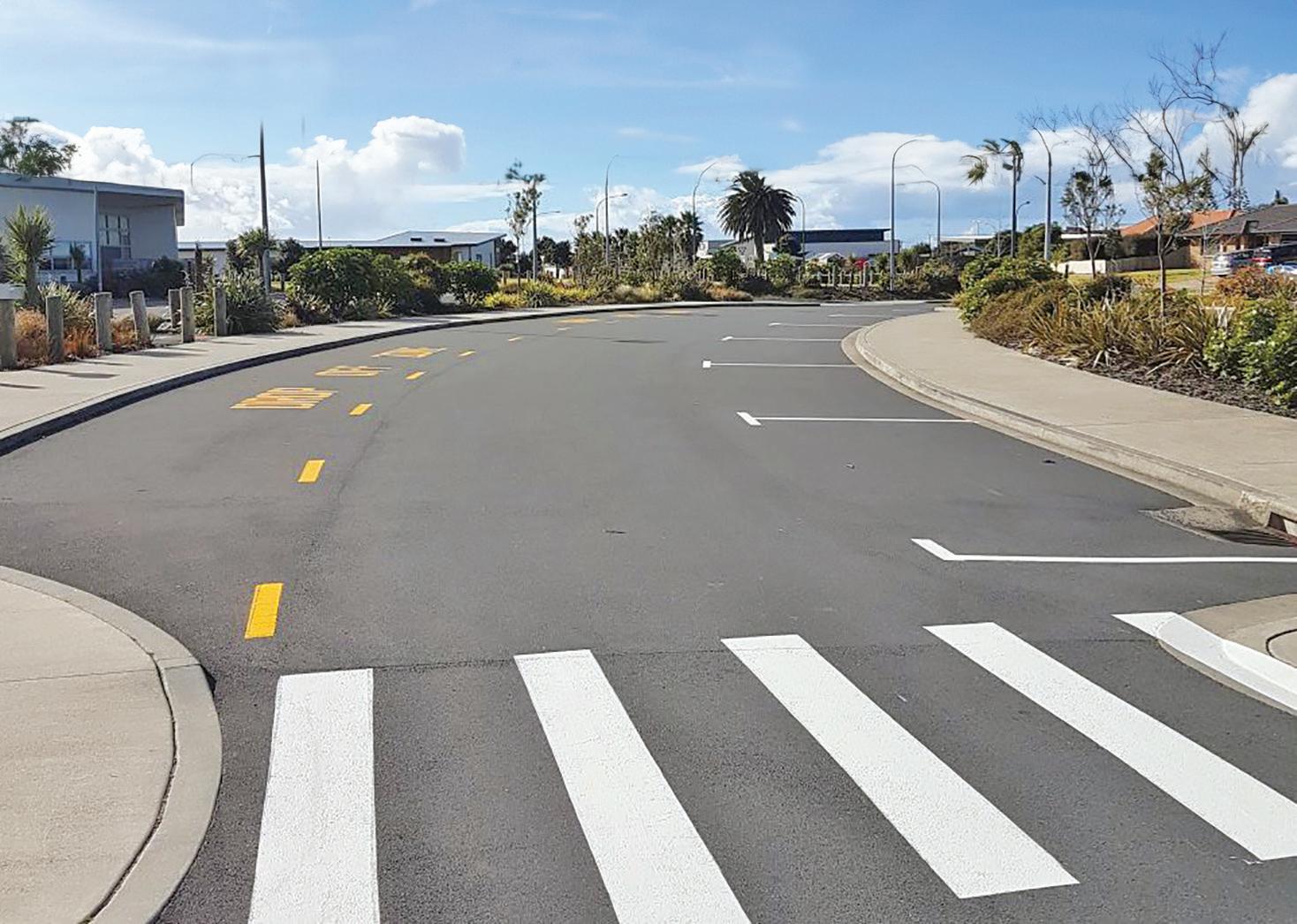
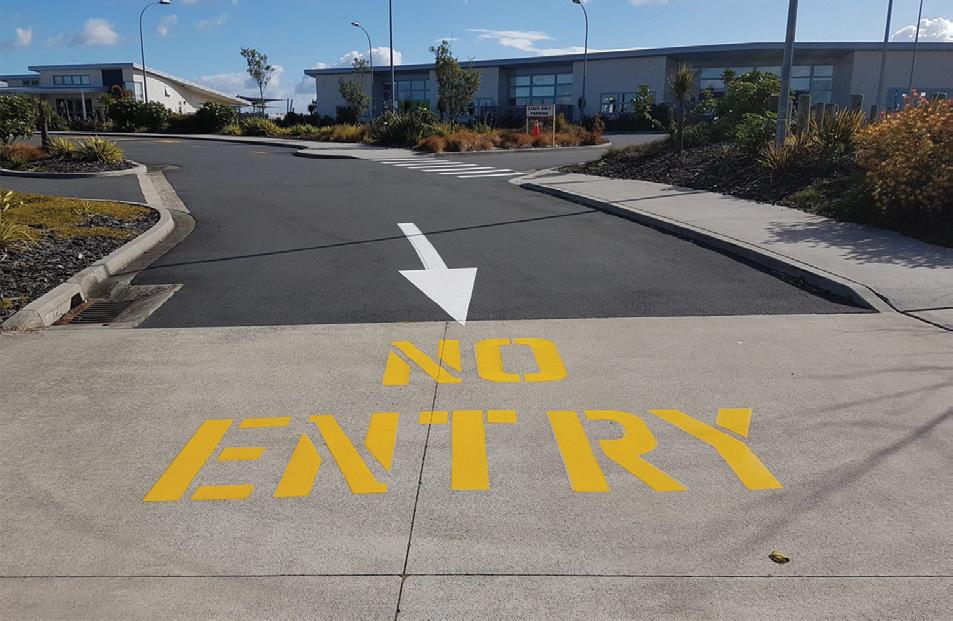
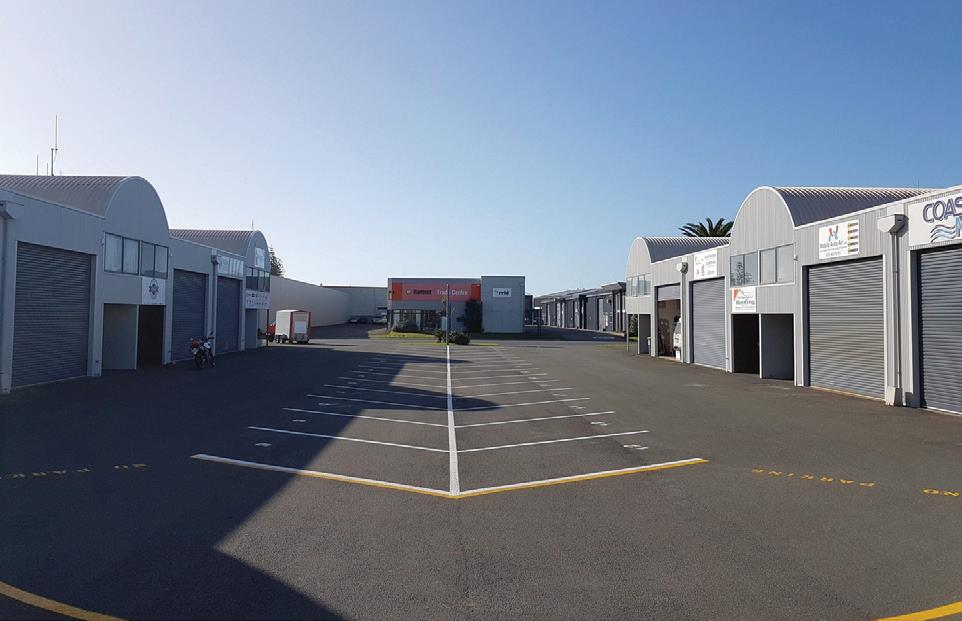

Ampelite NZ Ltd is a manufacturer and distributor of natural lighting roofing products that has been operating in New Zealand for 25 years. Their extensive product range caters for both residential and commercial applications. The residential range includes products like Solasafe and Easyclick polycarbonate roofing that are suitable for roofing residential deck areas and pergolas. All of Ampelite’s polycarbonate products are UV protected for the New Zealand environment and are available through leading builders merchants throughout New Zealand.
Ampelite is the market leader in commercial fibreglass roofing applications with its key products here being:
Wonderglas is used in warehouses, factories, gymnasiums, etc. This is available in most roofing manufacturer’s profiles and has a market leading 25 year warranty for light transmission.
Webglas is a trafficable fibreglass roofing product. While designed for use in harsh industrial environment applications, it is also approved for use in schools by MoE for covered walkways, etc because of it’s trafficability. Webglas is the only GRP product with a 20 year light, water and structural stability warranty. It is available in Clear, Opal and coloured finishes. The colours can be made to match Colorsteel/Colorcote roofing colours as well as custom colours depending on quantities.
Further to these products, Ampelite’s extensive range includes multi-wall polycarbonate products like Thermoclear and Thermoclick, roofing ventilation products for both residential and commercial use through the Ampelair ventilator range and the Panorama soffit lining system.
To find out about these products and more visit us online at www.ampelite.co.nz or call 0800 267354 to find your closest stockist/distributor.
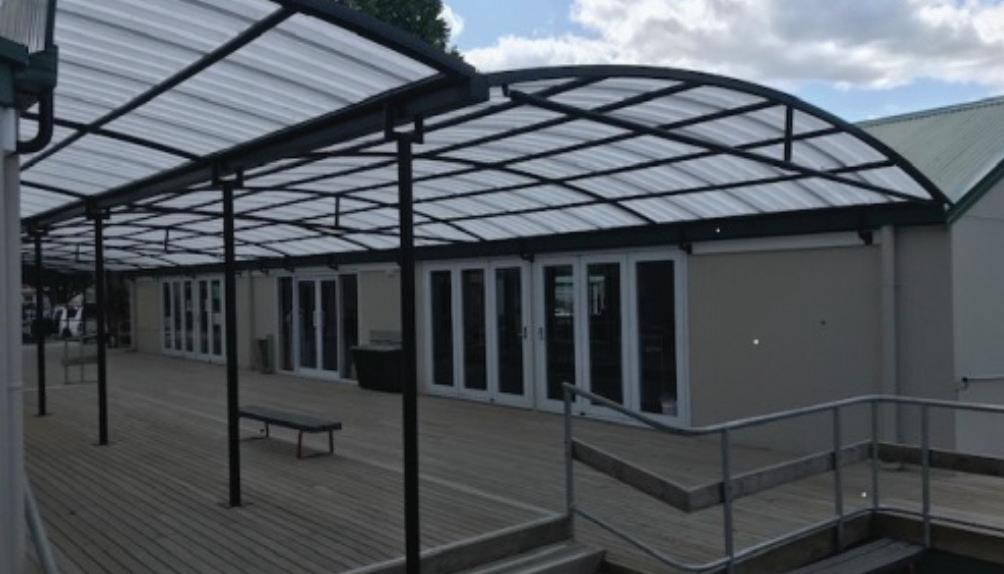
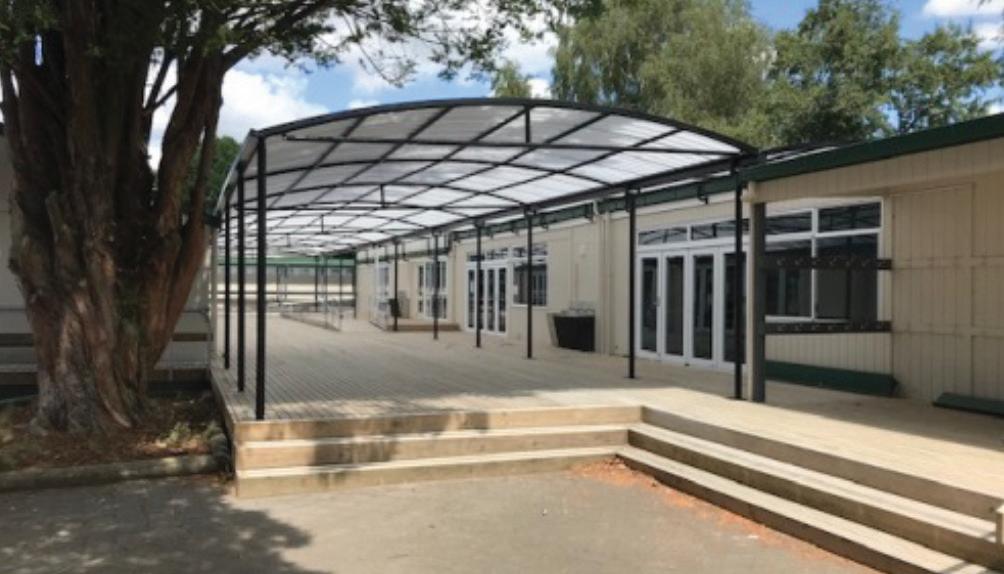


Webglas in school walkway applications

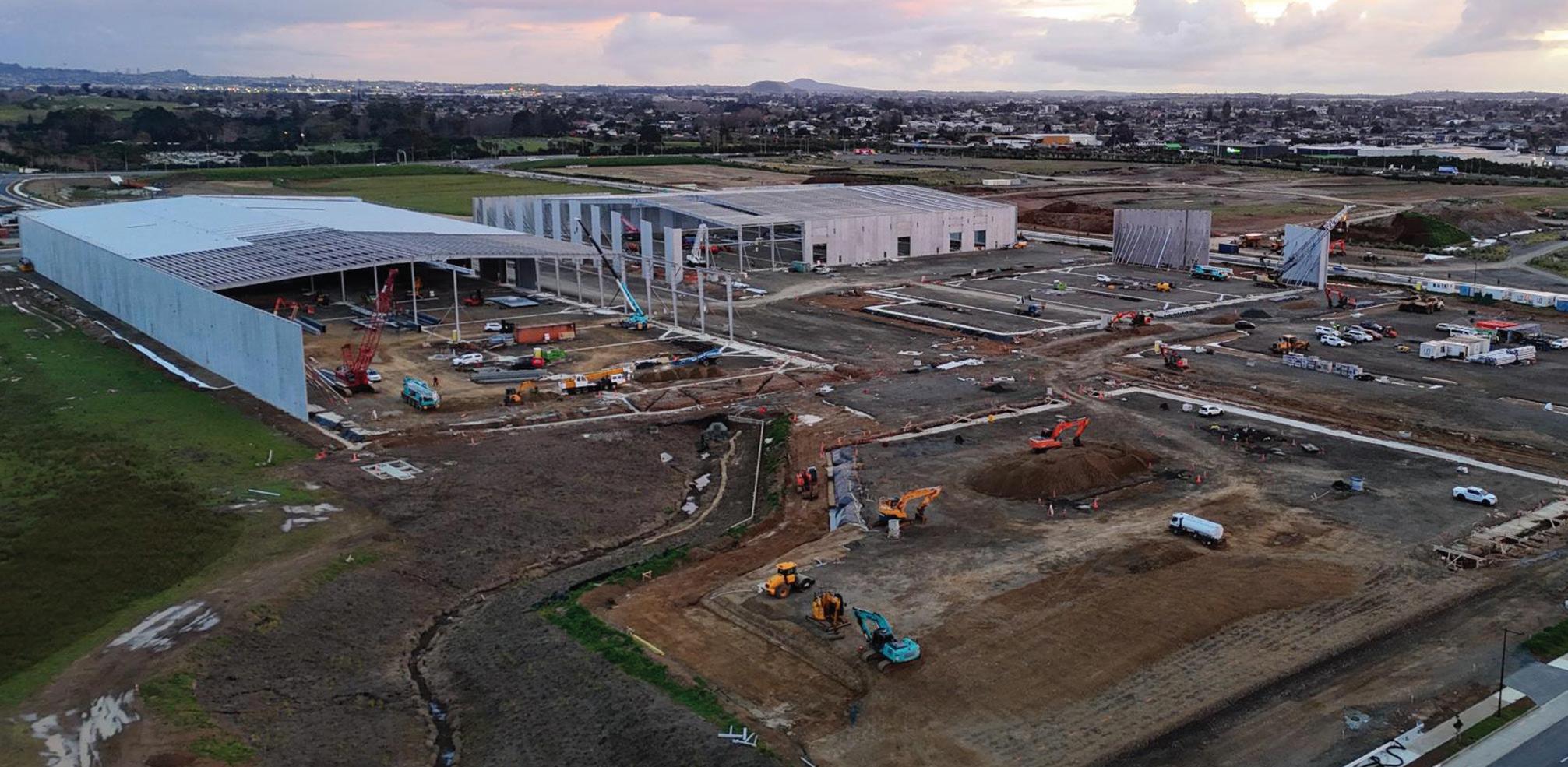

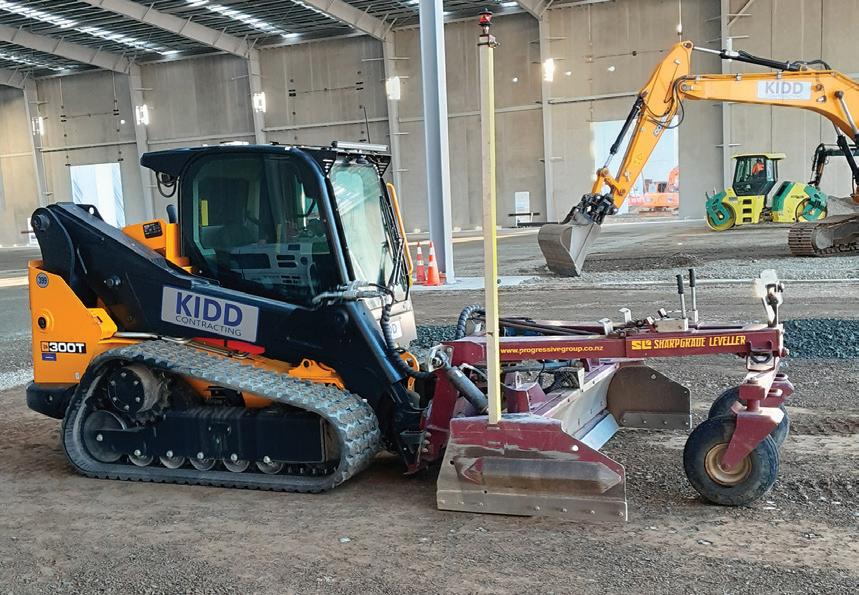
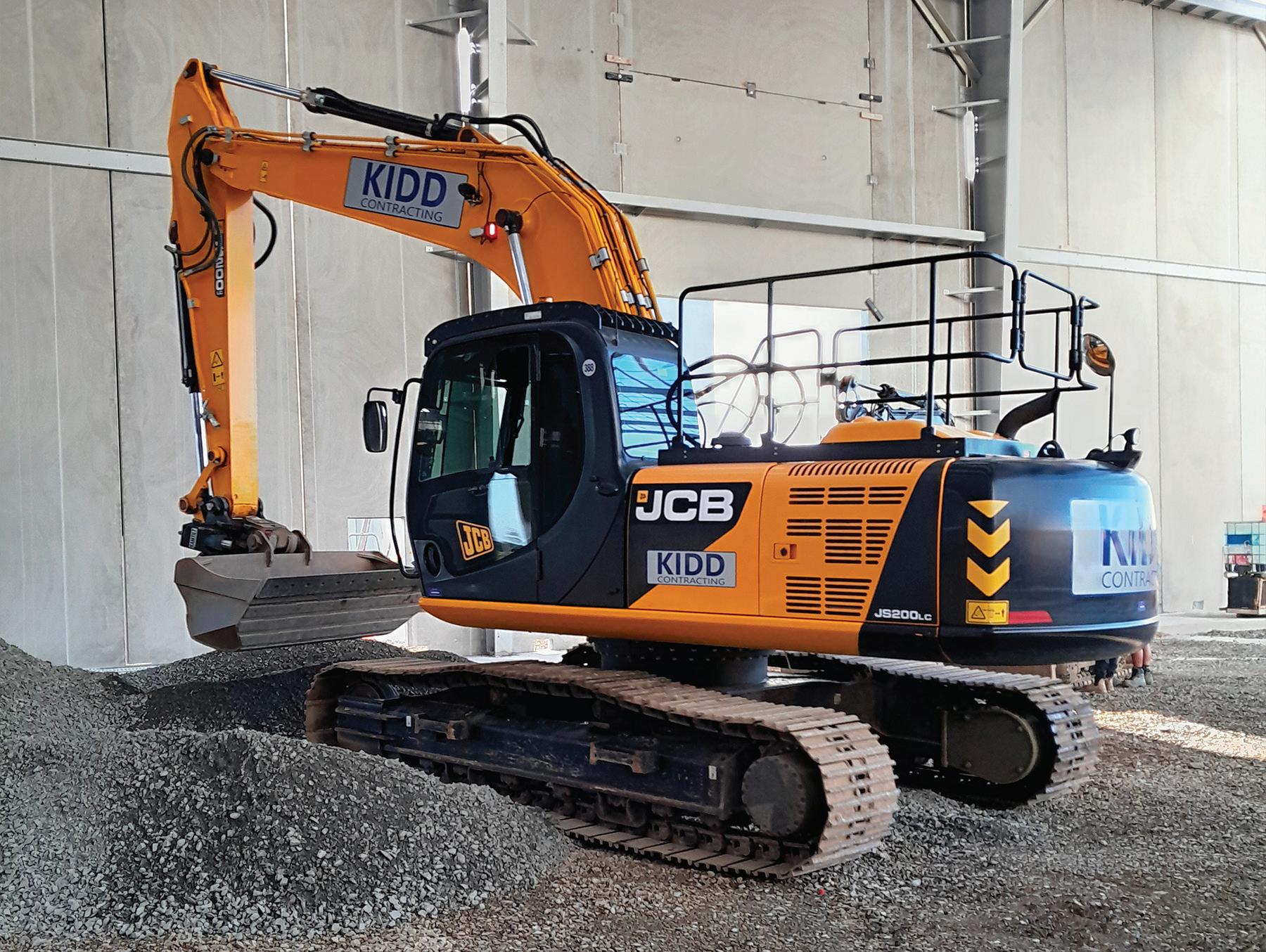


TeachAid supports Aotearoa schools through every step of the curriculum update. Build ready-to-teach, curriculum-driven units personalised to your school’s kaupapa and community, reducing workload while keeping quality and consistency high. One unified platform designed for Aotearoa schools + kura!

✓ Aligns to updated NZ curriculum
✓ Generates complete units in minutes
✓ Unifies curriculum + PD on one platform
✓ Localises to your kura, school context + priorities
✓ Cuts planning workload + modernises instruction faster
✓ Embeds mana ōrite + culturally responsive practice
✓ Builds agile, integrated plans across learning areas
✓ Maintains consistent delivery with relievers + new staff
✓ Differentiates for diverse learners