Golden period
Re-elected Mayor Phil Mauger reveals his priorities for the city
The rise of a world class events city

How businesses can bounce back quickly from the summer break

Re-elected Mayor Phil Mauger reveals his priorities for the city
The rise of a world class events city
How businesses can bounce back quickly from the summer break
Consenting crisis hits boiling point
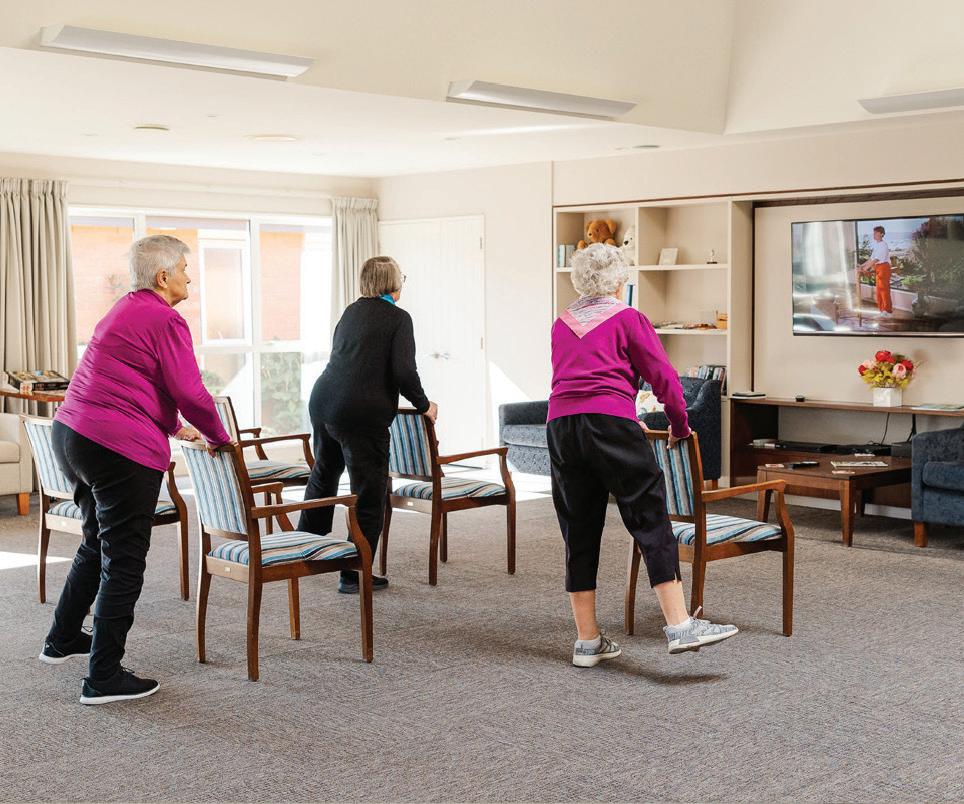
where every day feels like coming home
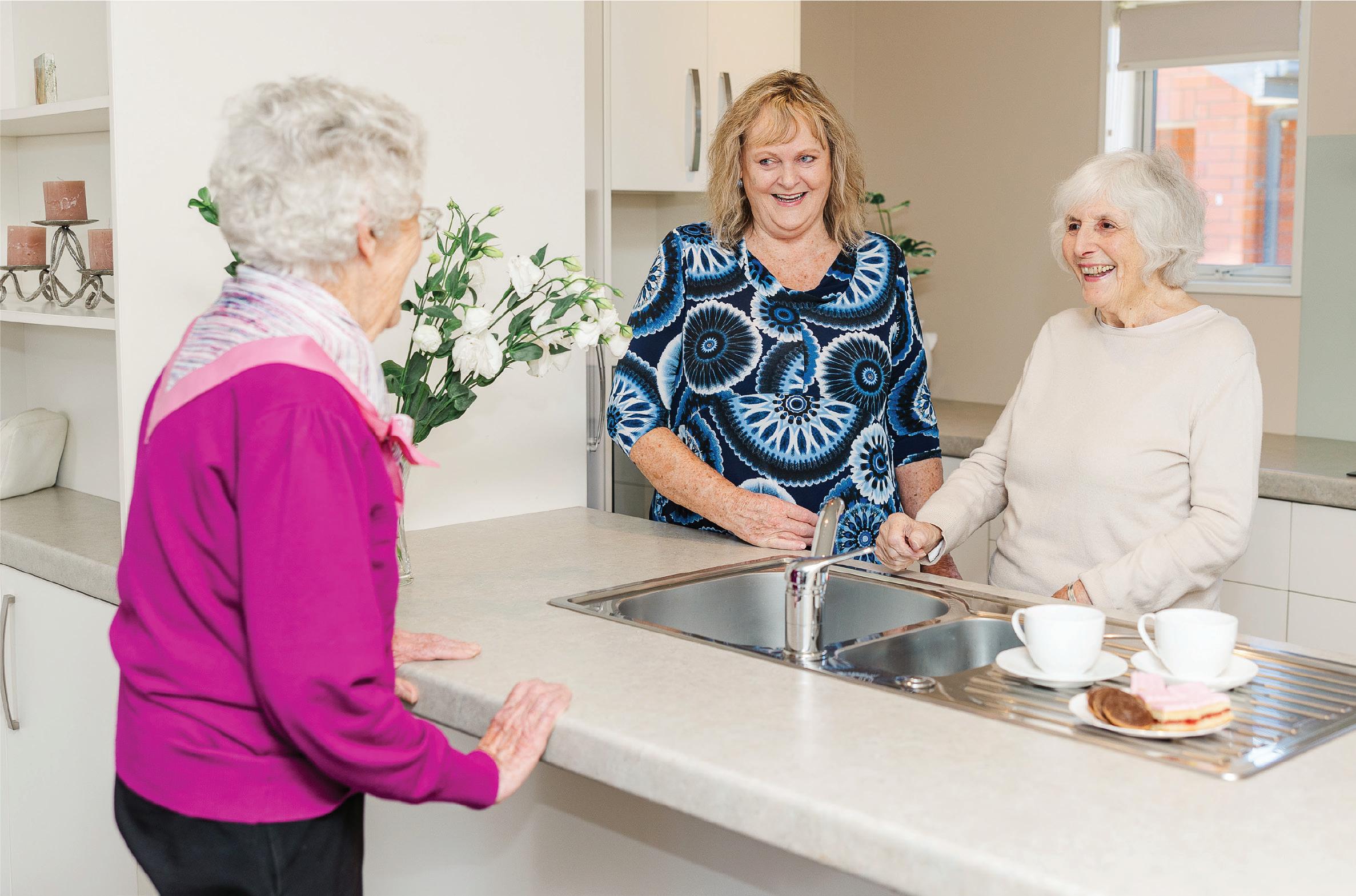
Welcome to Rosebank Lifecare! Established in 1992, we’re here to offer you a place of tranquillity where you and your loved ones can feel safe, secure, and cared for by our amazing staff.
With a hospital, rest home facility, independent villas, and serviced care suites, we cater to a wide range of needs. Our warm and friendly atmosphere, along with comfortable facilities, make it the perfect place to call home. We believe in living life to the fullest, no matter your health or condition. Each resident is uniquely valued, with their life experiences and personal values respected. We truly value the support of family and friends in helping our residents thrive. All enquiries and visits are welcome - we can’t wait to show you our facility!
If life is what you make it, choosing Rosebank Lifecare may just be the best decision you ever make.
Ready to live your best life without the stress of home maintenance?
Come join our retirement village, where every day feels like a vacation with neighbours who become family. Experience the warmth and security of a community where everything is taken care of - from maintenance to garden upkeep. Say goodbye to worries and hello to a carefree lifestyle.
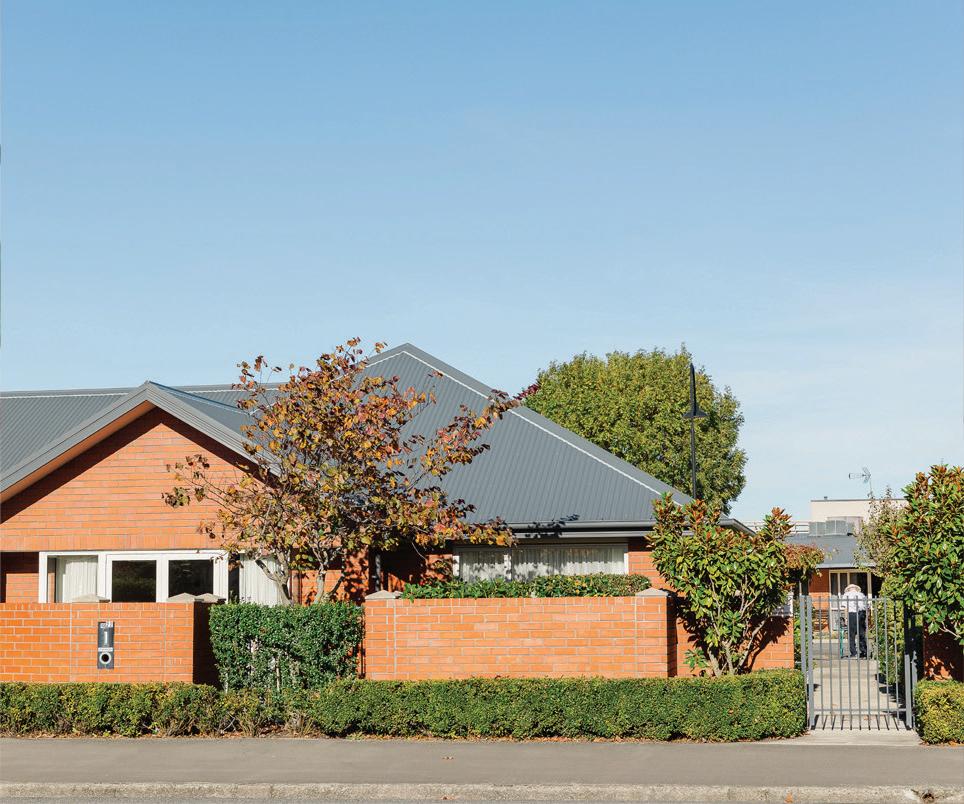
Where independence meets security and community meets convenience. Located on Walnut Avenue, in the heart of Ashburton, our small but welcoming village offers a sense of belonging while giving you the freedom to choose your level
of involvement. Enjoy the beautiful Ashburton Domain just a stone’s throw away, perfect for a leisurely stroll or picnic with family and friends. Our 2 & 3-bedroom villas are designed for warm modern living, with spacious living areas, private gardens you can add your personal touch to, and attached garages for your convenience. Family and friends are welcome to visit and stay with you anytime. Plus, your furry friends are welcome to join you!
Looking for your dream villa? Look no further! Villas are available now, so why wait? Enquire today and make your dream a reality!
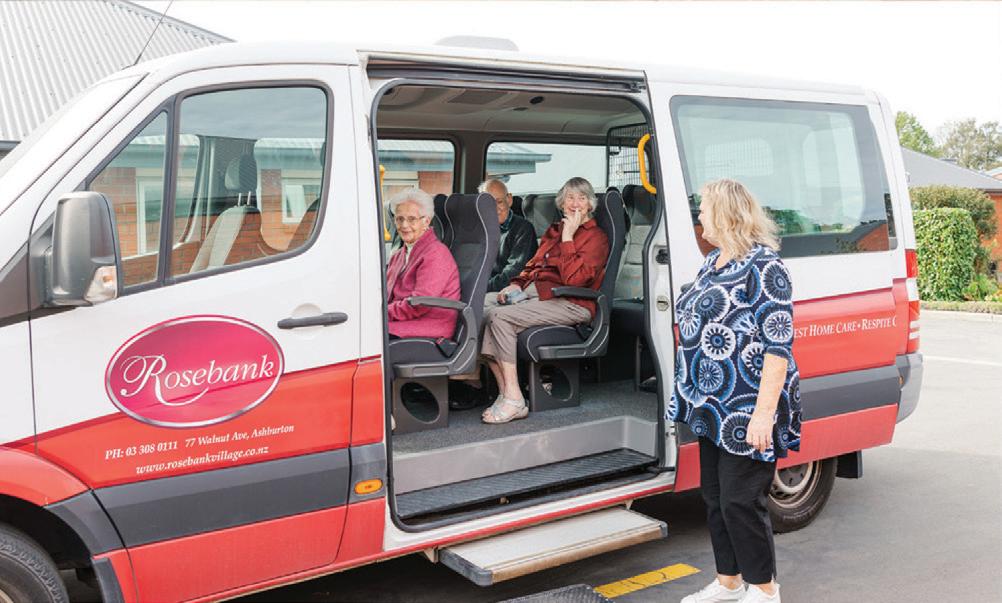
Meet Kathleen, our neighbourhood’s angel saint, always spreading love and light!
Kathleen is our friendly village coordinator, who is always there to lend a helping hand or plan exciting weekly outings around our region. Whether it’s a trip to Methven, Timaru, or beyond, there’s always something fun in store.
Experience the best of both worlds at Rosebank Village - independent living with a tight-knit community to support you every step of the way. Make a choice to live a full and active life surrounded by caring neighbours who feel like family. Come see for yourself why Rosebank Village is the perfect place to call home.
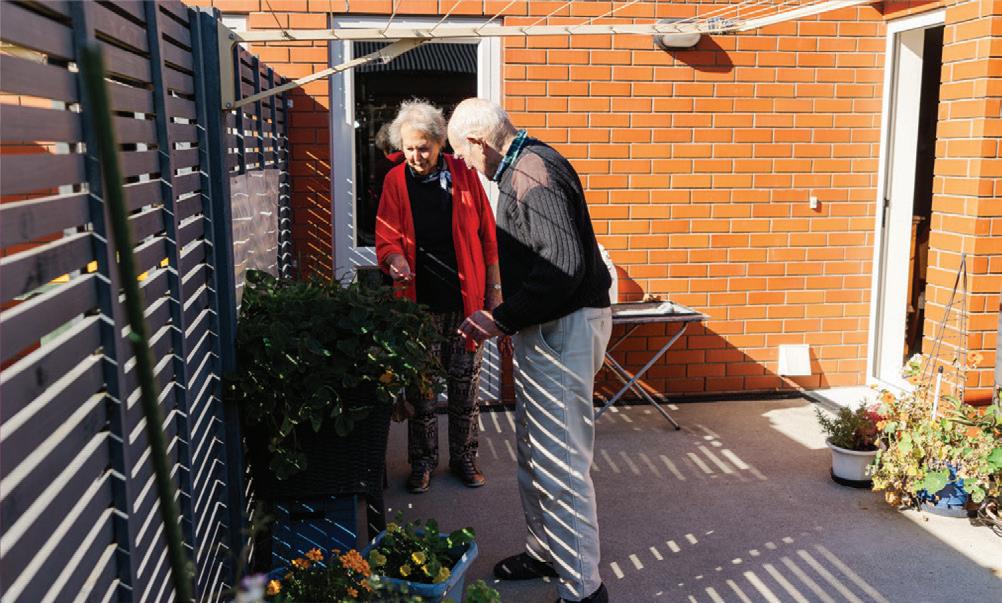
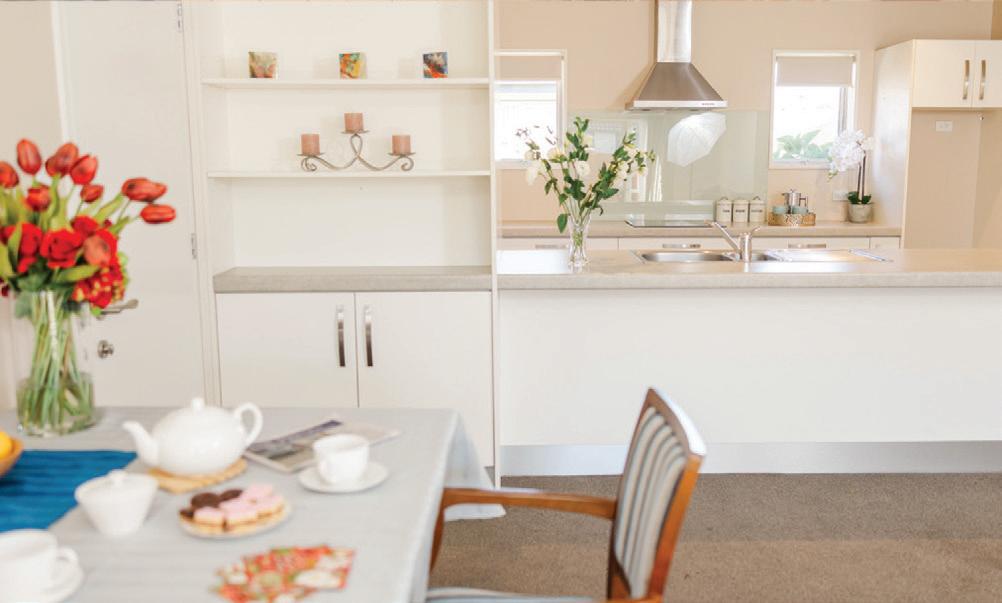
Say goodbye to worries and hello to comfort in your golden years! Let the care come to you in your dream aged care serviced care suites.
Looking for a little extra support without giving up your independence? Look no further than Rosebank’s serviced care suites — now open! Enjoy the privacy of your own space while receiving daily meals, laundry, and housekeeping assistance if you require it. Plus, with a variety of care options available, you can tailor your support to fit your needs now and in the future without the hassle of moving again.
Live life to the fullest without worrying about maintenance or security - you deserve it!
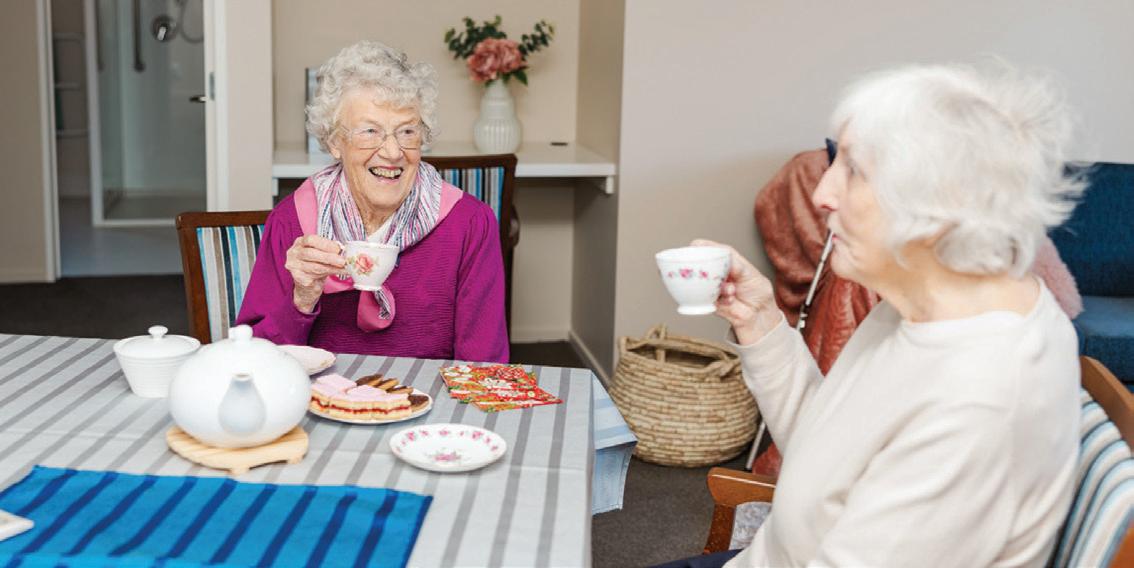
Get the support you need without sacrificing your freedom! Check out Rosebank’s serviced care suites — now available!

Make the decision today to live a full and active life, with wrap-around care services in a community that truly cares. Come visit us and see why Rosebank Lifecare is the perfect place to call home. Call Karen Marriott-Haugh today 027 4181 222.

Christchurch is heading into one of its biggest summers in years, with a major events calendar expected to deliver record crowds, huge visitor spending, and a major boost to local business confidence – cementing its position as the comeback city of the century.


As the temperature rises, so does the energy in Ōtautahi Christchurch. This issue celebrates a city in full bloom — not just with summer sun, but with worldclass events, economic momentum, and a sense of cultural renewal that’s impossible to ignore.
Our cover story dives into what’s shaping up to be a truly multimilliondollar summer. From sold-out festivals and stadium-shaking concerts to the undeniable buzz in local businesses, Christchurch is fast becoming the Southern Hemisphere’s capital of cool.
It’s a transformation powered by ambition, collaboration, and a love for shared experiences. But more than the numbers, it’s the sense of connection — between people, place, and purpose — that really makes this season special.
We hope this issue captures that spirit and reminds you just how vibrant this city has become.
Here’s to long days, loud music, and a summer worth remembering.

Healthify website is one place for New Zealanders to find health information and self-care resources. https://www.healthify.nz
Pharmacists are qualified to provide advice and treatment for:
☞ Athletes Foot
☞ B12 injection
☞ Constipation
☞ Cold Sores
☞ Coughs and Colds
☞ Conjunctivitis for those aged over 2 years
☞ Contraceptive pill




☞ Covid vaccinations and antivirals
☞ Dry skin, nappy rash, small patches of impetigo (less than 3 areas), abrasions, bruises, insect bites & sunburn
☞ Emergency contraception
☞ Head lice
☞ Mouth ulcers
☞ Pregnancy vaccinations
☞ Pain relief
☞ Piles
☞ Flu vaccinations
☞ Hay-fever
☞ Sore throats & earache for less than 3 days
☞ Smoking cessation
☞ Thrush (between ages 16 to 65)
☞ UTI (between ages 1665, not pregnant)
☞ Warts & verruca’s
Our Health Coaches offer advice, support and help navigate you towards community support: (All consultations are free of charge)
☞ Quitting smoking
☞ Drugs & alcohol support
☞ Pre-Diabetes advice
☞ Setting health goals
☞ Advice on benefits, housing, home care, children’s and older people’s services, family support.
☞ Exercise tips and support
Our Health Improvement Practitioners can help with: (All consultations are free of charge)
☞ Anxiety
☞ Mental Health
Clinical Pharmacists can:
☞ 3-6 monthly medication reviews
☞ Lifestyle changes
☞ Depression
☞ Offer advice on any medication problems/queries
☞ Help and advice on financial matters, benefits such as WINZ and job seeking
☞ Diet and lifestyle support
☞ Social Isolation
☞ Sleep problems
☞ Assist with patients wishing to potentially decrease their medication
☞ Blood pressure
Our Nurse Prescribers and Community Nurse Prescribers can:
☞ Prescribe and treat minor ailments such as rash/spots, wound infections, eczema etc.
☞ Long term conditions
☞ UTI & STI checks + treatment
☞ Diabetes check + treatment
AND can help with multiple medical conditions including:
☞ 3-6 monthly med reviews
☞ ACC injury assessment + registration
☞ Eczema + other skin conditions
☞ Driver’s licence medicals
☞ Women’s health (contraception, menopause, breast concerns)
Our Registered Nurses are able to do:
☞ Blood pressure checks
☞ Wound management
☞ Child Immunisations
☞ Cervical Screening
Practice Plus is:
☞ Same day clinical appointment
☞ Prescriptions sent to your Pharmacy
Our GP’s can:
☞ Assess and treat all ailments, conditions and diseases.
☞ Minor surgeries etc.
Urgent Care can:
☞ Urgent health care appointment
☞ GP & Nurse visit
☞ For patients who cannot see their GP
☞ Contraception
☞ Spirometry
☞ Infusions
☞ Weekdays 5pm – 10pm
☞ Public Holidays 8am – 8pm
☞ Steroid Injections
☞ Sports medicine
☞ Medicals
☞ Accident and injury treatment
☞ X-Ray services
☞ Visitors to Marlborough needing treatment
☞ Stress /Burnout
☞ Offer education session for patients on their medication
☞ Long term conditions management
☞ Treat minor ear & eye infections
☞ Blood pressure reviews
☞ Long term conditions clinic –review conditions such as; Asthma, COPD, Heart Failure, Gout, Cardiovascular disease
☞ Travel consults + vaccination
☞ Ear Suctioning
☞ Other vaccinations
☞ For enrolled, un-enrolled & international people
☞ Long-Acting Reversable Contraception removal + insertions, such as IUD’s & Implants
☞ 8am to 8pm daily

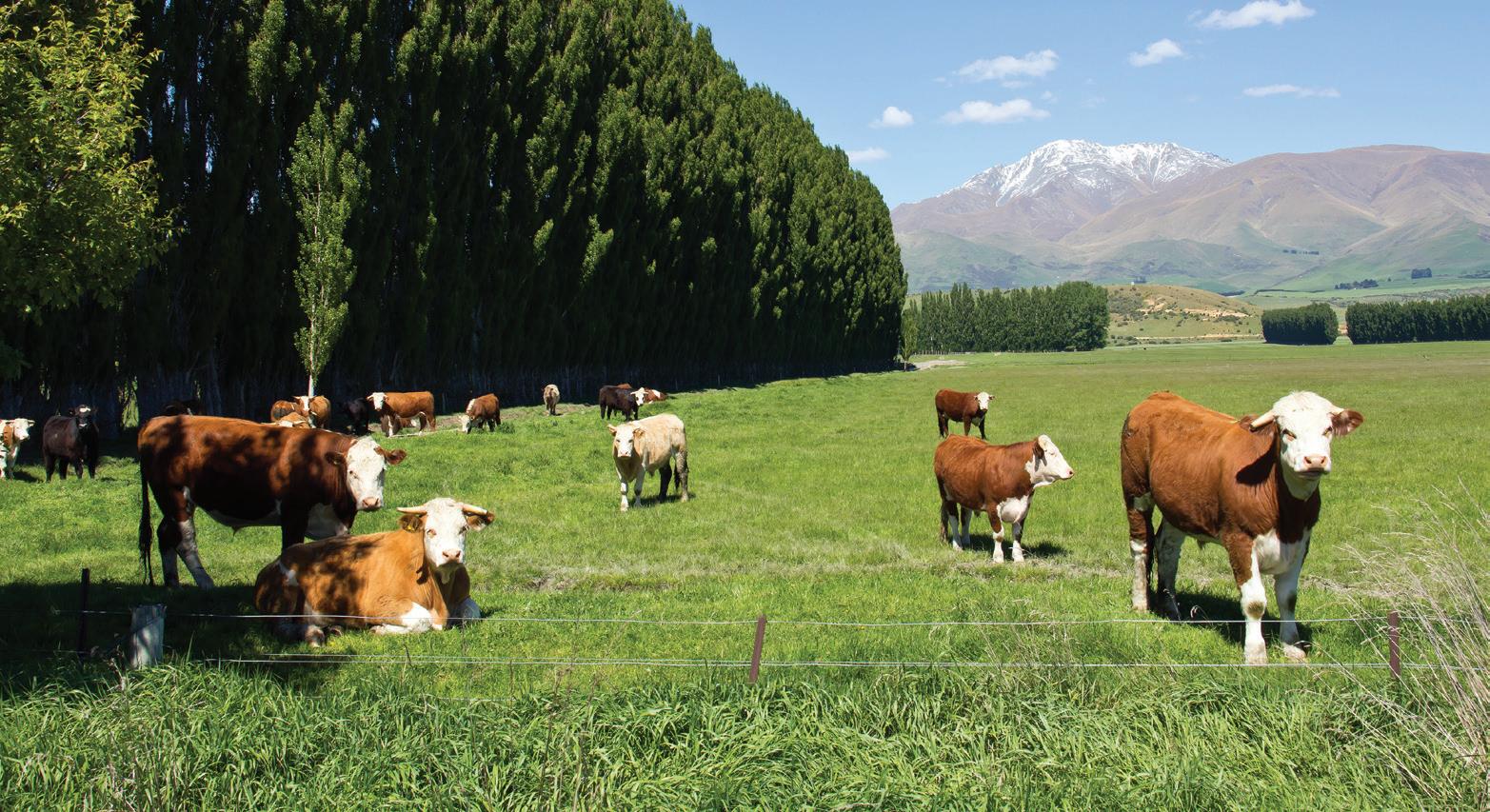
timber tariffs
NZ eyes up new foreign markets amid uncertainty 79 Holiday hangover
How to bounce back quickly from the summer break 80 Age-gap relationships
Consenting crisis has farmers at boiling point
Re-elected Christchurch mayor Phil Mauger reveals his vision for the city
How different life stages shape financial planning
87 Bedroom eyes
How much value an extra room could add to your home

Choose Rapid Movers for stress-free and efficient moving in Canterbury.
We specialize in seamless relocations for homes and businesses. Our experienced house movers ensure your belongings are handled with care every step of the way.
We offer affordable rates without compromising on quality. Whether it’s a local move or a long-distance one, our Christchurch movers provide fast, secure, and reliable service. Contact us today for a free quote and let us make your move easy!
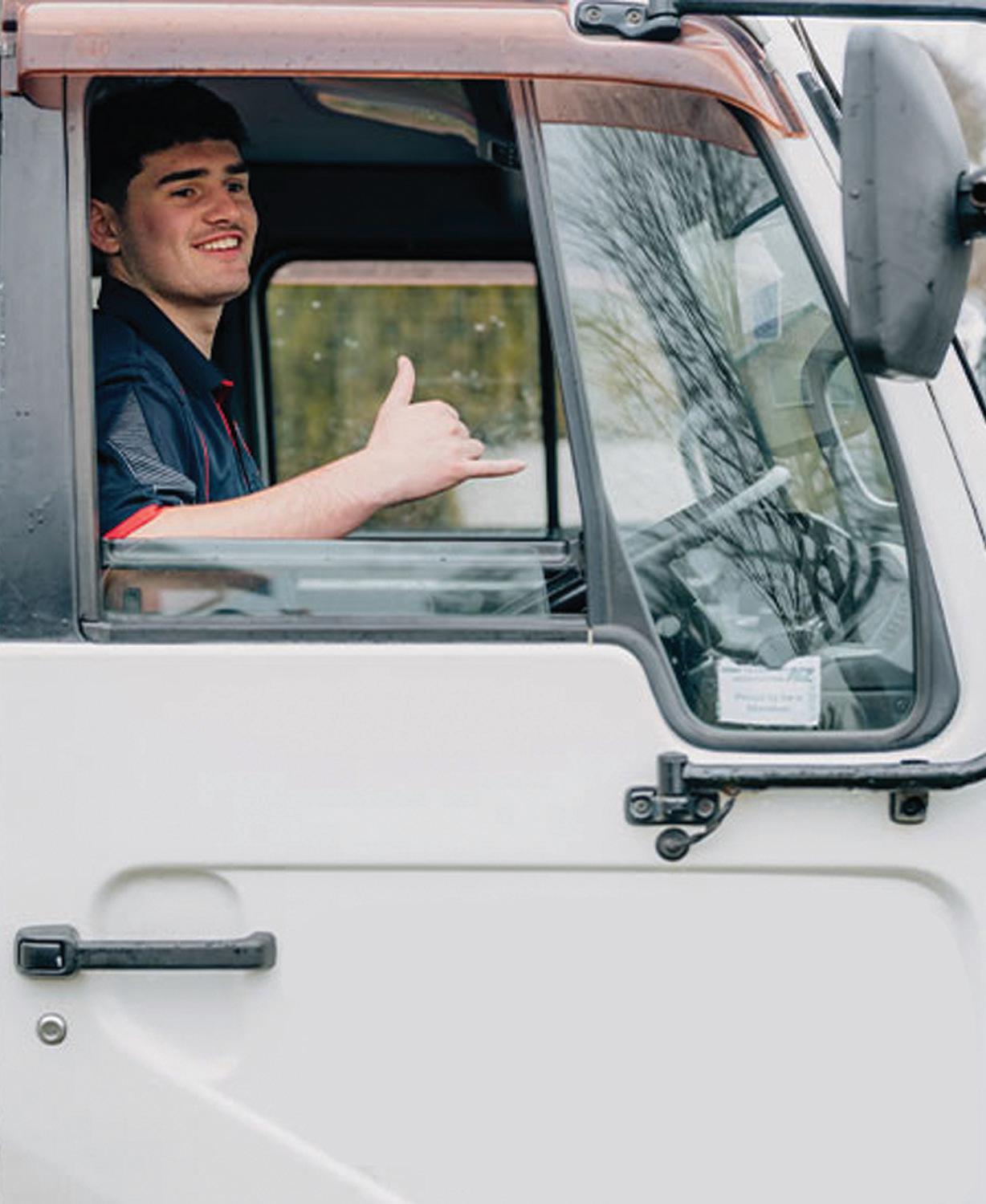
We are a family owned and operated Nationwide moving company in Christchurch that constantly provides safe and secure moving services to our esteemed customers.
This starts with treating you, your home, your place of business, and your possessions with respect and care.
Let us do the heavy lifting for you from start to finish, with full service moving packages to suit any budget.
WE TRAIN OUR STAFF IN OUR WAREHOUSE, NOT YOURS.
Our staff members receive training at our completely equipped Training Home, which is located in our warehouse. The team practices ways to protect your home, from the flooring to the walls and door jambs, as well as how to properly pack, load, and move your possessions in our house, not yours.


¼ 0800 800 784
º Info@rapidmovers.co.nz
í 2/312 Armagh St Christchurch Central Christchurch 8011
www.rapidmovers.co.nz

By Shelley Sweeney

Canterbury is a community shaped by diverse experiences and perspectives. Healthy debate has its place, but there is also a clear line between discussion and division.
When prominent Cantabrian Sam Stubbs, managing director of the Simplicity KiwiSaver fund, spoke out about assassinated US social commentator Charlie Kirk, it raised an important question: What do we, the public, find acceptable from those in positions of influence?
In the wake of Charlie Kirk’s assassination, Sam Stubbs took to social media platform LinkedIn to say:
“We should mourn the violence, but not the man. And we certainly cannot eulogise a racist, sexist and bigot. RIP Charlie Kirk. I wish your ideas had died with you.”
While freedom of expression is a cornerstone of democracy, it doesn’t give our business leaders a licence to publicly judge intolerance to bolster the integrity of their brand. Charlie Kirk’s political stance wasn’t just controversial, critics argued it was calculated provocation, often targeting minorities, women and the LGBTQ+ community.
When a Canterbury business leader publicly expresses an opinion either for or against that kind of messaging, it’s not just an opinion. It’s an endorsement of division and it tells your region, your customers and your community exactly where you stand.
What do we, the public, find acceptable from those in positions of influence?
Why the comment sparked such backlash
At a basic level, the wording was seen by many as insensitive and divisive, telling people not to mourn the person who was murdered, even if they disliked his views.
Critics argued the post lacked empathy and basic decency given the violent nature of Charlie Kirk’s death.
Because Sam Stubbs is publicly associated with a “purpose-driven”
brand, many commentators felt that his personal remarks could reflect negatively on the company’s values and reputation.
The issue became magnified in part because of the global context of Kirk’s death, U.S. political polarisation and debates over free speech and extremism. Why a local business leader would wade into that world seemed inappropriate at best. Not to mention the alignment of the ethical Simplicity brand with a violent political killing.
Reputational risk
Media outlets and commentary pieces flagged the incident as a reputational mis-step. One article in the Daily Telegraph described it as: “a brush with brand destruction” for Simplicity.
Sam Stubbs himself told Newstalk ZB that between 50 - 80 people had
“…Murder is murder, and anyone celebrating the death of Charlie Kirk is celebrating acts of willful vengeance. That is wrong, full stop...”
- Sam Stubbs

been in touch to complain about his LinkedIn comment.
On social media, investors and customers showed sentiment that some would move their KiwiSaver funds away from Simplicity because of the way he expressed his opinion.
A formal apology
The day after Sam Stubbs’ initial post about Charlie Kirk’s death, he returned to LinkedIn to apologise and take a more thoughtful stance on the situation:
“…Murder is murder, and anyone celebrating the death of Charlie Kirk is celebrating acts of willful vengeance. That is wrong, full stop...”
The don’ts for New Zealand business leaders
Using influence to amplify bigotry. Whether it’s under the banner of “free speech” or “alternative viewpoints,” amplifying messages that promote exclusion, hate, or fear puts business leaders and their businesses at risk.
Hiding behind ambiguity. Saying “I don’t agree with everything he said, but...” is not a neutral stance. It’s a signal that you’re willing to
overlook harm if it aligns with your political taste.
Forgetting your audience. Business leaders serve diverse communities, across culture, gender, sexuality and belief systems. Publicly aligning with intolerance shows you’ve stopped serving that community and started serving yourself.
Weaponising contrarianism. There’s a difference between challenging ideas constructively and courting outrage to build a personal brand.
The do’s for New Zealand business leaders
Measured leadership. When faced with global events, we appreciate those who take time to reflect before reacting. Especially when emotions are high, we want leaders who steady the ship, not rock it for attention.
Consistency with values. If your business preaches inclusivity, equality, or ethical investment, your personal endorsements should reflect that. Otherwise, your credibility collapses.
The courage to say nothing. You don’t have to comment on every global incident. In fact,
sometimes silence is the wisest, most respectful response, especially when the only alternative is to speak a harsh truth or share a hurtful, personal opinion.
Being part of the solution. Instead of stoking cultural fires, leaders frequently benefit by using their influence to serve their local communities.
Charity rather than polarity is a positive way that business leaders in New Zealand can make a real difference, bringing people together rather than pushing them apart. CT

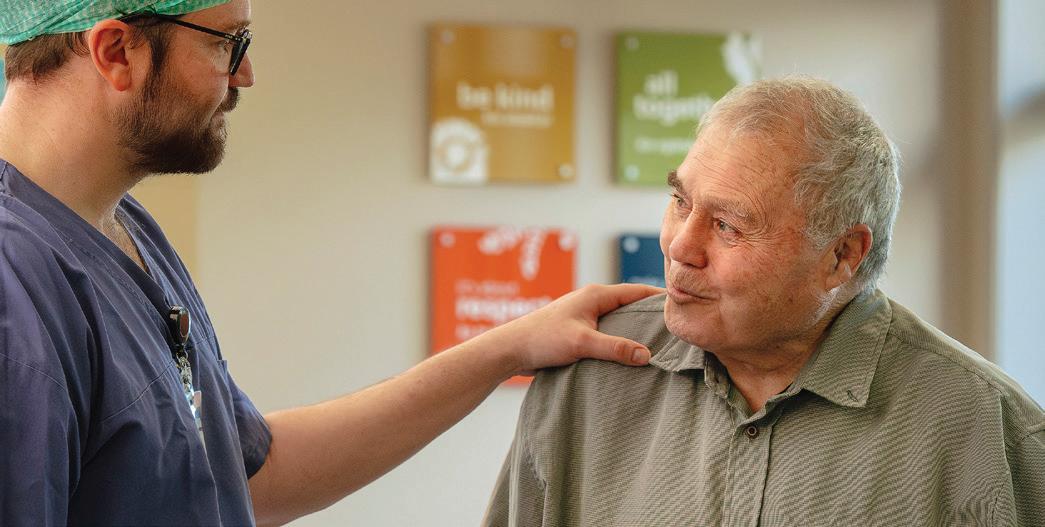
“Our team genuinely care about you, will help you understand what to expect, & support you through your surgical journey.”
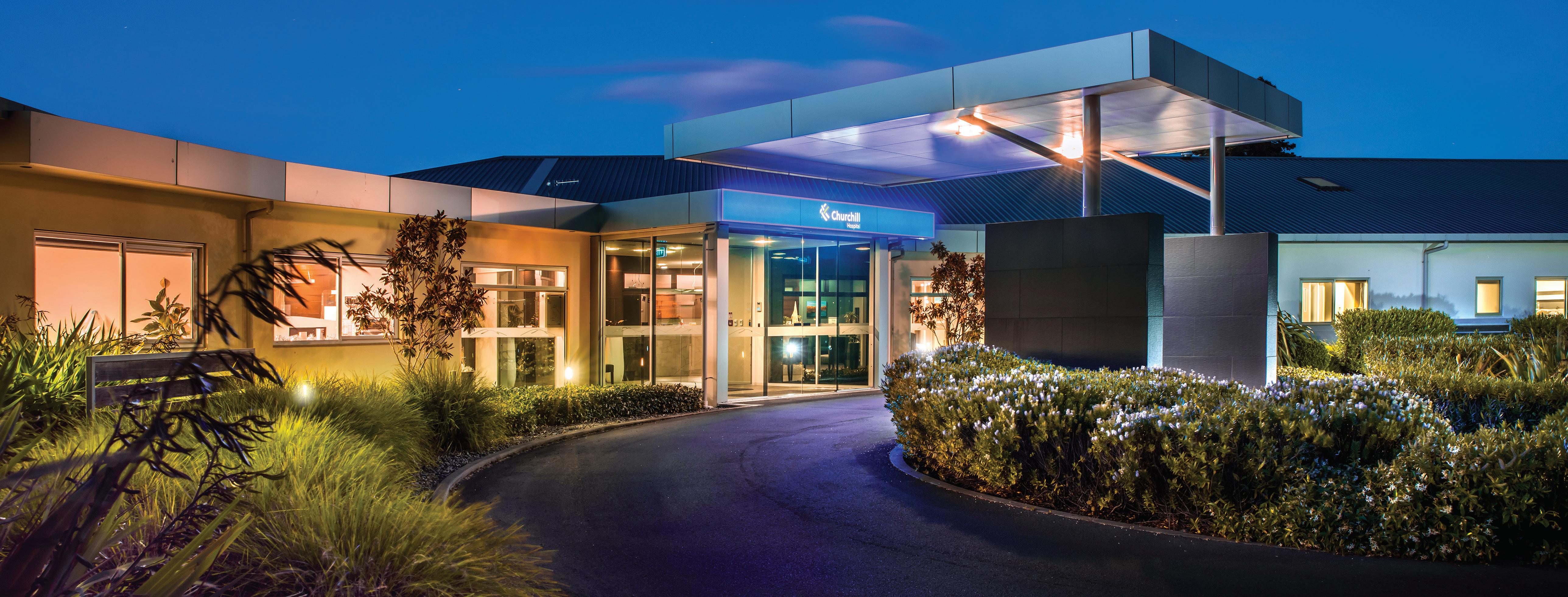
Churchill Hospital are marking three decades of commitment to healthcare in Marlborough.
Churchill Private Hospital Trust operates Marlborough's only private surgical hospital and Specialist Centre. Established in 1994, Churchill Private Hospital have seen 17,069 procedures through their doors.
Churchill continues to focus on wellbeing and patientcentered care, underpinned by core values that have earned Churchill Hospital a reputation for excellence.
Sharing a mutually beneficial relationship with Health New Zealand Te Whatu Ora Nelson Marlborough, Churchill supports Marlborough's health system by reinvesting profits into medical equipment for public and private use, while maintaining and expanding Marlborough's private health facilities and services.
One outcome is a stateoftheart modular operating theatre, the first of its kind in New Zealand. Designed to provide surgeons and their teams a spacious and modern operating environment, the theatre boasts ultrasterile linings, significantly reducing the potential for intraoperative infection and greatly improving surgical outcomes.
Churchill's world class facilities help attract leading surgeons to the region. Surgical specialists consult from the adjacent Churchill Specialist Centre and are supported by a dedicated team, delivering compassionate, professional care in a comfortable and supportive environment at Churchill Hospital. They offer a growing availability of surgical services including general and laparoscopic surgery, endoscopy, gynaecology, ophthalmology, orthopaedic surgery and urology.
"I love making a difference in someone's life. Knowing that I've made their journey better"
With Marlborough Medical Imaging colocated with Churchill Hospital and the Churchill Specialist Centre, patients can often stay local for all their medical needs
"I love that we can keep our patients within their community for surgeries and procedures." says General manager Marlise van Staden.


Churchill holds ACC contracts for clinical services and elective surgery, and is an affiliated provider with Southern Cross Healthcare.
By Paige O’Brien


Christchurch is heading into one of its biggest summers in years, with a major events calendar expected to deliver record crowds, huge visitor spending, and a major boost to local business confidence. After a landmark 2025 season, where Electric Avenue expanded into a two-day powerhouse and became the largest music event in Australasia, the city is preparing for another extraordinary stretch that will cement its position as potentially the comeback city of the century.
Last summer’s numbers were the clearest indicator yet of the city’s momentum. Electric Avenue alone brought more than 75,000 people into Hagley Park across two days, generating $10.5 million in visitor spend and producing 63,000 visitor nights. ChristchurchNZ’s latest annual report confirmed the festival delivered “the highest economic impact Christchurch has seen from a major event in at least a decade,” reinforcing the city’s growing capability to host large, complex, international-scale events.
But Electric Avenue was only the start. Between January and March 2025, ChristchurchNZ invested in seven major events, including the World Buskers Festival, Crankworx Summer Series, Black Clash, the New Zealand Squash Open, and multiple BLACKCAPS and WHITE
FERNS fixtures. Collectively, these events attracted 96,000 attendees, created 78,000 visitor nights, and generated $13.25 million in out-ofregion visitor spending.
With the next summer season fast approaching, Head of Major Events at ChristchurchNZ, Karena Finnie, says the impacts of these events go far beyond economics; they set the pace for Ōtautahi's summer energy.
“Summer events play a vital role in shaping Christchurch’s vibrancy and appeal during the warmer months. They create opportunities for people to connect, celebrate, and experience the city in unique ways. From the mountains to the sea and everything in between, Ōtautahiis an outdoor city finding balance in nature, enjoying some of New Zealand’s greatest natural attractions on our doorstep.”

From the mountains to the sea and everything in between, Otautahi is an outdoor city finding balance in nature, enjoying some of New Zealand’s greatest natural attractions on our doorstep.”
- Karena Finnie

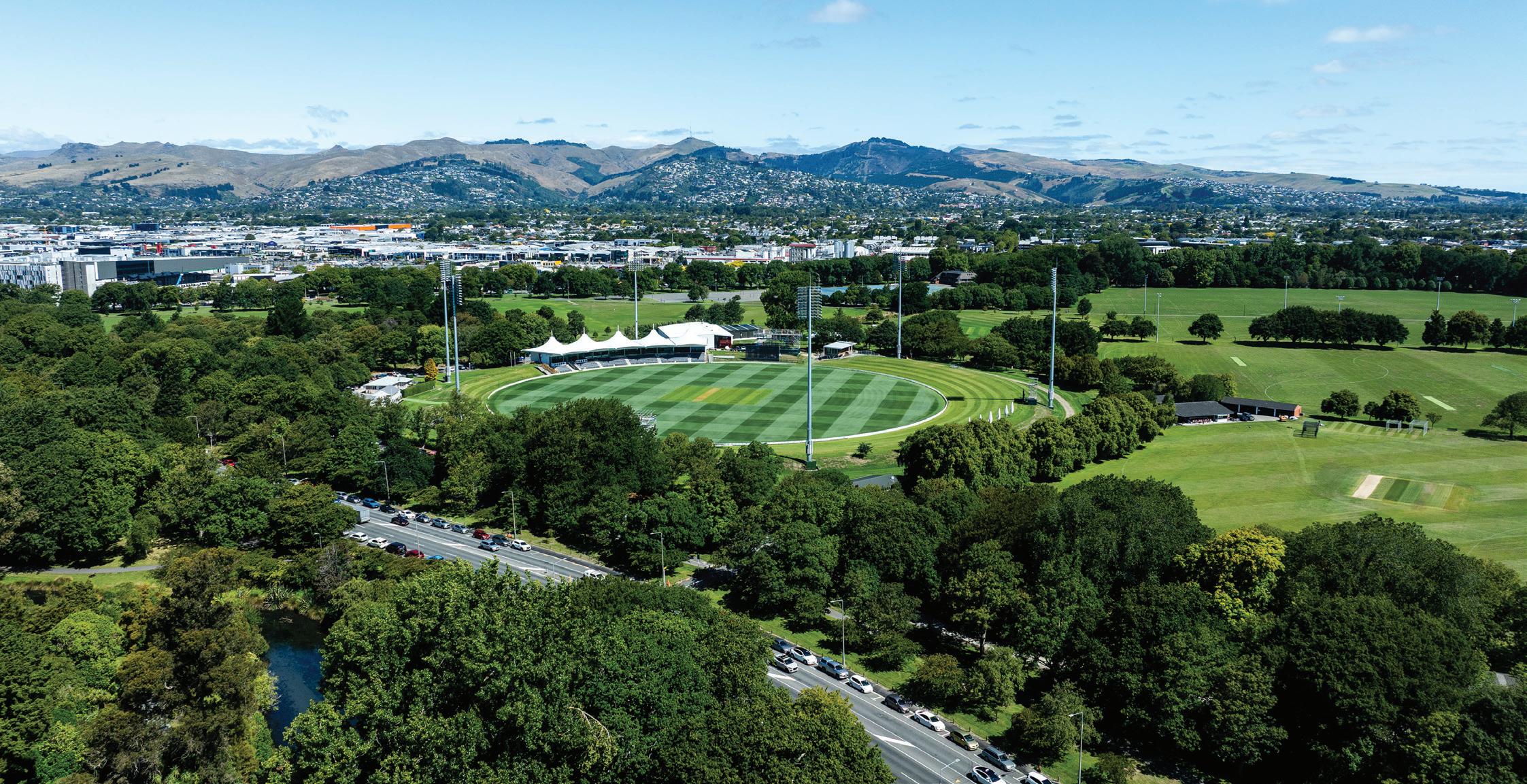
According to Finnie, Christchurch’s outdoor character is a major part of the appeal. “Our plethora of green spaces, including Hagley Park, the Southern Hemisphere’s largest central city park, supports music festivals, light shows, community events, sports events, and fun runs in the heart of the city.”
A line-up built to draw the nation
This summer’s calendar is one of the most substantial the city has put forward. Finnie says the upcoming months hold an impressive mix of international sport, major concerts, arts events, and outdoor festivals.
“The 2026 major events line-up is incredibly exciting and stacked with international music acts, the World Buskers Festival, international cricket at Hagley Oval, downhill mountain biking, V8 Supercars, Super Rugby Pacific Super Round, and so much more to look forward to in the next six months.
On top of this, several major non-ChristchurchNZ events will bring thousands more into the city, including Ed Sheeran’s two-night concert run, the South Island Wine & Food Festival, Great Kiwi Beer Fest, Lexus Urban Polo, Worship, and the Nostalgia Festival.
Among the ChristchurchNZsupported events are:
• Electric Avenue (27-28 Feb)
• World Buskers Festival (23 Jan-1 Feb)
• Crankworx Christchurch (19-22 Feb)
• BLACKCAPS vs West Indies Test (2-6 Dec)
• Art of Banksy Exhibition (17 Dec-27 Jan)
• PSA NZ Squash Open (2-3 Mar)
• WHITE FERNS and BLACKCAPS South Africa Fixtures (25 Mar)
• WHITEFERNS vs South Africa ODI (29 Mar)
Finnie says the expected numbers are even higher than last summer’s.
“Almost 110,000 people are expected to attend the eight major events listed, including more than 36,000 visitors who are expected to travel to Christchurch for these events. This is forecast to generate 82,600 visitor nights for the city and inject $14 million in visitor spending into the local economy.”
A city that its residents are proud of
While the dollar value is impressive, the impact on residents is equally significant. Recent ChristchurchNZ data shows:
• 92% of resident attendees feel major events increase their pride in Christchurch
• 95% say events like these make the city an enjoyable place to live
These numbers point to a shift in how people experience the central city, seeing it as more active, creative, and connected. Finnie adds, “All are important for building a balanced and vibrant calendar of events for the city and ensuring that we have a diverse events offering for our community and visitors to enjoy over the summer. For example, cultural and arts events like the Art of Banksy, The World Buskers Festival, and Electric Ave are important to building on Christchurch’s growing identity as a creative capital.”
More than a weekend: Long-term legacy
These major events also led to real infrastructure improvements. Finnie explains, “ChristchurchNZ’s Major Events attraction has contributed
towards city infrastructure upgrades… such as Te Ana Lyttleton Marina redevelopment fast-tracked for SailGP, ground upgrades for the FIFA Women’s World Cup, downhill trails and the Gold Slope style track built at Christchurch Adventure Park for the Crankworx Summer Series, and the most recent upgrades to the track and infrastructure at Ruapuna Raceway…”
A powerful boost for local business
The hospitality and accommodation sectors feel the surge most directly. “Events support demand for accommodation in the city –for example, hotel occupancy in Christchurch was at 96% over Electric Ave weekend in 2025.”
Some hospitality businesses reported their busiest trading days of the year during major events. “Events can also provide a boost to the hospitality sector – for example, Aikmans Merivale reported its biggest trading day of the year… coinciding with the Tuesday’s IRT NZ Trotting Cup Day at Addington.”
On top of that, seasonal events become a platform for homegrown creativity. “Seasonal events allow the city to showcase local talent,

food, culture, and creativity by providing opportunities for artists, performers, and creators to share their work with diverse audiences, helping to build recognition and pride.”
Partnerships driving a stronger city
Behind the scenes, collaboration plays a massive role in Christchurch’s event success.
“Partnerships allow us to leverage the opportunities events bring to Ōtautahi more effectively like community engagement, use of local suppliers and civic spaces.
Sponsorship and cash investments provide critical funds which assist event organisers in delivering bigger and better activations at a lower cost to the city. Events with large out-of-region attendance can also provide a local business enhanced visibility to new audiences, generating brand awareness and business opportunities beyond the event.” Those partnerships, between organisers, suppliers, venues, councils and businesses, create an ecosystem where major events can thrive.
For Finnie, the value of a vibrant summer events season extends well beyond the calendar itself. “There is significant value in the contribution that major events make to the life of the city, by defining Christchurch as a destination, bringing communities together, attracting visitors, stimulating economic activity and raising Ōtautahi Christchurch’s profile and city brand nationally and internationally.”
The impacts continue to build over time. Year after year, Christchurch
“Seasonal
events allow the city to showcase local talent, food, culture, and creativity by providing opportunities for artists, performers, and creators to share their work with diverse audiences, helping to build recognition and pride.”
attracts larger audiences, bigger acts, greater media attention, and higher visitor spending. The city’s venues, from Hagley Park and Te Pae to Christchurch Adventure Park, are proving they can host some of the Southern Hemisphere’s most ambitious events.
As the next season gets underway, one thing is clear: Christchurch’s multimillion-dollar summers are showing no sign of inconsistency. It’s becoming a defining feature of the city’s identity, one that locals are proud of, visitors are drawn to, and businesses can rely on. CT
Nestled amidst the beauty of the Moutere Valley, Moutere Hills Restaurant offers an unmatched dining experience that caters to all senses.
As you step into the charming restaurant, the rustic elegance and warmth of the decor invite you to relax and indulge, overlooking the vineyard with beautiful views of the Kahurangi mountain range in the background. Jeremy and Imogen took over in late 2023 and have continued to grow the restaurant with creative new dishes and drinks, also adding exciting events such as wine makers dinners and our winter festival.
Our menu promises a journey through the region’s seasonal flavours. Each dish is artfully prepared, balancing traditional techniques with modern culinary creativity. From tasty meats grilled to

perfection to vibrant salads bursting with colour, our chef’s creations leave nothing to be desired.
We use local produce throughout the entire menu including fish, milk, cheese, eggs, lamb, black garlic, microgreens, fruit and vegetables to name a few. Our soft drinks, beers and ciders are also locally made and our coffee is roasted less than 15kms away.
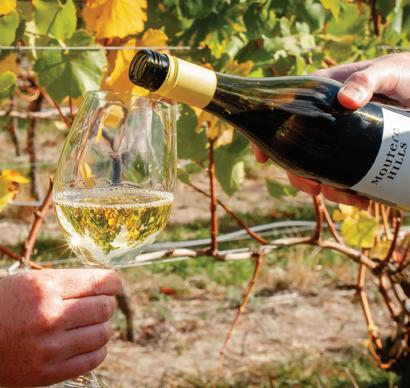
At the heart of our offering is our remarkable wine selection. Grown
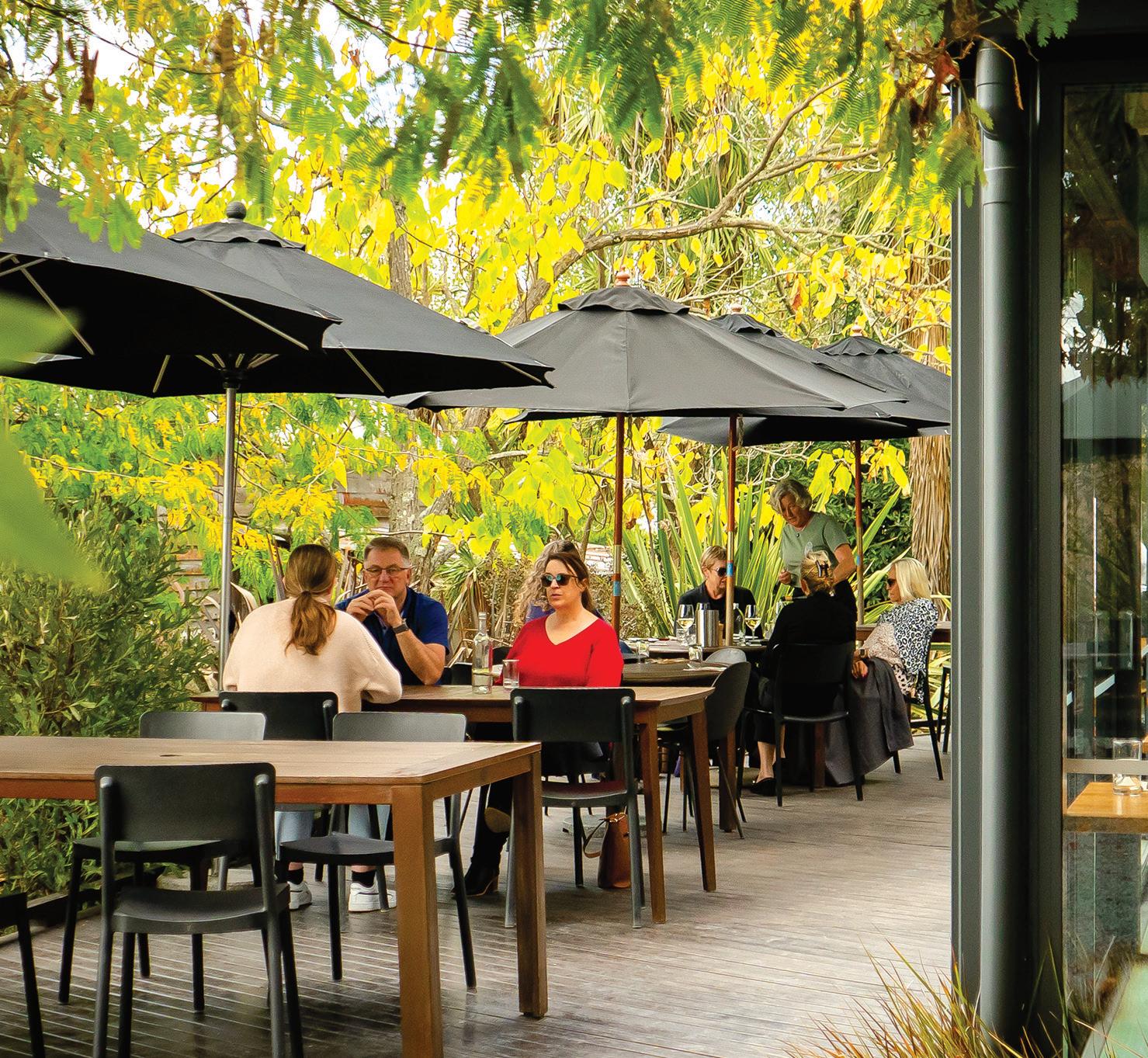
Enjoy a great day out in the Moutere Valley with boutique vineyards, local artisan producers and art galleries to visit.
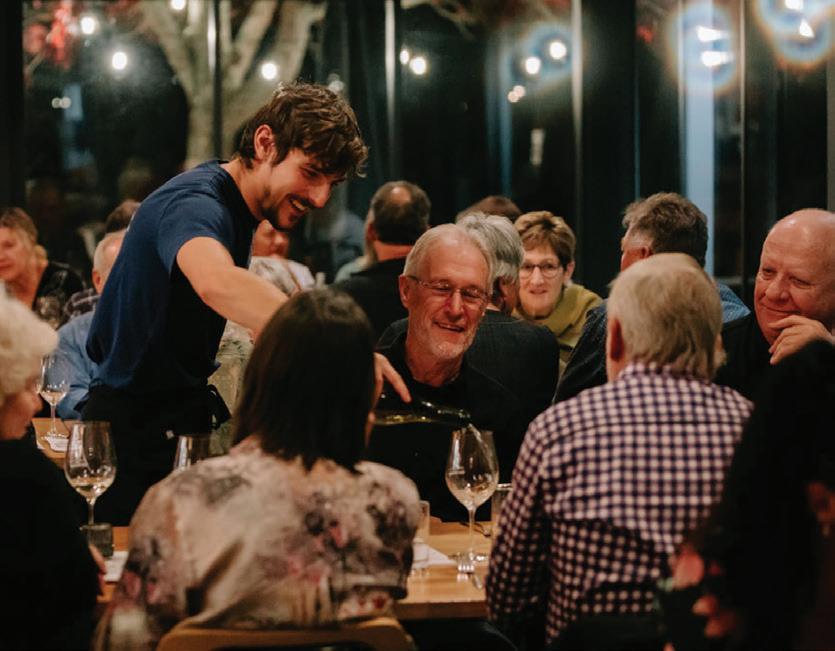
in the soils of our vineyard, our wines capture the unique characteristics of the region. Whether you prefer a robust red or a crisp white, each bottle complements our meals and lifts your dining experience to new heights.
We also cater to private events and special celebrations, providing a picturesque setting that turns every gathering into a memorable event. Our staff are dedicated to impeccable service, ensuring that every detail
is taken care of so you can fully enjoy your time with us.


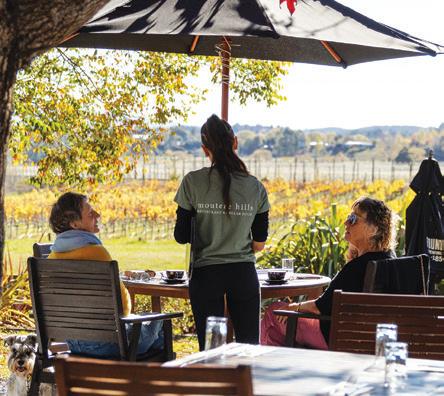
Vineyard restaurant, good food, great wine. Present this flyer for 30% off your wine tasting.
Open hours
Summer: Tues to Thurs 11am - 4pm · Fri 11am - 9pm Sat & Sun 11am - 4pm Winter: Wed to Sun 11am - 4pm · Fri 11am - 9pm
Join us at Moutere Hills Restaurant, where every dish tells a story of passion, and every sip brings you closer to nature. Experience dining at its finest, where ambience, food, and wine create perfect harmony. Make your reservation today and enjoy a memorable experience at the Moutere Hills Restaurant and cellar door. 42 Eggers Rd • RD 1 • Moutere • New Zealand Phone: 03 543 2288
Email: mhrestaurant@outlook.co.nz mouterehillsrestaurantandcellardoor.co.nz


By Ben O’Connell
At just 20, Samantha Lloyd has found the recipe for success.
As she sips a sea salt caramel matcha, the coffee connoisseur tells Canterbury Today how she’s doing business her own way.
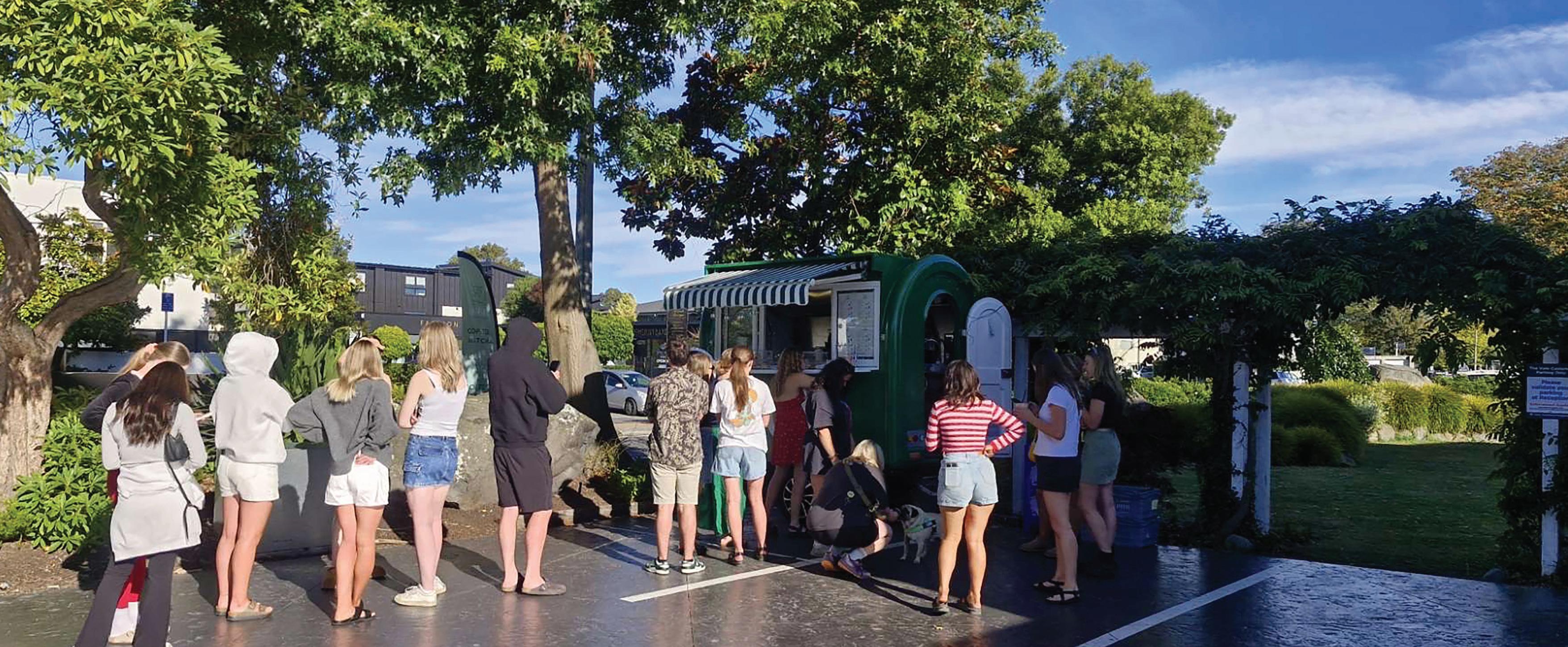
Parked at The Vale, 110 Papanui Rd, Gigi’s Coffee and Matcha has taken the city and the Internet by storm. The coffee cart goes through two kilograms of matcha powder a week, enough for over 1,000 drinks. “Coffee is the first thing I think of in the morning,” says the brains behind it all, Samantha Lloyd. Many regulars now think of their morning Gigi’s in the same way.
It’s popular with all sorts of people: students from nearby schools, people on their way to work, grandparents encouraged by their grandchildren, and Hagley Park hot girl walkers, to name a few. For some customers, it’s their introduction to matcha, a finely ground powder of green tea leaves with a slightly sweet and earthy
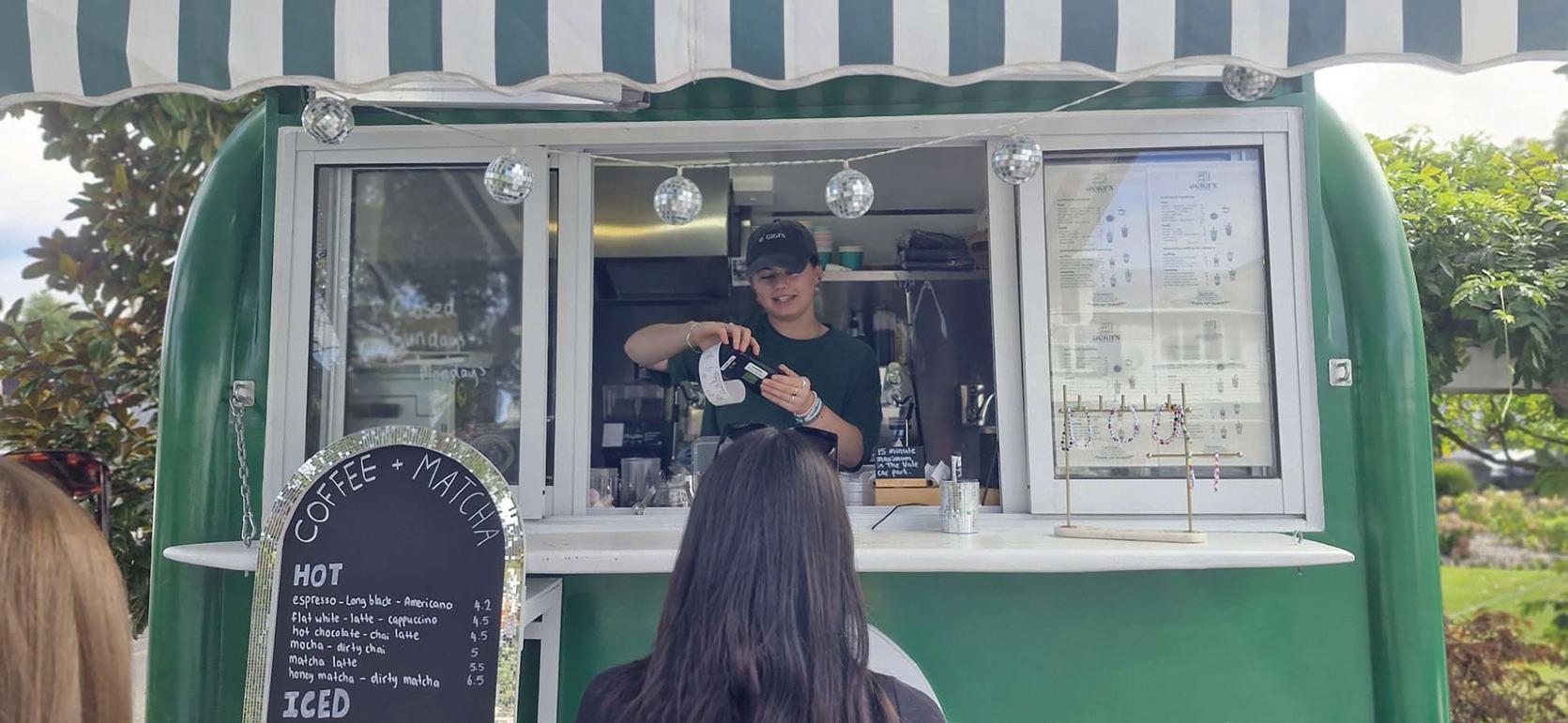
flavour. The cart is named after her bijon jack Russell Gigi. “It was the only name that came to mind. It had to be that.”
From spray-painting the cart matcha green to her hectic day-in-the-life videos today, Sam documented the entire start-up process in shortform video content. Her journey began in September 2024, but she first posted in November, creating a content backlog that meant a more concise digital timeline that maintained the audience’s hype. Her online strategy encapsulates the power of social media marketing.

“[Opening Gigi’s] was a lot more work than I thought it was going to be, but now I have found the rhythm. Leading has a learning curve, but every problem has a solution. I’m so proud, and I don’t want to jinx it, but it’s important to realise when you’re doing well.”
- Samantha Lloyd
At times, the response has been overwhelming. “There are real people behind the TikTok views. Imagine a crowd of 40,000 people. People are actually watching what I’m doing.”
Sam served her first customer in December, a time she describes as chaotic. Now she’s celebrating one year of matchas and more. Looking back, Sam is “100% happy” that she took the risk and embarked on the Gigi’s journey when she did. At age 20, out of high school and with hospitality experience, Sam says it was the perfect time. “When better to drop everything to follow a dream?”
“You don’t check boxes to be a business owner; you just have to want to do it. That’s what Google is for,” she says. “I didn’t want a linear career. I didn’t want to go to university. I worked hard and saved. Like me, you can do it your own way.”
One of Gigi’s first challenges was securing enough matcha to meet
demand. Sam’s original supplier ran out of stock only a couple of months after launch, forcing her to navigate the long production pipeline that matcha requires, because highgrade leaves take months to grow, harvest, grind and ship. Now, Kiwiowned, mother-daughter-operated Nomu Matcha, which launched one week before Gigi’s opened, is their loyal supplier.
One of Sam’s favourite jobs is inventing new sweet treats. She takes inspiration from café TikToks but always puts her own spin on them. “I’m always thinking of what new drinks, goodies, and flavour combinations I can offer. Putting the menu together and having that creative freedom is the fun part.”
When she’s not in the cart, Sam can often be found baking, a passion her mother instilled in her as a child. She rents out a nearby kitchen where she bulk-bakes cart favourites and experiments with new creations. “Cookies, cinnamon rolls, cookies stuffed with TimTams and Oreos, I can go on.”
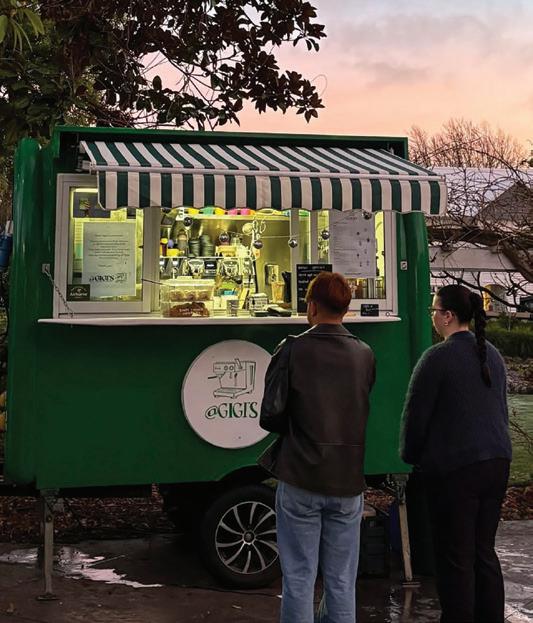

Using unique flavours is another element. Sam draws inspiration from Asian flavours, such as ube and pandan, in line with matcha. “When was the last time you ate something you’d never tried before?”
Though new drinks and treats are always in the pipeline, some crowd pleasers are menu mainstays. “The iced cinnamon roll latte is my most iconic drink. Cinnamon rolls are my favourite food, so I wanted to make them into a drink. The same goes
for the banana pancake matcha. I love banana pancakes. And the sea salt caramel latte – who doesn’t like something sweet and salty?”
“[Opening Gigi’s] was a lot more work than I thought it was going to be, but now I have found the rhythm. Leading has a learning curve, but every problem has a solution. I’m so proud, and I don’t want to jinx it, but it’s important to realise when you’re doing well.” CT
Welding Fabrication: MIG welding light to heavy steel , prep, building sub-assemblies, fit-up, and test-fits
From CAD to a Finished Build: Read drawings, fabricate accurately to measurements and strength.
Operate Equipment: Presses, lathes, saws, forklifts, and engineering equipment with a high regard to H&S
Quality & Safety: Material checks, documentation, final tests and carrying out operating procedures
Teamwork: Jump in across production to keep the line moving, meet deadlines and equal contribution.
WHAT YOU'LL BRING
Integrity: You do the right thing, even when no one is watching and work safely and effectively with honesty
Skills: Experience of at least 2 years of MIG welding 3-25mm thickness. Tickets/Quals a bonus, not essential
Ambition: For the best quality work and results, have clear communication, being reliable and proactive
Confidence in CAD: Reading plans and working to production schedules
Relocation packages available


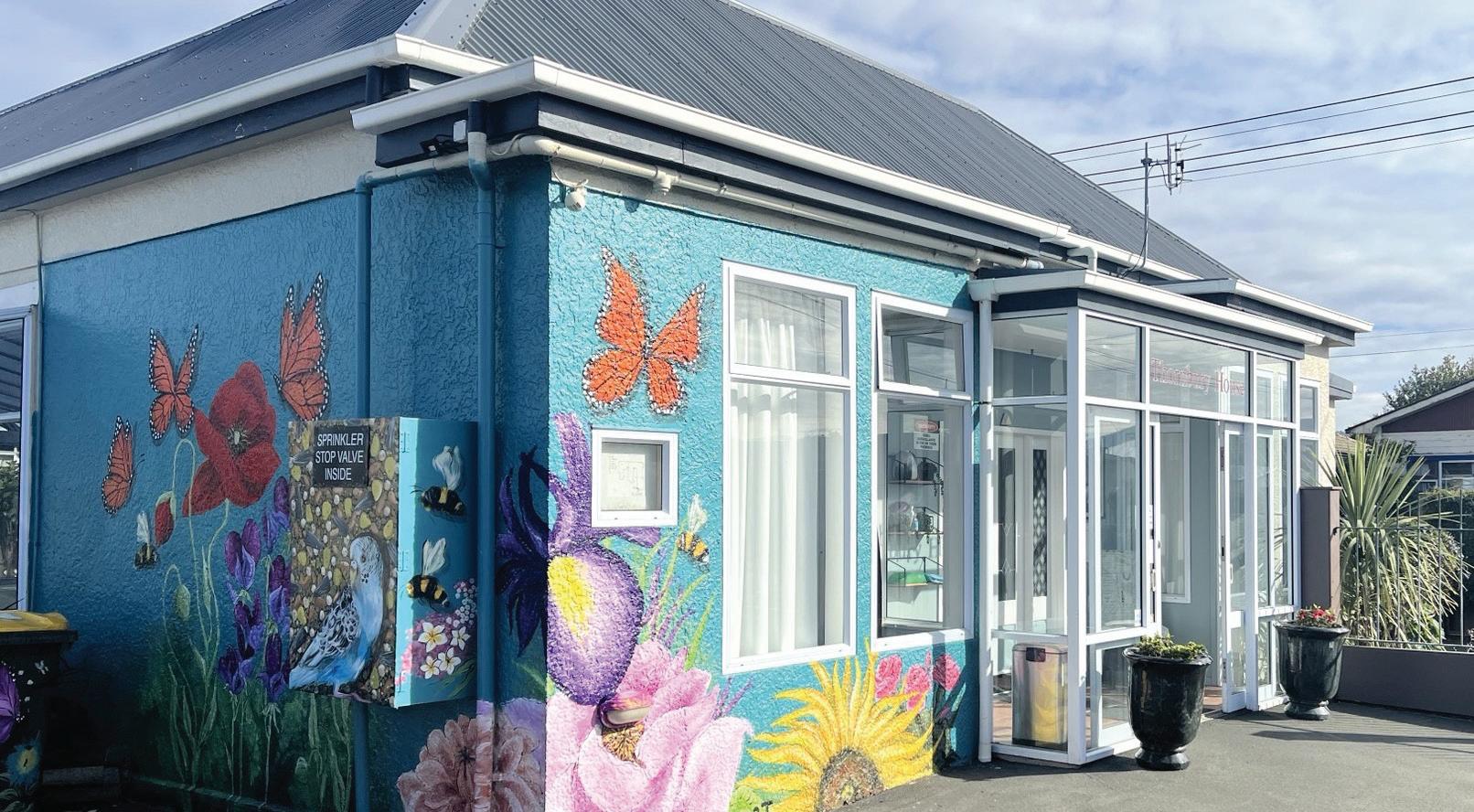
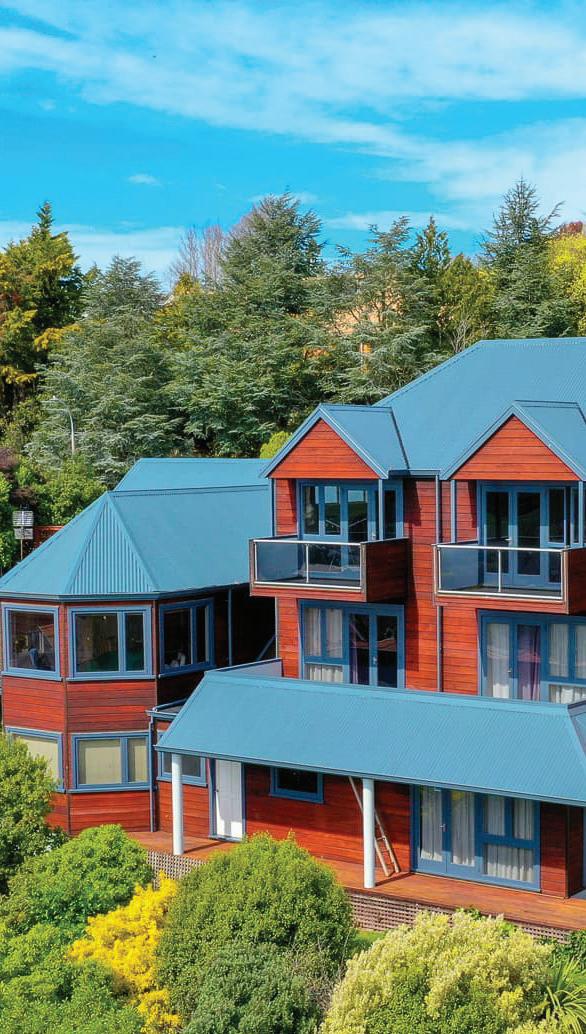
Highview Rest Home & Hospital is an elegant older house beautifully maintained with lots of character and charm.
Our location offers convenience, privacy and stunning views of the Otago Harbour and Peninsula.
A two storey homely Rest Home with well trained knowledgeable staff that offers both rest home and hospital level care, with an in-house laundry service, home cooked meals, regular van outings, exciting activities programme and 24/7 nursing. Highview ticks all the boxes as a place that takes care of all our residents.



32 Lixmont Street, Bradford, Dunedin


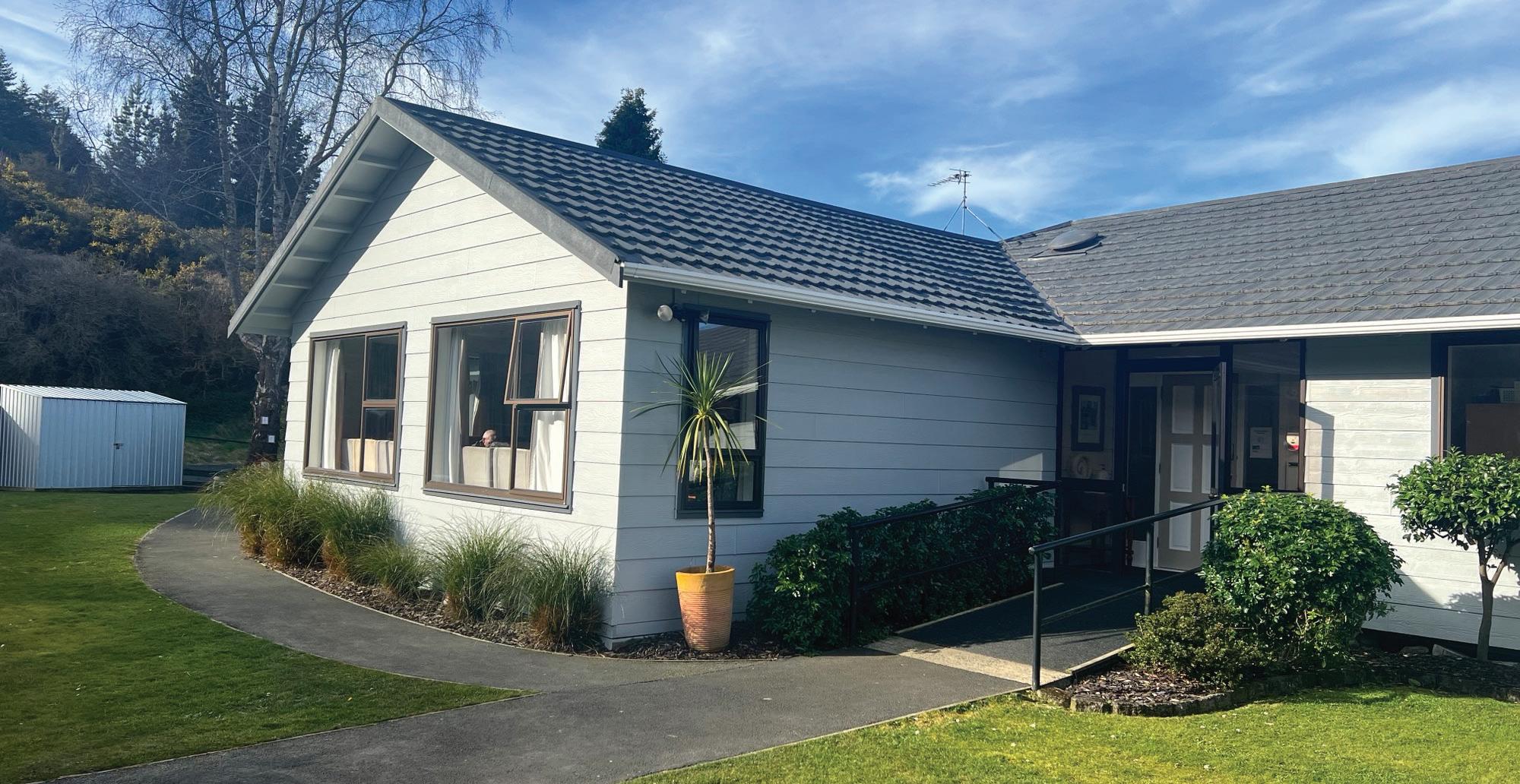
Bradford Manor is a smaller personal Dementia Care Rest Home. Promoting a safe, warm, friendly and homely atmosphere for all our residents.
A memory care unit situated high on the hill above Kaikorai Valley with panoramic views, staffed with a long serving knowledgeable team that understands dementia. With an indoor/outdoor flow and a country outlook, Bradford Manor is a perfect place to be cared for when the need arises.
P: (03) 453 5516
E: manager@bradfordmanor.co.nz
Are you seeking a secure, caring Rest Home or Dementia facility in Otago?
Experience Ashlea Grove’s boutique home, embracing kiwi values.
Join our family today for high-standard care, personalized activities, and a warm, friendly atmosphere. Our 20-bed secure Dementia unit and 20-bed Rest Home offer peace of mind. Open disclosure and open door policy.
Visit anytime and ask us anything. Enjoy personalized activities and a safe, welcoming environment. Family is important to us. Come, have a cup of tea with Jasmine. She’s here to assist you.
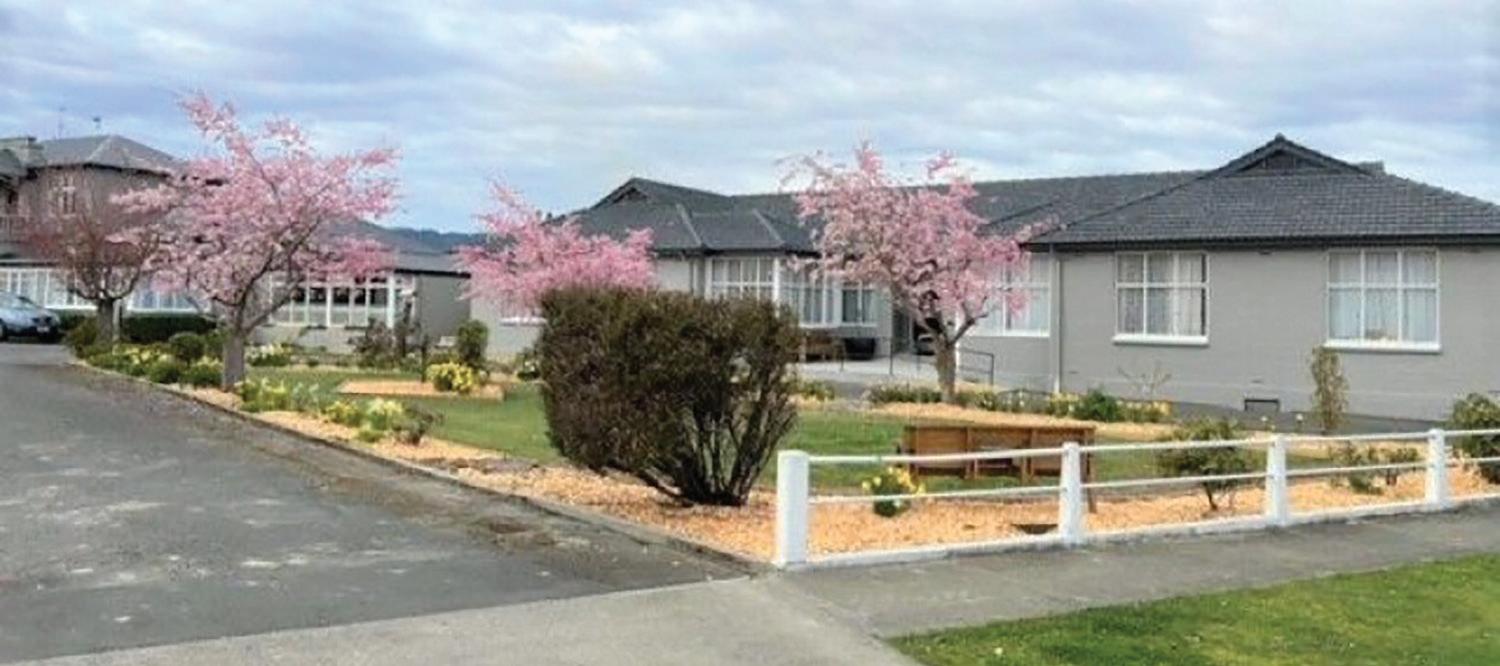
A locally owned and operated Rest Home along with a memory care secure unit, Ashlea Grove prides itself on home cooked meals, regular van outings, exciting activities programme, friendly local staff while showing respect to all our residents including returned servicemen.
(03) 417 7988 | manager@ashleagrove.co.nz | 41 Centennial Avenue, Milton
Canterbury farmers have been forced to pay up to $60,000 for new or renewed consents.
National vice president of Federated Farmers, Colin Hurst, says the current system is too complex, costly and uncertain.
“Farming families are stumping up thousands, sometimes hundreds of thousands, of dollars to regain consent to keep farming, often when they’ve made no substantial changes in their land use since gaining their previous consent.”
He says Federated Farmers has heard strong, consistent messaging from many of its members nationwide, and particularly from those in Canterbury, that the resource consenting system is badly broken.
“Frustration among many farming families and businesses is at boiling point.”
After just one week, a petition calling for government intervention in the “consenting crisis” had nearly 2000 signatures.
The petition calls for the Government to roll over existing consents until the new resource management legislation is bedded in.
A recent Federated Farmers survey revealed four out of five farmers worry about gaining or renewing consents, and the average cost of a new consent has hit nearly
$45,000, with renewals not far behind at $28,000.
“It’s a nightmare of bureaucratic overkill, endless paperwork and requests for additional information, and months or years of stressful delay.
“These numbers paint a damning picture of a system that’s simply not working.”
Hurst says farmers with current consents should be allowed to keep operating under them until the reforms are completed.
He adds that many of the consents being processed now may become redundant once the new Resource Management Act (RMA) framework takes effect.
“It’s a waste of everyone’s time and money,” he says. “If nothing changes, it’ll just mean more stress and confusion for farmers.”
He says the information demands from regional and district councils are so complicated that farmers are forced to hire consultants and specialists, processes which only push costs higher.
“And even after doing everything they can to provide that information, there’s still absolutely no certainty the council won’t come back asking for more information or money.”
He emphasises the need for urgency as thousands of consents are due to expire in the coming months.
“What’s really galling is that this consent chaos continues even
By Ben O’Connell
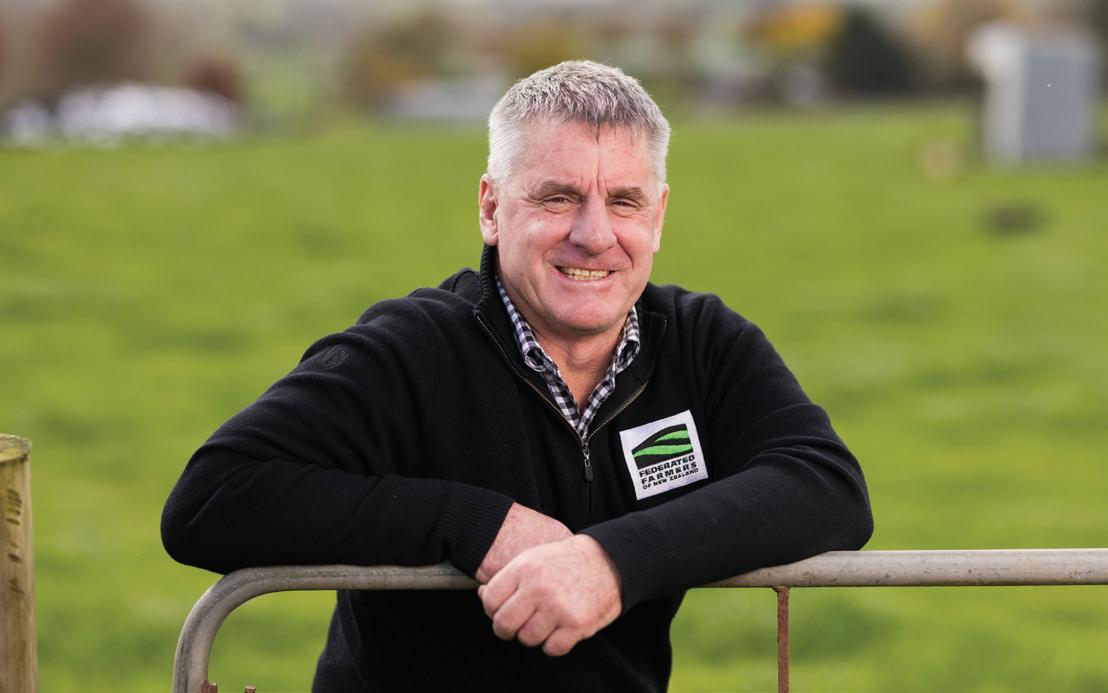
- Colin Hurst, National vice president of Federated Farmers
“What’s really galling is that this consent chaos continues even though councils and everyone else know the Government is on the cusp of releasing completely new and streamlined resource management laws, replacing the bloated RMA.”
though councils and everyone else know the Government is on the cusp of releasing completely new and streamlined resource management laws, replacing the bloated RMA.”
An RMA replacement is slated to be introduced to Parliament this year, passed into law in 2026, and in effect by 2027.
Hurst says the Government’s work to replace the RMA system with a more workable framework is great,
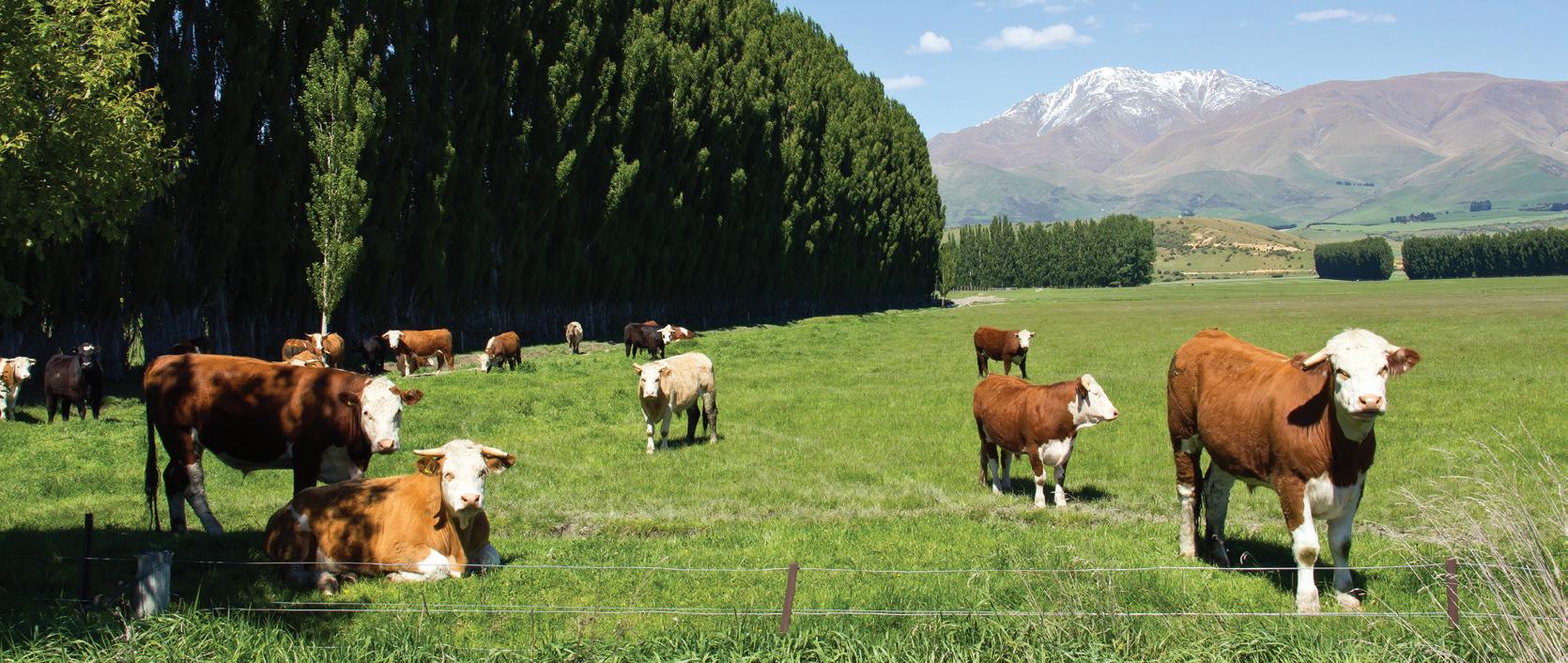
but farmers demand certainty until the new law is in place.
“How can farming families have confidence to keep investing in their businesses if they don’t even know if they’ll be allowed to keep farming next year?”
Resource consents grant farmers the legal right to perform activities that might otherwise be restricted, thereby minimising environmental impact.
Per that Federated Farmers survey, effluent consents are the most common (24%), followed closely by farming (land use) and water take/ irrigation (both 21%).
“This campaign is just getting started, but we’re going to be putting the pedal to the metal as we head down the home straight towards Christmas – because people need a solution before then.
“Let’s end the consent chaos and give farmers the certainty they deserve.” CT

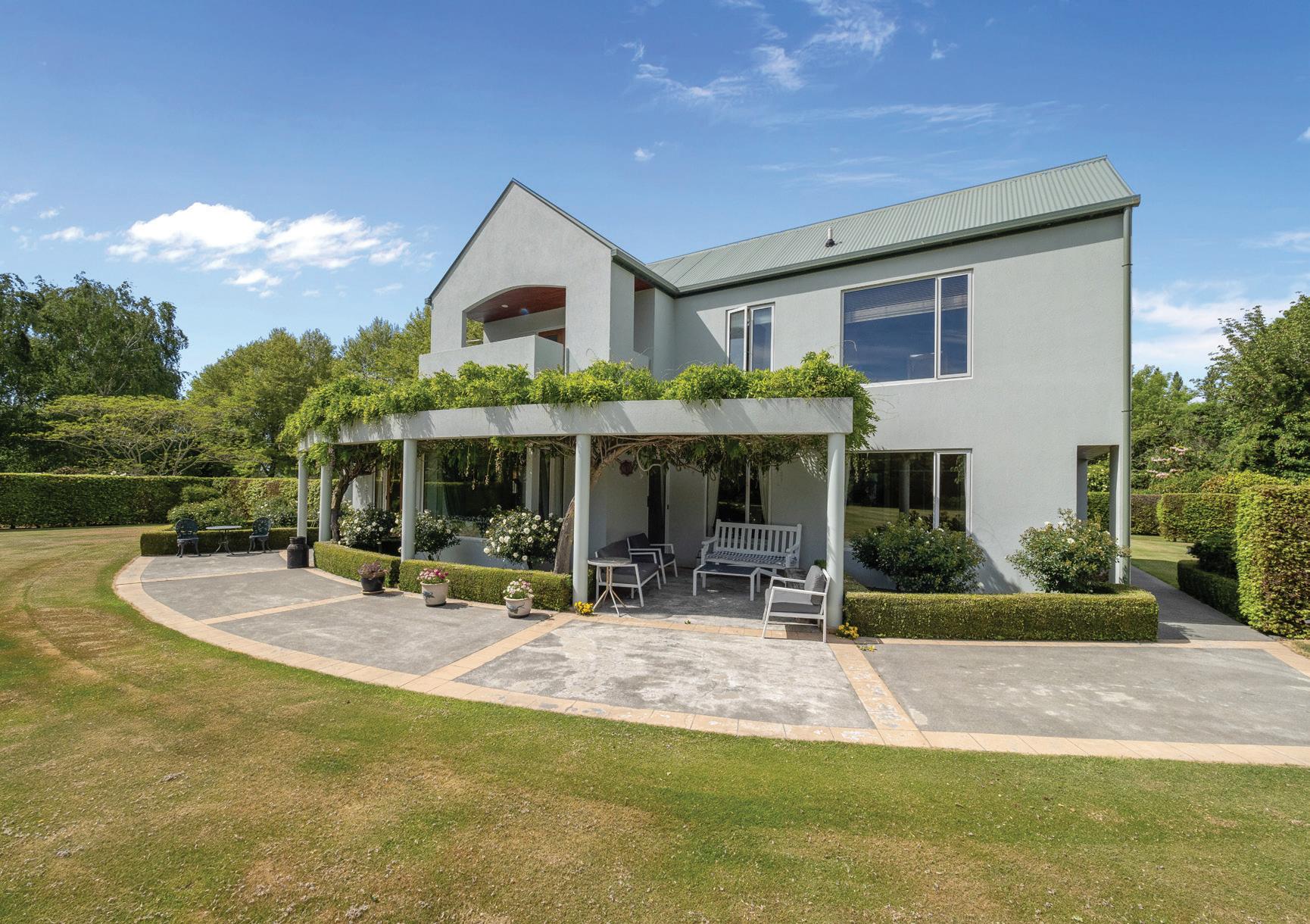
Where Architec tural Exellence & Lifestyle Unite
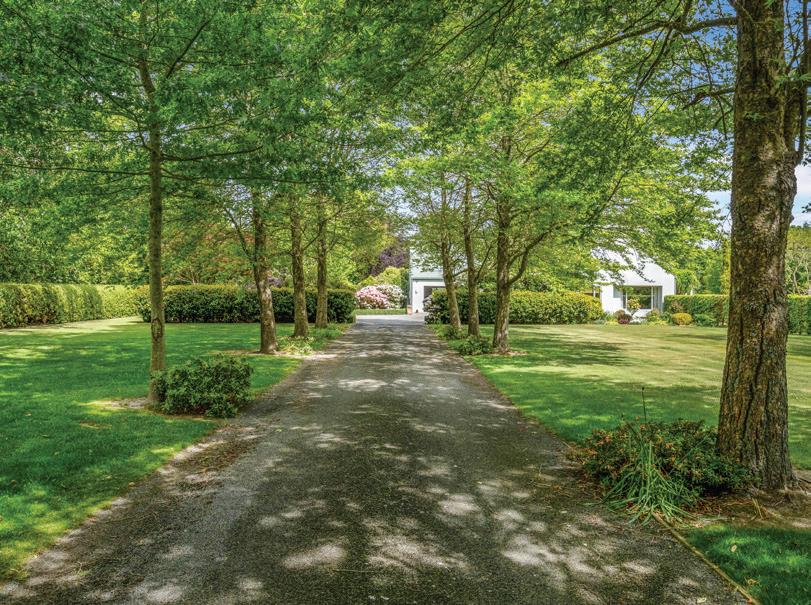
Bridgepark is an exceptional 2.5 hectare lifestyle proper ty located just 1k m from Ashbur ton’s town boundar y
and rural tranquillity Architecturally inspired and built to exacting levels, showcasing superior craftsmanship and functional elegance for an executive lifestyle close to town amenities.
high- end enter taining. It features four generous double bedrooms, including a luxurious master suite with walk-in robe, ensuite, and private

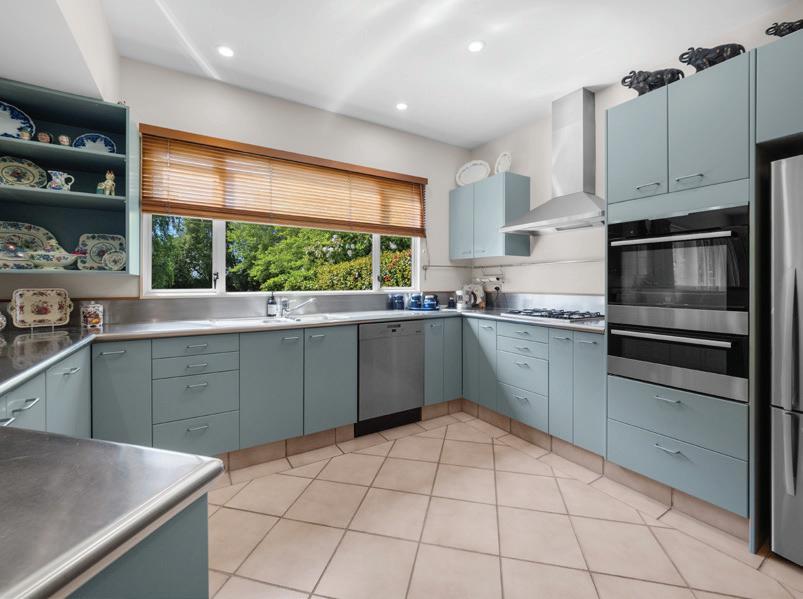
built-in storage and garden views, complemented by a family bathroom and separate toilet. Living spaces impress with three lounges providing
At the hear t of the home, the open-plan k itchen, dining, and family area and modern appliances The adjoining dining zone enjoys superb garden calibre, quality, and location are rarely available —Bridgepark is a truly exceptional oppor tunity

Your local rural and lifestyle sales consultant
Look ing to buy, sell, or invest in real estate?
For ward planning is key to maximising your proper ty ’s value. Par tner with an agent who puts your best interests front and centre
real estate journey.
By Bidiman Minasny, Alex McBratney & Damien Field – University of Sydney (originally published on The Conversation)
Producing and distributing food is responsible for roughly a third of global greenhouse gas emissions. But food systems are highly valuable to the droughts, floods, fires and heatwaves made more intense by climate change. Agriculture is both culprit and victim.
As negotiators try to thrash out progress on climate in Brazil during the COP30 talks, agriculture will be a defining battleground. Hundreds of lobbyists for big agribusiness are present, while outside the conference halls, people’s movements push for lowimpact farming.
In energy and transport, power sources and vehicles can be shifted to clean options to cut emissions. But it’s harder to cut emissions from farming. Agricultural emissions come largely from animals, crops and food processing – methane from cattle, sheep and goats, nitrous oxide created by microbes in fertilised soils and carbon losses from degraded land, where soil disturbance and erosion accelerate release of carbon dioxide.
Many countries have included agriculture as a way to tackle climate change in their national commitments. The question is how. One solution is to focus on making farming regenerative rather than extractive.
Our research has laid out an approach centred on net zero, nature positive and nutritionally balanced farming (3N for short). The goal: moving away from a narrow focus on cutting emissions to rebuild soil carbon, restore biodiversity
and improve human nutrition simultaneously. Many people are already farming like this around the world, but rarely in a joined up way or at scale. Here’s what it looks like.
Farmers can help achieve net zero and cut costs by reducing emissions and building soil carbon stocks.
Imagine a wheat and livestock farm using precise ways to apply nitrogen fertilisers only when and where plants can absorb it. Soil sensors and satellite imagery guide decisions about fertilising and irrigating. New technologies create fertilisers out of the nitrogen in the air without the large carbon footprint of traditional methods
Planting nitrogen-fixing legumes on fallow fields restores soil organic matter and cuts how much expensive fertiliser is needed. Beneficial microbes are added to soils to boost carbon storage. Livestock are fed methane-reducing additives, while electric or hydrogenpowered tractors cleanly handle f ield operations. Animal manure and crop residues are transformed from waste into fertiliser and renewable energy.
The result: fewer emissions, healthier soils and lower bills for farmers.
Farming for nature positive
Because agriculture takes up half the world’s habitable land, it makes sense to bring back nature wherever possible. But restoring habitat and bringing back species isn’t just decoration – it’s infrastructure. Instead of bare fencelines and bulldozed creekbeds, a 3N farm weaves nature through its working landscape. Hedgerows, shelterbelts and native vegetation corridors link habitats and encourage the return of birds, insects and pollinators. For farmers, this has real utility. Trees shade livestock,

groundcovers cool soils, beneficial insects pollinate crops and eat pests and vegetation belts filter runoff, reducing nutrient pollution in dams and waterways. Livestock are moved around so paddocks can recover, allowing native grasses to thrive. Soil organisms and organic matter rebuild, improving how the soil holds water, and reducing erosion. Farm productivity remains high while resilience rises.
Farming for nutritional balance
Healthier, more nutritious food comes from farms with healthier soils and landscapes. To boost nutrition levels, farmers can shift from planting a single crop every year to a rotation including pulses, oilseeds and vegetables, improving soil fertility, nutrient cycling by microbes and plant health.
This nutrient-balanced farming approach boosts levels of essential nutrients in crops. But it has other benefits. By matching fertiliser inputs to crop needs, recycling organic residues and encouraging soil microbes and creatures to return, levels of nitrogen and phosphorus fall. This reduces the chance of polluted waterways or emissions of nitrous oxide. On Australian dairy farms, programs such as DairyUP work to produce more nutrient-rich milk while lowering emissions and energy use.
It’s possible to boost nutrient levels rapidly but temporarily though biofortification, which includes adding nutrient-rich soil supplements and adding beneficial microbes which increase nutrient uptake. Longer lasting improvements to nutrient levels are possible through genetic tweaks.
When net zero, nature positive and nutrient-rich farming coexist, the benefit compound. Farmers can cut costs, regenerate landscapes, cut emissions, build carbon stocks
in soils and give people nutrient-rich food at the same time.
Which way forward?
Agriculture appears prominently in Brazil’s COP30 Action Agenda, but only in broad strokes. What’s missing is a clear framework which links climate, nature and nutrition. The 3N farming approach could help fill that gap.
Technologies are not the barrier. We already have precision agriculture to cut fertiliser use, feed additives to reduce methane, cover crops to rebuild soil nitrogen naturally, accurate biodiversity monitoring using eDNA and digital twin technology able to test management decisions and predict outcomes on models without risking losses on real farms.
The real challenge is uptake. These methods have to be scaled up rapidly, aided by government policies and incentives.
At the ongoing COP30 talks, agriculture has shown some signs of moving from the margins to the centre of climate solutions, such as work on building resilient food systems. But as yet there’s not a unified pathway laying out how to make agriculture the solution it can be. A key gap is soil security –ensuring soils are healthy enough to keep producing.
The farm of the future is not a fantasy. It is already emerging in New Zealand dairy sheds, Australian trials helping farmers make data-backed decisions about pasture varieties, European paddocks combining trees and agriculture and Indigenous landstewarded landscapes worldwide.
No other sector of the economy can do so much. Only farming can tackle climate change, restore habitats and give people nutritious food. Agriculture isn’t a problem – it’s an essential part of the solution. CT
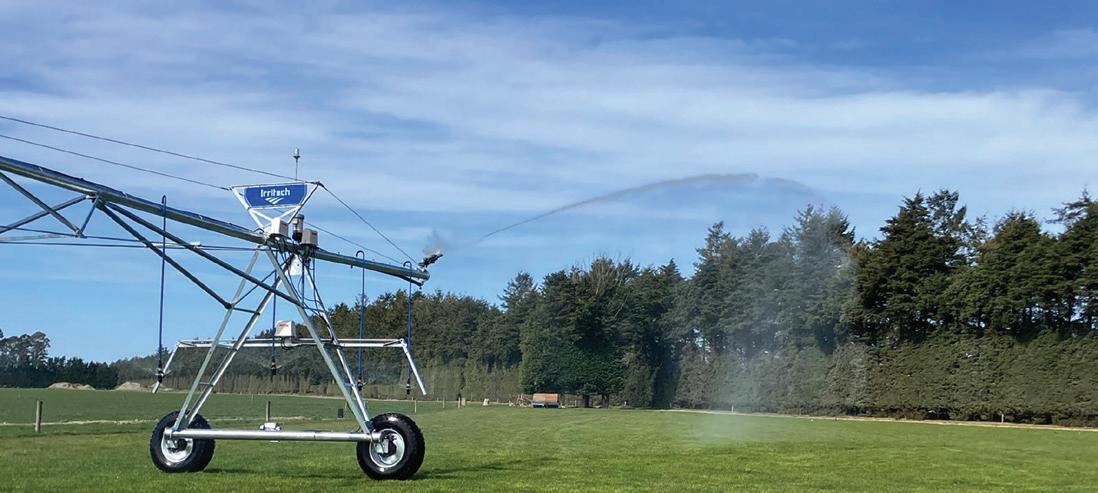
Irrisource is the New Zealand dealership for the premier Chinese pivot brand Irritech. Irrisource was created through the directors’ passion for supporting NZ farming to source and provide more affordable, quality irrigation options.
While being quite a new company, the directors of Irrisource have over 40 years of combined experience in all areas of irrigation as well as a broad knowledge of pipes, parts and components across the irrigation board.
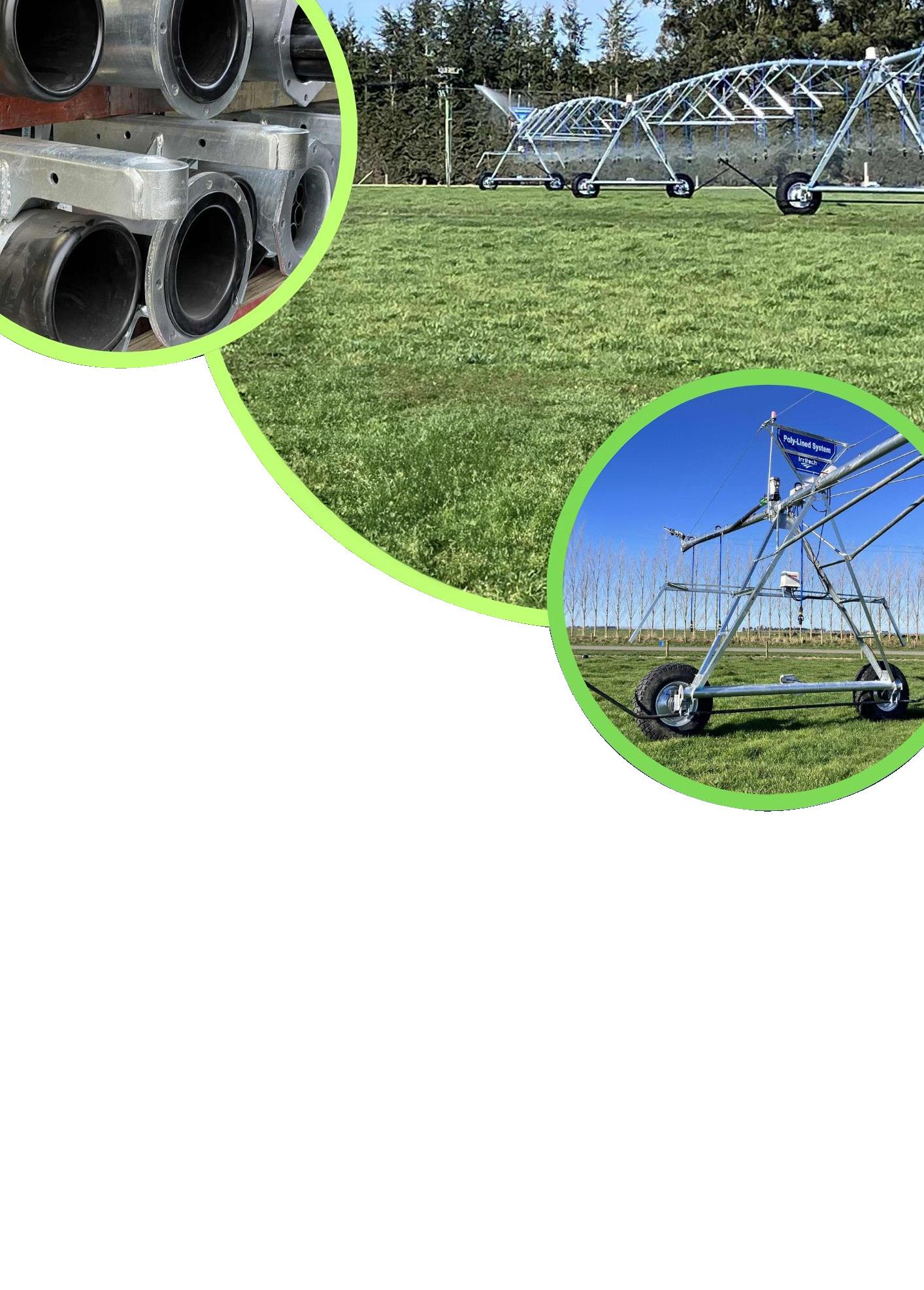
Irrisource is primarily involved in the supply of Irritech pivot irrigators for new and replacement installations, the repiping of existing pivots and the supply of Irritech pipes, parts and components.
With a focus on creating a comprehensive and personalised irrigation design, Irrisource is flexible with installation depending on the clients’ needs, budget and timeframe.
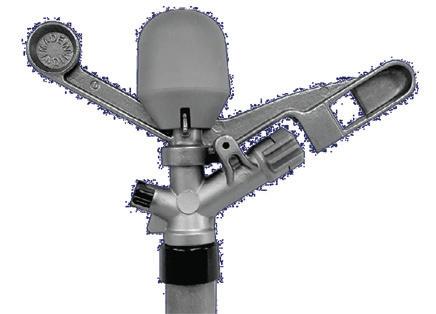
Under standard conditions, the pipes and steel parts have a 10 year warranty, a 5 year warranty on the sprinklers, 3 years on the UMC motors & gearboxes and 2 years on everything else.
Passion for innovation. Premier Chinese brand.
• New galvanised and poly-lined pivots and re-piping
• Poly-lined re-piping for effluent and hard water for all major brands
• Recognised industry brand names as standard, eg, UMC, Komet, Honeywell
CONTACT US NOW
JULIAN 0272 630 192
JULIAN@IRRISOURCE.CO.NZ
ALBY 0274 73 74 73
ALBY@IRRISOURCE.CO.NZ


New Zealand Young Farmers (NZYF) has launched a new initiative designed to make it easier for employers to support their young team members by covering their NZYF membership.
For nearly a century, NZ Young Farmers has been connecting, supporting, and empowering young people in rural communities, helping them develop leadership skills, strengthen community ties, and grow their careers in the food and fibre sector.
The new Employer Supporter offering allows businesses to invest directly in their staff’s personal and professional growth by covering the annual $100 NZYF membership fee (reduced to $80 per person for 10 or more employees).
“Supporting the future of our sector starts with supporting the people who make it possible, our young people,” says NZ Young Farmers CEO Cheyne Gillooly.
“By offering to cover their membership, employers are showing genuine care for their team’s wellbeing and development. It’s a simple but powerful way to help them feel valued, connected, and inspired to stay and grow within your business and the wider rural community.”
Through NZYF’s 60-plus clubs across the country, members gain access to a national peer network, leadership and skills development opportunities, and wellbeing support. Clubs host regular events, workshops, and competitions such as the iconic FMG Young Farmer of the Year, helping members build confidence, resilience, and pride in New Zealand’s food and fibre sector.

“Employers who invest in their staff’s NZ Young Farmers membership are also investing in a more motivated and engaged workforce,” Cheyne says. “It’s about creating workplaces that people want to be part of, where they feel supported not just in their jobs but in their broader personal and professional growth.”
Thew BNZ is supporting aspiring dairy farmers with a new initiative designed to make the path to farm ownership or sharemilking more achievable.
The First Farm programme lowers entry barriers for first-time farm buyers and those purchasing their first dairy herd by reducing deposit requirements. Each approved customer is also paired with an experienced farmer mentor for their first two seasons, helping set them up for long-term success in farm ownership or sharemilking.
BNZ General Manager Agribusiness and Corporate Banking, Dave Handley, says farmers are the backbone of our rural communities and contribute significantly to the economy.

“For many young farmers, getting their first foothold on the farming ladder is very challenging. First Farm is about bridging that gap by making ownership more achievable,” he says
“And this isn’t only about finance. Every farming customer participating in our First Farm programme will be matched with an experienced farmer mentor who has been through the highs and lows of herd or farm ownership and knows
For employers, it’s an easy way to retain staff, boost morale, and strengthen connection to New Zealand’s rural future.
To learn more or register as an NZYF Employer Supporter, visit: www.youngfarmers.co.nz/ employer-support CT
what it takes to make a farming business succeed.
“Every mentor-mentee relationship will be slightly different. But the one-on-one support from a proven operator in key areas such as business planning, budgeting, cashflow, governance, and people decisions will make a real difference from day one. Having someone in their corner with that hard-won experience, generously shared, will really make a difference for our industry participants.”
First Farm matches mentors and mentees by region and experience, provides toolkits and discussion guides, and conducts check-ins at key milestones to ensure the relationship receives the attention it deserves.
First Farm is available across the country to eligible first-time dairy farm buyers and those purchasing their first dairy herd for sharemilking. CT
A new independent study has seen some of Halter’s highest performing South Island dairy farms achieve strong profit and production gains.
The study by AgResearch and TransformAgri showed an average 13.6% increase in EBIT (Earnings Before Interest and Taxes) for the five South Island farms that were part of a 10-farm study.
The report analysed the impact that adopting Halter systems could have on pasture-based dairy farms, when strong farm management is applied to Halter’s innovative virtual fencing technology. Seasonal data from before and after adopting Halter
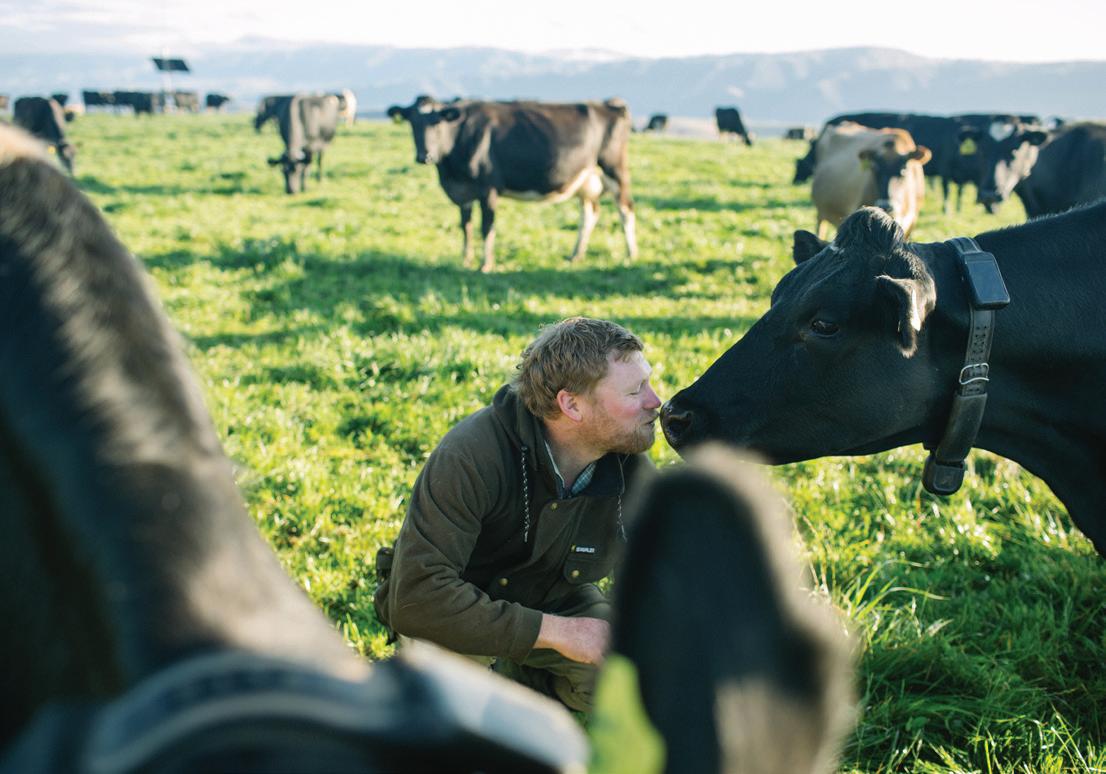
was used to undertake a costanalysis, with South Island farms, on average, coming out on top.
Across the entire study, farms saw an average 9% increase in pasture eaten and 9.5% more milk
solids per hectare, in addition to reducing inputs and labour hours, and intangible benefits like improvements to work/life balance. Many of the study’s farms increased the frequency of grazing breaks,

Virtually fence, move and monitor cows, with real time animal and pasture insights, 24/7.
resulting in increased pasture utilisation and quality. Using Halter’s virtual fencing and herding system also enabled farmers to reduce or minimise back-grazing, with pasture breaks custom-shaped to the land, and the ability to seamlessly include water sources as needed.
Halter’s Head of South Island, Josh Townsend, says the results of the study aligned with the feedback Halter received anecdotally from farmers. “When paired with good management and a willingness to change how they farm, Halter increases profitability. Our technology helps farmers be more efficient with their pasture, make more informed decisions, and create more balanced, sustainable rosters.’’
To read the study, visit www.halterhq.com/ROI





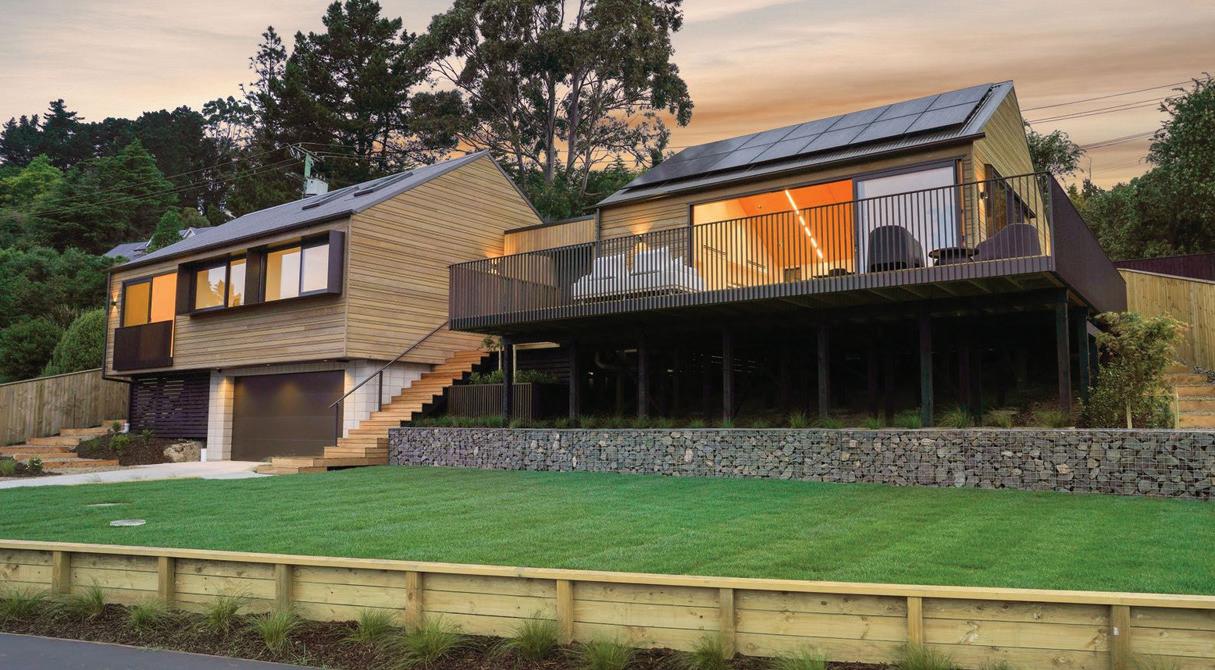
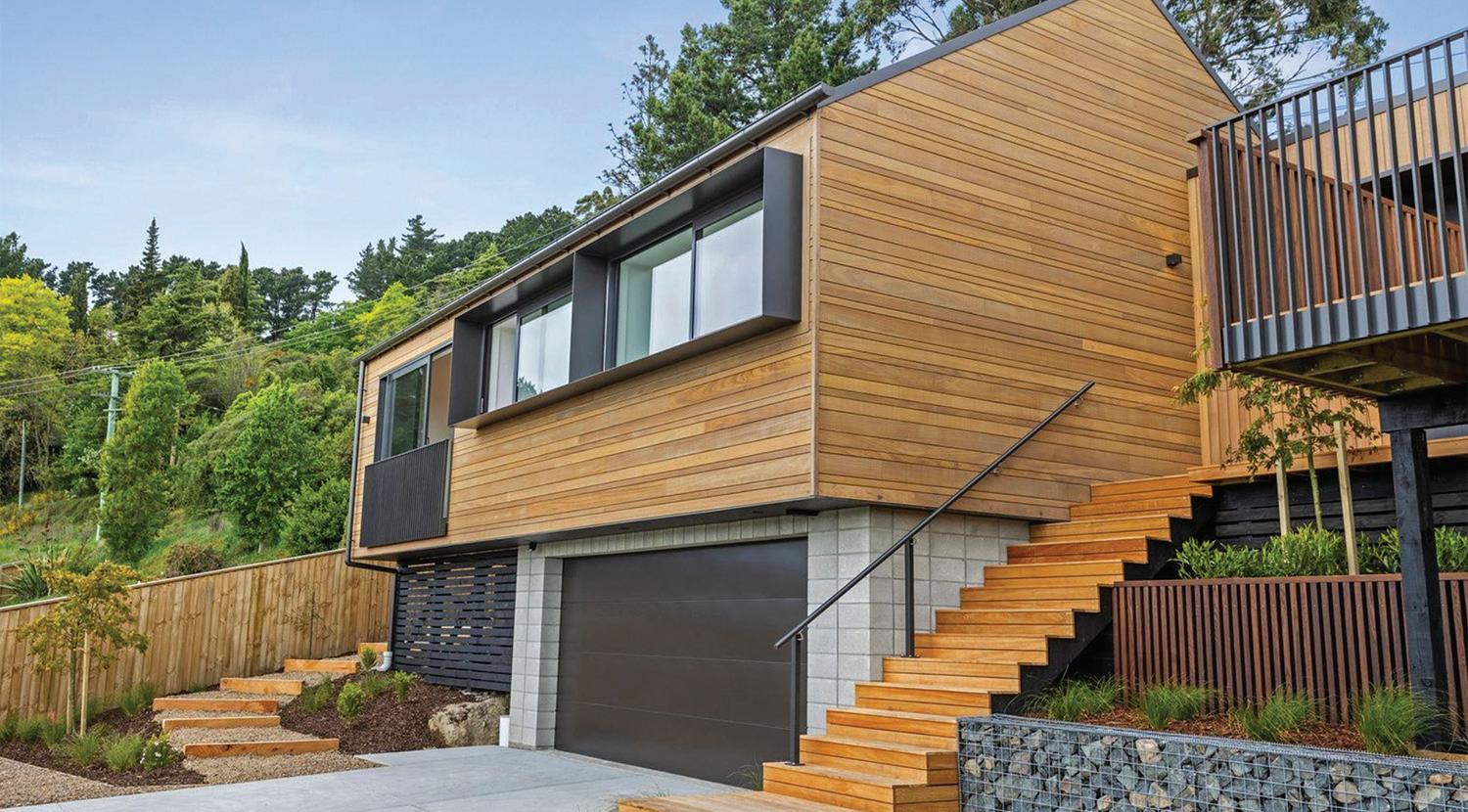
Dimension Construction is proud to be one of the leading construction companies in Christchurch.
ARCHITECTURAL NEW BUILDS | PASSIVE HOMES COMMERCIAL CONSTRUCTION | RENOVATIONS
Nikhil and his carefully selected team share a passion for delivering outstanding results.
Specialising in Architectural New Builds, High Performance and Passive Homes and Commercial Construction, we take your plans into the next dimension.
Our dedicated team doesn’t just meet high standards, we set them. We ensure that every project we take on is executed flawlessly.
We take great enjoyment in working closely with clients and architects. This collaboration, matched with our positive energy, is the recipe for truly amazing homes and buildings.
COMMERCIAL CONSTRUCTION
From warehouses to office premises and retail spaces, trust our commercial building contractors to complete the job on time and on budget.
4 Commercial Construction
4 Design and Planning
4 Project Management
4 Quality Assurance
SUSTAINABLE AND ENERGY-EFFICIENT HOMES
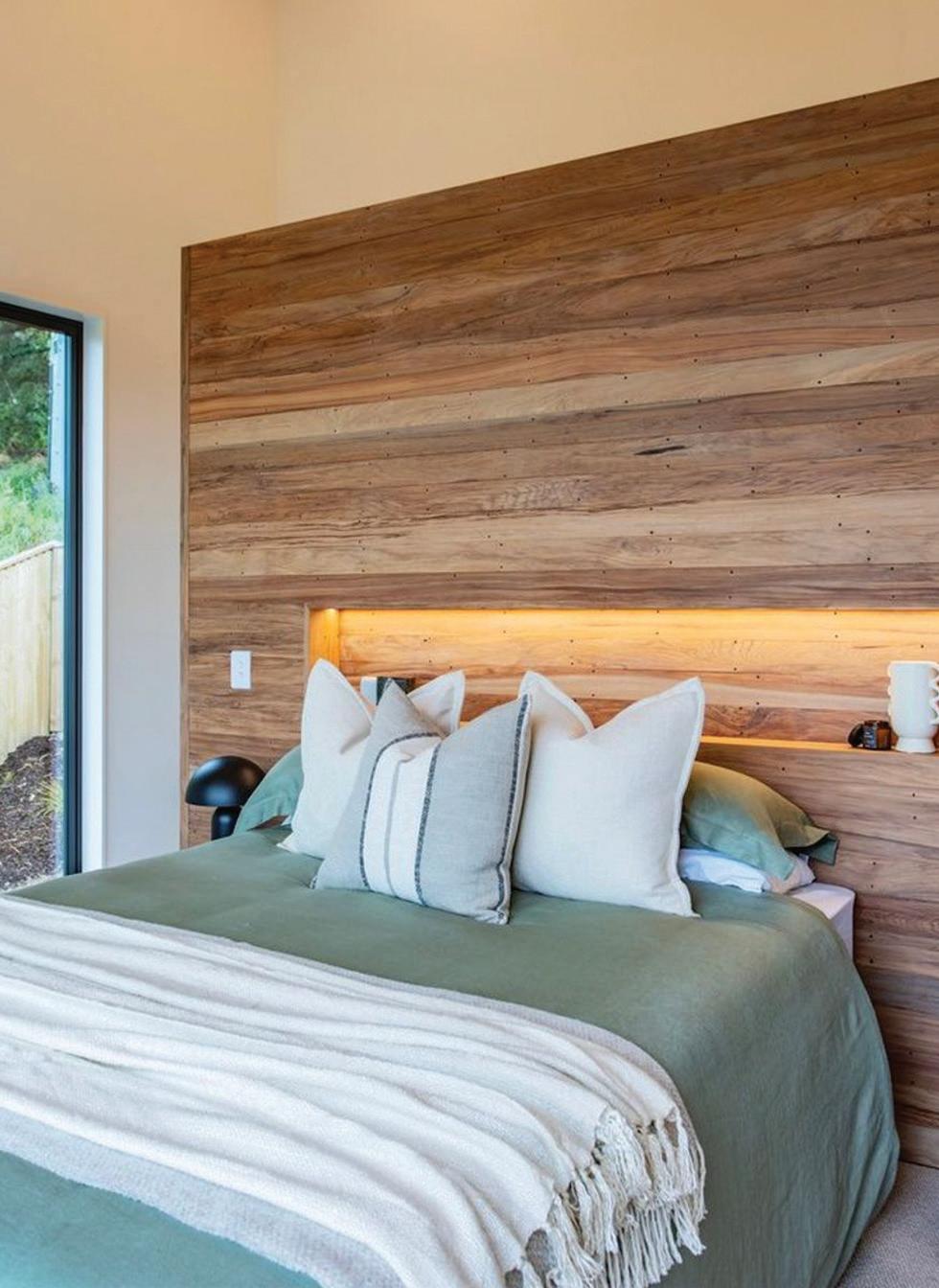
We create modern, functional, and energyefficient architectural homes that stand out in the community.
4 Sustainable Design Solutions
4 Seamless Integration with Surroundings
4 Innovative Space Optimisation
4 Contemporary Aesthetic
4 Timeless Architectural Features
027 565 7021
nikhil@dimensionconstruction.co.nz
www.dimensionconstruction.co.nz
Christchurch mayor Phil Mauger’s vision
By Ben O’Connell

Maintaining the city’s progress, getting on top of debt, and supporting businesses and changemakers are among the priorities of re-elected mayor Phil Mauger for ŌtautahiChristchurch. With a majority of almost 20,000 votes, he begins his second term with a strong mandate – and a sense of obligation.
Christchurch finds itself in what Mauger dubs a “golden period”. People are arriving in large numbers, particularly from the North Island. Per the 2023 Census, 7% of Christchurch’s population, about 27,000 people, were living in the North Island five years prior. Between 2018 and 2023, 34,440 people left Auckland for the South Island, while just under 20,000 moved in the opposite direction. Half moved to Christchurch. The influx is good for the city’s energy and economy, he says, but the pressure is on.
Mauger says one key focus is completing the major projects already underway. The opening of Parakiore Recreation and Sports Centre before Christmas is the first. Progress on One New Zealand Stadium at Te Kaha follows closely behind, helping cement what he hopes will be Christchurch’s identity as “the sporting and events capital of New Zealand, and maybe even Australasia”.
“The downside of there being more people in the city is that traffic gets clogged up. We’ve got to make it easy for every mode of transport to get in and out of the city.”
A less glamorous yet essential project is the rebuild of the Bromley wastewater treatment plant, which has been delayed since the 2021 fire. Among other infrastructure work, it is one of the incumbent’s highest priorities. The council is due to let the construction contract before Christmas. The project is personal for Mauger as he worked on the original trickling filters. He
wants to rebuild it with activated sludge to remove odours and improve efficiency. “A new system would lower the city’s greenhouse gas emissions by around 50%.”
While the insurance payout covers $85 million of the rebuild, short of the $100 million initially expected, Mauger says the long-term benefits outweigh the difference. “The cost is worth it if it delivers a better outcome for residents and the environment.”
While infrastructure dominates his agenda, Mauger also wants his next term to include more face-to-face connections with residents. He plans to continue holding public forums with topic experts. “They worked extremely well,” he says. “It’s a great way to meet people, but also to give them confidence that we’re doing the right thing.”
Growth brings a chance to reshape the city. Mauger sees potential for intensification, starting with the fivehectare Apollo Project Stadium site, which will become redundant once Te Kaha opens. “I’d love to see it turned into housing. You could walk to Blenheim Road or Lincoln Road, jump on the bus, and come straight into town.”
“The people have faith in me, and I’m determined not to let them down.”
- Phil Mauger
He points to the University of Canterbury, where student numbers are expected to rise from 26,000 to 30,000 by 2030. Encouraging redevelopment of ageing buildings around the campus, he says, will help the city prepare for that growth.
Further west, the former Deans Ave saleyards site is slated for a zoning change and new housing. Antonio Hall and several other properties near Riccarton are also advancing through the resource consent process. Mauger sees these changes as part of “tidying up” areas that have been stuck in limbo.
Still, the elephant in the room is council debt. A quarter of all rates revenue goes into servicing it. “The more we can pay down debt, the better,” Mauger says. “Otherwise, interest will kill us.” Every $8 million of operational expenses equates to 1% of rates. The council has a $700 million work programme but realistically only has $500 million, creating a risk of over-rating.
His approach to squashing debt is twofold: spend within limits and protect the city’s long-term interests. That means no selling of strategic assets such as Christchurch Airport or Lyttelton Port. If the Alpine Fault ruptures, Christchurch will be critical to the South Island’s recovery, he
says. But he is open to selling nonstrategic land such as the Lichfield Street carpark. Lower insurance premiums this year have also freed up several million dollars. “It’s a juggling contest that will take a while, but we will get there. There’s determination within the council now to get debt down.”
Mauger is enthusiastic about Christchurch’s business ecosystem, particularly the role of ChristchurchNZ in helping startups grow. He points to Air New Zealand’s $300 million investment in high-value jobs at the airport as proof that the city is gaining traction. “We should make it as easy as we can for new businesses to start up, not throwing red tape at the people doing it for tomorrow.”
He wants to inspire entrepreneurs to see Christchurch as a business playground. “Young people can think of many things at once; they’re more productive, and we shouldn’t hold them back.”
After a decade of rebuilding, Mauger believes Christchurch is finally ready to accelerate rather than recover, and he sees his second term as a chance to lock in that shift. “We don’t want to lose momentum,” he says. “The people have faith in me, and I’m determined not to let them down.” CT

Simplicity Funerals
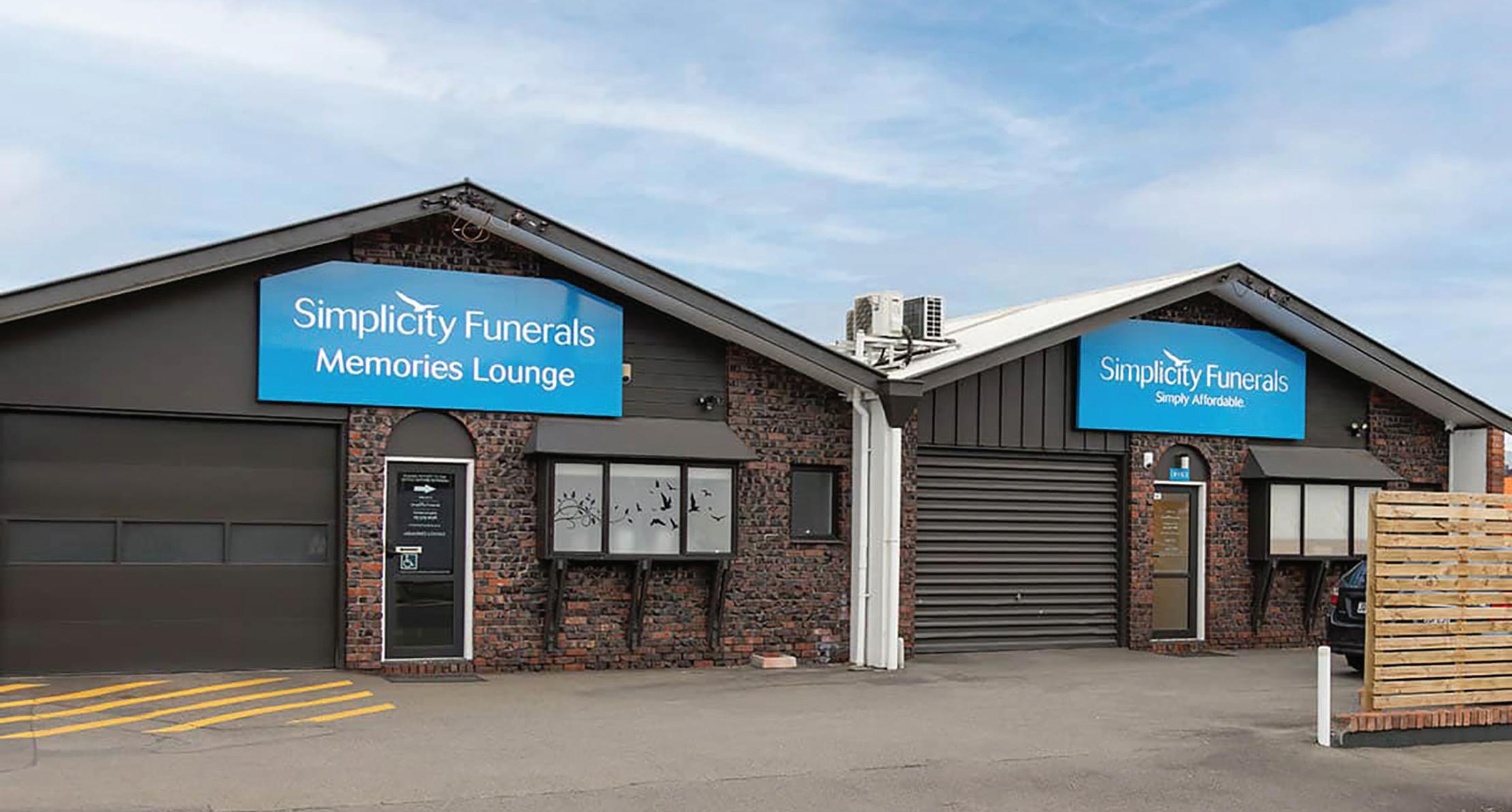
Christchurch is a compassionate and professional funeral service provider, offering families a respectful and personal way to honour their loved ones. Located at the corner of Gasson and Coleridge Streets in Sydenham, the funeral home has served the Canterbury region for over 145 years.
The team at Simplicity Funerals believes that saying goodbye to a loved one should feel personal, meaningful, and never rushed. Their philosophy is “simply respectful and simply personal”, aiming to reduce stress during what is often one of the most difficult times in a person’s life. They walk alongside families, providing gentle guidance every step of the way, ensuring no one feels alone throughout the planning process.
“Arranging a funeral can be overwhelming and grief doesn’t always make sense. Our services are designed to give you comfort, respect and dignity. We help people honour lives. We bring families, friends and communities together

to say goodbye on their terms and within their means.”
Their services are wide-ranging and designed to accommodate the wishes of all families, no matter their preferences or traditions. Options include full-service funerals, simple cremations, repatriation, memorial keepsakes, tribute coordination, and much more. For those unsure of what they need or where to begin, Simplicity offers free information and funeral planning advice, along with a helpful FAQ section and an online enquiry form on its website.
“Our team provides comfort, respect and compassion. We can provide a funeral in any venue the family chooses. They have a lot of experience in being there for people and helping them find the right venue is important. The choice is the client’s – a funeral could be held in the Canterbury or Harewood Crematorium Chapels, at the client’s home, at a church, at a graveside service at the cemetery, somewhere personal, or family gatherings can be held in Simplicity Funerals’ Memories Lounge for a small group.
No matter where the service is held, the focus remains on honouring the life of the person who has passed in a way that truly reflects their values, personality, and the love they shared.”
Simplicity also offers practical support, including a selection of caskets and urns, transport arrangements such as hearses and family vehicles, and online tribute services for those who cannot attend in person. They’re also able to provide financial guidance, offering clear pricing and helping families access available assistance.
Jamie Harvey and his team of experienced funeral directors pride themselves on providing a service that is approachable and empathetic. Every detail, from legal documentation to personal touches, is handled with care.
Importantly, Simplicity Funerals Christchurch is available 24 hours a day, seven days a week. Whether you are in immediate need or pre-planning for the future, help is always just a phone call away at (03) 379 0196. You can also visit their website: christchurch. simplicity.co.nz, or stop by their welcoming Sydenham location.



By Jonathon Taylor
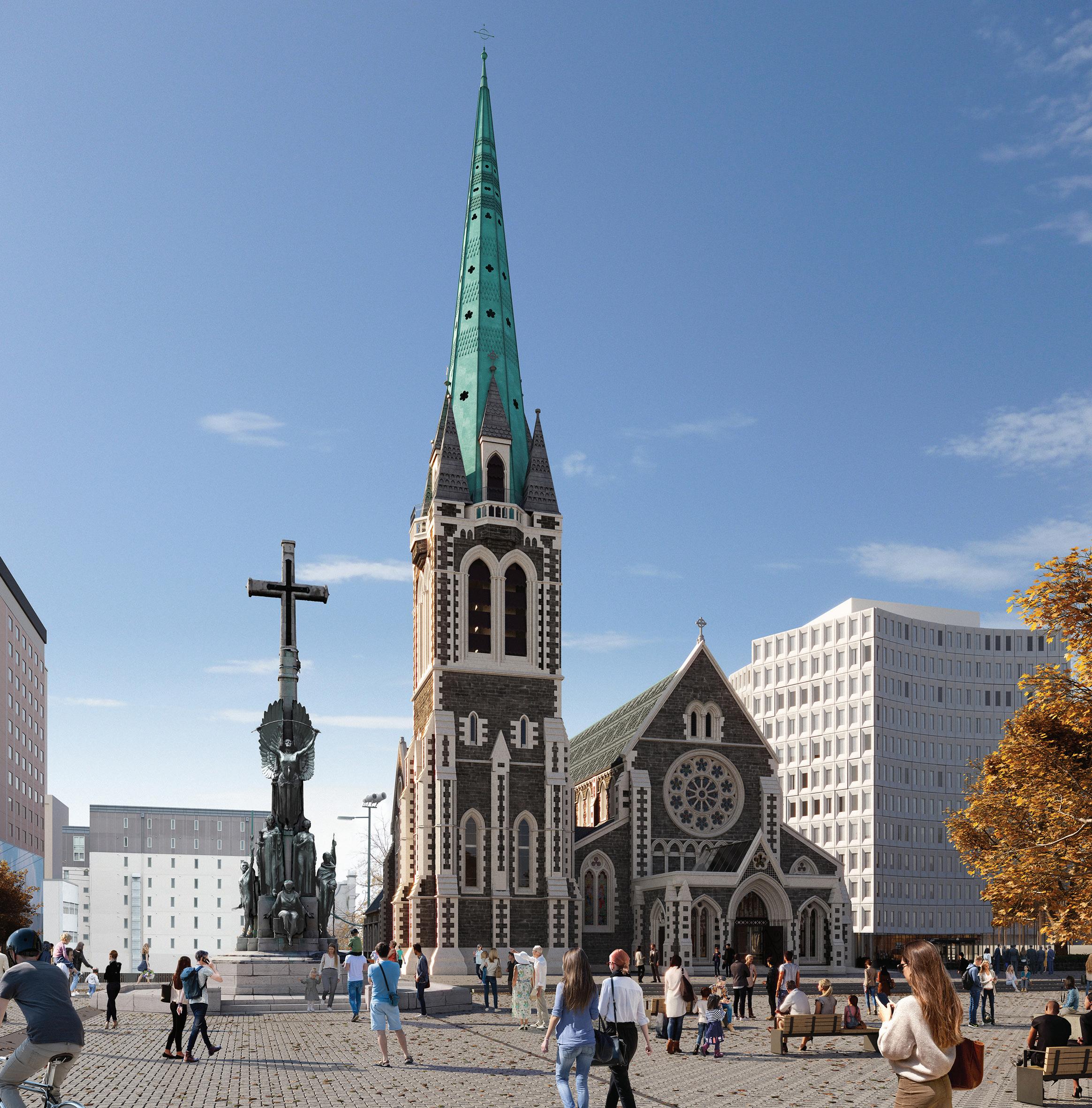
A new, staged approach to reopening Christ Church Cathedral has been announced by Christ Church Cathedral Reinstatement Ltd (CCRL), with strong backing from community and business leaders across Christchurch.
The revised plan follows a pause in construction last year after CCRL was unable to bridge a funding gap of $85–$95 million. Since then, significant progress has been made, says CCRL Director Mark Stewart.
“It’s been a busy time,” Mark says. “We’ve carefully reviewed and costed several options to find a realistic path forward. The best solution is to complete the reinstatement in stages. This phased approach will allow us to reopen the Cathedral sooner and remove the construction hoardings, helping to revitalise Cathedral Square.”
The first stage of the project will focus on restoring the Cathedral’s tower, nave, and the western wall, including the iconic Rose Window. These elements mirror what was first opened to the public back in 1881. Once completed, the Cathedral will accommodate up to 700 people.
The revised plan has received strong support from tangata whenua, business leaders, and the wider community, many of whom have shared their backing in a new video titled ‘Re: Opening’.
“For the sake of the city, we need to get this moving,” Mark says. “While central Christchurch is thriving, the stalled Cathedral project remains a roadblock. Without clear progress, private investment in the surrounding area will continue to be held back.”
By staging the work, the funding shortfall has been cut nearly in half, now estimated at $40–$45 million.
Construction is expected to begin next year, with the goal of reopening the Cathedral by the end of 2030.
Dean Ben Truman confirmed that the Anglican Church leadership is fully behind the plan and has committed an additional $20 million toward the project.
“We’re determined to see this through,” Ben says. “The Cathedral has always been at the heart of Christchurch, both as a spiritual
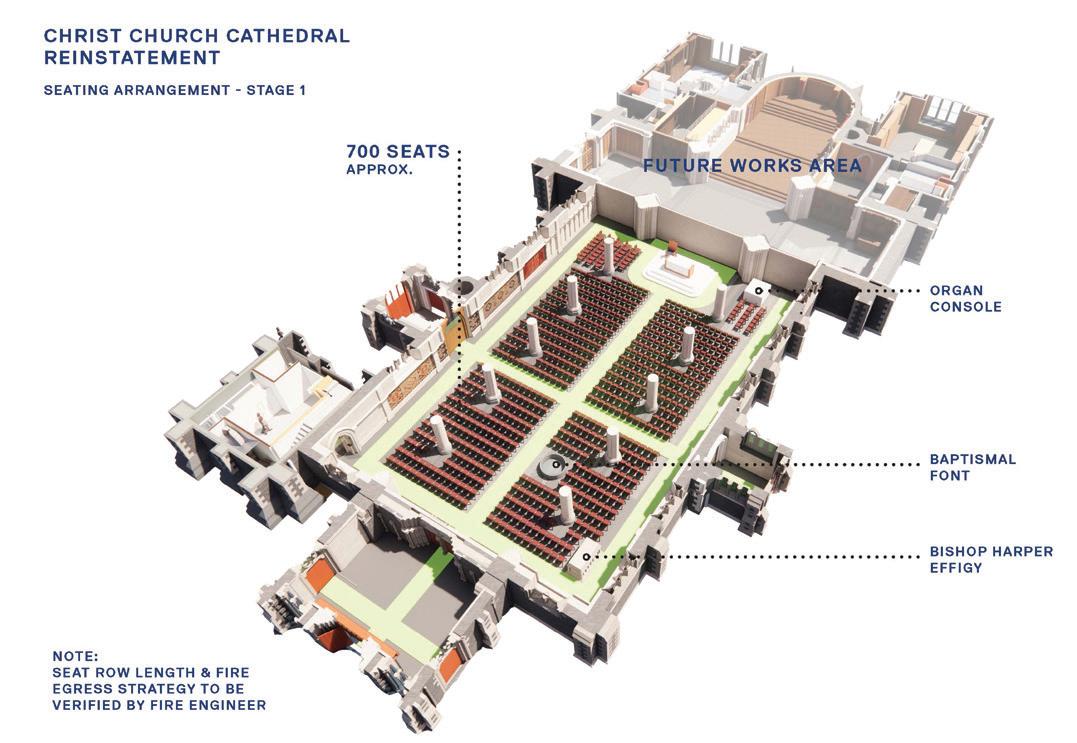
home and a major tourist attraction. Its history is deep, and its future is even brighter. We’re incredibly grateful for the work done so far and the support we’ve received. Now we’re looking ahead to ringing the bells again and bringing life back to the Square.”
Unlocking the city’s final piece Ben Bridge of Mainland Capital, co-developer of the nearby Noah’s Hotel site along with Russell Property Group, called Cathedral Square “the final piece of the CBD puzzle”.
“Restoring the Cathedral provides the certainty investors need,” he
said. “It will unlock a wave of private investment in the surrounding area, just as we’ve seen with Riverside Market, Little High, The Crossing, and The Terrace.”
Mark Stewart added that: “This isn’t just about rebuilding a structure, it’s about completing Christchurch’s post-quake recovery. A revived Cathedral Square will mark the true end of the earthquake era and signal a new chapter for generations to come.
“The Cathedral belongs to us all. The support for this plan is clear— now it’s time to come together and make it a reality.” CT
“Restoring the Cathedral provides the certainty investors need. It will unlock a wave of private investment in the surrounding area, just as we’ve seen with Riverside Market, Little High, The Crossing, and The Terrace.”



We pride ourselves on our ability to take the experience gained over 18 years in the industry and create a smooth and enjoyable experience for each and every one of our clients.
When you mix our love for large scale renovations on older character homes with our vast experience

building architectural homes on the port hills in Canterbury, we have a passion for thinking outside the box and can attest the fact that anything is possible.
From an aging leaky roof to architectural renovations and tricky hill site work, we offer complete project management from consent through to compliance, and now offer pre-purchase inspections.
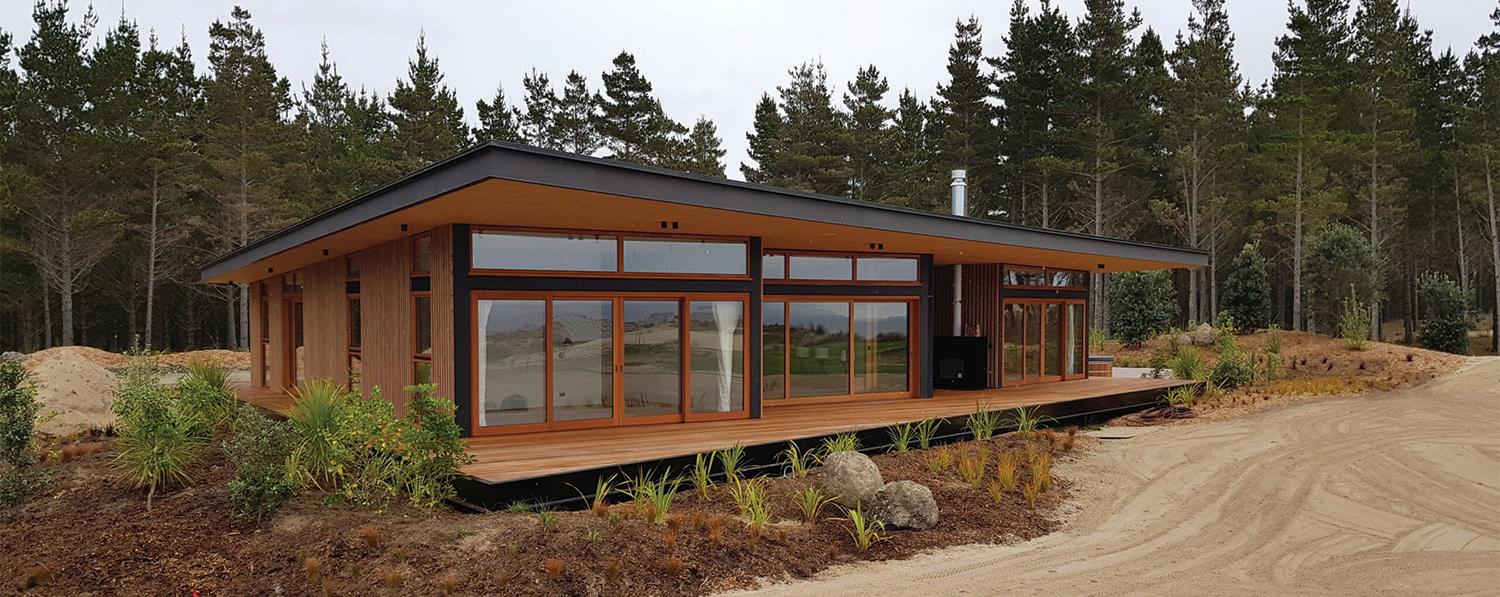
SMB has a wide range of commercial and residential services available for all project sizes.
We put client outcomes first by focusing on the small details that define success for each project. We aim to provide a professional and friendly approach that will make anyone feel comfortable and confident that we can get the job done right, every time.
Complete project management from consent through to compliance issue.
Fit-outs, temporary walls, office spaces, internal/external guttering, roofing, cladding.
Minor alterations, refinishing, decks, extensions, landscaping, demolition and repairs – we can do it all. Pre-purchase Inspection
Now offering pre-purchase inspections to give you better peace of mind before your next purchase.
By Ben O’Connell
Nike, Apple, Google, Airbnb: the list of iconic brands that have simplified their logos in recent years continues to grow. It’s said to reflect the strategic choice to modernise one’s brand image, create a more unified visual identity, and ensure logos are easily adaptable and memorable for multiple uses. But what does this shift mean for the future of design?
A simpler logo can mean clarity, versatility, and consumer confidence. When MasterCard’s own research showed that over 80% of people spontaneously recognised the interlocking red and yellow circles without the word ‘MasterCard’ present, they opted to drop it from their logo. Rebranding efforts saw Mastercard’s brand value increase by 25% per a 2019 best global brand report.
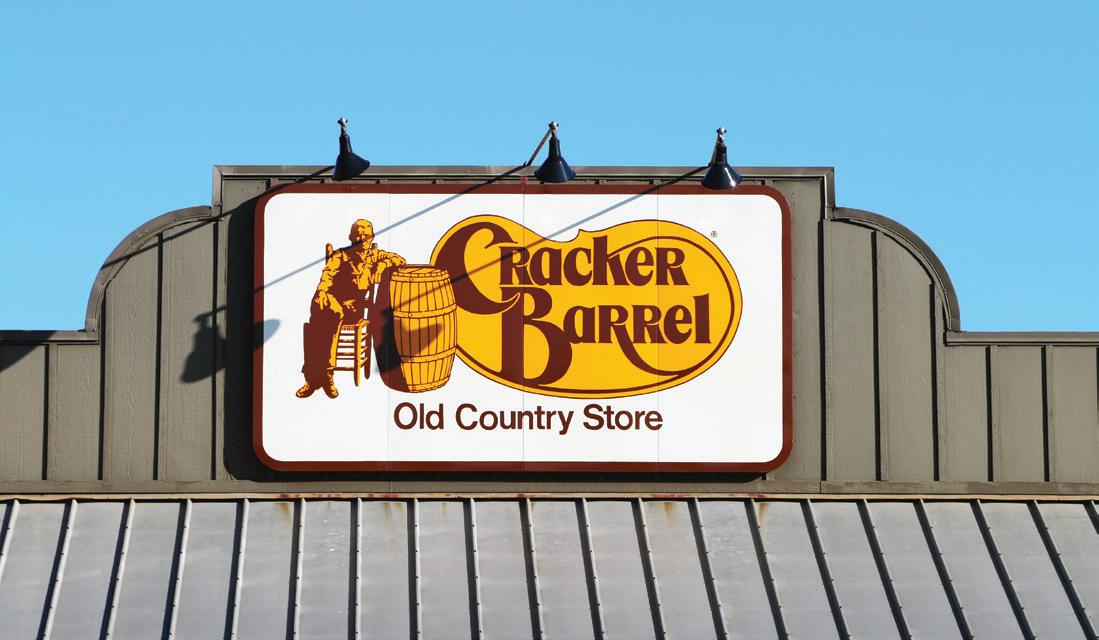
It doesn’t always go well. Take the American restaurant and gift store chain Cracker Barrel, which, after 47 years with the same Southern country logo, rebranded in August 2025. The new look stripped back ornate details in favour of a cleaner logo. Some praised the move, but the company faced resounding criticism for erasing the nostalgia and warmth that defined the brand. Nearly $100 million in lost market value later, the company reversed course and reinstated its classic logo.
Abby Vanner is the owner and lead creative at Kowhai Creative, a Christchurch design agency. She agrees that the way we use logos has changed. “In the past, a logo was generally used across many different physical outcomes
like packaging, business cards or signage. In our digital age, it now has to work in so many more spaces, from large format advertising right down to social media profiles.”
Abby notes that due to the fastpaced nature of online spaces, people expect increasingly high levels of polish and design quality.
“A logo is often the first thing people see online, so it becomes your primary mark of credibility and professionalism,” she says.
“In our digital-first world, your logo is the face of your brand, so it has to be instantly recognisable and flexible enough to perform across multitudes of platforms and contexts.”
That flexibility is now a logo’s main requirement. A brand’s character is now expressed through a broader ecosystem of elements, such as photos, tone of voice, typography, shapes, and textures. Beyond these practicalities, maybe simplified logos are a response to the faster pace of modern media consumption.
“Psychologically, I think we process clean, geometric shapes more quickly, making them more memorable across fast-scrolling feeds,” Abby says.


“In our digital-first world, your logo is the face of your brand, so it has to be instantly recognisable and flexible enough to perform across multitudes of platforms and contexts.”
AI has an undeniable impact. It was recently discovered that most of the online backlash that Cracker Barrel’s rebrand faced was fuelled by bots. Automated accounts flooded threads and manufactured noise. Trump’s Truth Social post calling out the restaurant chain’s “mistake” played a role, too. Future-proofing design now means anticipating not only audience reaction, but also the artificial and algorithmic. Perhaps the future of logo design is less about death than reinvention. Modern logos can still have personality. In fact, the best ones are brimming with it. For creatives,
the challenge is no longer simply crafting a standalone mark but designing adaptable systems that move fluidly across platforms. Logos remain vital, but they are just one piece of the brand puzzle. Today’s designers must craft versatile, coherent identities that anticipate digital shifts and emerging trends.
“I do think over the next few years, as maximalism edges back into focus, we might see a bit of a renaissance here,” Abby adds, suggesting that even in an age of simplification, bold creativity will always find its place. CT


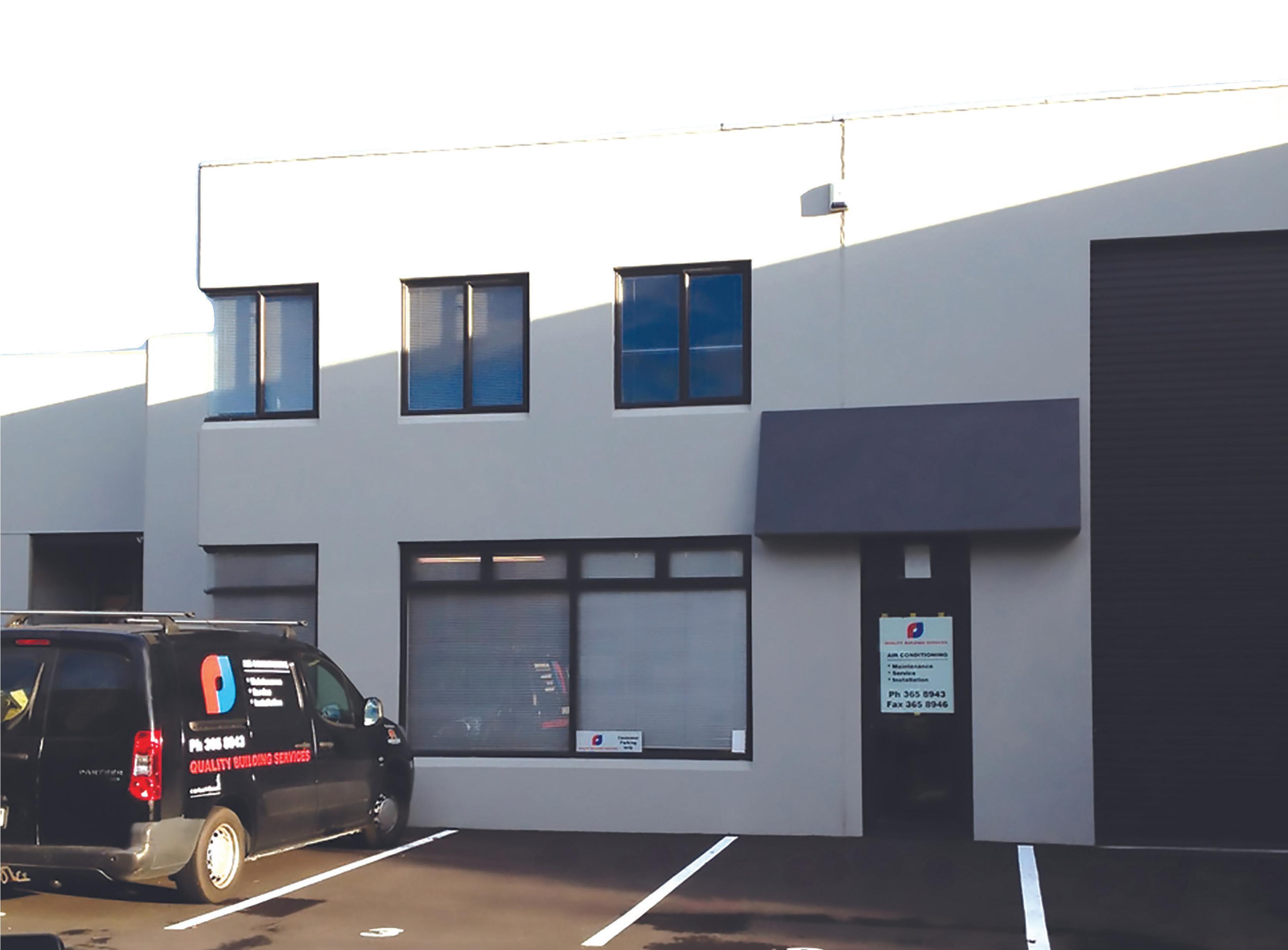
WE BELIEVE IN PROVIDING THE HIGHEST LEVELS OF QUALITY SERVICES FOR OUR CUSTOMERS, RIGHT FIRST TIME.
We Provide Commercial and Industrial Air Conditioning, Mechanical and Ventilation Solutions Including:
• Design and Installation
• IQP Inspections
• Preventative and Proactive Maintenance Services
• Energy Saving Assessments and Implementations
• Project Management Services
• Peer Reviews
• Fault Finding and Repairs
• Electrical Services

The Bayleys Timaru team offers you a full range of real estate services, including residential, commercial, lifestyle, and rural properties. Your team of Timaru property experts have deep local roots and unrivalled knowledge of the South Canterbury property market.
We’ll help you tap into the massive power of the Bayleys network to maximise the value of your real estate assets. Part of New Zealand’s largest full service real estate agency our national and international reach is unmatched,
Bayleys Timaru 03 687 1227
timaru@bayleys.co.nz
and we’re masters at creating genuine competition for your property.
We’re also strong believers in giving back to the community we live and work in, supporting local schools, sports teams, and not-for-profit organisations across the South Canterbury region, including local legends like the Crusaders and Surfing for Farmers.
If you’re selling your property, contact our expert team for better results from your biggest investment. Bayleys covers Timaru through Geraldine, Fairlie, Tekapo, and Twizel, offering expert service and proven results across every property type.
Bayleys Tekapo 03 687 1227
tekapo@bayleys.co.nz
Bayleys Geraldine 03 687 1227
geraldine@bayleys.co.nz









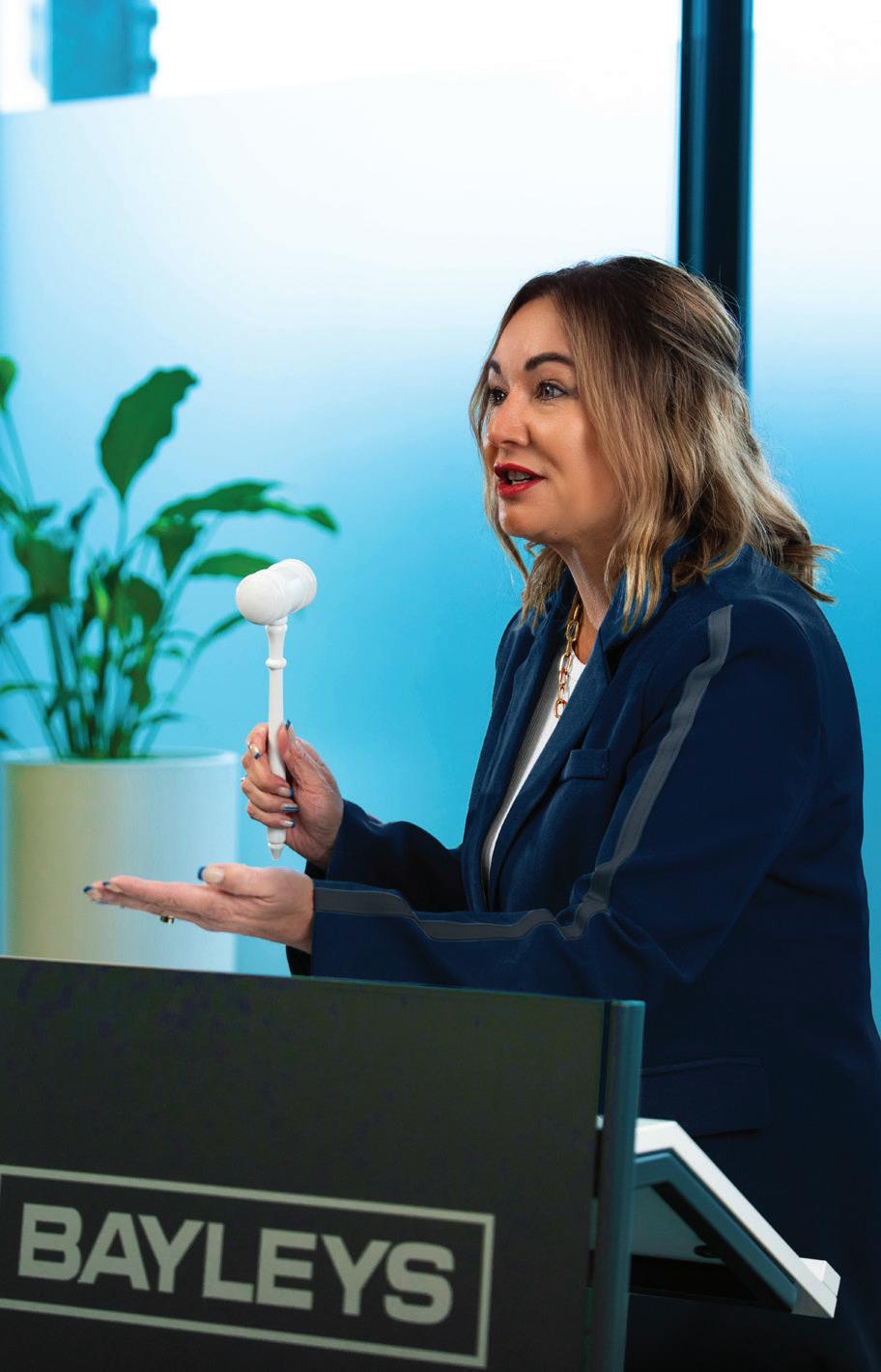
The results speak for themselves. Bayleys Timaru has hosted a series of highly successful auction days, proving that the auction method works just as powerfully here as it does in larger markets.
Our experienced auctioneer, sharp marketing, and a deep understanding of local buyer behaviour work together to create genuine competition and maximise results. From residential homes to lifestyle and rural properties across the region, when the hammer falls, it delivers exceptional outcomes.
Talk to us today to discuss auctioning your property and discover what our team can do for you.


South Canterbury is a region defined by diversity, in landscape, in industry, and in the ambitions of the people who call it home. From the rural productivity of its fertile plains to the busy, strategically important port at Timaru, this part of the country continues to grow, evolve, and demand services that keep pace with its momentum.
As the region expands, so too does the expectation that businesses supporting its development operate at the highest level. Now more than ever, South Canterbury needs exceptional product suppliers and service providers who understand the area and can deliver work that stands the test of time.
The region’s economic backbone is built on variety. Agriculture remains a cornerstone, with daily cropping and livestock operations driving local output and supporting wider national exports. Alongside this, South Canterbury’s manufacturing and processing sectors continue to expand, and the Port of Timaru remains a key gateway for goods moving in and out of the South Island. This mix of rural productivity, industrial capability, and infrastructure development
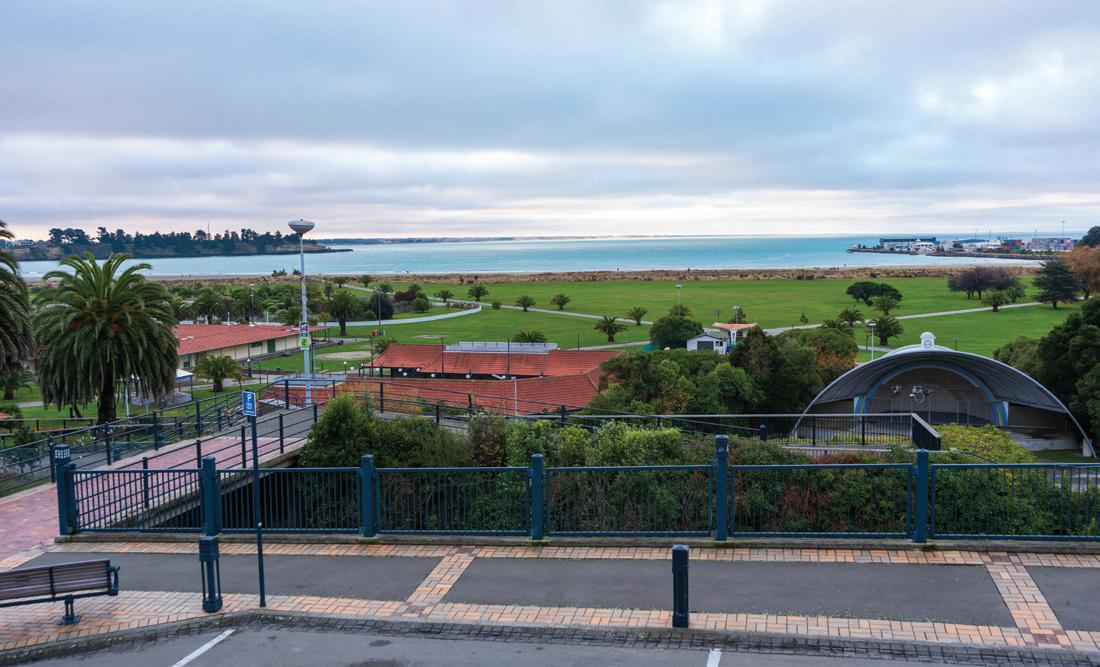
creates a unique environment, one that requires solutions from professionals who know what they are doing.
For designers and planners shaping the future of South Canterbury’s built environment, quality matters. They rely on trusted materials and services, on suppliers who are consistent, and on specialist trades that understand the region’s expectations, with both heritage and modern developments. Whether it is a commercial upgrade in the Timaru CBD, a new subdivision on the outskirts, or upgrades in Temuka, Waimate, or Geraldine, reliability is at the forefront.
Project managers and developers across the region face the same challenge: choosing partners who can deliver to a high standard. South Canterbury’s climate, regulatory requirements, and mix of land uses mean shortcuts are costly. Choosing well-established, reputable local providers reduces risks, strengthens timelines, and supports long-term
resilience of projects. From civil works to engineering services, electrical contractors, builders, and transport providers each play a key role in ensuring the region continues to function efficiently and safely.
Timaru’s port activity is also a reminder that South Canterbury needs to be prepared to keep pace with increasing volumes. As more goods flow through the region, the supporting infrastructure must be maintained, upgraded, and futureproofed. This requires experienced operators, providers who understand logistics, transport demands, and the impact that economic growth has on roads, utilities, warehousing, and distribution networks. With every sector relying on these systems, the need for excellence is obvious.
For property owners, both residential and commercial, the case for choosing quality is equally strong. A trusted local provider brings more than just service; they bring knowledge of South Canterbury’s conditions, from weather patterns
to council requirements. They understand what works here, what lasts here, and what will deliver the best long-term outcome. Whether upgrading a home in Timaru, investing in rural infrastructure, or building new commercial premises, selecting the right partners is key.
South Canterbury’s general public also stands to benefit from a strong ecosystem of reputable service providers. The businesses that supply materials, specialist knowledge, and trade skills directly contribute to community wellbeing. Their work shapes homes, schools, hospitals, parks, roads, and public spaces. When residents choose reliable, established companies, they support the region’s overall development and help strengthen the local economy.
As South Canterbury continues to grow, the call for excellence becomes louder. Every industry, rural, commercial, infrastructure, transport, retail, tourism and more, depends on the reliability of the businesses behind the scenes. The region’s future relies on the people who plan, design, build, supply, transport, and maintain its assets.
South Canterbury deserves the best. By investing in top-tier product and service providers, the region can continue to thrive and move confidently into the future, making sure that its people, industries, and communities are supported by providers who truly understand the place they call home. CT


Tim Adams has a great love for listening to people’s stories. He wants to know what makes people tick. He himself was logging at the age of 16, then working as a pastry chef at age 22 in some of the nations top restaurants. He then progressed to sales in the farming and hospitality sectors, which naturally led to Real Estate, where he makes use of his acquired knowledge, experience and deep connection with South Canterbury and it’s people.
127 Hilton Highway, Washdyke, Timaru, Canterbury


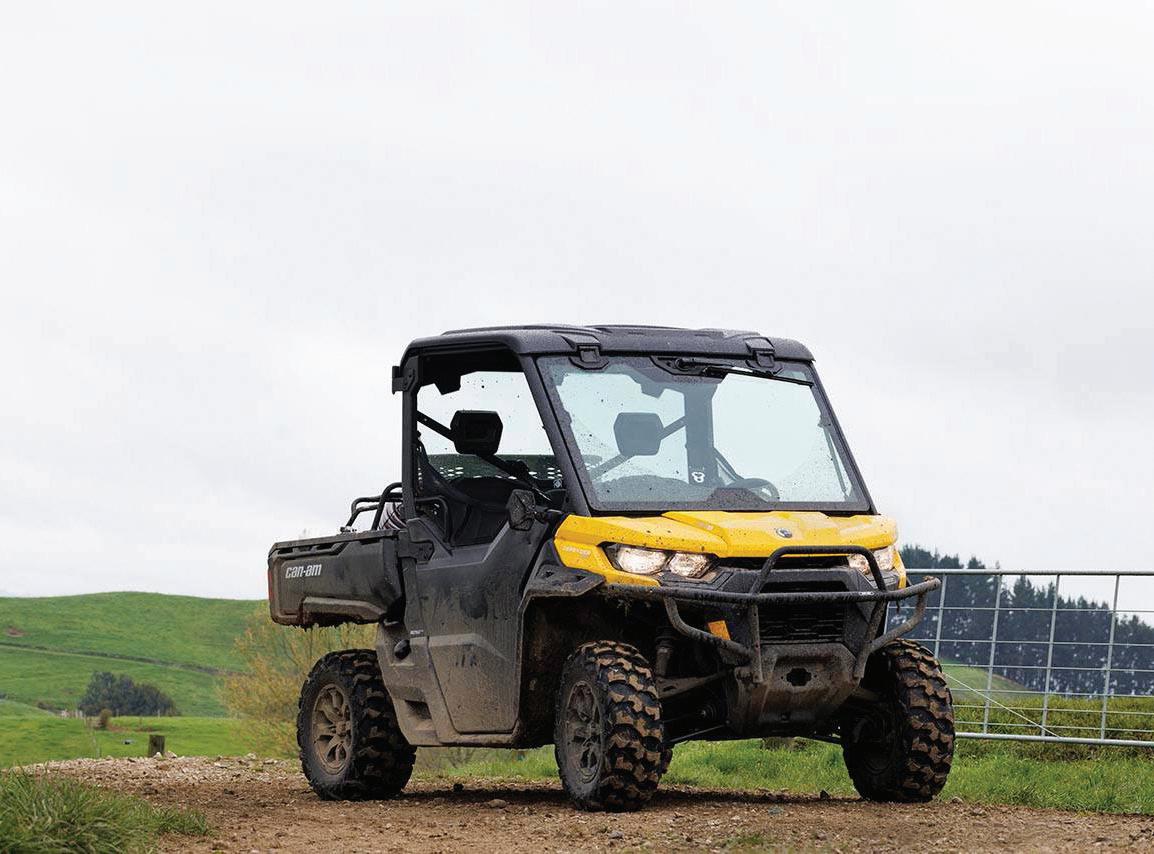


By Jonathon Taylor
How to spot when your mindset is holding you—and your team—back
A bad mood and a bad attitude aren’t the same thing, but one often leads to the other. We all have rough days, but when negative moods start stacking up, they can quietly evolve into something more persistent: a bad attitude.
And here’s the real danger — bad attitudes are contagious. They spread through workplaces faster than a viral meme, pulling down morale, productivity, and even profitability. As the business publication Entrepreneur explains, “Your attitude will also infect the perspectives of everyone who works for you, and you should consistently check on your mental state to make sure you aren’t slipping into toxic territory.”
Leaders who recognise these early warning signs can reset before negativity takes root. If you’re frustrated more often than inspired, impatient instead of curious, or cynical where you used to be confident, it might be time for an attitude check. Here are five tell-tale signs and how to turn them around.
1. Everything irritates you
When even the smallest inconveniences set you off, the forgotten grocery item, the family member talking during your favourite TV show, the food order that went wrong, it’s a sign that frustration has taken over perspective. Minor irritations are inevitable, but how we react to them reveals our mental state.
Ask yourself: “Will this matter a year from now?” Chances are the answer is no. By zooming out, you reclaim control over your emotions. Learning to distinguish between genuine problems and temporary annoyances restores balance and sanity. Charles R. Swindoll, American pastor and author, emphasises this perspective in a discussion with BNI New Zealand: “It is more important than the past … than
what other people think or say or do. The only thing we can do is play on the one string we have, and that is our attitude.”
2. You’re bitter about others’ success
It’s natural to feel competitive from time to time. But when another person’s achievement fills you with resentment instead of respect, you’re no longer competing—you’re comparing. Bitterness drains energy you could use to reach your own goals.
Focus on your own path. Set personal benchmarks for success and celebrate progress, no matter how small. Recognise that everyone has their own timeline and talents.
As former professional baseball player Wade Boggs told Management Magazine: “A positive attitude causes a chain reaction of positive thoughts, events, and outcomes. It is a catalyst and it sparks extraordinary results.” Celebrating others doesn’t diminish your achievements - it enlarges your mindset.
3. “But” has become your favourite word
“I was going to start that project, but…” or “I meant to follow up with that client, but…” If you find yourself constantly explaining why something didn’t happen, you might be hiding behind a convenient three-letter word. Excuses are comforting—they let us off the hook—but they also stop us from achieving our full potential.
Listen to your language. Notice how often “but” creeps into your sentences, and challenge yourself to stop before using it; eliminating “but” forces accountability and action.
As U.S. President Franklin D. Roosevelt famously said in a 1930s speech, “The only limit to our realisation of tomorrow will be our doubts of today.” Stop qualifying your intention; start executing.
4. You’re ruminating, not reflecting We all replay conversations in our heads, dissecting what we should have said. But when reflection turns into rumination, looping endlessly

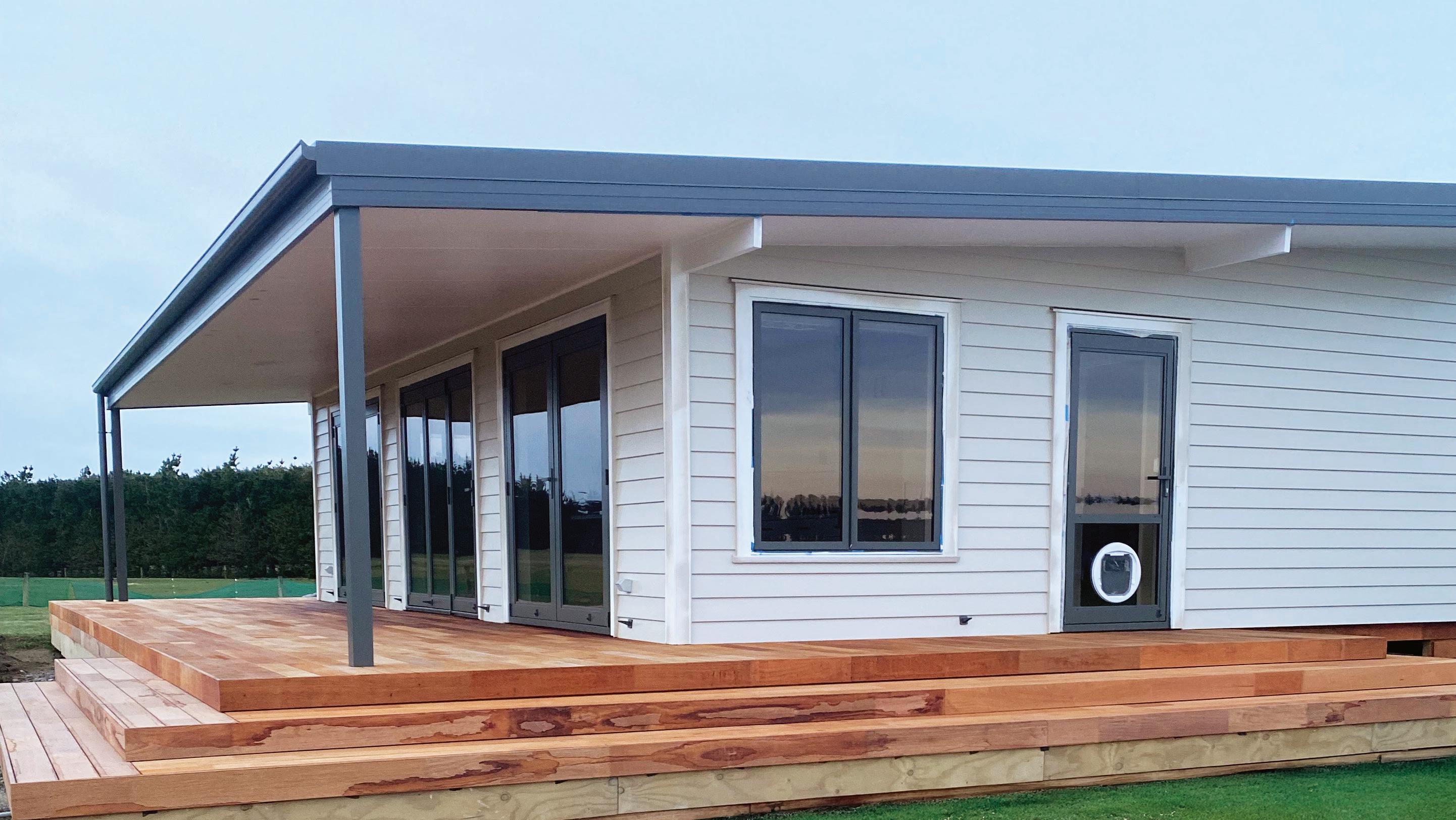


over a negative exchange, it’s no longer productive. It feeds anxiety and resentment.
Channel that energy into something external. Write a letter to the person involved, a letter you don’t intend to send. Putting thoughts on paper helps you process emotions safely. If writing isn’t your outlet, redirect focus by staying active or tackling a new task; momentum is often the best antidote to overthinking.
Leadership expert John C. Maxwell explains on The Myndset: “Leadership is not about titles, positions, or flowcharts. It is about one life influencing another.” Reflection should influence the next step—not trap you in the last.
5. You think the universe is against you
When every setback feels personal, the project delay, the missed opportunity, the colleague who got the promotion, it’s easy to feel the universe has it in for you. But more often than not, this mindset blinds you to opportunity.
Reframe your outlook. Instead of focusing on what went wrong, notice what went right—even if it’s small. Gratitude has a remarkable way of cutting through cynicism. Step outside, go for a walk, or call someone who brings perspective.
As Winston Churchill famously said during World War II: “Attitude is a little thing that makes a big difference.” Luck may favour the prepared mindset.
Attitude is everything
Negativity slips in for everyone from time to time. But when it colours relationships, decision-making, or leadership style, it’s time to reset. A positive attitude isn’t naïve optimism, it’s resilience: the belief that even when circumstances aren’t ideal, your response can be.
Colin Powell, former U.S. Secretary of State, highlighted this in an interview with Management Magazine: “Perpetual optimism is a force multiplier.”
Mindset determines momentum. The most successful leaders aren’t

It’s natural to
time.
feel competitive from time to
But when another person’s achievement fills you with resentment instead of respect, you’re no longer competing—you’re comparing. Bitterness drains energy you could use to reach your own goals.
immune to stress - they’ve simply learned to recognise when negativity is creeping in and adjust before it takes hold.
As Helen Keller once reflected: “When one door of happiness
closes, another opens, but often we look so long at the closed door that we do not see the one that has been opened for us.” CT
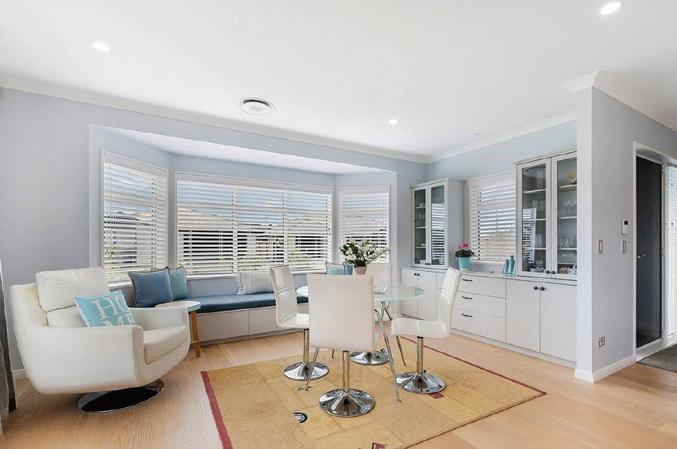
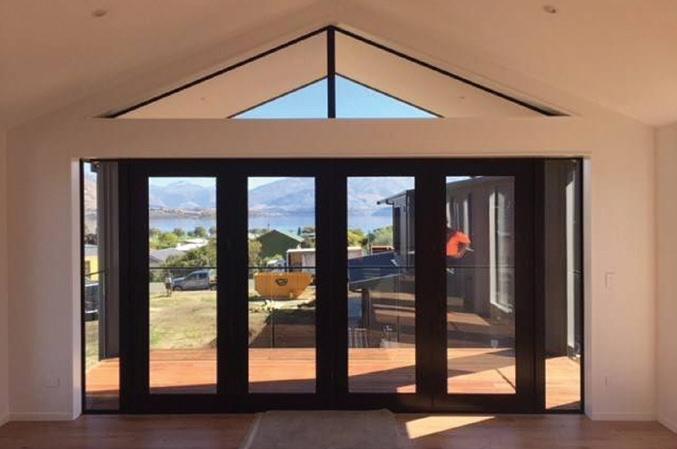
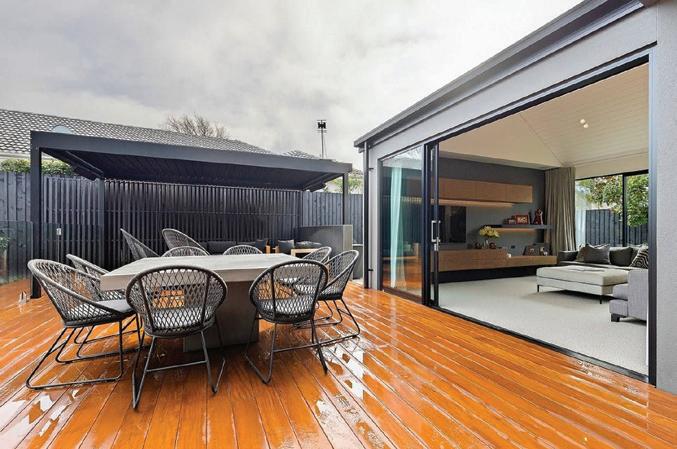


Our skilled team create spaces that both serve their purpose and reflect your personality. Whether it is your cherished home or an innovative office block, or a school, we will carry the project through to completion & ensure our high standards are met.
• PAINTING
• DECORATING
• PLASTERING
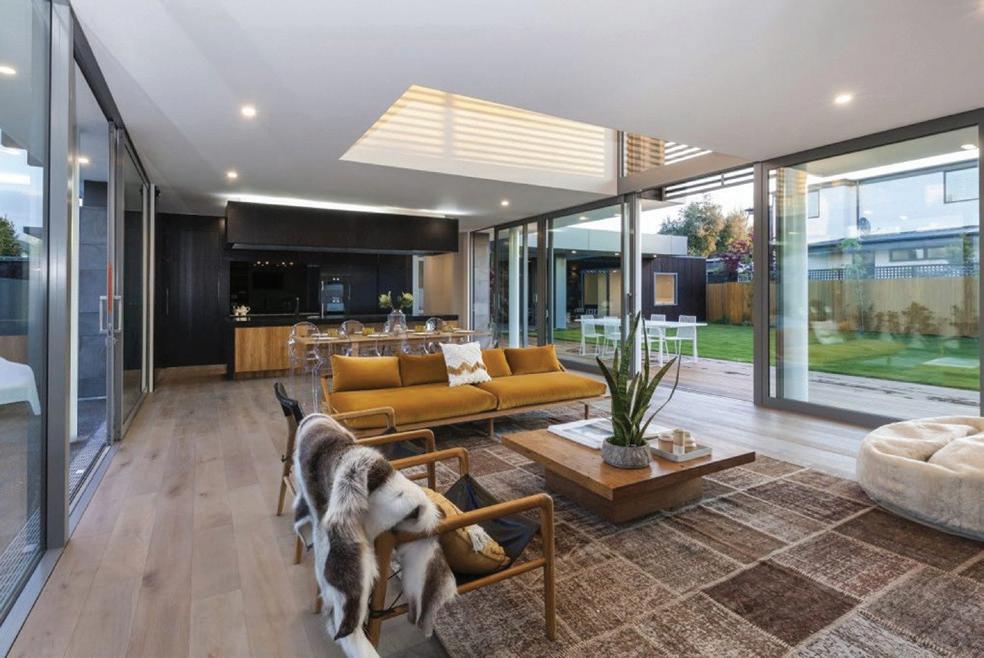
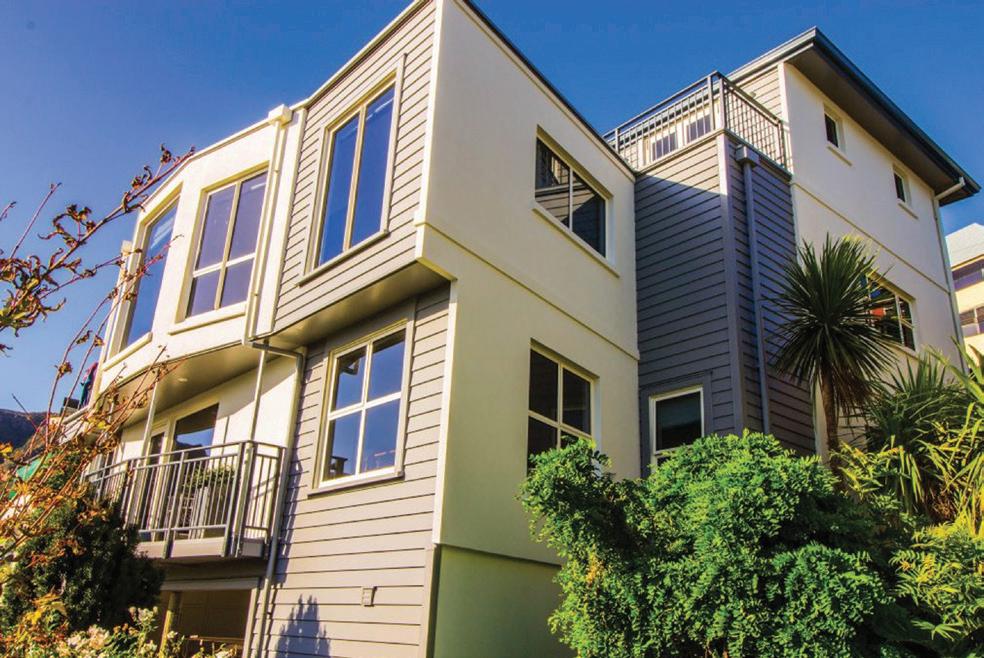

Office: 03 365 4499
Grant Midgley: 027 221 1595
Richard Kenny: 027 254 3276
Gavin Barnett: 021 761 961
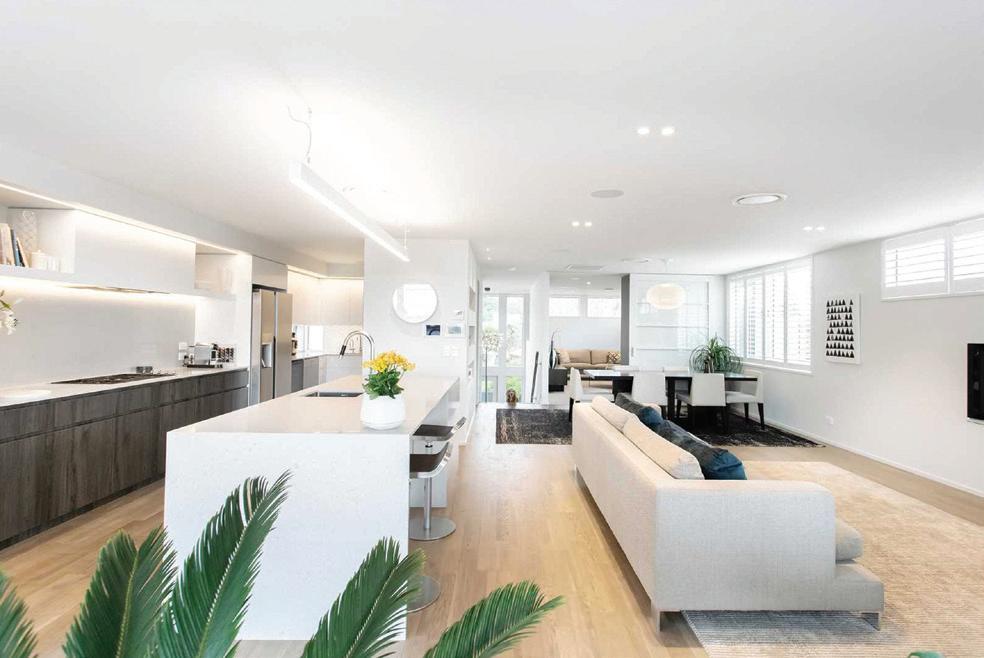

As the digital landscape expands, so does the threat of cybercrime, and small and medium businesses (SMBs), including the construction and trade industries are not immune to these risks. Recent statistics reveal a concerning trend - nearly a quarter of SMBs in New Zealand have fallen victim to cyberattacks, and 40% of business owners worry they might be the next target.
Perhaps most alarming is the fact that only 14% of small business owners are adequately prepared for a cyberattack. This lack of preparedness is a costly mistake for many, as businesses that experience a catastrophic cyber event often find themselves on the brink of bankruptcy or even closure.
Despite the prevailing notion that cybersecurity is complex, obscure, and costly, The construction and trade industry must realise that effective cybersecurity solutions need not be intimidating or expensive. There are tailored
cybersecurity options available that can offer the right level of protection based on the specific stage of growth, digital maturity, and industry of each business.
Top tips for New Zealand SMEs:
1. Back up your data: The impact of ransomware attacks can be devastating, with 60% of SMBs hit by such attacks going out of business within six months. Ensuring that mission-critical data is regularly backed up is vital to mitigate the potential losses from cyber incidents.
2. Use strong passwords: Shockingly, 19% of businesses still use easily guessed passwords or share passwords across accounts, providing cybercriminals with a straightforward path to infiltrate systems. Implementing strong passwords and avoiding password reuse is a fundamental step in safeguarding sensitive business data and systems.
3. Train and educate employees on cyber safety: Phishing emails continue to be a major threat, with 30% of SMBs falling prey to such scams during Covid lockdowns. By educating staff on how to recognise and handle suspicious online activity, businesses can significantly reduce their vulnerability to cyber threats.
4. Patch your systems: Poor patch management is responsible for 57% of data breaches. By regularly applying security patches and updates,
businesses can prevent cybercriminals from exploiting known vulnerabilities and causing disruptions.
5. Strengthen access control: Effective access control mechanisms allow organisations to manage and restrict access to critical data and resources, preventing unauthorised access and data breaches.
6. Have a breach response plan: Despite best efforts, breaches can still occur. Having a well-thought-out disaster recovery plan in place enables businesses to respond swiftly and effectively to mitigate the impact of a breach.
7. Install a reputable, paid-for security suite: Installing and updating security software is a basic yet crucial step in protecting against malware, viruses, ransomware, and other cyber threats.
8. Secure your networks: Wi-Fi networks should be appropriately secured to prevent unauthorised access. Additionally, providing remote workers with virtual private network (VPN) ensures secure access to the company’s network.
9. Install a BYOD policy: As BYOD practices become prevalent, having a documented Bring Your Own Device policy focused on security precautions is essential to safeguard sensitive business data accessed through personal devices.
10. Use multi-factor authentication (MFA): MFA adds an extra layer of security beyond traditional usernames and passwords, significantly reducing the risk of unauthorised access and account breaches.
In an era where cyber threats are rampant, the construction and trade industry in New Zealand must prioritise cybersecurity to safeguard their businesses and customers.
By adopting these top tips, businesses can significantly reduce their exposure to cyber risks. Investing in robust cybersecurity measures not only protects the business from potential financial ruin but also strengthens customer trust and confidence. CT
By

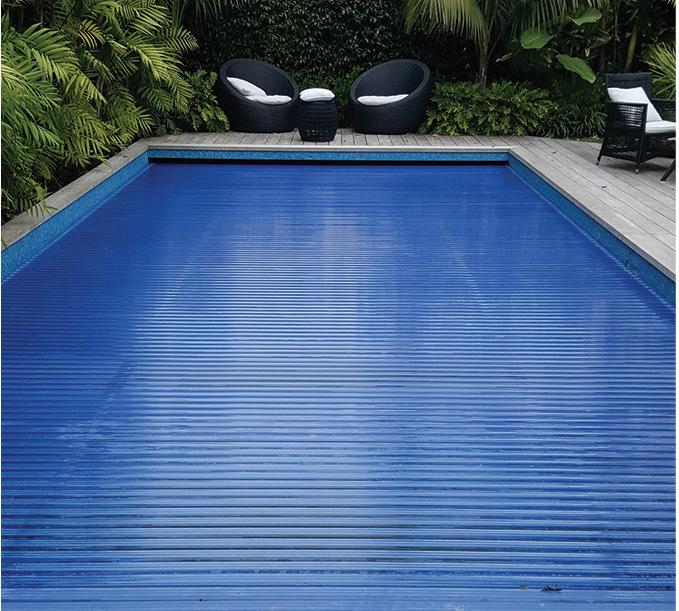


NZ’s First IANZ-Accredited Industrial Air Testing Specialists, Delivering Standards-Compliant Emissions Data You Can Trust
In August 1992, Air Resource Management was established. We provide efficient and reliable service to industries concerned about air emissions and compliance with the Resource Management Act. Test Results remain confidential between the client and Air Resource Management. Our client database is also confidential.
Contact Us
Whether you’re seeking routine monitoring, occupational health data, or resource consent support, we deliver a streamlined, professional service—no matter the size or scope of the job. Let us handle the testing, so you can focus on running your operation.
Get in touch for a free proposal or expert advice on your emissions testing needs. We offer flexible scheduling, fast reporting, and a fully self-contained service. Whether you need compliance support, odour testing, or full stack analysis —we’re here to help. All enquiries confidential. Let’s make it easy.
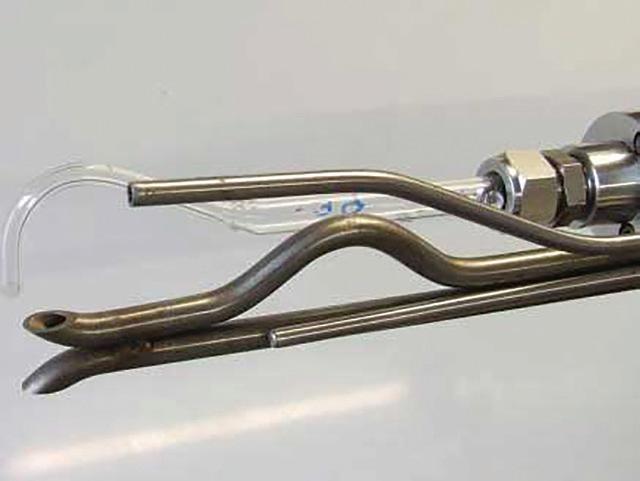
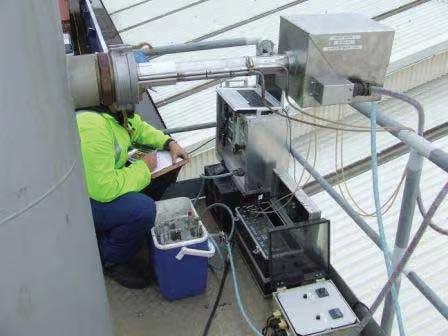
• Free Proposals
• Standard Test Methods
• Resource Consent Preparation
• RMA 4th Schedule Requirements
• Occupational Health Testing
• Competitive Prices
• Full Data Spreadsheets
• Stand-Alone Reports
• Efficient data processing & reporting
• Scientific Support for Interpretation of results
• Expert Evidence
• Odour Testing
• Acid Plants
• Ashphalts Plants
• Boilers
• Cement Plants
• Chemical Manufacturing
• Furnaces
• Incinerators
• Municipal Waste Combustors
• Petroleum Refineries
• Power Plants
• Pulp and Paper Mills
• Smelters
• Steel Mills


when
Properly designed and installed toilets and bathrooms are critical for hygiene, health and convenience.
Coupled with reliable plumbing and quality whiteware, they prevent leaks, mould and waterborne contaminants that can compromise indoor air quality and pose longterm health risks.
Equally important is insulation and climate control. New Zealand’s diverse climate demands homes that can maintain a stable, comfortable temperature, prevent condensation and reduce exposure to airborne pollutants. A wellinsulated, ventilated home limits the growth of bacteria, mould and dust mites, creating a safer, healthier environment for families.
Attention to these fundamentals supports more than just compliance,
it fosters wellbeing. Families need spaces where children can grow, adults can thrive and everyone can feel secure and protected. Every design choice, from bathroom layout to insulation specification, contributes to creating a home that is resilient, functional and safe.
All plumbing works, heating and ventilation systems must comply with the New Zealand Building Code (NZBC) and be carried out by licenced professionals to ensure all work is completed to national standards. For professionals shaping New Zealand homes, understanding the link between health, functionality and building compliance is crucial. By prioritising these elements, you ensure that every home is built to protect, sustain and support the people who live within it. CT
Living House specialises in the supply and installation of eco-friendly, non-toxic and energy effcient Earthwool® glasswool insulation.
Earthwool® glasswool is a German product manufactured by Knauf Insulation, one of the world’s largest manufacturers of insulation products and solutions. Living House is now the largest installer of the Knauf product in New Zealand
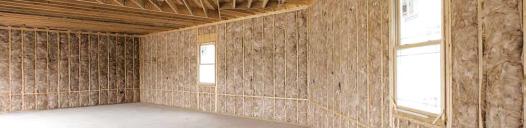




tims.repairs@outlook.com
www.timappliancerepair.co.nz

specialise in renovating bathrooms, ranging from the simplest of refaces, to full bathroom remodels. We understand the importance of creating a fabulous and functional space for you and your family.
By Jonathon Taylor
In today’s hyper-connected economy, simply satisfying customers is no longer enough. Companies that lead their markets consistently differentiate themselves through superior service experiences: Faster, more reliable, more responsive, and more human than their competitors. Every touchpoint matters and every interaction shapes how customers perceive your brand.

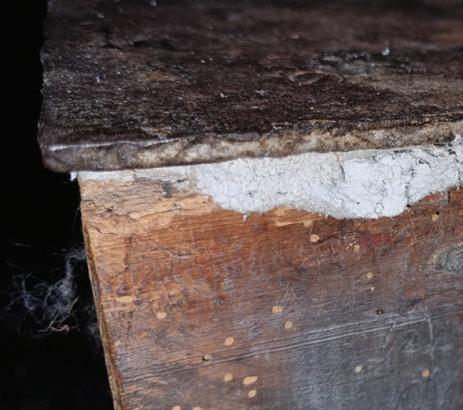
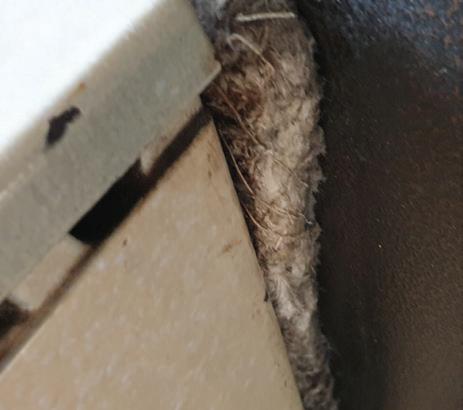
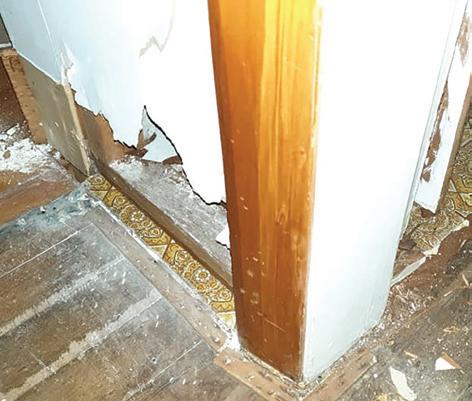

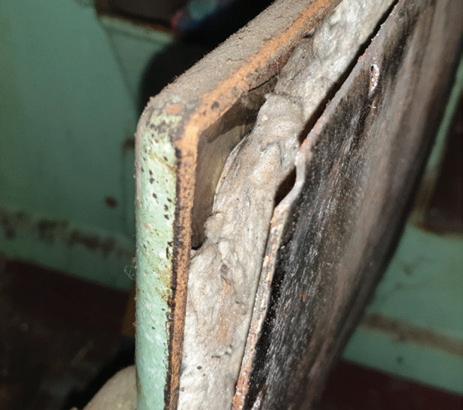
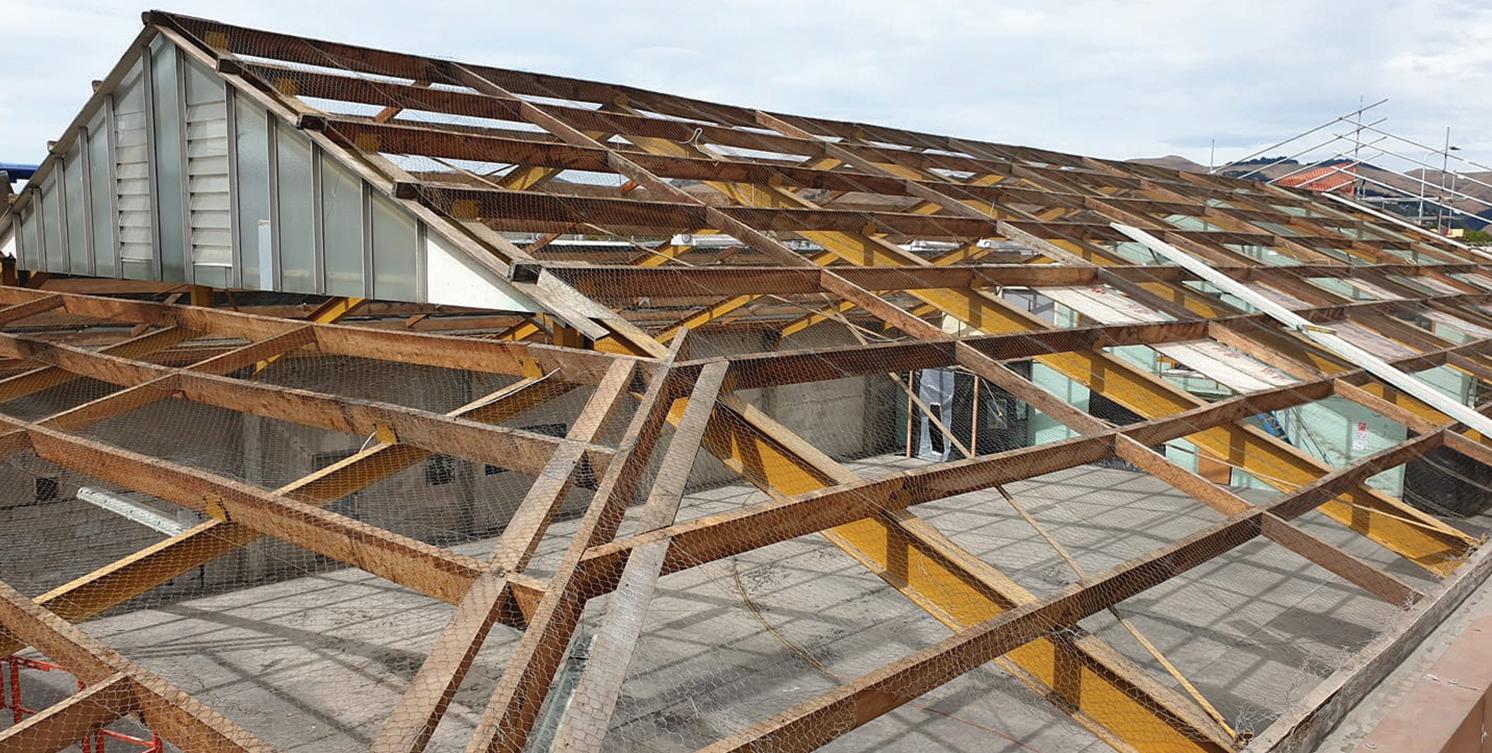
“The way you make people feel is what they remember and come back for”
As New Zealand business coach and customer-service expert Mike Clark explained in an interview with Think Right, “The way you make people feel is what they remember and come back for,” highlighting that emotional connection, not transactions, drives loyalty. True success comes when organisations, from front desk to boardroom, recognise that customer service isn’t a department; it’s a philosophy.
Understanding and exceeding expectations
Outstanding organisations share two fundamental traits: they understand their customers’ needs and then exceed them. This requires curiosity, empathy, and a willingness to adapt constantly.
Customer-centricity begins with insight. Leading New Zealand marketing academic Valentyna Melnyk told NZ Marketing Magazine that “If you know what the customer really wants, and why, you can create relationships that go far beyond one-off transactions,” underlining the importance of understanding the deeper motivations behind consumer behaviour.
Despite this knowledge, poor service remains all too common.
Many New Zealanders report being ignored at counters, left on hold, or met with indifference, experiences that erode loyalty faster than many companies realise.
Kate Tulp, Head of Customer Experience at ServiceNow NZ, told Business Scoop that “For the first time, we’re seeing signs that some organisations are addressing our nation’s customer-service problem… customers will vote with their feet and turn their backs on poor service,” emphasising the high stakes of service in the modern Kiwi market.

Service as a competitive advantage
Technology and processes can be copied, and products imitated. Yet genuine, consistent, emotionally intelligent service remains one of the few lasting differentiators.
Research published by NZ Marketing Magazine, drawing on Kohler New Zealand trade studies, argues that “Without this focus on culture, even from the perspective of an agency external to a brand,
recognising true success in CX is unlikely.” This demonstrates that aligning culture to brand values and customer experience is crucial to standing out in a crowded market.
Companies that excel recognise that service isn’t a one-off transaction; it’s an ongoing relationship, earned and re-earned with every interaction. The goal is not just to gain customers, but to cultivate loyal advocates, people who trust, return, and recommend your brand

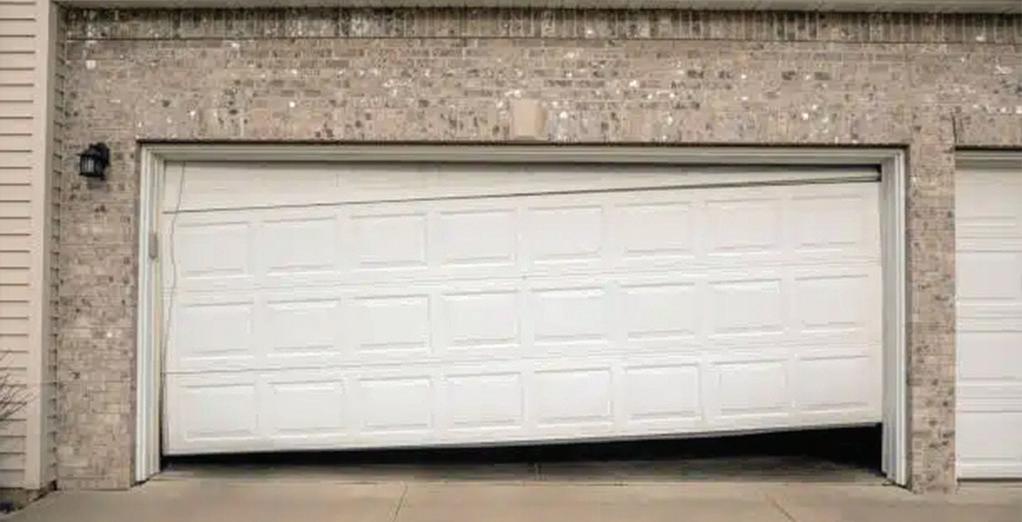
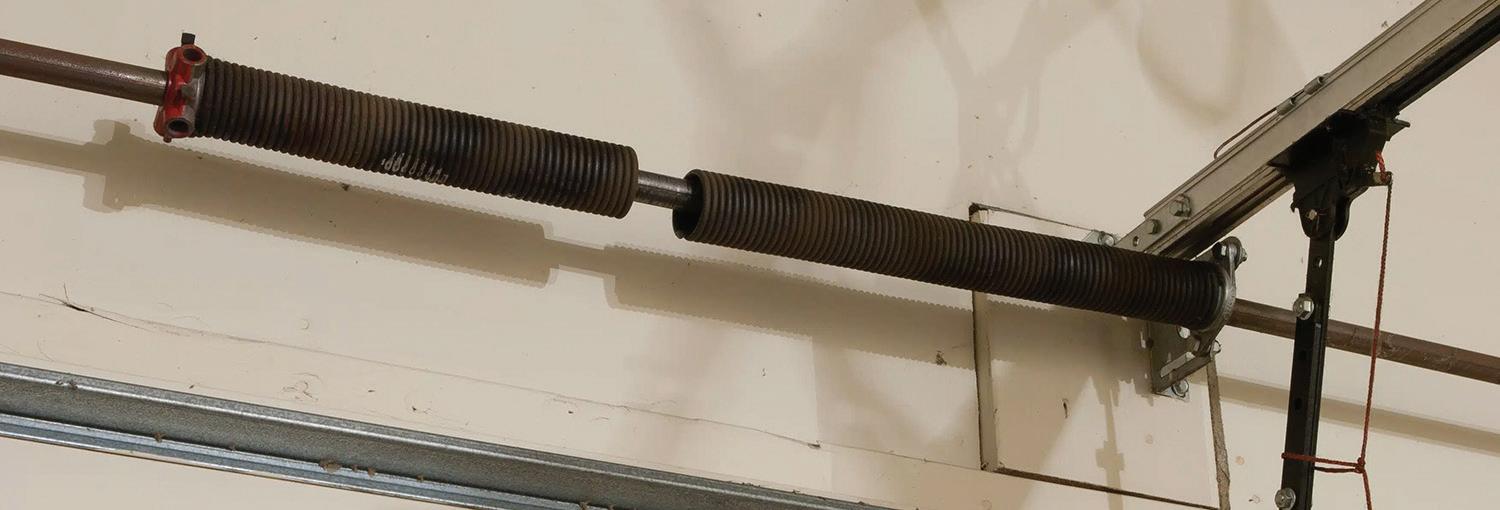



Practical ways to build a customer-focused culture
How do organisations move from theory to practice? Here are six guiding principles:
1. Know your customer. Understanding goes beyond demographics; it’s about their aspirations, frustrations, and motivations. Align your capabilities authentically to meet these needs.
2. Continuously add value. Anticipate future needs and enhance the experience in meaningful ways, whether through faster response times, flexible options, or small acts of appreciation.
3. Listen. Customers can sense when they are genuinely heard. Feedback, whether praise or complaint, provides invaluable insights.
4. Do what’s right for your customers. Integrity and empathy should guide every decision. When customers feel respected and fairly treated, they reward honesty with loyalty.
5. Start with your internal customers. Service begins at home. Mike Clark noted in Think Right that “The internal culture in [an organisation], is directly reflected in the external experience of the customer,” illustrating how positive employee relationships translate to stronger customer interactions.
6 Build trust and protect it fiercely. Transparency, reliability, and accountability are priceless in an era of sceptical consumers.

Making service a strategic priority
Becoming truly customer-focused requires leadership commitment and systemic change. It’s not about slogans or posters; it’s about embedding service values into every process, policy, and performance measure. Hire and train for empathy and problemsolving, not just technical competence. Reward behaviour that enhances the customer experience, not just sales metrics. Use data not just to analyse transactions, but to understand relationships.
KPMG New Zealand research shows that companies delivering a superior customer experience consistently outperform their
competitors in terms of retention and profitability. As KPMG reported in its 2024 New Zealand CX insights, embedding service excellence into an organisation’s DNA drives measurable results: higher retention, a stronger brand reputation, and increased profitability.
The human element Ultimately, great service comes down to human connection. People want to feel recognised, respected and remembered. Companies that foster this emotional bond generate loyalty that no amount of advertising can buy.
Organisations which will lead the next decade are those that invest in empathy as much as efficiency, balancing innovation with human
Ultimately, great service comes down to human connection. People want to feel recognised, respected and remembered. Companies that foster this emotional bond generate loyalty that no amount of advertising can buy.
understanding. Technology can facilitate service, but it cannot replace the warmth, care, and authenticity that define a truly customer-centric brand.
To become genuinely customer-focused, commit to:
• Understanding your customers deeply
• Listening actively
• Acting with integrity
• Adding value at every opportunity. Make it easy and pleasant for customers to do business with you. In the end, they are not just the reason you exist—they are the measure of your success. CT


offer a full range of repairs and alterations on caravans, campervans, buses, coaches, trailers, fifth wheels, truck bodies and so much more. We are based in Christchurch, New Zealand. With over 80 years of combined knowledge of the coachbuilding trade, you can bring your vehicle to us and get the job done right. We work on any make or model and we are able to work on any job big or small. This includes complete renovations, major collision repairs as well as smaller jobs such as leak repairs, solar installations or alterations of the interior or exterior.

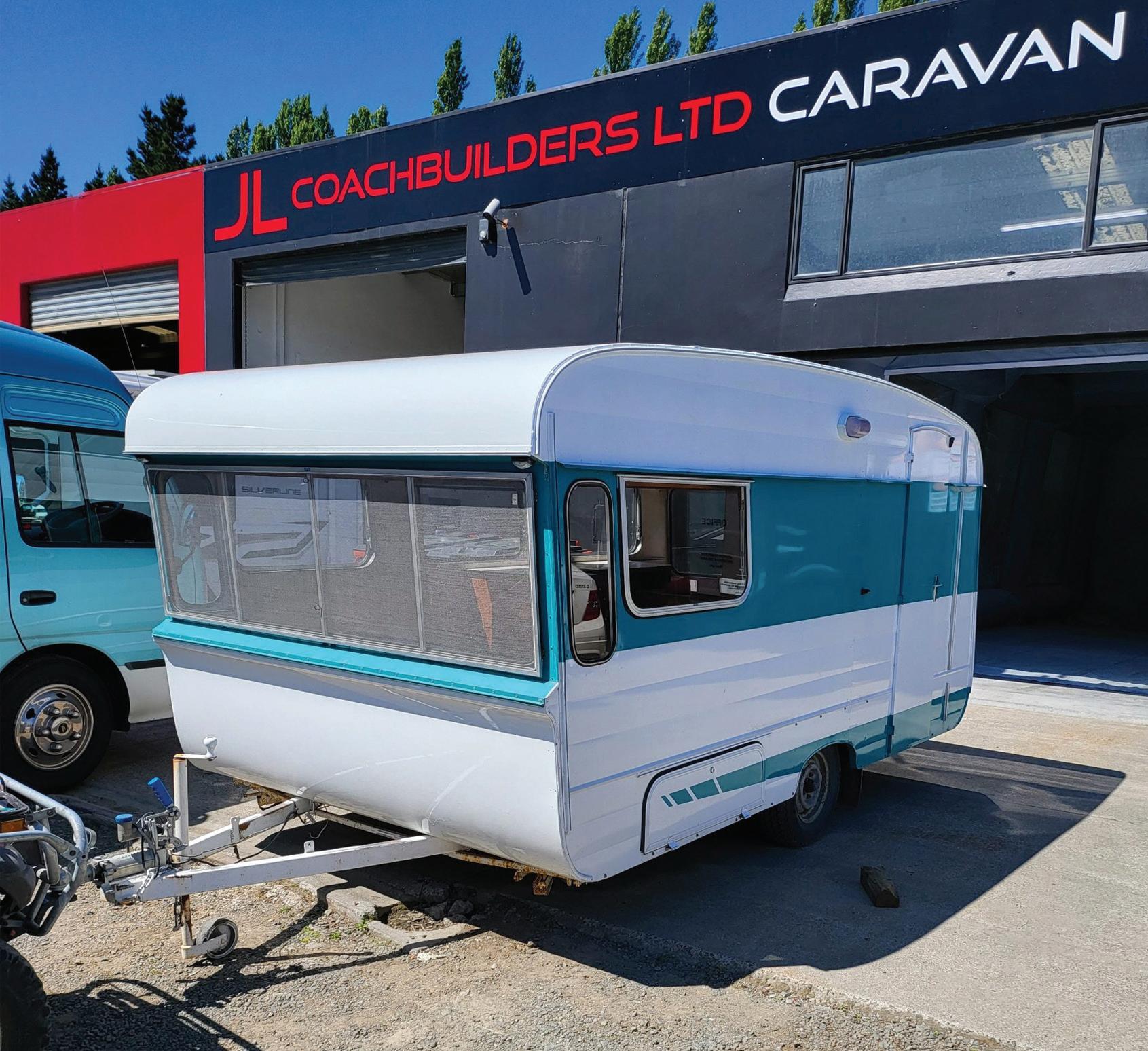
All makes and models, large jobs and small
We hold our services in the highest regard as we provide the best quality service in Christchurch at a very competitive price. Absolute customer satisfaction is what we always aim to achieve.
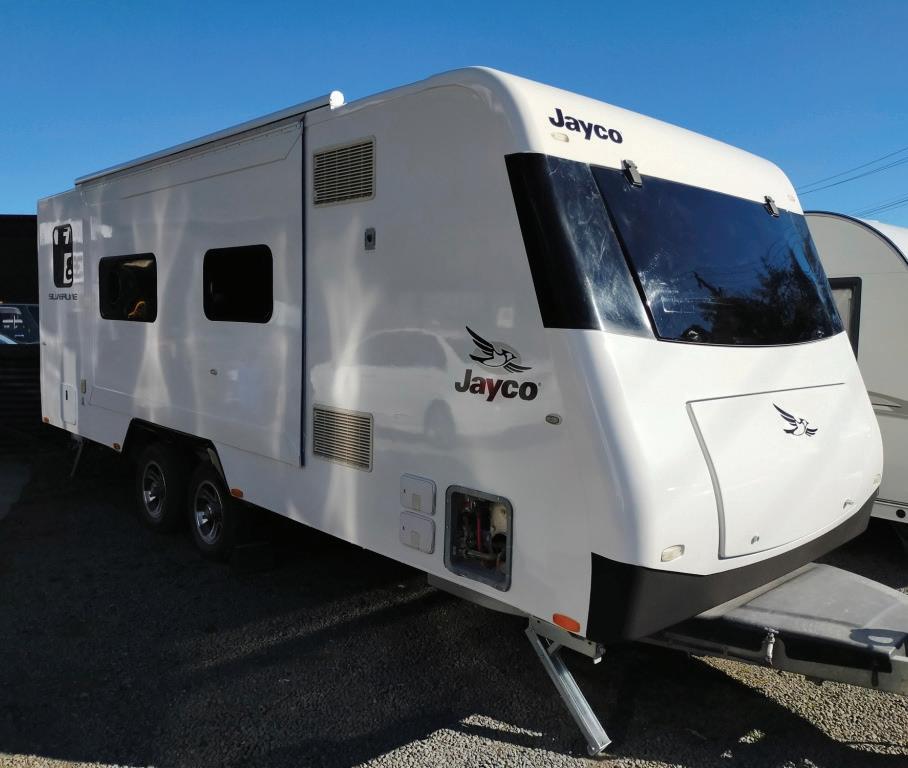
Caravan Repairs and Servicing
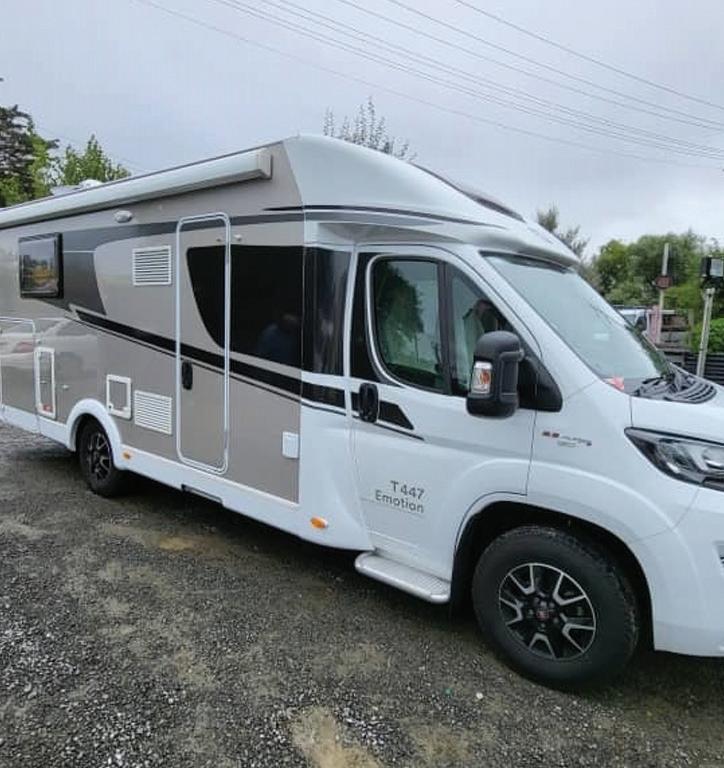
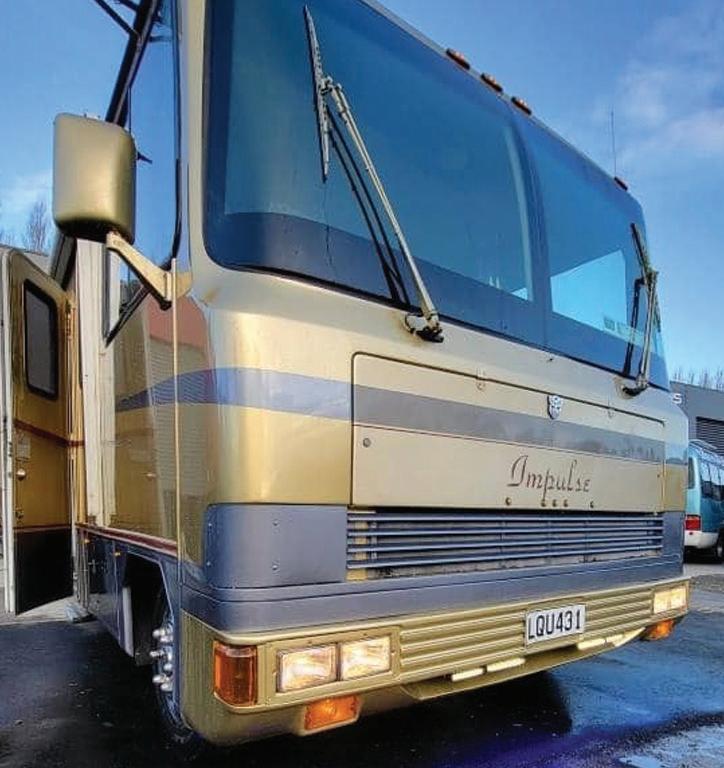
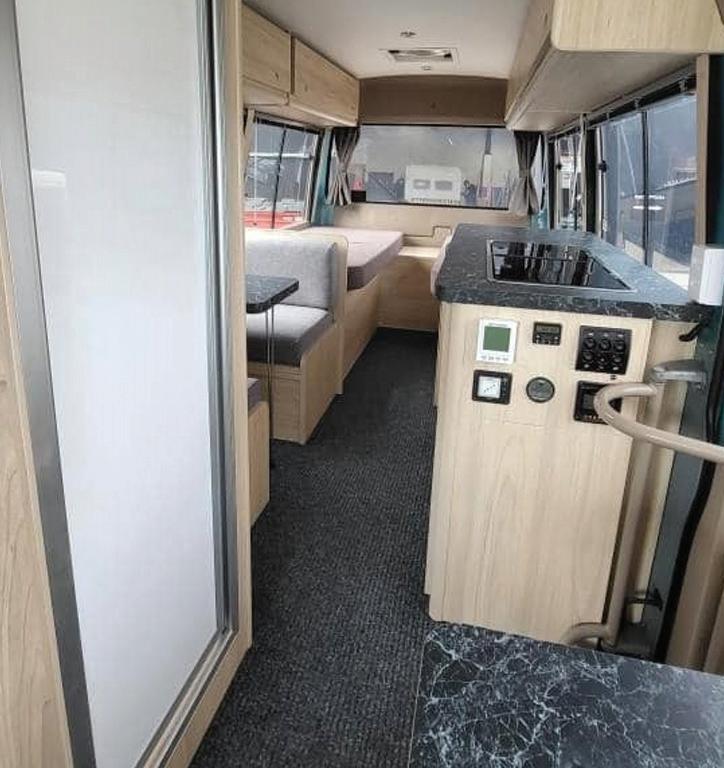
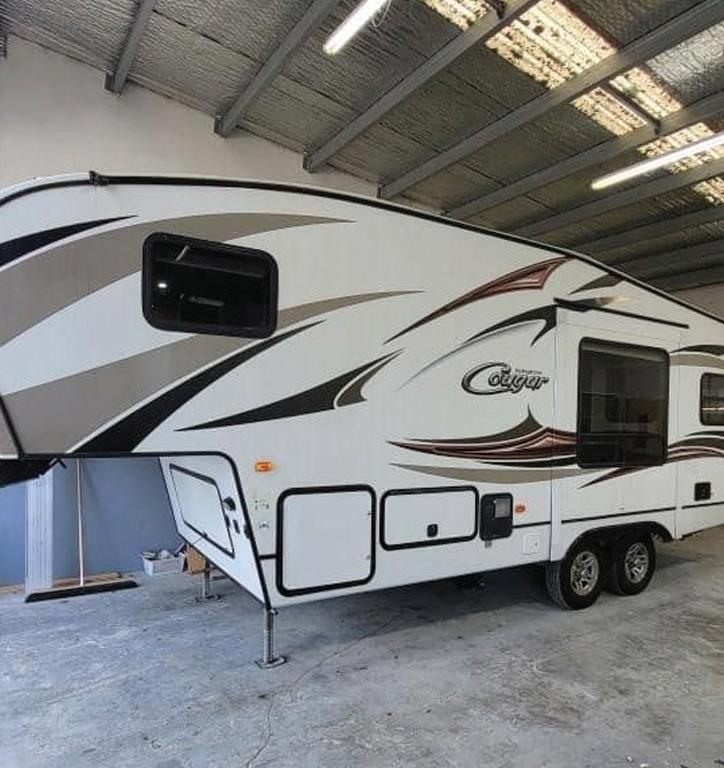
By Jonathon Taylor

When US President Donald Trump unveiled a new round of import tariffs in April 2025, New Zealand wood exporters were relieved to learn their products had been spared. Timber and wood products were temporarily exempt from the initial 10% tariff due to a pending trade investigation into US lumber imports.
Although the exemption is only temporary, Mark Ross, chief executive of the Wood Processors and Manufacturers’ Association (WPMA), described it as a welcome reprieve. “We now wait for completion of the section 232 investigation as to what the future holds for imported New Zealand timber and lumber products entering the United States,” Mark said.
The United States remains New Zealand’s third-largest market for forest products, behind China and Australia, with about USD 215 million of radiata pine exported to the US in 2024. Overall, New Zealand exports to the US totalled $5.40 billion that year, with wood and wood products contributing $224 million, making timber a key component of the bilateral trade relationship.
Radiata pine is highly valued by American buyers for its consistent quality and appearance, serving both the home-building and DIY retail markets. “Although the $US215 million is minor when compared to the total global imports of $US2.3
billion of timber and lumber products into the United States, this trade is valued by both the New Zealand producers and the American DIY customers,” Ross noted.
A tariff deferred — for now
The exemption stems from a Section 232 national security investigation, launched on 2 March 2025 under the US Trade Expansion Act of 1962. Overseen by Commerce Secretary Howard Lutnick, the inquiry aims to determine whether reliance on imported lumber poses a nationalsecurity risk. The final report is expected to be released in late November 2025.
Initially, timber and lumber products were listed for a baseline 10% tariff, part of a broader tariff package that included 25% duties on wooden furniture and cabinetry, as announced by the White House on September 30, 2025. However, the timber component was later deferred, and New Zealand products currently remain exempt, according to the New Zealand Ministry of Foreign Affairs and Trade’s April 2025 market update.
A range of US industry groups, including the National Association of Home Builders (NAHB) and the American Building Materials Alliance, publicly opposed tariffs on imported lumber. These groups argued that such measures would exacerbate the housing affordability crisis, drive up construction costs, and hinder rebuilding efforts in regions affected by wildfires.
The NAHB, in its March 2025 submission to the Department of Commerce, warned that “tariffs on building materials, including lumber, would directly harm American homebuyers.”
Domestic timber prices had already surged by more than 30% in early 2025 amid strained US supply chains. For the American construction industry, access to high-quality, kiln-dried New Zealand radiata pine was considered too important to jeopardise. As Mark Ross put it: “It’s a growth market, and there’s a shortage of lumber and timber products here for the home construction and the do-ityourself market, and that’s what we feed into.”
NZ industry cautiously awaits investigation outcome Back in New Zealand, both government and industry leaders are adopting a wait-and-see approach. The WPMA has not submitted an official response to the US investigation, following government advice. Trade and Investment Minister Todd McClay’s office
confirmed ongoing discussions with US counterparts to clarify the scope of current exemptions and potential future conditions.
The US market remains strategically important as New Zealand’s forestry sector seeks to diversify away from China. Between 15 and 18 mills across New Zealand regularly supply lumber, clear pine boards, and primed products to American distributors, who prize the wood for use in framing and finishing residential construction.
The outcome of the Section 232 review will determine whether New Zealand timber retains tariff-free access to the US or faces new trade barriers. Possible outcomes include continued exemption, the introduction of delayed or conditional tariffs, or targeted restrictions based on perceived supply chain risks.
For now, New Zealand’s timber exporters enjoy a temporary reprieve, but uncertainty looms. As Mark Ross of the WPMA summed up, “We are just going to have to wait. We don’t know.”
Beyond the U.S.: The case for market diversification
The numbers tell a compelling story. In the July 2025 quarter, exports to the U.S. fell about three percent, while shipments to other destinations grew by nearly 11%. The message is clear: when one door narrows, others must open quickly.
The numbers tell a compelling story. In the July 2025 quarter, exports to the U.S. fell about three percent, while shipments to other destinations grew by nearly 11%. The message is clear: when one door narrows, others must open quickly.
The broader backdrop is encouraging. The Food and Agriculture Organisation forecasts global wood consumption to increase by more than six per cent by 2030, driven by urbanisation, green building and a global pivot to bio-based materials. For New Zealand businesses, the opportunity lies in supplying that demand, but doing so through multiple channels, not just the traditional giants of China and the U.S.
With domestic harvest levels stabilising and log supply unlikely to expand dramatically, growth will need to come from value addition and market reach. India, the Middle East and the wider Asia-Pacific region each offer fertile ground.
India: Rediscovering an old partner
Few markets illustrate untapped potential better than India. New Zealand’s forestry exports there peaked at NZ$326 million in 2019 but slumped to just $64 million five years later as trade in raw logs slowed. Now the trend is reversing.
Earlier this year, New Zealand Forest Managers (NZFM) resumed pine-log exports to India for the first time since 2020, signalling renewed confidence. Historically, shipments averaged between 40,000 and 50,000 JAS m³ per year; the company now aims to expand into higher-value products, such as structural and interior timbers, rather than focusing solely on industrial uses.
Government-to-government engagement has reinforced that momentum. In June 2025, New Zealand and India agreed to strengthen cooperation on sustainable forest management and processing. The result has been a surge in wood exports, from NZ$9.5 million in 2023 to an estimated $76 million this year. Pulp exports have more than doubled.
India’s vast construction sector, alongside a population exceeding 1.4 billion, gives it unmatched scale. The government’s housing programmes increasingly specify sustainable building materials, creating a natural alignment with New Zealand’s brand of environmentally certified radiata pine.
To succeed in India, exporters must go beyond raw commodities. Certification under FSC or PEFC, strong carbon-accounting credentials, and partnerships with Indian processors or distributors are now prerequisites. Just as crucial is storytelling, positioning “New Zealand Radiata” as a sustainable, high-quality choice for modern construction.
The Middle East: Building on a tariff-free advantage
While India offers scale, the Middle East, particularly the United Arab Emirates, offers access. In September 2024, New Zealand concluded a trade agreement with the UAE that eliminated tariffs on all wood-product imports. Though the trade base is still modest (around NZ$10 million in annual exports), it is growing quickly.
UAE demand for timber tripled last year as developers embraced sustainability-driven design. Timber is becoming a prestige material in luxury interiors and low-carbon architecture, a trend tailor-made for New Zealand producers of engineered or finished wood. Duty-free status gives Kiwi exporters a clear edge over competitors from North America and Europe, many of whom still face import levies. More importantly, it provides a test market for premium lines such as engineered panels, acoustic timbers, and prefabricated components.
Success here will depend on local partnerships and attention to specification. Distributors in Dubai and Abu Dhabi value consistency and certification, while buyers in the region’s high-end real-estate projects look for provenance and design appeal. Carbon-neutral production and traceable supply chains can be decisive selling points.
“The Gulf is moving fast towards sustainable construction, and New Zealand wood fits that story perfectly,” says a Wellington-based trade consultant involved in the UAE negotiations. “It’s not about volume, it’s about visibility, reliability and brand.”
Asia-Pacific and ASEAN:
Quiet contenders
Beyond the large markets, a quieter revolution is underway across Southeast Asia. Nations such as Vietnam, Malaysia, the Philippines and Thailand are investing heavily in housing and infrastructure. As their middle classes expand, so does the demand for furniture, flooring and interior timber finishes.
Many of these countries import a significant portion of their wood, but rising environmental scrutiny is prompting them to shift toward certified, sustainably sourced products. This is where New Zealand’s reputation, stable governance, transparent forestry practices, and high-quality radiata pine come into play.
While China remains New Zealand’s dominant customer, accounting for approximately 57% of log exports in 2024, it is prudent not to treat that as permanent. Establishing a footprint in emerging Asian economies will require patient investment, including adapting products to local building standards, forming distribution alliances, and participating in trade missions to understand cultural and regulatory nuances.
The Ministry for Primary Industries and New Zealand Trade and Enterprise are already encouraging exporters to explore these opportunities, providing funding, market insights and buyer introductions. For smaller firms, such programmes can lower the cost of entry.
Moving from logs to brands
The shift from commodity logs to branded, processed timber is no longer theoretical—it is an economic imperative. Value-added wood products account for only about 15% of New Zealand’s export volume, yet they deliver roughly 40% of the sector’s revenue. The return on investment is evident. Modern processing technologies, including kiln drying, machining, cross-laminated timber, and glulam production, enable exporters to move up the value chain. Coupled with a strong brand narrative around sustainability, this creates differentiation that tariffs cannot easily erode. >

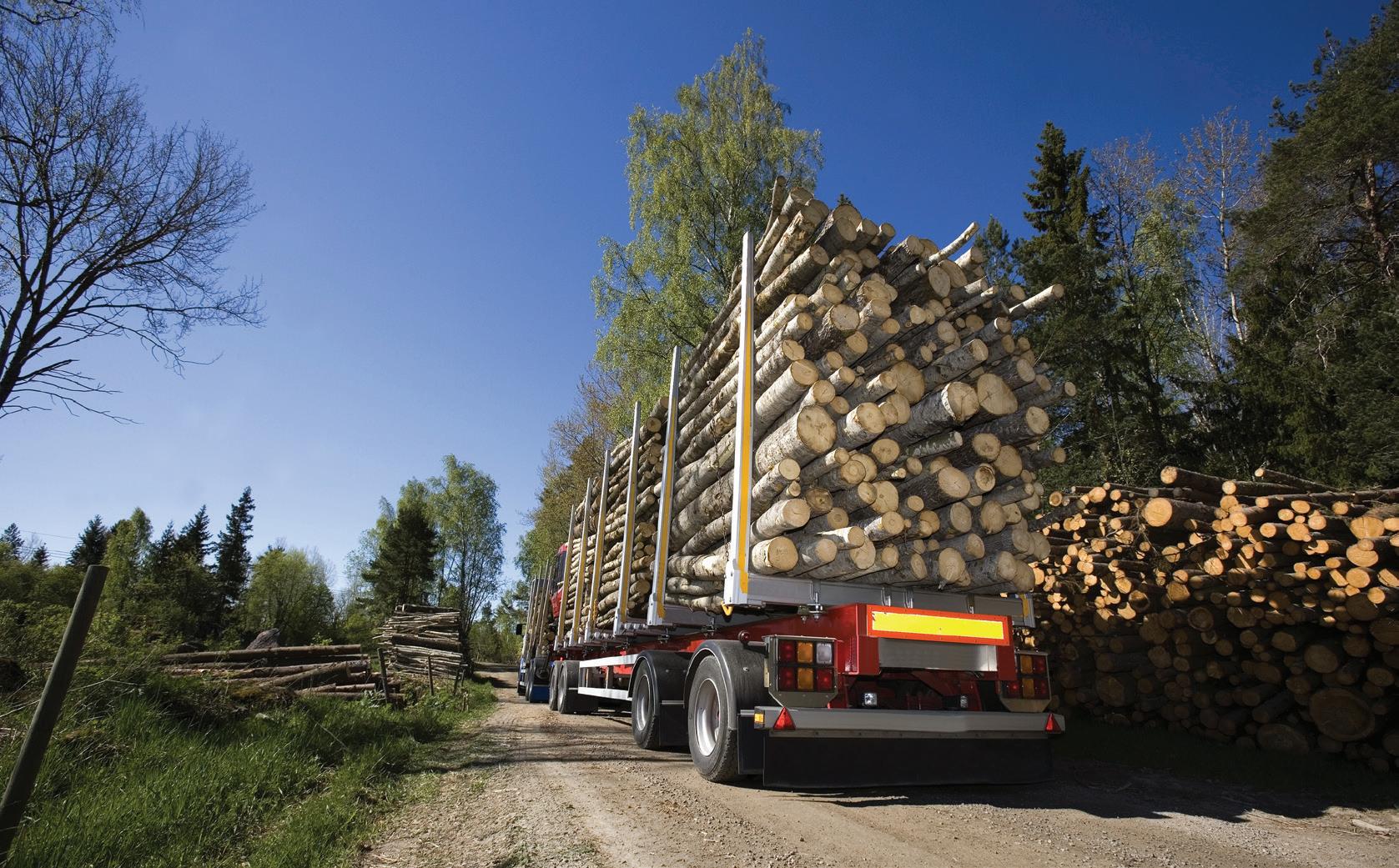
Investment in domestic processing capacity also strengthens the local economy. Every additional stage of processing supports regional employment and builds export resilience. The challenge lies in scaling that capacity while managing fluctuating log supplies and maintaining competitiveness with low-cost producers.
Trade conditions are fluid, and smart exporters treat policy shifts as part of the landscape rather than as shocks. Tracking tariff developments, non-tariff barriers and freight disruptions has become a core business discipline.

Firms that weather turbulence well tend to maintain flexible supply chains, able to redirect shipments, adjust volumes, and negotiate logistics on shorter cycles. They also diversify customer relationships, ensuring no single buyer or region accounts for a disproportionate share of revenue.
Sustainability credentials remain another critical differentiator. Environmental certification, traceability systems, and transparent carbon accounting not only appeal to buyers, but also often determine eligibility for government procurement or major private contracts overseas.
Government agencies and industry bodies are also pivotal. Collaboration between the Forest Owners Association, the WPMA and the Ministry for Primary Industries has helped secure market intelligence and organise trade delegations. Business owners who engage actively with these networks gain early visibility of emerging opportunities and risks.
Forecasts from Treasury suggest forestry exports could edge back toward NZ$6 billion in 2025 after a modest dip last year. However, without fresh processing investment and new market penetration, growth is expected to plateau.
Constraints on harvestable forest area, ageing stands and limited domestic mill capacity will cap output. At the same time, global demand for sustainable materials
Tracking tariff developments, nontariff barriers and freight disruptions has become a core business discipline.
continues to rise, and the shift toward low-carbon construction offers long-term promise.
The medium-term picture is therefore nuanced: steady but unspectacular growth unless exporters innovate. Those who treat diversification as a strategic priority, rather than a contingency, will capture a larger share of that expanding global demand.
The twin examples of India and the UAE illustrate what adaptation looks like in practice. NZ Forest Managers’ return to the Indian market, expanding from log exports into interior and structural timber, demonstrates that repositioning toward higher value is both possible and profitable. Meanwhile, the NZ-UAE trade pact’s tariff-free framework offers a blueprint for leveraging diplomatic advantage into commercial gain.
Both cases demonstrate that when trade winds shift, nimble businesses can still chart a profitable course, provided they read the horizon early and adjust their sails accordingly.
The sector’s strengths, sustainable management, product quality and a global reputation for reliability, remain intact. What is now required is a willingness to explore, invest, and brand boldly.
Those who pivot from commodity exports to value-added, certified timber, who cultivate new markets in India, the Gulf and Southeast Asia, and who build strategic partnerships underpinned by strong branding and government collaboration will set the pace for the next decade.
The forests of New Zealand have long been a renewable resource. Today, they are also a renewable opportunity, one that will reward those business owners ready to look beyond old borders and plant new roots in the world’s fastestgrowing markets. CT
Complete Electrical and Tech Solutions For Your Home or Business.

Looking for a reliable and professional local electrician?
Look no further than our team. We provide comprehensive electrical solutions for both residential and commercial customers, ensuring that your needs are met with efficiency and excellence.
• Commercial and Residential
• Grid Tied Solar
• Hybrid Solar (batteries)
• Off Grid Solar
• EV Chargers
• Heat Pumps
• New Builds & Renovations
• Repairs and Maintenance
• Smart Home Automation 027 825 9554
info@sspservices.co.nz www.sspelectrical.co.nz
Riccarton House and Pūtaringamotu Bush in Christchurch, New Zealand, is a unique heritage site encompassing historic buildings, parkland, gardens, and an ancient podocarp forest with kahikatea trees up to 600 years old.
• Ecological Enhancement Committed to preserving the bush
• Guided Bush Walks
Learn from our expert tour guides
• Step Into History A historical masterpiece
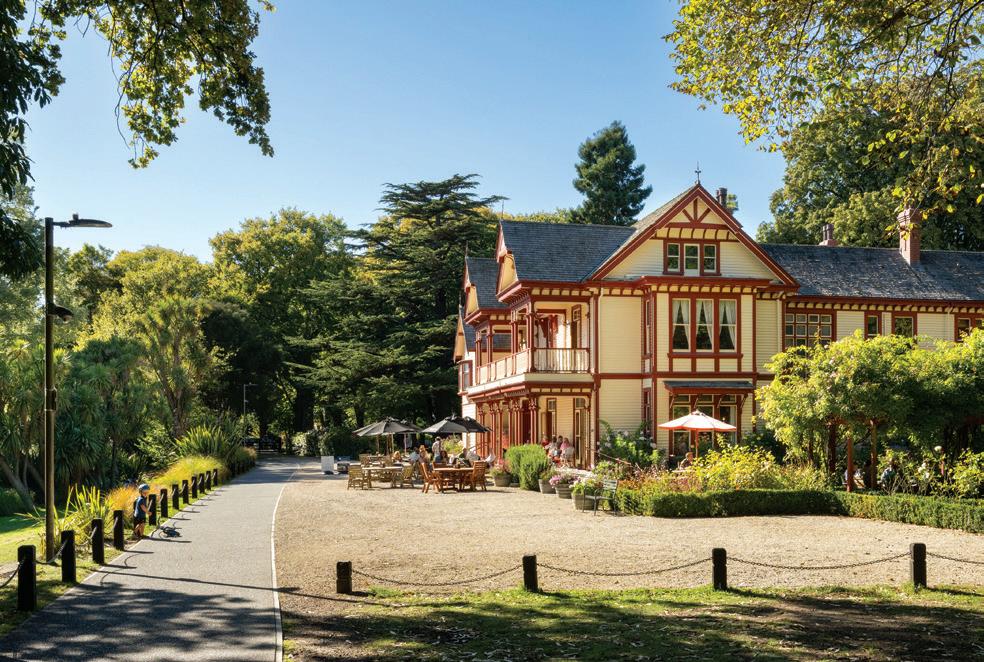
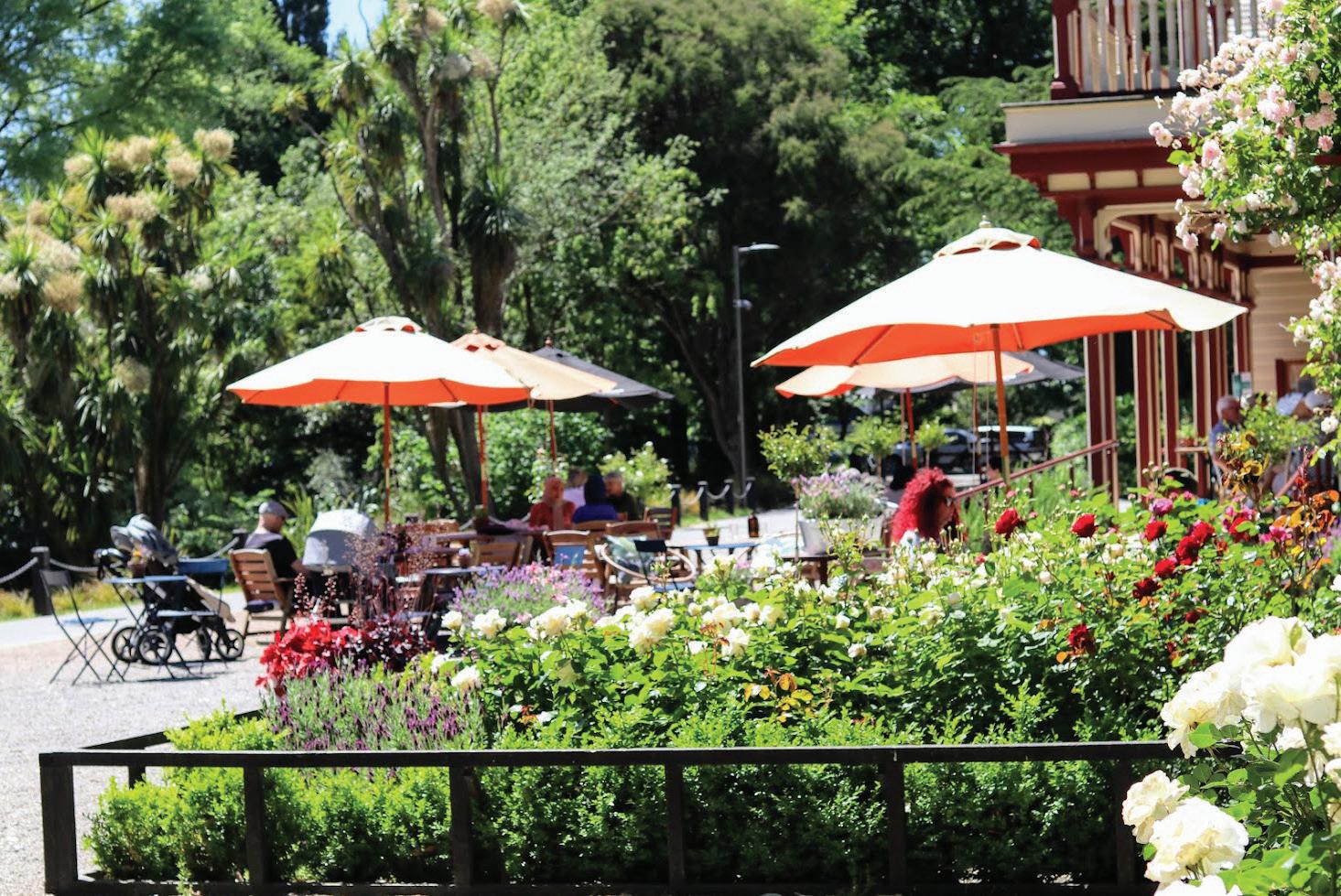

Riccarton House has a cafe and function rooms. With lovely outlook. Always a pleasant place to visit with cycle/walking trail through the garden. Then you can cycle to the Canterbury university on more cycle routes. There is also a protected forest walk.
Janet Christchurch


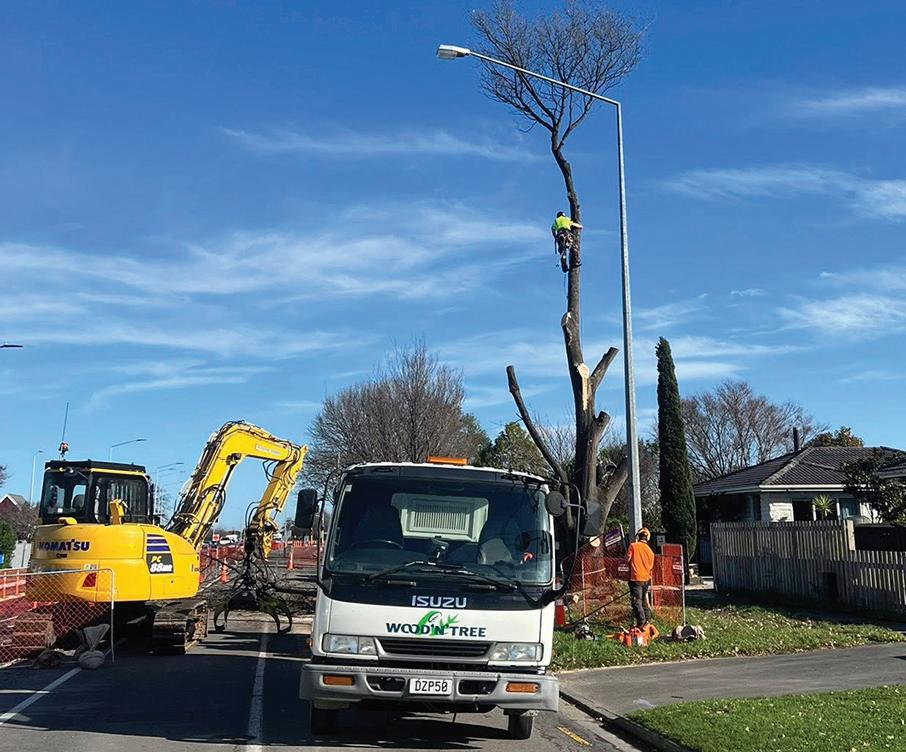
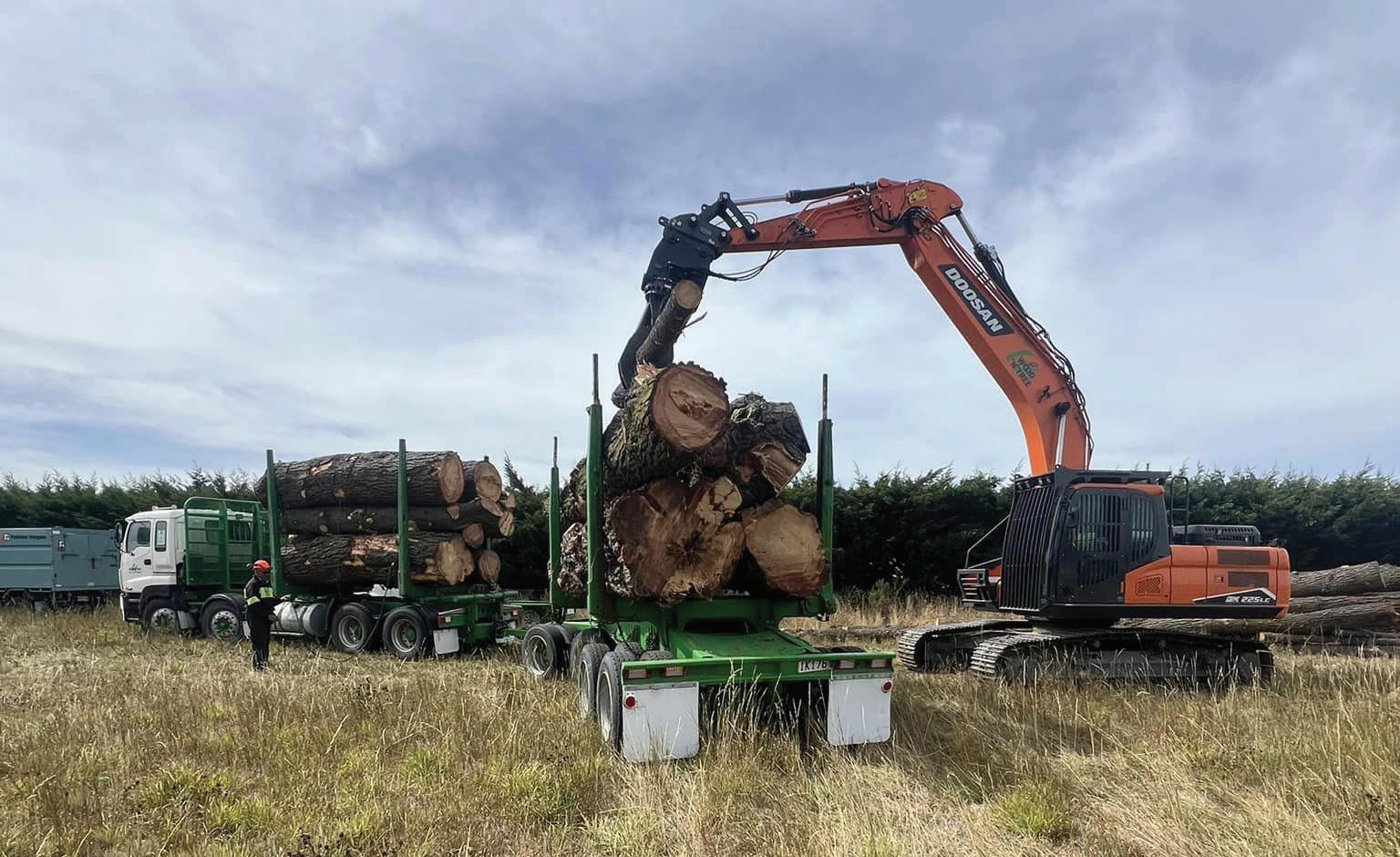
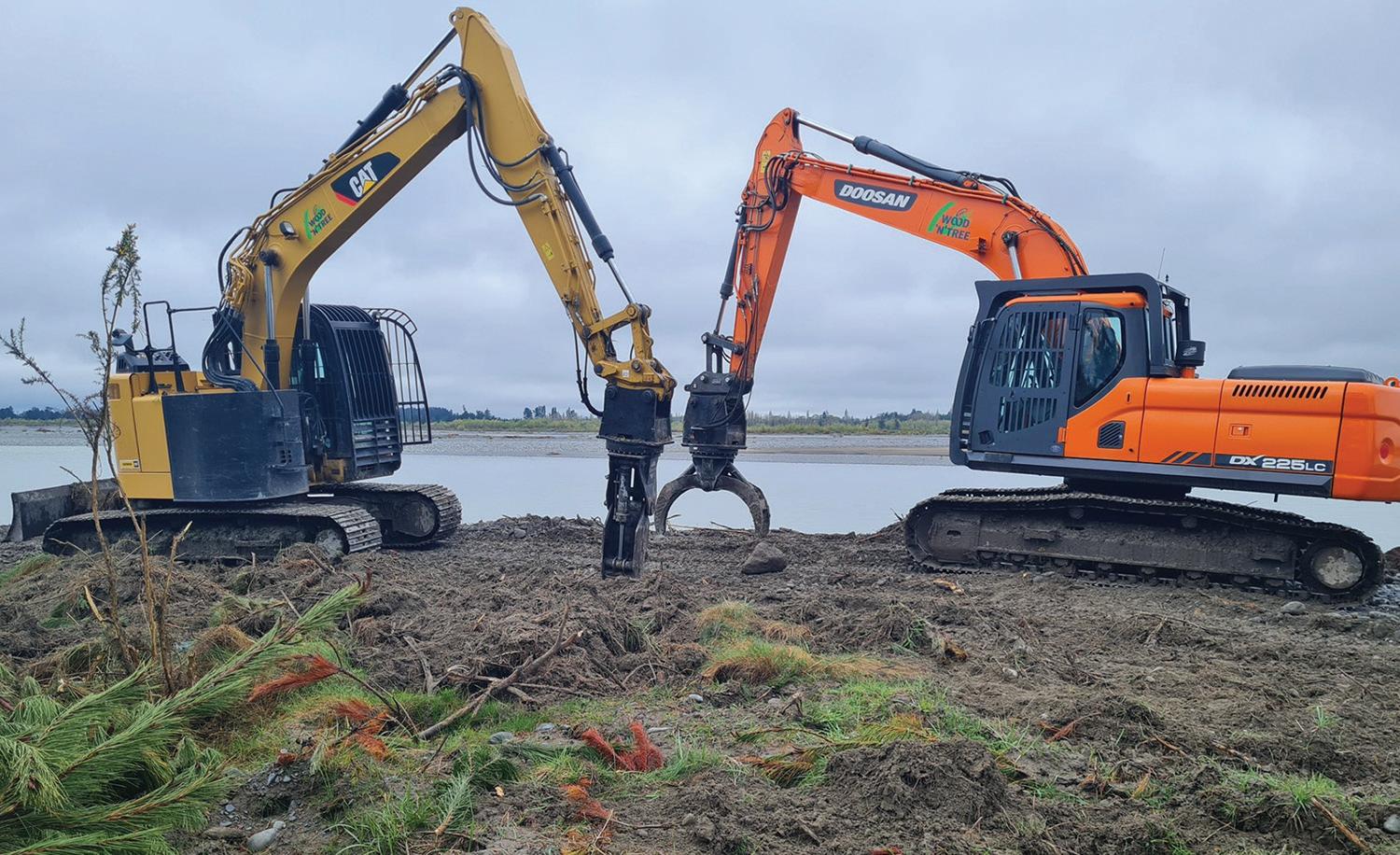
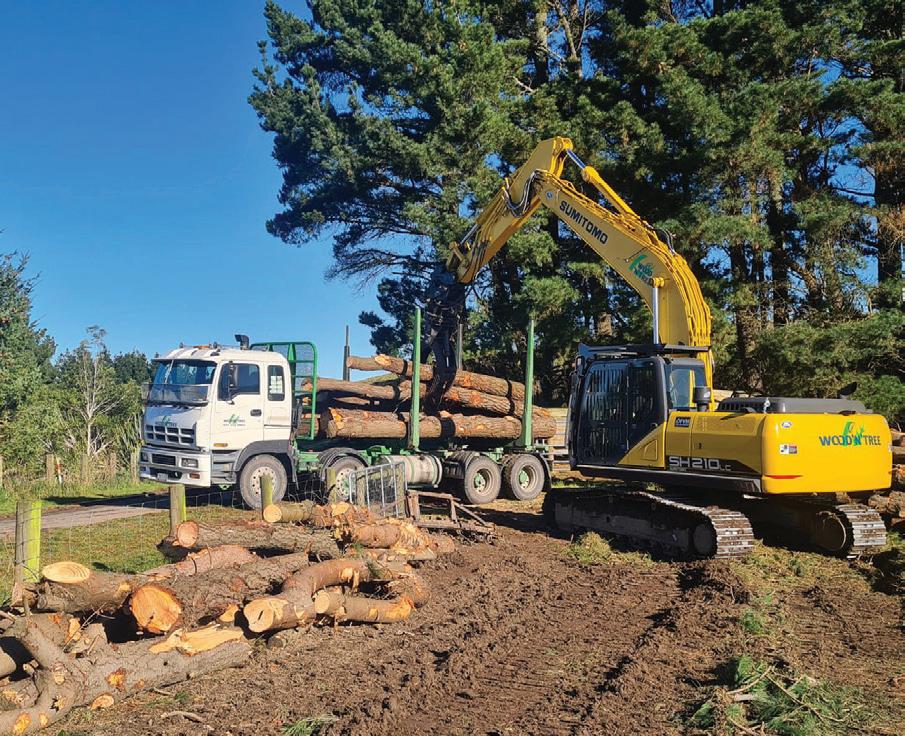
Christmas may be a festive time of year, but many small and mediumsized enterprises face cash flow challenges due to the holiday season, and early preparation is key to avoiding a holiday hangover.
With payables staff on leave, invoices being overlooked, and sales slowing, many SMEs face a heightened risk of dried-up cash flows in the New Year.
The average small business now waits almost twice the standard 30 days for invoice payment (53.4 days, according to Dun & Bradstreet’s Trade Payments Analysis), so most SMEs need to act early to avoid late payments.
Helen Willis, Principal and Chartered Accountant at The Accounting
Hub (NZ) says: “If you foresee a cashflow shortfall, speak with key suppliers early about extending payment terms… allowing you to keep cash in the business longer while meeting your obligations.”
“Holiday pay and accrued leave payments can be significant expenses. Consider setting aside funds in advance to cover payroll obligations, so they don’t impact operational cash flow when other bills come due.”
Identifying potential problems is crucial to managing them effectively, so here are some key tips for SMEs to navigate common cash flow challenges.
1. Invoice early and often and request a deposit
Delayed payments from customers can have a serious impact on a business’s ability to grow its sales and profitability. So, invoice early to encourage earlier payment. Make it
clear what your payment terms are and enforce them.
2. Deal with potential late payers as soon as possible
As soon as you become aware of a customer not paying, demand payment or consider threatening legal action. Don’t let the customer get the upper hand.
3. Investigate solutions to improve receivables management in quiet periods
The more procedures that you have in place, the more likely your staff will collect invoices on time. Consider running credit checks on all customers periodically and avoid non-payers.
4. Take the time to review credit reports or consider credit insurance
Being a period of cash flow strain for many businesses, debtor insolvencies can cause serious cash flow issues and raise the risk of bad debt. Credit insurance can pay off in the long run.
5. Clear overstocks and inventories now
Significant amounts of much-needed cash can be locked up in unsold inventories, so use them.
6. Prioritise new work
What expenses can be delayed until cash flows are stronger? Consider delaying big one-off expenses over the Christmas and New Year season until more cash is flowing. With business tax due in February, this is another key consideration for SMEs.
7. Consider offering early settlement discounts for prompt payment\If you can afford to, offer a small discount for early payment, which can save you a lot of heartache later.
The better prepared you are to face your expenses and outlays, the more likely you will be able to achieve a smooth cash flow. CT

By Paige O’Brien
Age-gap relationships are not uncommon in New Zealand, but they do come with distinct financial considerations that can influence long-term stability and the way couples plan for their future. Statistics NZ data shows that among different-gender couples with dependent children, most partners are close in age, while a smaller proportion experience gaps large enough to reshape decisions around work, retirement, and estate planning. These couples are not the majority, but their financial circumstances often require a more nuanced approach.
According to Pip Kean, a principal and financial adviser at Cambridge Partners in their Women’s Wealth team, age gaps of six to ten years or more can significantly influence long-term planning. “Age gaps of six to ten or more years can make a big difference,” she says. “Generally, we base planning on the younger partner because they need support for the longest period.” This means considering how long the younger partner will work, particularly if the older partner retires earlier, and making sure income remains balanced so both can enjoy a secure life after work.
Health is one of the biggest considerations. “If the gap is large, health issues or unexpected events for the older partner can derail plans,” Pip explains. The likelihood of one partner facing medical issues, reduced mobility, or becoming a carer increases in relationships with significant age differences. These realities can quickly disrupt even well-laid plans. Couples need to understand what happens if one partner gets sick, stops working sooner than expected, or passes away. “That’s confronting but necessary to plan for,” she says.

Planning early is key. Pip encourages couples to think carefully about housing decisions, family needs, lifestyle priorities, and the timing of travel. “Big trips should happen early in retirement,” she says. “By 78 or 80, longer trips aren’t as realistic.” At the same time, spending heavily early on can affect long-term financial security for the younger partner, making strategic planning essential.
Other financial levers, such as rental properties, loans to children, or decisions around downsizing, become important parts of the

“Generally, we base planning on the younger partner because they need support for the longest period.”
- Pip Kean
conversation. Pip recommends that couples hold an annual “financial AGM” to revisit income, expenses, and goals. “Review income, expenses, and goals. Make decisions together so resources align with priorities.” Aligning expectations also matters, particularly when lifestyle energy levels differ. As she notes, younger partners may want to maintain more activities, so keeping hobbies and social connections strong is important for both people.
Estate planning becomes especially relevant. “We always recommend working with a good lawyer to ensure both partners have wills in place,” Pip says. For couples where one partner is older and potentially has adult children or obligations from a previous relationship, structures such as trusts or life-interest arrangements may be needed to protect everyone involved. Regular reviews ensure documents continue to reflect both partners’ wishes.
Pip says the goal is simple: to support a life that both partners can enjoy with clarity and confidence. “Making the time to really think about the future and what’s important to both of you is really key so that you can both enjoy the time together.”
Household batteries deteriorate if not in use and need to be disposed of safely.
As New Zealand currently lacks the infrastructure to recycle batteries, we’ve partnered with Phoenix Recycling Group to collect undamaged batteries from our sites and ship them offshore under strict hazardous waste permits.
Phoenix works exclusively with approved facilities that are equipped to safely process the batteries, recover valuable materials, and minimise environmental impact.
If your old phone doesn’t have a removable battery, drop it off at a Vodafone, Spark, or 2Degrees retailer, and it will be recycled. The Council will also accept mobile phones at Southbrook Resource Recovery Park, Kaiapoi Library, Oxford Library and Rangiora Library.
Loose batteries that can be dropped off for free in the specialised Battery Recycling Units:
• AA, AAA, C and D cell batteries
• Alkaline cell
• Lithium
• 9-volt
• Cr123 camera batteries
• Dry cell and zinc
• Li-ion batteries
• NiCd
• NiMH
Lead-acid and Gel car batteries can be dropped off at the Southbrook Resource Recovery Park and Oxford Transfer Station recycling area.



Getting the right finish shouldn’t be stressful. Whether you’re a homeowner, builder, or property manager, you deserve a painter who keeps things simple and delivers what you want. On time, on budget, and beautifully done.
You’ll feel confident every step of the way, knowing your project is in capable hands.
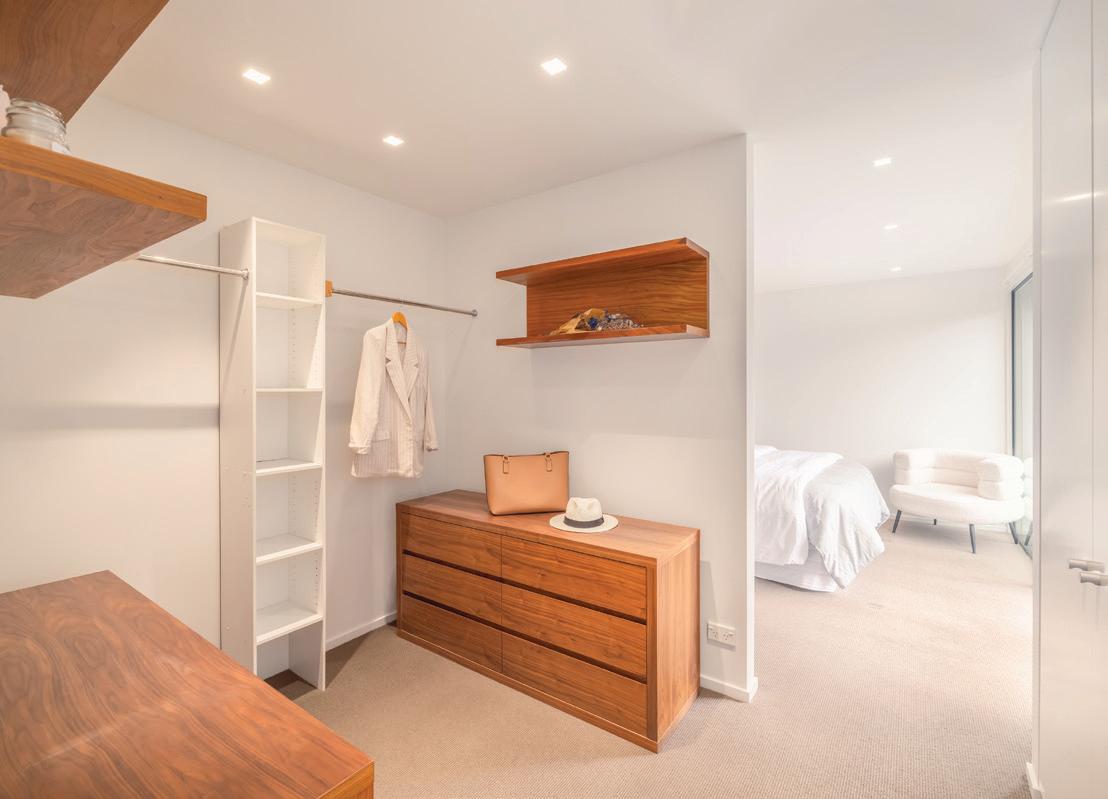
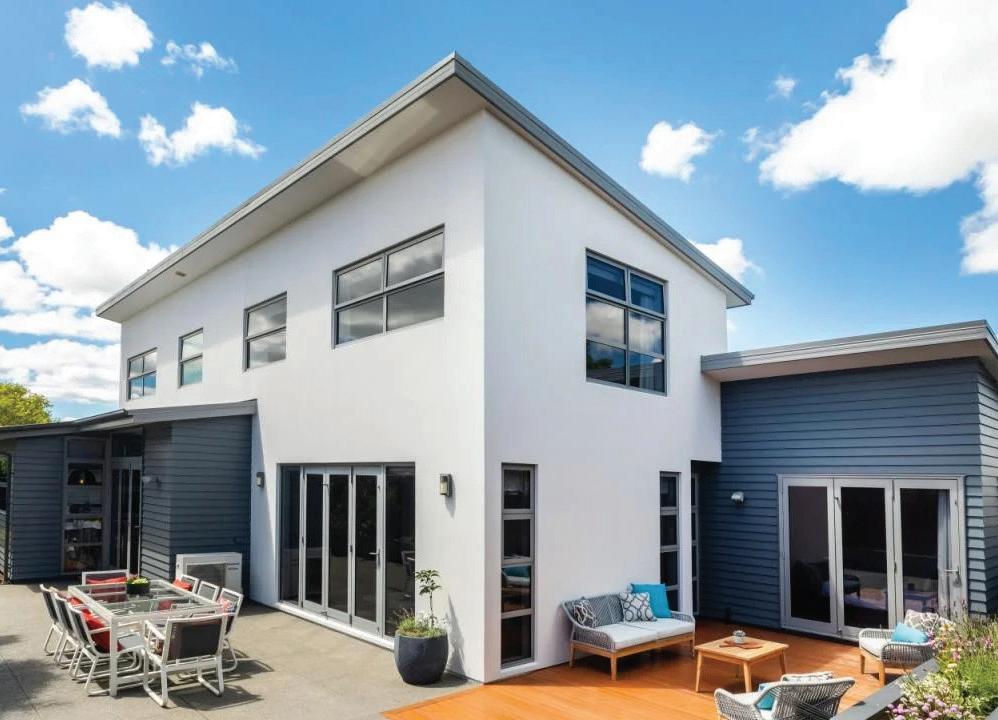
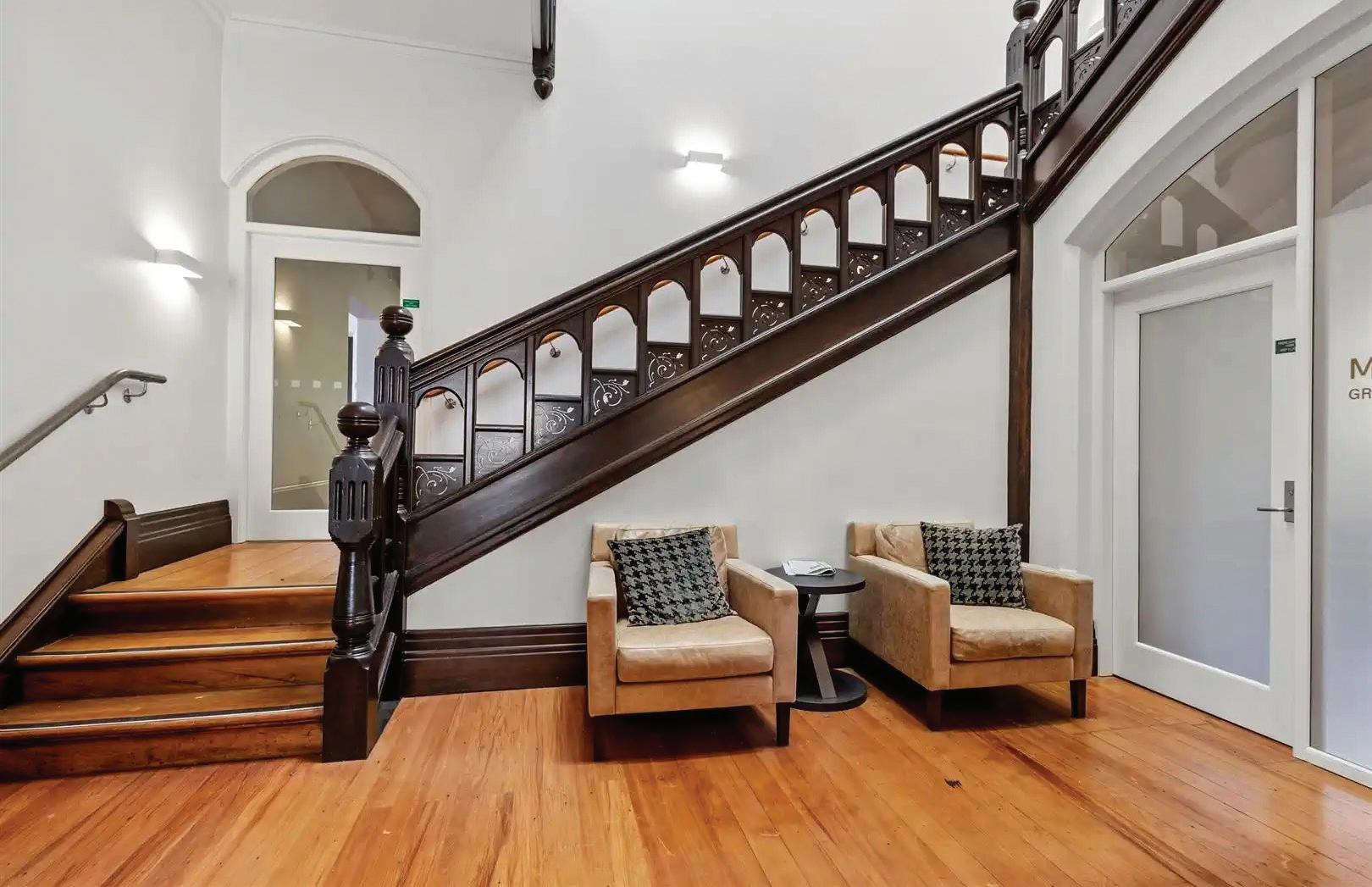
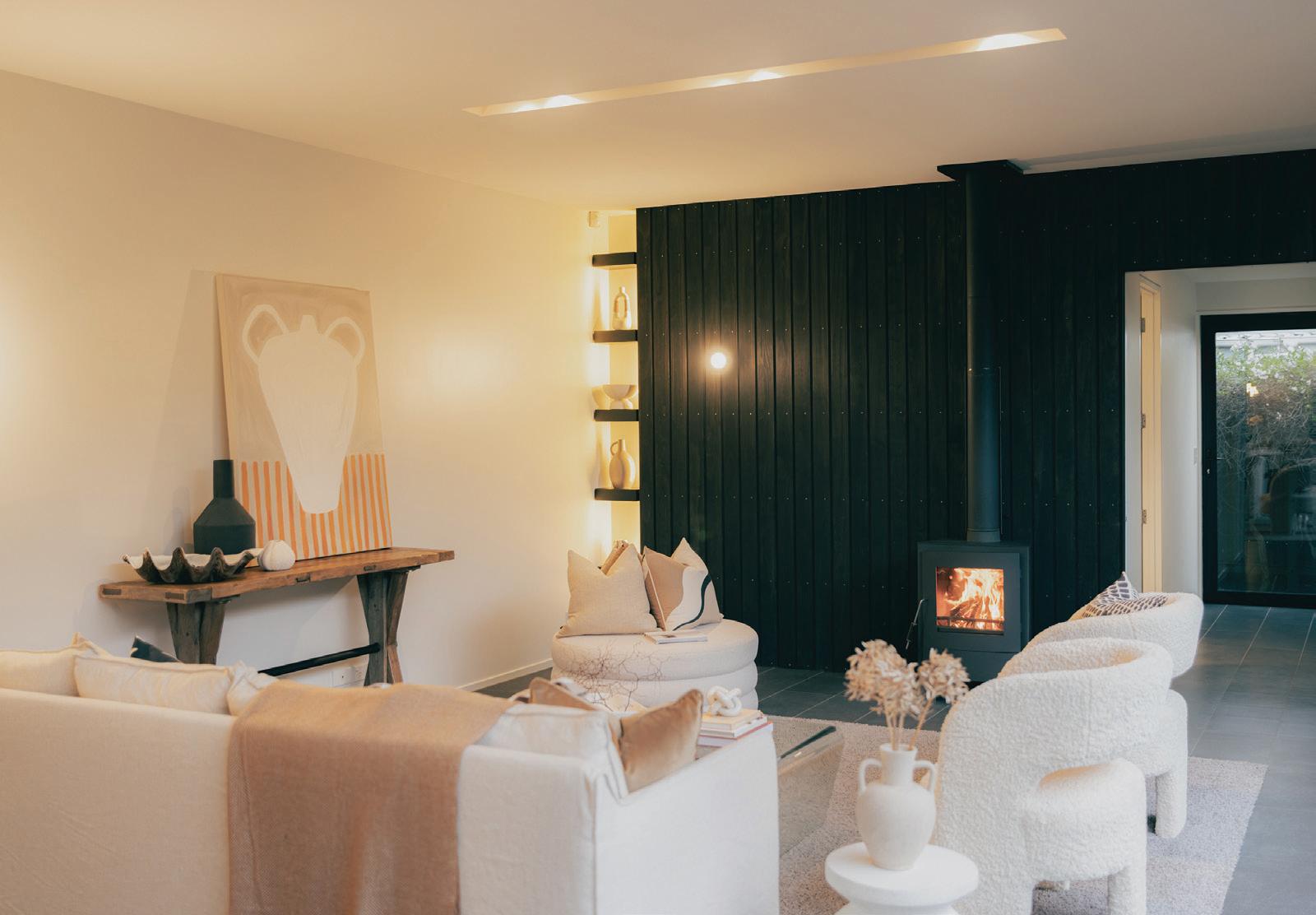
From a fresh coat to a complete transformation, every project is handled with care. You choose the look, from classic to contemporary to Venetian plaster, and we bring it to life with skill and attention to detail.
No fuss. No surprises. Just the finish you hoped for.
• Interior Painting
• Exterior Painting
• Commercial Painting
• Wallpaper Hanging
• Paint Effects and Venetian Plaster
• Dulux And Porters Accredited
Curious what your paint job might cost?
Use the Free Project Estimate tool on our website to get an instant guide price, then book your no-obligation quote when you’re ready.
Substantive progress is being made on the Timaru District’s $15 million domestic wastewater treatment plant upgrade on Aorangi Road at Seadown.
The first major concrete pour for the $15 million domestic wastewater treatment plant upgrade took place in August, signalling the start of the construction phase of the project.
This concreting milestone also led to on-site pipeline realignment, which will connect the new Timaru City industrial sewage line to the former domestic treatment plant intake and reroute the former domestic milliscreen plant feed to the new domestic pump station being built alongside.
The new connections represent a major advance in the way the district processes, treats, and discharges
its wastewater. The separate domestic and industrial waste streams required to enhance effluent discharge quality were provided for in a five-stage upgrade of the main trunk sewer over the last few years. The project is the culmination of years of council planning, as outlined in its Timaru District Wastewater Management Strategy.
Timaru District Council drainage and water manager, Grant Hall, said the first concrete pour would install the floor and a wall upstand for the new domestic pump station directly adjacent to the existing milliscreen plant. This pour would be followed by the floor and wall upstand for the new peak flow pump station, just next door.
He said progress on the entire project was excellent, with a good run for earthmoving contractors, who, over an 18-month construction timeline, will carry out earthworks on a total of approximately 48
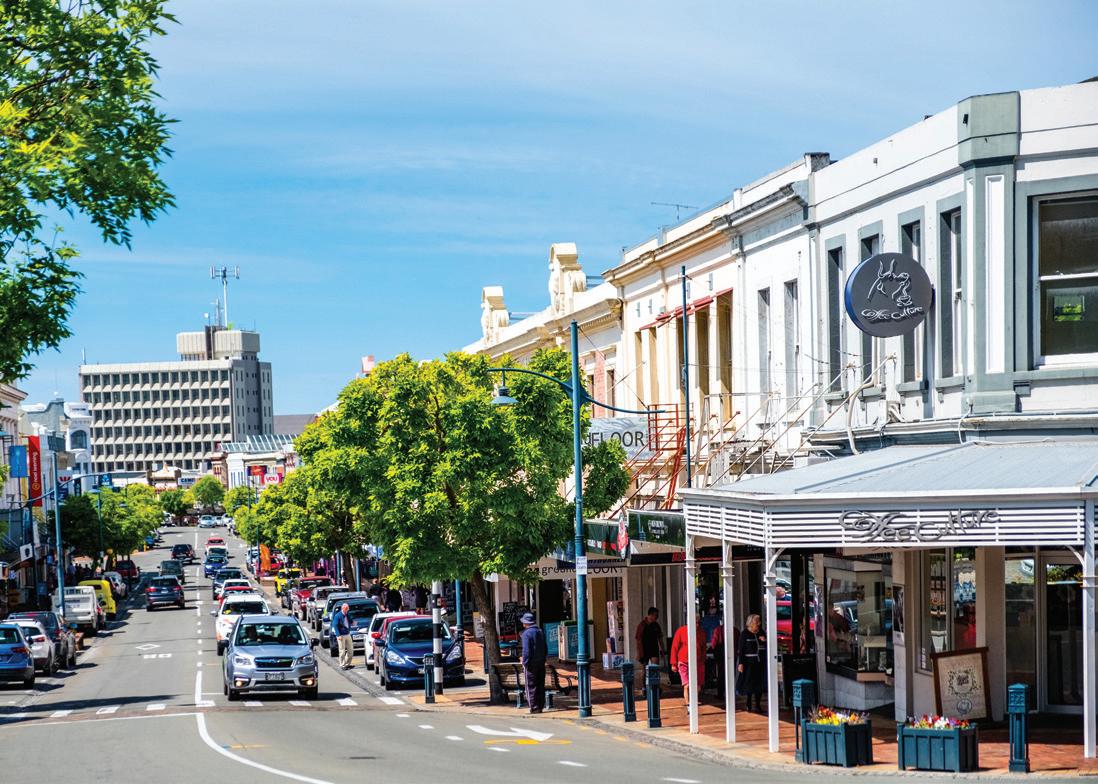
hectares on both sides of Aorangi Road, as well as several separate projects. More than 30 hectares of primary oxidation ponds, eight hectares of maturation ponds, and 10 hectares of wetlands will be constructed.
“Silt that we are harvesting to line the ponds and wetlands is showing up to be more plentiful than forecast, which is great,” he said.
Work was progressing on several fronts simultaneously, he said. “Cut-off drains were also being constructed at the same time as pond profiling and equipment procurement, such as screens, pumps, and associated infrastructure, is well in hand.”
Mr Hall said the project was having no impact on neighbours
and was meeting environmental requirements.
The contract, awarded by the council to Downer NZ Ltd, will involve major earthworks spanning approximately 48 hectares on both sides of Aorangi Road, as well as several separate projects aimed at achieving on-site separation and treatment of industrial and domestic wastewater flows. More than 30 hectares of primary oxidation ponds, eight hectares of maturation ponds, and 10 hectares of wetlands will be constructed over the next 12 months.
A key sub-contractor to Downer, Rooney Earthmoving, will carry out the construction of the oxidation pond system, which accounts for 30% of the project. CT

“Silt that we are harvesting to line the ponds and wetlands is showing up to be more plentiful than forecast, which is great,”
- Grant Hall
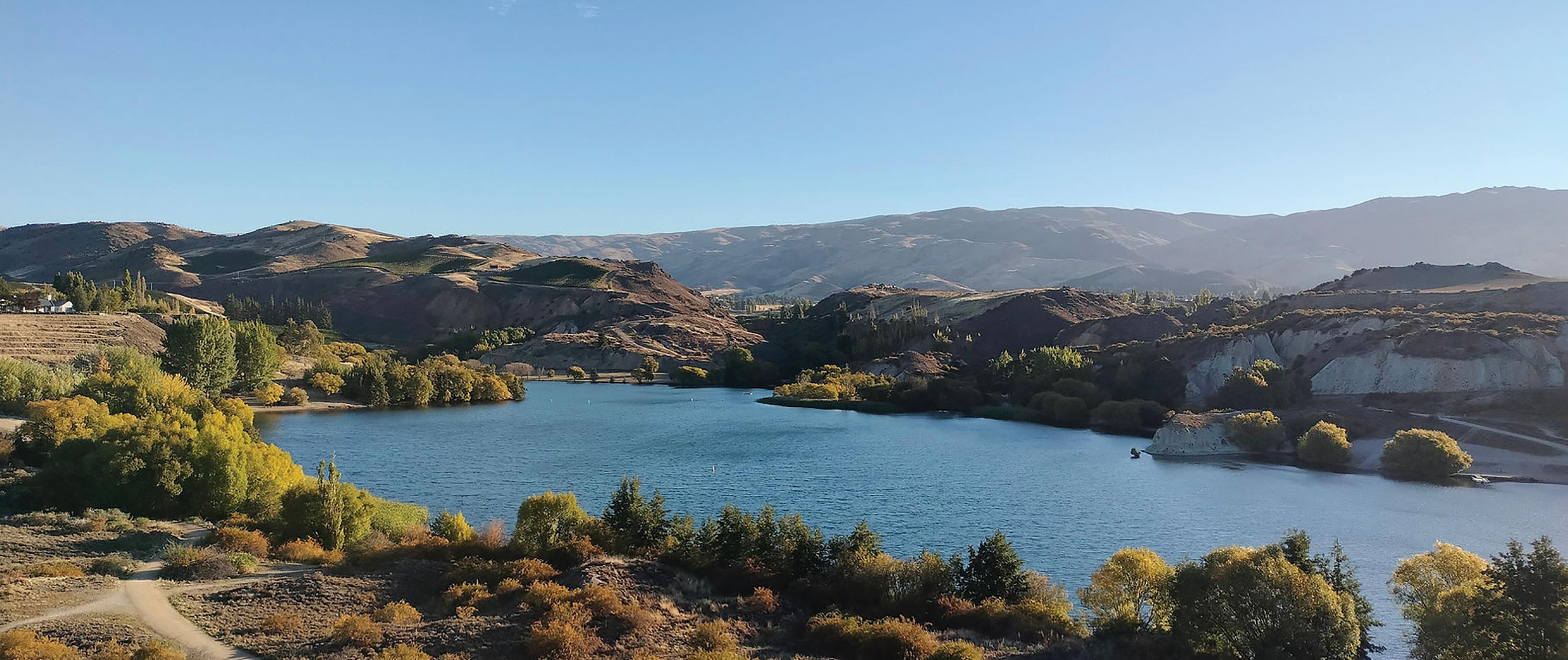
Located just 10 minutes from Cromwell, in Bannockburn “the heart of the desert”, we offer a traditional country camping experience.
Our campsite features both powered and unpowered sites for tents campervans, and caravans.
We also provide standard cabin accommodations that can accommodate anywhere from 1 up to 10 guests.
Families can enjoy our playground, and additional amenities include laundry facilities, a dump station, a kitchen, and communal areas. We’re on the Lake Dunstan trail doorstep along with being walking distance to Bannockburn Inlet for swimming, boating, and all water activities.
• Powered/Unpowered Sites For Tents, Caravans, Campervans
• Cabins-Non Self Contained
• Amenities Building
• Showers/Toilets
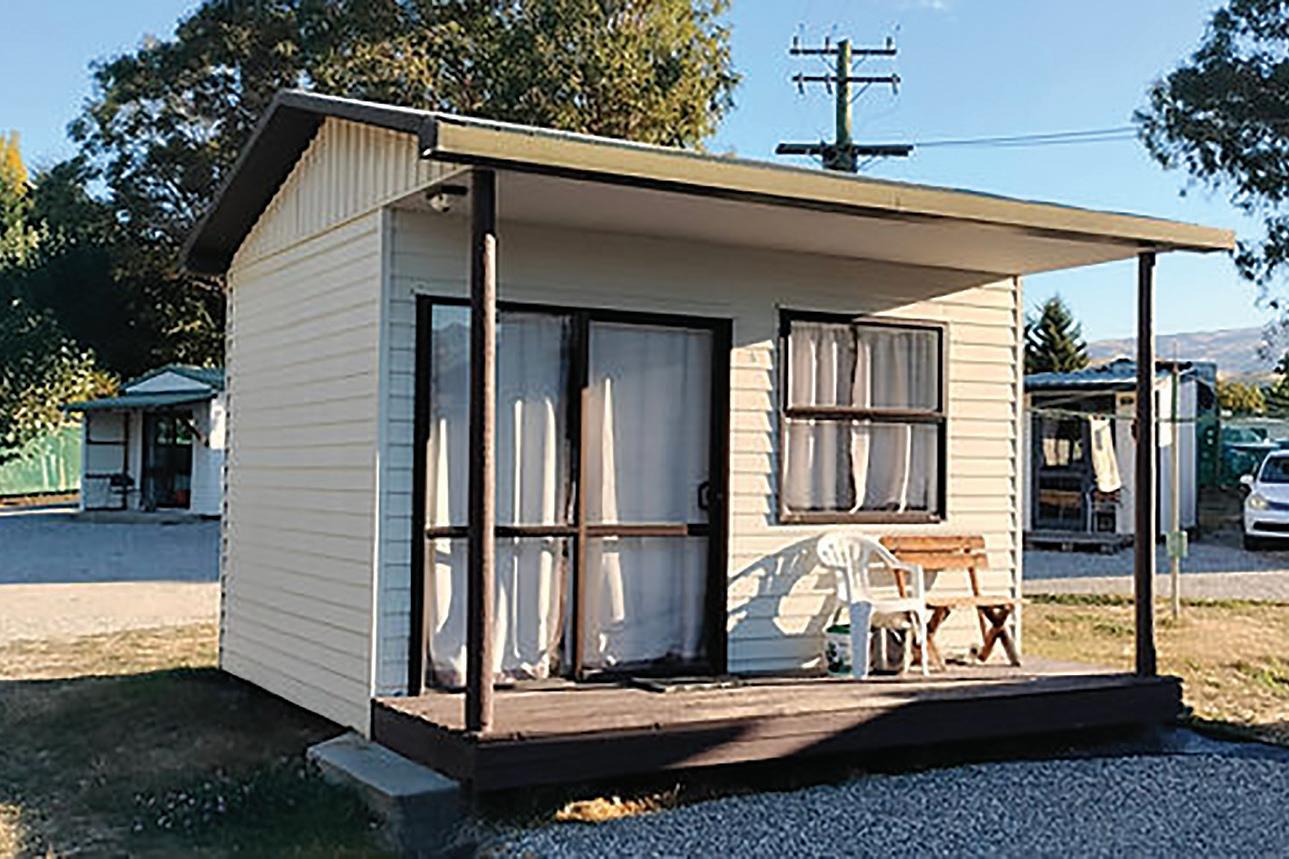
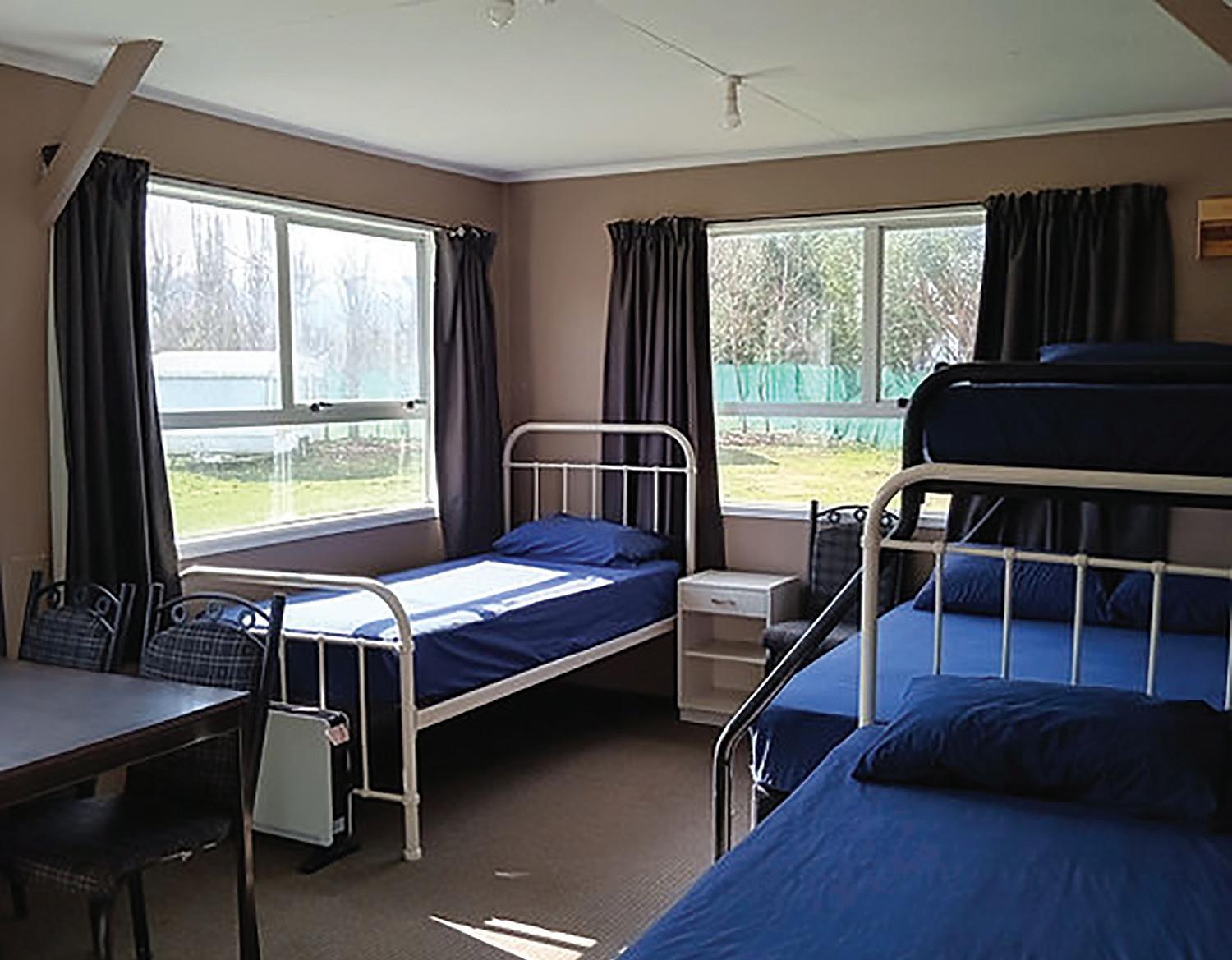
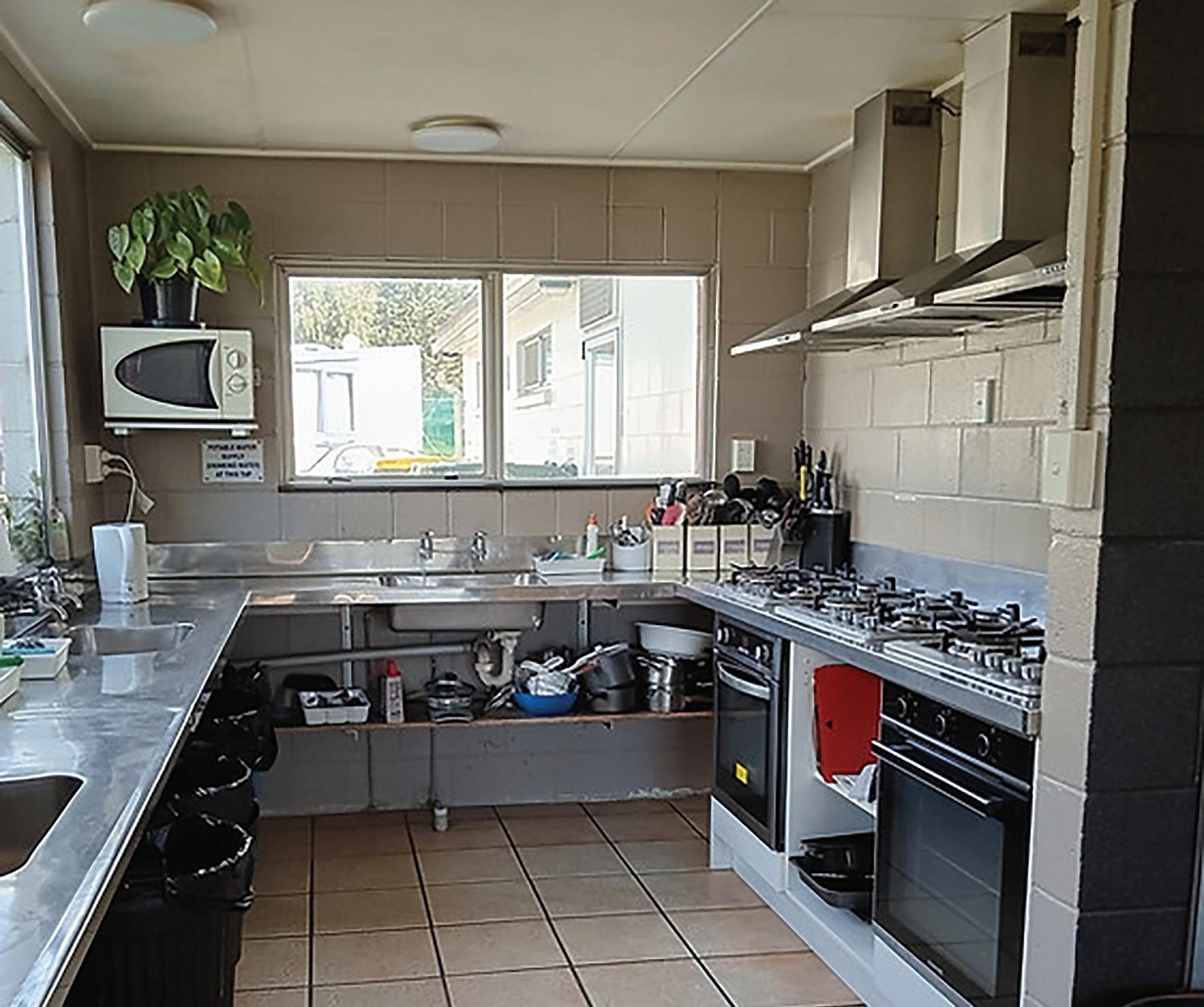
Did you know that New Zealand has the highest rate of melanoma in the world? Every day, around 7 New Zealanders are diagnosed with melanoma - it’s the most serious form of skin cancer and it can quickly become deadly.1,2
That’s why MoleMap’s proven skin-mapping system is designed to detect skin cancers such as melanoma early – when it’s most treatable.3
We check.
And double-check.
With MoleMap you get two sets of expert eyes examining any moles of concern: a trained Melanographer and an experienced specialist Dermatologist.
Fewer scars. Fewer scares.
Because MoleMap can more accurately identify melanoma, there is less need to surgically remove benign (harmless) moles.1
Early detection makes a difference.
Early melanoma detection offers a up to 95% chance of survival within 5 years. That’s why it’s always worth checking.

Clinics held weekly in Rangiora, Ashburton and Timaru

How much does an extra bedroom renovation boost your
When it comes to property value, adding another bedroom could be one of the smartest investments
New Zealand homeowners can make. According to Vanessa Williams, spokesperson for realestate. co.nz, “Property owners who are willing to roll up their sleeves and add another bedroom through a smart renovation will likely benefit when selling.”
The numbers are compelling. Nationally, there’s nearly a $400,000 increase in value between a threebedroom and four-bedroom home and almost half a million dollars between a four-bedroom and a fivebedroom home. Beyond boosting sale price, an extra bedroom also makes a property more liveable and appealing to a wider pool of buyers.
Auckland: The steepest increase from one to two bedrooms
Auckland saw the sharpest increase for smaller homes, with buyers paying 50 percent more on average to move from a one-bedroom to a two-bedroom property. Between July 2024 and July 2025, the average asking price jumped from $513,668 for a one-bedroom to $772,483 for two bedrooms.
While the increases were more gradual for larger homes, this highlights just how valuable even
a small upsizing can be in New Zealand’s largest city.
Wellington: strong gains for smaller properties
In the capital, Wellington buyers saw a 45 percent price increase between one and two-bedroom properties, rising from $435,116 to $629,991. For three, four and five-bedroom homes, the increases were steadier at around 30 percent. This suggests that for Wellington homeowners, adding that second bedroom could be a particularly smart move.
Waikato and Canterbury: Four bedrooms add the most value
In Waikato and Canterbury, the biggest payoff comes when upsizing from three to four bedrooms. In Waikato adding a fourth bedroom meant a $288,519, a 39 percent increase in value in the last year. In Canterbury the price jump was

$255,437 or 36 percent between three and four-bedroom homes. For families looking for space, fourbedroom homes in these regions are proving especially desirable.
In Central Otago an extra bedroom comes with a price tag of half a million dollars. The Central Otago and Lakes District recorded some of the most dramatic jumps in the country between mid-2024 to mid-2025. Between two and three-bedroom homes, the average asking price soared by 64 percent, increasing from $858,387 to $1,412,870; a difference of $554,483.
Four-bedroom homes saw a further 53 percent increase, a difference of $754,970. Upsizing from four bedrooms to five-plus delivered nearly a $1 million jump, reaching over $3 million on average.
For sellers, these figures underline the value of renovating with bedrooms in mind. Adding a well-designed extra bedroom can transform a property’s appeal and deliver one of the biggest financial returns at sale time.
For buyers, it’s important to recognise the premium on extra bedrooms when upsizing. As Vanessa Williams notes, “These homes are often seen as the ‘forever home,’ so buyers are willing to stretch further to secure them.”
From Auckland to Central Otago, the data shows that adding bedrooms adds extra value. For homeowners considering renovating, adding another bedroom is more likely to offer a sound return on investment. CT


Stefan combines a sharp eye for detail with calm confidence and a results-driven approach to every sale. With extensive experience across residential, commercial, and investment markets, he brings clarity and assurance to each transaction. A natural communicator with a genuine passion for property, his niche lies in helping people make smart decisions while enjoying the process along the way.
Favourite part of the job?
Making sure his clients feel informed, empowered, and in control from start to sold.
Chantelle is a dedicated agent with an innate understanding of the Canterbury area and a genuine passion for helping clients find their perfect home. Known for her attention to detail, proactive approach, and fun-loving personality, she combines a strong sense of compassion with a roll-up-your-sleeves attitude.
Chantelle’s clients often say they feel like they’re her only one — and she works tirelessly to make every transaction as enjoyable and stress-free as possible. Whether you’re a first-time buyer, seeking investment opportunities, or ready to sell your home, you can count on her top-notch customer service, exceptional communication, and commitment to keeping you well-informed every step of the way.
At Niche Realty, we pride ourselves on providing a service that goes beyond just buying or selling a property — it’s about making your journey seamless, enjoyable, and rewarding. Led by Chantelle and Stefan, two professionals driven by a deep understanding of the Canterbury market, we offer a combination of local knowledge, industry expertise, and an unwavering commitment to our clients.
Our local experts are independent agents working together as a national network, backed up by a full support team to make the process easy and simple.
We highlight your property’s best features with custom marketing campaigns that are affordable and designed to maximise exposure to increase buyer demand.
Transparency and communication are key with our clients. Our unique property hub allows you to access real-time updates on your property’s progress.