LPO Foyle Future Firsts/Royal Academy of Music pre-concert performance programme: 7 Feb 2026
Pre-concert performance: Foyle Future Firsts
Saturday 7 February 2026 | 6.00pm
Southbank Centre’s Royal Festival Hall
Ligeti Melodien (13 mins)
Bartók Dance Suite, orch. Freisitzer (17 mins)
Edward Gardner conductor
Members of the London Philharmonic Orchestra
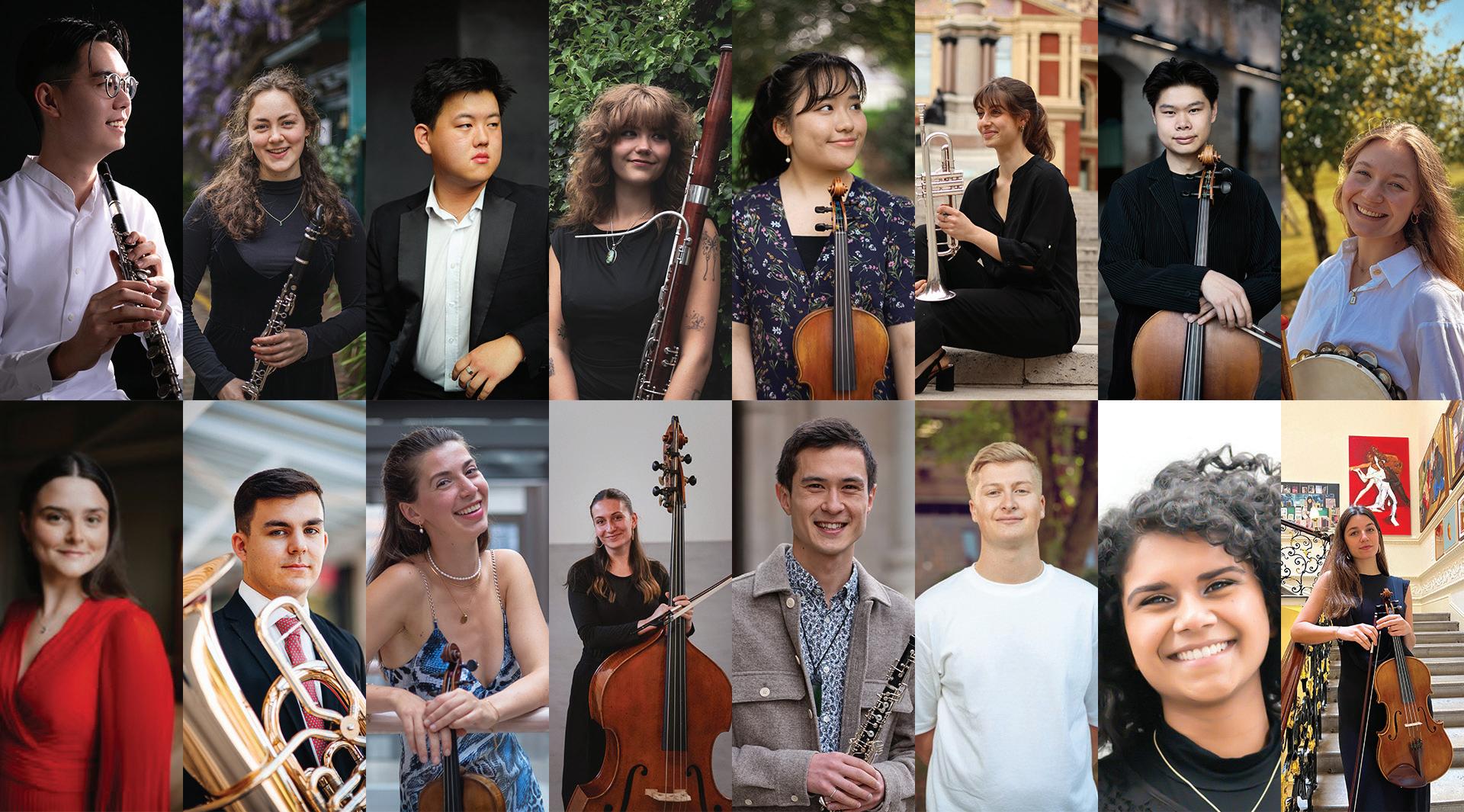
LPO Foyle Future Firsts
Students from the Royal Academy of Music
Welcome
Welcome to this evening’s performance, in which LPO Principal Conductor Edward Gardner brings together an ensemble of LPO members, Future Firsts and students from the Royal Academy of Music.
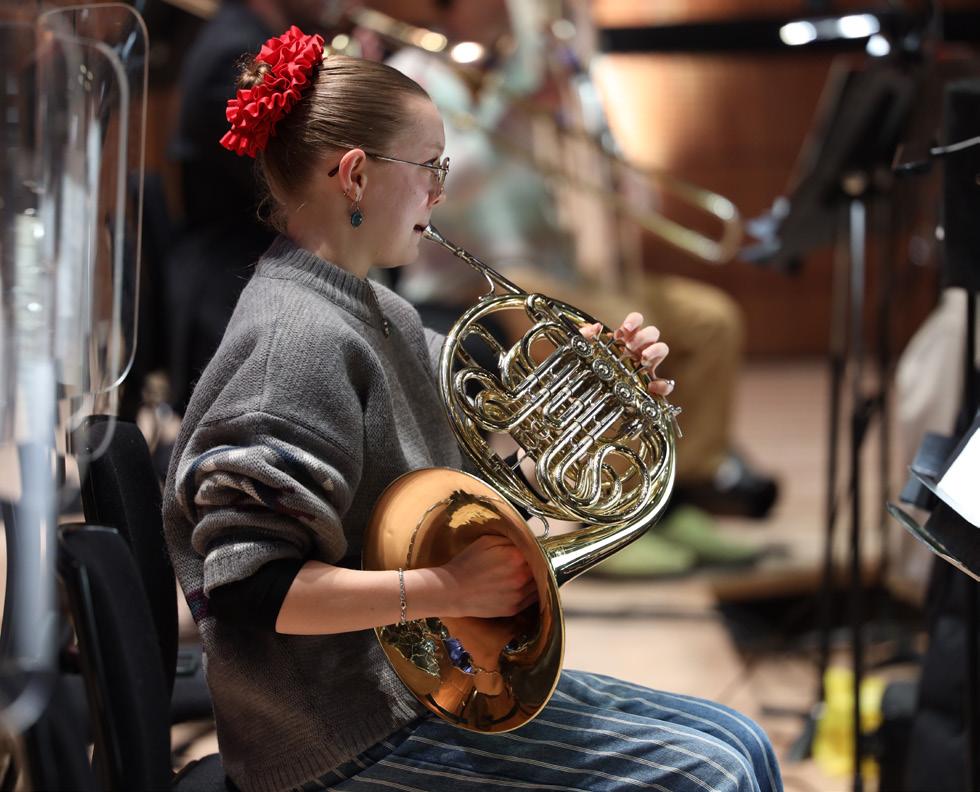
Participants on the LPO’s annual Future Firsts programme are talented instrumentalists who aspire to become professional orchestral musicians. Across the year, Future Firsts benefit from individual mentoring from London Philharmonic Orchestra Principals, mock auditions, involvement in full orchestral rehearsals and Education & Community projects, and wider professional development sessions. Members of the scheme are supported and nurtured to the highest standards and we are proud to see current and past Future Firsts consistently taking professional engagements with the London Philharmonic Orchestra and other world-class ensembles.
Since 1822 the Royal Academy of Music has been inspiring successive generations of musicians to connect, collaborate and create. For over 20 years, professional side-by-side projects, such as this one, have played a unique and indispensable role in high-level musical training at the Academy. They function as artistic work-placements, giving students the experience of rehearsing and performing in a completely professional context. At the heart of this experience is the mentorship provided by partners, such as LPO and Academy alumnus Edward Gardner.
Under the musical direction of Ed Gardner, this evening’s ensemble has also been rehearsed by LPO Fellow Conductor Nefeli Chadouli, making tonight’s performance a true showcase of multiple generations of talent in one powerful programme.
The Foyle Future Firsts Development Programme 2025/26 is generously supported by the Foyle Foundation and Purposeful Ventures, alongside the Barbara Whatmore Charitable Trust, Scops Arts Trust and the Idlewild Trust, and with additional support from individual chair supporters.
The LPO Conducting Fellowship 2025/26 is generously supported by Dunard Fund.
On stage tonight
First Violins
Kate Oswin* Leader
LPO chair supported by Eric Tomsett
Mio Takahashi#
Emil Hartikainen†
Elif Cansever§
Elfida Su Turan†
Matteo Hager†
Lisa Archontidi-Tsaldaraki†
Yinong Xiao†
Second Violins
Claudia Tarrant-Matthews*
Emily Trubshaw#
Olwen Miles†
Helena O’Sullivan†
Jonasz Szachtmajer†
Kimberly Lo†
Violas
Laura Vallejo*
Sara Ramirez#
Catherine White†
Andrea Fages†
Matilda Mattich†
Max Altimira Saura†
Cellos
David Lale*
William Lui#
Doraly Gill†
Alejandro Gómez Pareja†
Double Basses
Tom Morgan
Isabel Garcia#
Jonathan Hayward†
Flutes
Billy Hui#
Stewart McIlwham*
Piccolo
Billy Hui#
Oboe/Oboe d’amore
Noah Rudd#
Clarinets
Emily Crook#
Benjamin Mellefont*
LPO chair supported by Sir Nigel Boardman & Prof. Lynda Gratton
Bass Clarinet
Benjamin Atkinson†
Bassoon/Contrabassoon
Florence Plane#
Horns
Nivanthi Karunaratne#
Martin Hobbs*
Trumpet
Kerensa Newcombe§
Trombones
Ollie Plant#
David Whitehouse*
Tuba
Archie McVicar#
Percussion
Julie Scheuren#
Karen Hutt*
LPO chair supported by Joe Topley &
Tracey Countryman
Ethan Windle†
Timpani
Jack Izard†
Harp
Aisha Palmer#
Piano/Celeste
Mark Zang#
Daniel Liu†
Assistant Conductor
Nefeli Chadouli (LPO Fellow Conductor 2025/26)
* LPO member
# Foyle Future First 2025/26
§ Foyle Future First reserve 2025/26
† Royal Academy of Music student
Foyle Future First instrument chairs are kindly supported by David Burke & Valerie Graham (clarinet), Michelle Crowe Hernandez & Christian Hernandez (tuba), John & Sam Dawson (percussion), Marie Power (piano), and Nigel Phipps & Amanda McDowall (oboe).
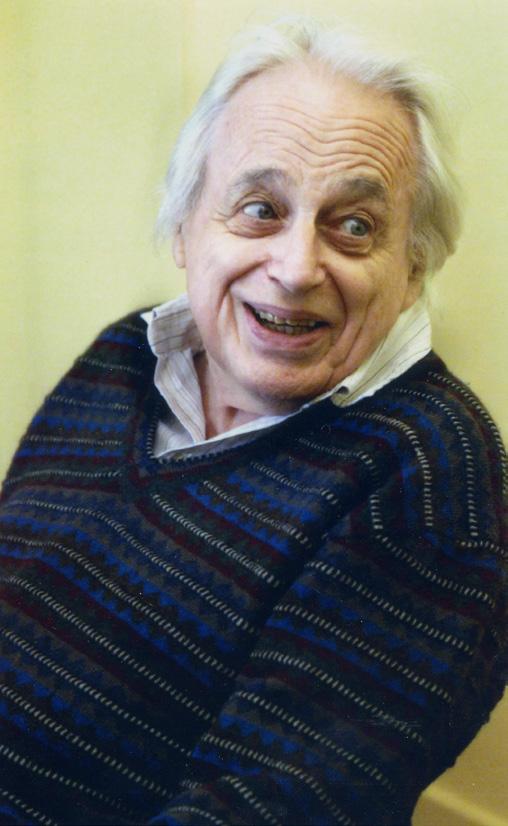
György Ligeti (1923–2006)
Melodien (1971) (13 mins)
Programme notes
György Ligeti, a Hungarian composer born in 1923, carved a distinctive path in 20th-century music with his exploration of avant-garde techniques and innovative soundscapes. Living through the tumultuous periods of the Second World War and the Cold War, Ligeti’s artistic evolution mirrored the dynamic cultural shifts of his time. Emigrating from Hungary in 1956, Ligeti eventually settled in Germany, where his groundbreaking compositions contributed significantly to the post-war European avant-garde.
One of Ligeti’s noteworthy works is Melodien (‘Melodies’), composed in 1971. This piece encapsulates Ligeti’s departure from strict serialism and his exploration of micropolyphony – a compositional technique that involves the intricate interweaving of independent lines, creating a rich and complex tapestry of sound. In Melodien Ligeti employs a spectral approach, exploring the timbral characteristics of orchestral instruments and their harmonic resonances. Analyzing the work reveals Ligeti’s fascination with texture and colour. The orchestral fabric is woven with a series of evolving melodic lines, creating a kaleidoscopic sonic landscape.
In the realm of the avant-garde, Ligeti’s exploration of micropolyphony and spectralism places him alongside other experimental composers like Iannis Xenakis and Tristan Murail. Melodien, with its intricate textures and novel orchestral timbres, demonstrates Ligeti’s commitment to pushing the boundaries of musical expression and his relentless pursuit of new sonic possibilities.
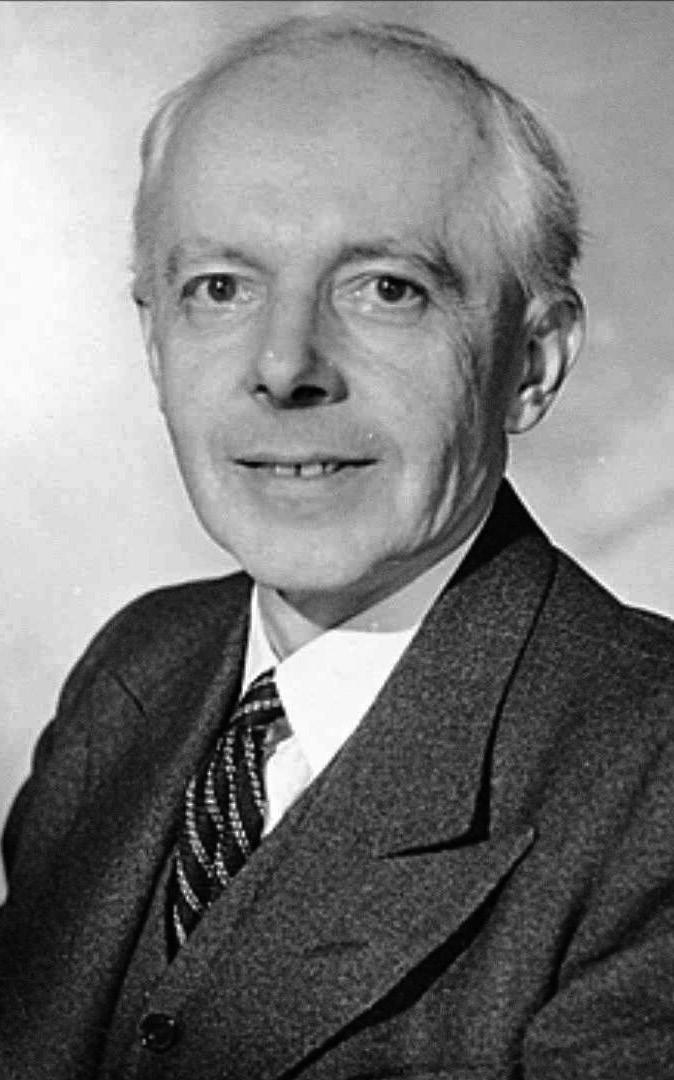
Hungarian composer Béla Bartók (1881–1945) was one of the great pioneers of 20th-century music – a composer who blended modern sounds with deep roots in folk tradition. Fascinated by the music of his homeland, he spent years travelling through Hungary and neighbouring regions, recording and notating traditional songs and dances. These earthy, rhythmic tunes would shape his musical voice for life.
His Dance Suite was written in 1923 to celebrate the 50th anniversary of the unification of Buda, Pest and Óbuda into modern Budapest. Rather than using actual folk melodies, Bartók invented his own, inspired by the character and rhythmic vitality of Hungarian, Romanian and Arabic music. The result is a lively sequence of dances that move seamlessly between moods, from stamping energy and driving rhythms to moments of lyricism and calm. A final reprise ties everything together, ending the suite in a jubilant burst of energy.
Tonight’s performance uses an arrangement by the Austrian composer and conductor Roland Freisitzer (b.1973), who adapted Bartók’s original orchestral score for smaller forces. It keeps all the colour, variety and rhythmic bite of the full version while letting the intricate lines and character of each dance shine through.
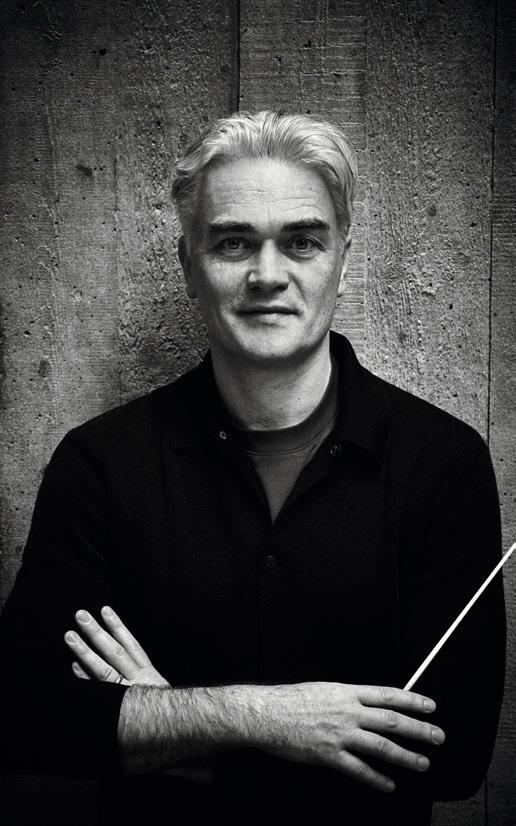
Principal Conductor, London Philharmonic Orchestra
Edward Gardner has been Principal Conductor of the London Philharmonic Orchestra since 2021. He is also Music Director of the Norwegian Opera & Ballet, and Honorary Conductor of the Bergen Philharmonic Orchestra, following his tenure as Chief Conductor from 2015–24.
This season’s LPO highlights include symphonies by Tchaikovsky, Mahler, Brahms and Rachmaninov; ‘Phoenix Lands’: two programmes this week spotlighting 20th-century Central European composers; and a concert performance of Berg’s opera Wozzeck to end the season. In October 2025 he and the Orchestra embarked on a tour to South Korea, and in December a tour of major cities in Germany.
An acclaimed opera conductor, in spring 2025 Edward was re-invited to London’s Royal Opera House to conduct the world premiere of Mark-Anthony Turnage’s Festen, having made his Covent Garden debut with Káťa Kabanová. Music Director of English National Opera for eight years (2007–15), he has also built a strong relationship with New York’s Metropolitan Opera, and has conducted at La Scala, Glyndebourne Festival Opera, Chicago Lyric Opera and the Opéra National de Paris.
A passionate supporter of young talent, Edward founded the Hallé Youth Orchestra in 2002 and regularly conducts the National Youth Orchestra of Great Britain. He has a close relationship with the Juilliard School of Music, and with the Royal Academy of Music.
Born in Gloucester in 1974, Edward was educated at the University of Cambridge and the Royal Academy of Music, and gained early recognition as Assistant Conductor of the Hallé and Music Director of Glyndebourne Touring Opera. His many accolades include the Royal Philharmonic Society Conductor of the Year Award (2008), an Olivier Award for Outstanding Achievement in Opera (2009) and an OBE for Services to Music in The Queen’s Birthday Honours (2012).
Edward Gardner’s position at the LPO is generously supported by Aud Jebsen.
Save the date: Debut Sounds 2026
Wednesday 15 July 2026 | 7.30pm
Southbank Centre’s Queen Elizabeth Hall
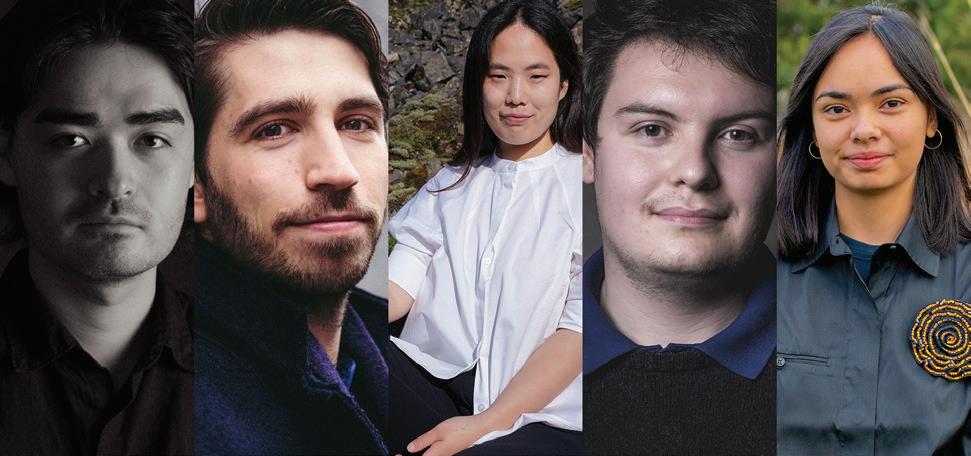
The five LPO Young Composers 2025/26 – mentored throughout the year by Composer-in-Residence Sir George Benjamin – present their new works inspired by the sculptor Constantin Brâncuși. Their pieces are performed by an ensemble of LPO players and Foyle Future Firsts, conducted by William Cole.
Tickets go on sale later in the spring – for updates, join our e-list at lpo.org.uk/signup
2025/26 LPO Young Composers (L–R): Edward Robson, George Stevenson, Seyoung Oh, Michael Taplin, Margot Pommellet
The LPO Young Composers programme 2025/26 is generously supported by the Jerwood Foundation, the Vaughan Williams Foundation, The Marchus Trust and the Art Mentor Foundation Lucerne. LPO Debut Sounds 2025/26 receives support from Luke Gardiner.
Future Firsts 2026/27 applications
Applications open in early March for our 2026/27 Future Firsts programme. We will be inviting applications for the following instruments: violin, viola, cello, double bass, flute, clarinet, oboe, bassoon, horn, trumpet, trombone, tuba, orchestral percussion, harp, and orchestral piano.
Applicants should have completed an undergraduate or postgraduate music performance degree, must be based in the UK, and must not be in full-time undergraduate education during 2026/27.