MIDDLE EAST JANUARY 2026
MIDDLE EAST JANUARY 2026
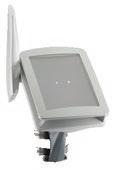
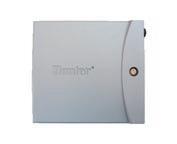

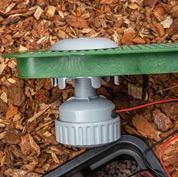
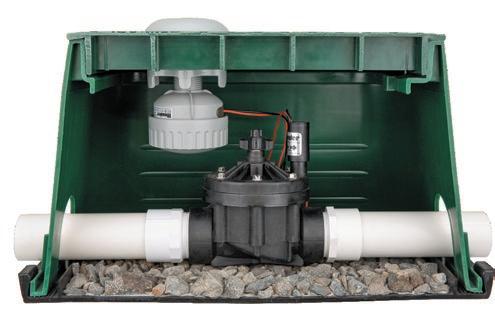
Go wire-free with the Wireless Valve Link! Using advanced radio technology, this innovative system makes it easy to connect valves without running wire or cutting into hardscape. Designed for Hunter ICC2 and HCC Controllers, it saves time and money with simplified installation, quick station expansion, and reduced maintenance. When complex landscapes pose a challenge, go wireless!
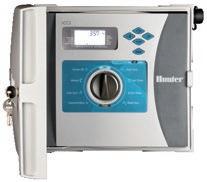
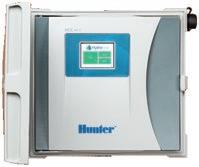
To learn more, visit hunter.info/ WVLem
LANDSCAPE IRRIGATION | Built on Innovation® Learn more. Visit hunterirrigation.com
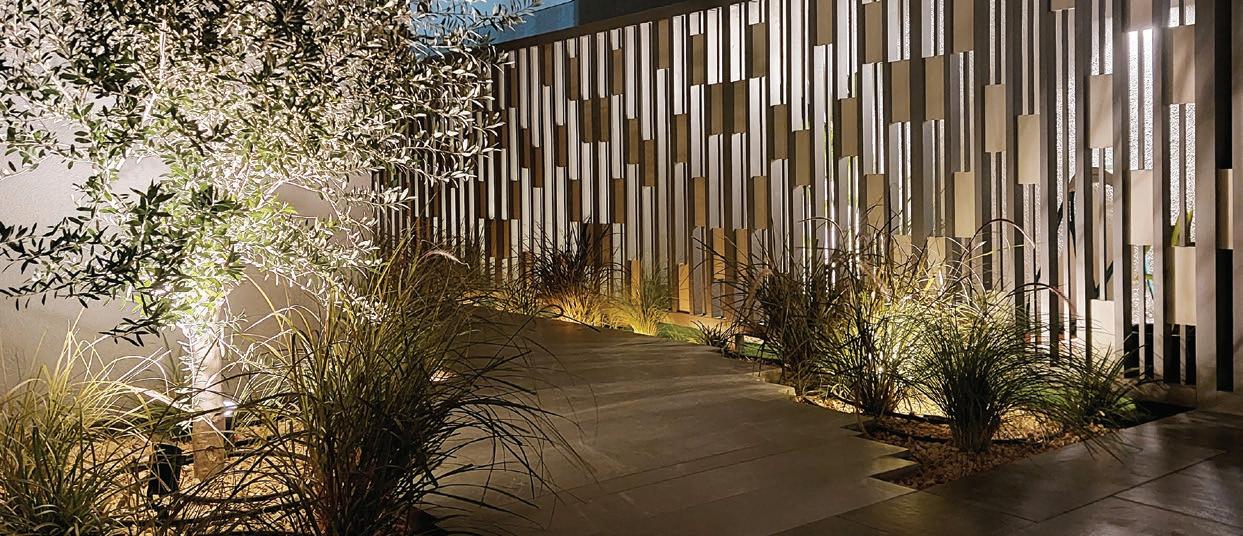
This issue of Landscape Middle East focuses on how landscapes function, endure, and are managed over time.
Across the region, landscape is increasingly assessed through measurable outcomes: water use, shade, plant survival, operational cost, and long-term maintenance. Design intent alone is no longer enough.
Several features in this issue reflect that shift. In Dubai, the planting of 20,000 trees across parks, neighbourhoods, and schools marks 20 years of leadership under His Highness Sheikh Mohammed bin Rashid Al Maktoum, while reinforcing the role of urban greening as working infrastructure rather than decoration. New residential communities show how solar integration, climate-appropriate planting, and walkable green space are becoming baseline expectations.
We also examine how education and practice are changing. From early design education that builds spatial literacy to data-led systems that allow landscapes to be irrigated and maintained with greater precision, the industry is moving toward accountability. Technologies such as digital irrigation control and soil enhancement are increasingly judged by verified performance, not claims.
Projects from Turkey and the wider region underline the importance of integration between structure and landscape, interior and exterior, and built form and climate, particularly when working with existing sites.
Together, these stories point to a more mature landscape sector, one focused less on novelty and more on outcomes. As cities shift from expansion to optimisation, landscape will continue to play a quiet but essential role in how places function day to day.
Enjoy the issue.
Managing Partner: Ziad Maarouf Amine
Copy Editor: John Hampton Phillip Higgins
Administrative Assistance: Sarry Gan
Art Director: Ramon Andaya
Contributors: Annie Bailey, Faris Alkhadi, Nabil Sherif, Nataliya Melnikova, Phillip Higgins, Sebastien Miller, Simran Katyal, Tazeen Jafri, Tarek Alsheeti, Nha Xanh,
Printed by: Al Nisr Publishing LLC
Webmaster: www.pdinventive.com
For free subscription and to view the magazine please visit our website: www.landscape-me.com
The First Specialised Landscape magazine in the Middle East
Our magazine is available in app store and google play, search under Landscape Middle East.

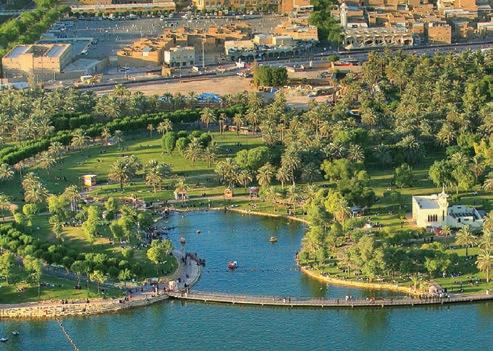
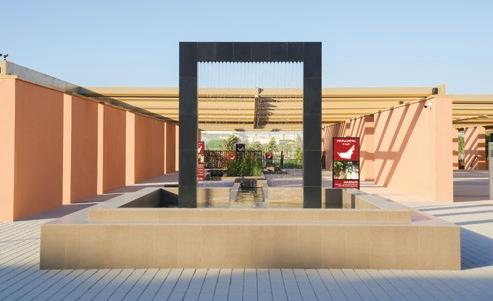
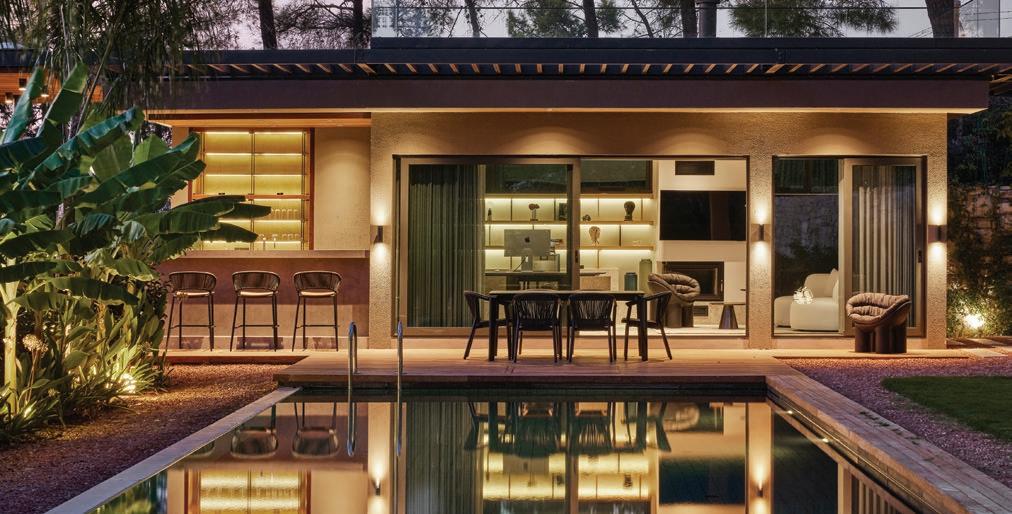

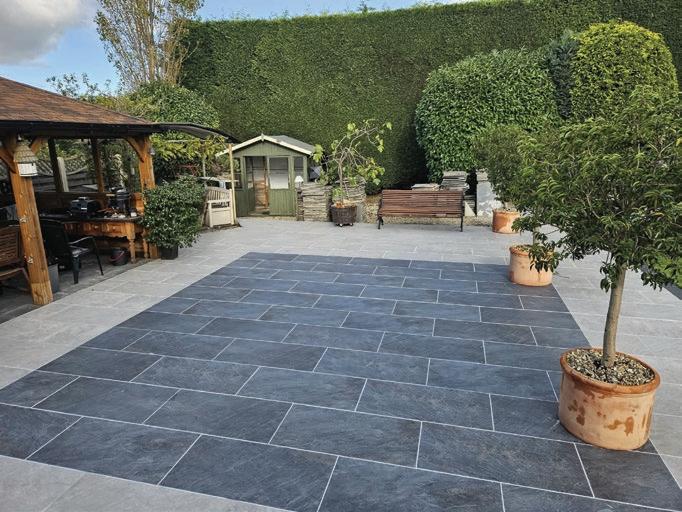





A renowned youth architecture and creative studio settles in Al Khayat Avenue art cluster with an opening showcase of student installations
Dubai’s creative districts are increasingly shaped not just by galleries and studios, but by spaces dedicated to education and cultural exchange. The recent relocation of Beyond Architecture Studio (B.A.S) to Al Khayat Avenue in Al Quoz reflects a broader shift toward embedding learning within the city’s creative infrastructure.
Occupying Warehouse 33 within the Al Khayat Avenue art cluster, Beyond Architecture Studio operates at the intersection of architecture, art, and cultural education. Rather than treating architecture as a purely technical discipline, the studio positions it as a way of thinking, one that connects spatial awareness with art history, sculpture, fashion, theatre, and contemporary creative practices. This interdisciplinary approach is aimed at children and teenagers aged 6 to 18, a demographic still largely underserved in the UAE’s design education landscape.
The move into a permanent studio space marks a transition from a programmeled initiative to a spatially rooted institution. The new setting allows learning to extend beyond scheduled classes, with students surrounded by ongoing projects, models, and furniture they have produced themselves. In this sense, the studio functions less as a classroom and more as a working environment, mirroring the conditions of creative practice.
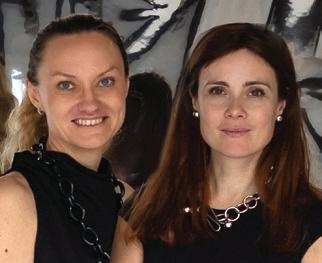
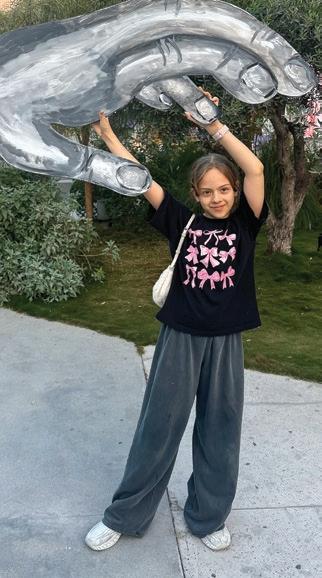
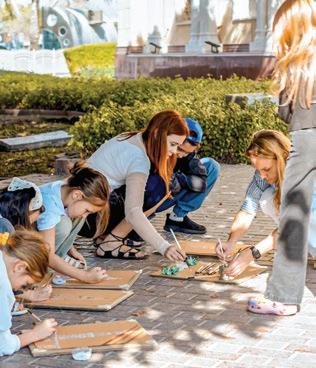
Located within a neighbourhood known for its adaptive reuse of industrial buildings, the studio’s presence reinforces Al Quoz’s role as a platform for cultural production rather than consumption. Its opening exhibition, showcasing student installations developed over the past month positions young participants not as passive learners, but as active contributors to the area’s creative output.
Alongside studio-based work, the programme emphasises understanding place. Lectures and research focused on the history, architecture, and cultural development of Dubai and the UAE introduce students to the context in which they live, linking creative practice to local heritage and urban transformation.
As Dubai’s cultural ecosystem matures, initiatives like Beyond Architecture Studio point to the importance of long-term, processdriven education spaces within creative districts. Their impact lies not in scale or spectacle, but in cultivating spatial literacy, cultural awareness, and creative confidence from an early age, qualities that will shape the city’s future designers, artists, and citizens.
Khayat Avenue, Al Quoz, Warehouse 33 opens from January 10th onwards.
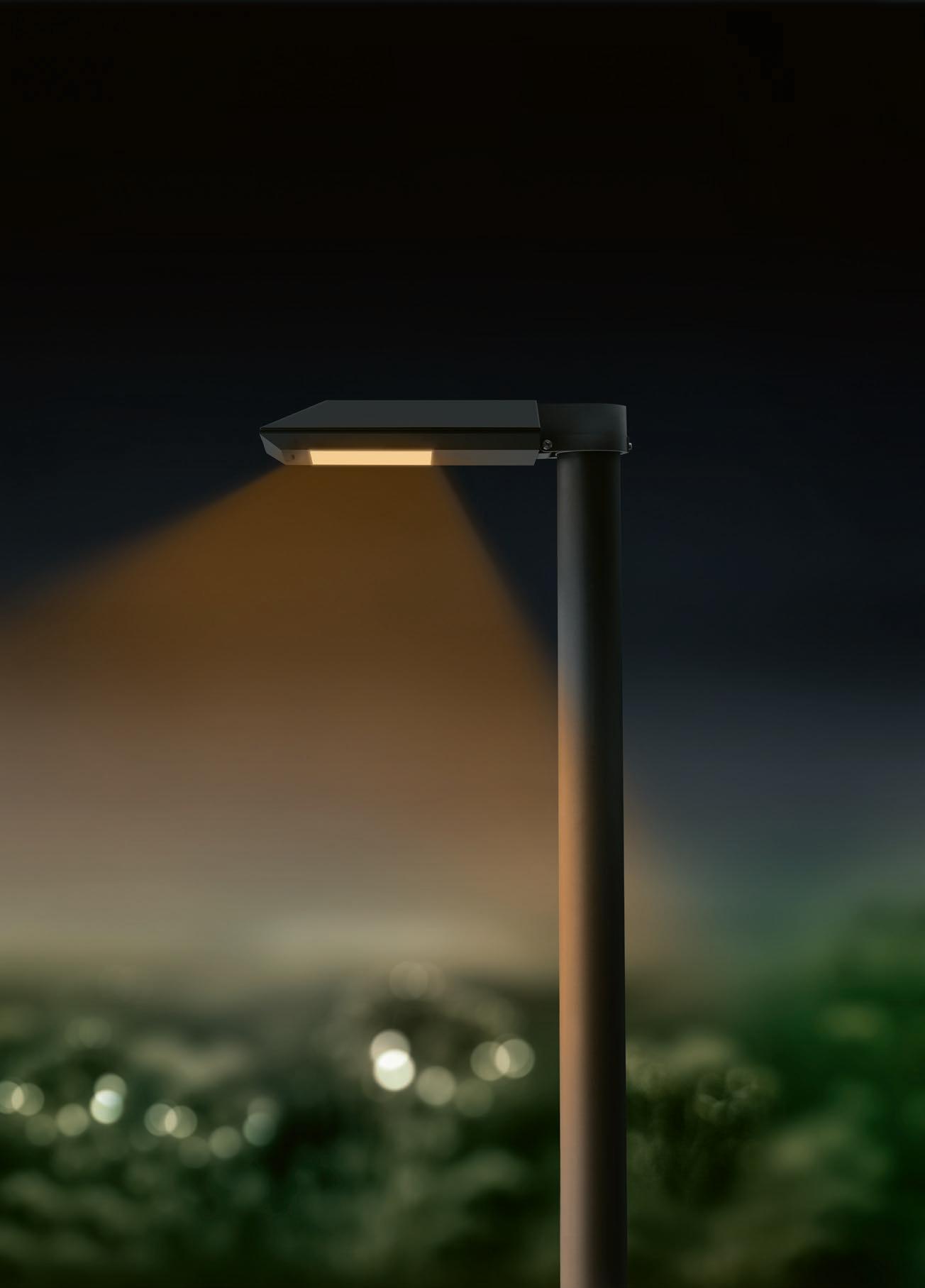
BEGA pole-top luminaires with BugSaver® technology protect nocturnal fauna by reducing the color temperature from 3000 Kelvin to an amber color around 1800 Kelvin, which reduces the light attractive effect. The color temperature and output can be controlled dynamically. bega.com/bugsaver
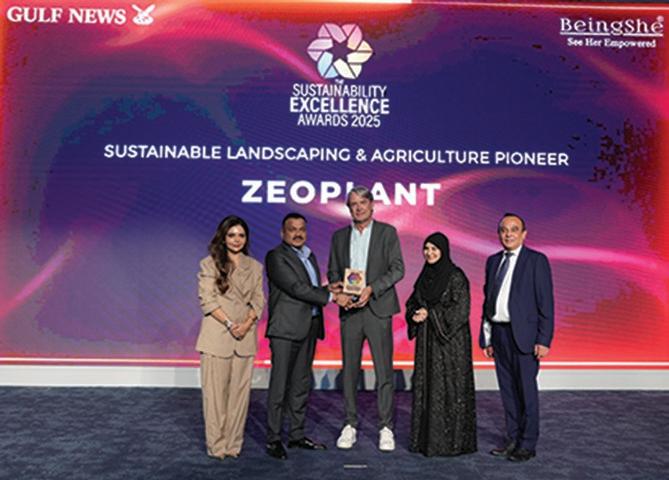
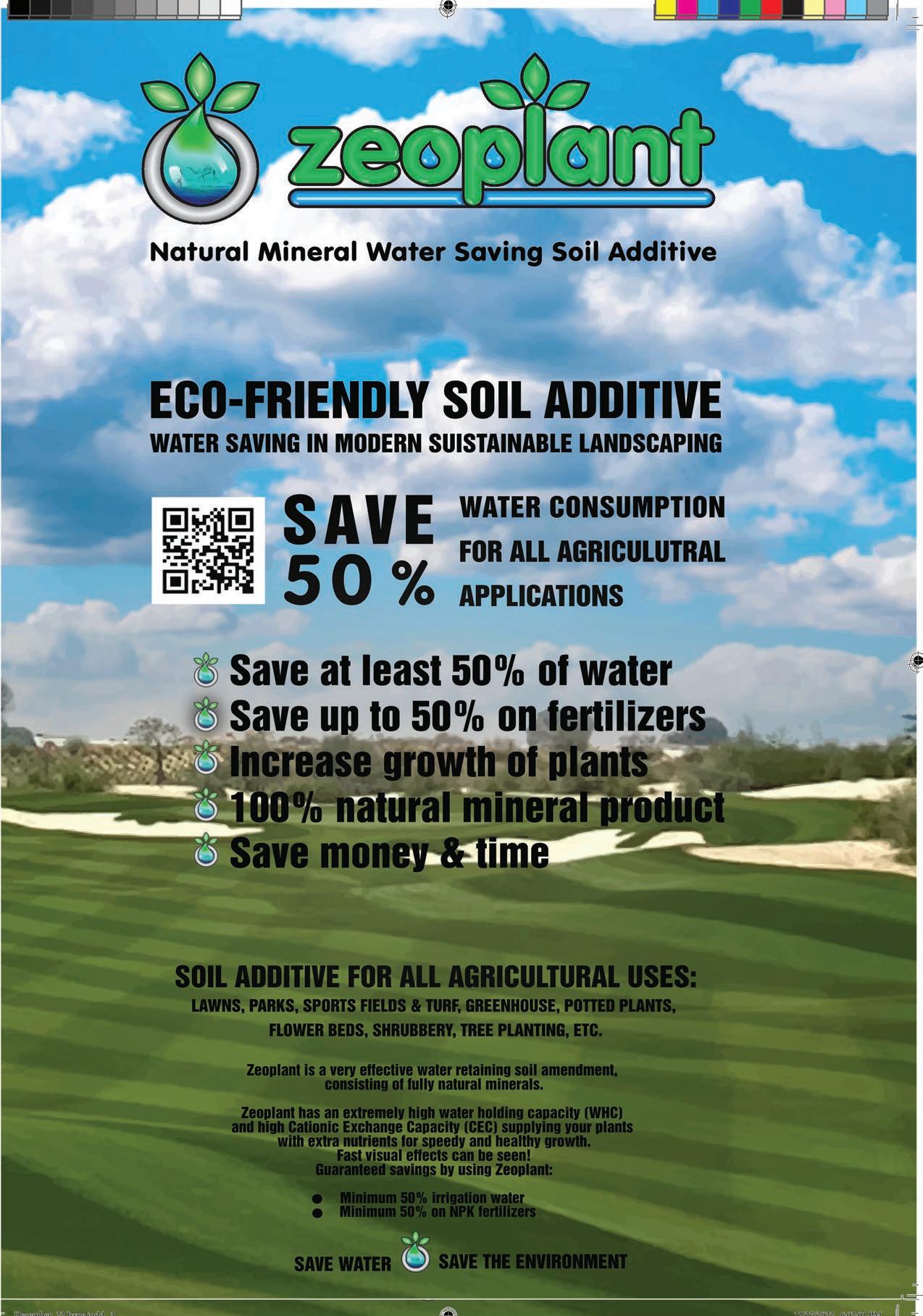
ZeoPlant has received the Sustainability Excellence Award 2025, recognising its long-standing work in reducing irrigation water use across largescale landscapes in the Middle East. The award highlights solutions that deliver measurable performance in arid environments, where water efficiency is a practical requirement rather than a sustainability aspiration.
As a long-standing contributor to Landscape Middle East Magazine and a valued sponsor of our events, ZeoPlant has consistently demonstrated what practical, data-driven sustainability looks like in the Middle East’s challenging climate.
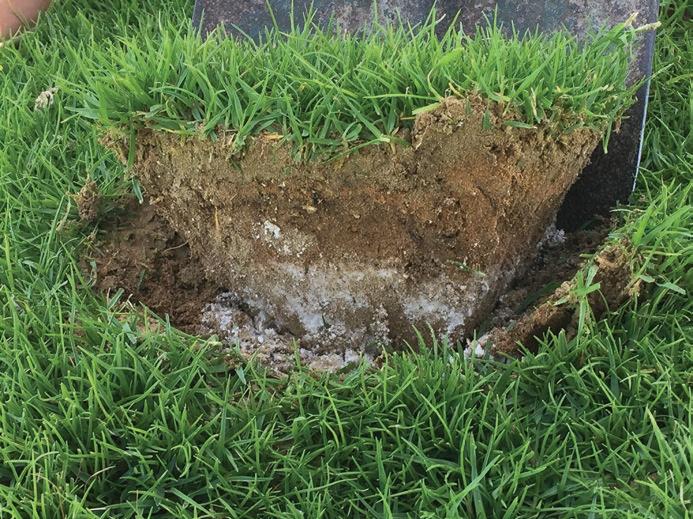
The award reflects more than two decades of work focused on improving water efficiency in arid environments, where conventional landscape systems often struggle with sandy soils, extreme heat, and high irrigation demand. ZeoPlant’s soil-enhancement technology is designed to reduce percolation speed while retaining irrigation water within the active plant root zone while supporting long-term plant health.
The company is also formally recognised by UAE government entities, particularly in Abu Dhabi, as the only soil-enhancement solution verified to deliver sustained irrigationwater reductions across public landscapes. Performance data from projects including Dubai Harbour and Abu Dhabi International Airport show long-term water savings of between 45 and 55 per cent, maintained beyond initial installation.
Lower irrigation demand also reduces energy consumption associated with desalination, pumping, and distribution, delivering operational cost savings alongside environmental benefits. Asset owners report improved landscape durability and reduced maintenance pressure as a result of more stable soil moisture conditions.
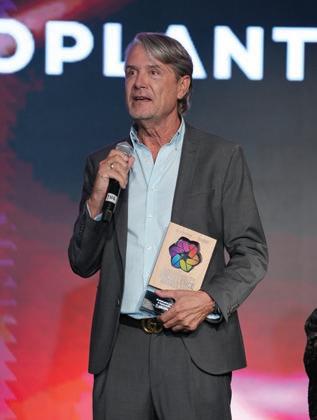
ZeoPlant’s technology has also been applied to existing developments, where opportunities for sustainability gains are typically more limited. Large-scale retrofits at established hospitality and mixed-use assets have demonstrated that meaningful water reductions can be achieved without redevelopment, aligning older sites with current sustainability targets.
Following installation, irrigation schedules are typically reduced by around 50 per cent, with performance monitored through water consumption data, energy use at pump stations, and ongoing assessments of soil and plant health. This data-led approach has supported wider adoption as water tariffs increased and sustainability requirements became more closely regulated.
With ZeoPlant remaining active in the soil for decades, its impact extends well beyond conventional sustainability timelines supporting irrigation reductions that contribute meaningfully to today’s objectives, future environmental goals, and longterm water resilience beyond 2030.
The award highlights a growing shift in how sustainability solutions are assessed in the region, with greater emphasis on verified outcomes and long-term performance rather than design intent alone.
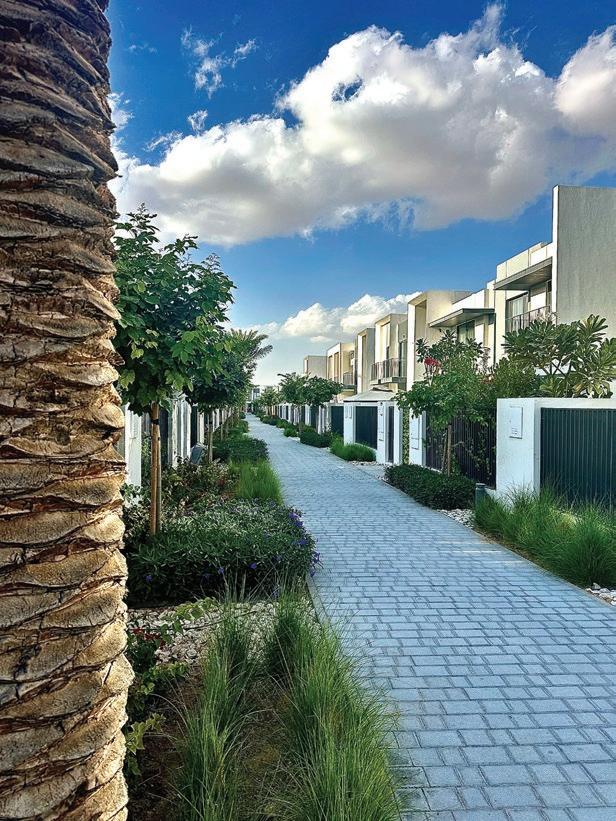
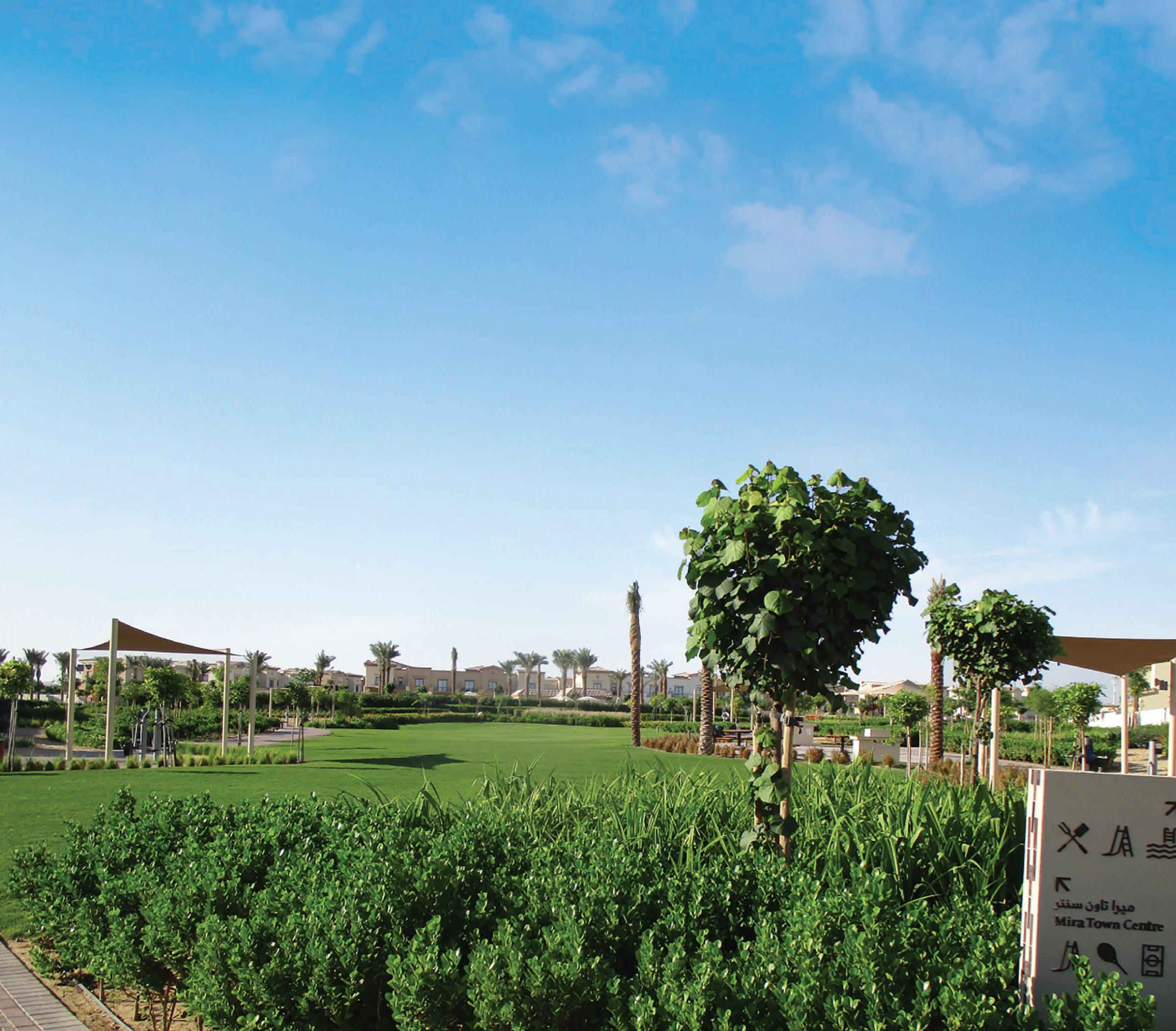
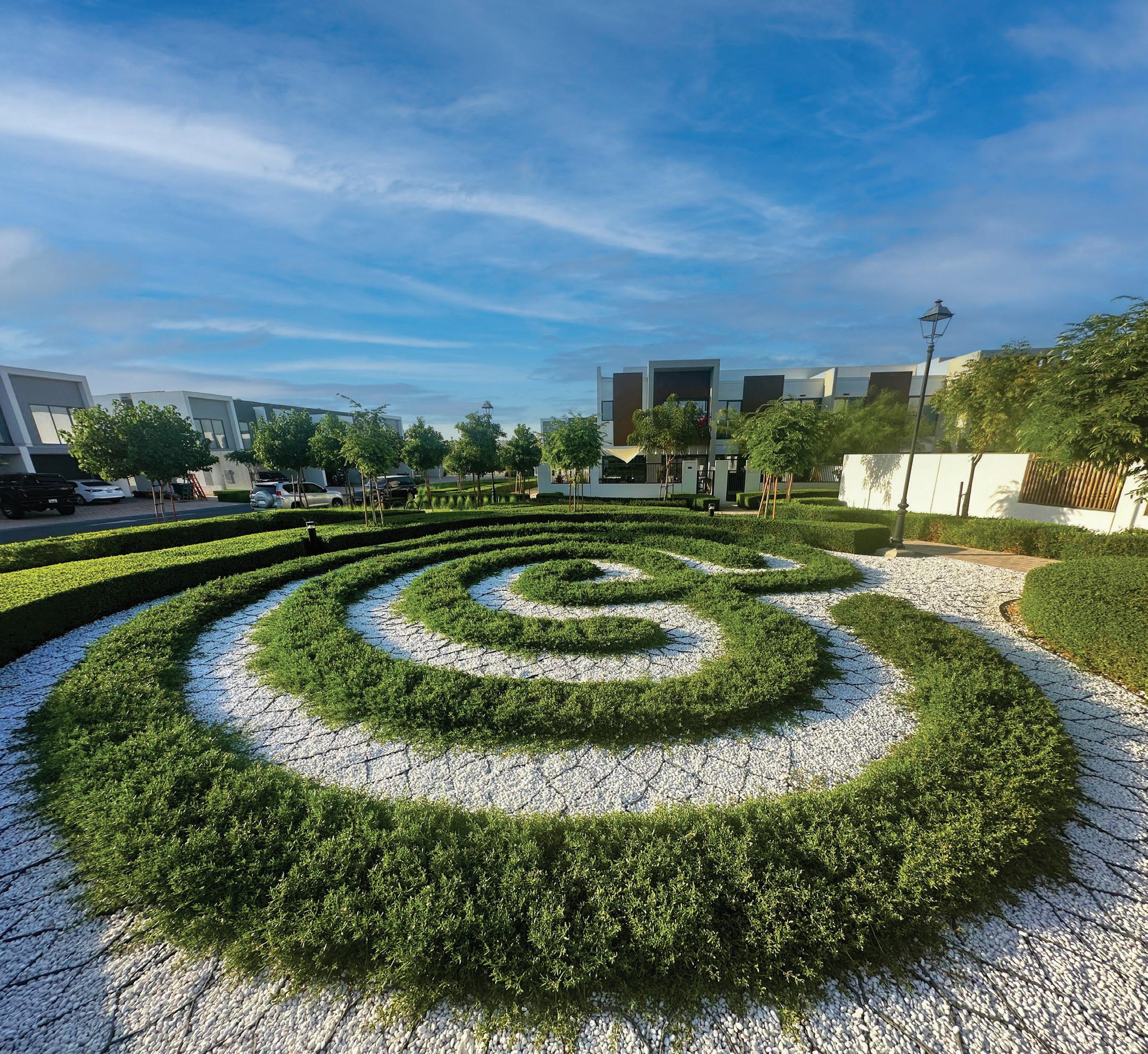
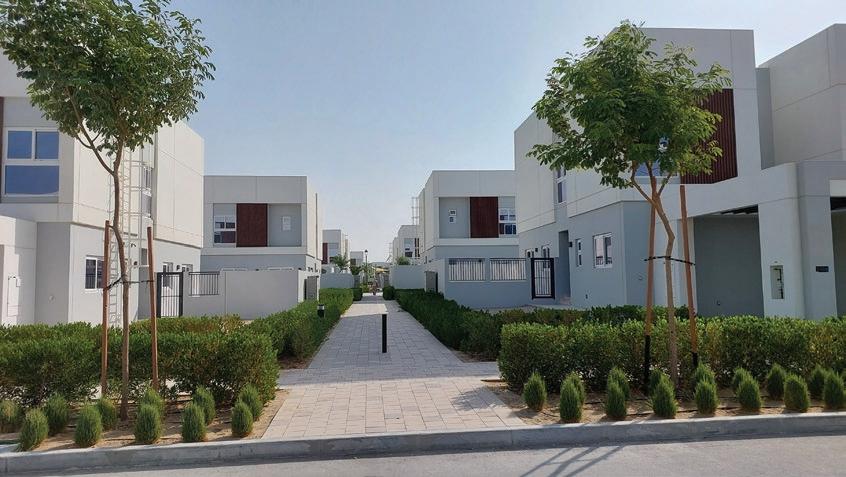
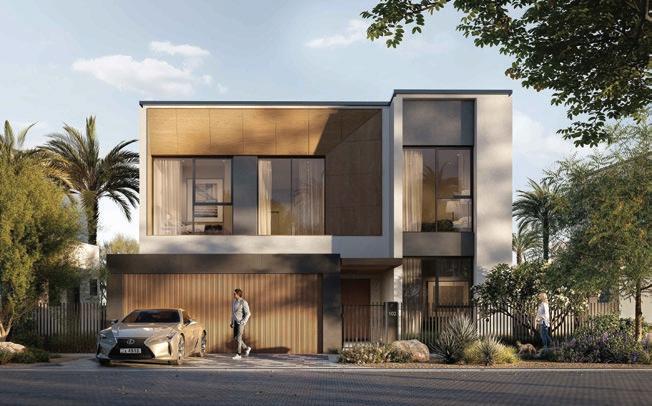
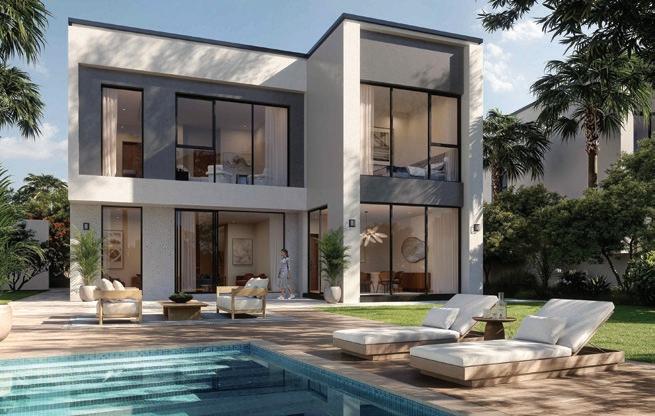
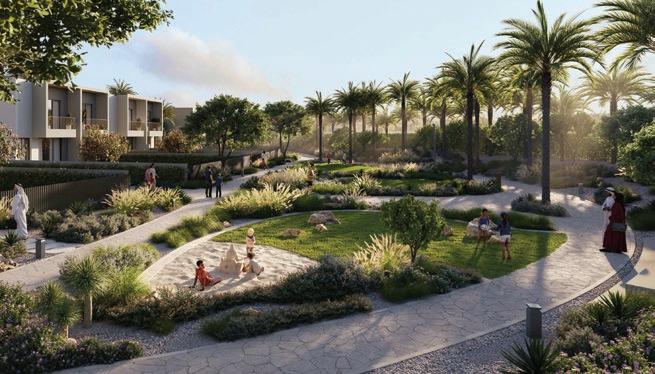
Across Dubai’s residential sector, sustainability is increasingly treated as a baseline expectation rather than a differentiator. New villa communities are now expected to integrate energy efficiency, landscape-led planning, and mobility infrastructure as standard components of liveable design. The recently delivered Al Badia Villas within Dubai Festival City reflects this shift.
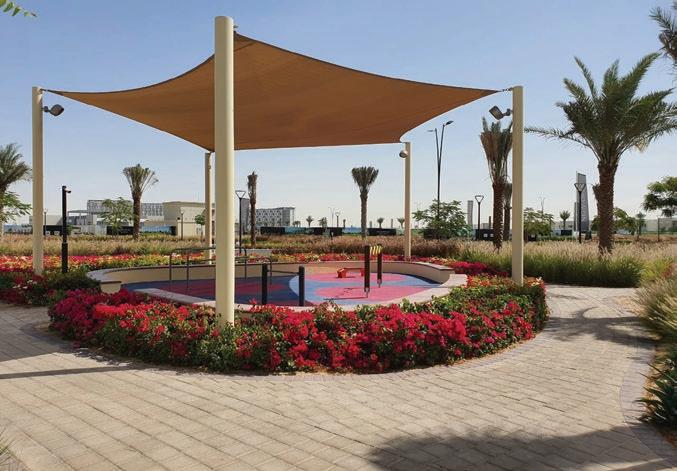
Set within a three-hectare parkland framework, Al Badia Villas uses open space as connective infrastructure rather than visual backdrop. Shaded pedestrian routes, cycling tracks and dog-friendly walking paths structure movement across the community, reinforcing walkability in an area already defined by mixed-use density. Landscape here supports daily function and thermal comfort, aligning with wider urban planning objectives rather than introducing new typologies.
At the residential scale, sustainability measures are practical and incremental. Villas are equipped with rooftop solar systems intended to reduce household energy demand, alongside infrastructure provisions for electric vehicle charging. Smart controls allow residents to manage lighting and cooling more efficiently, reflecting a growing focus on operational performance rather than design novelty.
Planting strategies across the community prioritise climate-appropriate species and reduced irrigation demand. A designated nature trail, supported by QR-based information, introduces residents to local flora and fauna, positioning landscape as an educational layer as well as a recreational one. While not a departure from regional norms, it reflects a more considered approach to outdoor programming and long-term maintenance.
Delivered by Al-Futtaim Real Estate through an integrated development and construction model, Al Badia Villas does not seek to redefine villa living. Instead, it illustrates how sustainability, landscape integration, and environmental awareness are becoming standard components of residential planning in Dubai’s mature communities.
As the city continues to evolve, projects like Al Badia Villas suggest that the future of sustainable urban development may lie less in standout innovation and more in consistent, wellexecuted fundamentals that quietly improve how neighbourhoods function over time.

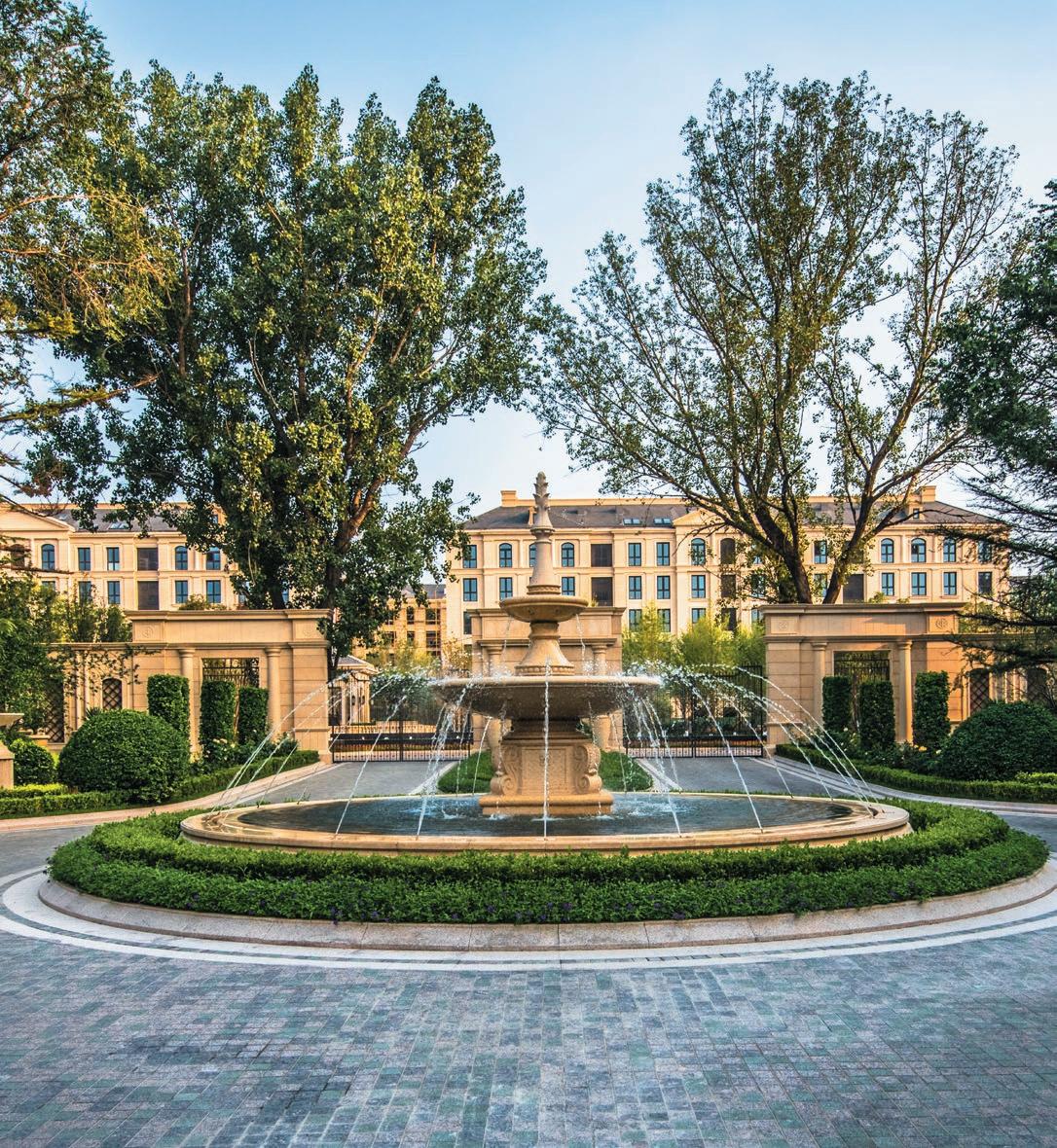

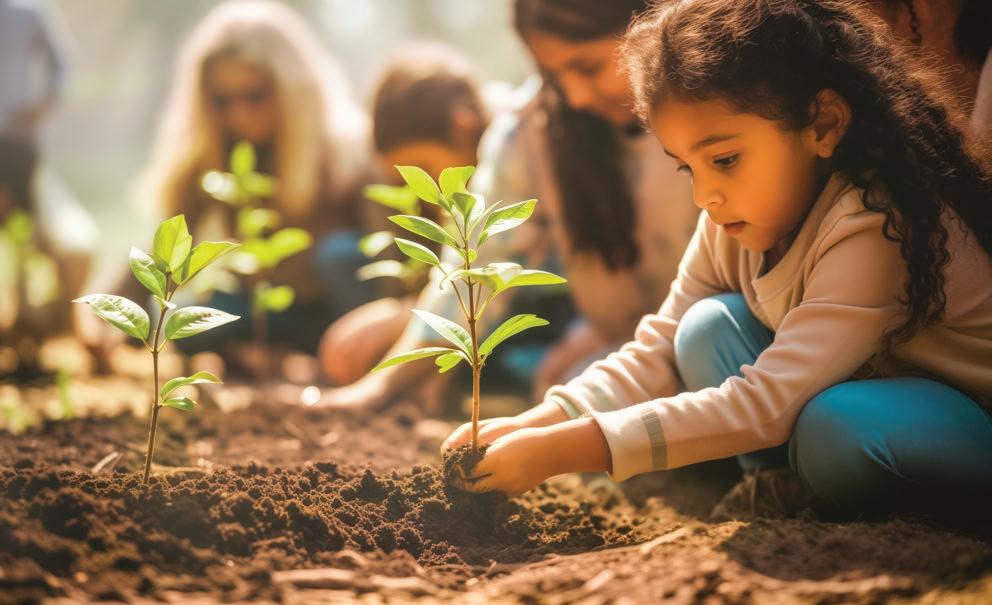
The campaign, launched by Dubai Municipality and KHDA, aims to promote sustainability, enhance green spaces, and leave a lasting legacy for future generations
Dubai has launched a citywide tree-planting initiative that will see 20,000 trees planted across parks, residential areas, and school campuses. The programme marks 20 years of leadership under Sheikh Mohammed bin Rashid Al Maktoum and forms part of Dubai’s wider urban greening strategy.
The initiative is led by Dubai Municipality in collaboration with the Knowledge and Human Development Authority (KHDA). Public and private entities, along with schools, universities, and local communities, are participating in the planting programme.
Trees are being planted across multiple locations, including Al Barsha South, Al Barsha Pond Park, Al Aweer’s Nakheel Park, the Quranic Garden
in Al Khawaneej, Al Mizhar Second, Blossoms Park in Nad Al Sheba, Al Safa Park in Jumeirah, Umm Suqeim, Al Quoz Pond Park, and Al Warqa’a 3. KHDA is coordinating registrations with educational institutions to track species and planting numbers.
The campaign supports the Dubai Urban Master Plan 2040, the Dubai Quality of Life Strategy 2033, and the wider Dubai Green Project, which focus on expanding green cover, improving air quality, and integrating landscape into urban planning.
The planting programme reinforces the role of trees as functional urban infrastructure, contributing to shading, cooling, and environmental performance across the city.




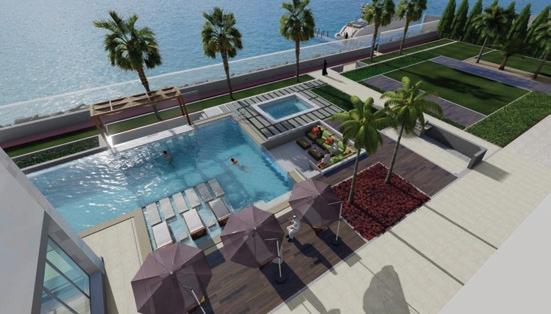
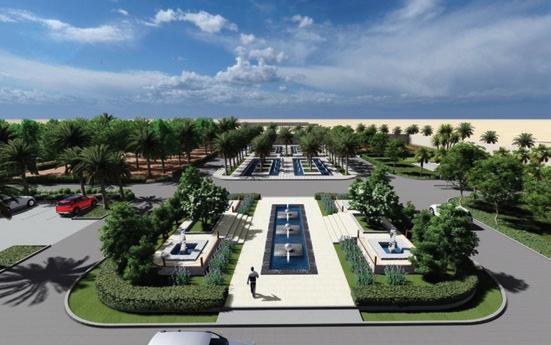
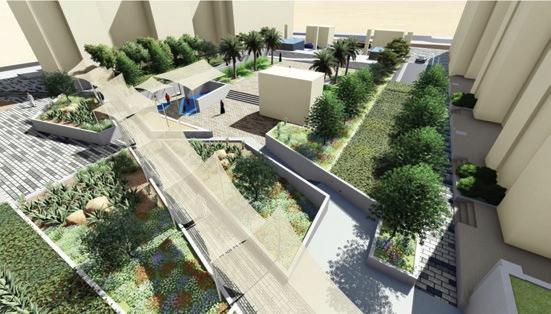
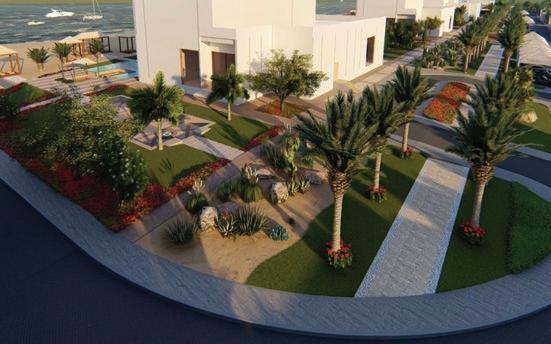


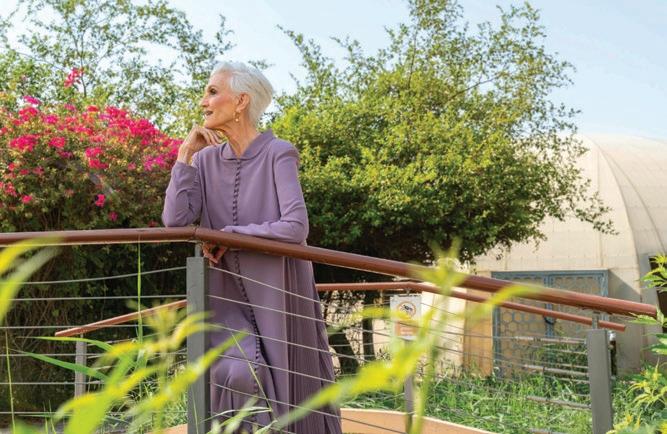
SEE Holding, the global sustainability specialist in the design and development of future-ready, sustainable cities, has welcomed Maye Musk, as the Global Voice of The Sustainable City, reflecting a shared commitment to wellbeing, longevity, quality of life, and human-centred urban living, as the model continues to expand in Oman through The Sustainable City – Yiti.
A world-renowned wellness advocate and author, Musk brings a perspective shaped by lived experience rather than trend-driven narratives. Her appointment reflects The Sustainable City’s approach to sustainability as a holistic way of life, one that places people, community, and long-term well-being at the centre of urban development. This philosophy is central to the development of The Sustainable City –Yiti, where sustainability principles are being thoughtfully adapted to the local context.
Musk visited The Sustainable City last year, where she explored its integrated approach to sustainable urban living and
experienced firsthand how environmental responsibility, thoughtful planning, and quality of life intersect in practice. Her visit included engagement with residents and tours of key facilities, including SEE Institute and Sanad Village, offering insight into the people-first principles that underpin The Sustainable City model and are already embedded within The Sustainable City – Yiti’s masterplan.
As Global Voice, Musk will contribute to shaping conversations around how cities can better support healthy, balanced lives across generations, amplifying ideas, dialogue, and real-world examples that demonstrate how thoughtful design and sustainable planning can enhance everyday life.
“The cities we build shape how we live, how we age, and how we connect with one another,” said Maye Musk. “What drew me to The Sustainable City is its calm confidence, its focus on safety, nature, community, and quality of life, that
I experienced firsthand during my visits. It reflects a way of living that supports wellbeing at every stage of life.”
Designed as a blueprint for future-ready communities, The Sustainable City integrates environmental responsibility with social and economic sustainability, bringing together clean energy, food security, clean mobility, and circular economy principles alongside nature, biodiversity, inclusion, and human connection. The collaboration with Musk reinforces the brand’s global outlook and its belief that meaningful impact is driven by measurable outcomes, long-term value creation, and human-centric design.
Faris Saeed, Founder and Chairman of SEE Holding, developers of The Sustainable City brand, commented: “Maye brings a rare combination of credibility, clarity, and lived wisdom to the global conversation around how we live and how we build for the future. Her voice aligns naturally with our belief that sustainability must translate into real impact, measured not only through performance and outcomes, but through the quality of life our cities enable for people every day.”
Developed by SEE Holding, The Sustainable City has been recognised as the happiest community in the GCC for three consecutive years and has evolved into a scalable model for sustainable urban development, with projects underway and operational across the region, including Sharjah, Abu Dhabi, and Oman. In Oman, this vision is being brought to life through The Sustainable City – Yiti, reinforcing the country’s ambitions for sustainable growth, inclusive communities, and future-ready urban development. As the brand continues to expand into new markets, its focus remains on delivering future-ready communities that integrate environmental performance with social inclusion and economic resilience, demonstrating how sustainability, when designed around people, can create longterm value at scale.
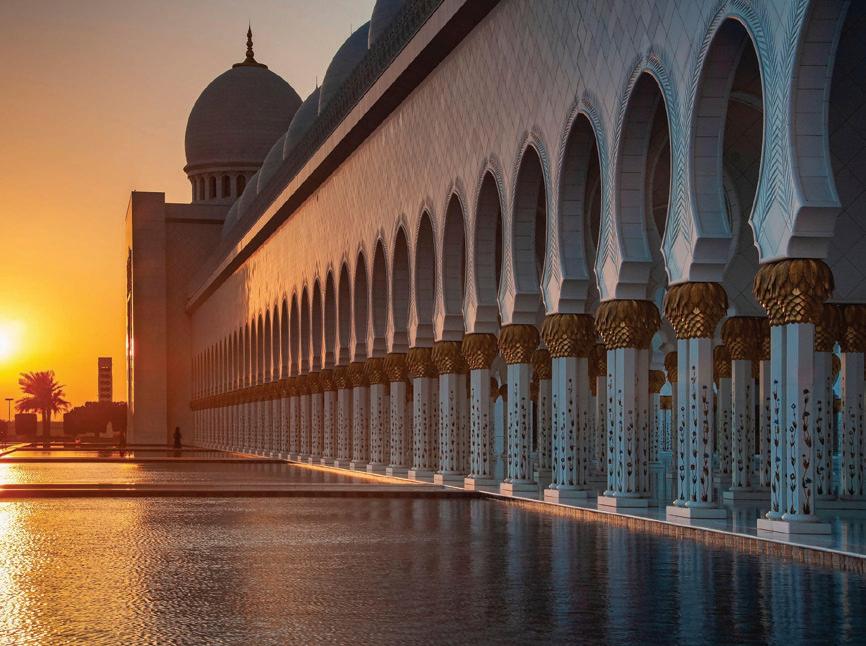
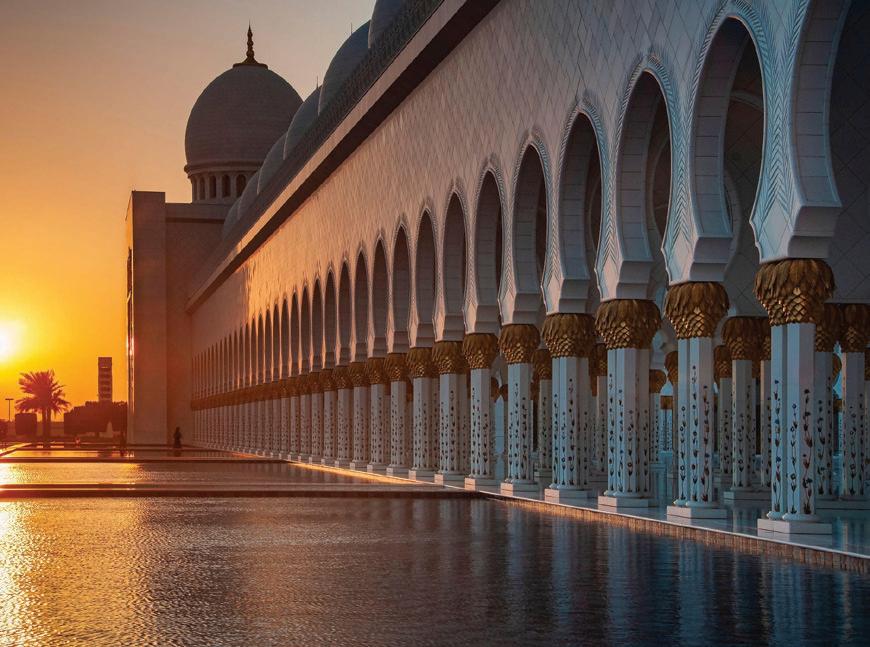
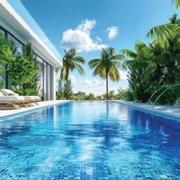
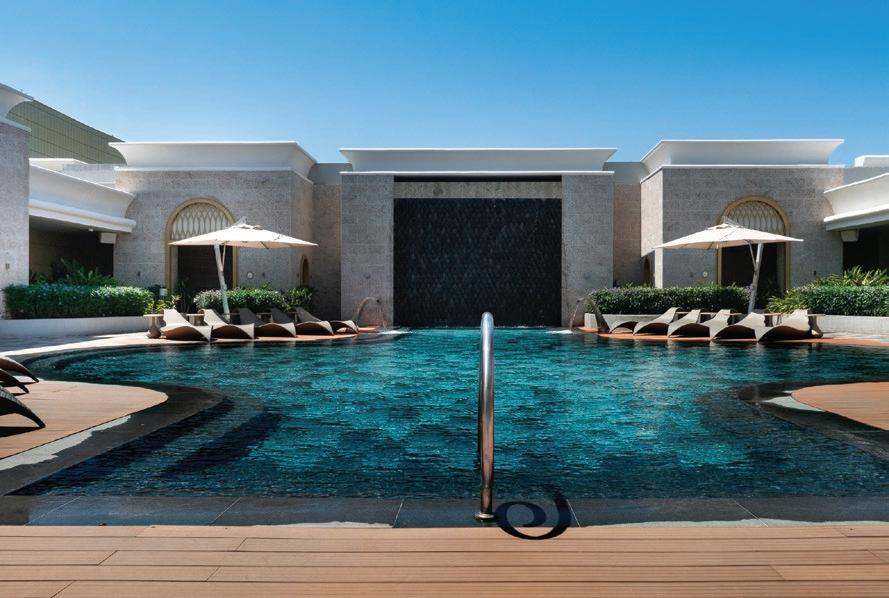
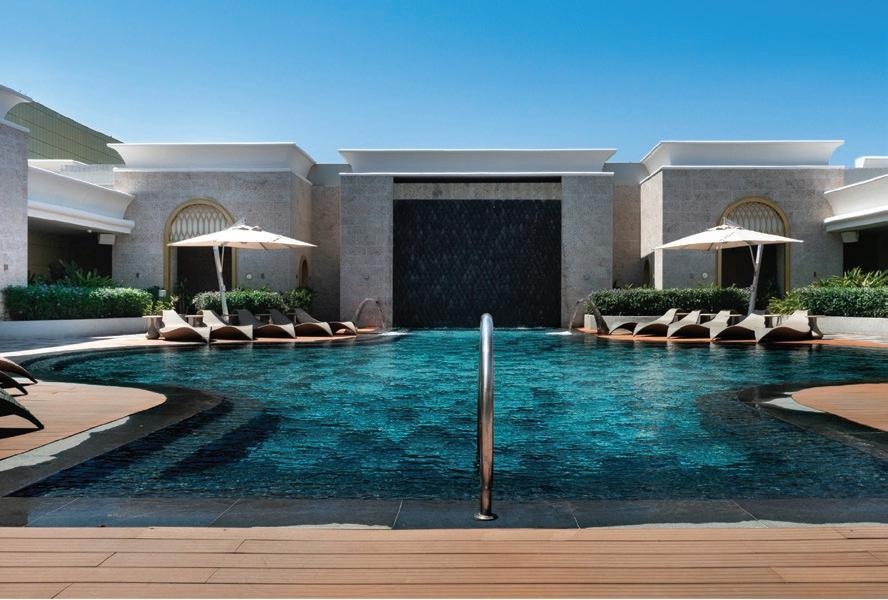
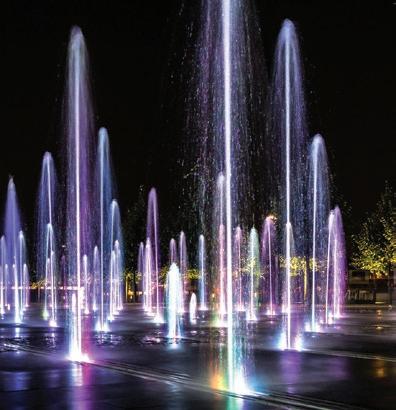
Fluidra Middle East is shaping the future of aquatic design turning vision into reality across every scale. From spectacular fountains and breathtaking residential lagoons to competition pools, wellness centers, and luxury water features, our expertise redefines what’s possible with water. Through world-renowned brands like Astral and Cepex, we deliver innovation, reliability, and performance engineered to perfection, built to last, and designed to inspire.

Timely contract to ensure on-schedule delivery of 1,997 homes across all four phases, with first handovers in 2027 Leading contractors and top-tier consultancies appointed to deliver integrated construction, infrastructure and design for the 10.5 million sq ft masterplan
Arada has awarded a comprehensive package of contracts worth AED2.7 billion to deliver Masaar 2, the forested megaproject located in the Rowdat district of Sharjah, appointing leading contractors and top-tier consultancies to provide integrated construction, infrastructure and design.
The scope of work covers the full construction of 1,997 homes across four phases, alongside recently completed enabling works, site preparation, infrastructure development including roads, utilities and public spaces, as well as complete design and supervision by specialist consultants. In total, three construction firms and four consultancy firms have been appointed for Masaar 2.
Well-established UAE-based contractors Intermass (phases 1, 3 and 4) and Pivot Engineering & General Contracting (phase 2) have
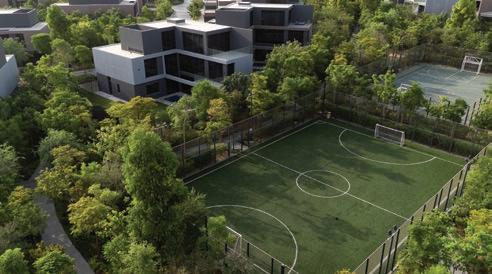
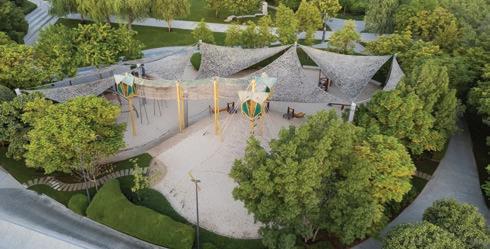
been appointed as main contractors for the construction of homes across all four phases, with first handovers scheduled for 2027 and full completion expected by June 2028. Both firms have previously delivered projects within the first Masaar master plan.
Ahmed Alkhoshaibi, Group CEO of Arada, said: “From sales launch in early 2025 to full handover in mid-2028, Masaar 2 will be one of the fastest community completions in the UAE, and delivered to the exceptional standard that our customers have come to appreciate. This milestone underscores our commitment to on-time delivery and world-class quality as we continue to shape some of the UAE’s most sought-after residential destinations.”
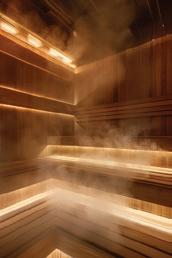
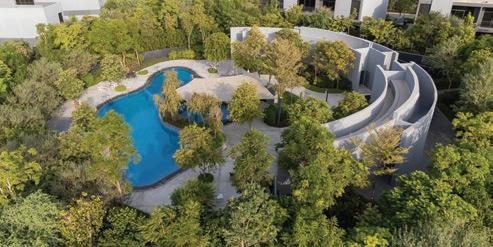
Darwish Engineering Emirates has already completed the enabling works across the 10.5 million square foot site and will be responsible for the development of the entire infrastructure works, which will include world-class amenities such as a swimmable forest lagoon and wellness-focused facilities.
Dubai-based Dewan Architects + Engineers served as the design consultant for all four phases of the project, a scope which has now concluded. CRTKL, the global architecture firm, completed the master plan concept and design, while US-based Parsons Overseas Limited was responsible for infrastructure design and supervision. DAR has been appointed to provide full supervision consultancy services through to the scheduled completion of all four phases in summer 2028.
Launched last February 2025, Masaar 2 sold out within hours, generating AED5.6 billion in transactions and highlighting the strong investor appetite in Sharjah’s rapidly expanding property market. Designed as a premium, nature-focused residential destination, the community features nature-inspired architecture and is anchored by a lush green spine with 40,000 trees. In September, Arada launched Masaar 3 - the third and largest forested master plan in the series - comprising 4,000 homes across eight phases.
Masaar has emerged as one of the most successful and indemand community concepts across the region. The first Masaar masterplan includes 3,000 homes set within a 19 million square foot forested landscape. Half of the community has already been handed over, along with a comprehensive range of facilities and world-class amenities. Full completion is scheduled by the end of 2026.

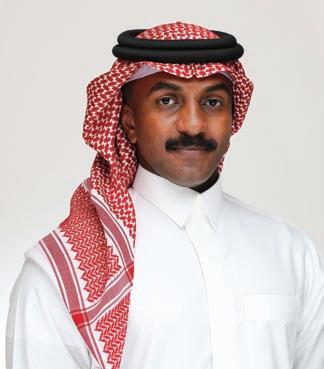
By Faris Alkhadi Director, Plants Landscape
Public Inspiration from Mega Projects
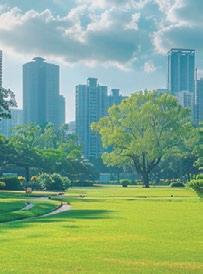
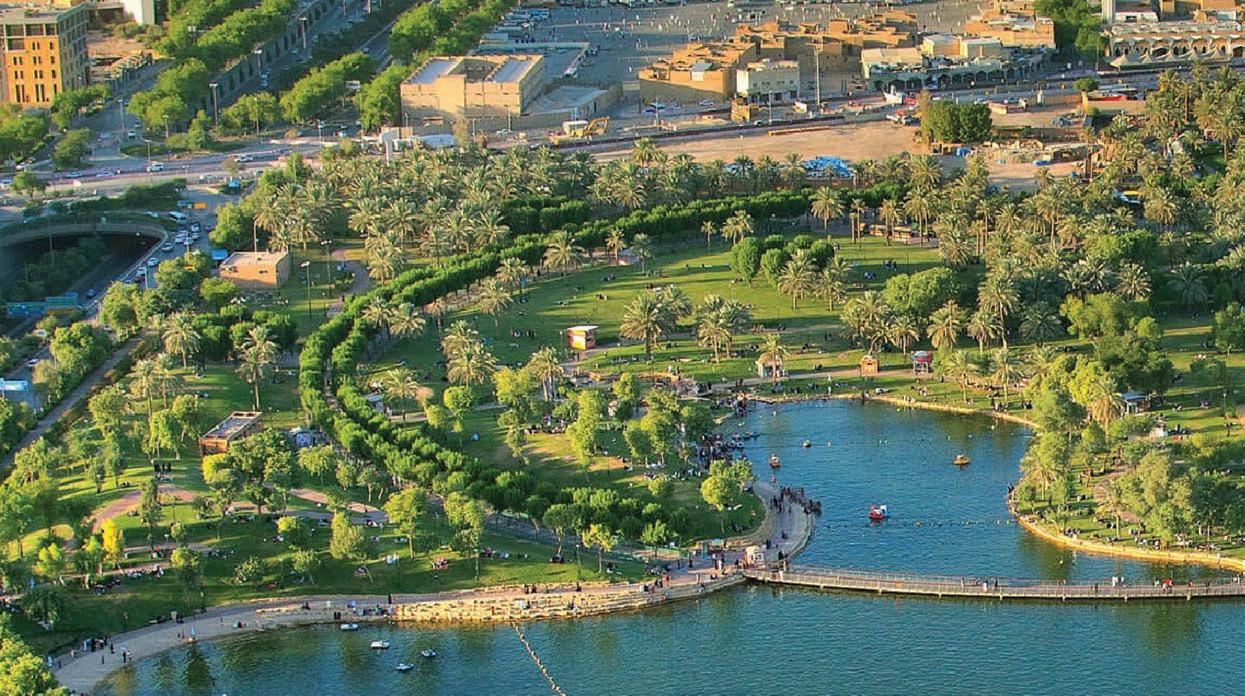
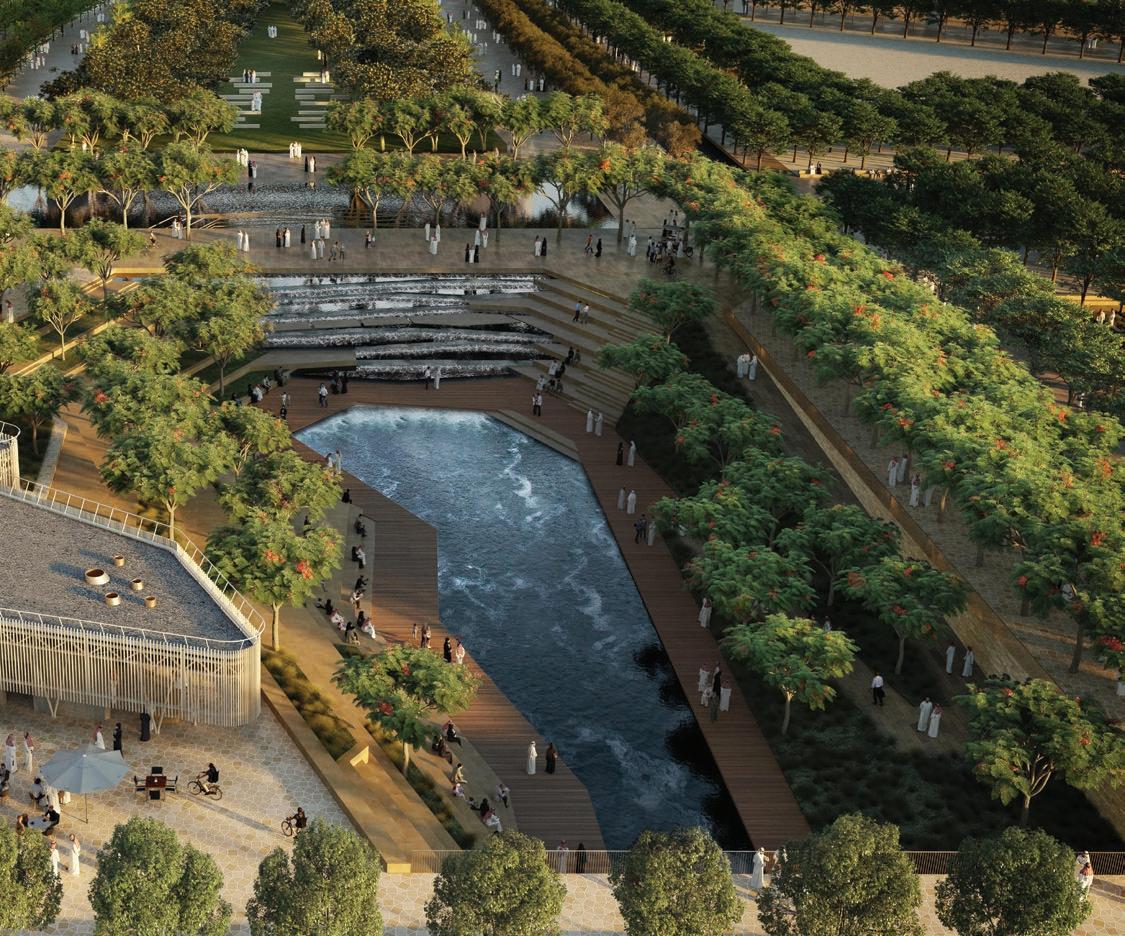
As Saudi Arabia enters a bold new era of transformation, its investment in world-class sustainable urban landscapes is doing more than reshaping cities; it’s redefining national identity. Across the Kingdom, visionary projects are becoming living symbols of possibility, pride, and progress.
These landscapes, once confined to concept drawings or construction sites, are now open, vibrant, and accessible. They invite people to walk through, engage, and connect. This visibility is essential. When citizens experience these spaces firsthand, they begin to understand what thoughtful, world-class landscape design truly means, a striking departure from what many have known before.
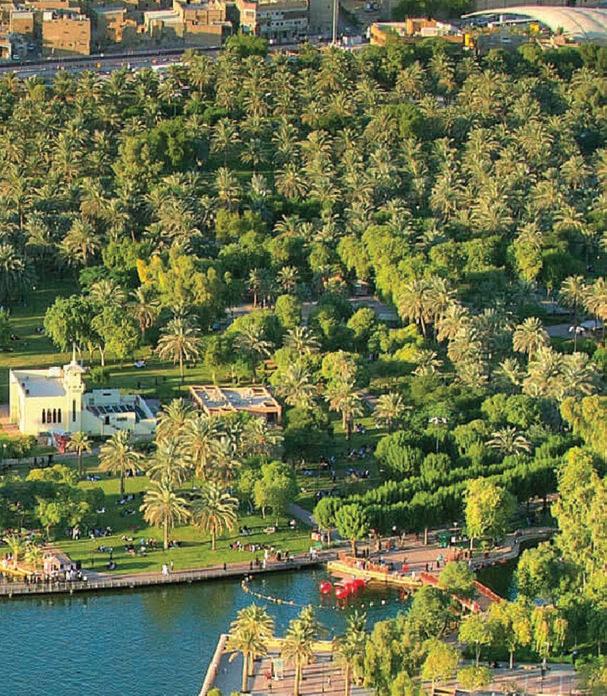
Every park, promenade, green corridor, and restored natural area tells a story of progress and care. Saudis are discovering what’s possible when we invest in beauty, sustainability, and community well-being. The impact is profound: a growing sense of pride not only in the transformation of our cities but in our shared ability to create world-class public spaces that reflect our culture and aspirations.
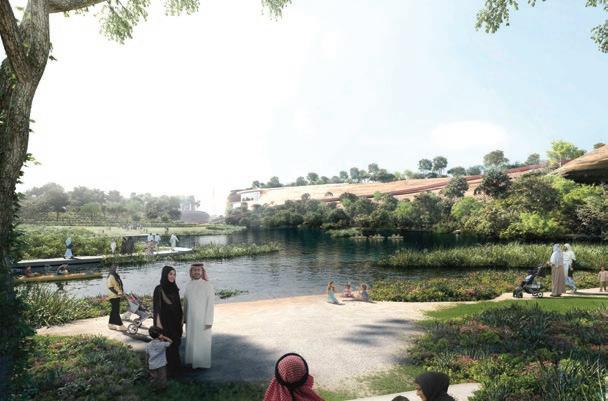
Equally important, these projects are elevating the perception of the landscape profession itself. When people see children playing in shaded parks, families gathering along walkways, and native plants thriving in restored habitats, they begin to appreciate the technical skill, environmental understanding, and design sensitivity that make these places come alive. The result is a cultural shift, a renewed respect for landscape architecture as a profession that unites art, science, and environmental stewardship.
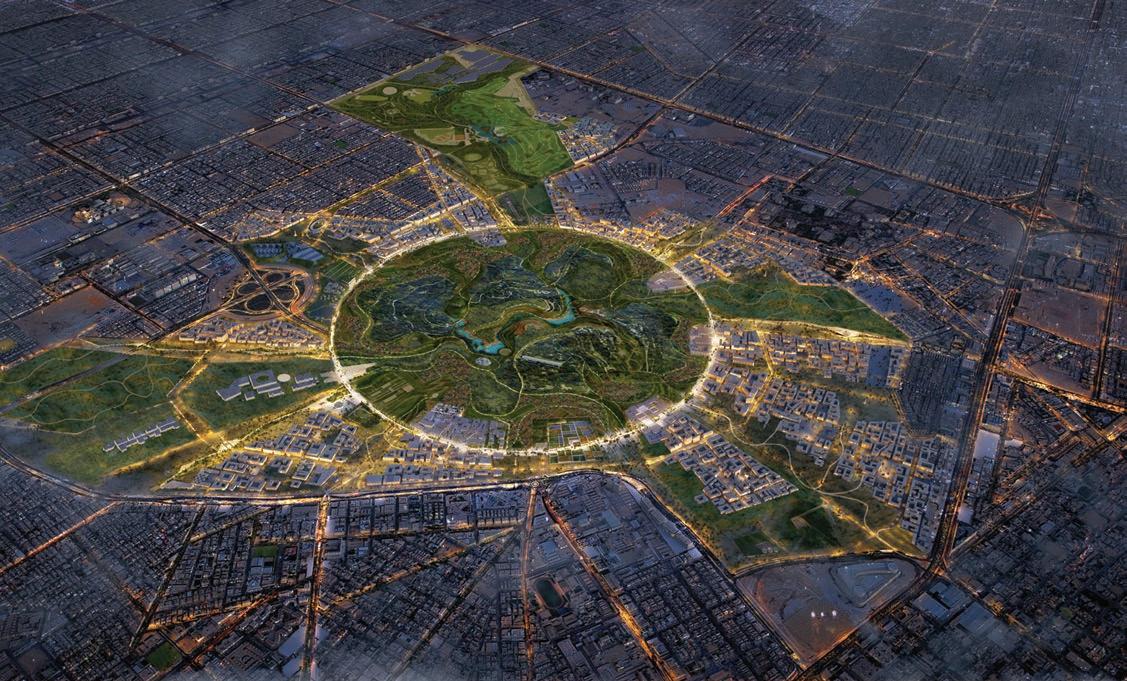
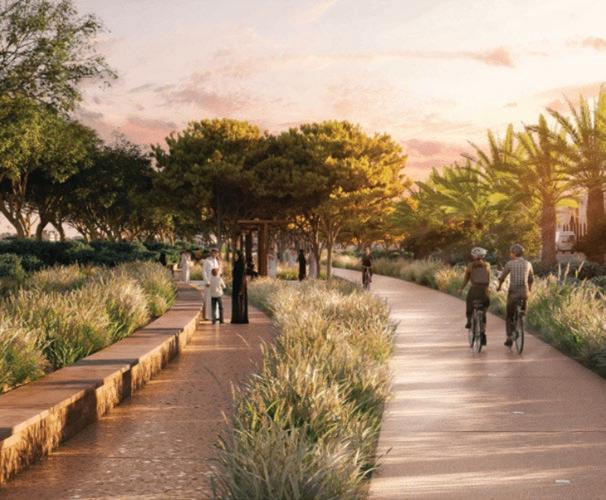
Ultimately, these new public landscapes are helping to define what it means to be Saudi today: forward-thinking, environmentally aware, and proud of the spaces we are creating for ourselves and for future generations.
Keep KSA Clean: Building a Culture of Shared Responsibility
Across the Kingdom, a movement is growing, one that celebrates clean, cared-for public spaces. From city streets to coastal promenades, communities are embracing the simple but powerful message: Keep KSA Clean.
This isn’t just about appearances; it’s about values. Clean public spaces foster a sense of ownership and community pride. When people see tidy streets and litterfree parks, they are more likely to treat those places with respect. It becomes a cycle of care - cleanliness inspiring responsibility, and responsibility preserving beauty.
But for this change to endure, everyone must play a role, residents, businesses, and local authorities alike. Cleaner cities don’t happen by chance; they’re built through awareness, engagement, and collective action.
A clean environment is also an invitation; it tells both locals and visitors that we value our surroundings, that we take pride in where we live, and that we are serious about sustainability. “Keep KSA Clean” may be a short slogan, but its message runs deep: this is our home, and keeping it beautiful is everyone’s responsibility.
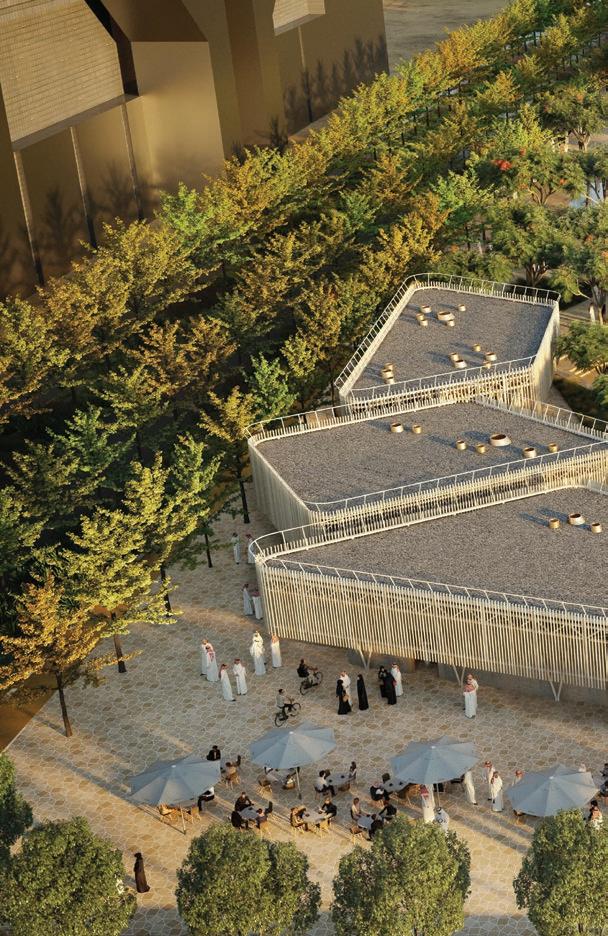
Education and Awareness: Learning from the Landscape Public spaces can also serve as open classrooms. By integrating educational signage and interpretive features, parks can teach visitors, young and old, about the natural systems that sustain life.
Simple messages about native plants, pollinators like bees, and water conservation can spark curiosity and build awareness about ecology and sustainability. These moments of passive education help transform ordinary park visits into opportunities for environmental learning.
Incorporating such awareness into landscape design deepens people’s connection to nature. It encourages stewardship, inspires behavioral change, and ensures that sustainability becomes part of everyday experience not just a policy or a plan, but a lived reality.
As landscape professionals, we hold a vital responsibility: to shape how people experience the outdoors, whether in vast public parks or small private gardens. In Saudi Arabia, this responsibility is even more significant given our climate, resources, and rapid urban growth.
Designing responsibly means embracing the environment, not resisting it. It means using native and adaptive plants, efficient irrigation systems, and materials suited to our regional conditions. Each project, large or small, becomes an opportunity to demonstrate how sustainability and beauty can coexist.
We must take inspiration from the Kingdom’s significant landscape developments, applying their lessons in scale, sensitivity, and sustainability to everyday projects. When
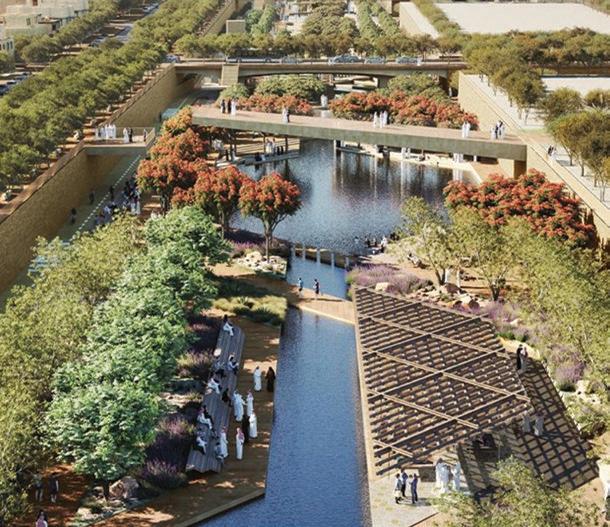
sustainable thinking becomes standard practice, the result is a network of landscapes that are functional, enduring, and deeply rooted in local identity.
By designing with care, we create more than just spaces; we build healthier communities, promote well-being, and strengthen the human connection to nature.
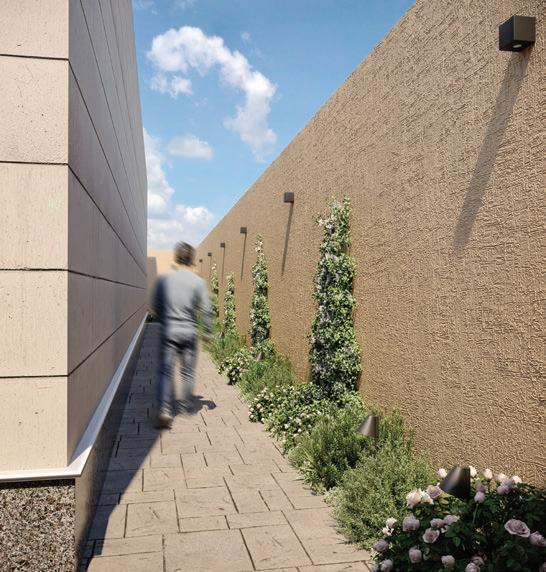
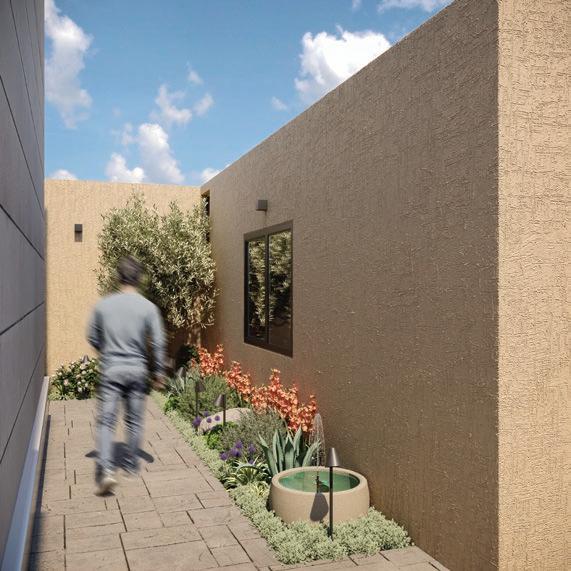
In one of my recent residential projects, I worked with a client who had little experience with landscaping and was unsure what would thrive in Saudi Arabia’s climate. My goal was to create a space that would not only look beautiful but also remain practical, sustainable, and easy to maintain over time. The design centered around climate-appropriate, low-
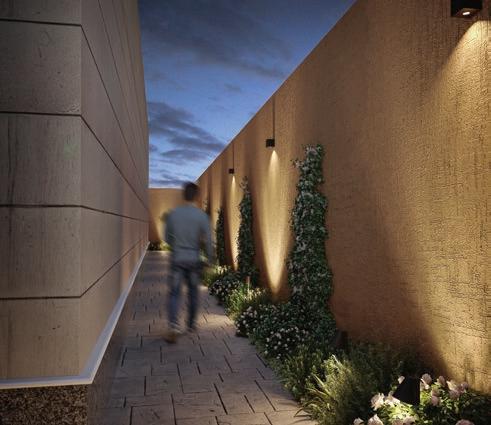
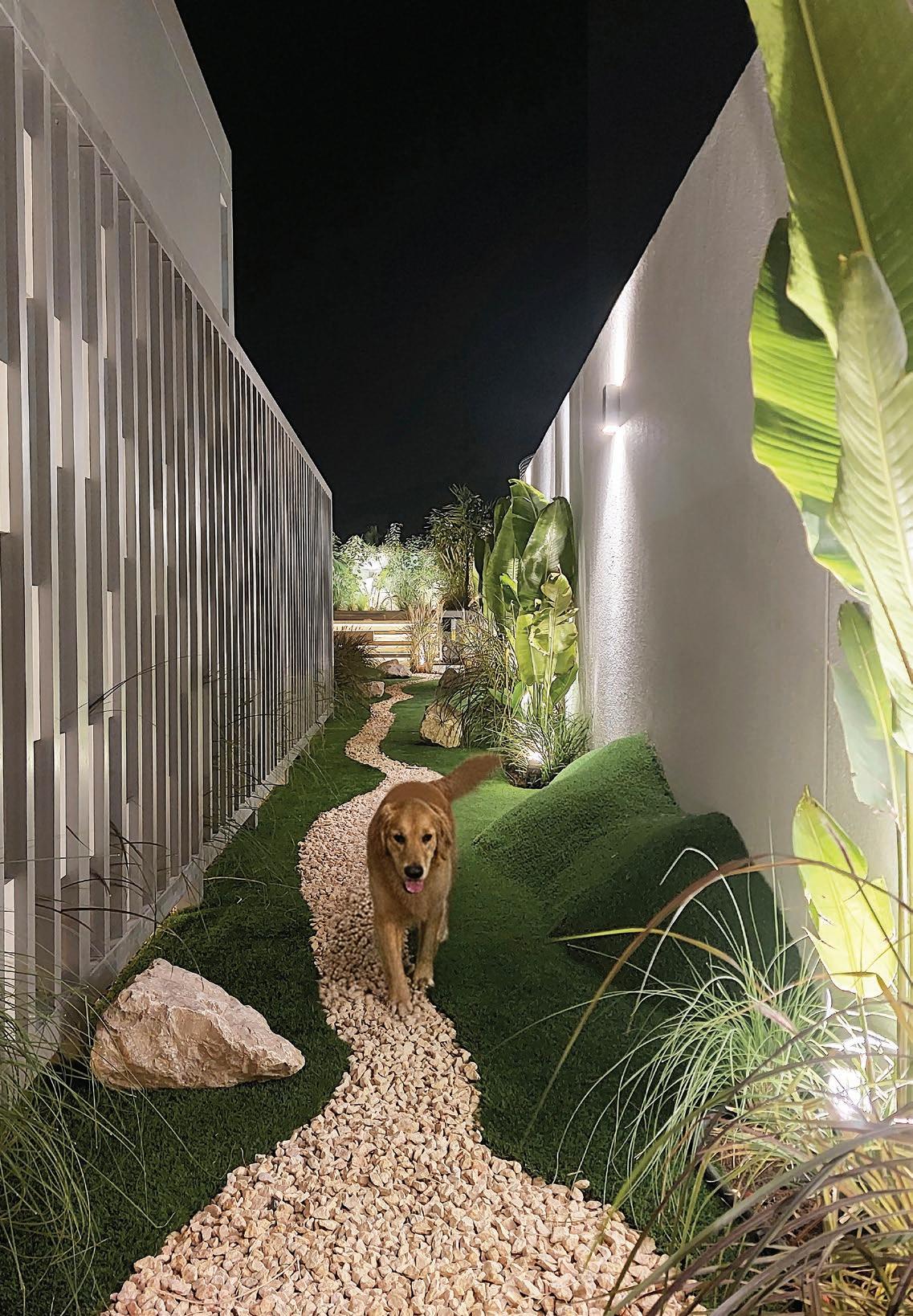
maintenance plants chosen for their resilience and visual richness. Because the plot was compact, every square meter had to be functional. A narrow side setback, for example, was transformed into a lush green passage using climbing plants and structured shrubs, adding vibrancy without compromising movement.
Ambient, glare-free lighting was carefully positioned to guide circulation and enhance the mood after sunset. The result was a small but expressive garden, a private sanctuary that demonstrates how thoughtful planting and design can deliver both elegance and ecological performance.
This project reinforced a key lesson: scale doesn’t determine significance. Even the smallest landscapes, when designed with understanding and respect for local conditions, can embody the principles of sustainability and beauty that are now shaping the Kingdom’s great urban transformations.
Saudi Arabia’s landscape transformation is more than a visual change; it’s a cultural evolution. As professionals and citizens, we are part of a collective effort to redefine our relationship with nature, with our cities, and with each other.
Every clean street, every shaded walkway, and every restored natural area tells a story of progress and pride. Together, they form a living canvas that reflects who we are and who we aspire to become.











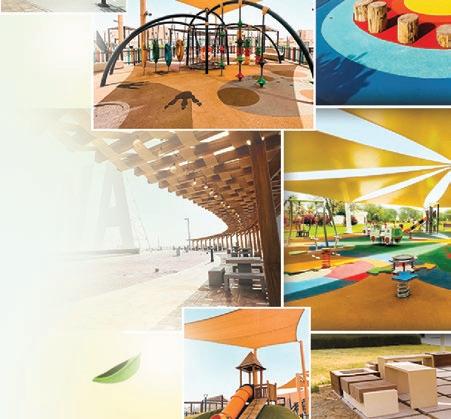





Your One Stop Shop Company For Recreational Facilities in the Region




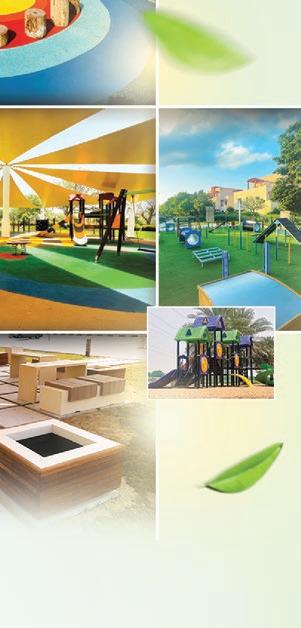

Since 2008, Modern Gardens has been transforming outdoor spaces across the GCC and Balkan regions with eco-friendly and innovative recreational solutions. Partnering with global brands and offering 750+ products, we deliver complete design, supply, and installation services that bring quality, creativity, and sustainability to every project.
We are Specialized in


Landscaping Materials
Street Furniture
Play Equipment
Garden & Decoration
Fitness Equipment
Theming
Eco-Friendly Products



Adventure Parks
Skate Parks
Artificial Grass
Rubber Flooring





Sports Equipment
Fencing

































































































































By: NGS Architects
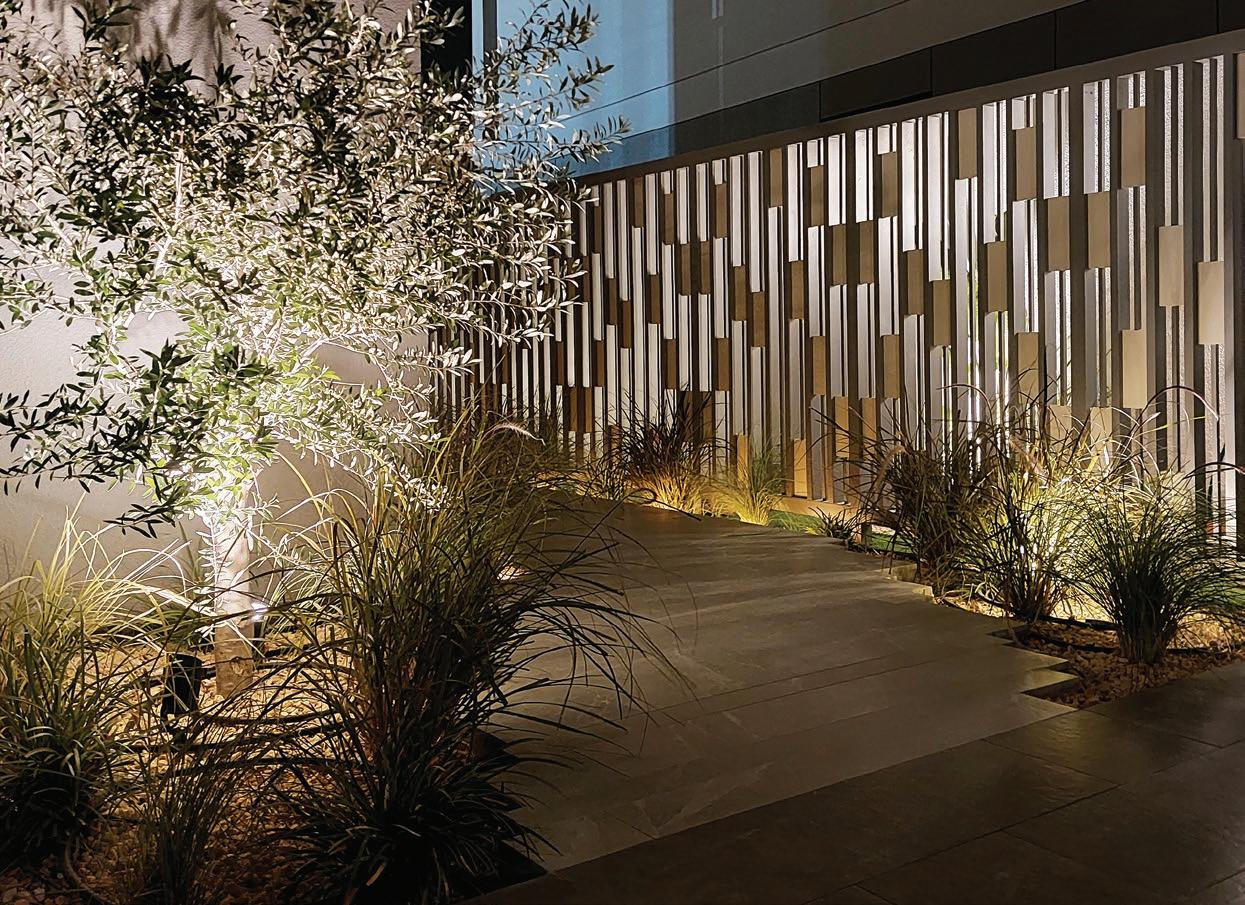
Nestled within the leafy waterfront enclave of The Pulse Beachfront, Villa 19 is conceived as a garden to share, a landscape that harmoniously brings together people, pets, and nature through thoughtful spatial sequencing and layered design. Designed for a family with a rich cultural blend, an Indian husband and a European wife, the garden reflects diversity, balance, and coexistence.
The brief called for an outdoor environment that accommodates adults, dogs, and cats with equal care, allowing them to move freely and comfortably throughout the day and into the night.
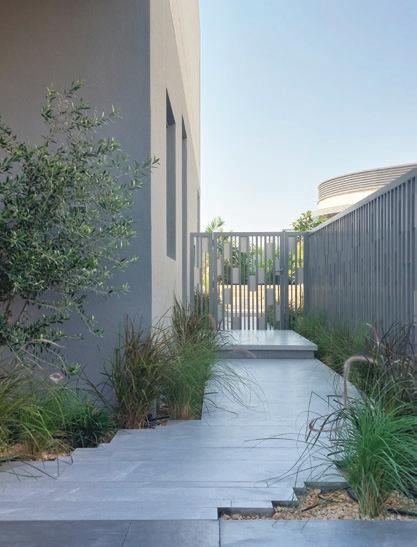
The approach from the street unfolds via a staggered stepping-stone pathway that gently guides visitors toward the villa’s side entrance. A semi-transparent privacy gate discreetly separates a dedicated dog-walk route from the main pedestrian path, ensuring clarity of movement, safety, and comfort for both residents and pets.
An elevated entrance platform establishes a clear threshold, reinforcing the sense of arrival. A secondary gate introduces an additional layer of privacy before opening into the main garden.
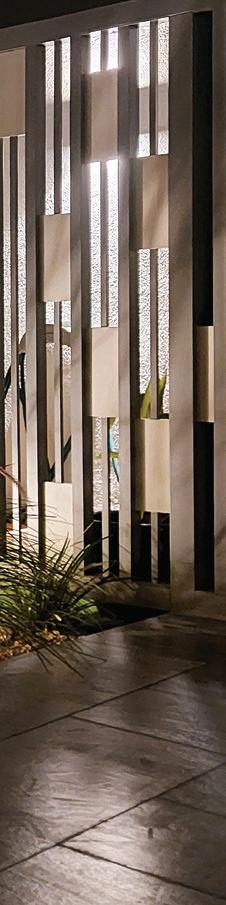
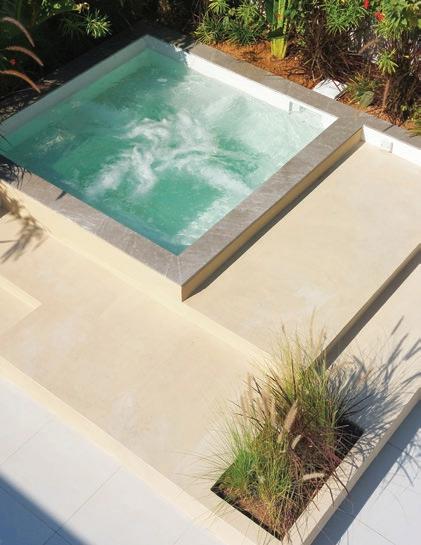
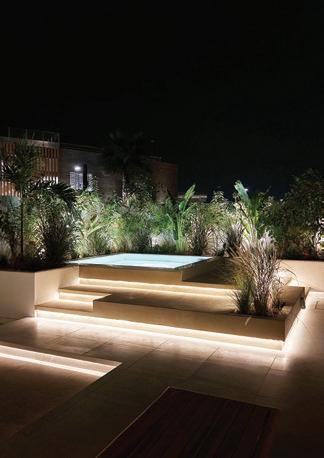
Inside, the pathway leads toward a raised Jacuzzi platform reserved for adult relaxation. To one side, informal seating transitions into a sunken firepit lounge, just a single step below creating an intimate, sheltered gathering space.
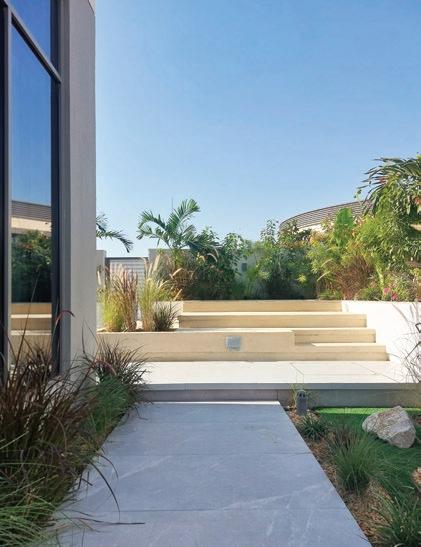
Subtle level changes and strategically placed planter boxes divide the garden into distinct yet interconnected zones. Each area is carefully calibrated to support different modes of leisure, relaxation, and social interaction.
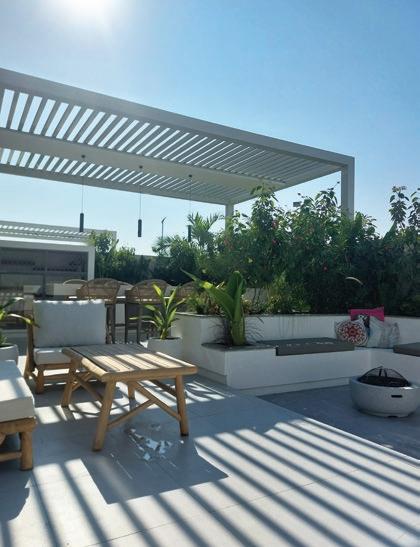
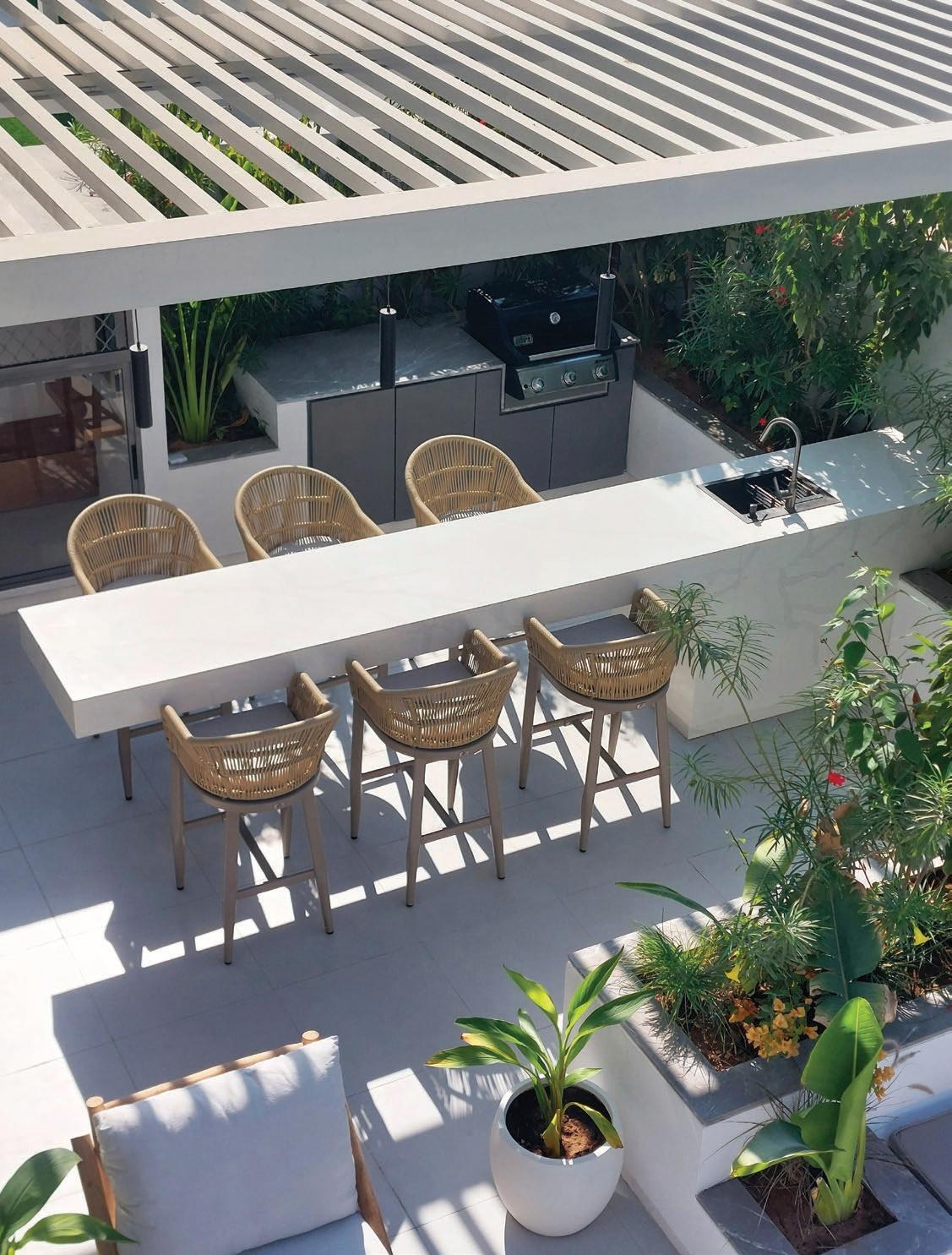
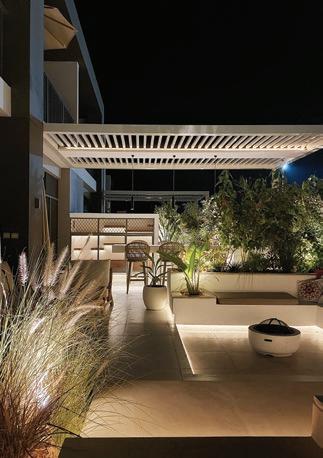
At the heart of the garden lies the dining and BBQ zone, anchored by a floating high-seating table that encourages communal engagement. A pergola crowns the BBQ station, providing shade during the day and a framework for ambient lighting in the evening.
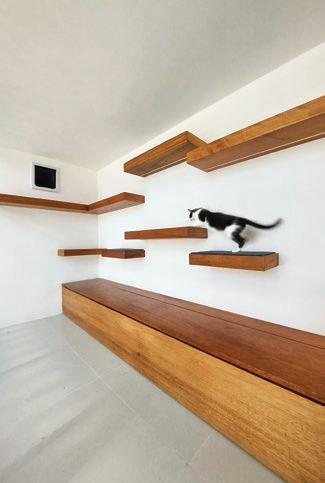
A discreet dog pathway weaves through the landscape, offering freedom of movement without interrupting social spaces. For the cats, a bespoke catio becomes a key architectural element.
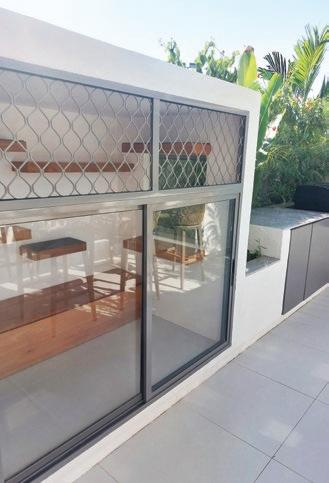
Directly connected to the interior of the home, this semi-transparent structure allows seamless indoor–outdoor movement.
Layered platforms and vertical climbing elements transform the catio into both a safe habitat and a sculptural focal point, integrating pet wellbeing into the overall design language rather than treating it as an afterthought.
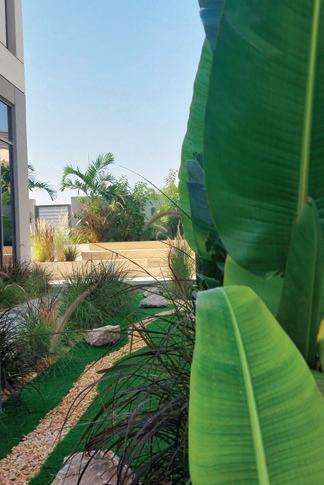
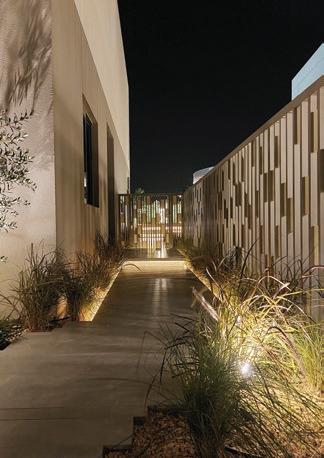
Perimeter planter boxes filled with exotic planting frame the garden, enhancing privacy while softening its boundaries. Integrated low-level strip lighting animates the landscape after sunset, casting a warm, elegant glow that transforms the garden into an intimate evening retreat.
Sustainability is embedded throughout the design. Material waste was minimised during construction, while planting selections prioritise drought-tolerant, low-maintenance species suited to the local climate. An efficient irrigation system ensures long-term performance with minimal environmental impact.
Rather than relying on a single focal point, the entire garden becomes the centrepiece. Five seamlessly connected zones encourage continuous interaction between people, pets, and nature, a landscape that evolves from day to night and continues to enrich family life well beyond handover.




By: Masdar City
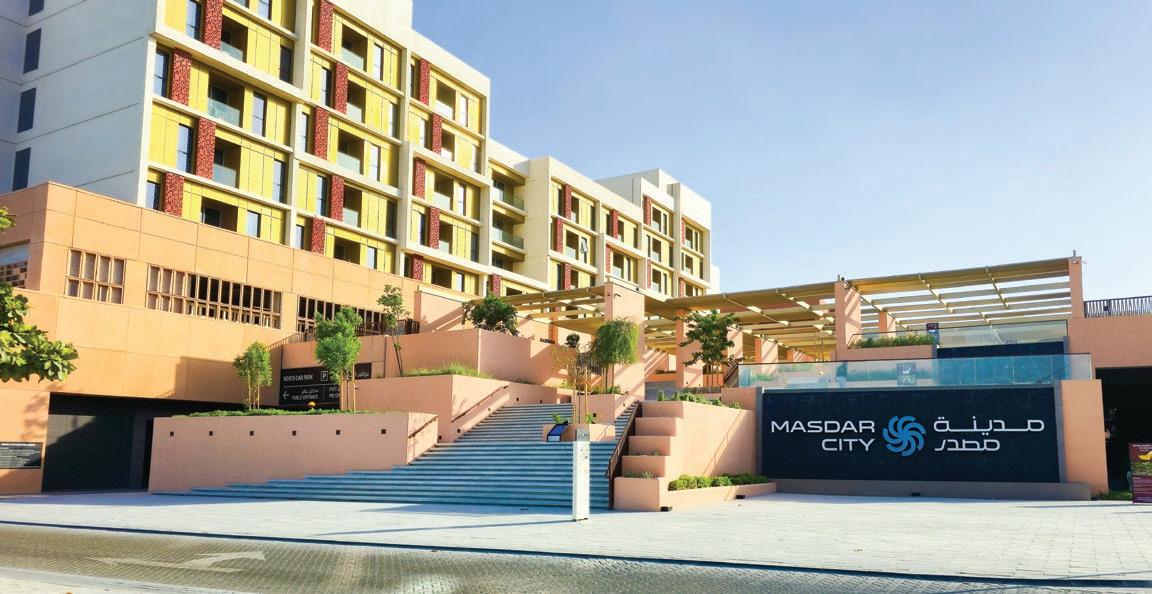
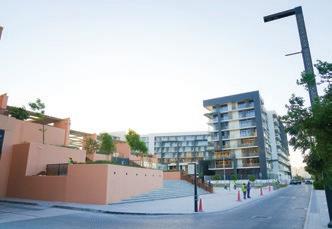
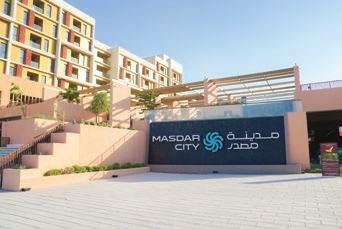
The Falaj Plaza project stands as Masdar City’s latest Estidama PRRS ‘Exemplar’ achievement – an initiative that brings together urban design, autonomous mobility, and a critical question: how much carbon do landscape projects really contribute to embodied emissions?
Masdar City has long been recognised as a global model for sustainable urban development, championing innovative approaches to low-carbon living and resilient city
planning. Phase 1 of the city recently achieved LEED Cities and Communities Platinum certification, underscoring its commitment to world-class environmental standards. Within this evolving context, Falaj Plaza forms a vital link between several key assets – The Link MultiPurpose Hall, the Personal Rapid Transit (PRT) Station, Masdar Park, and upcoming life-sciences laboratories. It is a convergence point for innovation, technology, and sustainability, shaping a dynamic public realm at the heart of Masdar City.
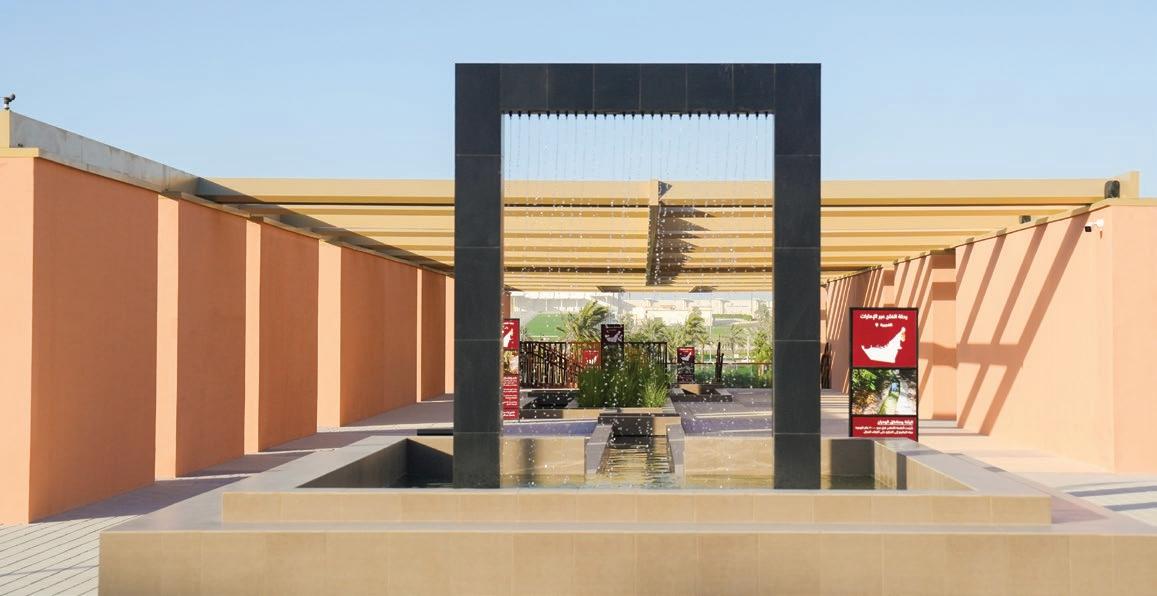
Falaj Plaza has earned ‘Exemplar’ status under the Estidama Public Realm Rating System (PRRS), the highest possible recognition for parks and open spaces in Abu Dhabi. Administered by the Department of Municipalities and Transport (DMT), this framework measures landscape performance across environmental, resource, and social dimensions.
This is the third time Masdar City has achieved Exemplar status, demonstrating a sustained commitment to landscape sustainability. Designed by ARUP and constructed by Telal Engineering, the project exemplifies collaboration at every stage – from planning to delivery – ensuring measurable performance across sustainability metrics.
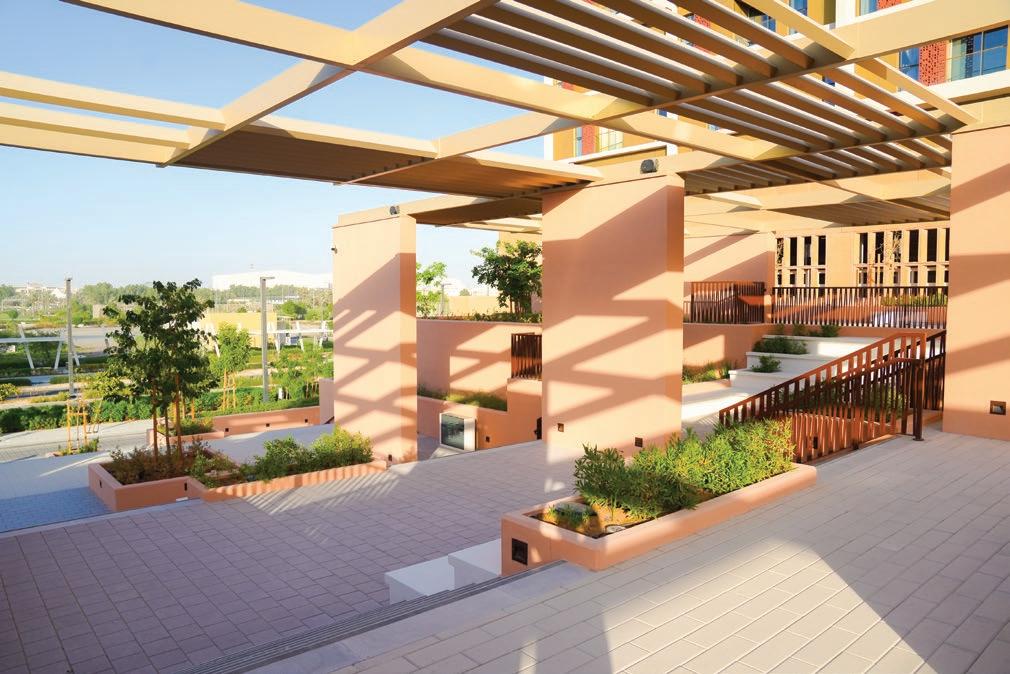
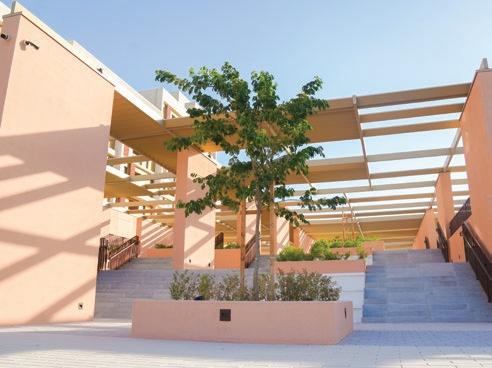
One of Falaj Plaza’s defining features is its integration of stairs, terraces, and shaded seating – elements inherited from the site’s existing podium structure. These variations in level provided the opportunity to reinterpret the Falaj water channels, a traditional symbol of life and connection in arid landscapes.
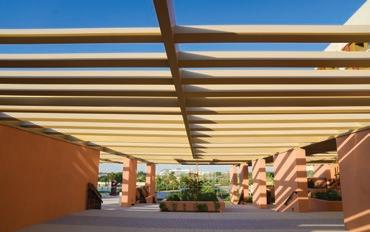
Here, the Falaj becomes more than a design reference; it is reimagined as an organising framework that cools the microclimate and creates shaded, comfortable spaces that celebrate cultural identity. Lightweight aluminium canopies extend the shading network, while terraced seating and elevated decks promote community gathering, social engagement, and flexible event use.
Digital design tools played a central role in optimising environmental performance. A comprehensive Life Cycle Assessment (LCA) using One Click LCA software quantified the project’s embodied carbon from cradle to grave – an approach rarely applied to landscape projects in the region. Falaj Plaza achieved an A1 rating for embodied carbon (kg CO₂e/m²), placing it among the lowest in its category. The data is currently undergoing third-party verification, with Masdar City planning to use the results as a benchmark for future open spaces. This pioneering digital assessment marks a milestone in understanding the real carbon impact of landscape design and construction – an approach that will likely become standard practice across the industry.
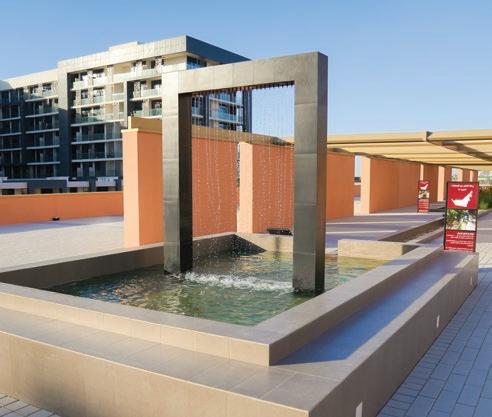
Strategically located, Falaj Plaza connects to Masdar City’s original Public Rapid Transport (PRT) Station, home to the first generation of autonomous vehicles (Level 4). It also serves as a designated stop for MiCa autonomous shuttles, the latest generation capable of operating on public roads. By linking pedestrian networks, cycle routes, and autonomous mobility systems, Falaj Plaza enhances lastmile connectivity, reducing dependence on private cars while encouraging sustainable movement across the city.
Every aspect of the project’s MEP systems was designed for optimal energy efficiency. Smart wind sensors minimise water loss through the Falaj system, motion detectors dim pathway lighting when not in use, and LED fixtures comply with Dark Sky guidelines to limit light pollution in residential zones.
Water management, too, was prioritised. Real-time monitoring and leak detection systems ensure responsible use, while the planting palette – composed primarily of native and adaptive species – significantly reduces irrigation demand. Collectively, these strategies deliver a measurable reduction in water and energy intensity across the site.
Falaj Plaza represents a forward-looking model for digitally integrated and sustainable public realm design. Its Estidama PRRS ‘Exemplar’ rating stands as proof of what can be achieved when innovation and tradition meet with purpose. By connecting urban assets, enabling low-carbon mobility, and applying digital carbon analysis, Falaj Plaza demonstrates how data-driven design can deepen sustainability outcomes. Above all, it reflects Masdar City’s enduring vision – a future where cities are liveable, resilient, and continually reducing their carbon footprint.

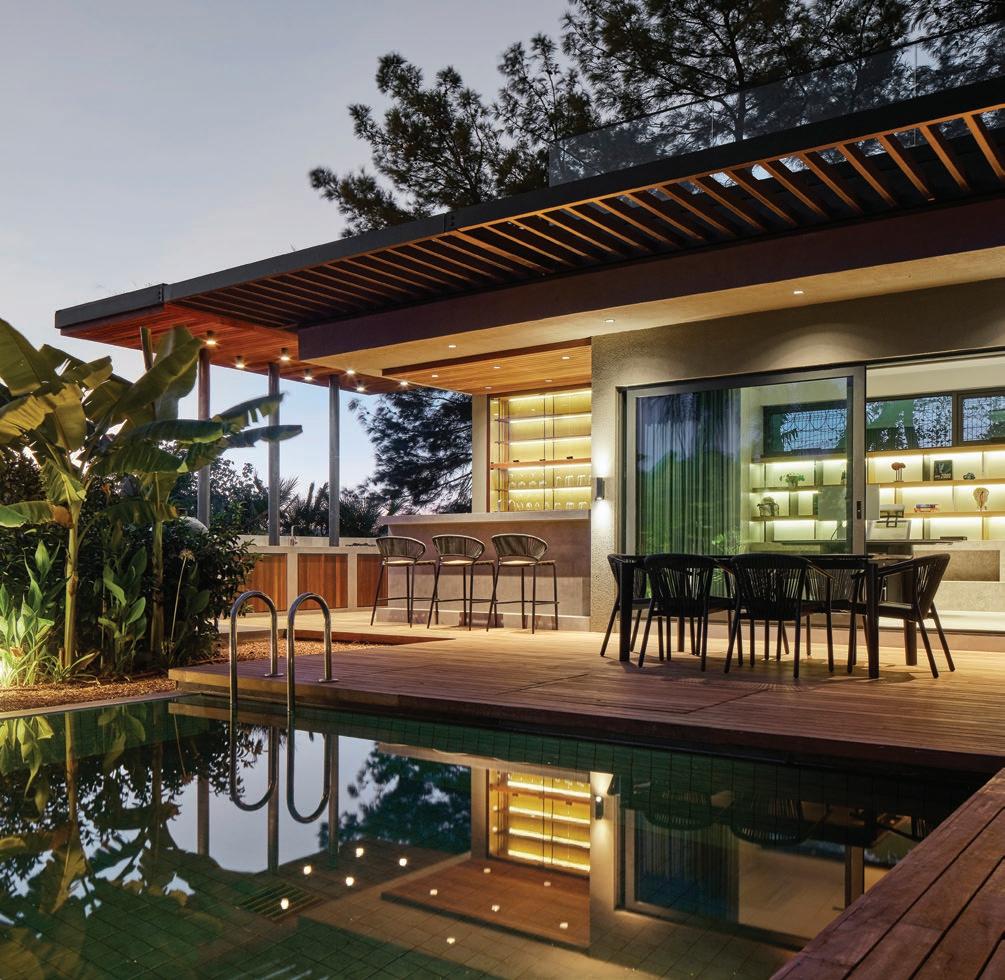
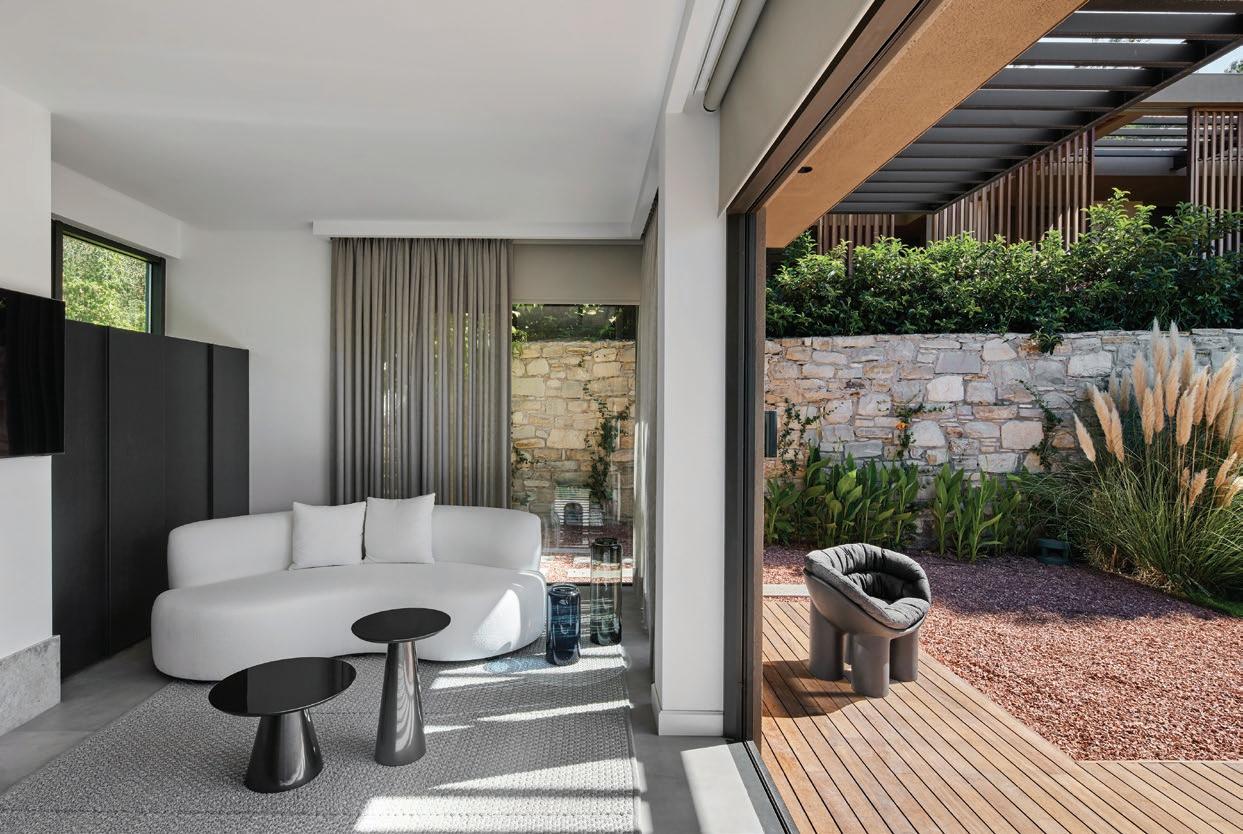
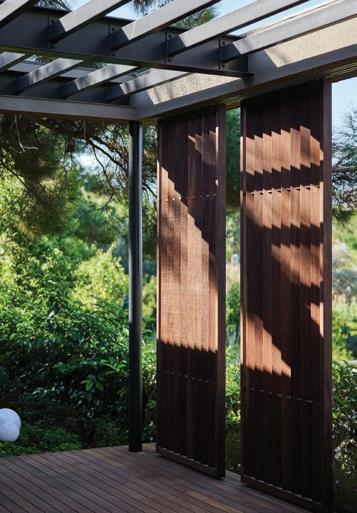
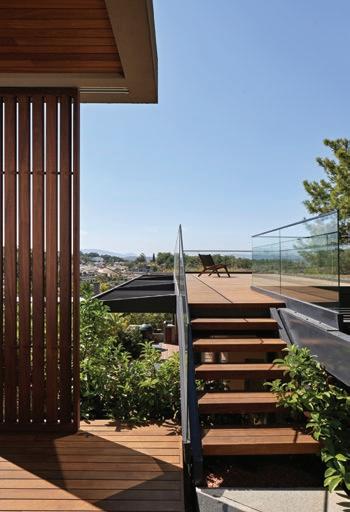
In Türkiye, on the sloping terrain of Kekliktepe, Urla, S House is a luxury residence that underwent a profound transformation, evolving from an existing structure with a basic envelope and foundational systems into a sophisticated architectural statement. Entrusted to Ofisvesaire, the project began by revisiting the initial building’s framework, where the structural system was reimagined to allow a reorganization of the floor plan and massing. This revision culminated in the integration of a composite system, blending reinforced concrete with architectural elements that redefine the home’s identity. A notable feature of the transformation is the addition of a pergola with a flexible glass façade, enhancing spatial fluidity and visual connection by seamlessly blending interior and exterior spaces.
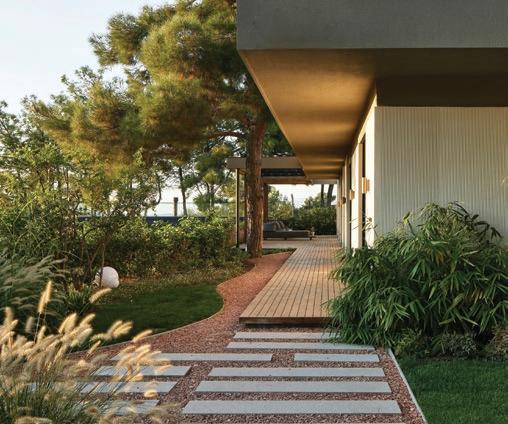
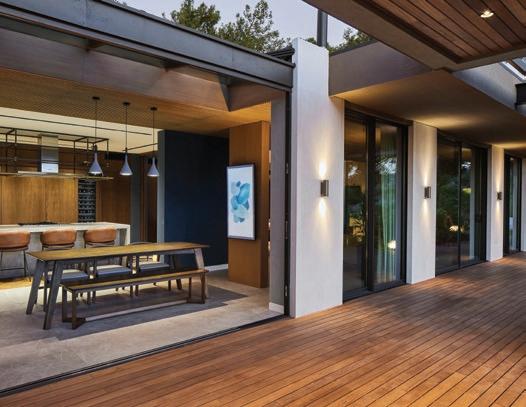
This spatial fluidity is further emphasized through the thoughtful arrangement of walls, movable facades, and niches. These elements provide flexibility, allowing for the reconfiguration of indoor and outdoor spaces to suit various levels of privacy and functional needs. This sense of dynamism is mirrored in the dialogue between rooms, reinforcing spatial continuity and sequence. At the end of the corridor that connects the bedrooms and other private spaces, a unique work of alternating artwork becomes a focal point, grounding the design’s sense of
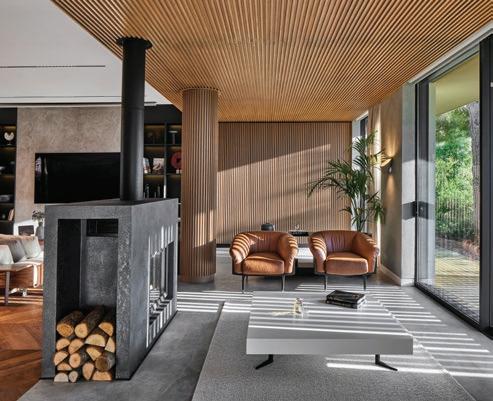
The entrance serves as a calm, welcoming threshold, guiding visitors from the exterior into the living areas. The warm interplay of wood and marble sets the tone for a seamless transition to the adjoining spaces, including the kitchen and other living areas accessed via open corridors. At the heart of S House, the living room establishes a formal yet inviting atmosphere, incorporating a dining area and a separate lounge. As visitors move through a set of semi-transparent sliding doors, the space expands, creating an effortless connection between the interior and exterior. The visual and physical link to the terrace and garden vistas enhances the sense of openness and connectivity, generating a dynamic interplay between transparency, materiality, and spatial layers.
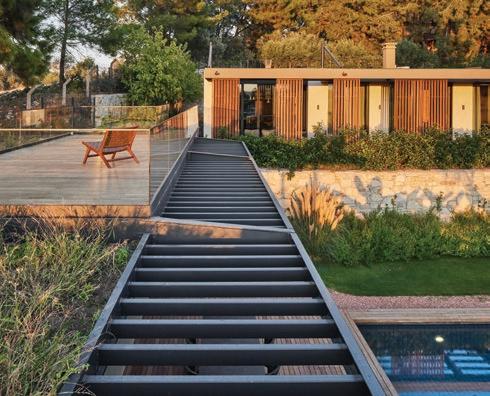
rhythm and flow. The master bedroom, two guest rooms, and a hobby room are accompanied by distinct service areas, ensuring that the functional diversity of the house is matched by the seamless organization of space.
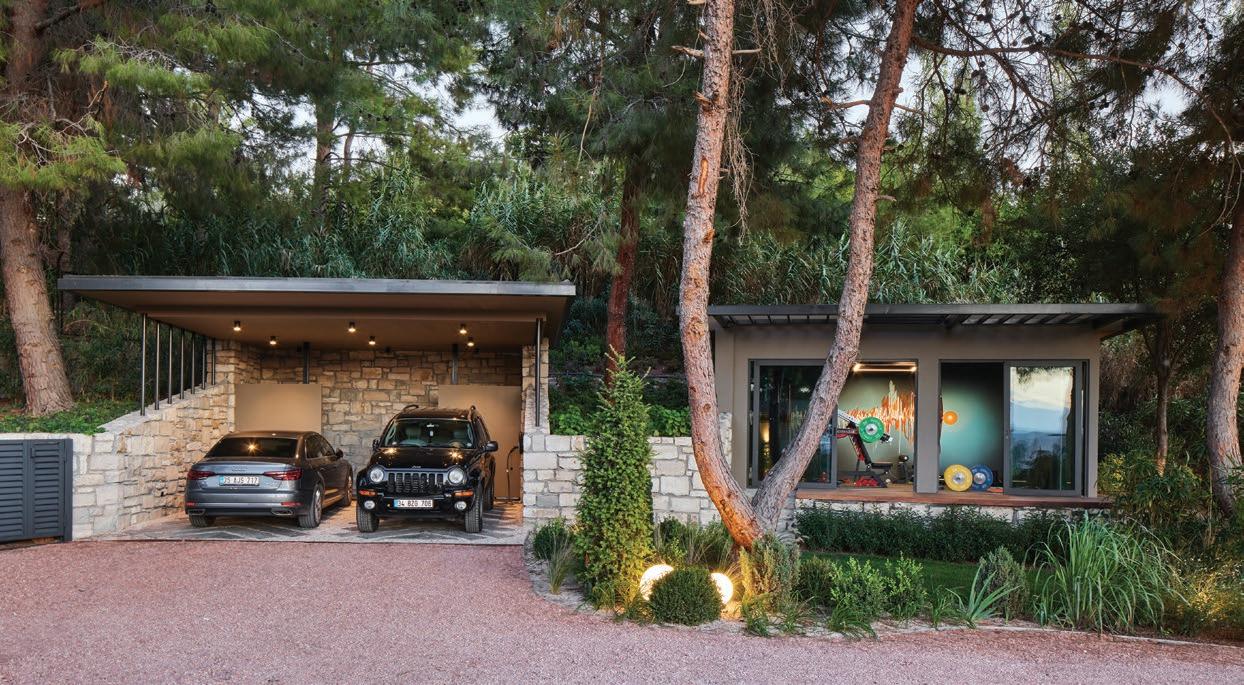
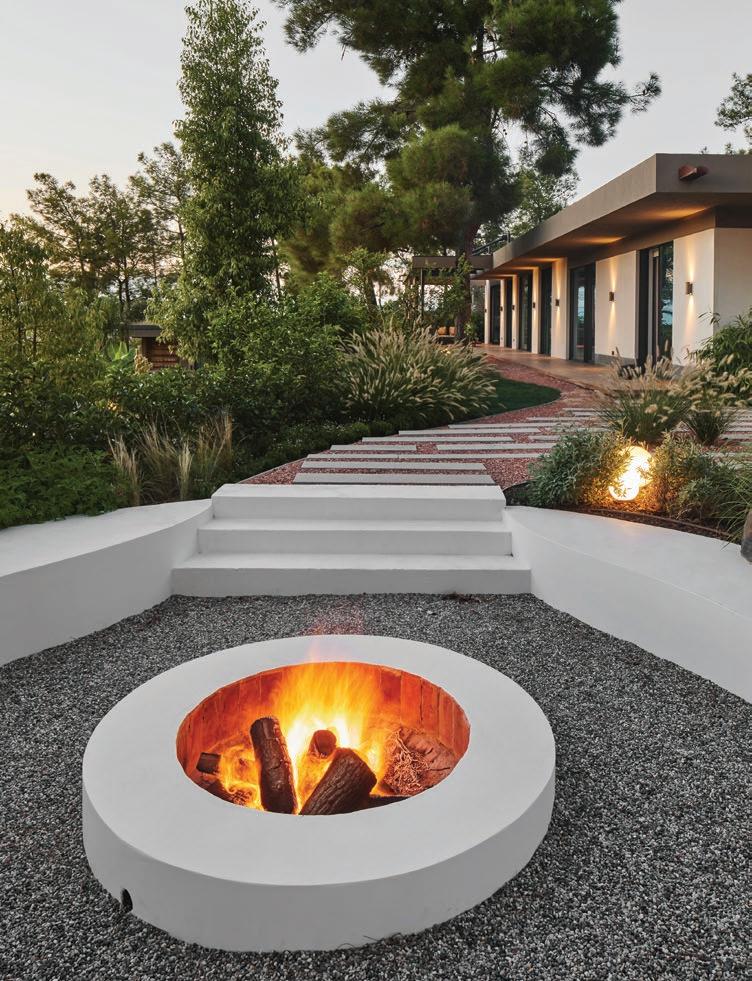
The outdoors, just as thoughtfully designed as the interiors, cater to a variety of activities. The pool house, gym, and parking lot are carefully arranged to maintain connectivity, while responding to the site’s topography. The redesigned landscape complements these new spaces, reinforcing the tactile and visual relationships between the structures. A commitment
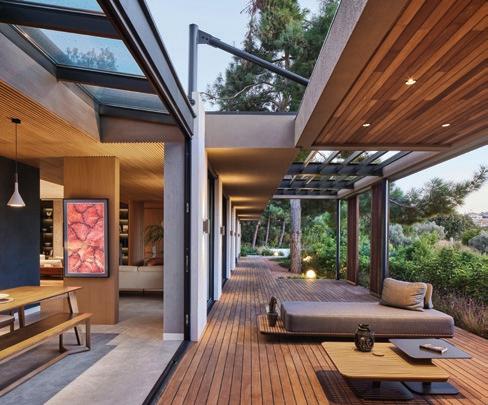
to continuity and proximity in the outdoor spaces enhances the holistic architectural language of S House.
The carefully selected materials wood, steel, and stone create a harmonious connection between the house and its surroundings. This natural palette accentuates the landscape, further integrating the home into its environment and evoking a serene, oasis-like atmosphere. Sunlight, a key design element, interacts dynamically with the textures and forms within each space, casting shifting shadows that enrich the experience of the interiors.
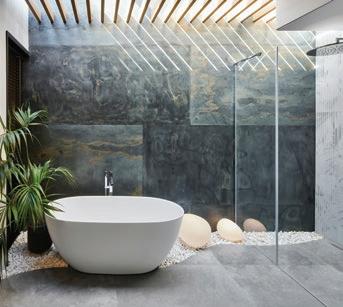
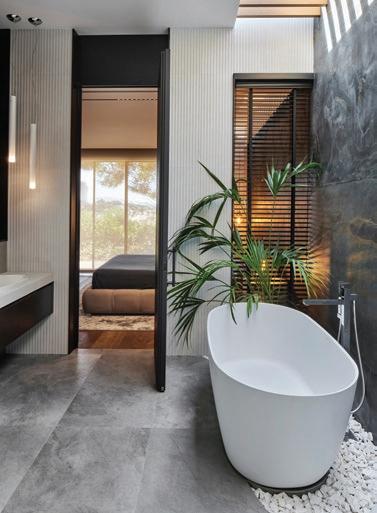
Nowhere is this more apparent than in the master bathroom, where a skylight filters light through wooden shading elements, creating a play of light and shadow on the stone wall—a poetic reflection of time’s passage.
At S House, layering forms the foundation for spatial depth and experiential richness. The seamless interplay of architecture, landscape, and light fosters continuous discovery, creating a transformative living experience that harmonises with its everchanging surroundings.
Technical sheet
Completion Year: 2022
Gross Built Area (m2/ ft2): 550 m2
Project Location: Urla, Turkey
Program / Use / Building Function:
Residential Design, Renovation, Interior Design
Landscape Design: Kardelen Peyzaj
By: Tarek Alsheeti
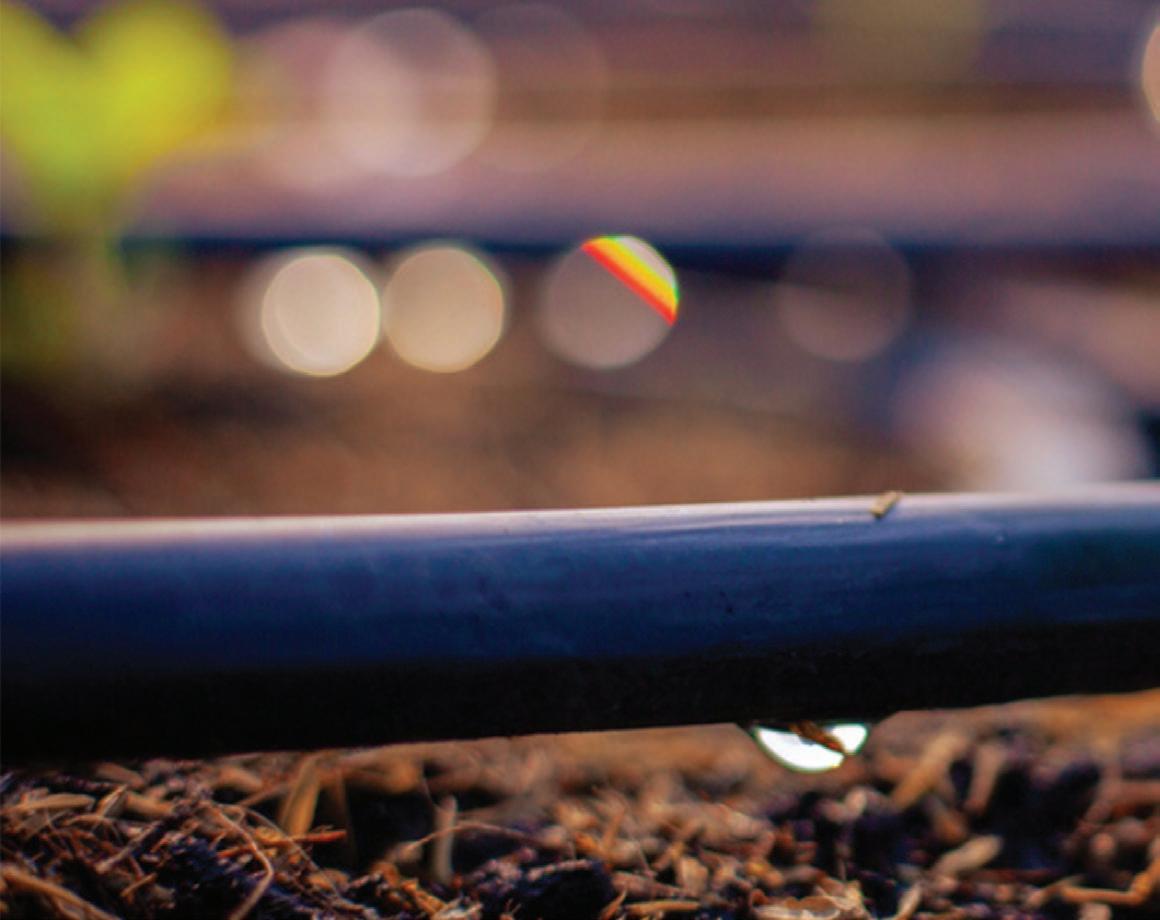
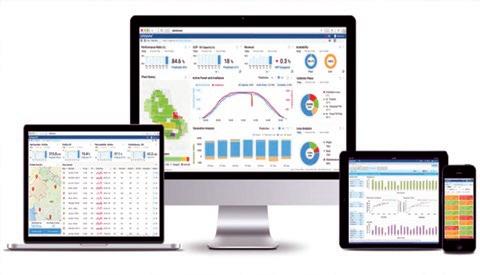
The first two parts of this series established the “Digital Blueprint”: how design software ensures a system is built right, and how Central Control Systems (CCS) ensure it is operated right. However, for developers, property managers, and stakeholders, the ultimate question remains: What is the return on investment (ROI)? In this final instalment, we look at how data-driven irrigation moves from a technical luxury to a financial and environmental necessity.
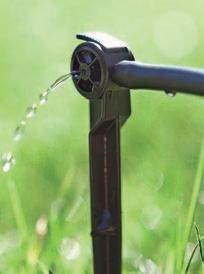
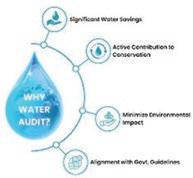
The most immediate impact of a “Digital Drop” approach is the reduction in operating expenses. By utilising detailed reports on water usage and run times, managers can move from guesswork to precise financial accounting.
Direct Water Savings: By replacing lost water through ET-based scheduling or moisture sensing, sites typically see a 20% to 50% reduction in water bills compared to traditional systems.
Labour Optimisation: Remote access allows for immediate schedule adjustments and troubleshooting without a physical site visit. This reduces “truck rolls,” saving hundreds of manhours and fuel costs annually across a large portfolio.
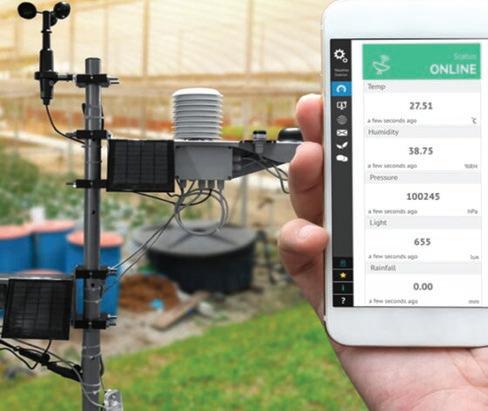
Asset Protection: Real-time flow monitoring prevents “catastrophic water loss” from the pipe. By shutting down offending valves automatically, the system protects expensive hardscape and plant material from erosion and drowning.
As water restrictions become more stringent globally, the ability to provide “documentation required for environmental compliance” is no longer optional.
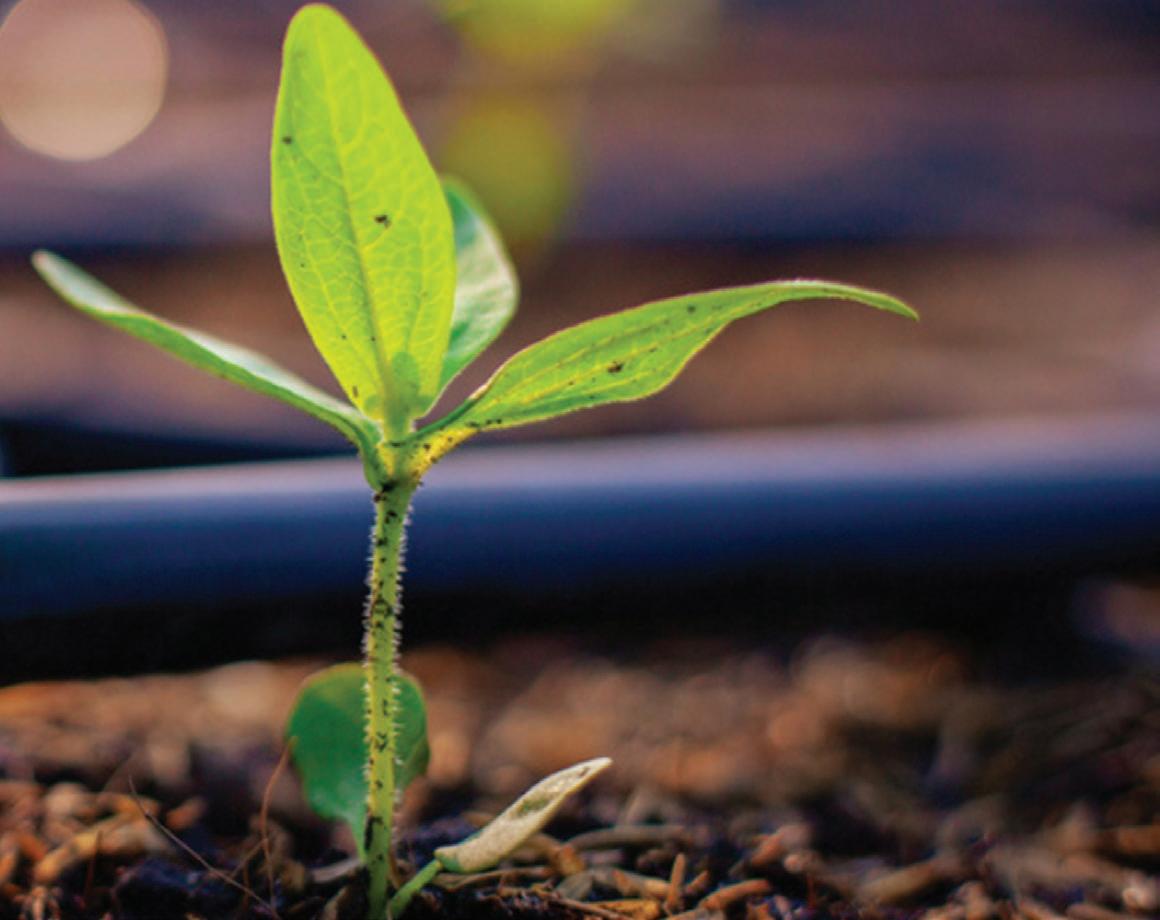
Simplified Auditing: The digital record of historical soil moisture levels and water application serves as a legal and environmental shield.
Adherence to Restrictions: Remote management allows a manager to update hundreds of controllers instantly to comply with new municipal watering windows.
Resilient Landscapes: The ultimate goal of this digital precision is building “resilient, water-wise landscapes for the future”. A landscape that receives exactly what it needs is healthier, more resistant to pests, and better able to survive extreme heat events.
3. Closing the Loop: The Human Element Technology is only as effective as the people who manage it. The shift toward the “Digital Drop” requires a cultural move
within the industry from “mow and blow” maintenance to high-tech landscape management.
Proactive vs. Reactive: Systems that provide text or email alerts ensure managers are the first to know of a problem. This shifts maintenance from “reactive emergency” repairs to “proactive notifications,” which are always cheaper to resolve.
Conclusion: The Holistic Digital Strategy
The “Digital Drop” is not a single product; it is a commitment to precision across the entire lifecycle of a landscape. By integrating sophisticated design with real-time operational intelligence, we stop treating water as a disposable resource and start treating it as a managed asset.
By: Creative Architects
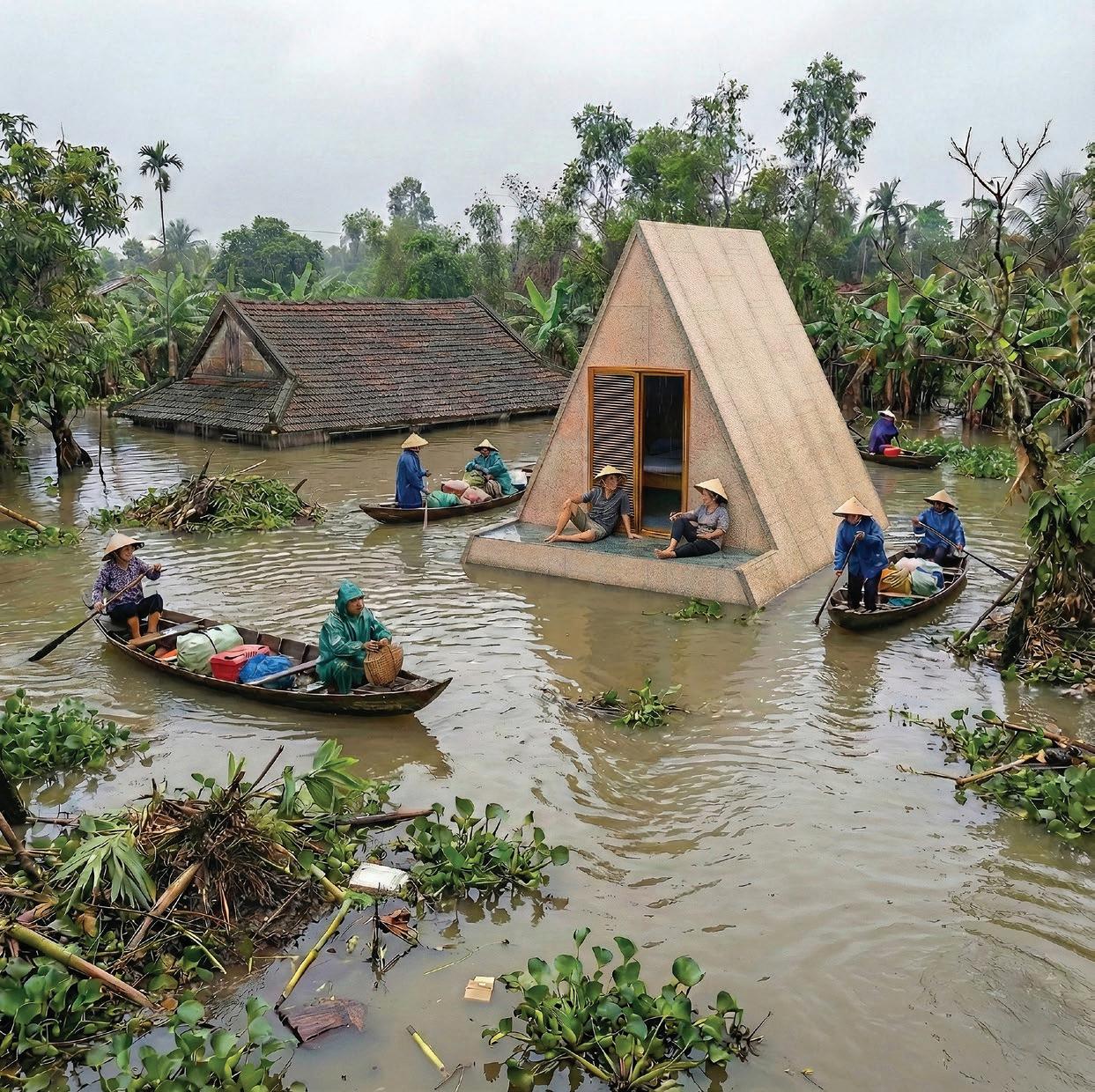
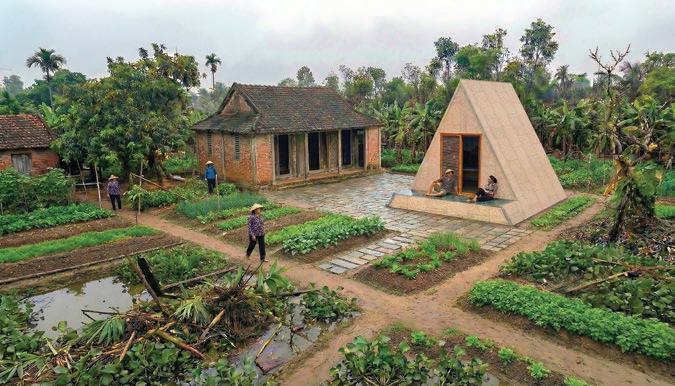
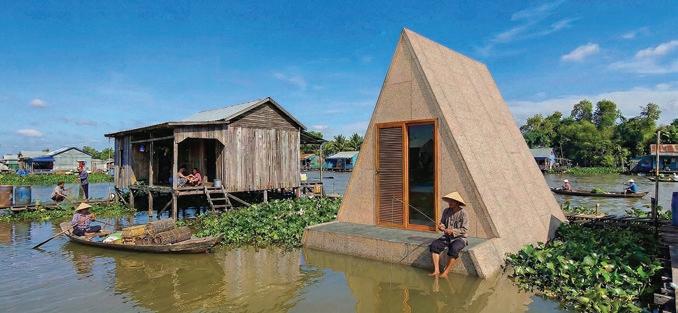
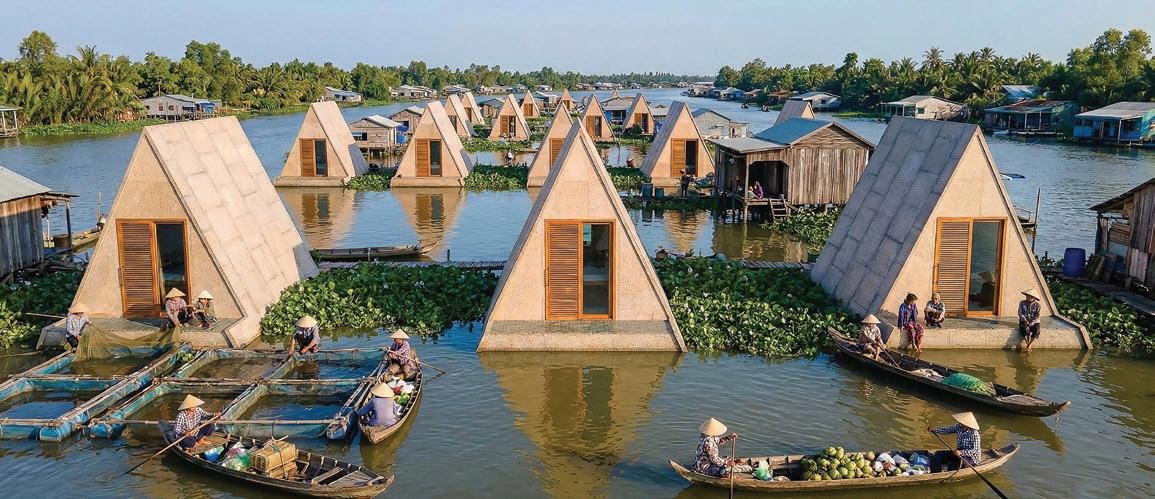
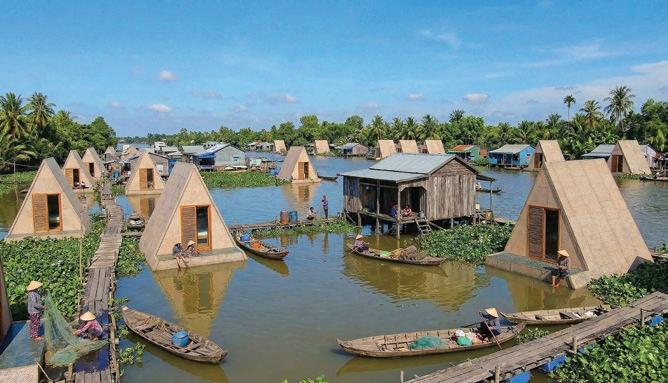
From the beginning of 2025 to December 2025, Vietnam suffered 17 consecutive storms, leaving 22 out of 34 provinces submerged in floodwaters. When natural disasters are no longer seasonal cycles but permanent threats, the question of how to protect people without forcing them to leave their ancestral lands urged Architect Bui The Long and his colleagues to find an answer. From there, the Floating Prefab House model was born – a dedicated project by CTA | Creative Architects, Nha Xanh, and 5G Construction Solutions.
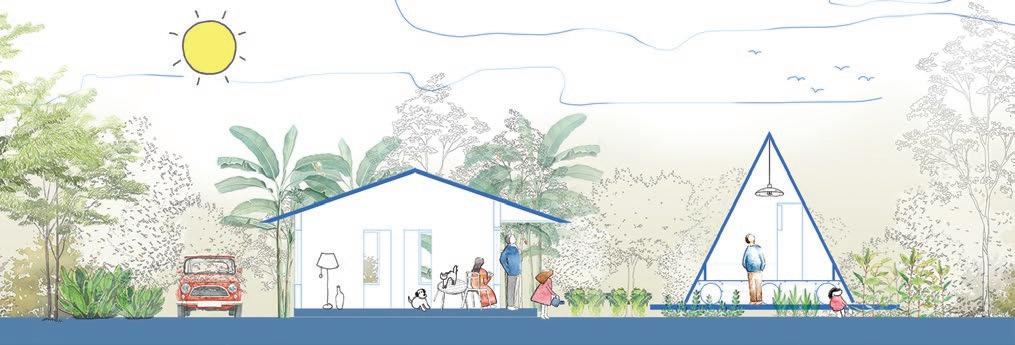
The project is implemented under the concept of “Seasonally Adaptive Architecture”, providing optimal versatility:
Normal State: The structure functions as a garden bungalow or a weekend retreat, anchored gently and in harmony with the landscape.
Flood Response State: When the flood arrives, the structure automatically detaches from the ground and floats according to the water level (thanks to a buoy/floating tank system). This structure becomes a “safe haven” and an autonomous shelter for parents.
Form: An isosceles triangle shape, balanced with a low center of gravity to resist overturning from the wind.
Materials: 5G lightweight materials providing sound insulation, thermal insulation, and buoyancy.
Floating Solution: A system of sealed HDPE plastic drums acting as pontoons with high impact resistance.
Anti-Roof Lifting Solution: A cohesive geometric form without overhanging eaves to prevent the roof from being lifted by strong winds. Unit Price: 200-250 million VND.
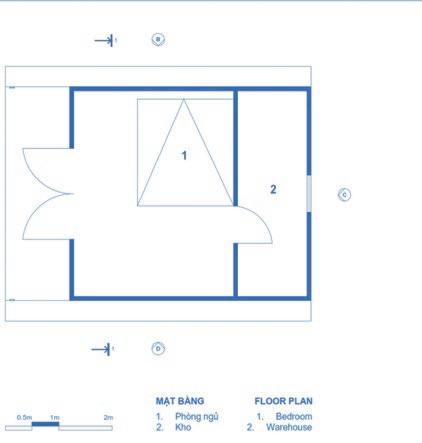
Food: Dry Storage & Backup Kitchen. Moistureproof storage compartments for 7-10 days; an independent mini gas stove for cooking without electricity.
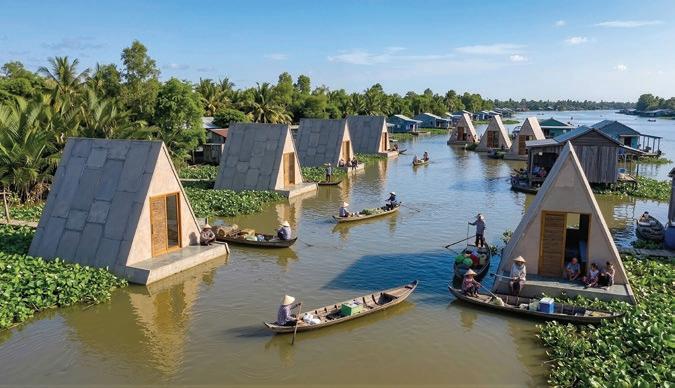
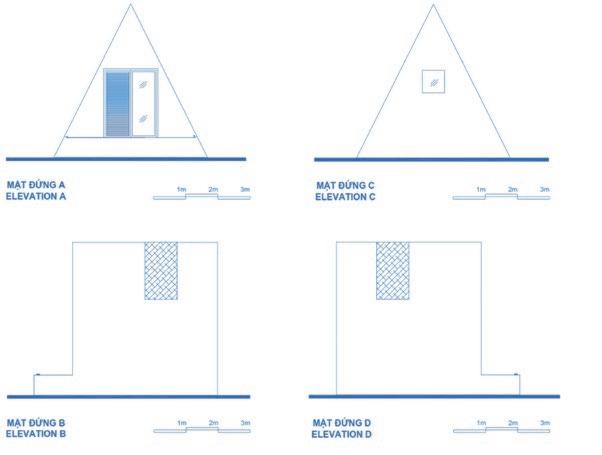
Sleep: Comfortable beds for 2 people, which can accommodate 4 in emergencies. In crowded cases, floor mats can be used to sleep up to 8 people, with storage for spare blankets.
Sanitation: A septic tank that floats with the structure, ensuring that hygiene and the environment are not affected during floods.
Electricity: Equipped with 2 solar panels, maximizing the limited sunlight during stormy days to charge power banks, providing energy for essential devices.
Water: A 220L clean water storage tank.
The project is a testament to the architectural approach of CTA | Creative Architects, Nha Xanh, and 5G Construction Solutions. It is not only an innovative technical solution using new materials but also provides a “safe haven”, a flexible shelter amidst volatility. Architecture serves as a spiritual anchor, giving people peace of mind to overcome adversity right within their own home grounds.
This project reflects the shared architectural philosophy of CTA | Creative Architects, Nha Xanh, and 5G Construction Solutions. Beyond its innovative use of materials and technical solutions, it creates a true safe haven, a flexible retreat designed to offer stability in uncertain times. Here, architecture becomes a quiet anchor, providing comfort, resilience, and peace of mind within the home itself.


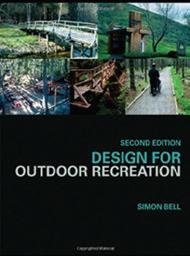
ISBN-13: 9780415441728
Paperback: 240 pages
Publisher: Taylor & Francis; 2 edition (August 15, 2008)
Language: English
Product Dimensions: 0.8 x 8.8 x 10.8 inches
Price: 319.00 Dhs.

ISBN-13: 9781856231855
Paperback: 226 pages
Publisher: Permanent Publications ( January 12, 2015)
Language: English
Product Dimensions: 8.6 x 6.9 x 0.6 inches
Price: 111.00 AED
Book’s Description:
According to an ICM poll, 77 percent of UK adults, or about 38 million people, say they walk for pleasure at least once a month. It is remarkable, therefore, that no one has written about the landscapes they’re walking through and enjoying...until now. Patrick Whitefield has spent a lifetime living and working in the countryside and twenty
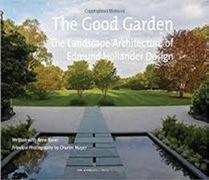
ISBN: 9781580934152
AUTHOR: Anne Raver
PUBLICATION DATE : 20 July 2015
HARDCOVER: 320 pages
BOOK DESCRIPTION:
This book presents dozens of gorgeous estate gardens across the Northeastern states of the US, approached thematically; individual sections reveal how components such as gateways, paths, pool terraces, bisques and

Books Description
Design for Outdoor Recreation takes a detailed look at all aspects of design of facilities needed by visitors to outdoor recreation destinations. The book is a comprehensive manual for planners, designers and managers of recreation taking them through the processes of design and enabling them to find the most appropriate balance between visitor needs and the capacity of the landscape. A range of different aspects are covered including car parking, information signing, hiking, waterside activities, wildlife watching and camping.
years of that taking notes of what he sees, everywhere from the Isle of Wight to the Scottish Highlands. This book is the fruit of those years of experience. In How to Read the Landscape, Patrick explains everything from the details, such as the signs that wild animals leave as their signatures and the meaning behind the shapes of different trees, to how whole landscapes, including woodland, grassland, and moorland, fit together and function as a whole. Rivers and lakes, roads and paths, hedgerows and field walls are also explained, as well as the influence of different rocks, the soil, and the ever-changing climate. There’s even a chapter on the fascinating history of the landscape and one about natural succession, how the landscape changes of its own accord when we leave it alone. The landscape will never look the same again. You will not only appreciate its beauty, it will also come alive with a whole new depth of appreciation and understanding.
groves, walls, and borders contribute to lush garden rooms, windblown seaside gardens, calming meadow gardens, intricate formal gardens, and shady tracts of woodland. Over 300 color photographs of beautiful properties in the Hamptons, Connecticut, and upstate New York provide glimpses of the best garden design happening today while breaking down its ideas for the home gardener.
Author Anne Raver details how the firm works to envelop visitors in landscapes that feel entirely whole: plantings near architecture create a dynamic entry progression; hardscape features that lead out into a broader garden gradually cede to more natural, living elements; pools are surrounded by gracious swaths of flowers that bloom in sequence as the season progresses to provide privacy for bathers and a sense of quiet seclusion.
With its headquarter in Tokyo, Japan and world class stores spread over countries like America, Singapore, Indonesia, Malaysia, Thailand, Australia, Taiwan and now in DUBAI – UAE, Kinokuniya is a globally known book seller of repute.
The store in Dubai Mall is a massive 68,000 square feet wide paragon book gallery which stocks more than half a million books and thousand magazines in English, Arabic, Japanese, French, German and Chinese at any given time.
The Store is also a distinct cross cultural hub wide range of time to time multicultural events such a comic art demonstrations, language learning workshops, book launches etc.
The pleasant ambiance, stenographic design and add to it the impressive view of modern skyline – world’s tallest building, Burj Khalifa, Kinokuniya at The Dubai Mall is just the place to evoke emotions and add pleasure to your book shopping. You may like to visit our website for more information. www.kinokuniya.com
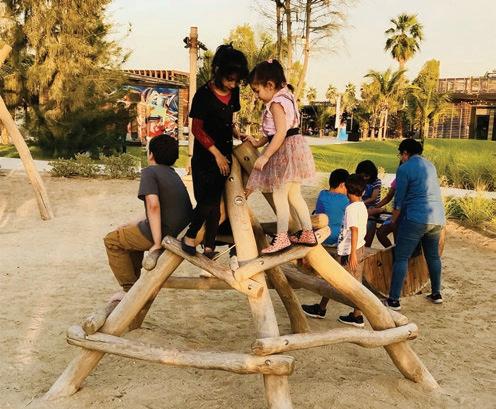
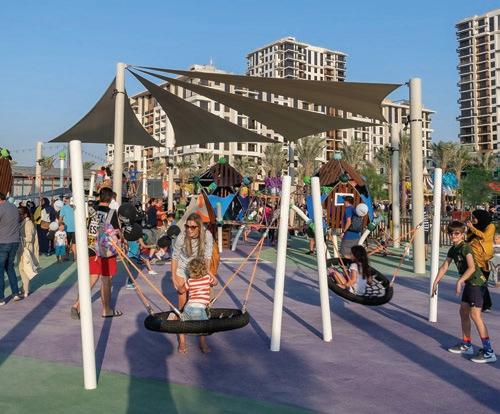
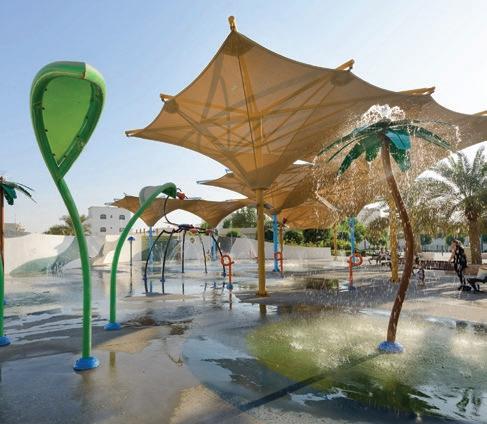
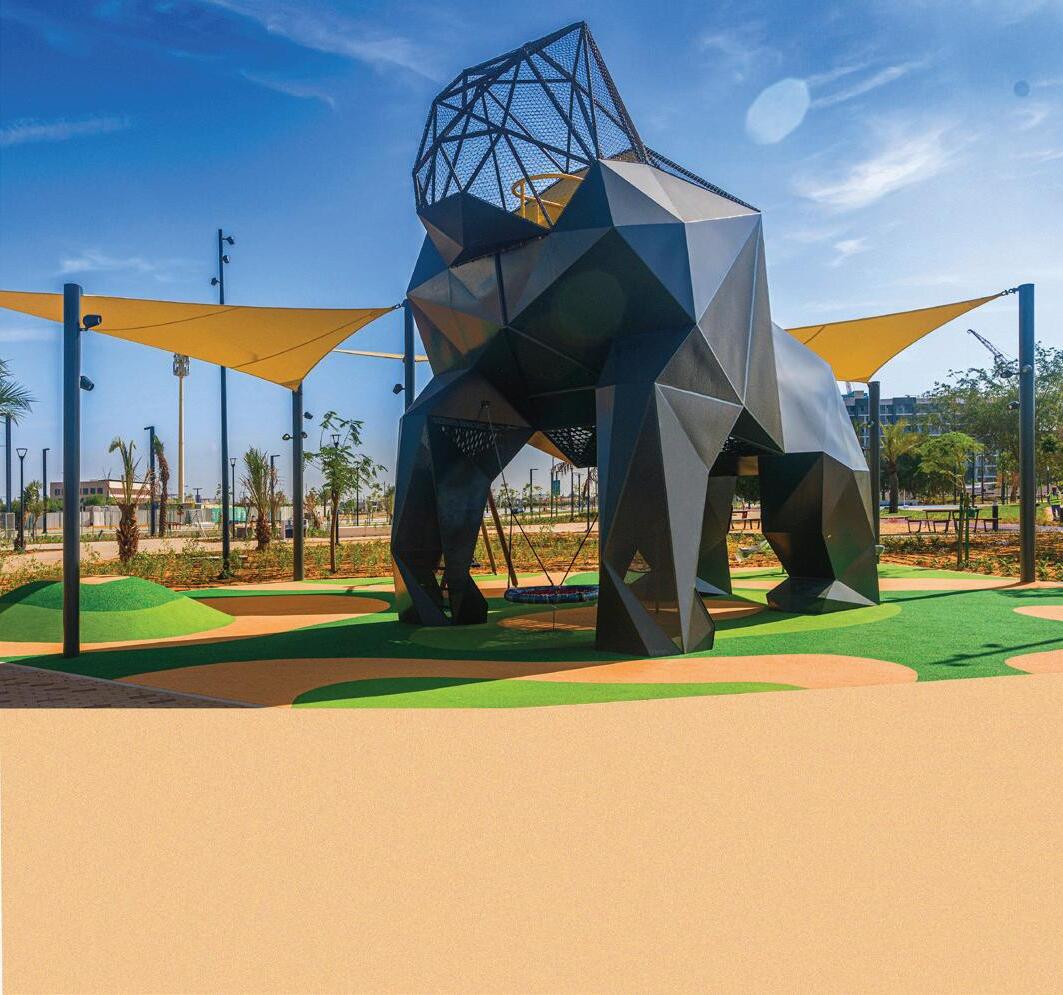
At axendo, we deliver play and leisure spaces that celebrate nature, community, and design excellence — values reflected in leading UAE landscape design projects. Each development showcases how landscape architecture with the adequate choice of amenities, equipment can nurture belonging, wellness, and sustainability through thoughtful design of public realm and residential developments.
Our collaboration with Berliner Seilfabrik , Eibe , Vortex and our other manufacturing partners embodies the Nature & Community theme blending natural materials, sustainable water management solutions, sensory and inclusive play to create spaces where communities thrive.
LANDSCAPE CONSULTANTS
JC Melone Landscape
Design FZ LLE
T: +971 50 6410715 jcmelone@gmail.com
LANDSCAPE CONTRACTOR
Zaid Al Hussain Group
T: +971 4 3296630 info@zaidg.com
Green & More
T: +971 4 8830100
T: +971 4 8830101 info@greendmore.com www.greendmore.com
Proscape LLC
T: +971 4 277 0244 info@proscapeuae.com www.proscapeuae.com
Desert Group
T: +971 4 5904000
T: +971 4 3404441 group@desertgroup.ae www.desertgroup.ae
Basatin Landscaping LLC
T: +971 2 2077729 info@basatinlandscaping.com www.basatinlandscaping.com
Fluidra Middle East
T: +971 4 8835505 F: +971 4 8836761 info@fluidrame.com www.fluidrame.com
Aquashi
T: +971 4 3208777 sales@aquashi.co.uk www.aquashi.co.uk
WATER MANAGEMENT
NDS (By NORMA Group) E: infoEMEA@ndspro.com www.ndspro.com/eu
TURF/LANDSCAPE PROFESSIONAL PRODUCTS
Polyclean LLC
(Turf Division)
T: +971 4 338 8226
F: +971 4 338 8785 babiker.khateeb@polyclean.ae www.polyclean.ae
Gulf Perlite
T: +971 56 1235248
T: +971 55 1539640 info@uaeperlite.com www.gulfperlite.com
Zeoplant LLC
T: +971 4 4473588
F: +971 4 4473587 info@zeoplant.com www.zeoplant.com
INDOOR LANDSCAPING, POTS, PLANTS & GREEN WALLS
Plantscapes Indoor
Plants Trading LLC
T: +971 55 724 6193 plantscapes@desertgroup.ae www.plantscapes.ae
LANDSCAPE PRODUCTS
Tanseeq LLC
T: +971 4 3617199
F: +971 4 3607966 info@tanseeqllc.com www.tanseeqllc.com
Sirkap
Tel No.: +971 54 3592070 +971 55 5651426
Email ad: yawar@sirkap.ae Website: www.sirkap.ae
Ventana LLC
T: +971 4 3231603
F: +971 4 3806957
info@ventanallc.com www.ventanallc.com
Hunter Industries
T: +001 760 591 7114
F: +001 760 591 7194 Hanna.Zaidan@hunderindustries.com www.hunterindustries.com
Middle East Agrculture Company (MEAC)
T: +971 4 8861151
F: +971 4 8861152 www.meac.com.sa
METTS FZC
T: +971 4 4470927
F: +971 4 4470928 info@mettsfzc.com www.mettsfzc.com
Alwasail Industrial Co.
T: +971 4 8886987
F: +971 2 6733565 hashim@alwasail.com www.alwasail.com
Ventana LLC
T: +971 4 3231603
F: +971 4 3806957
SWIMMING POOLS
Aquaverde
T: +971 4 4538469
T: +971 50 8763630 info@aquaverde.com www.aquverde.ae
Fluidra Middle East
T: +971 4 8835505 F: +971 4 8836761 info@fluidrame.com www.fluidrame.com
Pentair
T: +971 4 320 8777 malikhan@mettsfzc.com www.mettsfzc.com
Satma International L.L.C.
T: +971 4 2956088 F: +971 4 2956077 satmaint@emirates.net.ae www.satma.ae
Water in Motion LLC
T: +971 4 277 0244 info@waterinmotionllc.com www.waterinmotionllc.com
PRECAST CONCRETE PRODUCTS / HARD LANDSCAPING PRODUCTS
Consent LLC
T: +97143472011
F: +97143472957 sales@consent.ae www.consentblock.com
LIGHTING
BEGA GantenbrinkLeuchten KG
T: +49 2373 966-0
F: +49 2373 966-216 info@bega.de www.bega.com
TREES & HERBS
Acacia LLC
T: +971 4 265 3397 info@acacia-ae.com www.acacia-ae.com
SPORTS FACILITIES/ PLAYGROUND EQUIPMENTS
Tanseeq Projects LLC
T: +971 4 361 7199 info@tanseeqprojects.com www.tanseeqprojects.com
WT Burden
T: +971 4 8860700
F: +971 4 8860701 streetfurniture@wtburden.ae www.wtburden.ae
METAL FABRICATOR
Metaline LLC
T: +971 224 3369 info@metalinellc.com www.metalinellc.com