Jewish OBSERVER

By BARBARA DAB
S
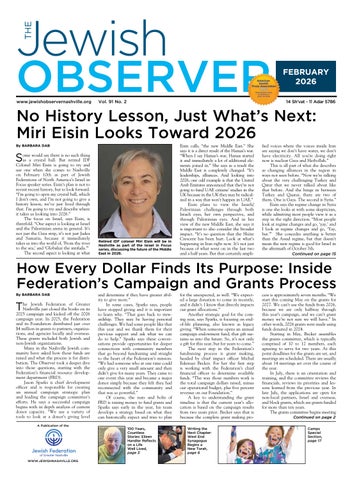
ome would say there is no such thing as a crystal ball. But retired IDF Colonel Miri Eisin is going to try and use one when she comes to Nashville on February 10th as part of Jewish Federations of North America’s Israel in Focus speaker series. Eisin’s plan is not to revisit recent history, but to look forward. “I’m going to open my crystal ball, which I don’t own, and I’m not going to give a history lesson, we’ve just lived through that. I’m going to try and describe where it takes us looking into 2026.”
The focus on Israel, says Eisin, is threefold. “One aspect is looking at Israel and the Palestinian arena in general. It’s not just the Gaza strip, it’s not just Judea and Samaria, because it immediately takes us into the world of, ‘From the river to the sea,’ and ‘Globalize the intifada.’”
The second aspect is looking at what
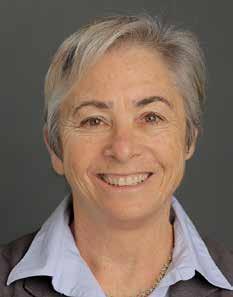
Eisin calls, “the new Middle East.” She says it is a direct result of the Hamas’s war. “When I say Hamas’s war, Hamas started it and immediately a lot of additional elements joined in.” She says as a result the Middle East is completely changed. “It’s leaderships, alliances. And looking into 2026, one odd example is that the United Arab Emirates announced that they’re not going to fund UAE citizens’ studies in the UK because in the UK they may be radicalized in a way that won’t happen in UAE.”
Eisin plans to view the Israeli/ Palestinian challenges through both Israeli eyes, her own perspective, and through Palestinian eyes. And in her view of the new Middle East, she says it is important to also consider the broader impact. “It’s no question that the Shiite Crescent has been hurt. Look at what’s happening in Iran right now. It’s not just because of what went on in the last two and a half years. But that certainly ampli-
fied voices where the voices inside Iran are saying we don’t have water, we don’t have electricity. All you’re doing right now is nuclear Gaza and Hezbollah.”
This is all part of what she describes as changing alliances in the region in ways not seen before. “Now we’re talking about the very challenging Turkey and Qatar that we never talked about like that before. And the hinge in between Turkey and Quatar, there are two of them. One is Gaza. The second is Syria.” Eisin says the regime change in Syria is one she looks at with some skepticism, while admitting most people view it as a step in the right direction. “Most people look at regime changes and go, ‘yay,’ and I look at regime changes and go, ‘Yay, but.’” She concedes anything is better than the Assad regime, but that doesn’t mean the new regime is good for Israel in the aftermath of October 7th.
Continued on page 15
By BARBARA DAB
The Jewish Federation of Greater Nashville just closed the books on its 2025 campaign and kicked off the 2026 campaign year. In 2025, the Federation and its Foundation distributed just over $4 million in grants to partners, organizations, and agencies locally and overseas. These grants included both Jewish and non-Jewish organizations.
Many in the Nashville Jewish community have asked how those funds are raised and what the process is for distribution. The Observer took a deeper dive into those questions, starting with the Federation’s financial resource development department (FRD).
Jason Sparks is chief development officer and is responsible for creating an annual campaign strategic plan and leading the campaign committee’s efforts. He says a successful campaign begins with in depth analysis of current donor capacity. “We use a variety of tools to look at a donor’s giving level
and determine if they have greater ability to give more.”
In some cases, Sparks says, people have stopped giving and it is important to learn why. “That goes back to stewardship. They may be having personal challenges. We had some people like that this year and we thank them for their previous support and ask what we can do to help.” Sparks says these conversations provide opportunities for deeper connections with community members that go beyond fundraising and straight to the heart of the Federation’s mission. “We had someone who at one time could only give a very small amount and then didn’t give for many years. They came to one event this year and became a major donor simply because they felt they had reconnected with the community and that was so powerful.”
Of course, the nuts and bolts of FRD is raising money to fund grants and Sparks says early in the year, his team develops a strategy based on what they can historically expect and tries to plan

for the unexpected, as well. “We expected a large donation to come in recently, and it didn’t. I know that directly impacts our grant allocations.”
Another strategic goal for the coming year, says Sparks, is focusing on endof-life planning, also known as legacy giving. “When someone opens an annual campaign endowment fund, that gift sustains us into the future. So, it’s not only a gift for this year, but for years to come.”
The next step in the Federation’s fundraising process is grant making, headed by chief impact officer Michal Eskenazi Becker. For her the first step is working with the Federation’s chief financial officer to determine available funds. “The way those numbers work is the total campaign dollars raised, minus our operational budget, plus five percent revenue on our Foundation.”
A key to understanding the grant timeline is that the current year’s allocation is based on the campaign results from two years prior. Becker says that is because the complete grant making pro-

cess is approximately seven months. “We start this coming May on the grants for 2027. We can’t use the funds from 2026, because we are only halfway through this year’s campaign, and we can’t grant money we’re not sure we will have.” In other words, 2026 grants were made using funds donated in 2024.
Starting in May, Becker assembles the grants committee, which is typically comprised of 10 to 12 members, each agreeing to serve for two years. At this point deadlines for the grants are set, and meetings are scheduled. There are usually about 14 meetings set over the course of the year.
In July, there is an orientation and training, and the committee reviews the financials, reviews its priorities and lessons learned from the previous year. In late July, the applications are open for non-local partners, Israel and overseas, and block grants, which are grants funded for more than ten years.
The grants committee begins meeting
Continued on page 2

By JUDY ALPERIN
As we enter 2026, the Jewish Federation of Greater Nashville’s Annual Campaign stands as a beacon of resilience and hope in a world where challenges to Jewish life are mounting. The recent arson attack that devastated Beth Israel Congregation in Jackson, Mississippi—a mere few hours from our own community—reminds us that rising antisemitism is not a distant threat. It is here, in our region, and it demands a strong, united response.
Security and safety have become urgent priorities. Our synagogues, schools, and community spaces require enhanced protection to ensure that Jewish life can flourish without fear. Yet even as we confront these sobering realities, we celebrate the vibrancy and richness of Jewish life that thrives because of the generosity of our donors.
Each year, nearly $2 million is
invested through the Annual Campaign and the Jewish Foundation of Greater Nashville. These funds do more than safeguard our community—they fuel programs that nurture Jewish identity, education, and culture here in Nashville, strengthen Israel, and sustain Jewish communities around the globe. From supporting Jewish preschool education to aiding vulnerable populations in Israel and beyond, your contributions create a ripple effect of goodness that transcends borders.
What makes Nashville extraordinary is the outsized impact we achieve compared to other intermediate Jewish communities. This is possible because of the powerful partnership between Annual Campaign donors and Jewish Foundation fund holders. Together, you amplify our ability to respond to crises, innovate for the future, and ensure that Jewish life remains strong and secure for generations to come.
I’ve always believed that many hands make the load light. If each of us steps up to say “Hineni”—here I am —and takes responsibility not only for our individual tzedakah but also for encouraging our neighbors and friends, our campaign will be strengthened. When you step up as a volunteer working on the Jewish campaign, remember: you are never asking for yourself. Rather, you are one Jew asking another Jew—or ally—to help a third. Volunteering as an ambassador of the Jewish Federation’s Annual Campaign is truly holy work.
In a time when hate seeks to divide us, your support builds bridges—of safety, of learning, of belonging. The 2026 Annual Campaign is not just about meeting a financial goal; it is about affirming who we are and what we stand for. It is about saying, loudly and proudly, that Jewish life matters—here and everywhere.
Coming up, our community is fortunate to host Col. Miri Eisin on Tuesday, February 10th. I have known Miri since the early days of my career when she served as the IDF spokesperson during the disengagement from Gaza in 2005. Since then, she has become one of the foremost experts on the geopolitics of the region. I hope to see many community members that evening at an event made possible through national partners—the Jewish Federations of North America, the Anti-Defamation League, the American Jewish Committee, and the Conference of Presidents of Major Jewish Organizations. The Annual Campaign—and our place within the JFNA system—makes such programs possible.
Join us. Give generously. Stand with us against hate and for hope. Together, we will continue to make Nashville a model of strength, compassion, and Jewish continuity. •
By REILEY ZEITLER
Throughout history, in all races and religions, a common feeling is the sense of wanting to belong. With that goal of connection, empowerment, and community, the Jewish Agency for Israel created the Parternership2Gether program (P2G). Each partnership provides the opportunity for communities to connect, and for interpersonal relationships to flourish.
While making connections with members in a sister region, communities across the world can learn from one another, and experience the benefits of being part of the global Jewish family. Nashville shares the sister region of Hadera-Eiron with nine other Jewish communities in the South. With the help from programs like Parternership2Gether, Jews from different regions have the opportunity to meet and connect in ways that they never would have without this program.
One of the main goals of the program, is getting to know people in other regions, as if they were in the local community. For the past twenty years, P2G has successfully met that goal through hands on projects and personal interactions that engage thousands of Israelis and Jews each year.
The current delegation consists of
Continued from page 1 in August, when applicants make their presentations and answer questions. By October, the committee is finished with these grants. In November, the committee begins working on the first round of emerging needs grant applications, which represent new programs and initiatives. There is a second round of these grants in February, and a third one in May. Becker says an important component of the grants process over the last several years, is a closer look at the
two storytellers who this January, travelled from Israel to Nashville to share their stories with our community. The delegation consists of Lena Miriam Shalev and Eran Ben Ze’ev. Like most Israelis, they have experienced many hardships in their lives. Through their time in the program, they have been able to find a sense of belonging, and a community they feel fully accepted. Ze’evs hope for his time in the program, is that everyone in the community can take something from him, and his story.
The main purpose of the program is connection. To connect other Jews in different regions, and share their experiences, stories, and talents. This is one project out of many annual projects that are designed to reduce the geographical divide between Nashville and Hadera.
“When I hear of the opportunity to come to Nashville, to tell my story, and to touch even just one person. It’s like a dream come true, that two years after I am in a coma, I get to come here to America to connect with you,” Says Ze’ev, believing that this opportunity is once in a lifetime, for him to be able to connect with our community, and try to touch the hearts of the Jews here in Nashville.
Shalev says with all the negativity that is currently going on overseas in
effectiveness of a grant. “We changed our state of mind. We don’t need an explanation of what the program is, we need an explanation of whether it works or doesn’t work.” These metrics are tracked in the application itself, asking for budget and impact.
The idea, says Becker, is to ensure uniform accountability for all grants, even those that have been funded for many years. “There are always changes to programs, new committee members, and sometimes even external legislative and policy changes.” She says this analytical process also helps grantees fine tune their
Israel, she wanted to join the program so she could connect with other Jews and show them that being Israeli is more than just experiencing war. “After 7th of October, and everything going on with the hatred of everything, I felt like to come and to meet Jewish people in another country, and to hear their stories and to understand how they live here. To tell about how our lives is not only war, but we also create, we enjoy, we live, we do important things.” To Shalev, joining this delegation has given her the opportunity to share her stories, and to show Jews in other communities, that being Israeli, is more than just suffering and fear. Being Israeli is about love, connection, creativity, and so much more.
“We allow participants on both sides
programming budgets.
An important step is that all grantees, emerging needs and block, must meet with Becker to evaluate their impact. The goal, says Becker, is to determine the success of a program, and identify changes that can be made for the following year. “The idea is not test them to see if they did well. The truth is that all our partners understand they need to evaluate their program for their donors, as well.”
The entire grant program goes to the core mission of Federation: to support and help sustain the local Jewish com-
to have meetings and see each other repeatedly. This creates bonds and connections that would have never been made without this program. Our hope is that these meetings continue, and friends and relationships will grow. Our master plan through this program and these delegations is to build connections and give members of both communities that chance to build connections.” Says Jessica Cohen Banish, the Parternship2Gether coordinator of Southwest Region. P2G is bridging the gap for Jews everywhere. Being able to bond with other Jews overseas, is something that has not always been accessible. With Partenership2Gether, this is happening multiple times a year, across multiple cities and states.
This March, another delegation from P2G will travel from Israel to Nashville. This delegation will consist of six teenagers and their chaperones that will be hosted at the homes of local Jewish community members. This trip will give Israeli and Jewish American teenagers to connect, share their experiences, and discuss the similarities and differences of being teenagers in two different countries. Without a program like P2G, this opportunity would never have been possible for many delegation members. •
munity, and to ensure the continuity of the Jewish people locally and around the world. Becker says the grants committee takes their responsibility very seriously. “It’s important for people to know their money is being taken care of.” And it is this dedication that Sparks says fuels the annual campaign. “There are so many things about being philanthropic that fill your cup spiritually and mentally. And after we get the business out of the way, we get to focus on how we engage you as a donor and weave you into our community and inspire you to feel good about what you just gave.” •
By BARBARA DAB
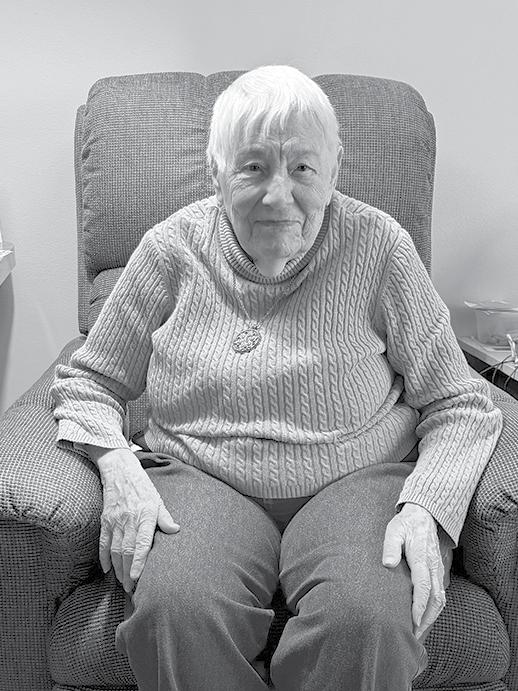
This month I was privileged to interview a truly remarkable person in Nashville’s Jewish community, Eileen Handler who just turned 100 years old. I was moved by our conversation and decided to step from behind the byline to share the experience.
I first met Eileen through her son and fellow West End Synagogue congregant, Jim Handler. At the time, Eileen was still living in Oak Ridge, Tennessee, where she’d lived for many years while raising her family. She moved to Nashville 11 years ago to be closer to her son, and these days she holds court at Abe’s Garden, surrounded by friends and visitors.
When I arrived for our chat, I was directed to her room, and she met me at the door with a smile and a hug, and we settled in. I asked her to start with some background. She is the sixth of eight children. Longevity runs in the family; Eileen’s sister died ten years ago at the age of 103
Eileen:
My mother was one of nine children. Her uncle sponsored her and her brother to come to America from Lithuania. When they saved enough money, they brought two more, and then two more. The two youngest stayed with the parents and then Hitler came and wiped out all the Jews.
A cousin introduced my mother to my
Publisher Judy Alperin, CEO Jewish Federation of Greater Nashville
Editor Barbara Dab
Editorial Assistant Reiley Zeitler
Editorial Associate Emma Canter
Advertising Manager Carrie Mills
Layout and Production Tim Gregory
Editorial Board Frank Boehm (chair), Teena Cohen, Scott Rosenberg
Telephone 615/356-3242
E-mail barbaradab@jewishnashville.org
The Jewish OBSERVER (ISSN 23315334) is published monthly for $36 per year by the Jewish Federation of Greater Nashville, 801 Percy Warner Blvd., Nashville, TN 37205-4009.
Periodicals postage paid at Nashville, TN.
POSTMASTER: Send address changes to THE JEWISH OBSERVER, 801 Percy Warner Blvd., Nashville, TN 37205
This newspaper is made possible by funds raised in the Jewish Federation Annual Campaign.
The Jewish OBSERVER is a member of the American Jewish Press Association and the Jewish Telegraphic Agency.
While The Jewish OBSERVER makes every possible effort to accept only reputable advertisers of the highest quality, we cannot guarantee the Kashrut of their products.
The views and opinions expressed in The Jewish OBSERVER are not necessarily endorsed by Jewish Federation of Greater Nashville or its partners.
father in America. My sisters say they were from the same town in Lithuania but didn’t know each other. But they had some common interests, so that drew them together. They married, the cousin put them up in a grocery store business. He was in Little Rock at the time, and he moved to New York. So we were all raised in the Bronx. And then we all grew up and went to different places.
I met my husband, I was five years old, and he was five years old. He was half year older than me. Our sisters were best friends. Three years later, his family moved to Washington, DC. His father took a position with the government. He moved to Washington, DC, and we used to correspond as eight-year-olds a little. In one of his letters, he says, we’re eating ice cream. He said, I would send you some, but I’m afraid it would melt.
So then we just drifted apart with no correspondence or anything. And about 12 years later, when I was 20 or 20, I was visiting my sister who had moved to Washington, DC. I said, let’s call up the Handlers.
I’ve been there two years before. We never did call the Handlers. And I said, this time, let’s call the Handlers. And it was a rainy day, and normally, Dick would be out on the river sailing. When he was 17 years old, his sister bought him a canoe. And he and his mother made sails, and he set put this sliding seat on the canoe, and so he had a sailboat. So that was in his
The Jewish Observer is committed to making corrections and clarifications promptly. To request a correction or clarification, call Editor Barbara Dab at (615) 354-1653 or email her at barbaradab@jewishnashville.org
The Jewish Observer welcomes the submission of information, news items, feature stories and photos about events relevant to the Jewish community of Greater Nashville. Letters to the editor must be no longer than 250 words, and op-eds must be no longer than 750 words. We prefer e-mailed submissions, which should be sent as Word documents to Editor Barbara Dab at barbaradab@ jewishnashville.org. Photos must be high resolution (at least 300 dpi) and should be attached as jpegs to the e-mail with the related news item or story. For material that cannot be e-mailed, submissions should be sent to Barbara Dab, The Jewish Observer, 801 Percy Warner Blvd., Suite 102, Nashville TN 37205. Photos and copy sent by regular mail will not be returned unless prior arrangement is made. Publication is at the discretion of The Observer, which reserves the right to edit submissions.
To ensure publication, submissions must arrive by the 15th of the month prior to the intended month of publication.
For advertising deadlines, contact Carrie Mills, advertising manager, at 615-354-1699, or by email at carrie@nashvillejcc.org.
blood. And you should know, it’s in all my children’s blood. He came over to see us. It was dinner. Just after dinner time, we had three dates in three days, and he proposed.
Ten months later, he wanted me to go on a trip with him. He was paddling canoes, with college crew up in New York, upstate New York, and I said my mother wouldn’t let me travel with man unless I was married. So, we got married. A month later. I was going to say, let’s wait four years when you’re out of college, because he was going to school on a GI Bill, the University of Maryland. So anyway, so I was going to CCNY City College of New York and studying to be an accountant. And he was living in Washington. I was living in New York, and once a month we traveled. One month, I’d go down see him next month and come and see me. When we got married, we lived with the in laws for a couple of years. And my mother-inlaw thought it would be so nice to have a baby. I gave her a baby.
After the first baby, Eileen went to work to help support her growing family. She and her husband, Dick, were living in Northwest Washington, DC while he finished school in Maryland. Her first part time job was at the famous Zabar’s grocery in their bakery department. Eventually Dick completed his college education and the young family was on the move again. From Levittown, Pennsylvania, to Illinois, to Virginia,
and eventually landing in Oakr Ridge, Tennessee.
Eileen:
That was in ‘63 Joanne was four years old then, and Kathy was 14, and my boys are in between. Jim was 10 and John was five. He brought these kids up to like sailing. for the two youngest they wanted their own boat for the bar mitzvahs. And then he organized a University of Tennessee sailing club.
In Oak Ridge, my husband used to inspect the installations. And he always told me, it’s clean. It’s clean. I didn’t realize. He didn’t talk about his job. They had to put on suits and radiation detectors. And he always said Oak Ridge is clean. So you know what killed him? Well, he got cancer.
Eileen’s husband died 19 years ago after nearly 60 years of marriage. She lived by herself for the next eight years and it was during a stay at Vanderbilt Hospital that her son Jim and his wife, Barbara, asked her to stay in Nashville. She agreed and never went back to Oak Ridge.
Asked to what she attributes not only her longevity, but her vitality, and Eileen lists her many volunteer positions, saying she was president and treasurer of almost every organization she was involved with. She is a recipient of the Volunteer of the Year award from West End Synagogue, which recognizes her work outside of the Jewish community. She also received the Distinguished Senior Award from Leading Age, a national organization which focuses on non-profit programs addressing housing and services for the elderly.
Eileen has traveled to Israel twice. For her 40th wedding anniversary, she says her children sent her and her husband to Hawaii. On their 50th anniversary, the family sent them to Europe.
These days Eileen spends her time at Abe’s Garden enjoying life, seeing friends, and having weekly calls with her family which now numbers four children, 11 grandchildren, and 11 great-grandchildren. For the past 10 years, she has been knitting hats and scarves for the homeless.
To celebrate her milestone birthday, Eileen’s family came from all over the country to enjoy a weekend of festivities. Of course the goodies she received included a package from Zabar’s. •
To the Editor:
When I taught at MTSU no one knew I was Jewish. I was the only one in 20,000 students. My gratitude to Bobbie and Alex (world class artist) Limor, Felicia Anchor, our beacon of light and inspiration, Delilah Cohn, just a wonderful, great docent, for spectacular work with the Nashville Holocaust Memorial. It seems a little lonely at the Holocaust Memorial. We need the MTSU students (January, page 20) to
infuse new blood and show our community we are alive with enthusiasm. How many readers have seen our Holocaust Memorial in all its eternal intrinsic beauty?
Take a walk and see the inimitable art, stone tablets.
Shalom, Cynthia Trainor
Second generation Holocaust survivor Lecturer and artist
By BARBARA DAB
Beginning in Fall of 2026, a new Jewish day school will open its doors on the campus of Chabad of Nashville. Nashville Jewish Academy, formerly named Tamim
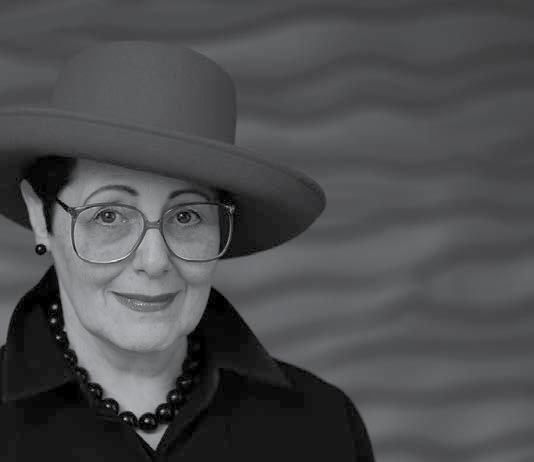
“My
Academy, will start offering classes for kindergarten and first grade students. The new academy joins the 72-year-old Akiva School serving grades k-6, and according to Rabbi Yitzchok Tiechtel of Chabad of Nashville, will have a more
ersonal Assistant, Concierge & Family Advocate allJane@comcast.net • 615-557-6277
conservative and traditional approach to Judaism and complement the current offerings at Akiva. “While the city is fortunate to have a Jewish community day school, a growing number of families are requesting an additional option: a traditional Jewish day school grounded in Jewish law, conservative values, and a clear halachic framework.”
A 2024 study Commissioned by Jewish Federations of North America, UnitEd, Ministry for Diaspora Affairs and Combatting Antisemitism, and Prizmah: Center for Jewish Day Schools concludes that Jewish day schools provide the most effective means for securing Jewish identity outside of Israel for non-Haredi families.
The study found that before October 2023, most children in day schools were from Orthodox families; only about 25% of children in non-Orthodox families attended day school. Since October 7th with antisemitism surging, the study also shows the potential for more of those
families to consider sending their children to Jewish day school.
This surge presents both a challenge and an opportunity for growing communities like Nashville where Akiva may not meet the needs of every family. Rabbi Saul Strosberg of Congregation Sherith Israel is also founder of Nashville’s Jewish Upper School. He says while the current community day schools provide both a meaningful and rich Jewish studies program as well as rigorous general studies, it is impossible to be all things to all families. “Most growing cities like ours will have an alternative Jewish school at some point. This is not a huge surprise to see a variation on what is currently being offered.”
Now O pen
e Crestmoor at Green Hills understands that needs may evolve over time. at’s why we o er a full continuum of care—from luxur y Independent Living to Assisted L iving and Memor y Care—all with in our eleg ant community. With an expert team and supportive services tailored to each resident’s preferences, you can enjoy peace of mind knowing compassionate care is always close at hand.
- Assisted Living: Individualize d care programs and amenities for our residents.
- Memory Care: A secured, nurturing environment for residents with Alzheimer’s or other forms of dementia
SOAR® Program: Developed in partnership with e Neuroscience of Memor y, Mood and Ag ing at Rice University, this innovative memory care program incorporates the latest research and specialized s upport e Crestmoor at Green Hills is more than home—it’s a premier senior living destination designed for those who want to Live Life Well®.
AVENUE NASHVILLE, TN 37215 615.275.5000


Last spring, the Jewish Federation of Greater Nashville participated in a pilot community survey program conducted by Jewish Federations of North America. According to Judy Alperin, CEO of the Federation, “The pulse survey is proving enormously useful as we plan how best to support and serve our community through our annual campaign and the grants the campaign funds. Educating our children is a top priority and the results are giving us information about where the need is the greatest for families, and what specifically they are looking for in a school environment.”
This survey found that 45% of Nashville’s Jewish community consists of young adults and families ages 25-54. According to Michal Eskenazi Becker, chief impact officer for the Federation, this number indicates that indeed there is growing need for educational alternatives for young families. “It is true the data aligns with what we are hearing nationwide about a surge in parents seeking out schools where their children can safely be Jewish. But there is more to the story. More than half the parents surveyed prefer public or charter schools and only a small number prefer Jewish day schools.”
Rabbi Tiechtel says Nashville Jewish Academy provides that option and a model for traditional Jewish life. “Students will experience daily life in a setting firmly rooted in Jewish tradition, guided by time honored practices, ethical teachings, and a deep commitment to Jewish continuity.” He says several key donors are providing startup support and will be part of a leadership team helping ensure the school’s long-term financial stability. Additional funding is being provided through a combination of tuition, donors, and ongoing fundraising efforts.
The school’s Jewish studies will be headed by Muska Hendel Tiechtel, originally from Jerusalem, who holds a teaching degree from Beth Rivkah Seminary in Israel, with specialized training in special education. Her academic preparation includes early childhood education, child development, and strategies for supporting students with diverse learning needs. Plans are underway to hire an experienced general studies teacher who is trained in the Montessori method.
Rabbi Tiechtel will serve as headmaster of the new school. He holds a master’s degree in educational administration and supervision and previously served as headmaster of the Akiva School, where he played a central role in helping raise significant philanthropic support, including funds that contributed to the development of the school’s current campus.
Families interested in learning more are invited to attend an open house and Q and A session on Sunday, February 15, at 11:00 a.m. For more information about enrollment or to RSVP, please email nashvillejewishacademy@gmail.com.













W
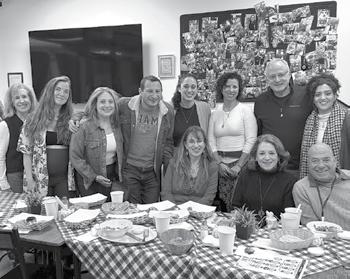
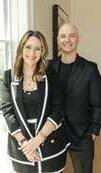
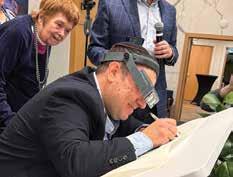
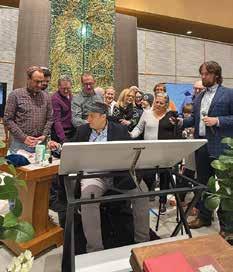
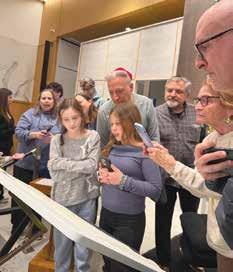
est End Synagogue celebrated the first lines of a new Torah commissioned to celebrate the congregation’s 150 anniversary. Rabbi Joshua Kullock is leading the year-long process. The scribe for what will be the synagogue’s first new Torah in 22 years, is Rabbi Gustavo Surazski. Pictured are some photos from the event, which included prayers, music, and dessert ahead of the recent snowstorm. •
















































Step into an evening of mystery, joy, and celebration at Micah’s Masquerade , Congregation Micah’s annual fundraiser inspired by the festive spirit of Purim. On Saturday, February 28 , the synagogue transforms into a dazzling masquerade filled with laughter, connection, and delight.
The night begins with a sumptuous Persian and Mediterranean inspired din-
ner, followed by a lavish dessert table lovingly created by Micah’s own talented bakers and featuring an array of seasonal hamantashen. Signature themed cocktails and mocktails will be flowing as the dance floor comes alive with a DJ spinning music to keep the party going all evening.
Guests can explore a silent auction featuring exciting vacation destinations, capture the fun at a photo booth with
printed keepsakes, and enjoy delightful surprises from a strolling magician. Party games woven throughout the night add playful energy, while elegant masquerade décor sets the tone for a truly enchanting experience.
Micah’s Masquerade is more than a party. It is a celebration of community, generosity, and the joy of coming together in true Purim fashion. Masks
are encouraged, festive attire is welcome, and every guest helps support the vibrant life of Congregation Micah.
Become a patron, purchase tickets to attend, or make a meaningful donation at congregationmicah.org/masquerade, and be part of an unforgettable evening filled with wonder, warmth, and purpose. •

As Nashville’s Jewish community continues to grow, so does the need for spaces that foster meaningful connection not only through education, culture, and communal events, but also through
personal relationships. For many young Jewish men and women, meeting a prospective partner who shares similar values and background can be challenging, particularly outside of larger Jewish pop-
ulation centers.
Recognizing this need, Chabad of Nashville will host its first Jewish singles mixer on February 28, offering a welcoming and thoughtfully designed envi-

ronment for Jewish singles to meet one another in person. The event is being co-hosted by Chabad of Nashville and JGrads at Chabad of Vanderbilt, bringing together young Jewish adults from across the Nashville area.
The evening is designed to create a relaxed and comfortable atmosphere that encourages easy conversation and genuine connection. With an emphasis on approachability rather than pressure, the mixer offers a refreshing alternative to online dating and chance encounters, allowing participants to meet face to face in a respectful and natural setting.
“Building a strong Jewish community begins with creating opportunities for real human connection,” said Rabbi Yitzchok Tiechtel. “When young people are given a warm and welcoming space to meet one another, it lays the foundation for meaningful relationships and a vibrant Jewish future in Nashville.”
Community leaders note that creating intentional opportunities for Jewish singles to meet is an important part of sustaining Jewish life. Strong relationships and families are the foundation of a thriving community, and those connections often begin with simple opportunities to meet in the right environment.
The February 28 mixer is open to Jewish singles interested in dating and building meaningful relationships. Whether participants are actively seeking a serious relationship or are simply open to meeting new people, the event aims to be inclusive, welcoming, and enjoyable.
Venue details will be announced soon. For more information or to RSVP, visit chabadnashville.com. Questions may also be directed to Rabbi Gavriel at Rabbigavriel@chabadvanderbilt.com. •
By ALYSSA HECKMAN
I
n Nashville, community often reveals itself in unexpected places: a conversation during a car ride, a chance encounter on Broadway, or a shared memory exchanged between strangers. Time and again, one name surfaces as a common thread connecting people across generations, backgrounds, and life experiences: the Gordon Jewish Community Center.
For many, the Gordon JCC is far more than a building or a collection of programs. It is a place where people first felt welcomed, learned life-shaping skills, found belonging, and discovered what true community looks like.
Years ago, a young woman arriving in the United States from abroad as a teenager began her American journey at Camp Davis. Working at the Gordon JCC was her first job in the U.S., and it left a lasting impression. More than 20 years later, she still remembers what that experience gave her: confidence, connection, and an understanding of how community is built. She spoke fondly of camp traditions and programs, many of which still exist today, highlighting the consistency and care the J has provided for decades.
Stories like hers are not rare.
Throughout Nashville, casual conversations often reveal deep ties to the Gordon JCC. On Broadway, a chance meeting with a young man uncovered yet another connection. Though he was not Jewish, he shared how the J had been an important part of his family’s life. His girlfriend worked for years in the Early Childhood Learning Center, and his mother was active in the fitness center. To him, the Gordon JCC represented opportunity, learning, and belonging.
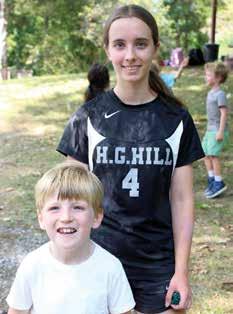
For countless Nashvillians, the Gordon JCC is where they learned how to swim, gaining confidence in the pool alongside instructors who became mentors. Others remember their first summer friendships at Camp Davis, early childhood classrooms filled with care and curiosity, or discovering wellness, creativity, and culture through fitness, arts, and community programs.
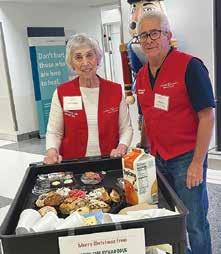
What makes the Gordon JCC truly special is its reach. Its programs touch nearly every stage of life, from early childhood education and summer camp, to aquatics, fitness, arts, culture, and inclusive programming for all abilities. Families grow up at the J. Campers become counselors. Staff members become leaders. Jewish and non-Jewish community members alike find a place
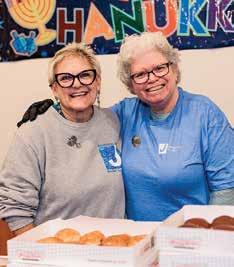
where they are welcomed and valued.
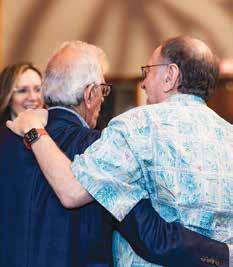
The impact of the Gordon JCC cannot be measured by numbers alone. It lives in the memories people carry with them long after they leave its walls. It lives in stories shared between strangers who suddenly realize they have something meaningful in common. It lives in the fabric of Nashville itself.
For those whose lives were touched by the Gordon JCC years or even decades ago, these stories are an invitation. If the J shaped childhood memories, first jobs, friendships, or milestones, that connec-
By ALYSSA SIEBERS
The Camp Davis Inclusion Program ensures that campers with disabilities and specific needs have full access to all the experiences and fun that Camp Davis offers. Through effective communication, collaboration, and comprehensive staff training, we create an environment where every child can thrive.
Our program provides individualized support tailored to each camper’s unique needs, including the option for one-to-one staff assistance. We develop personalized camper profiles that incorporate initial observations, necessary accommodations, parent-provided information, research-based behavioral interventions, and ongoing data collec-

tion to monitor progress and celebrate improvements.
Camp Davis has cultivated a culture of inclusion throughout the entire Gordon JCC community, continuously refining our framework to ensure accessibility for all. We partner with organizations like New Connections to deliver specialized support services.
tion still matters. Those experiences are meant to be shared and passed down to children, grandchildren, friends, and family members.
Today, the Gordon JCC continues to offer the same spirit of connection and community through its programs, welcoming new generations while honoring its lasting legacy. Whether returning after many years or discovering the J for the first time, there is always a place to belong, reconnect, and grow. To explore programs and learn more, visit www. nashvillejcc.org •
Whether your child needs minimal accommodations or more extensive support, we’re committed to making Camp Davis the place where ANY child in the greater Nashville area can experience an unforgettable summer of adventure,
friendship, and growth. • Inclusion Program underwritten by a generous donation from the Lori Ann Fishel Fund to Enhance the Lives of Those with Disabilities housed at the Jewish Federation & Jewish Foundation.



By MARCI KLEINROCK AND AMY SMITH, SCHOLARSHIP LOAN CHAIRS
F or over fifty years, National Council of Jewish Women (NCJW)
- Nashville, has offered interest-free loans to worthy students who are pursuing their own higher education through our Scholarship Loan program. As your 2026-2027 Scholarship Loan chairs, we know many questions exist about this program.
Last year, we were honored to award loans to 15 deserving applicants. The impact of an interest-free loan in the age of rising costs of college goes a long way. Past recipients have sought degrees ranging from associates to doctoral-level, and have used the loans to cover such needs as tuition, books, room and board, or childcare.
We encourage all students who may be eligible for a Scholarship Loan to contact NCJW Nashville at nashvillencjw@ gmail.com. We look forward to hearing from you!
What is a NCJW Nashville Scholarship Loan?
NCJW Nashville provides interest-free loans of up to $4000 per year to students pursuing higher education. Unlike scholarships, these loans must be repaid — but because they are entirely interest-free, students only pay back what they borrow, making them a far

…so that it’s not just a fairy tale.
STOP ASKING WHY THEY KEEP DOING IT. START ASKING WHY YOU KEEP ALLOWING IT.
By LORETTA SAFF
W
ith that thought in mind, I want to share a note from a reader who’s
more affordable option than traditional loans. What makes the Scholarship Loan program unique is that every repayment helps fund future students, creating a sustainable cycle of support for generations to come.
What are the criteria for selection?
• Preference to Jewish applicants, though all students are encouraged to apply.
• Must be enrolled in a degree-granting program at a U.S. accredited undergraduate, graduate or vocational program, college or university.
• Applicants must maintain an address in Tennessee.
• Age: No age limit, though most recipients are 18-25.
• Merit-based: Students are expected to maintain a GPA that keeps them in good academic standing.
How does the application process work?
The Scholarship Loan application for the 2026-2027 academic year is open through Friday, March 13. The application includes three short-answer questions and basic biographic and school information. Two professional or academic references are required. Specific financial information is not requested however a guarantor is required for those accepted.
The application must be complet-
looking forward to retirement — excited, energized and already overbooked.
Dear Loretta, I’m getting closer to retirement and can’t wait to learn new things and explore new opportunities. The problem? Everyone else seems to have plans for my “free” time.
• My adult kids assume I’ll be fulltime childcare for my grandkids (ages 5 and 8).
• The organization where I volunteer wants me to chair a big committee.
• My husband is thrilled that I’ll be available anytime, anywhere.
I love my grandkids. I enjoy volunteering. And after 42 years, I have a great marriage. But how do I protect these relationships and still do what I want to do?

ed at one time. To receive a PDF of the application, email nashvillencjw@ gmail.com.
How does the selection process work?
The selection committee will meet late March and review each application anonymously. Unless more information is needed for the committee to make their decision, applicants will be alerted as to the committee’s decision before the end of March.
If you are selected as a recipient, your next step will be to sign a DocuSign outlining the rules and regulations of the program, followed by scheduling a virtual meeting with NCJW Nashville Executive Director, Jennifer Hoffman.
Can you share more about how the applications are kept anonymous?
The committee is provided with a summary of each application and with references, each with names removed or redacted. Although all attempts at anonymity are made, certain identifying markers such as school, age, and gender will be shared with the committee. Only the program chairs, treasurers, and staff have access to the full list of applicants and recipients.
How are loans disbursed?
Loans are awarded directly to the student, not their family or the school they are attending. NCJW Nashville divides the loan into two equal pay-
Signed, I WANT TO BE ME
Sound Familiar? Whether you’re preparing for – or already living - your Happily Ever After, setting boundaries is job number one. And it requires:
• SELF-AWARENESS (Consider realistically who you are now, not who you were 20 years ago.)
• CLEAR AND KIND COMMUNICATION (Say what you really want to do – up front. Don’t wait to hear the request for your time and then twist yourself in knots wishing you had said it sooner.)
• REALISTIC EXPECTATION OF YOURSELF (Spend a little time thinking about what you really want your retirement to look like. Be honest.)
Here’s my answer to the letter: Dear WANTING TO BE YOU, I know that retirement sounds dreamy - no deadlines, no boss, no alarm clock. And for many people it is. But after your morning exercise, coffee, and email scroll… then what? And more importantly—will you feel fulfilled?
Of course you want time with your
ments, one in July for Fall Semester and the second in mid-to-late November for the Spring Semester. It is up to each student to determine how they best need to utilize these funds throughout the semester.
When does repayment begin?
Repayments begin 6 months after graduation and are expected to be completed within 10 years. If these terms are not met, and new terms are not set, interest may be added to the remaining loan amount.
How many times can I receive the loan?
As long as you remain a student and have a permanent address in Middle Tennessee, you can continue to reapply each year for a new loan.
How can I support this program?
1. Help us spread the word! We want to ensure as many students as possible have the opportunity to know about this program.
2. Make a donation: Your donation to NCJW Nashville supports staffing, online resources, and all of the other requirements to keep a program like this running. Donations can be sent to NCJW Nashville, 801 Percy Warner Blvd. Nashville, TN 37205.
If you have any additional questions, we hope you will be in touch at nashvillencjw@gmail.com. •
grandkids. Of course you want to keep volunteering. And yes, enjoying more time with your spouse is a gift. But too much “yes” can quickly turn into obligation - and that’s when resentment bubbles up.
Remember: people can’t read your mind (even after 42 years of marriage). Go into this new chapter knowing that boundaries are not rude—they’re necessary
If you want grandkid duty only on Tuesdays and Thursdays, say so.
If you love volunteering but not leading, say that, too. And,
Take time to talk with your spouse about both of you having satisfying, interesting, and sometimes separate days—so you still meet at dinner with stories to share.
Good luck! Loretta
Some people thrive with jampacked calendars. Others crave flexibility and spontaneity. There’s no right way—just your way. Set your boundaries early and remember to be clear and kind. That’s how you’ll find your Happily Ever After!
Loretta loretta@coachingwithloretta.com


By RABBI MARK SCHIFTAN AND DR. FRANK BOEHM
M
ark: Integrity is defined as the quality of being honest and possessing strong moral principles. A person of integrity is often described as an individual who will consistently choose to do the right thing and make the correct ethical choices, even when no one is watching them or looking over their shoulder. In other words, a person of integrity has a clear and accurate moral compass, one that always indicates the proper way forward and the correct path to take.
Integrity is the quality that leads to a sense of righteous conduct. It is the descriptor used to best convey a belief in the trustworthiness and reliability of another’s character, no matter the circumstance or condition.
Frank, to begin, how would you apply the importance of this trait of integrity to those who serve in the medical profession? How might it apply to how we judge others, and how others might evaluate us?
Frank: Mark, you ask how I would apply the importance of integrity to the professionals in health care and to that I would answer that it is no different than how integrity is applied to any other line of work or personal relationship. Integrity displayed at work or elsewhere is of critical importance for a healthy society. Integrity can be summarized in one simple sentence, “It is the right thing to do.” The big question, however, is what does the word “right” mean? What may be right for some may not be right for another.
While on the faculty at Vanderbilt Medical Center, I served as Chair of the Medical Center’s Ethics Committee for fifteen years, and it was during these years that I was exposed numerous times to this issue of what is ethically and morally right, and what was wrong. It is my belief that the answer to this question lies in the Still Small Voice that gives me the guidance I need to understand what is right, and what is not. The God I believe in resides in my conscience which I call the Still Small Voice, and which is God speaking to me, helping me distinguish what is the right way to act. Integrity arises from within the soul in all of us and helps us know how to live our lives in an ethical and moral manner. Let me give you a personal example.
While serving in the Navy in the early 1970s, I was taking care of a patient who needed artificial sperm insemination to attain pregnancy. My patient arrived one morning having been prepared to ovulate and receive the donation. However, there was a problem. The sperm donor, a young Navy corpsman who had agreed to donate, was ill that morning and I was left without a donor.
For a moment, I thought a solution was for me to be the donor, however, the Still Small Voice within me spoke loud and clear. “Frank, this is not something you should do.” And so, I asked another physician who was working in the clinic that morning if he would agree to become the donor. He agreed and the problem was solved.
I am so glad I listened to my con-
scious, that Still Small Voice, which was God speaking to me. While there were no rules at the time for how to deal with this issue, in retrospect, becoming my patient’s donor would have been an unethical act, one that several physicians, in more recent times, who became their patient’s donor without them being aware have been severely criticized and even imprisoned.
Mark, I would love to hear your thoughts on all this.
Mark: Frank, it is so inspiring to me that you cite the Still Small Voice within you that guides you in making the right choices and pursue the correct moral paths. I take great comfort in the wisdom of our tradition from whence this concept was born and then subsequently shared with the world. That sense of integrity, because it is directed by a force that is both embedded within each of us, and yet is also beyond our own biological selves, is a unique and sacred treasure that our Jewish faith developed and then shared with all of humanity. That very phrase, the Still Small Voice within us, comes from the Hebrew Scriptures. It is found in the Christian Bible as well. It appears in the First Book of Kings, chapter 19, verses 11 and 12. It is the incredible way in which our prophetic tradition continued to develop the idea that every single human soul is created “Betzelem Elohim”, quite literally in God’s very image.
Therefore, when we act with integrity, when we display it in our own ethical conduct and model it in our own moral choices— when we choose to do the right thing, even when no one is looking— we are harnessing the power given to us by our Creator in the most noble fashion. We are reflecting that Divine light within us; we echo that message conveyed to us by that Still Small Voice.
All Abrahamic faiths cherish additional sacred texts that help us listen to that voice and to harken to its moral codes and messages. For the Jewish people, the Torah, the Talmud, and the Midrash all amplify the resonance and the clarity of that voice to us. The prayer book operates to a great degree in the same fashion. And, of course, that is the ultimate aspiration of those called to serve as rabbis: They—we— are the amplifiers of that Still Small Voice, even when its message is unpopular, insistent, and difficult to hear, because we are reminded of the right way to act, and to answer, even when the righteous choice of action is not the easiest course to take, or the most convenient option to take.
“Yosher” is the Hebrew word for “straightness” or “uprightness,” or “integrity” or “what is right.” It reflects living a life aligned with ethical conduct and righteous action. It honors our Creator in the noblest sense, by honoring God’s creation fashioned in the Divine image.
We should all strengthen our character and model our behavior with an unwavering sense of integrity while we still have the chance to do so. •
Rabbi Mark Schiftan can be reached at mschiftan@aol.com
Dr. Frank Boehm can be reached at frank.boehm@vumc.org
By MIKE DOBRIN
Jew-hatred isn’t going away. Living as a minority means we must recognize—and embrace—those who stand with us.
Since October 7, Christians across America have shown extraordinary solidarity with the Jewish people. Organizations like the October 7 Coalition and Run For Their Lives have publicly defended us when we needed it most. Now it’s time to shake the hand extended to us.
Israel365 is a Jewish organization working globally to build authentic relationships between Jews and Christians who support Israel. Not shallow interfaith gestures, but genuine partnerships rooted in shared biblical values and mutual respect.
Now, they’re bringing that mission to Nashville in partnership with Congregation Sherith Israel. Rabbi Mark Fishman, based in Israel, is leading the initiative and assembling a local advisory board of Jewish and Christian leaders to strengthen these connections right here in our community.
On February 20-21, Sherith Israel
will host the 4th Annual Israel365 Shabbat. This year’s gathering honors the memory of Charlie Kirk, whose commitment to Jewish-Christian friendship left a deep impression on both Jews and Christians across America.
It’s a full Shabbat experience: traditional prayers and songs, gourmet kosher meals, and serious conversations about what’s happening in Israel today. It’s a powerful opportunity to build authentic friendships.
You can attend the full 25 hours or drop in for individual sessions. Either way, you’ll encounter something powerful—people from different faith backgrounds united by genuine commitment to Israel and biblical values.
As Dr. Michael Wyschogrod wrote, Abraham’s election was meant to bless “all the families of the earth.” This Shabbat embodies that vision. In a time when Jews need allies more than ever, here’s a chance to build relationships that matter.
Learn more and register at israel365. com/nrb-shabbat26
For more information on Shabbat and what Israel365 is building in Nashville, contact Rabbi Mark Fishman at mark.fishman@israel365.com •

Here are the websites for all five Nashville Jewish congregations, with information on services, upcoming events and more:
Congregation Beit Tefilah Chabad, www.chabadnashville.com
Congregation Micah, www.congregationmicah.org
Congregation Sherith Israel, www.sherithisrael.com
The Temple – Congregation Ohabai Sholom, www.templenashville.org West End Synagogue, www.westendsyn.org
The Observer provides congregational listings of events and services as a complimentary service to the community. If your congregation is not listed, it is because we did not receive the information in time to meet our publication deadline. Please give your rabbi, executive director, or synagogue volunteer a gentle nudge.
Chabad of Nashville hosts a daily morning minyan, bringing consistent communal prayer to the heart of Jewish life in Nashville.
Each morning begins not only with prayer, but with warmth and hospitality. Fresh Starbucks coffee is served daily, creating a welcoming atmosphere as participants start their day together.
On Mondays and Thursdays, the experience is elevated even further with a delicious catered breakfast from Nova, Nashville’s newest kosher market. The breakfast spread features freshly baked pastries, burekas, rugelach, poached eggs, Israeli salad, and a variety of other flavorful delicacies that make these mornings especially inviting.
The daily minyan schedule is as follows:
Sunday 9:00 AM
Monday and Thursday 8:15 AM
Tuesday, Wednesday, and Friday 8:30 AM
Shabbat morning 10:00 AM
Community members who wish to stay informed and connected are invited to join the Minyan WhatsApp group by texting 615-480-4731
All are welcome to join and experience the inspiration, camaraderie, and spiritual energy of beginning the day together in prayer as a unified community.
Leave it to the Jews to turn survival into a cookie.
Hamantashen are the iconic triangle-shaped filled cookies most closely associated with Purim, the most joyous holiday on the Jewish calendar. Eagerly anticipated by children and adults alike, hamantashen are as meaningful as they are delicious. They can be made from soft yeast dough, flaky pastry, or classic cookie dough, and their fillings are endlessly customizable.
These beloved cookies are traditionally eaten on Purim, when we read the Book of Esther (the Megillah) and celebrate the dramatic triumph of good over evil. The Purim story recounts how Queen Esther courageously saved the Jewish people from Haman, who plotted their destruction. What could have been cultural annihilation instead became a celebration of faith, courage, and joy — and yes, a cookie.
This year, Chabad of Nashville is offering delicious gourmet hamantashen to help you celebrate Purim with family and friends.
Our hamantashen are baked by an authentic Brooklyn hamantash bakery and come in three classic flavors, raspberry, poppy seed, and chocolate chip, each one generously dipped in chocolate for a rich, smooth finish.
Orders can be placed at: chabadnashville.com/hamantashen
Please place orders by February 15 to ensure on-time shipping before Purim.
Purim will be celebrated this year on Tuesday, March 3, 2026.
For more information, feel free to call 615-646-5750
Celebrate Jewish joy, resilience, and tradition — one hamantash at a time.
Start your Shabbat off right with good friends, great conversation, and excellent kosher cuisine, all seasoned with the perfect blend of spirit and joy.
TGIS is a Club Med Shabbat: an all-inclusive Shabbat experience designed to
uplift, inspire, and connect. Enjoy a Friday night Shabbat dinner featuring traditional dishes, spirited singing, a Chassidic story, and the opportunity to meet wonderful new people in a warm, welcoming atmosphere.
Upcoming TGIS Dates:
• Friday, February 13, at 6:30 PM
Hosted by the family of Gal and Kathrine Hayat
• Friday, February 27, at 6:30 PM
Hosted by the family of Colin and Simone Meyerowitz
There is no cost to attend the TGIS Shabbat experience.
We kindly ask that you RSVP by emailing chabadnashville@gmail.com to let us know you’ll be joining.
We look forward to welcoming you for an unforgettable Shabbat filled with warmth, meaning, and joy.
Looking for community? You’re warmly invited.
Join us for our weekly Shabbat morning service, a meaningful and uplifting community experience designed for individuals and families of all backgrounds. Whether you join us for the full morning or for part of the service, you will be welcomed with warmth and respect.
At Chabad of Nashville, our Shabbat services are known for their inviting atmosphere — joyful, dignified, and accessible. The service includes traditional prayers in Hebrew, clear explanations and English readings, the Torah reading, and an inspiring talk that connects timeless wisdom with contemporary life.
The structure of the service gently guides participants step by step, making it comfortable and engaging regardless of prior experience or background. Modern Jewish melodies, along with an easy-to-read prayer book translation, help create a Shabbat experience that is both meaningful and enjoyable.
Shabbat Morning Schedule
• 10:00 AM – Shabbat morning services
• 11:00 AM – Torah reading
• 12:30 Following services, A social Kiddush buffet luncheon, featuring a hot gourmet cholent, a variety of delicious dishes, and freshly baked desserts
The morning concludes with opportunities for continued connection and learning:
• 1:00 PM Torah & Tea for women
• 1:30 PM Men’s weekly farbrengen with L’Chaim and NigunimWe invite you to come to experience the warmth, inspiration, and sense of belonging that Shabbat brings.
We look forward to welcoming you.
With seasonal colds, flu, and lingering viruses making the rounds across town, many people are feeling under the weather and understandably a bit apprehensive.
Never fear. The Chabad Chicken Soup Squad is here to help.
Chabad of Nashville is proud to present the Winter 2026 Chicken Soup Squad, a heartfelt community initiative rooted in care, kindness, and connection. Local chefs prepare authentic, nourishing chicken soup, while a dedicated team of volunteers delivers fresh, comforting broth to those who are ill or simply not feeling well.
This beloved chicken soup has earned rave reviews over the years and is often affectionately referred to as the original Jewish penicillin, offering both physical comfort and emotional uplift when it is needed most.
If you or someone you know would benefit from a free quart or two of chicken soup, or if you would like to volunteer to help with deliveries, please reach out to Chabad’s Chesed Desk.
Phone: 615-646-5750
Email: chabadnashville@gmail.com
Because sometimes healing begins with a warm bowl of soup and the care of a compassionate community.
Open your week with clarity, inspiration, and purpose.
Join Parsha Perspectives, a dynamic weekly Torah class taught by Rabbi Levi Tiechtel, streaming live via Zoom from Jerusalem.
Every Sunday at 10:30 AM, gain a fresh, relevant perspective on the weekly Parsha and set the tone for a successful and meaningful week ahead. Beginning your week with Torah study creates a powerful foundation and a conduit for blessing in all that you do.
Join from anywhere. From your living room, your porch, or even while out for a walk.
Join via Zoom: chabadnashville.com/zoom
Presented by Chabad of Nashville
All are welcome.
Congregation Micah – an inclusive and innovative Reform synagogue dedicated to exploring and celebrating Jewish life – is deeply committed to building meaningful community and repairing the world. We offer creative, engaging, and diverse pathways to Jewish living in Tennessee and beyond, grounded in the rich beliefs and practices of
Continued on page 13
Continued from page 12
Progressive Judaism. Experience our beautiful 30+ acre campus in person or take part in our vibrant virtual programs anytime through our website, www.congregationmicah.org. Stay connected by following us on social media: Facebook and Instagram @ MicahNashville. Learn, pray, and celebrate with us in person, or livestream our services on our website or YouTube. In our tent, there truly is room for everyone.
Sanctuary Shabbat Services: Fridays at 6 PM
At Micah, we approach God in many ways: the inspiration of words, the beauty of Shabbat at Micah offers many pathways to the Divine through inspiring words, the beauty of sacred space, heartfelt intention, and the power of music and song. Each service is thoughtfully crafted to be welcoming, participatory, and spiritually uplifting. Services reflect the diversity of our community and invite you to engage in ways that feel meaningful to you. Come early to schmooze with old and new friends beginning at 5:30 PM, when light refreshments are served. Services are available in person and online.
Saturday Morning Torah Study: 9 AM on Zoom
Begin your Saturday with rich conversation and learning as we explore the weekly Torah portion together. Led by our clergy, this group brings together thoughtful, curious, and caring participants for in-depth discussions, diverse perspectives, and meaningful connections with the text and one another.
Tuesday Evening Storah Time: 7 PM on Zoom
Storah Time is a reflective and accessible supplement to our weekly Torah Study. This evening gathering invites you into learning that blends story, interpretation, and spiritual exploration in a gentle, welcoming space designed to meet you exactly where you are.
Mah Jongg: Tuesdays from 12:30 PM–3:30 PM
Enjoy a lively and friendly afternoon of Mah Jongg in Micah’s social hall. Players of all levels are welcome for games, laughter, and connection. For more information, please contact Paula at pgkwn@comcast.net.
Schmooze & Views: Thursdays from 10:30 AM–11:30 AM
At Micah, we keep politics off the pulpit but not out of the building. Schmooze & Views offers a respectful, engaging round-table discussion of current events, facilitated by Rabbi Flip and Dr. Bob Smith. Bring your thoughts, listen deeply, and enjoy thoughtful conversation in a welcoming community setting.
ReJEWvenation: Continues, February 3 at 6 PM on Zoom
We’re thrilled to offer our 10-week course once again. Designed for those considering conversion to Judaism or anyone wanting a refresher on Judaism 101, these classes are open, approachable, and welcoming. Feel free to drop in or join us for the entire series.
Women’s Circle: Friday, February 6 at 12 PM
Rabbi Laurie warmly welcomes you to Women’s Circle, a relaxed and meaningful conversation group. All are welcome, and friends are always encouraged. Come as you are and enjoy thoughtful connection and community.
Interfaith Exchange Dinner: Wednesday, February 11 at 6 PM at Congregation Micah
An Interfaith Exchange Dinner bringing together Congregation Micah and Harpeth Presbyterian Church for an evening of shared food, meaningful conversation, and relationship-building. The gathering creates space to learn about one another’s faith traditions, celebrate common values, and foster mutual understanding within the broader community. Thank you to West of 65 for sponsoring this event’s dessert options.
Micah Reads: Monday, February 16 at 7 PM
Education Director Julie Greenberg guides an engaging and thoughtful discussion of The Safekeep by Yael Van Der Wouden. All are welcome to take part in a lively conversation, share insights, and explore the book together in a welcoming setting.
K-Pop Demon Hunters Purim Carnival: Sunday, February 22 at 10 AM
K-Pop is coming to Micah! Our schpiel features songs and costumes from the hit movie and is sure to be fun for the whole family. The carnival is hosted by and in support of Micah’s Youth Group – MiTY! All families should bring boxes of dried pasta or mac & cheese to use as groggers. We will then collect and donate all boxes to our partners at the Bellevue Food Bank.
Micah’s Masquerade: Saturday, February 28 at 6 PM
Inspired by the joyful spirit of Purim, a holiday that celebrates courage, community, and connection, Congregation Micah warmly invites you to Micah’s Masquerade. The evening promises celebration and delight. Dress up, don a mask, dance, and enjoy a delicious meal while sharing in the magic of the evening. We look forward to celebrating together.
Monday/Thursday mornings: 6:25 am
Tuesday/Wednesday/Friday mornings: 6:30 am
Sunday morning: 8:00 am
Weekday afternoons: 10 minutes before sunset
Friday evening: 5 minutes after sunset
Shabbat morning: 9:00 am
Shabbat mincha: 5 minutes before sunset
New Torah Class beginning this January: Do you love the focus questions about each aliyah during our Shabbat Torah reading, but wish you were able to dive in a little bit deeper? Join fellow seekers in an inquiry-based weekly parshah study structured by the famous question sheets of Nechama Liebowitz, an acclaimed 20th-century Torah scholar and teacher. Liebowitz’s rich guiding questions have aided generations of readers of all backgrounds to unearth for themselves Torah wisdom both practical and moral, human and divine, by applying the strategies of literary analysis to the parashot. Along the way, the class will draw insight from contemporary teachers, such as R. Lord Jonathan Sacks and Dr. Avivah Gottlieb Zornberg, into conversation with our group as well! Class offered by Dr. Sarah Roth. Begins Monday night, January 26. Call the Shul office to get on the class list or just show up.
February 27, 2026: Join community for a spirited Friday night at Sherith Israel with davening, dinner, and games, hosted by Hadas & Moshe Hovav and Nitzan & Refael Saadon. Tefillah at 5:30 pm. Dinner at 6:30 pm. For more information or to reserve, visit www.sherithisrael.com. Everyone is welcome!
Visit templenashville.org for all updated event information
Shabbat Schedule for February at The Temple
Our Shabbat Services will be held in person at The Temple. You can also watch via zoom from https://www.templenashville.org/virtual-programming.html \
• Friday, February 6th- Social Action Shabbat
• Friday, February 13th – K-2nd Grade Participation/Family Service with Birthday Blessings
• Friday, February 20th –Room in the Inn Appreciation Shabbat
• Friday, February 27th – Inclusions Shabbat: Jewish Disabilities Awareness Month Service with Blue Jean Shabbat
Exploring the Prayerbook
Every Friday from 5:00-5:40 PM before Shabbat Services
Start Shabbat with a little study each week. We will explore the prayers of our Shabbat Service and discuss, and discover how these ancient Jewish texts still speak to us today.
Join us in person or via zoom at https://www.templenashville.org/virtualprogramming.html
First Fridays with Alyssa
Join us on February 6th for Nosh & Conversation with our Temple President, Alyssa at 5:00pm prior to Shabbat Services.
Chevrah Torah Study
9:30AM on Saturdays
Join us for our weekly Torah study on the portion of the week, led by the clergy. You can join us in person at The Temple or via zoom from https://www. templenashville.org/virtual-programming.html
Golden Lunch Bunch
Our Golden Lunch Bunch will meet at Temple from 11:30-1:00pm on February 3rd – Laurie Sonsino-Name that tune: Tu Bishvat Edition February 17th- Grey Zeigler-Singer/Songwritter
RSVP to Jewish Family Service at 615-354-1686 or via email at helpinghands@ jfsnashville.org
Continued on page 14
Continued from page 13
Women’s Torah Study
February 5th, 12th, 19th, 26th
10:30 AM
Ongoing weekly women’s Torah study led by Patty Marks. Available in person at The Temple and via zoom through https://www.templenashville.org/virtualprogramming.html
Lunch with the Rabbi
February 5th, 12th, 19th, 26th
Lunch at 11:30AM
Program12:00-1:00 PM
$15 per person for lunch
Engage with Rabbi Danziger and guests in a discussion of current and important issues from a Jewish perspective. RSVP on templenashville.org/virtual-programming. html or by calling the Temple at 615-352-7620 Available in person and via zoom at https://www.templenashville.org/virtual-programming.html
Monday Mah Jong
Join us for MAH JONG Mondays at The Temple!
February 2nd, 9th, 16th, 23rd
1:00pm
Drop in for Mah Jongg. We’ll have coffee and water. Bring your friends, a card, and a set and have some fun. Mah Jongg cards and sets are available for purchase in The Temple Gift Shop.
Tot Shabbat –Tot Purim at The Temple Friday, February 27th at 5:00pm
For families with children up to age 5
Tot Shabbat offers families the chance to celebrate Shabbat with their young children in a creative way!
Chai Society- Lunch & Movie
When Harry Met Sally Sunday, February 15th
1:00pm at Temple
$18 a person
Deli Sandwiches to Enjoy! https://www.templenashville.org/form/ChaiLunch
Women’s Network and Nosh for Young Professionals In Partnership with NowGen
February 18th at Temple
6:30pm
Come, connect and learn from amazing women in our community. For more information, reach out to Sheri Rosenberg at The Temple.
The Sacred Struggle: Jewish Responses to Trauma
Join us Thursday, February 26th For a conversation with Rabbi Lindsey Danziger and Rabbi Benjamin David, editors of The Sacred Struggle: Jewish Responses to Trauma
7:00pm at The Temple
How do we find the strength to continue when dealing with traumatic experiences? The Sacred Struggle: Jewish Responses to Trauma is a powerful anthology of personal stories, offering a deeply moving exploration of how Jewish wisdom can help us navigate life’s most difficult moments. This volume is rooted in vulnerability and resilience, revealing the profound ways Judaism offers tools for reflection, connection, and healing. For more information, visit templenashville.org
For links to the following online services or programs, please scan the QR code for our LinkTree, email office@westendsyn.org, or visit our calendar on ShulCloud at https://westendsyn.shulcloud.com/calendar.

02/01 – Bagels & Tu B’Shevat Planting– 10:30 a.m.
Join our engagement director, Marc Jacobs for bagels and planting to celebrate Tu B’Shevat, on Sunday, February 1st. Email mjacobs@westendsyn.org to RSVP or use the registration found in our LinkTree, which can be accessed by scanning the QR code at the top of this page.
02/04 – Sandi Goldstein Learn & Lunch
Program for Ages 60+ – 11:00 a.m. |
Reservation required, catered lunch following the presentation. Speaker: Claire Harris Kramer, representing Moms Demand Action
Lunch Catered by Goldie Shepard at 12:00 p.m. Cost: $5.00 RSVP by calling 615-269-4592 ext. 11 or emailing office@westendsyn.org.
02/07 – Potluck Shabbat – 7:00 p.m.
Join us for Shabbat dinner following Kabbalat Shabbat services (6:00-7:00p.m.). Bring a dairy or pareve dish to share. RSVP by emailing spaz@westendsyn.org.
02/12 - Torah for Men – 12:00 p.m.
We continue our exploration of the Book of Nehemiah while enjoying great pizza!
02/14 – Kid-ish Club – 10:30 a.m.
Inviting all 2nd – 7th graders and their parents for Kid’ish Club, our monthly Shabbat T’filah Lab, led by our Teens and Morah Paz on Shabbat morning from 10:3011:30 a.m. Kiddush lunch to follow.
60+ – 11:00 a.m.
Reservation required, catered lunch following the presentation. Speaker: Seth Feman, representing the Frist Art Museum Lunch Catered by Goldie Shepard at 12:00 p.m. Cost: $5.00 RSVP by calling 615-269-4592 ext. 11 or emailing office@westendsyn.org.
02/28 – Birthday Shabbat– 9:30 a.m.
Celebrating everyone with a February birthday. Come for a special birthday treat!
Shacharit: In-Person Monday-Friday at 7:00 a.m. and Sundays at 9:00 a.m.
Our minyanaires are always looking for more people to strengthen the only egalitarian minyan in town! Sunday services are at 9:00 a.m. and Monday-Friday services at 7:00 a.m. Thursday minyan is followed by breakfast.
Talmud Class with Rabbi Joshua: In-person on Tuesdays at 7:30 a.m.
Torah Study with Breakfast: In-person on Thursdays at 7:40 a.m.
Immediately after minyan on Thursdays, typically around 7:40 a.m.
Talmud for Young Professionals with Rabbi Joshua: In-person on Fridays at 9:00 a.m.
Maariv: On Zoom Sunday-Thursday at 6:00 p.m.
Join us for daily Maariv at 6:00 p.m., Sunday-Thursday.
Kabbalat Shabbat: In-person on Fridays at 6:00 p.m.
You are invited to join us every Friday for Kabbalat Shabbat at 6:00 p.m.
Shabbat Morning Services: In-person and Zoom on Saturday Mornings at 9:30 a.m.
Please join us every Saturday morning at 9:30 a.m. Great davening, insightful learning of the Torah portion, followed by a yummy (and nutritious!) Kiddush lunch following services.
“Holy Grounds” Coffee Bar: In-person on Sunday Mornings at 9:00 a.m.
Join our Engagement and Program Director, Marc Jacobs at “Holy Grounds” our onsite Coffee Lounge, every Sunday at 9:00 a.m. RSVP by emailing mjacobs@westendsyn.org, or just drop by. •
Bring together both long-term members of the Nashville Jewish Community and people new to Nashville who are ages 50+ for monthly fun social, educational and service programs. Our next event will be our annual Super Bowl Party on February 8th and our Havdalah Dinner and Election Meeting on Marh 28th..
For more information, contact Joyce Levin at joylevin8@gmail.com or Gil Fox at gsfox3@comcast.net.
Group of Jewish widowers and widows who have lost his/her spouse recently or in the distant past. This is not a dating service or a counselling or a meet/meat group, but it is a group of adult individuals who are interested in doing things with a group of people who have been through a similar loss as opposed to doing things by him/herself. We meet for lunch on the 2nd Friday every other month at various restaurants.
For more information, contact Gil Fox at gsfox3@comcast.net. •
Feb. 5 – Bekah Veliz – Singer/ Songwriter
Gordon JCC’s very own Bekah Veliz is not only great at programming help, she is an incredibly talented singer/songwriter who will grace us with her talents. A must not miss concert for all.
Lunch: Baked potatoes, sides, salad, Birthday Cake and ice-cream.
Feb. 12 – Richard Cohen – Ventriloquist
A community member and one heck of a talented guy, Richard Cohen, returns after many years to entertain us. Who doesn’t love a Ventriloquist?!!!
Lunch: Lasagna, salad, veggie, garlic bread, dessert.
Feb. 19 – Jennifer Samardak – Car Talk
Continued from page 1
The third consideration looking toward 2026, says Eisin is in the midst of all the change, what has stayed the same. “The Palestinian issue is not going away. The new Middle East with all this change from the Shiite to the Suni is very different. But a lot of the major woes that the different countries have to face, including Israel, still exist.”
Eisin emphasized some of the fundamental differences between Israel and the US, chief among those is Israel’s Socialist society, which sets up a major cultural divide. “What you have throughout Israel and the greater Middle East is what you call group or community identity, which has always existed here.” She references what are called “tribes” meaning groups like secular Jews, Haredi, Arabs, and so forth. She says each group has a strong identity, and among those are the youth populations, also looking for their place.
Looking at current changes to the world order and how it affects American Jews, Eisin says she takes the long view. “I’ve seen the gradual extreme polarization that happened inside the United States. I was already talking about the polarization in the United States in 2000.” She describes the continual swinging of the pendulum from one side to the other as administrations change. She says the polarization is not unique to the US. “It exists in the UK, it exists in France, it exists in Germany, it exists all over Europe.” She adds it exists inside Israel as well.
When it comes to recent developments between the US and Venezuela, and the US and Greenland, Eisin says it illustrates something deeper. “The world in general, and this isn’t states it’s individuals, looks at war with two different eyes, and they have for many years post-World War II, and post-Cold War. You look at a war through security eyes, and you look at a war through humanitarian eyes.” She stresses this is not a values-based analysis, but rather it is more pragmatic. “A lot of Europe looks at wars through humanitarian eyes, and some in Europe look at war through security eyes.”
Eisin says she can see both humanitarian and security perspectives. “What it helps is to build bridges in talking with people we don’t agree with.” In taking this approach, she can have conversations with people across diverse sensibilities.
An example of this divide is illustrated in unpacking some of the realities and misconceptions about the conduct of IDF
Back for our regularly scheduled program on how to take care of our automobile, and seriously, who does?, is Jennifer Samardak. Whether you are the driver, or the passenger, someone’s got to know how since there’s no such thing as working mass transit in Nashville. She will teach us things you never knew you needed to know about car maintenance.
Lunch: Salmon, salad, sides, dessert.
Feb. 26 – Mark Hill – Tandem
Another beloved community member, Mark Hill, is here to let you know, help is at hand. His company Tandem offers specialized maintenance for your home so you don’t have to worry! Mark will walk us through caring for your home and why it’s always great to have an expert on hand to help.
Lunch: Bagels, lox, sides, dessert. •
soldiers, Eisin says the same distinction between security and humanitarian priorities applies here. “Question number one, is war moral in the first place? I’m allowed to ask that question. When you talk humanitarian, war is not moral in the first place. When you talk security, war is not great, but it’s moral.”
The question of what is legal is a different issue. “Everything we do is legal. And if it isn’t, we call it out, not anybody else in the world. Being accused is one thing, and I’m distinguishing between moral and legal.” She says most people do not understand the laws of war and what is allowed in defense. “When I talk my security and legalese, everybody who talks humanitarian is not listening, disagrees with me, and rejects from the beginning everything I say.”
On the personal front, Eisin says there have been major changes since she entered the service in 1980. At that time there was a separate corps for women, including the officers’ course, both since cancelled. She says the gradual evolution involved taking an objective look at what the army considered a human resource and finding the best use for each resource, regardless of sex.
Eisin’s three adult children, all officers in the IDF, experienced this more modern approach to IDF service. “I have boy, girl, boy, and when they were drafted, it was the exact same for the three of them. And the service has been the same for the three of them.” She says it was her daughter who was in a fighting brigade in the recent war as an intelligence officer, while her sons were in Tel Aviv.
Eisin says it was her fluency in English and French that propelled her through those initial ranks. “Immediately I was drafted into intelligence, and immediately I was different from all of my friends. And I managed to get into officers’ course which at the time out of 150, there were 135 men and 15 women. That was in 1982.” She says when her daughter and son completed their officer training in 2021, it was about half men and half women. “For me, my entire career was being the only woman in the room, and every single position I did, it was the first time a woman had done it.” She adds that it took years before another woman would be considered for those same positions. “There still is a glass ceiling. It’s gone up quite a bit, but it still exists.”
The upcoming event is scheduled for February 10th at 7pm. To learn more and to register, visit www.jewishnashville.org/ Israelinfocus. Location will be announced upon registration. •
Kaylee Stein
Kaylee Stein will become a bat mitzvah on Saturday, February 7, at 10:30 a.m. at Congregation Micah. Kaylee is the child of Laura and Daniel Stein, the sister of Laila and Eli Stein, and the granddaughter of Sherry Stein of Nashville and Julie and David Bufford of Conway, NH.

A seventh grader at Meigs Middle Magnet School, Kaylee loves basketball and math.
She has been helping to foster kittens with the Nashville Humane Association (NHA) and Metro Animal Care and Control (MACC). The family’s two current cats (Igloo and Yeti) were foster fails from NHA three years ago.
Rebekah Francine Henning-Felder
Calif. She is the daughter of Melissa and Jason Mitchell. Her grandparents are Sheri Marion of Scottsdale, Ariz., Lynn and Mark Cane of Los Angeles, Mark Krems of Scottsdale and Jon and Michelle Mitchell of Sarasota, Fla.

A seventh grader at Harding Academy, Skye loves singing, cheer, swimming, tennis, art, creating, spending time with friends, going to the mall and hanging out with her sister, Harley, their dogs and family.
For Skye’s mitzvah project, she is volunteering with Wags and Walks Nashville.
Madelyn Lundin
Rebekah Francine Henning-Felder will become a bat mitzvah on Saturday, February 14, at 11 a.m. at The Temple. She was born on February 16, 2013, in Peoria, Ill. She is the daughter of Aaron Z. Felder and Tempest Henning and the grandaughter of Merle and Joseph Felder of Nashville.
Rebekah is a seventh grader at Bellevue Middle School.
For Rebekah’s mitzvah project, she is supporting seniors in our community.
Walter Haley Davis
Condolences to the family of Madelyn Lundin who died on January 3. She is survived by her son, Scott Silverman, daughter-in-law, Melanie Silverman and her brother, Keith Lundin.
Linda Feinberg Miller
Condolences to the family of Linda Feinberg Miller who died on January 13. She is survived by her husband, Bill Rejefski; three children, Regan Harwell (James), Suzanne Dulin and John Buzzard; grandchildren, Austin and Chase Velotas, Payton Harwell, Madeline LaForest, and Vivian, Caroline and Gideon Buzzard; great grandchild, Myles Velotas; brothers, Fred Feinberg (Susan) and Ken Feinberg (Barbara); and nieces and nephews, Marni Ratner, Hal (Stacey) Feinberg, Lily Feinberg and Rachel Feinberg.

Walter Haley Davis will become a bar mitzvah on Saturday, February 21, at 11 a.m. at The Temple. He was born on December 14, 2012, in Nashville. He is the son of Emily and James Davis. His grandparents are Joan and Sam Lorber of Nashville, and Les Davis and Tracy Smith of Nashville.
A seventh grader at Meigs Middle School, Walt loves sports, especially baseball and football, video games, math and hanging out with friends and neighbors.
For Walt’s mitzvah project he is volunteering with shelter animals at Metro Animal Care and Control where he adopted his two cats.
Skye Brittain Mitchell
Skye Brittain Mitchell will become a bat mitzvah on Saturday, February 28, at 11 a.m. at The Temple. She was born on February 27, 2013, in Los Angeles,
Memorial donations may be made to the Alzheimer’s Association, Dauphin Island Bird Sanctuary or The Temple Congregation Ohabai Sholom
Ray Bradley Watts
Condolences to the family of Ray Bradley Watts who died on December 29. He was the husband of Moira Watts; father of Kathleen Schwaber (Ethan) and Patrick (Patty) Watts; grandfather of Caleb Reid, Laura, Caleb William, Riley, Emma and Sullivan.
Tributes in Ray’s memory may be made to Congregation Micah.
Alan Robert Weitzman
Condolences the family of Alan Robert Weitzman who died on December 31. He was the husband of Day Weitzman; brother of Leon Weitzman (Vera) and Lindy Reef.
Tributes in Alan’s memory may be made to Congregation Micah. •

The Janet Levine March Gallery will feature the work of I Am Art. I Am Art is a visionary creator whose journey began at the age of six. Driven by a lifelong obsession with the language of color and the limits of creativity, they have cultivated a style that is as unapologetic as it is refined.
Identifying as a “black sheep turned goat,” I AM ART uses their work to chronicle the evolution from outsider to leader. Their art serves as a testament to the power of individuality, blending vibrant palettes with a technical mastery developed over decades of dedication. For I AM ART, creativity is more than a hobby—it is an identity and a reclamation of personal power.
The JLMG2 Gallery will feature the work of Olasubomi aka-Bashorun. Olasubomi “Ola” Aka-Bashorun is a multidisciplinary artist, muralist, author, and creative facilitator based in Clarksville, Tennessee. Through his studio, DBO Gallery, Ola creates immersive art experiences that blend storytelling, emotional healing, and community connection. His work ranges from largescale murals for organizations and universities, to live-painting performances at festivals, concerts, corporate events, and cultural gatherings.
Ola is also the creator of Manifest & Bloom, and A Year of Becoming interactive journals designed to help individuals explore intention, creativity, and person-

al growth. Across all his projects, he is committed to making art accessible and meaningful for people of all backgrounds. Often offering workshops, community events, and programs that use creativity as a tool for reflection and empowerment. At the heart of his mission is a simple belief: art is life, and when people create together, communities transform.
The Sig Held Gallery will feature the quilting artistry of Betty Krogman. Betty has been making quilts for 20 years. Her mission in selling these unique art piec-
On a recent Saturday night, Chabad of Nashville hosted a truly memorable event, Erev Shira, an evening of music, joy, and shared spirit, featuring Itay Shimoni, the Israeli born songwriter whose work has garnered nearly 600 million YouTube views and Spotify streams. Since 2019, Shimoni has written more than 100 songs for leading Israeli and international artists.
Throughout the evening, Itay performed and sang a set of ten well known Hebrew songs and delighted the audience by playing many additional favorites by request. The room was filled with singing, connection, and a palpable sense of joy.
The uplifting atmosphere touched
everyone in attendance, creating an evening marked by warmth, inspiration, and communal celebration. Due to the overwhelming success of Erev Shira, Chabad of Nashville plans to host this event again in the very near future. •
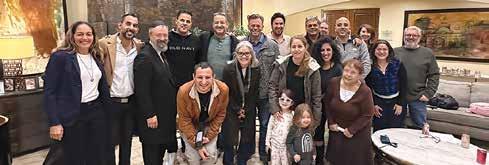
es is to raise funds for the education of African students in Kenya. All proceeds from her sales go to the newly approved Seton Foundation.
The quilts in this collection visualize the beauty of diversity in our human community. Each individual is unique, but together we create a beautiful harmony for an enriched life. Respect, cooperation, and compromise make for a world of peace and stability, a world of beautiful creativity. If we love, meaning wishing the good of the other, as all religious traditions emphasize, then how can we justify groups of “the other”? We are one people, one world.
As Betty healed from hip surgery a year ago, her only activity was to sit at the sewing machine for about an hour at a time. She began her usual strip quilt squares because no thought is required, just repetition and time for reflection. She suddenly had the compulsion to pick up small scrapes of fabric that would have been tossed and to include them in the strips (some strips might have 5-6 pieces). Somehow, she felt she was piecing not
only herself, but the whole world back together. She made hundreds of strip squares, and it was only months later that she had the energy and motivation to piece them into the limited addition art quilts you see in this gallery exhibition.
These are “Tikkun Olam” quilts. This Hebrew concept literally means “repairing the world”. It emphasizes the universal role we play in improving the world through acts of social justice, kindness, and ethical behavior.
The House gallery will feature the Under One Roof community wide collaborative exhibit.
The Senior Lounge Art Gallery will feature the work of the TN Watercolor Society.
The Art Reception will be February 11th from 6 – 8pm.
The Exhibition Dates are February 3 -27th. The exhibitions are free and open to the public. Attendees will need sign in at the front desk. For more information, contact the GJCC at 615.354-1699, Curator Carrie Mills at carrie@nashvillejcc.org, or go to www.nashvillejcc.org. •
Did you make a new year’s resolution on January 1st to begin exercising to work off extra pounds from holiday eating, but haven’t started yet? Stores all have sales on exercise equipment, but why not try Israeli folk dancing? No equipment needed except a comfortable pair of shoes. And no experience needed in the beginner’s group at all. The benefits of Israeli folk dancing are great music from Israel and all over the world, good exercise for mind and body, and wonderful camaraderie. Some of us are Jewish, some are not – what unites us is our love for dance.
One of our dancers, Sharon Morrow, says, “Israeli folk dancing expresses the love and heart of the Jewish people. It doesn’t matter if you can’t dance or can’t dance well. Just get up and dance. It’s worth the effort.”
One night as I was driving home from dancing, I heard the beautiful song “I Hope You Dance,” sung by Lee Ann Womack and written by a neighbor of mine. Listen to the song and take the risk of trying Israeli folk dancing with us this year. Judy and I and all the other dancers will be so happy you decided
to dance. We are the most welcoming group in town. And you’ll be so glad you did!
When and Where?
Wednesday evening in the dance studio at the GJCC (no fee)
JCC membership not needed to participate –but guests need to sign in at the front desk. 5:45 – 6:15 pm - beginners (no experience necessary for the beginners session)
New dancers welcome!
6:15 - 715 pm - intermediate and advanced
Questions? Details? Email Judy Given@ given223@bellsouth.net
Friday morning in the GJCC gym (no fee)
JCC membership not needed to participate, but guests need to sign in at the front desk. 11:30 am – 12:45 pm Intermediate and advanced - if you’ve danced before in another city, come and dance with us.
Questions? Details? Email Evelyn Koch @ kochevelyn@hotmail.com •

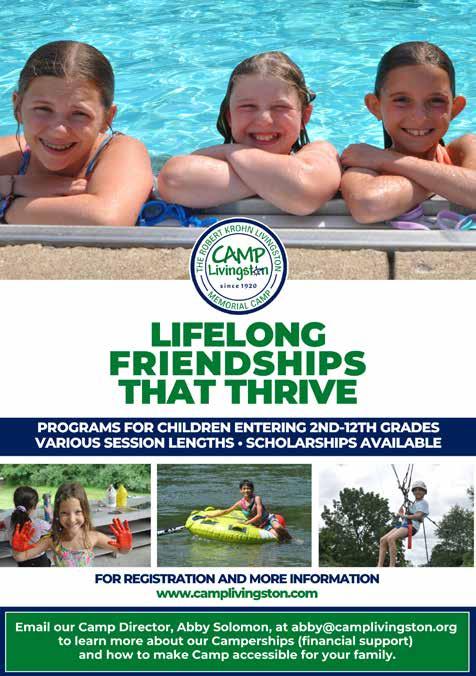
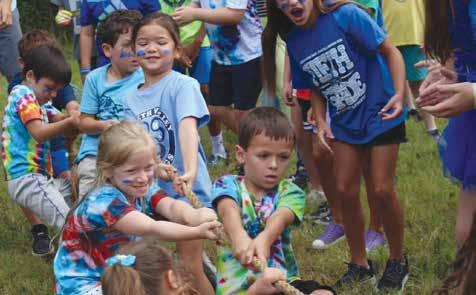
Many of us remember those summers at camp that inspired our connection to Judaism – the singing after dinner or Havdalah on the edge of the lake at sunset. The Jewish summer camp experience creates community for life, not just for a summer Year after year our children return from camp with stories, memories and friendships. For many of them it is the first time they’re surrounded by all things Jewish. Overnight Jewish camping is wonderful way to introduce children to the joy and celebration of Jewish traditions.
The Jewish Federation of Nashville and Middle Tennessee realizes the importance of building Jewish life and makes financial assistance available on a need basis for students to attend Jewish summer camps. If you know someone who could benefit from this information, please share it. Contact Becky Gunn at the Jewish Federation at becky@jewishnashville.org or 615-354-1624 to request information on summer camp opportunities, to request a scholarship application, or to send completed applications.
All inquiries are confidential. The deadline for submitting applications is March 15, 2026.
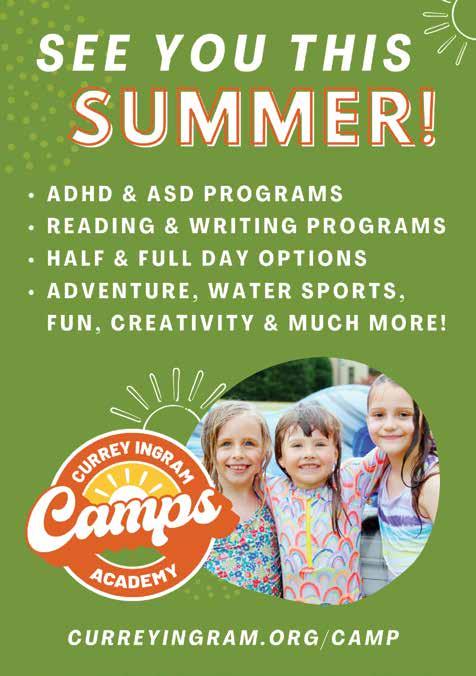
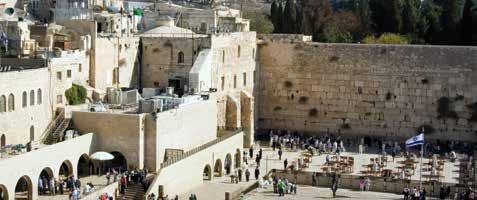
Over thirty years of research on the impact of the Israel Experience has shown that teens are at a critical time of development when they are shaping their patterns of adult Jewish identity and loyalties. An Israel program can enhance or complement a formal Jewish education. It can also a ect those who may have been deprived of a rich Jewish life. Positive moments and memories are central factors in the development of a rming group identification. The purpose is to strengthen Jewish identity
The next generation’s commitment to the Jewish people can be greatly a ected by the experience of being in Israel as a teen. The Jewish Federation of Nashville realizes this benefit and encourages families to consider sending their young people to Israel by o ering incentive grants. These grants are available to 9th-12th graders as well as college students through the Mary & Harry Zimmerman Youth Exchange Endowment Fund. Programs that may qualify for partial scholarship grants include March of the Living, JCC Maccabi Xperience, NFTY, Ramah, USY, Volunteers for Israel, High School in Israel and BBYO
For more information please contact Tania Bukengolts, o ce administrator at tania@jewishnashville.org or at 615.354.1668.
of Greater Nashville
This summer, Camp Davis is excited to offer a wide variety of camp experiences designed to inspire curiosity, creativity, confidence, and connection. Alongside our specialty programs, we also offer Traditional Camp, providing a classic camp experience filled with games, swimming, outdoor play, crafts, and meaningful friendships.
Our STEM and enrichment camps provide engaging, hands-on experiences for curious minds. Campers can explore their love of food and creativity through Culinary Camp, Baking Camp, and Culinary Camp Jr., while Pokémon Camp and Brickeology LEGO Camp encourage problem-solving, imagination, and teamwork. Space and the World Around Us invites campers to explore science and discovery through fun, age-appropriate activities that make learning exciting.
For campers who love to move, our sports and adventure camps offer high-energy experiences that promote teamwork, confidence, and physical activity. Options include Adventure Camp, Hockey Camp, Pickleball Camp, Basketball Camp, Adventure Park Camp, and Aquatics Camp, giving campers plenty of opportunities to stay active, try new skills, and build friendships in a supportive environment.
Our arts camps allow campers to express themselves creatively while developing new skills. From Creative Chaos and Mixed Media Camp to Fashion Camp Jr., Fashion Camp, Photography Camp, and Theater Camp Acts 1 and 2, campers can explore visual arts, performance, and design in fun, collaborative settings.
With experienced staff, engaging programming, and a welcoming community, Camp Davis offers a summer filled with learning, laughter, and unforgettable memories.
Adventure Science Center’s STEM Camps offer a safe, fun, and educational experience where kids actively explore science, technology, engineering, and math (STEM) concepts. Our hands-on activities, exciting experiments, and interactive projects inspire curiosity, teamwork, and creative problem-solving while fostering a lifelong passion for learning.
Recognized as the one of the Best Local Day Camp in the 2025, our camps provide unforgettable experiences for children K–8.
Our 2026 Summer Camps invite curious minds to explore, experiment, and imagine through immersive, hands-on science experiences. From magical chemistry and super-powered physics to space exploration, invention, and advanced robotics, each camp is thoughtfully designed to spark curiosity, build confidence, and make learning unforgettable. Whether your camper is discovering science for the first time or ready for a deeper challenge, our themed and specialty camps offer engaging, age-appropriate adventures led by expert educators—where every week is a new opportunity to learn by doing.
NEW THIS YEAR: Check out our specialty camps designed to inspire and challenge middle-school aged students!
To learn more, visit AdventureSci.org/camps.
Continued on page 20



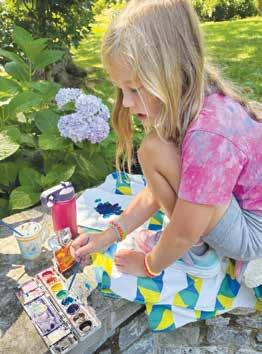
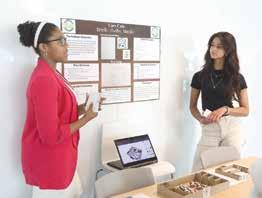
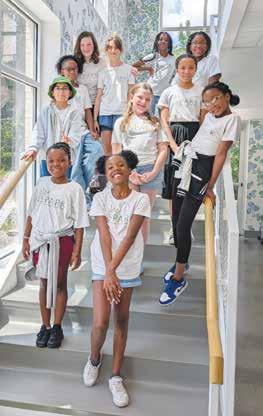


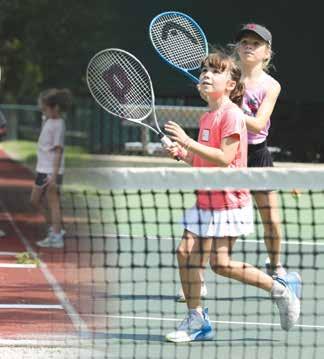
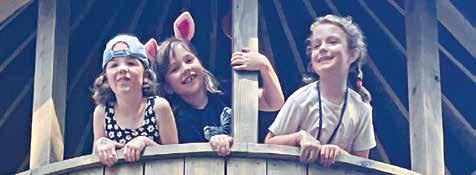
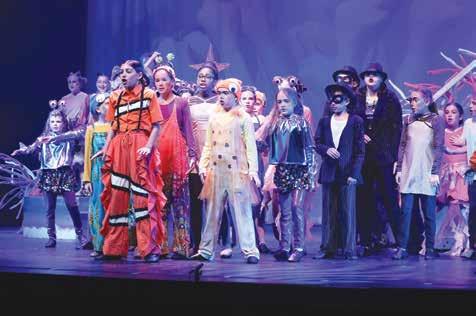

Continued from page 19
Carrie Mills, Parson School of Design alumni and creator of Fashion Camp, returns this summer with three offerings into the world of fashion for campers at Camp Davis at the Gordon JCC. This year, along with her two popular Project Runway camps, Carrie is offering a weeklong immersion into fashion as art. This third week will offer a new fashion camp to those who are inclined more towards fashion illustration and fashion as art. It’s gearing up to be another fashion fun filled summer at Camp Davis!
Instagram: @carrie.mills Website: carriemills.com
At Camp Judaea, campers experience a little bit of Israel in the Blue Ridge Mountains while building confidence, joy, independence, and lifelong friendships in a warm Jewish community. Rooted deeply in Jewish values and a strong connection to Israel, CJ is a community where campers feel proud of who they are and connected to something bigger than themselves.
With approximately 800 campers each summer, campers are known, supported, and celebrated as individuals. Counselors and staff take time to build relationships, guide social-emotional growth, and help every camper feel valued. Whether it’s singing after Shabbat lunch, cheering in the Chadar Ochel (dining hall), or conquering a hike as a group, campers quickly become part of a warm community that feels like home. Rikkud (Israeli Dancing) is also a central part of camp culture, embraced by campers and staff alike as a joyful expression of Jewish and Israeli pride.
Camp Judaea’s program blends adventure, creativity, and learning through experience. Campers explore the outdoors, zip down the zipline, swim in our lake, climb the adventure tower, explore woodworking, play sports, and challenge themselves with new activities each day. Our Israeli shlichim (emissaries) bring Hebrew, culture, songs, and stories to life, deepening campers’ connection to Israel.
Above all, Camp Judaea is a place where campers grow as friends, as leaders, and as Jews. They return home more confident, empathetic, and proud of their identity. For 65 years, families have trusted CJ to be a transformative part of their camper’s lives.
For more information: www.campjudaea.org | info@campjudaea.org
Continued on page
Continued from page 20
Camp Livingston, the regional Jewish overnight Camp located just over 4 hours from Nashville, has been providing life changing summers for over 105 years. At Camp Livingston, campers aged 7-17 (current 1st-11th grade) participate in activities they know and love while also pushing themselves to try new things.
Camp Livingston sits on 680 acres of beautifully wooded land in Bennington, Indiana and features a waterfront with water skiing and tubing; a low and high ropes course and climbing wall; a swimming pool; endless hiking trails; a baseball diamond, tennis courts, a volleyball court, basketball courts, archery and athletic fields; a state-ofthe art theater; and an arts and crafts center. Sports, art, drama, dance, travel, hiking, camping – through these experiences, campers build their self-confidence, make new friends, and thrive. Each and everyday at Camp Livingston, campers form lifelong friendships and develop new skills as they cultivate a strong and enduring sense of Jewish identity.
At Camp Livingston, we believe every child should have the chance to experience the magic of Camp, no matter their family’s financial situation. Our team is here to help guide you through available scholarships and grants, both locally and nationally, through Jewish agencies, congregations, and community partners.
We’re also proud to offer our own generous campership program, including funds dedicated specifically to supporting low- and middle-income families. We’re happy to help make Camp possible for your family. Email abby@camplivingston.org for more information.
This summer, Currey Ingram Academy is the place where learning meets laughter—and where every child can find something they love.
From specialized ADHD and ASD programs to Reading & Writing Intensives and classic camp favorites, our lineup offers the best of both worlds: structure that supports growth and experiences that feel unmistakably like summer.
Camp days might include building worlds in Minecraft, strategizing in LARP, splashing through outdoor fun, creating something new, or sharpening skills on the court or field. Whether kids are exploring STEAM activities, strengthening confidence, or just having an absolute blast, joy is always front and center.
Tennis, Cheer, Basketball, Minecraft, LARP, specialized learning—and more. If they’re into it, chances are we’ve got a camp for it.
With eight camps to choose from, families can mix and match half-day or full-day options, stay for a week, or make Currey Ingram part of their whole summer story.
Learn more and register at curreyingram.org/camp.
From athletic fields to science labs, from stage lights to art studios, summer at Harpeth Hall invites girls to do what they love or try something new! For more than 18 years, our summer programs have reflected the same joy, curiosity, and creativity that define the school year for our students. Guided by skilled coaches and energetic teachers, each summer program challenges campers to think critically, lead confidently, and live honorably, just as our school mission does.
In addition to our regular camp highlights, also not to be missed is Harpeth Hall’s two-week summer camp theatre intensive featuring a full-stage production of Lion
Continued on page 22

















King and our STEM Summer Institute, a premier two-week program where middle and high school girls tackle real-world challenges through engineering. Past projects have included everything from creating hand-washing stations for communities to designing and building 3D models of community-use spaces in a nearby neighborhood.
Registration for Harpeth Hall summer camps is open now. Visit camps.harpethhall.org to see all our school has to offer. The most popular camps fill quickly, so don’t wait.
Belmont’s youth art programs hosted by the Watkins College of Art and the O’More College of Architecture and Design help kids and teens develop creatively as they cultivate artistic skills. Led by outstanding artists, designers and educators, these programs explore the artistic process
By CARRIE MILLS
Awith emphasis on problem solving, designing, communicating and creating. Young artists will have the opportunity to work with high-quality materials, in college-level studios. The R.O.Y.G.B.I.V. Multi-arts Camps for ages 9-11 are inspired by weekly themes: Monsters and Magic, Mysteries of Space, Wacky Weather, and Wild Kingdom. Campers spend half of the day exploring 2D art mediums and the other half exploring 3D art, and every kid leaves with a portfolio that expresses their creative investigation of the week’s theme. The Studio Series Camp for ages 12-14 delves into a specific media or artistic discipline each week. This summer camp offers classes in Illustration, Mixed Media and Printmaking, Photography, and Drawing and Painting. They also have a precollege experience, Summer Studios, for ages 15-18, led by college faculty and industry professionals. Teens are invited to explore creative majors of architecture, fashion design and merchandising, fine art, graphic design, interior design, and photography. After each camp session, all youth will display their work alongside their peers in an art show open to all our artists’ families and friends. Learn more at: https://www.belmont.edu/watkins/ community-education/youth-programs.html •

fter a comment I had made in one of our recent staff meetings, a co-worker remarked that I need to be an online personality. He said he’s convinced I’d have a lot of followers. To which I retorted, “Yeah… so they can follow me right off the cliff.”
I then asked my co-worker if he’d like to be my manager, or agent. I need to be monetized. I need help. I know that can be taken many ways and should be.
All of this came about during a share in our monthly staff meeting, after being asked what each of our special talents are. I volunteered that not only, in pre-Botox days, could I do a crazy face contortion, but that unbeknownst to most of mankind, I do a pretty mean Louis Armstrong singing imitation.
All that to say, as of now, I have no plans to add to the online cult of personality madness, nor have I any plans to stop doing Botox, or surprise anyone with my Louis Armstrong imitation.
I’m just trying to get through the day intact at this point. And speaking of going right off the cliff…Valentine’s Day is right around the corner. Oh boy. Back in the day, before I became somewhat worn down and cynical, I used to believe that I’d find my one and only. And at one point in my life, I thought I had. Except it didn’t turn out the way I dreamt it would. And now, while there is a teeny tiny particle of hope floating around somewhere in the back of my mind, the part that keeps me on online dating apps, and staying open to the possibility, every time Valentine Day comes around it feels more like a reminder of dreams lost than hopeful new beginnings. Now, please don’t get all boohoo for me. I’m actually doing quite well on my own. I enjoy my life and feel full of love from so many. And I certainly can enjoy a box of chocolates, even if I buy them for myself. It’s just that the little Hallmark girl in me knocks on the door every year at Valentines Day in all her pretty dress, white ankle socks, and patent shoes finery, peaking her head out wondering, maybe this year? Any secret admirers?
As for online dating, well that is souring fast. The fear of meeting a serial killer or killer in general got all too real after I read an article in the NY Times this morning about a man in his seventies who fell and married a woman he met online. Turns out, and here’s a bit of a twist, the woman was the would-be assassin. She was the one who shot at President Gerald Ford and missed. She served 30 years in prison, got out, and what did she do? She went straight online and emotionally imprisoned some poor vulnerable sap who just lost his wife of 60 years and proceeded to rip his family apart.
After reading that article my face contortions miraculously came back in full force.
So, I think I’ll just buy myself a box of Godiva’s, sing “What a Wonderful World” in full Louis throttle, send myself and the universe a whole lotta love and get on with it.
Definitely not online though. Happy Valentines Day! •
CATHY WERTHAN, CPA CBIZ 1221 Broadway, Suite 1925 Nashville, TN 37203 (615) 245-4070 • CBIZ.com

ELECTRONIC EXPRESS is a leader in top quality, brand-name electronics and appliances at exceptionally low prices. Stocking the latest items, Electronic Express takes pride in providing customers with products at prices to fit any budget. From televisions, appliances, smart devices and cameras to security systems, furniture and mattresses, Electronic Express has everything to take your home to the next level. Electronic Express offers special financing, delivery and installation options. We make it happen! Visit us at any of our 18 locations or online at www. electronicexpress.com
MARTIN SIR, ATTORNEY
Family Law / Personal Injury / Probate 3200 West End Avenue, Suite 500 Nashville, Tennessee 37203 615-256-5661 (phone) 615-256-5115 (fax) www.martinsirlaw.com
and
Custom senior care for active, healthy lifestyles. Affordable/no minimums. Meals, meds, transp., outings, dementia care & assist with hospital discharge. Professional trusted care partners. Locally owned. Call Moises for Free Assessment: 615-678-9223 www.curaforcare.com

Elite Caregiving Services
Compassionate Care In Your Home We offer aftercare from surgical procedures, part-time assistance, and 24 hour elderly care. 615-881-6528 Hannah@EliteCaregivingServices.com EliteCaregivingServices.com
DR. BRADLEY KROCK D.C.
Discover relief with Dr. Krock, DCExpert chiropractic care for pain, wellness, and injury recovery. Book your appointment today! 615-723-0201 www.krockchiropractic.com
STEVEN R. HECKLIN, DMD
DAVID M. SMILEY, DMD
ABBY DILUZIO, DMD
Cosmetic and Family Dentistry www.drhecklin.com 5606 Brookwood Place 615-356-7500

Home Maintenance Concierge Semi-annual Guidance and Upkeep. Perfect for busy homeowners, Seniors, Snowbirds, Caregivers. In-person service and trusted advice. No sales pitches, pressure or mark-ups. Mark Hill 615-823-8033 m.hill@tandemrealty.com www.TandemRealty.com

BILTMORE INSURANCE SERVICES
Greg Zagnoev, Agent 615-746-RISK (7475) Home, Auto, Business, and Life
JAMES A. ROTHBERG
ADAM ROTHBERG
James A. Rothberg & Associates Office: 615-997-1833 Fax: 615-665-1300 2000 Glen Echo, Suite 208 Nashville, TN 37215 Email: jrothberg@jarinsurance.com info@jarinsurance.com
ROBINS INSURANCE
Bruce Robins, CPCU, CIC, ARM; Van Robins, CIC Auto, Home, Life, Health, Business Insurance 11 Music Circle S Ph. 615-665-9200 • www.robinsins.com
ZANDER INSURANCE GROUP, INC.
Jeffrey J. Zander, CIC Auto, Home, Life, Health, Business, Long Term Care, Identity Theft Protection 6213 Charlotte Pike, Nashville, TN 37209 615-356-1700 www.zanderins.com
M JAFFA HEALTH INSURANCE
Marsha Ross Jaffa, CIC, LUTCF 615-482-3860
Medicare, Health, Dental, and Life
DR. MICHELE SONSINO Optique Franklin 436 Main Street, Franklin 615-591-4191 Optique Nashville 2416 21st Ave. South, Nashville 615-321-4393
DR. JAMES W. KIRKCONNELL Bellevue Eyecare Center 7640 Hwy 70 S, Ste 102 Nashville 615-662-7588 www.bec2020.com

Specialists in Orthodontics
Dr. Jonathan Gluck DDS, MSD
Dr. Joel Gluck DDS, MS 2002 Richard Jones Road A-200 615.269.5903 drgluck.com
GHERTNER & COMPANY Homeowner Association and Condominium Management Full Service and Financial Management Property Management since 1968 615-255-8531 www.ghertner.com
IRA HELDERMAN, PhD, LPC Psychotherapy for Individuals, Adolescents, Couples and Families nashvillepsychotherapyandcounseling. com Please contact: 615-473-4815 or ira.p.helderman@vanderbilt.edu

FRANKLIN PARGH 615-351-7333
franklin.pargh@compass.com
LANA PARGH 615-504-2685
lana.pargh@compass.com www.pargh.com Instagram: @theparghteam

JACOB KUPIN, REALTOR
HAYLEY LEVY KUPIN, REALTOR 615-281-9035
Jacob@TheKupinGroup.com Hayley@TheKupinGroup.com www.TheKupinGroup.com We’ve got your back!
JESSICA AVERBUCH Broker/ Owner Zeitlin Sotheby’s International Realty 615-294-9880
jessica.averbuch@zeitlin.com
KAROL FARAGALLI 615-289-3359 karolfaragalli@gmail.com
LORNA M. GRAFF Broker, GRI, CRS, ABR 615-351-5343
lorna.graff@zeitlin.com www.lornagraff.com
SETH HOFFMAN Associate Broker 615-351-2150 seth@sethhoffmannashvillehomes.com
NAN SPELLER Broker, GRI, ABR 615-973-1117 nanspeller2014@gmail.com
Nashville: 615.383.0183 Franklin: 615.794.0833 zeitlin.com

Jackie Roth Karr, REALTOR® ABR, CRS JackieKarr@gmail.com JackieKarr.com Mobile: 615-330-9779 Office: 615-463-3333

TEAM NASHVILLE Your Running/Walking Swimming Headquarters 3205 West End Ave. Nashville, TN 37203 615-383-0098
Expedia Cruise Ship Centers
A Full Service Travel Agency Alan Cooper: Office: 615-454-6439 www.expediacruises.com/AlanCooper 7081 B Hwy 70 S / Kroger Shopping Ctr.

Preserving the Natural Beauty of Trees and Shrubs. Specializing in the care of shade and ornamental trees and shrubs for residential and commercial properties. Serving Nashville since 1978. 615-373-4342 www.druidtree.com
GREG ANSEL, REALTOR® Phone/Text: 615-815-6405 Email: GregAnsel@kw.com “Let’s Get Moving!”

At Clarendale at Bellev ue Place, each day is lived in comfor t, connection, and purpose. Our independent living lifest yle is maintenance-free, with engaging amenities and ac tivities to enjoy ever y day.
For families seeking memory care, our compassionate team provides specialized suppor t that honors each individual ’s stor y, while assisted living is available for those who need daily suppor t met with dignity and independence.

Here, any resident can thrive, surrounded by warmth, friendship, and a lifest yle designed to feel like home




Schedule a visit today to experience our welcoming communit y. 615-258- 6364 | ClarendaleAtBellevuePlace.com



tel 615-258-6364 web ClarendaleAtBellevuePlace.com em LIFE@ClarendaleAtBellevuePlace.com 7632 Highway 70 South | Nashville, TN 37221