
International Research Journal of Engineering and Technology (IRJET) e-ISSN: 2395-0056
Volume: 12 Issue: 02 | Feb 2025 www.irjet.net p-ISSN: 2395-0072
PSYCHOSOMATIC WELL-BEING THROUGH LANDSCAPE ARCHITECTURE
Priyanka Dalal1, Ar. Payal Musmade2, Ar. Dinesh Dhekane3
1Student: Dayanand College of Architecture Latur, Maharashtra, India
2 As. Ar Professor: Dayanand College of Architecture Latur, Maharashtra, India
3 As. Ar Professor: Dayanand College of Architecture Latur, Maharashtra, India ***
ABSTRACT- Landscape architecture is traditionally concerned with the design and management of open green spaces. But we can see these days, its main focus is on how aesthetic things look, visual appearance, their style, and how they are organized. Whereas (health benefits and its history) primary role plays. Landscape architecture lies in its role in addressing environmental degradation while improving human living conditions. Through the integration of green spaces and sustainable designs, landscape architecture plays a vital role in enhancing both physical and mental well-being.
The research focuses on the design and architecture of landscape spaces according to physical and mental well-being. This research looks at how landscape architecture can help with health in many ways. It can boost physical fitness, improve mental health, build social connections, and support a healthier environment.
Key words: (landscape architecture, health benefits, physical well-being, mental health, green spaces, sustainable design, social connections, environmental health.)
INTRODUCTION:
As urbanization continues to increase, especially in rapidly growing cities, the creation and maintenance of green spaces becomeessentialforthehealthandwell-beingofresidents.Butnowoverallhalfoftheworld'speopleliveincities.Morethan 60%ofpeopleinIndialiveincities.Urbandevelopmentreplacesnaturalenvironmentswithbuiltenvironmentsresultingin limited access to outdoor environments which are critical to human health and well-being. This research examines the relationshipbetweenlandscapearchitectureandpublichealth,specificallyfocusingonhowthedesignofopenspacescanlead toimprovementsin physical activity,mental health,air quality,social interaction, andoverall well-being. Itlooksathow landscapescancreatespacesthatencouragehealthierliving.Goodscenerycanhelplowerstresslevels.Itcanalsohelpdeal withissueslikeairpollutionandclimatechange.
AIM:
Theaimofthetopic"HealthBenefitsspacesaccordingtothephysicalandmentalwellbeingThroughLandscapeArchitecture" istoshowhowwell-designedopenspaces,likeparksandgardens,canimprovepeople'sphysicalandmentalhealth.Itfocuses onhownatureandgreenareascanhelppeople’sreducestress,encourageexercise,improvemood,andbringpeopletogether. Theresearchalsolooksathowthesespacescanmaketheenvironmenthealthierbyprovidingplant’sandwaterfeaturewhich isbeneficialtohealthylifeandtheseplantscanhelpimprovingairqualityandofferingsafeplacesforpeopletoenjoy.this researchshowshowlandscapearchitecturecancreatemoregreenspacestoimprovehealthandmakecommunitiesbetter placestolive.
OBJECTIVE:
Howopenspacesencourageactivitieslikewalkingorexercising,whichimprovefitness.
Inlandscapehownaturehelpsreducestressandimprovehealth.
Inlandscapeshowplantsandtreescancleantheairandcreatehealthyenvironments.
Showhowpublicspacesbringpeopletogetherandhelpbuildstrongcommunities.
Ensureeveryonehasaccesstoparksandnaturetoenjoythehealthbenefits.
NEED OF THE TOPIC:
Withgrowingandfastworld,especiallyaftercovid,theworldhasgrownimportanceoflandscape,greeneryandhealth.But todaywecanseelandscape-visualandgreenerylimited-weneedtodesignandproposespacesandlandscapeswhichprovide
International Research Journal of Engineering and Technology (IRJET) e-ISSN: 2395-0056
Volume: 12 Issue: 02 | Feb 2025 www.irjet.net p-ISSN: 2395-0072
healthphysicalandmentalbeneficethroughdesignandselectionofproperplanetsandtrees.Well-designedparks,gardens, andopenspacescanhelpreducestress,improvefitness,andmakepeoplefeelhappier.Thistopichighlightstheimportanceof creatingmoregreenspacestoimprovehealthandmakecommunitiesbetterplacestolive.

RESEARCH QUESTION:
1)Howlandscapearchitectureplaysvitalroleinsocialwellbeing?
2)Whatishealthylandscapeandwhyhealthylandscapeimportant?
3)Whatishealinglandscapearchitecture?
4)Howselectionoftrees&plantsmattersinshapingthehealthylands?
5)Designingoflandscape.AccordingTophysical&metalwellbeing?
International Research Journal of Engineering and Technology (IRJET) e-ISSN: 2395-0056
METHODOLOGY:

LANDSACPE ARCHITECTURE AND SOCIAL IMPACT:
Havingaccesstonatureisabasicneedforpeople.Greenspacesarevitalforhealthandhappiness.Landscapearchitecturecan boostwell-beingbydesigningbeautifulareasthatofferspaceforoutdoorexerciseandsocializing.Addingmoreplantsin growingcitiescanhelpcleantheairandreducenoise,leadingtolowerstresslevels.Landscapedesigncanalsosupportmental healthandreducestress.Quietareas,naturalfeatures,andwaterelementspromoterelaxationandmindfulness.Inshort, landscapearchitecturecancreatespacesthatarenotjustprettybutalsosupportourwell-being.
Volume: 12 Issue: 02 | Feb 2025 www.irjet.net p-ISSN: 2395-0072 © 2025, IRJET | Impact Factor value: 8.315 | ISO 9001:2008 Certified Journal | Page633
International Research Journal of Engineering and Technology (IRJET) e-ISSN: 2395-0056
Volume: 12 Issue: 02 | Feb 2025 www.irjet.net p-ISSN: 2395-0072
Landscape architecture can also help support mental health by creating spaces that promote relaxation, meditation, and mindfulness. Features such as water features, natural textures and scents, and quiet seating areas can all contribute to a calmingandpeacefulenvironment.
Landscapearchitecturehasacriticalroletoplayinimprovingourhealthandwell-being.Bydesigningwithnature,wecan createspacesthatarenotonlybeautifulbutalsofunctional,sustainable,andsupportiveofourphysical,mental,andemotional health.

HEALTHY LANDSCAPE AND IT’S IMPORTAN’S:
Well-planned landscapes really help our physical and mental health. Healthy landscapes can be anything from parks to protectedareas.Theyimproveourhealthbysurroundinguswithcleanair,sunlight,andgreenery.Thoughtfuldesigncanhelp cleanairandwaterandlowerpollution.Healthyspacesmakepeoplefeelgood,boostsocialinteractions,andreducefeelingsof isolation.Theycreateopportunitiesforworkandlearningandhelphealbothbodyandmind.
Throughouthistory,peoplehaverecognizedhowimportantnatureisforourhealthandwell-being.Beingaroundcleanair, sunshine,plants,andnatureingeneralhaspositiveeffectsonourbodyandmind.
International Research Journal of Engineering and Technology (IRJET) e-ISSN: 2395-0056
Volume: 12 Issue: 02 | Feb 2025 www.irjet.net p-ISSN: 2395-0072
Addingnativeplantsandtrees,implementingregenerativeenergy,andincorporatingsmartwater-savingirrigationtechniques are some additional ways to produce healthy landscapes. Sustainable design practices are important to creating healthy landscapesbecausetheynotonlyencourageahealthyenvironment,butalsomaintainthemformanygenerationstocome.
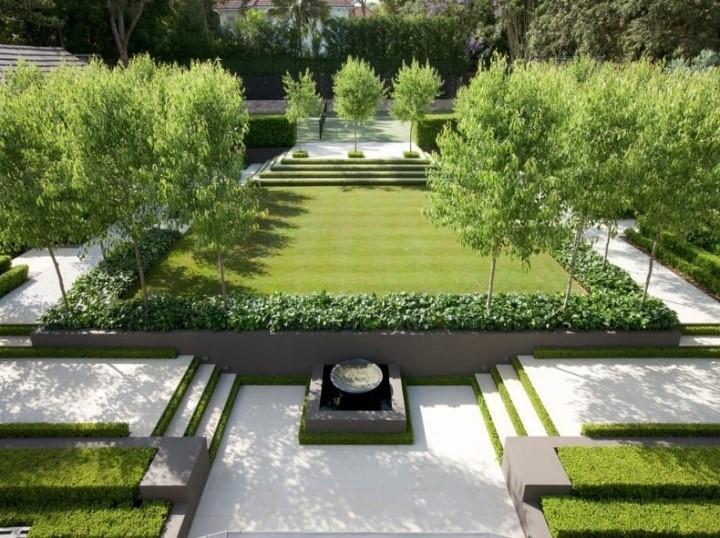

Healthyenvironmentscontributetoovercomehealthinequalitiesandcanpromotehealthylifestyles.
Healthyspaceshelppeoplefeelrelaxedandcomfortable.Thisleadstomoresocializingandlesslonelinessandstress.
Healthyplacesmaximizeopportunitiesforworking,learninganddevelopment.
Healthyenvironmentsarerestorative,inspiringandhealingforbothphysicalandmentalhealthconditions.
WATER FEATURE IN LANDSCAPE:
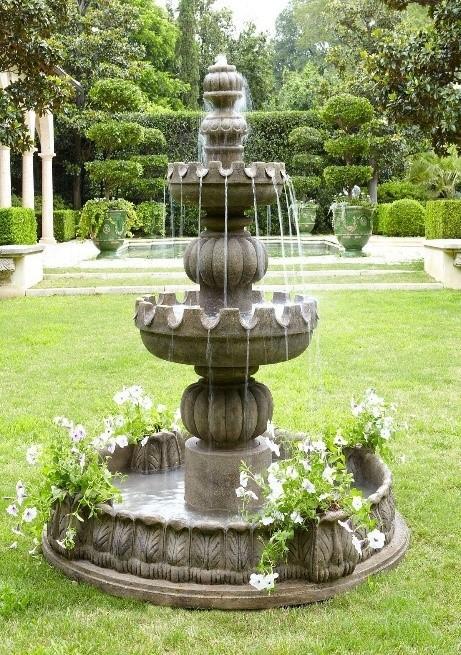
Waterfeaturesaredecorativeelementsinlandscapedesignthatinvolvewaterasacentralfeature.theWaterfeaturescan comeinavarietyofforms,includingfountains,ponds,waterfalls,andstreams.Waterfeaturesmaybecreatedforaesthetic value,functionality,ortocreateahabitatforaquaticlife.Waterfeaturesarevitalimportantinlandscapearchitecturebecause theycancreateasenseoftranquility,movement,andaconnectionwithnature.Waterfeaturescanalsoimproveairquality, createamicroclimate,andincreasetheoverallaestheticvalueofaproperty.Waterfeaturescanalsobeusedtocreateafocal point,tosuppressnoisepollution,andtoprovideacoolingeffectduringhotweather.
TYPES OF WATER FEATURE WHICH IS USE IN LANDSCAPE ARCHITECTURE:
BENIFITES OF WATER FEATURE:
1.Thesoundofwaterhasacalmingeffectonthemindandbody.
2. Movingwaterreleasesnegativeions,whichcanhelppurifytheair.
3.Waterfeaturescreatehabitatsforbirds,butterflies,andotherbeneficialcreatures.
4.Temperatureregulation:Largewaterbodiescanhelpcoolsurroundingareasonhotdays.
5.Thesoundofwatercanhelpdrownoutunwantednoisefromtrafficorneighbors.
6.Well-designedwaterfeaturescanboosttheaestheticandmonetaryvalueofyourproperty.
International Research Journal of Engineering and Technology (IRJET) e-ISSN: 2395-0056
Volume: 12 Issue: 02 | Feb 2025 www.irjet.net p-ISSN: 2395-0072


International Research Journal of Engineering and Technology (IRJET) e-ISSN: 2395-0056
Volume: 12 Issue: 02 | Feb 2025 www.irjet.net p-ISSN: 2395-0072
AWARENESS
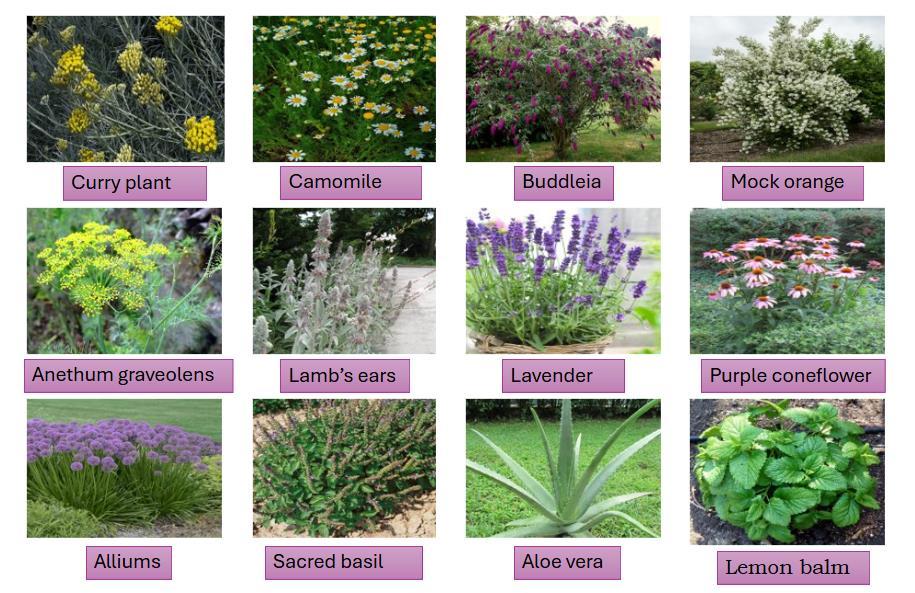
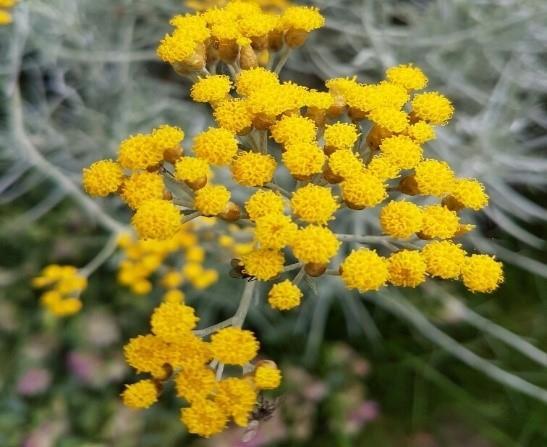
Curry plant
This plant thrives warm and sunny spots. It doesn’t do well withfrost.Itgrows bestinsoil that drains well and is a bit acidic to neutral. It needs full sunlighttoreallythrive.Youcan useitasasmallhedgeorplant it in pots, making it a flexible choice.
MAINTENANCE
Curryplantislowmaintenance.
Regular watering, but avoid overwatering. Light pruning to maintainshapeandremovedead growth. Watch for occasional pests like aphids, but they are generallypest-resistant.
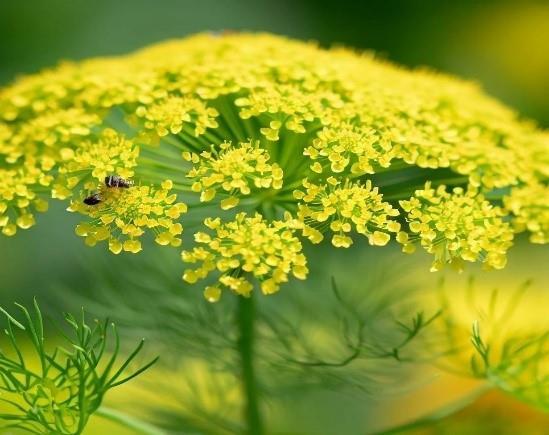
Anethum graveolens
Dill, or Anethum graveolens, grows best in cooler areas. It likes well-drained sandy or loamysoil.Thisplantneedsfull suntogrowstrong.Dillcanget pretty tall and spread out, so makesureit hasenough space tothrive.
Dillislowmaintenance.
Regularwatering,butallowthe soil to dry between waterings. Removespentflowersandleaves toencouragenewgrowth.Watch for aphids and treat them naturallyifneeded.
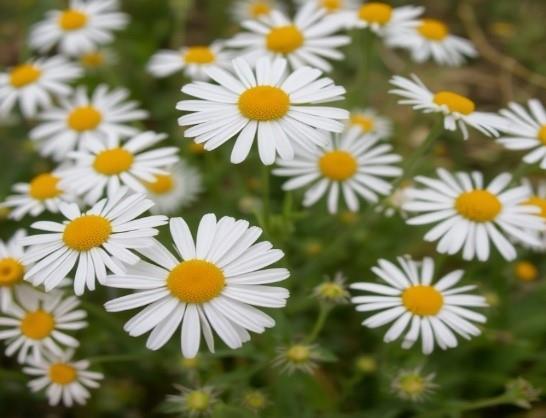
Chamomile
Chamomilegrowsbestinmild, cooler places. It likes soil that drains well, such as sandy or loamy types. Make sure it gets plenty of sun but can also handlesomeshade.Sinceitcan spreadout,giveitenoughspace forittogrowcomfortably.
Chamomileislowmaintenance.
Regular watering, but not too much(itprefersslightlydrysoil). Removedeadflowersandstems to encourage new growth. Generally, pest-resistant, occasionalaphidsmayappear.
International Research Journal of Engineering and Technology (IRJET) e-ISSN: 2395-0056
Volume: 12 Issue: 02 | Feb 2025 www.irjet.net p-ISSN: 2395-0072
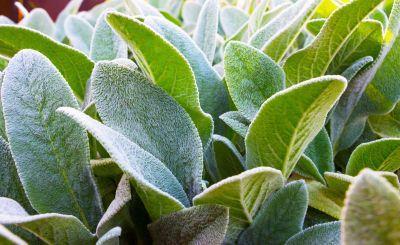
Lamb’s ears
Lamb’s ears thrive sunny and dry spots. They don’t need muchwater,sothey’regreatfor dry days. These plants do best in sandy or loamy soil that drains well requirefull sun for optimalgrowth.Sincetheycan spread a lot, it's important to give them enough space to fill thearea.
Lamb’s ears are low maintenance.
Theyareonceestablished,they are drought-tolerant and need minimal watering. Trim back spent flowers and any dead or damagedleaves.Generally,pestresistant,butwatchforslugsor aphidsoccasionally.
Lavender
Prefers full sun and welldrainedsoil.Canbesensitiveto overly wet conditions and frost.
Low-maintenance. Needs occasionalpruningandminimal wateringonceesta

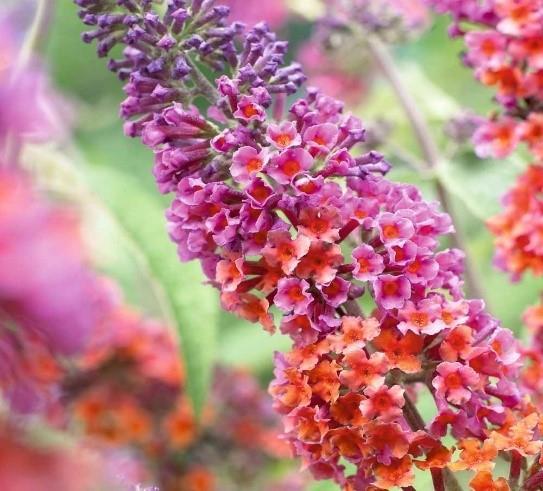
Buddleia
Buddleia attractsbutterflies. Canbeinvasiveinsomeareas. Choose the right variety for yourgarden.
Pruneinspring(cutback 12-18 inches).Waterduringdryspells. Fertilize lightly in spring. Deadhead flowers to keep it blooming. Watch for pests like aphids.blished.
International Research Journal of Engineering and Technology (IRJET) e-ISSN: 2395-0056
Volume: 12 Issue: 02 | Feb 2025 www.irjet.net p-ISSN: 2395-0072
Mock orange
Needsfullsunandwell-drained soil.Maybesusceptibletopests suchas aphids.
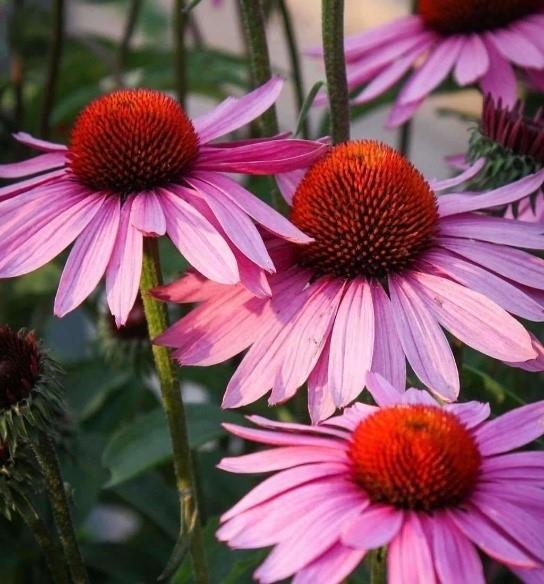
Purple coneflower
Needsfullsunandwell-drained soil. Can self-seed, which may leadtospreading.
Low-maintenance. Requires occasionalpruningandwatering, especiallyindryperiods.

Low-maintenance. Needs occasional deadheading and minimal watering once established.
Alliums
Prefers full sun and welldrained soil. Bulbs need to be plantedinfallforspringbloom.
Low-maintenance.Requireslittle care once planted, occasional watering, and removing spent flowers.

International Research Journal of Engineering and Technology (IRJET) e-ISSN: 2395-0056
Volume: 12 Issue: 02 | Feb 2025 www.irjet.net p-ISSN: 2395-0072
Sacred basil
Prefers full sun and welldrained soil. Sensitive to frost and requires warm temperatures.
Aloe vera
Prefers full sun and welldrained soil. Sensitive to frost andoverwatering.
Low-maintenance.Needsregular watering, occasional pruning, andprotectionfromfrost.
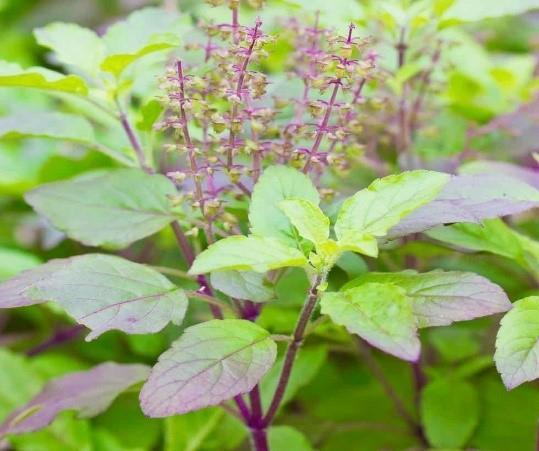
Low-maintenance. Needs occasionalwatering,especiallyin dry periods, and minimal care onceestablished.

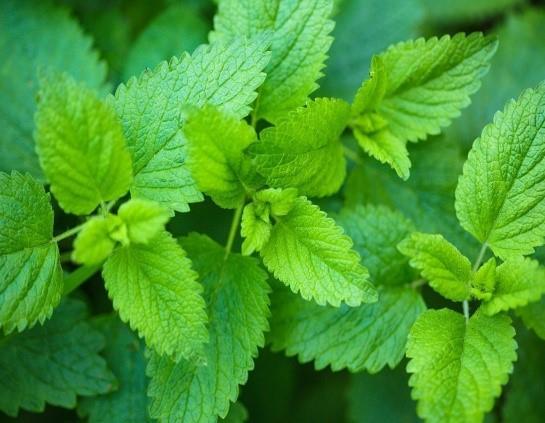
Lemon balm
Prefersfullsuntopartialshade and well-drained soil. Can spread quickly and may need control.
Low-maintenance. Requires occasional pruning to prevent spreadingandminimalwatering onceestablished.
International Research Journal of Engineering and Technology (IRJET) e-ISSN: 2395-0056
Volume: 12 Issue: 02 | Feb 2025 www.irjet.net p-ISSN: 2395-0072
Turmeric need warm weather, indirect sunlight, and moist, welldrainedsoil.Verybeneficialfor health.
Low maintenance. Water regularly and keep them in a sunny spot. They grow slowly, taking about 8-10 months to mature.


International Research Journal of Engineering and Technology (IRJET) e-ISSN: 2395-0056
Volume: 12 Issue: 02 | Feb 2025 www.irjet.net p-ISSN: 2395-0072
1)
RESIDENTIAL BUILDING:
Single-familyhomes–“Low-rise”
Multi-familystructures–“Apartments,flats,or housingcomplexes”.
Rowhouses/Townhouses Group housing projects - “Planned communities or residentialclusters”.
2) COMMERCIAL BUILDINGS:
Retailshops,malls,andshoppingcenters.
Officebuildings–businesscenters,corporate offices.
Hotelsandserviceapartments.
Mixed-usebuildings–Residential,commercial, andrecreationalcombined.
3) INSTITUTIONAL BUILDING:
Schools,colleges,anduniversities.
Hospitalsandhealthcarefacilities.
Government buildings – civic centers, administrativeoffices.
Religious buildings – temples, churches, mosques,etc.
4) INDUSTRIAL BUILDING:
Light industrial buildings – warehouses, distributioncenters,etc.
Heavy industrial buildings – factories, processingplants,etc.
5) PUBLIC AND SEMI-PUBLIC BUILDINGS:
Communitycentersandculturalcenters.
Sportscomplexes–stadium,arenas,gyms.
Librariesandmuseums.
Civic centers – town halls, public service buildings.
6) MIXED – USE BUILDINGE:
Privategardensandlawns
Sharedparksorplaygrounds
Pathsforwalkingandbenches
Publicplazasandpedestrianspaces
Parksandlandscapedareas
Parkinglotswithgreeneryforshade
OPEN AND LANDSCAPE:
Large open spaces, such as courtyards, playgrounds,orgreengardens.
Pedestrian-friendly pathways and outdoor seatingareas.
Therapeutic landscapes for hospitals and healthcareinstitutions.
Tree plantation and shrubbery to improve air qualityandaesthetics.
Green buffers around the industrial site to separatefromresidentialorcommercialareas.
Landscaping for visual appeal and air quality improvement, such as tree planting along the siteboundary.
Stormwater management systems, like rain gardens,ponds,orpermeablesurfaces.
Buffer zones to reduce noise and pollution impactsonsurroundingareas
AND LANDSCAPE:
Public open spaces, such as parks, plazas, or recreationalareas.
Pedestrian pathways, benches, and shaded seatingforpubliccomfort.
Green infrastructure, such as rainwater harvesting, tree planting, and sustainable landscaping.
Public gardens and spaces designed for social interactionandoutdoorevents.
AND LANDSCAPE:
Live-work space – combined residential and Green spaces, such as community gardens,
International Research Journal of Engineering and Technology (IRJET) e-ISSN: 2395-0056
Volume: 12 Issue: 02 | Feb 2025 www.irjet.net p-ISSN: 2395-0072
commercialspaces.
Mixed-use developments – combining commercial, residential, and recreational area.
rooftopgardens,andpubliccourtyards.
Pedestrian pathways that connect different functions.
Publicplazasorgreenareasforrelaxationand socialgatherings.
Sustainablelandscapefeaturessuchasvertical gardensandgreenroofs.
IN HIGH RAISED BUILDINGS OXYGEN LEVEL AND ROOFTOP LANDSCAPE FACES PROBLEMS:
WindExposure
TemperatureExtremes
SoilErosionandDrainage
StructuralLoad
AccessforMaintenance
PestandDiseaseManagement
LimitedSpace
WaterSupply
NoiseandPollution
ROOFTOP OXYGEN LEVEL IN HIGH RISED BUILDINGS:
Inearthatmospheretheoxygenconcentrationistypicallyaround21%atsealevel.oxygenconcentrationisconsistentupto certainaltitudes,typicallyaround3000metersabovesealevel,wheretheairbecomesthinner. Mostbuildingsareunder500meterstheoxygenlevelwillremainaround21%onthetopfloorsaswellasatgroundlevel.
TYPES OF LANDSCAPE DESIGNS:
TYPES OF GARDENS
CHINESE LANDSCAPE
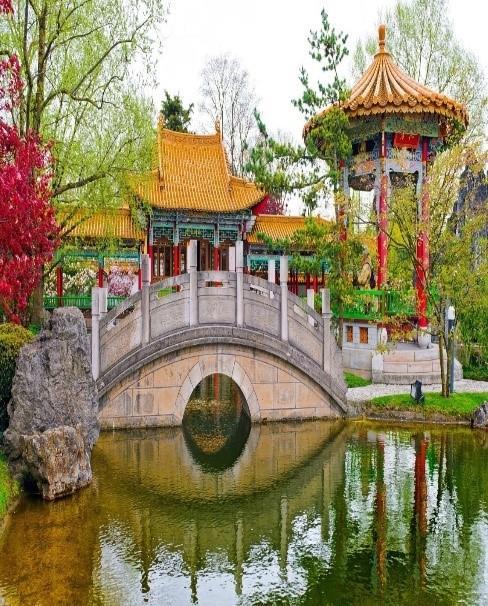
Chinese philosophy, integrates elementsof FengShuiand Taoismto promote balance, harmony,and respectthe natural forces.
monsoon Climate,which producedlush, greenareaswith mountains, riversand forests.
Sight: Visualaesthetics areessentialfor landscape,plants,rocks, andwaterfeatures createsabalancedand calmingenvironment.
Touch:smoothtexture liketreesandstones.
Sound:soundofwater flowingthroughstreams orpondsbirdsong, createsapeaceful atmosphere.
Smell:Fragrantflowers likejasmine,lotus,and pinetrees
Encourage relaxation,mental clarity,stress reduction.
International Research Journal of Engineering and Technology (IRJET) e-ISSN: 2395-0056
Volume: 12 Issue: 02 | Feb 2025 www.irjet.net p-ISSN: 2395-0072
JAPANSE LANDSCAPE


Zengardens arespecially minimalist andfocuson simplicity, balance,and peace.
temperate climateJapanese landscape architecture, supportinga varietyofplants andseasonal changesinthe design.
Sight: Zen gardens createasoothing environment,and providequitespaces
Touch:smoothtexture liketreesandstones.
Sound: Pleasant sounds, suchaswaterbubblingin asmallfountainor bamboochimes
Smell: Nice aromasfrom bambooorpinetrees whichprovidepleasant fragranceandpeaceful environment.
promote mindfulnessand meditation,its reducingstress.
Traditional gardensthat usewater features, trees,and plantsto enhance cultural heritage.
Indianlandscape architecture thrivesina tropicaland subtropical climate,withhot summers, monsoonrains, andmild winters, supportinglush greeneryand waterfeatures.
Sight: Thesymmetrical designandvibrantflower beds,combinedwith reflectingpools,create visualharmonyand balance.
Touch: smoothstones, coolwaterfrom fountains,andsoftgrass underfoot.
Sound: soothingsounds offlowingwater, combinedwiththe rustlingoftreesand birdsong.
Smell: Fragrantflowers likeroses,jasmine,and lotusenhancethe sensoryexperience.

formal elements, neat symmetry, andtheuseof hedgesand simple, elegant plantings.
temperateand continental climatesare supporting diverseplants andoutdoor spaceswith distinctseasons.
Sight: Well-arranged plantslikeflowering plantswhichcan symmetricallayoutsoffer visualorderand calmness.
Touch: softgrassesand flowerpetalscreatea moredelicatetexture.
Sound: gentlewater sounds.
Smell: Fragrantflowers, suchasrosesand lavender,provide soothingscents.
promoterelaxation, tranquility,reduce stressandfostera senseofpeace.
relaxation, tranquility,and contemplation, reducestressand fosterasenseof peace.
International Research Journal of Engineering and Technology (IRJET) e-ISSN: 2395-0056
Volume: 12 Issue: 02 | Feb 2025 www.irjet.net p-ISSN: 2395-0072
FORMAL GARDEN

Itisallabout neatnessand symmetry. temperate climate,with mildseasons, whichsupports neat, symmetrical designsandwellmaintained plants.
Sight: withtheirclean linesandorderlydesign, fostersasenseofcalm andbalance.
Sound: Waterfeatures likefountainsorsmall streamsprovide soothing,gentlesounds.
Touch: Thesmooth surfacesofwellmaintainedpathways, stonebenches,and manicuredlawns.
Smell: Fragrantflowers suchasroses,lavender, andjasminecreatea soothinganduplifting environment.

These gardensare informaland blendbeauty withutility, withavariety ofplantssuch asflowers, herbs,and vegetables.
temperate climatewith moderate rainfallandmild seasons, supportinga varietyof flowers,herbs, andinformal, lushdesigns.
Sight: thevisualappealof cottagegardensliesin theirrich,colorful plantings.
Sound: Thesoundsof buzzingbees,chirping birds,andrustlingplants offeralivelyauditory experience.
Touch: Thesoftleavesof herbslikemintand thyme,combinedwith thesmoothpetalsof flowers.
Smell: featurearomatic plantssuchaslavender, mint,androsemary, enhancingtheolfactory experience.
CONCLUSION:
Mentalclarity, relaxation,reduced stress,enhanced mood,senseof order,and emotionalcalm.
Stressrelief, relaxation,mood elevation,increased creativity, emotionalwellbeing,connectionto nature.
Landscapearchitectureisnotjustaboutdesigningbeautifulopenspaces;itplaysacrucialroleinenhancingtheenvironment. Nowadaysurbanareasaregrowingfaster,andmostofthepeopleliveincities,andbecauseofthat,theneedforlandscape architectureisincreasing.Inlandscapearchitecture,thoughtfulandcarefulplanningencouragespeopletoengageinphysical activity,reducestress,improveairquality,andfostersocialconnections.ancreatingwellplannedgreenspaces,including parks, gardens and therapeutic landscape is beneficial in facilitating the overall health of people and communities. In landscaping,also usingsustainablepracticessuchaschoosingtherightplantsandincludingwaterfeaturescan alsohelp enhanceenvironmentalhealthandproviderestorativebenefits.
Incorporatingnaturalelementsintobuiltspacesisnotonlyamatterofbeauty;instead,itisessentialforestablishinghealthier, more enjoyable living spaces. As urbanization growth escalates, it iscrucial to focus on landscape design that focuses on residents' well-being and providing access to nature for everyone. By embracing these ideas, landscape architecture can developwell-designedspacesthatnotonlybeautifybutalsofosterlong-termphysical,mental,andemotionalwell-being.
International Research Journal of Engineering and Technology (IRJET) e-ISSN: 2395-0056
Volume: 12 Issue: 02 | Feb 2025 www.irjet.net p-ISSN: 2395-0072
REFERENCE:
[1]R.D.,&Corry,R.C.(2020).Evidence-BasedLandscapeArchitectureforHumanHealthandWell-Being. Sustainability, 12(4), 1360.https://doi.org/10.3390/su12041360
[2]Russo,A.(2024).UrbanGreenSpacesandHealthyLiving:ALandscapeArchitectureperspective. Urban Science, 8(4),213. https://doi.org/10.3390/urbansci8040213
[3] Nordh, H., & Evensen, K. H. (2022). Landscape Architecture Design and Well-Being Research Challenges and Opportunities. Sustainability, 14(8),4522.https://doi.org/10.3390/su14084522
[4]https://images.search.yahoo.com/search/images;_ylt=AwrO.K94Q7xnxXUg6ySJzbkF;_ylu=c2VjA3NlYXJjaARzbGsDYnV0dG9 u.
[5]https://www.google.com/imgres?imgurl=https://img.freepik.com/premium-photo/view-park-with-trees-sunset-autumnwinter-colors.
[6]Fountains landscape https://images.search.yahoo.com/search/images;_ylt=AwrjIfSa7LRnDIoWHydXNyoA;_ylu=Y29sbwNnc TEEcG9zAzEEdnRpZAMEc2VjA3BpdnM.
[7]Ponds and Lakes landscape https://images.search.yahoo.com/search/images;_ylt=Awr98kcz7bRn14ouzHWJzbkF;_ylu=c2Vj A3NlYXJjaARzbGsDYnV0dG9u.
[8]Streams and Waterfalls landscape https://images.search.yahoo.com/search/images;_ylt=Awr49Nhm7bRnoZssrmiJzbkF;_ylu =c2VjA3NlYXJjaARzbGsDYnV0dG9u.
[9]Curryplanthttps://nicholasjv.blogspot.com/2016/11/all-about-curry-plant.html
[10]Anethumgraveolenshttps://images.search.yahoo.com/search/images.
[11]Camomilehttps://images.search.yahoo.com/search/images;_ylt=Awr93xlJq7JnjpYLTT.JzbkF;_ylu=c2VjA3NlYXJjaARzbGsDY nV0dG9u.
[12]Lamb’s earshttps://images.search.yahoo.com/search/images;_ylt=Awr98kdksbJneLkKS5iJzbkF;_ylu=c2VjA3NlYXJjaARzbG sDYnV0dG9u.
[13]Lavenderhttps://images.search.yahoo.com/search/images;_ylt=Awr49NjrtbJnS8QLBVCJzbkF.
[14]Buddleiahttps://images.search.yahoo.com/search/images;_ylt=AwrjYDiOt7Jn3d8K9GOJzbkF;_ylu=c2VjA3NlYXJjaARzbGsD YnV0dG9u.
[15]Mockorangehttps://images.search.yahoo.com/search/images;_ylt=Awr49NhtuLJnEhUMrDCJzbkF.
[16]Purpleconeflowerhttps://images.search.yahoo.com/search/images;_ylt=AwrjYDizurJn6yYMZHCJzbkF.
[17]Alliumshttps://images.search.yahoo.com/search/images;_ylt=Awr93xmKvLJnnCkL.8OJzbkF;_ylu=c2VjA3NlYXJjaARzbGsD YnV0dG9u.
[18]Sacredbasil https://images.search.yahoo.com/search/images;_ylt=Awr93xmKvLJnnCkL.8OJzbkF.
[19]Aloe verahttps://images.search.yahoo.com/search/images;_ylt=Awr98kd9vrJnl9oMB1CJzbkF;_ylu=c2VjA3NlYXJjaARzbGs DYnV0dG9u.
[20]Lemon Balmhttps://images.search.yahoo.com/search/images;_ylt=Awr93xn_u7JnrAkNNgWJzbkF;_ylu=c2VjA3NlYXJjaARz bGsDYnV0dG9u.
[21]Curryplanthttps://images.search.yahoo.com/search/images.
[22]Anethumgraveolenshttps://images.search.yahoo.com/search/images.
2025, IRJET | Impact Factor value: 8.315 |
International Research Journal of Engineering and Technology (IRJET) e-ISSN: 2395-0056
Volume: 12 Issue: 02 | Feb 2025 www.irjet.net p-ISSN: 2395-0072
[23]Camomilehttps://images.search.yahoo.com/search/images;_ylt=Awr93xlJq7JnjpYLTT.JzbkF;_ylu=c2VjA3NlYXJjaARzbGsDY nV0dG9u.
[24]Lamb’s earshttps://images.search.yahoo.com/search/images;_ylt=Awr98kdksbJneLkKS5iJzbkF;_ylu=c2VjA3NlYXJjaARzbG sDYnV0dG9u.
[25]Lavender
https://images.search.yahoo.com/images/view;_ylt=AwrjZiMzNrhnkB4g86SJzbkF;_ylu=c2VjA3NyBHNsawNpbWcEb2lkAzY3O Tk4ZWJjNThlY2I1MmIyNmMzMmI0MTUwZGU4MWNmBGdwb3MDMwRpdANiaW5n?
[26]Buddleiahttps://images.search.yahoo.com/search/images;_ylt=Awr98kfit7JnjqULhBqJzbkF.
[27]Mockorangehttps://images.search.yahoo.com/search/images;_ylt=Awr49NhtuLJnEhUMrDCJzbkF.
[28]Purpleconeflowerhttps://images.search.yahoo.com/search/images;_ylt=Awr93xn_u7JnrAkNdAWJzbkF.
[29]Alliumshttps://images.search.yahoo.com/search/images;_ylt=Awr93xmKvLJnnCkL.8OJzbkF.
[30]Sacredbasil https://images.search.yahoo.com/search/images;_ylt=Awr93xmKvLJnnCkL.8OJzbkF.
[31]Aloeverahttps://images.search.yahoo.com/search/images;_ylt=Awr98kd9vrJnl9oMB1CJzbkF.
[32]Lemon balmhttps://images.search.yahoo.com/search/images;_ylt=Awr93xn_u7JnrAkNNgWJzbkF;_ylu=c2VjA3NlYXJjaARz bGsDYnV0dG9u.
[33]Turmerichttps://images.search.yahoo.com/search/images;_ylt=Awr.wqkQl7hn8RECxwtXNyoA;_ylu=Y29sbwNncTEEcG9z AzEEdnRpZAMEc2VjA3BpdnM-?p=turmeric+plant&fr2=piv.
[34]Chineselandscape https://images.search.yahoo.com/search/images;_ylt=Awr49NiCIrNn9.cSBwWJzbkF.
[35]Japaneselandscape https://images.search.yahoo.com/search/images;_ylt=AwrjZiOLI7NnuiEQ3CCJzbkF.
[36]Indian landscapehttps://images.search.yahoo.com/search/images;_ylt=Awr98kd0JLNnR1oTUC.JzbkF;_ylu=c2VjA3NlYXJja ARzbGsDYXNzaXN0.
[37]United stateshttps://images.search.yahoo.com/search/images;_ylt=AwrO.K9yJ7NnI5YRToyJzbkF;_ylu=c2VjA3NlYXJjaARzb GsDYnV0dG9u.
[38]Formal gardenhttps://images.search.yahoo.com/search/images;_ylt=AwrO.K98K7NnPUsSdQ2JzbkF;_ylu=c2VjA3NlYXJjaA RzbGsDYnV0dG9u.
[39]CottageGardenhttps://images.search.yahoo.com/search/images;_ylt=Awr49Nh5MbNnw40TvC.JzbkF.
BIOGRAPHIES:

International Research Journal of Engineering and Technology (IRJET) e-ISSN: 2395-0056
Volume: 12 Issue: 02 | Feb 2025 www.irjet.net p-ISSN: 2395-0072

