













INDIA
Alpha Foam Manufactures Spunbond and Spunlace Nonwovens on Large Scale
RECYCLING
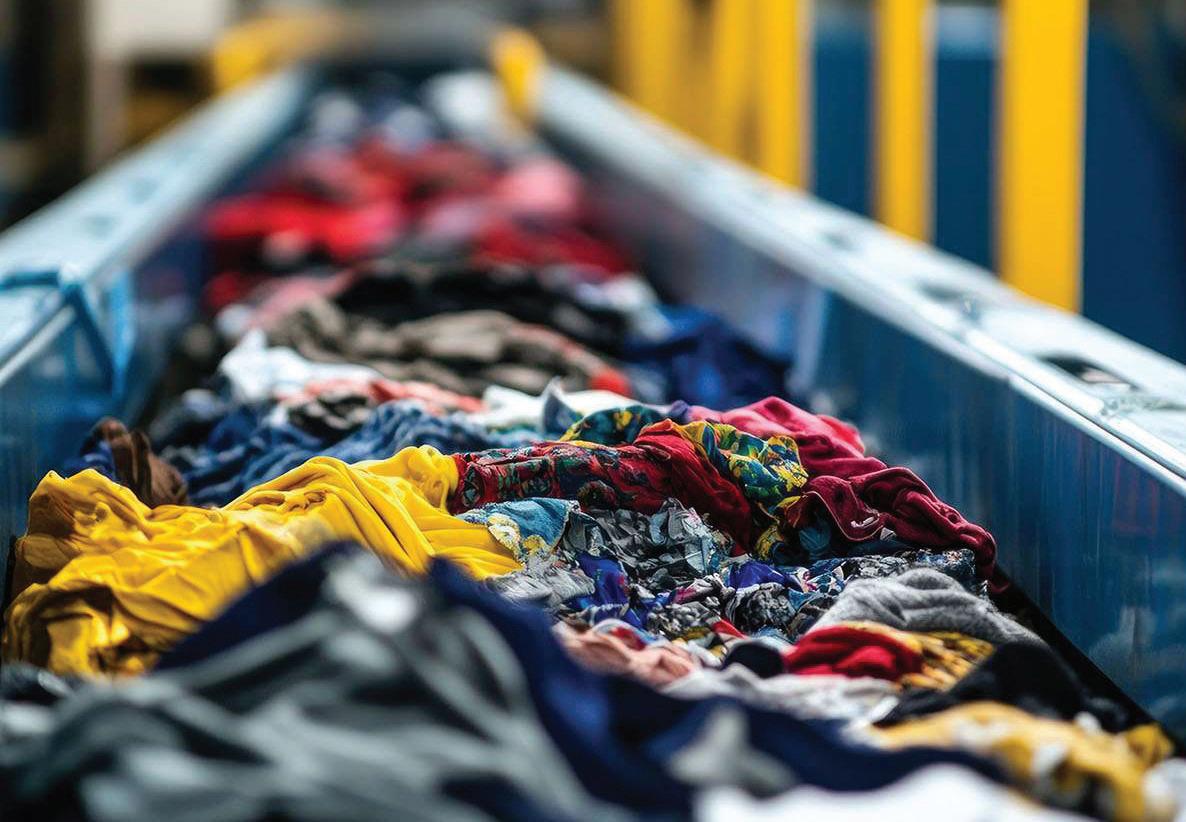
T2T Alliance Unites Leading Net-Gen Fiber Companies to Scale Global Efforts
COMPOSITES
Industry Works to Prevent False Claims Surrounding Advanced Carbons Use



INDIA
Alpha Foam Manufactures Spunbond and Spunlace Nonwovens on Large Scale
RECYCLING
T2T Alliance Unites Leading Net-Gen Fiber Companies to Scale Global Efforts
COMPOSITES
Industry Works to Prevent False Claims Surrounding Advanced Carbons Use
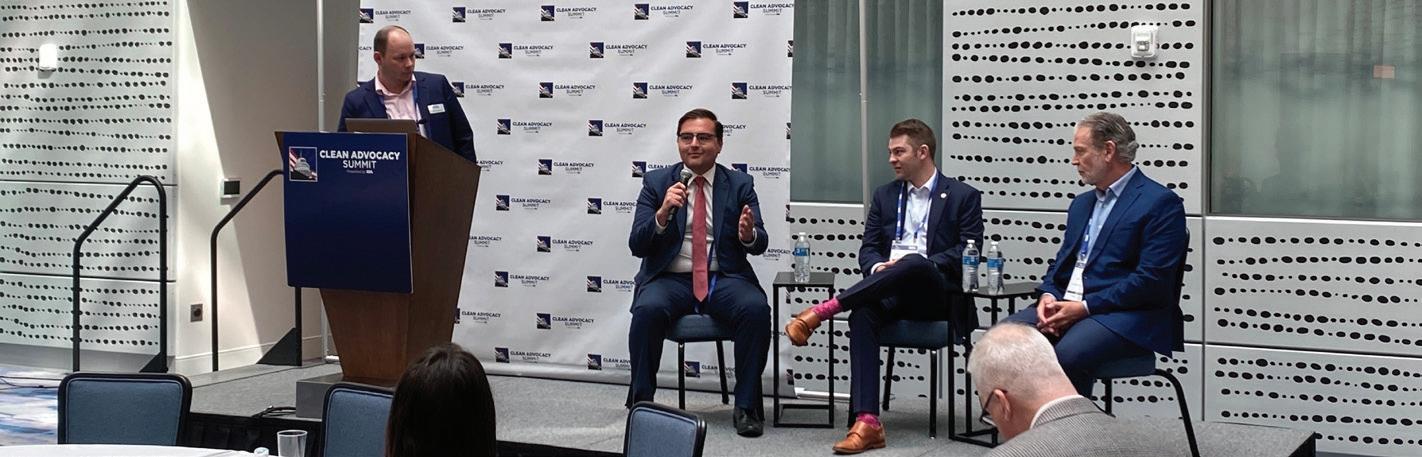
Cohosted with
Mar 23–24, 2026 | Washington, DC
When policy is uncertain, presence matters.
Join INDA and industry leaders at the 2026
INDA Advocacy & Fly-In Summit, cohosted with ISSA, for two powerful days of advocacy training, policy insight, and direct engagement with lawmakers—just steps from the U.S. Capitol.
• Advocacy training and policy briefings
• Nonwovens-focused breakout discussions
• A “Hike the Hill” with in-person meetings on Capitol Hill
March 23–24, 2026
Royal Sonesta Washington, D.C. Capitol Hill
Attendance is limited to just 35 participants. (Translation: influence favors the early registrant.)
Early bird pricing ends January 15, 2026.
This exclusive event brings together leaders from INDA, ISSA, IICRC, and WSA to ensure the nonwovens industry is heard on the issues shaping its future—from PFAS and EPR to tariffs and the WIPPES Act. Register now: events.issa.com/events/cleanadvocacy-summit-2026

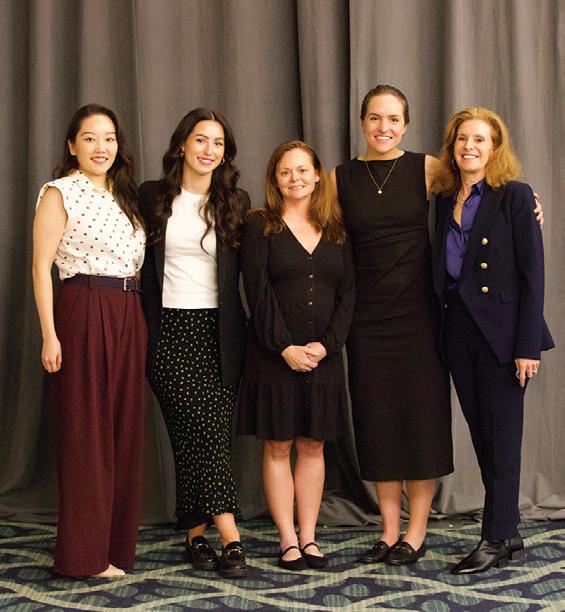

CEO Q&A: Alpha Foam— Leveraging Strengths to Meet Growing Nonwovens Demands By Arun Rao, International Correspondent, India
Thinking Out Loud
From Across the Supply Chain, Thought Leaders Provide Their Perspective on 2026 and Beyond
Compiled by Caryn Smith, Publisher and Chief Content Officer, IFJ
PREVENTING FRAUD: Detecting Fake Graphene in Textiles
By Geoff Fisher, European Editor, IFJ
Investments Cue Optimism for Circular Textiles That Can Scale By Adrian Wilson, International Correspondent, IFJ
HYGIENIX 2025: Leaders in Hygiene Move the Needle
Automotive—Lighten Up By Geoff Fisher, European Editor, IFJ
EVENTS 2026: Showcasing the Clear Path from Fibers to End-Use Solutions By Adrian Wilson, International Correspondent, IFJ
Viewpoint IYKYK ... Then What?
By Caryn Smith, Chief Content Officer & Publisher, IFJ
Tech Spotlight
How Recyclable Carpets Could Transform the Flooring Industry
Tech Notes
Latest Technology Briefs
Emergent Textiles
Trending University & Institutional Research
Compiled By Ken Norberg, Editorial & Production Manager, IFJ
In the Business: Nonwovens
Beyond Compliance and What Comes Next for Nonwovens, EDANA’s Sustainability and Policy Forum in Brussels By Philippe Wijns, Principal at CleverSustainability
Movers & Shakers
Industry News and Notes
CONTENT | EDITORIAL
CHIEF CONTENT OFFICER & PUBLISHER
Caryn Smith
Driven By Design LLC
csmith@inda.org
+1 239.225.6137
EDITORIAL & PRODUCTION MANAGER
Ken Norberg ken@ifj.com
+1 202.681.2022
ART DIRECTOR
Caryn Smith
GRAPHIC DESIGNER
Julie Flynn
EUROPEAN EDITOR
Geoff Fisher
INTERNATIONAL CORRESPONDENT, EUROPE
Adrian Wilson
SMART & ADVANCED TEXTILES CORRESPONDENT
Marie O’Mahony
INTERNATIONAL CORRESPONDENT, CHINA
Jason Chen
INTERNATIONAL CORRESPONDENT, INDIA
Arun Rao
ADVERTISING | SALES
See Sales Representative Contact Details in Movers & Shakers Section
For Inquiries to Your Sales Representative, e-mail advertising@inda.media
Download the IFJ Media Kit at www.fiberjournal.com/advertise
AUDIENCE | CIRCULATION CIRCULATION MANAGER
inda@darwin.cx
+1 319.861.5017
International Fiber Journal is published by INDA Media, the b2b publishing arm of INDA, Association of the Nonwoven Fabrics Industry.
+1.919.459.3700
info@fiberjournal.com | www.fiberjournal.com News & Press Releases to IFJNews@inda.media
2026 BUYER’S GUIDE www.fiberjournal.com/buyers-guide
SUBSCRIBE: www.fiberjournal.com/subscription
MISSION

“Tomorrow belongs to those who can hear it coming.”— David Bowie
n the 1980s, Let’s Dance was one of my go-to songs. David Bowie was a Rock & Roll Hall of Fame musical icon, and his quote rings truer now more than ever. Tomorrow comes quicker than you can imagine. If you are a parent, you experience this every day. One day your kid is in a car seat chewing on a plastic set of musical toy car keys; the next day you are handing them the keys to your car. We knew it was coming, but it still seems too soon.
Bowie is famous for hearing the sounds of tomorrow, and making music from it today. That is a good lesson for us, too.
We have personal beliefs about tomorrow, and reinforce them in our thoughts and words. We hear what society is saying about today’s textile industry, such as the conservationists’ impractical ideas about reducing waste. Or, consumers who attend rally in support of sustainable options ... yet reveal their true lack of support in spending their habits. Some day, these efforts will align. Will you hear it coming?
The industry is at a crossroads. We know what the issues are; we can hear the future calling for change. The billion dollar question is, will we?
I ask a question that I cannot answer. Most of us hope that we are innovating towards a fully sustainable textile industry. At present, sustainability is in the car seat. Someday, it will be asking for your keys. Between now and then, how will we help it grow into maturity?
On that note, we invited industry thought leaders to share their top-of-mind wisdom to launch us into 2026. On page 22, “Thinking Out Loud” offers perspectives from fifteen leaders from across the textile supply chain who responded. They covered production, materials sourcing, natural fibers, economic insights, marketplace conditions, emerging materials, and more. This is worth a good read.
On page 39, Geoff Fisher provides an update on the trend of light weighting in the automotive industry, which is only going to evolve as more electric vehicles with their heavy batteries hit our roads across the globe. Fisher also provides us with a look at “fake” claims of grapheneenriched fabrics that is muddying the waters for the wonder-carbon super material. This trend is leading to ways to verify claims, discussed on page 46.
Adrian Wilson gives us two articles, as well, in this issue. On page 42, he discusses the new T2T Alliance, formed to advocate for policy changes in relation to fiber recycling. T2T has attracted the key players in fiber recycling who are leading the way with technology, processes, and materials. They promote closedloop recycling, and held their first Textile Recycling Expo in Belgium, June 2025. Then, on page 48, Wilson gives an overview of the important textile shows not to miss in the first portion of the year.
Lastly, this issue of IFJ is my last as your Publisher & Chief Content Officer. I have learned so much from all of you, and I hope that over the past several years, the articles herein have inspired you to think outside the box, just a bit more than usual. I want to sincerely thank all the writers, experts, and companies who contributed their ideas and content to the IFJ
The very capable Rachael Davis, previously Executive Editor of Textile World, and their collection of titles, will take the mantle for the next issue.
I sign off with high esteem for all of you, the readers, and gratitude for all of your amazing contributions that make this industry great!

Caryn Smith Chief Content Officer &
Publisher, INDA Media, IFJ

Caryn Smith Chief Content Officer & Publisher, INDA Media csmith@inda.org +1 239.225.6137

Geoff Fisher European Editor gfisher@textilemedia.com +44 1603.308158

Adrian Wilson International Correspondent adawilson@gmail.com +44 7897.913134



Arun Rao International Correspondent, India Owner, Taurus Communications arun@tauruscomm.net

Philippe Wijns Principal, CleverSustainability, Filtration Expert and Sustainable Business Development Advisor philippe.wijns@ cleversustainability.com

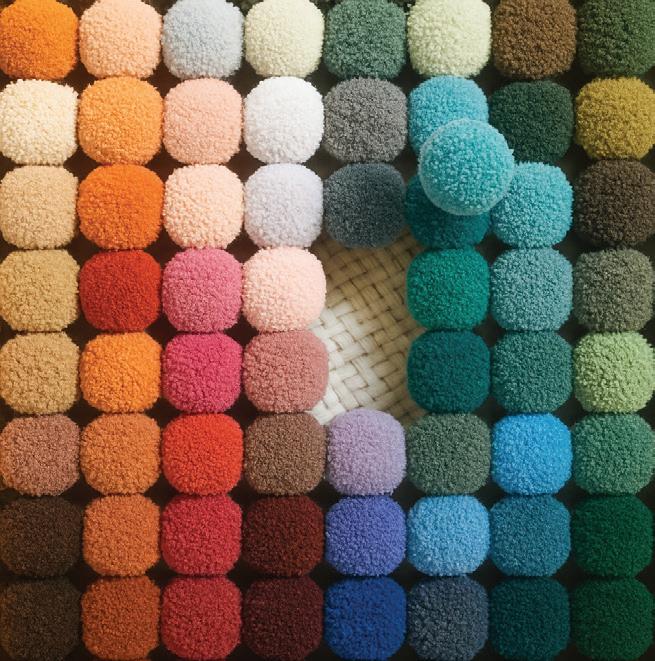
ost carpets end up in landfills or incineration, locked out of the circular economy. In Europe, an estimated 1.6 million tonnes of carpet waste are sent to landfills each year. According to data from Deutsche Umwelthilfe from 2017, nearly 98% is either incinerated or sent to landfill. While the use of polyester has improved recycling rates, these improvements remain in the low single digits. In the United States, approximately 1.8 million tons of carpet waste are generated annually. Of this enormous amount, only 5% is recycled, and 6% is incinerated for energy recovery. The remaining 89% end up in landfills. These figures highlight a significant environmental problem, as most carpet materials are not biodegradable and therefore remain in landfills long-term. The low recycling rate indicates considerable potential for improving circular economy practices in the carpet industry1
Although most carpet face fibers are technically recyclable, the way carpets are constructed has historically kept them out of the circular economy.
For decades, latex-based backings have been the standard in carpet production. While effective at binding fibers, latex creates a complex, inseparable composite. Once combined with pile fibers, the materials are permanently bound, resulting in carpets that perform well in use but are destined to become waste at the end of their life.
Luxury Vinyl Tile (LVT) dominates design trends, but carpets remain essential in homes, offices, and commercial spaces. Over
the past two decades, carpets have steadily lost market share to hard surface alternatives, most notably LVT.
Yet carpets are far from obsolete. In residential markets, consumers continue to prefer carpets for their warmth, comfort, and acoustic properties. In commercial spaces, carpet tiles have become the dominant modular flooring option, accounting for about 44% of modular flooring revenue. Carpet’s resilience lies in its versatility and its ability to adapt to design trends. What has held the category back is its environmental baggage, and this is where innovation is beginning to change the story.
Compared to traditional latex coating, hotmelt technology offers significant benefits. The manufacturing process with hot-melt coatings consumes up to 80% less energy2 and generates no wastewater. This efficiency gain results from the fundamentally different coating process itself. Hot-melt coatings are applied in a molten state and harden through cooling, while latex systems require energy-intensive drying and curing processes with high water consumption. This shift to hot-melt technology represents a significant step toward reducing the ecological footprint of carpet production, regardless of the end product’s material composition.
The potential for recyclable carpets is not confined to residential or office interiors. Mono-material design, specifically for PP and PET carpets, enables their downcycling into
less performance-demanding items such as flowerpots or waste bins. This becomes more challenging when different raw materials are used in carpet construction. A particular advantage of PET-based carpets lies in the possibility to depolymerize and subsequently repolymerizing the material through chemical processes, achieving a closed material loop with virgin-quality material.
Carpet tiles, the workhorse of the commercial sector, are now being designed for cradle-to-cradle loops. For carpets with multiple components, such as those made with Polyamide 6 yarn or natural fibers like wool, the recycling process developed by Fraunhofer IVV and patented by Clariant for floor coverings ensures the pure recovery of the raw materials used, regardless of their composition.
In sports infrastructure, artificial turf is another major application. Modern turf systems typically combine polyethylene fibers with a primary backing based on either PP or PET. While latex and polyurethane are traditionally used as backing materials, polyolefin (PO) backing offers an alternative for better recyclability. Polypropylene-based solutions not only provide the necessary stability and tear resistance but are also fully recyclable.
Carpet may never reclaim the dominance it once had, but it doesn’t have to. By aligning with circular economy principles, the industry can carve out a future where carpet is not just
For details on how to submit your company’s technology for consideration as a “Technology Spotlight” in IFJ, contact Ken Norberg at ken@ifj.com or +1 202.682.2022.
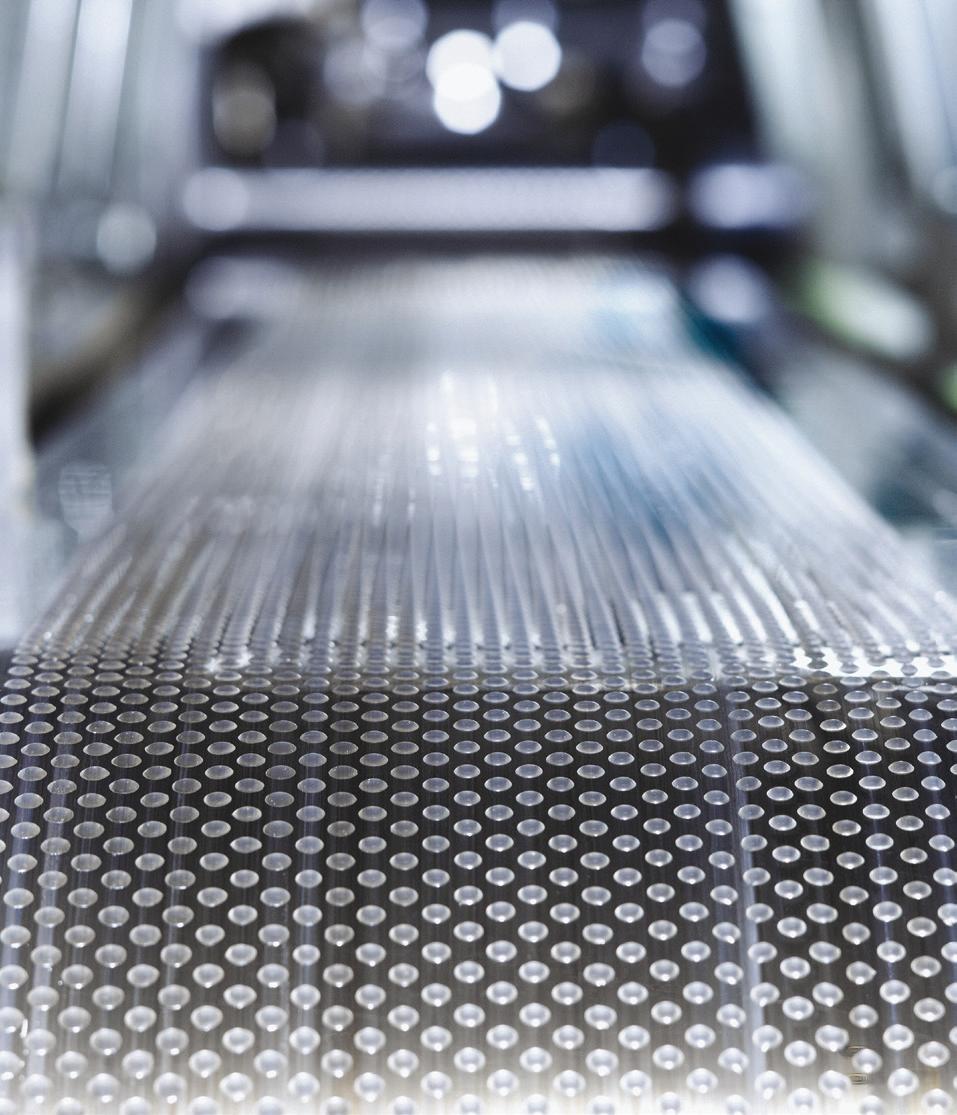
Once combined with pile fibers, the materials are permanently bound, resulting in carpets that perform well in use but are destined to become waste at the end of their life.
a flooring option of comfort and style, but also one of responsibility and resource efficiency.
New materials are leading the way. Licocene™ polymers, for example, are already enabling recyclable carpet systems by turning backings into polyolefin-based layers that can be reprocessed. And with the Licocene Terra line, which uses mass-balance certified renewable feedstocks, the industry now has an option that is both recyclable and renewable.
The image of carpets as bulky, unrecyclable waste could soon give way to something entirely different: a flooring solution designed to be used, recovered, and used again.
The carpet industry is rapidly moving toward circularity, and Clariant’s Licocene polymers have played a crucial role in enabling recyclable carpet systems. Now, Licocene Terra builds on this innovation, combining reliable performance with renewable feedstocks to reduce its environmental footprint.
Licocene Terra is produced using mass-balance-certified renewable feedstocks, has a lower CO2 footprint, and performs just like fossil-based versions with drop-in solutions. The result is the same bonding strength and process efficiency with a reduced carbon footprint. www.clariant.com
1 Source: SleepBloom.com - Carpet Waste in the USA
2 Source: Lacom – Laminating and Coating Machines; Aumann AG Licocene® IS A TRADEMARK OF CLARIANT.

Rolls, godets, heating elements and custom built machines for heat treatment and drawing of synthetic filaments. Win – OLT ® yarn tension on-line monitoring systems.
Engineered and produced in Switzerland
Retech Aktiengesellschaft CH-5616 Meisterschwanden
Kontoor Brands Inc., the parent of Lee and Wrangler brands, recently launched their latest innovation based on the thermal regulation properties of Kyorene® graphene fiber.
Graphene is carbon-based nanomaterial, and its unique chemistry and versatility brings innovations to vastly different fields including electronics and batteries, plastics, lubricants, concrete and now clothing. In most cases, the graphene is used as an additive in a very small percentage, to bring about improvements in strength, stiffness, durability, or electrical conductivity.

reversible

Xenia, global player in engineering and manufacturing reinforced thermoplastic composites for injection molding and additive manufacturing, recently announced the launch of XECARB ® PA12-CF-ST, a new carbon fiber reinforced filament for FFF/FDM 3D printing.
Developed on a PA12 (Nylon 12) matrix, XECARB® PA12-CF-ST delivers high strength, excellent abrasion resistance and low moisture absorption, while the 15% carbon fiber reinforcement allows it to achieve high mechanical performances, lightness and dimensional stability.
Xenia’s proprietary Super Tough (ST) Upgrade significantly enhances impact resistance and elongation at break, allowing the material to withstand shocks and mechanical stress without compromising its lightweight nature. With a Heat Deflection Temperature (HDT) of 150°C, the filament also ensures reliable performance and precision for functional components, making it ideal for demanding structural 3D printing applications.
Thanks to this combination of mechanical performance, lightness and processability, XECARB® PA12-CF-ST is suited for automotive, aerospace, industrial and consumer goods applications requiring structural capability, fatigue resistance and long-term durability in demanding environments. www.xeniamaterials.com
The Wrangler ATG men’s reversible vest and jacket utilize a highly efficient, lightweight insulation material made of a blend of Sorona® and Kyorene® graphene fibers that offers improved flexibility, reliable performance, and the lasting warmth without the bulk of traditional polyester fiberfill materials.
The Kyorene® graphene fiber produced by Graphene One LLC, is a hollow polyester staple fiber that contains their patented graphene oxide nanomaterial. The graphene can absorb far infrared radiation given off by the body and that heat energy is captured in the Sorona®/Kyorene® fiber blend. In developmental testing the Kyorene® graphene provided a 20% improvement in thermal insulation, allowing for a lighter, thinner layer to be used in the vest and jacket design.
In addition to thermal insulation, Kyorene® graphene fibers have antibacterial and anti-odor performance that has been key in their commercial use in sportwear, socks, underwear, sleep wear and more. This development builds upon the success of Kontoor’s 2023 product launches, which showcased the integration of advanced graphene technology in apparel. The Kontoor Denim jeans introduced that year featured Kyorene ® graphene fibers blended with cotton, delivering a unique balance of increased warmth, breathability, and lightweight comfort. The inclusion of graphene enhanced not only thermal regulation—helping to retain body heat in cooler conditions—but also contributed to improved durability, odor control, and moisture management for all-day wearability. www.kontoorbrands.com
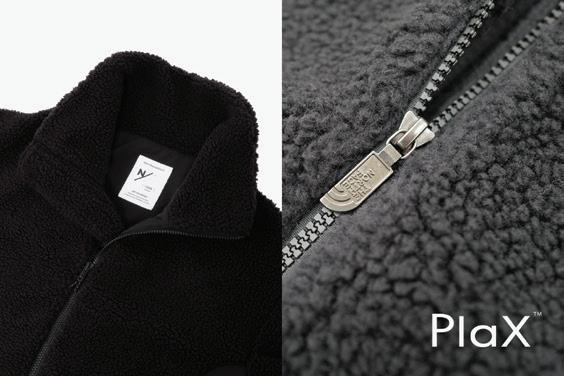
Bioworks Corporation in Japan announced the first commercial launch of its plant-based synthetic fiber “PlaX,” modified from PLA using Bioworks’ proprietary technology, across two Goldwin Inc. brands: The North Face and NEUTRALWORKS. Since 2022, Bioworks and Goldwin have been collaborating on the product development of PlaX and starting with Goldwin’s 2025 Fall/Winter collections for The North Face and NEUTRALWORKS, outerwear made from PlaX-based pile fleece is now available.
In preparation for commercialization, both companies carried out an extended period of prototyping and testing. To meet Goldwin’s highquality standards—particularly regarding dyeability and durability, they collaborated to review yarn processing conditions and design, working closely with textile manufacturers and dyeing facilities to conduct repeated tests and continuously refine the material. Through these sustained efforts to enhance quality, preparations for practical use were conducted over approximately three years, ultimately leading to the material’s adoption. Moving forward, both companies will continue to deepen collaboration in material development and product design, aiming to accelerate sustainable manufacturing. Through the expanded adoption of PlaX, Bioworks aims to contribute to reducing the environmental impact of the fashion industry and promoting a circular economy. bioworks.co.jp/en/
Nonwovenn, one of the world’s leading nonwoven fabric-tech companies, has made significant advancements in its activated carbon (AC) fabric technology, improving AC accessibility, performance and manufacturing robustness across its certified face mask ranges.
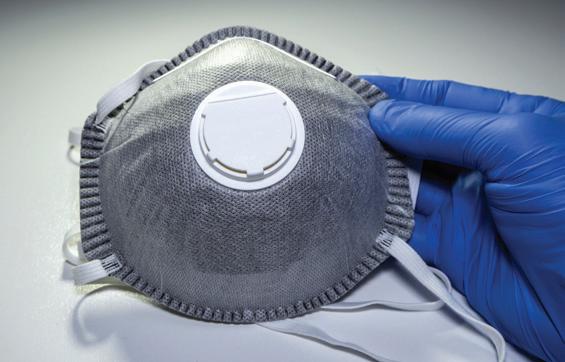
The latest developments focus on enhancing processing systems that enable greater AC accessibility, resulting in improved filtration performance, manufacturing consistency and product value.
Through the refined processing systems, Nonwovenn has optimized how activated carbon is integrated and exposed within the mask fabric structure, ensuring high adsorption efficiency and longer service life. The business has also made advancements in bonding and lamination techniques, AC and fiber distribution control and layer architecture. The innovations help make the manufacturing process more stable and scalable, reduce waste and improve quality consistency.
Dr. Ross Ward, CarbonTech Business Director at Nonwovenn, said, “We are continually developing new ways to make our activated carbon systems more accessible and effective. By refining how AC is incorporated and exposed within our fabric structures, we are seeing measurable improvements in both performance and process stability, which translates into stronger customer value and product competitiveness.”
Nonwovenn’s certified mask fabrics are designed to meet recognized standards such as EN 149 for particle-filtering half masks under the European PPE Regulation, and relevant medical device standards where applicable. The products provide consistent protection and traceability for both occupational and clinical use. Alongside these certified face mask fabric options, Nonwovenn continues to offer mask fabrics that deliver comfort, odor control and protection from volatile organic compounds found in everyday environments. The business has also introduced selective additive and catalyst enhancements that broaden adsorption profiles for volatile organic compounds. www.nonwovenn.com
Archroma, a global leader in specialty chemicals focused on sustainable solutions, has supported the Institute of Chemical Technology (ICT), Mumbai, India in the renovation and development of a sustainable laboratory facility as part of its Corporate Social Responsibility (CSR) program.
The upgraded facility will strengthen the department’s capacity to conduct fundamental research and develop future-oriented technologies in textile processing, manufacturing, and effluent treatment. It is designed to help address current industrial challenges while encouraging innovation in sustainable and
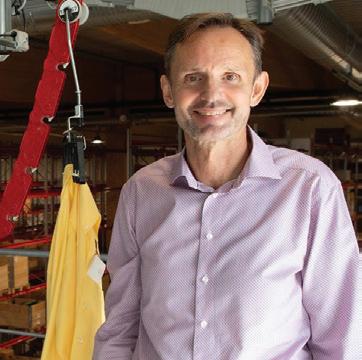
Eton Systems—a member of TMAS, the Swedish Textile Machinery Association—is taking part in the current Microfactories System Innovation project which is working on the development of a fully automated workflow for secondhand garments. Eton is contributing its well-proven transport system for material handling to the project, which also involves specialists at the Swedish School of Textiles in Borås, the Automation Region innovation cluster at Mälardalen University and the national collaboration platform iHubs Sweden.
According to ThredUp’s 2025 Resale Report, the value of the global second-hand apparel market is already worth an annual $256 billion this year and growing at 10% annually to reach a value of $367 billion by 2029.
A test facility is being established at Science Park Borås involving garments being placed on custom product carriers within an Eton Systems conveyor system and transported through a series of stations.
The garments are inspected using a vision system, after which AI is employed to categorize them based on parameters such as manufacturer, model and size. Any damage is analyzed and the system also provides recommendations for possible repairs.
“The collected information is fed into a calculation model that, based on market data, makes suggestions for a sales price,” explained Jan Molin, CEO of Eton Systems. “Finally, the garment is photographed for marketing and then transported to a warehouse awaiting sale.” www.etonsystems.com
resource-efficient textile technologies.
Through its CSR support, Archroma is also enhancing the learning environment for students by providing modern infrastructure for practical training and scientific exploration.
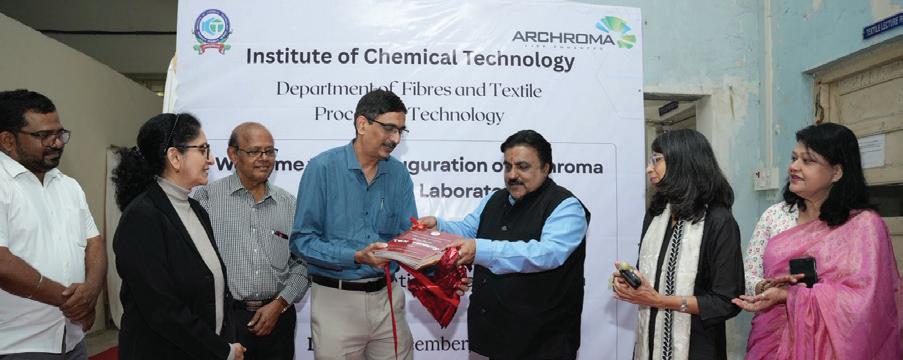
the upgraded facility in Mumbai, India.
The initiative also strengthens the department’s technological capabilities, helping it to keep pace with evolving educational and industrial requirements, particularly at a time when only a few institutes continue to offer specialized academic expertise to the textile sector. Beyond academic development, the
new laboratory is expected to serve as a platform for community outreach. The department aims to organize training programs for small business entrepreneurs, artisans, and local stakeholders to promote knowledge sharing, eco-friendly processing practices, and value-added techniques that support broader sustainable development goals.
www.archroma.com
IFJ highlights research from universities and institutions around the world. To highlight your research, email rdavis@inda.org. Please write “IFJ Emerging Research” in the subject line. Send a press release and/or summary of the research as you would want it to be printed, a link to the university online story (if applicable), and all high resolution art and short researcher bio(s). All selections could be edited for length.
By Louis DiPetro
Could a flat piece of fabric hold a 3D shape, the way paper does in origami?
Aiming to find out, researchers from the Cornell Ann S. Bowers College of Computing and Information Science developed OriStitch, a new software and fabrication system that takes simple 3D objects—a toy or a teapot, say—and spins them into a textile design using carefully placed stitches.
This approach is more efficient and accessible than existing machine embroidery—and could be a creative boon for areas such as fashion, architecture, and smart textiles, according to researchers.
“Folding fabric into 3D geometries is time-consuming,” said Thijs Roumen, assistant professor of information science at Cornell Tech and senior author of “OriStitch: A Machine Embroidery Workflow to Turn Existing Fabrics into Self-Folding 3D Textiles,” which was presented at the ACM Symposium on Computational Fabrication on Nov. 21, 2025, in Cambridge, Massachusetts. “Current approaches either rely on manual processes—like in hand-pleating—which is labor-intensive, or advanced machinebased processes.”
But designs made with OriStitch fold themselves when exposed to heat, he said.
“OriStitch can be used with a wide range of materials, like leather, felt, woven fabric, and composite fabrics,” said Zekun Chang, doctoral student in the field of information science at Cornell Tech and
Compiled by Ken Norberg, IFJ Editorial & Production Manager

Xinyue Hu, a master's student at Cornell Tech, models a hat created with OriStitch, a new software and fabrication system developed by Cornell Tech researchers.
the paper’s lead author. “By making textile folding easier, we hope to unlock its broader potential—enabling personalized 3D forms shaped from flat patterns and making it possible to embed smart functions like sensing before the fabric transforms into 3D.”
OriStitch’s core innovation lies in its design of fully closed hinges, each formed by a pair of triangles that are pulled closed when the heat-shrinking polyester thread, called chizimi, contracts. First, OriStitch converts a user input 3D triangle-mesh model into a 2D configuration, producing a network of hinges. Then the tool computes the functional patterns for each hinge’s geometries, generating a fabrication-ready plan for both laser cutting and embroidery.
Users can then fabricate the design: The laser cutter scores the mountain and valley folds to create sharp creases and trims away the excess fabric. An embroidery machine stitches all functional threads—including the heat-shrink thread—according to the generated layout. After embroidery, the piece is soaked in water to dissolve the water-soluble support stitches, and finally heat-treated, causing the chizimi threads to contract and pull all hinges closed, forming the target 3D shape.
In tests, the software successfully converted 26 out of 28 test models used in related papers in the field of computational
fabrication. Researchers also successfully fabricated a cap, a vase cover and a handbag using OriStitch.
“What is really interesting about OriStitch is that it is compatible with existing hardware and fabrics, rather than weaving or knitting new fabrics from scratch,” said Roumen, who directs the Matter of Tech lab at Cornell Tech. “That practicality and utility should sync nicely with existing workflows in the industry.”
OriStitch is still far from being a fully automated process, since embroidery machines require manual adjustments, researchers said. Looking ahead, Chang hopes to extend the approach beyond uniform textiles and develop machine workflows for a much broader range of materials—especially those with diverse structural variations, such as seams that are difficult for other fabrication methods to handle.
Along with Chang and Roumen, the paper’s authors are: Yixuan Gao, doctoral student in the field of computer science at Cornell Tech; Yuta Noma from the University of Toronto, Canada; Shuo Feng, doctoral student in the field of information science at Cornell Tech; Xinyi Yang of Georgia Institute of Technology; Kazuhiro Shinoda, Tung Ta, Koji Yatani, Tomoyuki Yokota, Takao Someya, Tomohiro Tachi, Yoshihiro Kawahara, and Koya Narumi, all of the University of Tokyo; and François Guimbretière, professor of information science.
This work was partially supported by JST Adopting Sustainable Partnerships for Innovative Research Ecosystem (ASPIRE). Louis DiPietro is a writer for the Cornell Ann S. Bowers College of Computing and Information Science. news.cornell.edu
Researchers Gain International Recognition for Textile Innovation esearchers at De Montfort University, Leicester (DMU), Great Britain, have been named among the best in the world for textile innovation. The Textile Engineering and Materials (TEAM) research group was named a finalist in last month’s Innovate Textiles Awards 2025.

RTEAM, led by Professor Jinsong Shen, earned a place on the international shortlist for groundbreaking work in developing innovative technologies for textile coloration and enzyme-based recycling of textile waste. Their work could help shift the industry towards a more circular economy.
The awards are organized by World Textile Information Network (WTiN), one of the world’s leading authorities on textile innovation and technology. The awards celebrate breakthroughs that are reshaping the global industry.
TEAM was praised for its work in tackling one of the textile industry’s most long-running issues—how to recycle blended fabrics. Mixed materials, such as wool blended with synthetic fibers, typically end up in landfills because it is hard to separate the component materials.
Professor Shen’s team uses targeted enzyme-based biotechnology to gently break down fibers, enabling their separation, recovery, and reuse.
The same process can even reclaim dye molecules from discarded textiles, enabling the reuse of colorants in new wool, silk, and nylon products.
The research drew international attention when it was showcased at the Future Fabrics Expo 2024, where sustainabilityfocused designers and manufacturers described it as a potential “game-changer” for circular fashion.
Professor Shen now leads a BBSRCfunded collaboration with several major industry partners, including Camira Fabrics, The Woolmark Company, Fox Brothers, Matter, Wilson Knowles, DyeRecycle, and
Roberts Recycling, to scale up the process and explore its industrial applications.
Professor Shen said, “I am very proud of our research and the contribution we are making to textile sustainability and circularity. It is an honor to have our innovations recognized by the WTiN Innovate Textile Awards.”
Professor Mike Kagioglou, Deputy Vice-Chancellor, Planning, Research and Innovation, said, “Being shortlisted for such a prestigious global award is a powerful signal of the impact our researchers are making.” www.dmu.ac.uk
By Hannah Piedad
Drawing inspiration from all around her, University of Ken tucky College of Design graduate student Faezah Panahandeh is working to bridge the accessibility gap through design.
Panahandeh, who already holds a master’s degree in Iranian architectural studies, is pursuing a second master’s in interior design. She applied for a College of Design Graduate Research Fellowship to develop sensory-adaptive e-textiles that respond to their surroundings.
Panahandeh said she felt compelled to pursue a project centered on meeting the sensory needs of those with disabilities after watching a documentary in class.
Neuroarchitecture research shows how touch, temperature, and sound af fect how people feel and perceive spaces. Panahandeh found that traditional interior materials are often static and rigid, especially if they are electronic, like LED screens and panels.
Our Fi-Tech Team connects you to the most technologically advanced suppliers serving the Polymer, Synthetic Fiber, Nonwoven and Textile Industries.
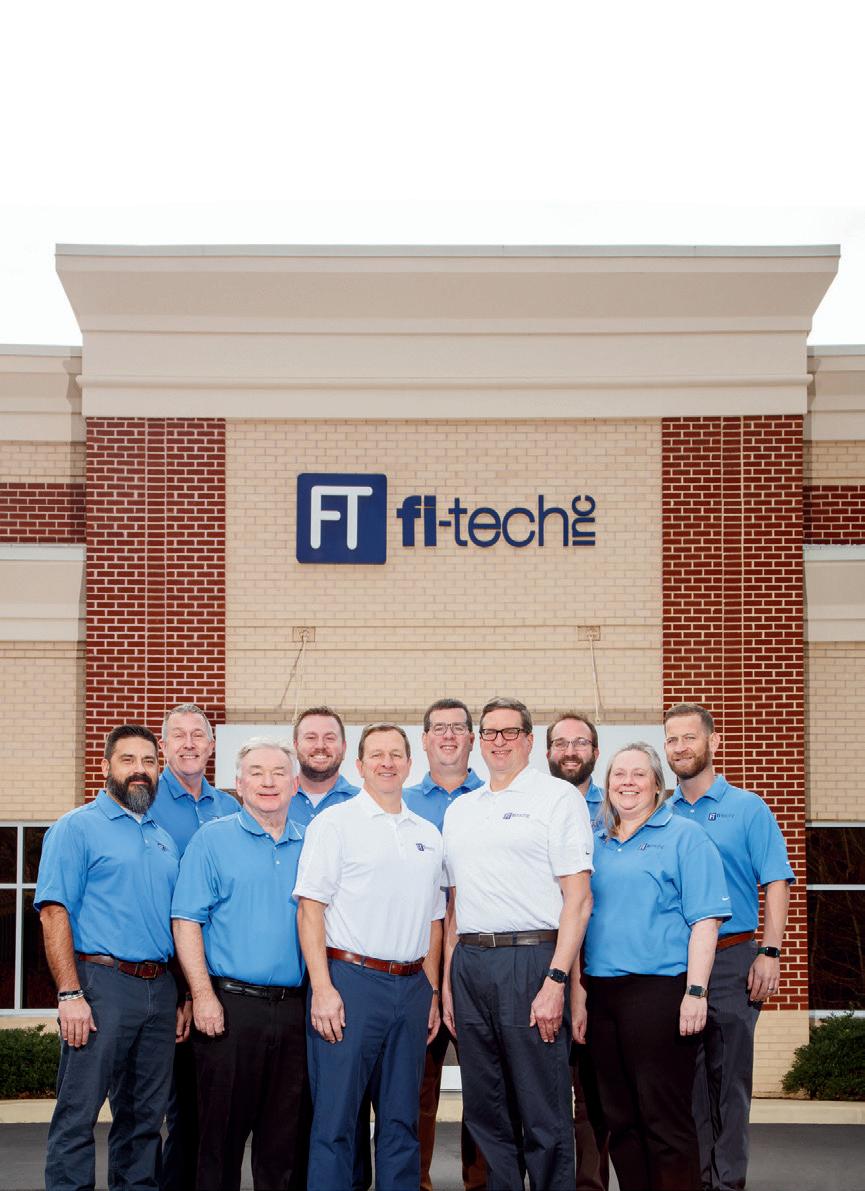

Our customers trust us to provide the best quality and service. They rely on our commitment to their needs day to day and when exploring new opportunities to grow and to improve their manufacturing operations.
Instead, she explored a more dynamic material. Her end product: A handheld sensory material that responds to stretching, lighting up as the user extends it.
Panahandeh tested 20 different types of conductive yarn to determine which would be the best fit for her final prototype, including fishing wire and materials from Shield X. She worked closely with her faculty mentor, Jennifer Meakins, an assistant professor in the School of Interiors, who also works in the SoftLab—a soft goods-focused research lab exploring new materials. Meakins has previously worked on developing e-textiles and making them on a larger scale with a digital knitting machine in the SoftLab. The two have worked on previous e-textile research projects together.
Knitting the yarn into an i-cord—basically a knitted tube—Panahandeh wanted to hide the electrical wiring the product requires, creating a much more approachable sensory tool.
“Our aim is that it could be just used easily through stretching,” Panahandeh said. “Just hiding the complex process of conductivity and working with electricity behind or inside the material.”
To do this, Panahandeh had to learn how to knit by hand, as well as learn how to use the digital knitting machine to design a pocket for light batteries and other wires.
“Knitting is using stitches, and through those stitches, you can knit different kinds of material as threads and bring new qualities to your final piece,” Panahandeh said.
Panahandeh’s experience with lighting from an acrylics class aided her research journey. “In that course, I worked with acrylics and creating light,” Panahandeh said. Her interest in lighting stood out after researching autism and sensory needs, learning that visual and tactile stimulation can be helpful to autistic people.
For her prototype, Panahandeh planned to use something as stretchable as a Slinky. While the toy would be a small-scale application of her design, it could be expanded.
“In a larger scale, this design could be applied as lighting as well—hung from the ceiling or even something that is attached to the wall.”
Despite this research fellowship only lasting he summer, Panahandeh wants to pursue the project, not only to advance her product but also to conduct the most meaningful and useful research possible. uknow.uky.edu
Source: University of Kentucky News
By Anne J. Manning, Harvard News
magine a road cyclist or downhill skier whose clothing adapts to their speed, allowing them to shave time by simply pulling or stretching the fabric.
Such cutting-edge textiles are within reach, thanks to researchers at the Harvard John A. Paulson School of Engineering and Applied Sciences (SEAS). Led by SEAS mechanical engineering graduate student David Farrell, a study published in Advanced Materials describes a new textile that uses dimpling to adjust its aerodynamic properties when worn on the body. The research has the potential to change not only high-speed sports but also industries like aerospace, maritime, and civil engineering.
The research is a collaboration between the labs of Katia Bertoldi, the William and Ami Kuan Danoff Professor of Applied Mechanics, and Conor J. Walsh, the Paul A. Maeder Professor of Engineering and Applied Sciences.
Farrell, whose research interests lie at the intersection of fluid dynamics and artificially engineered materials, or metamaterials, led the creation of a unique textile that forms dimples on its surface when stretched, even when tightly fitted around
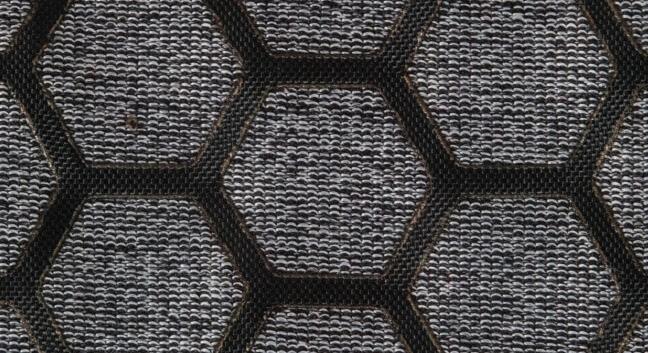
a person’s body. The fabrics use the same aerodynamic principles as a golf ball, whose dimpled surface causes it to fly farther by generating turbulence that reduces drag. Because the fabric is soft and elastic, it can move and stretch to change the size and shape of the dimples on demand.
Adjusting dimple sizes can improve the fabric’s performance at certain wind speeds by reducing drag by up to 20%.
“By performing 3,000 simulations, we were able to explore thousands of dimpling patterns,” Farrell said. “When we put these patterns back in the wind tunnel, we find that certain patterns and dimples are optimized for specific windspeed regions.”
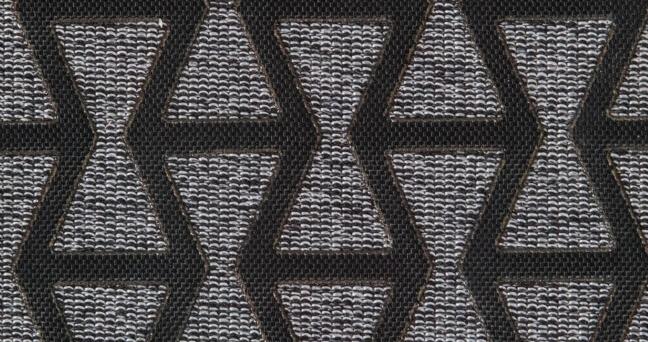
Farrell and team used a laser cutter and heat press to create a dual-toned fabric made of a stiffer black woven material, similar to a backpack strap, and a gray, softer knit that’s flexible and comfortable. Using a two-step manufacturing process, they cut patterns into the woven fabric and sealed it together with the knit layer to form a textile composite. Experimenting with multiple flat samples patterned in lattices like squares and hexagons, they systematically explored how different tessellations affect the mechanical response of each textile material.
“We’re using this unique property that [Bertoldi] and others have explored for the last 10 years in metamaterials, and we’re putting it into wearables in a way that no one’s really seen before,” Farrell said.
The paper was co-authored by Connor M. McCann and Antonio Elia Forte. The research was supported by the National Science Foundation under award No. DMR-2011754. The Harvard Office of Technology Development has safeguarded the innovations associated with this research and is exploring commercial opportunities. seas.harvard.edu
Kansas City Convention Center
At IDEA®27, your booth is more than just space—it’s your launchpad for new business. Over three powerful days, you’ll engage directly with decision makers from major nonwoven manufacturers, showcase your latest products and technologies, and build partnerships that drive results.
IDEA®27 is the world’s preeminent event for nonwovens and engineered fabrics— where innovation meets opportunity.
Kansas City, Missouri Don’t let
Join thousands of professionals from over 60 countries who come to IDEA® to source solutions, form collaborations, and shape the future of nonwovens. Exhibiting at IDEA®27 positions your company at the center of it all.
• Connect with brand owners, converters, roll goods producers, material and equipment suppliers, and service providers.
• Achieve in three days what would take months of calls, emails, and travel.
• Meet current customers and new prospects ready to do business.
• Collaborate on solutions that improve product performance and sustainability.
• Expand into new markets and grow your business globally.

Reserve your exhibit space today and position your company at the center of the nonwovens world. ideashow.org
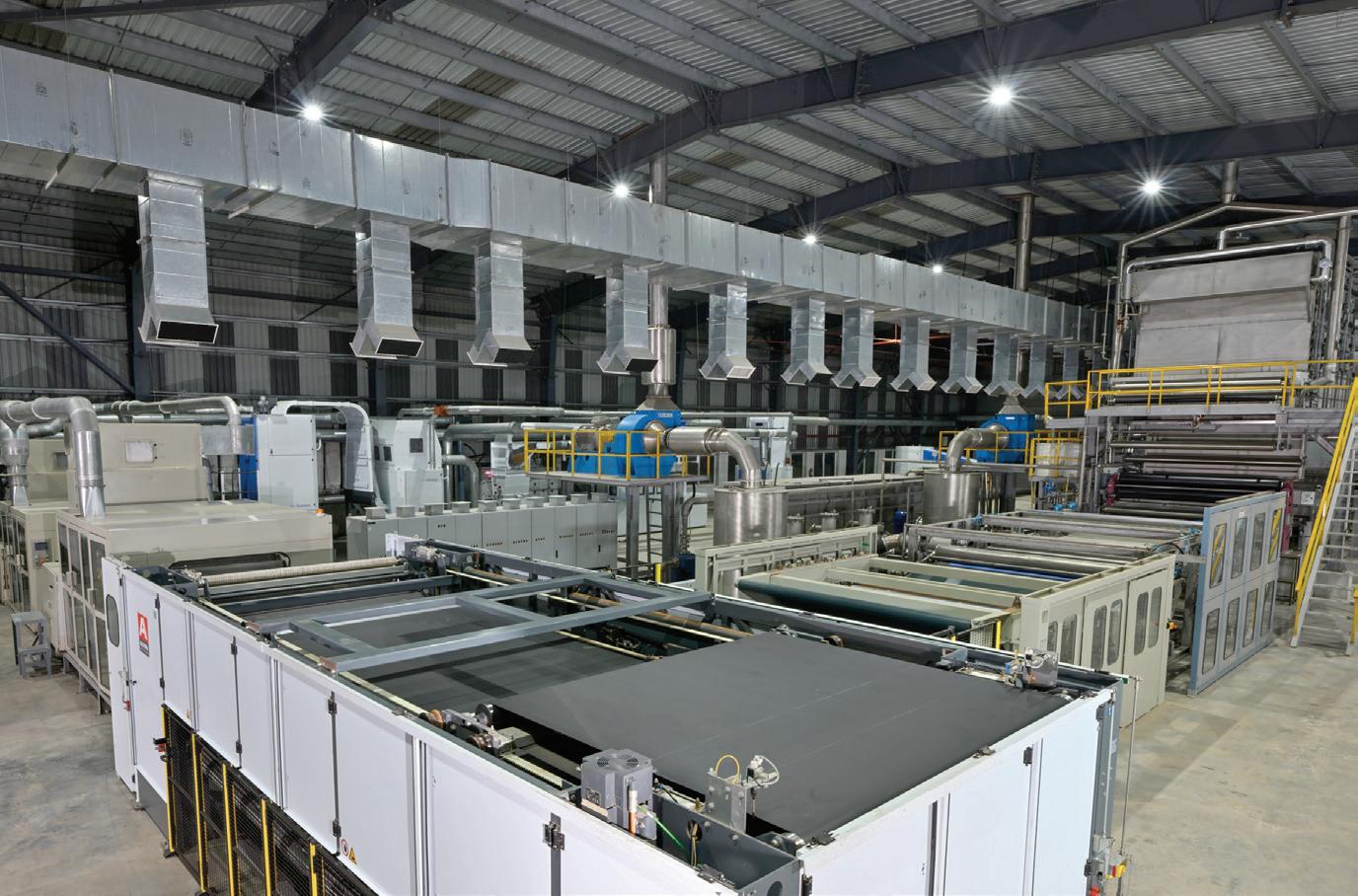
ndia-based Alpha Foam Ltd, which operates five production lines, has dedicated nonwoven lines for the production of performance fabrics for hygiene and medical applications. The company believes its fabrics perform better because it has lines designed specifically for certain applications. Its medical line focuses more on better hydrostatic head, air permeability and microbial penetration. The hygiene line is designed for larger volumes, fine denier, less elongation and lower GSM.
It also has an SMS line that produces performance fabrics in niche colors and high-performance meltblown fabrics. It produces spunlace for niche industrial markets and also for health and hygiene. It is probably India’s most diversified nonwoven company. Additionally, in meltblown technology, the holes per inch in a die are very crucial and are standardized by the production line supplier. With nearly 20 years of experience, Alpha Foam has developed its own dies and optimized the number of holes per inch in each die.
International Fiber Journal: Kindly provide a history of your company, like when it was started, who started it, etc. Please share details about the manufacturing infrastructure and annual capacity.
Apurva Ranka: Alpha Foam began its journey as a manufacturer of automotive foam for seats, and then we ventured into producing seats and other automobile components, and we continue to be in this business. In 2005, we forayed into the production of nonwoven fabrics and were among the first in India to start a spunbond nonwoven fabric manufacturing line. In 2007, we installed a spunlace line and in 2009, we put up an SMS produc-
By Arun Rao, International Correspondent, India

tion line, and in 2011, we began laminating our nonwoven fabrics.
In 2014, we installed an SMMS line designed specifically for producing medical fabrics. In 2022, we installed an SSMMS line, and in 2024, we installed another spunlace line dedicated to producing high-quality cotton fabrics. Currently, we have three spunmelt lines and two spunlace lines and two lamination lines. During this period, we have also diversified further into coated, anti-static, and alcohol-repellent fabrics.
Now we are probably the only company in India that manufactures both spunlace and spunbond fabrics on a large-scale production base and has dedicated production lines for specific products. Our production capacity is 2,200 metric tons per month for spunmelt fabrics and 500 metric tons per month for spunlace fabrics, for a total of 2,700 metric tons per month. Our key raw

materials include polypropylene, polyester, viscose and cotton. We also have a very active R&D lab focused on developing new nonwoven fabrics.
IFJ: Which are the core company products and solutions you offer to the market?
Ranka: The GSM range for our spunbond nonwoven fabric is 6 to 120, and for spunlace fabrics, it is 30 to 250. On our SMS line, we offer customized fabrics for orders as small as five tons. In spunbond fabrics, we can supply all the needs of the hygiene or medical fabrics market, from laminates to AAMI LEVEL 4 fabric. Within spunlace, we offer proprietary, customer-specific fabrics for industrial applications, including laminates.
We also manufacture filtration fabrics in spunlace and higher-GSM, higherstrength materials, used for rexine backing and automotive scrim. We have been able to provide an alternative to woven fabrics in industrial applications. We also offer printed fabrics. The newly set-up cotton spunlace crosslapped line applications include covers for tampons, wipes, gauzes, and bandages.
Since we have so many lines in different configurations and speeds, we can supply to tight or short delivery deadlines. Our customer base extends from a small buyer to a large multinational corporation. We also collaborate with reputable institutes to develop new technologies for fabrics.
IFJ: What are the advantages of the products that you offer vis-à-vis those offered by the competition?
Ranka: We do not use fillers, which help maintain the fabric’s quality, and we are still able to supply at competitive prices. The strength and quality of our 90 GSM fabric will be comparable to the 120 GSM fabric used by the competition, as we do not use fillers. The thickness of our fabric is also better when considering GSM, since we have done the fabric engineering ourselves. We have dedicated our various lines to the production of specific products, whether medical, hygiene or industrial. The Indian government is
developing standards that will be better for players like us, since we already manufacture to international standards. In the meltblown technology, the holes per inch in a die are very crucial and are standardized by the production line supplier. With nearly 20 years of experience, we have developed our own dies and optimized the holes-per-inch in a die.
Ranka: We foresee demand for more sustainable products, and that is where cotton fibres will come in, which is why we have installed a spunlace dedicated to producing fabrics from only cotton. We also recycle all side trims of fabrics where the raw material is polypropylene and constitutes 10% of the polypropylene that is used in our production.
IFJ: Does your nonwovens plant follow good manufacturing practices?
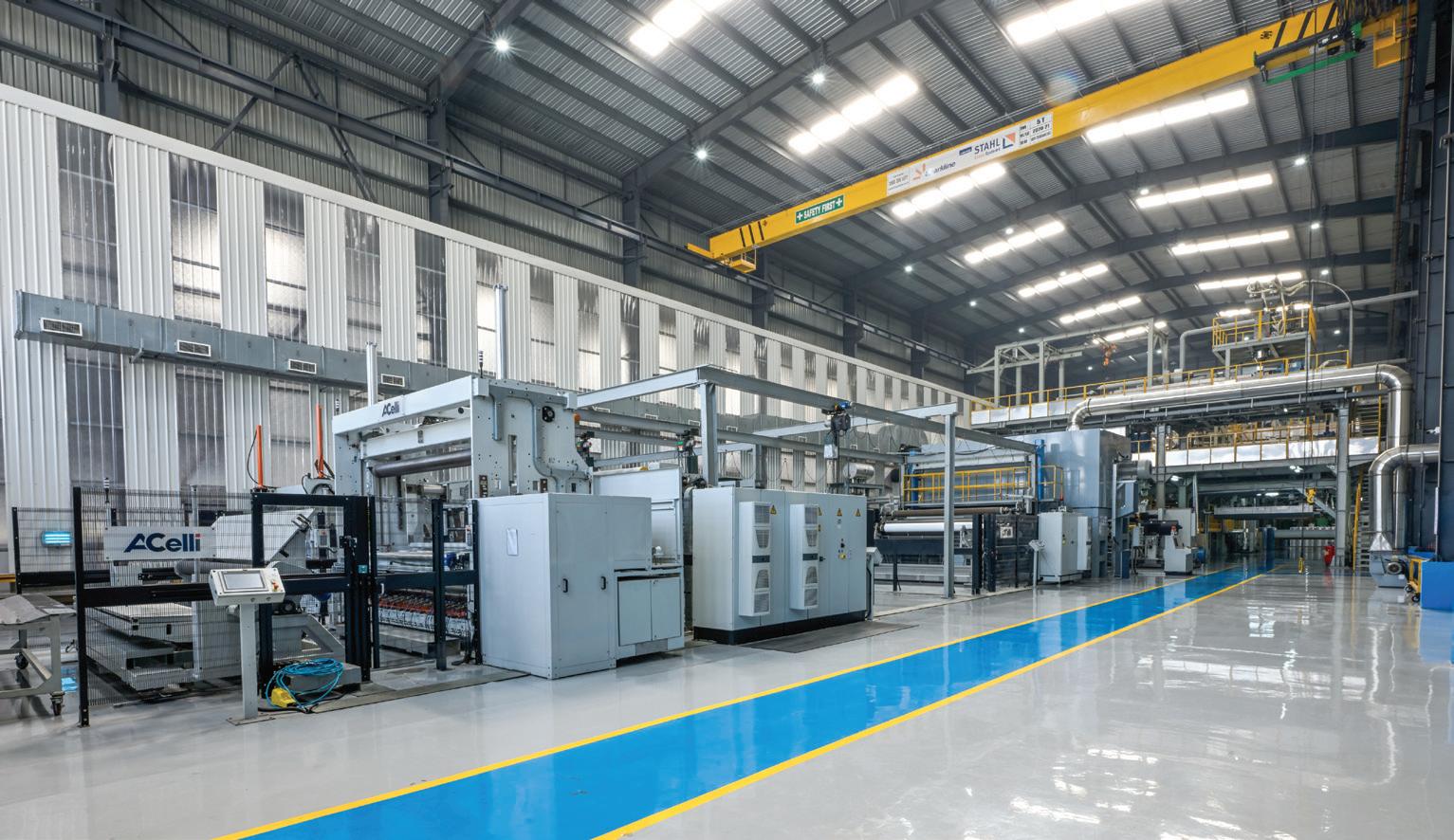
Ranka: We follow good manufacturing practices, and all our plants are GMP compliant. Our plants are sealed from the outside environment, as we have installed double doors, and the plants are hygienically maintained. Timely pest control is carried out to ensure there is no microbial contamination. Our bacterial loads meet world standards. We also have pressurized air handling units, while the floor is epoxy, which resists bacterial and fungal growth, crucial for sterile environments. We have also put up HEPA filters at certain locations in the plant. Proper sanitization is maintained at every level. Our products can pass the bioburden and cytotoxicity tests. Since we supply to multinational brands, it’s imperative that we follow best practices.
IFJ: What sustainable products or solutions do you offer to your customers?
IFJ: What hiccups did your company face in its 20-year-old journey?
Ranka: Our journey was never smooth, as we had a self-integrated plant, so it took us longer to achieve the highest efficiency and customer trust. For example, in our first SMS line, the beams came from China, the meltblown system came from Japan and we integrated it here. Buyers believe in the brand of the technology rather than the nonwoven fabric’s parameters and quality. But we proved we can provide the highest-quality nonwoven fabrics, even though our technology has not been sourced from well-known suppliers. Customers used to audit our facilities to ensure the quality of our products. We had to struggle to create a name for ourselves.
IFJ: Please share details of your presence in the Indian domestic and export markets.
Ranka: We supply about 80% in the Indian domestic and the rest is directly exported.
A major portion of the nonwoven fabrics sold in the Indian domestic market is converted and then exported by the converters. Hygiene and medical fabrics share almost equally in our sales. In medical fabrics, we sell to converters who then export the final product. However, we also directly export a few niche products.
IFJ: How have you seen the conversion industry evolving in the last few years?
Ranka: The conversion industry has grown phenomenally when concerning of hygiene and medical fabrics. Ever since the advent of COVID-19, awareness has grown among Indian hospital surgeons who now demand blood barrier disposable gowns as against the cloth gowns. COVID-19 has phenomenally expanded the medical fabrics market in India, while the hygiene market is growing consistently.
Hospitals have also started using disposable bedsheets and operating table sheets. As disposable income increases and awareness of hygiene increases, sales of hygiene fabrics will increase faster. The conversion industry is growing in Asian countries like China, Bangladesh, India and Vietnam since conversion is cheaper, and so directly exporting nonwoven fabrics to the EU or the U.S. is now becoming a challenge.
IFJ: Please share your plans for the future?
Ranka: We have continuously expanded in the last decade, and now it is time to consolidate. But we would surely like to expand our lamination and also spunlace capacity. We are also looking at spinning fibres from bio-degradable material, which, although a challenge, we will try to meet this challenge head-on. There has always been a tussle between cost and sustainability. PLA is an alternative, but it is biocompostable and not biodegradable. But we are of the firm opinion that the world will move to one-time-use products that contain biodegradable elements. By biodegradable products, we mean converting them into carbon dioxide, biomass and water and not into micro-plastics.
IFJ: Your expectations for the future growth and opportunities in the Indian as well as overseas markets?
Ranka: The nonwovens market has become highly adaptable, and we are in a consolidation phase. It has become very important to develop new varieties of nonwoven fabrics to survive. But we expect sales of medical fabrics to grow faster than those of hygiene fabrics in the near future. We expect that in the near future the Indian market will grow much faster compared to markets in other countries like the USA or countries of the EU, as the markets in those countries are already saturated.
Reasons include the large Indian consumer population, the rise in dual-income families leading to higher disposable incomes, and increasing awareness of hygiene products, healthcare, and medical disposables. The increase of Indian women from rural households in the workforce will also lead to growth. Baby diapers have also now started penetrating the construction industry workforce. India has a very big potential which needs to be exploited.
IFJ: Can you let us know the key trends in consumer demand and the growth trajectory of the nonwoven fabrics market?
Ranka: As the per capita income in India increases, we will see a multifold increase
in disposable products made from nonwovens. This should continue until per capita income increases from the current $2,700 to $10,000. We are saying this based on increased consumption observed in China following higher per capita income.
Secondly, as consumer awareness of sustainable products increases, we are seeing more customers enquire about biodegradable and reusable products. The nonwoven industry will undergo major technological changes as the push for biodegradable nonwoven products intensifies. Thus, our ability to keep learning and our readiness to invest will help us with changing market conditions.

Arun Rao started his career in the textile industry and has worked across the segments of spinning and weaving production. He forayed into the sales function, beginning with selling branded innerwear and graduated to selling clothing of wellknown brands. He then joined Fibre2fashion, a B2B textile website, as News Editor for seven years. Recently, he launched Taurus Communications, a PR & advertising agency focused on the textile industry value chain. With a love for journalism, he freelances for renowned textile magazines, along with managing the agency. He is the international correspondent, India, to the IFJ

By Philippe Wijns Principal at CleverSustainability, Filtration Expert and Sustainable Business Development Advisor
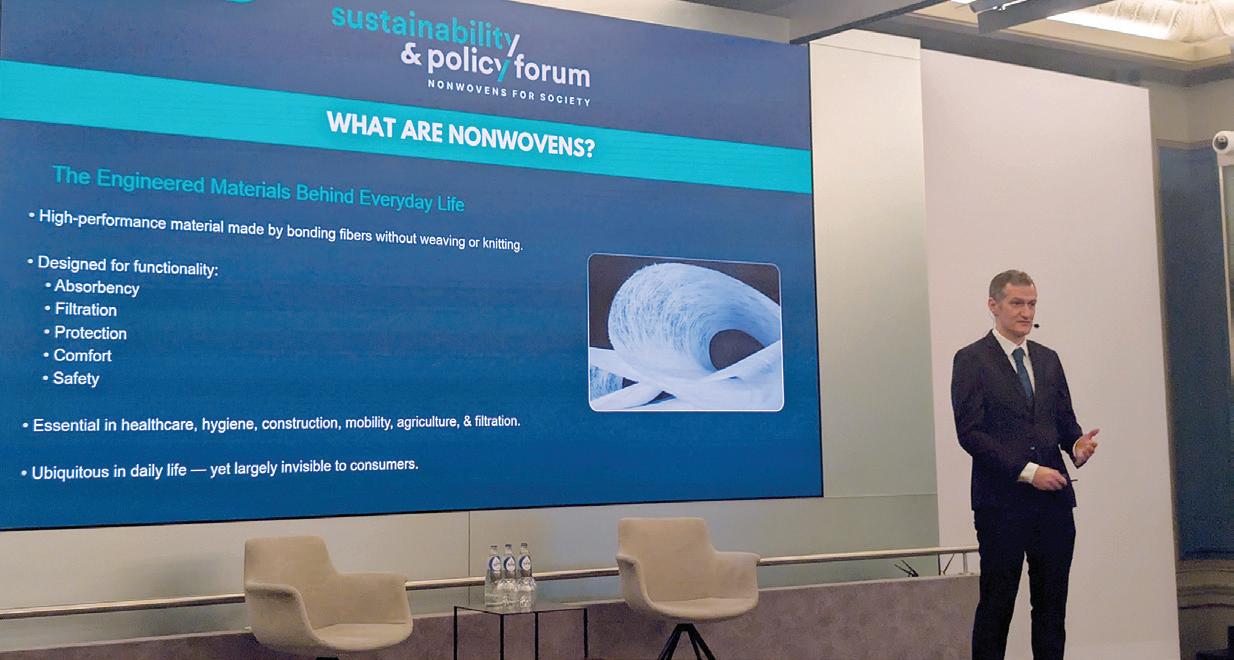
Murat Dogru, Deputy General Manager at EDANA. Philippe Wijns
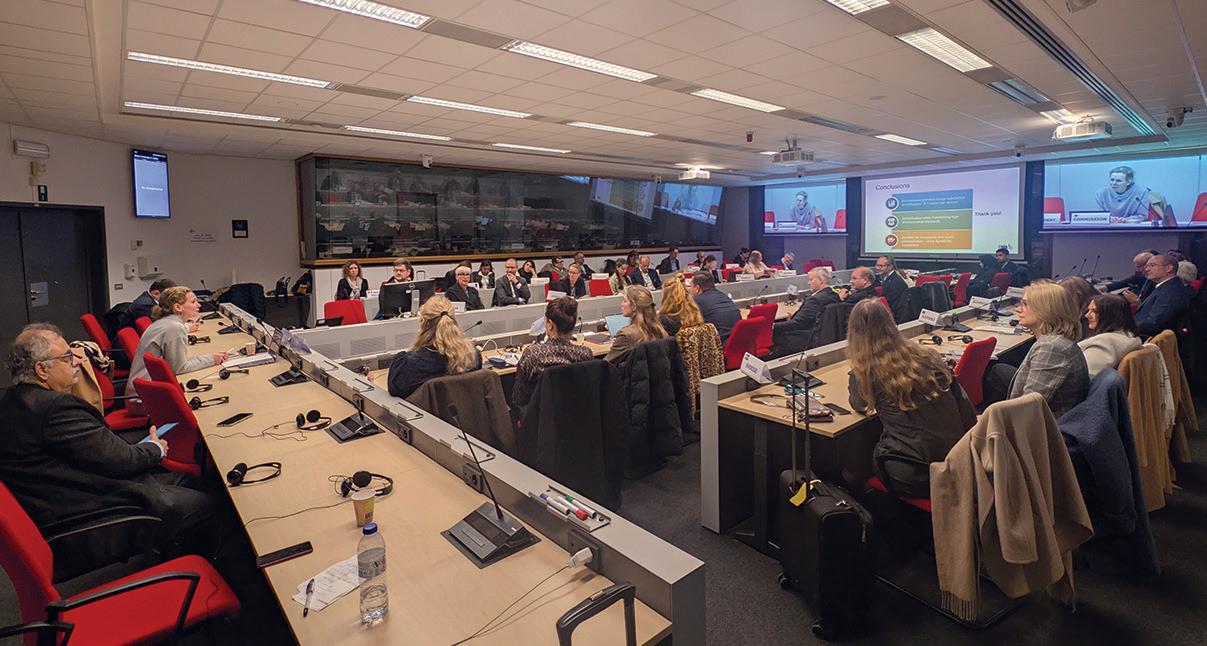
EDANA held its Sustainability & Policy Forum in Brussels last week (December 9–10, 2025) at the Residence Palace, combining plenary sessions with an EU advocacy workshop and a visit to the European Commission. The agenda ranged from the strategic: sustainability priorities in the age of simplification and competitiveness, to the operational: sustainability disclosure and transparency, CSRD as a management tool, and product-level metrics such as product carbon footprint and life cycle assessment for durable applications. Circularity served as the other key theme. A panel emphasized that “Circularity in Europe will not be achieved in silos” and questioned how textiles and nonwovens can collaborate as regulations, technologies, and recycling infrastructure develop.
Philippe Wijns is Principal at CleverSustainability, and serves as a Filtration Expert and Sustainable Business Development Advisor. He is a Certified Expert in Sustainable Finance, Climate Finance, and Renewable Energy from the Frankfurt School of Finance and Management. He began with global leaders in the nonwovens industry before transitioning to the filtration sector, where he specialized in filtration technologies across a wide range of applications and markets—including industrial and automotive systems, HVAC, household appliances, medical and life sciences, as well as power storage solutions such as fuel cells, hydrogen systems, and battery separators.
Wijns recently founded CleverSustainability, a consultancy dedicated to sustainable business development to help companies develop and implement sustainability strategies, ensure compliance with the EU legal reporting requirements, and enhance their sustainable business growth, product portfolio and development, and market positioning.
Day one then focused on enabling routes, chemical recycling and mass balance, explicitly exploring whether policy supports or hinders progress. On the second day, the discussion focused on the formulation of EU policy within the EU Toolbox framework. An interactive advocacy workshop was introduced to examine how circularity objectives can be translated into practical regulations without compromising processes, safety, or performance. The closing exchange at the European Commission covered the Commission’s operations, the Waste Framework Directive, and “Environment Policy and Simplification.”
Throughout the Forum, EDANA stressed the importance of creating space for meaningful dialogue that goes beyond compliance and routine regulatory updates, fostering strategic collaboration across the nonwovens value chain. The sessions underscored the need for collective action, rather than isolated efforts, to tackle sustainability challenges, with stakeholders encouraged to anticipate future trends and coordinate solutions that balance regulatory demands with practical realities in safety and performance. This approach indicates a broader industry shift: from merely reporting sustainability data to actively managing it, ensuring that evolving EU policies yield credible, actionable outcomes for nonwovens manufacturers and their partners.
EDANA describes the Forum as a space where industry, policymakers, experts, and stakeholders can step back from daily regulatory pressures and engage in strategic, forward-looking discussions. Its purpose extends beyond sharing information: It is designed to foster dialogue across the value chain, identify emerging trends early, and support a more coordinated and credible industry response to sustainability and policy challenges.
In EDANA’s view, the format was effective: participation, diversity of viewpoints, and the quality of exchanges, particularly on regulation and circularity during the advocacy workshops, confirmed the
A central focus was the practical challenge of advancing circularity amid ongoing regulatory simplification. In particular, the advocacy workshop moved the discussion beyond debating whether circularity matters and toward the more consequential question of how product policy can operationalize circularity objectives in a way that is workable for nonwovens manufacturers.

Forum’s relevance. The real test, EDANA notes, is translating this into action: turning the exchanges into tangible follow-up work in the months ahead.
• Practical implementation within regulatory simplification
A central focus was the practical challenge of advancing circularity amid ongoing regulatory simplification. In particular, the advocacy workshop moved the discussion beyond debating whether circularity matters and toward the more consequential question of how product policy can operationalize circularity objectives in a way that is workable for nonwovens manufacturers. Participants consistently emphasized that performance requirements are nonnegotiable and must be embedded in any regulatory approach. This reinforces the case for proportionate, application-specific regulation that integrates essential performance criteria, especially for hygiene, medical and technical products, into the regulatory architecture, rather than treating them as secondary considerations to be addressed after the fact.
• Advancing from reporting to strategic sustainability management
Another key theme was the move from sustainability reporting to integrating sustainability management into core business practices. The Corporate Sustainability Reporting Directive (CSRD) could become a valuable strategic tool for organizations that invest in strong data systems and prepare to meet changing EU standards.
The increasing overlap and interaction between regulatory instruments were repeatedly cited as a source of complexity, strengthening the need for internal alignment across frameworks and functions. Operationally, this transition implies that sustainability teams must increasingly adopt approaches comparable to those of finance functions: rigorous data governance, strong internal controls, clear accountability, and outputs that are decision-useful, supporting prioritization, investment decisions, and performance management, rather than relying predominantly on narrative disclosures and claims. VSME—which stands for the Voluntary Sustainability Reporting Standard for non-listed SMEs—was briefly discussed.
• Driving systems-level circularity through collaboration
Systems-level circularity emerged as a further priority, with a strong call for deeper collaboration across the textiles and nonwovens value chains. Panel discussions highlighted the importance of reducing structural barriers, identifying shared opportunities, and converting ambition into practical actions that can be implemented at scale.
Conversations on chemical recycling and mass balance reinforced that, while innovative technical pathways are progressing, their uptake will be constrained without policy recognition and regulatory clarity. In this context, precise definitions, consistent interpretation, and legal validation were framed as prerequisites for investment confidence and wider market deployment.
• Emphasizing credibility and transparency
Throughout the sessions, credibility and trust served as unifying themes. Speakers consistently emphasized that credible communication requires transparency, traceable evidence, and data-driven commitments that withstand scrutiny from regulators, customers, and other stakeholders. The discussions aligned with the industry's pragmatic, science-based approach, emphasizing informed decision-making and reliable data as fundamental to progress.
Ultimately, the Forum reinforced that credibility is not just a communications exercise; it is a performance outcome driven by governance, evidence, and transparency, crucial for maintaining trust and advancing the industry’s sustainability journey.
• Circularity: The discussion centred on practical steps for cross-sector cooperation, chemical recycling technology, policy frameworks, and the legal recognition of circularity methods.
• Reporting: CSRD, ESRS and related disclosures were presented as strategic business tools, emphasizing data-driven commitments and solid data foundations.
• Program Sustainability & Policy: For durable nonwovens, sessions highlighted a push toward product-level evidence and customer-focused metrics, including PCF/LCA/EPD.
• Supply Security: Supply security was noted as a constraint in transformation, with companies needing to balance adaptation, innovation, competitiveness, and supply stability. Reporting also linked sustainability to operational and supply chain resilience.
• Greenwashing and Claims: While “greenwashing” wasn’t directly addressed, the emphasis was on credibility, transparency, and evidence-based claims.
• Single-Use Plastics Directive: Details on timing and dedicated coverage were not provided, but the Directive was referenced as a policy tool promoting reuse, collection, and recycling systems.
Two main trajectories emerge:
Near term (6–18 months): Reporting and policy have to be streamlined, with companies evaluated on their ability to provide credible, comparable sustainability data for reports, customers, and partners. Regulatory focus will shift from ambition to execution quality.
Medium term (2–5 years): Circularity will shift from messaging to infrastructure, fostering collaboration across sectors such as textiles and nonwovens. Progress in recycling and mass balance will depend on effective policies, sound methodologies (including chemical recycling), and reliable chain-of-custody systems.
The materials do not describe any formal communiqué or new commitment from the Forum. The primary outcome is EDANA's positioning of the event as a platform for constructive debate, with success measured by follow-up actions. Workshop questions remain how to make circularity goals into practical policy without sacrificing, how industry can influence Commission drafting, and how inter-departmental dynamics affect decisions.
For nonwovens, these issues impact compliance and innovation. EDANA notes the difficulty of keeping up with evolving regulations and ensuring innovation and supply security, particularly after DG ENV’s (Directorate-General for Environment of the European Commission) recent releases. It stresses that one-size-fitsall rules risk overlooking technical and societal differences across nonwoven applications, underscoring the need for segmentation for both advocacy and strategy.
Rawaa Ammar, Sustainability Director from EDANA, said: “This year’s Sustainability & Policy Forum brought together an exceptional mix of insights, exchanges and forward-looking discussions. The sessions were rich and thought-provoking, exactly the
kind of space we aim to create to network and co-develop ideas, stay up to date with the latest regulatory and market developments, and spark new reflections for the industry.
The true impact of the event will unfold in the months ahead, and I am keen to channel the valuable conversations we had into tangible projects that can strengthen the industry’s sustainability journey. As the new Sustainability Director, my focus is on building on this strong foundation and helping our sector accelerate credible, science-based action on climate, circularity and responsible value chains.”
From my perspective, the Forum reinforced a simple reality: Sustainability is becoming a contest of capabilities. In ESG strategy, CSRD/VSME and other reporting tools, sustainable finance, and value chain execution, I increasingly see that “good” performance is defined by transparency, repeatable methods, data flows, and decision processes within enterprises and across the industry.
For the nonwovens value chain, that implies three priorities.
• First, invest in data discipline (including PCF/LCA/EPD competence where it is commercially relevant) so that reporting becomes decision-useful and claims become defensible.
• Second, segment the sustainability strategy by application: consumer/hygiene, medical, filtration, and durable nonwovens will not share identical circularity routes or acceptable trade-offs.
• Third, get involved early and help shape policies using evidence specific to each application. Since workable sustainability rules aren't just beneficial, they're essential for making sustainability scalable in industry.
The next phase will reward the companies and associations that can connect policy intent, customer requirements, and technical realities into a single, credible story backed by evidence. If credibility is the new license to operate, are we treating data and cooperation as strategic investments or still as compliance costs?

The global economy of industries across most sectors are being stressed by sustainability, automation, technology, and more. Furthermore, spending is down with unpredictable consumer economies. For textiles, sourcing for circularity continues to trend in many ways, both as a source of frustration and also as inspiration. Innovators are thriving with ideas as sectors such as hemp are rising in feasability, while manufacturers are hard at work to pivot to meet EU and other regulatory mandates on every level. With all that said, the outlook seems promising. The pressure is yielding deals that would never have been considered just a few short years ago, which means change is slowly but surely making its way into the mainstream. We asked thought leaders to share their perspectives on issues and opportunities. Here is what they said.
—Caryn Smith, Publisher/Chief Content Officer, IFJ
By Jason Finnis
Sustainable materials innovation is accelerating across the fibre and textile industries. New feedstocks, processing technologies, and fibre blends are being proposed at a rapid pace as brands respond to regulatory pressure, retailer sustainability targets, and growing demand for plastic-free and low-carbon products. The level of creativity and technical ambition is encouraging.
Yet many promising material innovations struggle to progress beyond pilot scale. The reason is rarely a lack of intent or even a lack of performance potential. More often, it is a disconnect between material innovation and the realities of industrial production. Sustainability benefits alone do not guarantee adoption. New fibres must be fit for purpose and capable of operating reliably within production systems that have been optimized over decades for incumbent materials such as synthetic or regenerated fibres.
This challenge is particularly visible in nonwovens and textiles, where manufacturing efficiency depends on consistency, predictability, and throughput. Fibre length distribution, diameter uniformity, elongation, cohesion, and cleanliness all influence how a material behaves on commercial equipment. When those parameters fall outside established tolerances, production lines slow, waste increases, and operating confidence declines.
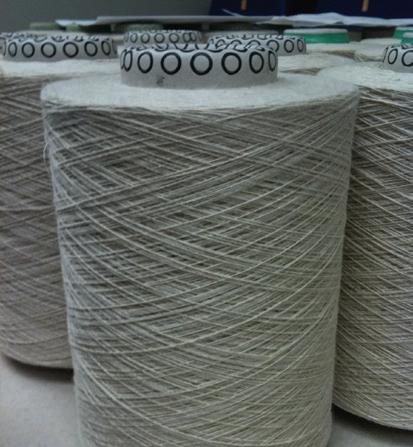
An example from a textile development program illustrates this dynamic. A blended yarn was specified to include 70% cotton and 30% bast fibre. Laboratory testing showed that the bast fibre met the required physical properties, and early yarn samples met both visual and haptic expectations. However, once the fibre blend was introduced into a commercial spinning environment, all but 7% of the bast fibre was lost during processing. The system was not intentionally rejecting the new fibre. It was operating as designed to protect cotton performance, at the expense of bast fibre content. Only after targeted adjustments to fibre preparation and spinning conditions was it possible to retain bast fibre at meaningful levels in the finished yarn.
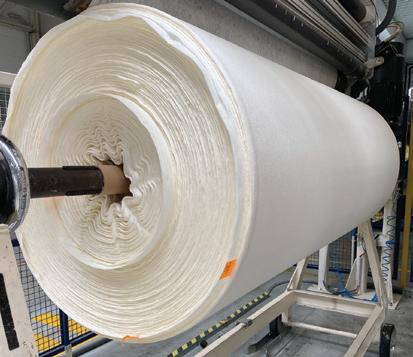
Similar issues arise in nonwoven production. Regardless of the nonwoven platform, the conversion equipment is designed around defined fibre behavior. Variability in fibre morphology or contamination levels can lead to web instability, uneven bonding, excessive linting, or frequent line stoppages. These outcomes increase cost and risk, even when the end product delivers attractive sustainability credentials.
Production systems reward materials that behave consistently. Operators expect predictable runnability, stable quality, and minimal disruption. When a new fibre introduces uncertainty, it places additional burden on maintenance teams, quality control, and supply chain planning. Over time, these frictions can outweigh perceived environmental benefits, especially in cost-sen-
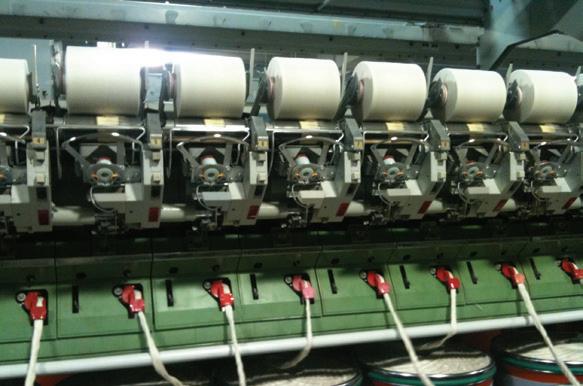
sitive product categories such as wipes, hygiene, and commodity textiles.
Successful natural materials innovation requires alignment across the value chain. Reliable agronomic supply must be paired with clear and repeatable fibre specifications. Refining and preparation processes must be designed with downstream equipment in mind. Environmental claims such as reduced Scope 3 emissions, biogenic carbon retention, and plastic or tree-free positioning must be supported by data that holds up at scale. Just as importantly, the economics must remain competitive once pilot conditions are replaced by continuous production.
The next phase of growth for natural fibres will be shaped by innovation that respects these constraints. Designing materials to fit within existing manufacturing infrastructure does not limit progress. It enables it. When sustainability advantages are delivered alongside performance consistency and production practicality, adoption accelerates, and credibility grows.
The real test of innovation is not how compelling it appears in concept, but how well it survives the production line. That is where ideas become products, and where meaningful impact begins.

Jason Finnis is a fibre innovation executive and entrepreneur with more than three decades of experience taking natural materials from field to factory to market. He has built and scaled multiple companies in the sustainable fibre sector, commercializing new technologies across nonwovens, textiles, and consumer products. Today, he leads Material ReDesign, advising global partners on developing and deploying next-generation natural fibre and circular material solutions. Find him at https://www.linkedin.com/in/ jason-finnis-b2b172128/ or jasonfinnis01@gmail.com, +1.604.315.4789.

iStockphoto/Imagesines
By Manik Pavan K. Maheswaram
The global fiber industry stands at an inflection point. Sustainability has evolved beyond trend status to become a fundamental mandate. This shift is driven by intensifying regulations—such as the EU Green Deal—global initiatives aligned with the UN Sustainable Development Goals, and increasingly sophisticated consumer expectations.
Today, synthetic fibers represent over half of global fiber consumption. While calls to reduce synthetics persist, the more viable path forward is engineering them to be more sustainable. The question is no longer whether performance and sustainability can coexist—but how we enable it through innovation.
Masterbatch technologies, circular design principles, and PFAS-free chemistries are reshaping expectations across the textile supply chain. For brands and suppliers alike, this transformation is becoming essential as sustainability evolves from a value-add to a competitive baseline.
Sustainability drivers vary by region. Europe continues to lead with regulation and circularity mandates, while North America emphasizes transparency and extended producer responsibility. In Asia, export-oriented growth is prompting investment in greener manufacturing to meet global compliance requirements. Consumers, meanwhile, expect performance with proof. Sustainability is influencing purchasing behavior, supply chain audits, and material specifications. OEMs and converters increasingly demand lifecycle metrics, product carbon footprint (PCF) data, and recyclability documentation. These expectations are moving sustainability from an aspirational goal to an engineering requirement.
Color is central to consumer appeal, yet traditional dyeing methods consume significant water and energy. Solution dyeing—the practice of incorporating color directly into polymer melt—eliminates multiple wet-processing stages, dramatically reducing environmental impact.
This process can reduce water usage by up to 90% while improving energy efficiency, colorfastness, and overall consistency. For textile brands, it offers a rare opportunity: elevate sustainability while enhancing aesthetics and performance.
Per- and polyfluoroalkyl substances (PFAS) have long been used for water- and stain-repellency but are now under global regulatory scrutiny. With phase-out deadlines approaching, the need for alternative solutions is urgent.
One example of industry response is Americhem’s nDryve™— an in-melt additive delivering durable protection against alcohol, water, and oil-based fluids, plus stain resistance and hydrophobic performance.
Free of PFAS and fluorinated compounds, it supports both compliance and durability, especially in hygiene and medical applications. As manufacturers shift away from legacy chemistries, in-melt additive systems offer scalable paths to safer performance.
Demand for antimicrobial protection in textiles has grown post-pandemic, with heightened awareness around cleanliness and health. Traditionally, these functionalities relied on synthetic agents.
Americhem’s nShield® platform includes a plant-derived antimicrobial offering that aligns with rising interest in sustainable chemistry. These formulations aim to balance durability and eco-responsibility, supporting a range of applications from healthcare to filtration. As the industry pivots, nature-based solutions are increasingly seen as viable, scalable alternatives.
Historically, most masterbatch carriers were derived from fossil fuels. But as value chains seek to reduce Scope 3 emissions and improve recyclability, bio-based carriers are emerging as a focus.
Americhem’s development of renewable feedstock-based carriers represents a material shift toward lower-carbon fiber systems. When paired with monomaterial construction and recycled content, these carriers support a more circular and sustainable approach to synthetic fiber design.
Sustainability does not require sacrificing performance. In fact, it often enhances it.
Hydrophilic additives improve moisture management in medical and hygiene nonwovens, eliminating the need for
secondary treatments. UV stabilizers extend product life in outdoor environments, helping reduce waste. Americhem’s mBrace™ softening technologies enhance fabric haptics without contributing to volatile organic compound (VOC) emissions.
Each of these innovations demonstrates that additive design can enable both comfort and compliance, performance and planet-mindedness.
Product design is increasingly shaped by traceability. Certifications like GRS, OEKO-TEX®, and USDA BioPreferred® are now minimum thresholds. Meanwhile, initiatives such as the EU Digital Product Passport are demanding full transparency.
Designing fibers with compliance in mind is no longer optional. It simplifies validation and reinforces brand credibility. Americhem supports these efforts with tools like PCF reporting, helping customers quantify and communicate environmental impact with confidence.
Sustainability requires systems thinking. It involves collaboration across the fiber lifecycle—from polymer development to product design, regulatory strategy, and recycling.

•
• More Digital Options
•
Industry alliances, co-development programs, and transparent partnerships are accelerating innovation. Whether the focus is PFAS-free repellency, bio-based formulations, or circular masterbatch systems, progress depends on shared responsibility.
The future of sustainable fibers lies in integration: merging performance with environmental intent. Americhem’s work across solution dyeing, PFAS-free technologies, botanical antimicrobials, and bio-based carriers demonstrates that this convergence is possible. Sustainability is not a static destination but a dynamic opportunity. It will be defined by those who embrace material innovation, validate claims, and commit to collective progress. In the next era, collaboration isn’t optional—it’s the path forward.

With over a decade of experience in R&D, product development, and market strategy, Manik Pavan K. Maheswaram, Ph.D., MBA, Global Market Manager— Fibers at Americhem, specializes in sustainable polymer systems for synthetic fibers. His work focuses on PFAS-free additive innovation, bio-based materials, and circularity-driven design in performance textiles. He can be reached at MMaheswaram@americhem.com. For more information about Americhem, visit www.americhem.com.



Unwinds / Rewinds
Pocket filter machines • Slitters (Ultrasonic, Laser or Conventional) • Laminators (Ultrasonic,Thermal and Adhesive)
• Traverse and Spiral winders
• Membrane / Hollow fiber lines
• Festooners
• Accumulators
• Ultrasonic sewing machines
• Pleat welders
• Ring Welders
• Custom assembly machines
By Jenny Erwin
Despite technical advancement across the next-gen biomaterials sector, adoption remains limited. Many biomaterials companies that reach pilot scale, earn press attention, and secure brand partnerships are unable to cross into sustained market demand, particularly in the leather alternative space, where numerous pilot-scale materials have struggled to move beyond limited capsule collections. Unfortunately, biomaterials companies are building visibility around technically validated proof points before defining buyer value, resulting in products that do not align with market needs. They face a commercialization challenge, and it involves three interconnected concepts: visibility, viability, and value.
Visibility builds credibility through press coverage, brand partnerships, and sustainability narratives, attracting investors and enabling short-term viability by sustaining operations and development. However, the stakeholders who confer credibility are not acting on the same interests as consumers who would adopt the materials. Investors evaluate technical feasibility and market size, partners signal alignment with sustainability goals, and press amplifies novelty and environmental benefit. Thus, visibility and viability reinforce each other while buyer value remains unexamined, and companies optimize for credibility rather than demand. Product roadmaps are then built around the capabilities that generated interest from investors and scientists, not consumers.
expert interpretation, and iterative validation. Both the fashion and biomaterials industries must anticipate consumer desire for texture, status signaling, and values alignment before production. While borrowing from a fashion industry lens could be helpful, the biomaterials industry really needs to establish its own forecasting framework from the unique lens of biomaterials' needs and capabilities. It currently lacks an equivalent system, leaving companies to validate demand on their own. Trend forecasting could be the bridge between visibility, viability, and value.
For biomaterials, forecasting could be based on technical, functional, and sustainability factors that buyers and end-users truly value.
For biomaterials, forecasting could be based on technical, functional, and sustainability factors that buyers and end-users truly value. This includes properties such as durability, texture, color stability, and carbon footprint, as well as compatibility with supply chains and manufacturing constraints. Armed with this information, companies could identify which attributes drive adoption, where trade-offs between performance, cost, and sustainability are acceptable, and whether sufficient demand exists for their proposed product in the first place. If development decisions were informed by these insights, R&D, scale-up, and marketing could be aligned with real demand.
The signals prioritized for viability also do not determine desirability. Sustainability metrics, such as the percentage of bio-based content, do not necessarily translate into consumer-perceived value or end-use suitability. While brand partnerships and pilotscale milestones relay progress, establish technical legitimacy, and generate investor confidence, they do not address purchasing criteria, such as whether the material feels good in hand, whether it offers status signaling comparable to conventional materials, how its price compares to incumbents, or whether it solves a problem within a consumer's daily life. More fundamentally, they do not answer whether consumers care enough about material sustainability to pay premiums or tolerate performance trade-offs in the first place.
The fashion industry offers a useful precedent for addressing this misalignment: trend forecasting. Trend forecasting is a structured, research-driven system that anticipates what will appeal to consumers years before production. It is methodical, data-driven, and nuanced, combining qualitative and quantitative research,
Biomaterials commercialization continues to stall because visibility and viability are built around technical achievement before buyer value is clearly defined. Sequencing matters. Value must be established first through research, buyer interviews, and competitive analysis, and viability should then be engineered in service of that value rather than around what is technically possible in isolation. Only after this research and alignment exists should visibility amplify progress. Without treating demand insight as foundational infrastructure, the sector will continue to produce technically impressive materials that fail to cross meaningful adoption thresholds.

Jenny Erwin is the founder of Cultivated Strategy, a marketing consultancy that helps biomaterials companies bridge the gap between technical innovation and commercial success. After founding the sustainable fashion brand Apacceli and struggling to source genuinely sustainable materials, she completed graduate research on commercializing cell-cultured leather and developed the Commercial Readiness Compass, a tool that measures the gap between what companies claim publicly and what they can operationally prove. Her work combines fashion industry experience, data-driven research, and strategic marketing to guide nextgeneration materials companies from innovation to market readiness.
By Mark D’Sa
The global textile industry is at a turning point. As environmental regulations evolve, carbon accounting becomes standard practice, and brands face new extended producer responsibility laws, the search is on for fiber solutions that can meet both performance and sustainability requirements at scale. Traditional cotton has served the industry well for generations, but as water scarcity intensifies in key growing regions and production demands continue to climb, the industry is actively diversifying its fiber portfolio. Brands are looking beyond incremental improvements to identify materials that can deliver meaningful impact without compromising on quality or cost competitiveness.
This isn’t a sustainability trend. It's a structural crisis. Recycled cotton offers partial relief but can only be recycled a handful of times before fiber quality degrades. New cellulosic solutions like Tencel show promise but remain relatively expensive. Meanwhile, polyester, despite its durability, has become a reputational liability as microplastic pollution dominates headlines. The industry needs alternatives that work at scale, at price, and under regulatory scrutiny. The desperate search is on for fibers that can actually deliver on all three.
Enter hemp, a crop that's been hiding in plain sight for centuries.
Hemp has clothed humans for millennia, its fibers woven into everything from ancient Chinese robes to the canvas sails of colonial ships. But for decades, hemp remained stubbornly niche in modern textiles, not because of any performance shortcoming, but because of economics and processing. Traditional hemp degumming requires massive water use and harsh chemicals, making the resulting fiber both expensive and environmentally contradictory: a "sustainable" fiber produced unsustainably.
That barrier has finally been solved. After significant R&D investment, purely mechanical cottonization processes for hemp now produce textile-grade fiber while eliminating water usage and harsh chemicals entirely. Just as critically, mechanically cottonized hemp costs half the price of chemically degummed hemp fiber, and the market is responding with something that looks less like curiosity and more like urgency.
High-volume mills in Bangladesh, Vietnam, and Pakistan that supply major global brands are actively seeking this processed hemp fiber. Panda Biotech’s state-of-the-art processing facility is meeting this demand by providing mechanically cottonized hemp at scale, positioning itself as critical infrastructure in an emerging supply chain. Meanwhile, Mexican denim manufacturers are successfully producing hemp blends for the North American market. This isn't an experimental interest or another fleeting fashion trend. The commercial demand signals that alternative natural fibers are transitioning to mainstream textile production,
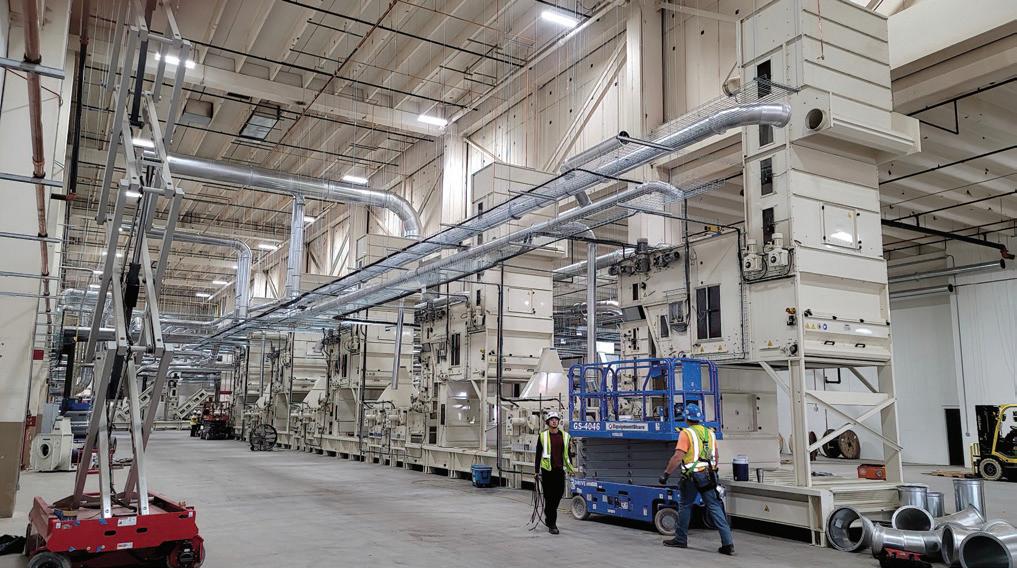
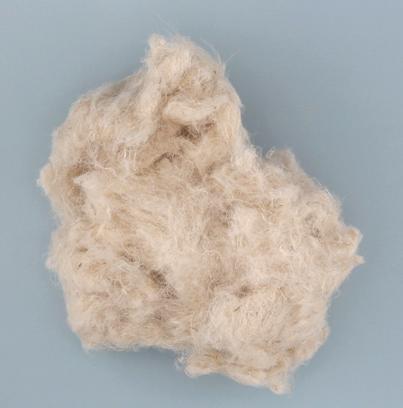
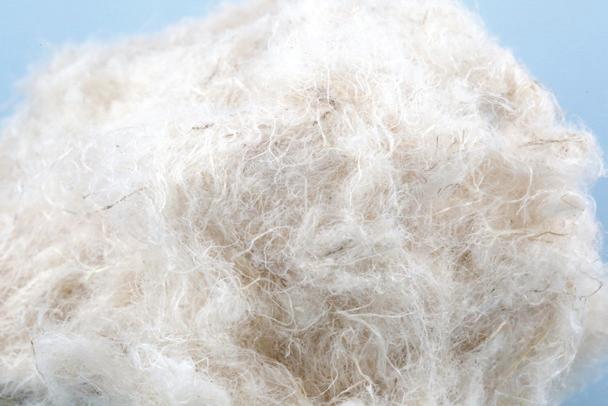
and the companies establishing supply chains now will lead the post-2026 regulatory landscape, meeting an awakening market with both scale and sustainability.
Beyond near-term adoption, hemp's strategic advantages are difficult to ignore. The crop delivers consistently high yields while growing with minimal irrigation and virtually no agrochemical inputs. It actively improves soil health rather than depleting it. In an era in which water scarcity, mandatory carbon accounting, and traceability requirements are fundamentally reshaping fiber sourcing decisions, hemp offers brands and manufacturers a scalable pathway to reduce environmental risk without sacrificing performance or cost competitiveness.
Hemp is not simply another alternative fiber competing for niche market share. It's emerging as a foundational material for a resilient, lower-impact textile industry capable of meeting global demand in the decades ahead, precisely when the industry needs it most.

With over five decades of experience in the private and public sectors, including Ralph Lauren, Levi’s, and The Gap, D’Sa is renowned in the textile, apparel, and retail industries for his expertise in product development, global sourcing, supply chain management, and sustainability. He has lived and worked in India, Thailand, Singapore, Canada, and the U.S., managing supplier engagement in 43 countries.
By Lelia Lawson
Industrial hemp is once again gaining attention as a natural, low-impact fibre for textiles and nonwovens. Acreage continues to expand globally, particularly in Canada, where most hemp is grown as a dual-purpose crop, primarily for food and oilseed production. This growth generates a significant agricultural residual: bast fibre.
While whole-plant utilization is often cited as the goal of dual-purpose hemp crops, the reality is that bast fibre from food and oilseed crops is not well-suited for conventional textile applications.
The issue is not hemp’s potential. It is a mismatch between material properties and end-use expectations. And as an industry, we’ve been trying to force a round peg into a square hole by treating bast fibre as a cotton substitute.
Hemp grown for grain or oilseed has a very different bast fibre structure than purpose-grown textile hemp, and it is fundamentally different from cotton. As a result, extensive mechanical processing, commonly referred to as cottonization, is required to shorten fibres, remove non-cellulosic components, and force compatibility with existing spinning systems. While cottonization can improve handling, it does not resolve the underlying challenges of variability in fibre length, wall thickness, and surface chemistry. For many textile and nonwovens applications, consistency and predictability remain out of reach.
The reason is structural.
Bast fibres originate in the phloem of the plant. Wood fibres used in conventional pulping come from xylem tissue. Cotton, by contrast, is a seed hair with a completely different morphology. Bast fibres are typically longer, have thicker cell walls, contain less lignin, and are naturally high in alpha-cellulose. These characteristics do not disappear with mechanical refining – they define how the fibre behaves throughout processing.
Rather than treating these traits as liabilities, the industry should recognize that they point toward a different, and arguably better, pathway for bast fibre utilization.
When bast fibres are converted into dissolving-grade pulp, many of their intrinsic advantages remain intact. Lower lignin content can reduce chemical demand and energy intensity during pulping. Naturally high alpha-cellulose levels are well suited for downstream conversion into regenerated cellulose fibres such as lyocell. In this context, fibre length variability, which is problematic in mechanical textile processing, becomes largely irrelevant, since cellulose is dissolved and reformed into a continuous filament (later cut into consistent staple lengths).
It is also important to note that bast-derived dissolving pulps are not simply substitutes for wood-based pulps. Differences in
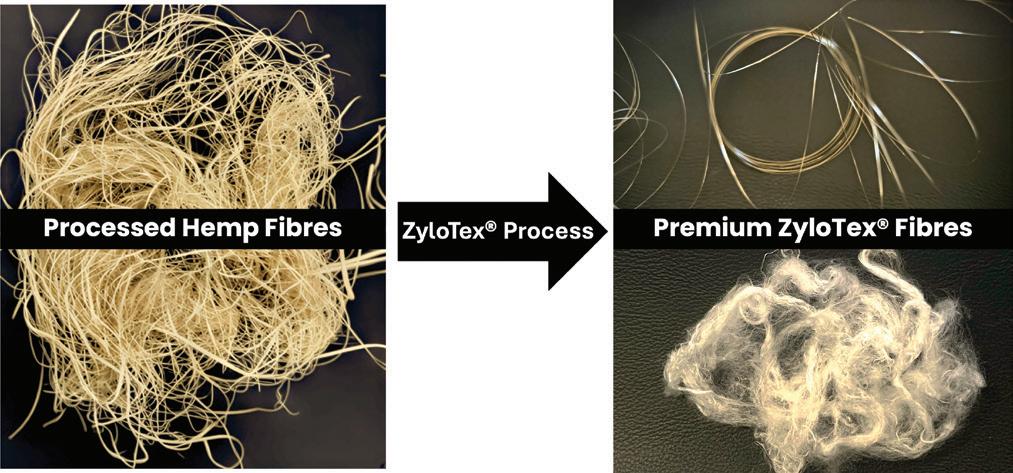
cell wall structure, degree of polymerization, and hemicellulose composition influence reactivity, filtration behavior, and solvent interactions during regenerated fibre production. While the lyocell process fundamentally restructures cellulose, the origin of the pulp still matters. And pulps from hemp bast fibre can offer opportunities for improved efficiency, differentiated performance, or lower environmental impact.
This perspective is particularly relevant in regions such as Canada, where hemp is grown primarily for food and oilseed markets. In these systems, bast fibre is often treated as a lowvalue by-product or waste stream. Redirecting this material towards pulp and regenerated cellulose applications provides a more realistic pathway to whole-crop utilization, without forcing bast fibres into applications they were never optimized to serve.
For the textile and nonwovens industry, progress will require moving beyond the assumption that hemp must mimic cotton to succeed. The real opportunity lies in aligning hemp’s inherent biological structure with processing routes that respect its chemistry.
Regenerated cellulose offers one such route. One that fits within existing industrial frameworks while enabling truly next-generation, bio-based fibre solutions.
As the industry looks toward 2026 and beyond, hemp’s future may depend less on how closely it imitates legacy fibers, and more on how effectively it enables new ones.

Lelia Lawson is the Founder and Chief Technology Officer of ZyloTex®, a Canadian advanced-materials company developing regenerated cellulosic fibres from hemp. She holds a BSc and MSc in Human Ecology (Textiles & Clothing) and is pursuing a PhD at the University of Alberta, focused on hemp-based regenerated cellulose. With over 20 years of experience across textiles, she brings deep expertise in fibre science, industrial applications, and commercialization, and serves in leadership roles within Canada’s hemp and textile sectors.
By Mark R. Snider
Nonwovens are almost always combined with other substrates to create an “engineered fabric,” the combination of materials is endless, and will continue to meet the performance challenges that are demanded. Just the nonwovens part of the global market consumed 18.5 million metric tons of roll goods by 2024, which equates to 527.2 billion square meters of nonwoven fabric. With an average annual growth rate of around 3%, the future for nonwovens, engineered fibers, and fabrics is bright. Nonwovens alone will contribute over $100 billion to global production and will produce over 21 million metric tons and 600 billion square meters by 2030. We will continue to innovate with new and unique products as world demand continues. Our business, like so many others across the globe, will always face some challenges, and there is no doubt that we will meet them.
The current U.S. administration has recently contributed to business uncertainty by shaking up global markets through tariffs and supply chain disruptions, breaking past agreements, and responding to respondents in sometimes punitive ways. So, how can our industry respond to and prepare for potential upsets? We have options, many options!
Through government stewardship, education, and constant interaction, our representatives across the planet will continue to interact with local, state, federal, and international representatives. We will continue to methodically engage global leadership and present options to improve the public and our many business sectors. We will continue to educate anyone interested in the complex, highly scientific nuances of how engineered fabrics can contribute to overall product performance. We will continue to be relentless in keeping our industry engaged and interested in our production capabilities, products, sustainable contributions, and overall impact on global markets.
Now is a time of change, both regionally and globally. We have recently been forced to find new ways to produce and market our products, to adjust supply chains for alternative raw materials, and to innovate and meet new performance and sustainable needs. There are some winners out there. The companies that are winning this engineered materials game are the ones that are adjusting to the challenges as a standard course of business without emotional reaction. By establishing new alliances, inventing alternative materials, improving machines, training personnel, and educating a talented workforce. The “winners” in this game of roulette will be the companies that make choices based upon facts and foresight, not on reaction and fear.
Investment dollars are available; we simply need the tools and statistical metrics to make the right decisions. I recently visited a factory with older machines and was inspired by their
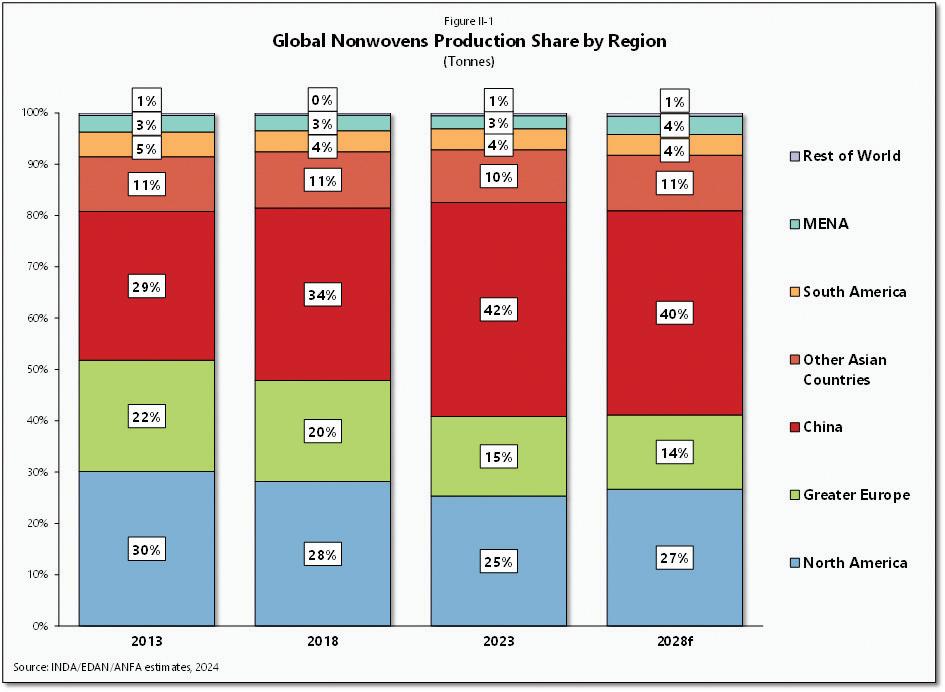
approach to recent upsets. Their warehouse was neat, clean, and meticulously managed. They were in the process of adding new recycling machinery. Had dedicated one or two specialized machines for producing new and innovative products with a vision for the future. Their skilled operators were being trained in new procedures and processes, with safety above all else. They know that their products will continue to be necessary in the marketplace, they have studied the available statistical information at their disposal, and they have made decisions based on real growth projections. Finally, they have convinced their shareholders and financial backers that they are making sound business decisions. The “fact chain” and metrics are clear; engineered fibers and fabrics are continuing to evolve, meet performance challenges, and continue to contribute to the global market in significant ways. We simply need to keep our wits about us and do what we do best … adjust to change, react in a controlled fashion, and continue to innovate.

Mark R. Snider is INDA’s Chief Market and Industry Analyst. Snider brings more than 30 years of nonwovens & engineered materials expertise with a strong background in market and industry analysis at both the macroeconomic, industry, and segment levels.
Before starting his consulting firm nineteen years ago, Snider performed as the European and Latin American Regional Manager for J&M Laboratories and the Technical Marketing Manager for Nordson Corporation.
With strong industry knowledge, an extensive network, and a history of detailed market and industry analysis, INDA looks forward to improving processes and providing the industry with meaningful reports, presentations, and data to support INDA, its members, and the entire nonwovens industry.
By Philippe Wijns
Predicting the future involves uncertainty; the further ahead we look, the more we speculate. The following is a hypothesis meant to provoke thought: if “auditready truth” becomes essential for participation, what should industry leaders change now before market forces demand it? Sustainability claims have become cheap. Proof is expensive. That is precisely why proof will become the new global standard for the fiber and nonwovens industry and its applications.
Although the future is uncertain, the nonwovens industry must prepare for a time when audit-ready proof is essential.
The term “proof economy” comes from the digital world. However, proof economy is also being positioned as a branded term in business contexts. Because of that and because manufacturing is fundamentally different from service-heavy digital ecosystems, I will introduce a more practical term for our sector: the “verification economy.” The verification economy is simple: if you cannot verify it, you cannot sell it. Not because your marketing story is weak, but because your customer’s procurement team, your customer’s auditor, and increasingly the regulator will treat unsupported claims as liabilities.
Pressure is building globally. Europe’s Ecodesign regulation introduces the Digital Product Passport to share sustainability info along the supply chain. Authorities are tightening controls on recycled-content claims, with stricter documentation and audits to prevent mislabeling of virgin materials as recycled. In the U.S., the FTC’s Green Guides dictate how environmental claims must be supported and were last revised in 2012. China is following and will adapt quickly to secure its export goals. Trusting claims is no longer enough; markets demand proof. This shift affects nonwovens across areas such as hygiene, filtration, medical gear, geotextiles, insulation, automotive acoustics, and composites that claim recycled content or lower footprints.
In the nonwovens industry, disputes often arise not from intentional misconduct but from unclear definitions and insufficient proof of sustainability claims. Common issues include overlooking upstream materials or energy sources, failing to maintain proper traceability records for recycled content, misunderstandings or miscommunication about mass-balance accounting for circular or bio-based features, and overstating recyclability when collection and processing facilities are limited. These concerns are important because they influence how suppliers are approved or excluded in a market that increasingly relies on verification.
Verification involves more than just purchasing software; it’s about adopting an entire operational approach. Succeeding in this area requires formalizing processes like standardization, regular audits, and ongoing enhancements.
To create a reliable process for substantiating claims, companies should keep a register that connects each sustainability claim to its evidence, provide detailed identification and traceability for materials and batches, use third-party verifiers for independent certification, and establish clear KPIs to monitor verification efforts. This includes thoroughly documenting every claim with its proof, maintaining transparent records throughout certified supply chains and test results, depending on external experts rather than only internal information, and tracking performance with specific measures such as the proportion of certified products or audit response times.
The verification economy will affect reporting and product development, motivating companies to simplify designs, limit hard-toverify or recycle materials, and enable practical end-of-life options such as recycling, energy recovery, or composting where feasible.
This shift will change how organizations innovate, emphasizing verification from the start. They may use tracking systems, standard digital formats, and detailed documentation for products throughout their lifecycle.
In my view, the Verification Economy will become the global operating standard for fibers and nonwovens, because it aligns with how procurement, regulation, and risk management already operate. The question is not whether your customers will ask for audit-ready proof. They already are. Demonstrating transparency and providing validated documentation is now crucial for credibility and competitive advantage, especially in the evolving field of sustainable fibers and nonwovens.

Philippe Wijns is Principal at CleverSustainability, and serves as a Filtration Expert and Sustainable Business Development Advisor. Wijns recently founded CleverSustainability, a consultancy dedicated to sustainable business development to help companies develop and implement sustainability strategies, ensure compliance with the EU legal reporting requirements, and enhance their sustainable business growth, product portfolio and development, and market positioning.
By Robert Green and Steve Davies
The global fibers and nonwovens industry is entering a defining decade. Climate pressure is no longer abstract. Resource constraints are tightening. Regulation is accelerating—unevenly but inexorably. Brand expectations are shifting faster than most supply chains can respond. And above all, consumer and societal sentiment against anything labeled “plastic,” amplified by mounting concern over microplastics, is reshaping the rules of engagement.
At the same time, the portfolio of biobased and biodegradable materials available to the industry has never been broader. Renewable carbon feedstocks. Compostable and biodegradable polymers. Drop-in biobased alternatives. Functional additives designed to reduce carbon footprint, enhance end-of-life outcomes, or both. Many of these materials are not new—they are entering their second or even third decade of commercial availability.
And yet, despite this abundance of innovation, fibers and nonwovens have arguably benefited the least.
Why? And what must change for our industry to benefit?
Few industries insist on doing “everything everywhere all at once” as fibers and nonwovens.
Lower cost. Lower carbon. No performance loss. No process disruption. Biobased or renewable. Identical aesthetics. Identical durability. Full regulatory compliance across regions. Preferably biodegradable, recyclable, or compostable—ideally all three. And available globally, at scale, tomorrow.
Faced with this barrage of demands, the industry has often defaulted to paralysis. Promising innovations stall in extended pilot phases. Launches are delayed by endless rounds of “one more tweak.” Incremental improvements are dismissed as not transformational enough.
Not every problem needs to be solved simultaneously. Not every product needs to be “perfect” to move forward. In many high-volume nonwovens applications—hygiene, wipes, filtration, agriculture, medical—addressing even one major sustainability or regulatory pressure point can create meaningful value today while building momentum for future redesign.
The fibers and nonwovens industry must establish and agree on clear roadmaps that sequence change appropriately for each market: what must be addressed now, what can wait, and what will require longer-term reinvention. Progress delayed in pursuit of perfection is no longer a viable strategy.
Biopolymers have been both overhyped and underutilized.
On one hand, they have too often been positioned as one-for-
one replacements for incumbent fossil-based polymers—expected to match cost, performance, and processability immediately. When they inevitably fall short on one dimension, they are labeled “not ready.”
On the other hand, they have sometimes been marketed as cure-alls: compostable, carbon-negative, endlessly scalable solutions that absolve brands and converters from harder system-level decisions. That narrative has also failed. The reality lies in between.
Biopolymers are strategic enablers when deliberately deployed—solving a specific problem, unlocking a new capability, or materially improving an environmental outcome without breaking the economics. In fibers and nonwovens, this may mean:
• Partial substitution strategies that reduce fossil carbon without sacrificing performance
• Targeted use in applications where end-of-life leakage is highest
• Blends or structures that enable lightweighting, downgauging, or functional consolidation
• Drop-in solutions that leverage existing assets while buying time for deeper transformation
Where the entire industry must invest—collectively—is in scale, feedstock security, processing robustness, and performance tuning. None of this happens in isolation. Resin producers cannot shoulder it alone, nor can converters or brands. Alignment is the prerequisite to scale.
The era of waiting is over. The tools exist. The pressures are clear. The opportunity is real.

With more than 35 years leadership experience in the materials industry spanning fibers, plastics, and chemicals, Steve Davies is recognized for advancing circular economy solutions, commercializing novel materials, and building multi-sector partnerships that unite industry, government, academia, and NGO’s in two his decades at NatureWorks. He now helps organizations evaluate and commercialize novel and advanced materials and solutions, providing business strategy development, go-to-market planning, stakeholder engagement, and issues management.

Robert Green, a global thought leader in polymers, fibers, and nonwovens, has more than 30 years of experience driving innovation, growth, and value creation. A former Vice President at NatureWorks and veteran of the polyester industry, he built and led one of the first successful global Fibers & Nonwovens biopolymer businesses. He now advises biomaterials and nonwovens companies on commercialization, sustainability strategy, and scalable innovation, while serving in leadership roles supporting nonwoven industry innovation and growth.
By Dr. Sanjay Wahal
The nonwovens industry does not face a technology problem—it faces a systems problem. The tools exist. The science exists. The challenge lies in integrating materials innovation, energy strategy, data, regulation, and business models into a coherent operating framework. 2026 will reward manufacturers across the value chain who embrace this integration. Everyone else will optimize themselves out of relevance.
To substantiate this thesis, three emerging—but now imminent—trends deserve particular attention.
Carbon Is Becoming a Design Constraint, Not a Reporting Metric (Nonwovens & Sustainability | Opportunities & Challenges)
Why This matters
Embodied carbon is rapidly moving beyond ESG disclosures and sustainability reports into the core of product competitiveness. Regulatory mechanisms such as the EU’s Carbon Border Adjustment Mechanism (CBAM), escalating Scope 3 pressure from brand owners, and increasingly stringent retailer procurement rules are converging. Together, they are transforming carbon from a “soft” sustainability metric into a hard commercial variable that directly influences supplier selection.
Why This Is a Big Deal
By 2026, nonwovens will likely be increasingly designed within an explicit carbon budget, much as GSM, tensile strength, and barrier performance are today. Products that appear low-cost on a per-kilogram basis may become commercially nonviable once carbon penalties, border taxes, or internal carbon pricing are factored in. Cost leadership without carbon efficiency may no longer guarantee market access.
Why 2026 Is the Inflection Point
The year 2026 marks the first real wave of carbon-indexed procurement contracts, driven by CBAM’s transition from reporting to financial enforcement and by brand owners facing near-term Scope 3 reduction commitments. Carbon intensity per kilogram of fabric becomes a pricing lever, not a footnote—directly influencing bids, margins, and contract awards.
This shift forces a fundamental rethinking of polymer choice, basis-weight optimization, energy sources, and supply-chain geography. Carbon-inefficient production lines—particularly those dependent on fossil energy or heavy thermal processing— risk becoming stranded assets or losing access to premium markets.
Leading players are already responding through:
• Carbon-aware material design combining lightweighting with performance retention
• On-site renewables, electrification, and AI-optimized energy management
• Carbon-labelled nonwovens as a differentiated product class for regulated and premium markets
Carbon-Indexed
Carbon-linked pricing already exists in steel, cement, aluminum, and aviation fuels. What changes in 2026 is that these mechanisms spill downstream into materials such as nonwovens, embedded within regulated value chains.
Emerging contract structures increasingly apply a base price per kilogram adjusted by verified carbon intensity multiplied by an internal carbon price—often $50–$150 per ton of CO₂e. At these levels, even a 0.5–1.0 kg CO₂e/kg difference materially affects supplier preference.
In 2026, the cheapest nonwoven may no longer be the lowest-cost one—it may be the one with the lowest carbon intensity per kilogram.
(Nonwovens Innovations | Innovations on the Horizon)
Why This Matters
Despite decades of refinement, nonwovens R&D remains largely empirical—unlike semiconductors or advanced polymers, where algorithmic design is now standard. AI adoption lagged not due to lack of value, but due to historically limited process data, digital infrastructure, and design-manufacturing integration.
Why This Is a Big Deal
AI enables the simultaneous co-optimization of fiber architecture, performance, energy consumption, and carbon intensity—something trial-and-error cannot achieve at scale. Development cycles compress, scale-up risk declines, and materials are engineered to meet multiple constraints from the outset.
Why 2026 Is the Inflection Point
By 2026, the first commercially deployed nonwovens whose fiber architectures are algorithmically designed—not empirically tuned—reach the market. The performance and cost gap between AI-enabled producers and legacy manufacturers widens rapidly, and compounding advantages emerge.
What Changed—and Why It Works Now
Digital twins of spunbond and meltblown lines have finally become “good enough” to guide material design. High-fidelity data
from edge sensors, inline imaging, and industrial IoT—combined with physics-informed machine learning—now allow AI to recommend fiber diameter distributions, laydown randomness, and bonding profiles before physical trials begin.
AI has also moved upstream. Having proven itself in predictive maintenance and quality control, it now designs the material itself. Engineers define performance, energy, and carbon targets; AI determines the fiber architecture and operating window required to meet them.
OEMs increasingly demand application-specific nonwovens— medical fabrics that balance comfort and protection, filtration media tuned to particle spectra, and hygiene substrates optimized for softness, strength, and sustainability. Manual experimentation cannot be economically supported. By 2026, AI-enabled “designto-order” nonwovens will become commercially essential.
As energy and carbon become explicit cost variables, AI becomes the only scalable way to co-optimize throughput, morphology, and emissions. In practice, AI-guided adjustments—such as slightly broader fiber diameter distributions, lower air velocities, or modified bonding patterns—can deliver equivalent performance with 5–10% lower energy per kilogram, directly translating into margin under carbon-indexed pricing regimes.
R&D organizations are being reshaped. Machine-learning models augment—or replace—trial-based development. Two producer classes emerge:
• Algorithmic manufacturers who design digitally and validate physically
• Empirical manufacturers who trial physically and explain digitally
The gap in cost, speed, consistency, and sustainability performance compounds quarter by quarter.
Energy Is Becoming the Dominant
(Opportunities & Challenges | Sustainability)
For decades, polymer pricing dominated nonwovens economics. Energy was treated as a fixed overhead. That assumption no longer holds. Energy volatility, combined with accelerating decarbonization mandates, is reshaping cost structures—especially for energy-intensive processes such as meltblown, thermal bonding, and calendering.
Energy already represents a material share of conversion cost in many nonwovens processes. High-temperature air systems, die heating, and bonding ovens expose manufacturers directly to the volatility of electricity and gas. Profitability increasingly hinges
on energy strategy, not resin procurement. Brown energy is becoming a structural liability.
A meltblown line can consume 1.5–3× more energy per kilogram than a spunbond line. A $0.05–0.10/kWh electricity swing can erase margins that resin optimization cannot recover.
Why 2026 Is the Inflection Point
Energy-indexed contracts begin to emerge, particularly in Europe, tying pricing to time-of-use rates and carbon intensity. Electrification incentives accelerate globally, making electrified heating and energy efficiency financially decisive rather than optional.
In parallel, carbon pricing and CBAM-style mechanisms convert energy source selection into a commercial variable. Electricity from renewables carries a fundamentally different cost and risk profile than fossil-based power, and buyers increasingly recognize this distinction when evaluating suppliers.
Production competitiveness shifts geographically toward regions offering low-cost renewable power, grid stability, and electrification incentives—triggering a reshuffling reminiscent of the aluminum and chemical industries.
Leaders are already acting through:
• Electrified heating and bonding
• Heat recovery and smart load balancing
• On-site solar, storage, and AI-driven optimization
• Energy-as-a-Service (EaaS) models convert CAPEX into predictable OPEX
These strategies do more than reduce emissions—they stabilize margins, de-risk operations, and future-proof assets in an increasingly carbon- and energy-constrained world.
An Ending Reframe—and a Call to Act
Together, these three shifts point to a single conclusion: The future of nonwovens will be determined less by incremental technology advances and more by systems integration capability.
The winners of 2026 will be those who redesign their value proposition end-to-end—linking carbon-aware design, algorithmic R&D, energy-resilient manufacturing, and regulation-ready portfolios. This transition will not happen organically. It requires leadership, cross-functional alignment, and the courage to challenge legacy assumptions.
2026 will not reward those who work harder within existing frameworks. It will reward those who redesign the framework itself.

Dr. Sanjay Wahal is the Founder of Decarbonization, LLC, a leading expert in sustainable materials & industrial decarbonization, and the author of The eCarbon Card Blueprint – Digital Solutions for Carbon Accountability (Armin Lear Press, 2025). With over 30 years of experience in technology innovation and commercialization, he advises on climate-smart and clean-tech solutions across engineered materials, nonwovens, absorbent hygiene & industrial products, clean energy and advanced manufacturing. He holds a Ph.D. in Chemical Engineering and an MBA in Strategy and Innovation.
By Serkan Göğüş
The wipes market remains growing, due to these factors: Post-pandemic hygiene demand due to practices gained during pandemic; New product developments that increase usage of wet wipes; and Increase with industrial wipes due to environmental regulations.
Sustainability and regulations are the biggest forces reshaping product design, raw material choices, and supply chains through 2026. We will see consumer wet wipes face margin pressure and formulation pressure, both due to high retail competition and compliance with biodegradability and flush-ability requirements.
It is imperative for the wipes industry to redefine its purpose for the future, in the long shadow of the COVID-19 pandemic. Let’s drill down on specifics.
The current marketplace is tackling significant issues, most of which have limited opportunities. Spunbond and SMS (mostly PP polyolefins used as substrate)
• Material Circularity: Spunbond is typically polypropylene (PP). PP offers good cost/strength but is difficult to make compostable/biodegradable, and it is not widely recycled when contaminated with lotions/fluids. This creates tension between cost/performance and sustainability goals. Also, the absorption performance is limited and mostly used for surface disinfection wipes as a cost-efficient alternative.
• Brand and Retailer Pressure: Retailers are pushing for reduced plastic content or clear labeling, especially in UK and Europe. Furthermore, they will delist products that don’t meet ESG policies, which is quite an issue for wipes producers.
• Material Sourcing: Replacing PP with biopolymers (PLA, PHA) brings with it, a high cost, as well as processing and supply constraints. Also, mechanical properties and wet strength/performance are different, which will cause a reformulation of product quality for which a brand is known. And, switching production lines to make these changes needs CAPEX and re-qualification.
Spunlace (hydroentangled cellulose/viscose blends or synthetic blends)
• Water and Energy Intensity: Spunlace uses high-pressure water jets and can consume large volumes of process water. Industrial-scale water recycling and treatment are essential to balance this on a company’s ESG tally, but run at a significant cost. Especially due to global warming, scarcity of water sources can create issues if this high-water consumption can’t be significantly reduced. And again, retrofitting spun-
lace lines to recycle/process water and to optimize blends requires CAPEX and technical expertise.
• Fiber Sourcing: Many premium wipes aim for higher cellulose content, primarily for biodegradability/flushability, which increases dependence on pulp markets. These markets are notorious for price volatility and environmental constraints.
• Performance vs. Biodegradability Tradeoff: Higher cellulose helps flushability/compostability but lowers wet tensile and changes hand/feel unless the web structure or bonding is reengineered. Meeting both performance and circularity is a materials + process engineering problem.
Meltblown (technical wipes and spill control products)
• High Cost and Constrained Equipment: Meltblown demand surged in 2020–22 for filtration media, due to the global pandemic, which led many producers to expand production without a clear estimation of this continued trend. Now,the industry is fraught with significant numbers of idle lines and overcapacity. Manufacturers are left to explore new ways to use current capacity. Yet, the key consideration is that meltblown lines are usually low-capacity lines and run with PP-based raw materials, which makes them less competitive against spunlace (major wipes substrate), both in terms of performance and cost.
• Limited Use: Meltblown lines are mostly used for technical applications, including, abrasive wipes, antimicrobial wipes, and industrial solvent wipes—all markets in stagnation at the present time.
• End-of-life Complexity: Wipes contaminated with chemicals or oils are very hard to recycle, and disposal pathways are limited. The potential use of biodegradable polymers like PLA and PBAT is not cost-efficient, and PLA is not easy to run.
Flushability and Wastewater Impacts. Utilities and regulators demand better testing, labeling, and product redesign to avoid sewer blockages and microplastic pollution. Industry guidelines, often stewarded by EDANA and INDA for the greater good of the industry, and national rules that do not consider the wider implications for the marketplace are being adopted in regional markets. This has caused confusion and contradictions across continents for global suppliers. It is almost impossible to regulate the wishes of sewer and drainage service providers who prefer NO wipes in the system, even flushable.
Industry and municipalities must communicate and collaborate with regulators for effective administration of new rules and
regulations in the future, or companies risk losing an entire segment of wipes production.
Plastic Reduction & Biodegradable Alternatives. Consumers and retail procurement have a love-hate relationship with plastic. They demand lower plastic content and more cellulose or certified biopolymers, but refuse to give up on the quality they expect, nor absorb their share of the financial impact these changes will bear.
Scope 1–3 Carbon & Water Targets. Nonwovens and wipes producers must measure and reduce raw material, process emissions, and water use. That is a must and some companies already report progress and targets. Companies that are on the path to sustainability and circularity have a greater chance of success, however, the future plays out.
China to Vietnam (and Other Near-Shoring)—Practical Perspective for Wipes/Nonwovens. We are observing supplychain diversification after the COVID-19 disruption and geopolitical tensions. Buyers want second sources outside of China. This trend will be accelerated if the U.S. continues to threaten and impose higher tariffs to China.
Furthermore, the cost of labor, along with tariff advantages and investment incentives, in Vietnam and India are making them ideal places to conduct business. Recent analyses show increasing FDI and activity in Vietnam's manufacturing sector. Low cost, but high U.S. tariffs in Indonesia and Turkey, which have relatively low tariffs but high manufacturing costs, making it overvalued, are also options. Lastly, Thailand and Mexico remain strong options for manufacturing.
When analyzing overseas options, wet wipe converting and packaging can be relocated or added in new countries relatively quickly due to both the investment costs and nature of wipe equipment. Yet, Indonesia and Vietnam don’t have strong nonwoven industries to support such growth like Turkey and India
have, therefore it will take time and resources to build a structure in some countries over others. Feedstock availability in many Southeast Asian countries is not as reliable in the local upstream polymer/pulp supply as China yields. This makes importing polymer and additional cost for logistics and supply chain complexity. Supply chain logistics in the relocation of a production base can also impact the ocean transit depending on where finished goods are being routed. For example, to serve the U.S. West Coast that used to supply from China, if it is shifted to Turkey or India it can increase lead times significantly. Similarly, EU countries sourcing from Turkey, if shifted to India or South Asia, will face longer lead times especially due to Suez Cannel issues.
The wipes industry is at a crossroads, with many factors to consider and challenges to overcome. Regulations, diminished post-pandemic markets, and international factors beyond control will continue into 2026, as the market works to correct itself. Companies should focus on any low-hanging fruit within their organization to upright the ship and make long-term plans for a global sustainable economy. Wipes will continue to be a strong marketplace for producers, but it will look different than maybe they had planned.

Serkan Göğüş is a seasoned nonwovens executive with 27 years of leadership experience spanning entrepreneurship, commercial strategy, and global expansion. As CEO of Mogul Nonwovens for a decade, he helped transform the company into one of the world’s Top 40 nonwovens producers. He currently runs his own business focused on trading (sourcing and Selling in and out from Turkey) and consulting. Reach him at mobile (Turkey) 00905323711109 and on mobile (USA) +1(919)289-1020. Visit www.ntcnonwovens.com or www.linkedin.com/in/serkangogus.














By Kyra Dorsey
This past year marked my third season gardening— growing tomatoes, zucchini, butternut squash, eggplant, etc. — and continuing to learn the discipline of canning. What struck me most was how closely that experience mirrored innovation in the nonwovens industry today, particularly as we navigate ongoing tariff uncertainty in the United States. By the third year, gardening stops being about novelty and starts being about systems. And that is exactly where nonwovens innovation finds itself.
Early innovation cycles resemble first-year gardens: ambitious, experimental, and often inefficient. We try new fibers, new chemistries, new geographies—some succeed, many don’t. Over time, learning accumulates. Today, innovation in nonwovens is no longer driven by what’s possible, but by what is scalable, resilient, and defensible. Tariff volatility has accelerated this shift. When material costs can change overnight, innovation must deliver more than differentiation—it must deliver stability. That means:
• Fewer one-off materials
• More platform technologies
• Designs that tolerate cost and sourcing fluctuations
In this environment, innovation is becoming more disciplined, not less creative.
Tariffs function much like unpredictable weather in a garden. You cannot ignore them, but you can design around them. The frustration many feel today stems from trying to innovate as if conditions were stable. Instead, tariffs are forcing innovation teams to ask better questions:
• Can this material be sourced regionally or dual-sourced?
• Does this innovation reduce dependency on volatile inputs?
• Can performance improvements offset cost pressure elsewhere in the system?
These are not constraints that kill innovation—they are constraints that sharpen it.
In gardening, canning changed how I planted. Knowing how food would be preserved influenced what and how much I grew. The same is happening in nonwovens. Innovation is moving upstream—earlier in development—because downstream corrections are too expensive in a tariff-impacted world. We see this in:
• Fiber and polymer selection aligned earlier with regulatory and trade realities
• Process innovations designed to absorb material substitutions
• Product designs that anticipate end-of-life and infrastructure compatibility
Innovation today is not just about the web or the wipe— it’s about the entire system that supports it.
When costs fluctuate, performance becomes the strongest innovation currency. Materials that do more with less—lighter basis weights, multifunctional structures, improved absorbency or strength—become strategic assets. This is why we are seeing renewed focus on:
• Functional efficiency
• Material reduction strategies
• Hybrid solutions that balance performance, sustainability, and supply reliability
Much like a garden focused on usable yield rather than visual abundance, innovation is being judged on outcomes, not optics.
There is no denying the frustration tariffs introduce into planning and development cycles. But frustration is also a signal that the industry is maturing. We are no longer content with innovation that works only under ideal conditions. This moment is pushing the nonwovens industry into a more resilient innovation model— one that values:
• Adaptability over optimization
• Platforms over projects
• Systems thinking over single-point solutions
Organizations such as INDA play a critical role in convening these conversations, but the real work is happening inside R&D teams, supply-chain groups, and cross-functional innovation forums.
Gardening taught me that success isn’t about controlling variables—it’s about designing systems that respond to them. Innovation in nonwovens is undergoing the same evolution. Tariffs will continue to change. Markets will continue to shift. The innovators who succeed will be those who design flexible materials, adaptable processes, and innovation strategies built for uncertainty—not despite it.

Kyra Dorsey, Ph.D. is a chemical engineer, nonwovens expert, and the Owner and Principal Consultant of Glory Group LLC. With more than 25 years of experience across materials science, product development, and sustainability, she helps companies explore new frontiers for innovation through deep technical insight and market-driven research.
By Guilherme Melhado
It has now been a decade since eucalyptus fluff pulp first became commercially available in 2016. Despite years of research and development into the raw material, there was initially scepticism from the market. Manufacturers needed proof that short fiber eucalyptus could provide a viable industrial alternative to replace the long fiber pine fluff that was dominant across the hygiene industry.
However, ten years later, most major hygiene manufacturers are finding ways to increasingly integrate hardwood content into products such as diapers, sanitary pads and pet pads. The pulp industry is also scaling production of eucalyptus fluff to meet this growing demand. At Suzano, we have recently completed a new line at our Limeira unit in Brazil’s São Paulo state, quadrupling capacity to 440,000 tonnes per year. Others are also investing significant sums, for instance Ence, which recently put a new fluff line into its Navia unit in Spain.
In part, this growth is driven by underlying global demographic factors. A growing global middle class in emerging markets are increasing their purchases of hygiene products – there is a nearly 3% growth in the overall fluff market projected to 2029. At the same time, ageing populations are resulting in a surge in demand for adult incontinence products, where the US is projecting a growth rate exceeding 6% in the next five years.
But the growing market preference for integrating Eucalyptus fluff goes beyond just meeting additional demand for raw material. In many ways, it echoes the shift that began almost 70 years ago, when eucalyptus fiber was introduced in the wider paper industry. Although in the case of fluff, the adoption curve has been far steeper.
Manufacturers in Brazil first started using eucalyptus as a raw material in the late 1950s, but the first European imports were only in 1975. Today, bleached hardwood kraft pulp made from eucalyptus accounts for more than 60% of the global market for bleached chemical pulp, and this share continues to increase. Time will tell whether similar levels of market penetration will occur with fluff pulp, but at the moment the growth looks set to be exponential from today’s relatively low baseline.
Short fiber fluff has the potential to offer manufacturers a range of technical and economic advantages. In particular, it has greater softness and flexibility than long fiber alternatives, which can translate into thinner, more discreet and comfortable products, with obvious advantages in categories such as adult diapers and sanitary pads. It also provides high performance in terms of liquid retention and rewet capabilities, providing greater comfort and prolonged dryness.
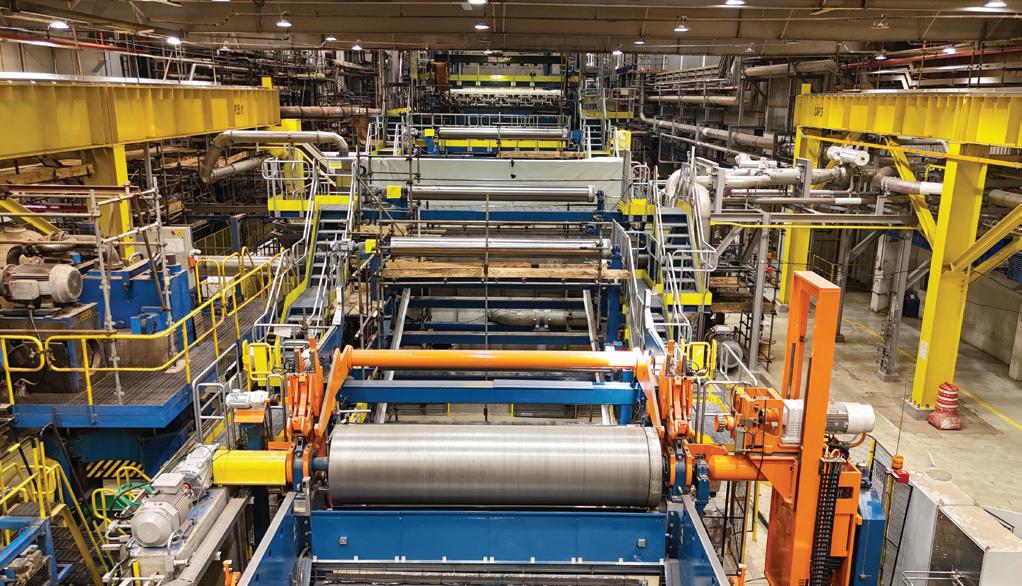
Perhaps the most significant commercial advantage is that short fibers offer considerably higher compression capability, which allows for smaller packaging for the same volume of product, with immediate benefits in terms of transportation, storage and reduced plastic film. Less packaging and lower transport emissions compound the sustainability benefits of shifting to a more sustainable input material, because farmed eucalyptus also has notably lower life-cycle climate impacts when compared to pine plantations.
What has stopped many manufacturers from moving faster in the transition is the engineering challenge of getting short fibers to function well in an industrial setting. It has taken time for hygiene and machinery manufacturers to learn to adapt equipment originally designed to function with longer fibers to perform effectively using short fiber eucalyptus fluff, either on its own or as part of a blend with pine.
Fortunately, many of these early hurdles have since been overcome. The new generation of modern industrial machinery for the hygiene industry has been designed to be ready for short fibes, and the engineers know how to retrofit older models. Similarly, technical teams are now more experienced in understanding how to shift recipes and methods to integrate eucalyptus fluff into products, often thanks to knowledge sharing across the value chain.
Despite the clear benefits and opportunities, a transition is never straightforward. But over the past decade, hardwood has gone from being a hard sell, to a serious alternative to pine fluff. Now that it has proven its value, we expect eucalyptus to continue gaining market share in the hygiene sector and beyond.

Guilherme Melhado is Global Director of Fluff and Fiber Solutions at Suzano. Suzano is a major Brazilian multinational company, the world’s largest producer of eucalyptus pulp and a leading Latin American paper manufacturer, making products like tissue, packaging, and printing paper from sustainably managed forests, serving billions globally.
By Nick Carter
Welcome to 2026. As the hygiene industry resumes operations after the holidays, those forecasting the year ahead face a familiar "miasma" in their crystal balls: the persistent challenge of costs. These are not merely ledger figures; they represent the total cost of producing component materials, the price impact at checkout, and the long-term environmental toll we collectively face from disposable products.

The Absorbent Hygiene Product (AHP) sector remains trapped in a critical paradox: satisfying the consumer’s demand for sustainability without increasing—and often while decreasing—financial consequences. While the industry sees interesting, early-phase developments from universities and startups, mainstream diaper, incontinence, and feminine care markets remain stuck behind the industry's most evident cliché: “sustainable solutions.”
Deciphering the future requires balancing a broad strategic focus with the commercialization of tangible, incremental results. While this path seems obvious, it is notoriously difficult to realize in the AHP space. Consider how often an “innovative, effective, and responsible concept” is introduced to a self-proclaimed visionary company, only to die without full exploration. These failures typically stem from a lack of long-term vision, misunderstandings of applications, or a lack of preparedness to implement change at a high-speed manufacturing level on the part of one or both parties.
In response, might it be reasonable to adopt a more systemslevel approach that enables converters and manufacturers to achieve this delicate balance between focus and results? By minimizing disruptive changes to existing production lines and product designs while enhancing the value proposition, AHP producers can achieve success against the broadest range of consumer drivers while minimizing risk to their brands. We can examine what such a common-platform approach looks like by observing the synergy between nonwoven fabrics and fastening systems through the following Four C’s:
Nonwoven fabric producers are evolving their portfolios to include materials that offer lower prices and alternative compositions. In a form of “co-evolution,” next-generation hook fastening tapes are evolving towards optimized polymer structures. These systems deliver equal or superior performance while significantly reducing resin consumption. Such synergistic

developments support sustainability KPIs while ensuring full compatibility with regional circular-economy efforts and plasticreduction mandates.
To effectively target structural and process complexity, manufacturers must hybridize fundamental knowledge of product attributes with a holistic view of consumer needs.
• Consolidated-Feature Design: Examples include diapers with improved softness and conformability, incontinence products with reduced noise and "print-through," and sanitary pads with superior odour control and positional retention.
• Lean Manufacturing: This involves simplifying waste through highly integrated distribution layers, composite ear tabs, and streamlined closure systems, thereby reducing the number of individual raw material feeds on the line.
The speed of evolution in nonwovens necessitates adaptation in the closure systems. As producers explore new substrates with natural fibre content and mixed filament blends, fastening designs must account for these performance-variable attributes to ensure the reliability consumers simply expect.
Collaboration: Bringing Balance through Perspective Integration
Returning to the premise above of ineffective commercialization, advantage exists in working with industry partners who share a common vision. Having partners that bring different understandings of the target market provides a more holistic view of what a “sustainable solution” means.
For AHP producers, 2026 will continue to see new designs and technologies being developed, much as we have seen over the last few years. How effectively these technologies enter the market will be the true metric of success. The days of simply responding to market pressure by pushing down component material/product costs without a strong strategic vision of better product positioning to meet evolving market interest are likely numbered.

Nick Carter, Head of Innovation at Gottlieb Binder GmbH & Co. KG. He has 35+ years in the advancement and placement of technical products in B2B markets. He served in key roles including Intellectual Property, New Product Development, Research & Development, Business Intelligence and Marketing. Currently, he is focused on commercialization of advanced fastener and closure systems. He can be reached at +49 173 287 730 7 or nick.carter@binder.de.
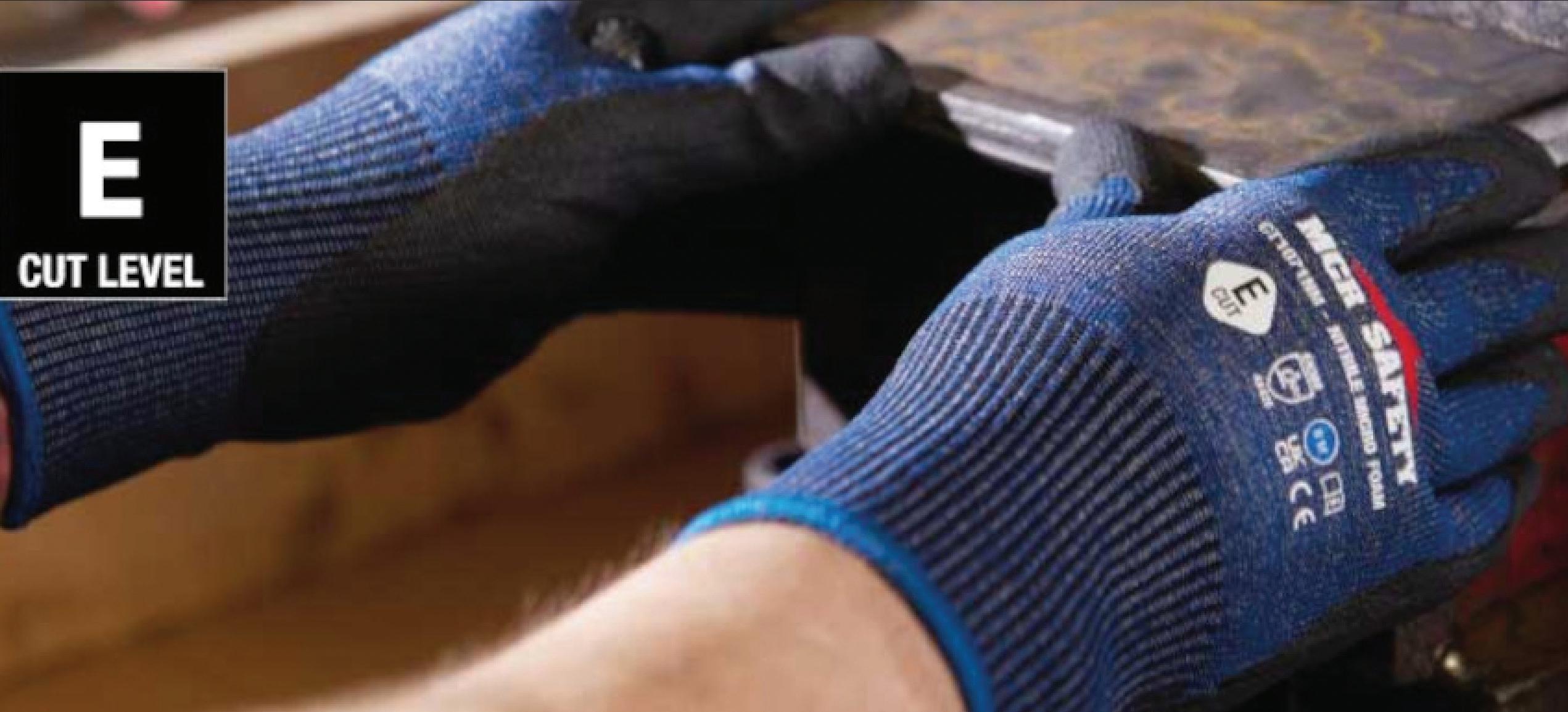
U.S.-based personal protective equipment maker
MCR Safety supplies the CT1071, a Cut Level ‘E’ safety glove made with graphene fibers. MCR Safety
By Geoff Fisher, European Editor, IFJ
Over the years, there have been many false claims and deliberate or otherwise incorrect labeling of textiles, including materials alleged to be made from Egyptian or organic cotton, Vietnamese silk, cashmere, and polyester made from recycled plastic bottles, to name just a few. So, how can manufacturers, and ultimately we as consumers, tell if the textiles we use or wear really are what they claim to contain?
One of the latest materials to be affected by the fraudulent use of marketing hype is graphene, the wonder material that offers, among many things, high electrical conductivity, strength, and flexibility, and low weight.
Advanced carbons such as graphene, carbon nanotubes, biochar, and MXenes are among the latest nanomaterials exciting the textile market, but do the claims of commercialized products stack up?
Graphene is characterized by its extraordinary strength—up to 200 times stronger
than steel. It is a single layer of carbon atoms arranged in a two-dimensional honeycomb lattice, and owing to graphene’s unique hexagonal structure, each carbon atom is bonded to at least three others, according to the International Organization for Standardization (ISO).
Terrance Barkan, executive director of the Advanced Carbons Council, explained that the graphene family includes many forms, including few-layer graphene (three to 10 layers), graphene oxide, shell graphene, and turbostatic graphene.
Graphene can deliver a range of superior performance attributes when used in a wide range of textiles, often in amounts of less than 1%, including greater durability, better comfort, reduced bacterial load, and improved hygiene, virtually without any tradeoffs in performance, which makes graphene a “very interesting” material, said Barkan.
Graphene can either be incorporated into fibers or fibrous sheets or coated onto a textile substrate. Textile producers are often told that their raw materials
contain graphene, but most do not test for it, underscoring the need for a verification process to authenticate these claims. Thorough third-party testing is key to preserving both market integrity and consumer trust.
In a recent webinar on verified graphene materials in textiles hosted by the Advanced Carbons Council, Dr. Cary Hill, director, nanomaterial & emerging contaminant safety at ITA International, Blacksburg, Virginia, USA, disclosed the results of a case study—a rigorous testing program of eight protective gloves commercially available on the open market and advertised as including graphene.
He noted that a 2023 study that thoroughly characterized 34 commercially obtained graphene oxide materials found that only four of the materials exhibited the claimed properties.
The latest study conducted by ITA and the Graphene Council assessed the
claimed graphenic content of eight commercially sourced cut-resistant gloves, selected from the American, European, and Asia/Pacific markets.
The samples were assessed as received and after extraction via concentrated sulfuric acid and solvent extraction. The analytical techniques included Raman spectroscopy and scanning electron microscopy (SEM) with energy-dispersive X-ray spectroscopy (EDS).
The fibers were digested in sulfuric acid, then liquid paraffin at 170°C, with the particles extracted via a polypropylene or glass filter and assessed by SEM and Raman spectroscopy.
However, only one of the eight gloves was validated to contain the claimed graphenic additives as assessed by Raman spectroscopy. SEM analysis showed particles resembling typical graphene oxide morphologies on this one glove’s fibers as well as in dissolved extracts.
Two gloves were found to contain graphite, but not graphene, and Raman spectroscopy did not detect any graphenic signatures in any of the other samples. Similarly, SEM analysis found no conclusive morphological evidence of graphene in the other samples.
The elemental analysis (SEM-EDS) found that many of the gloves appeared to use traditional cut-resistant additives, such as steel fibers, silica, glass fibers, carbon fibers, or titanium dioxide.
Hill concluded that verifying claims of graphene content in commercial products may require significant preparation and analysis by multiple instruments. The dissolution of matrix materials may require multiple solvents at high concentrations and temperatures. Raman spectroscopy is the most conclusive, but additional analyses may be needed for specificity.
He emphasized that rigorous independent testing is needed to ensure the integrity of the grapheneenabled market. False claims can be
Scanning
Grafren
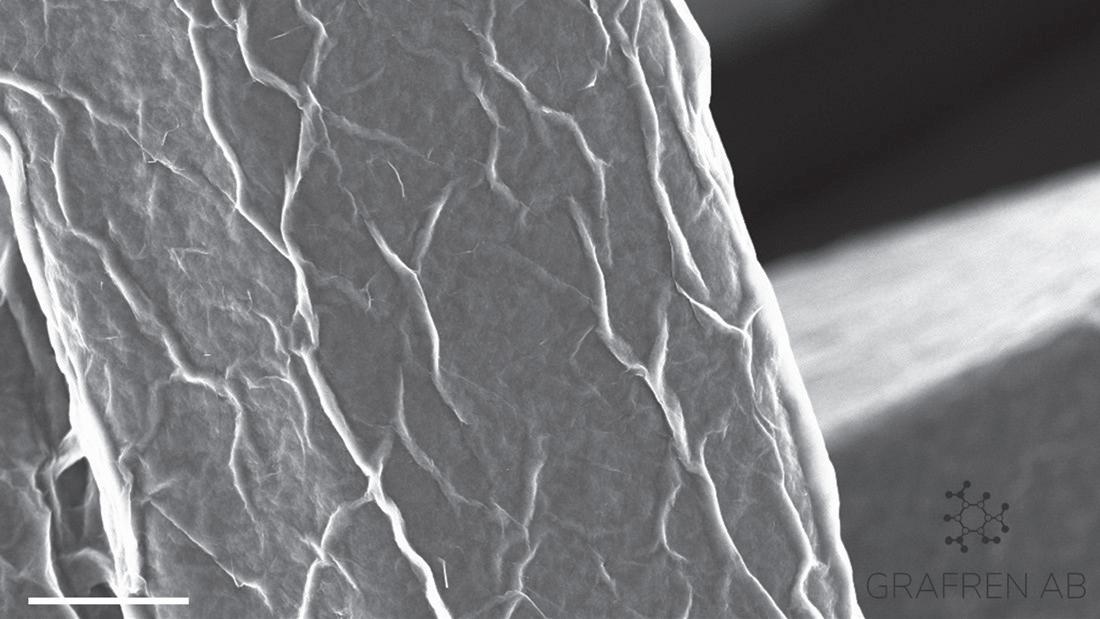
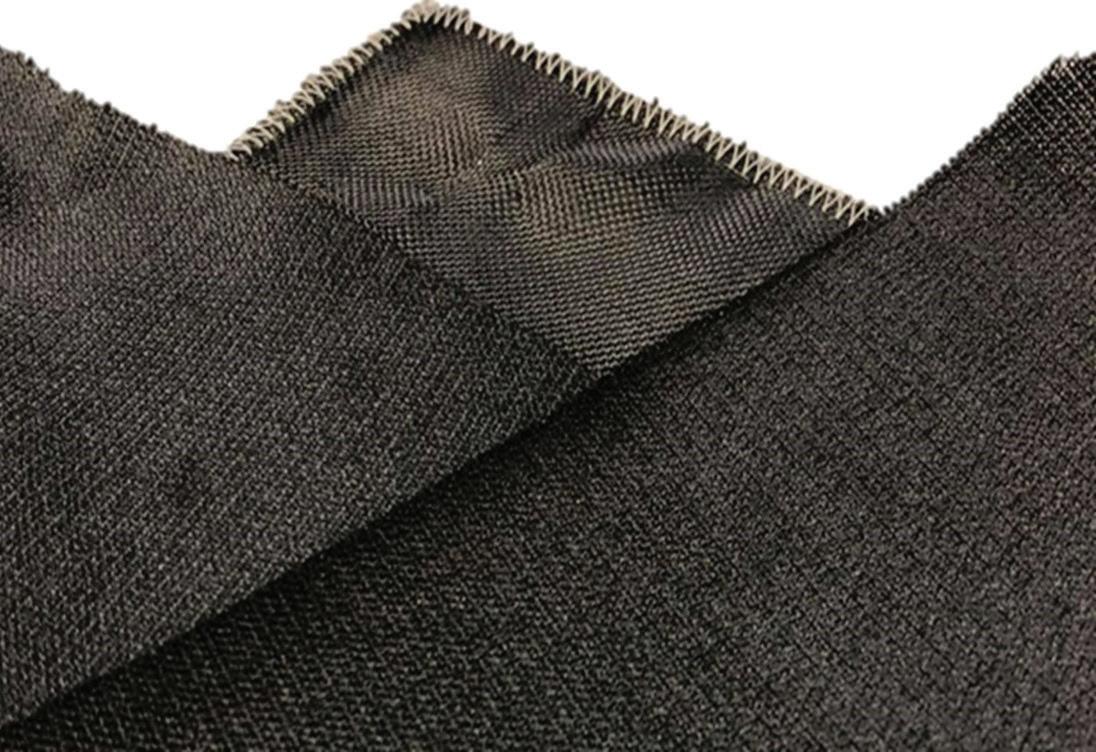
made intentionally to profit from the popularity of “graphene” as an additive. False claims can also be made unintentionally when material provided from a supplier is non-graphenic or when material is ambiguous (i.e., similar but not within the
accepted definition of graphene).
Finally, Hill noted that carbon exists in many forms. “That is one of the reasons it is such a unique and important material, both biologically and in advanced materials,” he said.
Carbon is highly allotropic, and the industry is now learning that graphene is a family of materials, with new atomic arrangements innovated frequently, all of which have different applications: graphene can impart different properties depending upon its morphology.
Hill advised manufacturers to seek clarity of the morphology and properties when integrating “graphenic” material into their products. “It is important to know what you are dealing with and which graphene is best for which application,” he concluded.
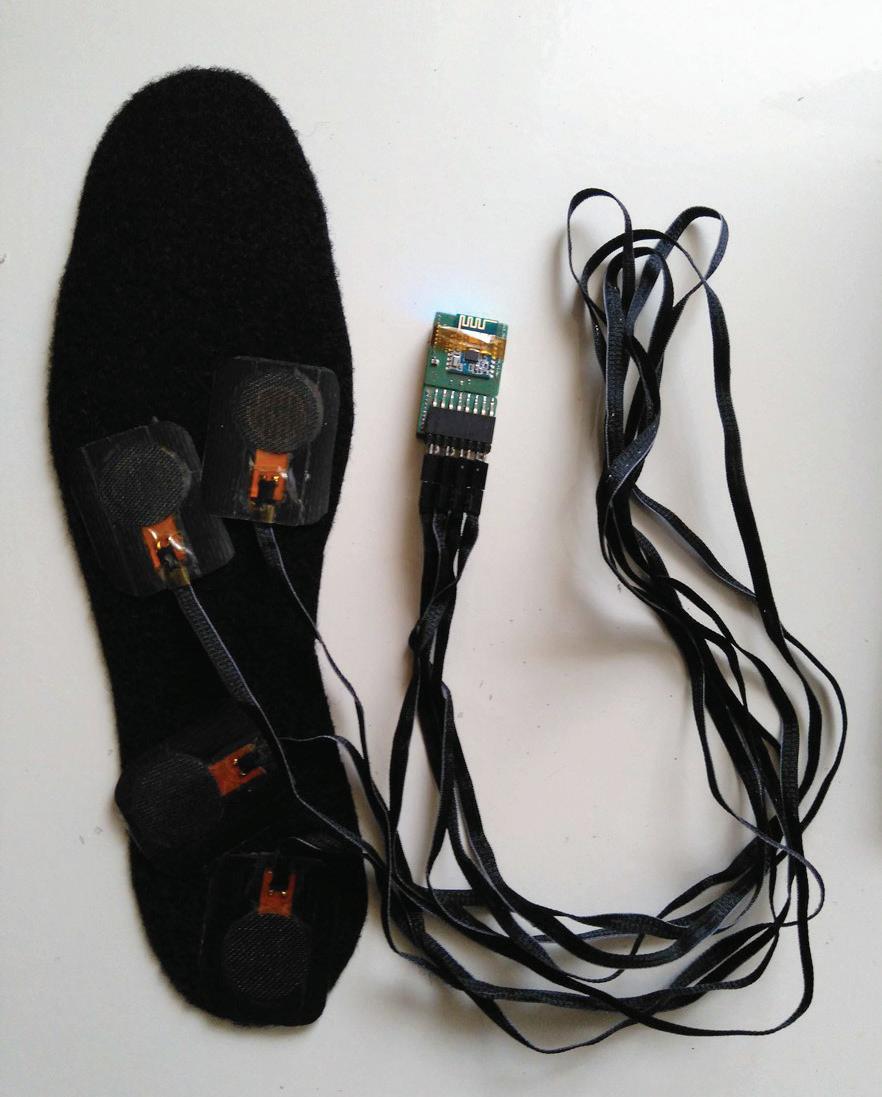
According to Barkan, industry-led standards are critically important for the advanced carbons sector, as they facilitate commercial adoption, help leading companies differentiate from competitors, and can be used by regulators to expedite regulatory approvals and frameworks.
The Advanced Carbons Council is working on six standard task forces to define global standards for advanced carbon materials: graphene, carbon nanotubes, recycled and reclaimed carbon fiber, carbon nanofibers, biochar, and MXenes.
The Graphene Classification
Sweden-based Grafren is testing its graphene-coating method with a range of textile materials. The method does not use binders or glue to embed conductive components in the fabric, but instead incorporates graphene flakes to create a soft, flexible, skin-like product with controlled electrical conductivity.
Framework (GCF), which was started by the Graphene Council several years ago, consists of:
• A list of material characteristics and properties that have been deemed most relevant for commercial use;
• Identification of the preferred method of testing;
• A range of measurement values for each of the material characteristics and properties;
• A syntax to be used for the consistent naming and description of different forms and types of graphene materials;
• A template of a technical data sheet that conforms to the GCF structure and format.
This template is now part of the recently published ISO/TS 9651: Nanotechnologies – Classification framework for graphene-related 2D Materials.
The Graphene Verification Program is currently the only in-person, confidential and through inspection of bona fide graphene production facilities and processes, which includes a detailed characterization of the material and products produced.
The program is administered worldwide by the Graphene Council and is based on international standards and best practices, using first-class measurement laboratories and experts.
Despite the challenges of verification in textiles, several sports and clothing brands are working with graphene suppliers to produce graphene-enriched fabrics, according to the Graphene Flagship, an EU scientific research initiative that aims to advance Europe’s strategic autonomy in technologies that rely on graphene and other 2D materials.
For example, global sportswear brand Umbro integrated Versarien’s GrapheneWear technology into its 2023 spring/ summer collection’s Elite Pro-Training Kit range. Graphene-Wear features novel properties that allow wearers to experi ence enhanced thermal transmittance, increased moisture management and improved drying rate, without compro mising air or water vapor permeability.
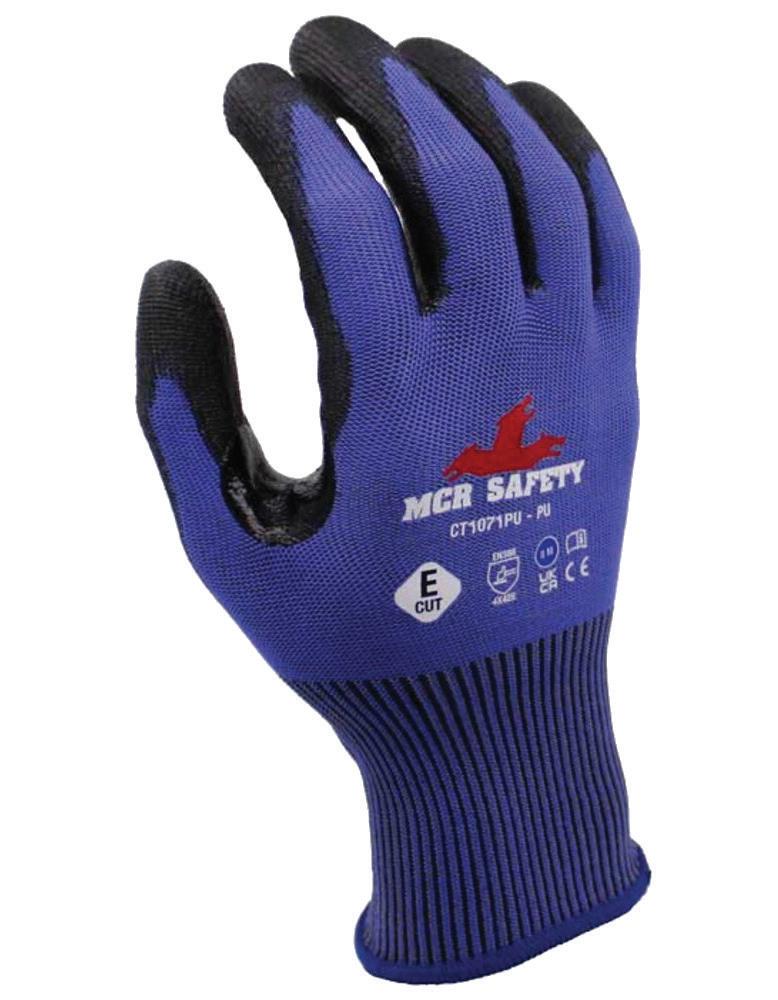
Sweden-based Grafren is testing its graphene-coating method with a range of textile materials. The method does not use binders or glue to embed conductive components in the fabric, but instead incorporates graphene flakes to create a soft, flexible, skin-like product with controlled electrical conductivity.
The VTT Technical Research Centre of Finland has received graphene-based layered materials from the UK’s University of Cambridge and compounded it with polyethylene terephthalate. The material was then spun and woven into a fabric by German brand Trevira, which could become a new lightweight, conductive yarn.
Meanwhile, a team led by researchers from Eindhoven University of Technology in the Netherlands has produced a conductive ink containing graphene flakes, nontoxic solvents, and a stretchable thermoplastic binder of polyurethane. The ink remains conductive even under 100% strain and is highly stable over 1,000 cycles of 20–50% strain, corresponding to the stretching of human skin.
This combination of high conductivity, stretchability, and durability makes these conductors promising candidates for applications in wristbands for sweat sensing or pulse monitoring, on-body heaters, smart sportswear, wearable power
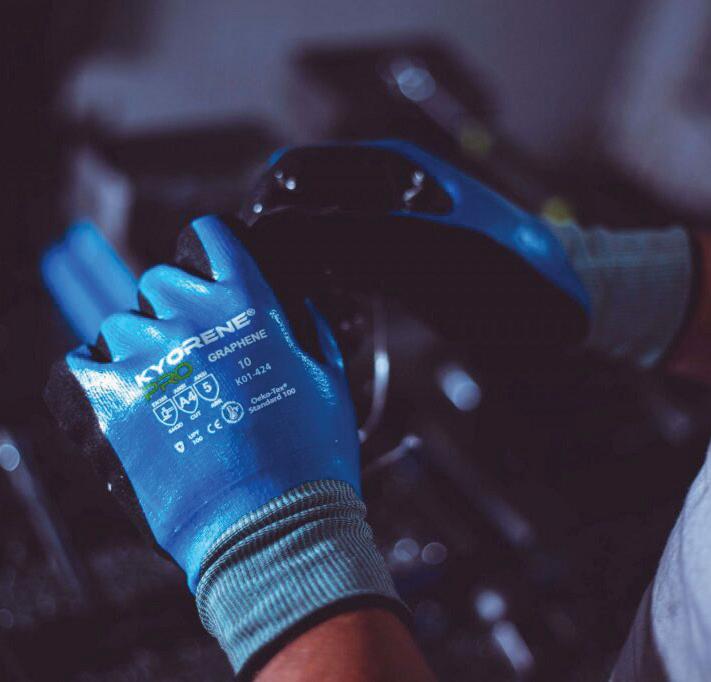
sources, and wearable electrocardiogram sensors.
A team led by VTT has also developed a graphene-enhanced shirt for cardiac monitoring, which could help healthcare professionals diagnose and treat various health conditions, while sportspeople could analyze and improve athletic performance and track their fitness and progress.

Geoff Fisher is the European editor of International Fiber Journal and editorial director of UK-based Textile Media Services, a B2B publisher of news and market reports on transport textiles, medical textiles, smart materials, and emerging markets. He has 40 years of experience reporting on fibers and technical textiles and can be contacted at gfisher@textilemedia.com
By Adrian Wilson, International Correspondent, IFJ
Legislators in the European Union are considering introducing mandatory recycled content requirements for all new textiles placed on its markets – a move viewed by industry leaders as the fastest way to scale fiber-to-fiber (F2F) recycling.
The proposal has been put forward by the T2T Alliance, formed in March 2025 and bringing together several leading ‘NextGen’ fiber recycling companies, including Circ, Circulose, Re&Up, Samsara Eco and Syre. The Alliance is a collaboration of leading recyclers formed to advocate for policy changes, particularly within the EU's Ecodesign for Sustainable Products Regulation (ESPR), to promote closed-loop textile recycling and increase recycled fiber use.
Since January 2025, EU member states have banned the landfilling and incineration of textile waste while rolling out extended producer responsibility (EPR) schemes. Brands and retailers must now fund the collection of used textiles for reuse or recycling, tackling the six to seven million tons of textile waste generated annually across the bloc.
At the first Textile Recycling Expo in Brussels in June, the T2T Alliance called for mandatory recycled-content targets of 10% by 2028, 15% by 2030, and 30% by 2035. Dolly Vellanki of Circ emphasized that both post-consumer and post-industrial waste must be valued equally to secure the volumes needed for scale. Robust verification combining chain of custody and mass balance will only work, she argued, if these targets are legally binding.

Marco Lucietti, Head of Global Marketing and Communications, RE&UP Recycling Technologies, warned against protectionism, noting that spinning and weaving supply chains are inherently international. He highlighted that F2F recycling could become a $30 billion industry by 2030, presenting a global commercial opportunity if quality and performance are maintained.
The urgency of regulatory change coincides with significant investment in recycling infrastructure. A wave of new facilities is demonstrating that commercialscale F2F recycling is now technically and financially viable.
In France, construction is scheduled to begin in 2026 on a €450 million Circ plant in Saint-Avold that will recycle 70,000 tons of polycotton blends each year. Circ’s hydrothermal process separates cotton and polyester from post-consumer and post-industrial blends, which account for most of the global market. This will be Circ’s first full-scale facility, supported by more than $100 million in investment and secured offtake agreements with brands and fiber producers.
Australia’s Samsara Eco opened its first full-scale enzymatic recycling plant in Jerrabomberra in September. Using AI-designed enzymes, the facility breaks down mixed plastics into raw materials for recycled nylon 6.6 and polyester. The plant will
supply global brands such as lululemon and forms the basis for a network of commercial facilities, including a 20,000-ton nylon plant in Asia planned for 2028.
Syre is pursuing a similar strategy for polyester. Following a $100 million funding round, it is building a $1 billion recycling plant in Vietnam with a capacity of up to 250,000 tons per year by 2028. A smaller “blueprint” plant in North Carolina will begin operations in 2026. Syre’s chemical depolymerization process yields PET pellets that match virgin polyester quality while reducing carbon emissions by up to 85%.
A striking feature of 2025 has been the scale of long-term offtake agreements between recyclers and major textile producers—a crucial factor in financing these capital-intensive plants.
Circ has signed a series of multi-year deals to guarantee both supply and demand for its recycled fibers. Agreements with Selenis in Portugal and Sanyou Chemical Fiber in China will support large-scale polymerization and lyocell fiber production, while a new partnership with India’s Arvind will integrate Circ fibers into mainstream apparel manufacturing. These contracts underpin financing through a mix of equity and debt.
Re&Up’s partnership with Puma exemplifies how brands are embedding F2F recycling into core product lines. Puma’s
A striking feature of 2025 has been the scale of long-term offtake agreements between recyclers and major textile producers—a crucial factor in financing these capital-intensive plants.
Re:Fibre program now produces millions of jerseys using recycled fibers, with a target of 30% F2F polyester across all the brand’s apparel by 2030. Bestseller’s Only brand has also launched a jersey program using Re&Up polyester, proving cost competitiveness at scale.
Circulose, the successor to Renewcell, has shifted its strategy to prioritize binding agreements following its 2024 bankruptcy. Deals with H&M, Mango, and Tangshan Sanyou aim to build stable demand while avoiding the price volatility that undermined its previous model.
Syre, meanwhile, has announced partnerships with Gap, Houdini Sportswear, and Target. Gap alone plans to use 10,000 tons of Syre polyester annually, while Houdini is committing to source half its polyester from Syre for three years as it pursues a fully circular model by 2030.
The scale of investment now flowing into textile recycling is unprecedented. Alongside Circ’s €450 million French project and Syre’s $1 billion Vietnam plant, other players are mobilizing significant capital.
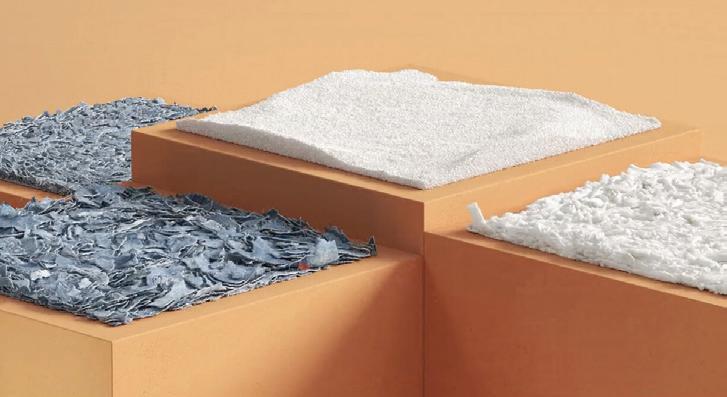
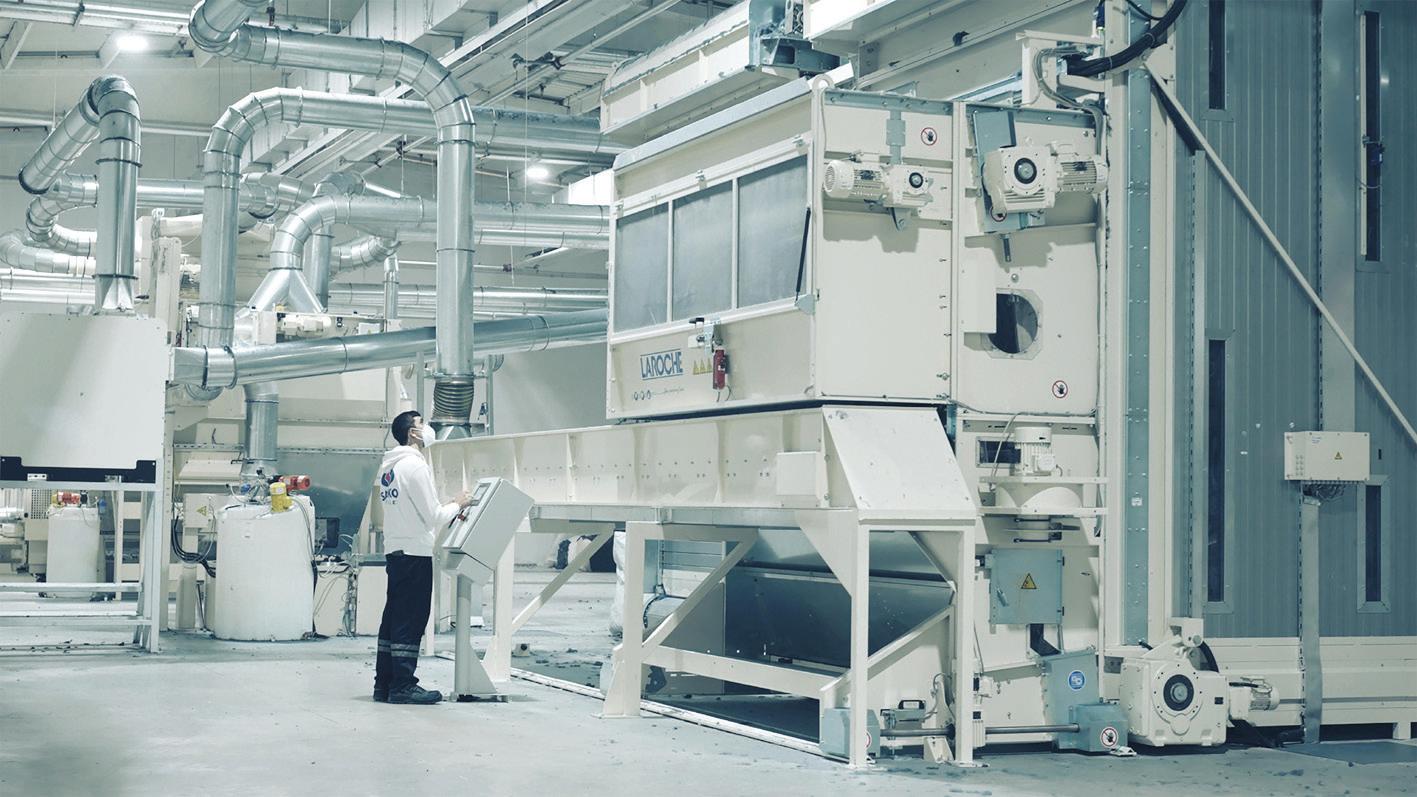
Re&Up, based in the Netherlands, secured a €70 million loan from Proparco to fund its Gaziantep facility in Turkey. Using mechanical and thermomechanical recycling, it will soon be able to process 200,000 tons annually and aims to surpass one million tons by 2030. Powered by renewable energy and capable of handling blended textiles, the plant represents one of the largest operational F2F recycling sites worldwide.
Samsara Eco has raised over A$150 million (Australian Dollars) from investors including CEFC, lululemon and Temasek. In July, Lululemon signed a ten-year agreement that will see Samsara supply around 20% of the brand’s fiber portfolio by 2030.
“Scaling circular materials requires bold partnerships and a shared commitment to rethinking how our industry operates. Our partnership with Samsara Eco is a powerful example of what’s possible when innovation meets collaboration,” said Ted Dagnese, Chief Supply Chain Officer at lululemon. “As we work toward our 2030 impact goals, we’re taking a diversified approach—investing in multiple partnerships to advance solu-
Such financing is being reinforced by strong policy signals. Mandatory recycled content targets, combined with EPR schemes and waste bans, are reducing market risk and encouraging investors to back large-scale infrastructure projects.
tions and help reduce our reliance on fossil-fuel derived resources. Together with our partners, including Samsara Eco, we’re helping to turn our vision of a circular model into a reality.”
Such financing is being reinforced by strong policy signals. Mandatory recycled content targets, combined with EPR schemes and waste bans, are reducing market risk and encouraging investors to back large-scale infrastructure projects.
As recycled content targets tighten, traceability has become essential for regulatory compliance and consumer trust. In September, Circulose announced a partnership with TextileGenesis to digitally trace every kilo of pulp from production through to finished garments. Using the TextileGenesis Fibercoin system, each unit receives a unique digital token that records every transformation step, preventing double-counting and ensuring real-time chain-of-custody data.
This model aligns with the broader EU push for transparent supply chains and is likely to become a standard requirement as circular materials move from niche pilot projects to mainstream manufacturing.
The collapse of Renewcell in 2024 still looms large as a cautionary tale. After pioneering Circulose pulp and building a state-of-the-art plant in Sweden, the company scaled too rapidly amid post-pandemic supply disruptions and rising costs, and demand failed to materialize quickly enough. Its rebirth as Circulose under new ownership has brought a more pragmatic focus on stable pricing, customer agreements, and partnerships in Asia.
This experience underscores the need to balance technological ambition with commercial realism. Successful recyclers
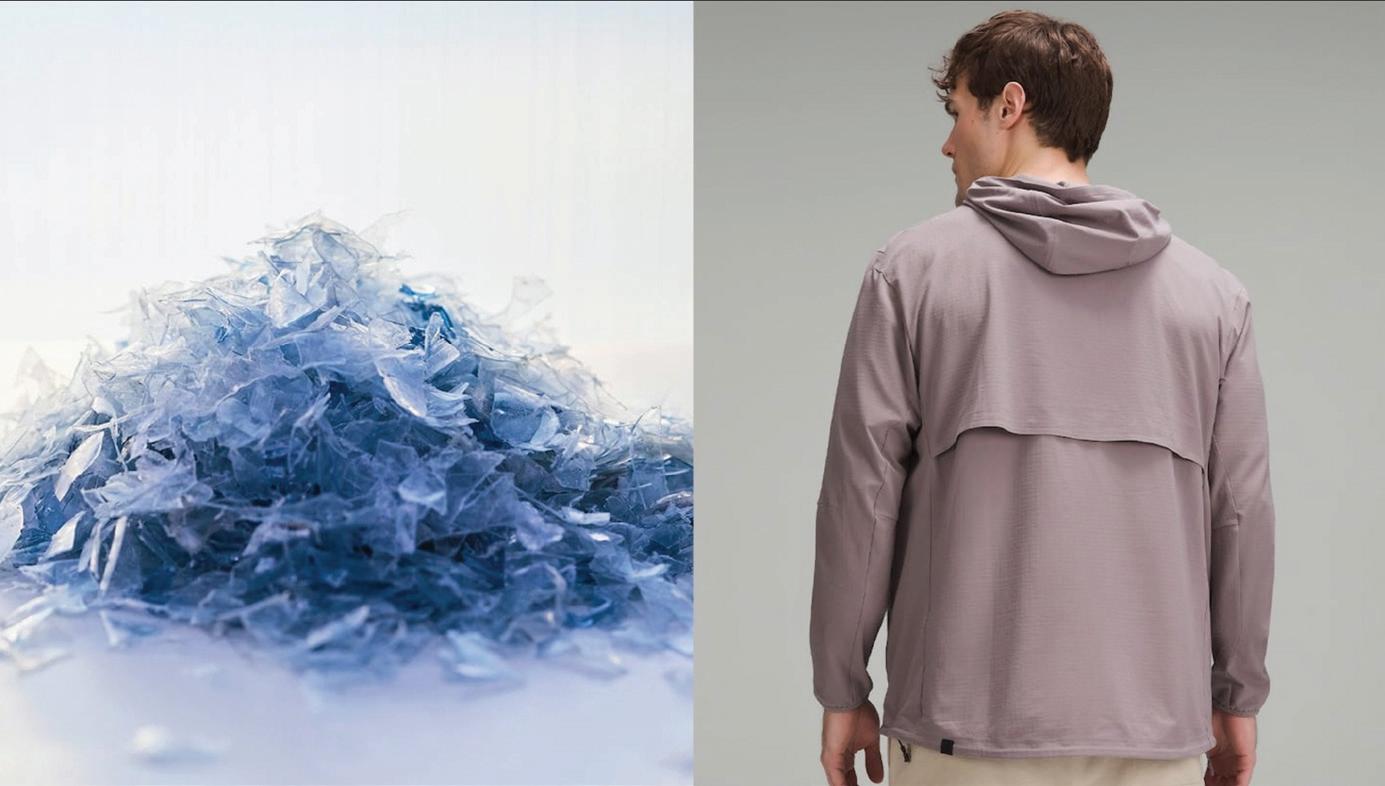
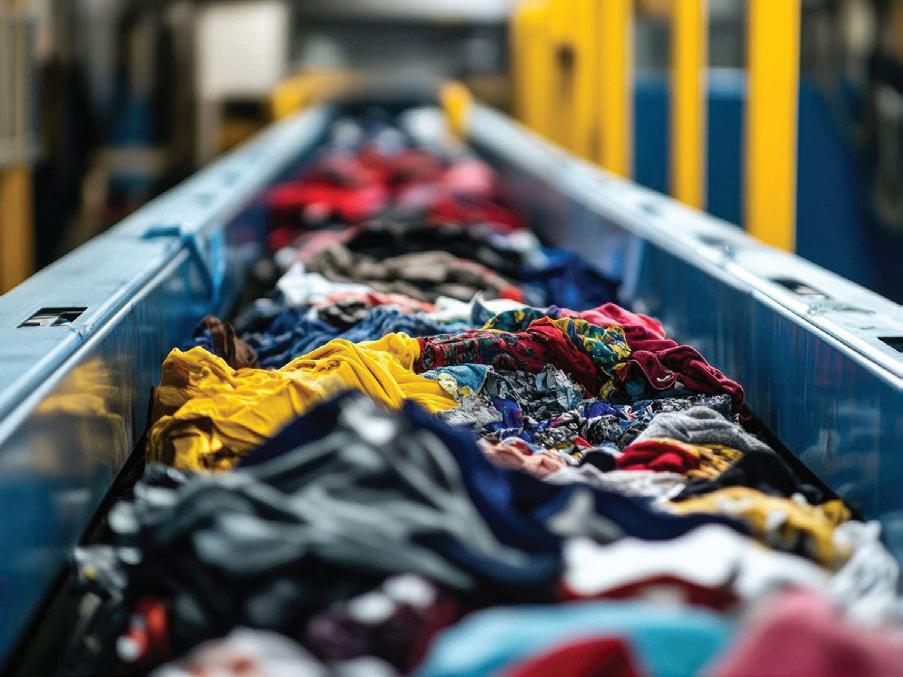
are now pairing innovative processes with conservative business planning, longterm contracts, and diversified geographic strategies.
The convergence of regulation, technology, investment, and partnerships is rapidly reshaping the textile sector. Mandatory recycled content in the EU would create clear demand signals, forcing supply chains to adapt at speed. But the shift is global—from European plants and Indian manufacturing partnerships to Chi-
nese fiber production and American enzyme research, the infrastructure for F2F recycling is becoming truly international.
The coming decade is set to define whether circular textiles can scale beyond pilot projects and niche collections to become the industry standard. The signs in 2025 are promising. Industrial plants are being built, financing is flowing, traceability is tightening, and brands are signing multi-year commitments. If legislation follows through, F2F recycling could soon move from the margins to the mainstream of global textile production.

Adrian Wilson is an international correspondent for International Fiber Journal . He is a leading journalist covering fiber, filtration, nonwovens and technical textiles. He can be reached at adawilson@gmail.com.

Hygienix™ 2025 brought together hundreds of industry leaders to explore advancements in the absorbent hygiene and personal care markets during the 11th annual Hygienix™ event, held November 17-20 in Orlando, Florida. INDA, the Association of the Nonwoven Fabrics Industry, announced Confitex Technology as the winner of the 2025 Hygienix™ Innovation Award™ for its groundbreaking Washable Nonwoven Sanitary Pads, recognizing exceptional innovation in absorbent hygiene materials, products, or technologies.
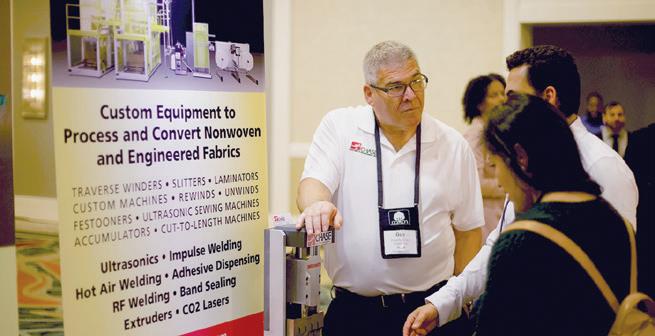

Case Studies in Comfort: How Wool Brings New Performance to Diapers and Femcare, Alana Cheape, Chief Product & Marketing Officer, Woolchemy NZ Ltd.
Throughout the week, attendees explored presentations and panel discussions on:
• Circularity and sustainable materials, including bio-based fibers, PFAS-free chemistries, and flushable packaging.
• Regulatory, testing, and consumer trends shaping product design and market growth.
• New applications such as pet care, eczema-friendly testing, and private label innovation.
Speakers represented a global crosssection of the value chain, including Absorbent Hygiene Insights, BAHP, Cycleology, Euromonitor International, Kuraray Europe, Lenzing AG, ProVerde Environmental, SmartSolve, Soane Materials, Trützschler Nonwovens, Woolchemy NZ, and many others. “Hygienix continues to
be the must-attend event for anyone driving innovation in the absorbent hygiene sector,” said Matt O’Sickey, PhD, INDA Director of Education & Technical Affairs.
“From start-ups to multinationals, the insights and connections made here have a lasting impact on our industry’s progress.”
Confitex Technology—Washable Nonwoven Sanitary Pads: Making singleuse reusable: As regulators, retailers

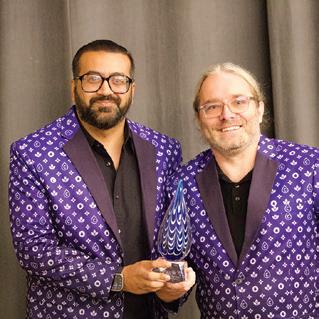
2025 Hygienix Innovation Award winner Confitex Technology—Washable Nonwoven Sanitary Pads.

Servicing the Shift—Private Label as a Growth Engine panelists: Moderato Heidi Beatty, Chief Executive Officer, Crown Abbey, LLC; Shayan Longi, CFO, Confitex Technology Ltd.; Travis Robbins, President, WPT Nonwovens Corp; and Mark Snider, Chief Market & Industry Analyst, INDA.

in Nonwovens (WIN) is a new vibrant, supportive community that empowers women in the
industry through mentorship, leadership, and collaboration.

AHP Entreprenuers panel included moderator Connie Mattox, President, NextGEN PCS; Olivia Ahn, MD, Co-Founder, Planera; Greta Meyer, Co-Founder/CEO, Sequel; Marilyn Califano, CEO, Hempress Hygienics, and Rachel Braun Scherl, Managing Partner, Entrepreneur, SPARK Solutions For Growth.
and consumers move toward a greener future, a new category of washable AHPs is creating opportunities for the nonwoven industry. Confitex Technology has created and patented world’s first washable nonwoven sanitary pads designed for sustainability and scalability without the need for SAPs. Confitex Technology is leading Innovator and Private Label supplier. Their purpose is to transform the lives of millions and reduce the Earth’s landfill by creating the ultimate reusable AHPs.
The 2025 Hygienix™ Conference fostered meaningful connections through multiple networking formats, including:
• Women in Nonwovens (WiN) Luncheon —Encouraging mentorship, leadership, and collaboration among women in the industry.
• Lightning Talks—High-energy, fiveminute presentations from exhibiting companies.
Receptions & Exhibits—Showcasing breakthrough technologies and supplier capabilities across absorbent hygiene.
• Lunch Around with Olivia Ahn, MD, Co-Founder, Planera—Sharing her startup journey and sustainability vision.
• Welcome Reception—An informal kickoff Monday evening connecting industry peers and innovators. www.hygienix.org

By Geoff Fisher, European Editor, IFJ
Over the past decade, the rise of SUVs, electrification, and added safety/comfort features has steadily increased vehicle weight, reversing earlier trends toward lighter cars, which has implications for automotive textiles.
New cars have become substantially heavier today than they were a decade ago. For example, between 2016 and 2023, the average curb weight of new vehicles in the UK rose from 1,553 kg to 1,947 kg—an increase of nearly 400 kg, according to test data published by Autocar.
Weight gain was not as marked in other European countries: passenger cars in the Netherlands, for instance, gained about 94 kg (8.1%) on average between 2015 and 2025, with new models showing the sharpest increases, according to figures for the country’s fleet of motor vehicles.
However, the overall trend globally is upward. Historically, cars in the 1980s–1990s were much lighter: a 1985 Honda Civic weighed around 820 kg, while a 1995 VW Golf was 1,035 kg; today’s equivalents are often 50–100% weightier.
There are a number of reasons why cars are now heavier. One of the principal
factors is the sport utility vehicle (SUV) boom: SUVs and crossovers now dominate sales across all the main regions worldwide—Europe, North America, and Asia. These models are larger and heavier than traditional sedans or hatchbacks.
In 2016, the average SUV weighed averaged 1,722 kg; by 2023, that had risen to 1,906 kg, although smaller city cars remain more common in some global markets, slightly moderating the averages.
Electrification is also playing a major role: electric vehicles (EVs) are heavier owing to their large battery packs; battery-

electric cars average around 1,991 kg, some 100 kg heavier than combustionengine equivalents.
Safety and technology features, such as advanced driver-assistance systems, crash structures, infotainment, and luxury amenities, all add bulk to vehicles. In addition, car buyers increasingly want spacious, feature-rich vehicles rather than minimalist, lightweight models.
The dramatic weight gain across all vehicle types has numerous implications for
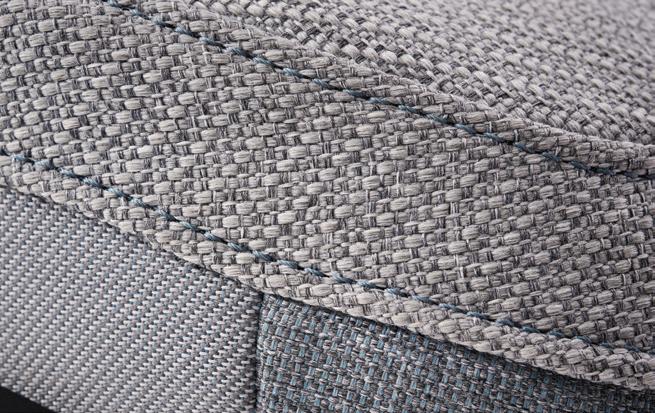
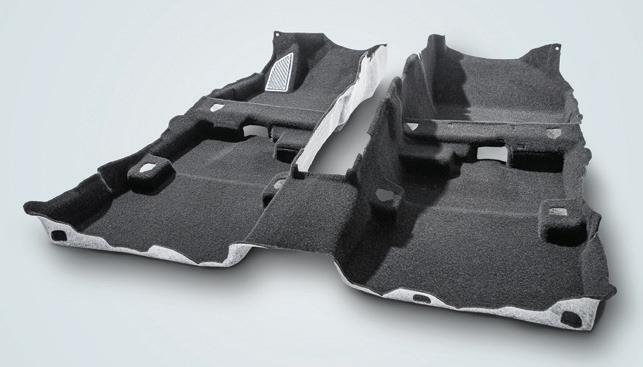
automotive textiles. As cars get heavier, the role of textiles becomes even more critical to offset weight gains. Lightweight technical textiles and fiber-based composites are increasingly used to replace heavier metals and plastics, helping manage overall vehicle mass despite the added interior features and battery weight.
Materials such as carbon fiber-reinforced polymers and glass fiber composites provide exceptional strength-to-weight ratios, enabling the production of lighter yet robust automotive bodies and components.
Heavier vehicles consume more energy, so using textiles that reduce weight directly supports better fuel economy and lower emissions, which are vital as average vehicle weights rise and particularly as emissions standards become ever more stringent.
In terms of safety and durability, textiles in safety components, such as airbags and seatbelts, must maintain or improve performance as vehicles get heavier, ensuring occupant protection is not compromised. At the same time, heavier cars can better protect occupants but increase the risks to pedestrians and smaller vehicles involved in collisions.
With heavier vehicles often featuring more luxury and technological features, textiles can enhance interior comfort and aesthetic appeal—without adding excessive weight.
Automotive original equipment manufacturers are continually pushing for sustainable textile developments to balance the environmental impact of heavier vehicles, including the use of recycled fibers and bio-based materials. Nonwovens, too, can be of value in the transportation sector by helping to make vehicles lighter, quieter and more comfortable, as well as saving resources.
Global automakers are also investing in lightweight materials, such as carbon fiber, aluminum, and advanced composites, to counteract the weight gain, especially in EVs: every kilogram eliminated from an EV translates directly into increased range, reduced battery requirements, and lowered manufacturing costs, positioning advanced textiles as essential


performance enablers rather than mere comfort components.
According to Philippe Godano, Head Core Technologies, Autoneum: “Increasing vehicle weight is a challenge for efficiency and range, especially in electric vehicles. Fiber-based composites help address this by reducing mass in both exterior and interior components. For example, lightweight materials are used in underbody shields, wheelhouse liners and frunks without sacrificing durability.
“Inside the cabin, fiber solutions for acoustic parts improve comfort while contributing to weight reduction. These technologies support better fuel economy and extended EV range, combining functional performance with sustainability.”
While reducing vehicle weight should be a primary goal for automakers aiming to improve fuel efficiency and lower emissions, industry data indicates that passenger vehicles worldwide are getting heavier, largely due to the shift toward SUVs and EVs—a trend that shows no sign of reversing. And while lightweight materials are being introduced, the overall global fleet tendency is upward in terms of mass, reshaping fuel economy, safety, and sustainability debates.
This trend toward heavier vehicles is driving innovation in sustainable, smart textiles to balance performance with environmental goals. However, integrating advanced textiles can increase manufacturing complexity and costs, which require careful design trade-offs.
In particular, the decline of lightweight small cars means that automotive recyclers will need to adapt to handling more large, complex vehicles, making the methods required to dismantle and recycle heavier end-of-life vehicles, especially those with large battery packs, even more demanding.
The removal and recycling of valuable materials, such as lithium-ion batteries, also pose a specific challenge, especially with the revised extended producer responsibility (EPR) requirements coming into force in Europe.

Geoff Fisher is the European editor of International Fiber Journal and editorial director of UK-based Textile Media Services, a B2B publisher of news and market reports on transport textiles, medical textiles, smart materials and emerging markets. He has 40 years of experience covering fibers and technical textiles and can be contacted at gfisher@textilemedia.com.
By Adrian Wilson, International Correspondent, IFJ
Five key industry events taking place in the first few months of 2026 will provide diverse and informative perspectives on how effectively technical textiles and nonwovens perform when converted into finished products, components, and systems.
Taken together, the 2025 editions of JEC World, Converters Expo, Techtextil and Texprocess Frankfurt, INDEX, and CIDPEX will illustrate how today’s technical fabrics and nonwovens are converted at scale and ultimately deliver value in demanding end-use environments.
Long established as the world’s leading composites exhibition, JEC World, which takes place at the Paris Nord Villepinte exhibition center from March 10-12, has evolved into a global reference point for fiber-reinforced materials and hybrid structures.
While carbon fiber and glass fiber remain central, natural fiber alternatives are increasingly gaining importance, and the roles of textile engineering, nonwoven architecture, and advanced fibrous
preforms have moved firmly into the spotlight.
For fiber producers and technical textile manufacturers, this shift reflects changing expectations among composite end-users. The automotive, aerospace, and energy sectors are no longer seeking fibers and fabrics in isolation but integrated reinforcement solutions offering predictable mechanical behavior, efficient resin impregnation, and compatibility with automated manufacturing processes. Nonwoven mats, multiaxial fabrics, stitched reinforcements, and three-dimensional textile structures are now highly valued as functional components that influence weight, durability, and recyclability.
At JEC World 2025, this will be reflected in strong interest in tailored fiber orientations, hybrid reinforcements combining different fiber types and textile solutions optimized for both thermoset and thermoplastic matrices. The growing emphasis on sustainable composites further underscores the importance of textile-based reinforcements that reduce waste, enable faster cycle times and support end-of-life recovery strategies.
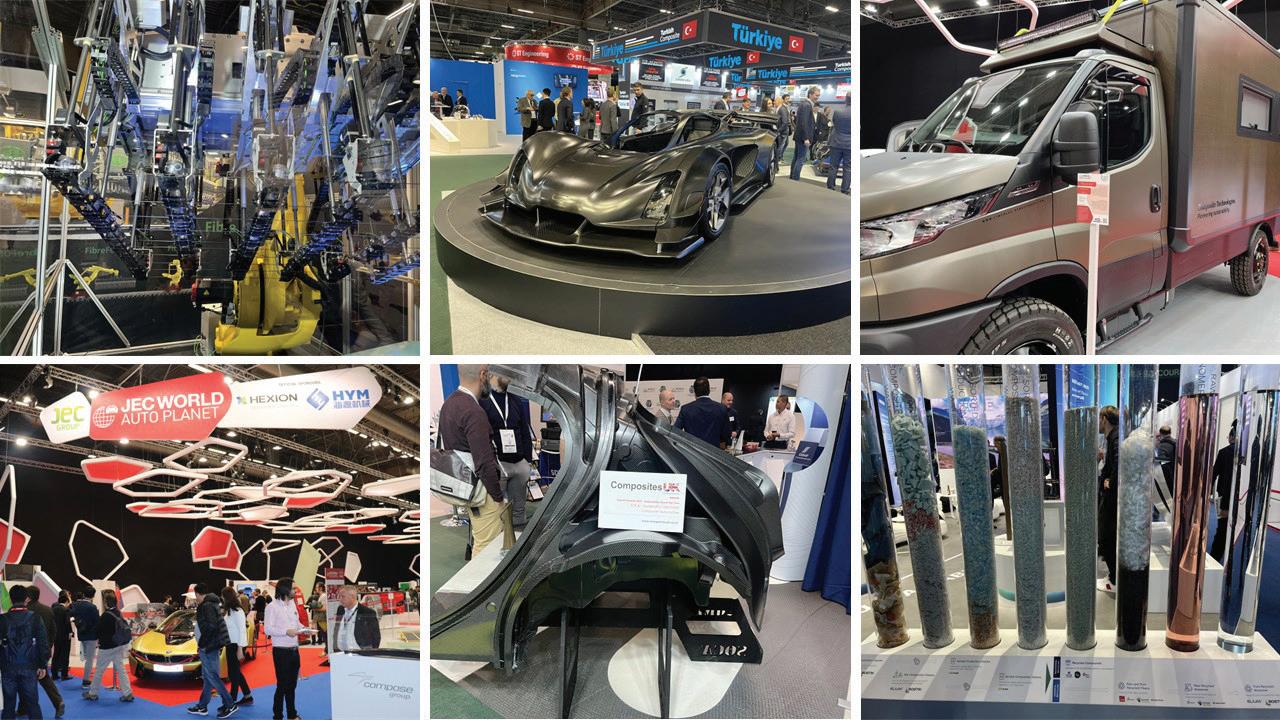
A month later, at the Converters Expo, which takes place in Green Bay, Wisconsin, from April 15-16, the focus will be on the processes that turn engineered materials into application-ready products.
Conversion is often the point at which material advantages are either realized or compromised. Slitting, coating, laminating, calendaring, and rewinding define dimensional stability, surface functionality, and downstream processability. As nonwovens and technical fabrics become lighter, more complex, and more application-specific, converters are under increasing pressure to maintain quality while improving efficiency and flexibility. Converters Expo will reflect these realities through a strong focus on machinery, automation, and process control. For suppliers serving filtration, hygiene, medical, and industrial markets, the ability to customize roll formats, apply functional coatings, or integrate barriers and adhesive layers has become essential. The same pressures apply to composite reinforcement suppliers, who are increasingly expected to deliver pre-processed textile solutions that simplify molding and assembly for their customers.
Importantly, the relevance of conversion technologies extends upstream. Fiber and fabric developers are now required to consider how their materials behave during conversion, ensuring compatibility with high-speed processes and minimizing fiber damage or distortion. Conversion has therefore become not merely a downstream activity but a design consideration that shapes material development itself.
This integration of materials and manufacturing will reach its fullest expression at
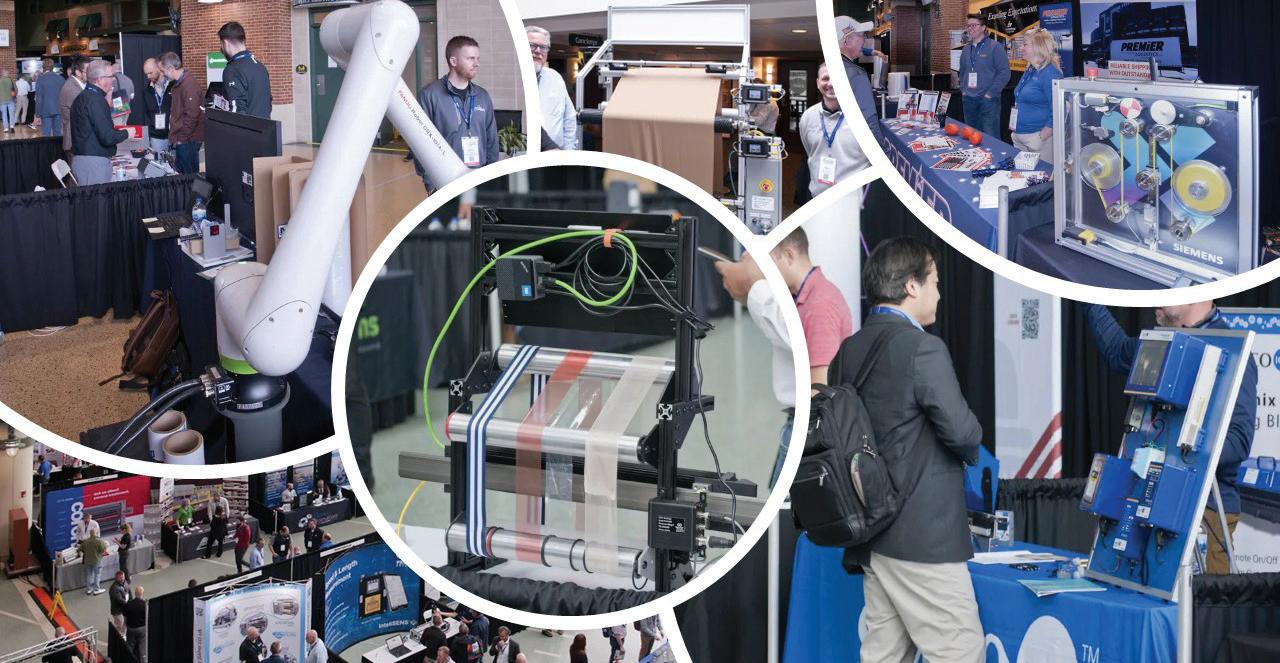
Techtextil and Texprocess 2026, at Messe Frankfurt in Germany from April 21-24.
As the world’s leading platform for technical textiles and processing technologies, this event provides a comprehensive overview of how fiber-based materials are being adapted for industrial-scale applications.
Techtextil will bring together fibers, yarns, nonwovens, and textile structures for markets ranging from construction and mobility to protective clothing and medical technology. Increasing attention is being paid to multifunctional materials that combine mechanical strength with filtration performance, thermal management, electrical conductivity, or sensor integration. These developments underscore the expanding role of technical textiles as engineered systems rather than passive substrates.
Running alongside Techtextil, Texprocess will showcase the manufacturing technologies that transform materials into finished products through processes such as cutting, joining, sewing, and automated assembly. The parallel staging of the two events highlights a critical industry reality—innovation does not stop at the fabric stage, but continues through conversion and fabrication, where productivity, repeatability, and digital integration determine commercial success.
A recurring theme in Frankfurt will be the industrialization of customization. Shorter product lifecycles and increasingly specific application requirements are driving demand for flexible production systems that can handle diverse materials without extensive retooling. For fiber and nonwoven producers, this
meltblown extrusion to carded, airlaid, and wetlaid processes.
Sustainability remains a defining theme, not as a marketing exercise but as a technical and regulatory challenge. Bio-based fibers, recyclable composites, and monomaterial nonwoven structures are gaining prominence, particularly where legislative pressures and brand commitments
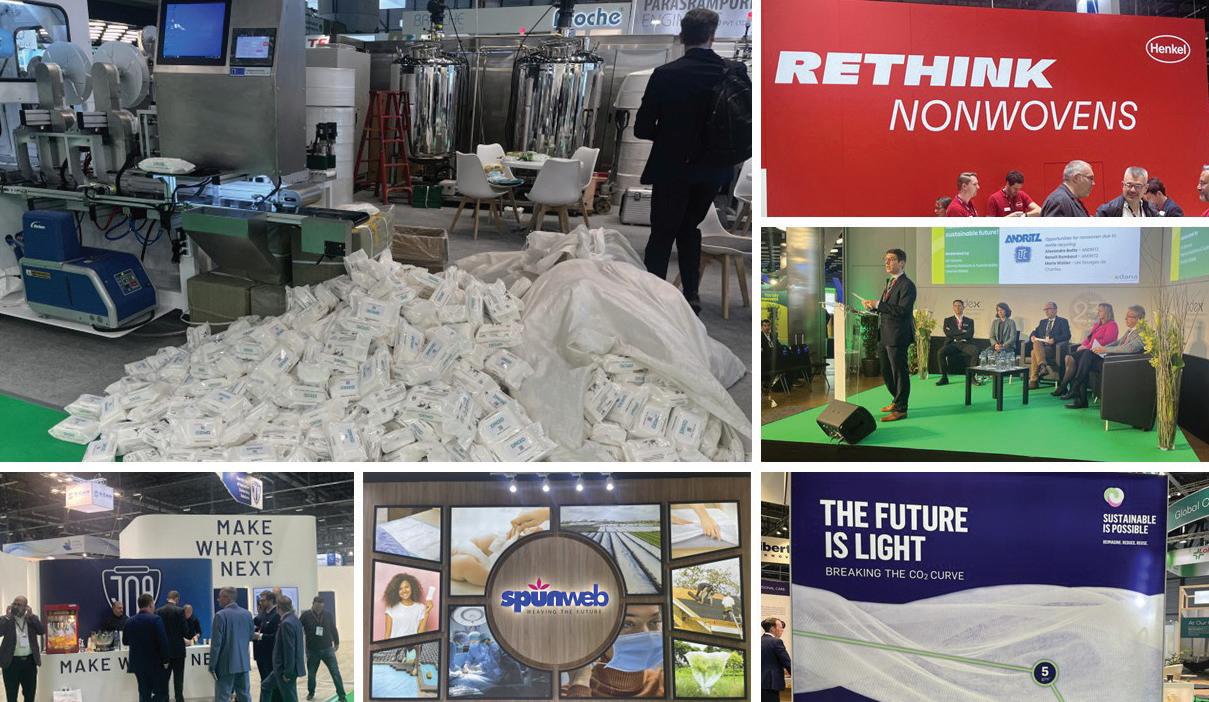
reinforces the need to supply materials that are not only high-performing but also consistent and predictable in processing environments.
INDEX 2026—the world’s leading nonwovens exhibition—will also bring together raw material suppliers, machinery manufacturers, converters, and brand owners and place end-use applications firmly at the center of the conversation.
Across the hygiene, medical, filtration, automotive, and building sectors, nonwovens are increasingly selected as engineered solutions offering specific functional advantages. Controlled porosity, lightweight structures, tailored absorbency, and compatibility with circular economy principles are now core drivers of product development.
INDEX, which takes place from May 1922 at Geneva Palexpo in Switzerland, will provide a forum for examining how these requirements are shaping nonwoven production technologies, from spunbond and
intersect. Conversion technologies are increasingly recognized as a critical enabler, allowing manufacturers to reduce material usage, eliminate incompatible layers, and design products with end-of-life considerations in mind.
For companies operating in the nonwovens field primarily in Asia, CIDPEX, which takes place at the Nanjing International Expo Convention Center in Jiangsu, China, will have a similar focus.
Viewed together, these early-2026 events will reinforce the reality that, for manufacturers across the value chain, competitive advantage lies in understanding not only how materials are made, but also how they are transformed into functional products that meet the evolving expectations of diverse global markets.
Adrian Wilson is an international correspondent for International Fiber Journal . He is a leading journalist covering fiber, filtration, nonwovens and technical textiles. He can be reached at adawilson@gmail.com.
The Nonwoven Institute (NWI) at North Carolina State University and Oerlikon Nonwoven will be collaborating in the field of meltblown laboratory technology in the future. This was announced by Professor Raoul Farer, Executive Deputy Director of the NWI and Professor at the Wilson College of Textiles at North Carolina State University, and Dr. Ingo Mählmann, Sales Director Nonwoven at Oerlikon Neumag, during last year’s ITMA Asia and CITME in Singapore.
The first step in the new cooperation is an investment in the hycuTEC hydrocharging system from Oerlikon Nonwoven; the institute will integrate the unit into its existing laboratory configuration. This will enable the NWI to operate a state-ofthe-art meltblown hydrocharging laboratory in the future, facilitating the development of new products—primarily, but not exclusively, in the field of air filtration media. The advantage for North American Oerlikon Nonwoven customers and prospects is that they will be able to test hycuTEC technology and carry out their own meltblown product developments in a creative, innovation-oriented environment.
Oerlikon Nonwoven’s patented hycuTEC system is a real innovation for the filtration industry. Using a special spray mist of demineralized water, the system enables the economic production of highly efficient electret-media with an impressive filtration efficiency of 99.99% at low pressure-drop. The hycuTEC hydrocharging technology was honored with the Edana Filtrex Innovation Award in 2023. www.oerlikon.com

INDA, the Association of the Nonwoven Fabrics Industry, is pleased to announce the hiring of Rachael Davis as the new Publisher/Chief Content Officer for INDA Media, effective January 2026. Davis will provide strategic leadership for the International Fiber Journal and International Filtration News, guiding the publications into their next phase of growth, engagement, and industry impact.
“We are thrilled to welcome Rachael to INDA,” said Tony Fragnito, INDA President & CEO. “Her combination of technical understanding, editorial excellence, and industry insight makes her the ideal leader to guide INDA Media’s publications into their next chapter. As INDA expands its global collaboration as a founding member of GNA, and the industry continues to innovate and evolve, Rachael’s vision and experience will help us build on the strong publishing foundation already in place.”
INDA extends its sincere appreciation to Caryn Smith, CEO at Driven by Design, whose leadership in the role has strengthened the design, structure, and content of INDA Media’s publications. www.inda.org
ildan Activewear Inc.

Gannounced late 2025 that it has completed the previously announced acquisition of HanesBrands Inc., creating a global apparel leader.
“Today marks the beginning of an exciting new chapter. By welcoming HanesBrands into the Gildan family, we are doubling our scale, combining iconic brands with our world-class, lowcost, vertically integrated platform, and unlocking a powerful engine for innovation and growth. Together, our complementary strengths in activewear and innerwear, across channels and geographies, position us to better serve our customers and deliver sustainable, long-term value for our shareholders,” said Glenn J. Chamandy, President and Chief Executive Officer of Gildan. “Our priority now is to execute a seamless, collaborative integration that enables us to fully capture the value of our expanded platform and deliver at least $200 million in run-rate cost synergies, as announced on August 13, 2025.” www.gildancorp.com
The European Commission opened last fall an Anti-dumping (AD) investigation into imports of PET spunbond from China following a complaint by the EU industry (AD738).
On 2 December 2025, the Commission made imports of PET spunbond from
China subject to registration. This is an important milestone in the proceedings.
It means that as of December 2025 all users had to register their imports with the customs authorities who are now carefully monitoring the import flows. Having made those imports subject to
registration allows the Commission to impose definitive AD duties with retroactive effect.
The EU industry welcomed this step and thanked the European Commission for its efforts to re-establish a level playing field on the EU market. www.edana.org
Ahlstrom, a global leader in fiber-based specialty materials, announced a strategic investment to upgrade the existing Taylorville, IL (USA) line to enhance its capability to produce advanced synthetic filter materials.
The upgraded line is expected to begin operations in the final quarter of 2026, enabling customers to meet rising demand for sustainable and efficient filtration solutions.
Synthetic filtration materials are essential for high-performance applications across demanding industrial environments and transportation applications. Materials deliver superior filtration through higher efficiency, greater dust-holding capacity, and exceptional durability—even under the most demanding operating conditions.
The line will produce materials with up to 100% synthetic fiber composition, including optional fiber blends of glass and/or cellulose. It supports both single and dual-layer filter material designs and includes saturation and corrugation capability, ensuring flexibility and consistent performance across a broad range of filtration applications. www.ahlstrom.com
Navis TubeTex, a global leader in advanced dyeing and finishing machinery solutions, recently announced a new partnership with Icomatex, a respected European manufacturer of highquality stenters and textile finishing equipment. Under this agreement, Navis TubeTex will exclusively represent the Icomatex stenter line in the United States.
This strategic addition enhances Navis TubeTex’s ability to serve a broader range of customers and applications while reaffirming the company’s long-standing commitment to its iconic Marshall & Williams (M&W) brand.
With this partnership, Navis TubeTex now offers two complementary stenter platforms—each serving a distinct segment of the market:
• Marshall & Williams Stenters
Known for their unmatched robustness, high production speeds, and decades-long reputation for durability, M&W machines remain the preferred solution for customers with the most demanding performance and throughput requirements. The M&W product line is not changing, not being replaced, and continues to be a core strategic offering for Navis TubeTex.
• Icomatex Stenters
Designed with modern engineering, excellent energy efficiency, and an attractive price-to-performance ratio, the Icomatex range allows Navis TubeTex to address a larger portion of the U.S. market—particularly customers seeking high quality and advanced features at highly competitive investment levels. www.navisglobal.com
armag, a subsidiary of the Swiss Oerlikon Group, will commission three HMLS yarn systems with a total of 30 stations at technical yarn manufacturers in China over the next three months.
Particularly noteworthy: among them are two HMLS producers who had previously purchased from competitors.
“They were convinced by our process technology, which guarantees the economic production of HMLS yarns of the very best quality,” said Sales Director Oliver Lemke.
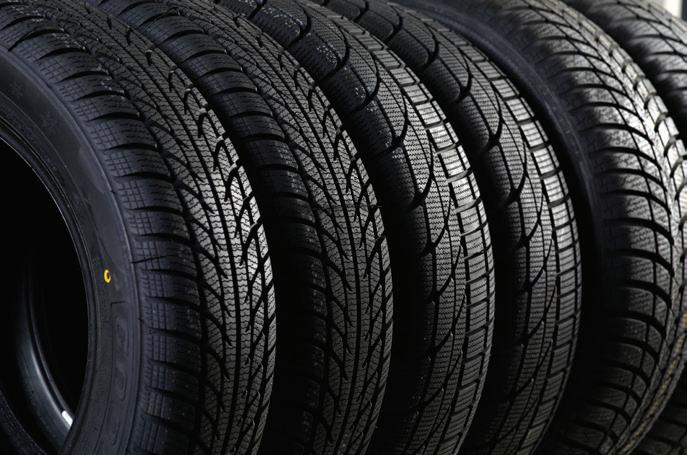
The industry expects demand for HMLS yarns to increase in the coming years. This is mainly due to the trend toward lighter tires. Whereas highmodulus polyester yarn (HMLS) was previously used mainly in high-speed tires, its properties now also allow the tire carcass of small vans to be converted from steel cord to polyester. HMLS yarn is extremely tear-resistant, yet highly elastic and temperature- and dimensionally stable.
Another factor is the steadily increasing number of vehicle registrations worldwide. In China in particular, the production of local car brands has increased rapidly in recent years, which explains the expansion of capacity in the country. www.oerlikon.com
BW Converting announced that its Baldwin TexCoat® G4 precision spray finishing system has been validated through collaboration with Fashion for Good and Apparel Impact Institute (Aii). Following extensive trials and analysis, the technology is now recognized within Aii’s Climate Solutions Portfolio Registry as a proven solution for lowering carbon emissions and resource consumption across the global textile supply chain.
TexCoat G4 replaces traditional pad-based applications with non-contact precision spray technology, applying chemistry only where it is needed. The system delivers 40–50% energy savings, reduces water consumption and chemical use by up to 50% and eliminates chemical waste during job changeovers. These benefits help mills achieve significant sustainability targets while improving profitability and throughput. bwconverting.com
Numat Technologies, Inc., the global leader in Nobel Prize-winning metal-organic framework (MOF) materials, and Milliken & Company, a global leader in manufacturing and material science, announced a strategic supply relationship to deliver next-generation protective fabric solutions for defense, first responder, and industrial customers. The integration of Milliken’s advanced textiles with Numat’s Sentinel® MOF technology platform will create functional, reactive, and self-decontaminating fabrics that enhance protection, breathability, and comfort in extreme environments.

innovative chemical protection solution platform include chemical, biological, radiological, and nuclear (CBRN) defense professionals and first responders seeking non-PFAS alternatives to legacy protective technologies.
“This partnership represents a generational leap forward in protective fabrics and suits,” said Ben Hernandez, CEO of Numat Technologies. “By combining Numat’s highly advanced MOF technology platform with Milliken’s textile technology and scale, we’re delivering sustainable, high-performance solutions that protect those who protect us.”
“Our work with Numat is about bold innovation and realworld impact,” said Halsey Cook, president and CEO at Milliken. “Together, we are setting a new standard in protection –delivering textile solutions that not only help safeguard lives but redefine what’s possible in our industry.”
These MOF-enabled textile solutions are non-PFAS and will be manufactured in the United States, reflecting both organizations’ commitment to material innovation, environmental stewardship, and a strengthened U.S. industrial base. Key customers for this
ADVERTISING | SALES General Inquiries: advertising@inda.media
Vickie Smead SALES REPRESENTATIVE, NONWOVENS BUYER’S GUIDE
INDA, the Association of the Nonwoven Fabrics Industry vsmead@inda.org | +1 919.459.3715
Sabine Dussey GERMANY, FRANCE, AUSTRIA, SWITZERLAND, SCANDANAVIA, BENELUX sabine.dussey@dussey.de | +49 2129.348390
Filippo Silvera ITALY & SPAIN info@silvera.it | +39 02.284.6716
Zhang Xiaohua CHINA ifj_china@126.com | +86 13522898423
Dan Noonan DIRECTOR OF BUSINESS DEVELOPMENT + EXHIBIT SALES
INDA, the Association of the Nonwoven Fabrics Industry dnoonan@inda.org | +1 919.459.3754 Ask for the 2026 Media Kit!
Future product development will include cutting-edge signature management and enhanced concealment textile technologies, integrating CBRN defense with adaptive battlefield camouflage performance.
“We’re not just supplying advanced materials — we’re driving American innovation to shape the future of protective textiles,” said Marcio Manique, SVP and Managing Director for Milliken’s apparel business. “Partnering with Numat strengthens our leadership in core markets as we expand CBRN solutions that set the standard for performance and protection.” www.milliken.com
Dutch company DyeCoo, based in Hoofddorp and known for its sustainable textile dyes, has gone out of business. The company received millions from IKEA and Nike, among others, but had been suffering losses for years. DyeCoo Textile Systems was founded in 2008 by researchers from Delft. They devised a way to dye polyester using CO₂ instead of water.
The company’s goal was to make the textile sector more sustainable. The textile industry is one of the most polluting in the world. Dyeing fabrics, in particular, causes a lot of pollution, because it requires a lot of water and chemicals.
While the concept of DyeCoo seemed promising, the company was declared bankrupt late last year. DyeCoo’s dyeing machines used CO₂ instead of water and chemicals. This allowed polyester fabrics and yarns to be dyed without consuming clean water and without leaving behind polluted wastewater. The CO₂ used comes from other industries and is reused. The system is almost completely closed: around 95% of the CO₂ is reused. www.dyecoo.com