BUILDING REAL MARINE PROTECTION IN THE MEDITERRANEAN
BUILDING REAL MARINE PROTECTION IN THE MEDITERRANEAN
Yassine Ramzi Sghaier
Yassine Ramzi Sghaier
SHIFTING PRACTICES TO RESTORE THE MEDITERRANEAN’S ECOLOGICAL BALANCE
SHIFTING PRACTICES TO RESTORE THE MEDITERRANEAN’S ECOLOGICAL BALANCE
Giuseppe di Carlo
Giuseppe di Carlo
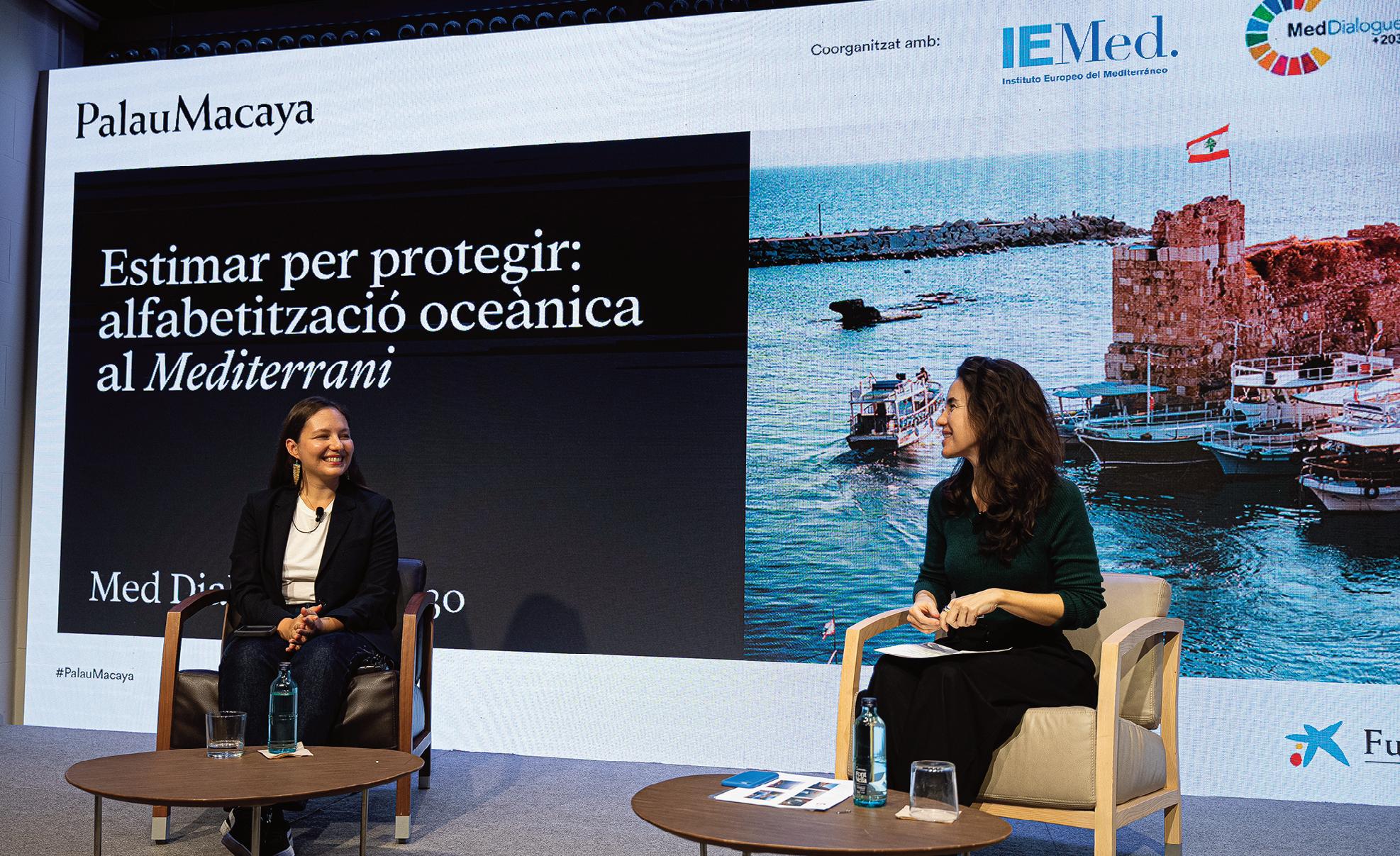
LOVE TO PROTECT: OCEAN LITERACY IN THE MEDITERRANEAN
LOVE TO PROTECT: OCEAN LITERACY IN THE MEDITERRANEAN
Laura Khatib
Laura Khatib
FROM FISH TO FORK: RECONNECTING WITH THE SEA THAT FEEDS US
FROM FISH TO FORK: RECONNECTING WITH THE SEA THAT FEEDS US
Anna Bozzano
Anna Bozzano
Published by the European Institute of the Mediterranean
Authors: Antoine Apprioual, Nicolás Medrano, Juan Camilo Baron
Review: Arnau Gallard
Design Layout: Núria Esparza
Cover photo: Bent Van Aeken; Unsplash
Layout: Núria Esparza
February 2026
The European Institute of the Mediterranean (IEMed), founded in 1989, is a think and do tank specialised in Euro-Mediterranean relations. It provides policy-oriented and evidence-based research underpinned by a genuine Euromed multidimensional and inclusive approach.
The aim of the IEMed, in accordance with the principles of the Euro-Mediterranean Partnership (EMP), the European Neighbourhood Policy (ENP) and the Union for the Mediterranean (UfM), is to stimulate reflection and action that contribute to mutual understanding, exchange and cooperation between the different Mediterranean countries, societies and cultures, and to promote the progressive construction of a space of peace and stability, shared prosperity and dialogue between cultures and civilisations in the Mediterranean.
The IEMed is a consortium comprising the Catalan Government, the Spanish Ministry of Foreign Affairs, European Union and Cooperation, and the Barcelona City Council. It also incorporates civil society through its Board of Trustees and its Advisory Council.
The Club of Rome was created to address the multiple crises facing humanity and the planet. Drawing on the unique, collective know-how of its 100 members – notable scientists, economists, business leaders and former politicians – it seeks to define comprehensive solutions to the complex, interconnected challenges of our world.
As a network of thought leaders from a rich diversity of expertise, its members are committed to facilitating the difficult conversations and the bold actions required to confront the planetary emergency facing humanity and our common home. Its goal is to actively advocate for paradigm and systems shifts which will enable society to emerge from our current crises, by promoting a new way of being human, within a more resilient biosphere.
The efforts of its members are supported by the International Secretariat in Winterthur (Switzerland), a satellite office in Brussels (Belgium), and National Associations in more than 30 countries.
“la Caixa” Foundation is the main private foundation in Spain, the second in Europe and one of the most important in the world in terms of budget volume. “la Caixa” Foundation has as its mission to contribute to the advance of people and society, with particular emphasis on the most vulnerable groups, whether through its own programmes, strategic alliances or collaboration with third parties, by means of efficient and, if appropriate, innovative actions, whose results can be evaluated and are transferable to other entities. With a preferred area of action within Spain and Portugal, and with a global and coherent view of the international situation. All of this, guided by objectives of sustainable social transformation and creation of opportunities.
Ahmed Yassin
Teresa Vicente
Yassine Ramzi Sghaier
Giuseppe di Carlo
Laura Khatib
Anna Bozzano
Mediterranean sea, Pyrénées-Orientales, France. (Damsea; Shutterstock)
INTRODUCTION
IDEAS FOR A SUSTAINABLE MEDITERRANEAN
The Med Dialogues +2030 is an annual conference series organised and promoted by the European Institute of the Mediterranean (IEMed), the Barcelona Office of the Club of Rome, with the collaboration of “la Caixa” Foundation, which fosters debate on the sustainable development issues in the Mediterranean region. By giving voice to renowned experts and actors from both shores of the Mediterranean Sea and a variety of backgrounds, the Med Dialogues +2030 seek to raise greater awareness and understanding about the critical sustainability challenges faced by Mediterranean countries. Launched in 2021 as the region was entering the “Decade of Action”, the Med Dialogues +2030 adopt each year a different approach to the implementation and achievement of the Sustainable Development Goals (SDGs), putting forward analyses and recommendations to contribute to building a more resilient, sustainable, prosperous, inclusive, and safer Mediterranean region by 2030.
2025 EDITION
THE SEA WE SHARE: VOICES FOR A SUSTAINABLE MEDITERRANEAN SEA
In its 5th Edition, the Med Dialogues +2030 took a deep dive into Sustainable Development Goal 14 – Life Below Water, which calls for the conservation and sustainable use of the oceans, seas, and marine resources. In the Mediterranean context, this means addressing a wide spectrum of urgent issues: marine pollution, overfishing, acidification, ecosystem collapse, and coastal erosion. SDG 14 serves as both a framework and a call to action for rethinking our relationship with the sea that sustains us.
Often regarded as a model of global ocean challenges in miniature, the Mediterranean exemplifies the complex interplay between environmental stress and governance fragmentation. Despite covering less than 1% of the
world’s ocean surface, it supports nearly 10% of known marine biodiversity and is bordered by more than 20 countries with diverging economic, political, and ecological realities. This density of pressures and actors makes it a strategic region for advancing marine protection efforts that are locally grounded yet globally relevant.
In 2025, the Med Dialogues +2030 convened a broad range of participants – marine scientists, policy experts, environmental activists, academics and community leaders – to explore how SDG 14 can be meaningfully advanced in the Mediterranean. These changemakers shared innovative, place-based solutions that are already delivering impact in areas such as sustainable fisheries, marine conservation, blue economy, and ecosystem restoration. Ahmed Yassin (Egypt) elaborated on pioneering initiatives to clean the sea and recycle marine waste, while integrating local livelihoods into a circular economy. Teresa Vicente (Spain) recounted how she achieved a milestone in European history: the recognition of legal personhood for a natural site. Yassine Ramzi Sghaier (Tunisia) discussed how to protect the biodiversity of the Mediterranean through the establishment of marine protected areas and participatory science. Giuseppe di Carlo (Italy) focused on how to accelerate positive change and turn collective awareness into concrete restoration of the Mediterranean Sea’s ecological health. Laura Khatib (Lebanon) described her grassroots initiative, aimed at cultivating a new Mediterranean ocean culture rooted in knowledge, agency, and local pride. Anna Bozzano (Italy) explored ways in which societies can reconnect with their food sources, strengthen fishing communities, and embrace more responsible consumption practices.
The 2025 conference series was expertly moderated by Laura Secorun, an environmental communications strategist and founder of Meridian, a creative agency dedicated to ocean conservation. Formerly a foreign correspondent in East Africa and the Middle East, she now helps ocean advocates worldwide develop impactful communication campaigns.
WORKING TOWARDS A PLASTIC-FREE MEDITERRANEAN SEA
AHMED YASSIN
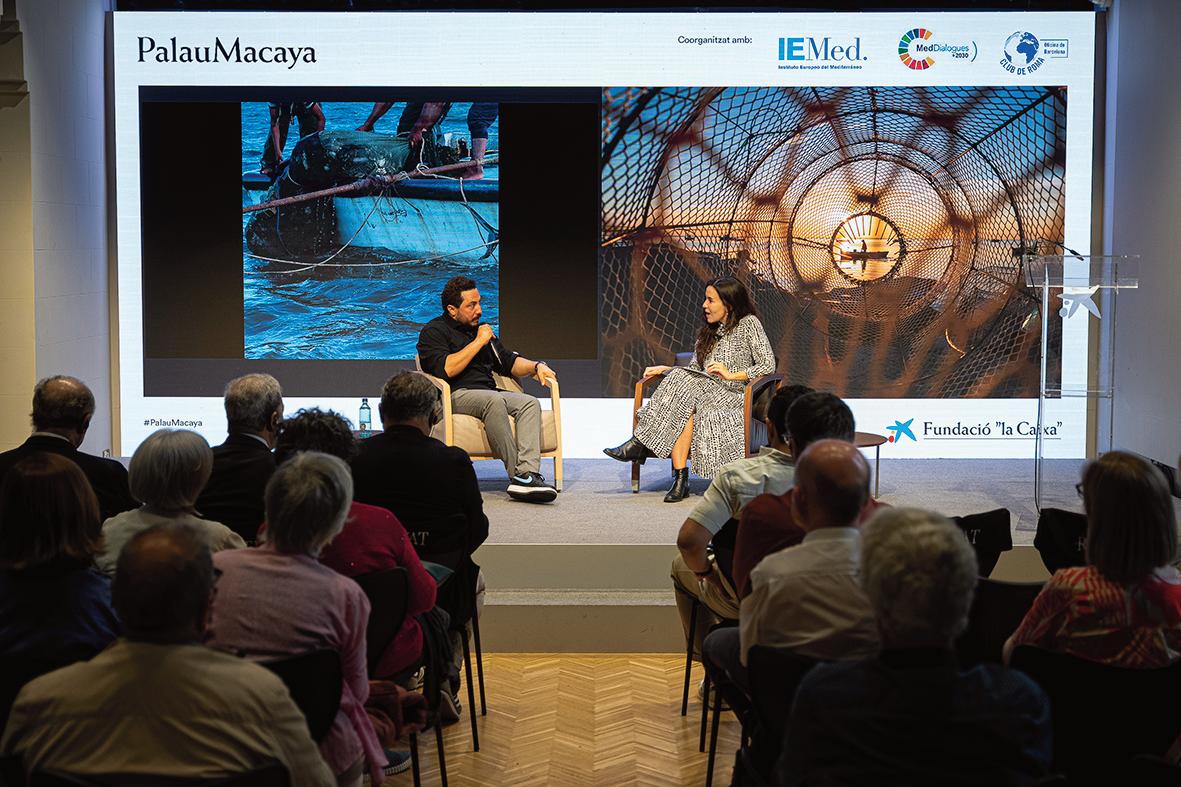
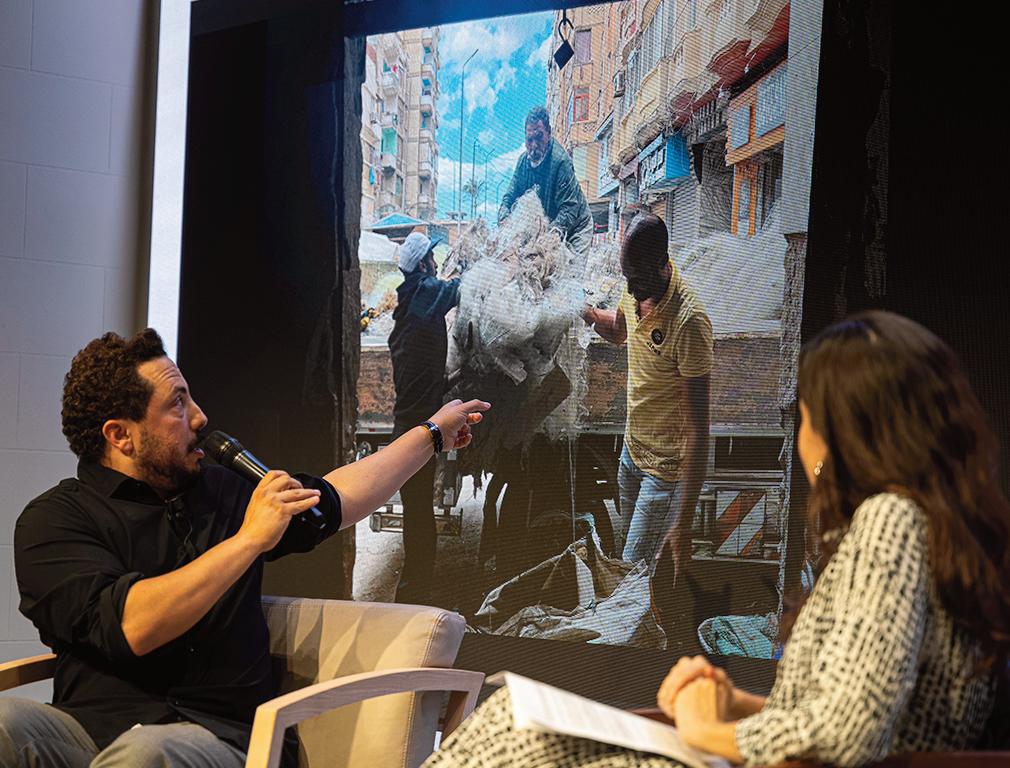
The interview with Ahmed Yassin at Palau Macaya on 7 October 2025 marked the opening of the fifth edition of Med Dialogues +2030. Ahmed is a blue economy expert and marine plastic researcher. He currently serves as Egypt Director of Enaleia, an organisation with a vision to make the marine ecosystem sustainable through circular and social economy solutions. In addition, Ahmed serves as the focal point for the EU Neighbours South programme in Egypt and as an ambassador for the EU4Water initiative. He is also co-founder of the Egyptian social enterprise Banlastic and a member of Chatham House.
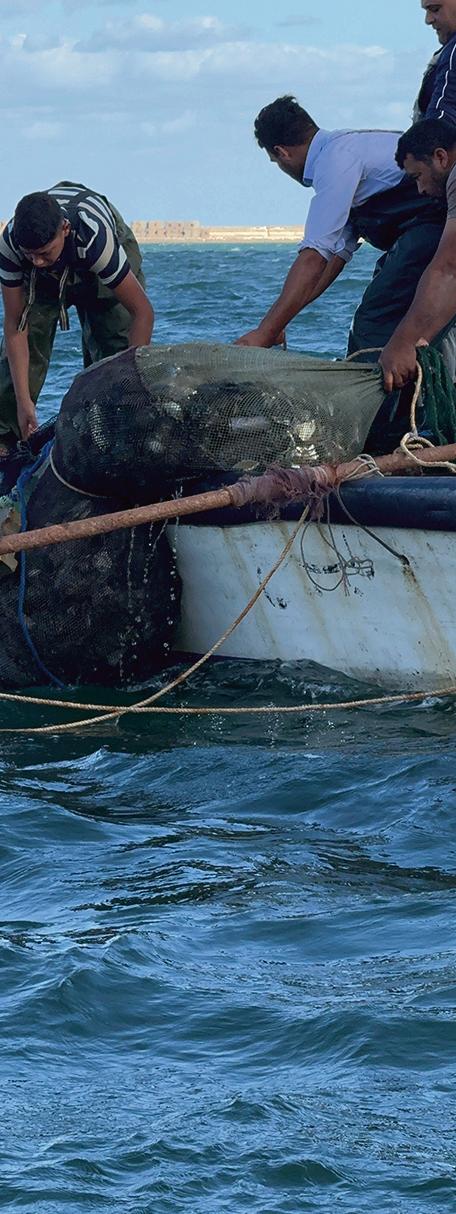
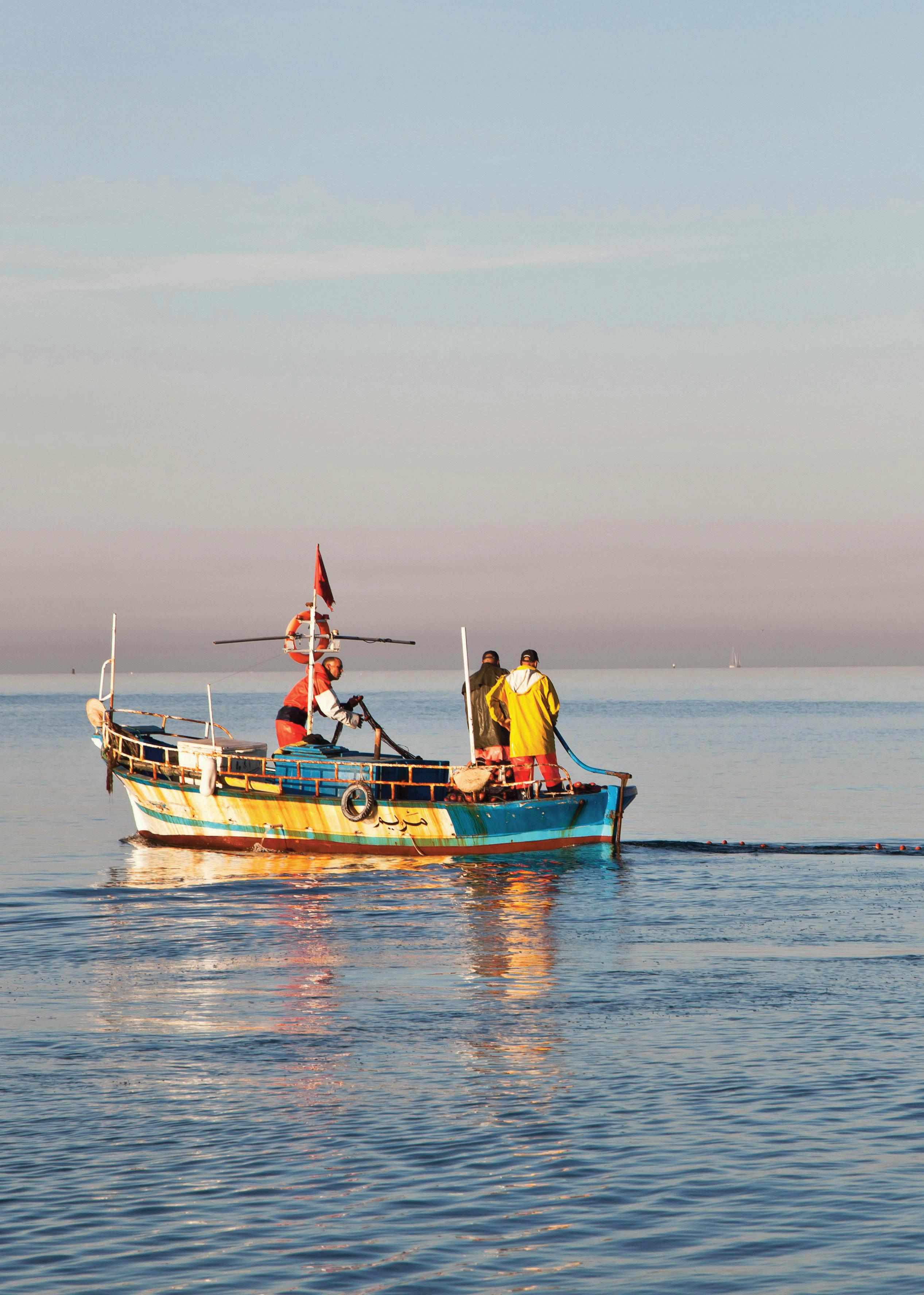
On the shores of the Mediterranean, one of the planet’s most vibrant seas is suffocating under the weight of plastic. Every year, hundreds of thousands of tonnes of waste – bags, bottles, fishing nets –flow from land to water, threatening biodiversity, food security, and human health. In the first session of the Med Dialogues 2025 Edition, Ahmed Yassin, Egypt Country Manager of Enaleia, shared how a movement that began with a single fisherman has evolved into a regional model for change.
Founded in Greece, Enaleia is pioneering collaboration between fishing communities and environmental innovators to clean the sea, recycle marine waste, and integrate local livelihoods into the circular economy. In Egypt, Ahmed – also co-founder of Banlastic Egypt, one of the country’s first campaigns against single-use plastics – has led efforts to turn fishermen from “problem creators into problem solvers.” His story is one of perseverance, trust, and belief that a clean Mediterranean begins at the community level.
Ahmed Yassin: Working Towards a Plastic-Free Mediterranean Sea
SMALL-SCALE FISHERS IN THE MEDITERRANEAN
128,000 FISHERS
Small-scale and artisanal fisheries employ about 128,000 people in the Mediterranean and Black Sea, representing 57% of total onboard employment.
Source: FAO / GFCM (2021)
82% OF VESSELS
Small-scale boats account for 82% of all fishing vessels in the region but only 15% of total catches, reflecting low-margin, community-based livelihoods.
Source: European Parliament / FAO (2024)
44% AFFECTED BY MARINE LITTER
Surveys show that 44–49% of fishers report frequent reductions in catches due to marine litter, while 30% report gear losses or damage.
Source: FAO / GFCM (2021)
€18 MILLION/YEAR OF LOSSES
Estimated annual losses from marine litter to Mediterranean small-scale fisheries amount to €18 million, with total EU losses up to €62 million per year.
Sources: European Parliament / MDPI (2024)
FROM THE DOCKS OF GREECE TO THE PORTS OF EGYPT
When Greek fisherman Lefteris Arapakis founded Enaleia after the 2008 financial crisis, his goal was
simple: to help struggling fishermen earn a living while protecting the sea that sustained them. “He understood their language,” Ahmed recalls. “Because he was a fisherman himself.”
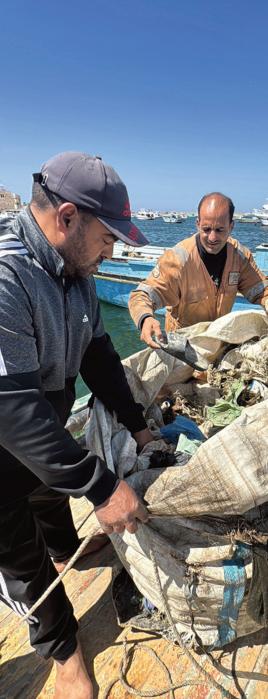
The idea was practical: fishermen would collect plastic waste along with their catch, selling it to recycling partners instead of discarding it. “We want to turn fishermen from problem creators to problem solvers,” says Ahmed.
The success of the project in Greece inspired expansion across the Mediterranean. Egypt, however, posed a formidable challenge. “Most people said we shouldn’t even try. Egypt was seen as too complex, too unpredictable,” Ahmed admits. But he saw an opportunity. Egypt’s coastline stretches over 3,000 kilometres along the Mediterranean and Red Seas; its fishing communities, if engaged, could become a decisive force in regional marine recovery.
“We want to turn fishermen from problem creators to problem solvers.”
When Ahmed and his team launched Enaleia Egypt, scepticism was everywhere. “ The first fisherman I spoke to thought I was crazy, ” he laughs. “ He told me: ‘Engineer Ahmed, you will lose money. Why would anyone pay for trash? ’” But seven months later, that same fisherman was leading others out to sea to fish for plastic.
A PERSONAL JOURNEY ANCHORED IN ALEXANDRIA
Ahmed’s commitment to the ocean began long before Enaleia. Growing up in Alexandria, he remembers walking along the Corniche with his father and watching plastic debris float by. “He said, ‘This is not the Alexandria I know,’” Ahmed recalls. That moment, in 2013, planted the seed of activism.
Trained as an engineer, Ahmed’s early work focused on renewable energy projects. But his passion soon shifted toward the environment and community mobilisation. “I was volunteering in civil society, working with refugees
and on education,” he says. “So when I found a way to combine the civil society background with my passion for environment, it all made sense. ”
In 2018 he co-founded Banlastic Egypt, an initiative to ban single-use plastics through campaigns and education. By 2020, as COVID-19 exposed both environmental fragility and social inequality, Ahmed decided to dedicate himself fully to the blue economy. “ We need to make climate a job, ” he insists. “I t’s not a luxury or a nice thing to do. It’s survival. ”
FISHING FOR PLASTIC, BUILDING A CIRCULAR ECONOMY
Enaleia’s model is striking in its simplicity and effectiveness. Fishermen collect marine waste, including ghost nets (abandoned fishing gear that continues to trap marine life) and deliver it to Enaleia for recycling. “ In Egypt, we are the first organisation to recycle fishing nets, ” Ahmed proudly notes.
These nets, once considered worthless waste, are transformed into durable tiles, polypropylene pellets, and even furniture. “They are stronger and more resistant than many other plastics,” Ahmed explains. “They can be turned into cars, bags, even airplane parts.”
The recycling process also benefits local industries.
“ Factories didn’t believe us at first, ” Ahmed says.
“ But after two weeks of experiments, they realised these nets were a powerful and cheap resource .”
What began as a pilot has become a thriving circular economy chain linking fishermen, recyclers, and manufacturers. “ We’re proving that what was once trash can become treasure, ” Ahmed says. “ And at the same time, we’re creating jobs for people who used to throw this waste into the sea. ”
EDUCATION AND TRUST AT THE HEART OF CHANGE
If there is one lesson Ahmed repeats throughout his work, it is the importance of trust. Fishermen are often wary of NGOs and government policies. “They feel blamed, not supported,” he explains. Enaleia’s approach begins with listening.
Ahmed Yassin: Working Towards a Plastic-Free Mediterranean
PLASTIC POLLUTION IN THE MEDITERRANEAN
229,000 TONNES PER YEAR
An estimated 229,000 tonnes of plastic waste enter the Mediterranean Sea each year, mainly from 33 coastal countries. The largest contributors – Turkey, Spain, Egypt, and Italy – account for over 50% of total inputs.
Source: IUCN (2020)
95–100% OF FLOATING LITTER
Plastic makes up 95–100% of all floating litter and more than 50% of seabed waste in the Mediterranean.
Source: UNEP (2021)
7 MILLION TONNES ACCUMULATED
The total stock of plastic accumulated in Mediterranean waters, beaches, and sediments is estimated at around 7 Mt – one of the highest regional densities in the world.
Source: Biogeosciences (2025)
1.25 MILLION FRAGMENTS/KM²
Microplastic concentrations in the Mediterranean reach 1.25 million particles per km², nearly four times higher than those of the Pacific ‘plastic island.’
Sources: WWF / Biogeosciences (2024)
Training sessions are delivered by port coordinators –trusted leaders within fishing communities – who then teach their peers. “When you tell a fisherman that plastic is destroying fish stocks, you’re talking about his food, his job, his family,” Ahmed says. “That’s how we connect.”
This peer-to-peer education model has proven essential. It empowers local voices, ensures cultural relevance, and bridges the gap between traditional knowledge and modern sustainability practices. “The fishermen teach us too,” Ahmed adds. “They know the sea better than anyone. They tell us where fish have disappeared and where plastic piles up. Without them, we would be lost.”
In one memorable case, a fisherman guided Ahmed’s team to a remote spot offshore. “We pulled so much waste it took four men to lift it,” Ahmed recalls. “That moment showed how powerful trust can be when communities and activists work side by side.”
YOUTH, FAITH, AND THE FUTURE OF CLIMATE WORK
For Ahmed, engaging younger generations is crucial. “ The young fishermen are curious and openminded, ” he says, recalling one 18-year-old who used ChatGPT to research marine plastic pollution. He told me, ‘I love this job, but why don’t we do it for free?’ I told him, climate should be a job now “It’s not just volunteering, it’s our duty .”
Faith, too, plays a motivating role. “ In the Qur’an, it says we must not corrupt the land or the sea ,” Ahmed explains. “ That verse resonates deeply with the fishermen. ” By framing environmental work as both moral and economic, Ahmed is nurturing what he calls social sustainability: communities that can afford to protect their environment.
Enaleia is now exploring models to support fishermen during Egypt’s two-month no-fishing season, when incomes drop to zero. “ We’re trying to make marine plastic collection a consistent source of livelihood ,” Ahmed says. “Because plastic never ends.”
LOCAL REALITIES, GLOBAL IMPACT
Plastic pollution is a global problem, but Ahmed insists that solutions must be local. “Spain is different from Egypt, Egypt is different from Greece,” he says. “You need to gather local solutions together to make a holistic one.”
“They’re not putting the right people at the table. You can’t design treaties without the fishermen, the NGOs, the practitioners who see the problem every day.”
This conviction shapes his critique of global plastic negotiations. Speaking about the recent derailment of the UN Global Plastics Treaty in Geneva, Ahmed was frank: “ They’re not putting the right people at the table. You can’t design treaties without the fishermen, the NGOs, the practitioners who see the problem every day. ”
He calls for an approach that values experience as much as expertise. “ Negotiators have academic knowledge, but not field knowledge ,” he insists. “ Civil society must be at the heart of the process. ”
TOURISM, POLICY, AND THE POWER OF LAW
Egypt’s Mediterranean beaches, especially Alexandria, attract millions of domestic tourists each summer, tourism, however, is also a major source of pollution.
“People come and infest the beaches with plastic,” Ahmed says bluntly.
To tackle the problem, Enaleia collaborates with local NGOs and government officials to enforce Egypt’s Law No. 202 (2020), which restricts single-use plastics in coastal cities and strengthens recycling infrastructure. “We’re trying to return to our old habits,” he explains. “Thirty years ago, people went to the beach with reusable bottles and plates. We need to bring that back.”
Ahmed Yassin: Working Towards a Plastic-Free Mediterranean Sea
Ahmed believes laws are only as strong as the collaboration behind them. “The government, civil society, and communities must work together at the same pace,” he says. “When they act in silos, everyone loses trust.”
ENGAGING THE PRIVATE SECTOR
Unlike many environmental initiatives, Enaleia has succeeded in bringing private companies on board, from fashion brands like Ecoalf to insurance firms supporting clean-up operations in Spain. “ Private actors want to tick their boxes: environmental, social, innovative ,” Ahmed notes. “ We give them all three. ”
The organisation also uses blockchain technology to track the entire plastic journey, from collection to recycling, ensuring transparency and accountability. “It
builds trust for everyone ,” Ahmed explains. “ For donors, for companies, and for the fishermen themselves .”
This system has helped turn Enaleia’s products – recycled tiles, kayaks, and clothing – into educational tools that raise awareness and drive market demand. “ When someone buys a t-shirt made from fishing nets, they become part of the story, ” says Ahmed. “ They learn, and they spread the message. ”
HOPE ACROSS THE MEDITERRANEAN
From its Greek origins, Enaleia now operates in Egypt, Spain, Italy, and Croatia, and plans to extend its work to the Red Sea and the Nile. Ahmed sees Egypt’s scale and diversity as both challenge and opportunity. “We have thousands of kilometres of coastline and communities that earn less than a dollar a day,” he explains. “If
we can offer them climate jobs, we protect both people and the ocean.”
He also hopes to engage women fishers, who remain largely excluded from marine work. “They are part of the solution,” he insists. “They just need access and opportunity.”
For all his technical expertise, Ahmed’s message is deeply human. “Everyone must be an activist,” he says.
“Not in name, but in action.” Whether it’s a fisherman pulling a net of waste from the sea or a student telling their parents not to use plastic bags, each small act adds up.
Enaleia’s viral TikTok video, showing plastic being transformed into a usable product, has reached over four million viewers, proving that storytelling is as vital as action.
“It gives hope. People need to see that change is possible.” “We cannot wait for politicians or experts to fix everything,” he concludes. “Everyone has a circle of influence. Start there. The sea connects us all.”
TOWARD A PLASTIC-FREE MEDITERRANEAN
The Mediterranean is a shared sea, its problems, and their solutions, cross borders. Through Enaleia, Ahmed Yassin and his partners are weaving a network of cooperation from across the Mediterranean, from ports to classrooms, from waste to sustainability in its broadest sense.
“We are fishing for the future, not just for fish.”
Their vision is bold yet attainable: a Mediterranean where fishermen thrive, the sea breathes again, and circular economy becomes the norm rather than the exception. As Ahmed puts it, “ We are fishing for the future, not just for fish .”
Ahmed Yassin: Working Towards a Plastic-Free Mediterranean Sea
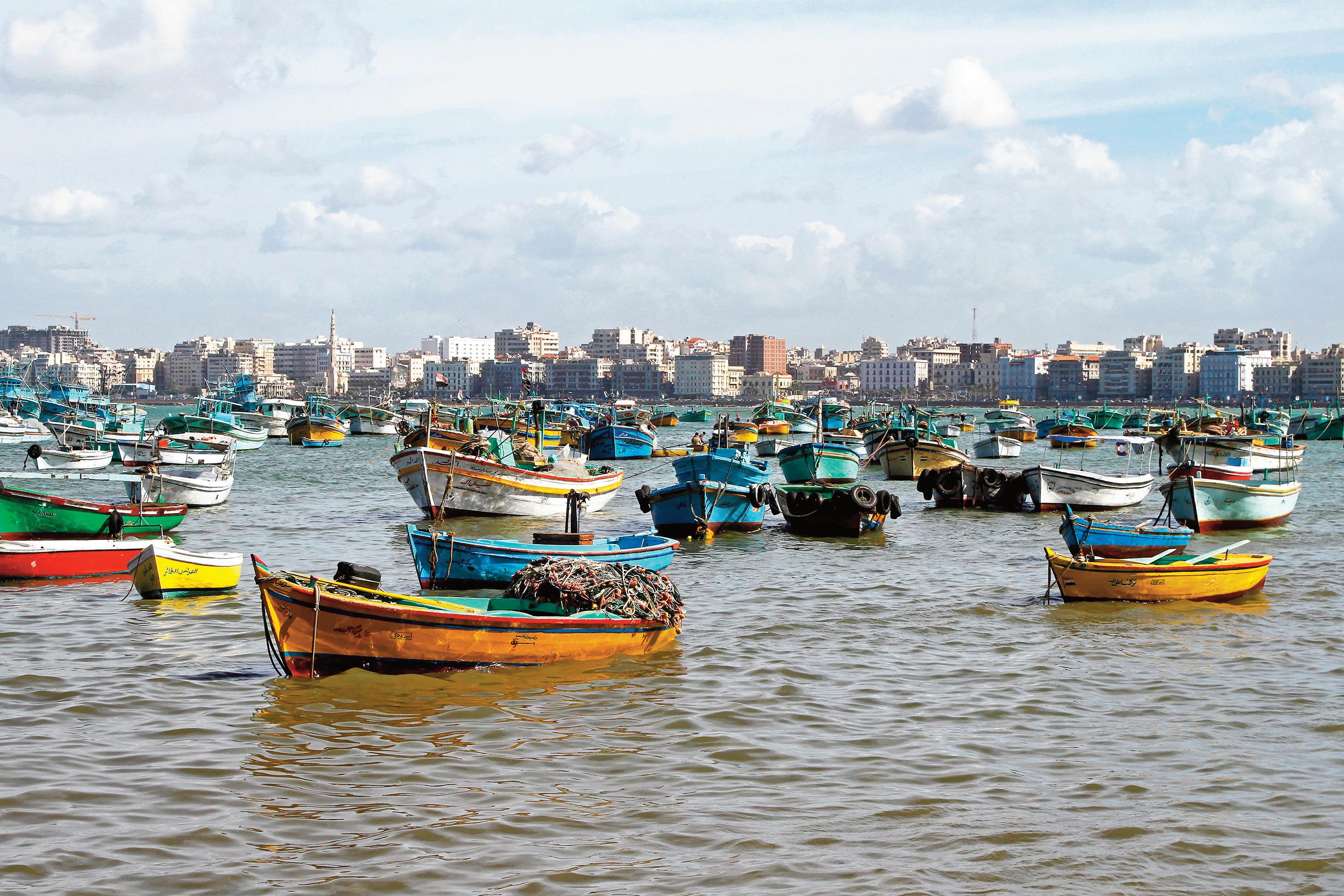
Fisherman boats in the harbour of Alexandria, Egypt. (Baloncici; Shutterstock)
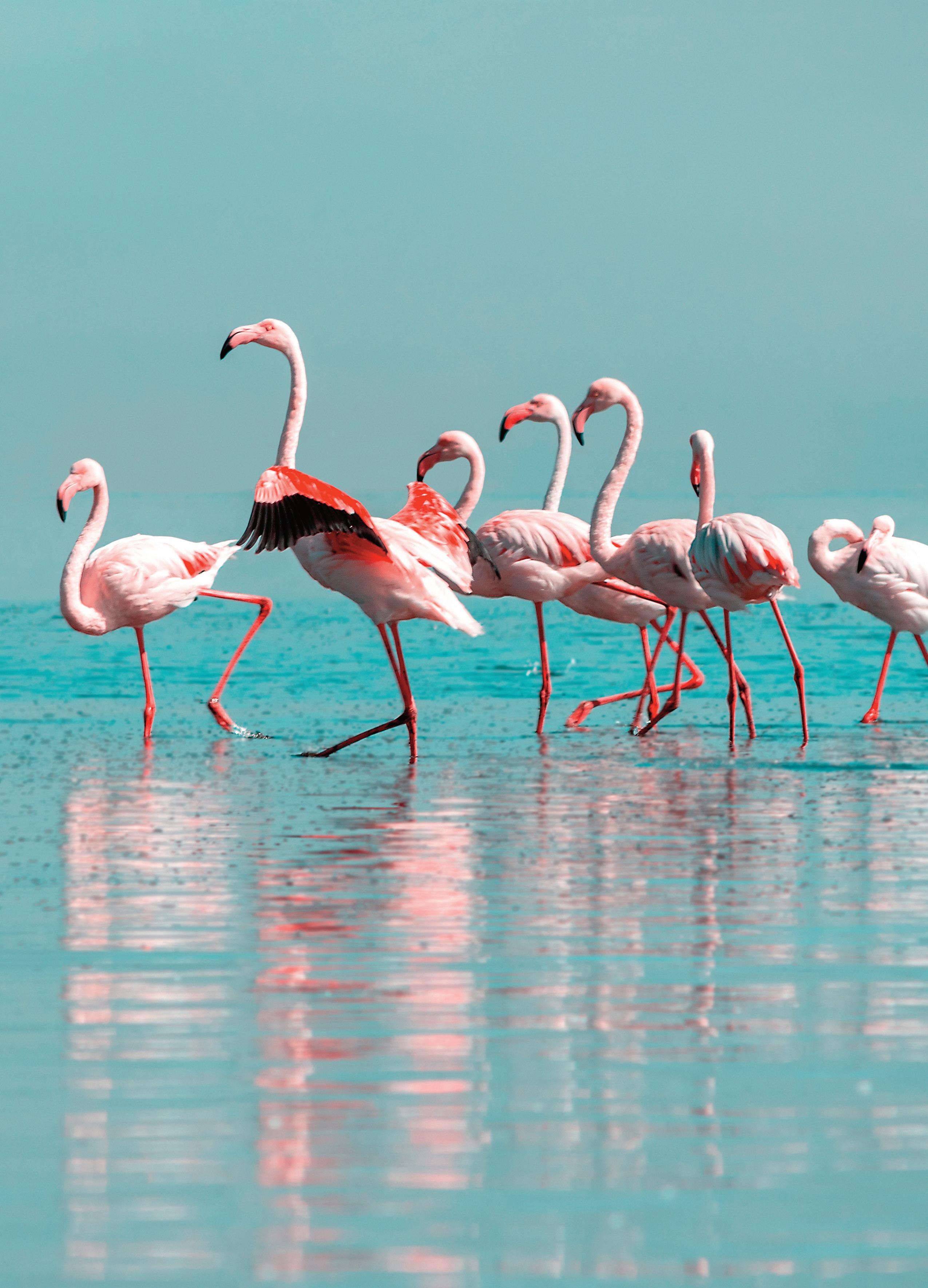
Wild african birds. A group of pink African flamingos walking around a blue lagoon on a sunny day. (Yuliia Lakeienko; Shutterst ock)
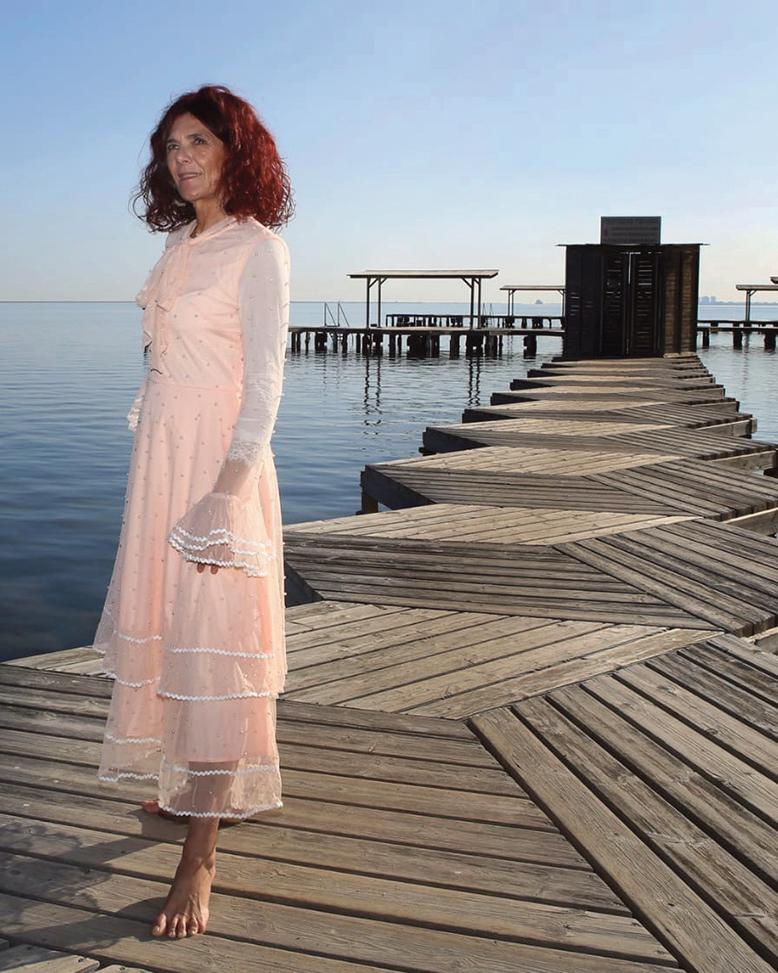
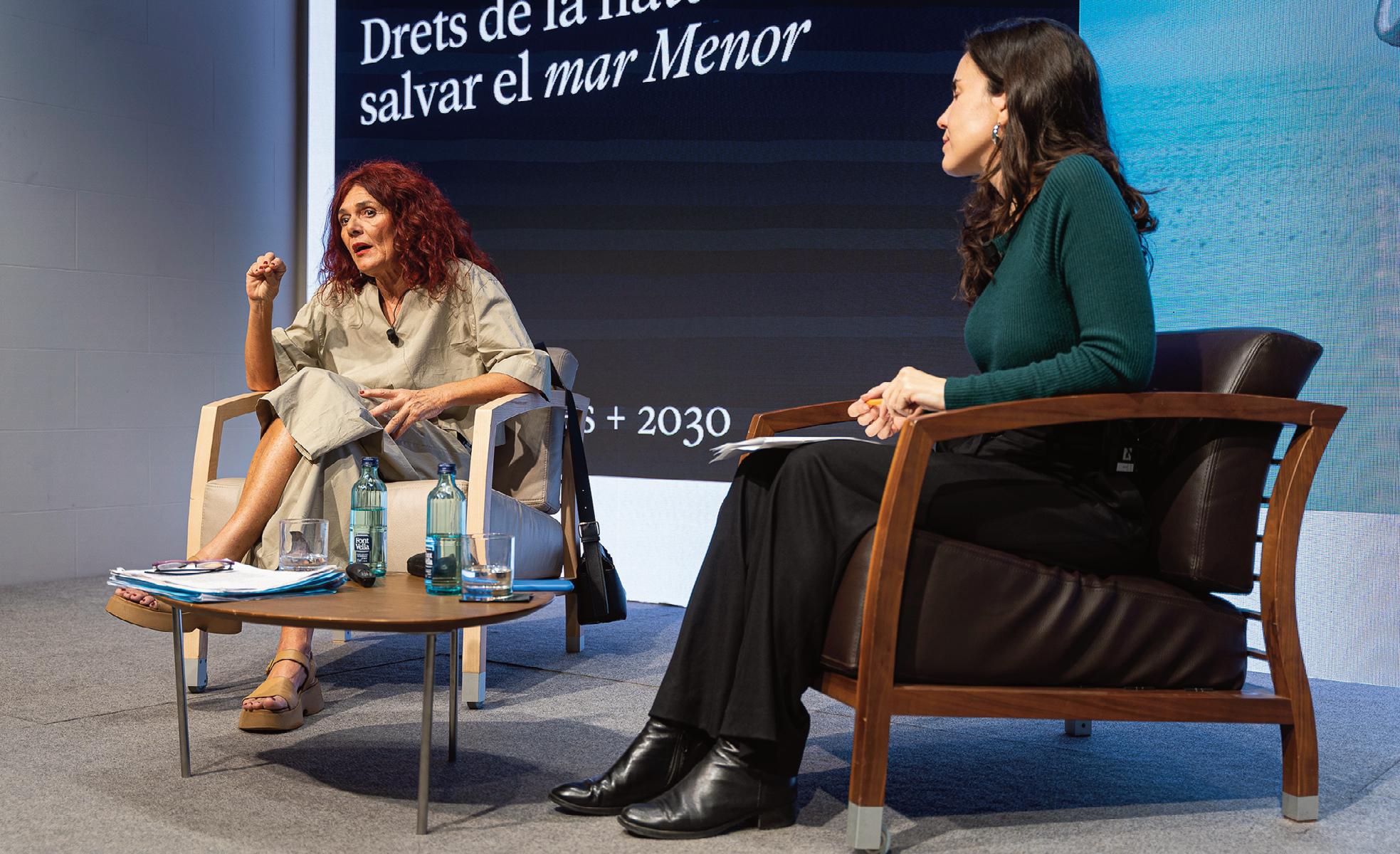
UPHOLDING NATURE’S RIGHTS TO SAVE THE MAR MENOR
TERESA VICENTE
The second session of the 2025 edition of Med Dialogues +2030 took place on 20 October at Palau Macaya and featured Teresa Vicente, Professor of Philosophy of Law at the University of Murcia (Spain). With more than three decades of academic experience, Teresa has dedicated her work to advancing the concept of the Rights of Nature. As a leading figure in this field, her work has been internationally recognized, including at the United Nations General Assembly and major global climate summits. In 2024 she was awarded the Goldman Environmental Prize.
Once a dazzling expanse of turquoise water, the Mar Menor – Europe’s largest saltwater lagoon – had become a symbol of ecological collapse. Years of unchecked urbanisation, mining residues, and intensive agriculture turned the shallow lagoon of southeastern Spain into a greenish soup of algae and waste. But in
2022, a movement led by Teresa Vicente, professor of philosophy of law and director of the Chair of Human Rights and Rights of Nature at the University of Murcia, achieved a revolutionary milestone in Europe: the lagoon was recognised as a legal person with its own rights to exist, regenerate, and be protected.
Teresa Vicente: Upholding Nature’s Rights to Save the Mar Menor
At the Med Dialogues +2030 5th Edition, Teresa –who received the Goldman Environmental Prize in 2024 – reflected on that journey. During the dialogue she traced not only the legal struggle to save the Mar Menor but a broader cultural transformation: the awakening of citizens who decided their sea was alive, and that law should say so.
FROM LEGAL THEORY TO LIVING ECOSYSTEM
Teresa’s commitment to ecological justice began at the University of Murcia when her studies in the field of law led her to break down epistemological barriers. Trained as a lawyer, she chose to fully devote herself to teaching after completing her PhD on Justice and Environmental Law bringing together law, philosophy, ethics, social and natural sciences to propose a new paradigm of ecological justice. Teresa has never understood the legal doctrine in restrictive terms. On the contrary she sees it as a tool in the service of humanity, one that enables our societies to move forward and evolve. This perspective was at the centre of her research and academic publications on ecological justice, social rights, legal feminism, and children’s rights. And one day, these ideas had to find their place in reality.
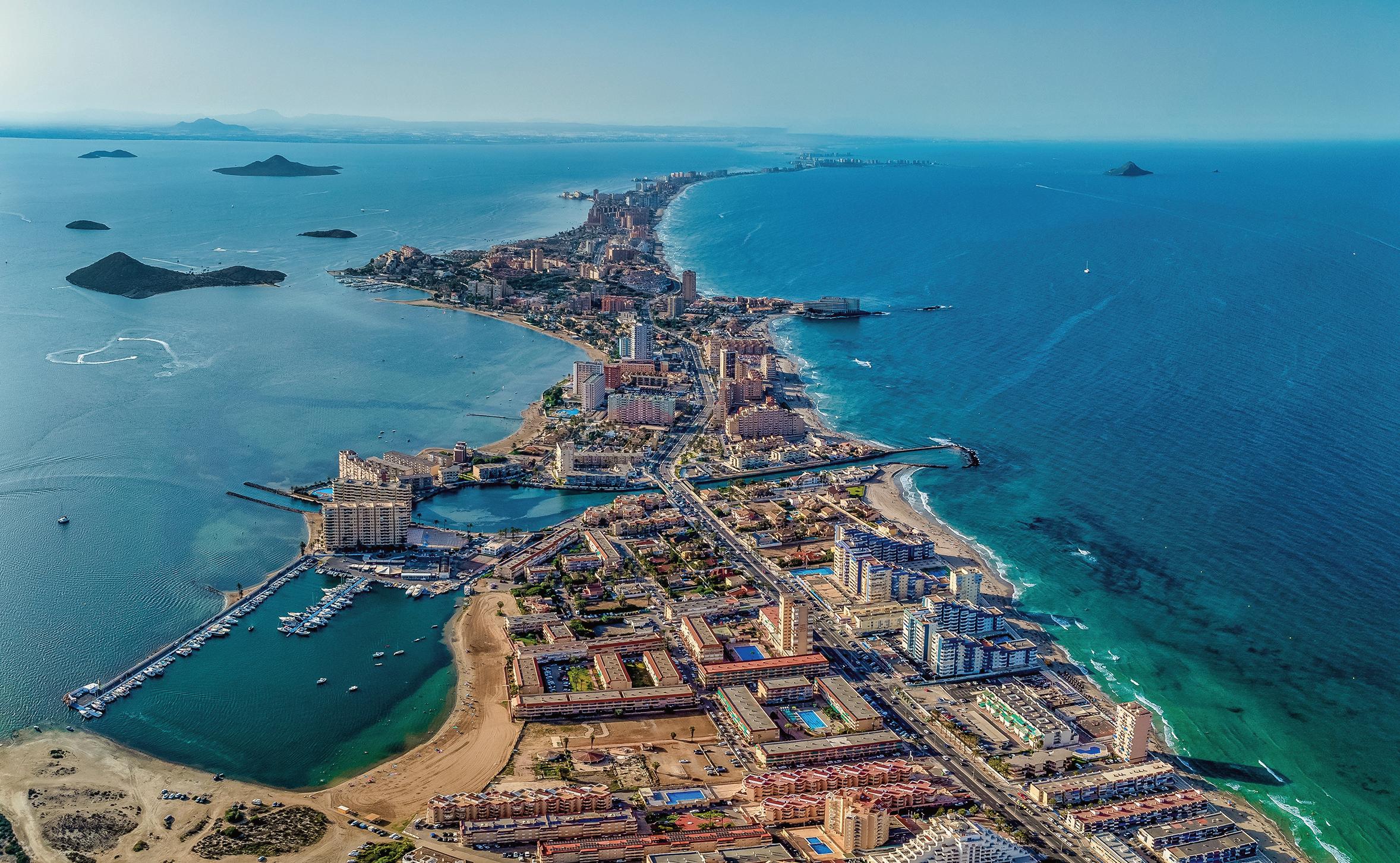
The triggering point came in 2019, when a massive fish die-off shocked the Mar Menor, a saltwater coastal lagoon located in the Region of Murcia, southeastern Spain, a natural treasure for the region’s people like Teresa. Covering an area of approximately 135 square kilometres, it is the largest lagoon of its kind in Europe. The lagoon is separated from the Mediterranean Sea by a narrow sandbar known as La Manga del Mar Menor, a strip of land about 22 kilometres long and varying between 100 and 1,500 metres wide. This natural barrier forms a shallow, semi-enclosed marine environment of remarkable ecological and landscape value.
The Mar Menor basin extends over roughly 1,600 square kilometres, encompassing agricultural plains, urban areas, and natural spaces that drain into the lagoon through a network of streams and aquifers. Historically, this hydrological system sustained a unique balance of salinity and biodiversity, hosting seagrass meadows, fish nurseries, and extensive bird populations.
In recent decades, however, the basin has undergone intense agricultural, livestock, urban, and touristic development, resulting in nutrient runoff, eutrophication, and episodes of anoxia (a condition in which water contains little or no dissolved oxygen,
Aerial view of La Manga in the Mar Menor, Region of Murcia, Spain. (Tokar; Shutterstock)
making it impossible for most aquatic life to survive) severely degrading water quality and ecosystem health. The Mar Menor thus stands today as both a natural treasure and a symbol of environmental challenge, illustrating the urgent need for sustainable land and water management across the Mediterranean region.
In the case of the Mar Menor, anoxia occurs when excessive nutrients (mainly from agricultural runoff) cause algal blooms. When these algae die and decompose, they consume large amounts of oxygen, leaving the water depleted. As a result, fish and other organisms suffocate, leading to massive dieoffs and severe ecosystem imbalance. During the 2019 anoxia the spectacle of tonnes of dead fish washing ashore galvanised residents, scientists, and students alike. “ It was as if the sea itself was crying for help,” Teresa Vicente recalls, as she describes the shocking sight of dead fish, their mouths frozen open, suffocated by the lack of oxygen.
“We needed a law that recognised the lagoon as a subject of rights, not an object of exploitation.”
At that moment, Teresa’s expertise in legal philosophy intersected with public outrage. “ Theory met reality after the first anoxia” she recalls. She realised that traditional environmental law – focused on regulation and limitations – was insufficient. “ We needed a law that recognised the lagoon as a subject of rights, not an object of exploitation,” she says.
Although the Mar Menor was theoretically protected under multiple legal frameworks, including the Barcelona Convention for the Protection of the Mediterranean Sea and a series of national and regional environmental regulations, these instruments proved insufficient to prevent its ecological collapse. Despite decades of designations and management plans, pollution, eutrophication, and urban pressure continued to erode the lagoon’s health. This persistent failure of conventional environmental law prompted a paradigm shift. Drawing inspiration from precedents in other parts of the world, where rivers
MAP OF SOCIAL MOVEMENTS IN COUNTRIES OF THE MEDITERRANEAN BASIN
Save the Blue Heart of Europe/EcoAlbania–Riverwatch & EuroNatur (Vjosa River & delta, Albania)
Objective: halt dam construction and protect key rivers.
Outcome: creation of the Vjosa Wild River National Park (2023).
Objective: stop urbanisation and restore ecological management of the saltworks.
Outcome: declared Nature Park and Ramsar Site (2019).
Comitato “No Grandi Navi” (Venice Lagoon, San Marco-Giudecca axis, Italy)
Objective: limit or ban mega-cruise ships to prevent erosion and environmental damage.
Outcome:Decrees 103/2021 and 125/2021 banned large ships (>25,000 GT).
Plataforma en Defensa de l’Ebre (PDE) (Ebro Basin & Delta, Spain)
Objective: stop the Ebro water transfer and promote adaptive delta management.
Outcome: Decree Law 11/2005 repealed the transfer (2004) and launched climate adaptation measures.
Graffiti Movement & Local Platforms (Blue Lagoon - Comino Island, Malta)
Objective: reduce tourist overcrowding and restore natural spaces.
Outcome: reservation system (max. 4,000 visitors) and a coastal rehabilitation plan adopted.
Alakır Nehri Kardeşliği (Alakır River Valley, Türkiye)
Objective: block mini-hydropower plants and protect biodiversity.
Outcome: first-degree protection of the valley (2014); inspired national debates on environmental rights.
and forests had gained legal personhood, Teresa and her colleagues began drafting a proposal. “ We wanted to move from a utilitarian to an ethical relationship with nature,” she explains. “ The lagoon is not a resource; it is a being.” The Mar Menor should therefore be recognised as a legal subject with its own rights, acknowledging its intrinsic right to exist and regenerate.
THE BIRTH OF A CITIZEN MOVEMENT
While legal theory framed the idea, citizen mobilisation made it real. Teresa helped found a Popular Legislative Initiative (Iniciativa Legislativa Popular –ILP). In Spain, an ILP is a democratic mechanism that allows citizens to propose a new law directly to the Parliament, provided they gather at least 500,000 verified handwritten signatures in support of the proposal. Once validated, the initiative must be formally debated and voted on by the Spanish Congress of Deputies (Spanish Parliament).
In the case of the Mar Menor, the ILP was launched by a group of academics, environmental activists, and citizens. “ It was a movement born of love and pain,” Teresa says. “ Love for our sea, and pain for its suffering.” The campaign unfolded during the COVID-19 pandemic, making signature collection particularly challenging. It had to be done in person and on paper, as digital signatures were not permitted. Despite these obstacles, the movement succeeded in gathering over 640,000 signatures from across Spain, surpassing the legal threshold and demonstrating broad public support. Students, retirees, farmers, artists and citizens from across society joined forces. “ They came from all political backgrounds,” Teresa noted. “ The Mar Menor united us beyond ideology.”
“That dat the law began to speak the language of nature.”
ENVIRONMENTAL
POLICIES AND LAWS IMPLEMENTED IN COUNTRIES IN THE MEDITERRANEAN BASIN
Ramsar Convention (1971/1975)
Establishes national network of marine and coastal protected areas managed by APAL; integrates public consultation mechanisms.
Barcelona Convention & Protocols (1976/1995)
Regional framework for marine and coastal biodiversity; created SPAMIs, protected species lists, and mechanisms for scientific and legal cooperation.
Water Framework Directive (2000)
Ensures “good ecological status” of water bodies through basin plans and participatory management; addresses salinisation and nutrient loads.
EIA (2011/2014) & SEA (2001) Directives
Set rules for environmental assessment of major projects and plans, with public consultation and corrective measures.
Environmental Liability Directive (2004)
Applies the “polluter pays” principle; assigns responsibility for preventing and repairing environmental damage.
Floods Directive (2007)
Requires risk maps and prevention plans for deltas and coastal plains to mitigate major storms and floods.
Marine Strategy Framework Directive (2008)
Aims to keep marine ecosystems in good status via monitoring and programmes to reduce pollution and biodiversity loss.
Protocol on Integrated Coastal Zone Management (ICZM) (2008/2011)
World’s only binding coastal management protocol; requires States to plan, prevent erosion, and address climate risks along the Mediterranean coast.
Birds & Habitats Directives (2009/1992 – Natura 2000)
Establish a network of protected sites; mandate conservation measures and impact assessments for wetlands, lagoons and Posidonia meadows.
Tunisia – Law 2009-49 (2009) & APAL Law 95-72 (1995)
Establishes national network of marine and coastal protected areas managed by APAL; integrates public consultation mechanisms.
Morocco – Law 81-12 (2015) & Law 12-03 (2003)
The effort culminated in September 2022, when the Spanish Parliament approved the Law 19/2022, granting the lagoon legal personhood and represen-
Coastal management and EIA framework aligned with ICZM; controls land use, prevents erosion, and regulates sensitive coastal zones.
Nature Restoration Law (2024)
First EU law with binding targets to restore ecosystems, rivers, and wetlands, prioritising carbon sinks and climate resilience.
tation through guardianship committees made up of scientists, local authorities, and civil society. Granting the Mar Menor lagoon (and its basin) legal personhood represents a pioneering milestone in Europe’s environmental law. For the first time, an ecosystem on the continent has been recognised as a legal subject with its own rights: the right to exist, regenerate, and be represented before public institutions and courts. This groundbreaking step moves beyond traditional conservation models, aligning with emerging global movements that recognise the Rights of Nature. The Mar Menor case thus sets a powerful precedent, showing that environmental protection can evolve from mere regulation to legal empowerment of the natural world itself. “That day,” says Teresa, “the law began to speak the language of nature.”
A NEW PARADIGM FOR ENVIRONMENTAL LAW
Teresa calls this transformation a “paradigm shift”: the move from anthropocentrism to ecocentrism. “Environmental protection is no longer about defending human interests alone,” she explains. “It is about recognising that we are part of a living community.”
She explained that the Mar Menor Law introduces three fundamental innovations. First, it recognises the legal personality of the lagoon and its basin, acknowledging them as a single living entity with their own rights. Second, it establishes a system of guardians tasked with representing the lagoon’s interests and ensuring that its rights are respected. Finally, the law grants legal standing to citizens, allowing anyone to act in defence of the Mar Menor before public authorities or the courts. Together, these measures redefine the relationship between society and nature, placing ecological responsibility at the heart of the legal framework. “The lagoon now has a voice,” she emphasises. “Anyone can go to court in its name.”
being in every decision: from agriculture to tourism. “We have transformed moral responsibility into legal duty,” she says.
THREE TUTORSHIPS FOR A SINGLE ECOSYSTEM
“The law only has meaning when it serves life and can be understood by those
who inspire it.”
For Teresa, this isn’t symbolic. It’s a practical tool that obliges administrations to consider ecological well-
On e of the law’s most innovative features is the establishment of three tutorship bodies that work in coordination to represent the interests of the Mar Menor and its basin. Teresa described how the Scientific Committee, made up of experts in marine biology, chemistry, geography, environmental law, and related disciplines, is responsible for monitoring the ecological condition of the lagoon and issuing regular reports. Alongside it, the Guardians of the Mar Menor bring together mayors of the surrounding municipalities and representatives of local organisations, including farmers, fishers, neighbourhood associations, and women’s groups, ensuring that those closest to the lagoon have a voice in its management. Finally, the Committee of Representatives provides a channel for direct citizen participation and oversight, reinforcing the law’s democratic foundation and its commitment to shared stewardship of the ecosystem.
Teresa Vicente: Upholding Nature’s Rights to Save the Mar Menor
However, Teresa highlights the clarity of the law’s language as one of the most valuable aspects of the process. The drafting made sure every article was understandable. “We wanted everyone to know exactly what they were signing,” she explains. That transparency gave the proposal legitimacy. Unlike many legal texts written in distant technical jargon, the Mar Menor Law was designed to be pedagogical, bringing the law closer to the people. “The law only has meaning when it serves life and can be understood by those who inspire it,” she notes.
FROM THEORY TO IMPLEMENTATION: THE MAR MENOR IN THE COURTS
After the law was approved, a complex institutional process began. The Constitutional Court confirmed its validity on 26 December 2024, removing the final legal doubts. A few weeks later, on 12 February 2025, the implementing regulation was published, allowing the formal creation of the tutorships and the appointment of the managing commission. “Until that regulation came into force, we couldn’t truly start applying the law,” Teresa explains. That milestone marked the transition from theory to practice, testing whether the legal innovation could meet ecological reality.
A groundbreaking provision of the law is that the Mar Menor can now appear as a legal party in court proceedings. A judge in Cartagena was the first to admit such personhood, formally recognising the lagoon as a legal subject. Since then, the Mar Menor has been represented in at least thirteen cases, and possibly as many as nineteen, according to the Chair’s legal team. Among them is the well-known “Topillo” case, which investigates illegal wells and agricultural discharges. “This is not a symbolic gesture,” Teresa stresses. “The Mar Menor can now go to court and defend itself.”
BUREAUCRACY, FUNDING, AND RESISTANCE
Yet, despite these legal victories, putting the law into practice has proven far from straightforward. “ The process requires persistence and cooperation,” she explains. “ It’s not about imposing but about building agreements that make the law effective and the lagoon recover.” Coordination among the three tutorships, public administrations, and civil society is fundamental in that regard, as is the importance of swift judicial and prosecutorial action against illegal discharges or administrative negligence. “ The Mar
Menor has the right to protection and that means authorities must act proactively,” she said.
However, “everything has taken longer than expected” concedes Teresa, who explains that progress has been slowed, notably by insufficient funding. Indeed, the Chair received only €15,000 in public support, an amount far below what is needed to sustain such an ambitious structure. Added to this are administrative hurdles, as public agencies often struggle to navigate the unfamiliar reality of a legal entity that is, in fact, an ecosystem. Finally, she points to institutional resistance, particularly among certain authorities who, as she puts it, “still act as if nothing has changed.” At the first meeting of the Committee of Representatives, citizen proposals were rejected by official representatives. “The Administration must understand that the interests being defended now are those of the Mar Menor, not of any political party,” she warns.
Beyond the institutions, Teresa insisted that the future of the Mar Menor depends on civic vigilance. “Without participation, the law remains on paper,” she said. The grassroots movement that launched the ILP remains active, organising monitoring activities, and public awareness campaigns. For the professor, these efforts are essential to prevent the new legal framework from being absorbed by bureaucracy. Vigilance remains fundamental to ensure that the Law meet its goal: protecting the Mar Menor’s ecosystem. Victory is far from being granted. Teresa reports that, in October 2025, the Scientific Committee detected new signs of anoxia in the lagoon’s waters, an early warning of possible mass mortality. In response, an urgent meeting of the tutorship would be called to coordinate immediate action. “When the Scientific Committee issues an alert, all actors must be convened and the administration compelled to respond quickly,” she explains.
INTERNATIONAL RECOGNITION OF A NEW MODEL
Although Teresa focused on the local implementation of the law, she acknowledges that the Mar Menor case has attracted remarkable international attention. In 2024, her leadership was recognised with the Goldman Environmental Prize, often referred to as the “Green Nobel,” for her role in driving the first law in Europe to grant legal
rights to an entire ecosystem. The following year, Spain’s Law 19/2022 on the Rights of the Mar Menor received the World Future Policy Award 2025, an honour granted to pioneering legislation that advances sustainable governance and environmental justice. Teresa’s initiative has also been acknowledged by the United Nations, which invited her to address the UN General Assembly in April 2022, where she presented the Mar Menor as a model for integrating ecological integrity into democratic lawmaking.
“The Mar Menor shows that nature can be defended within a democratic framework and through citizen participation. It’s an example of legal innovation from the bottom up.”
She notes that this growing recognition has inspired interest from several European countries and regions, eager to learn how the Mar Menor’s governance model operates. Yet she remains cautious: “Each territory must find its own path. What matters is not copying the law but understanding its spirit.” Even so, she underlined the wider importance of the precedent: “The Mar Menor shows that nature can be defended within a democratic framework and through citizen participation. It’s an example of legal innovation from the bottom up.”
Teresa acknowledges that nothing would have been possible without a massive collective mobilisation: “I have only done my part. The result is thanks to the people who have put aside politics and their differences”. For her, the rights of nature have changed the relationship between citizens and the law, which is no longer something to be received passively, but something that can be built in a bottom-up process.
The journey has been long and demanding, but each small step confirms that change is possible. “What we have achieved proves that society can transform the law when it unites around a just cause.” The Mar Menor has rights and with them, a chance for the future: “ We are not going to stop now, in the face of an administration that refuses to understand,” concluded Teresa, her voice filled with hope, conviction and humility.
Teresa Vicente: Upholding Nature’s Rights to Save the Mar Menor
Nabeul, Tunisia.
Photo by Anastasia Palagutina
BUILDING REAL MARINE PROTECTION IN THE MEDITERRANEAN
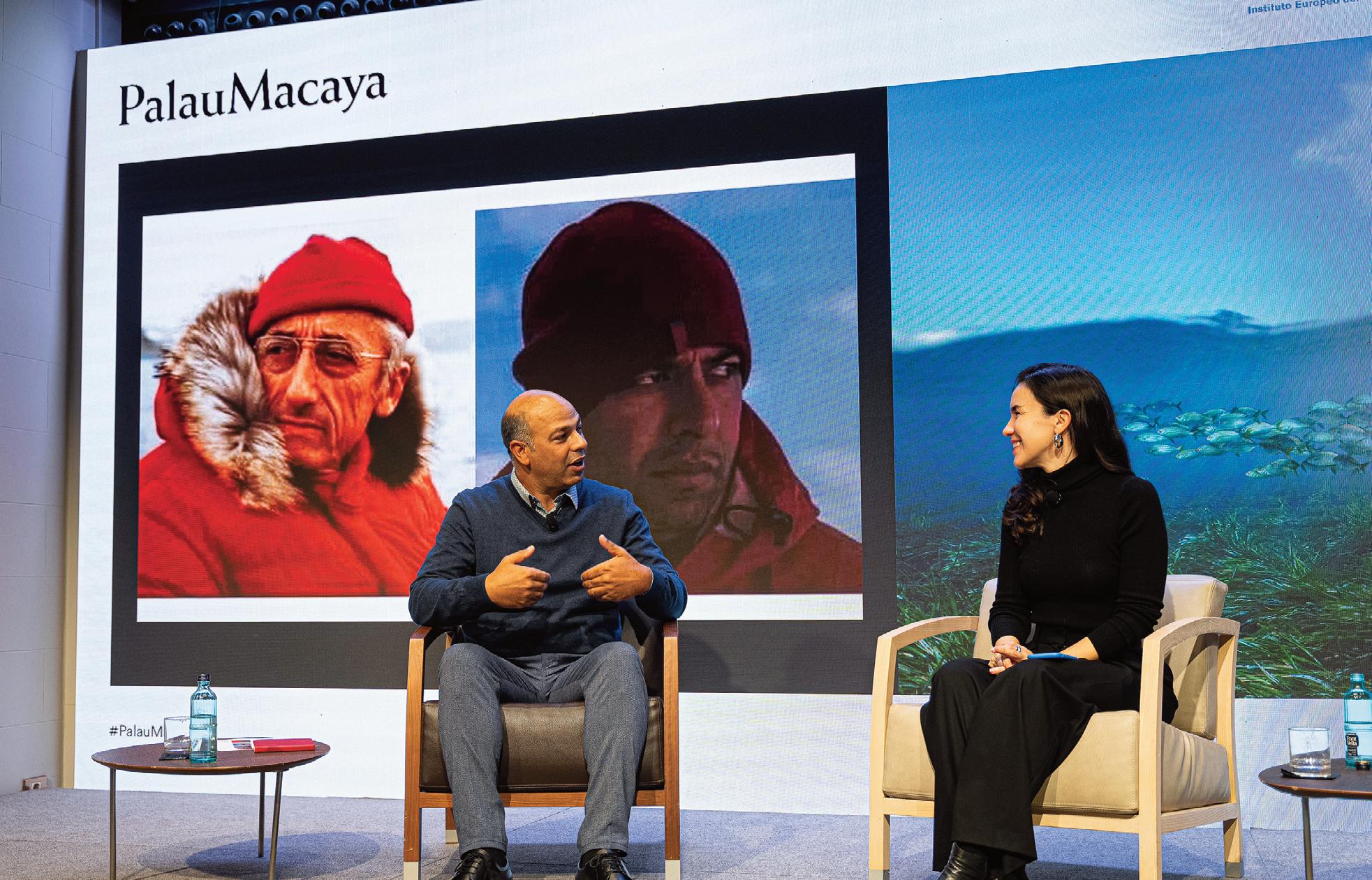
YASSINE RAMZI SGHAIER
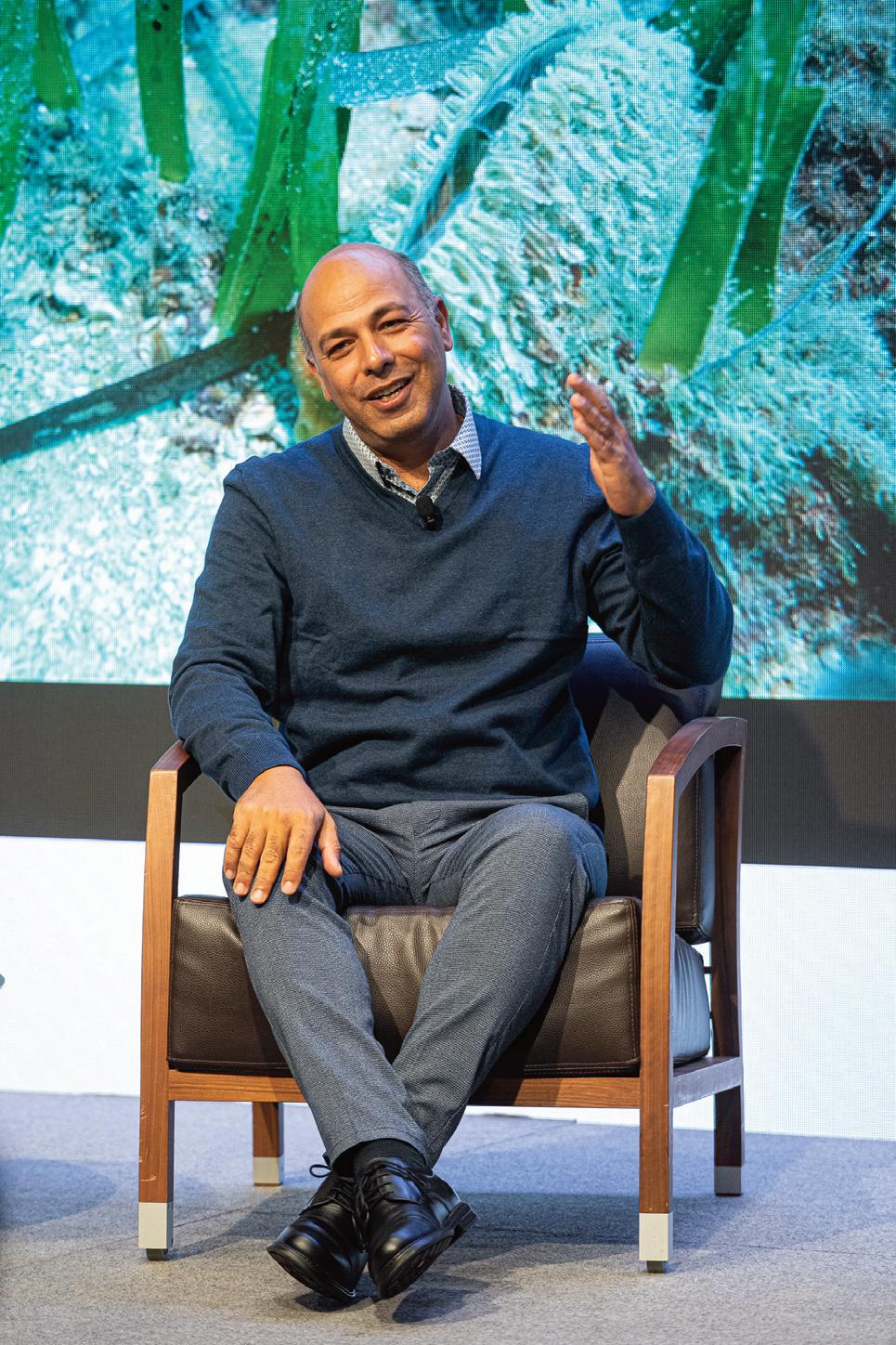
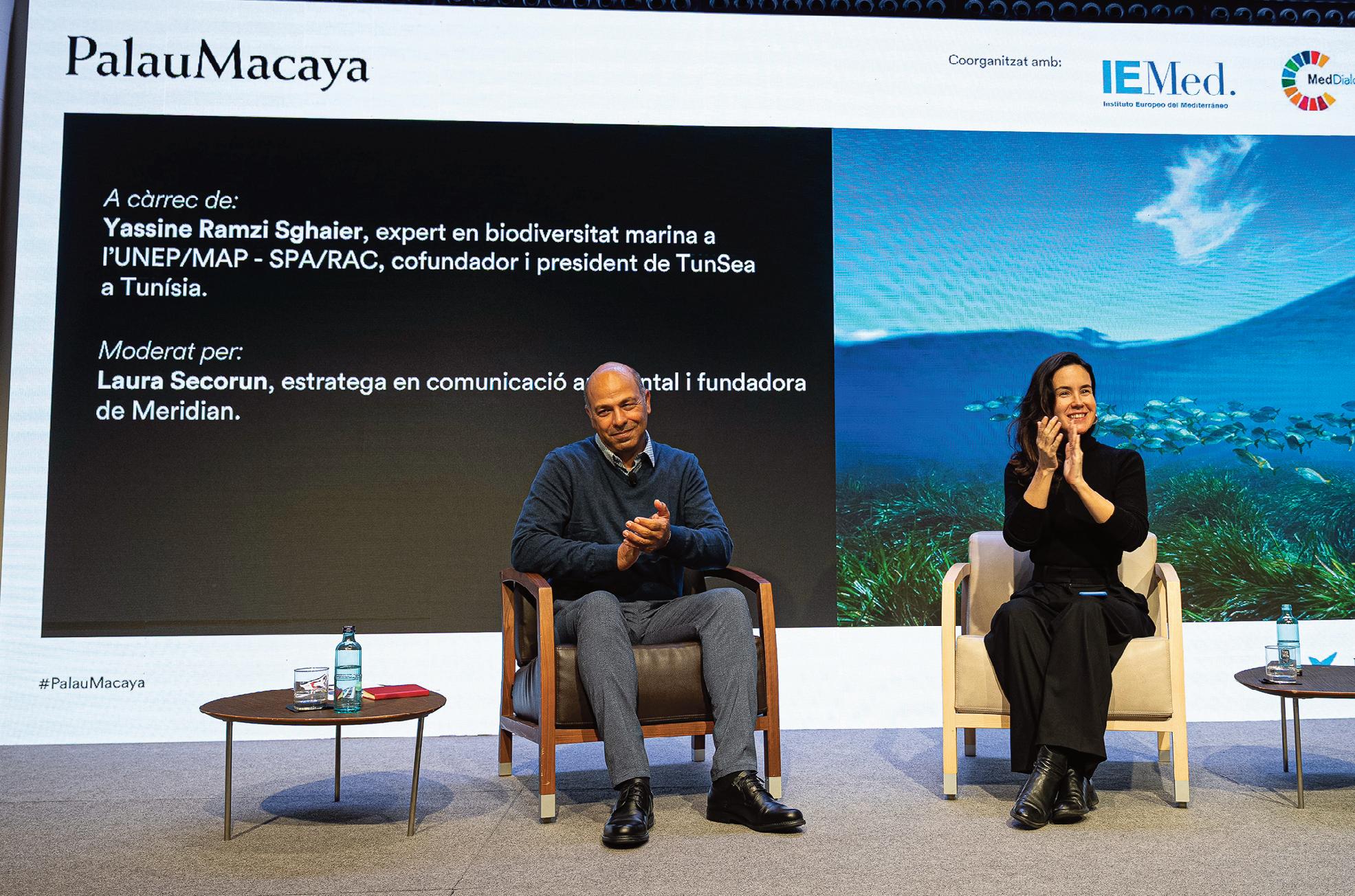
Yassine Ramzi Sghaier, a marine biodiversity expert at the Regional Activity Centre for Specially Protected Areas (SPA/RAC) of the Mediterranean Action Plan, was the guest speaker in the third session of the Med Dialogues +2030 series, held on 5 November 2025. Yassine's expertise includes mapping habitats, monitoring species, managing protected areas, and engaging the public on marine biodiversity conservation. He is also Co-founder and President of TunSea Association for Participatory Science (Tunisia), dedicated to expanding marine knowledge, raising awareness of conservation efforts, and fostering national and international cooperation.
Yassine Ramzi Sghaier: Building Real Marine Protection
BARCELONA CONVENTION
Legal Framework and Origins
Adopted in 1976 and amended in 1995, the Convention for the Protection of the Marine Environment and the Coastal Region of the Mediterranean—known as the Barcelona Convention—was the first regional seas agreement under the United Nations Environment Programme (UNEP). It established the Mediterranean Action Plan (UNEP/MAP), a pioneering model of regional environmental governance that inspired similar frameworks worldwide.
Objectives and Scope
The Convention and its seven protocols form the legal basis for cooperation among 21 Mediterranean States and the European Union to prevent pollution, protect biodiversity, and promote sustainable coastal and marine development. A key goal is to achieve the Good Environmental Status (GES) of the Mediterranean, aligned with the Sustainable Development Goals (SDGs) and the global biodiversity framework.
Implementation and Results
Implementation is coordinated through the UNEP/MAP system and several Regional Activity Centres (RACs) that address themes such as pollution control, biodiversity, and coastal management. Achievements include 39 Specially Protected Areas of Mediterranean Importance (SPAMIs), national coastal management strategies, and the first legally binding regional plan on marine litter.
50 years of Legacy
In 2025, the Contracting Parties celebrate 50 years of cooperation under the UNEP/MAP–Barcelona Convention system. Despite progress, the Mediterranean remains under pressure from climate change, pollution, and overexploitation, confirming the Convention’s role as a cornerstone of regional environmental governance.
More information at www.unep.org/unepmap
Originally from Sousse, Tunisia, Yassine Ramzi Sghaier grew up with the Mediterranean as both his horizon and playground. His fascination with the
seabed and his desire to discover and protect this sometimes mysterious marine world were born from Sunday afternoons spent watching Commander Cousteau’s television programmes. Captivated by these tales of exploration, he decided to follow in Cousteau’s footsteps and, instead of buying the mobile phone his father had offered him money for, used it to take his first diving lesson. From that moment on, one thing led to another, and the protection of the sea became his professional calling. “ I never thought I’d end up doing this as a scientific researcher,” he admits. “ I was just a young man who spent his days fishing and swimming.”
POSIDONIA MEADOWS: THE LUNGS OF THE MEDITERRANEAN
It was through diving that he first discovered Posidonia meadows, those extraordinary underwater ecosystems particularly abundant off the Tunisian coast (between 30 and 40% of the total Mediterranean population lies between Tunisia and Libya, especially in the Gulf of Gabès). But he also became aware of their extreme vulnerability to human-induced pressures and pollution. As he readily admits, Yassine fell in love with these vast underwater prairies formed by a marine plant called Posidonia oceanica , an endemic species of the Mediterranean Sea; so much so that he devoted his doctoral thesis to it.
“Calling Posidonia a parasitic plant stems from ignorance and lack of knowledge. And if you don’t know it, of course you can’t love it."
Often mistaken for algae, Posidonia actually has true roots, stems and leaves. These meadows play an essential role in maintaining marine ecosystem balance. They produce large quantities of oxygen through photosynthesis and serve as shelter, food, and breeding grounds for numerous marine species. Moreover, their roots stabilise sediments and anchor the seabed, thereby protecting coastlines from ero-
sion. They also purify seawater by trapping particles and improving clarity. Finally, they are major carbon sinks, capable of storing CO₂ for long periods, making them valuable allies in the fight against climate change.
Yet these fragile ecosystems are now threatened by pollution, boat anchoring, coastal urbanisation and warming waters. If current trends continue, experts predict that Posidonia meadows will lose their functional role by the end of the century due to human pressures and climate change. Their greatest threat, according to Yassine, is ignorance. His determination to devote his studies and career to Posidonia was sparked by a Tunisian newspaper article describing the plant as a “parasite” during beach-cleaning operations that removed piles of dead seagrass from tourist beaches. “Calling Posidonia a parasitic plant stems from ignorance and lack of knowledge,” he says. “And if you don’t know it, of course you can’t love it. As Cousteau used to say: we love what we know, and we protect what we love. So, once you know how important this plant is, you can’t help but fall in love with it and want to protect it.”
Since then, he has dedicated his career to diving among these meadows, mapping them to identify the best areas for protection, and raising public awareness of their importance. And protection is urgently needed: in the past fifty years, around 34% of Posidonia meadows have disappeared. This represents not only an irreversible loss for Mediterranean marine biodiversity but also a setback in the fight against climate change; since degraded or destroyed meadows release their stored CO ₂ back into the atmosphere.
MARINE PROTECTED AREAS: A FUNDAMENTAL TOOL TO HALT BIODIVERSITY LOSS
So how can we protect these Posidonia meadows an d the many endangered marine ecosystems and species in the Mediterranean? For the Regional Activity Centre for Specially Protected Areas (SPA/RAC) of the Mediterranean Action Plan (MAP) created in
Tunis under the Barcelona Convention, where Yassine works, the answer is clear: establish more Marine Protected Areas (MPAs). MPAs are designated sea zones where human activities are regulated to preserve ecosystems, species, and natural resources. They may include parts of the coastline, seabeds, or open-sea zones, with varying levels of protection: some completely ban fishing and anchoring, while others allow sustainable activities such as diving, artisanal fishing, or scientific research.
“When we protect a marine area, whether in Tunisia, Greece or Spain, we are safeguarding a shared Mediterranean heritage.”
These areas play a crucial role in conserving marine biodiversity. By limiting human pressures, they enable fragile habitats such as coral reefs, Posidonia meadows, or fish spawning grounds to regenerate. They also allow the return of many species and help
Yassine Ramzi Sghaier: Building Real Marine Protection in the Mediterranean
restore ecological balance. MPAs benefit fish populations by allowing stocks to recover, which, in the long term, supports coastal fisheries.
“ If you want to save a species, you must first save its ecosystem,” Yassine explains. “ If you want to save a mollusc, you must save its habitat, the Posidonia meadow. The ecosystem approach doesn’t only involve thinking about biodiversity, it includes us humans too, with our negative roles (pollution, pressure on nature) and positive ones (conservation, restoration). This approach compels us to limit our impact and give the environment space to breathe, so we can reach a good ecological state.” Moreover, all studies have shown that MPAs play an important role in mitigating climate change, notably through carbon sequestration by protected ecosystems such as Posidonia meadows.
Beyond their ecological role, MPAs also have economic and social value: they encourage sustainable tourism, support local communities, and raise public awareness about the fragility of marine environments. For Yassine, they are also a means of fostering collaboration between economic and social sectors (fishermen, tourism industry, local populations) and between Mediterranean countries themselves. “ When we protect a marine area, whether in Tunisia, Greece or Spain, we are safeguarding a shared Mediterranean heritage.”
A GEOGRAPHICALLY LIMITED AND UNEVEN PROTECTION
Despite their clear benefits, marine areas under protection covered only 8.33% of the Mediterranean in 2020, according to MedPAN and SPA/RAC. Of this, just 0.04% was fully closed to fishing. These figures fall far short of the global 30x30 target: protecting 30% of the oceans by 2030. Even more strikingly, 97% of MPAs are located in EU countries.
For Yassine, several factors explain this. Firstly, creating MPAs is a complex and lengthy process. Given the economic and social challenges of many southern Mediterranean countries, the environment is often not a top priority. Secondly, the process is
PROTECTION AND MANAGEMENT SYSTEMS OF THE MEDITERRANEAN SEA
in addition to Marine Protected Areas (MPAs), the Mediterranean Sea and its coastal regions are covered by several complementary protection and management systems that address biodiversity, habitats, and sustainable resource use. These include:
1. Specially Protected Areas of Mediterranean Importance (SPAMIs) –
Established under the Barcelona Convention and its Protocol concerning Specially Protected Areas and Biological Diversity in the Mediterranean (SPA/BD Protocol), SPAMIs protect key ecosystems, habitats, and endangered species at the regional level. They include both national and high-seas sites (e.g., the Pelagos Sanctuary for Mediterranean Marine Mammals).
2 Natura 2000 Marine and Coastal Sites (EU Member States) –
Within EU Mediterranean countries, Natura 2000 networks protect marine and coastal habitats under the EU Birds and Habitats Directives. These often overlap or complement MPAs, ensuring ecosystem connectivity and legal protection within the EU framework.
3. UNESCO Biosphere Reserves and World Heritage Marine Sites –
These designate ecologically and culturally significant coastal and marine zones managed through sustainable development principles (e.g., Menorca Biosphere Reserve, Doñana National Park, Wadi El Gemal National Park).
4. Ramsar Sites (Wetlands of International Importance) –
The Ramsar Convention covers many Mediterranean coastal lagoons, estuaries, and wetlands crucial for migratory birds and biodiversity (e.g., Camargue in France, Ghar el Melh in Tunisia).
5. Fisheries Restricted Areas (FRAs) –
Declared by the General Fisheries Commission for the Mediterranean (GFCM) to protect vulnerable marine ecosystems and overexploited stocks. Examples include the Lophelia Reef off Capo Santa Maria di Leuca (Italy) and areas in the Gulf of Lions.
6. Ecologically or Biologically Significant Marine Areas (EBSAs) –
Identified under the Convention on Biological Diversity (CBD), EBSAs highlight zones of high ecological value that can guide future protection or sustainable use measures.Important Marine
7. Mammal Areas (IMMAs) and Key Biodiversity Areas (KBAs) –
Non-legally binding scientific designations developed by IUCN and partners to identify habitats essential for species survival and guide conservation planning.
costly: it requires human resources, scientific studies, expeditions, and expensive equipment. Implementation then demands financing for management plans, dedicated teams, and operational materials: budgets many states simply cannot provide. Finally, he notes that in countries like Tunisia, there are de facto marine protected areas that operate as such but lack official status due to the absence of ministerial decrees.
To overcome these obstacles, solutions exist, such as The MedFund, created in 2015 by France, Monaco and Tunisia with the support of the Prince Albert II of Monaco Foundation. This trust fund mobilises public and private financing to develop and effectively implement MPAs across the Mediterranean. Its goal is to support 20 MPAs by raising €30 million in the medium term (half of which has already been secured). Five Tunisian MPAs, including the Kuriat Islands, have already benefited, even if their status is not yet official.
MANAGING MPAS: THE CHALLENGE OF CO-MANAGEMENT
One of the main issues Yassine raises is MPA management. Only 18% of MPAs across the Mediterranean basin currently have a management plan in place. Yet such a plan—and its implementation—is crucial to ensure that an MPA does not remain a mere “paper park”. A management plan defines conservation objectives, usage rules (no-fishing zones, areas open to sustainable tourism, etc.), and monitoring and evaluation mechanisms. It also identifies the stakeholders involved (local authorities, scientists, fishermen, NGOs) and their modes of collaboration.
Budget remains an obstacle, but Yassine highlights a Tunisian success story: “In Tunisia, the authorities were smart enough to understand that, given the difficult economic situation, these natural areas couldn’t be managed with national means alone. So they chose a local association near each MPA and set up a co-management system. The administration enforces regulations, while the local association—comprising about a hundred volunteers—has local roots, knows the fisher-
men, and understands local practices. Every MPA in Tunisia is now co-managed between the administration and an NGO, combining each partner’s strengths.” For Yassine, this is a model worth replicating.
TRANSCENDING BORDERS FOR BETTER PROTECTION
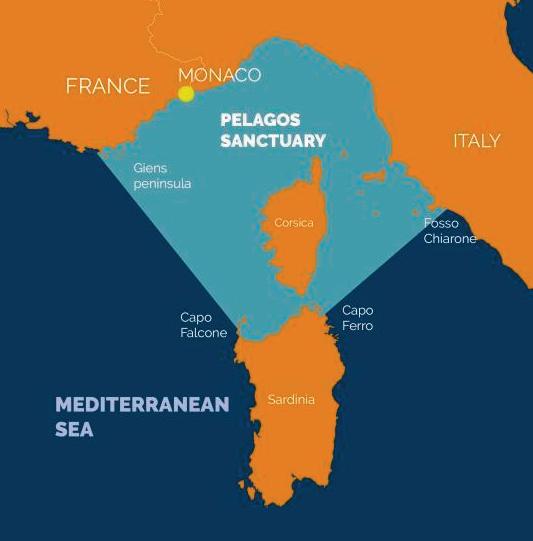
The ultimate goal, however, is to create transboundary marine protected areas. “Creating MPAs between different countries is the dream, because biodiversity, like pollution, knows no national borders,” Yassine says. A tangible example proves this possible: the Pelagos Sanctuary, a vast marine protected area for marine mammals spanning around 87,500 km² between France, Italy, and Monaco. It is home to rich biodiversity, including dolphins, sperm whales, and fin whales. Pelagos is unique as the first international marine area dedicated to marine mammals, aimed at reducing human impacts, especially ship strikes. It promotes scientific co-
Yassine Ramzi Sghaier: Building Real Marine Protection in the Mediterranean
A TRANSBOUNDARY MODEL: THE PELAGOS SANCTUARY FOR MEDITERRANEAN MARINE MAMMALS
Origins and Legal Status
· Established by France, Italy, and Monaco in 1999.
· First transboundary marine protected area in the Mediterranean dedicated to marine mammals.
· Recognized as a SPAMI under the Barcelona Convention in 2001.
Size and Location
· Covers ~87,500 km² in the northwestern Mediterranean.
· Includes waters of Côte d’Azur, Liguria, Corsica, Sardinia, and Monaco, from coastal zones to deep pelagic areas.
Biodiversity
· Home to 8 cetacean species, including fin whales, sperm whales, bottlenose dolphins, and striped dolphins.
· Important feeding, breeding, and migratory habitats for marine mammals.
· Supports overall marine biodiversity, including fish and invertebrates linked to ecosystem health.
Threats
· A Hot-Spot of Maritime traffic: ship collisions and underwater noise and disturbance.
· Pollution: chemical contaminants, marine litter, and oil spills.
· Overfishing: depletion of prey species and bycatch of marine mammals
· Climate change: warming waters and ecosystem disruption.
Conservation Goals
· Protect marine mammals and their habitats.
· Reduce human pressures through regulations, monitoring, and mitigation measures.
· Promote research, monitoring, and cooperative management across borders.
International Cooperation
· Governed by the Pelagos Agreement with a Permanent Secretariat in Monaco.
· Linked to UNEP/MAP and ACCOBAMS for regional alignment and coordination.
· Serves as a model for transboundary marine protected areas worldwide.
Achievements and Results
· Developed guidelines to mitigate ship strikes and reduce noise pollution.
· Implemented coordinated research, monitoring, and conservation programs.
· Raised awareness and promoted sustainable maritime practices.
More information: www.pelagos-sanctuary.org
operation and policy coordination among the three signatory states, demonstrating that joint management works. “ Biodiversity issues are among the things that compel us, as Mediterraneans, to talk to each other, even if we disagree on other matters,” Yassine insists.
For him, climate and environmental crises can only be tackled through collaborative frameworks such as the Barcelona Convention, which provides a shared platform for aligning national policies on fishing, pollution, maritime traffic, and species conservation. This cooperation should also lead to interconnected networks of MPAs, since “ it’s not ideal to protect a few isolated square kilometres... If we truly want to conserve biodiversity, we need a connected network of MPAs, where species can move freely and migratory species—like turtles—can use ecological corridors, ” Yassine adds, noting that this requires more dialogue between Mediterranean nations.
“DARK
ZONES”: THE NEW FRONTIER OF PROTECTION
While MPA networks seem to represent the future of Mediterranean conservation, the next frontier lies in pro-
tecting what are known as “dark zones.” “We often forget that 80% of the Mediterranean Sea consists of areas deeper than 100 metres. These habitats are fragile and poorly known because they exist under special conditions, most notably, the absence of light. Yet they harbour rich marine life, ” Yassine explains.
The goal is to better understand these dark zones to establish MPAs that ban destructive activities such as bottom trawling, mining, or hydrocarbon extraction. “ We must develop a collective awareness of the value of these seabeds, because once degraded, such habitats are extremely difficult to restore: they evolve slowly, while we destroy quickly. ”
To this end, SPA/RAC has partnered with the Oceana Foundation and the IUCN, organising expeditions with Lebanese researchers along the country’s canyon-rich coastline. These missions map life in dark zones using underwater robots that reach depths of up to 1,000 metres, a first step towards new MPAs. The challenge lies in the fact that these deep-sea areas often lie beyond national jurisdictions, where regulation enforcement is complex, hence the need for multilateral frameworks such as the Barcelona Convention.
Yassine Ramzi Sghaier: Building Real Marine Protection in the Mediterranean
HOW TO ENSURE COMPLIANCE WITH MPAS?
Beyond legal and financial considerations, an MPA’s success largely depends on social acceptance. Convincing fishermen, aquaculture operators, hotel groups, or recreational boaters that an area should be offlimits to human activity for the sake of biodiversity is no easy task. “ It’s very difficult to manage a natural area when local stakeholders oppose the project, ” says Yassine. “ They might damage it or ignore restrictions, which can ruin the effort entirely. When we try to protect a species without considering local communities, people might say: ‘You’re saving the turtles while we can’t feed our children.’ That message doesn’t go through in areas facing economic hardship. ”
"In
Tunisia, when we create MPAs, we never use the words ‘no-take’ or ‘no-fishing zones’ at first. We want the fishermen themselves to say: ‘We want this zone protected because it’s where the fish breed.’”
This is why, for Yassine and his colleagues, it’s essential to adapt communication so that people understand that conservation ultimately benefits humans too. Studies have shown that “no-take” zones within MPAs, over time, actually increase profits for local fishers. But before that, it is crucial to spend time listening to local voices, explaining the benefits of conservation in plain language, and involving them directly in management and sustainable practices. “In Tunisia, when we create MPAs, we never use the words ‘notake’ or ‘no-fishing zones’ at first,” Yassine explains. “We want the fishermen themselves to say: ‘We want this zone protected because it’s where the fish breed.’” Once an MPA project becomes concrete, local actors are systematically included in a local management committee that brings together administrators, fishers, tourism operators, and aquaculture representatives twice a year. This practice, standard in Tunisian MPAs, allows problems to be discussed collectively and solutions found collaboratively. “Biodi-
versity is vital, but we must also remember that humans, while capable of causing harm, can also help save it,” he summarises.
INVOLVING LOCAL COMMUNITIES IN CONSERVATION
Engaging local populations in biodiversity conservation is what matters most to Yassine. “ Given the Mediterranean’s current state, neither scientists, managers, nor conservation professionals alone can save our sea. It’s our duty, but it’s also every citizen’s responsibility to help preserve it as we know and love it. ” Once again, knowledge leads to love, and love to protection. “ The greatest threat to the Mediterranean is ignorance of its treasures, like these extraordinary Posidonia meadows, ” he concludes.
Making Tunisia’s marine environment better known and involving citizens directly in building science is the mission of TunSea, an association founded by Yassine Ramzi Sghaier and friends during the Covid-19 pandemic. What began as a Facebook group has become a true success story, boasting 75,000 members who help collect data on endangered species and share marine knowledge.
The association also brings together a network of scientists who verify and analyse citizen-submitted information. The next step for Yassine is to harness this community’s influence to advocate changes in administrative and private-sector practices, for example, to end mechanical beach-cleaning operations that threaten turtle nesting. How can this success and enthusiasm for citizen science be explained? According to Yassine, the key lies in accessible communication: “ First, we used Facebook because 80% of Tunisians use it. Second, we realised that to reach most people, we had to write in Tunisian Arabic, in a language people understand, and abandon English, which would have distanced them. ”
The goal was simple: to democratise science and empower Tunisians to take ownership of environ -
mental action. The association regularly hosts leading Tunisian scientists on its Facebook platform to popularise their research and engage directly with interested citizens. “ Bringing scientists out of their laboratories is crucial. Citizens feel valued when you speak to them in their own language. To me, being a scientist isn’t just about publishing papers nobody reads, it’s about engaging with your community and simplifying your message. ” Citizen engagement, in turn, has yielded tremendous results: the association’s participatory science campaigns, boosted by modern information technologies, have produced vital data that would have taken scientists decades to gather.
“Given the Mediterranean’s current state, neither scientists, managers, nor conservation professionals alone can save our sea. It’s our duty, but it’s also every citizen’s responsibility to help preserve it as we know and love it.”
SUCCESSES THAT INSPIRE CHANGE
The popular success of TunSea has strengthened Yassine’s belief that collective awareness can save the Mediterranean. He draws hope from the growing involvement of young people in climate and environmental causes. “In Tunisia, I can see change. I see people starting to say, ‘Be careful with the environment.’ I see seaside hotels putting up signs explaining that Posidonia isn’t a parasite, it’s vital for the beach. So yes, change is happening,” he says proudly.
He knows there is still a long way to go but hopes that more young people will see the results of his work at SPA/RAC, the conservation successes achieved through MPAs and be inspired to commit further. Because conservation efforts do bear fruit, and that deserves to be celebrated: fishing quotas have saved the bluefin tuna in the Mediterranean, and protection measures in Tunisia have led to a major increase in turtle nesting, improving the conservation status of green and loggerhead turtles (Caretta caretta). “That doesn’t mean pressures on these species have vanished,” he concludes. “It means that the projects and programmes we’ve implemented are working. We must stay the course and keep going.”
Yassine Ramzi Sghaier: Building Real Marine Protection in the Mediterranean
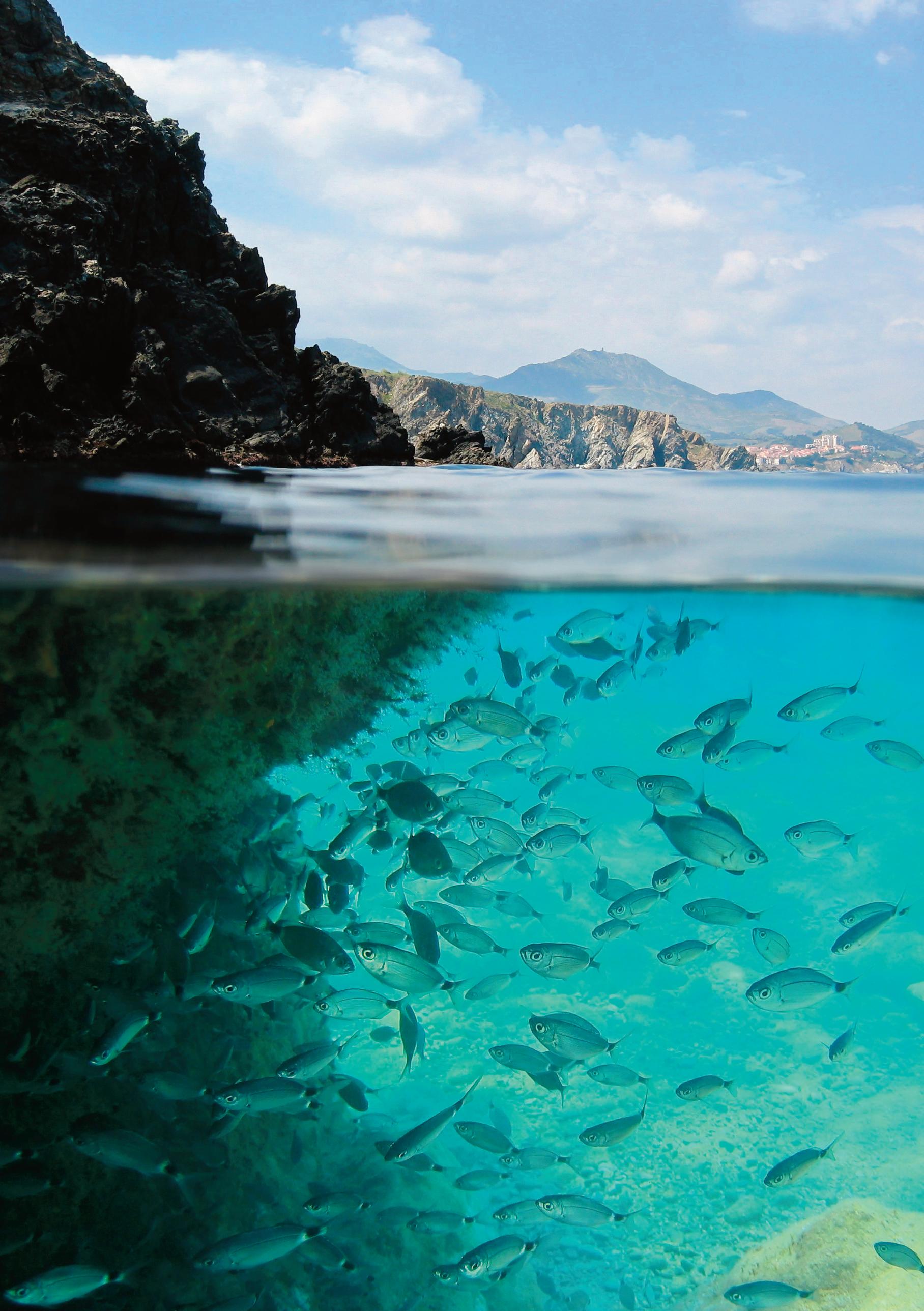
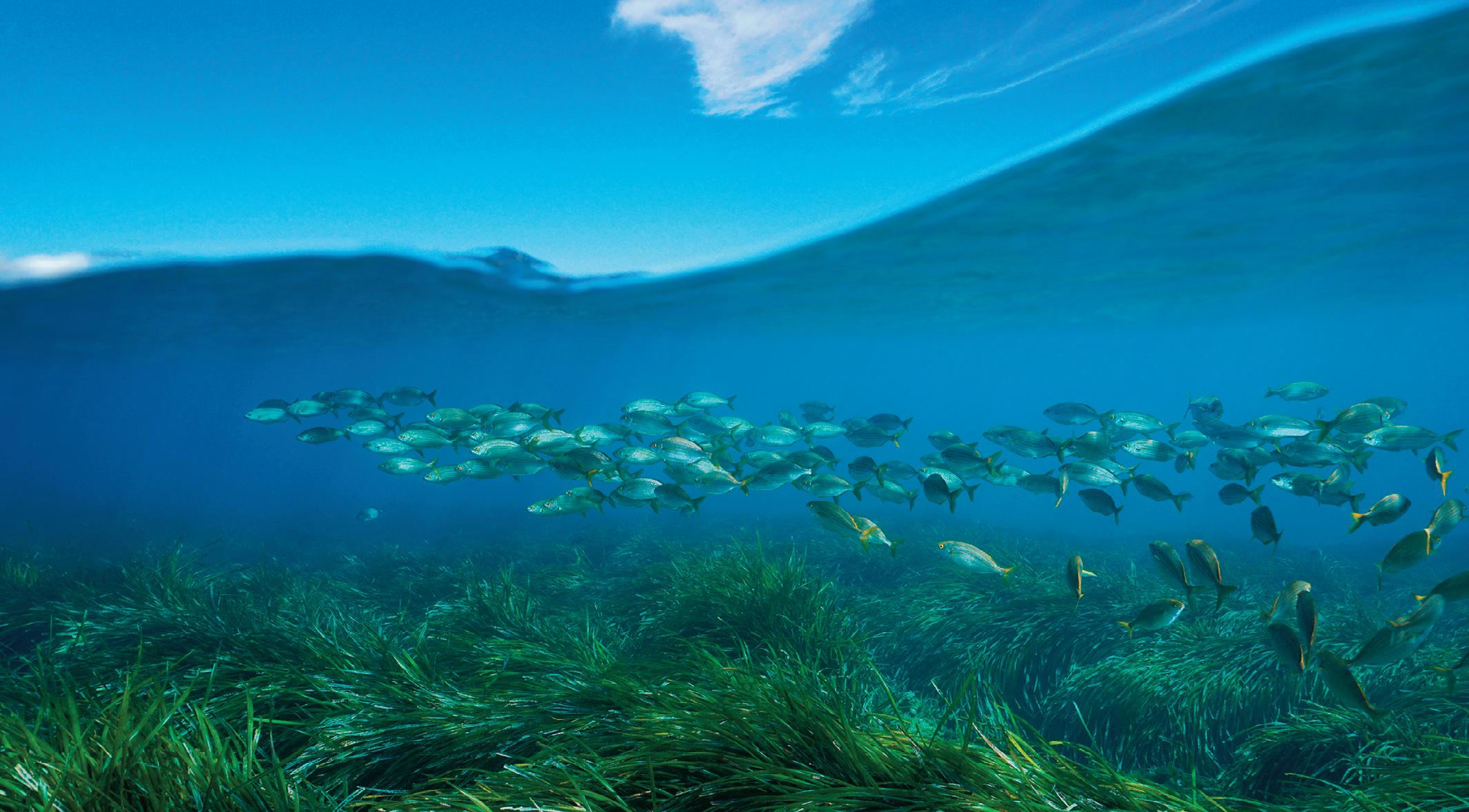
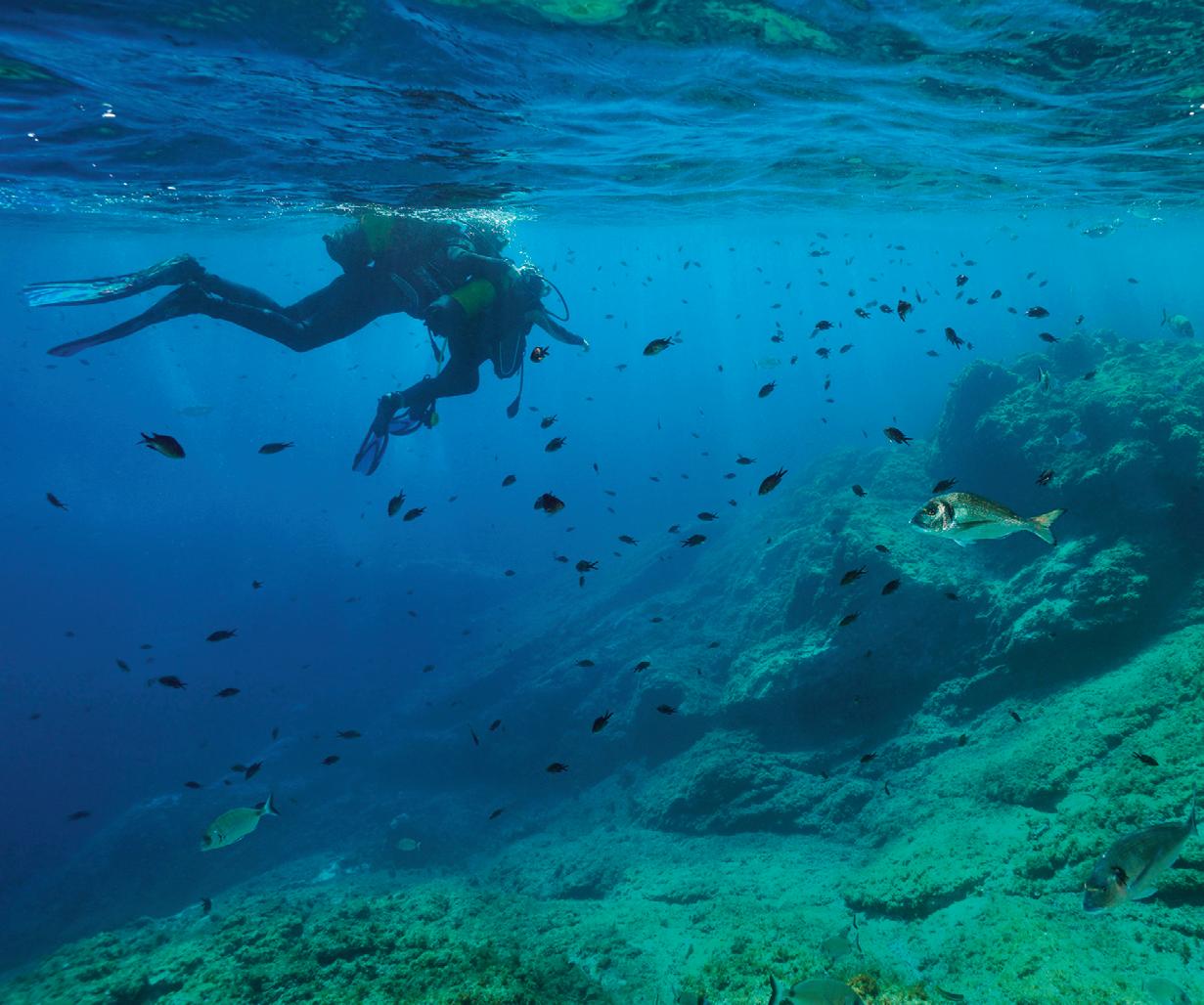
Split view over and under water surface, Mediterranean sea. (Damsea; Shutterstock)
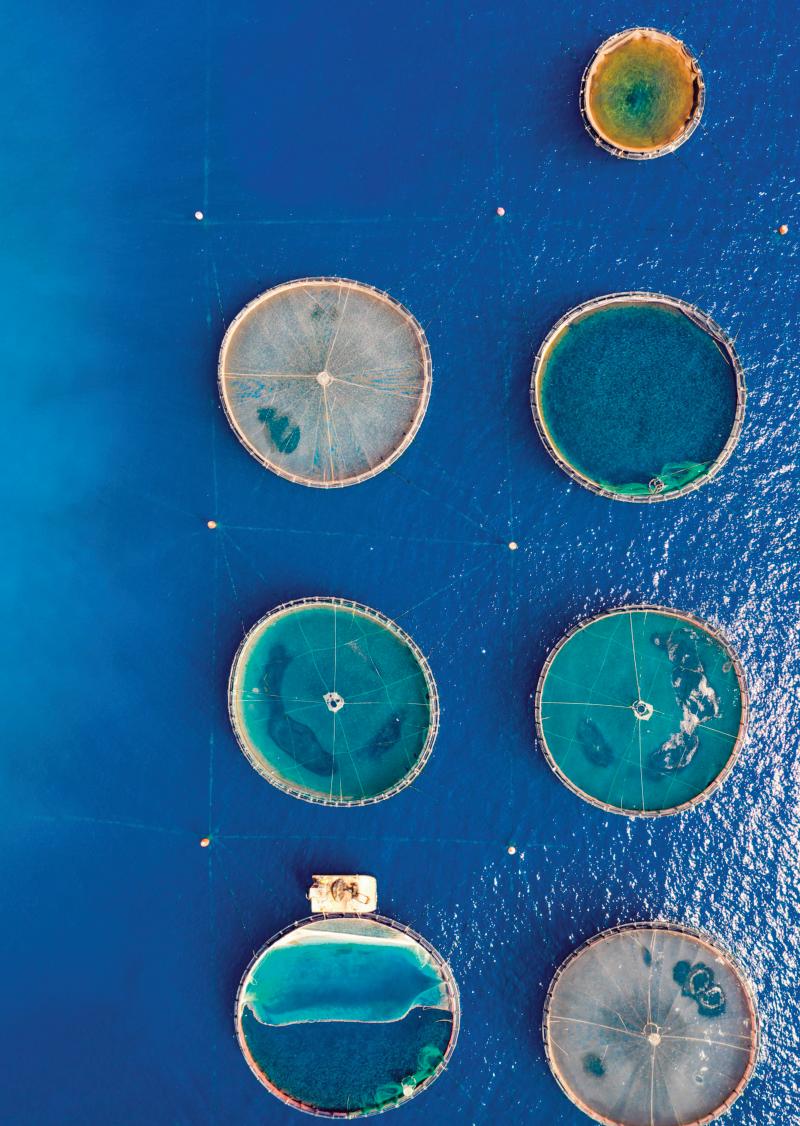
Aerial top down view of a fish farm in the blue, Mediterranean Sea in Greece. (Sven Hansche; Shutterstock)
SHIFTING PRACTICES TO RESTORE THE MEDITERRANEAN’S ECOLOGICAL BALANCE
GIUSEPPE DI CARLO
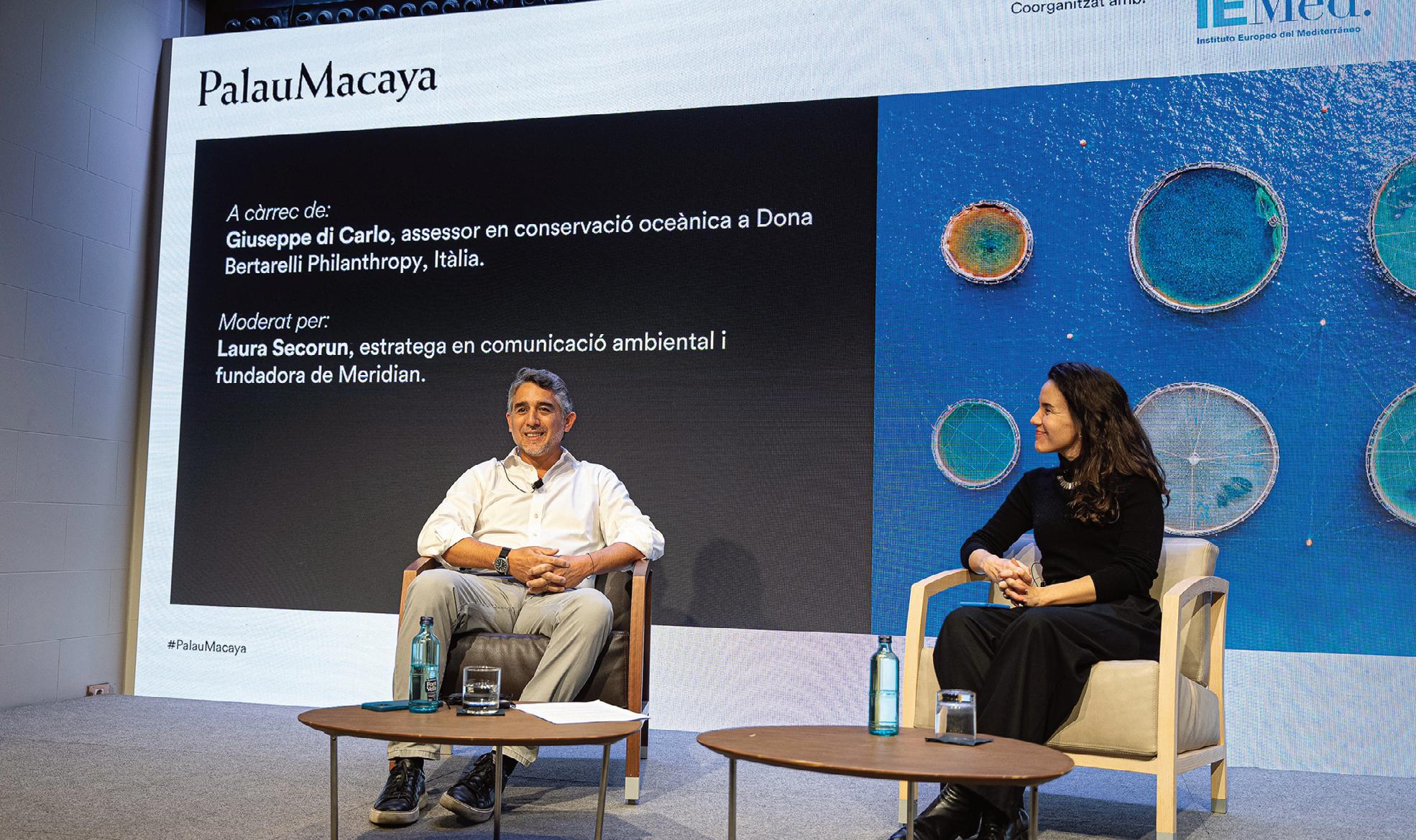
The fourth session of the Med Dialogues +2030 series, held on 10 November 2025, featured ocean scientist and conservation expert Giuseppe di Carlo. A recognised ocean conservationist with over 15 years of experience, he notably spent 12 years the World Wide Fund for Nature (WWF), being Director of the Mediterranean Marine Initiative. Giuseppe has also served as Director of the Isola di Ustica Marine reserve in Italy and worked for Conservation International as Senior Manager for climate change.
He is currently Ocean Advisor at the Dona Bertarelli Philanthropy, Board Director of the Galapagos Life Fund and Senior Advisor at Global Fishing Watch.
Beyond his professional trajectory and having navigated the World’s Oceans, Giuseppe di Carlo’s connection to the Mediterranean is deeply personal: it is home. “ I was born on the sea, ” he explains. “ In Palermo, Sicily, my family spent all our time by the coast. At fourteen, I started diving, and that changed everything. I turned what I thought was a passion, what felt like a calling, into my career .” That connection would shape a life’s work. For more than fifteen years, Giuseppe has explored how to reconcile human activity with marine health in one of the world’s most complex and densely used seas. He has seen first-hand both the Mediterranean’s deterioration and its capacity to recover. “ There were times I wanted to quit,” he admits, “but then I’ve also seen the change that we can generate, and that gives me energy and hope. ” He explains, for example, how the reappearance of the angelshark, once thought to have become extinct in the Mediterranean, is one of those moments that really lifts spirits.
A CHANGING AND DEGRADED SEA
Indeed, a lot of resilience is required to face the state the Mediterranean is in today. Over his career, Giuseppe has watched the Mediterranean transform. “ The changes we are seeing now were created over the last fifty years,” he says. “We are just beginning to see the full extent.”
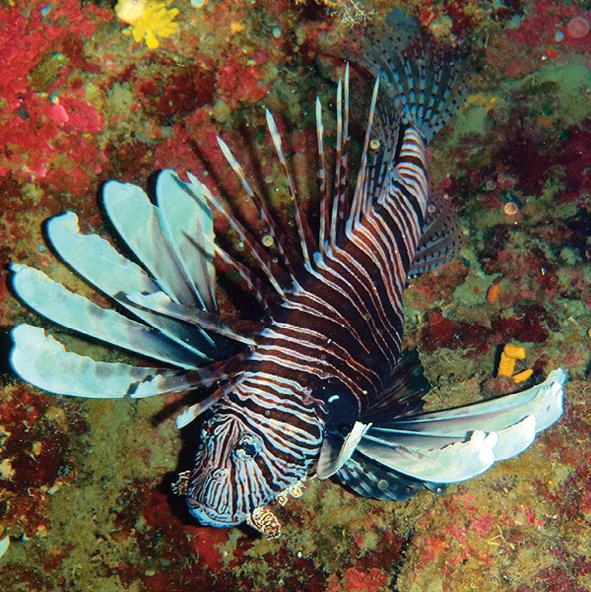
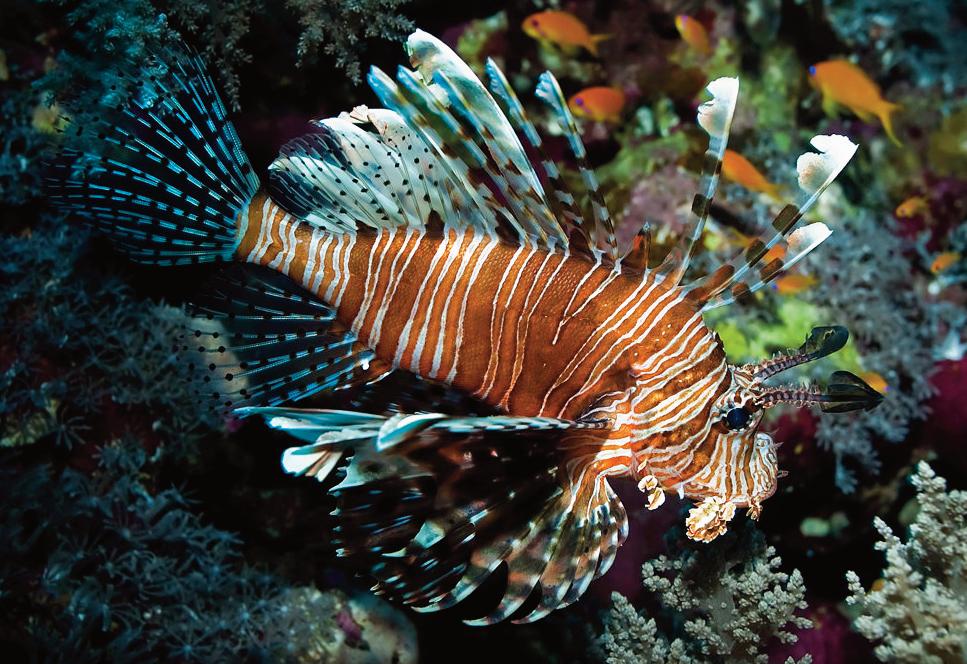
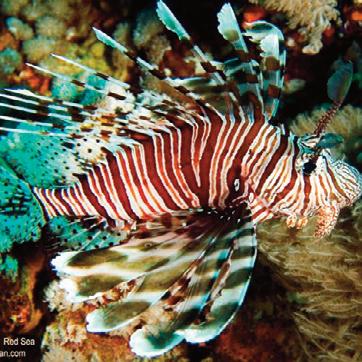
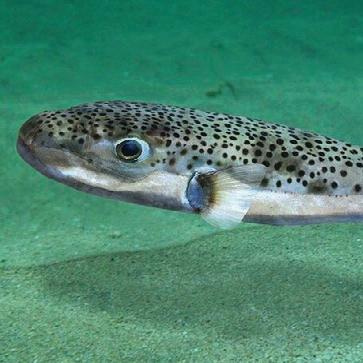
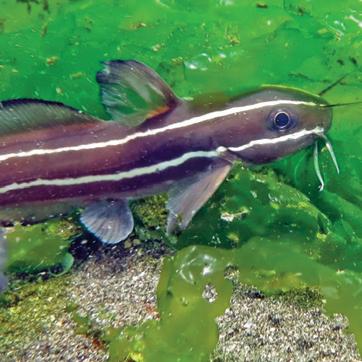
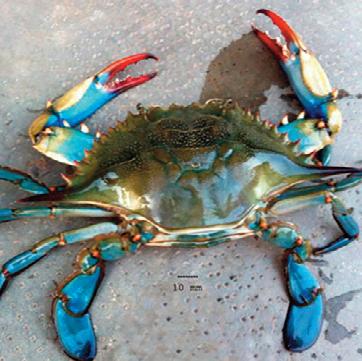
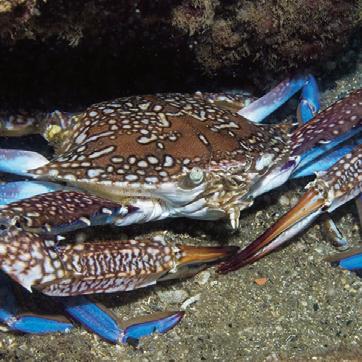
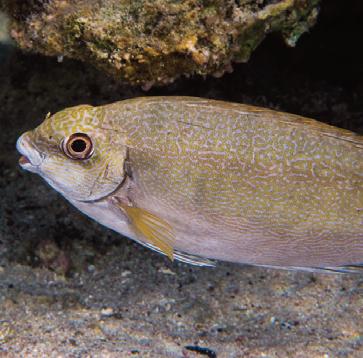
Climate change has reshaped the Mediterranean Sea’s ecosystem. Warmer waters have allowed alien species such as the rabbitfish and the lionfish to invade and outcompete native ones, devastating coastal ecosystems in Turkey, Greece and the Levant. In Tunisia, it is the blue crab, arrived from the Indian Ocean through the Suez Canal, that is causing havoc. These species thrive in these warmer conditions, while others retreat. Traditional species like anchovies and sardines, vital for both marine food chains and Mediterranean cuisine, are struggling as sea temperatures rise and breeding grounds shift northward. Decreasing biomass and landings of an-
chovies and sardines have already been observed for some years. “We’re adjusting management strategies to account for these shifts, deciding when and where to fish, closing areas during breeding seasons, but it’s a challenge. It’s like trying to fix something that keeps changing shape, ” Giuseppe explains.
Warming seas have also led to new and violent weather patterns. Scientists have coined a new term for the phenomenon: medicanes, standing for Mediterranean hurricanes. Meanwhile, sea-level rise threatens deltas and coastal wetlands from the Ebro to the Nile, as well as cities like Venice and Alexandria. “ The Mediterranean is small and enclosed. Every impact is amplified,” Giuseppe warns.
Climate change, however, is not the only culprit. Decades of unsustainable practices have pushed marine ecosystems to the brink. Overfishing, boosted by the development of technology allowing fleets to fish farther, deeper and with greater intensity, has left nearly half of all stocks in the Mediterranean depleted. “ In the 1980 and 1990s, 90 percent of the fish we ate here were overfished,” Giuseppe notes. Emblematic species of the Mediterranean like the bluefin tuna were on the verge of total collapse while others like the European hake are still fished 10 times over the sustainable limits identified by scientists.
“We’re adjusting management strategies to account for these shifts, deciding when and where to fish, closing areas during breeding seasons, but it’s a challenge. It’s like trying to fix something that keeps changing shape.”
by Engin Akyurt /
Other symbols of this degradation that are often overlooked include the decline of sharks, the apex predators essential to ecological balance and whose influence on their habitat makes them keystone species. As signaled by Giuseppe, nearly 50 percent of Mediterranean shark species are threatened with extinction, often victims of illegal fishing and bycatch. Not only fish are heavily impacted by human pressure on the ecosystem. 34% of Posidonia meadows, an outstanding biodiversity refuge and carbon sink, have been lost in the last 50 years while the slow destruction of red coral, harvested for jewelry despite taking centuries to grow, is going largely unnoticed, as mentioned by Giuseppe. Add to this plastic pollution, in part driven by mass tourism, with an estimated 33,000 bottles entering the sea every minute as calculated by the WWF, and the scale of the crisis becomes complete.
Photo
Unsplash
FROM CONSERVATION TO RESTORATION AND REGENERATION
In the face of this multidimensional crisis, what approach should be adopted? For decades, conservation efforts focused on protecting what was left. But, Giuseppe di Carlo argues that this is no longer enough. “ We’ve degraded nature so much that we now have to restore it,” he said. “Regeneration means finding solutions that bring some of nature back.” In Europe, this shift has been set on stone through the Nature Restoration Law, which aims to restore 90 percent of degraded ecosystems by 2050, an ambitious statement. Applying such thinking to the Mediterranean, Giuseppe sees examples in fisheries management drawing from his own experience with the case of the bluefin tuna. Once driven to near extinction, bluefin tuna has rebounded thanks to strict quotas and consumer pressure. “Fifteen years ago, you couldn’t find bluefin tuna in restaurants,” he recalls. “Now it’s back and sustainably so.” A similar recovery plan is now helping swordfish stocks to return.
Such successes demonstrate that nature can recover, but slowly. “Destruction happens fast; recovery takes decades,” he says. “It takes about twenty years to rebuild fish stocks. But nature does heal if we give it the chance.” Progress has been made in the fight against overfishing, thanks to regulations but not only. Fishers have come to see that they must change their practices out of necessity, aware that they can no longer shoot themselves in the foot. “Now 50% of the stocks are overfished. This is still very bad, but it shows that recovery is possible”, Giuseppe says.
DEGRADATION IS FAST, POSITIVE CHANGE IS SLOW
Yet the pace of change remains far too slow. Although the tools, treaties, and science exist, less than 10 percent of the Mediterranean is under protection today, when global targets aim at 30% of land and seas protected (Kunming-Montreal Global Biodiversity Framework). Much of that is fragmented or poorly enforced. “ It’s not just about having marine parks on paper,” Giuseppe warns. For him, largescale protection, at least up to global targets, is key: protecting small coastal zones disconnected from
UN HIGH SEAS TREATY
Quick Facts
Official Name: Agreement under UNCLOS on the Conservation and Sustainable Use of Marine Biological Diversity of Areas Beyond National Jurisdiction (BBNJ)
Adopted: 19 June 2023
Entry into Force: Early 2026 (120 days after 60th ratification, achieved 19 Sept 2025)
Scope: Areas beyond national jurisdiction (2/3 of the ocean)
Purpose
· Protect marine biodiversity in the high seas
· Provide a legal framework for conservation and sustainable use
· Support global goal: protect 30% of oceans by 2030
Key Elements
· Mechanism to designate conservation zones (MPAs) beyond national jurisdictions zones
· Rules for access to and sharing benefits from genetic material (e.g., from deep-sea organisms).
· Environmental Impact Assessments (EIAs) oblige parties to conduct assessments of potential impacts of proposed activities in ABNJ.
· Capacity Building & Technology Transfer to ensure participation of developing countries in high seas governance.
Importance
· High seas cover vast areas, rich in biodiversity and under increasing pressure from activities such as deep-sea mining, shipping, fishing and climate change.
· Lack of a comprehensive, binding legal instrument for biodiversity protection; this treaty provides one.
· It supports equity: smaller or developing countries will gain more access to marine science, technology and benefit-sharing.
Challenges
· Implementation across vast remote areas
· Coordination with existing regional bodies
· Monitoring, enforcement, and financing
Next Step: First Conference of the Parties (COP) within a year of entry into force to operationalize the Treaty.
one another is not enough. “ It’s like saving a few trees instead of the whole forest,” he explains. “If we truly want benefits for nature and people, we must protect larger connected areas.”
However, Giuseppe knows too well that enhancing the conservation and restoration of nature collides with many conflictual interests in the Mediterranean, one of the busiest seas on Earth. Dense with tourism, fishing, shipping, offshore energy, and more, every inch of its waters hosts competing interests. “ Everywhere you put your finger on the map, something is happening,” Giuseppe says. “ A wind farm, aquaculture, maritime traffic… it’s very busy and difficult to find space for nature.” And doing so means confronting powerful stakeholders: developers, the fishing industry, and tourism; sectors that form the backbone of many Mediterranean economies. “ You must come to a compromise,” he acknowledges. “We want the best outcome for the ocean, but we must also deal with economic and political realities.”
To navigate this, much of the work falls to civil society, Giuseppe explains. “ We try to create connections, slowly bringing different actors to the table so there can be a conversation,” he says. “ Often, we present a project, collect feedback, and then bring that feedback to various stakeholders. It takes a lot of time, but there is rarely a place where everyone actually sits together, so we have to create those opportunities beyond conferences and global agreements.” He recalls a recent project aimed at imagining positive futures for the region and finding ways to collaborate across sectors. While progress was limited, - NGOs and some government bodies engaged, and the fishing sector responded thanks to existing connections - it was extremely difficult to involve tourism and shipping industries, where a culture of collaboration is largely absent. “ We have to be able to foster that culture, and ultimately, it’s about finding alternative paths to get everyone on board.”
The lack of political leadership, he believes, is one of the region’s greatest obstacles to moving faster. If the region is very well endowed with an ecosystem of NGOs, scientists, and regional organisations that come together beyond borders to define solutions, the bottleneck is their implementation at the political
Giuseppe di Carlo: Shifting Practices to
level. “The tools and agreements exist,” he said citing new global instruments such as the UN High Seas Treaty and regional initiatives like the Sulphur Control Area for shipping. “ The problem isn’t regulation; it’s implementation and political will.” By working in close contact with governments and administration, he understands the contingencies (bureaucratic inertia, inter-ministerial fragmentation) and pressions from different lobbies that they have to face, resulting in difficulties to move faster institutionally.
“The problem isn’t regulation; it’s implementation and political will.”
Yet, the Mediterranean does not stand the comparison with other regions of the world that do better. In contrast, in Pacific South American countries like Chile, Colombia, Ecuador, and Panama, politicians have understood the critical importance of healthy oceans for their nations. Consequently, reports Giuseppe, they have made ocean protection a national priority, complying with global conservation targets by designating more than 30 percent (in Panama’s case, over 50 percent) of their waters as protected. More importantly, they have been able to mobilise funding to accelerate conservation efforts. “We haven’t convinced our politicians enough that investing in the ocean is a good thing,” he laments. “Other regions are showing what’s possible.” “I feel that if we were able to create a new generation of politicians, as some of the country in South America have done, that understands the importance of the ocean, I think we would probably be able to do better,” Giuseppe concludes.
RECIPES TO SPARK CHANGE
If top-down leadership is missing, di Carlo believes change can still come from coalitions of the willing. He has spent much of his career bringing together fishers, scientists, NGOs, and governments across borders to prove that marine protection benefits everyone. “The best way to convince people is to show results,” he says, mentioning that there are a number of places in the Mediterranean which have become models for other parts of the world. “In Turkey’s Gökova Bay or France’s
Port-Cros, fishers have become stewards of their own environment. Around these MPAs, they now have more fish to catch, more revenue and more visitors coming. When people see that, they believe.” Therefore, he stresses the importance of exchange between communities. “We used to take fishers from Morocco or Tunisia to see how protection worked in Turkey or Spain,” he says. “At first, the results were slow. Now those same countries call asking for advice on how to replicate success. Change takes time, sometimes a decade or more, but it happens.”
More recently, he has focused on working with countries that are particularly willing to engage and do more for ocean protection, such as Morocco. “You try to stay away from the more complex multilateral conversations or heated disputes and instead work with countries that are ready to act,” he explains.
Another strategy consists in building on different narratives in politically sensitive contexts. In the Strait of Sicily, where Italian and Tunisian fishers have clashed and governments have disagreed on migration and finance, Giuseppe proposed creating a shared protected marine area. “It seemed absurd at first,” he admits. “But we presented it as an opportunity for cooperation, a small success amid bigger disputes. It might take ten years, but it’s worth it.”
This pragmatic optimism guides his approach: focus on what can be done, find willing partners and countries, and use environmental projects to build trust where politics divides. “Even a small success in a complex moment is enough,” he says.
THE POWER OF CONSUMERS
For Giuseppe di Carlo, information is the first step toward action. In a world overwhelmed by bad news, he sees awareness as empowerment. “ We talk about environmental anxiety, ” he said. “ But access to information is one of this century’s great advantages. Being informed already makes a difference. ”
Yet, he acknowledges, awareness alone is not enough. Between knowing and creating change, there is still a huge gap. But information is key, and as consumers, we often underestimate the power we
”THE MEDITERRANEAN: ONE SEA, ONE FUTURE” - A CALL TO ACTION FOR A HEALTHY FUTURE FOR THE MEDITERRANEAN SEA
On the occasion of the 3rd UN Ocean Conference in June 2025 in Nice, the Mediterranean civil society worked together to express their view and hope for the sea we love, the Mediterranean. The declaration was signed by 61 NGOs, 8 private companies, 5 Academic Institutions and 61 individuals.
We, the undersigned, representing civil society, coastal communities, scientists, youth, fishers, and institutions across the Mediterranean, stand united by a simple but powerful truth: we share one sea and one future.
The Mediterranean Sea, ancient and vibrant, has for centuries connected cultures, nourished ecosystems, and sustained human life. It is a place of shared history, diversity, and exchange. But today, it faces serious threats. It is warming faster than most of the world’s oceans. Its waters are among the most overexploited and polluted on the planet. Biodiversity loss, habitat degradation, plastic and ghost net pollution, invasive species, and bycatch threaten its fragile balance. Climate change is accelerating these pressures and increasing risks to the people and communities who depend on the sea. Governance is fragmented. Coordination remains insufficient. Protection remains far too limited. These challenges endanger not only the health of the sea but the well-being and security of the people who depend on it.
Yet this story is not only one of crisis. It is also one of opportunity. The Mediterranean holds an extraordinary opportunity: to bring people together in common purpose. Marine conservation is not just about protecting ecosystems. It is about building peace, restoring dignity, and securing a resilient future. A healthy sea can be the foundation for cooperation across borders, cultures, and generations. It can strengthen food security, support livelihoods, and offer space for shared dialogue in a region often marked by division.
have. Giuseppe gives an example from his work with the tuna industry. He had been helping companies make tuna more sustainable while guiding consumers to make better choices. Tuna, he explains, is one of the cheapest sources of protein, yet it is being overfished. By showing the environmental cost, his team convinced companies to stop sourc-
We believe that the time to act is now. We need a renewed commitment to the Mediterranean that is grounded in science, traditional knowledge, and equity. We need collaboration that moves beyond political boundaries and includes all voices, especially those of youth, women, and coastal communities. We need political will and a scaled up investment in effective marine protection, sustainable fisheries, and climate-resilient practices that ensure the sea continues to sustain life in all its forms.
We call for a bold and sustained commitment to protect and restore the Mediterranean Sea. This must be rooted in scientific, traditional practices, and a strong sense of fairness and shared responsibility. The health of the sea cannot be separated from the health of the communities that live around it.
We call for stronger regional cooperation, across borders, sectors, and institutions. Working together, we must build trust, coordinate action, and align efforts to safeguard the Mediterranean as a common good. Fragmented governance and isolated responses will no longer be sufficient.
We call for ambitious protection measures, including the effective expansion and management of Marine Protected Areas to meet the goal of protecting at least 30 percent of the Mediterranean Sea by 2030. Conservation efforts must be more than symbolic. They must be real, inclusive, properly resourced, and supported by the best available science and strong community engagement. Healthy marine ecosystems are essential for biodiversity, for climate resilience, and for life.
More information
ing unsustainable yellowfin from the Indian Ocean and instead focus on skipjack in the Atlantic. He adds, “ Small things like that actually make a huge difference because by influencing consumers in certain countries, we’ve been able to convince the company to stop sourcing tuna that was not sustainable. ”
Giuseppe di Carlo: Shifting Practices to Restore the Mediterranean’s
Becoming a responsible consumer requires real proactiveness. People are accustomed to habits, and shifting consumption patterns does not happen automatically; it requires individuals to be willing to break their routines. In Spain, for example, people eat a lot of fish, and transitioning toward more sustainable practices will require eating less and buying better. Economic inequalities complicate the picture, as not everyone has the luxury to make sustainable choices, especially in big metropolises.
REASONS FOR A HOPEFUL FUTURE
Change is slow but possible. This is what keeps Giuseppe moving ahead, fueled by small victories and the sense that progress, however incremental, is achievable. Observations from his years of work also keep him cautiously optimistic about the future.
Especially given that multilateralism remains functional in the Mediterranean despite geopolitical tensions and for all its complexity. Through frameworks like the Barcelona Convention, countries continue to share knowledge, coordinate strategies, and tackle common challenges, proving that collaboration is not merely theoretical but tangible. “ With 150 million people living along the same coastline, sharing one sea, cooperation isn’t optional, it’s a necessity for survival,” he argues.
“We have the science, the tools, the knowledge. What we need now is the will and the courage to act.”
When asked what a thriving Mediterranean might look like by 2050, Giuseppe smiles cautiously. Though he
admits the vision may sound idealistic, he imagines a sea that is once again prosperous, a success story rather than a failure, a sea that fosters peace and well-being for the communities along its shores. This vision is encapsulated in a joint declaration he helped craft with the Mediterranean civil society, “One Sea, One Future,” presented in Nice on the occasion of the 3rd United Nations Oceans Conference. It calls for a regenerated, peaceful, and equitable Mediterranean. He emphasises that while the path is not easy - some fisheries will disappear, some tourist flows may decline - it is achievable. The choice, he frames it, is survival versus profit. We, collectively, must be willing to prioritize long-term ecological and social sustainability over short-term gains.
This choice between survival versus profit is certainly one that will make new generations. Still, he draws hope from them. While some young people may appear careless, many are deeply aware of the challenges they will inherit and are passionate about solving them. Their energy and engagement, he says, give him reason to believe that lasting change is possible.
The degradation of the Mediterranean reflects our excesses, but its recovery could demonstrate our capacity for change. “ We have the science, the tools, the knowledge ,” he concludes. “ What we need now is the will and the courage to act .”
by
Giuseppe di Carlo: Shifting Practices
Photo
Giuseppe di Carlo
LOVE TO PROTECT: OCEAN LITERACY IN THE MEDITERRANEAN
LAURA KHATIB
On 3 December, the fifth session of the 2025 Med Dialogues +2030 featured Laura Khatib, cofounder of the NGO Guardians of the Blue and an independent consultant with expertise in development economics and the sustainable blue economy. Through her initiative, Laura promotes ocean literacy in Lebanon among scuba divers and young people, while supporting the creation of a Marine Protected Area in Byblos through citizen science. She also contributes to global initiatives, including the ECOP Programme of the UN Ocean Decade, IOC/UNESCO Ocean Literacy, and EMSEA, bringing a fresh voice to Mediterranean marine stewardship.
Renowned oceanographer Jacques-Yves Cousteau famously said: “ We protect what we love, and we love what we know. ” Yet in the Mediterranean true ocean literacy remains surprisingly limited. The sea is omnipresent in myth, memory, and daily life, but not in knowledge or action. Against a backdrop of plastic pollution, overfishing, invasive species and climate-driven change, this gap between cultural familiarity and ecological understanding has become a structural obstacle to protecting marine biodiversity.
In this landscape, Laura Khatib, co-founder of Guardians of the Blue in Byblos, Lebanon, has emerged as one of the region’s most compelling young voices. With a background in development economics and a lifelong emotional connection to the sea, she has built an NGO that blends ocean literacy, community mobilisation, citizen science, marine biodiversity documentation, and creative engagement, from school workshops and scientific diving to jewellery made from invasive species. Through this work, she is cultivating a new Mediterranean ocean culture rooted in knowledge, agency, and local pride.
A CHILDHOOD SHAPED BY SUMMERS BY THE SEA
Although Laura grew up in Paris, summers in Lebanon forged a deep emotional bond with the Mediterranean. “ Those were the best moments in my life,” she recalls. “It felt like I belonged there.” What began as a visceral connection later became a vocation, sparked at age 12 when she watched Oceans, the 2009 documentary by Jacques Perrin. The film’s juxtaposition of beauty and destruction left a lasting imprint. “ I felt a really strong certainty; I need to do something to change this.”
Yet despite this early calling, her academic path initially led elsewhere. In the French school system, she chose socioeconomics over science, drawn by a teacher who convinced her that understanding how societies function was the key to changing them. She later completed a Bachelor’s in Economics, though the experience left her disillusioned. “ I felt completely drained. I didn’t know what I was doing .”
A gap year in Lebanon changed everything. Immersed in the NGO world and volunteering across projects, she dis -
Laura Khatib: Love to Protect: Ocean Literacy in the Mediterranean
covere d a passion for project management. She also met the person who would later become her husband, a scuba diving instructor whose life revolved around the sea. Slowly, her two worlds – development work and the ocean – began to merge.
After a Master’s degree in Development Economics, her internship became the catalyst for creating Guardians of the Blue. Her partner, already deeply involved in hunting lionfish – an invasive species that first appeared in Lebanon in 2012 – had long been aware of the ecological threat it posed. As they discussed the issue to-
gether, they realised that nothing significant was being done to address it. “So we thought, why not create an NGO? And that became my internship.” By 2021, Guardians of the Blue was officially born in Byblos.
FROM KNOWLEDGE TO ACTION: BUILDING OCEAN LITERACY FROM THE GROUND UP
From the outset, Guardians of the Blue identified three urgent and interconnected priority areas that
THE LIONFISH: AN INVASIVE PREDATOR IN THE MEDITERRANEAN
1. Origin and arrival in the Mediterranean: The lionfish (Pterois miles) is native species to the Red Sea and Indian Ocean. One of the first documented records of the current invasion wave in the Mediterranean was off Lebanon in 2012, and since then it has rapidly expanded across the eastern basin.
2. Route of invasion and status: Lionfish reached the Mediterranean from the Red Sea through the Suez Canal and are considered a Lessepsian invasive alien species in the region. They are now reported in areas around Cyprus, Türkiye, Greece and as far west as Tunisia and Sicily.
3. A highly efficient predator: Lionfish are generalist predators feeding on a wide variety of small fishes and crustaceans, competing with native predators. In the Mediterranean they have very few natural enemies (mainly some large groupers, moray eels and octopus) thanks in part to their venomous spines.
4. High fecundity and venomous spines: Female lionfish can spawn roughly every 2–3 days, producing more than 2 million eggs per year. Each lionfish carries 18 venomous spines (13 dorsal, 3 anal and 2 pelvic) that can inflict intense pain on humans and strongly deter predators.
5. Impacts on already stressed ecosystems: In a sea already threatened by overfishing, warming and pollution, lionfish add extra stress by heavily preying on native species and altering community structure. Once an invasive species such as lionfish is established at ecosystem scale, complete eradication is considered unrealistic, so long-term control is the only viable option.
6. Lessons from the Western Atlantic: The invasion of lionfish in the western Atlantic and Caribbean, which began in the late 90s, is now having an extremely damaging ecological effect on local ecosystems: on some reefs in the Bahamas, the rapid increase in lionfish numbers coincided with a 65% decline in the biomass of their small prey fishes in just 2 years.
7. Local removal and consumption strategies: Selective capture programmes carried out by trained divers using hand harpoons have been shown to significantly reduce lionfish density in shallow reefs, but only when captures are repeated regularly. Once the venomous spines are carefully removed, lionfish meat is safe for consumption and is increasingly being promoted as a local seafood product to help control the invasion.
Sergi Alcalde (20 March 2023). Curiosidades sobre el pez león, una voraz especie invasora del Mediterráneo. National Geographic España.
would shape its work. The first was ocean literacy and citizen science, filling a critical knowledge gap in Lebanon by making marine biodiversity accessible to the public and involving citizens directly in observation and documentation. The second priority focused on managing invasive species, particularly the lionfish, whose rapid spread has threatened local ecosystems and demanded both awareness-raising and practical mitigation efforts. The third area centred on underwater clean-ups and community engagement, mobilising divers, fishers, and residents to remove marine litter while fostering a sense of shared responsibility for the health of the coastal environment. Together, these three pillars laid the foundation for a grassroots movement capable of both understanding and protecting the sea.
“ General knowledge about the sea in Lebanon is really minimal,” Laura explains. “I t’s not taught anywhere, and people rarely hear about marine biodiversity.” The team began by posting scientific facts and species information on social media in English and Arabic, accessible, simple, and shareable.
Simultaneously, Laura documented species recorded by local divers, flagging unfamiliar organisms and consulting marine scientists such as Dr. Ali Badreddine, manager of the Tyre Marine Protected Area (MPA). This collaborative process led to the publication of articles on the first recorded sightings of nonindigenous species identified by divers.
One of the most visible early initiatives focused on lionfish, whose spread has destabilised Mediterranean ecosystems. In Byblos, Laura and her partner were already selling it to local restaurants and consumers. At first, people were afraid of its spines, unfamiliar with the species. Through conversations rather than campaigns, they explained that lionfish were invasive, harmful to native fish stocks, fast-reproducing but also delicious, rich in omega-3 and lean proteins. Over time, public perception shifted.
“ Now more than half the population knows about lionfish. You can even find it in supermarkets, ” she says. For Laura, this transformation shows how ocean literacy can change consumption habits in real time.
DIVING INTO ACTION: RESPONDING TO POLLUTION BENEATH THE SURFACE
Scuba divers in Byblos witness firsthand the extent of marine pollution. Ghost nets, plastic bags, bottles, tangled ropes, tyres, trash that accumulates day after day on the seafloor. Guardians of the Blue decided to turn this constant exposure into action.
Some divers collect trash during routine dives. Others join large underwater clean-up events, especially in the medieval harbour of Byblos, a UNESCO World Heritage site whose beauty contrasts sharply with the debris beneath the water. Fishermen help haul up the waste from the shore.
“We’re not solving the problem of people throwing trash. That requires policies, fines, enforcement, everything.“
“ So far, we’ve removed four tons of marine litter from the seafloor,” Laura says. “ It doesn’t fix the problem, but it’s better to remove it than leave it there.”
She is clear-eyed about the limitations. Cleanups treat the symptom, not the cause. They help prevent entanglement or ingestion by marine animals but cannot stop littering without political action. “ We’re not solving the problem of people throwing trash. That requires policies, fines, enforcement, everything. ”
Yet underwater cleanups serve another purpose: they are powerful tools of awareness. Bringing people physically into polluted waters makes the problem tangible.
LEARNING BY IMMERSION: BRINGING YOUTH INTO THE WATER
Of all their activities, one project stands out for Laura: an educational exchange between the Youth Municipal Council of Byblos and Saint-Jean-Cap-Ferrat, born from a friendship pact between the two cities. Inspired by
Laura Khatib: Love to Protect: Ocean Literacy in
LIFESPAN OF MARINE POLLUTION IN THE MEDITERRANEAN SEA
Currently, plastic accounts for 95% of the waste floating in the Mediterranean, with countries such as Egypt, Italy and Türkiye recording some of region’s highest levels of marine plastic pollution. Several studies have revealed that between 229,000 and 610,000 tonnes of plastic waste are dumped into the Mediterranean Sea and other European seas every year, where they gradually break down and presist in the marine environment for decades, if not centuries.
Plastics eventually break down into microplastics - an estimated 1.25 million fragments per square kilometre in the Mediterranean - which subsequently enter the food chain
through marine organisms. In fact, more than 1,300 species are known to interact with this type of waste through ingestion, strangulation, suffocation or other mechanisms, and microplastics have been found in the stomachs of various types of fish, turtles, mammals and birds.
However, microplastics have also been found in both human blood and breast milk , raising serious concerns about their potential effects on human health.
Furthermore, research from Yale University states that, based on our average annual consumption patterns, the presence of microplastics in the human body may reach up to 37,653 particles per person per year.
“Protecting the sea is protecting ourselves. It is our responsibility.”
Guardians of The Blue
France’s École de la Mer, Guardians of the Blue created a series of workshops that combine theory, practice, and direct experience of the sea.
The programme unfolded through a series of progressively immersive workshops. The first session
focused on marine pollution and culminated in a beach cleanup during which participants collected 23 bags of waste in just half an hour, giving them an immediate sense of the scale of the problem. The second workshop took the group out to sea, where they collected plankton samples and later examined them under
a microscope, revealing an unseen world of marine life. The third session introduced the children to local marine biodiversity and ended with a milestone moment: their first-ever scuba diving experience, allowing them to encounter the underwater environment directly and transform learning into lived emotion.
“They all went diving, even the ones who were scared,” she recalls. “It was amazing.” These experiences crystallise what ocean literacy means for Laura: not instruction, but immersion. Not lectures, but encounters.
WHY GRASSROOTS ACTION WORKS: THE POWER OF PROXIMITY
When asked why grassroots engagement is more effective than top-down approaches, Laura reflects on the advantages of working from within the community. She and the core members of the local diving community are part of the city’s social fabric; they know the rhythms of daily life, the concerns of fishers and divers, and the local dynamics that shape behaviour. This perspective, she argues, is essential.
“Local contexts are complex. Marine conservation touches everything: biology, archaeology, sociology, tourism, fisheries. You need a holistic approach. But top-down approaches often operate from a distance, in silos.”
Grassroots movements, by contrast, adapt to culture, language, and local sensitivities. They ask people what they care about and build from there. Some volunteers are drawn to cleanups; others want to learn about species; some are captivated by lionfish; others by photography or diving.
And crucially: the work is voluntary, driven by passion rather than grants. “We don’t force anything. It comes naturally because we’re doing it because we love it.”
OCEAN LITERACY BEYOND EUROPE
Laura also provided a rare inside view of the global ocean literacy landscape. Originating in the U.S. in the early 2000s, ocean literacy frameworks later
spread to Europe through the European Marine Science Educators Association (EMSEA) which adapted them for the Mediterranean and translated them into multiple languages, including Arabic thanks to Guardians of the Blue.
“The inequality is very strong, there’s a lot of opportunities in the European Mediterranean, much less elsewhere.”
But the movement remains uneven. In the European Mediterranean, ocean literacy is increasingly embedded in strategies, funding, and high-level policy discussions. In North Africa, some initiatives exist but funding is limited. In the non-European eastern Mediterranean, support is scarce.
“ The inequality is very strong,” she says. “ There’s a lot of opportunities in the European Mediterranean, much less elsewhere.”
Yet despite these disparities, strong grassroots initiatives exist, including in Lebanon, proof that ocean literacy does not depend solely on institutional support but on community leadership.
WORKING THROUGH CRISIS: OCEAN LITERACY AMID WAR AND ECONOMIC COLLAPSE
Since 2021, Guardians of the Blue has operated under extraordinary constraints. Lebanon’s economic crisis coincided with moments of geopolitical instability and conflict. In 2023, the organisation temporarily paused its work as war erupted.
“ We had to focus on our own survival, ” Laura says. Funding evaporated. International donors were unwilling to invest in an unstable country. Many Lebanese could no longer afford to volunteer.
Yet the organisation persisted, driven by a simple purpose: to share the beauty of the sea. “ People say the sea in Lebanon is dead, empty, polluted. They
Laura Khatib: Love to Protect: Ocean Literacy in the Mediterranean
think it’s too late.” Showing images of vibrant marine life became a form of hope. “ People smile. They’re amazed that these species exist in Lebanon. ”
In difficult times, connection to the sea offers psychological relief, what scientists call “blue mind,” the calming effect of water. Guardians of the Blue taps into this, turning ocean literacy into an act of resilience.
BARRIERS TO ACTION: IT’S NOT APATHY, IT’S INFRASTRUCTURE
When asked about the biggest obstacle to behaviour change, Laura is unequivocal: the problem is not people’s indifference, but the lack of accessible pathways to act.
“ Many people know the sea needs help. They want to do something. They ask me: how? What can I do? ” Lebanon lacks the infrastructure, the funding, institutions, job opportunities, that would allow environmentally engaged citizens to turn knowledge into action.
Volunteering itself has become a luxury. “In Lebanon, having free time to volunteer is a privilege. People need to pay the bills.”
Guardians of the Blue responds by sharing tools, opportunities, and partnerships whenever possible, but cannot compensate for structural gaps. This, Laura argues, is why ocean literacy must pair education with empowerment. Without showing people the “how,” the “what” and “why” can feel overwhelming.
WHAT OCEAN LITERACY HAS CHANGED: A NEW COMMUNITY, A GROWING NETWORK
Since 2021, Laura has observed tangible shifts. One major change came during the pandemic, when online workshops and webinars multiplied, coinciding with the start of the UN Ocean Decade. “ Suddenly you could connect with people around the world,” she says. This global exposure strengthened networks and accelerated learning.
Another milestone has been the growing recognition of ocean literacy in European and international policy frameworks, a development that was unimaginable a decade ago. But her proudest achievement is much more local.
SELECTED INVASIVE SPECIES INHABITING THE MEDITERRANEAN SEA
With evident pride, Laura describes two posters created by Guardians of the Blue: comprehensive visual maps of marine species observed in Byblos since 2011. She combed through archives of underwater photos, identifying species with the help
The images included in this image gallery have been obtained from public domain sources or under licenses that allow their royalty-free use.
Laura Khatib: Love to Protect: Ocean Literacy in the Mediterranean
Grape algae Caulerpa cylindracea
Killer algae Caulerpa taxifolia
Red filamentous algae Lophocladia lallemandii
Red-pink filamentous algae Womersleyella setacea
Halophila seagrass Halophila stipulacea
Nomad jellyfish Rhopilema nomadica
Warty comb jelly Mnemiopsis leidyi
Atlantic blue crab Callinectes sapidus
Blue swimming crab Portunus segnis
Sally lightfoot crab Percnon gibbesi
Lionfish / Devil firefish Pterois miles
Silver-cheeked toadfish Lagocephalus sceleratus
Dusky spinefoot Siganus luridus
Marbled spinefoot Siganus rivulatus
Bluespotted cornetfish Fistularia commersonii
Striped eel catfish Plotosus lineatus
Randall’s threadfin bream Nemipterus randalli
Pharaoh mussel Brachidontes pharaonis
Rapa whelk Rapana venosa
Rayed pearl oyster Pinctada imbricata radiata
of Dr. Badreddine and documenting new arrivals, including a striking soft coral from the Red Sea, spotted in early 2024, previously unseen in the Mediterranean.
In Lebanon, no visual reference of local marine biodiversity existed. “ For me, this is one of the bases of ocean literacy,” she says. “You need to know what lives in your sea. ”
The posters classify species by origin, conservation status, and whether they are venomous, helping divers avoid dangerous encounters. They now hang at the diving club and are freely available online for anyone to download. The initiative, she hopes, will inspire others to build similar resources.
LOOKING AHEAD: A NEW MARINE PROTECTED AREA AND A DOCUMENTARY DREAM
The coming year promises major developments. In 2019, Lebanon’s Ministry of Environment and the municipality of Byblos agreed to create a Marine Protected Area (MPA). The proposal has moved slowly through the legal process but is now near final approval. Guardians of the Blue has contributed significantly, drafting a five-year management plan and advocating for a larger protected zone.
“We should harness this sense of urgency. What’s the alternative to doing nothing? If you’re passionate, just try.”
Recently, the team received scientific diving training and began conducting a biodiversity assessment of the planned MPA, an essential step that had never been carried out.
At the same time, Laura is working on a dream project: a short documentary on Lebanon’s marine life, filmed in partnership with filmmaker Nessim Steven-
son. It feels full circle: a documentary ignited her own passion; now she hopes to spark others’.
She is also preparing a free online training on ocean literacy in Lebanon, set to launch next year.
A MESSAGE TO FUTURE OCEAN LEADERS
Asked to share advice for those who feel overwhelmed or unsure where to start, Laura offers encouragement grounded in urgency.
“We should harness this sense of urgency. What’s the alternative to doing nothing? If you’re passionate, just try.” Her practical advice is clear: Learn as much as possible about the local context (across disciplines); identify gaps where your contribution matters; reach out to those already working; build a network, collaboration multiplies impact.
“You realise you’re not alone,” she says. “And that makes everything easier.”
Throughout her intervention at Med Dialogues +2030, Laura returned to one theme: the Mediterranean needs
its own approach to ocean literacy, shaped by culture, context, and community. In a region often marked by inequality, conflict, and economic hardship, her work in Byblos shows that ocean literacy is not a luxury, it is a tool of empowerment, connection, and hope.
From documenting species to empowering young divers, from hunting lionfish to drafting management plans for a new MPA, Guardians of the Blue illustrates the transformative power of grassroots action.
In a sea often described as overexploited, polluted, or dying, Laura’s message emphasises the opposite: there is still beauty worth defending, and still people willing to defend it.
Archaeological site of Byblos, Lebanon.
(Em Campos; Shutterstock)
Fish sale at the traditional auction in Montgat, near Barcelona, Catalonia. (Ikumaru;
FROM FISH TO FORK: RECONNECTING WITH THE SEA THAT FEEDS US
ANNA BOZZANO
Anna Bozzano was the guest in the closing session of the Med Dialogues +2030 5th Edition, held on 10 December 2025. In 2013 Anna founded Del Peix al Plat, an initiative designed to reconnect people with the sea through education, tourism, and cultural engagement, while promoting Barcelona’s fishing communities and maritime heritage. Anna also coordinates the Barcelona Fishing Tourism programme, serves as an associate professor at CETT–UB, and is a member of both the Spanish Network of Women in the Fisheries Sector (REMSP) and the Associació Catalana de Dones de la Mar.
Food, fishing, and culture are deeply intertwined in the Mediterranean. Yet pride in gastronomy often coexists with a striking lack of awareness about where fish comes from, how it is caught, and what it takes to bring it to the plate. In a region shaped by ancient fish-
ing traditions, many consumers today remain disconnected from the sea that feeds them.
This paradox framed the closing conversation of the Med Dialogues +2030 – 5th Edition 2025, featuring
Anna Bozzano: From Fish to Fork: Reconnecting with the Sea that Feeds
Anna Bozzano, marine biologist and founder of El Peix al Plat. Drawing on twenty years of marine research and more than a decade of public engagement, Anna reflected on how societies can reconnect with their food sources, support fishing communities, and adopt more responsible consumption habits, without losing pleasure, culture, or creativity.
Born in Genoa, Anna’s relationship with the sea began long before her scientific career. She grew up overlooking the Mediterranean, in a city whose structure and rhythm she later found mirrored in Barcelona. But her earliest influence, she explained, was not academic. It came from her mother’s everyday practice of buying fish.
Several times a week, her mother would go to the fishmonger without a shopping list. She would buy what was available rather than asking for a specific species. At the time, this was unremarkable – fishmongers sold mostly local catch – but in retrospect, Anna recognises it as her first lesson in responsible consumption: flexibility, seasonality, and trust in what the sea provides. That intuitive relationship with food would later collide with a very different reality.
TWENTY YEARS OF SCIENCE, ONE MOMENT OF DECISION
Anna spent two decades at the Institute of Marine Sciences (CSIC) in Barcelona, participating in oceanographic campaigns and researching fisheries, sharks, and marine ecology. She described those years as formative, not only because of the scientific knowledge gained, but because of the collaborative nature of marine research. Knowledge, she insisted, is never isolated; it is a puzzle built collectively.
Yet even while working as a researcher, she felt an increasing need to communicate beyond academia. The decisive moment came through an unexpected channel: her daughters’ school.
While serving on the school dining committee, Anna discovered that children in Barcelona were regularly being served imported species such as pangasius and perch, fish that had travelled thousands of kilometres, were
farmed in freshwater, and required confirmed additives and preservatives. This, she stressed, was happening in a city with a vast fishing culture and direct access to sardines, anchovies, and other local species.
Her intervention had immediate effects. Pangasius disappeared from her daughter’s school menu, only to be replaced the following year by dogfish, a small shark species. Once again, Anna intervened, explaining issues related to heavy metals and children’s health. By the third year, local anchovies had finally made their way into the school’s meals.
That experience crystallised her decision. She left research to dedicate herself fully to changing how people understand and consume fish.
FROM RESEARCHER TO EDUCATOR
The transition, Anna admitted, was not carefully planned. She described it as a leap taken with “total unconsciousness.” She had no background in business or entrepreneurship, but received support from Barcelona Activa, a public entity that helps people develop new initiatives.
What sustained her confidence was scientific rigour. The discipline she had developed as a researcher be-
Anna emphasised that emotion strengthens learning: when people reconnect memory, place, and knowledge, understanding becomes lasting.
came the foundation of her outreach work. She began by giving public talks on responsible fish consumption, but audience feedback quickly revealed a gap: people were interested, but did not know where to find unfamiliar species or how to cook them.
Listening to those concerns shaped the next phase of her work. In 2013, she created her first guided itinerary at the Barcelona fishermen’s guild. These visits
became official in 2018 through a formal agreement with the guild, integrating fishing tourism, education, and cultural memory.
For Anna, education is not simply about information. It is about experience. During visits to the fishermen’s guild, participants witness boats returning after long hours at sea, observe the diversity of species landed, and learn about the daily realities of fishing.
These visits often triggered emotional responses, particularly among older participants, who recalled childhood memories of the port or family connections to fishing. Anna emphasised that emotion strengthens learning: when people reconnect memory, place, and knowledge, understanding becomes lasting.
Her approach avoids moralising. Change, she told the audience, requires effort, but the benefits far outweigh the inconvenience.
THE PRINCIPLES OF RESPONSIBLE FISH CONSUMPTION
Anna structured her message around three core principles: diversification, seasonality, and proximity.
Most consumers, she explained, regularly eat no more than 10 to 15 species, despite the fact that the Catalan Mediterranean alone offers around 200 edible species throughout the year. This lack of diversity concentrates pressure on a few species while others are exported or ignored.
Seasonality is equally important. When fish is imported year-round, consumers lose awareness of natural cycles. Eating tuna during tuna season or squid during squid season restores that connection. Proximity completes the triangle: choosing local fish supports fishing communities and reduces dependency on distant imports.
CHANGES IN FISH CONSUMPTION AND SALES IN CATALONIA AS SEEN FROM FISHMONGERS (ICM-CSIC)
Source: Ortega et al. (2025), p. 10. ICM-CSIC. https://doi.org/10.20350/digitalCSIC/17110
A fourth, essential element is traceability. Although European regulations have required detailed labelling since 2014, information in markets remains inconsistent. Knowing where a fish comes from, how it was caught, and when it was caught is fundamental for informed choice.
Using consumption data, Anna illustrated how habits have changed over decades. Sardine consumption has plummeted, while salmon consumption has risen sharply. Between 2000 and 2025, average fish consumption dropped from 27 to 18 kilograms per person per year, with fresh fish declining in favour of frozen and processed products.
Salmon, she noted, dominates health narratives despite being almost entirely farmed and absent from the Mediterranean. Sardines, by contrast, are nutritionally exceptional: rich in protein, omega-3, and vitamin A, essential for vision and eye health. A single portion of sardines and carrots provides the daily recommended intake.
These facts, she argued, are rarely communicated, despite their relevance in a society increasingly exposed to screens and visual strain.
SIZE MATTERS: JUVENILE OR ADULT, NOT SMALL OR BIG
Another critical aspect of responsible consumption is understanding fish size. Anna criticised campaigns that simply discourage eating “small fish,” pointing out that size is not the issue: maturity is.
Minimum catch sizes are based on scientific evidence of reproductive maturity. Eating fish before they reproduce contributes unknowingly to overexploitation. She used hake as an example: although legal minimum size is 20 centimetres, scientific data shows that females reproduce at 27 centimetres and males at 32.
Consumers, she insisted, have power. If illegal sizes appear on the market, they should not be bought and can even be formally reported: “ At fishmongers, we can ask for a complaints form, because some sizes should not even be on display, as they are illegal, yet we still sometimes find them. Therefore, the power we have is not to order them, not to consume them.”
MOST COMMON FISHING METHODS AND THEIR SUSTAINABILITY
1. Pole and line
Sustainability: high (when well managed)
Used to catch large coastal or pelagic fish one at a time with a hook on a line. Bycatch is usually very low and there is no contact with the seabed, so this is widely considered one of the more sustainable small-scale fishing methods when stocks are healthy and effort is controlled.
Source: International Seafood Sustainability Foundation (ISSF)
2. Pots and traps
Sustainability: medium–high
Used mainly for crustaceans and some fish, with a cone- or funnel-shaped entrance that animals can enter but not escape from; gear is set on the seabed and later hauled up. Pots and traps are generally selective and cause little habitat damage, but lost gear can continue “ghost fishing” and may entangle other marine wildlife.
Source: Marine Stewardship Council
3. Longline
Sustainability: medium (depends strongly on bycatch mitigation)
A long main line with many baited hooks is trailed or set behind the boat for midwater or bottom fishing. This can lead to unintended catches of non-target fish, seabirds, turtles and sharks. With good management (hook type, weighting, bird-scaring lines, time-area closures) bycatch can be reduced substantially, making longlines a moderate-impact gear.
Source: Sustainable Fisheries UW
4. Pelagic (Midwater) trawl
Sustainability: medium
Cone-shaped nets are towed through the mid-water column, guided by sonar and other sensors that track the position of fish schools. Pelagic trawls can have sizeable bycatch when different species mix, but because the gear normally avoids contact with the seabed, habitat damage is much lower than for bottom trawls.
Source: Marine Stewardship Council
5. Gillnets
Sustainability: medium–low
A curtain of netting hangs in the water and fish are caught as they try to swim through. Contact with the seabed can be limited and mesh size can be adjusted, but globally gillnets are associated with relatively high levels of bycatch of marine mammals, turtles and seabirds, and lost nets are among the gears with highest ghost-fishing risk.
Source: Marine Conservation Society
6. Dredging
Sustainability: low
A rigid metal frame with a bar, sometimes toothed, is dragged along the seabed to dig up shellfish while moving through the sediment. This gear can cause intense disturbance of bottom habitats and benthic communities, so it is generally considered one of the least sustainable methods unless very strictly limited in area and effort.
Source: Marine Stewardship Council
7. Purse seine
Sustainability: medium–high (best on free-swimming schools)
A vertical wall of netting surrounds a school of fish; then a purse line closes the bottom so the fish cannot escape. There is no contact with the seabed and, when used on free-swimming schools of a single species, bycatch and habitat impact can be relatively low. However, sets around drifting Fish Aggregating Devices (FADs) can increase bycatch of juvenile tuna and other species.
Source: Food and Agriculture Organization of the United Nations (FAO)
8. Demersal or bottom trawls
Sustainability: low–medium (high potential impact if poorly managed)
A cone-shaped net is towed along or very close to the seabed to catch large numbers of demersal fish and invertebrates. This method is efficient but can generate high bycatch and is responsible for some of the most significant physical impacts on seafloor habitats; its overall sustainability depends heavily on where it is used, how often, and whether sensitive areas are closed.
FISHERS: BETWEEN PRESSURE, RESPONSIBILITY AND COMMITMENT
Working closely with fishing communities has shaped Anna’s perspective. On the Catalan coast alone, around 1,600 fishers operate across 180 vessels. Through her activities, the public witnesses the realities of fishing: long days at sea, uncertain catches, and growing regulatory pressure.
“Let us also revalue the work of fishers who spend many hours at sea, who (depending on the type of fishing gear they use) are in balance with the sea, and who bring us these products that we can enjoy and that are so beneficial to our health.”
ives such as Mar Viva and Pesca Neta, through which fishers voluntarily bring marine litter back to port. Today, the majority of Catalan fishers participate in these initiatives, removing waste from depths unreachable by others.
She also described different fishing methods – trawling, purse seining, and small-scale gear – emphasising that many are selective and balanced with marine ecosystems. Artisanal fishing, in particular, targets adult fish and has limited environmental impact: “let us also revalue the work of fishers who spend many hours at sea, who (depending on the type of fishing gear they use) are in balance with the sea, and who bring us these products that we can enjoy and that are so beneficial to our health.”
WOMEN OF THE SEA
She addressed current tensions with the European Commission, which has proposed drastic reductions in fishing days for trawlers. While acknowledging the need for sustainability, Anna warned against timelines that ignore social and economic realities. Reducing fishing to nine days a year, she argued, risks collapsing entire coastal economies without preparing consumers for alternative models.
Fishers are often portrayed as exploiters, Anna said, but this overlooks their contributions. She highlighted initiat-
Women visibility was another central theme. Historically, women have been absent from fishing narratives, constrained by stigma and lack of role models. In 2018, the Catalan association Dones de la Mar was created with 20 members. By 2025, it had grown to around 160 women, including fishers, shipowners, scientists, educators, and communicators.
Through school programmes, congresses, and gastronomy projects, the association works to normalise women’s roles in the sector and inspire future generations: “Nowadays, we have a number of young women who are starting out in the fishing profession.
In Barcelona, we have the youngest woman fisher in Catalonia; she is 24 years old, comes from a fishing family, and this very year bought her own boat and goes out to fish every day.”
SIGNS OF PROGRESS IN A SEA UNDER PRESSURE
Pausing to reflect on positive developments, Anna highlighted several concrete examples. After years of work as a researcher and public communicator in the Mediterranean, she acknowledged that progress is visible, though fragile. One of the clearest advances, she noted, has taken place in the education system: pangasius and shark are no longer routinely served in many school canteens, a change that would have been unthinkable a decade ago. Beyond menus, this shift reflects a deeper transformation in how food choices are evaluated, introducing greater awareness of origin, impact, and responsibility from an early age.
Another significant step forward has been the creation of educational and business-oriented programmes designed to strengthen local fishing activity. In recent years, the regional Directorate-General for Fisheries has promoted Local Fisheries Action Groups (GALP – accord-
ing to their acronym in Spanish), five bodies distributed along the Catalan coast. These groups support and finance projects aimed at improving, promoting, or adding value to local fishery products, provided they demonstrate economic and social viability. For Anna, this framework represents a meaningful advance in enabling the sector to innovate while remaining rooted in its territory.
Anna also pointed out the development of marine fishing protection areas as a source of cautious optimism. These zones differ from conventional marine protected areas open to recreational use; instead, they are specifically designed to safeguard targeted species through regulated fishing practices. In Catalonia alone, around twenty such areas have been established.
Each area is tailored to protect particular species, and according to Anna, the results are beginning to show. In some zones, species such as hake and shrimp are clearly recovering. These experiences have attracted the attention of fishing associations from other parts of the Mediterranean, interested in understanding how such measures were implemented. For Anna, they demonstrate that management grounded in scientific knowledge and cooperation with fishers can yield tangible ecological and economic benefits, provided time is allowed for ecosystems to respond.
Anna Bozzano: From Fish to Fork: Reconnecting with
RECOGNITION OF A LONG-TERM COMMITMENT
Anna reflected on milestones in her own professional journey. Among them was the recognition granted by Barcelona Turisme for good practices associated with El Peix al Plat in its tourism dimension. The award acknowledged the project’s contribution to promoting local products, fishing culture, and environmental awareness in the city. Anna admitted she had been genuinely surprised by the recognition: compared to Barcelona’s iconic attractions, her initiative seemed modest. Precisely for that reason, the award carried particular meaning, signalling that smaller-scale, responsible tourism initiatives also matter.
That recognition was followed by another, awarded by the Spanish Network of Women in the Fisheries Sector, which honoured her for female entrepreneurship and the development of new business models. For Anna, the award reflected more than a single project; it recognised over a decade of work aimed at making the fishing sector visible and building bridges between fishers and consumers.
LOOKING AHEAD: SCIENCE, CULTURE, AND CREATIVITY
Turning to the future, Anna outlined three projects she hopes to develop in 2026. The first focuses on nutrition, addressing the lack of scientific data on the nutritional profiles of many fish species consumed in Spain. Of the more than one thousand species eaten nationwide,
only around ninety are well documented nutritionally. The aim is to begin with a small number of species and gradually build a broader knowledge base.
The second project addresses food waste by exploring how different Mediterranean culinary traditions, particularly between the northern and southern shores, use parts of the fish that are often discarded elsewhere. By exchanging gastronomic knowledge, the initiative seeks to reduce waste while expanding culinary possibilities.
The third project, still under development, connects pollution, education, and art. While Anna did not reveal details, she made clear that it would continue her effort to blend scientific understanding with emotional engagement.
CLOSING THE CIRCLE: CULTURE, FOOD, AND RESPONSIBILITY
As the session closed, Anna returned to the kitchen, the place where knowledge becomes habit. Buying fish responsibly and sustainably, cooking simply, asking elders for recipes, and daring to try unfamiliar species were not framed as sacrifices, but as acts of reconnection.
Her message was clear: when people understand where food comes from, how it is caught, and who depends on it, choices change. Reconnecting with fish is not only about sustainability: it is about culture, memory, and responsibility in a shared Mediterranean.
Weathered hands in diving gloves carefully remove a discarded fishing net from a vibrant coral reef, highlighting human impact on marine ecosystems (Chaogeng; Shutterstock)