The International Christian Embassy Jerusalem was established in 1980 in recognition of the biblical significance of Jerusalem and its unique connection to the Jewish people. Today the ICEJ represents millions of Christians, churches and denominations to the nation and people of Israel. We recognise in the restoration of Israel the faithfulness of God to keep His ancient covenant with the Jewish people. Our main objectives are:
* To stand with Israel in support and friendship;
* To equip and teach the worldwide Church regarding God’s purposes with Israel and the nations of the Middle East;
* To be an active voice of reconciliation between Jews, Christians and Arabs and to support the churches and congregations in the Holy Land.
From its head offices in Jerusalem, the ICEJ reaches out to more than 170 countries, with branch offices in over 90 nations.
Our vision is:
* To reach every segment of Israeli society with a Christian testimony of comfort and love, and
* To reach and actively represent to Israel the support of denominations, churches and believers from every nation on earth.
The Christian Embassy is a non-denominational faith-based ministry supported by the voluntary contributions of our members and friends across the globe. We invite you to join with us as we minister to Israel and the Jewish people worldwide by donating to the ongoing work and witness of the ICEJ.
WORD
FROM JERUSALEM CREDITS
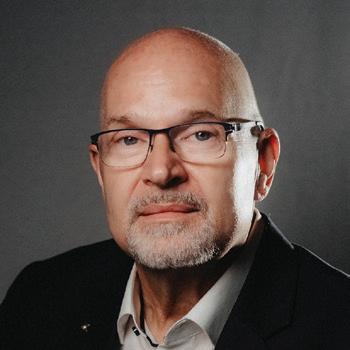
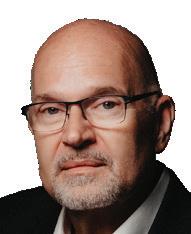
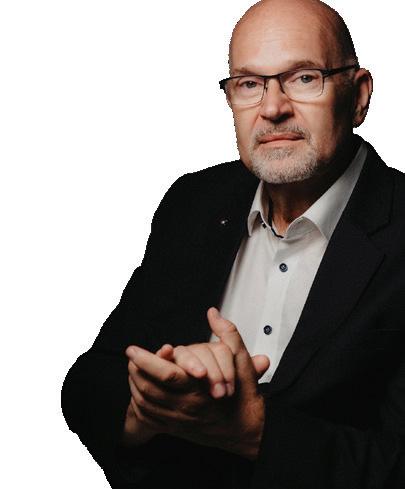
ICEJ President Dr. Jürgen Bühler
Senior Vice President David Parsons
VP International Affairs Mojmir Kallus
VP Finance David Van der Walt
VP Operations Richard van der Beek
VP AID & Aliyah Nicole Yoder
Managing Editor/Publications Director Laurina Driesse
Staff Writers Nativia Bühler, Naomi Ammon
Additional Writers Howard Flower, Vivienne Myburgh, Shannon Bennett, Tom Craig, Claudia Fierro, Joshua Gooding
The New King James Bible is used for all Bible references unless otherwise noted.
Word From Jerusalem is published by the International Christian Embassy Jerusalem. Reproduction in whole or in part without written permission is prohibited. Word From Jerusalem has no subscription price and is supported through contributions worldwide. All gifts to this ministry are tax-deductible (in countries where this applies). For more information, visit us at www.icej.org
INTERNATIONAL CHRISTIAN EMBASSY JERUSALEM
P.O. Box 1192, Jerusalem • 9101002, ISRAEL
Support our ministry online at www.icej.org
Dear friends,
“Therefore I exhort first of all that supplications, prayers, intercessions, and giving of thanks be made for all men, for kings and all who are in authority...” (1 Timothy 2:1-2a)
The new year 2026 has started with cautious hope that we are entering into a season of improved prospects for peace and calm in the region. We are cautious because Israel always has surprises awaiting the nation. But our prayers are, of course, for a more lasting peace.
In recent weeks, we have seen a significant change which has happened since the October 7 terror invasion. In the midst of a global rise in antisemitism, Israeli leaders are realising more than ever before that Evangelical Christians around the world are the main source of support which they can rely on. Both governmental officials and heads of national institutions are planning to strengthen and invest in those ties in the years to come.
I was privileged to speak at a recent prayer gathering in the Knesset hosted by MK Tatiana Mazarsky. In an address to Jewish and Christian leaders in the Israeli parliament, I spoke about the prophet Daniel. For over five decades, he was in a leading position in both the Babylonian and Persian empires. What characterised Daniel was his utmost integrity. When a plot was devised to bring him down, nothing could be found against him except that he was a man of prayer.
Today, these would be rare qualities for politicians in most countries. As I write this, my colleague David Parsons and I are on our way to a major conference in Washington DC. There, Members of Parliament from around the world, most of them Christians, are gathering. What has brought them to this conference is their love and support for Israel. It is remarkable to hear some of these elected leaders openly voice their solidarity with Israel in terms of their biblical faith.
In his first letter to Timothy, the Apostle Paul writes that prayers for our politicians should be at the top of our priority list. They need our prayers as they make decisions that impact the spiritual climate in your country and often its relationship with Israel as well.
When you receive this issue of the Word From Jerusalem magazine, the new year will have already started. Make it a point to pray throughout this coming year for ‘Daniels’ to arise in your country. May God-fearing men and women earnestly seek the Lord for the peace and prosperity of our nations.
Also pray for Israel’s leaders as they must deal with many steep challenges from both within and without.
Trusting in the God “who acts on behalf of those who wait for him” (Isaiah 64:4).
Yours in Messiah,
Dr. Jürgen Bühler ICEJ President
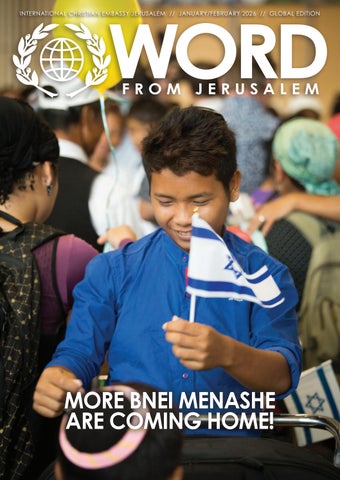
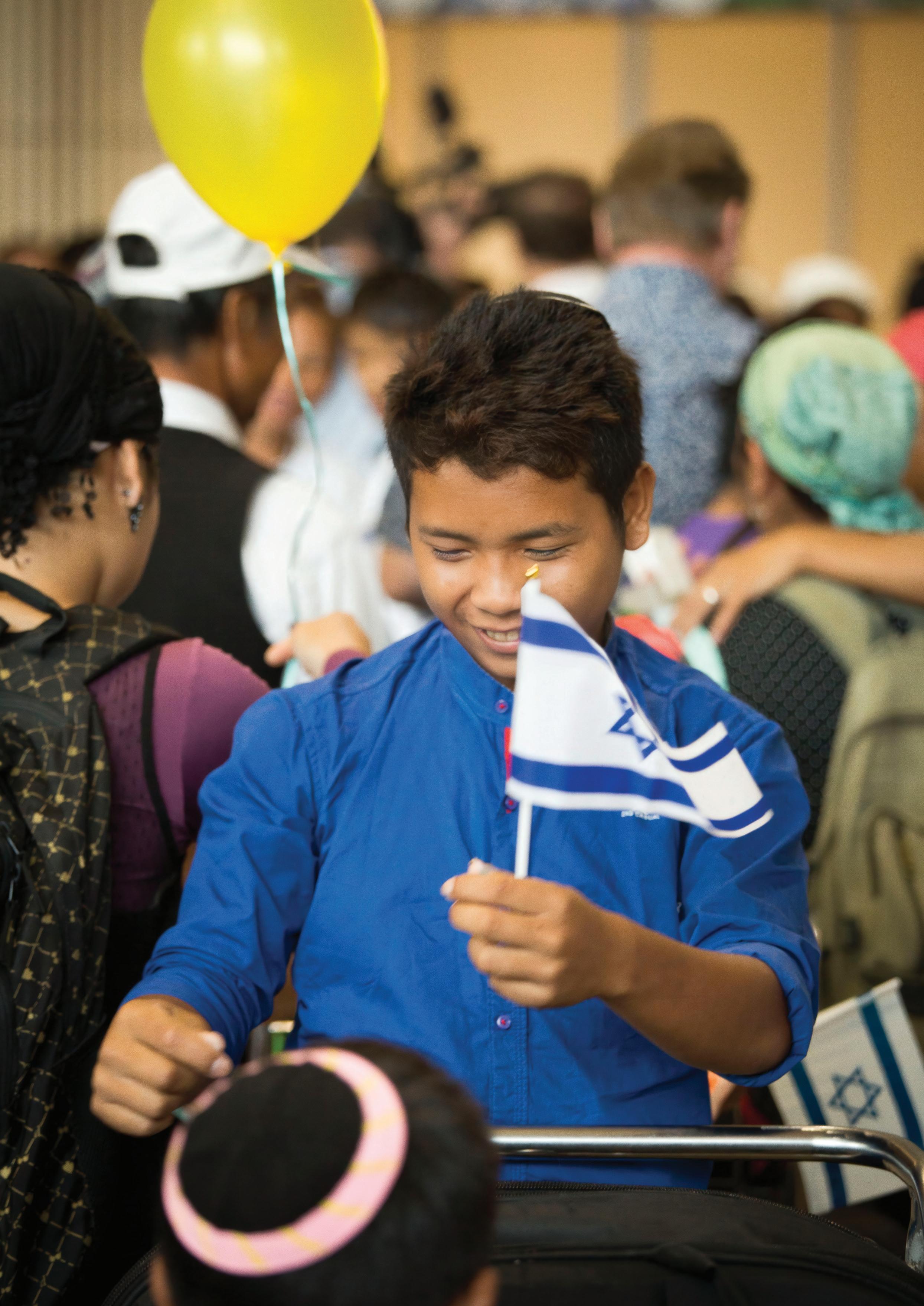
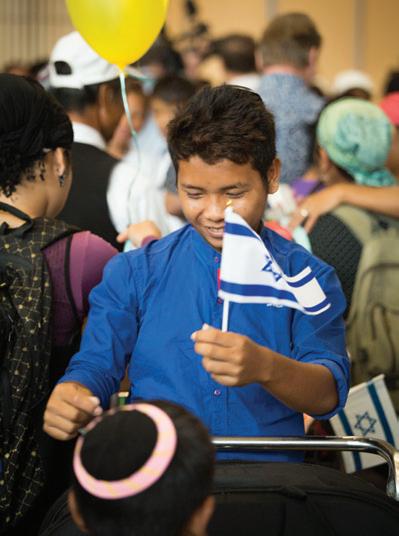
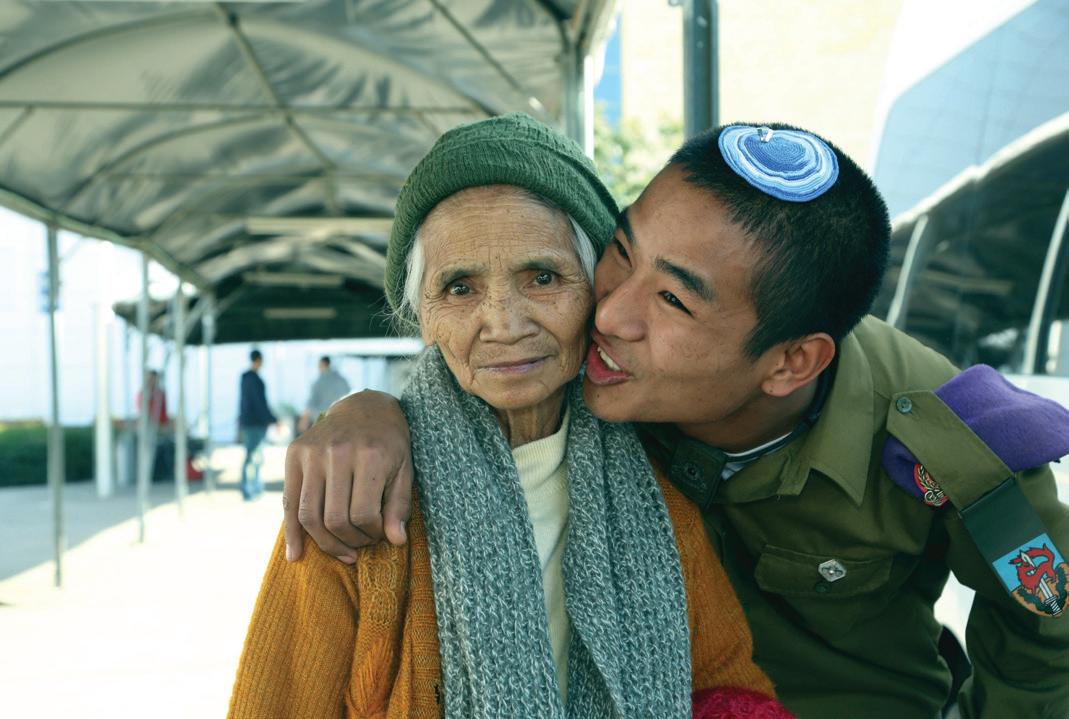
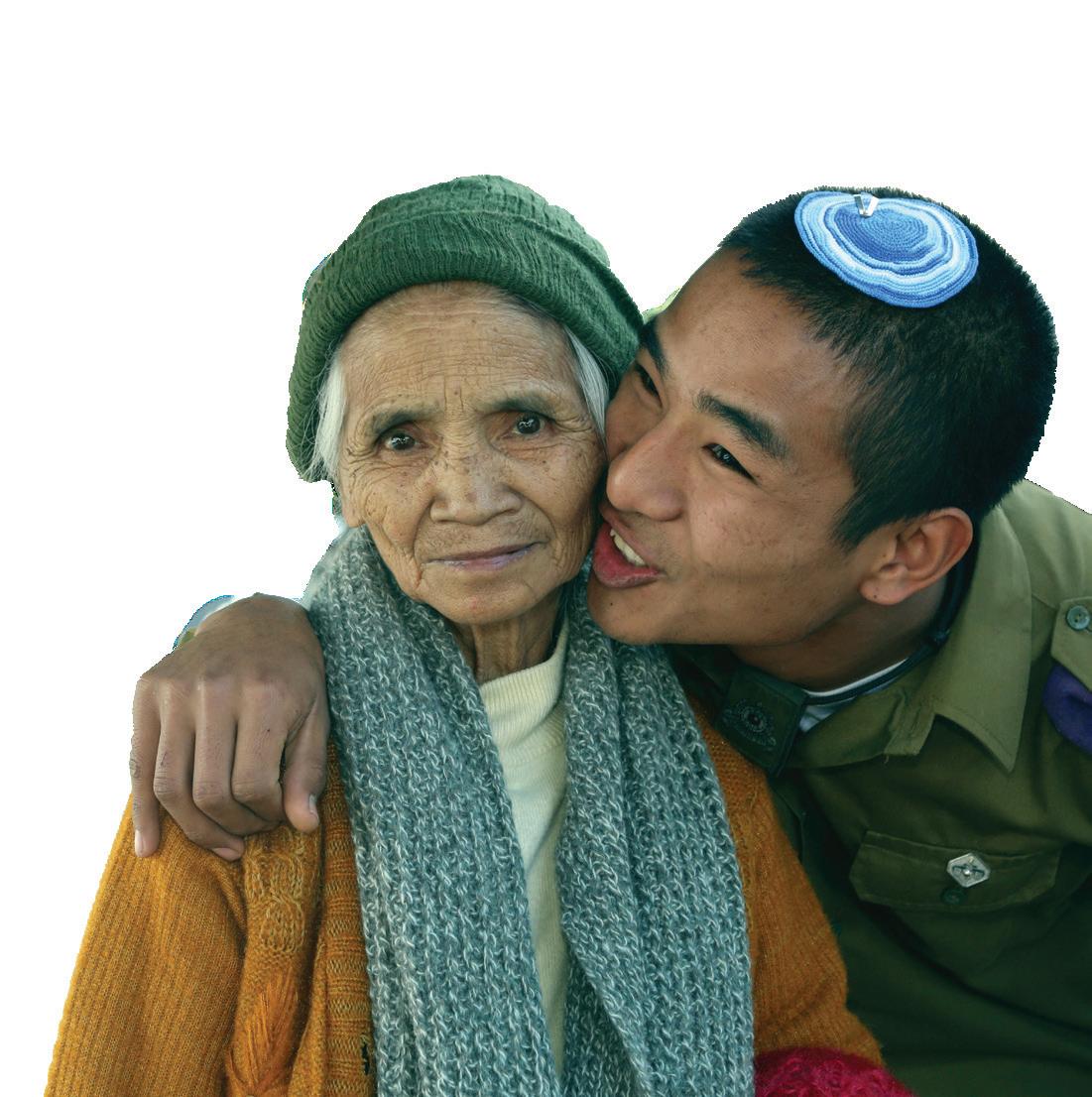
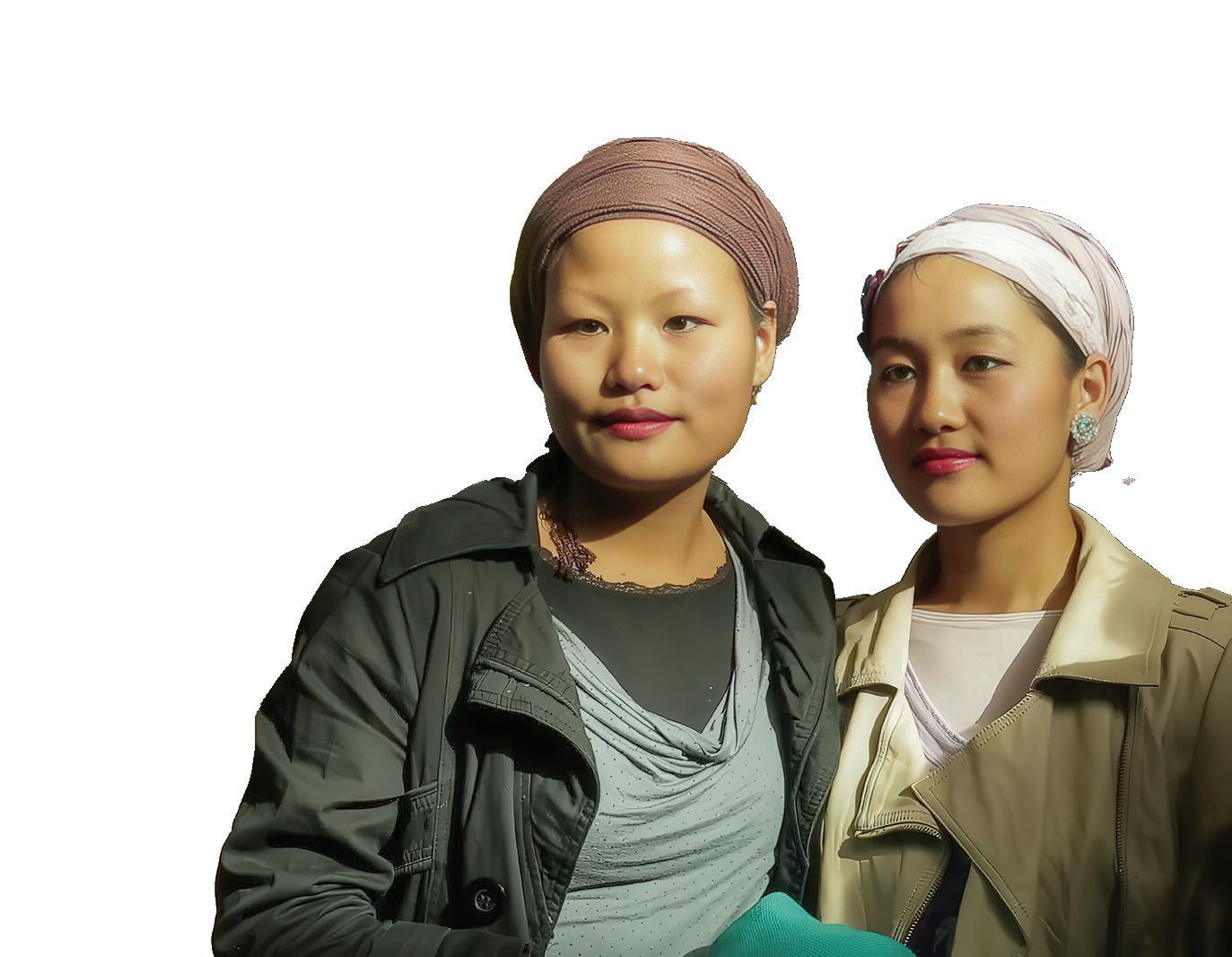
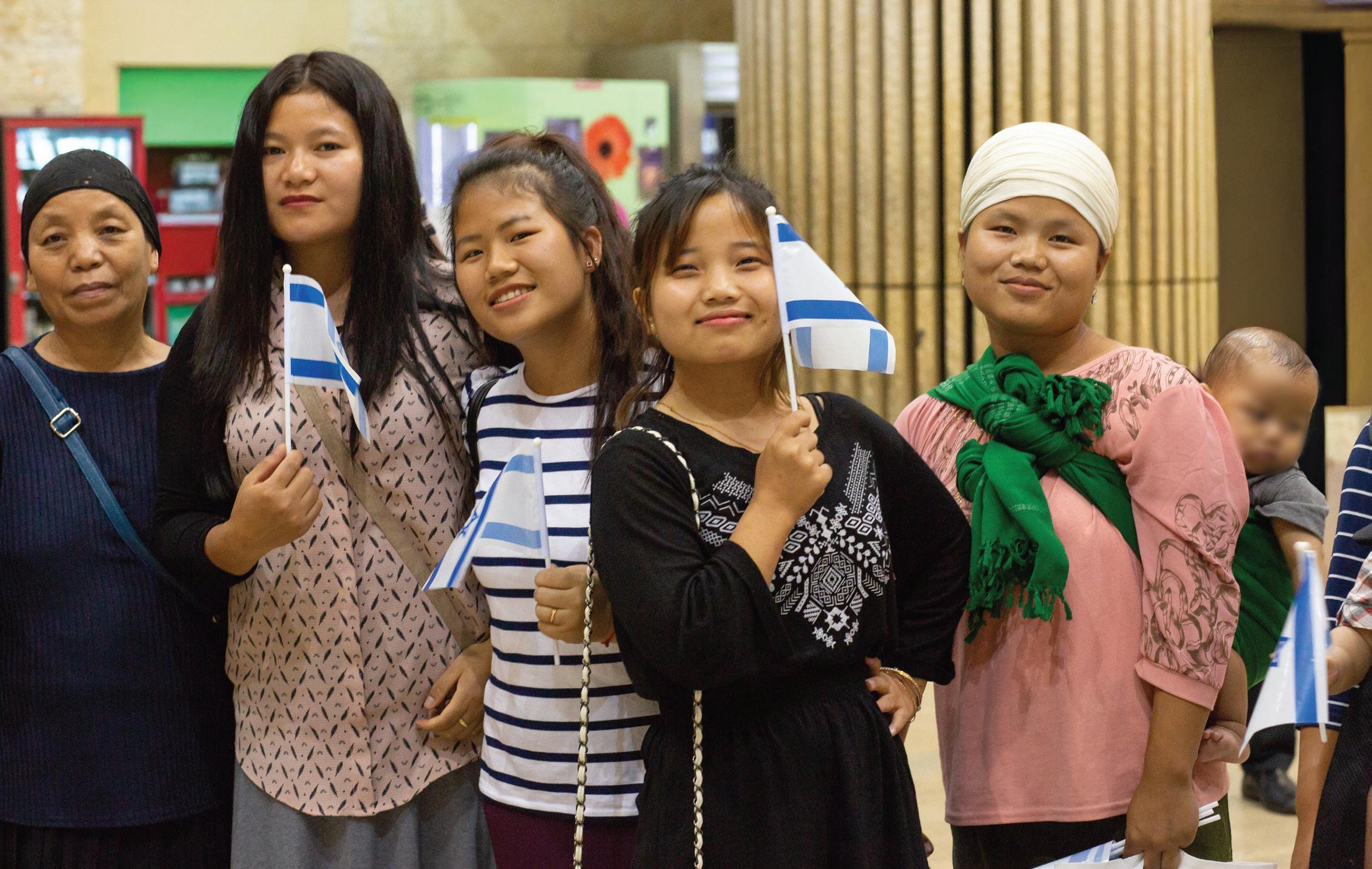
COVER PHOTO: A youth of the Bnei Menashe arrives to Ben Gurion airport on an ICEJsponsored Aliyah flight.
Be FRUITFUL, MULTIPLY, and FILL the EARTH
A NEW SEASON OF GROWTH FOR ICEJ IN 2026
BY DR. JÜRGEN BÜHLER, ICEJ PRESIDENT
As we begin a new year, I find it appropriate to go to the very beginning of the Bible and consider the original mandate that God gave mankind when He created the heavens and the earth. When God created men, He blessed them and commissioned them, saying: “Be fruitful and multiply; fill the earth and subdue it… (Genesis 1:28)
These are four simple commands that God gave to humanity back then in the Garden of Eden, and they are still relevant for us today.
BE FRUITFUL!
“By this My Father is glorified, that you bear much fruit; so you will be My disciples.” (John 15:8)
“By this My Father is glorified, that you bear much fruit; so you will be My disciples.”
JOHN 15:8
Fruitfulness is a basic characteristic of every living being. According to the Oxford
Dictionary “the capacity for growth and reproduction” is what defines life. It means fruitfulness is a basic call of God to all of us.
The Bible gives us many ways to be fruitful. Of course, this initial calling includes the call to procreate, to establish families. But the parables of Jesus also compare the spread of the Good News of the Kingdom as a cycle of seed and harvest. Thus, making disciples is considered being fruitful with the Lord. And in Galatians, another kind of fruit is mentioned when Paul speaks about the character that the Holy Spirit wants to produce in our lives: love, joy, peace, longsuffering, kindness, goodness, faithfulness, gentleness and self-control.
It means that God expects from us every year a tangible harvest of change and increase. In the Gospel of John, Jesus is very particular on this issue as he compares us to branches with Jesus being the vine (John 15). Fruitlessness has dire consequences, while fruitfulness is the ultimate goal and proof of our being close to Yeshua
Ask the Lord to make 2026 a year of great fruitfulness for you, your family, and your church. I pray that when we look back at the
year 2026, we will be different people than we were last year. We want Yeshua to be seen ever more clearly in us.
“But others fell on good ground and yielded a crop: some a hundredfold, some sixty, some thirty.”
MATTHEW 13:8
MULITIPLY!
“But others fell on good ground and yielded a crop: some a hundredfold, some sixty, some thirty.” (Matthew 13:8)
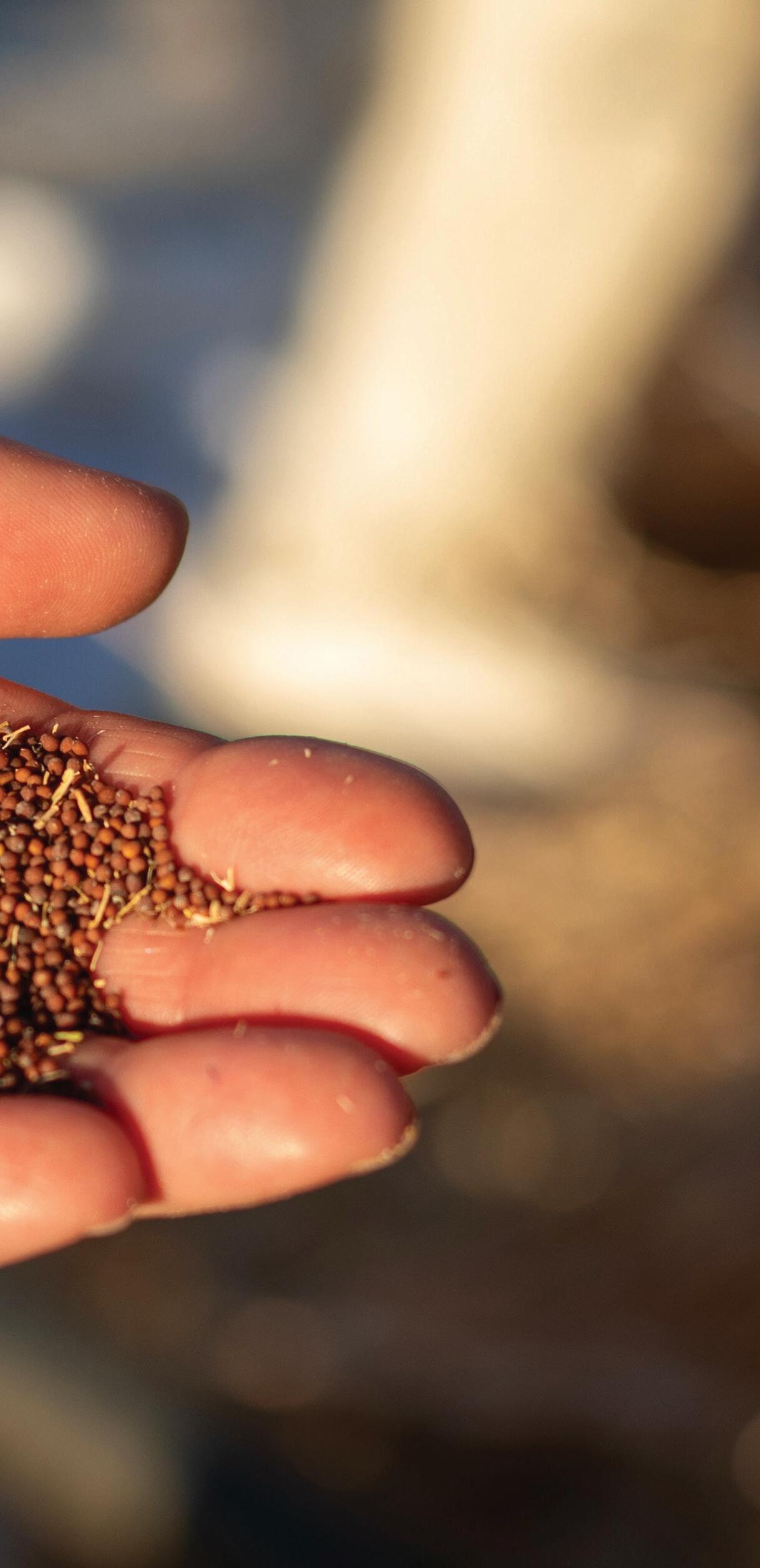
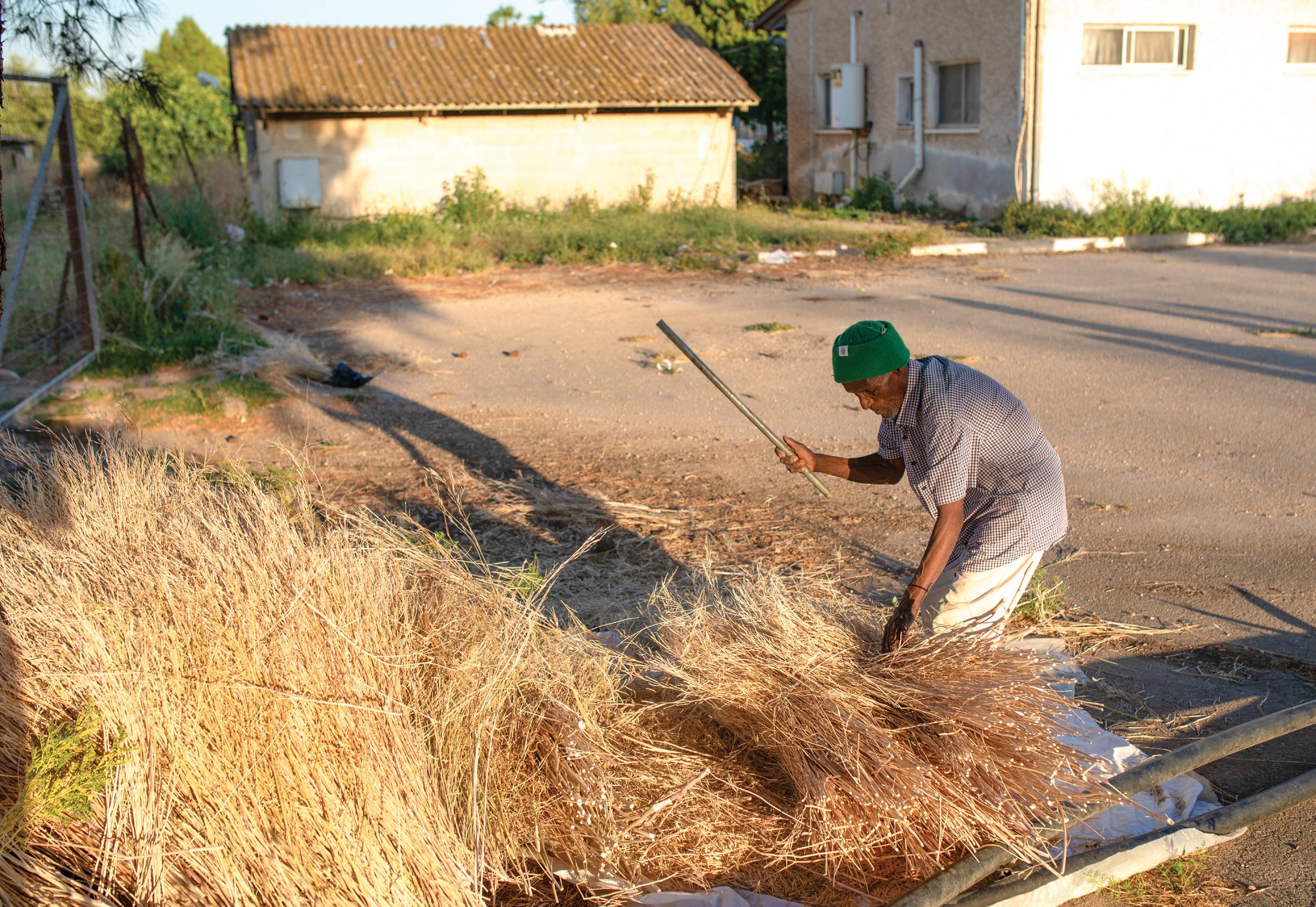
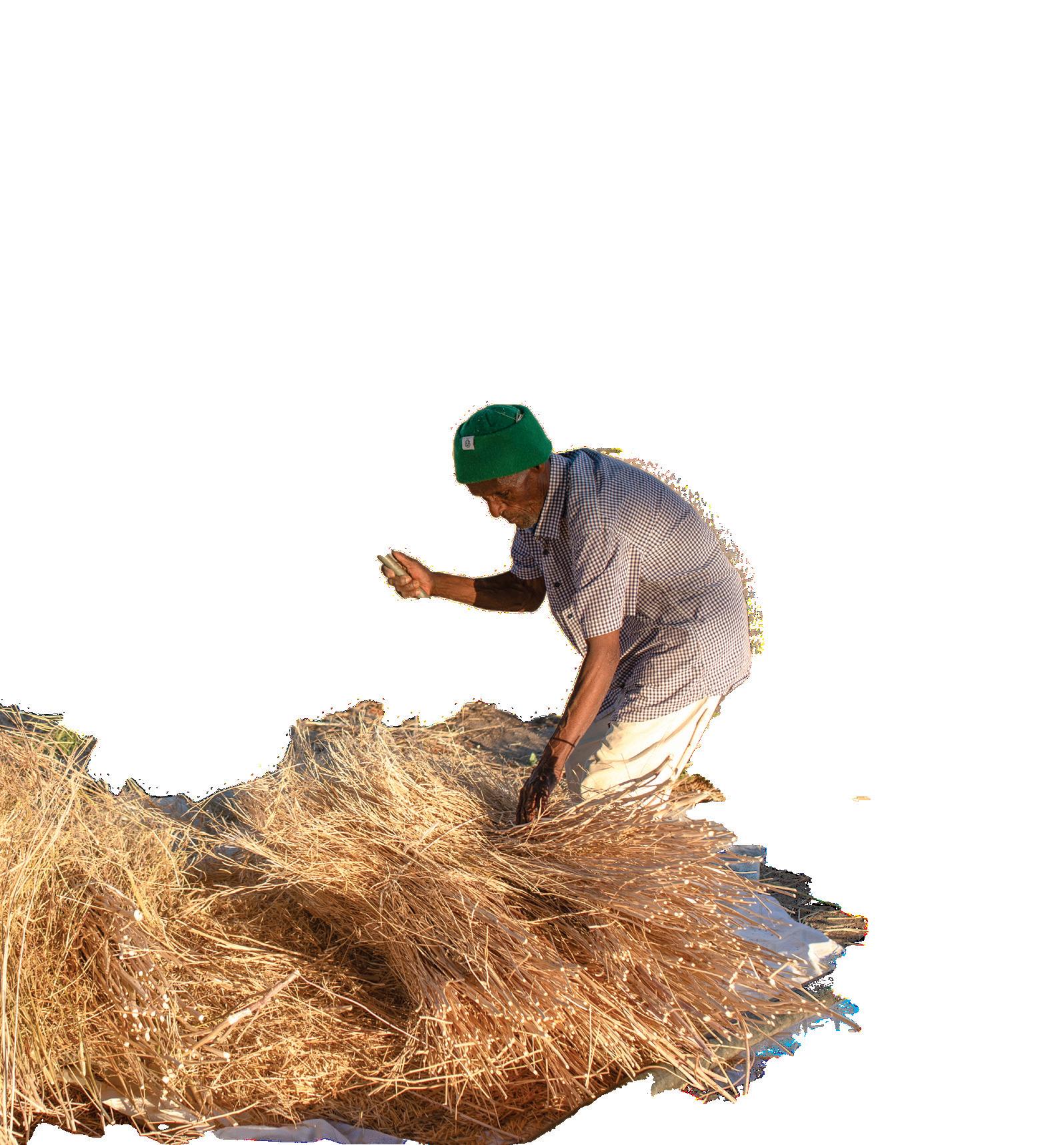
Photos from an ICEJ-Aid visit to an Aliyah village offering Ethiopian immigrants a soft landing in Israel - May 2023
Multiplication and increase are God’s will and mandate for mankind. There are several parables of Jesus which speak about this. In the above parable, the Sower experiences a harvest of one hundredfold, sixty and thirty. Also, the parable of the talent shows that God expects a multiplication of the talents which God has given us.
Multiplication and increase are God’s will and mandate for mankind.
Multiplication is a blessing of God. The first commandment in Genesis 1 is initiated by Him. “… and the Lord blessed them...” The great psalmist King David wrote: “He also blesses them, and they multiply greatly ...” (Psalm 107:38). The Bible is clear that the increase of numbers in families and nations in biblical times was regarded as a sign of divine favour. And God encourages Israel to ask for multiplication!
“Thus says the Lord God: ‘I will also let the house of Israel inquire of Me to do this for them: I will increase their men like a flock.’” (Ezekiel 36:37)
Ask the Lord for 2026 to become a year of multiplication; that God will give increase to your family, personal life, church or ministry.
FILL THE EARTH!
For God, there is no limit to increase. In Isaiah, the prophet foresees that the government of the Kingdom of Messiah will have no end (Isaiah 9:7). It means we will never reach the limit of God’s capabilities. He still can add to the little or to the much we might have.
For God, there is no limit to increase.
To Abraham, He promises that the multitude of his descendants will be like the sand of the seashore and the stars in the heavens. Today, we are able to calculate the approximate number of stars that exist in the heavens. Astronomers currently estimate there are some 1023 stars in the Universe. This compares roughly to 100 trillion stars per person on earth. It means Abraham’s faith could never outperform God’s capabilities. Therefore, the prophets could see the whole earth filled with the glory of God.
Abraham’s vision of impact was that in him all the families of the earth shall be blessed. And this is the vision that Jesus extended to the
Church. Every tribe and every nation are to be reached with the Gospel of the Kingdom of God, even to the ends of the earth (Matthew 24:14; 28:19; Acts 1:8; Revelation 7:9). So let us “fill the earth!”
Ask the Lord to receive in 2026 a vision from Him that will be large enough to give God the glory.
SUBDUE IT!
Here we see something interesting! Even in the perfect environment of the Garden of Eden, something in nature required Adam and Eve to subdue it. We can only speculate how this unfolded in that original sinless world of Eden, but the following chapters describe how sin, rebellion and bloodshed entered and spoiled Creation. The consequences were a breakdown of relationships, of increased pain, and of hindering factors like the weeds, thorns and thistles which sprang up in the world. Nature became wild and “that every intent of the thoughts of (man’s) heart was only evil continually” (Genesis 6:5).
You might be wondering why I expect you to believe in a mandate that stems from the Garden of Eden. It seems so counterintuitive in our present-day world. And indeed, it is true that the challenges of today are growing every year.
Today, we are witnessing an alarming growth in antisemitism, especially in Western countries, that is unprecedented since the early Nazi era. Not only is it disturbing to see large pro-Hamas demonstrations staged in many cities across the world, but it is even more troubling in some ways tom witness the strong anti-Israel sentiments which can now be found today in churches, even in Evangelical circles. Many pastors are boldly boasting in an unprecedented manner about being adherents to Replacement theology and taking pride in sharply criticising Israel.
“[B]lessing I will bless you, and multiplying I will multiply your descendants as the stars of the heaven and as the sand which is on the seashore; and your descendants shall possess the gate of their enemies.”
GENESIS 22:17
In the United States, the bulwark of Christian love and support for Israel in recent generations, for the first time it seems their support is crumbling, especially among the younger people. Tucker Carlson, Candace Owens and the ultra-nationalist figure Nick Fuentes have become powerful voices for anti-Israel and anti-Semitic rhetoric within the mainstream of the conservative camp. Some of these powerful influencers of public opinion are known to be on the Qatari payroll and may have ulterior motives, but others seem to attack Israel for very personal reasons.
And on top of all of this, we are watching the foundations of Judeo-Christian values, which helped build enlightened, democratic societies, start to rapidly dissolve before our eyes. Freedom of speech is under threat in a number of surprising countries, and churches have often withdrawn into a religious bubble, lacking answers for the challenges of the modern-day world.
In light of all these new challenges, one is tempted not to think of growth, multiplication and reaching the end of the world, but rather we try to strengthen our fortresses.
In Genesis 22:17, we read: “[B]lessing I will bless you, and multiplying I will multiply your descendants as the stars of the heaven and as the sand which is on the seashore; and your descendants shall possess the gate of their enemies.”
Multiplication in the face of the enemies standing against us! Not just survival is promised, but as Jesus proclaimed to Peter, the “gates of hell” shall not overcome us, but rather he calls on us to possess them. This was the very blessing spoken to Abraham concerning Israel, a blessing which all the evil intended by Pharaoh could not stop, for the more the Israelites were oppressed the more they multiplied.
There is a great mystery to how the Church grows stronger even in times of much adversity. Iran, China and even the Russian free churches during the Soviet era are clear
examples of this phenomenon. The Book of Genesis also describes how Isaac started sowing even in a season of severe drought in the dry area of Gerar, which is today near the Gaza border. The word of God says that in spite of the adversity of drought, Isaac harvested 100-fold that same year. That is fruitfulness on a miraculous level.
THAT ALSO IS EXACTLY WHAT THE PROPHET JEREMIAH FORESEES:
“Blessed is the man who trusts in the Lord, And whose hope is the Lord. For he shall be like a tree planted by the waters, Which spreads out its roots by the river, And will not fear when heat comes; But its leaf will be green, And will not be anxious in the year of drought, Nor will cease from yielding fruit.”
JEREMIAH 17:7-8
At the beginning of this new year, I want to encourage you that even though you might face adversity in your personal spiritual life, in your family, regarding your finances, or even your health situation, we must proclaim in face of these adversities that by the grace of God in 2026 will make this a year of fruitfulness, multiplication and vision.
If God is with us, we are unstoppable, as all authority in heaven and earth has been given to our Lord Jesus, and we are seated with Him in heavenly places.
Please join me in expecting great things from God in the new year of 2026. May you bear much fruit, may it multiply and spread, may you pursue fresh visions from the Lord, and may you reach a new level of authority in Him.
DR. BÜHLER RECEIVES ‘PILLARS OF JERUSALEM’ AWARD
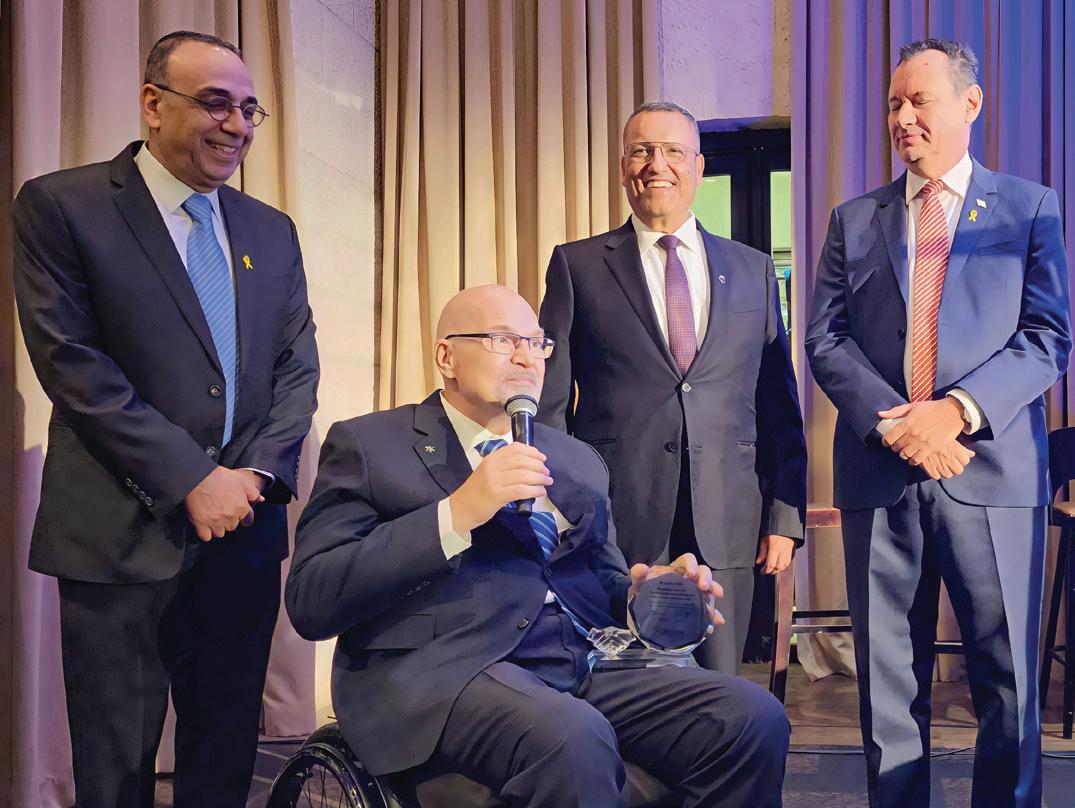
During the recent 7th Christian Media Summit, sponsored by the Israel Government Press Office and Ministry of Foreign Affairs, ICEJ President Dr. Jürgen Bühler received the “Pillars of Jerusalem” award from Mayor of Jerusalem Moshe Lion.
The award was given in recognition of the ICEJ’s work in strengthening Aliyah to Israel and in deepening ties between Christians and Jews. As the organisers noted, the ICEJ leadership and staff serve as devoted ambassadors of Israel, helping to establish Jerusalem as a symbol of hope for nations and religions.
In accepting the Pillars of Jerusalem award, Dr. Bühler shared about the 1,700 Christian pilgrims from 75 nations worldwide who had just come to Jerusalem for the Feast of Tabernacles, making it the largest single solidarity mission to visit Israel since the war in Gaza began on October 7, 2023.
“This is good news for Israel”, Dr. Bühler assured the gathering. “This is the truth to be told around the world, that in spite of all the crazy demonstrations of antisemitism in cities worldwide, there are millions of evangelical Christians around the globe who love Israel, stand with Israel, and believe in the destiny of the Jewish people. And they are going to stand with Israel, no matter what happens.”
The Christian Media Summit is an annual gathering arranged by the GPO which brings together Christian journalists and influencers from around the world to engage with Israeli leaders, visit sites of current relevance, and hear briefings from various experts on topics of interest. The ICEJ has been involved in the summit since its inception nearly a decade ago.
SOUTH AFRICAN CHRISTIAN LEADERS JOIN STUDY MISSION TO ISRAEL
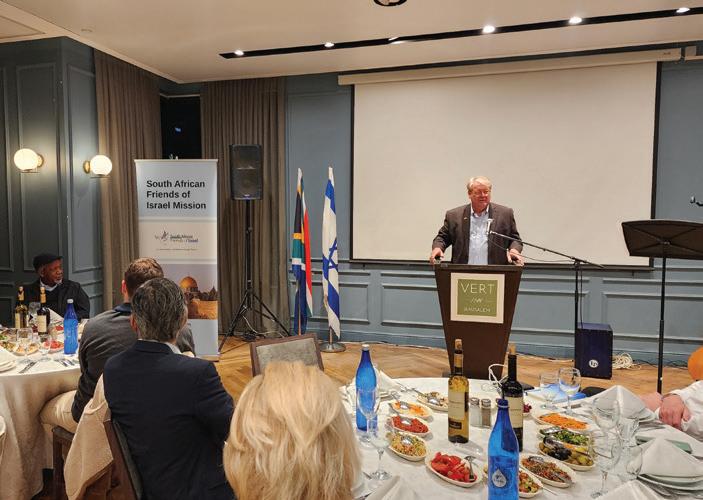
In November, prominent Christian leaders from South Africa, including noted Member of Parliament Kenneth Meshoe, came on a study mission to Israel arranged by the South African Friends of Israel in cooperation with the ICEJ–South Africa branch. The tour wrapped up with a special dinner and display of unity between Christian and Jewish leaders from South Africa and Israel. Among the speakers were SAFI Executive Director Daniel Yakcobi, ICEJ Senior Vice President & Spokesman David Parsons, Director of the Knesset Christian Allied Caucus Josh Reinstein, and Israeli pastor Peter Tsukahira.
Yakcobi welcomed the guests and expressed hope for restoration and better days in both nations.
Parsons highlighted South Africa’s unique contributions to the International Christian Embassy Jerusalem since its founding in 1980, including our first two executive leaders, Dr. Johan Luckhoff and Rev. Malcolm Hedding. He also noted the deepening relationship between Christians and Jews over the past two years of war in Israel, and the mutual need to defend and promote our shared JudeoChristian values amid today’s growing moral confusion.
Reinstein recounted the founding of the Knesset Christian Allied Caucus in 2004 after Israeli leaders began realising that Christians
were Israel’s strongest allies. The KCAC has since inspired the formation of affiliated Israel Allies Caucuses in the parliaments of another 64 nations worldwide. “We take Biblical support for Israel and turn it into real political action,” Reinstein said, describing this “faith-based diplomacy” as Israel’s most important diplomatic tool.
Tsukahira reflected on his Aliyah to Israel in 1987 and the call he and his wife felt in cofounding a congregation on Mount Carmel in Haifa. “I feel it is part of my call to help the Church make this great turn back to its Hebraic roots,” said Tsukahira.
Following the acceptance of the USmediated ceasefire in Gaza in early October, there has been a discernible increase in the number of Christian tour groups visiting Israel and stopping by the global headquarters of the International Christian Embassy Jerusalem. Here, the ICEJ leaders and staff welcome a German Christian tour group led by Pastor Roland Krumm, a good friend of the ICEJ-Germany team.
PAUL and the IRREVOCABLE CALLING of ISRAEL
BY PROF. GERALD MCDERMOTT
There is much debate today concerning the New Perspective on Paul as it relates to Israel. The Apostle Paul is not always easy to comprehend. Even his fellow Apostle, Peter, wrote that Paul is sometimes “hard to understand,” and many twist his words “to their own destruction” (2 Peter 3:16). Twenty centuries later, perhaps the most debated aspect of Paul’s teachings centers on the question: What did Paul think was the relationship between first-century Judaism and this new Jesus movement?
LUTHER’S LEGACY
For five centuries, Protestants have largely read Paul through Martin Luther’s theology, which was shaped by his conflict with late-medieval Catholicism. In that battle, “works” were pitted against “grace,” and Luther concluded that first-century Judaism must have taught salvation by works. On that assumption, Paul’s critique of the “works of the law” came to mean a total rejection of Judaism and the inauguration of a wholly new religion – a Christianity detached from Israel’s people, story and Land.
That reading quickly became the theological soil for Supersessionism, or Replacement theology, which came in two pieces. First, the people: the Church replaces Israel as
God’s chosen people, and so Jews who do not follow Jesus are no longer the elect. Second, the Land: the Land of Israel loses its covenantal significance, is no longer holy, and the territorial promises are spiritualised.
These thoughts took deep root and the consequences proved grave. Luther’s late work “On the Jews and Their Lies” would be weaponised centuries later by the Nazi regime, which distributed it widely to condition Christians – especially Lutherans – to accept anti-Jewish laws. While Luther fought abuses of his own day, falsely superimposing them on the first-century Church, his take on Paul helped make the Church susceptible to grievous errors about Israel.
THE NEW PERSPECTIVE ON PAUL
In the 1970s and 80s, a group of scholars – most notably E. P. Sanders, James D. G. Dunn, and N. T. Wright – challenged this Luther-shaped approach to Judaism. They demonstrated that Second Temple Judaism – Paul’s Judaism –did not preach salvation by works, but what Sanders called “covenantal nomism.” In brief, this means that Israel enters covenant by grace – signified for boys by infant circumcision – but remaining in that covenant requires faithful obedience to its terms. The entrance is a gift of grace, but to remain in the covenant
requires obeying its terms. (We might observe this is not unlike what Rabbi Jesus teaches in John 15:14: “You are my friends if you keep my commandments.”)
So, Paul is not an enemy of Torah. In fact, he says the opposite. “Do we then overthrow the Law by this faith? By no means! On the contrary, we uphold the Law.” (Romans 3:31)
This correction to Luther is welcome. However, some versions of the New Perspective on Paul have drifted into a different distortion, interpreting Paul through a contemporary lens of race and identity politics. In this telling, Paul rejected Judaism not because it taught “works,” but because it was “ethnic” –a position summarised in the slogan “grace, not race.”
But Paul did not think in modern racial categories. On the contrary, he writes: “From now on, we regard no one according to the flesh” (2 Corinthians 5:16). The Apostle’s logic is covenantal, not racial. Jesus thereby does not erase Israel, but confirms the promises to the Hebrew Patriarchs and brings Gentiles into Israel’s story (Romans 15:8-12).
A NEW ‘TROJAN HORSE’
A widely discussed book by Jason Staples,
[This Bible teaching is adapted from Prof. McDermott’s message at the ICEJ’s Feast of Tabernacles 2025.]
Paul and the Resurrection of Israel: Jews, Former Gentiles, and Israelites (Cambridge University Press), is changing yet again the understanding of Jews and Israel in New Testament thinking. Its title sounds promising, but it is a Trojan horse. Why?
Because Staples argues that the only true “Israel” now consists of Jesus-followers – Jew and Gentile believers together. In his view, Jews who do not confess Jesus are not “Israel,” their covenant has no continuing validity, and the Land promise is now defunct. To support his view, he says 1 Corinthians 12:2 refers to “former Gentiles,” as though Gentiles cease to be Gentiles upon believing – a reading unsupported by the Greek text.
The net effect is a new Supersessionism in disguise. The names have changed, but the substance remains: Israel is replaced – this time by a Jesus-community whose identity erases the ongoing peoplehood of nonMessianic Jews, and the Land is detached from the covenant.
WHAT PAUL ACTUALLY TAUGHT
Against such redefinitions, Paul speaks plainly in Romans 11:28–29 about Jews who had not accepted Jesus in his day, saying: “They are beloved for the sake of the fathers.” Not “were” but “are” – present tense – because of the fathers (Abraham, Isaac and Jacob). Why? Because “the gifts and the calling of God are irrevocable.”
The word “calling” here is a technical term; it refers to God’s election of Israel to be His firstborn son and priestly nation (Exodus 4:22; 19:5-6). That vocation is not annulled by Jewish unbelief; Paul says it cannot be revoked. If God’s faithfulness could be cancelled by human faithlessness, then grace would no longer be grace, and the Gentiles’ grafting into Israel’s olive tree (Romans 11:17–24) would itself be uncertain. Paul’s argument runs the other way: God’s steadfast love to Israel is the foundation of Gentile hope, not its opponent.
This priestly vocation is a witness, to show the world the one true God of Israel who has revealed Himself supremely in Israel’s Messiah. Gentile believers share this vocation not by replacing Israel, but by being grafted into Israel’s story of a covenant-keeping God.
PAUL AND THE LAND
Supersessionist theologians usually insist the Land promise drops out of New Testament theology. Paul himself assumes the Land’s enduring significance. Consider Acts 13:19–20, where Paul rehearses Israel’s history: God
chose the patriarchs, delivered Israel from Egypt, endured them in the wilderness, “and after destroying seven nations in the land of Canaan, He gave them their land as an inheritance.” Paul does not blush at Joshua’s conquest or reinterpret the inheritance as a metaphor. Instead, he states it plainly as covenantal history and present reality.
In Jewish intellectual life around Paul’s time, when Philo, Josephus and others catalogue God’s “gifts” to Israel, they regularly place the Land at or near the top. Thus, when Paul writes that “the gifts of God are irrevocable” (Romans 11:29), he speaks with that understanding of “gifts.” He names many gifts in Romans 9:3-5 and the Land sits clearly within them.
Historically, Paul likely wrote Romans around 57 A.D., roughly 25 years after his encounter with Christ. At that mature stage of reflection, his conviction about Israel’s election and the permanence of God’s gifts is explicit. The Land promise is not a vestige of a discarded dispensation, but is a sign of the God who keeps His promises.
READING PAUL WITHOUT ERASING ISRAEL
What then of the Law? Paul’s language is careful. He never teaches that Torah is bad; he insists it is holy and good (Romans 7:12). He criticizes not Torah but sin’s misuse of the Law and its powerlessness to deliver from sin’s dominion – something only accomplished in Christ (Romans 8:1-4).
Nor does Paul reduce Israel’s identity to ethnic markers. He celebrates Gentiles streaming into Israel’s hope (Romans 15:8-12) and insists there is no “second-class” status among the redeemed. But as Gentiles are welcomed, Paul refuses to erase Israel. He draws a distinction in Romans 9:6 between those who are “from Israel” and those who are truly “Israel,” but that is an intra-Jewish distinction between unbelieving and believing Jews – not a license to expel non-Messianic Jews from Israel altogether. Indeed, the “remnant” of believing Jews confirms that Israel’s calling endures. It does not erase the unbelieving majority’s belovedness, for God keeps His promises to the patriarchs. Therefore non-Messianic Jews are still beloved “for the sake of the fathers” (Romans 11:5, 28).
When Gentiles presume upon their ingrafted status and boast over the natural branches, Paul rebukes them sharply: “Remember it is not you who support the root, but the root that supports you.” (Romans 11:18)
Supersessionism is not merely a misreading; Paul treats it as spiritual arrogance.
Ideas have consequences. A Paul stripped of Israel’s ongoing election made it easier, in modern Europe, to rationalise contempt for Jews and indifference to their suffering. Supersessionist ideas in Luther’s later writings were harnessed by the Nazi state to teach Christians to accept state antisemitism. This is not to equate today’s scholars with totalitarian regimes, but a similar misreading of Paul – however well-intentioned – can again dispossess Jews of their God-given identity.
Today, Jews in many places face renewed hostility. Tragically, some Gentile Christians, influenced by theological redefinitions that hollow out Israel’s peoplehood and Land promise, unwittingly join the chorus. The Church must resist this. Faithfulness to God requires faithfulness to all His promises – to the Church and to Israel.
SEEING WHAT WE WERE TOLD NOT TO SEE
Many Christians have been taught the New Testament leaves the Land promise behind. As a result, generations have read the text and never noticed Paul’s straightforward retellings of the gift of the Land or his sweeping affirmation that God’s “gifts and calling” stand irrevocably.
When we pay attention, a coherent portrait emerges. Paul honours Torah as holy, even while insisting on Christ as the fullness of God’s saving work. He insists on the unity of Jew and Gentile in Messiah, while refusing to abolish Israel’s identity or vocation. He calls Gentiles into Israel’s hope, while refusing their boasting over the natural branches. He takes for granted the historic gift of the Land, while insisting that its deepest meaning is bound to God’s faithfulness. The thread that ties it all together is covenant – that God keeps His word to the fathers. In Jesus, the Messiah of Israel, God extends mercy to the nations.
The stakes in this debate are not merely academic. Christians are joining the new explosion of antisemitism because they have accepted Supersessionist views of Paul. But to join the true Paul is to confess, with joy and trembling, that the gifts and calling of God are irrevocable – and to order our doctrine, our witness, and our politics accordingly.
ICEJ IN 2025 The Year in Review
BY NAOMI AMMON
As we enter the new year, the International Christian Embassy Jerusalem offers this look back at some of the ways we have been standing strong with Israel over the past twelve months, which was one of the nation’s most challenging years ever. Thanks to our many faithful Christian supporters worldwide, in 2025 we were able to bring hope and comfort to all sectors of Israeli society, help the Gaza border communities begin to rebuild, continue assisting thousands of Jewish immigrants to reach their ancestral homeland, stir multitudes of believers to pray for the peace of Jerusalem, and host pro-Israel rallies in cities and nations around the world. Your steadfast partnership made all these activities possible, and here are just some of the highlights.
JANUARY
While the world was ringing in the New Year, the ICEJ was helping Israelis withstand the daily Hizbullah shelling along the volatile northern border by equipping and training community emergency teams and other first-responders operating on the front lines of this battle. Early in January 2025, the ICEJ AID team delivered 63 emergency vests, 15 special encrypted walkie-talkies, dozens of flashlights, two generators, and more lifesaving bomb shelters, while also sponsoring training sessions for civilian responders throughout the Upper Galilee region.
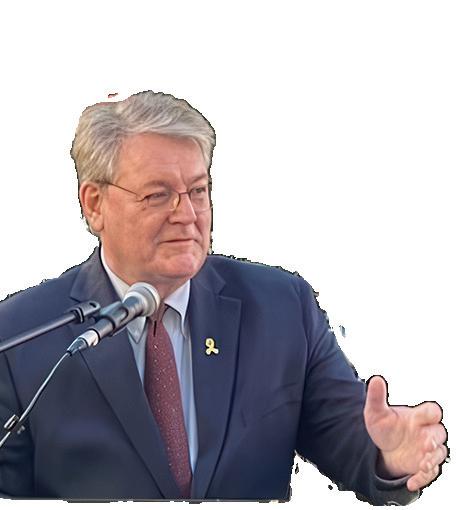
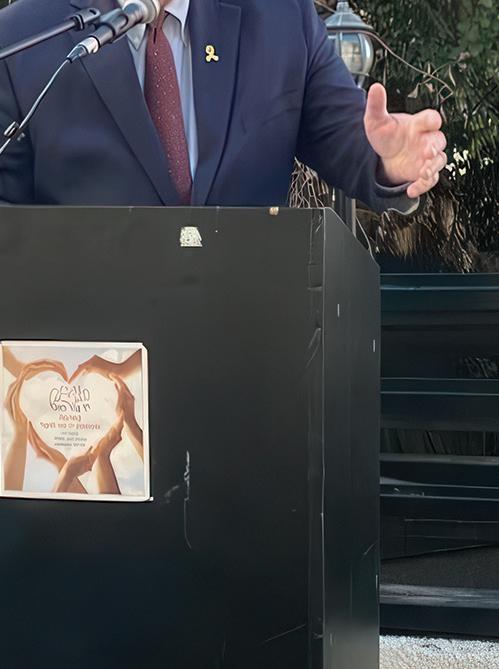
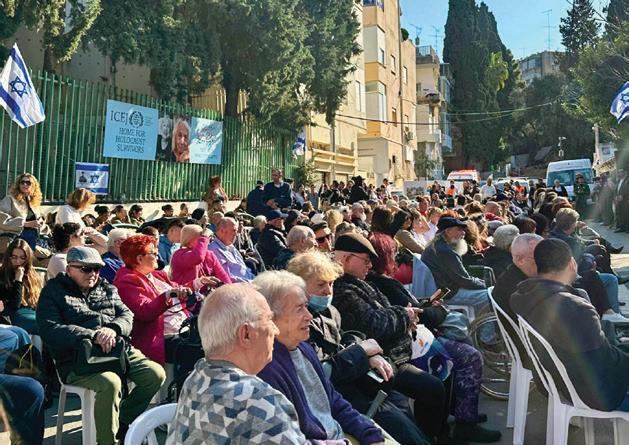
Later in January, the street in front of the ICEJ’s Haifa Home for Holocaust survivors was filled with hundreds of elderly survivors and their family and friends, as they gathered on a sunny winter afternoon to mark the 80th anniversary of Auschwitz’s liberation by the Red Army on 27 January 1945. Israeli cabinet minister Eli Cohen, the Ambassador of Guatemala, and ICEJ Senior Vice President David Parsons were among the speakers sharing messages of solidarity on International Holocaust Remembrance Day.
FEBRUARY
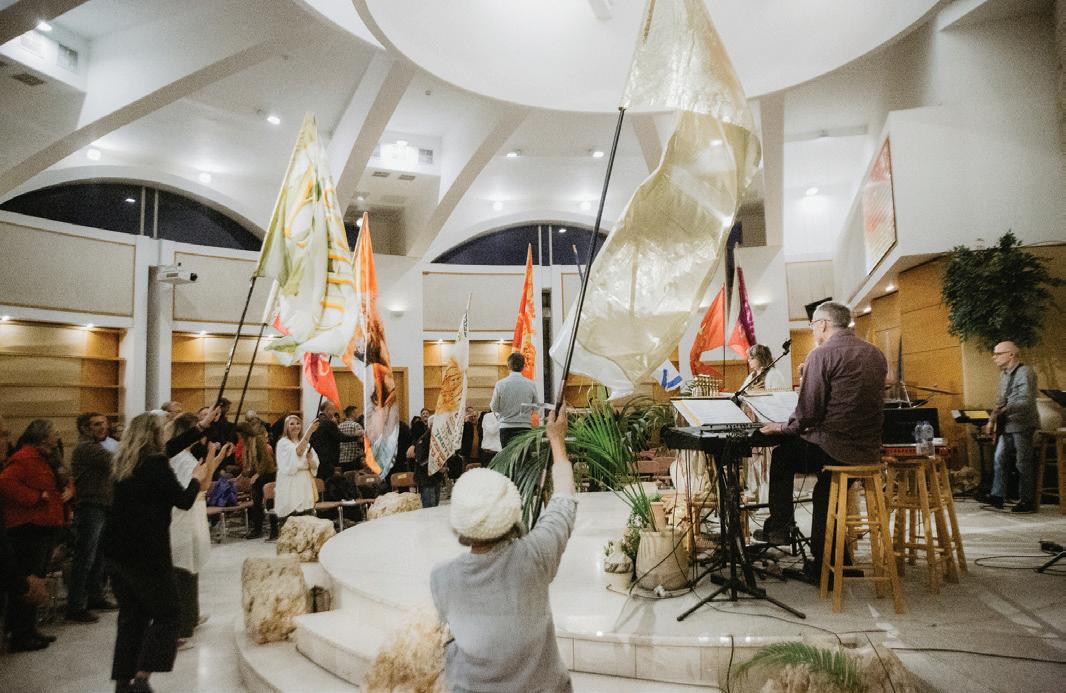
With the war still raging on multiple fronts, the ICEJ hosted 77 pastors and ministry leaders from around the world at our Envision 2025 leaders conference in Jerusalem in early February. The conference served as a powerful solidarity mission to Israel as participants visited the Knesset and Foreign Ministry, heard informative, timely messages from local and international speakers, gained valuable insights from Israeli security analysts and hostage family members, and visited border communities deeply impacted by the fighting since the atrocities of October 7, 2023. The conference ended with a visit to the northern border and then a special gathering at Kehilat HaCarmel, with Jewish, Arab and Gentile believers worshipping, praying and fellowshipping together in a remarkable display of unity in the Body of Christ despite the ongoing war.
MARCH
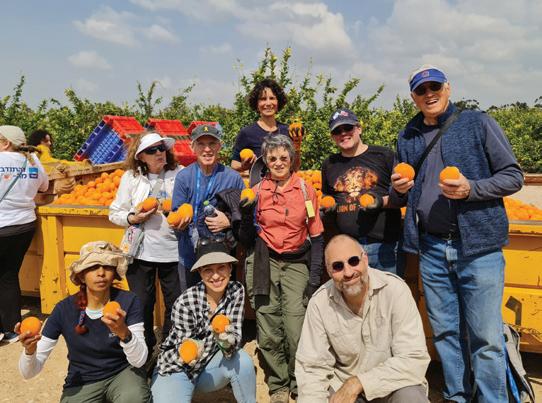
In March, the ICEJ hosted yet another Hands-On Serving Tour to assist Israelis in the war-torn Land. The Christian volunteers from around the globe visited several Gaza border communities and expressed solidarity in very practical ways. For example, they pruned mango orchards at an Agro-tech school in Sde Nitzan, sorted 3,400 kilos of clementines at the Leket logistics center, and helped harvest 16,000 kilos of oranges. “We were able to see the tangible fruit of our labour everywhere we went, and with each act of service, our connection to Israel deepened,” one participant explained.
APRIL
This year the ICEJ marked the Passover season once again by distributing gifts and grocery coupons to Jewish families across Israel. These gifts brought joy and relief to many in need, ensuring they could celebrate this significant Jewish holiday with dignity.
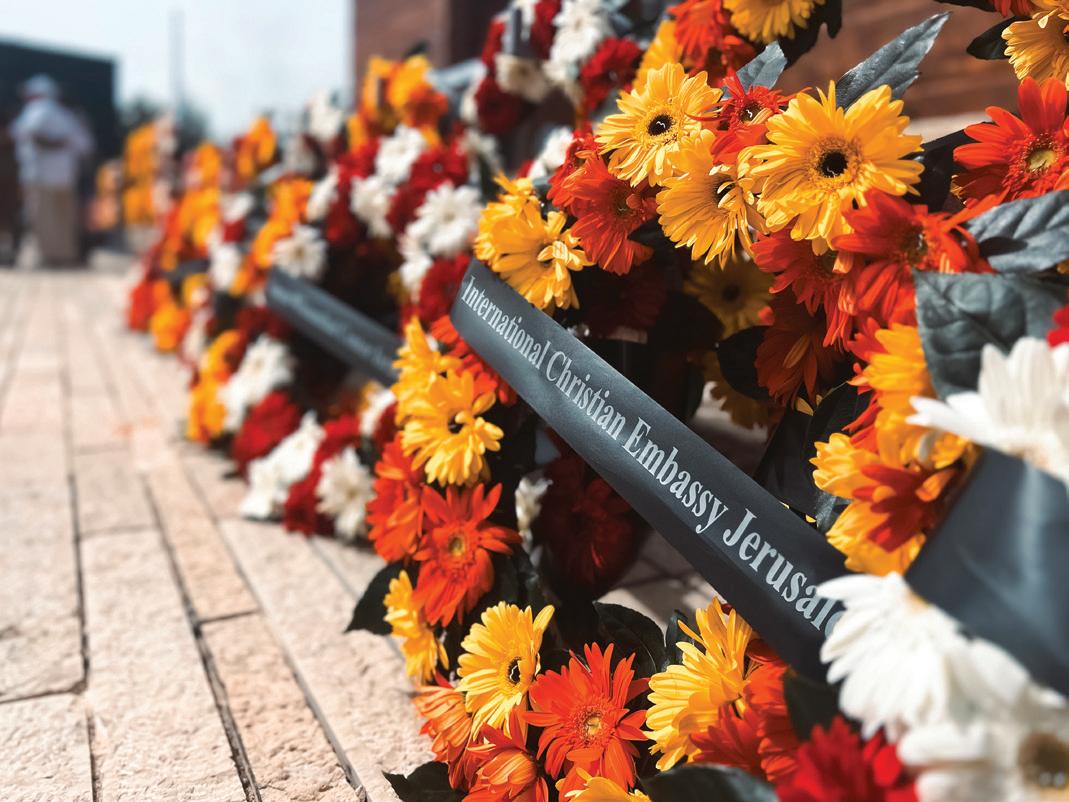
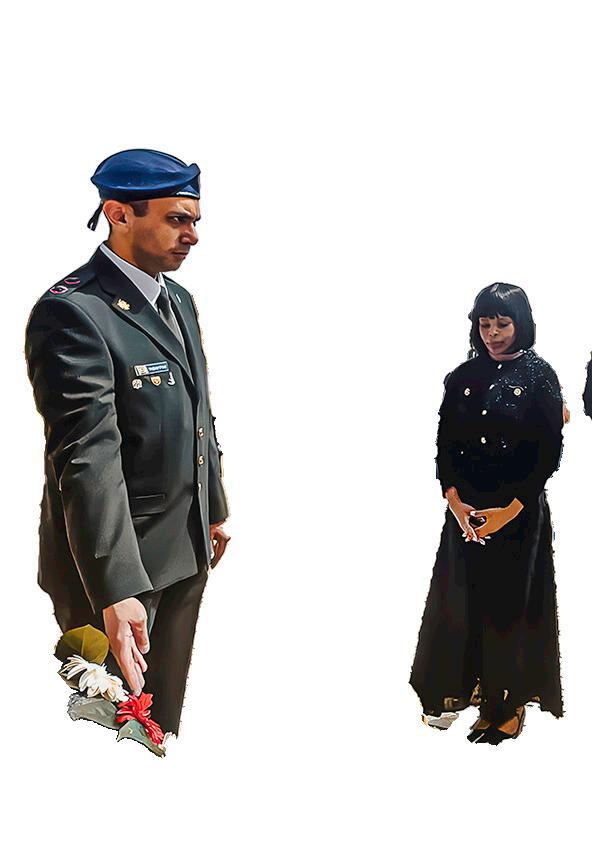
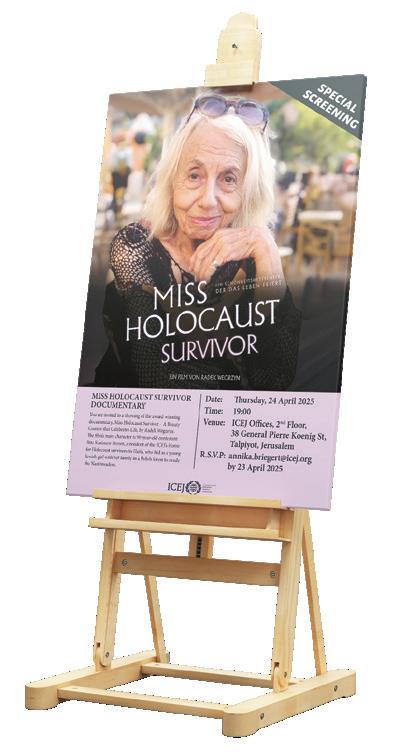
In April, the ICEJ also marked Yom HaShoah – Israel’s annual Holocaust Remembrance Day – by laying a wreath during the official state ceremonies at Yad
Vashem, celebrating 15 years of operations at the Haifa Home for Holocaust Survivors, and hosting special screenings of the awardwinning documentary “Miss Holocaust Survivor: A Beauty Contest that Celebrates Life.” The new film highlights the personal stories of two elderly contestants in the unique beauty pageant who are residents of our Haifa Home for survivors of the Nazi genocide – 95 year-old Rita Kasimov Brown and 102 year-old Tova Finger.
MAY
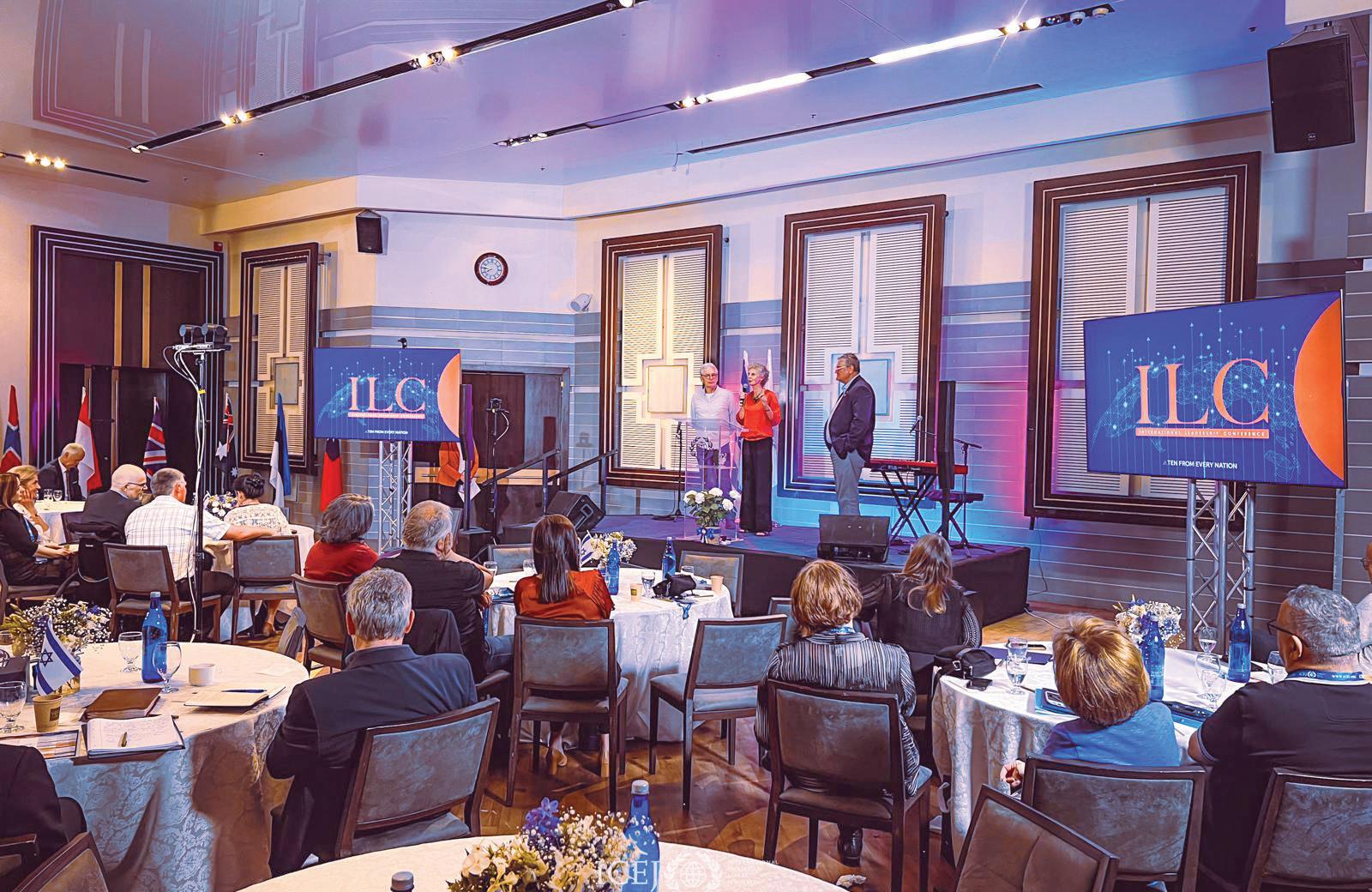
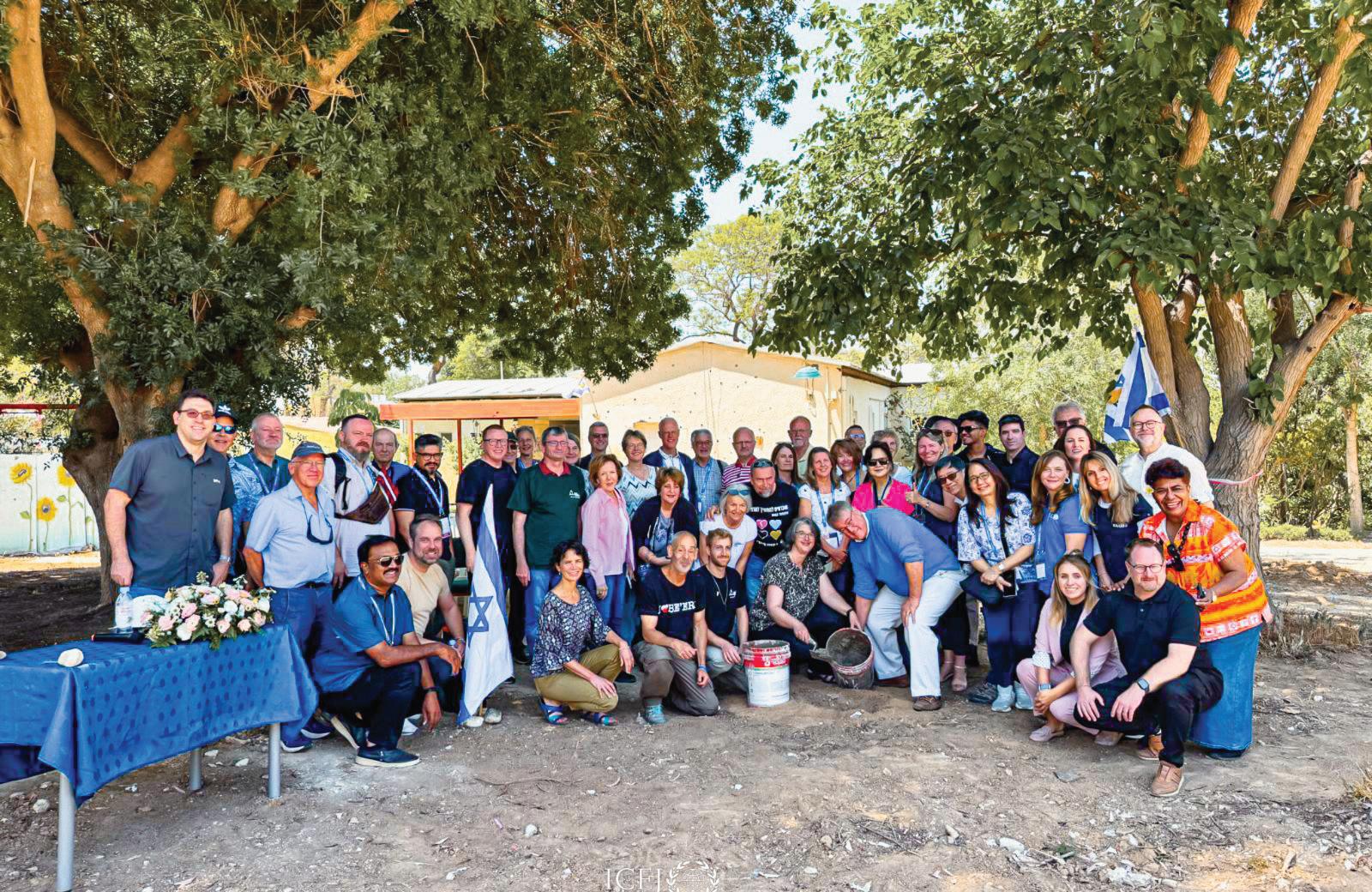
In May, the ICEJ welcomed over fifty global representatives to Jerusalem for our annual International Leadership Conference. Participants visited the site of the Nova music festival massacre, an Iron Dome battery, and an army base just fifty meters from the Gaza border fence which was overrun by Hamas terrorists on October 7. The group also toured the battered community of Kibbutz Be’eri and took part in a ground-breaking ceremony for the rebuilding of the village’s youth activity center, sponsored by the Christian Embassy. This is just one of a series of major construction projects the ICEJ is funding in Israeli communities along the Gaza border, which also includes an elderly trauma care and activity center in Kibbutz Be’eri, a children’s trauma center and a music therapy center in Kfar Aza, a greenhouse classroom at an agro-tech high school in Sde Nitzan, and a horse therapy ranch and therapeutic animal corner in Kibbutz Urim.
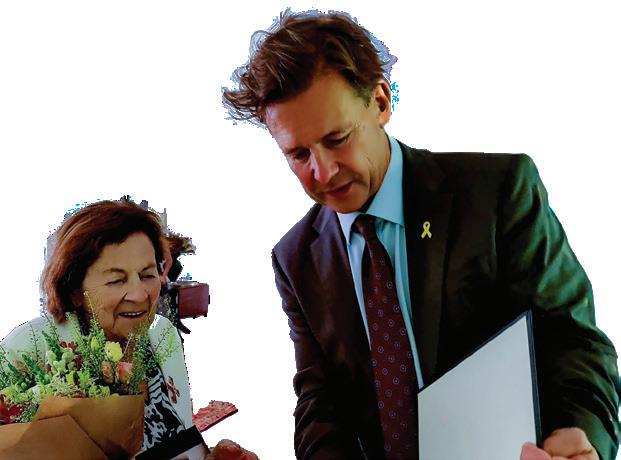
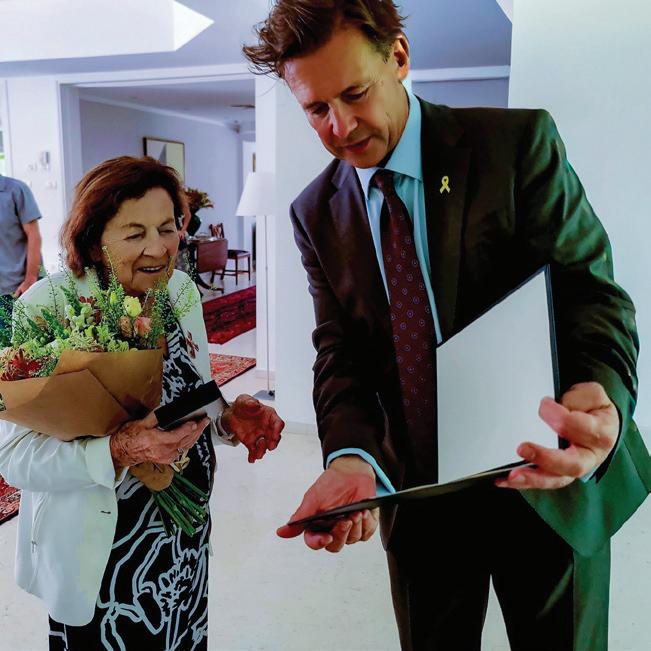
by German Ambassador Steffen Seibert to a ceremony honouring her with the Federal Cross of Merit award as one “whose voice has become a moral compass for generations.”
JUNE
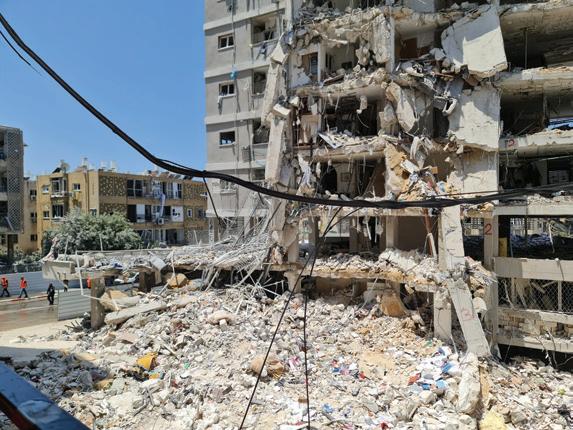
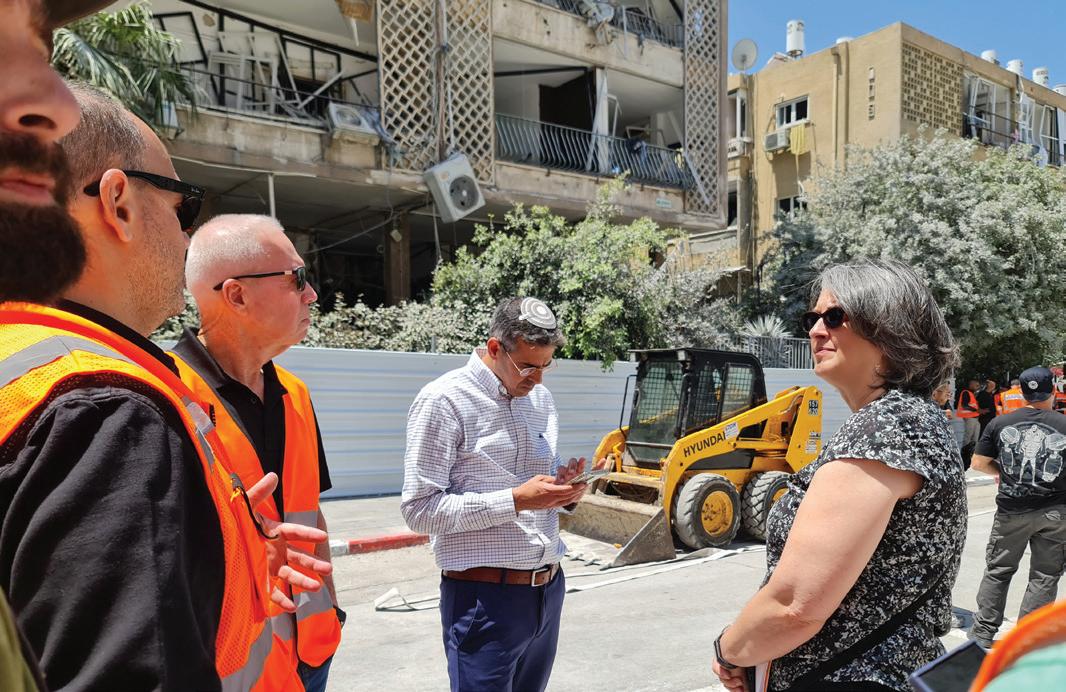
During the 12-day war with Iran in June, barrages of Iranian ballistic missiles rained down on Israeli cities. One massive warhead devastated several blocks of apartment buildings in the coastal town of Bat Yam, killing seven people and leaving hundreds of families homeless. Visiting the blast site two days later, Nicole Yoder, ICEJ Vice President of AID and Aliyah, commented that “this level of devastation is something new for us to see in Israel.”
In response, the ICEJ helped hundreds of families who lost their homes due to Iranian missile strikes, assisting them with clothing, food, medicines, diapers, and hygiene supplies, plus giving affected children sorely-needed trauma care.
Meanwhile, the ICEJ-Germany branch arranged a national speaking tour for Eva Erben to share in German public schools about her experiences in surviving the Holocaust and how to fight the current wave of antisemitism worldwide. Back in Israel, Eva was invited
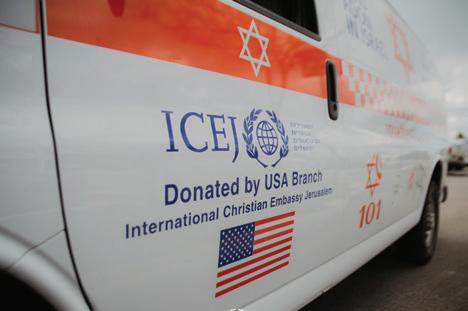
When the port city of Haifa was specifically targeted by Iran in the brief but intense war last June, the ICEJ also took special measures to secure our Haifa Home for Holocaust survivors by stocking up on food, reinforcing bomb shelters, acquiring an emergency generator, and donating an ambulance dedicated to serve the residents and other Holocaust survivors in the region.
JULY
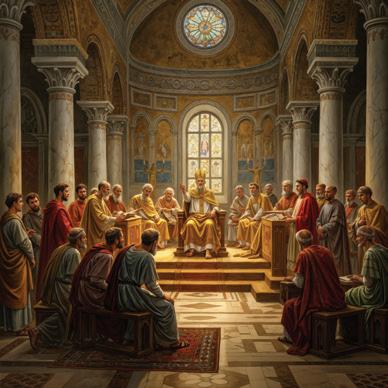
The past year marked 1700 years since the landmark Council of Nicaea in 325 AD. The Christian Embassy called believers worldwide to join us for 100 days of prayer and fasting, from May 18 to August 24 – the approximate anniversary dates for the Council of Nicaea.
During this time, we gave thanks for the good fruits of Nicaea, which birthed a unifying creed that still unites Christians today, but also interceded for the healing of the historic wounds it caused in deliberately severing the Christian faith from its roots in Israel and the Jewish people. Every week, our Global Prayer Gathering featured noted Christian scholars providing insights into Nicaea to help guide our prayers.
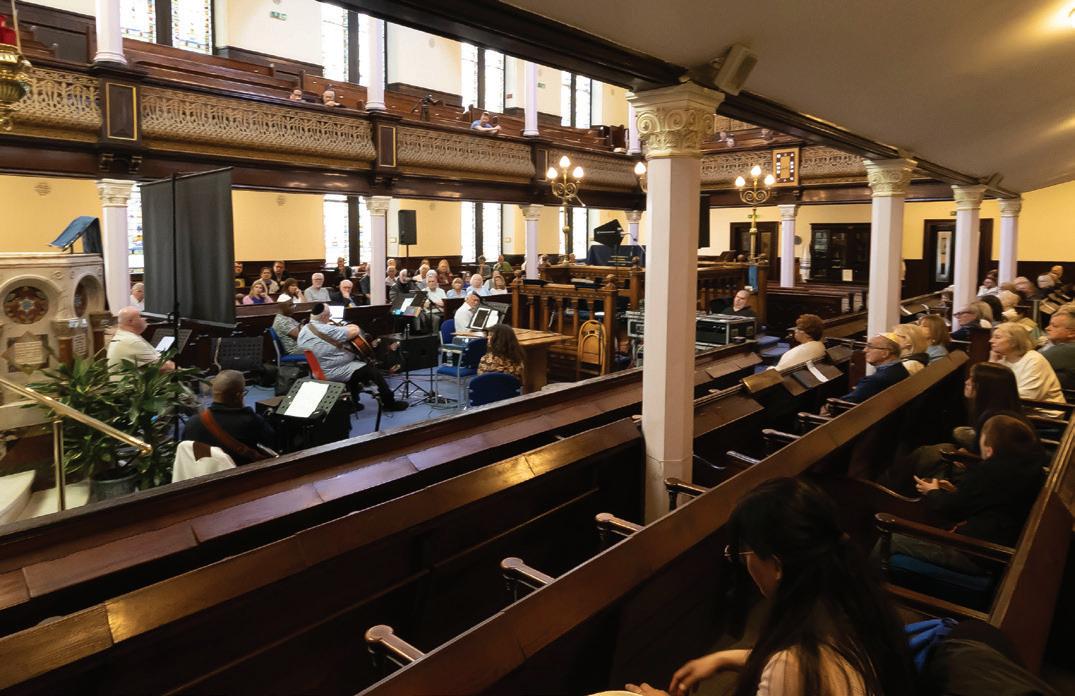
In July, the ICEJ-UK branch held ground-breaking pro-Israel meetings in Edinburgh and Glasgow, the principal cities of Scotland, in hopes of countering the antisemitic atmosphere in the country. The historic gatherings started with a Christian conference in a church in Edinburgh and then moved to the ancient synagogue in Glasgow, where the Christian and Jewish communities came together to stand with Israel. The ICEJ’s branches in over 90 nations worldwide have been very active again in 2025 to support Israel by organising rallies, marches and prayer gatherings in cities worldwide.
AUGUST
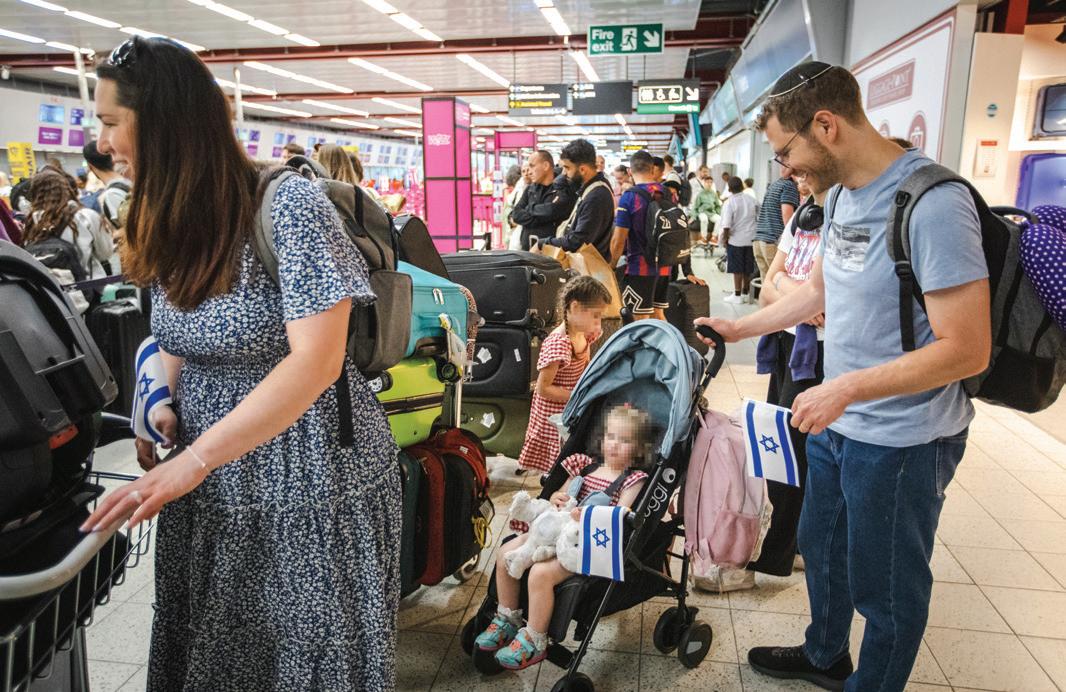
In August, the ICEJ sponsored a flight of 50 British Jews immigrating to Israel, making it the largest Aliyah group to arrive from the United Kingdom in 15 years. The British olim (newcomers) received a warm welcome from ICEJ staff as they handed out gift cards to provide initial groceries and essentials for their first home in Israel. In 2025, the ICEJ assisted more than 3,000 Jewish people in coming home to Israel, including from Britain, France, Ethiopia, Ukraine, the Baltic states and other former Soviet republics. This included sponsoring Aliyah flights for over 725 new Jewish immigrants.
The ICEJ also issued a major statement in August outlining the dangers and defects of the global campaign to recognise a Palestinian state to resolve the conflict in Gaza. The next month, the Christian Embassy released a second statement exposing the duplicitous nature of the growing accusations of ‘genocide’ against Israel, which also mask the true genocidal intent of Hamas.
SEPTEMBER
In mid-September, Fijian Prime Minister Sitiveni Rabuka joined Israeli Prime Minister Benjamin Netanyahu in officially inaugurating the new Embassy of Fiji in Jerusalem. The ICEJ-Fiji branch had worked for decades towards this moment, and the ICEJ was well represented at the Embassy opening and other events during PM Rabuka’s historic visit to Israel. ICEJ’s Fijian staff members Fine Ditoka and Kelera Cirimaiwasa had the
honour of placing traditional welcome wreaths on prime ministers Rabuka and Netanyahu. Dr. Jürgen Bühler also gave our prestigious Cyrus Award to PM Rabuka at a diplomatic banquet held in his honour. Fiji is now the seventh country to open an Embassy in Jerusalem.
Meanwhile, the ICEJ also continued our outreach to the various minority communities in Israel. This included sponsoring coexistence projects to rebuild trust between Arabs and Jews, and supporting programs to help unemployed Arabs. In another example, in September, the Christian Embassy sponsored a field trip to the Jerusalem Biblical Zoo for Domari children from the Old City of Jerusalem. “This is the best day of my life! I saw my favourite animals in real life”, said six-year-old Hazem.
OCTOBER
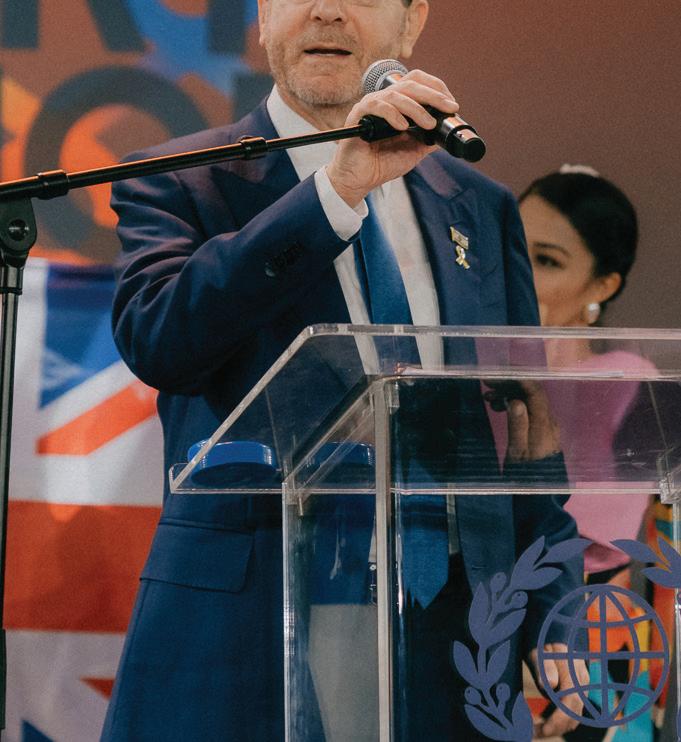
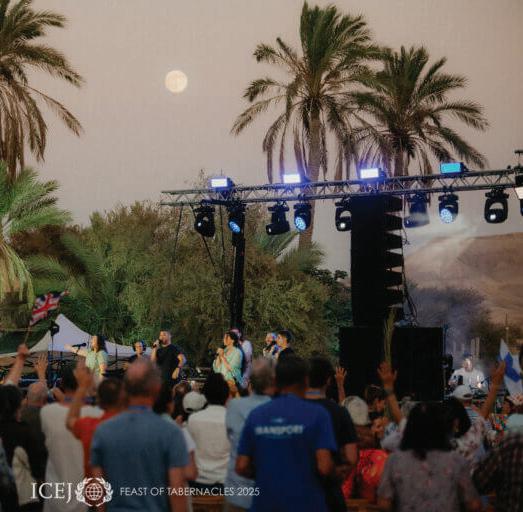
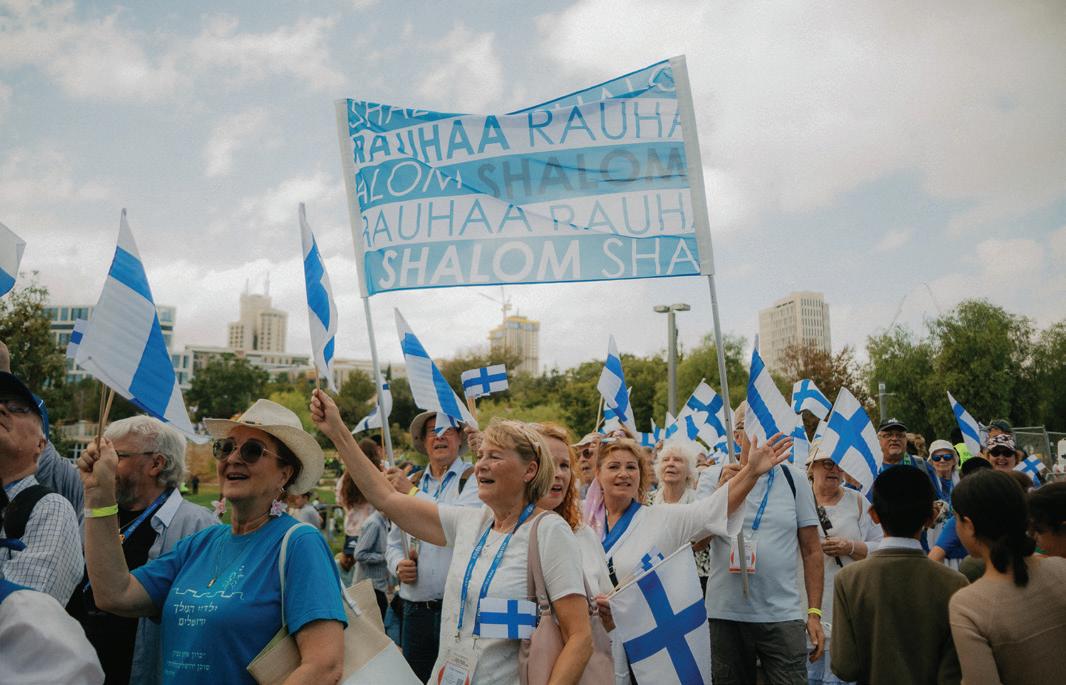
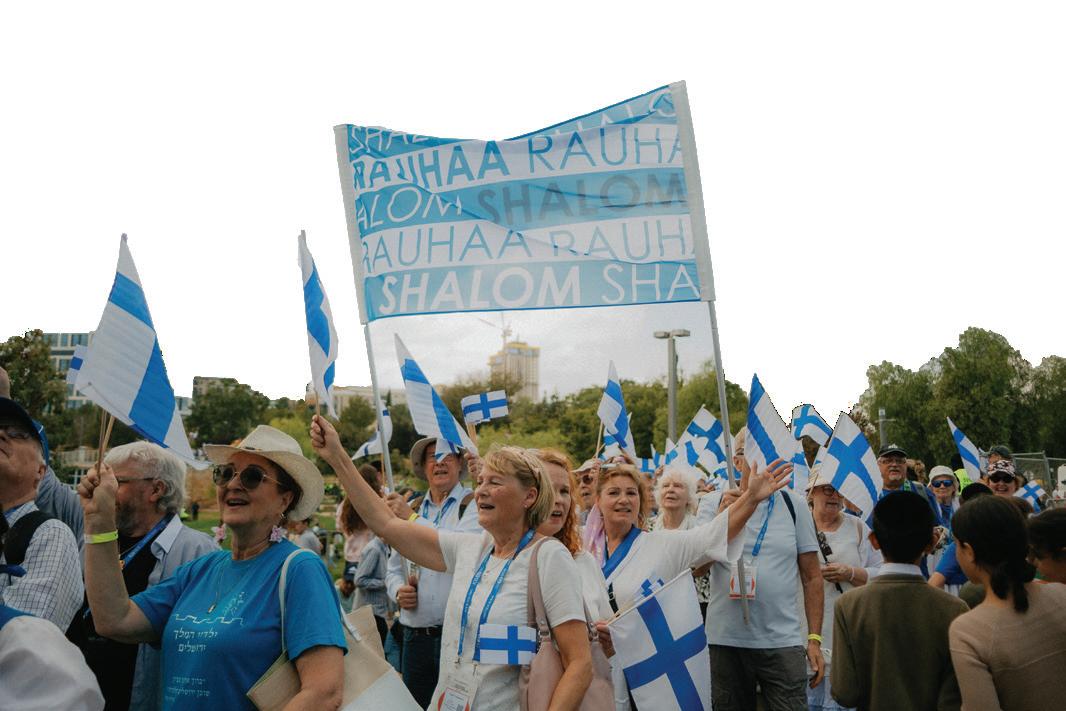
The ICEJ’s Feast of Tabernacles celebration in October drew the largest solidarity mission to visit Israel of 2025, as over 1,700 Christians came from abroad to stand with the Jewish nation and people and worship the Lord in Jerusalem. The highlights included a warm welcome address by Israeli President Isaac Herzog and a mass prayer vigil in the Knesset Rose Garden just as Israeli cabinet members were gathering nearby to vote on accepting the Trump ceasefire deal for Gaza. Four days later, most of the Feast pilgrims were still
(Credit: Omri Dagan)
in the country to witness the joyous return of the last 20 living hostages from Gaza on Simchat Torah – exactly two years after their abduction.
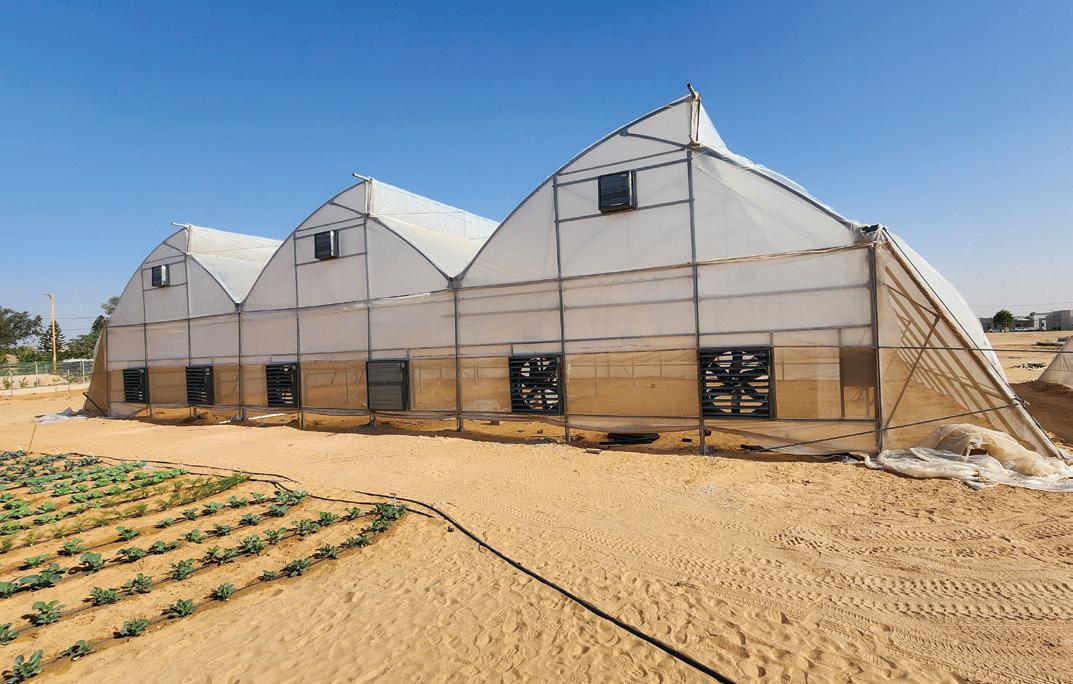
Also in October, ICEJ staff were on hand at the agro-tech high school in Sde Nitzan for the official opening of its new technological greenhouse classroom, funded by the Christian Embassy. We also are sponsoring the construction of four classrooms at the innovative farming school, which now has 50 students from across Israel enrolled in its unique program to rebuild the farming communities of the western Negev.
NOVEMBER
this past year on providing trauma care services for all segments of Israeli society, especially for children, the elderly and disabled, and medical and security personnel.
DECEMBER
In December, the ICEJ committed to helping fund Aliyah flights for the next wave of immigrants from the Bnei Menashe community in India, after the Israeli government approved plans to bring the last 5,800 members of this ancient Israelite tribe home to Israel over coming years. The first flights should arrive early in 2026. Jewish immigration to Israel from around the world is expected to increase dramatically in the new year, and the Christian Embassy will be there assisting as many as we can to reach their ancestral homeland.
For the third year in a row, the ICEJ sponsored an “Isaiah 19 Conference” in Cyprus in November, which drew Arab, Jewish and Gentile believers from Israel, Egypt, Lebanon, and even from Iran. The gathering focused on raising up a new generation of Arab and Jewish believers committed to seeing the efforts of reconciliation within the Body of Christ continue to grow in the Middle East region.
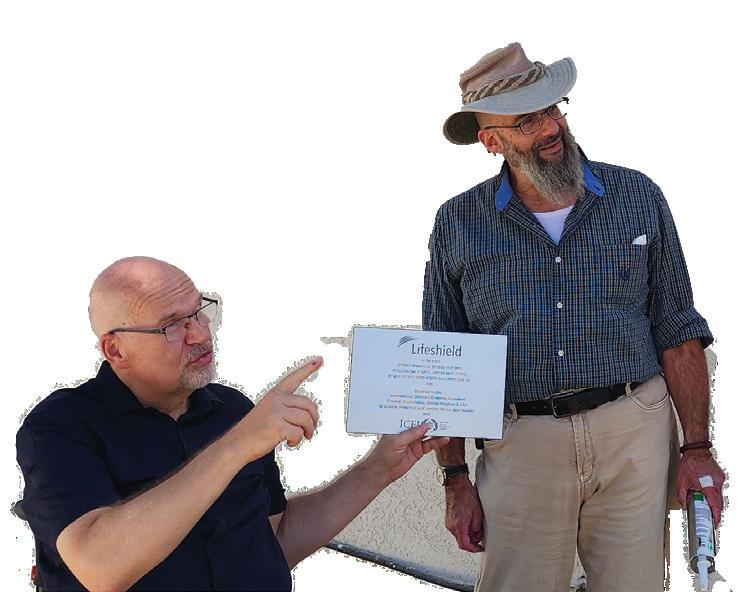
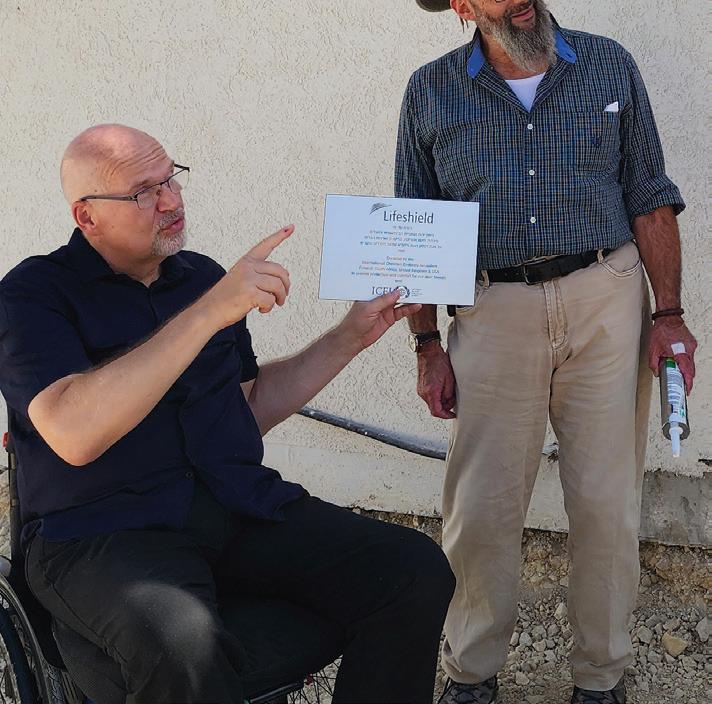
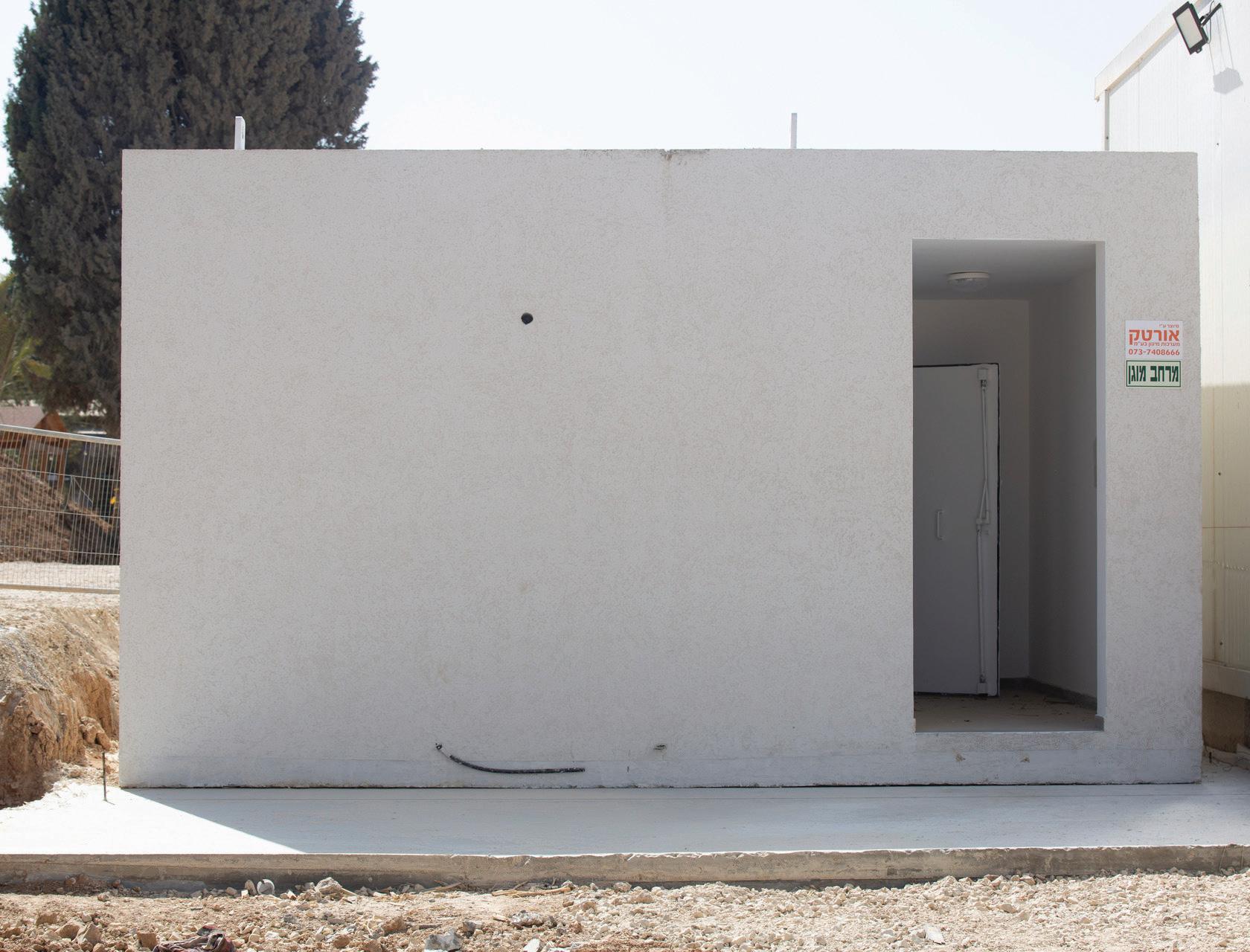
Meanwhile, an ICEJ delegation attended a special dedication of two large bomb shelters recently donated by the Christian Embassy to serve a new resilience center in the Sadot Negev region near Gaza, which will provide trauma care and psychological help to the surrounding communities. The ICEJ has now placed over 240 new bomb shelters and renovated 174 existing shelters over the past 15 years to provide security to Israel’s vulnerable border communities. In addition, the Christian Embassy focused much effort
‘NOTHING IS LEFT’: ICEJ HELPS 81-YEAR-OLD SURVIVOR
REBUILD LIFE AFTER OCTOBER 7
BY NATIVIA BÜHLER
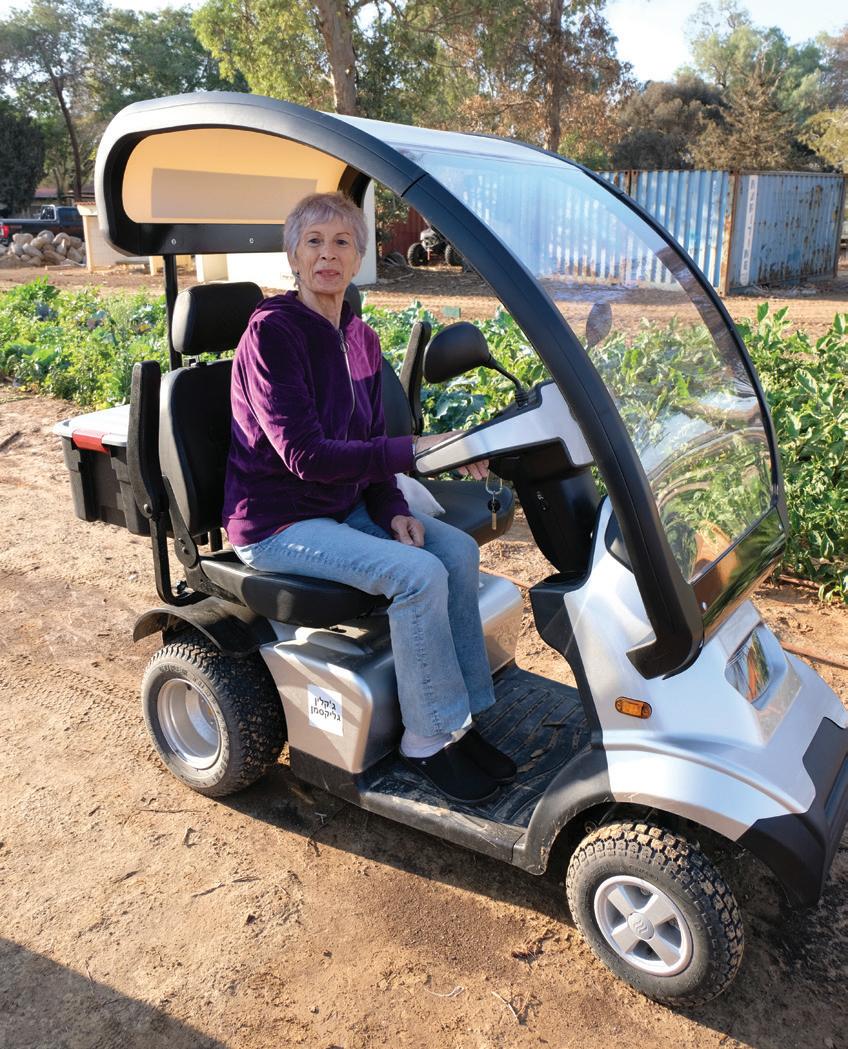
At 81 years old, Jaqueline Glicksman recently returned to the ruins of her home in kibbutz Ein HaShlosha months after Hamas terrorists stormed the Israeli village on October 7, 2023. Her house had been reduced to ashes, but she remained determined to come back. The ICEJ stepped in to help Jaqueline and elderly survivors like her with the purchase of two golf cart-style caddies to help them regain mobility and independence.
On that dark day two years ago, Ein HaShlosha faced an unprecedented assault from nearby Gaza. Approximately 75 terrorists invaded the kibbutz and surrounding fields, though they were thankfully spotted by an IDF helicopter, which neutralised some of the threat and prevented further infiltrations. Still, four residents were killed and 16 homes were burned. Some houses were pocked with bullet holes, others damaged by rocket fire. Looters joined the attack. The community was left traumatised.
As scores of displaced families moved to hotels and then temporary housing, the ICEJ helped provide encouragement and support. For instance, the ICEJ AID team delivered 130 gift packages to families evacuated from Ein HaShlosha earlier this year. These were part of
a special donation from generous Christians in Singapore of more than 1,500 homecare packages to evacuated families from Nir Oz, Re’im, Be’eri, Kfar Aza, and Nahal Oz.
“The aim was to let every community feel the presence and support of Christians around the world,” said Nicole Yoder, ICEJ Vice President of AID & Aliyah. “We want them to know they are not facing this alone.”
Glicksman’s experience that day was harrowing. Alone at home, she initially went into her safe room when the sirens sounded. As she later stepped out to make coffee, she heard shouts of “Allahu Akbar” and gunfire outside. “They weren’t giving out sweets,” she said ironically.
She heard the door open and saw an armed terrorist enter. He took the tablet and phone she had been using to contact her family. Towering above her with a machine gun strapped across his chest and a headband with Arabic words, he looked straight in her eyes and put a finger to his mouth demanding silence. Frozen in shock, she obeyed. He backed out of the room, leaving her unclear about what was next. Moments later, she heard something being scattered outside. Sensing more danger, the 81-year-old gathered every ounce of strength, climbed onto a tall dresser, reached the window frame, and leapt out in her slippers and pyjamas.
As she ran hundreds of meters across the kibbutz, she passed burned homes of her friends, lifeless bodies, and even saw a destroyed vehicle with the local security chief lying dead beside it. Amid the smoke, flames and scattered belongings, she knocked on several doors, searching for safety, until neighbours finally sheltered her.
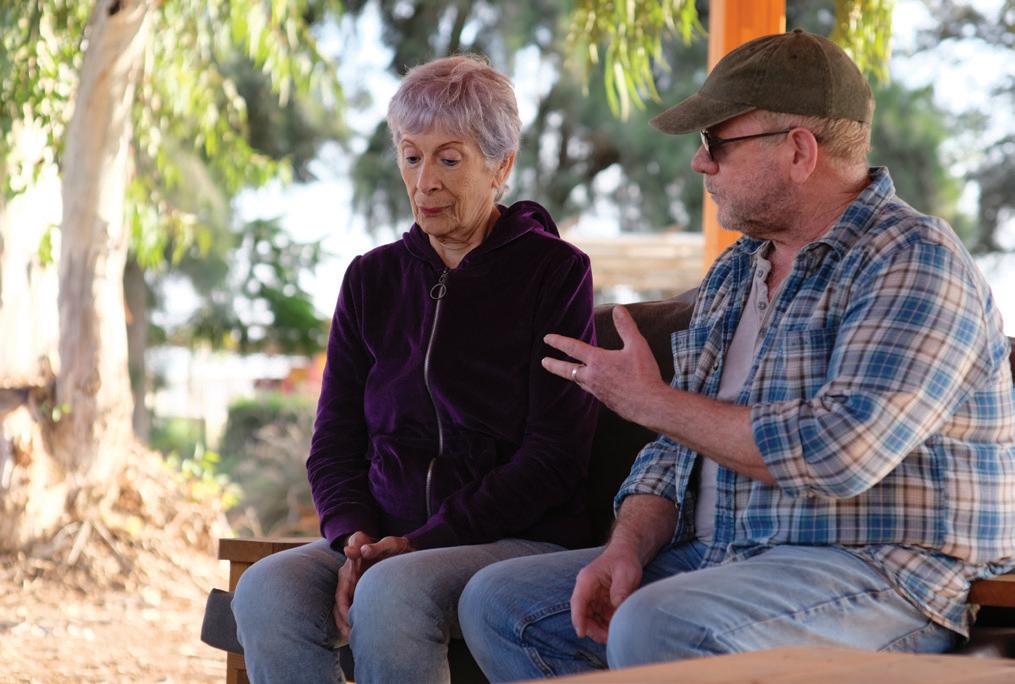
Returning months later, Jaqueline described what she had endured. “It hurts that they burned down my house, my life.
Nothing is left,” she said. She also expressed lingering fear: “I never know if it will happen again, and it is frightening.” Yet despite the trauma, she is determined to return home, “This is my home. I have no other,” she said.
Her son Yossi also recounted her story with much emotion: “The spirit of God covered my mum and protected her. I have no other explanation for how she is alive today... She’s been through hell, and I pray that the rest of her life she lives in fullness and in healing.”
The story of Ein HaShlosha shows both the immediate and long-term impact of October 7 and their need for help in recovering. The ICEJ is extensively involved in the rebuilding efforts, as well as providing trauma care and other needs. In this case, we are helping October 7 survivors like Jaqueline regain independence. Today, she is not only able to tell her dramatic story of jumping from a window at 81 years old to escape terrorists, but she also has a caddy from the ICEJ to help her move around her restored community.
Help change and restore lives like Jaqueline by giving to our Israel in Crisis fund.
Volunteers receive a briefing.
ICEJ Staff member Julia Campos and another volunteer ready to unpack bags of donated clothes.
(Pictured below)
FREAL LOVE AT THE ‘RED CARPET’
HOW ICEJ IS HELPING RESTORE DIGNITY TO WOMEN ON TEL AVIV’S STREETS
BY NAOMI AMMON
rom the moment the ICEJ team stepped across the threshold of the Red Carpet Center in Tel Aviv until they swept the day’s debris out the door, they were serving tirelessly — preparing food, folding clothes, painting nails, washing dishes, making tea, and distributing personal hygiene kits.
ICEJ began supporting the Red Carpet several years ago after founder Anat Brenner opened the center to offer practical help to unemployed and vulnerable women caught up in the rampant homelessness and drug abuse of south Tel Aviv. Some have turned to prostitution as a last resort against poverty. The Red Carpet center provides a welcome safe haven offering nourishing meals, warm clothes, a bed to rest in, and access to medication.
A SAFE HAVEN WITH A PERSONAL TOUCH
What distinguishes the Red Carpet center from other women’s shelters is its extraordinary attention to detail. The main room features a boutique-style clothing rack where volunteers act as “personal shoppers,” placing each woman’s chosen items into a shopping bag. In the showers, personalised shampoo and conditioner kits await each guest.
“Get the raspberry one for Angelique,” Anat told a volunteer rummaging through the fridge for a beverage. “It’s her favourite — she likes sweet things.”
Such gestures, though small, exemplify the dignity and care this center provides. And that care extends far beyond conventional limits. It is not reserved for the religious, respectful, or drug-free. Some visitors come only to pick up food or toiletries to take away. Others simply stop by for a warm drink and conversation.
Because the Red Carpet center is also a refuge from violent men, the door is closely monitored. Every person who enters is screened through a surveillance camera. Yet food, empathy, and a listening ear are offered freely to anyone passing by.
TENDERNESS IN HARD PLACES
For many, such loving care is a rare, meaningful expression of tenderness in difficult circumstances.
“Hey, can I have a sweater?” a girl in her early twenties requested.
“Of course”, responded an ICEJ volunteer. “Let me see if there is something in the back.”
After digging through a basket of clothes donated by ICEJ supporters, the volunteer found many lovely dresses and floral scarves but no right size sweater.
“Sorry, Maia* this is what we have,” handing her a thin cashmere cardigan.
“That’s fine,” Maia smiled. “Did you know I had a baby last week? I’m going to visit him this afternoon, so I want the best for him.”
Over tea and almond cake, Maia shared about her several children, currently all in governmental care systems. She does not have an apartment or reliable employment and while recovering from her C-section she relies on the Red Carpet center as a safe, clean place away from the streets to rest. As she gently chatted about her little boy and showed Anat his pictures while blow-drying her hair, it is evident how life-giving the center is for people like Maia.
ROLLING OUT REAL LOVE
Maia may not have all the opportunities she deserves, but the generous, consistent love and sacrifice offered by Anat and the team at the Red Carpet protects vulnerable women like her by providing a safe place to recover and rest, affirming their intrinsic value, and encouraging every woman to flourish.
*Name changed for privacy.
Help us roll out the red carpet and restore dignity to more women in Israel through ICEJ’s “Future and a Hope” program.
DONATE TODAY AT: help.icej.org/future-hope
TICEJ’S SUCCESSFUL ALIYAH EFFORTS IN 2025 AND A PROMISING NEW YEAR
BY HOWARD FLOWER, ICEJ ALIYAH DIRECTOR
he year 2025 has been a turning point for Aliyah. For years, the majority of new Jewish immigrants to Israel have been from the Former Soviet Union. Now, Aliyah from the West is rising and may take the lead.
During this past year of 2025, the International Christian Embassy Jerusalem sponsored more than 3,000 Jews returning from Ethiopia, France, Great Britain, and the former Soviet republics – not as refugees, but as families making the right decisions about their future. These are people choosing a better tomorrow and being part of God’s plan for their ancestral homeland.
The ICEJ’s calling to Aliyah comes from Isaiah 49:22: “They shall bring your sons in their arms, and your daughters shall be carried on their shoulders.” When ICEJ sponsors flights and funds integration programs, we fulfil prophecy spoken long ago over Israel’s destiny. The pattern was established during the Exodus, when many Egyptians provided silver, gold, and clothing to departing Israelites (Exodus 3:21-22). Isaiah 60:9 later promised: “The ships of Tarshish will bring your children from afar, with their silver and gold.” This work also is anchored in Genesis 12:3, which states: “I will bless those who bless you.” Thus, we believe God sees and rewards all the help which comes from the supporters of our Aliyah efforts.
2025 ICEJsponsored French Aliyah.
(Credit: JAFI)
ALIYAH FROM AN INHOSPITABLE FRANCE
Last spring and summer, the ICEJ helped sponsor multiple Aliyah flights bringing French Jewish families home to Israel. The Iran conflict created both opportunity and urgency for Jewish watching global tensions with mounting alarm. Yet even closer concerns drove this growing exodus to Israel, as France’s Jewish community often faces hostility in the streets, schools and workplaces. So, the ICEJ ramped up its efforts in France, providing support to help families navigate the upheaval of uprooting their lives.
HISTORIC SHIFT IN ALIYAH FROM GREAT BRITAIN
In August, ICEJ sponsored the largest Aliyah flight of British Jews in fifteen years. British Jewish families pulled their children from schools, sold their homes, and started over in a nation still recovering from conflict. The calculus was clear: better to build futures in Israel than endure escalating hostility. This represents a historical shift. Jews in stable Western democracies are reaching the same conclusion their grandparents reached in the 1930s: prosperity and legal equality do not guarantee security or belonging.
recognising that young people often lead larger family movements.
INTEGRATION:
THE REAL WORK BEGINS AT BEN GURION
A successful Aliyah does not end when a Jewish family step off the plane at Ben Gurion Airport – it really begins there. New immigrants face numerous challenges, including learning Hebrew, finding employment, understanding Israeli culture, and establishing social networks from scratch. ICEJ expanded its integration programs throughout 2025, particularly in workforce development initiatives. Helping new immigrants integrate into Israel’s economy is an investment in the nation’s future.
The Naale and Sela programs brought teenagers to complete their education in Israel, giving them formative years in their homeland. Our assistance to the Jewish Agency youth Aliyah camps prepared young people for their eventual Aliyah, building connections and confidence for life-changing decisions.
WHY 2026 WILL SURPASS 2025
ALIYAH FROM ETHIOPIA AWAITS
Ethiopian Jews have maintained their faith and identity through centuries of isolation. In October, ICEJ provided crucial assistance to Ethiopian Jewish families as they made their journey home. Every Ethiopian who reaches Israel carries forward the biblical story that connects the Queen of Sheba to King Solomon – a biblical thread spanning millennia.
ALIYAH FROM THE NORTH RETURNS
The former Soviet republics remains a significant source of Aliyah. Russia, Ukraine, Belarus, Central Asia and the Baltic states continue releasing their Jewish populations to Israel, fulfilling Jeremiah’s prophecy (16:14-15) about return from “the land of the north.” ICEJ expanded its youth Aliyah efforts from the Baltics all the way to France,
The momentum is undeniable. What began as individual Jewish families making difficult choices has become a movement. Western Jews are watching their peers successfully rebuild lives in Israel while their home countries grow increasingly hostile. This combination of proven success stories alongside worsening conditions abroad will drive the surge in 2026.
The Christian Embassy is committed to standing with the Jewish people as they reclaim their inheritance and rebuild their nation. The ancient promise of the exiles coming home is still playing out before our eyes. As long as Jews anywhere dream of coming home, our mission will be to help them.
Thank you for supporting the ICEJ’s Aliyah efforts during 2025 and into the coming year.
ICEJ HELPING NEW WAVE OF BNEI MENASHE RETURN TO ZION
BY HOWARD FLOWER, ICEJ ALIYAH DIRECTOR
In late November, the Israeli government made a decision that will forever change the lives of more than 5,000 people of Israelite descent living in the remote hills of northeastern India. In an historic move, Prime Minister Benjamin Netanyahu’s cabinet approved a five-year plan to complete the Aliyah of the Bnei Menashe community—descendants of the ancient Israelite tribe of Manasseh who have kept their Jewish identity alive for 2,700 years of exile.
For the International Christian Embassy Jerusalem, which has sponsored Aliyah flights for nearly half of all Bnei Menashe immigrants since 2012, this announcement represents the fulfilment of decades of prayer, advocacy and practical support. It is also a powerful reminder that God’s promises to “bring your descendants from the east” (Isaiah 43:5) continue to unfold in our generation.
A COMMUNITY’S LONG JOURNEY
The Bnei Menashe story reads like a biblical epic. Their oral traditions trace their ancestors back to the Assyrian exile of 722 BCE, when the northern tribes of Israel were scattered across the ancient Near East. Over the centuries, many migrated eastward along the Silk Road, eventually settling in what is now the Indian states of Manipur and Mizoram.
Despite isolation and wanderings, they preserved remarkable Jewish traditions: a day of rest similar to Shabbat, abstention from pork, ritual sacrifice, and an annual festival that involves abstaining from leavened bread. Most poignantly, they kept alive the “Sikpui Hla,” an ancient song describing a crossing of the sea, pursuing enemies, and a pillar of fire—details strikingly parallel to the Exodus narrative in the Bible.
In 2005, Israel’s Chief Rabbinate officially recognised the Bnei Menashe as having Israelite descent. Since then, approximately 4,000 have made Aliyah, with another 5,800 waiting in India – until now.
ICEJ’S PARTNERSHIP THROUGH CRISIS
During the COVID-19 pandemic, the ICEJ sponsored flights for 131 out of 274 Bnei Menashe brought to Israel – often under challenging circumstances. When immigrants were stranded in New Delhi after testing positive for the coronavirus, ICEJ donors provided housing, food, and medical care for families who had already sold their homes and businesses and were enroute to Israel. This demonstrated the Christian commitment to stand with the Jewish people in their return. Since its founding in 1980, the ICEJ has assisted more than 193,000 Jews from over 35 countries in making Aliyah.
THE HISTORIC GOVERNMENT DECISION
The recent Israeli cabinet decision marks a turning point. Approximately 1,200 Bnei Menashe will immigrate to Israel by the end of 2026, with the remaining 4,600 arriving by 2030. The entire operation will be managed by the Israeli government and The Jewish Agency for Israel.
“An important and Zionist decision that will also lead to the strengthening of the north and the Galilee,” declared Prime Minister Netanyahu, as the new immigrants will settle primarily in Nof HaGalil and other northern cities.
WHY IT MATTERS
The Bnei Menashe have proven themselves loyal and productive citizens of Israel. Many serve in the IDF with distinction; several have received the President’s Medal of Excellence for military service. They bring strong family values, a solid work ethic, and deep loyalty to the Jewish state.
Since 2023, the Bnei Menashe remaining in Manipur have been caught in severe ethnic violence between local tribal peoples. Approximately 1,000 community members were displaced, with homes and synagogues destroyed. Many now live in refugee camps, facing what community leaders call “a blank future”. The government’s decision transforms their despair into hope.
HOW YOU CAN HELP
We have made an initial commitment to cover the flights, meals, hotel stays and other travel costs for at least 100 Bnei Menashe in the first group slated to arrive early in 2026. This presents a unique opportunity for Christians worldwide to participate in this prophetic ingathering.
As this five-year project begins, we invite you to stand with us in bringing these last “descendants from the east” home to Israel. Your support can sponsor flights, provide absorption assistance, and help families reunite after years of separation.
The Bnei Menashe have waited long enough. The time to bring them home is now.
BRINGING JOY, PEACE AND GRATITUDE TO HAIFA HOME RESIDENTS
BY ICEJ STAFF WRITERS
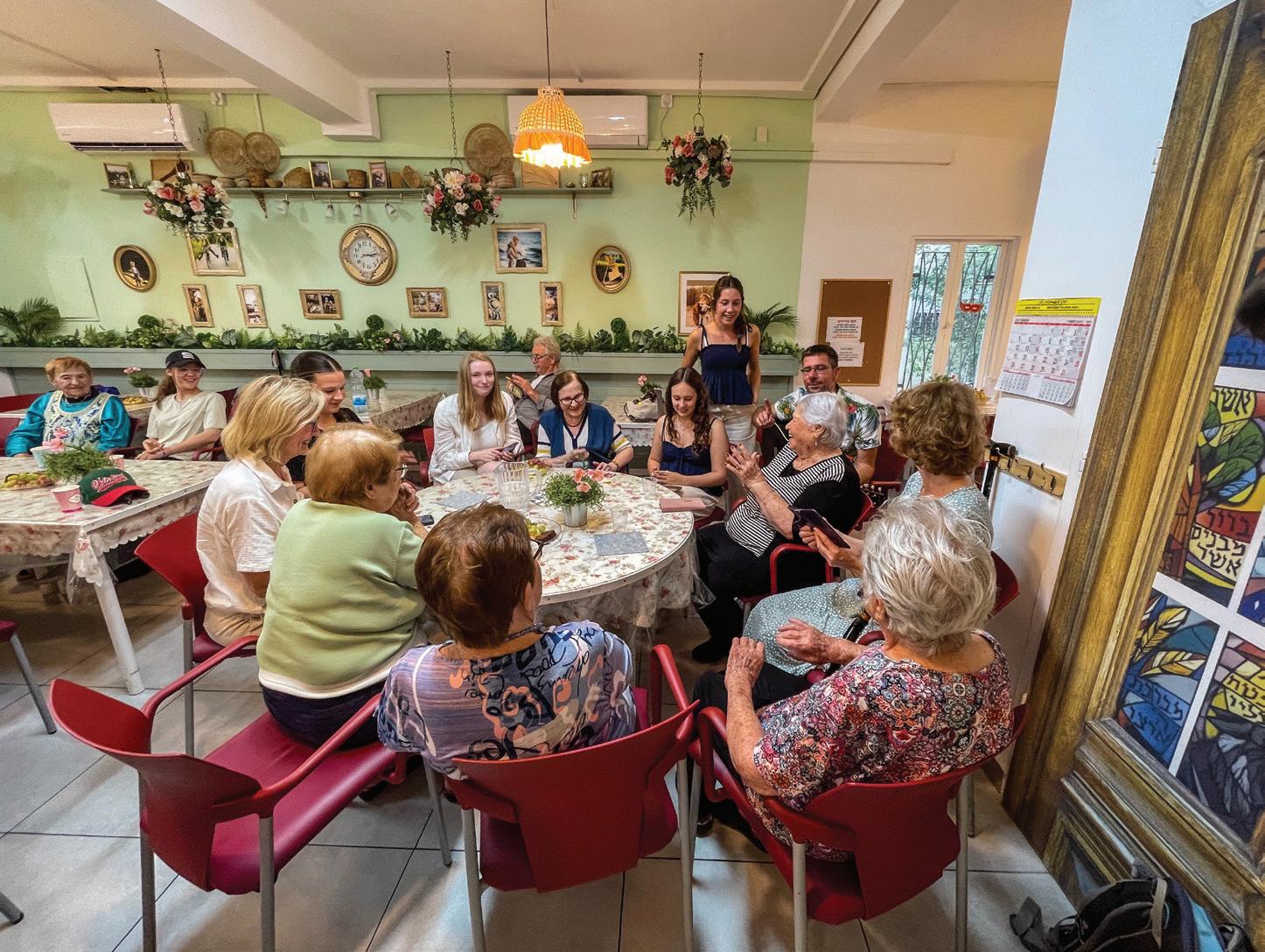
As the end of the year approached, the weather in Haifa finally turned cooler following the summer heat, with rain returning now and then. As Hanukkah was nearing in mid-December, our team of Christian workers kept busy preparing Hanukkah gifts for the residents and our fellow Israeli staff at our Home for Holocaust Survivors. We also hosted different groups from Germany and an ICEJ hands-on tour. In other words, there is never a dull moment here at the Haifa Home.
APPRECIATION EVENT FOR CAREGIVERS
Seventeen of our residents have a 24/7 livein caregiver. Depending on the residents’ language, caregivers come from various countries such as the Philippines, India, Sri Lanka, Moldova, Ukraine, and even Uzbekistan. They leave their families behind to earn a living abroad, hoping to give their children a better future. Their work is far from easy, and being so far away from their children and families adds even more challenges.
Our team reaches out to encourage the caregivers and assist them with any problems
they may encounter with their residents. One of the ways we do this is by organising an “Appreciation Event” where everyone is invited to attend. Besides drinks, cakes, and some colourful fruits, we seek to have fun and laughter together, and to show appreciation for one another.
“We see the hard work you are doing when you have sleepless nights, or when you have to stay inside most of the day because your residents cannot go outside anymore”, ICEJ Aid deputy director Yudit Setz told the caregivers. “We also see your tears when you deal with problems with your family back home. But above all, God sees you. Jeremiah the prophet said: ‘Lord, you are my strength and fortress, my refuge in the day of trouble.’ May God be your strength when you are weak. May He be your fortress when it looks like the whole world is against you. May He be your safe place when the pressures of life overwhelm you. We so appreciate everything you are doing for our residents, and we want to honour you for it.”
would have been so much more difficult”, one caregiver shared, while the others nodded in agreement. “We so appreciate what you are doing for us.”
GYMNASTICS AT THE BEACH
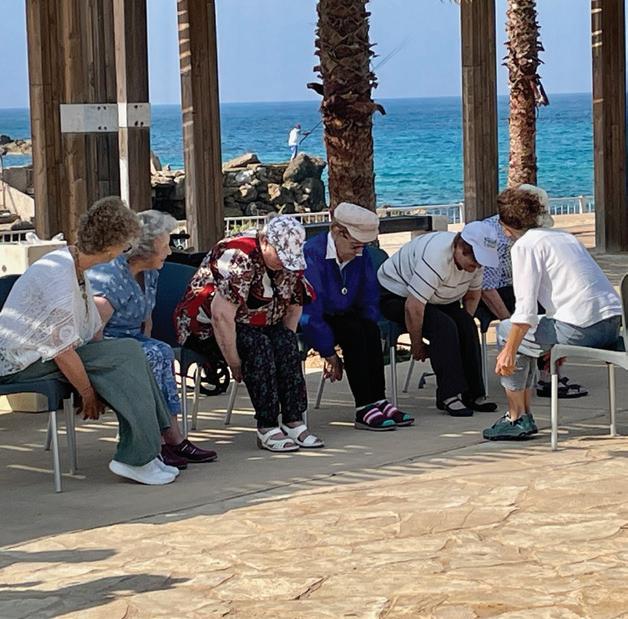
A change of environment is always good for our residents. That is why one of our recent gymnastic classes was conducted at the beach. “Wonderful”, Haya said, when she felt the wind blowing through her hair.
Sitting in the chairs the ICEJ team took along, all the survivors were happily moving their hands and arms, with our physiotherapist Simcha leading them. The movement, the view of the sea, and the breeze off the ocean made all the difference!
The ICEJ team gave each one a present in which gold was the distinctive colour, reminding them that they are like gold: very precious to each one of us, hard to find, but also often refined in the fire to become even more pure.
“If your team would not be here, our life
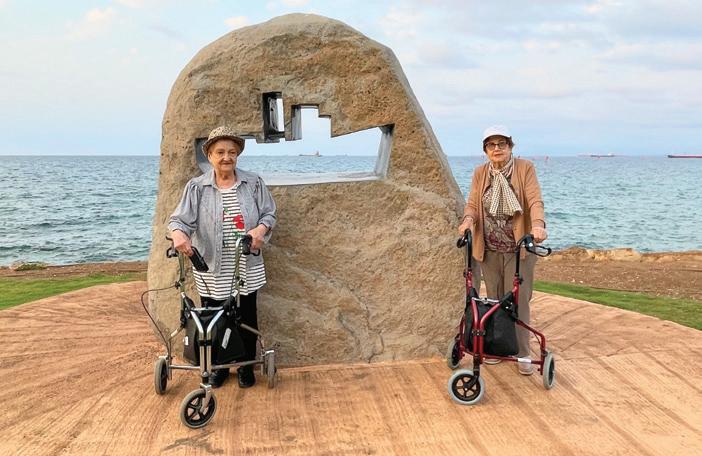
Very close by was a newly dedicated memorial to the Haim Arlozorov, a ship which brought nearly 1,400 Holocaust survivors from Europe to Haifa after the end of World War II. The British navy captured the ship off the coast of Haifa, and all the people were transferred to other boats and taken to the British detention center in Cyprus. Until today, the remains of the sunken ship lie offshore about 70 meters from the Haifa coastline.
In that same year, Zelda, now a 97 year-old resident of the Haifa Home, arrived by boat from Europe after surviving the Holocaust.
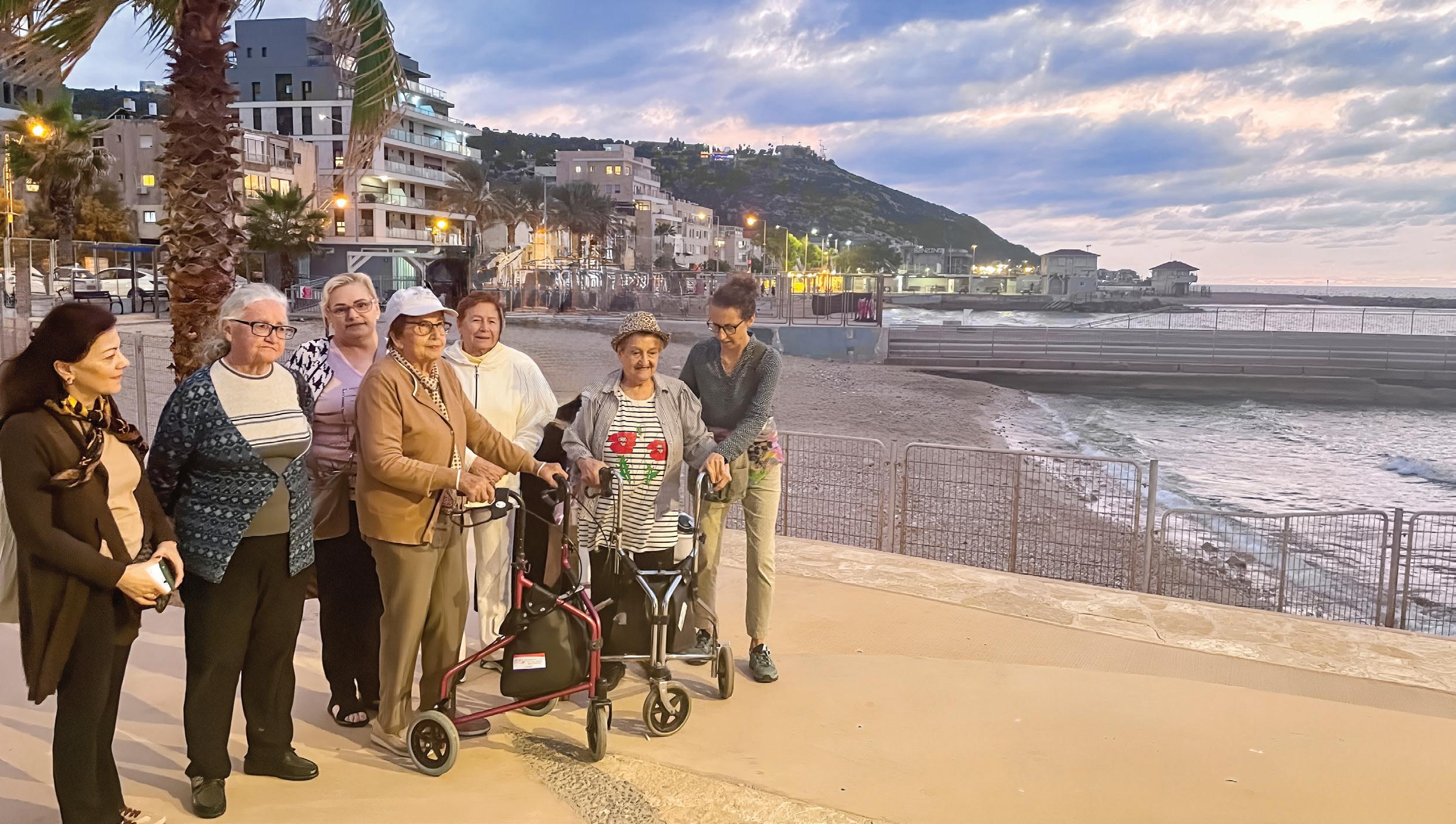
Residents enjoying a stroll at sunset at Haifa’s shores.
Haifa Home team and caregivers at the event.
The boat was captured by the British, and Zelda and her brother, along with all the other young people, were taken to a detention camp in Cyprus. Many of our residents arrived in the Land of Israel by boat to Haifa, which is why this location, where we held the gymnastics session, held special significance for our residents.
SUNSET AT HAIFA SHORES
Late one afternoon, we took four residents with the care team to stroll along the new promenade to the same memorial commemorating the sinking of the Haim Arlozorov.
The ship sank off the coast of Haifa on 28 February 1947 with 1,398 Jewish refugees on board. All the survivors were arrested by the British authorities and deported to Cyprus. The story brought back memories to the residents about their own journeys of escape and new beginnings here in Israel.
Afterwards, the group settled down on a bench overlooking the sea. With tea and biscuits, everyone enjoyed the fresh breeze and the colourful sunset over the Mediterranean. The atmosphere was cheerful and relaxed –a moment of peace and gratitude.
“That was so lovely, thank you for organising it so lovingly”, said one resident with a smile.
“I don’t like driving, but today it went very well – I really enjoyed it!” added Etta with a laugh.
“We can do that again!” chimed in Fanny.
Sun, sea and community are a wonderful combination!
YOUNG PEOPLE WITH A HEART FOR ISRAEL
When Christian youth want to visit the Haifa Home, it fills our hearts with excitement. The young generation are dealing with many challenges in the world today, and standing up for Israel comes with a price in the current climate in our nations. That is why we were delighted to host several recent events with
German youth and the Holocaust survivors living at the Home.
“I am so encouraged by these young people,” one of our residents said. “We only see antiIsrael protests in the world on our TV screens, and then to see young people in Germany standing up for Israel and they also come to visit us, this gives us hope.”
Some of these courageous young people shared with our residents that in their high school class, they were the only ones who stood up for Israel. Others were not even sure in the beginning if they wanted to come to Israel due to the danger of war and the warnings they heard from people around them. However, they were so happy that they had not listened to those voices. They came and saw with their own eyes the reality of what life in Israel is all about, including the impact of the October 7 atrocities.
VISIT TO A SPECIAL ZOO
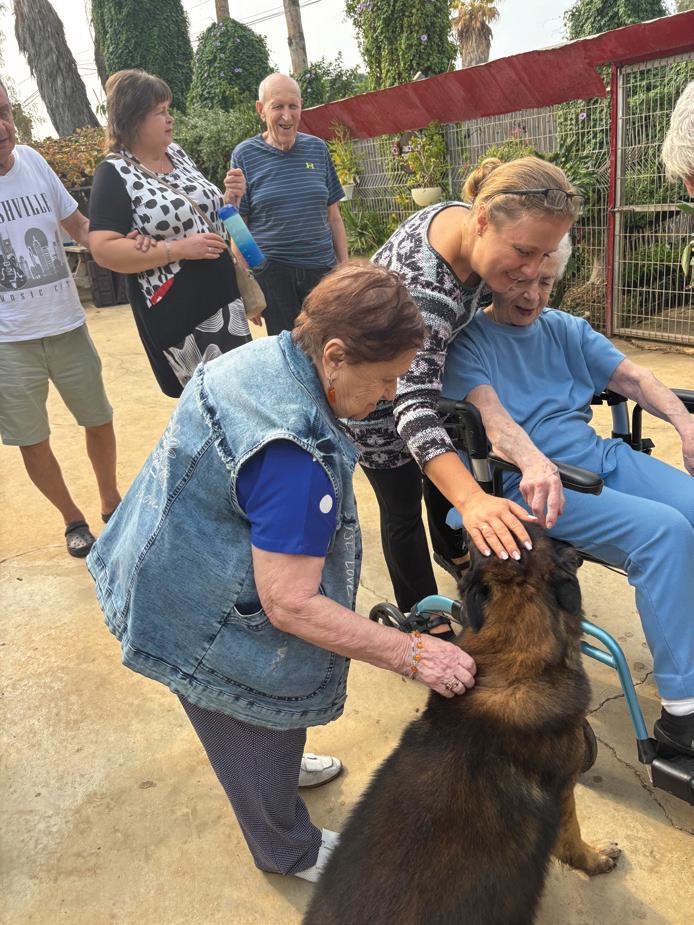
“I have been dreaming of petting dogs, and today my dream became reality,” said Sonja, who came to Israel with her husband 42 months ago from Ukraine. Due to her physical health, she is mostly home-bound and therefore an outing to a petting zoo just outside of Haifa was a dream come true. The three lovely dogs immediately caught her attention, and they became instant friends. Meanwhile, residents Arnold and Boris were elated to touch and carry snakes. They were the heroes of the day and felt very brave and courageous.
Oded, manager of the petting zoo, invited us to come again, and we will certainly bring other groups of residents. His father,
Nobel Prize laureate in chemistry, funds this very special project, which continually hosts children with disabilities, among others, and teaches them to overcome their fears and learn to relate to animals. This builds their sense of self-worth and trust in the world around them.
THANK YOU!
On behalf of all our residents, we would like to express our gratitude to everyone who has contributed to the Haifa Home during this past year of 2025 through your prayers, donations, visits, and other acts of kindness and support. This has helped make our Home a safe and loving community where our residents can live out their lives with dignity and care. Thank you for giving us the privilege, as the ICEJ Haifa team, to be your hands, feet and voice every day here at the Haifa Home for Holocaust survivors.
a
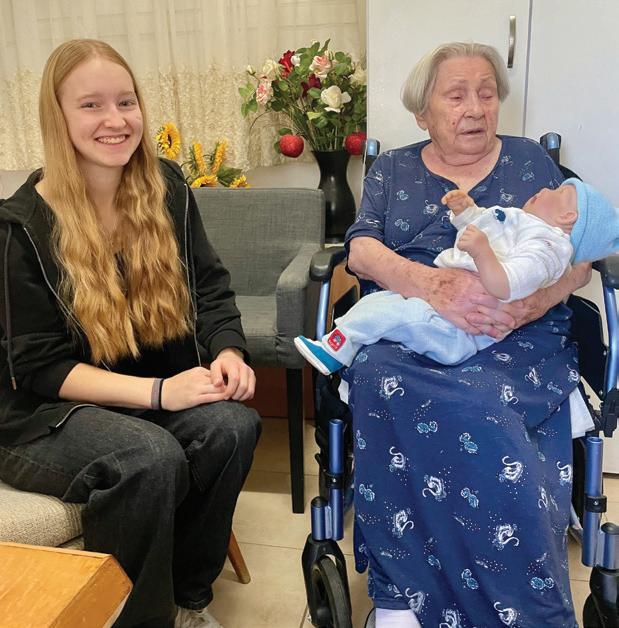
A young lady chats with a survivor at the Haifa Home
German youth visit with residents at the Home.
Residents enjoying a special visit to a petting zoo.
ICEJ-SOUTH AFRICA SPONSORS A COLD TRUCK WITH A WARM MISSION
BY VIVIENNE MYBURGH, ICEJ-SOUTH AFRICA NATIONAL DIRECTOR
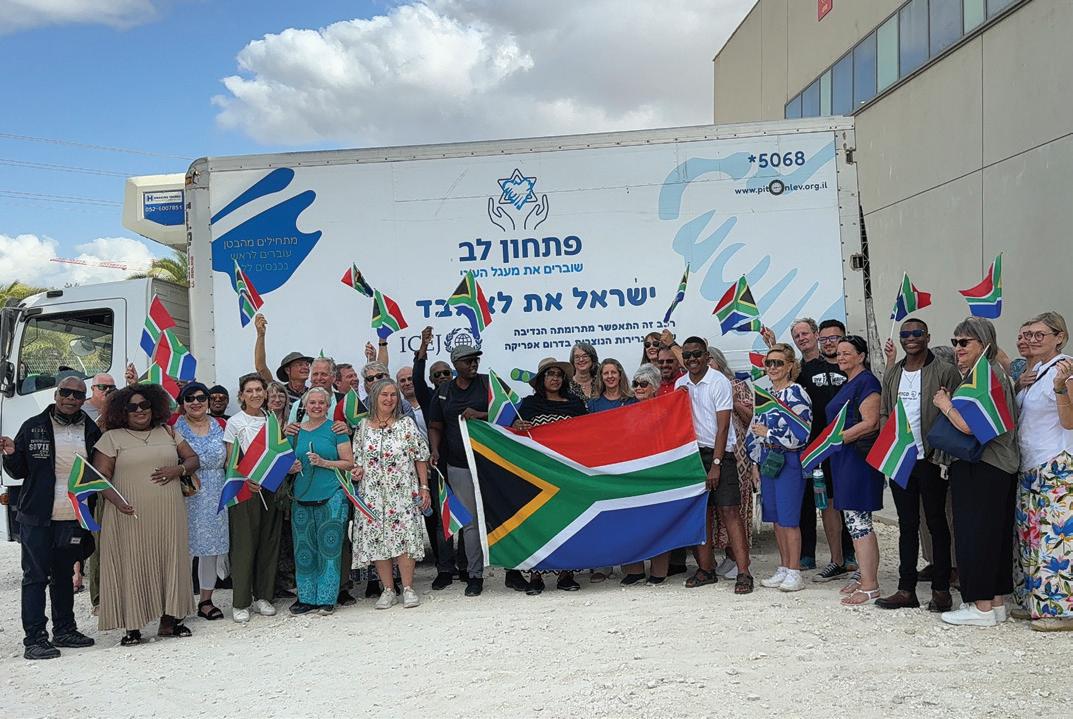
Due to the prolonged war in Israel, requests for humanitarian aid have increased by 25%, with many Israeli working families and evacuees struggling to meet their basic needs. One urgent need was answered by ICEJ-South Africa for a refrigerated truck to transport perishable goods, including dairy and meat products, to those in need.
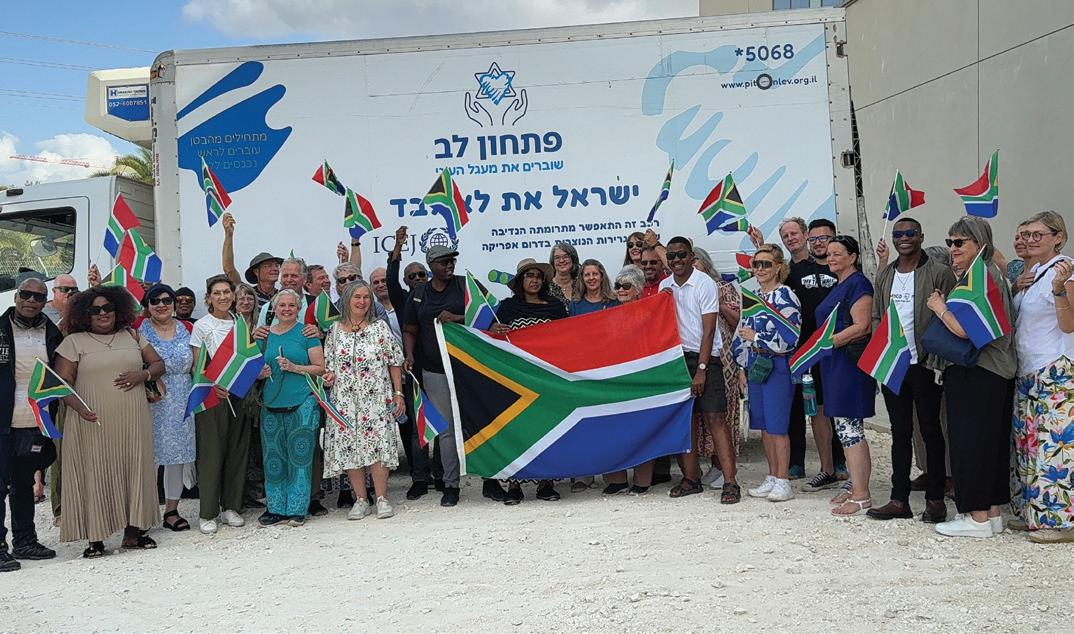
The South African branch is sponsoring the operational costs of a refrigerated truck which is proudly carrying ICEJ-South Africa’s name, so Israelis can know that many in South Africa support them, despite our government’s shocking stance towards Israel.
ICEJ-USA HELPS LAUNCH NEW EFFORT TO DEFEND JUDEOCHRISTIAN VALUES
BY SHANNON BENNETT, ICEJ-USA DIRECTOR OF COMMUNICATIONS
Twenty prominent members of the umbrella group American Christian Leaders for Israel (ACLI), a project of ICEJ-USA, recently held a strategic meeting in Washington, DC with a visiting delegation of Israeli mayors and officials from the Jerusalem Center for Security and Foreign Affairs, a respected Israeli think-tank. They discussed the formation of a new international alliance – the JudeoChristian Zionist Congress (JCZC) – which aims to unite Christian, Israeli, and Diaspora Jewish leaders in an actionoriented effort to confront the rapidly escalating “civilizational war” being waged against Western democracies by an alignment of radical Islamists and the ultra-Left.
The truck enables the distribution of essential food and supplies to thousands of families. It has expanded the range of aid distribution to conflict-affected and underserved communities. And it is ensuring that displaced families receive the resources needed as they rebuild their lives.
The sponsorship involves a commitment to pay the rental and operating expenses of the refrigerated truck for three years.
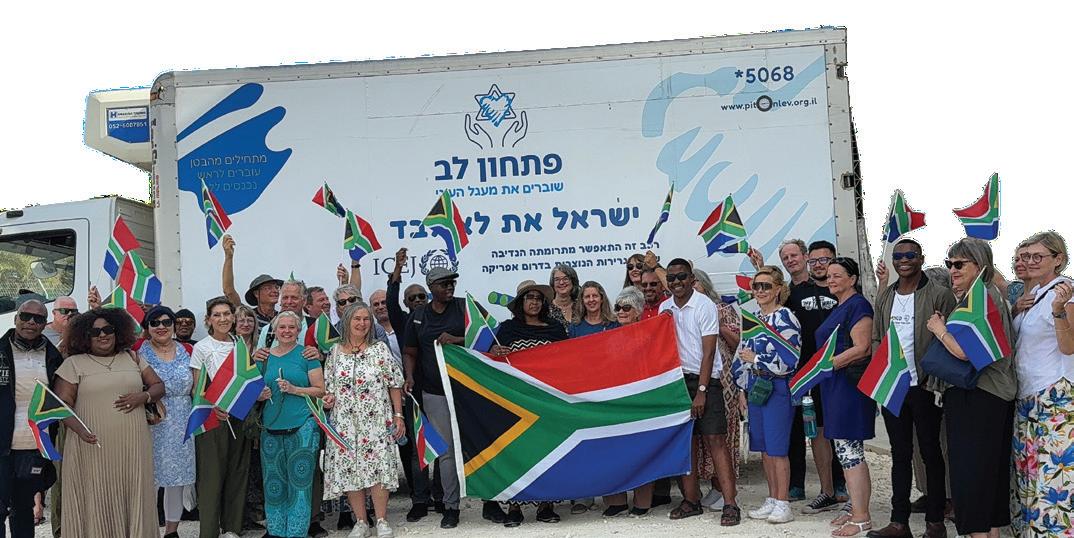
During the 2025 Feast of Tabernacles, the South African delegation had the opportunity to see the truck firsthand during a solidarity visit to Israeli communities along the Gaza border.
Participants in the meeting warned that antisemitic and anti-Israel voices are rising from both political extremes of the Left and Right in America, mirroring the atmosphere of Europe in the 1930s. Specific examples include the increasingly antisemitic voices of such pundits as Tucker Carlson, Candace Owens, and the far-right vlogger Nick Fuentes, whose views include admiration for Hitler and Stalin.
The Israeli delegation emphasized that the October 7 attacks exposed the scale of the threat, as a highly coordinated pro-Palestinian movement staged anti-Israel and antisemitic
Dan Diker, Calev Myers and Sagiv Asulin, founders of the JCZC movement, believe October 7 and its aftermath have revealed the scale of today’s civilizational struggle, with Israel’s brutal enemies now targeting both Jews and Christians worldwide.
“Without the hundreds of millions of nonJewish friends we have around the world, Israel would be in a much more difficult place”, insisted Myers.
Dr. Susan Michael, President of ICEJ-USA and Director of ACLI, will be among several Christian leaders serving on the JCZC steering committee. The Congress’ first goal is to educate Israelis about the global scale of Christian support – which many Israelis are not aware of.
protests on college campuses and in the streets of major cities worldwide.
“This Congress represents the unity the current moment requires” said Dr. Michael. “For too long, Israelis have not been fully aware of the overwhelming support they have among millions of Christians across America and around the world. This alliance brings that truth to the forefront. Our partnership is not symbolic—it is strategic, moral, and essential for safeguarding both Israel and the foundations of Western civilization.”
The South African delegation during a solidarity visit to Israel stand in front of the sponsored truck.
ICEJ-USA took part in the ACLI meeting with Israeli leaders in Washington.
ICEJ SPONSORS ‘ISAIAH 19’ CONFERENCE IN CYPRUS
BY TOM CRAIG, ICEJ MIDDLE EAST COORDINATOR
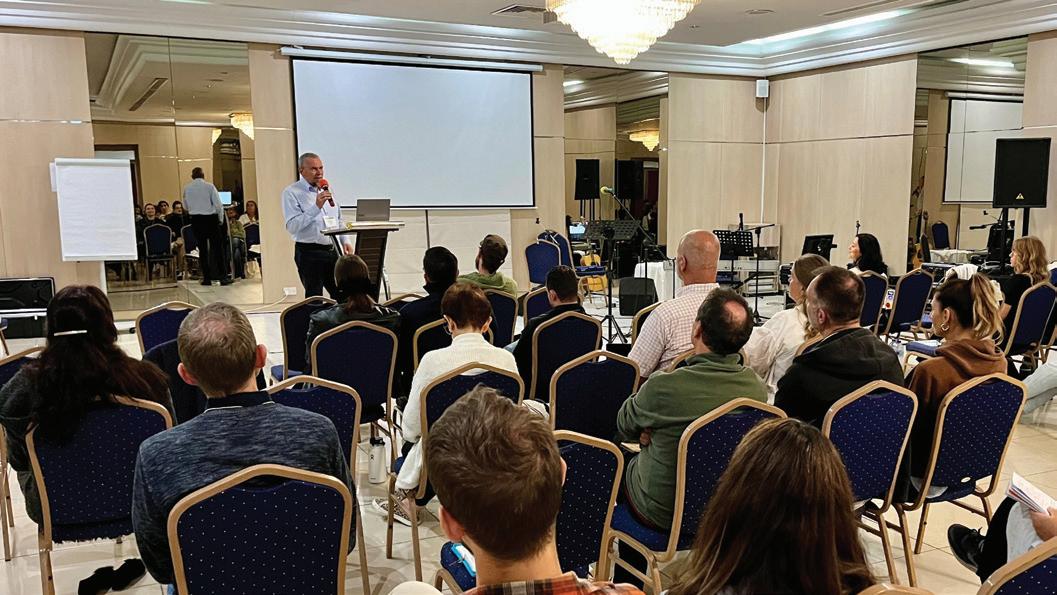
For the third year in a row, the International Christian Embassy Jerusalem helped sponsor an annual “Isaiah 19” Conference in Cyprus in November, which drew dozens of Arab, Jewish and Gentile believers from Israel, Egypt, Lebanon, and even someone from Iran.
Having hosted these “Middle East Net” conferences in Cyprus for nearly 25 years now, it was a great joy for me to gather once again with so many believers from along the Isaiah 19 Highway nations. We had about 60 people from around the region this year.
The meetings started out powerfully with a 5.3 magnitude earthquake on the first day when our friend, Nathan, began to share on the “First Value: The Finished Work of Christ.” There are no coincidences in God! Truly, He is getting ready to move in more powerful ways in His Body.
teach, lead worship, and share. We had five different young people share on the Five Core Values of our regional network of believers. These young people “have it!” –an amazing clarity about the values that our older generation may have minimised, but not these young people.
On the last morning, as everyone prepared to return to their home countries, we watched them hug and pray for one another, and say goodbye. There was a deep sense of satisfaction that a new generation is rising up to continue praying, sharing, teaching, and encouraging one another to see the Isaiah 19 Highway grow.
For almost 25 years, we have been building the Isaiah 19 Highway here in the Middle East, and it is comforting to know it will continue with the next generation. We are blessed to have seen times of inspiration, difficulty, and stretching, amid seasons of expansion and of stepping back. In all of this, though, we know the Lord is impacting the destiny of key nations.
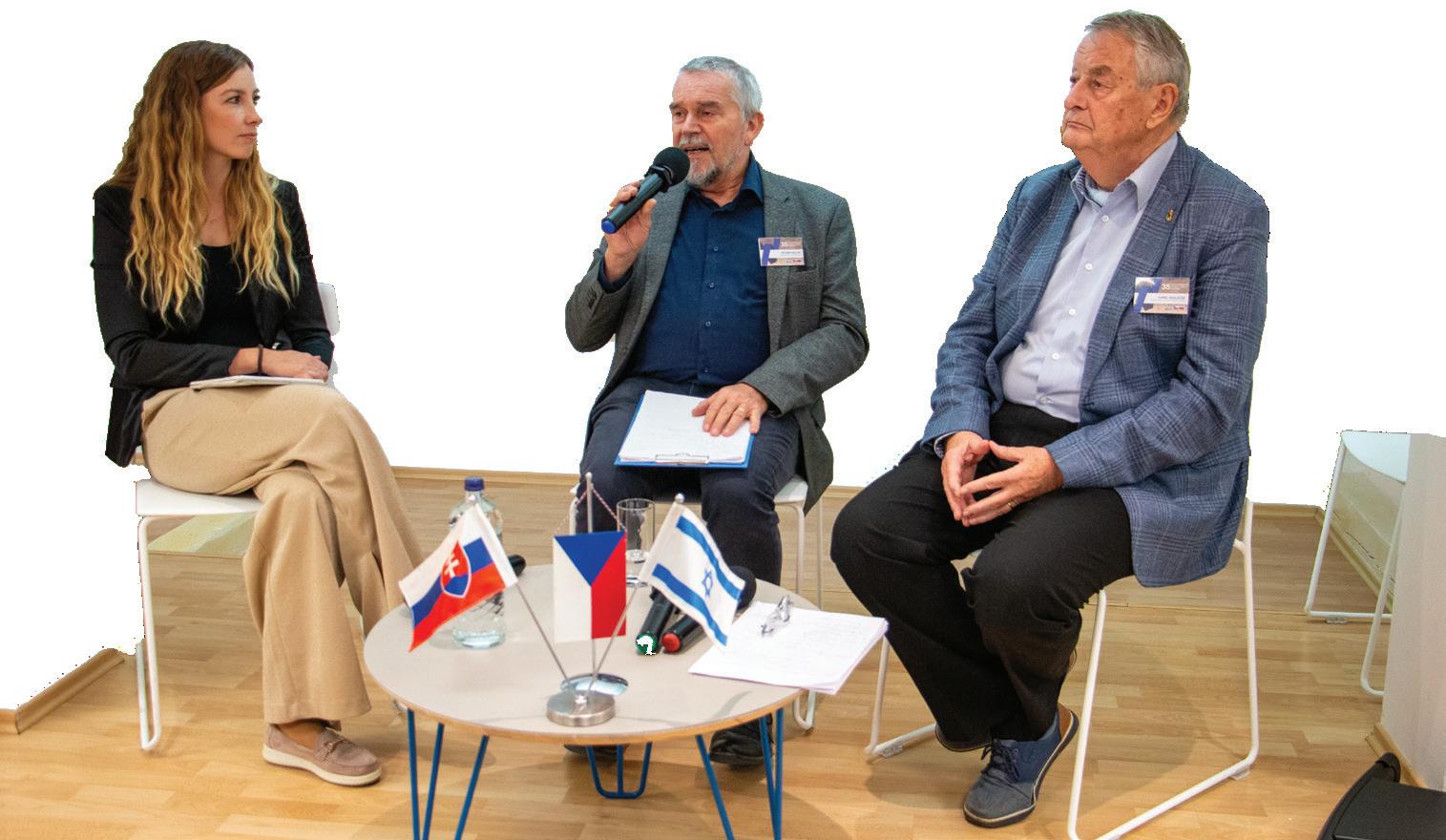
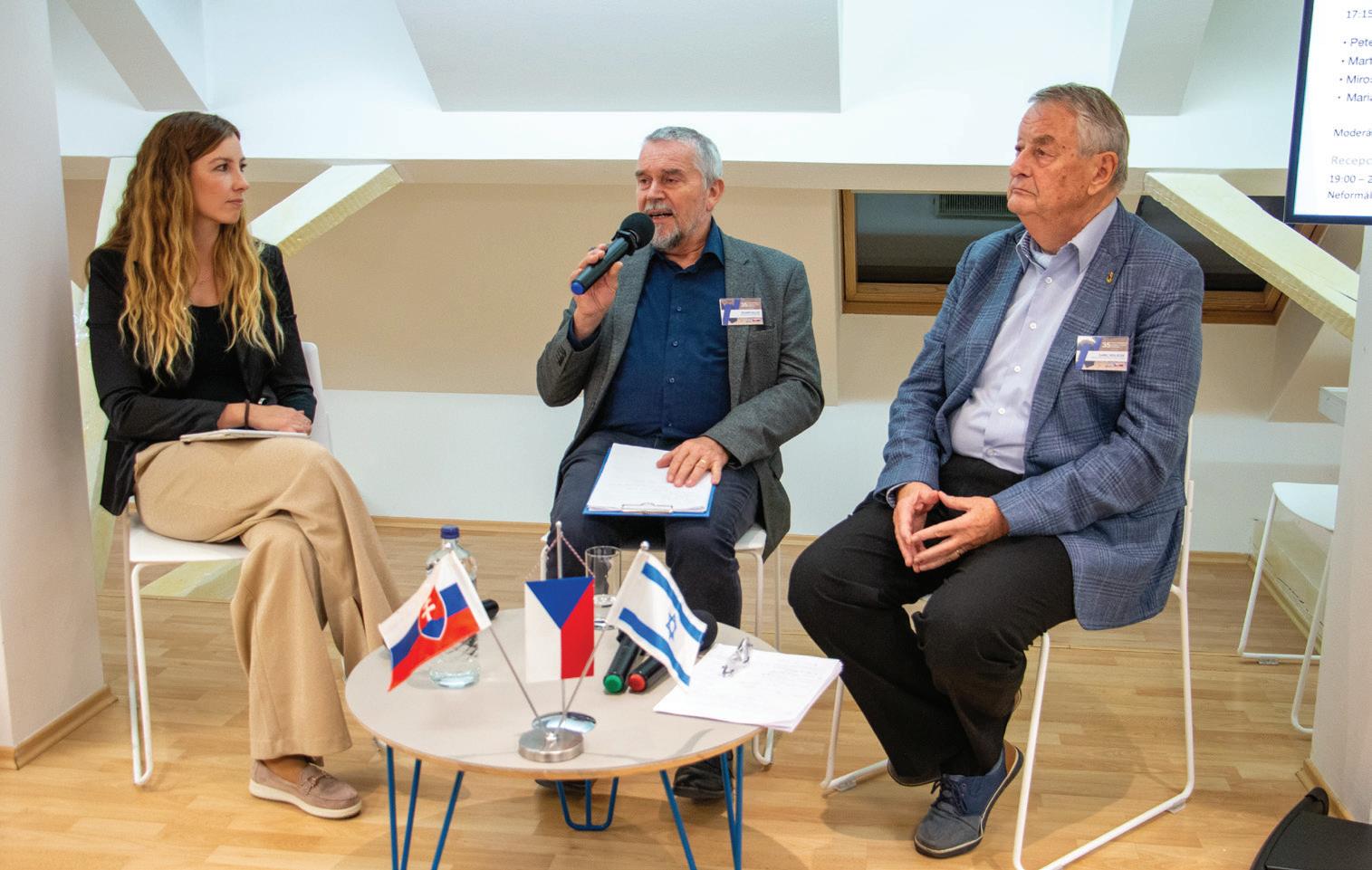
Dr. Mojmir Kallus speaks at the Isaiah 19 conference in Cyprus.
Our focus for this Conference was to intentionally have the younger generation
From these sessions and others, it was determined that over the next year, they will begin to step up efforts to meet with other young people from the region, especially on Zoom. The goal is to release them to lead, with enthusiasm and love for one another.
This conference was largely made possible through our partnership with the ICEJ, and the funding that came from several key national branches for the event. Dr. Mojmir Kallus, ICEJ Vice President of International Relations, shared a clear teaching about Biblical Zionism for the Arab believers in particular to better understand the Scriptural foundation for how the Lord will bring His prophetic purposes to fulfilment in Israel and the Middle East.
PRO-ISRAEL RALLY DRAWS OVER 10,000 CHRISTIANS IN HONDURAS
BY CLAUDIA FIERRO
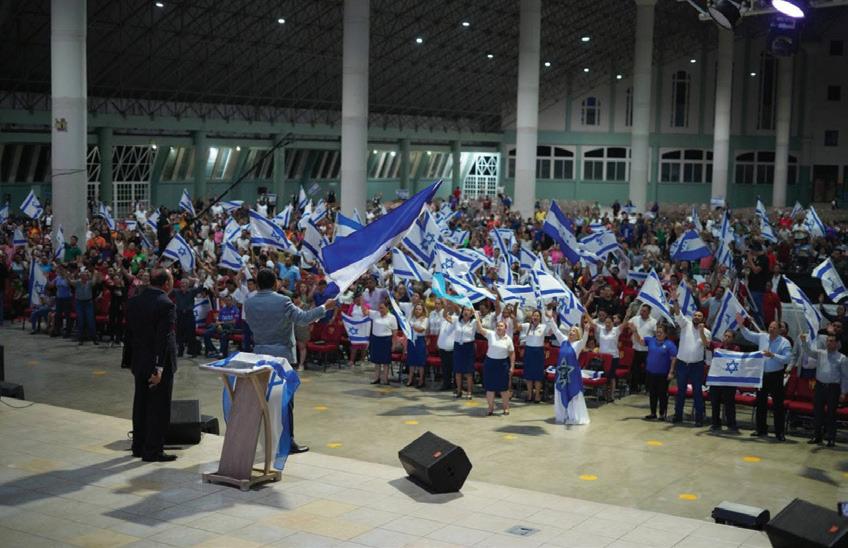
In November, more than ten thousand evangelical Christians gathered in San Pedro Sula, Honduras, for a vibrant “ProIsrael Celebration” organised by the Sula Valley Pastors Association and hosted by International Ministry La Cosecha. The evening featured Hebrew dances, praise, and a video message from Israel’s Ambassador to Honduras, Nadav Goren, who expressed gratitude for the support of Honduran Christians.
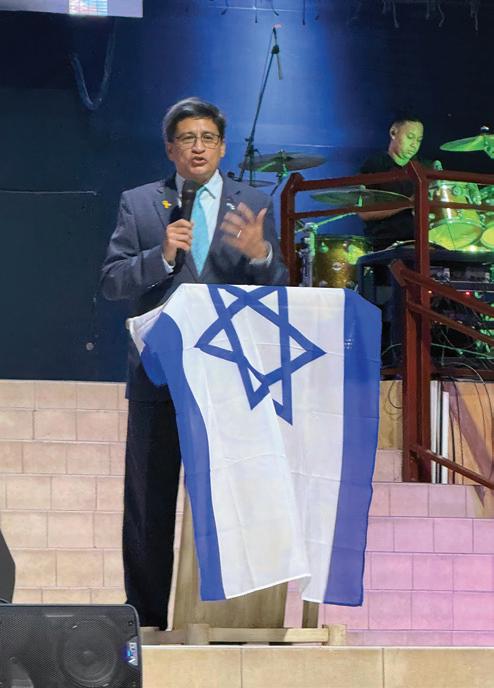
Miguel Muñoz Valeriano, National Representative for ICEJ-Honduras also spoke, recounting his time serving as a volunteer in
Israel during the first 15 months of the war and again during the final month before the release of the last hostages.
“With ICEJ, we were there, two days before October 7, sharing a meal with Ofir Libshtein, the regional mayor, who was later named as the war’s first casualty”, Miguel told the crowd. “We harvested abandoned fruit, packed food for the war-displaced, prayed with families, and witnessed the return of hostages.”
Miguel added that his firsthand knowledge of the conflict has enabled him
Pro-Israel Celebration in San Pedro Sula.
to “defend Israel with truth. There was no engineered famine, no genocide. God is redeeming Israel”, he assured.
Pastor Manuel Paredes, a leading member of ICEJ-Honduras, also spoke on how Gentile Christians should relate to the Jewish people, inspired by the story of Ruth.
Miguel Muñoz Valeriano, National Representative for ICEJ-Honduras
GROWING A GLOBAL PRAYER MOVEMENT THROUGH THE ICEJ BRANCHES
BY JOSHUA GOODING, ICEJ PRAYER COORDINATOR
Prayer continues to be a core focus of the ICEJ’s global ministry, and over this past season we have seen a remarkable strengthening of intercession throughout our national branches worldwide. From monthly online gatherings to regional conferences and plans for new national initiatives, the Lord is building a united prayer movement that spans nations and cultures.
A central pillar of this effort remains our daily Global Prayer Gathering. Every day, Christians from every continent join together to intercede for Israel, the region, and urgent global concerns. What began as a response to the Covid crisis has become a sustained rhythm of international unity in Christ, drawing hundreds of faithful prayer partners who stand with us week after week. Many of our branch leaders join daily to undergird this ministry or they lead prayer segments themselves, making
the GPG a deeply collaborative expression of the ICEJ global family.
Alongside this, our Rosh Chodesh global prayer chain tied to the start of each Hebrew month has grown into a 24/7 year-round dynamic. Various ICEJ branches prepare teachings, lead worship, and mobilise their national networks to mark the biblical month in united intercession. These weekly and monthly gatherings have become an anchor for many of our leaders, offering prophetic direction, fresh encouragement for the season ahead, and an instrument to engage with their communities.
This past year also saw renewed momentum through our ICEJ Prayer Schools, inspired and shaped by Suzette Hattingh’s powerful teachings on prayer during her time in Israel last Spring. Her prayer school sessions
provided deep spiritual impartation and practical instruction that strengthened the Body of Christ locally.
Building on this foundation, we also hosted regional online prayer schools that brought Suzette’s core teachings to branches across multiple continents. These sessions sharpened strategic intercession, strengthened our global prayer teams, and have become a catalyst for future national prayer conferences, equipping our branches to stand with greater authority in prayer.
As challenges intensify globally, our branches continue to rise with faith, oneness, and perseverance. Together, we are partnering with the Lord to stand as watchmen in the gap, holding up a prayer covering for Israel and the nations in keeping with Isaiah 62 and other biblical mandates.
CELEBRATING 35 YEARS OF FRIENDSHIP
At a recent symposium in the Slovak capital of Bratislava, diplomats and veteran politicians commemorated 35 years since the restoration of diplomatic relations between Israel and the then-united nation of Czechoslovakia. The ICEJ was well represented at the special gathering by Vice President for International Affairs Dr. Mojmir Kallus, who also was founding director of the ICEJCzech branch, as well as Peter Svec, National Director for ICEJ-Slovakia.
As soon as Czechoslovakia shed its Communist regime, President Vaclav Havel made it his priority to revive the tradition of
friendly relations with Israel, which had been severed at Moscow’s bidding after the 1967 Six Day War. Havel was the first head of state of newly liberated Eastern Europe to visit Israel, following the footsteps of the first Czechoslovak President, Tomas Masaryk, who visited the Land in 1927 as the first foreign head of state.
The anniversary event was held at the Czech Center in Bratislava and showed that the tradition of close ties with Israel remains very much alive in both the Czech Republic and Slovakia. They are counted among the strongest supporters of Israel in Europe and each considers the relationship a vital pillar of their foreign policy.
The influential leaders present included Czech Ambassador Rudolf Jindrák, Israeli Ambassador Eitan Levon, MEP Alexander Vondra, a former adviser to Vaclav Havel, and Pavol Demes, the first Slovak foreign minister.
Dr. Mojmir Kallus spoke about global faith-based diplomacy, including efforts to convince governments to relocate their embassies to Jerusalem, while Peter Svec organised the event in cooperation with the Slovak Foreign Policy Society and the Federation of Slovak Jewish Communities.
Mojmir Kallus and Karel Sedlacek.
VISIT OUR ONLINE STORE AND RECEIVE A 10% DISCOUNT ON ALL PURCHASES!
Go to: ICEJSTORE.COM and use the discount code: 2026WFJICEJ – The special 10% discount for your purchases at Embassy Resources is valid throughout 2026.