

















Produced by
GTI Asia Pte Ltd (Company number: 200301978M) 3023 Ubi Road 3 #02-08/9 UbiPlex1 Singapore 408663 T+(65) 6294 6505 F+(65) 6294 1043 www.gtimedia.asia
Editorial Dawn Yip
Design & Production
A’liah Abdul Rahim, Clarisa Lizanne, Sahirah Zayyanah
Advertising
Ron Ong, The GTI Media sales team
Client Relations
Eileen Ang, Rochelle Ngoi
Marketing & Distribution Bestina Tan, Amelia Woo
Managing Director Isaac Hee
Printer
Oxford Graphic Printers Pte Ltd 11 Kaki Bukit Road 1, #02-06/07/08 Eunos Technolink, Singapore 415939
GTI Asia Pte Ltd, February 2026 All rights reserved. No part of this publication may be reproduced by any means including, but not limited to, photocopying or storage in a retrieval system in any form without prior written consent of GTI. The views expressed in the articles are those of authors and their publication does not necessarily imply that such views are shared by GTI. Whilst every care has been taken in the compilation of this publication, the publishers cannot accept responsibility for any inaccuracies, or for consequential loss arising from such inaccuracies, or for any loss, direct or consequential, arising in connection with information in
publication.
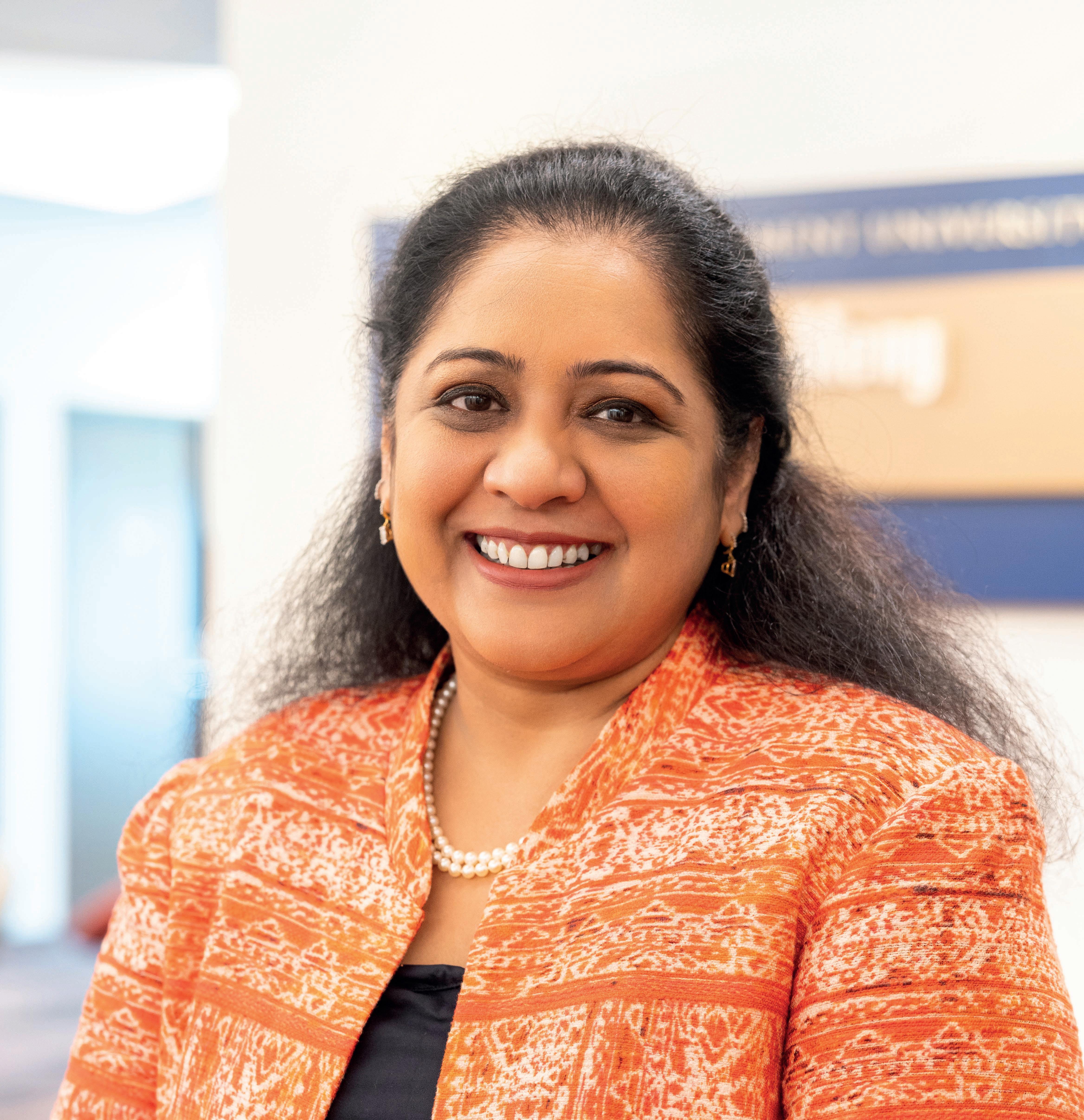
Prasanthi Guda
Head, Undergraduate Careers
Dato’ Kho Hui Meng Career Centre
Academic Services and Operations
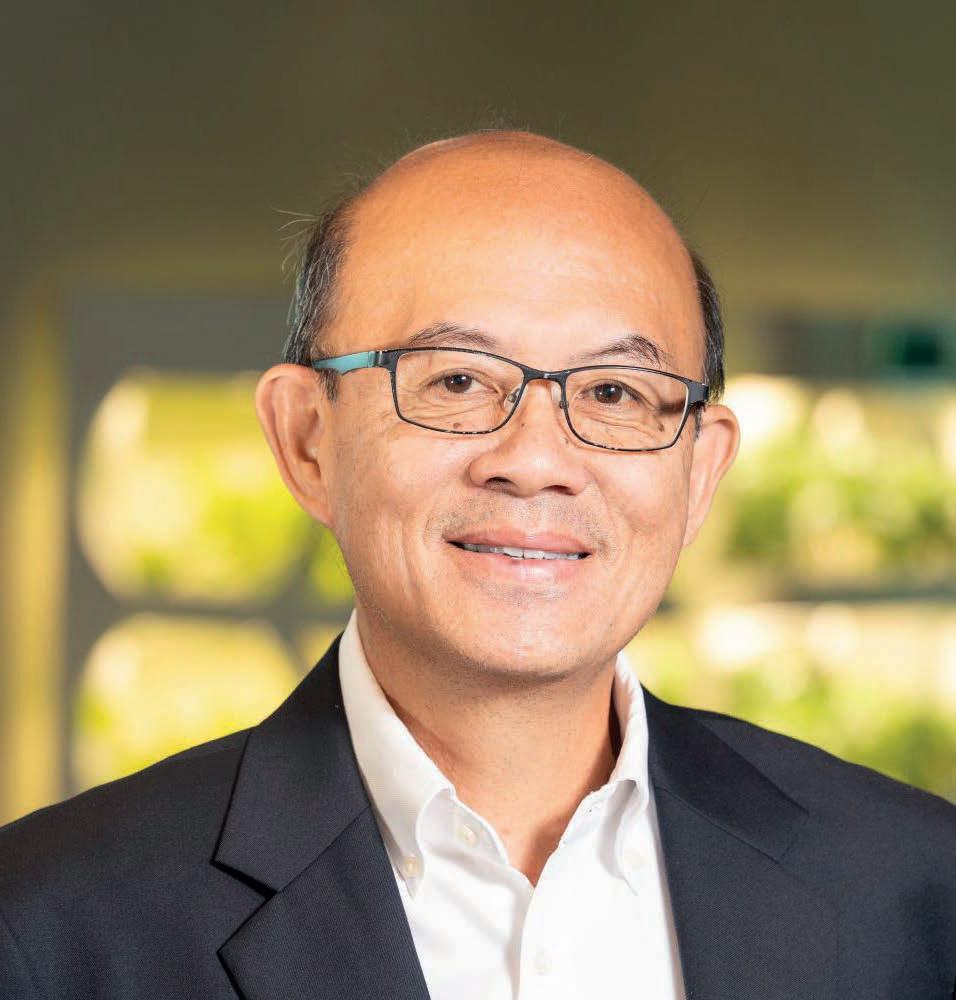
AHenry Yeo
Head, Postgraduate Careers
Dato’ Kho Hui Meng Career Centre
Academic Services and Operations
t the Dato’ Kho Hui Meng Career Centre (DKHMCC), we are dedicated to guiding you through a successful transition into working life. In today’s fast-paced and ever-evolving global landscape, those who remain curious, passionate about learning and creation, skilled at navigating multiple disciplines with fluency in AI, and equipped with a global and resilient mindset, will truly stand out.
Through our discussions with employers, we have seen widespread adoption of AI and automation tools in the workplace. Start building these skills during your time at school to enhance your efficiency and employability, while also understanding the ethical considerations involved. This will enable you to make meaningful contributions and assist colleagues who may be less tech-savvy during your internship. To get certified in these in-demand skills, explore the specially curated online courses on LinkedIn Learning or Udemy Business offered by SMU.
Singapore is home to over 4,200 multinational companies, making it a key hub in Southeast Asia. Employers are eager to find talent with a global mindset and experience to lead business initiatives in the region. Beyond overseas exchange programmes, you can gain valuable international business experience through the DKHMCC-organised ASEAN Internship Programme (AIP), which showcases your determination and willingness to step outside your comfort zone. AIP is open to all students who have completed the mandatory Internship Readiness Modules. For more information, reach out to your career coach or DKHMCC.
Self-awareness and resilience are essential for successfully navigating your career. If you’re uncertain about which career paths or majors best align with your goals, connect with your career coach to create a tailored career plan and portfolio. SMU is also leading the way with the introduction of the Co-Curricular Transcript for undergraduates, designed to highlight your talents and skills to employers beyond the classroom. Be sure to engage with your coach early to maximise its benefits.
DKHMCC is here to support you in shaping a path that aligns with your aspirations and goals. Your journey starts here, and DKHMCC will be with you all the way.
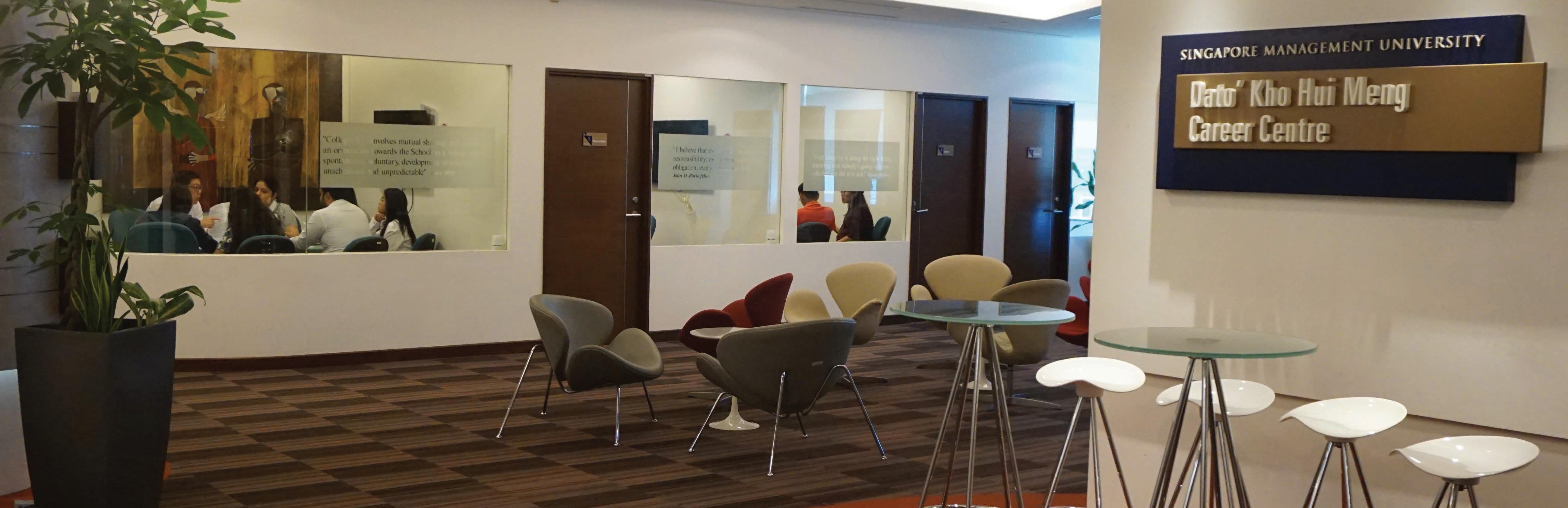
The SMU Dato’ Kho Hui Meng Career Centre (DKHMCC) has been serving the student community and partnering with leading business organisations for hiring success since SMU’s inception in 2000. As part of the Academic Services and Operations Group since 2022, our programmes and activities play a significant role in paving our students’ seamless transition to the working world.
The group, which also comprises the Office of Admissions and Financial Assistance, Office of the Registrar and Centre for Global Education and Opportunities, seeks to integrate key services and facilitate milestones of the student life cycle.
The centre is an ideal place where both corporate partners and students can exchange valuable ideas and first-hand experience in pursuit of a professional life with each other.
All students are assigned to a career coach upon matriculation to support them in their career planning through their journey at SMU. Our career coaches come from diverse backgrounds with rich industry experience and maintain strong ties with corporate partners to stay informed of the industry and the hiring landscape.
Keeping a watch on industry developments and changes in the recruitment landscape helps career coaches provide insights into current industry trends and organisations’ hiring practices during career coaching. Career coaches are available to critique cover letters and resumes, facilitate job search strategies, and hone interview skills through one-to-one mock interview sessions. All information exchanged between a student and a career coach is confidential.
Career coaching is also provided by student-peer advisors who are enriched with valuable internship experience. Career Champions are trained and equipped with essential skills to work alongside DKHMCC as paraprofessionals to serve the undergraduate community. Students can make individual appointments with their Career Coach or Champions via OnTRAC II.
OnTRAC II is SMU’s one-stop portal for career services, where students book career coaching appointments, register for events, view job postings, submit applications, monitor their progress and accept job offers.
The career centre hosts several career fairs annually, bringing prospective recruiters and graduating students together under one roof.
On average, about 120 companies participate in each networking event. Recruiters will gain direct exposure to undergraduates and postgraduates who are pursuing degrees in Accountancy, Business Management, Computing and Information Systems, Economics, Integrative Studies, Law and the Social Sciences.
DKHMCC organises recruitment/industry talks and company visits every year. These include on-campus recruitment and industry talks by recruitment teams from global and regional banks, multinational corporations, government ministries, agencies, statutory boards and small and medium enterprises from a variety of industries and geographic regions.
Through these sessions, graduating students will have the opportunity for direct interaction with top echelon, middle management and line managers.
As students progress to their junior and senior years, optional workshops will be offered at the crucial job application stage in their final years. These workshops are topic-specific to help penultimate-year and graduating students gain experience and understanding of the selection process in job applications.
Additionally, DKHMCC holds a series of complementary career readiness workshops to equip students with the critical skills and competencies needed to gain an edge in areas of career development and employability.
The Finishing Touch programme is one of SMU’s distinguishing factors and is well recognised by employers and students in preparing our graduates for a seamless transition to the working world.
For more information, please log in to: OASIS > Careers & Comm Service > The Finishing Touch.
All SMU students are required to complete an internship before they graduate, and DKHMCC oversees the administrative work for this programme. Internships allow students to apply their classroom knowledge to a real-world setting, hone their soft skills and cooperative abilities, and build their credentials before starting their journey into the working world.
Students can find a plethora of internship opportunities by accessing OnTRAC II.
All career coaches at DKHMCC are certified in career development facilitation and able to administer at least one personality or career profiling tool. These tools help students better understand their own personalities, career profiles, core business competencies and motivating factors of career success.

Personality and career profiling tools include:
• Myers-Briggs Type Indicator (MBTI®)
• DiSC Personality System
• Strong Interest Inventory
• CliftonStrengths
DKHMCC produces a range of publications to cater to each phase of the students’ time at SMU. One such publication is the Majors and Careers Pathway Guide available for download via OASIS. The guide serves to provide a career perspective for students when deciding on majors.
As students go through their educational and career journeys at SMU, they can also share their success stories by submitting stories and photos to placement@smu.edu.sg.
The Graduate Employment Survey is an important survey that SMU alumni are encouraged to take. The survey is conducted annually among autonomous universities to ascertain the employment outcomes of their graduates.
The survey typically takes place about six months after final-year students’ final examinations.
The results of this survey are an important indicator of the performance of SMU graduates in the job market. More importantly, the survey results affirm the value of SMU as an educational institution and the worth of an SMU degree. The information provided will also inform policy-making at the national level for Institutes of Higher Learning.

The annual postgraduate networking event features a large number of employers across different industries, offering various roles and opportunities for the postgraduates. This is the perfect platform for postgraduates to connect face-to-face with hiring managers and HR representatives from employer partners.
The “Pathways” series is an initiative launched by the Postgraduate Career Services team where experienced industry practitioners meet up with and give SMU postgraduates insights into their respective job functions. These include technology and operations, wealth management, treasury, risk management, asset management and corporate finance.
This series aims to enable students to make a more informed decision about their career pathways, thereby leading to a sustainable and rewarding career.
Anecdotal feedback on the series has been positive, with many students having gained a deeper understanding of the roles and attributes necessary to do well in their respective line of expertise.
Launched by the Postgraduate Career Services team in June 2014, the “In Conversation” series is a lunchtime event held for postgraduates to interact with and learn from successful professionals at different stages of their careers.
Guests come from diverse industries, such as information technology, consulting, logistics, wealth management, finance and fast-moving consumer goods (FMCG).
The Career Development Series is an integral part of the Postgraduate Professional Development programme, designed to equip students with essential career planning and job search skills. The series includes mandatory workshops such as Career Planning Strategies and Interview Skills, which are graduation requirements. These workshops help students make well-informed career decisions, present themselves effectively to potential employers, and maximize their opportunities for securing employment.
In addition, SMU offers a variety of specialised career workshops throughout the year, covering topics like Management Consulting, Break Into Tech, LinkedIn Success for Professionals, Networking for Professional Growth, Cracking Case/ Problem-Solving Interviews, and others. These workshops are tailored to meet the needs of students undergoing career transitions and are aimed at enhancing their employability and job prospects.
Internships are a key component of the SMU curriculum and a graduation requirement for most postgraduate programmes. They provide students with a deeper cross-cultural understanding of business practices and strategies, while also offering employers access to highly motivated, career-minded individuals.
DKHMCC plays a vital role in facilitating both local and overseas internship opportunities. It offers resources such as internship postings, resume workshops, and mock interview sessions, ensuring that students are well-prepared to secure meaningful internships that align with their career goals.

PRASANTHI GUDA
Head, Undergraduate Careers prasanthig@smu.edu.sg linkedin.com/in/prasanthiguda


SENTHIL RAJA
Associate Director
senthilj@smu.edu.sg linkedin.com/in/senthilrj
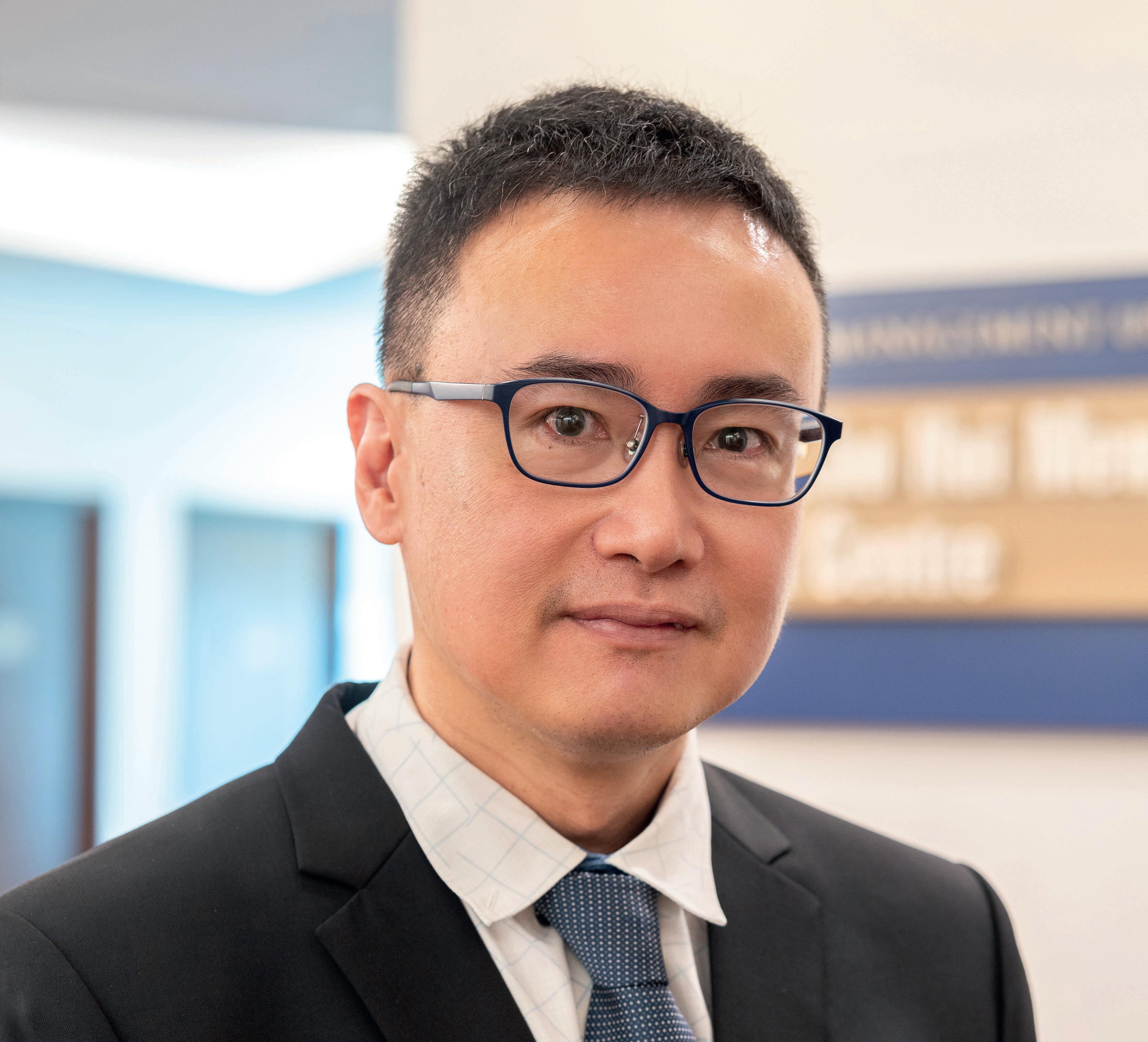
JASIMA AMINSAH
Senior Manager jasimaa@smu.edu.sg linkedin.com/in/ jasimaaminsah
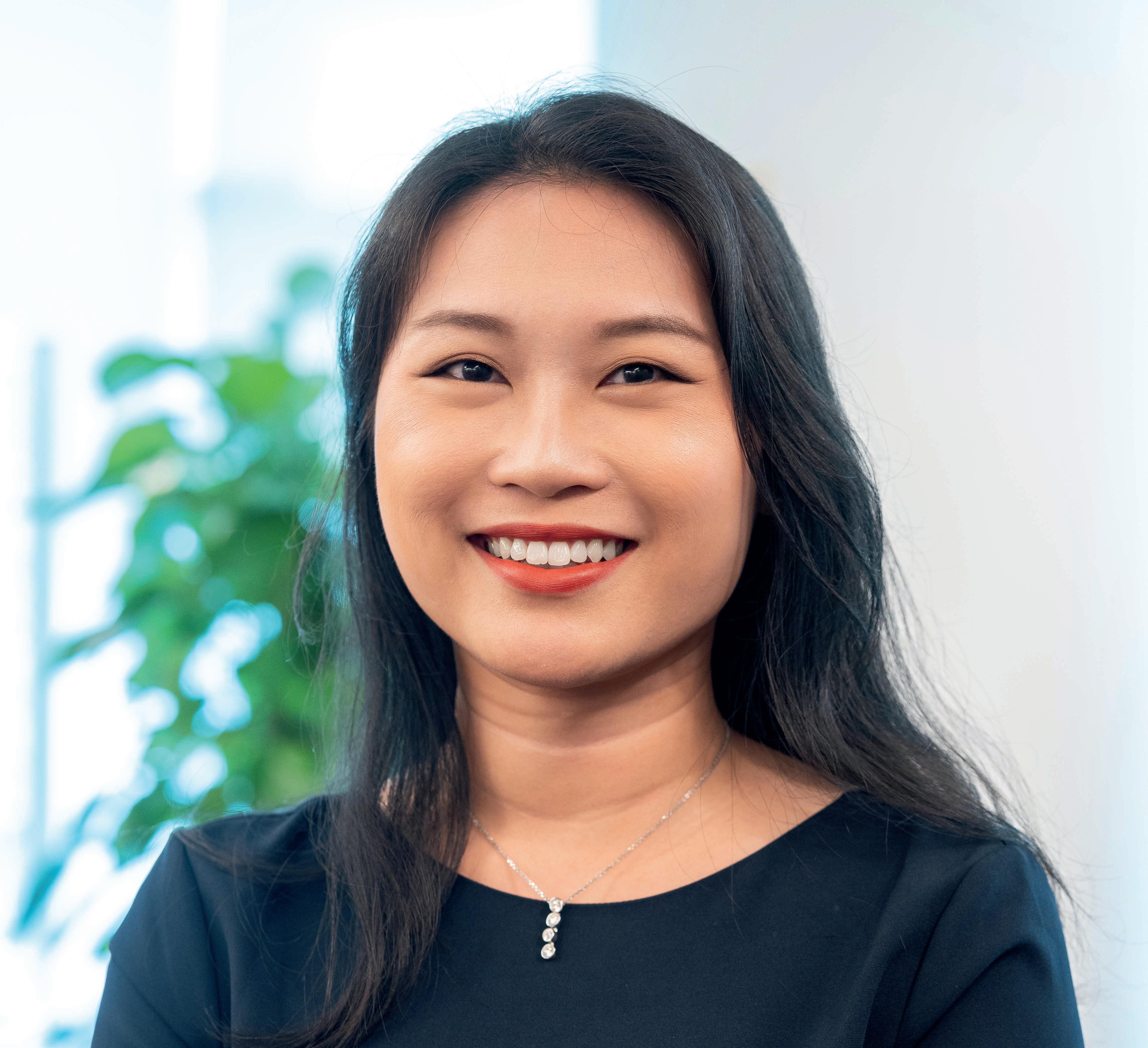

VICTOR GO
Senior Assistant Director victorgo@smu.edu.sg linkedin.com/in/govictor
TAN POON KIAN
Assistant Director pktan@smu.edu.sg linkedin.com/in/poonkian
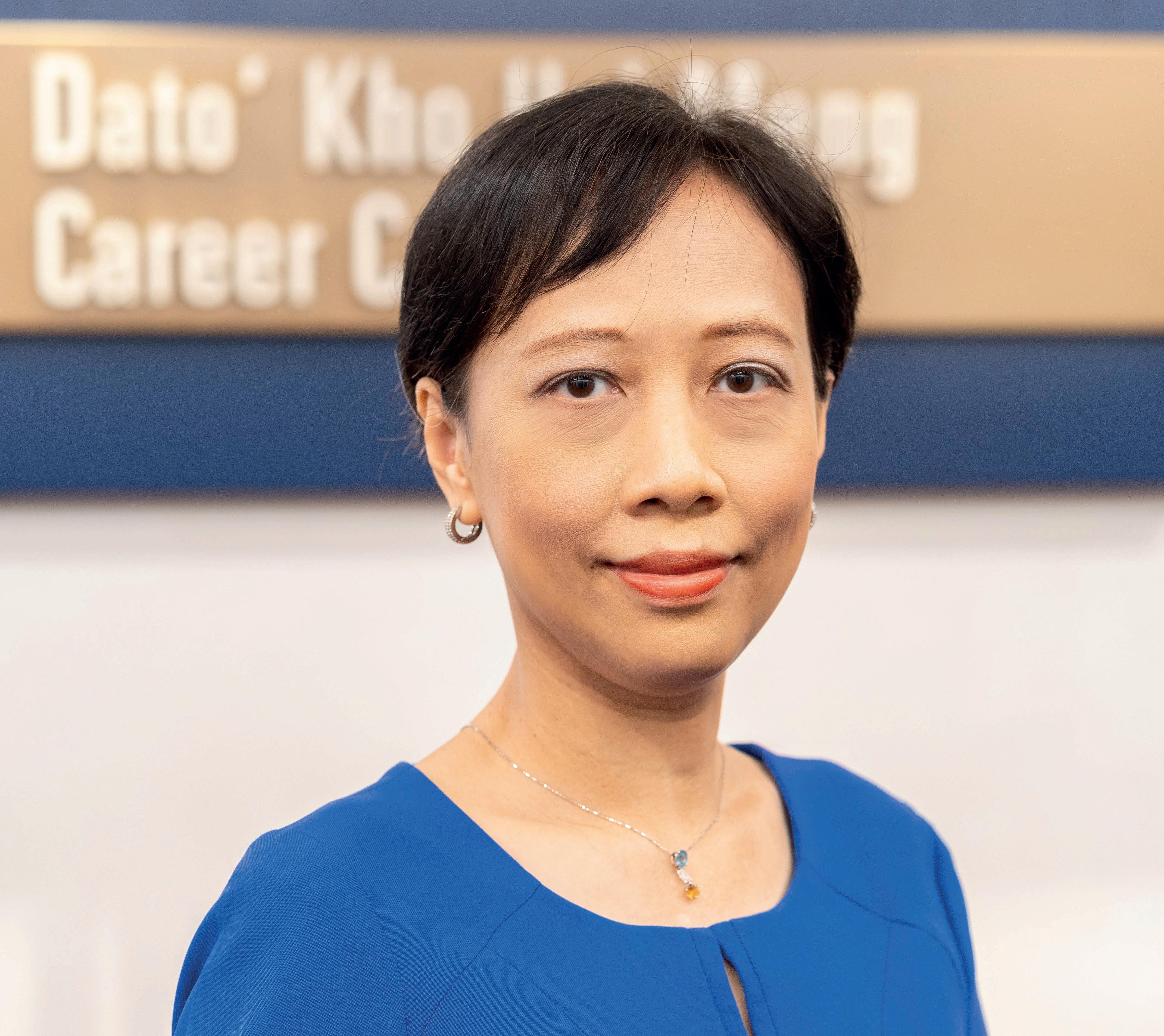
SHIRLEY THAM
Senior Manager shirleytham@smu.edu.sg linkedin.com/in/shirleytham
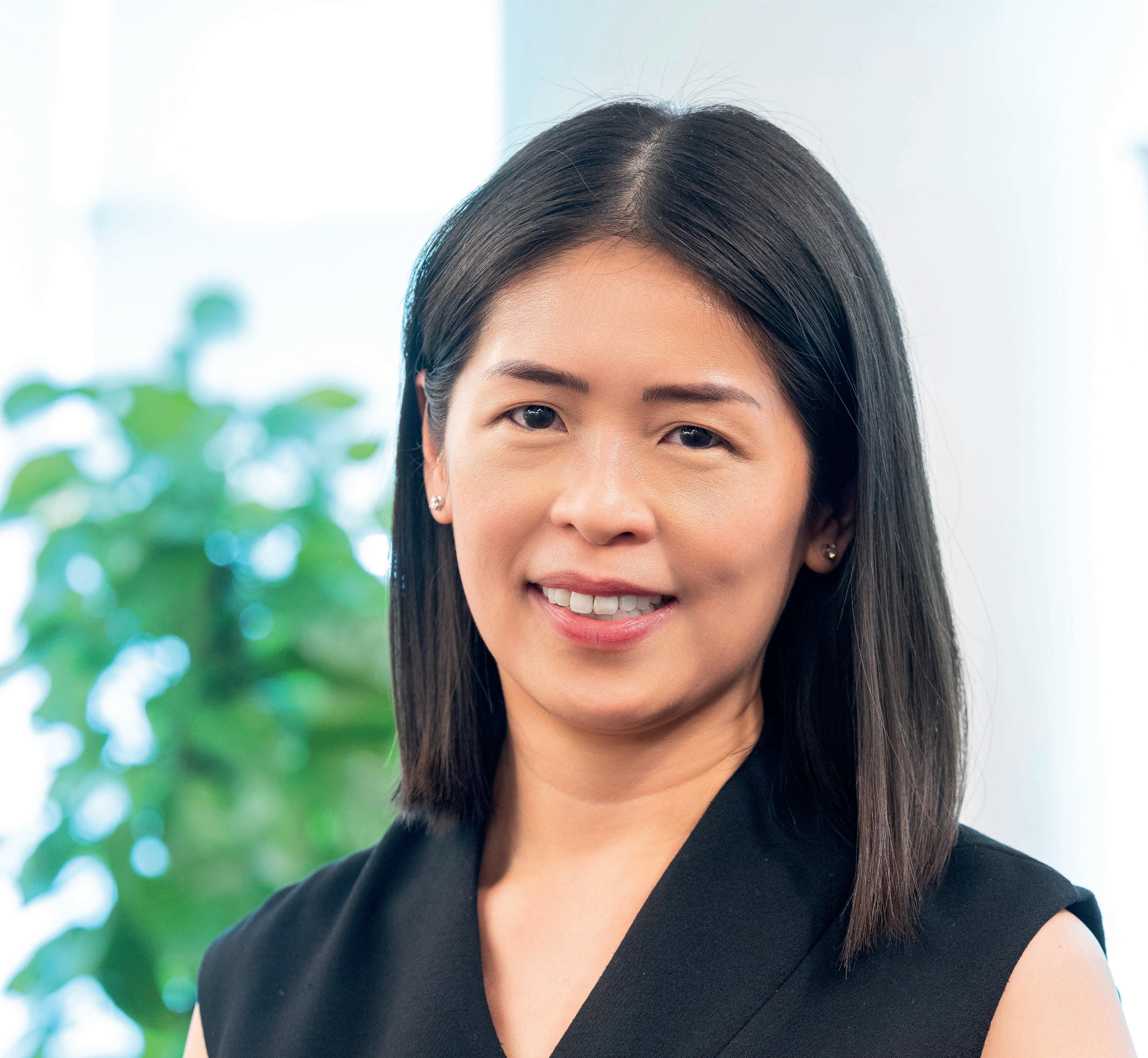
WENDY HOW
Assistant Director wendyhow@smu.edu.sg linkedin.com/in/wendyhow

JOANNE TEO
Associate Director joanneteo@smu.edu.sg linkedin.com/in/teojoanne

WONG SOO MEI
Assistant Director ASEAN Programme Development smwong@smu.edu.sg linkedin.com/in/soomeiwong
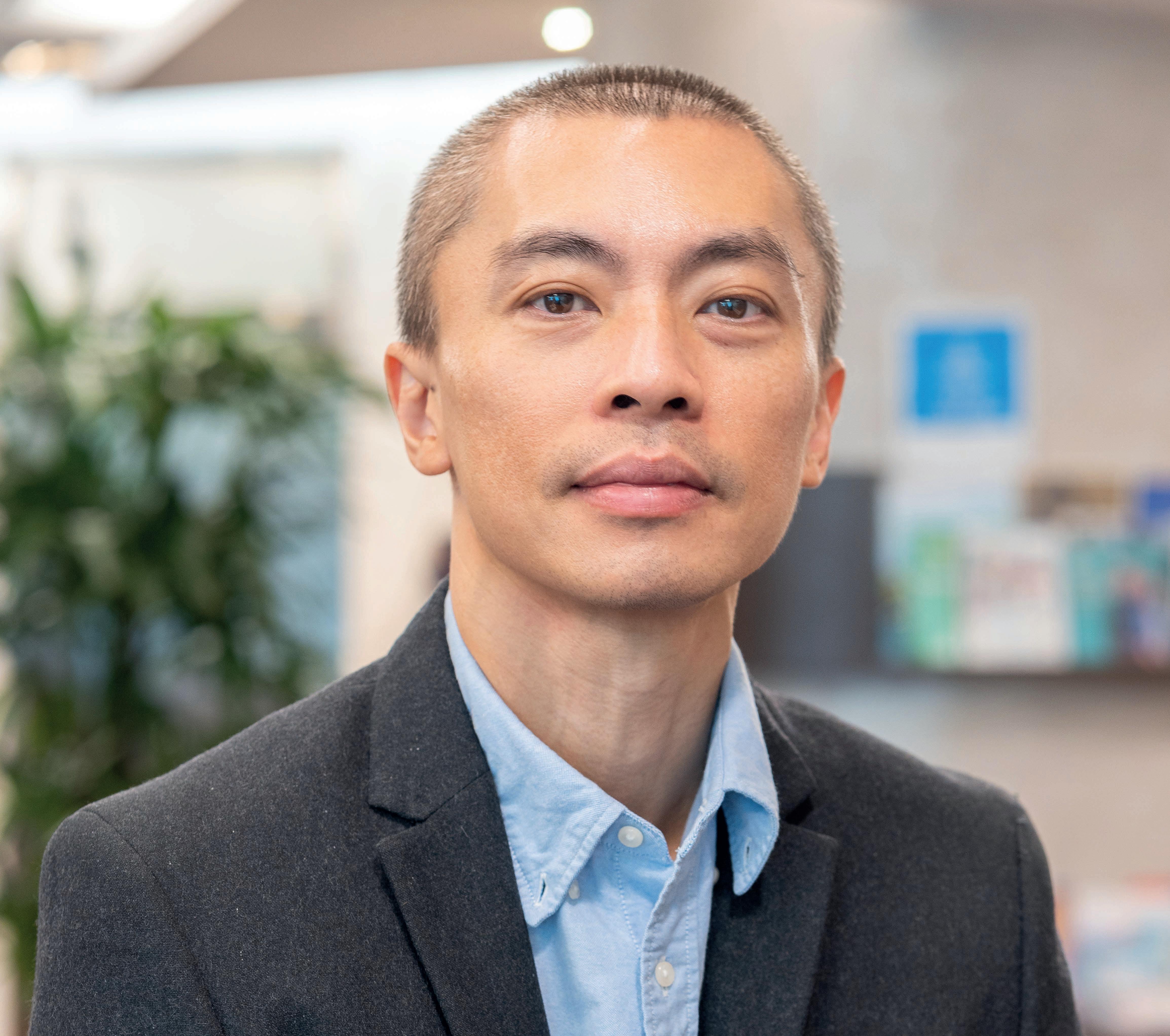
CHAI CHIEW HAR
Senior Manager chchai@smu.edu.sg linkedin.com/in/chai108/

SAM YEO
Assistant Director samyeo@smu.edu.sg linkedin.com/in/samyeo
CATHERINE TAN
Senior Manager catherinetan@smu.edu.sg linkedin.com/in/t-catherine

JACELYN TAY
Assistant Director Systems Administrator chtay@smu.edu.sg


ANGELA HOO
Senior Assistant Manager Internship Administrator angelahoo@smu.edu.sg
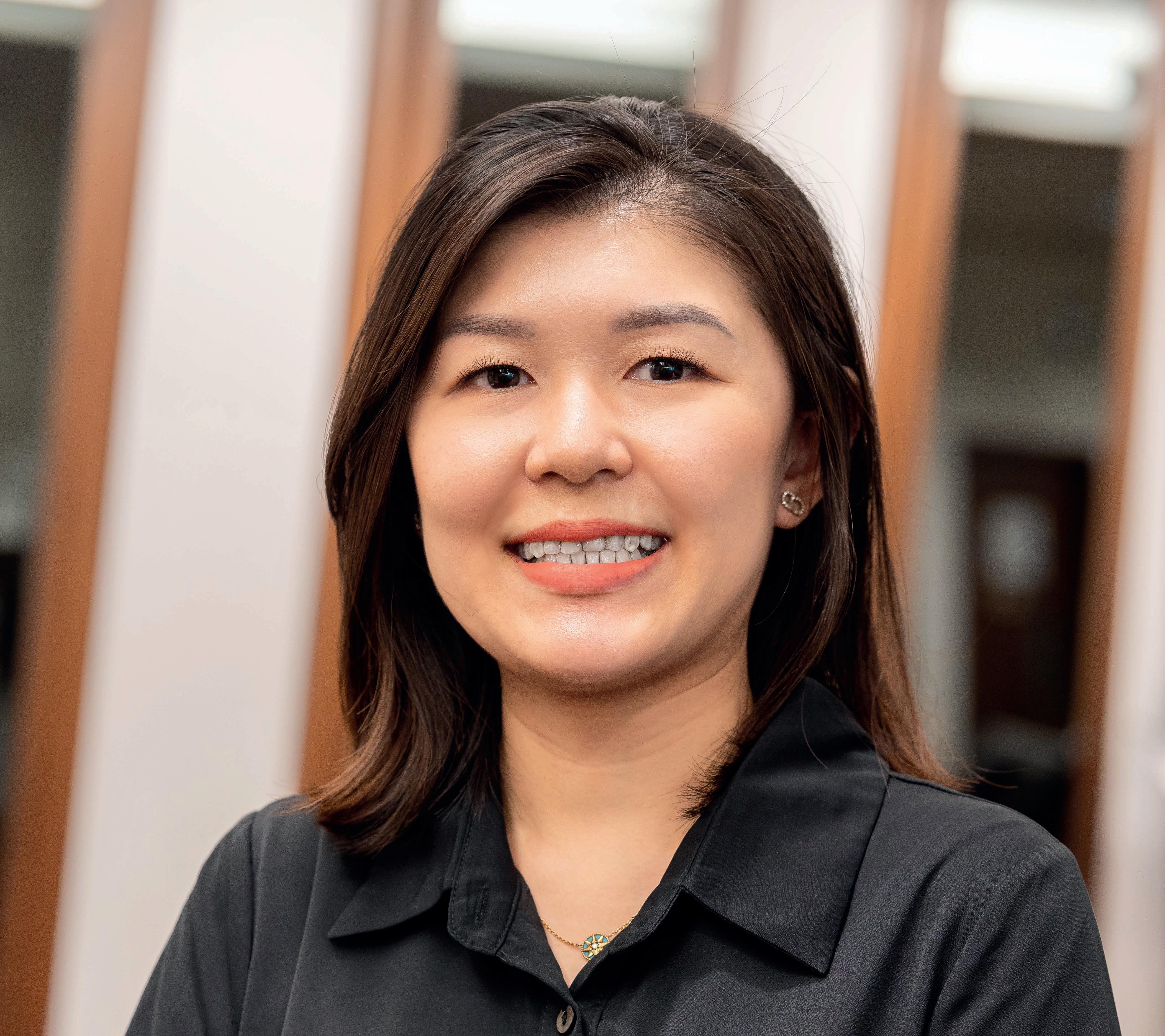
JOLENE KAM Manager jolenekam@smu.edu.sg
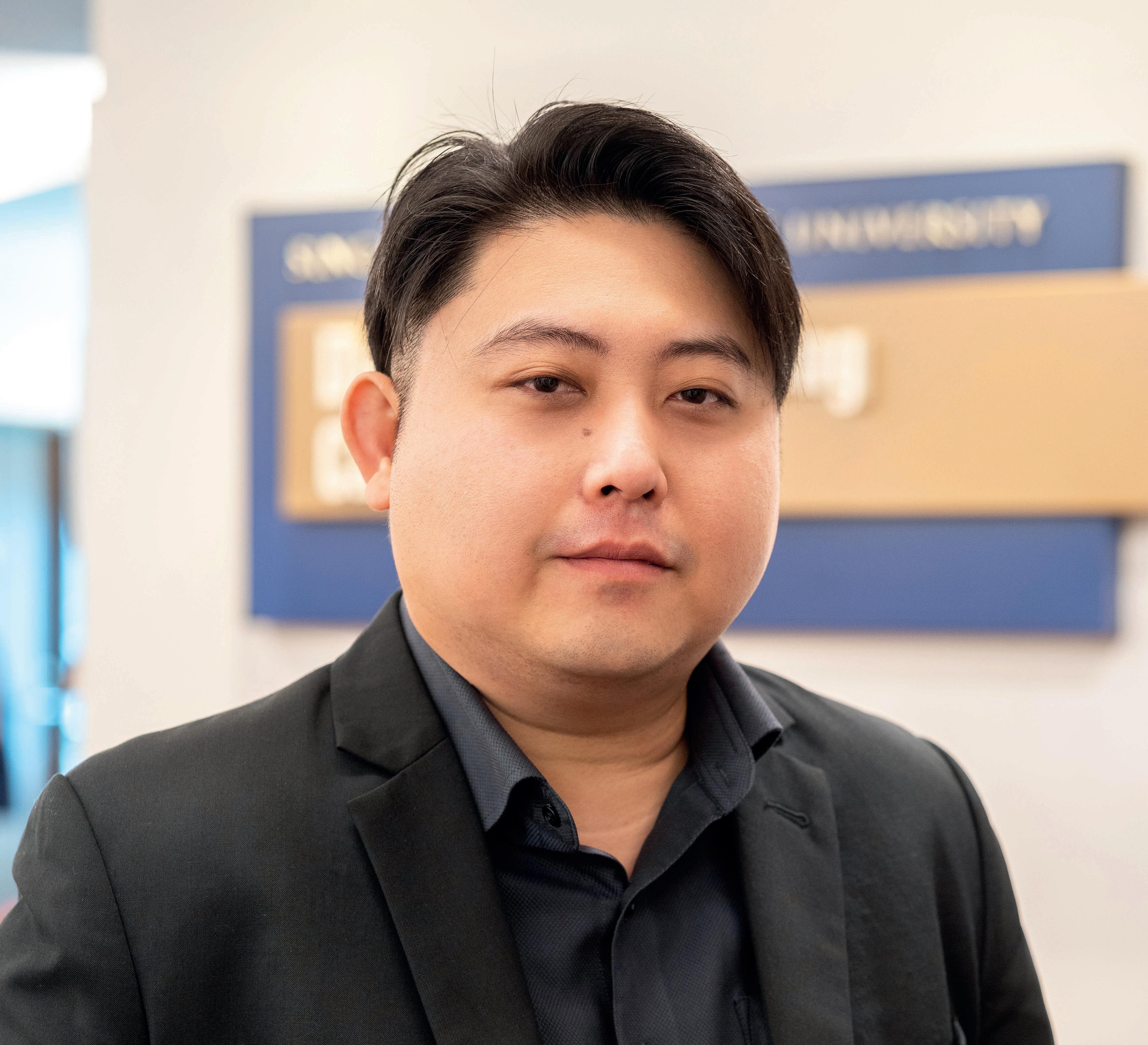
RUPERT CHAN
Senior Assistant Manager Events and Third-Party Relations rupertchan@smu.edu.sg
NEO SHI LING
Manager
Employability Skills Training Programme slneo@smu.edu.sg
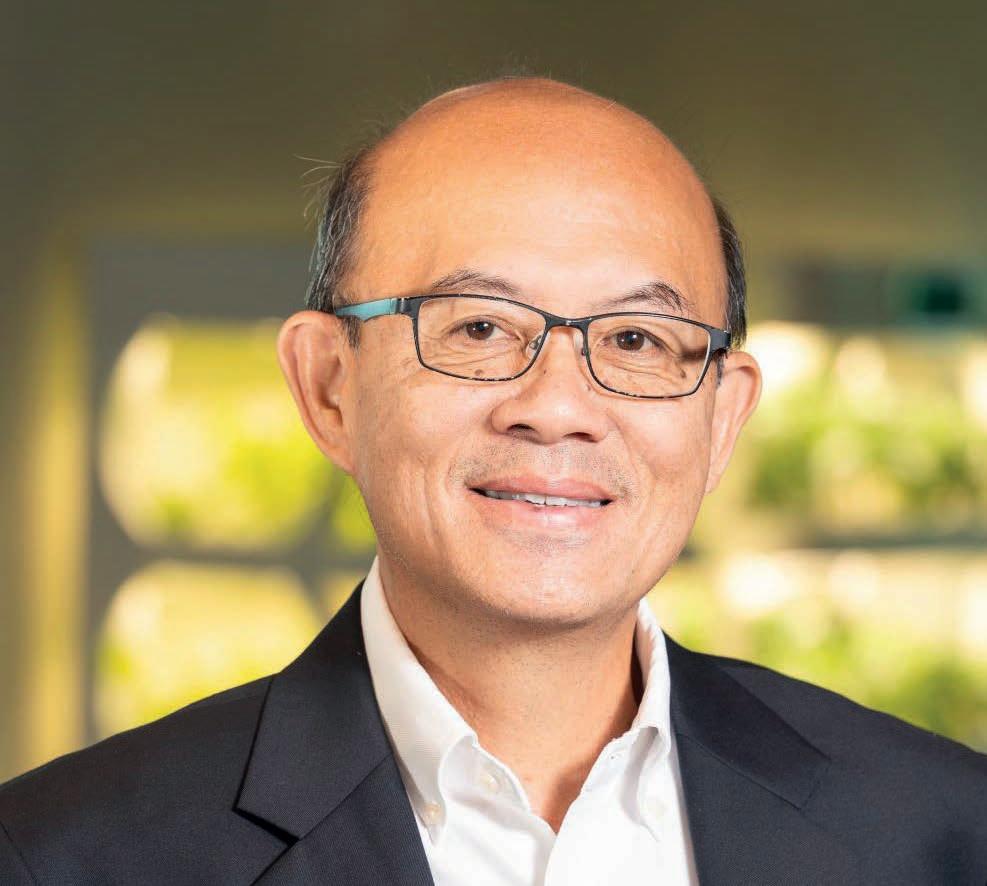
HENRY K C YEO
Head, Postgraduate Careers henryyeo@smu.edu.sg linkedin.com/in/henryyeo



SOO CHAI CHEW
Senior Assistant Director ccsoo@smu.edu.sg linkedin.com/in/ chaichewsoo
DAWN TAN
Assistant Director dawntan@smu.edu.sg linkedin.com/in/tandawn

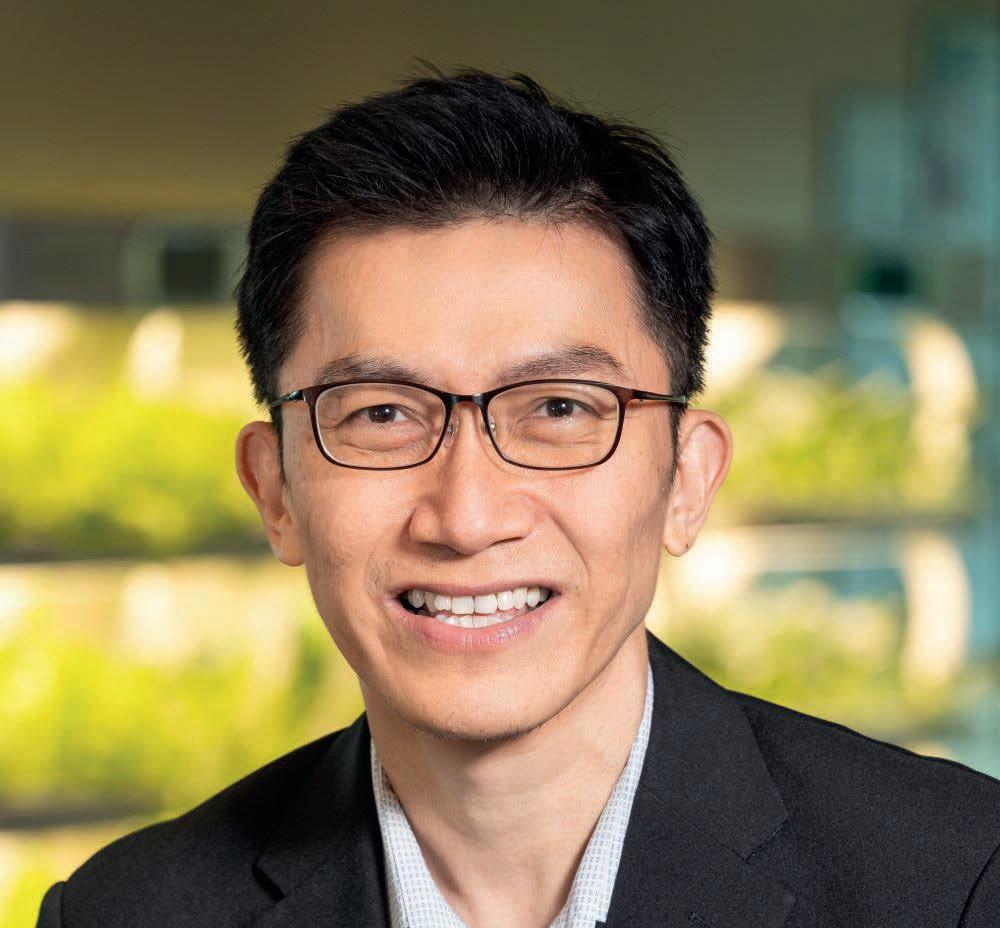
MAGDALENE LEE
Assistant Director magdalenelee@smu. edu.sg linkedin.com/in/leemagdalene



ROOPA SANKARARAMAN
Assistant Director roopas@smu.edu.sg
VERONICA YEOW
Senior Assistant Director veronicayeow@smu.edu.sg linkedin.com/in/ veronicayeow
PATRICK HAN
Senior Manager patrickhan@smu.edu.sg linkedin.com/in/ patrickhan88
ANGELINA HANSEN
Assistant Director angelinah@smu.edu.sg linkedin.com/in/Angelinahansen



JACLYN CHANG
Senior Manager jaclynchang@smu.edu.sg linkedin.com/in/ changjaclyn

TAN YOCK LAN
Senior Manager yltan@smu.edu.sg


LYNETTE GOH
Senior Assistant Director lynettegoh@smu.edu.sg linkedin.com/in/lynette-goh
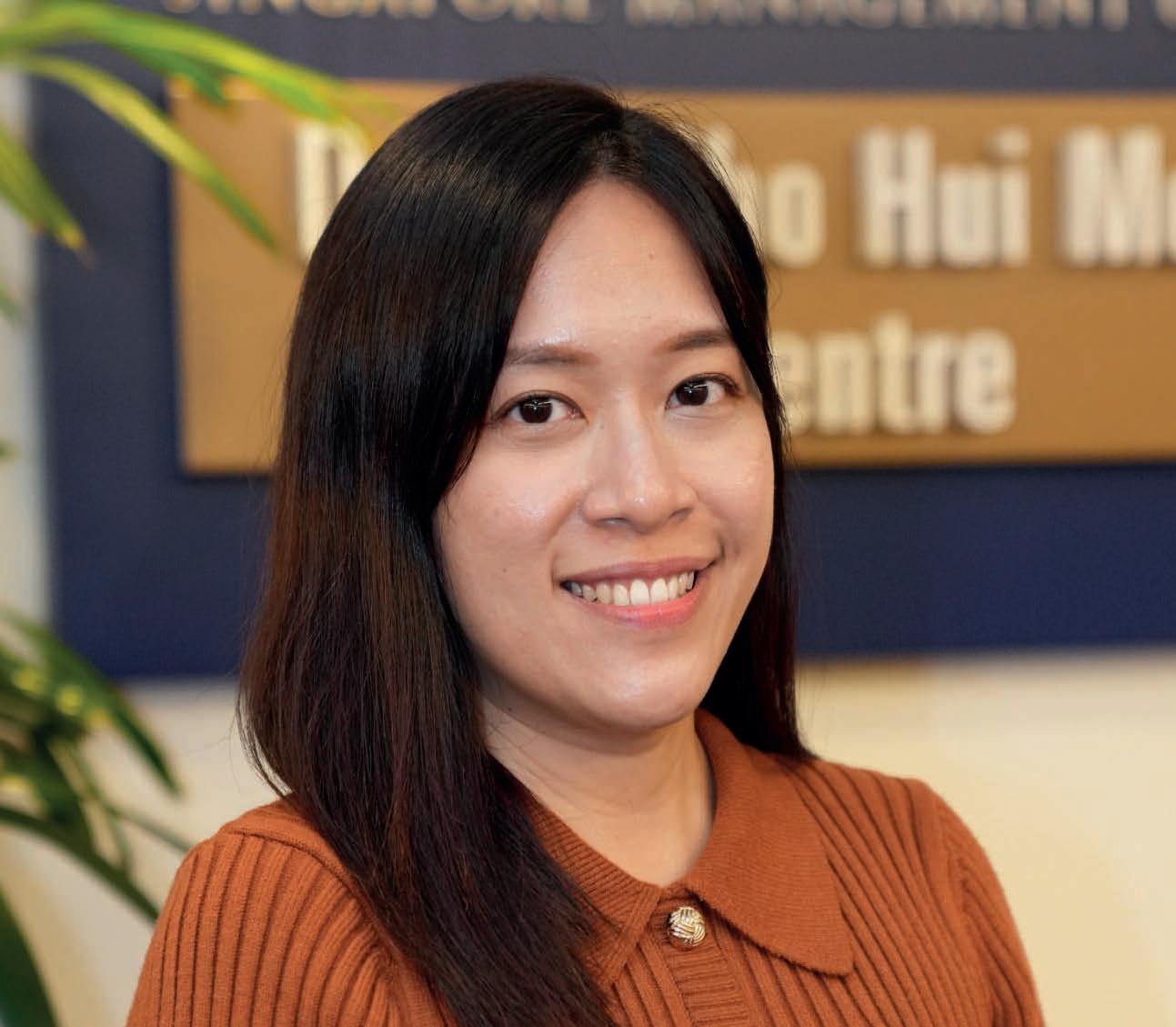
WENDY GUAN
Senior Manager wendyguan@smu.edu.sg linkedin.com/in/wendygk
EUNICE LOKE
Assistant Director euniceloke@smu.edu.sg linkedin.com/in/ euniceloke
ALVIN CHAN
Senior Manager alvinchan@smu.edu.sg linkedin.com/in/ alvinchanyh
ATINA FONG
Senior Manager atinafong@smu.edu.sg linkedin.com/in/atinafong
BRENDA LIN
Senior Executive brendalin@smu.edu.sg
Whether you’re a lover or a hater, AI is here to stay.
Thanks to the introduction of a little tool called ChatGPT in 2022, artificial intelligence has never been more popular. In fact, more companies are now adopting AI tools over human manpower due to their cost-effectiveness, resulting in employees having to upskill to stay relevant. Singapore is no exception to this trend: a LinkedIn report found that Singaporeans are the world’s fastest in adopting AI skills.
But what can it do for you?
While it’s true that AI has made some jobs obsolete, it has also created new ones. AI tools may be able to breeze an emailing list or review code, but someone still needs to not only create said tools, but also maintain them to make sure they work as intended. Plus, new areas like AI cybersecurity are popping up too, giving jobseekers even more ways to specialise and grow their careers.
Despite its disruptive nature, AI is already redefining how industries operate. For one, time-consuming tasks like inventory management and scheduling can now be automated, freeing up employees to focus on higher-value tasks instead.
Did you know? Among business owners…
• 97% believe ChatGPT will help their business.
• 64% believe AI can help to improve their business’ productivity.
• 42% believe it will help to streamline job processes.
Source: Forbes Advisor
AI, like any other tool, has its own strengths and weaknesses. Not only is it limited to the confines of its code, but it can’t think abstractly or critically like humans do.
So don’t treat it like a cure-all solution. Instead, use it to complement your own abilities. For example, a tool like Tableau can help with analysing data, but it’s your own knowledge and insight that turns that data into real solutions. This way, you enjoy the best of both worlds: taking advantage of AI’s capabilities while also showcasing your adaptability.
As intimidating as its impact may be, AI isn’t something to be feared. With the right mindset and strategies, you can harness its potential to propel your career forward.


With AI blowing up in recent years, it might be a good idea to pick some skills up.
In today’s digital world, there’s no denying the increasing value of AI skills. After all, AI-based job roles have been on the climb in demand and popularity, and that number will only grow in future. And even if you aren’t aiming for an AI-heavy job, knowing how to work with AI tools can still make you stand out to employers. But where should you start?
First, establish a learning plan. This should include a tentative but flexible timeline with objectives to be met, as well as the courses, activities and resources you will need to achieve them.
Foundations matter when it comes to skill-building; attempts to go in blind often result in uphill battles. On the contrary, having the essentials mastered will make learning harder concepts much easier to understand and pick up.

The next step is to take on some tangible skills. Like the previous step, the level of studying required will vary depending on the role you’re pursuing. That said, many of these skills are interconnected, and learning them will go a long way in strengthening your understanding of AI fundamentals.
Skills to consider
• Programming: While Python’s a popular choice, consider learning other coding languages like Java and C#.
• Data science: The study of data to extract useful insights. It utilises principles and practices from a variety of disciplines, such as mathematics, statistics, and computer engineering.
• Machine learning (ML): A subset of AI where machines learn from data to make predictions.
Once you’ve got the ball rolling, the rest is up to you. But don’t stop learning and working on your skills: with AI always evolving, you’ll likely never run out of new, unique things to learn about.
So, stay updated: follow AI blogs, take up more advanced classes and keep challenging yourself. It’ll be a tough journey, but with enough effort and grit, you’ll be able to graduate from a novice to an expert.
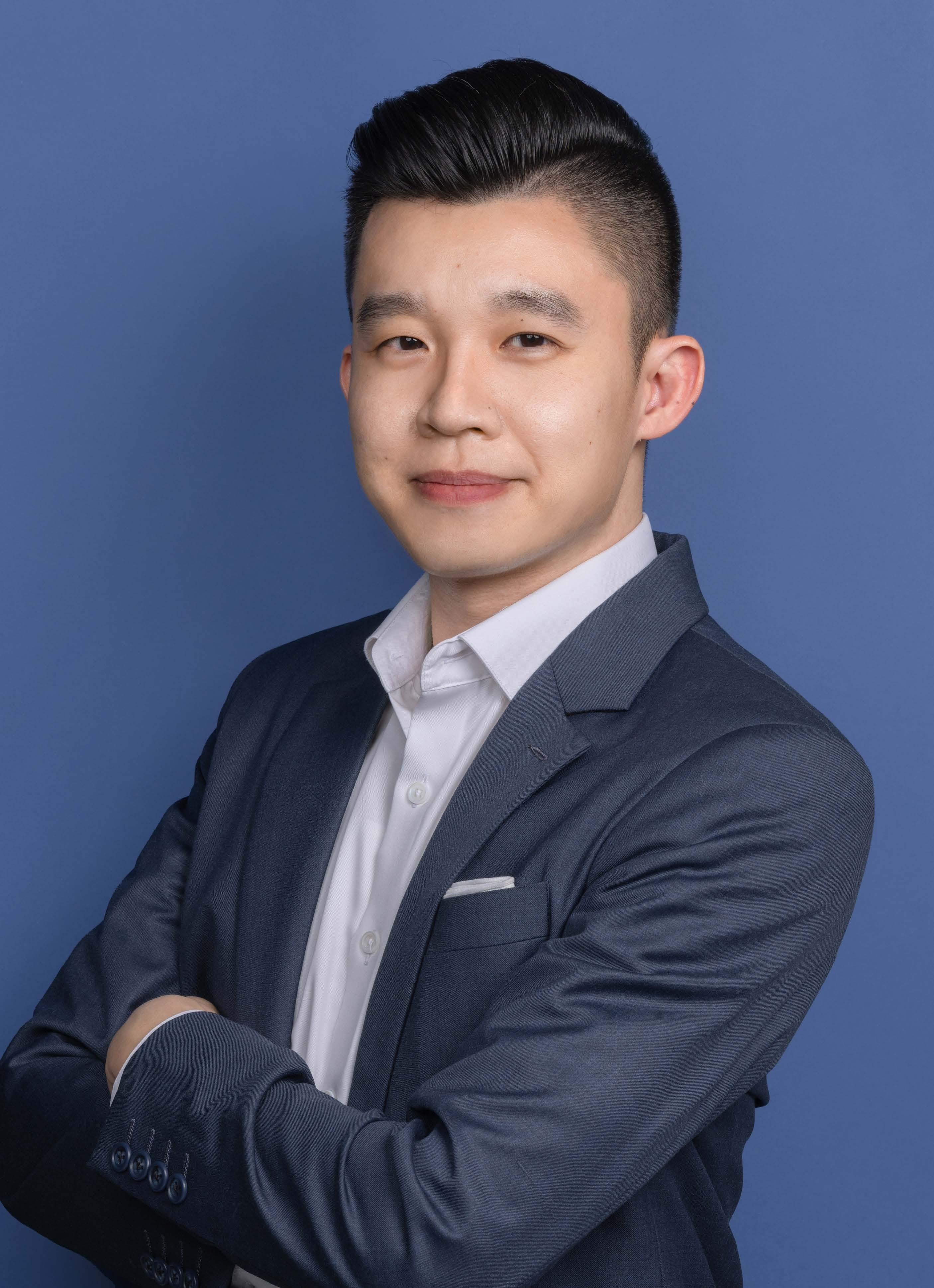
Clinton Ang
Designation: Executive Director Employer: Goldman Sachs
“Career development is not a linear path—it’s a mosaic of experiences”
Career History
2017 to 2024
Appointment: Analyst to Executive Director, Regulatory Operations
Employer: Goldman Sachs
2024 onwards
Appointment: Executive Director, Corporate Treasury Operations
Employer: Goldman Sachs
for success
Success is built on a foundation of intellectual curiosity, collaboration, and resilience. Individuals who ask thoughtful questions, seek diverse perspectives, and take ownership of outcomes will find themselves recognised and appreciated. A growth mindset—being open to feedback and continuously learning—is essential. Equally important is integrity: doing the right thing, even when it’s hard.
Tip: Build strong relationships early. Your network within the firm will be one of your greatest assets.
The challenges of staying relevant
In a fast-evolving industry, staying relevant means being proactive. Technology, regulation, and client expectations are constantly shifting. The most successful professionals are those who anticipate change, adapt quickly, and invest in upskilling.
Tip: Stay close to market trends and be willing to reinvent your approach. Relevance is not a static achievement—it’s a continuous pursuit.
How I took charge of my career development
Career development is not a linear path—it’s a mosaic of experiences. I’ve learned to be intentional: seeking out stretch assignments, asking for feedback, and identifying mentors who challenge me. Be vocal and be brave.
Tip: Don’t wait for opportunities to come to you. Raise your hand, be visible, and articulate your goals.
Thriving in the workplace
Thriving means more than performing—it’s about well-being, purpose, and connection. I’ve found that thriving comes from aligning your work with your values and surrounding yourself with people who elevate your thinking.
Tip: Prioritise self-awareness. Understand what energises you, and build habits that sustain your performance.
Hot takes on career trends
The traditional ladder is giving way to a portfolio mindset— where careers are built through diverse experiences across functions, geographies, and even industries. Lateral moves, secondments, and cross-functional projects are increasingly seen as accelerators.
Tip: Think beyond job titles. Focus on building capabilities that are transferable across industries and functions.
My advice for graduates
Be bold, be humble, and be kind. Your career is a marathon, not a sprint. Take risks, learn from setbacks, and never underestimate the power of listening. The world needs leaders who are not only smart, but also empathetic and principled.
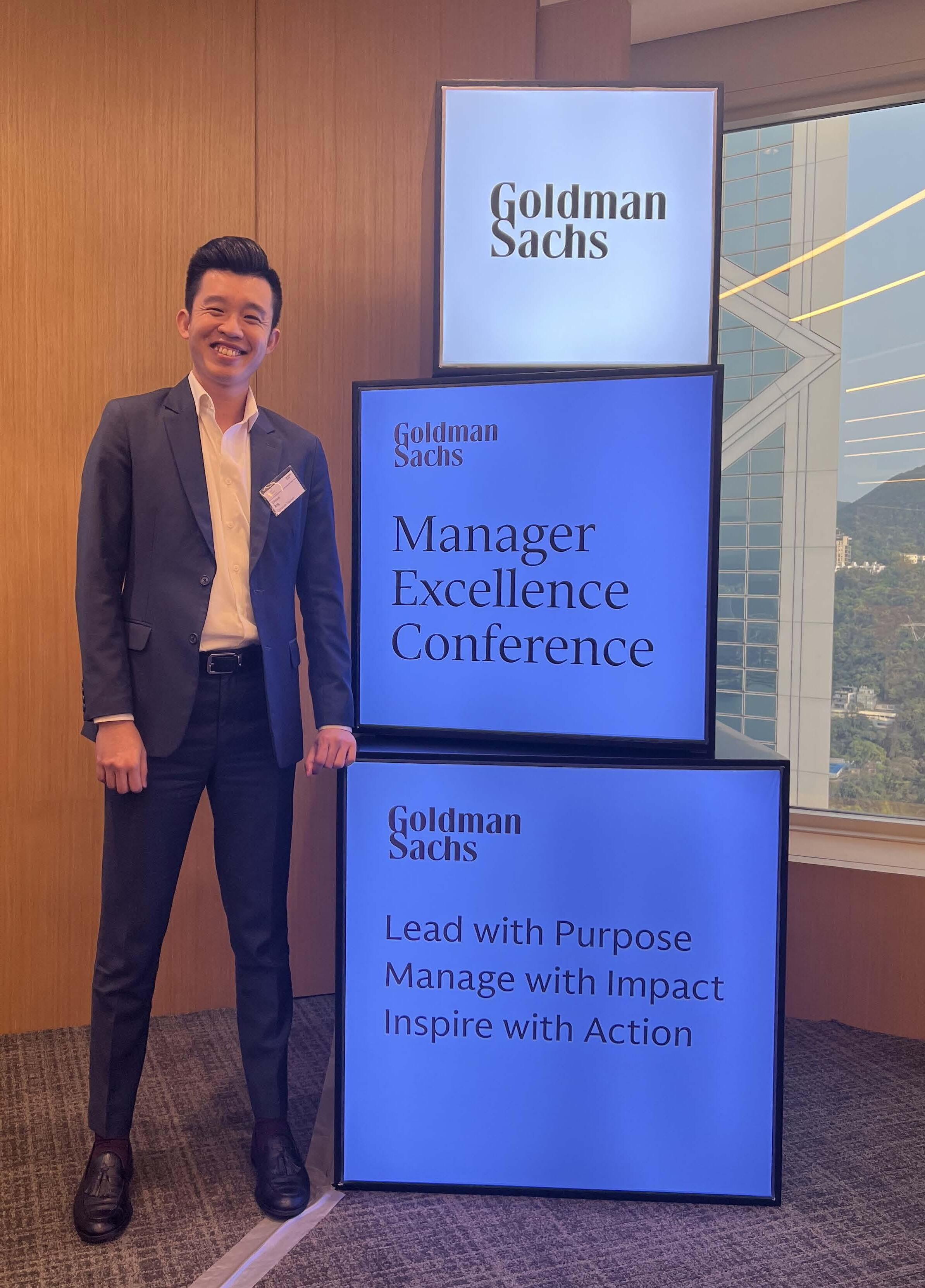
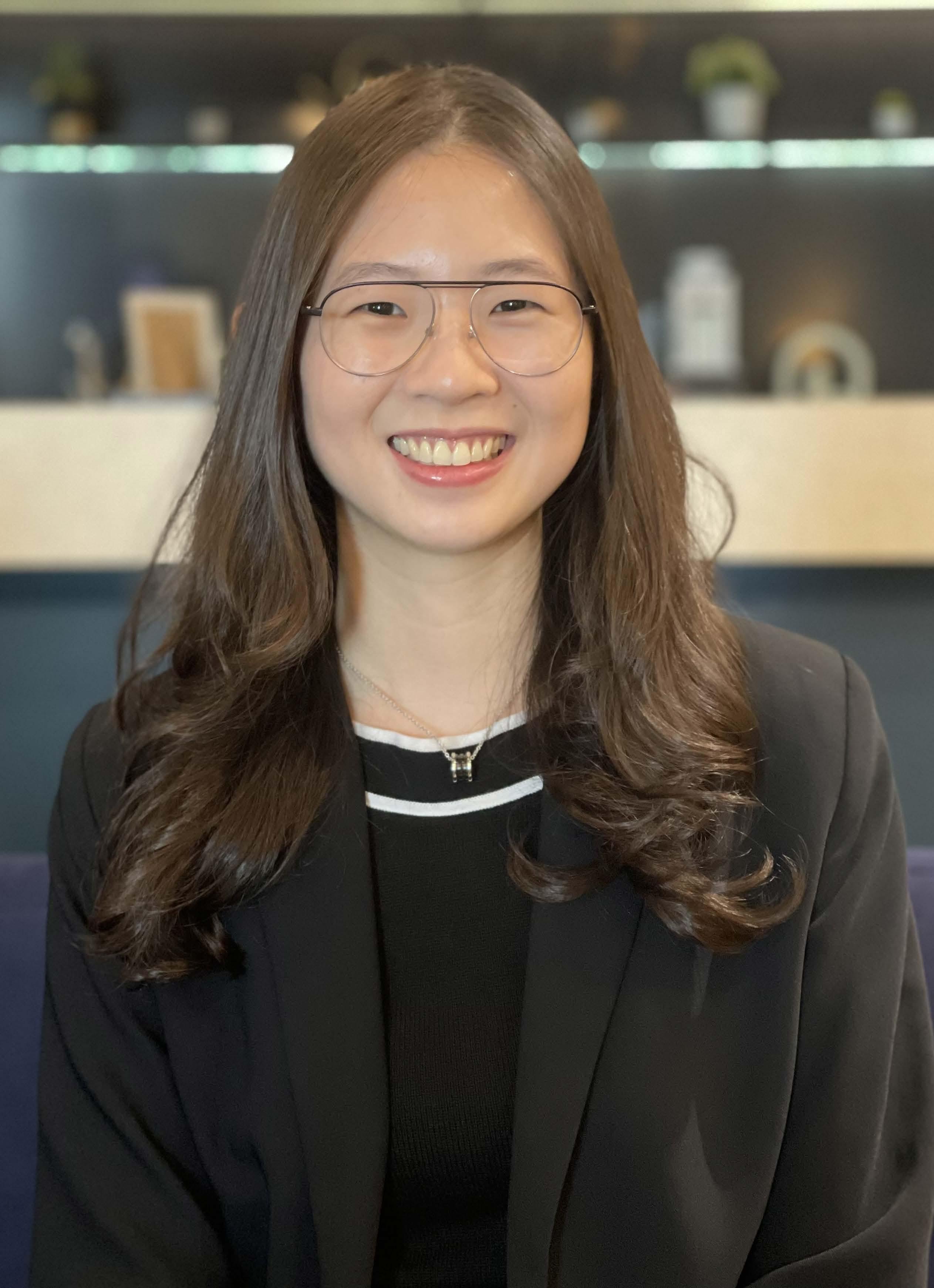
Leah Kwang Designation: Manager
Employer: Ernst & Young
“Ultimately, AI in consulting isn’t about replacing human judgment—it’s about amplifying it.”
2021 to Present Appointment: Manager
Employer: Ernst & Young (EY)
The adoption of AI in consulting has brought tangible changes to how we work—particularly in enhancing idea generation and problem-solving. At my firm, we’re seeing real value through our bespoke generative AI chatbot.
AI has become an integral part of our consultants’ daily workflows. It’s more than just a tool for answering questions—it acts as a brainstorming partner. Consultants use the firm’s bespoke AI tool to generate ideas, refine messaging, and explore different perspectives on client challenges. This has led to faster turnaround times, more time dedicated to creative solutioning, and better-prepared client deliverables.
We also integrate proprietary knowledge into the tool, allowing us to move from ideation to refining AI use cases that deliver greater value to our clients.
However, the adoption of AI also requires a shift in mindset. Consultants must take accountability for the outputs generated by AI tools. Skills such as critical thinking, creativity, and context engineering are essential. It’s our responsibility to interpret AI-generated content, apply domain knowledge, and enhance it to make the output uniquely ours. Additionally, consultants need to be familiar not only with marketplace AI tools but also with bespoke assets developed within the firm.
One of the most notable shifts in professional capabilities has been the development of effective prompting strategies. Our consultants are learning how to ask better questions— how to tailor prompts to elicit more relevant, insightful, and actionable responses.
This skill is becoming essential, much like building a strong slide deck or facilitating a stakeholder interview.
Looking ahead, consultants will be expected to go beyond basic usage. They’ll need to explore the full capabilities of AI
tools, understand how to structure and refine prompts, and learn how to iterate on outputs to achieve optimal results. Embedding AI tools into daily work—whether for drafting proposals, preparing for client meetings, or generating strategic options—will be key to staying productive and competitive.
Ultimately, AI in consulting isn’t about replacing human judgment—it’s about amplifying it. By freeing up time from repetitive tasks and enhancing the quality of thinking, tools like EYQ enable us to focus on what matters most: delivering greater value to clients.
Uncertainty and fear are common sentiments—many people are experiencing a wide range of emotions as AI continues to reshape the workplace. In the face of this uncertainty, it’s important to remember that learning must be continuous; it’s not a one-time process.
My advice to fresh graduates is to stay open and curious. This mindset will position you well in an AI-driven environment. The ability to learn continuously is one of the most critical skills for thriving in a workplace where technology is evolving rapidly.
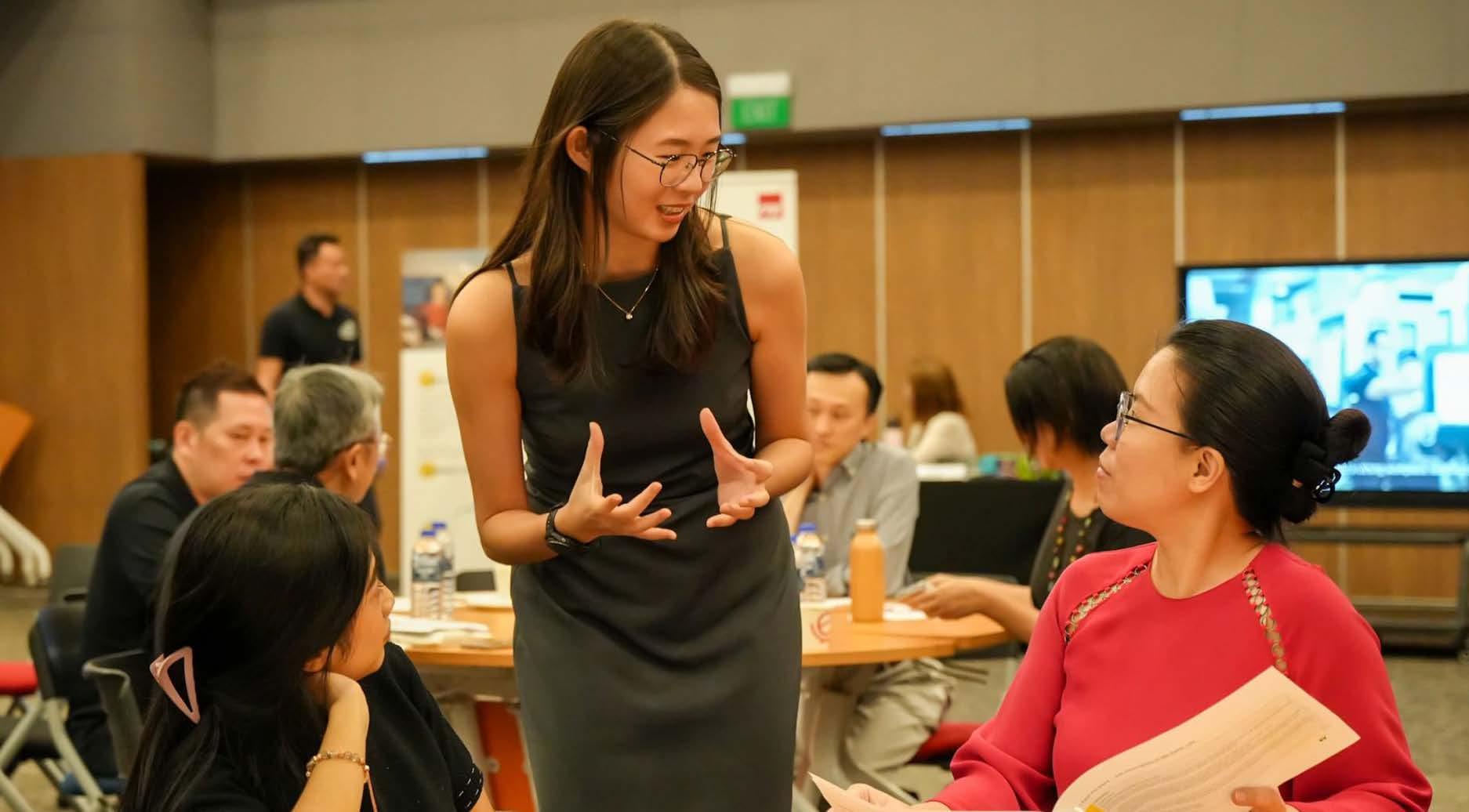
Discover the different career sectors available in the job market and the various opportunities out there.

Essential in helping businesses stay financially sound, professionals here can find a place in a variety of organisations, from the “Big Four” to smaller accounting firms, corporations and even the public sector, where responsibilities include budgeting and financial analysis.
Interested graduates start off as trainees, and will need to be prepared to take on professional qualifications to advance their careers here.
• Assurance management
• Auditing
• Financial consulting
• Risk assessment
• Tax consulting
This sector focuses on turning large amounts of raw data into actionable insights, which helps organisations make smarter business decisions. With the increasing importance of data in business as a whole, the demand for data analysts has seen a steady rise, especially those who are well-versed in visualisation and critical thinking.
• Business intelligence analysis
• Cybersecurity
• Data analysis
• Product management
• Statistics
As the core of the financial sector, bankers are responsible for handling cash, credit and other financial transactions. Larger employers here tend to be retail banks and insurance companies with financial management products, but there’s also the option of joining digital banks.
While volatile, jobs in this sector are still a popular choice for both graduates and seasoned professionals. To better their odds, candidates should get as much relevant experience as possible to stand out.
• Business/Commercial banking
• Corporate finance
• Private equity
• Risk management
• Wealth management

Despite the long hours and multi-faceted demands, the education sector is worth considering for those looking for a fulfilling career. While teaching is a common option, there are also other job roles to consider, such as career counsellors, educational psychologists or even corporate and administrative roles at the Ministry of Education.
• Administration
• Coaching and counselling
• Curriculum and content management
• Teaching

While most medical careers require specialised knowledge and training, opportunities also exist for non-medical graduates in the healthcare industry. These include jobs in operations, management, medical product management and healthcare informatics. However, some positions, like caregiving, will require additional training and qualifications.
• Healthcare regulations
• Manufacturing and supply
• Quality management
• Research and development
• Sales and marketing

Opportunities in this sector can stem from a variety of areas, from hotel management to other avenues like events, heritage tours and entertainment. However, because this industry prioritises professional development and hands-on experience, be prepared to spend at least part of your career on the frontlines. Additionally, work here can demand a lot of energy and diplomacy, and can even bleed into overtime and weekends during peak periods
• Food and beverage
• Hotels and resorts
• Leisure and recreation management
• Meetings, incentives, conferences and events (MICE)
• Tourism and attraction

With so many industries relying heavily on technology, it’s unsurprising that there’s no shortage in demand for IT professionals, with popular roles including technology consulting and systems analysis. But while candidates with STEM degrees are still preferred, they aren’t necessarily mandatory. Rather, those with excellent problem-solving and time management skills will find themselves at an advantage here.
• Application development
• Cloud innovation
• Data analytics
• Information security
• Systems administration

While both exciting and dynamic, law is also a highly competitive career that can be highly rewarding for those who thrive on challenges. Upon passing the bar exam, you have several options: a big law firm means more structured training and an easier path to specialisation, while a smaller practice could expose you to a higher variety of work, like business development. Alternatively, you can opt to sign onto companies as an in-house legal advisor. Regardless, strong academics are a requirement for law careers; you’ll need a minimum GPA of 3.0 as an SMU law student to work in local firms.
• Arbitration and dispute resolution
• Civil litigation
• Corporate and commercial
• Criminal
• Intellectual property

For many industries, manufacturing, logistics and supply chains are essential for keeping things running smoothly, especially for retail and FMCG businesses. Manufacturing focuses on getting products made, while logistics ensures things keep moving, from sourcing raw materials to delivering finished goods. The supply chain oversees this entire process, ensuring everything runs smoothly without delay.
Qualification requirements vary: manufacturing jobs often want specific degrees, while logistics and supply chain jobs are more open to graduates from a range of disciplines.
• Assembly Engineer
• E-commerce
• Freight/Global forwarding
• Supply chain management and service
• Transport management
There’s a lot going on in this sector, with a wide range of roles in both media and marketing (e.g advertising and journalism) as well as communications and events (e.g. public relations). However, the job market here is competitive: a quality portfolio paired with a robust professional network will make for a very strong advantage. As such, it’s a good idea to get started on both early on!
Potential job options
• Digital/Web marketing
• Film/Stage production
• Graphic design
• Journalism
• Media purchasing


As Singapore’s largest employer, this sector is often dubbed as “the iron rice bowl” due to jobs there being relatively stable compared to the private sector. Roles, job scopes and required skills will vary based on the ministry, but all employees must possess a drive to serve the community to the best of their ability.
Most individuals enter this sector via graduate programmes, though some departments and organisations may hire directly via Careers@Gov.
Potential job options
• Government agencies
• Ministries
• Statutory boards
• Uniformed services

Due to Singapore’s vibrant biomedical sciences research ecosystem, there are plenty of job opportunities in areas such as clinical sciences, bioengineering, as well as molecular and cell biology. Common employers include research institutes, academic institutions and hospitals, but some opportunities can be found at corporations too.
To join this industry as a graduate researcher, having in-depth technical knowledge of a specific field, and a postgraduate degree will likely increase employability as well.
Potential job options
• Business and management
• Environmental control
• Health and safety officer
• Laboratory technician
• Quality assurance
• Research and development
Graduates keen on community service can find fulfilling careers in social services, non-governmental organisations (NGOs), and non-profit organisations. With around 140 international not-for-profit organisations in Singapore, catering to a variety of social, humanitarian and environmental issues, the options for graduate employment are extensive.
Depending on the area of expertise and the role, there may be a need for specialised knowledge, niche skill sets and professional certifications.
Potential job options
• Community relations
• Environmental activism
• Social work
• Services (e.g. children, youth, family, elderly, special needs and healthcare)
• Volunteer development


Amid rising concerns towards global issues such as the looming climate crisis, this sector is ideal for those looking to make a difference in protecting not only the environment, but also to create a more sustainable and equitable future for both current and future generations. While jobs here tend to be multidisciplinary, one thing they all have in common is the need for green skills, which can come in both soft and technical varieties.
Potential job options
• Corporate social responsibility
• Ecology
• Environmental science
• Sustainability consulting
• Urban planning

There’s more to job-hunting than just swiping through listings and spamming job applications.
Job-hunting’s always been a timeconsuming affair, and with how things are right now, you’ve got to do all you can to make yourself stand out.
But that doesn’t mean you need to spend every hour on the grind (and honestly, you shouldn’t). So, what else can you do while you wait?
Stay flexible with your long-term plans
• With the world being so unpredictable, be prepared to make some short-term tweaks to your long-term goals.
• Keep pursuing your dream job, but be open to other options, like temp jobs and internships!
Manage your finances and save up
• Job or no job, you’ve got bills to pay and stuff to buy.
• Without a steady income, your savings will deplete fast if you don’t get your finances in order!
• You can soften the blow by cutting out unnecessary expenses, like your game’s battle pass or limiting your Luckin runs.
• Make sure you have enough savings to cover your necessities for at least 3 months.

Make use of events and classes Take care of yourself
• SMU’s got plenty of career-related resources, workshops, and events for careers. Use them!
• Some courses are subsidised under SkillsFuture, letting you upskill without hurting your wallet.
• Check in regularly with the SMU Dato’ Kho Hui Meng Career Centre to see what’s new.
• To put it bluntly, job-hunting can really suck. So make sure to take care of yourself.
• Focus on the small wins. Sent out a few quality applications? Treat yourself; you deserve it.
• If it gets too much, do reach out to someone, whether that’s friends, family, or a professional.
Dealing with a seemingly endless job search can be draining in more ways than one. Here’s how to take care of yourself during this trying period.
How long has it been since your last application response? Slumped over your desk at home, you can’t help but wonder if any of this is even worth it. Heck, the thought of touching up your resume or even looking at LinkedIn makes you want to scream.
Sounds familiar? If so, you might be slipping into jobhunting burnout. Left unchecked, it’ll not only derail your progress, but do a number on your well-being too.
Signs of burning out
• Mental and/or physical fatigue
• Higher irritability
• Increased cynicism
• Not wanting to talk about job-hunting
• Decreased social interaction
Treat the search like a job in itself; set aside some time each day (about two to three hours) to focus on job-hunting, or limit yourself to sending a set number of applications per day. Once time’s up or you’ve hit your quota, just wrap it up for the day. Remember, persistence is key, but not at the expense of your well-being!

Being rejected and/or ghosted by employers sucks, and can feel like a direct insult to you, your qualifications and everything else in between. While those feelings are valid, the bad news is that this is all part of the job-hunting experience, and will likely happen again. But instead of dwelling on the ‘what-ifs’, don’t take the rejections to heart and focus on your next steps.
Playing the waiting game for your applications may be agonising, but dwelling on it is not going to help either. Treat these brief downtimes as short breaks instead, whether it’s to learn new skills, chill with friends, or simply enjoy some alone time.
• Listen to what you are saying about yourself and challenge it.
• Stay grounded. While your feelings are valid, the negative scenarios in your head probably are not as awful as you think it is.
• Reframe your negative thoughts. It’s not always easy to do, but rewording them in your head might help.
Searching for a job’s like running a marathon – knowing when to sprint and when to pace yourself is critical, lest you find your efforts turning counter-productive. Remind yourself that finding a job and employer that best fits you will take time and effort. All the resources you need are within reach; you just need to keep going and not give up.
But remember, while you may be busy job hunting, it is also just as important to take a step back every once in a while and take care of yourself, too.
A burden shared is a burden halved. Talk to someone who cares about you – it can be a close friend or family member (or several, if you want), so you know that there is at least someone in your corner.
Alternatively, there’s also your professional network you can turn to for help. This could mean being a second pair of eyes when reviewing your resume, or providing you with opportunities of their own.
Whether you’re looking to impress on your first job, or gunning for a conversion during an internship, you’ve got to get your head in the game and make a real impact.
• Impressions matter, and what better way to show that you’re a true blue professional than dressing like one?
• Before your first day, reach out to the recruiter regarding the company’s dress code.
• Stressed about what to wear? It’s generally safer to overdress a bit on your first day; you can always tone it down later if needed.
• Getting to work from home doesn’t mean you should wear your PJs all day. Dressing like you’re heading to the office can help you get you into the work mindset (and keeps you from crawling back to bed).
• Make sure you arrive at work on time! If you’re worried about getting lost en-route, consider getting there early. Either way, just don’t be late.
• If you’re remote, get up and freshen up early. Login on your assigned platform and use the extra time to get used to it.
• Greet everyone! Good working relationships are key to a productive, positive work environment, so be friendly!
• Most companies have on-boarding programmes for new hires to help them settle in. These can range from orientation sessions to social activities.
• If you can, find a mentor figure. They should be someone you can turn to if you have any worries or concerns about work.
• Your early days will likely have you figuring out how things work in the company. It’s also the best time to ask your supervisors and/or colleagues if you’re unsure about anything.
• Be enthusiastic about your job, no matter how small or insignificant your tasks might be. This is your opportunity to show your commitment to the company.
• If you can, try to have lunch with your colleagues whenever possible. Take this time to get to know them better.
• Take initiative! Your early days will be a little slow, so extend your help to your colleagues or your boss if you feel ready to take on more tasks.
• Learning doesn’t stop at graduation: in fact, this is where the real learning begins.
• Most companies offer some form of training or courses for their staff. Take advantage of those.
• Consider picking up professional qualifications. If you’re lucky, your company may be willing to sponsor or subsidise the costs.
• Make sure you get your main responsibilities done above all else.
• If you have any doubts or concerns, let your supervisor know ASAP.
• You’re going to be learning a lot of things on the job, so it’s a good idea to take notes for future reference.


It doesn’t have to be perfect, but a good first job can do wonders for kickstarting your successful career journey.
The good news is that you’re graduating. The bad news? It’s time to look for a job.
But…where do you even start? Other than the obvious need for a decent salary, what else should you look for in a first job? Especially if you don’t know what you want to do?
To start, take a deep breath and take your time to think this through. While different people will have different ideas of their dream job, there are a few key things yours should have regardless of other priorities:
“Where can this job lead me?” 1
• Your first job doesn’t have to be your dream role, but it should at least get you one step closer to it.
• Take a quick look at the usual career paths in the job or industry. If you’ve got your eye on a specific company, browse their employees’ LinkedIn profiles to see how their careers are shaping up.

2
“Will I be able to grow here?”
• As a fresh grad, you’ve got lots of room to grow. That’s why companies with solid training and/or mentorships can be a great start for your career.
• However, keep in mind that every employer has their own idea of growth. Some may offer structured training, while others have you learn on the job. It’s up to you to decide which approach is best for you!
3
“What transferrable skills can I pick up?”
• You might’ve gotten a solid set of skills from school, but you’ll need to expand your repertoire if you want to excel at work.
• When job-hunting, find out if there are any opportunities to work across teams or even departments. These cross-collaborations can help you pick up skills you might not normally obtain otherwise.
By: Vong Xiu Mei
Congratulations on securing your first internship!

From asking your first “silly” question to “winging” a presentation (that had your supervisor lowkey impressed), use this Bingo card to track those moments of growth, awkwardness, and triumph.
Updated my LinkedIn profile
Registered internship on OnTRAC before starting
Made small talk in the lift or pantry
Began an email with “I hope this finds you well.”
Tested a TikTok productivity hack
Gave a presentation or update
Joined the team for lunch
Completed an online or training course
Asked supervisor for feedback
Asked a “silly” question FREE food at work
Sought guidance from Career Coach
Learnt everyone’s names
Picked up a new tool or skill
Pretended that I understood corporate jargon
Double-triple checked my work Used ChatGPT for work (Trauma) bonded with other interns
Spoke up during a meeting
Volunteered for a project
Set calendar reminders for deadlines
Did an office fit check
Shadowed a colleague
• Tick off each square when you have done or experienced it. The centre square (“FREE food at work”) is a free space.
• Aim for a full row, column, or diagonal to get “Bingo!”
•
Made a mistake, apologised, and asked how to fix it
Completed reflection reports on OASIS
• Share your completed Bingo card with your friends or post it online. Scan the QR code to access our Instagram Stories template, and tag us (@SGSMUCareerCentre) so we can celebrate your wins with you!






























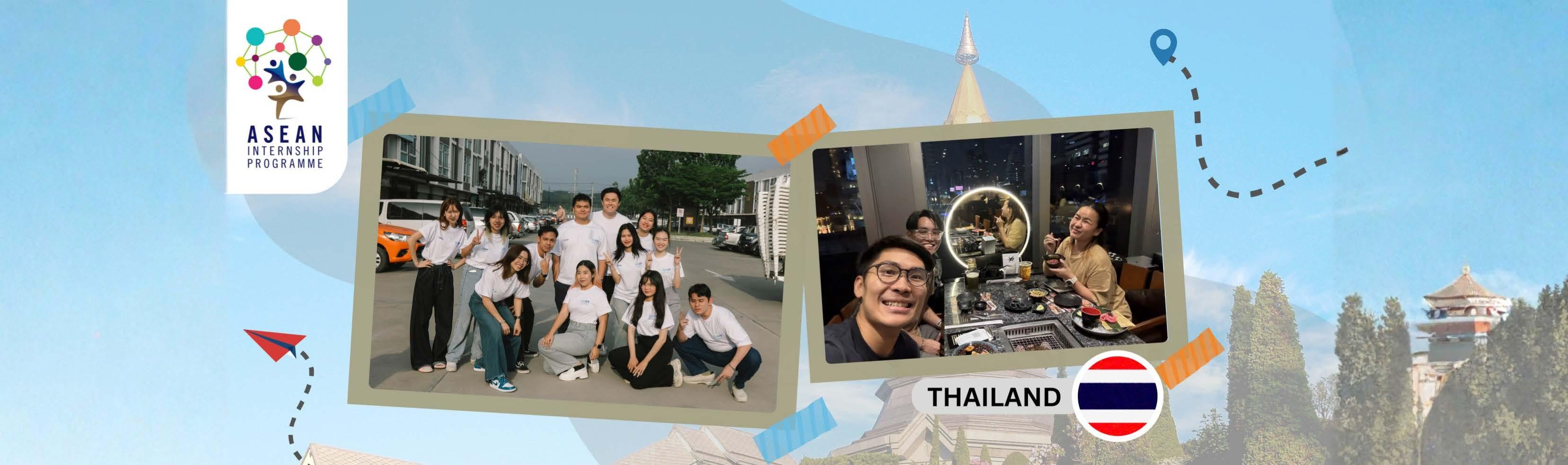
Looking to embark on an international adventure? The AIP could be for you.
Have you considered an internship outside of Singapore, where you can experience a new language and work culture firsthand? Marcus Chia Wei Wen and Rachel Lim Jia Yun recently did just that through the ASEAN Internship Programme (AIP), and their experiences were both eye-opening and enriching.
The AIP offers SMU students the chance to gain international work experience while immersing themselves in a new professional and cultural environment. For Marcus and Rachel, their internships were more than just professional stints—they offered valuable insights into work, culture, and adaptability.
Like many of their peers, both Marcus and Rachel have been curious about how working in another country would differ from their experience in Singapore.
For Marcus, who had worked at a startup in Singapore, the AIP in Thailand offered the perfect chance to see how local startups expanded their operations and adapted to the regional market. He quickly learnt that success in the ASEAN region relies heavily on local knowledge and connections, with each country bringing its own unique work culture.
Rachel, on the other hand, was in for a surprise when she arrived in Chiang Mai. Expecting a traditional and hierarchical workplace, she was instead greeted by an open, collaborative environment that felt more like a team effort than a corporate structure. The flat hierarchy in the office encouraged creativity, initiative, and ongoing learning—a refreshing contrast to what she had imagined.
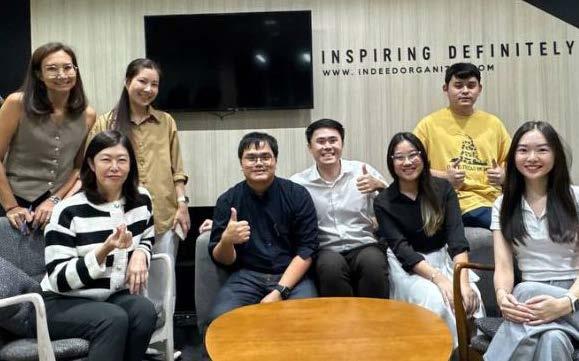
Adapting to a new work environment came with its share of challenges.
One of the biggest hurdles Marcus faced was the language barrier. With many company documents in Thai, he relied heavily on assistance from his colleagues to translate the content. Although this proved frustrating at first, it helped him build resilience and patience, and he appreciated the support his team provided throughout the process.
Meanwhile, Rachel stepped out of her comfort zone by learning to use a new design tool from scratch. Tasked with using Figma for the first time to design a web application for an international client, she initially hesitated. However, she pushed through, mastering the design software and delivering a successful presentation.
Beyond work, Marcus took his growth mindset to the next level by participating in a local cue sports competition, clinching third place out of 40 participants. Engaging with the local community allowed him to form meaningful connections outside of the office.
Besides personal and professional growth, both interns took away valuable lessons in cultural adaptability.
Marcus observed that the work culture in Thailand emphasised collective respect and a community-oriented approach, which was quite different from his expectations. Experiencing this firsthand reshaped his perspective on workplace dynamics and highlighted the importance of cultural awareness when working across borders.
For Rachel, adaptability meant embracing differences and practising active listening. A mentorship session with a managing director gave her invaluable insights into working with international clients, and understanding the nuances of cross-cultural business interactions. Learning to listen and adapt to different communication styles proved essential in a globalised work environment.

By the end of their AIP experiences, both interns had gained newfound confidence and clarity about their career goals.
Having observed different management styles, Marcus now envisions himself in a leadership role, equipped with a deeper understanding of how to manage diverse teams. He’s gained greater confidence in his abilities and is excited to take on new challenges.
Rachel discovered a newfound interest in working in dynamic, international environments. Her experience in a different work culture opened her eyes to the possibility of a career that involves frequent travel and long-term overseas assignments. She now sees Southeast Asia as a region brimming with untapped potential, with many opportunities for growth and innovation.


Reflecting on their journeys, both Marcus and Rachel encourage future interns to embrace the unknown and make the most of every opportunity.
As Marcus puts it, “Only by stepping into unfamiliar situations will you truly grow.”
Rachel adds, “Take in every experience with an open mind—from new tasks at work, to learning about a different market, to trying new food. The best way to gain is by daring to go beyond.”
Their stories serve as a testament to the value of the ASEAN Internship Programme (AIP). It not only provides SMU students with an opportunity to develop professionally but also helps them grow as individuals, ready to navigate an increasingly interconnected world.

Curious about AIP? Explore available internships and take the leap!
Learn how to maintain your mental health and power through to success.
There’s more to mental health than just not having anxiety or burnout; it’s about being able to handle daily stress constructively and healthily.
Alas, if there’s any place that’s likely brimming with stress, the average workplace is probably it. While you can’t avoid it completely, here are a few ways you can manage yourself while on the clock.

• It won’t magically delay your deadlines, but a handy to-do list can at least keep you on track.
• Breaking things into smaller steps can make even the most intimidating tasks more manageable.
• Plus, checking items off that list can be super satisfying (and motivating).
Quick tip: Post-it notes work, but digital to-do lists are way harder to lose. Plus, they come with lots of handy features, like letting you set reminders so you don’t get jump-scared by a forgotten deadline.
• As fun as it might be to hear about the latest office tea, getting too involved in office gossip often just leads to drama, stress and negativity – things you’re better off without!
• Plus, getting labelled as the ‘office gossiper’ can hurt your professional reputation and credibility.
• Keep your energy for the things that actually matter; like your work and responsibilities!
Quick tip: If you find yourself beefing with someone, it’s best to try talking things out first. However, if things get serious or escalate, don’t hesitate to loop in your supervisor or even HR.
• Breaks are breaks, whether that’s a nice weekend getaway or a quick jaunt to the office pantry.
• Remember, taking breaks isn’t slacking off; it’s how you keep yourself refreshed and focused.
• There’s a variety of ways to schedule breaks throughout your work day, like the Pomodoro method or using microbreaks.
Quick tip: Avoid looking at screens during your breaks. Instead, use them to stretch, grab a drink and rest your eyes (and mind).
• Making your desk feel like your space can help boost your mood and fend off burnout.
• Little touches – like plants, photos or fun stationery – can go a long way in keeping your spirits up at work!
• You can also bring more practical items to make work hours more bearable, like a neck pillow or a tumbler to keep your drink at the right temperature.
Quick tip: Studies have shown that a messy workstation = more stress. Too much clutter can tank your productivity, and can result in you scrambling over that one document right before a big meeting. So, keep your desk (reasonably) tidy!
• When your mental health starts to slip, you might find yourself struggling to focus, feel more tired or take longer on simple tasks. While it’s tempting to shrug it off and keep working, it’s more likely that you’ll end up making things worse for yourself.
• Instead, if you’re feeling off, don’t ignore it. Recognise it, and take steps to help yourself bounce back and feel better.
• No man is an island – there’s no shame in reaching out if you need it.
• Even something as basic as talking things out with a trusted someone can be a big relief when times are tough.
• Plus, their insight and advice could give you the clarity you need!
Quick tip: Alternatively, you can connect with counselling services, such as anonymous hotlines and support groups. Professional services can be considered too, if you want 100% confidentiality.
It’s not enough to have a stellar resume and skills to be a top-tier candidate; you’ll need to look the part too.
First impressions matter, and that’s especially true in professional settings. Thankfully, putting together a work fit doesn’t have to be complicated or cost you a fortune. Here’s some simple tips to help you dress to impress.

• While ladies get more flexibility outfit-wise, sticking to basics like dress pants, skirts and dresses are safe options.
• A jacket or blazer can help complete the look. Opt for neutral colours, like black, gray and navy.
• Keep it classy with a fitted shirt, suit and tie. Make sure it all fits well on you!
• Match your ensemble with plain dark socks and professional-looking shoes.
• When styling your hair, keep it tied up or neatly combed and in place.
• Keep your makeup palette to simple or natural tones.
• Stick to a clean, natural cut, with your fringe out of your eyes.
• Keep your facial hair neat. Otherwise, go with a clean-shaven look.
• Avoid putting on any gaudy or glaring accessories
• Keep your nails trimmed. If you want to use nail polish, opt for neutral colours.
• Ensure that the colour of your shoes matches your belt as best you can.
• Choose simple designs for your cufflinks .
• Avoid wearing studs or earrings.
It’s one thing to dress up for interviews and events, but what about your everyday office look? Most company dress codes tend to fall into one of four catergories:
As the name suggests, this style blends a casual look with a polish, professional vibe. There are no strict rules for this dress code, so feel free to dress up your regular wardrobe a little, like pairing your nice jeans with loafers, or slipping on a cardigan over your dress.

A step up from smart casual, you’ll find most companies using this dress code. How exactly it’s enforced can vary from office to office, so consider starting simple and adjusting as you feel out your workplace.

When thinking of a stereotypical work outfit, this is probably what comes to mind. This dress code is about exhibiting a sharp, professional image when meeting clients and stakeholders. Keep the outfit simple, and don’t overthink it.

If you want any chance of cinching an interview with your dream employer, you’ll need to grab their attention first with a top-tier resume.
Considering the sea of job applications they have to deal with daily, most hiring managers only have a few seconds to skim through them before deciding if they’re worth a closer.
This is why having a great resume matters: the onus will be on you to submit a resume that can hook their attention and reel them in for a second look.
Here are some tips on how you can improve your resume game.
• While reviewing resumes, employers may prioritise certain skills, classified as keywords. As a candidate, you should absolutely highlight them in your resume.
• For example, when listing marketing experience, use a line or two to highlight your expertise, such as in market research or public relations.
• Make sure your resume is relevant to the job you’re applying for. A computer science-centric resume isn’t going to do much for a marketing job, for one.
• Study the job description, and take note of what skills, qualifications and traits the company’s looking for.
• From this, customise your resume accordingly, such as your career objectives, achievements and skills, so that it matches said requirements.
• You can also consider adding a summary of your skills near the top of your resume, if you have the space for it.
2 4 3 5
• Numbers and metrics can help make your achievements easier for hiring managers to understand and visualise.
• Don’t shy away from small figures. Even modest ones still show impact, and demonstrates your initiative. If you can’t get the exact figures, a reasonable range or percentage works too.
• If you’re struggling to quantify your achievements, try thinking out of the box. For example, you can talk about improving efficiency, number of people led or if you received positive feedback from clients.
• Whether it’s internships, part-time jobs or CCAs, add them in as long as they’re relevant to the job in any way; a past gig as a retail assistant can still demonstrate soft skills like communication and organization.
• Try to focus more on your recent work; give more details about those, while limiting your older roles (over 5+ years ago) to about 2-3 bullet points. Understand the role you’re applying for 1
• Ask yourself: what sets you apart from other candidates?
• If you have any unique skills that could help your case, add it into your resume.
• For example, being multi-lingual would be a big appeal to companies looking to expand overseas, while having skills in graphic design is often a universally appreciated skill.
Here are some things to note and look out for in your resume before you send it over to your dream employer.

ALVIN LIM
Mobile: (+65) 1234 5678 - Email: alvinlim@email.com
EDUCATION
SINGAPORE MANAGEMENT UNIVERSITY (SMU)
Lee Kong Chian School of Business
Bachelor of Business Management – Majors in Marketing and Corporate Communications
Aug 2021 – Jun 2025
Relevant Modules: Psychology of Strategic Communications, Global Marketing, Retail Management, Services Marketing, Marketing Research, Design Thinking and Innovation and Computer as an Analysis Tool
WORK EXPERIENCE
KEPPEL LTD. – KEPPEL LAND REAL ESTATE AND SERVICES
Marketing and Corporate Branding Intern
May 2021 – August 2021
Involved as key team member that implement and operationalise branding campaigns and associated projects through various synergistic marketing platforms
Assist marketing team by developing concepts for local and oversea markets
Spearhead the planning and sourcing of vendors
HIPVAN PTE. LTD
Marketing Intern
May – August 2022
Responsible to maintain company’s online e-platforms: the main webpage and App, to engage both new and returning customers, to uphold branding identity and customer relationships
Conceptualise and design weekly Electronic Direct Mails (EDM)
Analyse data of various platforms on Google Analytics
VILLAGE SINGAPURA TEAM BUILDING
Digital Marketing Lead
Manage dynamic marketing campaigns and made use of Search Engine Optimisation (SEO) In-charge of generating and publishing content on the company website Liaise with customers on EDM design, conceptualisation and distribution
CO-CURRICULAR ACTIVITIES
SINGAPORE MANAGEMENT UNIVERSITY (SMU)
Programmes and Operations Associate BONDUE Business Faculty Camp 2023, Organising Committee
Facilitated camp activities for business students to bond within the faculty
Committee Member, SMU Freshmen Orientation Camp 2023
Organised activities for freshmen to promote inter-faculty bonding in SMU’s largest camp
Internal and external departments/sponsorship of event
Director Running Man Camp, Organising Committee
Led a team of 8 students that formulated the camp schedules and activities
Worked with people of diverse nationalities to facilitate Korean cultural games
Member, Red Cross Society
Feb 2023 – Aug 2023
• Use clean, work-friendly fonts (like Arial or Times New Roman).
• Use a professionalsounding email.
• Include a link to your LinkedIn profile.
• An error-riddled resume is a big turn-off for employers, so make sure everything’s in order before you hit send!
Apr 2023 – Jul 2023
Apr 2023 – present
May 2022 – Aug 2022
Jul 2021 – May 2022
Raise awareness for the less-privileged families by encouraging the community to donate household essentials
Volunteer fortnightly to provide tuition classes for children from low-income families
SKILLS & INTERESTS
Proficient in English and Mandarin (spoken and written), Hokkien/Teochew (spoken)
Microsoft Office Skills, Adobe Photoshop, HTML coding (basic), Google Analytics
National Youth Achievement Award 2012 – Silver, Good Leadership and Service (EAGLES), Champions Award - 2011
• Common mistakes include typos, formatting issues and inconsistent tenses.
• Don’t just list job duties: focus on what you’ve achieved.
• Doing so tells employers that you’ve gone beyond doing the bare minimum.
• When talking about your experiences, incorporate action verbs to make your sentences more concise.
Just because it’s usually optional doesn’t mean you should skip it.

This one-page document should, at minimum, have the following:
An introductory paragraph
What are you applying for? Where did you find it?
Your motivations
Why are you interested in this field/company?
• They’re a great way to show off your writing and persuasion skills.
• You can highlight your skills and motivations in greater detail.
• Cover letters can indicate your level of interest in the job; submitting an optional document shows that you’re willing to put in the effort.
• For speculative applications, cover letters are basically a must-have. It’ll help you introduce yourself to the employer, and start things on the right foot.
Your skills and strengths
How can you contribute to the company?
• Unless stated otherwise, export your cover letter as a PDF. This helps preserve your formatting and prevents issues like layout shifts or minor corruption during online submissions.
• If you’re emailing your cover letter and resume, don’t just send a blank email with attachments. Add in a short, polite note introducing yourself and your intentions.

Date
Name of hirer
Designation of hirer
Company’s name
Dear Sir or Madam [or state name of hirer (if known)]
First paragraph
• Open with a brief self-introduction, followed by stating the purpose for writing, specifying the position you are seeking (e.g. summer internship, or full-time position) and your availability to start work.
Second paragraph
• Research and understand what the job entails.
• Demonstrate genuine enthusiasm by articulating your motivation for the role and interest in joining the company (e.g. “Why am I applying for this role?”, “Why am I applying for this role at this company?”)
• This paragraph should always be customised.
Third paragraph
• Showcase and substantiate how your qualifications and career plan match the job, and align your unique selling proposition with the company’s needs.
• Highlight relevant knowledge, skills and experience (from your resume) that would meet the requirements of the role.
Closing paragraph
• Close by reiterating your interest in the role and your availability for an interview. Finish on a positive note, and thank your prospective employer for their time.
• Mention any accompanying documents (e.g. resume, academic transcripts).
Sign off
• Use “Yours faithfully” with “Dear Sir or Madam” and “Yours sincerely” with a personal form of salutation (e.g. “Dear Mrs Cheong”).
• Display your mobile number and email address below your name.

As an essential part of career-building, it’s a good idea to get a headstart on both your personal brand and networking.
As you’re starting out in your career, who you know matters, but so does what people know about you as a professional. That’s because while networking gets you noticed and opens doors, a strong personal brand ensures they stay open: by keeping people interested in you and what you can bring to the table.
Fortunately, doing both (networking and personal branding, that is) isn’t that difficult.

Think of this as your professional identity: a mix of your skills, experience and personality that highlights what makes you, you.
1. Determine your unique selling points
What makes you special? It’ll be on you to prove that you’ve got not just the skills employers want, but what you can bring to the table as a potential hire.
You might be fresh out of school, but you’ve got your own brand of expertise, skills and experiences under your belt. Use them to your advantage!
A word of advice: Be yourself
2. Tell your personal brand story
On your resume or LinkedIn profile, add a short statement about your career goals or a summary of your skills. If you’re submitting a cover letter, be clear about your reasons for applying for the role.
Consider setting up a portfolio too: it’s a great way to show people a clear, visual representation of your skills, creativity and style.
You should also keep your online presence in mind as well – keep your LinkedIn profile and public social media accounts professional, while also giving them your own personalised touch, such as listing down your areas of interest and expertise.
Avoid exaggerating your experiences or pretending to be someone you’re not, as it can backfire later. Instead, highlight the skills and experiences you already have.

1. Dress well for success
It doesn’t matter if it’s in-person or online: networking events should be attended in professional attire. If you’re worried about the dress code, it’s safer to dress up rather than down, as showing up too casual will reflect poorly on you as both a potential candidate and connection.
Strategise and be selective
There’s going to be a lot of people at the event, and it’d be unrealistic to think you’d be able to speak to everyone. Instead, be strategic: find out which companies are attending ahead of time, and shortlist who you absolutely want to speak to. Remember, you have limited time and energy. Plan wisely and make the most of the event!
3. Follow up, follow through
After meeting someone at the event, be sure to follow up to keep the connection fresh. Swap business cards, LinkedIn messages or an email thanking them for their time.
It’s a good idea to mention any memorable parts of your conversation, and if you promised to share anything with them (like your resume or portfolio), don’t forget to do so!
4. Keep the conversation going
Have an elevator pitch ready: a 30-second introduction about yourself that’s both professional and interesting. Avoid sensitive topics such as politics and religion. Focus on the value you can bring to others with your skills and knowledge.
5. Listen and show interest
Stay engaged throughout the conversation, whether you’re speaking or listening to someone. Be sure to ask genuine questions (when appropriate) and show interest in what others are saying.
Keep your phone on silent or in your bag entirely, as being on your phone constantly can show your disinterest in others. If you need to take down notes, let people know in advance so they don’t misinterpret your actions!
The most common interview format used by companies. These can be done either in-person or virtually, and lets employers dig deeper on a candidate’s qualifications, experience and suitability for the role.
Interview tips
• Be dressed for the occasion. Make sure your clothes are clean and well-fitted.
• While you can’t predict what you’ll be asked, you can still practice your answers to common questions.
• Body language matters here; maintain a decent level of eye contact, sit up straight and remember to smile!

While in-person interviews are still the norm, video interviews are still a popular choice thanks to how flexible and convenient they are for everyone. These can happen either live via platforms like Zoom and Microsoft Teams, or pre-recorded, where candidates record and submit their answers to pre-determined questions.
Interview tips
• Get comfortable being on camera. You can practise by recording yourself and watching the playback to spot areas for improvement.
• Even if the meeting’s virtual, professionalism still matters. Dress fully (pants included) and keep your background neat and safe for work.
• Make sure your device is fully charged or plugged in, and that your internet is stable.

If one interviewer wasn’t challenging enough, how about three? Panel interviewers can include HR managers, department heads or specialists. Your ability to juggle conversations with multiple people will be put to the test here.
• Don’t just focus your efforts on one person during the interview. Everyone’s opinions matter, so try to build rapport with all the panel members.
• If you’re having trouble remembering who’s who, write down their names and positions on a piece of paper in front of you.
• Don’t worry if one of the interviewers looks bored. Not every question asked may be relevant to them.
These usually happen before an actual interview. In fact, phone interviews are used to shortlist candidates to be interviewed. So don’t let your guard down, and make sure you leave a good impression if you receive a call.
• Caught at a bad time? Most employers are cool with rescheduling as long as you’re polite about it.
• This interview is basically audio-only, so be attentive, polite and enthusiastic when speaking.
• Make sure you’re in a quiet, distraction-free place for the interview.
• If you’re able to, have a copy of your resume and the job listing on you for easy reference.
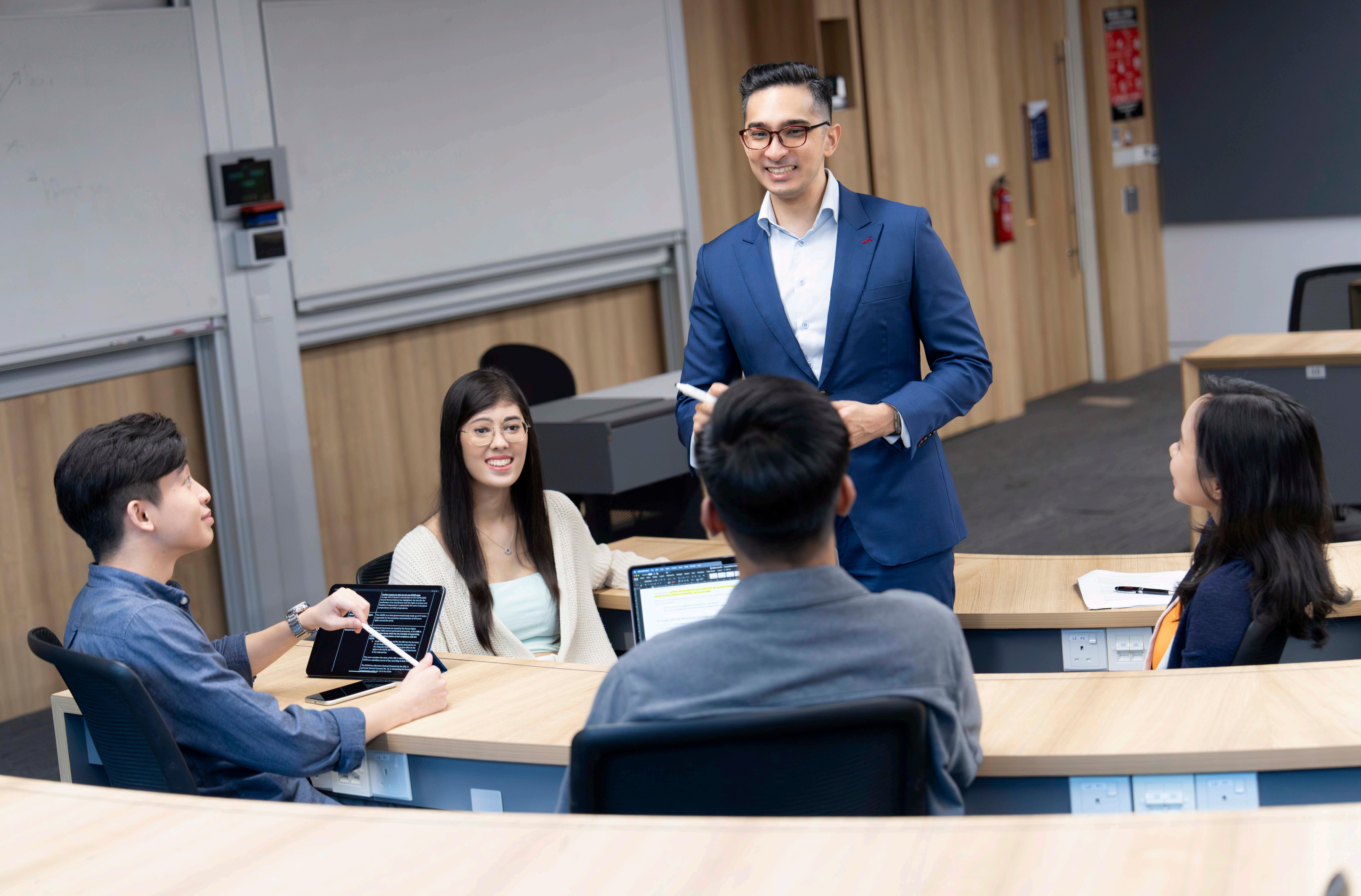

So you’ve managed to snag an interview. Now it’s time to ace it.
No matter the company, industry or job role, the goal of any interview is the same: to convince the interviewer that you’re the perfect (or at least decent) fit for the job they’re hiring for.
But how can you boost your chances of success? Here’s a few do’s and don’ts when it comes to handling job interviews.
You might be done with coursework, but there’s still ‘homework’ to do – this time on the company you’re applying to. Knowing the company’s background and achievements helps you connect better with the interviewer and shows that you’re genuinely interested in the company. Areas of study to consider include (but are not limited to):
• What the company does
• Its history and milestones
• Where it operates and its target audience
• Unique selling points
• Its core values and goals
If you’re worried about your interview skills, consider arranging a practice session with a career coach. Not only can they give you pointers, but might have some insider info on the company you’re applying to.
It’s totally normal to be feeling jittery before, during and after an interview, but don’t let your nerves get the better of you. If a question’s got you stumped, take a moment to think or ask for clarification. Staying calm will help you give clearer, more confident answers.
First impressions matter, so make sure yours is a good one. Dress well, arrive at the venue ahead of time, and make you have everything you need, like extra copies of your resume, laptop or any other materials.
If you’re worried about your commute, try a test run ahead of time so you’ll know exactly how long it takes, and how to get to your location.
What can you bring to the table that others can’t? Think back on your past experiences, skills, strengths and interests, and consider how they can relate to the job and industry. What have you learned from them? How have you applied your abilities in the past?
More importantly, you should also note your contributions to different situations.

Remember, professionalism matters. This means avoiding any risk of miscommunication by confirming the details of the interviewer ahead of time. If you have any preferences, state them early on, but be understanding if they can’t accommodate.
If you can’t attend the interview for any reason, notify the interviewer ASAP for a reschedule. This shows your sincerity about the job and consideration for their time.
When dealing with interview questions, it might be tempting to emulate model answers you find online. However, seasoned recruiters can spot an overly-prepared or cliché response a mile away, which isn’t likely to impress them. So while preparations are still in order, just make sure your answers sound professional, but also like you.
Interviews go two ways: it’s not just about the company checking you out, but it’s also your chance to figure out if the job or company’s really for you. Asking smart questions is also often considered a green flag for employers; it shows that you’re genuinely interested in the job, and can boost your chances of landing the job.
Ask thoughtful questions about the job’s specific responsibilities, professional development and career progression opportunities, or even workplace culture to get a clearer idea of what to expect.
Recruiters have an idea of the kind of competencies and personality needed to fill the role, and are looking for individuals who are able to add value to the team.
Failing to explain what you can offer the organisation may hurt your chances of being considered for the position. Remember to emphasise your relevant skills and qualities to show their alignment with the job description.
Before going to your interview, review your resume or job application form. Think of how you can expand any examples and skills, or if there is any noteworthy information that you left out when writing your application. Ask yourself questions like: “Which examples would be the best ones to highlight for the available job?” Talk about these during your interview.
By: Vong Xiu Mei
As an introvert (INFJ), I used to find job interviews intimidating—until I learned to lean into my strengths. Your Myers-Briggs Type Indicator (MBTI) reveals your unique qualities and guides how you prepare and present yourself confidently. Knowing yours can help you slay your interview, your way.
Strategic, analytical, and idea-driven.
Famous Analysts:
INTJ – Architect
Empathetic, values-driven, and people-focused.
Famous
INFJ – Advocate
Prepare thoroughly to showcase strategic thinking. Align your values with the company’s mission.
Suggest improvements to the company’s market strategy based on your research.
Avoid sounding rehearsed; express your passion naturally.
Structure your thoughts clearly and logically.
Share how you built a Python script to automate data analysis during an internship.
Ground abstract ideas with real examples.
Highlight leadership and decisive action.
Talk about leading a student club and implementing a new budgeting system.
Invite input to show collaboration, not dominance.
Showcase creativity and adaptability.
Share how you pitched a new product idea during a hackathon.
Keep ideas focused and concise.
Share how you mentored peers during a community outreach project.
Speak calmly; let thoughtfulness show confidence.
Let your passion and authenticity show.
Talk about helping improve team morale during a stressful group assignment.
Support passion with clear, specific examples.
Build rapport with emotional intelligence.
Share how you led a team to deliver a successful fundraising event.
Stay genuine; avoid over-polishing your responses.
Bring energy and enthusiasm.
Share how you led a creative social media campaign for a student initiative.
Channel enthusiasm into well-organised answers.

Sentinels (ISTJ, ISFJ, ESTJ, ESFJ)
Reliable, detail-oriented, and team-focused.
Famous Analysts: ISTJ – Jeff Bezos | ESFJ – Taylor Swift
Highlight consistency and reliability.
Share how you managed logistics for a student conference.
Use clear examples to prove your reliability; practise steady eye contact.
Emphasise your support and attention to detail. Talk about how you helped improve team workflow during a group project.
Own your impact; prepare to speak up about your contributions.
Demonstrate results and efficiency.
Share how you led a team to meet tight deadlines during a case competition.
Share results clearly and listen actively.
ESFJ – Consul
Show your people and collaboration skills. Talk about coordinating efforts across departments for a school event.
Highlight your achievements and maintain positive body language.
Know Yourself, Then Show Yourself
Explorers (ISTP, ISFP, ESTP, ESFP)
Practical, spontaneous, and action-oriented.
Famous Analysts: ISFP – Jungkook (BTS) | ESFP – Captain Marvel
Highlight hands-on problem-solving.
Share how you fixed a technical issue during an internship.
Prepare examples ahead; avoid too much improvising.
Use storytelling to show creativity.
Talk about a design project you contributed to for a student showcase.
Express your creativity confidently; practise telling your story aloud.
Bring energy and initiative.
Share how you took charge during a last-minute event setup.
Balance your enthusiasm with professionalism.
Let your vibrant personality shine.
Share how you led a presentation that boosted team morale.
Tie your charisma to concrete results.
Interviews are your chance to shine, and that starts with knowing yourself. MBTI can help you understand how your personality shapes the way you approach interviews, from how you prepare to how you connect with your interviewer.
Ready to put your self-awareness into action? Sharpen your poise with VMock and CaseCoach (QR codes on pg 49)!

Whether you’re just starting out or ready to land your dream role, we’ve got a full suite of tools to help you stand out and succeed—all at your fingertips.













GoinGlobal helps jobseekers fast-track their careers with tools, pre-departure tips, and job insights for 120+ locations worldwide.





Careernomics is your gateway to global career opportunities, an all-in-one platform designed to help you discover the paths that match your passions and ambitions.
Ready, set, access!
Log in to OnTRAC and head to the Resources tab to kickstart your career journey! Scan the QR code matching your student level and get started!
Undergraduate:






LinkedIn Learning gives you ondemand access to 20,000+ expertled courses to build in-demand skills, boost your resume, and get careerready at your own pace.

Udemy offers 5,000+ top-rated courses in Business, Tech, and Leadership. Create custom learning paths to gain new skills and reach your goals.












Postgraduate:







What’s an assessment centre, why do employers like using them, and how do you handle them?
In a way, an assessment centre is like a job audition. You, along with several other candidates, will be tasked to complete a series of exercises, interviews and case studies that mimic real work at the company.
There’s a wide variety of tasks you could be tasked with, but expect at least a few of the following:
• Group exercises: Evaluates your cooperation and adaptability when working with others
• Written exercises: Assesses your writing skills and critical thinking
• Live presentations: Tests how well you organise and present information in front of others
Figure out your objectives
• Get familiar with the company’s key values and work culture; it’ll give you a clearer idea on what they want out of an ideal hire.
• Read up on the job description too: it highlights what skills and competencies they want. Think about how you can show said skills off during the assessment centre.
Get some practice in
• Simulating an entire assessment centre might be a challenge, but thankfully you can practice some of the individual tasks, like in-tray exercises or interviews.
• Most career centres offer practice sessions, with some tailored for group exercises. Consider booking one to sharpen your skills.
As daunting as it might sound, assessment centres are actually considered a fairer method to scope out candidates. After all, it’s often easier to demonstrate your abilities than explain them in an interview.
• In-tray exercises: Measures your aptitude for time management and task prioritisation under pressure
• Case studies: Analyse a given scenario and propose solutions based on it
• Psychometric tests: Gauges your aptitude, personality and soft skills
Read the instructions carefully
• You’ll likely receive details about the assessment centre ahead of time, including when and where it’ll take place.
• Check if there’s anything you need to do beforehand, whether it’s a psychometric test or materials for a case study. Don’t leave it to the last minute!
1. Be professional
Dress for the occasion, and arrive on time. Be polite when engaging with the other candidates.
2. Participate
This is not the time to be a wallflower. You’ll be graded on your ability to work with others, so make sure you contribute to the group exercises.
3. Stay focused
Get some proper rest the day before: it’s going to be a long day ahead, and you’ll need to be alert and engaged for all of it.
4. Be the best version of you
Do your best to let yourself shine during the assessment centre, whether that’s being a natural leader, facilitator or collaborator.
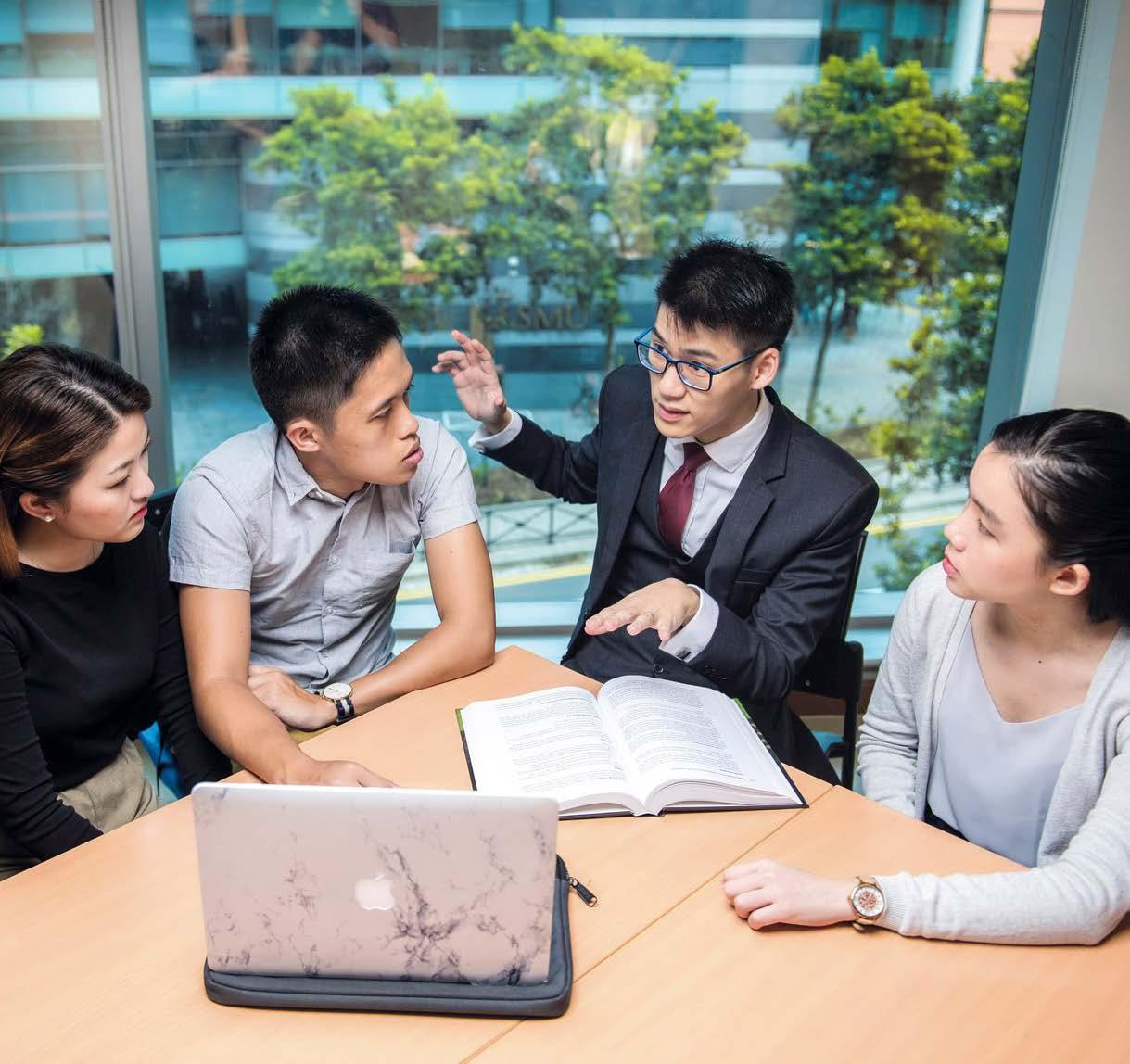

A job interview is not just about answering questions – not asking any of your own will make you seem unprepared or disinterested. Here are a few guidelines on what you should ask your interviewer at the end of your interview.
1. Ask more about the tasks you will be involved in
• Interviews aren’t just about employers getting to know you, it’s also your chance to learn about them too.
• The answer you get should give you an idea of the employer’s expectations, and help you decide if you’re up to the challenge.
• Skip questions that are already covered in the job description. It’ll just make you look bad.
2. Ask about training and growth opportunities
• Asking about growth opportunities shows that you’re keen about not just the job, but also about sticking with the company long-term.
• Likewise, each job you take should contribute to your development, so this is an important question to ask!
• Don’t just focus on upward promotions, consider asking if there’s any opportunities for horizontal movement if you’re willing to try out different functions.
3. What do you like about working here?
• What better way to learn more about life at the company than by asking someone who already does?
• Being a more personal question, you might be able to glean some useful insights from your interviewer as an experienced employee, as well as build rapport with them.
• You’ll likely be able to get a better idea of the team you’ll be working with and the dynamics within the company.

4. What challenges might I face in this role?
• Whether it’s fickle clients or a strict deadline, it’s important to know what road bumps you might expect on the job, especially if you consider some to be dealbreakers.
• To the company, it’s also a good indicator that you’re someone who’s willing to take this job seriously.
• On the contrary, it’s also an opportunity for you to highlight how you’ve managed similar situations in the past.
5. What’s the next steps after the interview?
• Make sure you’re 100% aware about what to expect moving forward.
• Be sure to thank the interviewer for their time and end the interview on a good note.
• Have any burning questions postinterview? It’s a-okay to ask them in a thank-you email. In fact, doing so further demonstrates your seriousness about the job.
Here are some tips on how to make your case by impressing recruiters during a case study session.
Case studies are practical studies where you’re tasked to tackle a work-related problem, often based in real life. Using the information given, you’ll (whether alone or in a group) need to analyse the scenario and present your findings, typically through a written report, a presentation or a group discussion.
Through these, employers are able to assess your soft skills, such as problem-solving, commercial awareness and time management.
Here’s a few ways to prepare ahead of time:
• Do your research, not just on the company’s activities, but also about the industry’s latest trends and updates.
• Brush up on your basic mental math skills: you might be asked to crunch numbers calculator-less.
• There’s usually more than one way to solve a case study. Get in the habit of thinking out of the box with your solutions, rather than sticking to a model answer.
• DKHMCC has workshops and courses on case studies. Take advantage of them!
If you’re gunning for a graduate job in the finance sector, there’s a good chance that a case study will pop up during the application process, often at assessment centres. That said, companies in other industries may utilise them too.
1. Be clear about your task. Read through the provided information packet carefully, and ask if you need any further information or clarification.
2. If you’re working in a group, consider delegating tasks. Someone can sift through any new information that comes up during the exercise, while another can be in charge of timekeeping.
3. Don’t forget that you need to present your findings, so allocate some time to work on that.

Congrats, you’ve got a job offer. Now what?
There’s nothing quite like the thrill of getting a job offer, especially if you’ve been job-hunting for a while. But getting multiple? Talk about a confidence booster.
Still, a good problem’s still a problem. Now you’ve got to make a decision: to take the offer, or leave it? What should you do?

It’s tempting to skim through it, but once signed, an offer letter’s a binding contract. So, pay attention and take note of these bits when reviewing your offer:
• The job’s title and responsibilities
• Salary and benefits
• Working hours
• Start date and probation period
• Notice period
Unsure about any part of the letter? Let the company know ASAP; making assumptions could lead to problems later down the line.
What if you’ve got other offers pending? Don’t feel pressured to make any decisions; be upfront with the companies and politely ask for an extension. As long as you’re nice about it, most companies are cool with it.
Whatever you do, though, don’t play companies against each other. Sure, it could boost your starting salary and benefits, but you’re more likely to end up with a pulled offer and a bad rep in the industry instead.
• Negotiating pay? Share a salary range (based on market rates) instead of a single number. It’ll give you some wiggle room, but be prepared to land closer to the lower end.
• If you succeed in adjusting any part of your offer, make sure the employer sends over an updated contract reflecting those changes.
Accepting a job offer’s pretty easy: just sign the letter and wait for your next steps. But what about the opposite? It’ll be kind of awkward, but rejecting job offers take tact if you don’t want to burn any professional bridges:
• Let the employer know ASAP: The sooner they’re aware of your decision, the sooner they can continue scouting for talent.
• Be professional about it: When contacting the company, be polite when declining their offer. You don’t have to get into it, but give a brief reason for your decision.
• Offer to keep in touch: It’s a small world, after all.
• Can’t decide between offers? Talk it over with your mentors or career coaches; they might have some valuable insight and advice for you.
Find out what SMU graduates are up to in their career journeys.

Designation: TechOps Manager Company: Ascenda Loyalty Pte. Ltd.
Qualifications: Bachelor of Science (Information Systems Management), Singapore Management University, 2011 linkedin.com/in/nelly-sie
I like to think of my job as being a bit like a detective’s; no two days are the same. Some are “fieldwork”, handling technical enquiries and following clues through event logs; others are “desk work”, digging through documents, monitoring systems, or improving team processes. The real unpredictability comes when something breaks, a technical incident that sends us into investigation mode, pulling in the right people to resolve it quickly. Think of it as a much smaller, contained version of the CrowdStrike outage in 2024: fastpaced, high-stakes, and always a little different from the last case.
How I got my
What really keeps me motivated is the people I work with. I’m surrounded by highly competent colleagues, and that inspires me to keep improving and be a better version of myself.
Looking back on my career, I’d say it’s unfolded in a rather unexpected and unconventional way. I’ve taken on a variety of roles, from IT Audit and IT Consulting in the audit and compliance space, to entrepreneurship, where I learned the end-to-end aspects of running a business, and then moving into roles like Business Analyst at a tech company, SME for a logistics system in e-commerce, and now Technical Operations. Each step, in its own way, has prepared me for the next.
Each step, in its own way, has prepared me for the next.
“ “
Someone I knew in the company referred me, thinking my background matched the new role they were hiring for. The interviews came in three stages: first with the hiring manager, then technical and analytical tasks, and finally a cultural fit chat with one of the founders. Since the role was brand-new, no one had a fixed idea of the “ideal” candidate. I’m not sure what made me stand out, but I think being genuine rather than trying to impress helped, partly because I wasn’t even sure I wanted the job at the time.
I’ll admit that managing stress and burnout isn’t my strongest skill; it’s something I’m still learning to handle. However, I’ve found that making something a priority means giving it space early in the day. Scheduling it first helps reduce anxiety about fitting it in. For instance, if health is a priority, beginning the day with exercise makes a big difference.
I wish someone had told me early on that while promotion isn’t everything, it still matters. I’ve come to realise that there are different philosophies about careers. I belong to the camp that believes in working hard, with promotion naturally following as you gain experience and expertise. What I didn’t know then was that you need to actively ask for a promotion. Doing so isn’t just about recognition; it’s a way to set goals, clarify expectations, and create a path for growth, rather than simply doing your best and hoping someone notices.
My entrepreneurship experience in Indonesia was the most formative in my career. It taught me to appreciate the business impact behind decisions and how culture shapes the way people work—insights that are invaluable today as I collaborate with colleagues and clients worldwide.
Important lessons that I have learned, and continue to apply in my job, include:
• Be willing to learn, it’s okay to admit you don’t know everything.
• Never stop wondering how things work, curiosity is the first step to mastery.
• Always consider how your work contributes to the business, whether you’re in a technical, administrative, or operational role.
I wouldn’t say my role is particularly “in-demand”, but looking back, what has helped me most is curiosity, being genuinely interested in technology and systems, approaching problems in a structured way, and staying adaptable with a mindset of continuous learning.

Designation: Investment Banking Associate Director Company: Standard Chartered Bank
Qualifications: Bachelor of Science (Economics), Singapore Management University, 2021
linkedin.com/in/shawnlim-569502172
I am part of a team that provides Mergers & Acquisitions (“M&A”) advisory services for clients across the Clean Technology space within Asia, with focus sectors including power infrastructure, e-mobility, and the circular economy.
The day is either spent on origination or execution work, depending on the number of live deals the team is working on. The former is focused on developing pitch decks to introduce new ideas to clients or responding to Requests for Proposals (RfPs) to expand the pipeline of deals for the franchise. The latter ranges from building out marketing materials from clients, managing investor Q&A, or arranging due diligence calls for potential investors.
The job operates at a fast pace where each day is never the same as the last; this keeps things fresh and challenging and provides me with a broad understanding of the sectors the team covers, as well as M&A as a banking product as a whole. Being able to see the tangible development of these professional skills has been my main motivator, especially when the hours get long.
Things they don’t tell
Humility—and admitting when you are not aware of something—is king. It’s much better to clarify early than to leave something till the end, when deadlines get tight! Maintaining strong relationships with colleagues while being able to draw distinct boundaries is a vital skill for navigating the office as well.
The interview process consisted of a “Superday”-esque event, where I was given a presentation outline and 2–3 days to prepare and present to senior members of the team. Being able to match the presentation outline with the key skills I understood the team wanted to see was an important part of the process, as was being able to confidently deliver a presentation.
My global experience
Although I was not able to travel abroad for my exchange because of COVID-19, participating in and leading an Overseas Community Service Project in Hue, Vietnam was a vital part of broadening my view of the world.
This experience showcased to me that individual cultures, working styles, and other nuances vary wildly across nationalities, and being able to reach a common compromise among competing cultures allows a multi-national workplace to flourish. Particularly when interacting with clients from foreign countries, being mindful of social norms and taboos has allowed me to navigate relationshipbuilding with them successfully.
Postgraduate Alumni
Designation: Senior Data Analyst
Company: Jones Lang LaSalle
Qualifications: Master of IT in Business (Analytics), 2018; Bachelor of Accountancy, 2014, Singapore Management University
linkedin.com/in/ clarencetanyz
My role focuses on maintaining high data quality across reporting and downstream applications within the real estate portfolio planning domain. I lead a team of three analysts, providing guidance on data governance, validation, and business representation. Working closely with the strategic planning team, ensure the accuracy and integrity of data to support effective space utilisation and future capacity planning. Through reliable data insights, I help the team identify areas for optimisation and opportunities for portfolio growth. My work enables the organisation to make data-driven decisions that enhance operational efficiency and align real estate strategies with business objectives.
How I got my job
I came across this opportunity on a job portal, and the role involved supporting a major tech client. The selection process included a short SQL test followed by an interview with business questions on forecast planning— an area in which I had prior experience. During the interview, I explained how my data solutioning approach ensures accuracy, consistency, and verifiable reporting through the establishment of strong validation checks and governance frameworks. My blend of finance and technical expertise allowed me to bridge business needs with data insights effectively. I was ultimately selected because my skills aligned well with the team’s requirements for both analytical depth and strategic understanding.
The highs and lows
What I enjoy most about my job is designing data-driven solutions that address real business challenges. I’m motivated by the freedom to be creative with technology and to apply innovative approaches to problem-solving. The toughest part of my role is balancing data complexity with business priorities under tight timelines. Early in my career, I overlooked the importance of deep industry knowledge and advanced technical skills, which slowed my initial growth. Since then, I’ve learned to plan ahead, stay curious, and keep learning. To manage stress, I prioritise effectively, pace my work thoughtfully, and maintain focus on delivering consistent, meaningful outcomes.
Things they don’t tell you
I wish someone had guided me in navigating workplace dynamics—how to adapt to different environments, cultures, and expectations while developing the mindset of a high performer. It would have been valuable to understand how employers think and the skills they truly value, such as critical thinking, communication, and problem-solving, which are often more impactful than academic knowledge alone. Knowing this earlier would have helped me focus on building practical capabilities and professional maturity, making career growth smoother and more purposeful, beyond simply meeting job requirements or holding qualifications.

My global journey began during an international exchange, where I learned to collaborate with people from diverse cultures and perspectives. It taught me that effective communication goes beyond language—it requires empathy, adaptability, and understanding. These lessons have been invaluable in my current role, where I work with teams across the Americas, EMEA, and APAC. Coordinating across regions has strengthened my ability to bridge cultural gaps and align teams on projects that improve data quality, streamline workflows, and promote the sharing of insights—fostering collaboration and driving meaningful outcomes in a truly global environment.
My advice is to stay curious and keep learning, no matter where you start. I started from a non-technical background, but through consistent effort in developing data skills, coding, and understanding business needs, I built the career I once aspired to. Growth takes time, yet even a small step each day adds up to meaningful progress. Look for opportunities that strengthen both your experience and confidence. Remember that technical skills open doors, while soft skills such as communication, adaptability, and resilience help you succeed. Keep learning, stay consistent, and trust the process that brings you closer to your goals.
Postgraduate Alumni

Designation: Advisory Associate Company: KPMG Service Private Limited
Qualifications: Master of Science in Computing, Singapore Management University, 2024; Bachelor of Science in Information Systems, Singapore Management University, 2023
linkedin.com/in/ma-n38131516b/
What set me apart was my preparedness: a polished CV, practised answers, professional attire, and the ability to communicate my thought process and motivation effectively.
My job
I work as an Associate at KPMG Cyber Consulting, where my day-to-day work involves helping clients strengthen their cyber resilience. As a new associate, I have had the amazing opportunity to support multiple projects across our various cyber capabilities: Strategy & Governance, Defense, Transformation, and Response. This means my week can include reviewing policies for compliance with regulations, supporting clients during security assessments, and working on architecture for cybersecurity solution implementations. No two weeks look the same, which keeps the work dynamic and exciting.
How I got my job
I found the role on LinkedIn and applied through the firm’s careers portal. Dato’ Kho Hui Meng Career Centre was instrumental—my career coach helped with resume reviews and ran mock interviews that sharpened my responses and boosted my confidence. The trickiest part was the interview itself: presenting myself clearly and thinking on my feet under pressure. What set me apart was my preparedness: a polished CV, practised answers, professional attire, and the ability to communicate my thought process and motivation effectively.
The highs and lows
What I enjoy most about my job is the opportunity to work on engagements that truly make an impact—helping clients reduce their cyber risk and improve their security posture. I stay motivated by seeing how my work contributes to protecting businesses and society. The most challenging aspect is managing competing priorities across several projects, as well as personal learning, especially when timelines are tight. Early in my career, I made the mistake of trying to do everything myself instead of asking for help, which led to unnecessary stress. I have since learned to communicate early, prioritise tasks, and collaborate closely with my team when I hit a roadblock.
Things they don’t tell you
I wish I had known how important time management and communication are in consulting. Technical skills are critical, but being able to manage your workload and articulate progress to stakeholders is equally important.
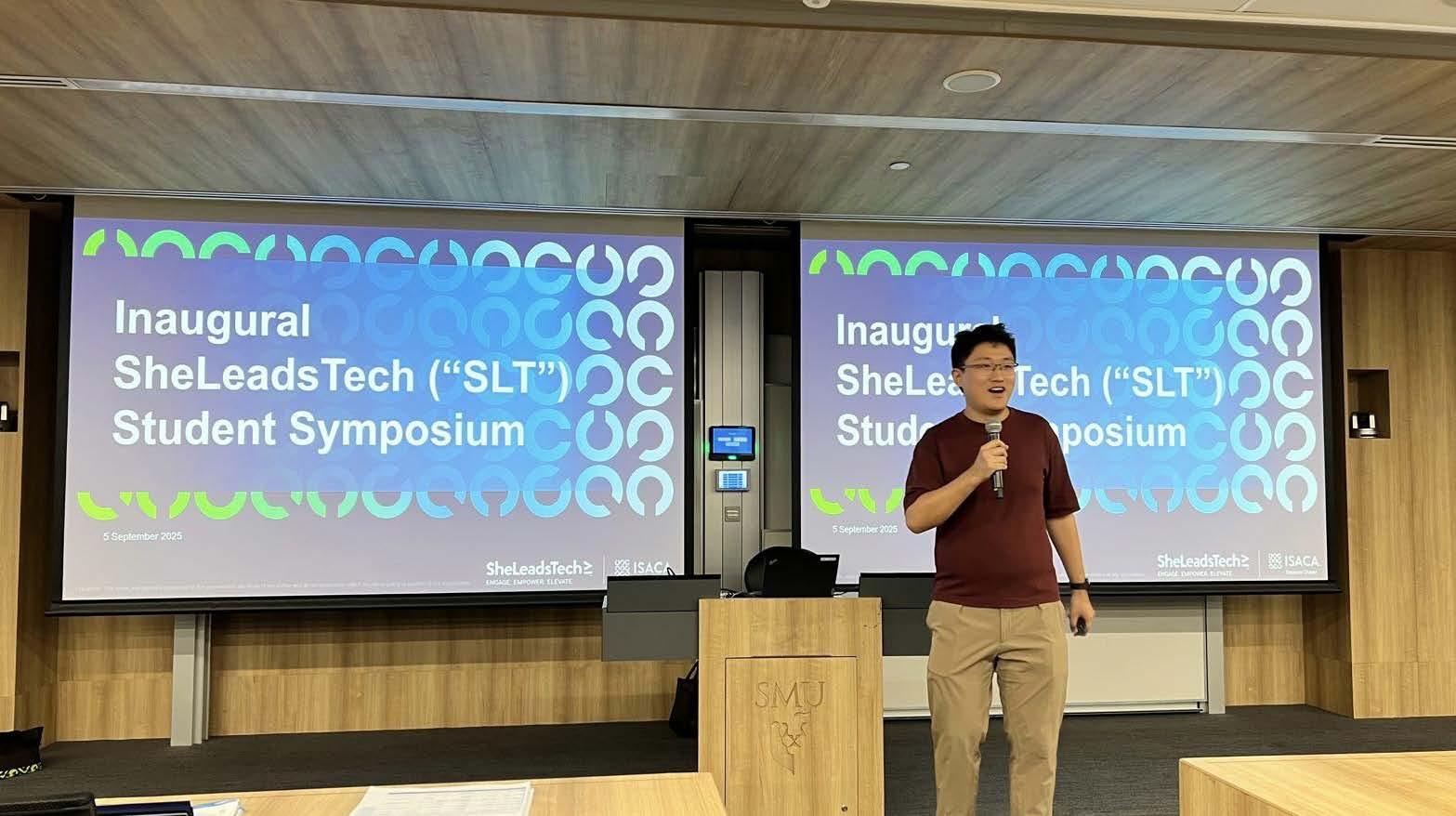
Start building your foundation early: join competitions, practise Hack the Box or Try Hack Me to build hands-on skills. Prepare for relevant certification exams; this will significantly boost your chance of employment. At the same time, develop your communication and collaboration skills. Consulting is as much about solving problems with people as it is about solving problems with technology. Finally, stay curious. Cyber is constantly evolving, so stay updated with the latest cybersecurity incidents and developments. The best thing you can do is commit to lifelong learning.









































































































CHANGI AIRPORT GROUP
60 Airport Boulevard #04-08 Changi Airport Terminal 2, Singapore 819643 WEB careers.changiairport.com

@changiairport

@changiairport
@Changi Airport Group
@changiairport
@changiairport
LOCATION(S)
• Singapore
BUSINESS FACTS
Changi Airport Group is first and foremost a service company. We operate Singapore Changi Airport, the world’s most awarded airport, and help develop and manage airports worldwide. Our people are our most important asset in our mission to be a global leading airport company, anchored in the heart of Asia, pioneering safe, secure, sustainable and vibrant air hubs, ready for our future. We aspire to build a company where ordinary people achieve extraordinary results. Our people have a passion for service and are committed to teamwork, integrity and excellence. Working together with our colleagues and partners to achieve the best outcome, we deliver innovative services and create a worldclass experience for our customers.
Changi Airport Group offers a unique work environment in a global, vibrant and exciting airport community. With a set-up of multiple businesses, you will embark on a multi-faceted career of diverse business functions in the dynamic and fast-growing aviation industry - where we make magic happen in every aspect of our business, turning different airport touchpoints into seamless experiences with innovation and technology.
Come make MAGIC with us.

• Accounting
• Business Administration
• Economics
• Engineering
• Finance
• Humanities, Art and Social Sciences
• IT and Computer Sciences
• Law
• Property and Built Environment
CAREER SECTOR(S)
• Aviation, Transport and Supply Chain
• Hospitality, Leisure and Tourism
APPLICATION PROCEDURE(S) Apply online at careers.changiairport.com
HONOURING LEGACY THROUGH HARD WORK
NAME: Mohammad Ilyasa Bin Ismail
DESIGNATION: Senior Airport Emergency Officer, Airport Emergency Service (AES)
COMPANY: Changi Airport Group
QUALIFICATIONS: Bachelor of Science (Economics), 2023
As a Senior Airport Emergency Officer in AES, I am the Duty Officer leading a shift at one of Changi Airport’s fire stations and am responsible for ensuring emergency preparedness and overseeing response operations at the station. Our airport emergency officers respond to aircraft emergencies, terminal building incidents, and other unexpected airport situations, to ensure the safety of passengers and visitors alike.
I chose to apply for the role of Senior Airport Emergency Officer at Changi Airport Group because it allows me to serve in a position where protecting lives and ensuring safety are at the heart of every decision. I was drawn to this role because it challenges me to step outside my academic background and prove my adaptability, resilience, and commitment to learning. What makes this journey even more meaningful is that I am following in my father’s footsteps - he dedicated 43 years of his life to being an Airport Emergency Officer before, and his example instilled in me a deep respect for the profession and its impact on countless lives.
The position demands calm leadership under pressure, quick decision-making, and teamwork - qualities that I have cultivated through experiences beyond the classroom, and values that I have inherited from him. Working at Changi Airport, one of the world’s leading aviation hubs, gives me the opportunity to contribute to a global gateway where millions of passengers rely on us for their safety. For me, this role is not just about technical expertise but also about embracing responsibility, honouring my father’s legacy, and making a meaningful impact on a dynamic environment.
Being a Senior Airport Emergency Officer at Changi Airport Group is both demanding and rewarding at the same time. On the positive side, the role offers immense pride and purpose, as every action directly safeguards the lives of millions of passengers and staff who pass through the airport. The opportunity to lead emergency responses, work alongside highly trained colleagues, and contribute to Changi’s reputation for safety and excellence brings a strong sense of achievement.
At the same time, the job is not without challenges. The unpredictability of emergencies means long hours and constant readiness, while the physical and emotional demands of handling incidents can be tiring. Yet, it is precisely this balance of highs and lows that makes the role meaningful, requiring resilience, dedication, and a deep commitment to public safety.
MY
I would say I felt the greatest sense of fulfilment after completing my first three months of basic AES training. Though the training was physically and mentally challenging, I persevered through, and it was subsequently very rewarding to go through every test and obstacle.
SOME ADVICE
Do prepare yourself physically and mentally. The training will be tough, but all your efforts will definitely be worthwhile at the end.




DSO NATIONAL LABORATORIES
12 Science Park Drive Singapore 118225
WEB https://join.dso.org.sg EMAIL campusrelations@dso.org.sg
LOCATION(S)
• Singapore
BUSINESS FACTS
DSO National Laboratories is Singapore’s largest defence research and development (R&D) organisation with the critical mission of developing technological surprises to sharpen the cutting edge of Singapore’s defence capabilities. Established in 1972, DSO has more than 1,700 defence engineers and scientists today pushing the boundaries of science and technology, transforming ideas into reality across the domains of land to space, cyberspace and biological defence. This is where you can make a real impact and shape the future of defence.
MEANINGFUL
You are not just developing tech and solutions. You are making a real difference by solving difficult problems for the nation.
EXCITING
There are endless possibilities for you to push the boundaries of science and technology, and develop cutting-edge solutions that are not available in the market.
FULFILLING
A rewarding career goes beyond pay and benefits. It’s about levelling up your mindset and skill set. This is why we have a whole suite of learning opportunities specially curated to support your personal and professional growth.
@dso.sg @discoverdso @DSO National Laboratories
• Information Systems
• Computer Sciences
• Software Engineering
• Sciences
CAREER SECTOR(S)
• Engineering, Design and Manufacturing
• IT and Technology
• Scientific Research and Development
APPLICATION PROCEDURE(S)
Career: https://dso.x0pa.ai/public/microsites/dsorecruitment Internship: https://dso.x0pa.ai/public/microsites/dsointernship
Alternatively, you may apply directly on our DSO LinkedIn Page.
APPLICATION PERIOD(S)
Graduate jobs: All year-round Internships: All year-round
AN OPPORTUNITY TO LEARN AND GROW
NAME: Herman Tan Jie Yang
DESIGNATION: Cybersecurity
Researcher
COMPANY: DSO National Laboratories
QUALIFICATIONS: Bachelor of Information Systems (IS), 2025
In DSO’s Computer Security Lab (CSL), we mainly conduct security research to protect Singapore’s critical systems. One aspect of our work involves binary analysis, which is the process of studying software and programs at the binary level. This helps us better understand security issues and mitigate weaknesses to safeguard these national systems. Currently, my work involves developing tools that leverage artificial intelligence (AI) to accelerate the security research process.
My interview and selection process was somewhat unconventional. It began with securing an internship at DSO. Building on the broad foundation provided by my IS degree, I took the initiative to delve deeper into cybersecurity through extensive self-study fuelled by my passion for the field. This dedication led to me being offered an internship role and project that was both interesting and appropriately challenging. Despite facing initial challenges like having to quickly master unfamiliar cybersecurity tools, techniques and systems, the support and guidance from my supervisors proved invaluable. Additionally, my independence and expressiveness fostered at SMU made a strong impression on my supervisors, ultimately earning me the DSO Merit Scholarship—a midterm scholarship. This achievement meant I did not have to endure the pressure of sending out resumes or facing job interviews, as a position was waiting for me upon graduation.
I really enjoy exploring different technologies and understanding them on a deep level. One great aspect of my job is that it satisfies this curiosity. This role constantly exposes me to a diverse range of technologies. However, this same opportunity often leads to feelings of imposter syndrome, as I encounter the vastness of the field and realise how much there is still to learn. Thankfully, my project leaders and bosses are very supportive and assure me that it is normal to feel overwhelmed at the start of an interesting new R&D career.
As strange as it is to say, my happiest moments at work usually come from project meetings. I feel particularly motivated and joyful being around smart and passionate people. I enjoy the technical discussions we often have, where we bounce ideas off one another and gain insights into the project's progress. It feels rewarding and energising to be contributing meaningfully to a larger collective and purpose.
If you possess the spirit, the grit, and the willingness to persistently develop your skills, you will be well equipped to navigate the complexities of this field.
MINISTRY OF EDUCATION
1 North Buona Vista Drive, Singapore 138675
TEL (+65) 6872 2220
WEB moe.gov.sg/careers
EMAIL contact@moe.gov.sg
LOCATION(S)
• Singapore
BUSINESS FACTS
Ministry of Education (MOE)
Shaping Singapore's future through education. Join our diverse team to:
• Influence the nation's educational landscape
• Contribute to a world-class education system
• Develop professionally and personally
Be part of moulding the people who will determine our future. Excellent career opportunities in schools and headquarters (HQ) await you.
The following job roles are open for application:
Education Officer / Teacher
Be the one who inspires and nurtures young lives. Join MOE as a teacher and embark on a journey of guiding students to reach their fullest potential. Motivate our students and equip them with the skills they need as they grow into lifelong learners and responsible citizens of tomorrow.
Every teacher at MOE is important to us. You will be supported with resources and professional development opportunities to develop and progress in your career. MOE offers the following three career tracks: the Teaching Track, Leadership Track and Senior Specialist Track.
@Ministry of Education, Singapore @moesingapore
@Ministry of Education, Singapore @MOEsg
@MOE Singapore
Management Executive
We are seeking versatile, forward-thinking individuals from different disciplines for roles in schools and HQ. You will gain invaluable experience in areas such as:
• Policy formulation and implementation
• Finance management
• Internal audit
• Technology and AI integration
• Research and information management
• Communications and stakeholders engagements
• Organisational excellence, administration and operations and more...
Allied Educator
We also offer Allied Educator positions such as School Counsellor and Special Educational Needs Officer. You will work alongside teachers and other School / HQ officers to support the holistic development of students.
CAREER SECTOR(S)
• Public Sector
APPLICATION PROCEDURE(S)
Please visit moe.gov.sg/teach to find out more about teaching careers and go.gov.sg/moe-application to view available career opportunities and application timelines.
PROVIDING SUPPORT BEYOND THE CLASSROOM
NAME: Soh Megumi
DESIGNATION:
Special Education Officer
COMPANY: Ministry of Education
QUALIFICATIONS: Bachelor of Accountancy, 2016
I am a teacher currently on headquarters (HQ) posting at the Special Education Branch, and it has been insightful to contribute from this vantage point. The branch supports Special Education (SPED) schools in providing specialised education services for students with moderate-to-severe special educational needs. I support school and sector development work – from developing curriculum and learning resources to policy work and HR matters. Here, I see how decisions made at HQ translate into impact in classrooms, and the planning and care that go into supporting these students.
During my time at SMU, I explored different opportunities, not only in accountancy but also through work with the social service sector. These experiences helped me understand my strengths and what I found truly fulfilling.
The MOE recruitment selection process included a written component, a trial lesson presentation, and a panel interview where I shared my teaching philosophy and motivations. After a few years of teaching, I went to HQ, ready to contribute in a different capacity.
THE HIGHS AND LOWS
As a teacher, the greatest joy comes from seeing my students grow, gain confidence, and support one another. Watching them succeed as they overcome challenges is what makes the work so rewarding. In my current role at HQ, I am able to extend my impact – helping shape resources and policies that reach various SPED schools and support many more students.
What I have found in education – both in the classroom and at HQ – is that the work is dynamic and offers varied challenges. Supporting our students in ways that extend beyond the classroom can be demanding, but it is this depth of impact that reminds me why the work truly matters.
MY HAPPIEST MOMENT AT WORK
My happiest moments and biggest achievements do not come from a single project, but from the everyday work I do to support my students. Whether helping a child understand something they have struggled with or seeing them make a new friend, these moments remind me how privileged I am to shape not only what a child knows, but also how they see themselves.
SOME ADVICE
Becoming a teacher was not something I had always planned for. Take time to explore and move towards work that excites you and aligns with your strengths and values. Since joining MOE, I have grown in understanding how I can contribute at different levels – from individual students to supporting schools and the sector. Stay open to opportunities that stretch you in unexpected ways – you might discover ways to make a difference that surprise and fulfil you.
MINISTRY OF FOREIGN AFFAIRS
1 Sherwood Road, Singapore 248163
TEL (+65) 6379 8000
WEB www.mfa.gov.sg/career
EMAIL mfa_career@mfa.gov.sg
LOCATION(S)
• Singapore
BUSINESS FACTS
A Foreign Service career is more than just a job. To be effective, Foreign Service Officers (FSOs) need to have a good grasp of world affairs and a firm understanding of Singapore’s position. You will be involved in the formulation, review and implementation of policies related to your assigned portfolio. You must be versatile and have the ability to analyse issues critically, strategise and achieve outcomes. You need to be able to persuade, assert yourself and cultivate good relationships, while defending Singapore’s interests.
With over 50 Overseas Missions around the world, a career with MFA offers unique opportunities and rewards. Throughout your career as an FSO, you will alternate between serving in Singapore (HQ) and our Overseas Missions. Depending on your competencies and inclination, you can develop your career either in the Functional and Corporate track, or the Political and Economic track. As you progress within the Ministry, a series of varied enriching assignments and milestone programmes will groom you for future leadership roles.
An exciting career of unparalleled opportunities on the frontline of global development awaits. If you are up for the challenge, come join us at MFA.
TENCENT
#07-01, CapitaSky, 79 Robinson Rd, Singapore 068897 WEB https://careers.tencent.com/en-us/jobopportunity.html EMAIL international_campus@tencent.com
LOCATION(S)
• Singapore
BUSINESS FACTS
Tencent Singapore plays a vital role in Tencent Global's international growth and localisation strategy. As a leading internet and technology company, we are committed to creating value for users.
Upholding values of integrity, proactivity, collaboration, and creativity, Tencent Singapore drives digital enablement for local businesses and supports users and stakeholders in response to Southeast Asia's rapid digitisation.
We focus on integrating sustainable social value across our business units, collaborating with local stakeholders, and nurturing digital-ready talent in the region. Our services include digital entertainment, social communication, payments, cloud services, and key internet solutions. From interactive gaming and esports to the Weixin Pay ecosystem and Tencent Cloud solutions, we aim to build a sustainable digital environment that prioritises user experience and enterprise growth.
We seek partnerships with global leaders to generate synergy, enhance user experience, and expand our IP portfolio in games, video, music, and literature. Founded in Shenzhen in 1998 and listed on the Hong Kong Stock Exchange in 2004, Tencent established its regional headquarters in Singapore in 2020.
@SingaporeMFA
@mfa_sg
@Ministry of Foreign Affairs Singapore (MFA)
@MFAsg
@MFASingapore
JOB ROLES
• Foreign Service Officer (Political and Economic)
• Foreign Service Officer (Functional and Corporate)
CAREER SECTOR(S)
• Public Sector
APPLICATION PROCEDURE(S) Apply via Careers@Gov.
APPLICATION PERIOD(S)
Graduate jobs: All year-round Internships: Applications are open on Careers@Gov. Visit our website for more details.
@Tencentcareers
@Tencent
@Tencent | @TencentGlobal @TencentGlobal
JOB ROLES
Interns and full-time: Game Designer, Game Developer, Data Scientist, Software Engineer, HR Generalist, Talent Sourcer, BD Associate, PR and Communication Specialist.
CAREER SECTOR(S)
• IT and Technology
APPLICATION PROCEDURE(S)
Discover the latest opportunities and apply via https://careers.tencent.com/ en-us/jobopportunity.html
APPLICATION PERIOD(S)
Graduate jobs: September - November Internships: All year-round

GROWTH THROUGH GLOBAL EXPERIENCE
NAME: Alexander Lim
DESIGNATION:
Deputy Director, ASEAN Directorate
COMPANY: Ministry of Foreign Affairs
QUALIFICATIONS: Bachelor of Science (Economics), Bachelor of Business Management (Finance), 2012
As a Deputy Director at the ASEAN Directorate in MFA, I drive Singapore’s participation at the Association of Southeast Asian Nations. I oversee the ASEAN Economic Community pillar and work with other Ministries to advance initiatives such as the ASEAN Smart Cities Network and the ASEAN Power Grid. I also take charge of ASEAN’s relationships with key partners such as China, Japan, and Russia.
HOW I GOT MY JOB
The interview process involved several stages. In addition to a written assessment, there was a day-long exercise that simulated a few tasks a Foreign Service Officer is expected to be familiar with. This included putting together a programme or schedule, handling a Singaporean in ‘distress’, and engaging in ‘multilateral negotiations’ with other candidates. Finally, there was an interview panel. I suspect I made it through by likening international diplomacy to the interactions between the various houses in the Song of Ice and Fire series, which I was hooked on at the time. I lucked out because the lead interviewer was a George R. R. Martin fan as well!
THE HIGHS AND LOWS
I enjoy the unpredictable nature of the job, although it can be challenging to figure out novel ways to deal with unprecedented situations. In my career, I have been shaken by an earthquake, reported on multiple political crises, had a surprise tea with Bhutan’s King and Queen, and even welcomed a Thai Princess to our National Day Reception in Bangkok. Once, I even had to work with ground crew overseas to move an aircraft at an airport for our

Prime Minister! Often, there’s no manual to teach you how to handle these things; this is where experience and a healthy dose of situational awareness comes in handy.
MY HAPPIEST MOMENT AT WORK
A recent highlight was spearheading plans for Singapore and Thailand to commemorate the 60th anniversary of diplomatic relations in 2025. It was full of new experiences. I organised a logo design competition held in Singapore and Thailand, organised a reception in Thailand on board one of our navy vessels, the RSS Endeavour, and even worked with the Republic of Singapore Air Force to feature our commemorative logo on one of our fighter jets. It was particularly memorable to see all these come to fruition after months of planning.
SOME ADVICE
Remain curious. Develop a habit of asking why. Even better, take it a step further by enjoying the process of discovery, including through your own research or even by talking to different people to piece together an answer on your own.
EXPLORING CULTURE AND CONNECTING CITIZENS
NAME: Koh Ling Ying
DESIGNATION: First Secretary (Administration & Consular) at the Singapore Embassy in Ankara, Türkiye
COMPANY: Ministry of Foreign Affairs
QUALIFICATIONS: Bachelor of Business Management, 2018
As the Administrative Secretary at the Singapore Embassy in Ankara, I oversee the daily operations of the Embassy including the management of local staff and facilities maintenance. I also handle consular duties and logistical matters for visits by Singaporean officials. Prior to my overseas posting, I was in the recruitment branch of the Human Resource Directorate and in the Technical Cooperation Directorate where I worked with local and overseas partners to organise programmes for government officials from other countries.
There were three stages in the selection process – online psychometric tests, the Assessment Centre (AC), and a panel interview. The AC was the most interesting and was what convinced me to join MFA. The AC simulates the various tasks of MFA officers such as helping Singaporeans in distress overseas, event planning, debating policies and working in a team. It allows candidates to have a better understanding of the job and assess the job fit. I believe that presenting your (best) true self is key for both the recruiter and candidate to determine long-term job fitness and suitability.
Having the opportunity to work overseas at one of Singapore’s overseas missions is enriching and eye-opening. I enjoy learning new languages, immersing myself in different cultures, and making friends with people of different nationalities. At the same time, the challenges include being away from family for extended periods and navigating cultural differences. Nonetheless, knowing that I am part of a team that helps to advance Singapore’s national interests abroad gives meaning to my work.
One aspect of my current job is to organise a National Day Reception every year. This event brings together Singaporeans living in Türkiye and showcases Singapore’s culture to the diplomatic corps and foreign government officials. This year, as part of our SG60 celebrations, we worked with Singapore Airlines to bring a Singaporean chef to the event. It was heartwarming to play a part in providing some comfort and familiarity to fellow citizens living in Türkiye through the authentic Singaporeans dishes.
SOME ADVICE
MFA offers a broad range of experiences, and the work is complex and always evolving. Every job rotation and posting is different and brings with it a new set of challenges. To be curious, resilient, and to view challenges as learning opportunities is integral to enjoy a career in MFA.








Discover what it’s like working at Changi Airport Group, where we make magic happen in every aspect of our business – turning different airport touchpoints into seamless experiences with innovation and technology.








Join MOE as a teacher to inspire generations and prepare students for a fast-changing world. Innovate boldly, create experiences that connect knowledge to the real world, use technology to customise learning, and support students to discover their talents and become their best selves.