



customercare@girlscoutsgcnwi.org 855-456-8347
Thank you for choosing Girl Scout camp! Be sure to read this packet carefully to prepare for a successful summer camp experience for you and your camper. We can’t wait to see you at camp soon!
Camp Team:
Kara Kastenholz Camp Director kkastenholz@girlscoutsgcnwi.org 630-544-5915
Caileigh Shengulette Assistant Camp Director cshengulette@girlscoutsgcnwi org 219-796-0703
Camp Address: 650 N 175 W Valparaiso, IN 46385
Office Phone:
708-553-2227
*Camp phone only answered June 4August 2*
Check-in: 1:30-3:00 p m
Check-out:
Closing Ceremony begins at 3:00 p m After Care check-out is 5:00-7:00 p m
Please note: Butternut Springs is located in the Central Time Zone.
Camp Team: Lauren Somogyi Camp Director lsomogyi@girlscoutsgcnwi.org 630-544-5927
Susan Akre Assistant Camp Director sakre@girlscoutsgcnwi org 224-302-4076
Camp Address: 3155 71 Street st Naperville, IL 60540
Office Phone: 312-720-8059
*Camp phone only answered June 2August 1*
Drop-Off: 8:30-9:00 a m
Before Care: 7:30 - 8:30 a.m.
Pick-Up: 3:00 - 3:20 p m After Care : 4:00-6:00 p m
Please note: Bus pick-up and drop-off times will vary by location
Camp Team: Margaret Gawlik Camp Director mgawlik@girlscoutsgcnwi org 224-207-9207
Camp Address: W5095 State Road 20 East Troy, WI 53120
Office Phone: 262-642-5455
*Camp phone only answered June 4August 2*
Check-in: 1:30-3:00 p m
Check-out:
Closing Ceremony begins at 3:00 p.m.
After Care check-out is 5:00-7:00 p.m.

Register for a camp program!
Registration for summer camp programs close two weeks prior to the program start date.
Pay for camp!
All payments for summer camp programs are due in full by June 1. Payment can be made in full at time of registration or paid in installments until June 1. Any registrations after June 1 must be paid in full at time of registration.
Complete camp paperwork!
All summer camp paperwork is hosted on CampDoc com Beginning March 2, invitations will go out from CampDoc within 3 weeks of registering. Reminders to complete paperwork will be sent automatically until paperwork is 100% complete.
Pack for camp!
Please see the packing list information that begins on pg. 23.
Label all medications and keep them in original containers (as required by state law); only include enough medication for the length of the session. More information can be found beginning on pg. 18.
Arrive at camp to start your session!
Pick up your camper(s) at the end of their session!
Campers can only be picked up by adults listed on the camper release form
At registration, caregivers have two options to pay for summer camp:
1.Pay camp fees in full at time of registration, including the non-refundable deposit.
2.Pay the non-refundable deposit at time of registration and pay the remainder on a payment plan.
Payment plan participation requires you to securely save a debit/credit card to your account during registration. If your card expires prior to June 1, please update your account with your new card information to ensure successful payment.
Final balances on a payment plan will be automatically charged on June 1 to the card on file on the account.
Caregivers can set up an automatic payment plan with multiple installments when registering or manually access their program registration account and select “Pay on Account” at any point between registering for camp and May 31.
Bundling three or more summer camp registrations in a single transaction reduces the total price by 5%. Registrations do not need to be for the same participant or programs session for this bundling discount to apply, but they must all be in a single transaction.

All camp programs include a non-refundable deposit: Day Camp programs: $50
3 or 6 day Overnight Camp programs: $100 Two week Overnight Camp programs: $150
Campers who are not current GSGCNWI members must become members to participate in camp programming and may pay the $45 membership fee during registration. A staff member will follow up to complete membership sign-up if this option is not selected during registration
Day camp participants can add Before-and-After Care or bus transportation at registration for an additional fee.
Overnight camp participants can add After Care and/or camper care kits at registration for an additional fee.
Any Girl Scout who is a registered member of GSGCNWI is eligible to receive financial assistance for one day OR one overnight camp program per year. Assistance is distributed based on available funds for up to 30% ($400 maximum) off one camp session. Questions about financial assistance can be sent to customercare@girlscoutsgcnwi.org.
1.Register for summer camp and only pay the deposit. Camp registration MUST be completed prior to applying for financial aid.
2.Complete the Girl Scout Financial Assistance Application which is available here. This application will go live on February 2 at 6:00 a.m.
3 Approved financial assistance will be deducted from the total owed for the summer camp program. If payment of deposit or other factors pose a barrier, please contact customercare@girlscoutsgcnwi.org as soon as possible.
Using Girl Scout Product Rewards - Cookie Dough & Nutty Bucks
If you would like to use rewards earned through the Girl Scout Cookie Program and/or the Fall Product Program, please register and pay the deposit first. When your Cookie Dough and/or Nutty Bucks have been issued, please use this link to request applying the funds to your camp program balance.
Cancellations and Refunds
Participant cancellations must be sent at least 14 days prior to the program start date to be eligible for a refund, minus the non-refundable deposit. Refunds will be issued to the same credit or debit card used for the initial payment.
Cancellations due to medical reasons less than 14 days prior to the program start date are eligible for refund, minus the non-refundable deposit. Requests for cancellation due to medical reasons must be made in writing by August 31, 2026 and include a doctor’s note; COVID-19 cancellations may provide date proof of positive test in lieu of a doctor’s note.
If a camp program is cancelled by GSGCNWI and the camper is unable to attend an alternate session, all fees will be refunded, including the non-refundable deposit. Program cancellation notices will be sent via email
Refunds will not be made for the following:
No shows, late arrival, early departure, or partial program attendance.
Cancellation requests less than 14 days prior to the program start date. Campers who violate camp policies and are sent home.
Welcome to Girl Scout Camp! That’s what we say to every camper who arrives at one of our summer programs because together we can create a welcoming, safe, and positive experience for all.
Girl Scouts values inclusion and diversity, and that is why we are on a journey to better understand how to incorporate those values into the camp experiences Our learnings along the way will help us improve processes and protocols each year. Our camps properties are rugged and rustic, and while we strive to provide accessible experiences, not all areas of our camp properties are fully ADA accessible.
To best support your camper, fill out this form prior to registration so we can work directly with you. Some accommodations can be arranged quickly, while others require more time to plan. Accommodation requests should be submitted at least four weeks in advance of the program dates. If your camper needs support that requires immediate attention, please contact us right away so we can work with you to determine the best options.
Following are our standard practices that create safe spaces and a respectful environment: Current member who may be questioning their gender identity may explore the use of different pronouns or name while at camp before sharing with their friends and family at home. Girl Scouts supports these members and will act in their best interests by providing a safe and affirming space in which they can be themselves.
All Girl Scouts are entitled to privacy when using restrooms, changing rooms, and showers. Toilets and showers are single occupancy. Lockable bathroom stalls can be used by all campers and staff as private changing spaces.
For campers sleeping on site, each camper will be assigned their own bed. Beds are private spaces not shared with others. If a camper needs the attention of a staff member during the night, they will have access to the staff sleeping area.
Camp is often a busy and loud place. We will gladly talk through what to expect with you and your camper to set them up for success.
Dietary needs can be accommodated with advance notice. Be sure to include camper dietary restrictions and needs in your camper’s required CampDoc paperwork, and contact the camp director with any questions or concerns.
We find that campers have the best experience if they can do the following:
Be fully independent with personal hygiene (with reminders from staff). Use the bathroom, shower, and get dressed unassisted.
Live, shower, and dress in communal spaces. Typical of most public bathrooms, multiple single-occupancy stalls are located in one facility.
Sleep in a room/tent/yurt with other people and/or fall asleep without assistance. Our sleeping accommodations all hold multiple people; there is no situation in which a child will have their own room.
Understand and follow directions, camp rules, and expectations from a staff member. Be able to indicate if they need assistance, are hungry, are hurt, etc.
Be able to reasonably and age-appropriately self-regulate social and emotional needs.
Campers should be willing to live and play in an indoor and outdoor camp setting, which includes rustic facilities, wildlife, insects, navigating uneven terrain, and daily exposure to sun, rain, and other weather conditions. In an average day at camp, you can expect to walk at least 10,000 steps.
If your camper has physical restrictions and/or uses a wheelchair, crutches, braces, or similar assistive technology, please contact us so we can plan the best possible experience for them. While many programs can be modified to meet the specific needs of our campers, we are not equipped or staffed to provide care for campers who need oneon-one assistance. Activities such as challenge courses, canoeing, kayaking, horseback riding, and similar activities can be difficult to access for those with mobility challenges and have limited adaptations depending on the challenges faced.
To balance the demand for challenging activities and the safety and well-being of campers and staff, we offer the following programs and activities, with restrictions as listed below
If you have questions or concerns regarding a camper participating because of these restrictions or would like additional information, please contact us. We realize these restrictions may lead to sensitive conversations, and we welcome the opportunity speak in advance of your registration to discuss options and potential solutions.
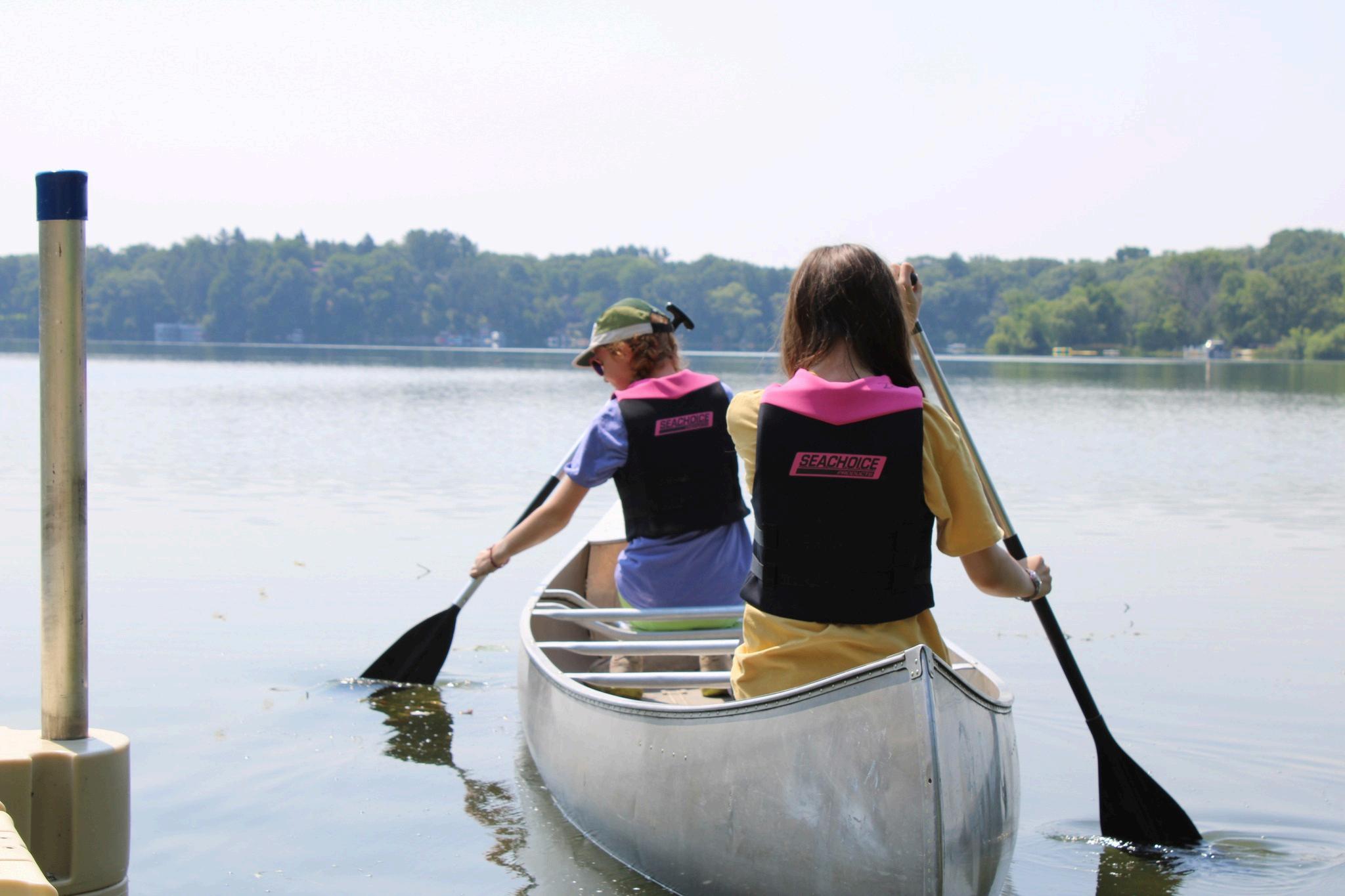
All youth and adult participants using watercrafts (including canoes, kayaks, stand up paddleboards, sailboats, and rowboats) during council-sponsored programming are required to wear Coast Guard-approved Personal Flotation Devices (PFDs) at all times. PFDs are supplied by camp in sizes ranging from child to Adult XX-Large; proper fit will be evaluated by trained facilitators for all participants
Several of the activities at our facilities and with our off-site vendors use specialized equipment. This equipment is designed with the safety of the participant in mind and has manufacturer-recommended limitations to minimize the risk of injury to the participant. In addition to these weight and height requirements, supplied harnesses and equipment must fit properly and securely. Fit will be evaluated by trained instructors.
Vendor requirements vary by location; to ensure campers can participate safely, please see below for camp-specific requirements:
Butternut Springs:
Minimum weight: 40 lbs.
Maximum weight: 275 lbs
Maximum height: 6'6"
Must be able to reach a minimum of 66 inches with both feet on the ground
Greene Wood and Juniper Knoll:
Minimum weight: 70 lbs.
Maximum weight: 250 lbs
Minimum height: 4'
The maximum speed limit on all GSGCNWI properties is 10 mph Please help us keep camp safe for all participants, staff, and visitors by following the posted speed limit.
Please fill out this form to report absences, late arrivals, and early departures.
Approximate bus times will be emailed to you one week prior to the program start date. If there are any changes to your bus stop location, or if any cancellations occur, you will be notified prior to your camp session.
Modifications and additions to bus transportation and/or before- & aftercamp care must be finalized two weeks prior to the session start date by contacting customercare@girlscoutsgcnwi.org
Plan to be at your designated bus stop at least 10 minutes early when you drop off and pick up your camper. Bus drivers are instructed to leave a stop no earlier than the time listed on the confirmation.
Bus pick-up and drop-off times are estimated times of arrival and departure. Construction, traffic, weather, or other unforeseen circumstances may affect the schedule.
Before-Camp & After-Camp Care
Pick-up and drop-off for the Before-Camp and After-Camp Care will take place at Gate 1, by the Greene Wood Gathering Place.
Drop-off takes place 7:30-8:30 a.m. If you arrive at or after 8:30 a.m. please drop off in the regular car line at Gate 2. Pick-up is 3:30-6:00 p.m. If you arrive before 3:30 p.m. please pick up in the regular car line at Gate 2.
Adults picking up campers must be listed on the camper’s release form and must show a photo ID to sign the camper out.
Caregivers are responsible for providing transportation to all overnight camp programs.
Check-in for all summer camp programs is 1:30-3:00 p.m. on the first day of the camp session. Please do not arrive earlier than 1:15 p.m. We recommend arriving by 2:30 p.m. for the best check-in experience.
Specific arrival instructions will be sent via email by the camp director on Monday, one week prior to the program start date. The full check-in process will take about 30 minutes and will end with dropping your camper off at their living unit with their counselors. Siblings and family members are welcome to be a part of camp drop-off, but please leave all pets at home
To help us stay on schedule, we ask caregivers limit their drop-off time at the living unit to no more than 10 minutes. Luggage will be delivered to living units after check-in concludes and caregivers will not be able to set up beds for campers; staff will assist campers with unpacking and settling into camp.
Planned late arrivals and early pick-ups can be indicated on the camper’s CampDoc paperwork. For any last-minute late arrivals, early pick-ups, and/or absences, please call the camp office directly. If you leave a message, please include the date, your camper’s name, and the program name.
Departure from Camp
Check-out on the final day of the camp session begins with a Closing Ceremony that starts promptly at 3:00 p.m. Please do not arrive earlier than 2:30 p.m. All family members are invited to attend Closing Ceremony, but please leave pets at home.
Closing Ceremony typically lasts 20-30 minutes. Each program will share a brief overview of their time at camp and sing a camp song. Following closing ceremony, caregivers will pick their camper up from their child’s counselor.
After Care runs from 3:30-7:00 p.m. on the final day of the program session. Pick-up for campers in After Care will take place from 5:00-7:00 p.m. Dinner is included for campers picked up after 6:00.
Campers in After Care will participate in the 3:00 p m Closing Ceremony There is not an additional Closing Ceremony at After Care pick-up.
Adults picking up campers must be listed on the camper’s release form and must show a photo ID to sign the camper out.

Participant health and safety is of the utmost importance to us. We work hard to ensure quality experiences while following all health and safety guidelines and protocols Each camp is licensed in the state it is located in. We follow standards set forth by Girl Scouts of the USA in Safety Activity Checkpoints and camp staff are all trained to handle first aid/CPR, emergency procedures, risk management, homesickness, situational response, challenging conversations, and more.
All three summer camp properties are accredited by the American Camp Association. To support creating safe environments where we build healthy relationships and connectedness, specialty training for staff is also provided through KultureCity to support sensory needs and CampSafe for child abuse prevention

Our camp program is balanced with traditional camp activities, theme-based activities, and camper-planned activities; all are facilitated the with progression and intentional skillbuilding. Campers participate in most activities with their program group, but there are also times when there are multi-group or all-camp activities that bring campers together.
On the first day of their session, campers will work as a group with their staff to plan the schedule for the week. Campers will have the opportunity to suggest and vote on activities for their group beyond the activities promised in their program’s description.
During their time at camp, campers will participate in activities that can be applied toward earning Girl Scout badges. At the end of their session, campers will be sent home with a badge card that lists what badge(s) they have earned or badge steps that have been completed. At minimum, all campers will earn the below badge based on the age level of their program:
Daisy: Buddy Camper
Brownie: Outdoor Adventurer
Junior: Camper
Cadette: Archery Badges are not provided by camp nor are they available for sale in the trading post. They must be purchased separately from the Girl Scout Shop either online or in-person.
All campers, regardless of age level, will get a 2026 summer camp fun patch and locationspecific rocker at the end of their session.
All campers who complete Program Aide training will get their PA pin and all campers who complete Counselor-in-Training will get their CIT pin at the end of their session. These pins are provided by camp.
Do you love Girl Scout camp? Tell your friends and you can earn a special recruiter patch!
In order to earn the recruiter patch, you must recruit a camper is who NEW to GCNWI council-operated summer camp. Friends do not need to attend camp together and do not need to be the same age Friends that are recruited must not have attended Girl Scouts of Greater Chicago and Northwest Indiana day or overnight camps previously.
Fill out this form and tell us who you recruited. You will receive the patch when you attend camp this summer
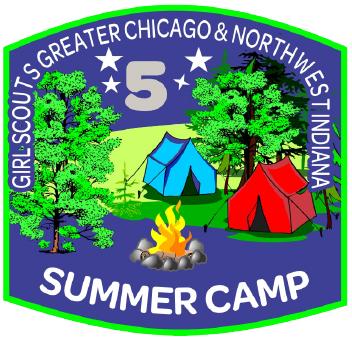
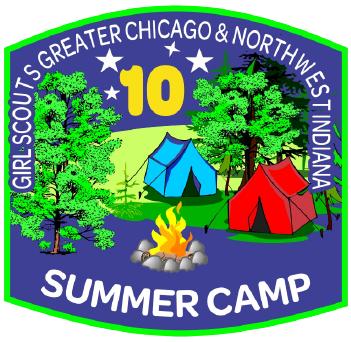
Have you attended GCNWI summer camps for 5 years? What about 10? We want to celebrate your milestone with a special patch! Please let us know by answering the 5- and 10-year camper question during registration. If you missed answering this question while registering, please contact your camp director.
To be eligible, campers must have attended a minimum of 1 summer camp session every year for 5 years to earn the 5-year patch and for 10 years to earn the 10-year patch. Years do not need to be consecutive but they do need to be at a current or former GCNWI property (Butternut Springs, Greene Wood, Juniper Knoll, Palos, Pokanoka, and/or Vernon Hills)

At Camp Greene Wood, campers are responsible for bringing a lunch every day, unless otherwise noted in information shared by the camp director. Please note that campers may not share food due to health and safety restriction. Please try to avoid packing food with nuts. Food will not be refrigerated; ice packs are recommended.
At Butternut Springs & Juniper Knoll, each full day at camp includes three meals and one snack. Ample, well-balanced meals with vegetables, fruit, and protein are served at camp; exact menus vary every day of a session. Campers will eat in the dining hall for most meals during their session except for cookouts and off-site trips Please do not send food with your camper unless pre-arranged with the camp director. All food found in luggage or mail will be collected by camp staff and returned at the end of the session. Food in living quarters attracts unwelcome animals and bugs.
At least once per week, campers and staff will work together to prepare and cook a meal over the campfire. Some campers may cook out more than once as part of their program for the week.
A mess kit is included on the camp packing list for use at cookouts. Mess kits include a reusable plate, bowl, cup, and utensils in a mesh dunk bag. Mess kits are available for purchase through the council shop.
Off-site trips will be indicated in program descriptions Depending on the trip, some programs will have a specialty packing list of items to bring in addition to the standard packing list (please see the packing list section at the end of this handbook for more information).
Some off-site activities will require a parent/guardian-signed waiver from the vendor; programs requiring a waiver will be marked with an * in the specialty packing list section. Waivers will be sent to you via email two weeks prior to the program start date; blank waivers will also be available at check-in at overnight camp.
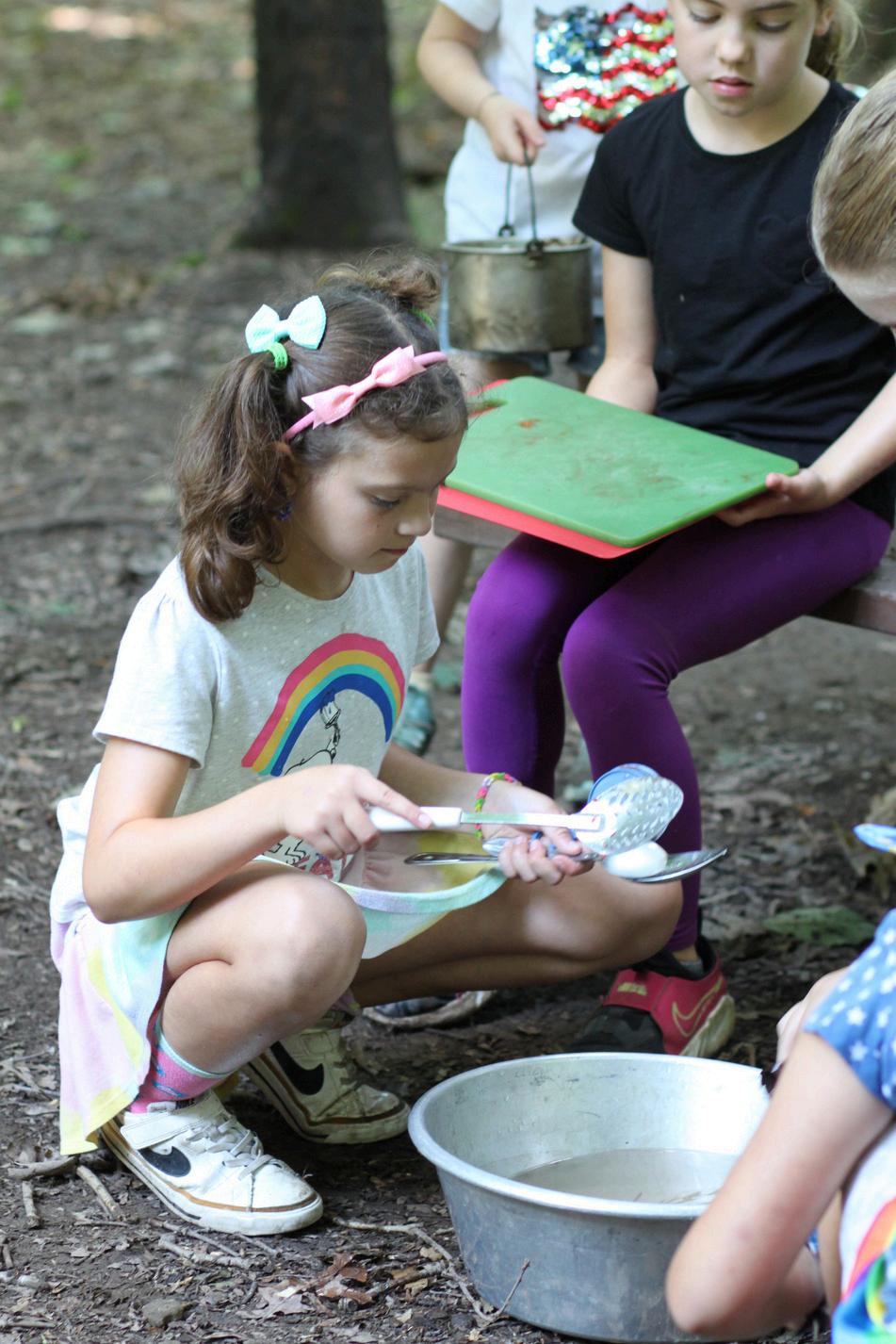
Kapers are a Girl Scout tradition that help build responsibility and teamwork skills, while caring for their environment and camp. Kapers are done as a group with staff assistance and are composed of unit and all-camp tasks and are done in accordance with appropriate health and safety procedures, depending on the task.
Unit kapers include tidying up sleeping areas, helping clean bathrooms, gathering firewood, and picking up litter.
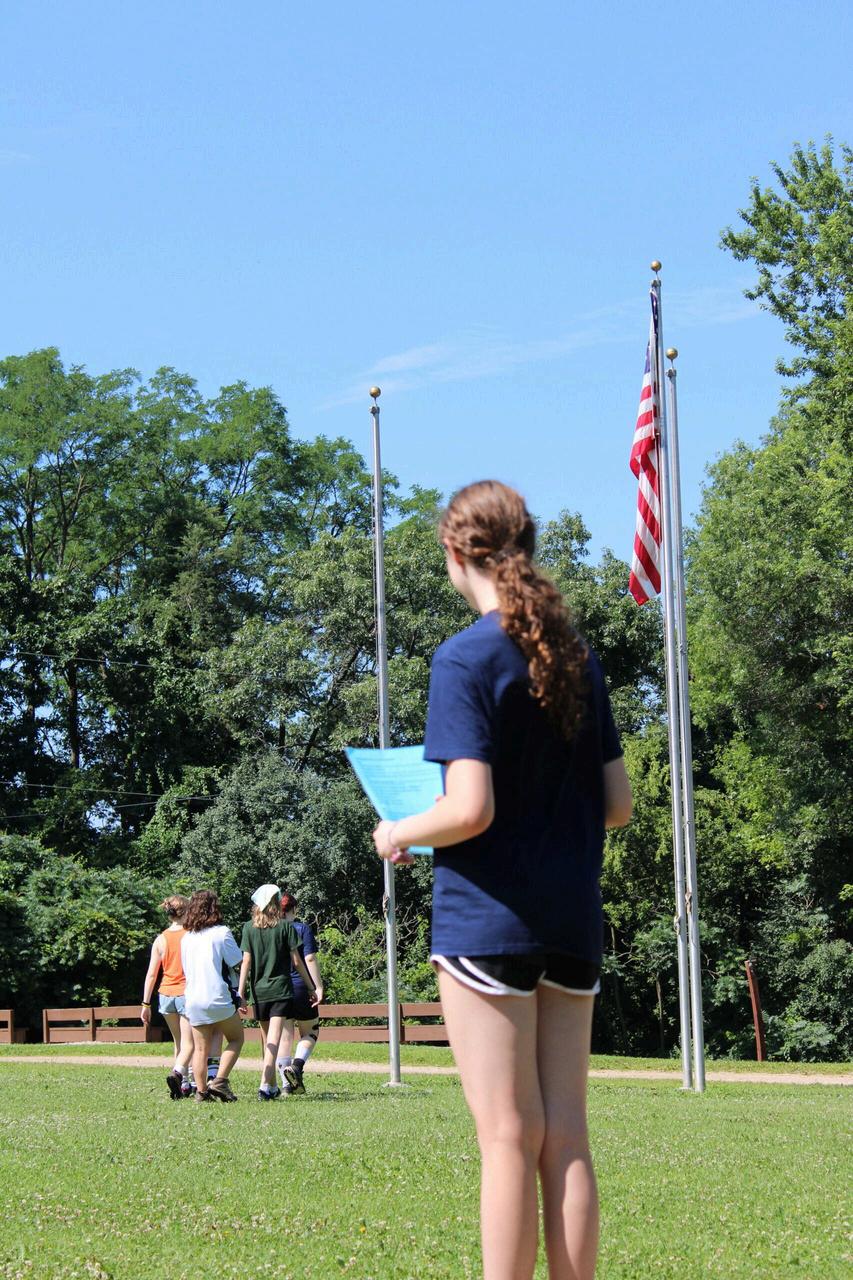
All-camp kapers rotate between program groups at camp and include leading flag ceremonies, tidying up around camp, helping clean bathrooms and the shower house, picking up litter, and being meal hoppers at overnight camp (helping to set tables at mealtimes, leading the camp in a thank you before eating, and helping sweep after meals).
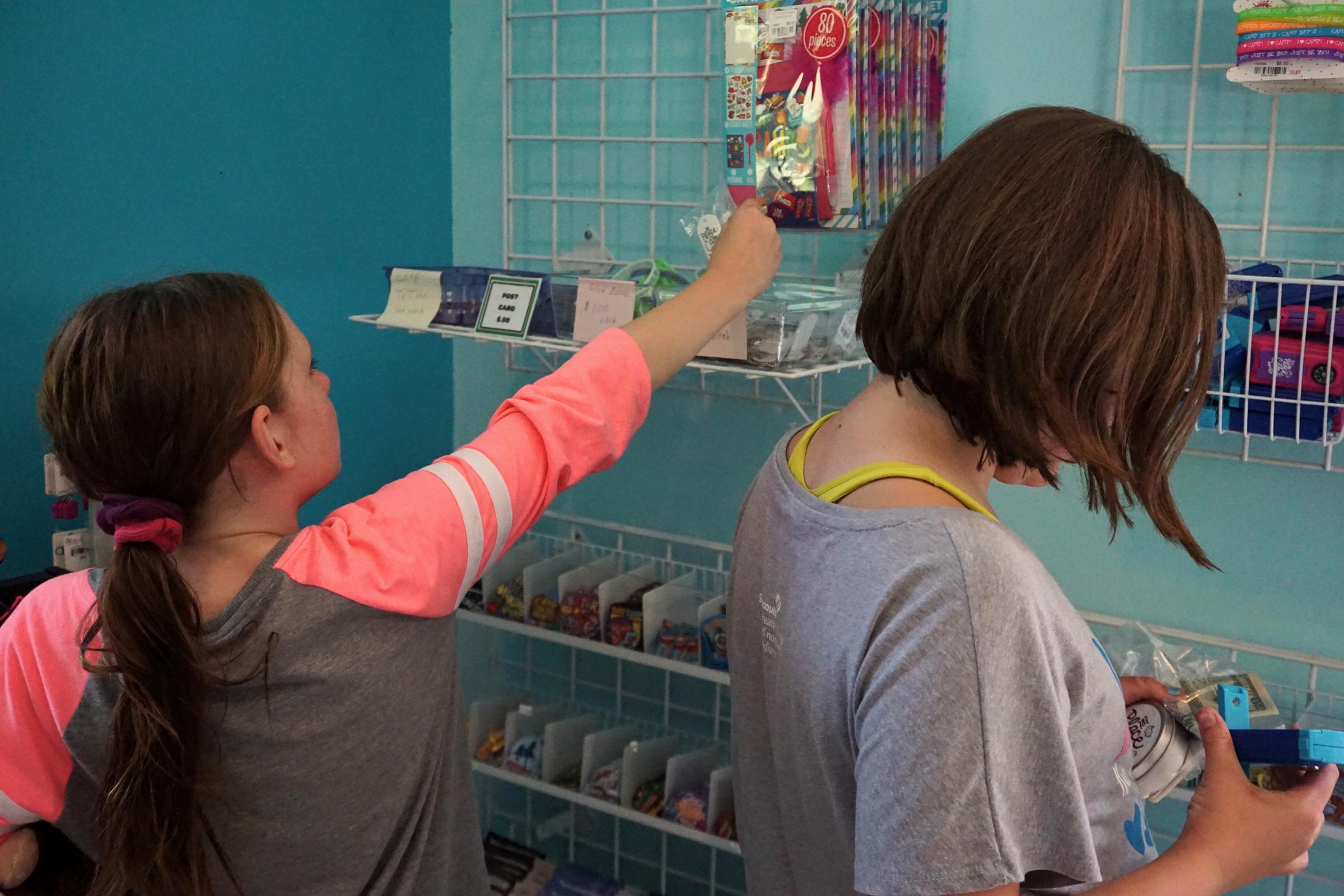
Camp operates a small store where campers can purchase a limited selection of small items such as postcards, pens, fun patches, stuffed animals, and camp apparel Campers visit the trading post at least once during their session. There are no snacks or drinks for sale. A camp sweatshirt is available for pre-order during camp registration; a limited stock will be available on-site during the summer in the trading post.
Items in the trading post range from $1 up to $40, with most items costing less than $10. $5-$20 is the average range of money families typically give their camper for a week at camp; cash is preferred due to technology limitations at camp. If you have any questions about the trading post, please contact us at customercare@girlscoutsgcnwi.org.
At Camp Greene Wood, campers will bring home a supply list reminder that will list their assigned trading post day. On their trading post day, please make sure any money sent is in an envelope or plastic bag with the camper’s name on it.
At Butternut Springs & Juniper Knoll, money can be dropped off for your camper during check-in; it will be kept locked in the camp office when not at the trading post so it does not get lost. Remaining money not spent will be returned at the end of your camper’s session. The trading post is also open following check-out at the end of your camper’s session. Camp Care Packages are also available to order in advance online at time of registration or from the Council Shop website and will be delivered right to your camper at the beginning of their camp session



The Thursday extended day is included in the registration for all Junior, Cadette, and high school programs. This program includes a dinner cookout, campfire & songs, and additional unique activities. The extended day program ends at 8:00 p.m.
All campers must be picked up from camp by car.
Bus transportation is not an option for the extended day. Check-out begins at 8:00 p.m. Cars will follow the typical end-of-day pick-up process.
The half-week, Monday, June 29 - Wednesday, July 2, is designed for campers to get a taste of the day camp experience! Campers will participate in many traditional camp activities, including tie dye, a cookout snack, trading post, and archery for campers in grades 4 and up.
Campers participating in the half-week should follow the daily packing list on page xx. All campers will tie dye on Tuesday and will need to bring a white or light colored item. Campers will have their cookout snack on Monday and visit the trading post on Tuesday or Wednesday. Campers will take home an activity schedule on Monday for their group.
During the half-week, Monday, June 29 - Wednesday, July 2, campers in grades 4 and up have the opportunity to register for a three day, two night overnight experience at Greene Wood. Campers will participate in many traditional camp activities, including tie dye, a cookout, trading post, off-site trip to the pool, and archery for campers in grades 4 and up.
Campers will follow the same drop-off process for Monday morning (between 8:30-9:00 a.m.) and pick-up process for Wednesday afternoon (starting at 3:00 p.m.) as the day camp.
A few notes for the overnight experience:
Campers will be staying in either a lodge or yurt The anticipated sleeping accommodation for each program is listed under the description in the Summer Camp Guide. All living areas will have access to a nearby restroom, with flush toilets and running water.
All campers will have a shower time scheduled on Tuesday.
Camp will provide the following meals:
Monday: lunch, dinner, and two snacks
Tuesday: breakfast, lunch, dinner, and two snacks
Wednesday, breakfast, lunch, and one snack
Please do not send food with your camper unless pre-arranged with the camp director. All food found in luggage will be collected by camp staff and returned at the end of the session
Food in living quarters attracts unwelcome animals and bugs.
Monday
Campers in the same program group live together in “units.” The anticipated sleeping accommodation for each program is listed under the description in the Summer Camp Guide.
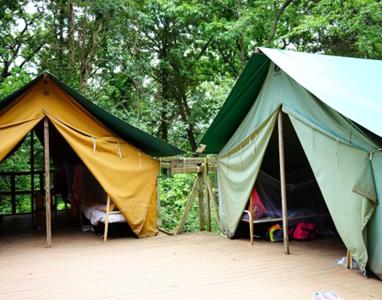
Platform tents sleep up to 4 people on cots; mosquito netting is provided. Staff will sleep in their own platform tent, centrally located within the unit.
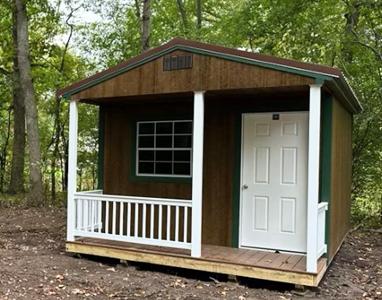
Tabins & small cabins sleep up to 6 people on bunk beds. Staff will sleep in their own tabin, centrally located within the unit.
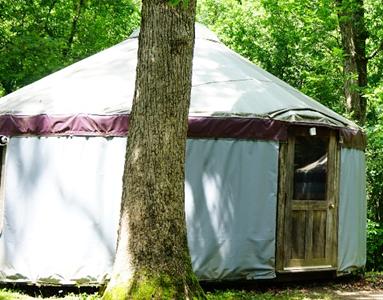
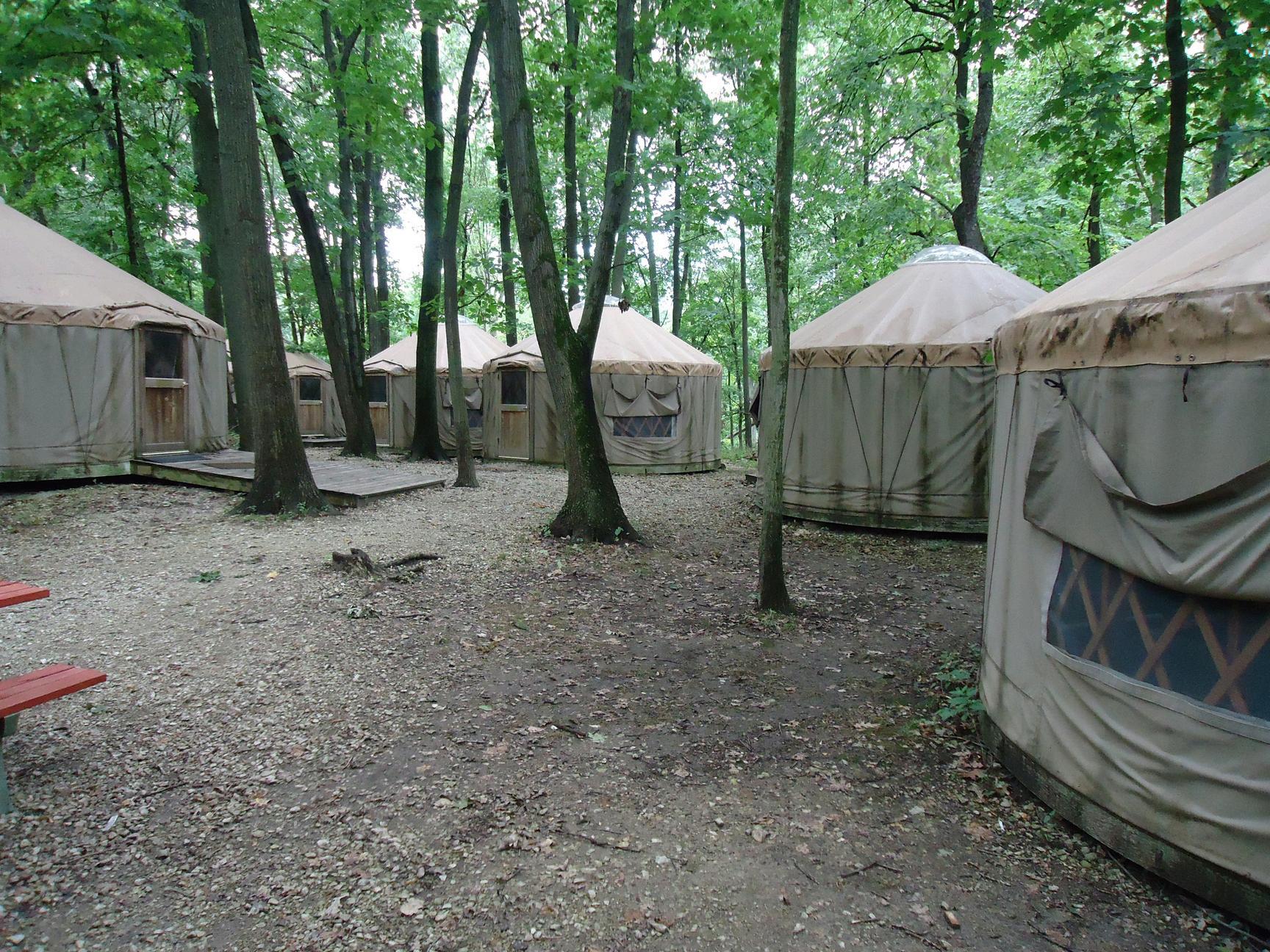
Yurts sleep up to 8 people on bunk beds. Staff will sleep in their own yurt, centrally located within the unit.
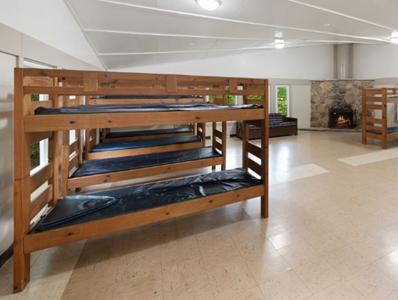
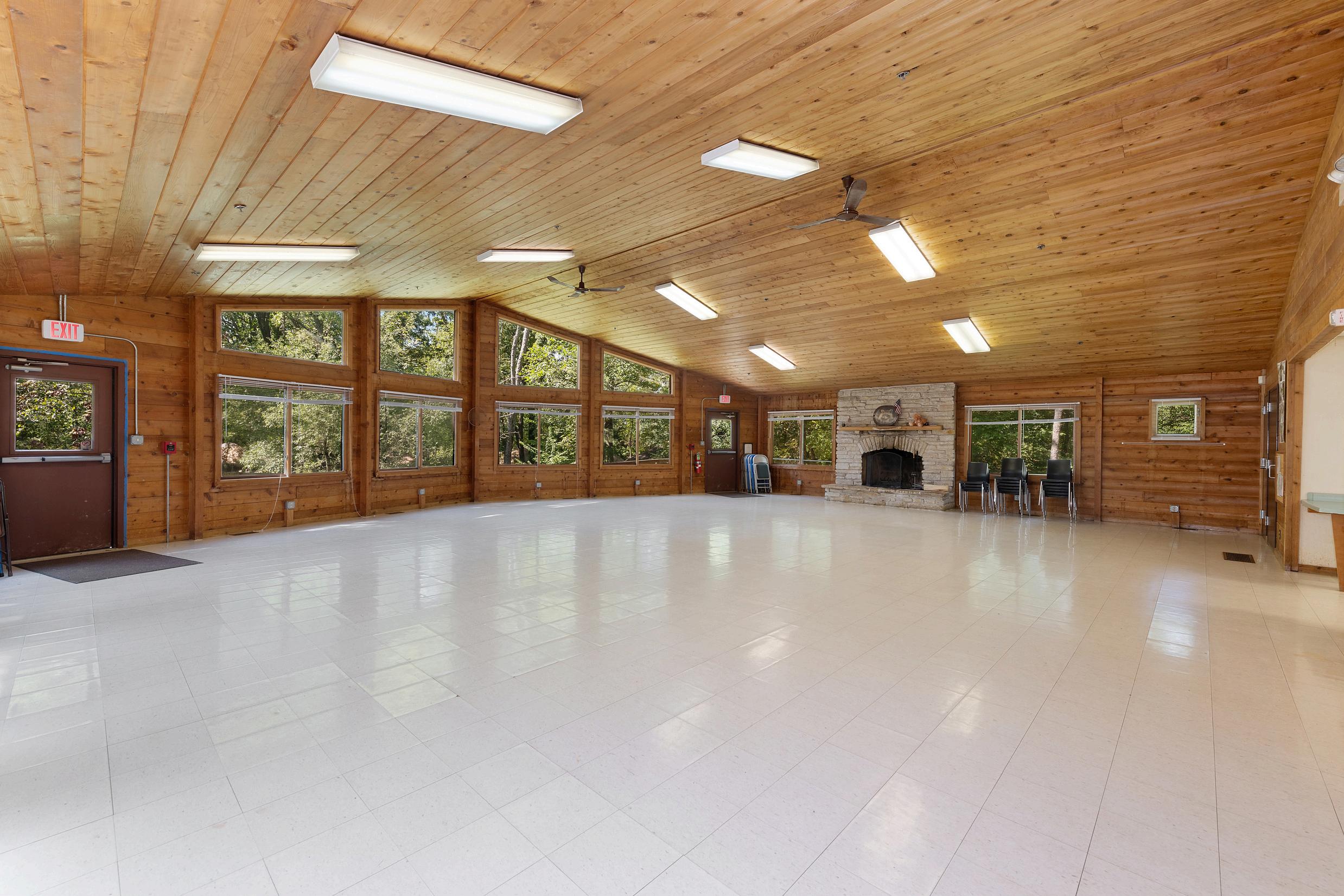
Lodges sleep 10-24 campers and 2+ staff members. Campers will sleep on bunk beds in the main room and staff typically sleep in an adjoining room.
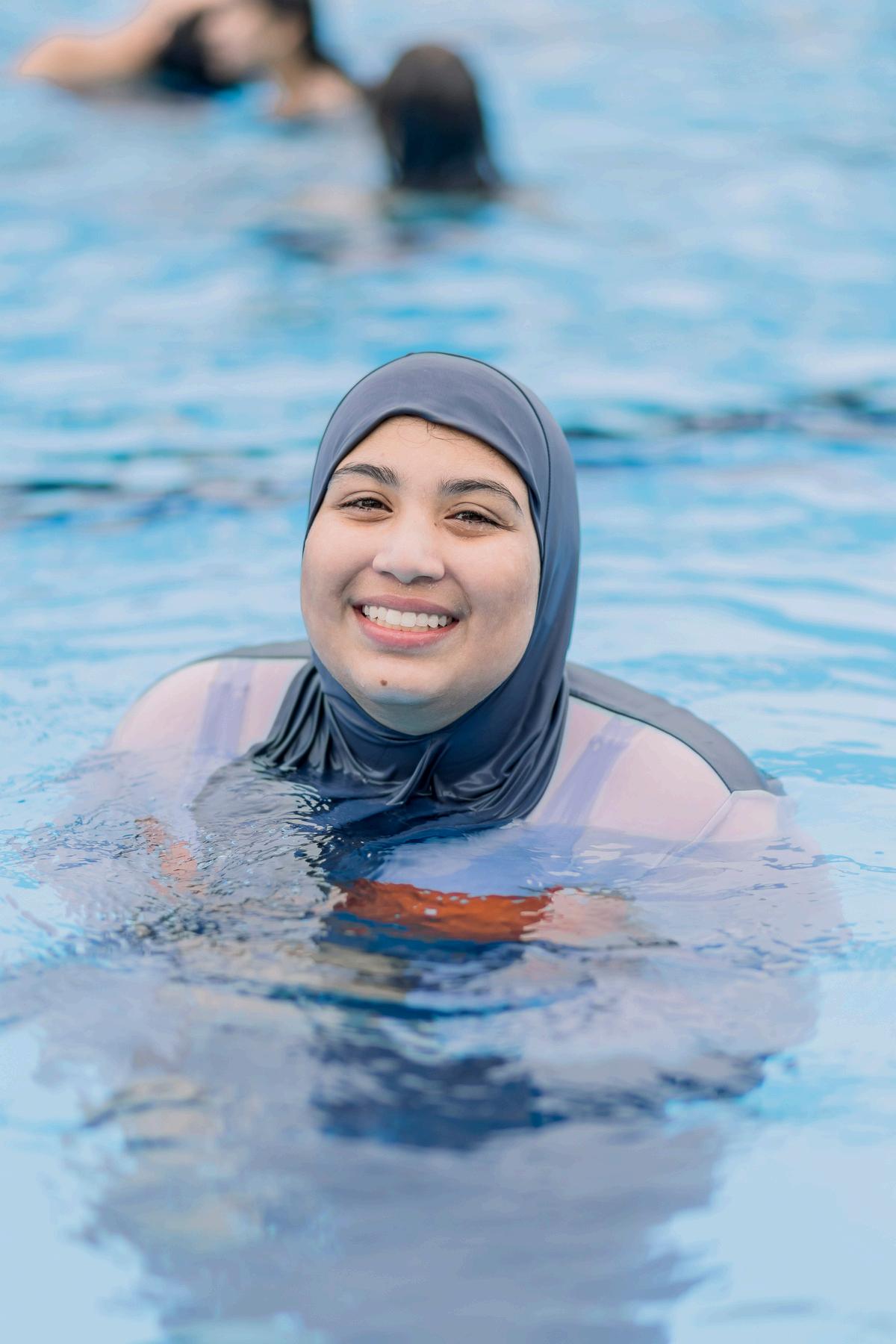
Campers can participate in free swim while at camp. Certified lifeguards and trained watchers are on duty during all aquatic activities. At Butternut Springs, campers will swim in the pool. Juniper Knoll has a private beach and waterfront area on Pleasant Lake; swimming takes place in a roped-off area.
All campers participate in a “swim check” during their first swim time to demonstrate their swimming ability and comfort level in the water. During the swim check, campers will swim approximately 50 yards using the stroke of their choice; depending on the swimming ability they exhibit, they may be asked to tread water for 2 minutes.
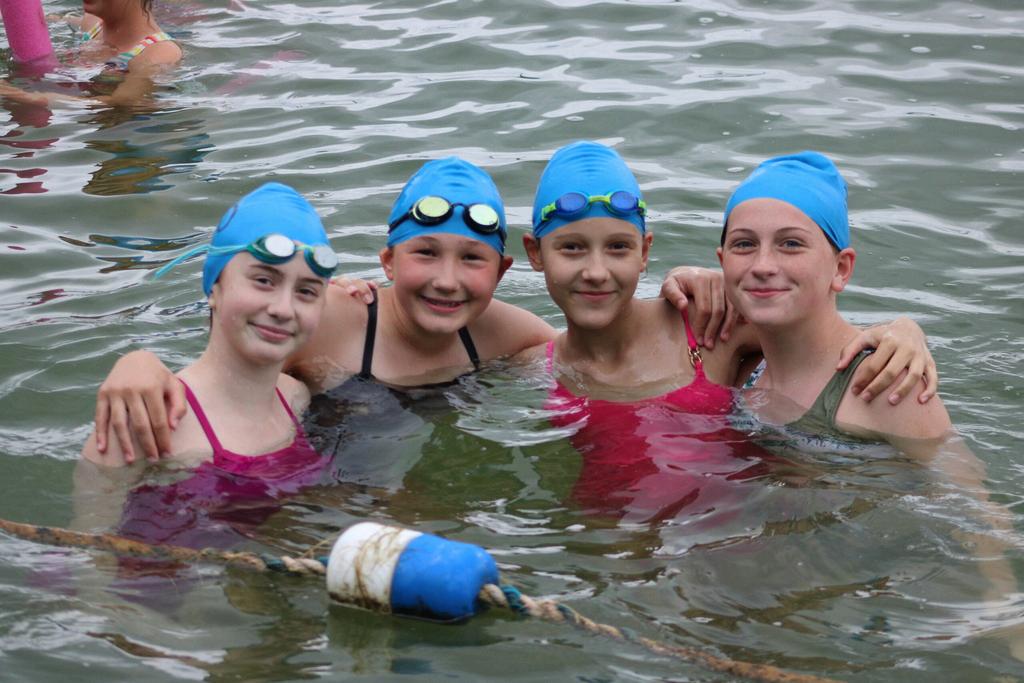
Campers are then given a color-coded swim cap which designates how far out into the swim area they are allowed to go. Campers must wear their swim cap at all times while swimming and can only swim in areas of the water that match their skill level; this allows the aquatics staff to better manage and ensure safety for all campers in the water.
Swim caps contain latex. If your camper has a latex allergy, please make sure to indicate this on their CampDoc paperwork, so we can provide them with a reasonable latex-free substitute.
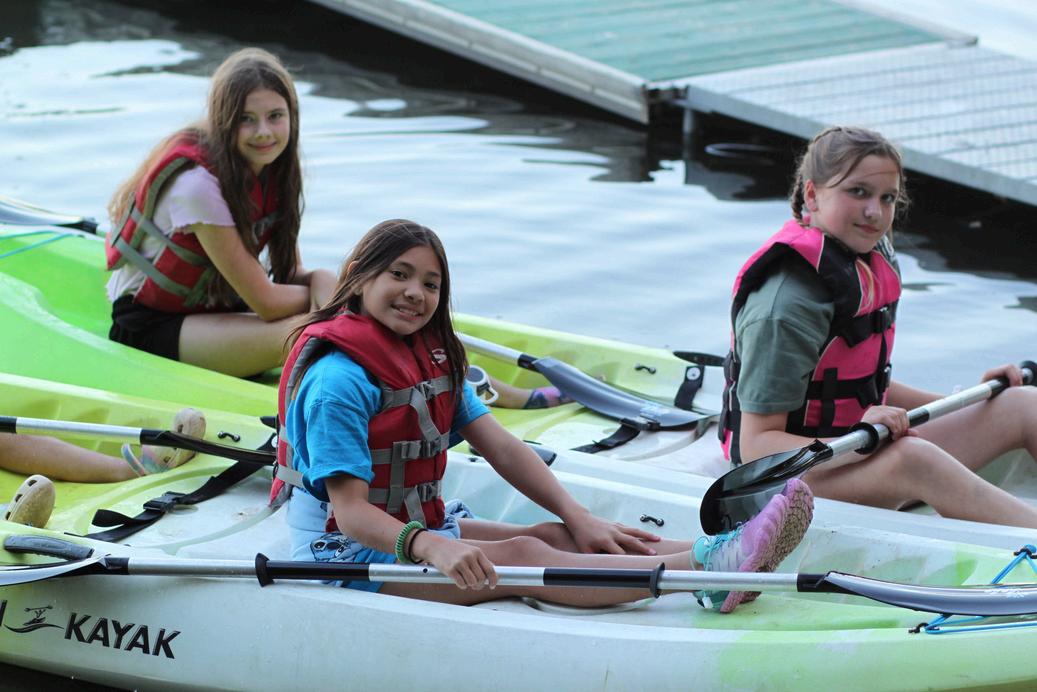
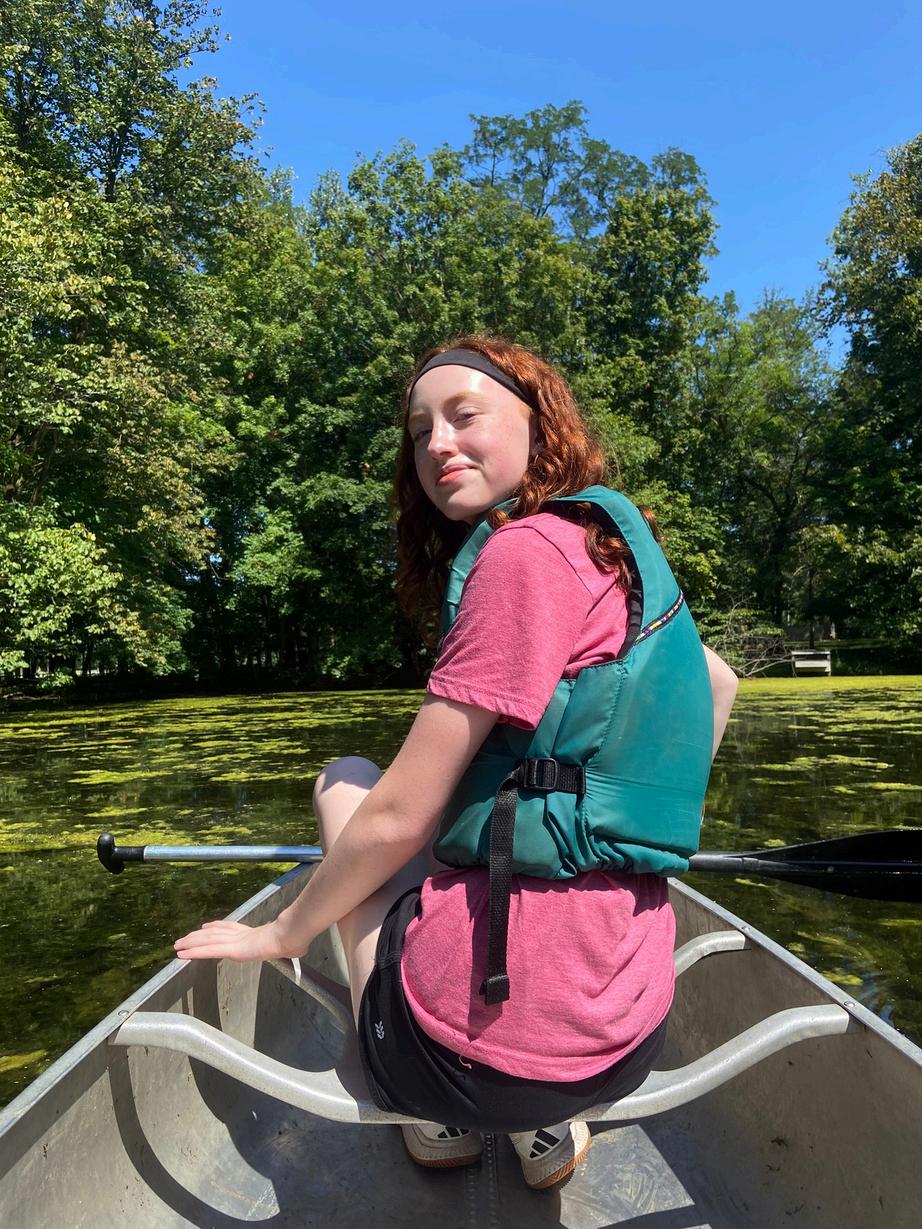
All campers will have the opportunity to go boating at least once during their time at camp. At Butternut Springs, all campers will go canoeing. At Juniper Knoll, Daisies and Brownies will go row boating, while Juniors and older will go canoeing. Campers in aquatic-themed programs will have additional opportunities.
Juniper Knoll is on a public lake and most of our neighbors on the lake are residential. Pleasant Lake is a “no wake lake” which means there is a strictly enforced speed limit for all motorized vessels. The lake is regularly patrolled by the Lauderdale Lakes Lake Management District Water Patrol
All programs will have a shower time scheduled each day, but it will be camper choice to take a daily shower. All campers will, at minimum, be strongly encouraged to rinse off after swimming. If your camper prefers baths at home, we encourage you to have them practice showering independently before attending camp.
Campers love receiving mail! Mail can be sent through the postal service to the camp address or dropped off during check-in. Please label all mail with your camper’s first and last name, program name, program dates, and, if dropping off at check-in, the day you would like them to receive it. Mail is delivered to campers daily, except on Sundays.
If you are mailing anything to your camper, we recommend doing so in advance to ensure it arrives while they are at camp. Letters that arrive after your camper has gone home will be returned to sender as long as a return address is included on the envelope.
Please limit mail to postcards, letters, and small packages. Care packages can sometimes lead to group conflict or negatively impact other campers. We appreciate if package size and contents can be kept modest or can be shared with the entire program group. As an alternative to mailing a care package or gift, you can put it in their luggage while packing for camp with instructions on when to open it.
Please do not send campers any food items as this can attract unwelcome animals and bugs.
Campers also love sending mail! Make sure to send your camper with all the supplies they will need to send outgoing mail from camp, including paper, envelopes, stamps, and addresses for intended recipients Mail is delivered to and picked up daily from camp, Monday-Saturday
Campers in 1-week or 2-week programs have the option to check in a cellular device to use at camp during the weekly designated phone time. There is no cell phone time during 3-day sessions and campers in those programs do not have the option to bring a cellular device.
Cell phone time typically lasts 15-20 minutes and happens around lunch time on Wednesday but may vary depending on program activities, such as trips. Any changes to this schedule will be communicated to you at check-in so you will best know when to expect your camper’s call.
While we encourage campers to contact parents/guardians, staff do not monitor who they call. Please note that camp is located in a rural area. We cannot guarantee cell phone service nor verify service availability. The camp phone is for emergency and business use only.
If no phone is checked in or the checked in phone does not work at camp, we are unable to provide campers access to the camp phone.
Phones will be locked in the camp office when not in use. Please note that GSGCNWI is not responsible for damaged or lost phones. Electricity for phone chargers and Wi-Fi connections are not available. Campers with phones cannot share with other campers unless agreed to by both campers’ caregivers at check-in
Please assist us in honoring our values and procedures by not giving your camper a cell phone to hide in their luggage. We will contact you if your camper is having a difficult time adjusting to camp life
We find even campers who are having a great time can become homesick while speaking to someone at home. It is natural to miss home, and our staff are prepared to support your camper during their session. We ask for your support in encouraging your camper to focus on the fun of camp and to reach out to their counselor if they still do not feel better by the end of the day. Focusing on other successful overnight experiences or how much you believe in them helps too!
While we take every precaution possible at camp, illness and injury can still occur. At minimum, all camp staff are certified in basic First Aid & CPR; many staff will also receive a higher level of training, such as Wilderness First Aid or Lifeguarding, based on their position. The Health Center at each camp is also overseen by a qualified Health Supervisor, who is responsible for the well-being of everyone at camp.
Camper Paperwork & CampDoc
In order to establish the best experience possible for all campers, we require additional health and personal information be submitted for day and overnight campers. Beginning March 2, within three weeks of registering for camp, you will receive an email from campdoc.com to access and complete your camper’s 2026 profile.
Campers must have completed paperwork to attend camp.
Paperwork does not need to be completed in one sitting and can be edited at any time before the May 1 paperwork submission deadline, when the forms will be locked for staff review. We recommend having the following resources available when completing your camper’s paperwork:
Current health exam/physical*
Doctor & dentist contact information
Immunization records with dates
Dietary restrictions
Allergy information
Current medication details
Camper Paperwork is due May 1, 2026!
*Health standards for overnight camps require a current health exam/physical that is from within 24 months of the camper’s last day of camp and signed by a licensed physician. A GCNWI health exam form is available via CampDoc and we also accept copies of state/school/sports physicals and physical forms provided by doctor’s offices
Camp Health Center
The camp health center is equipped to handle common camper illnesses and minor injuries. If a camper gets hurt or shows signs of illness beyond the level of first aid their counselor can provide, they will be taken to the health center for evaluation by the health supervisor.
All health care, from giving out a bandage to visits to the health center, are documented Though we will not call home for every scrape or stomachache, we will notify parents/guardians by phone if any of the following occur and will work with you to determine the best care for your camper:
Any illness or injury that interferes with a camper’s participation in the program or requires the camper to spend the night in the health center
Any vomiting or allergic reactions
Any illness or injury requiring outside medical attention, including COVID-19 symptoms
If your camper takes any prescription or over-the-counter medication or supplements (i.e. vitamins, melatonin, etc.), these should be listed in the medications portion of their paperwork.
Per state laws and health codes, all medications sent to camp must be in the original labelled container with the dosage information, camper’s name, and prescribing doctor’s information legible; any non-prescription medications must have the camper’s name legibly written on the container in permanent marker.
This medication will be collected during camper check-in and stored in the health center to be dispensed by the health supervisor; it will be returned at the end of camp. Please only send the necessary quantity of medication for the length of the camp session. Emergency medications, such as epi pens and inhalers, can stay with the camper or their counselor, depending on the child’s ability to self-administer the emergency medication.
Our health centers are also stocked with a supply of common over-the-counter medications, as authorized by a physician, to treat simple complaints such as bug bites, headaches, mild upset stomachaches, menstrual cramps, etc A complete list of medications stocked in the health center can be found in the over-the-counter medication section of the CampDoc paperwork; this section must be completed by a parent/guardian to indicated which medication(s) can and/or cannot be given to your child.
Please help us keep campers safe by not giving your child any medication to keep with them in their luggage. If a camper is found with any medication, it will be collected and stored in the health center. A call will be made home to notify parents and confirm dosage if it is a medication the camper needs while at camp.
Upon arriving at Camp Butternut Springs and Camp Juniper Knoll, campers will complete a health screening that ensures they are healthy enough to attend camp.
During this health check, camp staff will ask health screening questions, take the camper’s temperature, and check heads for lice/nits (campers may be asked to undo their hair or remove hats or bandanas for this check).
If lice/nits are found, parents/guardians will be responsible for taking their camper home to be treated before they can return to camp Additionally, campers are unable to remain at camp with a temperature of 100.4°F or higher and cannot return to camp until they are fever-free for at least 24 hours without the aid of fever-reducing medication.
Maintaining a safe and healthy environment for our campers and staff is very important. If your child is sick and/or possibly contagious, please do not send them to camp. Please contact the camp office to note your camper’s absence.
Please let us know of any allergies and/or dietary restrictions before coming to camp. This information should be noted in the camper’s CampDoc paperwork.
We can accommodate a variety of dietary needs and allergies with advance notice We provide similar substitutes to meet the needs of each camper, while providing a balanced and complete meal, safe from cross-contamination.
All campers and their caregivers are asked to review and commit to a behavior and expectations agreement found in their CampDoc paperwork. If a camper is struggling, camp staff will work with the camper and their family to try to help the camper succeed in the camp setting, but our staff are only equipped to support up to a certain extent. If a camper poses a safety risk to themselves or other campers on site, the caregiver will be called and asked to pick up their camper. There will be no refund for early dismissal.
Coming to camp may bring up feelings of “homesickness ” We consider this a normal, healthy occurrence, and refer to this as “missing home” to disassociate it from an illness. Learning to cope with missing home is a great life skill to learn, and we are well-equipped to help campers through this!
It is not uncommon for campers to experience missing home while away at camp, and experience tells us that it typically resolves within two or three days of arriving at camp as campers adjust to the new people, environment, and routine. If a camper is missing home, our counselors will listen empathetically, try to help them understand these feelings are natural, and then encourage them to get involved in camp activities because having fun and making friends are some of the best remedies for missing home.
For overnight camp, when sending mail or speaking with your camper, we recommend keeping things as upbeat as possible and avoiding phrases such as “the dog refuses to eat since you left.” You can help contribute to the success of your camper by encouraging them to have a great time.
The first night at camp is always the most difficult. Many times, letters written home at this point are not full of the fun things they are doing at camp. Please consider the amount of time a letter has taken to reach you; your camper has often adjusted to camp life by the time you receive such a letter in the mail. The camp office is available to check on your camper and update you on their experience and how they’re doing at any time.
We encourage families to reassure their camper that they will be successful during their camp experience and that you look forward to seeing them on closing day If your camper struggles to adjust to camp life and is missing home intensely, we will contact you to brainstorm together the best ways to support them.
Campers who go home early are not eligible for a refund of the camp fee
In the case of missing or depleted sunscreen, staff will provide sunscreen with a minimum of SPF30. When necessary, staff members may assist with applying bug spray or rely on the buddy system to see the needs of the camper. Please be sure to provide your camper with your desired brand and strength In the case of missing or depleted bug spray, staff will provide bug spray with a minimum of 10% DEET.
If your camper is allergic to a particular sunscreen or bug spray (or a specific ingredient in either), please let us know ahead of time so that we can help your camper avoid the allergen. Please specify this information in the Medications & Allergies section of your camper’s paperwork, including the alternative brand and strength of sunscreen or bug spray preferred.
Programs are held rain or shine! Schedules remain flexible to adapt to weather changes so that campers are safely participating in fun and challenging activities. Help your camper have a successful time at camp by checking and preparing for the weather prior to arrival.
Camp staff constantly monitor weather radios and alerts from the National Weather Service. There are designated indoor storm shelters in cases of severe weather. If severe weather develops during the camp day, campers will be moved to a shelter until the weather situation passes At night, campers will be moved to an indoor sleeping location for the night.
In addition to inclement weather, camp staff also monitor temperature. In extreme heat situations, program activities are adapted and frequent breaks occur in the shade and air conditioned spaces Proper hydration remains always remains a top priority
Please do not call camp regarding weather updates. Staff will be busy attending to the safety of the campers and the phone line must remain open in case emergency services need to be contacted. You will be notified of any emergencies involving your camper.
Most camp communications will be sent via email. Emails will be sent to the email address attached to the camper’s registration. If you are a troop leader, please make sure the camper’s primary caregiver completes the camp registration so all email communication goes to that caregiver. Please make sure to check junk/spam folders for summer camp information.
Buddy Requests
Campers can attend camp with a buddy. During registration families will have the opportunity to add a buddy request; please contact Customer Support or the camp director if you need to add a buddy request after completing your registration.
Campers may request one buddy. Buddies must request each other and be in the same program, for the same dates, at the same camp location. Groups, troops, and multiple buddy requests are not guaranteed for summer camp programs.
When registering for camp, you have the option to agree to the Girl Scouts GCNWI Photo Release. By opting in, you are giving us permission to take photos and/or videos of your camper(s) while they are at camp These photos and/or videos may be used for future promotional materials.
Camp will also post these photos and videos on Facebook, Instagram, and Bunk1 throughout the week. Bunk1 is an accessible parent portal where families can stay in touch with what is happening at camp via mobile app or online. It is a private system that is only accessible with a code shared with you by your camp director where you can view shared photos and videos; overnight camp families also have the option to send digital camper mail for a small fee. More information on how to access Bunk1 will be shared after registering for camp. If you have opted out of the GCNWI Photo Release, there will be no pictures/videos posted of your camper on social media or Bunk1.
Our summer staff are composed of carefully selected and screened adults, who display a commitment to working with children and a love for the outdoors. All staff complete an interview process, pass a background check, and attend 7+ days of on-site camp training prior to camper arrival on-site. All staff are certified in CPR & First Aid and trained in outdoor skills, camp programming, child development, and how to facilitate an exceptional camper experience.
We are proud to be an equal opportunity employer and we embrace the unique perspectives employees have in terms of education, opinions, culture, ethnicity, race, sex, gender identity and expression, nation of origin, age, languages spoken, veteran’s status, color, religion, disability, sexual orientation, and beliefs.
Each staff member chooses a “camp name.” These are nicknames that allow staff to create memorable relationships with campers distinguished from that of their teacher, other authority figure, or even yourself. It also keeps us from having multiple staff members with the same name and adds to the magic and tradition of Girl Scout camp
Forgotten items may be dropped off at the camp office or, for overnight campers, mailed to camp in a package addressed to your camper.
If dropping off an item, please let us know in advance by calling the camp office so that someone can pick the item(s) up from you. Please make sure all items are labelled with the camper’s name.
In some situations, camp will have a supply of items in stock that we can give to your camper to ensure they have what they need for their time at camp (i.e. toothpaste, bug spray, sunscreen, etc.).
Help us keep track of your campers’ belongings by labeling all personal items with their first and last names Camp staff will do their best to reunite owners with their belongings daily
Unclaimed lost and found items will be brought to GSGCNWI Gathering Places at the end of the camp season and held until October 1, 2026. Contact the camp director to arrange for item pick up from a Gathering Place
Camp life involves a lot of hiking, wooded areas, dirt, and time outside. Campers will frequently use art supplies and play outdoors; we recommend wearing casual clothes that you won’t mind getting dirty and/or stained.
Socks and sturdy, close-toed shoes are required to protect feet on trails and gravel roads around camp.
Clothing is there to protect campers from the environment, such as the sun, bugs, sticks, and uneven walking surfaces. Short shorts, tank tops with spaghetti straps, halters, crop tops, sandals, crocs, and other open-toe shoes should not be worn at camp.
Campers have items that need to be carried with them every day, such as sunscreen, bug spray, raincoat/poncho, and a water bottle. Additionally, day campers will carry their lunch and overnight campers will carry items to and from swim and shower times.
We recommend equipping your camper with a regular backpack instead of a drawstring bag.
Water Bottle
Water bottles should be reusable Girl Scouts stay green! Please bring the water bottle filled to camp. Most camp water is well water and may taste different than the water at home, but all camp water is potable and safe to drink
At day camp ONLY, campers may carry a cell phone/smart watch if it is needed to communicate with home at the end of the day. During the camp day, campers are expected to keep cell phone turned off an in their backpack—we want campers to enjoy camp activities and their time together! Smart watches should not be used to make calls or texts while at camp
If a phone or smart watch becomes a distraction to programming, it will be collected and locked in the camp office and returned to the camper at the end of the day. You will be contacted by the camp director if there are any additional concerns
Please DO NOT Bring
Electrical appliances (including but not limited to hair dryers, personal music devices, computers, gaming devices, etc.)
Glass bottles or containers
Umbrellas
Snack food (including candy or gum)
Alcohol, drugs, or weapons
Hidden cell phones and/or smart watches
Backpack
Water bottle
Insect repellant
Sunscreen
Sack lunch
Raincoat or poncho
Hair ties
Bandana or hat
Trading post money (on day of trading post)
Sit-upon (optional)
Please Note: a daily sack lunch must be sent unless otherwise noted. Campers may not share food due to health and safety restrictions. Please try to avoid packing foods that contain nuts. Food will not be refrigerated; ice packs are recommended.
MONDAY:
Medication(s): In their original container
Sack lunch: Monday is a sack lunch day for everyone
In preparation: Make sure your camper knows which program they are registered for and how they are getting to and from camp (car or bus route information)
TUESDAY:
White t-shirt or other garment: It’s Tie
Dye Tuesday! 100% cotton items absorb the dye best. Wash and dry new items before sending to camp. Send the item in a plastic bag clearly labeled with your camper’s name.
Sack lunch: Tuesday is a sack lunch day for everyone
WEDNESDAY:
Sack lunch: Juniors and Cadettes only
Mess Kit: Daisies and Brownies only Wacky Wednesday: Choose to dress in mixed-up/clashing clothes and/or create fun hairstyles to look as wacky as possible!
THURSDAY:
Sack lunch: Thursday is a sack lunch day for everyone
Fun Theme Dress Day: Keep an eye out for a note with the Thursday theme of the week!
THURSDAY: EXTENDED DAY
Juniors and Cadettes Only
Mess Kit
Clothing: A sweatshirt or light jacket and long pants are recommended for cooler evenings
Evening Medication(s): Any additional medications the camper may need from 3:00 p.m.-8:00 p.m.
FRIDAY
Sack Lunch: Friday is a sack lunch day for everyone
Camp T-Shirt Day: Wear the 2026 summer camp t-shirt! Campers will bring this shirt home during their week at camp

Quantities are recommended below; pack what makes the most sense for your camper based on length of stay and anticipated weather forecast for their times at camp.
Sleeping bag or bed roll
Pillow
Backpack
T-Shirts: 1 per day, plus 1 extra
Shorts: 1 per day, plus 1 extra
Jeans, pants or sweatpants: 1-2 pairs
Socks: 1 per day, plus 1 extra
Underwear & Bras: 1 per day, plus 1 extra (sports bras recommended)
Pajamas: 2+ sets
Sweater/Sweatshirt/Jacket
Bandana, bucket hat, or baseball hat
Rain suit, raincoat, or poncho
Swimsuit
Towels: 2-3
Gym shoes, rain boots, or hiking boots: 2 pairs
Mess kit
Flashlight with extra batteries
Comb/brush and hair ties or other hair accessories
Reusable water bottle
Toothbrush and toothpaste
Shampoo, conditioner, and soap
Deodorant
Overnight camp packing tips:
Personal sanitary supplies
Eyewear supplies (glasses, glasses care, and/or contacts)
Sunscreen (minimum SPF 30)
Bug spray
Small pouch to carry toiletries
Optional Items:
Laundry bag
Washcloth
Inexpensive camera
Paper, pen/pencil, envelopes, and stamps
Shower shoes (i.e. flip flops)
Sunglasses
Book to read (library books not recommended)
Butternut Springs campers should make sure they have at least 1-2 pairs of longer shorts or leggings for Adventure Course activities (aka shorts that will not ride up under a harness)
Please try to limit your camper to three pieces of baggage:
1. a sleeping bag with pillow
2. suitcase or duffel bag
3. a backpack to carry around camp each day
Luggage tags for baggage will be provided at check-in.
Be sure to pack enough clothes to last the entire program session; campers will not have access to laundry facilities at camp
Have your camper help pack for camp, including rolling their sleeping bag, so they are familiar with what they have with them and will know how to pack up at the end of their session
CIT
Internship:
CIT Binder
CIT T-Shirt
Tan/Beige shorts
Belay to the Sky*
Outdoor Skills Challenge*:
Waiver: All waivers must be submitted prior to the day of the trip.
Clothing: Stretchy and comfortable clothes for climbing Long short, pants, leggings, or athletic pants preferred. Hair tie for long hair. Closed-toe shoes (tennis shoes recommended) and socks required.
Program Aide and Counselor-in-
Training Overnight:
Only if staying for the overnight.
Pillow
Sleeping bag
Pajamas
Toiletries (toothbrush, toothpaste, hairbrush, deodorant, etc.)
Clothes for the next day
Medications in their original container
Adventure Explorer*:
Long pants/jeans for riding
Sturdy shoes/boots for riding (preferably with a heel)
Longer shorts or leggings for climbing activities (aka shorts that will not ride up under a harness)
Wilderness Explorer:
Hiking boots
A hat or other head covering (i.e. bandana) to aid in tick prevention on trail
All specialty program packing lists are in addition to the above packing lists. If your camper’s program is not listed below, there are no additional items needed.
Program with an asterisk (*) have an additional waiver(s) that will be emailed to you prior to your program start date.
Right on Target: Hair tie
Closed-toe shoes (crocs and sandals are not allowed)
Splash Trek:
Bathing suit
Beach towel
Flip flops
Goggles (optional)
Extra change of clothes (to change into after swimming)
Artistic Journey
Journey of Curiosity
Thrill Quest
Urban Wildlife Trekker:
Please reference the Overnight Camp Packing List.
Aquatic Explorer
Canoe, Kayak, & You
Taste of Sailing
Hoist Yer Sails
Boats & Brunch
Smooth Sailing:
At least 1 additional swimsuit
Water shoes (traditional water shoes or an athletic sandal with a strap that will remain firmly on feet if worn in the water--i.e. Keens, Tevas, Chacos, etc.)
Girl vs. Wild
Wilderness Trek:
Hiking boots
2-3 “quick dry” shirts
Shorts/leggings/pants that are comfortable for hiking
3 pairs wool socks
Long sleeve shirt
Jacket or sweater (fleece/wool preferred)
Long pants (not jeans)
Rain jacket and rain pants
Gloves
Fleece or wool cap
2 water bottles
Compact sleeping bag or sleeping bag with compression stuff sack
Sleeping pad (provided if needed)
Backpacking pack (provided if needed)
Chapstick (with sunscreen!)
A hat or other head covering (i.e. bandana) to aid in tick prevention on trail
Adventure Out*:
Hiking boots
Long pants/jeans for riding
Sturdy shoes/boots (preferably with a heel)
Longer shorts or leggings for climbing activities (aka shorts that will not ride up under a harness)
A hat or other head covering (i.e. bandana) to aid in tick prevention on trail
Adventure Bound*:
Hiking boots
Longer shorts or leggings for climbing activities (aka shorts that will not ride up under a harness)
A hat or other head covering (i.e. bandana) to aid in tick prevention on trail
Counselor-in-Training II
CIT Internship:
CIT Binder
CIT T-Shirt
Tan/Beige shorts
Keep Calm & Paddle On*
Go With the Flow*:
Water shoes (traditional water shoes or an athletic sandal with a strap that will remain firmly on feet if worn in the water i.e. Keens, Tevas, Chacos, etc.)
1 additional swimsuit
2-3 “quick dry” shirts
2-3 “quick dry” shorts
3 pairs wool socks
Long sleeve shirt
Jacket or sweater (fleece/wool preferred)
Long pants (not jeans; “quick dry” preferred)
Rain jacket and rain pants
Gloves
Fleece or wool cap
2 water bottles (wide mouth, plastic, and at least 32 oz; no water bottles with attached straws, please)
Compact sleeping bag or sleeping bag with compression stuff sack
Sleeping pad (provided if needed)
Small dry bags for gear (not bigger than 10L; provided if needed)
Chapstick (with sunscreen!)
CIT T-Shirt
Tan/Beige shorts
Additional items will vary by week; please see the specialty packing list for the programs below based on the program area interest you indicated when registering:
Week of June 28-July 3:
Aquatics: Aquatic Explorer; Canoe, Kayak, & You; Smooth Sailing
Backpacking: Wilderness Trek
High Adventure: Adventure Out!
Week of July 19-24:
Aquatics: Hoist Yer Sails, Boats & Brunch
Backpacking: Girl vs. Wild
High Adventure: Adventure Explorer, Adventure Out!