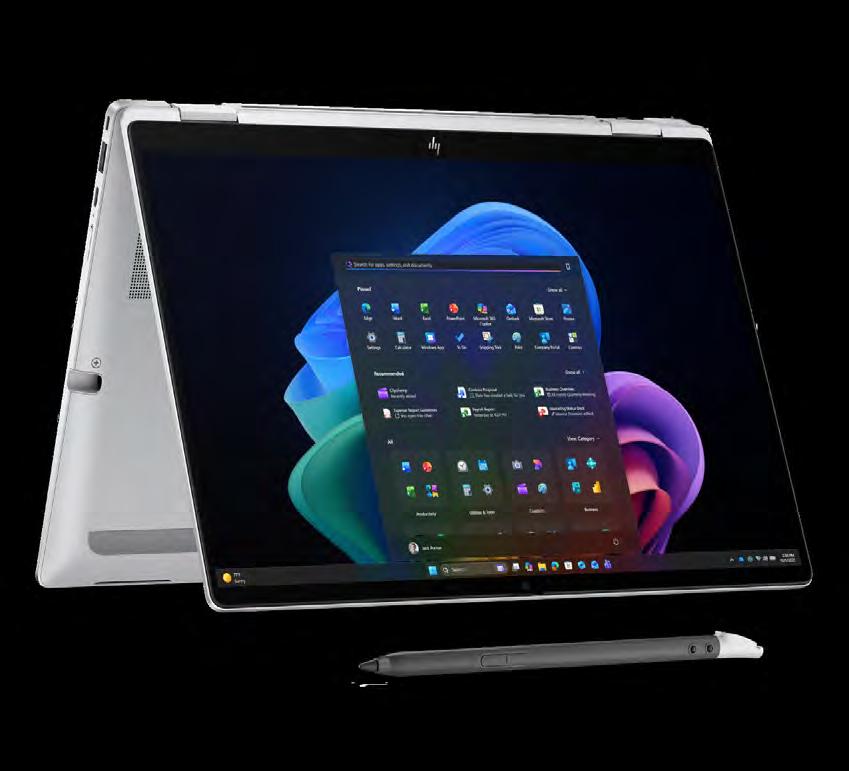
HP: Redefining the Future of Work Around Fulfillment and AI
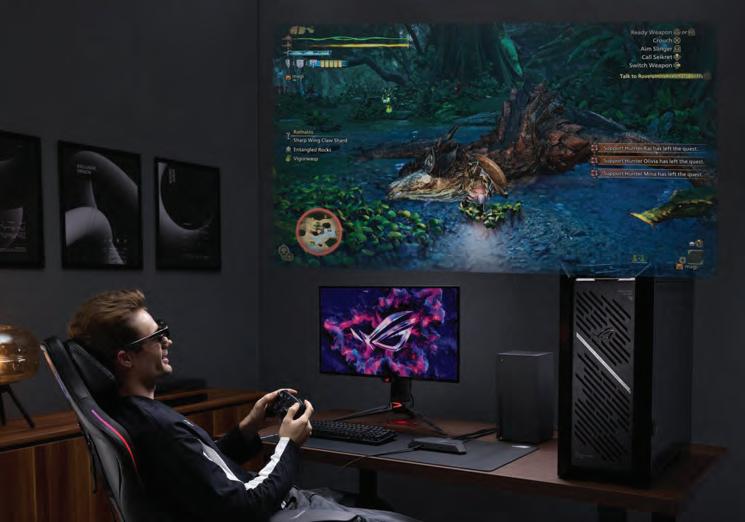
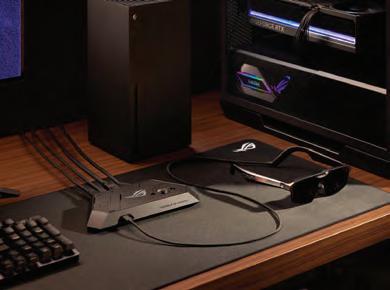
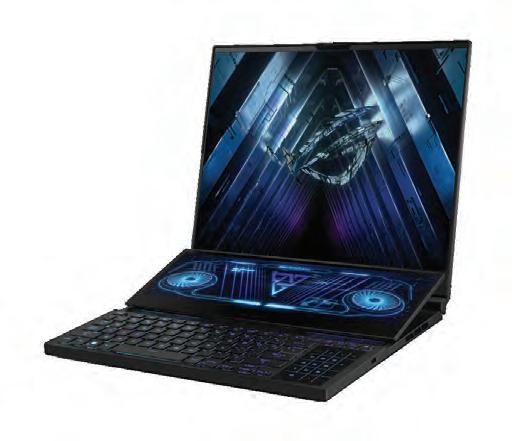
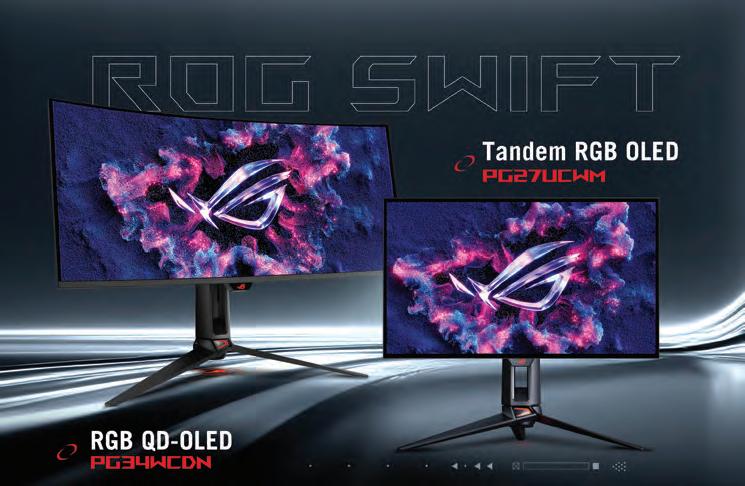
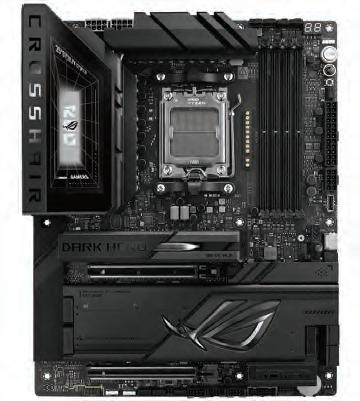
ROG: Two Decades of Daring Innovation, Reimagined for the Next Generation of Gaming
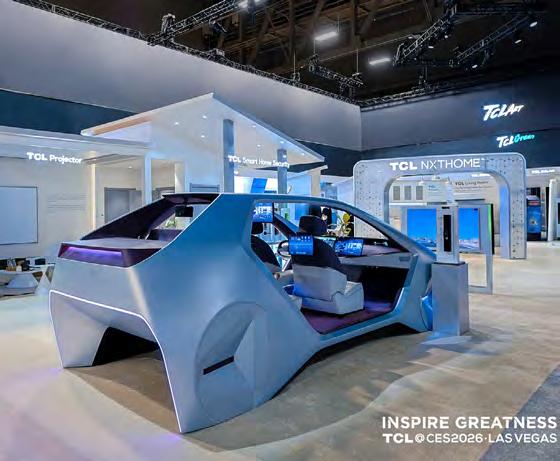
TCL: Pushing Innovation into the Era of Intelligent Living
TIEZA Highlights Club Intramuros as
Words by Gabriel Pe
2025 was a defining year for technology. Artificial intelligence continued its global push, becoming deeply integrated into everything from smartphones and smartwatches to early previews of smart glasses. In mobility, the local market revealed a clear shift. While electrification continued, many consumers remained hesitant to go fully electric, opting instead for the best of both worlds: hybrids.
Finally, 2025 marked a turning point for the country’s fintech sector. NFC payments began rolling out at scale, while Google activated Google Wallet and Google Pay locally, delivering a major boost to the Bangko Sentral ng Pilipinas’ push toward a cash-lite economy.
As we head into the new year, even more changes are on the horizon. From consumer tech to mobility and fintech, here are our key predictions for 2026.
NEW YEAR, NEW TECH
The systems and innovations defining 2026
SMALLER, SLEEKER TECH, POWERED BY BETTER BATTERIES
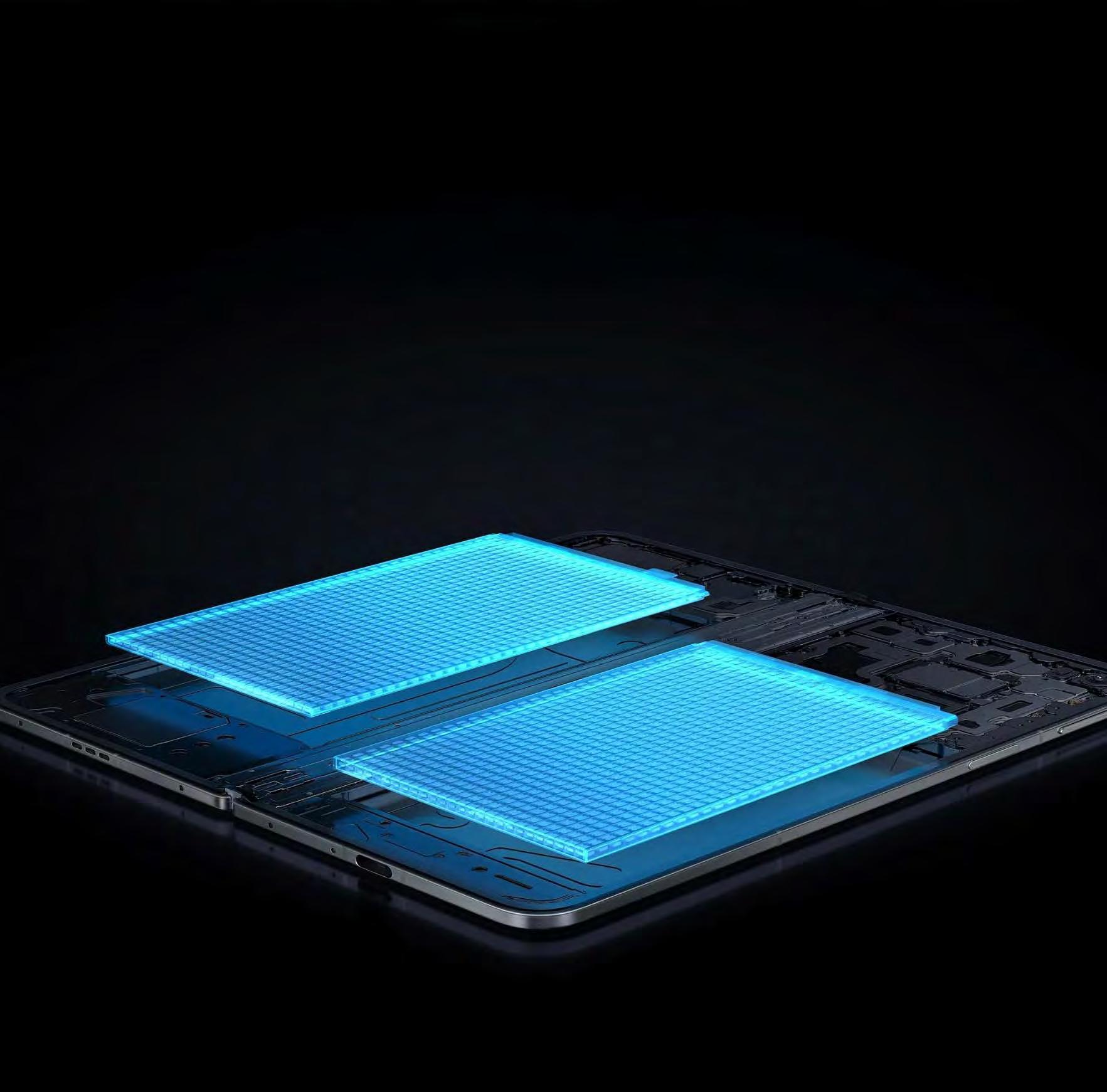
One of the quieter but most impactful breakthroughs of last year came in battery technology. The arrival of more smartphones powered by SiliconCarbon (Si/C) lithium-ion batteries shook up the market. Compared to traditional graphite-based batteries, Si/C batteries offer higher energy density, allowing manufacturers to pack more capacity into slimmer designs.
This shift paved the way for thinner, lighter phones that still deliver impressive battery life. In 2026, we expect Si/C batteries to become the standard not just for midrange devices, but even for flagship smartphones. It will be a year where physical size records are broken and battery life finally becomes a design priority rather than an afterthought.
AI AT THE CENTER OF WEARABLES AND THE SMART HOME
Whether users embrace it enthusiastically or reluctantly, AI is here to stay and will be central to the tech we wear and use at home.
Last year offered a glimpse of what truly smart glasses could become. Google and Meta both showcased working prototypes, with Meta taking a step further by releasing its first consumer-ready models. At the core of these devices is AI. Google also began integrating its Gemini AI into Wear OS, signaling deeper intelligence for Android-based smartwatches.
In 2026, AI will continue to act as the brain behind wearables. We expect more advanced AI-driven features in smart rings, fitness bands, and health-focused devices, enabling more accurate tracking, predictive insights, and personalized recommendations. Beyond wearables, AI will increasingly shape smart home ecosystems, improving everything from appliance efficiency to home security and automation.
ELECTRIFICATION
CONTINUES, JUST NOT THE WAY WE EXPECTED
The past few years have seen rapid electrification in the local automotive market. From BYD’s meteoric rise to Tesla’s arrival in late 2024, and Toyota’s long-awaited full EV launch at the end of 2025, momentum has been undeniable.
Yet 2025 also revealed a clear shift in buyer behavior. Rather than fully committing to electric vehicles, many consumers gravitated toward hybrids. Several factors contributed to this trend: rising fuel prices, improved fuel efficiency, and the practical benefits hybrids offer without the range anxiety often associated with EVs.
Pricing also played a significant role. Over the past year, hybrids and EVs entered the market at increasingly competitive price points, in some cases undercutting traditional internal combustion competitors. As charging infrastructure continues to develop, we expect hybrids, particularly full hybrids and plug-in hybrids (PHEVs), to remain the dominant choice in 2026 as buyers prioritize convenience, flexibility, and overall value.
FINTECH GOES FULLY TAP-TO-PAY
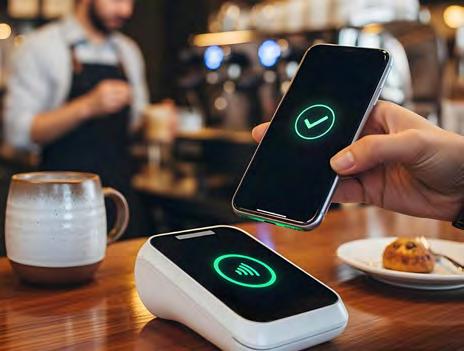
If one sector clearly led the way in 2025, it was fintech. The year saw several milestone launches, including mobile NFC payments for local e-wallets and banking apps, digital payment systems for MRT and other transport lines, and the official rollout of Google Wallet and Google Pay in the Philippines. Together, these developments significantly accelerated the country’s shift toward a cash-lite economy.
Another major development was the BSP’s approval of both Google’s and Apple’s NFC payment platforms. Google entered the local market in November, while
Apple is now cleared to launch its own solution at any time. With regulatory hurdles resolved, there is a strong likelihood that Apple Pay will finally arrive in 2026.
As these global tap-to-pay platforms gain traction, demand for contactless payments is expected to surge. Supporting this growth, e-wallets like GCash and banks such as RCBC have already launched mobile POS solutions, enabling small businesses to turn smartphones into payment terminals capable of accepting both NFC and card-based transactions.
LOOK AHEAD
2026 is shaping up to be a year of refinement rather than radical reinvention. Smaller devices with bigger batteries, AI-driven intelligence across wearables and homes, practical electrification through hybrids, and widespread tap-to-pay adoption all point to one theme: technology designed to fit more naturally into everyday life.
If 2025 laid the groundwork, 2026 will be the year these technologies truly become part of the mainstream.
Words by Aljhelyn Piador
It is barely the first few weeks of 2026, yet every feed already feels overwhelming. Viral sounds, fleeting New Year jokes, and tiny challenges fill timelines, appearing and disappearing almost instantly. Scrolling, tapping, reacting, it all moves so quickly that noticing one trend often means missing the next.
This constant churn is not just entertainment. Pop culture is no longer a passive pastime but an active force, quietly shaping how people think, choose, and behave in real time. Every swipe feeds a system designed to capture attention, influence emotion, and reinforce social norms, often before we are even aware of it.
Microtrends are the smallest visible units of this system. They act like microchips in the digital world, short bursts of content, attention, and emotion that collectively determine what is seen, felt, and shared. These trends emerge and disappear within hours, revealing the invisible structure of 2026’s social media culture, one that is built and adjusted in real time.
The average user now encounters hundreds of new trends each day, most of which vanish before they fully register. Yet each one leaves a trace. These tiny pulses feed algorithms that decide what appears next, gradually shaping digital culture through repetition rather than longevity.
CULTURE AT THE SPEED OF MICROTRENDS
How algorithms, AI, and fleeting virality will shape how we think, feel, and connect in 2026
THE MICROTREND ERA WAS ALREADY HERE
Looking back at 2025, the influence of microtrends was impossible to ignore. Memes, AIgenerated edits, viral challenges, and ultra-short videos spread at unprecedented speed. They shaped conversations, guided creativity, and connected communities across the world in a matter of hours.
Trends built around remixable sounds, looping formats, and AI-generated visuals were not just entertaining. They revealed what platforms prioritized, quietly training algorithms on what to push next. Individually short-lived, these trends functioned like cultural processors, calculating attention, engagement, and emotion with every view, share, or reaction.
Several clear patterns reveal how microtrends operate:
• Algorithm-driven loops. Recommendation systems push viral content within hours, reinforcing specific formats, behaviors, and creative styles that platforms want repeated.
• Niche-to-mainstream pipelines. Many trends begin in hyper-specific communities before spilling into broader feeds, allowing small groups to quietly shape larger cultural moments.
• Emotion-driven virality. Content that triggers humor, awe, outrage, or relatability spreads the fastest, influencing mood, conversations, and social norms in subtle ways.
Together, these dynamics point to a simple truth. Even the smallest unit of engagement can create a massive cultural effect. When a trend attracts more participants than it loses, it multiplies rapidly, influencing not just what is popular now, but what platforms will amplify next.
Social media platforms are no longer just stages where culture unfolds. They are engineered systems.
Algorithms function like invisible circuitry, routing content, detecting engagement spikes, and amplifying what resonates most. Artificial intelligence accelerates this process even further. Today, creators can produce viral-ready content in seconds, from stylized filters to fully AI-generated videos. As a result, trend lifecycles have shortened dramatically.
Network effects push this even faster. Small communities act as incubators, producing trends that later cascade into global feeds. Culture no longer moves slowly or linearly. It spreads across networks at machine speed.
PLATFORMS ARE NO LONGER NEUTRAL SPACES WHAT 2026 WILL BRING
Many of these forces are already in motion, but in 2026, they will accelerate, overlap, and become impossible to ignore.
Predictive microtrends may become more common. AI can already suggest viral ideas. Soon, it may generate entire trends before people consciously notice them, fully formed and optimized for attention from the moment they appear.
Virality will become increasingly personal. Algorithms already curate feeds differently for each user. In 2026, what feels viral to one person
may never appear on another’s screen, creating parallel cultural experiences happening at the same time.
Ethical filtering will also evolve. Platforms have started intervening earlier when content becomes harmful. In the future, dangerous challenges, deepfakes, or misinformation may be slowed or stopped before they peak, while safer and more positive trends are pushed forward.
At the same time, authenticity will continue to matter. AI-generated content may dominate in volume, but emotionally genuine moments will remain powerful. Imperfect dances, spontaneous laughter, and real reactions are still the trends people copy, remix, and feel connected to.
CULTURE STILL BELONGS TO PEOPLE
In 2026, microtrends will not simply reflect culture. They will actively shape it. Each one is an invitation to participate, remix, and influence the systems that decide what matters.
Amid algorithms, artificial intelligence, and endless scrolling, human creativity and emotion remain the force that gives trends meaning. The
future of digital culture is not something we just consume. It is something we help build, moment by moment.
Every swipe is a choice. Every reaction becomes data. And every microtrend is a small chance to steer culture, even briefly, toward something more human.
THE AGE OF CO-CREATION
Why human imagination still leads in an AI-powered world
Words by Phia Manuell Layoso
Over the past year, a quiet but significant shift has taken place. Artificial intelligence has moved from being a behind-the-scenes tool to becoming an active presence in the creative process. What once felt experimental, using AI to draft text, generate visuals, or spark ideas, has steadily become mainstream. Writers began shaping narratives alongside machines. Designers started exploring possibilities through algorithms. Artists reimagined how ideas could be formed, tested, and expressed.
Creativity did not disappear in this shift. It evolved.
Looking ahead, this moment represents more than a technological upgrade. It marks a fundamental change in how creativity itself is understood. The act of creating is no longer defined solely by human effort and linear processes. Increasingly, it is becoming interactive, iterative, and collaborative, shaped by an ongoing exchange between human imagination and machine intelligence.
Creativity in Motion
Creating used to be slow and uncertain. Ideas took time to develop, often emerging only after repeated trial and error. The
process demanded patience, and there was never a guarantee that the result would work.
AI began to change that rhythm. Tasks that once consumed hours, drafting variations, adjusting layouts, refining structure, can now be done in minutes. Creators can move quickly from one idea to the next without losing momentum or creative focus.
As this continues to evolve, the creative process itself is being redefined. AI allows creators to remain in constant motion, exploring, revisiting, and revising ideas in parallel. This does not make creativity shallow. It makes it more alive. Instead of waiting for the perfect idea to arrive, creators are actively discovering possibilities in real time. Creativity becomes less about perfection and more about exploration.
From Assistance to Collaboration
In its early role, AI functioned primarily as an assistant. It helped with outlines, mockups, and repetitive groundwork. Over time, however, these tools became more responsive and context-aware.
AI began suggesting alternative paths, surfacing ideas creators might not have considered, and
Cover Story
“AI lowers the cost of failure. In doing so, it encourages creators to push boundaries, not because errors disappear, but because they become easier to learn from. Creativity begins to prioritize discovery over refinement.”
reacting to creative intent rather than following rigid instructions. This marked a critical shift. AI stopped being a passive tool and began acting as a creative counterpart.
In the years ahead, this collaboration will deepen. Creators will increasingly treat AI as a partner that challenges assumptions, expands perspective, and pushes ideas further. The most compelling work will not come from handing control over to machines, but from actively engaging with them. Creativity will unfold as a dialogue between human intuition and computational possibility.
How Creative Output Is Changing
As creative tools evolve, so does the work they produce. Writing has become more adaptive, able to shift tone, structure, and voice with ease. Visual art is increasingly experimental, blending styles and references that were once difficult to combine. Design work has become faster and more fluid, making room for ideas that previously felt too risky or timeconsuming.
Looking ahead, creative output may feel less traditionally polished, but more honest and dynamic. Iteration becomes visible. Experimentation becomes intentional. Mistakes are no longer hidden but embraced as part of the process.
AI lowers the cost of failure. In doing so, it encourages creators to push boundaries, not because errors disappear, but because they become easier to learn from. Creativity begins to prioritize discovery over refinement.
The Future Demands Intention
The next phase of AI-powered creativity will not be defined by novelty alone. As these tools become more capable and more deeply embedded in creative work, intention will matter more than ever.
The conversation will shift from “Look what AI can do” to “How should we use it.” AI may generate endless options, but meaning still comes from human judgment. The most powerful creative work will
strike a balance, knowing when to accelerate, when to pause, and when to step away from automation altogether.
Creativity in this new era requires discernment. It demands an understanding of when technology enhances expression and when it risks overwhelming it.
Why Human Imagination Still Leads
The past year offered a glimpse of what happens when human imagination intersects with artificial intelligence. The years ahead will be defined by how thoughtfully that relationship is nurtured.
As we move forward, creativity is likely to become more human, not less. More intentional, not automated. More expansive, not constrained. AI may reshape how ideas are generated, but it is human imagination that will continue to define what those ideas mean and why they matter.
The age of co-creation is not about surrendering creativity. It is about expanding it.
ENTERTAINMENT, EMPOWERMENT, AND REAL-WORLD CHANGE
Words by Gabriel Pe
GameZone, one of the country’s biggest Player Versus Player (PVP) entertainment platforms, has had an exceptional year. From bringing global artists and sports icons to Philippine audiences, to pioneering the nation’s largest TableGame championships, launching its own insurance protection plan, and supporting meaningful charity efforts, the platform has reshaped expectations of what a gaming company can be. In just twelve months, GameZone has shown that gaming can inspire, uplift, and build communities far beyond the digital arena.
Acer Aspire 14/16 AI Intel
ACER expands its mainstream lineup with the Aspire 14 AI and Aspire 16 AI, two Copilot+ laptops designed to bring AI-powered computing into everyday work, study, and creative tasks. Available in 14-inch and 16-inch form factors, the Aspire AI series combines thin-and-light design, modern displays, and integrated AI features that make them practical allrounders for students, professionals, and hybrid users.
Both models are configurable with up to an Intel Core Ultra 9 processor 386H, built on a new architecture that balances performance and efficiency cores with integrated Intel Graphics. This enables Copilot+ PC experiences on Windows 11, alongside Acer’s ondevice AI tools that support productivity, communication, and system optimization. Memory support goes up to 32GB of LPDDR5X, while storage reaches up to 1TB PCIe Gen 4 SSD on the Aspire 14 AI and up to 2TB PCIe Gen 4 SSD on the Aspire 16 AI, allowing smooth multitasking and responsive everyday performance.
Display quality is a key focus across the lineup. Both laptops feature WUXGA (1920 x 1200) panels with a 16:10 aspect ratio and refresh rates of up to 120Hz, providing extra vertical space for documents, browsing, and content creation. Users can opt for touch or non-touch displays, with OLED options available for deeper contrast and richer
visuals. Slim bezels and clean lines give the Aspire AI laptops a modern, understated look.
Designed for flexibility, the Aspire 14 AI and Aspire 16 AI use a 180-degree flat hinge, making it easy to share content or collaborate across a table. Large touchpads support precise navigation, while a 1080p FHD IR camera with a privacy shutter and a triple-microphone array ensure clear video calls and online meetings. Acer’s PurifiedView and PurifiedVoice technologies further enhance image quality and reduce background noise during conferencing.
AI features are managed through Acer Intelligent Space, which acts as a central hub for AI tools and system functions, while AcerSense provides diagnostics and performance controls. Connectivity is comprehensive, with Thunderbolt 4 via USB-C, USB Type-A ports, HDMI 2.1, Wi-Fi 6E, Bluetooth 5.3, and an audio jack.
Powered by 65Wh batteries, the Aspire 14 AI weighs around 1.25kg, making it ideal for mobility, while the larger Aspire 16 AI comes in at approximately 1.52kg, balancing screen size and portability. Together, the Acer Aspire 14 AI and Aspire 16 AI position themselves as accessible Copilot+ laptops that bring AIenhanced computing, modern displays, and flexible design to the mainstream laptop category.
Copilot+ Laptops
Anker SOLIX C300 DC
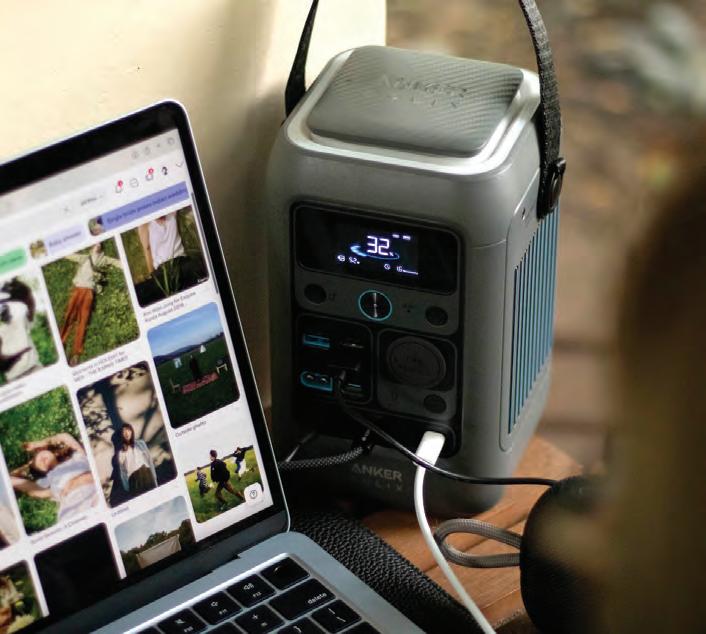
FREQUENT POWER outages caused by typhoons, heavy rains, and grid disruptions have made reliable backup power an essential part of daily life for many Filipino households. The Anker SOLIX C300 DC is designed to meet this reality, providing steady, portable power that keeps essential devices running when electricity cuts out without warning.
At its core is a 288Wh Lithium Iron Phosphate (LiFePO₄) battery rated at 90,000mAh, delivering up to 300W of output for everyday essentials such as smartphones, Wi-Fi routers, LED lamps, small fans, and laptops. This safer, more stable battery chemistry allows the unit to be charged fully without accelerating wear, ensuring consistent performance over time. On a single charge, it can support more than 20 smartphone charges, several laptop top-ups, and hours of use for critical household electronics during outages.
Despite its capacity, the SOLIX C300 DC remains highly portable. Weighing just 6.18 lbs, it features a vertical layout that is around 30 percent more space-efficient than standard power stations, making it easy to store in small homes or condos. An optional attachable carrying strap adds grab-and-go convenience during emergencies or evacuations.
Power delivery is handled through a versatile seven-port layout, including a 120W car socket, two 140W USB-C
PD 3.1 ports, a 100W USB-C port, a 15W USB-C port, and two 12W USB-A ports. This setup allows multiple devices to be powered or charged at the same time, from phones and tablets to laptops and small appliances.
Recharging is fast and flexible. Using its dual 140W USB-C ports, the unit can reach up to 80 percent charge in about one hour. It also supports 100W solar input with compatible Anker solar panels and car charging, making it practical for extended outages or outdoor and evacuation scenarios.
A built-in pop-out LED light provides immediate illumination during nighttime blackouts, removing the need for separate flashlights or candles. Designed for indoor use, the SOLIX C300 DC operates silently and produces no fumes, making it safe for enclosed living spaces. Its integrated Battery Management System continuously monitors temperature, voltage, and current to protect against overheating, short circuits, and power spikes.
It is available through Anker’s official online stores and select retailers.
PHP12,595
Portable Backup Power Station
Antigravity A1
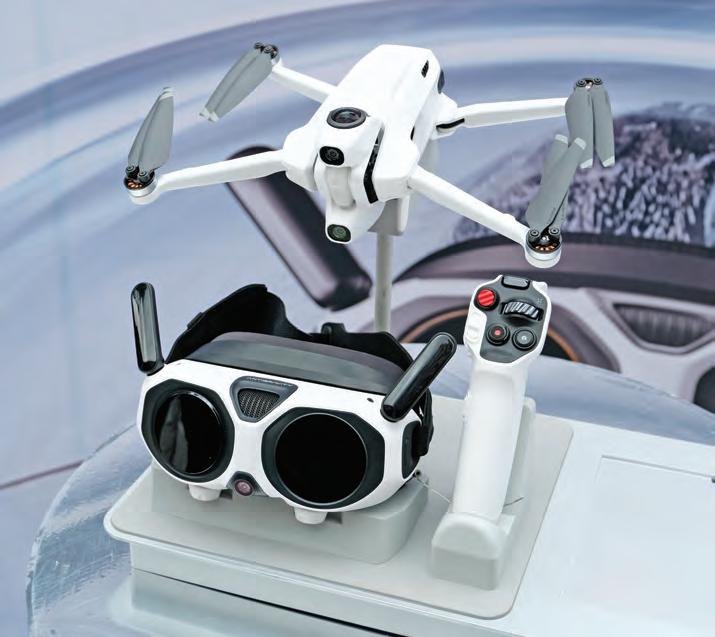
THE ANTIGRAVITY A1 makes its Philippine debut as the world’s first all-in-one 8K 360 drone, introducing a new approach to aerial storytelling that prioritizes immersion, intuition, and creative freedom. Designed and incubated by Insta360, the A1 moves beyond traditional piloting by placing the experience of flight itself at the center of content creation.
At the heart of the Antigravity A1 is a dual-lens camera system capable of capturing 8K 360 video, recording the entire environment in a single flight. This allows creators to fly first and frame later, choosing angles and perspectives during postproduction rather than worrying about precise camera orientation in the air. Advanced stabilization keeps footage smooth and steady, even during dynamic movements, giving filmmakers and creators more room to focus on motion and storytelling.
Unlike conventional drones, the A1 is built around a headset-first flying experience. The system pairs Vision Goggles with a Grip Controller, enabling intuitive point-to-fly motion control. By steering naturally through hand movements, users can pilot the drone with a significantly lower learning curve while maintaining accuracy and control. For experienced pilots, classic FPV control remains available, allowing the drone to grow with the user’s skill level. Highresolution Micro-OLED displays and real-time head tracking enhance the sensation of immersive flight, making
it feel less like operating a camera and more like being part of the scene.
Compact and travel-friendly, the Antigravity A1 weighs just 249 grams, meeting sub-250g regulations in many regions. Despite its lightweight build, it delivers up to 24 minutes of flight time, with optional high-capacity batteries extending airtime further.
A retractable landing gear system protects the camera lenses during takeoff and landing while preserving the unobstructed view needed for signature invisible-drone shots.
The Antigravity A1 is now available nationwide through authorized
Insta360 retail stores in the Philippines in three bundles: the Standard Bundle, the Explorer Bundle, and the Infinity Bundle. Each package includes the drone, Vision Goggles, and Grip Controller, with additional accessories depending on the bundle.
By combining 8K 360 capture, intuitive control, and a compact, regulation-friendly design, the Antigravity A1 opens a new chapter in immersive aerial creativity, making expressive drone flight more accessible to filmmakers, creators, and enthusiasts alike.
8K 360 Drone
mWell ECG Ring
THE MWELL ECG RING marks a major step forward in accessible preventive healthcare, becoming the first wellness ring in the Philippines with built-in ECG monitoring. Developed by mWell, the country’s health and wellness mega app under Metro Pacific Health Tech Corporation, the ring builds on the success of the original mWell Ring by adding everyday heart monitoring to an already comprehensive health-tracking device.
Designed to fit seamlessly into daily life, the mWell ECG Ring allows users to record electrocardiogram (ECG) readings directly from their finger, alongside continuous heart rate, blood oxygen, and sleep monitoring. Sleep tracking covers light, deep, REM, and total sleep, helping users understand rest patterns and lifestyle habits that affect overall well-being. All data feeds into the mWell app, where users can view results, generate reports, and monitor trends over time.
A key advantage of the ECG Ring is its integration with the broader mWell ecosystem. Users can export ECG results as PDF files and share them easily with doctors via email or
messaging apps. Health records can also be securely stored in the mWell Health ID, supporting continuity of care and making follow-ups more informed and efficient. This is especially relevant in a country where heart disease remains a leading cause of death and regular screenings are not always easy to access.
The ring itself is crafted from titanium with a scratch-free finish, giving it a lightweight yet durable build suitable for everyday wear. It features top-grade sensors, IP68 water resistance, and a seven-day battery life, allowing users to track health metrics consistently without frequent charging. Its refined, two-toned design keeps it discreet and stylish, whether worn at work, at home, or while sleeping.
Unlike many premium smart rings in global markets, the mWell ECG Ring offers built-in ECG monitoring with no subscription fees, making advanced health insights more attainable for Filipino users. It complements mWell’s existing lineup of smart rings and smartwatches, all designed to encourage proactive health habits rather than reactive care.
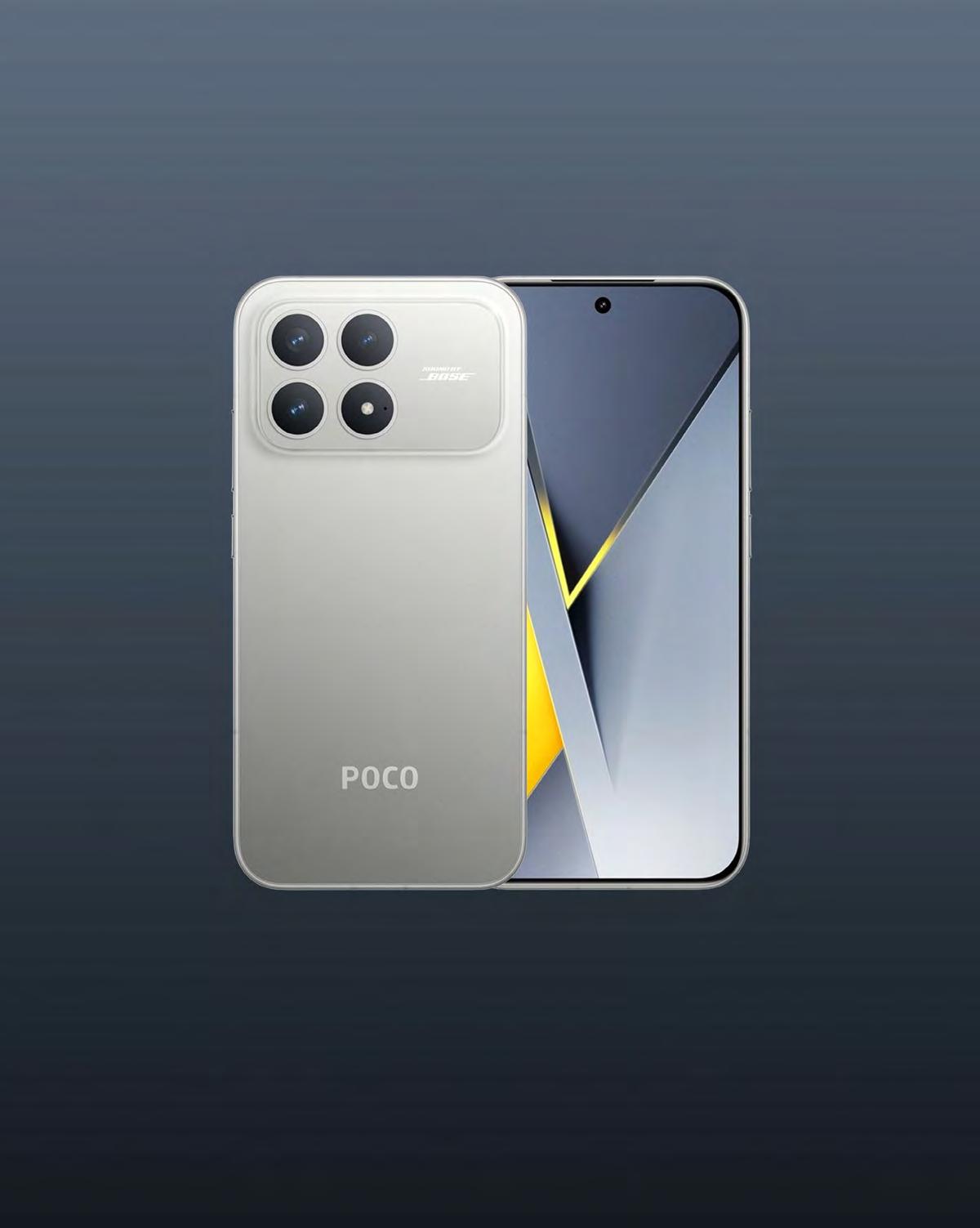
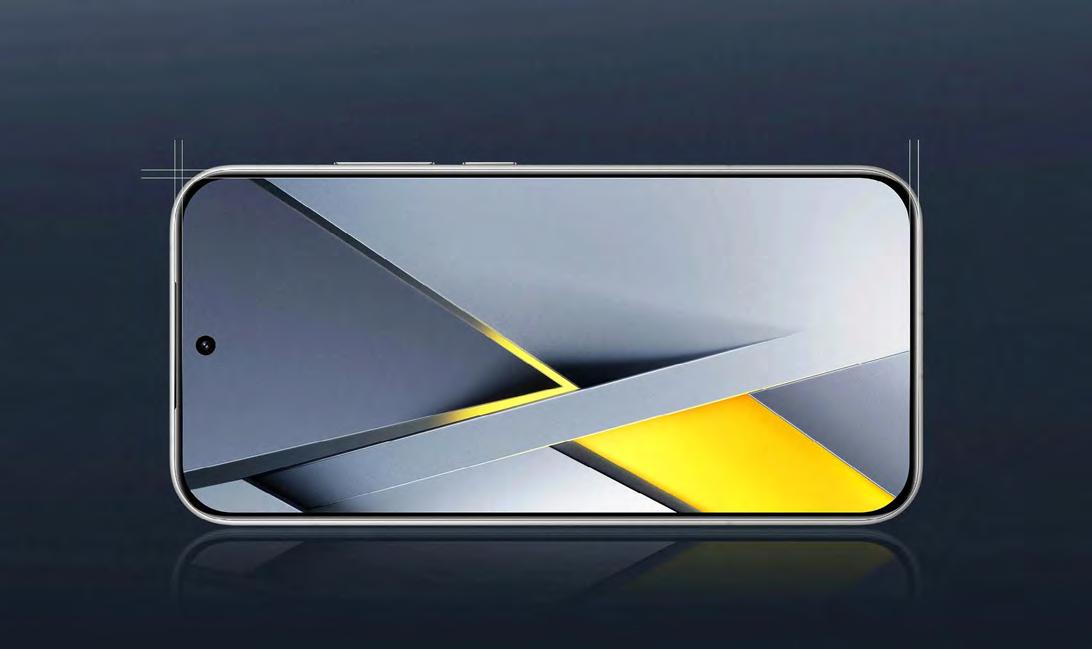
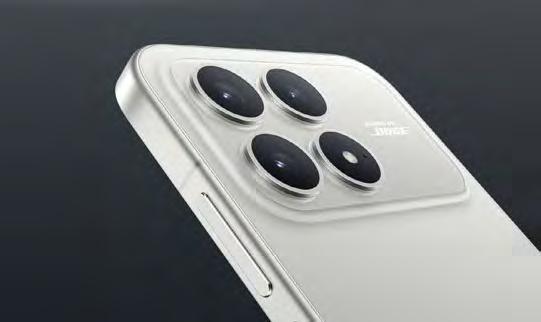
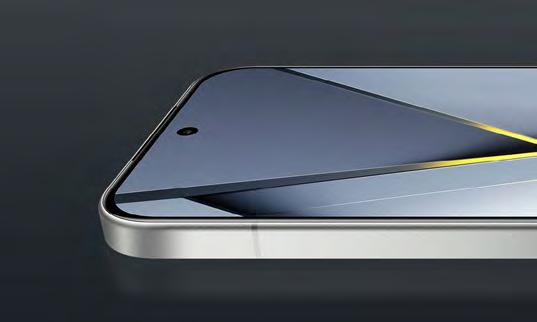
POCO M8 5G | M8 Pro 5G
Smartphones
PHP12,999 – M8 5G (8GB+256GB)
PHP14,999 – M8 5G (8GB+512GB)
PHP16,999 – M8 Pro 5G (8GB+256GB)
PHP19,999 – M8 Pro 5G (12GB+512GB)
POCO steps firmly into the mid-range with the POCO M8 Series, bringing flagship-inspired entertainment features to two 5G smartphones designed for users who demand more power, better visuals, and longer battery life without a premium price tag.
Leading the lineup, the POCO M8 Pro 5G is built for uninterrupted entertainment. It features a 6.83-inch 1.5K CrystalRes Flow AMOLED display that reaches up to 3200 nits peak brightness, ensuring clear visibility even under direct sunlight. High touch sampling rates make gameplay responsive, while dual 1115F speakers with Dolby Atmos and Dual Gold Hi-Res Audio deliver rich, immersive sound with up to a 400 percent volume boost for outdoor listening.
Powering the M8 Pro 5G is the Snapdragon 7s Gen 4 Mobile Platform, delivering an AnTuTu score of over 1,061,253 for smooth multitasking and stable gaming. For sustained performance, POCO introduces the IceLoop Cooling System with real liquid cooling, a first for the M Series. Battery life is equally impressive with a 6,500mAh silicon-carbon battery designed for long-term durability, paired with 100W HyperCharge that can reach full charge in about 40 minutes, plus 22.5W reverse charging for powering accessories on the go.
The camera system is upgraded with a 50MP Light Fusion 800 main camera with optical image stabilization, supported by a 32MP front camera for clearer video calls and selfies. The return of 4K video recording at 30fps with DXG High-Dynamic Range video enhances everyday content creation. Wrapped in an 8.31mm-thin body with quad-curved edges and protected by Corning Gorilla Glass Victus 2, the M8 Pro 5G balances durability and refined design.
Alongside it, the POCO M8 5G focuses on portability without sacrificing capability. At just 7.35mm thin and 178g, it is the slimmest device in the POCO M Series. The phone delivers immersive entertainment through a sunlightfriendly display and dual speakers with Dolby Atmos and Hi-Res Audio, supported by a 300 percent volume boost for clear sound anywhere.
Powered by the Snapdragon 6 Gen 3 Mobile Platform, the POCO M8 5G handles daily tasks and entertainment smoothly. A 5520mAh silicon-carbon battery with 45W fast charging keeps the phone running through long days, while memory extension supports up to 16GB RAM and storage expansion up to 1TB. Its 50MP Light Fusion 400 main camera and 20MP selfie camera, along with 4K video recording, round out a capable imaging setup for everyday moments.
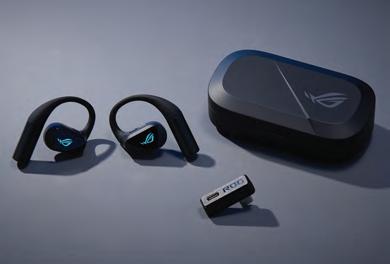
ROG Cetra Open Wireless
Open-Ear Wireless Gaming Earbuds
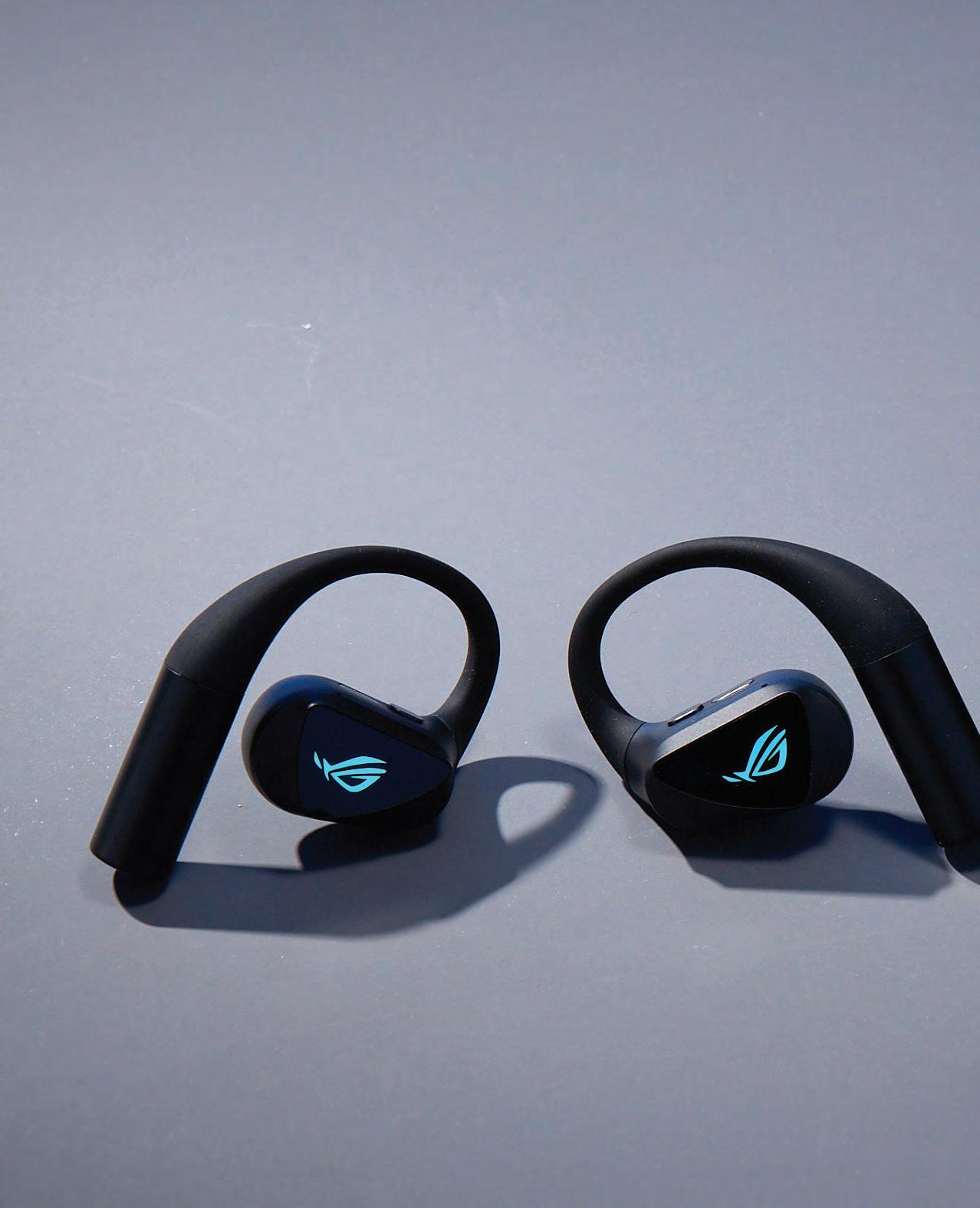
THE ROG CETRA OPEN WIRELESS earbuds are designed for users who want immersive audio without losing awareness of their surroundings. Built for gaming, music, and active lifestyles, they combine open-ear comfort with low-latency wireless performance and durable, workout-ready design, making them a versatile everyday audio companion.
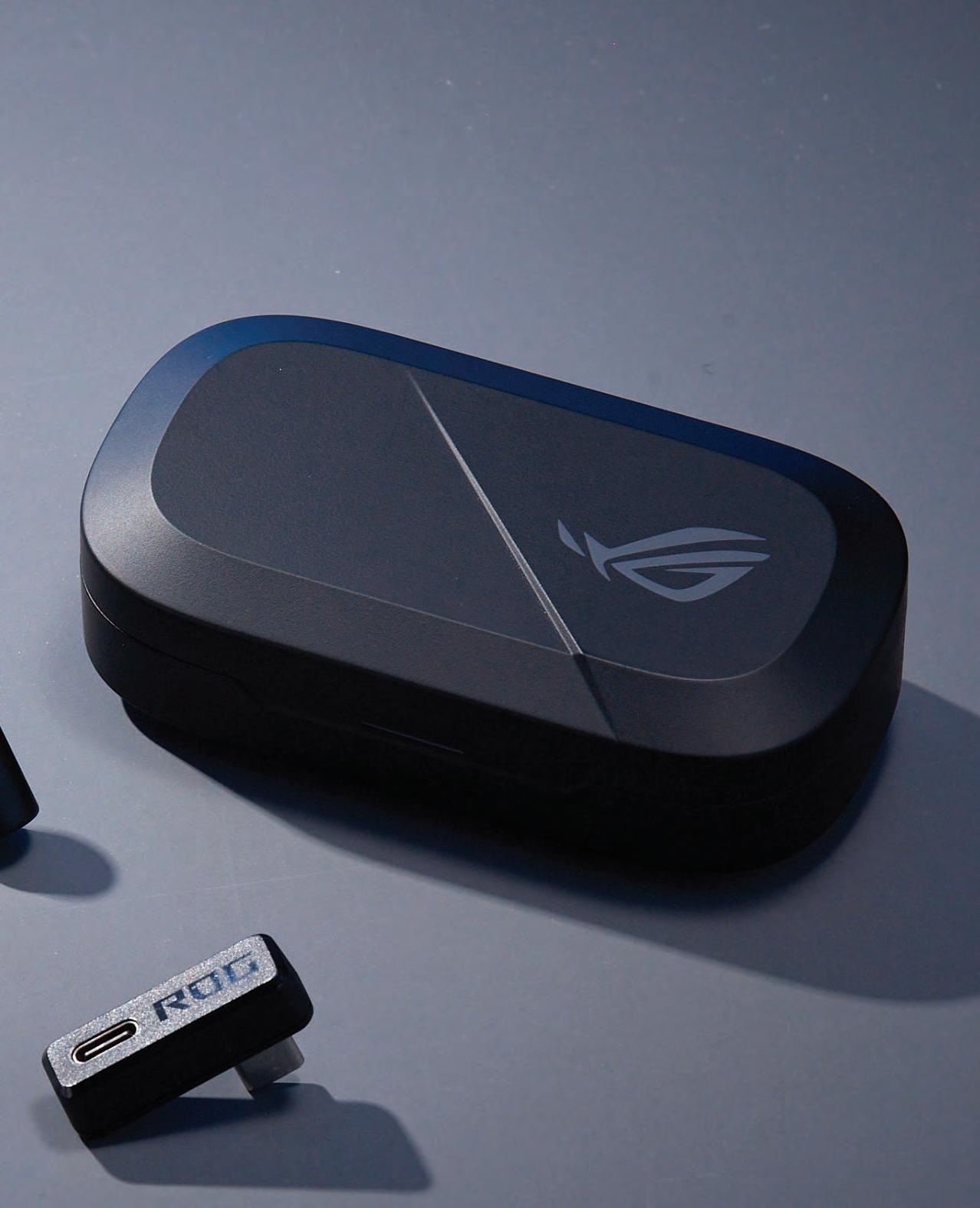
At the heart of the Cetra Open Wireless is dual-mode connectivity, giving users the flexibility to switch between Bluetooth and ROG SpeedNova 2.4GHz wireless. The 2.4GHz mode delivers ultra-low latency, keeping in-game audio perfectly synced with on-screen action. ASUS also includes a USB-C 2.4GHz dongle with passthrough charging, allowing users to charge their device
while staying connected—ideal for long gaming sessions or extended workdays.
Sound is delivered through 14.2mm diamond-like carbon (DLC) coated diaphragm drivers, engineered to produce crisp highs, deep bass, and a spacious soundstage with minimal distortion. To tailor the listening experience, the earbuds feature on-
board audio presets, including Phantom Bass for enhanced low-end perception and Immersion Mode, which helps reduce ambient noise while preserving situational awareness.
Comfort and control are key strengths of the Cetra Open Wireless. The earbuds use soft liquid silicone ear hooks that sit securely without sealing the ear canal, making them comfortable for extended wear. A detachable reflective neck
strap adds stability during workouts or outdoor use. Instead of touch panels, ASUS opts for physical buttons, providing precise, tactile control that remains reliable even when hands are wet or sweaty, and reducing accidental inputs during gaming or exercise.
Built for active use, the Cetra Open Wireless carries an IPX5 splashresistance rating, making it suitable for rain, sweat, and everyday outdoor
activities. Battery life reaches up to 16 hours of continuous use in Bluetooth mode with RGB lighting and sound modes disabled, while a 15-minute quick charge delivers up to 3 hours of listening time—useful when you need to head out or jump into a session on short notice.
By combining open-ear comfort, gaming-grade wireless performance, and durable design, the ROG Cetra Open Wireless earbuds offer a balanced solution for users who want immersive sound while staying aware of the world around them.
vivo X300 | X300 Pro
- X300
- X300 Pro
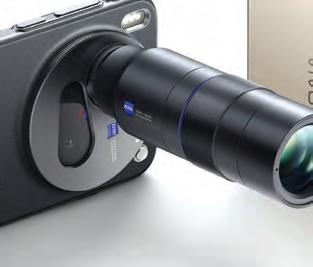
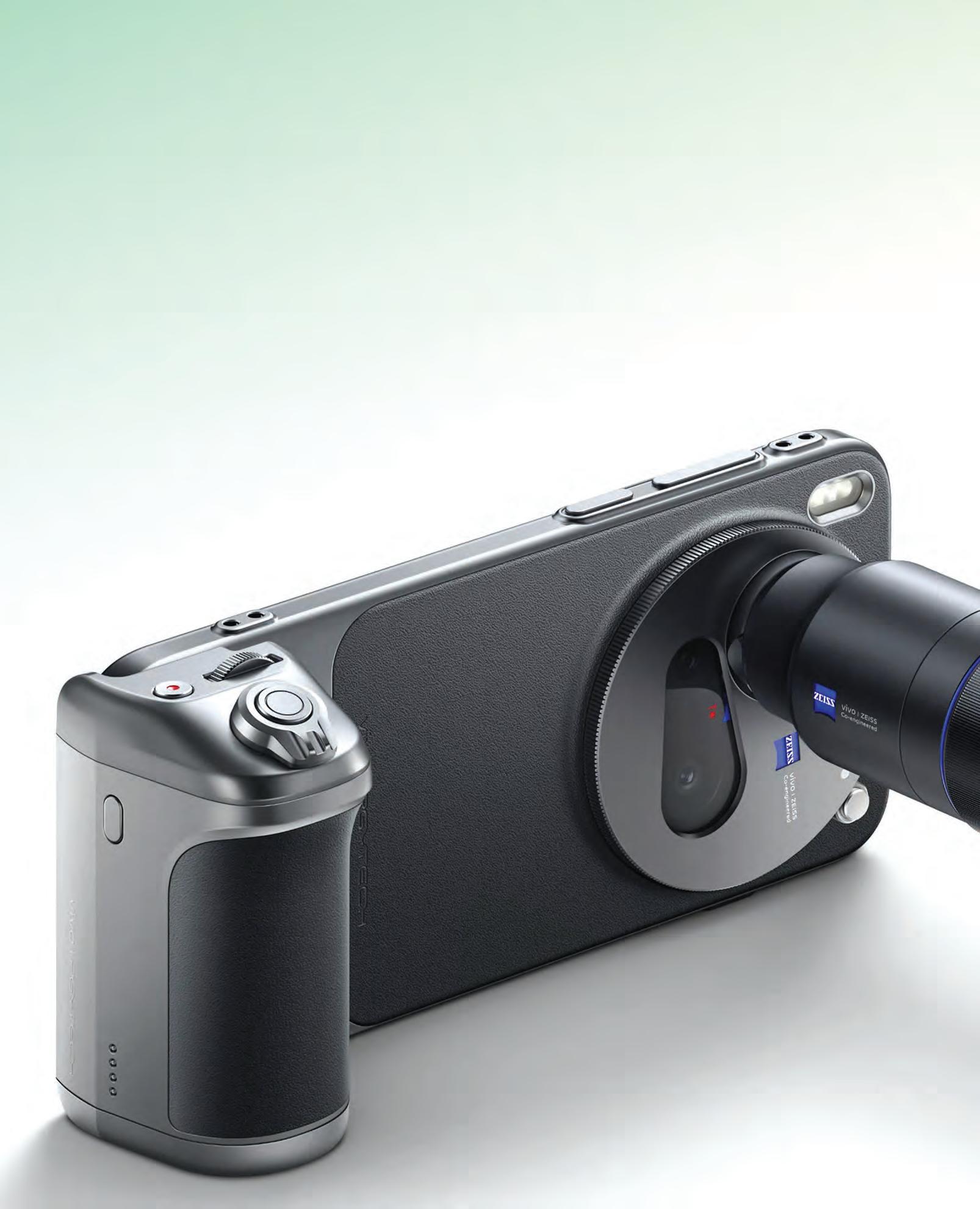
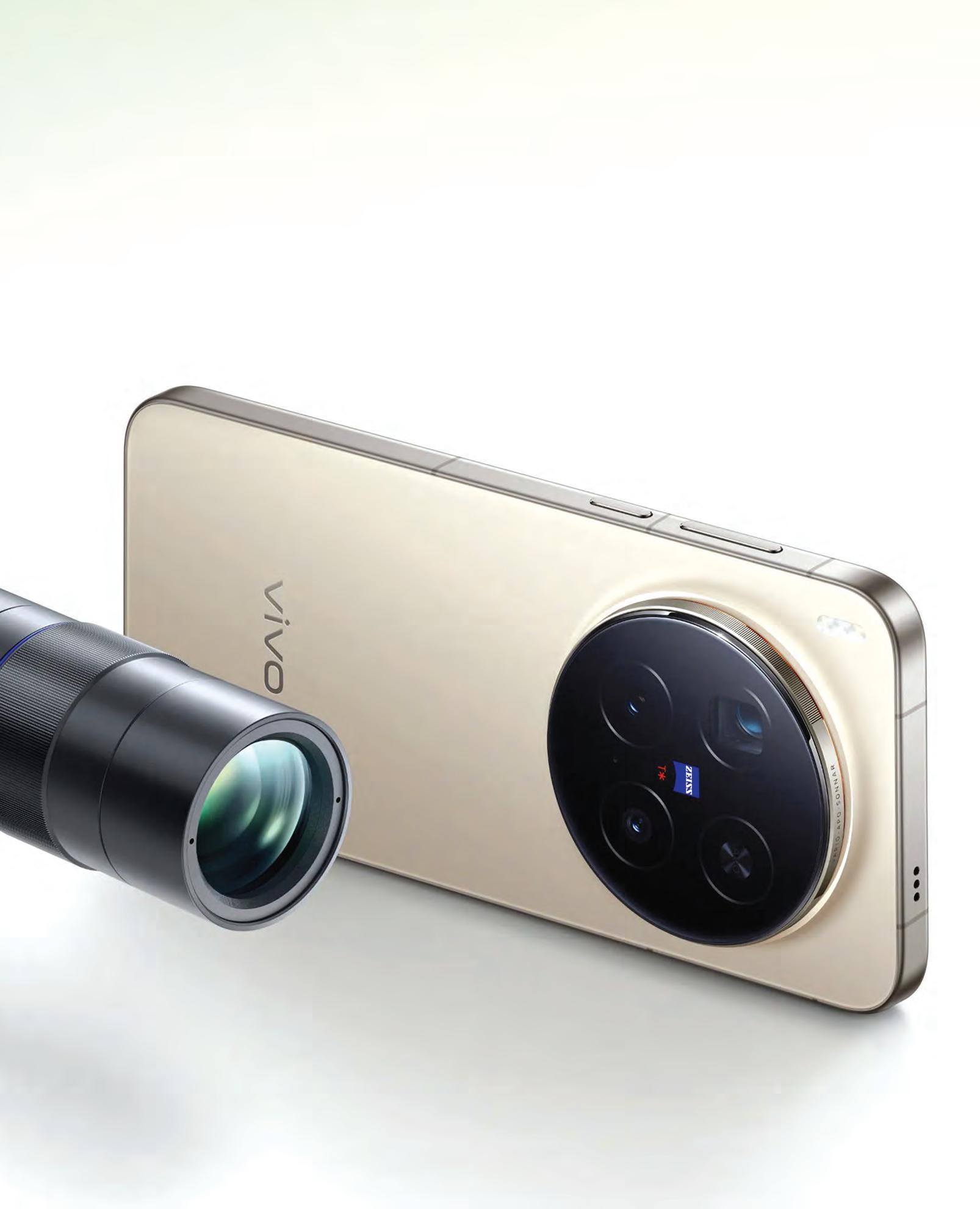
THE VIVO X300 SERIES makes its official arrival in the Philippines with a clear message: mobile photography has entered a new era. Branded as the Telephoto King, the series is designed for users who love capturing life from every distance—whether it’s concerts, travel, wildlife, or everyday moments—while delivering flagship performance and allday reliability.
At the heart of the lineup is vivo’s most advanced imaging system to date. The vivo X300 Pro features a 200MP ZEISS APO Telephoto Camera, paired with a ZEISS Gimbal-Grade Main Camera with
CIPA 5.5 stabilization, enabling ultradetailed and remarkably stable shots even without a tripod. The standard vivo X300 also receives a major upgrade with a 200MP ZEISS Main Camera, bringing high-resolution imaging to more users. Both models support 200MP Ultra-Clear Portrait mode, producing sharp, lifelike portraits with rich detail.
Photography and video tools are built for creative freedom. Features such as Stage Mode 2.0, dual-view
recording, 20x long-range motion capture, and ZEISS Mirotar-style telephoto bokeh allow users to capture distant subjects with cinematic clarity. Whether shooting performers on stage or moments from afar, the X300 Series delivers expressive, professional-looking results straight from the phone.
Smartphones
Beyond imaging, the X300 Series is powered by the MediaTek Dimensity 9500 Platform, ensuring fast performance and efficient power management. Battery capacity is generous, with the vivo X300 equipped with a 6040mAh battery and the vivo X300 Pro featuring a larger 6510mAh battery. Both support 90W FlashCharge and 40W Wireless FlashCharge, keeping downtime to a minimum.
The user experience is further refined with OriginOS 6, introducing smoother multitasking through Origin Island, seamless phone-to-PC collaboration via vivo Office Kit, and enhanced privacy features including Private Space and vivo Security. Visual comfort is addressed with the ZEISS Master Color Display, calibrated for natural color accuracy, while full-range eye protection technology reduces eye strain. The
X300 Pro adds Circular Polarizer 2.0 for improved blue light reduction.
Both models come with 16GB RAM and 512GB storage, offering ample space for high-resolution photos, videos, and creative workflows.
With its powerful telephoto system, refined performance, and creatorfocused features, the vivo X300 Series sets a new benchmark for premium smartphone photography in the Philippines.
REVIEWED BY PHIA MANUELL LAYOSO
HONOR X9D 5G
Smartphones today are no longer designed solely for performance. From accidental drops at work to long hours of scrolling, gaming, and multitasking, durability and battery life have become just as important. The HONOR X9d 5G positions itself as a phone built for real-life situations, promising toughness, endurance, and reliability in one slim package.
To see how well it actually holds up beyond lab tests, I used the HONOR X9d 5G as my daily device. From accidental drops to pushing its battery through long days of use, here is how the HONOR X9d 5G performed in real-world conditions.
SMARTPHONE
DESIGN
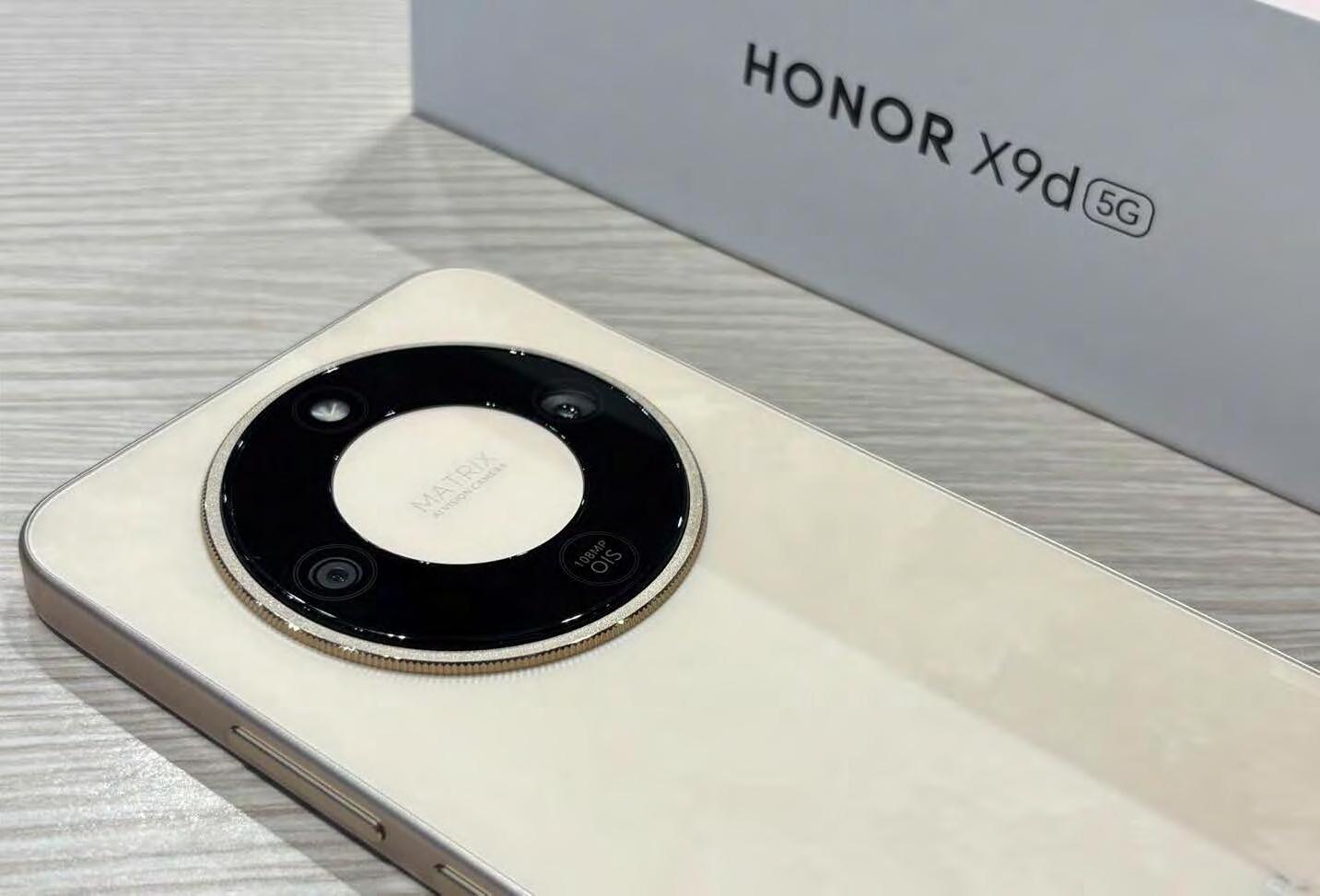
Our review unit came in the Sunrise Gold variant, though the HONOR X9d 5G is also available in Reddish Brown, Forest Green, and Midnight Black. Sunrise Gold looks clean and premium in person without feeling overly flashy.
The phone features a large 6.79-inch OLED display with a 120Hz refresh rate, peak brightness of up to 6000nits, and a 2640 × 1200 resolution. Colors appear vibrant, the screen is sharp, and visibility remains very good even under bright lighting. HONOR’s Eye Comfort Display also helps reduce eye strain during long periods of continuous use.
Design-wise, the phone stands out with its circular camera module, now updated with a ridged frame that serves both aesthetic and grip-enhancing purposes.
For security, the device features a seamless dual-biometric system. Facial recognition works reliably across different
lighting conditions, while the in-display fingerprint scanner is responsive and wellplaced for quick unlocking.
HARDWARE
Powering the HONOR X9d 5G is the Qualcomm Snapdragon 6 Gen 4 Mobile Platform, delivering stable performance while maintaining energy efficiency. One of the phone’s biggest highlights is its massive 8300mAh silicon-carbon battery, paired with 66W wired HONOR SuperCharge. Despite the large capacity, charging speeds remain impressively fast.
Durability is clearly a core focus. The phone is protected by Ultra-Bounce Anti-Drop Technology and Ultra Tough Tempered Glass, along with triple waterand dust-resistance certifications rated at IP69K, IP68, and IP66. This combination provides protection against drops, rain, and water exposure, making daily use far less stressful.
For photography, the device is equipped with a 108MP ultra-sensing main camera
with both OIS and EIS. This helps ensure photos and videos remain stable, especially during handheld shooting.
USER EXPERIENCE
Since durability is one of the phone’s main selling points, my testing focused on everyday accidents rather than extreme stress tests. I dropped the HONOR X9d 5G several times,
including knocking it off a desk while working and dropping it while placing it into my bag. Despite landing on concrete surfaces, the phone did not break.
I pushed things further by kicking the phone down a set of stairs, and the device remained fully functional with no display or performance issues. (You can watch the full durability test in the linked video.)
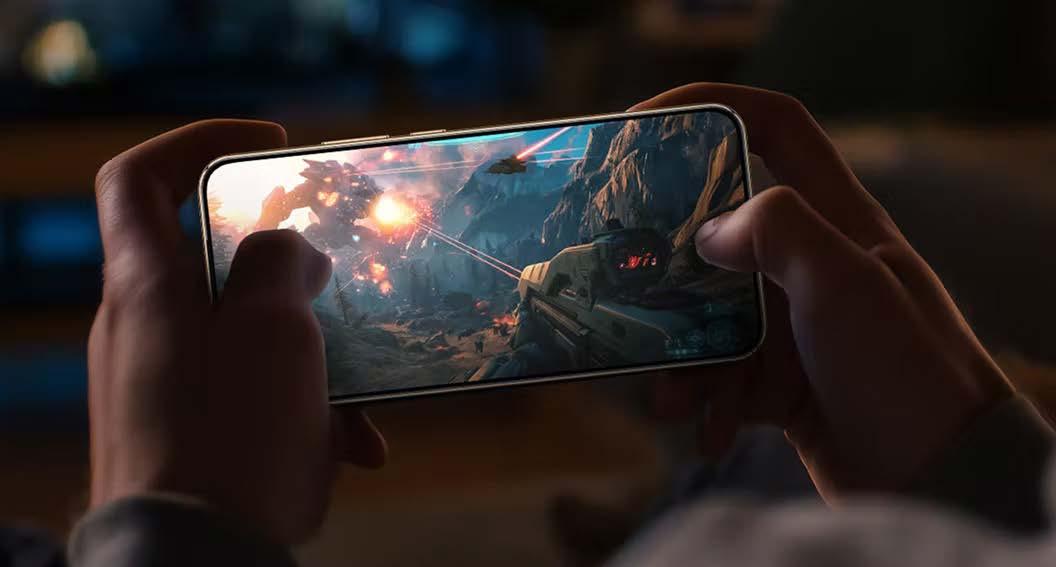
In daily use, gaming performance was smooth. Playing Mobile Legends: Bang Bang felt seamless, with no noticeable delays even during extended sessions. Battery life was another standout. The 8300mAh capacity easily powered through long hours of use, while fast charging made topping up quick and convenient.
Running on MagicOS 9.0 based on Android 15, the phone delivers a smooth and intuitive experience. Navigation feels fluid, app switching is responsive, and system stability remains solid even with heavier multitasking. Camera performance proved reliable in both indoor and outdoor settings, and I appreciated the built-in AI tools such as AI Editing, AI Eraser, AI Cutout, and AI
Upscale, which make quick photo edits easy directly on the device.
Knowing the phone carries triple waterproof certifications also provides extra peace of mind when using it in wet or unpredictable environments.
VALUE
Based on real-world use, the HONOR X9d 5G offers strong value for users who prioritize durability, long battery life, and dependable everyday performance. It handled repeated drops, extended usage, and demanding conditions without major issues.
Priced at PHP17,999 during the preorder period from January 9 to 23, and with a standard retail price of PHP18,999 starting January 24, the HONOR X9d 5G stands out as a compelling option for anyone looking for a phone that can survive daily accidents while still delivering smooth performance and practical features. It is a solid and dependable choice in its segment.
BOTTOMLINE
If you tend to drop your phone often and need all-day battery life, the HONOR X9d 5G delivers exactly what
it promises. It is built for durability, designed for long use, and dependable enough to handle everyday accidents without slowing you down.
Other Features: In-display fingerprint scanner; face recognition; HONOR Ultra-Bounce Anti-Drop Technology; up to 2.5m drop resistance; IP69K, IP68, and IP66 water and dust resistance
WHAT'S HOT SPECIFICATIONS
Massive 8300mAh battery
Excellent durability for everyday drops and accidents
Smooth performance for daily use and casual gaming
WHAT'S NOT
Dual-camera setup feels limited
Back panel may crack under extreme impact
Sample of AI Eraser feature.
REVIEWED BY AMY CHRISTINE GIRAY
POCO F8 PRO
I was invited to the grand launch of the POCO F8 Pro in Bali, Indonesia, last November, and from the outset, it was clear that POCO was entering a new phase. Long associated with performance-driven value phones, the brand is now confidently stepping into full-fledged flagship territory, balancing raw power with thoughtful design, a refined user experience, and meaningful innovation.
The POCO F8 Pro is no longer just about speed. It is about how its features come together to deliver a more complete, more premium smartphone experience.
SMARTPHONE
DESIGN
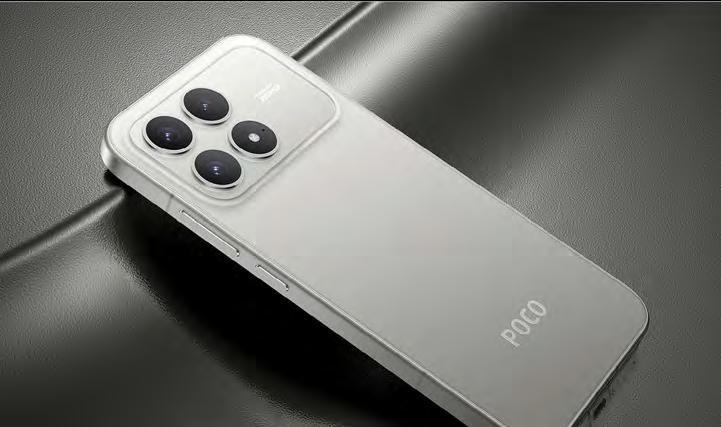
The POCO F8 Pro makes a strong first impression with its clean and modern design. It features a 6.59-inch display framed by a micro-curved edge, giving the phone a softer, more ergonomic feel in hand. At just 8mm thin and weighing 199 grams, the device feels surprisingly balanced despite its large screen and powerful internals.
The micro-curved frame subtly improves grip while adding a touch of elegance, bringing the F8 Pro closer to the feel of
traditional premium flagships. The rear panel has a refined finish that minimizes fingerprints, while the camera module, though prominent, feels deliberate rather than excessive.
Overall, the F8 Pro strikes a satisfying balance between visual appeal and daily usability.
The POCO HyperRGB display is a standout feature. Colors are vivid without being oversaturated, contrast is deep, and brightness levels are strong enough for comfortable outdoor use. Whether watching videos, editing photos, or
scrolling through social feeds, the display consistently delivers sharp detail and smooth visuals.
The high refresh rate enhances responsiveness, making animations and transitions feel fluid. Combined with the micro-curved edges, the screen feels immersive without triggering accidental touches.
HARDWARE
At the heart of the POCO F8 Pro is the flagship Snapdragon 8 Elite processor,
delivering what POCO calls “Ascended Performance.” In real-world use, this translates to fast app launches, seamless multitasking, and stable performance during extended gaming sessions.
Thermal management is notably improved. Even under heavy workloads, the phone maintains cooler operating temperatures, resulting in steadier frame rates and more consistent performance over time. This is especially noticeable for gamers and power users who rely on sustained performance rather than short bursts of speed.
Backing this up is a large battery paired with 100W HyperCharge, capable of charging the phone to 50 percent in just 16 minutes. It is a feature that quickly becomes indispensable, particularly for users constantly on the move.
The POCO F8 Pro features a well-rounded triple-camera setup consisting of a 50MP main camera, a 50MP telephoto lens, and an 8MP ultra-wide lens.
The main camera delivers sharp, wellbalanced images with accurate colors and impressive dynamic range. Daylight photos show excellent detail, while indoor shots retain clarity without aggressive noise reduction. Low-light performance is solid, producing bright images that preserve texture and depth.
The 50MP telephoto lens adds versatility, enabling cleaner zoom shots and more
flattering portraits. Meanwhile, the ultrawide lens captures expansive scenes, making it ideal for travel, architecture, and group photos.
One of the more creative additions is Dynamic Shots Collage, which lets users capture motion-rich moments and assemble them into expressive visual sequences—perfect for social media storytelling.
USER EXPERIENCE
In daily use, the POCO F8 Pro delivers a smooth and responsive experience. Social media, messaging, browsing, video streaming, and light gaming run without
major issues, with the 120Hz refresh rate helping everything feel fluid.
Running on Xiaomi’s latest software, the POCO F8 Pro introduces a more seamless AI-powered experience through Xiaomi HyperAI. These features assist with photography, system optimization, and productivity, helping the phone adapt intelligently to user habits.
The interface remains fast and intuitive, supported by thoughtful customization options. While there are a few preinstalled apps, the overall experience feels clean, responsive, and well-optimized.
Audio performance exceeds expectations. Featuring Sound by Bose, the stereo speakers deliver rich bass and detailed sound, making media consumption genuinely enjoyable. Whether streaming music, watching movies, or gaming, the audio output feels fuller and more immersive than what is typically found in this segment.
Connectivity is another practical highlight. The POCO F8 Pro offers improved signal performance in lowcoverage areas, maintaining connectivity at distances of over one kilometer in challenging environments.
The addition of eSIM support allows for more flexible network options, particularly useful for travelers or professionals managing multiple lines. Combined with
reliable 5G performance, the phone stays connected even in hard-to-reach locations.
VALUE
The POCO F8 Pro continues the brand’s tradition of delivering exceptional value. With flagship-grade performance, advanced cameras, premium design, ultrafast charging, and enhanced connectivity, it offers a compelling alternative to significantly more expensive smartphones.
For users seeking high-end features without paying top-tier flagship prices, the F8 Pro positions itself as a smart and
practical choice. From its Bali launch to real-world use, the device proves that POCO is no longer just chasing specifications but delivering a thoughtfully engineered smartphone that excels where it truly matters.
BOTTOMLINE
The POCO F8 Pro successfully combines elevated performance, refined design, strong camera capabilities, and smart connectivity features into a well-balanced flagship experience.
For users looking for a powerful, featurerich device that delivers excellent value, the POCO F8 Pro stands out as one of the most compelling options in its class.
SPECIFICATIONS
Display: 6.59-inch POCO HyperRGB AMOLED
Processor: Snapdragon 8 Elite
UI: HyperOS 3
RAM: 12GB
Storage: 256GB, 512GB UFS 4.1
Cameras: Rear 50MP main + 50MP telephoto + 8MP ultra-wide, Front 20MP
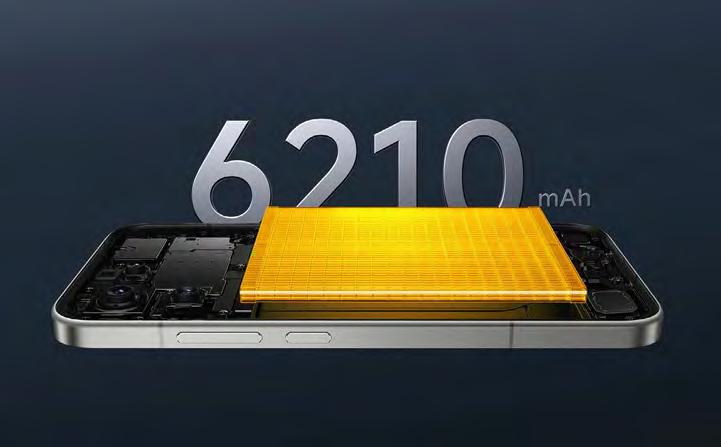
Battery: 6210 mAh with 100W
HyperCharge
Audio: Stereo speakers with Sound by Bose
Network: Dual SIM with eSIM support
Connectivity: 5G, Wi-Fi 7, Bluetooth 5.4, NFC, USB-C
Dimensions: 157.49 × 75.25 × 8.0mm
Weight: 199g
WHAT'S HOT
Snapdragon 8 Elite with excellent thermal control
100W HyperCharge (50% in 16 minutes)
Strong, versatile camera system with telephoto lens
Premium design with slim, micro-curved frame
Sound by Bose with rich, detailed audio
Improved signal performance and eSIM support
WHAT'S NOT
Ultra-wide camera is serviceable but not classleading
Large size may not appeal to compact-phone users
Some pre-installed apps out of the box
Photo samples from our POCO F8 Pro camera test in Bali.
REVIEWED BY MARIBELLE ALBA
ULTRAHUMAN RING AIR
I came into the Ultrahuman Ring AIR with prior experience using a smart ring, so I already had a clear sense of what I value in this category. Accuracy matters, comfort is non-negotiable, and the insights have to make sense in real life, not just on a dashboard.
What stood out immediately was how premium the experience felt, even before I wore the actual ring. Ultrahuman sends a sizing kit ahead of delivery, encouraging you to live with the sample rings for a few days. That small but thoughtful step sets the tone. This is clearly designed as a long-term health companion, not something you strap on and hope fits.
SMART RING
DESIGN
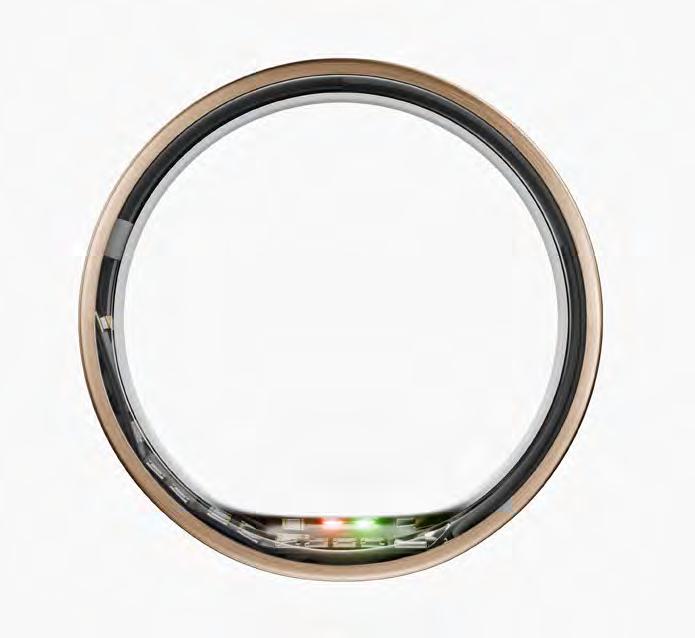
The Ultrahuman Ring AIR is available in several finishes. I chose the brushed rose gold, and it leans much more toward jewelry than gadget. It looks refined without being flashy and blends naturally with everyday outfits.
Material choice plays a big role in that premium feel. The Ring AIR is built around a lightweight titanium body,
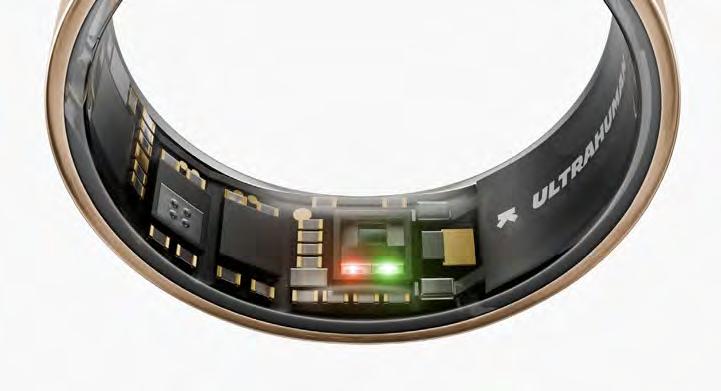
which keeps it strong without adding bulk. The exterior is finished with a tungsten carbide coating, giving it added scratch resistance and durability for daily wear. Inside, the ring uses a medicalgrade, hypoallergenic epoxy resin lining, which helps prevent irritation and makes long hours of wear—especially overnight—far more comfortable.
The result is a ring that feels solid but never heavy. It doesn’t dig into the skin, heat up uncomfortably, or feel “techy”
against the finger. Combined with the sizing kit, the fit feels spot-on. It stays secure without feeling tight, and after a while, you genuinely forget you’re wearing it, which is exactly what you want from a device designed for 24/7 tracking.
HARDWARE
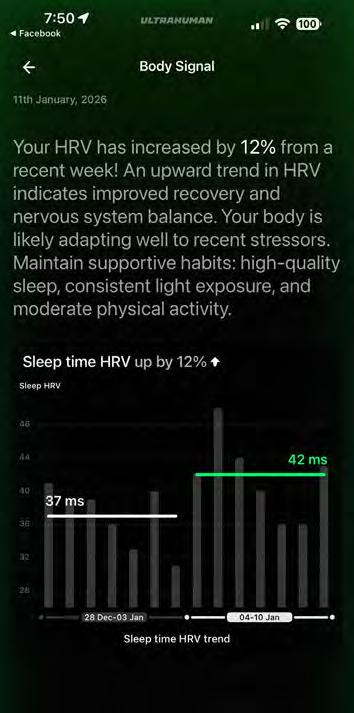
For something this small, the Ultrahuman Ring AIR packs in a solid sensor setup, including heart rate, heart rate variability, skin temperature, and motion tracking. In daily use, the hardware feels consistent and reliable, particularly during sleep and rest periods where accuracy really shows.
Charging is refreshingly simple. The ring uses a small magnetic puck, and instead of scheduling charging sessions, I just drop the ring into the charger every time I take a shower. That one habit keeps it consistently topped up, to the point where battery life becomes a complete non-issue. It fits perfectly with the idea of a wearable you don’t have to actively manage.
USER EXPERIENCE
This is where the Ultrahuman Ring AIR really shines, especially for someone who does not want to actively track workouts or micromanage health data.
The experience is largely passive. I don’t need to manually log exercises or start tracking sessions. The ring automatically detects my activity and prompts me for context only when it’s helpful. For example, the app might ask whether I took a nap, had extended sun exposure, or did a specific type of activity. That light-touch confirmation feels natural rather than intrusive, and it helps the system refine its understanding of my day without extra effort on my part.
The app is also upfront about calibration. Ultrahuman clearly notes that it needs about two weeks to fully calibrate your data. During that period, it learns your personal baselines—sleep patterns, recovery rhythms, and physiological
responses. In practice, this matters. Early insights are useful, but once calibration is complete, the data becomes noticeably more stable and aligned with how I actually feel.
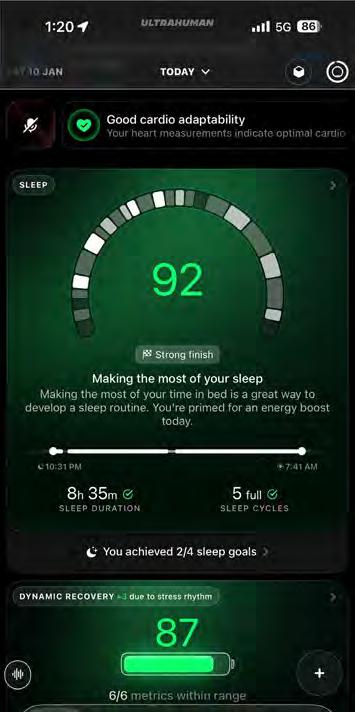
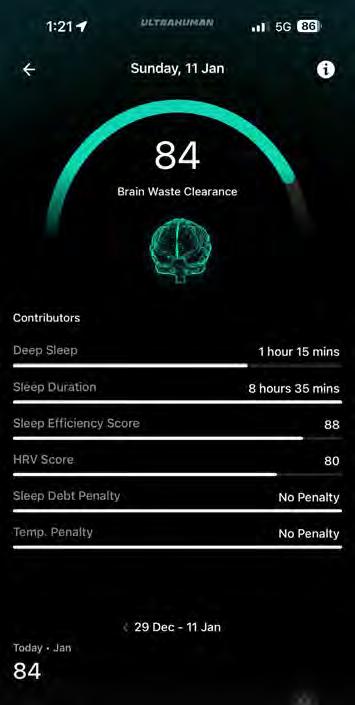
Sleep and recovery insights are where that really pays off. Sleep scores generally match how rested or drained I feel in the morning, while recovery trends based on heart rate variability reflect how my body is handling work stress, workouts, and rest days. Over time, patterns emerge that help me understand my overall wellbeing better.
The Ultrahuman app plays a big role in keeping everything approachable. Instead of overwhelming you with charts, it focuses on explanations and trends. It helps answer why something changed, not just what changed, which makes the insights easier to trust and apply. Core features, like sleep, recovery, movement, and long-term trends, are available without a mandatory subscription, which is a major plus.
Beyond the core experience, Ultrahuman’s PowerPlug system allows the app to expand in very practical ways. There are several free PowerPlugs that add context rather than complexity, including:
• Cycle & Ovulation tracking
• Vitamin D and sun exposure insights
• Screen Time impact on sleep and recovery
• Circadian Alignment to understand how well your routine matches your internal clock
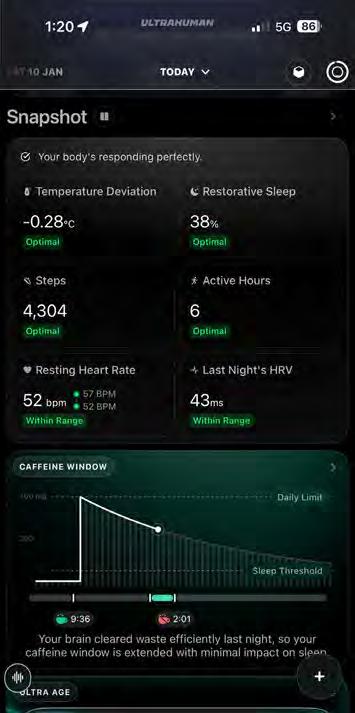
• Caffeine Window guidance to avoid late-day caffeine disruption
• Smart Alarm, which aims to wake you during lighter sleep phases
• Shift Work, designed for irregular schedules and non-traditional sleep patterns
I also opted for the paid Cardio Adaptability PowerPlug, which adds a deeper layer to heart health insights. Instead of looking at heart rate or HRV in isolation, it focuses on how well the
cardiovascular system adapts to stress and recovery over time. It’s subtle but valuable, especially for understanding resilience across busy weeks.
On top of that, I subscribed to a 2-year UltrahumanX Coverage, which adds peace of mind rather than more metrics. It includes accidental damage protection, priority support, express replacements (in case I lose weight), and ecosystem discounts. It doesn’t change daily tracking, but it makes the ring feel like a safer long-term investment.
One feature I would have liked to try is the AFib detection PowerPlug, which offers advanced cardiac rhythm monitoring. Unfortunately, it is not yet available in the Philippines. It’s not a dealbreaker, but it’s worth noting for users who specifically want atrial fibrillation monitoring.
Overall, the PowerPlug ecosystem lets you customize your Ultrahuman experience. The core indormation is complete on its own, while plugins (both free and paid) let you personalize the depth of insight based on your lifestyle.
VALUE
Priced at PHP22,500 (PHP25,499 for the rose gold variant), the Ultrahuman Ring AIR clearly sits in the premium category, but it earns that position over time. From the sizing kit to the subscription-free
core app experience, everything feels intentional and well considered.
The option to add PowerPlugs like Cardio Adaptability and subscribe to UltrahumanX allows the experience to scale with your needs. For users who want deeper context around sleep, recovery, and cardiovascular health, the value becomes clearer the longer the ring is worn.
BOTTOMLINE
The Ultrahuman Ring AIR feels like a quiet health companion. It’s comfortable, discreet, and supported by an app that prioritizes understanding over noise. Small but thoughtful details, like effortless charging and proper sizing from the start, make it easy to live with every single day.
SPECIFICATIONS
Model: Ultrahuman Ring AIR
Finish Options: including bionic gold, raw titanium, aster black, matte gray, space silver, brushed rose gold
Battery Life: Several days per charge (usage-dependent)
Charging: Magnetic USB-C puck charger
Companion App: Ultrahuman app (iOS and Android)
App Model: Free core features with optional PowerPlugs and UltrahumanX membership
Premium experience from sizing to daily use
Multiple finish options
Accurate, easy-tounderstand sleep and recovery insights
Core app features available without a subscription
Premium upfront price
Some advanced features depend on paid add-ons
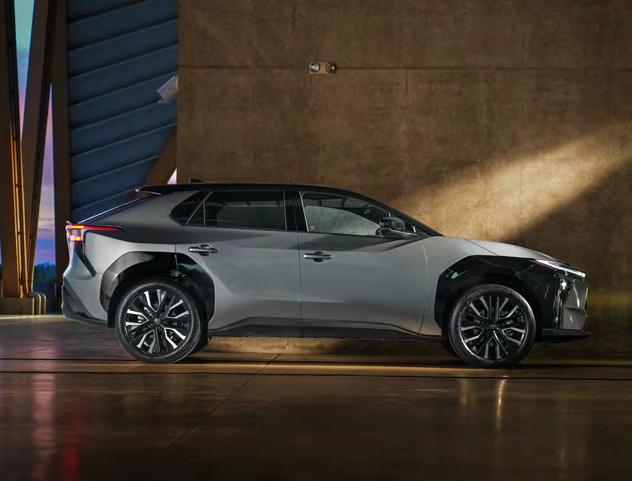
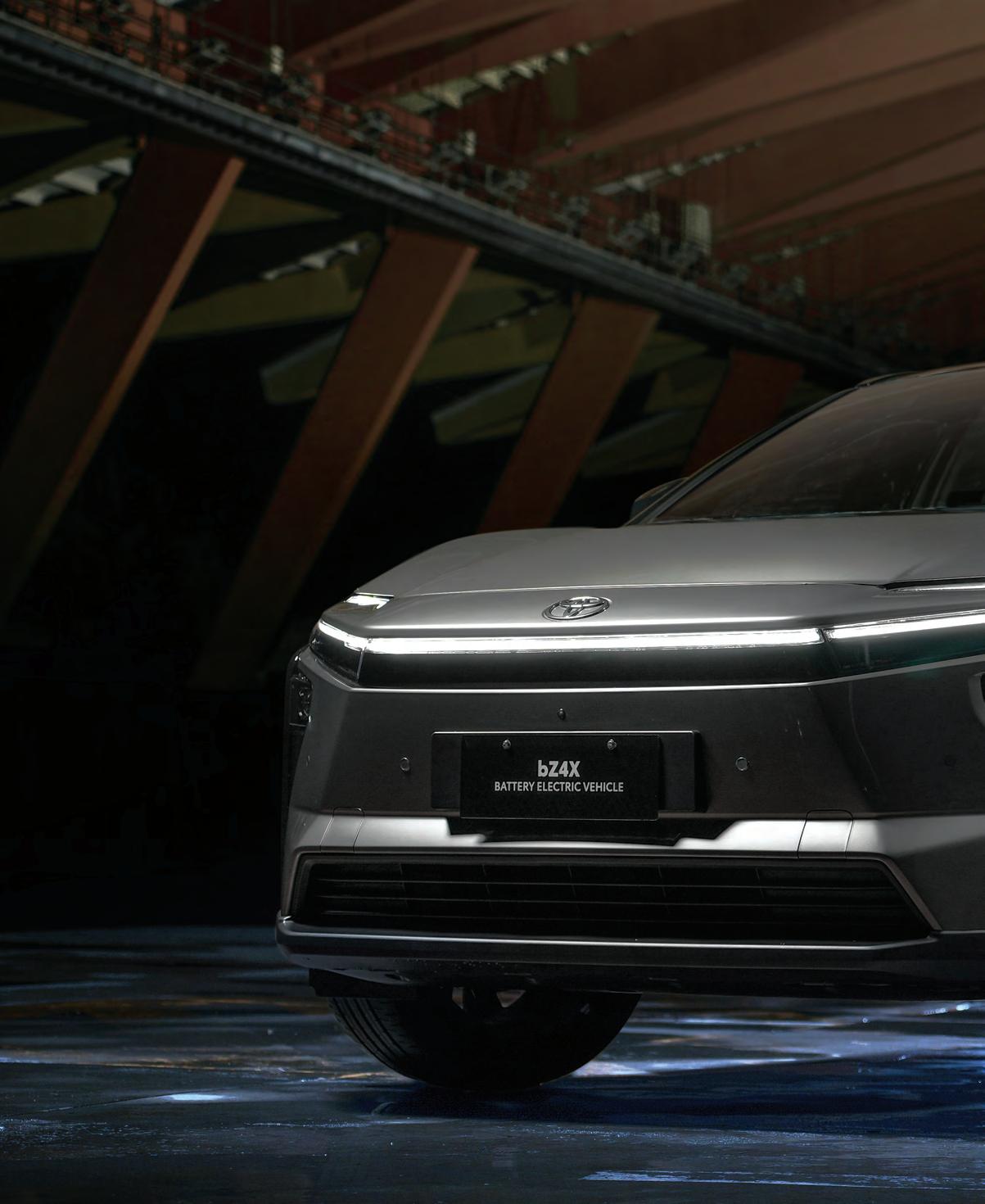
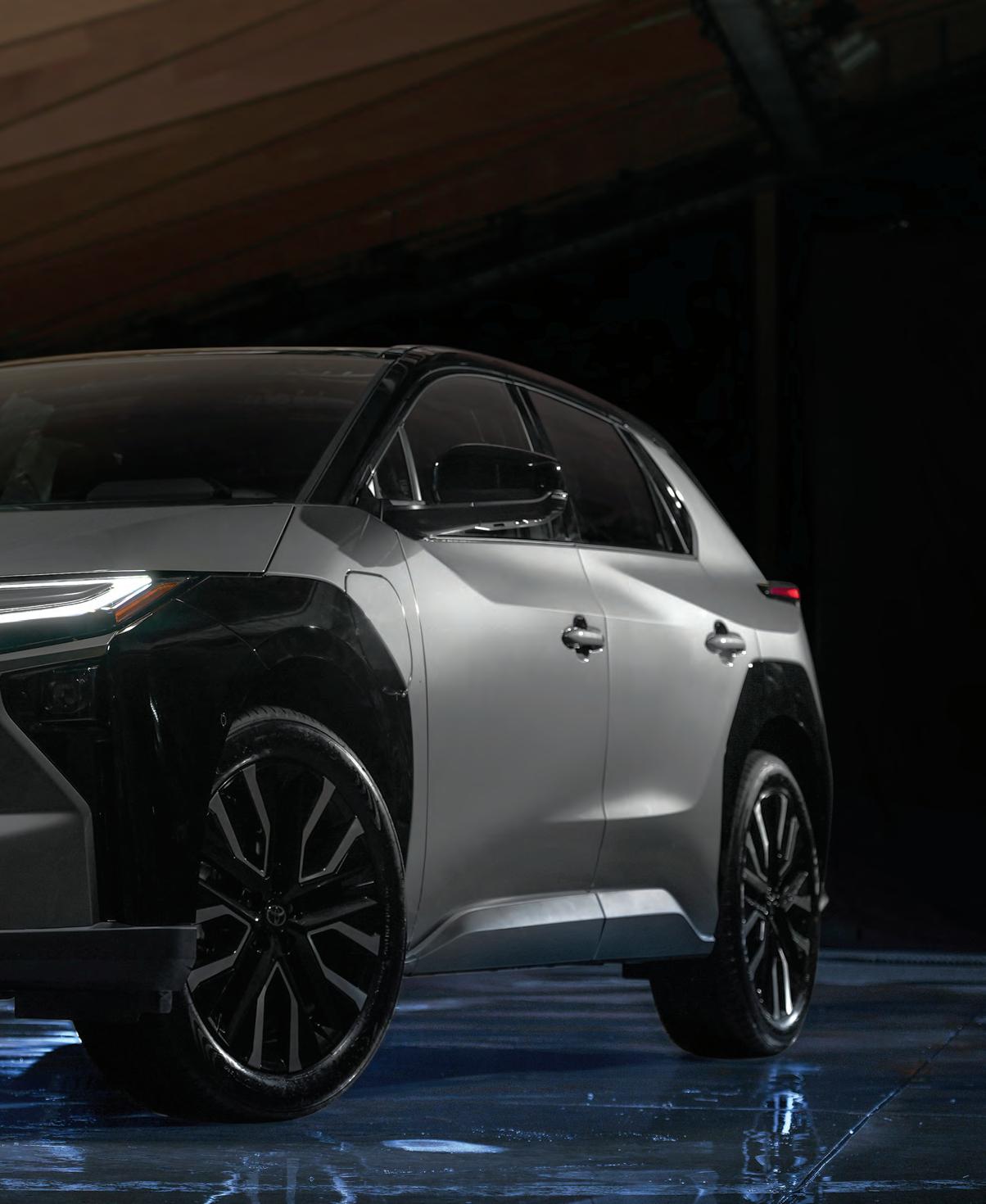
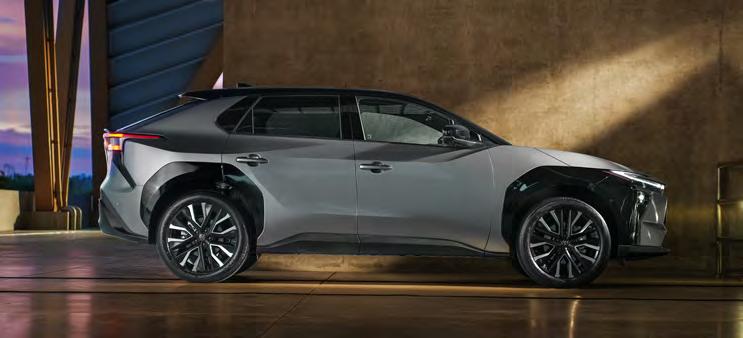
Toyota Motor Philippines has officially rolled out the all-new Toyota bZ4X, marking the brand’s first Battery Electric Vehicle (BEV) under Toyota and a major step in making full-electric driving more accessible to Filipino motorists. Positioned as a practical, everyday BEV, the bZ4X is designed to deliver confidence, comfort, and flexibility—without asking drivers to compromise on space, safety, or usability.
Built on Toyota’s Multi-Pathway Approach
The bZ4X is part of Toyota’s long-term multi-pathway strategy toward carbonneutral mobility. Since introducing the Prius HEV in 2009, Toyota has steadily expanded its electrified lineup, now offering 22 electrified models across Toyota and Lexus in the Philippines. The bZ4X represents the next phase of that strategy: bringing BEVs into the mainstream Toyota lineup as charging infrastructure and consumer readiness improve.
“As we roll out our multi-pathway approach, we believe we’re ready to make BEVs more mainstream with the Toyota bZ4X,” said Elijah Marcial, TMP first vice president for vehicle sales operations. “This is supported by a better understanding of EV technologies and the improving charging infrastructure in the country.”
Electric Power with Everyday Range
The all-wheel-drive bZ4X is powered by a 73.11kWh lithium-ion battery paired with dual electric motors, producing a combined output of 347PS (227 S front, 120PS rear). Torque is rated at 269Nm in front and 170Nm at the rear, delivering smooth and confident acceleration.
With a claimed range of up to 570km (based on UN Regulation 101), the bZ4X is built to handle daily commutes
as well as longer out-of-town drives. Drive modes include Eco for efficiency and X-Mode for improved traction and control.
Designed for Comfort and Practicality
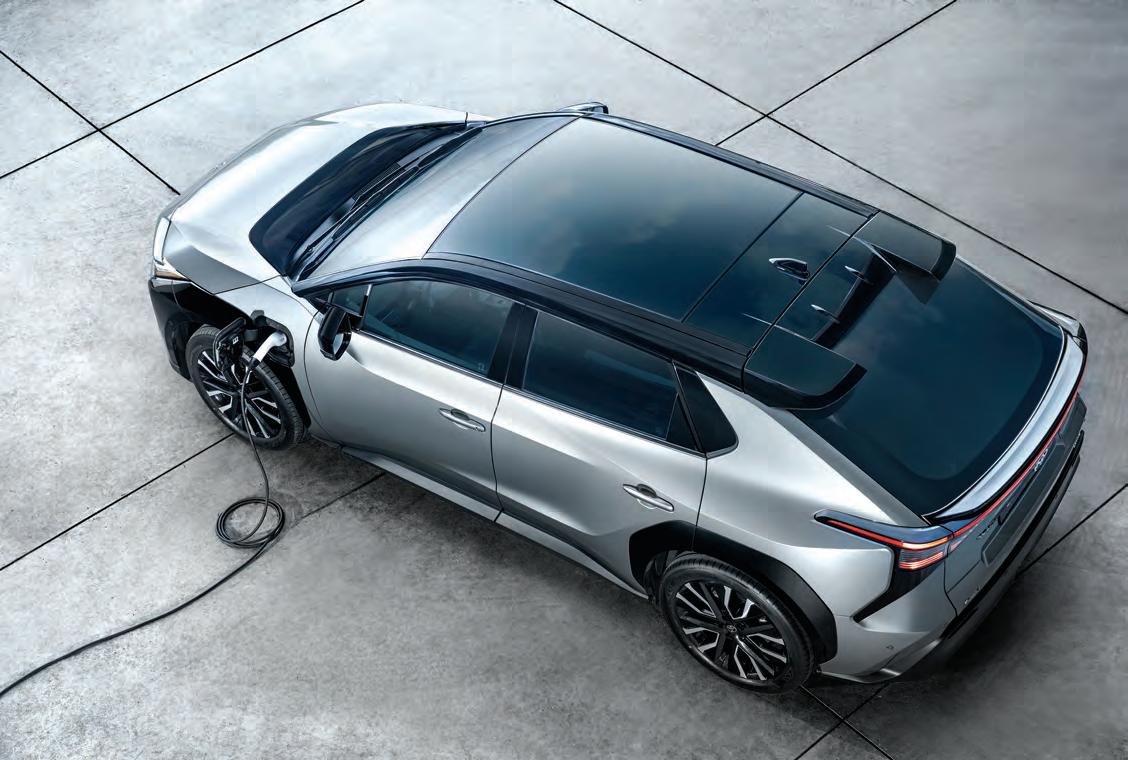
Visually, the bZ4X stands out with its angular styling, LED headlights, 20-inch alloy wheels, and a panoramic moonroof. A 200mm ground clearance makes it well-suited to varied Philippine road conditions, while seating for five ensures everyday practicality.
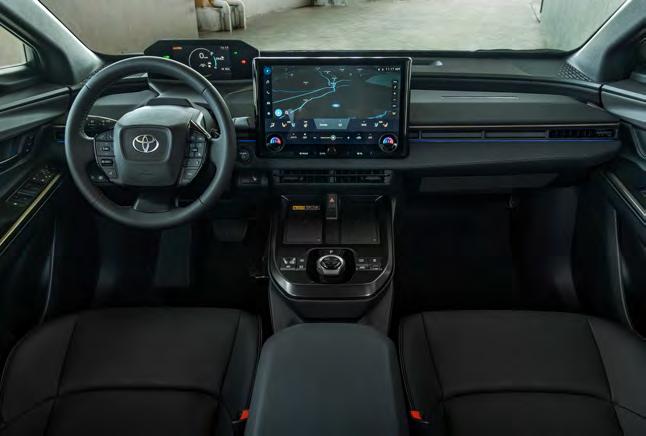
Inside, the cabin focuses on comfort and technology. Seats are upholstered in synthetic leather, with heated front and rear seats, plus ventilated front seats for added comfort in warm weather. The driver benefits from an eight-way power seat with memory, while rear passengers enjoy generous legroom.
Tech-Forward Cabin
The bZ4X integrates Toyota’s latest infotainment and connectivity features, including:
• 7-inch digital meter cluster
• 14-inch display audio with wireless Apple CarPlay and Android Auto
• Dual wireless charging pads up front
• USB Type-C ports for both front and rear passengers
For safety, it comes standard with Toyota Safety Sense, including PreCollision System, Lane Tracing Assist, Lane Departure Alert, Dynamic Radar Cruise Control, and advanced lighting systems. Blind Spot Monitor, Panoramic View Monitor, and a Digital Inside Rearview Mirror further enhance visibility and driver awareness.
Charging and Ownership Confidence
Every bZ4X purchase includes a free wall box charger and a portable charger, helping ease the transition to electric
ownership. For early adopters, this bundled charging solution addresses one of the biggest barriers to BEV adoption—home charging readiness.
Early customers cite both fuel savings and brand trust as key reasons for choosing the bZ4X. One owner shared that daily commutes across Metro Manila and Laguna are now easier thanks to growing public charging availability, while another emphasized long-term ownership confidence rooted in Toyota’s after-sales support.
Pricing and Availability
The Toyota bZ4X is offered in a single variant, with pricing as follows:
• PHP2,699,000 – Dark Blue Mica / Attitude Black Mica
• PHP2,714,000 – Platinum White Pearl Mica / Attitude Black Mica
• PHP2,719,000 – Precious Metal / Attitude Black Mica and Emotional Red / Attitude Black Mica
The model is available at select Toyota dealerships nationwide, including locations in Metro Manila, Laguna, and Cebu.
A Confident Step into Full Electric
With the bZ4X, Toyota offers Filipino motorists a BEV that feels familiar, dependable, and ready for everyday life. It’s not positioned as a niche experiment, but as a practical electric SUV designed to ease drivers into a zero-emissions future—without range anxiety, complexity, or compromise.
Learn more at https://www.toyota.com. ph/bz4x.
ROX 01 SETS A NEW STANDARD FOR ALL-TERRAIN LUXURY
A new name is entering the Philippine automotive scene with a clear vision in mind. ROX Motor, a premium brand founded in 2021, is bringing its flagship ROX 01 to local roads with a promise that blends luxury, intelligence, and true allterrain capability. Designed for drivers who want refined comfort without giving up the freedom to explore, the ROX 01 introduces a new way of thinking about modern mobility.
Positioned as a mid-to-large newenergy SUV, the ROX 01 is built to serve both everyday family needs and adventure-driven lifestyles. It reflects ROX Motor’s belief that travel should be seamless, flexible, and rewarding whether on city streets or far beyond paved roads.
Confident Capability on Any Terrain
The ROX 01 is engineered for serious off-road performance while remaining composed in daily driving. It features an approach angle of 22.2 degrees, a departure angle of 25.1 degrees, a maximum climbing angle of 45 degrees, and a wading depth of up to 600 to 700 millimeters. Comprehensive underbody protection supports these capabilities, giving drivers added confidence on rough terrain.
To adapt to different conditions, the SUV offers five dedicated off-road modes: Snow, Mountain or Rock, Mud, Wading, and Sand. Enhancing control further is the All-Terrain Intelligent Traversal System, which integrates off-road cruise control, obstacle and terrain detection assistance, and a 3D transparent chassis view. This system visualizes the ground beneath the vehicle in real time, helping drivers navigate challenging environments more safely.
Strong Performance with LongDistance Confidence
Powering the ROX 01 is a dual-motor permanent all-wheel-drive system that delivers a combined output of 350kW and 740Nm of torque. This setup allows the SUV to accelerate from zero to 100 kilometers per hour in just 5.5 seconds, offering confident performance both on and off the road.
A 1.5-liter turbocharged four-cylinder range extender works alongside a 115kW generator to maintain performance during long journeys and extended outdoor use. Energy is supplied by CATL ternary lithium battery packs, with the long-range configuration offering up to 58.4kWh. This enables a WLTC pure electric range of up to 235 kilometers and a combined driving range that exceeds 1,100 kilometers, reducing range anxiety during long-distance travel.
A Cabin Designed for Comfort and Space
Inside, the ROX 01 focuses on space, comfort, and material quality. Built on a 3,010-millimeter wheelbase, the
cabin features a flat floor area of 2.95 square meters, providing generous room for passengers. Natural white oak trim and full-grain Nappa leather create a calm and premium interior environment.
The model is offered in Sport and Luxury variants, available in both seven-seat and VIP six-seat layouts.
In the six-seat Luxury configuration, passengers enjoy zero-gravity aviation seats equipped with massage, heating, cooling, adjustable leg rests, and reclining backrests. These are complemented by 256-color ambient lighting and a multi-screen entertainment system for a more immersive in-cabin experience.
Designed Around the Outdoor Lifestyle
The ROX 01 goes beyond traditional SUV functionality by integrating outdoor living features directly into the vehicle. Built around the “One Living Room, One Bedroom, One Kitchen” concept, it transforms into a mobile living space when needed.
The Sport variant is tailored for adventure-focused users and comes equipped with 20-inch all-terrain wheels, a roof rack, a tow hitch, and a stowable tailgate kitchen. This kitchen setup includes a detachable folding desk, organized storage for cookware, LED lighting, high-power outlets, and an intelligent temperature-controlled water dispenser. Additional features
such as one-button camping mode, camping sentinel mode, a sunrise alarm, a legal towing capacity of 750 kilograms, and dual 2.2kW external power outlets further enhance its off-grid capability.
Intelligent Driving with Safety at the Core
The ROX 01 is equipped with an L2+ advanced driver assistance system that supports high-speed navigation assistance and intelligent crossing functions. Optional intelligent driving packages add advanced hardware such as dual NVIDIA Orin-X chips, LiDAR sensors, high-definition cameras, millimeter-wave radar, and ultrasonic sensors to improve perception and decision-making.
Safety is reinforced by a body structure made of up to 87 percent high-strength steel, including 32 percent hot-formed steel. This results in torsional stiffness rated at 40,000 N·m per degree. The ROX 01 has earned a full C-IASI “G” certification, a five-star CNCAP rating, and features a reinforced battery protection system using CATL 5-series lithium batteries with real-time thermal monitoring.
A New Direction for Luxury Mobility
The ROX 01 represents more than just a new SUV. It introduces a different approach to luxury mobility, one that balances everyday refinement with the freedom to explore beyond the ordinary. Confident in urban environments, capable on rugged terrain, and intuitive in daily use, it sets a new benchmark for all-terrain luxury driving.
As ROX Motor builds its presence in the Philippine market, the ROX 01 stands as a compelling option for families and adventure-driven drivers looking for versatility without compromise.
YAMAHA YECVT REDEFINES AUTOMATIC RIDING
Automatic motorcycles have long been associated with ease and convenience. With the introduction of the Yamaha Electric Continuously Variable Transmission (YECVT), Yamaha adds a new dimension to that experience by giving riders greater control, sharper response, and a stronger connection between throttle input and performance.
Introduced by Yamaha Motor Philippines, YECVT is now featured on the NMAX Tech MAX and Aerox SP, signaling a clear shift in how automatic motorcycles deliver power, efficiency, and riding confidence.
Automatic Riding with a New Sense of Control
Unlike conventional CVT systems, YECVT uses electronic control to adapt power delivery across different riding conditions. Riders can enjoy smooth, relaxed acceleration when cruising, then seamlessly transition to stronger and more immediate response when performance is needed.
This intelligent behavior allows the motorcycle to feel composed in traffic, stable on longer rides, and responsive when the road opens up. Each throttle input feels deliberate, predictable,
and closely connected to how the motorcycle responds.
NMAX Tech MAX: Touring Confidence on Real Roads
To demonstrate how YECVT performs in everyday riding scenarios, Yamaha brought riders onto real-world touring routes aboard the NMAX Tech MAX. These routes featured winding roads, elevation changes, and extended uphill sections that highlighted the system’s adaptability.
Throughout the ride, YECVT delivered quick throttle response through curves and smooth, consistent acceleration on climbs. Power delivery felt refined and controlled, making handling easier and boosting rider confidence. The experience showed how the NMAX Tech MAX, paired with YECVT, is
well suited for daily commuting as well as relaxed, long-distance rides.
Aerox SP: Performance Pushed on the Track
YECVT’s sport-oriented character came to the forefront during a closedcircuit track experience with the Aerox SP. In a controlled performance environment, riders were able to push the scooter harder and explore how the transmission behaves under aggressive riding conditions.
On the track, YECVT delivered more linear acceleration out of corners, sharper throttle precision, and consistent power delivery at higher RPMs. The system maintained stability while allowing more assertive riding, showing that it is capable not only of refinement but also of performancefocused use.
One Technology, Two Distinct Riding Characters
These contrasting experiences highlighted YECVT’s versatility across Yamaha’s scooter lineup. On the NMAX Tech MAX, the system prioritizes smoothness, balance, and efficiency. On the Aerox SP, it adopts a more aggressive, sport-tuned character focused on responsiveness and control.
This adaptability ensures that riders experience the same core technology in ways that suit each motorcycle’s personality and intended use.
A Meaningful Step Forward for Automatic Mobility
YECVT represents more than a transmission upgrade. It reflects
Yamaha’s broader push toward intelligent mobility solutions that respond naturally to rider intent. By combining electronic precision with real-world riding feedback, YECVT delivers an automatic riding experience that feels more connected, controlled, and engaging.
For riders who want the convenience of an automatic without giving up
performance and involvement, YECVT marks a significant evolution in twowheel mobility.
Learn more about Yamaha Electric Continuously Variable Transmission at https://www.yamaha-motor.com.ph/ yecvt
THE ‘ TAPAT SA ’ YO ’ STICKER CRAZE
From highways to parking lots and even on social media, the Tapat Sa’yo sticker is everywhere - sparking curiosity and conversations among road users.
Online, some netizens have turned their interest into a fun game of seeing how many stickers they can spot on the road. Naturally, people are asking: Ano kaya ibig sabihin ng sticker na iyon?
Initially, the sticker looks nothing more than a “pick-up” line. But as more of it appeared on the road, the questions followed: Whose slogan is this? Is it political? Or a car club?
The “Tapat Sa’yo” sticker is a gamechanging initiative by industry leader, Petron Corporation.
Far from being just a gimmick or conversation starter, the sticker is a token of appreciation, recognizing loyal Petron customers. What makes it even more special is that it unlocks “surprise perks” — the most notable being a ₱5-per-liter fuel discount that has delighted many drivers.
The rising presence of the “Tapat Sa’yo” sticker on the road has even led to more and more motorists fondly referring to themselves as the “Tapat Sa’yo Club.” For many motorists, seeing the sticker feels like encountering another Petron customer who also recognizes the value of a good deal.
Getting the “Tapat Sa’yo” sticker is simple. Just fuel up at participating Petron stations, present your Petron
Value Card, and get your own sticker. Take note, though, that stocks run out quickly due to high demand.
Whether the ₱5-per-liter discount or additional perks will continue remains to be seen. What is certain is that the growing number of vehicles displaying the sticker reflects a positive reception and continued optimism for more rewards.
The “Tapat Sa’yo” sticker stands as a symbol of loyalty, connection, and the meaningful rewards that come with being a Petron customer.
The question is: Are you part of the Tapat Sa’yo Club?
Learning for What Comes Next
Coursera Learner Trends 2025 indicate sharp growth in GenAI, data, cybersecurity, and project execution — reflecting a workforce preparing for a more connected, digital economy
As the Philippines deepens its digital transformation, the way Filipinos are choosing to learn offers a clear view of how education itself is evolving. New learner data from Coursera shows strong momentum in artificial intelligence, data, cybersecurity, and professional skills, reflecting a growing shift toward continuous, skillsbased education.
Drawing on insights from more than 3.1 million registered learners in the Philippines, Coursera’s latest learner
trends highlight sustained engagement across both technical and humancentered disciplines. Rather than short-term spikes, these patterns point to a learning ecosystem that is adapting to changing work requirements and increasingly digital environments.
From Foundational Knowledge to Practical Application
One of the clearest signals emerging from the data is how learners are moving beyond basic awareness of
artificial intelligence. While introductory courses remain popular, there is increasing uptake in programs focused on real-world application. Courses on AI-assisted productivity, prompt engineering, and AI-enabled job search strategies suggest that learners are prioritizing practical use cases over theoretical understanding.
This shift reflects a broader change in education priorities. As digital tools become embedded across industries, learners are seeking competencies they
can apply immediately, whether in operations, policy work, education, or service delivery.
A Broader Skills Mix for Modern Work
Beyond AI and data, Filipinos are investing in a wide range of capabilities, including project management, cybersecurity, engineering systems, psychology, language learning, and workplace communication. This diversity reflects the growing demand for professionals who can operate across functions, manage complexity, and collaborate effectively in fast-changing environments.
These learning patterns align with the country’s Digital Philippines vision and AI Roadmap, both of which emphasize talent development as a cornerstone of competitiveness. They also respond to global signals highlighted in the report, including International Monetary Fund findings that a significant share of jobs in the Philippines is already affected by AI-driven change.
Rather than indicating displacement alone, the trends point to a workforce actively preparing for transformation.
Learning That Delivers Results
The outcomes reported by Filipino learners reinforce the role of education as a driver of opportunity. A substantial majority of learners cite positive career outcomes, improved job performance, and increased confidence. These results suggest that digital learning platforms are not only expanding access to education but are also delivering tangible value in professional and personal development.
Key Skill Signals to Watch
Several fast-growing skill areas stand out as indicators of where education demand is headed. These include AIassisted productivity and generative AI tools; operational efficiency and project execution; cybersecurity and digital resilience; communication and collaboration; and human capital
development. Together, they highlight a shift toward learning that supports both technical fluency and organizational effectiveness.
The popularity of courses offered by global technology companies and universities further underscores the demand for credentials that are portable, up to date, and aligned with real-world needs.
Education as a Living System
What emerges from these learner trends is a picture of education as a living system, one that evolves alongside technology, work, and society. Filipino learners are no longer treating education as a one-time phase, but as an ongoing process that supports adaptability and long-term growth.
In this context, skills development becomes more than individual advancement. It plays a central role in shaping how institutions, industries, and the broader economy respond to change.
AND THE COLONIAL AMBITION OF HUMAN TECHNOLOGY
Spoiler alert: The following discussion contains key plot points and character developments from Avatar: Fire and Ash.
What once felt like pure fantasy in 2009’s Avatar no longer seems entirely implausible. The pace of technological innovation over the past few years has been staggering. Artificial intelligence can now predict trends and model human behavior. Biotechnology is advancing toward gene editing and synthetic life. Robotics increasingly blurs the line between human and machine.
If the original Avatar felt like a distant dream, Fire and Ash arrives in a world where the science it once imagined is rapidly becoming reality. That shift makes the film’s warnings about human ambition, exploitation, and technological dominance feel more urgent and uncomfortably familiar.
Words by Aljhelyn Piador Photos courtesy of 20th Century Studios
1. TECHNOLOGY AS THE NEW WEAPON
The Resources Development Administration arrives on Pandora armed with machines that make domination appear effortless. Ships, drones, and hybrid avatars are not merely cinematic spectacle. They function as metaphors for how technology amplifies power.
This is no longer confined to fiction. Modern corporations deploy AI systems, satellite surveillance, and drones to extract resources in remote regions of the world. The parallels are difficult to ignore. Colonial logic has not disappeared. It has simply been upgraded.
Technology now enables corporations to override indigenous rights and access environments that were once protected by geography or community resistance. In Fire and Ash, the machinery of conquest is visible and loud. In reality, it is often quieter, embedded in data, automation, and remote control.
2.BIOTECHNOLOGY AS A TOOL OF DOMINATION
Spider, the human boy raised on Pandora, becomes a living symbol of what happens when colonial ambition intersects with biotechnology. His ability to breathe Pandora’s air makes him valuable not as a person, but as a resource. Something to be studied, replicated, and potentially weaponized.
That framing is chilling because it mirrors realworld scientific mindsets. If life can be altered, enhanced, or optimized, why not exploit it for advantage?
Technologies like CRISPR and synthetic biology already allow humans to modify organisms for medicine, agriculture, and performance enhancement. Without firm ethical boundaries, these tools can easily shift from healing to control. The film does not exaggerate this risk. It simply pushes it into sharper focus.
3.HYBRIDIZATION AND THE ILLUSION OF ABSOLUTE POWER
Colonel Quaritch’s return in a Na’vi-human hybrid body is one of the film’s most unsettling statements. Stronger, faster, and deadlier, he embodies the idea that technology can erase limits and resistance.
This logic is not new. Military and corporate institutions already integrate robotics, automation, and AI to enhance efficiency and dominance. The more advanced the tools become, the less human cost seems to matter.
Watching Quaritch move through Pandora, it is difficult not to recognize a familiar pattern. We already build systems that amplify inequality and control. The film simply dramatizes what happens when those systems are given physical form.
4. ECOSYSTEM RESISTANCE VERSUS TECHNOLOGICAL CONQUEST
Pandora does not remain passive. Through Kiri’s connection to Eywa, the ecosystem itself responds, mobilizing against human intrusion. This resistance serves as a reminder that no amount of technological sophistication guarantees uncontested domination.
Around the world, indigenous communities already combine traditional knowledge with modern monitoring tools to defend their land and ecosystems from powerful extractive industries. The struggle is not between nature and technology, but between stewardship and exploitation.
Fire and Ash suggests that resistance is inevitable, not because technology fails, but because domination always provokes response.
5. THE EXPLOITATION OF SENTIENT LIFE
The hunting of Tulkun whales during mating season is one of the film’s most disturbing moments. It is not simply shocking for spectacle’s sake. It is a clear indictment of profit-driven ethics.
Colonialism has never been solely about land. It is about turning life into a commodity, using technology to maximize yield while ignoring consequence. Deep-sea mining, industrial fishing, and large-scale poaching follow the same logic seen on Pandora. Different setting, same mindset.
Technology makes extraction more efficient, but it does not make it moral.
CONCLUSION
Avatar: Fire and Ash is more than entertainment. It is a warning.
Technology and biotechnology may be neutral tools, but in human hands, they are often shaped by ambition, power, and historical patterns of domination. Spider’s transformation, Quaritch’s hybrid body, and the systematic exploitation of Pandora’s ecosystem all point to the same truth. Colonial ambition adapts. It evolves. And now, it is fueled by our own innovations.
If these realities go unexamined, the future of technology risks repeating the mistakes of the past, only faster, smarter, and far more difficult to resist.
Visual Space
IMPERFECT DESIGN BY
Canva uncovers insights from millions of users and billions of designs to predict the visual trends for creators and brands
In 2026, perfection is no longer the creative end goal. According to the latest Design Trends Report from Canva, the year ahead marks a decisive shift toward work that feels human, expressive, and intentionally unfinished. Aptly titled Imperfect by Design, the report frames 2026 as a moment when creators reclaim authorship in an era shaped, but not dictated, by artificial intelligence.
As AI tools continue to raise the baseline of visual quality, audiences are gravitating toward design that signals personality, texture, and emotional intent. This tension between technological capability and human expression plays out across the ten design trends shaping the year ahead.
THE 10 DESIGN TRENDS SHAPING 2026
1.REALITY WARP
Reality Warp reflects a growing fascination with visuals that sit between the familiar and the surreal. Liminal spaces, uncanny imagery, and dreamlike compositions create a sense of quiet unease that mirrors contemporary life, where AI-generated content and digital simulations increasingly blur what feels real. With searches for “liminal” and “uncanny” visuals up 220 percent, creators are intentionally leaning into ambiguity to provoke curiosity and emotional response rather than clarity alone.
2.PROMPT PLAYGROUND
Prompt Playground celebrates experimentation and expressive freedom in the age of AI. Drawing inspiration from early-internet aesthetics, this trend
embraces lo-fi visuals, retrotech references, and fragmented interfaces that feel playful and imperfect. Rather than hiding the process, creators foreground it, treating prompts, glitches, and rough edges as part of the visual language. The 527 percent surge in lo-fi aesthetic searches signals a desire for work that feels exploratory rather than overproduced.
3. EXPLORECORE
In contrast to fast-scrolling content, Explorecore prioritizes depth, pacing, and narrative flow. Inspired by zines and Substack-style editorial layouts, this trend encourages audiences to linger. Clean grids, thoughtful typography, and long-form storytelling replace visual noise, offering a calmer, more intentional experience. The 85 percent rise in searches for editorial-style layouts reflects a growing appetite for design that invites reflection rather than demands attention.
4. TEXTURE CHECK
Texture Check places materiality front and center. As CGI and rendering tools become more advanced, creators are using texture to add emotional weight and sensory appeal, from glassy translucence to waxy, tactile surfaces. These visuals evoke touch and depth, counteracting the flatness often associated with digital design. With related searches up 30 percent, texture is becoming a key tool for making digital experiences feel more physical and immersive.
5. NOTES APP CHIC
Notes App Chic embodies the rise of celebrated imperfection. Scrapbook layouts, collage aesthetics, handwritten elements, and loosely arranged compositions
convey authenticity and process. This trend reflects a cultural shift toward progress over polish, where behind-the-scenes visuals and visible edits feel more trustworthy than flawless outputs. The 90 percent increase in DIY and collage-inspired searches highlights how imperfection has become a deliberate design choice.
6. OPT-OUT ERA
The Opt-Out Era is a minimalist response to digital saturation and visual burnout. Clean layouts, serif fonts, muted palettes, and simple branding strip design back to its essentials. Rather than competing for attention, these visuals create space to breathe. With searches for clean layouts and simple branding up 54 percent, creators and brands alike are choosing restraint as a way to signal clarity, confidence, and calm.
7. DRAMA CLUB
Drama Club turns up the emotional volume. Drawing from cinema and theater, this trend uses dramatic lighting, bold framing, and heightened contrast to tell stories with impact. Social posts, videos, and even static designs adopt cinematic cues to create mood and narrative tension. Interest in dramatic storytelling motifs rose by 27 percent, underscoring a renewed appetite for emotion-driven visuals in digital spaces.
8. GRANNYWAVE (INDIA)
GrannyWave reflects a nostalgiadriven revival of heritage-rich design in India. Traditional patterns, handloom textures, festive color palettes, and Bollywood-inspired glamour are reinterpreted through contemporary design tools. This trend reconnects modern audiences with cultural memory,
blending maximalism and storytelling. Growth in searches for “Desi” and “Hindi typography” points to a renewed pride in local identity and visual heritage.
9. ZINEGEIST (MEXICO)
Zinegeist marks the return of the DIY zine movement with renewed intensity. Collaged layouts, anti-gloss textures, oversized typography, and brutalist influences challenge the slickness of mainstream digital design. This trend embraces raw expression and visual rebellion, favoring bold statements over refinement. The 77 percent rise in searches for zine-related aesthetics reflects a pushback against overly sanitized visuals.
10. BLOCK PARTY (SPAIN)
Block Party captures Spain’s reinterpretation of folklore and everyday culture through a modern lens. Warm tones, traditional motifs, and references to daily life are combined with contemporary layouts and typography. The result is design that feels communal, nostalgic, and accessible, while still forwardlooking. With 1.5 million impressions for related styles, this trend highlights the power of localized storytelling in a global design landscape.
A NEW CREATIVE BASELINE
Together, these ten trends reinforce a central message. As AI continues to accelerate production and polish, it is human judgment, emotion, and cultural context that define creative value. In 2026, Imperfect by Design is not about lowering standards, but about redefining them, placing authenticity, intent, and individuality at the core of visual communication.
POWERING MSMES IN A CASHLESS ECONOMY
New tools from GCash for Business help small enterprises manage payments with speed, accuracy, and control
As cashless payments become a daily expectation among Filipino consumers, small and micro enterprises are looking for practical ways to modernize transactions without complicating operations. For many business owners, the priority is simple: accept payments quickly, keep records accurate, and maintain clear visibility over daily income.
GCash for Business responds to these needs with tools designed to simplify payment acceptance, organize cash flow, and support growing operations. For entrepreneurs like Marc Gan, Ched Hilado, and Princess Potot, these solutions have become part of their everyday business routines.
Faster Payments, Clear Confirmation
At Habits Coffee + Cocktail Bar in Davao City, transaction speed plays a direct role in customer experience. The team uses GCash SoundPay, a portable device that provides instant audio confirmation once a QR-based payment is completed.
By removing the need for manual checks, SoundPay helps staff process payments quickly while giving both merchants and customers immediate assurance that transactions have gone through.
“The instant voice confirmation for every successful payment means we never miss a sale, and our customers love the convenience. It’s simple for our staff to use, and it helps keep our operations running smoothly,” the team shared.
Before adopting SoundPay, handling cash often slowed service during peak hours. With real-time confirmation, the team can now focus on serving customers rather than verifying payments.
Consistent Recording Across Multiple Branches
For Das Burgery owner Ched Hilado, expanding from weekend markets to three branches across Bacolod and Dumaguete introduced new challenges in managing daily sales and cash handling. Deploying GCash SoundPay across all locations helped standardize payment confirmation and reduce errors.
“When we receive the audio payment confirmation that indicates payments are received, we are assured that the money has entered our account,” Hilado said.
This consistency allows business owners to track sales more confidently, even without large accounting teams or complex systems.
Keeping Business and Personal Funds Separate
For 3rdfloorespresso Cafe owner Princess Potot in Butuan City, managing business income through a personal wallet made recording and accounting difficult. Sales and personal expenses were mixed, adding unnecessary complexity.
The GCash for Business Portal provided a clearer structure. The platform allows business owners to track transactions in one place, receive customer payments without wallet limits, and pay suppliers through GCash or bank transfers without transaction fees.
“It’s really easy when it comes to recording sales. It’s very friendly for new business owners, because it can do your records, manage your finances, and all the things that help you do your work easier,” Potot shared.
Turning Smartphones into Payment Tools
GCash recently introduced GCash PocketPay, a solution that allows MSMEs to turn an Android NFCenabled smartphone into a point-of-sale device. With PocketPay, merchants can accept credit and debit card payments, track transactions, manage inventory, and receive fast settlements using a single device.
By reducing the need for additional hardware, PocketPay offers small businesses a more accessible way to expand payment options as customer preferences evolve.
Making Cashless Operations More Accessible
Together, GCash SoundPay, the GCash for Business Portal, and PocketPay reflect a broader push to make cashless operations easier for MSMEs. By simplifying payment acceptance and record-keeping, these tools allow business owners to spend less time managing transactions and more time focusing on growth.
For small enterprises navigating today’s cashless economy, GCash for Business provides practical solutions that fit naturally into everyday operations.
ENGINEERING TRUST OVER 150 YEARS
A. O. Smith Corporation deepens its Philippine footprint with advanced water-heating and treatment solutions
With a 150-year legacy rooted in engineering innovation, A. O. Smith Corporation continues to strengthen its presence in the Philippines, a market it has served consistently since 1999. Globally recognized as a leader in water heating and water treatment technologies, the American company brings industrial-grade reliability and long-term performance to a country where dependable water systems are increasingly critical to both business operations and daily living.
Founded in 1874 in Milwaukee as a small machine shop, A. O. Smith has evolved into a multinational enterprise with more than 12,700 employees and operations spanning the United States, Canada, Mexico, China, India, the United Kingdom, and the Netherlands. Today, its products are marketed in over 60 countries, serving residential, commercial, and industrial applications across diverse climates and use cases.
A STRONG ENTERPRISE PRESENCE IN THE PHILIPPINES
In the Philippines, A. O. Smith’s water heating systems are deployed across manufacturing facilities, food service operations, hotels and resorts, condominium developments, and high-end residential projects. The brand has earned the trust of both individual homeowners and large-scale developers for its durability, consistent output, and engineering-driven performance.
Since 1999, Amici Mercantile has served as A. O. Smith’s authorized distributor in the country, bringing premium storage water heaters and advanced heating solutions to the local market. Over more than two decades, this partnership has helped position A. O. Smith as a preferred choice for projects where long-term reliability and aftersales support are non-negotiable.
Amici Mercantile operates from its headquarters at the Mayon Corporate Center in Quezon City, providing nationwide availability and technical support. Its portfolio includes a growing range of hybrid heat pump
INNOVATION AS A GROWTH STRATEGY
Globally, A. O. Smith continues to invest heavily in research, development, and manufacturing expansion to meet rising demand and evolving sustainability requirements. The company recently announced the opening of a new Product Development Center in Lebanon, Tennessee, a 60,000-square-foot research and development facility designed to accelerate innovation in water heating and treatment technologies.
water heaters, which use renewable energy principles to deliver efficient, lower-cost hot water solutions for both commercial and residential applications.
This emphasis on R&D reinforces A. O. Smith’s longterm strategy of combining engineering excellence with scalable manufacturing, ensuring that new products meet increasingly stringent performance, energy efficiency, and environmental standards.
BUILT FOR LONG-TERM VALUE
For Philippine enterprises, A. O. Smith’s value proposition goes beyond product specifications. Its systems are designed for longevity, stable performance under heavy use, and reduced lifecycle costs, qualities that resonate strongly with commercial operators, property developers, and hospitality groups.
By pairing global innovation with localized distribution and support, A. O. Smith and Amici Mercantile continue to strengthen their role in the country’s built environment, supplying water technology solutions that quietly power everyday operations across sectors.
After 150 years, the company’s presence in the Philippines underscores a broader narrative: that enterprise-grade infrastructure, when engineered well and supported locally, becomes an enduring foundation for growth.
A Runway for Careers
A 25-year story of growth and opportunity in aviation, inside the hangars of Lufthansa Technik Philippines
When people talk about aviation, attention often goes to the aircraft. Inside the hangars of Lufthansa Technik Philippines, however, the more enduring story is about people. As the company marks 25 years of operations, its legacy is defined by the thousands of Filipino careers that have taken shape within its facilities.
Since opening in 2000, Lufthansa Technik Philippines has provided stable, high-skill employment in an industry governed by strict global standards. Today, more than 3,200 employees work at the company, including 221 who have remained since its first day of operations. Many began in entry-level technical roles and steadily progressed into supervisory and leadership positions, reflecting a workplace designed for long-term growth.
From Apprentice to Leader
Rovic Salonga joined Lufthansa Technik Philippines as part of its very first apprentice batch. Fresh from school, he entered the hangars with basic training and the challenge of working on live aircraft. Over the years, he developed not only technical competence but also the discipline and decision-making required in aviation maintenance.
More than two decades later, Salonga now serves as a shift manager, overseeing teams responsible for widebody aircraft. He also mentors younger mechanics, guiding employees who are starting out on the same path he once followed. His journey shows how entry-level opportunities can evolve into leadership roles through sustained training and experience.
A Career That Crossed Disciplines
The career trajectory of Santa Fadul reflects a different, but equally telling, dimension of opportunity. Over 13 years, she has held roles in both Engineering and Marketing and Sales, gaining insight into the technical and
commercial sides of the maintenance, repair, and overhaul industry.
Her development included immersion in Systems, Avionics, and Structures, supported by training programs at the Airbus facility in Toulouse. She later progressed into senior engineering roles
before transitioning into Marketing and Sales, supported by international conferences and programs in Bulgaria, Hungary, and Germany. Today, as a Senior Key Account Manager, she brings together technical depth and commercial understanding shaped by years of internal mobility.
Training as the Foundation of Employment
Careers like those of Salonga and Fadul are supported by a structured workforcedevelopment framework. Lufthansa Technik Philippines’ apprenticeship programs bring aviation graduates directly from classrooms into operational environments, bridging theory and practice. Partnerships with aviation schools across the country help sustain a steady pipeline of local talent.
Continuous in-house training keeps employees current with evolving aircraft technologies, while leadership programs support those transitioning from technical roles into people management. These systems ensure that skills development remains central to employment, rather than incidental to it.
From Manila to the World
The expertise developed inside the hangars has earned global confidence. Lufthansa Technik Philippines services aircraft from some of the world’s leading airlines, placing Filipino mechanics and engineers at the center of international aviation operations.
For employees, this global exposure is deeply personal. Aircraft they once saw only in books or at airports now arrive in Manila under their care. What once felt distant becomes part of daily responsibility, reinforcing the value of
skills built at home and applied on a global stage.
“It’s a point of pride that the world’s most advanced aircraft come to Manila to be serviced by Filipino hands,” Salonga shared. “The fact that I started here as an apprentice and now help lead those efforts makes the journey even more meaningful.”
A Legacy of People-Centered Culture
After 25 years, Lufthansa Technik Philippines is more than a maintenance provider. It is a workplace shaped by a culture that blends German operational discipline with Filipino warmth. Employees point to medical support, ample leave, and family-friendly policies as reasons they have stayed for the long
term. In some cases, parents and children now work side by side, turning careers into family legacies.
The company’s people-centered approach is also reshaping the workforce. More than 300 women are now employed at Lufthansa Technik Philippines, with over 260 in technical roles and around 50 in leadership positions. Some manage entire aircraft bays and large teams, reflecting broader access to aviation careers once considered out of reach.
As the company looks ahead, its legacy remains grounded in people. Inside the hangars, apprentices continue to arrive, skills continue to deepen, and careers continue to take flight, in Manila and beyond.
CONSISTENCY OVER INTENSITY
Simple daily habits that support long-term family well-being
As the new year begins, many Filipino families feel the familiar pressure to reset their lives overnight. New workout routines, strict diets, and long lists of resolutions often dominate January, only to quietly disappear a few months later.
LAC Philippines is encouraging families to take a different approach in 2026. Instead of dramatic lifestyle overhauls, the brand is championing a mindset built on consistency over intensity, focusing on small, repeatable habits that are easier to sustain and far more likely to deliver long-term health benefits.
Why big resolutions often fail
Studies continue to show why many New Year’s resolutions do not last. Surveys cited by Forbes Health and OnePoll reveal that over 60 percent of adults feel pressured to set multiple resolutions, while research referenced by Verywell Mind indicates that more than 90 percent of these goals fade within months.
Experts point to a common issue: people often aim too big and move too fast. Extreme diets, intense workout plans, and all-or-nothing lifestyle changes can quickly lead to fatigue, frustration, and burnout. Psychologists emphasize that lasting change is more achievable when goals are broken down into simple actions that can be repeated daily.
Building Health One Habit at a Time
This philosophy lies at the heart of LAC Philippines’ wellness message. Rather than chasing dramatic transformations, the brand advocates for manageable routines that fit into everyday family life. Small habits such as eating more balanced meals, improving sleep routines, and setting realistic activity goals can gradually improve energy levels, immunity, skin health, and overall vitality.
For parents, maintaining balanced nutrition can be especially challenging amid busy schedules, skipped meals, and constant multitasking. Children face their own hurdles, from picky eating to inconsistent food quality and growing exposure to environmental stressors. Establishing simple, shared routines helps families support one another and build habits that extend well beyond the first few weeks of the year.
Consistent daily supplementation can help support these habits by addressing nutritional gaps created by modern lifestyles. LAC Men’s Mega Multi and LAC Women’s Mega Multi are formulated with blends of over 50 clinically researched vitamins, minerals, antioxidants, amino acids, and brain-support nutrients. Designed with timed-release technology, they deliver gradual nutrient absorption throughout the day to support immunity, metabolism, heart health, and cognitive function. For women, the formulation also supports beauty from within through nutrients that help nourish hair, skin, and nails. The recommended intake is two caplets daily with food.
For younger family members, LAC Multi Junior Jelly provides 19 essential nutrients in a mixed-berry jelly format that supports growth, immunity, brain development, neuromuscular health, and overall resilience. It is recommended after food, with one stick daily for children aged 3 to 6 and two sticks daily for those aged 7 to 12.
A Healthier Way Forward
The message is simple but powerful. Lasting wellness is not built on extreme promises or short bursts of motivation, but on small actions repeated consistently. By focusing on habits that are realistic and sustainable, families can create healthier routines that endure long after the excitement of the new year fades.
As 2026 begins, the most effective resolutions may be the ones simple enough to practice every day. With consistency as the foundation, Filipino families can move toward better energy, stronger immunity, and long-term well-being—one small habit at a time.
Nutrition as a Daily Anchor
Samsung: Your Companion to AI Living
Rather than focusing on a single hero product, Samsung used CES 2026 to articulate AI as a companywide philosophy, connecting research and development, product design, and user experience across its vast ecosystem. Unveiled at The First Look, Samsung’s “Your Companion to AI Living” concept framed AI not as a standalone feature or future promise, but as a continuous presence woven across screens, appliances, health, and services.
The result was a vision of technology that works quietly in the background, anticipating needs, reducing friction, and creating more meaningful moments throughout the day.
Entertainment Reimagined as an Intelligent Companion
Samsung’s display innovations formed a major pillar of its CES 2026 showcase. Drawing on two decades of leadership in
the TV category, the company introduced its most comprehensive AI-powered TV lineup to date, designed to move beyond passive viewing into a more responsive, personalized entertainment experience.
At the center of this lineup was the 130inch Micro RGB display, representing a significant leap in scale and picture quality. Featuring micro-sized RGB light sources that operate independently, the display delivered unprecedented color accuracy and detail. Its Timeless Frame design minimized visual distractions, allowing the image itself to take center stage, while the Micro RGB AI Engine Pro provided precise, scene-by-scene color control.
Elevating this experience further was Vision AI Companion (VAC), which positioned the TV as an active entertainment partner. VAC worked alongside users to recommend what to watch, what music to play, and even what meals to prepare, extending the role of the display far beyond content playback.
Voice-based interactions allowed users to adjust picture and sound settings dynamically, including AI Soccer Mode Pro for stadium-like sports viewing and AI Sound Controller Pro for fine-tuned audio control.
A Display Ecosystem That Extends Beyond the Screen
Samsung emphasized that Vision AI Companion was designed to function across devices, not in isolation. Users could ask for recipes inspired by on-screen content and send those recommendations directly to other connected devices, including kitchen appliances and mobile displays such as the newly introduced Movingstyle. This multi-device integration highlighted Samsung’s strength in leveraging its ecosystem to deliver seamless experiences across rooms and routines.
The 2026 TV lineup also introduced HDR10+ ADVANCED, with Samsung
becoming the first to deploy the format across its TVs as adoption grows among major streaming platforms. Complementing this was Eclipsa Audio, Samsung’s new spatial sound system, rolled out across all 2026 TVs to enhance immersion for entertainment and gaming alike. Underpinning it all was the most powerful version of Tizen OS yet, with Samsung committing to seven years of OS upgrades to ensure long-term platform evolution.
Home Appliances That Act as Daily Guides
Beyond entertainment, Samsung’s CES 2026 presentation focused heavily on the home as an AI-enabled environment. With SmartThings now serving more than 430 million users globally, Samsung showcased how data-driven insights could transform appliances into proactive home companions.
The Family Hub refrigerator remained central to this vision, now upgraded with AI Vision powered by Google Gemini. Enhanced food recognition allowed the refrigerator to track items more accurately, simplifying meal planning and inventory management. Features such as “What’s for Today?” and Video to Recipe reduced decision fatigue by suggesting meals and converting cooking videos into step-bystep instructions that could be sent directly to connected cooking appliances.
Samsung also introduced FoodNote, a weekly report summarizing food usage patterns and restocking needs, alongside personalized widgets enabled by Voice ID. In the laundry and garment care space, updates to the Bespoke AI Laundry Combo and the new Bespoke AI AirDresser addressed everyday pain points with faster cycles and automated wrinkle care.
Intelligent Care and Proactive Wellbeing
Samsung extended its AI companion narrative into health and wellbeing, outlining a shift from reactive care to proactive support. By integrating
smartphones, wearables, appliances, and health platforms, Samsung demonstrated how AI could deliver personalized coaching for sleep, fitness, and nutrition, while also enabling early detection of potential health concerns.
The company highlighted ongoing research into dementia detection, using wearables to identify subtle changes in mobility, speech, and engagement. When anomalies were detected, users could be alerted and, where appropriate, share health data with providers through platforms such as Xealth for virtual consultations.
Security and privacy remained foundational to this ecosystem. Samsung Knox and Knox Matrix were presented as evolving safeguards designed to protect user data across devices, even as AI models and capabilities continue to advance.
A Holistic AI Vision at CES 2026
As CES 2026 concluded, Samsung’s presentation stood out for its breadth and coherence. Rather than treating AI
as a collection of isolated innovations, the company positioned it as an invisible companion that connects entertainment, home management, and personal care. By grounding advanced AI capabilities in familiar routines and environments, Samsung reinforced its ambition to make intelligent technology feel less intrusive and more human.
In a year where AI dominated the CES conversation, Samsung’s “Your Companion to AI Living” vision offered a clear statement of intent: a future where technology adapts to people, not the other way around.
HP: Redefining the Future of Work Around Fulfilment and AI
At CES 2026, HP Inc. closed out the show with a clear and cohesive message: the next phase of the future of work is not defined by technology alone, but by how effectively that technology supports professional fulfilment. Rather than framing AI purely as a performance accelerator, HP positioned it as a practical tool for improving how people work, move, and stay productive in increasingly fluid environments.
HP anchored its CES 2026 narrative in research pointing to a growing fulfilment gap among knowledge workers. Only 20 percent globally reported having a healthy relationship with work. HP cited evidence showing that access to the right tools more than doubled that likelihood, and that the effect increased dramatically when workers felt their organizations were investing in them. Against this backdrop, HP’s CES announcements focused on mobility, adaptability, and AI systems designed to reduce friction across the workday.
A Desktop That No Longer Stays Put
One of HP’s most distinctive launches was the HP EliteBoard G1a, the company’s smallest and lightest AI PC to date and a CES 2026 Innovation Award Honoree. Built directly into a keyboard form factor, the EliteBoard G1a reimagined the traditional desktop for a world where work no longer happens in one fixed location.
Designed for leaders and mobile professionals, the EliteBoard G1a delivered local AI performance that could move easily between offices, meeting rooms, and shared workspaces. The form factor underscored HP’s view that futureready devices must adapt to hybrid and collaborative environments rather than constrain them.
Advancing the Business-Class AI PC
HP also strengthened its position in enterprise computing with the introduction of the HP EliteBook X G2 Series, another CES 2026 Innovation Award Honoree. These premium business notebooks were among the world’s first commercial systems to offer up to 85 TOPS of NPU performance for concurrent AI workloads, powered by Snapdragon X2 Elite processors.
Targeted at executives and professionals shaping the next era of digital work, the EliteBook X G2 Series emphasized sustained local AI performance, security, and reliability. HP framed AI not as a background feature, but as a core capability that enhanced collaboration, analysis, and everyday decision-making.
Consumer AI PCs Focused on Endurance
On the consumer side, HP refreshed its entire OmniBook portfolio at CES 2026, bringing Snapdragon X2 platforms and
the new HP OmniBook 3 16, which HP said delivered the world’s longest battery life in a 16-inch OLED consumer AI PC notebook.
The updated OmniBook lineup was positioned for users who seamlessly moved between work, creativity, and personal projects. By pairing OLED visuals with extended battery life, HP emphasized usability over long days, reinforcing its message that AI PCs must remain practical companions rather than power-hungry showcases.
AI Productivity at the Printer
HP extended its AI strategy beyond the PC by introducing its first integration of Microsoft Copilot into HP Office Print devices. Through HP for Microsoft 365 Copilot, users could access document summarization, translation, and organization directly at the printer.
This integration reflected HP’s ecosystemdriven approach, bringing AI-powered productivity closer to where work actually happened. By reducing context switching and embedding intelligence into familiar workflows, HP aimed to make AI gains more immediate and accessible for businesses.
For organizations managing distributed device fleets, HP announced enhancements to its Workforce Experience Platform (WXP). A key update was the addition of firmware-level recovery capabilities, allowing IT teams to resolve critical device issues even when systems failed to boot.
These improvements addressed the realities of hybrid work, where downtime and device failures can quickly disrupt operations. HP positioned WXP as a critical layer for maintaining business continuity as AI-powered devices became more widespread across organizations.
Peripherals That Support Everyday Work
HP’s CES 2026 showcase also included new peripherals designed to improve comfort, usability, and sustainability. These ranged from a pink version of the HP Tilt Ergonomic Mouse 720M to a compact USB-C HP 65W GaN Wall Charger and lightweight HP Protective Series laptop sleeves.
While less attention-grabbing than flagship PCs, these additions reinforced HP’s view that fulfilment at work is shaped by small but meaningful design choices that support daily routines.
in its gaming strategy. At CES 2026, the company unified its OMEN and HyperX brands under a single master gaming brand, HyperX. The move was anchored by the introduction of the HyperX OMEN MAX 16, which HP described as the world’s most powerful gaming laptop.
Featuring fully internal cooling, OMEN AI optimization, and a high-polling-rate keyboard, the OMEN MAX 16 signaled HP’s intent to deliver a more integrated, end-to-end gaming ecosystem.
A Human-Centered Close to CES 2026
As CES 2026 concluded, HP’s announcements stood out for their consistency. Across AI PCs, printers, platforms, and gaming systems, HP framed technology as an enabler of fulfilment, resilience, and sustainable growth. Rather than chasing spectacle, the company delivered a measured vision of the future of work, one where intelligence is embedded thoughtfully and designed around real human needs
ROG: Two Decades of Daring Innovation, Reimagined for the Next Generation of Gaming
ASUS Republic of Gamers marked a significant milestone at CES 2026 not by looking back, but by pushing forward. At its Dare to Innovate showcase, ROG commemorated 20 years of gaming excellence while unveiling a sweeping lineup of next-generation hardware that underscored its longstanding philosophy: progress in gaming is driven by bold experimentation, technical ambition, and a deep connection to its community.
Rather than centering the event on a single breakthrough, ROG presented a holistic vision of gaming’s future. Across laptops, desktops, displays, components, and peripherals, the brand demonstrated how two decades of engineering knowledge now converge with AI acceleration, immersive design, and crossdomain creativity.
Zephyrus: Ultraportable Power, Elevated
ROG’s Zephyrus lineup once again set the tone for high-performance mobility. The latest ROG Zephyrus G14 and G16 reinforced the idea that compact form factors no longer require compromise. Powered by next-generation Intel Core Ultra Series processors and NVIDIA GeForce RTX 50 Series Laptop GPUs based on the Blackwell architecture, the refreshed models delivered up to 50 TOPS of NPU performance for local AI tasks and in-game AI workflows.
Performance gains were matched by refinements in cooling and display technology. ROG Intelligent Cooling, paired with redesigned airflow paths and liquid metal on the CPU, allowed higher sustained GPU power without excessive noise. The new 1100-nit Nebula HDR displays brought deeper contrast, richer
highlights, and cinema-grade color accuracy into a sleek, CNC-milled aluminum chassis that emphasized portability as much as power.
Redefining Multitasking With Dual Screens
For users who demand versatility above
HDR OLED touchscreens running at 120Hz, the system was designed to support gaming, streaming, and creative workflows simultaneously.
Powered by the latest Intel processor and up to an NVIDIA GeForce RTX 5090 Laptop GPU, the Duo 16 balanced extreme performance with flexibility. Its five operating modes and advanced cooling system, combining a vapor chamber, dual fans, and a dedicated graphite sheet, reinforced ROG’s belief that innovation lies in enabling new ways to work and play, not just higher frame rates.
Gaming Meets Art: ROG x Kojima Productions
One of the most talked-about moments of ROG’s CES 2026 presence was its collaboration with Kojima Productions. The partnership merged ROG’s performance-driven engineering with the studio’s visionary storytelling, resulting in a collection that blurred the lines between gaming hardware and collectible art.
At the center was the ROG Flow Z13-KJP, a flexible 2-in-1 device inspired by Kojima Productions’ iconic Ludens mascot. Designed to function as a gaming console, creator tablet, workstation, or ultraportable PC, it combined an AMD Ryzen AI Max+ processor, on-device AI acceleration, and a high-refresh Nebula HDR touchscreen in a tablet-sized form factor. Complementary peripherals, including the Delta II-KJP headset and Keris II Origin-KJP mouse, extended the collaboration into a fully integrated ecosystem that celebrated creativity as much as performance.
Desktop Innovation With a Visual Twist
ROG also reimagined the gaming desktop with the ROG G1000, a system built around both extreme performance and visual expression. The highlight was the world’s first holographic fan system integrated into a prebuilt gaming PC, capable of projecting customizable visuals without disrupting airflow.
Paired with a dedicated thermal architecture, high-end graphics options,
and extensive customization through Armoury Crate and Aura Sync, the G1000 demonstrated how desktop gaming continues to evolve as a platform for personalization as well as raw power.
Components and Displays for the Performance-Obsessed
ROG’s commitment to enthusiasts was equally evident in its component lineup.
The ROG Crosshair X870E Glacial, a CES 2026 Innovation Award recipient, showcased next-generation overclocking, AI-assisted optimization, and expansive connectivity, reinforcing ROG’s leadership in motherboard design.
On the display front, ROG reaffirmed its dominance in OLED gaming monitors with new Swift OLED models featuring
next-generation RGB stripe pixel technology. These displays pushed refresh rates, response times, and color volume further, catering to competitive gamers and creators who demand precision and immersion in equal measure.
Expanding the Gaming Canvas
ROG also explored new frontiers in immersive gaming through the ROG XREAL R1 Gaming Glasses, developed in partnership with XREAL. Featuring a highrefresh micro-OLED display and spatial audio, the glasses transformed gaming into a portable, large-screen experience without traditional monitors, signaling ROG’s interest in alternative display paradigms.
Still Daring to Innovate
As CES 2026 wrapped up, ROG’s presence was a reaffirmation of intent. Two decades after its founding, the brand continues to prioritize experimentation over convention and identity over imitation. In a gaming landscape increasingly shaped by AI and convergence, ROG’s message remained consistent: progress belongs to those willing to dare, build, and redefine what gaming hardware can be.
TCL: Pushing Display Innovation into the Era of Intelligent Living
Rather than centering its presence on a single category, TCL used the CES 2026 stage to demonstrate how leadership in display technology could serve as the foundation for a wider vision of intelligent living. From worldfirst screen innovations to AI-powered home systems and mobility solutions, TCL’s showcase reinforced its position as a company shaping how people see, interact, and live with technology.
A New Chapter for Mini LED
The centerpiece was the global debut of SQD-Mini LED Technology, marking a major evolution of Mini LED displays. By transforming traditional local dimming zones into a Precise Dimming Series, SQD-Mini LED enabled significantly finer light control across the entire screen.
The result was improved contrast, more accurate highlights and shadows, and a noticeably refined visual presentation.
This new technology also integrated TCL’s Super QLED platform and an Ultra Color
Filter Panel, extending panel lifespan while delivering higher peak brightness and more stable color performance. Together, these advances reinforced TCL’s position at the forefront of large-format display engineering.
SQD-Mini LED made its commercial debut in the TCL X11L, the world’s first TV powered by the new technology. Designed as a flagship statement, the X11L achieved up to 100 percent BT.2020 all-scene wide color gamut and featured CSOT’s WHVA 2.0 Ultra Panel for higher native contrast and sharper image quality. With up to 20,736 dimming zones and brightness reaching 10,000 nits, the TV delivered vivid HDR performance while maintaining precise control.
Beyond performance, TCL emphasized design and sound. The X11L featured a slimmer, nearly 2-centimeter profile with a Virtually ZeroBorder aesthetic, while Audio by Bang & Olufsen provided a premium acoustic complement to its visuals.
AI-Driven Viewing and Platform Partnerships
TCL paired its display hardware advances with deeper AI integration through partnerships with Google and Dolby. Building on its earlier “Always On” Google TV with Gemini, TCL showcased expanded Gemini-powered features that enabled more intuitive interaction, improved Google Photos search, and creative tools designed to personalize content discovery.
The company also previewed Dolby Vision 2, the next generation of Dolby Vision, which introduced content intelligence and viewing-environment awareness for more cinematic presentation. TCL confirmed that Dolby Vision 2 would roll out to its X
and C series TVs in 2026 via over-the-air updates, reinforcing its focus on long-term platform value.
Displays Beyond the Living Room
At CES 2026, TCL extended its display expertise beyond televisions. In eye-care technology, the company introduced the NXTPAPER 70 Pro smartphone powered by NXTPAPER 4.0, designed to reduce eye strain through adaptive viewing modes controlled by a dedicated NXTPAPER Key.
This focus on eye comfort continued with the TCL Note A1 NXTPAPER eNote tablet, which combined AI-assisted productivity tools with a paper-like reading and writing experience aimed at focused work. TCL also unveiled the RayNeo Air 4 Pro, described as the world’s first HDR10 AR glasses, bringing high-quality display performance into a lightweight, wearable form for entertainment and productivity.
Intelligent Living Through AI
Beyond displays, TCL presented a broad portfolio of AI-powered smart home solutions. These included the FreshIN 3.0 Air Conditioner, GeniusFresh Refrigerator, AmeraClassic washer and dryer series, and the AI SuperDrum washer-dryer combo, all designed to simplify daily routines through intelligent automation.
Security and energy management also featured prominently. TCL smart locks
offered biometric access and AI-driven control, while TCL Smart Home Energy Solutions showcased an integrated ecosystem for power conversion, battery storage, and energy management, supporting efficiency and a low-carbon lifestyle.
New Forms of Interaction and Design
In entertainment and interaction, TCL demonstrated the PlayCube Projector for flexible, cinema-style viewing and introduced TCL AiMe, described as the world’s first modular AI companion robot, designed to bring adaptive, human-like interaction into the smart home.
TCL also highlighted design and sustainability through TCL NXTHOME, integrating smart home technologies with collaborations involving Bang & Olufsen, BMW Group Designworks Shanghai Studio, and Alcantara. Materials innovation was underscored by ECORA, a sustainable material developed from recycled porcelain ceramics.
A Confident Statement
TCL’s CES 2026 presentation stood out for its cohesion and scale. By anchoring its vision in display leadership while confidently expanding into AI, smart living, and sustainable design, TCL presented a future where visual technology is not just about what people see, but also about how they live with technology every day.
MSI: Lightning Returns to the Absolute Edge of GPU Engineering
MSI left a distinctly different kind of statement on the CES 2026 show floor.
Rather than presenting a broad vision of productivity, platforms, or lifestyle computing, MSI revived one of its most revered performance lineages with singular intent. The unveiling of the MSI GeForce RTX 5090 32G LIGHTNING Z marked the return of a flagship built not for mass appeal, but for the outermost limits of graphics engineering, overclocking, and design precision.
After seven years of silence, the LIGHTNING name re-emerged as MSI’s most powerful and technically ambitious graphics card to date. The RTX 5090 LIGHTNING Z was positioned as a
pure expression of engineering without compromise, designed to showcase what is possible when performance ceilings are treated not as constraints, but as challenges to be overcome.
Built on NVIDIA Blackwell, Tuned for Extremes
At its core, the RTX 5090 LIGHTNING Z was powered by NVIDIA’s Blackwellbased GeForce RTX 50 Series architecture, delivering a massive increase in AI and graphics horsepower. MSI framed the card as an ultimate platform for elite gaming, advanced content creation, and experimental AI workloads, leveraging technologies such as NVIDIA DLSS 4, RTX AI
accelerations, and next-generation rendering capabilities.
Rather than emphasizing mainstream performance gains, MSI focused on how the RTX 5090 LIGHTNING Z enabled unprecedented levels of compute density and responsiveness. From ultra-fast image and video generation to complex AI-driven workflows, the card was engineered to thrive in scenarios where conventional GPUs reach their limits.
When Engineering Became Visual Identity
Visually, the RTX 5090 LIGHTNING Z represented the most dramatic evolution of the LIGHTNING design language
to date. MSI introduced a full 8-inch integrated display panel, described as the world’s first of its kind on a graphics card. The display allowed full customization of system statistics, animations, and artwork through dedicated software, transforming the GPU into a centerpiece rather than a hidden component.
Carbon-fiber elements refined the backplate, paired with precision lightningcut detailing and an individually numbered badge that emphasized the card’s rarity. Every design element reinforced the LIGHTNING Z’s status not only as a performance flagship, but also as a collectible statement piece within a high-end system build.
Liquid Cooling, Fully Realized
Beneath its sculpted exterior, MSI deployed the most advanced cooling system ever developed for a LIGHTNING graphics card. The RTX 5090 LIGHTNING Z featured a fully liquidcooled thermal solution built around a full-cover cold plate spanning the GPU, VRAM, and MOSFETs to ensure even heat distribution under extreme workloads.
A next-generation high-pressure pump worked in tandem with a hybrid-fin radiator, engineered with alternating dense and sparse sections to create deliberate hot-and-cold exchange zones for maximum thermal efficiency. Completing the system was MSI’s exclusive Lightning Fan, designed with advanced aerodynamic geometry to deliver high airflow and static pressure while maintaining controlled acoustics. Together, these elements formed a cooling ecosystem purpose-built for sustained performance at the limits of modern GPU operation.
Power Delivery Designed to Break Barriers
The RTX 5090 LIGHTNING Z’s engineering focus extended deep into its electrical and control architecture. MSI developed a custom PCB exclusively for the LIGHTNING line, reinforced with a 3oz copper layer and premiumgrade components to ensure exceptional conductivity, thermal stability, and voltage integrity during extreme overclocking.
Dual BIOS support provided instant access to an enhanced performance profile tailored specifically for high-level overclocking scenarios. Complementing the hardware was MSI’s next-generation control ecosystem. Lightning Hub enabled web-based tuning of performance parameters, display content, and lighting effects without heavy software overhead, while the Lightning Overdrive mobile app offered real-time monitoring and overclocking control from virtually any device.
Proven at the Top of the Leaderboards
At its CES 2026 debut, MSI underscored the RTX 5090 LIGHTNING Z’s purpose
with measurable results. The card claimed first-place positions across 17 overclocking benchmarks, setting multiple records on HWBOT and 3DMark. These included top scores in Geekbench 5 and 6, 3DMark Time Spy, Fire Strike variants, Port Royal, Speed Way, and GPUPI benchmarks.
Rather than treating these achievements as marketing highlights, MSI positioned them as validation of the LIGHTNING philosophy. The RTX 5090 LIGHTNING Z was designed from the outset to operate beyond conventional limits, where stability, precision, and thermal control are critical under extreme conditions.
A Limited Global Showcase
MSI confirmed that the RTX 5090 LIGHTNING Z would be produced in a strictly limited run of just 1,300 units worldwide, with each card individually serialized. The limited production reinforced its role as a technical showcase rather than a volume-driven product, inviting elite overclockers and enthusiasts to push the platform even further.
PAG-IBIG FUND PARTNERS WITH MEGAWIDE TO BUILD OVER 7,000 SOCIALIZED HOMES
Pag-IBIG Fund has entered into a partnership with Megawide Construction Corp. to accelerate the delivery of 7,143 housing units in medium-rise residential developments under the government’s Expanded Pambansang Pabahay para sa Pilipino Program, or Expanded 4PH. Pag-IBIG Fund said the homes are expected to be priced below typical market prices for comparable units, bringing them within the socialized housing range, to include amenities more commonly found in higher-priced developments, and to be available within two to three years.
The partnership will cover two initial sites in Dasmariñas, Cavite. These consist of 4,185 housing units at the Dasmariñas-Salitrán site and 2,958 at the Dasmariñas-Paliparan site, supporting the national government’s push to scale socialized housing through greater private-sector participation and faster project delivery.
Department of Human Settlements and Urban Development Secretary
Jose Ramon P. Aliling, chair of the Pag-IBIG Fund Board of Trustees, said the partnership is designed to expand the supply of socialized homes while enabling faster construction and more accessible pricing for Filipino families.
“This approach supports the directive of President Ferdinand R. Marcos Jr. to widen access to practical homeownership options for Filipino families by enabling the private sector to build faster and at scale under the Expanded 4PH,” Aliling said. “By strengthening partnerships that increase housing supply, we help create more opportunities for Filipino workers and their families to move closer to homeownership.
We hope this will further stimulate private sector participation in building affordable homes.”
Megawide is a leading Philippine engineering and construction company and a strong government partner in public-private partnerships, with extensive experience and track record in delivering large-scale projects.
Under the partnership, Pag-IBIG Fund will invest up to PHP10 billion through a subscription to preferred shares in the project company, to be funded in three tranches: PHP5 billion for the first tranche, and PHP2.5 billion each for the second and third tranches. The preferred shares carry 9 percent annual cash dividends, payable annually, with a step-up to 18 percent if the shares are not redeemed.
Pag-IBIG Fund Chief Executive Officer
Marilene C. Acosta said the investment
advances Pag-IBIG Fund’s twin mandate to expand homeownership opportunities for Filipino workers and to prudently manage members’ savings so these continue to earn and grow.
“Every peso our members save with Pag-IBIG Fund represents their hard-earned money and their hope for a better future,” Acosta said.
“By supporting the development of thousands of housing units while securing investment returns, we strengthen Pag-IBIG Fund’s capacity to serve more members, grow their savings and promote homeownership.”
Acosta added that the partnership model aims to demonstrate how structured and secured investments can encourage broader private sector engagement in housing, helping accelerate project rollouts and expand the inventory of affordable, ready-foroccupancy homes.
TIEZA HIGHLIGHTS CLUB INTRAMUROS GOLF COURSE AS SPORTS TOURISM, HERITAGE ASSET
The Tourism Infrastructure and Enterprise Zone Authority (TIEZA) has reaffirmed its commitment to cultural preservation and sports tourism through the continued management of the Club Intramuros Golf Course, one of the country’s most historically significant recreational sites.
Located within the walls of Intramuros, the golf course traces its origins to 1906 and is considered among the few golf courses worldwide situated entirely inside a protected heritage district. Its fairways sit alongside Spanish-era fortifications and historic structures, offering golfers and visitors a blend of sport and heritage.
TIEZA said the course plays a dual role as a sports tourism venue and a green space within Manila’s historic core, contributing to both tourism activity and community use. As one of the agency’s managed properties, the Club Intramuros Golf Course aligns with TIEZA’s mandate to develop quality tourism infrastructure while
preserving cultural and historical assets.
According to the agency, ongoing efforts at the site include heritagesensitive landscaping, facility upgrades, drainage and irrigation improvements, and sustainabilityfocused maintenance, all designed to balance preservation with modern tourism requirements.
“The Club Intramuros Golf Course is a symbolic reminder of our past and a vibrant platform for sports tourism,” said TIEZA chief operating officer Mark T. Lapid. He added that its continued upkeep is supported in part by travel tax collections, which fund the maintenance and improvement of tourism assets under TIEZA’s portfolio.
TIEZA noted that a portion of travel tax revenues is used to support the course’s operations, including the maintenance of fairways and greens, heritage-conscious landscaping, and upgrades to lighting, safety features, and visitor amenities.
As golf tourism continues to gain traction, TIEZA said the course’s central location, night golf facilities, and heritage setting make it a strategic asset for attracting both local and international visitors. The agency added that the site complements the country’s broader golf tourism offerings and contributes to economic activity in Intramuros and surrounding areas.
The agency also cited recent remarks by Ferdinand Marcos Jr. on revitalizing Manila’s landmarks, noting that TIEZA supports this direction. In line with this, the authority has introduced the “Sundays at Club Intramuros” initiative, which allows public access for non-golf activities such as walking, jogging, light exercise, and small-group picnics within the historic grounds.
TIEZA said the continued preservation of the Club Intramuros Golf Course reflects a shared effort involving government agencies and the public, underscoring the role of heritage conservation in long-term tourism development.
Lenovo Legion Go S
Handheld gaming PCs have gone from niche to borderline mainstream in a few short years. With more gamers craving portability that even the lightest gaming laptops can’t match, it’s no surprise that companies are scrambling ...more