February 2026

Un Periódico Diferente / A Different Kind of Newspaper
February 2026
Un Periódico Diferente / A Different Kind of Newspaper
Un Periódico Diferente / A Different Kind of Ne

The impact of COVID-19 has been especially devastating for communities of color. Now, more than ever, independent, local journalism needs your support. El Sol
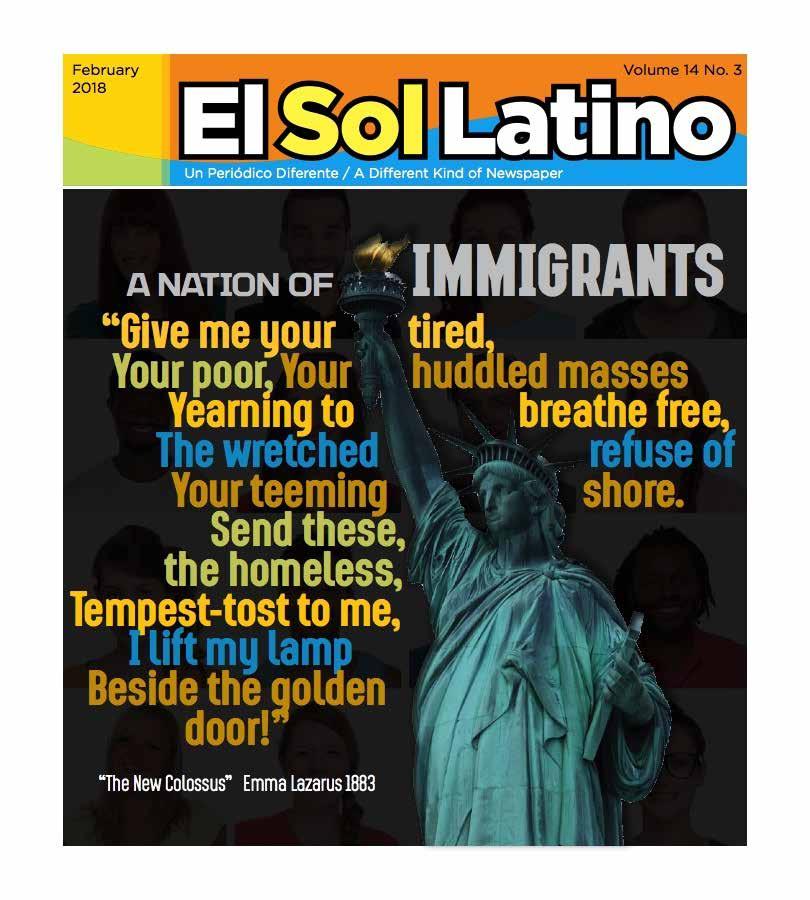
2 Foto del Mes /Photo of the Month Remembering our February 2018 Edition
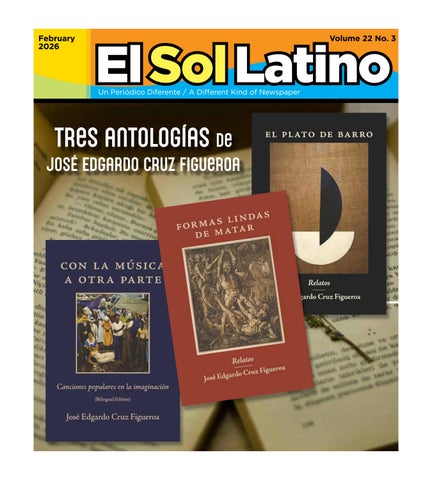
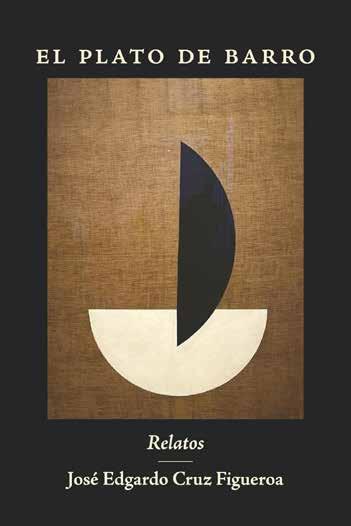
3 Portada / Front Page Tres Antologías de José Edgardo Cruz Figueroa
4 Springfield Puerto Rican Parade Unveils 2026 Leadership
6 Opinión / Opinion
Belief in Students Defines Our Way Forward
7 The Future of the Palestine State: Gaza, the West Bank and East Jerusalem
10 La moral en ascuas
12 Libros / Books
Obstinate Star: A History of the Puerto Rico Independence Movement
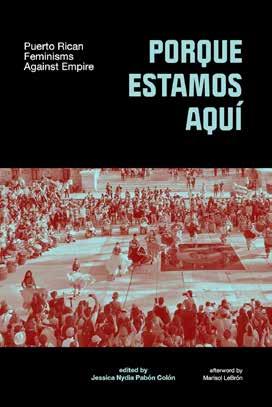
Porque Estamos Aquí: Puerto Rican Feminisms Against Empire
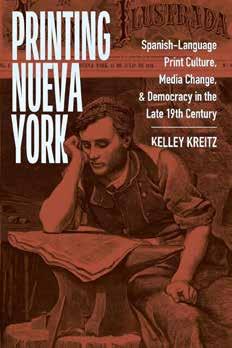
13 Printing Nueva York
14 Educación / Education
Latino Endowment Fund Supports Connecticut ¡Adelante! Program
15 Estudiantes Hispanos alcanzan Niveles Récord de Inscripción en Universidades de Estados Unidos
16 Holyoke Community College scholarship season open for 2026-2027
17 Deportes / Sports
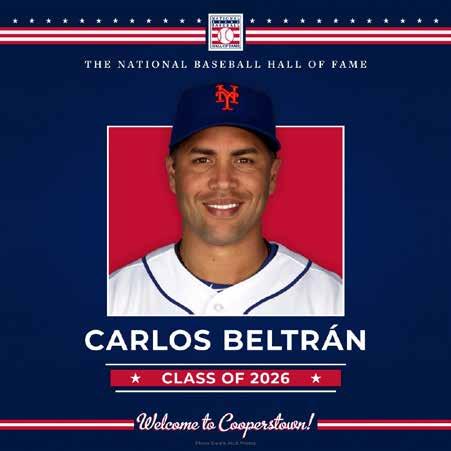
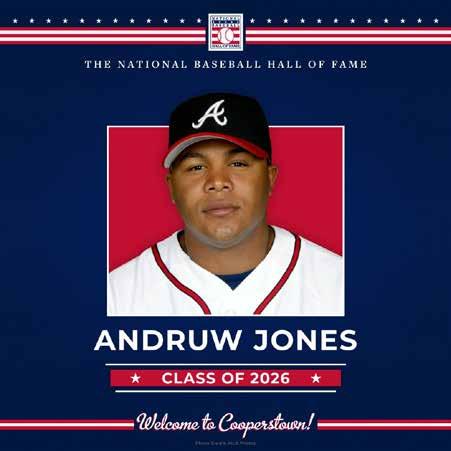
Carlos Beltrán, Andruw Jones Elected to Hall of Fame by BBWAA
Editor Manuel Frau Ramos manuelfrau@gmail.com 413-320-3826
Assistant Editor Ingrid Estrany-Frau
Art Director Tennessee Media Design
Business Address El Sol Latino P.O Box 572 Amherst, MA 01004-0572
Editorial Policy
El Sol Latino acepta colaboraciones tanto en español como en inglés. Nos comprometemos a examinarlas, pero no necesariamente a publicarlas. Nos reservamos el derecho de editar los textos y hacer correcciones por razones de espacio y/o estilo. Las colaboraciones pueden ser enviadas a nuestra dirección postal o a través de correo electrónico a: info@elsollatino.net.
El Sol Latino welcomes submissions in either English or Spanish. We consider and review all submissions but reserve the right to not publish them. We reserve the right to edit texts and make corrections for reasons of space and/or style. Submissions may be sent to our postal address or via electronic mail to: info@elsollatino.net.
El Sol Latino is published monthly by Coquí Media Group. El Sol Latino es publicado mensualmente por Coquí Media Group, P.O Box 572, Amherst, MA 01004-0572.
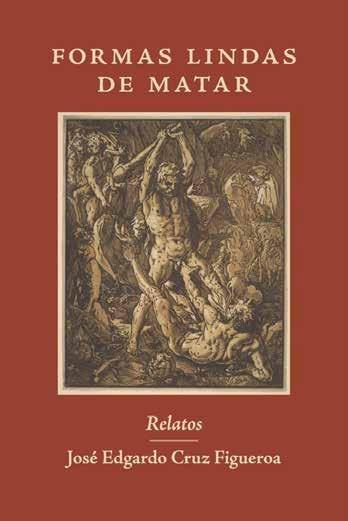
Los lectores de El Sol Latino ahora pueden darle una mirada global, reflejo de un objeto físico en vez de cibernético, a los relatos del frecuente colaborador de este periódico, José Edgardo Cruz Figueroa, cuya obra publicada se recopila en tres antologías. La primera, Formas lindas de matar (2023), incluye “Igual que un sueño”, el relato que marcó su debut como autor. Ese trabajo, y es así porque escribir ficción es trabajoso, fue publicado en la prestigiosa revista de literatura y cultura hispánica Confluencia, con sede en la Universidad de Northern Colorado. Las antologías recopilan los cuentos y relatos publicados en El Sol Latino y en Confluencia; en las revistas con sede en Puerto Rico 80grados, Cruce, Sargasso y Siglo22; en el Latin American Literary Review, una revista académica con sede editorial en Brandeis University; y en las revistas digitales Alhucema—con sede en Madrid—, y Trasdemar—con sede en las Islas Canarias—.
Sobre Formas lindas de matar, la reconocida escritora y artista Elizabeth Robles ha dicho: “La capacidad amatoria es la fuerza que transita en Formas lindas de matar. Aquí, leer es indagar la intimidad de la confesión. Mirarnos ante los espejos que reproducen la vida... distorsionada, es como pasar de una dimensión a otra. La propia existencia es una neblina hasta la llegada del final, inevitable. La isla es su metáfora; su teoría es Volver a empezar, la imagen de la mirada, la del telescopio, es la de la belleza de las cosas pequeñas en lo terrero y perfecto. Presenciamos la fragmentación de un migrante, un puertorriqueño que se ha ido para olvidar, que luego de andar por el mundo se sintió ajeno a todo. Será desde ese sentido de extrañeza que se nos develan historias compartidas”.
En la contraportada de El plato de barro leemos: “En estos relatos hay un ansia de amor modulada por el desencanto. Aquí hay otras cosas, nutridas por la aspiración de idealizar lo mundano e inexplicable para conservarlo, ya sea una amistad sincera o un plato de barro que cae al suelo. Una mujer tatuada atrae y repele. Viajar a Puerto Rico suscita sentimientos ambivalentes. Matar disgusta porque hace daño pero también satisface porque es un ajuste de cuentas. En la compra de un libro se descubre un mundo arcano y en la lectura de otro se descubre uno mismo. Un viaje en tren resulta desconcertante y perturba el orden de las cosas: Puerto Rico es Nueva York y Nueva York es Puerto Rico. Aquí, como en la literatura en general, un cuento puede
ser el principio de otro cuento. Estos relatos son una mezcla de imaginación y ensueño, una excusa para recordar del pasado lo que no pudo ser y nunca será”.
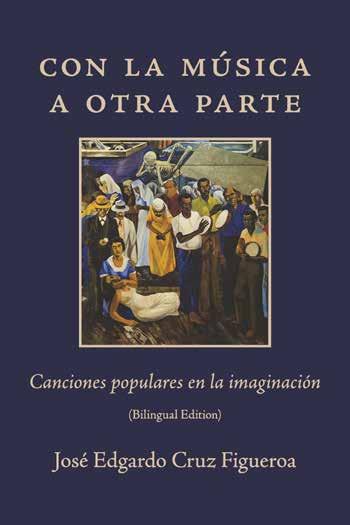
Con la música a otra parte es una edición bilingüe lo cual la hace accesible a quienes prefieran leer los cuentos en inglés. Son ocho, basados en canciones populares, cada uno llevando la música “a otra parte”, transformando sus verdades fantasiosas en fábulas. Según la cuatrista y etnomusicóloga Noraliz Ruiz-Caraballo, “Con la música a otra parte entrelaza ficción y realidad para contar las historias que pudieron haber inspirado algunas de las canciones más emblemáticas del repertorio popular puertorriqueño”. El músico y catedrático asociado de etnomusicología del Conservatorio de Música de Puerto Rico, Jaime O. Bofill Calero, añade: “Elena, Perico, el negro bembón...detrás de cada personaje hay una historia fascinante. Cruz nos recuerda que la canción popular puertorriqueña es una crónica de la vida cotidiana del barrio. ¡Una gran aportación a la literatura y estudio cultural de la música popular puertorriqueña!”
Las tres antologías están disponibles en Amazon. En Puerto Rico se consiguen en la Librería Mágica, en Río Piedras; Casa Norberto en Río Piedras y Plaza Las Américas; y en la Librería Laberinto en el Viejo San Juan. Formas lindas de matar también está disponible online en libreriaisla.com.
Todas las antologías pueden ser ordenadas directamente del autor escribiendo a cruzjose5319@gmail.com.
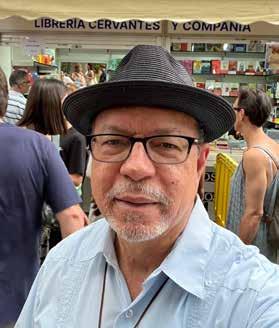
JOSÉ EDGARDO CRUZ FIGUEROA (cruzjose5319@gmail.com) es natural de San Juan y criado en El Fanguito y Barrio Obrero en Santurce, Puerto Rico. Es profesor emérito de ciencias políticas en la Universidad del Estado de Nueva York en Albany.


Springfield, MA – January 6, 2026 - The Springfield Puerto Rican Parade is thrilled to announce Jayne Astacio Melendez and Wilfredo Lopez-Peña as Board Co-Chairs for the 2026 Springfield Puerto Rican Parade, a Western Massachusetts cultural staple. Now in its 36th edition, this year’s Parade will take place on Sunday, September 13, welcoming thousands of attendees from across New England and beyond.
they leave feeling energized, seen, and reminded of the strength of our Puerto Rican community in Springfield. It’s a reminder of our resilience, our contributions, and our right to be seen, heard, and celebrated.”
The Springfield Puerto Rican Parade’s mission is to uplift and empower the community by celebrating Puerto Rican culture, challenging stereotypes, preserving heritage, providing a sanctuary for cultural expression, representing the island, and leaving a lasting legacy. “In a time of economic and cultural challenges, spaces that celebrate identity, unity, and joy are essential,” said Astacio Melendez.
Astacio Melendez and Lopez-Peña lead the organization with support from the Executive Committee, with Sasha N. Viands serving as Treasurer, and Angelle Lopez as Secretary. Continuing Board Members include Attorney Veronice Santana, Esq., Luz Lopez, Kyra Rodriguez, Dr. AnnMarie Martinez, and Jonatan Rivera. They are joined by new Board Members Ric James, Ulyssa Lopez, LICSW, MBA, Sally Delgado, and Lidya RiveraEarly, totalling 13 members - a milestone reflecting the Parade’s continued growth and strengthened leadership.
“This year’s leadership reflects our community through lived experience. We represent different generations, professional backgrounds, and perspectives, but we are united by our culture and love for Springfield,” said Astacio Melendez. “Many of us are parents, organizers, and community advocates who understand the real needs, challenges, and strengths of our people. That diversity allows us to lead with empathy, accountability, and pride.”
Lopez-Peña emphasized the collaborative effort and dedication of the volunteers who make the Parade possible. He also shared his hopes for the community’s experience at the celebration. “This leadership team is special because it consists of a group of talented, engaged volunteers coming together to put on one of the largest annual events in New England,” said Lopez-Peña. “Sincerity. I hope the community feels the sincerity of our celebration. Although Puerto Ricans have made societal advancements, there is still a deep sense of community as the Island of Puerto Rico continues to be the longest colonized nation in the world.”
“I hope the community feels proud, welcomed, and connected. I want people to feel that this celebration belongs to them - that it reflects their stories, their culture, and their joy,” said Astacio Melendez. “Above all, I hope
Additional opportunities for engagement include a bus trip to the National Puerto Rican Day Parade, Inc. in New York City (June), Fenway Park for the Boston Red Sox Puerto Rican Heritage Game (July) and The Puerto Rican Festival of Massachusetts, Inc in Boston (July). All SPRP events are open to the public, with ticket links and event logistics shared on the Parade’s social media/website as they are released. With planning underway, the organization is seeking sponsors, volunteers, vendors, community partners, and media collaborators to support the 2026 season. For more info, contact the organization via email admin@springfieldprparade.com or visit their website www.springfieldprparade.com.
Springfield Puerto Rican Parade’s mission is to uplift and empower the community by celebrating Puerto Rican culture, challenging stereotypes, preserving heritage, providing a sanctuary for cultural expression, representing the island, and leaving a lasting legacy.
Un podcast sobre la historia del archipiélago de Puerto Rico y el Caribe
Conversaciones con expertos sobre el tema y personalidades de interés.
Con el historiador público Ramón A. González-Arango López.
¡Nuevo episodio todos los jueves! ¡Comparte y disfrútalo!

Estudiante de la UPR-RP es seleccionada por el Departamento de Energía Federal para investigación científica
Por ÁMBAR GUTIÉRREZ BÁEZ
Oficina de Comunicaciones | Recinto de Río Piedras-UPR
RÍO PIEDRAS, PR | UNIVERSIDAD DE PUERTO RICO | 13 de enero de 2026 - La estudiante doctoral Alondra S. RodríguezRolón, del Departamento de Química del Recinto de Río Piedras de la Universidad de Puerto Rico (RRP-UPR), fue seleccionada por el Departamento de Energía de los Estados Unidos (DOE), para participar en el prestigioso programa de la Oficina de Investigación de Estudiantes de Posgrado en Ciencias (SCGSR, por sus siglas en inglés).
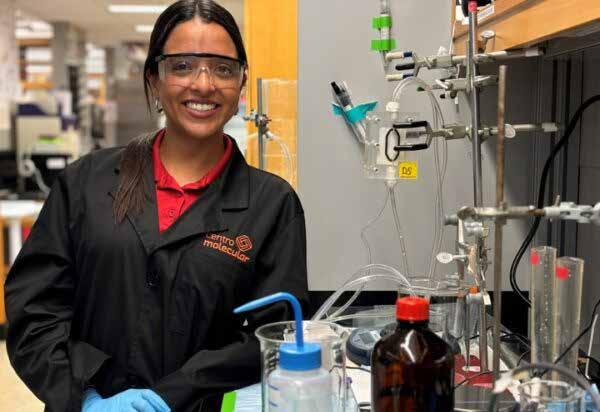
El programa SCGSR del DOE es altamente competitivo y busca formar a la próxima generación de científicos y especialistas en áreas críticas para la energía y el medioambiente. Su misión es apoyar estudiantes destacados en la realización de investigaciones doctorales en colaboración con científicos de los laboratorios nacionales del DOE. En esta ocasión seleccionaron 69 estudiantes de posgrado de 27 estados, incluyendo la isla, para el primer ciclo de la convocatoria. Rodríguez-Rolón llevará a cabo su investigación en el Argonne National Laboratory (ANL) en Illinois, bajo la mentoría de la Dra. Lauren Valentino, investigadora de la división de materiales aplicados dentro del área de Separaciones y Bioprocesamientos.
“Esta oportunidad representa un gran logro para mí en un momento desafiante para la ciencia. ¡Ha sido un sueño hecho realidad! Ser parte de la generación de científicos comprometidos con la innovación para un futuro más sostenible me llena de emoción, felicidad y orgullo”, compartió la joven investigadora, quien también pertenece al Laboratorio de Materiales y Membranas Funcionalizadas, dirigido por el Dr. Eduardo Nicolau, catedrático en la Facultad de Ciencias Naturales del campus riopedrense y director ejecutivo del Centro Molecular-UPR.
“Este proyecto -explicó- surge del interés de lograr separar litio de los residuos líquidos generados por las industrias de reciclaje de baterías. El mayor desafío es lograr la separación selectiva del litio de otros metales, así como garantizar la estabilidad de los materiales utilizados”.
“Estoy muy entusiasmada por ver los resultados de la investigación como parte de esta colaboración entre Argonne National Lab y la Universidad de Puerto Rico. Agradezco el apoyo incondicional de mi mentor de tesis, Dr. Eduardo Nicolau, Dr. Lisando Cunci y Ámbar Maldonado-Santos, quien fue recipiente de esta misma beca el año pasado”.
Su mentor, el doctor Nicolau comentó que el logro de Alondra representa el espíritu de excelencia y colaboración científica que promueven en su laboratorio. “Su investigación en Argonne complementa directamente nuestros esfuerzos en el desarrollo de membranas avanzadas para purificación de agua, recuperación de recursos y sostenibilidad energética. Nos llena de orgullo verla contribuir desde Puerto Rico a una agenda científica de impacto global en el área de materiales y energía”, expresó.
Por su parte, la rectora Dra. Angélica Varona-Llavona dijo que, “esta distinción pone nuevamente de relieve, no solo el talento innato de estudiantes como Alondra, sino también la calidad de los docentes e investigadores de nuestro recinto”. “Felicito con mucho orgullo –añadió– tanto a la estudiante Rodríguez Rolón como a quienes la han acompañado a través de su formación académica, con la certeza de que esta experiencia será fundamental para que esta joven continúe cincelando un destino profesional esplendoroso”.
La estancia en Argonne se extenderá hasta el 2026, periodo en el que recibirá apoyo del DOE a través de un estipendio mensual que cubrirá sus gastos y dará acceso a las facilidades científicas
Su investigación, titulada “Exploración de membranas de canales iónicos zwitteriónicos para la recuperación de litio y la resistencia a la incrustación a largo plazo en aguas residuales industriales”, busca desarrollar nuevas membranas poliméricas inspiradas en canales iónicos biológicos que permitan recuperar litio de corrientes industriales de forma selectiva y sostenible, contribuyendo, así, al avance de tecnologías para la recuperación de materiales críticos y la construcción de una cadena para lograr energía limpia.
La recuperación de litio como otros metales es importante dado la demanda actual en carros eléctricos, dispositivos electrónicos, así como otro tipo de aparatos que utilizan litio. El DOE está interesado en explorar estrategias para poder recuperar ese material considerado crítico (critical materials) de fuentes no comunes o no convencionales como es el agua residual de las industrias. “Es por esto que, junto con la Dra. Valentino, investigaremos membranas que simulen canales iónicos selectivos para el paso de este ion y que, además, muestren resistencia al ensuciamiento”, abundó la futura doctora en Química Analítica. El proyecto de Rodríguez Rolón está alineado con la misión del Departamento de Energía federal de fortalecer la cadena de suministro de materiales críticos como el litio, incorpora técnicas de espectroscopía de fotoelectrones de rayos X (XPS), análisis termogravimétrico (TGA) y microscopía electrónica de barrido (SEM), para correlacionar la estructura química de los materiales con su desempeño selectivo y resistencia a la incrustación.
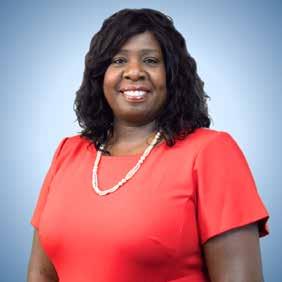
by Dr. SONIA E. DINNALL Superintendent of Springfield Public Schools
The State of the Schools is an opportunity to pause, take stock, and reflect honestly on what our students need from us next. As we gathered for our second annual State of the Schools address recently, this perspective grounded our conversation and guided our reflections.
Student voice shaped the event in meaningful ways. From early readers sharing the joy of literacy, to middle school students beginning to map their futures, to high school students demonstrating leadership, creativity, and innovation, our students reminded us that belief is not an abstract idea. It is something they feel, experience, and carry forward when the adults around them create the conditions for growth.
El estado de las escuelas es una oportunidad para hacer una pausa, evaluar la situación y reflexionar con honestidad sobre lo que nuestros estudiantes necesitan de nosotros en el futuro. Cuando nos reunimos recientemente para nuestro segundo discurso anual sobre el estado de las escuelas, esta perspectiva sirvió de base para nuestra conversación y guió nuestras reflexiones.
One of the most meaningful moments of the program came from our guest speaker, Brandin Stewart, a graduate of The High School of Science and Technology and a First Lieutenant in the United States Marine Corps. Brandin shared his story not as a list of accomplishments, but as a reflection on the educators, mentors, and community leaders who helped shape him along the way. He spoke about stepping into unfamiliar spaces, meeting high expectations, and responding to challenges with confidence and purpose - skills that were nurtured long before he wore a uniform.
Alongside these stories, we also shared data that helped ground our reflections. It offered insight into where our efforts are gaining traction and where continued focus is needed. Data does not define our students, but it helps guide our decisions as we work to strengthen systems, supports, and opportunities across the district.
Now, the work continues. As we move forward, we are building the next phase of our Strategic Growth Plan with a clear focus on early literacy, middle school transformation, college and career readiness, and post-secondary success. Guided by our Portrait of a Graduate, we remain committed to ensuring every student is prepared not only to graduate, but to thrive.
Anyone interested in joining a Strategic Growth Plan work group, should email commoffice@springfieldpublicschools.com
La voz de los estudiantes dio forma al evento de manera significativa. Desde los primeros lectores que compartieron la alegría de la alfabetización, hasta los estudiantes de secundaria que comienzan a trazar su futuro, pasando por los estudiantes de bachillerato que demostraron liderazgo, creatividad e innovación, nuestros estudiantes nos recordaron que la confianza no es una idea abstracta. Es algo que sienten, experimentan y llevan adelante cuando los adultos que los rodean crean las condiciones para el crecimiento.
Uno de los momentos más significativos del programa lo protagonizó nuestro ponente invitado, Brandin Stewart, graduado de la Escuela Secundaria de Ciencia y Tecnología y primer teniente del Cuerpo de Marines de los Estados Unidos. Brandin compartió su historia no como una lista de logros, sino como una reflexión sobre los educadores, mentores y líderes comunitarios que le ayudaron a formarse a lo largo de su trayectoria. Habló de adentrarse en espacios desconocidos, cumplir con altas expectativas y responder a los retos con confianza y determinación, habilidades que se forjaron mucho antes de que se pusiera el uniforme.
Junto con estas historias, también compartimos datos que ayudaron a fundamentar nuestras reflexiones. Estos datos nos permitieron comprender en qué áreas nuestros esfuerzos están dando frutos y en cuáles es necesario seguir centrándonos.
Los datos no definen a nuestros estudiantes, pero nos ayudan a orientar nuestras decisiones a medida que trabajamos para fortalecer los sistemas, los apoyos y las oportunidades en todo el distrito.
Ahora, el trabajo continúa. A medida que avanzamos, estamos construyendo la siguiente fase de nuestro Plan de Crecimiento Estratégico con un enfoque claro en la alfabetización temprana, la transformación de la escuela secundaria, la preparación para la universidad y la carrera profesional, y el éxito postsecundario. Guiados por nuestro Retrato de un graduado, seguimos comprometidos con garantizar que todos los estudiantes estén preparados no solo para graduarse, sino también para prosperar. Cualquier persona interesada en unirse a un grupo de trabajo del Plan de Crecimiento Estratégico, debe enviar un correo electrónico a commoffice@springfieldpublicschools.com.
JOSÉ P. ARCE and MIGUEL L. ARCE
The conflict between the Palestinian people and Israel is one of the longest-running and most violent disputes in the world. In 1947, against a backdrop of growing violence between Jews and Arabs, the United Nations (UN) voted for Palestine to be split into separate Jewish and Arab states. Jerusalem would become an international city. In 1967, through war, millions of Palestinians in the Gaza, the West Bank, and East Jerusalem came under Israel’s control. Palestinians have always occupied those areas and oppose Israel’s presence in their territories. Gaza, the West Bank, and East Jerusalem are widely known as the Occupied Palestinian Territories. The number of Palestinians in the Occupied Gaza Strip, Occupied West Bank and Occupied East Jerusalem is estimated at 5.3 million (World Population Review, January 2026). The increase of the Israeli’s stifling presence — Jewish population growth and their land annexation — in the internationally recognized Palestinian territory has serious negative implications. Clearly, the Palestinian’s ability and credibility to exercise the right to self-determination are diminishing in the three separated territories. In contradistinction to the Israeli’s political stance, “the State of Palestine is recognised as a sovereign state by 157 UN member states, representing 81 percent of members” (Which are the 150+ countries that have recognised Palestine as of 2025? aljazeera.com, n.d.). The three distinct, separated geographical areas — that is, Gaza, the West Bank, East Jerusalem — are vital for a future Sovereign Palestinian State.
Despite the UN vote in 1947, Jewish occupying colonialists are currently seeking permanent control of Gaza. As the last twentyeight months have painfully displayed, the Israeli government has demonstrated a clear, consistent intent to establish permanent control over the Gaza Strip. The Times of Israel (January 17, 2026) indicates the Israeli Defense Forces currently hold control over approximately 75 percent of the Gaza Strip, and under the new plan the military would be expected to occupy the remaining territory as well— bringing the entire Palestine enclave under their control. In addition to expanding its buffer zones, Israel’s military is dividing Gaza through two corridors. One example, during most of the war it isolated northern Gaza and Gaza City from the rest of the territory with the Netzarim corridor. At the same time, the Israeli government ruthlessly ensures that a Jewish majority controls the occupied West Bank and East Jerusalem (The UN Independent International Commission of Inquiry on the Occupied Palestinian Territory, September 23, 2025). There is an expansion of armed Jewish civilians in the Palestinian territories. The violent actions of occupying colonialists are never held to account. Local authorities turn a blind eye to the felonies, and at times, they join the so-called settlers. Local Israeli authorities support the demolition of homes and infrastructure. These violent actions represent a minuscule fraction of the overall process of Zionist displacement and land accumulation taking place (Good Shepherd Collective, November 18, 2025). The goal is to forcibly transfer Palestinians and maintain a growing occupation
throughout the territories of Palestine. The military and civilian occupiers impose extensive restrictions on freedom of movement through checkpoints and roadblocks. They build walls and overall display a disdain for those who live in the Palestinian territories. As evident by their actions, Israelis can and do administratively detain individuals arbitrarily. Once again, the goals of the Israeli government are the occupation, expansion, and annexation of Palestine: Gaza, the West Bank and East Jerusalem.
The Occupied Gaza Strip is a stretch of land surrounded by Israel, Egypt and the Mediterranean Sea. It is 25 miles long and 7.5 miles wide. It is less than half the size of Rhode Island, which is 41 miles long and 20 miles wide. Prior to the invasion — the devastation, rubble, and loss — Gaza was/is a Palestinian Territory where approximately 2.2 million, about 41% of the population of Palestine had erected homes, which at present are large
Various United Nation commissions and experts have declared that what is happening in Gaza is genocide. The Gaza death toll has reached 84,000. Violent and Nonviolent Death Tolls for the Gaza War: New Primary Evidence (Middle East Monitor, June 25, 2025) is the most comprehensive and scientifically grounded estimate of war-related deaths in the enclave to date. It also estimates 8,540 nonviolent deaths are due to starvation disease, and the collapse of healthcare systems.
We all have seen the devastation, rubble, destruction, and loss that has taken place (and continues to take place) in Gaza. Attacks on Gaza between October 2023 and February 2025 had already destroyed 89% of water and sanitation sector assets in the Gaza Strip (Assessment Capacity Project [ACAPS], March 25, 2025). A year has elapsed since this report—how much more destruction has taken place since February 2025? Furthermore, the corridors and buffer zones continue to increase the territory under Israeli control. This increase in territory has significant implications for the Palestinians’ ability to exercise the right to self-determination (United Nations Human Rights, Office of the High Commission, September 23, 2025). Since the “ceasefire” of October 10, 2025, daily airstrikes, shelling and gunfire continue to be documented across the Gaza Strip. The Ministry of Health (MoH) has reported that since the ceasefire, 414 Palestinians have been killed, 1,145 injured, and 680 bodies have been retrieved from under the rubble (United Nations Office on Coordination of Humanitarian Affairs, n.d., Report #203/United Nations Relief and Works Agency).
Despite the severe winter weather, after the signing of the ceasefire on October 10, 2025, tens of thousands of individuals on foot, or on donkey or in overburdened cars/trucks started back into the heavily destroyed North Gaza. However, their homes had already been destroyed (U.S. News, October 10, 2025).
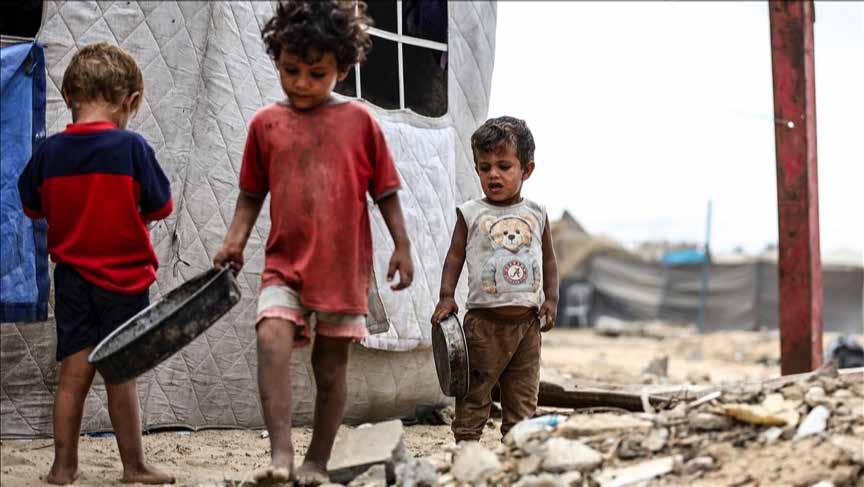
Palestinians in Gaza are struggling to survive in makeshift tents damaged by severe winter conditions rain, wind, and seawater waves; or in damaged buildings at risk of collapse. Tents, often
continued on page 8
not more than a sheet of plastic, are housing countless homeless families in overcrowded conditions with strong winds and torrential rains. “Everyone’s tents are flooded,” says Abed al-Moneim alZein, a 60-year-old displaced man from northern Gaza. “There aren’t enough tents, mattresses, or blankets” (Independent, December 29, 2025).
— continued from page 7
operations in the occupied West Bank, the Israeli military has displaced tens of thousands of Palestinians by destroying homes and essential civilian infrastructure in refugee camps rendering them uninhabitable (Amnesty International, June 5, 2025).
According to the Palestinian Ministry of Health, between January 21 and June 4, 2025, the Israeli forces have killed at least 80 Palestinians, including 14 children, in the northern West Bank, including in the historic city of Nablus (Amnesty International, June 5, 2025).
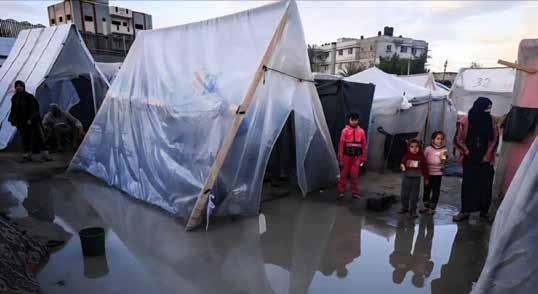
Photo: https://sl.bing.net/gD63a4pe3W0
The Occupied West Bank territory lies between Israel and Jordan, taking up an area of approximately 2,183 square miles, about the size of our own second smallest state, Delaware. The West Bank is a landlocked territory located on the western bank of the Jordan River. It is bordered by Israel to the east, north, and south, and also by Jordan to the east. The West Bank is part of the larger state of Palestine. This territory is home to an estimated three million Palestinians (Institute for Middle East Understanding, June 16, 2024). Within the territory of Palestine’s West Bank, there are about 160 Israeli settlements, housing about 700,000 Jews (BBC, October 14, 2025). In a recent report, the Office of the High Commissioner for Human Rights (July 15, 2025) states that “Israeli settlers and security forces have intensified their killings, attacks and harassment of Palestinians in the occupied West Bank, including East Jerusalem, in the past weeks. This includes the demolition of hundreds of homes and forced mass displacement of Palestinians, contributing to the ongoing consolidation of annexation of West Bank territory by Israel, in violation of international law”.
The Israeli army has deployed tanks, carried out air strikes, destroyed buildings, dug up roads and infrastructure, and imposed extensive restrictions on freedom of movement through the use of checkpoints and roadblocks. Since early 2025, Israeli forces have executed over 477 military operations and administrative demolitions, targeting Palestinian homes and livelihoods, displacing 1,891 people and destroying 1,475 structures. This is a daily average of nearly five people displaced and five structures demolished daily (Good Shepherd Collective, November 18, 2025). As part of its brutal ongoing military
The ongoing violence has resulted in significant casualties. As of December 2025 (two months after the ceasefire in Gaza), the incursions by Israeli forces have resulted in the killing of 806 West Bank Palestinians, including 143 children. Not a day goes by without the murder of a West Bank Palestinian (Tech for Palestine Collective {TCP}, updated January 6, 2026). Furthermore, there have been 3,143 “settler” attacks on villages that have resulted in ripped up roads, demolition of buildings and uprooting of olive trees, which were planted by past generations of Palestinian families. Unauthorized, violent Israeli extremists have swamped farms and orchards and torched them as soldiers stood by and watched. Appallingly, the demolition of nearly 1,900 homes and other vital infrastructure represent a fraction of the overall process of Zionist displacement and land accumulation (Good Shepherd Collective, November 18, 2025). Israeli military checkpoints, Israeli-only roadways, and other physical transportation obstacles are intended to privilege the movement of occupiers. These segregated roadways are designed to make it difficult and dangerous for Palestinians to travel from one place to another. Traditional roadways are restricted even on their own land to visit family or friends, go to school, to work, to the doctor; necessary to lead a normal life. West Bank Palestinians are cut off from one another and the outside world.
Jerusalem is one of the oldest cities in the world. East Jerusalem, a Holy site, is central in the Palestinian-Israeli conflict. The most sacred sites lie in East Jerusalem. According to International law, East Jerusalem is part of the Palestinian territories, but nonetheless, is under the illegal Israeli occupation (Institute for Middle East Understanding, June 16, 2024). Israel has worked to restrict and reduce its Palestinian population while increasing its Jewish population. It is central to the plan to gain absolute control of the entire city; thereby, restricting the ability of Palestinians to build or expand homes in East Jerusalem. It’s next to impossible to obtain construction permits. In an all-too-common occurrence, buildings constructed without Israeli permits (which are systematically denied to Palestinians) are demolished. Israel destroys Palestinian homes, businesses and other structures that are without building permits. The pattern is to have permit
continued on next page
requests languish without acting until the time is “right”. This discrimination does not allow Palestinians to participate in municipal planning, including getting city permits; thereby denying them basic services and resources in their own territory.
East Jerusalem has a population of 236,000, around the size of the population of Boise, Idaho. Palestinians residing in East Jerusalem live on 13% of the municipal land, while 87% of the land is designated for Israelis. The World Council of Churches (October 2024): “Palestinians are living behind the Separation Wall that isolated eight Palestinian neighborhoods from the city. A separation wall has created a near-total halt in municipal services, development of physical and social infrastructures, and emergency medical and relief services in the isolated neighborhoods. The residents are living in no man’s lands that are gradually turning into pockets of poverty and neglect, and they are required to go through checkpoints to enter their own city”. Just like in the West Bank, the Separation Wall fatally tears the social and economic fabric of Palestinian Jerusalem. Israeli policies and actions, even before October 2023, explicitly or implicitly supported violent settlers. Further, the same strategies and practices demonstrate the intent to forcibly “transfer” Palestinians and expand Israeli Jewish civilian presence. The final goal is to annex it in its entirety (United Nations, September 23, 2025).
continued from page 8
What is happening to Palestinians in the Occupied Gaza, the Occupied West Bank and Occupied East Jerusalem are deeply troubling — mass murder, occupation and de-facto annexation by means of settlement expansion, and land confiscation — all in an effort to prevent national sovereignty. The loss of freedom of movement and access to ancestral lands is impeded by everexpanding buffer zones and continuous expansion and the establishment of corridors. The four-month-old cease fire, signed on October 10, 2025, has been violated on a daily basis. Within the first ten days after the ceasefire, Israel had already violated the terms of the truce 80 times (Aljazeera, October 20, 2025). The New York Times (December 24, 2025) found over 460 individuals were killed in the first two months since the cease-fire (also in Foreign Policy Magazine, December 29, 2025).
A 20-point peace plan that was agreed to on October 10, 2025 (supported by Qatar, Turkey, Egypt, the United States, and endorsed by the United Nations Security Council) has failed. The plan had three phases: demilitarization, technocratic governance, and reconstruction. The Gaza ceasefire is not moving to phase two due to the daily, continuous assaults on Palestinians. What was supposed to happen in phase one? Phase one was designed
to immediately halt the fighting, facilitate the exchange of Israeli and Palestinian captives, set a boundary for the Israeli withdrawal from parts of Gaza, allow the full entry of humanitarian aid, and open the Rafah crossing between Gaza and Egypt. In Gaza, Palestinians believe Israeli troops never intend to leave the areas they now control. The 20-point plan that became the basis for a ceasefire in Gaza four months ago never became a reality on the ground. The ceasefire’s most contentious issue, the one at the heart of Israeli-Palestinian negotiations for decades, is the conditions for the creation of a Palestinian state at the end of the three-phase plan (Al Jazeera, 2026). The only discussion of Palestinian statehood in the ceasefire document is in one of the final points where, in vague language, it mentions that after Gaza’s redevelopment, a “board of peace” will advance to oversee Gaza. However, as we have indicated, most of Gaza has been destroyed by Israeli bombardment in the fighting (Seattle Times, January 16, 2026). “This is not a force for stability, it’s a force of occupation,” said Ahmed Al-Kibriti of Gaza City, who also spoke to a freelance journalist working for CBC News (CBC News, December 22, 2025).
The Israeli government has demonstrated a clear and consistent intention to establish permanent control over the Gaza Strip, the West Bank and East Jerusalem. The Israeli government ruthlessly ensures the occupations. There is an expansion of the number of armed Jewish civilians. The armed colonialist, a tool of violent expansion, is never held to account. The goal is to forcibly transfer Palestinians and maintain an indefinite occupation throughout the territories of Palestine. The plan is straightforward: a) the occupation, expansion, and b) the annexation of all the occupied Palestine territories in the Gaza, the West Bank and East Jerusalem and c) the prevention of a Sovereign Palestine State. The de facto Israeli vision and their actions are a long way from self-determination and the definitive “two state” solution that has been repeatedly called for by the United Nations.
por JOSÉ EDGARDO CRUZ FIGUEROA
La presidencia de Donald Trump representa el declive político, legal y moral más pronunciado que jamás haya sufrido la nación estadounidense salvo por el período de la esclavitud del pueblo afroamericano. De seguro que la aberración que su liderato representa no perdurará, pero creer eso en este momento es un ejercicio profundo de fe cuyas bases cada día se tornan más y más frágiles; sus efectos desaparecerán pero seguramente más tarde que temprano, quizás durante la próxima generación.
El liderato de Rusia, China, Corea del Norte y Cuba nos tiene acostumbrados a la podredumbre moral de sistemas que se pasan la opinión pública por donde no les da el sol. En ese respecto Trump ha demostrado que nada tiene límites pues los sobrepasa. Para él y sus compinches la justicia, la igualdad, los derechos humanos, el derecho internacional, el sistema mismo de cooperación democrática global no significa nada. Lo único que cuenta, según las propias declaraciones del dictador en jefe, es su mente y su moralidad. La primera se rige por una obsesión sociopática con la subordinación total de sus adláteres a sus designios, no importa cuán enfermizos y descabellados. La segunda es la moralidad transaccional del gangster. En Trump se sintetizan Stalin y Mussolini; es Hitler, Franco y Pinochet lite, la única diferencia siendo que todavía no ha ejecutado algo exactamente comparable al Holocausto o a la encarcelación y asesinato masivo de sus contrincantes. Es la amalgama de lo peor de la extrema derecha y la extrema izquierda, con su racismo, xenofobia y misoginia y su odio del estado excepto cuando está en sus manos que entonces lo usa para vigilar, perseguir, enjaular y reprimir a los ciudadanos. Sus sicofantes se rigen por un credo nihilista, sofista y basado en el ejercicio del poder de forma despiadada, poder cuyo único límite es el límite del poder. La justificación moral de sus acciones es el poder que tienen de ejecutarlas. La única justificación de lo que hacen es que pueden hacerlo. Es una variante de lo que decía Richard Nixon: “If the president does it, it is right.”
Muchos piensan que las elecciones de medio término le pondrán freno a los abusos más desecrables que Trump ha cometido en su primer año. Pero con Trump nada se puede dar por sentado y es posible que gracias a las patrañas que los Republicanos han cometido con los distritos electorales congresionales la Ola Azul que tantos esperan termine siendo un fiasco tal y como fue el caso con la Ola Roja que no se materializó durante el término del presidente Biden. Y si Trump logra eliminar las máquinas para contar votos y las papeletas por correo, como está tratando de hacer de forma desesperada, su control del Congreso podría mantenerse por dos años más.
Cuando Gavin Newson emuló a los Republicanos, ordenando la revisión del mapa electoral de California, éstos lo acusaron de incurrir en una práctica inconstitucional; son expertos en predicar la moral en calzoncillos. La corte federal donde se ventiló el caso, en una decisión partidista, rechazó el alegato. Es posible que la
Corte Suprema honre el rechazo de la corte inferior si no por otra razón que ser consistente pues antes rechazó una demanda similar a la de los Republicanos radicada por los Demócratas en Texas. En todo caso, el daño que esta administración ha hecho en tan poco tiempo es tan profundo y tan extenso que las reparaciones necesarias no solo requerirán una mayoría Demócrata contundente sino que además van a tomar muchos años. Es dudoso que el gerrymandering Demócrata produzca esa mayoría.
Mao Tse-tung una vez dijo que el imperialismo era un tigre de papel. ¡Cuán equivocado estaba! Con Trump el imperialismo norteamericano ha cobrado ímpetu con venganza. Es un tigre robusto, con garras y colmillos largos, bien afilados y sediento de sangre. El orden mundial se ha doblegado a la voluntad de Trump y por el momento no hay quien lo pare. Europa se encuentra postrada, renuente a desafiar a Trump por el temor de que abandone a Ucrania a su suerte, haciendo así la amenaza de Putin preeminente más allá de la frontera ucraniana. Si eso no es una nueva iteración del infame appeasement del preludio de la Segunda Guerra Mundial a mí que me registren. Puede ser que los Demócratas recapturen el Congreso este año y puede ser que recapturen la presidencia en el 2028. Mientras tanto, la hemorragia democrática sigue y el daño a largo plazo es incalculable. Por desgracia los Demócratas sufren de una crisis de legitimidad parecida a la de los Republicanos de suerte que un realineamiento que produzca una mayoría liberal en el país parece ser una quimera. ¿Aquellos que votaron por Obama y luego por Trump, restituirán la égida Demócrata? El país luce polarizado sin remedio.
En Venezuela todo parece apuntar a otra instancia del TACO (Trump Always Chickens Out) y los que sufren siguen siendo los venezolanos que luchan contra el orden Chávez-Maduro. Desde la extrema derecha John Bolton quiere que Trump no se achante y ponga su dinero donde pone su bocota y aniquile a Delcy Rodríguez y a todo su aparato. El problema es que a Trump lo único que le interesa es el petróleo venezolano y si lo consique con Delcy en el poder pues Santa Delcy y a los venezolanos que se los lleve el Diablo. En el centro, María Corina Machado se ha convertido en monigote de Trump y Edmundo González al presente es un cero a la izquierda. Desde la extrema izquierda el Ejército de Liberación Nacional colombiano y otros grupos guerrilleros que operan desde Venezuela en la frontera con Colombia parecen sentirse empoderados para incrementar sus ataques al gobierno, incluyendo en la mezcla a colombianos comunes y corrientes. Estas guerrillas narcotraficantes están dispuestas a combatir la intervención estadounidense en Venezuela en alianza con las fuerzas de seguridad del país, contribuyendo así a la inestabilidad política de la región provocada por Trump, quien lo agrava todo con sus ataques a Gustavo Petro y su alianza con Javier Milei, su Rasputín latinoamericano. TACO parece ser también la dinámica operante respecto a Groenlandia, evidente después de la reunión de Trump en Davos con el secretario general de la OTAN.
continued on next page
La moral en ascuas continued from page 10
Mientras tanto ICE tirotea y mata a Renee Good, madre y poeta, y la respuesta del Departamento de Justicia es investigar a su viuda. La Corte Suprema recorta derechos a diestra y siniestra, el Congreso se hunde en su irrelevancia y el Departamento de Justicia actúa como sicario legal de un presidente vengativo. Dinamarca se muestra insegura ante el poderío americano, Trump espanta a Canadá, que ahora busca nuevos mercados en China, amenaza a México y el orden mundial mira lo que sucede atónito como un rehén que no encuentra qué hacer pues tiene atados los pies y las manos. La moral en el mundo languidece, en ascuas, un fuego sin flama. Un rescoldo político en peligro de extinción. La Época Dorada Americana que tanto trompetea Trump es en realidad la pantalla donde se proyecta la imagen del Mago de Oz, un momento desastroso cuyo más reciente símbolo es la bancarrota de Saks Global, pariente de Saks Fifth Avenue, Neiman Marcus y Bergdorf Goodman. Eso no es la mera decadencia de las compras de lujo en tiendas por departamentos ante el ascenso del comercio electrónico y de segunda mano, sino, además, reflejo de una economía enferma de inflación, desempleo y desaceleración de crecimiento del empleo, condiciones sin duda agravadas por el despido de unos 200,000 empleados federales durante la masacre laboral ejecutada por el DOGE. En enero del 2025 la tasa de inflación era de 3% y el año cerró con una tasa de 2.7%, con el precio de la carne y el café aumentando entre un 10 y 16%.
Lo peor de todo es que el deterioro de las condiciones económicas y los aumentos exhorbitantes en el costo de los seguros de salud que los Republicanos han incitado podrían provocar más descontento que los crímenes y el terrorismo de ICE, la Doctrina Donroe, los crímenes de guerra perpetrados por Pete Hegseth o el deterioro de la democracia y el sistema constitucional de checks and balances. Para muchos, la moralidad, los principios, la democracia, no cuentan tanto como el dinero en el bolsillo. Aceptan el autoritarismo de Trump, sus ínfulas de monarca, porque como ellos son buenos y no hacen nada malo no tienen por qué preocuparse. Pero, ¡ojo al pillo!: a Trump no le importa, por ejemplo, que el impacto negativo de su locura arancelaria se sienta con más fuerza en los estados rojos, donde reside su base. Sus mejores amigos pueden convertirse en sus enemigos, en traidores, en un parpadear por la simple razón de criticarlo.
Quienes dejan de ser los mejores amigos de Trump no necesariamente dejan de apoyarlo. ¿Votarán en su contra los que apoyan a la reciente desgraciada Marjorie Taylor Greene? Lo dudo. En Colorado, muchos de los que quedaron patidifusos y enojados por el veto que le dio a un proyecto de ley que traería agua potable a sus comunidades todavía lo apoyan. Pienso que las condiciones económicas podrían provocar en vez de van a provocar un descontento decisivo con Trump porque el lema it’s the economy, stupid ya no tiene la resonancia electoral que tenía durante los tiempos de James Carville. Los cuidadanos de los estados rojos se aferrarán a su actitud para no admitir que se
equivocaron o porque se creen el cuento de que el bienestar de la nación requiere sacrificios y que ocurrirá a largo plazo. Otros mantendrán su lealtad por miedo. Stalin trató de matar a Osip Mandelstam porque en un poema dijo que el dictador tenía bigotes de cucaracha. De Trump se han dicho cosas peores y todavía no ha intentado matar a sus críticos domésticos pero quién sabe. ¿Quién puede afirmar con certeza que no lo hará?
En la Segunda Epístola a los Corintios, San Pablo los exhorta a mantener la fe pues el advenimiento de la gloria eterna prometida por Dios supera todas las tribulaciones y todos los obstáculos. Es lo que Trump promete aunque en sus mensajes él alega que esa gloria eterna ya es un hecho que se plasmó inmediatamente después de ser inaugurado. Sus rivales también recurren al mensaje de San Pablo desde otro ángulo. Hay que enfocarse en lo que no se ve, que es eterno, en vez de en lo que se ve, que es temporero. De ahí surge el lema: “Esto también pasará.”
Digámosle eso al mundo, a los venezolanos, a la gente de Groenlandia, a las Naciones Unidas y a la OTAN, a todos los inmigrantes aterrorizados por ICE y a los ciudadanos de Minneapolis. Es un discurso positivo que por el momento suena hueco, que no da a basto. ¿Quién parará en seco a este energúmeno, criminal convicto, corrupto e inmoral, a sus verdugos Marco Rubio, Pete Hegseth, Stephen Miller, Pam Bondi y Kristi Noem y cuándo? Veremos a ver. Las elecciones de este año y la del 2028 pondrán a prueba de manera decisiva el carácter de los estadounidenses y la fortaleza del proceso democrático.
The impact of COVID-19 has been especially devastating for communities of color. Now, more than ever, independent, local journalism needs your support
El Sol Latino is your local Latinx-owned, independent news source that brings to the front lines diverse Latino voices, perspectives, news and stories. SUPPORT EL SOL LATINO
by RAFAEL BERNABE • CHICAGO, IL | HAYMARKET
BOOKS | January 6, 2026- paperback | 624 pages
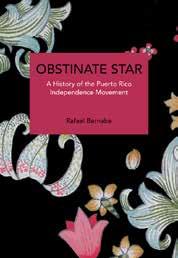
Rafael Bernabe traces the independence movement’s currents from the time of the Napoleonic Wars within and beyond the island, linking them to ongoing social conflicts and international trends and conjunctures. Beginning with the radical democratic fight against Spanish control, the book moves on to the early reactions to U.S. rule, the role of Nationalism, Communism and New Deal currents during the Great Depression and the
edited by JESSICA NYDIA PABÓN-COLÓN
Second World War, the rise of new forces in the wake of the Cuban revolution and recent struggles in the epoch of capitalist globalisation.
Rafael Bernabe Riefkohl is a Puerto Rican historian, sociologist, professor, and politician. He is currently a member of the Senate of Puerto Rico, representing the Citizens’ Victory Movement. He was a candidate for governor for the Workers’ People’s Party in 2012 and 2016. He holds socialist beliefs and ideals and is a frequent critic of the New Progressive Party and the Popular Democratic Party.
• NEW YORK, NY | The Feminist Press at CUNY | November 11, 2025 | 368 pages
In her years of scholarship and activism with fellow Puerto Rican feminists, editor Jessica N. Pabón-Colón reached for a feminism to ground her work and validate the women who paved her way— but in her search for a specific tradition of Puerto Rican feminism, what she found were gaps, disappearances, and unanswered questions. Despite the presence of Puerto Ricans in US pop culture and the long history of Boricua resistance to US subjugation, both on the archipelago and in the diaspora, she did not find a feminist lens to link the myriad identities and geographies of Ricanness or to focus critique on Puerto Rico’s status as an American neo-colony.
Counteracting such erasure, Porque Estamos Aquí maps Boricua feminisms of the past, the present, and the future, defining what it means to be a “bad subject” of US empire. Engaging in radical collectivity, Pabón-Colón joins forces with Puerto Rican scholars, memoirists, artists, and activists—including feminist legends like Aurora Levins Morales and political trailblazers like Rosa Clemente—to ground this anthology in a tradition of resistance to empire at home. Through essays, roundtables, historiographies, poems, and other cross-genre writing, Porque Estamos Aquí asserts that Puerto Rican feminists are undeniably, irreducibly here and will guide generations of our shared movement for years to come.
JESSICA NYDIA PABÓN-COLÓN is a diasporic Puerto Rican feminist scholar of identity, community, and resistance. Her essays appear in journals including Women & Performance: a Journal of
Feminist Theory, Signs: Journal of Women in Culture and Society, and Frontiers: A Journal of Women’s Studies. Her book Graffiti Grrlz: Performing Feminism in the Hip Hop Diaspora (New York University Press, 2018) is the first academic study on women’s participation within hip-hop graffiti art subculture. She spends her summers as a butterfly doula helping monarchs on their migration journey and can otherwise be found baking breads, crafting, playing with her human and nonhuman children, or in a forest admiring the moss.
“These essays compel us to examine a greater diversity of voices and challenge imperialism as an allegory of patriarchy.” —Ana Irma Rivera Lassén, human rights activist and former member of the Puerto Rican Senate
by KELLEY KREITZ • NEW YORK, NY | NEW YORK UNIVERSIRTY PRESS |
January 2026 | 296 pages
At the end of the nineteenth century, New York City was a vital hub for writers from Latin America, providing a haven of press freedom and the latest printing technology. In Printing Nueva York, Kelley Kreitz reexamines the development of mass media in the United States by highlighting the significant contributions of Spanish-language newspapers and magazines created by US-based Latinx writers, editors, and their allies. This dynamic, hemispheric network of collaborators used a mix of storytelling and strategic media engagement to model democratic principles centered on equality and collective action. Kreitz’s work offers a fresh look at U.S. media and literary history, challenging established narratives that have primarily focused on English-language publications. Through a vivid analysis of innovative figures such as José Martí, Rafael Serra, and Sotero Figueroa, the book uncovers a rich intellectual exchange that crossed national and linguistic borders. Unlike many Anglophone outlets that emphasized passive consumption, these transAmerican media networks promoted active participation, cultural exchange, and collective mobilization to address pressing issues
of the time, including colonialism, anarchism, and the pursuit of economic, gender, and racial equality.
Printing Nueva York demonstrates how early Latinx writers and editors redefined what democracy could be, offering insights that are highly relevant to our current digital age. The book encourages readers to consider how storytelling, participation, and the transformative power of technology can continue to drive the potential of contemporary media to build a more democratic future.
AUTHOR KELLEY KREITZ is Professor of English and an affiliate faculty member in Latinx Studies at Pace University in New York City. Her research brings together Latinx studies, media studies, and US and Latin American literary studies. She leads the digital mapping project C19LatinoNYC.org and serves on the advisory board of the University of Houston’s Recovering the US Hispanic Literary Heritage Project.
PRAISE
A groundbreaking study that showcases the intertwined history of American and Latinx media. ~Kirkus Reviews
An important scholarly contribution showing the crucial relationship of the US Spanish-language press to local communities and international networks set against the vibrant growth of Hispanophone populations in Gilded-Age New York City. Kelley Kreitz’s analysis brings attention to lesser-known publications by women, Black intellectuals, and anarchist writers to argue that the changing ideas of the period moved beyond the dominant modes of pro-capitalist thought. ~Rodrigo Lazo, author of Letters from Filadelfia: Early Latino Literature and the TransAmerican Elite
A must-read for scholars and students, Printing Nueva York is a major contribution to nineteenth-century literary and media studies. Combining meticulous historical research and rigorous analysis, Kreitz shows how literary currents such as modernismo and realism were inextricable from technological innovations in the newspaper industry. Printing Nueva York invites readers to reimagine a literary culture in which collective, democratic engagement stood on equal footing with individual authorship and celebrity. Along the way, Kreitz paints a compelling portrait of fin de siècle New York as a dynamic intellectual crossroads of languages, cultures, and political possibilities. ~John Alba Cutler, author of Ends of Assimilation: The Formation of Chicano Literature
This article originally appeared on the UConn Today (UConn | UNIVERSITY OF CONNECTICUT) on January 5, 2026
The UConn School of Social Work’s Connecticut ¡Adelante! Program is the recipient of a $37,000 grant provided by the Greater Hartford Gives Foundation’s Latino Endowment Fund (LEF). The award aims to support students pursuing postsecondary education and career advancement.
Future Forward CT also received a LEF grant worth $12,500.
“We are proud to invest in programs that remove barriers and expand pathways to post-secondary education and career advancement for Latine learners across Greater Hartford,” said LEF steering committee chair Jacqueline Santiago Nazario. “Both the Connecticut ¡Adelante! program and Future Forward CT exemplify the transformative power of culturally responsive, accessible education. These grants reflect our collective commitment to strengthening bilingual talent, supporting adult and first-generation students, and building a more equitable future for our community through education and opportunity.”
The Connecticut ¡Adelante! curriculum is designed for bilingual Spanish-speaking MSW students. The program aims to enhance students’ linguistic and socio-cultural competencies, preparing them to meet the behavioral health needs of the Latine community, especially among children and youth. Providing equitable access to social work education for bilingual students may advance social and economic justice for Latino communities who are underserved and underrepresented. The program will be administered in a non-discriminatory manner and is open to all UConn students who have met the program’s qualifications.
OLIVIA DRAKE
Connecticut ¡Adelante! offers four specialized English/Spanish bilingual courses in the SSW’s Individuals, Groups, and Families concentration. In addition, students engage in two 480-hour practicums in community agencies, schools, or Connecticut state agencies working with diverse Latines. Connecticut ¡Adelante! courses are included as part of the overall MSW curriculum with no additional cost for participating in the program.
Students admitted to the program are named Connecticut ¡Adelante! Scholars. Through the rigorous program, program organizers explained, the scholars learn to strengthen their linguistic and socio-cultural competencies, gain practical experience serving Spanish-speaking populations, and prepare for a career serving the mental health needs of Spanish-speaking populations in Connecticut.
“The UConn School of Social Work is deeply grateful to receive support from the Latino Endowment Fund to provide scholarships for our bilingual MSW students participating in our Connecticut ¡Adelante! program,” said Milagros Marrero-Johnson, UConn SSW senior director of Strategic Initiatives and Community Engagement.
“This funding comes at a critical moment, as our current source of support is nearing its end. These scholarships will help offset educational costs and ease the financial burden on our students.”
The Latino Endowment Fund was founded in 2003 by Latino leaders in Greater Hartford to increase philanthropy in their community and to strengthen nonprofits working to improve the quality of life for Latino residents. Members examine issues affecting the Latino community and recommend grants from the fund to address those issues.
As it enters its second century of serving as the community foundation for the Greater Hartford region, the Foundation is the community foundation for Hartford and 28 surrounding towns. It recently announced that it will change its name to the Greater Hartford Gives Foundation in this month. This effort also includes the creation of a new logo, a new tagline “A strong foundation for all,” and a new website at www.greaterhartfordgives.org.
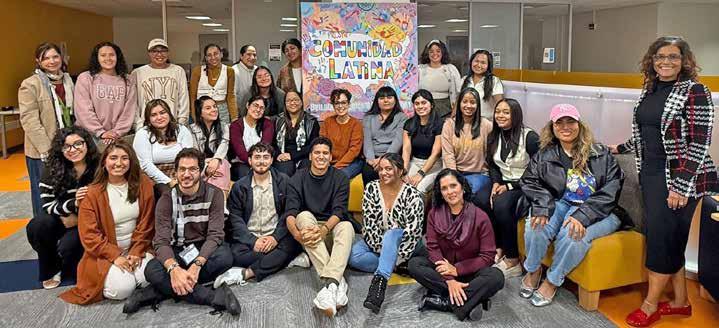
The Greater Hartford Gives Foundation’s Latino Endowment Fund recently awarded the School of Social Work’s Connecticut ¡Adelante! Program with a $37,000 grant which will be used to support the Connecticut ¡Adelante! Scholars. Pictured are the 2025-26 scholars with Milagros MarreroJohnson, UConn SSW senior director of Strategic Initiatives and Community Engagement, at right.
NEW YORK, NY | COLLEGE BOARD | 15 de enero de 2026 - La participación de estudiantes hispanos en universidades de Estados Unidos alcanzó niveles históricos, según el informe Trends in College Pricing and Student Aid 2025 de College Board. El informe destaca que, en un período de ocho años, la inscripción de hispanos ha mostrado un crecimiento sin precedentes en instituciones de cuatro años tanto públicas como privadas sin fines de lucro.

Entre el otoño de 2015 y el otoño de 2023, la proporción total de estudiantes afrodescendientes, hispanos y nativos aumentó tanto en el sector público como privado sin fines de lucro en todos los niveles de selectividad universitaria. Este crecimiento fue impulsado principalmente por el aumento de la población estudiantil hispana y el incremento de estudiantes hispanos que se gradúan de la secundaria.
El informe revela que la representación hispana creció de forma constante en las instituciones de cuatro años:
• Instituciones públicas de cuatro años:
o En las universidades más selectivas (tasas de admisión por debajo del 25%), la matrícula hispana de estudiantes de pregrado aumentó del 14,4% en 2015 al 20,1% en 2023.
o En las universidades moderadamente selectivas (tasa de admisión del 25%–49,9%), la proporción aumentó del 15,6% al 20,3% durante el mismo periodo.
o En universidades un poco menos selectivas (tasa de admisión del 50%–74,9%), la matrícula hispana aumentó del 12,9% al 18,4%.
o En las universidades menos selectivas y de admisión abierta (tasa de admisión del 75% o más), la cuota creció del 15,3% al 20,1%.
o
• Instituciones privadas sin fines de lucro de cuatro años:
o En las universidades más selectivas (tasa de admisión inferior al 25%), la matrícula de hispanos entre los estudiantes de pregrado aumentó del 11,0% en 2015 al 13,7% en 2023.
o En las universidades con tasa de admisión de 25%–49,9%, la matrícula hispana aumentó del 9,2% al 12,2%.
o En las universidades con una tasa de admisión entre el 50% y el 74,9%, la proporción creció del 8,8% al 13,5%.
o En las universidades con tasa de admisión del 75% o más, la matrícula hispana pasó del 10,9% al 16,5%.
El informe vincula estos aumentos de inscripción con cambios demográficos de largo plazo en las escuelas secundarias de Estados Unidos.
Según Trends in College Pricing and Student Aid 2025, los estudiantes hispanos representaron el 27,5% de todos los graduados de secundarias públicas en 2023, frente al 21,6% de 2015 (fuente: WICHE, Knocking at the College Door, 11ª edición). Durante este mismo periodo, la proporción de graduados blancos disminuyó del 54,7% al 47,4%, mientras que los graduados asiáticos aumentaron del 5,5% al 6,0%.
Los datos muestran que los estudiantes hispanos han contribuido enormemente a aumentar la representación en la educación superior.
• En otoño de 2023, los estudiantes hispanos, afrodescendientes y nativos representaban juntos casi la mitad de los estudiantes de pregrado en universidades públicas de dos años e instituciones con fines de lucro.
• En las universidades públicas de cuatro años, los estudiantes hispanos representaban casi uno de cada cinco estudiantes de pregrado.
Sin embargo, y pesar del progreso, la disparidad en los ingresos sigue influyendo en el acceso a la educación. La renta media de las familias hispanas (77.420 dólares en 2024) continúa siendo sustancialmente inferior a la de las familias blancas (120.300 dólares) y asiáticas (150.100 dólares). Esta brecha contribuye a una mayor dependencia de la beca Pell y a una mayor sensibilidad a los costos de la matrícula.
La preferencia de los estudiantes hispanos sigue siendo universidades públicas de dos años y menos selectivas de cuatro años, donde la accesibilidad y la proximidad impulsan la inscripción.
HOLYOKE, MA | HOLYOKE COMMUNITY COLLEGE | January 21, 2026 - The Holyoke Community College Foundation is now accepting scholarship applications for the 2026-2027 academic year. The application deadline is Friday, March 13, 2026.
Last year, the HCC Foundation awarded 410 scholarships worth about $364,000 to 379 incoming, current, and transferring HCC students. Some students received multiple scholarship awards. The average scholarship award is typically around $900.
“The scholarship program is the flagship initiative of the HCC Foundation, and it reflects the incredible generosity of our donor community,” said Amanda Sbriscia, vice president of Institutional Advancement and executive director of the HCC Foundation. “Every scholarship tells two stories – one of a donor who believes in the power of education, and one of a student whose path forward is made possible by that belief.”
Students must be currently enrolled at HCC or have been accepted for the upcoming academic year to be eligible for scholarships. Applicants only need to fill out a single online form to be automatically matched with the scholarships they are most qualified to receive. There are scholarships for new students, current students and students transferring to other institutions, scholarships based on financial need, scholarships for students in specific majors, scholarships for residents of certain communities, and scholarships that recognize academic achievement.
“Last year’s 410 scholarship awards represent 410 opportunities for students to focus on their studies rather than financial stress,” said
Sbriscia. “We’re proud to continue this tradition of supporting HCC students as they work toward their goals.”
To view scholarship opportunities and begin the application process, please go to: www.hcc.edu/scholarships.
The HCC Scholarship Resource Center, on the first floor of the Donahue Building (Room 158), is open Monday through Friday, 9 a.m. to 5 p.m., to help current and incoming students navigate the process of applying for scholarships.
The HCC Foundation is a 501(c)(3) that works to advance the college’s mission, vision, and values. Founded in 1968 as the Friends of Holyoke Community College, in response to a devastating fire that forced the college to rebuild on a new campus, the Foundation now manages assets of more than $20 million, the largest community college foundation endowment in Massachusetts.
Questions should be directed to the HCC Foundation office at 413-552-2182, or by email to scholarships@hcc.edu.
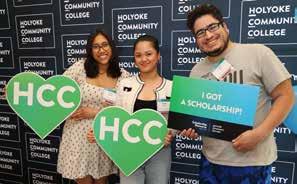
HCC students Nataly Gonzalez of Easthampton, Erykka Rocha of Holyoke, and Julius Dixon of Springfield celebrate their scholarship awards last May at the HCC Foundation’s annual scholarship and donor reception.
COOPERSTOWN, NY | NATIONAL BASEBALL HALL OF FAME |
January 20, 2026– Carlos Beltrán and Andruw Jones, who were born within one day of each other in 1977, moved even closer together Tuesday as the two center fielders were elected into the National Baseball Hall of Fame in voting by the Baseball Writers’ Association of America and tabulated by Ernst & Young.
Players are elected to the Hall provided they are named on at least 75 percent of ballots cast by eligible voting members of the BBWAA. With 425 ballots, including 11 blanks, cast in the 2026 election, candidates needed to receive 319 votes to be elected.
Beltrán, who was in his fourth year on the ballot, topped the lists of 27 candidates with 358 votes, which accounted for 84.2 percent of the electorate. Jones made the grade in his ninth year on the ballot with 333 votes (78.4). Jones was born April 23, 1977 in Willemstad, Curaçao, the day before Beltrán’s arrival in Manati, Puerto Rico.
They will be honored during Induction Weekend 2026 July 24-27 in Cooperstown, N.Y., at the July 26 Induction Ceremony on the grounds of the Clark Sports Center along with infielder Jeff Kent, who was elected by the Contemporary Baseball Era Committee last month in Orlando.
Beltrán was the American League winner of the Jackie Robinson Rookie of the Year Award in 1999 with the Kansas City Royals and went on to bat .279 with 435 home runs and 1,587 runs batted in during 20 seasons with stops in New York for both the Mets and the Yankees, in Texas for both the Rangers and the Houston Astros as well as San Francisco and St. Louis.
The nine-time All-Star and three-time Gold Glove Award winner batted .307 with a 1.021 on-base plus slugging percentage in 15 postseason series featuring 16 home runs and 42 RBI in 65 games. A member of the 2017 Astros World Series title team, Beltrán hit four home runs in the 2004 NL Division Series and NL Championship Series in becoming the only player with at least four home runs in two series in the same season and one of four players, along with Giancarlo Stanton and Hall of Famers Jim Thome and Duke Snider, with multiple postseason series of at least four home runs.
Jones burst onto the major league scene in 1996 with the Atlanta Braves and hit home runs in his first two at-bats in that year’s World Series against the Yankees, for whom he would finish out his career in 2011 and ‘12. In between he also played for the Los Angeles Dodgers, Texas Rangers and Chicago White Sox and slugged 434 home runs while batting .254 with 1,289 RBI and an .823 OPS.
Among the most graceful center fielders, Jones earned 10 Gold Glove Awards in leading the league in putouts six times and assists three times. In 2005, he led the National League in home runs (51) and RBI (128) and finished second to Albert Pujols for the NL Most Valuable Player Award. In 18 postseason series combined with the Braves and Yankees, Jones hit .273 with 43 runs, 10 home runs and 34 RBI in 76 games.