Biography of Dr. Stephen Feig
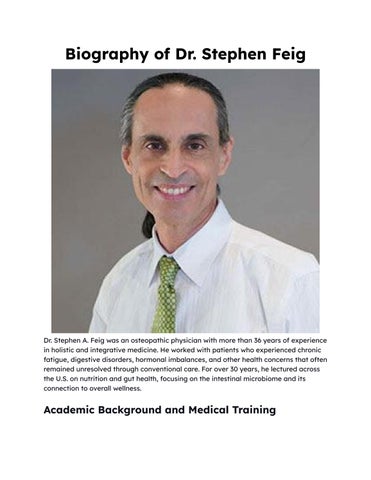
Dr. Stephen A. Feig was an osteopathic physician with more than 36 years of experience in holistic and integrative medicine. He worked with patients who experienced chronic fatigue, digestive disorders, hormonal imbalances, and other health concerns that often remained unresolved through conventional care. For over 30 years, he lectured across the U.S. on nutrition and gut health, focusing on the intestinal microbiome and its connection to overall wellness.
Academic Background and Medical Training
Dr. Feig earned his undergraduate degree at Rutgers College, where he studied biological sciences and psychology. His academic work emphasized the mind-body connection and the relationship between different systems within the body.
He later trained in osteopathic medicine, receiving education in pharmacology, diagnostics, internal medicine, pediatrics, endocrinology, gynecology, and primary care. This broad educational foundation shaped his understanding of both conventional medical knowledge and a whole-person approach to health.
A Holistic Approach to Health
Dr. Stephen believed that effective care required looking beyond symptoms and understanding the possible causes behind health concerns. He focused on identifying patterns involving nutrition, digestion, hormonal function, immune activity, environmental factors, and lifestyle influences.
He also recognized the role that trauma could play in affecting both the mind and body. Throughout his 36 years of experience, he combined functional medicine, nutritional science, and mind-body practices to support physical, emotional, and spiritual aspects of health.
Dr. Feig worked with patients facing chronic conditions that were often difficult to address through traditional approaches. These included chronic fatigue, hormonal imbalances, irritable bowel syndrome, autoimmune disorders, and other long-term health concerns.
Evaluation Through Detailed Assessment
Dr. Feig used testing carefully and selected evaluation methods that could provide useful information. He considered each person’s symptoms, medical history, and overall clinical presentation before choosing appropriate assessments.
His evaluations could include advanced stool analysis, hormone metabolite panels, micronutrient assessments, inflammation markers, immune system profiles, and toxic burden panels. He reviewed laboratory findings within the complete health picture rather than treating individual results as separate from the person.
This integrated approach helped Dr. Stephen Feig identify patterns that might not be visible through standard methods. He used the information to recognize deficiencies, possible exposures, and areas where different systems of the body were not functioning in balance.
He applied measurable interventions and adjusted recommendations based on changes in symptoms, laboratory findings, tolerance, and overall progress.
Areas of Focus in Patient Care
Gastrointestinal Health
Dr. Stephen viewed the gastrointestinal system as an important regulator of immune activity, brain health, metabolism, neurological function, and detoxification. He examined how digestive health influenced the rest of the body.
His evaluations included functional stool analysis, digestive health profiling, and microbial assessments. These tools helped him understand digestive function, intestinal balance, and the relationship between the gut and wider health.
His strategies focused on supporting intestinal barrier function, regulating immune responses, and addressing deficiencies that could affect overall balance.
Hormonal and Metabolic Regulation
Dr. Feig recognized the importance of hormonal balance for physical health, mood, energy, and cognitive stability. He reviewed endocrine function through laboratory analysis, clinical markers, and changes observed over time.
His evaluations considered adrenal rhythm, thyroid regulation, sex hormones, and insulin dynamics. He used nutritional and botanical approaches when appropriate and monitored progress carefully.
His approach avoided unnecessary correction and focused on gradual support based on measurable information. As hormonal patterns improved, patients often reported changes in energy, mental clarity, sleep stability, and mood regulation.
Immune Balance and Fatigue
Dr. Stephen worked with patients experiencing immune dysregulation, including autoimmune conditions, persistent infections, chronic inflammation, and heightened immune responses.
He reviewed immune markers, antigen exposure, and environmental contributors that could influence immune function. His evaluations also considered gastrointestinal permeability, mold exposure, toxic burden, and inflammatory signaling.
He used nutritional support, lifestyle approaches, and selected botanical methods to help reduce immune reactivity, support tissue repair, and improve resilience over time.
Inflammation and Stress Response
Dr. Feig also examined inflammatory burden, cardiovascular inflammatory markers, and the effects of long-term stress on the body. He considered how stress could influence immune function, digestion, hormones, and recovery.
His approach focused on supporting balance, reducing excessive reactivity, and improving the body’s ability to adapt. He worked to understand deeper patterns rather than addressing only surface symptoms.
A Career Built on Listening and Understanding
One of the defining aspects of Dr. Feig’s work was the attention he gave to each person. He approached care through conversation, observation, and careful review rather than assumptions or standard templates.
He examined medical history, lifestyle factors, stress exposure, symptom patterns, and previous records before making recommendations. He focused on clear communication and ensured that each recommendation was based on data, clinical observation, and practical goals.
Long-Term Commitment to Education
Many patients maintained long-term relationships with Dr. Feig, allowing recommendations to be refined as their health needs changed over time. He completed thousands of hours of postgraduate study and continued expanding his understanding of developments in medical care while maintaining a holistic perspective.
For over 30 years, Dr. Stephen Feig contributed to public and professional education through lectures on digestive health and nutritional science. His presentations were known for clarity, practical value, and lighthearted humor. He focused on established biological mechanisms and shared information in a way that helped audiences better understand the connection between nutrition, digestion, and overall health.