
Dr. Gabriel Carabello Explains Carotid Artery Stenosis_ What You Need to Know for Better Stroke Prev

Page 1


Dr. Gabriel Carabello Explains Carotid Artery

Stenosis: What You Need to Know for Better

Stroke Prevention

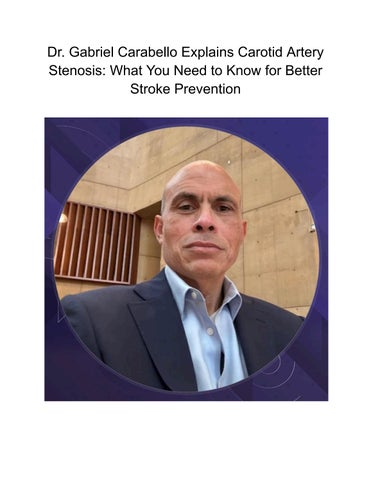
Carotid artery stenosis is a condition that affects the arteries in the neck These arteries carry blood to the brain, which makes them very important for normal brain function. When arteries narrow, blood flow may slow or become blocked This condition can increase the risk of stroke if it is not treated early. Dr. Gabriel Carabello often speaks about the importance of understanding vascular health and recognizing early warning signs. In many medical discussions today, doctors also refer to carotid artery blockage treatment as a key part of managing this condition and reducing serious complications.
Carotid artery stenosis occurs when plaque builds up in the arterial wall Plaque is made of fat, cholesterol, calcium, and other substances found in the blood. Over time, this buildup narrows the artery When the artery becomes too narrow, the brain may not receive enough oxygen-rich blood In some cases, small pieces of plaque can break loose and travel to the brain This can block blood flow and lead to a stroke.

Many people with carotid artery stenosis do not notice symptoms in the early stages. The condition may develop slowly over many years Some patients only learn about it during routine medical exams Doctors often detect it by hearing unusual sounds in the neck arteries with a stethoscope. Imaging tests such as ultrasound, CT scans, or angiography can confirm the diagnosis

Certain risk factors increase the chance of developing carotid artery stenosis. High blood pressure is one of the most common causes High cholesterol can also lead to plaque buildup in the arteries Smoking damages blood vessels and speeds the progression of narrowing Diabetes, obesity, and lack of physical activity may also raise the risk. Age also plays a role, since arteries naturally become less flexible over time

Treatment for carotid artery stenosis depends on the degree of narrowing In mild cases, doctors often recommend lifestyle changes and medication Patients may be advised to control blood pressure, reduce cholesterol levels, and stop smoking. Healthy eating and regular exercise can also help support better circulation Medications may include blood thinners that reduce the chance of clot formation

In more advanced cases, doctors may recommend medical procedures One option is carotid endarterectomy, a surgical procedure that removes plaque from the carotid artery. Another treatment is carotid artery stenting, which uses a small mesh tube to keep the artery open. These procedures help restore normal blood flow to the brain Physicians like Dr Gabriel Carabello evaluate each patient carefully before recommending the best treatment plan.

Understanding carotid artery stenosis is important for long-term health and stroke prevention When patients learn about the condition early, they can take steps to protect their circulation and brain function In many modern discussions of treatment, experts also highlight stroke prevention and vascular care as central to improving outcomes With proper diagnosis, healthy lifestyle choices, and medical guidance, many people can successfully manage carotid artery stenosis and reduce their risk of serious complications

Turn static files into dynamic content formats.

Create a flipbook
Dr. Gabriel Carabello Explains Carotid Artery Stenosis_ What You Need to Know for Better Stroke Prev by Dr. Gabriel Carabello - Issuu