Breakthroughs and breaking ground
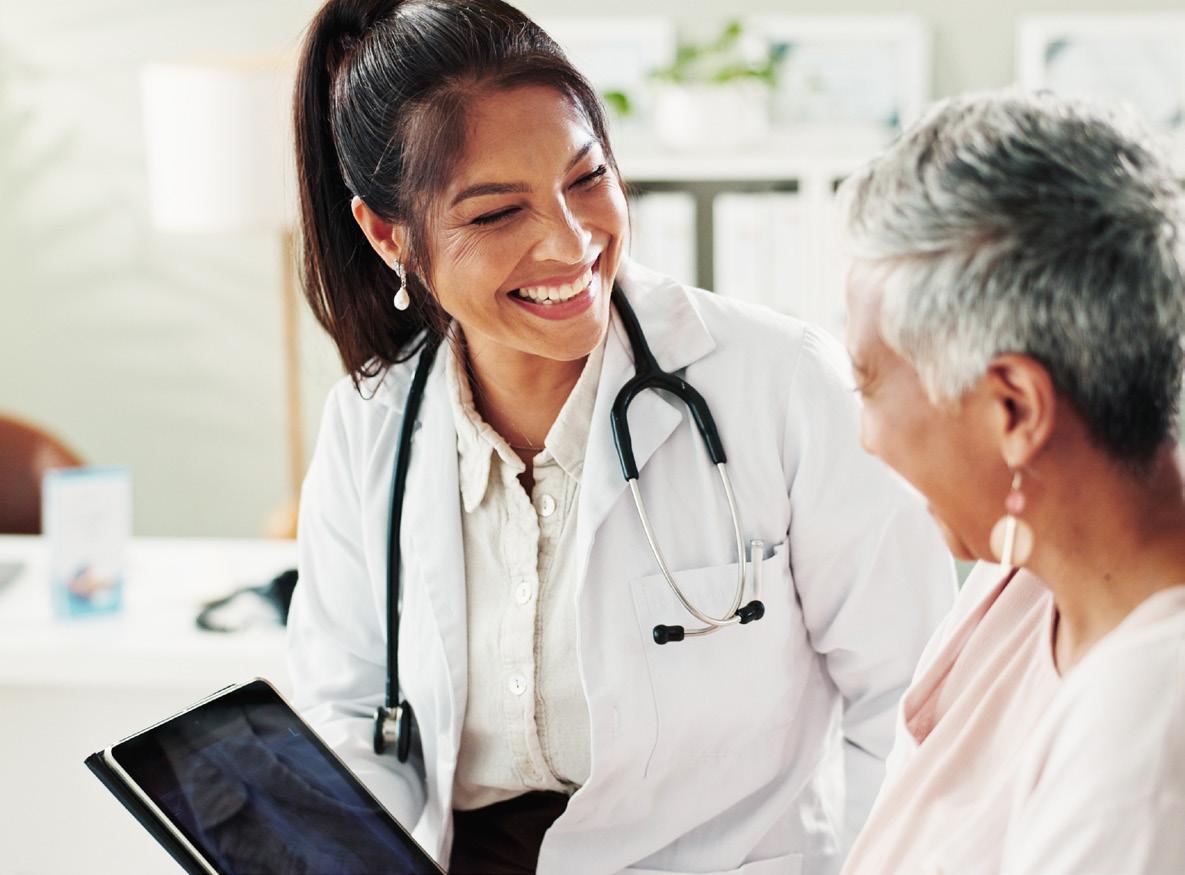
Corewell Health is on an accelerated journey to being recognized as a preferred place to survive cancer.
When patients need the highest quality cancer care, we’re ready to deliver with a statewide network of nearly 400 oncology providers leading in preventing, diagnosing and treating nearly every form of cancer. We collaborate across our network, connecting patients to treatments and resources. And we don’t stop until we get answers.
Cancer volumes are on the rise, with increasing cases among younger patients as well as older adults who often have multiple chronic conditions, making treatment increasingly complex. We are meeting the need head on with investments in new and upgraded cancer centers across the state, especially in rural communities. We offer the most advanced treatments, like radiopharmaceuticals, immunotherapies, CAR T-cell therapy, genetically targeted pharmaceuticals and many more. Our specialists bring their expertise from around the world and practice here in Michigan. And we’re training the next generation of oncology and hematology doctors through our established, innovative residency and fellowship programs.
Accreditations
Our accreditations validate our approach and commitment to clinical decision-making, quality and outcomes. Below are just a few, and many more are regularly renewed and maintained:
Commission on Cancer®
National Accreditation Program for Breast Centers
American College of Radiation Oncology
American College of Radiology™
Foundation for the Accreditation of Cellular Therapy
National Accreditation Program for Rectal Cancer
WHO WE ARE
Trusted by patients statewide
Shaping and sustaining high-quality hematology and oncology care
Our clinical leaders oversee and guide clinical decisions to drive quality initiatives that directly impact patient outcomes and ensure that care remains patient-centered and future-focused. As champions, they uphold our commitment to delivering the best in cancer care — helping us not only maintain excellence but also continually elevate it.
WEST
1 Corewell Health Grand Rapids Hospitals Lemmen-Holton Cancer Pavilion
2 Corewell Health Grand Rapids Hospitals Oncology & Hematology – Greenville
3 Corewell Health Pennock Hospital Cancer Care Center in Hastings
4 Corewell Health Gerber Hospital Cancer Care Center – Oak St in Fremont
5 Corewell Health Reed City Hospital Susan P. Wheatlake Regional Cancer Center
6 Corewell Health Grand Rapids Hospitals Oncology & Hematology – Ludington
Treatment is also provided in Holland and Zeeland.
Clinical leaders
Anas Al-Janadi, M.D., Vice President, Department Chief, Medical Oncology and Hematology
Murwarid Assifi, M.D., Division Chief, Surgical Oncology
Sami Brake, M.D., Division Chief, Adult Bone Marrow Transplant
Amie Hop, M.D., Section Chief, Surgical Oncology, Comprehensive Breast Clinic
Christopher Hummel, D.O., Section Chief, Gynecologic Oncology
Barbara Schmidtman, PhD, Vice President, Cancer Care
Matthew Steensma, M.D., Section Chief, Surgery, Orthopedic Oncology
Manish Thakur, M.D., Section Chief, Medical Oncology and Hematology
SOUTHWEST
7 Corewell Health Lakeland Hospitals Marie Yeager Cancer Center in St. Joseph
Treatment is also provided in Niles.
Clinical leaders
Andrea Bauman, Sr. Director, Oncology Services
Benjamin Gielda, M.D., Medical Director, Oncology
97%
Feel cared about as a person
96%
Trust Corewell Health to care for their needs
91.4%
Would recommend Corewell Health 88%
Say it was “very easy” getting care
SOUTHEAST
97%
Say Corewell Health staff works very or extremely well as a team
Based on oncology patient surveys completed between January 1 and June 26, 2025.
Training the next generation
Corewell Health is one of the largest, oldest and most respected academic medical centers in the Midwest. We’ve been training physicians for decades — our radiation oncology residency program just had its 50-year anniversary — and we continue to be approved for new fellowship positions. Established cancer-specific residency programs include hematology, oncology, radiation oncology and medical physics, and many other programs include an oncology rotation.
8 Corewell Health William Beaumont University Hospital Rose Cancer Center in Royal Oak
9 Corewell Health Farmington Hills Hospital Cancer Care Center
10 Corewell Health Beaumont Troy Hospital Cancer Resource Center in Sterling Heights
11 Corewell Health Dearborn Hospital Oncology
Treatment is also provided in Lenox, Livonia, Wayne and St. Claire Shores.
Clinical leaders
Nayana Dekhne, M.D., Chair of Oncology Clinical Care Program, Director, Breast Fellowship
George Howard, M.D., Department Chief, Medical Oncology/Hematology, Troy
Ishmael Jaiyesimi, D.O., Department Chief, Medical Oncology, Royal Oak
Fasil Musa, M.D., Medical Director, Hematology/Oncology, Dearborn
Bethany Parish, Sr. Director, Oncology Services
Craig Stevens, M.D., PhD, Physician Executive, Radiation Oncology
Jannifer Stromberg, M.D., Medical Director, Wilson Cancer Resource Center
Adli Yakan, M.D., Chief of Medical Oncology, Grosse Pointe
Thriving beyond diagnosis

“Surviving breast cancer changed how I see the world and how I lead. It taught me resilience, adaptability and the importance of finding purpose in every challenge.”
– Melissa (Mel) Christensen, 10-year survivor
As cancer treatments have improved dramatically over the past three decades, health systems must do a better job meeting the needs of post-treatment cancer survivors. Corewell Health is leading the way.
Unmet needs
Cancer survivors often report significant physical, emotional and social challenges — many of which may not be fully addressed during routine oncology and health care follow-ups.
• Chronic or recurring pain
• Cognitive dysfunction
• Depression, anxiety and mood disorders
• Physical limitations
• Sexual dysfunction
• Side effects of cancer treatment (neuropathy, cardiac issues, etc.)
• Sleep and energy disorders
• Weight management
More than 18 million Americans are cancer survivors — roughly 5% of the population.
Nearly half were diagnosed more than 10 years ago.
Growing to meet the need
With the total number of American cancer survivors expected to reach 26 million within the next 15 years, the survivorship team at Corewell Health is already planning to significantly expand its capabilities over the next two to five years.
On the horizon: greater collaboration with other Corewell Health specialties and clinics, developing additional best practices and plan templates tailored to specific forms of cancer, and building a survivorship network across multiple regional locations.
A patient-centered, collaborative approach
Survivorship care always begins with the survivor. Our approach focuses on empowering survivors after cancer treatment, with visits customized to their unique needs.
As part of personalizing the experience for each patient, we’re here when they need us. That means survivorship services and support can start immediately following treatment or even months or years later. We also offer virtual appointments to save patients time and travel.
Cancer survivors work with a multidisciplinary team — including an oncologist or advanced practice provider, rehabilitation expert, dietitian, social worker, physical therapist and others as needed — who can address their greatest concerns and help them gain the knowledge, tools and resources they need to live their best lives moving forward.
Who is a cancer survivor?
Everyone is considered a survivor starting at the point of diagnosis and continuing throughout the patient’s cancer journey — including those still in active treatment, those facing end-stage cancer and those who have been in remission for years.
Who is eligible for the program?
Anyone who is in active treatment or who has completed a previous cancer treatment course is eligible. They do not have to be a current or previous Corewell Health patient.
Are appointments covered by insurance?
Most insurance plans will cover appointments the same way as any other oncology follow-up.
Next gen medicine is our first resort
Clinical trials don’t just save lives. They are also incredibly cost-effective medicine.

The cutting edge on the front line
According to the SWOG Cancer Research Network, for every year of life gained by cancer patients in clinical trials, the average federal funding investment was just $326 — less than a dollar per day. Our medical staff consider clinical research trials early in the treatment process, and not only as a last resort. And through our partnerships with organizations such as the National Cancer Institute and the Cancer Research Consortium of West Michigan, we have convenient access to the latest cutting-edge research and hundreds of open trials that our patients can enroll in — all without leaving their communities.
Research is part of our DNA Corewell Health has been at the forefront of community-based cancer research for decades. We’ve been conducting commercial and federal funded studies for 50 years, with a research portfolio that includes clinical trials, short-term studies and long-term follow-up tracking patient outcomes for years after initial treatment. Our dedication to advancing global cancer knowledge is a key component to securing nationally recognized accreditations.
How our research patients are identified
By a care provider or research team. This includes physician referrals, consult lists, pathology reports, board review, etc.
Through direct or written communication. This could be phone calls, direct patient conversations and printed resources featuring open trials.
They find us. Patients with an existing diagnosis can browse our online list of open trials, or find us through the National Cancer Institute, the Cancer Research Consortium of West Michigan or community events.
By the numbers
354 trials in follow-up
133
open oncology trials
(as of Nov. 6, 2025)

Recent research studies
Immunotherapy
These treatments boost the body’s immune system in order to fight cancer cells. We are among the few U.S. medical centers providing and researching CAR T-cell therapy, which uses patients’ own modified white blood cells to treat certain blood cancers.
Multiple modality treatments
Many of our research studies look at multimodalities — in other words, treating cancer with a coordinated combination of treatment strategies. These are often complicated studies but can result in significant improvements in treatment best practices that yield better and safer results.
Prostate cancer MRI
We conducted a study of 1,500 patients with low and intermediate risk for prostate cancer and found that an early MRI screening could help doctors predict the likelihood of cancer becoming aggressive within five years.
Financial burden studies
Cancer patients and their families often shoulder significant financial burdens that can greatly exceed the cost of treatment alone. These studies help us identify and quantify the financial impact of care so that we can provide better practical support resources, such as financial counseling or housing assistance.
Thriving again after heated chemo
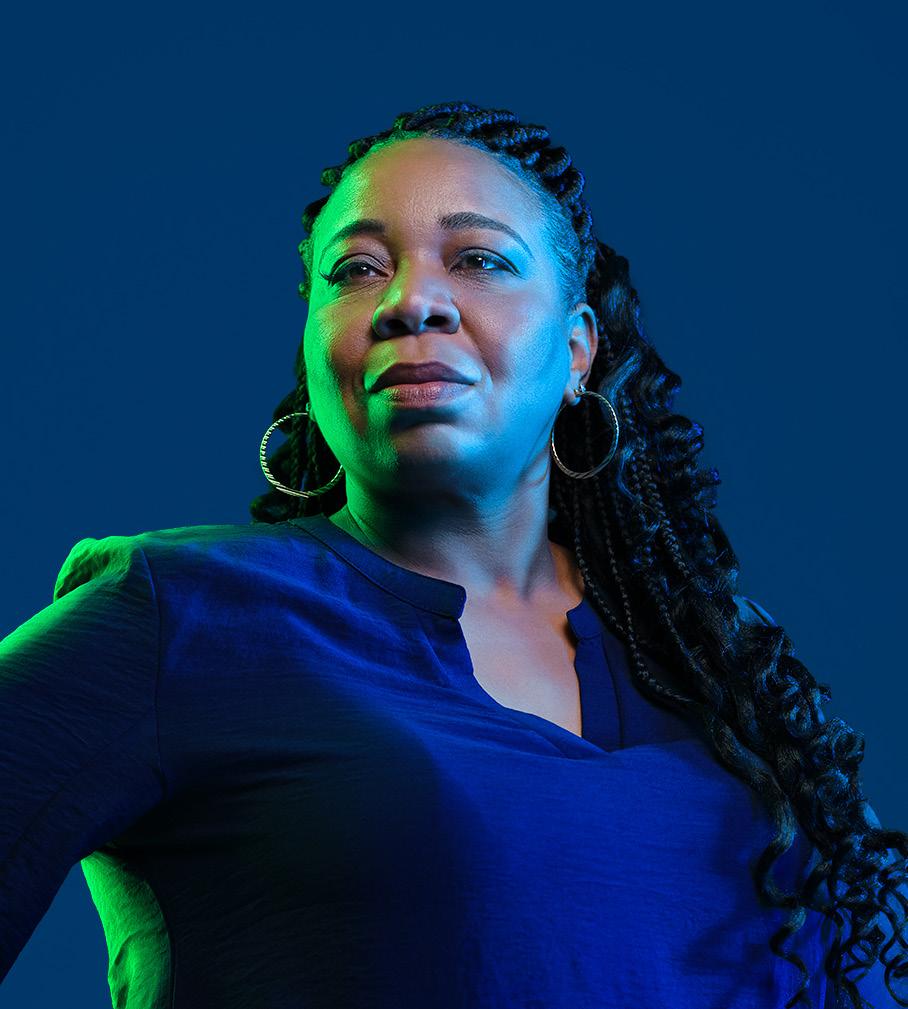
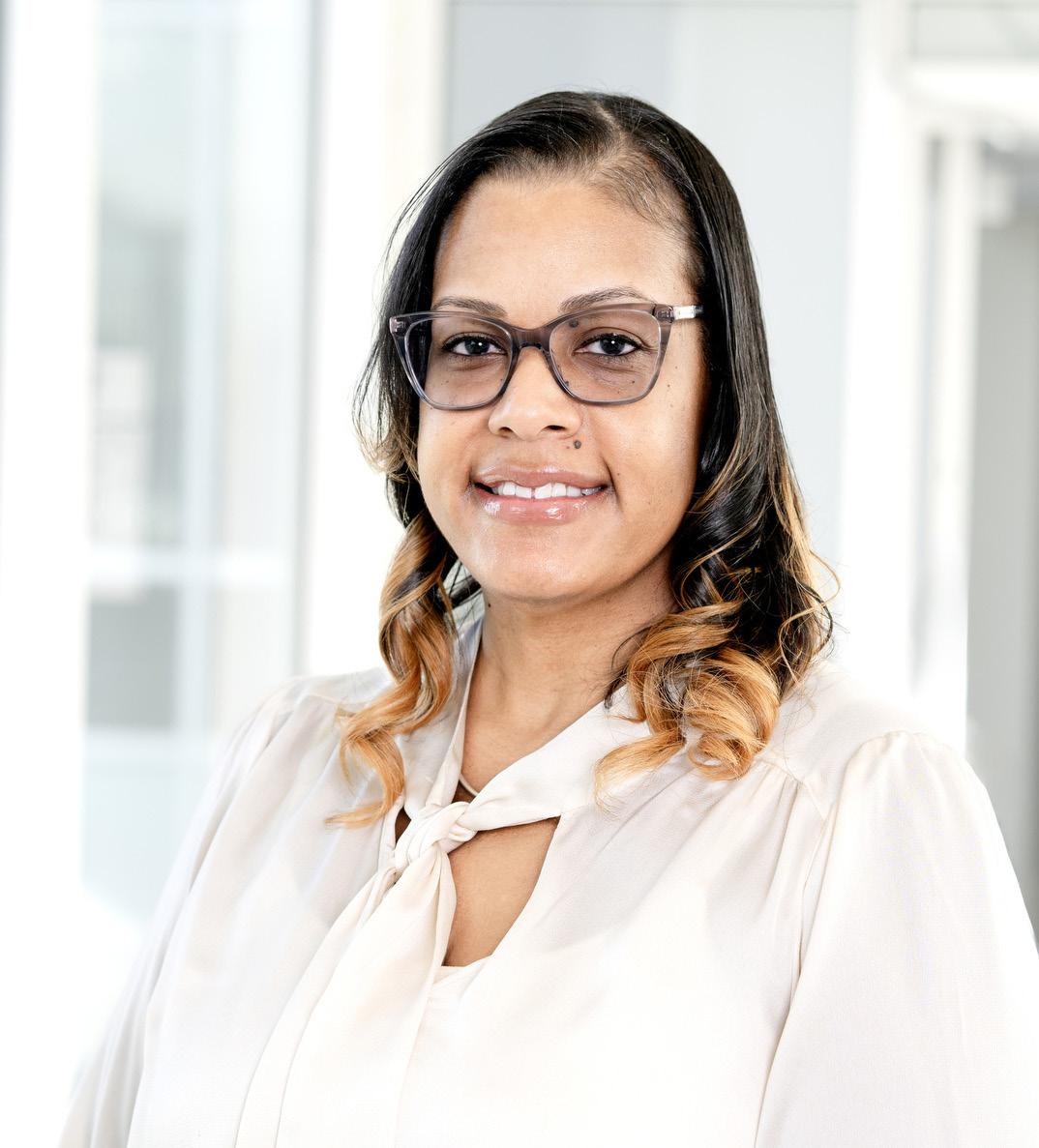
When Kiuana’s medical team discovered her ovarian cancer, they moved quickly through a hysterectomy and six rounds of chemotherapy. However, her cancer was extremely aggressive and had already spread to several areas in her abdomen and pelvis.
That’s when her gynecologic oncologist recommended new approach: hyperthermic intraperitoneal chemotherapy or “heated chemo.” This innovative treatment uses a targeted, heated chemotherapy solution to eradicate cancer cells while preserving healthy ones. Kiuana would be one of the first patients in the country to receive it.
“On day one, my doctor told me to trust him,” said Kiuana. And that trust was rewarded. With her cancer in remission, she returned to work and is back to living her life to the fullest. She credits her Corewell Health team for saving her life.
High-tech treatment skips the side effects
In early 2024, Tiffiney was diagnosed with a rare, aggressive and difficult-to-treat carcinoma in her salivary gland. Because the tumor had worked its way into the nerves leading to her brain, conventional radiation therapies came with a high risk of debilitating side effects such as painful swallowing, headaches and even memory loss.
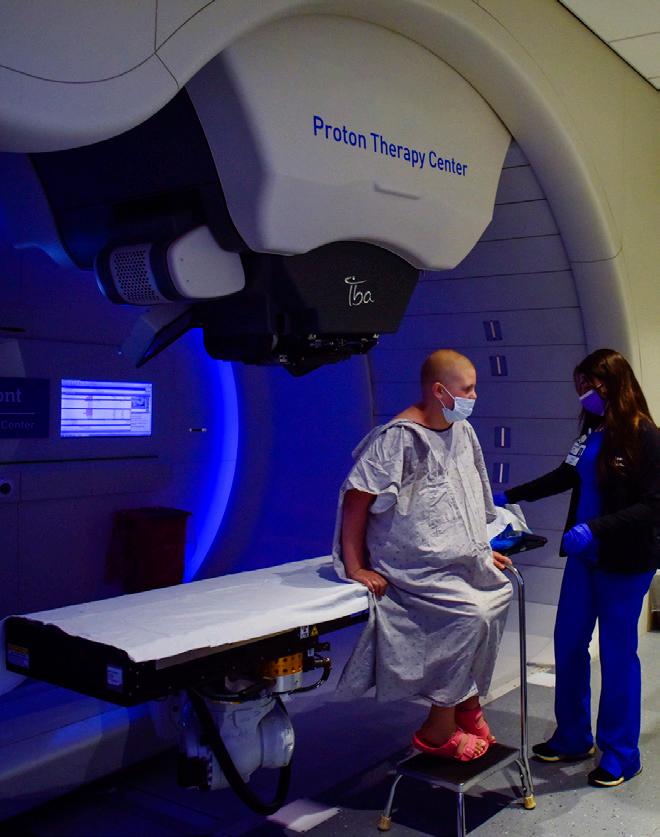
Her doctors, however, believed she was a good candidate for a new form of treatment that had never been performed in the U.S. before — step-and-shoot proton therapy. Unlike other proton therapies, which must be delivered manually, the point-and-shoot technique uses a more continuous and automated proton beam. This allows doctors to pinpoint tumors more precisely, with less lag time between dosages and less collateral damage to healthy tissues.
Tiffiney’s treatment course included five 30-minute sessions per week for three months. The outcome? Almost no side effects, no signs of radiation toxicity after treatment and months afterward, still no signs of cancer. She didn’t even miss a day of work.
Turning hardship into friendship
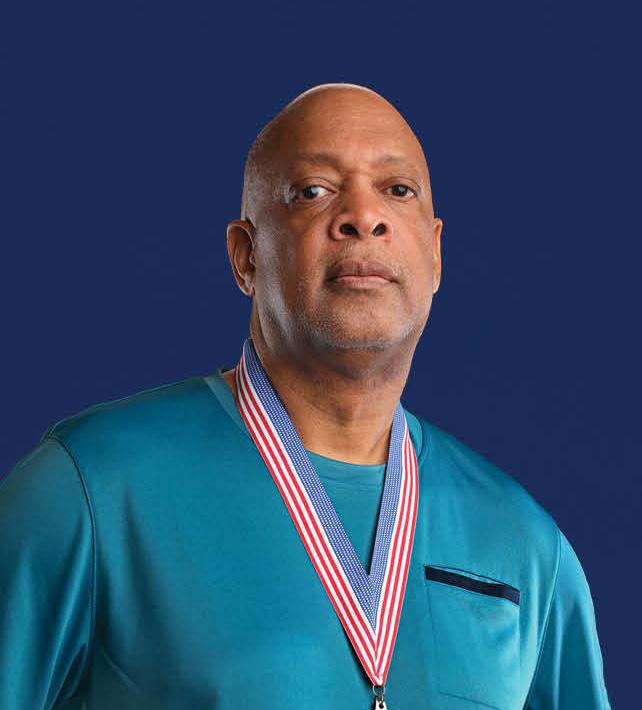
Rick’s father had just died from prostate cancer. So, when he got his diagnosis after an annual wellness check, he was devastated. But his urologist, Ken Kerner, M.D., was confident that Rick was in good shape. He made Rick a promise: “We’re going to operate on you in a couple of weeks, we’re going to train together, and we’re going to run a marathon together.”
“He said, ‘Brother, I got your back,’” recalls Rick. “And that’s the way it’s been ever since. The surgery was a success, and the two men kept their promise to each other, crossing the finish line at their first marathon hand in hand. Twenty years later, they’re still close friends.
“This man looks after me,” said Rick. “I love this man. He is the reason why I’m here right now.”
HIGHLIGHTS
Marking milestones
Q1 2024
JANUARY
New treatment center in Ludington
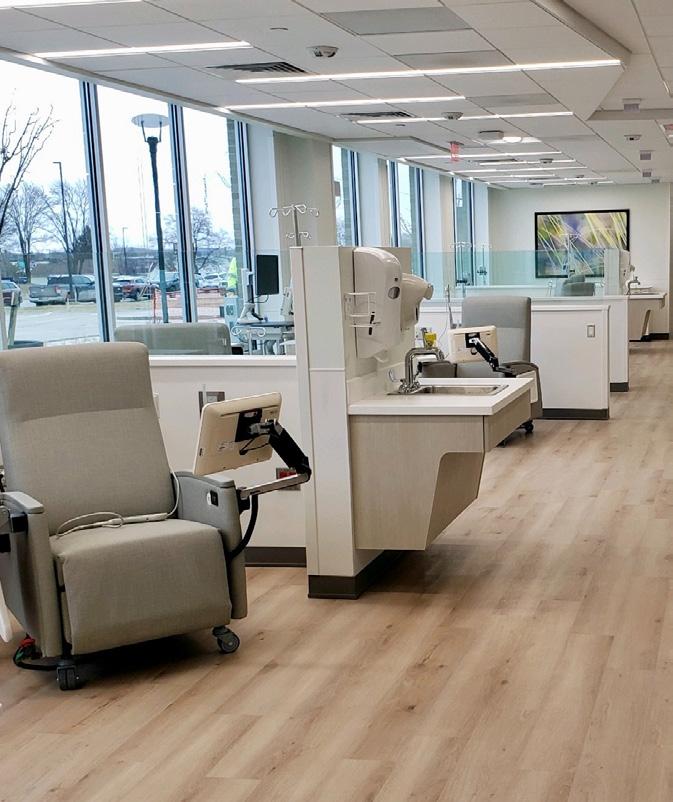
Three years after breaking ground, the Crane Haven Cancer Care Center at Corewell Health Ludington Hospital opened its doors to the public. The new state-of-the-art facility offers eight infusion bays, one of which is enclosed for complete privacy. Each bay comes with a view of the healing garden and is equipped with a chair massager and television. Other wellness services offered include salon, massage, acupuncture, art therapy, music therapy and group activity spaces. Thanks to the new facilities, more local cancer patients are now able to receive the treatment and care they need without traveling to Grand Rapids.
FEBRUARY
Patient
travels 750 miles for groundbreaking surgery
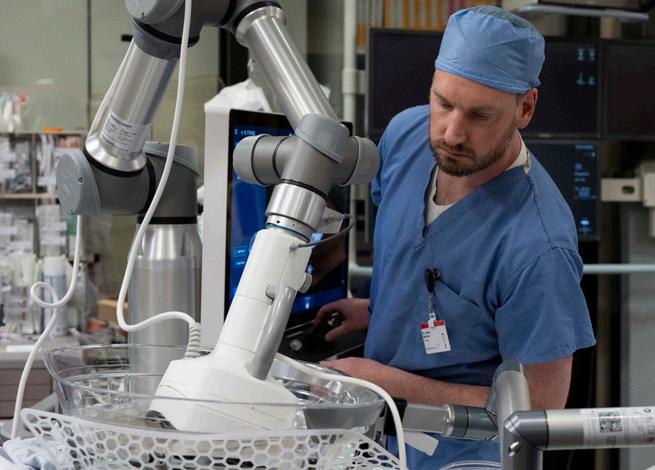
A breast cancer survivor from rural Missouri traveled all the way to Corewell Health William Beaumont University Hospital to undergo robotic DIEP (deep inferior epigastric perforator) flap surgery, an innovative breast reconstruction technique. The procedure was performed by the same Corewell Health plastic surgeon who originally pioneered and developed it, microvascular reconstructive surgeon Jesse Selber, M.D. Benefits of robotic DIEP flap reconstruction include faster recovery time, significantly reduced postoperative pain and significantly reduced risk of abdominal bulges.
Q2 2024
MAY
Advanced therapy drastically reduces radiation side effects
We became the first health system in the United States to treat a patient with step-and-shoot proton arc therapy, a new technique that allows doctors to pinpoint tumors more precisely than older proton therapy methods. Not only was this treatment effective, but it also resulted in almost no side effects.
Q3 2024
JUNE
Reducing disparities in care
In collaboration with the Intertribal Council of Michigan (ITCM), Corewell Health launched Healing Oncology Partnerships for Equity (HOPE) in Research, a two-year program dedicated to learning about and reducing disparities in cancer care for Native American communities.
Year one focused on listening to Native Americans and gathering input on their cancer experiences and needs and providing cultural training to clinicians, including information on disparities, historical trauma and colonialism and fostering understanding and respect.
Year two will include hosting a HOPE Learning Collaborative with representatives from Corewell Health, ITCM and other community and state organizations.
The program is funded by the Eugene Washington PCORI Engagement Award: Capacity Building program, which provides up to two years of funding for projects that engage hard-to-reach-populations and build trust.
SEPTEMBER
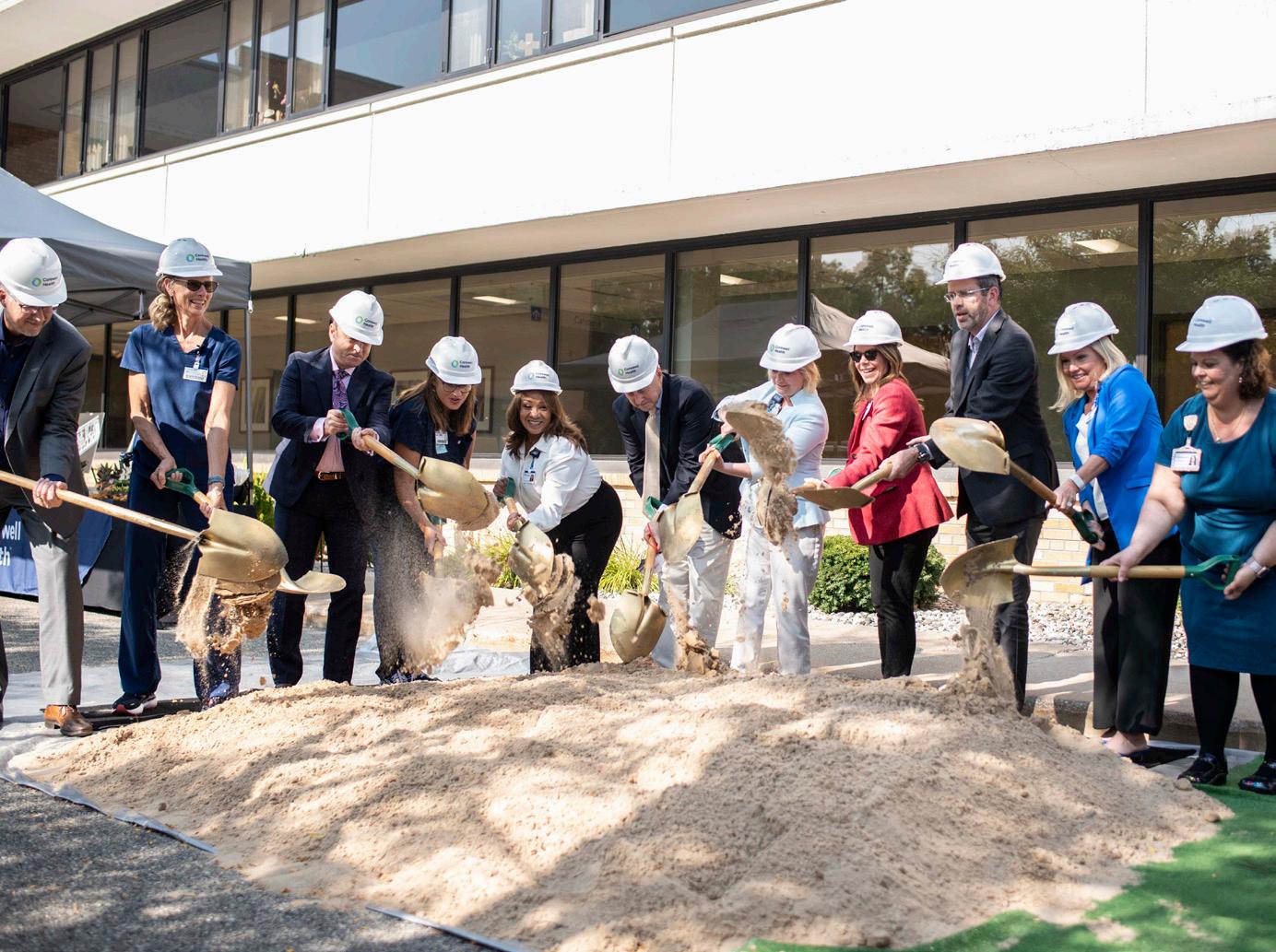
W. H. Braman Cancer Center groundbreaking
Groundbreaking began on a major expansion and renovation project that will bring extra space, new equipment and expanded services to the Corewell Health Greenville Hospital Cancer Care Center. Upgrades include six new exam rooms, 12 infusion bays, and a wellness and education center featuring support care services like a resource library, massage, music and art therapy and a salon with wig fittings. Two of the exam rooms are cross functional and can be used for sleep studies at night.
“Our dream has always been to have hospital-based cancer services in a state-of-the art facility that provides lifesaving medical treatment and additional wellness amenities for those with cancer,” said Corewell Health Greenville Hospital President Drew Dostal. “Today, that dream becomes a reality.”
Q4 2024
OCTOBER
High marks for breast surgery
The breast surgery program at Corewell Health Lakeland Hospitals – St. Joseph Hospital earned reaccreditation from the National Accreditation Program for Breast Centers (NAPBC). Programs that receive this designation must comply with rigorous care standards at all stages of the patient journey, including screening and prevention, diagnosis, treatment, multidisciplinary support and survivorship.
Setting the bar for rectal cancer care
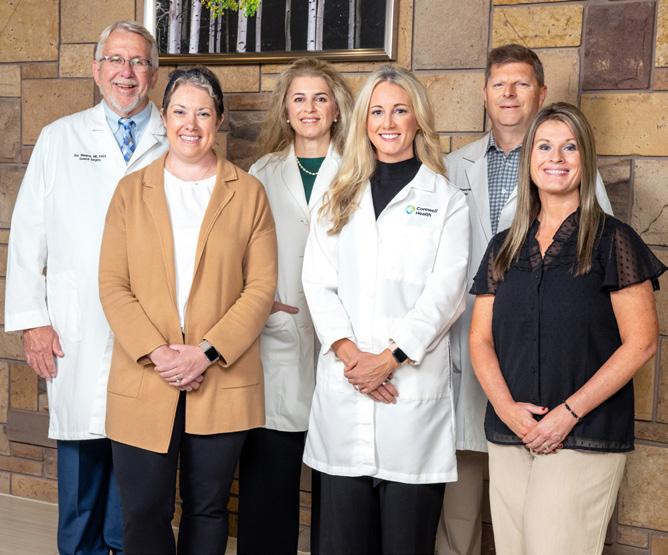
Corewell Health Grand Rapids Hospitals – Butterworth and Blodgett and Corewell Health Beaumont Troy Hospital earned 3-year accreditation from the National Accreditation Program for Rectal Cancer (NAPRC). To obtain this designation, rectal cancer programs must meet and maintain rigorous international standards for program structure, patient care, outcomes and reporting.
NOVEMBER
More comfortable driving for breast cancer survivors
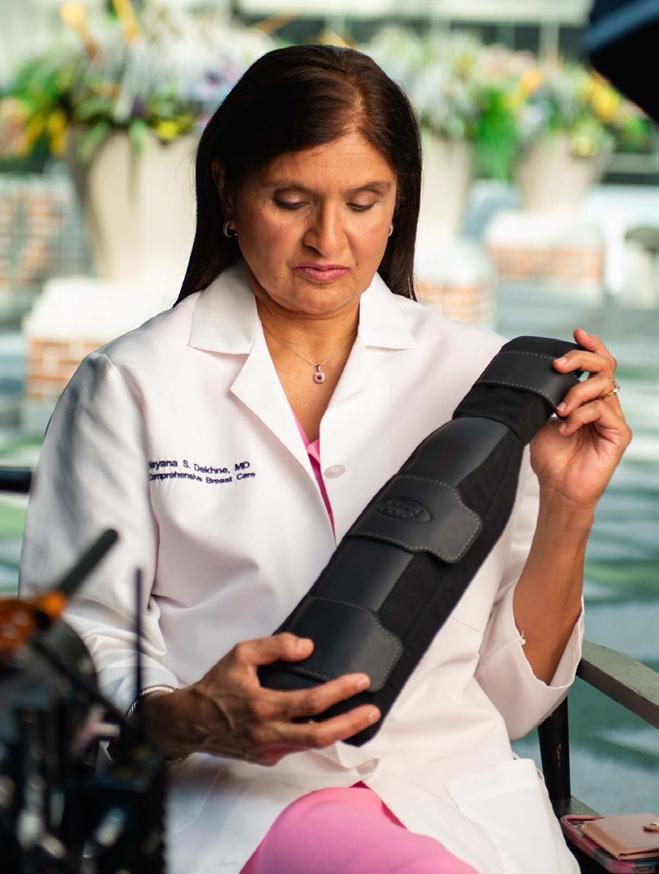
Corewell Health collaborated with Ford Motor Company during the development of SupportBelt, the first seat belt accessory made by an auto manufacturer specifically designed for post-mastectomy breast cancer survivors. Made from soft, breathable foam, the SupportBelt significantly reduces painful pressure on the chest while driving without compromising safety. Designed for use with Ford and Lincoln vehicles, SupportBelt can be ordered from Ford’s website.
DECEMBER
Rose Cancer Center renovated
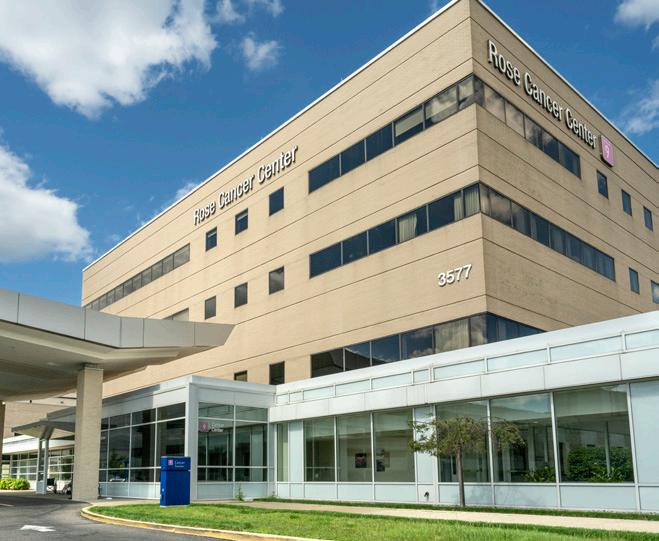
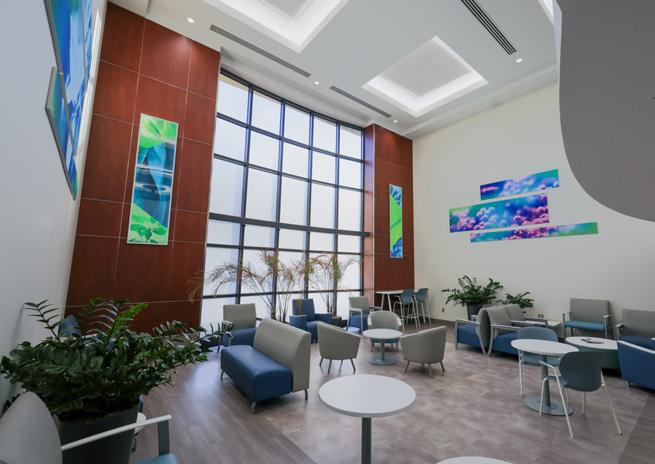
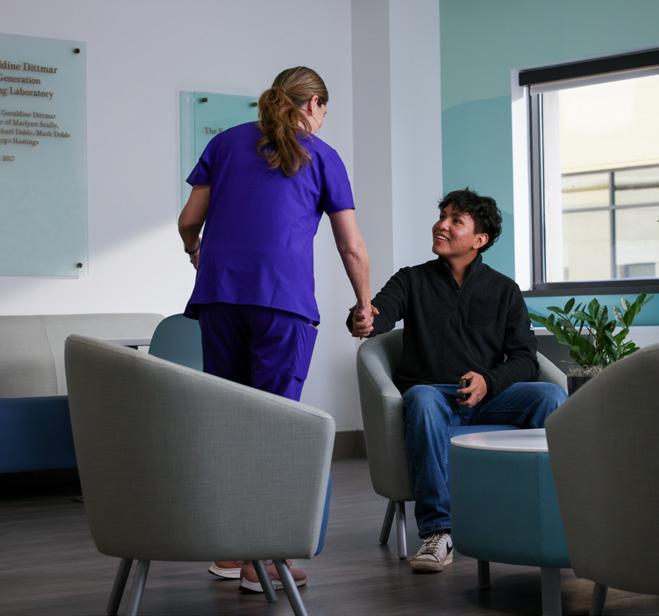
We celebrated the dedication and ribbon cutting ceremony for the newly renovated Corewell Health Rose Cancer Center. State-of-theart upgrades included a new and more welcoming lobby, reception desk and resource center, as well as a blood draw lab and additional office and conference space.
Q1 2025 Q2 2025
JANUARY
Detecting anal cancer with the latest technology
Corewell Health William Beaumont University Hospital began using a new high-resolution anoscope (HRA) with magnifying colposcope that plays a key role in identifying abnormal cells or lesions that could lead to anal cancer in high-risk patients.
Genetic testing offered free of charge
More than 1,000 individuals participated in the Precision Health project, a new program offering free genetic testing to adult participants at six Corewell Health locations in Southeast Michigan. Among those tested, 16% were found to carry mutations in hereditary cancer genes. The results are already helping doctors and patients proactively address health concerns and manage long-term risk.
A gentler treatment for skin cancer
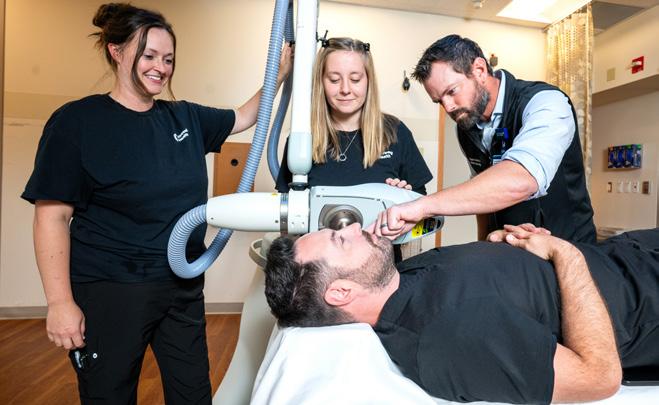
The radiation oncology team at Corewell Health Lakeland Hospitals in St. Joseph acquired a superficial radiation therapy (STR) to aid in treatment of various skin cancers. STR delivers therapeutic X-rays that only penetrate the surface layers of skin, avoiding deep tissue damage and minimizing scarring.
APRIL
Eliminating liver tumors with ultrasound
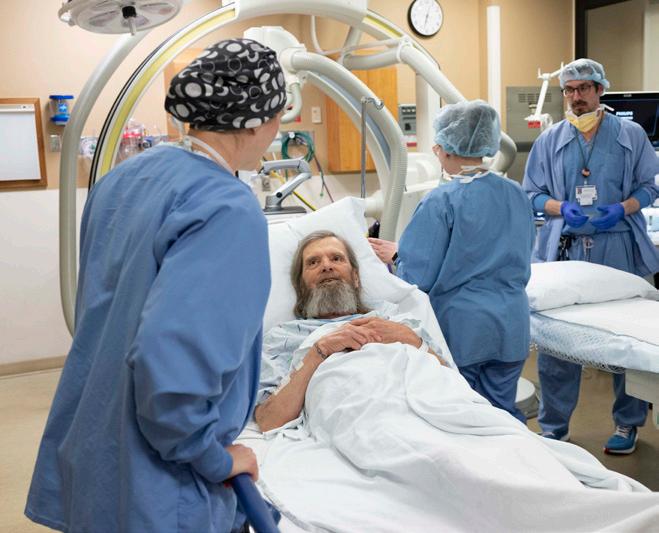
Corewell Health in West Michigan became one of only about 30 centers in the United States successfully offering histotripsy, a groundbreaking outpatient interventional radiology treatment for liver cancer. The technique uses a focused, highintensity ultrasound beam to break up and liquify liver tumors without damaging the surrounding healthy tissues. Other advantages include faster recovery and fewer postprocedure risks than conventional surgery.
Observation nurses cross-trained to aid oncology
The cellular therapies team developed a training program to teach nononcology observation nurses how to monitor patients receiving bispecific T-cell engager therapies for serious side effects such as cytokine release syndrome and neurotoxicity. This has helped maintain excellent patient outcomes while freeing up beds for other patients. The team presented at the annual Tandem Meetings of the American Society of Transplantation and Cellular Therapy (ASTCT) and the Center for International Blood and Marrow Transplant Research (CIBMTR) and their findings were published in ASTCT’s official journal.
New
spaces and services
A planned expansion of the program and clinical space at Corewell Health’s Lemmen-Holton Cancer Pavilion, including building out the secondfloor shell space, has been approved. These exciting changes will not only create new efficiencies for our cancer teams, but also greatly improve convenience of care for patients.
Future upgrades will include:
• Creating a dedicated space for adult hematology and bone marrow transplant services, separate from medical oncology.
• Shifting cellular therapies to the outpatient setting, becoming the first health system in Michigan to do so.
• Combining radiation oncology — currently located across multiple floors — into a single, unified space.
GENETIC TESTING
Decoding cancer risk
More than 10 percent of cancers are hereditary.
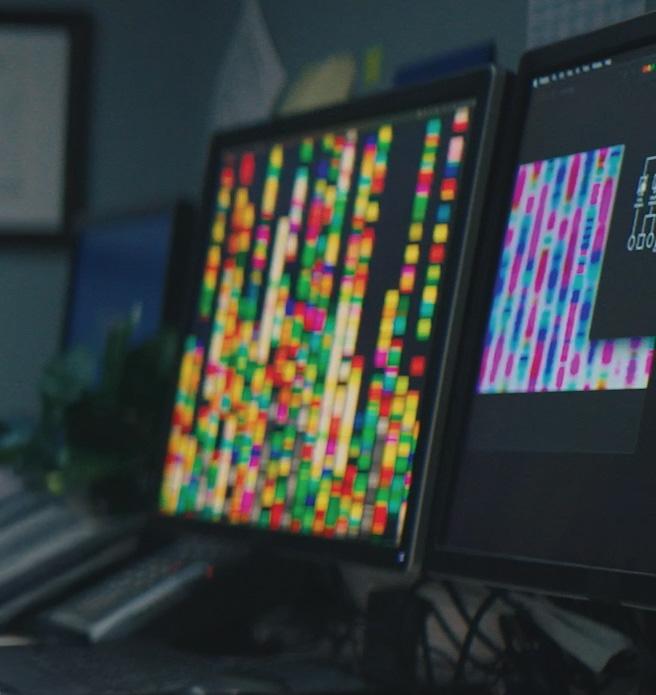
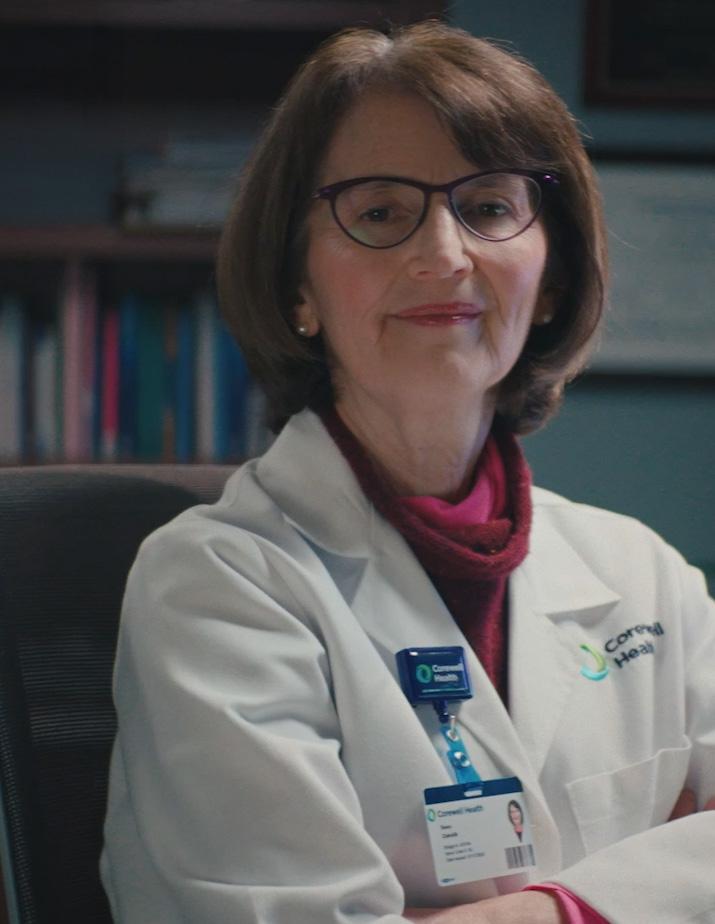
Identifying high-risk genes saves lives — not only for our patients, but also family members who share the same risks. Corewell Health’s comprehensive cancer genetics program helps patients discover inherited cancer risks and, more importantly, make a plan based on that information. Our genetic counselors work individually with each patient to develop a strategic approach to risk assessment, early detection, risk reduction and prevention and research opportunities.
What makes us different
Our cancer genetics program is rising to meet the needs of our community, with technology, procedures and initiatives designed to increase access and improve patient outcomes.
RNA sequencing. Additional specialized testing that can help classify uncertain genetic changes and catch some mutations that DNA tests alone might miss.
Sophisticated risk assessments. New software platform rolled out in 2025, that helps our teams improve the screening process, increase referrals, help more
patients and improve outcomes. The system can even help identify which patients need further testing or placement in a higher-risk program based on risk assessment scores.
Virtual visits. Greatly improving accessibility to genetic counseling for patients who live outside Corewell Health’s standard service area or otherwise have difficulty making an in-person visit. Multidisciplinary team. Our program includes experts in clinical genetics, oncology, genetic counseling, nursing and data entry. We work closely with primary care
physicians, surgeons, radiologists and others to provide complete, coordinated care for our patients. Coverage. Genetic testing is often covered by insurance when it meets certain criteria. Women at elevated risk of breast or cervical cancer may have testing costs covered by Michigan’s Breast & Cervical Cancer Control Navigation Program (BCCCNP).
Molecular Tumor Board. Experts interpret tumor genomic data to guide treatment by recommending targeted therapies, clinical trials or specialized options for advanced or rare cancers.
Why do we test?
Prevention. Patients who know they’re at higher risk can begin early detection strategies and frequent screenings.
Treatment. Genetic testing results can help doctors make better treatment recommendations, even for patients who have already been diagnosed.
Family. Learning about an inherited risk can encourage family members to get tested too.
By the numbers
17 genetic counselors
5,228
total 2024 patient volume
15x patient volume increase over the past 20 years
OUT IN THE COMMUNITY
Power in prevention
All year long and all around the state, our teams provide free cancer screenings, at-home testing kits and educational materials to tens of thousands of Michigan residents, including in many communities that have limited access to screening due to economic or geographic obstacles. Thanks to these efforts, we are building trust — and saving lives.
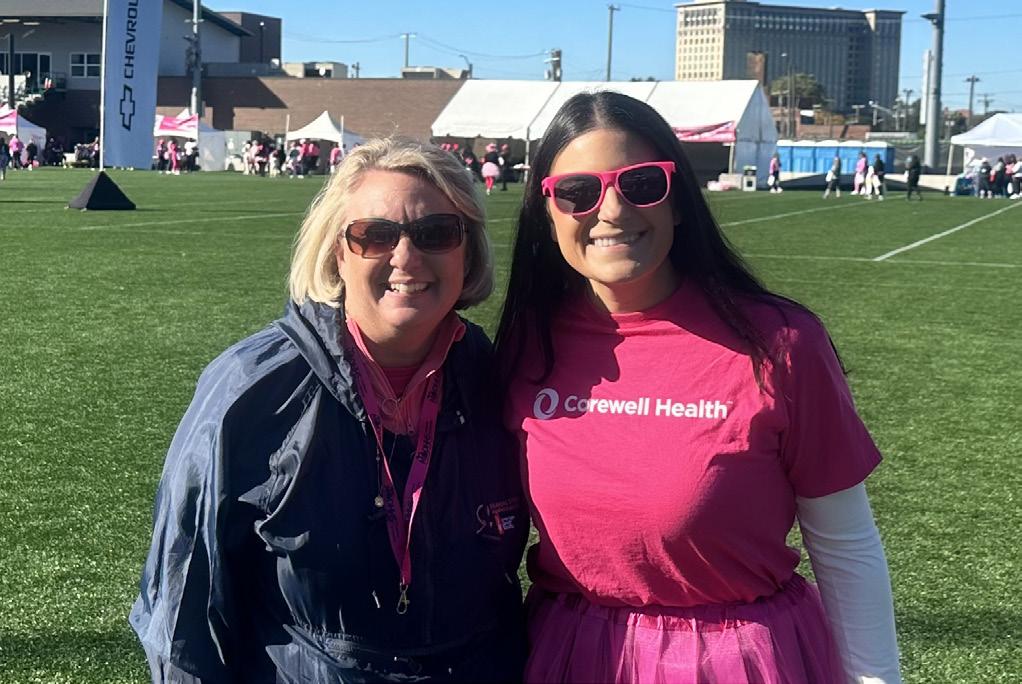
Marching together
More than 8,000 people stopped by our booths at several Southeast Michigan cancer walks, including Making Strides Against Breast Cancer in Detroit.
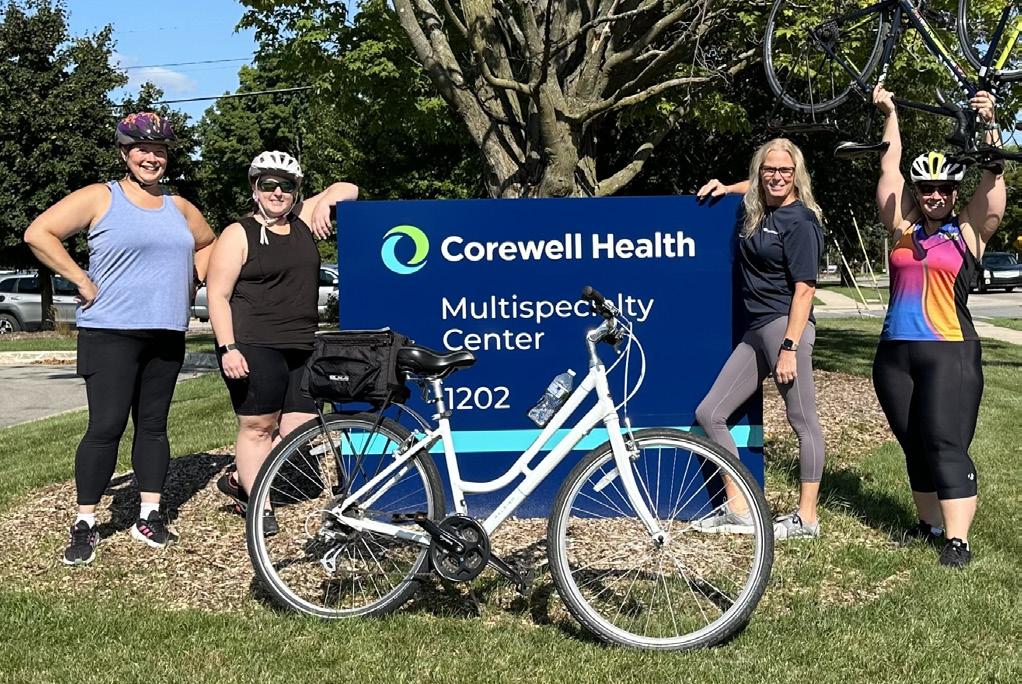
Tour de Tush
Corewell Health and Priority Health team members rode a combined 5,200 miles to raise money and awareness for colon cancer screening and treatment.
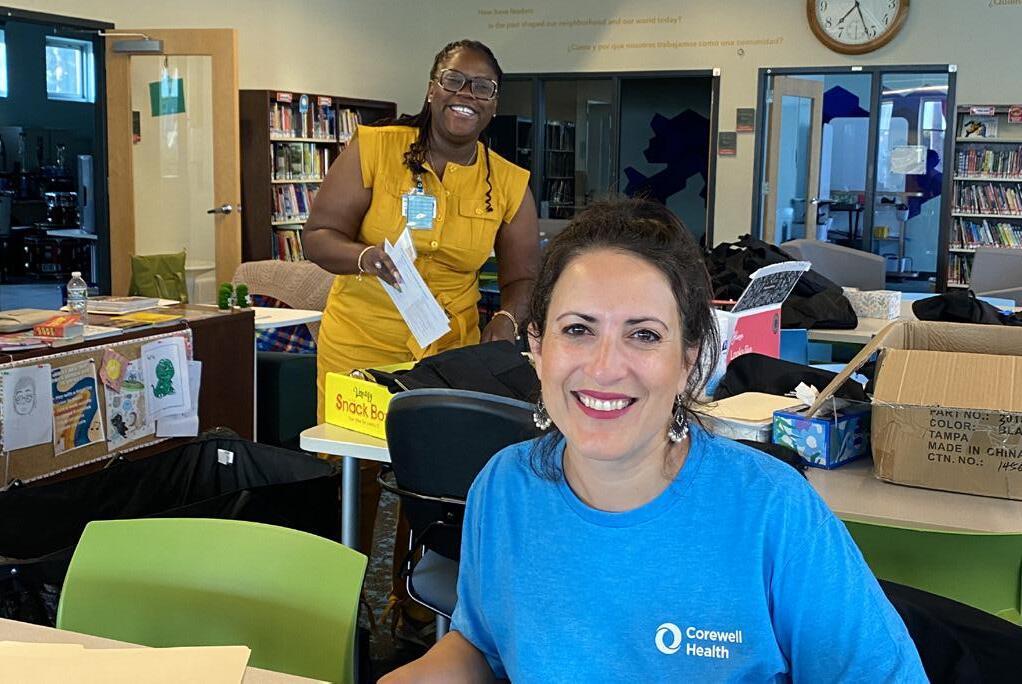
More Life Más Vida
Over three Saturdays, our team provided program participants with mammograms, colorectal screening kits, smoking cessation materials and HPV vaccinations.
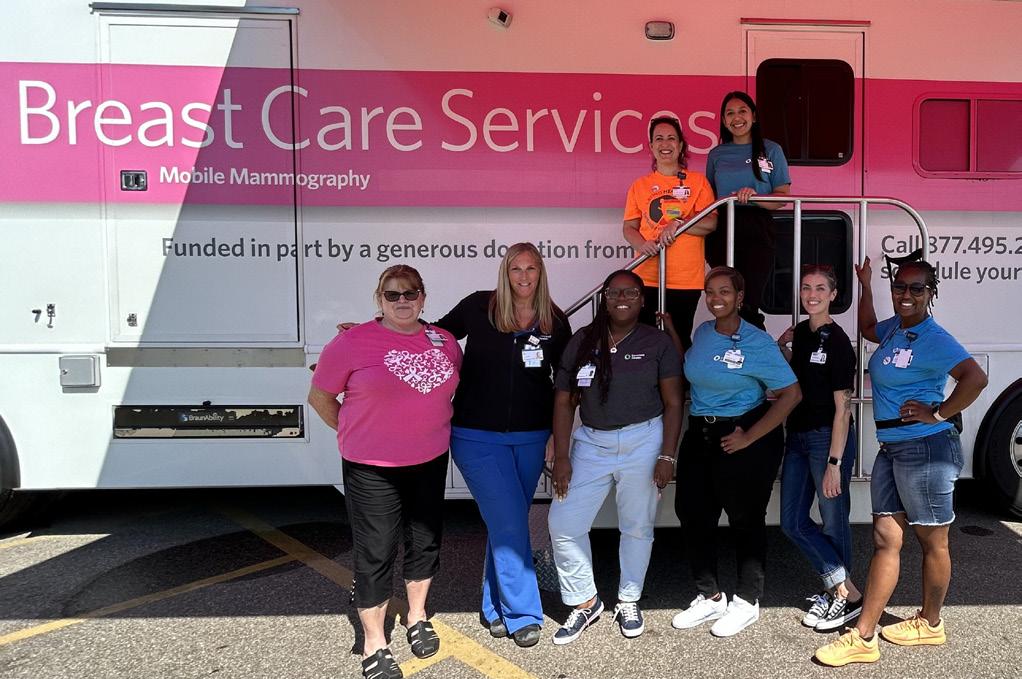
Mobile mammography
More than 150 women from three Upper Peninsula Native American communities received free mammograms from our mobile mammography unit.
LED BY PHYSICIANS
Unifying cancer care across the state
Integrating and coordinating oncology and hematology services across a statewide system is a massive undertaking. It can’t happen without strong leadership, honest conversations, thoughtful planning, hard work and buy-in from everyone.
In July 2023, Corewell Health began a rapid, systemwide and physician-led implementation of Epic’s oncology specialty platform, Beacon. After moving from framework to go-live in just one year, it’s already driving a new era of collaboration, efficiency and improved outcomes.
No more regional silos. No more delays. Just connected care from providers who now have the data they need to make better decisions, faster.
One of the most profound benefits is seamless coordination of care for patients traveling to other regions. With real-time access to treatment records and imaging, referring providers can now collaborate without delay. Beacon integration has even enabled grant-funded patient support services such as transportation and lodging assistance.
On the horizon
Future enhancements are still in development. But the changes we’ve made so far have already had a transformative effect — not just for patients, but also for our team. This yearlong effort of conversation, cooperation and collaboration has only deepened our shared commitment to working together to make health better.
More significant benefits
Radiopharmaceutical orders are now tracked digitally, enabling pharmacy, nuclear medicine and oncology teams to work from a unified treatment history.
Internal infusion workflows are reducing delays and improving safety.
The Medication Care Coordination team now supports statewide authorization approvals, improving access and reducing administrative burden.
Identifying and scheduling multidisciplinary reviews for rectal cancer patients is easier than ever, enabling earlier intervention.
Our accreditation efforts for both NAPRC and COC have been greatly streamlined thanks to structured data collection and custom dashboards.