COMPASS MAGAZINE VANCOUVER ISLAND | WINTER 2026 | ISSUE 57 - STAYING HEALTHY
6 8 10
14
22
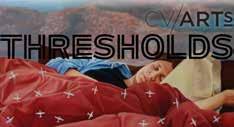
We Are Art THRESHOLDS Exhibit at Comox Valley Airport
Comox Valley Arts
Food for Thought Food is Medicine Josie Boulding
The Fossil Huntress
Gastroliths The Fossil Huntress
Artist Feature Peter Smith
Kealy Donaldson
Community Catalysts Building a Stronger Economy Through Collaboration
Tracey Clark
Stay Well This Season, and Every Season Dana Mahon 6 8 30 14
30
ISSUE 57
WINTER 2025
Staying Healthy
Staying Healthy isn’t just about the physical state of your body; it’s a balancing act between body, mind and soul. Your mental health is critically important to execute your day and function with a positive outlook. Keeping your mind focused on good thoughts and initiating rewarding personal goals will help your momentum when you find yourself at a crossroads with your mental well-being.
Your soul health is really about what inspires you ~ your social well-being with a focus on your interests and activities. Cultural practices can play an important role in this balance; that could look like dancing, singing, music and artistic talents of all kinds. Sports too can sooth the soul whether you are on the sidelines cheering your favourite team or directly involved in a rewarding strategic game.
When you marry these two important focuses with your physical health, you’ll find that your life starts to click together with harmony. Your physical health can be simple or intricate; from walking and stretching to structured gym workouts. You need to ensure that your body can carry you into your senior years, from whatever age you are at now. If you don’t have a routine, start this week by simply committing to a small physical activity like a short walk outdoors, twice a day, or light yoga or stretching to get your blood flow to all areas of your body.
There are great resources from the professionals and free routines to help keep your health balanced. You can consult a health professional online or in person if you feel that you need a opinion to ensure you are moving in the right direction with ‘Staying Healthy’, especially with 2026 on the horizon. Wishing you and yours a happy and healthy holiday season and a great start to your new year!
Gilakas’la, Emote, Marsii ~
KEALY DONALDSON
Publisher Compass Magazine
I have chosen to be happy because it is good for my health. ~ Voltaire We
PUBLISHER
Kealy Donaldson
DESIGN + LAYOUT
Jessie Stones
CONTRIBUTORS
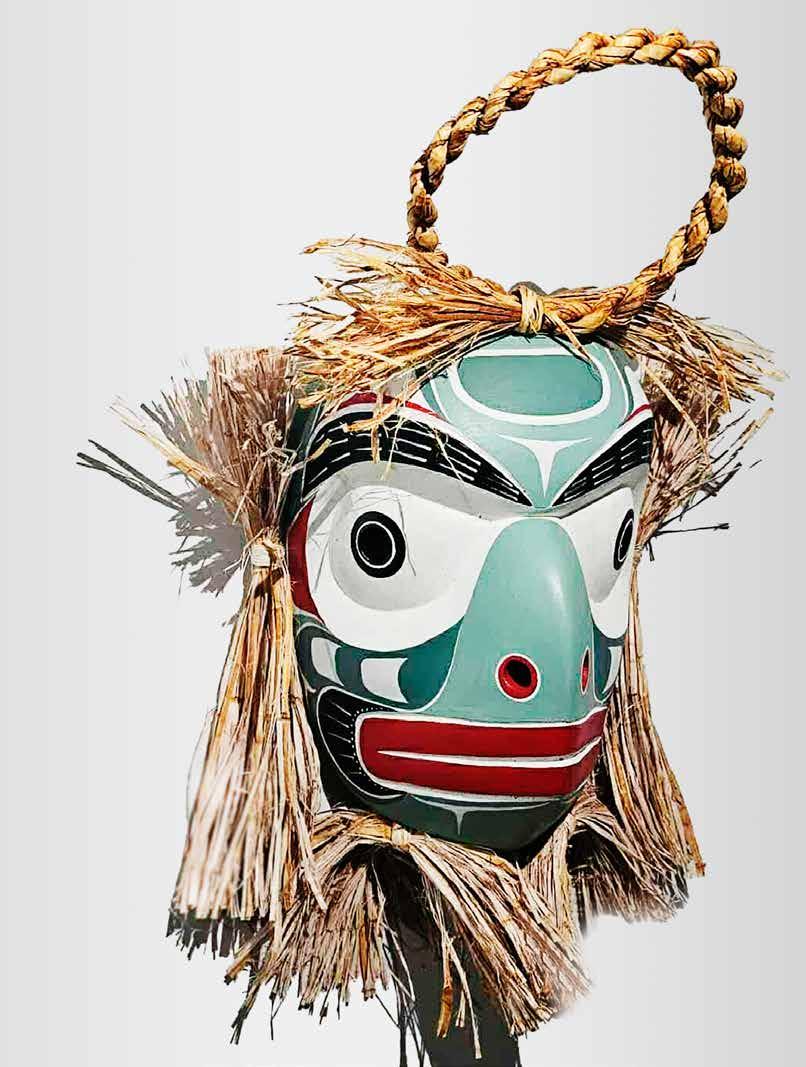
COVER Peter Smith THE COMPASS MAGAZINE is produced on Vancouver Island, printed on the West Coast of British Columbia, and published on Vancouver Island paper by:
Sponsored by NIC Department of Business Administration
Liam Mackenzie
Isabella Saccucci
Isaac Rankin
Business Leadership Award
Sponsored by Coastal Community Credit Union
Chris Higgins
Bill Anglin
ABC Printing
Family First Award
Sponsored by 98 9 Jet FM
Alitis Investment Counsel
Robert Mulrooney- Mindset Wealth
Goblins Jujitsu
Not For Profit Organization Award
Sponsored by First Insurance Co-operators
Auxillary Society for Comox Valley Healthcare
Comox Valley Family Services
United Riders of Cumberland
Small Business of the Year Award
Sponsored By IG Wealth Management - Bai ley & Associates
Foveo Running Wildflower Mercantile West & Co.
Young Entrepreneur Award
Sponsored by Wedler Engineering LLP
Grace - Isla Consignment
Ellie Childs - Mount Washington
Ava Randall - The Parlour Barbershop
Diversity & Inclusion Award
Sponsored by The Immigrant Welcome Centre & Welcoming Communities Coalition & Creative
Employment Access Centre
Kristina Ferrier
Big Foot Donuts VIVRS
Heritage Recognition Award
Sponsored by Waypoint Insurance
Edgett Excavation
Black Creek Farm & Feed
Thomson Bros Lumber Co
Lifetime Achievement Award
Sponsored By Canadian Tire Courtenay
Art Myers
Ramona Johnson
Sandra Viney
Business of the Year Award
Sponsored By MNP LLP
Canwest Mechanical
Cumberland Brewing Co
Hakai Energy Solutions Inc.
Sustainability Award
Sponsored by Berwick
Retirement Community
Orca Solutions
Hakai Energy Solutions Inc
Eatmore Sprouts
Customer Service Award
Sponsored by Robbins & Company
Old Farm Market
Northrock Technologies
Shar Kare Courtenay
Innovative Business Award
Sponsored by Comox Valley Airport
Hakai Energy Solutions
Kingfisher Pacific Resort
Hornby Organic
New Business of the Year Award
Sponsored By Doane Grant Thornton LLP
Aurum Solar Ltd
Bravo Dog Training & Behaviour
Dina Kurdish Turkish Cuisine
Finalists to be announced at The Starry Night Gala
Sponsored by:
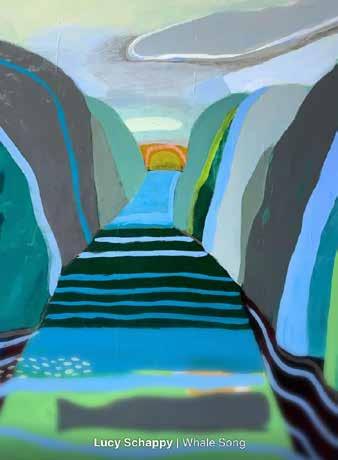
Lucy Schappy Whale Song
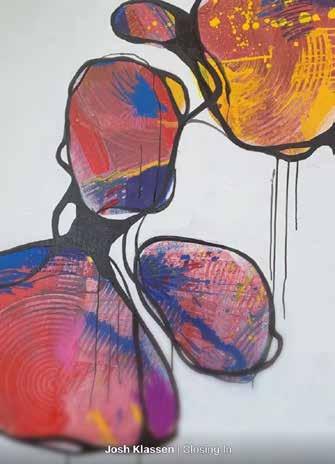
Josh Klassen Closing In
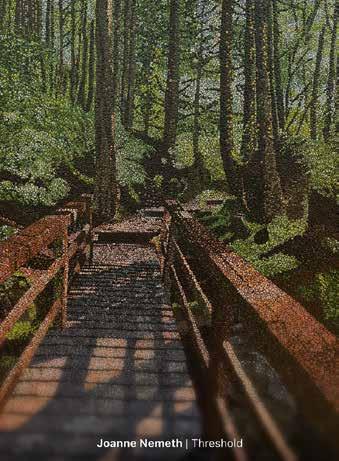
Joanne Nemeth Threshold
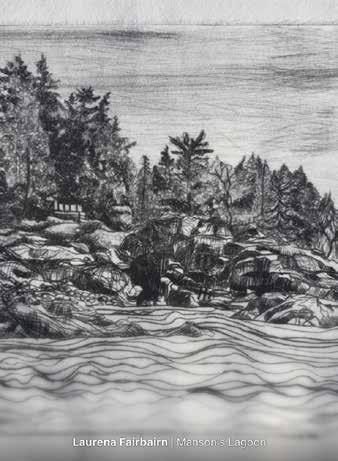
Laurena Fairbairn Manson's Lagoon
We are Art
NEW THRESHOLDS EXHIBIT AT COMOX VALLEY AIRPORT BRINGS SHARP, THOUGHTFUL WORK INTO THE TERMINAL
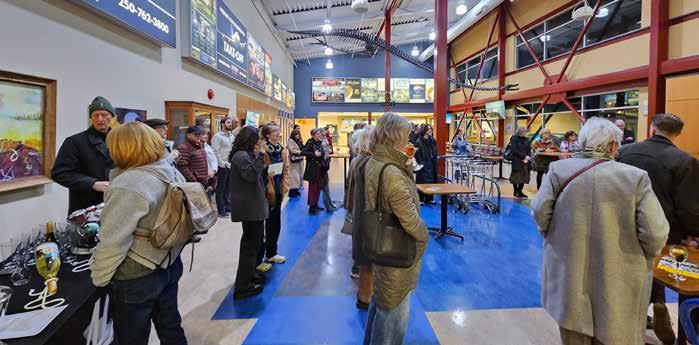
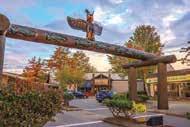
Each year, Comox Valley Airport partners with Comox Valley Arts to turn the terminal into a rotating gallery of local work. As part of the YQQ Public Arts and Culture Program, the 2025–26 exhibition THRESHOLDS runs from November 19, 2025 to April 15, 2026, following the annual fall call for submissions and winter adjudication.
THRESHOLDS asks artists to consider points of transition: the line between the familiar and the possible, and the moment where one space gives way to another. Installed throughout the terminal, the selected works create small pauses for travellers—brief encounters with regional perspectives in a place defined by movement.
The partnership between YQQ and Comox Valley Arts supports a consistent platform for artists while giving airport visitors a window into the area’s creative community. The exhibition is one of two adjudicated shows presented at the airport each year, making contemporary local art part of the everyday experience of passing through YQQ. comoxvalleyarts.com/yqq-cva-arts-culture-program
Comox Valley Arts
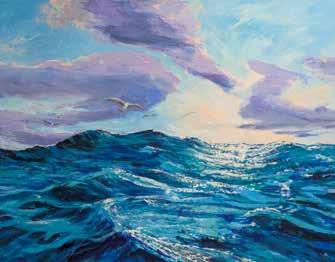
Helen Utsal Sparkle of the Sea
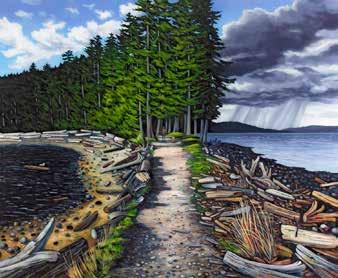
Tracy Kobus The Spit
Food for Thought
FOOD IS MEDICINE
At this time of year we are looking for any help we can get keeping our immune system strong. We take vitamins, exercise regularly and get lots of sleep, but our secret weapon is the food we put in our body. Mostly lots of colourful veggies. They are packed with nutrients and vitamins that help keep our immune system working efficiently. None more so than spinach–it’s not just Pop-Eye’s super food!
This issue we’re sharing our two favourite recipes to crank up our health and please our taste buds: a satisfying soup and spinach-rich appetizer. To good health!
Add sparkling water for a zesty mocktail. Mix with chicken stock for a lemony sauce. Or whisk into dressings for a puckering kick. Quick and easy to make, the preserve keeps two weeks, plenty of time to discover many more uses for it.
SERVES: 4 PREP: 30 MINUTES COOKING: 2 HOURS
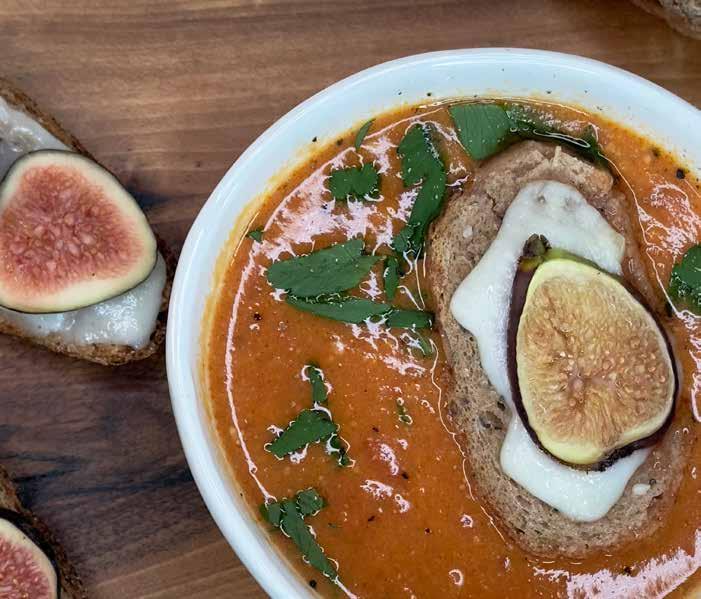
Rich, filling and complex, this is one of our favourite soup. It’s actually more of a liquid meal and is full of immune-boosting ingredients. It’s exactly what we crave on wet, cold and dark days.
Don’t feel constrained by our ingredient list: use any veggies that need to be used by frying them alongside the onion. We just recommend that the bulk of the soup be tomato and sweet potato/squash. They provide the heartiness to turn the damp away.
Josie Boulding
CREAMY MISO VEGGIE SOUP
Ingredients
1 tablespoon avocado or coconut oil
1 onion, chopped into small pieces
2 cups sweet potatoes or squash, peeled and cut into cubes
2 cups cherry tomatoes
2 cups Miso Base
see QR code for recipe or mix 2 cups warm water with ¼ cup miso paste
¼ cup tahini
1 can coconut milk
1 teaspoon salt and pepper
1 teaspoon honey
Cooking Instructions
Check out HABIT!
TIP: We love our slow cooker for easing the attention required, but don’t fret if you don’t have one.
For the slow cooker, warm a frying pan on medium heat. Add the oil and onion and stir well. Fry the onion, stirring often, until it turns translucent. Transfer the cooked onion to the slow cooker along with all the other ingredients. Cook on the “high” setting for four hours or longer.
For stove top, use a heavy-sided pot and follow the same directions to cook the onion right in the pot. Once the onion is translucent, add all the other ingredients. When the soup boils, turn the heat to low and leave to simmer for one hour.
With both slow cooker and stove top: once the vegetables are soft, use a hand blender to cream the soup until chunks are gone and the soup is a uniform consistency. If you don’t have one, transfer the soup to a regular blender or food processor–in batches if necessary–and then return to the pot.
Bring the blended soup back to a light boil and then lower heat to simmer until you are ready to eat. Serve with bruschetta or warm bread.
Refrigerate leftovers. It’s even better the next day.
SERVES: 4 PREP: 10 MINUTES COOKING: 0 MINUTES
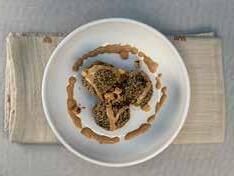
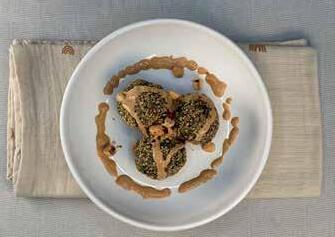
A traditional Japanese appetizer, spinach gomae is ridiculously simple and wonderfully satisfying. It’s a great substitution for a salad, especially served warm on a stormy day.
For the peanut sauce, we’re partial to the home made version in our cookbook HABIT, but any one you like will do just fine.
Ingredients
1 cup frozen spinach
¼ cup peanut sauce
¼ cup toasted sesame seeds
Cooking Instructions
A couple hours ahead of time, set spinach out to thaw. If pressed for time, add frozen spinach and a cup of water to a pot, heat until thawed and strain off the water.
Squeeze the spinach to remove all excess water. You can use your hand or a spatula.
Divide the spinach into four and roll into a ball.
Top each ball with 1 tablespoon of peanut sauce and sprinkle with 1 tablespoon of sesame seeds.
Spinach Gomae
The Fossil Huntress
ROCK BUFFET: THE CURIOUS CASE OF GASTROLITHS
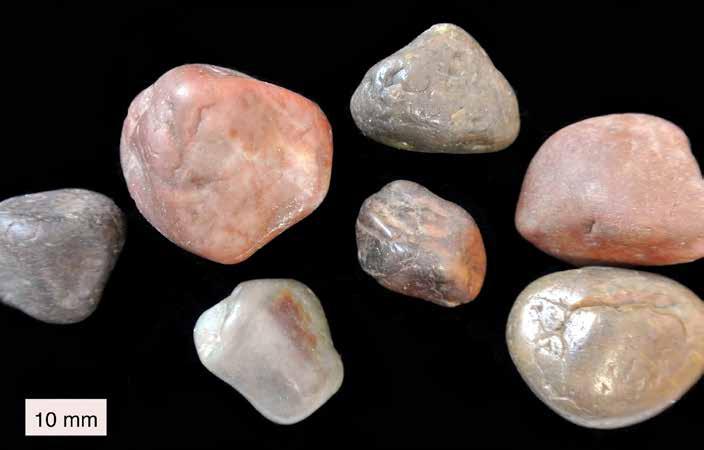
There’s a fine line between “swallowed by accident” and “intentional meal plan,” and few fossils illustrate that better than the humble gastrolith—literally, a “stomach stone.”
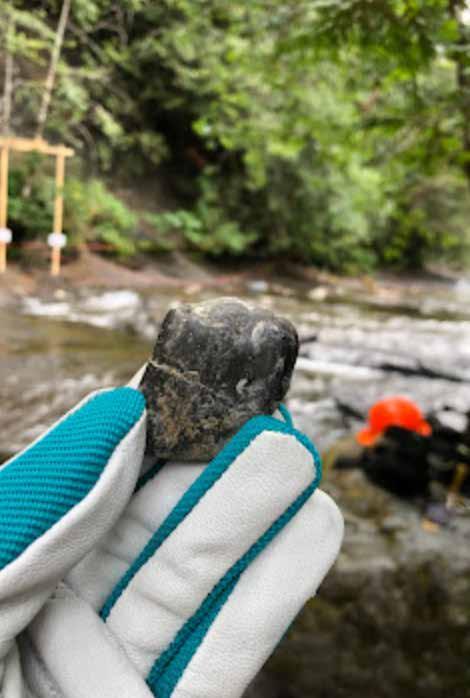
Our story begins, fittingly, in the belly of a marine reptile from Vancouver Island’s Trent River—a local who took the phrase “gut of stone” rather literally.
This polished pebble once tumbled through Cretaceous surf some 80 million years ago, only to end up as part of a Mesozoic digestive strategy.
Today, it sits fossilised and gleaming in the Courtenay Museum, a geological souvenir from an age when eating rocks was not just tolerated but recommended.
This lovely was found in the belly of a new genus and species of elasmosaur named Traskasaura sandrae, in honour of the Trask family — Mike, Pat and Heather Trask.
Gastroliths—smooth stones swallowed on purpose—were the original “multi-tools” of digestion. They turn up in the fossil record of marine reptiles like plesiosaurs and ichthyosaurs, in dinosaurs from Camarasaurus to Caudipteryx, and even in modern birds and crocodiles.
Think of them as internal food processors—helping grind up shellfish, bones, and whatever else made the Mesozoic menu.
Why rocks? Well, if you’re a giant aquatic reptile with flippers instead of forks, chewing isn’t really an option. Instead, you gulp your prey whole, toss in a few stones, and let physics do the work.
Inside the muscular gizzard, those gastroliths tumble around, mashing up food like a prehistoric smoothie blender. They also may have served as ballast, helping the reptile finetune buoyancy—a sort of stone-age scuba weight belt.
Of course, scientists have debated which role was more important: digestion or diving? Were these animals after smoother sailing or smoother meals? The jury’s still out, but the answer might be “both”—because why not have a rock that multitasks?
The Trent River specimen, like others from Vancouver Island’s fossil beds, is particularly well-rounded—literally. Its polished surface hints at long tumbling in surf before being swallowed, and longer wear inside a reptilian stomach before being fossilised.
Imagine being a small stone, minding your own business in the shallows, when suddenly—gulp!—you’re swept into the digestive adventures of a marine predator. Millions of years later, you emerge as a museum piece. Talk about a career arc.
Modern birds still use gastroliths, so next time you watch a chicken pecking gravel, remember—it’s not just weird farmyard behaviour. It’s a direct evolutionary link to ancient seagoing reptiles. The same survival trick that helped plesiosaurs patrol the Cretaceous seas now helps your backyard hen break down corn.
So, the next time you’re strolling along the Trent River and spot a rounded pebble, take a closer look. Could it be a river stone? Sure. But it could also be the relic of a reptilian digestive system, polished by waves, stomach acid, and time itself. Because in the fossil record, even the smallest stone can tell a story—and in this case, it’s a story of rocks, reptiles, and the enduring appeal of an all-you-can-eat buffet… with a little extra crunch. fossilhuntress.blogspot.com
NEW RESEARCH UNCOVERS HIDDEN DIVIDE IN WEST COAST KILLER WHALES
Science Daily
Scientists confirmed that West Coast transient killer whales actually form two separate groups split between inner and outer coastal habitats. Inner-coast whales hunt smaller prey in shallow, maze-like waterways, while outer-coast orcas pursue large marine mammals in deep offshore canyons. The groups rarely interact, despite sharing a broad range along the Pacific Coast. Their contrasting lifestyles highlight the need for distinct conservation strategies.
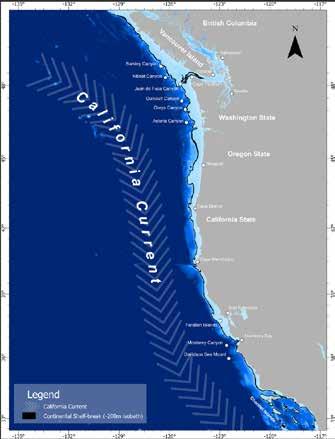
New findings show that the transient killer whales living along the West Coast between British Columbia and California are actually divided into two separate subpopulations known as inner and outer coast transients.
A study published in PLOS One used 16 years of information from more than 2,200 documented encounters to reevaluate long-standing ideas about these mammal-eating orcas. The results overturn earlier assumptions and point to a clear ecological split.
"I've been thinking about this possibility for 15 years," says first author Josh McInnes, who conducted the research as part of his masters at UBC's Institute for the Oceans and Fisheries (IOF). "Now our findings show the West Coast transients are two distinct groups, split along an eastwest divide. They eat different things, hunt in different areas and very rarely spend time with each other."
Ecotypes and Global Context
Killer whales that frequent the West Coast fall into three recognized ecotypes: transients, residents and offshore. A fourth potential group, referred to as an 'oceanic' population, has also been proposed. Transients occur in six regions worldwide, and the West Coast transient population is the best studied, with its own identifiable genetic traits.
Researchers previously suspected that this West Coast community might be divided along a north-south
boundary. Instead, the new data reveal that the differences align more strongly with the inner and outer coastal environments these whales use.
"The inner coast killer whales are like city dwellers," said co-author Dr. Andrew Trites, IOF professor and director of the Marine Mammal Research Unit. "They're experts at navigating busy, maze-like streets of nearshore inlets, bays and sheltered waterways -- whereas the outer coast killer whales are more like backcountry dwellers thriving in deep canyons and rugged underwater terrain along the edge of the continental shelf."
Social Network Mapping and Movement Patterns
To investigate these patterns, the research team analyzed social interactions using photo identification collected between 2005 and 2021. Images from scientific surveys and public sightings allowed researchers to match individuals and determine which whales were regularly seen together. "We essentially drew friendship maps to see which whales spent time together, and then looked at where they were seen to figure out if they hung out in specific neighborhoods," said Dr. Trites.
The team found that inner coast transients, estimated at roughly 350 individuals, typically stayed about six kilometers from shore in relatively shallow areas such as the Salish Sea. Their diet centered on smaller marine mammals including harbor seals and harbor porpoises, and they usually traveled and foraged in groups of about five.
Outer coast transients, numbering about 210 animals, were most often found within 20 kilometers of the continental shelf break, particularly near submarine canyons. These whales ventured as far as 120 kilometers offshore and covered large distances. Their prey included larger species such as California sea lions, northern elephant seals, gray whale calves and Pacific white-sided dolphins, and they typically hunted in groups averaging nine individuals.
The clear contrasts between the two groups may reflect the distinct marine environments they occupy or may be influenced by human activity in these regions, including the reduction or harvesting of key prey species.
Rare Interactions Between the Two Groups
Although both groups use a broad range that stretches from Southeast Alaska to southern California, they rarely interact. Less than one per cent of sightings involved both groups at the same time. "I have seen outer coast transients acting strangely around inner coast animals," said McInnes, co-founder of the Oceanic Research Alliance. "One of the sightings reported a group of single male outer coast orcas slapping each other with their dorsal fins and charging at inner coast females."
Because offshore research is particularly challenging, scientists note that more subpopulations may exist in remote regions that have not yet been thoroughly surveyed.
The authors stress that their findings highlight how these transient killer whales move across jurisdictional boundaries and how conservation planning needs to account for their differing lifestyles. "These two communities of transient killer whale inhabit very different worlds and lead distinctly different lives," said Dr. Trites. "Protecting them will take more than a one-size-fits-all approach. Each needs a tailored plan that reflects their unique needs and the specific threats they face."
Journal Reference:
1. Josh D. McInnes, Andrew W. Trites, Kevin M. Lester, Chelsea R. Mathieson, Lawrence M. Dill, Jeffrey E. Moore, Marilyn E. Dahlheim, Jonathan J. Scordino, K. S. Jasper Kanes, Paula A. Olson. Social associations and habitat selection delineate two subpopulations of west coast transient killer whales (Orcinus orca rectipinnus) in the California Current System. PLOS One, 2025; 20 (11): e0325156 DOI:10.1371/journal.pone.0325156
University of British Columbia. "New research uncovers hidden divide in West Coast killer whales." ScienceDaily, 20 November 2025. www. sciencedaily.com/releases/2025/11/251120002604.htm
Feature Artist
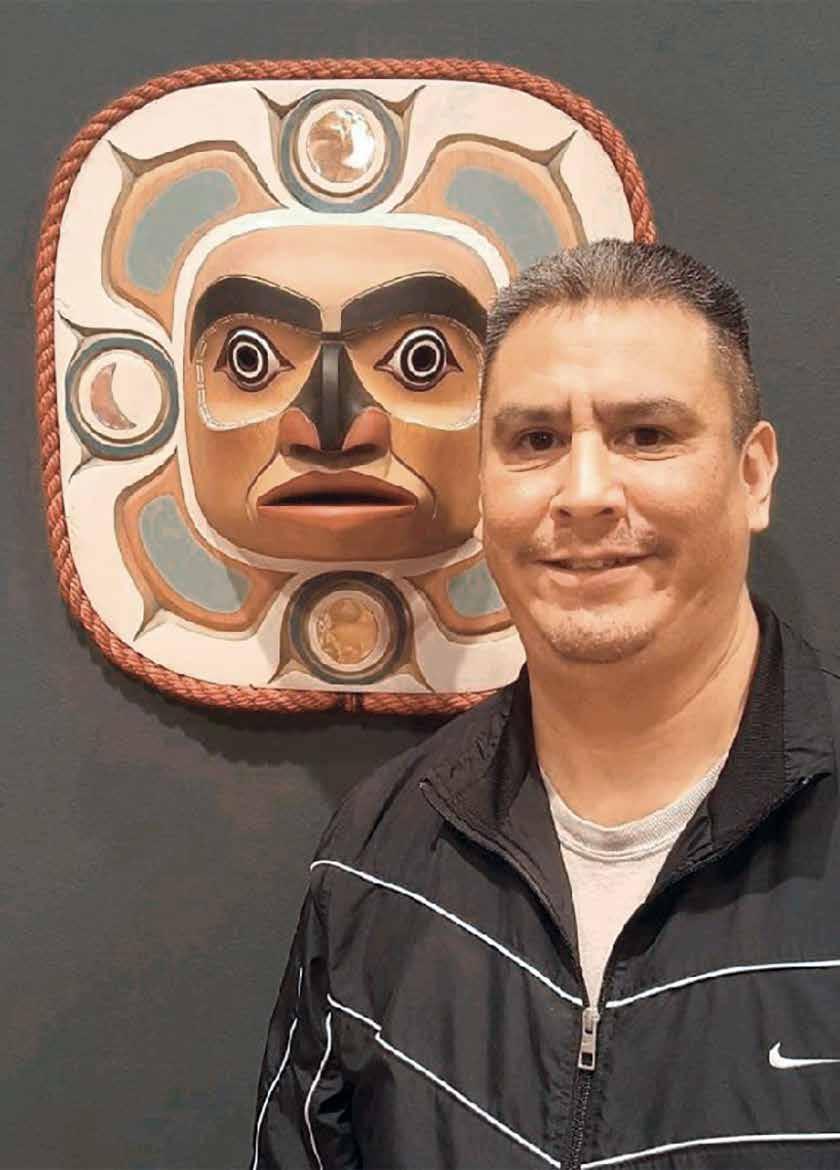
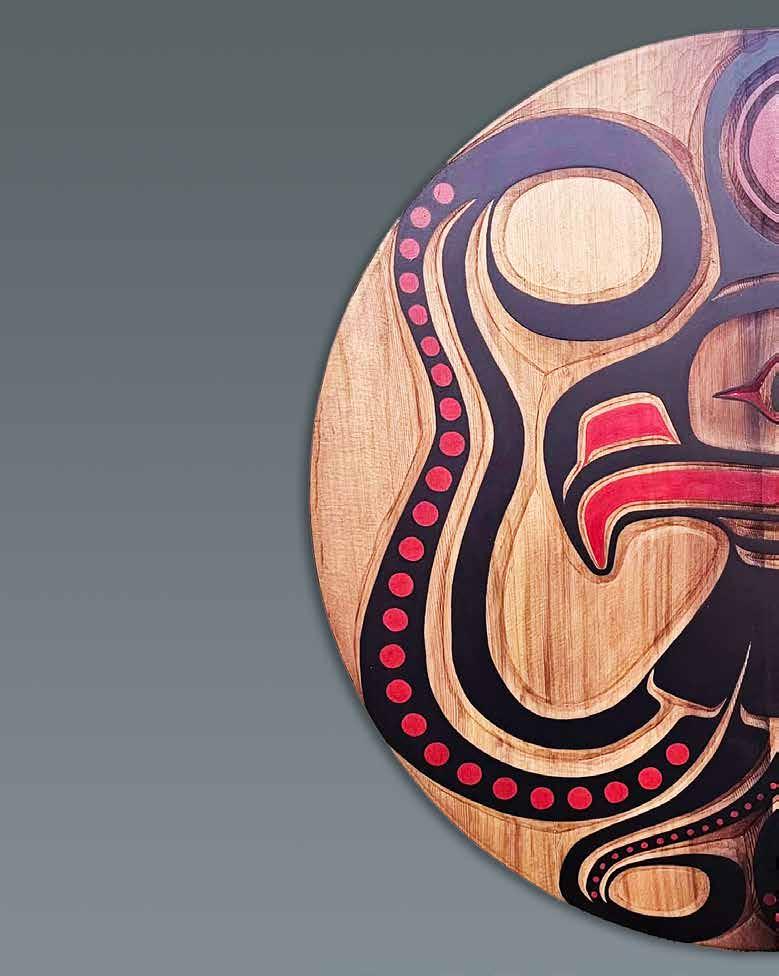
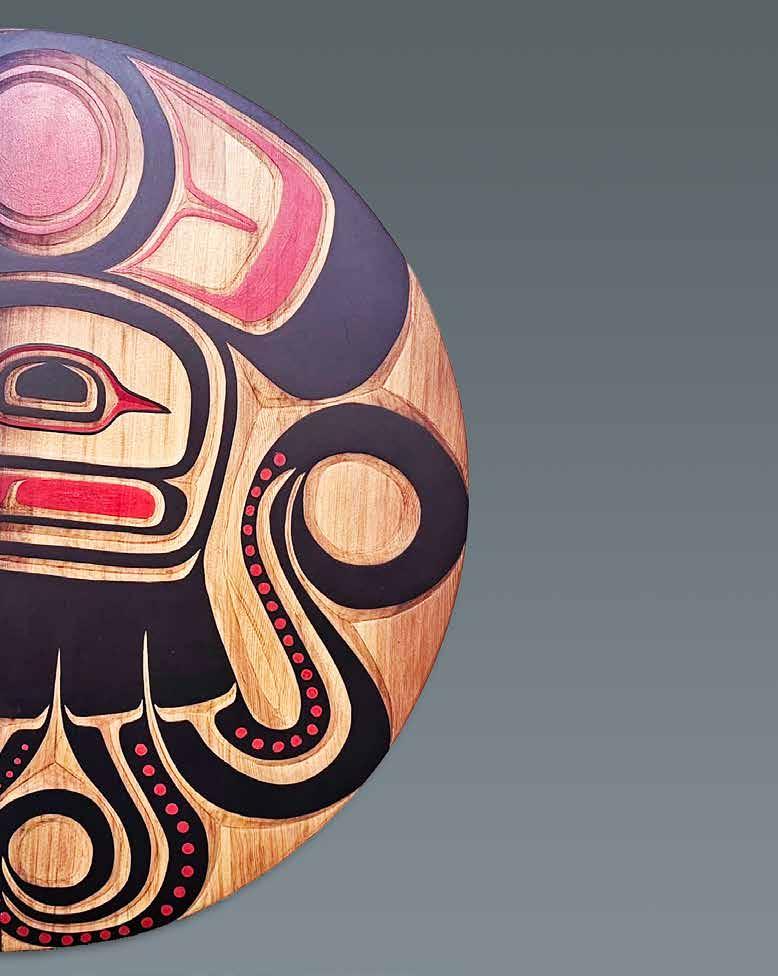
Peter Smith Peter Smith Giq-Kalas arts
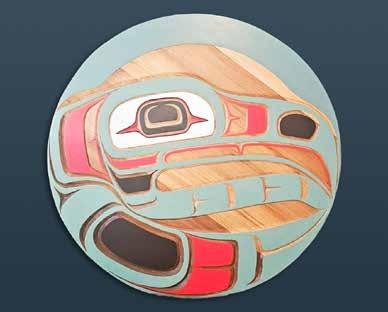
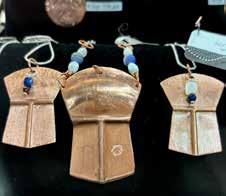
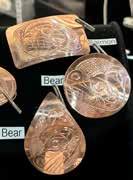
Distinguished carver Peter Smith was born in Vancouver in 1972. From the Musgamagw Dzawada’enuxw, he has been honing his craft since the mid 1990’s. Specializing primarily in wood mediums, his intricate and culturally resonant pieces have captured the attention of art enthusiasts and collectors across North America.
Smith's remarkable journey into the world of carving is deeply rooted in his heritage and familial influences. He comes from a lineage of skilled artisans who have passed down their knowledge and passion for traditional carving techniques. Guided by esteemed mentors, Winadzi James and Simon Dick, whose identities are integral to Peter's personal and professional growth, he has developed a unique style that both honours and innovates his cultural heritage.
Smith began carving in 1995, his exposure to the art form began in early childhood when he watched artists such as Walter (Long-John) Smith, Sam Johnson, Jack James and Allan James while spending time in his home community of Gilford Island. Smith has held the traditional name Giq-Kalas (from Gilford Island and Alert Bay and translated as “Son of Great Importance”) since the age of four and this was when he began his training in traditional Kwakwaka’wakw dancing. He enjoys learning and exploring the carving medium and has developed his own crisp, clean style that mixes the traditional and the contemporary. While focusing on the culture of the Kwakwaka'wakw people, Smith has also been influenced by northwest coast silver
jewelry. Sonija Triebwasser, a well known silver-smith, who taught Smith this art form. His future plans are to travel and share with the world First Nations’ continued practices of traditional Indigenous culture of the Pacific Northwest.
Smith is very passionate about his culture and traditions and is proud to say that he has Hereditary Chief standing that was passed on to him from his father, the late Chief Charles Smith. His hereditary chieftainship is Chief Tlil mogi Lakw of the Musgamagw. He took on his father’s standing as Chief in a Naming Feast where he held in memory of his father, the late Chief Charles Smith in October of 2011. During this feast, Smith gave a name to his first grandchild.
Throughout his career, Smith has established strong relationships with high-end galleries across Canada and the United States. His work is frequently sought after by private collectors who appreciate the depth and authenticity of his pieces. Each carving tells a story, reflecting the rich cultural narratives of the Musgamagw Dzawada’enuxw people.
To connect with Peter, you can follow him on his social channels or email him directly.
INDIGENOUS SPEAKER REMINDS CANADIANS THAT THE COLONIAL PROJECT'S IMPACTS REMAIN
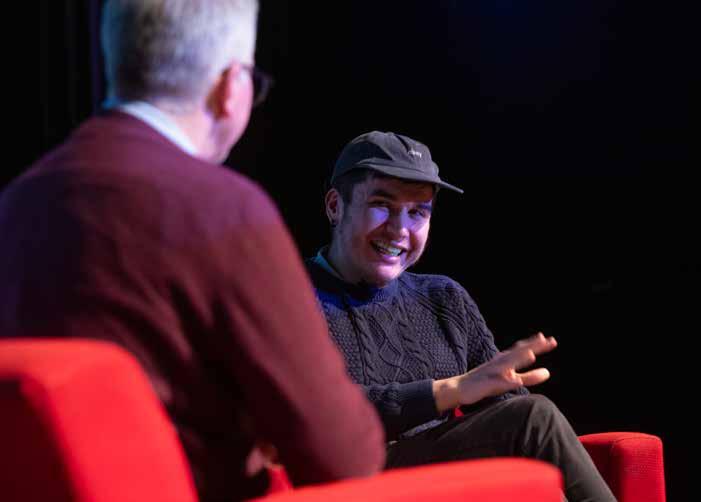
Award-winning writer and academic Billy-Ray Belcourt delivered the keynote address at Vancouver Island University's Indigenous Speakers Series event on November 18.
The impacts of Canada's actions against Indigenous peoples continue to have far-reaching effects today and cannot be considered something that has happened in the past.
This is the message Billy-Ray Belcourt shared to impart to Canadians during Vancouver Island University's (VIU's) 11th annual Indigenous Speakers Series on November 18. "It's a problem of the ongoing-ness of this history. It's not over," he said. "My talk is a call to acknowledge that the 20th century continues in various forms in the lives of Indigenous peoples. Any talk about reconciliation needs to consider that fact."
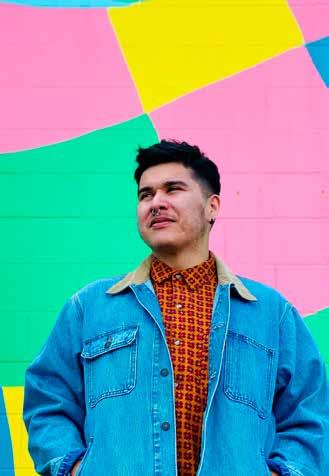
Billy-Ray Belcourt is a writer and academic from the Driftpile Cree Nation in northwest Alberta. His talk, "My Mother's house: A story of haunting and colonial history," will begin with his mother's house – where the nuns who ran the local residential school once lived – in order to insist on new ways to make sense of the ongoing impacts of colonialism. He shared some of his community's history, bridging the historical and the personal in addressing the question of how to tell the story of the afterlife of the 20th century.
"I'm speaking both about the house's history and the history of the community in which it is located, a small hamlet in northern Alberta," he said. "I'm looking at the residential school that was there, the founding of that community, how it's all tied into the colonial project, and how it is the onus of people like me and my family to shoulder the memory and the history of that place.
Because there isn't public discourse about it in the community."
VIU's Indigenous Speakers Series, delivered in partnership with CBC Radio's ‘Ideas’ program, began in 2015 to mark the release of the final report of the Truth and Reconciliation Commission. It is held every fall at the Nanaimo campus, on the traditional territory of the Snuneymuxw First Nation. Nahlah Ayed, host of Ideas, emceed the event.
Belcourt won the Griffin Poetry Prize for his debut collec tion This Wound is a World. He has twice been nominated for the Governor General's Literary Award – once in poetry for the debut and in non-fiction for his memoir, A His tory of My Brief Body. Both his works of fiction, A Minor Chorus and Coexistence, were national bestsellers. His latest book is THE ENTIRE OF AN ENTIRE LIFE: POEMS. He is an Associate Professor in the School of Creative Writing at the University of British Columbia. He expressed his excitement to bring this background into his talk.
"I examine how literature specifically can help broaden our understanding of the country's history," he said. "I'm interested in how we are encouraged to talk about difficult histories and what is omitted from that permitted discussion."
For more information, visit www.news.viu.ca The Indigenous Speakers Series homepage.
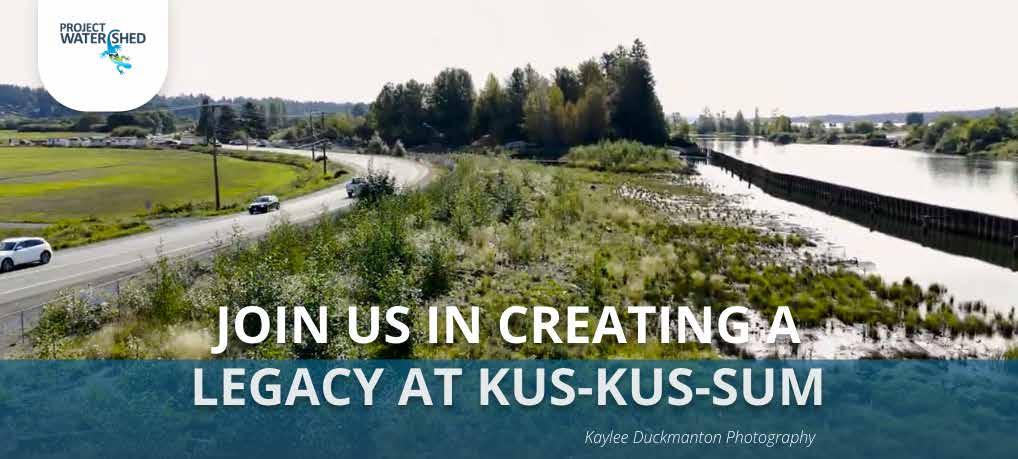
There are exciting days ahead for the Kus-kus-sum project. As part of our estuary stewardship, Project Watershed committed to the restoration of the Field Sawmill site in partnership with the K’ómoks First Nation and City of Courtenay. We have been given a name for the site by the K’ómoks First Nation and are calling it Kus-kus-sum.
Once restored Kus-kus-sum will create 8.3 acres of fish and wildlife habitat, provide recreational and educational opportunities, help mitigate climate change, attenuate localized flooding and put indigenous reconciliation into action. Removal of the steel piling wall, the long-awaited final step, will start this winter. Over the past year, Project Watershed, who is managing the restoration on behalf of K'ómoks First Nation and the City of Courtenay, removed "clean but salty" soils from the site, completed the regrading process, and engaged community volunteers to plant over 4,000 native plants at the southern end.
The goal of the Kus-kus-sum Project is to transform an 8.3 acre decommissioned industrial sawmill site back into tidal marsh and riparian forest ecosystems. Ecological benefits of the restored site will include habitat creation, natural biodiversity enhancement and mitigation of climate change impacts. The restoration process began in 2021 with the removal of the crushed concrete surfacing, and each subsequent year has seen significant ecological gains - culminating in the removal of the 440-meter steel wall that lines the site this winter.
Project Watershed is currently running a fundraising campaign to support the wall removal process and complete the project. To help fund the purchase and restoration of Kus-kus-sum you can donate individually or join with your neighbours, co-workers, church or sports team and pool your funds as a group. If you or your group wish to be recognized for your support please let us know – your name/affiliation will be listed on our website, our Facebook page and at some point on the restored site itself.
For donations over $25 you will receive a tax receipt and may choose an art poster. For donations over $100 you may also choose a limited edition paper art print and donations over $1,000 a print on canvas (please note that approx 15% is taken off your tax receipt if you do choose an art work). Check out the Keeping It Living artwork to see if there is a piece that interests you. Various sizes of painted wooden salmon can be sponsored to go up on the fence that lines the property and Comox Road for $25, $500, $1,500 and $4,500. This is a high traffic area with approximately 20,000 cars passing the fence daily.
While donations from businesses, groups, families and individuals make a large portion of our fundraising we are writing grants to all levels of governments, as well as local, national and international organizations to raise the balance of the funds.
To donate and learn more visit www.kuskussum.ca
Community News
QUENEESH SOCIETY SET TO HOST 2ND HOLIDAY MARKET!
Florence Filberg Centre | Saturday December 20th + Sunday December 21st
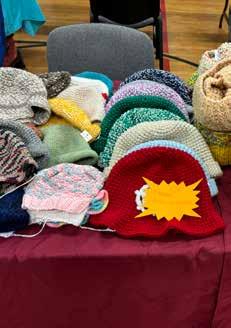
Queneesh Indigenous Community Society does it again! QICS is set to host their 2nd annual Holiday Market with 60+ amazing vendors at the Florence Filberg Centre. The Filberg Centre, located in Downtown Courtenay, will have its doors open for the 2nd Annual Queneesh Holiday Market on Saturday, December 20th from 10am to 5pm and again on Sunday, December 21st from 10am to 3pm. Bring a non perishable food item or donate a $2 entry fee, benefitting the QICS Food Security Pantry. The Filberg Centre's lower and upper entrances will be open and accepting donations as well as selling 50-50 tickets as part of QICS fundraising efforts!
Holiday Shoppers can enjoy the ambiance of the venue along with the beautiful artisan and craft offerings from the vendors! It is an ALL LOCAL lineup from around the Island. From apparel to crafts, books to art, the Filberg's Main Hall and Evergreen Lounge will be packed with goodness and ease for all shoppers alike. This year, the Holiday Market is featuring the Comox Valley Writers' Society! CVWS will be featuring over 30 authors and titles of all local content from biographies to non fiction of all kinds, self help and poetry. Skin care, candles, knitting, sewing, baked goods and more will be highlighted by the local artisans and crafters all weekend long!
NEW this year is the Holiday Photobooth with two scenes to have your photo taken! Choose your favourite: Grumpy
Krumpy or a beautiful winter Solstice scene and secure your holiday memory at the market solo or with friends & family. Photos are printed on site and available for $10 individual shots or $20 group shots. All proceeds from the Holiday Market are being donated back to QICS to secure a permanent home to deliver In-community Reconciliation & Indigenous programming and office space for early 2026.
Parking is FREE, with door access at the adjacent lot downstairs as well as the alley parking between the Sid Williams Theatre and the Filberg Main Hall. On site, QICS is hosting another fabulous concession featuring Aunty's Deadly Seafood Chowder, fresh bannock, baked goodies and hot/cold refreshments! The Fieramente Choir will be on site with their beautiful voices and accepting donations for travel to a choral competition in Spring of 2026.
There is much fun and excitement anticipated with QICS Holiday Market on the last weekend before Christmas December 20th and 21st at the Florence Filberg Centre in Courtenay! Kindly join us and share the holiday season ~ Everyone Welcome!
To connect with Queneesh Indigenous Community Society, find them on Facebook or email queneeshsociety@gmail.com
Volunteers and Private donations are welcomed!
Community Catalysts
BUILDING A STRONGER ECONOMY THROUGH COLLABORATION
Tracey Clarke Executive Director, Comox Valley Chamber of Commerce
At the Comox Valley Chamber of Commerce, we believe that a thriving economy is built on connection—between industries, between people, and between ideas. Over the past year, our work has been guided by a shared vision: to strengthen the local economy by bringing together organizations with unique strengths and perspectives.
This approach has been exemplified through our collaboration with the Chamber’s Leader’s Circle—our corporate partners who share our commitment to advancing the Comox Valley through innovation, education, and community engagement. Together with Excel Career College, Crown Isle Resort and Golf Community, and Compass Magazine, we’ve built bridges across sectors that support local businesses, enhance workforce readiness, and celebrate the diverse character of our region.
Our partnership with Excel Career College continues to demonstrate how education and industry can align to meet the workforce needs of today—and tomorrow. Together, we’ve advanced fully funded programs that open new doors for local professionals.
The AI in Aquaculture program, funded through Canada’s Digital Supercluster, connects one of the regions’s largest economic sectors with cutting-edge technology. Participants learn to apply artificial intelligence in real-world aquaculture settings—helping modernize the industry
while keeping jobs and innovation rooted here at home.
Excel Career College has also delivered Community Workforce Response Grant–funded training for insurance professionals, addressing labour shortages and providing local residents with the skills to enter or advance within the financial services sector. Initiatives like these not only strengthen our workforce—they strengthen the entire economic ecosystem.
The Chamber’s events are about more than networking—they are catalysts for ideas, investment, and collaboration. Crown Isle Resort and Golf Community has been an invaluable partner in bringing these moments to life.
From the Economic Outlook Breakfast, where local leaders and economists share insights that shape business decisions for the year ahead, to the Employer Symposium, which explored emerging trends like AI, remote work, and inclusive hiring practices, Crown Isle’s world-class facilities and hospitality create an environment where business leaders can connect meaningfully. These gatherings are where vision meets opportunity—and where community leadership takes root.
Great partnerships also extend the reach of our message. Compass Magazine, produced by Kiki’s Communications, helps the Chamber share stories of business resilience, innovation, and community spirit with a broader audience. Through thoughtful editorial features and creative
storytelling, Compass has become an important platform for showcasing the people and organizations that make the Comox Valley such a dynamic place to live and do business.
What makes the Comox Valley’s economy resilient is not just the diversity of its industries—it’s the willingness of its leaders to collaborate. When education, business, and
media come together under a shared purpose, the result is a more connected, informed, and empowered community.
As we look ahead, the Chamber remains focused on deepening these partnerships and creating new ones— continuing to build a local economy where innovation, collaboration, and community thrive side by side.
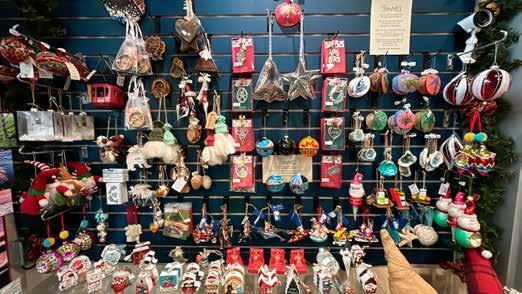
Gorgeous gifts year round! Find something special at Compass Gallery + Gifts.
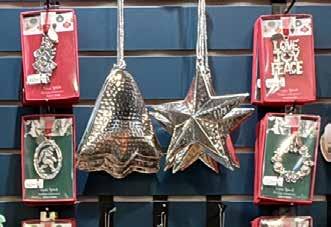
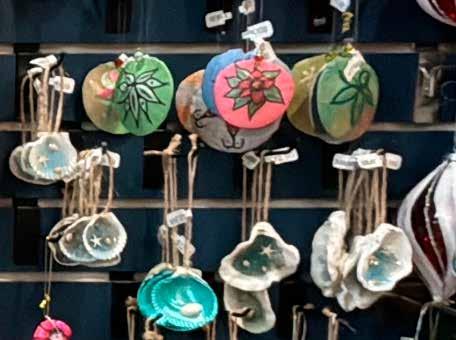
From Canadian Pewter to Artisan Glasswork, British Columbian Jade and Vancouver Island Art Work, Compass Gallery + Gifts carries an extensive selection of beautiful pieces for gifting or personal collections.
Off the Beaten Path
THE BENEFITS OF A HIMALAYAN SINGING BOWL IN YOUR HOME
Cam Ezzy
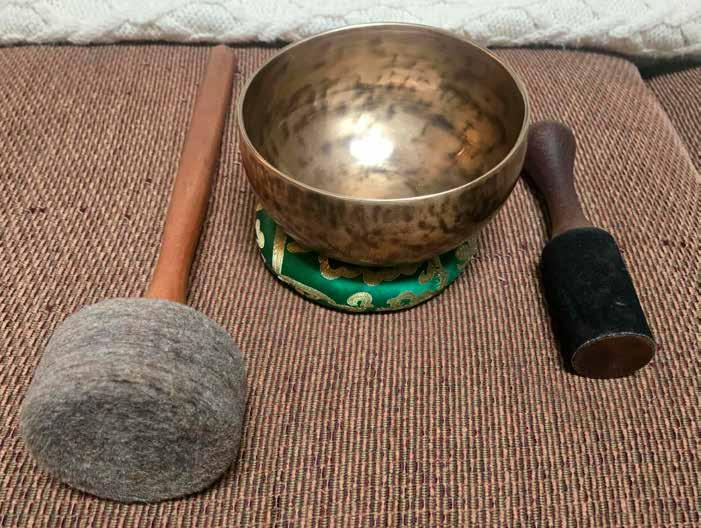
It is my wish to share with you the benefits of having a Himalayan singing bowl in your home. From seniors to infants all can benefit from the soothing harmonic tones that a Himalayan singing bowl creates. I personally find that the intention and physicality of the person playing the bowl to be the biggest contributing factor in the resulting vibrations and sounds.
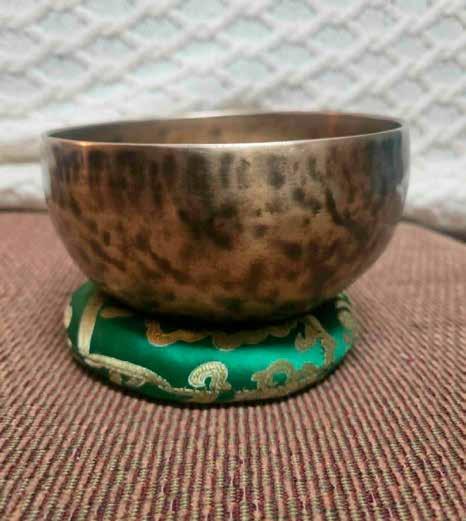
Yes! Every bowl has its own frequency, but it is up to you as to how it sings. Just like every other instrument. I suggest having a 5 to 10 inch hand made bowl will provide you with beautiful harmonics and be easy to handle bowl. Himalayan
singing bowls are known for moving energy and aligning energy centers. They also increase blood flow by holding them in our hands or placing them between one's feet and feeling the vibrations in our extremities. Himalayan singing bowls have been used for aiding general pain relief, addiction, depression, anxiety, relaxation, nervous systems alignment, crying infants and menstrual issues, pregnancy and space clearing by following particular protocols. There is even one for working with pets too!
For this article I wish to focus on the benefits available to children. I have found that the ringing of a bowl creates an opportunity for children to focus and to relax. Humans are naturally drawn to the sound of a bowl ringing because it cuts through all other noise. This results in the child paying attention to the peaceful soothing sounds. When we add in how it feels to feel the vibrations when holding a bowl we create an opportunity to create something beautiful, something measurable and something beneficial. We create a repeatable and soothing experience for a child to feel comfort while focusing.
I have given bowls to two families here in the Comox Valley
who have neurodivergent children. The children are spending time listening, playing and able to express how the bowl makes them feel. They are focusing and using it in their own meditation practices without any encouragement. These children are pre teens. I have also just completed a 4 week series of sessions with children aged 5 to 13 in an outdoor education school. I witnessed children who were at first full of questions and excitement instantly focus on the bowl when I played it. Some of these children fell asleep very quickly, most of them kept their focus on me. And some lasted a few minutes and then got distracted again. There were around 15 children in each class and everyone of them loved feeling the vibrations. It is at this point that I wish you to express that this is a tool that can be used like all other tools. I understand that everyone has their own dynamics happening within their home. From siblings, pets, parents, schedules, freedoms and opportunities, hobbies and habits.
The success of this tool working for your child or yourself will depend on how the tool is used. Do you currently have a Himalayan singing bowl at home? When you notice that your child is irritated, unfocused, upset or otherwise not enjoying themselves. Walk over and strike the bowl without trying to attract the child's attention to it and continue with what you were doing. The sound will cut through the room and get the child's attention. It is soothing! Perhaps this has to happen 3 or 4 times over a 20 plus minute time period before the child wishes to engage, maybe your child wishes to engage instantly which is what I find happens time and time again.
Once your child wishes to participate, sit with your child and allow them to hold the bowl. This gives them a chance to feel, to participate, and yes to create a beautiful sound without needing any musical talent at all. They are receiving positive feedback from the bowl along with your reassurance. You will undoubtedly know how your child is feeling and be able to assist them moving forward with this tool. Counting how long the bowl rings for in your head can be a great game to play with your child too. This practice can last as little as a few minutes or turn into expression of oneself while being absolutely 100% engaged for an extended period of time.
The purpose is to provide an opportunity to focus. How long it lasts will vary from home to home. I believe it is a
good practice to sit with your child so they understand that a bowl hit with anger or just really hard is not good for anyone's nervous systems and generally will irritate everyone. You can strike the bowl with a cushioned mallet to create a deeper tone, and or strike and rim it with a wooden mallet which generally has a piece of felt wrapped around it to make it sing. If you wish to make it sing, it is best to go slowly and hold the mallet just past vertical. Approximately 95° The practice of vibrations and frequencies as a healing modality has been practiced for thousands of years. From the morning ringing of a gong in a temple in Laos. To the ringing of a bowl in Nepal.
Ancient cultures understood the benefits and so can we. Himalayan singing bowls are widely available on line and in local metaphysical stores. I also find them on Facebook market, craigslist and other platforms for $15 or $20. I hope this article inspires you to try it for yourself and to see how children respond. Thank you for reading and if you have any questions please don't hesitate to reach out.
Match Energy, Frequency and Vibrations, with Positivity, Intention and Mindfulness. Vibrational Therapy/Sound Baths. Heal yourself! Meridian Vibrational Therapy · meridianvibrationaltherapy@ gmail.com
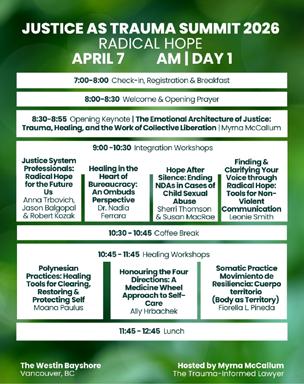
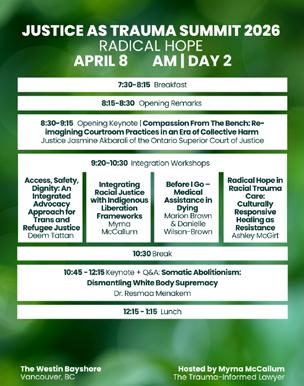
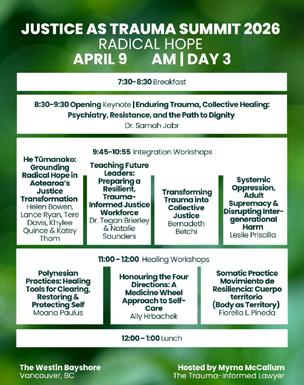
On April 7, we open Justice as Trauma 2026 with a powerful lineup of workshops, keynotes, healing sessions, and conversations that center Radical Hope, truth, embodied leadership, and trauma-responsive justice.
From abolishing harmful systems to transforming legal practice…
From Indigenous frameworks for healing to somatic and land-based practices…
From exploring NDAs in cases of sexual abuse to rethinking international justice mechanisms…
Day One sets the tone for the entire summit: justice work must be healing work.
You’ll hear from brilliant leaders including:
• Anna Tbrovich, Jason Balgoapol, Robert Kozak
• Sarah Katz
• SherriThomson & Susan MacRae
• Leonie Smith
• Moana Paulus
• Ally Hrbachek
• Fiorella Giuliana L.
• Angela Sterritt, Jennifer Podemski, Charmaine Parenteau
• Roshell H. Amezcua, Esq.
• Fernanda Guerra
• Nadia Ferrara
• Danya Chaikel
…and many more practitioners, judges, leaders, storytellers, healers, and justice advocates committed to transforming how we show up in systems and in community.
JUSTICE AS TRAUMA SUMMIT 2026: JUSTICE WORK MUST BE HEALING WORK
Myrna McCallum
This is a day built on:
• Radical Hope
• Embodied practice
• Racial justice
• Trauma-responsive strategies
• Collective transformation
• Indigenous wisdom
We are not just discussing justice. We are practicing it — in real time, together. Join us for JAT2026.
You can register at: myrnamccallum.co/JAT2026
Myrna McCallum is a Métis lawyer from the northern village of Green Lake in Treaty Six territory whose work is reshaping how the legal profession understands justice, humanity, and responsibility. As a speaker, educator, and host of The Trauma-Informed Lawyer podcast, she invites legal professionals to slow down, listen with intention, and recognize the human beings at the centre of every legal process.
Through educational events like LoveBack: An Indigenous Only Professional Development Retreat, the Transform Your Practice Leadership Retreat, the Trauma-Informed Justice Course, the Indigenous Liberation & Racial Justice Program, and the Justice as Trauma Summit, McCallum has cultivated spaces where judges, lawyers, leaders, educators, policy-makers, and Indigenous professionals can reflect, unlearn, and approach their roles with deeper humility and care. Myrna’s work bridges Indigenous worldviews with contemporary practices, demonstrating that leadership, justice and healing can be both accountable and compassionate when grounded in relationships, responsibility, and shared humanity. She is currently resides in North Vancouver.
“My mission is to transform justice through trauma-informed, racially just and culturally responsive leadership, Indigenous wisdom, and deep collective healing. I am committed to creating brave, restorative spaces—whether in courtrooms, classrooms, or retreat settings—where frontline professionals, lawyers, leaders, justice workers, and Indigenous communities can reconnect with their purpose, recover from systemic harm, and reimagine a world rooted in empathy, dignity, and liberation. Through public speaking, education, storytelling, and immersive experiences, I aim to ignite a global movement that honours truth, reimagines justice, and helps to heal intergenerational & institutional wounds.”
Stay Well
THIS SEASON, AND EVERY SEASON
Dana Mahon
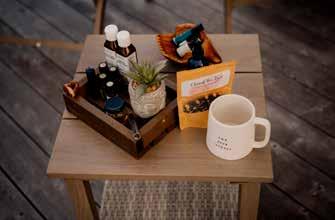
sn’t it interesting that with each season, each month, each day, our needs around wellness can fluctuate…? Sometimes we need more movement, sometimes we need more food, or less food, more socialization or more solitude. During the busyness of December, we may find we love gatherings and celebrations, and other times all we want is to curl up with a cup of tea, a book, maybe our dog or cat, and tune everything out. The one consistent thing if we are in tune with our needs, is that we place an importance on self-care and (hopefully) we listen to these needs; our physical, emotional, mental, social, spiritual and financial needs.
A few ways to tune in, ensuring you stay well this season, and beyond, after all, it is our cumulative practices that keep us well, and not just short-lived seasonal life hacks!
1. Invest 5 minutes every night to reflect on the day, the hilights, perhaps even the things you wished
had gone more smoothly. From there, decide what to bring forth into your tomorrow, that which you will anticipate with eagerness and excitement.
2. Invest 5 minutes in the morning, upon waking, to breathe into your belly, into your heart, and choose the way you wish to feel this day. Commit to residing in that frequency and releasing anything that does not support this! This may require frequent mental check-ins throughout the day.
3. Vitamin D, and ideally some real sunshine, play a huge role in winter (and general) wellness. Get out there even for a few minutes each day, breathe in some fresh air, let the light penetrate your eyes (indirectly), skin, pineal gland and nervous system.
4. Do what makes you feel good. We can focus on consuming less sugar, less or no alcohol, moving the body, ensuring adequate rest, spending less money on gifts, if
that drains you emotionally and financially, and while ALL are essential for optimal year-round wellness, there isn’t a whole lot that beats a joyful grateful heart, and that often comes from following it! Enjoy the moments and look for what works, what you have, and how to bring more goodness into your experience, and that of others.
Stay well this season, and every season with these few simple yet intentional practices. Practice makes more practice.
All the best to you and yours this winter season.
Oh! And stay warm!
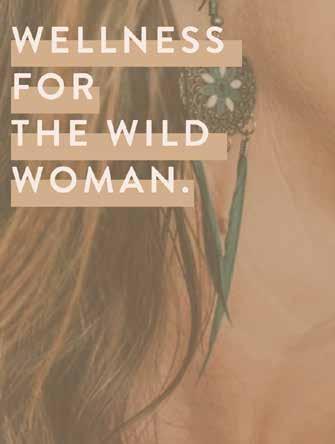
Dana Mahon is a yoga teacher, wellness educator, and author based on Vancouver Island, where she lives on the traditional territory of the Laich-kwil-tach and Kwakwaka'wakw Peoples. A lifelong advocate for natural, holistic self-care, Dana draws from over two decades of experience in the wellness field, blending formal education with deep personal practice. She’s the founder of Wild Pose Yoga and author of Release Your Inner Wild, a guide for modern women reconnecting with their true selves. Dana’s work empowers women to embrace their inner and outer wild: gathering, growing, and healing through retreats, yoga, and soulful, everyday rituals. www.danamahon.com