Atlanta Jewish Connector Coordinator DIANA COLE diana@atljewishtimes.com
GENERAL OFFICE
ROBIN FREEDMAN info@atljewishtimes.com 404-883-2130
Distribution Manager LOU LADINSKY lou@atljewishtimes.com
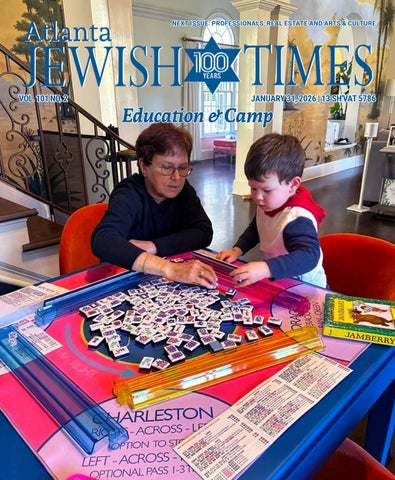
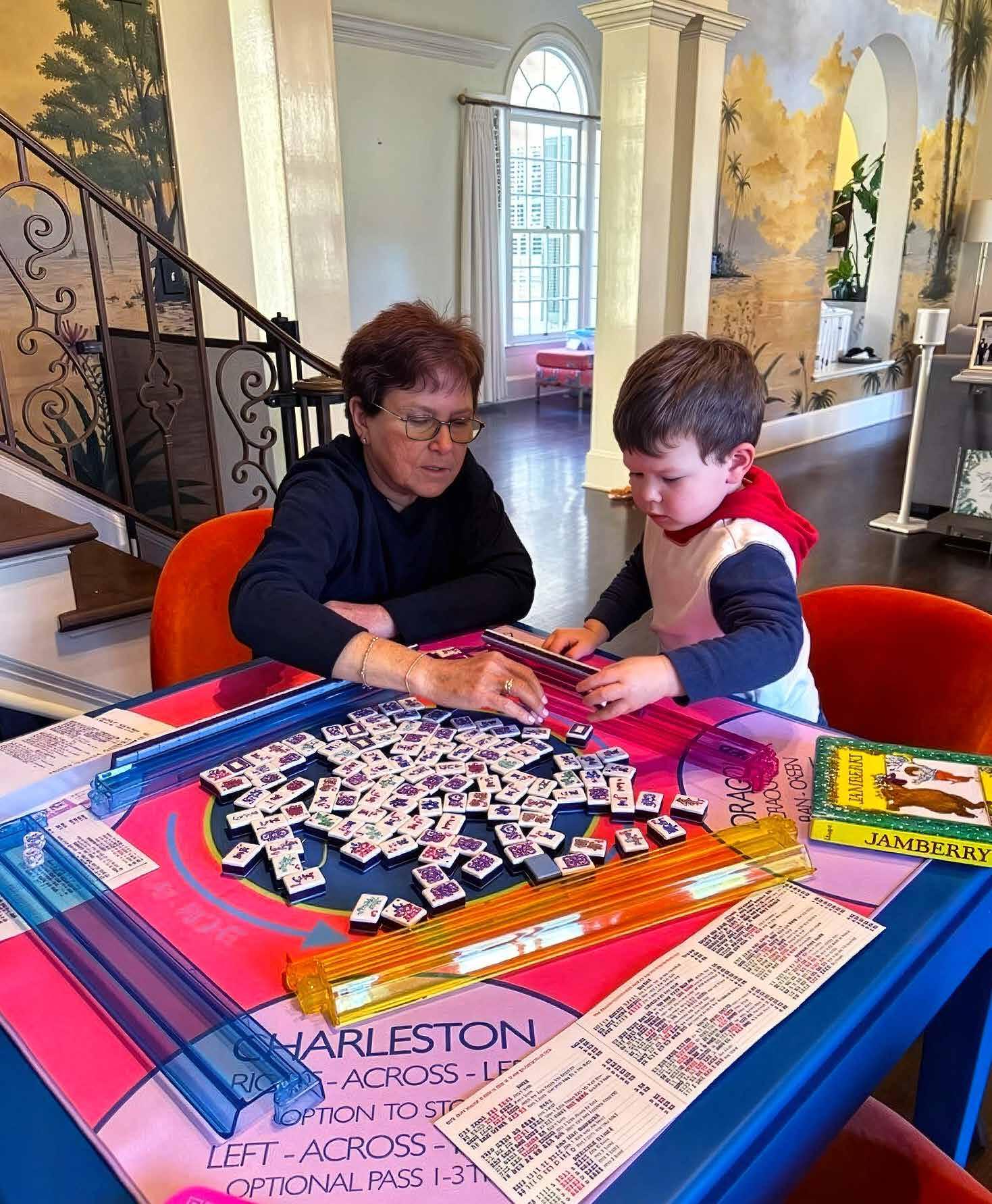
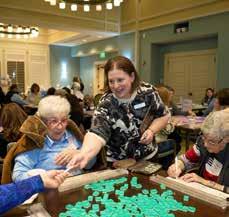
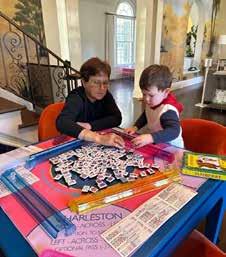
Cover Photo: The Spatt’s appreciate the socialization and L’dor v’dor aspect of playing mahjong among generations.
Atlanta Jewish Life Festival set for March 1
By Sasha Heller
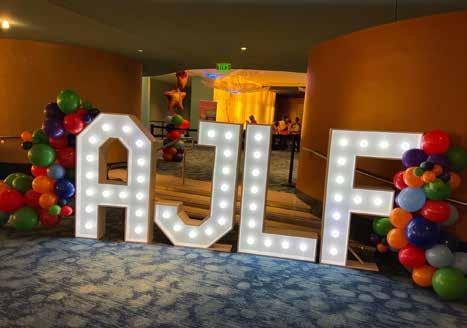
The seventh annual Atlanta Jewish Life Festival (AJLF) will be held March 1 in the Oceans Ballroom at the Georgia Aquarium.
This year’s theme will be, “Decades and the Last 100 Years,” featuring a costume contest. Guests are asked to dress in attire specific to a certain decade, for example, the 1960s, 1970s, 1980s, etc. Winners will receive cash prizes.
As always, community partners, representing local organizations, Jewish day schools, community businesses like Dressler’s, and more, will be on hand to meet with guests. Local artists will set up displays of their crafts and Judaica, and kosher food vendors will serve delicacies for purchase.
Jewish performers and a big band will provide the soundtrack, and children can participate in dancing lessons pertaining to music from specific decades. Children can also enjoy the Kids Zone (parents can enjoy it, too).
Tickets are $28 for adults; $15 for children; and $89 for a package of two adult tickets with up to four children’s
tickets. Tickets can be paid for in advance via the festival website or purchased at the door.
The AJLF is Atlanta’s largest singleday festival promoting and celebrating Jewish and Israeli arts, food, music, and culture while connecting the community to local synagogues, nonprofits, and social action groups. The event aims to strengthen community connections to Jewish beliefs, traditions, and family.
The Oceans Ballroom is located on the first level of the Aquarium parking deck. Doors open at 12 p.m. and the festival runs until 4 p.m. Attendees can continue enjoying the Aquarium once the festival has ended.
The Georgia Aquarium is located at 225 Baker St. NW. For convenience, you can pay for parking online or in-person at the Aquarium parking kiosks located at the members’ entrance or information desk. If you purchase online, you will be asked to scan your parking ticket upon both entering and exiting the parking deck. Parking prices are $15 for Aquarium members or $25 for non-members.
For more information, please visit AtlantaJewishLifeFestival.com. ì
The seventh annual Atlanta Jewish Life Festival will be held March 1 in the Oceans Ballroom at the Georgia Aquarium.
Coalition Chair Rodbell Welcomes New CEO, Members
By Marcia Caller Jaffe
The Buckhead Coalition held its 36th Annual Luncheon on Jan. 14 at the Hotel St. Regis Grand Ballroom, featuring 200 of the city’s elected officials and prominent leaders. Current Chair Jonathan Rodbell spoke about the collaborative efforts of the folks in the room which led to some of Buckhead‘s biggest wins like the State Patrol post at the Governor’s Mansion, the new safety training center, getting out the vote, improvements in traffic flow, and overall thriving.
“The residents, businesses and visitors are enjoying Buckhead’s vibrancy,” said Rodbell.
Although Mayor Andre Dickens was not present at this year’s luncheon, he sent a video message targeting new goals as he enters his second term based on opportunities for children, neighborhoods, and public spaces in the city, noting that crime is trending down. Also, he noted progress with 13,000 new units of affordable housing.
The focus of the meeting was a fire-
side chat moderated by Trey Kilpatrick, senior vice president external affairs for Georgia Power, alongside Jamie McCurry, chief administrative officer of the Georgia Port Authority, in discussion with Ricky Smith, general manager of Hartsfield-Jackson Atlanta International
Airport.
The latter said, “The Atlanta airport is not great because we are big and the busiest, we are the biggest and busiest because we are great.”
He explained that Delta Airlines has indeed grown, but actually, Frontier Air-
lines is the fastest growing airline at the airport. He said, “Cargo also is important as a small percent of what we see as secondary to passengers.”
He lamented that the airport seems like it’s always under construction as they strive to increase capacity. For ex-
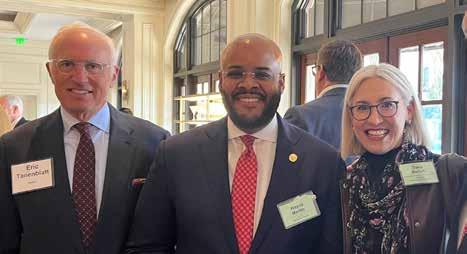
Past Coalition President Eric Tanenblatt poses with City Council member, Wayne Martin, and Secretary of State candidate Dana Barrett
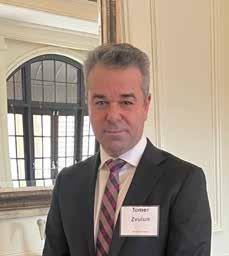
Tomer Zvulun, Atlanta Opera’s general and artistic director, is a new Buckhead Coalition member.
ample, “Concourse D -- It’s narrow to begin with and we are continuing to open more phases. It’s also a goal to open more overall gates, which means more parking, more check points, more ticketing options: and all has to be with a master plan in mind.”
Smith expects 125 million passengers per year by 2030.
McCurry talked about some of the advantages that Georgia’s ports (Savannah, especially) have earned by consolidating and completing a huge dredging project so larger ships can get through. He also noted that the port system was not “a political animal.”
Smith concluded that the airport itself has around 77,000 employees and affects about 300,000 jobs in the Southeast as the largest employer in the state. He reminded guests that Thanksgiving and Spring Break are peak seasons at the airport. Adding some “marketing language,” Smith wants to make the airport more of an “experience where people see themselves,” adding, for example, a soccer field.
Among the new inductees in the Coalition are Doug Hertz, United Distributors, and Mindy Selig, Selig Enterprises. Membership is by invitation only and is capped at around 125 members. Dues have varied from $6,000 to $9,000 per year. The Coalition was started in 1988 by 75 visionary leaders. Current member selection starts with either living in Buckhead or having a pronounced commitment to it.
All the YOU CAN CARRY
PAY FOR ONE DAY AND COME BACK ALL YEAR WITH AQUA PASS
Jim Durrett’s retirement as CEO was made official as Katharine Kelley takes the helm.
In the pre-function area, President of Central Atlanta Progress, A.J. Robinson, said, “I’m excited to be starting the new year with such important people. I look back to when Sam Massell was Coalition chair and how this event has remained popular.”
Immediate President Eric Tanenblatt related that he co-chaired the search committee for the new CEO, Katharine Kelley, and was looking forward to her leadership along with the overall energy in the room. He added, “I’m glad that the fight for Buckhead’s cityhood is over and leaves room for more forward thinking.”
New inductee Atlanta Opera head, Tomer Zvulun, a Garden Hills resident, is looking forward to the Atlanta Opera’s relocation to Peachtree Battle on Feb. 16. ì
Central Atlanta Progress President, A.J. Robinson, networked with City Councilmember Mary Norwood
Children’s Use of Cell Phones Criticized as Harmful
By Bob Bahr
A recent study at the University of Georgia concludes that the earlier a child gets their first cell phone the more likely they are to internalize their social and psychological issues.
The study suggests that the use of electronic devices, like cell phones, can lead to more family conflict and to increased estrangement between children and parents.
The researchers analyzed data compiled from more than 11,000 families with children as young as nine. They found that by age 11, children who regularly viewed cell phones were more likely to engage in arguments and greater conflict with parents that continued through adolescence.
The lead author of the study, Cory Carvalho of UGA’s Human Development and Family Science Department, pointed out that children are being given phones and exploring social media at ages as young as 10 and often earlier, and it’s changing family dynamics.
“As kids are becoming differentiated from their parents because of these profound neurological and biological emotional changes,” Carvalho says, “we saw social media cause a variety of disagreements, trouble with resolution, fighting, and expressions of anger.”
This was particularly the case for young girls who used cell phones to develop more intense social relationships, often in ways that were unique for such a stage in their psychological development.
“We’re seeing typical adolescent development in a new, emerging digital area that is tough to deal with. Introducing a smartphone earlier in life is a risk,” said Kalsea Koss, co-author of the study and an associate professor at the univer-
Mental illness in the young, some experts believe, may be related to smart phone use. sity. “Parents may want to think about navigating when the best time to do that is. They have to be ready to set boundaries that everybody can get on board with and then enforce those.”
But communicating with children who increase their use of cellphones and social media as they mature may be more difficult, precisely because of that use. Parents may not be aware of serious problems that may be developing because young people often find more comfort and support on social media than they do at home.
“We know that there’s a robust association between adolescents internalizing symptoms of depression and anxiety and mental health in adulthood,” Carvalho said. “It’s really important to detect these things early on so that parents can intervene and mitigate against it.”
A study last July reported by Atlanta’s U.S. Centers for Disease Control and Prevention found that “teenagers with higher non-schoolwork screen use were more likely to experience a series of adverse health outcomes” related to their physical and mental health.
Last year, a study by researchers at the University of Pennsylvania, the University of California Berkeley and Columbia University, published in the journal, “Pediatrics,” found that the odds of depression, were 31 percent higher in those who received their first cell phone before age 12. Obesity was 40 percent more likely in the group and insufficient sleep was 62 percent more prevalent. Those who owned a smartphone at age 13 were found to be 57 percent more likely to meet the diagnostic criteria for mental illness.
“Smartphone use contributes to fragmented attention, increased check-
ing behaviors (which may impact relationships),” the study pointed out, “and extended use (particularly in the evenings), which may lead to both mental and physical health challenges and less sleep, especially during a period of development whereby many youth may not have sufficiently mature self-regulatory skills to make optimal choices regarding their smartphone use.”
Last year, the Georgia General Assembly passed the Distraction-Free Education Act, which takes effect in July. It prohibits the use of personal electronic devices during the school day in public schools grades K-8. Georgia is one of 22 states that have enacted legislation that restricts cell phone use. Prior to the recent legislative initiatives in 2025, only four states had laws or policies in place requiring local school boards to ban or limit cell phone use in classrooms.
Earlier this month, the Speaker of the Georgia House of Representatives, Jon Burns, told a news conference that the Georgia Legislature would consider further restriction on phones and other electronic devices. It was thought that the new legislation might restrict cell phone use in high schools.
The Jewish American social psychologist, Jonathan Heidt, has authored a recent best seller on the subject. It’s called, “The Anxious Generation: How The Great Rewiring of Childhood is Causing an Epidemic of Mental Illness.”
“Nowadays, in families across America, one of the biggest and most prevalent dynamics is fighting over technology.” Heidt said. “When you look at the wreckage of adolescent mental health and you look at increases in self-harm and suicide, I think we have to do something.” ì
Atlanta-Area Mayors Convene for Antisemitism Forum
Nearly a dozen mayors from across the Atlanta area gathered at Sandy Springs City Hall for a collaborative dialogue organized by the Combat Antisemitism Movement (CAM) on cities-oriented strategies to tackle rising Jew hatred.
The forum followed a series of recent antisemitic incidents in Georgia — including several Nazi swastika graffiti cases across the Atlanta suburbs, which are home to a large Jewish population — that underscored the need for local action.
The event was hosted by the City of Sandy Springs and Mayor Rusty Paul, and the roundtable discussion was moderated by CAM Chief Government Affairs Officer Lisa Katz, who leads CAM’s municipal initiatives with North American mayors and is a former town supervisor of New Castle, N.Y.
In addition to the host, other cities participating in the closed-door forum included: Austell (Mayor Ollie Clemons), Duluth (Mayor Greg Whitlock), Dunwoody (Mayor Lynn Deutsch), Johns Creek (Mayor John Bradberry), Jonesboro
Theresa Thomas-Smith), Roswell (Mayor Mary Robichaux), Tucker (Mayor Anne Lerner), and Union City (Mayor Vince Williams).
The forum was the first in a series of regional follow-ups to the 2025 North American Mayors Summit Against Antisemitism in New Orleans, La., in December, where eight Georgia municipalities — Dunwoody, Forest Park, Hampton, Mableton, McDonough, Sandy Springs, Savannah, and Union City — were represented.
Similar regional follow-ups were held in Colorado, Alabama, and New Mexico last year, following the 2024 North American summit.
During the forum, the mayors shared experiences and explored best practices and actionable strategies to combat antisemitism.
“Georgia hasn’t been immune to the surge in antisemitism we’re seeing across the United States and around the world,” Katz said. “This roundtable gave mayors a rare chance to come together to speak candidly about what they’re seeing on
Atlanta’s Award-Winning Remodeling Firm
tools to strengthen public safety and protect Jewish life in their cities.”
Katz emphasized, “In the fight against antisemitism, local leadership is not symbolic, it’s decisive. CAM is proud to stand with these mayors and looks forward to continuing this cooperative work to deliver real, measurable results for their communities.”
Mayor Paul said, “We’re absolutely delighted that we had so many mayors come to our roundtable. It was a great and very valuable conversation, with a wide variety of mayors from different parts of the metro Atlanta area.”
Mayor Paul, who joined a CAM-led solidarity mission to Israel for U.S. mayors in June 2024, added, “It’s crucial that mayors be involved. We’re on the ground. We’re the layer of government that’s closest to the people. When things happen in our communities, we’re the first line of defense, or first response.”
Mayor Williams — a member of
CAM’s Mayors Advisory Board — said, “Mayors have a platform that is unbelievable, and it’s important that we, as leaders, speak to this, because we have people in our communities who are depending on us not to just lead, but to bring calm and solace to our communities and stop hate.”
The forum featured a presentation by CAM President of U.S. Affairs, Alyza Lewin, outlining the history of antisemitism and highlighting the importance of the International Holocaust Remembrance Alliance (IHRA) Working Definition of Antisemitism for delineating its modern-day iterations.
Additional speakers included Executive Director of the Georgia Solidarity Network, Karen Isenberg Jones, and Director of Community Security for the Jewish Federation of Greater Atlanta and the Secure Community Network (SCN), Brian Davis. ì
Compiled by AJT Staff
The City of Sandy Springs and Mayor Rusty Paul hosted an antisemitism forum featuring nearly a dozen Atlanta-area mayors.
A Night of Community, Service & Jewish Tradition
By Tessa Scharff
On Jan. 16, community bridge builders and members, neighbors, journalists, and students gathered for Repair the World’s third annual MLK Weekend Shabbat at Atlanta’s Historic Oakland Cemetery.
Repair the World’s mission for the weekend centered on the Jewish value of tzedek, or justice, grounding the events in a shared commitment to service, dignity, and collective responsibility.
Participants first took part in a guided tour of Oakland Cemetery. Being physically present at an historic Atlanta site, known for honoring legacy, set a meaningful tone for a weekend dedicated to uplifting Dr. Martin Luther King, Jr.’s legacy through action. Following the tour, guests transitioned into the Shabbat gathering, where service was immediately woven into the experience. Upon entering the Shabbat space, attendees assembled warming kits for the Elizabeth Foundation, filling bags with neck warmers, hats, mittens, and ChapStick. Beginning the evening with a hands-on service project reinforced the idea that justice and care start with tangible action.
Sheefra Blumenthal, city director of Repair the World Atlanta, opened the program by emphasizing the diversity of people in the room. She highlighted how the gathering reflected shared values of dignity, compassion, and service, and underscored the importance of honoring Dr. King’s legacy through doing, rather than simply speaking. Hosting the community dinner in Atlanta carried added significance, as it marked the start of a weekend of service in Dr. King’s hometown.
The evening was intentionally designed to showcase the relationships and bridge-building Repair the World has fostered through its programming. From the students selected to speak to the service partners invited to share their work, guests were offered a glimpse into the breadth of the organization’s impact. Shabbat provided a meaningful framework for reflection, connection, and shared responsibility.
The keynote address was delivered by Dr. DeJuan Luke, executive at Grace Baptist Church and adjunct professor at Mercer University. Luke challenged participants to consider how values are made visible through action. “The question is always, ‘What are you doing?’” she said, emphasizing that service transforms ideals into lived commitments.
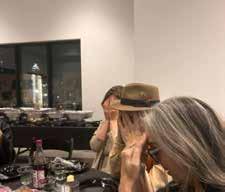
Her remarks flowed directly into a Shabbat ritual that invited participants
to pause and be present. Candle lighting offered a moment of intention, as guests covered their eyes and reflected together, grounding the evening in tradition and mindfulness.
A kosher meal followed, creating space for conversation and community. Three students then shared reflections on their involvement with Repair the World: Thurneisha Keys, a Master of medical science student at Agnes Scott College, class of 2026; Chloe Glazer, Emory University, class of 2026; and Linden Young of Morehouse College. Glazer, who participated in the Black and Jewish Leaders of Tomorrow forum, spoke about the importance of cross-cultural dialogue. “One thing people often get wrong is thinking that we can fight hate within our own communities alone,” she said, noting that spaces for honest conversation help people leave with greater understanding and shared responsibility.
Young reflected on the deeper meaning of service, saying, “Repairing the world doesn’t just require us to do good. It requires us to look honestly at our responsibility to one another.”
The program continued with cake in celebration of Dr. King’s birthday, followed by remarks from Repair the World service partners. Alice Lovelace, founder and director of the Atlanta ArtsXchange, spoke about the role of creativity in social change. “Art is how you make meaning in the world,” she shared. She also reminded guests, “When we are in service to others, we aren’t there to save others. They may actually be there to save us.”
Tracy Thompson, founder and director of the Elizabeth Foundation, echoed these sentiments, reflecting on the joy and connection that come from building relationships through service.
Service remained central through the end of the evening. Participants packed leftover food to be delivered directly to people experiencing homeless-
ness, reinforcing the message that care does not end when the program does.
The Shabbat gathering was one of many events held throughout MLK Weekend. Sara Slag, senior program associate at Repair the World Atlanta, shared that the organization ran or partnered in 23 service opportunities across the city. Highlights included tree planting with Trees Atlanta at Oakland Cemetery, planting with the Daffodil Project at Dunwoody Nature Center, meal prepa-
ration and sharing with Covenant House of Georgia, food distribution at the Toco Alliance Community Center, and youth programming at the Marcus Jewish Community Center, The Weber School, and The Davis Academy. Repair the World also partnered with the West Atlanta Watershed Alliance, The Sandwich Project, and Rebecca’s Tent.
To learn more about getting involved with Repair the World Atlanta, visit werepair.org/communities/atlanta. ì
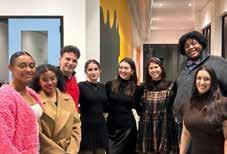
Student leaders Thurneisha Keys, Chloe Weston, Jonathan Kuttner, Shira Lynn, Chloe Glazer, and Linden Young with Repair the World Atlanta are pictured with staff members, Sheefra Blumenthal and Sara Tasini Slag // Photo Credit: Tessa Scharff
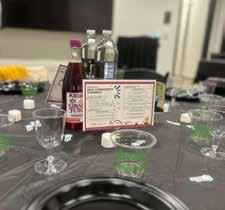
Tables were beautifully arranged for Shabbat // Photo Credit: Tessa Scharff
Community members participate in the Shabbat ritual and intention setting // Photo Credit: Tessa Scharff
Rare Books and Collectibles Gain New Popularity
By Bob Bahr
In 1929, David Sassoon, one of the heirs to the immense commercial Jewish family fortune of China and India, bought a nearly complete old copy of the Hebrew bible. He paid the equivalent of about $2,100 for a handwritten manuscript on parchment that dates back to the early 10th century.
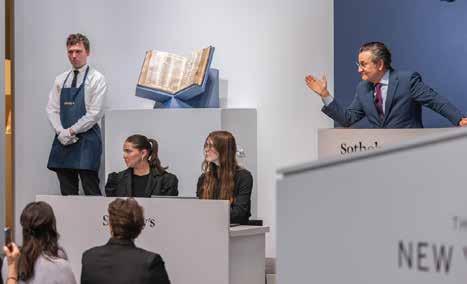
Ninety-four years later, after passing through several owners, the manuscript, known as the Sassoon Codex, sold for $38.1 million. It was the highest price ever paid for a Biblical manuscript. The work, the earliest and most complete copies of the 24 books of the Hebrew scriptures, was bought by Alfred Moses, a prominent Washington, D.C. attorney, for ANU The Museum of the Jewish People in Tel Aviv.
At the opposite end of the cultural spectrum, a pristine copy of the first Superman comic book, published for 10 cents in 1938, went for $9.1 million last year, another record.
Though we live in a world dominated by electronic media and eBooks,
excitement for rare, printed materials shows no sign of abating. That’s a major reason why the Atlanta Rare Book Fair is coming to the Oglethorpe University campus the weekend of Feb. 27.
Between the demand for rare versions of the Tenach and similarly rare
•
Themes and
Visits (including Puppet Show and Horses!)
Register at esacamp.org For more information esa@ESACamp.org
versions of the birth of the “Man of Steel,” lies a vast market for books, maps, manuscripts and collectibles like baseball trading cards and comics that continues to stoke the imaginations of collectors all over the world.
More than two dozen exhibitors are expected at the book fair, with thousands of items for sale, some from dealers who ignore the Internet marketplace in favor of book sales where the buyer can hold a rare volume it their hands.
The keynote speaker is Kermit Roosevelt, the great, great-grandson of the American President Theodore Roosevelt. He’s a professor of constitutional law at the University of Pennsylvania and the author of “The Nation That Never Was.”
He argues, in this the 250th anniversary of the founding of the United States, that the true values of America were not embodied most fully in the founding fathers of American democracy. That was most fully expressed, he believes, in Lincoln’s Gettysburg Address and the hope that Reconstruction offered after the end of the American Civil War.
The organizer of the Book Fair, Edward Lemon, has, with his wife, Eve, been mining the interest in rare and antique collectibles in recent years. He’s been bringing collectible book fairs to a series of cites that have not had much of a history for such events, places like St. Louis and Indianapolis.
And although it’s been more than 20 years since Oglethorpe last hosted such an event, Lemon believes this may be a good time to bring the lovers of old and collectible books together again.
“I think people want things that are unique,” Lemon says. “I think overall, especially amongst younger people, there’s an increasing interest in books. Books
handwritten and handillustrated, “The
have become cool again … especially given you know, anyone, [for] anyone under the age of 40.”
A sale a few years ago of the late Amy Winehouse’s personal collection of books, many annotated with the British Jewish singer’s notes in the margins, sold for $135,000 at auction.
According to Lemon, “More modern works and sci-fi and fantasy that are unique items have really increased in value over the past few years.”
Works by Stephen King have been popular in recent years and, for special editions like a rare copy by J.K. Rowlings of “The Tales of Beedle the Bard,” the sky was very nearly the limit. The collection of fairy tales, written out in the author’s own hand, went for nearly $4 million. It’s the most expensive children’s book ever sold as well as the most expensive modern manuscript.
Interest in Judaica also remains high with the Oglethorpe Book Fair. It’s also not far from where Lemon’s wife, the former Eve Goodman, grew up in Brookhaven and attended the Hebrew Academy. It’s certain to have a number of collectibles and rare books about Jewish life and thought.
Included in the Rare Book Hub’s record of the top 50 most expensive books and collectibles last year were three historical Jewish items.
Sotheby’s sold a rare 14th century Hebrew Bible from Spain for $1.5 million, a letter written and signed by the prominent 18th century Moroccan rabbi, Chaim ibn Attar, sold along with a historic book of Jewish autographs for $875,000. Another letter, written in the hand of the Alter Rebbe, Rabbi Schneur Zalman of Liady, the founder of Chabad Hasidism, brought nearly $645,000. ì
J.K. Rowling’s
Tales of Beedle The Bard,” sold for nearly $4 million, a record for a modern manuscript.
Sotheby’s auctioned the “Sasson Codex,” a handwritten Hebrew Bible from the 10th century, for $38.1 million.
An Artful Passion with Purpose
By Robyn Spizman Gerson
Warm and generously gifted, Margie Osheroff grew up in Tampa, Fla., and graduated in 1975 from Newcomb College of Tulane University. She packed her bags and was drawn to move to Atlanta thanks to the verdant topography. The hills and trees reminded her of her beloved summer experiences at Camp Blue Star, where she relished spending many summers.
At a young age, Osheroff’s interest in art was inspired as she enjoyed drawing and crafting. Her maternal grandmother, Minnette Shain Greene, was an artist who could draw, sculpt and paint, as well as a violinist with the Boston Women’s Symphony and, as a teenager, played with neighborhood friend, Leonard Bernstein, before he was known.
Although briefly an art major, Osheroff realized she didn’t want to work in that field, feeling that mixing money and art would stifle her passion and started sculpting in college and never stopped. Her love of art included an adoration of the Impressionists. She has studied with many Atlanta artists; her admirations range from Tina Watson, Marty Dawe, Kevin Chambers, Kirsten Stingle, Jan Buckley, Susan Krause to her husband, Steve Jarvis. A lover of figurative sculptures, she also enjoys multimedia artwork and never misses a craft show or a good art museum wherever she travels.
Osheroff shared, “My art communicates something that the observer can feel, and sculpting and watercolor have become an obsession with me. My drive to create art has gotten stronger with age, and now I have more time to do it in retirement. A week without doing art would be difficult for me.”
She added, “When I turned 72 last
year, I decided to enter three of my sculptures in a juried art show at The Art Center in Johns Creek. They had a call for artists in the Southeast, and I had only been in one show before but not juried. One of my sculptures won second place out of 75 pieces of art. I was shocked and pleased. My art is my therapy, so I never really thought about putting it out for public consumption. It was very sweet to have received it in such a positive way. My friends and my husband kept pushing me to put my art out there, so I guess they knew better than I did.”
Osheroff’s first love is sculpting in clay because it is tactile and provides immediate gratification by using a medium that is so malleable. She said, “Each teacher I’ve taken classes by has added so much to my knowledge base and helped me develop a sense of my own style and more than anything developed my eye - as so much of art is about seeing. I’m sculpting once or twice a week at Blue Merle Studio in Avondale Estates with
Susan Krause, who started the sculpture program at SCAD. She and her husband, Steve Jarvis (who also taught at SCAD), have a wonderful studio where creativity is at a premium and where students work in stone, clay, cement, wire, and other mediums.”
Osheroff has taken many art workshops both here and abroad. She said, “I love learning and sometimes take classes in other mediums from glass mosaic to a class on 3D printing, which my husband (a techy) took with me and he has taken a class with me on building bases for sculptures, as he is very handy at woodworking and it was a way that he could take part in my art. We have taken classes at Seniors Enriched Learning for many years and Steve volunteers as their tech support person and past president. I am voracious when it comes to combing Facebook groups on sculpture and other art forms, as this is a huge source of inspiration and ideas.”
On a final note, Osheroff shard,
“Having done art throughout the past 50 or more years, I love seeing people at both ends of the life continuum being inspired by art. As a teenager, I taught young children art at the local JCC in Tampa and if there’s a child open to playing with clay, drawing or color, I’m their best playmate. Children don't get to be kids for long these days, so I love that art inspires creativity, a break for the pressures of the outside world and allows the freedom of playtime.”
Osheroff added with passion and enthusiasm, “As we age, art can create a community where seniors thrive, increases joy and provide a healthy outlet from the challenges of aging. In my sculpture class, there are folks of all ages interacting in a place of shared creativity, supporting each other and sharing ideas. Some are older with some mobility issues, however, the immersion into their art takes them away from their limitations into a place where their talent and imagination know no limits.” ì
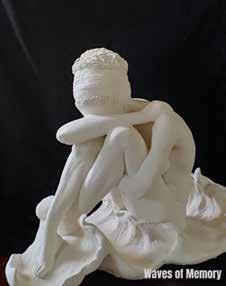
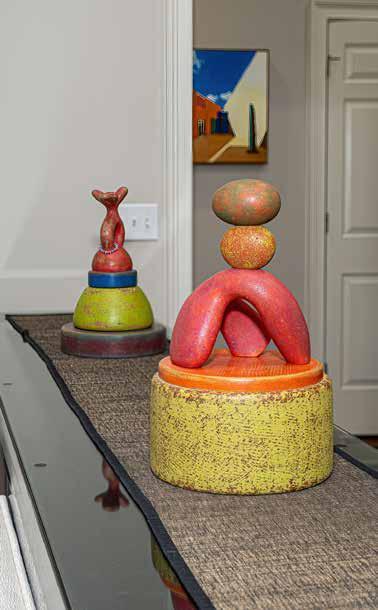
“Waves of Memory,” by Margie Osheroff
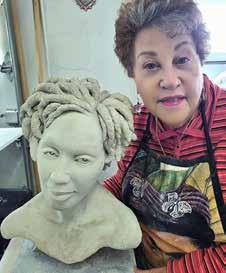
Talented artist Margie Osheroff shares her magnificent sculpture.
“Flutterby,” by Margie Osheroff
Home is Where the Art is
By Robyn Spizman Gerson
The Warehouse is one of Atlanta’s best kept visual arts experiences and secrets. A contemporary art museum in Atlanta’s Westside exhibiting the private collection of John and Sue Wieland, it’s open to the public one day a month.
For more than 40 years, the Wielands collected art with a keen eye and passion for the central theme of housing, reflecting John Weiland’s highly successful home-building career. Over 375 artworks in the collection explore the rich and multiple themes of a “house and home.” The collection features pieces from nearly 300 national and international artists and a selection of the works are on exhibit.
John Wieland is perhaps best known as the founder and former chairman of John Wieland Homes and Neighborhoods. His home-building business successfully grew throughout the years as his art collection did, which has made a breathtakingly poignant assemblage of well-known and rising artists. The Wielands collected what they loved and felt passionate about, and the theme of
“house and home” was part of their collecting strategy for their corporate offices. The Warehouse embraces John Wieland’s love of home building and his long-standing legacy as a developer, having built more than 30,000 homes to his credit.
Since a passion of the Wielands was art, The Warehouse became a natural extension and a labor of love after his corporate office was sold. John’s son, Jack
Wieland, is the curator for The Warehouse and it’s a treasure trove of artwork that depicts narratives and perspectives that celebrate, focus, and shine a light on the subject matter of houses and homes from every imaginable view.
A masterful assembly of artists from around the world, there are many from the Southern states as well. The collection includes a photo collage by David Hockney and a cast aluminum piece by
Roy Lichtenstein. From Beverly Buchanan’s compelling subject matter of shacks to James Rosenquist’s acrylic on canvas to Michael Eastman’s breathtaking photograph and beyond, the Wieland’s collection is diverse and relevant. As you walk through the gallery, the central theme will encourage your own conversation as to what does a home or a house mean to you?
From houses that are literally falling apart to welcoming front doors holding stories untold to actual houses with unforgettable stories that were built by hand, The Warehouse is truly memorable. The interesting theme of a house and a home signal an emotional understanding about the essence a home plays in all our lives.
The Warehouse offers free public access on the second Saturday of each month from 10 a.m. to 5 p.m. Visitors aged 10 and up are welcome, and minors must be accompanied by an adult. Reservations are required for parties of 10 or more people and check for docent tour times. Contact the museum at info@ thewarehouse.org. ì
Since 1965, Canterbury Court has been a place where seniors have been cultivating lasting friendships with fascinating people from all walks of life. Together, they weave a rich tapestry of lives that has made our community truly special for 60 years. And the best is yet to come.
Schedule a tour today. Call 404-737-2639, visit CanterburyCourt.org/Friendship, or scan the QR code.
Actual residents of Canterbury Court.
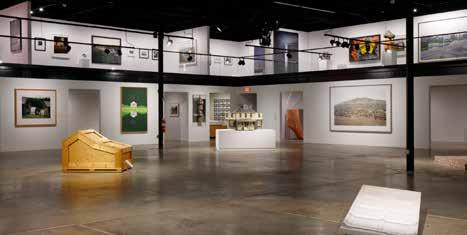
At The Warehouse, guests can explore the private collection of John and Sue Wieland // Photo Credit: Mike Jensen
Pinson’s Boards Bring Everyone Together
By Marcia Caller Jaffe
Itta Pinson is definitely “on trend,” establishing her niche in the delicious, creative world of charcuterie boards -with a Jewish twist.
Originally, charcuterie (pronounced shar-KOO-tuh-ree) comes from French: “chair” is “flesh,” and “cuit” is “cooked,” referring specifically to preserving meat, especially pork, usually served alongside cheese. A charcutier was a trained professional who cured, smoked, and prepared meats long before refrigeration existed. Regional tastes developed based on climate and ingredients. Family recipes from inns were passed down generations. Around the turn of the 20th century, the modern evolution of “boards” was accelerated in North America.
Now with her unique culinary skill, Pinson is off and running with artistic palettes where cheese, fruit, nuts, candies, and spreads are added sans pork! The wooden board itself is both practical and aesthetic. Strictly kosher, Pinson said, “I use the term ‘graze boards.’ Arranging a board feels like painting — balancing colors, textures, heights, shapes, and flavors. I love when someone sees a board, and says, ‘This is too pretty to touch.’ That’s always my goal: make it delicious but also make it an experience.”
Boards today appear at dinner parties, weddings, holidays, and wine tastings where they encourage grazing and conversation, rather than formal dining. Dream of crackers, olives, cornichons, pickles, grapes, figs, berries, dried fruit, nuts, honey, jam, mustard, chocolate, and hummus. Think of breakfast or brunch boards, vegetarian or vegan boards, baby shower reveals in all blue … endless possibilities. It’s more about the experience, variety, and visual appeal than strict tradition. Grazing presentations are customizable for diet sensitivity, low-pressure hosting (no cooking), encourage sharing and interaction, combine flavor, texture, and beauty. Their expanse, when done right, comes off as indulgent, yet approachable. The art of grazing boards sits at the intersection of tradition and modern lifestyle. Pinterest is loaded with photos of boards more beautiful than the next. Some say they honor the past while adapting to modern tastes.
Itta grew up in Pasadena, Calif., where her parents are Chabad shluchim, and their house was full of people, holiday meals, events, and constant activity. She explained, “Food was never just something we served — it was how
we connected with others. I loved being in the kitchen, arranging things to look pretty, and getting involved in the behind-the-scenes of community events. As events got bigger, I was getting handson experience and, by high school, I even had a side business turning food into an experience.”
She moved to Georgia a year-anda-half ago and restarted her business in Sandy Springs. She offers free local delivery, and her menu includes fresh fruit and veggie platters, dairy graze boxes, and decorative gift boards. Items are all certified kosher pareve, cholov yisroel, pas yisroel, though she is not officially under the AKC hashgacha.
Her process is personalized. “Some know exactly what they want included and others tell me the theme and trust my creativity. I offer different sizes, from simple $25 gift boards to large custom arrangements and full-graze tables. The boards themselves vary — some are wood, some are decorative. Since nobody actually eats the board, the wood doesn’t need to be kosher; the food and treats are placed directly on top and arranged with care, so everything looks inviting and stays perfectly fresh.”
Graze tables are where her creativity comes alive. Much of the food is cloaked in greenery, fresh flowers, candles, and different heights to give dimension. Every table is unique.
She related, “One of my favorites was a Rosh Hashanah table with a honey bar — different flavored honeys, honeycomb — plus the shiv’at haminim woven throughout. These setups become a centerpiece because people don’t just eat from them; they gather around them.”
Holidays are her busiest seasons: Tu
B’Shvat boxes, Purim shalach manos at different price points, Rosh Hashanah gifting, Chanukah boards, sometimes even with wine pairings.
“I love that food becomes the way people celebrate and share blessings — it means a lot to be part of that.”
Pinson is a mom of two boys, likes hiking and being outdoors or painting traditionally —without hummus. For more information, please email delightsbyitta@gmail.com, call 626-399-7613, or find Itta on Instagram @ delightsbyitta. ì
JETT FOREST TRAIL NW
The Pinson family likes mom’s artistic approach to food.
A honey and dried fruit presentation is one of Itta’s favorites.
This series of grazing boards shows Pinson’s creativity.
Tu B’Shvat Olami 2026 set for Feb. 1
Livnot U’Lehibanot, a nonprofit organization located in Tzfat, invites the global Jewish community to participate in Tu B’Shvat Olami 2026, a free digital
Today in Israeli History
Jan. 31, 1961: Prime Minister David Ben-Gurion resigns, triggering a Knesset election, to protest a Cabinet decision a month earlier to exonerate former Defense Minister Pinchas Lavon over a botched spy operation in Egypt in 1954.
Feb. 1, 1885: Novelist Peretz Smolenskin, the founder and editor of a Hebrew periodical, dies of tuberculosis at 43. He rejected assimilation and advocated Jewish immigration to Palestine after Russian pogroms in the early 1880s.
Feb. 2, 1915: Abba Eban is born in South Africa. He plays a crucial role in the passage of the U.N. partition plan for Palestine and serves as Israel’s ambassador to the United Nations and United States, a Knesset member, and the foreign minister.
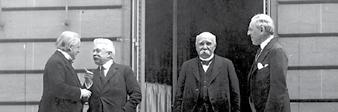
The Paris Peace Conference’s “Big Four” — British Prime Minister David Lloyd George, Italian Prime Minister Vittorio Orlando, French Prime Minister Georges Clemenceau and U.S. President Woodrow Wilson — were behind most of the conference’s major decisions.
Feb. 3, 1919: A World Zionist Organization delegation makes the case for a Jewish homeland in Palestine to the Paris Peace Conference. The delegation accepts the proposed British Mandate but asks that it support Jewish immigration.
ISRAEL PRIDE
NEWS FROM OUR JEWISH HOME
festival celebrating Jewish roots, spiritual renewal, and connection to the Land of Israel and the Jewish people.
The festival will take place online on Sunday, Feb. 1, and features Jewish wisdom inspired by nature, contemporary spiritual practices, music, rituals, and voices from Israel and the Jewish world.
At the heart of the festival is a livestreamed Tu B’Shvat Seder from Tzfat, the birthplace of the Kabbalistic Tu B’Shvat tradition, led by educators from Livnot U’Lehibanot. Participants will explore the Seven Species, Kabbalistic teachings, meditation, music, and song. In addition to the main Seder, the festival includes: Jewish learning inspired by nature and ecology, spiritual practices for grounding, healing, and renewal, sessions with educators and leaders from Israel and the United States, and children and Family Tu B’Shvat Seder.
Feb. 4, 1997: Two CH-53 Yasur helicopters collide at night over northern Israel while ferrying troops and munitions to southern Lebanon, killing all 73 military personnel on board: Bedouin, Druze and Jews, secular and religious.
Feb. 5, 1890: Zichron Ya’akov educator Ze’ev Yavetz takes students to plant trees on Tu B’Shevat, the trees’ birthday, starting a tradition in the Land of Israel that the Jewish National Fund and teachers unions adopt in 1908.
Feb. 6, 2001: Israelis vote directly for their prime minister for the third and last time and the only time without also electing the Knesset. Likud’s Ariel Sharon wins with more than 62% of the vote against Labor incumbent Ehud Barak.
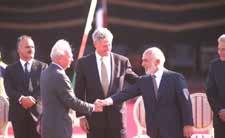
Israeli Prime Minister Yitzhak Rabin (left) and Jordan’s King Hussein shake hands in front of U.S. President Bill Clinton after signing their peace treaty Oct. 26, 1994, in the Arava. // By Ya’acov Sa’ar, Israeli Government Press Office, CC BY-SA 3.0
Feb. 7, 1999: Jordan’s King Hussein, the second Arab leader to sign a peace treaty with Israel, dies of complications from non-Hodgkin’s lymphoma at 63. He became king at 18 in 1953 after the assassination of Abdullah I, his grandfather.
Twenty-five North American Modern Orthodox students will take part in an immersive semester of Torah learning, leadership, and integration in Israel.
New Immersion Program for Modern Orthodox Sophomores
Ohr Torah Stone, in partnership with the Tzemach David Foundation, welcomed the inaugural cohort of students participating in Nelech, a new immersive Israel program for Modern Orthodox 10th-grade students from North America. The students arrived in Israel this week to begin a semester of intensive
Feb. 8, 1878: Philosopher Martin Buber is born in Vienna. His grandfather teaches him Hebrew. He becomes involved with the Zionist movement while a student at the University of Leipzig and makes aliyah in 1938.
Feb. 9, 1953: The Soviet Union’s embassy in Tel Aviv is bombed, injuring three people, in an attack blamed on the Kingdom of Israel terrorist group. Despite Israeli apologies, the Soviets break off diplomatic relations.
Charles Winters was convicted of violating the U.S. Neutrality Act but was posthumously pardoned.
Feb. 10, 1913: Charles Winters is born in Massachusetts. Winters, who runs a Caribbean air transport service, purchases and helps secretly deliver three surplus U.S. B-17s, Israel’s only heavy bombers in the War of Independence.
learning, living, and integration within Israeli school communities.
The inaugural cohort consists of 25 students from Jewish communities across the United States and Canada, including New York, New Jersey, Florida, Pennsylvania, Texas, Georgia, Arizona, Tennessee, and Toronto. Over the coming months, they will be fully integrated into two of Ohr Torah Stone’s Israeli high schools; girls will study at Ulpanat Neveh Channah, while boys will attend Yeshivat Neveh Shmuel, learning alongside Israeli peers in authentic Modern Orthodox educational environments.
Nelech combines rigorous Torah study, general academics, and experiential education, while emphasizing personal growth, cultural fluency, and leadership development. By embedding North American students directly into Israeli schools rather than operating as a standalone program, Nelech fosters genuine relationships and a lived understanding of Israeli society.
Feb. 11, 1986: After eight years in a Siberian labor camp, refusenik Anatoly Shcharansky is released to American custody in Berlin and flies to Israel, where he arrives under his new Hebrew name, Natan Sharansky.
Feb. 12, 1958: The Knesset votes 96-0 for the first of a series of Basic Laws that fill the role of a constitution under a compromise known the Harari Resolution. Basic Law: The Knesset outlines election procedures and parliamentary functions.
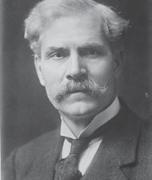
British Prime Minister Ramsay MacDonald reiterated his nation’s commitment to Jewish settlement in Palestine. // George Grantham Bain Collection, Library of Congress
Feb. 13, 1931: In a letter to Chaim Weizmann, British Prime Minister Ramsay MacDonald disavows the threats posed in Palestine by the 1930 Passfield White Paper, which calls for restricting Jewish immigration and land purchases. Feb. 14, 1896: Theodor Herzl’s “Der Judenstaat” (“The Jewish State”) is first published in Vienna with a run of 500 copies. The pamphlet calls for Jews to organize themselves to gain a territory and eventually form a state.
Items are provided by the Center for Israel Education (israeled.org), where you can find more details.
Tu B’Shvat Olami 2026 is set for Feb. 1.
Thousands Celebrate Hilula of the Baba Sali
By Gil Zohar
In a fiery and drunken celebration comparable to Burning Man and a Hassidic farbrengen, an estimated 100,000 pilgrims flocked to Netivot last week to observe the 42nd anniversary of the death of the kabbalist mystic, Rabbi Israel Abuhazeira (18891984), affectionately known in Judeo-Arabic as Sidna Baba Sali – Our Master Papa Issy.
This year’s riotous celebration compared to the pre-COVID era, with visitors drinking copious amounts of arak, eating kebabs stuffed into baguettes, consuming cotton candy, buying toys and religious souvenirs from the site’s temporary market, and ritually throwing packages of yahrzeit memorial candles into a bonfire.
The ecstatic pilgrims prayed for an elevation of the Baba Sali’s soul in heaven. Overcome with religious fervor, many clamored to reach his tomb at the center of the elaborate domed mausoleum, beseeching the legendary faith healer and occult master for their recovery from sickness.
“There are all kinds of Jews here – Sephardi and Ashkenazi, secular and religious, Haredi and religious Zionist. And everybody gets along,” said Eliyahu McLean, born in California, who lived in Netivot for five years but now resides in Beit Shemesh. “It’s in the merit of the Baba Sali and all the other great rabbis buried here that we get along so well. The place has a special character. It’s special to experience the splendor of the living Moroccan and Tunisian Jewish heritage. It’s a central aspect of life in Netivot. The Baba Sali is the most famous, but many of the synagogues and communities in Netivot are centered around the religious legacy of the many tzadikim (Jewish saints) who lived in North Africa.”
Scores of apocryphal stories circulate about the Baba Sali’s supernatural powers. By one account, the saintly rabbi placed a drop of water in the mouth of a comatose Jew considered beyond help by his doctors. The man immediately opened his eyes and soon recovered. In another story, the Baba Sali blessed a bottle of arak wrapped in a cloth and then poured drinks all day for the hundreds of visitors without it ever emptying. A third anecdote relates the sage healed an IDF soldier severely wounded in the 1973 Yom Kippur War who was about to have his legs amputated.
The Baba Sali’s revered grandfather, Rabbi Yaakov Abuhazeira (1806–1880), known as the Abir Yaakov, fell ill in Egypt while en route from Morocco to the Holy Land. He instructed that he be buried where he was dying, in the village of Damityo, three kilometers south of the Nile delta city
of Damanhur, rather than in the closest Jewish cemetery in Alexandria. Some Sephardi Jews connect Abuhazeira’s merit with the Allies’ victory against Field Marshall Erwin Rommel’s Afrika Korps in 1942 during World War II’s pivotal Battle of El Alamein. That victory stopped the Nazis from reaching Mandate Palestine and implementing the Holocaust there.
While for decades following independence in 1948, Israel was bifurcated along ethnic lines between its Ashkenazi Eastern European founding generation and the 1.5 million Oriental (Middle Eastern) Jewish refugees who flooded the nascent state, the pilgrims to Netivot represent all religious and ethnic streams. Photoshopped posters place Rabbi Menachem Mendel Schneerson (1902-1994), known to many as the Lubavitcher Rebbe, alongside the Baba Sali. Although the two never met in life, they corresponded in Hebrew. Schneerson, born in Ukraine then in the Czarist Empire but who lived for much of his life in Brooklyn, N.Y., is considered one of the most influential Ashkenazi leaders of the 20th century.
Parallel to the celebration in Netivot, a hilula was held in Brooklyn at the Merkaz Sefarad Chabad, under the leadership of Rabbi Eliezer Avtzon. The celebration was sponsored by Rabbi Hirshel and Annette Lipsker, and their children and grandchildren. Annette Lipsker and her sister, Chaya Zaetz, are descendants of the Abir Yaacov, grandfather to the Baba Sali.
The evening featured a live hook-up with Netivot. In both places, traditional Moroccan foods were served, together with live music and singing led by paiytanim (singers of liturgical music).
Apart from Chabad Hassidim, groups of Bratzlaver Hassidim were raucously dancing at the celebration. Also present were Ethiopian Jews, some of whom settled in Netivot following the 1991 Operation Solomon that brought 14,325 Jews from the Horn of Africa in a 36-hour rescue evacuation. Besides Netivot, many were settled in nearby southern cities including Gedera, Kiryat Gat, Yavne, Be’er Sheva, Beit Shemesh, Ashkelon, and Rishon leZion.
Abuhazeira was the scion of a leading rabbinical family in Tafilalt, Morocco – an oasis in the Sahara Desert along the caravan route from the Niger River to Tangiers. He immigrated to Israel in 1959. Like many impoverished Sephardi Jews who arrived in the early years of the Jewish state, he was directed to a remote development town in the Negev Desert.
Abuhazeira settled in Netivot, then a three-year-old ramshackle desert slum 12 kilometers east of the Gaza Strip. There, he
secluded himself; his disciples would gather at his home to receive his blessing, especially for healing. Today, Netivot has evolved into a burgeoning city of 52,000 linked by a railroad to Tel Aviv and Be’er Sheva, on the train line joining it with the other former development towns of Ofakim and Sderot.
The Baba Sali’s neo-Moorish mausoleum, located in the city’s cemetery adjoining a park and palm forest, developed by the Jewish National Fund, remained a magnet even during the pandemic and following Hamas’s Oct. 7, 2023, massacre. Before COVID, some 800,000 visitors came annually. Nearby, the tombs of Moroccan sages Rabbi Shalom Ifergan and Rabbi Yoram Michael Abergel are clustered, adding to the luster of the Sephardi shrine.
The Baba Sali’s heir, Baruch Abuhatzeira – also known as the Baba Baruch – was elected deputy mayor of Ashkelon. In 1977, he was arrested on charges of corruption and bribery. But his five-year prison sentence didn’t besmirch his father’s status. Released early, Abuhatzeira – born in Erfoud, Morocco in 1941 – joined the Baba Sali during the last three months of the saint’s life. Today, he and other family members continue the cult.
In Sderot, 11 kilometers north of Netivot, is the North African-style mausoleum of the Baba Yago, Rabbi Yaakov Shitrit (1892-1957), a revered disciple of the Baba Sali whose bones were brought from Casablanca in 1998 with the permission of King
Hassan II.
Born in the Tefilalat oasis, he studied at the Abir Yaakov Yeshiva with the Baba Sali, and his brother, the Baba Khaki, Rabbi Yitzhak Abuhazeira, who became the Chief Rabbi of Ramla. Renowned in North Africa as a shochet and mohel (ritual slaughterer and circumcizor), he became the Chief Rabbi of the city Resh in Morocco.
At the end of the 1950s, when the largescale Aliyah of Moroccan Jews began, the tzaddik’s poor health prevented him from immigrating to Israel. Unable to fulfil his Zionist dream, he died of a broken heart, according to members of his family.
In 1962, his family made Aliyah and settled in Sderot. Over the years, the hilula has become increasingly popular, attracting thousands of participants to the cemetery. Though the sage died on Tishrei 26, the celebration is held a week later on Heshvan 3. (Heshvan is the only month in the Hebrew calendar without a festival.) In recent years, a second hilula has been held in Iyar marking the anniversary of when the Baba Yago›s bones were interred in Sderot.
A decade ago, the Sderot Municipality renamed the street leading to the cemetery and the city’s new northern neighborhoods in memory of the Baba Yago. Together, the Babi Sali and the Baba Yago represent the rich heritage of North African Jews which flourishes in contemporary Israel.
Gil Zohar is a licensed tour guide based in Jerusalem. ì
The following is the most current information available as of press deadline. Israeli hostages remaining: All hostages have been found and/or returned.
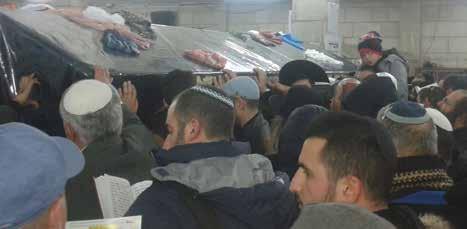
Celebrants touching the Baba Sali’s tomb // All photos by Gil Zohar
Braves Legend Jones Elected to Hall of Fame
David Ostrowsky
Over half of America may be engulfed in a winter wonderland, but baseball, still the country’s quintessential summer sport, enjoyed a burst of relevancy when members of the 2026 Hall of Fame class were revealed last week. And when the big day arrives in Cooperstown, N.Y., on Sunday, July 26, the Atlanta Braves’ remarkable 1990s run will further cement its place in baseball immortality as center fielder, Andruw Jones, will be inducted alongside fellow center fielder, Carlos Beltran, and second baseman, Jeff Kent.
While Jones’ one-time Atlanta teammates, Chipper Jones, Greg Maddux, John Smoltz, and Tom Glavine waltzed into the Hall as first-ballot selections last decade, the 10-time Gold Glove Award winner from Curacao, who played a notoriously shallow center field, had to wait until his ninth time on the ballot to garner the requisite 75 percent of votes (Jones came in at 78.4 percent) from members of the Baseball Writers’ Association of America to receive baseball’s ultimate individual honor.
Though Jones, during his prime, was regarded as the game’s finest defensive center fielder and slugged 434 career homers, there was a precipitous dropoff in production once he bolted from Atlanta following the 2007 season, after which he was no longer an everyday center fielder for a passel of teams. That he subsequently finished with a pedestrian .254 batting average and was arrested on domestic violence charges in December 2012 — he pleaded guilty, paid a fine, received probation, and went over to Japan to finish up his pro career — meant Jones was never a lock for Cooperstown, especially when he debuted on the ballot with a paltry 7.3 percent of votes in 2018. But in his second-to-last go-round at the ballot box, Jones’ candidacy was finally viewed favorably by the gatekeepers of the Hall — an outcome that was surely bolstered by there being no first-timers up for election who had compelling cases.
“These are things you can’t control. Whatever happens, happens. You don’t play this game to make the Hall of Fame. You play this game to win championships,” Jones told reporters during a postannouncement Zoom conference call while he was in the Dominican Republic
Former Braves center fielder Andruw Jones, pictured above saluting fans during last summer’s MLB All-Star Game, will be the franchise’s latest Hall of Famer when he is inducted in Cooperstown this July // Credit: Atlanta Braves social media
for a Ryder Cup-style golf event for retired Major Leaguers.
As the first player born in Curaçao to be inducted into the Hall (former Braves closer, Kenley Jansen, could one day be the second), Jones is slated to manage the Netherlands in the World Baseball Classic (WBC) in March. Coincidentally, the Netherlands, for whom Jones played during the 2006 and 2013 editions of the WBC, will be in Israel’s Pool D bracket at Miami’s loanDepot park.
“I mean, we grew up playing baseball so much down there, that’s all we knew since we grew up — we wanted to play baseball,” Jones said. “[To be] the first player to make it from Curaçao, it’s a great honor. And I know we’re going to have more people coming.”
Jones missed out on the Braves’ sole World Series title of the 1990s as he broke into the big leagues during the 1996 regular season. But it was, of course, a debut that will never be forgotten. After playing in merely 31 games for the Braves down the stretch, the 19-year-old with the ultrarare combination of elite outfield defense and power dazzled in the high-pressure cooker of October baseball, swatting a
home run against the St. Louis Cardinals in Game 7 of the National League Championship Series before going deep twice at Yankee Stadium in his first two World Series plate appearances during Game 1 of the Fall Classic. When it was all said and done, Jones joined upper-echelon Hall of Famers Willie Mays, Ken Griffey Jr. and Mike Schmidt as the only players with at least 400 home runs and 10 Gold Gloves.
“This is going to be a great moment to actually be on the stage with those guys that you idolize, those guys that you grew up watching, guys that you compete with,” acknowledged Jones, whom Hall of Famer Willie Mays once famously referred to as the greatest center fielder he ever saw. “Then enjoying that moment, when you get that chance to be on the elite level.”
Jones has maintained a regular presence in the Braves organization — he was featured in pregame festivities leading up to Game 1 of the 2023 National League Division Series as well as last summer’s All-Star Game at Truist Park — and the franchise plans to honor his enshrinement this summer when it hosts a National Baseball Hall of Fame Andruw
Jones bobblehead giveaway presented by Curaçao, Feel it For Yourself, on July 30 versus the Washington Nationals.
Meanwhile, there was a Jewish storyline to this year’s Hall of Fame results unveiling as Milwaukee Brewers great, Ryan Braun, was up for election for the first time. It will, however, be his last time as the 2007 NL Rookie of the Year and 2011 NL MVP, whose father hails from Israel, appeared on only 3.5 percent of ballots, failing to meet the 5 percent threshold required to remain on the ballot in future years. Though Braun, often dubbed “the Hebrew Hammer” was one of the most revered sluggers of the 2010s, his case for Cooperstown was flimsy at best, given that he tested positive for performanceenhancing drugs and served a 65-game suspension in 2013. Even though Braun is forevermore ineligible for election by the BBWAA, the all-time leading Jewish home run king (Braun finished with 352 homers, slightly above Hank Greenberg’s 331) could gain entry one day via the Contemporary Players Era Committee. However, that committee only meets every several years and there is invariably a crowded field of potential selectees. ì
Four Local Athletes Sign NIL Deals with Blue Square
University of Georgia senior, Alon Rogow, one of the country’s elite pole vaulters, has leveraged his NIL opportunities to represent the Blue Square Alliance Against Hate foundation // Photo Credit: Alon Rogow
eighth-grade field trip to Washington, D.C. and seeing the Holocaust Museum there. It really hit home for me. It made me feel like I needed to play a part in raising awareness about it.”
At Johns Hopkins, 42 miles due north of the United States Holocaust Memorial Museum, Aaron Bock, a junior infielder/ outfielder, was already heavily engaged in his school’s Judaic culture through being on the board of the on-campus Chabad and working closely with the Jewish student athlete association. Thus, joining Blue Square Alliance was a natural extension of his current work.
“When you have an amazing opportunity to share some of the things that you’re interested in and maybe help just one other young ballplayer out there, it’s not something that you pass up on, without a doubt,” said The Weber School alum, whose current collegiate coach, Nate Mulberg, was an assistant coach with Team Israel at the 2021 Tokyo Olympics.
By David Ostrowsky
Since New England Patriots owner Robert Kraft started the Blue Square Alliance Against Hate in 2019 to stand up to Jewish hate and all hate, the foundation has partnered with a wide spectrum of global celebrities, spanning across sports and entertainment. Recently, Blue Square Alliance (BSA) has joined forces with a new segment of the population: college athletes who are able to parlay their NIL (name, image, likeness) opportunities towards representing this noble cause.
After unveiling its inaugural class of Jewish college athletes last July, BSA recently announced its second wave of commitments, one that has deep Atlanta roots. The expanding cohort of Jewish collegiate athletes to ink NIL deals with Blue Square Alliance includes a quartet of hometown athletes spanning four different sports: University of Georgia pole vault specialist, Alon Rogow; Johns Hopkins University baseball player, Aaron Bock; Brown University tight end, Levi Linowes; and Reinhardt University hoopster, Charles Reisman.
All four of the Atlanta-based scholarathletes who recently came aboard BSA are sincerely invested in leveraging their respective platforms towards raising awareness of the rising tide of antisemitism and perpetuation of anti-Jewish beliefs across America.
“College athletes are leaders in real and visible ways,” said Adam Katz, president of the Blue Square Alliance Against Hate, when speaking to the AJT. “They know how to push through adversity, show up for their teammates, and inspire others. By elevating their voices and sharing their stories, we’re helping build empathy, expand representation, and encourage allyship across college campuses at a time when our country and world are increasingly polarized and disconnected.”
Rogow, a Dunwoody native who’s now a senior on the UGA track & field team, has been focused on “trying to teach all of my friends what Judaism is all about” through participating in a weekly interfaith Bible study group at his house, involving both former and current student-athletes. When his brother, Jacob, who works in the Israeli embassy in Washington, D.C, mentioned the Blue Square Alliance, Rogow pounced on the opportunity.
“With all of what’s happening recently after Oct. 7, and the incredible rise of antisemitism all around the country, I wanted to be able to make a difference,” shared Rogow, who has since been contacted by the Marcus JCC of Atlanta about participating in a panel discussion for incoming undergrad students about the Jewish college athletics experience. “Being a Jewish student-athlete, it gives
me a platform to be able to do something. Day-to-day, it’s kind of hard to make a difference, because I don’t really see the antisemitism all that much, but I know it’s there.
“Working with the Blue Square project, I’m able to actually put it out there and inform people and make sure that people are aware of the situation.”
In addition to Rogow, Reisman also chose to stay in-state in pursuit of his collegiate athletic career. As a redshirt sophomore guard for Reinhardt’s men’s basketball team, he was similarly enthused about the chance to represent the BSA when he inked his NIL deal at the beginning of this academic year.
“When I first heard about the Blue Square Alliance, I realized that there was a lot of antisemitism in the world,” explained Reisman, who has also been busy with BSA-related social media projects that have sparked conversation and curiosity in his community. “I thought it was a good time for me to try and play a part in helping raise awareness for a lot of hate that’s being faced and shown towards our people. Our goal is just to serve as an inspiration for Jewish people across the country.
“One of the things that really stuck with me was my great-grandfather served in World War II and actually took part in liberating the concentration camps. I can remember going on an
“It [being a Division I Jewish athlete in 2026] is kind of just a representation of my personal journey and being able to share that personal journey with a group of Jewish athletes to inspire the next generation, it really means a lot to me,” explained Linowes, a senior tight end from Atlanta who knew about Blue Square Alliance from ads online, but wasn’t aware of the NIL partnership until his dad brought it to his attention. “In high school, football games were on Friday night, and Friday nights are obviously a very important time for Jewish people in general. Having a balance — being Jewish but also being very involved in athletics — it really does mean a lot to me, in my identity. I feel like through this program, you got the chance to really show how this identity has shaped our academic and athletic journeys.”
The emerging popularity of NIL partnerships has spawned many different reactions across the college athletic community. However, as evidenced by the efforts of Rogow, Bock, Reisman, and Linowes, a lot of good continues to come out of the program.
“We’re excited by the momentum and growth we’re seeing on college campuses,” added Katz. “We launched the program in July with six student-athletes, and our second cohort has expanded to include 17 new student-athletes. We see real potential for this work to demonstrate a new way NIL can be used to create a positive impact on college campuses and in the world.” ì
Brown University tight end, Levi Linowes, is one of four Atlanta-area collegiate athletes who have recently inked NIL deals with Blue Square Alliance Against Hate // Photo Credit: Chip DeLorenzo/Brown Athletics
JCRC to Host Peach Politics Breakfast & Panel
The Jewish Community Relations Council of Atlanta will host Peach Politics 2026 on Feb. 10 at the Coverdell Legislative Office Building.
The Jewish Community Relations Council of Atlanta (JCRC) will host Peach Politics 2026 on Tuesday, Feb. 10, bringing together legislators and journalists for a discussion of key issues facing the Georgia General Assembly.
The free event will take place in Room 514 of the Coverdell Legislative Office Building, 18 Capitol Square SW, Atlanta. Breakfast will begin at 7:30 a.m., followed by a panel discussion from 8 a.m. to 9 a.m.
Maya Prabhu of The Atlanta JournalConstitution will moderate the panel, which will feature her AJC colleague, Greg Bluestein, state Rep. Esther Panitch, and other legislators.
Panelists will discuss such major
policy areas as health care, the state budget and education. The agenda will include anti-hunger, pro-nutrition policies, JCRC’s primary focus this year.
Peach Politics is JCRC Atlanta’s annual legislative breakfast and advocacy program, designed to provide insight into Georgia’s political landscape and foster informed civic engagement within the Jewish community. Combined with the free weekly Gold Dome & Donuts online discussion, Peach Politics enables JCRC to keep Jewish Atlanta up to date about crucial legislative issues.
Visit www.atlantajcrc.org to learn more about JCRC’s work.
Compiled by AJT Staff
Levi Makes Sparkling Appearance with ASO
By Bob Bahr
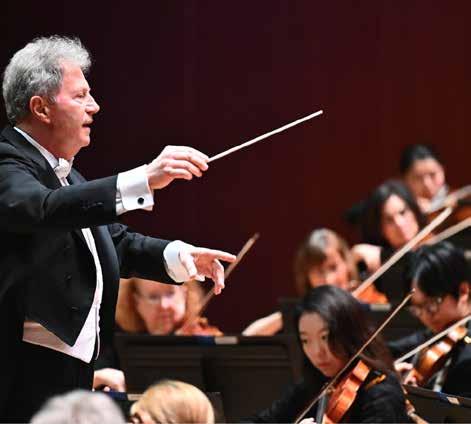
Yoel Levi, who led the Atlanta Symphony Orchestra (ASO) for 12 years in the late 1980s and 1990s, recently stepped in on short notice to lead the orchestra again. With only one day’s notice to prepare for rehearsals, he led the orchestra and the chamber chorus in a program of three works by Franz Schubert.
ed, “Maestro Levi really made the evening extraordinary. His energy and grace are phenomenal.”
Levi has called Atlanta home since 1988, when he first came to the city as musical director of the symphony and led it through some of its most memorable concerts, including its performance at the 1996 Olympic Games and more than 30 critically acclaimed and awardwinning recordings.
HELPING FAMILIES
BAROCAS, REALTOR® (C) 404-790-0913
The performance included Schubert’s last symphonic work, his so-called Great Symphony, the “Symphony Number Nine.” It’s a challenging work, filled with warm, lush melodies and Levi was pleased with how the orchestra responded under his leadership.
“It was really like a homecoming, in a way,” Levi said. “And it was a wonderful week. The relationships with the musicians, some of whom I knew personally from the past, were wonderful. The music making was great.”
Judging from the response on the Atlanta Symphony Facebook page, those attending were also deeply impressed with the conductor’s skillful performance.
One concertgoer described how “the orchestra played with palpable enthusiasm. and the all-Schubert program was simply magnificent.” Another comment-
He lives just three miles from Symphony Hall, so it was an easy journey for him. The ASO has not had a conductor living in the city since 2000. Levi was able to quickly replace the ailing Nathalie Stutzmann, the present music director who lives in Switzerland. Her contract was recently given a three-year extension.
Levi conducts internationally and is the music and artistic director of the Haifa Symphony, where he recently conducted sold-out performances of Tchaikovsky’s lyric opera, “Eugene Onegin.” He also is a frequent guest conductor of the Israel Philharmonic.
“The music world in Israel is back,” he noted, “and all the musical organizations, are all performing, as we say, around the clock.”
Yoel Levi, who led the Atlanta Symphony Orchestra for 12 years in the late 1980s and 1990s, recently stepped in on short notice to lead the orchestra again.
Pinch Hitter Program Thanks Volunteers
Bet Haverim Announces New Artist-in-Residence
Achim/Gate City Lodge of B’nai B’rith extends its sincere thanks to all the volunteers who participated in the Pinch Hitter Program on Christmas Day, and a special yasher koach to the volunteer hospital coordinators (noted with **) and their assistants (noted with *) without whom the Pinch Hitter Program would have been impossible to produce.
The volunteers were as follows: Ariel Adadi; David Adler; Eve Adler; *Mary Alleman; *Mimi Anapolle; **Vic Anapolle; Jacob Asher; Melanie Asher; John Astarita; Lisa Astarita; Althea Azeff; Jodi Beck; Mark Beck; Terry Berman; Ken Berzof; Robyn Bogash; David Bohn; Julie Bohn; Rhonna Brandi; Jennifer Bush Otte; Bert Callahan; Fred Chaiken; Rita Chaiken; Marc Claude; Beverly Cohen; Jeremy Cohen; Kim Cohen; Penney Cohen; Daniel Cohn; Andrew Cozewith; Erica Cozewith; Lynne Daly; Jodi Danis; Ken Danis; Shari Diamond; Liza Dolensky; Benjy Dubovsky; Marilyn Dubovsky; Rodney Eberhardt; Sue Eisen; Shea Ellison; David Feldman; Rob Feldman; Sheri Feldman; Judy Fineman; Stan Fineman; Susan Friedenberg; Lori Gillman; Roy Goldenberg; Jake Goodelman; Sara Goodelman; **Matthew Green; Sherie Green; Simon Green; Leslie Greenberg; Debbie Gruber; Jeff Gruber; Jeff Hancock; Mary Ann Hawthorn; Marcelo Herszenhaut; Sharon Hochdorf; Carla Hotz; Amy Hurewitz; Lena Hurewitz; Emma Hurwitz; Katie Hurwitz; Phil Hurwitz; Suzanne Hurwitz; **Gary Jackson; Matthew Kaler; Gary Kaplan; Valerie Kassel; Stacey Kaye; Stephen Klorfein; Leslie Kopel; *Betsy
Kramer; Andrew Kronitz; Rich Lapin; Sterling Ledet; Victoria Lemberg; Mike Levin; Harvey Levitt; Mara Levitt; Jeanie Lipsius; **Rosanne Lutz; *Gilbert Lyons; Emma Mailman; Melanie Mailman; Hugh Mainzer; Carole Masters; **Robert Max; Alex Merriam; Christelle Mezile; Janet Miller; Barry Minkoff; Lauren Moret; Leslie Moscow; Scott Moscow; Benny Moses; Emma Moses; Lucy Moses; Opher Moses; Andrea Nussbaum; Chaim Nussbaum; Paul Oberman; Stephen Osheroff; Natalie Pereles; Maria Pico; **Jody Pollack; Faye Pous; David Rosenthal; Milton Rosenthal; Caren Rothstein; Rosemary Routman; Elaine Schneiderman; Jason Schron; Gregg Schulemson; **Alex Schulman; Jenna Schulman; Marci Schulman; Seth Schulman; Cindy Sedran; Eileen Shapiro; Daniel Shmalo; Alexandria Shuval-Weiner; Sheri Siegel; Sari Silver; Zoe Silver; Gwenn Silverman; Stan Silverman; *Rae Sirott; Stan Sloan; Terri Spiegel; Kevin Stallings; Ilene Steinberg; Steve Swit; Sharon Teper; Traci West; Jill Wilson; Lane Wolbe; Allen Wolmer; Mona Wolmer; Shari Youngman; Sheryl Zeger; Burton Ziskind; Rene Zweben.
Heartfelt thanks go also to sponsors: Capital Investment Advisors; Siegel Insurance--Auto-Owners Insurance; Coldwell Banker--Debbie Sonenshine; Dressler’s Jewish Funeral Care; Kessler and Solomiany, PC; Loventhal Insurance Group; Sandra Sarlin & Gordon Gipson; and Ilene & Adrian Grant.
Compiled by AJT Staff
Congregation Bet Haverim (CBH) is pleased to announce that acclaimed song leader, composer, and cultural organizer, Batya Levine, will serve as artist-in-residence from Feb. 20–22. Levine is widely recognized for using song as a tool for cultivating healing, resilience, and collective liberation. A communal song leader, musician, shaliach tzibur (Jewish prayer leader), and cultural organizer, Levine’s work supports communities in building a more just and beautiful world.
Throughout the weekend, Levine will guide participants in tapping into song as a pathway to connection — within ourselves, with one another, and with the Divine. The residency includes:
7:30 p.m., Saturday, Feb. 21— A communal, participatory concert with Batya and an ensemble of musicians
1:30 p.m. to 3 p.m., Sunday, Feb. 22
— An experiential workshop exploring song as a channel for blessing
All events will take place at Congregation Bet Haverim (2074 Lavista Road,
Atlanta).
Levine is known for original compositions rooted in Ashkenazi yearning, queer heartmedicine, and emunah (faith). Their second album, "Yivarechecha," was recently released with Rising Song Records. Levine is also cofounder and codirector of Let My People Sing!, and has collaborated with the Rising Song Institute as an artist, teacher, and alumna of its fellowship and residency programs.
As a cultural organizer and lifelong student of Jewish song and ritual, Levine supports individuals and communities in reconnecting with the depth and potency of Jewish tradition — particularly those who have felt disconnected, alienated, or marginalized. Their work is dedicated to cultivating a vibrant Judaism that reaches both backward and forward in time and makes space for our whole, authentic selves.
For more information, visit www. congregationbethaverim.org/BatyaLevine or contact Hailey Monette, executive director, at execdirector@cbhatlanta.org.
Compiled by AJT Staff
Congregation Bet Haverim welcomes Batya Levine to serve as artistin-residence from Feb. 20-22 // Photo Credit: Batya Levine
Jason Cheron (front) and Jodi Danis are pictured volunteering at the Jewish Towers.
Faye Pous and Liza Dolensky lend a helping hand at the VA on Christmas Day.
Birnbaum Among Fourth Cohort for The Catalyst Global Jewry Announces Grant from Mike Leven
Repair the World and Jewish Federations of North America launched the fourth cohort of The Catalyst, a professional development initiative that equips Federation professionals with the skills to design and deliver engaging Jewish service programs for young Jewish volunteers. Service in support of social change is vital to flourishing Jewish communities and inspired Jewish lives, and The Catalyst empowers professionals to bring that vision to life.
The latest group includes 11 Federation professionals from across the United States and Canada who are committed to making Jewish service a powerful entry point into Jewish life in their communities. Over five months, the fellows will explore Repair the World’s best-in-class curriculum led by Repair educators, engage in community building, participate in an in-person Jewish service and learning experience at Jewish Federations’ FedPro conference, and receive microgrant funding of up to $7,000 to pilot a new service initiative or expand an existing one.
Carla Birnbaum, director of community engagement for Jewish Federation of Greater Atlanta, is one of the 11 professionals who will participate in this program.
Birnbaum shared, “Being part of The Catalyst feels very personal to me, both because of my role at Federation and because of what I believe Jewish community should look like. My work is centered on helping people find connection, belonging, and meaning in Jewish life, and learning more about the history of the Jewish Federation of Greater Atlanta has given that work an even deeper sense of purpose. It reminds me that what we are doing today is part of something much bigger and much older than any one program or initiative.”
Birnbaum continued about her work at Federation and what that work means for her.
She said, “Working at Federation means I see every day how our five impact areas come to life in real people’s stories. Through caring programs that support seniors, families in crisis, and Holocaust survivors, through education initiatives that strengthen Jewish learning and identity, through engagement efforts that build relationships and micro communities, through leadership development and Israel connections that deepen peoplehood, I see how Federation
Carla Birnbaum,
is actively shaping what Jewish life looks like in Atlanta. Being part of The Catalyst helps me step back from the day-to-day and think more intentionally about how these impact areas work together to create a strong and connected community.”
The newly launched cohort includes:
Carla Birnbaum, director of community engagement – Jewish Federation of Greater Atlanta
Alyssa Deggan, associate director of philanthropy and engagement – Jewish Nevada Young Leaders Division
Isabella Silberg, director of development – Jewish Federation of Tulsa
Jenna Gerstner, PJ Library and NextGen OC manager – Jewish Federation of Orange County
Karin Lester, director of engagement and campaign – Jewish Federation of Greater Dallas
Leah Kaplan, engagement manager – Jewish Federation of Greater Chattanooga
Merit Pinker, volunteer coordinator – Jewish Federation of Greater Portland
Sarah Abrams, senior program associate – TOV (Jewish United Fund of Chicago)
Tamara Janowski, manager, community mobilization – UJA Federation of Greater Toronto
Tamara Zishuk Lerner, senior manager of programs and development –Young Leadership Division (Jewish Federation of Greater Raleigh)
Compiled by AJT Staff
Mike Leven has given a generous grant to Global Jewry with the funds supporting the launching of the Global Roundtable Fund.
Global Jewry is honored to announce a generous grant from Atlanta-based philanthropist Mike Leven to establish the Global Roundtable Fund, a new source of support for emerging collaborative initiatives across the Jewish world. In recognition of his gift, Global Jewry will also name a Global Jewry Fellow in his honor.
The Global Roundtable Fund will provide early-stage funding for promising collaborations that grow out of Global Jewry’s Roundtable Program, a signature initiative that convenes Jewish organizational leaders to build trust, strengthen relationships, and translate shared values into collective action.
“Global Jewry was created to address a core challenge in Jewish life: fragmentation and the lack of trusted spaces for collaboration,” said Sandy Cardin, founder of Global Jewry. “What began as a small experiment has become a global network of more than 500 organizational partners and 1,000 advisors worldwide. Mike Leven’s generosity reflects a deep belief that collaboration is not optional — it is essential.”
The named Global Jewry Fellow will help steward the Roundtable Program and support the leaders and relationships that give rise to meaningful, durable partnerships.
Inspired by Warren Buffett’s and Bill
Gates’ Giving Pledge, Mike Leven founded the Jewish Future Promise to ensure the continuity of his family’s longstanding commitment to Jewish life. He currently serves on the boards of the AEPi Fraternity Foundation, Jewish National Fund, and the Marcus Foundation, and is an honorary board member of the Birthright Israel Foundation.
“Philanthropy is most powerful when it helps people work together toward a shared future,” said Leven. “The Global Roundtable Fund is designed to help good ideas take root and grow, and I’m proud to support Global Jewry’s mission of fostering trust and collaboration across our community.”
Global Jewry’s Roundtable Program brings together leaders from diverse organizations, perspectives, and geographies, creating a trusted space for candid dialogue and cooperative problem-solving. The Global Roundtable Fund turns ideas into action — providing seed capital that helps promising collaborations attract additional funding and grow.
For more information about Global Jewry, the Roundtable Program, or the Global Roundtable Fund, visit www.globaljewry.org or contact Deborah Fishman at deborah.fishman@gmail.com.
Compiled by AJT Staff
(Standing, center)
director of community engagement for Jewish Federation of Greater Atlanta, is pictured at the recent JGather Host event at Berman Commons.
Crohn’s & Colitis Foundation Honors Benatar Hadassah Installs 2026 Officers, Board of Directors
“I am happy to do what I can – to be informed and volunteer and donate whenever I can, to get rid of this horrible disease,” said Diane Benatar.
Benatar first became involved with the Crohn’s & Colitis Foundation alongside her late husband, Morris, who battled the disease since he was a boy. Morris ultimately lost his lifelong battle with Crohn’s disease in 2016.
This prompted his family and friends to come together to fight back. They started Rockin’ for the Cure in 2017 (which was spearheaded by Morris’ sister, Ruth Benatar Falkenstein). Since then, the event has raised nearly $400,000 for IBD research, education, and support. Because of Benatar’s longtime support of the Crohn’s & Colitis Foundation, she will be honored as the Citizen of the Year at the Foundation’s Torch Gala on Feb. 7. Crohn’s is a scary disease and clearly there are familial markers. Diane and Morris have two children – Leah Benatar Gordon and Steven Benatar. Leah was diagnosed with Crohn’s at the age of 17. She was working at summer camp as a counselor and started experiencing symptoms. At the end of the summer, they started to pursue testing.
Diane Benatar recognized the symptoms right away. Leah went in for a colonoscopy and was diagnosed 20 years ago.
Leah has been in remission for years. She and her husband, David Gordon, have two children, ages four and eight years.
“My Crohn’s affects me because of my dad, and fear for my children, who are both healthy thus far,” explained Leah. “My husband I donate regularly to the Crohn’s & Colitis Foundation … the reason that the Foundation is so important to me is for my kids,” said Leah. “Because if the worst thing happened and they got their own diagnoses, I would want them to have all of the resources available to live healthy lives.”
Diane Benatar, a managing general partner at Greater Southern Home Recreation, is just happy to be able to do what she can to support the Foundation that has helped so many people. Her dedication and generosity have been critical to the Foundation’s success.
Kim Brammer, regional executive director of the Crohn’s & Colitis Foundation, said, “Diane Benatar embodies what it means to be a true community champion. Her compassion, advocacy, and unwavering commitment to improving the lives of those affected by IBD have made a profound impact across Georgia. We are honored to recognize Diane as our Citizen of the Year.”
Compiled by AJT Staff
Hadassah Greater Atlanta hosted the installation ceremony on Dec. 16.
Hadassah Greater Atlanta held its annual installation of Officers at Ippolito’s Restaurant in Roswell on Tuesday, Dec. 16. Anita Otero, installation chair, began the event by thanking all the Hadassah volunteers who have helped make Hadassah so great during the previous year. Terry Nordin, Hadassah Greater Atlanta president, was invited to the podium to accept a special award for her work and successes for the past year.
The keynote speaker for the event was Esther Panitch, Georgia State Representative since 2023 and a life member of Hadassah. Panitch explains, “Jewish optimism is not about pretending everything is fine — it’s about looking at thousands of years of Jewish survival and choosing to bet on the future. As Hadassah women step into leadership roles, they are continuing an unbroken chain of Jewish women who have always been keepers of hope. Every hospital we support, every advocacy effort we lead, every young person we mentor is optimism in action.”
The installation was conducted by Linda Hakerem, national chapter leadership development co-chair of Hadassah. She said “It is my pleasure to install the new officers and board of Hadassah Greater Atlanta for 2026. I was so happy
that this took place during Chanukah when we commemorate the joy of regaining possession of our temple and the ability of Jews to practice our religion freely again. I used the menorah during the installation to symbolize how our volunteers work together, creating light in order to accomplish great things for Hadassah. Terry Nordin, second term president, Hadassah Greater Atlanta, thanked the audience for their support and recalled, “Our founder, Henrietta Szold, saw suffering and acted, bringing emergency health care to mothers and their infants in pre-state Israel. Henrietta’s passion is in our DNA and continues to drive us. This is our practical Zionism. Each of us has the power to make an impact.”
Hadassah Greater Atlanta champions a strong U.S.-Israel relationship, fights against antisemitism, and stands up for women’s health equity. Hadassah makes a difference by bringing healing and justice to the world. Every day, Hadassah members are speaking out in multiple ways — from sending messages to meeting face to face with elected officials — locally and on the Hill. For more information, go to www.Hadassah.org.
Compiled by AJT Staff
Diane Benatar will be recognized at the Torch Gala on Feb. 7 for her commitment to raising awareness and funding for IBD research, education, and support.
Does Might Make Right?
From the time we presumably are old enough to understand, we are told: “Might does not make right.”
That admonition usually comes after the fact, when those words are of little comfort to the victim of a bloody nose and of even less interest to the bully responsible for the pain.
Of course might makes right.
That’s how the world has always worked — dating to the first time an argument between cave dwellers ended with one of them picking up a rock and caving in the other’s head.
Thousands of years after humans moved out of caves and into other forms of dwelling, that belief remains immutable.
Consider this response by Stephen Miller, deputy chief of staff for policy under President Donald Trump, when CNN’s Jake Tapper asked, in a Jan. 5 interview, about Trump’s desire to control Greenland. “We live in a world in which you can talk all you want about international niceties and everything else, but we live in a world, in the real world, Jake, that is governed by strength, that is governed by force, that is governed by power,” Miller said.
Within our borders today, the idea that might makes right is the implied, if not explicit message behind abuses of authority by masked federal agents, who, in their zeal to carry out the Trump administration’s deportation policy, too often have gone beyond what reasonable people might find appropriate or necessary.
With every video, with every dubious statement and spurious explanation, it becomes difficult to view these incidents as anything other than cruelty for the sake of cruelty, administered by those who have been told, by Miller and other Trump subordinates, that they have immunity from prosecution for even their most violent tendencies.
Yes, large numbers of people alleged to be in the country illegally were deported during previous administrations, but what we are witnessing today is an alarming degree of wanton behavior.
In a statement issued Jan. 21, the lay and rabbinic leadership of the Reform, Conservative, and Reconstructionist movements joined to “condemn, in the strongest terms, the violence with which the Department of Homeland Security is enforcing American immigration law.”
Jewish scripture cautions against mistaking might for right.
One example is found in the Book of Zechariah, one of 12 books of the so-called minor prophets, written over decades beginning around 520 BCE (Before
Beyond Your Expectations...
Common Era), and found in Nevi’im, the section of the Tanakh that follows the Torah.
In Zechariah 4:6, the phrase, “Not by might nor by power, but My Spirit” is meant to signal that great works, in this case referring to the rebuilding of the temple in Jerusalem, are accomplished through divine enablement, not only human strength or resources.
This passage was turned into a popular Chanukah song by Debbie Friedman:
Not by might and not by power
But by spirit alone shall we all live in peace
The children sing, the children dream
And their tears may fall, but we’ll hear them call
And another song will rise
Another song will rise, another will rise
Not by might, not by power, shalom
A more direct warning comes from The Book of Habakkuk, written about 610 BCE, in which the Hebrew prophet, Habakkuk, questions G-d about why the Chaldeans, a people living in Babylonia, were sent to punish Judah for the people’s idolatry, corruption, and disobedience.
G-d replies that, in effect, the Chaldeans — “They are terrible, dreadful; They make their own laws and rules” — will get their just deserts in due time.
In Habakkuk 1:1, is written:
“Then they pass on like the wind, They transgress and incur guilt,
For they ascribe their might to their god.”
Translations of this passage include: “Then they sweep by like the wind and pass on, these men whose power is their god” (bold-faced type added for emphasis).
Put another way, as in Proverbs (11:29): “He who troubles his own house shall inherit the wind.”
More than a century ago, in 1920, barely two years removed from the horrors of World War I, Rabbi Mordechai Kaplan spoke of the relationship between might and right.
“The sole reason we are still very remote from regulating our conduct in accordance with the spirit of justice and mercy is that we are mostly persuaded that they can hardly be expected to prevail against the animal passions of human nature that are usually supported by the weight of brute force,” said Kaplan, a scholar in Conservative Judaism who founded the Reconstructionist movement.
Kaplan did not despair, though, stating that “In the end, they [justice and mercy] are bound to be victorious.” ì
Dave Schechter
From Where I Sit
Dr. David Mastro
Protesters demonstrate in Minneapolis against immigration enforcement operations by ICE // Photo Credit: UPI.com
It’s a proven fact. Now more than ever, access to safe abortion is a life and death situation.
Reproductive freedom is a Jewish value, and a strong commitment to reproductive health and abortion rights is a belief deeply rooted in our ancient texts.
National Council of Jewish Women (NCJW)’s 6th annual Repro Shabbat will be observed February 13 and 14 when Parshat Mishpatim (Exodus Chapter 21-23) will be read. This parsha includes verses that form the basis for Judaism’s teachings on abortion. NCJW sections around the country are taking the lead to educate our communities on the important issues of reproductive health and access, reproductive rights, and reproductive justice. Visit www.ncjwatlanta.org/advocacy/ to find learning opportunities around Atlanta.
NCJW Atlanta Section thanks the clergy leaders in and around metro Atlanta who have signed NCJW’s Rabbis for Repro pledge. This program is co-sponsored by The Rabbinical Assembly, the Central Conference of American Rabbis, the Reconstructionist Rabbinical Association, the American Conference of Cantors, Yeshivat Chovevei Torah Rabbinical School (YCT), and Yeshivat Maharat.
We are proud that more than 50 Jewish clergy leaders in and around metro Atlanta have signed NCJW’s Rabbis/Clergy for Repro Pledge, committing to teach and preach about this crucial healthcare issue and acknowledging the broad community support for abortion access.
CONSERVATIVE
• Congregation Ahavath Achim – Rabbi Laurence Rosenthal, Rabbi Mike Rothbaum, Rabbi Neil Sandler (Emeritus)
• Congregation Children of Israel (Augusta) – Rabbi Robert Klensin (Emeritus)
Our Mission: National Council of Jewish Women (NCJW) is a grassroots organization of volunteers and advocates who turn progressive ideals into action. Inspired by Jewish values, NCJW strives for social justice by improving the quality of life for women, children, and families and by safeguarding individual rights and freedoms. repro@ncjwatlanta.org • www.ncjwatlanta.org • 404-843-9600
Rabbi Roundtable
Rabbi Michael Bernstein, Conservative Rabbi Bernstein is the spiritual leader of Congregation Gesher L’Torah, a vibrant and dynamic synagogue community where Judaism is personal and each person’s story is embraced. Michael Bernstein was ordained as a conservative rabbi at the Jewish Theological Seminary in New York in 1999 and came to GLT in 2009 to serve as spiritual leader. He has always had a special interest in finding new ways to experience the ancient and timeless wisdom of our tradition in contemporary and impactful ways. For Rabbi Bernstein, the most important goal of a synagogue community is to foster a meaningful connection to being Jewish for every participant, whether in religious services, marking significant moments in life, or in getting together with family or friends.
Rabbi Adam Strater, Reconstructionist
Adam is a Jewish educator and U.S. Army chaplain. He was ordained by the Reconstructionist Rabbinical College and holds a PhD in Hebrew Bible from Emory University. Originally from Des Moines, Iowa, Adam earned a BA in philosophy and religion from Buena Vista University, an MA in Jewish studies from the Graduate Theological Union, and an MA in Bible and the Ancient Near East from the Hebrew University of Jerusalem. His research integrates Hebrew Bible scholarship, Jewish liberation theology, Peace and conflict studies, and Jewish ethics. Adam is married to Sharon, a fellow Jewish educator, and they have two children, Milo and Lucia (“Lulu”).
In partnership with the Atlanta Rabbinical Association, the AJT's monthly Rabbi Roundtable brings together rabbis from across Atlanta representing each denomination.
Rabbi Isser New, Chabad
Rabbi Isser New grew up in Atlanta and attended Yeshiva in Chicago, New York, and Israel. Rabbi New received his Smicha as a member of the inaugural class of the Atlanta Smicha Program. He served for a period as interim rabbi at Congregation Netzach Israel in Toco Hills. Rabbi New and his wife, Musha, were married in 2008, after which he studied in Kollel in Brooklyn, N.Y., until their move to Atlanta in November 2008. Rabbi Isser New holds the position of associate director of Chabad of Georgia and development director of the Chaya Mushka Children’s House. He also coordinates programming for Chabad of Georgia and Congregation Beth Tefillah which includes the Young Adult Division of Congregation Beth Tefillah.
Rabbi Alexandria Shuval-Weiner, Reform Since 2015, Rabbi Shuval-Weiner has served as the Senior Rabbi of Temple Beth Tikvah in Roswell. She made Atlanta history as the first woman to rise to the presidency of the Atlanta Rabbinical Association, and the third woman to serve as senior rabbi of a synagogue in the Georgia State history. She served on the Central Conference of American Rabbis convention committee for five years, culminating in chairing the 2020 national conference. Ordained in 2008 at Hebrew Union College–Jewish Institute of Religion in Los Angeles, Rabbi Shuval-Weiner also holds a Master of Hebrew Letters and a Master of Jewish Studies. She earned an M.Ed in School Administration from the University of Central Oklahoma and holds her B.A. in education and humanities from Bar-Ilan University in Ramat Aviv, Israel. Before her tenure at Temple Beth Tikvah, she served as Associate Rabbi at the historic Temple, Congregation B’nai Jehudah in Kansas City.
What
For
this month’s discussion, each rabbi was asked the following question:
does the secular New Year make possible that the Jewish calendar does not, and where does it fall short?
Rabbi Michael Bernstein
A teaching in the Talmud links the Jewish New Year to its secular counterpart. When Adam and Chava (created on Rosh Hashana) sinned and were exiled from the Garden, they noticed that the days grew shorter. Not knowing of the nature of the seasons, they despaired, believing they had caused the world’s return to darkness. Only after the winter solstice did they understand that the light would grow again. They established a festival that became Calends, the Roman New Year celebration. Only the future Jewish people would instead mark years as the days first begin to darken.
The secular New Year arrives at midnight deep in the darkness, just after the longest night of the year. The calendar tells us something new has begun even though the cold persists and the days will be short for a while longer.
There is a value to imposing our own meaning in the middle of the night. We count down on our terms and turn a new page, ready or not.
The Jewish New Year comes in a different way, following the pattern of the Jewish day, beginning as darkness falls. We do not wait till either the darkest point or the new break of light to declare a new day; instead, we prepare for the light to retreat. In that sense, the Jewish New Year is less about crossing a line and more about setting a table. Rather than postponing renewal until conditions improve, the Jewish calendar insists that we reflect and take stock of who we are and how we have lived before asking what the future might hold. The Jewish New Year teaches that renewal is like lighting a Shabbat candle, not about escaping the dark, but about entering it with intention, clarity, and purpose.
Rabbi Alexandria Shuval-Weiner
For those of us living within the construct of a post-modern, non-halachic American Jewish life, this is a vital question to ponder. We are masters of multiple calendars. We easily toggle between multiple worlds, tracking the fiscal year for our careers, the school year for our children, and the NFL schedule for our Sunday afternoons — all while navigating the holidays, festivals, and sacred times of the Jewish year. When it comes to the New Year, we essentially pivot between two annual resets: the shofar-blasts of Tishrei and the ball-drop of January.
There are those who dismiss the secular New Year as merely “Rosh Hashanah Lite”—a party without the prayer. While this is far from the truth, I would argue that Jan. 1 makes something possible that our own tradition, by design, does not: it offers the grace of a lowstakes Software Update, whereas the Yamim Noraim, the Days of Awe, represent a full System Reboot.
Rosh Hashanah and Yom Kippur are high-stakes and cosmic. Standing in community before the open ark, we grapple with the hard truth of the human condition, stripping away our masks and looking deeply into our choices. We recite the Unetaneh Tokef, asking who shall live and who shall die. It is a moral inventory of the soul that requires an honest assessment of our lives and the repair of our relationships while confronting our mortality. It is beautiful, and it is heavy.
Jan. 1, by contrast, offers the gift of the mundane. It is the season of the gym membership, the organized closet, and the professional goal. It makes possible a focus on self-optimization rather than soul-correction. In the secular New Year, we are allowed to be “merely” human— to focus on our habits and our physical selves without the sacred weight of covenantal reckoning.
Yes, both are about change, yet there is a fundamental difference in how we change. Jan. 1 is often about the “New Me”—the quest to replace our old selves with a newer version. But our Jewish tradition is built on the concept of Teshuvah, which literally means “returning” to our truer, higher self. Teshuvah doesn’t ask us to become someone else; it asks us to return to our best selves. It is a spiritual course-correction that understands that growth isn’t a straight line — it’s a process of constantly drifting and then intentionally coming home. Teshuvah is the psychic understanding that your “original code” is already good; you just need a regular reboot, recalibration to keep the heart and soul running smoothly.
The secular New Year falls short exactly where the Jewish calendar shines. The secular resolution is almost entirely individualistic. If you fail your Jan. 1 resolution, you have only failed yourself. That for some may bring a sense of isolation and loneliness. Unlike the Jewish New Year, Jan. 1 offers no ritual for the “broken resolution,” no Kol Nidrei, no Vidui to remind us that we all stumble, and no mechanism for forgiveness. If you miss your mark this year, that time or opportunity is simply gone. In contrast, Jewish time is a spiral. We know we will be back, we pray for it “Hadesh yamenui k’kedem’, -renew us- renew our time- The words “us” and “our”, returning to that ideal of infinite potential for ourselves and our community. So, while we are each growing individually, we do so in community. What a beautiful value!
To answer the original question: we need the secular New Year to help us manage the “business” of being alive — to set our goals and join our neighbors. But we need the Jewish
New Year to remind us why we are living in the first place. One gives us the tools to change our habits; the other gives us the vision, within community, to change our hearts—and, in turn, impact our worlds.
Rabbi Adam Strater
Mordecai Kaplan, the founder of the Reconstructionist movement, taught that community is essential for what he called “salvation”— the realization of the fullest potential of every human life. We achieve our potential only in the context of community. Jews in America have both the ability and the opportunity to realize that potential among other Jews and within the broader secular, predominantly non-Jewish society.
The secular New Year presents an interesting opportunity for Jews to connect with the latter. It can be something as simple as a greeting. In the United States, there is an implicit social contract that outlines how we address one another at the end of December: after Christmas, people greet each other, regardless of whether they know one another, with “Happy New Year!” This simple exchange creates a moment of connection among strangers.
It reminds me of life in Jerusalem. Every Friday afternoon, the Shuk is crowded with people gathering supplies for Shabbat. Regardless of whether they know one another, people greet each other with “Shabbat Shalom!”
There is something especially intimate and personal about what happens in the Shuk that gets to the heart of how we Jews interact with our own calendar. Whether we are saying “Shabbat Shalom,” “Shanah Tova,” “Gut Yontif,” “Gmar Tov,” etc., there is, at some level, the acknowledgement that we are a part of a specific community within a larger one; that we are connected at a deeper level because we are Jewish and because we do Jewish things according to Jewish time.
Rabbi Toba Spitzer explains that our values and moral commitments are formed in the context of the communities and traditions in which we are raised and live. American Jews have the privilege of being part of a large, diverse, and dynamic secular society, one that offers a wide range of values, commitments, and traditions beyond Judaism. At the same time, we can find what Kaplan referred to as salvation within the Jewish community itself, where our own values, commitments, and traditions bind us to one another.
Rabbi Isser New
Most calendars mark a new year as a simple change in time. One date ends, another begins. Fireworks go off, resolutions are made, and life continues much as before, only with a new number at the top of the page. The calendar new year merely acknowledges that time has passed.
The Jewish New Year, Rosh Hashanah, is something entirely different. According to Jewish, and especially Chassidic thought, it is not just a marker of time but an existential reset. It does not simply announce that a year has changed; it determines whether and how existence itself continues.
To understand this difference, we need to examine how Judaism understands time. In most frameworks, time is neutral and automatic. Seconds move forward whether or not anything meaningful happens within them. A new year is simply the result of the Earth completing another orbit around the sun. Nothing essential changes because of it.
Judaism rejects this idea. In Jewish thought, time is not an empty container. It is alive, charged with meaning, and even responsive to human action. Certain moments are not merely later than others; they are different in essence. Shabbat, for example, is not simply the seventh day of the week, but a day with a distinct spiritual reality. Likewise, Rosh Hashanah is not just the first day of a new year. It is the source point from which the entire year flows.
Kabbalah teaches that creation is not a one-time event in the distant past. The universe exists only because Divine energy is continuously invested into it at every moment. If that energy were withdrawn even for an instant, existence would collapse back into nothingness.
Rosh Hashanah marks the moment when that sustaining energy returns to its source and must be drawn down again for the coming year. The world is not simply moving forward in time; it is being re-created. Rosh Hashanah is therefore not a celebration of age, but a moment of renewal at the deepest level of being.
This is why Rosh Hashanah is a day of judgment. Not judgment as simple reward and punishment, but a deeper evaluation: Is the world, and is each person within it, worthy of continued existence and purpose?
A calendar new year says, “Another year has passed.” Rosh Hashanah asks, “Should the year exist at all, and if so, for what purpose?”
That is the existential power of the Jewish New Year. It is when humanity is invited to consciously choose why the world should continue.
Sometimes, we just want some spectacular fireworks. ì
EDUCATION & CAMP
She’s A Maccabee Awards Honorees Announced
The Jewish Interest-Free Loan Association of Georgia (JIFLA) recently announced the 2025 honorees of the She’s a Maccabee Awards, an annual Chanukah tradition now in its sixth year. This initiative celebrates extraordinary Jewish women whose skills, passions, leadership, and commitment to Jewish values create lasting impact within our community.
Established to honor modern-day heroines who embody the courage, resilience, and leadership of the Maccabees, She’s A Maccabee highlights individuals who bring light to others through action and service.
“Giving back has not only made an impact on those around me but has also allowed me to better myself,” said Shira Preis, first teen She’s A Maccabee honoree. “Community service helps me live the Jewish values I was taught at a young age and make a real difference.”
“Last year, our committee was so moved by the work of Shira Preis that we created a special Rising Maccabee category in her honor,” said JIFLA Associate Director Stephanie Gewirtz. “That experience inspired us to shift the program for 2025 and more intentionally elevate the remarkable work teens are doing across our community.”
This shift helped drive a special theme for this year. In honor of longtime JIFLA volunteer Adrienne Litt-Bishko, and in celebration of the remarkable
teens in our community, the awards now include a new generation of honorees under the theme L’dor V’dor — From Generation to Generation.
The awards this year recognize Jewish young women age 19 and under who are already leading, serving, and
Maayan Gal (Age 15)
Maayan Gal is an amazing teen who inspires and uplifts her community. She loves being Jewish, is a passionate Zionist
inspiring others. This reflection of the legacy Litt-Bishko has built — through her commitment to community, mentorship, and the values passed from one generation to the next — expresses that spirit by intentionally highlighting teens who exemplify the Maccabee spirit through their service and leadership in the community.
Photo: Lukas Beck
Arianna Zalik
Maayan Gal
Ma’ayan Rosenthal
Sari Grant
and cares for people around her. Maayan is currently a sophomore at Atlanta Jewish Academy (AJA). She is a team player and plays varsity soccer, volleyball, and basketball. Gal mentors a special needs teen twice a month through the Friendship Circle. She volunteers and leads Shabbat morning groups at Congregation Ohr HaTorah for early childhood kids. She was selected for the American Jewish Committee’s Leadership for Tomorrow fellowship for this year. Gal was also selected for the inaugural cohort of Ohr HaTorah Stone’s Nelech Program. This program accepts only 12 boys and 12 girls from North America to spend the second semester at a school in Israel to volunteer. Gal raised money for Schneider’s Children Hospital in Israel. She was nominated and participated in the Atlanta Jewish Federation Young Philanthropist program. Maayan also created and organized a monthly fundraiser at AJA where students could dress down if they donated money to cancer research.
Sari Grant (Age 16)
Sari Grant exemplifies Jewish leadership, creativity, and compassion. A student at The Weber School, she serves on the leadership board of Creating Connected Communities (CCC) and independently organized a mahjong-themed fundraising event that brought together participants of all experience levels while raising funds for CCC’s mission. Thought-
Long-time JIFLA volunteer Adrienne LittBishko, in whose honor the L’Dor V’Dor theme of this year’s Maccabee awards is dedicated.
ful, inclusive, and joyful, Grant brings warmth to every space she enters and is deeply committed to strengthening Jewish connections.
Ma’ayan Rosenthal (Age 15)
Ma’ayan Rosenthal is a passionate self-starter who believes deeply in the power of community and inclusion. She serves as a leader and mentor at Ahavath Achim Synagogue’s religious school, participates actively in basketball, and is a strong advocate for Israel and the Jewish people. At The Weber School, she is involved in Environmental Club, Israel Action, and Moot Beit Din. Known for her kindness and willingness to uplift others, Rosenthal ensures those around her feel seen, valued, and included — lighting the way forward like a true Maccabee.
Arianna Zalik (Age 17)
Arianna Zalik currently serves as president of the Teen Ambassador Board, where she consistently leads with warmth, dedication, and inclusivity. She makes it a priority to welcome new teens, foster meaningful connections, and show up fully — regardless of who else is present. In addition, Zalik serves as a teen ambassador for SparkIL, representing Jewish values, responsibility, and unity. Her leadership reflects deep pride in the Jewish future and a commitment to community-building. ì
Compiled by AJT Staff
EDUCATION & CAMP
Atlanta’s Best Adventures for Families & Kids
By Robyn Spizman Gerson
With winter months upon us, it’s a good idea to have some memorable ways to bust boredom, build new skills, and be creative. Atlanta is filled with fun, exciting, and inspiring things to do. From diving into learning all about sea life to kid-friendly adventures spread around our vibrant city, from days too cold to play outdoors to staycations, Atlanta is the city to experience first. Don’t miss these awesome places to go. Check out yearly family memberships if available and enjoy the benefits of these hometown happenings and happy places to play.
Sloomoo Institute – Sloomoo is a hands-on, immersive experience kids will beg you to go back again. Slime reigns as one of the most fun mediums for kids, and a bit gooey, you can count on a fabulous time and never a dull moment. Sloomoo cofounders, Karen Aronoqitz and Sara Schlesser, fell in love with slime and created this fast-growing phenomenon around the country with their Sloomoo Institute, celebrating the amazing one and only slime. As they share it with the world, the Sloomoo
mission is to deliver, smiles, joy and an interactive experience that lets kids touch everything in sight. Kids will make their own slime, experience all the types, scents, and
sensations of this colorful hands-on universe of slime. Located at: 3637 Peachtree Road NE. Suite D Lower-Level Atlanta, GA 30319 www.sloomooinstitute.com
Georgia Aquarium – From a whale of a good time to learning about aquatic creatures, kids will love to dive into the endless wealth of extraordinary ex-
Taking the kids to the park to play is just one of several ideas for entertaining young ones.
periences at Georgia Aquarium. From swimming with majestic whale sharks to sleeping under the sea and special events the whole family can enjoy, the Aquarium offers experiences that are unique and unforgettable. Whether you’re a first-time visitor, marine enthusiast, or taking advantage of a residential pass, there is an endless list of must-do activities to add to your Georgia Aquarium bucket list. Check out the Georgia Aquarium with your family and kids and celebrate the ocean in motion and have a sea-sensational experience. www.georgiaaquarium.org
Atlanta History Center – Families are raving about this immersive, multisensory experience at the Atlanta History Center Buckhead. With museum admission or family membership, plan a day that includes a timed spot into the Goizueta Children’s Experience, an exciting, new 5,000 square-foot space at Atlanta History Center Buckhead. Kids can experience the city through play, exploration and storytelling and enjoy their playground, history and celebrate Atlanta. www.atlantahistorycenter.com
Take A Playground Tour – Enjoy the parks and green spaces around Atlanta and surrounding areas. It’s easy to find playgrounds online with rubber ground surfaces, plus ones with imaginative play structures that are free and fun but bundle up when it’s cold. Kids love to kick and throw a ball and enjoy a year-round green space ready for kids who want to enjoy fun on the run. Bring some bubbles to blow, a picnic, and explore all the playgrounds around Atlanta that kids adore. Check out Brook Run Park in Dunwoody, Chastain Park in Buckhead, Morgan Falls Overlook Park, Abernathy Greenwood Park North in Sandy Springs, and fabulous options in Marietta, Alpharetta, Smyrna and beyond. Ask other parents for their favorites in their neighborhoods and have the time of your kid’s life at no cost.
Visit Puppetry Arts – The Puppetry Arts Center is an exciting adventure into the world of puppets and puppeteers. Their live shows, workshops, exhibitions, and events make everyone feel like a kid again and kids love it. Check out their schedules, activities, and fun ways children can learn more about the art of puppetry, a beloved storytelling, entertaining, and creative adventure. Puppetry Arts - 1404 Spring St. NW at 18th Atlanta, Ga 30309. Phone: 404-8733391. www.puppet.org
Learn a New Skill – Named one of
EDUCATION & CAMP
Oprah’s Favorite Things of 2025, Mini Mahjer is an outstanding board game specifically designed to teach children American Mahjong in a fun and interactive way. Their innovative “Mini Mahjer” combination card features simplified and shortened winning tile combinations tailored for young players. As kids progress through beginner, intermediate, and advanced levels, they can learn and master the game at their own pace. Complete with vibrant, kid-friendly tiles and accessories, plus an easy-to-follow instructional guide, Mini Mahjer makes learning Mahjong accessible, exciting, and enjoyable for the whole family. Put this set on your gift list year-round for any occasion. www.minimahjer.com
Children’s Museum of Atlanta
– This museum designed for kids is a hands-on interactive and fun venue in Atlanta. Through community outreach initiatives, educational programs, and exhibits designed for children ages 0–8, the Museum sparks every child’s imagination, sense of discovery, and provides creative learning through the power of play. Located at 275 Centennial Olympic Park Dr NW, Atlanta, GA. 30313. www. childrensmuseumatlanta.org
Get A Kick Out of Evolve Soccer
ATL
– If you have a passion for soccer, your kids love to play and it’s rainy, wet, and cold outdoors, they’ll love the indoor soccer field and variety of options that Evolve soccer offers. Evolve is focused on the love of soccer with indoor soccer training and skill-building for kids and adults indoors. Try a free trial class and check out their camps every school holiday plus birthday parties that will score the ultimate goal of fun. www.evolvesocceratl.com at 678990-7628. 2600 Ancient Faith Way Unit 2, Doraville, Ga. 30360. Follow them at @ evolvesoccerATL
Get Hooked on Arts and Crafts –
Learning Express has an endless array of arts and craft projects on hand that are the ideal way to transform a rainy, snowy, or cold day into an opportunity for fun. From jewelry-making to drawing, plus a rainbow of options, getting crafty is always a can’t-miss way to play. Check out the all-inclusive Woobles Learn-to-Crochet Kits and follow their step-by-step video tutorials. Projects are pre-started and recommended for ages 12-plus. If a parent or grandparent loves to crochet, this is a wonderful project to do together as this is a lifelong skill worth mastering and teens ready to learn the art of crochet will get hooked. www.learningexpress.com/buckhead ì
EDUCATION & CAMP
Teen-Created Hive App is All the Buzz
By Marcia Caller Jaffe
Using precocious teenage business savvy, Riverwood International Charter School student Ari Milrud parlayed a “bee in his bonnet” (a business need) to make things happen by connecting house flippers with contractors through his app, Hive.
Since he was seven years old, he has been popping out creative business ideas, “a lot of them were bad, especially then,” recalls Milrud. In high school, he took an interest in real estate as a 14-year-old and began wholesaling properties, working directly with distressed homeowners and investors.
He stated, “I had to learn everything on my own, watching videos and talking to agents. I even deepened my voice to be taken seriously on the phone. It was a big learning curve as there’s a lot of formal lingo in the industry. I believe wholesale real estate is a great way to get into real estate with no prior experience.”
Eventually, Milrud landed wise mentors and acquired an acquisitions role in a small real estate company. He then
found a deal to flip his first house and walked it through with different contractors. He recalled, “Actually speaking with
contractors, I realized a huge problem: flippers and contractors rarely speak the same language, both figuratively and literally. There is a huge transparency and
trust issue. Contractors know exactly how much construction knowledge you have within the first two minutes of the conversation. This leads flippers, espe-
Hive connects contractors and house flippers and improves communication during the renovation process.
EDUCATION & CAMP
cially new ones, to often get taken advantage of in an extremely relationshipbased industry. I couldn’t find a tool out there built for investors to solve this, so I decided to make one.”
Enter Louis Singer, a student at Mount Vernon High School, as technical co-founder. Milrud spends most of his time on the business side in market discovery, contractors, investors, talking to users, and shaping what Hive should be. Singer, as chief technical officer, leads product development and is thoughtful about design, user experience, and longterm vision. The former moves fast and pushes hard; the latter is more methodical and level-headed, which keeps them both grounded and ambitious at the same time.
Ari’s parents, Eduardo and Cristy Milrud, are immigrants with mom hailing from Mexico and dad from Argentina. Milrud credits them as role models in terms of work ethic and resilience. None of the Milrud clan is in house-flipping or large-scale renovation, but they are all are hard-working and entrepreneurial in spirit, which rubbed off on Milrud who said, “I don’t think my interest came from a specific relative flipping houses; it came more from curiosity about business from a really young age, and then discovering real estate as a space where young people with hustle could actually get started.”
In terms of leveraging being bilingual, Milrud stated, “I'm not completely fluent in speaking Spanish, but it defi-
nitely helps, as I’ve been able to see just how many contractors speak primarily Spanish. We want to make Hive a multilingual tool that enables underrepresented communities and addresses language barriers that other existing platforms don’t.”
When queried how to source the “gelt,” Milrud said, “Hive will monetize in a few clear ways. Our core model is marketplace-based: we plan to take a small percentage fee (around 3.5 percent) on accepted jobs from flippers and charge contractors a flat monthly subscription for unlimited bids. Early on, we’re keeping the platform free to build trust and accelerate adoption, but long-term the monetization is very straightforward.”
For college, Milrud is aiming for the University of Texas (Austin) to major in finance while continuing to build Hive. He views college “as another environment where to meet people, learn, and grow for myself and the company. Longterm, he’s interested in venture capital, but right now defines his passion as “very much in building.”
He concluded, “Yes, I’m Jewish; I belong to Temple Emanu-El, and I had a bar mitzvah, but it was virtual during COVID. My faith and community are important to me.”
In five years, he sees Hive “operating in multiple markets, meaningfully improving transparency and outcomes in residential renovation, and becoming the go-to platform for investors and contractors to work together.”ì
Galloway Summer Camp runs May 26-July 24 and has multiple offerings for all ages including STEM, creative arts, sports, outdoor adventure, and so much more.
(From left) Louis Singer and Ari Milrud, co-founders of the Hive app. Milrud focuses on the business marketing side, while Singer balances out the technical arm.
KSU’s Schwartz Wins Highest Undergrad Honor
By Robert Garber
When Ari Schwartz went up on stage with the platform party at his graduation to receive the Fall 2025 President’s Award of Distinction, presented to only one Kennesaw State University (KSU) student in his 4,500-student graduating class, he’d already accrued a long list of accolades. These included a competitive national scholarship, a 4.0 GPA, teaching others through a NASA-sponsored program, and, as of the day, graduating a semester early – achievements made all the more impressive due to the fact that, just a few years earlier, he and his family weren’t sure he could even handle college.
Schwartz had been diagnosed with autoimmune encephalitis, which can cause a variety of symptoms, including short-term memory lapses, tics, brain fog, anxiety, and malignant OCD.
“At this time in my life, I wasn’t able to do the things most students take for granted, such as sports, social events, and even just keeping up with daily routines, said Schwartz. “So, I missed an entire year of school as I went through intense
treatments, including plasmapheresis, immune-suppressing therapies, and surgeries to facilitate these treatments.”
But by going to school close to home, and with intense support from his family, Schwartz was able to succeed, turning some of his weaknesses into sources of personal strength.
“All in all, I would much rather not have OCD, but I was able to exploit its ‘desire for perfection,’ to do great academically. As a result, I got a 4.0 GPA that
first semester and then every semester after that. I even took summer classes so I could make up for the time I lost when I dropped out of public high school.”
This success immediately began transferring into other areas. In 2023, with editing assistance from his brother David, Ari Schwartz submitted a video related to a topic of personal interest –genetic engineering and CRISPR – for the Joy Cappel Scholarship, a competitive $2,500 award given by Rockland Immu-
nochemicals for students of the life sciences, in both undergraduate and graduate programs. He won.
“Whereas most of the other applicants for this scholarship focused on what scientific breakthroughs have allowed us to do, I focused on what CRISPR-Cas9 gene editing will allow us to do in the future,” said Schwartz.
This sort of scientific communication would be something of a repeating pattern through many other achieve-
Ari Schwartz (right) presenting at a national conference on the effects of clove oil on the Aspergillus flavus fungus. // All Photo Credit: KSU
Schwartz pictured working in a lab at KSU.
EDUCATION & CAMP
ments.
“In order to facilitate research, you need to be able to tell others about what you know, and have others tell you about what they know,” Schwartz said.
that Nurtures
And he certainly has done so. After publishing research on the effects of castor oil as a natural fungicide for peanuts – a topic he began working on after a professor suggested he shift focus away from his original intention of genetically engineering the peanuts to resist fungus – Schwartz presented on the topic at several regional and national science conventions.
“When I first did a conference, I was very anxious, because I didn’t have any experience at first,” said Schwartz. “But I did have somebody who worked with me on the research, who had more experience with presentations. So, I practiced with him in order to get myself prepared to communicate. Eventually I became comfortable explaining my research.”
He used the same skills to communicate with and teach the next generation of scientists, through the NASA scholars program. While the program included several opportunities to learn from other researchers and visit places like the CDC, the part Schwartz enjoyed the most was teaching STEM subjects to underrepresented high school students. As part of this, he adapted college-level KSU labs and sat with the students, guiding them along the process in an engaging manner. He discussed one of these, a genetic engineering lab where they created fluorescent bacteria, with great zeal.
As for what’s next for this young scholar, he hopes to become a doctor, and recently received an opportunity to shadow world-renowned cardiologist, Dr. Howard Snapper, a leader in the treatment of POTS and syncope, and to assist him in his research.
Schwartz’ interest in the medical field is deeply inspired by his personal experiences, trying often with great difficulty to receive an accurate diagnosis.
“I’ve had to travel out of state a lot to go to different doctors, and sometimes not all doctors were the best for me,” said Schwartz. “My family has dealt with a lot, and I’ve dealt with a lot, in terms of finding a good doctor that can treat me. So that kind of makes me want to be someone that can actually treat people correctly.”ì
At Atlanta Jewish Academy, education is rooted in purpose. From a Reggio-inspired Early Childhood program through a rigorous college-preparatory curriculum, our child-centered approach honors each student as a whole person — cultivating curiosity, integrity, and responsibility. Grounded in Jewish values and meaningful chesed, learning at AJA extends beyond the classroom, preparing students for college and for lives of meaning.
Scan here to learn more.
Ari Schwartz, who recently won KSU’s Fall 2025 President’s Award of Distinction.
New Children’s Book Takes on Bullying
By Bob Bahr
The hero of Cindy Zeldin’s new book is not an imaginary creation, conjured out of her imagination, it’s her close friend and constant companion, a black and white mixed breed Havanese dog named Lily Tova.
And although the dog is a small and gentle soul, Zeldin has given it the role of explaining a big challenge that often is a difficult and perplexing one for children -- how to deal with an aggressive bully. The idea for the book came from her own experience as a psychotherapist and life coach.
“I started working on it probably a year or so ago when I realized that the world was in trouble, and children were coming to see me professionally, and they were suffering with anxiety because they were being bullied and they didn’t know what to do.”
Zeldin’s book is titled, “Lily Tova Teaches Love.” It follows Lily on a walk with her good friend, Biscuit, where they come upon another of their friends, Daisy, who is getting picked on by a very large dog named King.
When Lily tries to intervene, King growls and pushes her to the ground. When she asks why he’s being so mean, the big dog tells her that he’s the boss here and to mind her own business. A crowd of dogs gather and suggest they attack King and teach him a lesson, but Lily Tova says, “We don’t have to be mean just because King is mean.”
She advises King that if he wants other people and dogs to like him, he should be kind and to everyone. “No one likes bullies,” Lily says. “We know you don’t feel
good about yourself and that is why you pick on others.” King learns his lesson and thanks his new friend. “I have never had friends before and I am so happy now,” the big dog says.
At the end of the book is a page addressed to parents and teachers that discusses the steps to take if they are concerned that a child is being bullied. It counsels that children can be taught “to respond to bullying with kindness, courage, and the confidence that they are never alone.”
The message of love and self-acceptance the book teaches, which came to Zeldin from her own professional experience as a therapist, applied not just to those who were being bullied but to those, like the big dog King, who were doing the bullying.
“What I saw when I worked with children who were bullies is that they really didn’t like themselves, they didn’t have confidence in themselves, they didn’t feel good about themselves, and something was missing in their lives. So, instead of reaching out with love and kindness, which is the purpose of this book, they reached out instead with anger and hurtfulness.”
Their behavior was clearly not what she had seen in the interactions her own dog was having with others. Over the year, Lily Tova has made what Zeldin estimates is over 500 visits as a certified therapy dog, showing by her own interactions with others how love and affection and understanding can often bring out the best in people.
Parenting experts believe that the period of middle childhood, generally from the ages 5 to 12, is an appropriate time for parents to be aware of how children are navigating social relationships and developing a sense of their own personal power.
The lesson Lily Tova teaches about love, Zeldin believes, is not just limited to these important years of personality development.
“It’s what I teach all my clients, my adult clients, too, in marriage and family therapy, which is my specialty. I try to impress on people in all their relationships, be kind to one another. If you reach out with love instead of anger and hate, the whole world changes.”
The pain in childhood, experts believe, can have serious consequences throughout a person’s life. It can be particularly damaging to young people in their adolescent years. What has frequently been termed an epidemic in teen suicides has often been blamed on the role that bullying plays in young lives. Learning how to cope, early in life, with bullying, Zeldin believes, can pay big dividends as a child matures.
“Lily Tova Teaches Love” is Zeldin’s second book about how children can deal with serious issues in their life. Four years ago, she wrote about how the COVID pandemic can impact relationships and the difference that a four-footed friend like Lily Tova can make in world that was becoming so difficult. ì
Cindy Zeldin’s new book is aimed at teaching young children that love and kindness can often overcome a bully.
Lily Tova, Zeldin’s mixed breed Havanese, has logged more than 500 hours of work with children and adults as a certified therapy dog.
Books, Bams, and the Beauty of Mahjong
By Marcia Caller Jaffe
Sandy Springs parents, Gabby and Mark Spatt, released a story book about the learning, bonding, and family fun created involving kids in the popular “Jew-ishy” game of mahjong. No longer is it accurate to envision older women sitting around a table, playing with yellowed tiles, eating mixed nuts, and drinking Crystal Light.
The rebooted moment today is one that’s younger, Southern, and less Jewish. Gabby and Mark Spatt agree. Their four-year-old son, who plays with tiles, inspired their new children’s book, “Bubbe and Bams,” where a mahjong-loving grandmother passes on wisdom and warmth to her granddaughter. The book, and its non-Jewish version, “Grandma Dottie’s Dots,” use mahjong to teach love, resilience, and respect across generations.
The Spatts watched their mothers and grandmothers clack tiles at the table. Gabby’s grandmother played with fellow Holocaust survivors in Florida, and Mark’s with National Council of Jewish Women volunteers in Manhattan. Gabby started playing again in earnest before COVID. She reminisces, “Coming out of a period of isolation, we were all grateful to find ways to be together for that connection.”
She plays at least weekly and cofounded Let’s Rack and Roll Mahjong, a mahjong enthusiasts club. As one of Gabby’s first students, Mark considers himself a “reluctant enthusiast" and her a great teacher.
Though invented in China, mahjong has long been woven into American Jewish culture. Two of the greatest mahjong moments on the big screen occurred in “Joy Luck Club,” where Asian women made fun of Jews taking over the game. In “Crazy Rich Asians,” the mahjong scene was pivotal to the denouement. Actually, a group of New York Jewish women founded the National Mah Jongg League in 1937, which standardized the game. Mahjong helped maintain friendships during World War II and was popular in the Catskills. According to Gabby, who has written about mahjong’s Jewish heritage, helped design Jewish-themed mahjong accessories and jewelry, and created the Mazel Card to raise money for Israel after Oct. 7, “it was essential to connect mahjong with that traditional Jewish heritage by having Jewish characters and language in 'Bubbe and Bams.'
Mahjong’s resurgence around COVID has extended the game beyond tra-
A 2022 Japanese study showed that early logical thinking by playing mahjong or even counting and categorizing tiles can produce higher IQ levels and focus in children.
ditional Jewish communities to younger women, especially in the South, who assigned their own touches. Women-owned companies like Dallas’ The Mahjong Line and Oh My Mahjong, and Atlanta’s own Mahjong Maven, now make tile sets that are modern and bright, with all sorts of accessories, tie dye patterns, and personalized jokers featuring the host’s name. There are mahjong social media influencers and meme accounts. When Mark and Gabby hosted a giveaway of their books in a Facebook group with more than 140,000 members, most responses were from non-Jews.
Young families are a new audience. Kids are no longer just watching from the side; they’re playing! According to Mark, mahjong teaches a host of developmental lessons. “When our son was two, we used the tiles to teach numbers and colors, asking him to find the missing tile from a pile or select among the different suits. Now it’s math problems and pattern recognition.”
“Watching adults and playing requires attention, memory, and social skills.” Gabby says. “We have several friends whose elementary school-aged children play, and we see how it helps deepen focus and strategic thinking.”
LaGrange, Ga., native Ellen Moskowitz Fleisher has five grandchildren (four boys and one girl) ranging from 10 to 19 who are avid players. She said, “Even though some are well over six feet, when we are together, the first thing one says is, ‘Who wants to play mahjong?’ I taught all of them at a very early age, and they are now pretty well skilled in information technology and math, too.”
A 2022 Japanese study found that teaching children mahjong significantly improved IQ levels. (Higashijima, “Effect
“Bubbe and Bams” is about a mahjong-loving grandmother passing on wisdom and warmth to her granddaughter.
of Mahjong on Children’s Intelligence Quotient.” Frontiers in Psychology. September 2022)
“Bubbe and Bams” encourages story sharing. “Our families are incredibly important to us, and we hope our book brings generations together. The concept of L’dor v’dor is behind so much that we love here in the Atlanta Jewish community. It’s the last two words in the book: ‘This game isn’t just tiles – it’s stories, it’s lore/It’s love passed along, L’dor v’dor.” “Bubbe and Bams” is available on Amazon and themissingline.com.ì
EDUCATION & CAMP
Welcome to Camp Bubbie
By Chana Shapiro
In 2014, I surprised everyone in the family — except for my grandson — when I became a de facto camp director and ad hoc head counselor
My husband and I were chatting with our grandchildren during their school’s winter break, discussing their plans for the coming summer. Our nine-year-old granddaughter, Miriam, planned to go to sleep-away camp in the Pocono Mountains. Grandson, eightyear-old Zellik, did not want to spend the summer vacation canoeing and using a bow and arrow. He’s not antisocial; he just wasn’t crazy about group sleeping quarters and shared bathrooms. We proposed a search for a good day camp; however, Zellik already had a plan of his own.
“I want to go to Camp Bubbie!” he declared. We pressed him for more information about this nonexistent camp. The camp had to coordinate with the time his mother would be at work, so camp would take place during the work week (not Shabbat or Sunday) and would run from early morning until late afternoon. Zellik could have dinner at home and sleep in his own bed. I realized that this was a limited-time opportunity to deepen my connection with my young grandson and hopefully create great memories. With abundant trepidation (who could blame me?), I accepted the assignment.
I decided that our first order of business was to choose a camp-ish-sounding name, like Camp No Frills or Camp Nature and Nurture. But my suggestions were deemed too contrived or misleading. Zellik, who favors literal nomenclature over figurative, pushed for Camp Bubbie because, he said, “it describes exactly what it is.” Well, yes.
We decided to rough out a camp schedule. Since neither Zellik nor I had ever attended established camps, we simply focused on our interests. As the official camp director, I stated my nonnegotiables: morning prayers with my husband, a decent breakfast, regular hydration, ample outdoor time, cultural expeditions, library visits, and handcrafts. Zellik’s non-negotiables were to wear tie-dyed T-shirts and his favorite baseball cap, the opposite of his school uniform, get daily Lego time, and play Minecraft. We agreed that any friends who were home from a vacation could join us for afternoon activities. With negotiations complete, Zellik was relieved and satisfied, and I began to pray for summer resilience, patience, and good weather.
On the opening morning of camp, snuggly nestled in the non-bucolic heart of Chez Shapiro (our living/dining room), the head counselor (yours truly) greeted my camper with a handmade sign, “Welcome to Camp Bubbie.” Our daughter had packed Zellik’s lunch, so the first stop was the refrigerator. In the kitchen, I magnanimously offered to make all-you-can-eat French toast. Zellik headed to my husband’s study, where they dovened the morning service together, while I busied myself making breakfast and covering our dining room table (the site of future crafts projects) with protective craft paper.
After breakfast, it was time for a long walk around the neighborhood before it got too hot. The pray-eat-and-perambulate routine became our standard morning activity. We learned to identify the different species of trees, got acquainted with all the dogs, watched workers razing two houses and renovating three. We interacted with lots of friendly neighbors and runners, and we became familiar with the songs and behaviors of local birds. Zellik spotted tilting telephone poles, cracked tree limbs, drooping telephone wires, and, sometimes, we tactfully alerted neighbors about possible dangers on their properties. In other words, we started paying close attention to our surroundings. Our walks were, of course, educational, yet always lots of fun. My camper became known as the
Tie-dye Boy. More blandly clad, I was simply his trusty companion. Around noon, we headed home. My husband took a break from his office and joined us for lunch, during which Zellik recounted tidbits from our morning stroll for his rapt grandfather.
Our 2014 first year’s schedule served as a tweakable rubric for the next two summers, during which, as Zellik matured, Camp Bubbie became more adventuresome and more camplike.
Our first summer went like this: On Monday afternoons, we spent time at the local library where we thumbed through the new books on display and Zellik checked his favorite series. He liked reading, so we scoured the children’s section for great chapter books that he hadn’t already read. On Tuesday afternoons, we built complicated edifices out of Legos and sat together at my computer screen as Zellik patiently tutored me about Minecraft. If it wasn’t blistering hot, we played ball with my husband in our backyard or went to a nearby playground. Sometimes, we just sat and read our books. Wednesday was our culture day. Zellik’s favorites were Fernbank’s handson exhibits and films, the artifacts and mummies at the Carlos Museum, and the awesome High Museum sculptures. We didn’t buy stuff in the gift shops; after all, this was camp.
Every Thursday, I tried to get my
grandson involved in art projects; he acknowledged our negotiated agreement and usually — though not enthusiastically — he complied. I still have a fabric chair he decorated, but a wonderful collage that I sent home with my camper disappeared. He confessed that his mother never saw it because he threw it away. He stoically endured papier mache and even painting rocks, but Zellik was not a crafts fan. Playing Minecraft and building with Legos rescued the crafts days. Fridays featured afternoon swimming, sometimes with a pal, in a friend’s pool. Zellik liked me to clock his swim from one end of the pool to the other and back. I sat on the side of the pool, timing him and hoping no one I knew would appear and see me in shorts.
After three summers at Camp Bubbie, Zellik was ready for specialty camps where he could do science experiments and build simple machines with other kids. He’s now a student at Georgia Tech, where he lives on campus, so we don’t get together regularly. I’m thrilled that he likes museums and visited a new exhibit at the High Museum with his cousin, Miriam, when she was in town. He’s a constant reader, and he comfortably interacts with our neighbors.
I want to believe that Camp Bubbie many years ago made a lasting impact on Zellik’s character and individuality. They certainly affected me.ì
Chana, the counselor, and Zellik, the camper, in their third summer.
Zellik dovens daily morning prayers with his grandfather.
Is Your Child Ready for Sleepaway Camp?
By Lucy Cohen Blatter, JTA
JTA – Wondering if your child is ready for overnight camp?
A sure sign, according to Karen Alford, a sleepaway camp consultant, is that he or she has grown tired of day camp.
“At 9 [or going into fourth grade], you’ve probably been doing day camp for several years, and there’s just a natural progression to sleepaway camp,” she told JTA.
Of course, Alford added, some kids aren’t ready until they’re older.
“You have to know your child and what they can handle,” she said, adding that “some parents with kids who have trouble separating find camp even more helpful at a younger age because it builds independence.”
Luckily, most Jewish summer camps pay close attention to easing their youngest kids into the sleepaway experience. From pre-camp meet-and-greets to special presents for first-time campers to the common availability of ultra-short sessions — anywhere from five to 11 days — camps are acutely aware of the need to gently transition their littlest and newest campers into the culture of overnight camp.
In addition to providing additional resources for the young newbies — and,
of course, their anxious parents — many camps also hire additional staff and train them in some hand-holding.
Take Camp Judaea, a pluralist Jewish camp in North Carolina. It offers a Taste of Camp Judaea, an 11-day program for kids as young as 7. Unlike older campers who can specialize in certain activities, the youngest campers, called “Rishonim,” get to sample all of the camp activities, including zip-lining and horseback riding.
The Taste program is available for kids until the fourth grade.
“To be honest, in some ways it’s more for the parents than the campers,” said David Berlin, assistant director of Camp Judaea. “The parents tend to be more nervous. This is our way of hooking them into camp.”
Additionally, the ratio of campers to counselors is lower for the Camp Judaea’s Rishnonim campers, hovering around three to one, as opposed to about 4.5 to one for the older kids.
To prepare the first-timers, Camp Judaea holds parlor meetings for new families, most of whom come from the southeastern U.S., Berlin said. New campers get to watch a video, hear about a typical day at camp and have their questions answered.
“It allows the families an opportunity to meet the staff before the summer begins,” Berlin said.ì
The transition from summer day camp to sleepaway camp is unique to each child.
What's STILL Jewish About... The Titanic
By Robyn Spizman Gerson
As we enter 2026, history has a way of inserting itself and deepening the stories we cling to and remember. One story published in the Atlanta Jewish Times in May 2022 continues to be one of the most widely read stories, entitled, “What’s Jewish About the Titanic?” Nearly 115 years later, the story continues to evolve and the legacy lives on.
Departing from Southampton, England, 2,208 people were aboard the Titanic for its maiden voyage. As this writer detailed in the Atlanta Jewish Times first article interviewing Paul Kurzman, the great-grandson of the Straus', the iconic owner of Macy’s, Isidor Straus, was offered a lifeboat seat along with his wife, Ida. Isidor would not get in the lifeboat until every woman and child were safely in the lifeboats. His beloved wife climbed back on the ship to be with him and they perished at sea. There were 69 known Jewish passengers aboard the doomed ship, 39 of whom perished – including Isidor and Ida Straus.
Now, over a century later, the Straus' personal artifacts related to the Titanic voyage appeared for auction last year and were sold in 2025, realizing record-breaking amounts. As we enter 2026, the Straus' love story continues to be retold as their bond lives into perpetuity.
Paul Burns, curator at Titanic Museum Attraction, located in Pigeon Forge, Tenn., shared, “Isidor and Ida remain in the top 10 of most popular passengers from onboard, and the impact of their true love story is featured prominently within both our museums. This is due in no small part to their popularity among Titanic enthusiasts and our visitors alike.” He added, “We are profoundly moved to share personal items belonging to Isidor and Ida Straus. To have exhibited (last year) the pocket watch Isidor carried and the letter written by Ida on the Titanic offers an emotional and powerful link to their love story and the human cost of this tragedy.”
Burns added, “We continue to honor all Jewish passengers that traveled aboard within our Pigeon Forge museum on our ‘survivor wall’ and in our children’s gallery, a special wall specifically detailing Jewish survivors. At our Branson location, we feature Ida & Isidor's story within our First Class Suite, including the long-standing display of Isidor's wedding ring recovered from his body. We displayed in 2021-22 Paul Kurzman’s pocket watch fob/locket from Isidor's body and to our knowledge the only time on public display during our Jewish Tribute (his son, David, hand-carried the fob to us) and many years prior to that Paul carried to a press event in Pigeon Forge.”
Burns sadly updated, “This past fall, the Straus community and Titanic world lost a great ambassador and extremely humble advocate in 2025. The Straus' great-grandson, Paul Kurzman, passed away on Oct. 17, 2025.”
He added, “I personally would describe Paul as one of the humblest yet knowledgeable people I have ever met during my entire museum career, not only related to the Titanic story, but overall to be sure. He shared several stories of visits with his grandmother, Sara (Ida & Isidor's oldest daughter). She would share with him her first-hand knowledge of her parents’ great love affair and their absolute commitment to each other. They even sent love letters to each other over the years.”
Now, 114 years later, the Titanic artifacts continue to make history at auction, and Isidor’s gold pocket watch sold for a record-breaking $2.32 million, which, according to auctioneers, was the highest price ever paid for Titanic memorabilia. The watch remained in the Straus family for more than a century before being sold at Henry Aldrige & Sons Auctioneers in the British town of Devizes. Other Titanic treasures auctioned off include a letter written by Ida Straus aboard the Titanic, a passenger list and a gold medal awarded to the RMS Carpathia’s crew by survivors, with the auction bringing in a total of $3.92 million.
The thank you letter that sold was handwritten by Ida who sent it to a friend following receiving a beautiful gift of flowers. Burns shared, “We were aware of the letter Ida had written onboard from a mention within a Titanic-related book about letters, but we never knew who among the family possessed either of these objects until very early this year. We continue a great relationship with the Straus Historical Society, but in the nearly 20-year relationship, these items were always and respectfully held in secret. To see the pocket watch Isidor carried and the letter written by Ida on the Titanic offers an emotional and powerful link to their love story and the human cost of this tragedy.”
The pocket watch was a poignant reminder of time lost, and the letter from Ida, a glimpse into her final thoughts and feelings reminds us of the power of their story, gratitude, and words. He concluded, “Both objects were sold to anonymous collectors, and we continue to be very fortunate. One of our current collectors purchased Ida’s letter and will allow us to display it for the foreseeable future.”
While the Straus' story continues, their devotion to each other along with the Titanic tragedy is preserved in time as a powerful legacy to the cherished lost and those saved. We send our heartfelt condolences to the Straus family and gratitude to all those dedicated to keeping their memories and others who vanished alive.
Regarding the latest artifacts displayed in the museum, Burns continued, “Our museum was extremely honored to display these two iconic artifacts in 2025 (actual display: June 2 to Dec. 2) from the most prominent and well-known Jewish family. Isidor and Ida are considered icons among the Jewish passengers onboard. Their untimely passing in this tragedy bonded by a lifetime of partnership and is among the most significant “love stories” related to the Titanic. These iconic items were sold on Nov. 22 by Andrew Aldridge, and he is responsible for offering these artifacts to me for display at our museum in Pigeon Forge.” Aldridge is the managing director of Henry Aldridge & Son Ltd, the world’s leading Titanic memorabilia auctioneers.
Aldridge said, “We are honored to be auctioning these unique items that bear testament to the unbreakable bond that Isidor and Ida Straus shared on the Titanic until the very end and are delighted to partner with our colleagues at Titanic Museum Attractions to bring these unique items to exhibition and share the Straus' incredible story.”
The Titanic Museum Attraction in Pigeon Forge is dedicated to preserving and sharing the individual stories of those aboard the RMS Titanic. This special exhibit honoring the Strauses adds a deep personal layer to the historical event, allowing visitors to connect with their love story and the human impact of the disaster.
You can discover the legacy of the world’s most famous luxury liner at the Titanic Museum Attraction in Branson, Mo., and Pigeon Forge. This unique experience allows guests to walk through recreated areas of the ship, including the iconic grand staircase, on a self-guided tour and view hundreds of genuine artifacts from the Titanic and its passengers. The museum’s mission is to honor the memories of all those aboard the ship in April 1912, and that human focus is what makes this a world-class attraction. For more information, please visit www. titanicattraction.com.ì
Isidor Straus’ recovered pocket watch sold at auction on Nov. 22, 2025 // Photo
Credit: Henry Aldridge & Son Ltd
Titanic letter written by Ida Straus // Photo Credit: Titanic Museum Attractions
Titanic postmarked envelope for Ida Straus’ letter from onboard // Photo Credit: Titanic Museum Attractions
Chai Style Art
Color is Kalmin’s Language
She comes from South Africa, but her vision belongs everywhere. Artist Jenny Kalmin, a librarian by training, segued into painting, which transformed over time into polychromatic, multicultural scenes that look at the world with fresh eyes, noticing quiet details.
Over the decades, she has been willing to put in the work. As musician Paul Simon said, “You can’t be really good at anything until you put in the first 10,000 hours.”
Cheerful, yet graphic, with nothing fitting into a pattern, Kalmin has exceeded her 10,000 hours and stated, “I’ve had so many different periods of life, I’ve refined my design process. My most enduring subjects have been the natural world and exploring the infinitesimal subtleties of color, texture, and light. One of the most complicated has been my relationship with light on canvas. Light is clarity, immersive, telling.”
Her Sandy Springs home, along with husband, retired clinical patholo-
gist, Norman, is a touchstone of her own work, plus other South African-centric artists. Here, worlds interface with a lack of pretension and Kalmin’s own fertile imagination.
Take the tour …
Jaffe: One of your award-winning paintings was a common scene of someone slurping ice cream, then another of the intensity of someone taking an exam. How do these ideas come to you?
Kalmin: Sometimes subjects “present” themselves on the street or at home like fruit in a bowl from a bird’s eye view -- a couple sitting on a bench in downtown St. Augustine, the end of a test with one person remaining, portraits of my family, scenes from places we’ve visited, a group of women having lunch in a parking lot during COVID, a diner in Cody, S.D. Any image which engages me at that moment in time.
Jaffe: Share your coming from South Africa story.
Kalmin: I was born in Port Elizabeth, a major seaport along the southeastern coast. With our two children, we emigrated in 1976. Our first stop was Buffalo, N.Y., where my husband completed his residency. I loved drawing and painting as a child; but a career in art was not
considered practical, so I completed a degree in library science at the University of the Witwatersrand in Johannesburg. After graduating, I worked for the Johannesburg Public Library.
After three years in Buffalo, we headed south to Atlanta’s warmer climes, where my husband completed a fellowship in blood banking. In 1983, we headed southwest to San Antonio, Texas, where Norman headed up the South Texas Blood and Tissue Center and Qualtex Laboratory. While in San Antonio, I worked for the public library. I was then asked to computerize and set up the library at the then-Jewish day school. Then I began taking classes in graphic design, ultimately earning a degree in Advertising Art.
Jaffe: Your career bloomed in San Antonio?
Kalmin: After obtaining my degree, I volunteered to do pro bono work for many Jewish organizations, designing flyers, invitations, programs, logos. I also began painting on a regular basis and rented studio space with three other artists. An established San Antonio gallery, Galleria Ortiz, accepted my work, which was a great encouragement for me to continue as an artist. In 2010, we returned to Atlanta. No longer working, I
was able to devote more time to art. I set up a studio in a light-filled room in my basement where I could indulge my passion. While I first began painting in oil, I now work primarily in acrylics.
Jaffe: How does an artist like you frame “passion”?
Kalmin: And it is a “passion.” When I work on a painting, time stands still; it’s hard to tear myself away. When working on a piece, I’ll lie awake in bed at night and think of something that didn’t feel right and go down to my studio at all hours to work on it. These times are most productive - no phone rings, no calls on my time, quiet except for soft classical music. Being a docent at the High Museum of Art has been an inspiring and learning experience. I’m a member of the Dunwoody Fine Art Association (DFAA) which is dedicated to promoting the artistic growth of its members and fostering community engagement in the fine arts. We meet at the North Shallowford Annex, and anyone is welcome to join. Presently, my work is on view at the Dunwoody Gallery, the Dunwoody Library, The Marriott Perimeter Center, Chupito’s Azteca Grill, and the Dunwoody Annex. I have received a number of awards at the Roswell Fine Arts Alliance, “People, Things and Thingamabobs,” and DFAA
Marcia Caller Jaffe
Norman and Jenny Kalmin entertain in their dining room graced by her “Flowers 1,2,3” tryptic // All photos by Howard Mendel
exhibitions, “Sights and Insights,” and their Best of the Best Show. Three of my pieces have been accepted into this year’s, “Sights and Insights,” juried show at the Abernathy Arts Center Jan. 31 to March 13.
Jaffe: Describe the South African-influenced themed art at your house.
Kalmin: We brought artwork by a number of South African artists when came to the U.S.: Ben Macala, David Mbele, Godfrey Ndabe, Hargreaves Ntukwana. Also gracing our walls are a number of paintings by my late brother-in-law, Richard Kalmin, an architect in Toronto and also a sought after watercolor artist. We also have a number of soapstone sculptures from Zimbabwean artists. While living in San Antonio, I bought a number of local pieces, including some by Danville Chadbourne, whose work evokes a spiritual and primal state, Henry Rayburn’s collages, and two pieces of Pam Ameduri’s assemblages.
Jaffe: What is it about Jenny’s work that you like?
Norman Kalmin: Her works contribute to the enjoyment of our home. Her “Flowers 1,2,3” tryptic is immersive, yet done with simple gestures. The giant painting at the top of the stairs was one of her first pieces and still stands the test of time and emotion. You just can’t miss her colors, a characteristic of most of Jenny’s paintings.ì
Above: Large tapestry of South African figures adjacent to Kalmin’s works (middle), “Family by Fruit,” and (right), “Scotland Mountains.”
Bottom Right: These orange sculptures are by San Antonio artist Danville Chadbourne.
Bottom Left: Kalmin’s “The Test” found a home at her daughter’s house.
Above: This tryptic watercolor is by Kalmin’s late brother-in-law, Richard, an architect in Toronto and sought after watercolor artist.
Bottom Right: Kalmin captured this street scene, entitled “Communication,” which won Best of the Best at the Dunwoody Fine Arts show.
Bottom Left: Kalmin’s art studio awaits her even during the wee hours.
This large painting, “La Dona,” atop the stairs is one of Jenny’s oldest works. The two paintings (right) are by
Left:
Godfrey Ndaba.
CALENDAR
Sunday, February 1
Play Tamid - 9:15 to 11 a.m. Play Tamid is led by Rabbi Jordan and is open to the public (members and non-members of Congregation Dor Tamid). Enjoy crafts, songs, fun activities, and more for children under 4 (parent/guardian must attend). RSVP at https://tinyurl.com/3farjzrc.
Seeds in the Garden – 10 to 11:30 a.m. Join PJ Library Atlanta and Congregation Gesher L’Torah for a hands-on Tu’Bishvat celebration perfect for young children and their families. Kids ages 2–5 will plant seeds they can care for and watch grow throughout the spring. We’ll enjoy a Tu’Bishvat storytime and light snacks to round out this sweet morning together. Grandparents, siblings, and additional caregivers are welcome to join the fun. Sign up at https:// tinyurl.com/3yb4j8sx.
Her Brunch Club – 11 a.m. to 12:30 p.m. Her Brunch Club. For women. Learn Torah over breakfast with the Mitzvah House. RSVP at https://tinyurl.com/4nt6mkt8.
Blooming Futures: Tu B’Shvat Daffodil
Project – 11:30 a.m. to 1 p.m. Tu B’Shvat is the birthday of the trees, and we’re excited to once again celebrate with our friends at Congregation Or VeShalom. Families will enjoy a hands-on morning filled with planting, creating, and connecting. Children will plant a small plant to take home, make a delicious fruit salad, enjoy fun crafts, and help plant daffodil bulbs for The Daffodil Project – a worldwide initiative honoring the children who perished in the Holocaust through acts of remembrance and hope. Let them you are coming at https://tinyurl.com/yw57rb82.
Community Wide Genetic Testing – 1 to 5 p.m. Join JScreen for a community-wide genetic testing event! Hereditary Cancer Testing: learn your inherited cancer risk with testing for BRCA1, BRCA2 and more than 60 other cancer genes. Reproductive Carrier Screening: learn your risk for Tay-Sachs Disease and over 260 other conditions you could pass on to your future children. Register at https://tinyurl. com/3ebe3yad.
January 2026 JBaby Brookhaven
Neighborhood Small Group - 3:30 p.m.
A five-week small group series for local families to bond over music, education, support, and playtime. Designed for babies ages 0–12 months and their parent(s). In this warm, welcoming space, neighborhood families come together for playful learning and meaningful support. You’ll connect with other parents, learn from developmental experts, and share new experiences with your little one — building friendships and a deeper connection to your community along the way. Each session is about 45–60 minutes, with plenty of time to socialize after. Register at https:// tinyurl.com/6zbwutmc.
Tummy Time Together – 3:30 to 4:30 p.m.
Connect with other parents while enjoying light bites, meaningful conversation, and a relaxed atmosphere. Little ones are free to explore tummy time and PJ Library books in a cozy, welcoming space designed for both parents and babies. Secure your spot at https://tinyurl.com/4zfencpt.
Monday, February 2
Beyond the Headlines: Israel’s History, Society, and Politics with Dr. Eli Sperling - 12:15 to 1:30 p.m. “Beyond the Headlines: Israel’s History, Society, and Politics” is a five-part series that invites participants to explore Israel’s political and social journey from the birth of modern Zionism in the 19th century through the establishment of the state and into the complexities of the present day. The session situates major events and debates within their historical, regional, and global contexts, giving participants the tools to understand and analyze Israel’s evolving domestic politics, institutions, society, and foreign relations. This week’s session is the evolution and maintenance of the status quo, novel peace processes, and current domestic political crises/Gaza War as a case study. Register at https://tinyurl.com/4d6hp3u5.
Tuesday, February 3
Community-Wide Security Meeting –9:30 to 11 a.m. Join the Jewish Federation of Greater Atlanta for our February 2026 Community-Wide Security Meeting! During this meeting, we will discuss inclusive security plans focused on supporting and empowering individuals with mobility challenges and other disabilities. Secure your spot at https://tinyurl.com/ymrdm2pv.
Wednesday, February 4
Let’s Bring Order to the Chaos - 7:30 to 9 p.m. A three-session Zoom series for teens — to understand, question, and think clearly. Register for the Zoom link at https://tinyurl.com/msvmnhxw.
Zack Bodner at The Dupree – 7:30 to 9 p.m. Join The Dupree for an inspiring evening conversation with Zack Bodner — author, Jewish thought leader, president & CEO of the Oshman Family JCC in Palo Alto, and founder of the Z3 Project — for a conversation centered on Jewish identity, continuity, and the role adults play in shaping the next generation. Many parents and grandparents hope their children and grandchildren will feel Jewish yet struggle with what that means when Jewish life looks different today. This program begins with a clear premise: Jewish identity is not passed down through explanation alone — it is shaped by what adults model, prioritize, and practice. Learn more at https://tinyurl.com/5ep9v7hj.
Thursday, February 5
January/February 2026 JBaby Newborn Small Group - 11 a.m. to 12:30 p.m. Shalom, and welcome to the newest members of the tribe! Whether you’re a first-time parent or adding to your growing family, this warm and welcoming group offers a safe, judgment-free space to share your experiences, ask questions, and build friendships with other new parents who truly understand what you’re going through. From sleepless nights to first smiles, we’ll celebrate the highs and support each other through the lows of early parenthood. It’s an opportunity to explore what it means to be a parent in the Jewish community today and discover simple routines and traditions that fill your family’s days with Jewish joy. Register at https:// tinyurl.com/yb8h4d7u.
CANDLE-LIGHTING TIMES
Torah Reading: Yitro
Friday, February 6 Light Shabbat Candles: 5:55 PM
Saturday, February 7 Shabbat Ends: 6:53 PM
Torah Reading: Mishpatim
Friday, February 13 Light Shabbat Candles: 6:02 PM
Saturday, February 14 Shabbat Ends: 6:59 PM
Emory Jazz Fest 2026: Lecture/Demonstration with Denise Thimes, Vocalist - 2:30 p.m. This free lecture/demonstration is led by acclaimed vocalist, Denise Thimes, with Gary Motley, piano; Kenny Davis, bass, and Samuel Jewell, drums. Learn more at https://tinyurl.com/2k8b3swp.
When Israel Comes Up: Having Real Conversations in a Noisy World with Gil Troy – 7:30 to 9 p.m. Join The Dupree for a timely and thoughtful evening with Gil Troy — historian, public intellectual, and author — for a program designed for parents and grandparents navigating conversations about Israel with children and grandchildren in an increasingly polarized and noisy world. Learn more at https://tinyurl.com/yu88rbdk.
I’m a “Girl’s Girl”: Putting Friendships
First – 7 to 8:30 p.m. A Galentine’s event for women and girls celebrating the importance of strong female friendships. RSVP at https://tinyurl.com/5384b7mj.
Friday, February 6
The Keshet Neshamot/Rainbow Souls Shabbaton A Retreat of Radiant Belonging for LGBTQ+ Jews of Color - It is a Shabbat weekend retreat dedicated to celebrating the authentic and wonderful spirit of LGBTQ+ Jews of color, co-lead by the JOC Mishpacha Project and Keshet. This program is dedicated to celebrating and nurturing joy, healing, and the rich tapestry of LGBTQ+ Jews of color experiences. Through workshops, discussions, self-exploration, and shared narratives, this Shabbaton aims to be a transformative space, amplifying the voices and experiences of LGBTQ+ Jews of Color individuals and honoring the intricate layers of their identities. If you are 18+ and identify as both an LGBTQ+ Jew and a person of color, we welcome you to a one-of-a-kind Shabbat retreat, a transformative space that honors the rich intersections of who we are, all within the embrace of our LGBTQ+ Jews of color community. Learn more at https://tinyurl.com/3kx8h869.
January 2026 JBaby Intown Small Group - 11:30 a.m. A five-week small group series for local families to bond over music, education, support, and playtime. Designed for babies ages 0–12 months and their parent(s). In this warm, welcoming space, neighborhood families come together for playful learning and meaningful support. You’ll connect with other parents, learn from developmental experts, and share new experiences with your little one — building friendships and a deeper connection to your community along the way. Each session is about 45–60 minutes, with plenty of time to socialize after. Register at https://tinyurl.com/yc7y45vx
Shabbat for All with Congregation Bet Haverim – 5 to 6:30 p.m. Join us for Shabbat for All, a musical Shabbat evening with PJ Library Atlanta and JAccess, in partnership with Congregation Bet Haverim. The Shabbat for All experience welcomes everyone and offers an evening of connection, access, art making, and community in a space where all can participate. Enjoy a delicious dinner with pizza, salad, drinks, and dessert, with non-dairy and gluten-free options available. Sign up at https://tinyurl.com/yrwxm7rh.
Kabbalat Panim Shabbat Service - 5:45 to 8 p.m. Once a month at Congregation Dor Tamid, we’ll gather for a Kabbalat Panim, an Oneg Shabbat before services at 5:45 p.m. We will then move to the sanctuary to welcome in Shabbat together at 6:15 p.m. Find out more at https://tinyurl. com/47rs4bt3.
Sisterhood Shabbat Shira Dinner – 6 to 9 p.m. Ahavath Achim Sisterhood invites you to Shabbat Shira, an experience that will bring our community together through song in celebration of the women of Sisterhood and the many incredible initiatives created, curated, and sustained through the hard work of their members! Registration is required to attend the dinner at https://tinyurl.com/2f6f7vav.
Scout Shabbat at Congregation Ner Tamid – 6:30 p.m. Please join us for Congregation Ner Tamid’s annual Scout Shabbat, celebrating Scouts from our congregation and surrounding areas! Invite any Scouts you know who would like to participate. This event also includes a challah braiding activity with instructions to take home and bake! Register by Feb. 1 at https://tinyurl.com/yrcz9kyb.
Emory Jazz Fest: Denise Thimes and the Gary Motley Trio - 8 to 10 p.m. On Feb. 5–7, jazz vocalist Denise Thimes headlines Emory Jazz Fest 2026. The annual three-day festival brings world-class jazz to the community with artist demonstrations, a jazz clinic, and concerts featuring the Gary Motley Trio with bassist Kenny Davis, percussionist Samuel Jewell, guitarist Rod Harris Jr., Emory Big Band, and vocalist Denise Thimes. Purchase tickets at https://tinyurl.com/exnuvrs2.
Saturday, February 7
Emory Jazz Fest 2026: Rhythm Section Jazz Clinic – 11:30 a.m. Enjoy this jazz clinic with pianist Gary Motley, bassist Kenny Davis, and drummer Samuel Jewell in the Tharp Rehearsal Hall. Let them know you are coming at https://tinyurl. com/57s232vx.
An Evening with Lapidus and Myles –6 p.m. Congregation Dor Tamid’s friends from the Johns Creek United Methodist Church will join for dinner, Havdalah, and a concert from Rabbi Micah Lapidus and Melvin Miles, experts at bringing people together, inspiring through music, and creating hope. Audiences of all ages and backgrounds leave their performances feeling energized, renewed, and feeling more connected to their communities and sense of personal power. RSVP at https:// tinyurl.com/y3d8ezpe.
Emory Jazz Fest 2026: Big Band and the Gary Motley Trio - 8 to 10 p.m. The annual three-day festival brings world-class jazz to the community with artist demonstrations, a jazz clinic, and concerts featuring the Gary Motley Trio with bassist Kenny Davis, percussionist Samuel Jewell, guitarist Rod Harris Jr., Emory Big Band, and vocalist Denise Thimes. Enjoy an evening of big band jazz, featuring the Emory Big Band, pianist Gary Motley, bassist Kenny Davis, and drummer Samuel Jewell. Get tickets at https://tinyurl.com/bxzj5fpv.
Sunday, February 8
Mental Health First Aid for Adults –9:30 to 10:30 a.m. Mental Health First Aid (MHFA) for adults is an eight-hour course (one to two hours self-paced online prework, plus six hours in-person, split into two, three-hour sessions over two consecutive Sundays) that teaches adult community members how to identify, understand, and respond to signs of mental illness and substance use disorders in other adults. The training, meant for non-mental health professionals, provides the skills one needs to reach out and provides initial help and support to someone who may be experiencing a mental health challenge or crisis. Register at https://tinyurl.com/43fanjz8.
Bagels
& Playtime with PJ Library –
10:30 a.m. to 12 p.m. Join the Jewish Federation of Greater Atlanta and PJ Library for a special community playdate where families can connect, kids can explore the play gym, and everyone can enjoy fresh bagels together. This event is designed for children ages 2-6. Sign up at https://tinyurl. com/yc3h75c5.
Bundle Up
&
Walk
– 11 a.m. to 1 p.m. Join PJ Library and JBaby for a cozy, leisurely stroll through a neighborhood — nothing fancy, just fresh air, good company, and a chance to stretch our legs together. Bring your warmest layers, your cutest mittens, and your winter spirit. Kiddos, strollers, and dogs totally welcome. We’ll walk at a slow, conversational pace and enjoy the crisp air. Join by visiting at https://tinyurl. com/4h65jzjd.
The Young Women in STEM Career Fair
– 1:30 to 3 p.m. The Atlanta Jewish Academy is creating programs to provide girls in the Atlanta Jewish community with the information and knowledge to pursue degrees and job opportunities in the STEM fields. All Jewish female seventh to twelfth grade students in the greater Atlanta area are invited to attend this event. During the career fair, you will meet with women who have careers in a variety of STEM fields and learn about STEM-based college curricula and career opportunities. This program also provides support for building your STEM network. The career fair includes information tables hosted by women with foundations in science, technology, engineering, and math. We will have representatives from a variety of organizations, including local chapters of professional organizations, talking about their careers and educational experiences. RSVP at https://tinyurl.com/5n7z82vb.
January 2026 JBaby Brookhaven Neighborhood Small Group - 3:30 p.m. A five-week small group series for local families to bond over music, education, support, and playtime. Designed for babies ages 0–12 months and their parent(s). In this warm, welcoming space, neighborhood families come together for playful learning and meaningful support. You’ll connect with other parents, learn from developmental experts, and share new experiences with your little one — building friendships and a deeper connection to your community along the way. Each session is about 45–60 minutes, with plenty of time to socialize after. Register at https:// tinyurl.com/6zbwutmc.
Monday, February 9
Beyond the Headlines: Israel’s History, Society, and Politics with Dr. Eli Sperling – 12:15 to 1:30 p.m. “Beyond the Headlines: Israel’s History, Society, and Politics” is a series that invites participants to explore Israel’s political and social journey from the birth of modern Zionism in the nineteenth century through the establishment of the state and into the complexities of the present day. Each session situates major events and debates within their historical, regional, and global contexts, giving participants the tools to understand and analyze Israel’s evolving domestic politics, institutions, society, and foreign relations. Sign up at https://tinyurl. com/7vxxn4cp.
Wednesday, February 11
Hadar Atlanta Jewish Professionals Lunch N’ Learns - 12 p.m. Join us for Chabad at The Dupree, a new monthly lunch and learn series offering meaningful Torah study, good food, and community connection. Open to men and women, each session features a different Chabad rabbi from across Georgia, sharing Torah insights and inspiration. RSVP at https:// tinyurl.com/y7fekhu5.
Let’s Bring Order to the Chaos - 7:30 to 9 p.m. A three-session Zoom series for teens — to understand, question, and think clearly. Register for the Zoom link at https://tinyurl.com/msvmnhxw.
Thursday, February 12
January/February 2026 JBaby Newborn Small Group - 11 a.m. to 12:30 p.m. Shalom, and welcome to the newest members of the tribe! Whether you’re a first-time parent or adding to your growing family, this warm and welcoming group offers a safe, judgment-free space to share your experiences, ask questions, and build friendships with other new parents who truly understand what you’re going through. From sleepless nights to first smiles, we’ll celebrate the highs and support each other through the lows of early parenthood. It’s an opportunity to explore what it means to be a parent in the Jewish community today and discover simple routines and traditions that fill your family’s days with Jewish joy. Register at https:// tinyurl.com/yb8h4d7u.
February Mitzvah-in-Motion & Letter
Writing- 11 a.m. to 12:30 p.m. Please join us for a community service project supporting reproductive health needs in our community. The community service project (packing Plan B bags and New Mamas bags) will be immediately followed by a letter-writing session advocating for reproductive rights. Find out more at https:// tinyurl.com/4tukazhn.
Staying Safe: Spotting Medicare Scams – 1 to 2 p.m. Nathan Coflin, Senior Medicare Patrol, will discuss his non-profit organization which seeks to educate older adults and their loved ones about healthcare fraud and scams. Sign up at https:// tinyurl.com/533kzm9b
Friday, February 13
B’teavon: Jewish Foodie Retreat - A fourday culinary exploration through the tastes, history, diversity, and connections of all things Jewish food culture developed in partnership with The Gefilteria (co)LABS and Ramah Darom. Register at https://tinyurl.com/yeyn5b5a.
Shabbat, Me & Rabbi G - 5 to 5:30 p.m.
Experience the joy of Shabbat with Rabbi G! This exciting celebration is fun for the whole family, featuring lively Shabbat songs, heartfelt blessings, and delicious challah and grape juice. This is the perfect way to close out the week in a fun and relaxed setting. Get more information at https://tinyurl.com/mr368csb.
Saturday, February 14
B’teavon: Jewish Foodie Retreat - A fourday culinary exploration through the tastes, history, diversity, and connections of all things Jewish food culture developed in partnership with The Gefilteria (co)LABS and Ramah Darom. Register at https://tinyurl.com/yeyn5b5a.
KEEPING IT KOSHER
Citrus Pomegranate Salad
Ingredients
Citrus Pomegranate Salad
1 box baby spinach leaves
1 Cara Cara orange
1 orange
1 grapefruit
1 cactus fruit
1 pomegranate (deseeded)
handful of honey glazed pecans (optional)
Dressing
1/2 cup Tuscanini Pomegranate Juice
1/4 cup citrus juice (I used a mix of orange and lemon juice)
2 tablespoons Tuscanini Olive Oil
2 teaspoons Gefen Maple Syrup
1 cube crushed garlic, such as Gefen
a dash of salt
a dash of pepper
Directions
1. Peel and slice your fruits. Lay in a bowl with the baby spinach leaves.
2. Mix your dressing ingredients and pour over.
3. Mix before serving.
Recipe by Miriam Fried kosher.com
The Dog
Arnold and Abe are walking their dogs past the synagogue one Saturday morning.
Arnold says, “Let’s go in. I hear they have really nice chopped liver at the kiddush.”
Abe replies, “They will never let us in with the dogs.”
“Just follow my lead,” quips Arnold, as he enters the synagogue.
As expected, the shammes tells him, “No dogs are allowed.” Arnold says, “But it’s my eye-seeing dog.”
The shammes says, “Sorry, I didn’t know. OK, you can go in.”
Abe follows.
Again, the shammes says, “No dogs are allowed.” Abe replies, “But it’s my eye-seeing dog.”
The shammes says, “This is your eye-seeing dog? A chihuahua?”
Abe looks stunned and says, “Is this what they gave me?”
YIDDISH WORD
Roamitzvah
n. A “destination bar mitzvah,” when the celebration takes place somewhere other than their home synagogue.
“Adam’s roamitzvah is being held at Hotel Riu Place Riviera Maya in Mexico. They’re flying in a kosher chef.”
From the English, “roam,” and the Hebrew/Yiddish, “bar/ bat mitzvah.”
Mitzvah Mixups
By: Yoni Glatt, koshercrosswords@gmail.com
Difficulty Level: Challenging
ACROSS
1. Jewish sign, perhaps
6. Sadly
10. Olympic sprinting champ Devers
14. NHL game setting
15. Hired gun, for short
16. Haza with the 1984 album “Yemenite Songs”
17. Illuminating dough?
20. .mpeg alternative
21. Former Giant’s great Umenyiora
22. Free, with of
23. Having a meal?
30. Antismoking org.
31. Brubaker and Burns
32. Father, in Mecca
33. Where to find Bhutan
35. Animal with one sign of kashrut
37. Blue hue in a printer
38. Sanctifying guests?
41. Brown and Rather
42. Tefillin needs?
43. Chaplain in “Avatar: Fire and Ash”
44. Blood letters
45. Burrell and Cobb
46. Aussie college
47. Separating the flames?
53. Ice sculpting or ice dancing
54. The “t” in Crete?
55. Pursuer of Frodo and Sam
57. Welcoming seasonal bread?
63. Concept
64. Heal
65. Citizen of a country where shechita is banned
66. Shlemiel
67. Jewish lion
68. Bill formerly of 4-Down
DOWN
1. Lol alternative
2. Sukkot need
3. Many a Hatzalah worker
4. See 68-Across
5. Some batteries
6. General killed by Yoav
7. Song title words before Be or Ride
8. Fly ball trajectory
9. Paul who wrote “Taxi Driver” and “Raging Paul”
10. Contemporary of Moshe, Levi and Yitzchak
11. Big sports league Down Under
12. Retirement option letters
13. “Di-dah” preceder
18. African nut tree
19. Prepares to fire
“Doctors” Evy Berman (left) and Tim Settimi (right), professionally clowning.
This week, 100 years ago
30,000 attend funeral of Jewish actress, Ester Rachel Kamińska, in Warsaw.
This week, 75 years ago
President Truman announces a posthumous Medal of Merit for Al Jolson.
Hadassah awards president Truman the Henrietta Szold Citation and Award for Distinguished Humanitarian Service.
Paul Reynaud, premier of France in WWII, is announced to be presenting at the National Conference of Christians and Jews in Atlanta on Jan. 29.
The Atlanta JCC’s Varsity Basketball team continues its unbeaten victory string with a 67-60 victory over the Ebba St. Clair All Star team.
This week, 50 years ago
Brandeis University National Women’s Committee Atlanta Chapter sponsors “University on Wheels” event at Mercer University’s Atlanta Campus.
Mr. and Mrs. Whitlock of Atlanta announce the bar mitzvah of their son, Miles Whitlock, at Temple Sinai.
Hadassah’s Atlanta Chapter holds annual Education Day, this year celebrating the bicentennial.
Dr. and Mrs. Arthur Green of Atlanta announce the bat mitzvah of their daughter, Jennifer Green, at Temple Sinai
AJC’s Rabbi A. James Rudin and Columbia Presbyterian Seminary’s Dr. Shirlie Guthrie headline a southeast Presbyterian-Jewish Conference, co-hosted by Rabbi Alvin Sugarman of The Temple, and Dr. Harry Beverly
24. Crime scene finds, perhaps
25. Apple on one’s desk, perhaps
26. Alternatives to wraps
27. Letter worth 7
28. President that deported the most illegal immigrants to date
29. She’s probably not Jewish
33. Ethiopia’s Addis
34. A ___ omission
35. Strict
36. 20s provider, for short
37. Begun is known for one
39. Elusive needle locale
40. Ice cream choice
41. Not nyet
45. Mountain lake
46. E Pluribus ___
48. She hid the spies at Jericho
49. Big game name, formerly
50. Slangy potato
51. Moved like slime
52. A pro team might make one
56. Oscar/Emmy/Grammy winner
57. Her match?
58. B’nai B’rith advocacy org.
59. Title for Larry Ellison
60. Yam of note
61. Dip on 8 Av
62. American rival, once
of the Druid Hills Presbyterian Church.
Mr. and Mrs. Ben Gross announce the bar mitzvah of their son, Michael, at Congregation Beth Jacob.
Israel’s former Ashkenazic Chief Rabbi, Isser Yehuda Unterman, passes away at the age of 90.
This week, 25 years ago
Four Jewish professors at Life University, a chiropractic school in Marietta, sue the school for discrimination.
Camp Ramah Darom’s Center for Southern Jewry hosts JTS’s 16th annual Rabbinical Training Institute.
AJT highlights local clown doctors delivering laughter at Children’s Healthcare of Atlanta.
Issues of the AJT (then Southern Israelite) from 1929-1986 can be found for free online at https://gahistoricnewspapers. galileo.usg.edu/lccn/sn78003973/
OBITUARIES
Stanley M. Baum
81, Atlanta
Atlanta attorney and judge Stanley M. Baum died peacefully on Dec. 27, 2025, after a courageous battle with pancreatic cancer. Stanley was born in The Bronx, N.Y., to Mae and Al Baum, of blessed memory, and grew up alongside his beloved older sister, Betye, also of blessed memory. From an early age, Stanley reflected the best of both his parents: he inherited his sharp sense of humor from his mother and his tireless work ethic from his father. When he was nine, the family moved to New Rochelle, N.Y., where he lived until leaving for Rider College in New Jersey.
At Rider, Stanley distinguished himself as Master of his fraternity, chairman of the College Young Republican Club, and chair of the President’s Council. He moved to Atlanta to attend John Marshall Law School, where he served as president of the Student Body, graduated summa cum laude, and was named class valedictorian. After graduation, he made Atlanta his home. In 1969, he met the love of his life, Louise Iteld, of blessed memory. They married in 1970 and shared a marriage of more than 53 years, marked by deep partnership and unwavering devotion.
Stanley and Louise welcomed two daughters, Rachel and Lauren. He was a devoted husband and father - helpful, loving, and always supportive. Rachel married Brandon Rosenbloom, whom Stanley met when Brandon was in law school. Stanley took a real interest in Brandon, and he loved their conversations about law and career. Over time, Stanley became Brandon’s mentor, sharing stories, advice, and wisdom, and Brandon became like a true son to him. Louise and Stanley later became Bubby and Zayde to their beloved grandson, Benjamin. They were deeply involved in Ben’s life, sharing in his joys and accomplishments with immense pride, supporting him in everything he did, and joyfully adoring and spoiling him together.
Stanley began his legal career as an Assistant United States Attorney before opening his own practice in 1974. He stayed in private practice for over 50 years, though he never truly retired. Even after stepping back, his sharp mind, quick wit, and lifelong curiosity kept him engaged in many roles, including judge, arbitrator, and legal advisor. Stanley’s brilliance was matched by his warmth. He was generous, thoughtful, fun-
ny, deeply sensitive, perceptive, and kind. He maintained lifelong friendships spanning childhood, college, and the many chapters that followed. His rare combination of intelligence, humor, and heart made him someone people not only admired but genuinely loved.
Throughout his life, Stanley was an institution in many corners of Atlanta. His involvement across legal, civic, political, Jewish, and fraternal communities created a tapestry of close professional and personal relationships. He formed connections everywhere he went, nurturing them with sincerity, loyalty, and a generous spirit.
He served as president of both the Federal Bar Association and the DeKalb Bar Association. A graduate of Leadership DeKalb, he served on the DeKalb County Community Relations Commission and the DeKalb County Board of Ethics, chairing it for multiple terms. He was also a member of the MARTA Board of Ethics.
Stanley served as a pro hac vice judge in the Recorder’s Court of DeKalb County and later as a judge in the Municipal Courts of Tucker and Brookhaven. Politically active, he served as chairman of both the DeKalb County Republican Party and the Fourth District Republican Party. He was a delegate to the Republican National Convention and a member of the Electoral College.
Stanley followed in his father’s footsteps and was a dedicated Mason, serving as Master of Fulton Lodge, chair of the Scottish Rite Guard, a 33rd Degree Scottish Rite Mason, and Grand Orator for the Grand Lodge of Georgia in 2023. He was also president of Resurgens Atlanta, a bi-racial civic organization, and President of the Kiwanis Club of North DeKalb–Dunwoody.
Stanley was deeply connected to Jewish life in Atlanta. He served as president of Congregation Shearith Israel and sat on the boards of Ahavath Achim Synagogue, the Anti-Defamation League, Gate City Lodge B’nai Brith, the Bureau of Jewish Education, the Hebrew Academy of Atlanta, and the Jewish National Fund.
Stanley’s beloved wife, Louise Iteld Baum, predeceased him in 2023. He was also predeceased by his parents, Mae and Al Baum, and his sister and brother-in-law, Betye and Alan Wasserman. He is survived by his children, Rachel and Brandon Rosenbloom and Lauren Baum; his cherished grandson, Benjamin Rosenbloom; his sister-in-law, Judy Merlin Kaminsky; and his nephews, nieces, cousins, and dear friends who will miss him deeply.
His family will remember him always for his humor, his intellect, his kindness, his positivity, and the enormous love he carried for them. His impact on the communities he served, and the friendships he nurtured throughout his life, will continue to live on.
In lieu of flowers, please consider a donation in Stanley’s memory to the Louise Iteld Baum Memorial Fund for Holocaust Education at The Davis Academy, or to a charity of your choice.
A graveside service was held Tuesday, Dec. 30, 2025, at 3 p.m. at Arlington Memorial Park with Rabbi Laurence Rosenthal officiating. Arrangements by Dressler’s Jewish Funeral Care, 770-451-4999.
Herschel M. Bloom 82, Atlanta
Herschel M. Bloom, a beloved husband, father, grandfather, brother, uncle, mentor, coach, and friend, died peacefully on Jan. 18, 2026. He was 82 years old.
Originally from Clarksdale, Miss., Herschel attended Vanderbilt University, where he graduated Phi Beta Kappa. He then attended Harvard Law School, from which he graduated Cum Laude. While in Cambridge, he met Rita Krachmer, the love of his life, who would become his cherished wife of 59 years.
In 1969, after spending a year as an associate law professor at the University of Mississippi, Herschel joined King & Spalding in Atlanta, which became his professional home and remained so for over 40 years. During his tenure at King & Spalding, Herschel served as the chairman of the firm’s tax team, on the firm’s management committee, and was considered one of the top tax attorneys in the country. In all areas of his professional and personal life, he was revered for his deep intellect, warmth, and charisma.
In addition to board positions with various organizations, including The Galloway School, Shepherd Spinal Center, Russell Corporation, and Post Properties, Herschel was also actively involved with various advisory boards. He was a trustee of the Southern Federal Tax Institute and a member of the American and Georgia Bar Associations, along with other professional organizations.
Herschel’s story would not be complete without highlighting his passion for baseball and the East Cobb Yankees, where he was the assistant head coach for over 30 years. All the players and coaches associated with the program enriched his life tremendously and he loved his East Cobb “family.” His teams won multiple national championships and featured over 50 college All-Americans and 35 major league players. Herschel’s love for the game was apparent to all who knew him, but most profoundly, to all who were coached by him and to those whose lives he touched. Herschel was known for handing out nicknames to all players, and many still go by those nicknames years after playing for the Yankees.
Herschel will be remembered for his sparkling smile that lit up his entire face, unique running style, remarkable ability to command the center of every room, and, most of all, his deep love for his family and many close friends. Even after he was diagnosed with Parkinson’s, he remained positive, cheerful, and enthusiastic about life.
Herschel is survived by his beautiful wife, Rita, whom he adored with all his heart; his sisters, Ronna Bloom and Andrea Bloom; his sons, Lawton and Robert; Lawton’s wife, Brettne; Robert’s wife, Courtney, and his five grandchildren, Jordan, Eloisa, Mason, Anna, and Owen, who were his pride and joy.
A memorial service celebrating Herschel’s life was held on Friday, Jan. 23, 2026, at noon at Temple Sinai 5645 Dupree Dr NW, Sandy Springs, GA 30327.
In lieu of flowers, donations in Herschel’s memory can be made to the following organizations: Parkinson’s Foundation, www.parkinson.org. Atlanta Baseball Foundation (East Cobb Yankees), 10971 Crabapple Road, Suite 1200, Roswell, GA 30075. (Please make checks out to Atlanta Baseball Foundation). Arrangements by Dressler’s Jewish Funeral Care, 770-451-4999.
Robert Edward Brenner 63,
Atlanta
“It’s not why you’re running; it’s where you’re going” (U2, “Summer Rain”). Bob Brenner, beloved husband, father, son, friend, and enthusiastic runner, age 63, passed away and journeyed to Olam Ha-Ba from his home in Atlanta, Ga.
Born Robert Edward Brenner to Emmeline Joy Sasso Finnimore and George Hillson Brenner in Virginia, and raised in Massachusetts, Bob brought joy and shenanigans to his family: siblings, Linda (Andy) Alexson, Karen (Matt) Leslie, Judy (Mike) Walker, and Jeff (Melissa) Brenner. Upon realizing he was truly outnumbered, and, according to his sisters, outwitted by the women in the house, Bob left home to join the United States Navy, following in the footsteps of his naval officer father, which may have irked his Marine Corps grandfather.
A lifelong sports fan, and a particularly passionate Boston Red Sox fan, Bob searched for and found his soulmate, life partner, and best friend in another lifelong sports fan, who just happened to be a particularly passionate New York Mets fan, Dara Jo (Hankin) Brenner. What began as an animated discussion about the 1986 Mets championship win against the Sox, in a memorable seven-game series, culminated in a beautiful 27-year marriage that blessed us all with their charming sons, Samuel Harry Brenner and Jaron Maxwell Brenner. A testament to the strength and fortitude of Dara and Bob’s love is that their house remained a peaceful and fun-loving place; they even celebrated the Sox win in 2004, again in 2007, then in 2013, and yet again in 2018.
Known as “Captain Bob,” a nod to his time in the Navy and to his lifelong love of boats and the water, and as “Farmer Bob,” a nod to his enthusiastic but sometimes unsuccessful gardening efforts, Bob spent more than 20 years helping cherished elders find a home and create community at Huntcliff Summit. Bob ran three marathons, including the Marine Corps marathon (with his grandpa smiling from above) and the Boston Marathon, where he raised a record-breaking amount of money for the Michael J. Fox Foundation for Parkinson’s Research. Bob now joins many family members and friends, including his grandparents, Esther and Rabbi Moses D. Sasso, and his great-great-grandfather, Rabbi David Cardoze, for a glass of red wine, one that will never need refilling. The song lyrics from Bob’s absolute favorite band ring true: “I know this is not goodbye” (U2, “Kite”), because his joyful energy and boundless sense of humor will live on in the hearts of all his loved ones who might even hear Bob singing, “I will be with you again” (U2, “New Year’s Eve”). In lieu of flowers, donations may be made to the Bob Brenner Neuro Patient Assistance Fund at Piedmont Hospital, give.piedmont.org/BobBrenner. Arrangements by Dressler’s Jewish Funeral Care, 770-451-4999.
OBITUARIES
Carole Fishman
89, Atlanta
Carole Fishman passed away peacefully on Jan. 24, 2026.
She left a legacy to her children and grandchildren that one has a brain and a mouth, and you were expected to use them both.
Born in Brooklyn in 1936, she developed a lifelong affinity for baseball with her beloved Brooklyn Dodgers, until they betrayed her when they moved to LA.
She married Arnie Fishman in 1958 and moved out to the “country,” aka Long Island. Carole was a true barrier breaker, doing things women simply didn’t do in the 1970s and 1980s. Running for public office and starting a business were not typical for a woman in those days, but as always, she blazed her own trail. She also cursed like a drunken sailor so there was that — her children and grandchildren have tried to shake that habit but alas, some things are hereditary.
She built a thriving group-travel business focused on Broadway, which she adored. For several decades, Carole and her family saw every show and preview that came to Broadway. Her love of the theatre and all the people in it was infectious.
She always believed in giving back and led by example. Carole was president of the local Hadassah chapter during the 1973 Yom Kippur War. She took her family to Israel right after the war to visit wounded soldiers at Hadassah Hospital in Jerusalem. She was also president and co-founder with her husband of the local civic association.
Running a business and raising four kids was stressful enough for her that she got divorced at 67 years of age and did what all divorced women from Long Island do: she moved to Las Vegas!
What happened in Vegas didn’t stay in Vegas for too long because Carole wanted to live closer to her kids. The last six years, she has lived in Atlanta near three of her four children. The legacy she leaves her 10 grandchildren is to always speak truth to power and never be afraid to fight for what you believe is right, especially as a Jew.
She is predeceased by her parents, Rose and Max Gantz, her ex-husband, Arnold Fishman; and is survived her sister, Charlotte Roth, Bonnie and Dr. Eric Fishman (Madison, Emma, Molly), Beth and Evan Fishman (Ali and Sam, Shelby), Susan and Ross Fishman (Sophie, Hannah, Ellie), and Elizabeth and Jonathan Oppenheim (Olivia and Avery).
Rabbi Leima Minkowicz 85, Atlanta
Rabbi Leima Minkowicz, a lifelong Jewish educator, community builder, and devoted family man, passed away on Sunday, Jan. 4, at the age of 85.
Rabbi Minkowicz was born in 1940 near Moscow, Russia, to Rabbi Naftali Hertz and Tonia Minkowicz. Shortly after his birth, as World War II engulfed Europe, he and his family spent the next several years on the run, moving from place to place in search of safety. After the war, the family reached Paris, where they lived for several years before immigrating to the United States in 1953. It was in New York that Rabbi Minkowicz would ultimately build his life and devote decades to Jewish education and communal service.
For many years, Rabbi Minkowicz served as the administrator of Associated Beth Rivkah Schools in Crown Heights, the flagship Chabad school for girls. His work was marked by consistency, integrity, and quiet leadership. He played an important role in the school’s growth and stability, helping guide the institution through years of expansion while remaining deeply committed to the well-being and education of its students.
Beyond his professional role, Rabbi Minkowicz was a steady and trusted presence in local community life. He served in synagogue leadership in Crown Heights and was known as someone people could always turn to — for a listening ear, a caring heart, and wise, practical advice.
Above all, Rabbi Minkowicz was deeply devoted to his family. He shared a strong and loving partnership with his wife, Shoshana, and took great pride in being actively involved in the lives of his children, grandchildren, and great-grandchildren. Family was central to his life, and his values are reflected in the generations he leaves behind.
Although much of his life was centered in New York, Rabbi Minkowicz had a meaningful impact on the Atlanta-area Jewish community, particularly in Alpharetta and North Fulton. He was instrumental in supporting and strengthening the emerging community there by serving — until his very last day — as a source of unwavering moral support and guidance to his son, Rabbi Hirshy Minkowicz, who moved to Alpharetta in August 1998 to help build Jewish life in North Fulton. Behind the scenes, Rabbi Minkowicz acted as a trusted mentor and coach, offering wisdom, perspective, and encouragement to his son in building and leading the community.
Rabbi Minkowicz is survived by his wife, Shoshana Minkowicz, and his children: Sholom Minkowicz (Crown Heights), Yitzchok Minkowicz (Fort Myers, Fla.), Gitty Rosenfeld (Crown Heights), Chaya Abelsky (Crown Heights), Rabbi Hirshy Minkowicz (Alpharetta, Ga.), Kenny Feigenson (Crown Heights), Laykie Donin (Houston, Texas), Ari Minkowicz (Crown Heights), and Rochie Lieberman (Crown Heights). He is also survived by his siblings: Rabbi Yosef Minkowicz (Montreal), Chana Schmukler (Montreal), Freidel Goldshmidt (Crown Heights), and Rivie Hildeshaim (Crown Heights).
Rabbi Leima Minkowicz will be remembered as a man of quiet strength, unwavering dedication, and deep integrity — someone who believed in building Jewish life thoughtfully, supporting others generously, and putting family first. His legacy lives on in the communities he helped strengthen and the many lives he touched.
OBITUARIES
Ralda Lefkoff Reish 88,
Atlanta
Ralda Lefkoff Reish, beloved wife, mother, grandmother, sister, and aunt, passed away peacefully on Jan. 15, 2026, at the age of 88.
Born in Atlanta on Oct. 7, 1937, Ralda grew up in Morningside and attended Morningside Elementary and Grady High School. A striking and youthful beauty, she won both the Miss Teenage Georgia and the Georgia College Queen beauty pageants. After studying for two years in Athens at the University of Georgia, Ralda moved to New York City to pursue an acting career.
On one of her visits home, Ralda met the love of her life, Martin Reish, and soon after gave up her acting career to marry Marty in 1958. Two years later, her first son, Joel, was born, then a year and a half later, Kenneth. In 1965, she completed the hat trick with a third boy, Greg.
Ralda spent the next 20 years raising her boys and shuttling them to sports practices and games, music lessons, shows, and bar mitzvah lessons. During this time, she also embarked on a career as a travel agent, working at long-time friend and former Atlanta mayor, Sam Massell’s, travel agency, Your Travel Agent.
While she and Marty were already avid travelers, Ralda’s career in the industry accelerated their frequency and duration of travel. Wherever they went, she returned not only with gifts for everyone, but stories to tell for the rest of her life. Ralda traveled extensively to notable places such as China, Japan, Africa, Australia, The Galápagos Islands, Argentina, Chile, Israel, Soviet Russia, and most of Europe.
Once her sons grew to have families and careers of their own, Ralda returned to acting, working with the Jewish Community Center’s Senior Ensemble and appearing in, “The Anne Frank Story,” at Roswell Community Theater.
Ralda’s devotion to community work led her to sit on numerous boards and committees of organizations tied to the Atlanta Jewish community or to other causes near and dear to her heart, including ORT, Hadassah, the Atlanta Jewish Federation, and several PTAs. She was also active in both the Shearith Israel and Ahavath Achim Sisterhoods.
With her strong fashion sense, Ralda considered shopping a serious sport, not to be taken lightly. It took commitment, preparation, a carefully executed game plan, and a full follow-through. She was a true professional in this endeavor. Later in life, she dedicated herself to her grandchildren, immersing herself in their lives and constantly looking forward to spoiling them on the next trip to her beloved Hilton Head.
Ralda is survived by son, Kenneth (Sherrie) Reish; son, Greg (Abby) Reish; grandchildren, Ethan (McKenzie) Reish, Lucy Reish, Allison Reish, and Isabella Reish. Ralda was predeceased by husband, Martin Reish; parents, Harry Lefkoff and Anne Siegel Lefkoff; brothers, Marvin Lefkoff and Paul Lefkoff; and son, Joel Reish. A memorial service was held on Sunday, Jan. 18, at Ahavath Achim Synagogue. In lieu of flowers, donations can be made to the Parkinson’s Foundation or Ahavath Achim Synagogue of Atlanta. Arrangements by Dressler’s Jewish Funeral Care, 770-451-4999.
THURSDAY, FEBRUARY 5th • 12:00-3:00PM
Shirley Rich
93, Atlanta
Shirley Rich, the OG Bubbie, passed away peacefully in her beloved home of over 65 years after a final day there with her children on Jan. 21, 2026.
Shirley was born to Gus and Zalla Silverman on June 29, 1932, in Jackson, Tenn. Her family soon moved to Atlanta where, as an only child, she became the darling of both her parents, as well as the staff and customers in her father’s grocery store as she sat perched on the top of boxes like a little princess. She attended Atlanta city schools through her school years, where she developed lifelong friendships that became an incredibly meaningful part of her long life.
She matriculated for a semester at University of Alabama, then returned home for a “better deal” when she married Arnold Rich on Jan. 2, 1952. Her life was fiercely about her family for the rest of her days, rearing four children, enjoying eight grandchildren, and feeling the blessings of eight great-grandchildren. When her children were young, she enjoyed every aspect of their lives and activities, and, for some reason, she particularly enjoyed working the concession stands at Bagley Park Little League games. There were not many activities that she missed, a juggling act since there were four kids. In the days her children were teens, her home was always a busy place and was often filled with teenagers in the house and out on the street corner. Shirley and Arnold had a way of making all feel welcomed and comfortable. She built that home in 1961, and again in 1972 after much of it was destroyed in a fire. She loved that home and felt grateful and lucky to live 65 years there.
In those years, in addition to her family, she continued her lifelong friendships as well as her connections to the Jewish community. She loved her community at Ahavath Achim Synagogue, where she faithfully attended, both in person and on Zoom, for many years. She took special joy in coordinating the AA’s shelter dinner program. She so enjoyed her friends, from those she knew as a child, to those she met later in her life. When she became a grandmother, she embraced and became the “poster child” for the role and name Bubbie, including snagging the coveted BUB E license plate in the early days of personalized license plates. Every Monday was special for her grandsons, who could count on spending afternoons and dinners with their Bubbie. Every Rosh Hashanah, we sat in her dining room as a family, first at one table, then two, then two more, until the tables went into the entry hall. Her life was about family and friends, and her relationships ran deep. She will be missed by all.
Shirley is survived by her three children and their spouses, her daughter-in-law and her husband, eight grandchildren and their partners, and eight great-grandchildren.
And it was especially important to Shirley, as it is to her family, that she and we acknowledge and express her forever gratitude and love to her loving and gentle caretakers, Florence, Andrine, and Ann. These women were a true blessing to Shirley and her family. Arrangements for Dressler’s Jewish Funeral Care, 770-451-4999.
Rosalind Ada Pomerance Taranto
86, Columbus, Ga.
Rosalind Ada Pomerance Taranto, age 86, of Atlanta, passed away Tuesday, Jan. 20, 2026.
Rosalind, or Rozzie, as she was known by her grandchildren and great-granddaughter, was born on Sept. 4, 1939, in Columbus, Ga., to Philip and Ada Berman Pomerance. Rosalind is survived by her three loving daughters, Marci Taranto Haber, Lisa Taranto Schiffer (Doug) and Viki Taranto Stein (Eric), as well as her grandson, Austin Schiffer (Molli), granddaughters, Alexandra Schiffer, Emily Stein, and Amanda Stein, and her great-granddaughter, Stella Dickson. Rosalind was predeceased by her grandsons, Justin Haber and Jared Haber, and her brother, Warren Pomerance.
Rosalind was a true matriarch and was adored by her family. She loved her family celebrations, her friends, her faith, and the state of Israel. Fewer things made her happier than celebrating birthdays, cuddling her Yorkie dogs, traveling, reading, attending the ballet, the symphony, singing in the choirs at Temple Beth Tikvah and Temple Emanu-El, and volunteering at The Breman Museum and Cultural Center. As a young girl, Rosalind split her summers between Tybee Island, with her cousins, and Camp Blue Star in North Carolina, where she made lifelong friends. As an adult, she was an advocate for Jewish summer camps, and an avid member and former regional president of Hadassah Women’s Organization. As an owner of the Kiddie Shoppe in Columbus, Ga., Rosalind was beloved by the many families who were so fortunate to know her for decades. She was a true trailblazer, as someone who ran her own business at a time in Columbus when that was rare.
Rosalind’s abundant love, kindness, and heart of gold, will be missed by all who knew and loved her.
Please consider signing the online guestbook at www.jewishfuneralcare.com. Graveside services were held at 12:30 p.m., Thursday, Jan. 22, 2026, at Riverdale Cemetery, Columbus, Ga.
In lieu of flowers, memorial donations may be made to The Breman Museum, the Hadassah Hospital in Israel, or Temple Beth Tikvah.
Arrangements by Dressler’s Jewish Funeral Care, 770-451-4999.
Dr.
Robert
Triff 94, Atlanta
Dr. Robert “Bob” Triff of Atlanta, Ga., age 94, passed away on Jan. 22, 2026, surrounded by loved ones. He was born on June 15, 1931, in New York, N.Y.
Bob spent his early childhood moving around the country while his father undertook defense work, building ships during WWII. At the age of 13, Bob moved with his family to Atlanta, where he resided for the remainder of his life. Bob attended O’Keefe Junior High School and Grady High School. After service in the USAF during the Korean War, Bob matriculated to Emory University, followed by Emory School of Dentistry, where he earned a Doctor of Dental Surgery.
Bob practiced dentistry for 46 years. Held in exceptionally high regard by his peers and patients, he took pride in his work, exemplifying the utmost professional standards. For 28 years, he volunteered two days per month at the Ben Massell Dental Clinic in Atlanta, where he provided compassionate treatment to indigent individuals completely free of charge.
Everyone who knew Bob knew his big heart and giving nature. They also knew his love of sports, as he was a lifelong fan of all Atlanta franchises, especially the Braves. Their World Series victory in 2021 was, after a 26-year dry spell, a high point of Bob’s steadfast fandom. Throughout his life, Bob had a passion for golf that he pursued weekly at the Standard Club. He had a knack for shooting holes-in-one, racking up an impressive 11 of them over the decades! Bob also served his community as board president for both the Atlanta Lodge of B’nai B’rith and the Atlanta chapter of the Alpha Omega dental fraternity.
Upon retirement at the age of 74, Bob continued playing golf and increased his travels, especially enjoying cruising. He took up painting, displaying considerable talent for both still life and portraiture. Other artistic pursuits included jewelry making and sculpture. He also learned to play contract bridge in his later years, much to the joy and consternation of his wife, Edrea, whose patience with him was legendary.
Bob is survived by his cherished wife of almost 64 years, Edrea Kessler Triff, who was his soulmate and the love of his life; his daughter and son-in-law, Lori and Geoffrey Day of East Machias, Maine; his son and daughter-in-law, Michael and Debbie Triff of Leafield, England; his son and daughter-in-law, Deron Triff and June Cohen of Los Angeles, Calif.; grandchildren, Charlotte Kugler, Henry Triff, Alice Triff, Madeleine Zupanc, and Max Triff; a great-grandchild, Oliver Zupanc; and several cousins, nieces, nephews and great-nieces and great-nephews. Bob was preceded in death by his parents, Lew and Dora Triff, as well as his sister and brother-in-law, Helene and Arthur Reisman.
A funeral service for Bob will be held at Temple Sinai, 5645 Dupree Drive, followed by a shiva at Corso-Atlanta, 3200 Howell Mill Road. The date will be announced shortly.
In lieu of flowers, the family requests memorial donations be made to Temple Sinai or another charity of one’s choosing. Bob will be greatly missed by his family, friends, and the many others his life touched.
Mark Weber 76, Flowery Branch
Mark Weber, age 76, of Flowery Branch, passed away on Sunday, Jan. 18, 2026.
Mark was originally from Houston, Texas. He pursued higher education at Georgia State University, where he earned his undergraduate degree, and later, graduated from Mercer University School of Law, receiving his law degree. Mark dedicated his professional life to the practice of law with a focus on real estate and was actively involved in numerous real estate–related organizations throughout his career. He was especially proud to have served as president of the Georgia Real Estate Attorneys Association for several years, a role that reflected both his leadership and commitment to his profession.
Beyond his professional achievements, Mark had many personal interests. He was an avid reader and found great enjoyment and creative expression working in rakufired ceramics, a craft that brought him both challenge and satisfaction.
Mark is survived by his wife, Sharon Weber; daughter, Erin (Will) Christopher; son, Scott (Jenifer) Weber; and grandchildren, Makenzie, Grayson, Lauren, Brendan.
The funeral service took place Jan. 21, 2026, at 1:30 p.m. at Arlington Memorial Park. In lieu of flowers, memorial contributions may be made to the American Cancer Society, or donations may be made toward planting trees in Israel. Arrangements by Dressler’s Jewish Funeral Care, 770-451-4999.
Obituaries in the AJT are written and paid for by the families; contact Editor and Managing Publisher Kaylene Ladinsky at kaylene@atljewishtimes.com or 404-883-2130, ext. 100, for details about submission, rates and payments. Death notices, which provide basic details, are free and run as space is available; send submissions to editor@atljewishtimes.com.
Six E state Planning Re s olutions for 2026
Joined the Firm 2009; West Highland Terrier; Specialist in Strategic Napping, Lobby Security, and Midday Snack Negotiations
Happy New Year from me, Henry Here at Robert M Goldberg and Associates, we really love this time of year It's a great opportunity to think about the past and the perfect time to set new goals for the upcoming year Were you able to reach the goals you set last January? Humans usually pick diet and exercise, but I think you should add a few estate planning resolutions too
Resolution 1. Create a Revocable Living Trust to Avoid Probate
Resolution 2 Create an Irrevocable Trust to Protect Asset s
Resolution 3. Create a Durable and Healthcare POA to Appoint a Decision Maker If You are incapacitated
Resolution 4 Create a Living Will for End-of-Life Decisions
Resolution 5. Create an Estate Plan If You Don't Already Have One
Resolution 6 Review Your Estate Plan with Your Loved Ones
If you have not yet created an estate plan, there’s no time like 2026! Making an estate plan is very important, but so is keeping it updated throughout your life We hope our list of estate planning resolutions inspires you to take the time to fully review your estate plan so you can make updates and ensure you're fully covered
Call Robert M Goldberg & Associates today at (770) 229-5729 or visit www goldbergestateplanning com
What’s the Right Response?
Chana Shapiro
As a regular Shabbat attendee, I was familiar with the M.O. of a congregant, Mr. J., who liked to joke around with friends at the Kiddush after services. He entertained
the folks near him with anecdotes that I considered to be often misogynistic, ethnically-intolerant, and sometimes crude and off-color. His weekly Kiddush cohort consisted of folks who were thoughtful, kind, respectable, and seemingly respectful of others, so their support of the raconteur surprised me. In fact, some of them had told me they were embarrassed by this guy’s standard fare, but they weren’t willing to risk insulting him. For a while, I hung out with friends in Mr. J.’s circle, but eventually, rather than speaking up and suggesting that Mr. J. alter his repertory, I simply stopped being part of the group. I held my tongue, not very brave.
Mr. J. and his family eventually moved to Florida, but during the time he entertained his Kiddush pals, I never expressed my feelings to him or confronted him or any of my friends who inadvertently encouraged his patter. What reaction might I have received from my friends? Was I a joke-content policeman? A self-appointed, holier-than-thou critic? Would I have made a difference?
A couple of weeks ago, when I was shopping for groceries, I saw a customer grab a couple of candy bars from a display kiosk and pop them into his coat pocket. I wasn’t the only person who noticed the theft. As the miscreant disappeared into the aisles, I turned to a woman next to me, “Did you see what I just saw?” I asked her. She nodded, “It’s just candy bars. The store can afford it.” I was surprised by her nonchalant answer. “The guy’s brazen, an out-and-out thief; you know these little thefts add up and make the prices higher for the rest of us,” I countered.
“If you’re so worried, you can go and find the guy and tell him to return the candy bars,” she snapped, as she turned and moved on. I didn’t know what to do, but I did mention the theft to the cashier when I checked out. She shrugged her shoulders and continued to punch the
cash register. “You could tell the cop in front, but he probably wouldn’t bother frisking him to look for candy bars,” she laughed. “Anyway, the guy’s probably long gone by now.”
The story doesn’t end there. I spotted the fellow with the purloined candy bars sitting on a bench near the store. I was sure it was the same fellow, and I wondered if he recognized me and knew I’d witnessed his snatch. He didn’t move a muscle; I kept my mouth closed and kept walking.
Recently, I was driving down a busy street in Decatur and slammed on my brakes when I saw a little girl running from her yard toward the road. As I caught my breath for a few minutes, grateful that I had seen her in time, I looked around to check if an adult or older sibling was on site. Yes, an adult was descending from the porch, from which she was supposedly watching the toddler. While I sat in my car thinking how to respond to the averted tragedy, the woman in charge hurried toward the little girl, grabbed the child’s arm and scolded her for heading toward the street. What good, I thought, would it do to defend the child and question the woman? I was sure the woman was in no mood to discuss effective child supervision. “Good I didn’t hit her,” I said. We looked each other in the eye, then I drove off, without saying another word. From my rearview mirror, I saw the woman directing her charge up the porch steps.
These accounts are of three people who crossed different personal red lines, but I didn’t confront them. How and when to intervene is problematic, and we can’t predict the consequences. I told the near-miss story to my pragmatic friend, Joyce, whose response was, “Why get upset? Let it go. Nobody died.” Thank G-d.ì
Picture Your Child at Jewish Overnight Camp!
Racing across ziplines, jumping into lakes, singing around campfires, making lifelong friends, and learning skills that shape their future—Jewish overnight camp is where kids grow, explore, and shine.
With support from the Jewish Federation of Greater Atlanta and One Happy Camper, you could receive up to $1,500 off your camper’s first summer at any of these amazing Jewish overnight camps.