What does educational innovation look like in practice? This is the fourth time we’ve explored the question through the Bahrain Education Awards, and the answers keep evolving.
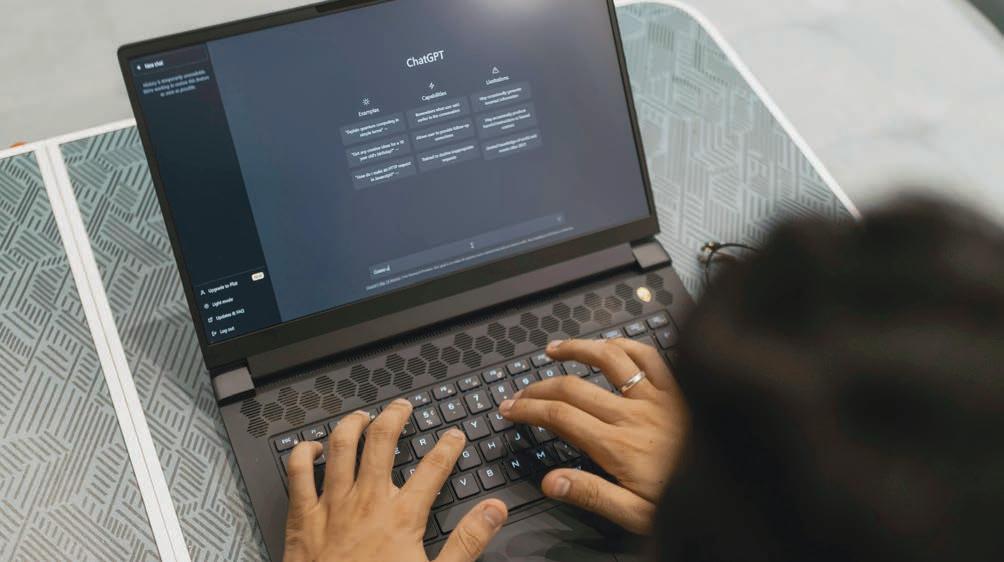
The buzzword continues to be “artificial intelligence” and how Bahrain’s educational institutions are making sense of it. Look beyond the classrooms, and you’ll find institutions utilising AI virtual assistants to streamline the admissions process, making it less daunting for nervous families. Others are redesigning curricula entirely. The interesting bit isn’t the tech itself. It’s watching educators figure out how to use it without losing sight of what actually matters.
Then there are the quieter stories. Special education institutions where students are discovering their entrepreneurial potential, running small businesses and claiming their agency. These aren’t feel-good add-ons. They signify the fundamental shifts in how schools define capability.
Some innovations don’t stop at the campus gates. Schools are expanding their reach into communities, addressing real-world problems, and making tangible differences. Skill development programmes bridging the gap between graduation and employment, focusing on making people career-ready rather than just job-ready.
This issue spotlights Bahrain’s leading educational institutions that are driving the shift. Not because they’ve perfected it, but because they’re willing to experiment, fail, and try again. That’s the real innovation worth celebrating.
For advertising, contact: +973 1700 4575 info@gulf-insider.com
Published by:
Gulf Insider Media WLL Seef District, Manama Kingdom of Bahrain Tel. +973 1700 4575
Printed at Dar Akhbar Al Khaleej, Kingdom of Bahrain. Distributed by Al Ayam, Delivery Point
Nicholas Cooksey
A few of our social media posts from last month. Follow our channels for the latest from around the GCC.
481k
52.3k
2.5k
ENROL
IN A MULTI AWARD-WINNING SCHOOL
Globally connected to 125 top international schools AN INSPIRED SCHOOL
Outstanding A-Level & GCSE results in Bahrain, consistenly exceeding international standards ACADEMIC EXCELLENCE
98% acceptance into first choice universities ENSURING FUTURE SUCCESS
Bahrain Education Awards 2025
Celebrating groundbreaking innovations in Bahrain’s leading educational institutions
Featured
A collection of insights, reflections, and expertise from the education sector in Bahrain 70 Motors
The automotive stories that gripped us over the past few weeks
The headlines that mattered from around the region
Powered
by
The Bahrain Education Awards began with a simple idea: to highlight the brilliant work happening across Bahrain’s schools and universities. This is more than an awards campaign. It’s a platform where educators can share what’s working, what’s challenging, and what they’ve learned along the way.
We invited leading institutions to share their most meaningful innovations. Not just the polished end results, but the real story behind them: the planning, the obstacles, the moments of doubt, and the lessons that emerged. We wanted to understand how ideas moved from concept to reality, and what difference they actually made.
The Why
The aim has always been threefold: to celebrate the people doing the hard work, to inform parents and students about what’s possible, and to create opportunities for institutions to learn from one another. When schools share openly, everyone benefits.
This journey began in 2022, when education was still recovering from the pandemic. Educators had been pushed to their limits, forced to reimagine everything overnight. Recognising their resilience was essential then, and it remains essential now.
The Now
Four editions in, and the innovations keep getting better. This year, we’re seeing work around ethical AI, sustainability, global connections, mental health, and inclusive education. The shift is clear: it’s no longer just about exam results. It’s about preparing young people to think critically, adapt confidently, and contribute meaningfully wherever life takes them.
Behind every innovation featured here are educators who stayed late, tried new approaches, and refused to settle for “good enough”. This special edition is for them, and for the students whose lives they’re shaping.
To read all the innovations, scan the code or visit gulfeducationinsider.com
2025
EDUCATIONAL INNOVATIONS IN BAHRAIN
A quick look at this year’s 22 remarkable innovations by Bahrain’s leading institutions.
Abdul Rahman Kanoo International School (ARKIS)
Innovation: TechnoTunnel
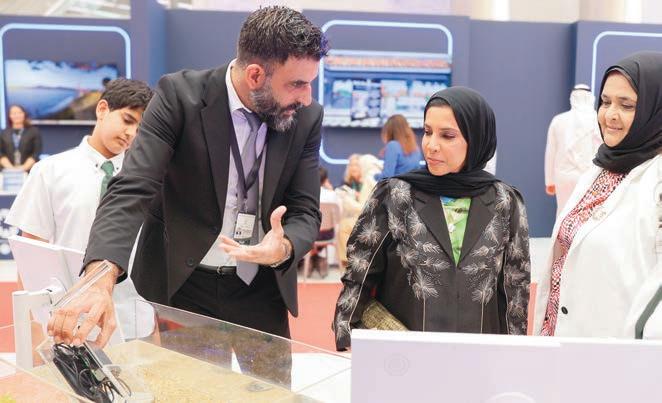
ARKIS’sTechnoTunnel Exhibition showcased student-led ICT projects that address real-world challenges through innovation and social responsibility.
Abdul Rahman Kanoo School - Diyar
Innovation: AI Agent Integration
Addressing a need within the admissions department,ARKS Diyar have implemented a virtual admissions guide to assist parents and students with their queries.
Al Hekma International School (AHIS)
Innovation: AHIS AI Pathway
TheAHISAI Pathway is a comprehensive, school-wide framework that integrates ethicalArtificial Intelligence into teaching, learning, and leadership.
Al Raja School
Innovation: Community PBL (ProjectBased Learning)
Al Raja School’s Community ProjectBased Learning programme partners
Grades 3-5 students with local businesses to solve real workplace challenges.
Al Rawabi Middle and High School
Innovation: Smart Underground Evacuation Centre
Students ofAl Rawabi Middle and High School designed a Smart Underground Evacuation Centre after learning about an elderly woman trapped during a storm.
Alia Autism Centre
Innovation: Halla by Alia
Halla byAlia is Bahrain’s first coffee shop that’s run by young adults with autism, offering hands-on vocational training in baking, customer service, and financial management.
American School of Bahrain
Innovation: ASB’s AI Innovators and Researchers
The programme integrates a specialised AI curriculum across Grades 1 to 10, supported by intensive staff professional development and community engagement events.
American University of Bahrain
Innovation: Improving Geometric Perception in Calculus II Through 3D Printing
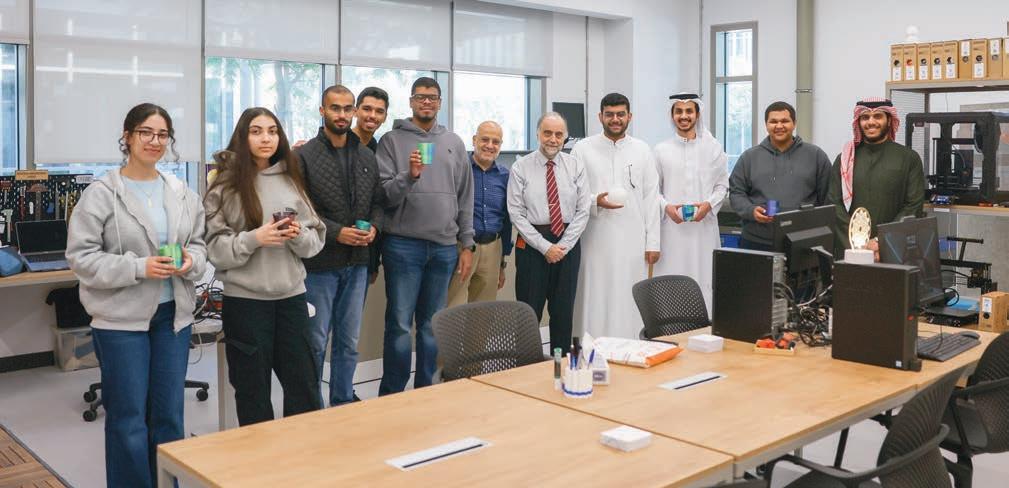
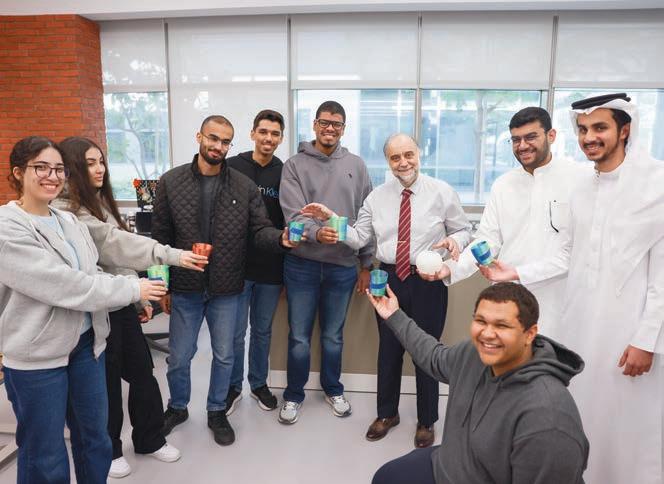
Students at theAmerican University of Bahrain designed and 3D-printed mugs using calculus concepts, combining abstract mathematics with hands-on learning whilst promoting sustainability through efficient design that maximises capacity with minimal material.
Bahrain Bayan School
Innovation: Pearl Guardian (ؤلؤللا سراح): Ethical Pearl-Scanning Robotics Project
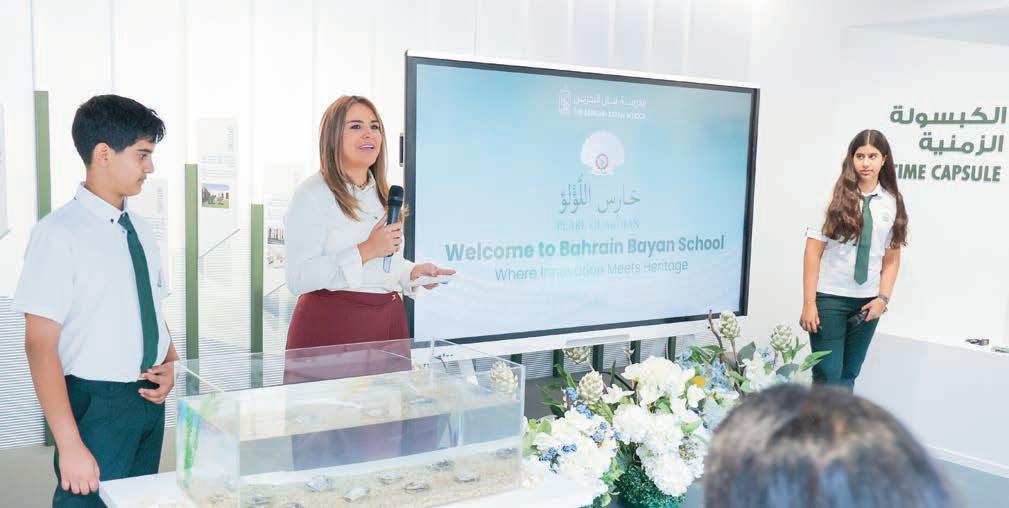
Student-designed innovation uses artificial intelligence to identify mature oysters, connecting Bahrain’s pearling traditions with responsible modern technology.
Bahrain School
Innovation: R.A.W. Bites
Bahrain School created R.A.W. Bites, a monthly family support programme partnering with community resources to help parents better support their children’s academic, social and emotional wellbeing.
British Preparatory School
Innovation: Play and Activity-Based Early Learning
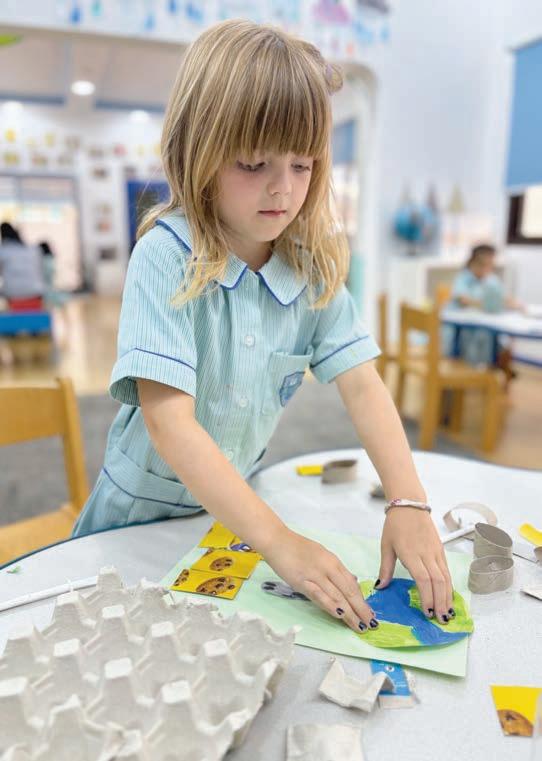
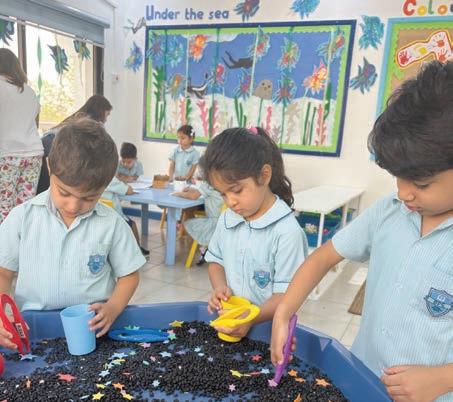
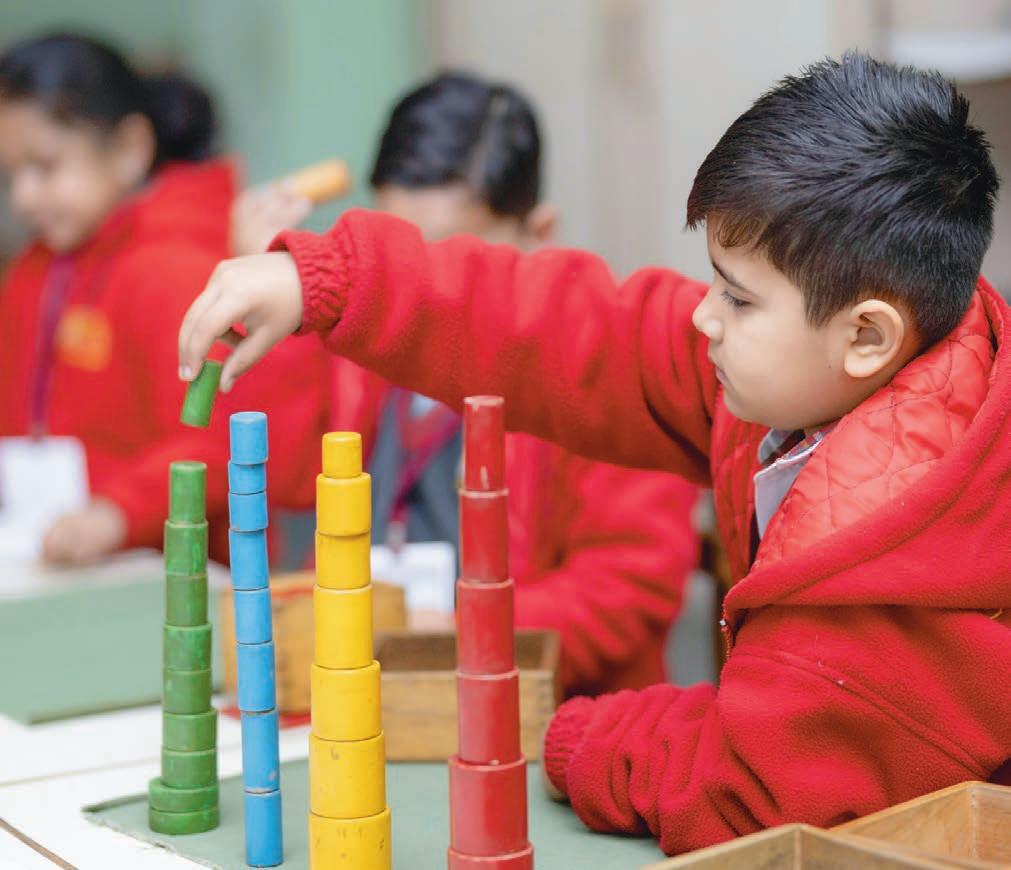
British Preparatory School is transforming its early years education by implementing play and enquiry-based learning.
The British School of Bahrain
Innovation: High Performance Sports Programme
The programme integrates advanced disciplines - such as sports nutrition, psychology, and strength and conditioning - into the school curriculum to support both general student wellbeing and elite athletic pathways
The Children’sAcademy delivers an outstanding multi-disciplinary curriculum for SEND learners, integrating specialist teachers, therapists, and teaching assistants.
General Assembly
Innovation: Tech Bootcamps
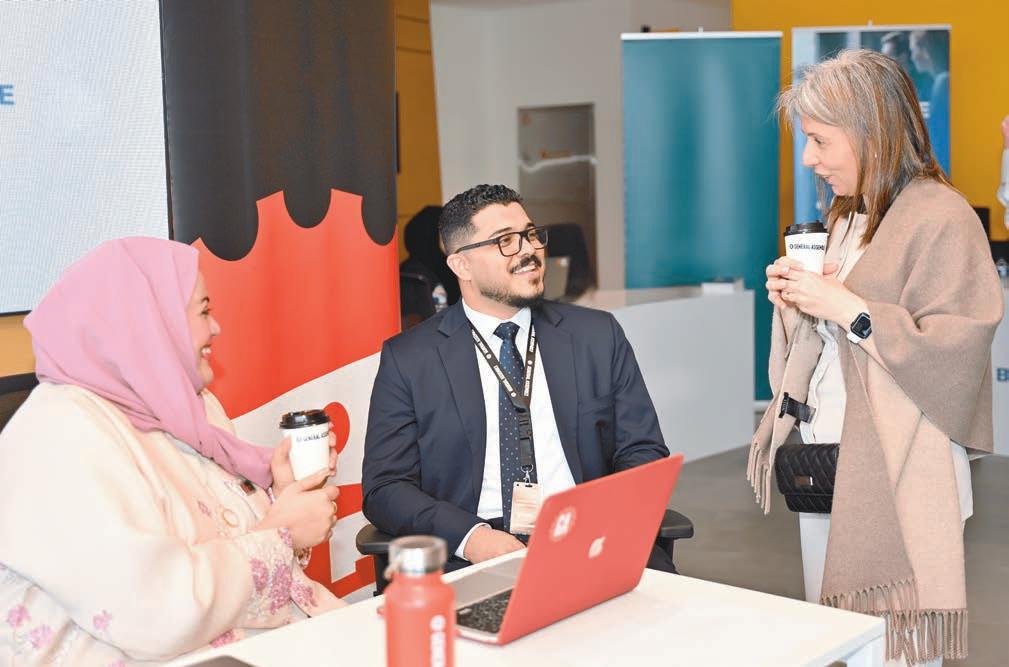
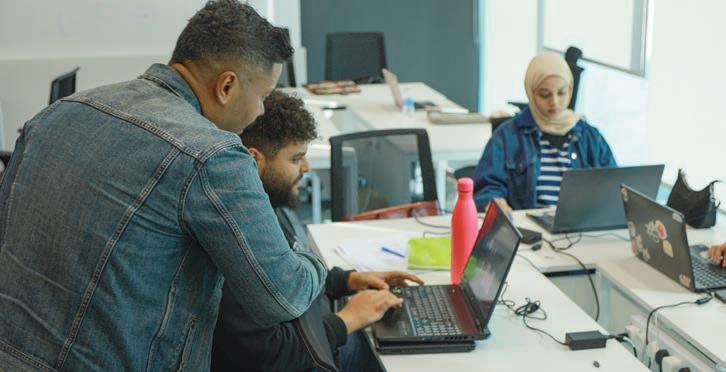
GeneralAssembly’s tech bootcamps provide intensive, hands-on training in software engineering and data analytics for Bahrainis.
Hawar International School
Innovation: Safeguarding Steering Group
Hawar International School established Bahrain’s first collaborative Safeguarding Network and Steering Group, locally contextualising global best practices to protect students.
Ibn Khuldoon National School
Innovation: Team Nasser
Team Nasser is a student-led social innovation initiative that combines youth leadership with professional community development.
The International School of Choueifat Manama implemented the SABIS Integrated Learning System, promoting real-time learning and student ipendence.
Judicial & Legal Studies Institute (JLSI)
Innovation: Professional Legal Practice Certificate (PLPC)
JLSI’s Professional Legal Practice Certificate bridges the gap between law graduates and employers by providing industry-led training.
Multinational School Bahrain
Innovation: Micro Forest
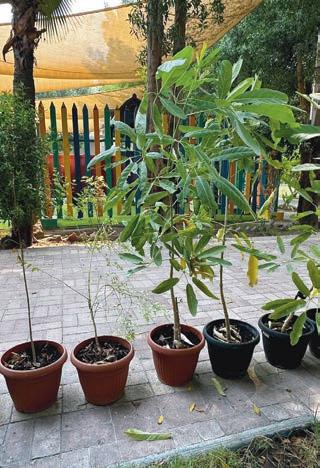
Developed through a multidisciplinary collaboration between Environmental Clubs and the Able, Gifted, andTalented program, the project transforms school grounds into a living laboratory.
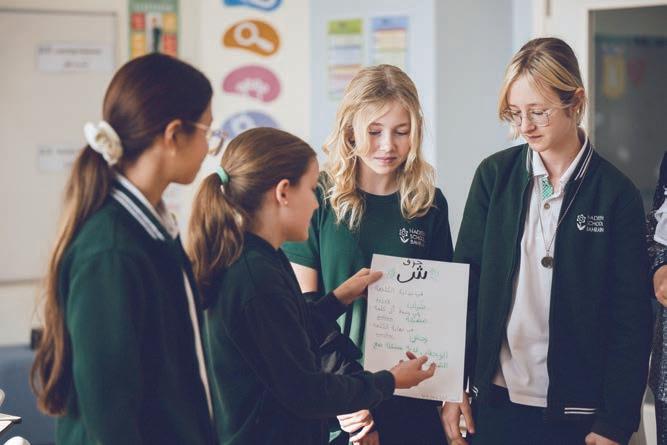
Nadeen School
Innovation: High Performance Learning and Launching of Post 16
Innovation Description: Nadeen School has earned High Performance Learning accreditation and launched the post 16 provision, offeringA Level and BTEC pathways.The HPL framework develops academic skills and character from early years through to post 16.
Nasser Centre for Science and Technology
Innovation: Teacherless Classroom
TheTeacherless Classroom is an AIdriven learning environment designed to empower students through independent, self-paced study.
St Christopher’s School Bahrain
Innovation: The Digital Purpose Initiative
The Digital Purpose Initiative is a student-led framework designed to foster balanced, ethical technology habits and purposefulAI integration.
ABDUL RAHMAN KANOO INTERNATIONAL SCHOOL (ARKIS)
Innovation: TechnoTunnel
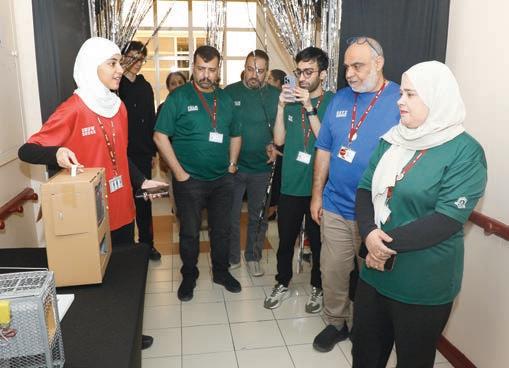
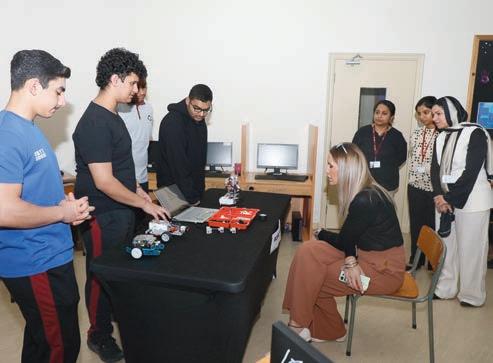
ARKIS’s TechnoTunnel Exhibition showcased student-led ICT projects that address real-world challenges through innovation and social responsibility.
Please share a brief background of your innovation.
The TechnoTunnel Exhibition aligns with ARKIS’s mission of nurturing responsible global citizens by inspiring students to embrace innovation, inclusivity, and sustainability while applying technology to real-world contexts. To bring this vision to life, the ICT Department organised the exhibition as a dynamic platform where creativity, technical expertise, and social responsibility came together.
The exhibition showcased a wide range of projects exploring how technology can address real-world challenges. Students investigated areas such as smart homes, robotics, artificial intelligence, and assistive technologies. Among these, Bloom Room introduced a sustainable approach to plant care,
Students successfully transformed their ideas into functional prototypes that demonstrated creativity, technical skill, and social responsibility.
EchoLink provided a communication support system for the deaf, and Hand Speak used machine learning to make sign language more accessible.
These innovations embodied the school’s values of innovation, respect, and responsibility, and demonstrated the ability of ARKIS students to transform ideas into impactful solutions.
How was the innovation planned?
The journey began with students identifying problems they wished to solve. Teams conducted background research, studied existing technologies, and brainstormed ways to adapt them creatively.
Prototypes were developed through the integration of hardware (such as sensors and motors) with software (including coding and AI models). Teachers provided mentorship, yet the process remained student-led, ensuring that each project was rooted in both technical ambition and user-centred design.
What were the challenges faced during implementation?
As expected with projects of this scale, students encountered a variety of challenges. These included technical difficulties such as sensor calibration, programming errors, and the integration of hardware with software systems. Limitations in resources and datasets required students to think creatively and adapt solutions to what was available. Furthermore, time management was a significant factor, as students balanced innovation alongside academic commitments. These challenges ultimately strengthened problem-solving skills and resilience, qualities that ARKIS places at the heart of student learning.
Give us a brief assessment of your results.
The overall outcomes of the TechnoTunnel Exhibition were highly positive. Students successfully
transformed their ideas into functional prototypes that demonstrated creativity, technical skill, and social responsibility.
The projects reflected a balance between innovation and practicality, addressing themes such as sustainability, accessibility, and inclusivity. While each solution varied in focus, they collectively showcased the potential of ICT to improve daily life and highlighted the ability of ARKIS students to apply knowledge in meaningful and impactful ways. The exhibition not only achieved its academic objectives but also affirmed the values of the school by promoting innovation, collaboration, and responsibility.
In hindsight, what were the most valuable lessons learned while implementing the innovation? Could things have been done differently?
The most valuable lessons gained
from the TechnoTunnel Exhibition centred on the importance of collaboration, perseverance, and user-focused design. Students realised that innovation is a process of ongoing refinement rather than immediate success, and that challenges often present the greatest growth opportunities. They also came to appreciate the role of empathy in ensuring that technology addresses real human needs.
While the projects achieved strong outcomes, students acknowledged that additional time for testing, broader access to resources, and deeper integration with emerging technologies could have further enhanced their results. Overall, the experience provided lasting insights that will continue to guide future innovation and lifelong learning.
ABDUL RAHMAN KANOO SCHOOL - DIYAR
Innovation: AI Agent Integration
Addressing a need within the admissions department, ARKS Diyar have implemented a virtual admissions guide to assist parents and students with their queries. The AI Agent, Dana, is the first of its kind in Bahrain, developed by DOO.
Please share a brief background of your innovation.
Abdul Rahman Kanoo School Diyar (ARKS) has become the first private school in Bahrain to integrate DOO’s AI Capabilities for its Admission Department. The school is proud to pioneer a new era in technological advancement with the support of our partners, DOO.
This advanced capability to transform and enhance our admissions process, via “Dana,” a virtual admissions guide,
This initiative represents a major step forward in AI integration and digital transformation within the education sector.
who will assist prospective parents and students by answering inquiries, providing real-time support, and seamlessly guiding users through each step of the admissions journey.
This initiative represents a major step forward in AI integration and digital transformation within the education sector. By adopting DOO’s innovative solutions, ARKS Diyar continues its commitment to excellence and forward-thinking practices, reinforcing its reputation as a leader in educational innovation.
How was the innovation planned?
We saw a need for support in the admissions team. Responding to enquiries from parents is a crucial step in the process. This led to conceptualising an AI Agent that would be able to respond to queries 24/7, in multiple languages.
What were the challenges faced during implementation?
Feeding the information and keeping it up to date presented a challenge during the implementation phase.
Give us a brief assessment of your results.
With the implementation of “Dana”, we were able to automate a large chunk of the work: responding to enquiries. This has led to a much smoother admission process in the current cycle.
In hindsight, what were the most valuable lessons learned while implementing the innovation? Could things have been done differently?
We believe it has been wonderful to see the effectiveness of the new tools around us and how they can positively reduce workload and support the business.
AL HEKMA INTERNATIONAL SCHOOL (AHIS)
Innovation: AHIS AI Pathway
The AHIS AI Pathway is a comprehensive, school-wide framework that integrates ethical Artificial Intelligence into teaching, learning, and leadership.
Please share a brief background of your innovation.
The AHIS AI Pathway was launched as part of Al Hekma International School’s commitment to fostering future-ready, responsible, and personalised learning. Recognising the transformative potential
of artificial intelligence in education, AHIS embarked on a structured journey to integrate AI across teaching, learning, and leadership practices. The initiative began with the establishment of a Responsible AI Policy, aligned with global frameworks such as Middle States Association (MSA)’s Responsible AI in Learning (RAIL) standards.
This was followed by a series of professional development sessions for teachers on AI literacy, ethical use, and classroom applications. Tools like Google Workspace for Education Plus, Gemini, Khanmigo, and AI-powered Practice Sets were gradually introduced to enhance differentiation, streamline assessment, and support students’
metacognitive growth. Through the AHIS AI Pathway, the school aims to ensure that technology serves as a means for empowerment, creativity, and inclusion, preparing students and educators alike to navigate and lead in an AI-driven world.
How was the innovation planned?
The AHIS AI Pathway was strategically planned through a phased and data-driven approach, ensuring alignment with the school’s vision, accreditation standards, and long-term improvement goals. The planning process began with a needs assessment conducted by the School Leadership Team (SLT), which identified gaps in technology integration, differentiation, and teacher readiness for AI adoption.
Based on these findings, a comprehensive roadmap was developed encompassing four stages. This began with awareness and policy development by crafting the Responsible AI Use Policy to set ethical and operational guidelines aligned with MSA’s RAIL framework.
This was followed by capacity building through targeted professional development sessions, workshops, and demo lessons to familiarise teachers with AI tools such as Gemini, Khanmigo, and Google’s AI features. In addition, the Teacher Weekly Bulletin became a key mechanism for sustaining professional growth, featuring a dedicated “AI Tool of the Week” segment that introduces teachers to emerging AI platforms, classroom applications, and best
practices for integration.
The pathway also included integration and application by embedding AI tools within classroom instruction, assessment, and support programs to enhance personalised and inquirybased learning. Finally, the school focused on monitoring and refinement by establishing feedback loops, teacher reflections, and regular reviews through the PD Committee and SLT meetings to assess progress and guide next steps.
AHIS embarked on a structured journey to integrate AI across teaching, learning, and leadership practices.
The planning process was collaborative, involving department coordinators, IT specialists, and academic leaders, ensuring that AI implementation was intentional, ethical, and sustainable across all grade levels.
What were the challenges faced during implementation?
Implementing the AHIS AI Pathway came with several challenges that reflected both the novelty of AI in education and the diversity of readiness levels among staff and students. While
enthusiasm for innovation was strong, many teachers initially struggled to move beyond traditional practices and trust AI as a supportive instructional tool.
Building confidence and ensuring consistent use across departments required continuous coaching, modelling, and follow-up support. Ensuring that AI was used ethically and responsibly, especially by students, required the creation and communication of clear guidelines. Teachers needed time to understand data privacy, bias, and the limitations of AI-generated content.
Although AHIS is technologically equipped, the integration of multiple AI platforms required updates in system compatibility, bandwidth management, and account configurations to ensure smooth classroom use. Professional development sessions introduced tools effectively, but sustaining practice and ensuring classroom impact demanded ongoing mentorship and reflective monitoring rather than one-time workshops.
Measuring how AI improved differentiation, student engagement, or metacognition presented challenges, as many outcomes were qualitative in nature and required the development of new tracking and reflection tools. Despite these challenges, each stage provided valuable learning opportunities that strengthened the school’s approach. The process fostered a shared understanding that AI integration is not a single event but a continuous pathway of growth, reflection, and innovation.
Give us a brief assessment of your results.
The implementation of the AHIS AI Pathway has already produced significant progress across multiple dimensions, including teaching practice, student learning, and school culture. Teacher Growth and Confidence Through targeted professional development and peer collaboration, teachers have become more confident and intentional in using AI to enhance instruction.
Many now design AI-assisted lesson plans, differentiated practice sets, and formative assessments using tools such as Gemini, Khanmigo, and Google Workspace. Reflection forms and classroom observations indicate a visible shift from basic tool use to pedagogically purposeful AI integration. Student Engagement and Personalisation Students are demonstrating greater ownership of learning through AI-supported research, comprehension, and problem-solving activities.
AI tools have improved reading fluency, writing feedback, and inquirybased learning, particularly in middle
AI has also become an integral part of STEAM-based learning at AHIS.
and high school. Early data from internal assessments and STAR testing suggest increased motivation and progress among both high achievers and students in the support program.
AI has also become an integral part of STEAM-based learning at AHIS, allowing students to merge creativity, scientific inquiry, and technological fluency.
For instance, students have used AI for data analysis, simulation design, prototype enhancement, and environmental modelling, resulting in projects that are more accurate, innovative, and solution-oriented. Several noteworthy accomplishments further highlight the innovation’s impact: A Grade 12 student earned 2nd place in the Gifted & Talented AI Websites
and Apps Creation Competition, organised by the Ministry of Education and the Gifted & Talented Centre (AY 2024–2025), for creating a website that promotes awareness about desertification and calculates users’ ecological footprint.
The AI Showdown Initiative, launched in AY 2023–2024 for both teachers and students, introduces participants monthly to AI-powered tools and websites that enhance study, research, and project work - fostering digital literacy and academic success. A student team from Grade 12 received the Visibility Award at the Bahrain Polytechnic Hackathon 2024 for designing an AI solution that analyses historical and real-time data to predict energy demand patterns.
This innovation enables optimisation of energy generation and distribution while reducing waste, and it can also be integrated into smart home systems to minimise energy consumption through intelligent adjustments in lighting, heating, and cooling. Another outstanding achievement came from the award-winning innovation presented
at the Bahrain Polytechnic Competition, where students integrated AI-based environmental sensors to enhance sustainability outcomes.
Leadership and Policy Development
AHIS now has a structured Responsible AI Use Policy, a clear PD roadmap, and monitoring mechanisms in place. These have positioned the school as a model of ethical AI adoption and led to its achievement of the Middle States Association’s Responsible AI in Learning (RAIL) Endorsement in 2024.
Another milestone in the AHIS AI Pathway is the ongoing development of the “Shark’s Bot,” an AI-powered assistant designed by students to enhance school communication and accessibility. The Shark’s Bot aims to assist parents, students, and external stakeholders by instantly answering inquiries related to school registration, handbook policies, academic programs, and daily operations. This student-led project reflects AHIS’s commitment to using AI to solve real institutional challenges and to empowering learners as innovators and problem solvers.
Cultural Transformation Perhaps the most significant result has been a cultural shift - where AI is no longer seen as a threat or a passing trend, but as a partner in teaching and learning. Staff and students alike are beginning to use AI for reflection, creativity, and deeper thinking, embodying AHIS’s values of Confidence, Accountability, Resilience, and Empathy (C.A.R.E.) in a digital age. Overall, the AHIS AI Pathway has proven to be an impactful, sustainable, and evolving framework that continues to strengthen instructional quality, innovation, and community engagement across the school.
In hindsight, what were the most valuable lessons learned while implementing the innovation? Could things have been done differently?
Implementing the AHIS AI Pathway provided the school community with invaluable lessons about change management, capacity building, and sustainable innovation. One of the most significant realisations was that AI integration begins with mindset
transformation rather than technology adoption. Helping educators understand that AI complements, rather than replaces, their role as facilitators of learning was essential in overcoming initial hesitation, and future initiatives will continue to prioritise mindset development before introducing new tools.
Continuous exposure to AI through the Teacher Weekly Bulletin and the AI Showdown Initiative proved far more effective than intensive, one-time training sessions. These platforms created an ongoing learning culture, encouraging teachers and students to explore new tools, share successes, and experiment with classroom integration. This consistent approach built both confidence and curiosity, leading to more authentic and sustainable AI use.
Empowering students to design and lead AI-driven solutions, such as the Shark’s Bot and the awardwinning environmental and energy optimisation projects, demonstrated that innovation thrives when learners are given ownership. Their creativity, problem-solving skills, and initiative not only inspired peers but also reinforced
the school’s belief that students are cocreators of the learning process.
Establishing the Responsible AI Use Policy early on ensured ethical boundaries and accountability. In hindsight, engaging parents and community members in AI awareness sessions from the start could have strengthened transparency and collective understanding of responsible use. The journey also reaffirmed that innovation is not a one-time achievement but a continuous cycle of reflection, adaptation, and growth. Feedback from teachers, students, and leadership teams has helped refine strategies, improve tool selection, and guide future directions for deeper AI integration.
In retrospect, if the process were to be repeated, AHIS would begin with earlier stakeholder engagement, more gradual implementation phases, and systematic impact metrics to measure AI’s influence on learning outcomes. Yet, the most valuable lesson remains clear: true educational transformation happens when vision, ethics, and creativity unite in pursuit of purposeful innovation.
AL RAJA SCHOOL
Innovation: Community PBL (Project-Based Learning)
Al Raja School’s Community Project-Based Learning programme partners Grades 3-5 students with local businesses to solve real workplace challenges. Students follow a fivestage Creative Sequence (Observation, Investigation, Incubation, Solutions, Validation) over one semester, culminating in presentations to authentic business audiences for a genuine problem-solving experience.
Please share a brief background of your innovation.
Project-Based Learning (PBL) is a program that enables students to work through a Creative Sequence to help solve a Driving Question. The students are partnered with a business that presents them with a Driving Question.
Challenges were faced when students had difficulty generating ideas for their solutions.
This question is a challenge that the company would like the students to solve.
How was the innovation planned? The course was planned for 1 school semester. The students participating were in Grades 3, 4, and 5. A select number of students from this age
group met once a week during an extracurricular class. A partnership with a business had to be established before the class began. As an Entry Event, the students visited the business.
They got an overview and tour of how the business was run. Next, the students were presented with a challenge, a Driving Question, that the business would like to have the students solve. Each week, the students engaged in a “protocol” for one of the stages of the Creative Sequence. The 5 stages are Observation, Investigation, Incubation, Solutions, and Validation. At the end of the semester, the students presented their solutions to the Driving Question to a panel of adults (Authentic Audience). The audience offered their feedback to the students on their presentation skills and their solutions.
What were the challenges faced during implementation?
Challenges were faced when students had difficulty generating ideas for their solutions. At times, another challenge was students working flexibly and collaboratively with their group members.
Give us a brief assessment of your results.
Assessment for this programme came in the form of feedback from
business partners. The partners were extremely impressed with the students’ ideas and their presentation skills. If the business implements the group’s ideas, we will know that the work exerted was valuable.
In hindsight, what were the most valuable lessons learned while implementing the innovation? Could things have been done differently?
The most important lesson learned by the students occurred during the visits to the businesses. The students
were able to see how different businesses were organised and the different career opportunities they could explore. Presenting in front of a group of adults also benefited the students. They gained confidence and leadership skills. Lessons were also learned while working through problems and deciding on a final solution in a small group. One thing that could be improved or changed in this class was how often the students met. Work could be more productive for the students if they met more than once a week, and the project lasted 9 weeks instead of a semester.
AL RAWABI MIDDLE AND HIGH SCHOOL
Innovation: Smart Underground Evacuation Centre
Students designed a Smart Underground Evacuation Centre after learning about a elderly woman trapped during a storm.
Please share a brief background of your innovation.
During a discussion about community safety, one student shared a touching story about her grandmother, who once found herself trapped in Oman during a sudden storm while on vacation. Alone
and lacking essential supplies, her grandmother faced a difficult situation, leaving her family deeply worried for her safety. This experience inspired some students from Grades 7 and 8 to come together to design a Smart Underground Evacuation Centre. In a world increasingly threatened by natural disasters and crises, these innovative
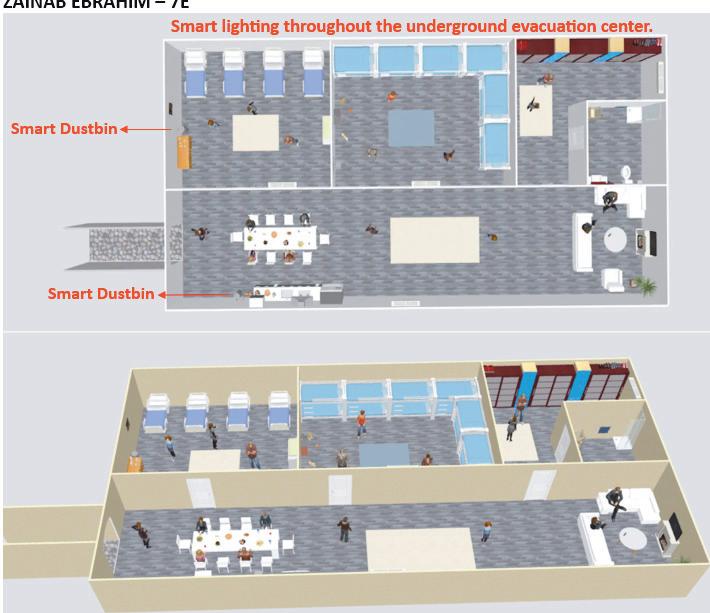
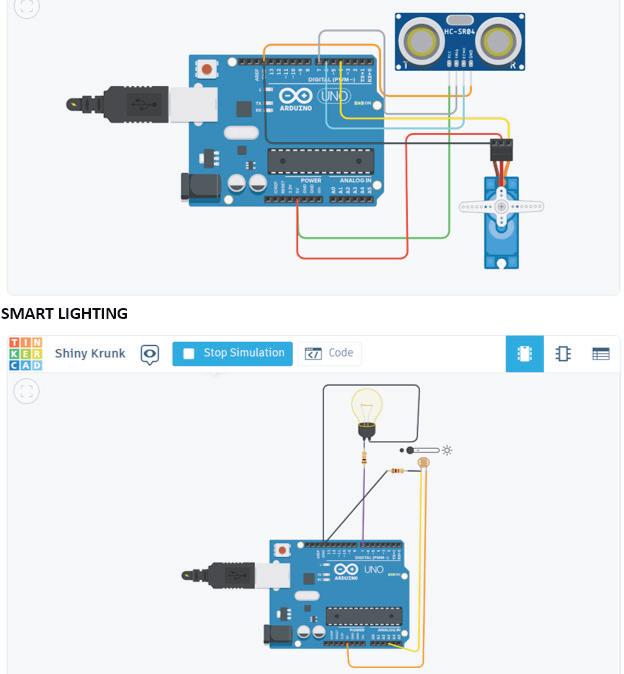
students aimed to create a refuge that could protect lives during various community threats. To bring their vision to life, they utilised Sweet Home 3D to create detailed layouts of the evacuation centre and Tinkercad for developing 3D models of the smart systems. This initiative showcased their commitment to safety and their ability to think
critically about real-world challenges facing their community.
How was the innovation planned?
The planning phase began with extensive research and discussions among the students. They identified key features that would make the evacuation centre both functional and efficient. The students brainstormed ideas, considering the needs of their community and the importance of integrating technology. They decided to incorporate smart lighting systems to guide evacuees safely through the centre and smart dustbins to sort waste effectively, promoting hygiene and environmental responsibility.
What were the challenges faced during implementation?
One significant challenge faced during implementation was resource constraints in Sweet Home 3D. The students encountered difficulties due to the limited range of design elements and materials available in the software, which restricted their ability to fully realise their project visions. This limitation forced them to be creative in finding alternatives and adapting their designs within the constraints of the software.
Give us a brief assessment of your results. Upon completion, the Smart Underground Evacuation Centre stood as a testament to the students’ hard work and ingenuity. The centre featured user-friendly interfaces for the smart systems, and a successful simulation demonstrated its effectiveness in guiding people to safety during
One significant challenge faced during implementation was resource constraints in Sweet Home 3D.
an emergency. Feedback from community members highlighted the centre’s potential to enhance safety and preparedness, reinforcing the importance of proactive measures in disaster resonse.
In hindsight, what were the most valuable lessons learned while implementing the innovation? Could things have been done differently?
Through this project, the students learned invaluable lessons about collaboration, problem-solving, and the importance of family in times of crisis. As one student reflected, “Family is the shelter in the storm; when we come together, we can weather the storm.” This sentiment reinforced their dedication to creating a safe space for their community, emphasising that safety and support are essential for everyone, especially during emergencies.
The experience highlighted how strong connections among family and community members can enhance resilience and preparedness. By working together, the students realised that they could face challenges head-on, drawing strength from one another. This project fostered a sense of unity and purpose, inspiring them to advocate for safety and well-being within their community. Ultimately, they understood that their efforts could help protect not just their families, but all those in need during critical times.
ALIA AUTISM CENTRE
Innovation: Halla by Alia
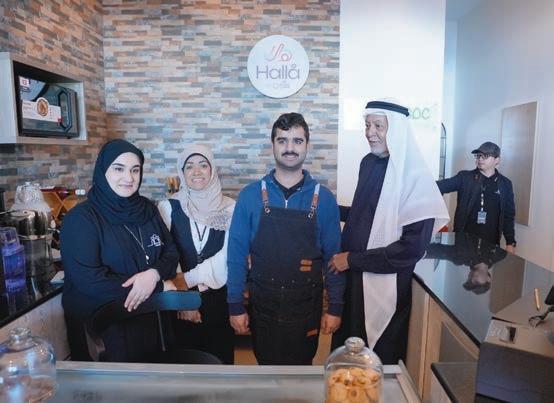
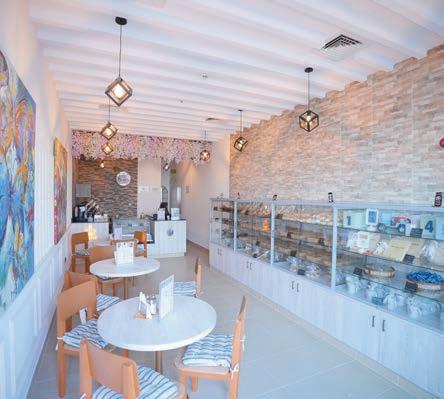
Halla by Alia is Bahrain’s first coffee shop that’s run by young adults with autism, offering hands-on vocational training in baking, customer service, and financial management.
Please share a brief background of your innovation.
Halla by Alia – First Coffee Shop Run by Young Adults with Autism in Bahrain is an innovation and a first-of-its-kind vocational training model in Bahrain, where young adults on the autism spectrum manage and operate a public café. Through planning & implementation, the programme provides training in baking, customer service, money handling, and teamwork, as well as a partnership with local businesses for supplies. These efforts lead to outcomes such as increased employability, selfconfidence, and community inclusion, and the café also raises awareness in the public. Why it fits is that it is a strong example of educational innovation that bridges learning with real-world vocational opportunities.
How was the innovation planned?
Regarding the planning of the innovation, the process began with a needs assessment where the team identified a gap: limited vocational opportunities for young adults with autism in Bahrain and consulted families, educators, and employers to understand barriers to employment.
This was followed by concept development, during which they decided on a coffee shop and bakery model because food service is practical, community-oriented, and offers varied skill training (baking, customer service, money handling, teamwork) and ensured it aligned with Alia Centre’s mission of education + inclusion. Through partnership building, the organisation engaged with suppliers, hospitality partners, and donors to secure equipment, training, and financial support and worked with vocational trainers and therapists to design job-
coaching strategies. Furthermore, for curriculum and training design, they developed structured step-by-step training plans covering: food preparation and hygiene, customer interaction and communication, handling money and point-of-sale systems, and teamwork and shift routines, while they integrated visual supports, PECS, and ABA principles for accessibility.
Finally, the pilot and adjustment phase involved running internal mock café sessions within the centre for practice and gathering feedback from staff, parents, and students to refine processes before public opening.
What were the challenges faced during implementation?
During the implementation of Halla by Alia, several challenges were faced, beginning with the skill readiness of students. Because many young adults had limited prior vocational experience,
extra time and resources were needed to teach basic workplace behaviours (punctuality, hygiene, stamina for long shifts). Another significant hurdle involved communication barriers, specifically that students with autism often rely on visual supports or alternative communication systems (PECS, AAC); therefore, training staff and ensuring customers understood and respected these needs required continuous awareness.
Furthermore, maintaining consistency in work performance was a challenge, as some students struggled to maintain consistent task performance due to sensory sensitivities, anxiety, or fatigue, which meant that ongoing supervision and task modification were necessary. In terms of public perception & awareness, there was initial hesitancy from some community members who were unfamiliar with the capabilities of individuals with autism, and this required a strong public education effort to shift perceptions and encourage acceptance.
Finally, the organisation had to manage operational sustainability by balancing the café’s commercial operations with its primary role as a training and inclusion hub, and they needed donor support and creative fundraising to cover training costs without overburdening students. Regarding health & safety compliance, the focus remained on ensuring all participants met professional hygiene and food safety standards, a task which required additional structured teaching and monitoring compared to typical vocational programs.
During the implementation of Halla by Alia, several challenges were faced, beginning with the skill readiness of students.
Give us a brief assessment of your results.
In the Assessment of Results for Halla by Alia, student growth was evident as young adults with autism successfully gained hands-on skills in baking, customer service, money handling, and teamwork. Furthermore, several participants demonstrated significant improvements in confidence, independence, and social communication.
Regarding employment readiness, a number of students have transitioned into part-time or trial employment opportunities, showing the program’s impact on workplace readiness. In terms of family feedback, parents reported improved self-esteem, responsibility, and motivation in their children at home and in community settings. Additionally, for community inclusion, the café has become a visible symbol of inclusion in Bahrain, attracting supportive media coverage and positive public response, as customers
expressed surprise and admiration for the professionalism of the young adults. Finally, regarding sustainability, beyond training, the café generates income to reinvest in the programme, helping to sustain vocational education and expand opportunities.
In hindsight, what were the most valuable lessons learned while implementing the innovation? Could things have been done differently?
In the lessons learned and reflections for Halla by Alia, it was noted that one should start small, then expand, because beginning with a smaller pilot group allowed closer supervision and skill mastery; furthermore, in hindsight, scaling gradually was more effective than trying to involve many students at once.
It is equally true that family and community engagement are critical since families need to be fully involved for reinforcement at home, and greater awareness campaigns earlier in the process could have reduced public hesitation and built stronger community buy-in from the start.
Additionally, there must be flexibility in training methods because no single teaching method works for every student, and while combining ABA principles, visual supports, and peer modelling proved most effective, more flexibility at the beginning would have reduced some early frustrations.
There is also a necessary balance between business and training, acknowledging that running a café requires commercial efficiency, while vocational training requires patience and slower pacing; consequently, establishing clearer boundaries and systems earlier (e.g., separate peak hours vs. training hours) would have helped maintain this balance.
Finally, it is vital to celebrate small wins because recognising and celebrating incremental progress kept students motivated and families engaged, as in hindsight, more structured recognition (badges, certificates, or public showcases) could have amplified impact and confidence.
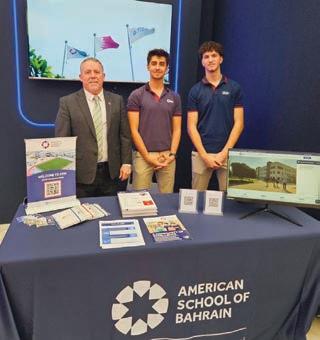
AMERICAN SCHOOL OF BAHRAIN
Innovation: ASB’s AI Innovators and Researchers
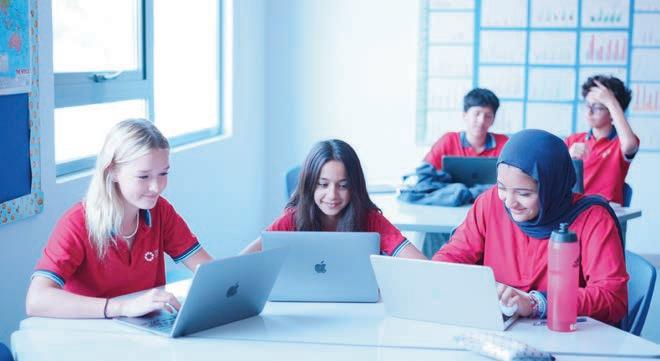
The programme integrates a specialised AI curriculum across Grades 1 to 10, supported by intensive staff professional development and community engagement events. As one of the first schools globally to receive the RAIL endorsement, ASB focuses on the responsible and practical integration of AI to enhance productivity and creativity while upholding educational integrity.
Please share a brief background of your innovation.
Our commitment to preparing students for the future led to the creation of the AI Committee, a pioneering initiative designed to drive innovation, literacy, and the ethical, practical integration of artificial intelligence across our school community.
The AI Committee was formed with a diverse group of educators and administrators from different divisions and subject areas who share a passion for innovation and technology. Together, we developed a strategic roadmap to embed AI into teaching, learning, and operations. Our mission was not simply to introduce tools, but to cultivate an AI-literate culture, one that empowers students and staff to use AI safely, ethically, and effectively.
How was the innovation planned?
ASB was among the first ten schools worldwide to receive the RAIL (Responsible AI in Learning) endorsement from the Middle States Association (MSA). Building on this achievement, we established a strong foundation to integrate the responsible, practical, and ethical use of AI across our school community. To sustain this vision, we created the AI Committee, a collaborative team dedicated to driving innovation, fostering AI literacy among its members, and engaging in meaningful dialogue about how AI is shaping our students’ educational journeys.
What were the challenges faced during implementation?
One of the primary challenges we faced was time. As a group of dedicated educators, finding opportunities to meet collectively and develop our roadmap
toward an AI-literate community proved to be a continuous struggle amidst our daily responsibilities. Another significant challenge has been adapting to change and supporting fellow educators in overcoming their concerns about the potential impact of AI on students.
To address this, our committee has been designing training sessions, educating students and parents, and empowering teachers and administrators to embrace AI confidently. Our approach focuses on implementing innovative, ethical solutions that uphold the integrity of students’ work while fostering critical thinking and creativity, ensuring that AI enhances, rather than replaces, the human element in learning.
Give us a brief assessment of your results. In just a few months at the end of the last academic year, when the committee was first formed, we achieved
SCHOOL
significant milestones. First, we developed ASB’s AI Literacy Framework, adopting the SEE model (Safe, Ethical, and Effective use of AI) from AI for Education. Building on this foundation, we designed and implemented an AI curriculum that is now integrated across Grades 1 to 10, ensuring ageappropriate exposure to AI concepts and applications.
Furthermore, we conducted multiple professional development sessions for staff on the practical and ethical use of AI, aimed at enhancing productivity while maintaining educational integrity. Finally, we initiated the planning of a “Day of AI” event to help our broader community understand how AI works and explore its impact on education, careers, and family life.
In hindsight, what were the most valuable lessons learned while implementing the innovation? Could things have been done differently?
One of the most valuable lessons we have learned is that raising awareness and building AI literacy is not a oneperson task; it is a collective effort.
True progress happens when an entire community works together toward a shared vision of innovation and responsible use of technology.
As an educational community, it is our responsibility to collaborate, share experiences, learn from both successes and challenges, and cocreate meaningful innovation that keeps education relevant, human-centred, and forward-thinking. Looking ahead,
we would love for this vision to expand beyond ASB to schools across Bahrain, fostering a national movement of AI innovation in education.
By working together, we can empower all educators to harness AI tools responsibly and confidently, ensuring that the future of learning remains authentic, creative, and deeply connected to the needs of our students.
AMERICAN UNIVERSITY OF BAHRAIN
Innovation: Improving Geometric Perception in Calculus II Through 3D Printing
Students at the American University of Bahrain designed and 3D-printed mugs using calculus concepts, combining abstract mathematics with hands-on learning whilst promoting sustainability through efficient design that maximises capacity with minimal material.
Please share a brief background of your innovation.
Over the past few decades, the Calculus II curriculum in higher education has undergone a steady process of standardisation, reflecting a broader effort to unify mathematical instruction across institutions. Among other topics, it includes the calculation of volumes and surface areas of solids of revolution.
This offers instructors and students the challenge of dealing with threedimensional geometry. One reason this topic is facing inherent difficulties is that traditional teaching methods (textbooks, 2D diagrams, and classroom boards) are often insufficient means to convey 3D spatial relations.
During the last five years, 3D printing has emerged as an educational tool, employed by educators to bridge the gap between abstract concepts and
tangible understanding. At the American University of Bahrain (AUBH), Course Learning Outcomes for Calculus II include application of definite integrals in a geometric context as well as computation of integrals using a variety of integration techniques, numerical approximations and software. Students come from Engineering or Computer Science majors.
All of them have completed Calculus I and can exhibit some competence in
soft skills. Approximately one-third of the students have also been exposed in their classes to software allowing manipulation of solid figures, like SolidWorks. According to its mission, AUBH is committed to transformative, flexible, and innovative teaching.
There is a 3D printing Lab on campus (D LAB) manned by highly qualified personnel. Students are encouraged to use this facility and work hands-on to complete their projects. Furthermore, a glimpse into some of the recent advancements in the use of 3D printing within mathematics education is provided, for instance, which offer insightful examples of its growing pedagogical impact
How was the innovation planned?
The project focuses on volumes and surface area of solids of revolution. Students need to be able to visualise how different choices of a 2D graph, when revolved about an axis, will affect the shape of the resulting solid. Furthermore, they must provide formulas, following the theory taught in class, to compute the surface area and its volume. This calculation can be carried out, whenever possible, by hand. If it is beyond the student’s reach, then it can be done by numerical methods and software, such as online integrators. Upon consultation by the personnel of the D LAB, the project consisted of students having to design and 3D print a mug.
There were upper limits in the
lengths of the height and the base/top diameters of the mug for cost reasons. Furthermore, it was required that the mug hold water. But the essential goal was that the ratio of volume to surface area should be as large as possible. This condition is in accordance with the sustainability principle, which encourages humans to satisfy their needs with the minimum amount of resources. Sustainability was an annual academic theme adopted by AUBH.
Students were divided into groups, taking into account some of their social preferences. For the designing part, they had to use software like GeoGebra or Mathematica to 2D graph a curve. Then they were supposed to use the rotating facilities of the software to produce 3D graphs and verify that the resulting solid (mug) is within their given specifications. In order to get started with their experimentation, they were given the hint to use a parabola and adjust its parameters to their satisfaction.
Then they applied theoretical tools established in the course to produce integrals for the calculation of volume and surface area. In the case of volume, they had to employ both disk/washer and shell methods. The calculation of those integrals was carried out using numerical methods and tools acquired in the course. Finally, every group produced a ratio of volume to surface area.
To increase the desire for scientific inquiry, the group with the highest ratio
was given an extra grade bonus. Upon completion of the experimentation, groups went separately to the D LAB to have their mug 3D printed. Lab personnel required the 2D graph to be handed in a specific format, and printing took 6 - 8 hrs. When groups presented their physical mugs, the instructor filled them to the top with water and put them on a scale to make sure that the volume calculation agreed with the net content of water.
Finally, every group submitted a diary of their experimentation, the theoretical background of measurements of solids of revolution, a record of their calculations and their thoughts about how the whole process helped them to understand geometric motion in 3D. Every group gave a short presentation of their efforts and final results. The project counted for 10% of the total grade.
Give us a brief assessment of your results.
Assessment of the projects was based on a comprehensive rubric encompassing theoretical understanding, applied knowledge, computational proficiency, and soft skills. A key component of the evaluation involved verifying the consistency between the calculated volume of each mug - calculated using integration techniques - and the actual amount of water it could hold. To further encourage excellence and innovation, bonus points were awarded to the group achieving the highest
volume-to-surface-area ratio, as well as to those selected to present their work at the AUBH Research Day event. To evaluate the impact of the project on student learning, a diagnostic test was administered twice: first, at the conclusion of the relevant sections, before the project’s announcement, and again during the final week of classes, following project completion.
The test consisted of questions of basic to moderate difficulty, focusing on volumes and surface areas of solids of revolution, which formed the core conceptual foundation of the project. Statistical analysis indicates an overall improvement in class performance on the second test. However, it is noteworthy that for some students, scores remained relatively unchanged, which may be attributed to their limited engagement or peripheral roles within project groups.
In hindsight, what were the most valuable lessons learned while implementing the innovation? Could things have been done differently?
Beyond the quantitative outcomes, this educational activity yielded valuable qualitative insights and experiential learning. Notably, several student groups became intellectually engaged when confronted with discrepancies arising from different methods of calculating volume or surface area. These moments of confusion prompted meaningful discussions—both among peers and with the instructor, serving as
effective opportunities to address and resolve misconceptions in calculus and geometric reasoning.
Another example is that although initial guidance suggested employing
During the last five years, 3D printing has emerged as an educational tool, employed by educators to bridge the gap between abstract concepts and tangible understanding.
parabolas, many students independently explored a broader range of athematical functions to achieve aesthetically and structurally satisfying results. Interestingly, while the project was situated in a three-dimensional context, it also contributed to the refinement of students’ two-dimensional graphing skills.
From a mathematical standpoint, the optimal ratio of volume to surface
area is attained by the sphere. Some students identified this principle during their theoretical exploration and attempted to design mugs that approximated a spherical shape, while remaining within the constraints of the project specifications. This demonstrates a commendable level of analytical thinking and an ability to translate abstract mathematical concepts into practical design considerations.
A couple of groups shared their observations on the project:
“This project really improved our 3D understanding, as it gave us a means to visualise the volumes and areas of solids of rotation, see our 3D object in the design software, and finally see it come to life as a real 3D object. This process made us understand the transformation from a simple function to a 3D model, and to an actual 3D object. We think this project was really insightful and was really helpful in developing our 3D visualisation skills.”
“This project has honestly been so fun. It allowed us to work with Solid Works for the very first time. Not to mention, that it was the perfect way to use the D-LAB since we had never used it before. Witnessing something being 3-D printed is simply cool; having been the people who designed it makes it even cooler. We really enjoyed this project and were enthusiastic throughout the entire process of creating the mug.”
The project instructor further added:
“I would like to continue incorporating 3D printing activities, especially in Calculus II & III classes, since they caption student’s imagination and creativity. From the organisational point of view, I believe that the projects should be announced as early as possible. Furthermore, a small part of the grade should correspond to initial designing, thus pushing students to start working early and encouraging them to improve the quality of the outcome. And last, students should provide individual reports to make sure that they participate in the development of the project.”
BAHRAIN BAYAN SCHOOL
Innovation: Pearl Guardian (ؤلؤللا
Ethical Pearl-Scanning Robotics Project
Student-designed innovation uses artificial intelligence to identify mature oysters, connecting Bahrain’s pearling traditions with responsible modern technology.
Please share a brief background of your innovation.
The innovation was officially launched at Bahrain Bayan School through a dedicated student showcase attended by key stakeholders, including representatives from DANAT (Bahrain Institute for Pearls & Gemstones), local pearl jewellery designers from across Bahrain, and officials from the education and sustainability sectors. This launch strengthened the connection between education, industry, and national heritage.
Pearl Guardian is a student-designed robotics and AI innovation developed at Bahrain Bayan School to connect modern technology with Bahrain’s pearling heritage. The project reimagines traditional pearl diving through the use of an ethical AI-powered scanning device that helps identify mature oysters while protecting young and environmentally sensitive ones.
The innovation reflects the school’s commitment to developing culturally aware, future-ready learners who use technology responsibly.
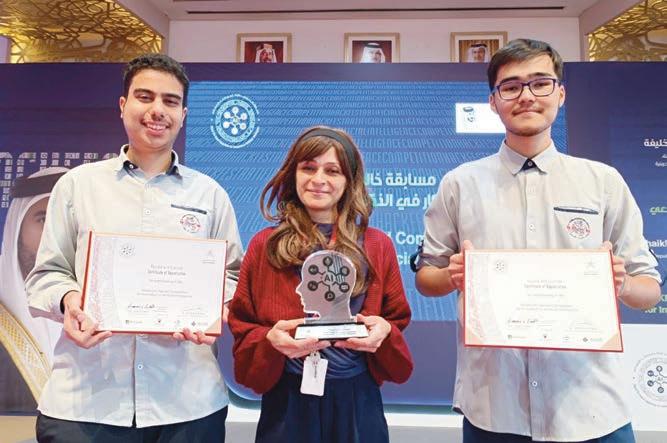
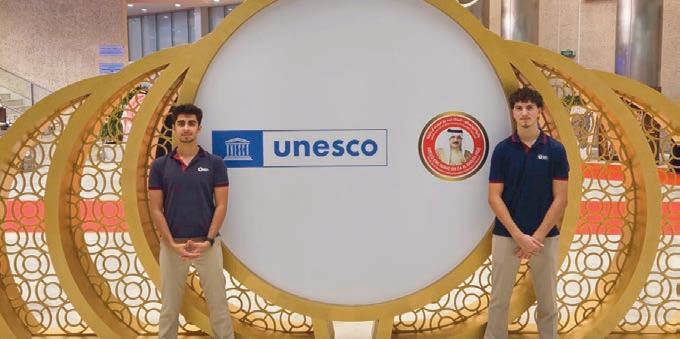
Pearl Guardian was showcased in national and international contexts, including participation in the accompanying exhibition of the UNESCO King Hamad Bin Isa Al Khalifa Prize for the Use of ICT in Education Award Ceremony.
How was the innovation planned?
The innovation was planned through a cross-disciplinary approach led by the school’s Digital Strategy and Innovation team. Planning began with identifying a meaningful local challenge that connects culture, sustainability, and technology. Teachers and students collaborated to research Bahrain’s pearling history, UNESCO heritage frameworks, and sustainability goals.
The project was then designed using design-thinking principles, focusing on
ethical use of AI, real-world relevance, and student voice. Prototyping, testing, and refinement were carried out within the school’s innovation spaces, with continuous feedback from educators and students.
What were the challenges faced during implementation?
One of the main challenges was balancing technical complexity with educational accessibility, ensuring that the innovation remained student-centred while still demonstrating advanced concepts such as AI and robotics.
Another challenge was time and resource management, particularly coordinating across multiple departments and preparing the project for high-profile showcases. These challenges were addressed through careful planning, collaboration, and strong support from school leadership and technical teams.
Give us a brief assessment of your results.
The project achieved strong educational and community impact. Students demonstrated high levels of engagement, confidence, and ownership while presenting the innovation to diverse audiences, including educators, industry
professionals, and government representatives. Pearl Guardian successfully positioned Bahrain Bayan School as a leader in culturally grounded innovation and responsible AI in education.
The project received positive feedback for its originality, relevance
BAHRAIN SCHOOL
to national identity, and alignment with sustainability and UNESCO values. The launch event attracted strong interest from industry and government stakeholders, reinforcing the project’s relevance beyond the classroom and highlighting its potential as a model for culturally grounded innovation in education.
In hindsight, what were the most valuable lessons learned while implementing the innovation? Could things have been done differently?
One of the most valuable lessons was the importance of grounding innovation in local culture and identity. This approach increased student motivation and made learning more meaningful.
Another key lesson was the value of early collaboration across departments, which strengthened both the design and execution of the project. With more time, earlier engagement with external industry partners could further enrich the learning experience and extend the project’s real-world impact.
Innovation: R.A.W. Bites – School, Home, and Community Partnerships
Bahrain School created R.A.W. Bites, a monthly family support programme partnering with community resources to help parents better support their children’s academic, social and emotional wellbeing.
Please share a brief background of your innovation.
The goal of this innovation is to build a partnership between our families, the school community, and other community resources - to build a sort of “hub” at Bahrain School where things happen and families can feel connected and supported.
How was the innovation planned?
This innovation was planned through the collaborative efforts of our school leadership, teachers, parents, and community resources to identify the needs of families and students. Informal conversations were used to gather feedback from the wider school community, ensuring that the program addresses real priorities and concerns among our students and their families.
What were the challenges faced during implementation?
Participation was a challenge we encountered early on in the implementation. Finding the right resources and people in the community to partner with was a bit difficult, but we were able to, in the end, find the right people through the ‘Fleet and Family Resource Centre’. Now we have an ongoing rotation where Fleet and
Family have become the forefront of our initiative!
Together, we brainstorm topics based on feedback from previous R.A.W. Bites and the community at large to see exactly what our families need and what discussions they want to have. Another challenge we faced was the frequency of our R.A.W. Bites. Last year, when we started, we held our Bites quarterly; this year, we have scheduled them monthly so more of our families can attend.
Give us a brief assessment of your results.
We feel like this initiative has had a positive impact not only on our students but also on our parents. Parents feel like they have the connection and support from the school that they need to better support their kids at home.
Whether that be with building new skills, developing their academics, or improving their overall well-being. Because our focus is the whole child, being able to provide resources and strategies that can help parents at home makes school life a whole lot easier for kids. Our parents are also discovering resources for themselves that they didn’t realise were available!
In hindsight, what were the most valuable lessons learned while implementing the innovation? Could things have been done differently?
Right now, we are trying to make our R.A.W. Bites more accessible for working parents to be able to attend. For example, we are working with the Base to see if our military-connected parents can receive “special leave” of
just a few hours so that they can attend our sessions.
This is something that we would have approached differently in the beginning and that we are actively working on right now. After each R.A.W. Bites session, we collect feedback from all of our participants, and we monitor and adjust things here and there to make the next session even better!
BRITISH PREPARATORY SCHOOL
Innovation: Play and Activity-Based Early Learning
British Preparatory School is transforming its early years education by implementing play and enquiry-based learning.
Please share a brief background of your innovation.
Under the leadership of Mrs Smith, Principal of The British Preparatory School and an experienced early years educator with over 14 years in the field, the school has embraced a transformative shift toward play and enquiry-based learning. Firmly believing that the foundations of education are best laid through
curiosity, creativity and exploration, Mrs Smith led the school in implementing a modern, child-centred approach aligned with international best practices in early childhood education.
How was the innovation planned?
This innovation began with a complete review and redesign of the school’s early years curriculum. The planning process involved extensive research, curriculum mapping, and
aligning learning goals with the Early Years Foundation Stage (EYFS) while prioritising hands-on, experiential learning over traditional textbook methods. Mrs Smith personally led the training and mentoring of teachers, equipping them with the tools and confidence to deliver play-based and enquiry-driven lessons. Environments were restructured to support this approach - classrooms became spaces of exploration, and outdoor areas were
integrated into daily learning routines. Teachers received ongoing Continuing Professional Development (CPD) in areas such as observation-led planning, provocations for play, and effective use of learning-through-play resources.
What were the challenges faced during implementation?
The biggest challenge was shifting mindsets - both among educators and parents. Many practitioners initially relied heavily on structured, book-based learning. Likewise, some parents expressed concern that play might not deliver the academic results they expected. The school invested time in holding parent workshops, providing visual evidence of children’s progress, and highlighting the long-term benefits of this method. Another key challenge came during an inspection by the Ministry of Education, where BPS needed to justify its innovative approach. This required carefully
documenting the children’s learning journeys, showcasing engagement levels, and demonstrating how play translated into measurable academic growth.
Give us a brief assessment of your results.
The results have been overwhelmingly positive. Children at BPS are not only more engaged, but also happier and more confident in their learning. Assessments have shown that children are exceeding UK national averages in both literacy and numeracy. The approach has particularly benefitted children’s communication skills, emotional development, and resilience. Teacher satisfaction has also improved, with educators reporting greater enjoyment and fulfilment in their roles. Parents have since become some of the strongest advocates, having seen first-hand the progress their children have made.
In hindsight, what were the most valuable lessons learned while implementing the innovation? Could things have been done differently?
Key lessons include the importance of bringing all stakeholders on the journey - particularly in educating parents on the value of play. It also became clear that documentation and reflection were crucial, not only to satisfy external evaluations but also to inform and continuously improve practice. If starting again, the school would introduce parental education even earlier in the admissions process and provide more opportunities for classroom observation to demystify the approach from the outset. This innovation has become a cornerstone of BPS’s identity as a BQA Flagship School of Excellence - and the school remains committed to being a leader in progressive, play-based early childhood education in Bahrain.
THE BRITISH SCHOOL OF BAHRAIN
Innovation: High Performance Sports Programme
The programme integrates advanced disciplines - such as sports nutrition, psychology, and strength and conditioning - into the school curriculum to support both general student wellbeing and elite athletic pathways.
Please share a brief background of your innovation.
The British School of Bahrain launched its unique and specialist High Performance Programme for Sport. The programme helps every child to find their place in sport, whether or not they make the first team, instilling the challenges, discipline and joy that Physical Education brings.
The approach of the school and the programme is centred around the philosophy of ‘PE for all, Sport for some’, tailoring pathways towards elite and professional sport for the most talented athletes. The programme
introduces specialist aspects into the curriculum that support athletic development, which are not usually taught at the school level.
These include strength and conditioning, sports nutrition, psychology for high performance and recovery techniques – all essential components for achieving peak athletic performance. Students who represent the school as BSB Bulldogs via the various squads receive additional coaching in these areas alongside their sport-specific coaching.
The High Performance Programme isn’t about instant results or being a star athlete today. It’s about laying the groundwork and supporting the
marginal gains that help young people develop confidence, resilience, and a lifelong passion for play. The programme really comes into its own for the highest performing athletes – those who are already competing at national and international level across a range of sports. These students have additional curriculum time, offering high support coupled with high challenge, dedicated to developing each of the key areas.
This provides a 360-degree digitised and trackable tailored programme centred around individual needs. The school also provides flexible support within the wider curriculum to allow this group of talented athletes the time to train, compete and improve, working in
partnership with their external coaches. The students are supported towards professional athletic career routes and sports scholarships for university.
How was the innovation planned?
The innovation mirrors the academic excellence already well-established at the British School of Bahrain. The school is renowned for its holistic curriculum that focuses on the three key pillars of Academics, Sports and the Arts.
The curriculum at BSB is shaped for lifelong success and building the foundations for an aspirational high-performance mindset, and this innovation was therefore a natural next step in further enhancing the already outstanding provision. Partnering strong vision, real-world sports development know-how and the desire to establish a nationally recognisable Centre of Excellence for Sport that supports the delivery of an Olympic pathway across Bahrain, the High Performance Programme was planned with the athlete in mind.
The athlete is and will always be the priority aligned with the school’s family-first ethos, where people are always the key focus. The team at BSB drew on their own expertise in planning the programme as well as the expertise of a wide range of external
The school is renowned for its holistic curriculum that focuses on the three key pillars of Academics, Sports and the Arts.
sports professionals, and the range of experience and opportunity that is afforded to them as part of the Inspired Education Group, a global group of premium schools.
What were the challenges faced during implementation?
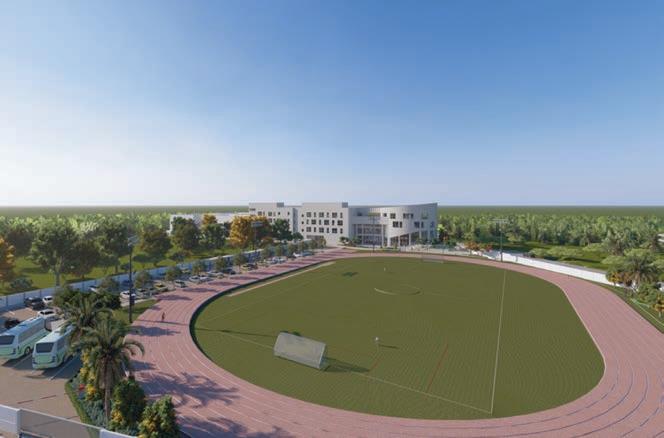
In order to provide world-class elite sporting opportunities coupled with highly specialist provision usually reserved for students studying at university level, the challenge for the school was to provide world-class facilities to match the provision. This challenge has been overcome through the construction of our new state-of-theart Senior School Campus, conveniently located adjacent to our existing campus.
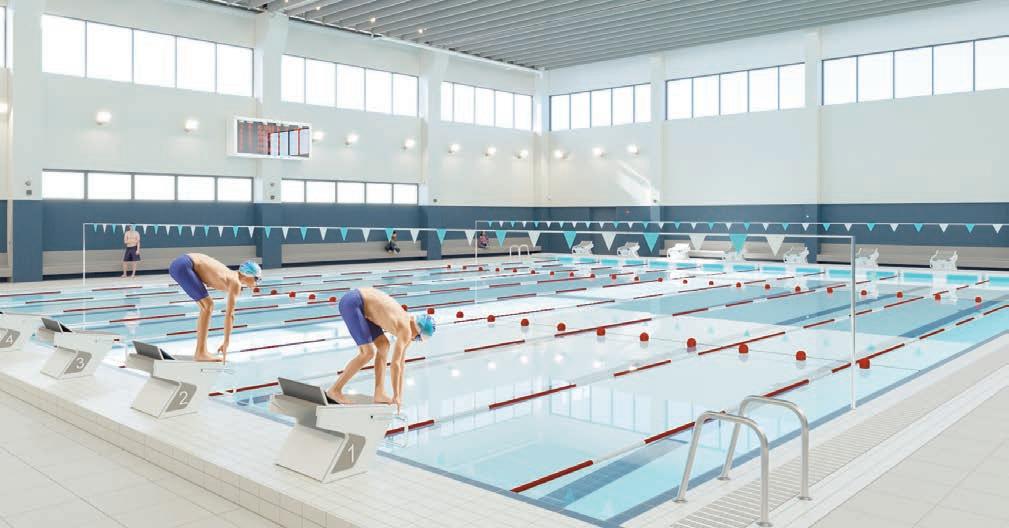
This new facility will open during the next academic year and will provide unrivalled specialist sports facilities and spaces, including a full-size FIFAgrade football pitch, a new Sports Hall, multi-purpose Sports courts, a strength and conditioning gym, athletics track, 8-lane swimming pool and more! These spaces will help cement BSB’s position as a Centre of Excellence for Sports and Sports Science.
Give us a brief assessment of your results
Students engaged on the High Performance Programme have already benefitted from a range of inspiring seminars and workshops from professional world-class athletes, including footballer Kalidou Koulibaly, boxer Amir Khan, rugby players Kelsey Jones and Lizzie Goulden, and UK Strongman Champion Emma Grunnill. This has been coupled with specialist sessions in our Sports Nutrition Lab as well as dedicated Strength and Conditioning training.
Although the programme is still in its infancy, we are already seeing great progress from the students who are tracked in the core components of power, speed and strength. We are proud to have such high-calibre students as part of the programme, including Bahrain’s Number 1-ranked U18 Tennis champion and Bahrain’s 800m freestyle swimming record holder.
In hindsight, what were the most valuable lessons learned while implementing the innovation? Could things have been done differently?
To date, there is nothing that we would change; we view the development of the High Performance Programme as an ongoing collaborative process between school PE staff, external coaches and specialists, students and their parents.
The programme will continue to be co-constructed and adapted based on the personal needs of each student. This dynamic and responsive approach will allow the school to continue to offer the truly personalised provision it is well known for, ensuring that our students thrive in whatever path they choose.
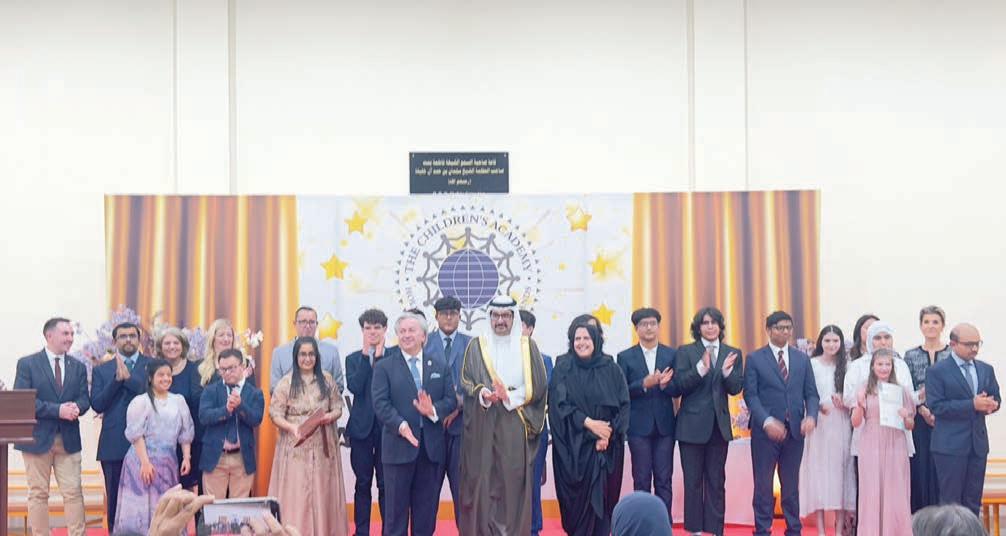
The Children’s Academy delivers an outstanding multi-disciplinary curriculum for SEND learners, integrating specialist teachers, therapists, and teaching assistants.
Please share a brief background of your innovation.
The implementation of our multi-disciplinary curriculum began at the start of the school year.
How was the innovation planned?
The senior leadership planned the curriculum and its implementation, keeping learners’ needs at the core.
What were the challenges faced during implementation?
As a special needs school, we face many challenges in dealing with the children’s academic struggles.
Give us a brief assessment of your results.
At The Children’s Academy, we are proud to deliver a truly outstanding multi-disciplinary curriculum that ensures every child, regardless of need,
can access a high-quality education. Our approach integrates the expertise of specialist teachers, therapists, and teaching assistants who work collaboratively to create individualised learning experiences.
Each pupil benefits from a carefully structured plan that combines academic goals with therapy and social development, ensuring that learning is both rigorous and accessible. By embedding therapies such as speech and language, physiotherapy, and occupational therapy directly into the classroom, children are able to make meaningful progress across all areas of development, while feeling fully included in their learning journey.
Our school exemplifies the very essence of a multi-disciplinary curriculum: collaboration, innovation, and inclusivity. We do not simply teach subjects; we build a framework where education, therapy, and care converge
seamlessly to meet the holistic needs of our pupils. The result is a community where children thrive, parents feel reassured, and staff are empowered to give their very best.
Our provision reflects not only best practice but also a deep commitment to equity, dignity, and opportunity for every child. Recognition through this award would celebrate the dedication of our whole school team and the remarkable progress of our pupils, who inspire us every day with their resilience and achievements.
In hindsight, what were the most valuable lessons learned while implementing the innovation? Could things have been done differently?
The biggest lesson we learned was that our children can achieve. They are able to access a curriculum designed for mainstream learners and they can achieve the results.
GA training complements Academic Curricula
GA is an internationally recognized training provider offering the critical, market-relevant skills vital for career launch and acceleration.
What you will learn in our full-time bootcamps:
Software Engineering Bootcamp
• Front-end development
• Full-stack development
• Front-end frameworks
• APIs and more
Java Developer Bootcamp
• Foundational and intermediate Java
• Front-end frameworks
• Java data structures, algorithms, and multithreading
• DevOps and cloud infrastructure
User Experience Design
Bootcamp
• UX fundamentals
• UI foundations
• Design iteration and development
• UX and product management
Data Analytics Bootcamp
• Responsible data analytics
• Data acquisition and cleaning
• Data visualization
• Classical statistical modeling
Data Science Bootcamp
• Data science fundamentals and exploratory data analysis
• Machine learning and modeling
• Data engineering and machine learning operations
• Deep learning and large language models
HAWAR INTERNATIONAL SCHOOL
Innovation: Safeguarding Steering Group
Hawar International School established Bahrain’s first collaborative Safeguarding Network and Steering Group, locally contextualising global best practices to protect students.
Please share a brief background of your innovation.
Safeguarding, although a buzzword and a ticked box, has never been locally contextualised. The challenges each individual school faces are unique to its ecosystem. It was with this in mind that Hawar International School decided to become part of the solution.
How was the innovation planned?
We looked at best practice from the UK, which is seen as the global leading light in this space and found Victoria Raynor, who had set up a DSL (Designated Safeguarding Lead) network that had organically grown from just a handful of schools to over 100. The innovation grew from a conversation into a steering group, and its first meeting was in June 2025. The meeting went exceptionally
well as colleagues from other schools combined to bring experience, knowledge and solution-focused best practice to the table. From there, we decided to hold a conference in November 2025. We all discussed how the space had changed - the digital space is especially dangerous, hence the collaboration also partnered with Ativion.
Ativion are a software solution that supports both homes and schools in monitoring internet use- this information can then be provided in real time to DSLs to support safeguarding work.
What were the challenges faced during implementation?
Engaging all schools to see collaboration in Safeguarding as a must and not competition, ensuring that all staff are adequately trained in all areas of the school, we also needed to educate the parents and explain
our policy. Our main focus remains the protection of children, contextually under the laws and guidance of Bahrain
Give us a brief assessment of your results.
The inaugural meeting was a huge success, and Hawar International School is proud to be at the forefront of this innovation. We had the pleasure of meeting the Minister of Education, Dr Mohammed bin Mubarak Juma, to discuss Safeguarding and, in particular, digital safeguarding.
In hindsight, what were the most valuable lessons learned while implementing the innovation? Could things have been done differently?
We felt that by launching in June, we had missed a year, but actually, it was the perfect timing, as it has allowed us to gather momentum with other schools in Bahrain.
IBN KHULDOON NATIONAL SCHOOL
Innovation: Team Nasser
Team Nasser is a student-led social innovation initiative that combines youth leadership with professional community development.
Please share a brief background of your innovation.
Team Nasser is a studentled community initiative from Ibn Khuldoon National School (IKNS), supported by the Nasser Al Khair Association and the Ministry of Youth Affairs. The team focuses on social impact projects such as home and facility renovations, empowering Bahraini youth to serve their community through leadership, teamwork, and compassion.
How was the innovation planned?
Team Nasser’s projects are planned through a structured and collaborative process that blends creativity, community engagement, and youth leadership. Each initiative begins with identifying a social or environmental need within the community, followed by site assessments, design planning,
and consultations with relevant organisations.
The team then develops detailed proposals, secures sponsorships, and coordinates logistics in partnership with the Nasser Al Khair Association and the Ministry of Youth Affairs. What makes Team Nasser’s approach innovative is its ability to combine professional guidance with student-led creativity, turning ideas into impactful, sustainable solutions that directly improve lives while empowering young Bahrainis to lead with purpose.
What were the challenges faced during implementation?
One of the main challenges Team Nasser faced during project implementation was balancing academic responsibilities with the demanding schedule of community service. As a student-led initiative, members had to carefully manage their time between
schoolwork, exams, and on-site project duties.
Despite these pressures, the team demonstrated exceptional commitment, often dedicating weekends and afterschool hours to planning, fundraising, and hands-on renovation work. This experience not only strengthened their organisational and leadership skills but also deepened their sense of responsibility and teamwork.
Give us a brief assessment of your results.
Team Nasser’s initiatives have achieved measurable and lasting community impact. Through more than eight successful renovation projects and multiple social programs, the team has improved the living conditions of over 40 beneficiaries across Bahrain while engaging more than 100 student volunteers. Each project has not only transformed physical spaces but also inspired a culture of giving,
teamwork, and leadership among young Bahrainis. The positive feedback from beneficiaries, sponsors, and the wider community reflects the success of Team Nasser’s mission to combine youth empowerment with meaningful social change.
In hindsight, what were the most valuable lessons learned while implementing the innovation? Could things have been done differently?
In hindsight, one of the most valuable lessons Team Nasser learned was the importance of time management and early planning. Balancing academic commitments
with project responsibilities required strong organisation, communication, and teamwork. The experience also reinforced the value of giving back to the community, reminding every member that even small acts of service can create lasting impact.
Working directly with beneficiaries showed the team how compassion and collective effort can transform lives and inspire others to contribute. If things were to be done differently, the team would dedicate more time to pre-planning and task delegation to ensure smoother execution. Overall, the project strengthened their sense of responsibility, unity, and belief in the power of youth-led change.
The International School of Choueifat Manama implemented the SABIS Integrated Learning System, promoting real-time learning and student independence.
Please share a brief background of your innovation.
ILS™ was designed to support both students and teachers by promoting real-time learning, developing independent learners, and ensuring the learning cycle is complete in each lesson. It empowers students to take ownership of their learning while enabling teachers to monitor progress and adjust instruction accordingly.
How was the innovation planned?
ILS™ was developed by SABIS IT.
Give us a brief assessment of your results.
The system’s ability to provide realtime data has also improved academic tracking and intervention. Feedback
from educators and students has been overwhelmingly positive, with many highlighting the system’s role in boosting student confidence and academic performance.
In hindsight, what were the most valuable lessons learned while implementing the
innovation? Could things have been done differently?
One of the most important lessons learned was the value of ongoing training and support.
JUDICIAL & LEGAL STUDIES INSTITUTE (JLSI)
Innovation: Professional Legal Practice Certificate (PLPC)
JLSI’s Professional Legal Practice Certificate bridges the gap between law graduates and employers by providing industry-led training.
Please share a brief background of your innovation.
In 2017, we noticed that we were receiving two conflicting messages from our stakeholders on the legal side (law graduates and law firms). Law graduates complained about how hard it was to break into the legal job market. With around 400 – 500 new law graduates entering the local job market annually, it appeared understandable. On the other hand, law firms reported that it was hard to fill entry-level legal positions. Very few of these graduates, no matter how good their academic training was, had the necessary legal skills that took time and investment to build.
How was the innovation planned?
We reached out to a number of law
firms to explore the best way to build these skills. It quickly emerged from the conversations that training by experienced lawyers before hiring or early in the graduates’ careers would be ideal. We then worked very closely with the legal community to shape the training according to its needs. JLSI provided the platform for the law firms to develop and deliver the training they deemed necessary. We then recruited high-achieving law graduates with less than 2 years of working experience in Bahrain.
What were the challenges faced during implementation?
This industry-led training model was unproven. We had never done this before–empowered the private sector to create the exact kind of training it needed to meet its own needs. Despite that, the legal community stepped up to shape, design and even deliver the
training pro bono. Although the training was pro bono, we incurred costs running the 6-month program due to budget cuts, and the legal community stepped up there, too.
Give us a brief assessment of your results.
As we celebrate our 5th cohort, we have over 100 graduates to date.
In hindsight, what were the most valuable lessons learned while implementing the innovation? Could things have been done differently?
Amazing things happen when people collaborate towards a common goal, and the biggest lesson was that better done than perfect. It was a steep learning curve for the team as a whole (us and the lawyers), and we learned together as we continue to modify and improve the program every year.
The Kingdom of Bahrain’s Only EarlyCareer Industry-Led Training for Corporate Lawyers
Developed by JLSI in partnership with some of Bahrain’s leading law firms, the PLPC bridges the gap between academic study and legal practice.
6-month rigorous, practice-based curriculum.
16 modules developed and delivered by practicing lawyers from Bahrain and the region.
Legal Ethics
Legal Research
Legal Drafting
Bridging Research & Drafting
Critical Thinking & Analysis
Contracts
Corporate Law
Interpersonal Skills
ADR
AML
Financial Law
Financial Statements
Real Estate Law
Employment Law
Negotiation Skills
Legal Practice & Technology
Over 120 lawyers trained since 2019.
Registration for the 2026-2027 cohort begins in July 2026.
The PLPC is made possible through the generous support of our partners.
MULTINATIONAL SCHOOL BAHRAIN
Innovation: Micro Forest
Developed through a multidisciplinary collaboration between Environmental Clubs and the Able, Gifted, and Talented program, the project transforms school grounds into a living laboratory.
Please share a brief background of your innovation.
The Multinational School Bahrain has always been committed to sustainability, innovation, and providing learners with a holistic education that extends beyond the classroom. In alignment with these values, this proposal recommends the creation of a Micro Forest on school grounds. The project will not only enhance the school’s green footprint but will also integrate environmental education, waste management, and community engagement.
How was the innovation planned?
We used a multidisciplinary approach,
Since the project is still in its pilot phase, we have yet to encounter serious challenges.
where students and staff from the Environmental Clubs, Community Service, as well as the Able, Gifted and Talented program.
What were the challenges faced during implementation?
Fundraising for the innovation was an especially challenging phase.
Give us a brief assessment of your results. The project is a work in progress and is in for the long haul, so the results will unfold over a period of several years.
In hindsight, what were the most valuable lessons learned while implementing the innovation? Could things have been done differently?
Since the project is still in its pilot phase, we have yet to encounter serious challenges. Over the course of the project, however, we aim to learn more about maximising the impact of the project.
NADEEN SCHOOL BAHRAIN
Innovation: High Performance Learning and Launching of Post 16
Nadeen School has earned High Performance Learning accreditation and launched the post 16 provision, offering A Level and BTEC pathways. The HPL framework develops academic skills and character from early years through to post 16.
Please share a brief background of your innovation.
High Performance Learning is an internationally recognised framework designed to develop learners who combine strong academic performance with advanced learning skills and well-developed character. It places equal emphasis on Advanced Cognitive Performance development, such as meta-cognition, strategic thinking, and collaboration, and on VAAs that underpin long-term success. HPL fits Nadeen particularly well because it complements the
Nadeen will progress to World Class accreditation next year, reflecting its ambition to benchmark against leading international standards.
school’s commitment to inclusion, personalised learning, and high expectations for all. As Nadeen grows into a full-through and post-16 school, HPL provides a coherent, shared language of learning that supports progression from early years through secondary, specialist, and post-16 pathways.
Over the past two years, Nadeen School has made sustained and measurable progress in embedding High Performance Learning across all phases. This journey has been supported by several external visits and rigorous internal evaluations. In May
2025, Jan Steel from GEMS Royal, Dubai, formally accredited Nadeen as a High Performance Learning School, recognising the strength of its leadership, the consistency of its practice, and its positive impact on learners. This accreditation coincides with a significant stage of school development, including the establishment of our first Year 11 cohort this academic year and the continued expansion of secondary and specialist provision. Nadeen will progress to World Class accreditation next year, reflecting its ambition to benchmark against leading international standards.
How was the innovation planned?
Nadeen’s rapid growth is strongly aligned with its High Performance Learning journey. The school has established its first Year 11 cohort and will introduce a post-16 provision next year, offering both A Levels and BTEC pathways, ensuring aspirational and diverse progression routes. In response to its international community and global outlook, the school has expanded its language provision to include Mandarin, supporting learners in applying advanced cognitive skills
The THRIVE programme, which supports learners with complex needs, has grown significantly and is now fully subscribed.
in authentic global contexts. These developments reinforce the coherence of HPL across academic, vocational, and inclusive pathways.
What were the challenges faced during implementation?
Implementing High Performance Learning has required significant cultural and pedagogical change. As with any whole-school transformation, some staff initially found the scale and pace of change challenging, particularly where it required shifts in mindset, teaching practice, and assessment. Embedding
HPL demanded sustained professional learning, coaching, and a focus on explicitly teaching learning behaviours and self-regulation. Leaders carefully balanced ambition with support, ensuring staff felt confident to embed ACPs such as higher-order thinking and meta-cognition while modelling the VAAs of resilience, collaboration, and reflection. This measured and supportive approach has been critical in securing consistency and long-term sustainability.
Give us a brief assessment of your results. HPL is applied inclusively across the school, ensuring high expectations for all learners. The THRIVE programme, which supports learners with complex needs, has grown significantly and is now fully subscribed. THRIVE is underpinned by the SCERTS framework, which focuses on developing social communication, emotional regulation, and independence. Learners within THRIVE also develop ACPs through personalised problem-solving, communication, and reflection. As learners progress, Nadeen is developing ASDAN pathways, ensuring meaningful accreditation and progression routes aligned with individual strengths and aspirations. This reflects the school’s belief that high performance looks different for different learners, but ambition remains consistent.
In hindsight, what were the most valuable lessons learned while implementing the innovation? Could things have been done differently?
The impact of High Performance Learning at Nadeen is evident in learners’ behaviour, attitudes, and outcomes. Learners demonstrate increasing resilience, empathy, and concern for society, choosing collaboration and demonstrating respect for others. They show a growing ability to reflect on their learning, understand how and why they learn, and regulate their emotions and learning strategies more effectively. These VAAs and ACPs are particularly evident as learners progress into Key Stage 4, where increased independence, confidence, and strategic thinking are required.
NASSER CENTER FOR SCIENCE AND TECHNOLOGY
Innovation: Teacherless Classroom- AI in the Classroom
The Teacherless Classroom is an AI-driven learning environment designed to empower students through independent, self-paced study. By leveraging machine learning to automate lesson generation and assessments, the platform provides personalised content and interactive activities that adapt to individual student needs.
Please share a brief background of your innovation.
A teacherless classroom is a learning environment where students can access and engage with educational content independently, with minimal or no direct teacher intervention. This often involves the use of technology and innovative learning strategies. With advancements in AI and machine learning, these classrooms can provide an independent learning environment where technology takes on traditional teaching roles.
How was the innovation planned?
Teachers create or curate educational content, such as lesson plans and interactive activities. Students gain
This innovative platform will empower students to learn independently at their own pace, while providing them with personalised support and engaging content.
access to the learning platform, which hosts the content. Students explore the content at their own pace, using tools and resources provided by the platform. The platform may include quizzes, assignments, and other assessments to measure student progress. Teachers can also provide feedback and support as needed.
What were the challenges faced during implementation?
Creating personalised content. To address the challenges of traditional classroom instruction, we propose a comprehensive teacherless classroom system. This innovative platform will empower students to learn independently at their own pace, while providing them with personalised
support and engaging content. By leveraging advanced technology, the system will automate tasks such as lesson plan generation and assessment, freeing up teachers to focus on providing individualised guidance and fostering a collaborative learning environment.
Give us a brief assessment of your results.
Students can learn at their own pace and focus on areas where they need more support. Interactive content and personalised learning can make
learning more engaging and effective. Teacherless classrooms can provide access to education for students in different areas. Results comparing the pilot group grades and the normal classroom will be received in December.
In hindsight, what were the most valuable lessons learned while implementing the innovation? Could things have been done differently?
Implementing a teacherless classroom revealed key lessons about the importance of student autonomy,
personalised learning, and technology integration. Empowering students to learn at their own pace enhances engagement, while collaboration and robust feedback mechanisms foster a supportive environment. Potential improvements include pilot testing, professional development for teachers, and increased parental involvement. Balancing automation with human interaction and establishing continuous improvement practices are essential for maximising the platform’s effectiveness in promoting independent learning.
ST CHRISTOPHER’S SCHOOL BAHRAIN
Innovation: The Digital Purpose Initiative
The Digital Purpose Initiative is a student-led framework designed to foster balanced, ethical technology habits and purposeful AI integration.
Please share a brief background of your innovation.
Our “Digital Purpose Initiative” was a direct response to post-pandemic digital challenges. Data from our wellbeing platform showed a decline in student focus, which student and parent feedback linked to poor technology habits, overuse, and the misuse of AI. Parents felt overwhelmed and needed clear, age-specific guidance.
This required a new strategy: moving beyond simple tech integration to proactively foster a balanced, ethical, and student-led digital culture. Our initiative was built to establish a strong foundation of digital safety and wellbeing to support purposeful innovation.
How was the innovation planned?
The innovation was meticulously planned through the development of a comprehensive, multi-year Digital Strategy, which established a clear
vision to empower “future-ready, ethical digital leaders.” This overarching strategy was built upon three foundational pillars: Digital Safety, Digital Wellbeing, and Digital Innovation.
The planning was grounded in community feedback and data, ensuring it addressed the real-world, postpandemic needs of our students, staff, and parents. As a core component of this plan, we developed a specific Generative AI Strategy to move beyond a reactive approach and proactively integrate AI ethically and effectively.
This AI strategy was planned around supporting five key stakeholder groups: Leadership, Teachers, Students, parents and Administrative Staff. A key part of the planning process was the creation of a pedagogical framework. We adapted the SAMR model to create our unique “SAMR-AI” framework, guiding teachers on how to use technology to redefine learning rather than merely substitute traditional methods.
Critically, the strategy was planned to be student-led, leading to the establishment of the “AI Pioneers” program, empowering students to cocreate the policies and curriculum that will shape their own learning journey.
This AI strategy was planned around supporting five key stakeholder groups: Leadership, Teachers, Students, Parents and Administrative Staff.
What were the challenges faced during implementation?
While the initiative has been highly successful, its implementation presented several key challenges that required careful navigation. One major hurdle was overcoming initial apprehension, as the rapid advancement of Generative AI created initial concern among some parents and staff. Parents were understandably concerned about academic integrity and the potential for over-reliance, while some staff were wary of the time investment required to learn new tools and pedagogical
approaches like the “SAMR-AI” framework. This was addressed through transparent communication, dedicated workshops, and by providing opportunities for teams to collaborate, such as the PLP AI programme, where teachers across the Primary and Secondary schools work together to research and develop their use of AI. Another challenge involved keeping pace with rapid technological evolution, as the speed at which AI technology develops is a constant challenge. Policies, safety guidelines, and training materials required an agile approach with continuous review to remain relevant, and ensuring the curriculum on “ethical use” was current with the latest AI capabilities was an ongoing process that demanded constant learning.
Furthermore, shifting pedagogical mindsets was a significant challenge in encouraging a genuine pedagogical shift among all staff. Moving teachers beyond using technology as a direct substitute for traditional methods (the base of the SAMR model) towards redefining learning required sustained professional development, the sharing of best practices, and a cultural commitment to innovation as linked to the Future Ready Curriculum.
Finally, ensuring authentic student
leadership was a core goal, but the challenge lay in ensuring their roles were meaningful rather than tokenistic. This required creating formal structures for “AI Pioneers” and Digital Leaders to provide genuine input into policy and curriculum development, and trusting them to lead sessions for their peers, which represented a significant and deliberate cultural shift.
Give us a brief assessment of your results.
Our ‘Digital Purpose Initiative’ has driven measurable results across our community, empowering students and parents while establishing our school as a regional leader. Student Impact: Our student-led approach has significantly improved digital health.
Post-initiative surveys show nearly half of all students (43.9%) feel much more confident managing their technology use, with 53.8% now limiting screen time before bed. This empowerment is formalised through our 22 ‘AI Pioneers,’ whose curriculum recommendations are now being adopted into our Enrichment programme. Student innovation now has a global audience through our DREAM Studio podcast, which has reached over 600 listeners with more than 20 episodes.
Community and Regional Impact: Parent workshops have boosted confidence in managing technology at home. As one parent shared, “My daughter now uses AI tools to help tutor her on theoretical problems within Maths & Sciences.” Our leadership extends across the region; our Future Learning Summit attracted 300 delegates from over 10 schools, and we have delivered training in Bahrain, the UAE, and Saudi Arabia.
The embedding of our “SAMR-AI” framework is successfully moving teaching practice towards the redefinition of learning, transforming students into active, ethical, and innovative digital creators.
In hindsight, what were the most valuable lessons learned while implementing the innovation? Could things have been done differently?
The most valuable lesson was that student leadership is the most powerful catalyst for change, as students are the most effective drivers of our strategy rather than just its beneficiaries. Empowering our ‘AI Pioneers’ to cocreate the curriculum and lead sessions for their peers has already accelerated adoption and ensured relevance, as their authentic voice proved more impactful
than top-down initiatives.
Furthermore, we learned that continuous dialogue outweighs a single launch event. To overcome initial apprehension from parents and staff, proactive, continuous communication is essential; ongoing workshops and ‘Cafe Bites’ sessions were far more effective at building trust and buy-in than any formal, one-off launch event.
For example, we ran 10 individual technology sessions for parents across the school last year. Finally, we found that agility is more valuable than a rigid plan. In a field as fast-moving as AI, a rigid plan quickly becomes obsolete, so we learned to embrace an agile, iterative approach, treating our policies as “living documents” that are constantly reviewed and updated based on new technology and direct feedback from our students and staff.
What Could Have Been Done Differently?
In hindsight, we would have integrated our student leaders even earlier in the process. Establishing their role during the initial conception of the digital strategy, rather than at the start of the implementation phase, would have provided richer insights and fostered a deeper sense of ownership from the very beginning.
Experience Asian-inspired dining, signature cocktails, and music-filled nights.
BUILDING SKILLS THAT STICK
General Assembly runs Tech Bootcamps in Bahrain, designed to help graduates with practical and applicable skills to thrive in an increasingly technical world.
Success in today’s job market comes down to the technical expertise - no matter how strong your knowledge base is, what matters most is what you can actually do. Employers across sectors seek talent who can step into roles with practical, applicable skills rather than purely theoretical knowledge. The shift has created demand for training models that focus on hands-on experience and real-world application.
Tech bootcamps have emerged as one response to this need. In Bahrain, General Assembly has been operating this model since July 2022 and has graduated over 2,500 people through bootcamps in coding, AI, data analytics and UX design. The format runs across several disciplines. Fulltime programmes span 12 weeks at around 40 hours per week, while part-time versions stretch to 24 weeks to accommodate those with busy schedules.
Employers across sectors seek talent who can step into roles with practical, applicable skills rather than purely theoretical knowledge.
Practitioners in the Classroom
What distinguishes the approach is who’s teaching. General Assembly brings in industry practitioners who’ve worked at companies like Netflix, Spotify, McKinsey, and others. These instructors are still active in their fields, which means the curriculum reflects current industry practices rather than purely academic frameworks.
Learning Through Real Projects
The learning structure revolves around project work. Students build portfolios throughout their programmes, tackling real briefs from local organisations. UX students have worked on pro-bono projects with local companies, such as Al Salam Group, to enhance their digital experience. The idea is that graduates leave with tangible work samples to show prospective employers.
Outcomes and Employment
The outcomes data speak volumes about the format’s resonance with both students and employers. The programme sees a 93% completion rate, with 80% of graduates reporting positive career outcomes within nine months - new roles or improved quality of work. Furthermore, 40% of non-tech graduates were able to move into tech roles.
General Assembly brings in industry practitioners who’ve worked at companies like Netflix, Spotify, McKinsey, and others.
Corporate Partnerships
General Assembly has developed partnerships with over 100 companies in Bahrain, from Zain Telecom to Beyon Group, and runs customised training programmes for a number of corporate clients.
The broader context matters here. According to a 2017 report by the World Economic Forum, nearly 46 per cent of work in Bahrain is vulnerable to automation. Given the current climate, this number would have further increased. The bootcamp model offers one response to that challenge, providing concentrated upskilling in areas where demand currently outpaces supply.
Early indicators of General Assembly’s Bootcamps show traction with both job seekers, growth seekers, and the companies looking to hire them.
SUPPORTING STUDENT WELLBEING
Fatima AlDallal, Head of the Counselling Center at the American University of Bahrain, highlights the need for mental health and wellness initiatives and how AUBH is addressing student anxiety, stress, and emotional health through counselling services and support systems.
University years are often described as a journey of growth, independence, and possibility. Yet worldwide, more students are grappling with stress, anxiety, and uncertainty. Academic expectations, family pressures, and constant comparison, often intensified by social media, significantly influence how young people experience university life. The aftermath of the COVID-19 pandemic has further amplified these
pressures, leaving many emotionally fatigued and socially unprepared.
At the American University of Bahrain, we recognise that these pressures do not stay outside the classroom door. In my work as a licensed clinical psychologist overseeing the AUBH Counselling Center, students frequently share the weight of needing to excel academically, secure employment, and manage family expectations while navigating their own identities. Although it has been years, the pandemic’s
effects have remained, especially on this generation’s young adults. It disrupted routines, increased isolation, and created a lingering sense of unpredictability. For many, returning to campus meant playing catch-up both academically and emotionally.
Our response must be thoughtful, compassionate, and comprehensive. At AUBH, the Counselling Center provides a confidential, judgmentfree environment where students can express concerns early in a therapeutic
setting, before they escalate. More students today are reaching out not because they feel unable to cope, but because they recognise that mental health requires the same intentional care as physical health, a shift we should encourage and celebrate.
Importantly, emotional well-being directly affects academic success. When students receive support in processing personal life stressors, whether related to anxiety, family dynamics, identity, or simply the demands of young adulthood, they are
better able to focus, retain information, and remain engaged in their studies. Sometimes, the most meaningful academic progress begins by helping a student feel grounded, safe, and confident in their abilities.
Supporting student mental health is more than a service; it is a shared responsibility. By investing in wellbeing alongside education, we are not only helping students succeed today, but we are equipping them to flourish long after graduation.
Although it has been years, the pandemic’s effects have remained, especially on this generation’s young adults.
Written by Fatima AlDallal Head of Counselling Center
American University of Bahrain
SHAPING BAHRAIN’S LEGAL TALENT
The Professional Legal Practice Certificate (PLPC) course has become one of Bahrain’s most effective mechanisms for preparing legal talent to operate confidently in real practice. Speaking on behalf of the Judicial & Legal Studies Institute (JLSI), Judge Dr Reyadh Mohamed Seyadi, the Director, explores what goes into creating a sustainable model for developing legal talent in Bahrain.
Dr Reyadh Mohamed Seyadi
When the Judicial and Legal Studies Institute (JLSI) launched the Professional Legal Practice Certificate (PLPC) course in 2019, the team thought we were creating a training course, which, of course, needed to be strong and comprehensive. Over the last five years, however, we have recognised that we were also responding to a different need: how do we change the way legal talent is grown and nurtured in the Kingdom of Bahrain?
When the JLSI launched PLPC in 2019, we believed we were creating a strong training course – and we were.
Over the following years, we also realised we were meeting a deeper need: changing how legal talent is grown and nurtured in Bahrain. In that sense, PLPC has evolved into a quiet piece of national training infrastructure, built on trust-based collaboration between a public institution and private practice.
The programme serves a wider national priority to strengthen the legal capabilities that underpin the digital economy, international trade, and investment in the Kingdom of Bahrain. A modern, predictable, and practice-ready legal profession is the cornerstone of a safe and attractive legal environment for investors, one that supports confidence in transactions, protects rights, and enables sustainable growth
The Gap Nobody Talks About
Fresh graduates arrive brilliant on paper. They can analyse precedent, argue theory, and cite cases. Then they enter a law office and discover that the work requires a level of literacy entirely different from theirs. How do you communicate with a difficult client? What does good legal drafting actually look like when it lands on a partner’s desk? When do you push back, and when do you listen?
PLPC was designed to close that gap by making professional competence the centre of the learning experience
– competence that is practical, measurable, and anchored in real expectations of the market.
Learning Through Proximity
The programme’s breakthrough came from trusting a model that has been in use for generations. This model is apprenticeship, where participants learn through proximity to people doing the work right now. When practitioners walk participants through a recent negotiation, something shifts in the room. Standards move from theory to practice, becoming both visible and achievable.
Sulaf Zakharia, our Head of Institutional Relations at JLSI, is the force behind this programme, bringing its many moving parts together. In her words, “The programme’s value lies not only in what it teaches, but in how it shapes professional identity.”
PLPC runs for six months and covers 16 modules taught by practising lawyers from a number of law firms, most of whom have supported the programme from the start: Altamimi & Co., Newton Legal Group, DLA Piper, Hassan Radhi & Associates, Ali Alaradi Attorneys & Legal Consultants, and Mutaywea Law. This year, they are joined by the Economic Development Board (EDB), Elham Hassan & Associates, and Abdulwahab & Co.
Every session is delivered in English,
because English remains the working language for much of Bahrain’s cross-border legal practice. While the content itself is important, what matters even more is exposure to how experienced lawyers think through problems, manage clients, and balance commercial and legal considerations.
The Surprise Element
One of the most compelling validations of the programme came from behaviour we did not plan for: PLPC graduates do not simply move on. Many return to train, some recruit new PLPC candidates, while others enrol their new recruits in the PLPC. Over time, alumni have formed an informal network that reinforces professional standards with minimal orchestration. That is a sign of sustainability and proof that the programme builds a culture, not just a cohort.
The firms participating in this program year after year invest their time without immediate payoff. They don’t do it
PLPC graduates do not simply move on. Many return to train, some recruit new PLPC candidates, while others enrol their new recruits in the PLPC.
for the publicity. They recognised a practical need: raising baseline quality across the sector benefits everyone. Better-prepared juniors mean less remedial training, fewer basic errors, and higher collective standards. They’re grooming students who will soon enter the workforce, ready to hit the ground running with competencies that will otherwise take time to hone.
What Actually Transfers
For educators and institutions considering similar models, PLPC offers a clear lesson: give students access to successful practitioners. Make the work authentic, not simulated. Let private sector partners shape content directly. Trust that professional identity is formed through mentorship and exposure to practitioners who do the work - rather than through listening to lectures about it.
PLPC’s evolution shows what becomes possible when a public institution and private practice align around a shared outcome: developing legal practitioners who can meet real standards, in real environments, with real responsibility. Over time, that readiness translates into something larger. It supports Bahrain’s capacity to serve the demands of the digital economy, facilitate international trade, and strengthen investor confidence through a safe, reliable, and globally connected legal environment.
WHERE EVERY LEARNER THRIVES
James Batts, Principal of Nadeen School, discusses the institution’s focus on student belonging, using neuroscience-based learning approaches, expanded curriculum choices, and community events to help learners thrive.
When we talk about school improvement, it’s easy to get caught up in exam results and league tables. But what if we focused instead on whether every young person genuinely feels they belong? While operating within the BQA and BSO frameworks, Nadeen School has been exploring what it means to create an environment where learners don’t simply attend classes but participate, grow, and be their unique selves. We’re rethinking some fundamental assumptions about how we support learning and thriving.
Learning About Learning
One shift that’s made a real difference is helping learners understand their own brains. The High Performance Learning approach weaves insights from neuroscience and performance psychology. When embedded throughout the Nadeen curriculum, not just as an add-on subject, learners become more intentional learners. As students begin to grasp how memory works or why practice matters, they stop seeing struggle as failure and start recognising it as part of the process, part of life. A word of advice for any educator considering this approach: start small. A simple conversation about growth mindset or a lesson on how sleep affects learning can spark genuine interest. The key is making it relevant to learners’ daily experience.
Leadership, resilience and collaboration aren’t just taught, they’re practised.
Expanding Pathways
This year, we’ve introduced A-Level and BTEC options alongside our iGCSE programme. The idea was to create meaningful choices for learners rather than offering a platter of everything. While some learners thrive with traditional academic routes, others need hands-on, practical learning. Both matter equally. We’ve also added subjects such as Drama, Food and Nutrition, Robotics, and languages including Spanish and Mandarin. Young people need opportunities to discover what lights them up.
Sometimes that happens in a Maths classroom, sometimes it’s through coding or sports. What’s the most important lesson we’ve learned through this process? If you’re looking to diversify your curriculum, involve learners in the conversation. Their insights about what’s missing are often spot on.
Beyond the Classroom
Since moving to the new campus in Dilmunia, we’ve been able to offer more
sports and extracurricular activities. Recently, we hosted our first BSME netball tournament. Watching learners organise, compete, and support one another reminded us of why these experiences matter.
Leadership, resilience and collaboration aren’t just taught, they’re practised. Community events have become another cornerstone. Whether it’s a cultural celebration or a festive fair, these gatherings strengthen relationships across our whole school community - our wolfpack. Parents, staff and learners connect in ways that simply don’t happen in formal settings.
The Heart of It
Ultimately, education is about people. It’s about creating environments where young people feel safe enough to take risks, supported enough to persevere, and valued enough to contribute. That’s not marketing speak, it’s what keeps me passionate about this work. Every school context is different, but the fundamental question remains the same: do our young people feel they belong here? Everything else flows from that.
Written by James Batts School Principal Nadeen School
FROM AI RELIANCE TO AI RESILIENCE
Aneil Peswani, Head of Digital Learning at St Christopher’s School Bahrain, explores the school’s approach to building AI resilience over reliance, teaching students to use AI as a supportive guide rather than a tool that provides all the answers.
We teach students to view AI as a thinking partner, one that we engage only after we have done the heavy lifting of problem-solving ourselves.
When Generative AI first arrived, our initial instinct, like many schools, was caution. We needed to protect our community. However, we quickly realised that simply blocking these tools would not prepare our students for their future. We had to move from a mindset of policing to one of preparation.
We decided to invite the students to help steer the ship. We established a group of “Student AI Pioneers” to work alongside leadership. Their feedback has been vital. During a recent Year 10 session on the impact of AI reliance on brain development, one student noted, “I realise I now need to be so careful when I use AI and that getting it to think for me has a longer-term impact that I won’t realise until it’s too late.”
That sentiment became the cornerstone of our strategy: AI Resilience, not Reliance. We teach students to view AI as a thinking partner, one that we engage only after we have done the heavy lifting of problem-solving ourselves.
For instance, in our upcoming Year 9 “AI in Action” day, students will
collaborate with staff to solve realworld problems. Critical thinking and conceptualising remain the main tasks for the students. Only once they have solidified their ideas will they utilise AI to visually realise them. This ensures the human element remains central to the creative process.
It hasn’t all been smooth sailing. We learned that you cannot hand over these powerful engines without teaching the rules of the road first. We prioritised AI literacy, focusing on bias and data privacy, before the mechanics.
For fellow educators, our advice is to involve your students immediately. When students understand that AI is there to support and guide, and not simply provide them with the answers, the dynamic shifts. AI is an incredibly powerful engine, but our job is to ensure our students remain the pilots.
Written by
Aneil Peswani Head of Digital Learning Teacher of Design & Technology
St Christopher’s School Bahrain
TEACHING IN THE AGE OF AI
AI and new-age technology are changing the world and the education space. The GCC is responding to the changing norms of teaching and learning.
To say that the world is changing in the wake of Artificial Intelligence is an understatement. As nations navigate complexities to implement their AI doctrines, many are leading the charge. In the GCC alone, we’re witnessing a “Digital Renaissance” of sorts - a shift from mere experimentation.
From smart classrooms to selflearning, the “Age of AI” is presented not as a successor to the educator but as a great enabler.
A Global Perspective: The Rise of the Personalised Classroom
Globally, the traditional chalk-andboard model of learning and teaching has become a thing of the past, and AIbased Personalised Learning Systems are the new standard in teaching.
According to DemandSage’s AI in Education Statistics 2025, close to 60 per cent of educators across the world are currently utilising AI technology on a daily basis; mostly for purposes of lesson planning and evaluation. This
integration of technology ultimately benefits students, as AI technology platforms can increase retention rates by up to 30 per cent, thanks to their ability to deliver content based on learners’ speeds and preferences.
The AI-in-education market is forecasted for a USD 112 billion valuation by 2034 [World Economic Forum]. One can only imagine how far digital literacy can progress if AI lives up to its projected purpose in the sector.
The GCC Scene: Leading the Vanguard
A positive takeaway from 2025 is the revitalisation of the teaching profession, where educators are being augmented by technology.
While nations build their policies and doctrines around AI, the GCC has pushed the “fast-forward” button by recognising AI literacy skills as the basic foundation of their non-oil economy in the future [Digital Bricks]. Saudi Arabia, leading the way, announced an AI curriculum for all million public school students in the country under the Saudi Vision 2030 [Global Business Outlook]. Facilitated by the SAMAI project, the initiative aims to reskill one million citizens and teachers in the process.
The UAE has also implemented a national K-12 curriculum, incorporating AI. This enables students to understand algorithm design and ethical prompting before embarking on higher education. Qatar joined in with the implementation of “Teacher Copilots” to provide lesson plans and Special Education Needs (SEN) adaptations, and Bahrain has focused on ethical implications in the sector with an investment by Tamkeen to provide the sector with a supply of AI-literate professionals by 2030.
The “Super-Powered” Teacher: How AI is Helping
A positive takeaway from 2025 is the revitalisation of the teaching profession,
where educators are being augmented by technology. By taking the ‘drudgery’ out of administrative functions (grading, attendance, and class scheduling), AI spares 10 to 15 hours per week to devote to teaching and nurturing students. It also marks the end of the ‘middle ground’ teaching style, since AI supports the advanced learning with high flyers, while the instructor works directly with the struggling students. Furthermore, in a multilingual environment like the one we see in the Gulf region, AI translation solutions are breaking down barriers created by different languages, thus enabling students to understand complex notions in STEM in their own native languages while simultaneously persevering in English or Arabic or whatever native tongue they understand better [Soft Circles].
A Bright Future Ahead
The consensus across the Gulf is clear: AI is the bridge to a more inclusive, efficient, and inspiring education system. The GCC is not just keeping up with global trends; it is defining them. Today’s educator is no longer just a source of information but an architect of experiences, guided by data, supported by AI and fueled by human empathy.
BUILDING INCLUSIVE CLASSROOMS
Building an inclusive learning environment goes beyond ticking architectural or policy boxes. It requires a constant evolution in how classrooms operate day to day.
Across the Gulf region, where education is transforming rapidly, the conversation has moved from simple integration to genuine inclusion. This means more than placing students with diverse needs in the same room. It means redesigning how classrooms function to support every learner.
The Power of Co-Teaching and “Push-in” Support
Instead of sending students to separate support rooms, educators now work within regular classrooms.
From Integration to Active Participation
Inclusive education in the GCC is gaining real traction. Bahrain has integrated special education programs into 179 schools, ensuring students aren’t just present but actively participating in their communities (Educators’ Perspective, 2025).
Educators are achieving this through Universal Design for Learning (UDL). Rather than creating a lesson plan and then retrofitting it for one or two students, UDL builds diversity into the design from the start. A history teacher at a Bahraini secondary school might offer three project options: a written essay, a recorded podcast, or a visual storyboard. The learning objective remains consistent, but the paths to reach it vary according to each student’s strengths.
One of the most effective shifts seen on regional campuses is the move away from pull-out sessions. Instead of sending students to separate support rooms, educators now work within regular classrooms. A 2025 UNESCO report highlights this collaborative model in the new Inclusive Education Toolkit for the Gulf States, where general educators and specialists co-teach. This approach reduces the stigma around difference and allows all students to benefit from specialist expertise.
What’s Working in Classrooms
Teachers are reshaping their practice in practical ways. They’re normalising struggle as part of learning rather than a sign of failure. Simple ground rules that respect different perspectives create spaces where everyone feels comfortable speaking up. Digital tools like Bahrain’s eduNET platform allow students to progress at their own pace (Bahrain.bh). Regular rotation of student groups prevents isolation and gives everyone the chance to work with different classmates.
True inclusion happens through small, deliberate steps that ensure every learner feels they belong.
Fabianca
New Look Same Drive Bigger Impact
Social
Media &
Web
Branding
Photography
Videography
Digital
THE INFINITI LIFESTYLE
The Japanese luxury brand showcases QX80 Sport, refreshed QX60 lineup, and QX65 concept while launching exclusive lifestyle membership for Gulf owners.
INFINITI Middle East gathered regional press and stakeholders at Dubai’s Armani Hotel in late 2025 to unveil a series of product updates, alongside a new membership programme aimed at QX80 owners.
The Japanese luxury marque used the evening to showcase its QX80 Sport flagship variant, unveil the refreshed 2026 QX60 lineup, and offer a first regional look at the QX65 Monograph, a design concept signalling future styling direction. But the centrepiece
announcement was INFINITI Beyond, a membership initiative that extends ownership into lifestyle services.
INFINITI Beyond: Ownership and Lifestyle Integration
The INFINITI Beyond programme is a lifestyle membership for QX80 owners across five Gulf markets: the UAE, Saudi Arabia, Qatar, Kuwait, and Bahrain. Focused on community, wellbeing, and mobility, the programme offers access to chef-led dining experiences, cultural
workshops, and wellness sessions. Members also receive complimentary access to partner spas and wellness clubs, including Talise Spa in Dubai and Banyan Tree in Doha.
Members manage bookings and privileges through the INFINITI Beyond app, which the brand frames as a tool to connect vehicle ownership with broader lifestyle access. This tool is designed to serve as a seamless extension of the ownership experience, connecting vehicle utility with lifestyle services. Regional leadership described
the initiative as an effort to deepen emotional engagement with the brand by pairing product development with personal services.
The QX80 Sport Flagship
The INFINITI Beyond programme is a lifestyle membership for QX80 owners across five Gulf markets: the UAE, Saudi Arabia, Qatar, Kuwait, and Bahrain.
The newly introduced QX80 Sport features dark-chrome detailing, a signature double-arch grille, and glossblack accents. The interior is finished with semi-aniline leather and open-pore ash wood.
Technical features include dual 14.3-inch displays with Google built in, a 24-speaker Klipsch audio system, and Biometric Cooling technology that adjusts airflow based on passenger body temperature.
Under the bonnet, the QX80 Sport is powered by a 3.5-litre twin-turbocharged V6 engine, delivering 450-horsepower and paired with a nine-speed automatic transmission. The vehicle includes AllMode 4WD and adaptive air suspension to balance handling and ride quality.
2026 INFINITI QX60 and QX60 Sport
The 2026 INFINITI QX60 features several design updates, including a refreshed grille inspired by bamboo forests, an illuminated emblem, and a restyled lower bumper. The daytime
running lights now feature a digital piano key style similar to the QX80. A new Deep Emerald paint option joins the colour palette.
Making its debut alongside the standard QX60 is the Sport variant, which adds a sharper front fascia, darker grille mesh, gloss black 20-inch wheels, and blacked-out exterior accents. Inside, the three-row cabin now offers Google integration and an upgraded 16-speaker Klipsch sound system. The powertrain remains unchanged: a 279-horsepower 3.5-litre V6 with a nine-speed automatic.
QX65 Monograph: A Design Study
As a design concept, the QX65 Monograph hints at where INFINITI is heading aesthetically. It features a fastback silhouette and a coupe-like roofline that references the former FX model. A bamboo-inspired grille texture, piano key LEDs, and a sculptural fullwidth rear light blade with vertical fins define the exterior.
Large twisted-spoke wheels and a wide stance give the Monograph a muscular profile. It’s a more progressive design language than what currently populates INFINITI showrooms, suggesting the brand is testing the waters for a bolder future lineup.
THE HIGH-PERFORMANCE ENTRY
Genesis has entered the high-performance market with the GV60 Magma. The shift is a lot more than a single model; it’s the start of an all-new brand direction.
That
power propels the GV60 Magma to 200 km/h in 10.9 seconds, with a top speed capped at 264 km/h.
Genesis is pivoting from pure luxury to highperformance territory, marking its most ambitious product shift in a decade. Spearheading this shift is the GV60 Magma, Genesis’s first dedicated performance production model. It arrived in late 2025 alongside a suite of concept vehicles that signal the brand’s long-term direction.
The GV60 Magma: Performance Reimagined
The GV60 Magma sits 20 mm lower and noticeably wider than the standard model, giving it a planted, aggressive stance that enhances high-speed stability. Its dual-motor setup delivers 448 kW (609 hp) as standard, climbing to 478 kW (650 hp) and 790 Nm of torque with Boost Mode engaged.
That power propels the GV60 Magma to 200 km/h in 10.9 seconds, with a top speed capped at 264 km/h. The performance credentials extend beyond straight-line speed, though. The hardware includes 21-inch forged wheels, uprated brakes, and an electronic limited-slip differential (e-LSD) that channels power effectively to the rear wheels.
Elevating the Driving Experience
Genesis isn’t chasing lap records with the Magma programme. Instead, the focus is on driver engagement, blending
electric efficiency with feedback through several bespoke technologies.
The Virtual Gear Shift (VGS) mimics the tactile kick and auditory theatre of a traditional gearbox. Complementing this is a dedicated Drift Mode that biases power rearward for tail-out antics. Meanwhile, High-Performance Battery Control (HPBC) actively manages thermal loads to maintain consistent output during hard use.
The interior combines premium materials for a sporty vibe. The seats, door trim and centre console are adorned with Chamude, a premium suede-like material. The Magma model’s distinct colour identity is showcased through orange and grey stitching, quilting details and seat belts. Buttons, switches and emblems feature black high-gloss or dark metal finishes, minimising reflective glare and contributing to a composed, elegant interior ambience.
A Decade of Magma
The Magma sub-brand emerged from Genesis’s concept work, including the G80 Magma Special and X Gran Berlinetta show cars. Rather than a one-off halo project, it represents a permanent performance arm intended to redefine the brand globally.
Following its Korean debut, the GV60 Magma will reach European and North American dealers in 2026. For Middle Eastern buyers, its arrival signals intensifying competition in the luxury electric performance SUV segment.
IN THE NEWS
Stories on learning and learners that made headlines
Four-Tier Engineering Framework
Abu Dhabi’s Department of Municipalities and Transport has introduced a new four-tier professional grading system for engineers, replacing the previous three-grade structure. The merit-based pathway includes Intern, Practitioner, Professional and Expert levels, requiring examinations and Professional Development Units. The framework aims to strengthen competency, streamline career progression and align with global standards.
Digital Student Leaders
Tubli Primary Boys School’s “Digital Pioneers” trains 36 students in technology and AI to become digital assistants. They conduct educational sessions introducing classmates to digital applications and AI tools whilst developing leadership skills. The first semester saw them produce 30 digital stories promoting positive values with support from the Ministry of Education.
Saudi UNESCO Learning Cities
Three Saudi cities - Riyadh, AlUla and Riyadh Al Khabra - have joined UNESCO’s Global Network of Learning Cities, bringing the Kingdom’s total to eight. The recognition confirms that the cities meet international standards for integrating lifelong learning into daily life, supporting workforce reskilling, digital readiness, and entrepreneurship, whilst advancing Saudi Vision 2030’s education and innovation goals.
BAHRAIN
Emirati Graduate Programme
Expo City Dubai’s “Exposure” programme offers UAE Nationals a two-year development opportunity in real estate and sustainable urban development. Fresh graduates rotate through design, project delivery, sales and marketing before specialising in year two. The initiative supports Dubai’s 2040 Urban Master Plan whilst preparing Emiratis for leadership roles in city-scale development.
Record University Enrollment
UAE universities admitted 57,035 new students for the 20242025 academic year, marking a 13% increase and a decade-high enrollment. Female students comprised 54% of admissions. Growth is attributed to streamlined digital procedures, the Unified Registration System, and updated admission criteria, which allow institutions greater flexibility to align programmes with labour market needs.
Merit-Based Teacher Pay
More US school districts are shifting from senioritybased salaries to merit pay systems that reward performance. Dallas’s successful 2016 programme sparked the trend, with Houston becoming the largest district to adopt the model. Several states now offer teacher bonuses up to $36,000 annually, though teachers’ unions consistently oppose these changes.