THE ROWAN SEXUAL ASSAULT REFERRAL CENTRE

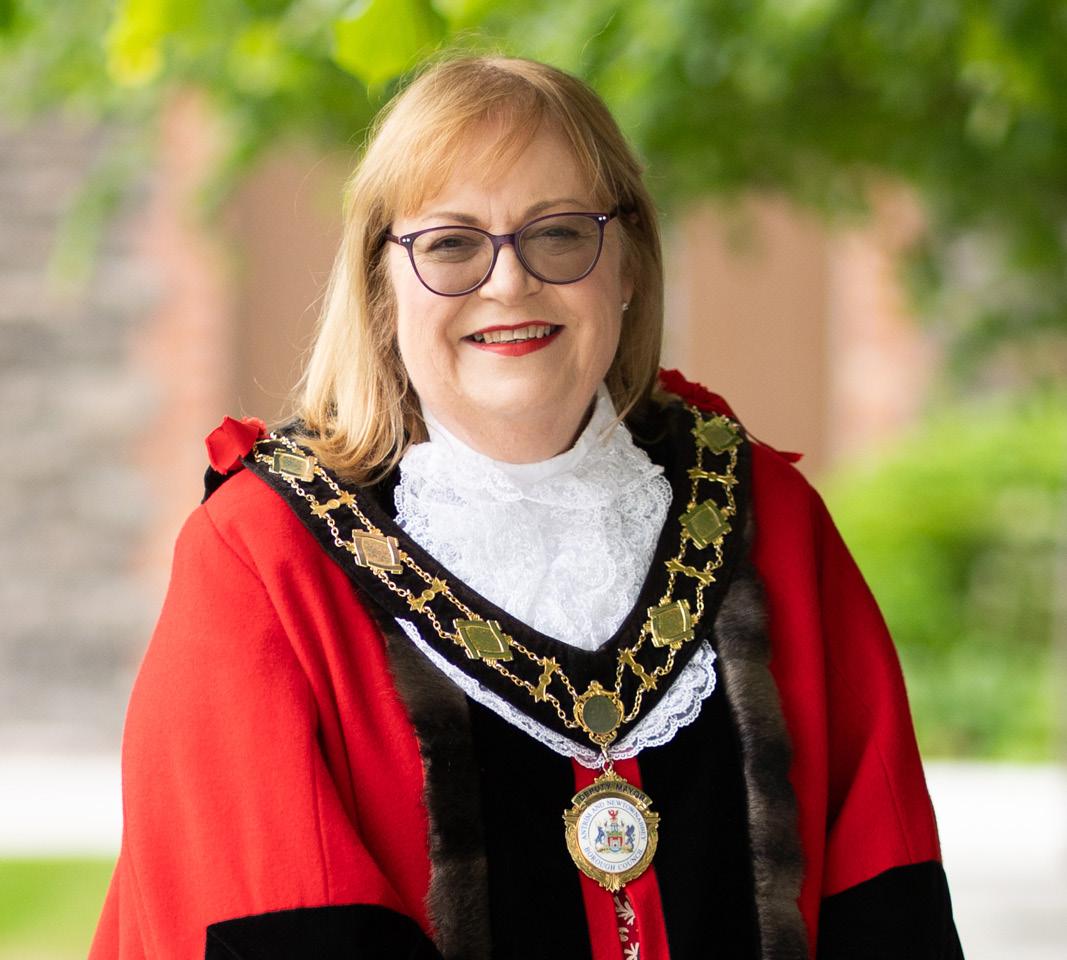
Councillor Julie Gilmour, Chair of Antrim and Newtownabbey Policing and Community Safety Partnership (PCSP)
I am pleased to introduce this booklet, developed to strengthen professional understanding of The Rowan and the vital role it plays in supporting victims and survivors of sexual abuse and sexual violence across Northern Ireland. The Rowan provides a safe, specialist and compassionate environment where individuals can access immediate care, expert forensic services and longer-term support.
For professionals, knowing when and how to refer is crucial. This resource has been designed to support confident, informed and trauma-sensitive decisionmaking, helping to ensure that those who need help are identified early and supported without delay. By improving our collective awareness of The Rowan’s services and referral pathways, we can positively influence outcomes and ensure no one faces crisis or recovery alone.
As Chair of the PCSP, I commend the strong partnership working that has informed the development of this booklet. Together with our statutory and community partners, we remain committed to protecting the safety, dignity and wellbeing of all. I hope this resource empowers professionals, strengthens collaboration and supports greater access to the life-changing services provided by The Rowan.
This booklet has been developed in partnership with The Rowan to raise awareness of Northern Ireland’s Sexual Assault Referral Centre (SARC) and the specialist services it provides for both children and adults who have experienced sexual abuse and sexual violence.
At a time when referrals to The Rowan appear to have declined, it is essential that professionals across health, social care, justice, education and community settings remain alert to the prevalence and impact of child sexual abuse and all forms of sexual harm.
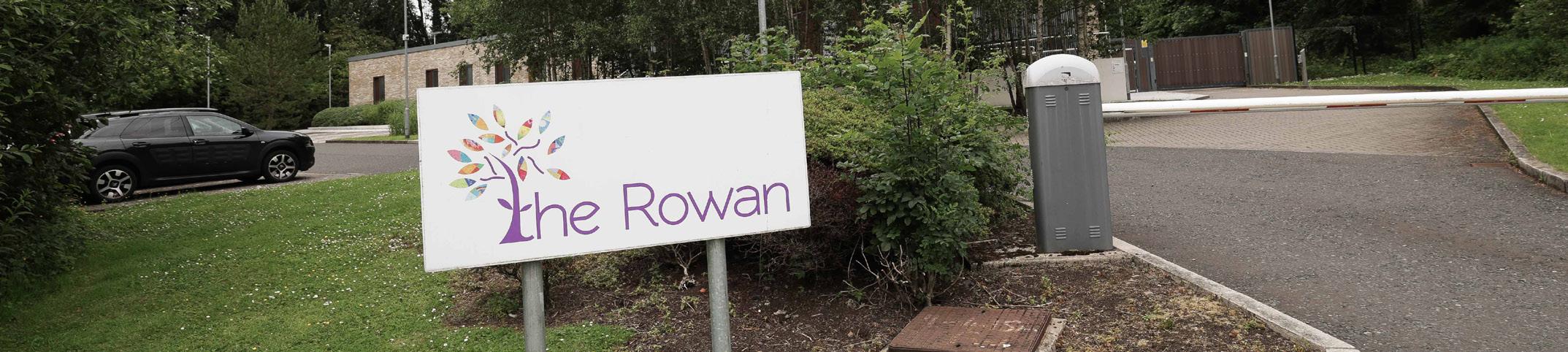
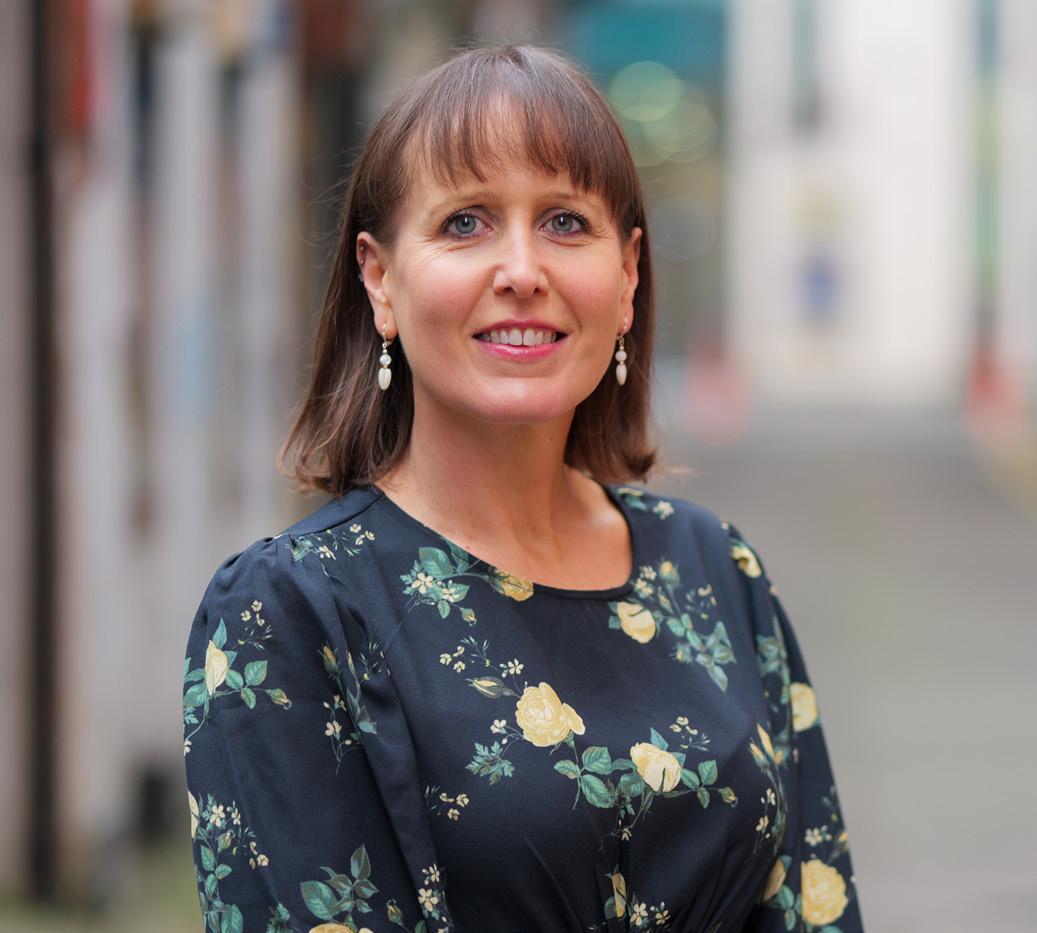
This booklet was researched and compiled by freelance journalist Kathryn Torney. Throughout her career, she has used data, investigation and humancentred storytelling to shine a light on issues that can be hidden, misunderstood or overlooked. For this project, Kathryn returned to The Rowan, which she first reported on 10 years ago, to interview key members of staff and PSNI officers.
Kathryn has extensive experience in reporting on safeguarding, support for victim-survivors, and the long-term impact of trauma across our communities. She has been an advisor for two editions of Women’s Aid Federation NI’s Media Guidelines for Reporting on Domestic Abuse. She is also a member of a Gillen Review working group set up to produce guidance for reporting on serious sexual offences.
In creating this booklet, Kathryn set out to demystify The Rowan’s vital work and to strengthen understanding of the pathways that ensure victimsurvivors receive specialist care at the earliest opportunity.
This booklet includes references to child sexual abuse. Some readers may find this material distressing. If you are affected by this content, information on support services can be found on page 18.
• Access to specialist, trauma-informed care delivered by experienced professionals.
• Early support improves outcomes for victimsurvivors, whether or not they choose to engage with the justice system.
• Clear advice and guidance for professionals on safeguarding, consent and next steps.
• A coordinated, multi-agency response that prioritises safety, dignity and choice.
• What is The Rowan?
• The Rowan Team
• Why is The Rowan needed for children in NI?
• Appeal from the Head of Service
• The importance of talking about sexual abuse
• Common reasons children come to The Rowan
• What is an ‘acute’ case?
• Should non-acute, non-contact and historic sexual abuse cases also be referred to The Rowan?
• What happens when children arrive at The Rowan?
• The physical examination
• Evidence gathering advice
• What happens to the evidence?
• Legal outcomes from The Rowan
• How else are children supported?
• The importance of listening to children
• The cases we remember
• Haileigh’s story
• Sophie’s story
• Messages for victim-survivors
• The Rowan contact details
• Other support available
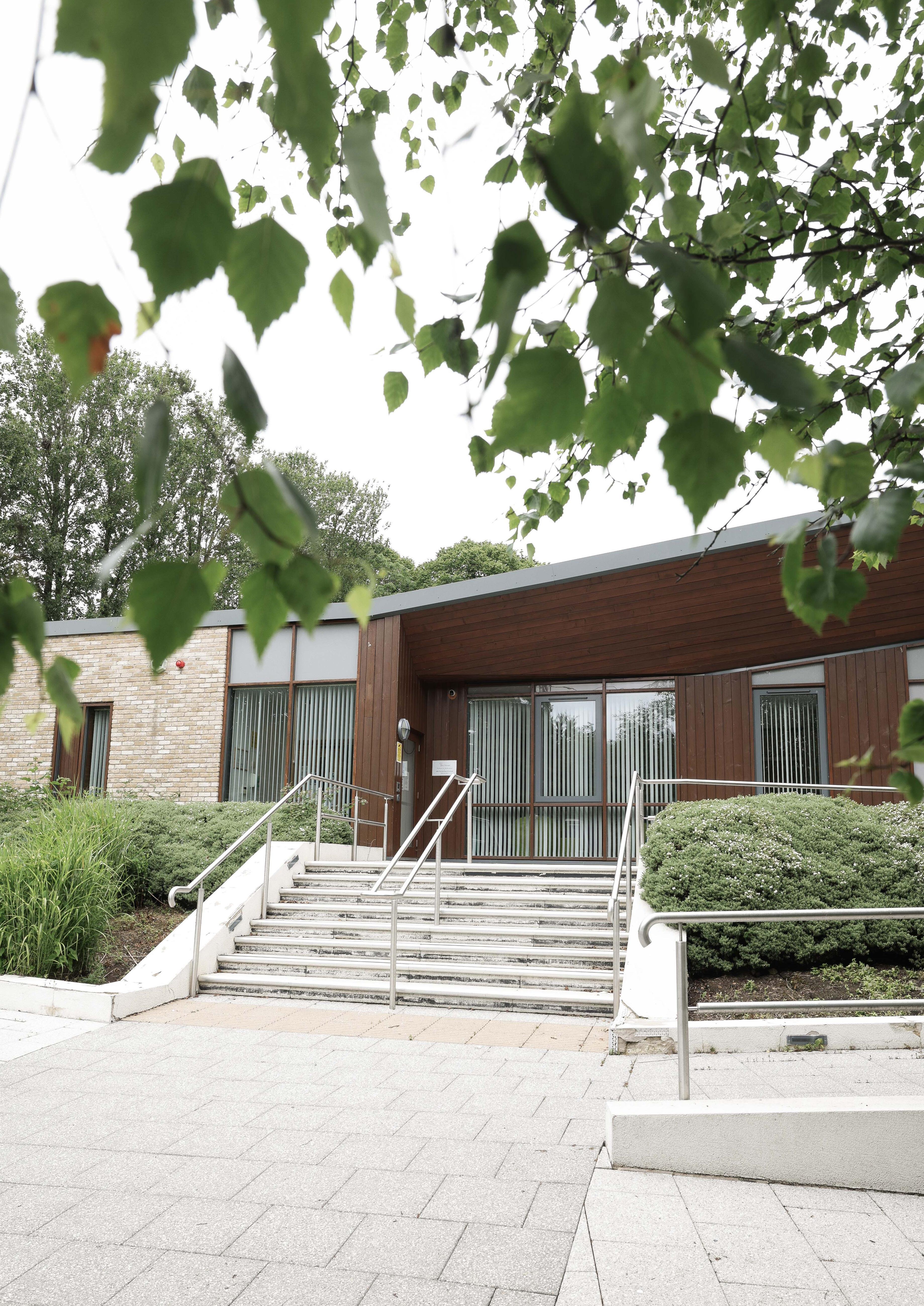
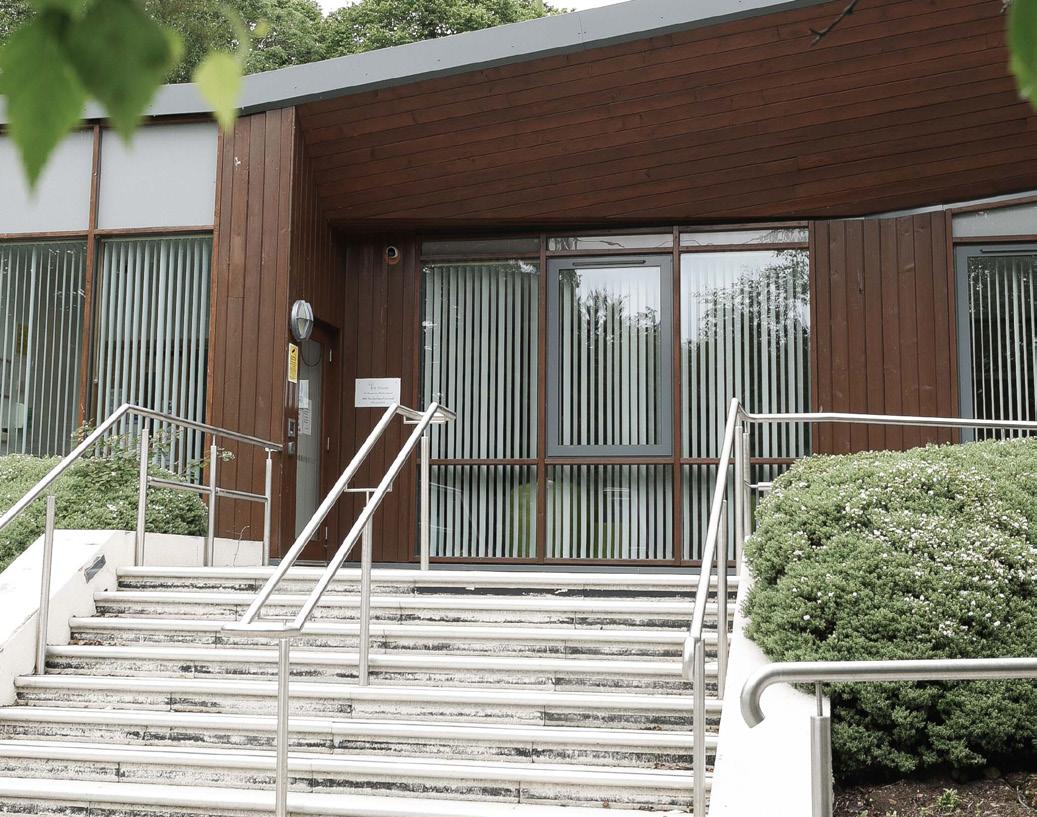
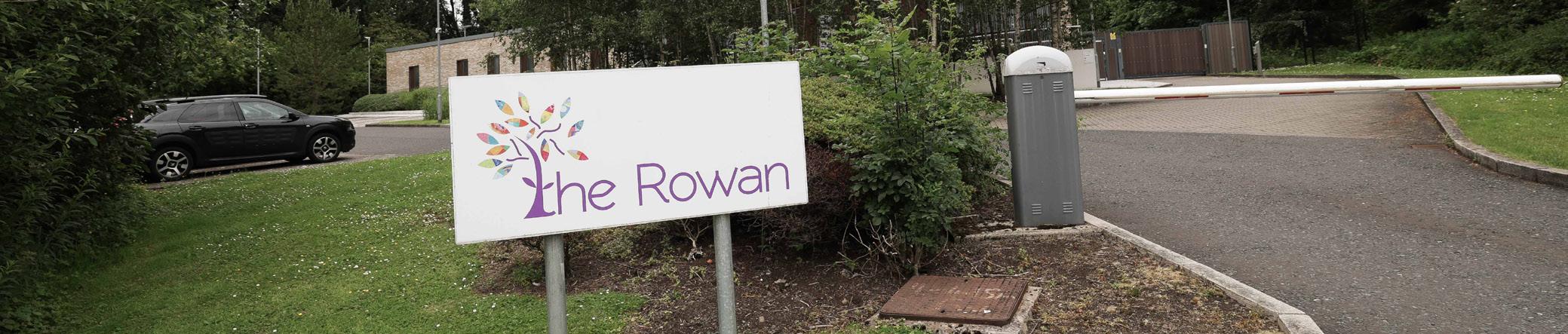
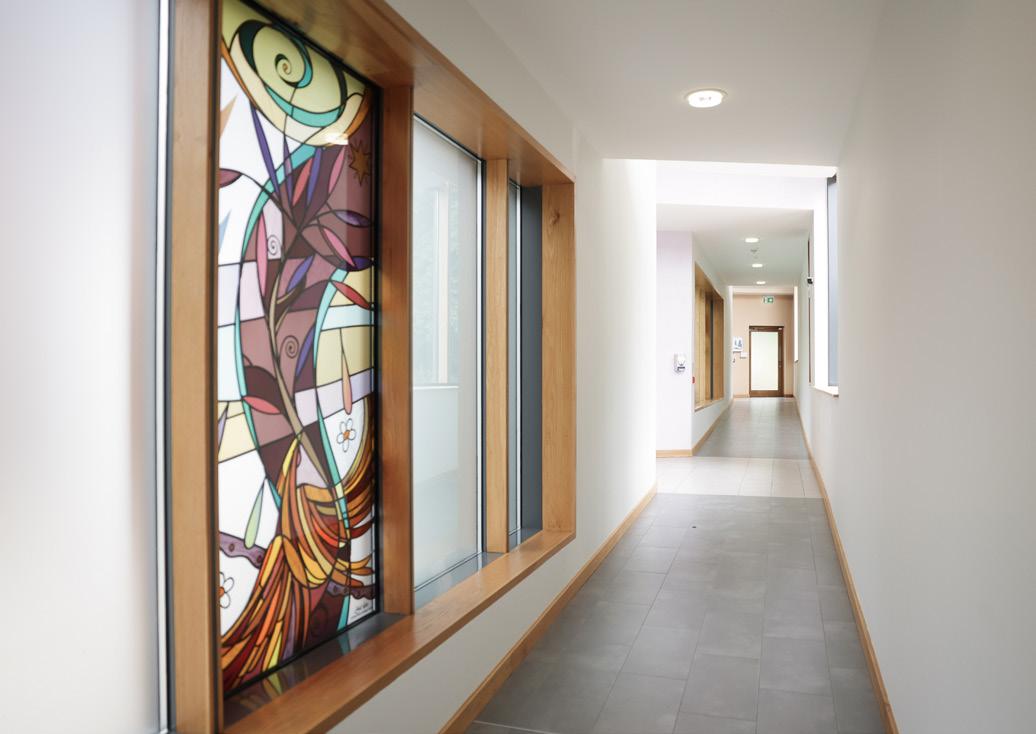
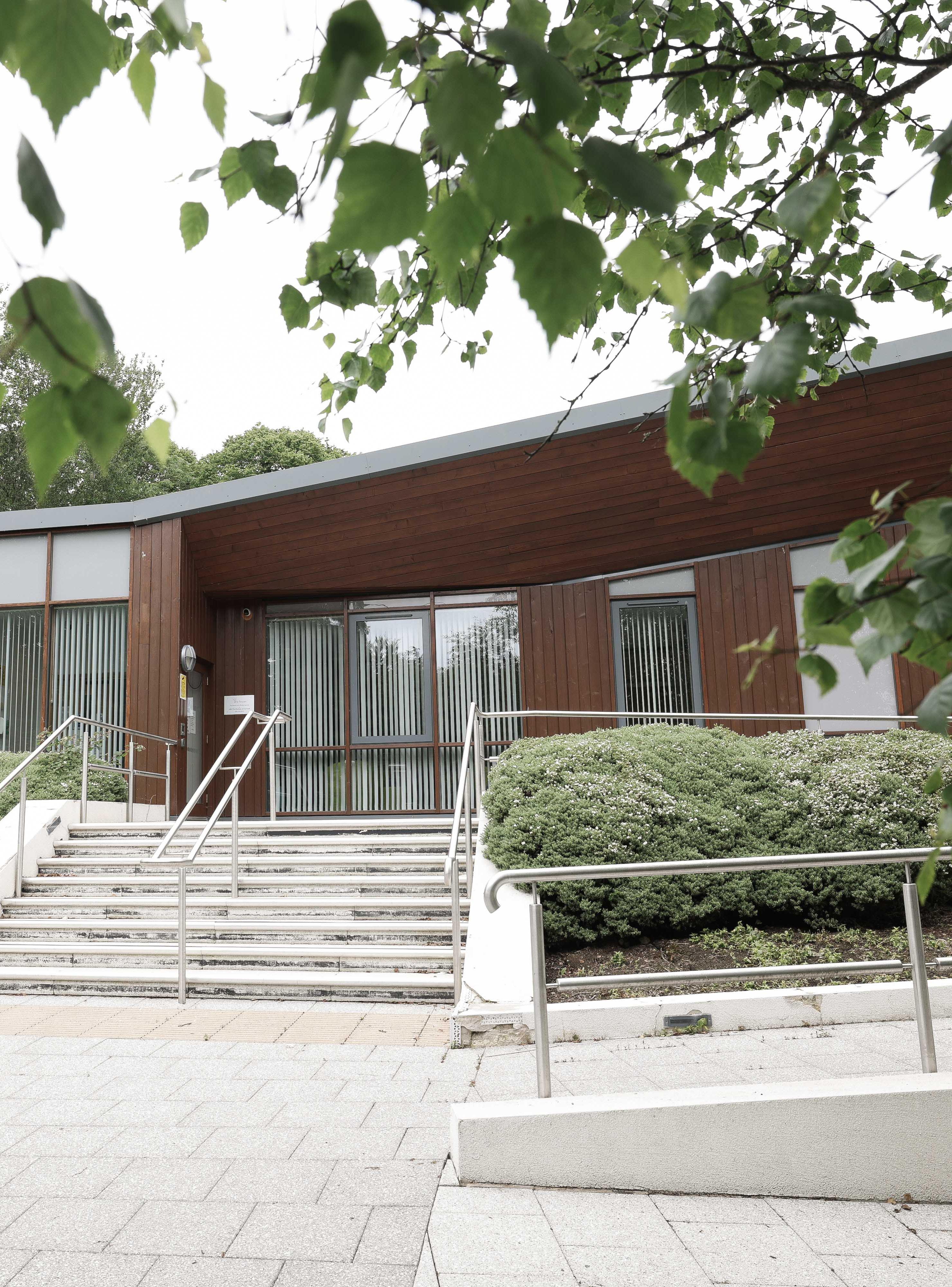
Nestled in the grounds of Antrim Area Hospital is a long, low building lined with tall windows and decked in wooden panelling. If you have driven past, you may have assumed it was an admin block or outpatient centre.
The Rowan is a haven which provides support and care for people who have experienced something many people prefer not to think about. It is Northern Ireland’s specialist – and only – Sexual Assault Referral Centre.
Within its walls, a professional and highly trained team deliver support services 24 hours a day, 365 days a year to women, children and men who have been sexually abused, assaulted and raped, recently or in the past.
The service is jointly funded by the Department of Health and the Department of Justice in Northern Ireland.
This booklet focuses on the support The Rowan provides to children. It’s an uncomfortable topic, but the reality is that sexual abuse of children in Northern Ireland happens, often.
The team at The Rowan includes a clinical director, forensic doctors, paediatricians, a team of nurses, a consultant physician for genitourinary medicine and an administrator.
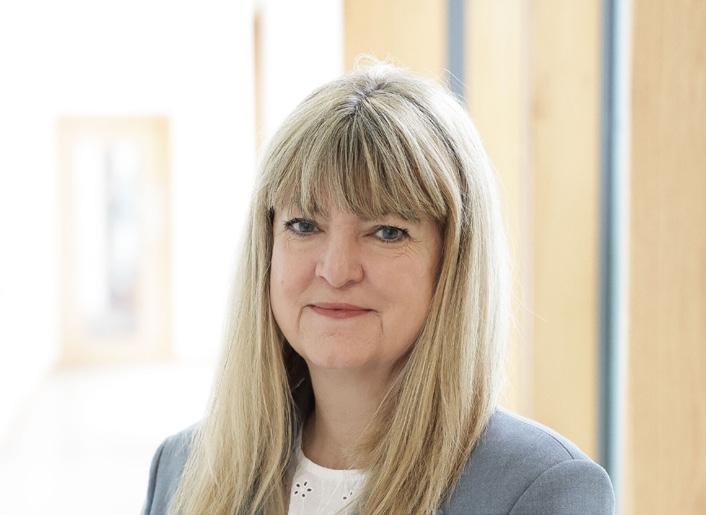
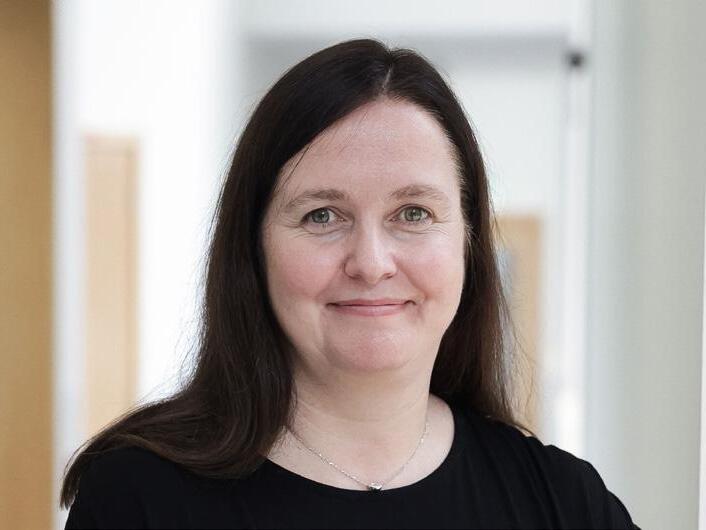
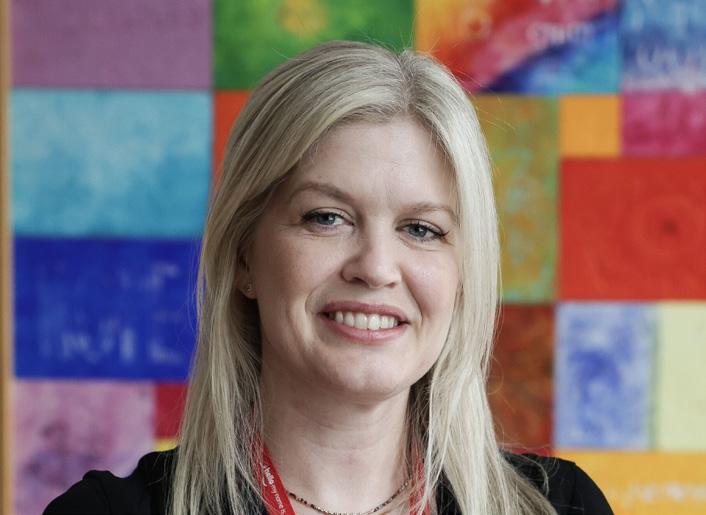
Paediatrician
The Rowan cares for children ranging in age from only a few days old up to 17 years old. They know they currently only support a fraction of child sexual abuse victim-survivors.
• Between April 2024 and March 2025, 694 individuals contacted The Rowan for support. This included 78 children aged under 18 and is a 25% decrease from the number supported during 2023/24.
• Across Northern Ireland, during the year to the end of November 2025, 4,346 sexual offence crimes were recorded by the PSNI – compared to 4,132 the year before. This included 1,229 rapes.
• There were 1,496 crimes recorded where the victim was a young female aged under 18 and 732 relating to young males under 18.
• The Children and Young people’s Independent Sexual Violence Advocates (ChISVAs) dealt with 700 referrals in a year.
There will be cases of sexual offending against young people which are never reported to the police – they are absent from the official crime data.
It’s such a prevalent but hidden problem in society and I feel we only see a fraction of the tip of the iceberg of child sexual abuse cases at The Rowan. We would like to see more referrals.” There’s not one Trust area that doesn’t have sexual offending being reported on a daily basis. It is widespread.
Dr Rebecca Moore Detective Inspector Tom O’Neill
The most recent PSNI recorded crime statistics can be found : www.psni.police.uk/about-us/our-publications-and-reports/official-statistics/policerecorded-crime-statistics
The Rowan team want all agencies and professionals supporting children who have been abused to know the Sexual Assault Referral Centre is available to provide support.
Head of Service, Jo Brown, said: “We see children who have been sexually exploited, children who have been raped and children who’ve been victims of serious sexual assault. The impact is absolutely devastating.
“It does worry us that there has been a drop in referrals because I don’t believe that the scale of the problem has reduced in any way.
“We need to know about all child cases as we have the experts here to make an assessment about whether we can provide support. We don’t just offer acute examinations, we can do injury checks, sexual health follow up and provide information and advice.
“Anyone who comes to us will be looked after and cared for. The most important thing to us is their health and wellbeing and we do things by consent with the patient at the centre.”
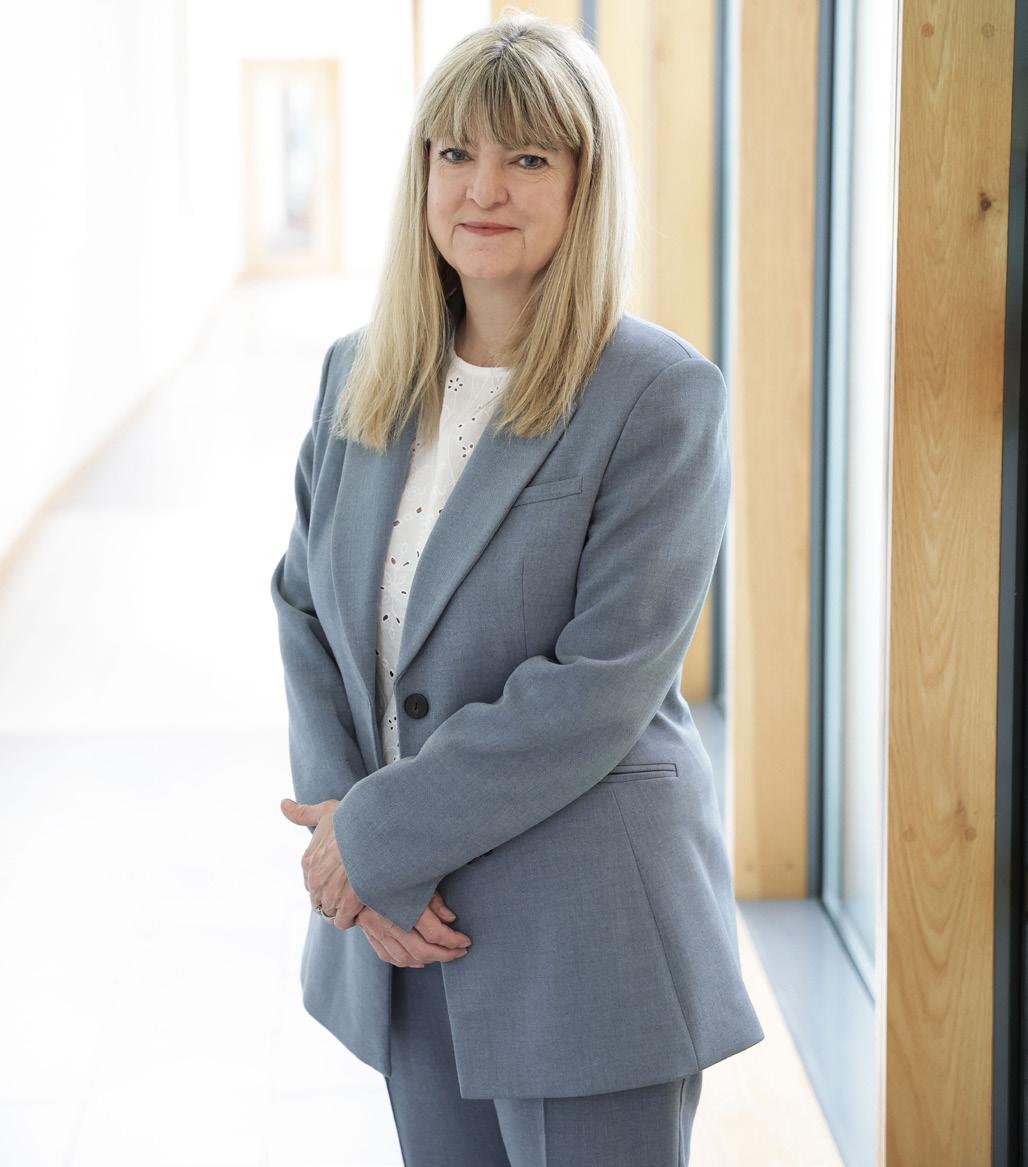
Professor Sarah Hull: “A lot of people feel shame and fear they won’t be believed so they don’t tell anyone what has happened to them. We need to talk more about sexual abuse happening and that we have support services for victims.”
Children’s Independent Sexual Violence Advisor Michael McCartan: “There are children who are sexually assaulted who are unaware that it’s sexual assault. That’s why open discussion around this is so important.”
Dr Rebecca Moore: “Many people will take childhood sexual abuse to the grave. It’s estimated 25 to 30% will never tell anybody. Children are heavily groomed, threatened and coerced. They are made to feel scared, embarrassed and ashamed about what has happened. The shame needs to shift to the people who abuse.”
Jo Brown: “We need to have open, honest conversations in the home, in schools, in youth clubs and with our friends about what healthy relationships are. We need to speak about the impact of pornography and social media, what keeps us safe, what is a coercive relationship, and what is domestic and sexual abuse.”
• Disclosure of abuse by a child
• Suspicion of abuse by a parent, carer or other person due to a significant change in the child’s behaviour or newly demonstrated sexualised behaviour or language
• Blood in a child’s underwear or an injury noted
• Sexually transmitted infection diagnosed.
Perpetrators include family members, friends, strangers and online predators
Detective Inspector Tom O’Neill: “A lot of the time child abuse involves dealing with offenders that are known to our victims. Reports often come from school where they have made a disclosure to a teacher. Most of our victims who are abused by a family member come forward because they are afraid of other family members becoming victims. We also have cases that come through to us as a live incident we are investigating.”
Getting to The Rowan as soon as possible is important for cases involving very recent abuse. Forensic evidence can be gathered after an acute assault and potentially used as evidence in criminal cases.
Professor Sarah Hull: “An acute examination is for forensically hot cases. For young children, there is a shorter window to retrieve forensic evidence than adult cases. For adult females, according to the current best practice guidance, it is up to seven days. For children who haven’t gone through puberty, in general it is 72 hours. That’s why we would encourage referrals are made as soon as possible. However, even if these timeframes have elapsed, it is important that children are referred to The Rowan, as assessment involves much more than forensic sampling.”
Dr Rebecca Moore: “We can also see children who have sustained serious injuries in local hospitals. If a young child has been assaulted, the physical trauma can be significant at times. We may take a forensic grab bag and go to see them in theatre or intensive care.”
Should non-acute, non-contact and historic sexual abuse cases also be referred to The Rowan?
Absolutely, yes.
If a case is outside the acute forensic window, the Rowan is still very keen to see children as soon as possible, particularly if they are complaining of ongoing symptoms or may have an injury.
Children can be seen anything from a couple of weeks up to years after an assault. For non-recent cases, an examination can be organised less urgently and at a time which suits the family and social services.
In non-contact abuse cases, The Rowan offers a safe space for a child to potentially say more about what has happened to them.
Everyone will be treated with respect and compassion.
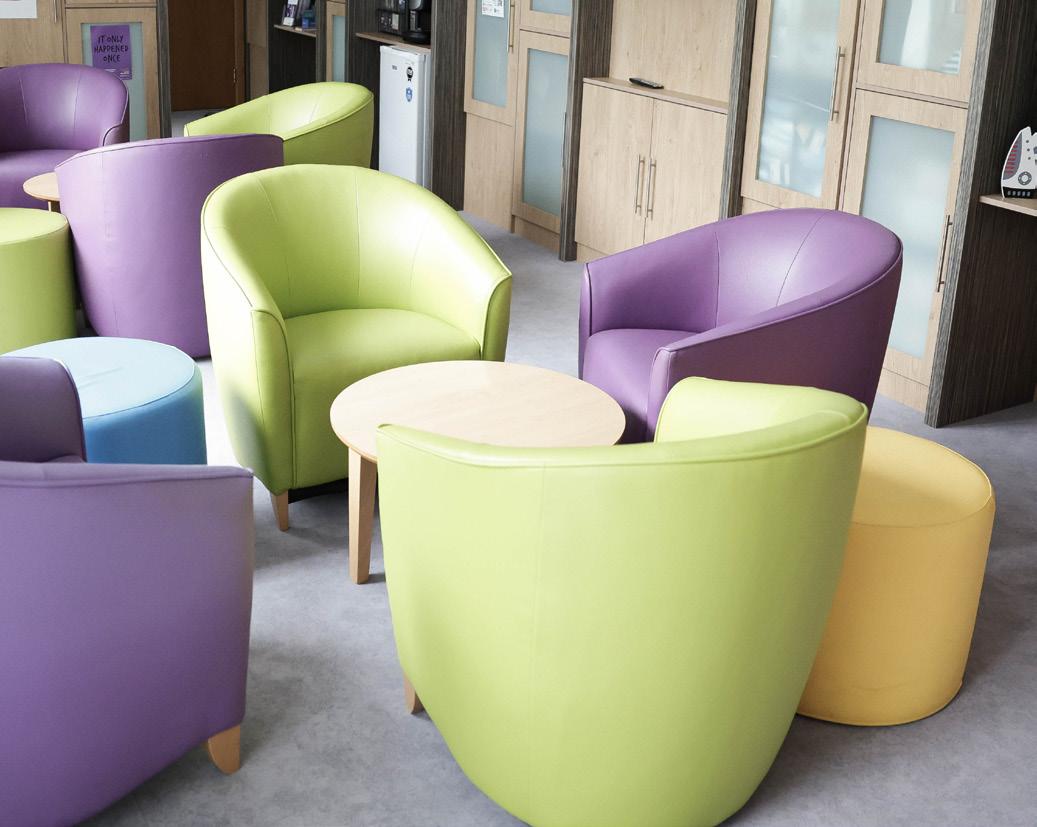
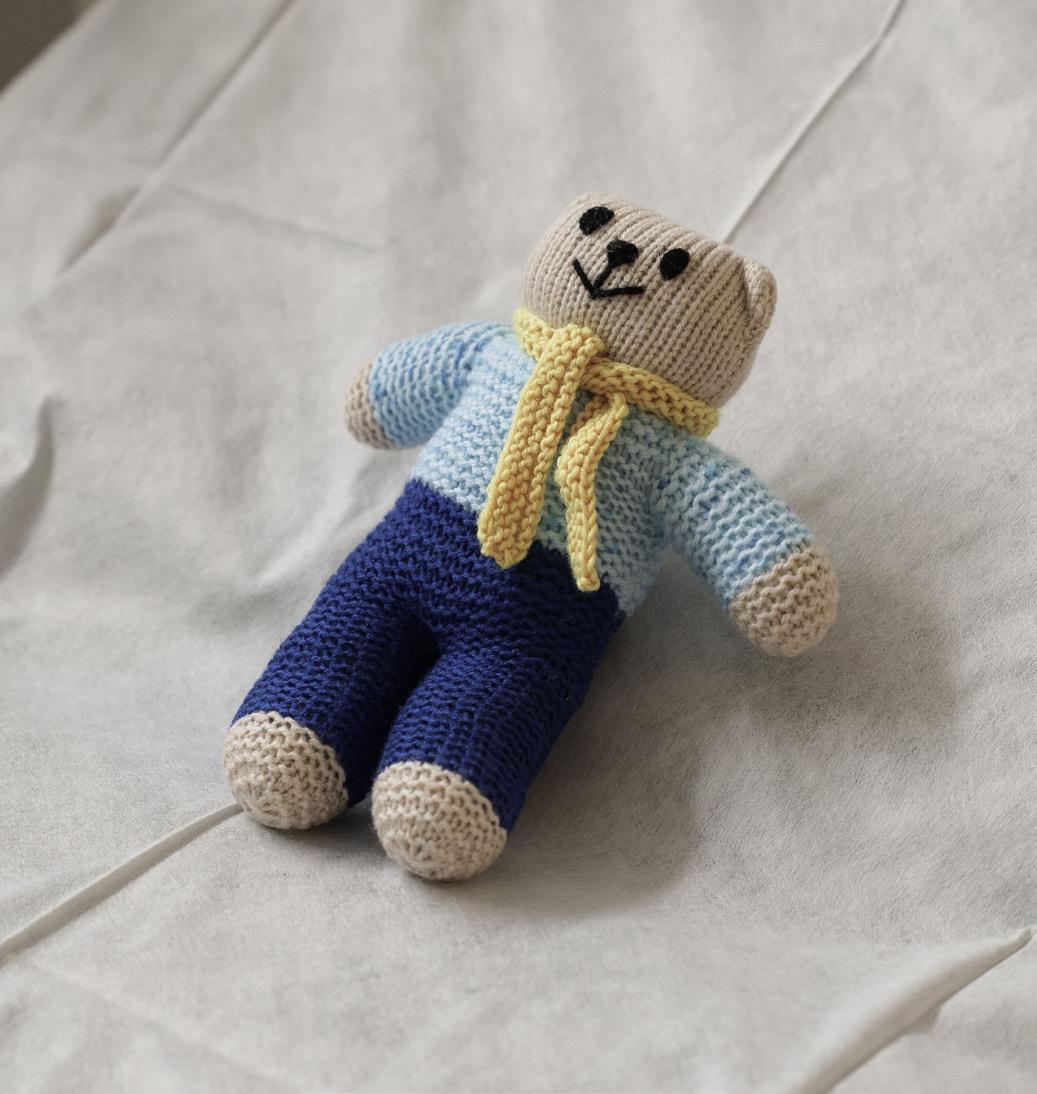
The Rowan’s reception and waiting room area is bright and welcoming. Toys on the shelves are a stark reminder that very young children are among the people needing this specialist support.
Children are brought to The Rowan at the request of police and social services. They will be accompanied by their parent or carer who will be present with them throughout.
Time is spent explaining to the parent or carer what the physical examination will entail while their child plays with the social worker, one of the nurses or a relative. For older children, options are clearly outlined so they know they are in control. The support children receive is tailored to each individual.
There are toys and iPads and nurses available to distract young children. The staff also help to keep the parents/guardians calm and engaged with their children during a very upsetting time.
They will be taken up to the paediatric wing of the building – a forensically sealed area of the building specifically designed for young patients. They are likely to remain on site for up to three hours or possibly longer during this first visit.
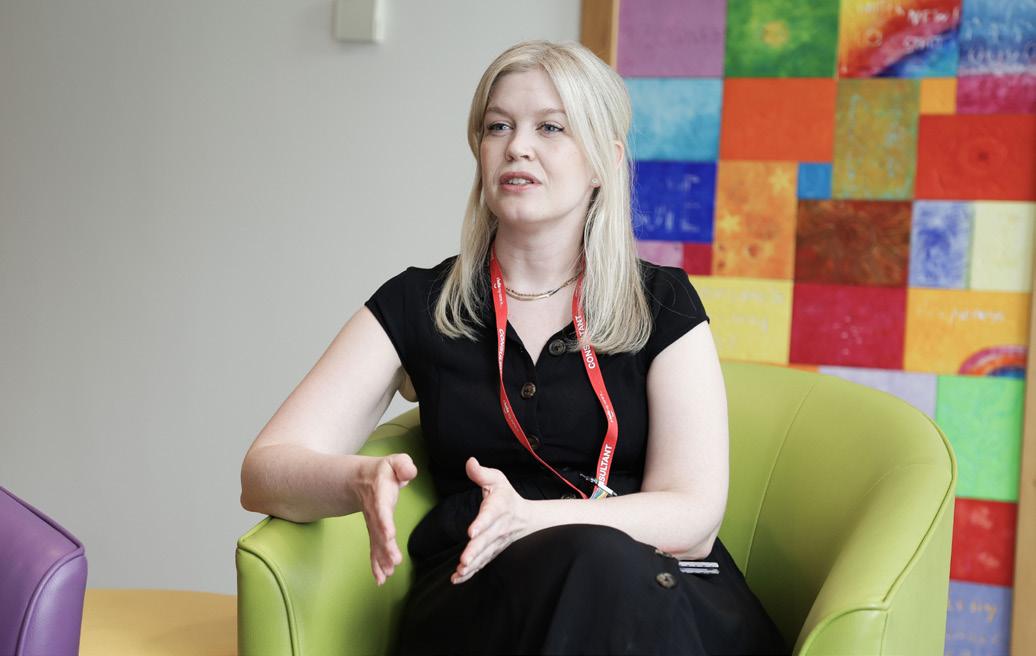
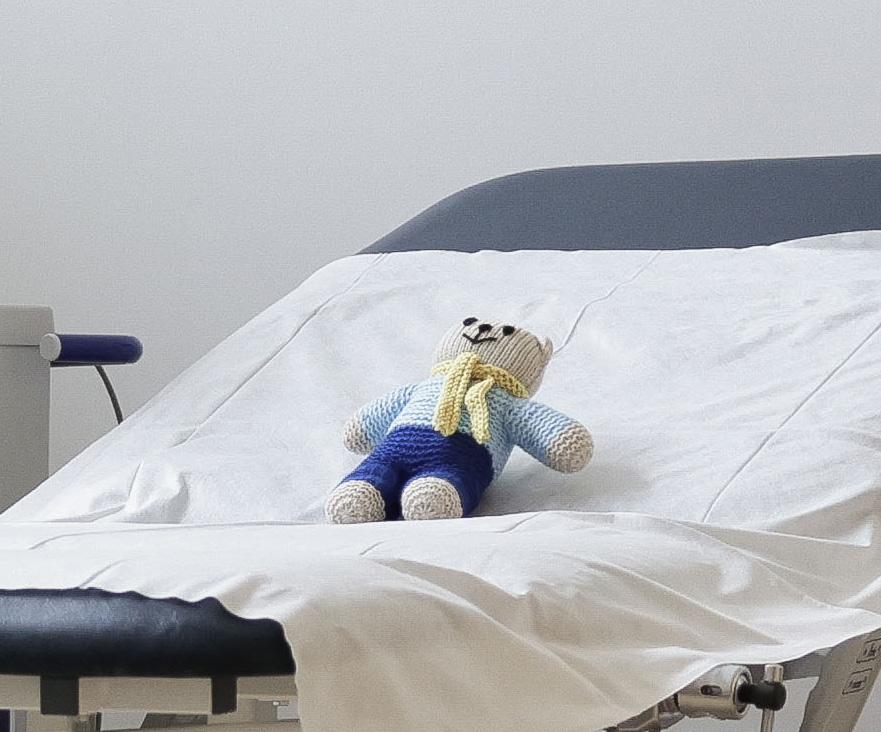
The examination is treated like a normal visit to the doctor as much as possible. The Rowan doctor will measure the child’s height and weight, look in their ears and listen to their chest and heart.
Younger children may prefer to stay on their parent’s knee while older children go up onto the couch.
The examination starts with a head to toe check for marks and injuries. Injuries are measured and documented. The last stage is examining the genital area. It is mostly an external examination using a light which also provides magnification. There is no internal examination for pre-pubertal children. If forensically acute, swabs will be taken of the external genital area. Swabs may also be taken to check for sexually transmitted infections.
No part of the examination should hurt and if the child becomes distressed, the examination will be stopped.
Dr Rebecca Moore: “There are a lot of myths and fear surrounding forensic medical examinations. We often hear the phrase that no one wants to put a child through that trauma, but we would say that an examination here isn’t traumatic. It’s a healing examination.
“We only ever do as much as the child or family wants us to do, so they are in control. We’re very keen to give power back to victims. Most people that come through the centre feel better after seeing us.”
• The Rowan nurse will contact the family to prepare them for their visit to The Rowan.
• Forensic evidence may be gathered from the child and their clothing at The Rowan. Once the examination is complete, the child will have the chance to shower and change into fresh clothing, or they may prefer to wait until they go home.
• If possible, it is better for them not to shower, brush their teeth, eat or drink before going to the centre. But they and their family shouldn’t worry if they have done any of these things as it doesn’t mean it’s too late to collect forensic evidence.
• If a child doesn’t yet feel ready to speak up about abuse, it might be helpful for them to start writing a diary and speak to a trusted person as early as they feel able.
• Keeping notes of everyone they have told could be used as evidence and may help to get a conviction in court at a later date.
• Any relevant messages on their phone could be saved and sent to a trusted person.
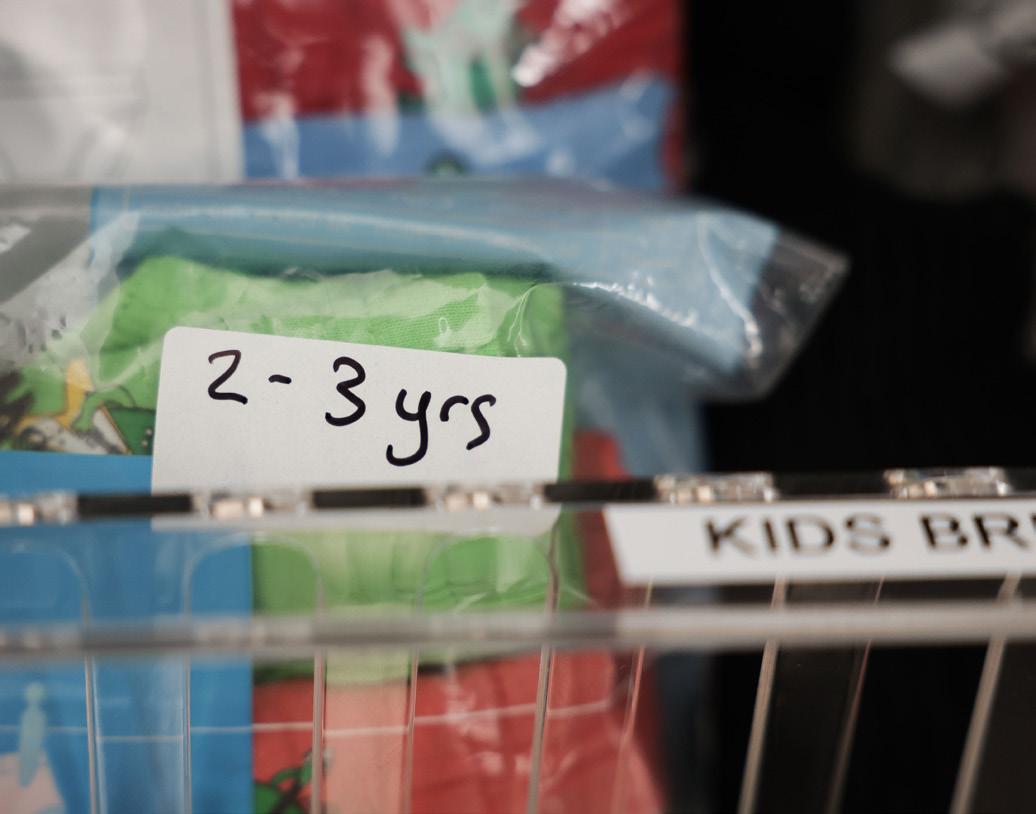
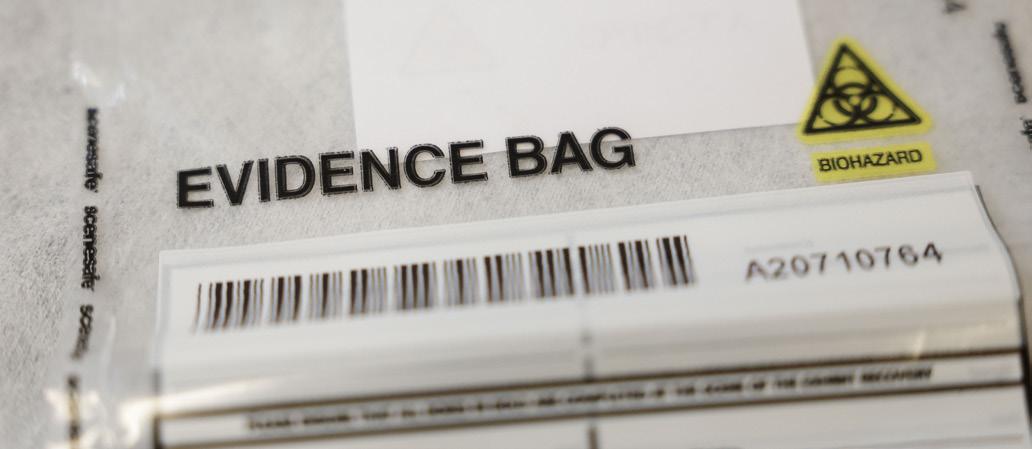
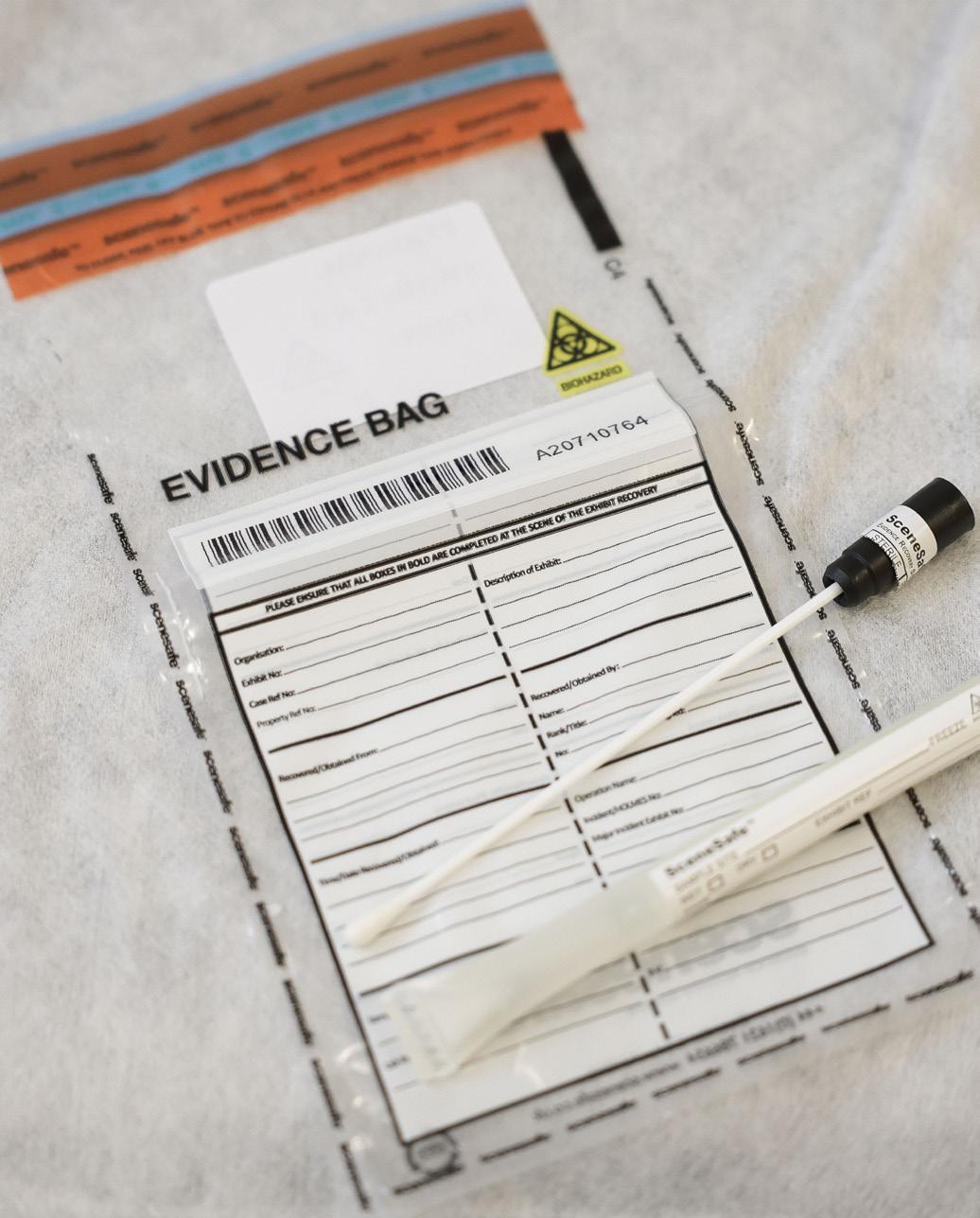
Any forensic evidence gathered at The Rowan –saliva, DNA, semen and other foreign material – is packaged up and handed over to the police. In the case of people aged over 18 years old who attend without police involvement, forensic evidence can be taken and stored at The Rowan until a victimsurvivor feels ready to proceed with their case.
The Rowan doctors write a report for social workers and the police. The PSNI and forensic lab will decide what samples are analysed.
Feedback to families comes from the police or the domestic and sexual abuse advocacy service, Assist NI: www.assistni.org.uk
The evidence gathered may be used in court proceedings. Rowan staff may also be asked to attend court to answer questions.
The Rowan will also follow up where required with families to ensure a full range of support services is made available.
Professor Sarah Hull: “Before the Gillen Review, we may have been called as doctors to give evidence in court for a case involving a secondary school aged child we had seen when they were in preschool or primary. They had the case hanging over
them for that entire time. Now some cases can be fast tracked and heard within the same year, which is fantastic.”
Detective Inspector Tom O’Neill: “Where there is a strong possibility that we could get a successful prosecution for a victim aged under 13, we will fast track all of the actions. If we have a victim that is willing to engage and give evidence and there is forensic evidence, then we will be pushing for those cases. We have had cases where we have had the offender sentenced and placed in prison within four months.”
Evidence can be provided to courts from remote evidence centres which means the victim won’t risk seeing the defendant within the court setting.
If a victim doesn’t want to give evidence now, the police can pick up the case at a later date. A referral case number will be given by the PSNI to all victims who report abuse.
Detective Inspector O’Neill said: “We are here whenever they are ready. We will work tirelessly to try and bring our victims on board, support them through the whole process, and really try and get them justice.”
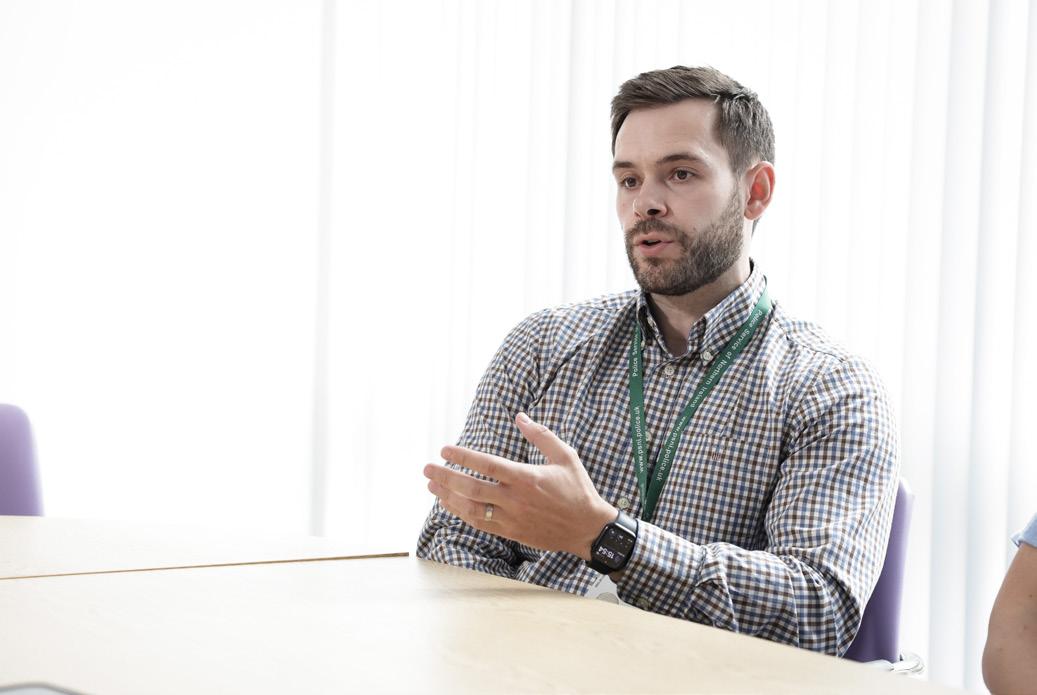
Detective Inspector Tom O’Neill
The Gillen Review report into the law and procedures in serious sexual offences in Northern Ireland was published in May 2019: www.justice-ni.gov.uk/topics/gillen-reviewreport-law-and-procedures-serious-sexual-offences-ni
Children can be screened for sexually transmitted infections at The Rowan and emergency contraception will be provided if needed.
A care plan will be provided which details the care received in The Rowan, any follow up care arranged and contact details for other organisations which can offer support.
Children’s Sexual Offences Legal Advisors (CSOLAs) are qualified solicitors who offer free legal advice and support children who have been victims of a serious sexual offence. They are based in Victim Support NI and are independent from the police and prosecution services.
Children’s Independent Sexual Violence Advisors (ChISVAs) support children who have experienced rape, sexual abuse or sexual exploitation.
ChISVA Michael McCartan said: “My role is to make sure that a young person’s voice is heard throughout the process. I explain aspects of the criminal justice system, advocate on their behalf, manage their expectation, and provide referrals into therapeutic and holistic services. It is very complex. You can be working with young people for years, especially if they don’t get the closure or sense of justice that they need.”
Dr Rebecca Moore: “Whenever I’m teaching medical students and resident doctors, I always tell them to offer any child a safe space to talk to you about themselves. You’d be surprised what information you can get. Even at the age of two or three, they could tell you something that’s so important.
“That’s one of the biggest learning points from case management reviews - we don’t listen to children enough. We take histories from parents, but the most important thing is to talk to children themselves.”
Dr Rebecca Moore: “It’s hard to unhear some of the horrific details of the abuse that children have endured. The fine print of their stories stay with me. I looked after a pair of sisters and the older girl said that she covered her baby sister’s eyes when she was being assaulted. I cried the whole way home after hearing that. I also had another very young child who provided so much detail to the police that her testimony led to the conviction of the perpetrator. I have such admiration for her and all of the children that we see in The Rowan; they have such strength.”
Children’s Independent Sexual Violence Advisor
Michael McCartan: “I think not of a specific case but of a cluster of cases - the young people who come forward to the detriment of their own safety to protect a sibling. They will speak out, sometimes under threats of physical violence or threats to kill, because they do not want what has happened to them to happen to their younger sibling. They are so brave and that always resonates with me quite profoundly. The resilience of young people never ceases to amaze me.”
Professor Sarah Hull: “We have had cases of disclosure of familial abuse. I’ve seen very distressed parents but the child themselves very stoic and gives a really good account to police which has helped to identify specific forensically relevant items at the scene.”
Detective Inspector Tom O’Neill: “There are accounts that we’ve had from victims where they are telling us their worst ordeal. We can never remove the images that we see, and we can never remove the accounts that we hear, but we know the difference that we make is massive.”
I also had another very young child who provided so much detail to the police that her testimony led to the conviction of the perpetrator. I have such admiration for her and all of the children that we see in The Rowan; they have such strength.
Dr Rebecca Moore
Between the ages of seven and 18, Haileigh Ashton Lamont was sexually abused by her stepfather. In July 2020, when she was 29 years old, Haileigh reported this to the PSNI. In November 2021, her abuser was convicted and sentenced to 16 years - half to be served in prison and half on licence.
She went on to found Renegade Advocacy – a training and consultancy organisation which uses lived experience expertise to inform, educate and empower professionals across sectors. Haileigh attended The Rowan to complete her Achieving Best Evidence (ABE) interview. This specialist interview is used in criminal investigations to gather accurate and reliable accounts from vulnerable witnesses, including children. It aims to minimise distress and ensure the interview process is legally sound.
Haileigh later worked as a criminal justice advocate and describes it as a “full circle moment” to support clients through forensic medical examinations and their ABE interviews. “I was standing in The Rowan one day, the sun was coming through the window, and I was feeling positive about my contribution to the support the centre provides, but then I heard a really young child laughing and talking out in the corridor. The reality of what they were in for and what had been done to them hit me. It was a cruel reminder of the prevalence of childhood sexual abuse. I felt sad for the child, compassion for the parents and appreciation for the facility.”
Haileigh described The Rowan as “exceptional” and praised the one-to-one care it provides to both child and adult victim-survivors. She continued: “I know what it is like to fear the perpetrator and the uncertainty about the journey ahead, post disclosure. It is suffocating. The only resolution is for an adult to sit down with you and say this is exactly how we’re going to deal with this and listen to your concerns and needs. It takes a qualified person, like the staff at The Rowan, to be able to engage with a child and consider how they are feeling in the moment and provide much needed care at such a crucial time.”
Haileigh was determined to ensure that something positive emerged from her experience. “I wanted to go on and do more with my life than just accept that victims are stereotyped and perceived only as what was done to them. I am shifting society’s perceptions by using my lived experience to raise awareness and help other people on their journey.”
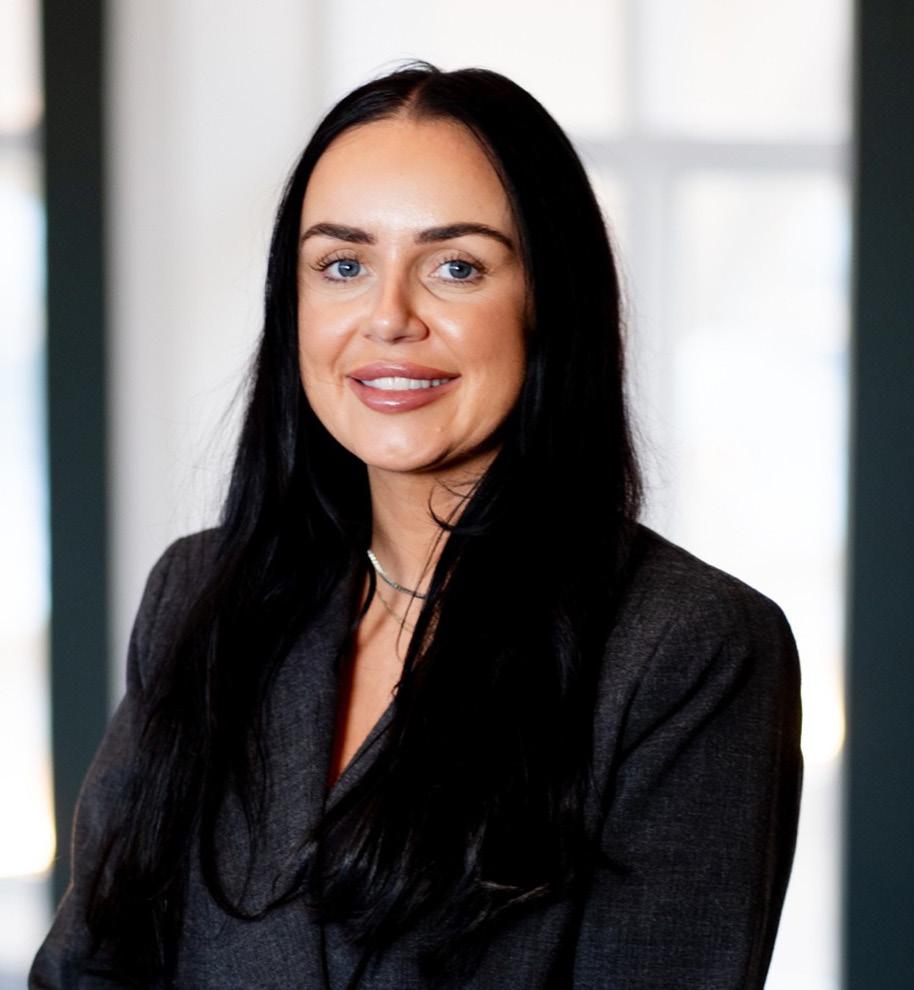

Led by Haileigh Ashton Lamont, this advocacy organisation bridges the gap between professional knowledge and lived experience. It helps individuals and organisations acknowledge and understand the impact of trauma and implement meaningful support. E. info@renegade-advocacy.com
Sophie (not her real name) was sexually assaulted when she was 20 years old during a short-term relationship when she lived in Belfast as a university student.
Sophie went to The Rowan Sexual Assault Referral Centre for help soon afterwards but didn’t report the incident to the police until almost a year later. She believes her attendance at the centre was crucial in the prosecution of her abuser.
“I would advise that, even if you are confused and in shock, just get yourself looked at,” she said.
“If I hadn’t gone to The Rowan, me reporting to the police would have been 100% more difficult. They wouldn’t have had my statement from the time, they wouldn’t have had photographs, and they wouldn’t have had all the swabs and things that they took.
“That evidence is invaluable especially if you are going into court.”
Professor Sarah Hull: “We will treat you with absolute respect and compassion and are led by your wishes as to what happens here. We will give you choice, control and will advocate for you.”
Dr Rebecca Moore: “We always tell families and children coming through here that it’s possible to heal and recover and lead a normal life. We’re here to try and reassure them that physically and emotionally you can recover, and we can help you with that.”
Detective Inspector Tom O’Neill: “You are in the driving seat and we want to go at your pace. If you need to stop, we stop. If you need a break, we break. We will work tirelessly to try and gather as much information as possible to get you justice.”

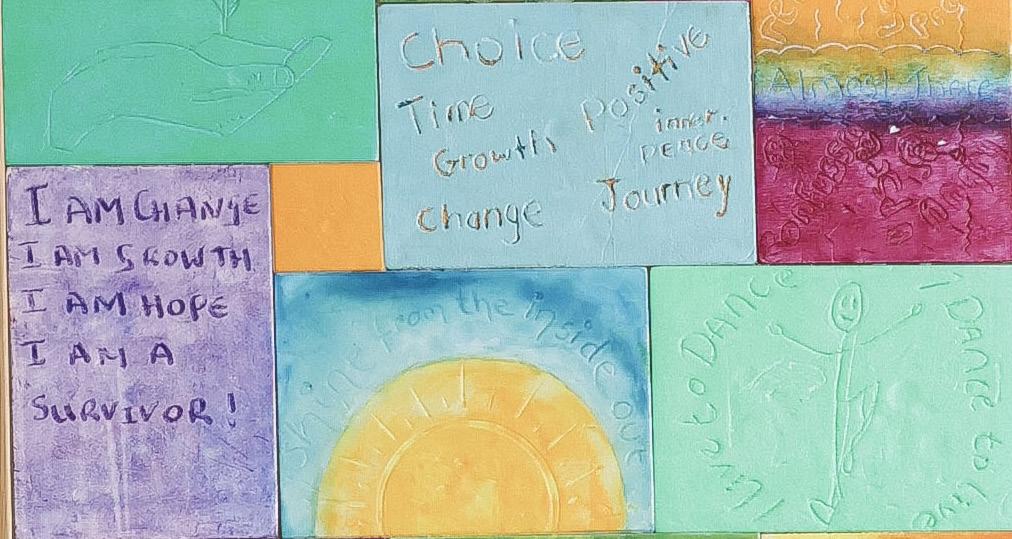
For any young person going through this, I send my solidarity, love and compassion and would say: don’t give up. It feels like such a mammoth task to address but one day you will be the grown up who understands that it is the perpetrator who is weak, not you! You have options to consider - justice, support and joy.
Haileigh Ashton Lamont
The Rowan is Northern Ireland’s only Sexual Assault Referral Centre.
Its services are open to all men, women and children who have been sexually abused, assaulted or raped, recently or in the past. The centre is open 24 hours a day, 365 days a year.
Sexual assaults can be reported to the PSNI who will arrange a visit to The Rowan.
The self-referral route without police involvement is only open to adults over the age of 18.
Translation services are available if English is not your first language.
The Rowan freephone advice and information line –T. 0800 389 4424
Website: therowan.hscni.net
Email: therowan@northerntrust.hscni.net
Address:
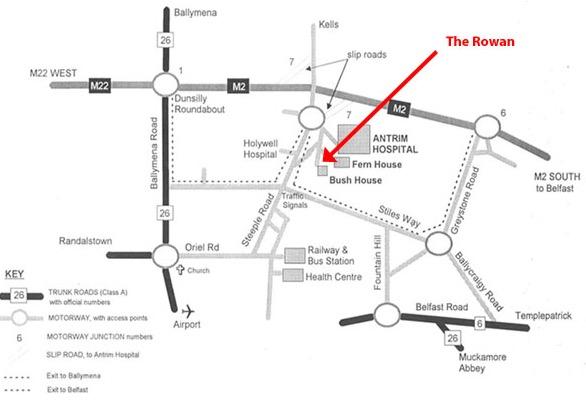
The Rowan Centre Antrim Area Hospital 45 Bush Road Antrim BT41 2RL

A 24 hour Helpline available to anyone who has concerns about domestic or sexual abuse, now or in the past. It is open to all women and men affected by domestic and sexual violence.
T. 0808 802 1414
E. help@dsahelpline.org www.dsahelpline.org
Call 999 in an emergency or 101 in a non-emergency when you need assistance or advice.
Report Domestic Abuse online: www.psni.police.uk/report
Northern Ireland’s leading organisation supporting individuals impacted by sexual abuse and abusive relationships, providing specialist counselling, education, and early-intervention services to help break the cycle and build a safer society.
T. 028 9032 6803
E. info@nexusni.org www.nexusni.org

A non-governmental organisation and support service for anyone aged 16 and over who has experienced rape or serious sexual assault in adulthood.
T. 0800 0246 991
www.rapecrisisni.org.uk
Victim Support NI is an independent charity which helps people affected by crime.
T. 028 9024 3133
E. belfast@victimsupportni.org.uk www.victimsupportni.com
Childline provides support for anyone under 19 in the UK experiencing difficulties, whether big or small. Trained counsellors offer free, confidential guidance and support at any time, day or night.
T. 0800 1111
www.childline.org.uk

The UK’s leading children’s charity, working for over 140 years to stop child abuse and neglect. NSPCC is the only UK children’s charity with statutory powers, meaning they can take action to safeguard children at risk.
NSPCC also provides guidance and support to adults concerned about a child’s safety or wellbeing.
T. 0808 800 5000
E. help@NSPCC.org.uk
www.nspcc.org.uk
Its Young Witness Service supports children and young people (under 18) who must attend court as prosecution witnesses in Northern Ireland, offering free, independent and confidential support before, during and after the trial. If you’re interested in this service
T. 028 9344 1947
E. help@NSPCC.org.uk
www.learning.nspcc.org.uk/services-children -families/young-witness-service
Lifeline provides confidential support for anyone in Northern Ireland experiencing distress, anxiety, or thoughts of suicide. Trained volunteers offer listening, guidance and practical support 24/7.
T. 0808 808 8000
www.lifelinehelpline.info

Working together, we can move from concern to action and from silence to safety.