‘Luz de las Naciones’ 2025 commemorates 100 years of the gospel in South America
10
Deseret Magazine
12
‘Stunning find’: Meet the missing woman in the Bible rediscovered by a BYU researcher
An error in Greek manuscripts erased the name of the only woman to receive a New Testament letter
Bluebird in my heart: How Wallace Stegner left Utah and found himself
By Doug Wilks Executive Editor
By Burke Olsen Publisher
We are pleased to introduce you to The Digest, a sampling of some of the best stories written every day by the dedicated journalists at the Deseret News, Deseret Magazine and Church News. Ouyor hope is that you will make us your trusted news source each day at a time when there is confusion and contention in the nation.
The Deseret News brand stands for unimpeachable journalism centered on the issues most core to the human heart. While the Deseret News since its beginning in 1850 has evolved to meet the demands of its audience — reimagining print offerings, launching an acclaimed magazine and increasing the visibility and reach of its award-winning website — the publication remains committed to certain timeless ideals.
We stand for truth and light. We stand for faith and family. We stand for liberty and responsibility. We provide news and perspective, exploring society’s thorniest problems in search of solutions that will improve your life. That’s our commitment to our readers.
We invite you to discover what we can offer you:
Award-winning website
Our website, Deseret.com, is designed to be user-friendly and available on any device. Whether you’re at home on your computer
INTRODUCING 'THE DIGEST'
or on the go with your mobile phone, you can access our website for the latest news, analysis and commentary.
Mobile apps
Our apps for iOS and Android devices offer a seamless and convenient way to access the latest news, wherever you are. Choose what you want to read, save articles for later and receive push notifications for the breaking news you need to know.
Newsletters
Delivered straight to your inbox, our free email newsletters provide a curated selection of the most important stories of the day, as well as deeper dives into topics that matter to you. Choose from a variety of subjects and frequencies to tailor your news consumption to your needs.
Weekly print newspaper
For those who appreciate the tactile experience of a traditional newspaper, our twice-weekly print edition offers a comprehensive roundup of the week’s most important stories and opinions, including the most comprehensive high school, college and professional sports offerings in the state.
Deseret Magazine
In 2020, we undertook an ambitious endeavor by launching a new magazine with in-depth journalism, unique voices and principled points of view. The reception to the magazine has far exceeded our expectations. You can read more from the magazine online at Deseret.com/magazine or subscribe to have it delivered to your home or office.
Church News
The Church News remains one of our most popular offerings for those who want to know the latest news from The Church of Jesus Christ of Latter-day Saints. It’s available online at TheChurchNews.com and via iOS and Android apps. A print version is included in the Friday edition of the Deseret News.
‘Stunning find’: Meet the missing woman in the Bible rediscovered by a BYU researcher
By Tad Walch Deseret News
An error in Greek manuscripts erased the name of the only woman to receive a New Testament letter
A BYU researcher has conclusively recovered the name of the woman who received the New Testament letter known as 2 John, according to a new book.
Meet Electa, an early Christian woman whose identity was concealed for nearly 2,000 years due to corrupted Greek texts and centuries of New Testament commentaries that mistakenly believed the original writer called her only “an elect lady.”
Her name has been considered a mystery because scribes copying original Greek texts accidentally dropped two letters, says Lincoln Blumell, associate dean of research in the BYU Department of Ancient Scripture.
Part of the problem was that every study of the past 150 years universally accepted the mistake without questioning the manuscript texts.
That error shrouded Electa’s actual name, which in Greek is Eclecte (eh-KLEK-tay), from billions of Bible readers because scholars thought it was instead the Greek adjective eclecte, meaning elect. (Electa is the Latin version of her name.)
Some debated the issue over the centuries, but in 1881, one expert said solving the issue about to whom the letter was addressed was impossible.
“On the whole it is best to recognize that the problem of the address is insoluble with our present knowledge,” Cambridge professor Brooke Westcott said then.
Blumell brings to bear new evidence gathered over the past 140 years.
“For me, it’s a stunning discovery,” he said. “The Bible — especially the New Testament — is probably the most studied book in the world. A lot of eyes have looked at this and yet we can have something so subtle that has such huge implications.
“In this case, there should be another woman in our New Testament. She’s been hiding there in plain sight the whole time.”
Blumell collated papyri pulled from what he called “the rich sands of Egypt” since Westcott’s statement. He studied inscriptions on graves.
His argument will be published this week in his new book, “Lady Eclecte: The Lost Woman of the New Testament.”
It compiles powerful corroboration that two simple letters missing from the earliest Greek manuscripts must be restored, and Electa with them.
One good way to describe what happened to her would be to compare Greek to text messages between teenagers.
Teens today send long texts with no capitalization or punctuation. Now imagine a text like that with no spaces between the words. That is exactly how ancient Greek manuscripts of the Bible are written, complicating their translation.
Even a trained eye looks at a papyrus from the year 291 and faces an unbroken string of letters. They appear as one long, run-on word written by someone on Red Bull, both knees bouncing.
Scott G Winterton, Deseret News
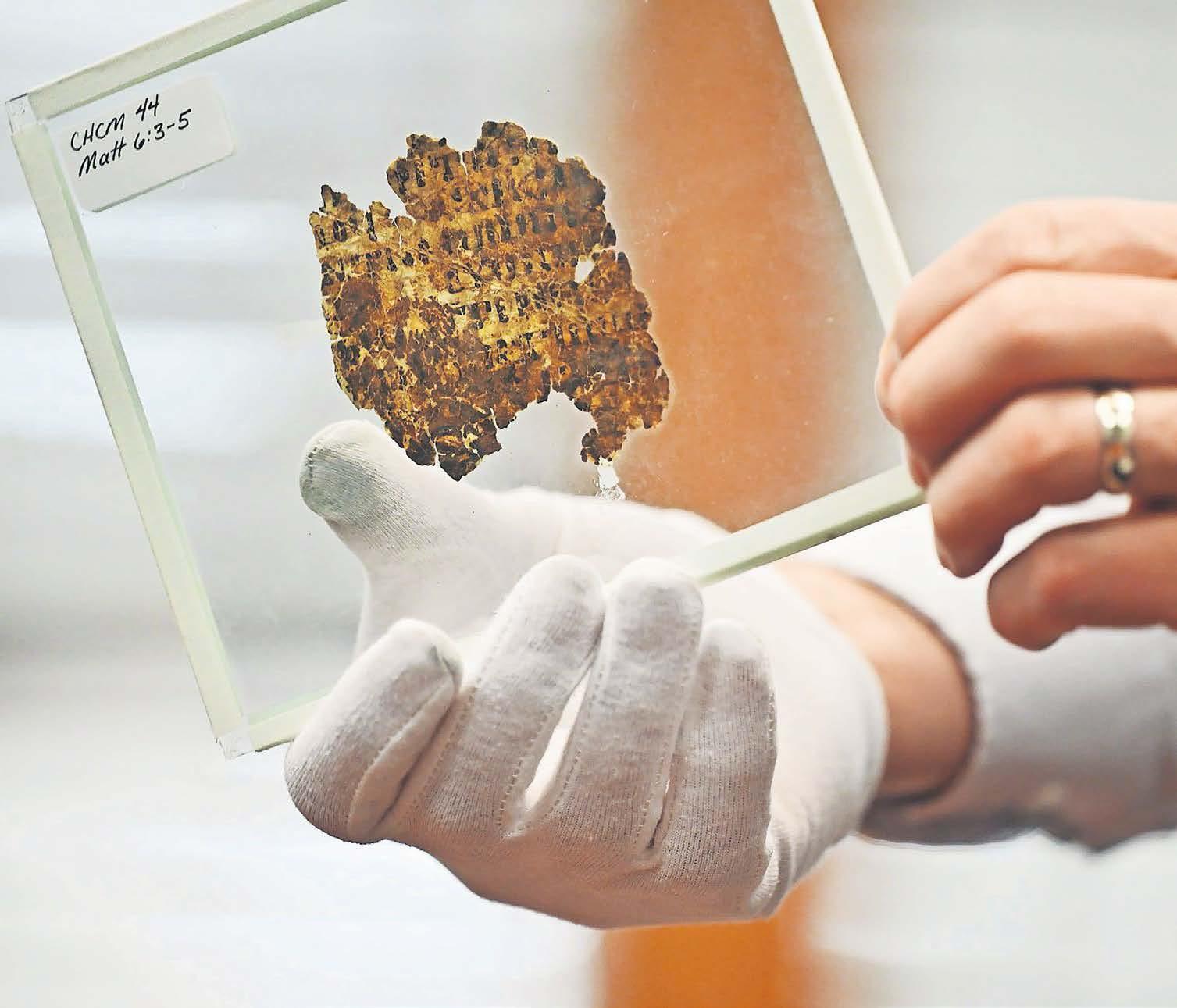
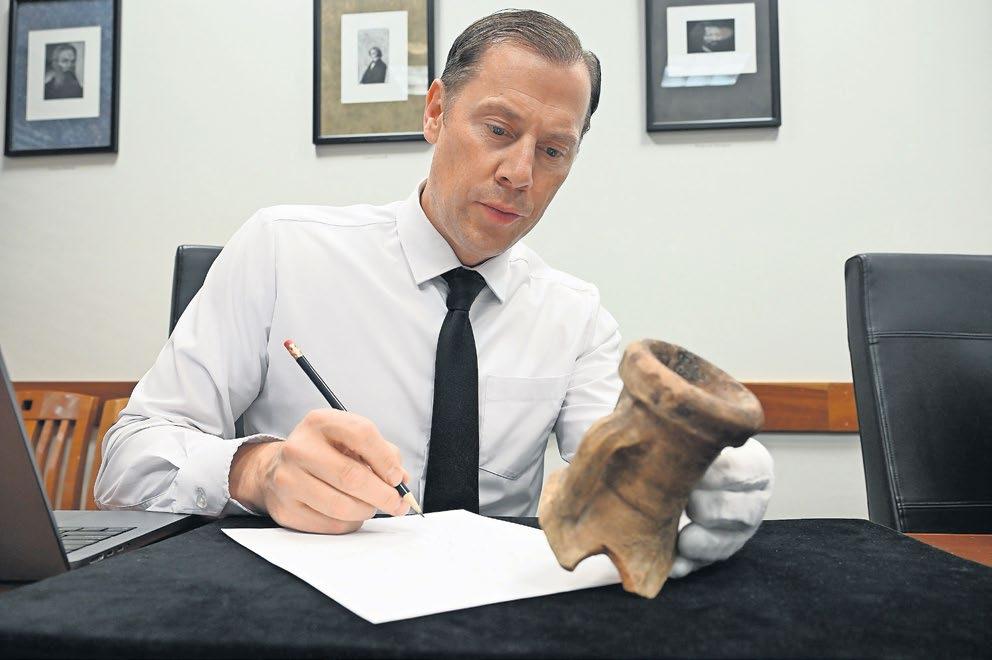
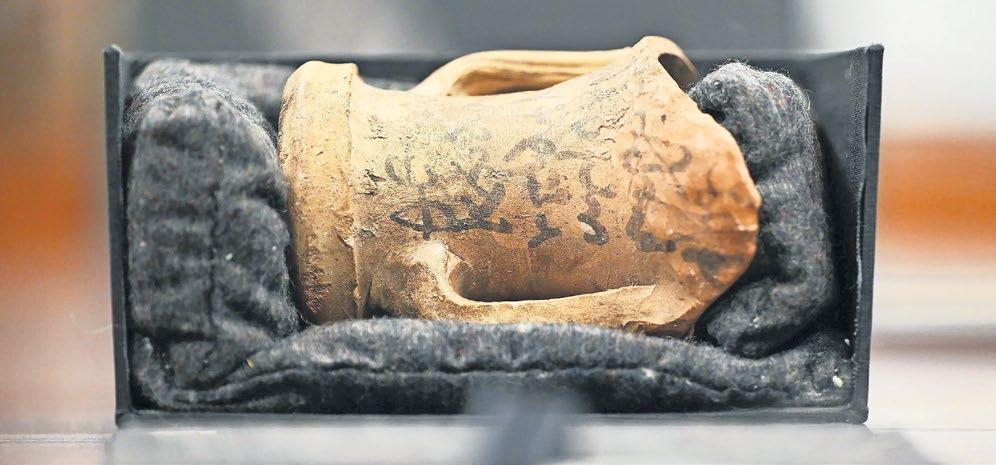
BYU professor Lincoln Blumell examines pottery in Provo on Tuesday, Oct. 29, 2025. Blumell has translated writings on the pottery and other items and says he has discovered another person named in the Bible.
In the field, it is called “scriptio continua,” or continuous writing. In the case of Electa, the confusion centered on the Greek article τῃ, which means “the.” The exact same letters are also the final two letters of Eclecte’s name.
In the introduction to 2 John in the Greek manuscript, the τῃ at the end of her name was crammed up against the τῃ for “the.” It looked like this, but without the accents:
(in Blumell’s reading, “The elder to Eclecte the Lady”).
A scribe or scribes inadvertently dropped one pair of those letters. The scribes may have wanted to save space, Blumell said. They may have thought the double pairs were a mistake. They may have just read over them or simply skipped them accidentally.
What was left with just a single τῃ was “elect lady”: ὁπρεσβύτερος
For more than 1,000 years, most scholars argued the letter’s introduction was a metaphor. The letter’s writer, they said, was referring to the church itself as a lady and to church members as her children. The omission of the letters was catastrophic. The name of the only woman to whom a New Testament letter was written was lost. Blumell shows the reading should be:
Whatever the cause, scribes copied the mistake again and again,
and Electa’s identity was lost for hundreds of years.
In fact, the mistake is perpetuated today in the standard text in the field, Nestle-Aland’s 28th Edition of the Greek New Testament.
The mistake also led to centuries of wild theories in biblical studies, Blumell said. Some argued the unnamed elect lady might be Mary, the mother of Jesus, or Martha, the sister of Lazarus and Mary. One said it might be a love letter. Some even argued the letter was fictional.
“No,” Blumell said, “the Greek just got corrupted. I give dozens of examples of the same kind of error occurring in early Christian manuscripts or papyri, where two duplicated letters get dropped.”
Experts say Blumell has proved that Electa should be restored to all editions of the Bible.
“Blumell shows conclusively that the addressee of 2 John, one of the 27 books of the New Testament, is a woman named Eclecte,” said AnneMarie Luijendijk, the William H. Danforth Professor of Religion at Princeton University, in a statement on the book’s dust jacket.
Another expert said Blumell’s skillset was perfect for recognizing the error and restoring the missing letters and Electa’s true identity.
“His monograph is a demonstration of how painstaking philology, attention to the transmission of history of Christian texts and deep knowledge of papyri can uncover long-hidden meanings,” said John S. Kloppenborg, a specialist in Christian origins at the University of Toronto.
Blumell fell for papyrology when, already trained in Greek, he edited a police report from March 17, 291. The record showed a woman in Egypt reporting the kidnapping of her husband.
An ancient family came alive for Blumell.
Electa is a beneficiary.
Blumell’s journey to her identity began with reading a commentary by Clement of Alexandria written in the late second century or early third century. He wrote that 2 John “was written to a certain Babylonian woman, by name Eclecte.”
Blumell found that most commenters spent the next 1,700 years discounting Clement, in part because there is no proof that Electa was Babylonian.
Scott G Winterton,
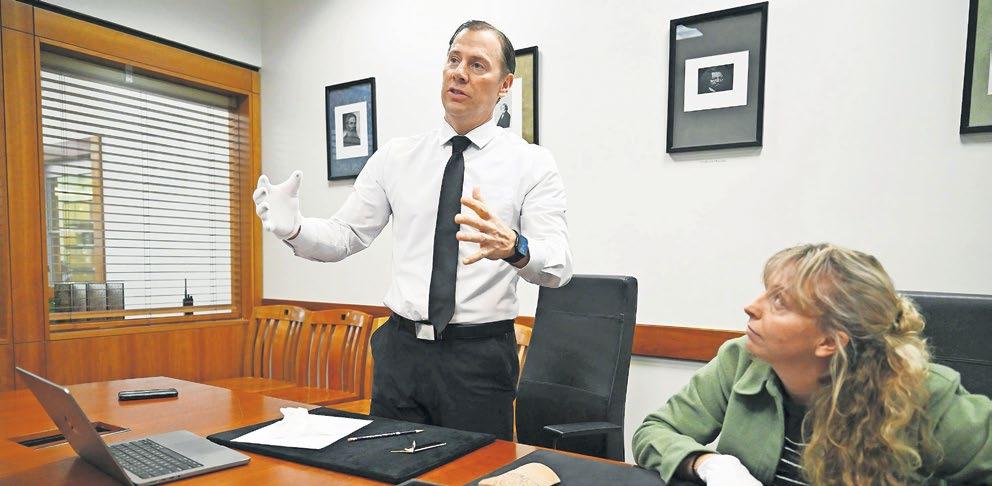
BYU professor Lincoln Blumell and Annie Spach, a research assistant, show pottery and other items with writings on them that they have translated in Provo on Tuesday, Oct. 29, 2025. Blumell says he has discovered another person named in the Bible.
Some of those who dismissed her name said there was no proof that any Greek woman of that period had been named Eclecte.
They called it a ghost name.
One of Blumell’s contributions is how he pulled together examples of the name from the Roman period. He found 18 examples of Eclecte in Greek and Latin inscriptions on graves. The earliest, from the mid-first century (about 53-62 CE), is a poetic example of a woman commemorating her husband.
“Eclecte made this (inscription),” it reads, “for herself and for her most devoted spouse, about whom she never had anything to grieve except when he died.”
He found several examples where it was used as a second name — Julia Eclecte, Claudia Eclecte, Cuspia Eclecte, Livia Eclecte and Munatia Eclecte.
And yet a leading scholar wrote in 1909 that there were no examples of Electa’s name. Even though much of today’s research
Scott G Winterton, Deseret News
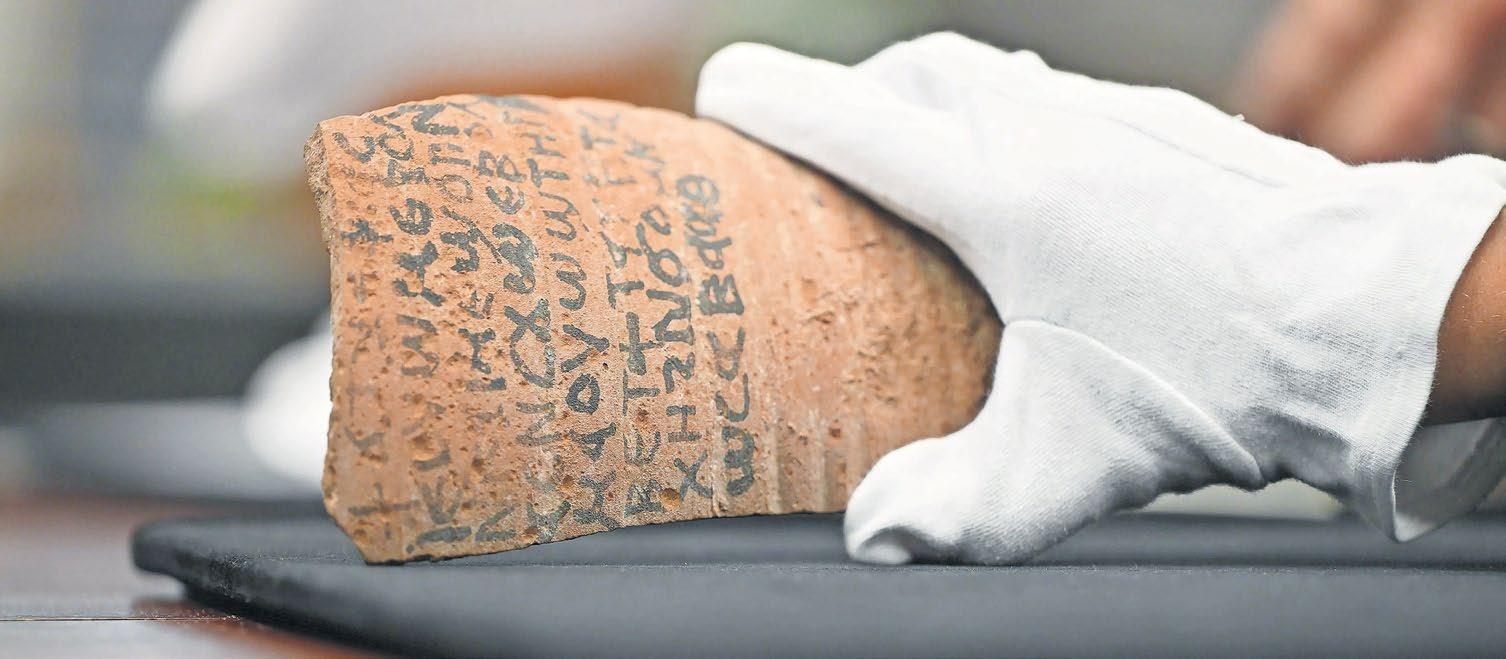
Writing covers a pottery fragment. BYU professor Lincoln Blumell says he has discovered another person named in the Bible.
Deseret News
and databases didn’t exist then, that scholar could have known he was wrong when he wrote it, Blumell said.
In fact, Eclecte was attested as the name of a woman in a book published in 1650, Blumell found. There are more known examples of Eclecte as a name from the Roman period than there are for Lois or Lydia, he found. In fact, it is found more widely than about 25%
of the women’s names in the New Testament.
The lesson is that scholars should avoid repeating what others write without testing it, Blumell said.
Another part of his case for Electa in 2 John is how it parallels the address in 3 John.
• 2 John: “The elder to Electa the lady.”
• 3 John: “The elder to Gaius the Beloved.”
Blumell said this pattern is ubiquitous in that time period. He has found more than 2,000 examples from letters in the Roman period.
The evidence is so compelling, he said, that if the first papyrus with 2 John were discovered today without the baggage of unprovable theories, modern standards would have restored the τῃ because it is a well-attested phenomenon.
Discovering it now is a staggering seismic shift, said Blumell, who wrote that the Lady Eclecte’s name is now indisputably established.
“(I) will demonstrate,” he wrote in his book, “that there has always been a book in the New Testament whose principal recipient is a named woman, but that she has been lost in history to the omission of two reduplicated Greek letters.”
At the end of the book, Blumell considers Lady Electa’s possible role. The letter is written to her and clearly shows she has some authority at a house that could have been part of the early Christian network of homes where travelers could have stayed.
The elder instructs her to care for her children in part by turning away some who would arrive saying they were Christian but who would teach false doctrine.
While some Christian writers coupled “lady” with the office of “deaconess,” there is no indication that 2 John carries that meaning.
Still, Lady Electa may have performed some ecclesiastical function, Blumell said.
“With the use of ‘lady,’” he wrote, “the elder may have also been subtly signaling Eclecte’s authoritative position as the ‘female master of the house,’ which could extend to a position of authority among the Christians who were gathering there.”
Blumell hopes Electa’s name will be printed in future Bibles and he anticipates other scholars will revisit interpretations of her role in the church and the meaning of the letter.
Scott G Winterton, Deseret News
BYU professor Lincoln Blumell and Annie Spach, a research assistant, show pottery and other items with writings on them that they have translated in Provo on Tuesday, Oct. 29, 2025. Blumell says he has discovered another person named in the Bible.
Tradition and testimony: ‘Luz de las Naciones’ 2025 commemorates 100 years of the gospel in South America
By Jackie Asher Church News
Brianna Flores Villaalta remembers being 8 years old and waiting to go onstage for the opening number of “Luz de las Naciones” (“Light of the Nations”), the annual Latin musical celebration hosted by The Church of Jesus Christ of Latter-day Saints.
She recalled feeling small and lost in the sea of adults around her and overwhelmed by chaos. But as she walked onstage with her family, peace washed over her.
“And I just clung to my mom because I was like, ‘What is this?’” Flores Villaalta said through tears. “And that’s when I realized that I was feeling the spirit for the first time.”
This year, Flores Villaalta is returning to “Luz de las Naciones” for the 14th time.
“It became my goal to share that and hopefully have another 8-year-old or a 9-year-old or however-old or any member of the Church or nonmember of the Church be able to feel that love, feel that light, through the talents of everybody here, backstage and on stage.”
Now an assistant choreographer, she collaborated with her mother to choreograph a dance representing Argentine culture.
“It’s been the best part of my year every single year,” she said.
Flores Villaalta’s dance is just one of many numbers included in this year’s “Luz de las Naciones” celebration, which was performed at the Conference Center in Salt Lake City, Nov. 7 and 8.
In this 23rd year of “Luz de las Naciones,” over 1,000 volunteers came together to sing, play in the orchestra and perform dances from countries across the Americas, including Puerto Rico, Bolivia, Honduras, Mexico, Peru, Brazil and Argentina.
Heavenly and familial connections
Israel González-Nieri first participated in “Luz de las Naciones” 21 years ago and has been serving as the director for 15 years. He said this celebration is all about connections — both to family and to heaven.
“We’re hoping for people to come, to feel of the culture, to feel of their roots,” he said, “but at the same time, to feel elevated and feel that peace, that internal peace that only comes through Jesus Christ.”
González-Nieri said many families participate in the celebration together, including his own. Last year, his two teenage sons played in the orchestra; this year, one of them is returning to play.
He said being able to combine their family traditions with the gospel is one of the greatest experiences he’s had as a father.
“I think that using those elements of music and dance brings us closer to our ancestors and also brings us closer to our family here on earth and also connects us to hopefully our future generations.”
He continued, “I think that’s the whole purpose of this life is to find joy, to have our families and to return someday back to the presence of our Heavenly Father as an eternal family.”
Sharing peace
The theme of this year’s celebration is “Paz que Ilumina” (“Peace that Shines”).
Sister Andrea Muñoz Spannaus — second counselor in the Young Women general presidency and native of Argentina — attended a dress rehearsal of the showcase and commented on the theme.
“In our world today, we need peace, and we can find peace in Jesus Christ.”
Erick Hernandez, a dancer in the showcase, said individuals can in turn “shine” that peace by loving and respecting one another.
“I think the best choice we can make is to be a peacemaker towards each other,” he said, adding that representing these Latin cultures through song and dance is one way to accomplish that.
Alejandro Melecio — who has been participating in “Luz de las Naciones” since 2007 — echoed that sentiment.
“We’re a lot more alike than we are different across cultures, across the world,” the singer said. “And so to me, this is a wonderful display of that and a great reminder that we all have that same light in us. We’re all brothers and sisters.”
This year’s showcase is special as it commemorates the 100th anniversary of the restored gospel being introduced to South America.
González-Nieri said the anniversary
deepens the spirit of the celebration.
“One hundred years of history, service and growth have transformed communities and blessed the lives of millions,” he said. “For me, this anniversary is not only a remembrance of what we have received but also an invitation to continue sharing the light of Christ that brings peace and hope to the world.”
A labor of love
The annual celebration is a culmination of months of hard work. Flores Villaalta said the volunteer performers begin rehearsing in the summer for up to six hours on Saturdays.
González-Nieri joked that the cast’s greatest challenge is showing up to rehearsal on time, but he acknowledged that it’s a real sacrifice for volunteers to give up their time to be in the show.
He said it’s a blessing and privilege to watch the nearly 1,000 volunteers come together to
bring joy to the public and make Heavenly Father happy.
For Flores Villaalta, volunteering for this show is a labor of love.
“We put a lot of time and dedication to pull these numbers through, to execute and do the numbers justice so that we can give a sense of home to those who come to watch.”
Hernandez said his motivation for volunteering his time and talents is also about those the performers represent.
He said he hopes the people from the represented countries will “feel proud and that they can feel loved and that they can feel a sense that they belong and that together, we can be better.”
Additionally, the showcase will be recorded for on-demand viewing on the Luz de las Naciones website, broadcasts.ChurchofJesusChrist.org, Gospel Stream app and YouTube in Spanish, English and Portuguese.
The Church of Jesus Christ of Latter-day Saints Dancers wearing traditional dress perform dances from across Latin America during a dress rehearsal of "Luz de las Naciones" in Salt Lake City on Nov. 3, 2025.
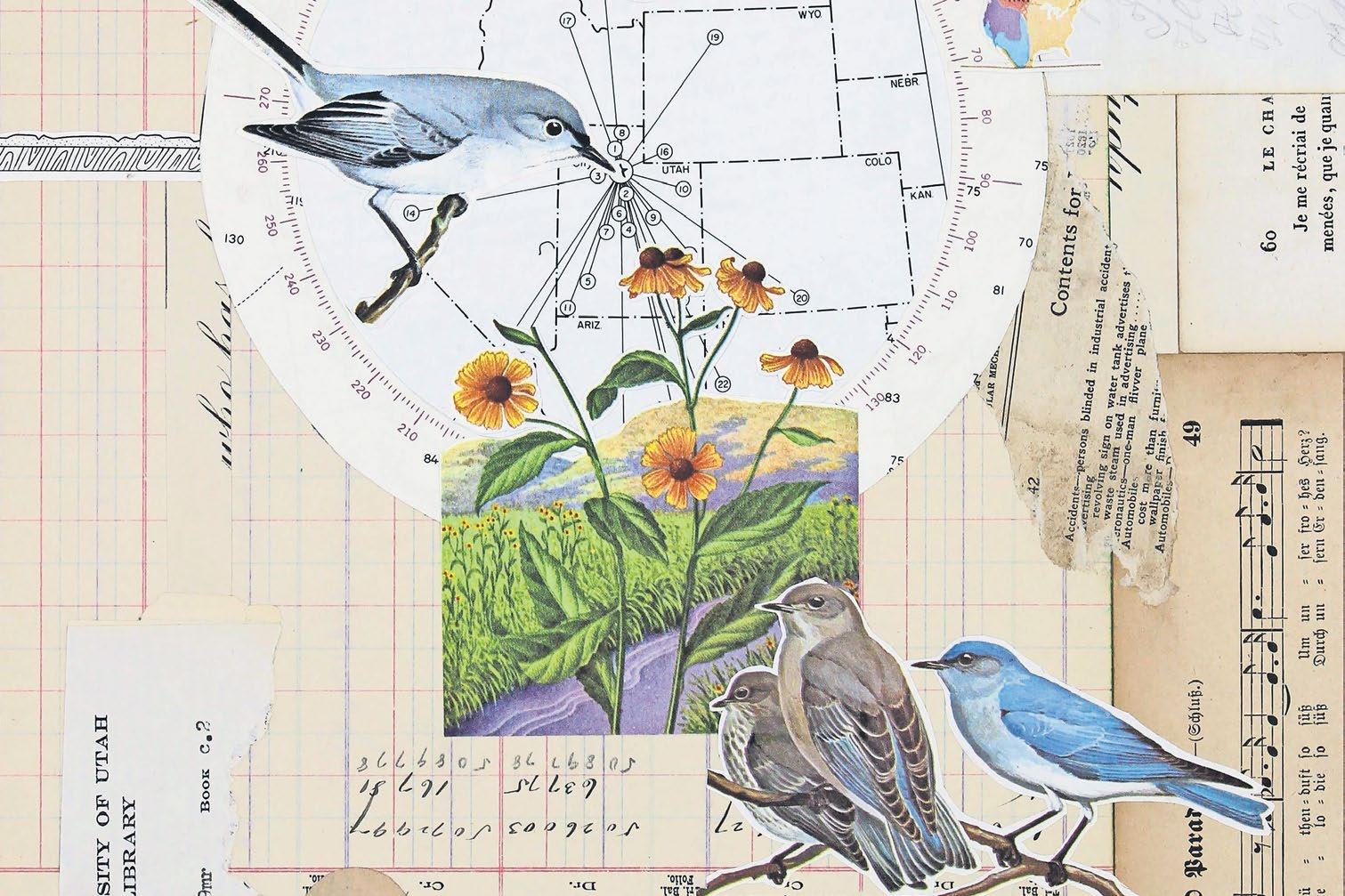
Bluebird in my heart
How Wallace Stegner left Utah and found himself
By Valerie Braylovskiy Deseret Magazine
A row of painted brick storefronts speaks to me. I just moved to Salt Lake City, but I can imagine how this small street in the Sugar House neighborhood might have felt before the modern offices and stucco apartments moved in. One of the stores catches my eye with a bright red façade, striped awning and rooftop sign, tucked between an antiques shop and a defunct plumber’s office. I’ve been wandering the streets, feeling disoriented after leaving home for the first time. A bookstore seems like a natural place to find my bearings.
Inside, the shop smells of cedar and old paper. It’s quiet but for the rustle of pages as a man flips through a coffee table book. It feels like the bookstore in San Francisco where I worked when I was growing up. I weave through narrow aisles, past sections devoted to history, psychology and romance. At the back of the store, where the lighting is dim and the air is heavy with dust, I find a small shelf labeled “Utah Writers.” A familiar name repeats across the top three rows: Wallace Stegner.
Back in California, Stegner is known as a Bay Area icon. A prolific author of essays, histories and semi-autobiographical novels, he spent most of his life living in the Los Altos Hills and teaching at Stanford, where he founded the creative writing program and taught students like the poet Wendell Berry, environmental firebrand Edward Abbey, Western novelist Larry McMurtry and Supreme Court Justice Sandra Day O’Connor. Born in Iowa, he summered in Vermont and died in New Mexico. But he once called Utah home.
I pick up a paperback with mountains on the cover that look like the Wasatch. Published in 1992, “Where the Bluebird Sings to the Lemonade Springs: Living and Writing in the West” was Stegner’s last book, a collection of essays that feels relevant to me. Growing up, I thought you couldn’t get more west than the beach, but the drive here — a hypnotic marathon of basin, range and sagebrush — showed I’ve got a lot to learn. His photo on the back cover shows an outdoorsy old professor: sun-worn but sweet, with soft features and thick white hair. I decide to take the book home.
‘His search for a home’
I soon learn that Stegner was born in 1909, in Lake Mills, Iowa, a town of around 1,300 people near the Minnesota state line. But he didn’t stay long. His father had a penchant for chasing get-richquick schemes that gave Stegner a peripatetic upbringing. His childhood spanned 20 locations across eight states and Canada. He finally found some stability in his adolescence, when the family settled down in Salt Lake City — though his father still ran a speakeasy, an illegal drinking establishment under Prohibition. By comparison, Stegner’s adult life was a model of patient achievement. He earned master’s and doctorate degrees from the University of Iowa. He spent 34 years in academia, mostly at Stanford — though he lectured in Greece on a Fulbright Scholarship in 1963. He was remarkably productive, publishing 14 novels, 16 nonfiction books, seven collections of essays or short stories, and a chapbook. His novels won a Pulitzer Prize and a National Book Award. Of course, to friends, he was simply Wally, who was
regimented but gentle, and loved a prank.
Stegner wrote extensively about the West, in all forms of writing. “Mormon Country” (1942) paints an affectionate portrait of Latter-day Saint culture across the Intermountain region. “Beyond the Hundredth Meridian: John Wesley Powell and the Second Opening of the West” (1954) is a definitive biography of the explorer who first traveled the Grand Canyon. “Big Rock Candy Mountain” (1943) is a novel that echoes the author’s rootless childhood; in its sequel, “Recapitulation” (1979), the character who most resembles Stegner returns to Salt Lake City, attends a family funeral and reconciles with his troubled past. “If there is one recurring theme in Stegner’s work,” writes Alex Beam in “Wallace Stegner: Dean of Western Writers,” published this year by Signature Books, “it is his search for a home.”
Stegner’s nature writing made him an environmental icon, though political extremes made him uncomfortable. In the 1960s, he found himself at odds with the methods used in campus protests against the Vietnam War. He must have been mortified when Abbey, a former student, celebrated “monkey wrenching,” the sabotage of construction equipment and other tools used to reshape the Western landscape. The Washington Examiner described Stegner as “not exactly a conservative, but rather an old-fashioned — now-out-of-fashion — liberal,” one who valued mutual respect and cooperation.
Stegner retired early from academia in 1971, fed up with counterculture, postmodernist colleagues and the new literary establishment. He even moved his papers from Stanford to the University of Utah. But he kept writing. “Where the Bluebird Sings to the Lemonade Springs” — or “Bluebird” — is a collection of 16 essays and letters to his late mother and a former student. It also offers a loosely chronological look into Stegner’s life and work, divided into three sections: personal, habitat and witnesses. Mostly, it reads as a look back on a lifelong relationship with the West.
A sunset walk takes me to a modest bungalow behind a rickety picket fence, with worn white siding, green trim and one gable above a broad porch. It looks much like the old black and white photo I saw in “Wallace Stegner’s Salt Lake City,” by Robert C. Steensma. The same unkempt cottonwood tree leans over a roof lined with the same thin asphalt shingles. I can almost picture Stegner as a teenage boy, sitting on the steps with a book in his lap or eyeballing the wilds of Liberty Park on the other side of Seventh East on an evening much like this. Just having a home must have been a welcome respite.
Stegner was 12 years old when his family landed here after a childhood of “constant motion,” he writes in “Finding the Place: A Migrant Childhood,” the opening essay of “Bluebird,” like “images on a broken film flapping through the projector.” He’d bounced from remote Saskatchewan to a North Dakota farm, the woods around Seattle and the suburbs of Great Falls, Montana. It wasn’t easy to put down roots after such a frenetic run. The Stegners would never be a typical “family with an attic and a growing accumulation of memorabilia and worn-out life gear and the artifacts of memory,” he writes, but they “began very soon to
feel at home.”
Salt Lake City was “an easy town to know,” Stegner would write in 1950 for “Tomorrow” magazine. “You can see it all.” The nearby foothills offered an aerial perspective, while the grid made navigation simple. By high school, he’d hang out at the main library on South Temple and State streets, the Deseret Gymnasium next to the Hotel Utah or the old Bonneville Baseball Park at Ninth South and Main. Sometimes he’d venture further afield, catching railroad freights into Lamb’s Canyon, backpacking in the High Uintas or staying in his family’s cabin at Fish Lake. The young writer always excelled in school. He graduated from East High at age 16 and earned a bachelor’s degree in English from the University of Utah in 1930. He left to accept a teaching fellowship at the University of Iowa, which was pioneering a new approach to literary training that would become the prestigious Iowa Writers’ Workshop. There, he found that he hated the weather and missed his adopted home. “Homesickness is a great teacher,” he writes. “It taught me, during an endless rainy fall, that I came from arid lands, and liked where I came from.” He started dating a n Iowa girl, an undergrad who worked in the library, named Mary Stuart Page. They married in 1934. Stegner’s mother and brother had died, but when he graduated with a doctorate the next year, he moved with his wife back to Salt Lake City. He taught classes at the U. and won a contest for an early novelette in 1937, around the time their son, Stuart Page Stegner, was born. But success soon confronted him with another difficult decision, considering a full-time offer to teach at the University of Wisconsin-Madison. “If contentment were the only basis for choice, we might have chosen to stay (in Utah),” he writes, “but I had my father’s restless blood in me, and the habit of moving.” Stegner’s father died two years later, severing the author’s last living tie to Utah.
A ‘geography of hope’
My sea-level lungs are searing as I trudge toward the top of Little Cottonwood Canyon. My shoes are caked in dust. I smile at purple lupines clinging to the canyon walls. Finally, I find a rock where I can sit and watch turquoise ripples across Cecret Lake. The air starts to feel crisp, even delightful. It’s not the paradise Stegner describes in “Crossing Into Eden” — hidden in the High Uintas — but it does make me feel closer. I pull “Bluebird” from my bag and start reading.
By the time Stegner accepted a tenured position at Stanford in 1945, he was an acclaimed author, about to publish his seventh book. He had taught at Harvard and the renowned Bread Loaf Writers’ Conference in Vermont, where he now kept a cabin. In Palo Alto, he founded the nation’s second creative writing program and a prestigious fellowship for budding writers. Over the next 26 years, he’d mentor renowned fiction writers like Thomas McGuane and Raymond Carver, and poets like Robert Haas. Abbey called Stegner “the only living American writer worthy of the Nobel,” adding to three Guggenheim Fellowships and a litany of other honors.
But Stegner never left the West behind, at least not in his writing. Over and over, he grappled with the ideas of home, what it means to be from a place, and the West in particular. In “Living Dry,” he writes that his West spans “a dry core of eight public-lands states — Arizona, Colorado, Idaho, Montana, Nevada, New Mexico, Utah and Wyoming” — that should feel familiar to Deseret readers. California is “west of the West,” set apart by its mega-economy, coastal climate and a culture less concerned with space.
People of the interior West, Stegner believed, are shaped by the endless struggle between infinite space and finite resources, particularly water. He didn’t see this as a curse, as he lays out in “Thoughts in a Dry Land”: “It is aridity that gives the air its special dry clarity; aridity that puts brilliance in the light and polishes and enlarges the stars; aridity that leads the grasses to evolve as bunches rather than as turf.” It is no wonder that Westerners often leave to seek fortune elsewhere, though Stegner had of course seen the other side of that dream.
Perhaps Stegner would think of Utah as he wandered the foothills above his home or hiked the Vermont backwoods each summer. An advocate for natural spaces and traditional communities, he detested the Bay Area’s growing urbanization and sprawl. “Without
any remaining wilderness we are committed (to) the Brave New World of a completely man-controlled environment,” he wrote in 1960, dubbing the West a “geography of hope” in his famous “Wilderness Letter” to Congress. These spaces should be preserved to remind us who we are, he writes, “because it was the challenge against which our character as a people was formed.”
All those years later, Stegner still wrestles with his early life. More than anything, he seems to be coming to terms in these pages with an idea that has long eluded him: that home is a place you never really leave. In the book’s introduction, he writes that “whenever I return to the Rocky Mountain states … the smell of distance excites me, the largeness and the clarity take the scales from my eyes, and I respond as unthinkingly as a salmon that swims past a rivermouth and tastes the waters of its birth.”
Stegner died at 84 after a car accident in New Mexico, a year after “Bluebird” was published.
A few blocks from Stegner’s old Salt Lake City home, I sit on my backyard patio and play “Big Rock Candy Mountain,” the 1928 folk song that inspired two of Stegner’s book titles. Over a jaunty acoustic guitar, a man sings of a vagrant’s fantasy land, rich with free stew and soft-boiled eggs, with “lemonade springs
where the bluebird sings.” It’s the kind of mirage that might have appealed to Stegner’s father. Nearby, I hear a rooster crowing, crickets chirping and children laughing in the distance. I can understand why Stegner felt at home here.
Like him, I felt pushed out of the Bay Area, now a dense web of traffic jams and robot cafes where few can afford to live. I felt more at peace hours away in the redwoods or along the coast than in the suburb where I was raised. I’d get nostalgic reading about the farm towns and art movements that had disappeared before I was born. There wasn’t much to be homesick about when I left, but I’m still wondering where I’m headed.
Similar perils now confront the Wasatch Front, but people here still seem to have the strong sense of identity that resonated with Stegner. “Bluebird” gives me hope that I too can find a place that feels like home, or find a home I already know. With a little patience. In “The Sense of Place,” my favorite essay in the collection, Stegner writes: “Some are born in their place, some find it, some realize after long searching that the place they left is the one they have been searching for.”
This story appears in the November 2025 issue of Deseret Magazine. Learn more about how to subscribe.
Deseret News Sta
The holiday poem The Night BeforeChristmas begins:
Continue themouse pattern in each row by drawing the mouse shape that should come next.
The factthat house and mouse rhymemakesthis Christmas poem funtoread and listen to. But it seems that the author didn’tknowsomething important about mice.
Do youknow whatthat is?
Nocturnal means mice sleep during doing mousythings at night.
So, they most certainly would have been “stirring” on the night beforeChristmas!
WORDSTO KNOW
‘Twas: Short for“it was.”
Nocturnal: Happening at night.
Stirring: Moving around.
Find the words by looking up,
and diagonally.
Plural Fun
Lookthrough the newspaper for examples of words that describe more thanone of something. How many canyou findwhere the word changes, like mouse changes tomice?
BABY CANDY CANE CHRISTMAS FOOD HIDE MAMA MICE NIGHT PAPA POEM SEE SENSE STOCKING TEETH
Standards Link: Observation: Find similarities and differences in common objects.
FUN FACT: A group of mice is called a MISCHIEF or a NEST.
EVENTS
COMMUNITY & MARKETS
2025 FANTASY AT THE BAY LIGHTS SHOW
DATE: Dec. 14-24, 2025
TIME: 5pm-10pm
LOCATION: Location: 900 W 650 N - Willard
Celebrate the holiday season with a trip to the drive through holiday light show at Willard Bay State Park.
AQUARIUM LANTERN FESTIVAL
DATE: Dec. 14-29, 2025
TIME: 5:30pm–10pm
LOCATION: 12033 South Lone Peak Parkway - Draper
This immersive light festival takes place outside and features stunning, larger-than-life light-up displays.
TUESDAY TRUCKS AND TRIVIA NIGHT
DATE: Dec. 16-30, 2025
TIME: 6pm-8pm
LOCATION: 273 S 2000 W - Pleasant Grove
Come to Grove Station every Tuesday for trivia, food trucks, and a whole lot of fun!
80'S NIGHT - PRE-NEW YEAR'S EVE PARTY
DATE: Dec. 27, 2025
TIME: 7pm
LOCATION: Location: 113 N. Main Street - Heber City
Relive the decade of neon, big hair, and legendary rock anthems for our pre-New Year’s Eve tribute concert!
CONCERTS & LIVE MUSIC
PARK CITY TREBLE MAKERS CHRISTMAS CONCERT 2025
DATE: Dec. 14, 2025
TIME: 4pm-5:30pm
LOCATION: 4501 Utah 224 - Park City Park City Treble Makers, a 16 voice women’s a cappella ensemble has been spreading holiday cheer in the community since 2012.
POST ANIMAL
DATE: Dec. 15, 2025
TIME: 7pm
LOCATION: 741 Kilby Court - SLC
Post Animal is an American psychedelic rock band from Chicago, Illinois formed in 2014.
A HEBER VALLEY CHRISTMAS - VARIETY SHOW
DATE: Dec. 18, 2025
TIME: 7pm
LOCATION: 113 N. Main Street - Heber City
A Heber Valley Christmas is our original, brand new show featuring dancing, singing, comedy, and more!
CHRISTMAS EVENSONG WITH SOUND OF AGES CHOIR
DATE: Dec. 15, 2025
TIME: 7:30pm
LOCATION: 250 W Center St #101 - Provo
In the spirit of traditions like midnight mass, we invite you to enjoy Christmas Evensong at The Compass.
THEATER & COMEDY
BALLET WEST: THE NUTCRACKER
DATE: Dec. 14-27, 2025
TIME: 12pm
LOCATION: 50 W. 200 South - SLC
Ballet West creates a visceral experience with dramatic sword fights, passionate pas de deux, and a memorable score.
FRIGHTMARE BEFORE CHRISTMAS - A TALE UNTOLD
DATE: Dec. 15-20, 2025
TIME: 7:30pm-9:30pm
LOCATION: 602 E 500 S Suite E101 - SLC
Watch Skully, a lonely skeleton battles Dracula, ruler of the underworld, in Christmasland.
A CHARLIE BROWN CHRISTMAS: LIVE ON STAGE
DATE: Dec. 22-23, 2025
TIME: 2pm-4pm
LOCATION: 425 W Center Street - Provo
Everyone’s favorite holiday classic comes to life in a spectacular new touring production of A Charlie Brown Christmas
FROZEN (TOURING)
DATE: Dec. 15-30, 2025
TIME: 7:30pm
LOCATION: 9900 S Monroe St - Sandy
Sisters Elsa and Anna join with all their fantastic friends as they spring to life as never before!
SPORTS
UTAH UTES WOMEN'S BASKETBALL VS. NORTHWESTERN WILDCATS WOMEN'S BASKETBALL
DATE: Dec. 14, 2025
TIME: 2pm
LOCATION: 1825 E. South Campus Dr - SLC
Utah looks to avenge its narrow November loss as the Utes host Northwestern in a high-energy rematch.
UTAH JAZZ VS. DALLAS MAVERICKS
DATE: Dec. 15, 2025
TIME: 8pm
LOCATION: 301 W South Temple - SLC
The Jazz host the Mavericks in a Western Conference showdown filled with potential.
BYU COUGARS MEN'S BASKETBALL VS. PACIFIC TIGERS MEN'S BASKETBALL
DATE: Dec. 16, 2025
TIME: 7pm
LOCATION: 1497 N 450 E - Provo
BYU hosts Pacific in an early-season matchup where the Cougars and Tigers face off.
UTAH UTES MEN'S BASKETBALL VS. EASTERN WASHINGTON EAGLES MEN'S BASKETBALL
DATE: Dec. 20, 2025
TIME: 5pm
LOCATION: 1825 E. South Campus Dr - SLC
Utah hosts Eastern Washington as the Utes look to face the Eagles on their home court.
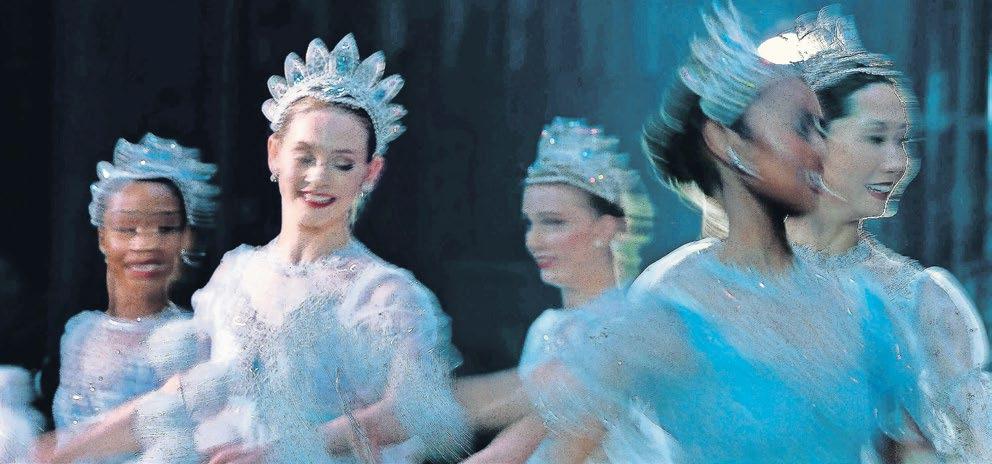
Laura Seitz, Deseret News Ballet West artists perform during a performance of The Nutcracker at the Janet Quinney Lawson Capitol Theatre in Salt Lake City on Wednesday, Dec. 18, 2024.
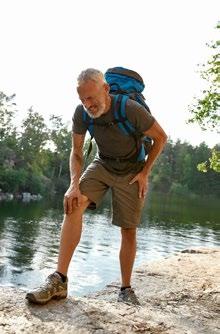
DO YOU HAVE KNEE PAIN?
This Holiday Season, Give Yourself the Gift of a Pain-Free Knee
Do you notice your knee aching more than it used to? Does swelling make it hard to walk, work, golf, or enjoy the activities you love—especially during the holidays? Have you been told you’re “bone on bone,” need surgery, or that nothing else will help? Maybe you injured your meniscus… had surgery… tried injections… and you’re still hurting. If ANY of that sounds like you, this article may be the holiday message your knee has been waiting for.
Why Your Knee Can’t Wait Until the New Year
More patients than ever are trying to avoid knee surgery for good reason— risk of infection, nerve damage, long recovery times, and the reality that surgery doesn’t always fix the underlying issue. But while you’re weighing your options, something is happening inside the joint: Your knee is degenerating—quietly and steadily. Pain pills mask it. Steroid shots accelerate it. And “waiting to see what happens” is the fastest way to lose more cartilage.
When A2M is delivered properly, it can:
•Stop cartilage breakdown
•Protect the joint from further degeneration
• Reduce inflammation at the source
•Give the knee a real chance to improve
The Hidden Reason Knees Get Worse With Time
Most people don’t realize their joint is being attacked by overactive proteases—enzymes that behave like termites, chewing through cartilage day by day. And as with real termites… The longer they go untreated, the more damage they do. This is why so many people suddenly hit a “breaking point” even without a new injury.
A2M: A Breakthrough That Can Stop the Damage
A2M (Alpha-2-Macroglobulin) is one of the most promising breakthroughs in modern knee care. It’s a naturally occurring molecule that acts like a molecular trap, capturing and neutralizing the destructive enzymes inside the joint.
This isn’t temporary relief—it’s science-based regenerative medicine.
Will A2M Work for You?
That depends on your X-rays, joint space, cartilage condition, stability, and what the “termites” have already done. Every knee is different, and that’s why evaluation is critical. We design every treatment plan individually so you get exactly what your knee needs—not a cookie-cutter approach. But here's what matters most:
The sooner you act, the more options you have. Waiting until “after the holidays” could be the difference between saving your joint… or not.
Our Holiday Gift to You — Now Through Jan 1st
As our way of giving back this holiday season, we’re offering:
$49 Consultation, Exam & X-rays
(Normally $285 — Your holiday gift price ends Jan 1st.)
This gives us everything we need to determine:
•What’s causing your pain
•Whether A2M or another regenerative option is right for you
•Whether you can avoid surgery
If we can help, we’ll show you how. If not, we’ll guide you to someone who can. But this matters: This holiday gift expires at midnight on January 1st
— NO extensions. Once the new year begins, the price returns to normal.
Call Today — Make This the Season You Take Your Mobility Back
One call could change how you walk, live, and move in 2026 and beyond.