PRODUCT FEATURES
❱ RESTORATION PRODUCTS & SERVICES
❱ STRUCTURAL STEEL
❱ STEEL BUILDINGS
❱ GREEN ROOFS & WALLS
❱ APPLIANCES
❱ PLUMBING PRODUCTS
❱ RESIDENTIAL WINDOWS
❱ HARD SURFACE FLOORING
❱ PAINT & COATINGS
❱ RESTORATION PRODUCTS & SERVICES
❱ STRUCTURAL STEEL
❱ STEEL BUILDINGS
❱ GREEN ROOFS & WALLS
❱ APPLIANCES
❱ PLUMBING PRODUCTS
❱ RESIDENTIAL WINDOWS
❱ HARD SURFACE FLOORING
❱ PAINT & COATINGS

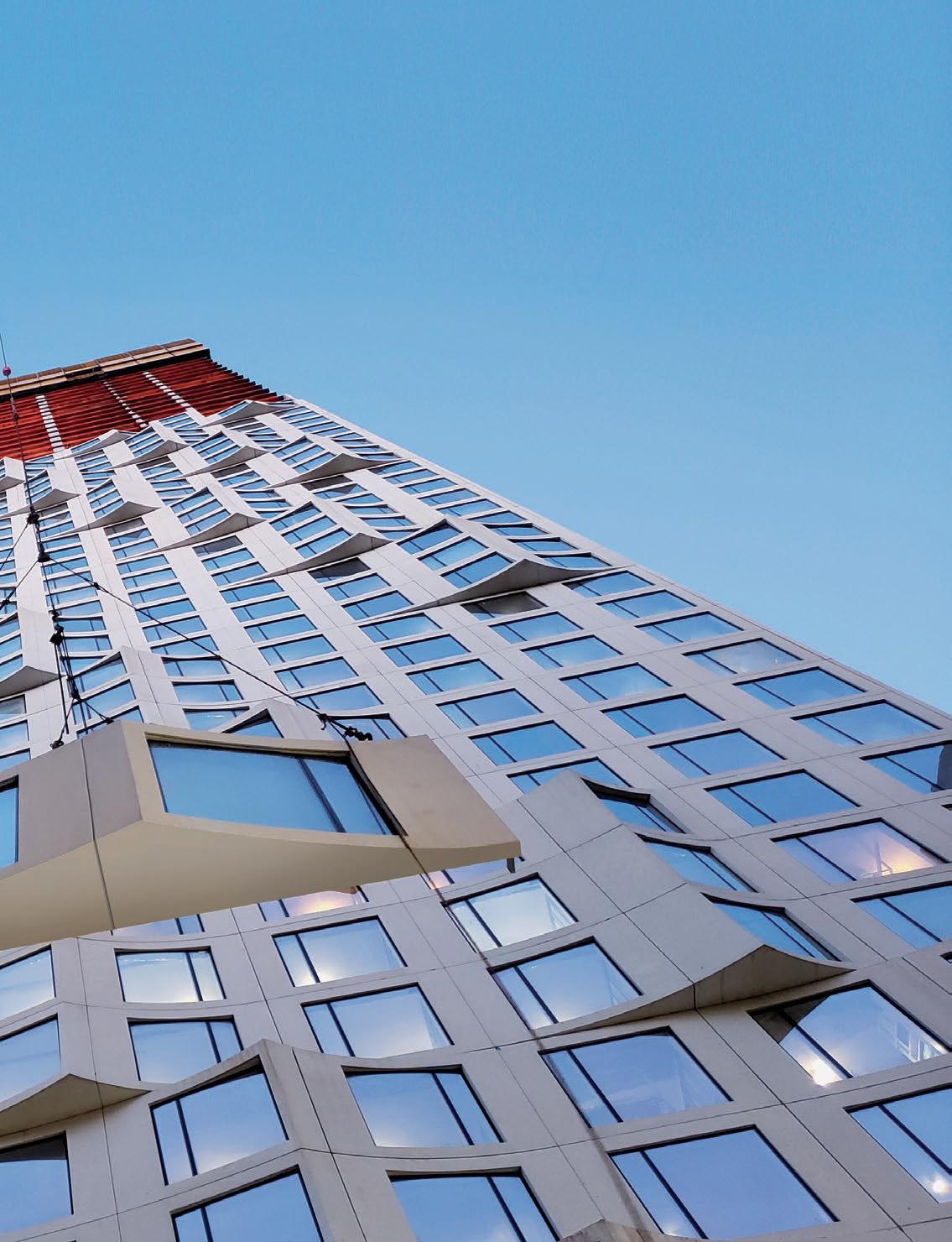
Prefabricated Precast Concrete Window & Wall Systems outperform other systems in:
· Pre-assembled, caulked, vapour air tested windows are installed in the panel at the precast concrete facility which provides improved quality assurance.
· The rapid installation allows the building enclosure to be completed sooner, giving the interior trades faster access to a more climate-controlled building and therefore ensuring the project is completed quickly and efficiently.
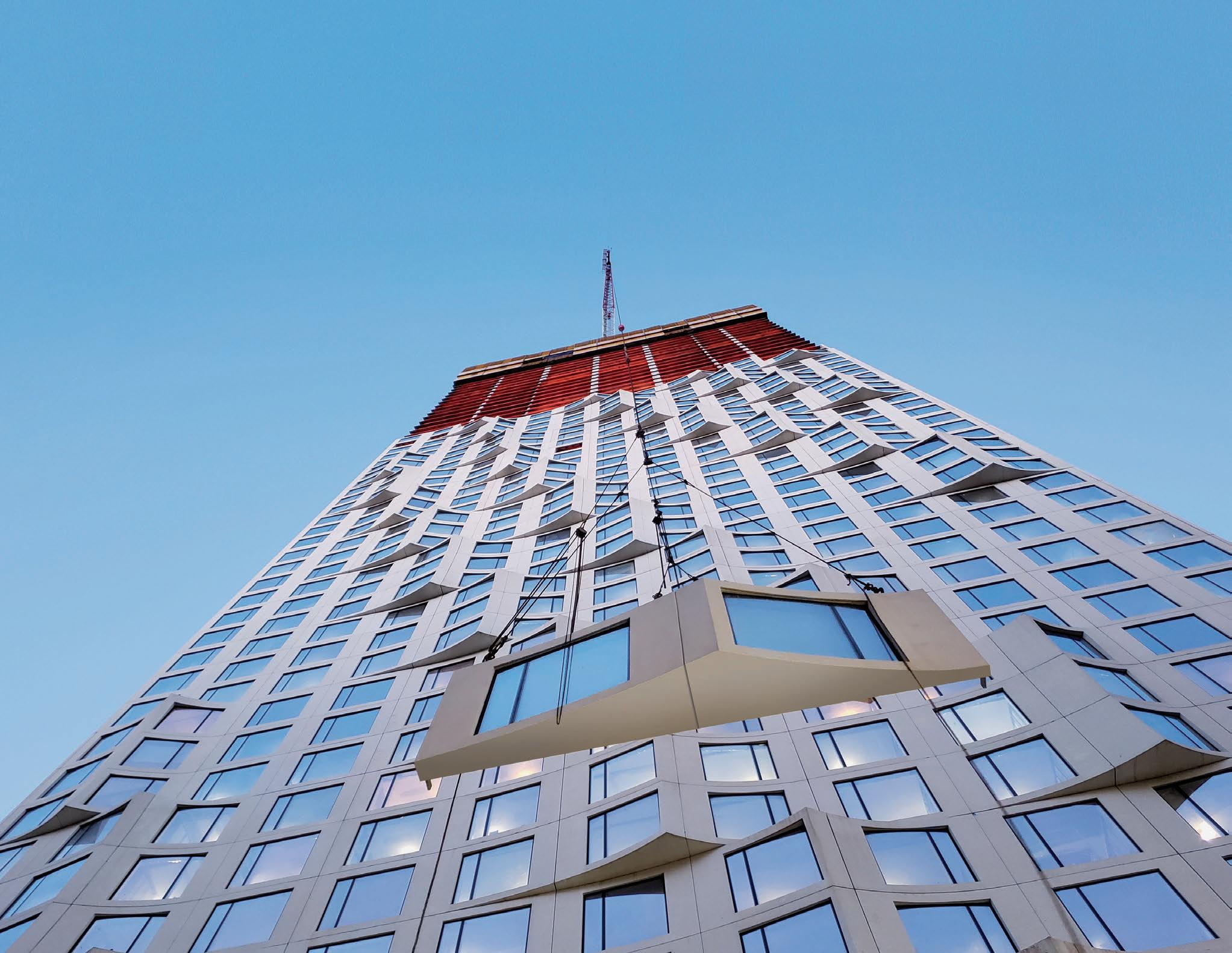
ADDED BENEFITS OF PREFABRICATED PRECAST CONCRETE WINDOW & WALL SYSTEMS:
• Provides significant improvements in terms of cost, schedule, quality, productivity, safety and the ability to reduce waste and increase client satisfaction with a quicker return on investment.
• An unlimited array of architectural designs, colours and textures are available including heightened durability and lower maintenance costs.

For more Information and Educational presentations check out Learn on Demand, a 24/7/365 Educational Platform. Visit cpci-learnondemand.com/

Visit www.cpci.ca/publications to download your free copies of the Structural Solutions Technical Guide and High Performing Precast Concrete Building Enclosures –Rain Control Technical Guide.
5
RAIC PERSPECTIVE
The 2025 RAIC International Prize – Climate Action.
6
SHAPING VANCOUVER’S SKYLINE
Sixty years of Musson Cattell Mackey Partnership’s bold architectural legacy.
9
PANE AND SIMPLE
Revolutionary styles and cutting-edge tech are transforming the residential window sector.
15
A BRUSH WITH VISION
Bold colours and breakthrough coatings reshaping 2025. 21
BACK TO THE FUTURE
The restoration sector is thriving as experts revive some of Canada’s most iconic buildings.
27
ALL UNDER CONTROL
The latest in appliance innovation is driving ultimate convenience, control, and energy efficiency.
PREPARE TO BE FLOORED
Elevating spaces with bold hard surface flooring and game-changing adhesive solutions.
THE BACKBONE OF CONSTRUCTION
Advocacy and innovation are more essential than ever in driving structural steel’s growth.
ROOTS
Green roofs and walls are sprouting change, transforming built environments everywhere.
While steel buildings thrived in 2024, this year’s looming tariffs create uncertainty.
Smart, efficient plumbing options feature cutting-edge design and technology.







by AMANDA SHORE, m.arch, oaa, mraic RAIC Honours and Awards Manager
The RAIC International Prize, originally established in 2013 as the RAIC Moriyama Prize, was conceived based on the visionary ideals of Canadian architect Raymond Moriyama. He firmly believed that exceptional architecture possesses the power to transform society by embodying humanistic values such as social equality, respect, and inclusiveness. The prize recognizes architecture that creates environments contributing to the well-being of all people, aligning with these fundamental principles.
In 2023, the RAIC International Prize evolved to reflect the broader mission, vision, and values of the RAIC. This evolution introduced an annual thematic focus, emphasizing contemporary and critical issues in architecture. The inaugural theme in 2024, Indigenous Architecture, highlighted and celebrated Indigenous practitioners who integrate Indigenous knowledge and ways of knowing into the built and natural environments.
THE IMPORTANCE OF RECOGNIZING RAIC VALUES INTERNATIONALLY
The RAIC International Prize serves as a global platform to showcase Canadian architectural leadership and values, such as sustainability, inclusivity, and innovation. By engaging with international practitioners, the RAIC fosters cross-cultural dialogue and collaboration, enriching architectural discourse worldwide. These values are not only fundamental to Canadian architecture but also resonate globally, inspiring projects that prioritize the well-being of communities and the environment.
THE 2025 RAIC INTERNATIONAL PRIZE
Architecture plays a critical role in inspiring meaningful action on global climate issues. The RAIC International Prize’s 2025 theme, Climate Action, aims to spotlight an architect, practice, group, or project that exemplifies design excellence in addressing the climate crisis. This theme aligns with the RAIC’s broader climate action commitments, including its Climate Action Plan and strategic initiatives aimed at reducing the carbon footprint of the built environment.
The recipient will be chosen by a selection committee and will be announced at the RAIC Conference on Architecture, scheduled for June 1 to 4, 2025, in Montreal.
MEET THE 2025 SELECTION COMMITTEE
The 2025 selection committee, chaired by RAIC past president Jason Robbins, includes a distinguished group of design and industry professionals from around the globe. This diverse group reflects the international scope and ambition of the prize, ensuring a robust and insightful selection process.
■ Afaf Azzouz, senior manager in Deloitte’s sustainability and climate practice. She is a professional engineer, a Building Energy Modeling
Professional (BEMP), and has a master’s degree in sustainable engineering. She has also recently won four awards acknowledging her efforts, including from Clean50, Association of Energy Engineers, and the CaGBC.
■ Beatrice Galilee, an author, editor, curator, and founder of The World Around, a non-profit organization amplifying impactful global architecture and design. As a visiting lecturer at the Pratt Institute, Galilee’s work focuses on contemporary architecture and its future trajectory.
■ Dr. Harriet Harriss, a professor at Pratt Institute and former dean of its School of Architecture. An award-winning writer and educator, Dr. Harriss is renowned for her contributions to social justice and climate crisis pedagogy, as well as her interdisciplinary approaches informed by feminist and decolonization theories.
■ Mona Lemoine, registered architect and sustainability consultant with 25 years of experience focused on practice, advocacy, and education in the built environment. Lemoine is the chair of the RAIC Committee on Regenerative Environments (CORE), and co-chair of the RAIC’s Climate Action Plan (CAP) Steering Committee. She has served on several professional committees with the Canadian Green Building Council (CaGBC), US Green Building Council (USGBC), Canadian Mortgage and Housing Corporation, and the City of Vancouver.
■ Joanne Perdue, a leading voice in Canada’s green building movement for more than 30 years. A registered architect since 1991, her leadership and advocacy in green buildings and sustainability have been recognized through the CaGBC’s 2022 Lifetime Achievement Award, a USGBC LEED Fellow designation, and a Canada Clean50 award.
■ Jason Robbins, FRAIC, lead architect at AECOM Canada where he specializes in national defence and public safety projects. Throughout his career, Robbins has advocated for good design and architecture in our built environment. As RAIC past president, Robbins continues to support the RAIC’s vision of a strong architectural community that is empowered to create change and support its members in their pursuit of design excellence.
■ Whare Timu, a leading architect celebrated for his innovative approaches to Indigenous design and co-design practices. His portfolio includes culturally significant projects such as the University of Technology Sydney First Nations Residence and Te Manawataki o Te Papa Civic Square in Aotearoa New Zealand.
The RAIC International Prize continues to inspire architects and designers to create meaningful, impactful work that addresses urgent global challenges. By celebrating projects that embody its core values, the RAIC reinforces architecture’s capacity to lead societal transformation and shape a more equitable and sustainable future.
by NATALIE BRUCKNER | photography courtesy MUSSON CATTELL MACKEY PARTNERSHIP
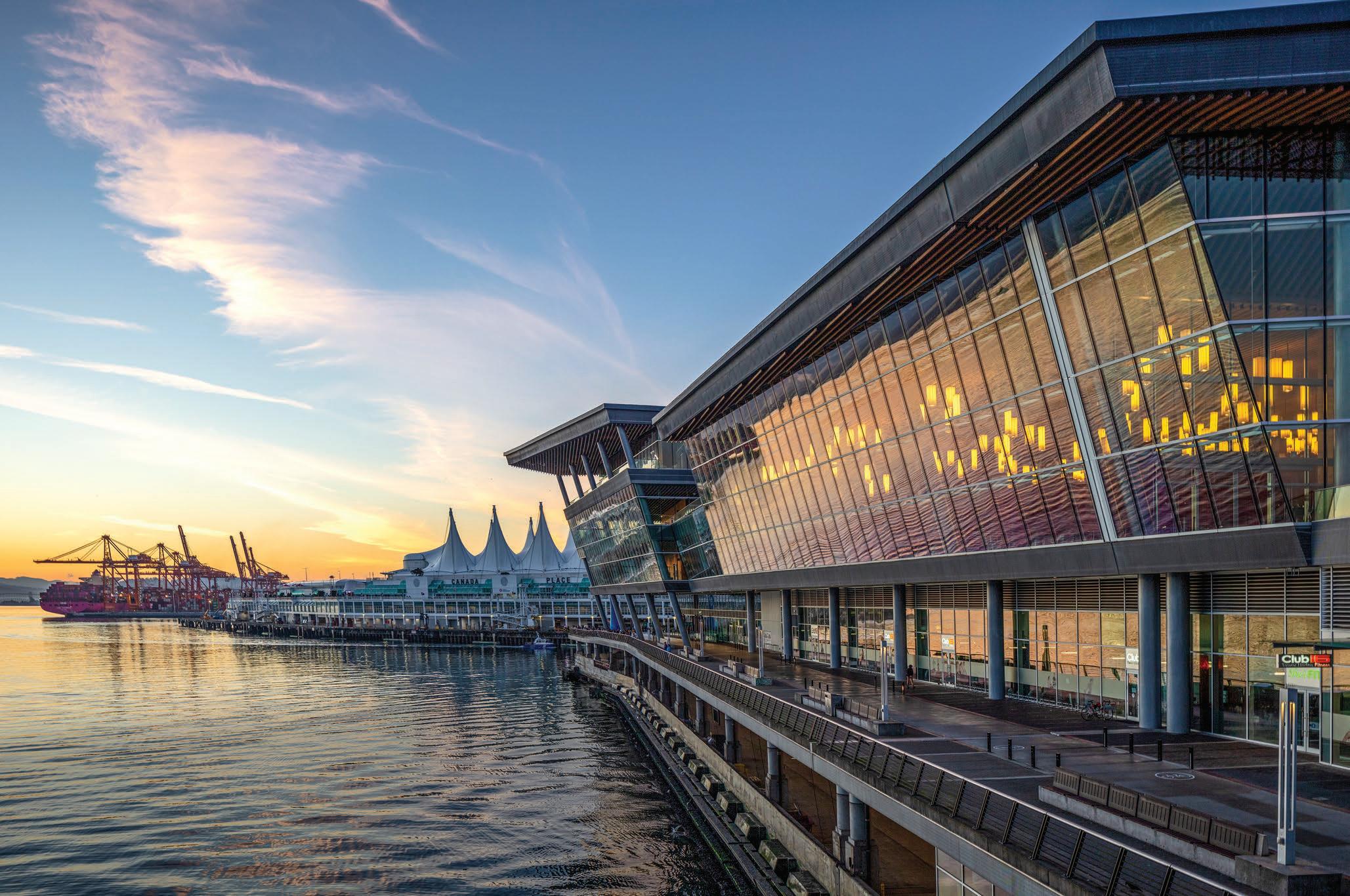
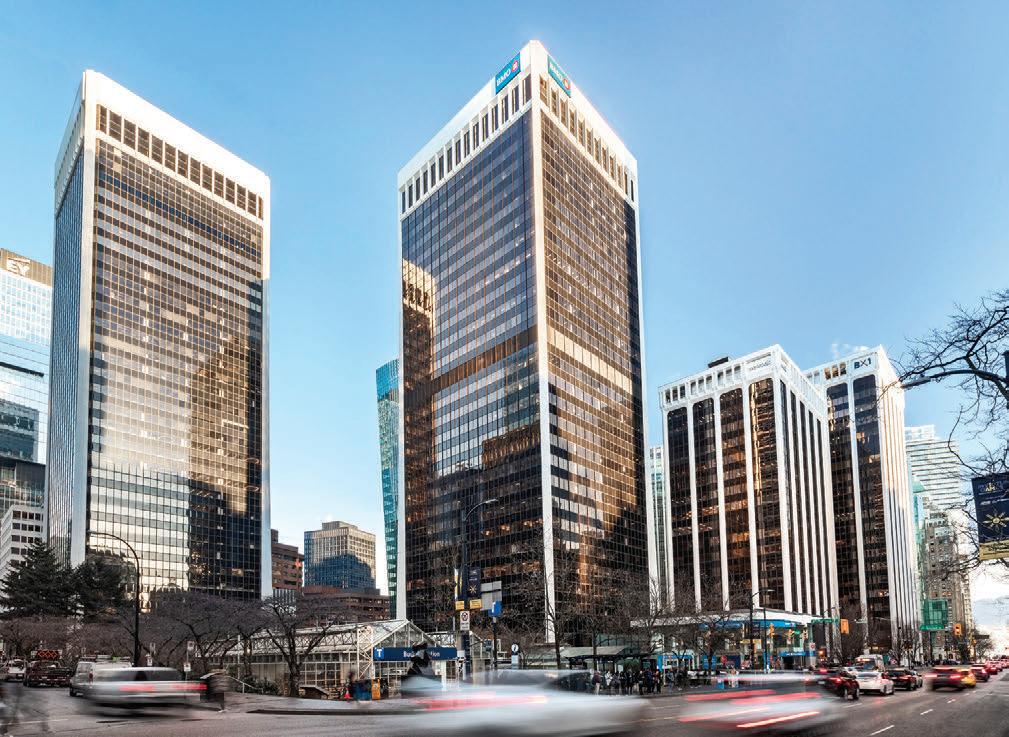
If you find yourself at the corner of Burrard and Pender in downtown Vancouver, pause for a moment and take a 360-degree turn. What you’ll see is nothing short of a living timeline of architectural evolution – a showcase of Musson Cattell Mackey Partnership’s (MCM) profound impact on the city since its founding in 1965. From sleek commercial high-rises and thoughtfully planned residential spaces to transformative heritage renovations and ambitious master planning projects, MCM’s fingerprints are etched into Vancouver’s skyline, telling a story of innovation, adaptability, and a vision that has shaped the city’s identity over six decades.
Today, MCM is a driving force in Vancouver’s architectural landscape, with a team of more than 100 architects and designers shaping the city’s past, present, and future. Over the past 60 years, as Vancouver’s population has grown from 836,000 to more than 2.5 million, the firm has been a constant, crafting spaces that mirror the city’s evolution. Its portfolio includes iconic landmarks like the Vancouver Convention Centre West, the Vancouver Aquarium revitalization, and Canada Place, cementing its reputation for innovation, reliability, and enduring relationships.
The firm’s origins are intertwined with the city’s growth, mirroring the transformation of Vancouver itself. Founded by Frank Musson in 1965, MCM emerged in a good place at a good time. “Frank was originally the in-house architect for Dominion Construction, a company owned by the Bentall family. He left Dominion amicably to establish his architectural practice, and the Bentall family became one of the firm’s major clients. They remain one of our clients today,” says Mark Thompson, partner at MCM.
Renante Solivar, partner, notes that one of the core philosophies established by Musson was a hands-on approach to the practice. “He was very involved in projects, and that approach remains a central tenet of how we operate today,” adds Solivar. “From the very beginning, Frank understood that truly impactful design comes from close collaboration – not just with clients but also within the team itself. That philosophy continues to shape our work.”
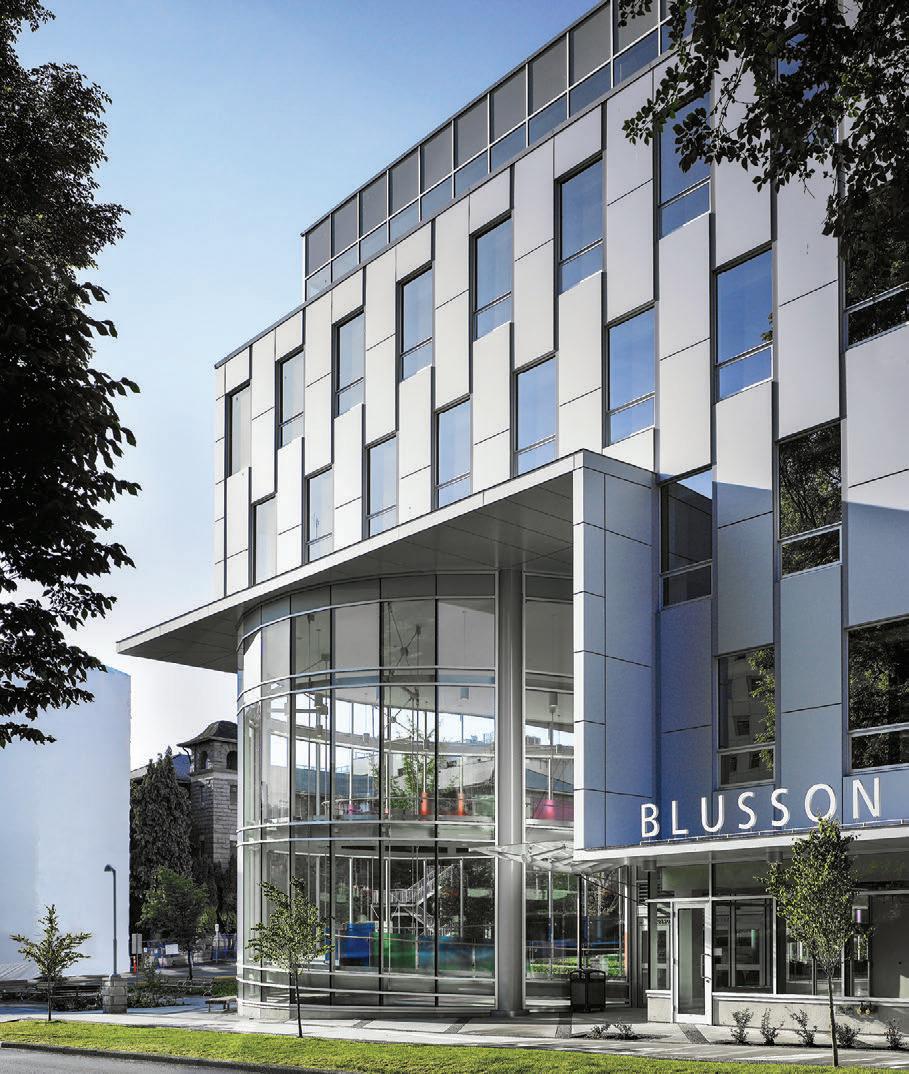
All five partners at the firm are actively involved with clients and projects, working side by side in an open-plan space rather than behind closed-off doors, a rare commitment for a practice of MCM’s size. This balance between business management and hands-on architecture reflects a deliberate choice. “Personally, I became an architect to practice architecture, not just manage a business. We’ve structured our operations to balance business management with staying active in the creative and technical aspects of our work,” explains Thompson.
While MCM is well known for its work on large, complex projects, its ability to pivot into new areas – such as science and technology labs, and even interior design – while continuing to support core clients has helped it weather economic downturns like the dotcom bust. “That adaptability has been a hallmark of our practice. Today, we focus on a variety of projects, including mixed-use developments, retail, and high-rise residential work, evolving to meet the changing demands of our clients,” says Solivar.
Another defining decision for the firm was its choice to stay local. “We’re a 100-person firm based entirely in Vancouver, with no branch offices. We’ve consciously chosen to focus geographically on B.C. while diversifying our project types to remain resilient. This approach allows us to stay rooted in Vancouver, which is important to us,” explains Thompson. “We’re proud to be the largest 100 percent Vancouver-owned architectural firm. Being locally owned and operated strengthens our connection to Vancouver and its community.”
When it comes to projects, MCM takes a collaborative approach. “There are no egos here,” says Solivar, “which has allowed us to successfully build – not just design – so many complex, large-scale projects.” And with more than 400 projects completed, it’s difficult to select those that truly showcase the firm’s skill set.
The Bentall Centre stands out as a group of transformative first-class office towers that helped reshape Vancouver’s downtown. Canada Place, with its iconic cruise ship terminal, is another landmark project. Then there’s Electronic Arts’ headquarters in Burnaby, which marked MCM’s entry into the tech sector. The Vancouver Convention Centre West and the Paradox Hotel – formerly known as the Trump International Hotel – are also iconic, skyline-defining projects.
More recent work includes the King George Hub, The Stories at Broadway and Granville, 622 SW Marine Drive, 155 East 6th Street, and the ongoing master planning development in the Great Northern Way area – projects that are shaping the future of Vancouver.
While the standout iconic structures are certainly worth celebrating, MCM has been involved in countless lesser-known projects that have helped shape Vancouver over the years. One such project is 155 Water Street, which incorporates key heritage elements and holds special significance for both Solivar and Thompson. Anchored by two historic Gastown facades, with a new seven-storey building rising above Vancouver’s oldest neighbourhood, 155 Water Street blends modern office and retail spaces with preserved heritage. “Vancouver doesn’t have much heritage compared to older cities, so these buildings are even more precious,” says Thompson. “We’re finding ways to preserve entire heritage buildings – upgrading them for earthquake and fire safety while making them functional for modern use.”
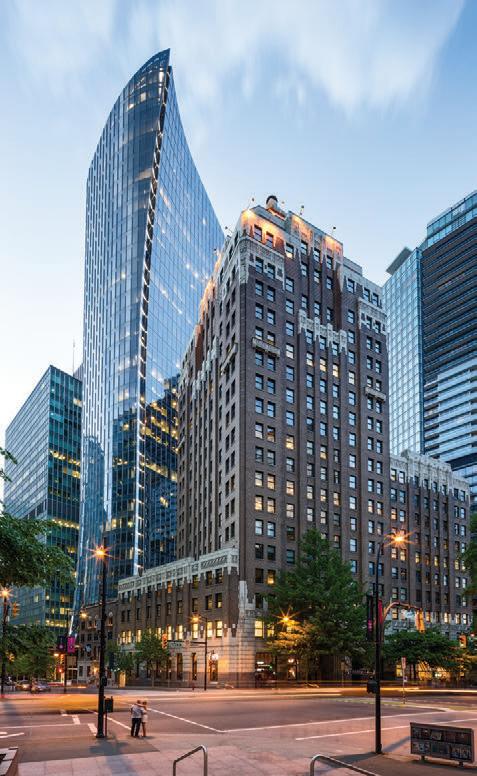
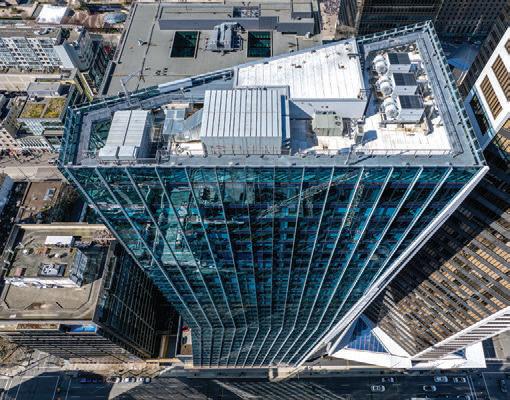
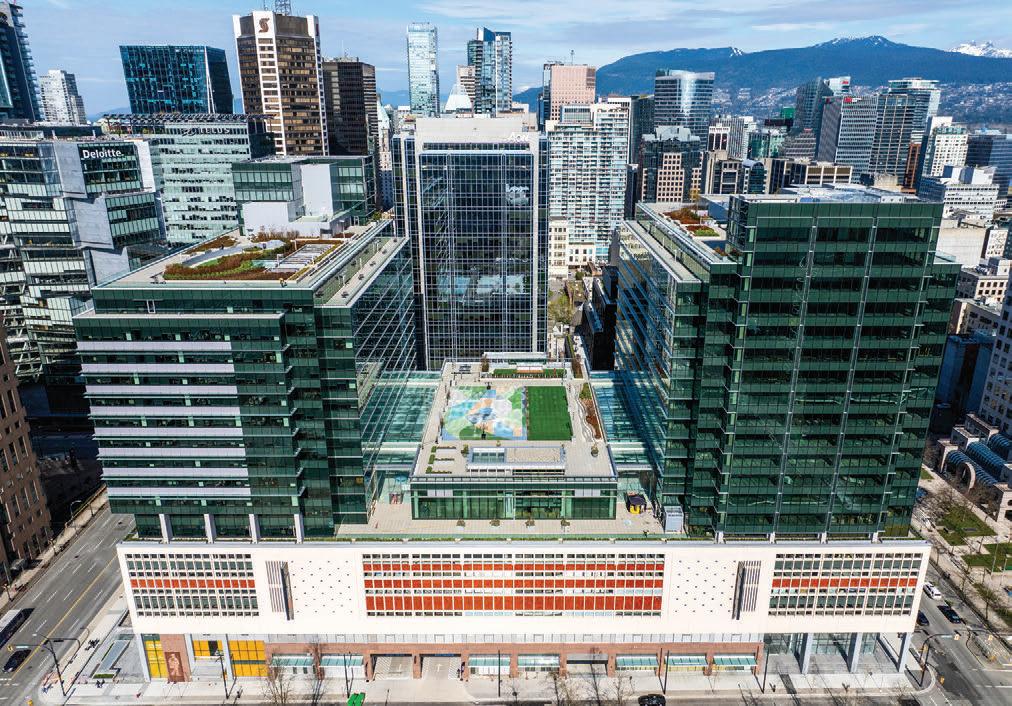
In fact, this focus on restoration is central to MCM’s philosophy moving forward. “We’re seeing increasing opportunities with older buildings. Clients with aging Class B and Class A office buildings often ask how to keep them relevant. Renovation is a key focus, especially with land in limited supply. Over the next five to 10 years, we’ll likely see more of this as we find ways to modernize and preserve older structures rather than demolish them,” says Thompson.
MCM’s expertise in restoration is evident in projects like The Post on Georgia, the largest heritage revitalization in B.C., and the Vancouver Club’s renovation of its Class A heritage building. This project included restoring the existing east and west elevations in tandem with the development of an adjacent city park over a parking garage.
“We’re always mindful of what’s coming next and how different uses can be blended together,” explains Solivar. “For example, with the aging population, we’re currently exploring how medical facilities can be integrated into office or mixed-use developments.”
When it comes to MCM’s projects, there’s a little secret, a certain je ne sais quoi that ties them all together: a touch of whimsy. “Back in 2006, I worked on the Convention Centre and float plane terminal with Frank. He told me something that’s stuck with me ever since: ‘Most of our work is functional, and that’s essential, but great architecture leaves room for a little whimsy.’ He said it could be anything – a moment of wonder or a smile – that makes the project unforgettable; I always strive to carry that forward in my own work,” says Solivar. It may not always be obvious at first, but that hidden touch of whimsy is what makes each MCM project uniquely memorable and so very Vancouver. A
by ROBIN BRUNET
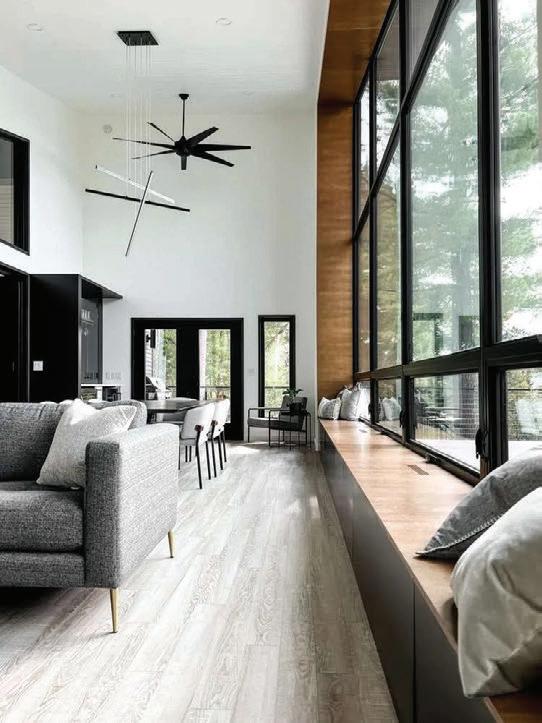
It’s a familiar refrain throughout the construction products sector, especially when it comes to residential windows: energy standards continue to drive product development, whether through meeting performance codes or developing an Environmental Product Declaration (EPD). Tracy Nadiger, VP of marketing at All Weather Group, which includes All Weather at Home (formerly All Weather Windows), summarizes the market as her company looks ahead to business this year: “In the past, advancements in technology tended to focus on the use of PVC over wood, but the focus now is on glass technology,” she says.
Specifically, Vacuum Insulating Glass (VIG) is beginning to establish a presence in the Canadian residential construction sector sooner than expected. Nadiger says a key entry point will be in the construction of net-zero homes. “From there, VIG could become more mainstream as developers seek to minimize the energy losses associated with traditional windows,” Nadiger says.
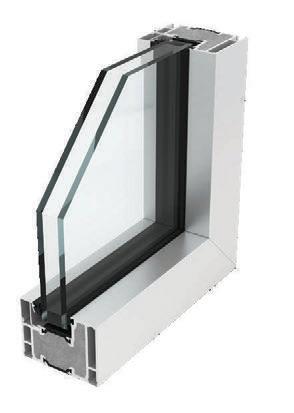
With R-values of up to R20, VIG has been credited with turning walls into windows. Essentially, a VIG unit consists of two lites of glass with micro support pillars in between, lined by a seal. The high vacuum
chamber is said to provide better thermal insulation than a brick wall or insulated glass and is also excellent at blocking noise, making vacuum glass especially attractive for urban areas. VIG units are also free of condensation, even in extreme cold
Nadiger cites another development to keep an eye on in 2025. “Low-E coatings continue to be driven by energy codes and Canada’s 2030 sustainability mandate, to the point we’re seeing coatings on three sides of window systems instead of two,” she says, referring to triple pane applications.
But Nadiger warns that both VIG and Low-E come with tradeoffs. “VIG is two to three times more expensive than standard window systems, plus the capillary tubes between the two glass panes are noticeable,” she says. As for Low-E coatings, “They significantly affect the transmission of light into a building. So developers will have to assess when and where these systems are a good investment. But both technologies are here to stay and will likely become more accessible in coming years, which is why we at All Weather at Home will be unveiling Low-E offerings in 2025, and possibly VIG units.”
Nadiger has another observation about the residential window industry in 2025: “I have no idea where this is going or if the effect will become
severe, but the demand for glass for solar panels is ramping up and taking away capacity from float glass for residential and commercial applications. Whether this will cause shortages remains to be seen, but it’s worth keeping track of.”
As of January, Innotech Windows + Doors was busy launching its line of EPDs. The company’s brand manager, Jessica Owen, says reaching this point “took 18 months of significant effort involving all of our departments and suppliers – but the result is worth it, as we now have EPDs that outperform the baseline.”
Innotech’s EPDs pertain to its Defender 76TS and Defender 88PH+ Windows and Doors Series. Developed in compliance with ISO 14025 and EN 15804:2012+A2:2019, the EPDs have been verified by the Athena Sustainable Materials Institute.
Innotech is also very much on top of Life Cycle Assessments (LCAs) as they become common vocabulary of developers, especially those in government projects. “For example, the City of Vancouver continues to lead the industry with requirements for embodied and operational carbon to meet zero emissions buildings targets, and we continue to be part of the discussion surrounding the need to balance embodied carbon with operational carbon,” Owen says.
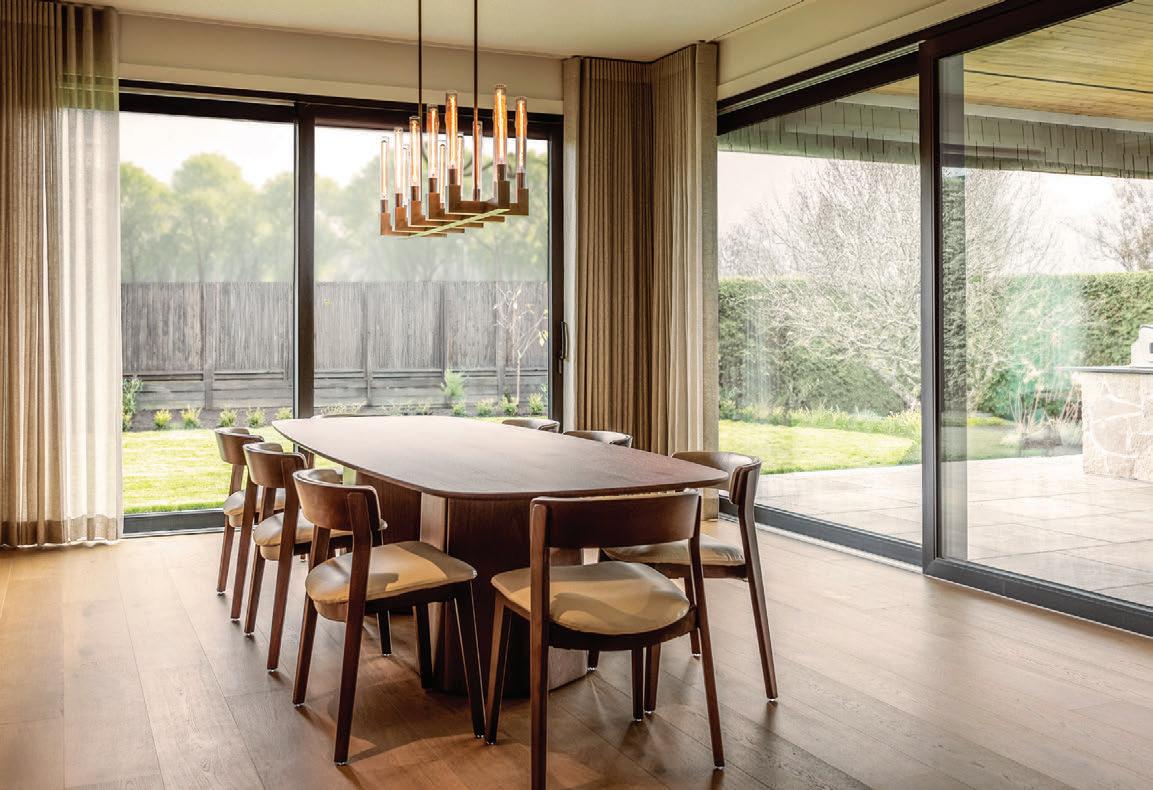
EuroLine Windows. Genuine quality engineered for a lifetime of performance and comfort. Experience personalized service that values your unique vision, backed by a company with a proven reputation. Trusted by the most discerning homeowners and professionals. euroline-windows.com
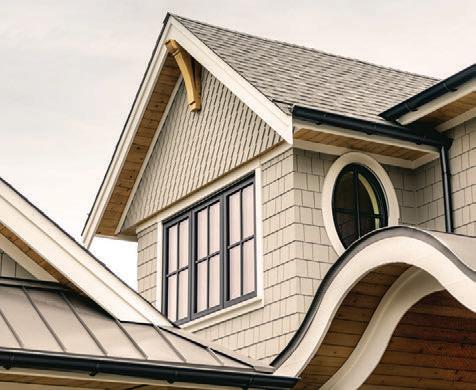
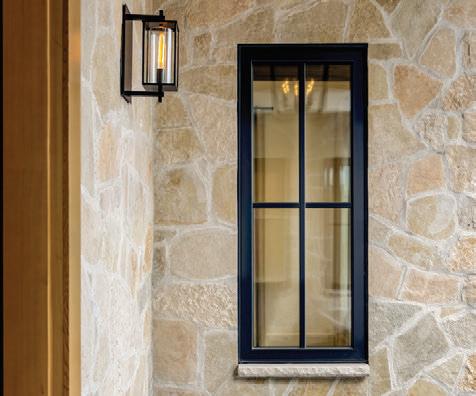
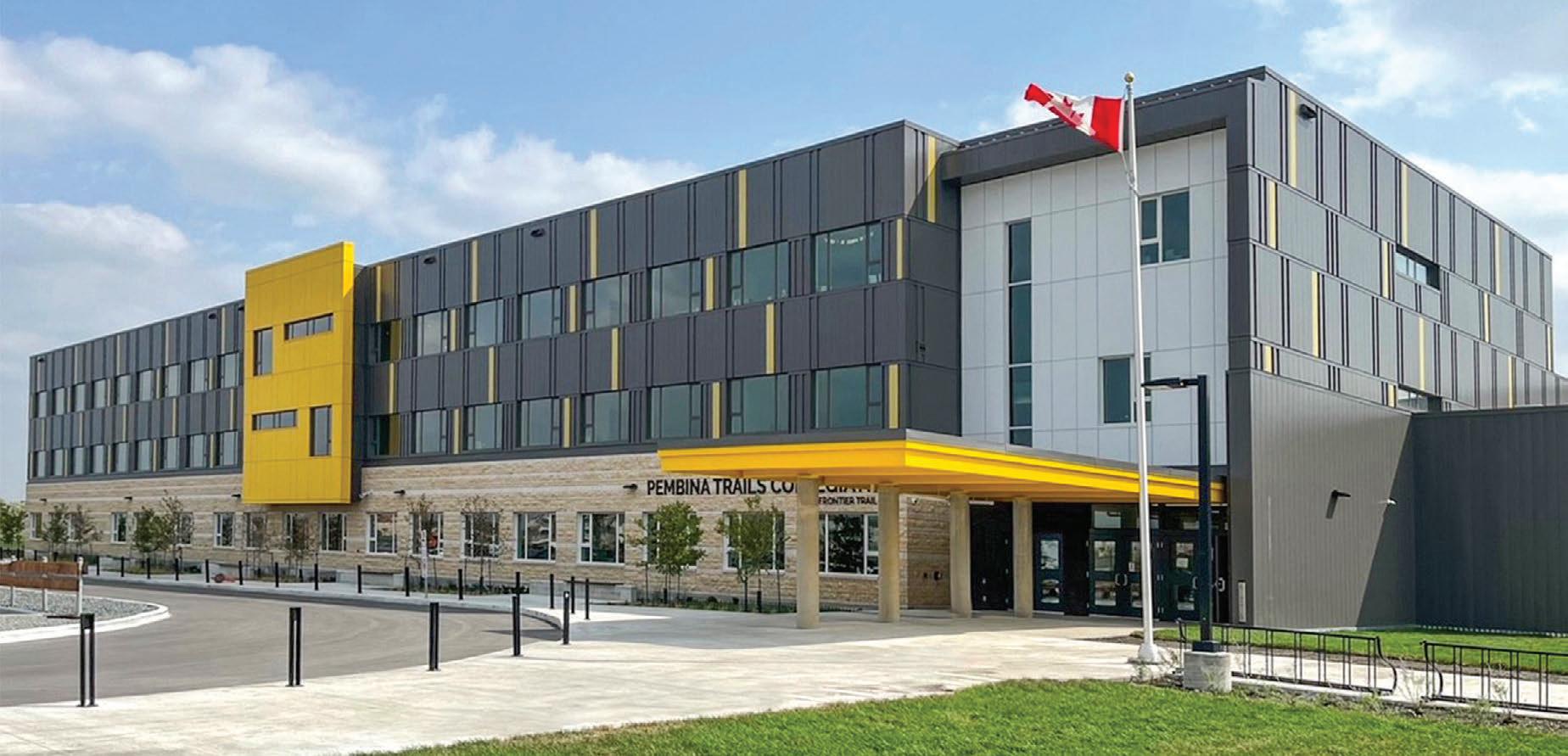

Zhen Liu, owner of Silex Fibreglass Windows & Doors, champions the adoption of EPDs as a reflection of the construction industry’s growing commitment to transparency and sustainability.
“While EPDs haven’t directly increased our client base, they are increasingly required for large-scale commercial and institutional projects,” Liu notes. “These certifications demonstrate our environmental leadership and position us as a trusted partner in sustainable building initiatives.”
requirements, allowing architects to maintain their creative vision without compromising sustainability.
As the construction industry increasingly prioritizes environmentally responsible solutions, Silex’s fibreglass windows are emerging as the material of choice for projects that aim to combine design excellence with sustainability. “At Silex, we’re proud to offer products that not only meet the functional and aesthetic needs of modern architecture but also support the broader goal of reducing environmental impact,” Liu concludes.
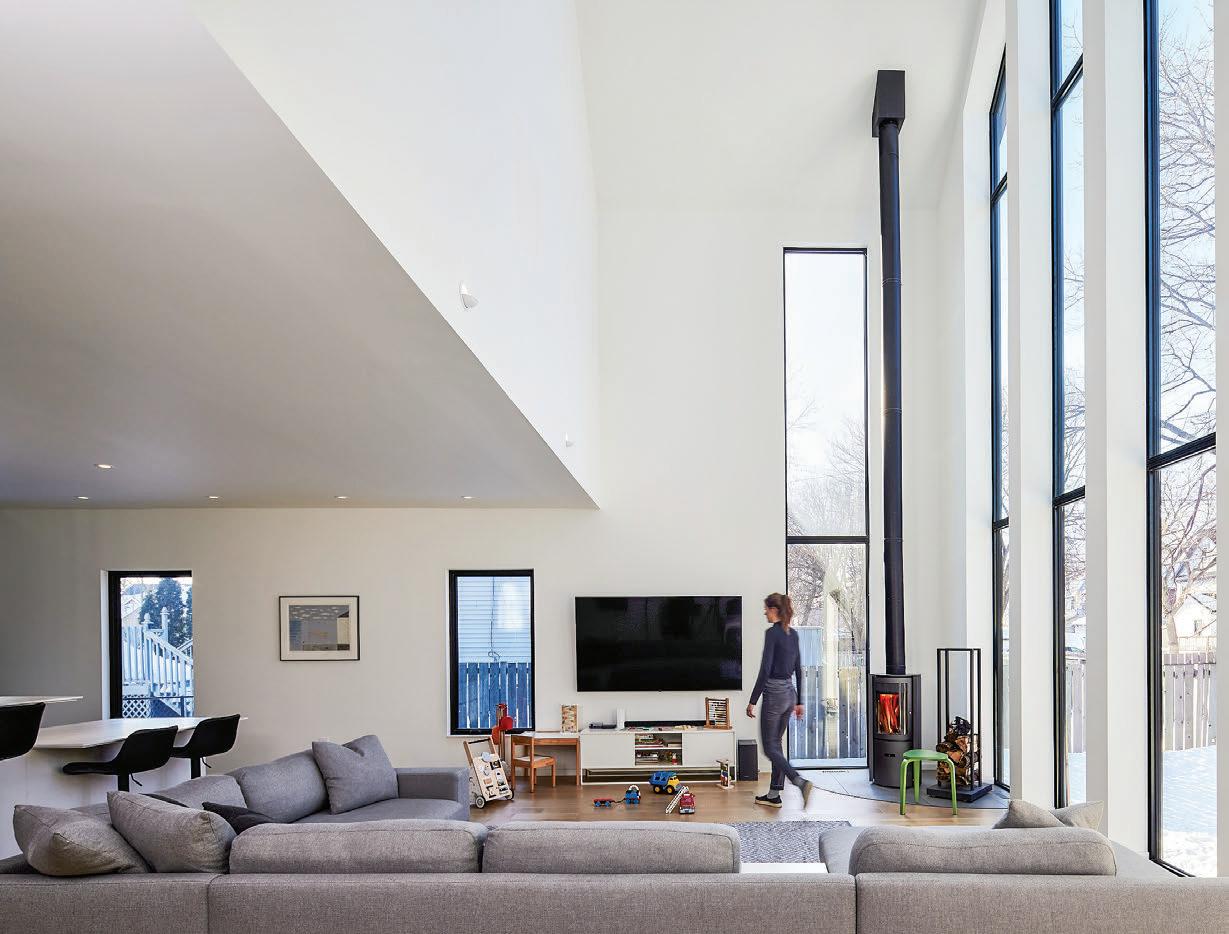
Fibreglass windows are particularly well-suited for projects that demand both environmental responsibility and cutting-edge performance. “Fibreglass as a material inherently supports sustainable construction,” Liu explains. “Unlike aluminum, fibreglass requires significantly less energy to produce, and it doesn’t involve forestbased materials like wood. This allows us to market our products as having some of the lowest embodied energy in the industry.”
Beyond manufacturing benefits, fibreglass windows excel in operational performance. With a naturally high resistance to thermal transfer, they offer superior insulation, contributing to reduced heating and cooling demands in buildings. This not only enhances occupant comfort but also aligns with stringent energy efficiency targets, such as those required by LEED and other green building certification programs.
Durability is another critical advantage. Fibreglass windows resist warping, rotting, and corrosion, significantly extending their lifecycle compared to traditional materials. “When architects and developers choose fibreglass, they’re not only investing in a product that lasts longer, but also reducing long-term maintenance and material replacement costs,” Liu says.
Design flexibility is equally important for the architectural community. Fibreglass windows can be customized to meet aesthetic and structural
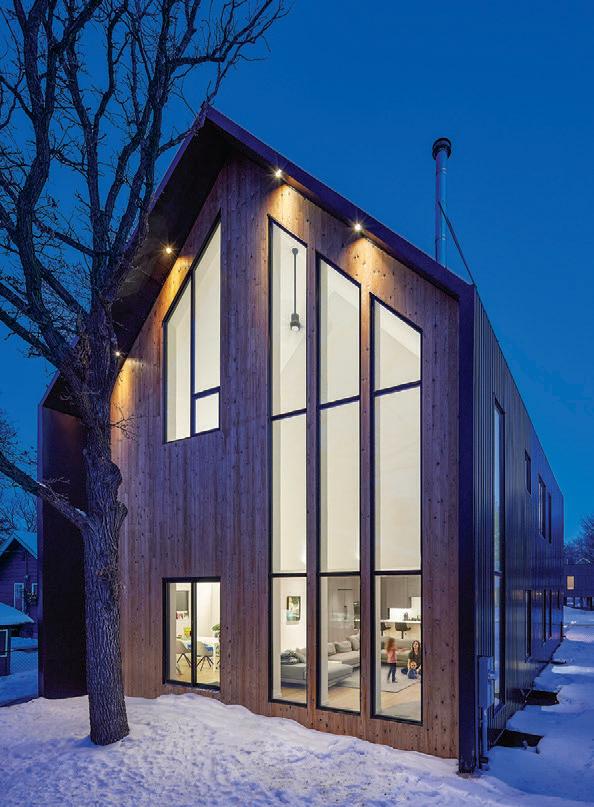
aluminum and fibreglass frames), and strength (a well-engineered fibreglass window delivers vastly superior strength characteristics compared to other windows, such as PVC, and provides greater sheer strength than PVC).
For the record, Inline also touts as a benefit that it is the only fully integrated fibreglass window and door manufacturer in Canada: “As a result, we have the distinct advantage of controlling all aspects of design, production, and quality. Beginning with the manufacturing of lineals using the pultrusion process, painting, to design and final assembly of windows and doors, our experienced team has gained the industry reputation for producing the best fibreglass windows and doors in the marketplace.”
Davyd Funk, president of Euroline Windows & Doors, says his company, a leading North American manufacturer of high-performance, custom-made windows and doors, reports that, “Since 2020 we’ve enjoyed an extremely productive relationship with Aluplast, a German company globally recognized for its innovation in product development.”
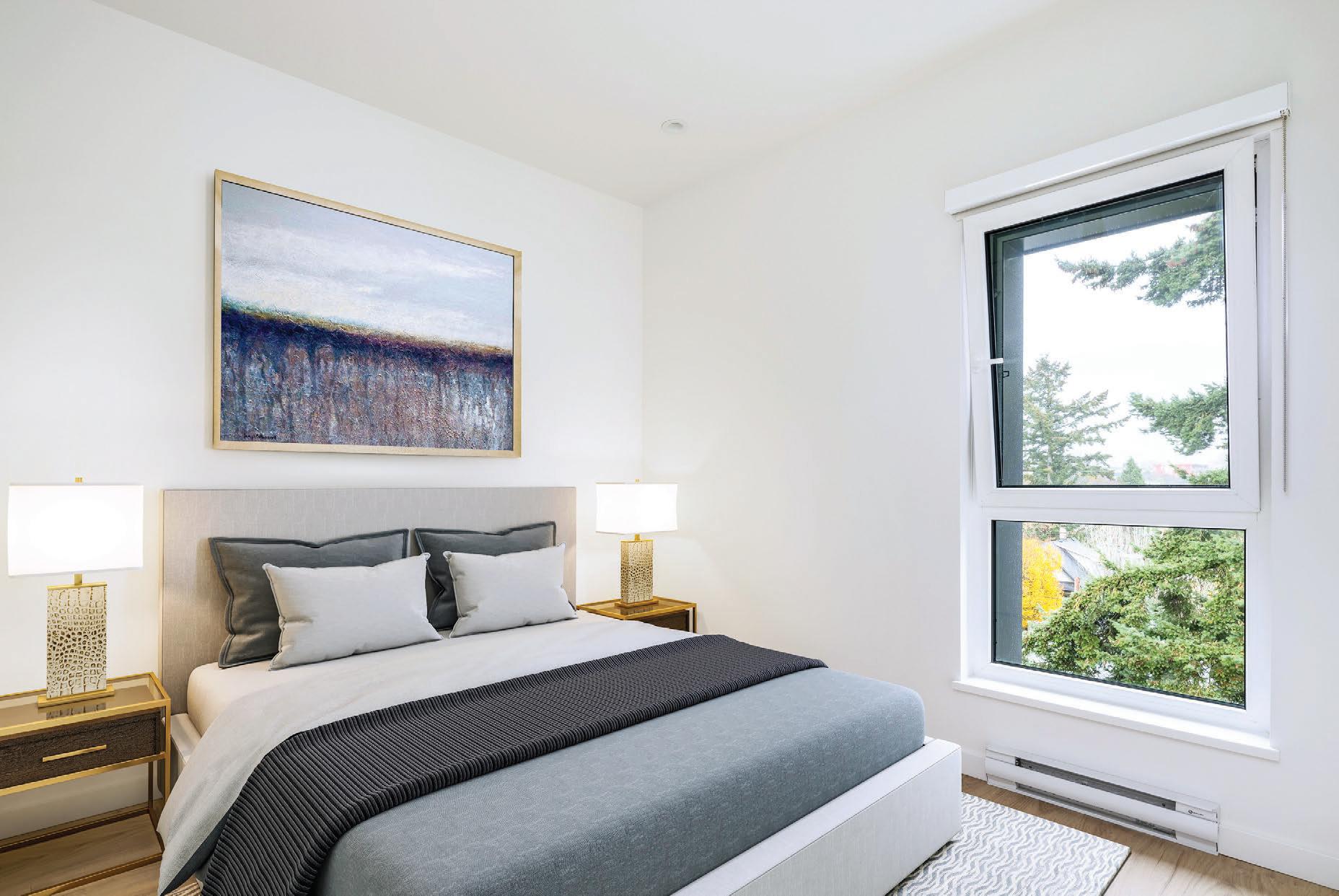
One product that made a splash upon its introduction in 2024 and is expected to grow even more in popularity is the energeto NEO tilt-and-turn window system, which boasts a Bauhaus-style minimalist design with rebates that are nearly half as narrow as those in other Aluplast systems.
Energeto NEO is replete with innovative Aluplast technologies, such as steel reinforcements replaced by Powerdur composite reinforcements, the technology of gluing the glass unit into the sash glazing rebate, and the option to fill the profile chambers with thermal insulation materials.
Of the tilt-and-turn functionality, Funk says, “We’ll be seeing an expansion of tilt-and-turn well into 2025 and beyond, especially in the multi-family residential sector. It’s ideal for developers who want to create a narrow, modern aesthetic, and German engineering ensures that these systems are durable over the long term.”
Cascadia Windows & Doors of Langley, B.C., is well known for creating high-performance fibreglass windows and cladding support systems. It recently became the first window manufacturer in the world to issue an EPD for its Universal Series Windows, Doors, and Window Wall, in accordance with the new Fenestration Assemblies Product Category Rule (PCR). This underscores the company’s commitment to transparency and the transition to high-performance building design.
The new PCR prescribes standardized rules and methods for calculating and reporting the environmental impacts of products, allowing for greater accuracy and consistency in evaluating a product’s lifecycle impacts, particularly in reporting embodied carbon impacts.
Michael Bousfield, technical director at Cascadia, points out that “In general there are two competing interests in construction with regards to windows: the requirement to meet stringent energy codes, especially in locations such as urban B.C., and the architectural desire for more glass in order to provide better views and boost property values.
In a similar vein, Inline Fibreglass Ltd.’s windows exhibit all the environmental benefits of pultruded fibreglass, along with stability (the material expands and contracts an incredible 800 percent less than vinyl), conductivity (fibreglass is less conductive than
“Cascadia has developed to the point where we accommodate both needs along with providing developers with product longevity – because as building codes become even more rigorous, it’s hardly acceptable to have a window with a 20-year service life compared to the 100-year lifespan of the surrounding wall.”
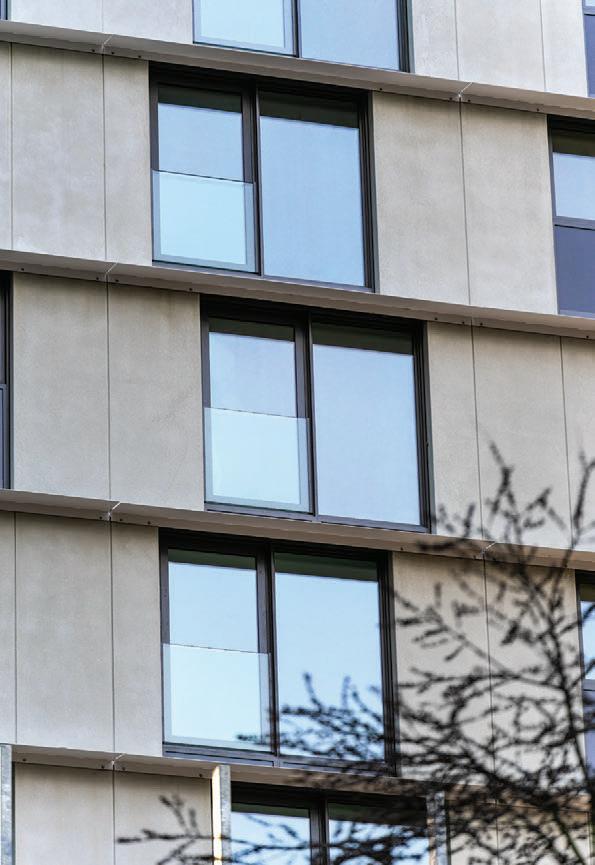
As for new products, Cascadia recently unveiled its new Juliet Balcony, which provides architects and designers a novel way to reduce thermal bridging associated with balconies, while still offering maximum ventilation for occupants.
“This system is compatible with the Universal Series inswing windows and doors, plus window wall, and custom sizes and configurations are available,” Bousfield says. The window and guardrail
components are assembled at the factory while the guardrail glass is installed onsite, from the interior of the building. “Best of all, the Juliet Balcony does not impact the window’s thermal performance,” Bousfield says. “It’s a fabulous product for any large opening window where you want to expand space but not construct a traditional balcony.”
Finally, Viewmax of Concord, Ontario, is another supplier dedicated to providing energy-saving
windows, curtain walls, and related products. One example is its P2 Passive Energy Saving System, designed for passive buildings to have extraordinary thermal insulation and condensation-free performance, while its noise reduction performance makes a a highly comfortable home environment. The integrative design with aluminum cladding protects the exterior window frame and wall contact surface from severe weather conditions. A



by NATALIE BRUCKNER
Every year, the world’s leading paint and coatings manufacturers unveil their colour of the year – a single or palette of shades chosen to capture the pulse of design and culture. But these selections are more than just a reflection of fleeting trends; they reveal deeper global currents, from shifts in consumer behaviour and technological innovation to the evolving relationship between people and their spaces. Informed by extensive research across fashion, architecture, nature, and technology, these colours tell stories of where we are and where we’re headed. With sustainability and innovation at the forefront, here’s what the experts are forecasting for this year.
At the Sansin Corporation, Ivory 21 emerges as a serene and sophisticated choice for 2025. This earthy, organic soft white, enriched with neutral undertones, elevates the natural beauty of wood grain while adding a bright, calming quality to any space.
“Ivory reflects a growing trend toward natural, translucent finishes that protect wood while celebrating its character,” says Sjoerd Bos, Sansin’s managing director. “It’s versatile enough to complement coastal tranquillity, Nordic minimalism, and even timeless traditional styles.”
The beauty of Ivory lies in its ability to transform surfaces, from ceilings and decks to siding and interiors. It’s equally at home creating a subtle elegance on its own or serving as a foundation for bold, contrasting hues. As Sansin colour specialist Adam Bartlett puts it, “Ivory is beautifully understated. It lets the wood’s unique tone shine through while offering endless creative possibilities.”
Whether enhancing the intricate grain of a wooden ceiling or providing durability to high-traffic exteriors, Ivory combines functionality with flair. Its soft, inviting tone promises to inspire architects and homeowners alike, proving that beauty and performance can go hand in hand. With Ivory, wood becomes naturally perfect.
Over at Benjamin Moore, their Colour Trend Collection for 2025 embodies a harmonious blend of familiarity and subtle vibrancy with 10 hues that project a comforting vision of colour on the horizon. The palette strikes a balance between grounding neutrals like Sea Salt CSP-95 and Paris Rain 1501, and deeper, moodier tones such as Ashwood Moss 1484 and Leather Saddle Brown 2100-20.
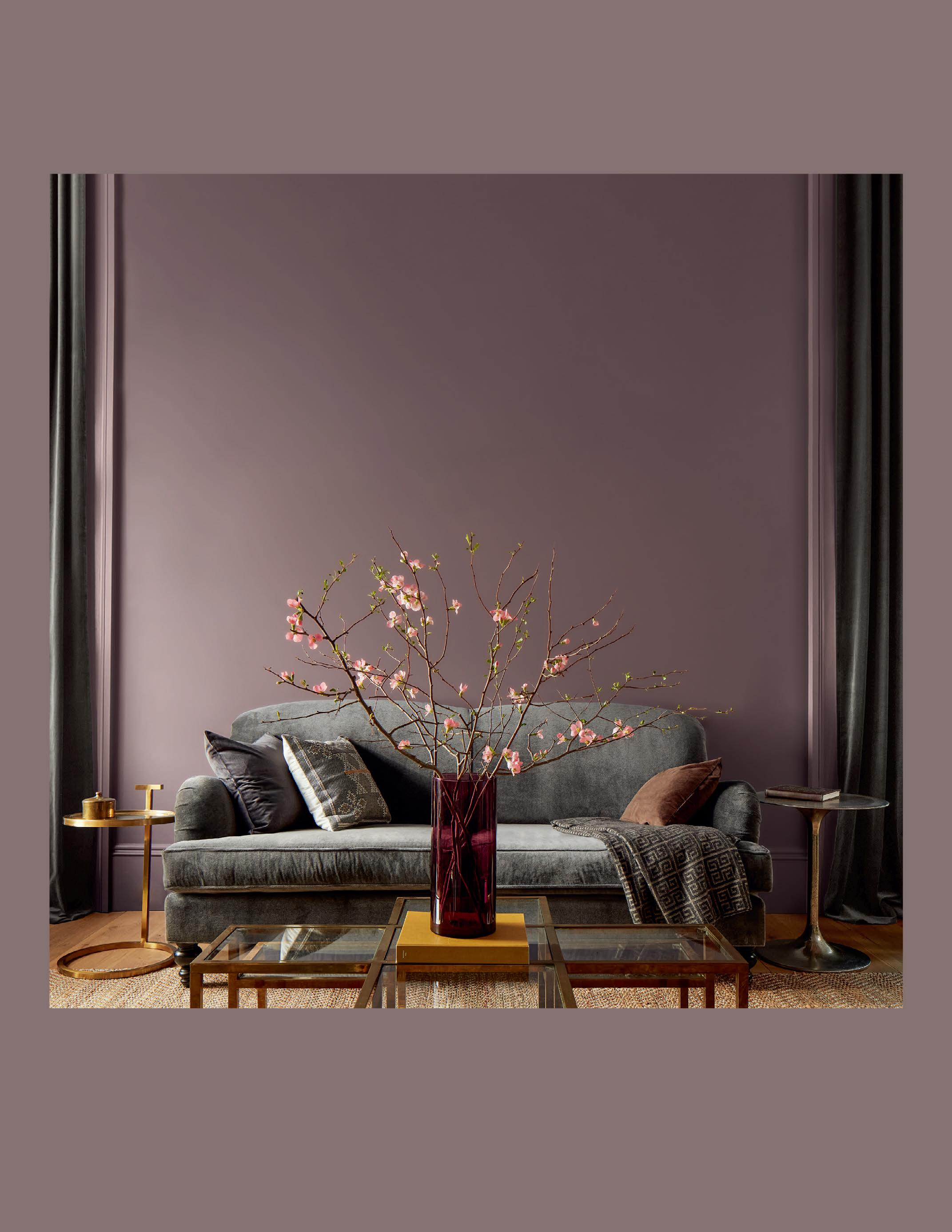
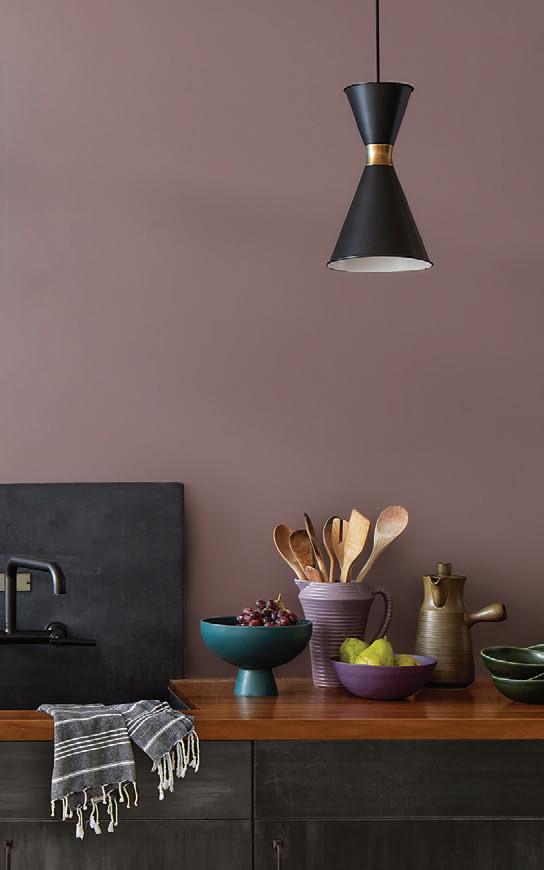
Cinnamon Slate 2113-40, the Colour of the Year, is a standout – a luxurious mid-tone fusion of plum and soft brown. This nuanced shade invites curiosity, encouraging exploration of its intricate undertones and fostering a sense of warmth and connection.
According to Sharon Grech, colour and design expert at Benjamin Moore Canada, this collection reflects a collective yearning for balance and reassurance, translated into restorative colours and soft, rounded palettes. This aligns with broader trends in architecture and furniture design, emphasizing organic shapes, layered textures, and the cherished items that make a space feel like home.
From creating harmony to serving as a versatile design tool, Benjamin Moore’s palette for 2025 highlights the emotional impact of colour. It provides designers and homeowners alike with options to craft environments that feel both personal and welcoming.
Meanwhile, the Pittsburgh Paints Company embraces bold expression with Purple Basil (DLX1046-7) as the Dulux Paints Colour of the Year. This rich, warm purple balances the calming qualities of blue with the vitality of red, symbolizing a new era of self-discovery and curated maximalism.
Ashley McCollum, marketing manager and global colour expert for Pittsburgh Paints Co., highlights the shade’s ability to inspire movement and adaptation, capturing the energy of nature, science, and virtual worlds. Complementary hues like Dark Green Velvet (DLX1136-7) and Bark (DLX1007-7) evoke nature, while Tarreyton (DLX1140-3) and Blue Calico (DLX1246-7) reflect the fusion of real and artificial spaces.
Sico paint takes inspiration from the night sky with Starry Night (6044-83) as its Colour of the Year. This deep purple blends warmth and energy, creating
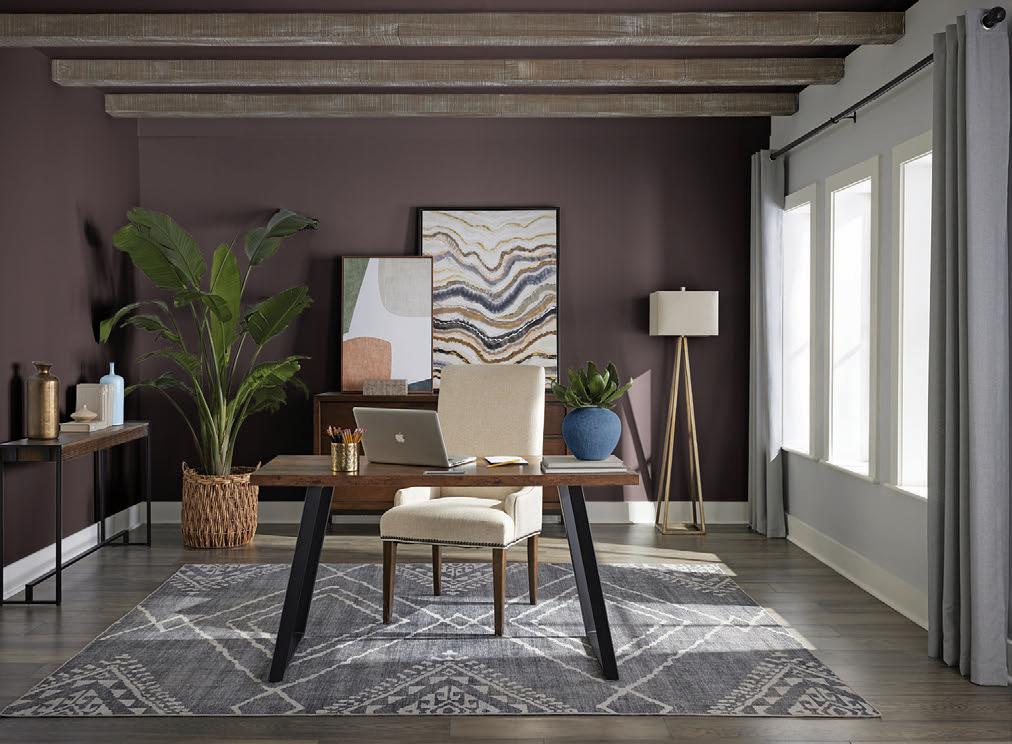
dynamic spaces that foster connection. Paired with earthy tones like Pink Adobe (6073-31), Soft Shell Clam (6193-53), and Gray Area (6240-52), Starry Night mirrors the sky, land, and sea. McCollum recommends Sico Prestige paint for these transformative shades, offering a stain-and-scuff-resistant finish that uplifts every room with rich, expressive colour. Together, Dulux and Sico’s 2025 palettes invite homeowners to explore bold, dynamic choices in design.
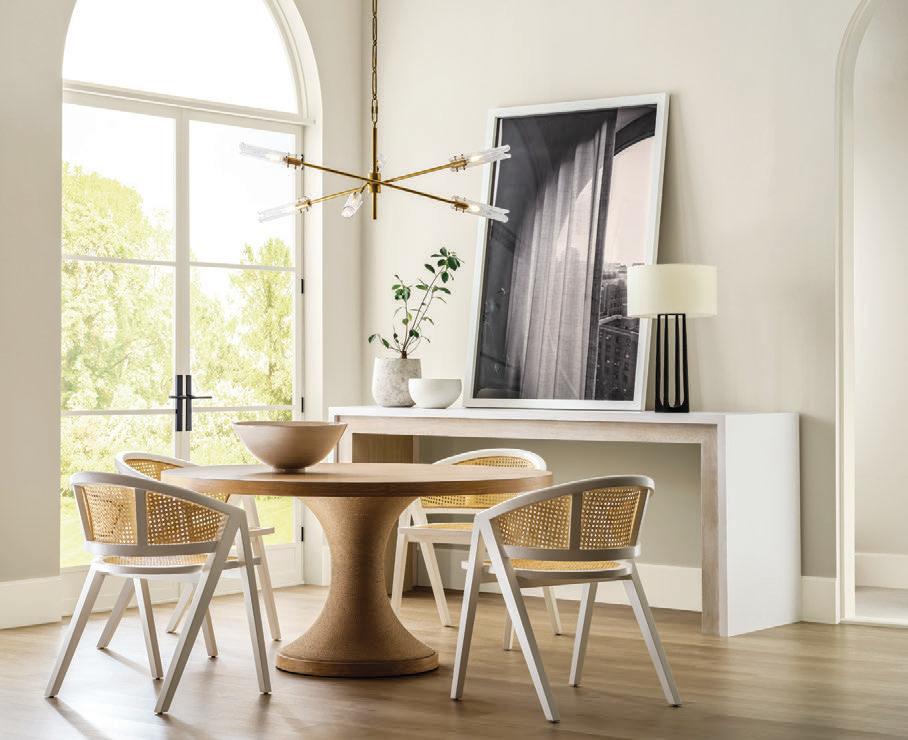
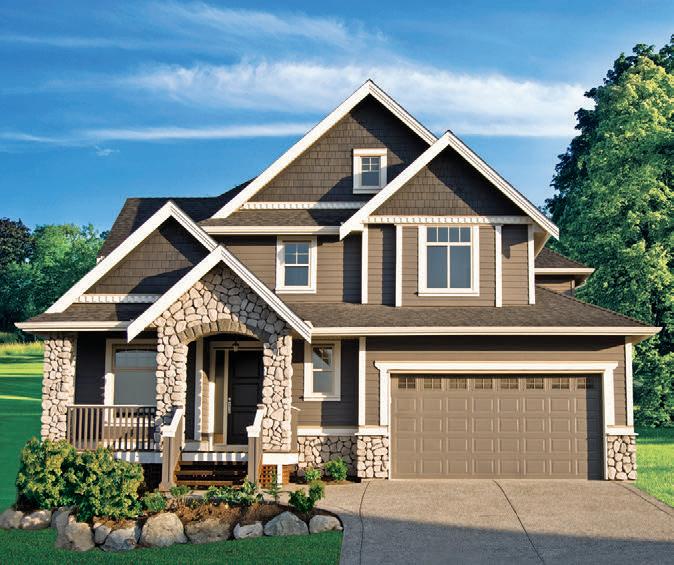
At Sherwin-Williams, the 2025 Color Capsule of the Year celebrates the company’s 15th anniversary of announcing the Color of the Year. “Each year colour forecasting is complex and exciting. The Global Trendsight team drew inspiration this year from global influences and emerging design preferences to select a capsule that captures the spirit of the times and resonates with a broad audience,” explains Emily Kantz, colour marketing manager at Sherwin-Williams.
While many of the colours evoke a sense of nature – reflecting a growing trend among homeowners to bring the outdoors in – Kantz clarifies that the central theme is “vintage with a twist.” The capsule feels eclectic and reminiscent of the 1970s, which is making a comeback in design, with modern shades added to keep it fresh and fun.
One of Kantz’s favourite colour pairings is combining browns like Grounded SW 6089 with whites like Sunbleached SW 9585. “The combination feels elegant, yet restorative. It’s a softer take on the classic black-and-white pairing with a refreshing twist,” Kantz says. She recommends using this combination in master bedrooms for a luxurious yet comforting feel. Another unexpected pairing she loves is Rain Cloud SW 9639 and Chartreuse SW 0073, creating a fresh, light, and fun vibe, perfect for spaces like dining rooms or sitting rooms.
While colour inspires creativity, coatings themselves continue to evolve with performance-driven innovation. Cloverdale Paint continues to lead the way in architectural coatings with its cutting-edge Guardian Plus Interior 100 percent Acrylic Enamel line. This advanced family of coatings is designed to meet the high standards of architects and designers, offering exceptional scuff and burnish resistance, optimal washability, and four gloss options: Matte, Eggshell, Pearl, and Semi-Gloss. These coatings are low-VOC, non-yellowing, and ideal for residential, commercial, and institutional projects, balancing durability with reduced environmental impact and maintenance needs.
Cloverdale also introduces Rodeo (EX010) as its 2025 Colour of the Year. “Reflecting a growing desire to connect with nature in an increasingly technological world, Rodeo embodies calm and balance. Its earthy tones pair seamlessly with greens, terracottas, and soft creams, creating harmonious, nature-inspired interiors,” says Trish Picariello, colour consultant.
Picariello adds that advancements in smart lighting and sustainable design complement these trends, integrating technology that enhances natural lighting while reducing energy use. When paired with higher reflective value colours and strategically positioned surfaces, designers can achieve dynamic, eco-conscious spaces that connect people to the planet.
Meanwhile, the growing popularity of textured concrete opens doors for creativity, thanks to innovative solutions from companies like Nawkaw Corporation. Since 1988, Nawkaw Corporation has been at the forefront of architectural staining, developing, and applying innovative colour solutions for concrete and masonry. As textured concrete continues to emerge as a popular trend in modern design, Nawkaw’s expertise is shaping how this material is used to create visually dynamic surfaces.
Textured concrete offers a canvas for creativity, and Nawkaw’s hand-applied mineral stains enhance its versatility. Their skilled artisans use advanced techniques to mimic the look of materials like wood, metal, and leather, allowing for endless design possibilities. These finishes go beyond aesthetics, delivering durable and unique results tailored to each project.
By blending craftsmanship with decades of experience, Nawkaw helps designers and architects push the boundaries of what textured concrete can achieve. Whether it’s bold facades or intricate interior walls, their work highlights the potential of this innovative material in modern spaces.
Canadian innovation takes centre stage with Corkelite cork spray, a cutting-edge coating made from natural cork granules and water-based resins. According to experts at the company, this versatile solution enhances both energy efficiency and durability, making it a standout choice for modern construction and renovation projects. Achieving Class A certification in tunnel fire tests, Corkelite is the first product of its kind in Canada to meet this high safety standard.
Beyond fire resistance, Corkelite cork spray provides thermal and acoustic insulation, flexibility, and exceptional weather resistance, offering a blend of performance and aesthetic appeal.
Another leader in this realm is the Thermal Elite Pro paints that have been formulated to improve energy efficiency in buildings and reduce thermal absorption. The company states that this decreases the reliance on HVAC systems, contributing to energy savings and enhanced indoor comfort. Like cork spray, these paints are eco-friendly and easy to apply, providing a practical and sustainable solution for projects that combine aesthetics and functionality.
The company states that incorporating products like Corkelite’s cork spray and Thermal Elite Pro paints enables construction professionals in Canada to adopt safer, more efficient, and environmentally-friendly practices, aligning with current industry trends. A
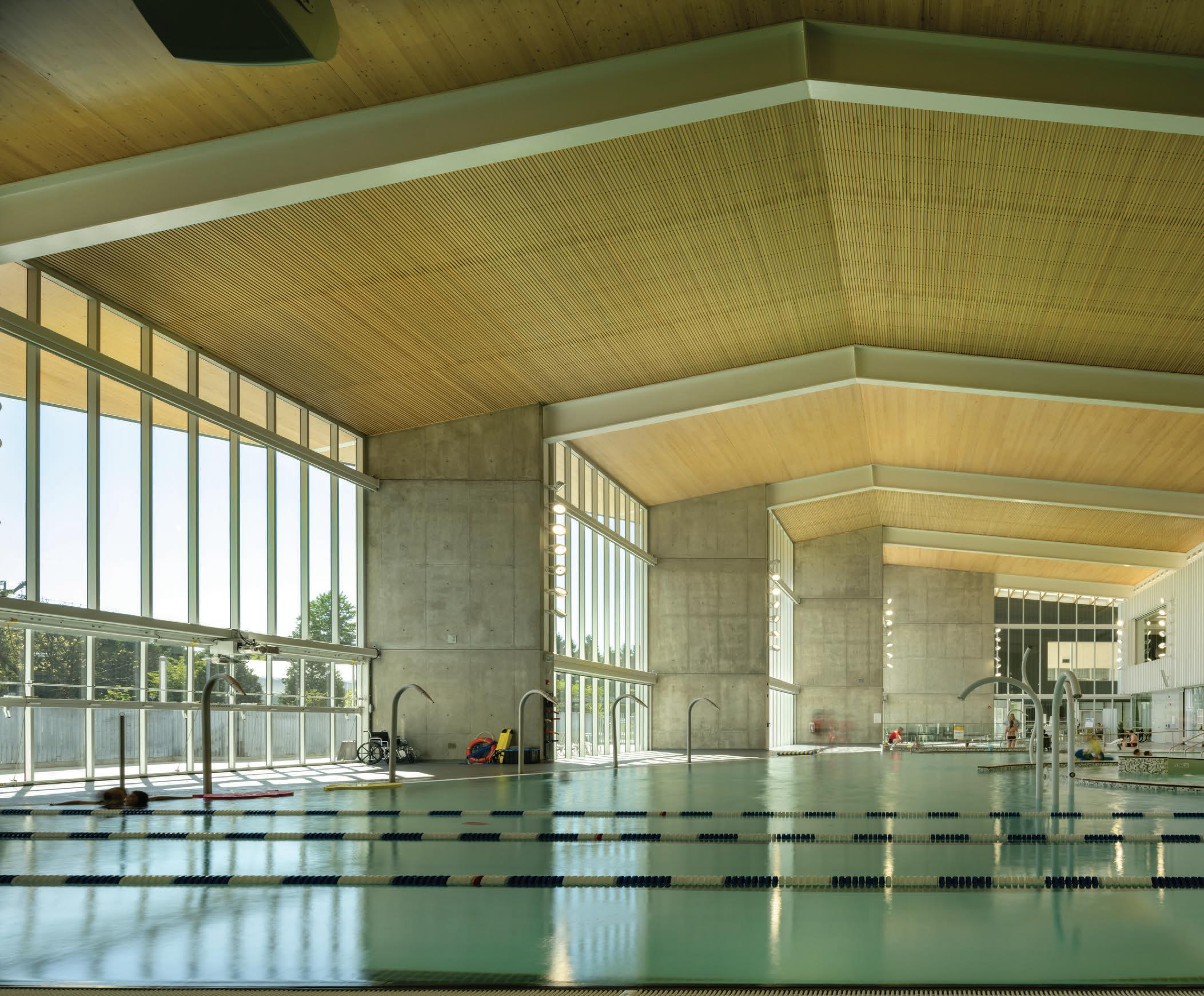
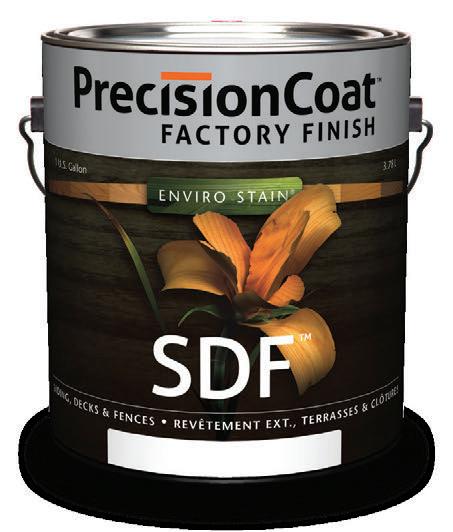
Naturally Perfect™ high-performance wood protection for mass timber structures.
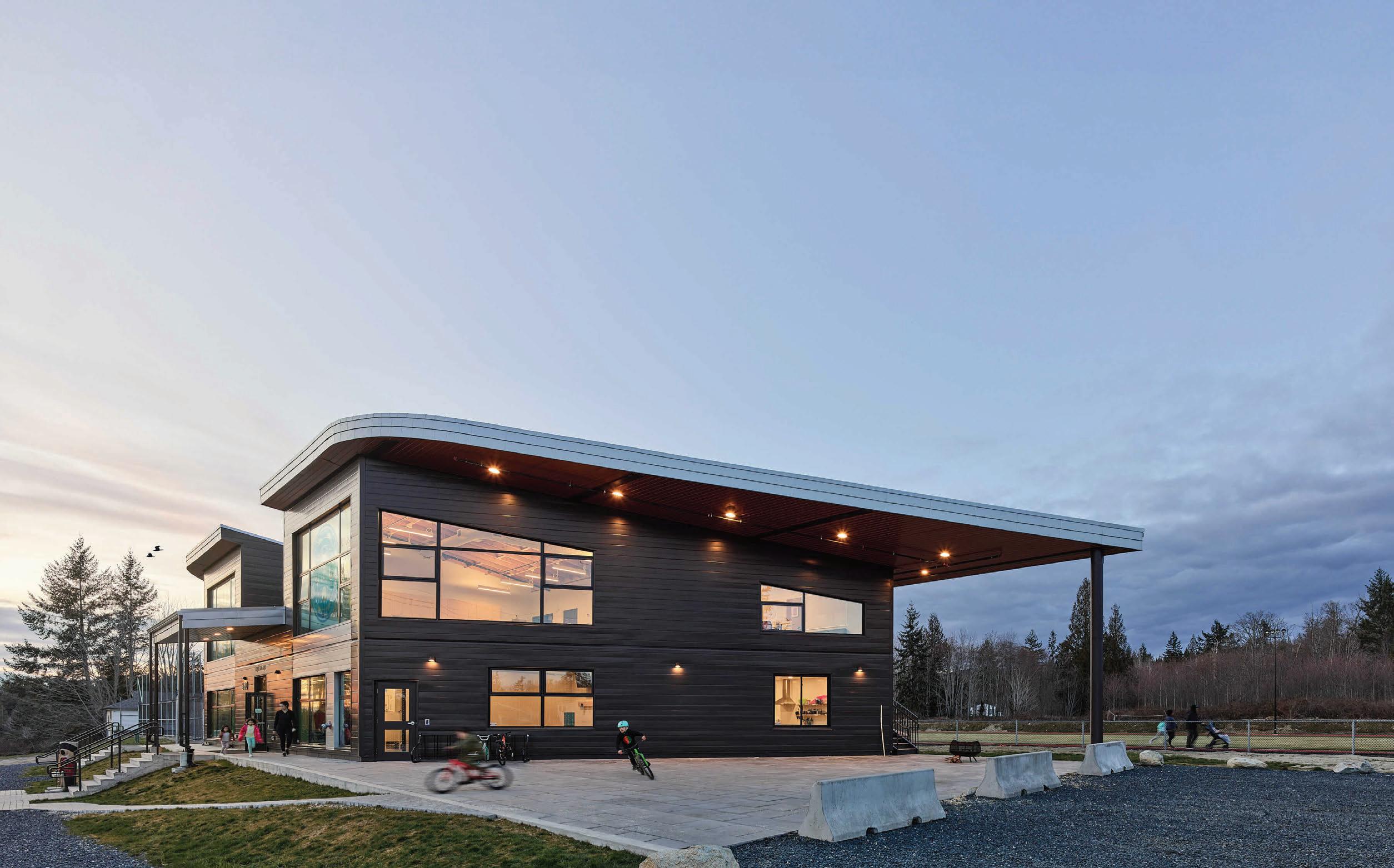
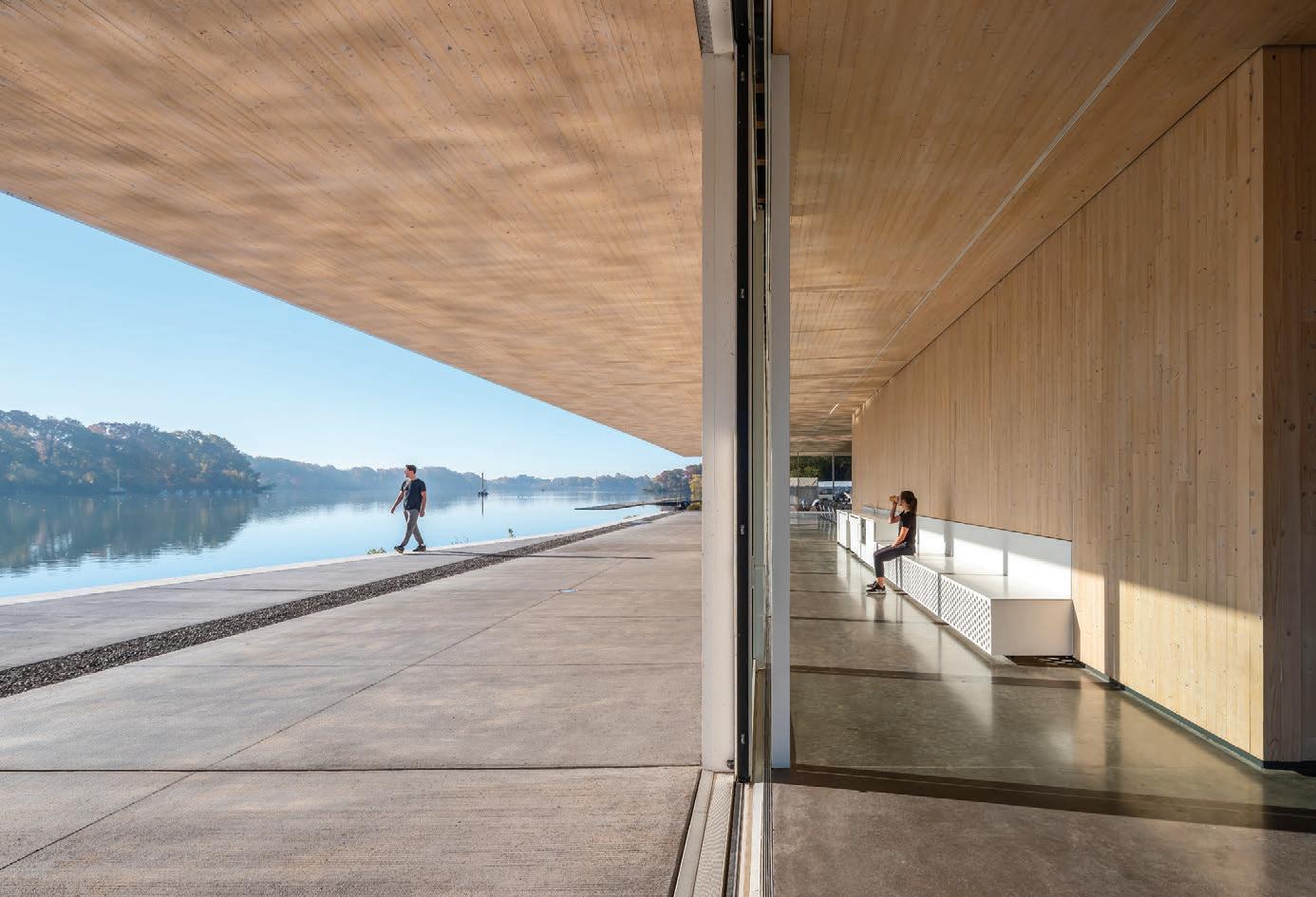
Finish your mass timber masterpiece with Sansin Precision Coat line of Factory Finishes. Sansin Precision Coat systems are designed to maintain the beauty, and integrity of mass timber during production, shipping and construction. This aquatic center in British Columbia is protected with Precision Coat KP-12 and Precision Coat SDF in Sansin’s 2025 Color of the Year – IVORY #21. Sansin’s waterborne coatings allow the mass timber to breathe; absorbing and releasing humidity naturally. Sansin’s IRIS® team can help to optimize the performance of your mass timber structure.





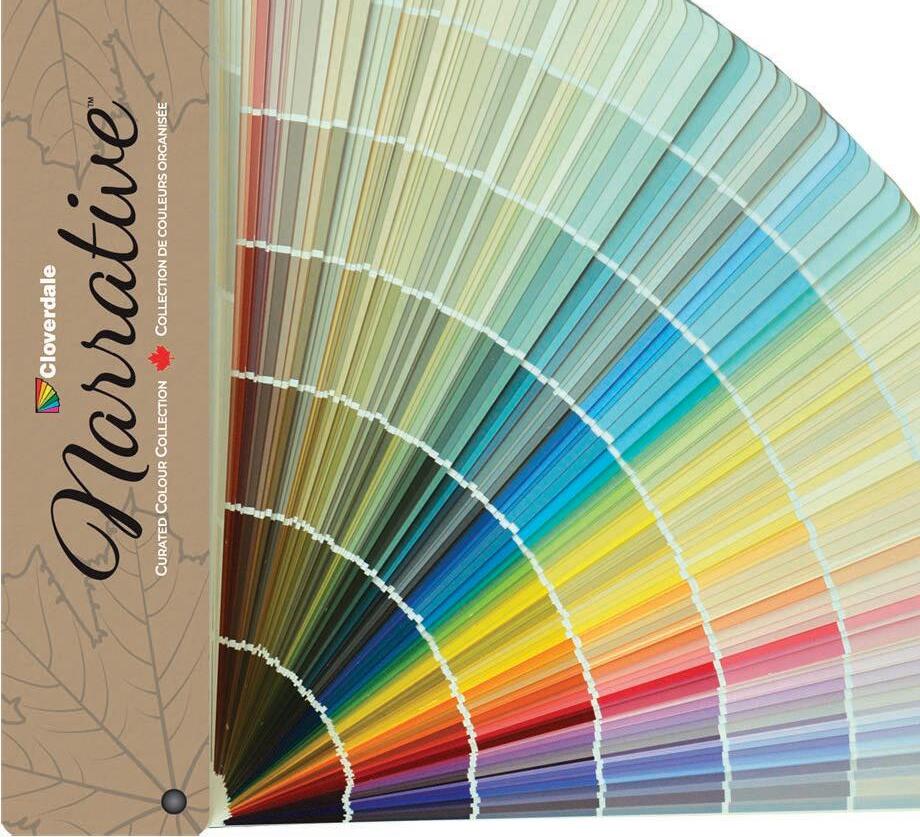
Urban or Rustic?
Neutral or Colourful?
Modern or Classic?
Find your Colour Narrative in our fullspectrum palette that captures more of the widely specified paint colours from across Canada, determined by our Customers and Colour Experts.





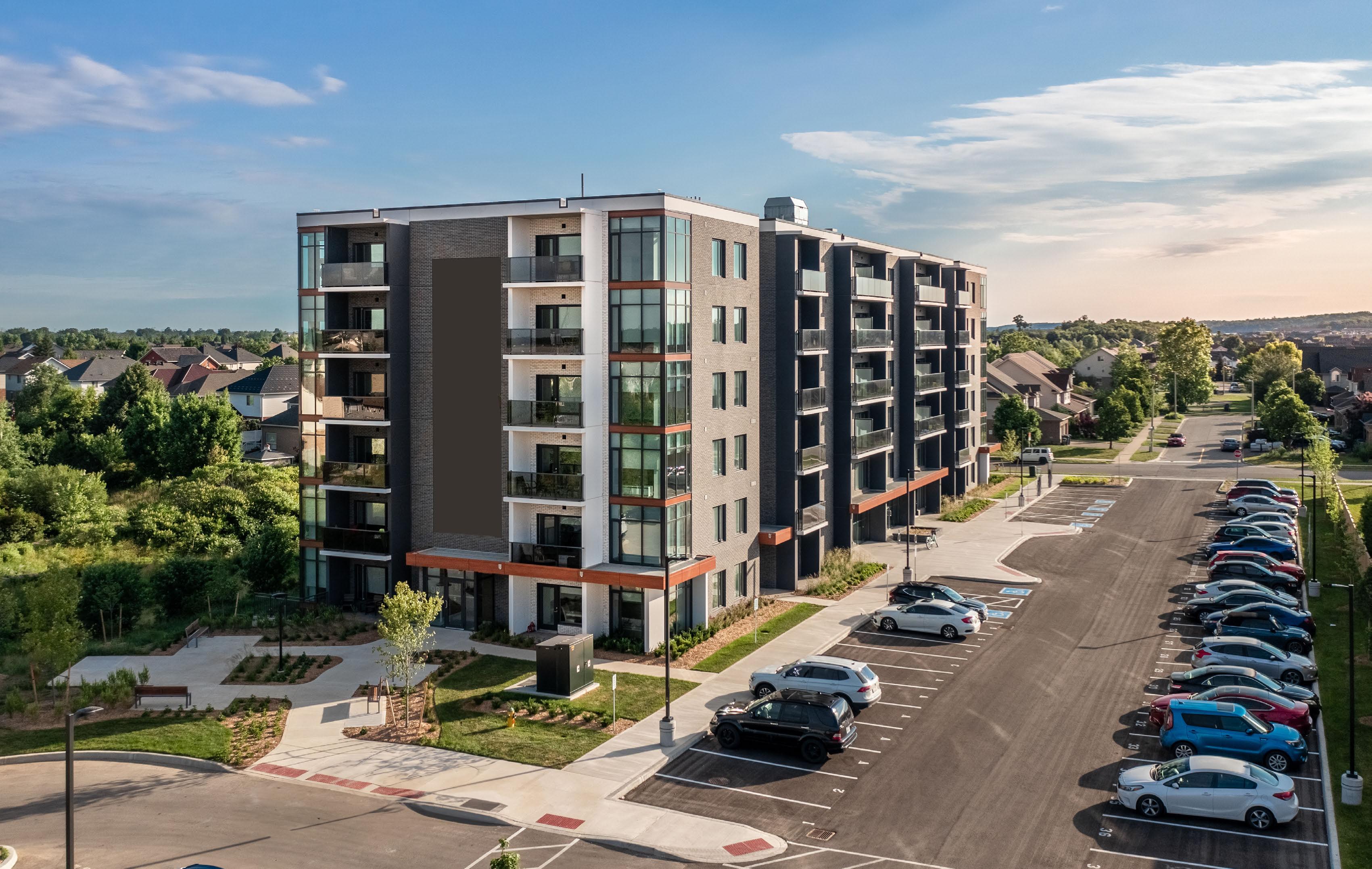
Precast concrete delivers faster construction, superior durability, and architectural versatility—ensuring developments are built to last in both structure and style. Build smarter, stronger, and faster with Stubbe’s Precast. Visit Stubbes.org to learn more.


EvoBuildTM is the evolution of sustainable building materials designed to meet today’s sustainability targets.
With knowledgeable experts, science-backed data and sustainable product formulations, we’re able to work alongside you, offering unparalleled service from concept to completion.
EvoBuild™ Low Carbon Concrete is part of Heidelberg Materials’ Evolve™ Family of Products. Learn how these revolutionary products can help your project be part of a greener tomorrow.
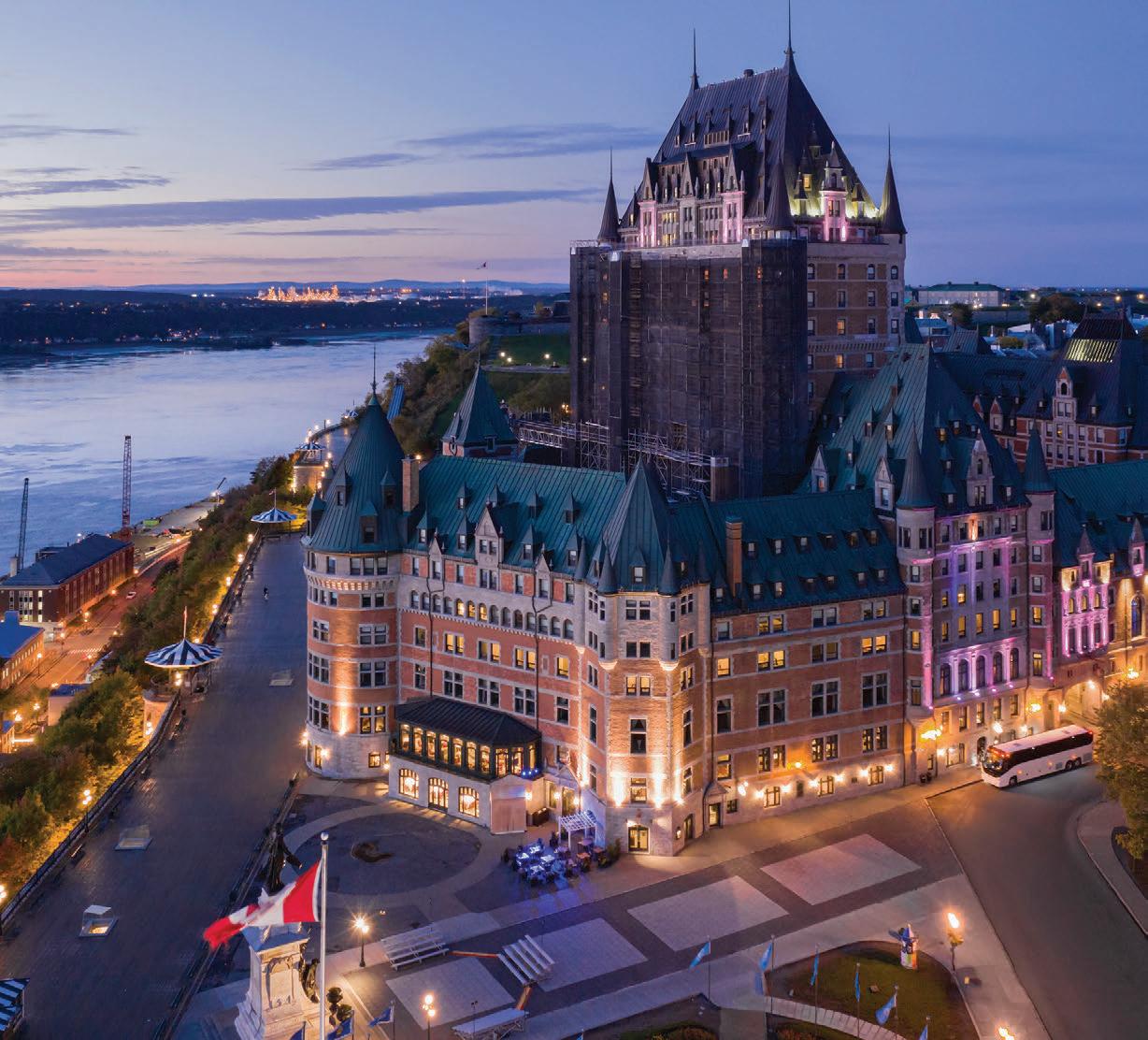
The
restoration
by ROBIN BRUNET
From professionals who carry out the work to those who supply the materials they require, the restoration sector is a perpetual source of brisk business, and product innovation.
In Canada, concrete and masonry restoration is prevalent from coast-tocoast, for projects both utilitarian (infrastructure) as well as of cultural significance – with Ottawa a hotbed of historic structures requiring rehabilitation.
Two examples: the National Capital Commission’s Lady Grey Wall and Escarpment project and the repurposing of the West Memorial Building, both of which rely on the products and expertise of Heidelberg Materials.
The West Memorial Building, constructed between 1954 and 1958, had never undergone major repairs or renovations until 2018, when EllisDon was tasked with securing its 20,000 square feet of usable space for the operations of the Supreme Court and Federal Courts.
Since then, the rehabilitation has involved reinforcing the building, replacing mechanical, electrical, and life-safety systems, and making
seismic upgrades. Structural work includes the completion of new shear walls, reinforcement of beams and columns, and installation of new slab toppings. Additionally, building envelope and heritage work has involved mortar replacement, stone repairs, window restoration, and new roofing.
“We are bound by security not to discuss certain aspects of this project, but we can disclose that we used lightweight concrete solutions for the floor slabs, with a total of 1,000 cubic metres being poured 100 cubic metres at a time. SCL concrete was used for the structural walls, and the sheer scope of work necessitated a vast array of mixing designs,” says Kevin Chevrier, Ottawa-based QC manager at Heidelberg Materials, who adds that the project is expected to wrap this summer.
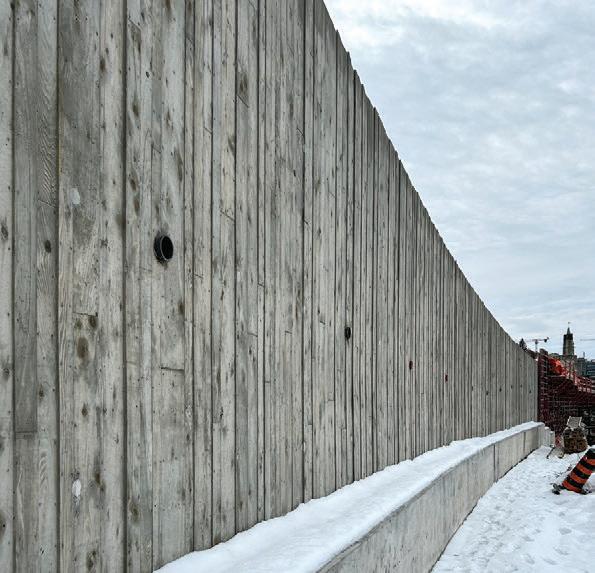
The Lady Grey retaining wall, built between 1911 and 1913, reaches 10 metres at its highest point and spans 580 metres along the Ottawa River, from the National Gallery of Canada to Sussex Drive. The NCC is repairing the Lady Grey wall to protect its structural integrity, as parts of the wall began to collapse in 2020. This project is also scheduled for completion this summer.
The restoration work was extensive and included the installation of piles and shoring along the north section, demolition of the existing north section of the wall and railing system along Lady Grey Drive, installation of caissons, and the demolition and rebuild of the first 125 metres of the south wall section.
Heidelberg Materials is supplying over 3,000 cubic metres of evoBuild low-carbon concrete for the project. Specifically, the mix design for the wall sections, which represent the vast majority of the project, is ES435201V – evoBuild Silver Low Carbon 35 MPa Flowcrete. This evoBuild product offers more than a 50 percent reduction in the carbon footprint from the Canadian Ready-Mixed Concrete Industry-Wide 2017 baseline, resulting in a reduction of over 470,000 kg of carbon dioxide (CO2) for this wall restoration alone.
Matthew Atwill-Morin, president of Atwill-Morin, a Montreal-based stone masonry restoration specialist, reports that his organization has been particularly busy with restoration projects in the Maritimes lately. “That includes the restoration of the Carleton Martello Tower in Saint John, New Brunswick, which dates back to the War of 1812,” he says.
The second and final phase of this rehabilitation project focused on replacing the fire command post atop the tower. Maxim Construction deconstructed the command post. “We created pockets in the stone wall to accommodate granite blocks, allowing for the installation of steel beams to reconstruct the command post above,” says Atwill-Morin. “Once this phase is completed, we will return to work on the brick vault below.” Atwill-Morin’s team is expected to return to the site in late winter to reconstruct the stonework around the granite blocks once the beams have been installed.
Atwill-Morin has also been working on the restoration of the legendary Province House in Charlottetown, PEI, for the past two years, with completion expected at the end of 2025. Since the building should retain its significance both as a tourist attraction and a historical landmark, work crews have undertaken trenching of ancestral brick walls, the fabrication of openings in load-bearing masonry walls for the passage of mechanical conduits, the replacement of stone paving in interior corridors, and the installation of Wallace-type natural stone alongside the assembly of exterior staircases.
Yet another Maritimes project is the Cape Breton Regional Hospital, completed this year. The work has focused on the building envelope, including masonry solidification, repointing, spot brick replacement, and the installation of Helifix-type
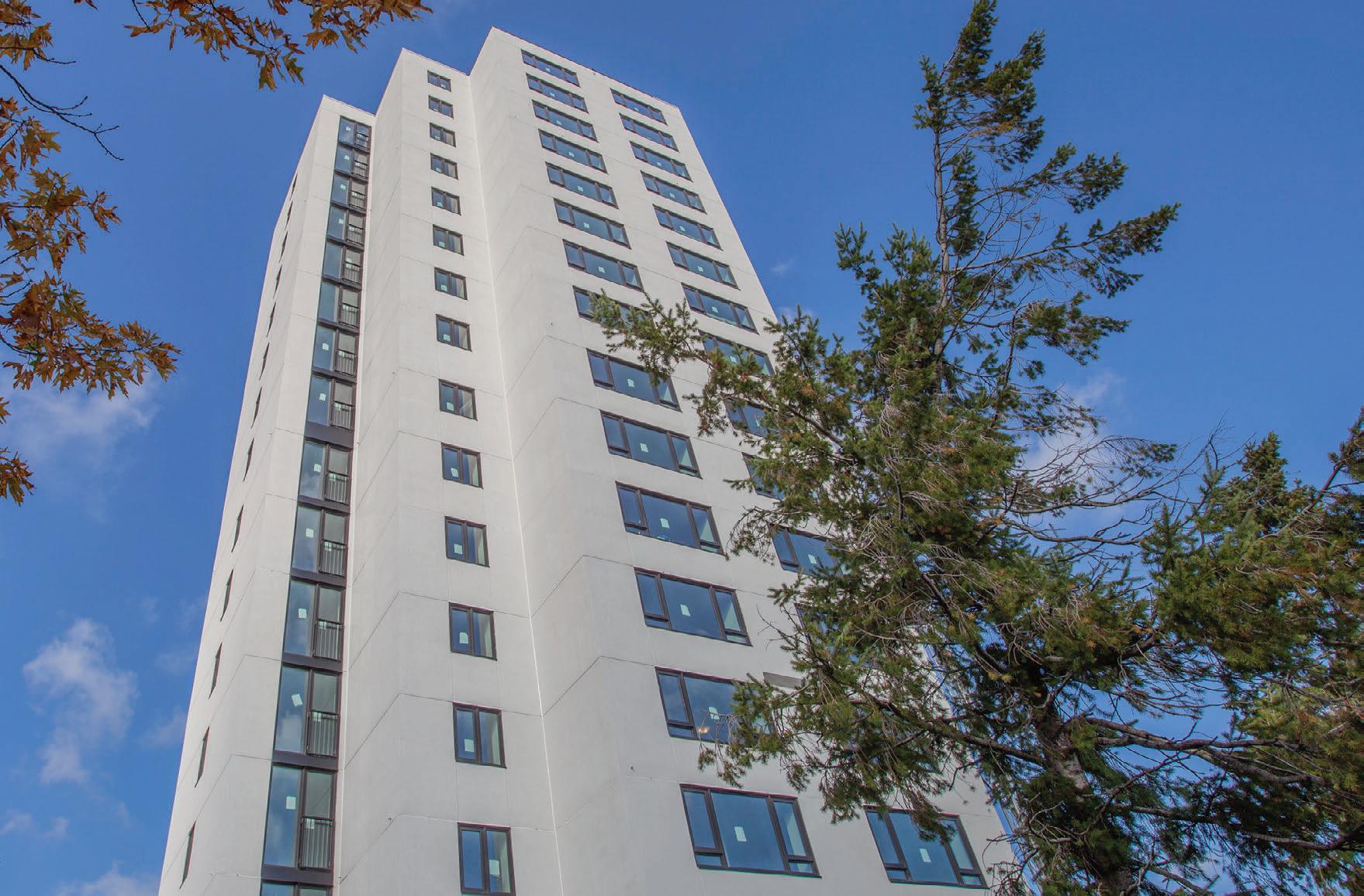
world’s largest residential Passive House EnerPHit retrofit




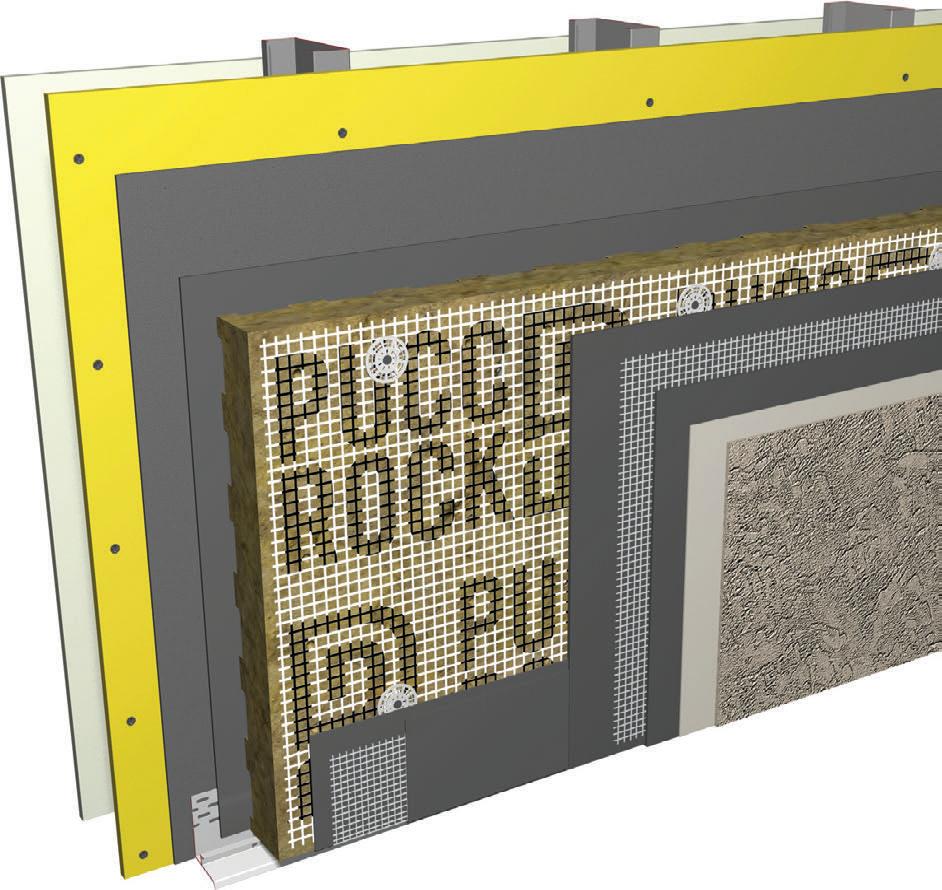

helical anchors to stabilize the masonry. “Access to the work site was a challenge, and few local suppliers had the necessary equipment,” Atwill-Morin says. “We ended up using lifts and swing scaffolding, which was impressive for the locals.”
Atwill-Morin’s growth continues in the Toronto area, with major restoration projects, including the façade retention and conservation of the heritage building at 263-267 Adelaide St. West.
In the Ottawa region, masonry restoration projects for 2025 include the continuation of the building envelope restoration at the Supreme Court of Canada. Additionally, the Atwill-Morin structure team is working to bring the Place du Portage III federal building up to code by performing structural reinforcement and concrete restoration, including the addition of new shear walls to enhance the building’s resistance to lateral wind and seismic forces.
Huntsman Building Solutions’ status as a world-leading polyurethane spray foam company continued to benefit the restoration sector in 2024. Maxime Duzyk, the company’s senior global director, building science and engineering, says, “Many contractors and architects are adopting the D-Max wall assembly [which allows for the installation of spray foam insulation from the interior of a building while managing the thermal bridging of the studs and structure] in many of their projects – 10 in Quebec alone for 2024-25.”
Huntsman’s Coatlok Coatings, which can be applied to virtually any shape to create a monolithic containment barrier, was used to completely
insulate and waterproof the foundation of the Hillsdale Golf & Country Club in Mirabel, Quebec. As for Huntsman’s renowned Heatlok Soya HP (which leverages Honeywell’s Solstice liquid blowing agent technology and can be used for roofs, walls, subslabs, and other surfaces), it was applied as underslab insulation at the Rockwood Terrace nursing home in Durham, Ontario. “It was a revelation for the general contractor, who was not familiar with using spray foam for insulating under the slab,” Duzyk says. “The speed and simplicity of the installation resulted in time and cost savings, while improving the quality and durability of the assembly – all of this while protecting the building from radon.”
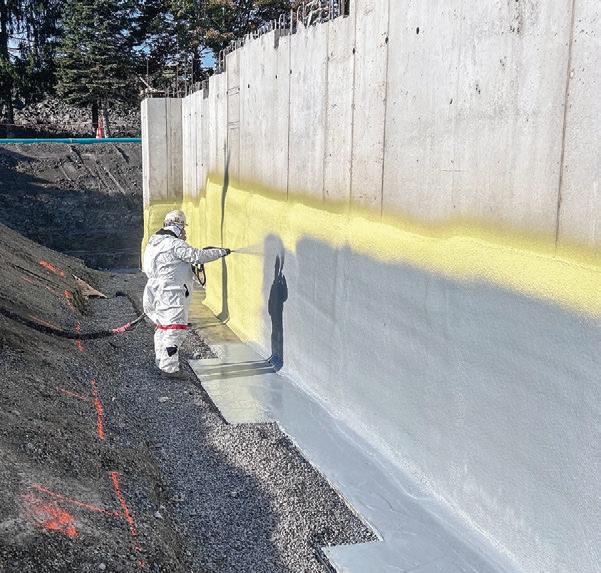
While Huntsman’s work in the residential, commercial, and industrial sectors is well known within construction circles, the company continues to promote awareness of its solutions via webinars and other media, showcasing how seamless insulation and air barriers reduce operational carbon, lead to high energy efficiency, and how sustainable spray foams are key to smart, sustainable residential retrofits.
Lafarge Canada Inc. continues to lead the way in providing materials and expertise for projects focused on durability, sustainability, and reducing CO2 emissions. For example, its parent company, Holcim, achieved a milestone in 2024 with the placement of North America’s first 99.2 percent clinker-free concrete pavement. This collaboration with Stoneway Concrete resulted in a 74.7 percent reduction in CO2 emissions compared to standard concrete.
Pierre Garant, marketing assistant manager at Lafarge Canada Inc., explains, “Our rehabilitation efforts often rely on the precision and customization offered by our BMQ Volumetric Trucks and specialized concrete products. These enable tailored mixes that ensure both durability and sustainability.”
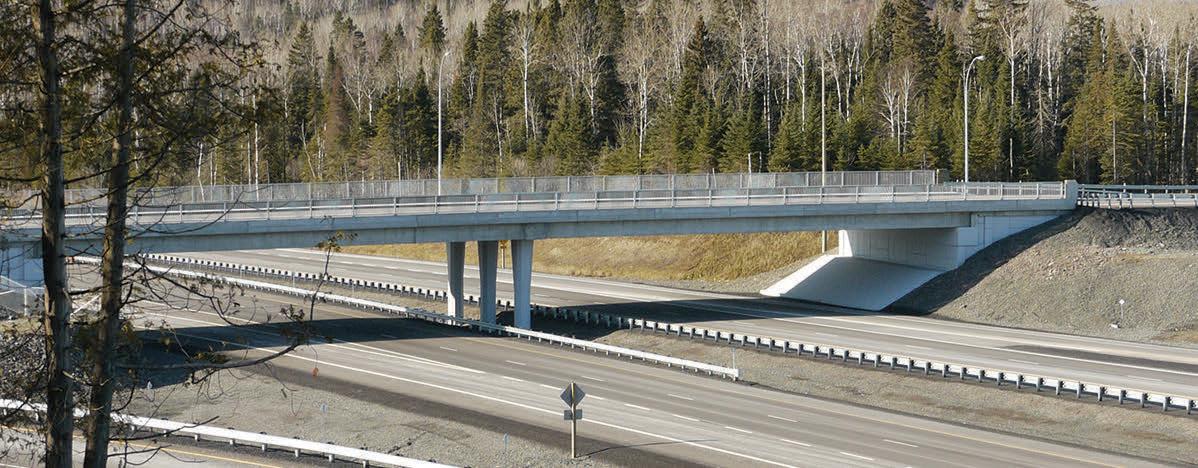
BMQ Volumetric Trucks played a critical role in recent bridge repair projects in Quebec. For example, Ductal Ultra-High Performance Concrete was used to repair internal structural elements of a box girder bridge deck and for pier jacketing on a major bridge, restoring confinement and capacity while protecting against further deterioration.



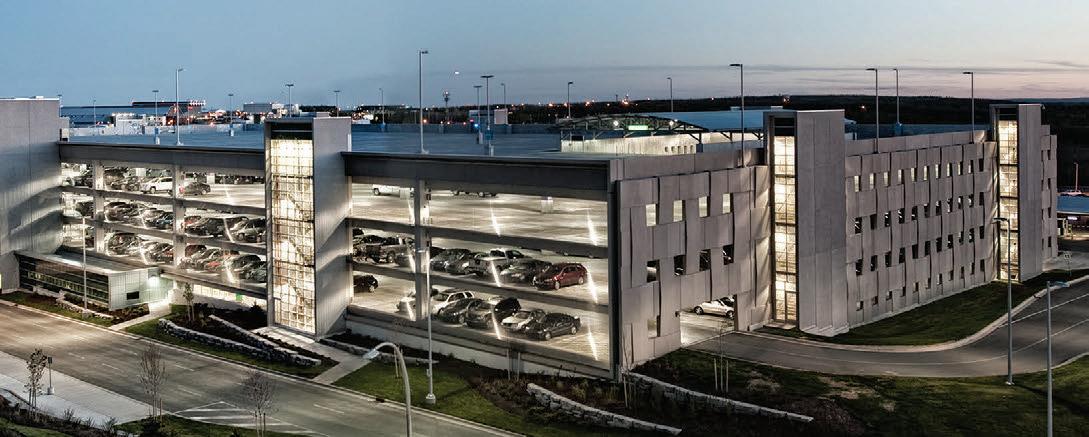
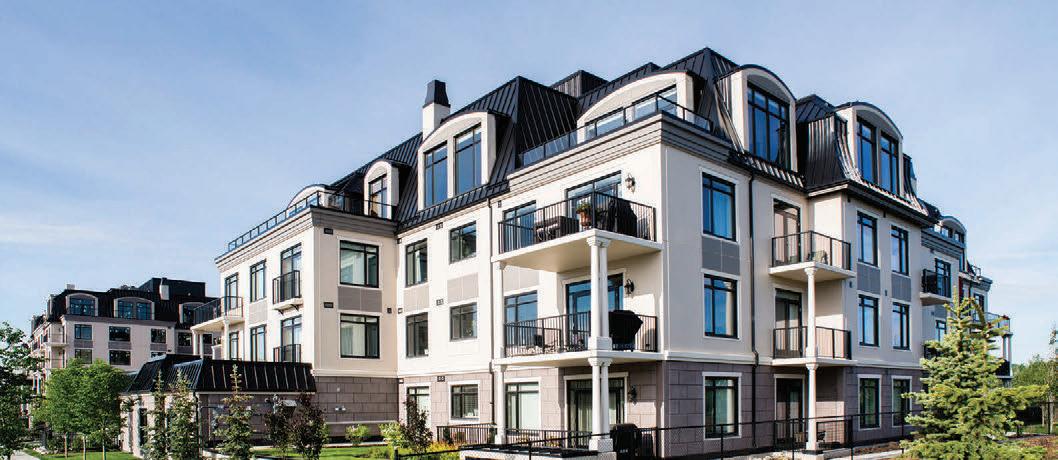
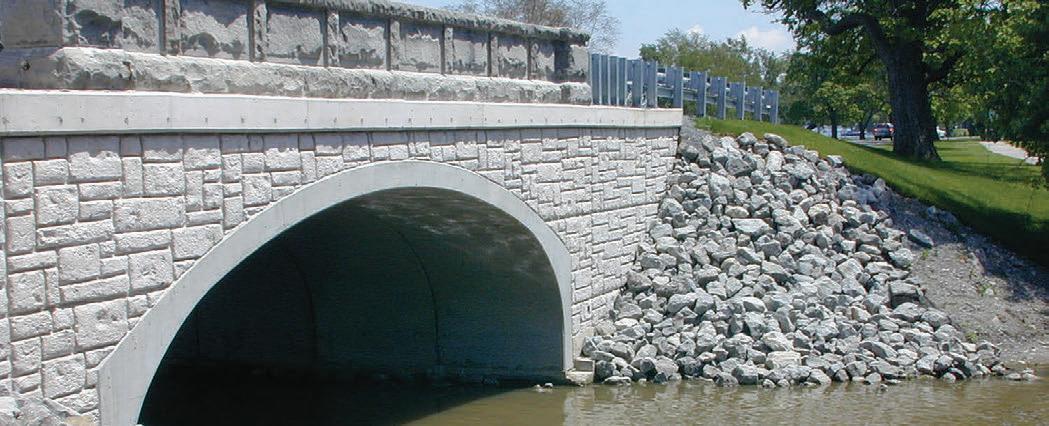

*(CPCQA) CERTIFICATION PROGRAM BY PROCESS OFFERS KEY BENEFITS TO ARCHITECTS, CONTRACTORS, ENGINEERS, GOVERNMENT AUTHORITIES AND OWNERS.


Additionally, 2,000 cubic metres of Conventional 35 MPa self-consolidating concrete was used to repair columns and overhead box-girders on an elevated urban highway without necessitating prolonged closures. Rapid-strengthening solutions, like Chronomax LX, allowed for quick overnight repairs to minimize traffic disruptions.
Beyond bridgework, BMQ Solutions products such as Solhydflow THT, a high-temperature repair mortar, and Solhydcrete SCC-10, a high-performance self-consolidating concrete, have been instrumental in plant and bridge pier repairs, demonstrating their versatility across diverse applications.
Garant adds, “In addition to our concrete restoration work, we’re deeply committed to biodiversity. A standout example is the 12 Mile Creek Restoration in Pelham, Ontario, where Lafarge donated aggregate to address erosion and improve habitats for species like Brook Trout.”
Innovations in waste reduction also underscore Lafarge’s leadership in sustainable construction. By utilizing recycled aggregates, supplementary cementitious materials (SCMs), and solutions like ECOPact low-carbon concrete and Dynamax high-performance concrete, the company reduces the embodied energy of its materials while extending the service life of infrastructure.
Looking ahead to 2025, Garant says, “Our goals include advancing circular construction by increasing the recyclability of materials, further reducing embodied carbon, and participating in projects that push the boundaries of innovation.”
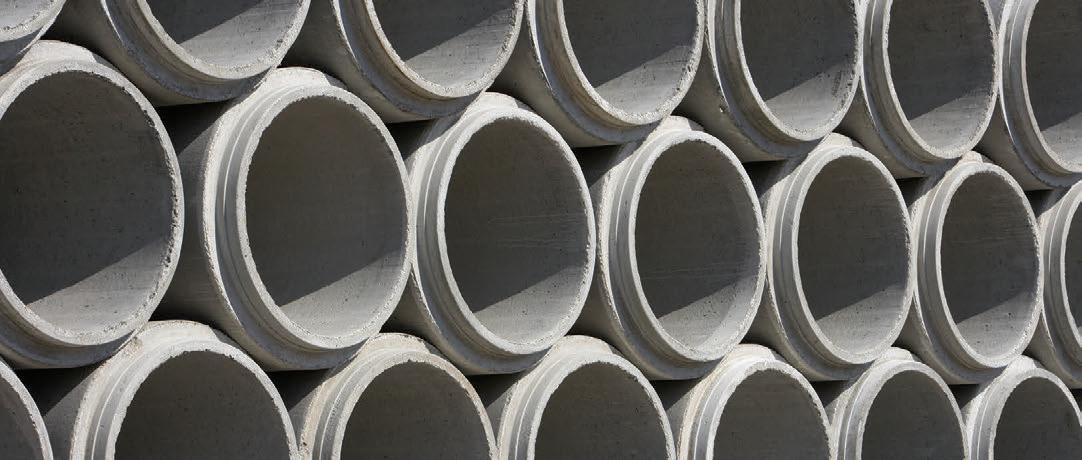
In infrastructure restoration, waterproofing is often a key component, which is why Xypex Chemical Corporation has become a global leader in crystalline waterproofing technology.
In November, Xypex announced that Concrete Waterproofing Manufacturing Pty. Ltd. (CWM), trading as Xypex Australia, which also includes CWM’s subsidiary XMS (Thailand), and National Concrete Solutions, will become wholly owned subsidiaries of Vancouver-based Xypex.
The new combined business will enhance operations and deliver quality products and solutions to customers. Presumably, it will also continue to undertake unique one-off projects, a case in point being a venture that Xypex recently highlighted as a showcase: using surface-applied waterproofing chemicals to penetrate the concrete substrate of the new pedestal supporting the 83-ton, 3,200-year-old statue of Ramses II stands, in Egypt’s Grand Egyptian Museum.
Since the pedestal is situated in a water pond, waterproofing crystalline technology was vital for the protection of the historic monument. Xypex Concentrate was chosen for its exceptional performance and proven track record, and the waterproofing of Ramses II’s pedestal is now considered permanent.
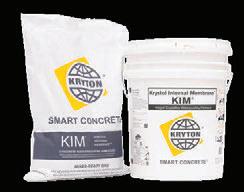
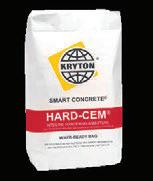
Meanwhile, Kryton International published an in-depth report last year titled Enhancing Concrete Durability and Reducing Carbon Footprint with Hard-Cem, referring to Kryton’s Integral Hardening Admixture that protects concrete against abrasion, erosion, chipping, and dusting. “In a recent study by ASTM C627 standards, a Robinson Floor Test was used to test the abrasion resistance of Hard-Cem,” the report states. “The test ran 273 kilogram [800 pound] steel wheels over Hard-Cem treated concrete and a control sample for 5,000 revolutions to note the impact. The Hard-Cem-treated concrete exhibited significantly less wear compared to the control sample.”
The report also notes that thanks to Hard-Cem, New Gold Inc.’s New Afton Mine in Kamloops has extended the life of its concrete infrastructure, avoiding at least two replacement cycles.
416.746.2479 | tklgroup.com
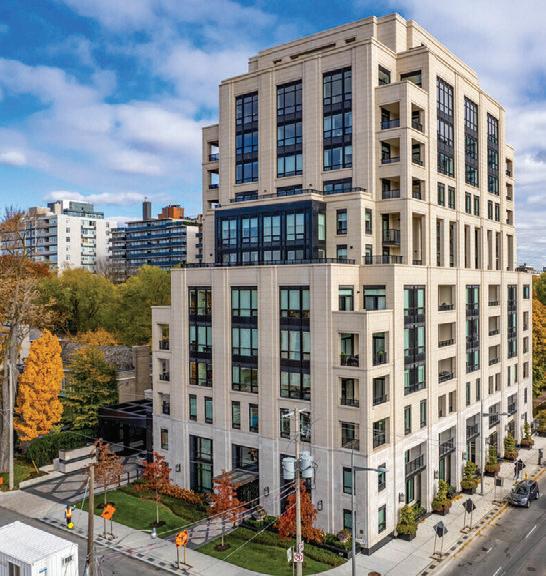
Kevin Yuers, VP of Product Development at Kryton, says, “Our normal experience is that Hard-Cem will double the lifespan of most concrete, thus preventing emissions to a significant degree. That’s why we continue to tell municipalities and other governments to ‘just fix it once’ by investing in the proper products, rather than trying to cut corners and having to repair infrastructure annually.” A Designing, consulting, manufacturing & installation of eco-friendly architectural and structural precast concrete
Specializing in Luxury Appliances for Residential and Commercial Developments
Contact: Michael Gnat | 416-635-4835 mgnat@midnorthern.com 45 Red Maple Rd. Richmond Hill, ON Learn more at midnorthern.com
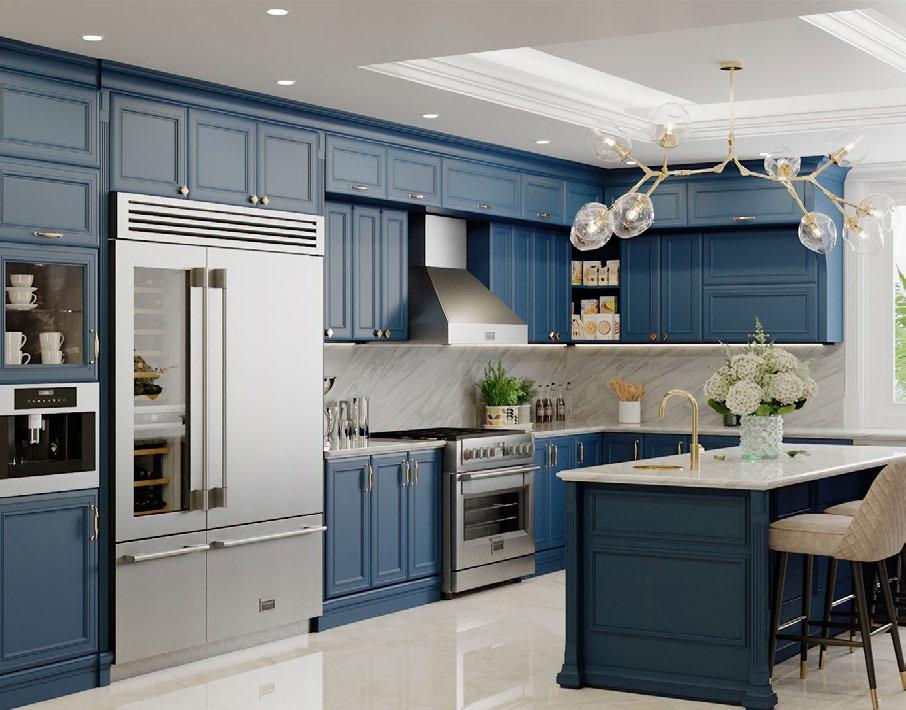
INTEGRATION + CONNECTIVITY SLEEK
INTUITIVE PERFORMANCE + VIKING
THE NEXT GENERATION OF REVEALING NOW AT
The latest in appliance innovation is driving ultimate convenience, control, and energy efficiency
by LAURIE JONES
Appliances are no longer just functional; they’ve become statement pieces that bridge the gap between professionalgrade performance and the everyday needs of homeowners, offering a seamless blend of style and efficiency. To meet the demands of diverse lifestyles and design preferences, manufacturers and suppliers are stepping up with innovations that cater to every taste.
In 2024, Fisher & Paykel launched its Series 11 48-inch Professional Induction Range. This full induction range expands upon the brand’s cooking solutions to provide a new level of precision, power, and control with its ultra-responsive induction cooktop and two independently operated oven cavities.
Designed with professional cooking results in mind, this robust range combines specialized cooking functions, intuitive technology, and energy-efficient power. “Fisher & Paykel is proud to offer such a beautiful and comprehensively engineered induction range for this growing product category that represents, in many ways, the future of cooking,” says Sam Zalin, Fisher & Paykel’s VP of product management, U.S. “Drawing on decades of temperature engineering, this introduction ensures precise heat in a variety of forms.”
The 48-inch Professional Induction Range’s ceramic cooktop features six induction cooking zones for ample space and flexibility. Two of the zones can be paired to form Smart Zones that support larger cookware. While larger ranges typically require higher circuit capacity, The Series 11 48-inch Professional Induction Range can work with a 50A circuit, meeting U.S. electrical code standards. This means some homeowners won’t need special hardwiring for installation. With 15 oven functions in the main cavity, 11 in the secondary, and a handy food probe to help monitor progress, the Range delivers the ultimate cooking flexibility.
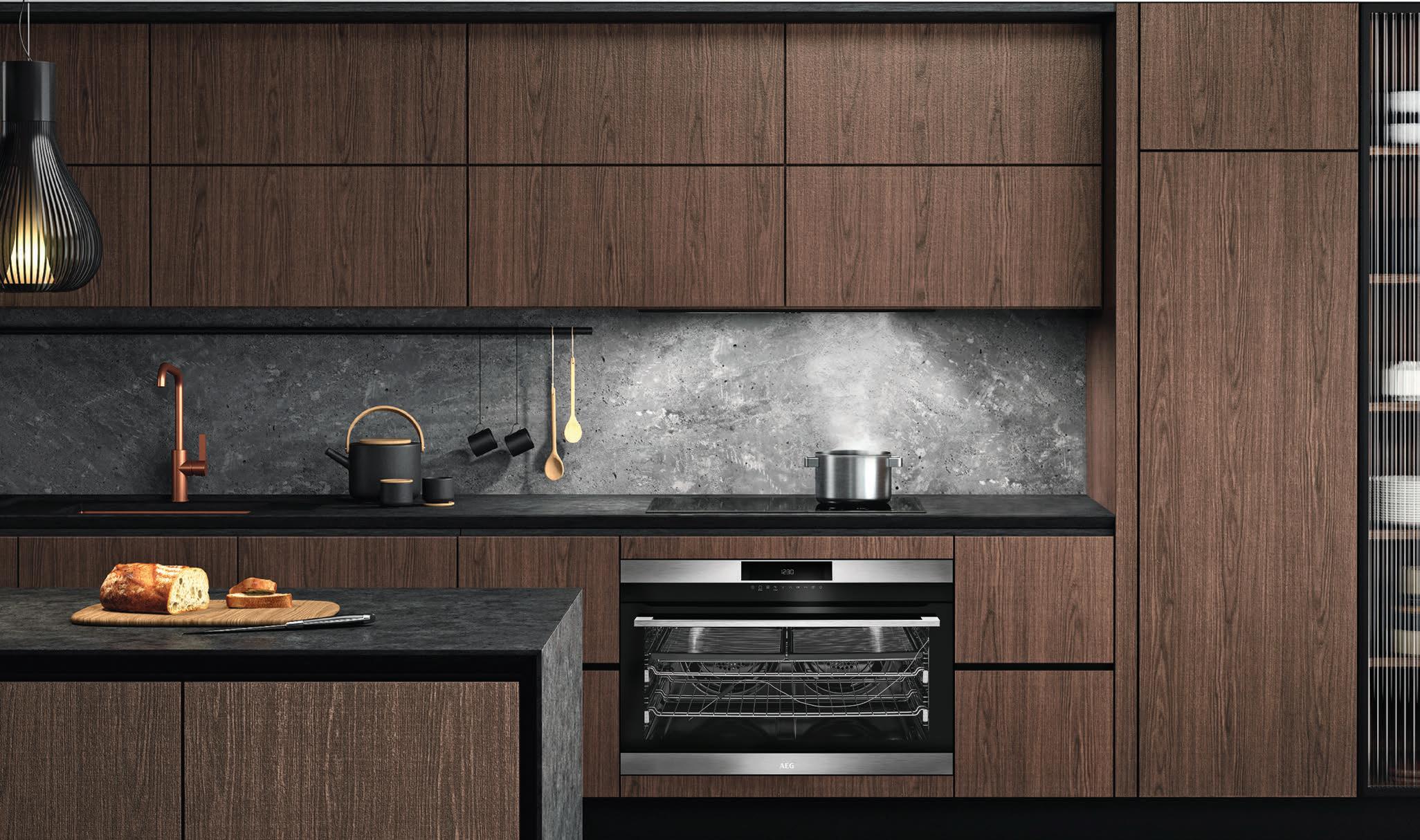
Euro-Line Appliances president Mark Eglington sees an appliance colour trend moving into matte black, mimicking what is happening in the auto industry. “Although 95 percent of sales is still with stainless steel, about four percent will be with the matte option. We have products coming out under the AEG brand that would be a matte black colour for the built-in product, with sizes ranging from 24- to 48-inches,” says Eglington.
He adds that Euro-Line will be offering a brand new 36-inch built-in wall oven from AEG this year that will have a matching built-in coffee machine, a warming drawer, and a couple other items surrounding it to create a matching portfolio. “We’re also seeing cooktops moving toward a matte black, scratch resistant style. Also available are glass cooktops and black porcelain enamel cooktops.”
Eglington explains the company took an opportunity during COVID to re-evaluate their line up and created a unified family portfolio aesthetic. “We matched up all the products across the board with each other. It’s turned into something that’s visually beautiful that features a dark, black, glossy glass with stainless steel assets. The design community has taken to it due to its minimalistic appearance, which means the designers can create a beautiful kitchen and not worry about appliances interrupting their vision for what the design and the flow should look like, because it’s all focused on the entry level products, even though it still comes from Europe – and because it’s held privately by us, there are no miscellaneous fees. We’re able to be highly competitive with the pricing in the market and the quality of the product comes out of factories that we’ve worked with for 30 years.”
Michael Gnat, director of commercial sales for Midnorthern Appliance (a division of The Brick Warehouse) says, “Trends in appliances continue to show a migration to induction cooking over gas as the alternative to traditional electric.



Manufacturers are not investing in new gas technology given several jurisdictions are pushing away from gas.” He explains several brands are introducing full surface induction cooktops. “These allow the user to place their pots anywhere they choose rather than being confined to designated cooking zones.”
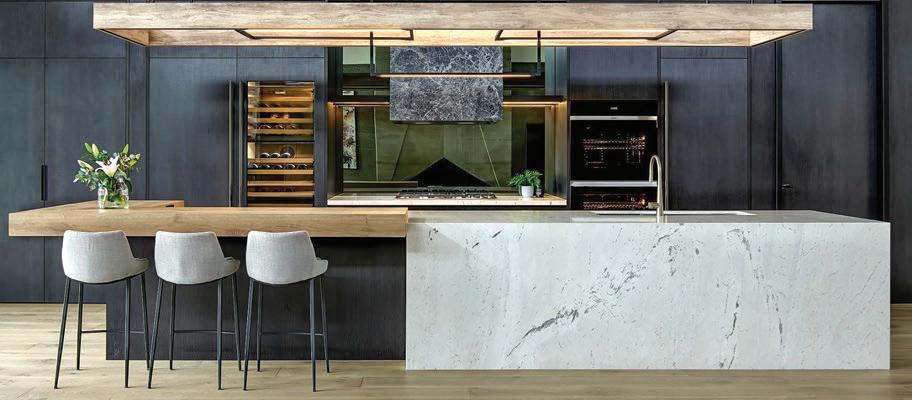
Gnat notes there is also a higher demand for all black appliances versus stainless steel for market condominiums. “Even companies such as Wolf, Miele, Jenn Air, and Monogram are showing more black on their built-in cooking products. The use of cabinet panels on built-in refrigeration and dishwashers continues to be used in multi-unit residential applications. We are getting requests for freestanding stainless steel for purpose-built rental projects as developers and asset owners see a long-term advantage for replacement, should the need arise, that would not impact kitchen sizes.”
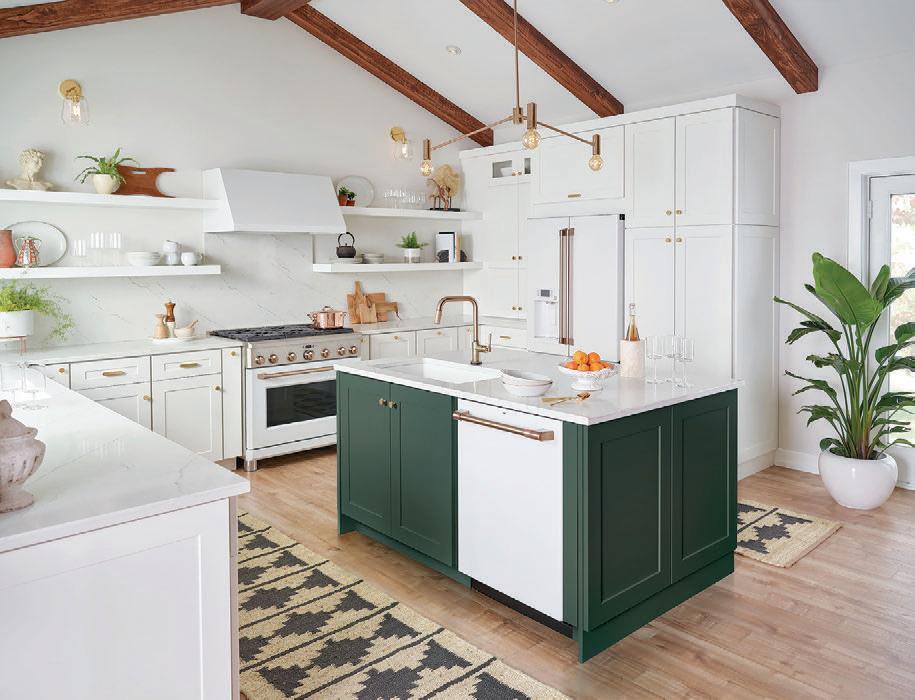
According to Canadian Appliance Source national flooring manager Alicia Harmon, white appliances are making a stunning comeback – and they’re better than ever. “While traditional textured white refrigerators and coil-top ranges still hold their well-earned place in the appliance world, a fresh new aesthetic is taking over.”
She notes today’s white appliances come with high-end features like bronze, black, platinum, and champagne hardware, sophisticated glass finishes, and cutting-edge technology – think illuminated knobs and cooktops, push-to-open connected wall ovens, AI cameras, and even tablets built into fridge doors.
“Reimagined cooking appliances are available in dual fuel, gas, electric, and induction options, making them perfect for every type of home chef,” she says. “For those who want even more tech, there are options to sync all of your appliances to your home’s Wi-Fi network.”
These updated classics combine sleek design with ultimate functionality. “Clients are loving the pristine, fingerprint-free look, while designers admire how they effortlessly blend timeless elegance with modern flair, transforming any home. With trusted brands like GE Café, Samsung, KitchenAid, Whirlpool, and LG Studio leading the charge, these aren’t your grandparent’s appliances anymore,” Harmon says.
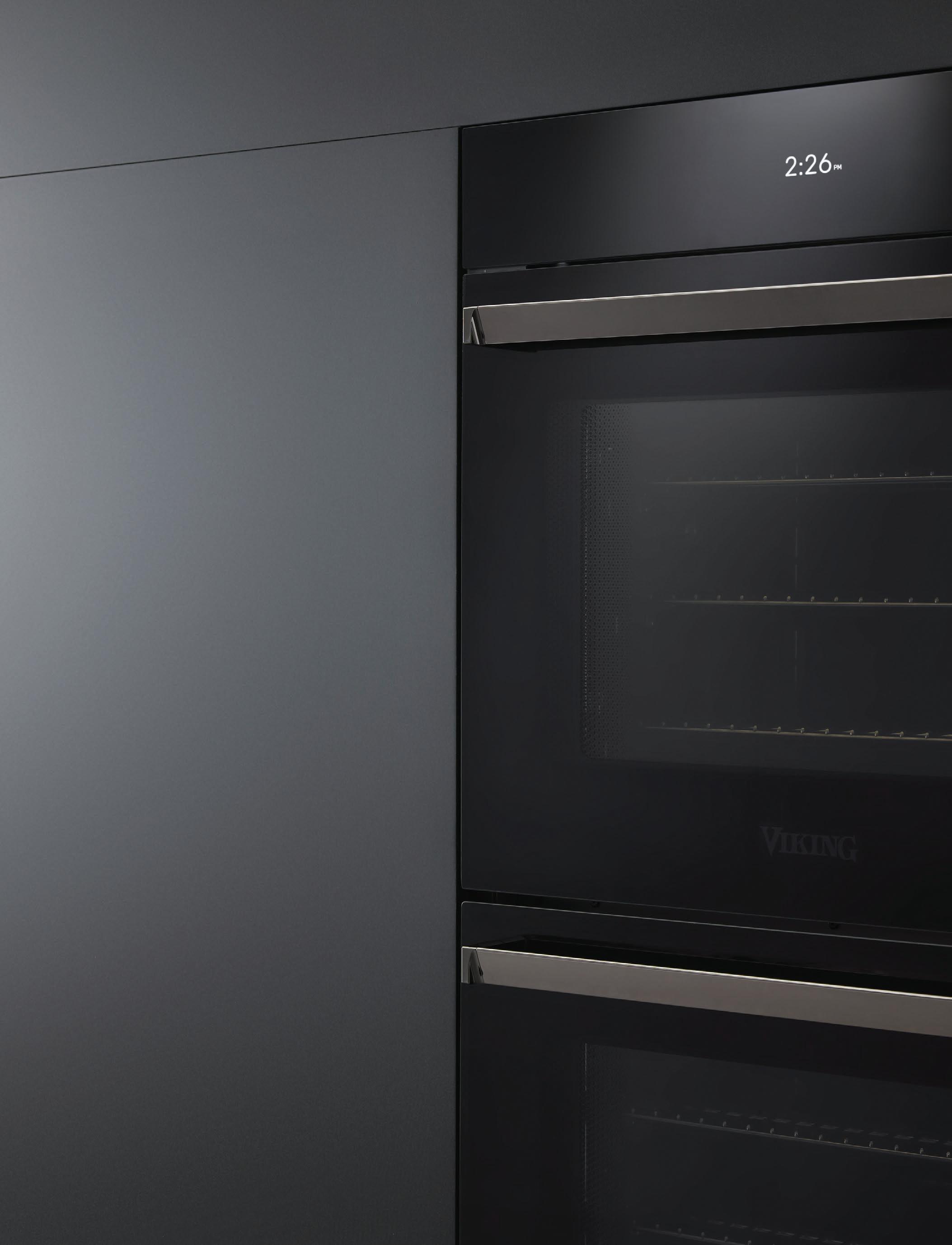
Blair Bishop, regional sales manager at Middleby Residential Canada Brand says that Viking is taking a detour from the professional appliance space they created and entering the more contemporary design kitchen spaces with the debut of its new Viking RVL Collection. “With a fully integrated design, RVL seamlessly blends tradition with contemporary flair, showcasing unparalleled craftsmanship, innovative design and the cooking performance you expect from a true Viking product,” says Bishop.
The modern styling and innovative controls further revolutionize the home kitchen with a dynamic product offering including steam and convection ovens, cooktops, and warming drawers. “The RVL products have been reengineered to fit into cabinetry with industry leading small reveal tolerances and the ability to install products either vertically or horizontally,” says Bishop. The RVL Single and Double ovens utilize a two-speed convection system to evenly circulate air throughout the entire oven cavity along with the environmentally friendly Steam Clean feature that is perfect for light and medium cleaning and only takes 20 minutes.
The Viking RVL Single and Double ovens are the first Viking products with an all-in-one platform for connected cooking and a streamlined user interface outfitted in stunning black glass. The touch control screen allows for easy adjustment of the oven while the app provides seamless guided cooking, including over 200 recipes to make cooking as easy as it is delicious.
Along with the single and double ovens, there are additional new products that are part of the RVL built-in cooking product line. The 30-inch Steam Oven
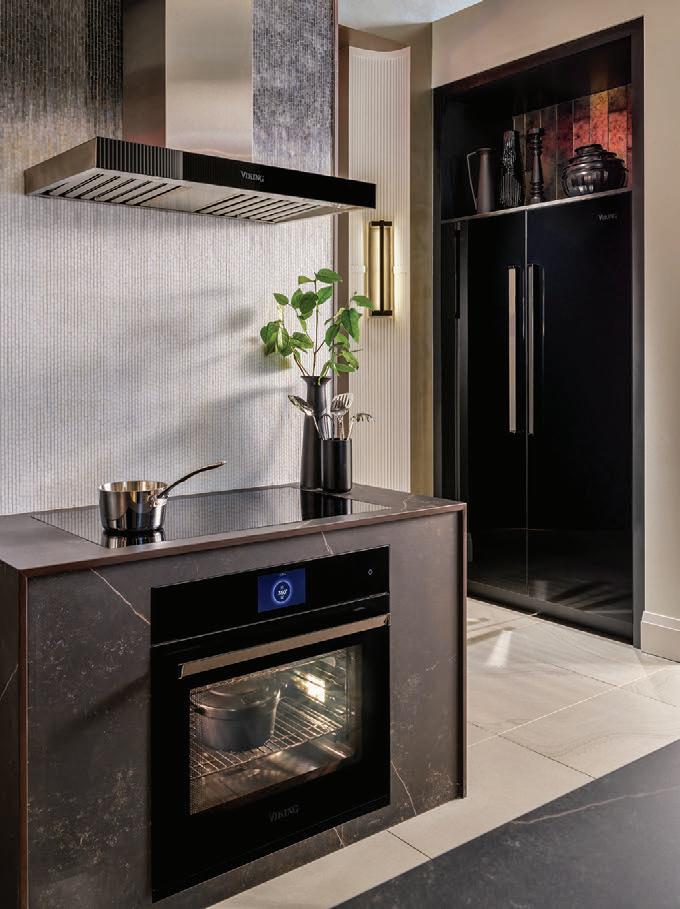
brings a new dimension to culinary possibilities and the induction cooktops, offered in 30- and 36-inch sizes, redefine cooking efficiency, offering superior power, responsiveness and efficiency.
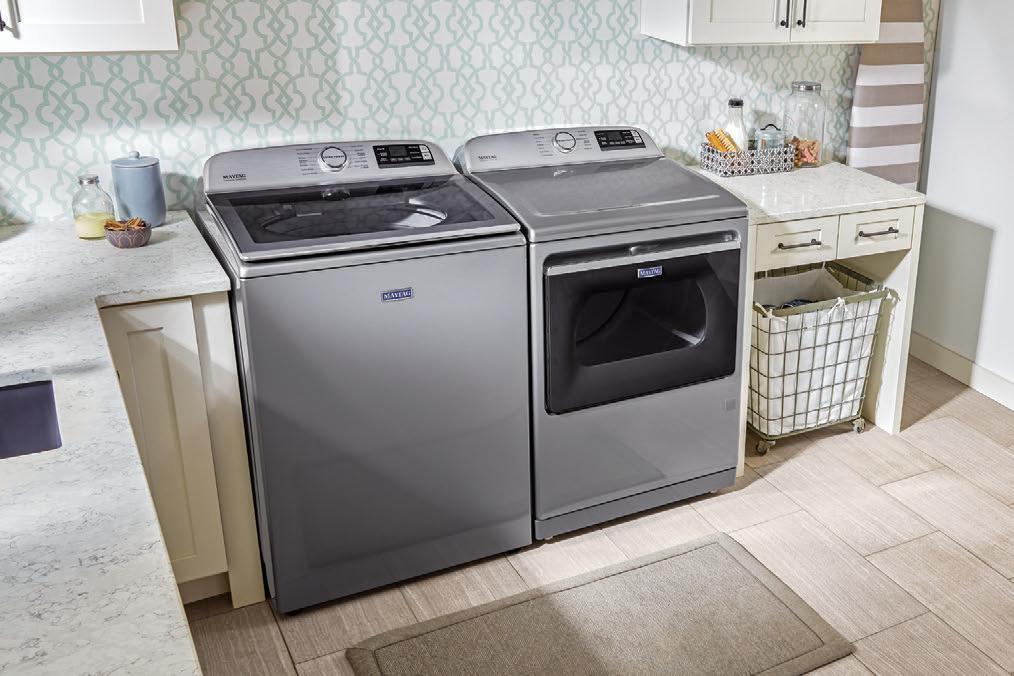
Behzad Joushan, key account manager, Trail Appliances’ multifamily builder sales division, notes artificial intelligence is making significant strides in the appliance world. “It’s exciting to see how manufacturers are leveraging this technology,” he says. “Smart washers and dryers use AI to detect weight and fabric type, automatically adjusting wash cycles for optimal performance. Beyond laundry, we’re seeing smart refrigerators that can track the items inside and suggest recipes, as well as ovens that learn your cooking preferences to perfect each meal. These advancements not only improve user convenience but also enhance energy efficiency and appliance longevity.”
He adds steam ovens are gaining popularity as a healthier cooking option. “They retain more nutrients and vitamins in food compared to traditional high-heat methods, reducing the need for added fats and oils. Additionally, steam cooking minimizes the formation of harmful compounds, making meals both delicious and nutritious. This trend aligns perfectly with the growing consumer focus on health and wellness, and it seems like they’re gaining traction in kitchens everywhere.”
Another trend worth noting is that built-in designs continue to lead. “We’ve noticed that the built-in aesthetic remains a top preference among consumers, maintaining its strong presence from previous years,” says Joushan. “This trend is all about creating a seamless and cohesive look in modern kitchens. Built-in appliances not only enhance the overall design but also save valuable space, making them a favourite for both new kitchen builds and renovations. The sleek, integrated appearance appeals to homeowners who appreciate both functionality and style.”
From customized coffee makers to smart appliances to AI technology, the home appliance market is constantly evolving. In keeping up with the fast-moving
trends, the team at TG Appliance Group Inc. offers a broad range of options for consumers. “In 2025, we will see change beyond the design freedom to integrate and fully customize your appliances, and more focus on the refinement of smart technology and connected appliances,” says Iris Brown, director of store merchandising and promotions. “We are now seeing several platforms that connect and control smart home appliances, from Amazon Alexa, Apple HomeKit, and Google Home with a large ecosystem of compatible devices, to exclusive appliance apps like Home Connect [Bosch & Thermador], SmartThings [Samsung], and ThinQ [LG]. These platforms vary in their features, supported devices, and user interfaces, offering remote control, smart assistance, and service diagnostics, and step-by-step recipes.”
Brown adds many ovens now include an air fry mode, harnessing the trend that offers healthier cooking with delicious crispy results of traditional baking/ roasting. “The convenience eliminates the need to switch between appliances and by combining two appliances into one, it frees up counter space. Electrolux and Frigidaire, GE, LG, Whirlpool, and Samsung ranges and ovens lead the market with air fry mode option.”
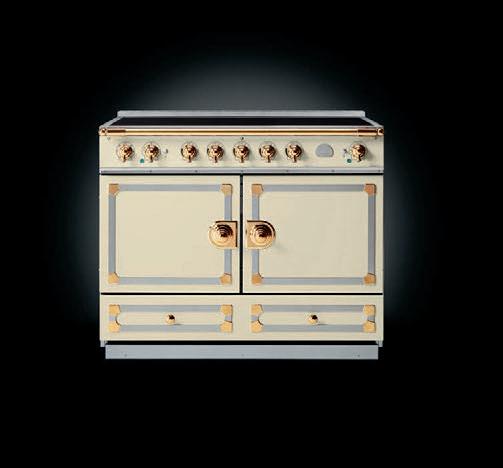
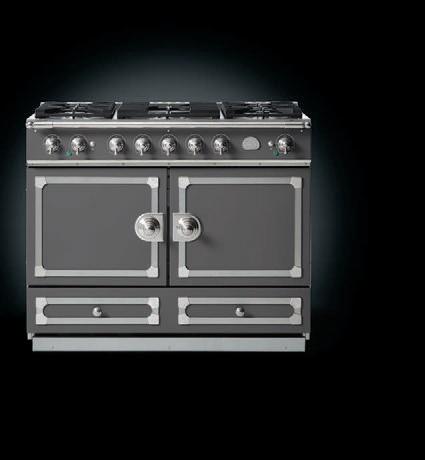
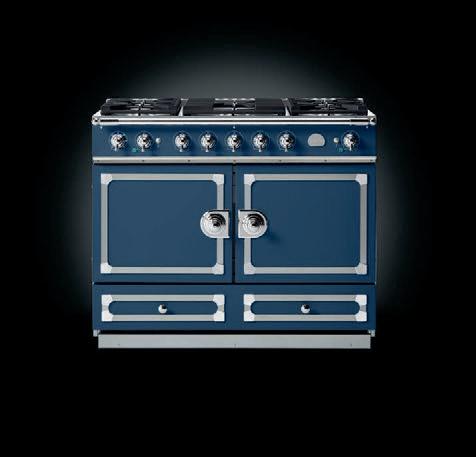
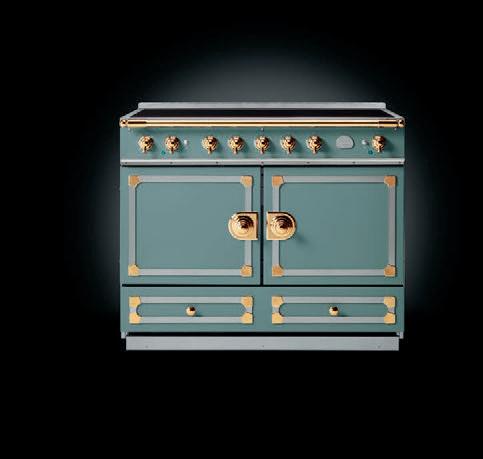
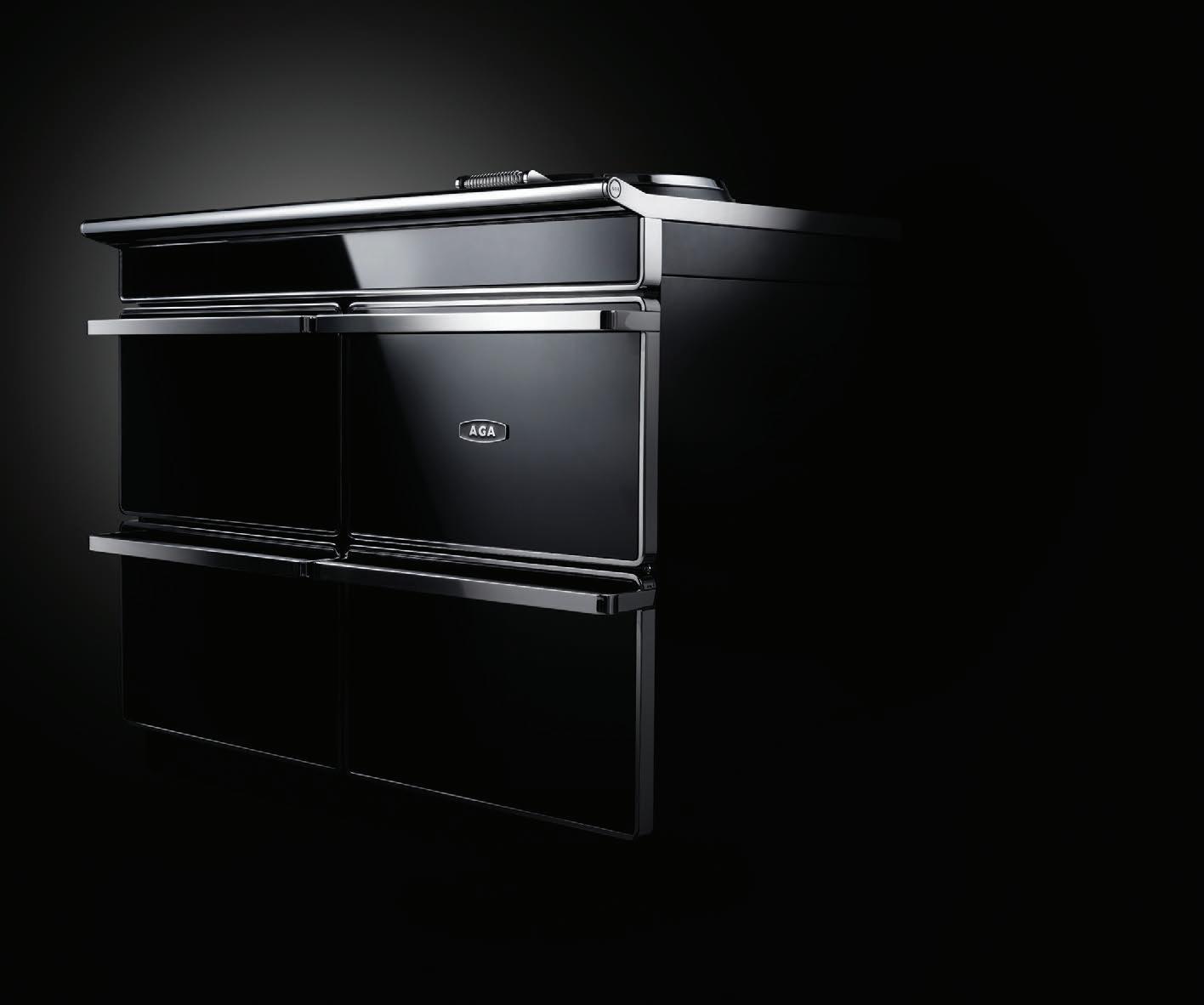
Sylvia McDonald, client relations representative at Midland Appliance, notes that one trend in the evolving landscape of kitchen design is capturing the attention of homeowners and interior designers alike: custom ranges that reflect unique styles and meet specific culinary needs. “European brands such as Officine Gullo, La Cornue, Ilve, and AGA all offer personalization where homeowners can choose from various finishes, colours, and materials to match every kitchen style.”
She adds these custom ranges are available in various sizes and offer features such as high output gas burners, griddles, French Tops, and induction burners.
“Each is built with high-quality materials and craftsmanship to ensure a higher standard of construction, leading to better performance and durability.”
As the demand for personalized home experiences continues to grow, the market for custom ranges is expected to expand. “Whether you’re a gourmet chef or an occasional cook, a custom range can transform your kitchen into a space that truly feels like home,” says McDonald. A
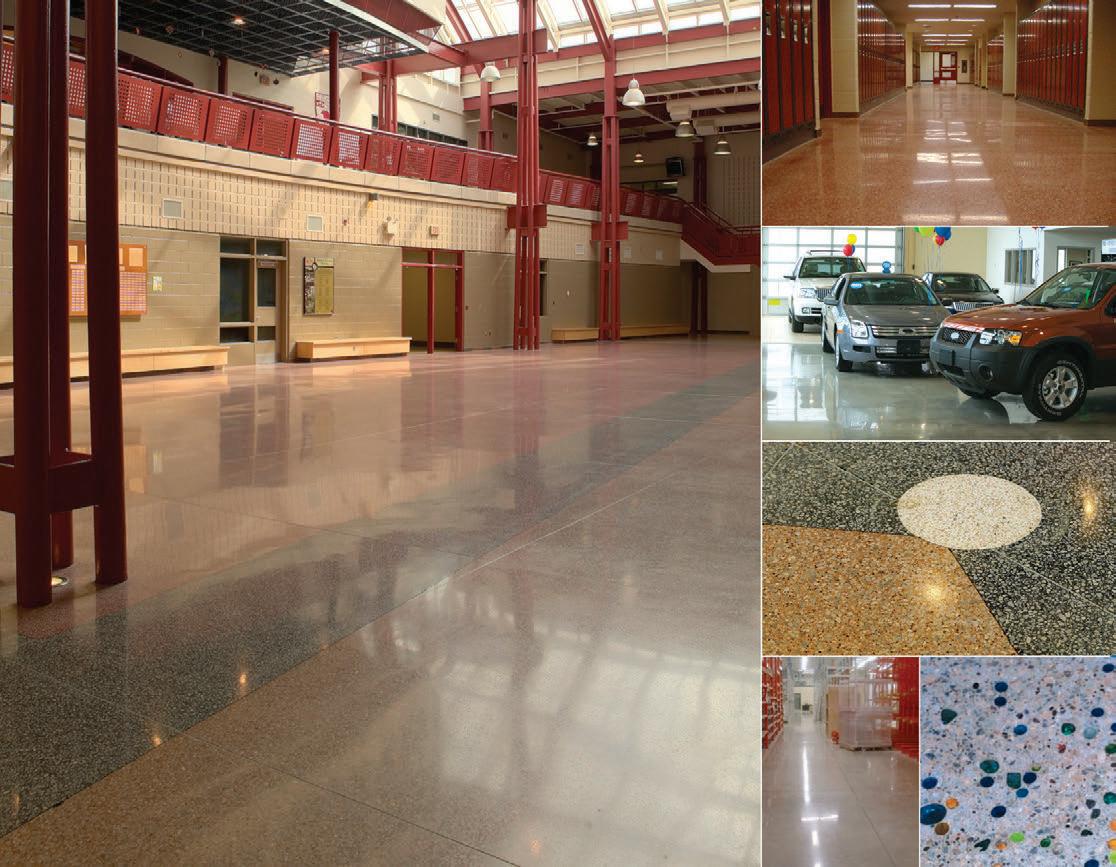
Diamond Polished Concrete is a unique, advanced flooring system that brings out the natural beauty of concrete, helps reduce maintenance costs and enhances the natural durability of concrete surfaces. The Tri-Con Diamond Polish System employs an innovative 7-step grinding and polishing process that utilizes progressively finer diamond grinding heads. This system also uses the most advanced penetrating sealer technology.
Tri-Con Concrete Finishing is an industry leader with more than 30 years experience in the concrete industry. We are a one-stop supplier capable of pouring new floors to exact specifications as well as restoring existing concrete surfaces with endless versatility. We guarantee that we deliver on time, on budget and on spec every time.
by LAURIE JONES
Hard surface flooring experts are stepping up their game, blending timeless elegance with modern functionality. From eco-friendly materials to cutting-edge innovations in installation, the latest trends are reshaping how designers and homeowners approach flooring. Whether it’s sleek and sustainable or effortlessly easy to install, these floors offer a perfect balance of beauty, durability, and practicality for the year ahead.
“Olympia Tile + Stone is committed to staying ahead of current trends, and this is perfectly showcased through two of our best-selling lines,” says Anila Bregasi, senior director of purchasing and product development. “Our large format tile sales continue to grow, and one of the best examples from Olympia’s portfolio is the Arkistone series. This comprehensive limestone replica collection is available in five colours and offered in a range of sizes, starting from 12-by-24-inch up to 48-by-48-inch. The versatility of the Arkistone series makes it ideal for both indoor and outdoor applications.”
Bregasi notes luxury stone replicas are not new, but they remain a prominent trend, and the Room series from Olympia is a great example, showcasing high-definition stone imitations in a six-millimetre thickness. “New designs are added annually, with
the catalog currently featuring 21 stone designs and 10 decor options. Sizes range from 24-by-24-inch to 48-by-110-inch, with various surface finishes available. The six-millimetre thickness ensures ease of installation on most interior floor and wall surfaces.”
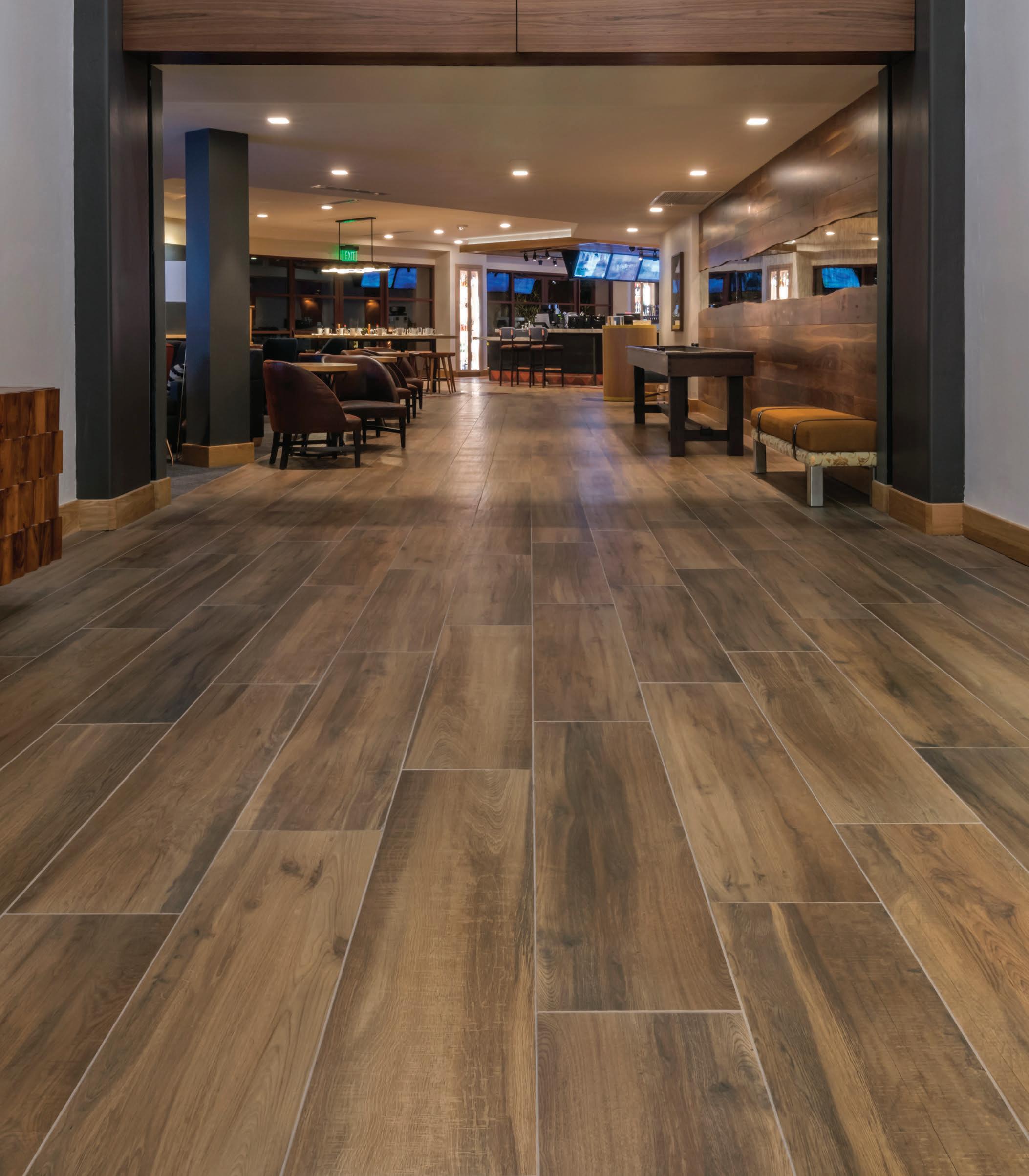
For 2025, Ames Tile + Stone offers the Kerlite Easy line, the first certified and patented dry lay system for ceramic flooring. Made in Italy, Kerlite makes sustainable renovations fast and easy. “Our installation team found the Kerlite Easy system very easy to work with and install,” says Dave Griffith, project manager at Bridgewater Tile. “It was less labour intensive than a typical porcelain tile installation due to the fact the tiles are loose-laid and not bonded directly to the substrate with thin set.” He adds people can walk on the tiles immediately after installation.
Used for both residential and light commercial applications, a Kerlite Easy installation has an overall thickness of seven millimetres, making it useful to overlay existing surfaces and avoid costs of old tile removal. The Silent mat and Filler sealant used on the reverse side of Kerlite slabs provide a resistant, stable, and waterproof floor system. Weighing only 13 kg/m2, a new porcelain stoneware floor can be installed without adding significant weight to existing surfaces.
Installed without mortar thanks to the exclusive use of fibreglass-reinforced Kerlite slabs, the porcelain stoneware Easy flooring system is more durable than other traditional tile-laying systems and is
available in stone, concrete, marble, and solid colour options. They are also CO2 neutral and come with a 20-year warranty.
American Biltrite recently launched Abdefender, a revolutionary collection of rubber flooring and stair treads specifically designed to enhance safety in high-rise building emergency exit areas. With its exceptional fire-retardant properties and low smoke development, Abdefender sets a new standard in protective flooring solutions. Available in six versatile colours, this collection offers rubber tiles with a round profile and stair treads with integrated risers, either with or without visually impaired safety strips. Custom colours and stair treads are also available for larger orders, ensuring design flexibility without compromising safety.

“Safety and innovation are at the heart of everything we do,” says Jean-Pierre Benoit, corporate VP and general manager at American Biltrite. “With Abdefender, we are providing architects, engineers, and builders a dependable solution that prioritizes occupant protection in the most critical spaces, such as stairways and emergency exits. Designed to comply with stringent building codes in North America, Abdefender offers reliable fire and smoke safety for high-traffic areas.”
Abdefender is also Red List free, demonstrating its compliance with the Living Building Challenge Declare program. This certification underscores American Biltrite’s commitment to material transparency, toxic chemical avoidance, and simplifying material specification and project certification processes. From hospitals and schools to airports and residential towers, this collection is engineered to protect both people and buildings in case of an emergency, all while providing an elegant and durable flooring solution.
Forging a path in eco-friendly products, Shnier and Division 9 are committed to delivering sustainable tile solutions that balance style, performance, and






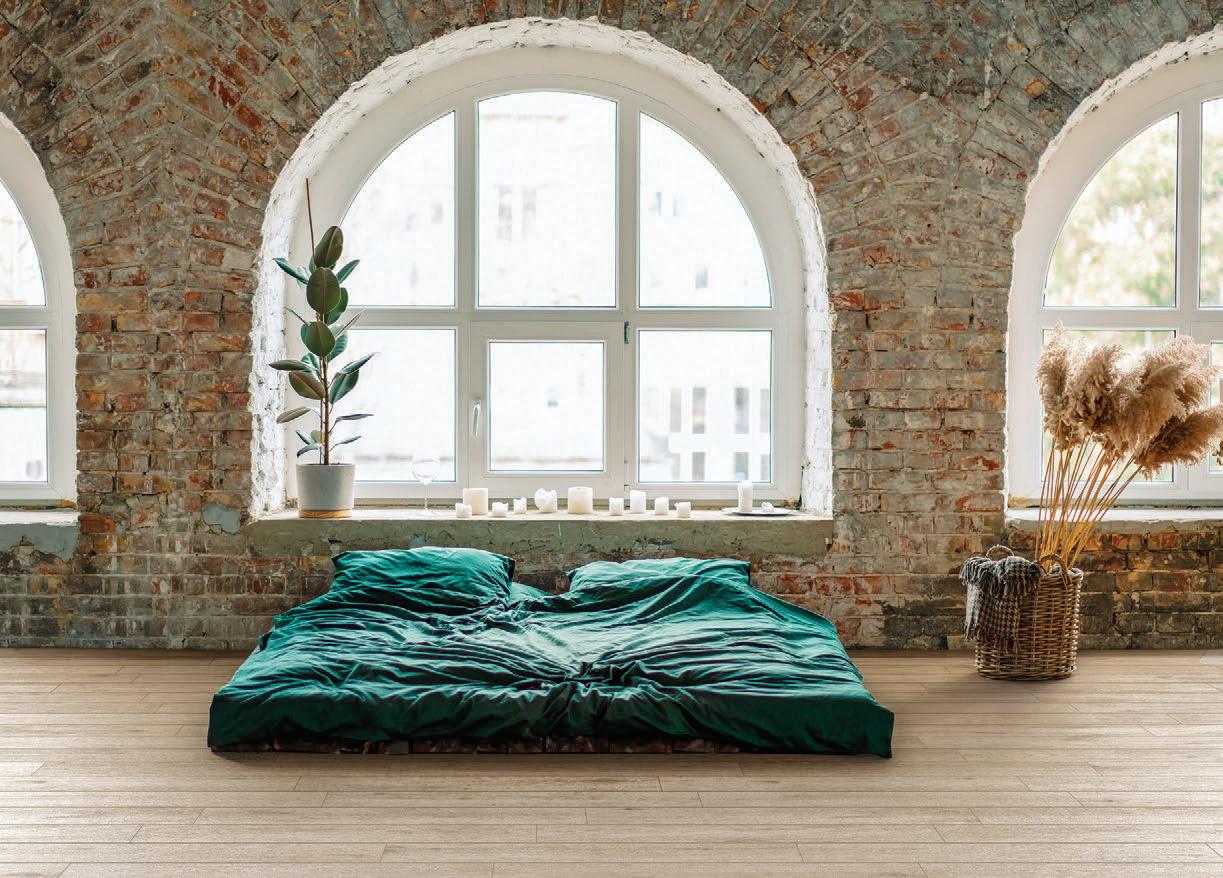
environmental responsibility. By partnering with forward-thinking suppliers, they prioritize eco-friendly manufacturing practices that reduce environmental impact, without sacrificing quality or design.
“Our brands – Richmond Tile & Stone and Division 9 Tile & Stone – place sustainability at the core of their product offerings. This approach is rooted in three key areas: economic responsibility,
social accountability, and environmental stewardship,” says Greg Vrantsis, product manager – ceramic tile at Gesco Industries LP. “We focus on sourcing innovative, sustainable products that make a meaningful difference, such as tiles with up to 45 percent recycled content, zero industrial wastewater discharge, a 99 percent internal process recycling rate, and over 95 percent of raw materials sourced locally – within a 500-mile radius – to reduce carbon emissions.”
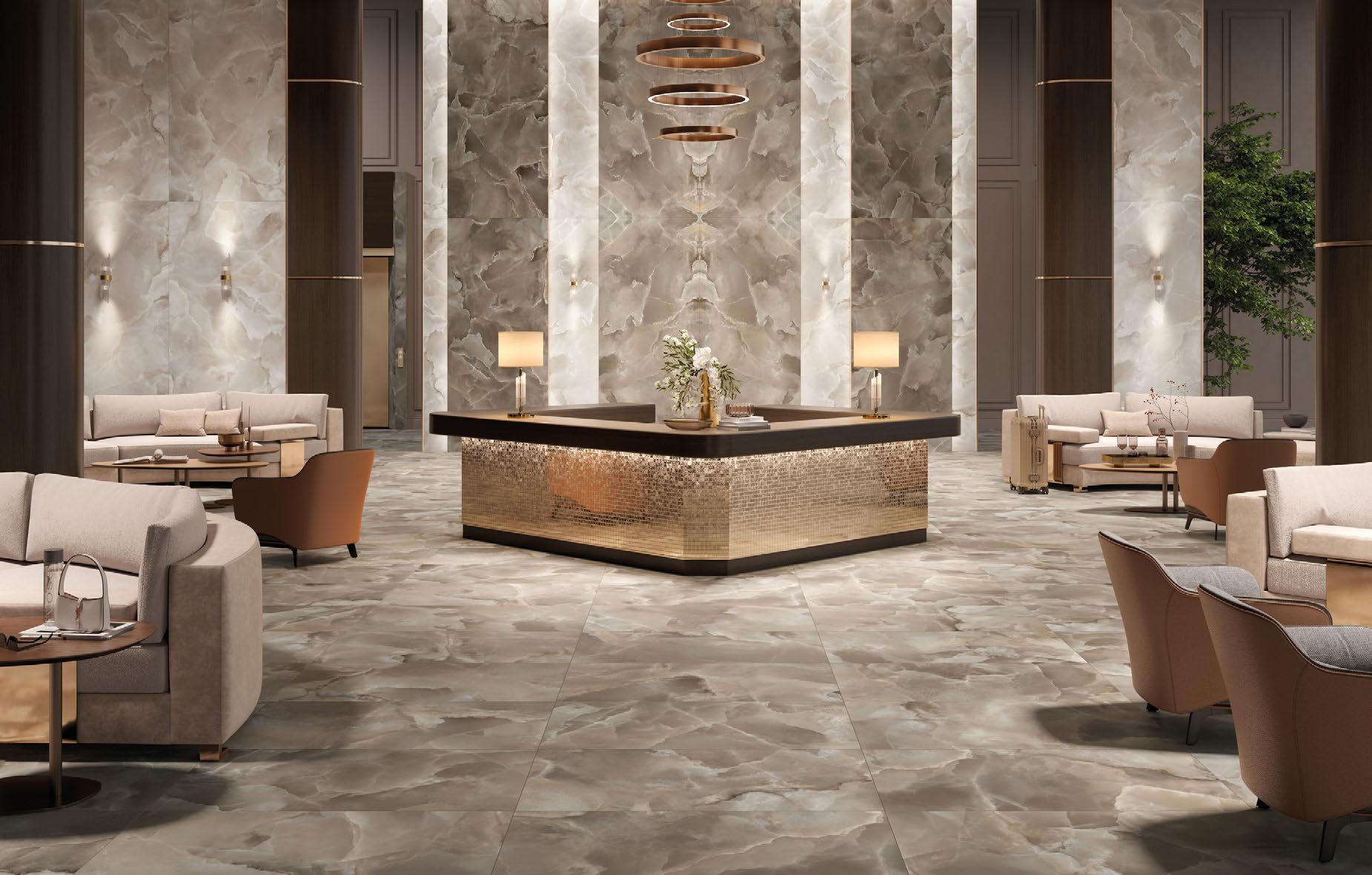
Vrantsis explains the product selections include: Native Wood – a carbon-neutral wood-look that pays tribute to classic wood designs while offering a modern, sustainable alternative; Plaster 2.0 –the first fully carbon-neutral tile that blends artistic Venetian plaster styling with bold hues and versat ile formats; Area 51 – a sleek, minimalist urban concrete-look tile designed for residential and commercial spaces; and NetZero – a modern slatelook tile in neutral tones and practical sizes for any environment.
“From feature walls to high-traffic floors, Richmond Tile & Stone and Division 9 Tile & Stone tiles deliver beautiful, durable, and environmentally conscious solutions,” he says. “As Canada’s trusted leaders in floor and wall coverings, we continue to drive sustainability in the industry – one innovative collection at a time. We are proud to supply industry-leading brands, including AHF, Armstrong, Tier Element, HTMX, Aspecta, and many others. Our extensive portfolio includes a wide range of commercial floor coverings that deliver on performance, design, and sustainability.

















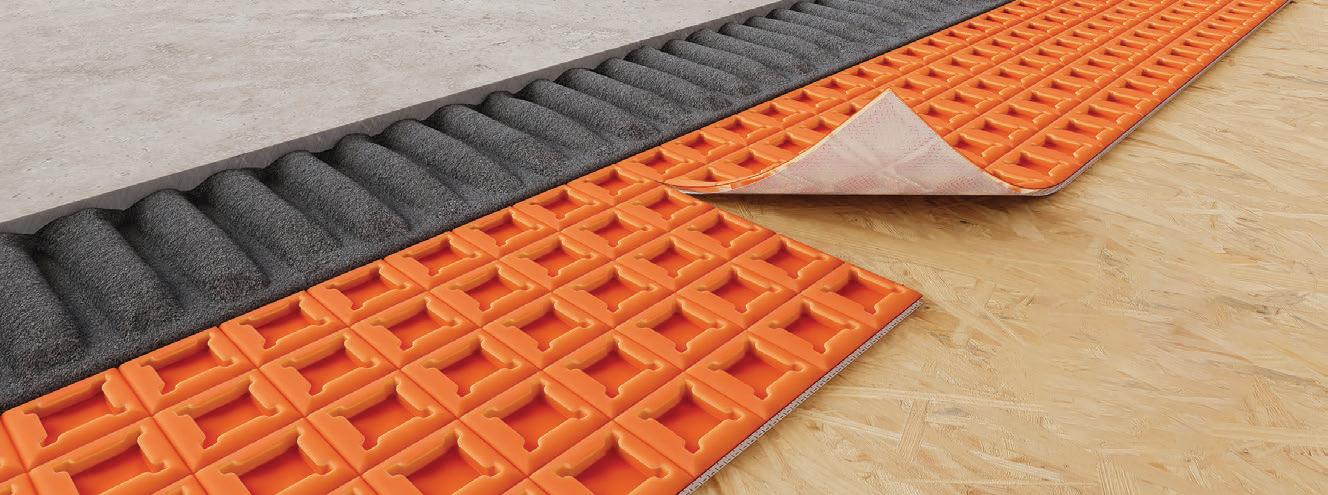
Schluter-Systems, a leader in tile installation innovations, is excited to introduce its latest products: Schluter-Ditra-PS peel and stick uncoupling membrane and Schluter-Primer-PS, a brand-new primer specifically designed for use with Schluter peel and stick membranes. “Ditra-PS brings the benefits of the original Ditra membrane – the multi-tasking underlayment that provides uncoupling, load distribution, waterproofing, and vapour management for durable tile installations – to a convenient peel and stick format,” says Dale Kempster, director of standards and methods. “Ditra-PS features a pressure-sensitive adhesive on its underside that provides strong adhesion to a variety of substrates, including concrete, OSB, vinyl, laminate, and more. This new option eliminates the need for thin-set mortar to install the membrane, significantly reducing installation time, labour costs, and cleanup.”
Primer-PS is a ready-to-use topical primer designed specifically for Schluter’s peel and stick membranes. It optimizes adhesion by creating a uniform layer that strengthens the membrane’s bond to various substrates, ensuring a durable and reliable connection.
“With a quick drying time and easy one-coat application, Primer-PS simplifies the installation process while providing a strong, long-lasting bond,” Kempster explains. Ditra-PS is offered in both rolls and sheets and Primer-PS is available in one-quart and one-gallon formats, providing flexibility for various project sizes. Both products are now available, with detailed product information accessible through the Schluter-Systems website.
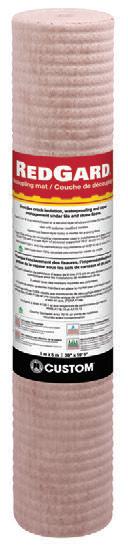
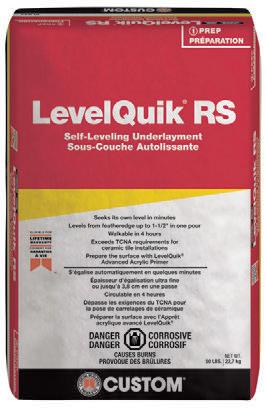
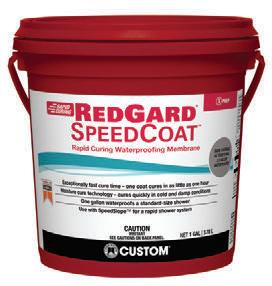
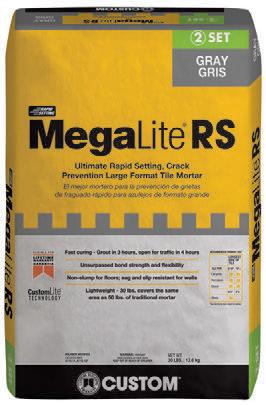
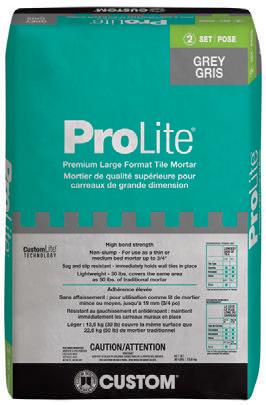
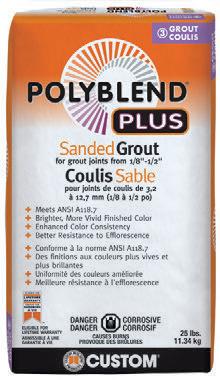
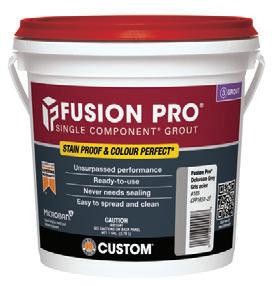
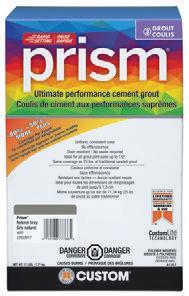
Custom Building Products, known for its innovation and commitment to quality manufacturing, offers a grout colour selector, enhancing the appearance of finished tile or stone installations to create a definite wow factor. Whether accenting or blending with the tile, Custom Building Products’ visualizer uses a variety of grout options to fit the installation’s unique needs, including: Fusion Pro for stain resistance; CEG and CEG-IG epoxy grouts for chemical resistance; Prism performance grout; and SimpleGrout pre-mixed grout, ready to use.
Choosing the best grout colour starts with selecting the tile for installation. Consider the characteristics of the tile and the desired finished look. Is the tile patterned or solid? Is it made of natural stone, ceramic, or glass? If it’s glass, is it transparent or opaque? Finally, think about whether you want the grout to stand out or blend with the tile. If the grout colour matches the tile, a solid hue will make the installation look larger, although
colour variation could break the look. But if the visible tile pattern has a contrasting grout, it will create a striking look. Mixing the grout tones with the coloured tile opens up a wide variety of design options.
At Maxxon, experts understand that acoustics are essential for creating quiet, comfortable living environments in multifamily buildings. Acoustic consultants work with developers, using science-backed processes, building code requirements, and years of experience to achieve the best results for building projects.
Maxxon-certified applicators undergo rigorous training to ensure top knowledge in installation techniques, code requirements, and the latest advancements in sound control technology.
Quality products are key to successful installations, and Maxxon Authorized Applicators have access to exclusive lines such as GypCrete, Commercial Pro, and Acousti-Mat. A

Unrivaled Service | Unparalleled Expertise | Bold Innovation
Why Galvanize?
✔ Maximum Protection
✔ Durability & Adaptability
✔ Longest Life Coating
✔ Best Return on Investment
✔ Eliminate Maintenance
Corbec Specializes in Galvanizing a Wide Range of Structures and Metal Products, Including: and more!
Buildings
Bridges
Galvanized Rebar
Towers & Electric Power Grids
Steel Structures
OEM Products

To Corbec What Matters Is:
▪ Galvanizing Better
▪ Quality & Innovation
▪ Expertise & Quality Assurance
▪ Service - Pre-During and After the Project
▪ Collaboration and Assistance to the Project Team
State-of-the-art Facilities
Hamilton | Montreal | Quebec | Halifax
Publishing with CSA, the first-ever Environmental Product Declarations (EPDs).
The first in Canada for Galvanized Steel
The first in North America for Galvanized Rebar
Environmental Product Declarations (EPDs)
EPDs are critical in assessing the environmental footprint of materials, assisting in making informed decisions and effects the scope for considerations and design for sustainable construction projects. Why EPDs Matter?


The Advantages of Using EPDs
▪ Leverage long-term cost savings
▪ Gain a competitive edge
▪ Reduce Environmental Footprints
▪ Enhanced Life Cycle Assessment
▪ Achieve Green Building Certifications
▪ and more
Utilizing EPDs in Your Project
▪ Material Selection
▪ Design Optimization
▪ Establish Clear Sustainable Targets
▪ Life Cycle Assessment
▪ Transparent Reporting

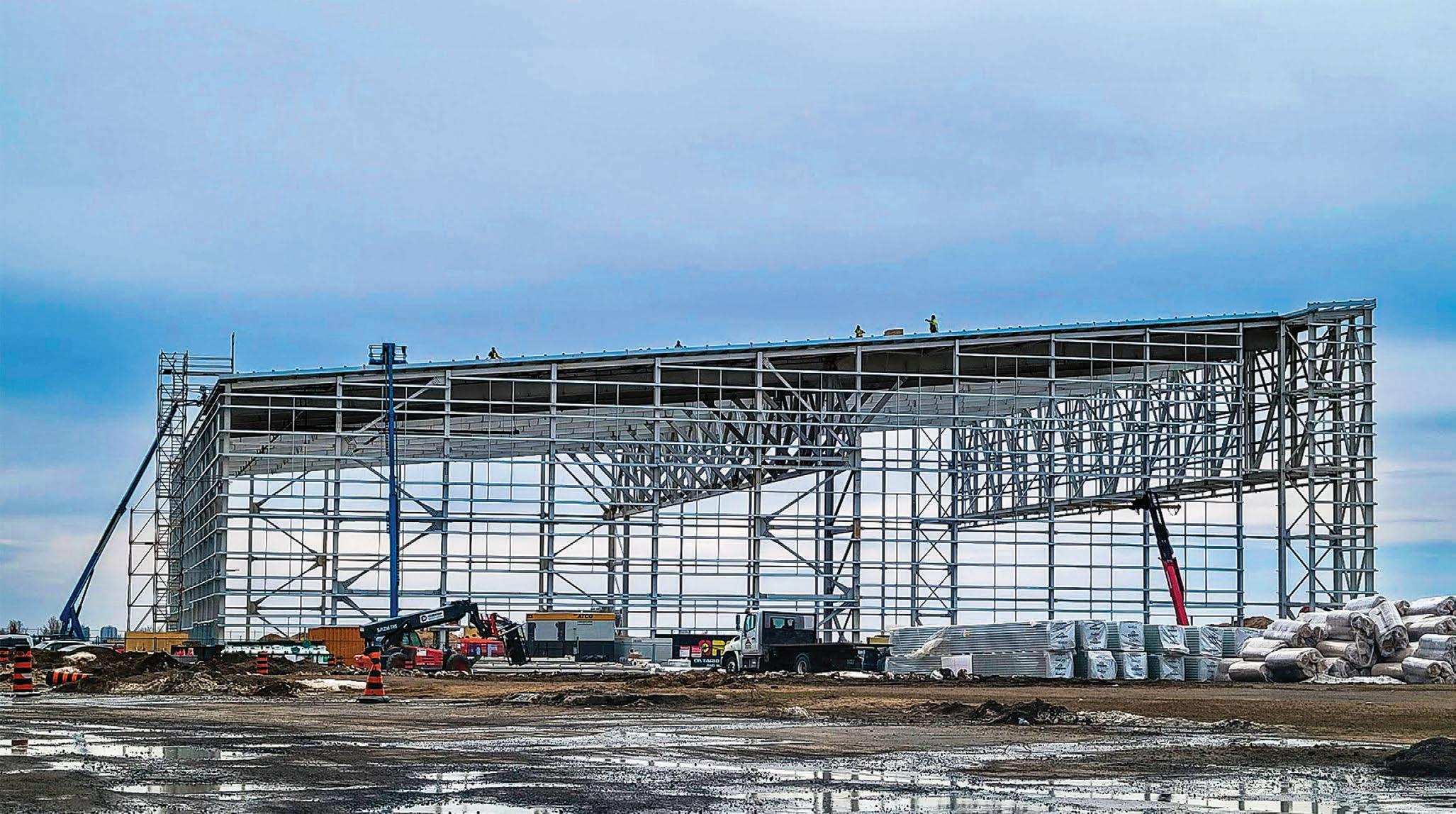
Advocacy and innovation are more essential than ever in driving structural steel’s growth
by ROBIN BRUNET
Given the ever-growing regulatory landscape, it seems every aspect of construction requires a strong advocate and lobby force behind it – a need keenly appreciated in the structural steel sector as 2025 unfolds.
The Canadian Institute of Steel Construction’s (CISC) vision as Canada’s voice for the steel construction industry is to provide leadership in sustainable design, construction efficiency, quality, and innovation. The CISC fosters dialogue, collaboration, and commerce among industry stakeholders, advancing the benefits of steel to consultants, builders, buyers, academia, and government.
In June, the CISC appointed Keanin Loomis as its new president and chief executive officer. Since then, the 95-year-old institute has become notably more active in promoting dialogue and collaboration. It has also responded swiftly to industry developments, such as in August when Ottawa announced 25 percent tariffs on Chinese steel, aluminum, and electric vehicles. The CISC praised the measure, stating it had “advocated to the Department of Finance that the government adopt this measure. In the coming days CISC will undertake an in-depth review of the specific products the Department of Finance proposes to subject to the tariffs and will offer additional feedback to the government where appropriate.”
The institute added that, “the government should establish ‘Fabricated in Canada’ requirements for the construction of all taxpayer-funded and supported manufacturing projects that contribute to the transition to a low-carbon economy, including EV and battery plants, to maximize the return on taxpayer investment.”
Loomis shared with Award magazine, “Advocacy is badly needed in our sector, right down to the granular level. In terms of getting our message out, this is a new era for us, and we see 2025 as a pivotal year for change.”
Loomis made this statement shortly after the election of Donald Trump as U.S. president. Reflecting on the brash billionaire’s threat to impose 25 percent tariffs against Canada, he noted, “Whether or not the threat is real, it has made
everything tough to plan with any degree of certainty. However, we should keep in mind that the last time the U.S. imposed tariffs against us, we were able to dig our way out of them. It wasn’t a pleasant situation, but we proved our resiliency.
“I also think we have a leg up in terms of the material we specialize in. Steel is the most sustainable material in terms of its longevity, and now more than ever developers are seeking to achieve sustainability on a variety of levels – hence our strong advocacy efforts. Frankly, I think our business opportunities are endless.”
Steve Benson, CEO and chairman of the board at Benson Steel, couldn’t be happier with the CISC’s renewed commitment to advocacy. “We’re operating at a time of so many unknowns that it’s good to have Keanin as a leader,” he says.
Benson agrees with Loomis’s view of steel’s sustainability, given structural steel’s high strength-to-weight ratio and flexibility. He highlights that, on every one of his company’s projects, the steel is fabricated off-site at its plant in Bolton, Ontario, then transported to the construction site and rapidly erected according to the project’s construction schedule – accelerating the overall timeline.
While inflation and high interest rates have impacted the economy, Benson Steel has remained busy. Benson describes working on “some really cool projects, including Ādisōke, the new Ottawa Public Library, and the Royal Ontario Museum [ROM].”
Ādisōke is a five-storey, 216,000-square-foot structure with a striking undulating roof made of Douglas fir beams and timber panels, evoking the flow of the nearby Ottawa River. Locally sourced materials, including limestone and timber, celebrate Ontario’s natural resources.
Benson Steel supplied 800 tons of structural steel for the project, which also used 400 tons of mass timber. The roof, in particular with its beams and panels supported by a steel framework, required close collaboration between Benson and PCL Construction. “It was an amazing partnership in that both parties relied on each other’s expertise to navigate the complexities of working with the two materials,” Benson says.


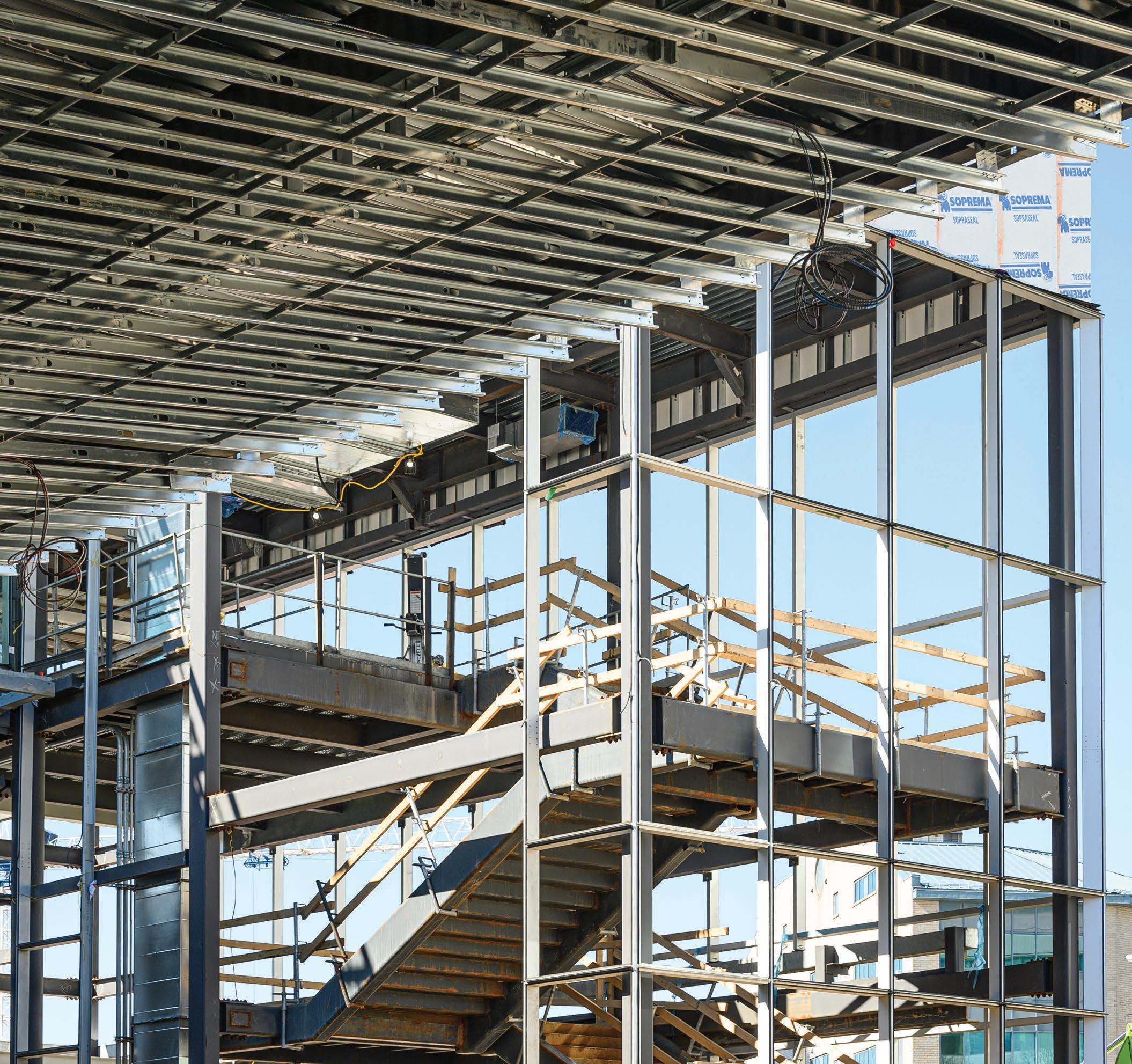
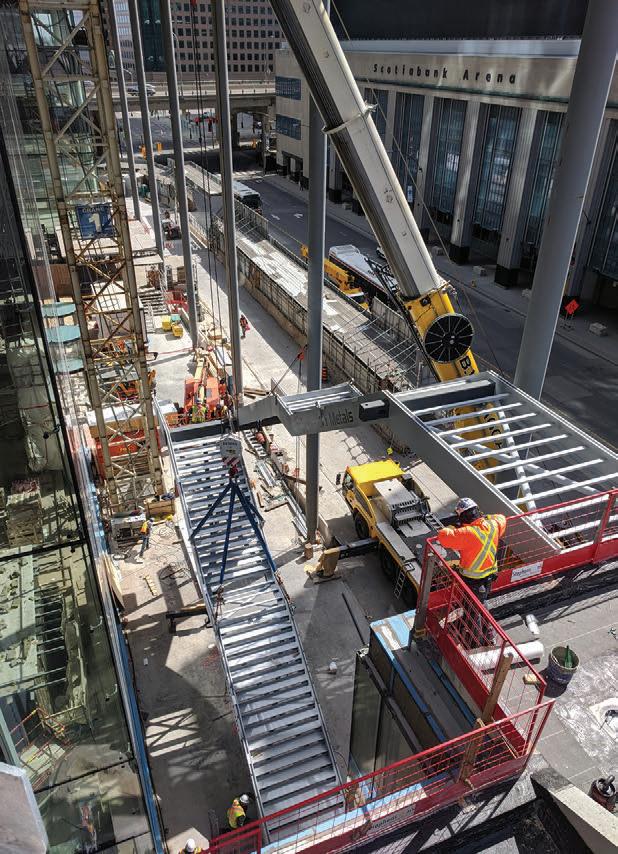
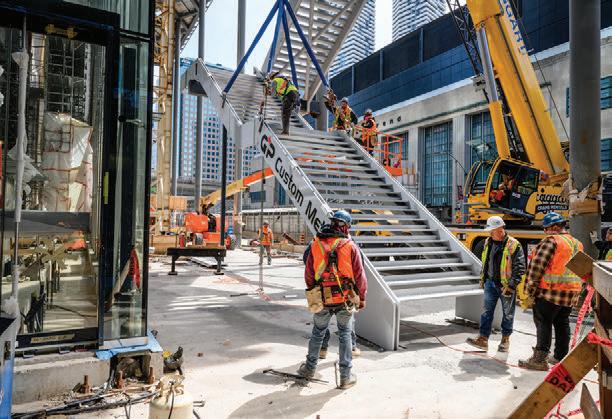
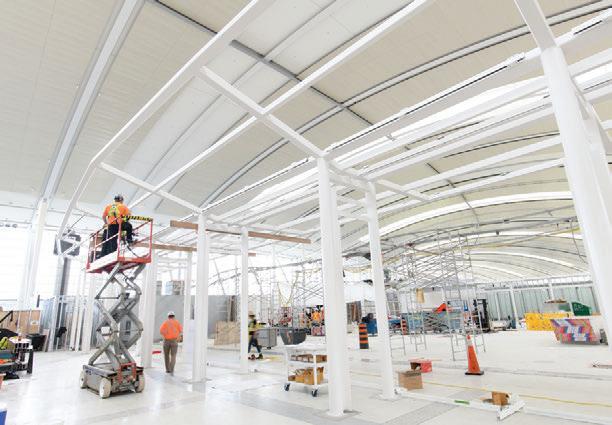
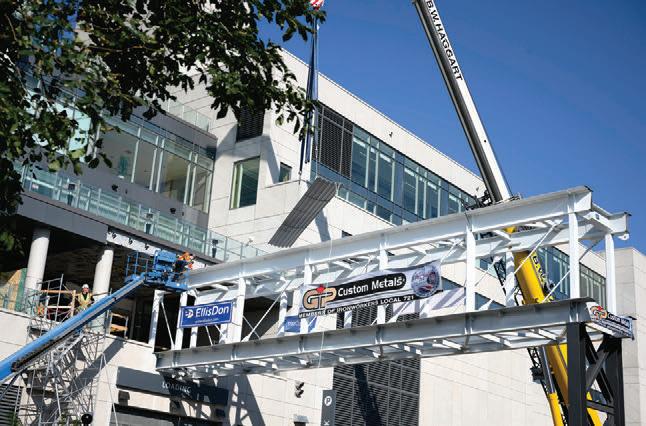
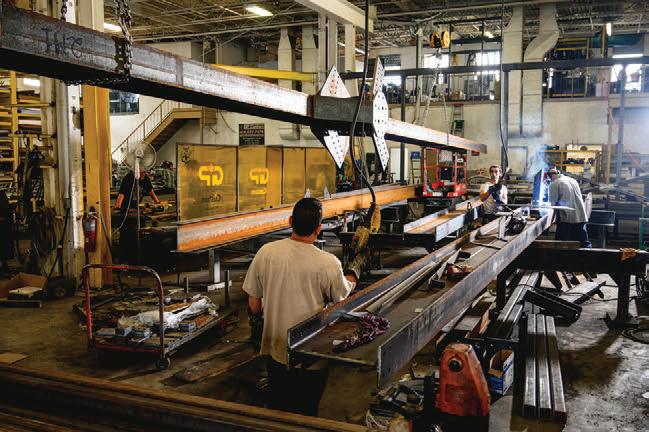
Work on the ROM focuses on revitalizing the historic facility’s jagged, striking Daniel Libeskind-designed Michael Lee-Chin Crystal addition. The transformation of the main floor and a redesigned Bloor Street entrance aim to deepen ROM’s connection to Toronto. Given that 86,000 square feet of existing space will be transformed, and 6,000 square feet of new gallery space will be created on the second and third levels, Benson and his team were recently busy “scanning the entire interior of the Crystal, which is famous for not having a single straight column or plane,” he says. “This was necessary, in order to determine the optimum connection locations.”

Recently completed is another unique Benson project – the two new Porter Airlines hangars for aircraft maintenance at the Ottawa airport. “The hangers received a grand opening in October, and they’re a real showstopper,” Benson says. “For us, procuring 2,000 tons of steel necessary for the project during the COVID lockdowns was just one of many challenges in building the hangers, and they look fabulous.”
Hellen Christodoulou, executive VP of engineering, sustainability, and business development at Corbec, is a huge advocate for steel as a sustainable building material. Having worked in the steel industry for over 40 years –including as chief engineer of bridges for CP Rail and national director for the CISC – she’s well-versed in the material’s benefits. She reports that galvanizing is on the upswing because “erosion costs us billions of dollars in repair, and protection systems are increasingly being factored in at the beginning of construction projects.”
Corbec is the leading hot-dip galvanizer in Canada, and the zinc coatings the company provides are a sustainable process that produces minimal waste and can be recycled at the end of their useful life. Additionally, the coatings can last for decades without maintenance or repair, making them a cost-effective solution for long-term protection.

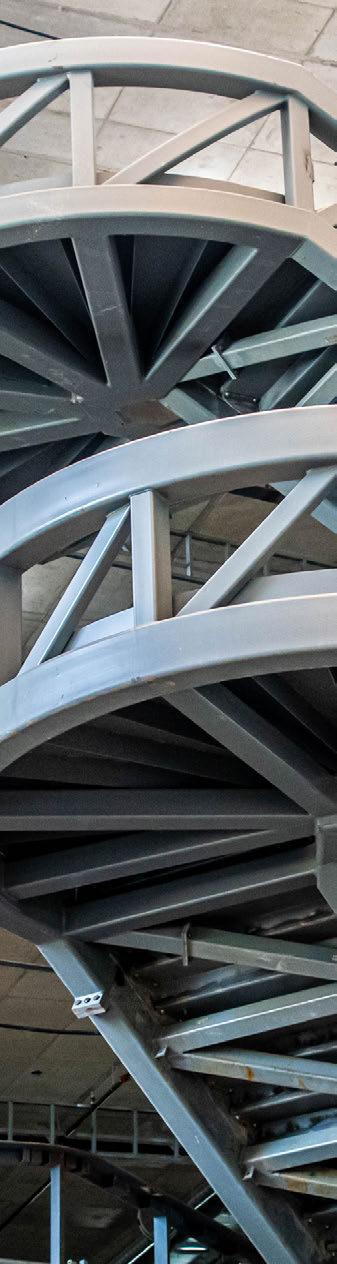
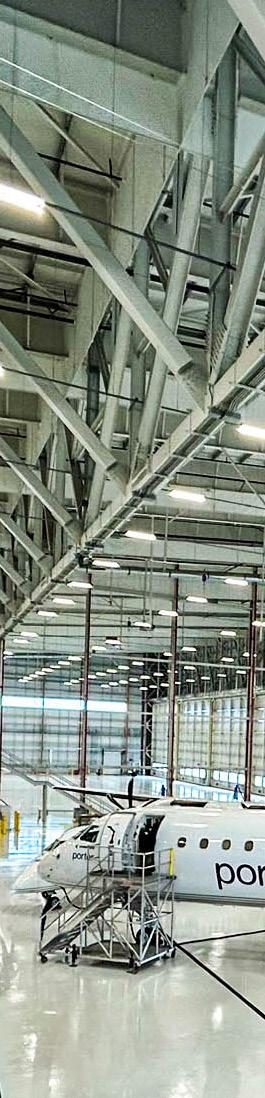
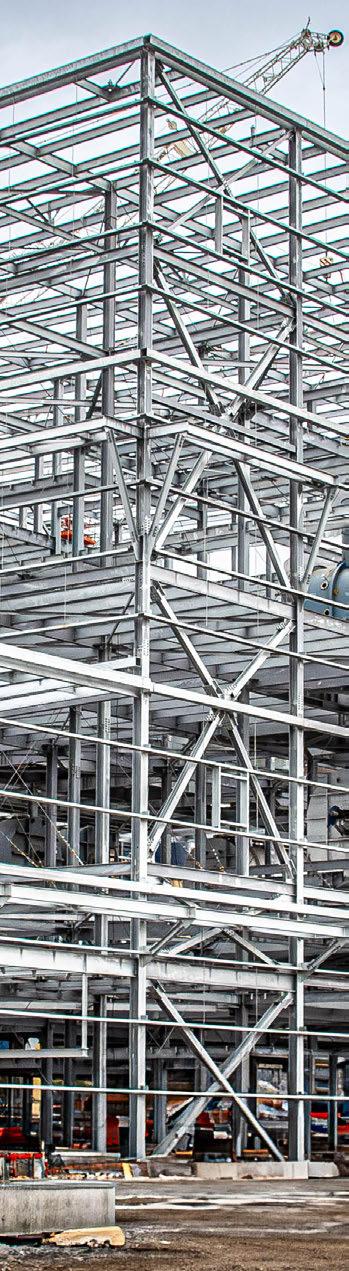

Like biogas captured from cow manure to create Renewable Natural Gas1 (RNG). It’s a low-carbon2 energy that can help reduce overall greenhouse gas emissions, with more RNG projects underway.
Like biogas captured from cow manure to create Renewable Natural Gas1 (RNG). It’s a low-carbon2 energy that can help reduce overall greenhouse gas emissions, with more RNG projects underway.
Customers can sign up for the voluntary RNG program to designate five, 10, 25, 50 or 100 per cent of the gas they use as RNG.
Customers can sign up for the voluntary RNG program to designate five, 10, 25, 50 or 100 per cent of the gas they use as RNG.
Find out more about RNG at fortisbc.com/rngbuild.
Find out more about RNG at fortisbc.com/rngbuild.
Christodoulou cites Montreal’s REM Light Rail Phase 1 project as an example of the effectiveness of Corbec’s galvanizing services. This 10-mile, five-station line connects the city centre on the island with suburbs on the south shore of the Saint Lawrence River. The line incorporates elevated sections, bridges, tunnels, and on-grade rail bed.
About 2,000 tons of steel and 1,200 tons of hot-dip galvanizing were used for this phase of the project; galvanizing brought powerful benefits to the project, especially considering the damp cold climate and the widespread use of de-icing chemicals for many months of the year.
Christodoulou notes that consistently high-quality finishes and bar-code-controlled bundle identification streamlined on-site erection, while the remarkable durability of zinc on steel eliminated almost all costly on-site damage remediation. “This, combined with the very high capacity of several local galvanizing plants, also ensured JIT turnaround, further lowering costs and speeding completion schedules.” The REM Light Rail Phase 1 received the ‘Most Distinguished Project’ award from the 2024 AGA (American Galvanizers Association) Awards.
Christodoulou says of steel in general, “Innovation in steel design pushes the sector toward more eco-conscious practices. The steel industry has begun to take a lifecycle approach, reducing the emissions associated with the production of the material, the construction process, as well as the energy efficiency over its lifespan. Regardless of the building type, occupancy, or design material, it is critical that consultants reaffirm their design approaches.”
As for galvanizing, she says, “Business decisions should be optimized so that those who develop budgets consider the financial gains that inevitably result from investing in corrosion control.” She adds that a 2009 study “estimated that Canada’s annual direct cost of corrosion was approximately $41 billion U.S. dollars in 2005. When adjusted for inflation, Canada’s direct cost of corrosion is estimated to be $51.9 billion, amounting to 2.98 percent of Canada’s 2019 gross domestic product [GDP] of $1,736.43 billion USD.”
The huge scope of work undertaken by Walters Group in 2024 encompassed everything from ensuring that wood structures would be resilient to blending complex structural engineering with architectural design.
Walters’ work on The High Line – Moynihan Connector Timber Bridge in Manhattan – a 260-foot elevated bridge designed by Skidmore, Owings & Merrill, and James Corner Field Operations – required Walters to integrate Alaskan yellow cedar wood components with steel connections. These connections were designed to be weather-protected and strategically positioned to prevent water wicking, with sacrificial zones allowing for repairs without compromising the bridge’s structure. Given that the bridge crosses an active roadway, it was constructed in two sections and transported into position using Self-Propelled Modular Transporters and two 500-ton mobile cranes.
Completed by Walters Group in 2024, the 17-storey, 555,000-square-foot 10 World Trade building in Boston showcases complex structural engineering. Among Walters’ many tasks on this project was installing protective decks at lower levels to safeguard traffic and existing infrastructure during ongoing construction; fabricating and installing curved bent plates with curtain wall notches to accommodate a cantilevered deck; and fabricating curved ‘eyebrow’ canopies to complement four arches, ranging from 100 to 160 feet in length that surround the building.
Finally, mining development continues to be a huge aspect of structural steel projects in Canada, and Scott Steel Erectors Inc. of Hamilton distinguishes itself in this regard by designing, supplying, and installing everything from pre-engineered buildings, to assay labs, truck shops, overhead cranes and monorails, wall cladding systems, and ball and sag mills.
One example of mining work was the development of the Côté Gold Mine deposit, an open-pit gold mine located in northeastern Ontario, whose first pour took place in March of 2024. The project is expected to produce 367,000 ounces of gold annually over its 18-year mine life and has a total budget of $1.3 billion.
Scott Steel was tasked with the design, supply, and installation of concrete and steel for Côté Gold’s truck shop and interconnecting corridor, truck wash, warehouse building, first aid and ERT building, assay lab building; warehouse, and a 140,000-square-foot Process Plant Building. Additionally, Scott Steel implemented a comprehensive safety program, featuring regular training sessions, safety audits, and risk assessments to ensure a safe work environment and strict adherence to safety protocols. A









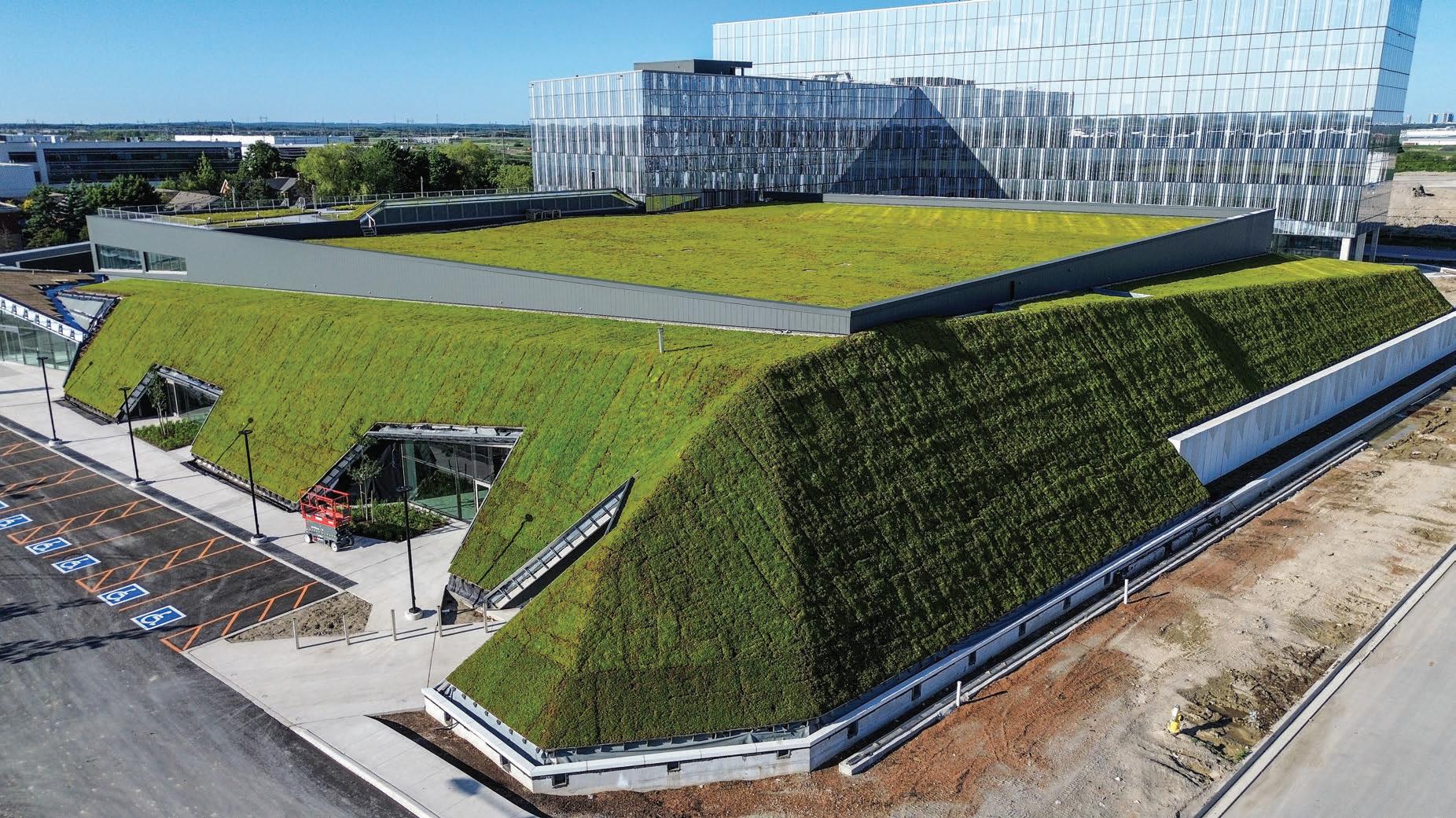
by NATALIE BRUCKNER
Green roofs and walls are steadily taking root in urban design, offering a pivotal solution to mitigating the environmental impact of the built environment. As sustainability drives architectural innovation, these living systems are reshaping urban landscapes and advancing beyond mere trends.
The year 2024 marked a major turning point in this evolution. On November 1, the Roofing Contractors Association of British Columbia (RCABC) launched the RoofStar Vegetated Roof Guarantee – a first-of-its-kind quality control and quality assurance program for green roofs. This groundbreaking initiative sets a new standard in the roofing industry, raising the bar for green roof installation.
Developed in partnership with green roof manufacturers, the RoofStar Vegetated Roof Guarantee underscores RCABC’s dedication to elevating industry standards, ensuring consumer protection, and fostering trust in this rapidly advancing field.
“We’re very proud that RCABC is setting a new gold standard in the roofing industry when it comes to providing consumer protection for green roof installation. We’re not only offering peace of mind to
building owners; we’re also training the next generation of vegetated roof contractors, equipping them with the latest tools and techniques in this emerging sector of our industry,” says Bryan Wallner, CEO of RCABC.
Built on the same core principles that have made RCABC’s RoofStar Guarantee a success, the RoofStar Vegetated Roof Guarantee program is led by an industry-first standard, developed collaboratively with experts in green roof design, manufacturing, construction, and maintenance. Qualifying green roofs must be built by trained, qualified RCABC member contractors using RCABC-accepted systems and independently reviewed by qualified quality assurance observers. The program also includes mandatory maintenance of vegetated roofs, provided by RCABC members and pre-paid by building owners.
“We want to change perceptions about green roofs and show that they can flourish, endure, and function worry-free,” says James Klassen, technical advisor for RCABC. “Efforts to educate policymakers and the design community have been good, but they lacked the ‘show me that it works’ element. Our new program will demonstrate that well-designed, professionally built, and properly managed green roofs can be reliable.”
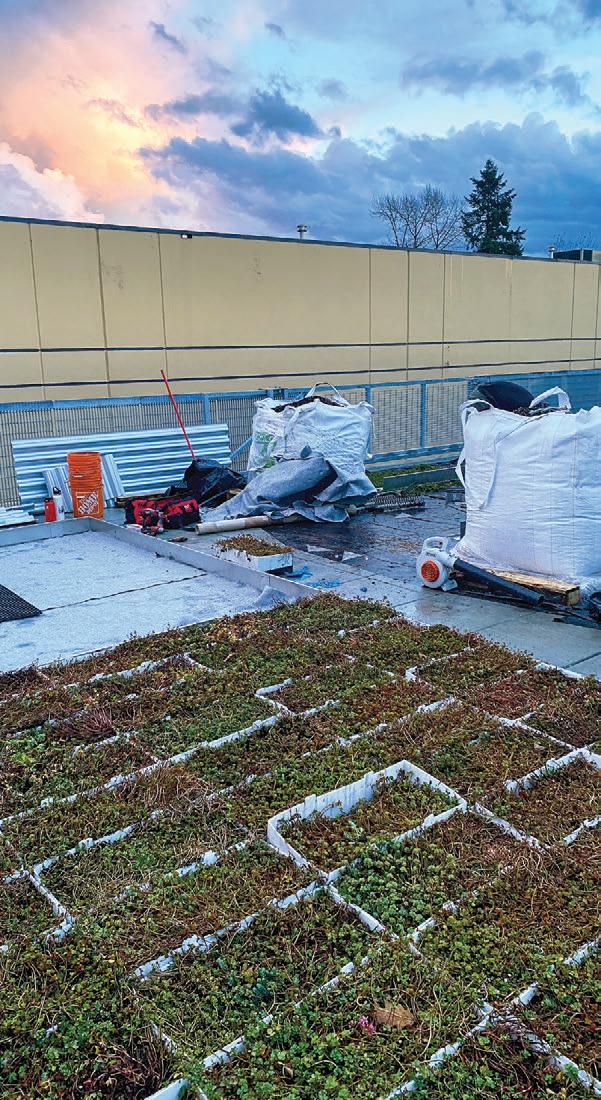











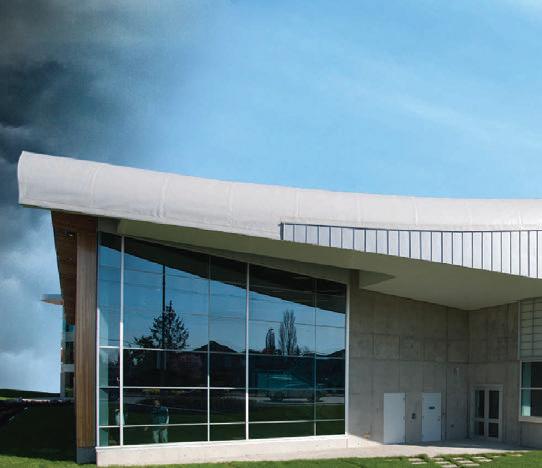



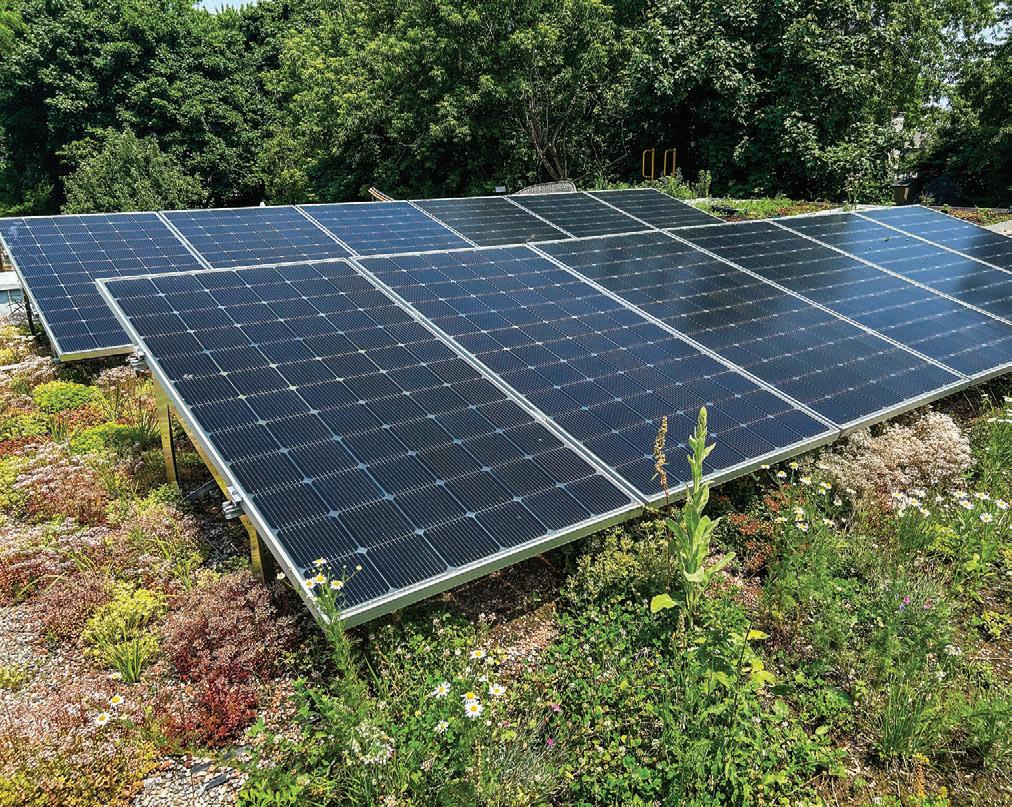
According to Steven Peck, founder and president of Green Roofs for Healthy Cities, 2024 was a good year for the industry in North America. “Steady growth of between eight to 10 percent is estimated for the sector, as more and more jurisdictions pass supportive regulations, financial incentives, and requirements for green roofs on new and existing buildings,” says Peck.
He adds that the industry has responded to the need for greater rooftop stormwater management to help reduce flooding and the negative impacts of runoff, by introducing a number of technologies designed to slow, retain, and detain stormwater on rooftops. “So-called blue-green roofs can contribute significantly to improved stormwater management, especially when combined with other green infrastructure like porous paving and bioswales,” he says. “We are also seeing a rise in the number of solar green roof integration projects, with green roofs helping to cool solar panels and improving their efficiency, while also providing ballast to hold them securely in place. More and more attention is also being paid to the health benefits of regular access to green space.”
Holcim continues to lead the way with its latest focus on green roofs, building on its recent partnership with ZinCo, a global pioneer in vegetative roofing systems.
In 2024, Holcim emphasised the growing importance of green roofs in combating the urban heat island effect, reducing energy consumption, and enhancing stormwater management. According to Holcim, green roofs offer significant benefits, including temperature regulation that can cut air conditioning costs by up to 75 percent, and a reduction in local temperatures by as much as 11.3°C, according to recent studies. These living roofs also provide valuable habitats for urban biodiversity, supporting pollinators and birds while helping mitigate the effects of habitat loss in cities.



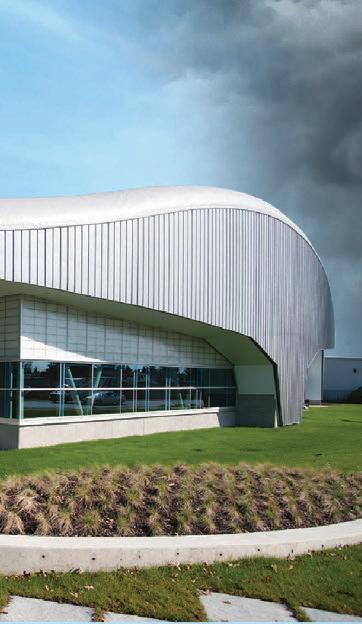



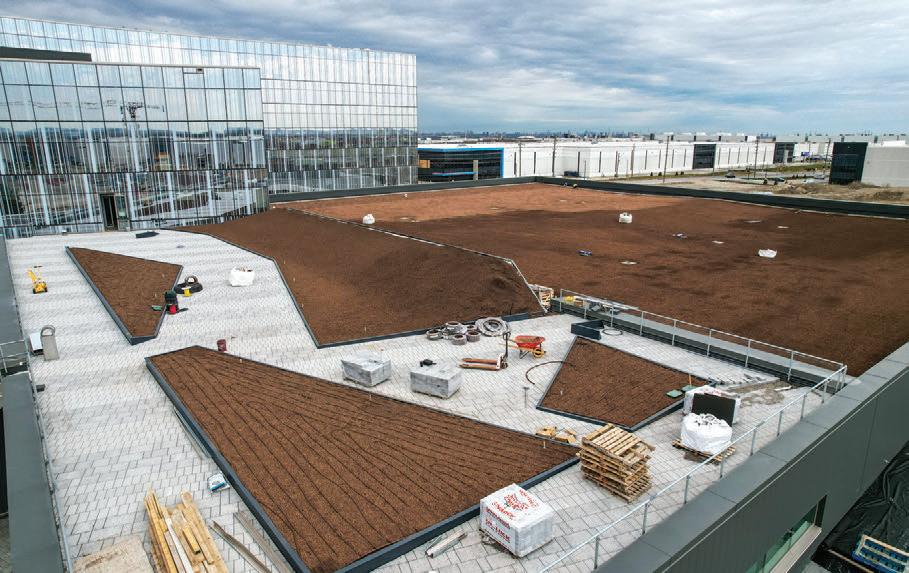
Holcim, alongside ZinCo, continues to innovate, offering long-term, sustainable solutions for both private and public buildings that contribute to healthier, more resilient urban environments.
Elevate Commercial Roofing Systems also continues to gain traction as it offers the Max PVC and Max PVC XR membranes, designed for roofing systems exposed to severe conditions such as harsh chemicals, grease, fire, and extreme weather.
With a top-performing weathering package and thickness over an exceptionally strong knitted scrim layer, Elevate Max PVC and Max PVC XR offer industry-leading resistance to punctures, breaking, and tearing. The Max PVC XR features a reinforced fleece backing for added strength, while both options are highly reflective, contributing to energy efficiency. These membranes are also 100 percent recyclable when mechanically attached, supporting sustainability goals in challenging applications.
Hydrotech, a Sika Company, recently highlighted how architects are pushing design boundaries, with green roofs evolving from stormwater management tools to integral elements of modern architectural expression.
“Contemporary green roofs now mirror complex rooftop configurations, incorporating advanced drainage systems and growing media for improved functionality. They have become key players in managing rainwater retention while also serving as lush, sustainable landscapes,” Hydrotech experts explain.
Hydrotech’s innovative solutions enable seamless integration of green roofs with hardscape elements, creating dynamic amenity decks. From rooftop gardens featuring large trees to paver-lined recreational spaces, these designs rival traditional ground-level landscapes. By leveraging cutting-edge technology and materials, Hydrotech empowers architects to redefine rooftop spaces, enhancing sustainability and urban living.
ZinCo Canada has also seen a notable shift toward more purposeful and multifunctional green roof designs. “There’s growing demand for amenity-driven green roofs, green roof and solar combinations, and stormwater detention solutions, especially on multi-residential, institutional, and municipal buildings,” says Quinn Rogers at ZinCo. Rogers adds that architects and developers are adding native perennials and woody plants to their green roof designs as these species provide better environmental benefits, including enhanced pollination and carbon sequestration.
One standout project for ZinCo Canada is the new LiUNA Headquarters in Woodbridge. The project features six distinct green roof build-ups across varying slopes and roof types, marking it Ontario’s steepest sloped green roof, reaching 50 degrees. Rogers highlights the collaboration with Diamond Schmitt Architects, PMA Architects, and UCC Group Inc., to complete the project, which required custom sloped components and eight-metre-long sedum mats. “The result is a truly exceptional futuristic green roof that sets a new benchmark for innovation and performance,” she adds.
Looking ahead, Rogers sees challenges in urban sustainability and climate adaptation as opportunities. With increasing temperatures and precipitation, ZinCo Canada is focused on advanced solutions like stormwater detention and green roof and solar assemblies, aiming to lead the way in resilient, high-performance green roofs. “While these challenges may seem daunting, we are excited to embrace this new era of productive green infrastructure,” says Rogers.
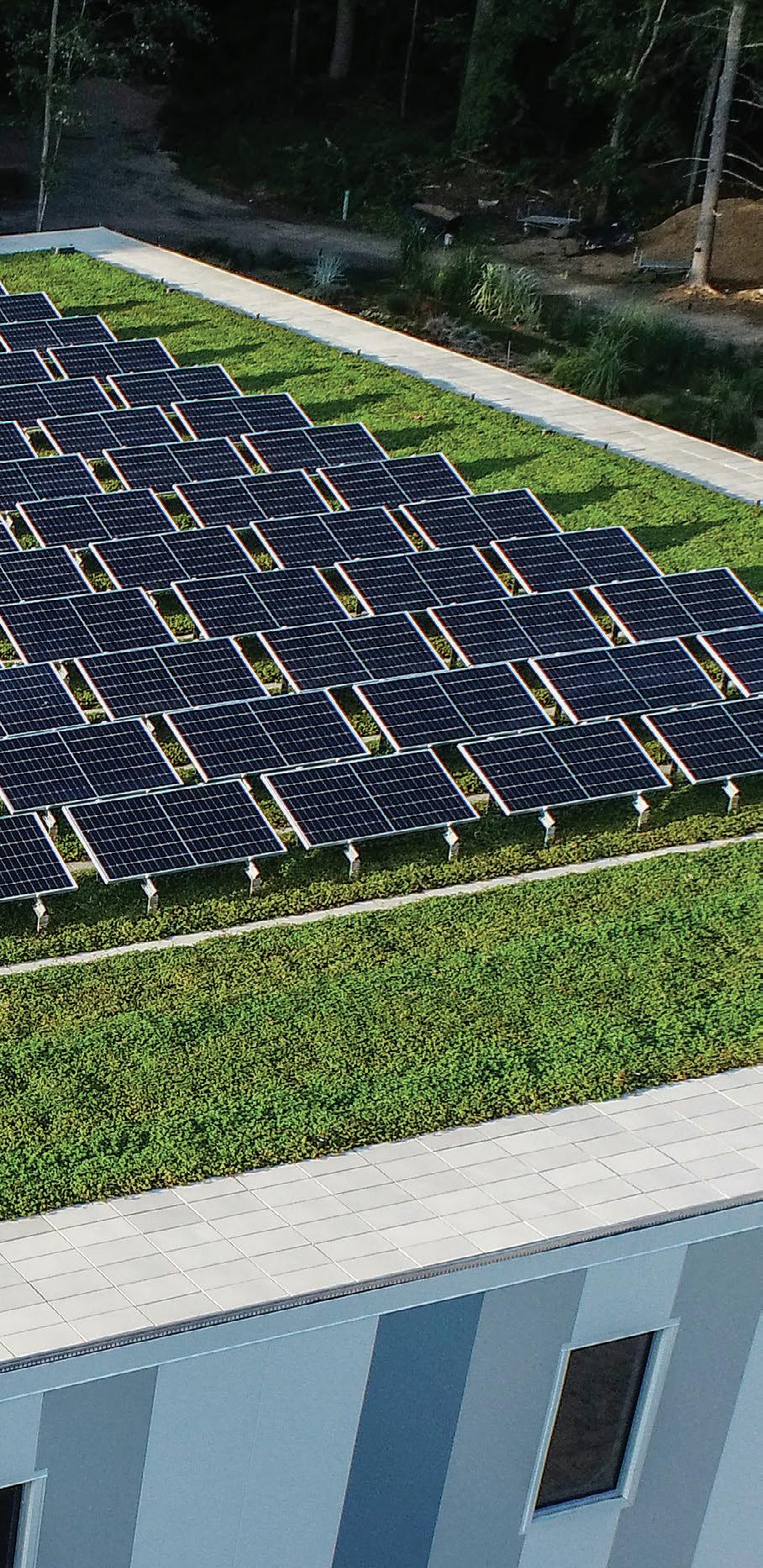

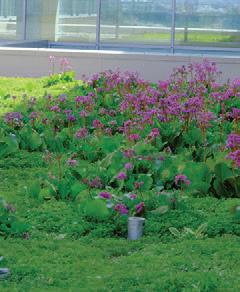
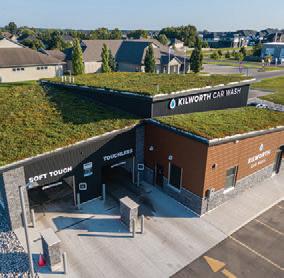
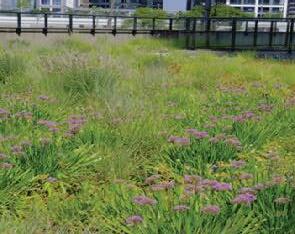

Since its founding in 2010, Ginkgo Sustainability has remained at the forefront of green roof and living wall innovations. This year, their work will continue to make an impact, with projects like the TRCA Green Roof, where a frog rescue during installation highlighted their commitment to preserving local ecosystems. “We know that occupants in spaces big and small, engage and benefit from intentional design that features natural elements,” says Milena Smodis, director of marketing.
Ginkgo’s involvement in sustainable building practices is further strengthened through their recent partnership with Partners in Project Green, an initiative by the Toronto and Region Conservation Authority (TRCA). This collaboration aligns with their ongoing efforts to integrate nature into urban environments, focusing on green roofs and living walls that contribute to both environmental resilience and urban sustainability. As Ginkgo works alongside the TRCA, they continue to design, build, and maintain green roofs and living walls in commercial, residential, institutional, and industrial environments.
As green roofs and walls continue to gain mainstream recognition for their environmental benefits, Soprema has been honoured with the GRHC Corporate Member Legacy Award, celebrating its longstanding contributions to the industry. This prestigious award recognizes companies that have consistently advanced the green roof and wall sectors, and Soprema’s innovative approach to sustainable building practices has made it a standout in the field. With nearly three decades of experience in green roof solutions, Soprema has been a key player in driving industry innovation. Their Sopranature division, which installed its first green roof in North America in 1995, continues to lead with products like Skywater for water management and Soprasolar, a solution for integrating solar panels on flat roofs.
LiveRoof, renowned for its green roof innovations, has launched its latest game-changing technology in this realm: SolaGreen, a bio-solar system that integrates photovoltaic (PV) solar energy with a fully vegetated green roof. “The challenge in the past has been that traditional solar installations maximize panel density, which blocks light and water, making it hard for plants to survive

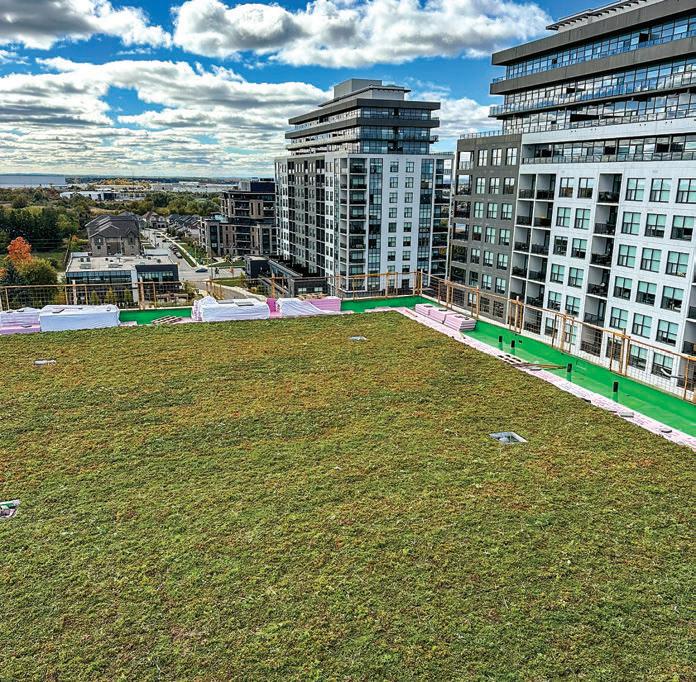
underneath. About eight years ago, we started researching how to create a true hybrid system that balances stormwater management and the energy benefits of solar panels,” says Kees Govers, technical sales manager, LiveRoof Ontario Inc.
Developed over years of meticulous testing, SolaGreen represents a leap forward in sustainable roofing solutions. “This system ensures the green roof stays alive while generating electricity,” Govers adds. Unlike traditional setups, SolaGreen’s modules and RoofStone pavers ballast the system without any rooftop penetrations, offering a durable and maintenance-friendly design. “It’s modular and easy to work with – there’s only one size bolt, so installation is incredibly straightforward,” Govers explains.
SolaGreen has already been installed on a demonstration project in Michigan – 10,000 square feet of solar on a 17,000-square-foot roof. The installed roof and the system will be part of a research project at a major Canadian University to measure energy generation differences between conventional solar and solar-green systems, as well as the effects on stormwater management by the green roof.
This launch caps off a banner 2024 for LiveRoof, marked by a diverse range of projects, including projects in municipalities with up to now, low green roof uptake such as a 11,000-square-foot residential tower green roof in Guelph and a large-scale
installation pending in downtown London, Ontario.
“These projects highlight the growing demand for sustainable roofing systems,” Govers notes, underscoring the increasing adoption of green roofing technologies across all sectors.
While green roofs are growing in prominence, challenges persist. According to Letitia Weatherill-Silk, national director of business development at Architek, misconceptions and unfamiliarity with the scope of work still exist. “The cost association with green roofs is very foreign to many people,” she explains.
When compared with other countries around the world, North America is still lagging, according to Ron Schwenger, founder of Architek. “Take European cities like Zurich, Vienna, and Stuttgart which have green roof coverage closing on 50 percent of all commercial rooftops. North America, in comparison, doesn’t have any cities that even reached one percent of total coverage. How can we be serious about sustainability and have meaningful and measurable results with those kinds of statistics and lack of genuine commitment?”
However, progress is being made – albeit slowly. Architek was part of the advisory committee for the RCABC RoofStar Vegetated Roof Guarantee quality assurance program previously mentioned. Still,




Weatherill-Silk notes, “Vancouver is lagging in biodiversity considerations, with too many buildings bypassing green roofs due to weak practices, despite benefits like the reduction in heat island being very significant.” Meanwhile, Toronto is preparing to update its building standards in 2025 to better address sustainability and biodiversity needs, which includes green roofs.
Architek remains busy with significant projects, including the new St. Paul’s Hospital, scheduled to begin construction in spring 2025. “We’re using our Eco-Sedum tray system, which stores rainwater and supports biodiversity with wildflower meadow plantings,” shares Ryan Vasseur, Architek’s manager of living architecture ecosystems.
found in prominent locations worldwide, including Fortune 500 companies. GSky Living Green Walls are irrigated by low flow drip emitters on programmable controllers and in many situations can be equipped with recycling components to create an extremely efficient low water usage system.
Recently, GSky has been involved in several highprofile projects. In West Palm Beach, the company installed a top-floor green wall using its fire-retardant Versa Wall SNAP system, featuring six-inch potted plants. GSky has also worked with universities, airports, and commercial spaces, creating sustainable green environments. One notable project includes an exterior Versa XT green wall at a Volkswagen dealership in Atlanta, where one-gallon
to flush outside air into buildings. Our hydroponic biofiltration living walls have been doing this for years, making them an optimal solution for sustainability, green design, and future developments.”
Nedlaw has been involved in several exciting projects recently, including a standout installation for a local bakery manufacturer. “We carefully consider all aspects when installing walls, ensuring that air quality and moisture are properly managed to avoid any impact on food production,” says Binning. “We also incorporated a large LED sign in the middle of the wall to make it truly stand out, enhancing both the functionality and aesthetic appeal of the space.”
Another notable project is for a local college, where Nedlaw is creating a student lounge area. “The wall will serve as a place where students can relax, socialize, or study after classes. A unique aspect of this project is that, over time, we’ll train college staff to maintain the wall, with horticultural students taking on the task. It’s not only a great way to provide a relaxing space but also an educational opportunity for students to gain hands-on experience with plant care,” Binning adds.
New Earth Solutions continues its mission to improve the health of the built environment through a connection to nature. A recent partnership with Meridian Credit Union (MCU) brought this vision to life with a stunning living wall at MCU’s Toronto headquarters.
Spanning six-feet tall by 12-feet wide and featuring over 200 plants, the wall integrates seamlessly with Meridian’s brand logo. Beyond aesthetics, the living wall reduces noise pollution and enhances employee well-being by fostering a connection to nature.
New Earth Solutions implemented the advanced Respira Pro system, designed for durability, reduced water consumption, and ease of maintenance. Respira Pro is a modular system that has a robust infrastructure to support plant health. This system was chosen in order to reduce water consumption, support continuous plant health, and minimize
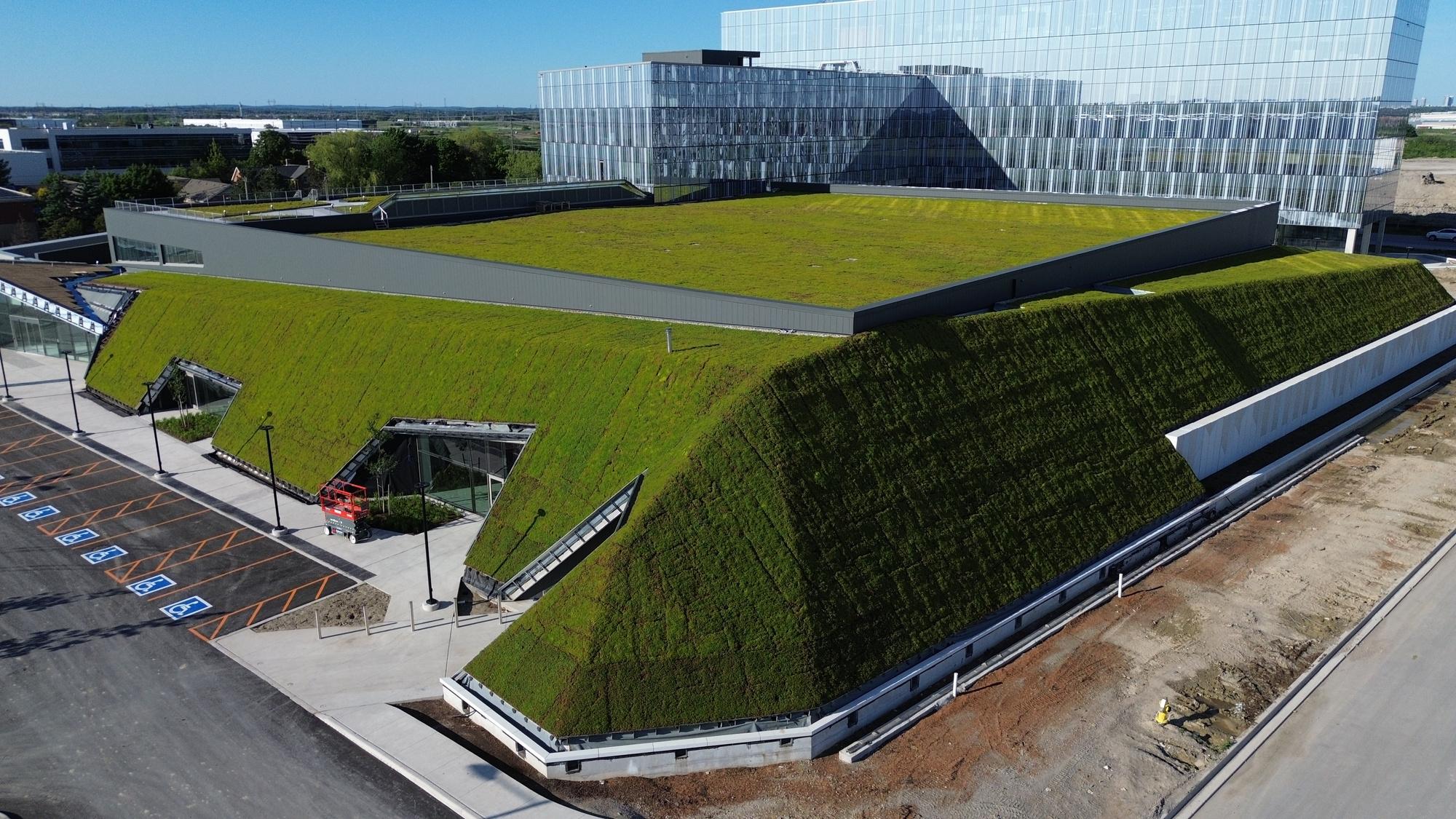




















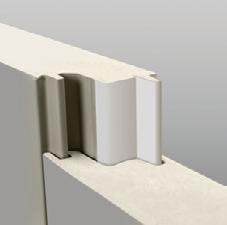
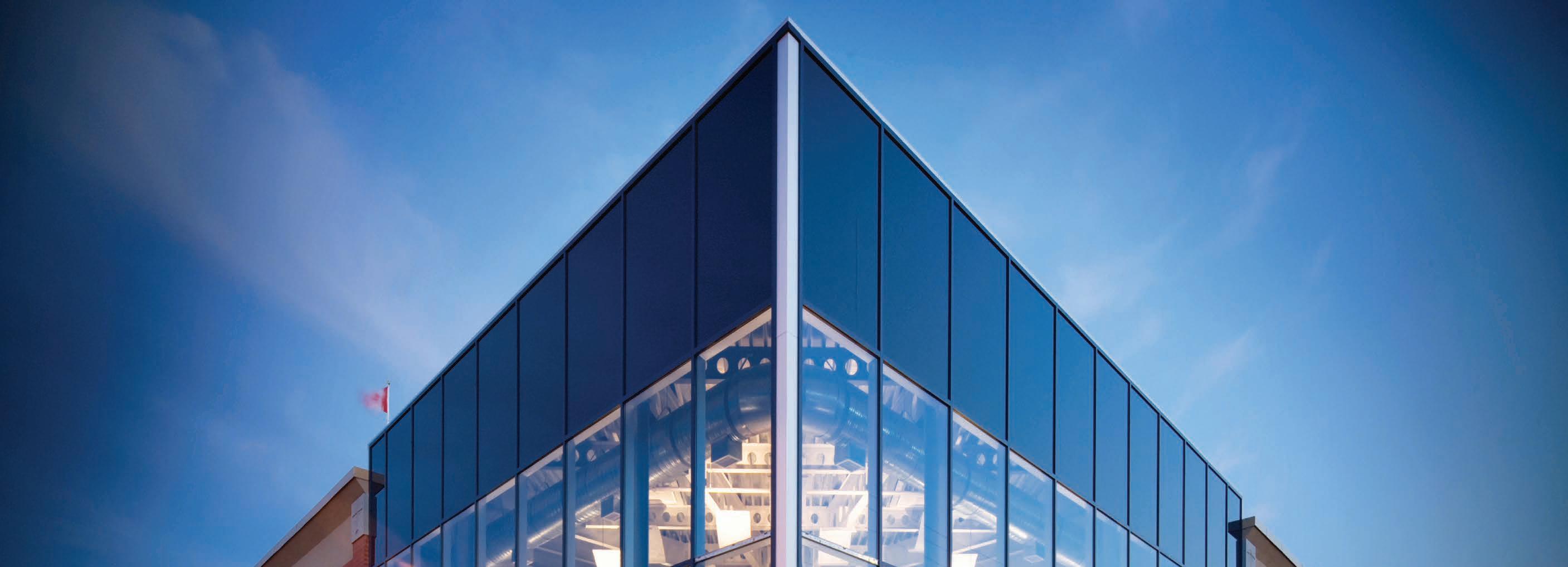


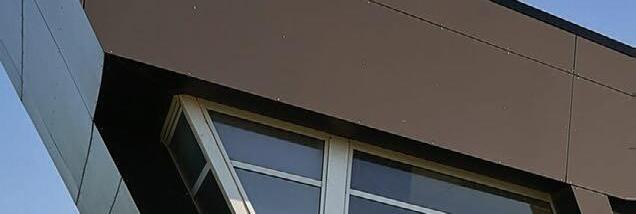
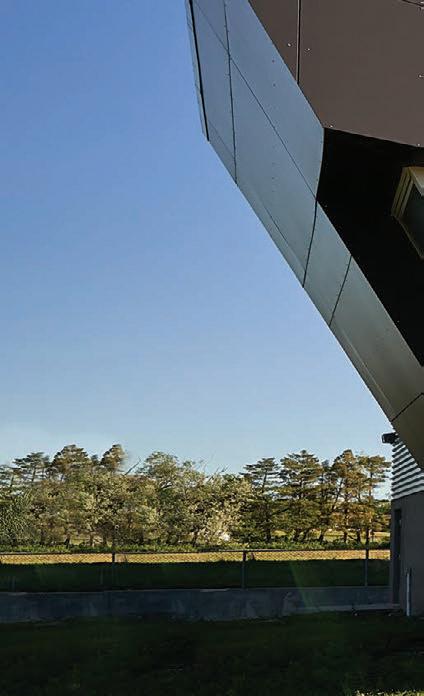
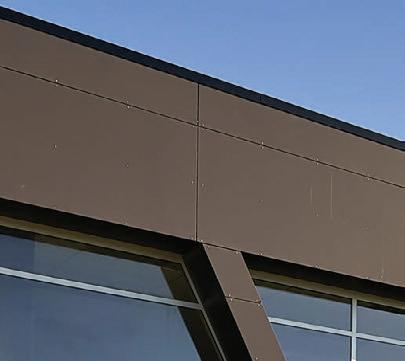









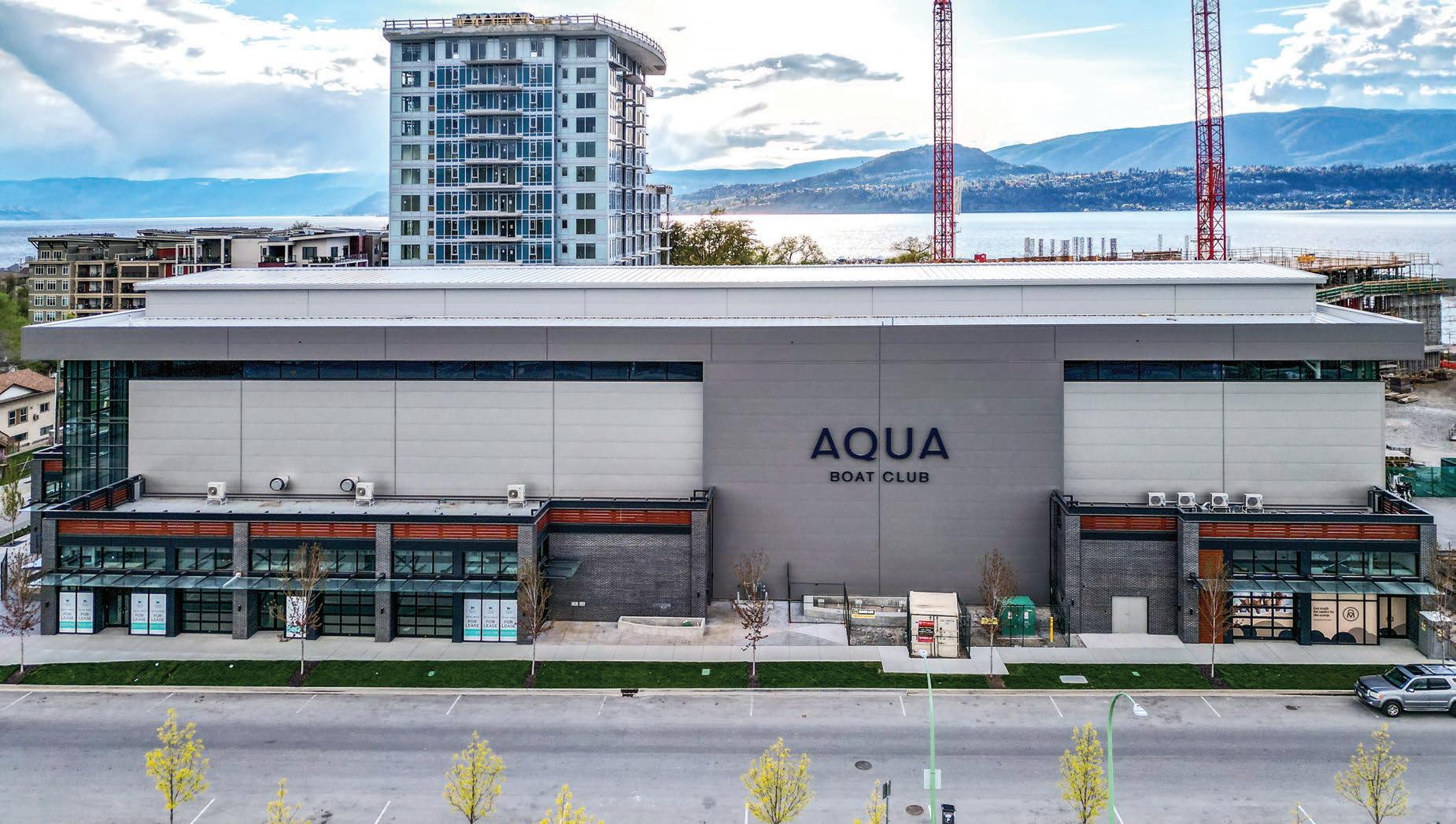
While steel buildings thrived in 2024, this year’s looming tariffs create uncertainty
ROBIN BRUNET
The steel buildings industry closed 2024 on a high note, with many key players reporting remarkable growth despite challenges in trade and construction. Sean Lepper, VP and general manager at Behlen Industries, reflected on the year’s success, stating, “We had one of our best years to date, and we think 2025 will also be a banner year.
“But there’s no denying we feel a fair degree of uncertainty moving forward due to the unpredictability of future U.S. trade policies. Whether or not we have to deal with tariffs again is unclear; on the one hand we may be facing them, and on the other hand if the U.S. business climate improves overall it could be beneficial. But until there’s clarification about where we’re headed, the uncertainty puts a freeze on everything from new projects to expanding one’s business.”
One of Behlen’s successes in 2024 was coming to grips with the new building energy code, first introduced in 2020 and now coming into effect. Given that one of its key requirements is to increase the amount of insulation required for new builds, Lepper and his team undertook considerable research and testing to create wall and roof cavity expansions in their building systems in order to accommodate the added thickness of insulation.
Behlen is Canada’s biggest manufacturer of steel building systems. Frameless steel buildings are constructed with their engineered panel system, eliminating the need for structural steel, offering low-cost, energy-efficient solutions. The company’s rigid-frame buildings excel in energy efficiency, condensation control, and noise reduction. Additionally, the construction process is designed to save time and money while generating virtually no waste.
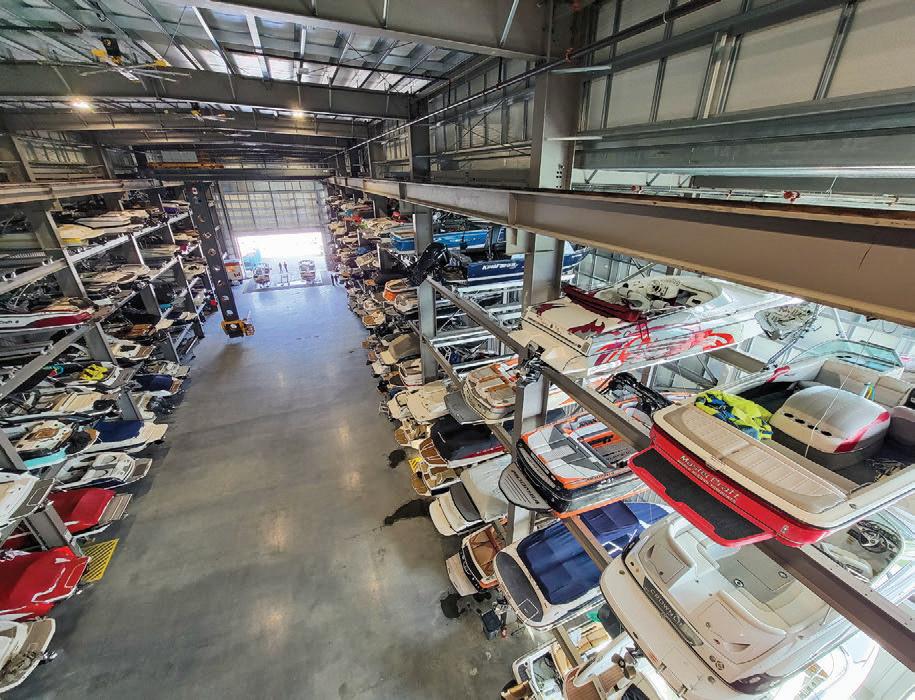
Behlen’s solutions have led to a number of unique projects, including the construction of boat storage facilities in Kelowna, B.C. “They may not sound like much, but these buildings are huge – typically five storeys high – and one we recently quoted is large enough to store 900 boats and will take a year to build,” Lepper says.
It’s unclear whether the sheer demand for new institutional, commercial, and industrial structures is the driving factor, but the steel building sector has demonstrated a remarkable resilience to high inflation – a trend exemplified by companies such as Honco, whose self-supporting steel buildings are globally renowned for their quality, durability, and competitive pricing.

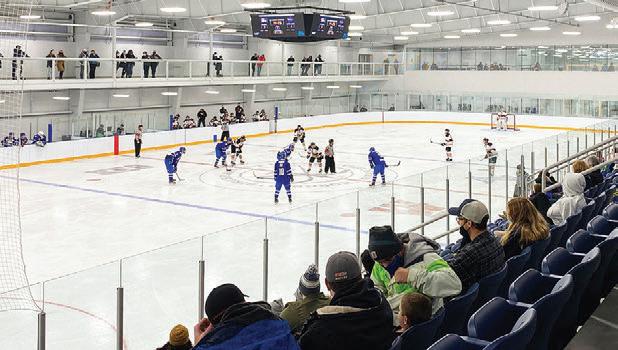
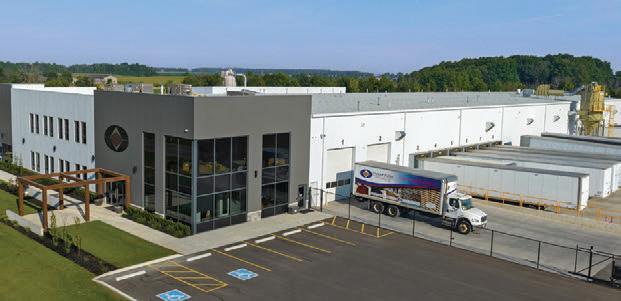
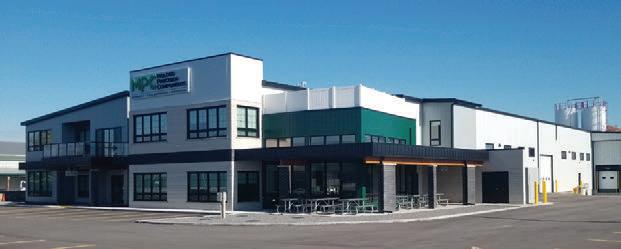
As the construction industry has grown more sophisticated, so has the versatility of custom metal building systems. By adopting advanced tools, practices and products, Nucor Buildings Group actively evolves to meet industry demands. Metal building systems are flexible by design and can be tailored to fit the needs of any market, offering the ability to incorporate energy-efficient products like insulated metal panels and advanced insulation systems alongside architectural elements such as stone and glass.
Whether your building is architecturally complex or value engineered, from a 1-million square foot mega project to a small specialty building, we work together with our Authorized Builder Network to offer products and solutions that bring our customers’ dreams to life.

Sandrine Fortier, marketing project manager at Honco, reports that her company continues to work full-tilt to meet client needs across a variety of sectors.
“Two of our current and recent projects in Quebec and Lévis are major sports complexes that greatly contribute to the development of each region’s sports scene,” she says.
The first project is the Laval University Tennis Centre, featuring eight outdoor and eight indoor tennis courts, along with six pickleball courts. When completed later this year (construction began in October 2024), the facility will be able to host high-calibre competitions, such as ATP (Association of Tennis Professionals) and WTA (Women’s Tennis Association) events.
can be divided into three seven-player fields. The complex is being built atop a brand-new 771-space underground parking facility and will also include 18 locker rooms – six for Collège de Lévis teams and 12 for residents.
The facility will include a reception room that can be converted into two classrooms, as well as a physiotherapy room. A second phase of the project involves the construction of an artificial turf soccer field outside the centre.
Bilodeau Baril Leeming is also the architect for this ambitious project.
As is the case with Honco, Braemer Building Systems has a global geographic reach, including everything from the provision of sports arenas to aircraft hangers as well as warehouses. While Braemer specializes in manufacturing traditional rigid-frame, red-iron metal buildings with hot-rolled and welded main frames, it has always been open to adapting to new technologies and opportunities.

The architect for this $30-million, 66,927-square-foot turnkey project is Bilodeau Baril Leeming Architectes, who worked with Honco to design the Tennis Centre with state-of-the-art courts, as well as common areas and a double-height glass atrium, featuring wood as a prominent design element.
The second project is the Desjardins Multisports Complex in Lévis, Quebec, a 64,000-square-foot facility featuring an 11-player indoor soccer field, which
As a result, Braemer now also manufactures cold-formed (or cold-rolled) metal buildings. While these types of metal buildings have been around for more than a decade, they have become much more mainstream in recent years, though they remain more popular in the U.S. than in Canada due to the latter’s heavy snow loads.
These buildings use cold-rolled framing members, such as Cees and Zees, that are run through a roll-former. Typically, these members have flange sizes ranging from four to 12 inches (though they can be larger if needed) and are usually formed from 12-, 14-, or 16-gauge coil. The frame columns and rafters, which carry the majority of the building’s loads, are created with one or two Cees. The buildings use mounting brackets at the haunch and apex to correspond to the roof slope. Bracing is typically placed between the columns

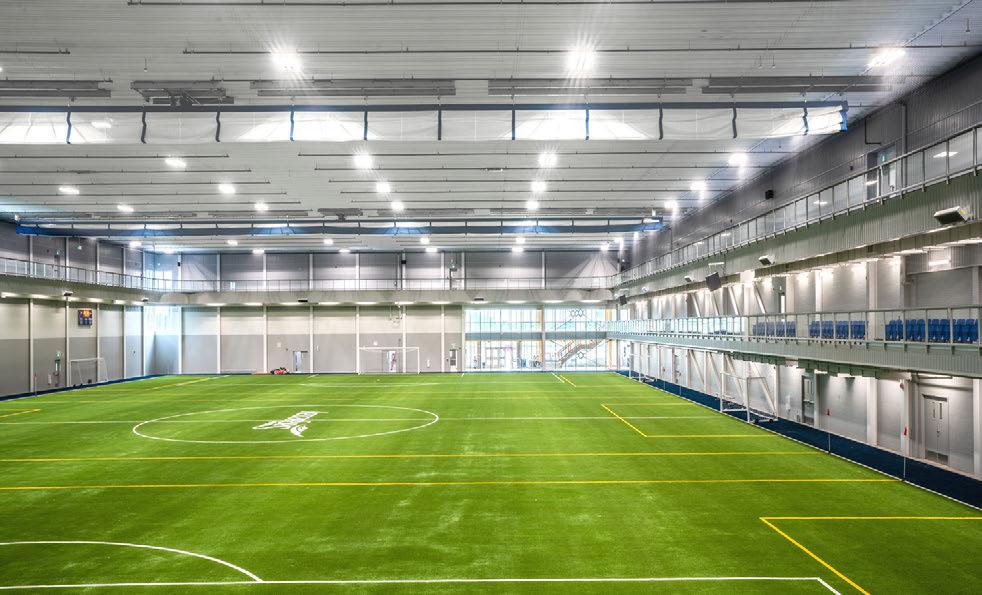
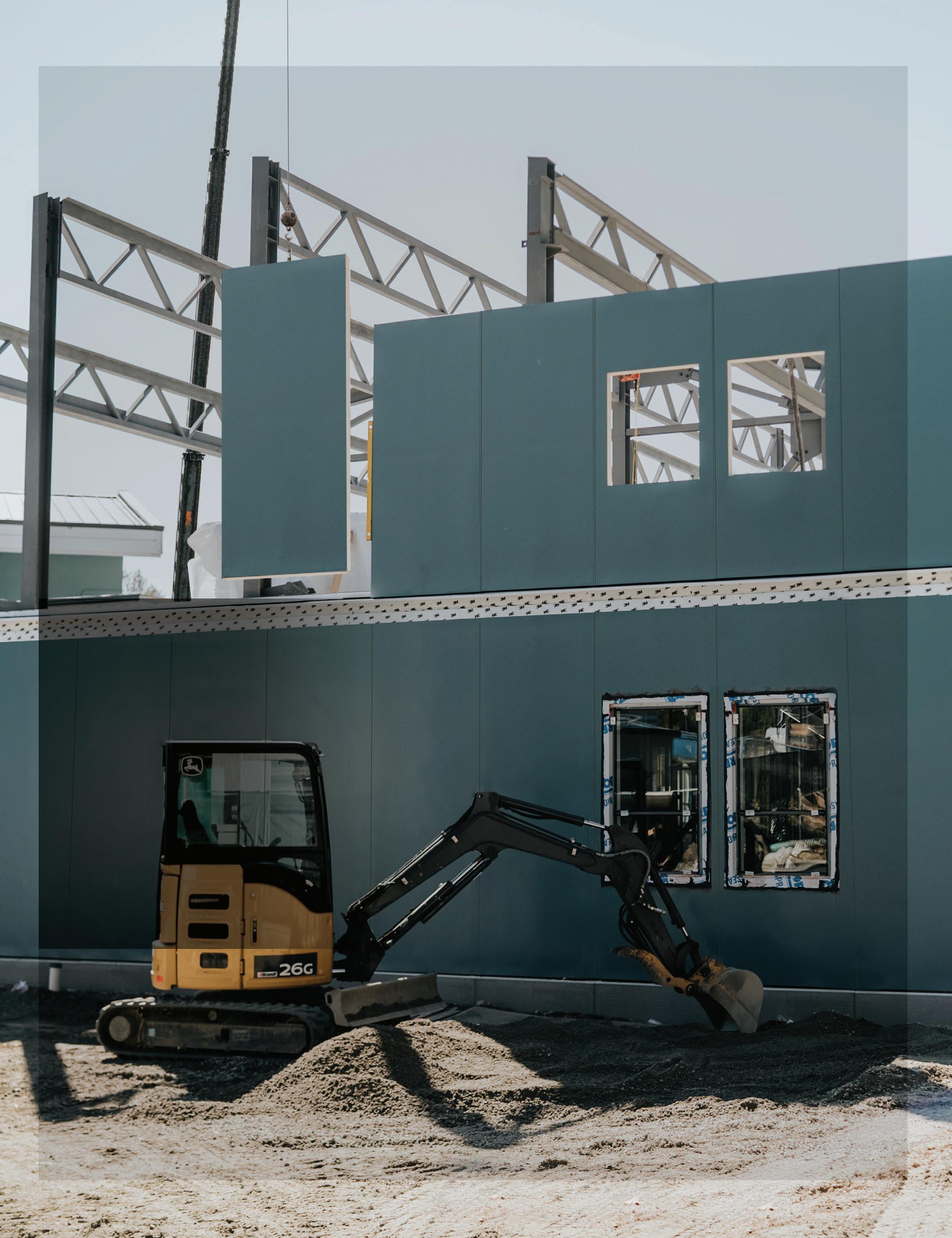
and rafters at the haunch, as well as between the rafters at the apex, to provide rigidity to the structure.
The main advantages of cold-formed buildings are that they weigh less, are more affordable, and have a quicker lead time than rigid-frame buildings. They can include mezzanines, be designed with single-slope, gable-style, or gambrel roofs, and offer similar flexibility to rigid-frame buildings.
Braemer recommends cold-formed buildings to clients who require clear spans of 50 feet or less, don’t mind smaller sidewall bay spacings, are planning to erect the building themselves, and would like a foundation design. Since cold-formed buildings are lighter, Braemer’s engineered plans include a basic foundation design for a concrete slab or piers, compared to much heavier rigidframe buildings, which require the services of a local engineer.
Toro Steel Buildings’ newest contribution to the cold-formed buildings sector is its M Model, which offers a versatile and economical solution for prefabricated steel garages, commercial buildings, agricultural structures, and storage units. The M Model is marketed as featuring game-changing engineering with limitless customization options, characteristic of a company renowned for simplifying its products for end users. Toro achieves this by providing complete, easy-to-understand illustrated instructions and designing every steel building kit to require only one size of bolt, meaning every building can be constructed using simple tools and basic DIY experience.
Toro says of its cold-formed offerings, “An experienced CFS building crew of three people can erect a 30- by 40- by 10-foot Gable in about four days and a 60- by 80- by 14-foot Gable in about 14 days,” and adds that, “Cold-formed steel sections are engineered to withstand the harshest environmental conditions, including seismic events, high winds, and corrosion. With proper maintenance, CFS buildings can retain their structural integrity for decades, providing a reliable and resilient solution for a wide range of applications.”
Suppliers of metal products that facilitate the development of steel buildings enjoyed a thriving 2024, not the least of which was the Bailey Group of Companies (which consists of Bailey Metal Products, Bailey Metal Processing, and Agway Metals). In June 2024, it completed its acquisition of Saint-Gobain
North America, with the aim of bringing a full portfolio of building solutions, both interior and exterior, to customers from the Maritimes to B.C.
Products from the Canadian-owned Bailey include structural and drywall framing, the Comslab composite floor systems, roofing products, and most recently, the BMaxx Framing System – a high-performing, cost-effective, heavyduty 118 mils stud and track system used for axial loadbearing walls and curtain walls. The superior strength and capacity of the 118 mils steel thickness are ideally suited for stud and jamb applications that require significant increases in load capacity and wall heights.
Canadian-owned Vicwest has, since 1930, engineered and manufactured metal roofing and wall systems that withstand harsh weather conditions. Josh Havin, director – ICI at Vicwest, reports, “The most exciting thing for us in 2024 was that we finalized expansion into B.C. with a new manufacturing facility in Agassiz. Now we can truly say we have offices from coast to coast.” Havin goes on to explain, “About 90 percent of what we do is made to order, and Agassiz will help us move product much quicker throughout B.C.”
Havin is looking forward to a busy 2025, noting, “We’ve got such a huge portfolio offering that if one of the sectors we serve goes into decline, other sectors compensate. That said, we continue to focus on our working relationship with architects, who really drive the decisions on what buildings will look like and aid us immeasurably in developing products they need.”
One recent example of the advantages of such a relationship is a long-term care facility in Ontario, where the architects aimed to amalgamate a new structure with a historic building containing beautifully aged wood. “As it turned out, the wood matched our Smoked Barnboard print for siding perfectly and went a long way in making the amalgamation seamless,” Havin says.
The effectiveness of Vicwest’s prints that make its Bellara steel siding so organic in appearance is due to the company having access to one of only three special scanners in the world. “With it, we’ve really pushed the boundaries of what you can do with building envelopes, and we’ll continue to push into the New Year with more new releases – as well as further collaboration with architects,” Havin says. A
Bradley’s cast-formed TLX Series Express ® lavatory system is now available in a one-piece, 4-station model. A seamless, complete handwashing package that maximizes value and hygiene, and delivers long lasting performance. Commercial Washrooms. Brought to Life.


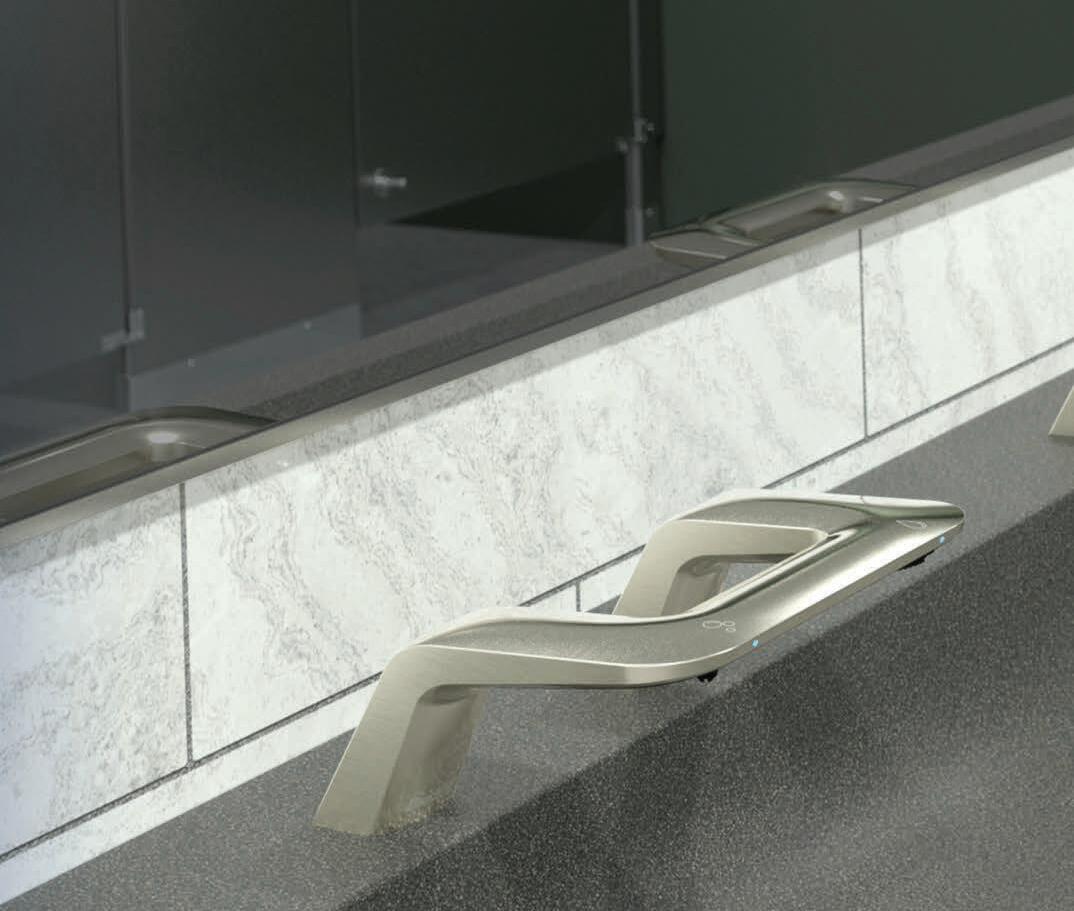
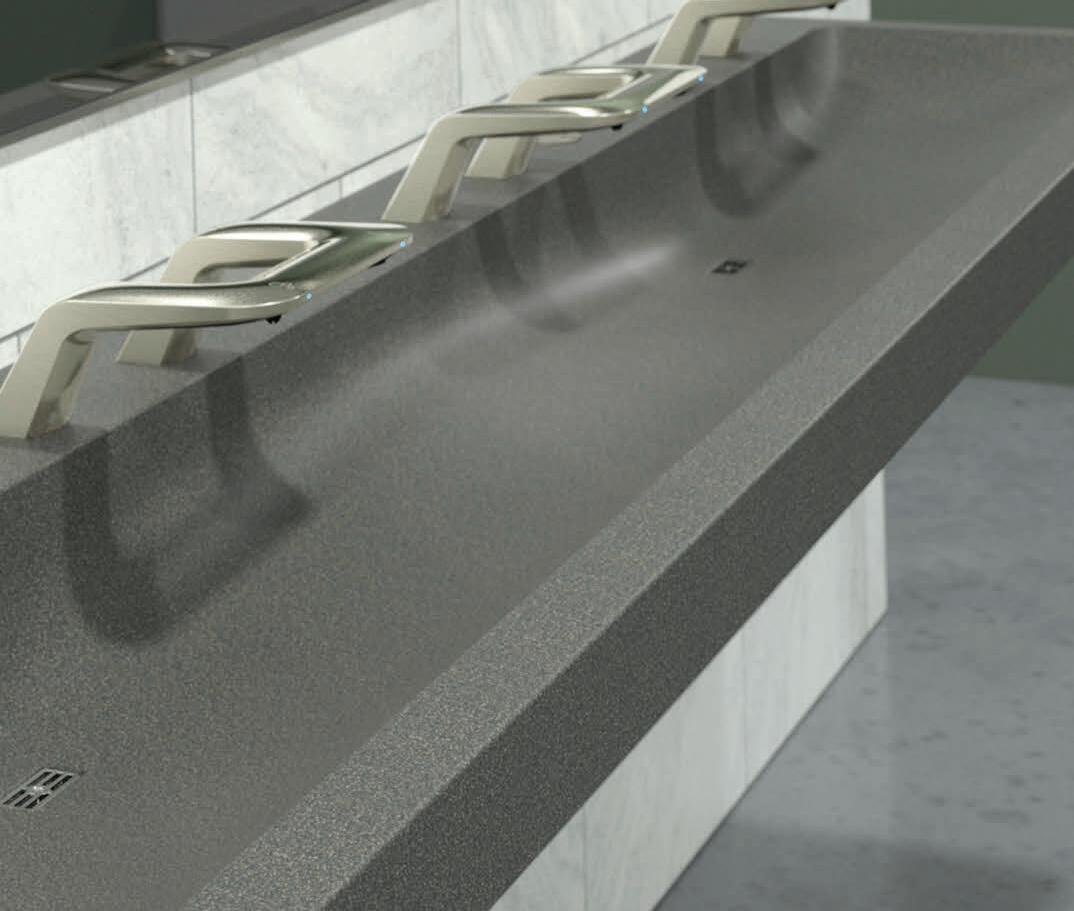


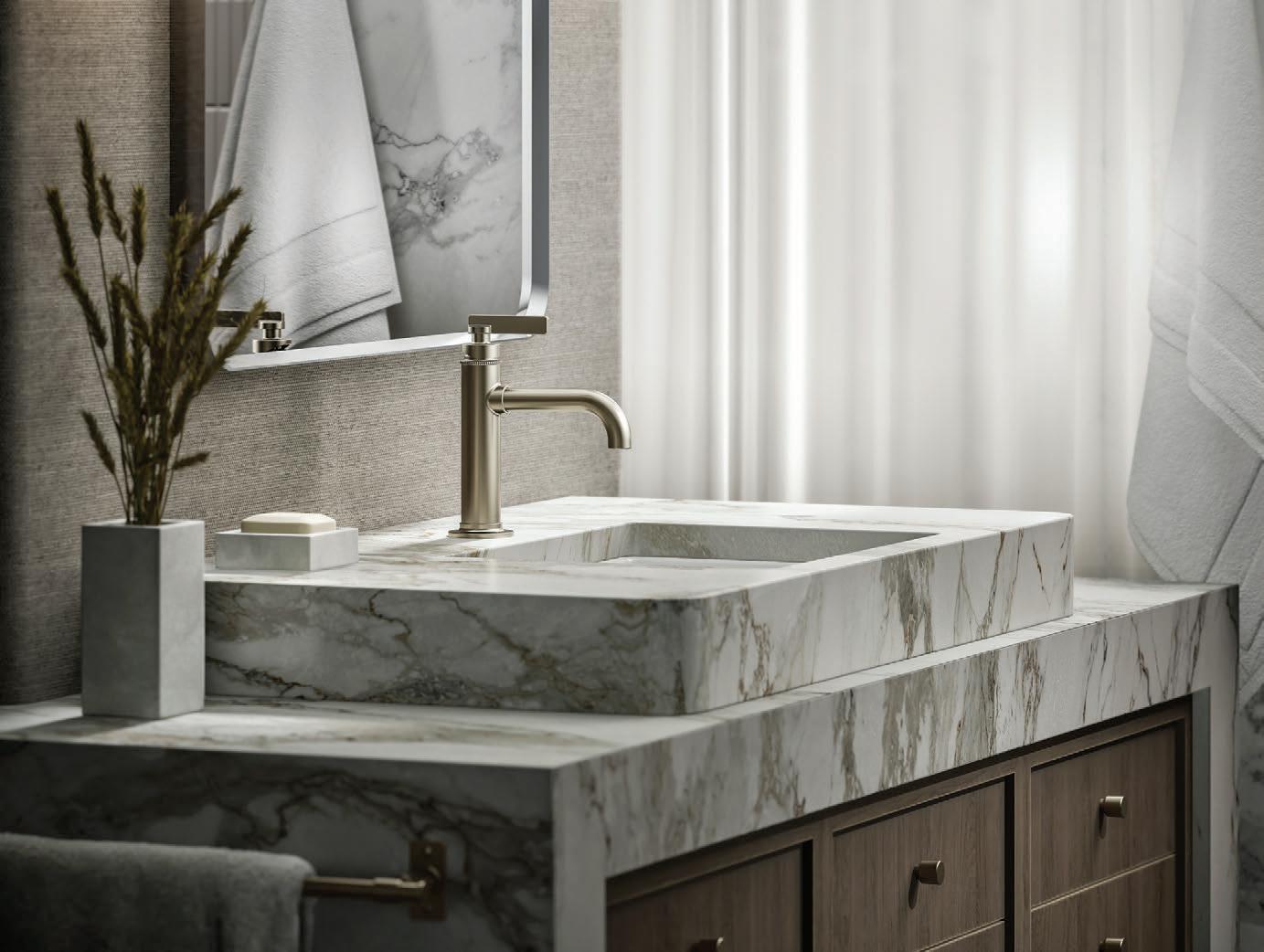
by ROBIN BRUNET
Given their one-two punch of providing essential functionality with the ability to enhance the appeal of any residence, it’s not unusual for plumbing brands both mainstream and niche to offer new fixture designs yearly – and 2025 is no exception.
One of the most striking – and rare – partnerships to emerge in this sector is between Kohler Canada and Studio McGee (interior designer and influencer Shea McGee). Together, they created a series of kitchen and bath collections that fulfills a host of design and function needs. Six product lines in all make up this series and include the Edalyn kitchen faucet collection; the Castia bathroom faucet and accessory collection; and the Malin and Seagrove vanity collections.
McGee brought to this partnership specific design preferences, such as harmonizing muted and brass tones to impart a warm and welcoming style to kitchens; combining various textures, soft shapes, and neutral tones to create a serene yet stylish ambiance to bathrooms; and balancing bold tones with pops of polished nickel in order to make a big impact in small spaces.
To make this collaboration truly one of a kind, McGee reportedly pulled nuanced details like font choices, faucet lever engravings, and ribbed textures from Kohler’s 150-year-old archives, and bridged them with her modern sensibilities. Initially available at Kohler Signature Stores, the Kohler x Studio McGee Collection has since expanded to all distributor showrooms across Canada.
BainUltra’s mission as a designer and manufacturer of 100 percent acrylic bathtubs for the luxury market segment is to transform the bathroom from the ordinary to the inspired. BainUltra has a variety of ergonomic designs to suit every taste, and its basic tub contains functionalities such as arm rests, leg rests, grab

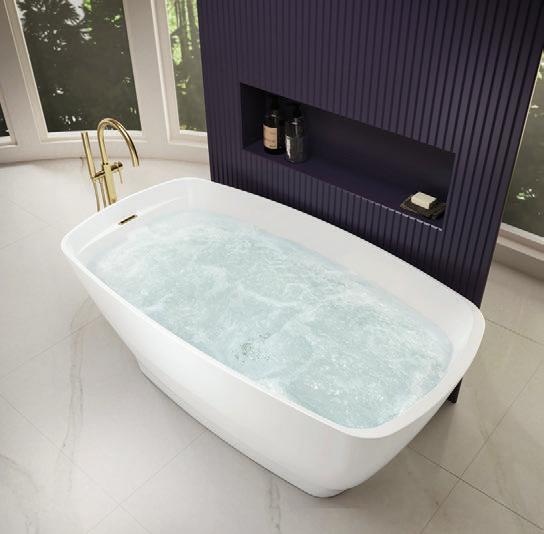
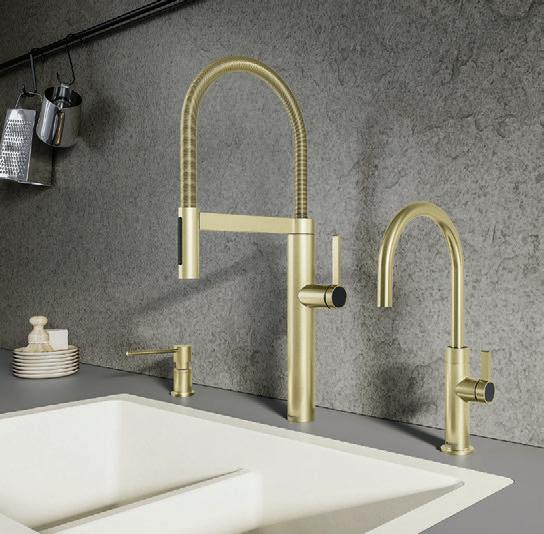
bars, head rests, and elevated seats. BainUltra is also the only company that offers two therapeutic bathtub categories – TMU and TMSU – in order to reach different types of clients and markets.
BainUltra is credited with developing the Hydro-thermo Massage system, which combines thermotherapy, massage therapy, and hydrotherapy. The company also excels at integrating advanced technology into every tub without compromising aesthetics. For example, the freestanding Libra tubs include the MiaPlus ThermoMasseur and allow users to connect the BU-Touch virtual control smartphone app. This app lets users adjust the air jet bath settings remotely, even while in the bath, from anywhere in the house.
At the end of the day, BainUltra tubs are visual standouts. The Libra Stella features a sculptural design, while the Libra Aurora’s perfectly symmetrical design includes a strong upper lip that creates a halo-like effect. The Opus is a solid surface tub made from Finestone. Meanwhile, the Libra Oval’s raised symmetrical sides define the collection and are the visual embodiment of grace.
With brands including Delta, Hansgrohe, Peerless, and Waltec, Masco Canada ensures that its customers are always provided with something new in the plumbing realm, and sometimes unique products.
Case in point: the new Delta Steam Systems, which comes with everything required to create the ideal at-home steam experience. Why steam? It has been calculated that the average 20-minute steam shower uses less than one gallon of water, making this form of sanitation ideal for those who are concerned with water waste. The basic SimpleSteam Kit includes the SimpleSteam Generator, SimpleSteam Square Control and Square Steam Head, with a compact generator design enabling its installation in a vanity, closet, insulated attic, or basement.
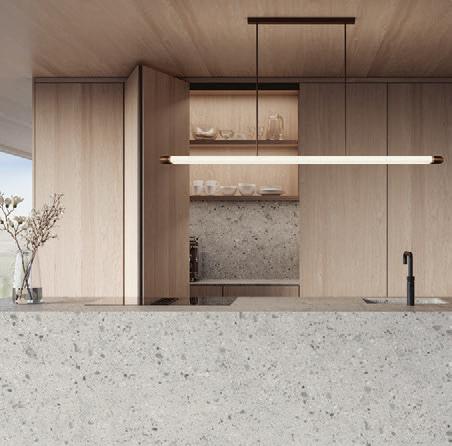


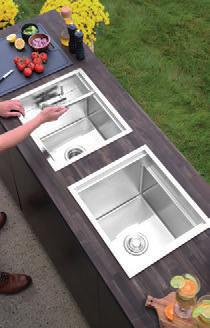
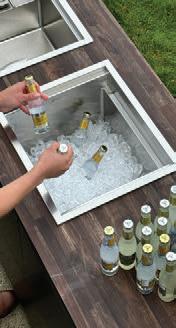



A more elaborate option is the Delta SteamScape Deluxe System, offering a fully customizable steam experience. The package includes a digital interface, a contemporary square steam head, and built-in Wi-Fi with full connectivity to the DFC@Home app and other Bluetooth-enabled devices. The system supports up to 12 user presets for duration, temperature, and optional audio. Additionally, patented dual sensor technology ensures precise temperature regulation for a smooth steam shower experience. The system’s Lumicoat finishes are guaranteed to resist water spots and mineral build-up, and they wipe clean easily without chemicals or cleaners.
Established in 1925, Blanco is a global premium brand for the kitchen water place. The Blanco Unit has become synonymous with functional system solutions in complementary designs, consisting of sinks, high-end faucets, meal prep accessories, and below the sink water filtration, waste, and base cabinet organization.
Edyta Drutis, VP of Brand Marketing for Blanco North America, reports that, “Earlier in 2024, Blanco debuted the newly revamped Blancoculina II and Alta II faucet families, and at the Kitchen & Bath Industry Show in February 2025, we introduced Inteos, a revolutionary workstation sink that will transform the kitchen workflow experience.”
The Inteos Workstation Sink redefines how the residential kitchen functions thanks to a suite of double-duty accessories, such as oven-safe trays that move straight from prep to serve, as well as colanders, cutting boards, dish racks, and grids. Featuring an innovative Stack & Store system, accessories can be neatly stacked in the sink or stored below in the under-sink Organizer Bag, keeping the water hub clutter-free. Ideal for both casual cooks and culinary enthusiasts, the workstation comes in a variety of sizes and sink materials. Available in stainless steel and Silgranit, the Inteos Workstation Sink comes in 30-, 33-, 39-, and 45-inch widths. Inteos can be paired with a Blanco faucet, water filtration, and waste solution to create the Inteos Blanco Unit – a complete water place system. With approximately 60 percent of kitchen time spent at the sink, this refined product offering is the ultimate kitchen companion.
The reimagined Blancoculina II (originally introduced in 2011 as one of the first semi-pro faucet archetypes to bring industrial style from professional kitchens to residential homes) is a contemporary collection that includes the Semi-Pro, Mini Semi-Pro Faucet for compact kitchens and bars, a Beverage Faucet, and a Pot Filler. Each features a sleek, modern design, with a black dot inlay detail on the handles for added visual cohesion. The Semi-Pro Faucets offer triple-coil hose protection, magnetic handspray docking, ergonomic handles, and dual-spray buttons to switch between spray and stream. The entire Blancoculina II suite is crafted from solid brass, enhanced with elevated design details, and available in six timeless finishes.
As for the Alta II, its minimalist design features an ergonomic top handle with a refined spray activation, an elongated toggle button for easy handling, and a streamlined circular spray head that completes the slim aesthetics of the redesign. This collection is perfect for smaller kitchens with sink stations under overhead cabinets and includes co-ordinating bar and beverage faucets.
As the manufacturing of kitchen and bathroom plumbing fixtures increasingly shifts offshore, some developers are choosing to work with Canadian companies that prioritize quality and innovation – one such firm is Stylish International Inc., based in Cambridge, Ontario.
Founded in 2012 by a team of industrial and mechanical engineers with roots in the automotive industry, Stylish brings technical precision to the luxury kitchen and bathroom sink market. Their focus is on creating designs that marry functionality with longevity, ensuring each product meets the demands of everyday life while maintaining an elevated aesthetic.
A standout innovation from Stylish is their workstation kitchen sinks. These versatile designs feature integrated accessories such as cutting boards, colanders, and drying racks – streamlining meal preparation and clean-up. Among their offerings are the Versa series chef workstation sinks, available in 45-, 42-, and 36-inch sizes, and the Pietra series, which features composite granite options.
Looking to the future, Stylish plans to expand its product line with a range of outdoor utility sinks. The forthcoming Elevare series, for instance, features a concealed workstation sink with a foldable faucet – perfect for compact spaces. This new design incorporates their Dura-Tek textured steel finish, engineered to resist rust, stains, and scratches. Outdoor entertaining will also get an upgrade with the launch of an ice chest sink, complete with 24-hour insulation – a practical and stylish solution for hosting under the open sky.
Finally, the commercial realm of plumbing fixtures is well represented by Bradley Company, a leading manufacturer of such products and washroom accessories. For years, Bradley’s research has shown that consumers associate clean, well-designed restrooms with a well-run business or establishment. Therefore, Bradley has been focused on innovating restroom fixtures that look clean and sleek and are easy to clean and maintain.
For example, Bradley’s new Express TLX Series 4-person lavatory system features an extended multi-user design, offering an efficient, seamless, and complete handwashing package, making it perfect for high-traffic commercial washrooms. These sinks are easy to specify and ADA compliant, while comfortably providing personal handwashing space for up to four users.
Express lavs are cast-formed in durable, hygienic, and sustainable Terreon solid surface material, which offers a variety of benefits. Nonporous, smooth, and seamless, Terreon helps prevent bacteria and mould accumulation. With no tight corners or crevices, it is easier to clean, disinfect, repair, and reuse, offering a longer lifecycle than china or laminated products. Terreon is available in a range of popular colours and is Greenguard Gold certified.
To complete the handwashing package, the Express TLX 4-Person Lavatory is available with a selection of touch-free handwashing fixtures, including Bradley’s matching Verge soap and faucet sets, as well as WashBar Duo, which provides touchless soap and faucet in one streamlined fixture.
In addition, smart washroom technology is helping facilities keep restrooms cleaner and better stocked. For example, soap refills for multi-user sinks can be messy and time-consuming. Bradley’s top-fill multi-feed soap system, used with the WashBar and Verge Soap and Faucet sets, is a maintenance gamechanger. The system features a 1.3-gallon tank that supplies soap to up to three handwashing units at once, saving time and money. Ergonomically designed for easy refills, it reduces soap spills and overfills. It also includes a smart sense system with LED indicators to show low soap levels and battery status, making maintenance more efficient. A
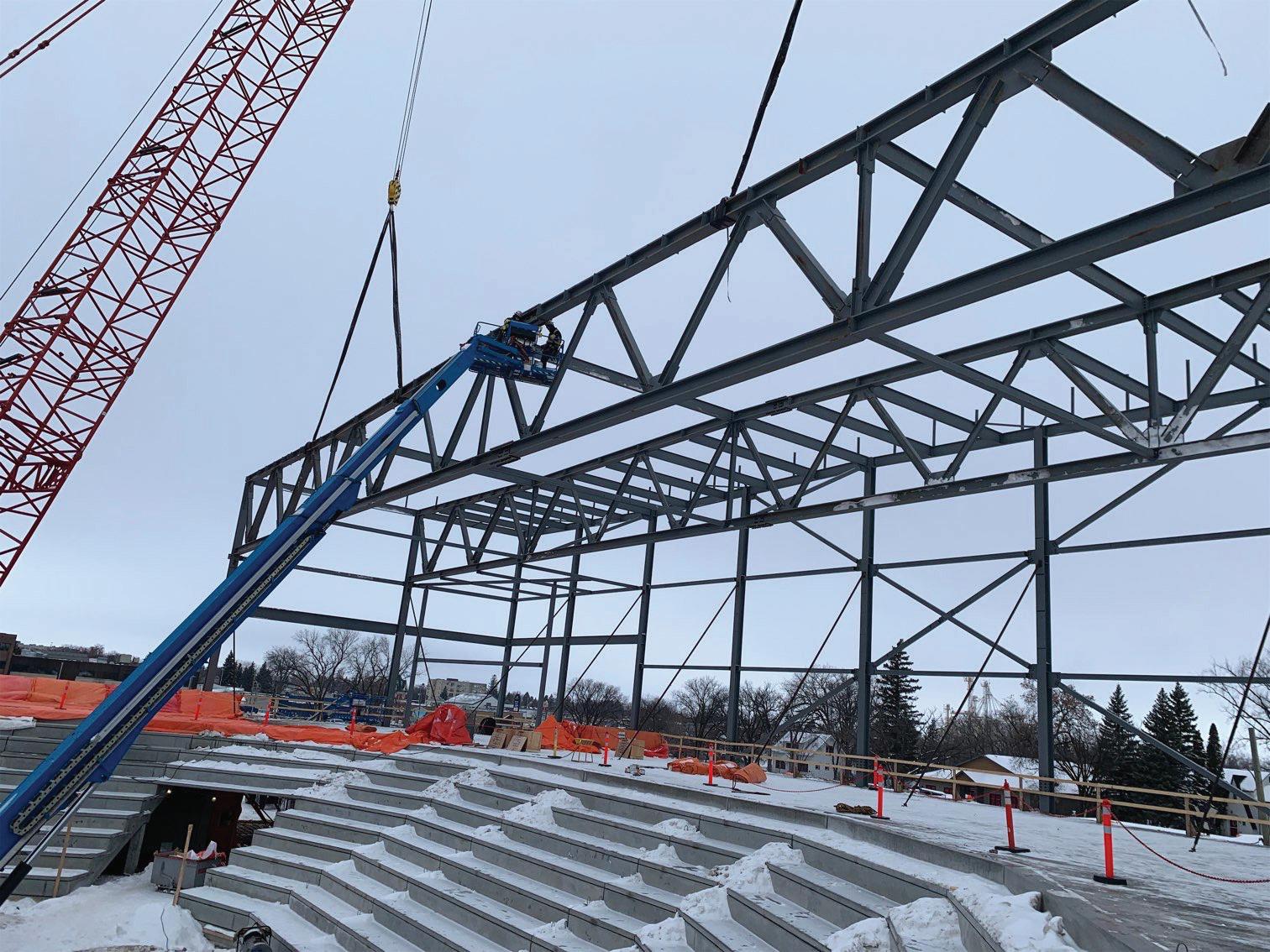

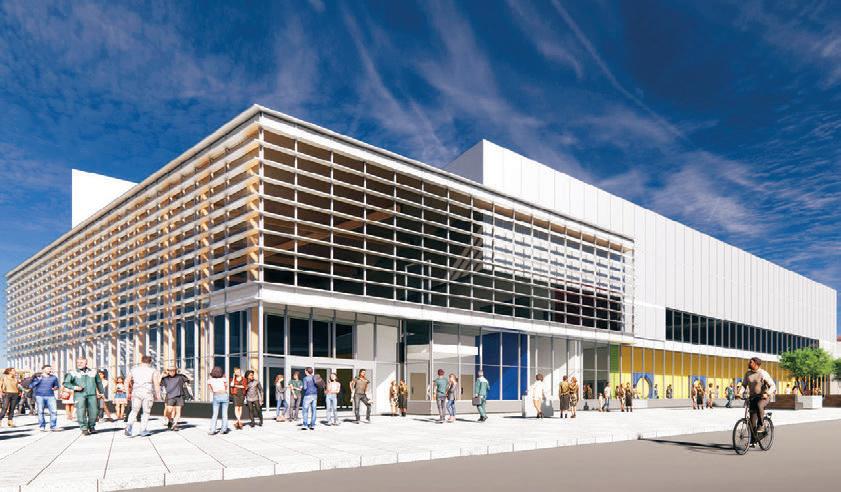


by NATALIE BRUCKNER
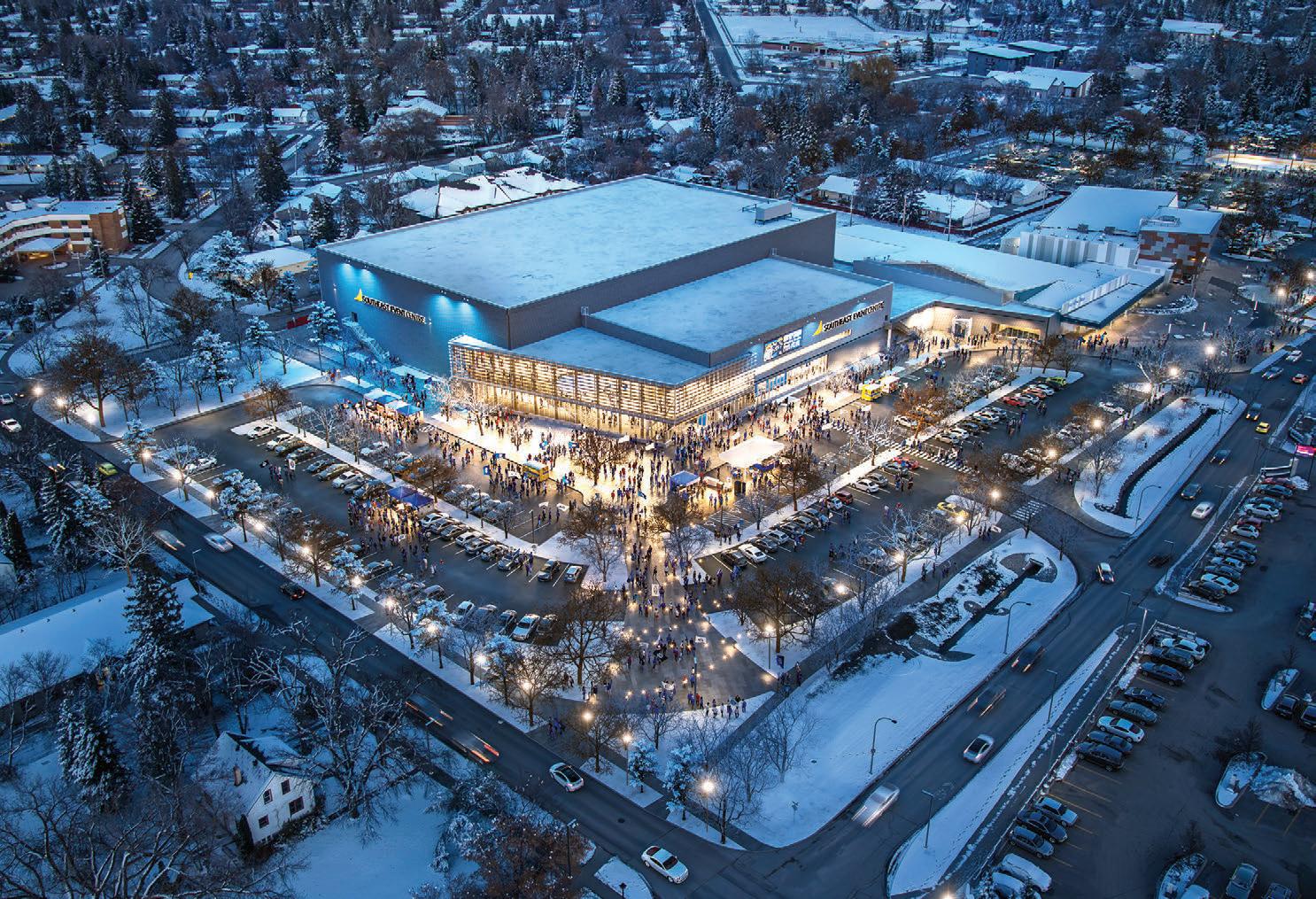
The Southeast Event Centre
isn’t just a venue – it’s a bold statement. A $74-million, 112,000-square-foot powerhouse of sport, entertainment, and culture, it elevates the City of Steinbach onto the provincial stage, redefining what’s possible for Manitoba’s fastest-growing community.
Set to become the heart of recreation, entertainment, and dining in southeastern Manitoba, this longawaited, two-storey, state-of-the-art hybrid arena offers versatility and serves as a vibrant gathering place for Steinbach and beyond. With two indoor ice surfaces, a 4,000-seat concert venue, multi-use spaces for trade shows, court sports, and banquets, an indoor play structure, and Forum & Bistro – an elevated dining experience led by chef J.P. Charpentier – this venue is built to accommodate a wide range of activities.
The vision behind the Southeast Event Centre stems from necessity, as Jeffrey Bannon, general manager, explains: “The City of Steinbach has been working on this for more than 20 years. As the city grew, we realized we didn’t have the amenities to keep up with the needs of the growing population.”
With the City’s approval of funding in 2022, the project finally gained momentum, bringing this long-planned vision to life.
Built on the site of the former Centennial Rink, a 56-year-old ice
complex, the Centre aligns with the City’s Official Community Plan reinforcing downtown Steinbach as a vibrant, dynamic public space. Demolition began in May 2023, uncovering a few unexpected challenges. “Before the holidays, we discovered the foundation of a house from the 1800s,” says Bannon. “It was clearly built over without any records.”
Greg Richards, operations manager at Graham, recalls the discovery of several old structures including one nearly intact house, as well as deeper frost levels that necessitated additional excavation. “We initially considered a slab-on-grade foundation to save costs, but the risk was too high. The full structural slab was the right decision for the site conditions.”
For the design of the Centre, Verne Reimer Architecture, the City, and Southeast Events Group aimed to capture Steinbach’s hardworking character. “We wanted the building to honour the city’s entrepreneurial, Mennonite heritage while still creating an exciting experience,” says Bannon.
Jeff Penner, principal – sport and community architect at VRA, adds, “We put together a unique team. Populous, the top sports architecture firm, helped elevate the fan experience while ensuring a strong community focus.”
The result is a design that harmonizes with the surrounding residential area, balancing functionality with a welcoming presence. By incorporating thoughtful materials, soundproofing,
LOCATION
321 Elmdale Street, Steinbach, Manitoba
OWNER/DEVELOPER
Southeast Events Group (SEG) / City of Steinbach
ARCHITECT
Verne Reimer Architecture Incorporated
SPECTATOR BOWL/BRANDING/ WAYFINDING CONSULTANT
Populous
GENERAL CONTRACTOR
Graham Construction
STRUCTURAL CONSULTANT
Lavergne Draward & Associates
MECHANICAL/ELECTRICAL CONSULTANT
SMS Engineering
CIVIL CONSULTANT
KGS Group
COMMISSIONING AUTHORITY
Crosier Kilgour
LANDSCAPE ARCHITECT
HFTC Planning & Design
INTERIOR DESIGN
RIDI
TOTAL SIZE
112,000 square feet
TOTAL COST
$69 million
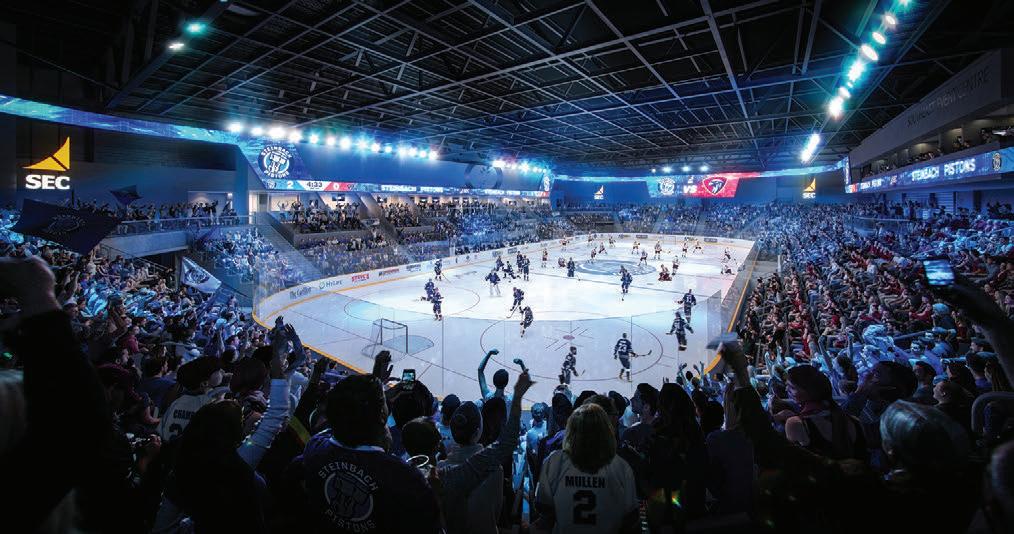
and a community-focused layout, the Centre avoids an overbearing ‘Event Centre’ feel. “It feels like it belongs here – functional but not out of place,” says Penner.
To honour Steinbach’s wood craftsmanship heritage, lightweight metals and curtain wall systems were used for the exterior, along with delaminated mass timber elements.
Soundproofing was a priority, especially for the venue’s concert hall. Richards explains that for the exterior a sheathing with a blue skin barrier, 12 inches of mineral wool insulation, and decorative metal siding was chosen.
Inside, every detail has been thoughtfully considered. The expansive atrium, with stunning windows running its entire length, allows natural light to flood the interior. Bannon
describes it as one of his favourite features: “It’s going to take people’s breath away when they walk in. The atrium could host Christmas markets, sports registrations, or concerts.”
From here, a grand staircase leads to the event level, where visitors will find the walking track, meeting rooms, and sports court, along with sweeping views of the lower floors. “We designed it so that wherever you are, you can see down to the lower levels. It’s a great way for people to mingle without being stuck in their seats,” says Bannon.
Penner expands on this: “We wanted the spectator experience to be immersive. Instead of entering at the spectator level, visitors ascend a staircase or take an elevator, opening up to this expansive arena view – it builds
excitement. The VIP experience is embedded into the bowl rather than being isolated above the concourse, making it more integrated and engaging. This approach takes inspiration from other venues including Acrisure Arena in Palm Springs.”
The Centre also includes a lounge, a workout space, and an indoor play structure. “There’s even a commercial
kitchen that is top of the line – better than some restaurant kitchens we’ve worked on,” says Richards, reflecting on the venue’s high-quality facilities. Penner emphasizes the flexibility of the space: “We celebrated structure and systems by exposing them. The space is raw, and every detail matters.”
Cutting-edge mechanical and electrical systems were designed for
efficiency and user experience. The LED lighting is a standout feature and the AV system includes two jumbotron screens for events like hockey games that can also generate advertising revenue. The rink’s temperature is carefully controlled at 60°F, a rarity in hockey arenas, thanks to advanced mechanical systems that balance comfort with ice quality.
According to Gavin Stewart, partner at SMS Engineering, theoretical energy models predict that the centre will operate 12.9 percent better than the National Energy Code for Buildings Reference (NECB 2013). “This ensures a comfortable environment for spectators while maintaining the ice quality, reflecting a commitment to excellence,” he says.
The centre’s mechanical units incorporate both heat recovery and dehumidification within a single unit. “This innovative design was challenging due to the large variability in space use and the tough climate. The units, over 60-feet long and weighing more than 45,000 lbs, also posed installation challenges, showcasing our ingenuity in overcoming obstacles,” Stewart explains. Localized comfort control
is achieved through zone control for smaller areas and in-floor heating, utilizing heat reclaimed from the ice plant system for the change rooms.
For the electrical, Stewart adds that a logistical challenge was consolidating the electrical services for all buildings on site to the new service, promoting a service upgrade and resulting in lower electrical rates. “The facility also includes an emergency generator for fire and life safety, with an emergency connection point for a larger generator if needed post-disaster,” Stewart says.
The Southeast Event Centre is already seeing high demand, demonstrating just how much the community needed such a facility.
“The process of working with a committed community has been rewarding,” says Penner. “I can’t wait for opening day – to stand in the queue and feel the energy of fans walking in. That’s why we design these spaces, to bring people together.”
Richards adds: “With NHLcalibre amenities and a thoughtful design, this venue will not only draw crowds from afar but also inspire future hockey players. The team behind it has been fantastic.” A














































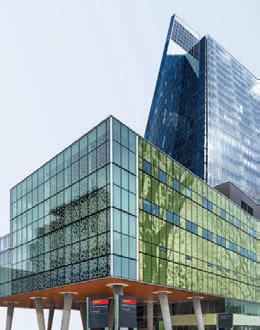



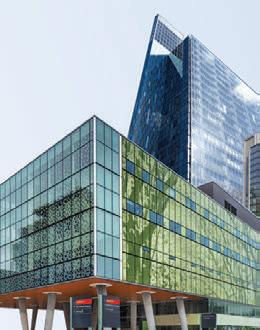
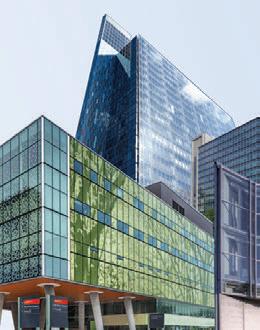
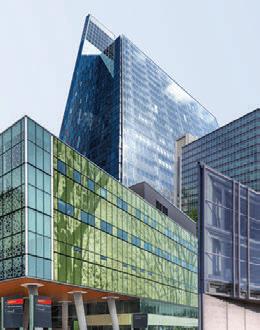
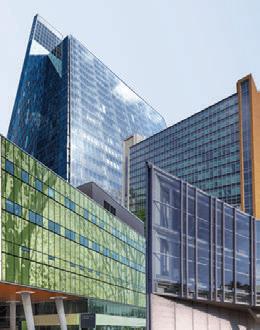
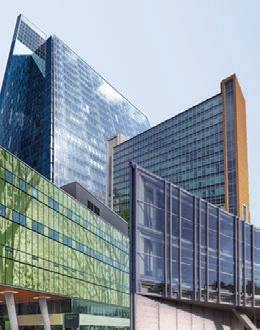














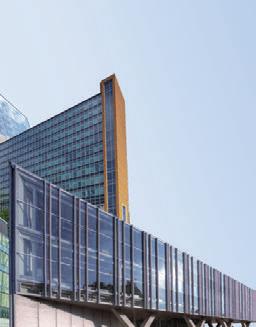




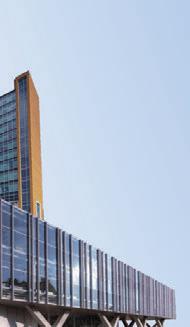

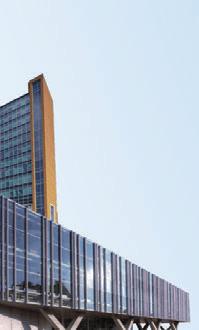
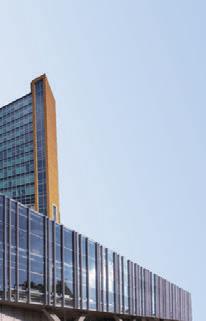


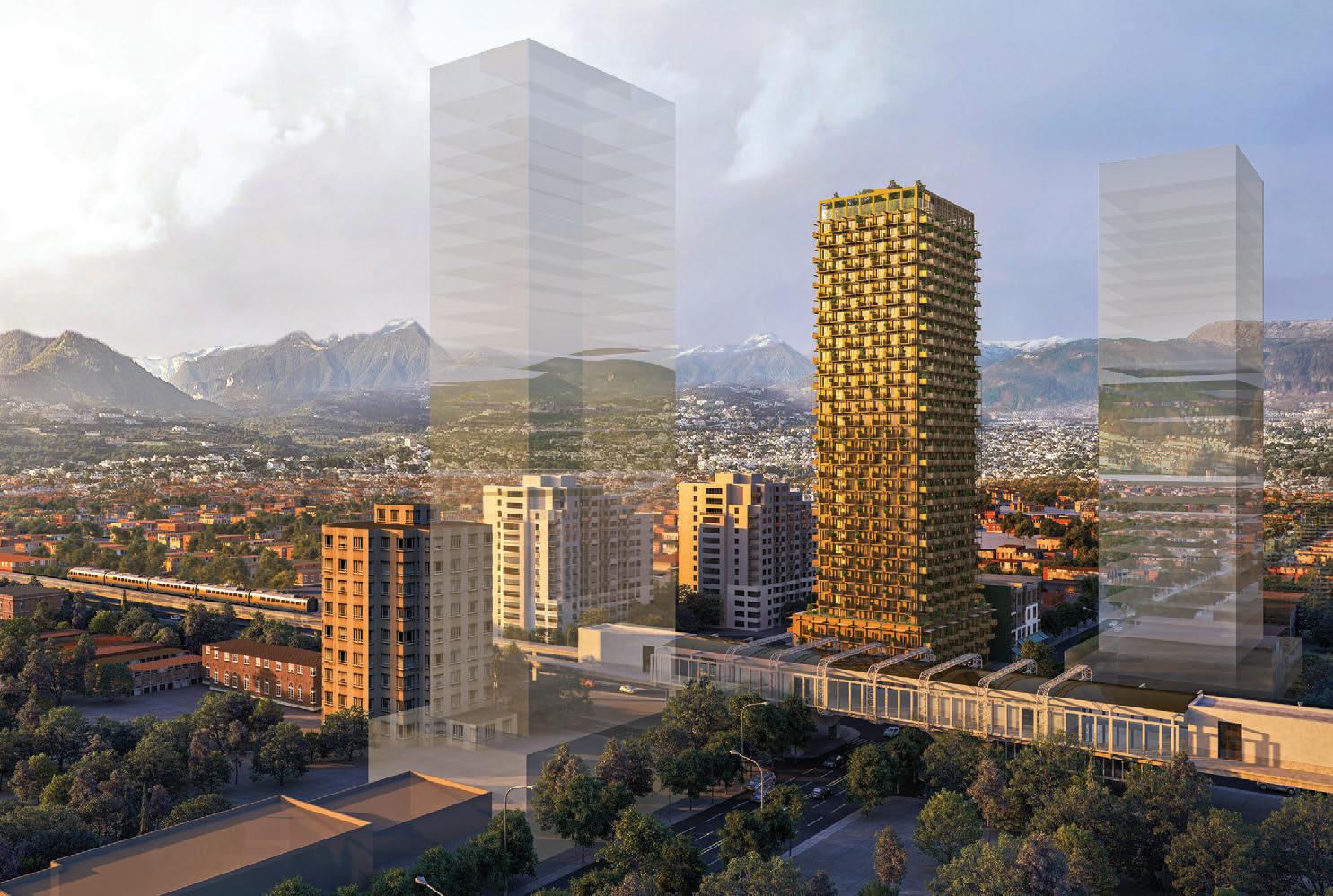
by ROBIN BRUNET
Rising 36 storeys above the JoyceCollingwood SkyTrain Station in Vancouver, 5055 Joyce –Westbank’s latest residential tower – is remarkably tactile yet visually compelling. A distinct copper façade is studded on every level with modular balconies and select terraces, cantilevering gently outward above a podium of retail and a grand lobby.
Westbank says of the tower’s appearance, “The design of Joyce II [5055 Joyce] is influenced by the heritage of northwest modernist lightweight structural systems, balconies of steel outriggers, nautical concepts, and contemporary prefabrication.
“The resulting tower’s elegant vertical form dynamically shifts at the podium, midpoint, and top, creating dramatic tension points, addressing the contextual environment of Joyce Street, the North shore mountains, and downtown Vancouver.”
The project benefited significantly from Westbank having a long-time existing work relationship with architects Perkins&Will, and the latter’s senior associate, Cillian Collins, notes that Westbank “has a design sensibility, which means there is a lot of attention to detail and materiality, from layout to the finish of the suites and shared amenities.”
Westbank’s intent was to build on the site’s proximity to the SkyTrain station and a BC Parkway bike lane, making 5055 Joyce a true transit-oriented development. Hence, it was determined that the tower would contain 360 rental homes, with an amenity program at the top of the tower featuring an indoor lounge and roof deck boasting panoramic views.
Activating the public realm at ground level was an important aspect of the project, and according to Collins, this was achieved “by the creation of a new small urban plaza at the main entrance to showcase the use of active transportation, with shared bike facilities available and visible in the residential lobby.”
By far, the main design feature of what Collins refers to as an otherwise “simple and elegant building” was an innovative approach to the creation of the balconies of each residential unit: an especially important consideration given that 5055 Joyce has ambitious sustainability performance requirements through the City of Vancouver’s Green Building Policy for Rezonings.
Collins explains what Perkins&Will were motivated to avoid: “Typically, balconies in high-rise construction are cantilevered extensions of the usual concrete floor plate. This results in a significant source of thermal bridging, resulting in heat loss and risk of condensation. It impacts not only occupant comfort but also the resiliency and durability of the building and its carbon emissions.”
Instead, Perkins&Will proposed something special. “This project features discrete steel connections through the high-performance curtain wall to pick up prefabricated balconies, reducing the thermal bridging impact and allowing the curtain wall to be installed,” Collins says.
A seamless façade around the modular balcony approach was designed, utilizing customizable SBCW-720 unitized curtain wall with special colour anodized metal panels. Triple glazing with thermally
LOCATION
5055 Joyce Street, Vancouver, B.C.
OWNER/DEVELOPER
Westbank Projects Corp.
ARCHITECT
Perkins&Will
GENERAL CONTRACTOR
Kanin Construction Management Inc.
STRUCTURAL CONSULTANT
Fast + Epp
MECHANICAL CONSULTANT
Introba
ELECTRICAL CONSULTANT
Nemetz (S/A) & Associates
BUILDING ENVELOPE CONSULTANT
RDH Building Science
CIVIL CONSULTANT
Binnie
GEOTECHNICAL CONSULTANT
GeoPacific Consultants Ltd.
LANDSCAPE ARCHITECT
HAPA Collaborative
TOTAL SIZE
275,000 square feet
TOTAL COST
Undisclosed
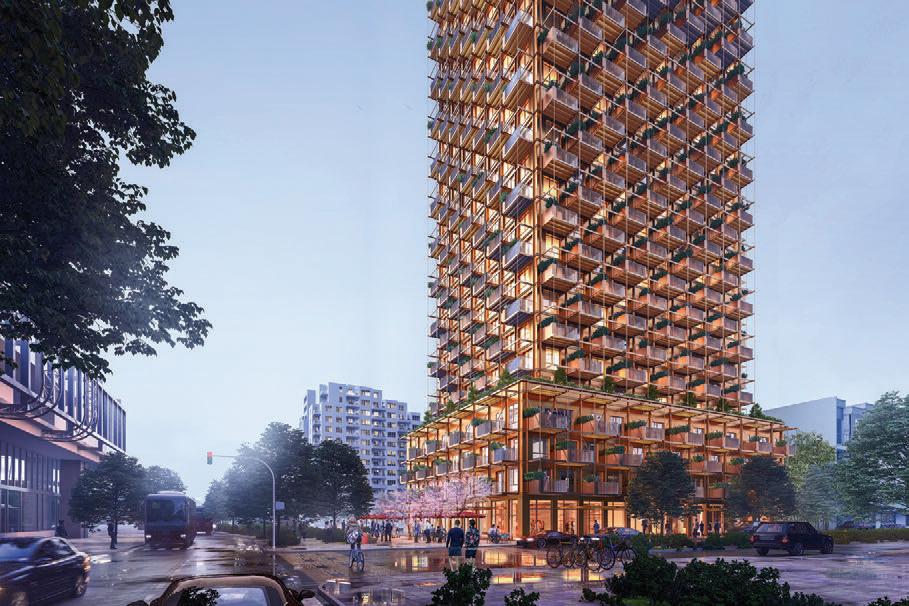
broken metal panels complemented Perkins&Will’s design and achieved a superior thermal performance.
Collins says, “We benefited from Westbank being very hands-on in the design process, and they love nothing better than drilling down to decide the most appropriate materials and finishes.” This resulted in an abundance of wood panelling, slate and stone floors for the interior of the building, as well as oversized solid doors beneath a canopy for the entrance.
As for the main challenge of the project, Collins points out that “The integration and delivery of the facade detail challenged the status quo, particularly at a time when labour and material costs were rising rapidly. So it was a collective effort between the design consultants – us as the architects, building envelope engineer RDH Building Science, structural engineer Fast + Epp, and mechanical engineer
Introba – to work with the owner and construction team to ensure that the design intent was met.”
Kanin Construction Management Inc. broke ground on the site in 2023 by excavating what would become four levels of underground parking. As of February, 5055 Joyce was almost complete, with a launch expected this summer.
“With every new project we try to look at how we can contribute something unique, necessary, and beautiful to the community. 5055 Joyce will bring new housing, with family-oriented homes, below-market homes, as well as amenities to the vibrant and fast-growing Joyce-Collingwood Neighbourhood,” says Ariele Peterson, communications at Westbank. “Alongside our 5050 Joyce Street project, we hope we have helped create a new hub for Vancouver’s east side that will continue to support our city’s long-term growth.” A













































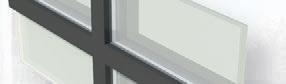









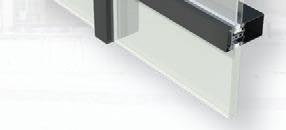































































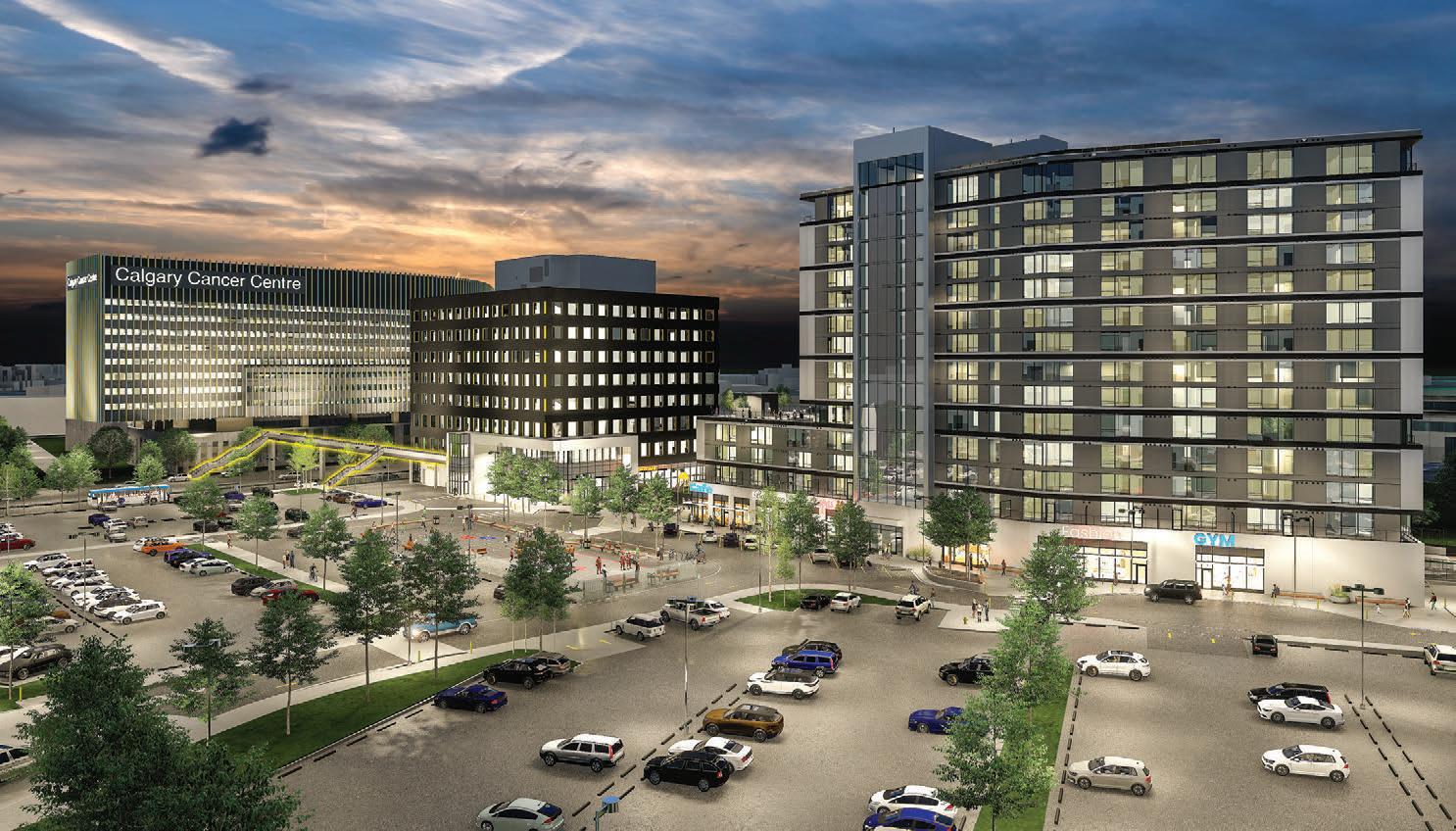
by ROBIN BRUNET
LOCATION
Uxbridge Drive, Calgary, Alberta
OWNER/DEVELOPER
Western Securities Limited
ARCHITECT
GGA Architecture
GENERAL CONTRACTOR
PCL Construction
STRUCTURAL CONSULTANT
Entuitive
MECHANICAL CONSULTANT
Smith + Andersen Consulting Engineering
ELECTRICAL CONSULTANT
Designcore Engineering
INTERIOR DESIGN CONSULTANT
METAFOR
LANDSCAPE ARCHITECT
O2 Planning + Design
ENVIRONMENTAL CONSULTANT
WSP Canada
TOTAL SIZE
830,000 square feet (all five buildings)
TOTAL COST $200 million
Western Securities Limited is nothing if not tenacious. The first two buildings of a larger mixed-use development, UXBorough in Northwest Calgary, are the result of a goal to create a valuable, long-term legacy for the neighbourhood. They’re also a major achievement for a developer that has owned the site since 1960 and began redevelopment plans in 2006.
Mike Brescia, chief operating officer and partner at Western Securities, explains the history that led to UXBorough, which currently consists of a 146,000-square-foot medical building near the Calgary Cancer Centre, and a 14-storey residential tower with 15,000 square feet of ground-level retail space.
“In 1961 we built the Stadium Shopping Centre on the site, but over time the neighbourhood evolved into a highly institutionalized area, so in 2006 we proposed to redevelop the site with two new office buildings – which was rejected during the land use hearing due to traffic and density concerns,” Brescia says.
“But in 2016 our bid to redevelop as UXBorough was approved, and the density expanded from the 60,000-square-foot mall to, ultimately, 830,000 square feet for all five UXBorough buildings.”
Western Securities retained U.S.-based RTKL to develop the architectural framework for the massive project. “With our guidance they developed each building according to its specific use – medical, residential, and so forth – as well as the specific size we wanted,” Brescia says. “From there, we felt it was
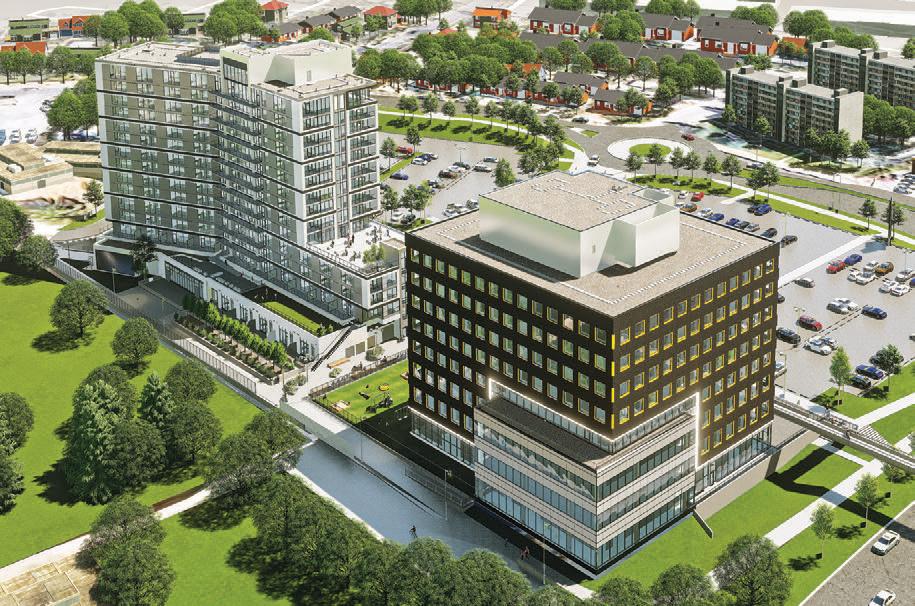
important to retain a local architect to flesh out the aesthetics, and GGAArchitecture was the ideal choice.”
Jonny Hehr, partner at GGA, says, “Western Securities had a clear vision for the site, including the desire to create something other than standard office/residential buildings; they were active in all decisions and very involved in extensive community consultation.”
GGA and Western Securities determined that simple solutions were the most effective to unify UXBorough while differentiating one building from another. “For example, to unify the development we designed each building to have a retail/commercial podium,” Hehr says. “But to distinguish one building from another, the appearance of each structure above the podium would differ using simple yet effective design techniques. For example, we embraced the pure form of the medical building and used
black brick as exterior cladding, with yellow frames wrapped around each punched window. If you look at the building head on you see slight yellow highlights, but as you move past the building at oblique angles from the adjacent road, the rhythm of the deep recessed yellow frames reveal their stacking effect of rich colour impact.
“For the residential building, we offset its stacking elements with a silver, white, and black colour palette as well as distinct banding – again, a simple but striking design solution.” Hehr adds that the future grocery/residential building, a hotel, and a 10-storey office building will share similar colour palettes, “but we’ll play with textures by expressing these colours on different exterior materials.”
GGA was responsible for a unique UXBorough creation: a split-form central pavilion with stadium seating on one side and room for a public
café and washrooms on the other. O2 Planning + Design used reclaimed material from the demolished mall in the site design, such as the largespan glulam beams from the old Safeway repurposed as site furniture. Interior designer Metafor used carefully curated materials to create a timeless and contemporary ambiance for each building, along with unique tenant entries, amenities, and flexible floor plates to suit the variety of tenant types. Metafor also specified high quality finishes throughout UXBorough (one example being the office building lobby: it will feature sculptured stone, custom light features, and Carrara marble tile slabs).
PCL Construction faced several challenges when breaking ground on the medical and residential buildings. “Geotechnical testing revealed the worst site conditions I have ever experienced on any project,” Brescia says. “The soil was glacial till and full of water, which required extensive rock pile consolidation. But PCL and the sub trades did an excellent job overcoming these obstacles and moving the project forward.”
Now that the medical and residential portions of UXBorough are complete – and augmented with extensive underground parking –Western Securities is losing no time moving forward with the subsequent phases. “We aim to start the next building this year with the others closely following,” Brescia says. “We’re extremely happy that our vision for this site is finally coming to pass. It’s probably shaved a few years off the end of my life, but the effort was well worth it.” A





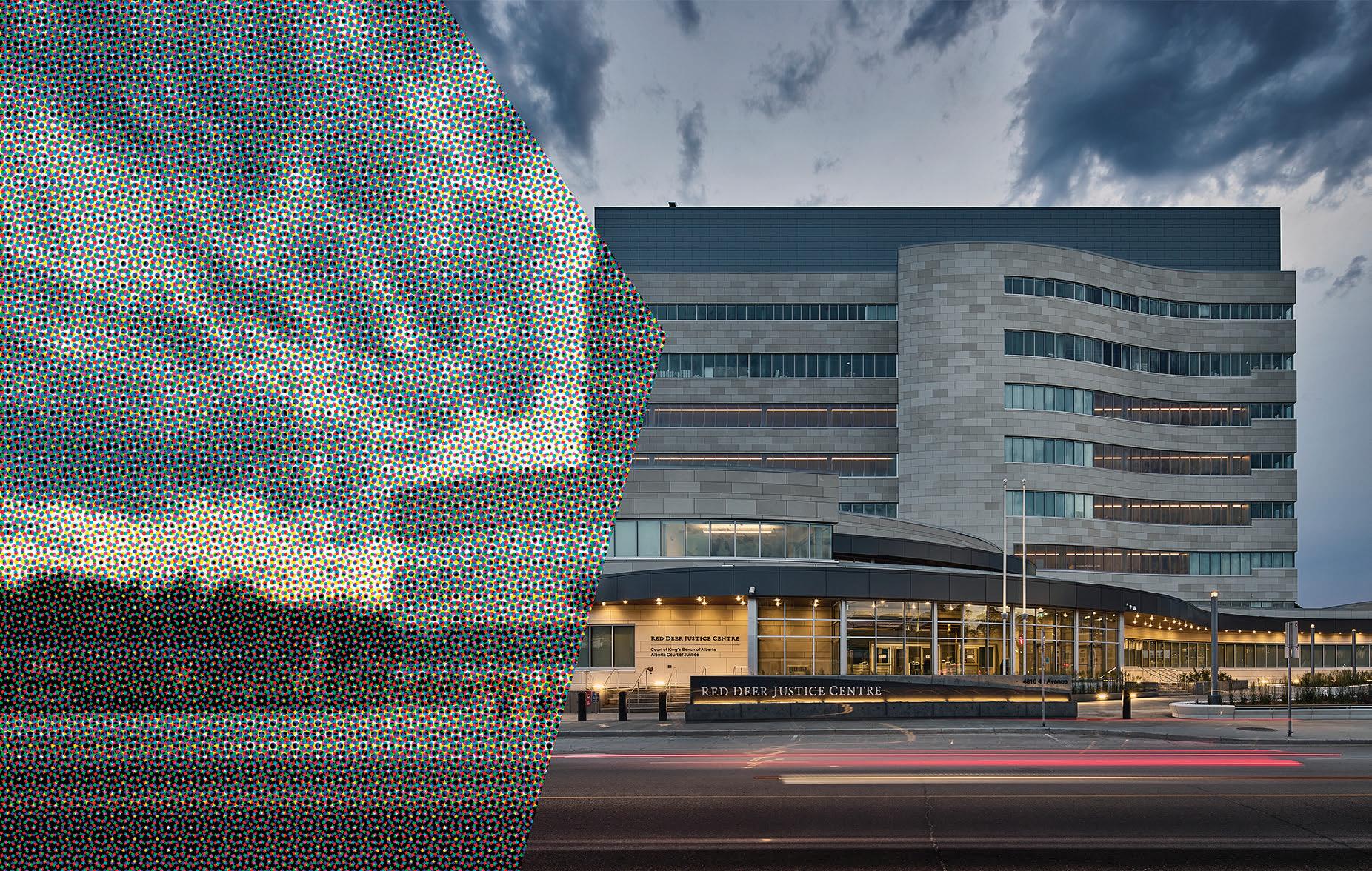
GlasCurtain is proud to have supplied Thermaframe 7 fibreglass-framed curtain walls on this forward-looking community project
www.glascurtain.ca info@glascurtain.ca
780-994-9084



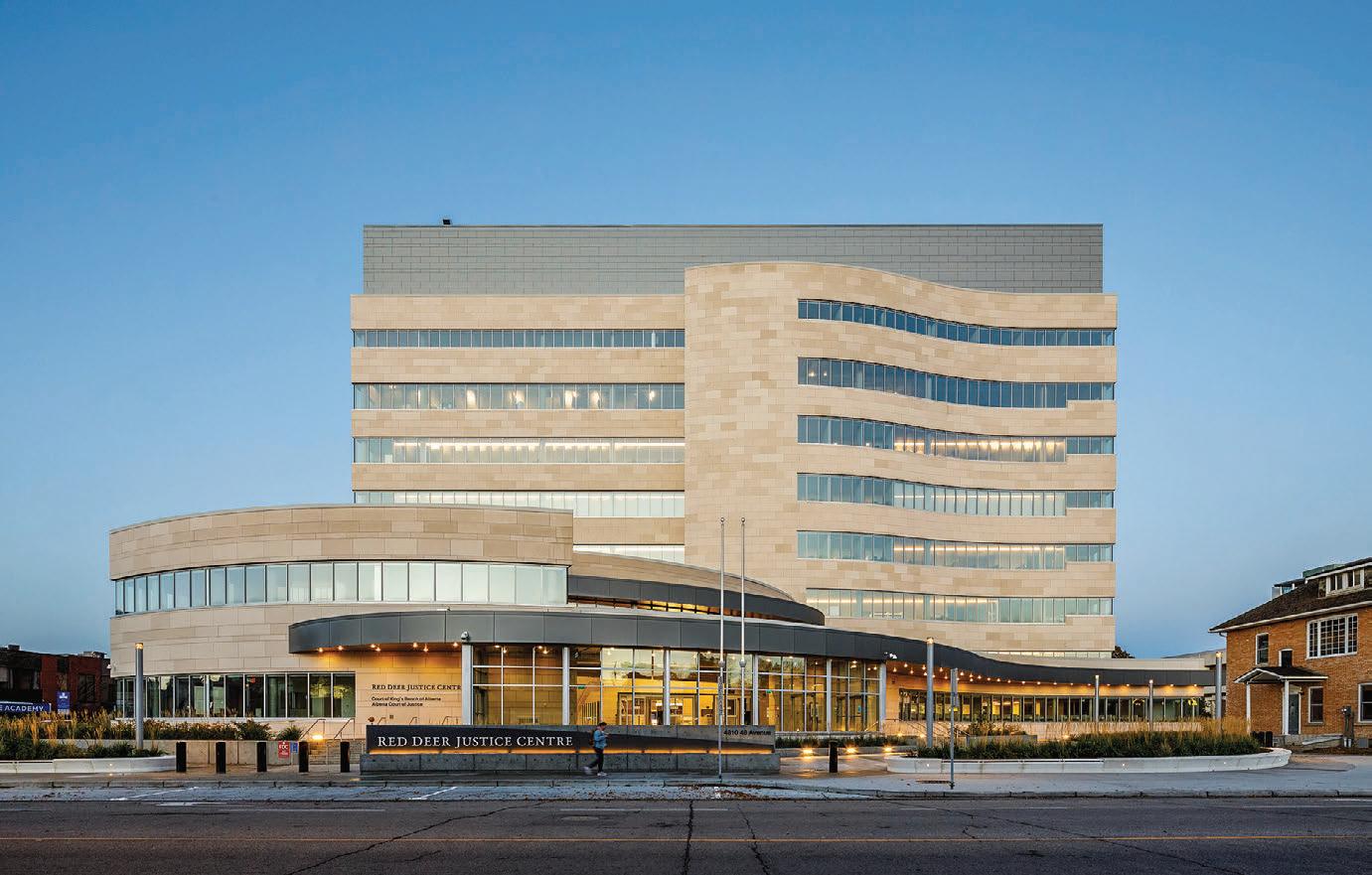
by NATALIE BRUCKNER
The Red Deer Justice Centre is set to transform the judicial landscape of central Alberta, replacing the city’s aging courthouse with a modern facility designed to meet the region’s evolving needs.
Located in the heart of downtown, the 312,000-square-foot building spans nine storeys above grade and two below, housing 12 fully built courtrooms with the flexibility to expand to 16 as demand grows. “This state-of-the-art courthouse will increase access to justice services for residents of Red Deer and central Alberta,” says Pete Guthrie, Minister of Infrastructure.
Designed by Group2 Architecture Interior Design in collaboration with justice facility specialists DLR Group, the courthouse strikes a careful balance between security, accessibility, and a sense of openness – ensuring a welcoming yet appropriately formal environment.
For Group2 principal Kari Anne Gaume, the project was uniquely significant. “The project is right next to our office building, so it was an incredible opportunity to work on a large-scale project in Red Deer, right on our doorstep.”
A key consideration in the design was integrating the new courthouse into its urban surroundings while respecting Red Deer’s historic Parsons House, a 1903 heritage structure on the site. “We had to be very conscious
of how it fits into the urban landscape and the fabric of downtown,” says Craig Webber, principal at Group2. “That consideration played a significant role in our early massing studies – determining what would make sense within the context of the city.”
Preserving the historic house introduced certain constraints, but it also presented an opportunity. To honour the site’s history while maximizing functionality, the design team angled the new building, creating a more dynamic relationship between old and new while enhancing the courthouse’s presence in the downtown core.
Clark Builders began construction in August 2020, with careful planning required to ensure the preservation of Parsons House throughout the process. “The building and Parsons House occupied the majority of the available site space, which required just-intime delivery and the creative use of space to manage numerous deliveries and laydown areas for material supply,” says Cameron Worthing, project executive at Clark Builders.
Key factors, such as laydown areas, crane placement, and drilling, were carefully managed to avoid any impact on the historic structure. “Additionally, multiple off-site storage locations were used to pre-fabricate formwork and store materials that couldn’t yet be delivered to the site due to space constraints,” adds Worthing. This thoughtful approach
LOCATION
4909 48 Avenue, Red Deer, Alberta
OWNER/DEVELOPER
Alberta Infrastructure
ARCHITECTS
Group2 Architecture Interior Design / DLR Group
GENERAL CONTRACTOR
Clark Builders
STRUCTURAL/ BUILDING ENVELOPE CONSULTANT
Entuitive
MECHANICAL CONSULTANT
HIDI Group
ELECTRICAL CONSULTANT
SMP
LANDSCAPE ARCHITECT
Scatliff + Miller + Murray
AUDIO VISUAL/SECURITY/ COMMUNICATIONS
Arcadis
TOTAL SIZE
312,000 square feet
TOTAL COST
$203 million
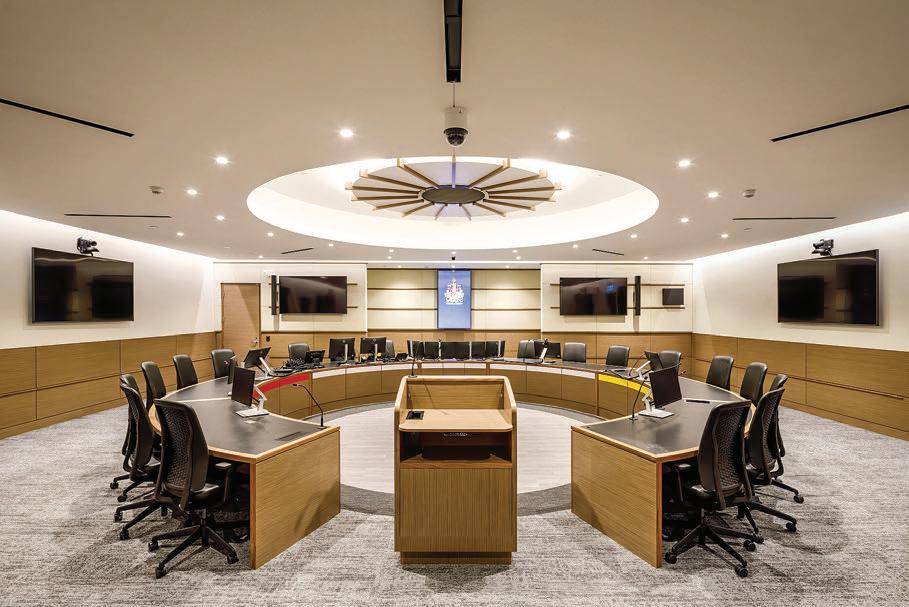
ensured that both the heritage building and the new courthouse could coexist seamlessly on the site, maintaining the integrity of the location while progressing with the project.
The design goal was to create a space that balances security with a welcoming atmosphere. “From a psychological perspective, we wanted to reduce stress for visitors and staff,” explains Gaume. The extensive use of glass on the east side of the building not only enhances openness but also offers calming views, contributing to a more peaceful environment.
“The stone cladding on the exterior façade was quarried in Europe, cut, honed, and manufactured into panels in Texas, and then transported to Red Deer for installation,” adds Worthing.
Inside, the layout was meticulously crafted to meet the building’s operational needs. The ground floor
houses key public-facing areas, such as the busy docket courtroom and the court operations area, while the upper floors are dedicated to courtrooms and judicial offices. A standardized tower design – featuring stacked jury rooms and courtroom configurations – maximizes both functionality and cost-effectiveness.
The courthouse also includes dedicated areas for alternative dispute resolution, with suites for judicial dispute resolution services, family and civil mediation, and a specialized Indigenous courtroom designed to accommodate smudging ceremonies. Wayfinding was another key focus of the design, with an emphasis on clear signage to help visitors move through the courthouse with ease. Separate circulation for judicial, individuals in-custody, and the public ensures both security and efficiency
while enhancing the overall visitor experience. “Ensuring the public can quickly and intuitively navigate the building was a top priority,” explains Gaume. “Reducing stress in a courthouse environment is crucial, and a well-thought-out layout plays a big role in achieving that,” adds Webber.
Security considerations shaped every aspect of the design. “Security impacted the entire flow of the building,” Webber explains. “For example, the movement of vehicles – everything from vans to buses transporting individuals in-custody – had to be carefully planned. Entry and exit protocols are strict, and even something as simple as a fire alarm must be controlled to prevent unintended security breaches.” For designers, the goal was to create a secure space without it feeling overtly intimidating.
As construction progressed, the design had to adapt to the rapid evolution of digital court technologies, a shift accelerated by the 2020 pandemic. “When we originally designed the building, full digital integration for court proceedings seemed like something that was still 10 to 15 years away,” Webber said. “Then COVID changed everything. While
the building was under construction, we had to incorporate digital solutions that are now fully integrated into court operations.” Gaume echoed this: “The transition was rapid, and we had to ensure the building met the new realities of judicial proceedings and services.”
Sustainability was a key consideration throughout the design, with
the building achieving Leadership in Energy and Environmental Design (LEED) Silver certification. Emphasizing energy efficiency and durability, the design ensures the facility will serve as a cost-effective public asset for years to come. Reflecting on the project, Gaume pointed to the collaborative nature of the process as a key success factor.
“I think we were able to adapt so efficiently because of the highly collaborative nature of the project. Our consultant team had already been working closely together in person, which made transitioning to virtual collaboration during the pandemic much smoother.” Webber agrees, adding, “While the timing of incorporating digital court operations presented challenges, its integration increased the functionality of court proceedings beyond what was originally envisioned.”
With construction now complete, Alberta Infrastructure has officially handed the building over to Alberta Justice, which will make final preparations for operations before the facility opens to the public on March 3, 2025.
“The Red Deer Justice Centre represents a significant step forward in improving access to justice for all Albertans, especially those in rural communities,” says Mickey Amery, Minister of Justice and Attorney General. “This state-of-the-art facility will ensure that residents of central Alberta have the resources they need to navigate the justice system with more ease and efficiency.” A

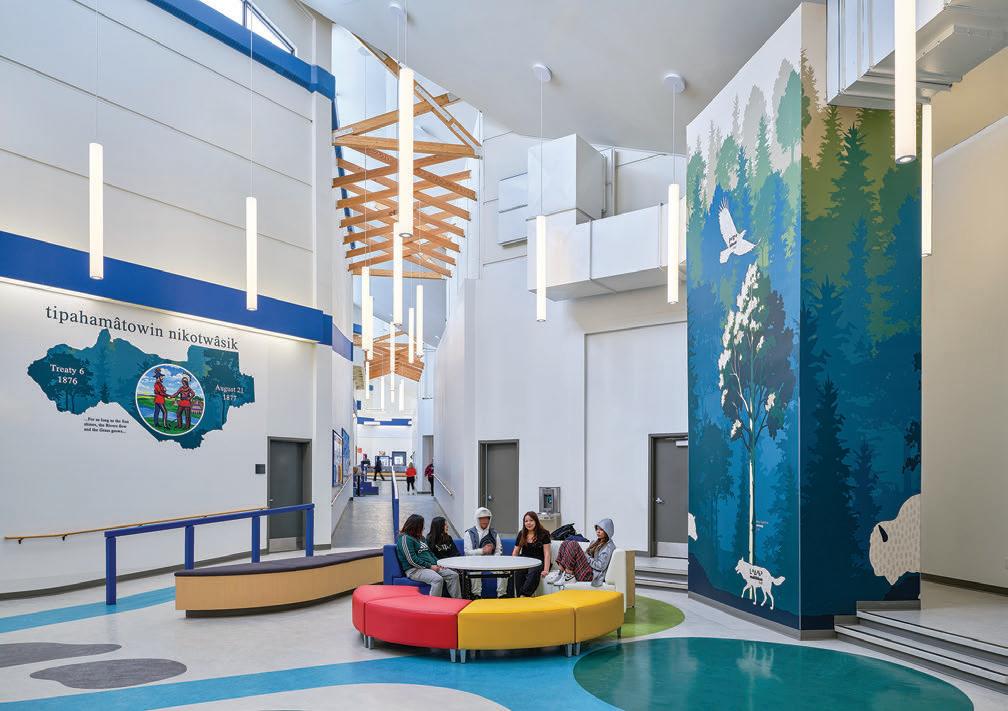
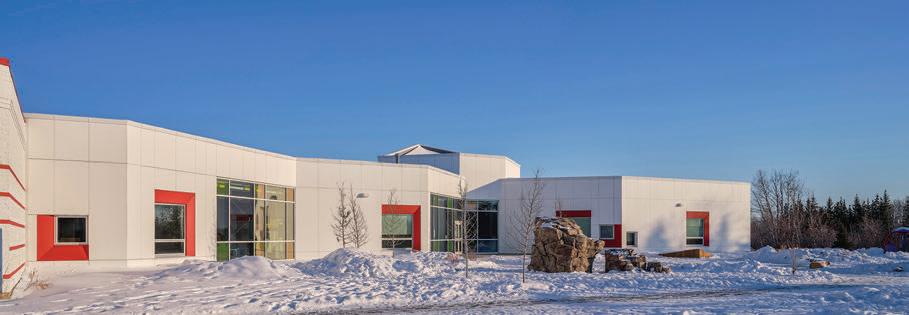
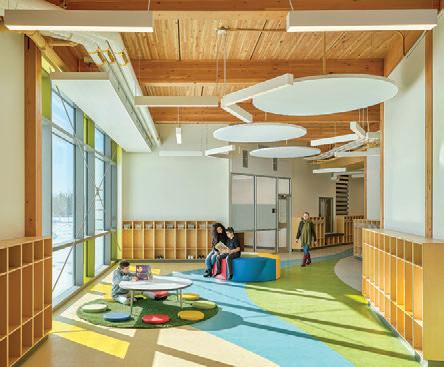
by ROBIN BRUNET
All collaborators on the Alexander First Nation Kipohtakaw Education Centre agree that patience, along with intense engagement with First Nations and user groups, was key to bringing the project to life.
The project modernized the existing 1,600-square-metre school and created an additional 957 square metres, designed to seamlessly integrate with the existing building. A critical outcome for the project was preserving the continuity of the school’s culture and history.
Jody Kootenay, director of education at Alexander First Nation Education, says, “Our original school was designed by Douglas Cardinal in 1992 to resemble the wings of an outstretched eagle, as seen from above. Since then our population has grown, and in addition to running out of school space the classrooms were not optimal, plus we had no kitchen space and not many special education spaces. A feasibility study was undertaken in 2017, and after engaging Reimagine architects to redesign the school interior as well as the new addition, we proceeded on a wing and a prayer, since we didn’t receive any funding until 2022.”
The work was considerable: demolition was required in a large area of the existing building in order to transform it into a modern learning environment. The school also required structural reinforcement without compromising its historical integrity.
Claudia Yehia-Alaeddin, principal architect at Reimagine, says her firm first engaged with Alexander First Nation Education eight years ago to discuss the 21st learning principles that would anchor the renovated facility. “We had travelled the country to study the schools that best embodied this concept and firmly believe that its success depends on collaboration to determine what the user groups want and need – so we spent many hours engaging students and teachers as well as the Kipohtakaw community and elders.”
One outcome of this was a design that embodied Kipohtakaw values. For example, placement of spaces and colours plays an important design role, with younger students situated in the eastern portion of the facility (reflecting the values of the medicine wheel, east being the sun, spring) and older children to the west (a blue quadrant, representing adulthood/youth). The white northern quadrant, representing wisdom and knowledge keepers, was designated for the learning commons. Each of the major learning communities will be connected to one another by a single river, flowing from the mountains to the woodlands to the prairies, illustrated in the floor patterns. This pattern will transition seamlessly from interior floor finishes to exterior hardscaping elements. The use of the curve in the floor patterns is known to have a calming effect on students, and will provide an additional activity surface for them.
While the renovation design emphasized openness and plenty of natural light, the addition benefited aesthetically from a heavy timber superstructure. “Green spaces have proven to be uplifting in day-to-day learning and working environments,” Yehia-Alaeddin says. “All focused learning environments will be situated with a connection to the outdoors, with transparency between interior and exterior spaces. All learning communities, in both the modernization and in the addition, will have views along the central east-west spine of the school to the outdoor learning community at the addition.”
Construction commenced in early 2022. “Following the tender close, we worked closely with Alexander Building Solutions [a Kipohtakawowned and operated company] to align Jen Col’s project plan to a detailed plan with the main subcontractor of the project,” says Mo Athari, project manager at Jen Col Construction. “We awarded the following scope to ABS: excavation, forming, site concrete work, drywall, acoustic treatments, painting, and wood framing.”
Athari goes on to note, “Reinforcement was accomplished by adding wood joists to the main structure and an extra layer of plywood on top of the existing floor.” As for mould that was discovered throughout the school’s crawlspace, he says, “We worked closely with an environmental firm to investigate and assess the contamination level, which resulted in a
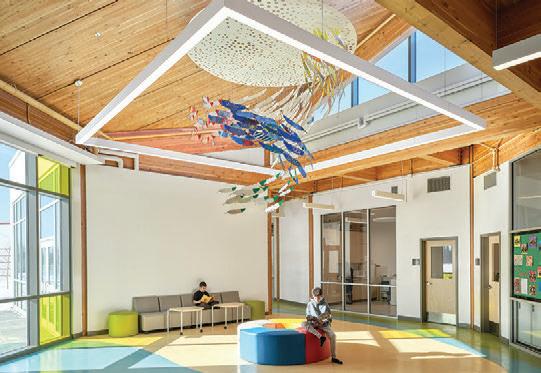
9 Kec Drive, Alexander First Nation, Rivière Qui Barre, Alberta
OWNER/DEVELOPER
Alexander First Nation Education
ARCHITECT/ELECTRICAL CONSULTANT
Reimagine
GENERAL CONTRACTOR
JEN COL Construction
STRUCTURAL CONSULTANT
RJC Engineers
MECHANICAL CONSULTANT
Remedy Engineering
CIVIL CONSULTANT
V3 Companies of Canada Ltd.
GEOTECHNICAL CONSULTANT
SolidEarth Geotechnical Inc.
TOTAL SIZE
1,600 square metres (renovation); 957 square metres (addition)
TOTAL COST
$15.5 million
recommendation to clean the entire crawl space, monitor the air quality, and test after cleaning. This required us to create eight temporary access spaces through the existing concrete walls in order to remove the contaminated soil and replace it with a concrete slab.”
The new building structure includes concrete piles and grade beams, glulam columns, beams, and roof panels completed with steel connections as well as steel studs and gypsum boards for the exterior walls. The interior walls are steel stud and drywall completed with aluminum storefronts and wood doors. The building’s exterior windows and curtain walls are fibreglass.
Kootenay says of the finished project, “It’s a beautiful, safe, and welcoming facility. In hindsight it might have been easier to simply scrap the original building and start fresh, but the outcome is fantastic – thanks to the collaborative spirit and a willingness of all parties to be patient as circumstances were resolved.” A


Gesco Mechanical Ltd. is an established company providing complete mechanical services to commercial, industrial, low & high rise clients across Ontario
Gesco Mechanical Ltd., prides itself on the ability of our staff to complete the project within budget, on schedule yet remain sensitive to the needs and safety of those who occupy the space being
There is no project too small or too large for our versatile staff to complete economically.
Gesco Mechanical Ltd. is proud to be the Mechanical Contractor for the Balmoral Recreation Centre and recently awarded the TTC Warden redevelopment project, which is one of the most desired opportunities in the GTA
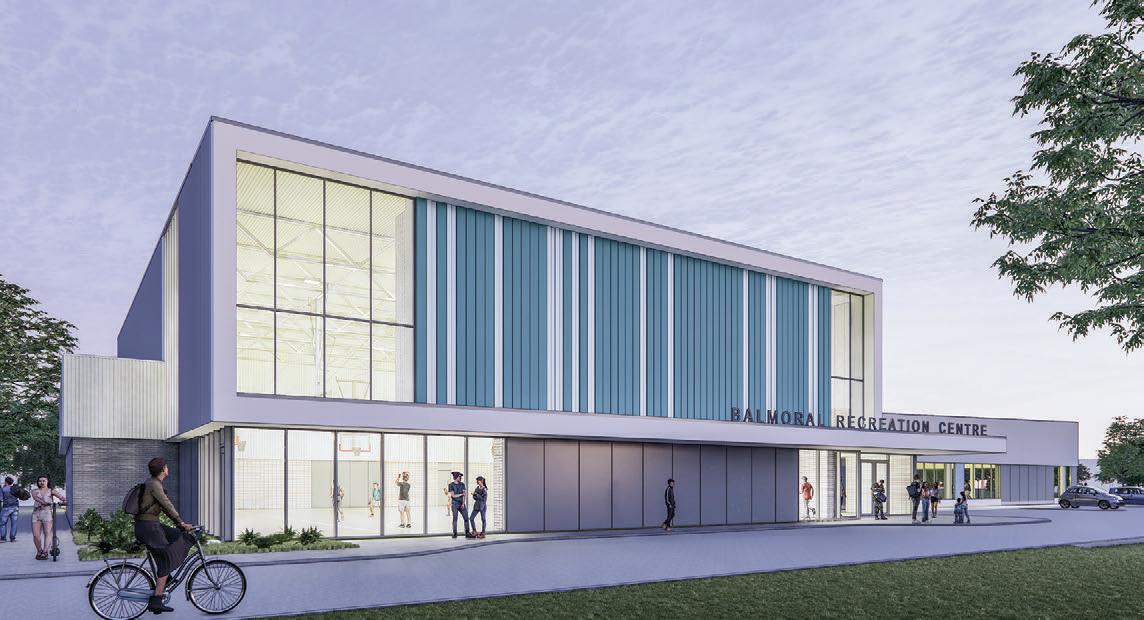
by ROBIN BRUNET
As with any recreation facility whose roots date back to 1964, Balmoral Recreation Centre in Brampton, Ontario had its fair share of outdated elements. While popular, the facility was not visible from the road. Also, a parks and recreation master plan stipulated that a refresh should provide one-stop convenience for residents, follow youth-friendly, age-friendly, and sport-friendly design principles, and include a gym and other new elements.
The public became aware that refurbishment was afoot in 2019, and construction began in the second half of 2022 and completion is expected soon. Mitsa Montaser, director, building design and construction for the City of Brampton, says, “The revitalization of the Balmoral Recreation Centre marks a significant milestone for Brampton’s growing community. As the population rapidly expands, the demand for modern and accessible recreational facilities becomes increasingly critical. This project embodies a major achievement of Brampton’s Parks and Recreation Master Plan, which strategizes the delivery of parks, recreation facilities, programs, and services to the community through 2036.”
With the public’s fondness for the facility foremost in the City’s considerations, it was decided early on to keep its most popular component, the swimming pool, which had been built in 1964 as an outdoor amenity and was later enclosed as the recreation centre developed over the following decades. The addition of a new structure featuring a multi-sport gymnasium with FIBA basketball court, multi-purpose rooms, and sauna was required, as was additional
parking, landscaping, and new pathways – all of which would expand the size of Balmoral from 17,000 square feet to 32,980 square feet.
With a significant focus of its practice being the programming and design of community and sustainable projects, CS&P Architects Inc. was retained to bring new life to the Balmoral Recreation Centre. “The site was challenging in that we were asked to retain the pool but demolish many other elements, in a location next to a school and near residences and a park,” says senior associate Saeed Sadeghi. “The building was completely hidden from Balmoral Drive, so one of our tasks was to determine how to give the revamped facility street presence and make it more open and inviting.”
Susan Lewin, principal at CS&P Architects, says the solution was to design the centre “as a pavilion with a park, with pedestrian access prioritized. We used the new 10-metre-tall gym as a focal point, or beacon, that would draw the community into the site.” This approach was augmented by establishing a clear, strong entrance identity, as well as developing a new high-performance building envelope that would unite the old elements of
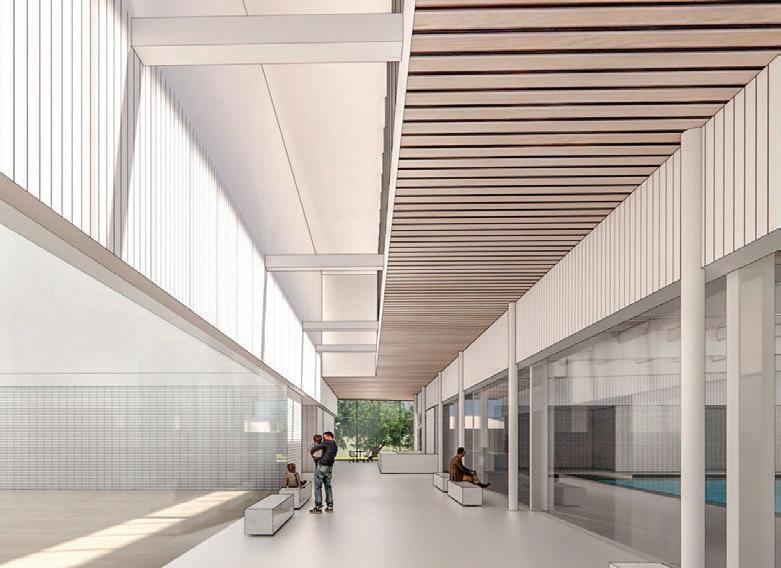
the building to the new, plus creating a more efficient parking layout with pedestrian connections to the school.
Demolition of most of the original centre gave the architects the opportunity to rectify a long-standing shortcoming: navigation difficulties. “Ultimately a little over 10,000 square feet was retained and we added 20,800 new square feet, and we blended the old with the new by creating a large, grand north/south corridor separating the pool from the gym and connected to a smaller east/west corridor,” Sadeghi says. “With the judicious placement of the control desk, we were able to give staff clear views of the entire facility.” A massive clerestory flanking the gym helped bring daylight into the central core of the building.
Colour played a vital role in the design scheme, with blue symbolizing the intentions of the building from the exterior. “Blue also acts as a foil to the green of the trees and other natural landscape settings, and it ties indirectly into the blue branding colours of the City of Brampton,” Lewin says.
Maystar General Contractors broke ground in 2022 and followed strict safety procedures as
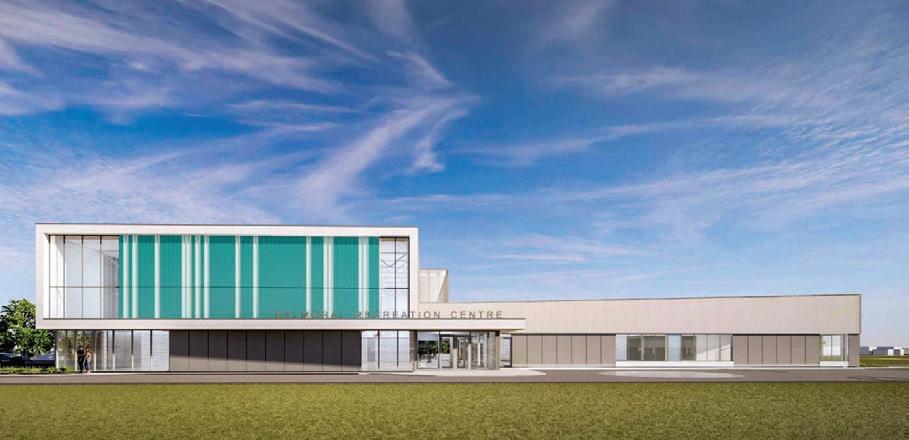
required by the site’s confines. Aquatic Design & Engineering was retained as part of the team tasked with refreshing the pool. The revamped facility is set to open soon, with the LEED Silver project fulfilling its objectives of improving recreational services, enhancing accessibility, and meeting green building standards, says Lewin.
Montaser concludes, “The Balmoral Recreation Centre has been a community pillar for over 50 years, and the new, expanded amenities and thoughtful design will ensure it continues to serve future generations and will serve a vibrant hub for residents of all ages. There is great anticipation for the positive impact this newly revitalized recreation centre will have on the community’s quality of life.” A
Ernest Majury Park, 225 Balmoral Drive, Brampton, Ontario
OWNER/OPERATOR
City of Brampton
ARCHITECT
CS&P Architects Inc.
GENERAL CONTRACTOR
Maystar General Contractors
STRUCTURAL CONSULTANT
Lea Consulting
MECHANICAL/ELECTRICAL CONSULTANT
H.H. Angus & Associates Limited
AQUATICS CONSULTANT
Aquatic Design & Engineering (a division of DEI Consulting Engineers)
CIVIL CONSULTANT
MTE Consultants Inc.
LANDSCAPE ARCHITECT
PMA Landscape Architects Ltd.
TOTAL SIZE
32,980 square feet
TOTAL COST
$20.3 million



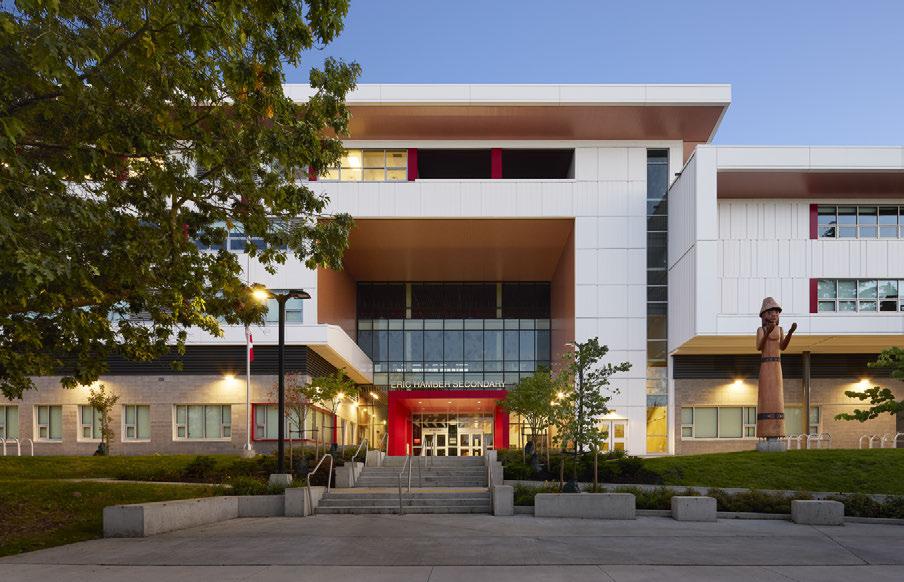
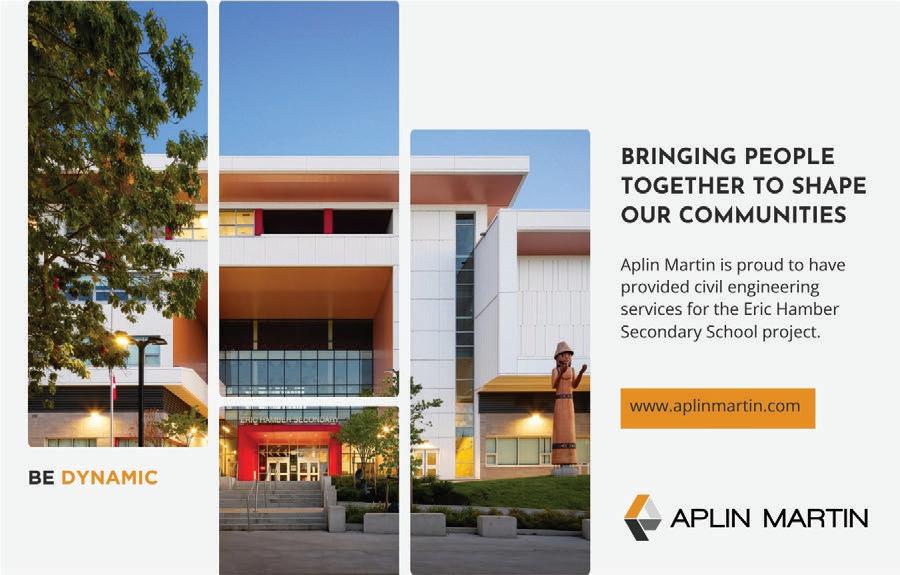
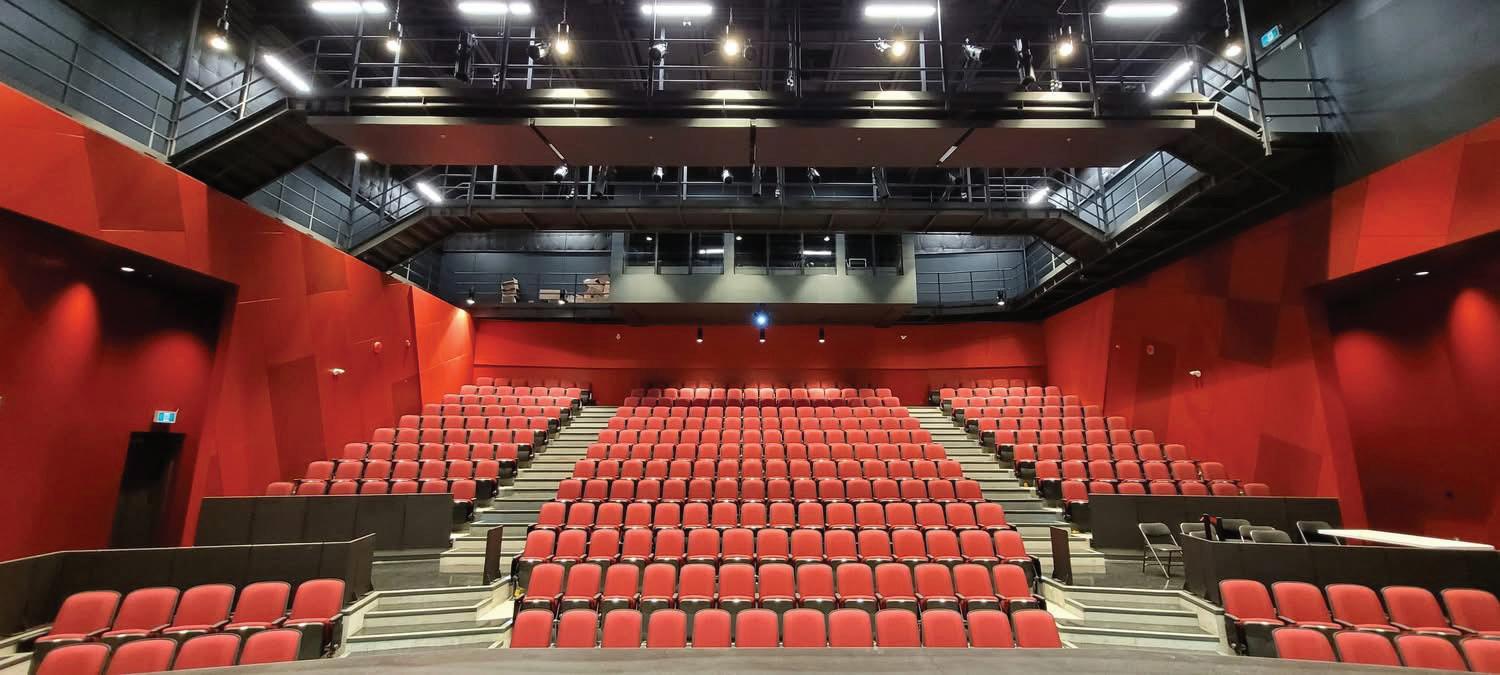



by ROBIN BRUNET

Seismic replacement projects have become a familiar undertaking at the Vancouver School Board (VSB), but the replacement of Eric Hamber Secondary School is special on many counts, starting with its sheer size – at approximately 20,950 square metres, the new facility is the largest seismic project for the VSB.
In addition to the 47 classrooms and 10 science rooms, the new LEED Gold Eric Hamber includes an auditorium, a drama studio, two gymnasiums with change rooms, music rooms, art studios, a large common area, and many spaces for social gathering and study, with 21st century design intended to optimize flexible learning areas and maximize collaboration. There’s also a 69-space childcare facility on the top floor, a first for VSB in a secondary school.
The original Eric Hamber opened in 1962 but by the 2000s the school was considered a high seismic risk. “In 2015, we completed Seismic Identification and Project Definition Reports, and in 2018, we were approved for a replacement of $106 million, making this the largest seismic project in Vancouver,” says Saniye Karacabeyli, project manager at the VSB.
Stantec was retained in 2018 as the owner’s advisory consultant, assisting the VSB in preparing and monitoring compliance with the project requirements. The scope of Hamber required a Design-Build delivery model.
Infrastructure BC supported the VSB with the procurement of the project.
Witmar Abele, principal at KMBR Architects, says: “A key driving force behind the design was to foster a strong sense of community and create spaces that encourage meaningful connections. At the heart of this vision is the atrium – a vibrant, multi-level gathering space that serves as the social core of the building.”
The atrium extends through all levels, visually and physically connecting different areas of the school. It functions as a wayfinding element, with surrounding spaces looking into it for clear orientation. Externally, it visually breaks up the long rectangular form of the building, which is further divided by a shift in elevation – one wing at four storeys, the other at three.
Key communal spaces – including the library, auditorium, and multipurpose rooms – are strategically positioned to enhance interaction and engagement. The library serves as a collaborative hub for students to gather and study, the auditorium provides a space for creative expression and events, and the multipurpose rooms support various activities.
The wings are characterized by a robust masonry plinth on the ground floor, anchoring the structure and contrasting with the metal-clad classrooms above. The masonry plinth wraps around the entire school as a unifying element. A defining ‘eyebrow’ frames the classrooms, adding
LOCATION
960 West 33rd Avenue, Vancouver, B.C.
OWNER/DEVELOPER
Vancouver School Board (VSB)
ARCHITECT
KMBR Architects Planners
COMPLIANCE CONSULTANT
Stantec
STRUCTURAL CONSULTANT
Glotman Simpson
MECHANICAL CONSULTANT
Introba
ELECTRICAL CONSULTANT
O’M Engineering
CIVIL CONSULTANT
Aplin Martin
CERTIFIED PROFESSIONAL
Pontem Group
THEATRE CONSULTANT
DWD Theatre Design + Consulting
LANDSCAPE ARCHITECT
Maruyama & Associates
DESIGN-BUILDER
Bird Design-Build Construction
TOTAL SIZE
20,950 square metres (approx.)
TOTAL COST
$105.9 million
visual interest and breaking up the long monolithic walls across the façade. Expansive glazing creates a strong connection between the school and the street while framing breathtaking mountain views, seamlessly integrating the learning environment with its natural surroundings.
Indigenous design is integrated throughout the building, including a 16-foot welcome figure carved by Musqueam artist Brent Sparrow and weaving designs on the walls by Debrah Sparrow.
Helen McGregor, superintendent/CEO, VSB says: “We are committed to creating learning environments that enable students to flourish and that honour the rich, cultural heritage of the land our schools stand on. The integration of xʷməθkʷəy̓əm (Musqueam) designs throughout Hamber reflects our ongoing reconciliation journey.”
Michael McGoldrick, project manager at Bird Design-Build Construction Inc., says his firm was awarded the contract to build the new school in April 2020, and in the spring of 2021, ground broke on the project. “The good news was that we had a great laydown area thanks to the existing parking lot, as well as great delivery access.”
Bird and the subtrades had to contend with the supply chain, labour, and other challenges associated with the COVID lockdowns. “Not only that, but there was also a concrete
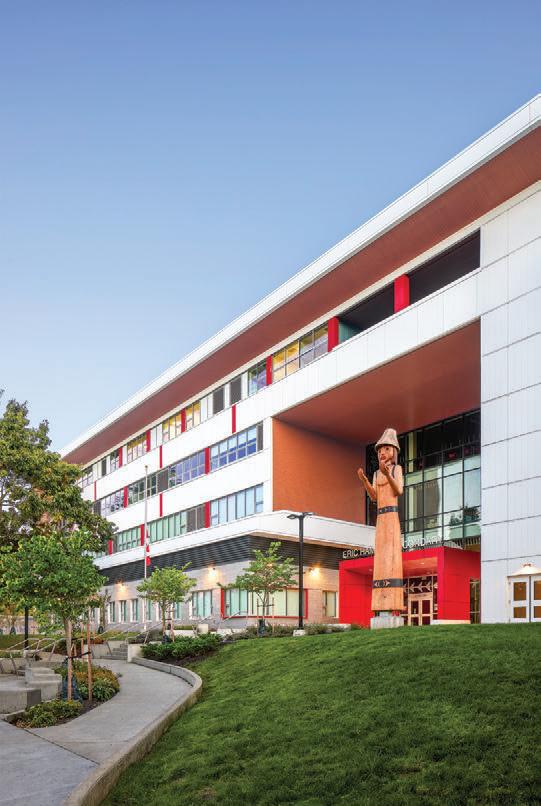
strike and an atmospheric river event that flooded major thoroughfares.”
McGoldrick adds, “In my opinion, the real heroes of the project were the trades, who secured materials early and pivoted immediately when required.”
The new school opened in September 2024. The former Eric Hamber was earmarked to serve as a swing site for other school seismic upgrade projects – and once this function is complete, it will be demolished to make way for a playing field. A
For
Now,
Crossey
salasobrien.com/crossey

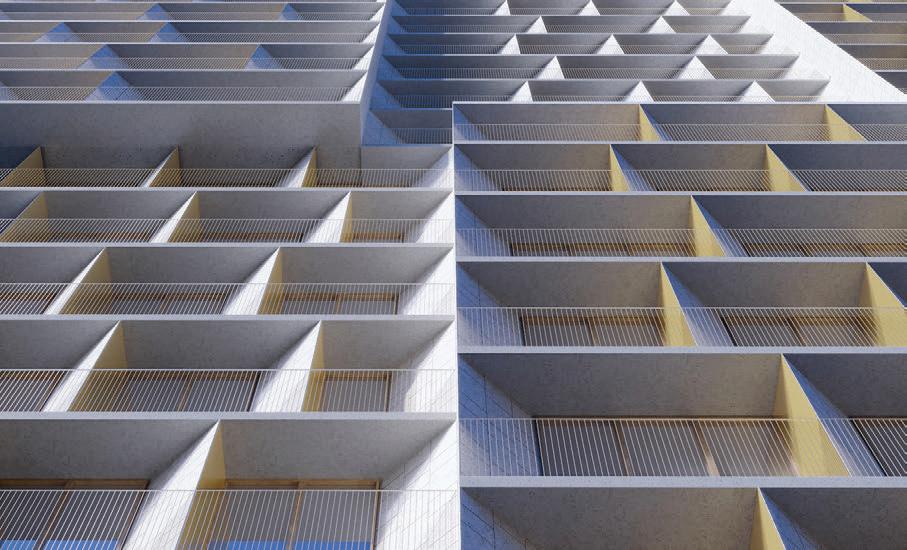




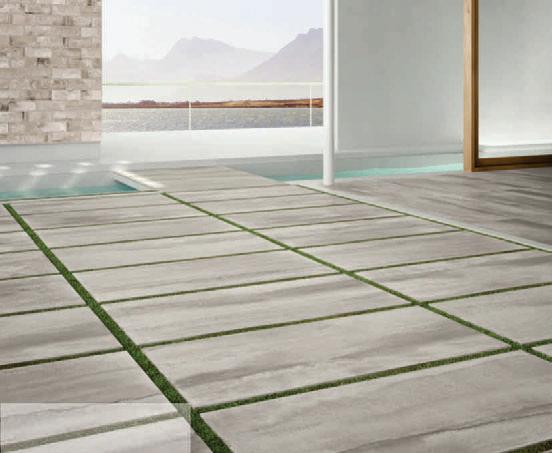
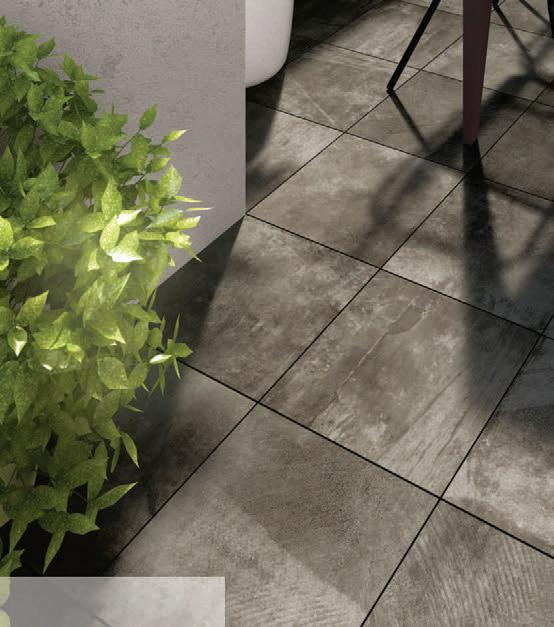
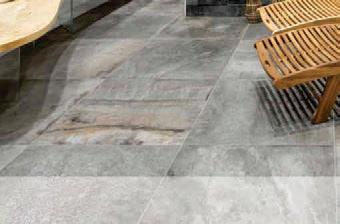
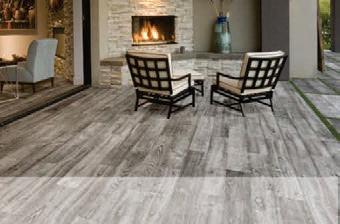
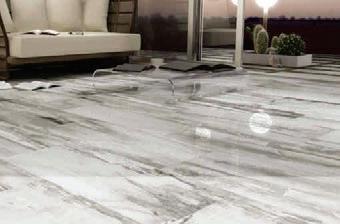
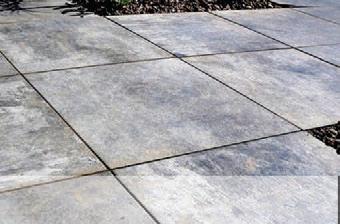

by LAURIE JONES
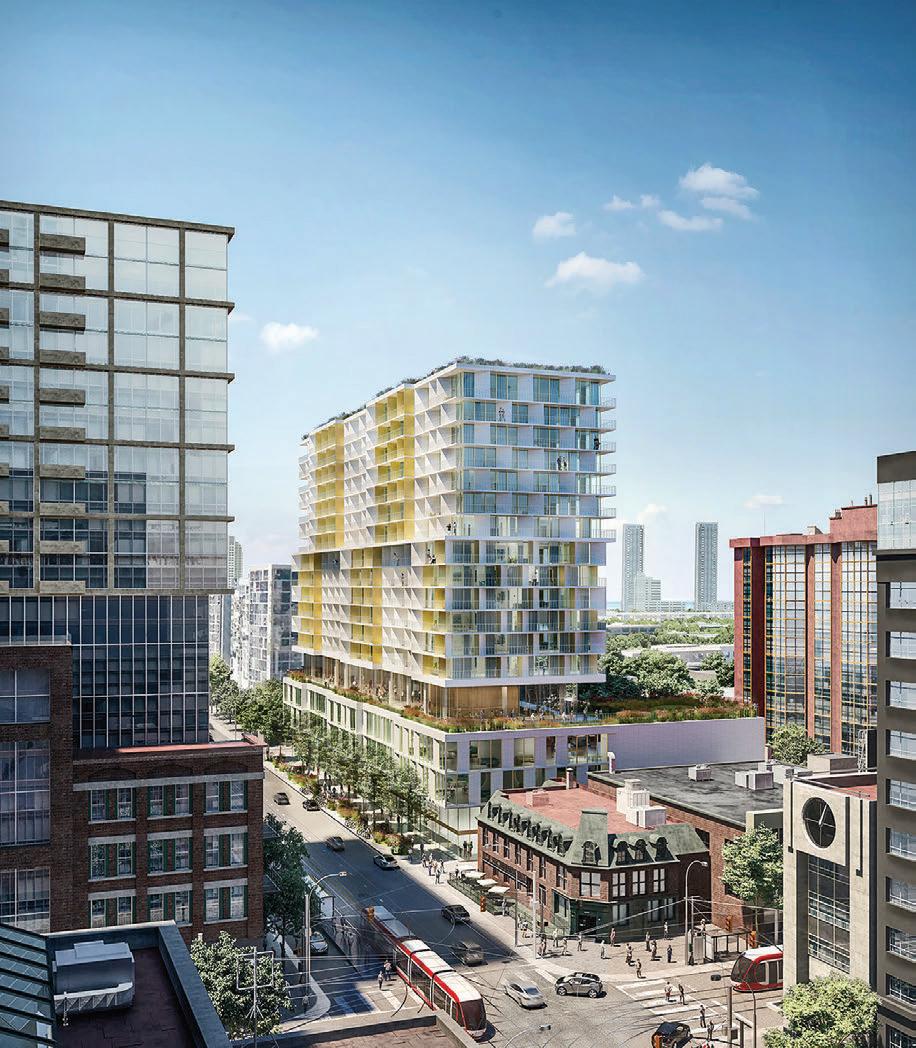
Anew addition to Toronto’s King West neighbourhood, West House offers a luxury rental option for those looking to move into a premium living space. This 17-storey development features 307 residential units, ranging from studios to penthouses, with sweeping views of Toronto’s skyline, Lake Ontario, and the iconic CN Tower. Alongside the stunning residences, the building includes 38,000 square feet of retail and commercial space, making it a standout in the area.
“The building itself complements the dynamic vibe of King West,” says Alexandra Khazzam, managing director at Hines. “Its carefully designed amenities reflect the community’s unique blend of creativity and modernity, making it a gateway to the area’s stylish eateries and nightlife. West House offers not just a home, but a lifestyle immersed in the essence of Toronto’s liveliest neighbourhood. This premier address provides unparalleled proximity to some of the city’s finest dining, shopping, and entertainment venues.”
Adding to the luxury experience for residents is a 26,000-square-foot, resort-inspired fitness club offering full-service amenities, including outdoor exercise areas, a high-resolution sports simulator, and a chic speakeasy lounge. The building also provides 24/7 lifestyle services, such as pet concierge, private chefs, fitness
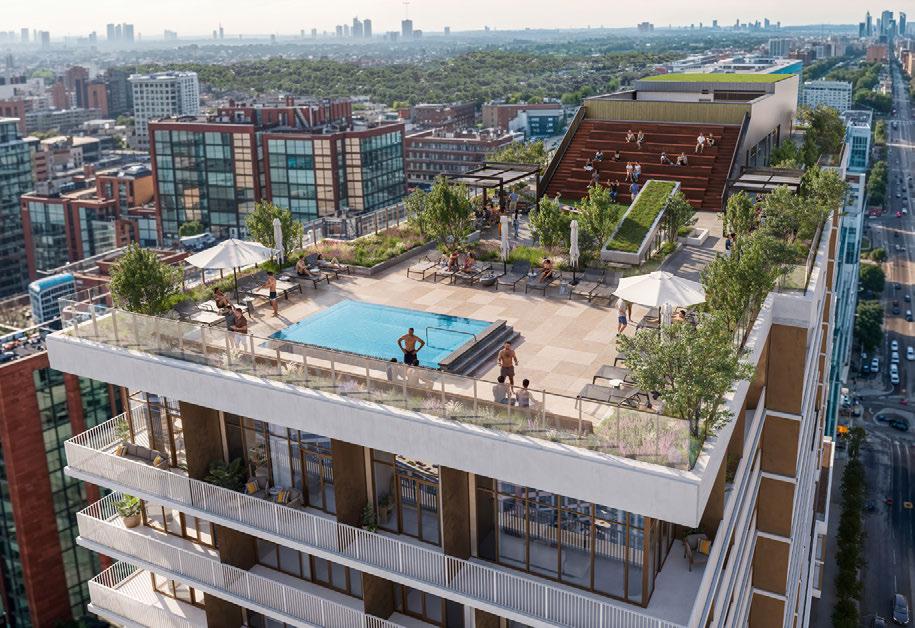
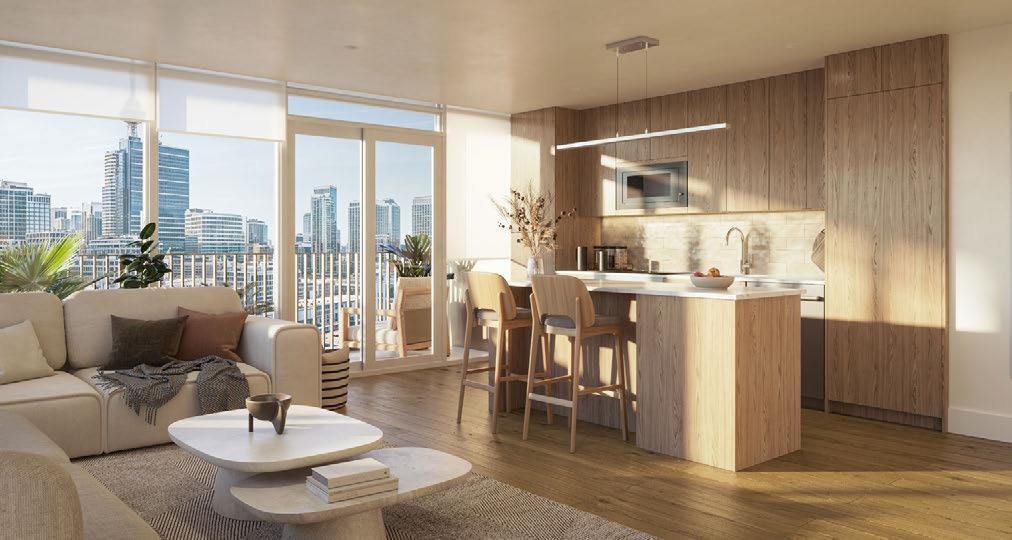
training, wellness coaching, home and car cleaning, as well as an interior design partnership with CB2.
Apartment features include exclusive private balconies for every residence, premium appliances from Bosch, Thermador, and Wolf, and luxe quartz countertops. Thoughtful layouts are flooded with natural light, while custom closet spaces and bespoke storage solutions add a personalized touch. The luxe penthouse collection offers expansive ceiling heights and premium finishes, elevating the living experience even further.
Designed by world-class Danish architect 3XN, the property’s amenities include a sky-high rooftop retreat.
“The initial concept for the rooftop amenity was to create a large seating area that faces the pool and overlooks the waterfront,” says Matthias Altwicker, senior architect at 3XN. “On the fourth-floor amenity space, the design evokes a sense of being within the city, featuring a beautiful cantilevered deck set back from the sidewalk while still maintaining a connection to the street. It offers stunning views all the way down the city’s corridor.”
Altwicker also highlights one of West House’s most striking features: its extensive façade, which includes a pattern of metallic and white mullions and porcelain panels on the lower floors. The large, two-tone balcony dividers, in beige and cinnegold, give the building a dynamic visual that changes from
different angles and at various times of day, depending on the light.
He explains that, given the building’s size within the neighbourhood, they focused on breaking down the mass by shifting volumes back and forth. “This required some smart structural engineering solutions, which the team worked through together. We explored several options before landing on one that was relatively straightforward for Bird Construction to execute. It takes a team to make it all come together, and seeing it come to life was a fun moment.”
Bird Construction’s manager notes a shift in Toronto’s high-end rental market, with the trend now leaning toward buildings that resemble New York. “It used to be that condos offered more resident-focused amenities, but that has changed. West House not only offers exceptional lifestyle options, but its design also exudes luxury, with porcelain panels and a high-end façade system.” In addition to 17 storeys of residential space, the building’s parking garage spans two-and-a-half levels. Eight elevators have been installed, three of which are dedicated to residents.
One of the challenges the team faced was installing a one-piece, stainless steel pool on the roof. “It was built locally and trucked to the site. We had to lift it with a mobile crane, which was quite an effort, but it went smoothly.”
Working in the downtown core presented its own set of challenges, particularly given West House’s proximity to a TTC line with active streetcar traffic. “Two new stations for the Ontario Line, which will extend to Ontario Place, are being built across the street, and a tunnel for that line runs directly beneath our project,” he explains.
With an anticipated opening of spring 2025, West House is sure to be another iconic structure in the fabric of the Toronto landscape. A
LOCATION
88 Bathhurst Street, Toronto, Ontario
OWNER/DEVELOPER Hines
ARCHITECT
WZMH Architects / 3XN
GENERAL CONTRACTOR
Bird Construction
STRUCTURAL CONSULTANT
Entuitive
MECHANICAL/ELECTRICAL CONSULTANT
MCW Consultants
LIGHTING DESIGN CONSULTANT
Salas O’Brien
LANDSCAPE ARCHITECT
Janet Rosenberg + Studio
INTERIOR DESIGN
Soucie Horner Design Collective
TOTAL SIZE
312,000 square feet
TOTAL COST
Undisclosed

•



by ROBIN BRUNET
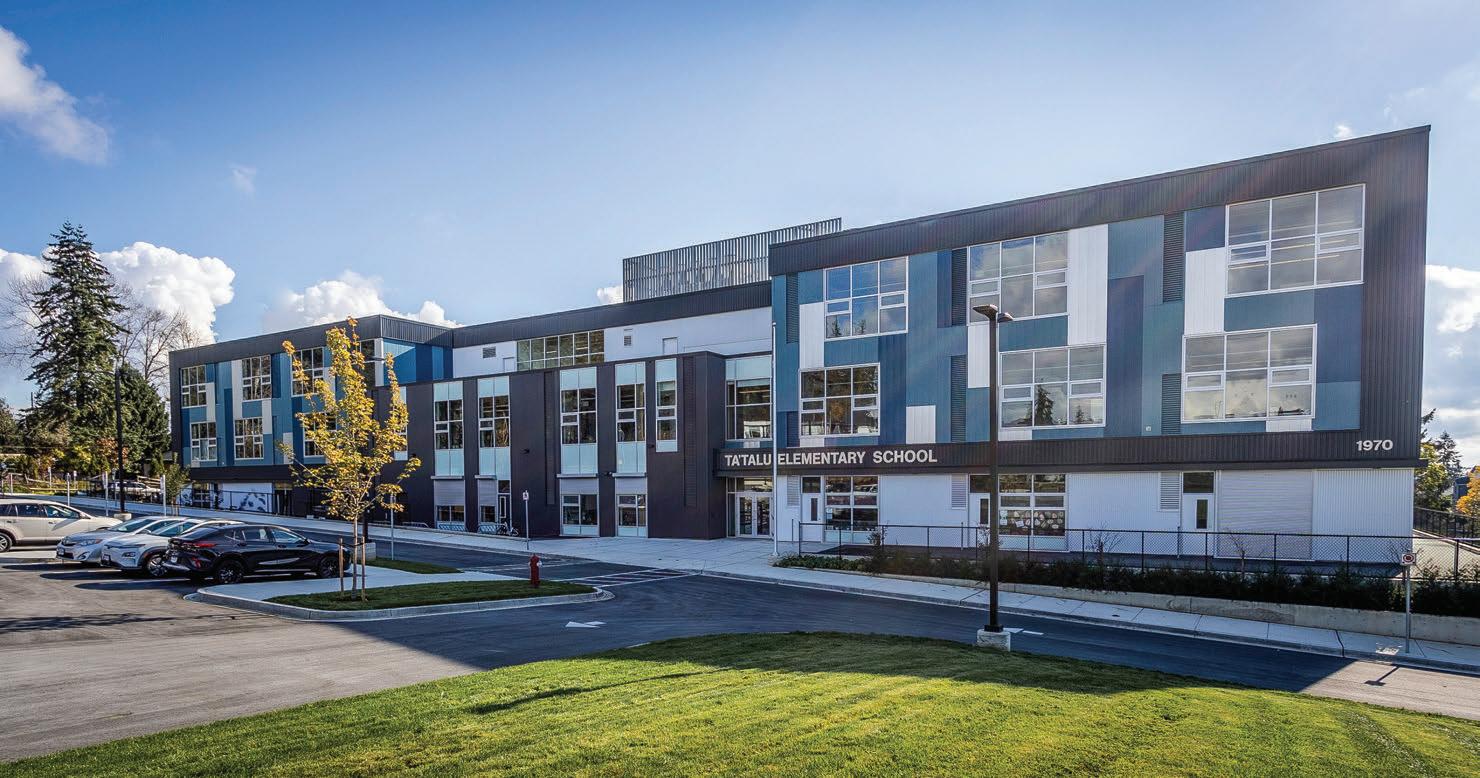
The development of Ta’talu Elementary School in Surrey began as a project to serve a rapidly growing new neighbourhood in the southern part of the city, but it became so much more: the first three-storey, hybrid mass timber school in Surrey, B.C.
Also making this project remarkable is that the design resulted from site constraints and the need to fulfill local building code requirements.
“Challenges became opportunities thanks to great collaboration with Surrey School District #36,” says Ray Wolfe, architect and principal at Thinkspace Architecture Planning
Interior Design Ltd., adding that his colleague, architect Danika Irvine, worked extensively on the project prior to going on maternity leave.
Dave Riley, executive director, capital project office at Surrey Schools, points out that “the land we acquired for this project in 2016 consisted of six residential properties that we consolidated – with the final site dimensions being fairly narrow and containing a substantial grade drop.”
In order to create the learning spaces (Ta’talu would ultimately consist of 27 classrooms accommodating 80 kindergarten students and 575 grade 1-7 students), the decision was made early on to build vertically. “Most of the schools we have recently built have been two storeys, but in this case it made sense to create three storeys on the north end of the property and leave as much space as possible for the play areas,” Riley says.
Lengthy discussions ensued as a result of the school district’s desire to reduce the carbon footprint for its new building. The design team eventually realized that reducing
embodied carbon would advance this goal, which led to using mass timber as a building material. The desire for aesthetic and biophilic properties also factored into this decision.
However, since the B.C. building code does not allow for three-storey interconnected combustible schools and due to cost constraints, the team decided on a hybrid solution. The predominant structure would be post-and-beam glulam, with light wood framing, and loadbearing mass timber beams and columns. Flooring assemblies would be made of non-combustible materials, while shear walls would be light wood framing. Steel would be used for the stairs, elevator, and gymnasium.
Wolfe says, “We determined that the cost difference between a hybrid mass timber structure and one of a steel structure was only about $120,000. Also, the total global warming potential of the steel version would have had a higher carbon footprint. Plus, wood makes for a healthier and happier environment for students and staff.” As for the school’s exterior cladding, single-skin metal panel was selected for low maintenance and durability, and an abstract colour scheme was developed to reflect the nearby Little Campbell River that the school is named after.
Thinkspace designed three storeys of stacked learning neighbourhoods on the east and west ends of the building, with each neighbourhood made up of four or five classrooms opening onto a shared project space. In between those spaces are a learning commons, multi-purpose room, administration areas, and a gym, all connected by a central atrium. “The atrium plays a major role in bringing
LOCATION
1970 165A Street, Surrey, B.C.
OWNER/DEVELOPER
Surrey School District #36
ARCHITECT
Thinkspace Architecture Planning Interior Design Ltd.
GENERAL CONTRACTOR
DGS Construction
STRUCTURAL CONSULTANT
Fast + Epp
MECHANICAL CONSULTANT
AME Group
ELECTRICAL CONSULTANT
O’M Engineering
CODE CONSULTANT
Pontem Group
TOTAL SIZE
5,016 square metres
TOTAL COST
$44.1 million
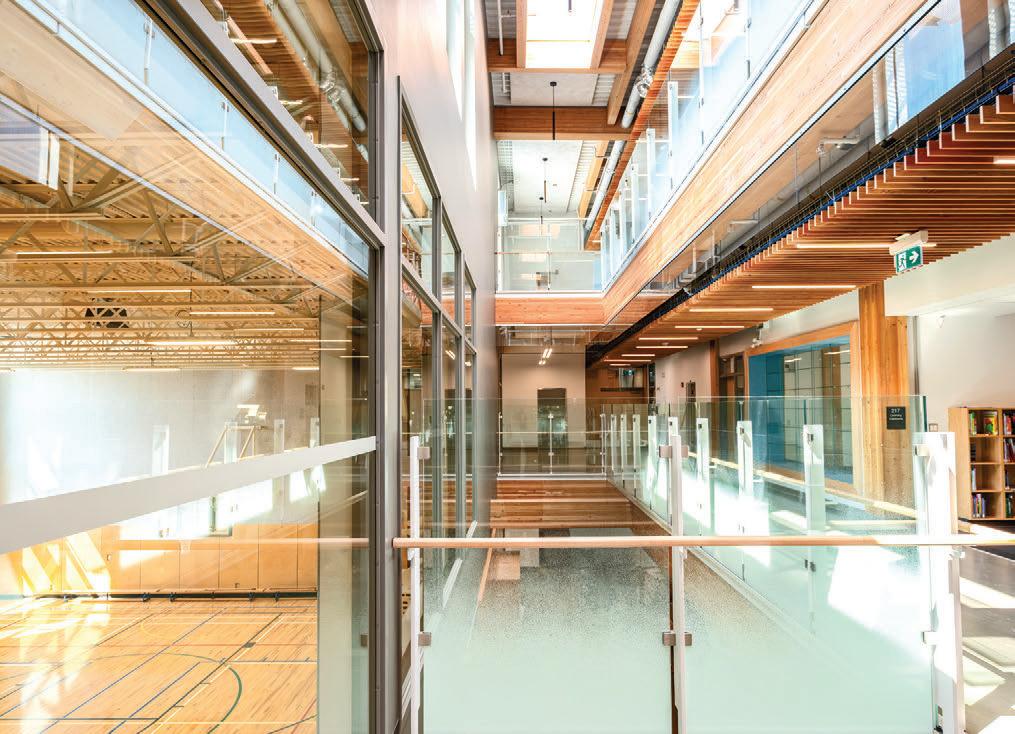
natural light into the facility as well as providing wayfinding and visual connection for students,” Wolfe says.
DGS Construction broke ground on the project in the spring of 2022. An accelerated construction schedule was possible due to the prefabricated timber components and provided the school district with significant financial savings. Also, the pre-fabricated design meant fewer delivery trucks to the site and therefore less disruption to the surrounding neighbourhood.
The mass timber hybrid design was funded by the Ministry of Education, with contributions from the School District. Although the design was more expensive, both Riley and Wolfe think future school projects could follow Ta’talu’s hybrid lead; but the latter stresses that “Cost fluctuations in materials must always be considered first.”
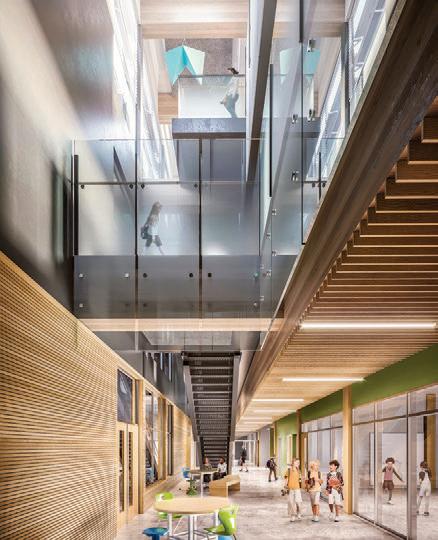
Riley adds, “The design of Ta’talu could be repeated at future Surrey school sites. Our trend will be towards smaller footprints and more storeys to maintain outdoor play areas. Ta’talu represents a really smart, efficient solution.” A
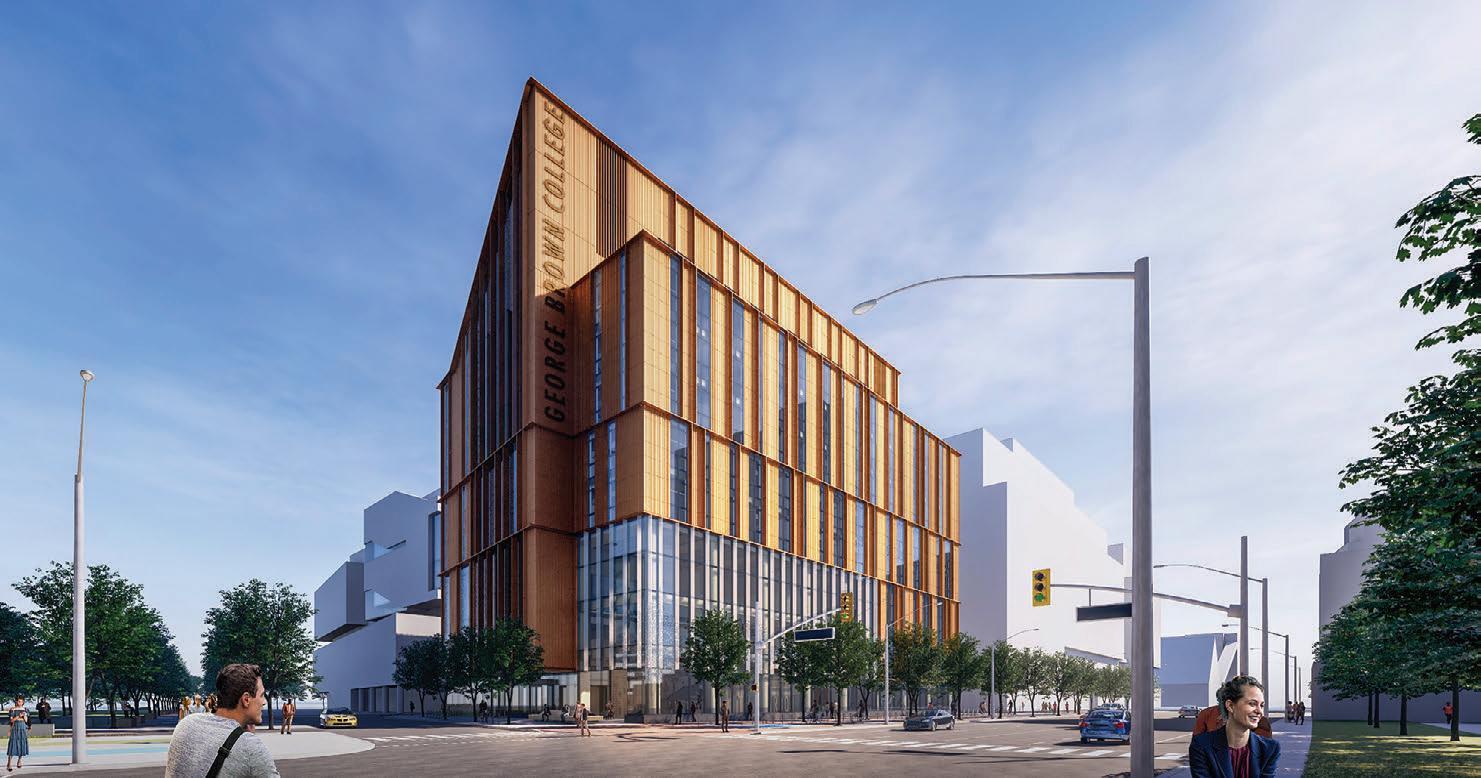
LOCATION
185 Queens Quay East, Toronto, Ontario
OWNER
George Brown College
ARCHITECTS (JV)
Moriyama Teshima Architects / Acton Ostry Architects
CONSTRUCTION MANAGER
PCL Constructors Canada Inc.
STRUCTURAL CONSULTANT
Fast + Epp
MECHANICAL/ELECTRICAL CONSULTANT
Introba
BUILDING ENVELOPE CONSULTANT
Morrison Hershfield
SUSTAINABILITY CONSULTANT
Transsolar
TOTAL SIZE
225,000 square feet
TOTAL COST
Undisclosed
by CHRISTINE MORRISSEY
Limberlost Place at George Brown College is setting a new benchmark for institutional architecture in Ontario. As a 10-storey, mass-timber, tall wood and net-zero carbon building, it is not only redefining the skyline of Toronto’s East Bayfront community but also said to be reshaping the future of sustainable construction in Canada.
Designed to house the School of Architectural Technology, the Brookfield Sustainability Institute (BSI) – a first-of-its-kind, college-based centre of excellence to tackle challenges posed by climate change – a fitness centre, childcare centre, and a dedicated Indigenous space, this remarkable structure represents a bold vision for education, sustainability, and architectural innovation.
The building’s name was inspired by the Limberlost Forest and Wildlife Reserve near Huntsville, Ontario, a nod to the environmental ethos embedded in its design. This identity was solidified in 2021 when Canadian business leader and philanthropist Jack Cockwell donated $10 million to George Brown College in support of the project, adding to his previous $8-million gift in 2015. This historic $18-million contribution marks one of the largest donations ever made to the institution.
Moriyama Teshima Architects (MTA), in collaboration with Acton Ostry Architects, designed Limberlost Place with a deep commitment to student well-being. “When we designed Limberlost Place we designed it with
students in mind,” explains Carol Phillips, partner at MTA in the online video. Another consideration was a range of learning styles and the neurodiversity of students in the design.
Social interaction permeates the design, from the ground level to the seventh floor, reflecting an understanding of how physical space influences learning and engagement. A defining feature of the building is a large, east-facing, multi-level gathering area offering expansive views of Queens Quay Boulevard East and Sherbourne Common waterfront park.
The building’s flexibility is another key element, with adaptable smart systems allowing spaces to evolve with changing academic needs.
Beyond its educational mission, Limberlost Place is a triumph of sustainable engineering, standing years ahead of Toronto’s 2030 Green Standard for new developments.
Constructed with Canadian-sourced timber, the building maximizes access to daylight and fresh air while harnessing energy from its surrounding environment. The mass timber used for Limberlost Place was harvested from sustainably managed forests in Quebec, supplied by Nordic Structures.
Two solar chimneys function as the engines of a passive ventilation system, drawing air up and through the structure from operable windows. This natural convection system allows the building to operate passively for half the year, reducing
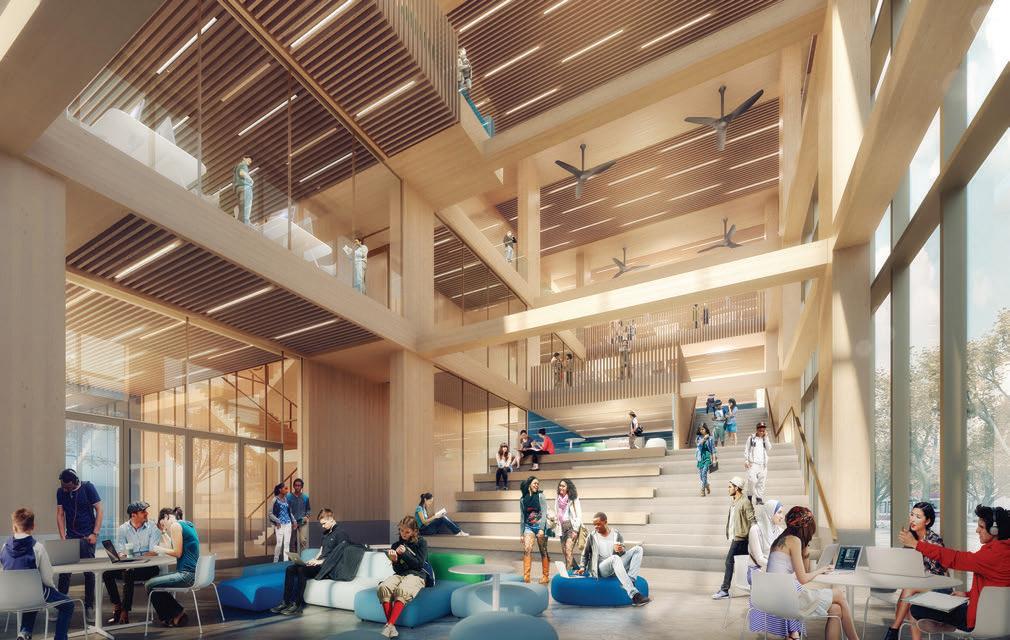
reliance on mechanical ventilation and cutting overall energy consumption. Limberlost Place is also entirely free of fuel-fired systems, relying instead on high-efficiency electric systems that provide a cleaner alternative to natural gas. A rooftop solar array will generate nearly a quarter of the building’s energy needs, further offsetting greenhouse gas emissions.
The structural ingenuity behind Limberlost Place is equally impressive. PCL Construction, leveraging its extensive expertise in mass timber, navigated unique engineering challenges to bring the vision to life.
Working in collaboration with the architects, Fast + Epp developed an innovative large-span, beamless structural system using
timber-concrete-composite CLT slab bands with perpendicular CLT infill panels, all supported on glulam columns. This flat plate system allows for architectural flexibility and unobstructed mechanical distribution.
The building features three-storey CLT columns that form a striking, open atrium, creating a sense of grandeur while reinforcing the strength and efficiency of mass timber construction. The composite floor system, which integrates CLT and concrete, enables thinner structural elements, increasing ceiling heights and optimizing space for mechanical and electrical components.
Sustainability remains at the core of every design choice in this project. In addition to its solar chimneys
and energy-efficient electrical systems, Limberlost Place will integrate Enwave’s Deep Lake Water Cooling system, further reducing its carbon footprint. Smart daylight sensors and dimming controls will optimize natural light use, while the building envelope, designed for superior thermal efficiency, will enhance indoor climate control. The project is not only a model for ecological innovation but also a milestone in the evolution of mass timber construction, accelerating advancements in
the Canadian forest products industry and demonstrating the viability of tall wood buildings on a global scale.
Limberlost Place is also a testament to meticulous planning and execution. A rigorous approvals process was required to construct such an unprecedented structure on Toronto’s prominent East Bayside. The architectural team employed cutting-edge technology, including fly-through simulations and 3D modelling, to navigate regulatory requirements and ensure compliance with
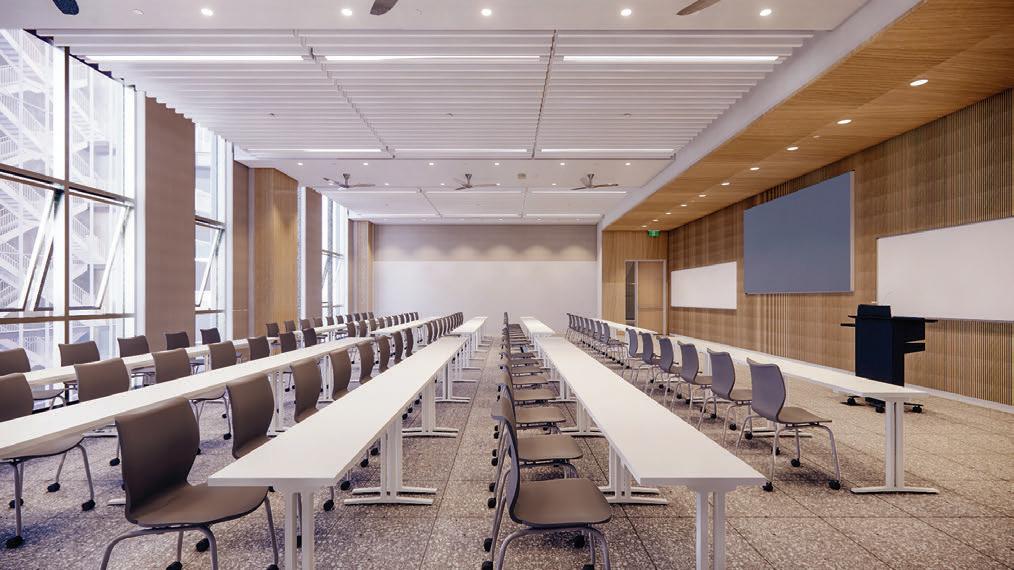
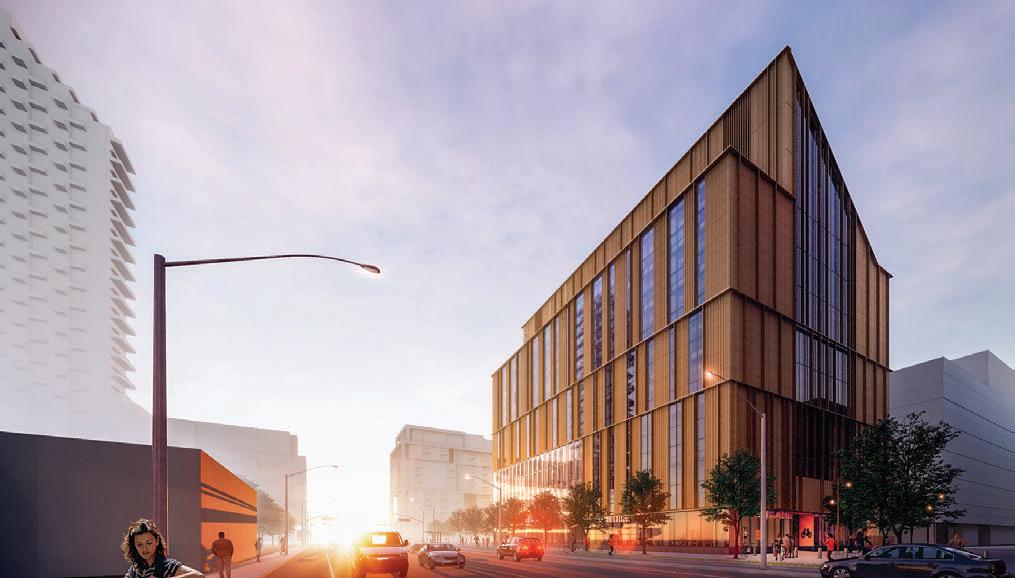
evolving building codes. The commitment to efficiency extended to the construction process itself, with prefabricated building envelope components manufactured in a controlled environment for optimal quality and just-in-time delivery, reducing material waste and storage needs.
From its pioneering structural systems to its seamless integration of sustainable technologies, Limberlost Place is a landmark project that embodies the future of institutional
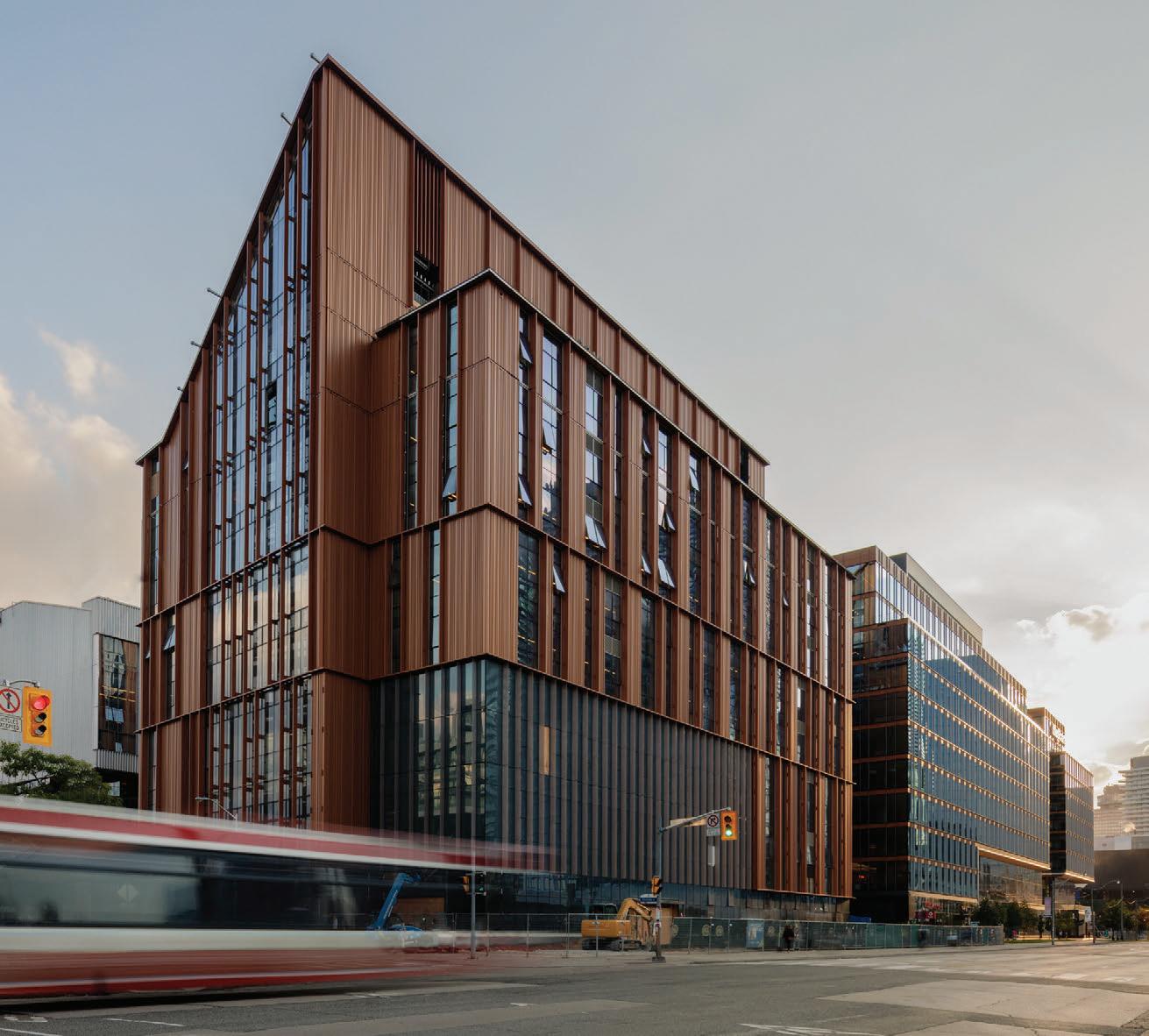
architecture. As students step into its sunlit learning spaces and experience the warmth of timber construction, they will not only be engaging with an advanced educational environment but also becoming part of a living, breathing example of how architecture can harmonize with nature.
In setting new standards for design, construction, and sustainability, Limberlost Place is more than just a building – it is a vision of what is possible when innovation meets responsibility. A
EXPLORE OUR MASS TIMBER SOLUTIONS nordic.ca
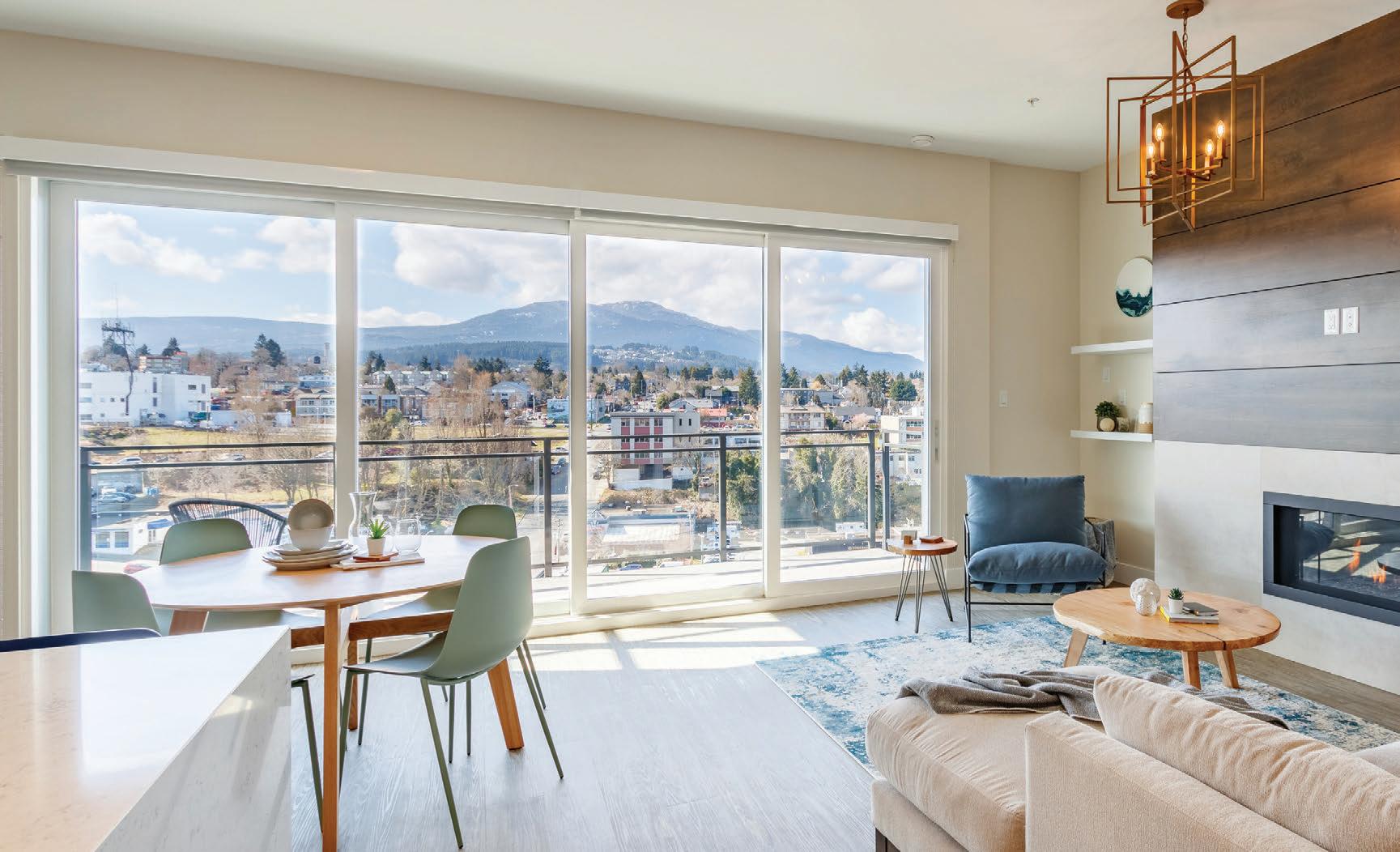
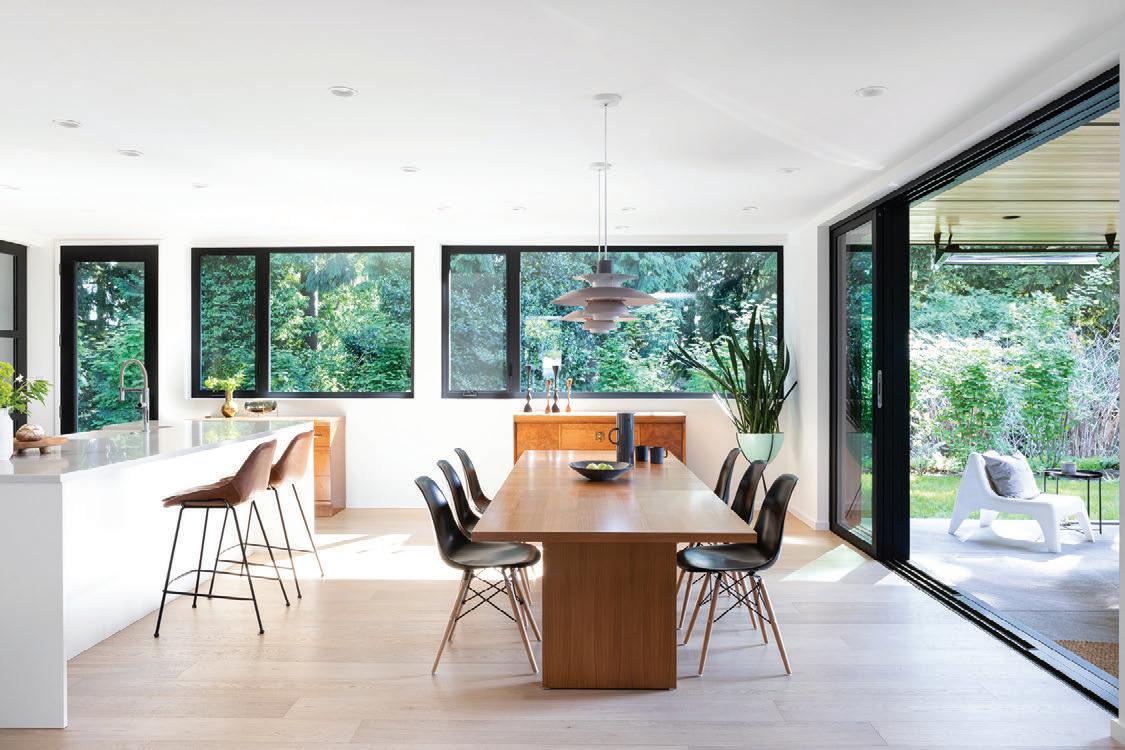
A custom home build is quite often the single largest investment in one’s life. This is a tremendous responsibility to entrust to the construction community.
Understanding this concept and exceeding customers’ expectations are what Westeck strives for and is at the core of the Westeck culture.
BIG PRODUCTS FOR ALL SIZES EMBRACE THE PATIO EXPERIENCE INDOOR/ OUTDOOR LIVING VANCOUVER 1480 Kootenay St, 1‑877‑606‑1166 CHILLIWACK 8104 Evans Rd 1‑877‑606‑1166
westeckwindows.com sales@westeckwindows.com