2-year Subclass 485 visa (expires March 2027). EOI (Expression of Interest) for Skilled Nominated (subclass 190) visa submitted and awaiting invitation.
EDUCATION
2009 - 2014
Shenyang Jianzhu University (SJZU)
Shenyang, China
Bachelor of Architecture, 5 years
2023 - 2024
University of Sydney (USYD)
Sydney, Australia
Master of Architecture, 2 years
WORK EXPERIENCE
2014 - 2022
China IPPR International Engineering Co., Ltd. (IPPR)
Beijing, China
Project Architect and Project Manager, 8 years
40+ architectural projects
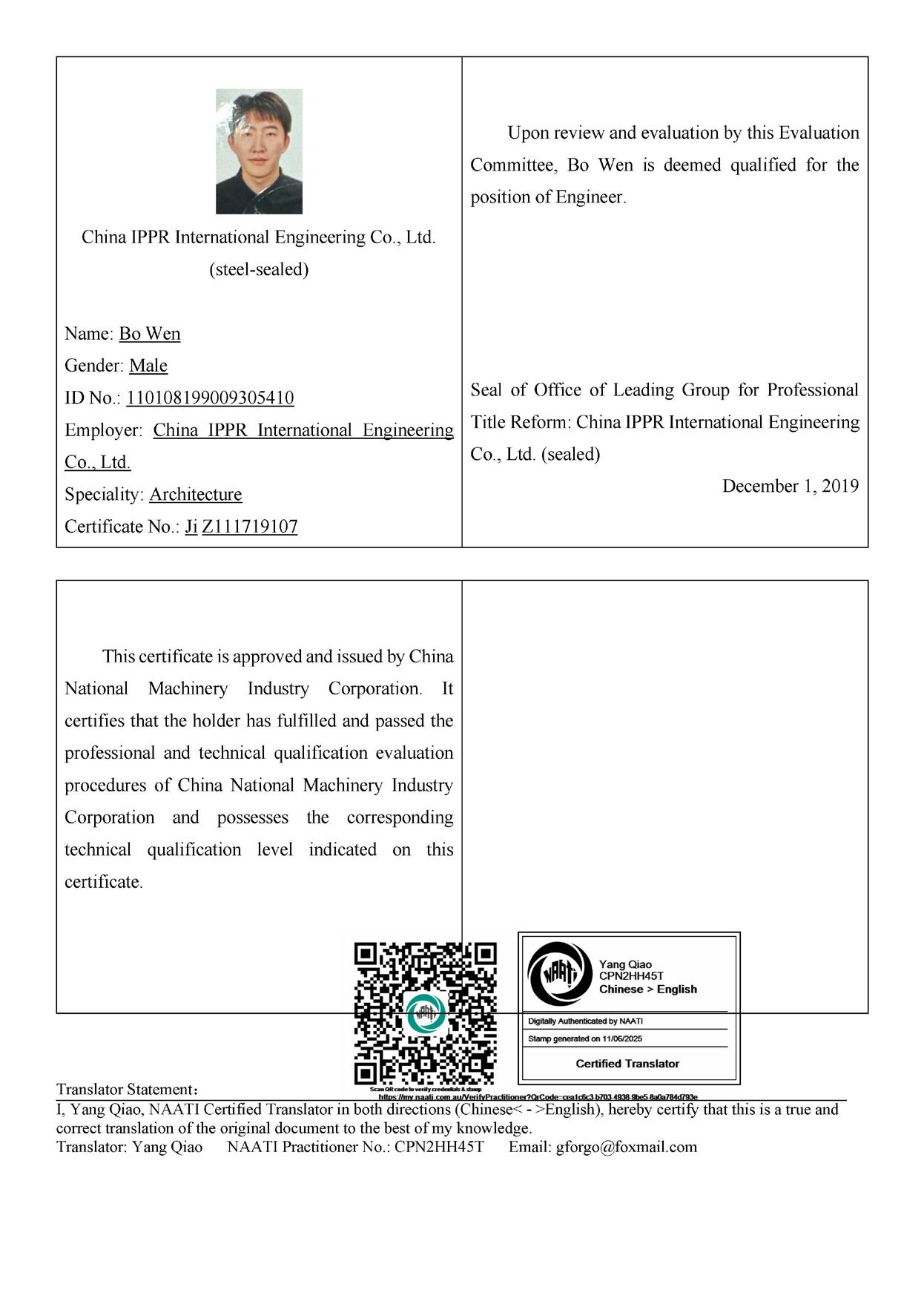
Contributed to projects that received 1 national (China) and 2
Beijing municipal architecture awards
Focus Areas
Commercial complexes
Hospitals, hotels
Residential developments
High-rise buildings
Key Skills
Construction Documentation
Building Techniques & Detailing
Foundational understanding of structural and MEP systems
Multidisciplinary Collaboration
Project Management
ABOUT ME
With eight years of architectural experience, including four years as a project manager, I previously worked at China IPPR International Engineering Co., Ltd., a Fortune 500 company.
I have extensive experience in construction documentation, design, and project management, and have successfully contributed to 11 completed projects. This is complemented by a solid understanding of structural and MEP systems, along with strong multidisciplinary coordination skills.
Project Architect:
I coordinated with master planning and MEP teams, leading the architectural team through the conceptual, schematic, and Construction Documentation phases. I also oversaw the review of other team projects within the company.
Project Manager:
I acted as the main liaison between our team, developers, consultants, government agencies, and drawing review bodies, managing design, contracts, finances, and legal matters. At each project stage, I was responsible for gathering feedback from all parties, coordinating internal teams to evaluate revisions, ensuring effective integration of changes across disciplines, and conducting final reviews. Additionally, I handled contract reviews, payment follow-ups, and, in cases involving legal issues, provided technical support to our legal team.
MY PREVIOUS COMPANY: IPPR
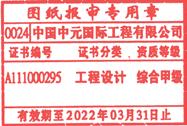
IPPR was founded in 1953 and is a subsidiary of a Fortune 500 company in China. The company currently has 3,500 employees and holds a comprehensive Class-A engineering design qualification, covering all professional fields in architecture.
LANGUAGE SKILLS
02 I Jinshanling Village Center Complex - Anaya Hotel Hotel
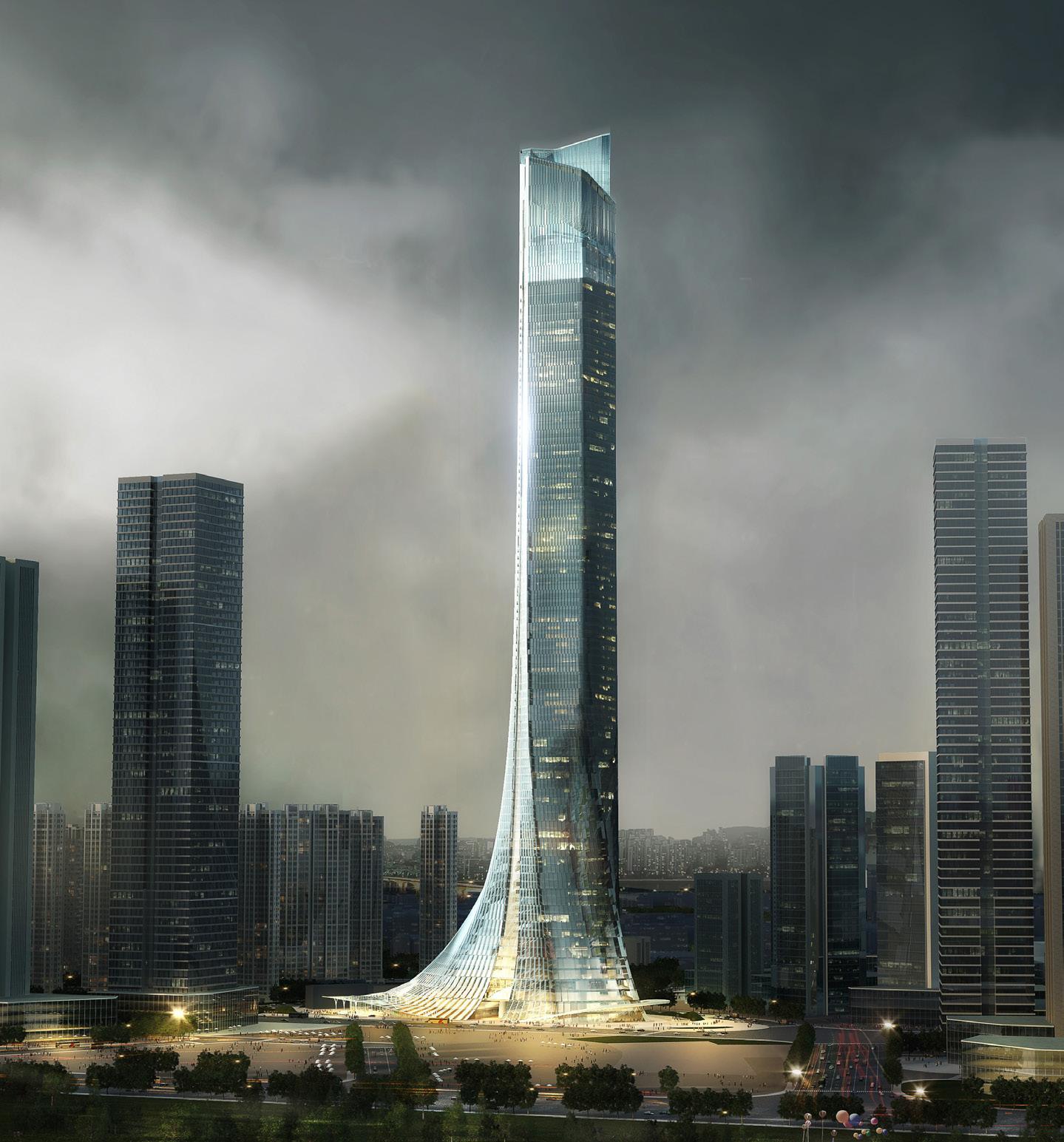
01 I Fuzhou Shimao 518 Mansion Mixed-use high-rise building, 518m
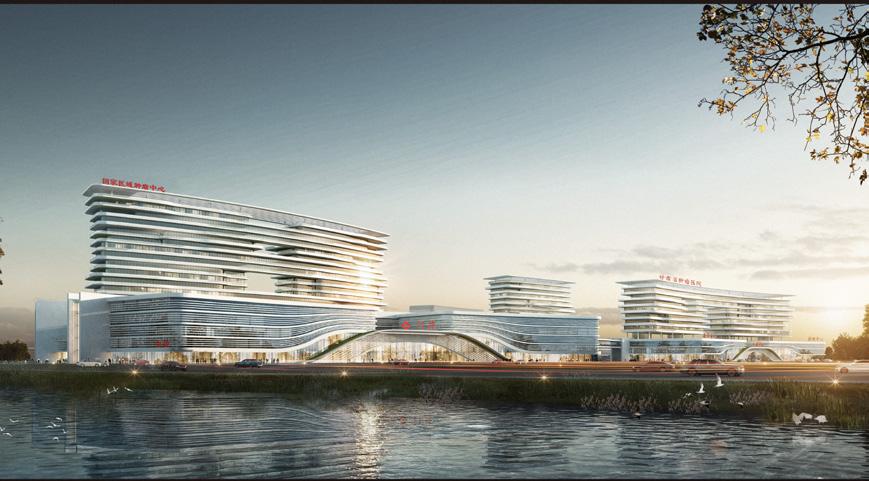
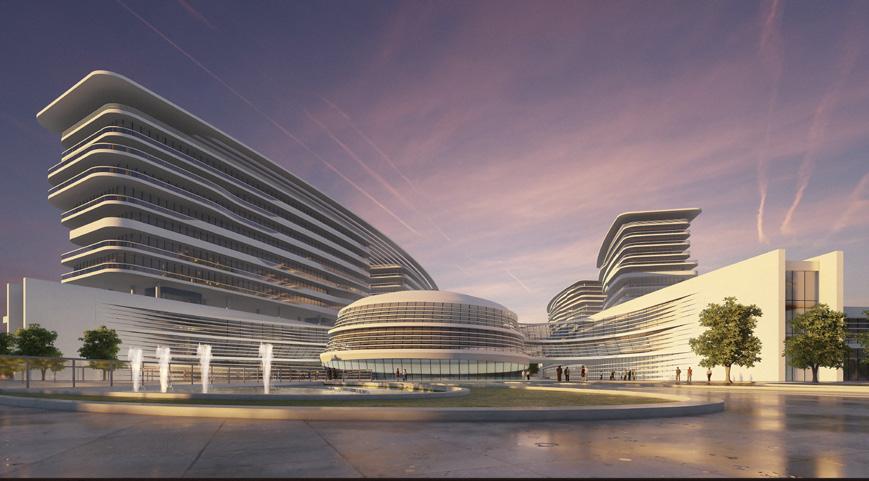
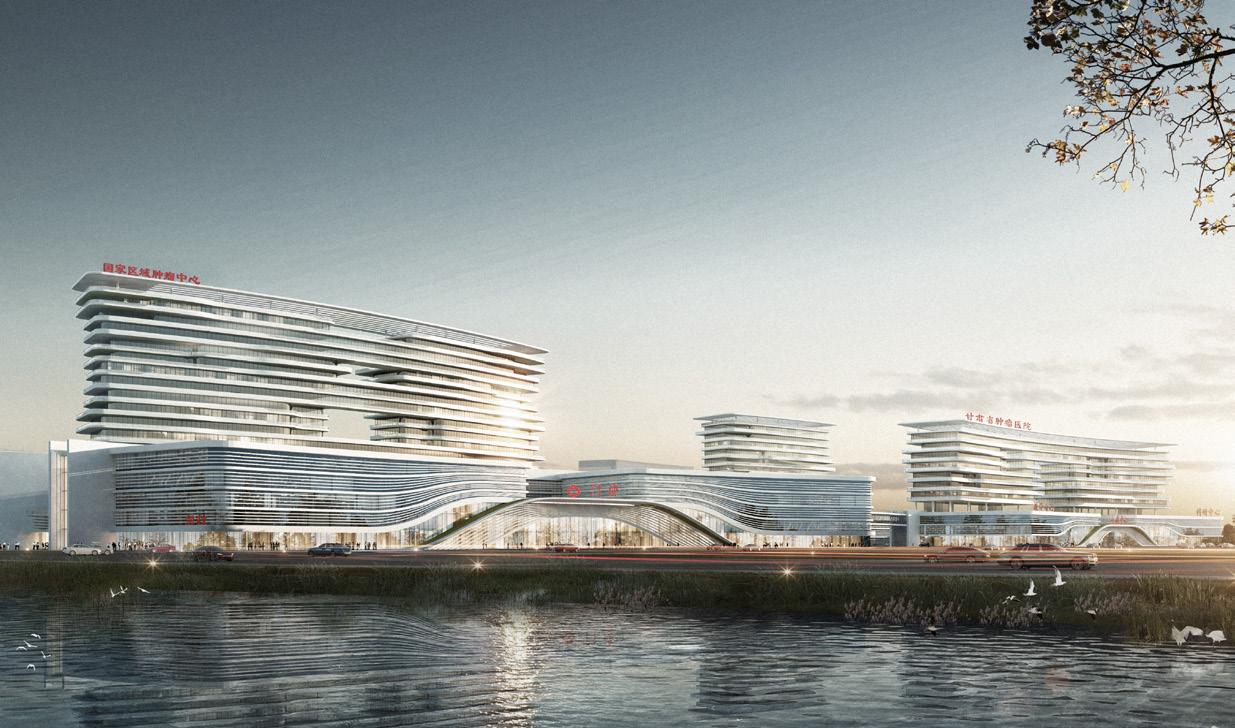
03 I Gansu Cancer Hospital Comprehensive Hospital (Specialized in Oncology)
04 I Living Tree House- a plug-in housing House
05 I Architecture & Modernism & Cinema Art museum
Fuzhou Shimao 518 Mansion
Role: Project Architect and Manager of local design company
Team: Gensler (Shanghai) & China IPPR International Engineering Co,.Ltd.
Phases: Schematic Design - Construction Documentation
Time: 2018-2019
Type: Mixed-use high-rise building
Site: Fuzhou City, Fujian Province, China
Site Area: 28,518m2
Total Building Area: 391,347m2
Number of Floors: 4 basement levels, 95 above-ground floors
Height: 518m (to the top of the spire)
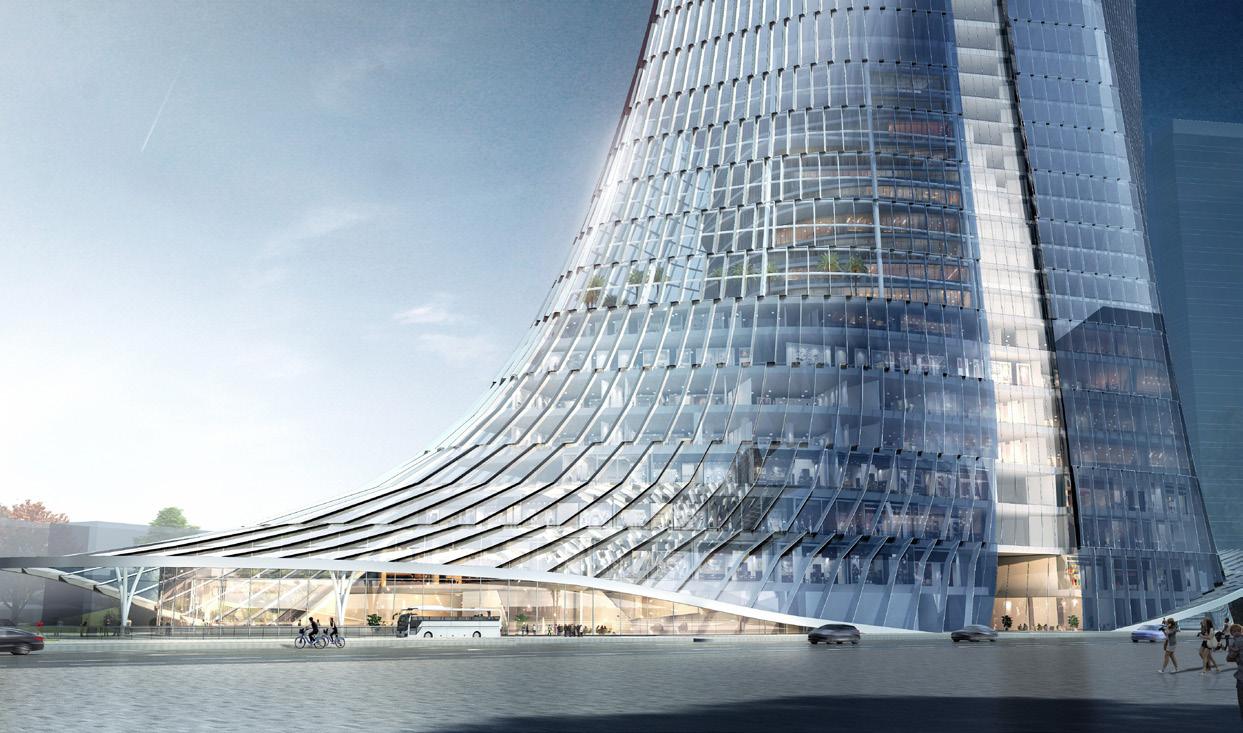
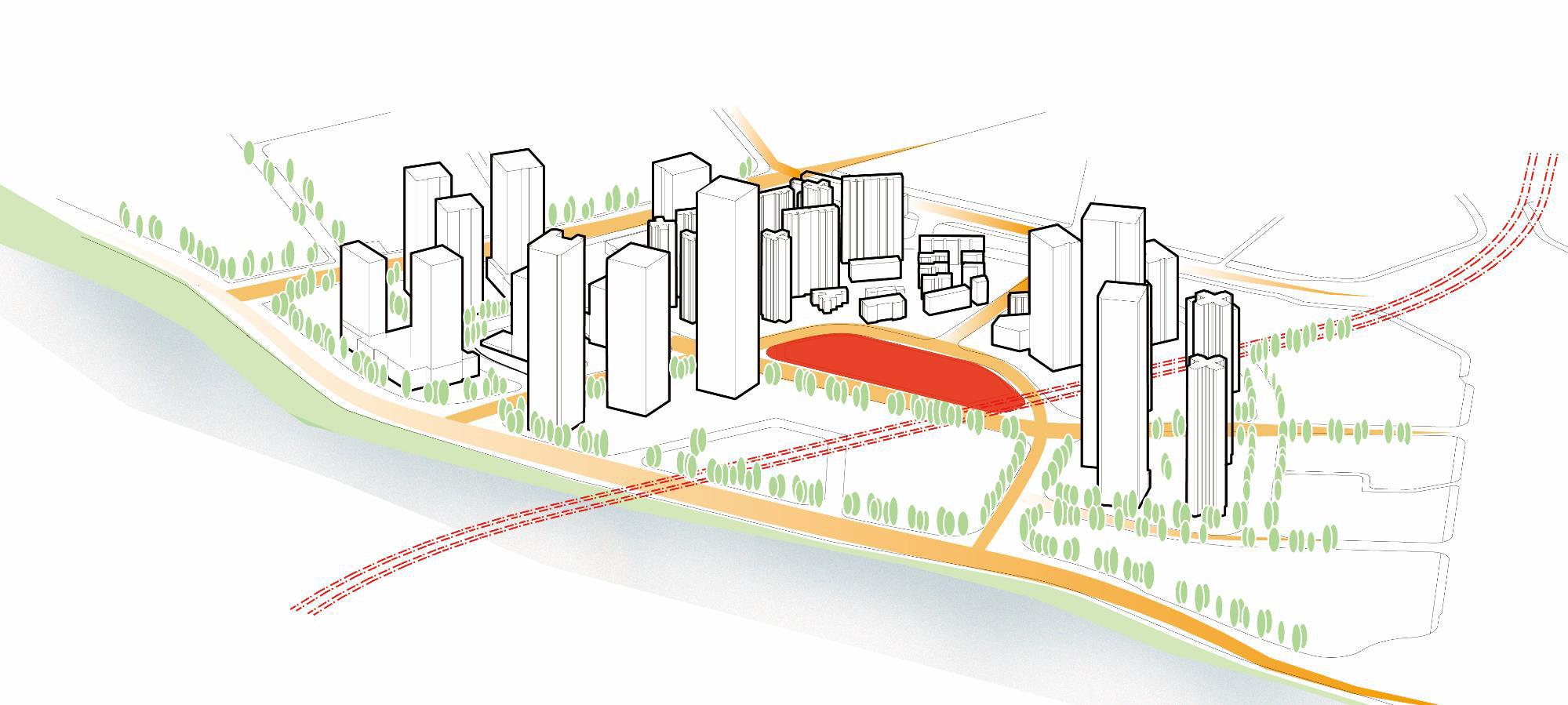
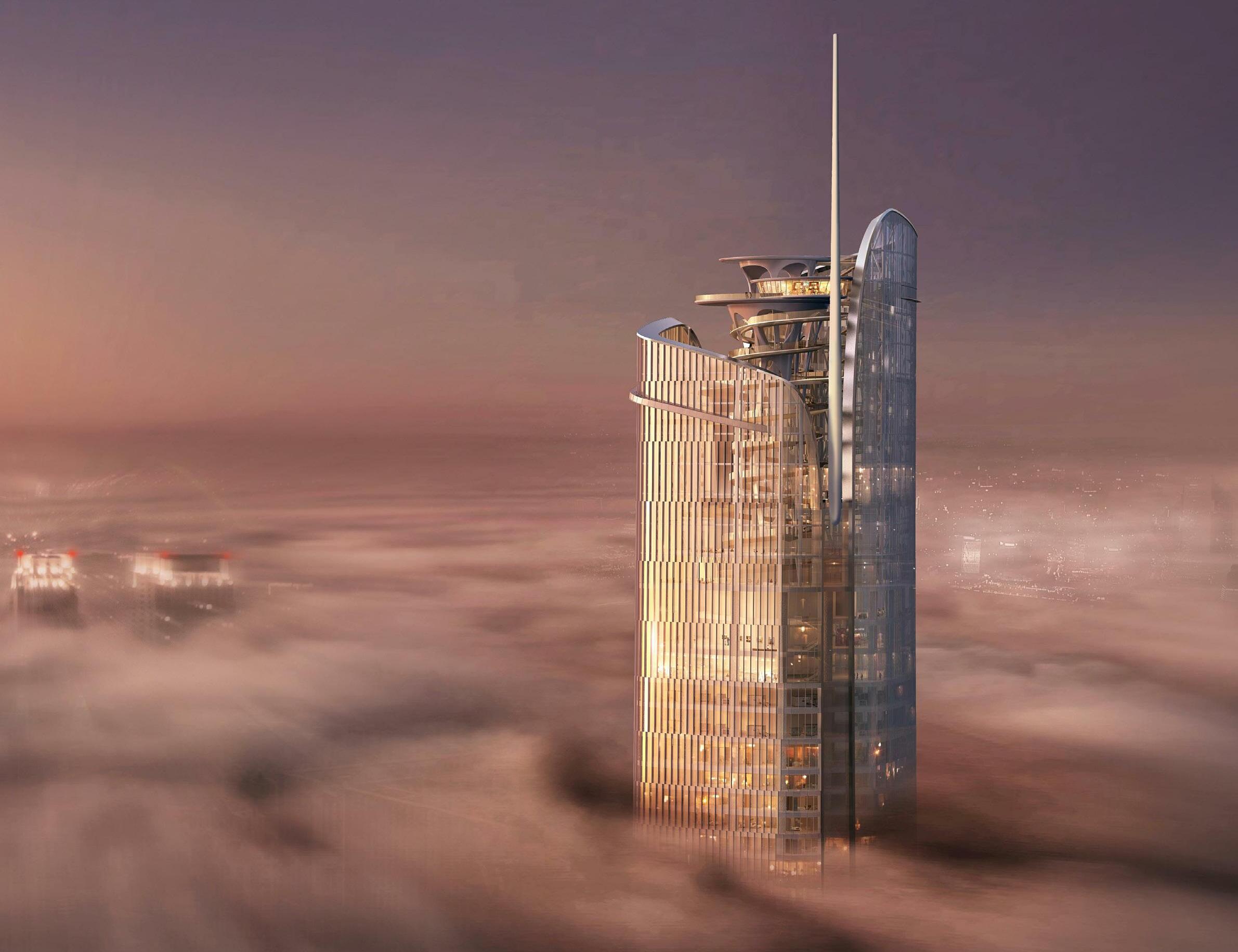
The project is located in the core CBD area of downtown Fuzhou, with a mixed-use design and iconic appearance aimed at boosting the city’s economic development and energizing its urban life, creating a new local landmark.
The main functions include commercial spaces, apartments, offices, and a hotel.
Our firm collaborated with Gensler (Shanghai) throughout the Schematic Design and Construction Documentation phases. My responsibilities included:
Design Work
1. Fully participated in the architectural design, reviewed the design drawings, provided suggestions, and ensured compliance with all building codes.
2.Led and organized fire safety evaluations and prepared presentation documents for fire safety consultation meetings.
3.Responsible for civil air defense design and provided design drawings for the third and fourth underground levels.
4.Responsible for the design of the basement's diaphragm wall and the comparison of partition wall schemes for the tower.
5.Collaborated with the client and consultants on key tasks such as regulatory approval submissions, vertical zoning design, floor height design, fire elevator design, core structure optimization, review of the number of underground parking spaces, site elevation calculations, verification of economic indicators, and coordination for Green Building, LEED, and WELL certifications.
Project Management
As the project manager, I represented my company in coordinating with the developer (Shimao Group), Gensler, and 11 other consulting firms (such as facade consultants and LEED consultants). My duties included attending weekly meetings and technical sessions, reporting on project progress, and resolving technical challenges to ensure the project proceeded according to schedule.
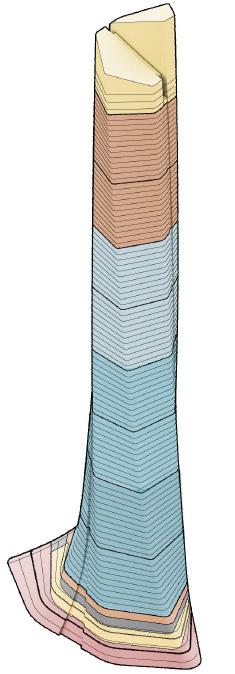
The developer's market research indicated that Fuzhou's purchasing power may not absorb a 518-meter building within five years, and the government limited saleable building heights to 250 meters. Therefore, during the design phase, we explored the option of designating the lower levels as saleable apartments to ensure quick capital return, supporting the building’s operations before costs are recovered and forming a healthy financial cycle.
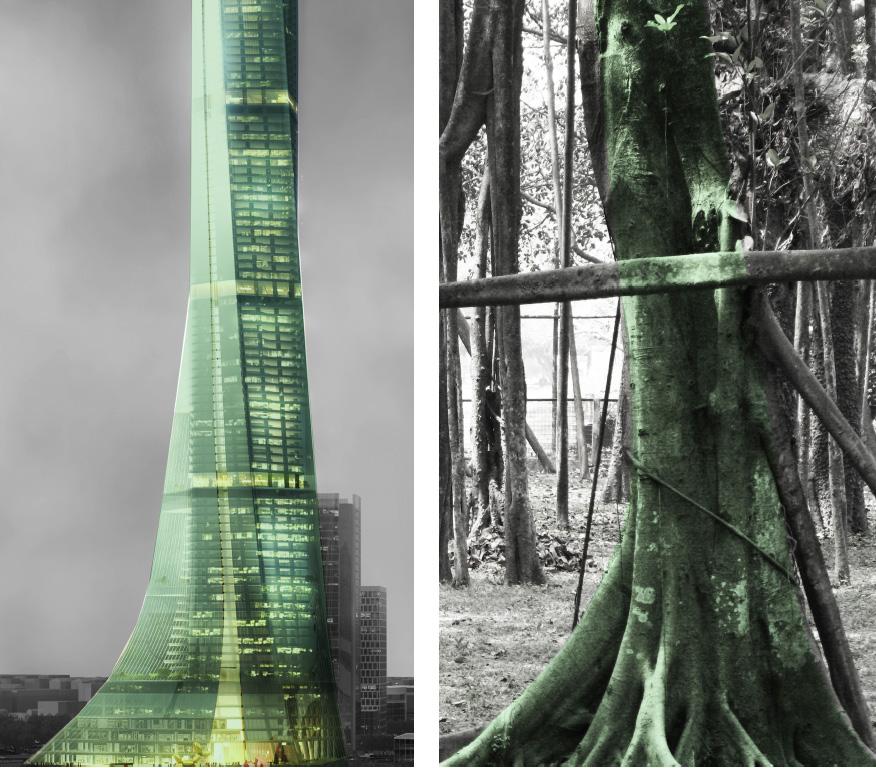
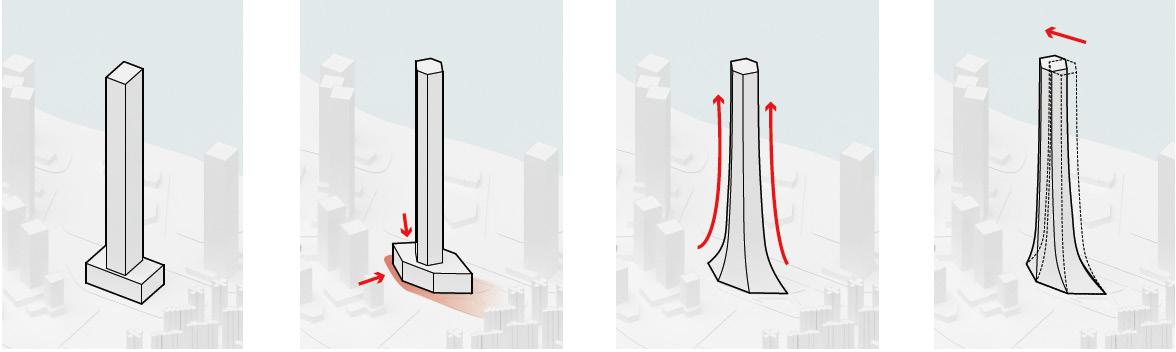
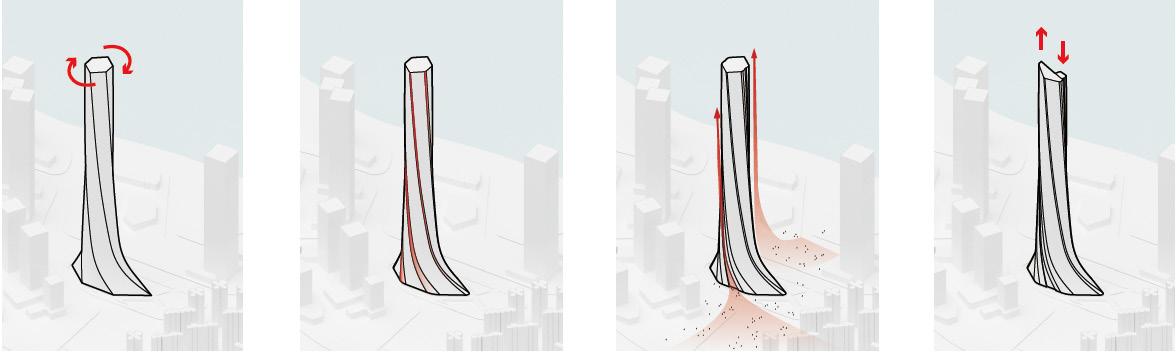
The design is inspired by Fuzhou’s city tree—the banyan tree. The tower's overall form spirals upward like the branches of a banyan. While this design highlights the city’s character, it also presents significant structural and fire safety challenges. For example, the giant load-bearing columns cannot extend vertically and require complex structural transitions. Additionally, the changing form of the tower complicates the vertical fire compartment design, which became a key focus in my later work.
Tower + Podium
Twist to Face Taipei Fillet the Edges for Wind Notch Open to City & Sea Unique Crown Design
Adapt to the Context Unite and Taper Shift Tower for Optimal Sun Shadow
总用地面积:
总建筑面积:
The layout of municipal pipelines within the project site encountered significant challenges due to the following reasons:
1. The project site area is limited.
2. The podium of the building occupies a large area to meet commercial space requirements.
3. The basement has a large footprint to accommodate the required number of parking spaces.
4. The natural site drainage slope results in insufficient soil depth.
地上计容建筑面积:
These factors greatly restricted the available underground space for municipal pipelines. After multiple rounds of adjustments to the positioning of underground equipment rooms, continuous optimization of the building’s footprint, and the reconfiguration of vehicle circulation routes, the issue was ultimately resolved.
ChangTing
汽车坡道2 CAR RAMP 2 汽车坡道1 CAR RAMP 1
As a multifunctional super high-rise building, the design of the core structure is crucial. The configuration of the elevator quantities, whether they provide direct access to different functional areas, and whether an intermediate sky lobby is needed for transfers are all key factors determining the rationality of the core design (in terms of both cost efficiency and space optimization). In the early design stages, we referred to average elevator parameters (such as speed and load capacity), which not only helped the developer to plan the equipment budget more effectively but also ensured minimal layout adjustments when the elevator supplier joined the project later.
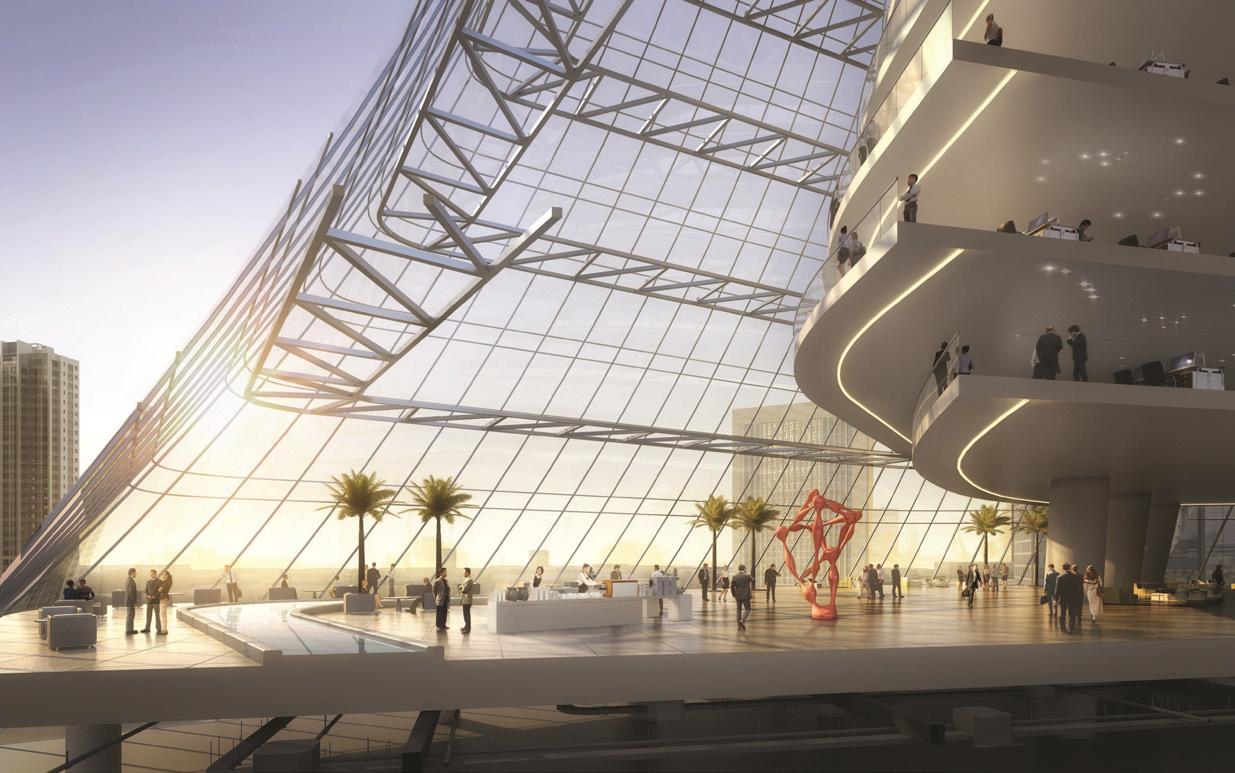
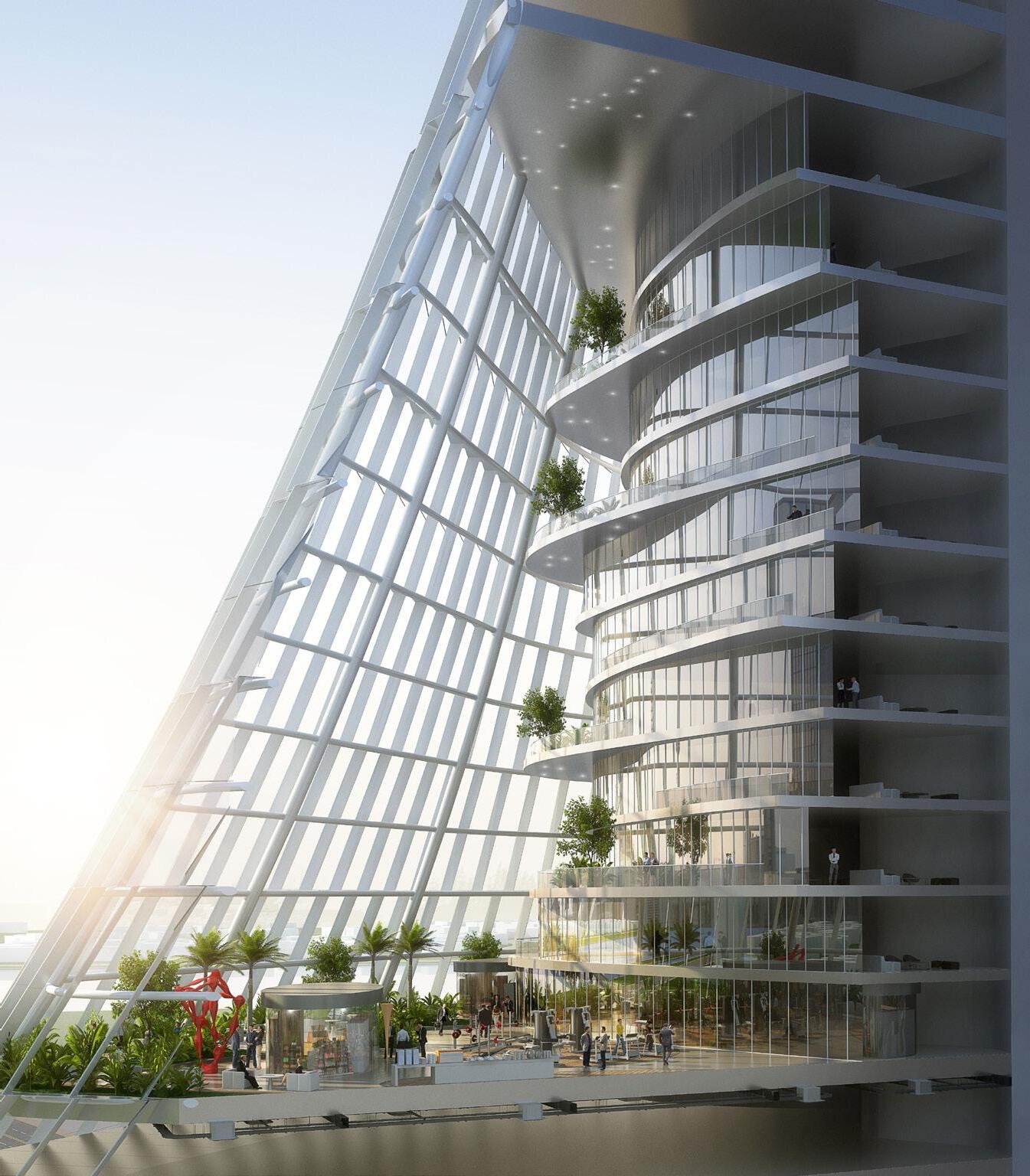
To enhance the living environment of the lower-level apartments, the sky lobby in this area is designed as a double-height indoor garden. Additionally, a dragon-scale open facade system, combined with a water cannon fire suppression system, is employed to meet both ventilation and fire safety requirements.
Based on the area indicators provided by the developer, we designed the apartment layouts. Taking into account the impact of the irregular building shape and structural system on the space, the layouts were divided into small, medium, and large categories, resulting in a total of eight different types. In the preliminary market research, due to the limited purchasing power of the target customers, a higher proportion of small and medium units was planned to better meet the sales demand.
SCALE: A1: 1 : 40
I was also involved in other architectural tasks.
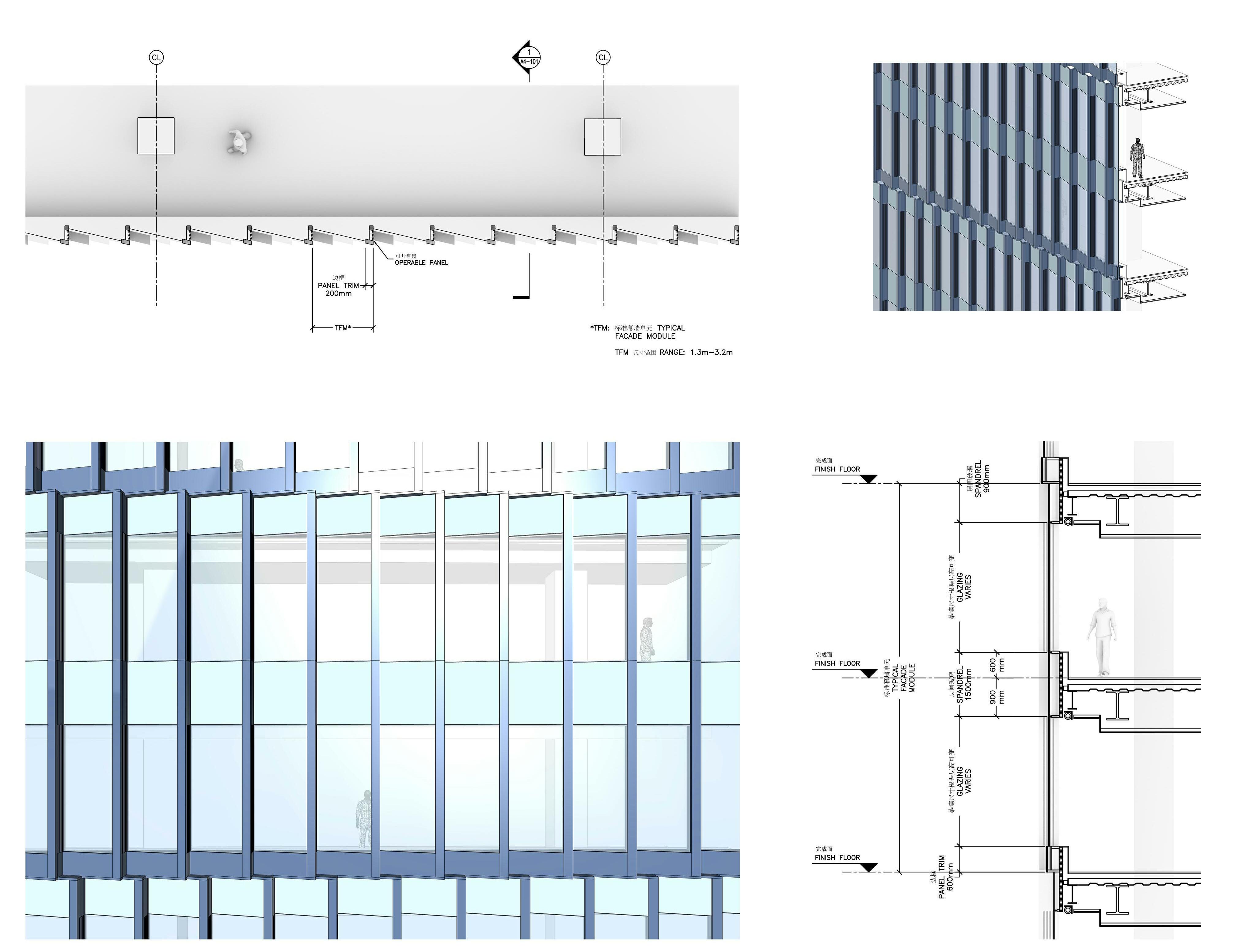
For example, I collaborated with the facade consultant to design the window cleaning system track. Due to the high risks associated with "spidermen" working at heights on super high-rise buildings, especially in regions with strong winds, their work is often restricted. As a result, window cleaning machines provide an effective solution to this issue. Typically installed on the equipment floor, the track design for the window cleaning machine must take into account multiple factors, including the location of the machine room, the layout of refuge floors, and the height of structural beams, ensuring that the system not only meets functional requirements but also integrates seamlessly with the building's overall structure.
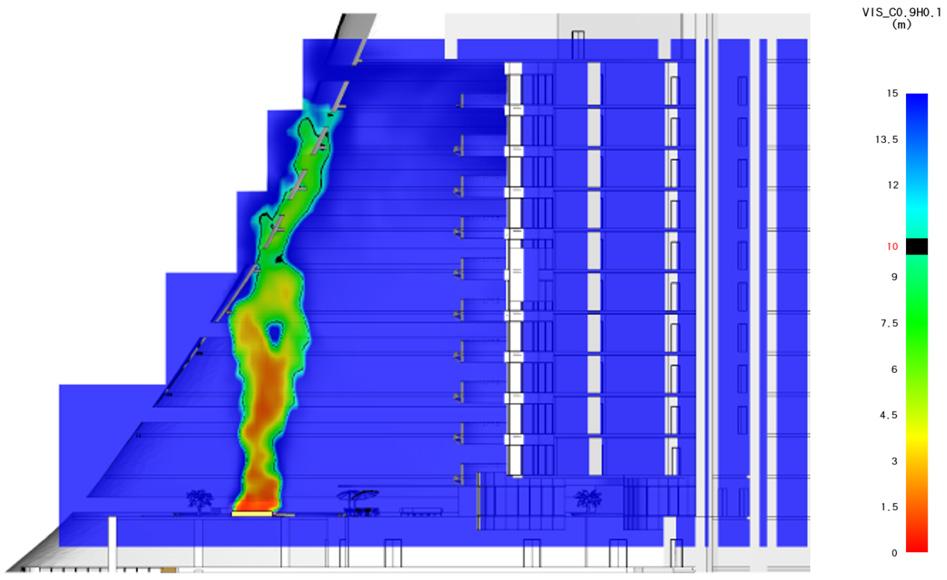
To verify the design’s feasibility, I also worked with the fire safety consultant to conduct fire simulations for internal spaces with potential safety hazards. Using 3D modeling, we developed basic simulation models and conducted fire scenario analyses to assess the building's smoke control performance. This process helped ensure that the design not only meets safety codes but also effectively responds to fire risks in real emergency situations.
Movable
Jinshanling Village Center Complex - Anaya Hotel
Role: Project Architect
Team: Vector Architects & China IPPR International Engineering Co,.Ltd.
Phases: Schematic Design - Construction Documentation
Time: 2020-2021
Type: Hotel
Site: Jinshanling, Hebei Province, China
Site Area: 22,144m2
Total Building Area: 15,657m2
Number of Floors: 2 basement levels, 7 above-ground Floors
Height: 23.97m
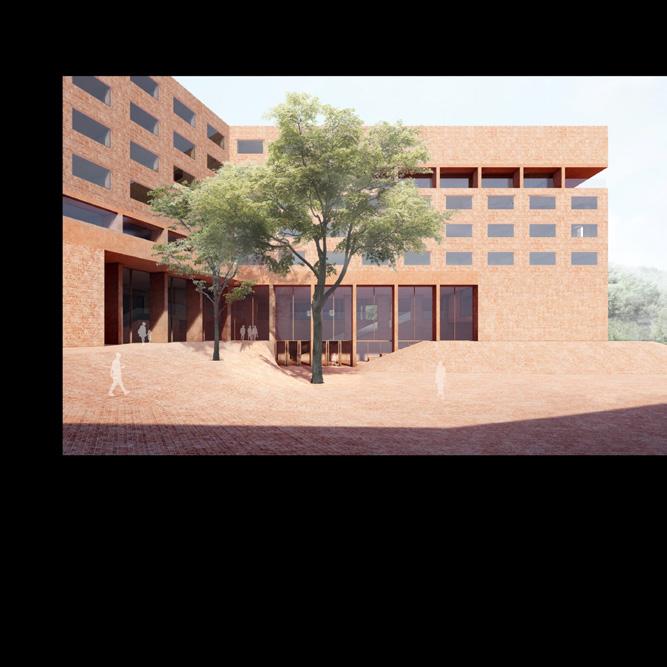
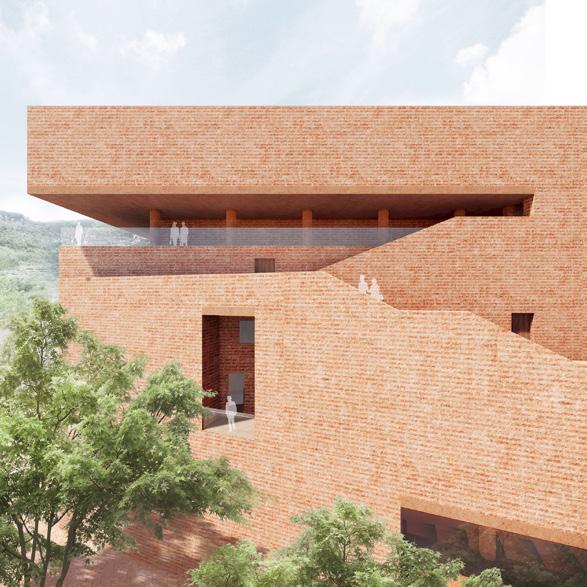
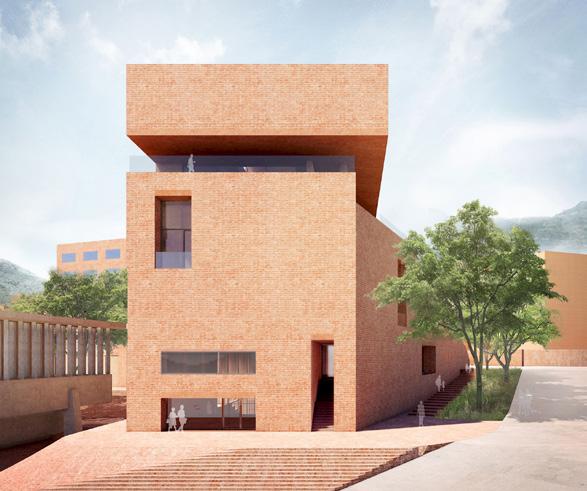
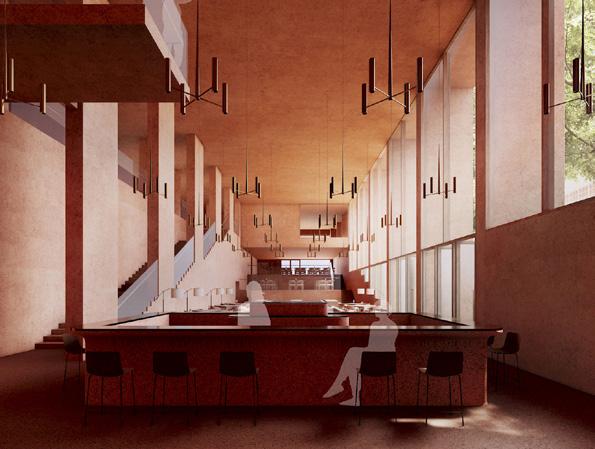
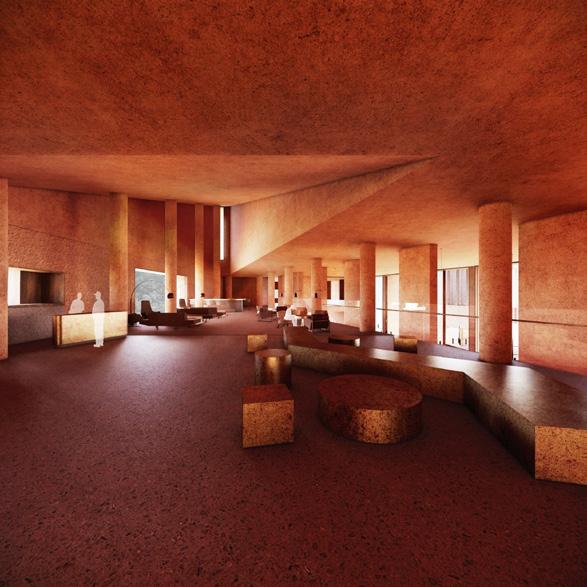
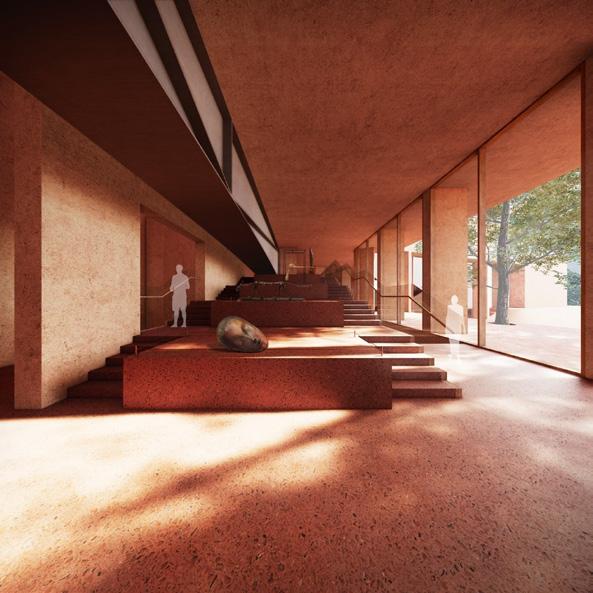
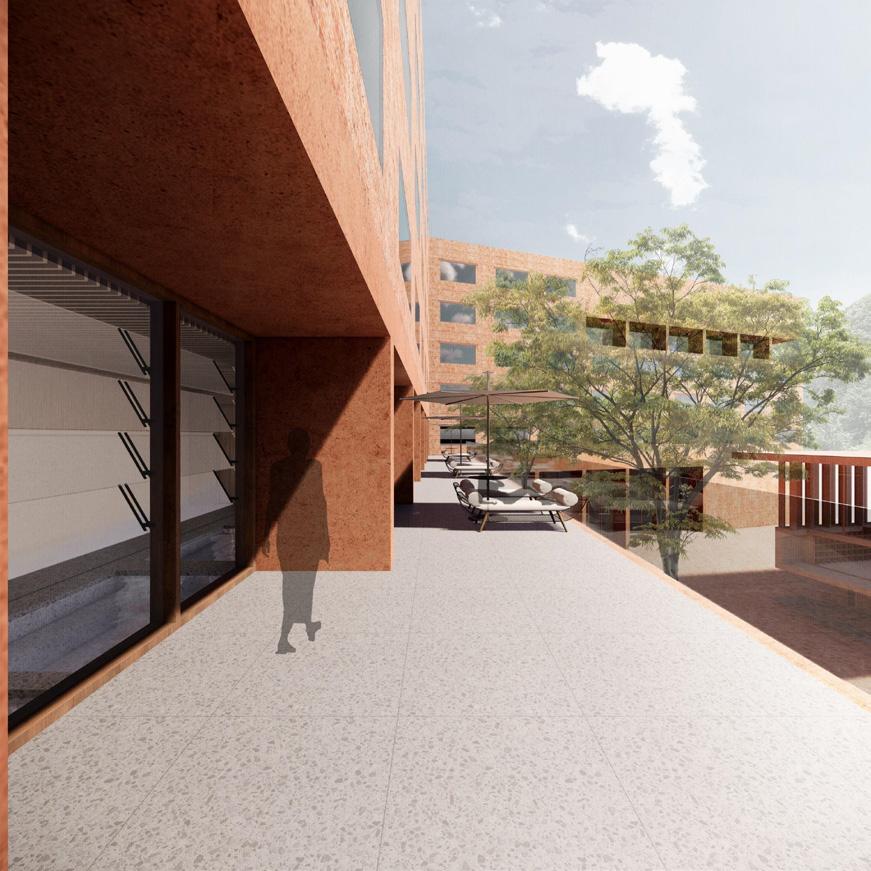
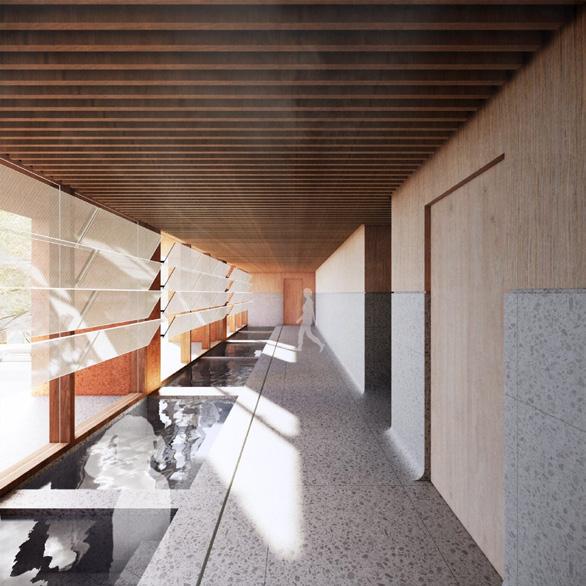
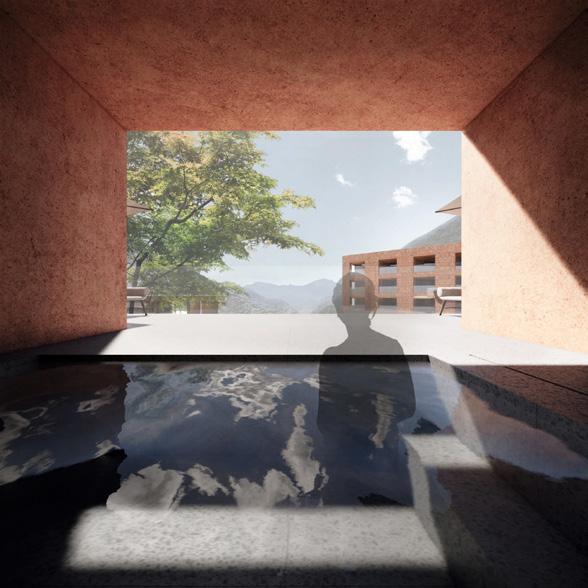
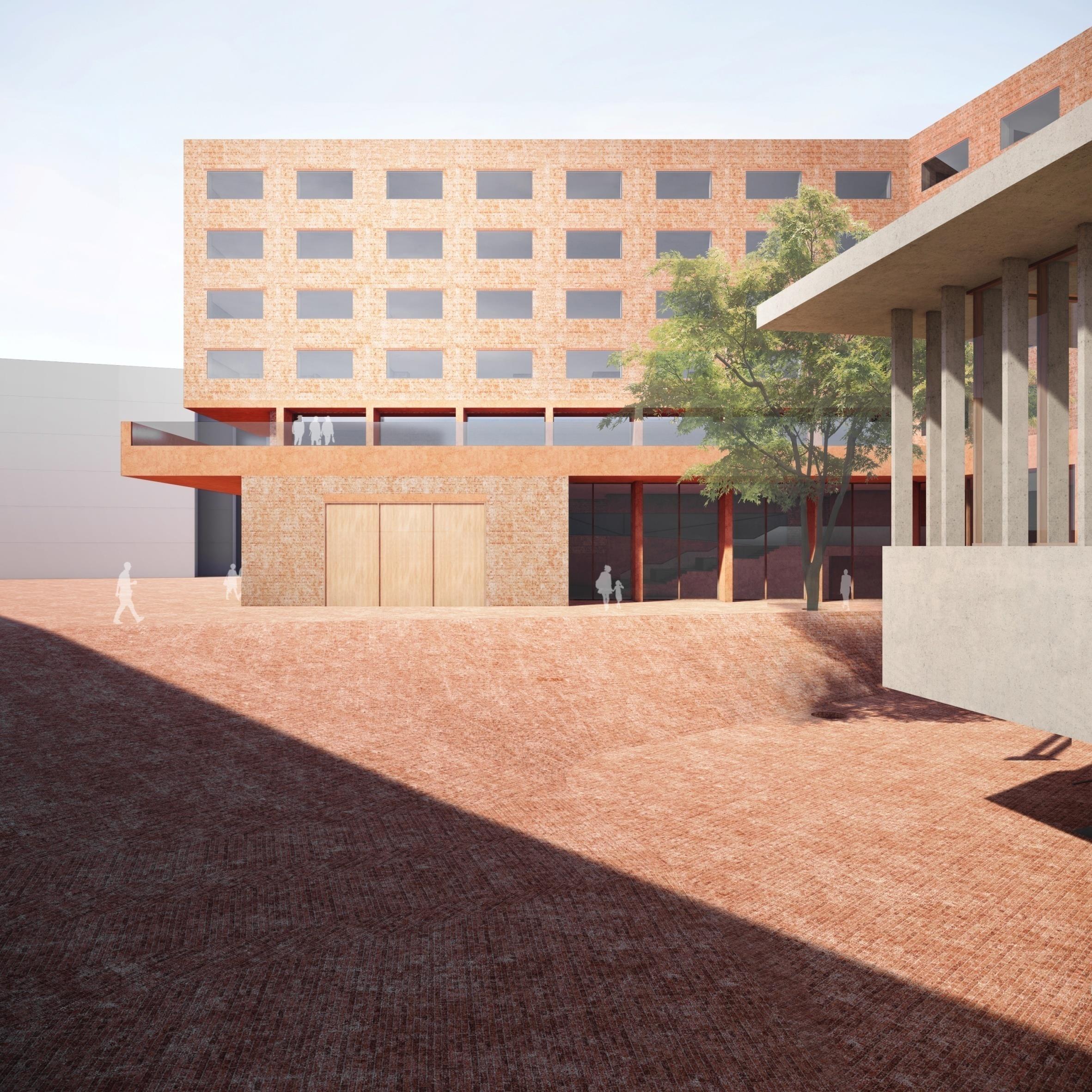
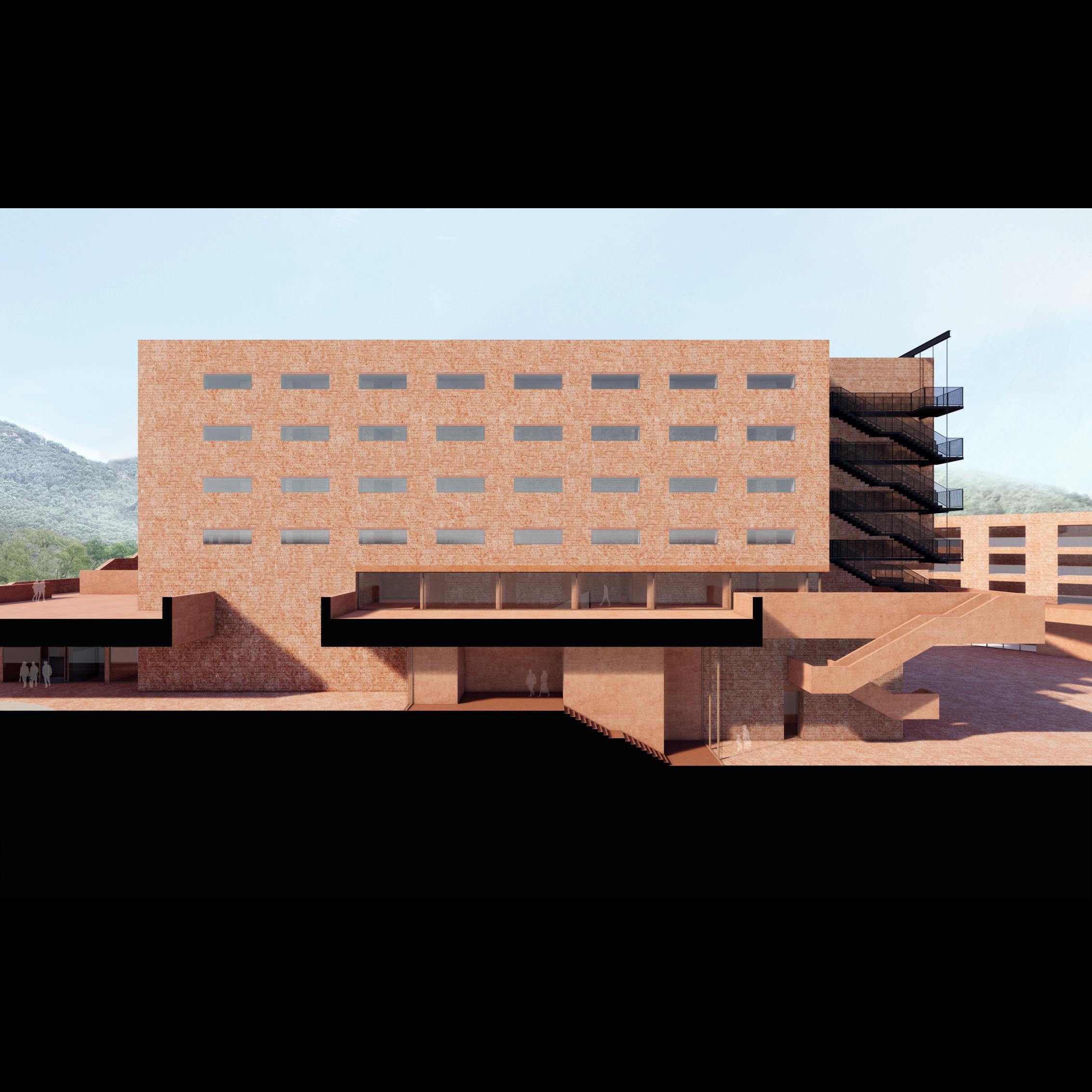
The Aranya Jinshanling Hotel is located amidst the mountains near Chengde, Hebei Province, China. The central town area serves as the hub for daily necessities, with surrounding plots and groupings planned along the natural mountain terrain. The development includes diverse product types, such as LOFTs, courtyard flats, and artist studios.
The hotel is part of this grouping and includes 44 standard guest rooms, 7 hot spring rooms, an all-day dining restaurant, a bar, a chapel, hot spring center and a theater. The structural system consists of a frame-shear wall structure.
The concept design for this project was led by the renowned architect Dong Gong and the team at Vector Architects, with the IPPR team responsible for the preliminary and construction design phases. As the project architect for the hotel design, I worked closely with Vector Architects to further develop the design, including code compliance review, floor plan optimization, fire safety design, and insulation performance calculations.
Since the MEP engineering for this project is entirely handled by the IPPR team, I also served as the liaison between Vector Architects and the MEP team to ensure integration between architectural design and MEP systems. This required me to analyze and reconcile the requirements from both sides, effectively addressing potential technical conflicts to facilitate the efficient implementation of the design.
In addition, I was responsible for technical reviews at each design stage, with a particular focus on fire safety and energy performance, to ensure the project meets regulatory standards while achieving optimal design outcomes. Throughout the project, I provided regular progress updates and collaborated with consultants across various disciplines to develop appropriate design improvements, thereby ensuring the quality of construction and the final result.
Apartment Library Hotel
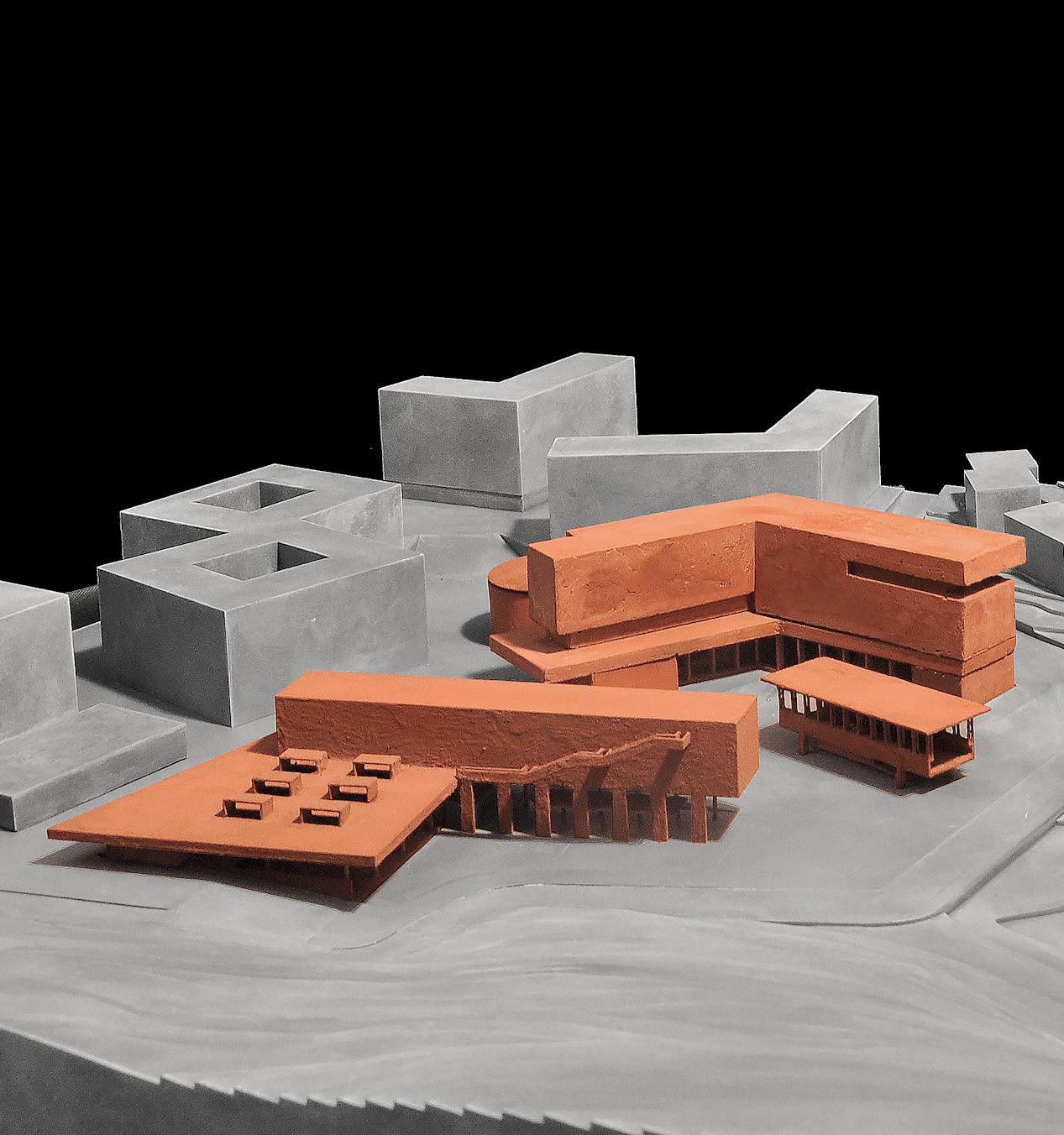
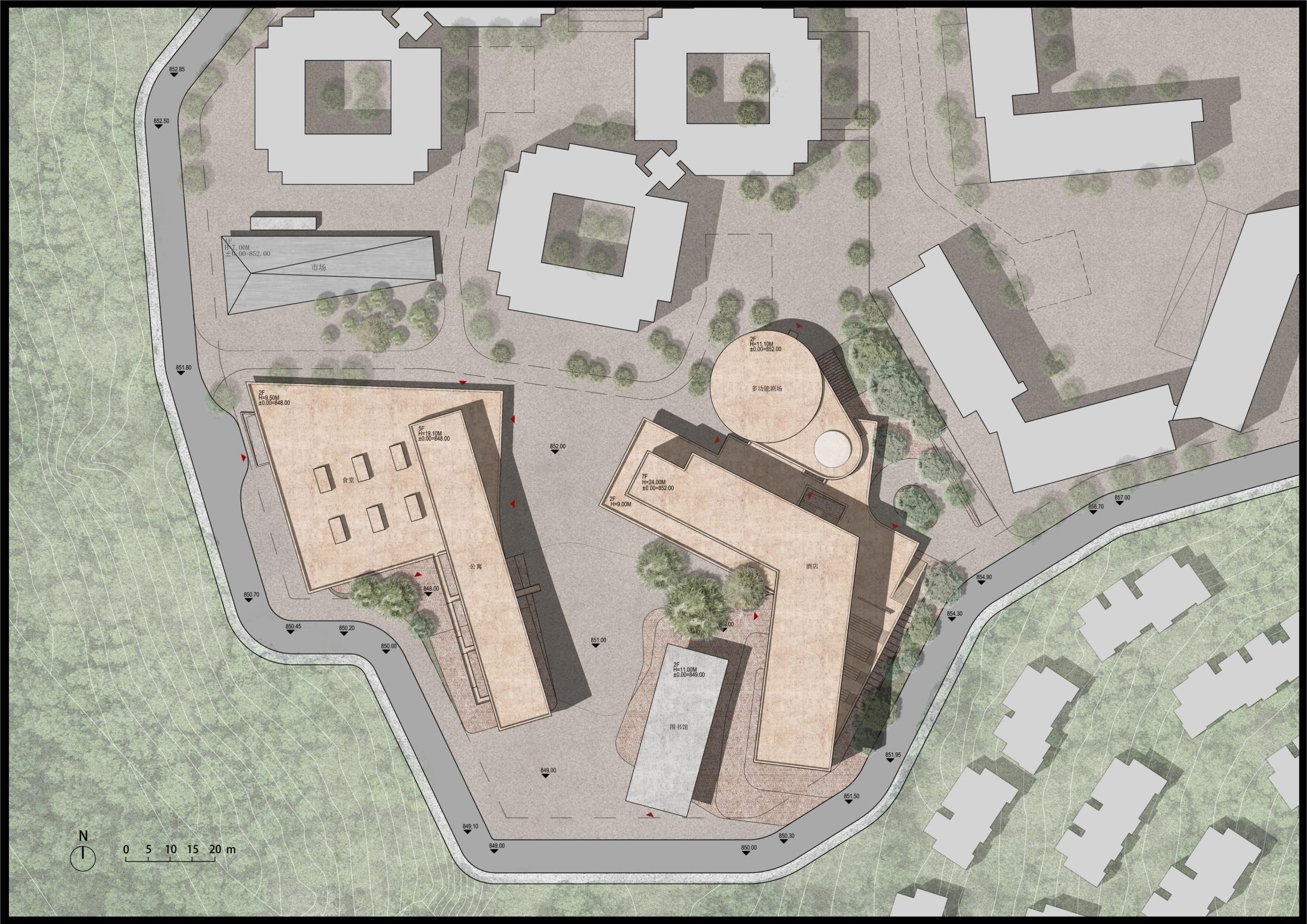
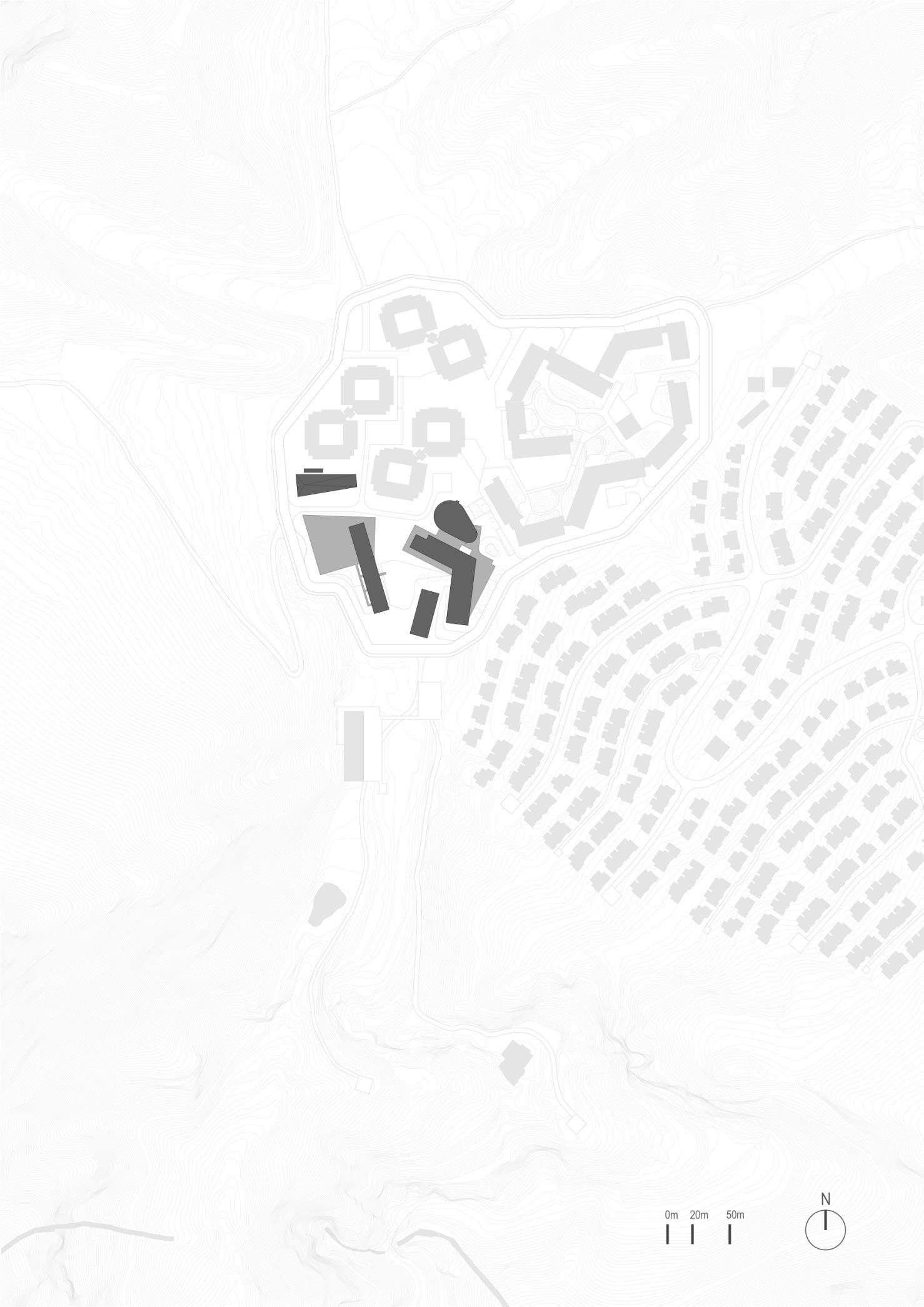
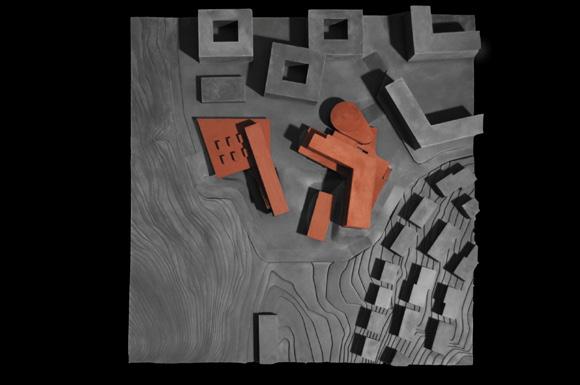
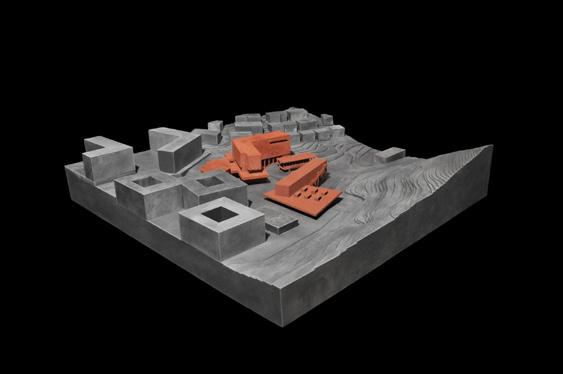
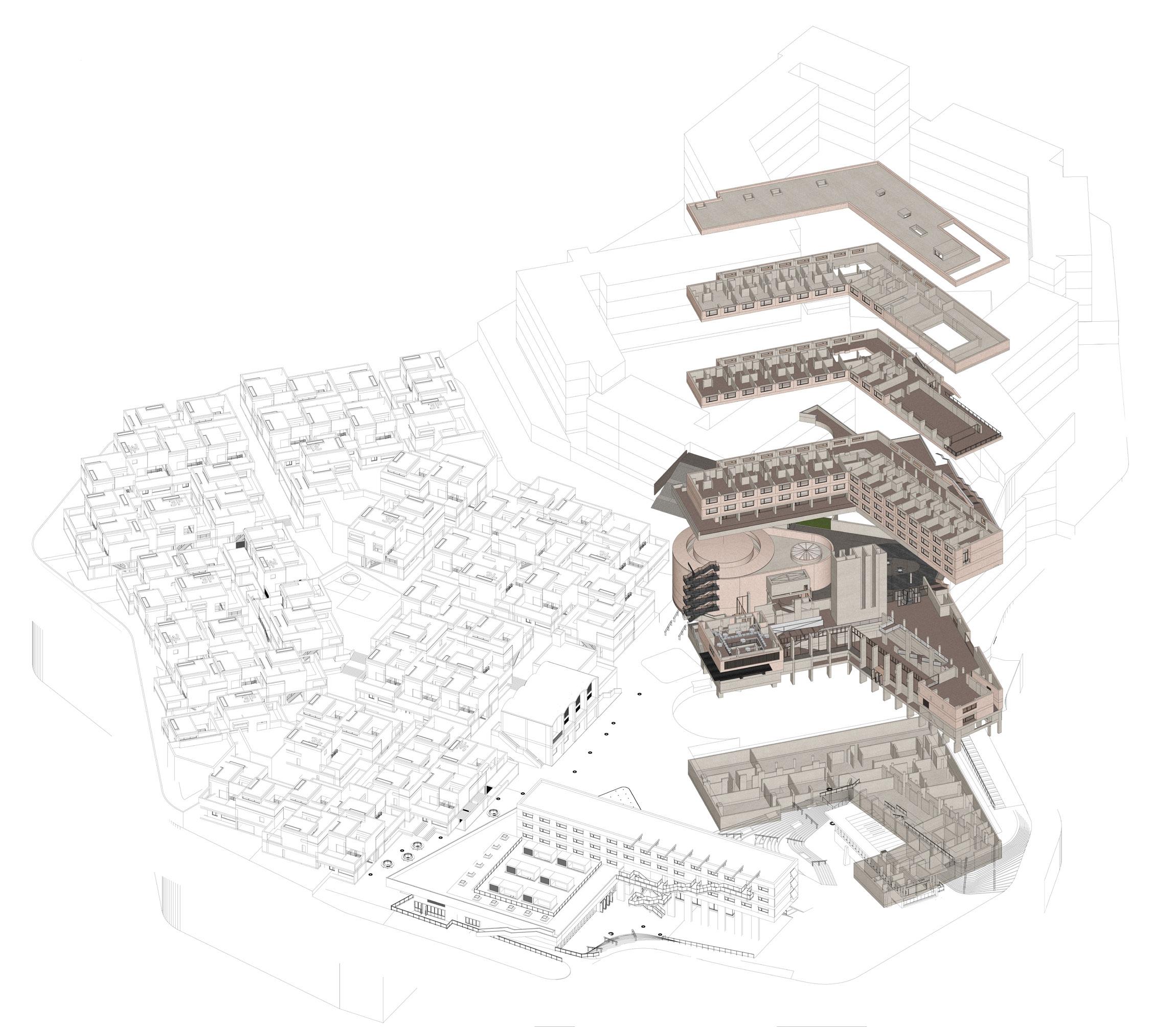
The construction of Phase I of the town has been successfully completed. The Phase II development, which includes apartments, a hotel, and a library, not only extends the architectural fabric of Phase I but also carefully considers and respects the natural terrain, integrating seamlessly into the mountainous environment. Through thoughtful planning, these new building clusters follow the topography and establish an organic connection with the surrounding buildings, creating a space that harmonizes with nature.
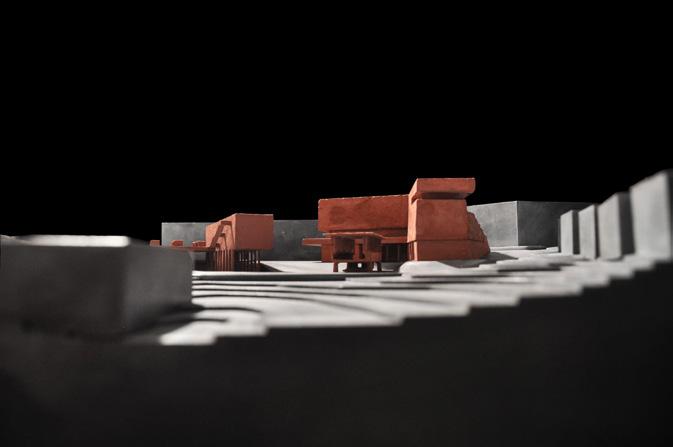
In the model, it is evident that the arrangement of the Phase II buildings follows the contours of the mountain, embedding the architectural forms naturally into the landscape. The layout, massing adjustments, and height control of the buildings all take into account visual permeability and open sightlines, allowing residents and visitors to fully experience the grandeur of the mountain views and the unique charm of the town.
Plant
(B2)
1. Aluminum Slope-Finding Panel
2. Galvanized Steel Support Bracket
3. Galvanized Steel Stud
4. Rock Wool Insulation 5. Waterproof
6. Tie Reinforcement Bar
7. Custom Fired Brick
8. Aluminum Eave
9. Wood Window Casing
10. Low-E Double-Glazed Window
11. Aluminum Slope-Finding Panel
12. Galvanized Steel Stud 13. Rock Wool Insulation 14. Waterproof 15. Galvanized Steel Support Bracket
16. Autoclaved Aerated Concrete (AAC) Block
17. Tie Reinforcement Bar
18. Custom Fired Brick
19. Waterproof
20. Galvanized Steel Support Bracket
21. Tie Reinforcement Bar
22. Custom Fired Brick
23. Cast-in-Place Concrete
24. Drip Edge
25. Precast Terrazzo Tile Flooring
Gansu Cancer Hospital
Role: Senior Architectural Designer
Team: China IPPR International Engineering Co,.Ltd.
Phases: Schematic Design
Time: 2021
Type: Comprehensive Hospital (Specialized in Oncology)
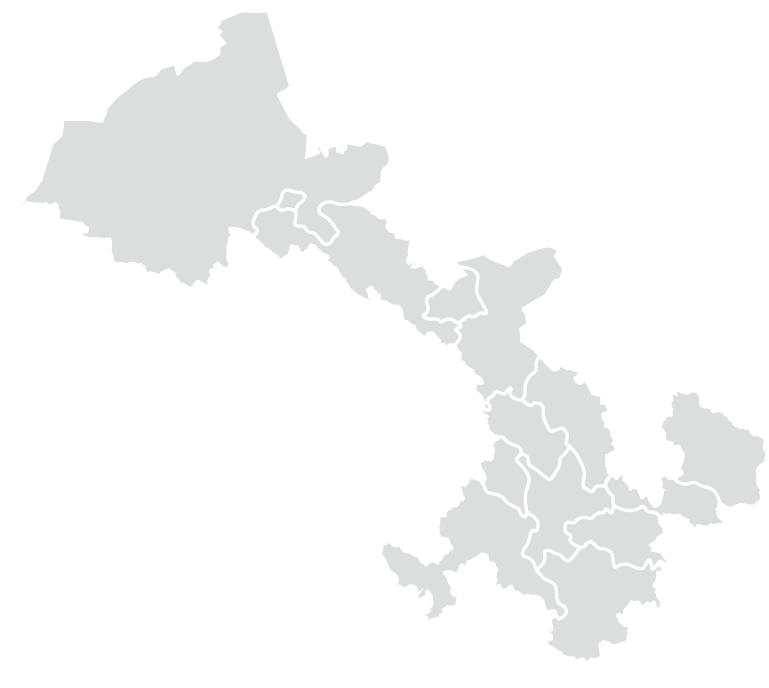
Site: Lanzhou City, Gansu Province, China
Total Building Area: 206,666m2
Number of Floors: 2 basement levels, 5 floors for the Outpatient/Medical Technology Building, and 18 floors for the Inpatient Building
Number of Beds: 1,500 beds
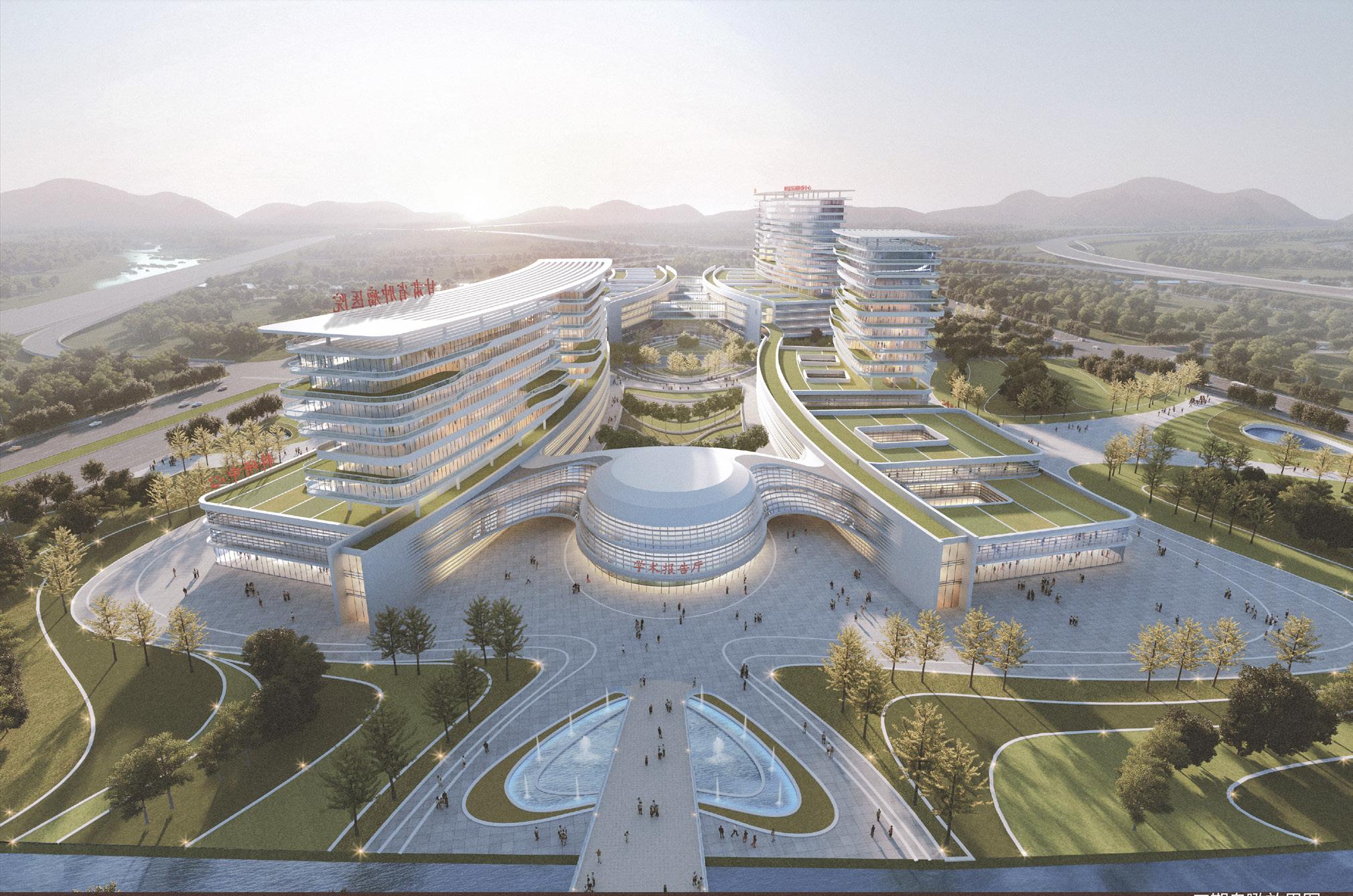
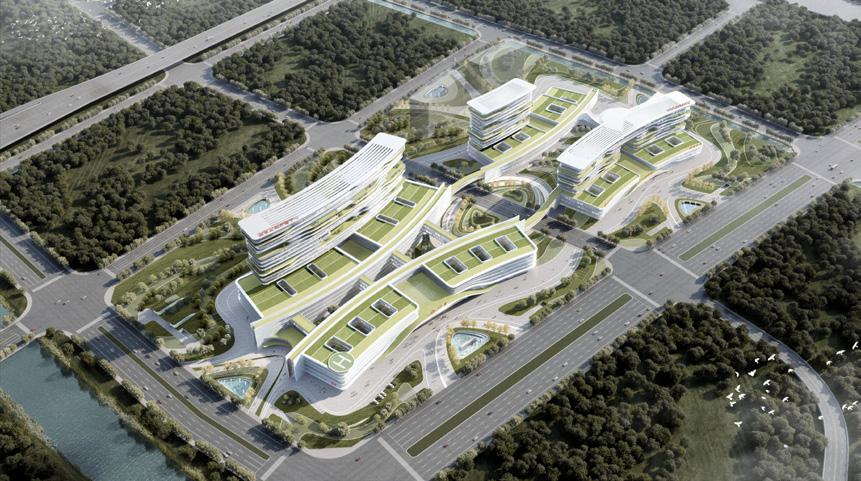
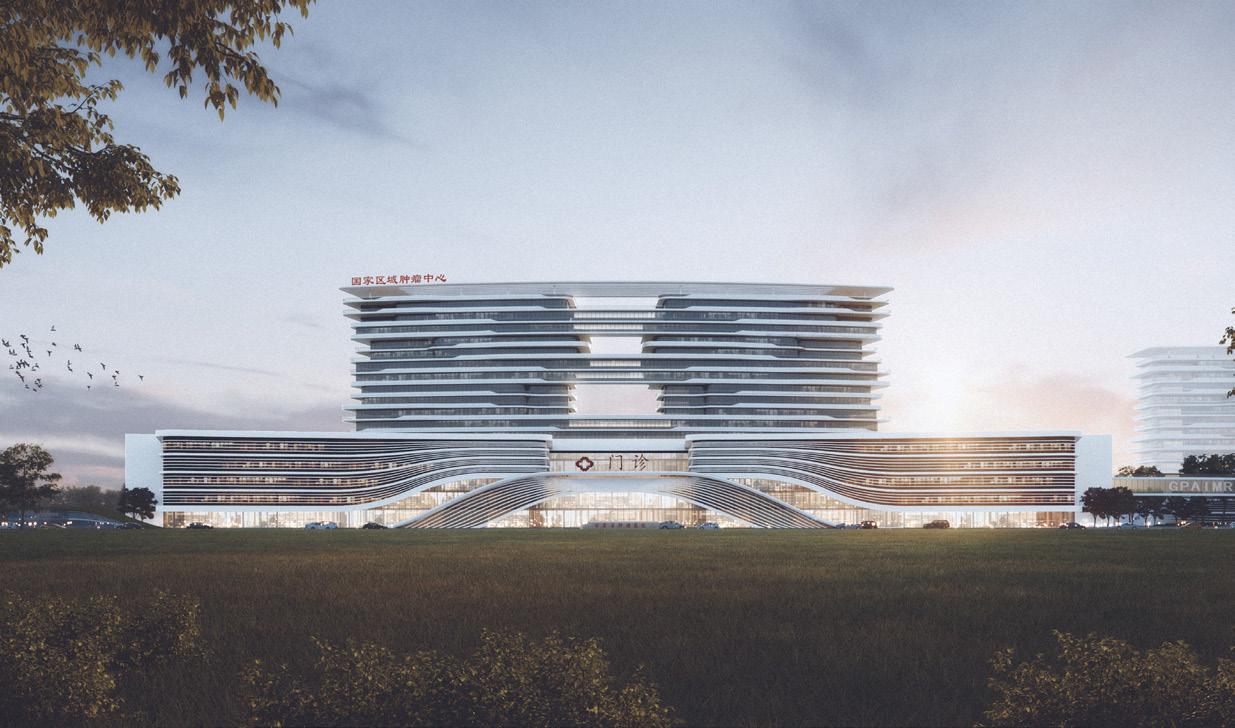
Founded in 1972, Gansu Cancer Hospital is the largest oncology and medical research institution in Northwest China, integrating medical care, research, education, and rehabilitation. This project aims to enhance the city's healthcare services to meet the growing demand for diagnosis and treatment. The hospital includes 19 clinical departments, 7 medical technology departments, and three major centers: the Health Examination Center, Preventive Care Center, and Comprehensive Rehabilitation Center.
Gansu
Yellow River Lanzhou
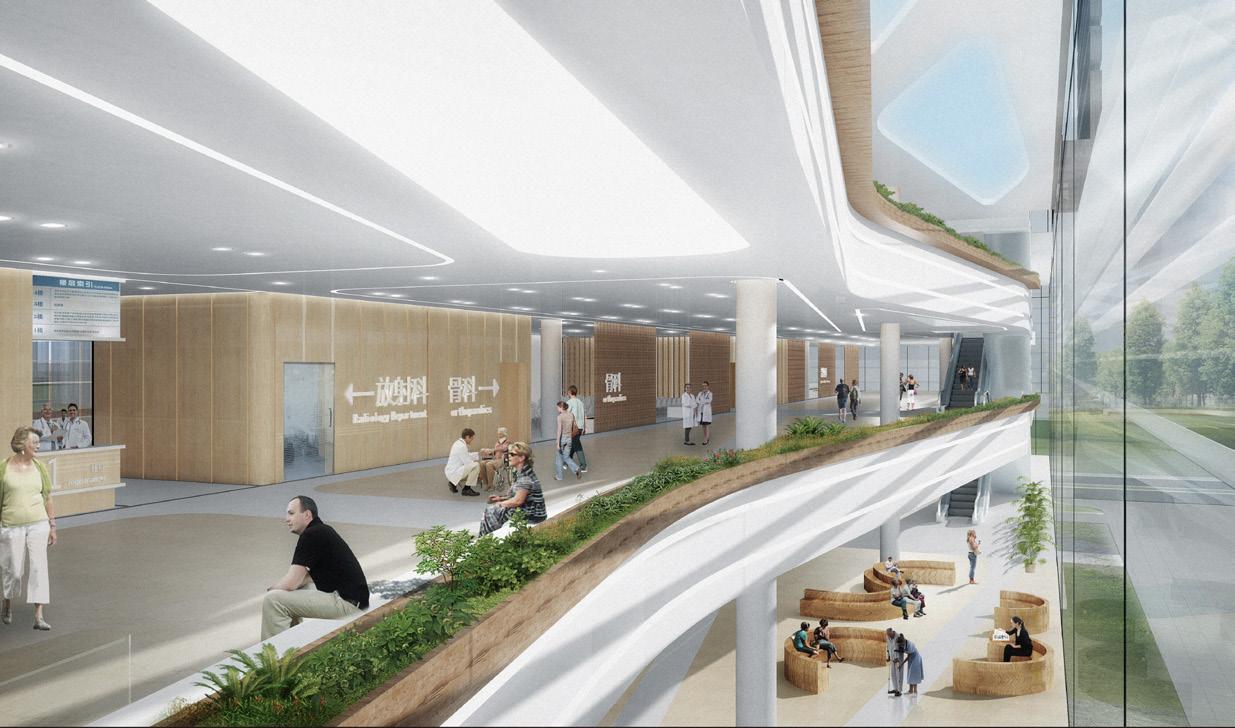
My primary responsibility during the bidding phase is to coordinate architectural design tasks, including concept development, master planning, and the layout of floor plans and facades. I focus on balancing functionality and aesthetics while aligning with client requirements and regulatory standards. My role also involves multidisciplinary coordination— integrating structural and MEP (mechanical, electrical, and plumbing) systems—while enhancing design feasibility and maintaining cost efficiency.
Yellow River
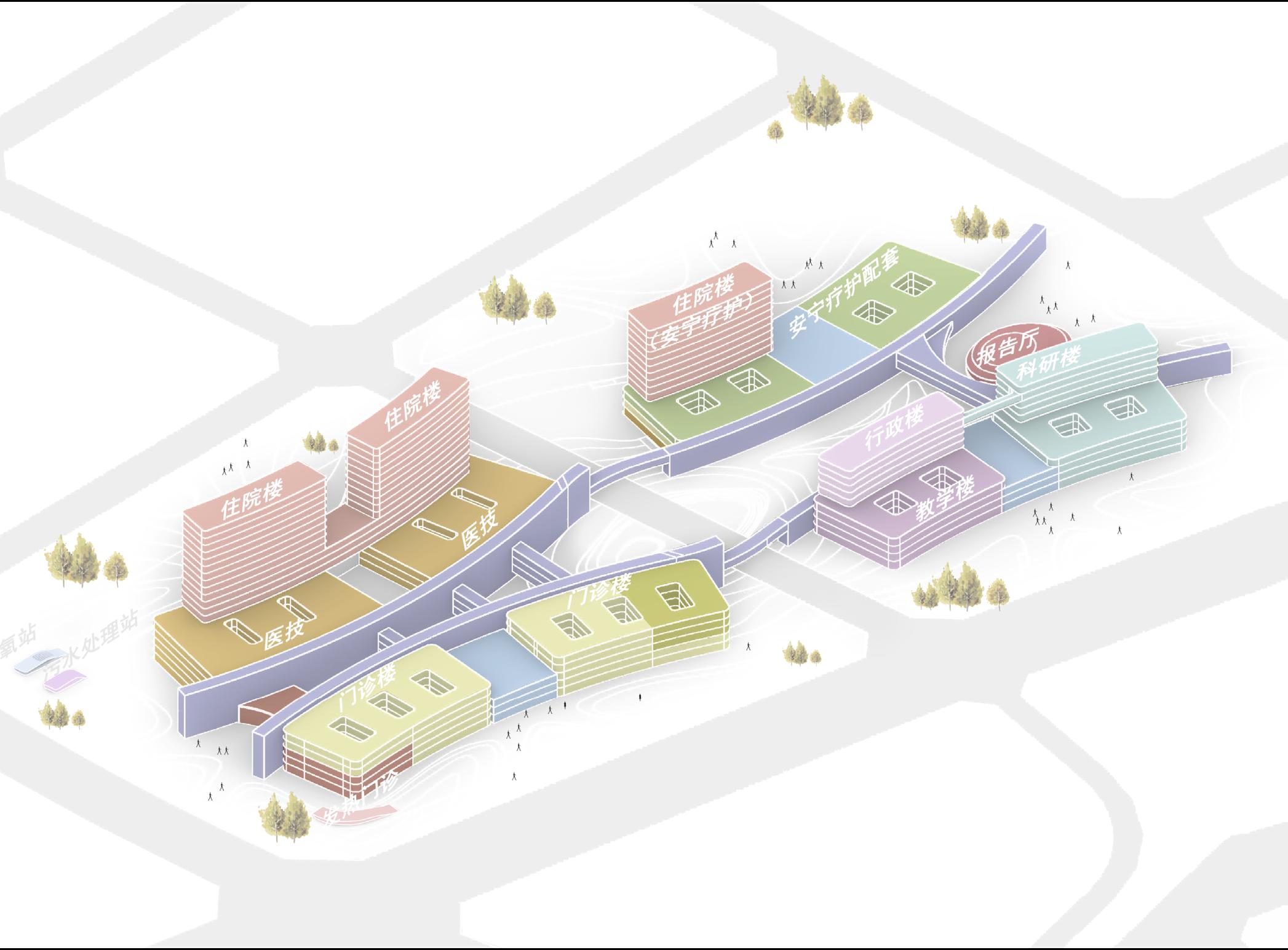
Given the large site area and building size, careful planning and phased development are essential to reducing the financial burden on the project. By adopting a phased construction approach, the hospital's functions can be gradually enhanced, ensuring sustainable development. In Phase I, the primary focus will be on constructing the hospital's core functional areas, such as outpatient, diagnostic, and inpatient services, ensuring that the hospital can quickly become operational and serve patients. In Phase II, the hospital's functions will be further expanded and enhanced, with the development of auxiliary diagnostic systems and research facilities, ultimately creating a multifunctional, research-oriented hospital that integrates diagnosis, research, education, and rehabilitation. Phased development not only alleviates financial pressure but also ensures the hospital's continuous operation and flexibility for future growth.
SecondaryEntrance(PhaseI&II)
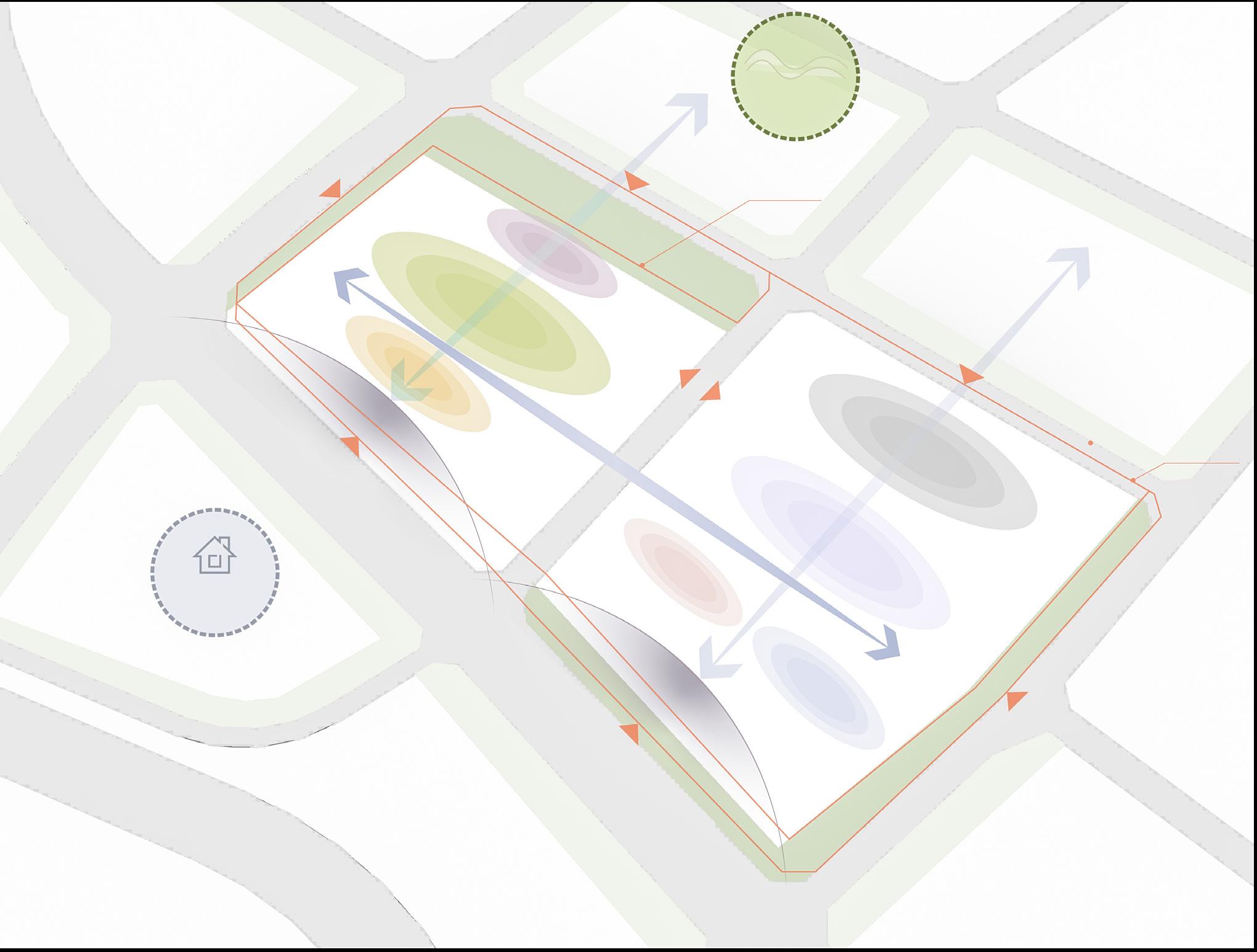
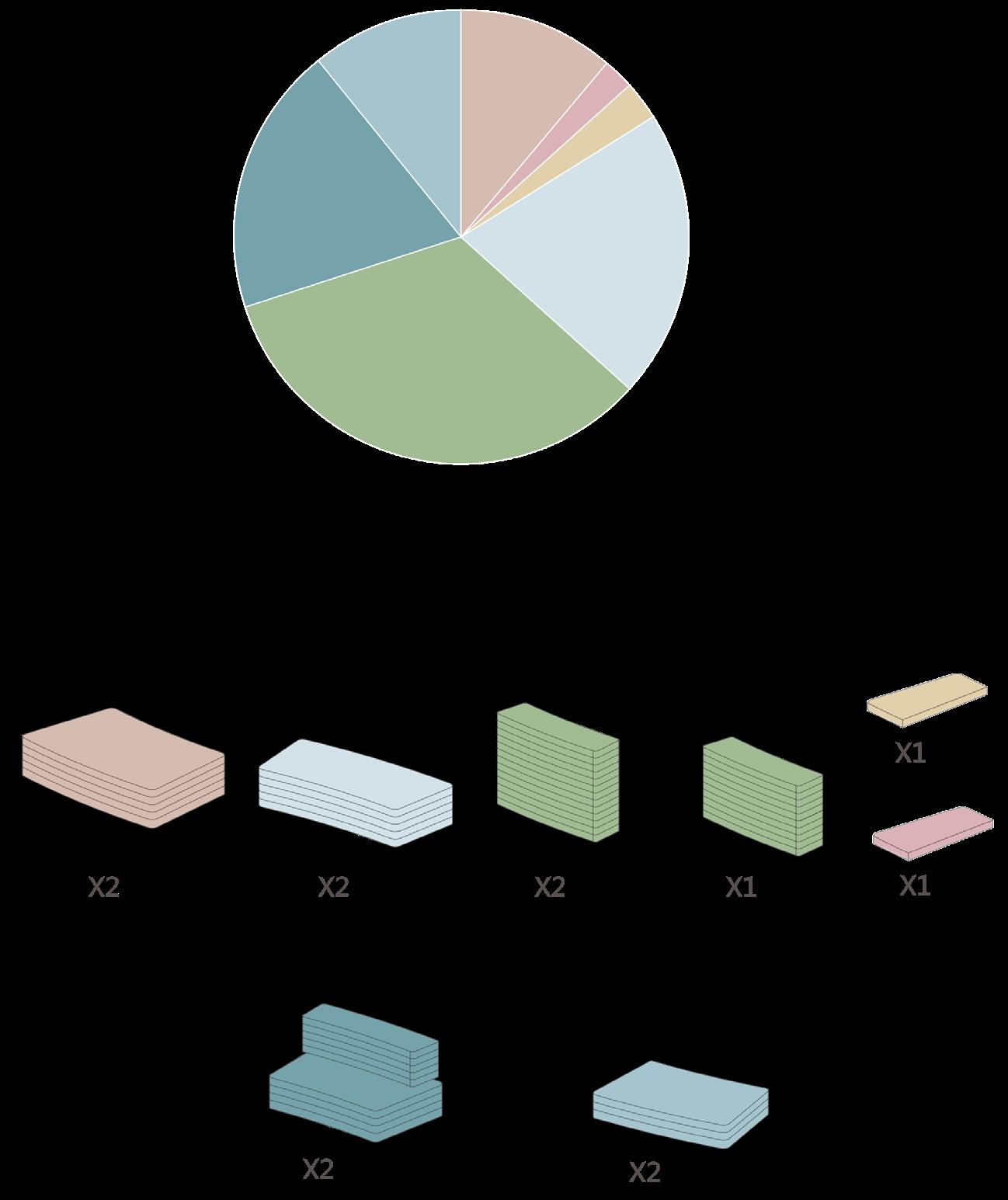
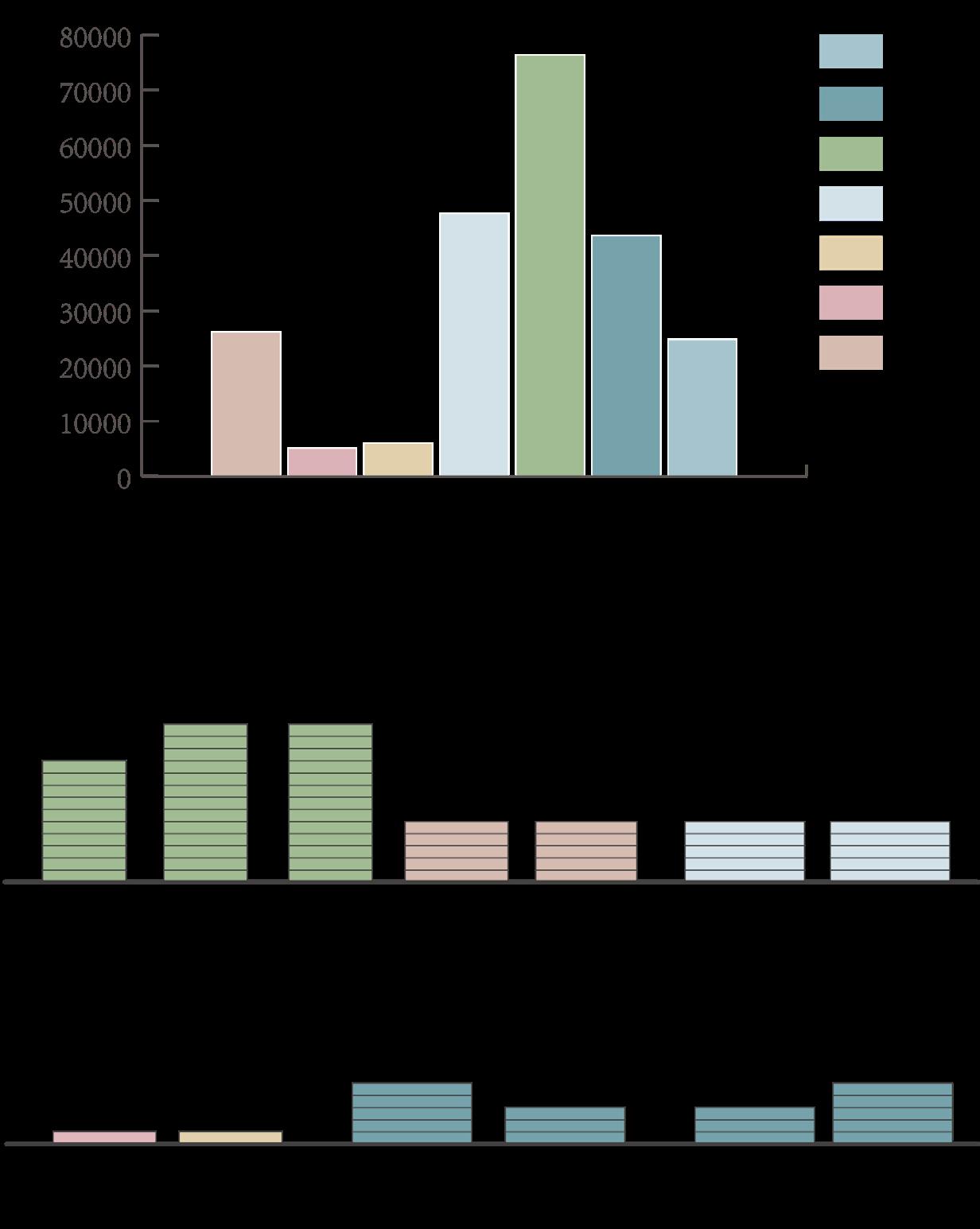
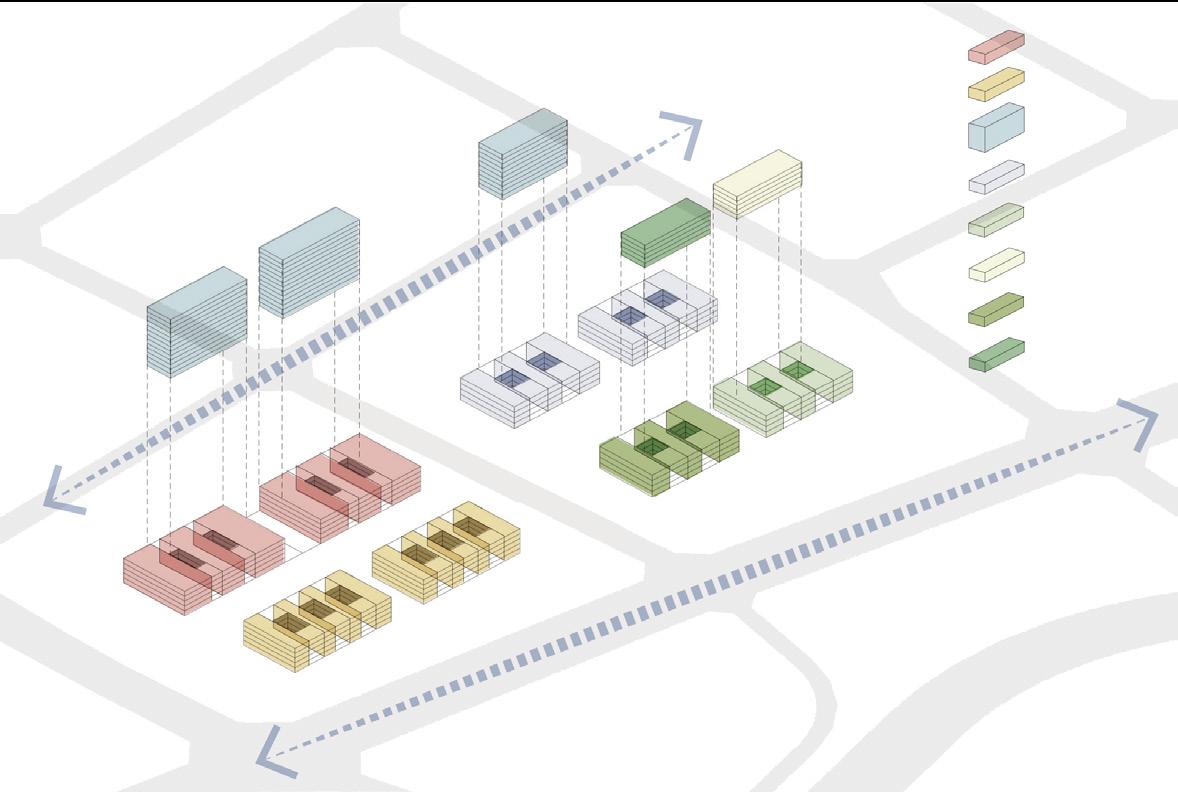
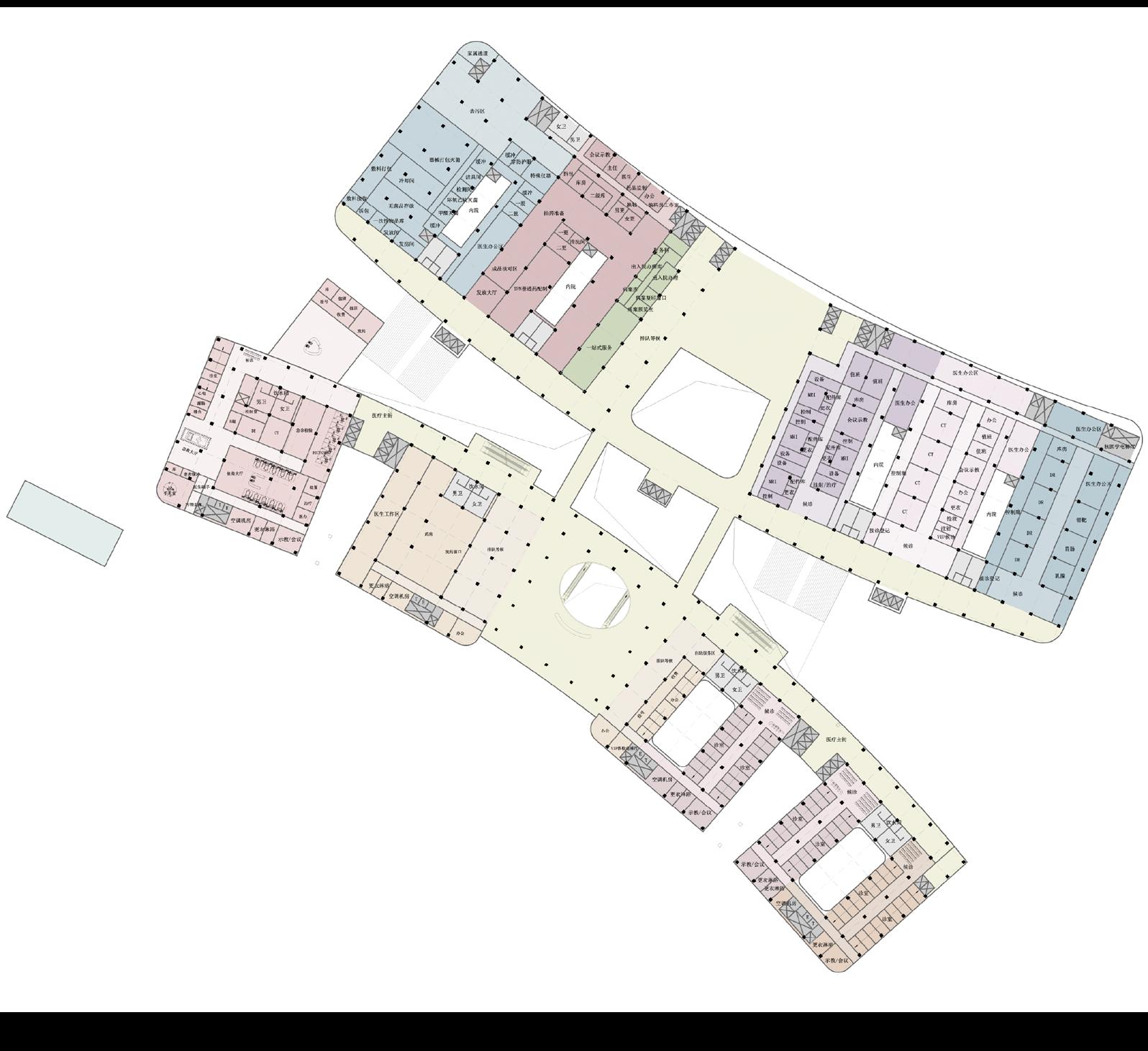
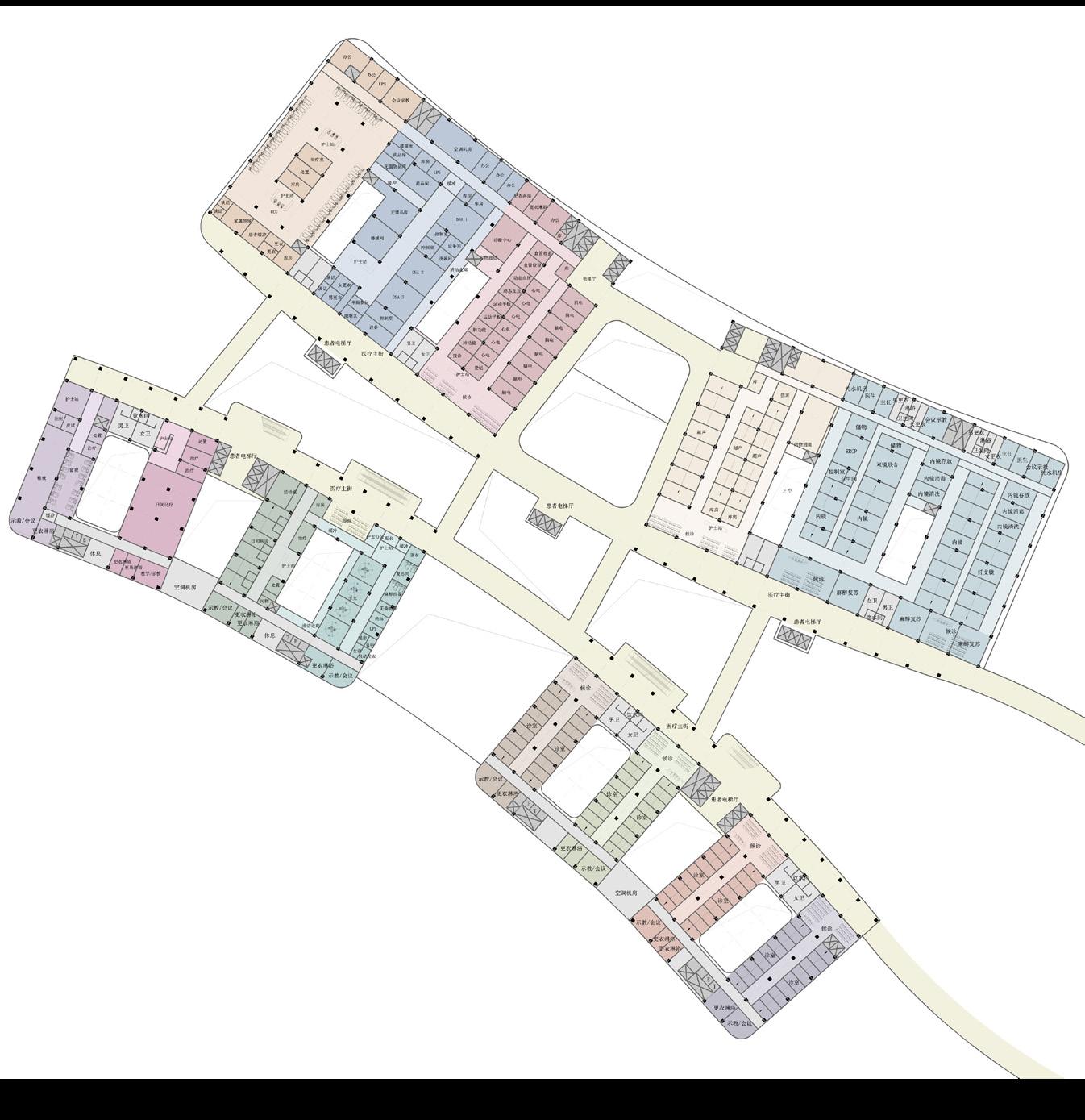
The hospital's functions are complex, requiring careful allocation of space for each area. First, the approximate area for each functional zone is calculated based on the number of beds, daily patient volume, and general hospital design standards. Then, overlapping or related functions are integrated to form an initial layout of functional blocks. These blocks will effectively assist in the subsequent master planning process.
Outpatient
Medical Technology
Inpatient
Palliative Care Office
Medical Technology Module
Outpatient Module
Inpatient Module
Inpatient Support Module
Research Module 1
Research Module 2
Teaching Module 1
Administration Module
Medical Technology Module
Outpatient Module
Inpatient Module
Inpatient Support Module
Research Module 1
Research Module 2
Teaching Module 1
Administration Module
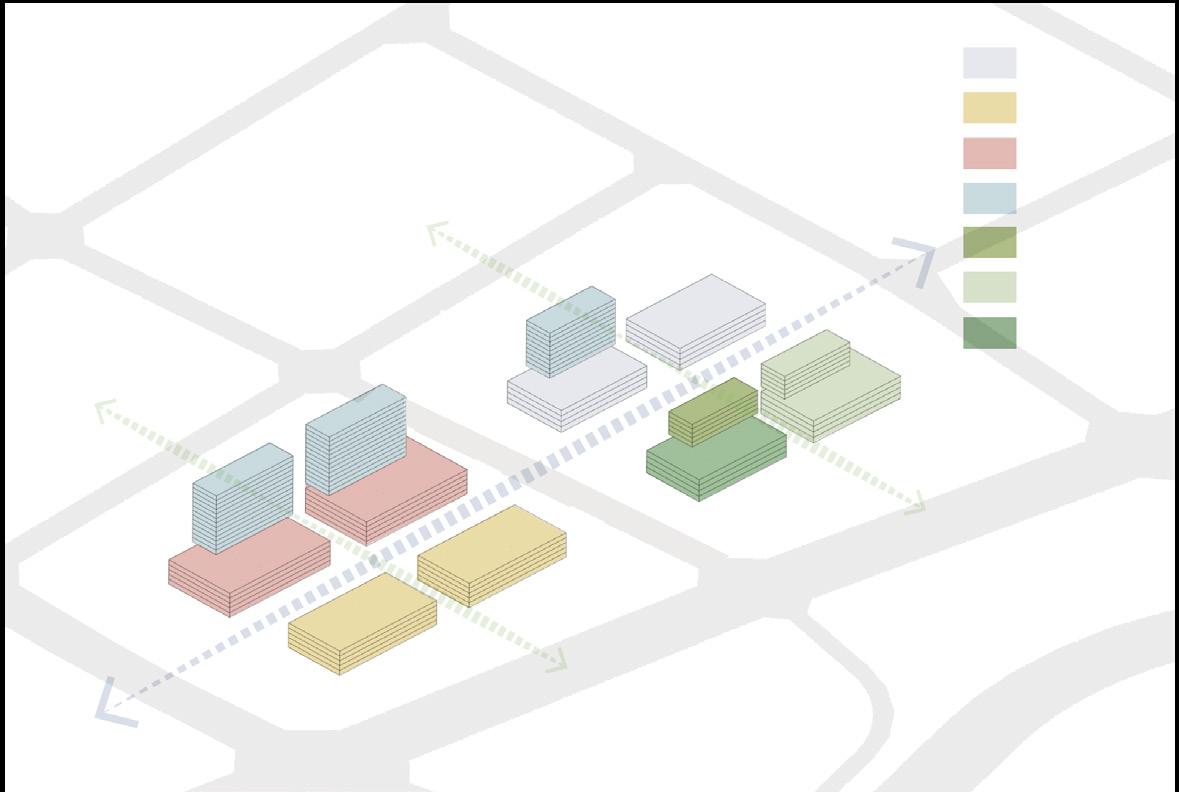
1. The calculated massing is placed into the project site based on the principle of phased development, with the blocks arranged accordingly. The building form is gradually generated by combining the massing with the overall site layout.
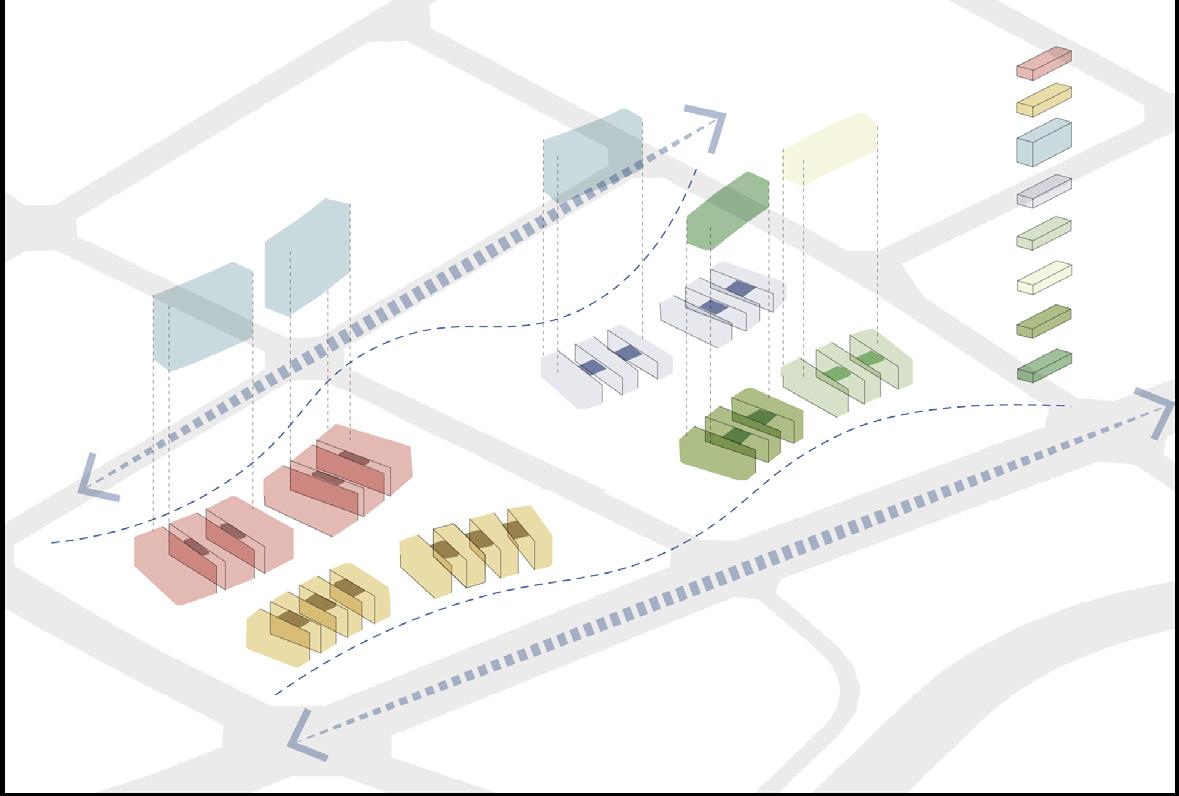
2. The modular design concept is introduced, modularizing each functional area (such as grid sizes, corridor dimensions, etc.) to accommodate the hospital's future unforeseen development needs. This also simplifies the construction process, effectively reducing costs. Additionally, the connection between modules naturally forms building courtyards, enhancing both environmental harmony and functionality.
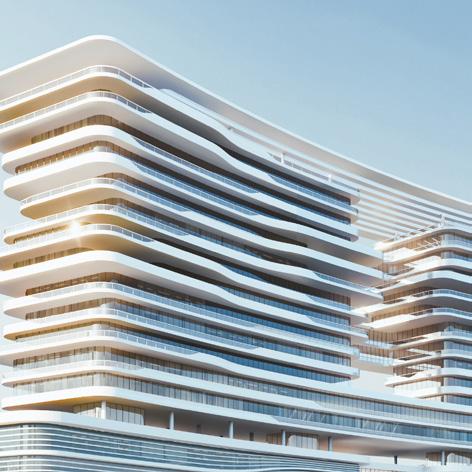
3. The introduction of subtle curves addresses the alignment between the building and city roads, softening the building boundaries and creating a more fluid, expansive form that integrates better with the surrounding urban environment.
generation
2. Introduce modules 3. Smooth boundaries
Connecting Corridor
Outpatient
Emergency
Physical Examination
Medical Technology
Inpatient
Auditorium
Palliative Care
Teaching
Office
Reaserch
Lobby
Liquid Oxygen Station
Sewage Treatment Station
Fever Clinic
Infection Clinic
Central Sterile Supply Department (CSSD)
Pneumatic Tube Automated Vacuum System (PTAVS)
Inpatient Lobby/ Inpatient Pharmacy
Medical Imaging Center
Interventional Center
CCU Interventional Therapy
Electrocardiogram (ECG) Examination
Emergency Center
Outpatient Pharmacy
Outpatient Lobby Breast Center
Gynecology Center
Infusion Observation Day Chemotherapy Day Ward Day Surgery
Emergency Treatment Center
Bone and Soft Tissue
Hepatobiliary and Pancreatic
Endoscopy Center
Ultrasound Imaging
Gastroenterology Urology CT General Radiology
Abdominal Center
Respiratory Endoscopy
Gastrointestinal Endoscopy
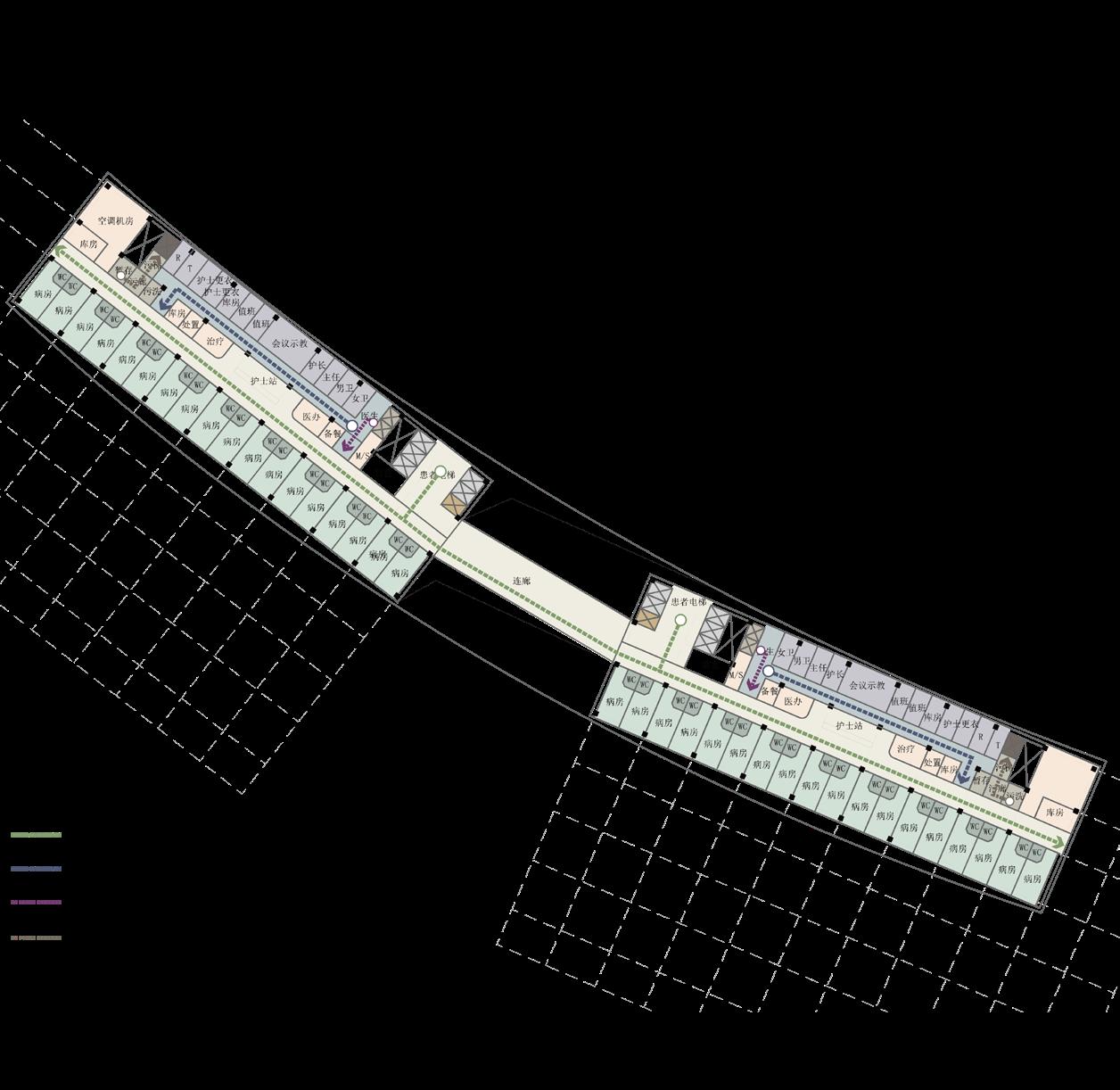
TYPICAL INPATIENT PLAN
Support Functional Area
Physician Work Area
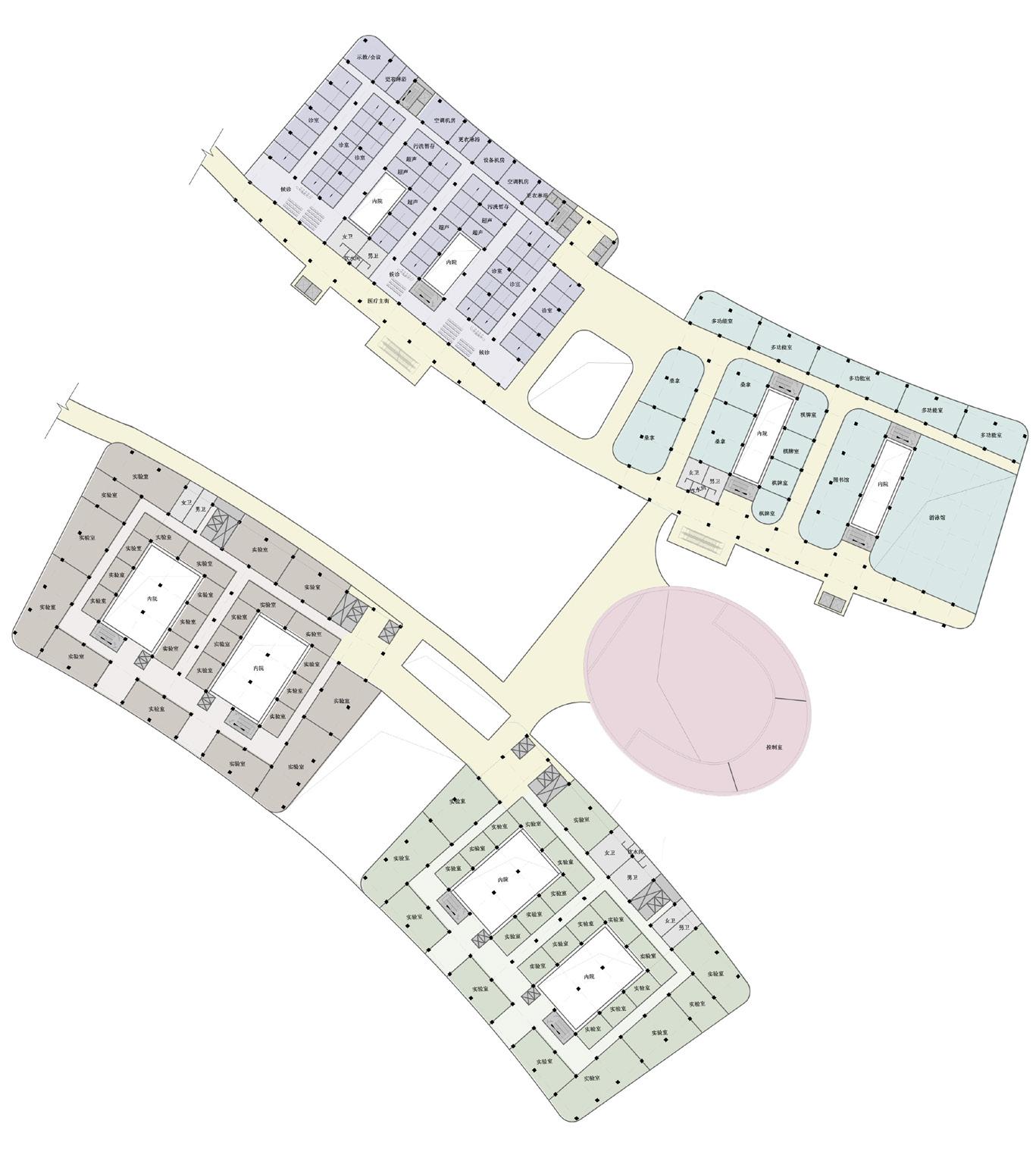
TYPICAL PHASE II PLAN
Physician Work Area Rehabilitation Center
Support Functional Area
Inpatient Area
Patient Flow
Medical Staff Flow
Meal Delivery Flow
Waste Flow
Inpatient Area
Teaching and Training
The inpatient unit fully separates the patient and staff flow lines, as well as the clean and contaminated routes, ensuring clear zoning and reducing the risk of infection. A dedicated surgical elevator leads directly to the internal areas of the nursing unit, following a patientcentered approach. The nurse station is centrally located, ensuring short and efficient nursing routes. All patient rooms benefit from good natural ventilation and lighting.
Laboratory Center
Convalescent Center
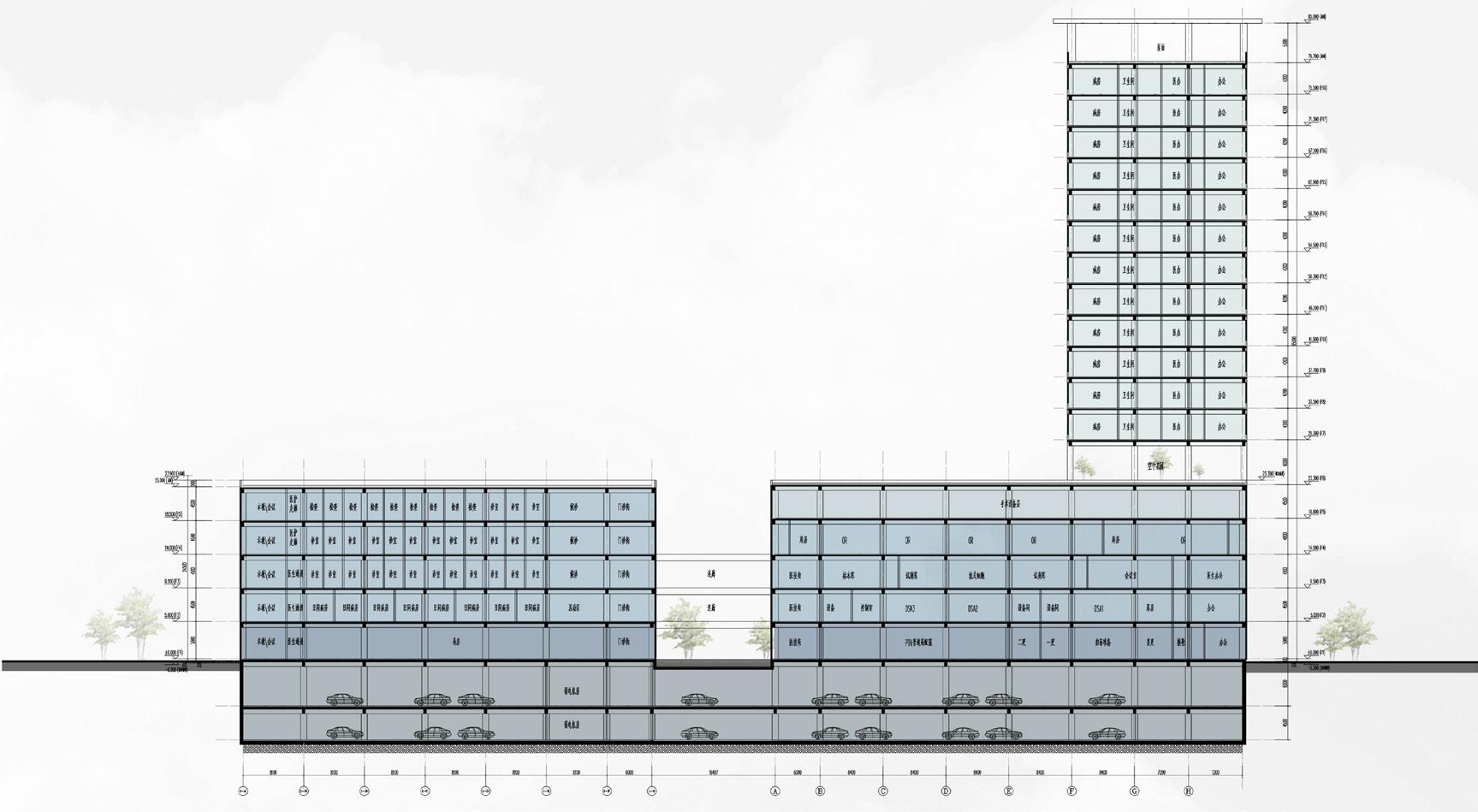
The medical complex building includes the following sections:
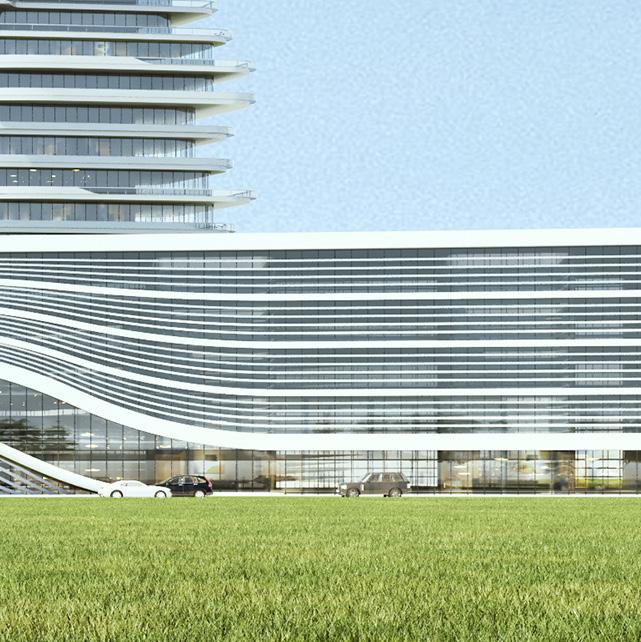
Outpatient Section: 5 floors above ground, with a building height of 23.9 meters. The first floor has a floor height of 5.0 meters, while floors 2 to 5 have a floor height of 4.5 meters each.
Medical Technology Section: 5 floors above ground, also with a building height of 23.9 meters. The first floor has a floor height of 5.1 meters, floors 2 to 3 have a floor height of 4.5 meters, the fourth floor is 4.8 meters high, and the fifth floor is 4.5 meters high.
Inpatient Section: 18 floors, with a building height of 85.0 meters. Floors 1 to 5 are designated for medical technology, while floors 6 to 18 are for inpatient care, with a floor height of 4.2 meters.
2.
3.
4.
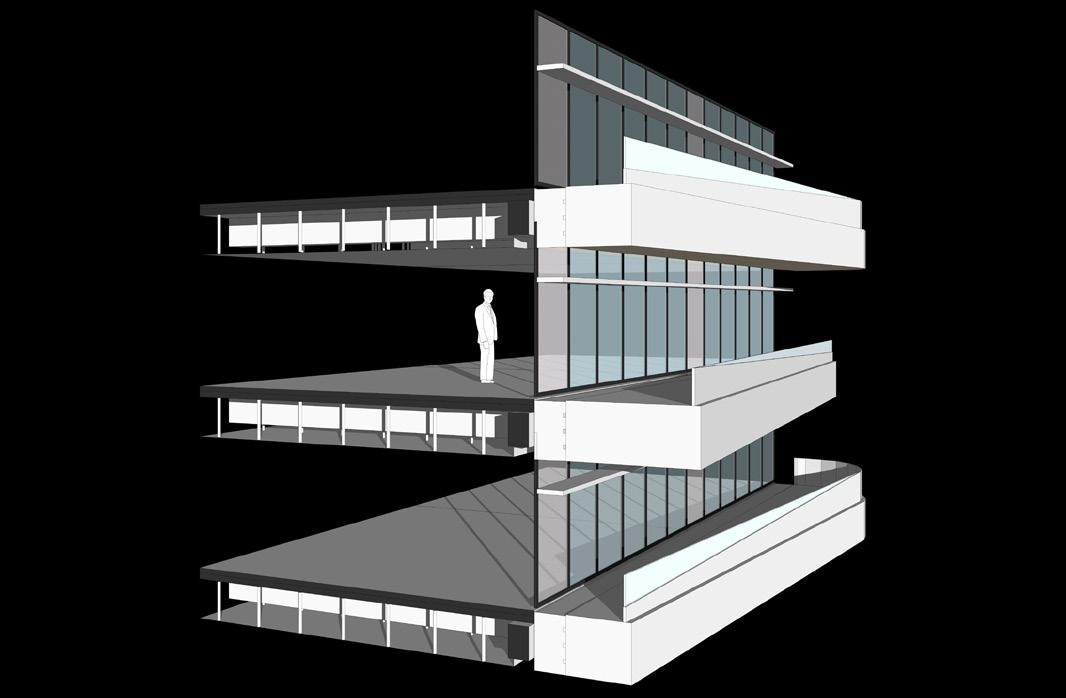
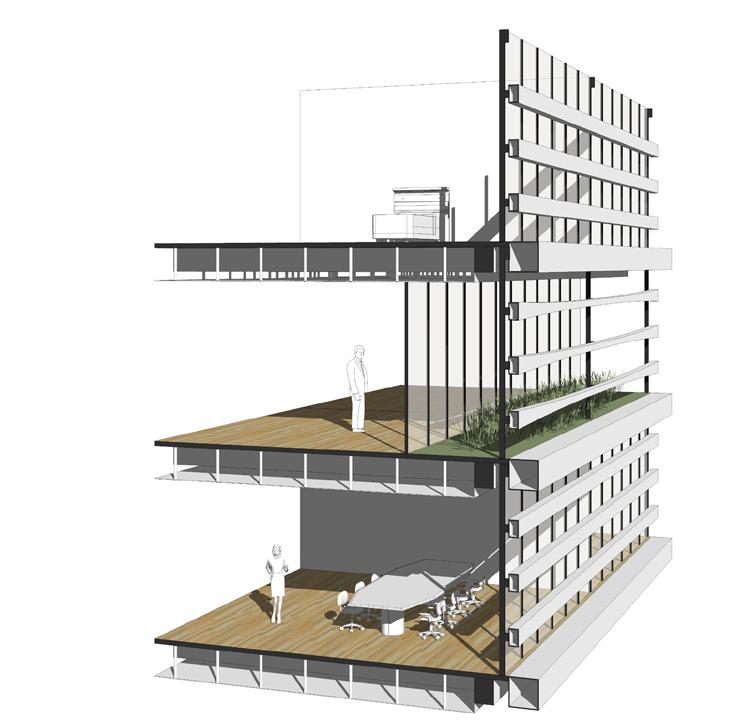
1. Aluminum horizontal decorative component
6mm+12mm(air)+6mm Glass
12mm glass balustrade panel
Aluminum panel curtain wall
5. PVC flooring
6. Aluminum ceiling joist
7. Aluminum Ceiling Panels
8. Glass curtain wall frame
9. Vinyl flooring
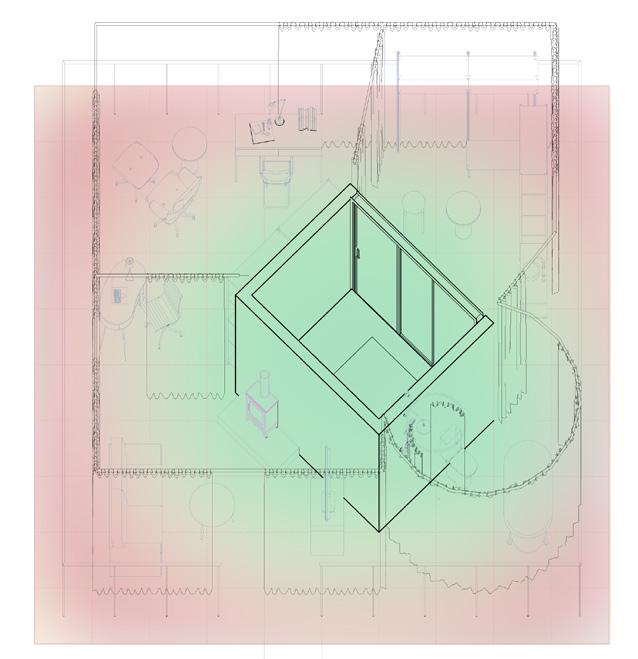
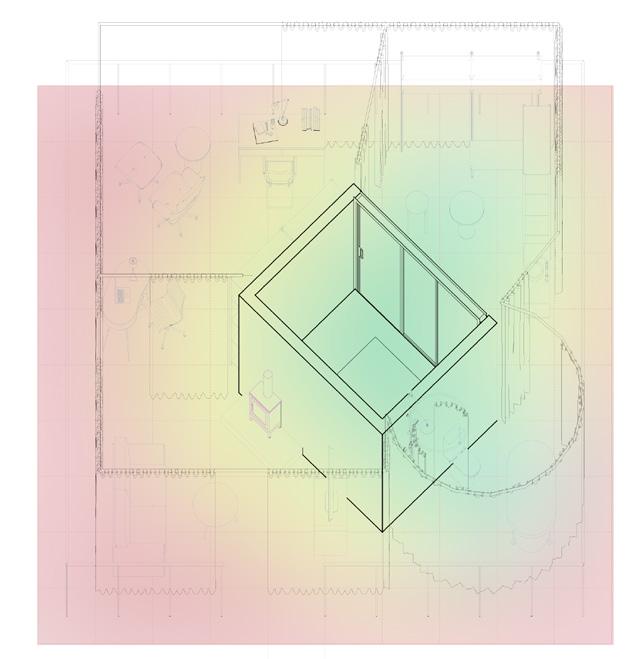
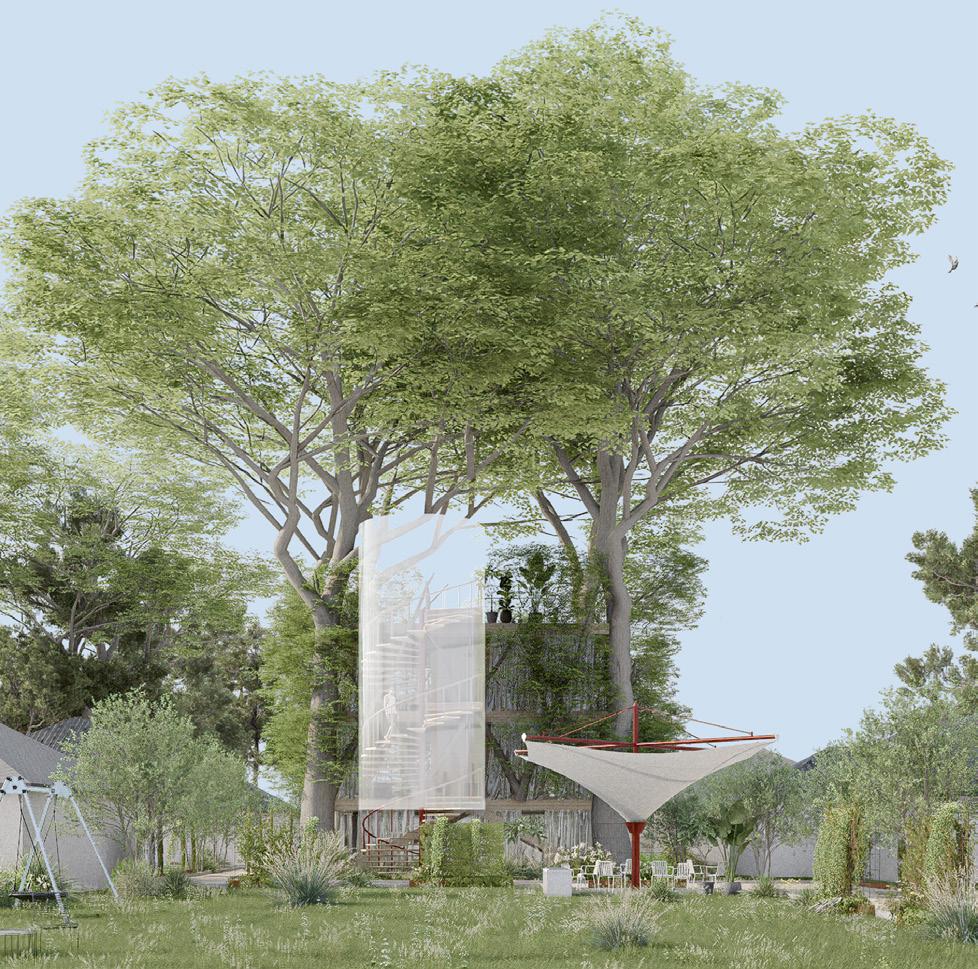
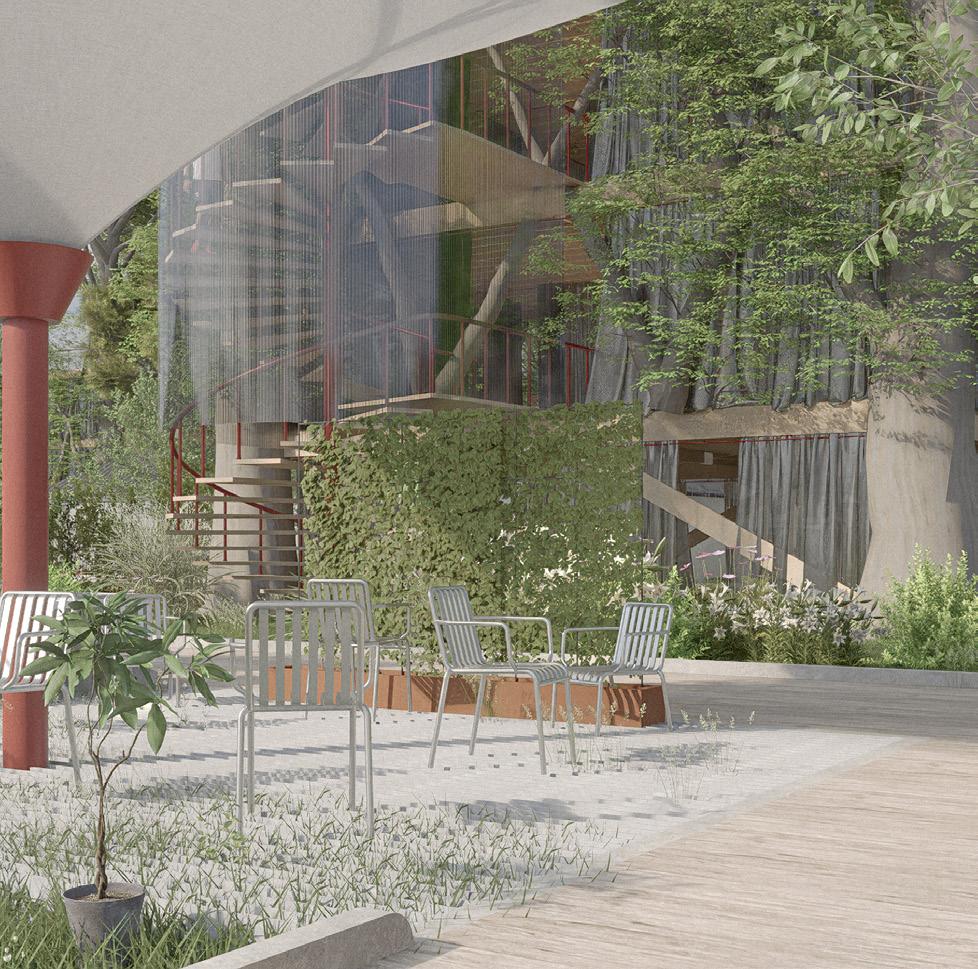
Living Tree House- a plug-in housing
2024 Semester 1/ Master of Architecture Project
MARC5010/MARC5020 Architectural Studio 1 and 2
Half Studio
Keywords: Regenerative design, Connecting with Country, Embodied Carbon, Adaptive Reuse, Retrofit, Integrated Design, Net Zero, Activism, Advocacy.
Mentors: Lucy Humphrey and Isabel Gabaldon
With: Weijie Steven Xu
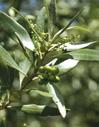
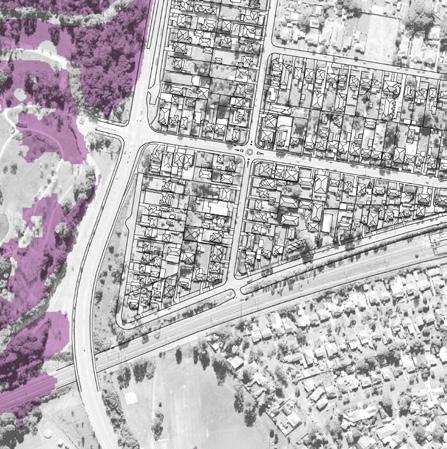
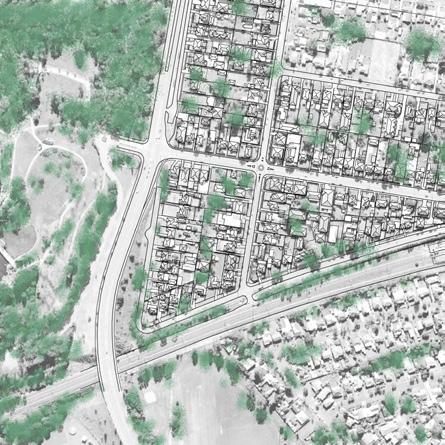
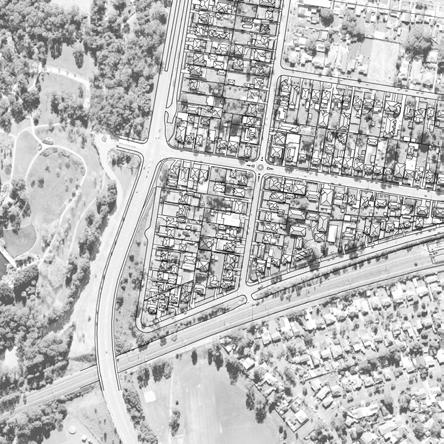
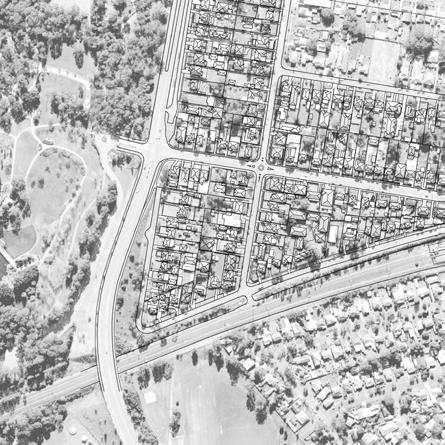
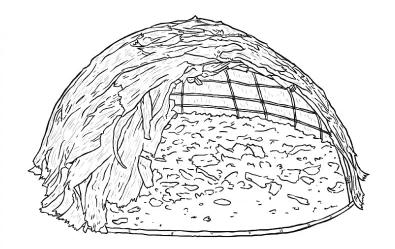
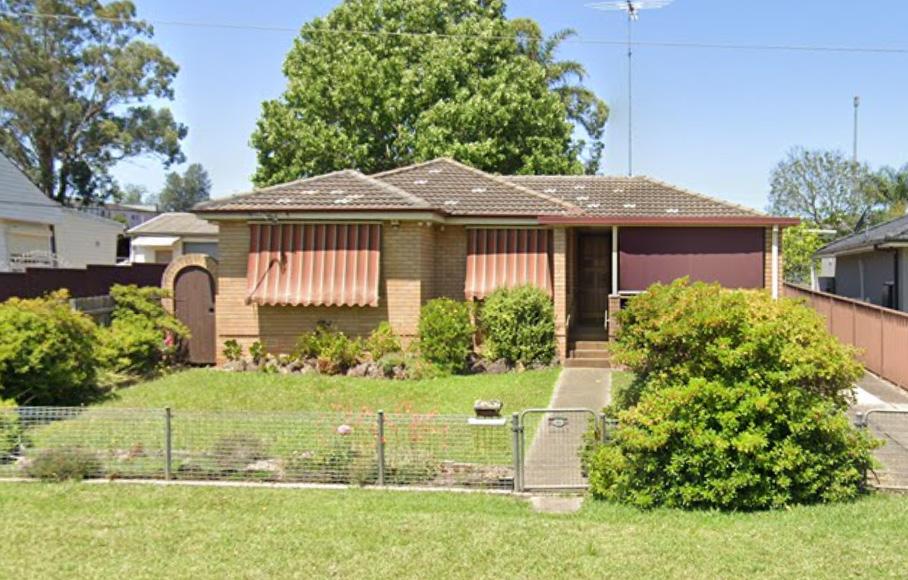
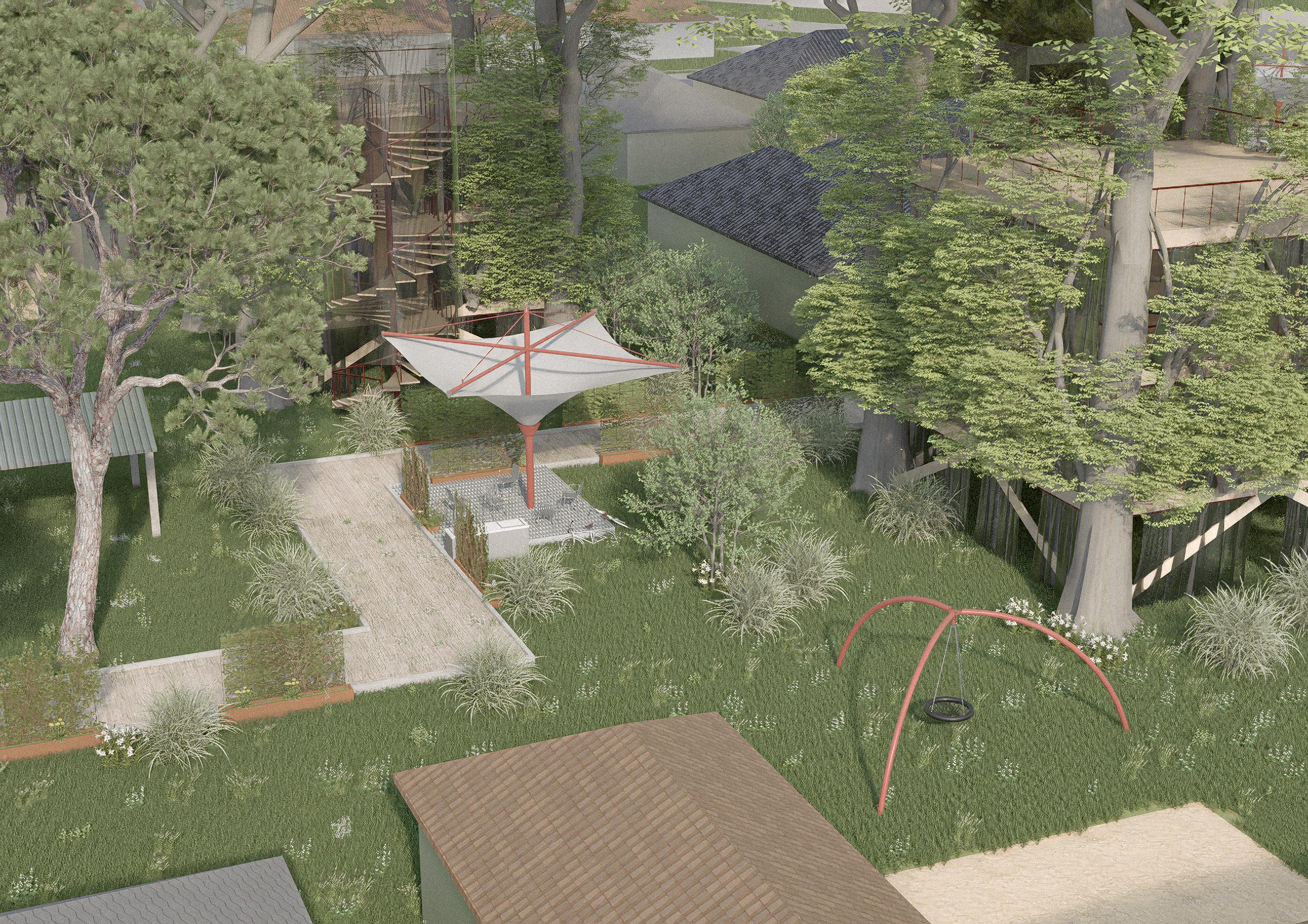
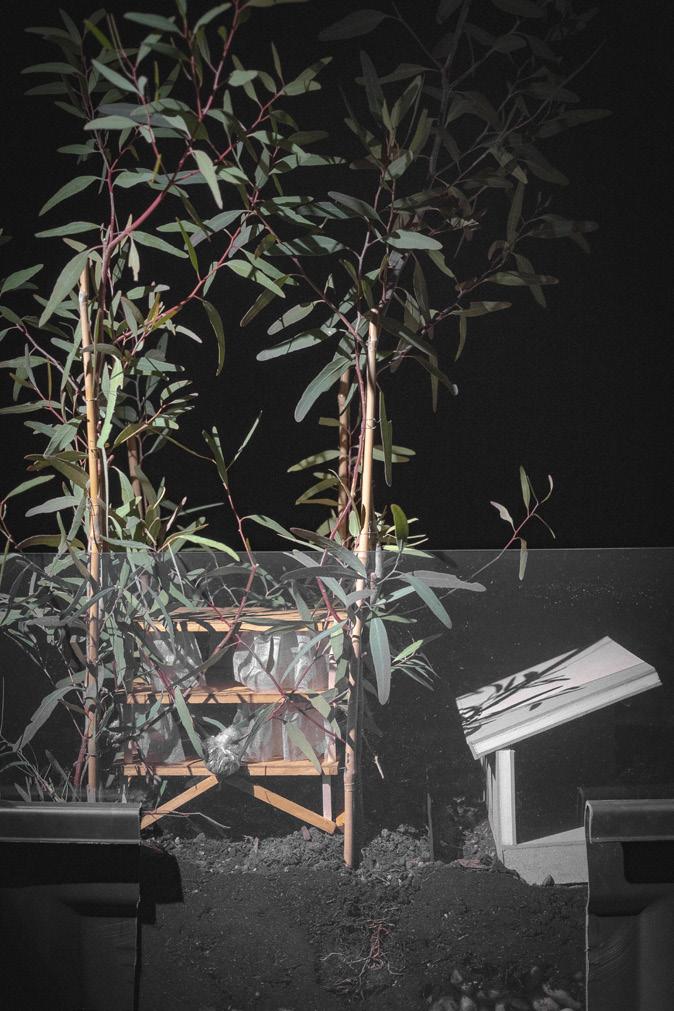
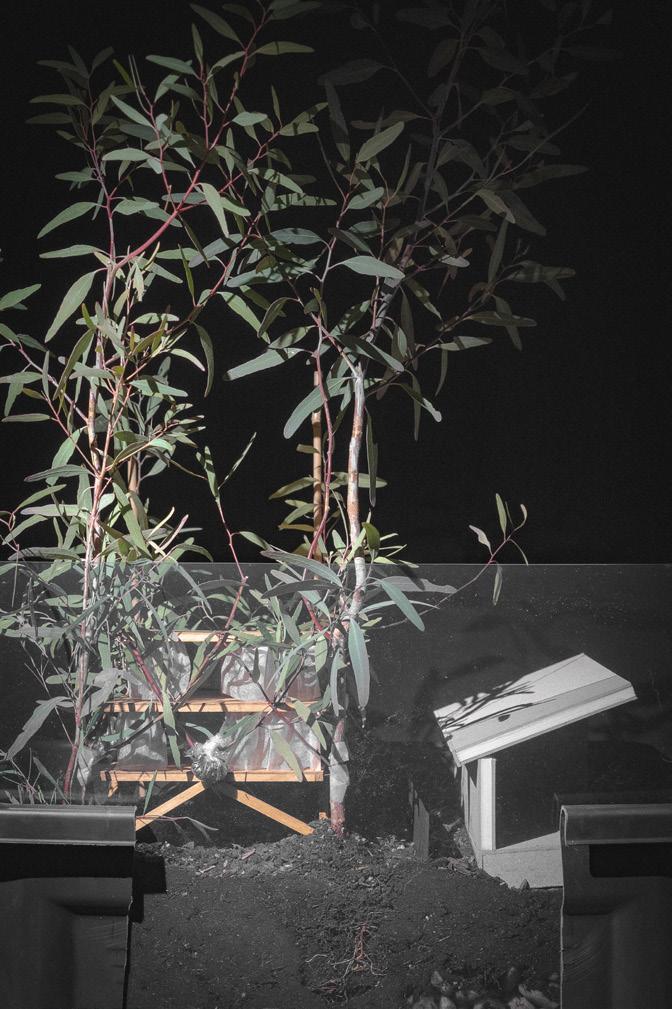
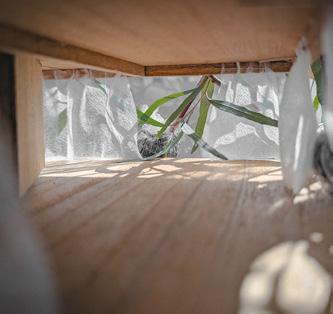
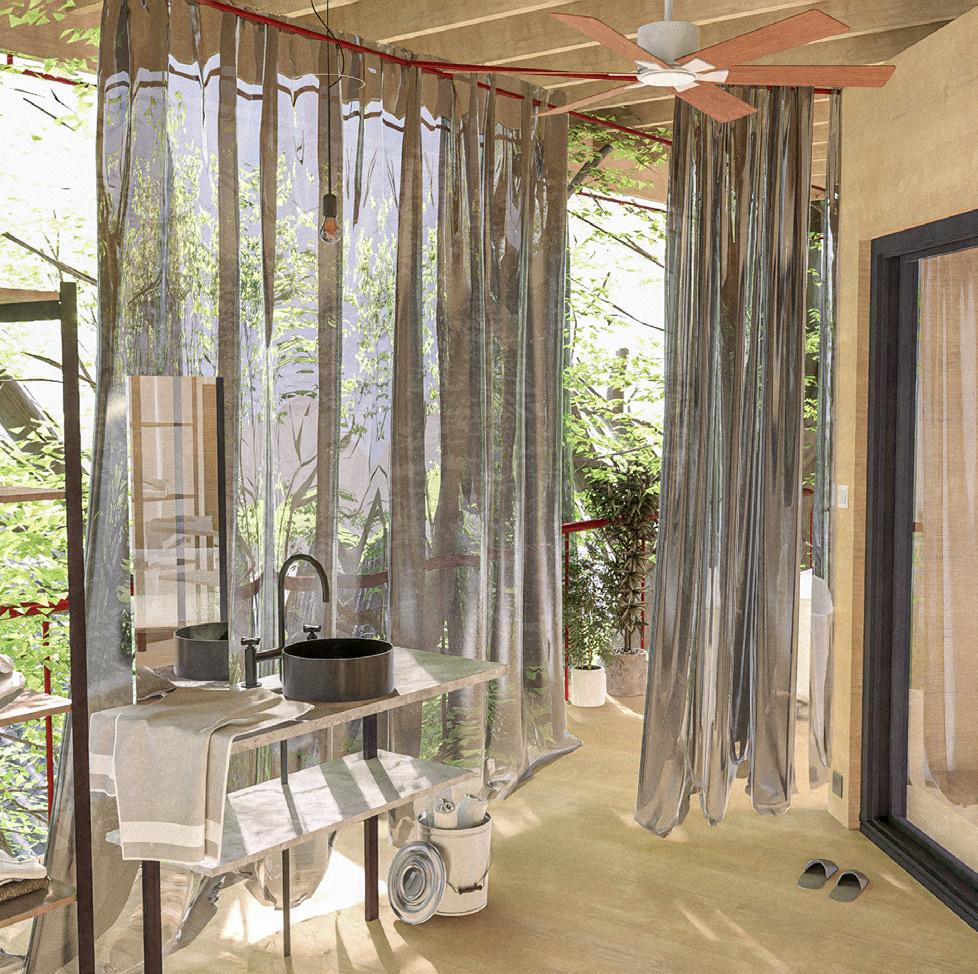
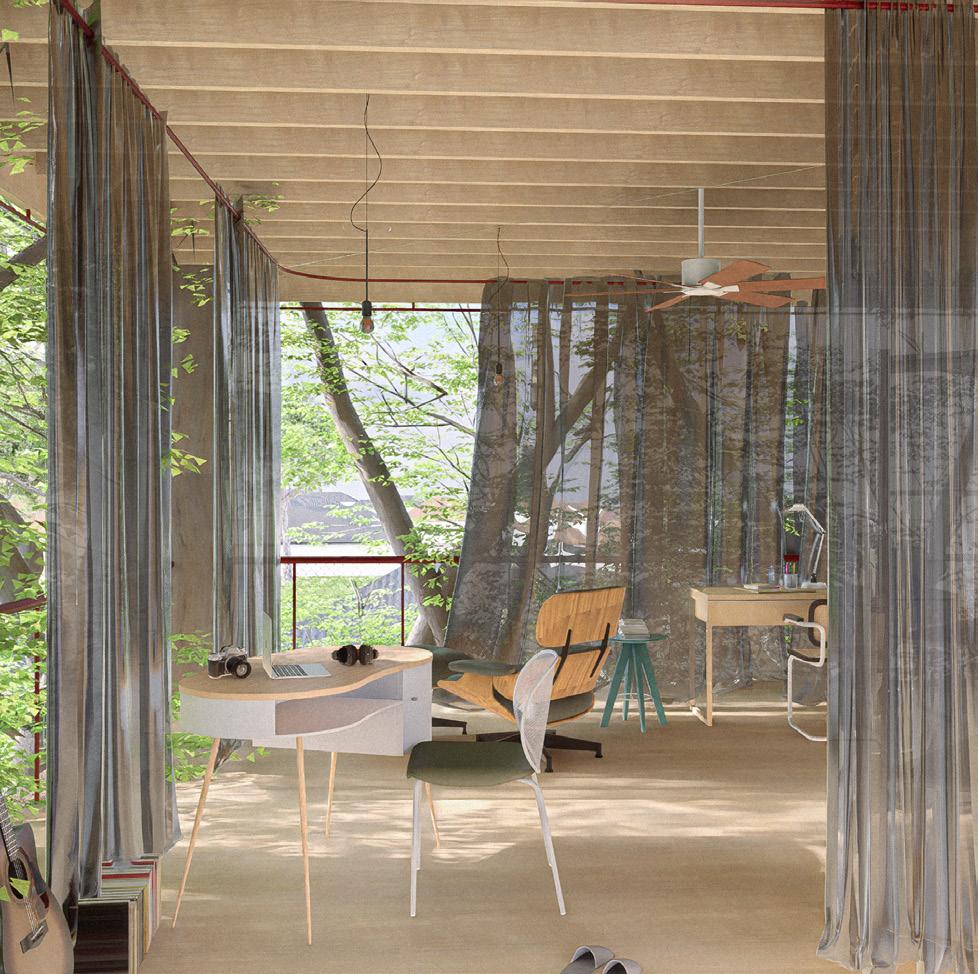
This project aims to integrate design with ecological restoration to explore the potential for urban-nature symbiosis in the context of Doonside's urbanization. Since the area was developed into a residential zone in the 1940s, the native ecosystem has significantly diminished, with local vegetation replaced by lawns and ornamental plants. This has resulted in a notable decline in tree density, leading to soil erosion, increased flood risks, and the loss of climate-regulating functions, making Blacktown one of the hottest areas in Australia.
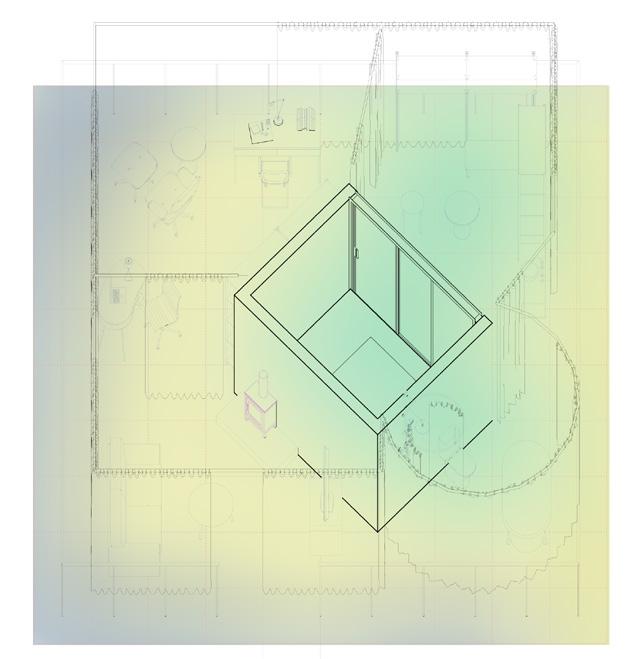
To address these challenges, the project proposes an "eco-symbiotic" architectural solution by implementing the concept of "treehouses" into building and landscape design. This approach integrates the restoration of native vegetation with living architecture techniques, creating a dynamic interaction between built forms and the natural environment. Features such as vertical gardens, sky corridors, and ecological greenways not only enhance green coverage but also provide shading, cooling, and rainwater management systems, improving the area's climate resilience.
The project also emphasizes resource recycling and community engagement. By introducing native planting zones, rainwater collection systems, and nature education spaces, the design seeks to rekindle local residents' connection to nature and foster active participation in environmental restoration.
Ultimately, this design offers a comprehensive solution for Doonside, combining ecological restoration, climate adaptation, and community involvement, and provides a sustainable development model for urbanized areas facing similar challenges.
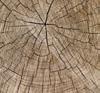
Year 1750
1:25000 (Data from trees near me, NSW goverment, 2023 )
(Data from trees near me, NSW goverment, 2023 ) 1:25000
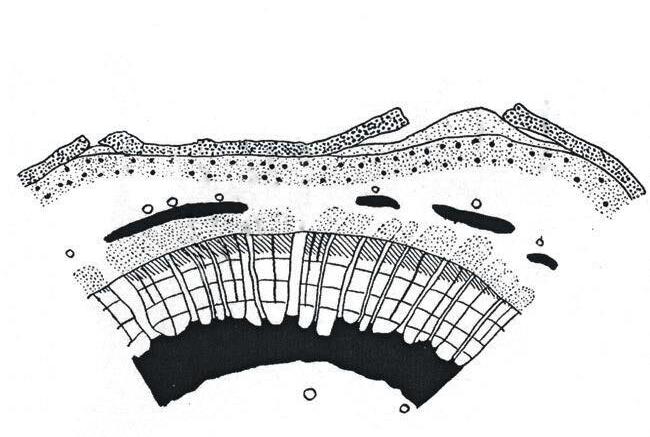
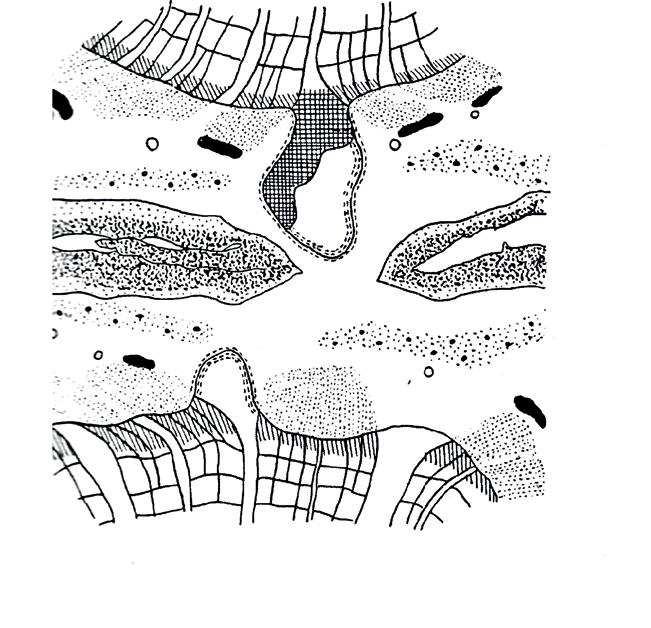
17 a–d Incorporation of a tube (schematic section).
Wood rays
Xylem growth
Pith
Xylem growth
Cambium
Intergrown bark
Wood rays
Intergrown bark
Xylem growth
Xylem growth
Wood ray
Wood ray
Xylem growth
Intergrown bark
Xylem growth
Xylem growth
Wood ray
Intergrown bark
Xylem growth
a b c d Pith
a b c d
Wood ray
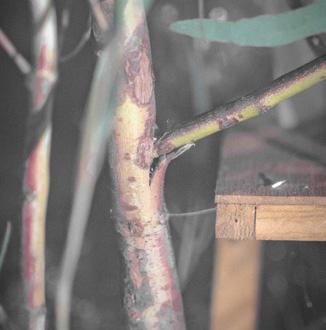
between thickness growth, biomechanics water transport discussed earlier, satory thickness growth can be explained different ways. It can either be understood response to ensure that sufficient formed in the area of a contact point tate water transport. Or it can be mechanical response to ensure a chanically active cross-sectional reduce stress peaks at this point by the contact area. This first response is often followed second developmental step. As a swelling in the marginal areas, friction fact that sharp objects can literally into the bark by growth pressure, layers and firmer tissue can be damaged. cork cambium responds by forming on the outside and secretes smaller, cells on the inside. The cambium, ed to respond to the wound, creating section of wound wood that gradually itself over the foreign body. This is tially – usually easy to recognise because covered by species-typical bark, smoother and lighter wound periderm b, c). Similar to the formation of overgrowth wounds in the plant stem, this bulge ly overgrows the surface of the foreign If this occurs from several sides, these and grow around or even completely foreign body (→ Fig. 17 d). The tree body then form a tight-fitting connection new annual rings with continuous strengthening tissues enclose the
Cambium connection
Cambium connection
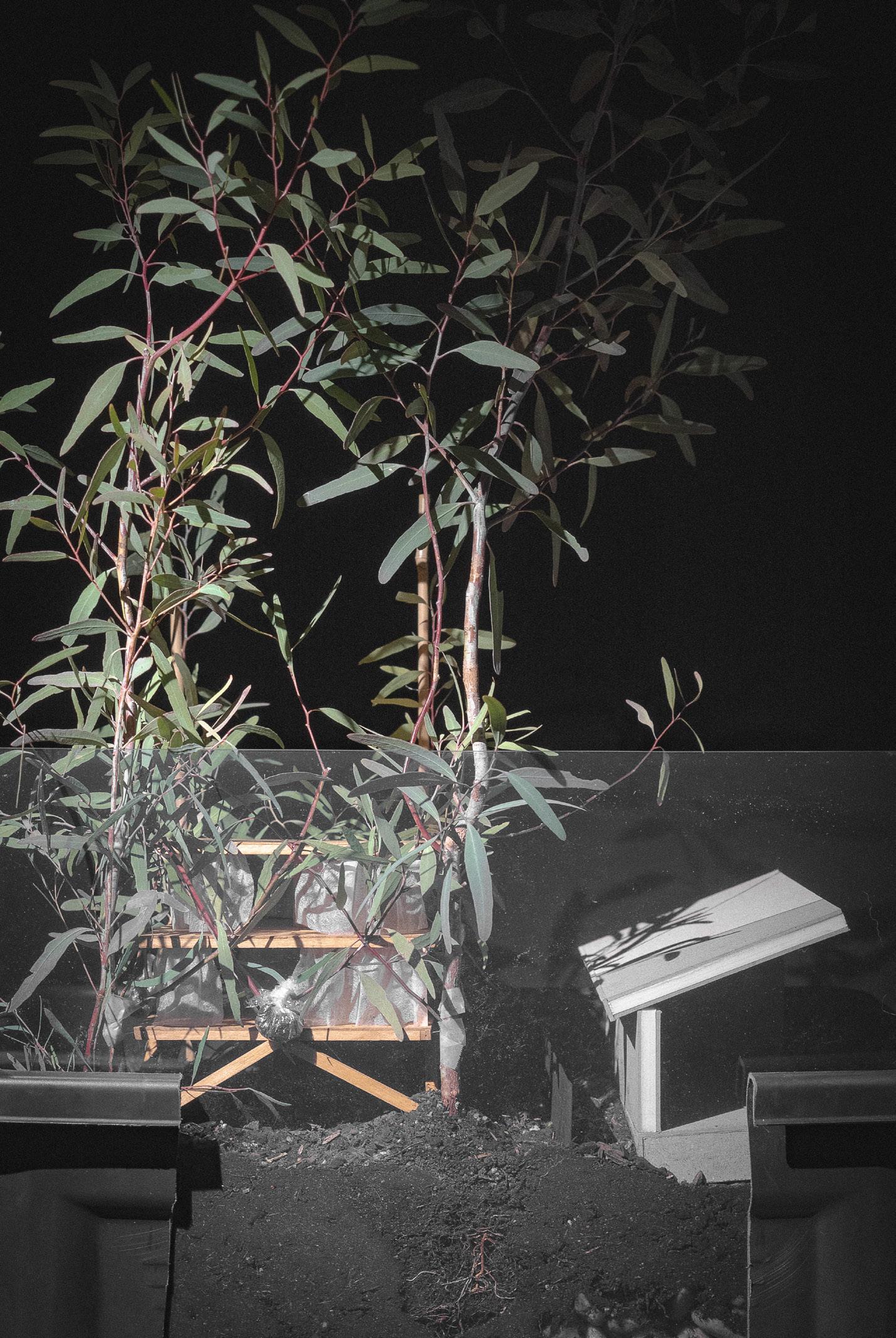
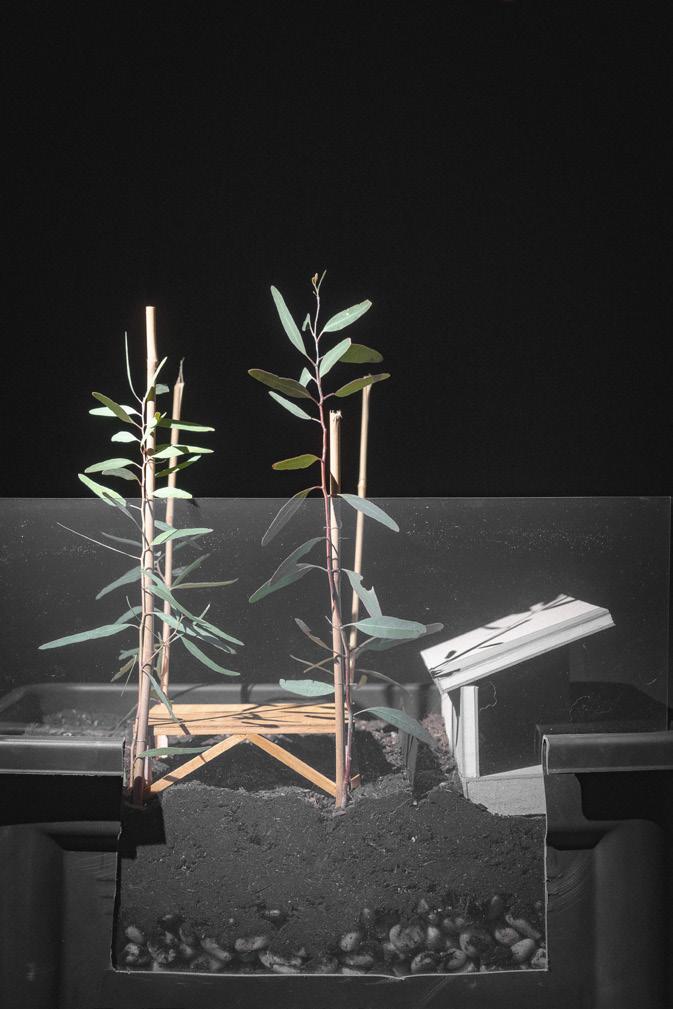
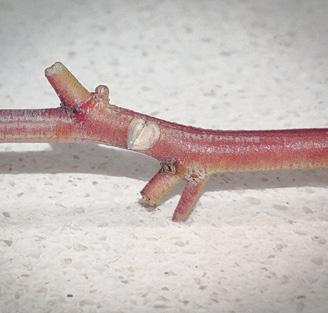
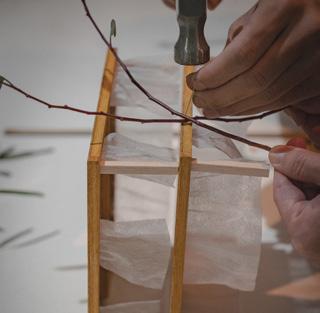
STAGE 1 Propagation & Staking
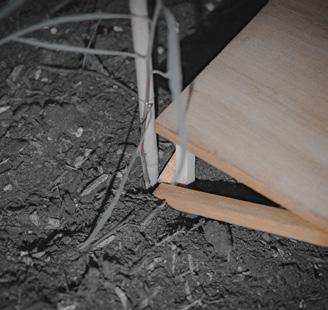
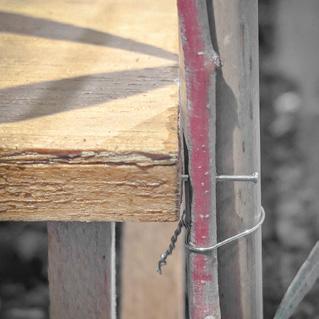
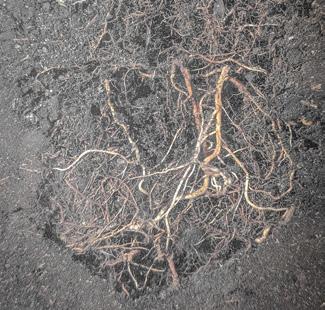
Branches are planted, tied to temporary wood dwels, then nailed to beams. At the moment, temporary wood posts bear the load...
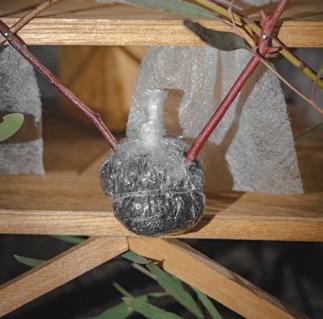
STAGE 2 Grafting & Attaching
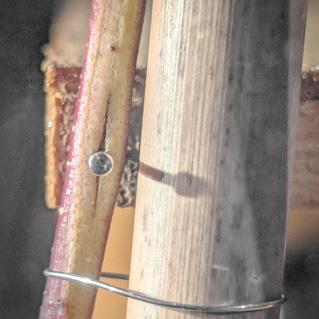
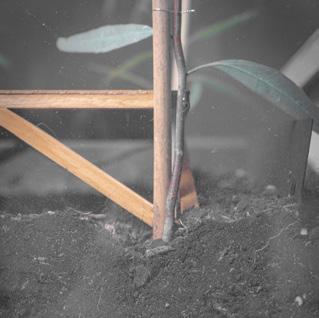
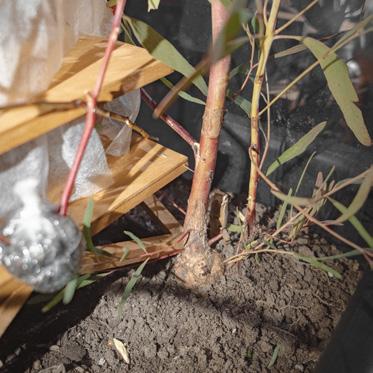
New branches added for grafting. Two methods were used: At the knot between tree trunk and cross-bracing branches, bark graft connects two members. While, side veneer graft joins two crossbracing branches. A soil bag wraps up the bottom knots of cross-bracing branches.
STAGE 3 Load Testing
After a week, minor growth in one of the grafting knots was observed. Temporary wood dowels and posts are taken down. Trees are able to support the structural load, though minor inclination was observed.
Architecture & Modernism & Cinema
2024 Semester 2/ Master of Architecture Project
MARC6000 Thesis Studio/ MARC6010 Architectural Studio 3
Architecture and Total Art Studio
Keywords: Gesamtkunstwerk (Total Work of Art), Cohesive Aesthetic Language, Performance/ Exhibition Venue, Artist-Specific Design, Theatre, Museum, Gallery, Concert Hall, Scenography and Exhibition Architecture, Form and Content Integration, Historical/Contemporary Artist Archive, Dialogue with Artistic Language, Transformable Space, Performance-Based Artwork, Holistic Design Approach
Mentors: Felix McNamara
Individual work
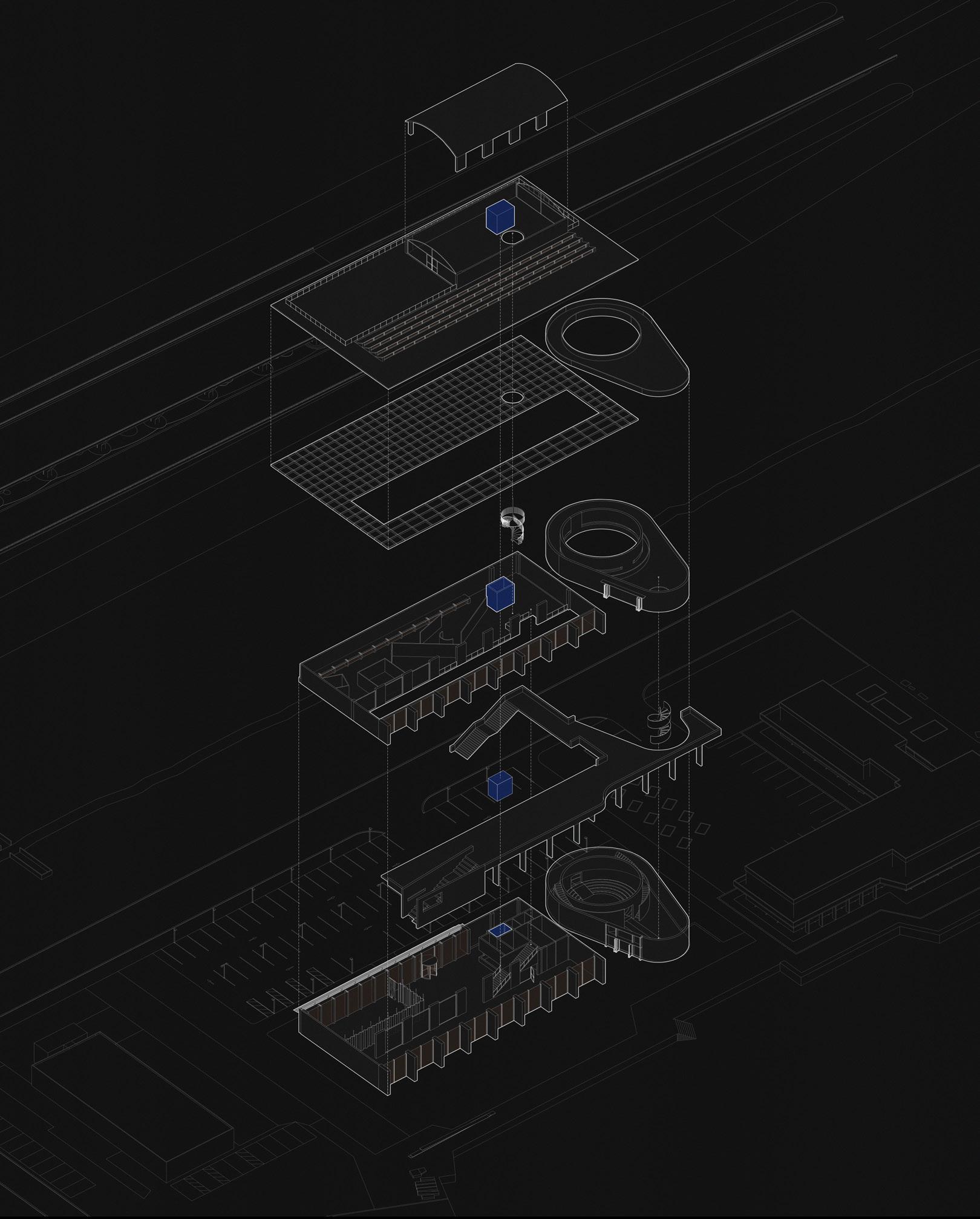
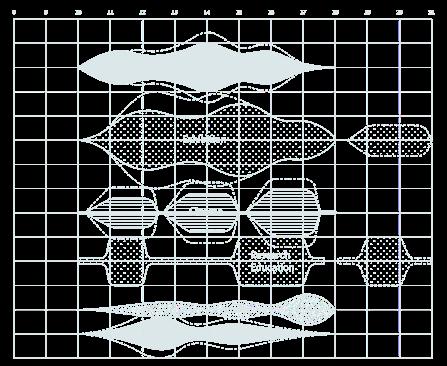
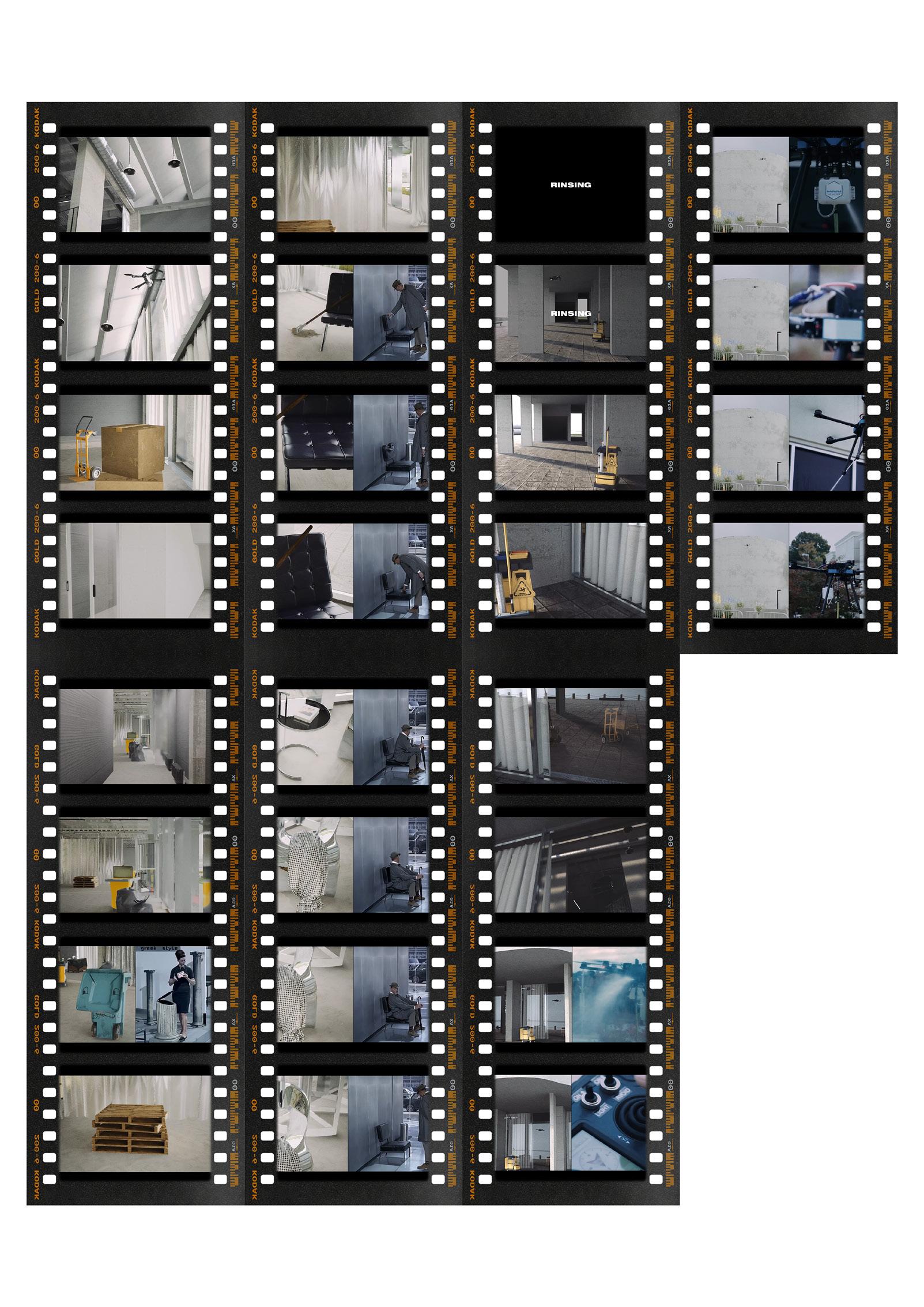
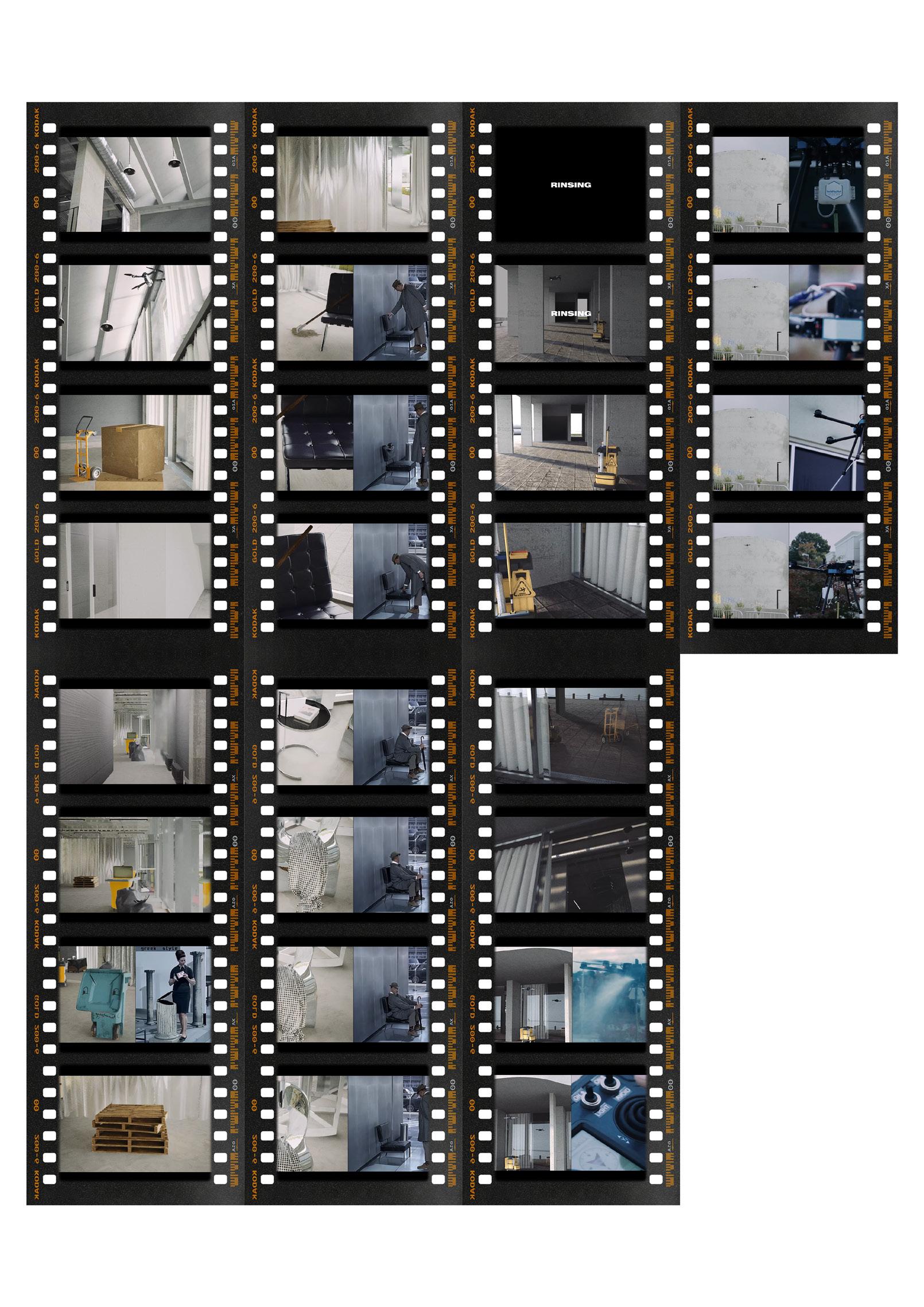
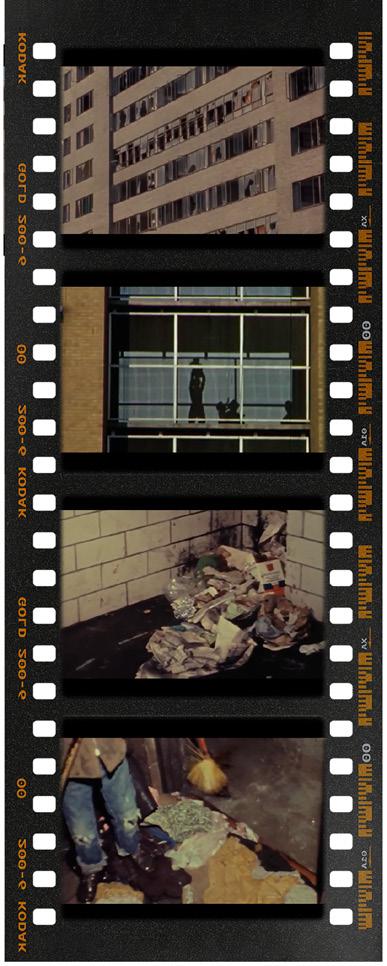
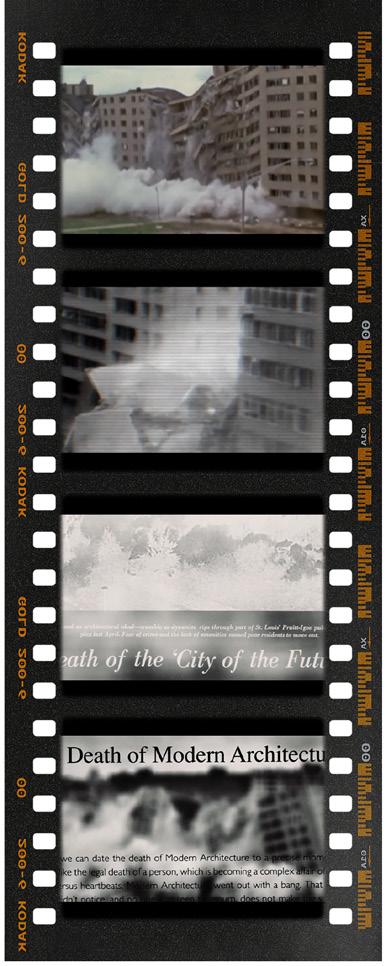
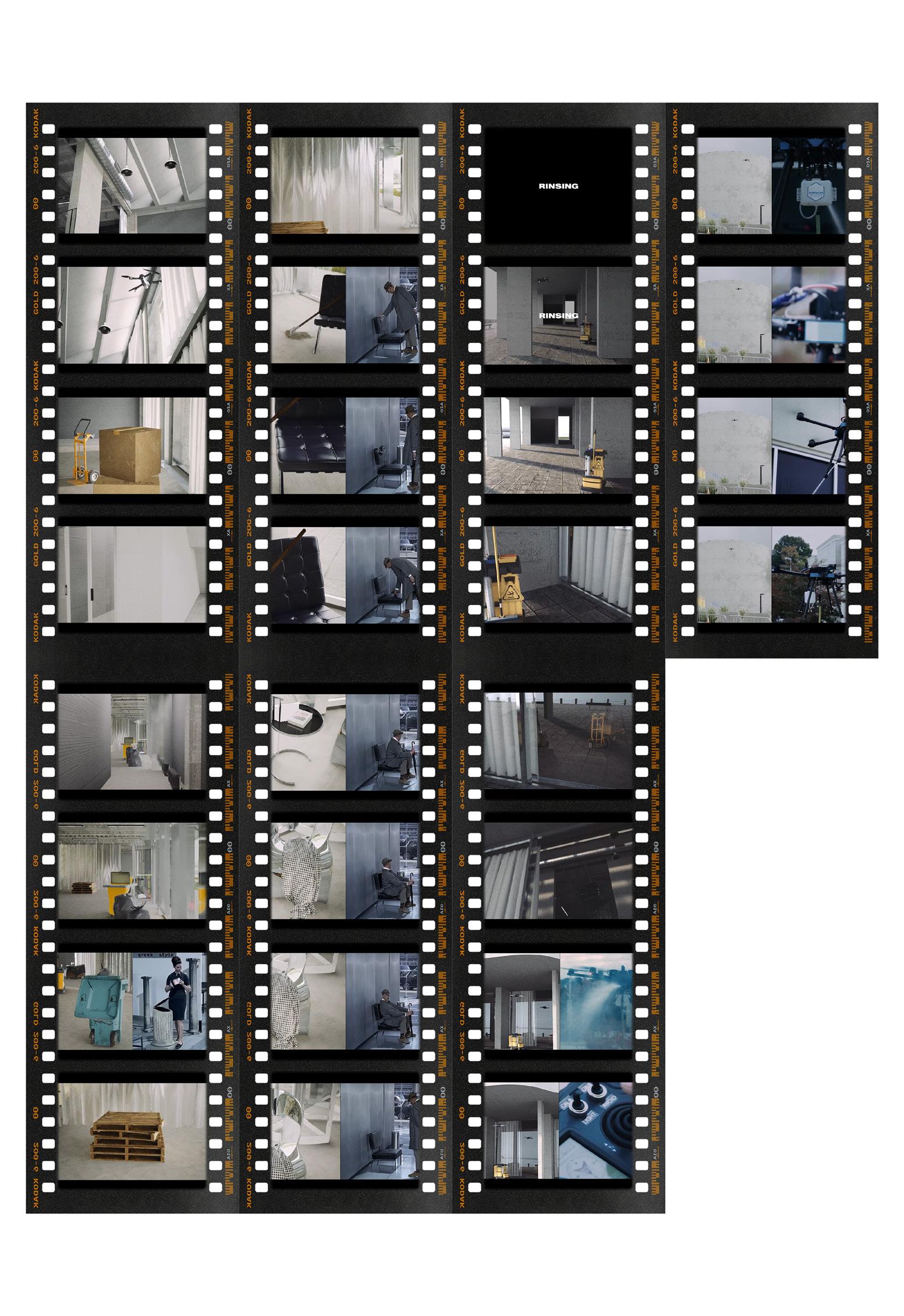
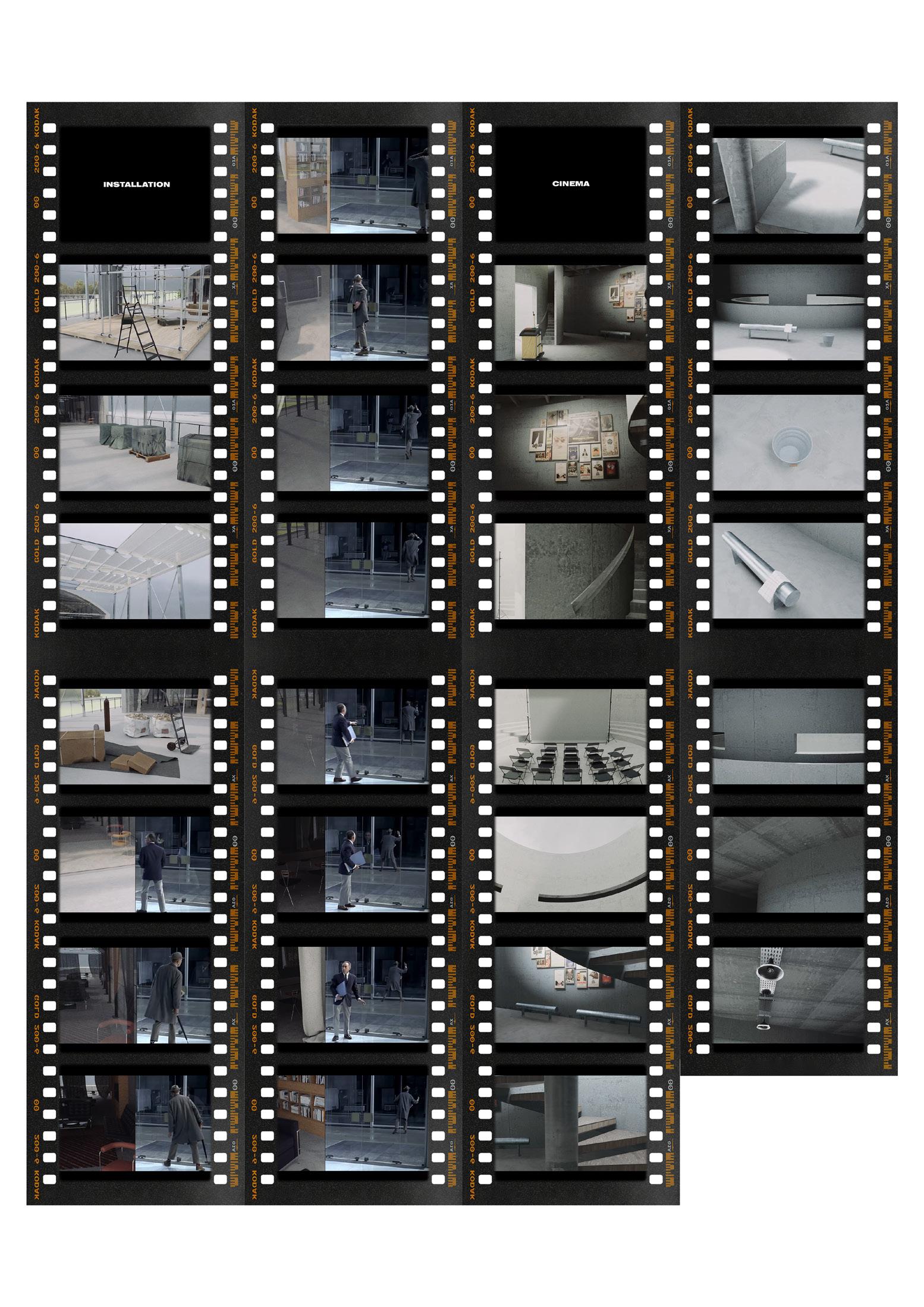
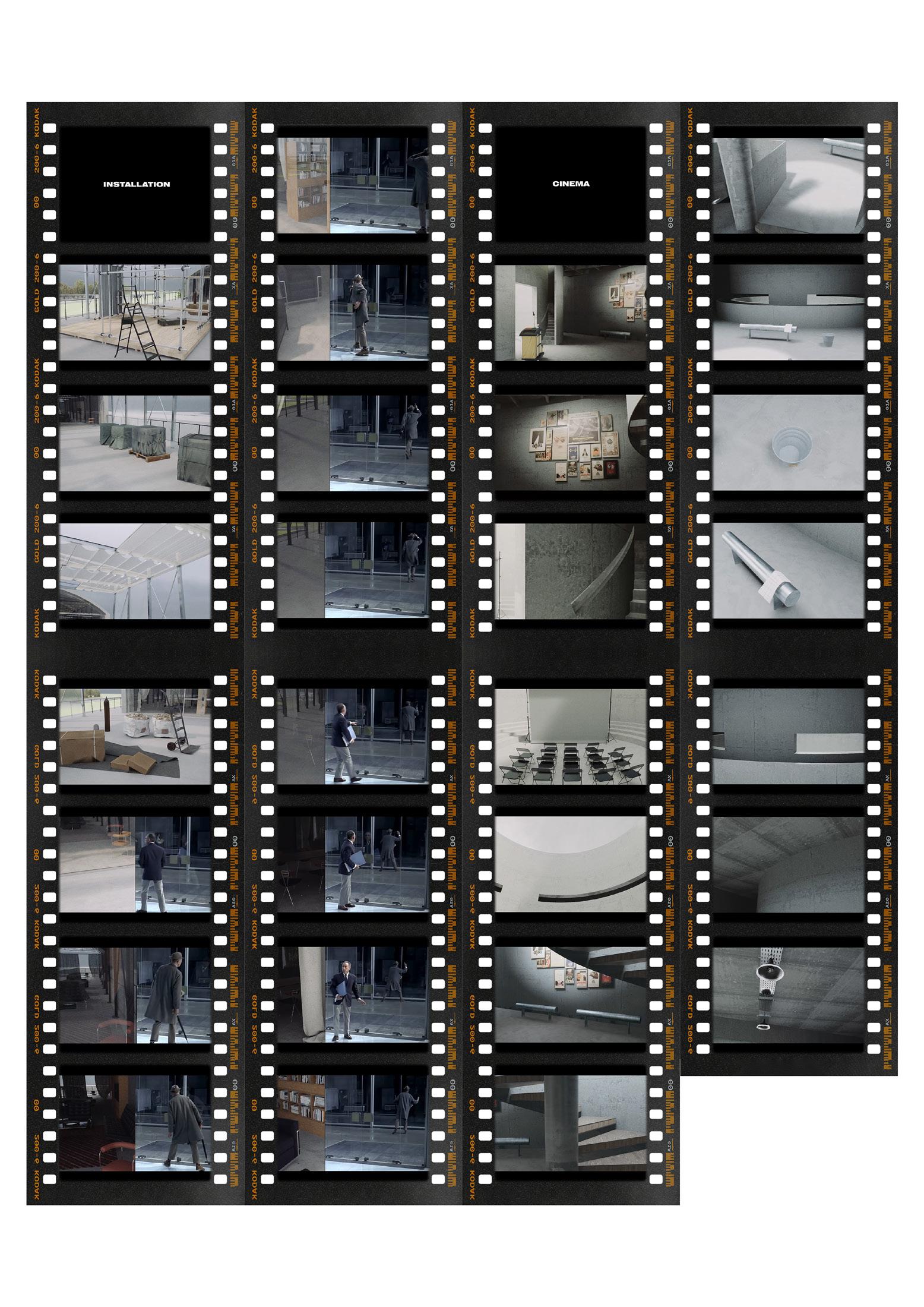
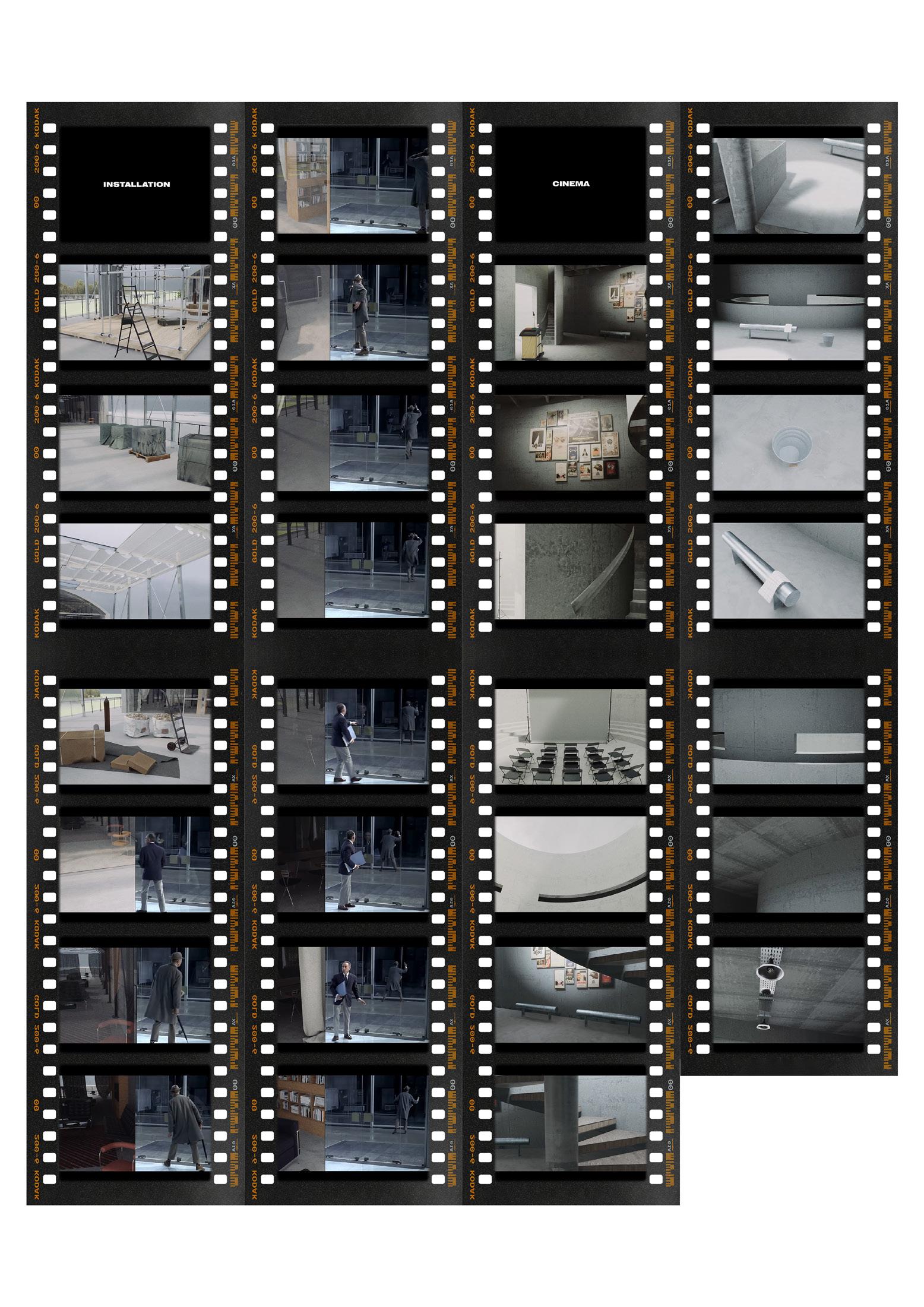
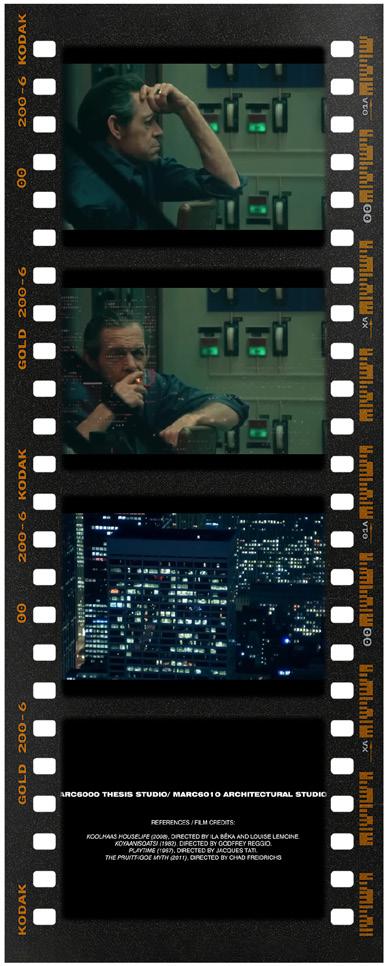
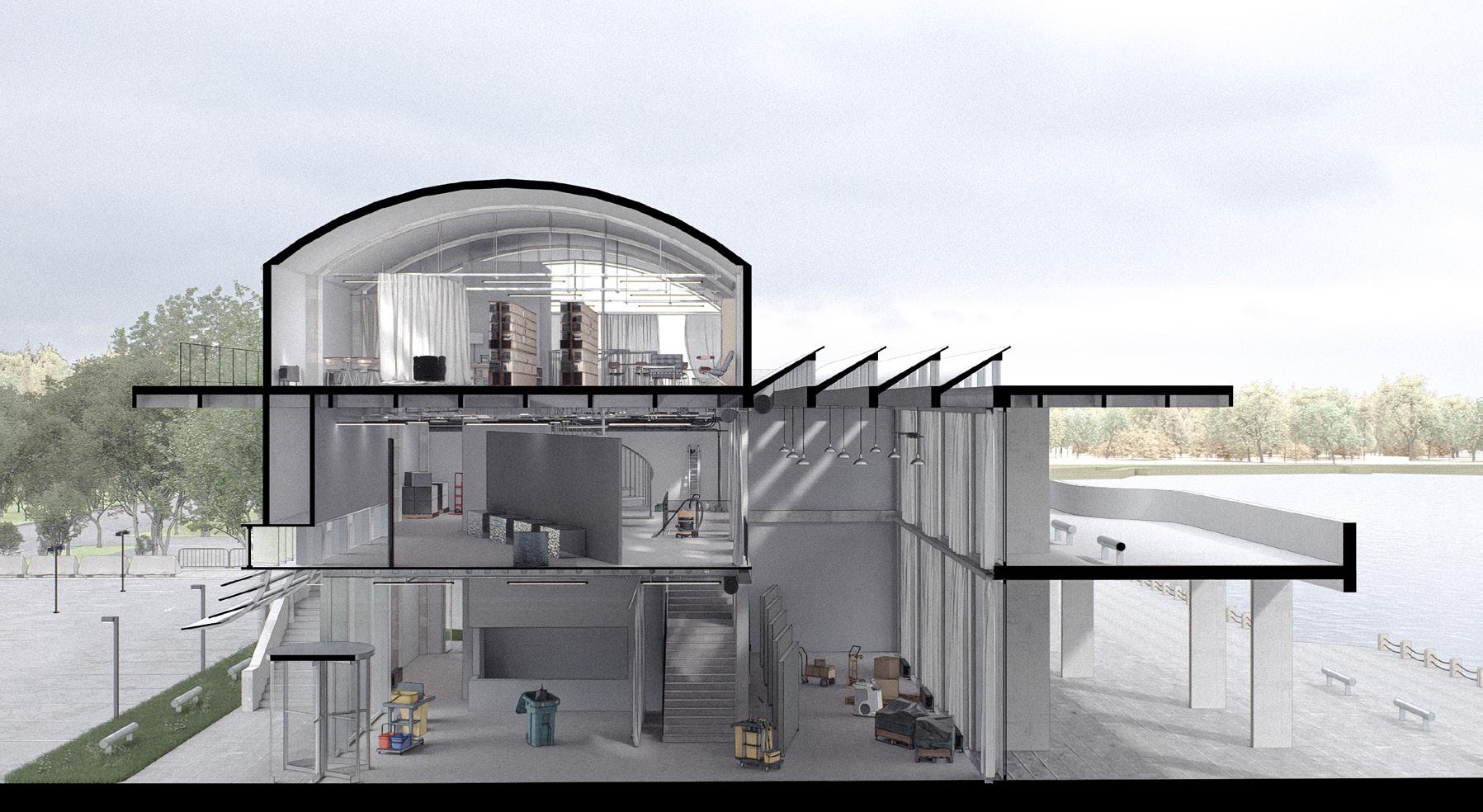
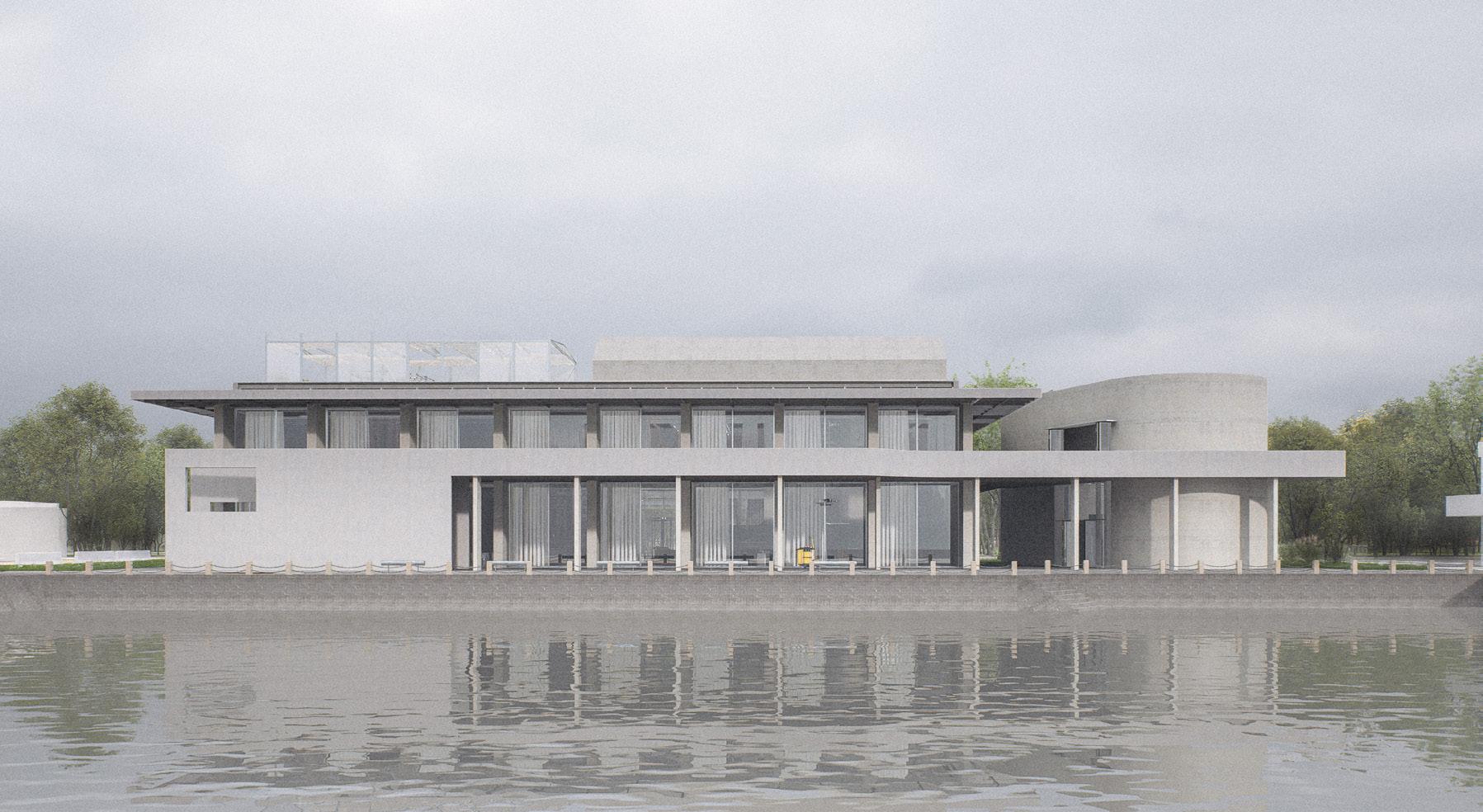
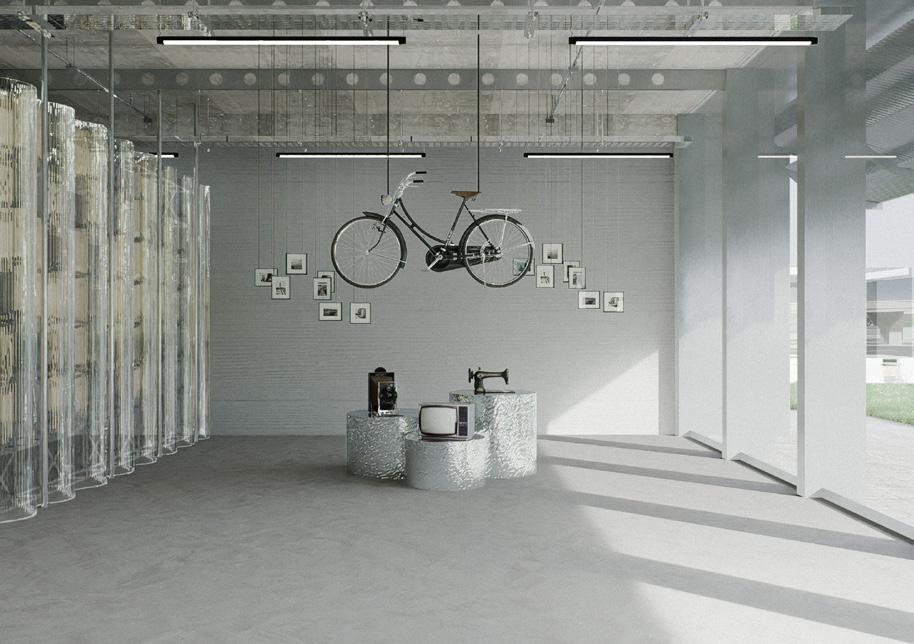
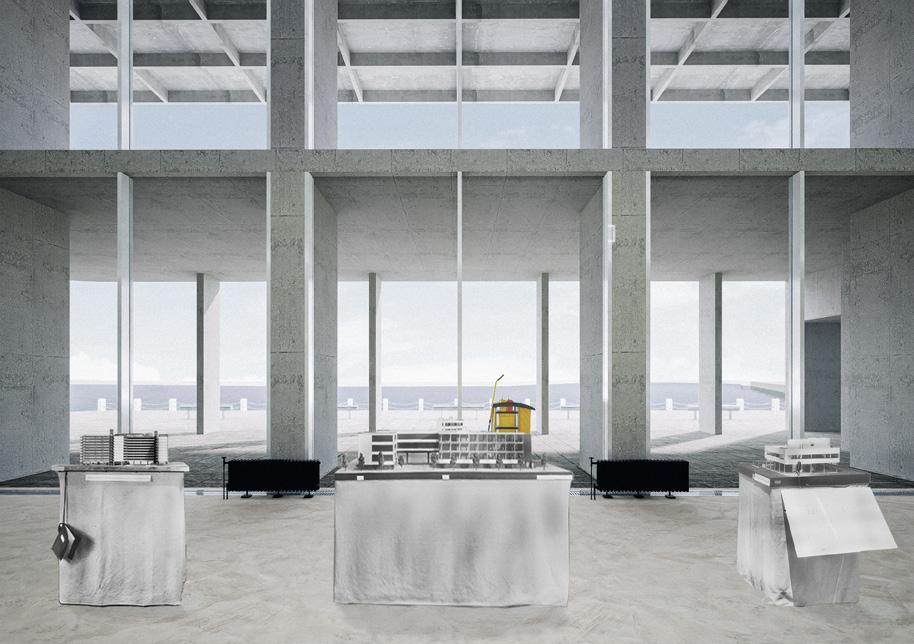
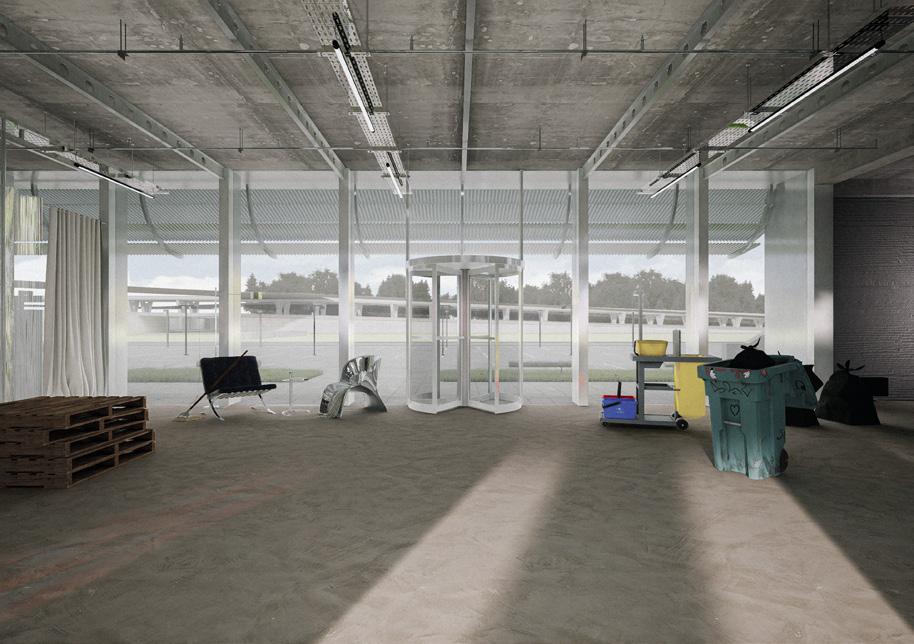
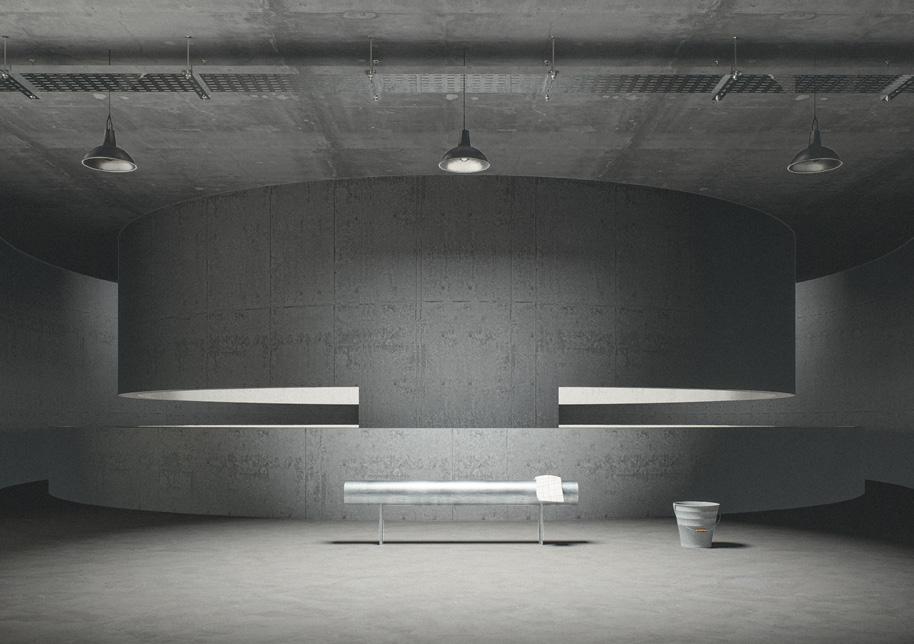
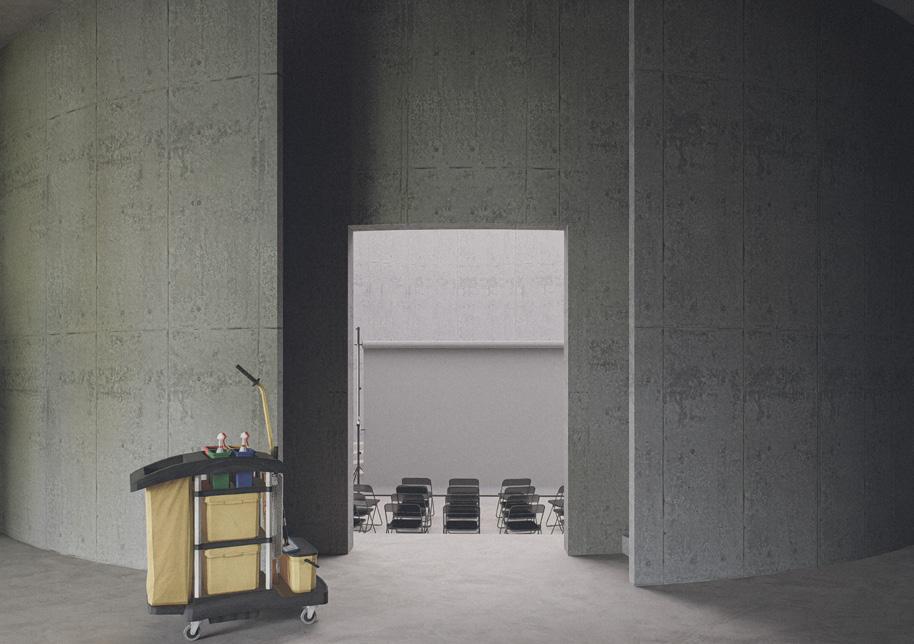
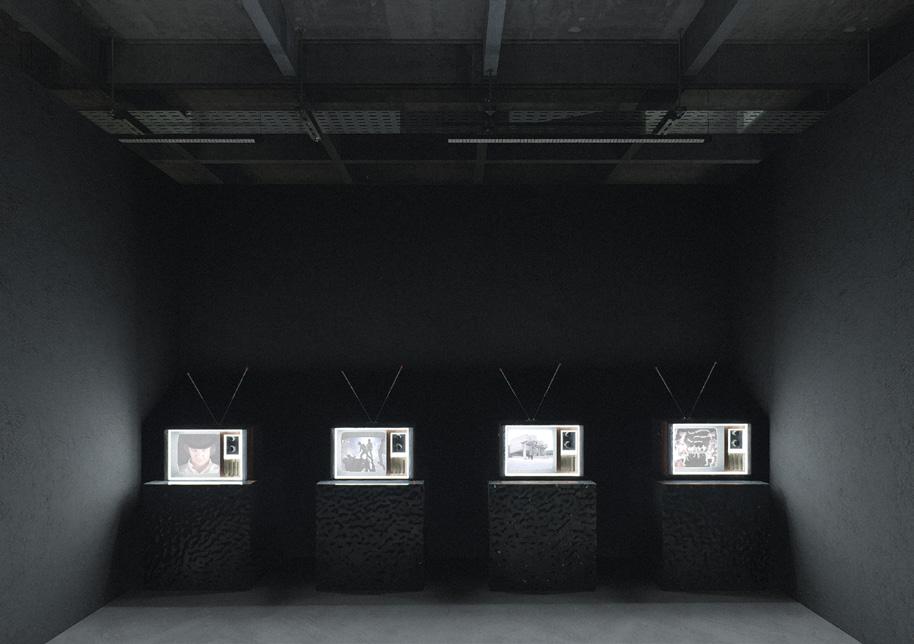
This project examines the "crisis, death, and rebirth of modernism" through the lens of architecture and cinema, grounded in the concept of "total art." Inspired by Stanley Kubrick's Clockwork Orange, it tells the story of Icarus, a cleaner navigating modernist spaces, symbolizing modernism's death and redemption. The project uses film as a narrative and visual medium to explore the emotional and thematic dimensions of architecture, presenting space not just as a physical entity but as a narrative tool shaped by cinematic language.
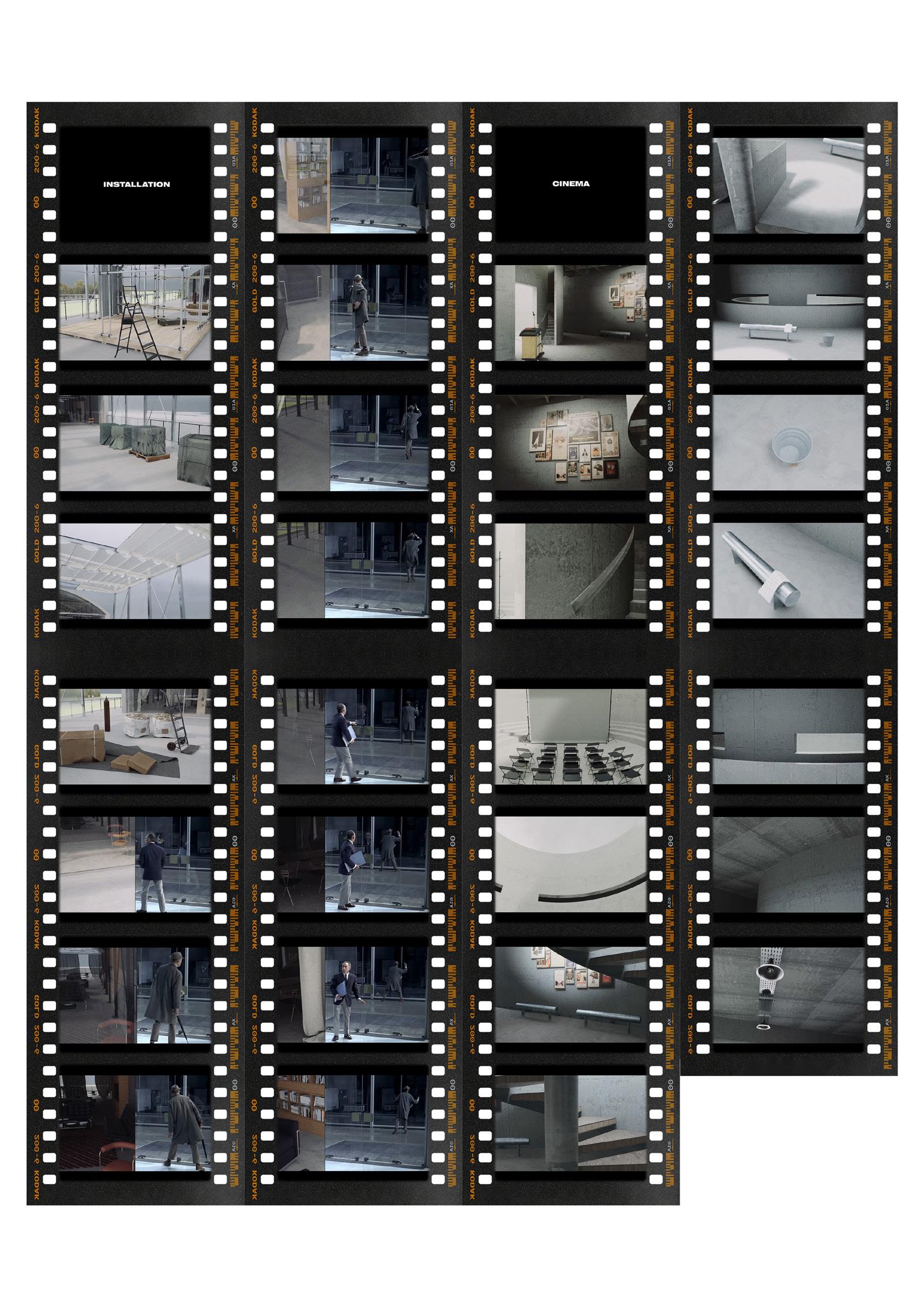
Through scriptwriting and film production, the project creates a virtual architectural space, blending materials, spatial qualities, and ambiance with storytelling. The cinematic approach highlights the interplay between architecture and time, allowing the viewer to experience architecture dynamically through light, shadow, and motion.
Ultimately, this design bridges film and architecture as artistic expressions, illustrating their mutual potential to convey emotions and themes. It emphasizes how cinematic language can reinterpret architecture and how architectural spaces can serve as powerful tools for storytelling and emotional resonance. This experimental approach fosters a dialogue between vision and space, revealing architecture's artistic tension and multidimensional impact.
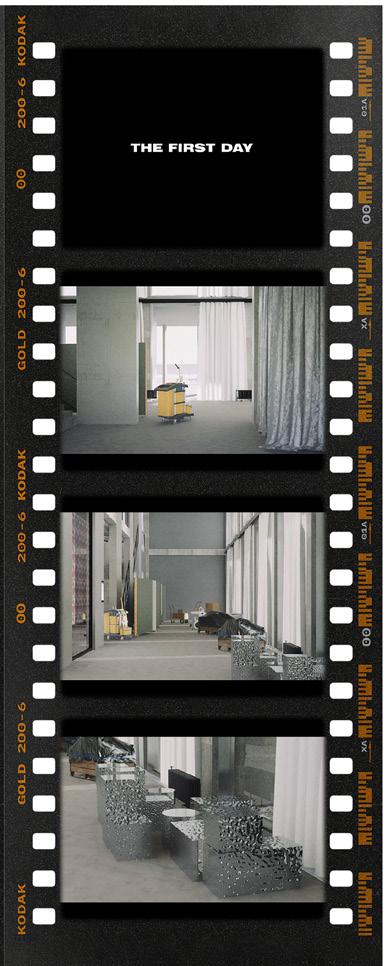
The project ultimately takes form as a film, gradually moving away from Kubrick's style to delve deeply into architectural interior narratives. The film presents Icarus’s experiences as a museum janitor, giving narrative depth to the architectural space. This use of cinematic language expands traditional architectural representation beyond drawings, engaging in a cross-disciplinary dialogue between architecture and cinema. It explores how cinematic techniques can be adapted into architectural aesthetics, illuminating the ongoing evolution of modernist architecture.
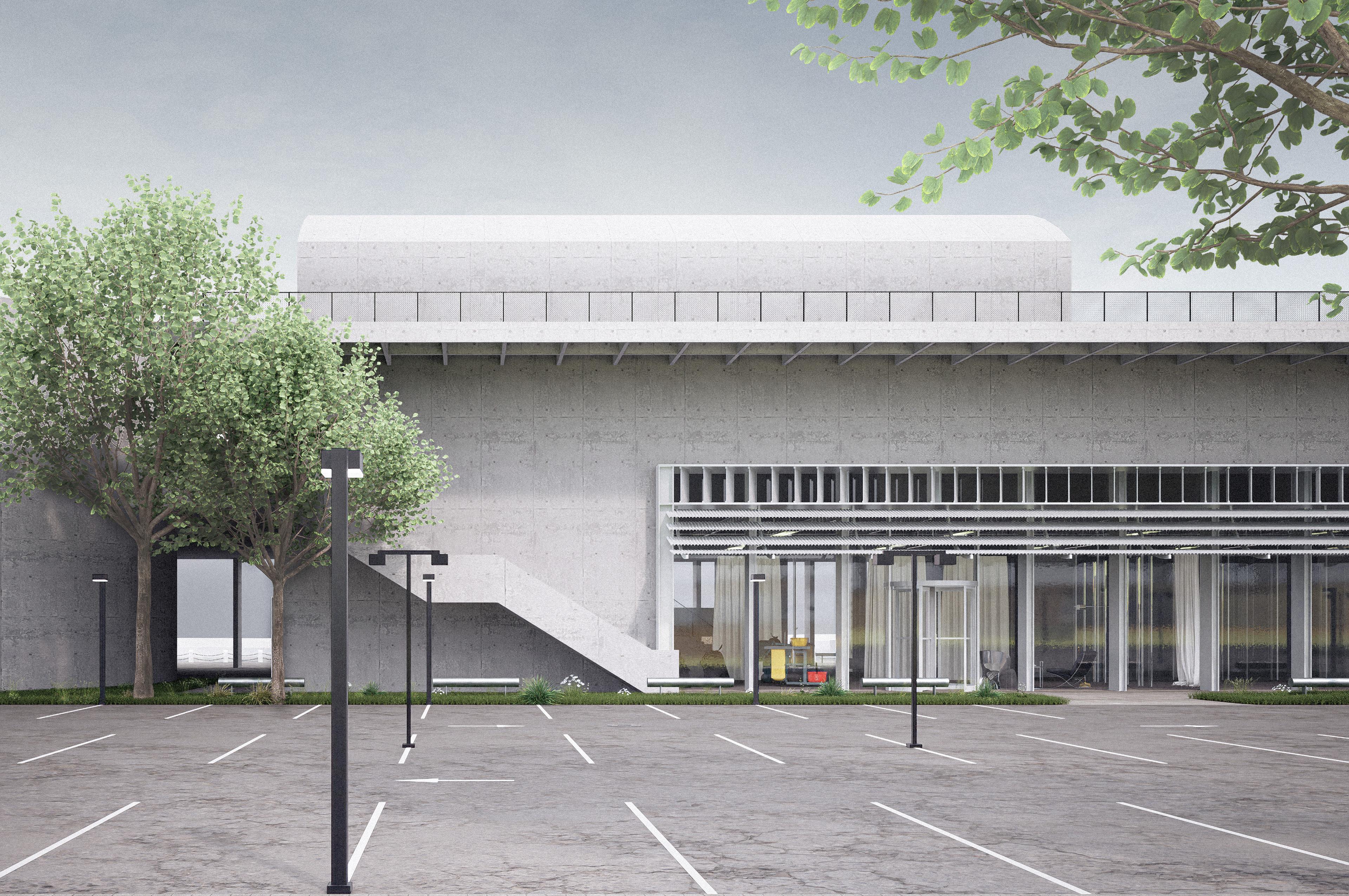
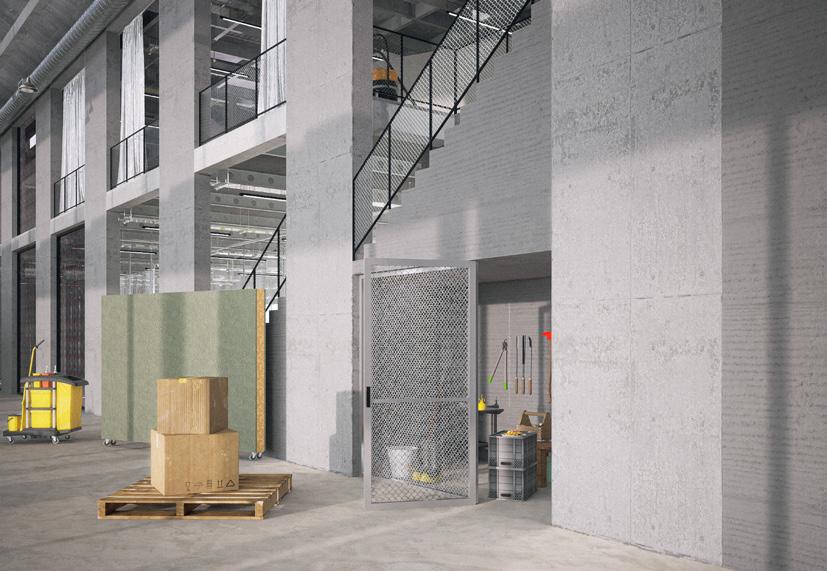
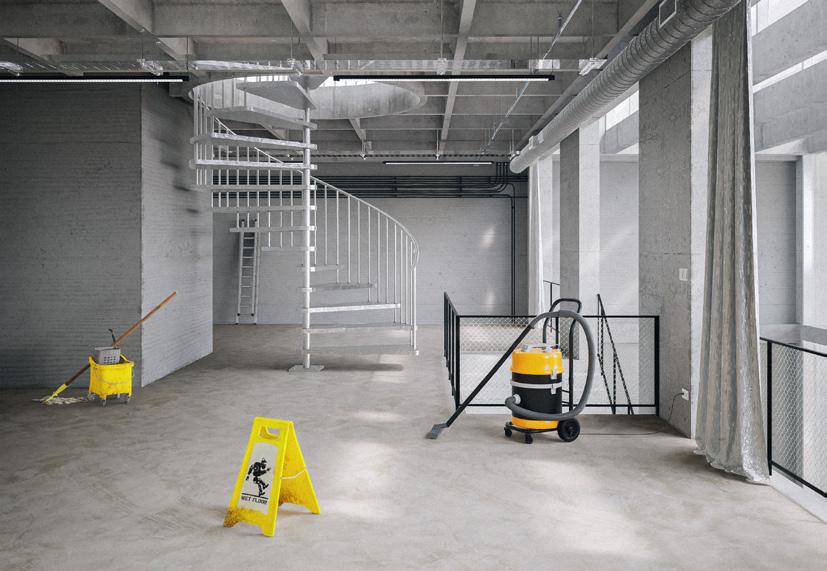
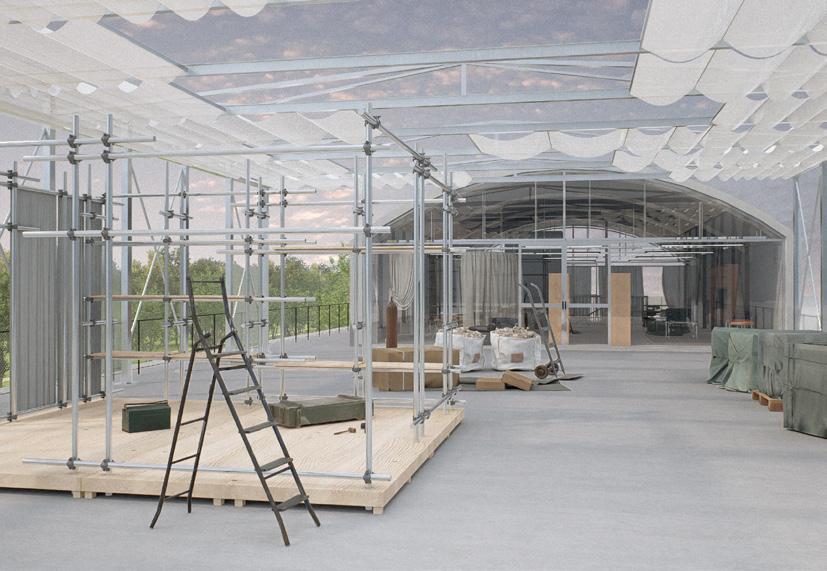
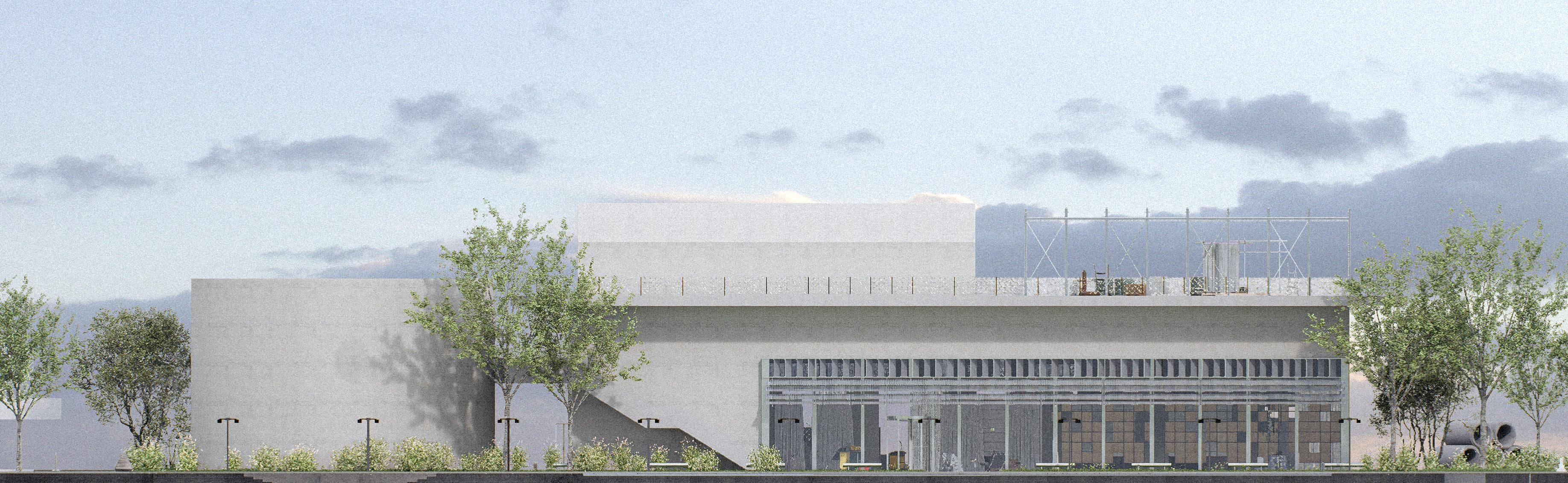
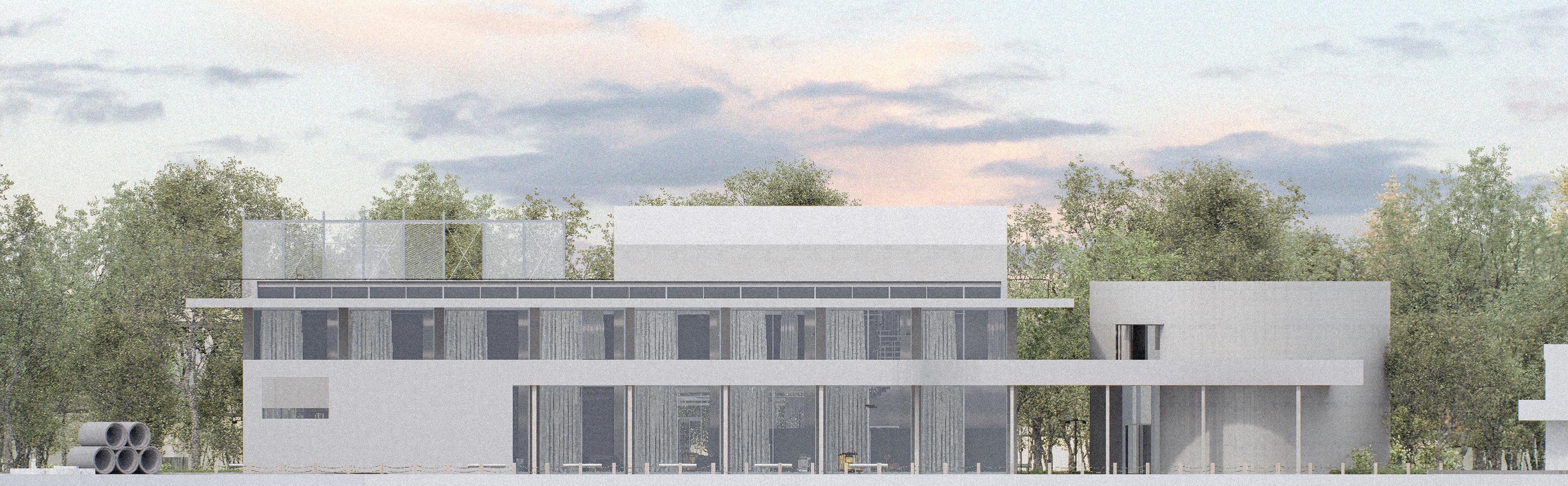
In the rendered design images, the project presents the building's interior from the protagonist Icarus's perspective, using cleaning tools and staged scenes to highlight labor within the space. These visuals depict Icarus preparing for the exhibit’s opening by cleaning and moving items, and show him dining in the break room. Such details enhance viewers' immersion, helping them feel his journey of self-redemption through labor. This progression not only symbolizes personal renewal but also reflects architects’ mature efforts to achieve “redemption” in modernist architectural evolution.
This parallel expresses architecture as more than a functional space; it is a vessel for ideas and emotions. Through form, materials, and spatial storytelling, architecture conveys specific thoughts, feelings, and cultural values. This approach serves as a critical response to modernist architecture and highlights labor's crucial role in modernist revival, illustrating a profound artistic dialogue between “Total Art” and architectural design.