Tower of Life in “DUNE”
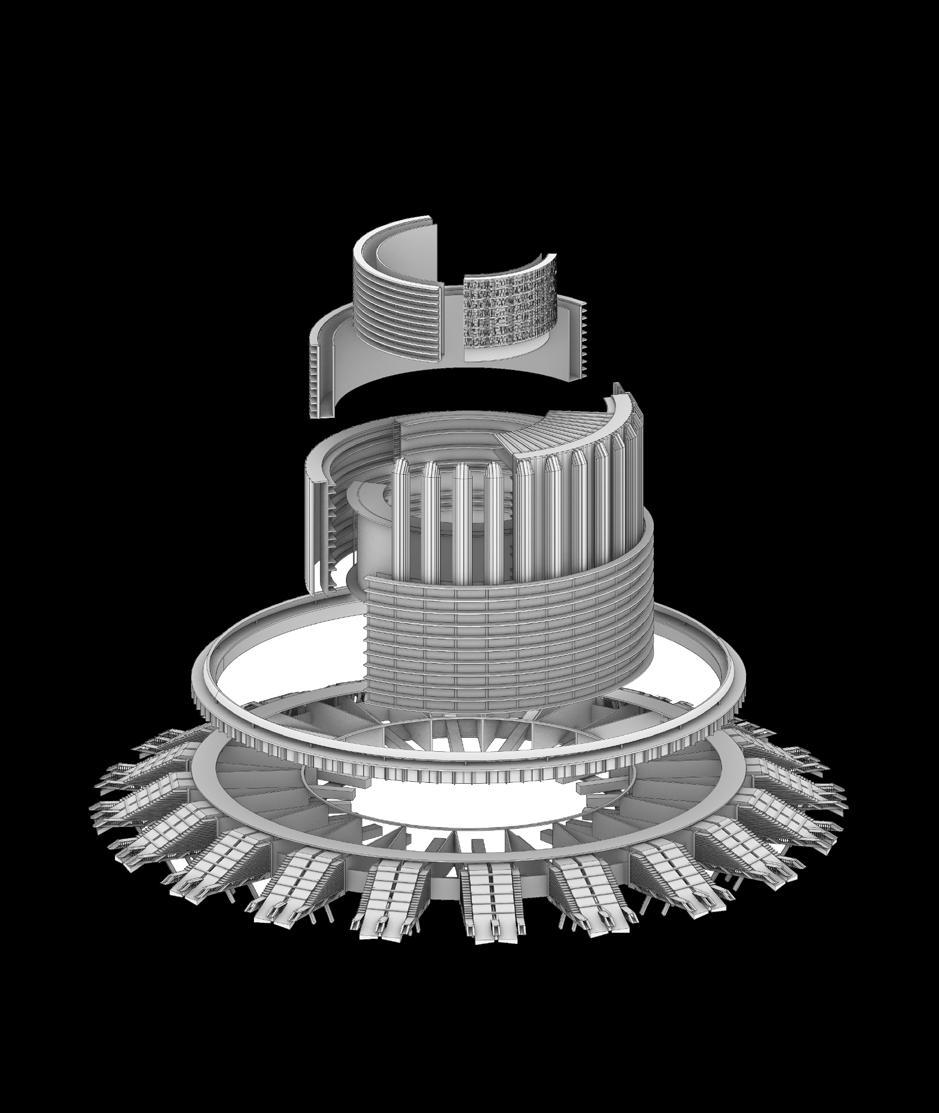
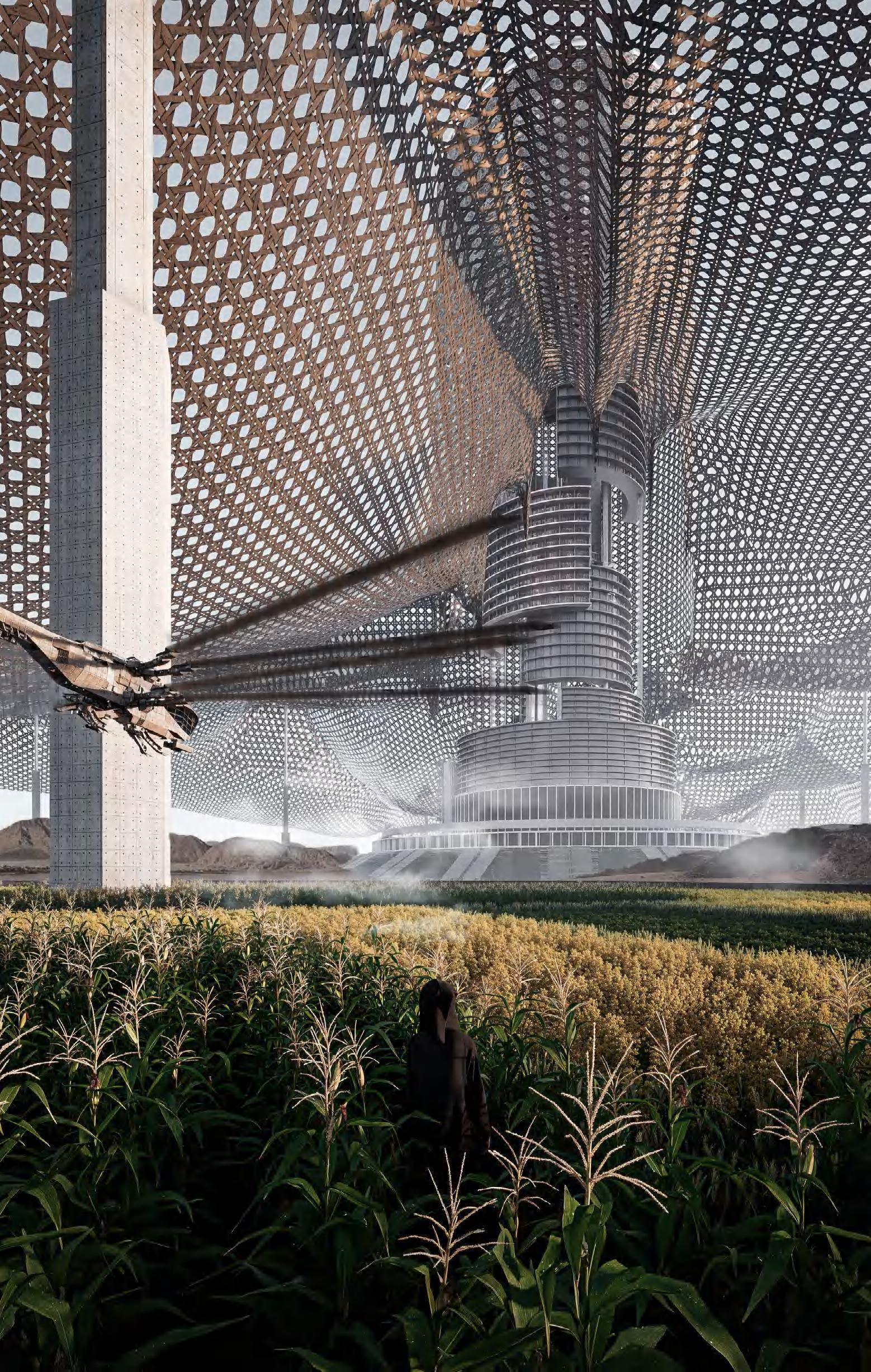
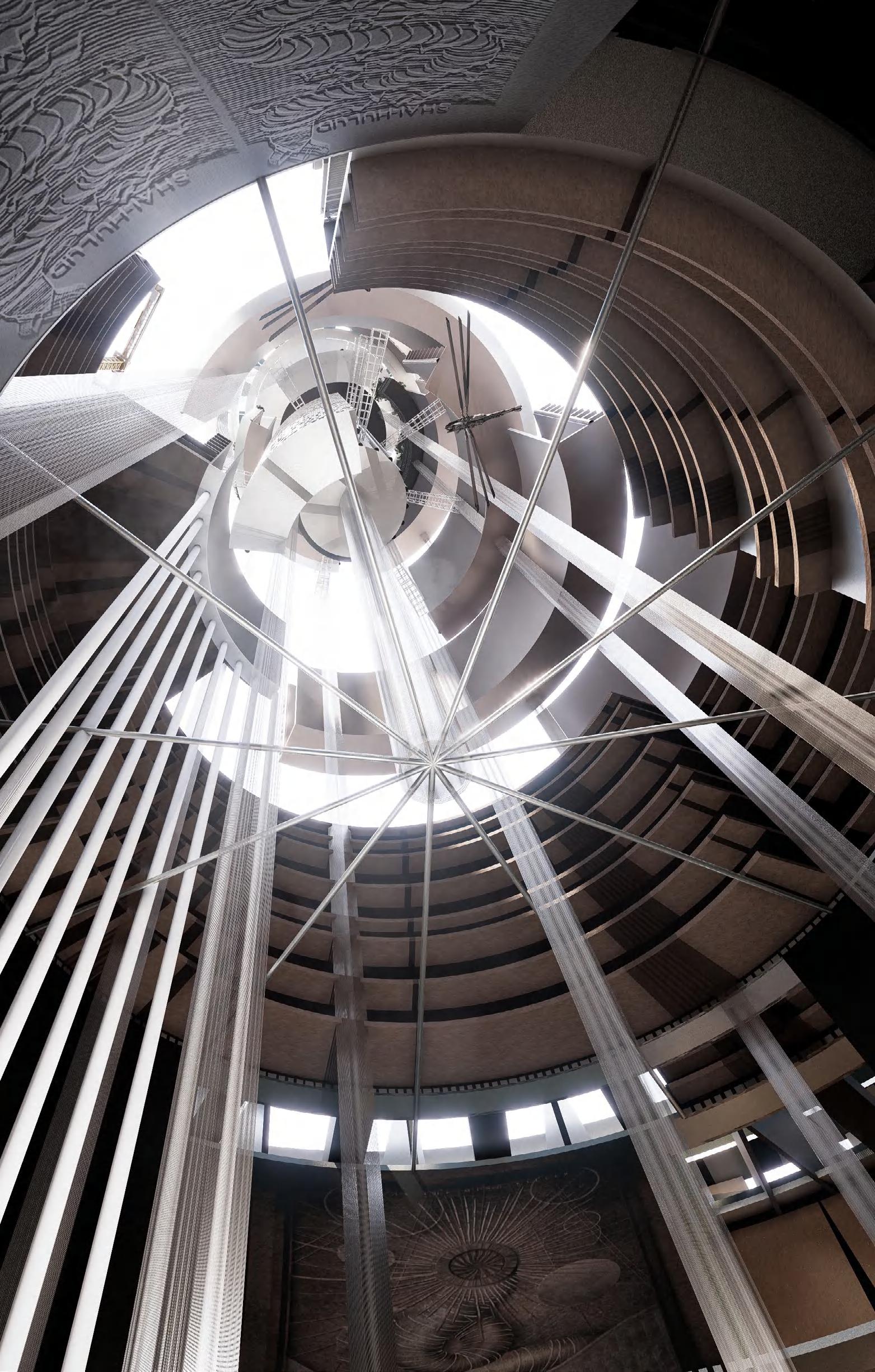
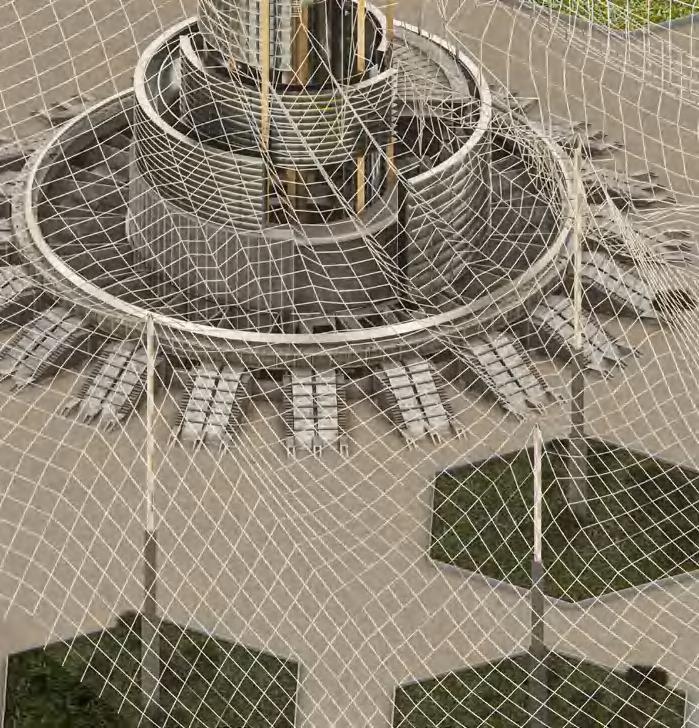
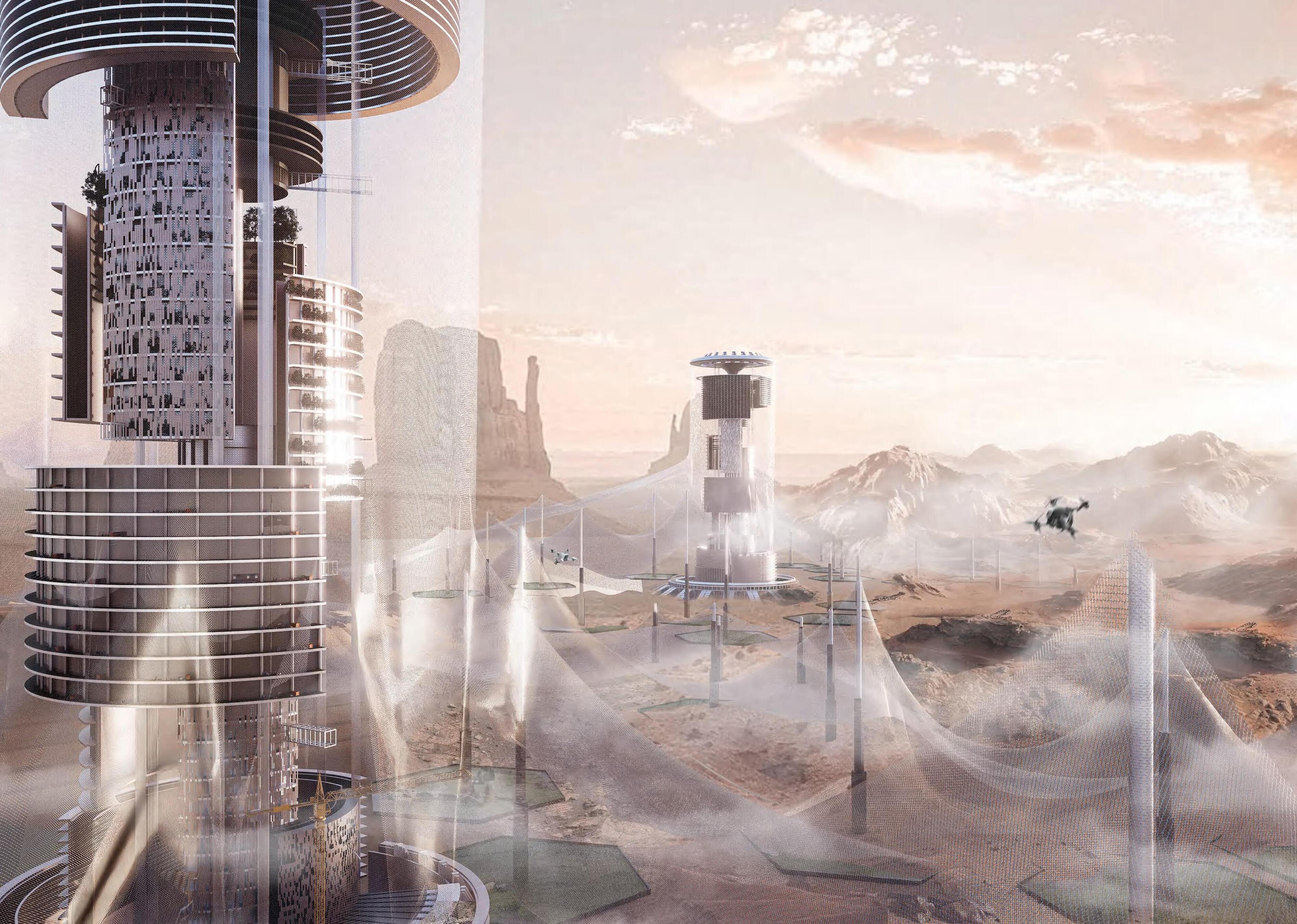
Inspired by the narrative imagery of the desert environment in DUNE, this project proposes a pioneering concept design for water collection and ecological symbiosis: the Water Collection Tower. The design aims to respond to the core themes of water scarcity and sharing in desert ecosystems through the translation of scenes and spaces, while exploring the possibility of sustainable life forms in extreme environments in the future. 4/4
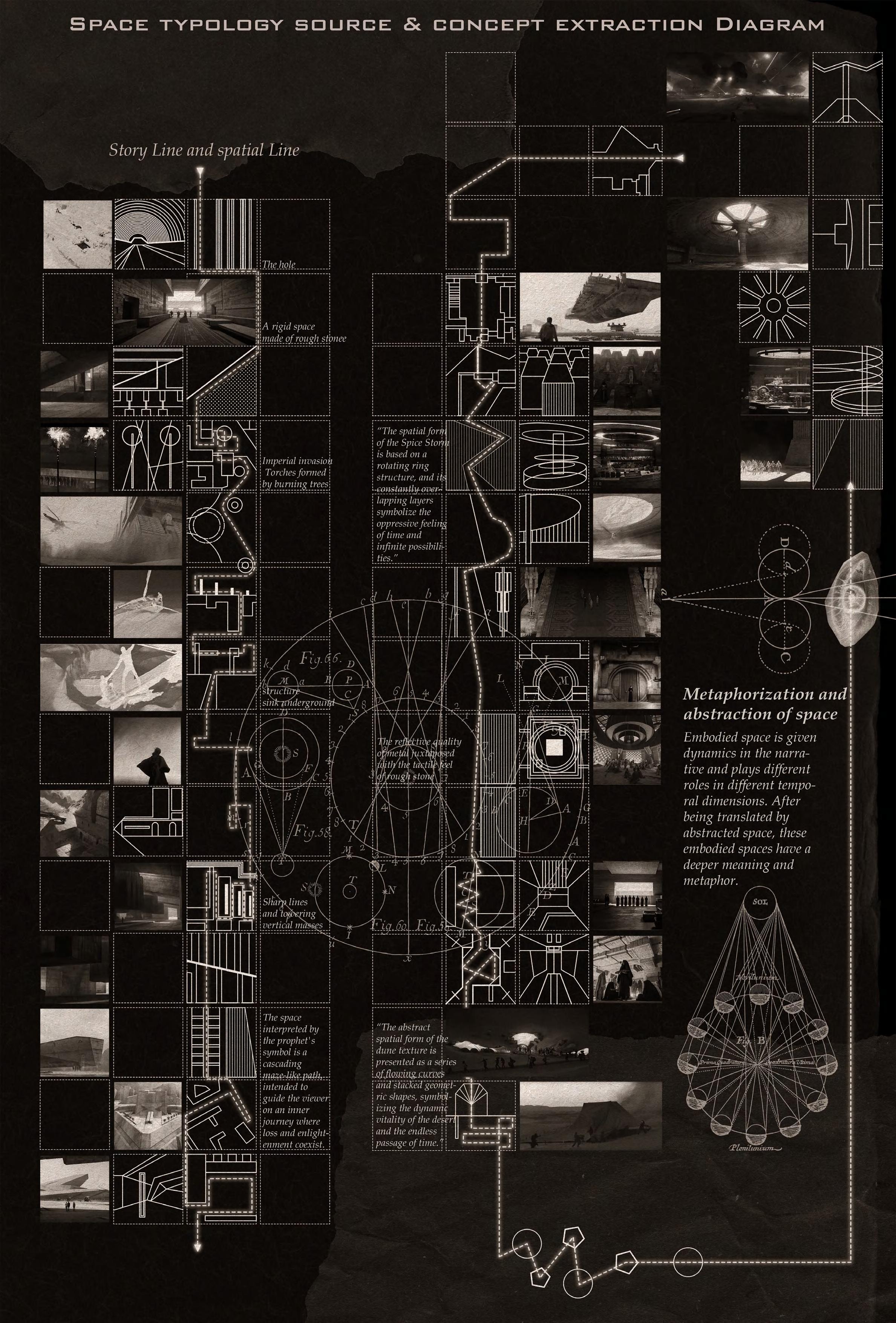
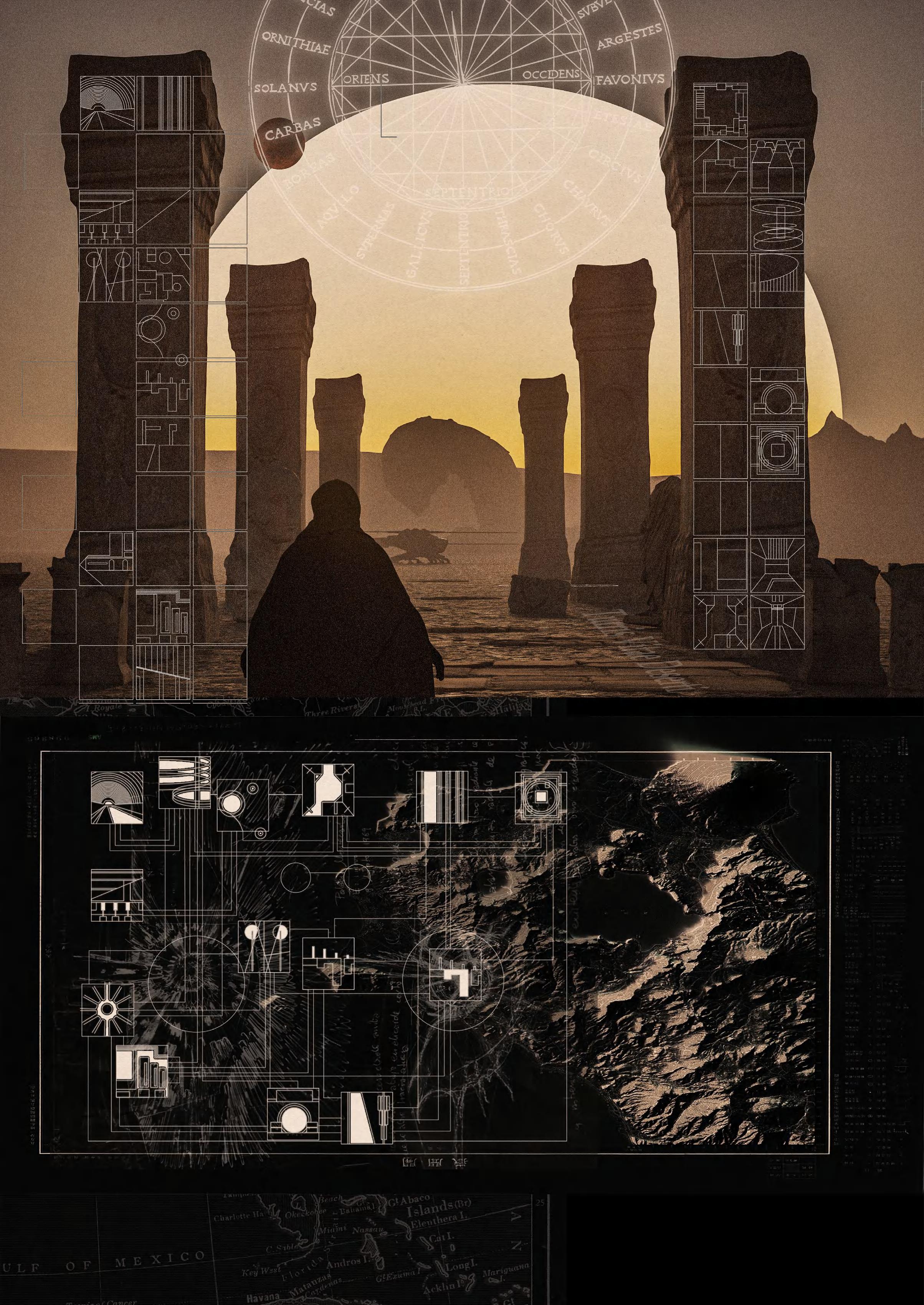
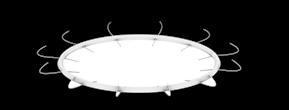
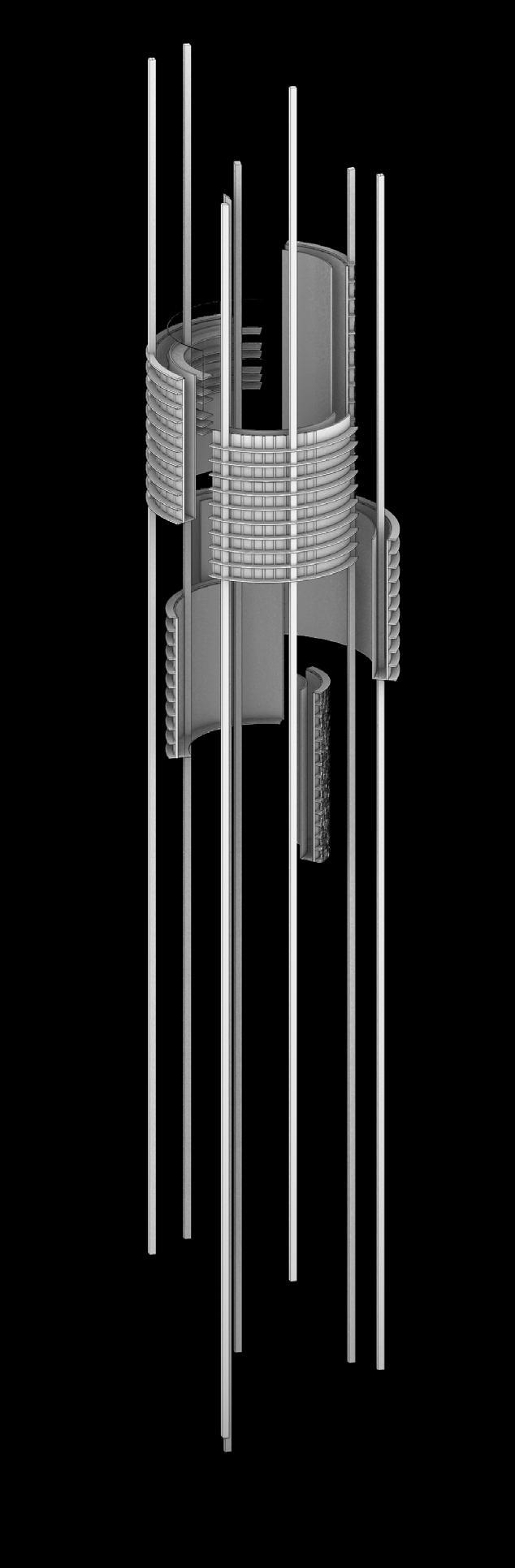
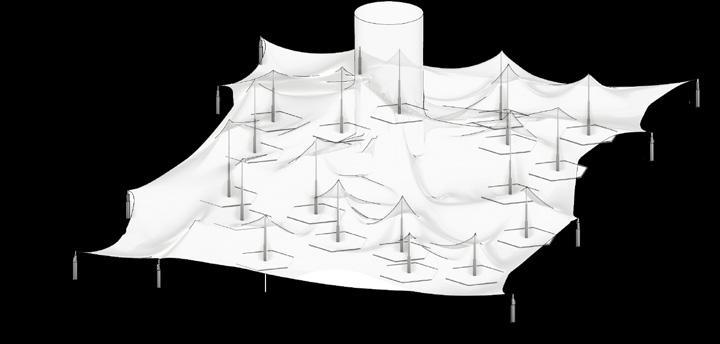
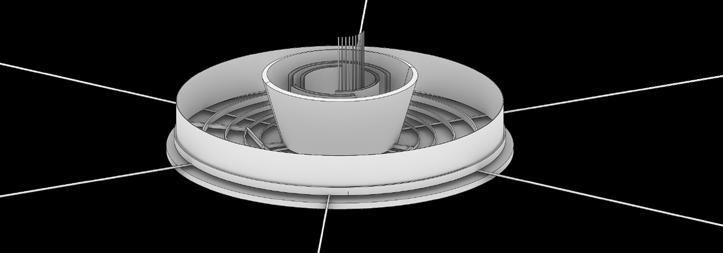
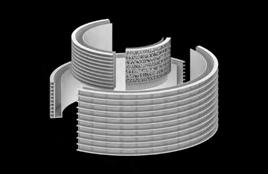
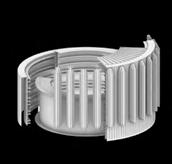
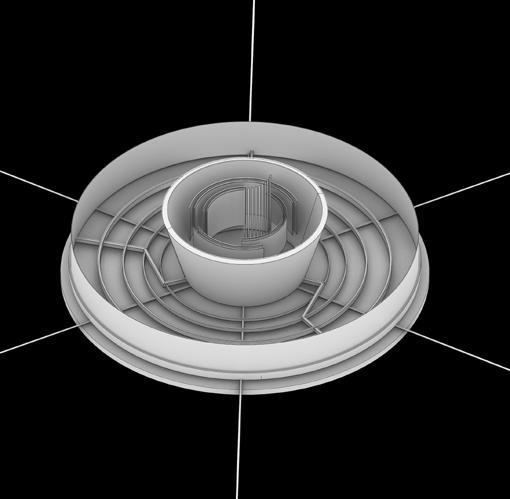
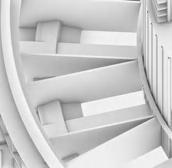
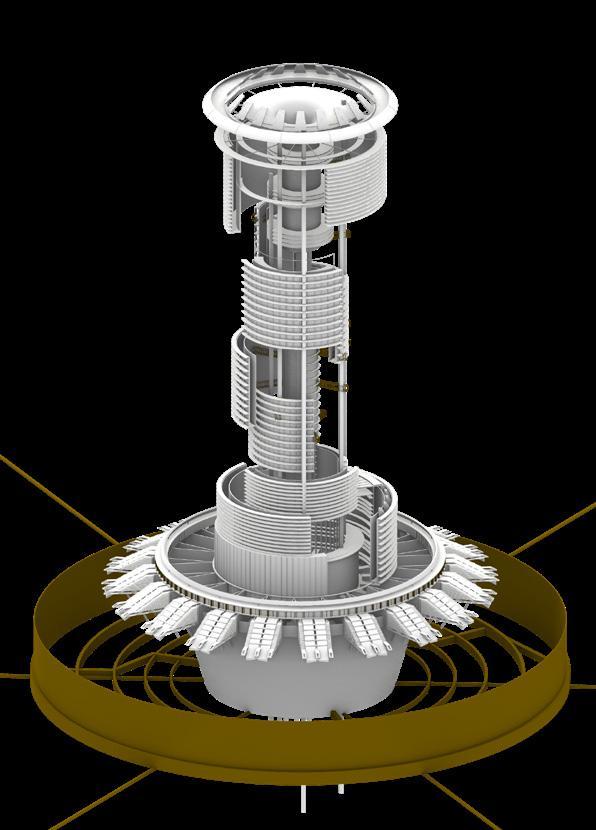
Abstract spatial forms reorganization map
The design is not only an exploration of spatial forms, but also an expression of ecological philosophy. It attempts to reshape the symbiotic relationship between humans and non-humans in extreme environments, presenting the poetry and philosophical thinking of the continuation of life in desert environments.
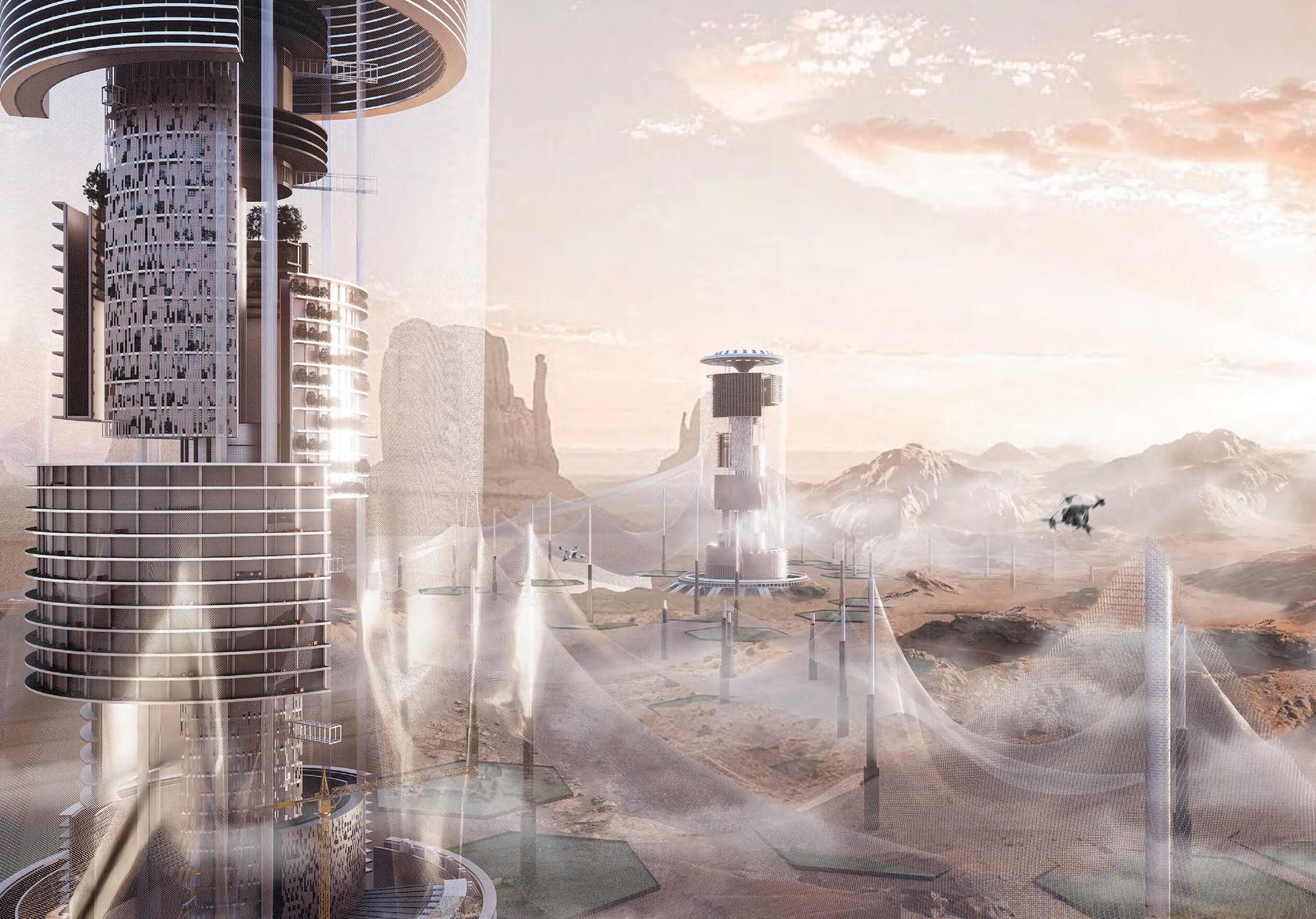
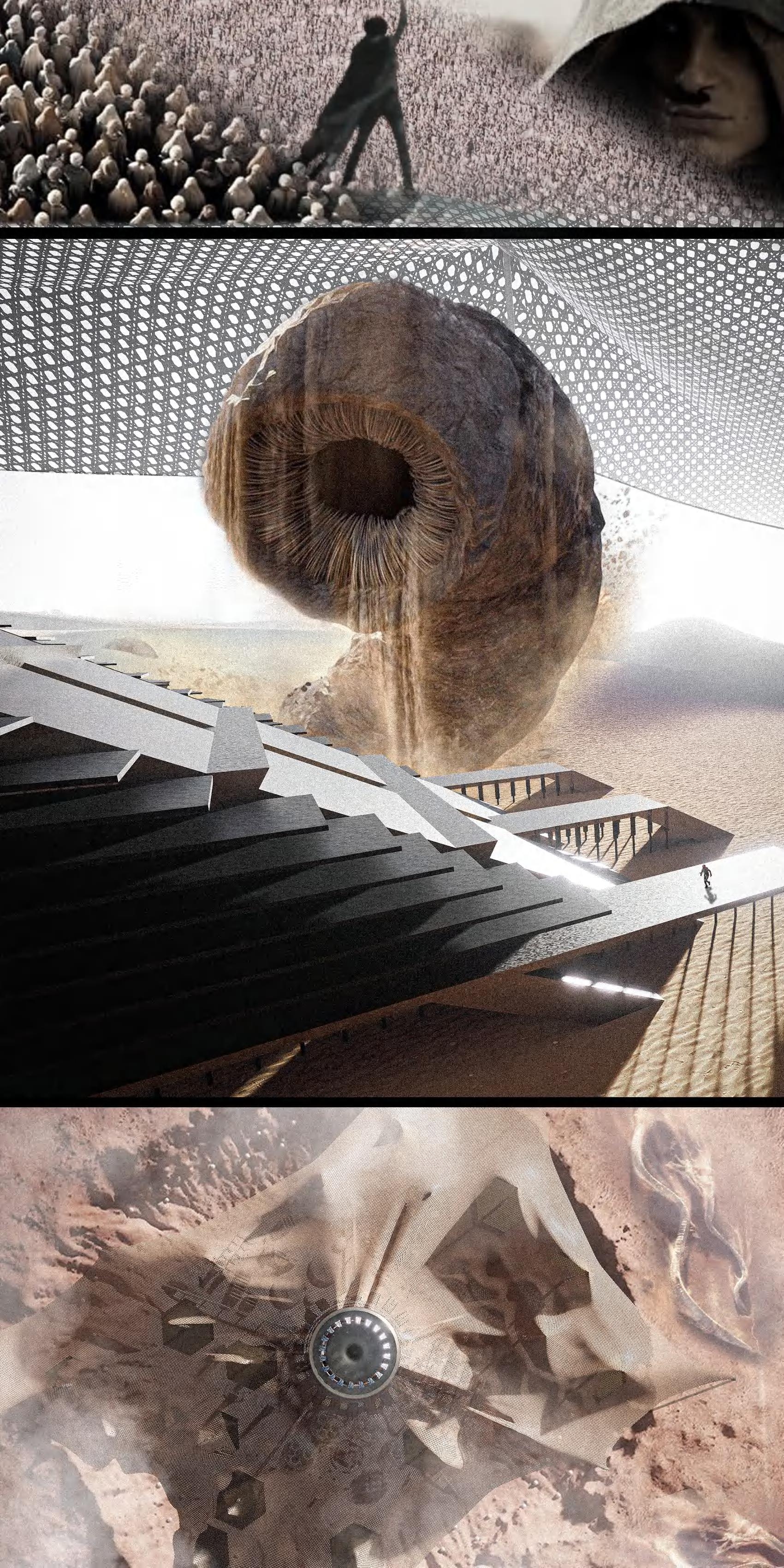

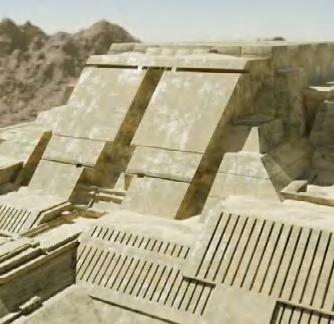
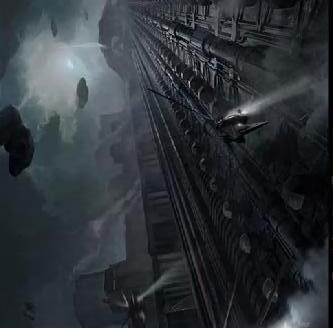


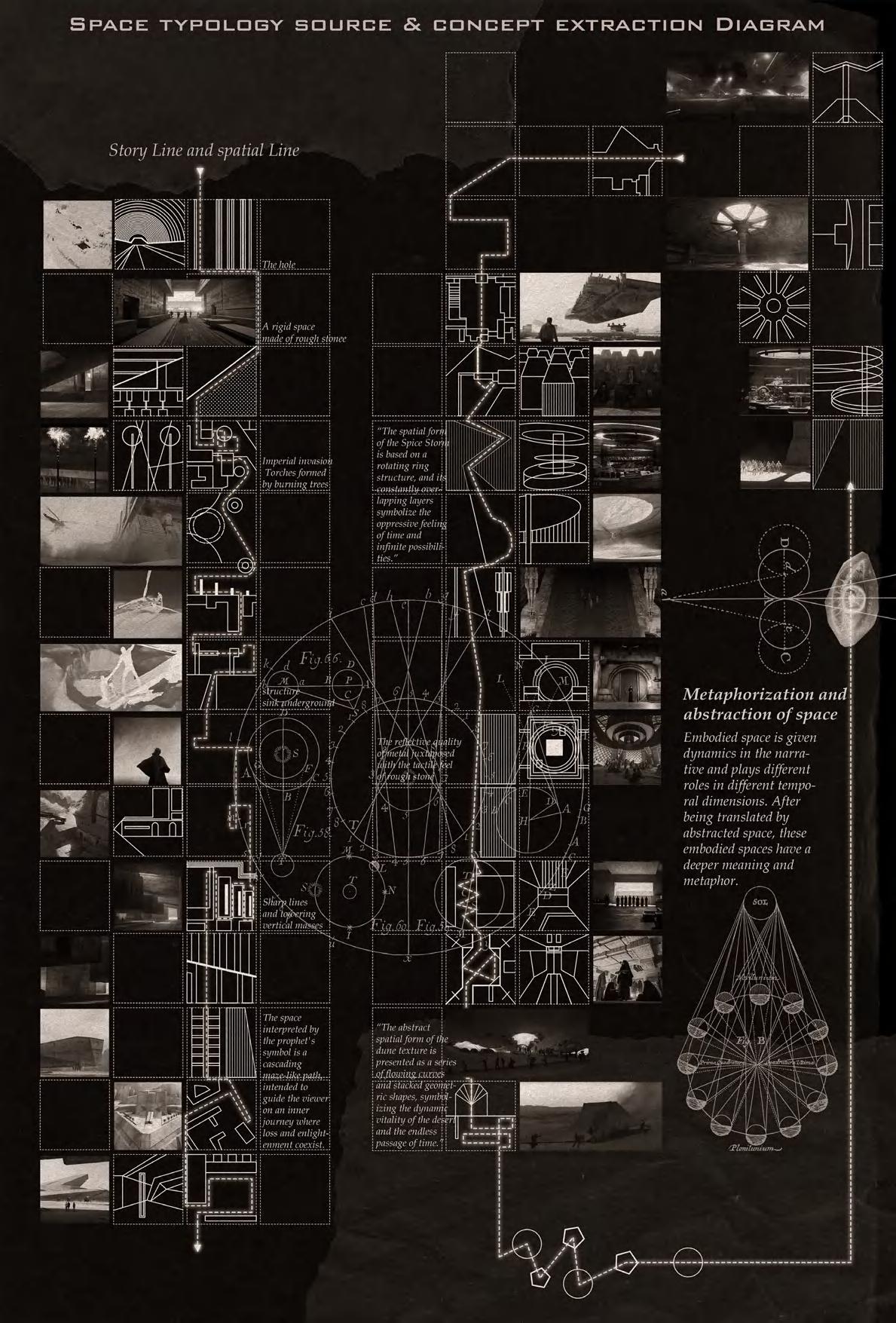
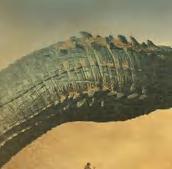
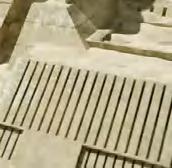
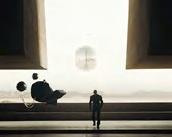
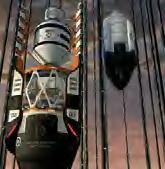
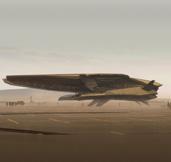
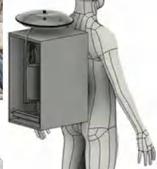
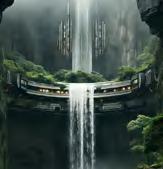

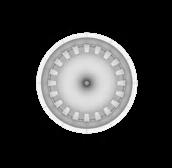
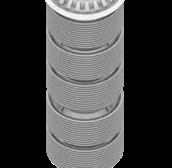
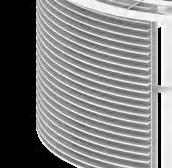
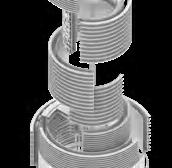
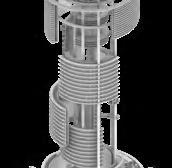

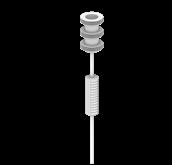
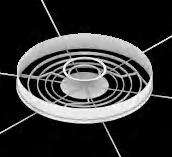
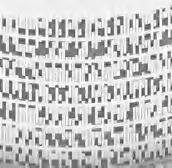
The DUNE is an extreme existence –barren, scarce, yet full of possibilities. The design of the water collection tower is based on the natural environment and actively “opens up to the truth of existence,” using the trace amounts of moisture in the air to create new living conditions. This “openness” is consistent with Heidegger's understanding of existence: the meaning of life lies in tapping into the potential of existence in the face of environmental constraints, rather than merely adapting to or escaping from them. By combining technology and ecology, the tower transforms the desert, a symbolic place of life's limits, into a source of life, demonstrating the way in which “being” questions and responds to the meaning of existence in a given situation.
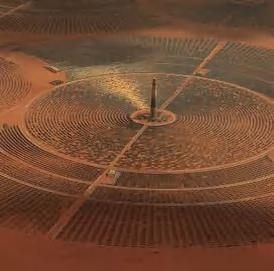
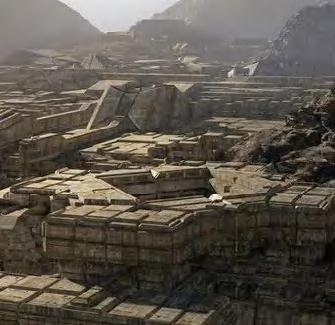
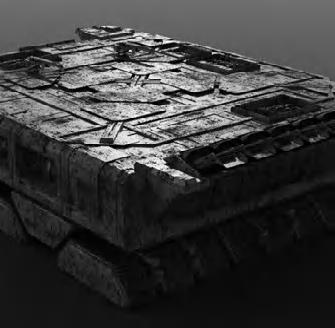
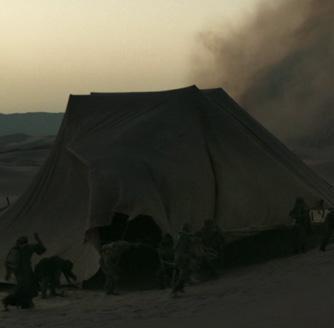
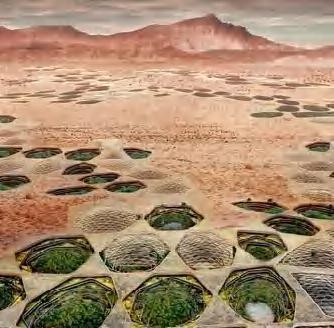
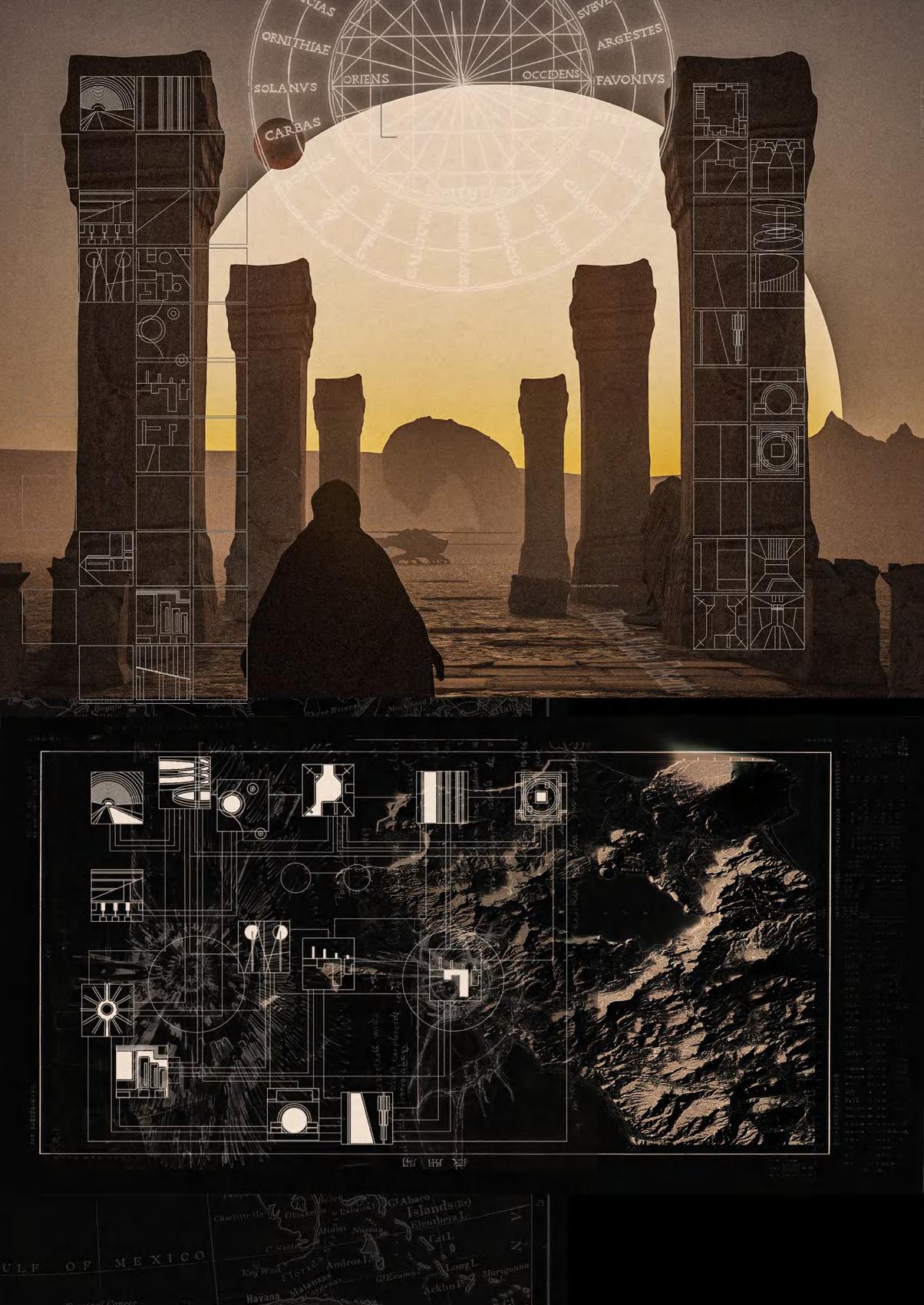
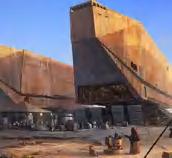

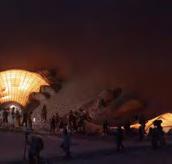
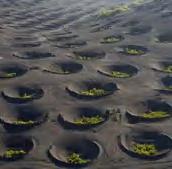
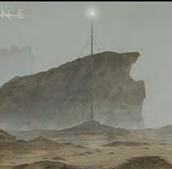
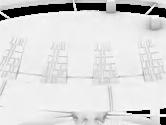

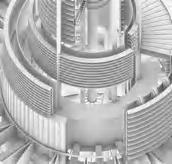

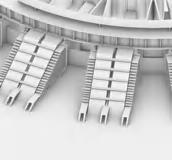
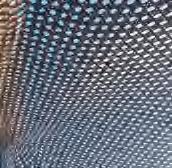
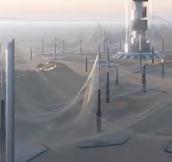
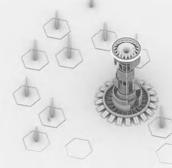
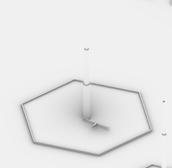
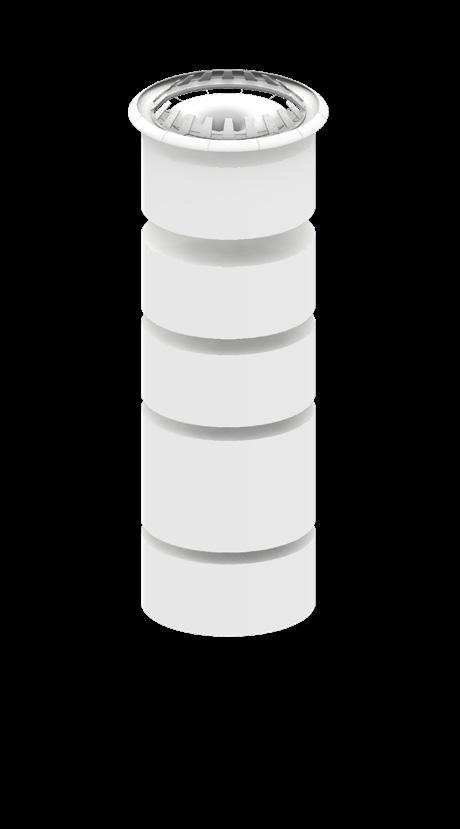
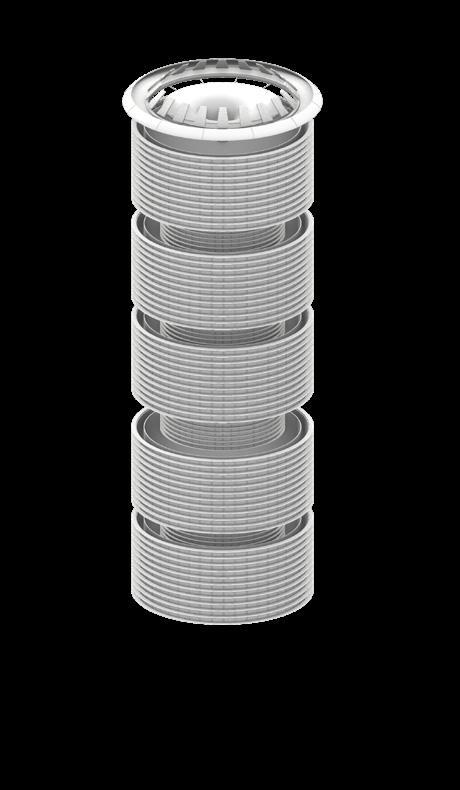
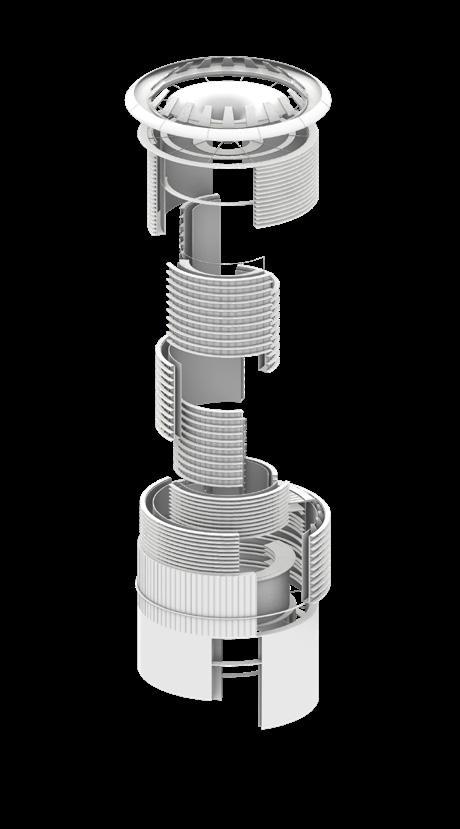
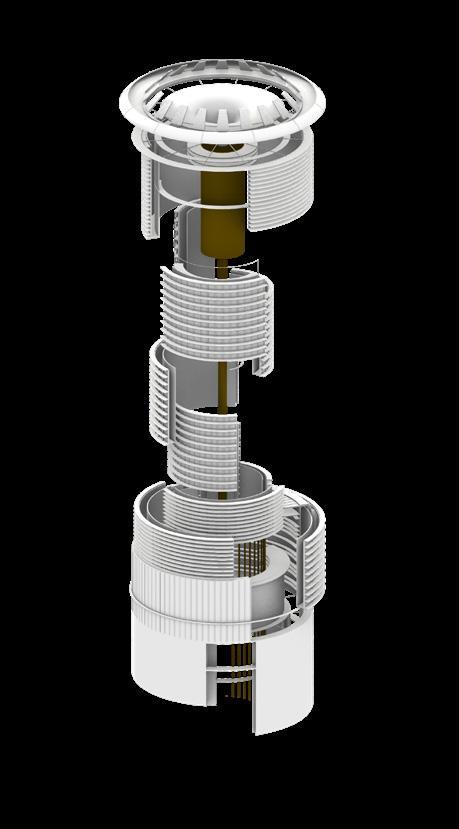
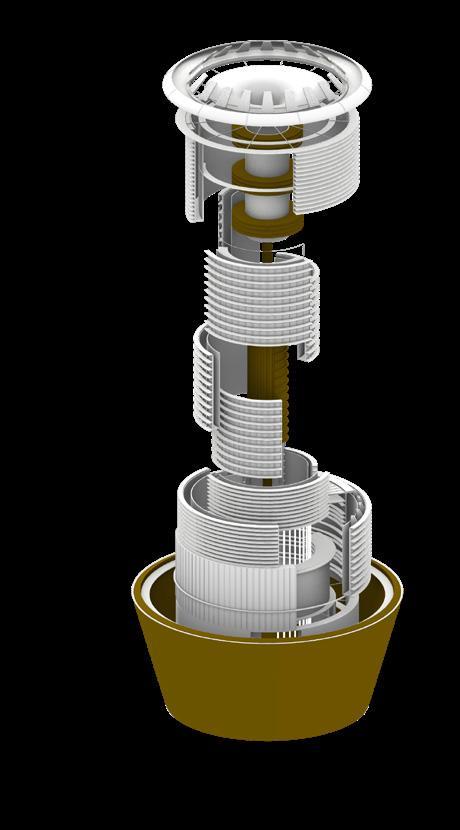
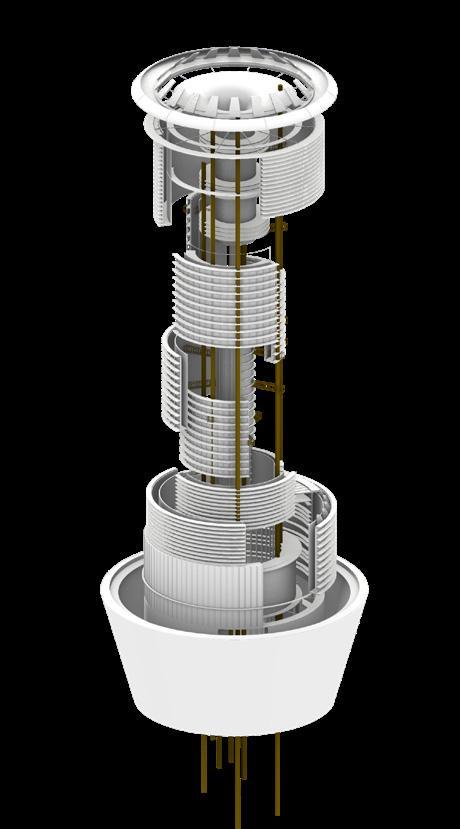
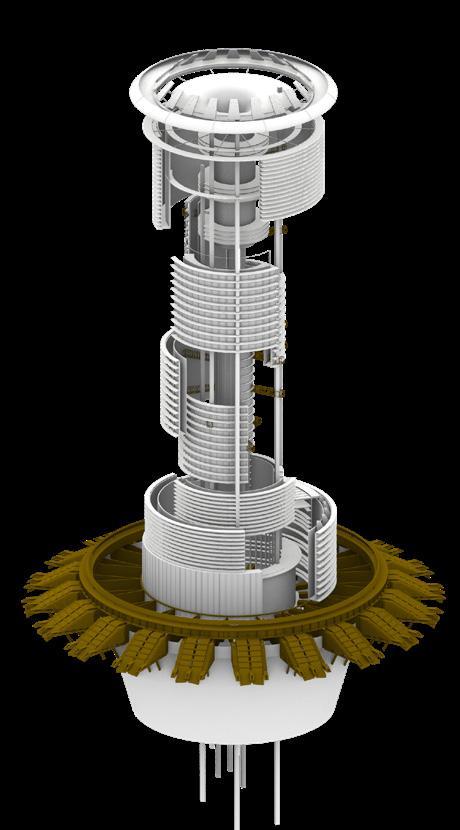
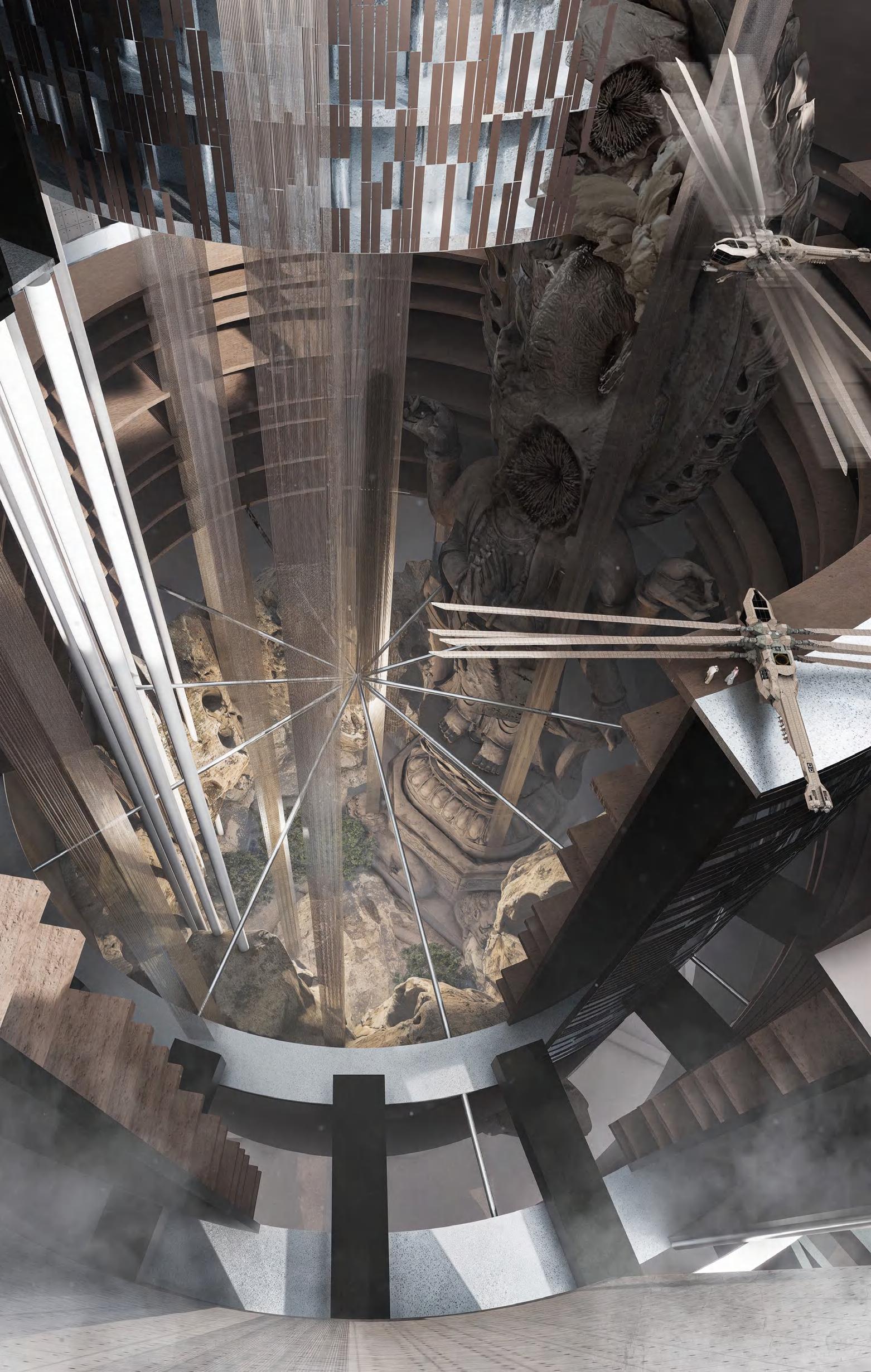
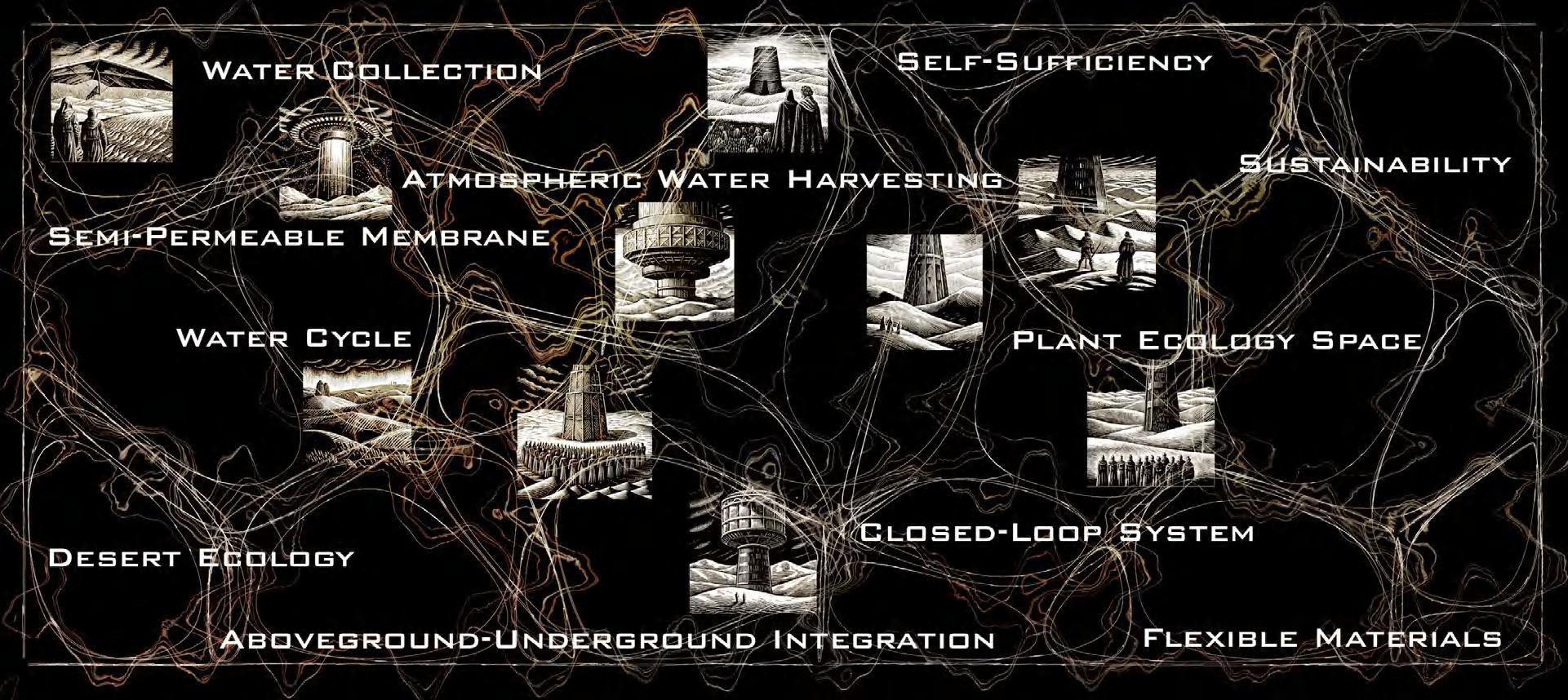
Narrative keyword and scene relationship diagram
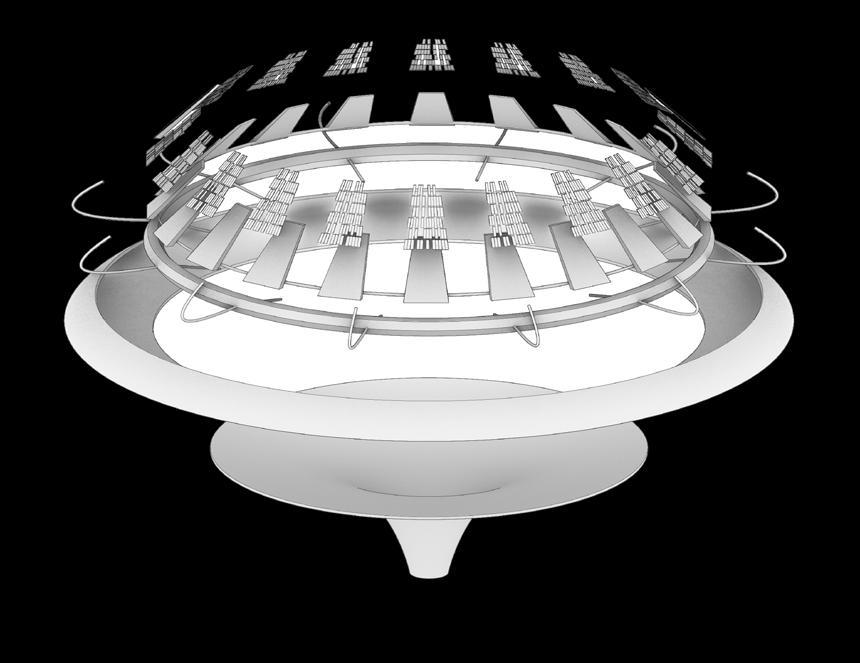
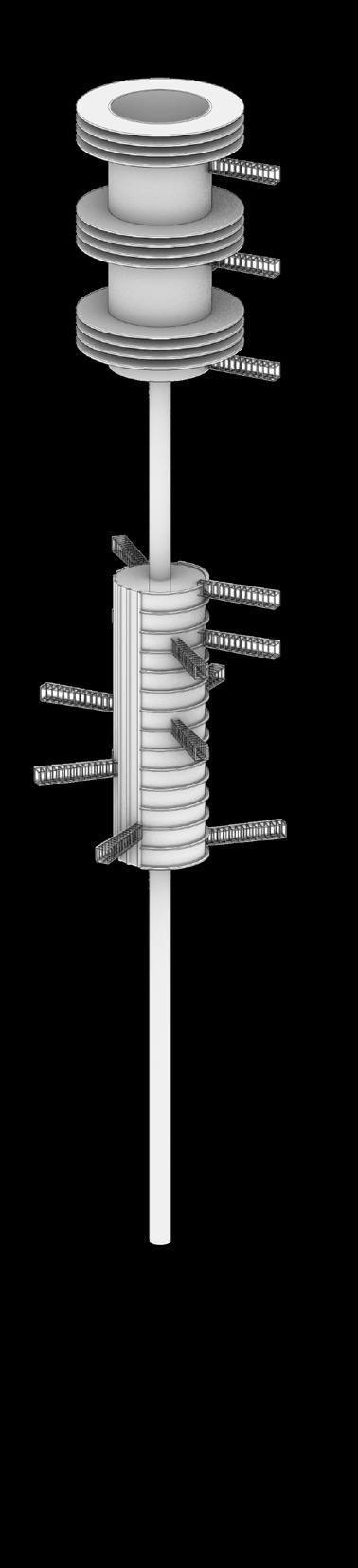
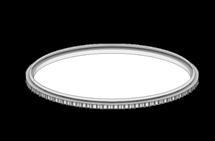
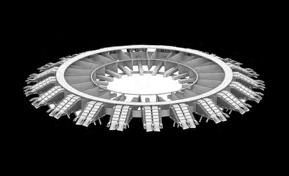
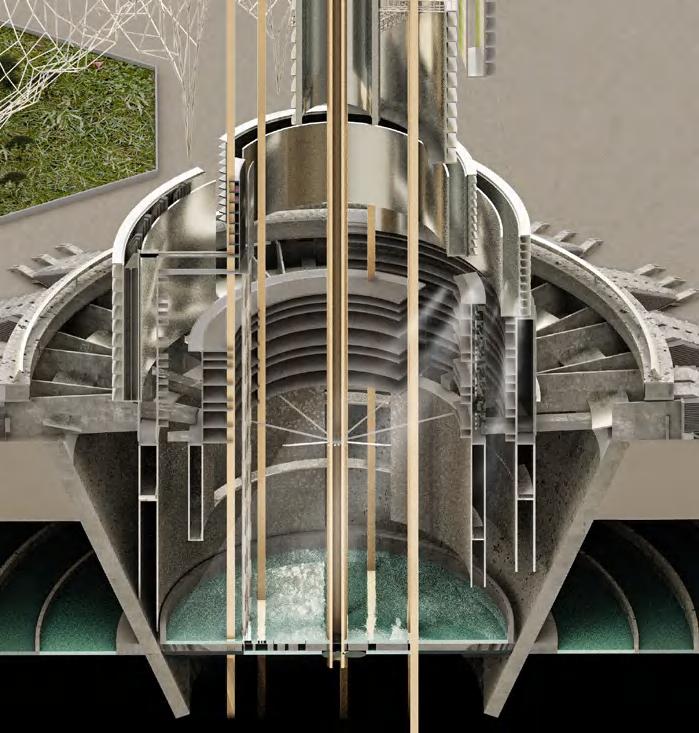
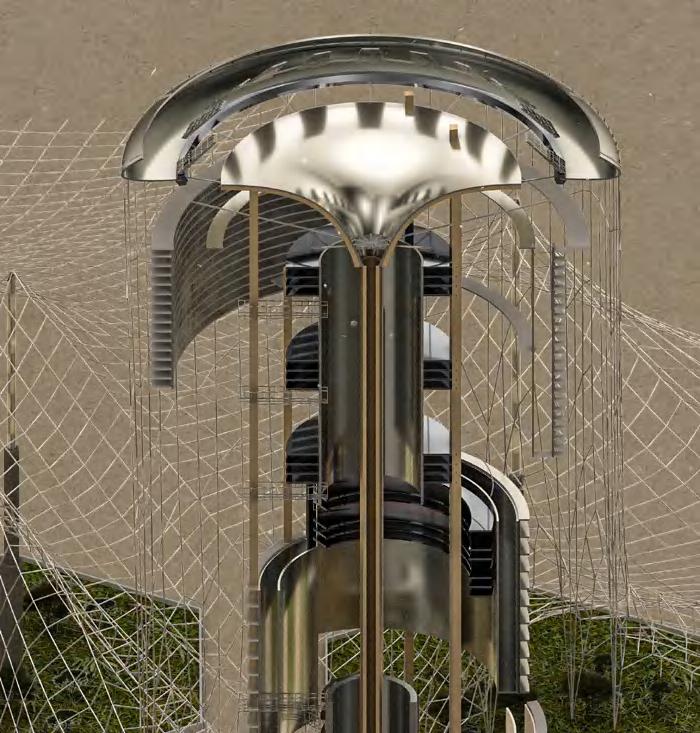
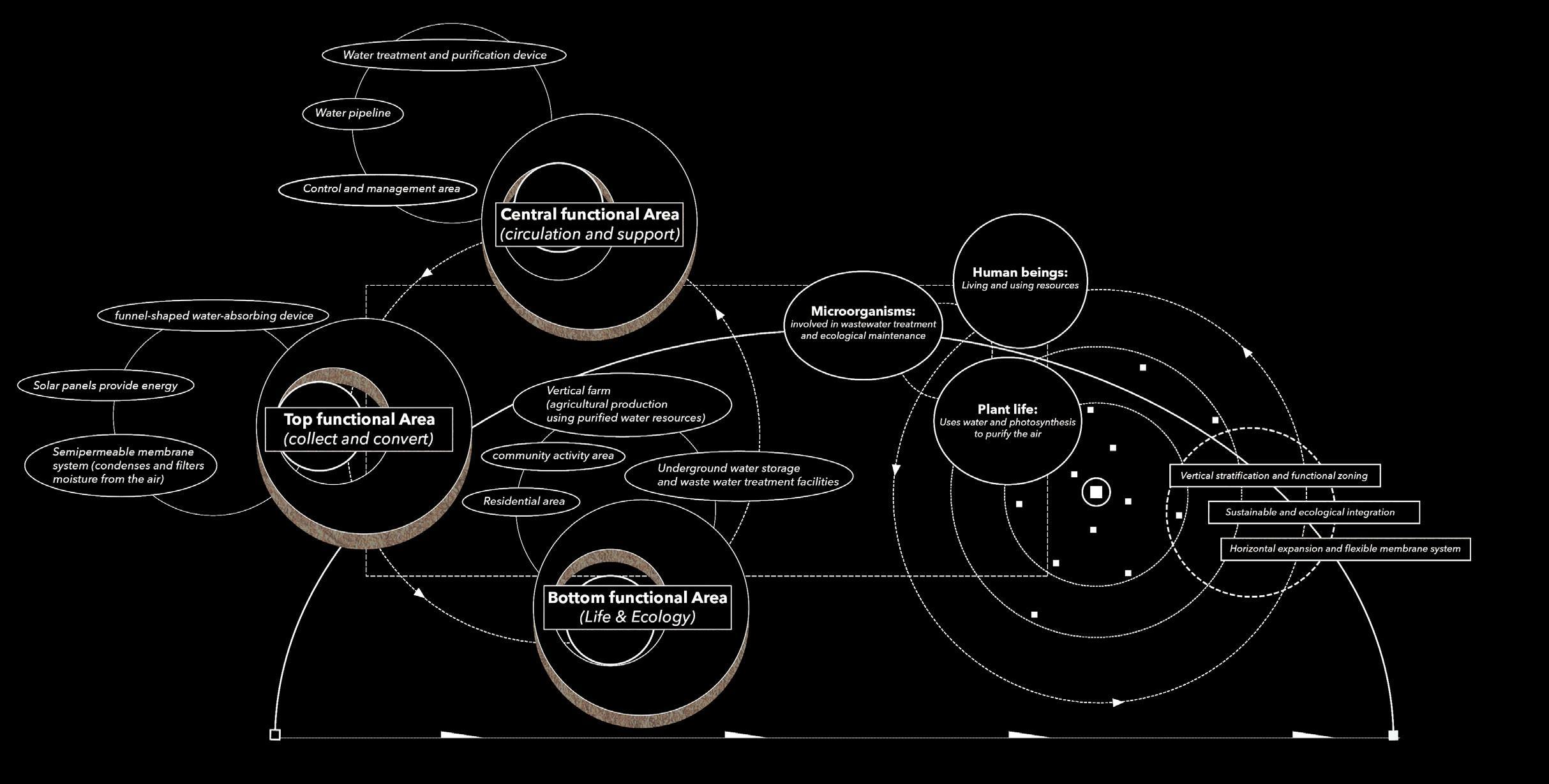
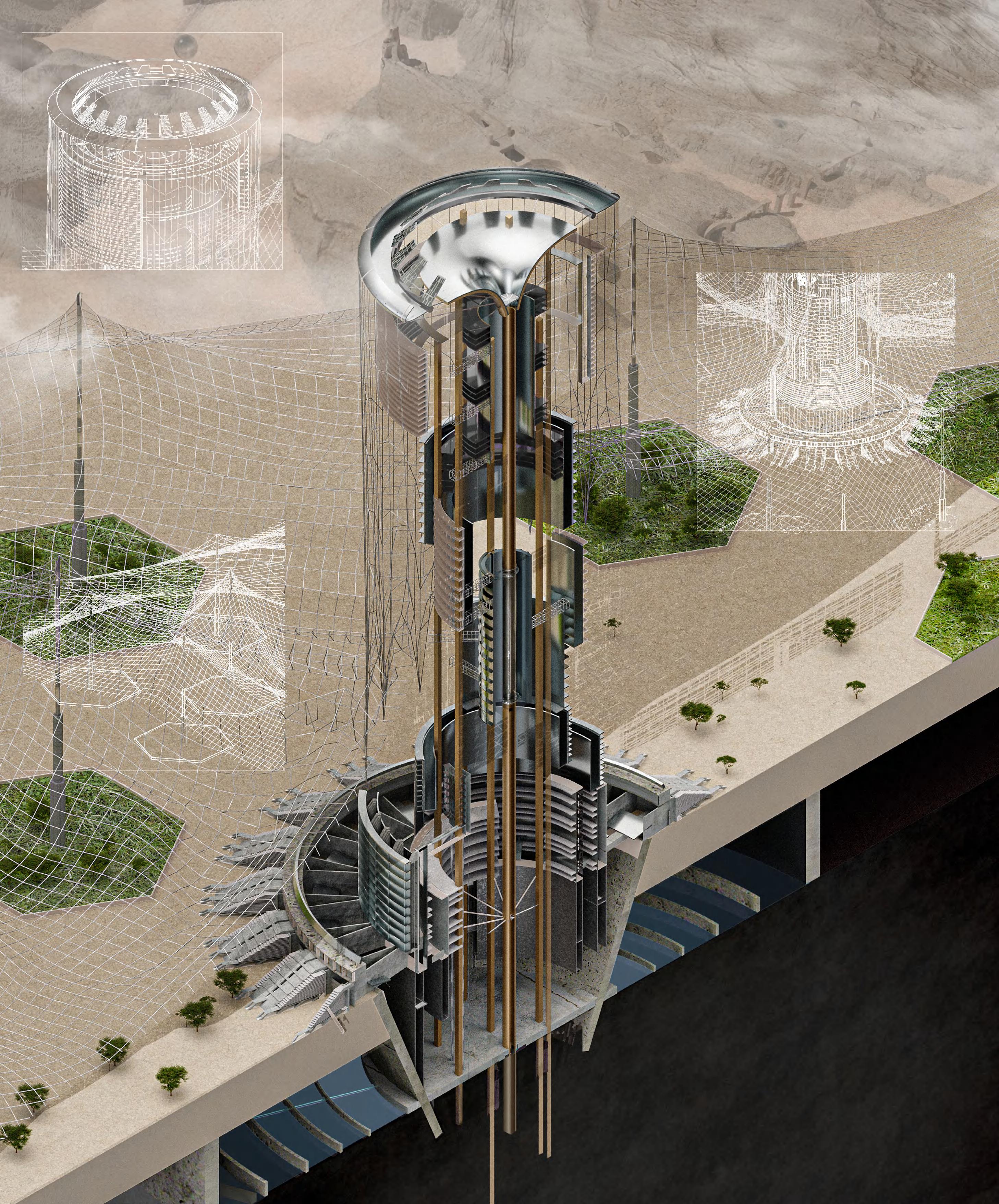
TOP RIBBON: Collect & Transform
The top area is designed with precision technology to maximize the collection and utilization of limited water resources in the desert environment:
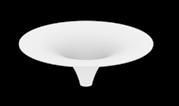
FUNNEL-SHAPED WATER ABSORPTION DEVICE:
The funnel-shaped structure at the top of the tower is the core node. Its shape is designed to simulate the way water naturally collects and flows, guiding the moisture in the air to condense into water droplets and enter the collection system
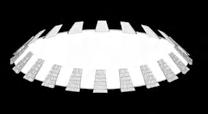
SOLAR PANELS: The solar panels distributed around the top of the tower provide clean energy for the entire system, not only meeting the energy needs of water collection and purification, but also providing power support for other functional areas.
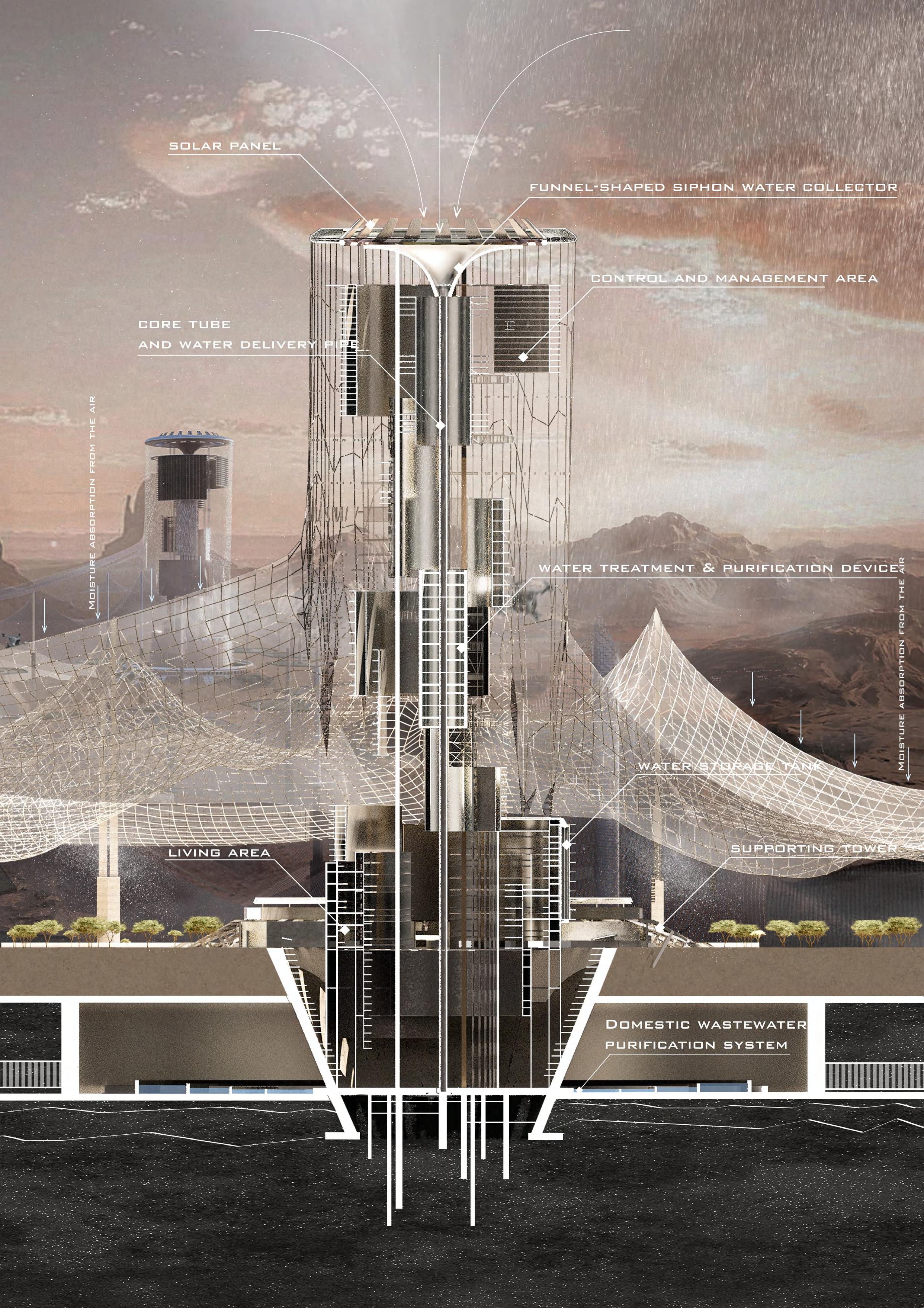
SEMIPERMEABLE MEMBRANE SYSTEM
A SEMI-PERMEABLE MEMBRANE made of high-tech material covers the entire top area. Its function is to capture water vapor in the air through condensation on the membrane surface, while filtering dust and impurities to ensure that the water entering the system is pure.
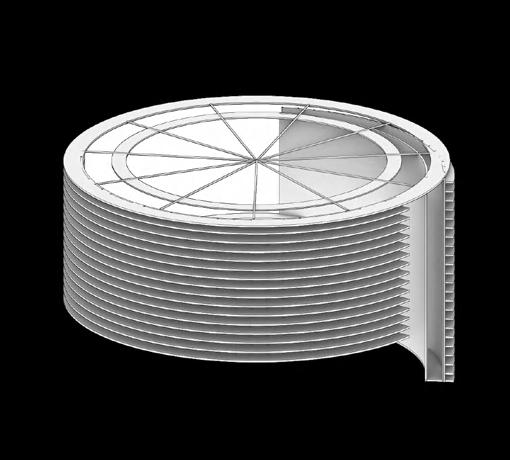
BOTTOM FUNCTIONAL AREA: LIFE & ECOLOGY
The bottom area embodies the humanized and ecological design of the tower, combining living with environmental protection to create a sustainable ecological community: LIVING AREA: Compact modular houses are designed to provide residents with a comfortable and safe living environment using water processed within the tower and the ecosystem outside the tower.
COMMUNITY ACTIVITY AREA: Provides an open public space for educational, leisure and social activities, enhancing interaction between residents and strengthening a sense of community belonging. Underground water storage and wastewater
TREATMENT FACILITIES: The underground part contains large-capacity water storage tanks and wastewater treatment units. The water storage tanks ensure the stability of the water supply, while the wastewater treatment units use ecological technology to purify domestic sewage and reuse it, forming a closed water resource cycle.
The “Tower of Life in the Desert” is not just a physical space, but a response to the philosophical question of life’s existence. Heidegger’s Dasein suggests meaning comes from awareness of one’s existence and surroundings. The tower thus serves not only as a water collection structure but also as a symbol of the relationship